
• Home
  • About Us
  • Toolkit
  • Archives
  • Advertise
  • Privacy Policy

Kids Ain't Cheap

But They Sure Are Worth It

  • Parenting
    • Baby Stuff
    • Books and Reading
      • Aesops Fables
      • Comic Books
    • Education
    • Family Time
    • Green Living
    • Growing Up
    • Healthy Living & Eating
    • Holidays
    • Parenting
    • Random Musings
    • Shopping
    • Stuff to Do
  • Money
  • Product Reviews
    • Books and Magazines
    • Discount Sites
    • Furniture
    • House Keeping
    • Reviews News
    • Toys and Games
  • Contact Us
  • Our Editorial Commitment
  • Search

6 Things That Can Happen When Parents Overshare About Their Kids Online

October 15, 2025 | Leave a Comment

6 Things That Can Happen When Parents Overshare About Their Kids Online
Image source: shutterstock.com

Social media has made it easier than ever for parents to document every milestone, from a baby’s first steps to a teen’s graduation. But sometimes, those innocent posts cross a line, revealing more about children than they might want shared. When parents overshare, they may unintentionally expose their kids to emotional, social, and even financial risks. Understanding the consequences can help families make smarter, safer choices about what to post. Here are six real-world outcomes that can happen when parents overshare about their kids online.

1. Loss of Privacy for the Child

When parents overshare, they often post details that seem small in the moment but create a long-term digital footprint. Photos, names, birthdays, and locations all build a profile that strangers can easily access. Over time, this can make children vulnerable to data tracking or identity theft. Even if the parent’s account is private, screenshots and shares can spread far beyond the intended audience. Protecting your child’s privacy means recognizing that not every special moment needs to live online forever.

2. Emotional Embarrassment Later in Life

One of the biggest emotional consequences of when parents overshare is embarrassment that surfaces years later. Imagine a teen discovering that their awkward potty-training photo or childhood tantrum was shared with hundreds of people. Those posts can damage a young person’s confidence and sense of autonomy. Kids deserve the chance to control their own stories, especially as they mature and develop self-identity. Respecting their dignity now helps build trust that lasts through adolescence and beyond.

3. Digital Footprints That Can’t Be Erased

Even if a parent deletes a post, the content often remains in backups, archives, or other users’ screenshots. This means that once something is online, it’s rarely gone for good. When parents overshare, they may unknowingly create lasting digital records that follow their children into adulthood. College admissions officers, future employers, and even peers can uncover these traces. Teaching kids about digital responsibility starts with modeling it yourself and understanding that online posts are rarely temporary.

4. Risks of Exploitation or Misuse

Another troubling outcome of when parents overshare involves malicious misuse of shared images or videos. Unfortunately, child photos are sometimes stolen from public platforms and repurposed by strangers for disturbing or exploitative purposes. Some hackers even use seemingly innocent details to guess passwords or access personal accounts. Oversharing personal family routines, school names, or travel plans can also alert potential predators. Keeping profiles limited and watermarking images are simple ways to add layers of protection.

5. Strained Parent-Child Relationships

Even when done with love, oversharing can create tension between parents and children. Many kids feel uncomfortable when private family moments become public content. Older children may begin hiding things or withdrawing emotionally to avoid unwanted exposure. When parents overshare repeatedly, kids can feel unheard or disrespected, which may erode trust. Creating boundaries together—like asking for permission before posting—can strengthen mutual respect and help prevent resentment later on.

6. Long-Term Reputational Impact

When parents overshare, they don’t just share cute photos—they also shape how others see their child. A lighthearted post about bad grades, tantrums, or messy habits might seem funny now but could affect how teachers, classmates, or even future employers perceive them. Children deserve the freedom to reinvent themselves without their parents’ digital past defining them. Once a post circulates, it can take on a life of its own, often resurfacing years later. Thinking twice before posting gives kids room to grow without the weight of online history.

Finding the Balance Between Sharing and Protecting

Social media can be a wonderful way to celebrate your family and connect with loved ones—but it requires balance. Before posting, parents should ask whether the content benefits the child or simply entertains others. Limiting identifying details, adjusting privacy settings, and seeking your child’s consent can make a big difference. When parents overshare less, they send a powerful message about respect, boundaries, and digital safety. The goal isn’t to stop sharing—it’s to share wisely, with your child’s long-term well-being in mind.

Do you think today’s parents overshare too much online? How do you decide what’s safe to post about your family? Share your thoughts in the comments below.

What to Read Next…

Is Your Child Safe? 9 Red Flags That Your Child Is Being Targeted Online

The Hidden Message: 9 Online Threats That Use Deepfakes Of Kids

Think Before You Post: 7 Types of Photos You Should Never Post of Your Kids Online

Beyond The Game: 9 Online Games Kids Are Playing That Expose Them To Predators

Digital Safety: 6 Steps to Safeguard Your Child’s Online Identity

Catherine Reed
Catherine Reed

Catherine is a tech-savvy writer who has focused on the personal finance space for more than eight years. She has a Bachelor’s in Information Technology and enjoys showcasing how tech can simplify everyday personal finance tasks like budgeting, spending tracking, and planning for the future. Additionally, she’s explored the ins and outs of the world of side hustles and loves to share what she’s learned along the way. When she’s not working, you can find her relaxing at home in the Pacific Northwest with her two cats or enjoying a cup of coffee at her neighborhood cafe.

Filed Under: Parenting Tagged With: child privacy, digital footprint, family boundaries, Online Safety, parenting advice, parenting tips, parents overshare, Social Media

7 “Harmless” Nicknames That Kids Secretly Hate

October 15, 2025 | Leave a Comment

7 “Harmless” Nicknames That Kids Secretly Hate
Image source: shutterstock.com

Parents often give affectionate pet names without realizing how they make their kids feel. What may sound like a sweet inside joke or a cute habit can actually create quiet embarrassment, especially as children grow older and start forming their identities. Understanding which labels cross the line can help parents build confidence instead of insecurity. Here are seven seemingly harmless nicknames that kids secretly dislike—and why it may be time to retire them.

1. “Chunk” or “Chubbs”

Weight-related nicknames can stick harder than parents expect. Even if used playfully, they can make children self-conscious about their bodies. Kids often remember being called “Chunk” long after they’ve outgrown baby fat, and it can influence how they view themselves in photos or among peers. When classmates overhear these “harmless nicknames,” embarrassment and shame often follow. Replacing body-based jokes with encouragement about strength or kindness can make a lasting difference in how kids see themselves.

2. “Princess” or “Little Man”

While these terms might sound endearing, they can subtly shape how kids see their gender roles. Being called “Princess” can make a girl feel pressured to always be pretty or delicate, while “Little Man” can push boys to act overly tough. Children may not voice it, but they often wish adults would recognize their personalities instead of their roles. Over time, these harmless nicknames can box kids into identities they didn’t choose. It’s better to celebrate their unique qualities rather than rely on outdated labels.

3. “Goofball” or “Clown”

When kids are labeled as the funny one, they might feel like they can’t be taken seriously. While humor is healthy, being constantly called “Goofball” can make children believe they’re not seen as smart or responsible. Some start to suppress deeper emotions or hide their achievements to maintain the funny image. These harmless nicknames can quietly undermine their confidence in school or friendships. Encourage laughter without turning their personality into a permanent punchline.

4. “Baby”

Few labels make older kids cringe like being called “Baby.” Even affectionate parents sometimes forget how fast their children are growing up. Using this nickname in public, especially around friends, can feel humiliating. It can also create mixed signals—kids want love but also independence. Swapping “Baby” for more age-appropriate praise, like “buddy” or “champ,” shows that you respect their growth while still keeping your bond strong.

5. “Smarty Pants”

At first, “Smarty Pants” might sound like a compliment, but for many kids, it feels more like teasing. Children who are academically gifted often face pressure from peers and adults alike. Constantly being labeled this way can make them anxious about making mistakes or being perceived as arrogant. What starts as a proud nickname can turn into a silent burden. Instead of these harmless nicknames, try celebrating effort rather than outcome—it teaches humility and resilience.

6. “Stinky” or “Messy”

Names like “Stinky” or “Messy” may seem funny in the moment, but they can stick long after a single smelly soccer practice or messy bedroom phase. Kids internalize these descriptors, even if they laugh on the surface. The danger is that they start believing that clumsiness or dirtiness defines them. Over time, that affects self-esteem and hygiene motivation. Parents can replace these harmless nicknames with gentle humor that builds rather than breaks down confidence.

7. “Lazybones”

When parents call kids “Lazybones,” it’s often out of frustration, not cruelty—but the message can sting. Many children hear it as “you’re not good enough,” rather than “you didn’t try hard enough.” This type of nickname can create guilt and resistance instead of motivation. Even jokingly using “Lazybones” can damage a child’s relationship with work and responsibility. A more constructive approach is to focus on effort and celebrate small progress instead of labeling behavior.

When Harmless Nicknames Stop Feeling Harmless

Most parents mean no harm when using pet names, but intention doesn’t erase impact. Words shape how kids see themselves, especially when they come from trusted adults. The safest approach is to listen—if your child flinches, frowns, or asks you not to use a certain name, take it seriously. Their discomfort signals a chance to strengthen trust and mutual respect. By replacing outdated or embarrassing labels with positive affirmations, you build a foundation for lasting confidence and connection.

Have you ever realized one of your “harmless nicknames” was bothering your child? Share your experience or advice with other parents in the comments.

What to Read Next…

Is Your Family Using a Baby Name That Schools May Mock?

8 Things Parents Say That Create Lifelong Guilt

Beyond The Jokes: 10 Phrases You Should Never Say To Your Child After A Tantrum

7 Signs Your Kids Are Struggling With Anxiety You Keep Calling “Just a Phase”

Don’t Do This: 5 Phrases You Say To Your Toddler Encouraging Bad Behavior

Catherine Reed
Catherine Reed

Catherine is a tech-savvy writer who has focused on the personal finance space for more than eight years. She has a Bachelor’s in Information Technology and enjoys showcasing how tech can simplify everyday personal finance tasks like budgeting, spending tracking, and planning for the future. Additionally, she’s explored the ins and outs of the world of side hustles and loves to share what she’s learned along the way. When she’s not working, you can find her relaxing at home in the Pacific Northwest with her two cats or enjoying a cup of coffee at her neighborhood cafe.

Filed Under: Parenting Tagged With: child confidence, emotional health, family relationships, harmless nicknames, parent communication, parenting advice, parenting tips

10 Children’s Medications That Were Recently Recalled

October 15, 2025 | Leave a Comment

10 Children’s Medications That Were Recently Recalled
Image source: shutterstock.com

Parents trust children’s medicines to bring relief, not risk. But even well-known brands can face safety issues leading to product recalls. Over the past few years, several over-the-counter and prescription products have been pulled due to contamination, packaging flaws, or dosage inconsistencies. Knowing which medications were affected and why can help families stay vigilant. Here are ten recent examples of a children’s medication recall that made headlines and prompted families to check their medicine cabinets.

1. Little Remedies Honey Cough Syrup

In mid-2025, Medtech Products recalled multiple lots of Little Remedies Honey Cough Syrup after tests revealed possible microbial contamination. The affected lots were distributed nationwide and may have contained harmful bacteria that could cause illness. Parents were advised to stop using any bottles purchased before June and contact the manufacturer for refunds. While no adverse events were reported, the recall highlighted how even natural, honey-based formulas can face quality control issues. Consumers were reminded to store all cough products in a cool, dry place to maintain stability.

2. Benadryl Liquid Elixir (100 mL)

In March 2025, a recall was issued for a limited number of Benadryl Liquid Elixir bottles due to improper child-resistant packaging. Although the formula itself was safe, the packaging failed federal standards, creating a risk if small children accessed the medicine without supervision. The affected bottles were mainly sold through online retailers and contained identifying lot codes printed on the label base. Parents were encouraged to dispose of the product and contact customer service for reimbursement. This event reinforced the importance of checking both packaging and expiration dates for all liquid medications.

3. Safetussin Max Strength Multi-Symptom Caplets

Another notable children’s medication recall occurred in April 2025 involving Safetussin Max Strength Multi-Symptom Cough, Cold & Flu Caplets. The issue stemmed from blister pack designs that failed to meet child safety requirements, allowing easier access to the medicine. Although the tablets themselves were safe when used correctly, the packaging posed an accidental ingestion risk. Parents were urged to store any remaining products out of reach and return them for a refund. The recall served as a reminder that design flaws can be just as dangerous as formulation errors.

4. Sulfamethoxazole/Trimethoprim Tablets 400/80 mg

Amneal Pharmaceuticals recalled several lots of this commonly prescribed antibiotic, often used for pediatric infections, due to potential contamination concerns. The affected tablets may have contained impurities that could compromise treatment effectiveness or trigger unwanted reactions. Pharmacies were directed to remove all impacted stock from their shelves. Parents were advised to confirm lot numbers with their pharmacist and seek replacement prescriptions if necessary. This children’s medication recall underscored how even widely trusted antibiotics must undergo ongoing safety checks.

5. Medline Neonatal & Pediatric Intubation Kits

Though technically a device recall, this case affected products used in pediatric care. Medline Industries recalled neonatal and pediatric intubation kits after discovering that some tubes were smaller in diameter than labeled. This posed a serious risk of inadequate ventilation for infants and young children. Hospitals were advised to check inventory and return any affected kits immediately. The incident reinforced the importance of rigorous testing for all tools used in children’s medical procedures.

6. G-Supress DX Pediatric Drops

In 2022, a Class I recall was issued for G-Supress DX Pediatric Drops due to a formulation mix-up. This labeling error meant the medication inside didn’t match what was printed on the packaging, creating a serious safety risk for children. Class I recalls are the most urgent category, issued when a product could cause severe harm or death. Pharmacies removed the affected lots, and families were advised to stop use immediately. The event reminded consumers that even minor label errors can have major health implications.

7. KinderMed Kids & Infants Pain & Fever

KinderMed voluntarily recalled its Kids and Infants Pain & Fever formulas after discovering instability in the acetaminophen ingredient. Over time, the medication’s potency could shift, leading to inconsistent dosing. That meant a child could receive either too little relief or too much acetaminophen, increasing the risk of liver damage. The company offered refunds and advised parents to contact healthcare providers if symptoms persisted. This children’s medication recall showed that ingredient stability can be just as critical as contamination control.

8. Zicam Cold Remedy and Orajel Baby Teething Swabs

Church & Dwight announced a nationwide recall of Zicam Cold Remedy Nasal Swabs, Zicam AllClear Swabs, and Orajel Baby Teething Swabs due to microbial contamination. The contamination risk came from fungal growth in the cotton applicators, which could cause infections in children with weakened immune systems. Parents were instructed to stop use and request reimbursement. No illnesses were reported, but the voluntary recall was issued out of caution. The case highlighted how even topical or nasal products can pose unseen risks when hygiene standards slip.

9. McNeil’s Children’s and Infant Liquid Medicines

McNeil Consumer Healthcare, known for brands like Tylenol and Motrin, initiated a large recall in 2025 affecting several children’s liquid medications. Manufacturing inconsistencies led to varying concentrations of active ingredients, raising concerns about potential overdosing or reduced efficacy. The company quickly halted distribution and removed affected lots from shelves nationwide. Consumers were urged to review lot codes and stop using the products until replacements were issued. This recall served as a reminder that trusted household names can still face unexpected safety challenges.

10. Ingestible Fluoride Prescription Products

In 2025, the FDA began removing unapproved ingestible fluoride prescription products marketed for children. These unregulated items had never undergone formal safety reviews but were being sold for pediatric dental protection. The FDA warned that these products could expose children to unsafe fluoride levels if swallowed regularly. Health professionals were instructed to stop prescribing or distributing the affected items immediately. This move emphasized the government’s growing scrutiny over products that blur the line between supplements and medications.

Keeping Your Family Safe from the Next Recall

Every children’s medication recall underscores how crucial it is for families to stay informed. Parents can sign up for FDA recall alerts, regularly inspect medicine labels, and safely dispose of any expired or recalled products. It’s also wise to consult a pharmacist before using lesser-known brands or online-only medicines. Small steps like these can prevent serious harm and ensure every product in your cabinet is safe. Staying proactive turns recall awareness into protection for your child’s health.

Do you routinely check your medicine cabinet for recalled or expired products? Share how you stay informed in the comments below!

What to Read Next…

8 Medical Bills Related to Children That Insurance Rarely Covers

The Unexpected Cost: 11 Unexpected Medical Bills That Bankrupt New Parents

Beyond The Label: 8 Medication Combinations Dangerous For Kids

Medical Update: 6 Urgent Updates to Your Child’s Medical History

Dangerous Mix: 8 Medications With Dangerous Side Effects in Kids

Catherine Reed
Catherine Reed

Catherine is a tech-savvy writer who has focused on the personal finance space for more than eight years. She has a Bachelor’s in Information Technology and enjoys showcasing how tech can simplify everyday personal finance tasks like budgeting, spending tracking, and planning for the future. Additionally, she’s explored the ins and outs of the world of side hustles and loves to share what she’s learned along the way. When she’s not working, you can find her relaxing at home in the Pacific Northwest with her two cats or enjoying a cup of coffee at her neighborhood cafe.

Filed Under: Parenting Tagged With: child safety, children’s medication recall, drug contamination, FDA recall, medicine safety, parenting tips, pediatric health

10 Snacks That Are Making Your Kids Overweight and Unhealthy

October 14, 2025 | Leave a Comment

unhealthy snacks for kids
Image Source: Shutterstock

Kids love snacks—and let’s be honest, parents love the convenience. But not every grab-and-go option is doing your child’s body any favors. Some of the most popular “kid-friendly” snacks are packed with added sugar, artificial ingredients, and unhealthy fats, contributing to weight gain, energy crashes, and long-term health concerns. It’s not about banning snacks altogether but becoming more mindful of what’s really fueling your child’s day. If you’ve been tossing these common items in the lunchbox without a second thought, it may be time to reevaluate what snack time looks like.

1. Flavored Yogurts

Yogurt might seem like a healthy snack, but many flavored varieties are loaded with added sugar. Some single-serving containers contain more sugar than a doughnut, especially those marketed toward kids with bright packaging and candy mix-ins. While yogurt offers calcium and probiotics, those benefits are often overshadowed by the sugar overload. Kids who regularly consume sugary yogurts may face increased cravings and unwanted weight gain. A better option is plain Greek yogurt sweetened with a drizzle of honey or fresh fruit.

What to eat instead: Try some plain yogurt with natural sweeteners like fruit or applesauce. You can also opt for alternative dairy-free options like coconut or soy yogurt. 

2. Granola Bars

Granola bars sound like a wholesome choice, but most are little more than candy bars in disguise. Many store-bought versions are packed with corn syrup, chocolate chips, and artificial flavors. These snacks provide quick calories but lack the fiber and protein needed to keep kids full. The result? More snacking and less balanced eating throughout the day. Look for bars with whole food ingredients or consider making your own at home.

What to eat instead: Sub granola bars for fresh fruits and vegetables, cheese sticks, or crackers with toppings like hummus or peanut butter. 

3. Fruit Snacks

Despite the word “fruit” in the name, fruit snacks are typically made from processed sugars, gelatin, and dyes—not real fruit. These chewy treats offer almost no nutritional value and can contribute to both weight gain and dental problems. Kids often eat multiple packs without realizing how many calories and grams of sugar they’re consuming. Dried fruit can be a better option, but even that should be given in moderation. Real, fresh fruit will always be the best snack choice.

What to eat instead: The best option is always to opt for fresh fruit, but you can also make your own fruit snacks that are typically much healthier than store-bought. 

4. Juice Boxes

Juice may come from fruit, but the concentrated sugars in juice boxes can rival those of soda. Most lack the fiber of whole fruit and spike blood sugar quickly, leaving kids hungry again soon after. Drinking calories instead of eating them can also contribute to weight gain, especially when paired with other sugary snacks. Water or milk is a healthier beverage option at snack time. If you do serve juice, dilute it with water to reduce the sugar content.

What to eat instead: Healthier drink options include fruit-infused water, milk or plant-based milk, coconut water, smoothies, or yogurt drinks. If you decide to give your child juice, you can also dilute it with water to make it a bit healthier. 

5. Cheese Crackers

They’re salty, crunchy, and easy to love—but cheese-flavored crackers often contain refined flour, artificial colors, and very little actual cheese. These snacks offer minimal protein or fiber and are easy to overeat by the handful. Many kids munch on them mindlessly, racking up calories without ever feeling full. While occasional crackers are fine, they shouldn’t be an everyday go-to. Pair whole grain options with real cheese for a more balanced bite.

What to eat instead: Most kids like the “crunch” of cheese crackers. Some good alternatives are veggie sticks with hummus, popcorn, and roasted chickpeas. 

6. Packaged Muffins

Mini muffins and bakery-style treats might seem like a fun snack, but they’re often sugar bombs in disguise. Many are made with white flour, hydrogenated oils, and sweeteners that push their calorie count sky high. Despite their small size, these snacks provide little nutrition and lead to energy crashes. Some contain as much sugar as a cupcake—without the frosting. Homemade muffins with oats and fruit can be a smarter alternative.

What to eat instead: Try making your own homemade muffins with whole grains and less sugar. Homemade is always a bit healthier. 

7. Potato Chips

It’s no surprise that potato chips made the list. High in sodium, fat, and empty calories, they’re one of the least satisfying snacks for growing bodies. Chips don’t offer any fiber or protein, so they leave kids feeling hungry again soon after eating. Regularly snacking on chips can quickly lead to excess calorie intake and poor eating habits. Swap them out for air-popped popcorn or baked veggie chips when cravings strike.

What to eat instead: Encourage your child to eat “crunchy” healthy foods like cucumbers and carrot sticks. Popcorn, baked sweet potato chips, and apple chips are also good swaps. 

8. Frozen Snack Foods

Pizza bites, bagel dogs, and mini sliders are freezer staples in many households, but they’re far from healthy. These snacks are often made with refined grains, preservatives, and unhealthy fats. They’re calorie-dense without being nutrient-dense, meaning kids eat a lot but gain very little in terms of health benefits. Heating them up is easy, but so is roasting some sweet potato fries or prepping turkey roll-ups. Convenience doesn’t have to come at a cost to your child’s health.

What to eat instead: Fresh foods are always best. Always try to encourage your child to opt for fresh fruits, vegetables, and some of the other healthier options discussed above. However, an occasional pizza bite won’t hurt! 

9. Sugary Breakfast Cereals as Snacks

Many parents offer breakfast cereal as a snack because it’s quick and portable. But sugary cereals marketed to kids often have more sugar than dessert and almost no fiber or protein. Eating cereal dry doesn’t make it any healthier—it just makes it easier to eat more. Over time, these small bowls of cereal contribute to blood sugar spikes and increased cravings. Choose whole grain cereals with low sugar if cereal is on the menu.

What to eat instead: Look for brands that have less sugar. Magic Spoon cereals are a good swap. Cheerios also offers some good fruit and veggie blend cereals that are lower in sugar. 

10. Sweetened Applesauce Cups

While applesauce may sound healthy, many pre-packaged versions are sweetened with extra sugar or high-fructose corn syrup. This turns a simple fruit-based snack into a dessert-level sugar bomb. Even the “natural” versions can be overly processed and stripped of nutrients. Whole apples contain fiber and help regulate blood sugar in a way applesauce doesn’t. When in doubt, stick to fruit in its original form.

What to eat instead: Unsweetened applesauce is always optimal or… even better, the whole apple! 

Don’t Panic, Just Get Pickier About Snacks

No parent gets it perfect every time, and snacks are bound to include convenience items now and then. But by becoming more aware of what your kids are actually eating between meals, you can help them build better lifelong habits. Healthy snacks don’t have to be boring—they just need to be thoughtful. Reading labels, swapping out processed items, and choosing whole foods more often can make a big difference. After all, it’s not just about weight—it’s about energy, focus, and feeling their best every day.

What go-to snack have you cut from your kid’s routine? Or what healthy swap worked better than you expected? Share your snack wins in the comments!

What to Read Next 

  • Eat More, Weigh Less: 15 Foods That Are Perfect for Snacking
  • Food Choking Hazards: What Parents Should Watch Out For
  • 7 Popular Lunch Snacks That Were Quietly Recalled
  • The Truth About “Organic”: 8 Common Kid Snacks With Dangerous Allergens
  • Beyond The Brand: 8 Common Kid Snacks With Dangerous Allergens
Catherine Reed
Catherine Reed

Catherine is a tech-savvy writer who has focused on the personal finance space for more than eight years. She has a Bachelor’s in Information Technology and enjoys showcasing how tech can simplify everyday personal finance tasks like budgeting, spending tracking, and planning for the future. Additionally, she’s explored the ins and outs of the world of side hustles and loves to share what she’s learned along the way. When she’s not working, you can find her relaxing at home in the Pacific Northwest with her two cats or enjoying a cup of coffee at her neighborhood cafe.

Filed Under: Healthy Living & Eating Tagged With: Childhood Obesity, healthy eating, kids nutrition, mindful eating, parenting tips, snack alternatives, unhealthy snacks

Are PTA Memberships Actually Worth the Pressure They Bring?

October 13, 2025 | Leave a Comment

Are PTA Memberships Actually Worth the Pressure They Bring?
Image source: shutterstock.com

For many parents, joining the school’s Parent Teacher Association feels like a social and moral obligation. It promises involvement, influence, and connection—but it can also come with expectations that quickly spiral into stress. Between volunteering for events, fundraising, and trying to fit into established parent circles, some find themselves wondering if the benefits outweigh the emotional and time-related costs. Before you sign up or renew, it’s worth asking whether PTA memberships truly serve your family—or simply stretch you too thin.

1. The Promise Behind PTA Memberships

At their best, PTA memberships create a bridge between families and schools. They give parents a voice in educational decisions, help fund programs, and strengthen community spirit. Many members genuinely enjoy the teamwork and sense of purpose that come from contributing to their child’s school. The opportunity to meet teachers, influence events, and build friendships can be fulfilling when participation feels balanced. But when volunteering turns into obligation, that initial enthusiasm can fade fast.

2. The Hidden Pressure to Participate

One of the main frustrations surrounding PTA memberships is the unspoken pressure to do more than you can reasonably handle. Many parents feel guilted into signing up for committees, baking for fundraisers, or spending weekends at school events. Saying “no” can be met with judgment, especially in tight-knit parent groups. What begins as a community service often becomes a competition over who contributes most. That emotional toll can discourage even well-intentioned parents from returning the following year.

3. The Cost Beyond Dues

While the annual fee for PTA memberships is small, the financial and time commitments that follow can be significant. Parents are often expected to donate supplies, buy raffle tickets, or contribute to teacher appreciation gifts—all of which add up. The mental load of remembering deadlines and coordinating events also eats into time meant for rest or family. When involvement begins to feel like an unpaid part-time job, it may be time to rethink what participation means. True support doesn’t have to break your budget or your schedule.

4. The Popularity Trap in Parent Politics

Not every PTA group is toxic, but many parents report social hierarchies that resemble high school cliques. Certain members dominate decisions, while others feel ignored or undervalued. This dynamic can make PTA memberships feel less about collaboration and more about social competition. Parents who aren’t part of the “in crowd” may feel alienated even when they contribute just as much. It’s a frustrating reminder that adult spaces aren’t always more mature than the ones their children navigate daily.

5. The Real Impact on Kids

Many parents join thinking PTA memberships directly benefit their children—and often they do. Fundraisers can pay for field trips, new books, and playground upgrades that improve the school experience. But when parents are exhausted or stressed by involvement, kids notice. The message shifts from “helping the school is meaningful” to “school involvement causes stress.” Modeling healthy boundaries is just as valuable as volunteering, and sometimes stepping back teaches kids an important lesson about balance.

6. The Invisible Labor of “Yes” Parents

Every PTA has a few people who carry most of the workload. These “yes” parents often handle planning, communication, and last-minute emergencies while juggling full-time jobs or multiple kids. The problem with PTA memberships isn’t just the time—it’s the uneven distribution of responsibility. When a handful of parents do everything, burnout spreads quickly. Encouraging realistic commitments and rotating leadership roles helps prevent resentment and keeps participation sustainable for everyone.

7. The Good That Shouldn’t Be Overlooked

Despite its challenges, there are real benefits to PTA memberships that shouldn’t be ignored. For parents new to a community, the PTA can offer connection and insight into how the school operates. It gives families a direct line to educators and administrators, helping parents advocate for change. When managed with clear boundaries and respect for everyone’s time, PTAs can truly enrich a school’s culture. The goal isn’t to abandon these organizations—it’s to make them healthier and more inclusive.

Finding Balance Without Burnout

Ultimately, the value of PTA memberships depends on how much time, energy, and emotional bandwidth you can realistically give. Parents who set limits early often enjoy the experience far more than those who overcommit. Joining doesn’t mean saying “yes” to everything—it means contributing where you can and trusting that others will do the same. When everyone respects that balance, PTAs become supportive communities instead of sources of pressure. Your family’s well-being should always come before perfect attendance at every meeting.

Do you think PTA memberships create more connection or more stress for families today? Share your experiences and opinions in the comments!

What to Read Next…

9 Elementary School Activities That Disappear as Budgets Shrink

Are Parent-Teacher Text Chains Making School Drama Worse?

9 School Fundraisers That Cost More Than They Earn

10 Things Kids Confess to Their Teachers That Parents Never Hear

11 Parent Email Mistakes That Infuriate Teachers

Catherine Reed
Catherine Reed

Catherine is a tech-savvy writer who has focused on the personal finance space for more than eight years. She has a Bachelor’s in Information Technology and enjoys showcasing how tech can simplify everyday personal finance tasks like budgeting, spending tracking, and planning for the future. Additionally, she’s explored the ins and outs of the world of side hustles and loves to share what she’s learned along the way. When she’s not working, you can find her relaxing at home in the Pacific Northwest with her two cats or enjoying a cup of coffee at her neighborhood cafe.
Filed Under: Parenting Tagged With: education, family balance, parent community, parenting stress, PTA memberships, school involvement, volunteering

8 Gendered Parenting Habits That Are Quietly Harming Kids

October 13, 2025 | Leave a Comment

8 Gendered Parenting Habits That Are Quietly Harming Kids
Image source: shutterstock.com

Most parents try to raise their children with love, fairness, and good intentions—but many still fall into patterns shaped by old ideas about gender. These small, often unconscious actions can influence how kids see themselves, what they believe they’re capable of, and even how they handle emotions or relationships later in life. Recognizing and adjusting these gendered parenting habits can help every child grow up with more confidence, empathy, and freedom to explore who they truly are.

1. Assuming Boys Should Be Tough and Girls Should Be Gentle

One of the most common gendered parenting habits is reinforcing the idea that boys must hide emotions while girls should always be kind and nurturing. These beliefs limit both genders. Boys who feel they can’t cry or talk about fear grow into men who struggle with emotional expression, while girls taught to prioritize others over themselves may have trouble setting boundaries. Encouraging all kids to express their feelings openly creates stronger emotional health and self-awareness. Every child benefits from being told it’s okay to feel everything.

2. Steering Toys and Hobbies by Gender

Another subtle gendered parenting habit is how toys and hobbies are introduced. Parents often give dolls to daughters and trucks to sons, unintentionally shaping what interests seem “acceptable.” When boys play pretend or cook in toy kitchens, or when girls build with blocks or explore sports, they develop creativity, problem-solving, and teamwork skills equally. Limiting play options restricts valuable learning experiences. Letting kids choose their toys freely supports confidence and curiosity that lasts well beyond childhood.

3. Expecting Girls to Help and Boys to Relax

In many families, girls are expected to help more with household chores or caregiving while boys are excused to play or rest. This unequal expectation becomes one of the most damaging gendered parenting habits because it teaches imbalance early. Girls may grow up believing they must over-function to be valued, while boys may assume caretaking isn’t their role. Teaching all kids to share chores—cooking, cleaning, and helping siblings—builds fairness and responsibility. Household equality starts with what parents model at home.

4. Praising Girls for Appearance and Boys for Achievement

Compliments might seem harmless, but they send powerful messages. When parents focus on how “pretty” girls look and how “smart” or “strong” boys are, it reinforces gendered parenting patterns that tie worth to appearance or success. Over time, girls may seek validation through looks, while boys may fear failure or emotional vulnerability. Balance the praise by highlighting effort, creativity, and kindness in both. Children thrive when they feel seen for their character and curiosity—not their looks or trophies.

5. Using Gendered Discipline Styles

Parents often scold boys for being too loud or rough while letting girls talk back because “they’re emotional.” This double standard is another gendered parenting trap that shapes behavior in unhealthy ways. It teaches boys that aggression is normal and girls that emotions excuse poor treatment. Discipline should be consistent, focusing on respect and accountability rather than stereotypes. When rules and consequences apply equally, kids learn fairness, empathy, and self-control.

6. Avoiding Hard Conversations with Sons

Some parents shy away from emotional or moral conversations with their sons, assuming they’re not interested or mature enough to talk deeply. This avoidance becomes one of the quieter gendered parenting mistakes that limit emotional growth. Boys who aren’t taught empathy, consent, or vulnerability often grow into adults who struggle with relationships and communication. Including sons in discussions about feelings, kindness, and responsibility teaches them the same compassion and awareness daughters receive. Conversations like these shape better men—and better humans.

7. Assuming Gender Predicts Future Roles

Many parents still imagine their children’s futures through traditional gender lenses: daughters as caregivers, sons as providers. While not always intentional, this mindset subtly narrows ambition. A girl who dreams of engineering or a boy who wants to teach preschool may hesitate if those choices seem “off-limits.” Challenging this gendered parenting assumption helps children explore their passions without fear of judgment. Every child deserves the freedom to dream without boundaries drawn by gender.

8. Modeling Relationship Dynamics Based on Gender

Children absorb far more from what they see than what they’re told. When parents model relationships where one partner leads and the other follows strictly by gender, kids internalize that pattern. This subtle gendered parenting habit can later affect how they view equality, decision-making, and emotional labor in their own relationships. Demonstrating shared respect, teamwork, and balanced responsibilities helps kids understand what healthy partnerships look like. They learn that equality at home isn’t just an ideal—it’s normal.

Raising Kids Beyond Gender Limits

When parents break free from outdated gendered parenting expectations, children gain emotional strength, balance, and authenticity. Every time you encourage your child to explore new interests or express their true feelings, you’re helping them grow into a confident, compassionate adult. Equality at home doesn’t mean sameness—it means freedom for every child to discover who they are without the quiet constraints of stereotypes.

Which gendered parenting habits have you noticed—or worked to unlearn—in your own home? Share your thoughts and experiences in the comments below!

What to Read Next…

6 Ways Birth Order Still Affects Parenting Today

8 Financial Decisions Parents Make That Kids Remember Forever

Are You Being Too Transparent With Your Kids About Finances?

11 Reasons Parenting Feels More Expensive Than Ever

8 Things Parents Say That Create Lifelong Guilt

Catherine Reed
Catherine Reed

Catherine is a tech-savvy writer who has focused on the personal finance space for more than eight years. She has a Bachelor’s in Information Technology and enjoys showcasing how tech can simplify everyday personal finance tasks like budgeting, spending tracking, and planning for the future. Additionally, she’s explored the ins and outs of the world of side hustles and loves to share what she’s learned along the way. When she’s not working, you can find her relaxing at home in the Pacific Northwest with her two cats or enjoying a cup of coffee at her neighborhood cafe.

Filed Under: Parenting Tagged With: child development, emotional intelligence, family equality, gendered parenting, modern parenting, parenting tips, raising kids

9 Unwritten Playground Rules That Cause Real Conflict

October 12, 2025 | Leave a Comment

9 Unwritten Playground Rules That Cause Real Conflict
Image source: shutterstock.com

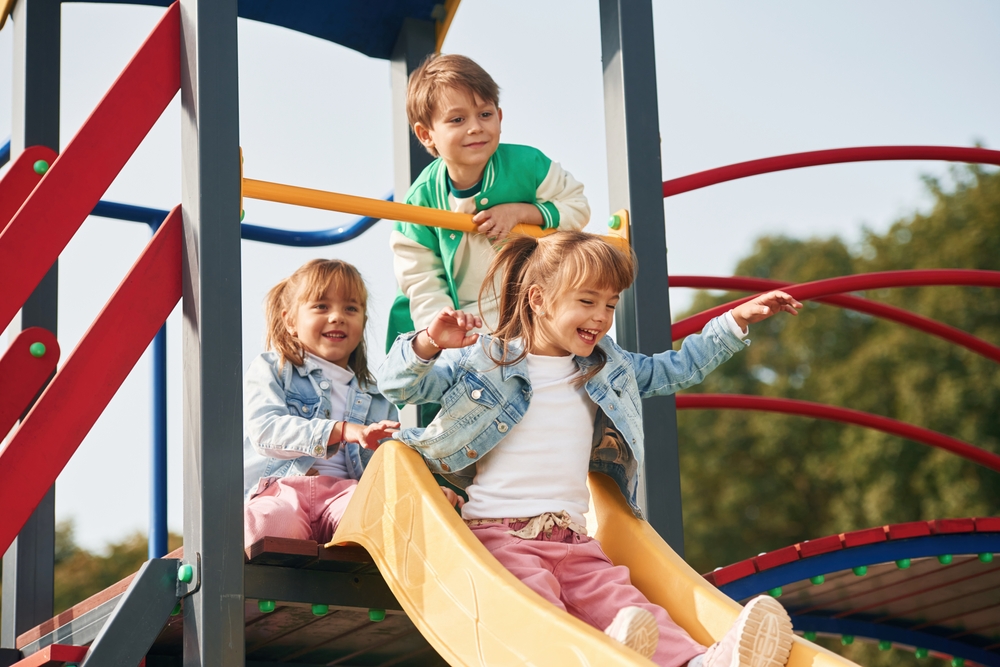
Every parent eventually realizes that the playground isn’t just a place for kids to run, swing, and climb—it’s a social ecosystem full of expectations that nobody actually says out loud. These unspoken playground rules can lead to some of the most awkward, frustrating, or even tearful moments for parents and children alike. When you understand the hidden social codes of playtime, you can help your child navigate tricky situations, build friendships, and avoid unnecessary conflict.

1. Sharing Doesn’t Always Mean Right Now

One of the most misunderstood playground rules is that “sharing” must happen instantly. Parents often feel pressured to make their kids hand over a toy or take turns right away, but that can actually teach resentment instead of generosity. Kids, especially younger ones, need time to finish what they’re doing before giving it up. Teaching delayed sharing—where children take turns after they’re done—helps them learn patience and respect for others’ space. When parents understand this rule, playground drama drops dramatically.

2. The Slide Isn’t a One-Way Street for Everyone

Another playground rule that sparks conflict is when kids climb up the slide instead of sliding down. Some parents view this as unsafe or disrespectful, while others think it’s creative play. The truth lies somewhere in between. Climbing up the slide can be fine if no one else is waiting to go down, but problems arise when kids block the flow or ignore turn-taking. Setting clear expectations about slide use can prevent tears and keep everyone safe without spoiling fun.

3. “First Come, First Serve” Isn’t Always Fair

Many kids believe whoever arrives first gets to control the play equipment as long as they want. That playground rule can create tension quickly, especially with younger children who don’t understand fairness yet. It’s okay to remind your child that taking turns means everyone gets a chance. The best approach is teaching kids how to join a game or politely ask for a turn instead of waiting silently or forcing their way in. When fairness is modeled calmly, conflict rarely escalates.

4. Rough Play Isn’t Always Bullying

Parents often jump in when they see wrestling, chasing, or mock fighting, assuming someone is being picked on. But one of the trickiest playground rules is recognizing the difference between rough play and true aggression. Many kids, especially boys, express excitement through physical play, but it only works when both parties agree. The key is mutual consent—if one child says “stop,” the fun ends immediately. Teaching kids to recognize boundaries helps everyone enjoy active play without crossing lines.

5. Parents Should Step Back, Not Take Over

Some of the biggest playground conflicts don’t even start with the kids—they start with adults. Parents often struggle with the unspoken playground rule about when to intervene. Jumping in too quickly can embarrass children or rob them of chances to solve problems independently. On the other hand, waiting too long can allow real bullying or unsafe behavior. The best balance comes from quietly observing and stepping in only when a child truly needs help navigating or de-escalating a situation.

6. Not Every Child Wants to Play Together

It’s natural to encourage inclusion, but forcing kids to play together every time can backfire. One of the harder playground rules for parents to accept is that some children just need solo play to decompress. Forcing interaction can cause unnecessary tension or rejection, which hurts more than being left alone by choice. Instead, remind kids that it’s okay to play independently or move on to a different game if someone isn’t interested. This teaches emotional maturity and respect for boundaries.

7. Playground Toys Aren’t Always Community Property

Parents often assume all playground toys are fair game, but ownership still matters. When a child brings a favorite ball, shovel, or truck, that doesn’t mean everyone can grab it without asking. Teaching children to ask permission first reinforces respect and consent. If sharing does happen, setting time limits or offering alternatives keeps things fair. Clarifying this playground rule early helps reduce arguments and broken toys.

8. Big Kids Don’t Always Have to Include Little Ones

Mixed-age play can be fun but also stressful. Older kids sometimes want to climb higher, run faster, or play games that smaller children can’t safely join. One of the unwritten playground rules that causes conflict is when parents expect big kids to slow down for younger ones. That’s not always realistic—or fair. Teaching younger children that some spaces or games are for “bigger kids” helps everyone enjoy the playground without resentment or injury.

9. Every Playground Has Its Own Culture

Finally, one of the most overlooked playground rules is that every park has its own rhythm and unspoken culture. What’s normal at one playground—like chalk art on the sidewalk or water balloons—might be frowned upon somewhere else. Observing how local families interact before joining in can save your child from social friction. Once you understand the vibe, you can guide your child to join in smoothly, making playtime more enjoyable and inclusive for everyone.

Helping Kids—and Parents—Play Fair

When parents recognize and teach these playground rules, kids gain social awareness that extends far beyond the swings and slides. These lessons in fairness, respect, and empathy prepare them for the bigger playgrounds of life—classrooms, friendships, and future workplaces. Every parent wants their child to have fun, but the real win is helping them learn how to play well with others, even when the rules aren’t written anywhere.

What’s the most surprising unspoken playground rule you’ve witnessed as a parent? Share your story in the comments!

What to Read Next…

  • Can a Neighbor Report You for Letting Your Kids Play in the Yard Alone?
  • Beyond The Game: 9 Online Games Kids Are Playing That Expose Them To Predators
  • Toxic Playtime: 10 Popular Kids’ Toys With Harmful Chemicals
  • It’s Not Just Dirt: 5 Home Areas That Are Mold Hotspots Near Kids’ Play Area
  • 5 Dangerous Games That Kids Are Playing When No Adults Are Around
Catherine Reed
Catherine Reed

Catherine is a tech-savvy writer who has focused on the personal finance space for more than eight years. She has a Bachelor’s in Information Technology and enjoys showcasing how tech can simplify everyday personal finance tasks like budgeting, spending tracking, and planning for the future. Additionally, she’s explored the ins and outs of the world of side hustles and loves to share what she’s learned along the way. When she’s not working, you can find her relaxing at home in the Pacific Northwest with her two cats or enjoying a cup of coffee at her neighborhood cafe.

Filed Under: Parenting Tagged With: child behavior, conflict resolution, family communication, parenting tips, playground etiquette, playground rules, Social Skills

7 Things Teachers Wish Parents Would Stop Believing

October 12, 2025 | Leave a Comment

7 Things Teachers Wish Parents Would Stop Believing
Image source: shutterstock.com

Every school year, teachers encounter a mix of encouragement, confusion, and misconceptions from well-meaning parents. While most parents want the best for their children, certain beliefs can unintentionally create stress for both educators and students. Understanding what teachers wish parents would stop believing can help strengthen home–school partnerships, reduce friction, and make learning environments more supportive for everyone involved.

1. “If My Child Is Struggling, It’s the Teacher’s Fault”

One of the biggest misconceptions teachers wish parents would stop believing is that every academic challenge stems from classroom instruction. Learning is a shared responsibility between teachers, students, and families. A child’s struggles can result from a wide variety of factors—sleep, attention span, motivation, or even stress outside of school. Teachers work tirelessly to adapt lessons and offer individualized support, but they can’t fix everything alone. When parents and teachers collaborate rather than assign blame, students make far greater progress.

2. “Homework Is Just Busywork”

Another myth teachers wish parents would stop believing is that homework serves no real purpose. While not every assignment may seem exciting, homework often reinforces concepts, builds discipline, and helps teachers assess comprehension. It also teaches responsibility—something students need for long-term success. When parents encourage consistent homework habits instead of questioning their value, children develop stronger study skills that carry them through college and adulthood.

3. “Good Grades Mean Everything”

Academic performance is important, but grades don’t tell the whole story. Teachers wish parents would stop believing that an A equals mastery or that a lower grade means failure. True learning involves curiosity, persistence, and critical thinking—qualities that may not always show up on a report card. By focusing on growth and effort instead of perfection, parents can help children feel more confident and resilient, which ultimately leads to better results.

4. “My Child Would Never Lie About School”

Even the most honest kids sometimes bend the truth to avoid getting in trouble or disappointing their parents. Teachers wish parents would stop believing every version of a story told at home without checking both sides. A misunderstanding between student and teacher can easily escalate if parents assume the worst. Open communication is key—teachers appreciate it when parents ask for clarification before reacting. This mutual respect fosters trust and helps children learn accountability.

5. “Technology Will Solve Every Learning Problem”

With so many apps, devices, and digital programs available, it’s easy to believe technology can replace traditional learning methods. However, teachers wish parents would stop believing that screens alone lead to better performance. Technology can enhance learning, but it’s not a cure-all. Students still need face-to-face instruction, discussion, and critical thinking exercises that technology can’t replicate. Parents who balance digital tools with hands-on learning set their children up for a richer educational experience.

6. “Teachers Have All the Answers”

Even the most skilled educators are human—they don’t have a magic formula for every child’s needs. Teachers wish parents would stop believing that educators can fix behavior issues, emotional challenges, or social struggles overnight. Many of these issues extend beyond the classroom and require teamwork between parents, counselors, and teachers. When families view teachers as partners rather than miracle workers, solutions come faster and children benefit most.

7. “More Pressure Leads to Better Results”

Finally, teachers wish parents would stop believing that pushing harder automatically produces success. Constant pressure to excel can cause anxiety, burnout, and even a fear of failure in students. Teachers see firsthand how children thrive when learning feels safe and supported—not when it’s tied to unrealistic expectations. Encouraging balance, self-care, and steady improvement helps students stay motivated and engaged for the long run.

Building a Better Understanding Together

When parents let go of the misconceptions teachers wish parents would stop believing, schools become healthier, more cooperative spaces. Mutual respect and honest communication make all the difference in helping students thrive both academically and emotionally. Teachers don’t expect perfection from families—just partnership, patience, and a willingness to see education as a shared journey.

What’s one belief about schooling that you think parents and teachers should discuss more openly? Share your thoughts in the comments below!

What to Read Next…

  • Are Parent-Teacher Text Chains Making School Drama Worse?
  • 11 Parent Email Mistakes That Infuriate Teachers
  • 10 Things Kids Confess to Their Teachers That Parents Never Hear
  • Here’s What to Do When The Teacher Calls About Your Child’s Behavior
  • Should Teachers Be Paid More For Helping to Raise Our Children? The Answer Might Surprise You
Catherine Reed
Catherine Reed

Catherine is a tech-savvy writer who has focused on the personal finance space for more than eight years. She has a Bachelor’s in Information Technology and enjoys showcasing how tech can simplify everyday personal finance tasks like budgeting, spending tracking, and planning for the future. Additionally, she’s explored the ins and outs of the world of side hustles and loves to share what she’s learned along the way. When she’s not working, you can find her relaxing at home in the Pacific Northwest with her two cats or enjoying a cup of coffee at her neighborhood cafe.

Filed Under: Education Tagged With: education, family communication, parenting tips, school success, student learning, teacher relationships, teachers wish parents

10 Baby Milestones That Make Parents Spend Unnecessarily

October 11, 2025 | Leave a Comment

10 Baby Milestones That Make Parents Spend Unnecessarily
Image source: shutterstock.com

Every parent loves celebrating baby milestones. From the first smile to the first steps, each moment feels monumental—and often comes with a shopping spree. The problem is that baby milestones are now tightly linked to marketing, with endless products promising to “enhance development” or “capture the moment perfectly.” Before long, parents end up spending hundreds on things their child will outgrow in weeks. Understanding which baby milestones trigger unnecessary purchases can help parents focus on what really matters: memories, not money.

1. The First Smile Leads to a Photoshoot

That first smile melts hearts and often inspires professional photo sessions. While it’s understandable to want to capture the moment, many parents overspend on studio packages, themed outfits, and editing fees. A few candid photos taken at home can be just as precious. Photographers know how emotional early baby milestones are and often capitalize on the excitement. Before booking a session, remember that the best smiles don’t come with a price tag.

2. The First Roll Turns into a Gear Upgrade

When babies start rolling, many parents rush to replace bassinets with larger play yards or buy expensive floor mats. While a safe play area is important, most homes already have soft, clean spaces for supervised play. Companies often market new gear as “essential for development,” even when it’s not necessary. Parents can save by using blankets or foam tiles instead of designer play zones. This baby milestone doesn’t have to roll away with your savings.

3. Sitting Up Means Buying New Chairs

The moment a baby sits up independently, social media feeds flood with ads for high-end floor seats and posture trainers. These products claim to support spinal alignment but often provide little benefit once a baby naturally develops those muscles. Many kids use them for only a few weeks before outgrowing them. A few pillows and supervised practice work just as well. Not every sitting milestone requires a matching seat or accessory.

4. The First Solid Foods Bring Fancy Dining Gear

Starting solids is one of the most exciting baby milestones, but it’s also one of the most expensive phases for new parents. Suddenly, high chairs, silicone bibs, baby-led weaning spoons, and suction plates fill shopping carts. In reality, many of these items are optional or can be purchased secondhand. Babies care more about tasting new textures than eating from the trendiest dishware. A simple, sturdy setup gets the job done without draining your wallet.

5. Crawling Sparks Safety Overhauls

The crawling phase can make even calm parents panic about household hazards. While safety gates and outlet covers are important, many families go overboard, spending hundreds on baby-proofing kits that cover every inch of the home. Some of these products are unnecessary or poorly designed for real-life use. A thoughtful approach—securing only what’s truly dangerous—can save money while keeping your baby safe. This baby milestone doesn’t have to turn into a remodeling project.

6. Standing Encourages Costly Shoe Shopping

When babies start pulling themselves up, many parents believe they need to buy supportive shoes immediately. However, pediatricians often recommend letting babies go barefoot indoors to strengthen foot muscles naturally. Early footwear is more about fashion than function, and those tiny shoes are quickly outgrown. Instead, wait until your baby starts walking outdoors before investing in quality shoes. Standing tall doesn’t require standing in line for pricey sneakers.

7. The First Steps Invite Tech and Toys

The first steps are among the most celebrated baby milestones—and also among the most expensive. From video doorbell recordings to motion-tracking monitors, parents often splurge on gear to capture or encourage walking. Walker toys, balance trainers, and “smart” shoes flood the market, all promising to boost progress. Most of these aren’t necessary, as babies learn to walk at their own pace. Patience, praise, and a safe space to practice are all they truly need.

8. The First Words Come with Learning Apps

Hearing a baby say “mama” or “dada” feels magical, but it’s also when parents get bombarded with ads for language-development apps and talking toys. Many of these products claim to speed up speech, though research shows real conversation is far more effective. Subscription-based apps can cost more than they’re worth over time. Reading, singing, and daily interaction remain the best tools for learning. This milestone thrives on human connection, not monthly payments.

9. The First Birthday Becomes a Mini Wedding

Few baby milestones drain budgets faster than the first birthday. Parents often go all out with themed decorations, professional cakes, outfits, and photographers. While it’s tempting to create an Instagram-worthy event, the baby won’t remember it. A simple celebration with family and homemade cake can be just as meaningful. Scaling back not only saves money but also reduces stress—allowing you to actually enjoy the moment.

10. The First Vacation Turns into a Luxury Trip

When babies reach travel-ready age, many families plan elaborate first vacations to celebrate. From resort stays to photo-worthy matching outfits, costs can skyrocket before the plane even takes off. Traveling with infants often brings more stress than relaxation, making the investment less rewarding. Parents can opt for local weekend trips or family visits instead of luxury destinations. Some memories are better made close to home—without the credit card debt.

Celebrating Without Overspending

Every baby milestone deserves recognition, but it’s easy to confuse celebration with consumption. Marking special moments doesn’t have to involve designer products or extravagant events. What matters most is connection, not cost. Parents who resist the marketing pressure often find they enjoy milestones more authentically. Cherish the small wins, snap a few photos, and remember that your child’s love doesn’t depend on your spending.

Which baby milestones tempted you to overspend the most? Share your experiences and money-saving tips in the comments below!

What to Read Next…

  • 7 Baby Items That Are Collecting More Bacteria Than a Toilet Seat
  • 9 Baby Shower Gifts That Could Raise Eyebrows with Social Workers
  • How One Baby Name Choice Could Affect College Admissions
  • 6 Baby Products Pulled from Shelves But Still in Homes
  • 7 Costly Baby Essentials That Aren’t Actually Necessary
Catherine Reed
Catherine Reed

Catherine is a tech-savvy writer who has focused on the personal finance space for more than eight years. She has a Bachelor’s in Information Technology and enjoys showcasing how tech can simplify everyday personal finance tasks like budgeting, spending tracking, and planning for the future. Additionally, she’s explored the ins and outs of the world of side hustles and loves to share what she’s learned along the way. When she’s not working, you can find her relaxing at home in the Pacific Northwest with her two cats or enjoying a cup of coffee at her neighborhood cafe.

Filed Under: Parenting Tagged With: baby costs, baby milestones, budgeting, child development, Family Finance, money tips, new parents, Parenting

When You Raise A Monster: Here’s What to Do If Your Child Shows Symptoms of Being a Sociopath

October 10, 2025 | Leave a Comment

child sociopath
Image Source: Shutterstock

Parenting can be a journey filled with unexpected challenges, and nothing shakes a parent’s world more than noticing alarming behaviors in their child. While the term “sociopath” is often thrown around, persistent callousness, manipulation, and a lack of empathy can signal serious concerns. It’s a frightening prospect that no parent wants to face, yet early intervention can be the key to steering your child toward a healthier path. This article offers guidance on what to do if you suspect your child may be exhibiting troubling behavioral patterns. Our focus is on understanding, support, and proactive steps to safeguard your child’s future.

Recognizing Concerning Behaviors

Identifying early warning signs is the first step toward addressing serious behavioral issues. Children who display a consistent lack of empathy, show no remorse for their actions, and manipulate those around them may be exhibiting red flags. It’s important to differentiate between normal childhood misbehavior and patterns that indicate deeper issues. Look for recurring behaviors that disrupt social interactions and show little regard for others’ feelings. Keeping a detailed record of these incidents can be invaluable when seeking professional advice.

Seeking Professional Evaluation

If you notice persistent, alarming behaviors, consulting a mental health professional specializing in child psychology is essential. A thorough evaluation can help determine whether these patterns align with conduct disorders or other underlying conditions. Early intervention is critical and can set the stage for more effective treatment strategies. Professionals can provide both diagnosis and tailored recommendations that address the unique needs of your child. Remember, seeking help is a sign of strength and a proactive step toward fostering a better future.

Implementing Consistent Boundaries

Children with concerning behaviors often test limits and resist authority, making clear boundaries essential. Establish consistent rules and consequences that leave no room for ambiguity. This structured environment helps your child understand the relationship between their actions and the outcomes. Enforce these boundaries with firmness and compassion to provide a stable framework. Consistent discipline is a cornerstone in guiding behavior and promoting accountability.

Teaching Empathy and Social Skills

A core challenge in dealing with antisocial behaviors is fostering empathy. Engage your child in activities that require teamwork, sharing, and perspective-taking. Role-playing and discussions about emotions can help them understand and value the feelings of others. Reinforce positive social interactions with praise and constructive feedback. Over time, these practices can help nurture a more empathetic outlook and healthier relationships.

Monitoring Peer Influences

Peers have a powerful impact on a child’s behavior, for better or worse. Be attentive to the company your child keeps, as negative influences can reinforce undesirable patterns. Encourage friendships with individuals who display positive behaviors and strong moral values. Open communication about their social experiences can help you identify potential issues early on. Creating a supportive social environment is crucial for mitigating harmful influences.

Prioritizing Self-Care for Parents

Facing the possibility that your child may have serious behavioral challenges is emotionally exhausting. It’s vital to take care of your own mental and physical health during this trying time. Engage with support groups, therapy, or trusted friends to share your burdens and gain perspective. Remember that taking care of yourself is not selfish—it’s essential for being an effective caregiver. A healthy parent is better equipped to guide and support their child through difficult challenges.

Long-Term Strategies for Positive Change

Implementing sustainable, long-term strategies is key to fostering lasting behavioral change. This might include ongoing therapy, social skills training, and structured family counseling. Open, honest communication and a willingness to adjust your approach are critical in these cases. Celebrate small victories along the way and be patient with the process. Consistency, resilience, and professional guidance can gradually lead your child toward healthier patterns of behavior.

Why early intervention matters

Intervening early, before behaviors become deeply ingrained, gives a child a better chance of developing empathy, impulse control, and more adaptive social behavior. Many experts argue that waiting until adolescence or adulthood forfeits opportunity for change. 

Children with emerging antisocial or callous traits are more responsive when their brains are still developing plasticity. Clinical literature recommends combining behavioral therapy with parent training for children older than about age 7, because the joint approach tends to be more effective than either alone. 

Also, the parent–child relationship itself is a key lever: interventions that strengthen caregiver responsiveness, consistency, and attunement can buffer against the progression of antisocial patterns. 

What expert-backed strategies look like

1. Use evidence-based therapies

  • Cognitive Behavioral Therapy (CBT) — Tailored for children, CBT can help them identify distorted thinking, understand consequences, and practice alternative responses.  
  • Parent Management Training (PMT) — Training parents in consistent, predictable discipline and reward systems helps reduce oppositional and antisocial behaviors. 
  • Family Therapy / Structural / Functional Family Therapy — Helps address systemic family dynamics and communication patterns that may be reinforcing antisocial patterns. 
  • Multisystemic Therapy (MST) — For more severe cases, MST works in the child’s natural environments (home, school, peer settings) to address risk factors and strengthen protective influences. 

Therapies will often also focus on emotional regulation, social skills (like recognizing others’ feelings), problem-solving, and moral reasoning.

2. Consistency, structure, and boundary clarity

Children with antisocial traits often test boundaries and may believe “rules don’t apply to me.” You’ll want clear, predictable consequences and rules, applied calmly and consistently. Mood or anger-driven punishments tend to backfire.

Alongside limits, reinforce prosocial behavior heavily. Praise, privileges, or incentives tied to empathy, cooperation, or fairness can slowly shape more positive habits.  Maintaining consistent routines (mealtimes, sleep, chores, family time) helps reduce the space for chaotic, impulsive behavior.

3. Maintain a loving but detached stance (“auto-pilot positive parenting”)

Especially when behaviors are extreme or hurtful, parents often feel high stress, anger, frustration, or fear. But overt emotional reactions—yelling, threats, ultimatums—can escalate power struggles. Some clinicians recommend adopting a calm, composed “auto-pilot” mode: respond from your calm values rather than from frustration. 

Even during conflict, try to preserve the connection. For instance, when the child storms off, a parent might say, “We’ll talk later — I care about you.” The goal is to avoid complete withdrawal or relationship rupture. 

4. Parent support and self-care

Because dealing with strong antisocial traits is emotionally and physically exhausting, parents must take care of their own mental health. Many authors strongly advise that caregivers engage in counseling, join support groups, or get coaching so they don’t burn out or respond destructively. ChoosingTherapy.com+1

Also, being educated about the disorder, normal adolescent behavior, and how change happens helps parents stay realistic, avoid blaming themselves, and persist in intervention.

5. Collaborate with schools and other social systems

Behavior in school, peer settings, and social contexts matters a lot. Work with teachers, school counselors, or behavioral specialists to create consistent expectations, behavior contracts, check-ins, and reinforcement across settings. Programs that build empathy, social awareness, and emotional literacy (like Roots of Empathy in schools) can help shift the social environment. 

Tips for parents, in practice

If you are concerned about your child, there are some things you can do to be proactive in dealing with their behavior. Here are some quick tips for parents.

  • Document behaviors and triggers. Keep a simple, timestamped log of problematic episodes (what happened, what preceded it, how you responded). This helps therapists, clarifies patterns, and reduces “he said / she said” confusion.
  • Define small, achievable goals. Don’t expect an overnight transformation. Focus on one domain (such as reducing lying, delaying gratification, or responding without physical aggression) and celebrate incremental improvement.
  • Use “when–then” contingencies. (“When you help with the dishes, then we will watch a show together.”) These are more effective than threats for many children with manipulative tendencies.
  • Don’t engage in power struggles. If you sense escalation, disengage and revisit the issue when everyone is calmer. Offer reparation (like “Let’s restart this conversation later”) rather than doubling down on conflict.
  • Teach emotional vocabulary and regulation. Use tools like emotion cards or calm-down scripts. Be explicit: “You seem angry — let’s name it, sit with it, then decide what to do next.” Model regulating your own emotions so the child sees healthy coping in action.
  • Involve them in prosocial roles. If the child has interests, let them contribute in structured, valued ways (such as helping a younger sibling, volunteering, joining a club). This gives alternative routes to esteem and status, rather than manipulation or aggression. 
  • Maintain connection even when punishing. After enforcing a limit, find a moment of warmth to re-establish that the child is valued. The message: “I care about you even when I don’t like what you do.”
  • Be persistent and patient. Progress is likely to be slow, with setbacks. Stick with the plan, adjust based on feedback, and lean on therapists for course corrections.

Daunting Challenges with Compassion

Dealing with severe behavioral issues in your child is one of the most daunting challenges a parent can face. However, early recognition, professional intervention, and a supportive home environment can make a significant difference. By setting clear boundaries, teaching empathy, and monitoring influences, you can help guide your child toward a more positive future. Remember, seeking help and taking care of yourself are crucial steps in this journey. What strategies have you found effective in managing challenging behaviors? Share your insights and experiences in the comments below.

How do you balance tough love with compassion when addressing severe behavioral issues in your child? Let us know your thoughts and experiences in the comments!

What to Read Next

  • Stop Now! 12 Behaviors That Say You’ve Crossed The Line From Discipline to Abuse
  • Is Your Parenting Style Shaped by Your Own Childhood Experiences?
  • 9 Toddler Behaviors That Could Signal Deeper Issues
  • Behavioral Red Flags: How Kids Silently Signal They Don’t Feel Safe at Home
  • Is Your Child’s Behavior the Reason They Were Rejected From Private School?
Latrice Perez

Latrice is a dedicated professional with a rich background in social work, complemented by an Associate Degree in the field. Her journey has been uniquely shaped by the rewarding experience of being a stay-at-home mom to her two children, aged 13 and 5. This role has not only been a testament to her commitment to family but has also provided her with invaluable life lessons and insights.  As a mother, Latrice has embraced the opportunity to educate her children on essential life skills, with a special focus on financial literacy.

Filed Under: Parenting Tagged With: child behavior, Child Psychology, early intervention, Mental Health, parenting strategies

Never Good Enough? 10 Symptoms of Growing Up with an Emotionally Absent Parent!

October 10, 2025 | Leave a Comment

emotionally absent parents
Image Source: Shutterstock

Growing up with an emotionally absent parent can leave a lasting impact, often manifesting in ways we might not immediately recognize. The journey to understanding and healing from these experiences is unique for everyone. Here, we explore 10 common symptoms that individuals might encounter.

1. Chronic Self-Doubt

Growing up without emotional validation can lead to chronic self-doubt. You might constantly question your decisions and struggle to trust your judgment. This often stems from not having your feelings affirmed during crucial developmental stages. You may find yourself seeking external validation to compensate for this lack. The absence of parental guidance in emotional matters leaves a void, making it challenging to develop a strong sense of self. Over time, this pattern can affect your ability to confidently navigate life’s challenges.

2. Difficulty in Forming Attachments

Individuals raised by emotionally distant parents may struggle with forming deep and secure attachments. Fear of rejection or abandonment often leads to either avoiding intimacy or becoming overly clingy. You might find it hard to express your needs or emotions, fearing they will be ignored or invalidated. This can result in relationships that feel superficial or unfulfilling. The craving for a deep connection is there, but the blueprint for healthy attachments is often missing. Consequently, navigating friendships and romantic relationships can be a complex and anxiety-inducing experience.

3. Perfectionism

Perfectionism is a common trait among those who grew up feeling never good enough. Striving for flawlessness and setting excessively high standards can be a way to gain the approval that was missing in childhood. However, this often leads to a cycle of self-imposed pressure and disappointment. The fear of making mistakes or failing can be paralyzing, making it difficult to complete tasks or make decisions. Even small imperfections can trigger intense feelings of inadequacy, reflecting the internalized need to be perfect to be valued.

4. Oversensitivity to Criticism

For someone who grew up with an emotionally absent parent, criticism can feel overwhelmingly personal and painful. This hypersensitivity often stems from the lack of supportive, constructive feedback during formative years. As a result, even well-intentioned advice or critique can be perceived as a direct attack. This can lead to defensive reactions or an excessive need to justify oneself. It can significantly impact personal and professional relationships, making it challenging to accept feedback and grow from it.

5. Suppressing Emotions

Individuals who experienced emotional neglect often learn to suppress their emotions as a coping mechanism. Expressing feelings might have been met with indifference or even punishment in the past. As a result, you might find it difficult to identify or express your own emotions, leading to a disconnect from your emotional self. This suppression can result in emotional outbursts, depression, or anxiety. It’s a way of protecting oneself from the vulnerability of emotional exposure.

6. Fear of Abandonment

The fear of abandonment is a deep-seated symptom stemming from the instability of having an emotionally unavailable caregiver. This fear can manifest in being overly needy or, conversely, in pushing people away to avoid potential rejection. The thought of being left alone can be so terrifying that it influences many aspects of life, including relationships, career choices, and personal goals. The underlying anxiety can be pervasive, affecting one’s ability to form stable, secure connections.

7. Compulsive Self-Reliance

Growing up with an emotionally absent parent often forces premature self-reliance. This compulsive independence means you might find it hard to ask for help, preferring to handle everything on your own. While self-reliance is generally a positive trait, in this context, it can lead to isolation and burnout. The belief that you must rely solely on yourself to avoid disappointment or rejection is a common theme. It can hinder the development of mutually supportive and cooperative relationships.

8. Difficulty Expressing Needs

If your emotional needs were consistently ignored or dismissed during childhood, you might find it challenging to express them as an adult. You may feel unworthy of having your needs met or fear that expressing them will lead to ridicule or rejection. This often results in sacrificing your own needs to please others or avoid conflict. The inability to assert oneself and communicate needs can lead to resentment, frustration, and unfulfilling relationships.

9. An Overwhelming Sense of Loneliness

Even when surrounded by people, individuals who grew up with emotionally absent parents can feel an intense sense of loneliness. This feeling is not just about physical solitude but an emotional isolation, a sense that no one truly understands or connects with you on a deeper level. The internal belief that you are fundamentally alone in the world can be a direct consequence of lacking nurturing emotional interactions during early life.

10. Emotional Numbness

Sometimes, as a defense mechanism against the pain of emotional neglect, individuals may experience emotional numbness. This is a state where emotions are muted or entirely absent, making it difficult to experience joy, sadness, or love. Emotional numbness can be a coping strategy to avoid the deeper pain of unaddressed childhood trauma. It acts as a barrier against suffering but also against genuine happiness and connection.

Practical Tips for Therapy and Healing

If you are demonstrating some of these signs, you can take online quizzes to see if your childhood is what has led to some of the problems you are facing. PsychCentral has a great Emotional Neglect Quiz you can check out.

Seeking therapy can be one of the most transformative steps in healing from the effects of emotional neglect. A licensed therapist can help you unpack your childhood experiences and identify patterns that influence your current behavior. Cognitive Behavioral Therapy (CBT) or Internal Family Systems (IFS) can be especially effective for understanding emotional triggers and rebuilding self-worth. Journaling after sessions, practicing mindfulness, and learning to sit with uncomfortable emotions can also accelerate healing. Most importantly, therapy teaches that your emotions are valid—something many people with emotionally absent parents never heard growing up.

Moving Forward

Recognizing these symptoms in yourself can be the first step toward healing and growth. Understanding that these experiences shaped you but do not define you is crucial. Seeking therapy, building awareness of your emotional needs, and learning to establish healthy boundaries can pave the way for more fulfilling relationships and a more integrated sense of self. Embracing your journey with compassion and patience is key to moving forward and finding the emotional fulfillment that was missing.

What to Read Next

  • 10 Ways to Tell If Your Child Is Faking an Illness for Emotional Reasons
  • 8 Emotional Red Flags in Kids That Show Up During the Holidays
  • Do Family Screen Time Rules Invite Emotional Manipulation?
  • 6 Emotional Clues Kids Give When They’re Afraid to Talk to You
  • What Are “Emotional Allowances” and Should Your Kids Get One?
Latrice Perez

Latrice is a dedicated professional with a rich background in social work, complemented by an Associate Degree in the field. Her journey has been uniquely shaped by the rewarding experience of being a stay-at-home mom to her two children, aged 13 and 5. This role has not only been a testament to her commitment to family but has also provided her with invaluable life lessons and insights.  As a mother, Latrice has embraced the opportunity to educate her children on essential life skills, with a special focus on financial literacy.

Filed Under: Parenting Tagged With: Chronic Self-Doubt, Difficulty in Forming Attachments, Emotionally Absent Parent, Oversensitivity to Criticism, Perfectionism

What Are the Real Costs of “Gentle Parenting”?

October 10, 2025 | Leave a Comment

What Are the Real Costs of “Gentle Parenting”?
Image source: shutterstock.com

Gentle parenting has become one of the most discussed child-rearing philosophies in recent years, praised for its emphasis on empathy, respect, and emotional intelligence. Social media influencers, parenting coaches, and child psychologists often promote it as the gold standard for modern families. But behind the ideal of peaceful conversations and patient correction lies a more complex reality that many parents are reluctant to discuss—the financial, emotional, and time-related costs that come with this approach. Understanding these real costs of gentle parenting can help families decide whether the philosophy aligns with their values, schedules, and financial realities.

1. Time Costs: Gentle Parenting Takes Patience You Have to Budget

One of the biggest hidden expenses of gentle parenting is time. The approach asks parents to avoid quick punishments or “because I said so” responses, instead encouraging long conversations about feelings and consequences. For many working parents, finding that extra time in a packed schedule can be nearly impossible. When every tantrum becomes a teaching moment, the minutes quickly add up, often turning daily routines into emotional marathons. The result can be exhaustion and frustration, especially when parents feel they’re failing at something that looks effortless online.

2. Emotional Costs: The Pressure to Stay Calm All the Time

Another underestimated cost of gentle parenting is the emotional strain it places on adults. Parents are encouraged to remain calm, patient, and validating even during moments of extreme stress or defiance. While this sounds admirable, it can leave parents feeling emotionally drained or guilty when they inevitably lose patience. The philosophy can sometimes promote an unrealistic image of “perfect” parenting, setting parents up for burnout. It’s important to recognize that even with gentle parenting, emotional limits are normal and healthy.

3. Financial Costs: Therapy, Classes, and Expert Advice Add Up

Many advocates of gentle parenting rely on professional resources like parenting coaches, child therapists, or specialized books and workshops. While these can be valuable, they also come with financial costs that aren’t often discussed. Online courses and consultations can range from $50 to several hundred dollars, and private therapy sessions for families or children can quickly add up. Even recommended toys and tools—like emotion flashcards or “calm down corners”—can become pricey over time. Families should evaluate whether these expenses genuinely enhance their parenting or simply add unnecessary financial pressure.

4. Relationship Costs: When Parenting Styles Clash

In many households, not both parents fully embrace gentle parenting. When one partner prefers traditional discipline while the other insists on non-punitive methods, it can create tension and confusion for both the adults and the child. Teachers and caregivers may also struggle to adapt when parents expect a specific approach that differs from the school’s policies. These conflicts can lead to arguments about consistency, authority, and who’s “doing it right.” The emotional toll of these disagreements is one of the more hidden costs of gentle parenting.

5. Social Costs: Facing Criticism from Family and Friends

Grandparents and older relatives often have strong opinions about discipline, and gentle parenting can clash with those long-held beliefs. Parents may find themselves defending their choices at family gatherings or fielding unsolicited advice about being “too soft.” This social friction can make parents feel isolated or judged, even when they’re confident in their philosophy. For some, the emotional labor of constantly explaining their methods becomes exhausting. Understanding that not everyone will agree can help reduce this social pressure.

6. Educational Costs: When Teachers Expect Different Discipline

The principles of gentle parenting don’t always align neatly with the structure of classrooms. Teachers may expect children to follow directions quickly or accept consequences without lengthy explanations, which can clash with what kids experience at home. This disconnect can cause confusion or frustration for children who are used to negotiation and emotional validation. Parents may find themselves spending extra time communicating with teachers or attending conferences to clarify expectations. Balancing gentle parenting at home with practical discipline at school is often a delicate act.

7. The Guilt Factor: When Gentle Parenting Feels Impossible

One of the hardest realities about gentle parenting is that it can make parents feel like failures when life gets overwhelming. Financial stress, lack of sleep, or a child’s special needs can make constant calmness unrealistic. Many parents end up blaming themselves for not living up to the ideal. The guilt can be heavy, especially when online communities frame every meltdown as a “missed opportunity” for connection. True success with gentle parenting often means letting go of perfection and doing your best with the resources you have.

8. Long-Term Payoffs: The Investment May Still Be Worth It

Despite the real costs of gentle parenting, many families find that the long-term benefits outweigh the short-term struggles. Children raised with consistent empathy often develop stronger communication skills and emotional awareness. Parents report fewer power struggles and a deeper sense of mutual respect over time. Like any investment, the returns come later—and they require consistent effort and patience. The key is to tailor the approach to your family’s reality, not an influencer’s highlight reel.

Weighing What “Gentle” Really Means for Your Family

Gentle parenting can be a beautiful philosophy, but it’s not a one-size-fits-all solution. Every family has limits—of time, money, and emotional energy—and acknowledging those limits doesn’t make you less loving. The real costs of gentle parenting are worth considering before fully committing, especially if the stress outweighs the benefits. Ultimately, the goal is to raise kind, respectful kids while maintaining a balanced, healthy home environment. Parenting gently should never mean parenting at your own expense.

Do you think gentle parenting is sustainable for most families, or is it an ideal that only works in theory? Share your thoughts in the comments below!

What to Read Next…

Is Gentle Parenting Creating Entitled Kids—or Building Strong Character?

The One Gentle Parenting Trick That Changed Everything

Is Gentle Parenting Just Code for Letting Kids Do Whatever They Want?

Parents, Listen Up! 12 Gentle Parenting Fails and the Fixes That’ll Change Your Life

6 Ways Birth Order Still Affects Parenting Today

Catherine Reed
Catherine Reed

Catherine is a tech-savvy writer who has focused on the personal finance space for more than eight years. She has a Bachelor’s in Information Technology and enjoys showcasing how tech can simplify everyday personal finance tasks like budgeting, spending tracking, and planning for the future. Additionally, she’s explored the ins and outs of the world of side hustles and loves to share what she’s learned along the way. When she’s not working, you can find her relaxing at home in the Pacific Northwest with her two cats or enjoying a cup of coffee at her neighborhood cafe.

Filed Under: Parenting Tagged With: child development, emotional health, family dynamics, Family Finance, gentle parenting, modern parenting, Parenting, parenting costs

« Previous Page
Next Page »
  • Facebook
  • Pinterest
  • RSS
  • Twitter
Best Parenting Blogs

Most Popular

Baby Girl

12 “Grandma” Baby Names That Are Suddenly Cool Again

Evan Morgan
Baby

9 Baby Names That Sound Rare Without Being Hard to Spell

Evan Morgan
Target Store

Choking Incident Prompts Recall of 49,000 Target Gigglescape “Under the Sea” Popping Toys

Evan Morgan
Frustrated Girl

Why Some Students on the Spectrum Are Labeled With ODD

Evan Morgan
Coke Bottles

12 Things Kids Took to School in the ’70s That Would Never Be Allowed Today

Evan Morgan

All content on Kids Ain’t Cheap is for entertainment purposes only. By reading this blog, you agree that Kids Ain’t Cheap is not responsible for any actions taken after reading this blog. For the full disclaimer, see our privacy policy.

Please note that Kids Ain’t Cheap has financial relationships with some of the merchants mentioned here. Kids Ain’t Cheap is funded by banner advertising, commission sales and search optimization consulting.

Copyright © 2006–2026 | District Media | All Rights Reserved | Privacy Policy

Copyright © 2026 Runway Pro Theme by Viva la Violette