• Home
  • About Us
  • Toolkit
  • Archives
  • Advertise
  • Privacy Policy

Kids Ain't Cheap

But They Sure Are Worth It

  • Parenting
    • Baby Stuff
    • Books and Reading
      • Aesops Fables
      • Comic Books
    • Education
    • Family Time
    • Green Living
    • Growing Up
    • Healthy Living & Eating
    • Holidays
    • Parenting
    • Random Musings
    • Shopping
    • Stuff to Do
  • Money
  • Product Reviews
    • Books and Magazines
    • Discount Sites
    • Furniture
    • House Keeping
    • Reviews News
    • Toys and Games
  • Contact Us
  • Our Editorial Commitment
  • Search

10 Parent Habits That Teachers Say Are Making Kids Rude

October 10, 2025 | Leave a Comment

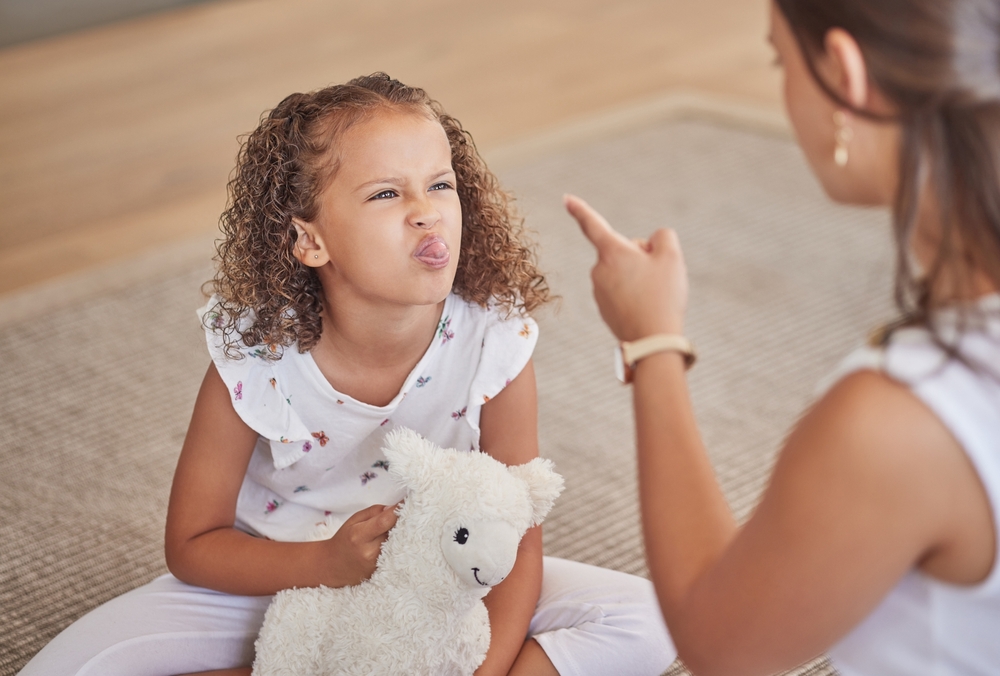
10 Parent Habits That Teachers Say Are Making Kids Rude
Image source: shutterstock.com

Teachers see more than just grades and attendance—they observe the behavior patterns shaping the next generation. And lately, many educators have raised concerns that certain parent habits are unintentionally creating a wave of ruder, less empathetic kids. While every family is unique, there are common behaviors teachers identify as warning signs that children aren’t learning essential respect, patience, or self-control. Recognizing these patterns early can help parents reset and build better foundations for kindness and accountability.

1. Overexplaining or Excusing Bad Behavior

One of the most damaging parent habits teachers notice is constantly explaining away a child’s bad behavior. Parents may think they’re being supportive by saying things like, “He’s just tired,” or “She’s acting out because she’s bored.” But these excuses teach children to rationalize rudeness instead of learning responsibility. Teachers say it’s more effective to acknowledge the behavior and help kids make amends, rather than shifting blame. Setting clear boundaries shows kids that respect matters in every situation.

2. Doing Everything for Their Child

Many parents jump in too quickly to fix every problem—packing forgotten lunches, redoing homework, or emailing teachers to resolve issues. This well-meaning rescue habit teaches kids that others will always step in to clean up their messes. Teachers report that students who never face natural consequences often become entitled and impatient with others. Encouraging independence helps kids develop resilience and humility. Responsibility builds character in a way overprotection never can.

3. Ignoring Manners at Home

Teachers often say rude kids don’t learn it at school—they bring it from home. When “please,” “thank you,” and “excuse me” aren’t part of daily life, kids quickly internalize the idea that basic manners are optional. Parents set the standard for respect in tone and behavior, whether it’s how they speak to servers, cashiers, or each other. Making politeness a family norm helps children carry it naturally into classrooms and friendships. Respect is learned through consistent modeling.

4. Allowing Constant Interruptions

Another common issue teachers highlight among parent habits is letting kids interrupt adult conversations or demand attention instantly. While parents may view it as harmless enthusiasm, teachers see students who struggle to wait their turn or listen to others. Practicing patience at home—such as waiting politely before speaking—can make a huge difference. It teaches empathy and self-control, two skills critical for both school and life. Listening is as valuable as speaking, and it starts with practice.

5. Criticizing Teachers in Front of Kids

When parents openly criticize educators, kids pick up on that disrespect fast. Comments like “Your teacher doesn’t know what she’s doing” can erode authority and encourage defiance in the classroom. Teachers say this habit makes it much harder to maintain order or cooperation. Even if parents disagree with a teacher’s approach, it’s best to discuss concerns privately or model respectful disagreement. Showing kids how to handle conflict maturely sets a powerful example for future interactions.

6. Rewarding Every Little Thing

Modern parenting often blurs the line between encouragement and overpraise. Constantly rewarding kids for basic expectations—like cleaning up or finishing homework—can create a sense of entitlement. Teachers note that students accustomed to endless praise often react poorly to constructive criticism. Genuine self-esteem comes from effort and accomplishment, not constant approval. Recognizing big achievements while expecting everyday effort builds healthier motivation.

7. Allowing Too Much Screen Time

Too much screen exposure is one of the parent habits most linked to rude or impatient behavior. Teachers frequently observe students who mimic online sarcasm or struggle to read emotional cues in real life. Excessive time on tablets or phones also limits empathy and face-to-face communication skills. Setting screen boundaries allows kids to practice real-world interactions. Conversations, eye contact, and shared activities are the best antidotes to digital disconnection.

8. Not Teaching Accountability

When kids don’t face the consequences of their actions, they learn that blame can always be shifted elsewhere. Teachers say many parents rush to defend their child, even when evidence clearly points otherwise. This undermines the lessons of honesty and responsibility. Supporting children means holding them accountable, not shielding them from mistakes. Owning up to misbehavior is a vital life skill—and one that starts at home.

9. Neglecting Empathy and Gratitude

Teachers consistently find that kids who lack empathy often come from homes where appreciation isn’t emphasized. When gratitude and compassion aren’t discussed, children struggle to understand others’ perspectives. Parents can model empathy by discussing feelings, helping others, and showing appreciation daily. Simple acts—like writing thank-you notes or acknowledging kindness—make a lasting impact. Raising emotionally intelligent children starts with intentional modeling and conversation.

10. Letting Disrespect Slide

The final of these parent habits teachers warn about is ignoring small signs of disrespect. When eye-rolling, backtalk, or dismissive tones go unchecked, kids learn that boundaries are flexible. Teachers say even minor rudeness can grow into major attitude problems over time. Correcting behavior early—calmly but firmly—prevents entitlement from taking root. Respect should never be optional; it’s a daily expectation reinforced by consistent action.

Building Respect Starts at Home

Children don’t become rude overnight—it’s a reflection of what they see and what’s tolerated. Parents play the most powerful role in shaping how kids treat others. By being mindful of these parent habits, families can foster empathy, gratitude, and respect that last a lifetime. Kids who learn manners and accountability at home carry those values everywhere they go, from classrooms to future workplaces. Respect begins with the example parents set today.

Which of these parent habits do you think has the biggest impact on kids’ behavior? Share your thoughts or experiences in the comments below!

What to Read Next…

6 Innocent Parenting Habits That Lead to Big Therapy Bills Later

Parenting Pitfalls: 8 Mistakes That Could Cause Trouble With Your Kids Later

The “Harmless” Habit: 7 Health Habits Shortening Childhood For Many

Think Your Baby’s Safe? 5 Toddler Habits Stalling Brain Development

7 Daily Habits That Make You a Calmer Parent

Catherine Reed
Catherine Reed

Catherine is a tech-savvy writer who has focused on the personal finance space for more than eight years. She has a Bachelor’s in Information Technology and enjoys showcasing how tech can simplify everyday personal finance tasks like budgeting, spending tracking, and planning for the future. Additionally, she’s explored the ins and outs of the world of side hustles and loves to share what she’s learned along the way. When she’s not working, you can find her relaxing at home in the Pacific Northwest with her two cats or enjoying a cup of coffee at her neighborhood cafe.


Filed Under: Parenting Tagged With: child behavior, education, Family, parent habits, Parenting, parenting tips, respect, teacher advice

6 Ways Birth Order Still Affects Parenting Today

October 9, 2025 | Leave a Comment

6 Ways Birth Order Still Affects Parenting Today
Image source: 123rf.com

Even in today’s modern, data-driven world, family dynamics are still shaped by something as simple as who was born first. Whether parents realize it or not, birth order affects parenting styles in subtle but powerful ways. From expectations to discipline, many habits stem from how each child’s arrival changed the household. Understanding how birth order affects parenting can help families recognize patterns, improve balance, and create healthier relationships between siblings. Here are six ways it continues to shape family life today.

1. The Firstborn Often Faces Higher Expectations

Parents tend to approach their first child with a mix of excitement and pressure to “get it right.” That often translates into stricter rules, more structure, and higher performance standards. The firstborn becomes the test case, and mistakes feel weightier for parents still learning the ropes. As a result, these children may grow up more responsible but also more anxious about meeting expectations. The way birth order affects parenting often begins here—with a tendency to treat the oldest child as both an experiment and an example.

2. The Middle Child Learns Adaptability Early

When a second or third child enters the family, parents usually relax a bit. They’ve learned what works and what doesn’t, but attention also becomes divided. Middle children often learn to adapt, compromise, and find their own way in the family dynamic. The way birth order affects parenting here often results in parents being less rigid, but also less attentive to every detail. These kids may grow up more independent and social but sometimes feel overlooked in the mix.

3. The Youngest Child Gets More Freedom

By the time the youngest arrives, parents are usually seasoned veterans. The rules are looser, the routines more flexible, and the atmosphere often more relaxed. The youngest child tends to enjoy extra freedom—and sometimes fewer expectations—compared to their older siblings. This doesn’t mean parents don’t care, but their confidence allows for more experimentation and leniency. When it comes to how birth order affects parenting, the youngest often experiences the most laid-back environment.

4. Parental Confidence Increases with Each Child

Parenting confidence tends to grow with experience, and that shift directly impacts how children are raised. First-time parents are often guided by books, advice, and worry, while later on, instinct takes over. The more children they raise, the more parents realize that perfection isn’t possible—and that flexibility matters. This evolution in approach is one of the clearest ways birth order affects parenting outcomes. Kids born later may benefit from this newfound ease and emotional balance in the household.

5. Discipline Styles Shift Over Time

Discipline is rarely consistent across siblings. The firstborn might be grounded for breaking curfew, while the youngest gets a warning for the same offense. As parents gain perspective, their approach to correction and consequences often softens. This doesn’t necessarily mean favoritism—it’s a reflection of evolving priorities and patience. The way birth order affects parenting shows in how rules become more negotiable as families grow and routines settle.

6. Parents’ Resources and Energy Naturally Change

Each child arrives in a different season of the parents’ lives, and that influences everything from finances to focus. The firstborn might have parents still building careers, while the youngest may grow up in greater stability but with less hands-on time. As energy levels and financial comfort shift, so do opportunities and parental availability. This is one of the most practical ways birth order affects parenting—it’s not just emotional, but logistical. Recognizing these differences helps families approach fairness with awareness instead of guilt.

Recognizing Patterns, Not Playing Favorites

Understanding how birth order affects parenting isn’t about assigning blame—it’s about awareness. Every parent grows, adapts, and changes over time, and each child benefits from that evolution in different ways. What matters most is noticing how expectations, attention, and rules shift across siblings. By acknowledging these patterns, parents can make intentional adjustments to ensure every child feels valued and supported. Birth order may shape how families function, but mindful parenting determines how well they thrive together.

Have you noticed how birth order affects parenting in your own family? Which patterns ring true for you—and which ones break the mold? Share your experiences in the comments below!

What to Read Next…

Why Are Pediatric ER Visits Rising for First-Time Parents?

Beyond The Initial Joy: 11 Surprising Costs Of Having A Second Child

10 Popular Discipline Techniques That Have Been Quietly Discredited

Are We Giving Our Kids Too Much Freedom Too Soon? Here’s Why You Might Be Wrong

Parents, Listen Up! 12 Gentle Parenting Fails and the Fixes That’ll Change Your Life

Catherine Reed
Catherine Reed

Catherine is a tech-savvy writer who has focused on the personal finance space for more than eight years. She has a Bachelor’s in Information Technology and enjoys showcasing how tech can simplify everyday personal finance tasks like budgeting, spending tracking, and planning for the future. Additionally, she’s explored the ins and outs of the world of side hustles and loves to share what she’s learned along the way. When she’s not working, you can find her relaxing at home in the Pacific Northwest with her two cats or enjoying a cup of coffee at her neighborhood cafe.

Filed Under: Parenting Tagged With: birth order, child development, family balance, family dynamics, family psychology, Parenting, parenting tips, sibling relationships

8 Financial Decisions Parents Make That Kids Remember Forever

October 9, 2025 | Leave a Comment

8 Financial Decisions Parents Make That Kids Remember Forever
Image source: 123rf.com

Kids may not understand tax brackets or compound interest, but they notice how their parents handle money. The financial choices you make today—how you spend, save, and talk about money—shape how your children will think about it for life. Whether it’s a splurge on something special or a hard lesson about budgeting, your actions leave a lasting imprint. The financial decisions parents make often serve as silent lessons that stick far longer than any classroom lecture. Here are eight powerful money choices that kids never forget.

1. How You React to Financial Stress

Children pay close attention to how you handle money-related pressure. If you panic, argue, or shut down when bills pile up, they may grow up viewing finances as a source of fear. On the other hand, if you stay calm and problem-solve, you teach resilience and resourcefulness. The financial decisions parents make under stress reveal whether they see money as a tool or a threat. By showing composure, you set the tone for how your children will face their own financial challenges.

2. Whether You Talk Openly About Money

Some parents treat financial discussions as off-limits, but silence can lead to confusion and misinformation. When you include kids in age-appropriate money talks, they learn that finances are something to manage, not avoid. Discussing saving goals, family budgets, or spending trade-offs encourages healthy curiosity and responsibility. The financial decisions parents make become teachable moments when they explain the reasoning behind them. Openness about money creates a foundation of trust and understanding that benefits children into adulthood.

3. The Way You Use Credit and Debt

How you handle borrowing leaves a lasting impression. Children notice if you swipe a credit card casually or if you talk about paying down debt with purpose. The financial decisions parents make about credit shape how kids view responsibility and delayed gratification. If they see you using debt wisely—like financing a home or car responsibly—they learn that credit can be a tool, not a trap. But if debt constantly causes stress or arguments, they may associate it with loss of control.

4. How You Approach Saving for the Future

Kids remember whether saving was part of your household culture. When they see you consistently set aside money for emergencies, vacations, or retirement, it reinforces the idea of long-term planning. The financial decisions parents make around saving show children that small, steady habits lead to security. Even involving them in simple savings goals, like putting coins in a jar or opening a child’s savings account, builds lifelong discipline. Demonstrating the value of saving teaches patience and foresight that pay off later.

5. What You Prioritize Spending Money On

Every purchase tells a story about values. If you regularly invest in family experiences, education, or generosity, your kids learn that money can enhance life meaningfully. When spending constantly goes toward fleeting luxuries, children may associate happiness with consumption. The financial decisions parents make about spending become a silent curriculum in value-setting. Showing restraint and intentionality helps kids see money as a means to a fulfilling, balanced life.

6. How You Handle Generosity and Giving

Charitable giving, whether big or small, leaves a powerful emotional imprint. Kids remember when parents give time, money, or resources to help others. The financial decisions parents make around generosity teach empathy and social awareness. Whether it’s donating to a cause or helping a neighbor in need, those choices model kindness in action. Children raised around generosity often grow up more grateful and more likely to give themselves.

7. How You Manage Lifestyle Upgrades

When a family earns more, how that extra money is used sends a strong message. Some parents may immediately upgrade cars or vacations, while others may focus on financial stability first. The financial decisions parents make after income changes reveal their sense of discipline and perspective. Kids quickly notice whether financial gains are celebrated responsibly or spent impulsively. By choosing mindful growth over instant gratification, you teach your children to respect the power—and limits—of money.

8. Whether You Include Kids in Financial Problem-Solving

Involving kids in realistic financial discussions helps them feel capable, not burdened. When a family must cut back, explaining the reasoning can build understanding instead of resentment. The financial decisions parents make during tough times demonstrate honesty, teamwork, and maturity. Encouraging kids to suggest ways to save or prioritize expenses turns challenges into lessons. Those collaborative moments teach them that money is something to manage together, not something to fear.

The Financial Legacy You Leave Without Saying a Word

Children remember more than your income or possessions—they remember your relationship with money. Every action, from how you tip a server to how you budget for holidays, tells them what responsibility looks like. The financial decisions parents make today shape not just family finances, but generational attitudes toward security and success. When you model confidence, compassion, and discipline, those lessons endure long after they’ve grown. In the end, your example becomes their foundation for a lifetime of smart financial habits.

What money lessons did you learn from your own parents—and which ones are you hoping your kids remember? Share your stories in the comments below!

What to Read Next…

Are You Accidentally Teaching Your Kids Money Doesn’t Matter?

7 Things Kids Remember Most About Their Parents (It’s Not What You Think)

Are You Passing Down Toxic Money Habits Without Knowing It?

5 Things Your Kids Will Remember—That Have Nothing to Do With Money

Are You Setting Your Child Up for Adult Money Problems?


Catherine Reed
Catherine Reed

Catherine is a tech-savvy writer who has focused on the personal finance space for more than eight years. She has a Bachelor’s in Information Technology and enjoys showcasing how tech can simplify everyday personal finance tasks like budgeting, spending tracking, and planning for the future. Additionally, she’s explored the ins and outs of the world of side hustles and loves to share what she’s learned along the way. When she’s not working, you can find her relaxing at home in the Pacific Northwest with her two cats or enjoying a cup of coffee at her neighborhood cafe.

Filed Under: Money and Finances Tagged With: budgeting, family finances, family values, financial literacy, money habits, Money Lessons, Parenting, saving, teaching kids about money

Are You Being Too Transparent With Your Kids About Finances?

October 8, 2025 | Leave a Comment

Are You Being Too Transparent With Your Kids About Finances?
Image source: 123rf.com

Talking to children about money can be healthy—but it can also be tricky. Parents often want to raise financially literate kids, yet sharing too much too soon can lead to unnecessary anxiety or confusion. It’s a balancing act: you want them to understand the value of money without burdening them with adult financial worries. Knowing when and how to be transparent with your kids about finances can help you teach valuable lessons while still protecting their sense of security.

1. Why Being Transparent With Your Kids About Finances Can Be Valuable

When you’re transparent with your kids about finances, you help them understand real-world money management early on. Explaining concepts like saving for goals, budgeting for needs versus wants, and delaying gratification gives them perspective. It can also demystify where money comes from, teaching them that it’s earned—not endless. When kids see you making thoughtful financial choices, they’re more likely to model those habits themselves. The key is to simplify discussions in a way that’s age-appropriate and focused on learning, not stress.

2. The Fine Line Between Teaching and Oversharing

There’s a difference between teaching financial principles and unloading family financial stress. Being transparent with your kids about finances doesn’t mean they need to know every detail about debts, job pressures, or monthly bills. Sharing too much information can create anxiety, making children feel responsible for problems they can’t fix. Instead, frame lessons around financial awareness—like explaining how setting a grocery budget works—without disclosing numbers that might overwhelm them. Striking this balance ensures your transparency helps rather than harms.

3. Age Matters When Discussing Money

The right level of financial transparency depends heavily on your child’s age and maturity. Young kids benefit from simple explanations about saving or earning money through chores. Older children can handle more nuanced topics, such as how credit cards work or why it’s important to save for emergencies. However, even teens don’t need to know the full scope of your income or debt. By tailoring conversations appropriately, you can stay transparent with your kids about finances while maintaining healthy emotional boundaries.

4. The Emotional Side of Financial Discussions

Money is tied closely to emotion—fear, pride, and even guilt—and children easily pick up on those feelings. When you’re transparent with your kids about finances, your tone and attitude can matter as much as your words. If discussions sound panicked or defensive, kids might start associating money with stress. On the other hand, calm and confident conversations can instill a sense of financial stability and trust. Your emotional cues shape how they’ll feel about money for years to come.

5. Modeling Responsible Money Behavior

Kids often learn more by watching than listening. If you want to be transparent with your kids about finances in a way that resonates, show them consistency between your words and actions. For instance, if you talk about saving but constantly overspend, the message loses credibility. Demonstrate how you plan for purchases, set goals, or resist impulse buys. These real-life examples reinforce lessons naturally and give kids a positive blueprint for handling money as adults.

6. When Transparency Turns Into Pressure

Even well-meaning parents can accidentally make kids feel responsible for family money matters. If you regularly discuss struggles like mortgage payments or rising costs, kids may internalize that stress and worry about the household’s stability. Being transparent with your kids about finances should empower, not burden. Keep your focus on teaching skills—like saving, budgeting, and generosity—without transferring adult-level responsibility. A child’s job is to learn, not to fix financial challenges they didn’t create.

7. Building Financial Confidence Through Inclusion

Letting children participate in low-stakes financial decisions helps them feel capable and informed. You can involve them in comparing grocery prices, planning a family outing within a set budget, or deciding how to allocate allowance money. Being transparent with your kids about finances in these moments teaches that money requires thought and trade-offs. It also encourages open communication, where they feel comfortable asking questions. Small, hands-on experiences lay the groundwork for confidence and lifelong financial awareness.

The Healthy Balance Every Parent Should Aim For

Financial transparency isn’t an all-or-nothing concept—it’s about balance and timing. The goal is to raise kids who are informed without being worried, capable without feeling burdened. Share lessons that build understanding, not fear, and keep deeper financial details private until they’re ready. When you’re intentional about what you share, you help your children develop a healthy, confident relationship with money. That’s the kind of transparency that truly pays off in the long run.

Do you think parents today are being too open or not open enough about money? How do you approach financial conversations in your own home? Share your thoughts in the comments below!

What to Read Next…

Are You Accidentally Teaching Your Kids Money Doesn’t Matter?

The Truth About Teen Finances: 10 Money Habits Parents Are Teaching Kids That Keep Them Poor

Are You Passing Down Toxic Money Habits Without Knowing It?

7 Lies Kids Tell To Get Your Money (No, They Didn’t Clean Their Room)

6 Money Habits That Can Set Kids Up to Struggle

Catherine Reed
Catherine Reed

Catherine is a tech-savvy writer who has focused on the personal finance space for more than eight years. She has a Bachelor’s in Information Technology and enjoys showcasing how tech can simplify everyday personal finance tasks like budgeting, spending tracking, and planning for the future. Additionally, she’s explored the ins and outs of the world of side hustles and loves to share what she’s learned along the way. When she’s not working, you can find her relaxing at home in the Pacific Northwest with her two cats or enjoying a cup of coffee at her neighborhood cafe.

Filed Under: Money and Finances Tagged With: family finances, Financial Education, financial literacy, kids and money, money management, Parenting, parenting advice, transparency in parenting

10 Ways to Tell If Your Child Is Faking an Illness for Emotional Reasons

October 7, 2025 | Leave a Comment

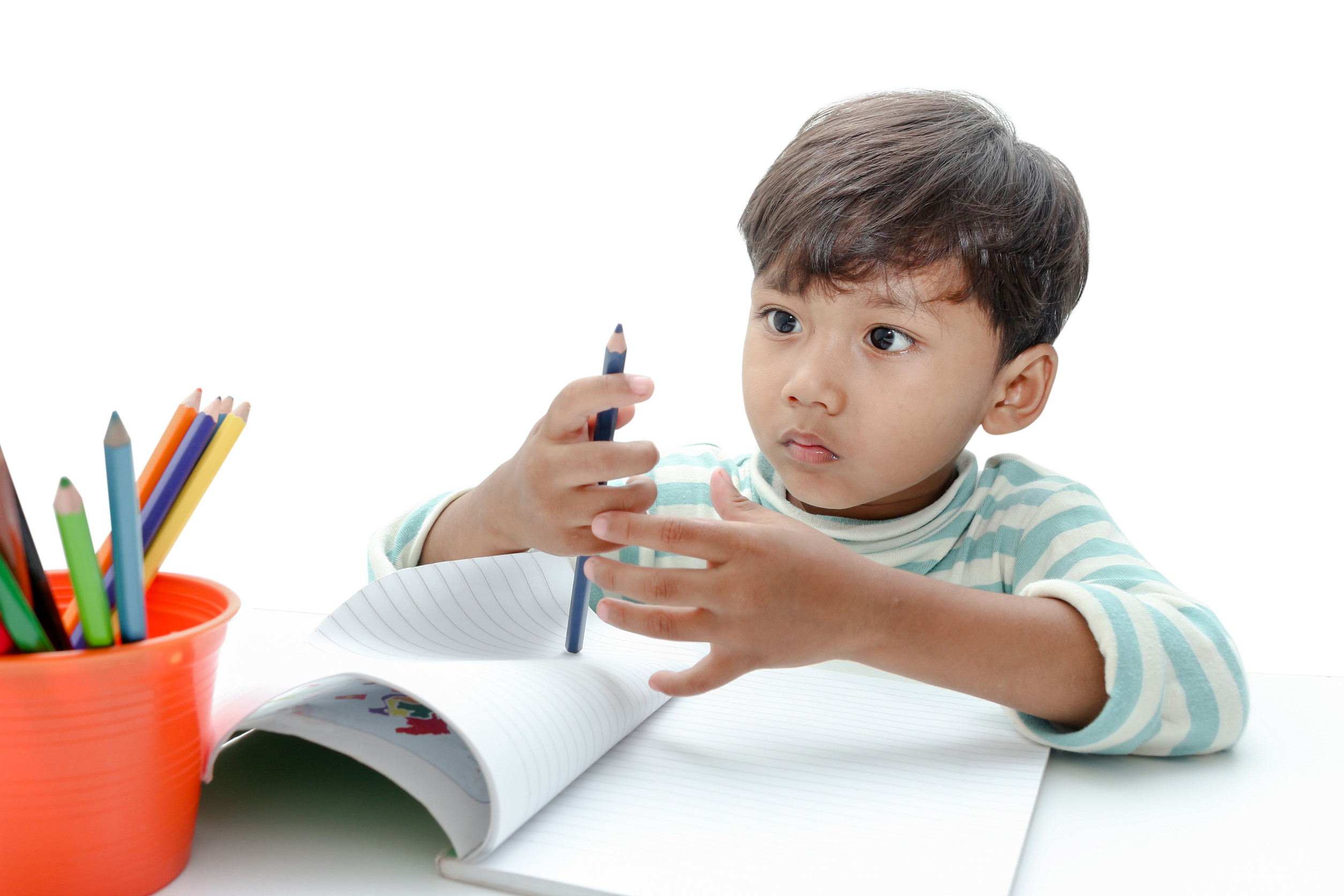
10 Ways to Tell If Your Child Is Faking an Illness for Emotional Reasons
Image source: 123rf.com

Every parent faces it eventually — that uncertain moment when your child complains about feeling sick, but something just doesn’t add up. Sometimes, children aren’t pretending out of mischief but because they’re overwhelmed, anxious, or seeking comfort. Emotional stress can manifest as physical symptoms, making it hard to know when a real problem lies beneath the surface. Learning how to spot when your child might be faking an illness for emotional reasons can help you respond with empathy while still teaching honesty and healthy coping skills.

1. Symptoms Disappear Quickly When Fun Is Involved

One of the easiest ways to identify when your child might be faking an illness is by noticing how symptoms come and go. If they claim to feel awful in the morning but suddenly perk up when something enjoyable is mentioned, emotional avoidance may be at play. Kids often use “being sick” to escape stressful or unwanted situations like school presentations or social interactions. This doesn’t mean they’re manipulative; it often signals anxiety. Pay attention to patterns rather than isolated moments to see what’s really driving their behavior.

2. The Illness Appears Around Stressful Events

Children sometimes begin faking an illness before exams, sports games, or big transitions. Emotional stress can make them feel physically uncomfortable, leading to genuine complaints of headaches or stomachaches. However, when these symptoms align perfectly with upcoming stressful situations, it may suggest avoidance. Parents can gently ask what worries them about the event rather than dismissing the sickness. Creating a safe space for conversation often reveals emotional roots that need support rather than medicine.

3. There’s No Physical Evidence of Illness

When faking an illness for emotional reasons, children often describe symptoms that are difficult to verify, such as vague pain or dizziness. If there’s no fever, visible discomfort, or other objective signs, emotional distress could be the true source. This doesn’t mean they aren’t suffering; emotional pain can feel just as real. Avoid accusing them outright, but instead say, “I wonder if something else might be making you feel this way.” This approach keeps communication open while acknowledging their feelings.

4. They Seem Anxious About School or Friends

Kids who are struggling socially or academically may turn to faking an illness as a coping mechanism. School can feel overwhelming, especially for sensitive children or those facing bullying. Avoidance becomes an emotional safety net. If your child frequently asks to stay home, talk about what’s happening in their classroom or peer group. Addressing the source of anxiety can reduce their need to escape through fake illnesses.

5. Symptoms Appear Suddenly and Without Warning

When a child is faking an illness, the symptoms often appear abruptly, especially right before a specific event they want to avoid. One minute they seem fine, and the next they’re “too sick” to go. This pattern can indicate an emotional trigger rather than a true infection or condition. Try keeping a simple journal of when these episodes occur to spot connections. Consistency in timing can reveal whether emotional stress is the real culprit.

6. They Don’t Show Physical Signs of Discomfort

When children are genuinely ill, they often look the part — tired eyes, flushed skin, or low energy. However, when they’re faking an illness, these physical cues are usually missing. They might claim to feel terrible but continue to act normally in other ways. Observing how they behave when they think you aren’t watching can offer insight. If their energy returns the moment attention shifts, the issue may be more emotional than medical.

7. They Express Relief When You Offer a Break

Children who are emotionally overwhelmed often use faking an illness to buy time to rest. If your child instantly calms down after you agree to let them stay home, it’s a strong indicator that stress relief — not sickness — was the goal. This doesn’t mean they’re lying maliciously; it means they need help managing emotions. Use this as a signal to discuss coping skills like deep breathing, journaling, or talking through worries. The goal isn’t punishment but understanding.

8. A Doctor Visit Brings No Diagnosis

If your child frequently claims to feel sick but medical professionals find nothing wrong, the issue could be emotional rather than physical. When a doctor clears them, it’s natural to feel frustrated, but this is often your cue to look deeper. Persistent but unexplained symptoms can signal anxiety, fear, or sadness. Work with your pediatrician to rule out underlying medical concerns while exploring emotional factors. Early support can prevent stress-related illnesses from becoming long-term patterns.

9. They Struggle to Describe What Hurts

When faking an illness for emotional reasons, kids may offer vague or inconsistent answers about what’s wrong. They might say their stomach hurts but can’t pinpoint where or when it started. Emotional discomfort is hard to articulate, especially for young children. Instead of pressing for details, focus on their emotional state: “You seem worried — can we talk about what’s bothering you?” Shifting the conversation from symptoms to feelings often opens the door to the real issue.

10. Emotional Ups and Downs Mirror Their “Illness”

Sometimes, emotional turbulence and physical complaints go hand in hand. When your child’s mood improves, the “illness” often fades too. These ups and downs suggest that their feelings are driving the symptoms. Teaching emotional awareness — like labeling feelings and expressing needs — can reduce the need for fake illnesses. Over time, children learn that honesty about emotions leads to care and support without needing to pretend.

Helping Kids Heal Beyond the Symptoms

Faking an illness can be a child’s quiet cry for help. Instead of focusing solely on catching them in a lie, aim to understand what’s fueling their stress. By building trust, validating feelings, and teaching healthy coping skills, parents can replace avoidance with resilience. When kids feel heard and supported, the need to fake illness often fades — replaced by open communication and emotional growth.

Have you ever suspected your child was faking an illness for emotional reasons? How did you handle it? Share your experiences below!

What to Read Next…

Are You Covered? 6 Urgent Updates To Your Child’s Health Records

Don’t Ignore This: 7 Health Symptoms That Demand Immediate Attention In Kids

The “Harmless” Habit: 7 Health Habits Shortening Childhood For Many

What If They’re Not Fine? 4 Critical Questions To Ask Your Child’s Mental Health Professional

Are You Missing It? 7 Health Warnings Your Child’s Behavior Gives You

Catherine Reed
Catherine Reed

Catherine is a tech-savvy writer who has focused on the personal finance space for more than eight years. She has a Bachelor’s in Information Technology and enjoys showcasing how tech can simplify everyday personal finance tasks like budgeting, spending tracking, and planning for the future. Additionally, she’s explored the ins and outs of the world of side hustles and loves to share what she’s learned along the way. When she’s not working, you can find her relaxing at home in the Pacific Northwest with her two cats or enjoying a cup of coffee at her neighborhood cafe.
Filed Under: Parenting Tagged With: anxiety in kids, child behavior, Child Psychology, emotional health, faking an illness, family wellbeing, parenting advice, parenting tips

9 Elementary School Activities That Disappear as Budgets Shrink

October 7, 2025 | Leave a Comment

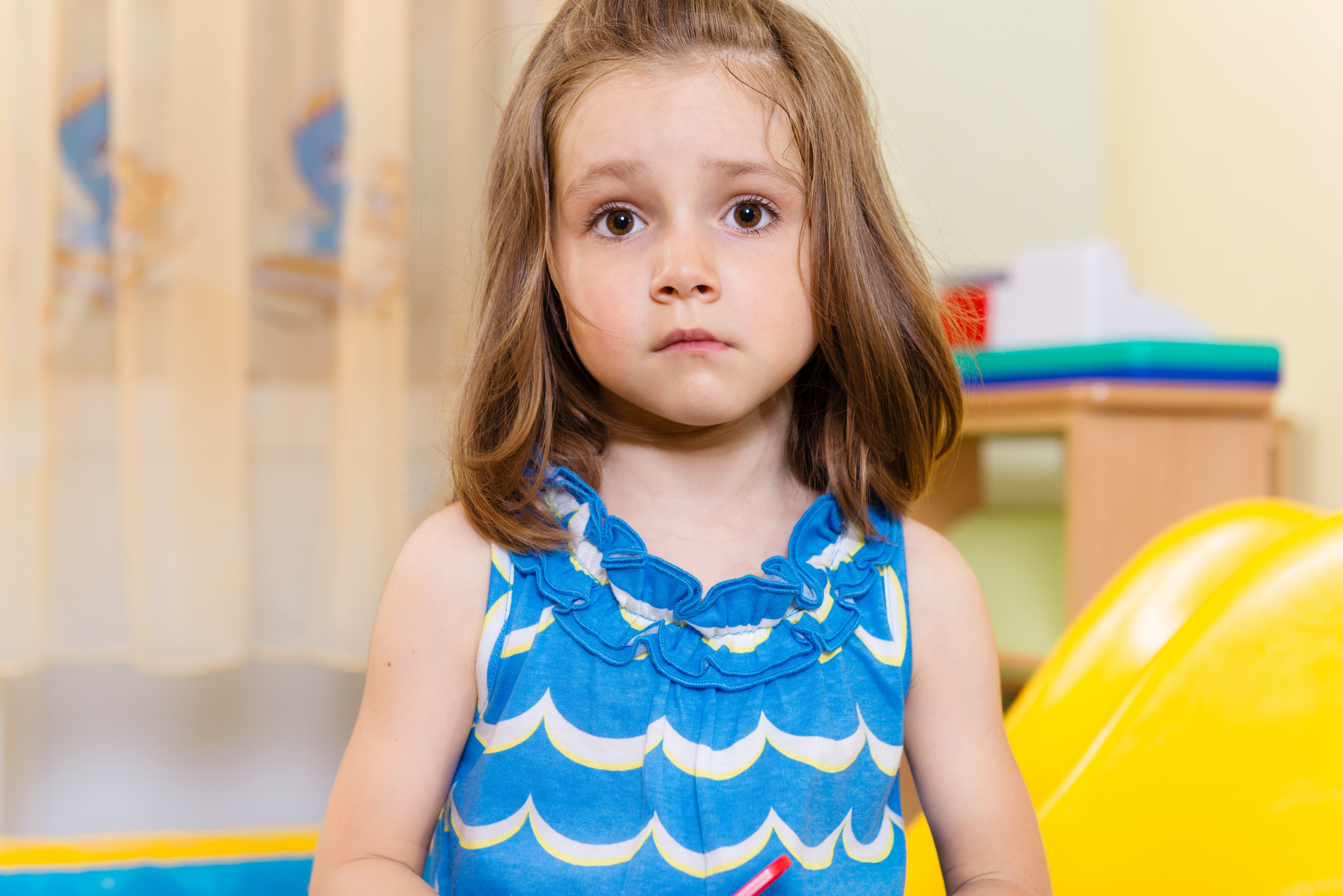
9 Elementary School Activities That Disappear as Budgets Shrink
Image source: 123rf.com

As school districts tighten their belts, many parents are noticing subtle but significant changes in their children’s classrooms. Programs that once made learning vibrant — from art and music to after-school clubs — are often the first to go when budgets are slashed. The loss of these experiences doesn’t just limit creativity; it narrows opportunities for growth, teamwork, and confidence. Understanding which elementary school activities are most at risk can help parents advocate for better funding and find alternative ways to fill those gaps.

1. Art Classes Often Lead the Cuts

When money runs short, art programs are usually among the first elementary school activities to disappear. Administrators may see them as “nonessential,” even though art builds fine motor skills, creativity, and emotional expression. Without art, kids lose a hands-on way to learn about culture and communication. Parents often notice this loss most when art projects are replaced by worksheets. Communities that value creativity need to push for at least minimal funding to keep art education alive.

2. Music Programs Fade into Silence

Music education has long been a cornerstone of well-rounded learning, yet it’s another of the elementary school activities vanishing as budgets shrink. Instruments are costly, and music teachers are often shared between multiple schools. Without access to music classes, children miss out on rhythm, coordination, and memory development. Research even links music education to improved math and reading skills. When schools cut these programs, it’s a quiet loss that reverberates far beyond the classroom.

3. Field Trips Become Rare Experiences

Once a staple of childhood learning, field trips are now rare treats. Transportation costs, insurance requirements, and staff supervision needs make them easy targets for cuts. These experiential lessons — from science museums to local farms — bring classroom concepts to life in unforgettable ways. When field trips disappear, learning becomes more abstract and less engaging. Parents may need to look for community events or family outings to fill that experiential gap.

4. Physical Education Gets Shortened

As schools focus on test scores, gym time often shrinks to make room for academics. Yet physical education is one of the most vital elementary school activities for health and well-being. Kids need daily movement to stay focused and regulate stress, but budget limits can reduce PE to once or twice a week. With less exercise, children may struggle with energy, behavior, and attention in the classroom. Advocating for PE helps balance body and mind development.

5. Library Hours Are Reduced or Staffed by Volunteers

Many school libraries now operate part-time or rely heavily on parent volunteers. As budgets shrink, trained librarians are let go, leaving fewer opportunities for kids to discover a love of reading. Libraries are more than book repositories — they’re spaces where students learn research skills and digital literacy. When this cornerstone of learning fades, children lose access to knowledge that fuels curiosity. Supporting book drives or volunteering can help fill the void.

6. Science Labs and Experiments Are Simplified

Hands-on science used to be a highlight of the week, but expensive supplies and equipment make it one of the first areas to suffer during cutbacks. Instead of experiments, students may only watch demonstrations or read about scientific principles. Losing these interactive lessons removes excitement from discovery-based learning. Encouraging at-home experiments or science clubs can help keep curiosity alive. Parents and local organizations can also donate materials to support hands-on science experiences.

7. School Plays and Theater Programs Disappear

Drama clubs and school plays are often dismissed as “extras,” but they teach communication, teamwork, and self-confidence. Costumes, sets, and performance spaces require funding, making these elementary school activities hard to sustain. When schools cancel them, shy students lose a chance to shine, and expressive ones lose an outlet. Parents can collaborate with local theaters or community centers to revive these creative experiences outside of school.

8. After-School Clubs and Enrichment Programs Decline

Clubs for robotics, chess, art, and reading give kids a sense of belonging and purpose. Unfortunately, these after-school programs are often supported by grants or teacher volunteers — both of which can vanish during financial strain. When enrichment disappears, kids miss chances to develop leadership and explore new interests. Parents might consider forming cooperative clubs or community-based programs to keep opportunities open. Local partnerships can go a long way toward keeping enrichment alive.

9. Field Day and Other School Traditions Get Cut

Field Day, spelling bees, and school-wide events may seem small, but they create memories and unity. These traditions depend on supplies, supervision, and planning — luxuries in a shrinking budget. Losing them chips away at school culture and spirit, leaving students with fewer reasons to look forward to learning. Community fundraisers or PTA initiatives can often restore these cherished traditions. When families rally together, even modest events can feel meaningful again.

Protecting the Future of Elementary School Activities

When funding dries up, it’s not just the programs that disappear — it’s the joy, creativity, and community they inspire. Parents, teachers, and local leaders can make a difference by advocating for funding, volunteering time, and finding creative ways to support enrichment. Every small act of involvement helps rebuild what tight budgets take away. The key is remembering that the true value of education isn’t measured by test scores but by the curiosity and confidence it sparks in children.

Which school programs have disappeared in your community — and what have parents or teachers done to keep them alive? Share your thoughts below!

What to Read Next…

9 School Dress Code Rules That Are Now Considered Discriminatory

7 Preschool Programs That Might Be Hurting Kids Socially

Why Are More Parents Getting Sued for School Lunch Debts?

7 After-School Activities That Are Quietly Putting Kids in Danger

9 School Fundraisers That Cost More Than They Earn

Catherine Reed
Catherine Reed

Catherine is a tech-savvy writer who has focused on the personal finance space for more than eight years. She has a Bachelor’s in Information Technology and enjoys showcasing how tech can simplify everyday personal finance tasks like budgeting, spending tracking, and planning for the future. Additionally, she’s explored the ins and outs of the world of side hustles and loves to share what she’s learned along the way. When she’s not working, you can find her relaxing at home in the Pacific Northwest with her two cats or enjoying a cup of coffee at her neighborhood cafe.
Filed Under: Education Tagged With: arts in schools, childhood development, education funding, elementary school activities, parent involvement, school budgets, school funding cuts

Why Are So Many Kids Struggling to Hold a Pencil Properly?

October 6, 2025 | Leave a Comment

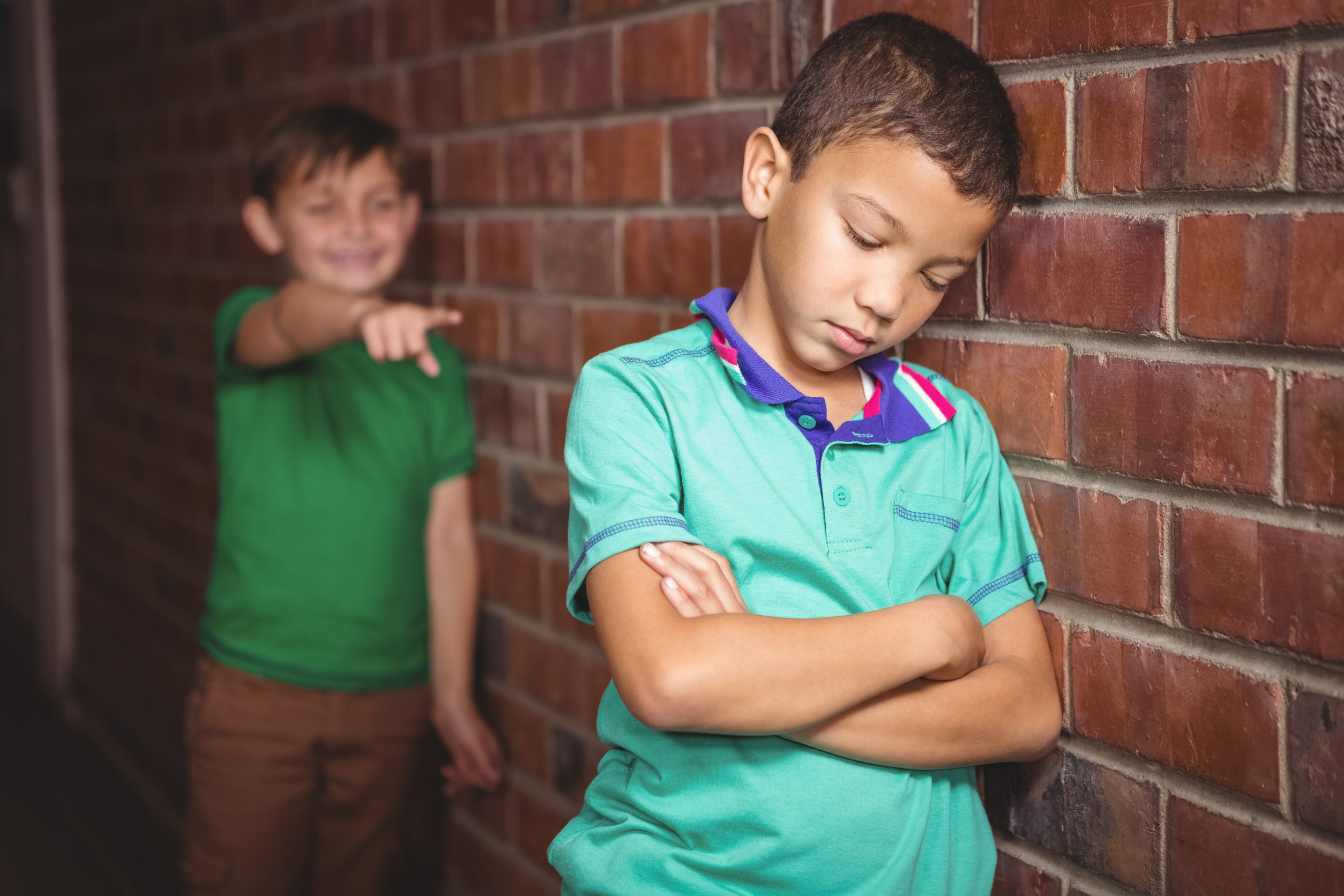
Why Are So Many Kids Struggling to Hold a Pencil Properly?
Image source: 123rf.com

Teachers and parents alike are noticing that a surprising number of children enter school unable to hold a pencil properly. This skill, once taken for granted as a natural part of early childhood, is becoming less common. The reasons behind the shift are complex, involving technology use, changes in playtime, and even shifting educational priorities. While handwriting might seem less important in today’s digital world, fine motor skills tied to pencil grip are essential for overall development. Understanding why kids are struggling is the first step toward finding practical solutions.

1. Early Tablet and Phone Use Reduces Grip Practice

Many kids spend more time swiping screens than scribbling on paper. Tablets and smartphones do not require the same fine motor skills needed to hold a pencil properly. Instead of strengthening finger muscles and practicing coordination, children are relying on broad gestures like tapping or dragging. This lack of physical practice makes gripping a pencil feel awkward or tiring when they finally try it. Parents may not realize that too much screen time can have such a direct impact on handwriting readiness.

2. Less Outdoor Play Affects Hand Strength

Climbing, digging, and swinging are more than just fun—they build strength and coordination in the arms and hands. When kids have fewer opportunities for outdoor play, their muscles develop differently. Without this foundation, they struggle to hold a pencil properly for extended writing tasks. Fine motor skills depend on gross motor strength, and reduced playtime often leads to weak or unsteady grips. The shift from playgrounds to indoor activities has played a big role in this challenge.

3. Preschools Focus More on Academics Than Motor Skills

Some early childhood programs push academic readiness over hands-on exploration. Instead of cutting, coloring, or playing with blocks, children may be asked to work on early reading or math skills. These academic-first approaches unintentionally neglect the practice kids need to hold a pencil properly. Fine motor activities are essential stepping stones that prepare children for handwriting. Skipping them in favor of more structured academics can delay essential development.

4. Toys Have Changed Over the Years

Building blocks, clay, and puzzles once dominated playrooms, but many modern toys require less manipulation. Battery-powered gadgets often do the work for children, limiting their need to squeeze, twist, or build with their hands. Without these challenges, kids miss opportunities to strengthen the small muscles needed to hold a pencil properly. The rise of “easy play” toys reduces skill-building in ways parents may not notice. Traditional toys still provide unmatched benefits for developing motor control.

5. Increased Reliance on Keyboards and Typing

Schools and parents alike often prioritize typing skills over handwriting in an effort to prepare kids for a digital future. While typing is useful, it does not develop the same motor control or dexterity as writing by hand. Kids who spend more time at keyboards may not practice enough to hold a pencil properly with ease. This imbalance creates a noticeable gap in fine motor development. Even in a tech-driven world, handwriting remains an important skill for brain development and learning.

6. Children Experience More Hand Fatigue

When kids lack the muscle strength and coordination to hold a pencil properly, they tire out quickly. Writing becomes frustrating, and many children avoid it altogether. This creates a cycle where the lack of practice further delays improvement. Teachers often see students reluctant to write not because of a lack of ideas, but because holding the pencil feels uncomfortable. Hand fatigue is a clear signal that children need more support in building foundational skills.

7. Parents and Teachers Often Miss Early Warning Signs

Many parents assume kids will naturally learn to hold a pencil properly over time. However, if grip issues are not addressed early, they can become ingrained habits. Teachers may not always have the time to correct each child’s hold, especially in large classrooms. By the time the problem is noticed, kids may already feel self-conscious about their handwriting struggles. Early intervention, even through playful activities at home, can make a big difference.

Helping Kids Build Stronger Writing Foundations

The growing number of children who cannot hold a pencil properly shows how much childhood routines have changed. Thankfully, small shifts like encouraging outdoor play, limiting screen time, and introducing hands-on toys can rebuild these essential skills. Parents and teachers who focus on strengthening fine motor development help kids write with confidence. Handwriting may not dominate the future, but the ability to hold a pencil remains vital for learning, creativity, and communication. Addressing the issue now ensures children develop the skills they need for school and beyond.

Have you noticed children in your life struggling to hold a pencil properly? Share your experiences and insights in the comments below.

What to Read Next…

9 Ways Modern Classrooms Are Disrupting Childhood Focus

Do Family Screen Time Rules Invite Emotional Manipulation?

7 Reasons “Screen Time” Studies Are Misleading Parents

10 Reasons Today’s Report Cards Are Harder to Understand

5 Unintended Consequences Of Keeping A Child Sheltered

Catherine Reed
Catherine Reed

Catherine is a tech-savvy writer who has focused on the personal finance space for more than eight years. She has a Bachelor’s in Information Technology and enjoys showcasing how tech can simplify everyday personal finance tasks like budgeting, spending tracking, and planning for the future. Additionally, she’s explored the ins and outs of the world of side hustles and loves to share what she’s learned along the way. When she’s not working, you can find her relaxing at home in the Pacific Northwest with her two cats or enjoying a cup of coffee at her neighborhood cafe.
Filed Under: Education Tagged With: child development, childhood play, education, Fine Motor Skills, handwriting skills, hold a pencil properly, parenting tips, preschool readiness

7 Preschool Programs That Might Be Hurting Kids Socially

October 6, 2025 | Leave a Comment

7 Preschool Programs That Might Be Hurting Kids Socially
Image source: 123rf.com

Preschool is often seen as the first big step toward building friendships, teamwork, and emotional growth, but not every classroom setup helps kids thrive. While many schools focus on play-based learning and healthy interaction, some preschool programs unintentionally limit social development. The wrong mix of structure, activities, or expectations can leave kids struggling to connect with others. Parents may assume all preschool experiences build social skills equally, yet subtle differences make a big impact. Knowing which programs might be hurting kids socially can help families make more informed choices.

1. Academics-First Programs Limit Interaction

Preschool programs that focus heavily on early reading, math, and structured lessons may look appealing to parents eager to give their kids a head start. However, placing academics above play can reduce the time children spend building friendships and learning cooperation. At this age, social development often happens through imaginative play and shared experiences rather than worksheets. When kids sit at desks instead of engaging with peers, they miss valuable practice in conflict resolution and teamwork. A classroom that prioritizes academics too early risks stunting social growth.

2. Over-Scheduled Classrooms Reduce Playtime

Some preschools pack the day with structured activities, leaving little time for free play. While enrichment activities like music, art, or foreign language can be valuable, too much structure restricts creativity and peer-led exploration. Preschool programs that over-schedule children may unintentionally reduce opportunities for organic friendship-building. Kids thrive when they invent games, solve problems together, and make independent choices during play. Without this freedom, social skills like compromise and negotiation develop more slowly.

3. Technology-Heavy Learning Creates Isolation

Classrooms that lean on tablets or screens to teach young children often neglect face-to-face interaction. While technology has a place in education, it should not replace shared play or group learning in preschool programs. Kids who spend large chunks of the day on screens miss chances to read social cues, share toys, or resolve disagreements. Research shows that overreliance on devices can even delay language development, which ties directly to social success. Parents should be cautious about programs that market themselves as “high-tech” for very young learners.

4. Highly Competitive Environments Build Pressure

Some schools design preschool programs with contests, awards, or ranking systems to encourage achievement. While competition may motivate older students, it can overwhelm preschoolers still learning basic social interaction. When kids view peers as rivals rather than friends, cooperation suffers. Pressure to “win” can lead to frustration, tantrums, or withdrawal, all of which harm early social development. Instead of collaboration, children may learn to compare themselves constantly to others, a habit that follows them well beyond preschool.

5. Large Class Sizes Limit Connection

Bigger is not always better, especially when it comes to early learning groups. Preschool programs with high student-to-teacher ratios often leave kids competing for attention. In large classrooms, quieter children may get overlooked, missing out on guided social interactions that help them build confidence. Teachers also have less time to mediate conflicts or encourage inclusive play. Smaller groups allow for stronger bonds and more personalized social support, which is critical during these formative years.

6. Discipline-Heavy Programs Create Fear

Some preschools enforce strict behavioral rules with rigid punishments like time-outs or public shaming. While structure is important, discipline-heavy environments can make children fearful of engaging with peers. Kids may avoid speaking up, taking risks, or joining group activities because they fear making mistakes. Preschool programs should encourage growth through gentle correction and positive reinforcement, not intimidation. A harsh approach can create long-lasting social anxiety that shows up both in and outside the classroom.

7. Limited Outdoor Play Restricts Social Learning

Outdoor play is more than just recess—it’s a vital space where kids learn to share, cooperate, and take turns. Preschool programs that minimize outdoor time in favor of indoor academics deprive children of these experiences. Physical play fosters teamwork, problem-solving, and empathy as kids navigate games and group activities. Without it, many preschoolers struggle to practice patience and build friendships naturally. Reducing outdoor play doesn’t just hurt physical health; it also stunts social growth.

Finding Balance for Healthy Development

Parents often want the “best” preschool programs, but sometimes that means choosing balance over intensity. A strong program blends academics, play, and guided interaction while respecting the natural pace of early childhood development. Families should look for schools that encourage creativity, provide plenty of free play, and support teachers in fostering healthy peer connections. Social skills built during these years lay the foundation for confidence, empathy, and lifelong success. When parents prioritize programs that nurture the whole child, they help ensure kids grow both academically and socially.

Do you think today’s preschool programs put too much pressure on kids too soon? Share your experiences and thoughts in the comments below.

What to Read Next…

7 Reasons You Shouldn’t Waste Money on Private Schools

8 School Rules That Should’ve Changed Decades Ago

7 Unreasonable Demands From Schools That Are Breaking Parents

Here’s Why School Supplies Continue to Cost More and More Every Year

9 Ways Modern Classrooms Are Disrupting Childhood Focus

Catherine Reed
Catherine Reed

Catherine is a tech-savvy writer who has focused on the personal finance space for more than eight years. She has a Bachelor’s in Information Technology and enjoys showcasing how tech can simplify everyday personal finance tasks like budgeting, spending tracking, and planning for the future. Additionally, she’s explored the ins and outs of the world of side hustles and loves to share what she’s learned along the way. When she’s not working, you can find her relaxing at home in the Pacific Northwest with her two cats or enjoying a cup of coffee at her neighborhood cafe.

Filed Under: Education Tagged With: child development, childhood learning, early education, kids and social growth, Parenting, preschool programs, School Readiness, Social Skills

10 Signs Your Child Is Quietly Being Bullied by a Friend

October 5, 2025 | Leave a Comment

10 Signs Your Child Is Quietly Being Bullied by a Friend
Image source: 123rf.com

Friendships are supposed to bring joy, comfort, and support, but sometimes they can become harmful without parents noticing. When a child is quietly being bullied by a friend, the signs are often subtle and easy to dismiss as normal friendship ups and downs. These situations can be especially confusing for kids, because they want to maintain their social connections but may not understand that they are being mistreated. Parents who know what to look for can step in early and help protect their child’s emotional well-being. Recognizing these warning signs is the first step toward creating healthier, more supportive relationships.

1. Sudden Changes in Mood After Seeing a Friend

If your child comes home upset, withdrawn, or irritable after spending time with a friend, it could be more than simple tiredness. Frequent mood swings linked to certain social interactions may signal emotional harm. While occasional disagreements are normal, consistent sadness after playdates is a red flag. Pay attention to whether your child dreads upcoming meetups or expresses relief when plans are canceled. These shifts may indicate your child is quietly being bullied by a friend.

2. Loss of Confidence in Themselves

Bullying often chips away at a child’s self-esteem. You may notice your child suddenly questioning their abilities or putting themselves down more frequently. They might express doubt about talents they once enjoyed or stop trying activities they previously loved. Negative comments from a so-called friend can leave lasting impressions. This decline in confidence is a key sign your child is quietly being bullied by a friend.

3. Reluctance to Share Details About Time Together

Children normally enjoy talking about fun times with friends, but secrecy can signal that something is wrong. If your child avoids discussing what they did or becomes vague about their experiences, they might be protecting themselves from embarrassment or shame. This silence is often a coping mechanism when they don’t want to admit hurtful things were said or done. It’s especially concerning if your child once loved sharing stories about this friend. Their reluctance may be a sign your child is quietly being bullied by a friend.

4. Constant Apologizing Around the Friend

Pay attention if your child seems overly apologetic when spending time with a certain friend. Excessive apologies can mean they’ve been conditioned to feel responsible for everything, even minor accidents or misunderstandings. This behavior often develops when a friend uses guilt or criticism as control. Children who apologize too much may be trying to avoid conflict or further mistreatment. This is another subtle indicator that your child is quietly being bullied by a friend.

5. Declining Academic Performance

Bullying doesn’t just affect social life—it can spill into academics. If your child’s grades drop suddenly without other explanations, emotional stress may be interfering with their focus. Anxiety about friendship problems can consume mental energy, making it hard to concentrate in school. Teachers may notice the child seems distracted, anxious, or unusually quiet. This academic shift can be one of the signs your child is quietly being bullied by a friend.

6. Exclusion From Group Activities

Friends who bully often use exclusion as a tactic. If your child complains about not being invited to group events or consistently finds out about gatherings after the fact, this could be intentional isolation. Feeling left out can hurt more deeply when it comes from someone considered a close friend. Repeated exclusion is a form of social bullying that undermines confidence. Watch carefully for these patterns, as they may show your child is quietly being bullied by a friend.

7. Physical Complaints Before Seeing the Friend

Sometimes emotional stress shows up in physical ways. Children who dread spending time with a friend may suddenly complain of stomachaches, headaches, or fatigue right before scheduled meetups. These symptoms can be their body’s way of signaling distress. While kids sometimes avoid activities they dislike, consistent complaints connected to one person are concerning. This avoidance behavior often means your child is quietly being bullied by a friend.

8. Increased Dependence on Parents for Reassurance

Children who feel unsafe in friendships may cling more tightly to their parents. They might ask repeated questions about whether they are loved, valued, or “good enough.” This sudden increase in reassurance-seeking often comes from emotional harm caused by criticism or manipulation. Parents may notice their child needing more hugs, encouragement, or verbal affirmations than usual. These changes can indicate your child is quietly being bullied by a friend.

9. Frequent Arguments That Only Go One Way

It’s normal for kids to have occasional disagreements, but pay attention if your child always seems to be the one apologizing or compromising. If the friend never takes responsibility and your child always gives in, the power balance is unhealthy. These one-sided conflicts often wear down self-esteem and create long-term anxiety. A pattern of lopsided arguments can be a strong clue your child is quietly being bullied by a friend.

10. Hesitation to End the Friendship

Perhaps the most heartbreaking sign is when a child knows they’re being mistreated but still doesn’t want to walk away. They may fear losing social standing, being alone, or making things worse. This hesitation is common when the bullying comes from someone they trust deeply. Children often convince themselves they can fix the relationship if they just try harder. This internal conflict reveals how difficult it can be to see when a child is quietly being bullied by a friend.

Helping Children Build Healthier Friendships

Friendships should make children feel valued and supported, not anxious or small. When a child is quietly being bullied by a friend, it’s important for parents to listen carefully, validate their feelings, and step in with guidance. Teaching children about healthy boundaries and self-worth equips them to choose better relationships in the future. Open communication at home makes it easier for kids to share struggles before they escalate. By staying observant, parents can help their children break free from harmful friendships and find the support they deserve.

Have you ever spotted these subtle signs in your child’s friendships? Share your insights and advice with other parents in the comments below.

What to Read Next…

  • 10 Kids’ TV Shows That May Be Reinforcing Bullying Behavior
  • 8 Ways Children Are Hiding Cyberbullying From Adults
  • Are Anti-Bullying Programs Making Kids Better or Just Sneakier?
  • When Teasing Between Friends Becomes Bullying
  • How to Handle Bullying in Schools and Online
Catherine Reed
Catherine Reed

Catherine is a tech-savvy writer who has focused on the personal finance space for more than eight years. She has a Bachelor’s in Information Technology and enjoys showcasing how tech can simplify everyday personal finance tasks like budgeting, spending tracking, and planning for the future. Additionally, she’s explored the ins and outs of the world of side hustles and loves to share what she’s learned along the way. When she’s not working, you can find her relaxing at home in the Pacific Northwest with her two cats or enjoying a cup of coffee at her neighborhood cafe.
Filed Under: Parenting Tagged With: bullying awareness, child bullying, child development, emotional health, friendships, kids mental health, parenting advice, parenting tips

8 Parenting Phrases That Sound Nice But Do Lasting Damage

October 5, 2025 | Leave a Comment

8 Parenting Phrases That Sound Nice But Do Lasting Damage
Image source: 123rf.com

Words stick with children longer than many parents realize. While some sayings may sound harmless or even encouraging in the moment, they can actually leave long-term emotional marks. Certain parenting phrases that sound nice but do lasting damage can create insecurity, fear of failure, or unrealistic expectations that follow kids into adulthood. By becoming more mindful of language, parents can build stronger relationships and foster healthier emotional development.

1. “Good job!” Said Too Often

Praise is important, but overusing “good job” can have unintended consequences. Children may become dependent on external validation rather than developing internal motivation. Instead of feeling proud of their effort, they may start doing things just to hear approval. This phrase, though well-meaning, can teach kids to equate worth with constant recognition. It’s one of the parenting phrases that sound nice but do lasting damage when used without balance.

2. “You’re so smart” Instead of Praising Effort

Telling a child they’re smart seems positive, but it can make them fearful of mistakes. They may begin to avoid challenges because failure feels like a threat to their identity. Research shows it’s more beneficial to praise effort, problem-solving, and persistence. Children then learn that hard work, not innate intelligence, drives success. This makes “you’re so smart” a classic example of parenting phrases that sound nice but do lasting damage.

3. “Don’t cry” or “You’re fine”

Parents often say this to comfort quickly, but it can dismiss a child’s very real feelings. When children hear their emotions minimized, they may learn to suppress them instead of working through them. Over time, this can lead to difficulties expressing emotions in healthy ways. Validating feelings, even small ones, teaches kids resilience and emotional intelligence. Minimizing emotions is one of those parenting phrases that sound nice but do lasting damage.

4. “Be careful” Said Constantly

Safety is always a priority, but repeating “be careful” at every turn can foster unnecessary fear. Children may start to believe the world is full of constant dangers. Instead of encouraging confidence, it can make them hesitant to explore, try new skills, or trust themselves. More specific guidance, like “hold the railing” or “watch your step,” empowers kids without instilling anxiety. Overuse of vague warnings is one of the parenting phrases that sound nice but do lasting damage.

5. “Because I said so”

This phrase may stop arguments, but it doesn’t encourage healthy understanding or respect. Children left without explanations may feel powerless or resentful. While parents don’t need to justify every decision, offering reasons helps children learn critical thinking and problem-solving. It also teaches them that boundaries come from care, not arbitrary control. “Because I said so” is one of those parenting phrases that sound nice but do lasting damage over time.

6. “Big boys/girls don’t…”

Whether it’s “don’t cry,” “don’t get scared,” or “don’t play with that,” tying behavior to identity can shame children. It suggests their feelings or interests are wrong and may encourage them to hide parts of themselves. This phrase also reinforces harmful gender stereotypes that limit personal growth. Allowing children to express themselves authentically builds confidence and empathy. Labels like these are another form of parenting phrases that sound nice but do lasting damage.

7. “I’m disappointed in you”

Parents often intend this phrase to correct behavior, but it can feel deeply personal to a child. Instead of addressing an action, it can make kids feel like their entire self is a letdown. Over time, this can harm self-esteem and create a fear of failure. A better approach is to address the behavior and express faith in the child’s ability to improve. Disappointment as a label is one of the parenting phrases that sound nice but do lasting damage.

8. “You’re okay” When They’re Not

Telling children they’re okay when they clearly aren’t can feel invalidating. While meant to comfort, it can dismiss pain, fear, or sadness that they need help processing. Kids may learn to distrust their own instincts or stop seeking support when they need it. Acknowledging feelings first before offering reassurance creates a stronger emotional bond. This well-intentioned dismissal is yet another of the parenting phrases that sound nice but do lasting damage.

Choosing Words That Build Resilience

Parents don’t need to be perfect, but small changes in language can have lasting positive effects. Replacing parenting phrases that sound nice but do lasting damage with ones that validate feelings, praise effort, and guide behavior helps children grow stronger. Encouraging honesty, resilience, and confidence through words builds a foundation for lifelong well-being. Ultimately, children benefit most when parents balance guidance with empathy. Choosing mindful language today creates healthier adults tomorrow.

Have you caught yourself using these phrases? Which one do you think parents struggle with the most? Share your thoughts in the comments below.

What to Read Next…

  • Beyond The Jokes: 10 Phrases You Should Never Say To Your Child After A Tantrum
  • Don’t Do This: 5 Phrases You Say To Your Toddler Encouraging Bad Behavior
  • 8 Tiny Phrases That Build Big Confidence in Kids
  • When Children Use These Phrases-They Are Afraid of You
  • 8 Phrases That Accidentally Break Kids’ Hearts
Catherine Reed
Catherine Reed

Catherine is a tech-savvy writer who has focused on the personal finance space for more than eight years. She has a Bachelor’s in Information Technology and enjoys showcasing how tech can simplify everyday personal finance tasks like budgeting, spending tracking, and planning for the future. Additionally, she’s explored the ins and outs of the world of side hustles and loves to share what she’s learned along the way. When she’s not working, you can find her relaxing at home in the Pacific Northwest with her two cats or enjoying a cup of coffee at her neighborhood cafe.
Filed Under: Parenting Tagged With: child development, emotional intelligence, family communication, healthy parenting, parenting advice, parenting tips, raising kids

7 Baby Items That Are Collecting More Bacteria Than a Toilet Seat

October 4, 2025 | Leave a Comment

7 Baby Items That Are Collecting More Bacteria Than a Toilet Seat
Image source: 123rf.com

Parents work tirelessly to keep their little ones safe, but some of the most common baby gear is far dirtier than it looks. Studies have shown that many everyday baby items that are collecting more bacteria than a toilet seat can harbor germs, allergens, and harmful microbes that spread quickly. The problem isn’t always neglect—it’s that these items are used so often and cleaned less frequently than they should be. Knowing where bacteria build up the most can help parents take simple steps to protect their child’s health.

1. Pacifiers Trap Germs Easily

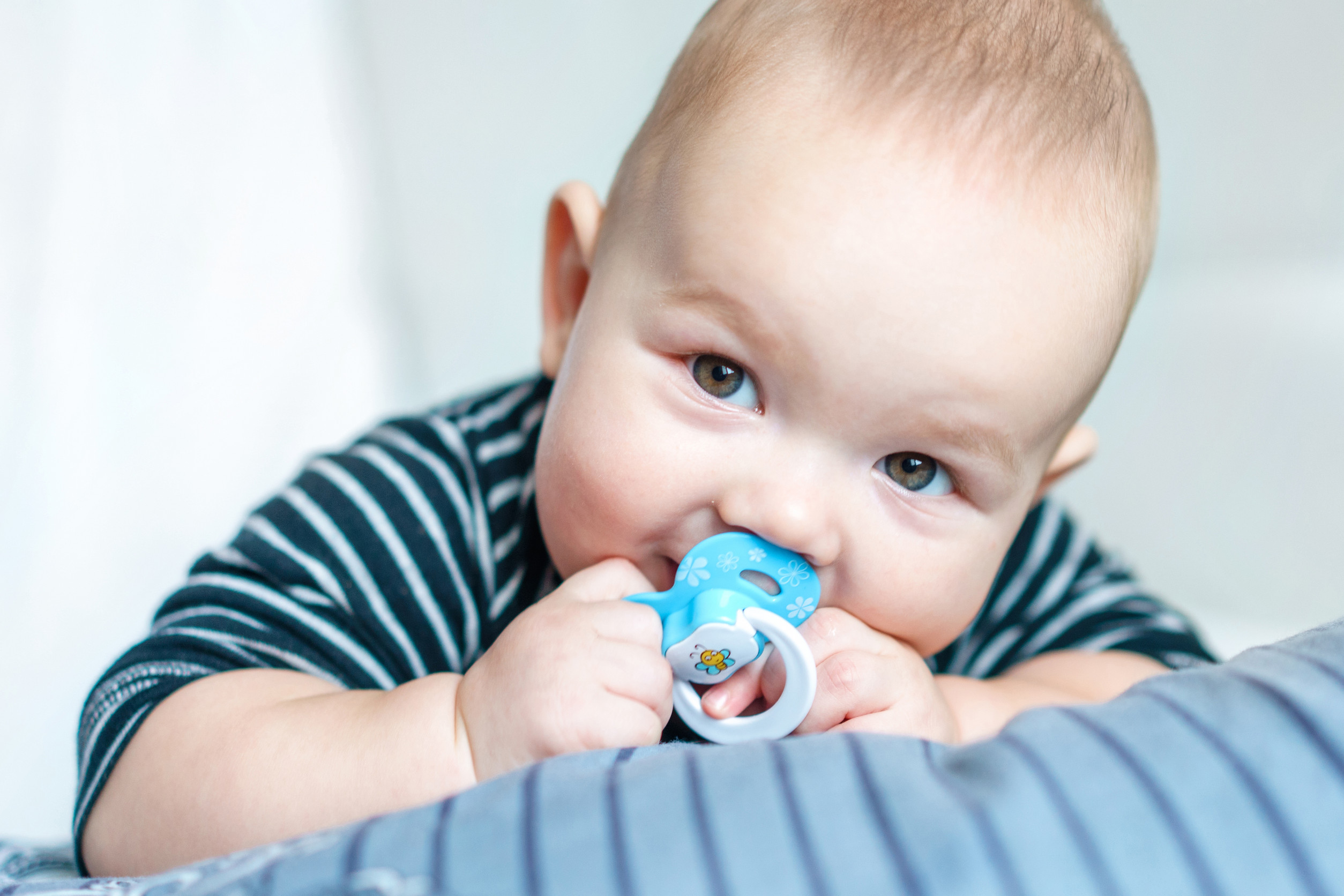
Pacifiers spend a lot of time on the floor, in diaper bags, and, of course, in a baby’s mouth. Because of their constant contact with saliva, pacifiers become prime breeding grounds for bacteria if not cleaned regularly. Some parents may rinse them off quickly, but that doesn’t kill the bacteria clinging to the small cracks and crevices. Over time, this buildup can expose babies to unnecessary germs. It’s no surprise that pacifiers are one of the baby items that are collecting more bacteria than a toilet seat.

2. Sippy Cups With Hidden Crevices

Sippy cups seem convenient, but their spouts and valves can trap leftover milk and juice. When these liquids sit, they quickly turn into breeding grounds for bacteria and even mold. Many parents don’t realize how difficult it is to fully sanitize every hidden part of a sippy cup. If not disassembled and washed thoroughly, they can expose children to harmful microbes daily. These cups easily rank among baby items that are collecting more bacteria than a toilet seat.

3. Plush Toys That Rarely Get Washed

Stuffed animals and soft toys are a source of comfort, but they’re also magnets for dirt, drool, and bacteria. Babies carry them everywhere, from the living room floor to outdoor play areas. Unfortunately, plush toys don’t always get cleaned as often as clothing or blankets. When not machine-washed regularly, they can harbor dust mites, allergens, and harmful germs. These seemingly innocent toys are baby items that are collecting more bacteria than a toilet seat.

4. Changing Pads With Frequent Contact

Changing pads are used multiple times a day and often come into direct contact with bodily fluids. Even with disposable liners, bacteria can seep into the seams and fabric if not disinfected consistently. Wiping them down quickly may not be enough to kill stubborn germs. Over time, this leads to a buildup of harmful bacteria in the very spot where parents think their babies are safest. That’s why changing pads join the list of baby items that are collecting more bacteria than a toilet seat.

5. High Chair Trays That Catch Everything

High chairs make mealtime easier, but the trays quickly become one of the dirtiest spots in the house. Between spilled food, sticky hands, and sneezes, the surface collects bacteria faster than parents can clean it. If trays aren’t thoroughly scrubbed after every meal, microbes can linger and multiply. Even dishwasher-safe trays need proper sanitization to truly eliminate germs. As a result, high chairs are baby items that are collecting more bacteria than a toilet seat.

6. Stroller Handles That Go Everywhere

Parents take strollers through grocery stores, sidewalks, playgrounds, and crowded public places. Along the way, the handles are touched by countless hands and exposed to environmental germs. Yet, stroller handles rarely get disinfected as often as they should. Babies sometimes chew on straps or touch the handles, spreading those germs further. This makes strollers another one of the baby items that are collecting more bacteria than a toilet seat.

7. Car Seats With Hidden Messes

Car seats are essential for safety, but they’re notoriously hard to clean thoroughly. Crumbs, spills, and sticky hands all contribute to bacteria hiding in the cracks and padding. Since many parents don’t disassemble and sanitize their car seats regularly, these germs can linger for weeks or months. Babies often snack or nap in car seats, increasing exposure to hidden bacteria. This is why car seats are baby items that are collecting more bacteria than a toilet seat.

Protecting Babies With Smarter Cleaning Habits

Parents can’t eliminate germs completely, but being aware of baby items that are collecting more bacteria than a toilet seat helps them take action. Simple habits like disinfecting pacifiers daily, washing plush toys weekly, and scrubbing high chair trays after every use can make a big difference. Strollers and car seats should be wiped down regularly, and sippy cups need full disassembly for thorough cleaning. By staying ahead of bacteria, families can keep their little ones healthier and reduce unnecessary exposure. Being proactive with cleaning isn’t just about tidiness—it’s about safeguarding a child’s well-being.

Which of these baby items surprised you the most? Share your cleaning tips and tricks in the comments below.

What to Read Next…

  • The Hidden Truth: 8 Common Cleaning Products Toxic For Kids
  • 6 Baby Items Hospitals Don’t Provide Anymore—But Parents Think They Do
  • 8 Items Daycares Often Ban Without Explaining Why
  • 6 Baby Products Pulled from Shelves But Still in Homes
  • Shocking Reality: 10 Popular Baby Items With Carcinogens
Catherine Reed
Catherine Reed

Catherine is a tech-savvy writer who has focused on the personal finance space for more than eight years. She has a Bachelor’s in Information Technology and enjoys showcasing how tech can simplify everyday personal finance tasks like budgeting, spending tracking, and planning for the future. Additionally, she’s explored the ins and outs of the world of side hustles and loves to share what she’s learned along the way. When she’s not working, you can find her relaxing at home in the Pacific Northwest with her two cats or enjoying a cup of coffee at her neighborhood cafe.

Filed Under: Healthy Living & Eating Tagged With: baby care, baby gear cleaning, baby hygiene, childcare safety, family health, parenting costs, parenting tips

11 Reasons Parenting Feels More Expensive Than Ever

October 4, 2025 | Leave a Comment

11 Reasons Parenting Feels More Expensive Than Ever
Image source: 123rf.com

Parenting has always come with costs, but many families today feel a heavier financial burden than generations before. Between rising prices, hidden fees, and societal changes, raising children now requires more careful financial planning than ever. Understanding why parenting feels more expensive is the first step toward making smarter choices, preparing for unexpected costs, and finding ways to balance your family budget without sacrificing what matters most.

1. The Soaring Cost of Childcare

For many parents, childcare is their single largest monthly expense, often rivaling housing costs. Daycare centers, preschools, and after-school programs continue to raise rates as staffing shortages and inflation push wages higher. Unlike past decades, more households rely on dual incomes, which means childcare isn’t optional. This reality makes parenting feel more expensive because it creates a permanent financial obligation throughout the early years. Families must budget strategically to avoid going into debt while covering these necessary services.

2. Housing Market Pressures

Parents often seek larger homes in safe neighborhoods with good schools, but these desirable areas come at a premium. Rising mortgage rates, high rent prices, and limited housing inventory force families to spend more just to secure suitable living arrangements. Even modest upgrades like an extra bedroom or proximity to schools can significantly increase housing costs. For this reason, parenting feels more expensive as shelter demands often exceed what single adults or couples without children require. The pressure to “buy more house” for the family weighs heavily on long-term finances.

3. Food Prices Keep Climbing

Feeding children today is far costlier than it was even a decade ago. Grocery store staples like milk, eggs, and bread have seen substantial price increases, and families often buy in bulk to keep up with growing appetites. Parents are also under constant pressure to provide healthier, organic, or allergen-free options, which can quickly inflate budgets. Eating out as a family is another area where bills add up much faster than for individuals or couples. The consistent rise in food costs makes parenting feel more expensive in ways that impact every weekly shopping trip.

4. Healthcare Expenses Are Rising

Health insurance premiums, copays, and prescription costs continue to climb, placing a bigger burden on families. Even with employer-sponsored plans, coverage often leaves gaps that parents must pay out-of-pocket. Routine pediatric visits, dental cleanings, and unexpected illnesses can drain savings if families aren’t prepared. Mental health care for children has also become a pressing need, further increasing expenses. All of these medical necessities contribute to why parenting feels more expensive in today’s economy.

5. Education-Related Costs Start Early

Schooling is no longer free once you factor in supplies, technology, field trips, and extracurricular activities. Back-to-school shopping alone can run into hundreds of dollars each year, especially as students now require laptops or tablets. Many districts also rely on parents for fundraising and fees for sports, band, or clubs. These recurring expenses create pressure from kindergarten through high school. It’s no wonder parenting feels more expensive when education demands more than just tuition-free classrooms.

6. Inflation Impacts Every Purchase

Inflation doesn’t just affect groceries or gas—it impacts nearly everything a family needs. Clothing, household goods, utilities, and transportation all cost more, and families can’t simply scale back without sacrificing essentials. Unlike singles who may cut corners with lifestyle changes, parents often have fewer options to downsize when children are involved. Even modest price increases compound across a household of three or more. Inflation is one of the most universal reasons parenting feels more expensive for modern families.

7. Technology Demands Add Pressure

Children today often require technology to keep up academically and socially. Smartphones, tablets, and internet access are no longer luxuries but essentials for communication and learning. Parents also face pressure to upgrade devices regularly, keep up with software, and pay for streaming or educational subscriptions. These recurring costs weren’t part of parenting a generation ago. The technology gap makes parenting feel more expensive in ways that past parents never experienced.

8. Extracurricular Activities Aren’t Cheap

Sports, dance, music lessons, and tutoring all come with fees that add up quickly. Beyond registration, there are equipment costs, uniforms, travel, and tournament expenses. Parents may feel obligated to provide these opportunities for growth and enrichment, even when it strains the budget. These activities also often come with hidden costs like fundraising commitments or parental time. As a result, extracurriculars are a major reason parenting feels more expensive than before.

9. Transportation Needs Expand

Families often need larger vehicles to safely transport children, which come with higher purchase prices, fuel costs, and insurance premiums. Car seats, strollers, and ongoing maintenance add additional financial responsibilities. Public transportation is rarely convenient for school schedules or extracurricular activities, making car ownership almost unavoidable. Rising gas prices only compound the issue. For many, transportation is another way parenting feels more expensive than it once was.

10. Safety and Security Investments

Parents spend more on safety today, from baby-proofing supplies to home security systems. Concerns about crime or accidents often drive investments in safer vehicles, gated communities, or private schools. Even seemingly small purchases like car seats, helmets, and smart home devices add up over time. While these choices bring peace of mind, they also increase ongoing expenses. Safety-conscious living is yet another factor that makes parenting feel more expensive.

11. Pressure to Keep Up Socially

Modern parenting comes with social expectations that can be costly. Birthday parties, holiday gifts, vacations, and trendy gear all add to the sense that families must spend to keep up. Social media amplifies these pressures, making parents feel inadequate if they don’t provide similar experiences for their children. What might once have been occasional splurges now feel like ongoing obligations. This cultural pressure is a hidden reason why parenting feels more expensive than ever.

Finding Ways to Lighten the Load

Although parenting feels more expensive today, families can take steps to manage these challenges. Careful budgeting, seeking community resources, and resisting unnecessary social pressures can make a real difference. Parents should also prioritize long-term financial planning, such as saving for education and building emergency funds. Choosing what truly matters for your family can help reduce stress and spending. With a strategic mindset, raising kids doesn’t have to overwhelm your finances.

Which of these costs do you feel the most in your household? Share your experiences and tips in the comments below.

What to Read Next…

  • Are Pull-Ups Just Expensive Diapers? The Truth About Training Pants
  • Beyond The Initial Joy: 11 Surprising Costs Of Having A Second Child
  • Bill Shock: 11 Unexpected Healthcare Costs for Kids
  • Skip These 7 Expenses and Your Kids Won’t Even Notice
  • Can You Afford to Have Kids in 2025? Here’s What It Really Costs Per Year
Catherine Reed
Catherine Reed

Catherine is a tech-savvy writer who has focused on the personal finance space for more than eight years. She has a Bachelor’s in Information Technology and enjoys showcasing how tech can simplify everyday personal finance tasks like budgeting, spending tracking, and planning for the future. Additionally, she’s explored the ins and outs of the world of side hustles and loves to share what she’s learned along the way. When she’s not working, you can find her relaxing at home in the Pacific Northwest with her two cats or enjoying a cup of coffee at her neighborhood cafe.

Filed Under: Parenting Tagged With: childcare expenses, cost of raising kids, Family Budgeting, family finances, financial planning for parents, parenting costs, rising inflation

« Previous Page
Next Page »
  • Facebook
  • Pinterest
  • RSS
  • Twitter
Best Parenting Blogs

Most Popular

Baby Girl

12 “Grandma” Baby Names That Are Suddenly Cool Again

Evan Morgan
Baby

9 Baby Names That Sound Rare Without Being Hard to Spell

Evan Morgan
Target Store

Choking Incident Prompts Recall of 49,000 Target Gigglescape “Under the Sea” Popping Toys

Evan Morgan
Frustrated Girl

Why Some Students on the Spectrum Are Labeled With ODD

Evan Morgan
Coke Bottles

12 Things Kids Took to School in the ’70s That Would Never Be Allowed Today

Evan Morgan

All content on Kids Ain’t Cheap is for entertainment purposes only. By reading this blog, you agree that Kids Ain’t Cheap is not responsible for any actions taken after reading this blog. For the full disclaimer, see our privacy policy.

Please note that Kids Ain’t Cheap has financial relationships with some of the merchants mentioned here. Kids Ain’t Cheap is funded by banner advertising, commission sales and search optimization consulting.

Copyright © 2006–2026 | District Media | All Rights Reserved | Privacy Policy

Copyright © 2026 Runway Pro Theme by Viva la Violette