• Home
  • About Us
  • Toolkit
  • Archives
  • Advertise
  • Privacy Policy

Kids Ain't Cheap

But They Sure Are Worth It

  • Parenting
    • Baby Stuff
    • Books and Reading
      • Aesops Fables
      • Comic Books
    • Education
    • Family Time
    • Green Living
    • Growing Up
    • Healthy Living & Eating
    • Holidays
    • Parenting
    • Random Musings
    • Shopping
    • Stuff to Do
  • Money
  • Product Reviews
    • Books and Magazines
    • Discount Sites
    • Furniture
    • House Keeping
    • Reviews News
    • Toys and Games
  • Contact Us
  • Our Editorial Commitment
  • Search

What Happens If Your Toddler Gets Hurt at a Friend’s House?

November 15, 2025 | Leave a Comment

What Happens If Your Toddler Gets Hurt at a Friend’s House?
Image source: shutterstock.com

When your toddler gets hurt while playing at a friend’s house, panic often comes before reason. You rush to comfort your child, but soon after comes the question that most parents dread: Who is responsible, and what happens next? Accidents are part of childhood, yet when they occur on someone else’s property, emotions and liability concerns can quickly complicate things. Understanding what to do when your toddler gets hurt at a friend’s house can help you respond calmly, protect your child’s well-being, and handle the situation with fairness and clarity.

Stay Calm and Assess the Situation

Your first instinct may be to panic, but staying calm allows you to make better decisions for your child. Assess the injury immediately—check for bleeding, bruising, or signs of distress. If it seems serious, call 911 or take your child to urgent care right away. For minor scrapes or bumps, basic first aid may be enough. Always prioritize your child’s safety first, and discuss details with the host family once immediate care is provided.

Determine What Actually Happened

Once your toddler gets hurt, gathering accurate details is essential. Ask calmly how the injury occurred and whether an adult witnessed it. Sometimes, what seems like neglect may simply be an accident during normal play. Documenting what happened helps you explain it clearly to medical professionals and, if necessary, insurance companies. Avoid accusations or assumptions—most injuries are unintentional, and maintaining open communication ensures cooperation.

Notify the Homeowner or Host Parent

Even if the injury appears minor, let the homeowner know right away. They need to be aware of whether their homeowner’s insurance or liability coverage applies. Responsible hosts will also want to ensure their property is safe for future visits. In most cases, homeowner’s insurance includes medical payments coverage, which can help with immediate medical costs regardless of fault. Having a respectful, factual conversation prevents confusion later on and shows you’re handling things responsibly.

Understand How Liability Works

When a toddler gets hurt at a friend’s house, liability depends on the circumstances. If the injury occurred due to unsafe conditions—such as a broken step or an unattended pool—the homeowner could be held responsible. However, if it happened during typical play, it might be considered an accident without legal fault. Homeowner’s insurance often includes limited coverage for guest injuries, but only under specific conditions. It’s wise to document photos, medical notes, and communication in case questions arise later.

Contact Your Own Insurance If Needed

Sometimes, your own insurance coverage can help pay for your child’s treatment, even if another family’s property is involved. Health insurance typically covers medical care first, while homeowner’s or renter’s insurance may apply afterward. If your toddler gets seriously hurt, keep copies of bills and reports to submit for reimbursement or coordination between providers. Always inform your insurance company about how the injury occurred to ensure accurate processing and claims handling. Having clear records saves you from financial headaches later.

Focus on Recovery, Not Blame

It’s natural to feel frustrated when your child gets injured under someone else’s supervision. However, most accidents aren’t due to carelessness—they’re part of active childhood play. Shifting the focus from blame to recovery benefits everyone involved. Your child will pick up on your tone, so staying positive helps them feel safe and reassured. Maintaining good relationships with other parents also ensures future playdates can continue without tension.

Prevent Future Accidents Together

Once your toddler gets hurt, use the experience as a learning opportunity. Talk with your friend about what might prevent similar incidents next time, such as setting clearer boundaries or supervising certain activities more closely. If your child is old enough, teach them about safety in various environments—such as avoiding slick patios and staying away from pets when unsupervised. Childproofing and supervision don’t end at home, and working together keeps all kids safer. Sometimes, simple communication between parents prevents repeat mishaps.

Knowing When to Seek Legal Advice

In rare cases, if the injury is serious and involves negligence—such as unsafe property or lack of supervision—you may need to speak with a legal professional. Legal action should always be a last resort after attempting to resolve matters through discussion and insurance channels. Many homeowner policies can cover medical costs up to certain limits, avoiding lawsuits altogether. Still, consulting a lawyer ensures you understand your rights before making any major decisions. A brief conversation with an attorney can offer peace of mind during a stressful time.

Turning a Scary Moment Into Prepared Parenting

When your toddler gets hurt at a friend’s house, it’s easy to feel overwhelmed—but knowledge is your best tool. By understanding what steps to take, from first aid to insurance claims, you can respond confidently and minimize long-term stress. Accidents happen, but handling them calmly models problem-solving and resilience for your child. The next time your little one visits a friend’s home, you’ll feel better prepared to handle the unexpected with care, clarity, and compassion.

Has your toddler ever gotten hurt at a friend’s house? How did you handle it? Share your story and advice in the comments below!

What to Read Next…

  • Toddler Falls: 5 Home Areas Where Toddlers Get Hurt Most (Are Yours Safe?)
  • Before The First Step: 8 Hidden Dangers In Your Bathroom Threatening Toddlers
  • The Hidden Truth: 8 Everyday Products Poisonous To Toddlers
  • Toddler Danger: 8 Everyday Products Dangerous for Toddlers
  • Is Your Home Toxic? 8 Everyday Items Poisoning Your Toddler
Catherine Reed
Catherine Reed

Catherine is a tech-savvy writer who has focused on the personal finance space for more than eight years. She has a Bachelor’s in Information Technology and enjoys showcasing how tech can simplify everyday personal finance tasks like budgeting, spending tracking, and planning for the future. Additionally, she’s explored the ins and outs of the world of side hustles and loves to share what she’s learned along the way. When she’s not working, you can find her relaxing at home in the Pacific Northwest with her two cats or enjoying a cup of coffee at her neighborhood cafe.


Filed Under: Parenting Tagged With: child injury, family preparedness, parenting safety, parenting tips, playdate safety, toddler gets hurt

10 Outdated Parenting Rules That Are Still Costing Parents Time and Money

November 14, 2025 | Leave a Comment

10 Outdated Parenting Rules That Are Still Costing Parents Time and Money
Image source: shutterstock.com

Some advice from past generations sounds wise until you realize how much it’s draining your time and wallet. Many outdated parenting rules were created for a world that no longer exists—one without flexible work, digital tools, or modern child development research. Yet, parents still follow these old standards out of habit or guilt. Recognizing which outdated parenting rules no longer serve your family can help you reclaim both your peace and your budget.

1. “Children Must Have New Everything”

The idea that your child needs brand-new clothes, toys, and gear for every stage is one of the most expensive outdated parenting rules still around. In reality, most kids outgrow items long before they wear out. Buying used or accepting hand-me-downs can save hundreds without compromising quality. Children don’t notice or care about price tags—they care about how loved and secure they feel. Break this rule, and you’ll instantly see more room in your budget for experiences that matter.

2. “Good Parents Keep Kids Busy All the Time”

Many parents still feel pressured to schedule endless activities to prove they’re doing enough. But over-scheduling leads to burnout—for both you and your kids—and costs a fortune in fees, gas, and gear. Unstructured playtime fosters creativity and independence at no cost. Children need downtime to develop imagination and problem-solving skills. Letting go of this outdated parenting rule can give your family both breathing room and financial relief.

3. “You Must Throw Big Birthday Parties”

Large, themed birthday parties have become the norm, but they’re not a requirement for happy memories. Many parents spend hundreds on decorations, entertainment, and goody bags just to keep up appearances. A small, meaningful celebration can be just as special and far less stressful. Kids remember laughter and attention more than price tags. Simplifying birthdays helps you save money and focus on genuine joy.

4. “Children Should Always Be Seen and Not Heard”

This outdated parenting rule has faded in many homes, but traces of it remain in how parents manage kids’ emotions. Suppressing a child’s voice or discouraging questions can lead to more behavioral issues later. Teaching communication and emotional expression early helps prevent costly therapy or discipline struggles later on. Encouraging open dialogue saves time spent resolving conflicts. A listening parent often raises a confident, cooperative child.

5. “Every Meal Must Be Homemade”

Homemade meals are great, but insisting on making every single one from scratch can create unnecessary stress and waste. Sometimes, affordable pre-prepped ingredients or meal kits save both time and food costs. The goal is healthy nourishment, not perfection. Balance is key—mix simple homemade dishes with smart shortcuts. Freeing yourself from this outdated parenting rule can restore sanity to your evenings and make family dinners enjoyable again.

6. “A Clean House Means You’re a Good Parent”

Many parents still tie their self-worth to spotless homes, but chasing constant cleanliness wastes hours and energy. Children thrive in spaces where they can explore and make small messes—it’s part of learning. Hiring cleaners or spending on constant organization tools can also strain your wallet. Aim for “lived-in and tidy,” not “picture-perfect.” Dropping this rule frees up more time for family connection instead of chores.

7. “You Have to Buy Every Educational Toy”

Parents often fall for marketing that promises smarter kids through expensive gadgets or learning subscriptions. The truth is, most learning happens through simple play and human interaction. Books, blocks, and imagination outperform many pricey “educational” items. Spending less on toys and more on shared experiences offers a better return. This is one of those outdated parenting rules where less truly equals more.

8. “Kids Should Start School as Early as Possible”

Some parents rush to enroll their toddlers in preschool or enrichment programs believing earlier is better. However, pushing formal education too soon can lead to stress and unnecessary tuition expenses. Developmental experts agree that play-based learning in early years builds stronger foundations. Waiting until your child is ready—socially and emotionally—can save both money and tears. Rethinking this outdated parenting rule allows kids to learn at their natural pace.

9. “Screen Time Is Always Bad”

While excessive screen time can be harmful, completely banning screens ignores their potential for learning and convenience. Educational shows, digital storybooks, and virtual family chats can enrich your child’s world. Modern parents can use technology strategically instead of fearing it. Balance and content quality matter more than strict prohibition. Letting go of this outdated parenting rule can save time and open up new learning tools without guilt.

10. “Parents Must Handle Everything Themselves”

Many parents still believe asking for help means failure, but that mindset only leads to exhaustion. Whether it’s sharing childcare duties, trading babysitting with friends, or using budget-friendly community programs, collaboration saves time and stress. Parenting was never meant to be a solo mission. Embracing support systems builds resilience for both parents and children. Breaking this outdated parenting rule can lead to a healthier, more affordable family dynamic.

Letting Go of the Past for a Happier Future

Parenting evolves, and so should the rules we live by. The best approach isn’t about doing everything perfectly—it’s about doing what truly works for your family today. Shedding outdated parenting rules means saving time, protecting your budget, and creating a more balanced home life. Each modern adjustment, no matter how small, moves you closer to the parent you want to be. When you let go of unnecessary expectations, you gain something priceless: peace of mind.

Which outdated parenting rules have you left behind, and how has it helped your family? Share your experiences in the comments below!

What to Read Next…

Is Your Parenting Style Quietly Damaging Your Child’s Friendships?

10 Modern Parenting Issues That Are Silently Stressing You Out

9 Parenting Trends That Are Quietly Harming Emotional Growth

10 Things You’re Overspending On Because of Social Media Parenting Trends

What Are the Real Costs of “Gentle Parenting”?

Catherine Reed
Catherine Reed

Catherine is a tech-savvy writer who has focused on the personal finance space for more than eight years. She has a Bachelor’s in Information Technology and enjoys showcasing how tech can simplify everyday personal finance tasks like budgeting, spending tracking, and planning for the future. Additionally, she’s explored the ins and outs of the world of side hustles and loves to share what she’s learned along the way. When she’s not working, you can find her relaxing at home in the Pacific Northwest with her two cats or enjoying a cup of coffee at her neighborhood cafe.
Filed Under: Parenting Tagged With: Family Budget, modern parenting, outdated parenting rules, parenting tips, raising kids, time-saving tips

Digital Parenting: The Mistake That’s Making Teen Anxiety Skyrocket

November 13, 2025 | Leave a Comment

Digital Parenting: The Mistake That’s Making Teen Anxiety Skyrocket
Image source: shutterstock.com

Technology has changed nearly every part of family life, but nowhere is that more apparent than in how parents raise their kids. Phones, tablets, and social media have created an entirely new kind of household dynamic, one where boundaries blur and constant connection doesn’t always mean closeness. While most parents turn to screens to keep kids safe, informed, or entertained, experts say a hidden habit in digital parenting is fueling teen anxiety at alarming rates. The challenge isn’t technology itself—it’s how parents manage it. Understanding what’s gone wrong can help families restore balance before anxiety becomes a lasting part of adolescence.

The Hidden Trap of Constant Monitoring

Many parents believe that closely monitoring a teen’s digital world prevents trouble, but constant tracking often backfires. When teens feel every text, post, or search is under scrutiny, they can become anxious or secretive. Experts say the goal of digital parenting should be guidance, not surveillance. Kids need to learn digital responsibility through trust, not fear of being watched. Building open dialogue instead of relying solely on monitoring apps helps teens develop self-control and confidence in their online choices.

The Pressure of Perfection on Social Media

One of the biggest triggers of teen anxiety comes from comparing themselves to others online. Allowing unlimited social media access without context or conversation can amplify this pressure. Teens often see curated highlight reels and mistake them for real life, which can damage self-esteem. Parents can help by discussing how filters, algorithms, and influencer culture distort reality. Encouraging tech breaks and “real-world resets” helps teens maintain perspective and emotional balance.

Replacing Real Connection with Screen Time

Family time has quietly been replaced by screens in many homes, even during meals and car rides. Digital parenting that leans too heavily on technology for communication can weaken emotional bonds. Teens need face-to-face conversations to build empathy, social skills, and coping strategies—things they can’t get from a phone. Parents can model healthy habits by putting devices away during family moments and prioritizing real interactions. These small changes show kids that connection matters more than convenience.

Using Devices as Emotional Soothers

It’s easy to hand a phone to a frustrated or bored teen, but doing so repeatedly teaches emotional avoidance. Over time, digital distractions become coping mechanisms, leading to anxiety when screens aren’t available. Instead of relying on devices to calm emotions, digital parenting should focus on emotional literacy—helping teens recognize and name their feelings. Parents can guide kids toward non-digital coping methods like journaling, music, or physical activity. Teaching teens to self-soothe without technology builds resilience and emotional stability.

The Double Standard of Parental Screen Use

Teens notice when parents preach limits but don’t practice them. Many adults spend just as much time scrolling, checking messages, or binge-watching, unintentionally normalizing digital dependency. Consistency is key in digital parenting—kids follow examples more than rules. Setting family screen-free times, like before bed or during meals, creates shared accountability. When parents participate in the same boundaries, the message about balance feels genuine and achievable.

Lack of Boundaries Around Online Privacy

Some parents assume their child’s online life is an open book, but constant intrusion can erode trust. Reading messages or publicly commenting on posts might seem harmless but can cause embarrassment and resentment. Experts in parenting recommend discussing privacy expectations early on instead of imposing sudden control. Teens should understand that privacy doesn’t mean secrecy—it’s part of developing autonomy. Mutual respect online builds stronger relationships offline and reduces anxiety around digital independence.

What Experts Say About Balance and Boundaries

Psychologists agree that balance—not restriction—is the key to healthier digital habits. Teens who are taught critical thinking, empathy, and self-awareness use technology more responsibly. The most successful digital parenting strategies blend trust, communication, and consistent boundaries. Families that openly discuss technology’s benefits and drawbacks create an environment where anxiety has less room to grow. Technology will always evolve, but parental connection remains the strongest safeguard against its mental health risks.

Teaching Teens to Thrive in a Digital World

Teen anxiety doesn’t stem from screens alone—it grows from disconnection, comparison, and overcontrol. Parents have the power to reverse that trend by making digital parenting more collaborative and less reactive. Fostering trust, setting shared rules, and prioritizing offline experiences create stability that screens can’t replace. By guiding teens with understanding instead of constant correction, parents help them feel capable and confident online. The digital world isn’t going away, but families can make it a place where calm and connection thrive side by side.

How do you manage digital parenting in your household? Share your strategies or challenges in the comments below!

What to Read Next…

Why Is “Overpraising” Creating Anxiety in Kids?

7 Forgotten Costs of Raising a Teen in a Digital World

10 Household Rules That Are Actually Making Your Kids Anxious

Why Are So Many Teenagers Avoiding Driver’s Licenses Now?

10 Mistakes Parents Make When Kids Are Dealing With Anxiety

Catherine Reed
Catherine Reed

Catherine is a tech-savvy writer who has focused on the personal finance space for more than eight years. She has a Bachelor’s in Information Technology and enjoys showcasing how tech can simplify everyday personal finance tasks like budgeting, spending tracking, and planning for the future. Additionally, she’s explored the ins and outs of the world of side hustles and loves to share what she’s learned along the way. When she’s not working, you can find her relaxing at home in the Pacific Northwest with her two cats or enjoying a cup of coffee at her neighborhood cafe.

Filed Under: Parenting Tagged With: digital parenting, family technology, parenting advice, parenting trends, social media safety, teen anxiety, teen mental health

Are Modern Potty Training Methods Making Doctors Concerned?

November 12, 2025 | Leave a Comment

Are Modern Potty Training Methods Making Doctors Concerned?
Image source: shutterstock.com

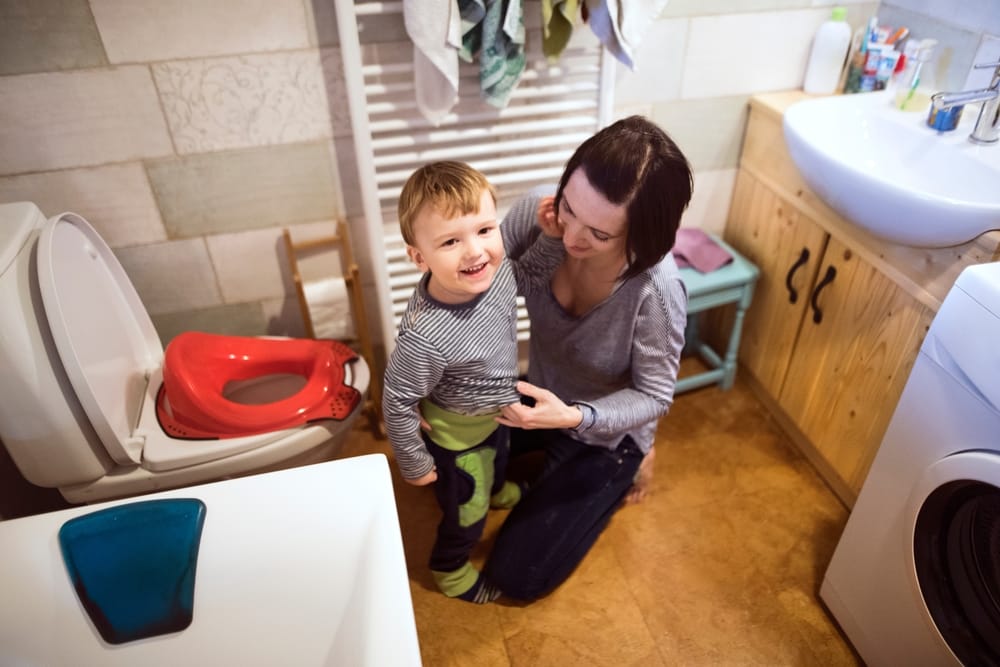
Modern parenting trends have reshaped how we approach nearly every milestone, and that includes potty training. From child-led readiness to tech-based potty gadgets, modern potty training methods promise less stress and more independence. But pediatricians are raising eyebrows, suggesting some new techniques might be backfiring. With delayed training, excessive use of screens, and misinterpreted “gentle” approaches, many doctors are beginning to voice concern about potential health and developmental consequences for children.

1. Why Doctors Are Questioning Modern Potty Training

Pediatricians note a rise in children experiencing bladder and bowel issues due to delayed potty training. Some modern potty-training strategies emphasize waiting until the child is “fully ready,” but readiness cues are often misunderstood. Many kids are now staying in diapers well past age three, which can cause constipation, urinary retention, and emotional stress once they start preschool. Doctors suggest that while a gentle approach is beneficial, too much delay can create physical and emotional setbacks. The balance between encouragement and expectation seems to be slipping in the era of modern potty training.

2. Over-Reliance on Convenience Tools

Modern potty training has become heavily influenced by convenience-based tools, from musical potties to reward apps. While these can make the process fun, doctors caution that they may distract from real bodily awareness. Children who learn to respond only to external rewards or digital cues may struggle to recognize their natural signals. Health professionals recommend limiting gadgets and focusing on body-based communication instead. Building consistency and routine without excessive gimmicks leads to better long-term potty success.

3. Delayed Training Can Lead to Health Problems

Medical experts are linking delayed training to physical complications that were once rare. When children stay in diapers longer, their muscles may not develop strong bladder control as early as expected. Chronic holding can result in urinary tract infections or constipation, issues that often persist into school years. Doctors emphasize that waiting until a child is “emotionally ready” should not mean waiting indefinitely. A structured, supportive approach between ages two and three is typically healthiest for most kids.

4. Misinterpretation of the “Child-Led” Approach

The child-led philosophy, popular in many parenting circles, encourages letting kids set the pace. But pediatricians warn that some parents interpret this too literally, allowing avoidance to replace autonomy. Without gentle guidance and routine, some children never initiate interest until external pressure (like preschool requirements) forces it. Experts agree that child-led doesn’t mean parent-absent—it means parents should coach, not control. The goal is to make modern potty training cooperative, not passive.

5. The Screen-Time Factor in Potty Training

Screens have found their way into nearly every part of childhood, including potty time. Many toddlers now use tablets or smartphones as distractions during potty training, which doctors say can cause more harm than good. Prolonged sitting with screens may extend bathroom time and reduce focus on bodily cues. Pediatricians encourage parents to make potty time short, calm, and interactive without digital entertainment. Teaching awareness and routine builds stronger lifelong habits than relying on screens for cooperation.

6. Emotional Repercussions of Inconsistent Methods

Inconsistent or overly permissive modern potty-training techniques can cause emotional confusion. A child might feel anxious if parents alternate between complete freedom and sudden pressure when school starts. Pediatricians highlight the importance of predictability, patience, and praise. Kids thrive when they know what’s expected, and their emotional development benefits from steady routines. The key is combining empathy with structure, so potty training becomes empowering, not stressful.

7. What Doctors Recommend Instead

Most pediatricians suggest a balanced, age-appropriate potty-training method that mixes readiness with routine. Start early conversations about the potty around age two, letting your child explore the concept without pressure. Gradually introduce scheduled potty breaks, celebrate effort, and avoid punishments or bribery. Consistency and clear communication remain the foundation of healthy training. Above all, remember that modern potty training should support your child’s confidence—not delay their development.

A Healthy Balance Between New Ideas and Timeless Wisdom

Modern parenting encourages flexibility and compassion, but even the best trends need moderation. Doctors aren’t against new tools or child-led techniques—they simply urge parents to blend innovation with common sense. Encouraging independence while maintaining gentle structure ensures children develop both physically and emotionally on track. Potty training isn’t just about milestones—it’s about teaching self-awareness and confidence. When parents strike that balance, kids gain lifelong habits that serve them well beyond the toddler years.

Do you think modern potty training methods help or hinder development? Share your experience and insights in the comments below!

What to Read Next…

6 Unspoken Rules Pediatricians Wish More Parents Followed

10 Pediatric Visits That Leave Parents With Unexpected Bills

Pediatrician Secrets: 8 Dangers Your Pediatrician Won’t Discuss

6 Questions Pediatricians Wish Parents Would Actually Ask

Why Are Pediatric ER Visits Rising for First-Time Parents?

Catherine Reed
Catherine Reed

Catherine is a tech-savvy writer who has focused on the personal finance space for more than eight years. She has a Bachelor’s in Information Technology and enjoys showcasing how tech can simplify everyday personal finance tasks like budgeting, spending tracking, and planning for the future. Additionally, she’s explored the ins and outs of the world of side hustles and loves to share what she’s learned along the way. When she’s not working, you can find her relaxing at home in the Pacific Northwest with her two cats or enjoying a cup of coffee at her neighborhood cafe.

Filed Under: Parenting Tagged With: child development, family wellness, parenting tips, parenting trends, pediatric advice, potty training, toddler health

Is Your Parenting Style Quietly Damaging Your Child’s Friendships?

November 10, 2025 | Leave a Comment

Is Your Parenting Style Quietly Damaging Your Child’s Friendships?
Image source: shutterstock.com

Every parent wants their child to build healthy, lasting friendships. But sometimes, the way we guide, discipline, or even protect our kids can unintentionally interfere with those relationships. Your parenting style might shape how your child communicates, handles conflict, and trusts others. When patterns like overprotection, control, or inconsistency appear, they can quietly create barriers between your child and their peers. Understanding how different parenting styles affect social development can help you make small adjustments that lead to big improvements in your child’s friendships.

How Your Parenting Style Shapes Social Confidence

A child’s ability to form friendships often begins with how confident they feel in social situations. An overly strict parenting style can make kids hesitant to express themselves or take social risks, fearing criticism or disapproval. On the other hand, a permissive approach may leave children without clear boundaries, making it difficult for them to respect others’ limits. The healthiest balance usually comes from an authoritative style—firm yet supportive—where expectations are clear but communication is open. Confidence grows when children feel trusted to handle interactions on their own while knowing their parents will guide them when needed.

Overprotective Habits Can Limit Social Growth

When parents step in too often to solve every problem, children may miss opportunities to develop essential conflict-resolution skills. Overprotective behavior, though well-intentioned, can prevent kids from learning how to handle disagreements, rejection, or differences with friends. These are natural parts of growing up that build emotional resilience. Children who rarely face these experiences may struggle to maintain friendships when things get tough. Allowing kids to make—and learn from—minor social mistakes teaches independence and empathy, two cornerstones of meaningful connections.

The Impact of Control and Criticism

A controlling parenting style can quietly damage your child’s ability to connect with others. When children are used to being told what to say or how to behave, they may become overly cautious or anxious in social settings. Constant criticism can also erode self-esteem, making them doubt whether their peers genuinely like them. Kids raised in this environment might seek approval excessively or, conversely, withdraw from group interactions altogether. Encouraging autonomy and praising effort instead of perfection helps your child feel secure enough to be authentic with friends.

The Role of Emotional Availability

Children learn emotional regulation and empathy from their parents before they ever apply these skills in friendships. If a parenting approach is emotionally distant—where feelings are often dismissed or ignored—kids might struggle to recognize or respond to others’ emotions. Conversely, when parents overreact or model inconsistent emotions, children can internalize those patterns, leading to unpredictable behavior with peers. The best approach is to model steady emotional awareness: acknowledge your own feelings calmly, listen to your child’s without judgment, and show that empathy strengthens relationships. These lessons naturally carry into your child’s friendships.

When Comparison and Pressure Creep In

Parents who often compare their child to others or apply excessive pressure to “fit in” might be doing more harm than good. A parenting style that revolves around comparison can create insecurity, making children feel inferior or competitive rather than cooperative. Similarly, pressuring kids to have many friends or to be popular can cause stress and performance anxiety. Friendship is not about quantity—it’s about connection. Supporting your child’s natural pace and personality helps them form authentic bonds that last longer and feel more fulfilling.

How to Support Healthier Social Habits

If you suspect your parenting technique is influencing your child’s social struggles, change is possible—and it starts with awareness. Begin by observing your child’s interactions without immediately intervening. Offer guidance afterward, focusing on what they did well before suggesting gentle improvements. Model positive social behavior yourself by resolving conflicts calmly and showing respect in your own relationships. Most importantly, reassure your child that friendships take effort and that mistakes are part of learning how to connect with others.

When to Seek Outside Support

Sometimes, patterns in parenting or child behavior are deeply rooted and may benefit from outside perspective. If your child frequently comes home upset, avoids peers, or shows signs of social withdrawal, it might help to consult a school counselor or child psychologist. Professionals can help identify whether your parenting style, environment, or external pressures are contributing factors. They can also teach communication strategies tailored to your child’s personality. Seeking help is not a sign of failure—it’s a proactive way to strengthen your child’s emotional well-being.

Small Shifts That Create Big Friendship Wins

You don’t have to overhaul your entire approach to parenting to make a difference. Simple actions—like listening more, asking open-ended questions, and letting your child navigate social bumps—can dramatically improve how they relate to others. Focus on encouragement over correction and connection over control. These small shifts create an environment where your child feels empowered to build genuine friendships. Over time, they’ll develop the confidence and empathy needed to thrive socially both in and outside of school.

Raising a Child Who Builds Lasting Friendships

Recognizing how your parenting style affects your child’s friendships can be the first step toward meaningful change. By balancing guidance with freedom, emotional support with structure, and empathy with accountability, you help your child grow into a capable, compassionate friend. Healthy friendships often begin with the lessons learned at home, and every adjustment you make can ripple into their social world. Parenting is about progress, not perfection—and each step toward awareness strengthens both your relationship and your child’s future connections.

Do you think your parenting style affects how your child makes friends? Share your thoughts and experiences in the comments below.

What to Read Next…

6 Parenting Phrases Experts Say Cause Long-Term Insecurity

8 Gendered Parenting Habits That Are Quietly Harming Kids

What Are the Real Costs of “Gentle Parenting”?

9 Parenting Trends That Are Quietly Harming Emotional Growth

6 Innocent Parenting Habits That Lead to Big Therapy Bills Later

Catherine Reed
Catherine Reed

Catherine is a tech-savvy writer who has focused on the personal finance space for more than eight years. She has a Bachelor’s in Information Technology and enjoys showcasing how tech can simplify everyday personal finance tasks like budgeting, spending tracking, and planning for the future. Additionally, she’s explored the ins and outs of the world of side hustles and loves to share what she’s learned along the way. When she’s not working, you can find her relaxing at home in the Pacific Northwest with her two cats or enjoying a cup of coffee at her neighborhood cafe.

Filed Under: Parenting Tagged With: child behavior, child friendships, emotional development, family communication, parenting advice, Parenting Style, Social Skills

What Happens When Montessori Strategies Clash With Boomer Traditions?

November 6, 2025 | Leave a Comment

What Happens When Montessori Strategies Clash With Boomer Traditions?
Image source: shutterstock.com

Montessori strategies have gained modern momentum for their focus on independence, respect, and hands-on learning. Yet, for many grandparents who raised children under more traditional approaches, these methods can seem foreign—even frustrating. When parents following Montessori principles leave their children with Boomer grandparents, differences in discipline, routines, and play styles can lead to unintentional conflict. Understanding where these generational philosophies collide is key to building harmony between old-school love and modern parenting ideals.

1. Independence vs. Obedience

One of the biggest differences between Montessori approaches and Boomer traditions is the approach to independence. Montessori encourages children to make choices, pour their own juice, and clean up spills without punishment. For Boomers, this may look like a lack of discipline or structure. They often value respect through obedience—children doing what they’re told right away. Parents can help bridge this gap by explaining that Montessori-style freedom doesn’t mean chaos; it’s guided independence that builds confidence and problem-solving skills.

2. Play With Purpose vs. Toys as Rewards

Montessori strategies emphasize open-ended play with materials that promote concentration and creativity. Wooden blocks, puzzles, and sensory bins replace noisy plastic toys that flash and sing. Boomer grandparents, however, often see toys as gifts and rewards for good behavior. This difference can spark tension when children show more interest in sorting beans than playing with a new electronic toy. To find balance, parents can suggest gift ideas that align with Montessori learning—such as practical tools, child-sized utensils, or simple craft supplies that invite exploration.

3. Praise and Punishment Differences

Boomer traditions often rely on external motivation—praise for good deeds and punishment for misbehavior. Montessori techniques, on the other hand, avoid overpraising or shaming, encouraging children to find satisfaction in their own accomplishments. When a grandparent says, “Good job!” after every action, it can undermine the Montessori idea of intrinsic motivation. A kind conversation about acknowledging effort rather than outcome can help both sides support a child’s confidence without turning every moment into a performance.

4. Messy Learning vs. Clean Control

For parents who embrace Montessori strategies, a bit of mess means progress. Flour spilled while baking or paint-smeared hands are signs of active learning. Many Boomers were raised to see mess as disrespect or laziness, quickly reaching for the mop instead of letting kids explore. These reactions can discourage curiosity. Parents can ease this tension by setting up designated “learning zones” at grandparents’ homes—places where controlled messes are encouraged and easy to clean, showing respect for both philosophies.

5. Technology Boundaries and Screen Time

While Montessori strategies promote real-world experiences over screens, Boomer grandparents often see television as harmless entertainment or a way to bond over cartoons. This can lead to conflicts when a parent comes home to find their toddler hypnotized by TV instead of sorting shapes. Instead of confrontation, families can share clear boundaries in advance. Suggest alternatives like reading together, building blocks, or outdoor walks—activities that foster connection while staying true to Montessori values.

6. Food Freedom vs. “Clean Your Plate”

The dinner table is another battleground between Montessori approaches and Boomer traditions. Montessori encourages letting kids choose what and how much they eat, teaching body awareness and self-regulation. Many Boomers were taught to never waste food, insisting children finish everything on their plate. The result? Power struggles that turn mealtime into stress instead of nourishment. Parents can reassure grandparents that food freedom doesn’t mean wastefulness—it’s a way for kids to learn balance and mindfulness around eating.

7. Emotional Expression vs. “Tough It Out”

Montessori strategies place strong emphasis on emotional literacy, helping children name and manage feelings. In contrast, many Boomers grew up with the “tough it out” mindset, where tears or frustration were signs of weakness. When a grandparent tells a crying child to “stop crying” instead of validating their feelings, it can clash with modern approaches to emotional growth. Parents can explain that acknowledging emotions helps children regulate faster—and that empathy doesn’t spoil a child, it strengthens them.

8. Open Communication vs. Hierarchical Authority

Boomer traditions often center on respect for authority: adults set rules and children follow them. Montessori strategies value communication and mutual respect, encouraging children to express opinions and participate in decisions. When a child tells a grandparent “no,” it can sound defiant, even if it’s part of healthy autonomy. Parents can help by modeling calm conversations where both sides listen and validate. Over time, grandparents may find joy in seeing their grandchild’s growing self-awareness.

9. Safety and Risk Taking

Boomers often protect children by limiting risk—“don’t climb that,” “be careful,” or “you’ll get hurt.” Montessori techniques, however, embrace safe risk-taking as essential to development. Allowing a child to climb a low wall or use child-safe knives teaches coordination and trust. Grandparents may feel anxious watching these moments, especially if they fear accidents. Parents can ease those concerns by involving them in the process, explaining safety measures, and showing that controlled risk helps build responsible confidence.

10. Blending the Best of Both Worlds

When Montessori strategies clash with Boomer traditions, families don’t have to pick sides. Instead, they can blend the patience and modern understanding of child development with the wisdom and care of an experienced generation. The key is respect—both for how grandparents raised their children and for the evolving needs of today’s kids. Open discussions, shared activities, and gentle compromise can transform conflict into connection. After all, both generations want the same thing: happy, confident children who feel loved.

Building Bridges Across Generations

Montessori strategies and Boomer traditions may seem worlds apart, but they can coexist beautifully with understanding and communication. Every generation has lessons to offer—the Boomers’ resilience and the Montessori focus on independence can create a balanced foundation for children to thrive. Families who approach these differences with patience and empathy will not only preserve harmony but also strengthen the bond between parents, grandparents, and children.

How do you balance modern parenting with traditional grandparenting styles in your family? Share your experiences in the comments!

What to Read Next…

5 Reasons to Invest in Montessori Parenting for Your Children

How Much Are You Really Paying for Developmental Toys?

The Art of Saying ‘No’: Setting Boundaries with Love

How Parenting Trends Are Changing the Way Kids Grow Up

Why Are More Parents Questioning the Value of Preschool?

Catherine Reed
Catherine Reed

Catherine is a tech-savvy writer who has focused on the personal finance space for more than eight years. She has a Bachelor’s in Information Technology and enjoys showcasing how tech can simplify everyday personal finance tasks like budgeting, spending tracking, and planning for the future. Additionally, she’s explored the ins and outs of the world of side hustles and loves to share what she’s learned along the way. When she’s not working, you can find her relaxing at home in the Pacific Northwest with her two cats or enjoying a cup of coffee at her neighborhood cafe.

Filed Under: Parenting Tagged With: child development, family harmony, generational differences, grandparent relationships, modern parenting, Montessori parenting, parenting strategies

Are You Guilty of Gaslighting Your Kid Without Realizing It?

November 5, 2025 | Leave a Comment

Are You Guilty of Gaslighting Your Kid Without Realizing It?
Image source: shutterstock.com

Parenting often involves balancing discipline, guidance, and love—but sometimes, even well-meaning parents make emotional missteps without realizing it. One of the most overlooked is gaslighting your kid. It happens subtly, often disguised as protecting feelings or maintaining authority, yet it can leave lasting effects on a child’s confidence and emotional growth. Recognizing these patterns is the first step to building trust, empathy, and healthy communication with your child.

1. Dismissing Their Feelings to Keep the Peace

Many parents unintentionally start gaslighting your kid when trying to diffuse strong emotions. Saying things like “You’re fine” or “That’s nothing to cry about” might seem harmless, but it tells children their emotions are wrong or exaggerated. Over time, kids may stop expressing how they truly feel, believing their emotions are invalid. A healthier response is acknowledging their feelings—“I see you’re upset; that must be hard.” This approach teaches emotional awareness and fosters open communication.

2. Rewriting Events to Avoid Accountability

Sometimes, parents alter the truth to steer a conversation or protect their authority. Phrases like “I never said that” or “You’re remembering it wrong” can be subtle forms of gaslighting your kid. Even if unintentional, denying a child’s experience teaches them to doubt their own memory or perception. When disagreements arise, it’s better to model accountability by saying, “I might have misspoken” or “Let’s talk through what we each remember.” Admitting small mistakes strengthens your credibility and shows children that honesty matters more than perfection.

3. Using Sarcasm That Undermines Confidence

Playful teasing can quickly cross into harmful territory when it targets insecurities or emotions. Comments like “Wow, someone’s dramatic today” or “You’re acting like a baby” can make children question whether they’re too sensitive or incapable. This is another subtle form of gaslighting your kid because it shifts focus from their feelings to their perceived overreaction. Kids who experience this may withdraw or overanalyze every emotional response. Using humor kindly and teaching self-reflection instead of mockery helps build self-esteem rather than eroding it.

4. Minimizing Their Problems Because They Seem Small

It’s easy to underestimate a child’s struggles simply because they appear minor compared to adult issues. But telling a child, “You’ll forget about this tomorrow” or “That’s not a big deal” communicates that their experiences don’t matter. When parents minimize emotions, they’re unintentionally gaslighting your kid into believing their challenges aren’t worth discussing. Every problem is relative to a child’s world, and validating their worries builds emotional resilience. Listening without judgment shows children their voice has value.

5. Overriding Their Reality in the Name of “Tough Love”

Parents sometimes believe that being firm or “tough” prepares children for real life. But statements like “You’re overreacting” or “That didn’t hurt that bad” dismiss a child’s lived experience. This approach often starts as discipline but can evolve into gaslighting your kid by denying what they feel or sense. Instead, balance toughness with empathy by acknowledging emotion before addressing behavior. Teaching that feelings are real—but not always a reason for certain actions—strikes a healthy emotional balance.

6. Comparing Them to Others to Control Behavior

Comparison might seem motivational, but it often chips away at self-worth. Saying “Your brother never complains” or “Other kids don’t act like this” can make a child doubt their emotions or identity. It’s a subtle form of gaslighting your kid because it suggests their natural reactions are wrong. Over time, this creates shame and internal conflict instead of accountability. Encouraging growth by focusing on their personal progress nurtures intrinsic motivation and confidence.

7. Ignoring Apologies or Overriding Their Boundaries

When a child apologizes and a parent responds with “That’s not good enough” or “You don’t mean it,” it can create confusion and mistrust. Similarly, forcing physical affection after a child says no—like insisting they hug a relative—can unintentionally gaslight them into ignoring their own boundaries. These actions teach kids that their words and comfort levels don’t matter. Respecting apologies and personal space shows that you honor their autonomy. It helps them develop healthy emotional boundaries that last into adulthood.

8. Saying “You Made Me Do This” During Discipline

When parents shift responsibility for their actions onto their child—such as saying “You made me yell” or “If you behaved, I wouldn’t get mad”—it blurs accountability. This form of gaslighting your kid teaches them to internalize guilt for someone else’s emotions. It also makes them fear emotional outbursts rather than understanding the cause of discipline. Reframing statements to take ownership, like “I’m upset because I care about your safety,” models emotional maturity. It teaches children that accountability and compassion can coexist.

How Awareness Builds Stronger Parent-Child Trust

Realizing you’ve been gaslighting your kid unintentionally isn’t about blame—it’s about growth. Every parent slips into these habits occasionally, especially when stressed or overwhelmed. What matters most is the willingness to notice and change. By validating your child’s feelings, owning your words, and fostering open dialogue, you create an environment built on trust rather than fear. The goal isn’t perfection—it’s connection, honesty, and raising emotionally confident kids who feel seen and heard.

Have you caught yourself saying something you didn’t realize could be emotionally invalidating? Share your insights or experiences in the comments below!

What to Read Next…

6 Parenting Phrases Experts Say Cause Long-Term Insecurity

9 Parenting Trends That Are Quietly Harming Emotional Growth

10 Phrases That Unintentionally Shame Your Child in Public

8 Things Parents Say That Create Lifelong Guilt

10 Parenting Phrases That Do More Harm Than Good

Catherine Reed
Catherine Reed

Catherine is a tech-savvy writer who has focused on the personal finance space for more than eight years. She has a Bachelor’s in Information Technology and enjoys showcasing how tech can simplify everyday personal finance tasks like budgeting, spending tracking, and planning for the future. Additionally, she’s explored the ins and outs of the world of side hustles and loves to share what she’s learned along the way. When she’s not working, you can find her relaxing at home in the Pacific Northwest with her two cats or enjoying a cup of coffee at her neighborhood cafe.

Filed Under: Parenting Tagged With: child development, Child Psychology, emotional intelligence, family communication, gaslighting your kid, parenting advice, Positive Parenting

6 Parenting Phrases Experts Say Cause Long-Term Insecurity

November 2, 2025 | Leave a Comment

6 Parenting Phrases Experts Say Cause Long-Term Insecurity
Image source: shutterstock.com

Even well-meaning parents can unknowingly say things that stick with their children for years. Words shape how kids see themselves and the world, and certain parenting phrases—though said in moments of stress or habit—can quietly chip away at confidence. Understanding which phrases can cause lasting insecurity helps parents make small but powerful changes that encourage emotional resilience and self-worth.

1. “You’re fine, stop crying.”

Dismissing emotions with parenting phrases like this one teaches children to hide their feelings instead of processing them. When a child is told they’re “fine,” they may begin to believe their emotions are invalid or too much for others to handle. Over time, that can lead to emotional suppression and confusion about their own needs. Experts recommend acknowledging the feeling first—such as saying, “I see you’re upset; let’s talk about it.” Validation helps kids learn that emotions are normal and manageable, not something to be ashamed of.

2. “Why can’t you be more like your sibling?”

Comparisons are among the most damaging phrases in parenting because they breed insecurity and resentment. Children internalize these comments as proof they’re not good enough, and it can create long-term rivalry within families. Rather than motivating improvement, this kind of comparison can cause kids to disengage altogether. Experts suggest focusing on individual strengths and growth, saying things like, “I’m proud of how you tried your best.” That small shift promotes self-confidence and teaches kids that success isn’t a competition.

3. “Because I said so.”

While it’s a classic, this phrase undermines trust and emotional safety when used frequently. Children who hear “because I said so” learn that authority doesn’t have to make sense, which can discourage open communication. Parenting phrases that shut down dialogue also make kids less likely to share their thoughts in the future. Experts encourage explaining the “why” behind rules, even briefly—it fosters understanding and cooperation. When children grasp the reasoning, they’re more likely to respect boundaries and develop critical thinking skills.

4. “You’re too sensitive.”

Telling a child they’re “too sensitive” sends a message that their emotional reactions are wrong or inconvenient. These parenting phrases often come from frustration, but they can create shame around natural empathy and vulnerability. Over time, children may toughen up on the outside but struggle internally with anxiety or self-doubt. Experts recommend helping children label and regulate feelings instead of minimizing them. Encouraging emotional awareness supports stronger mental health and more compassionate relationships later in life.

5. “I’m disappointed in you.”

Of all the parenting phrases that can leave lasting scars, this one hits particularly hard. It links a child’s worth to performance, implying that love or approval is conditional. While parents may use it to teach accountability, it often triggers guilt and fear of failure instead. Experts suggest focusing on behavior rather than identity—saying, “That choice wasn’t safe,” or “Next time, let’s try it differently.” This approach separates the action from the person, preserving self-esteem while still reinforcing expectations.

6. “You’ll never understand until you’re older.”

Although it may seem harmless, this phrase tells children their opinions don’t matter. Parenting phrases like this can make kids feel unheard, dismissed, or unimportant in family discussions. When that happens repeatedly, children might stop asking questions or expressing curiosity. Instead, parents can offer age-appropriate explanations and invite kids into problem-solving. Treating them as capable contributors builds confidence and shows that understanding is something they can grow toward—not something permanently out of reach.

Building Security Through Better Communication

Replacing harmful parenting phrases with empathetic, validating language takes practice, but the impact is lifelong. Children who feel heard and respected develop a stronger sense of self-worth and emotional intelligence. Simple adjustments—like explaining, listening, or validating—can turn moments of conflict into lessons in trust. Every interaction shapes a child’s internal voice, and choosing mindful words helps ensure that voice is kind, confident, and secure.

Which common parenting phrases have you rethought or replaced in your own home? Share your experiences and insights in the comments below!

What to Read Next…

  • 10 Phrases That Unintentionally Shame Your Child in Public
  • 8 Parenting Phrases That Sound Nice But Do Lasting Damage
  • Don’t Do This: 5 Phrases You Say To Your Toddler Encouraging Bad Behavior
  • 8 Phrases That Accidentally Break Kids’ Hearts
  • 8 Things Parents Say That Create Lifelong Guilt
Catherine Reed
Catherine Reed

Catherine is a tech-savvy writer who has focused on the personal finance space for more than eight years. She has a Bachelor’s in Information Technology and enjoys showcasing how tech can simplify everyday personal finance tasks like budgeting, spending tracking, and planning for the future. Additionally, she’s explored the ins and outs of the world of side hustles and loves to share what she’s learned along the way. When she’s not working, you can find her relaxing at home in the Pacific Northwest with her two cats or enjoying a cup of coffee at her neighborhood cafe.

Filed Under: Parenting Tagged With: Child Psychology, emotional development, family communication, Mental Health, Parenting, parenting phrases, parenting tips

“Sharenting” in 2025: Are You Violating Your Child’s Digital Consent?

October 30, 2025 | Leave a Comment

Image source: shutterstock.com

Posting pictures of your kids online has become second nature for many parents, but in 2025, more families are starting to realize the potential long-term consequences. Every cute milestone, school update, or birthday post builds a digital footprint your child didn’t choose. As privacy laws evolve and children grow more aware of their online presence, the question of digital consent is becoming impossible to ignore. Sharenting isn’t just about sharing memories anymore—it’s about deciding who owns your child’s story in a digital world that never forgets.

The Hidden Risks of Sharenting in a Connected World

Sharenting often feels harmless, but every post contributes to a lasting record of your child’s life. Once a photo or video is uploaded, it can be copied, shared, or stored by others without your knowledge. Hackers and data brokers can even use these images for facial recognition databases or targeted advertising. Beyond privacy breaches, sharing online can also expose children to identity theft if personal details like full names, birth dates, or school information are revealed. As awareness of digital consent grows, many families are reevaluating how much they share and who really benefits from it.

When Sharing Crosses the Line into Exploitation

Some parents, particularly influencers, may not realize how easily sharing turns into exploitation. A child’s image or experiences can become part of a monetized online brand, blurring ethical lines. Sharenting in this way can cause resentment later when kids realize their private moments were publicized for likes or profit. Even innocent posts can feel invasive once children are old enough to understand how much of their life is online. Recognizing the difference between connection and commodification is key to respecting digital consent.

The Emotional Impact on Children Growing Up Online

Children raised during this social media-heavy age often develop complicated feelings about their digital identity. They may feel embarrassed by old photos, uncomfortable with being recognized by strangers, or frustrated that their privacy was never considered. Psychologists warn that early exposure to social media attention can influence self-esteem and personal boundaries. These emotional effects can persist into adulthood, shaping how they use technology and trust others. Listening to children’s preferences and treating them as participants in digital decisions builds respect and accountability.

Laws Around Digital Consent Are Catching Up

Legal systems around the world are beginning to recognize the complications of this type of online sharing. France, for example, introduced laws holding parents accountable for violating a child’s privacy online. Similar conversations are emerging in the United States as states debate children’s rights to data protection. Sharenting is increasingly being viewed through the lens of consent, with questions about who owns a child’s digital image. In 2025, it’s becoming clear that parental rights to share don’t always outweigh a child’s right to privacy.

Sharenting and the Illusion of Safety

Many parents justify online sharing as a way to connect safely with family and friends. However, privacy settings can only go so far. Once something is posted, it can be screenshotted or reshared beyond your control. Oversharing also provides clues about your child’s routines, locations, and schools, which can increase safety risks. Awareness of these realities helps families make more thoughtful choices about what truly needs to be online.

The Fine Line Between Pride and Privacy

It’s natural to want to celebrate your child’s achievements publicly, but sharenting often blurs the line between pride and exposure. When milestones become content, the meaning behind them can shift from genuine joy to audience validation. Before posting, it’s worth asking whether your child would be comfortable with that image or story later in life. Sharing online can be done responsibly by focusing on moments that don’t reveal personal details or emotional vulnerability. A private scrapbook or secure photo album can be a safer way to preserve memories.

Teaching Kids About Digital Boundaries Early

One of the best ways to navigate this digital issue responsibly is by involving kids in conversations about online privacy. Even young children can learn what digital consent means by choosing which photos they’re comfortable sharing. Teaching them to think critically about posting helps them develop healthy online habits for the future. As children age, their comfort levels may change and respecting that evolution builds trust. In the era of sharenting, open dialogue is more powerful than any privacy setting.

Alternatives to Public Sharing

Parents don’t have to give up sharing entirely to protect their child’s digital consent. Private messaging apps encrypted cloud storage, or password-protected family sites offer safer ways to share updates with loved ones. You can also focus on posting more about your experiences as a parent rather than your child’s specific moments. This keeps the focus on your journey while preserving their privacy. Sharing doesn’t have to disappear—it just needs to evolve with more mindfulness and consent.

How to Know If You’re Respecting Digital Consent

Ask yourself a few key questions before posting: Would your child approve of this photo? Does it reveal personal information that could identify them? Would it embarrass them later? Practicing this quick self-check helps prevent oversharing. Sharenting with awareness ensures that your child’s dignity and autonomy come first, even in the most casual posts.

Building a Future of Respectful Sharing

Sharenting in 2025 has become a reflection of how families adapt to the challenges of living publicly online. Parents now have the power to model responsible digital behavior that prioritizes consent and compassion. By being more selective, seeking your child’s input, and choosing privacy, when possible, you can strike a balance between connection and protection. The stories you share today shape how your child understands ownership, boundaries, and respect in the digital age.

How do you approach sharenting in your family? Do you think parents should need a child’s permission before posting? Share your thoughts below!

What to Read Next…

10 Things You’re Overspending On Because of Social Media Parenting Trends

9 Social Media Challenges Kids Are Still Doing—Even in 2025

Is Your Teen’s Social Media Putting Your Entire Family at Risk?

7 Digital Toys That Let Strangers Communicate With Your Kids

7 Kids’ Apps That Can Silently Access Your Camera or Microphone

Catherine Reed
Catherine Reed

Catherine is a tech-savvy writer who has focused on the personal finance space for more than eight years. She has a Bachelor’s in Information Technology and enjoys showcasing how tech can simplify everyday personal finance tasks like budgeting, spending tracking, and planning for the future. Additionally, she’s explored the ins and outs of the world of side hustles and loves to share what she’s learned along the way. When she’s not working, you can find her relaxing at home in the Pacific Northwest with her two cats or enjoying a cup of coffee at her neighborhood cafe.

Filed Under: Parenting Tagged With: child safety, digital consent, digital parenting, family technology, online privacy, parenting trends, sharenting, social media ethics

10 Modern Parenting Issues That Are Silently Stressing You Out

October 29, 2025 | Leave a Comment

10 Modern Parenting Issues That Are Silently Stressing You Out
Image source: shutterstock.com

Parenting has never been simple, but today’s moms and dads are juggling far more than previous generations ever did. Technology, social pressure, and shifting expectations have created a unique mix of stress that often goes unnoticed until burnout sets in. Many parents are striving to give their children the best possible future while quietly battling exhaustion, guilt, and constant worry. Understanding these modern parenting issues is the first step toward easing that pressure and finding more balance in family life.

1. The Constant Pressure to Be “Perfect”

One of the biggest issues is the unrealistic expectation to be flawless at everything. From crafting Pinterest-worthy lunches to maintaining a spotless home, parents often compare themselves to idealized online versions of family life. This constant comparison creates anxiety and a sense of inadequacy. The truth is, no parent can do it all—and pretending otherwise only leads to burnout. Letting go of perfection allows room for authenticity, mistakes, and growth.

2. Managing Kids’ Screen Time Without Losing Your Sanity

Technology has become a necessary part of everyday life but balancing it for children can feel like a never-ending battle. Parents struggle to limit screens without feeling overly restrictive or hypocritical. With devices used for homework, communication, and entertainment, it’s hard to find boundaries that actually work. These modern parenting issues often lead to guilt, frustration, and constant negotiation. Setting consistent limits and modeling healthy digital habits can reduce stress and teach kids responsibility.

3. Navigating Ever-Changing School Expectations

Education today is more demanding than ever, not just for students but for parents too. From remote learning experiences to complex grading systems, parents are expected to act as part-time teachers, tech support, and emotional counselors. These growing expectations make it easy to feel overwhelmed or unprepared. Among the most persistent modern parenting issues is the pressure to keep up with shifting educational trends. Supporting children’s learning without micromanaging it can ease the tension and build independence.

4. Financial Strain From “Keeping Up”

Raising children has always been expensive, but social media has amplified the urge to spend more. Parents are bombarded with ads for enrichment classes, trendy toys, and family experiences marketed as “essential.” These financial pressures quietly add up, increasing debt and stress levels. Modern parenting issues often stem from the idea that love is measured through spending. Reframing value around time, attention, and meaningful moments can bring relief and stability.

5. Information Overload from Parenting Advice

Everywhere you look, there’s another article, influencer, or expert offering conflicting guidance. Whether it’s about sleep routines, nutrition, or discipline, the sheer volume of information can feel paralyzing. Parents often second-guess themselves, worrying they’re doing something wrong. This constant stream of opinions makes even small decisions stressful. Simplifying your sources and trusting your instincts can restore confidence and reduce anxiety.

6. Balancing Work and Family Without Guilt

Work-life balance remains one of the most difficult modern parenting issues to manage. Many parents feel torn between excelling professionally and being fully present for their children. The guilt of missing a school event or working late can weigh heavily. Yet, children benefit most from parents who feel fulfilled, not overextended. Prioritizing boundaries and realistic expectations can create a more sustainable rhythm for both work and home life.

7. The Rise of Intensive Parenting

“Helicopter” and “snowplow” parenting styles have become more common, driven by fear of failure and competition. Constantly managing every detail of a child’s life can lead to emotional exhaustion for parents and dependency for kids. This type of overinvolvement often stems from love but ends up limiting growth on both sides. Modern parenting issues like this rob families of freedom and spontaneity. Allowing children space to make mistakes teaches resilience and relieves parents from endless oversight.

8. Social Media Comparison Traps

Social media highlights the best moments of family life, not the messy realities. Parents scrolling through others’ curated feeds can feel inadequate or behind. These comparisons can distort what “normal” parenting looks like and fuel unnecessary stress. It’s one of the sneakiest issues because it thrives on subtle envy and self-doubt. Limiting time on social platforms or following more authentic accounts can help restore perspective and peace.

9. Fear of the Future

From climate anxiety to concerns about the job market, many parents carry deep fears about their children’s future. It’s easy to feel powerless in the face of global uncertainty. This underlying stress often spills into daily interactions, making small challenges feel bigger. Modern parenting issues aren’t just about what’s happening now—they’re about the unknowns ahead. Focusing on what you can control, like values and coping skills, helps create a sense of stability in uncertain times.

10. The Lack of Community Support

Gone are the days when neighbors, relatives, and friends were readily available to help with childcare or lend a hand. Today’s families often feel isolated, handling challenges alone without a supportive network. This lack of community adds to the emotional and logistical strain of raising kids. One of the most overlooked issues is the erosion of connection and shared responsibility. Rebuilding community, even in small ways, can ease stress and foster belonging.

Finding Calm in the Chaos of Modern Parenting

Modern parenting issues may feel overwhelming, but awareness can bring relief. The truth is, no parent is immune to stress—but small adjustments can make a big difference. Letting go of unrealistic standards, reconnecting with trusted support, and focusing on genuine connection with children can transform family life. The most powerful thing parents can do isn’t to have all the answers—it’s to show up with love, presence, and patience.

Which of these modern parenting issues feels most relatable to you right now? Share your thoughts and coping strategies in the comments below!

What to Read Next…

6 Silent Signs of Parental Burnout You Might Be Missing

Why Some Parents Are Going Into Debt to Hide Financial Struggles from Their Kids

8 Things Parents Give Up That No One Warns You About

Finding Your Village When You’re Struggling with Mental Health

The “Mental Load” of Motherhood: 12 Things That Prove It’s Real

Catherine Reed
Catherine Reed

Catherine is a tech-savvy writer who has focused on the personal finance space for more than eight years. She has a Bachelor’s in Information Technology and enjoys showcasing how tech can simplify everyday personal finance tasks like budgeting, spending tracking, and planning for the future. Additionally, she’s explored the ins and outs of the world of side hustles and loves to share what she’s learned along the way. When she’s not working, you can find her relaxing at home in the Pacific Northwest with her two cats or enjoying a cup of coffee at her neighborhood cafe.
Filed Under: Parenting Tagged With: emotional wellness, family balance, Mental Health, modern parenting issues, parenting advice, parenting challenges, parenting stress

9 Parenting Trends That Are Quietly Harming Emotional Growth

October 29, 2025 | Leave a Comment

9 Parenting Trends That Are Quietly Harming Emotional Growth
Image source: shutterstock.com

Modern parents are constantly bombarded with advice about how to raise emotionally intelligent, confident, and resilient children. Yet, some of the most popular parenting trends are unintentionally doing the opposite—creating dependency, anxiety, and emotional fragility. While many of these practices come from a place of love and protection, they can stunt a child’s ability to navigate real-life challenges. Recognizing which trends are quietly harming emotional growth can help families make small but powerful changes that strengthen kids’ emotional health for life.

1. Over-Scheduling Every Hour of the Day

One of the most common parenting trends involves packing a child’s day with structured activities, lessons, and enrichment programs. While the intention is to nurture talent and curiosity, it often leaves little room for free play or rest. Children who rarely experience downtime struggle to develop creativity and self-soothing skills. Over-scheduling also creates pressure to perform rather than enjoy learning. Emotional growth requires balance—kids need time to just be kids, not mini-professionals.

2. Always Praising Instead of Guiding

Endless praise may seem like a confidence booster, but excessive compliments can distort a child’s sense of effort and achievement. Kids begin to seek validation rather than internal motivation. Among the most overlooked trends, this constant affirmation can lead to fragile self-esteem that crumbles in the face of criticism. Constructive feedback helps children grow emotionally by teaching them resilience and self-reflection. The key is encouragement grounded in honesty, not flattery.

3. Solving Every Problem for Them

Many parents jump in to fix conflicts, forgotten homework, or emotional upsets before their children have a chance to cope independently. This protective instinct, while natural, deprives kids of essential problem-solving experience. One of the most damaging parenting trends is shielding children from every frustration. When kids don’t learn to navigate setbacks, they may grow into adults who crumble under pressure. Emotional growth thrives when children are allowed to fail safely and learn from their mistakes.

4. Emphasizing Happiness Over All Else

A growing number of parents focus on keeping their children “happy” at all times, removing any situation that could cause discomfort or sadness. Unfortunately, that emotional sheltering limits growth. Life naturally includes disappointment and uncertainty—feelings that teach emotional regulation. By overemphasizing happiness, parents risk raising children who avoid challenges or shut down emotionally when things get hard. The healthiest emotional growth comes from learning that all feelings, even unpleasant ones, have value.

5. Oversharing Kids’ Lives on Social Media

Among modern trends, digital sharing has become nearly automatic—from baby milestones to teenage achievements. However, constant exposure can erode a child’s sense of privacy and self-identity. Kids who grow up as online content may feel pressure to perform or meet public expectations set by others. In some cases, oversharing can even create anxiety or resentment when they realize how much of their life was broadcast without consent. Emotional growth depends on autonomy and the freedom to define one’s own story.

6. Eliminating All Conflict at Home

Some parents believe that protecting kids from arguments or disagreements promotes harmony, but it actually deprives them of emotional lessons in empathy and communication. Conflict is a natural part of relationships and learning how to handle it constructively is essential for growth. Avoiding conflict altogether teaches children to fear confrontation or suppress emotions. Healthy emotional growth develops when children witness respectful discussions and understand that love persists even during disagreements. A peaceful home doesn’t mean a conflict-free one.

7. Rewarding Compliance Instead of Curiosity

Reward-based parenting trends can backfire when children learn to follow rules for the sake of a prize rather than genuine understanding. Over time, this discourages curiosity and critical thinking. Kids may start to fear making mistakes or asking challenging questions. Emotional growth relies on exploration and the freedom to test boundaries safely. When curiosity is encouraged instead of punished, children develop stronger confidence in their own reasoning and individuality.

8. Modeling Perfection Instead of Authenticity

Parents who always appear composed, competent, and emotionally steady may think they’re setting a good example—but perfection is an illusion that teaches kids to hide their true feelings. When children never see vulnerability, they assume emotions like sadness or frustration are signs of weakness. One of the most silent trends harming emotional growth is pretending everything is fine. Sharing moments of struggle shows kids that it’s okay to be imperfect and that strength often comes from honesty.

9. Turning Every Achievement into a Competition

Competitive parenting—comparing grades, sports performance, or college prospects—can quietly destroy intrinsic motivation. Kids internalize the message that worth is tied to outperforming others. This mindset breeds anxiety and damages relationships with peers. When parenting trends prioritize comparison over compassion, children lose sight of what truly matters: growth, effort, and kindness. Emotional development thrives when kids feel supported, not ranked.

Reclaiming Balance in Parenting and Emotional Growth

Recognizing harmful parenting trends isn’t about judgment—it’s about awareness. The goal isn’t perfection but presence: listening more, scheduling less, and allowing children the space to feel, fail, and flourish. Emotional growth happens when kids learn to face life’s uncertainties with confidence and compassion, supported by parents who model resilience instead of control. Families that prioritize connection over conformity raise children who can navigate the world with emotional strength and empathy.

Which of these parenting trends do you think has the biggest impact on emotional growth? Share your thoughts and experiences in the comments below!

What to Read Next…

10 Things You’re Overspending On Because of Social Media Parenting Trends

The Screen Trap: 9 Social Media Trends Kids Are Doing That Experts Warn About

10 Birthday Party Trends That Are Pricing Out Lower-Income Kids

8 Modern Parenting Trends That Are Making Kids Entitled

What Parenting Influencers Don’t Tell You About the Cost of That Trend

Catherine Reed
Catherine Reed

Catherine is a tech-savvy writer who has focused on the personal finance space for more than eight years. She has a Bachelor’s in Information Technology and enjoys showcasing how tech can simplify everyday personal finance tasks like budgeting, spending tracking, and planning for the future. Additionally, she’s explored the ins and outs of the world of side hustles and loves to share what she’s learned along the way. When she’s not working, you can find her relaxing at home in the Pacific Northwest with her two cats or enjoying a cup of coffee at her neighborhood cafe.

Filed Under: Parenting Tagged With: child development, emotional growth, emotional intelligence, family dynamics, Mental Health, modern parenting, parenting advice, parenting trends

7 Lunch Foods That Make Kids a Target for Teasing

October 25, 2025 | Leave a Comment

7 Lunch Foods That Make Kids a Target for Teasing
Image source: shutterstock.com

School lunchrooms can be surprisingly high-pressure environments where even small differences can attract unwanted attention. While parents pack meals with love and nutrition in mind, children often see their food through a social lens shaped by what their peers consider “normal.” The wrong lunch can quickly make a child feel singled out, embarrassed, or even teased. Understanding which items might cause issues can help parents strike a balance between healthy, cultural, and socially comfortable choices. Here are seven lunch foods that make kids a target for teasing—and what you can do instead.

1. Strong-Smelling Foods That Fill the Room

One of the most common lunch foods that makes kids a target for teasing is those with strong odors. Items like tuna salad, hard-boiled eggs, or leftover fish can quickly draw attention once the container is opened. While these options are healthy and protein-rich, their scent can linger in the air and invite comments from classmates. Kids might hear jokes or exaggerated reactions that make them feel self-conscious about their meal. Opting for milder-smelling proteins like turkey, chicken, or nut-free spreads can help avoid lunchtime embarrassment without sacrificing nutrition.

2. Cultural Dishes That Look “Different”

Cultural diversity is something to celebrate, but it can sometimes make kids feel vulnerable in settings where familiarity rules. Foods like curries, kimchi, or dumplings are delicious and meaningful, yet they may look or smell unusual to peers who aren’t used to them. Unfortunately, some children may mock what they don’t understand. It’s heartbreaking when a child begins to reject their cultural foods just to fit in. Parents can help by discussing cultural pride at home and coordinating with teachers or schools that encourage inclusivity during mealtimes.

3. Overly “Healthy” or Unfamiliar Snacks

Some lunch foods that make kids a target for teasing include overly health-conscious options that stand out against the usual chips and cookies. Kale chips, seaweed snacks, or green smoothies, while nutritious, can lead to teasing if peers see them as “weird” or “gross.” Children may start hiding or avoiding these foods altogether, even if they liked them before. A good approach is to balance healthy items with familiar ones so kids feel confident opening their lunch. Pairing carrot sticks with a small treat, for example, can make a meal both healthy and socially comfortable.

4. Messy or Hard-to-Eat Meals

Difficult-to-handle foods can make lunchtime awkward. Spaghetti, soups, or saucy leftovers might spill easily or require utensils that younger kids struggle with. If a child gets messy or takes longer to eat, it can attract teasing from classmates who finish quickly. These lunch foods that make kids a target for teasing often cause stress that takes away from the fun of lunchtime. Simpler, bite-sized meals—like wraps, sandwiches, or fruit cups—tend to be easier to manage and less likely to draw attention.

5. Lunches That Seem “Too Fancy”

A perfectly curated lunch with bento boxes, neatly cut fruit, and decorative toothpicks can sometimes backfire in social settings. What’s meant as a thoughtful gesture can make a child stand out among peers with standard sandwiches and chips. Kids may face lighthearted jokes about being “spoiled” or “trying too hard,” which can sting more than parents realize. While these meals look beautiful on social media, practicality often matters more at school. Keeping lunches simple yet nutritious can help kids blend in comfortably without sacrificing parental care.

6. Cold or Leftover Dinners Packed for Lunch

While repurposing leftovers is a great way to save money and reduce waste, some dishes just don’t translate well in a school lunchbox. Cold pasta, stir-fry, or casserole can taste fine but look unappealing compared to freshly packed sandwiches. Peers might react negatively or joke about “weird leftovers,” even if the meal is delicious. These types of lunch foods that make kids a target for teasing can make them reluctant to eat what’s packed. To keep leftovers appealing, repack them creatively—like turning last night’s chicken into a wrap or quesadilla.

7. Foods That Trigger Allergies or Restrictions in Others

In today’s classrooms, where food allergies and dietary restrictions are common, bringing peanut butter sandwiches or dairy-heavy meals can sometimes cause issues. While not inherently “teasable,” these foods can make a child feel singled out if their meal is restricted or swapped due to safety rules. Other kids might also make comments about why certain foods aren’t allowed nearby. Encouraging empathy and awareness at home can help children understand these situations and handle them confidently. When in doubt, choose allergy-safe alternatives that keep everyone comfortable.

Helping Kids Feel Confident About What’s in Their Lunchbox

Lunch should be a time for kids to relax and refuel—not worry about judgment from their peers. Parents can help by discussing what happens at school and adjusting lunches based on feedback rather than fear. Encouraging kids to embrace their favorite meals while respecting social dynamics teaches both confidence and awareness. The goal isn’t to avoid individuality but to make sure children feel comfortable being themselves. With a little balance and open conversation, parents can protect both their child’s nutrition and their self-esteem.

Have you ever seen teasing happen over school lunches, or had to adjust what your child brings? Share your experiences in the comments below!

What to Read Next…

  • 8 Financial Decisions Parents Make That Kids Remember Forever
  • 7 “Harmless” Nicknames That Kids Secretly Hate
  • 8 Ways Children Are Hiding Cyberbullying From Adults
  • When Teasing Between Friends Becomes Bullying
  • 8 Health Fads Parents Are Pushing on Their Kids Without Science
Catherine Reed
Catherine Reed

Catherine is a tech-savvy writer who has focused on the personal finance space for more than eight years. She has a Bachelor’s in Information Technology and enjoys showcasing how tech can simplify everyday personal finance tasks like budgeting, spending tracking, and planning for the future. Additionally, she’s explored the ins and outs of the world of side hustles and loves to share what she’s learned along the way. When she’s not working, you can find her relaxing at home in the Pacific Northwest with her two cats or enjoying a cup of coffee at her neighborhood cafe.

Filed Under: Parenting Tagged With: child confidence, Family Budgeting, kids nutrition, parenting advice, school lunch tips, school lunches, teasing at school

« Previous Page
Next Page »
  • Facebook
  • Pinterest
  • RSS
  • Twitter
Best Parenting Blogs

Most Popular

Baby Girl

12 “Grandma” Baby Names That Are Suddenly Cool Again

Evan Morgan
Baby

9 Baby Names That Sound Rare Without Being Hard to Spell

Evan Morgan
Target Store

Choking Incident Prompts Recall of 49,000 Target Gigglescape “Under the Sea” Popping Toys

Evan Morgan
Frustrated Girl

Why Some Students on the Spectrum Are Labeled With ODD

Evan Morgan
Coke Bottles

12 Things Kids Took to School in the ’70s That Would Never Be Allowed Today

Evan Morgan

All content on Kids Ain’t Cheap is for entertainment purposes only. By reading this blog, you agree that Kids Ain’t Cheap is not responsible for any actions taken after reading this blog. For the full disclaimer, see our privacy policy.

Please note that Kids Ain’t Cheap has financial relationships with some of the merchants mentioned here. Kids Ain’t Cheap is funded by banner advertising, commission sales and search optimization consulting.

Copyright © 2006–2026 | District Media | All Rights Reserved | Privacy Policy

Copyright © 2026 Runway Pro Theme by Viva la Violette