• Home
  • About Us
  • Toolkit
  • Archives
  • Advertise
  • Privacy Policy

Kids Ain't Cheap

But They Sure Are Worth It

  • Parenting
    • Baby Stuff
    • Books and Reading
      • Aesops Fables
      • Comic Books
    • Education
    • Family Time
    • Green Living
    • Growing Up
    • Healthy Living & Eating
    • Holidays
    • Parenting
    • Random Musings
    • Shopping
    • Stuff to Do
  • Money
  • Product Reviews
    • Books and Magazines
    • Discount Sites
    • Furniture
    • House Keeping
    • Reviews News
    • Toys and Games
  • Contact Us
  • Our Editorial Commitment
  • Search

Why You Should Avoid These 5 Overused Baby Names

April 22, 2025 | Leave a Comment

Newborn baby sleeping peacefully on a soft white blanket.
Image Source: Unsplash

Naming a baby is thrilling—but the high stakes make it easy to fall into trendy territory you’ll later regret. If you want something timeless yet distinctive, steering clear of today’s most overused names can help. Below are five naming trends nearing saturation and a few fresh alternatives to keep your child’s name both meaningful and memorable.

1. The “‑aden” Wave Is Receding

Jaden, Aiden, Brayden: once modern, now slipping fast. For instance, Jaden fell more than 160 places in the latest popularity charts. If you love the rhythm, try Arlo or Bodhi—similar bounce, less trend fatigue.

Why it’s fading: Parents who embraced the trend twenty years ago are now looking for fresher territory, so classroom redundancy is setting in.

Try instead:

  • Arlo – short, upbeat, and outside the current top‑100.
  • Bodhi – spiritual vibe without the overuse.
  • Ronan – Celtic strength with soft vowels.

2. Chart‑Toppers Like Olivia and Liam Are Everywhere

Classics endure, but their ubiquity means your child may share a classroom with multiple namesakes. Consider variants such as Liviana or Leo to retain the charm without joining the crowd.

Why it’s risky: A true classic never feels dated, but ubiquity can make even a beloved name feel less personal.

Try instead:

  • Liviana or Livia – keeps the “Liv” charm with added flair.
  • Leo or Leonel – shares Liam’s friendly, two‑syllable energy.
  • Celia or Celine – vintage chic without the crowd.

3. Cowboy‑Inspired Picks Risk Novelty Burnout

Television hits have boosted names like Waylon and Huck. Unless they hold personal or regional meaning, they may feel gimmicky once the media moment fades. Swap in rugged yet less-hyped choices like Colter or Reid.

Why it’s volatile: Pop‑culture‑driven spikes often fade once the series finale rolls and parents move on to the next obsession.

Try instead:

  • Colter – Western grit but still uncommon.
  • Reid – slim, strong, and evergreen.
  • Shepherd (Shep) – pastoral twist with room for cute nicknames.

Ask yourself: Will this name still resonate once the show slips from Netflix’s front page? If the answer is shaky, keep brainstorming.

Smiling baby in a pink outfit looking up.
Image Source: Unsplash

4. “Z” Names Are Nearing Peak Saturation

Zayn, Zuri, and Azalea sound fresh now, but rapidly rising popularity can make them feel dated later. Subtler options—Eliza, Zara, Luz—keep the zing without chasing a fad.

Why it might age: Once‑rare initials lose their sparkle when every second birth announcement starts with the same letter.

Try instead:

  • Eliza – the Z sound stays, but subtle placement reduces trendiness.
  • Luz – Spanish for “light,” short and radiant.
  • Zahara – exotic feel, but outside the top‑500.

5. Vintage Favorites Are Losing Their Rarity

Amelia, Ezra, and Hazel surged as charming throwbacks, yet their current top‑ten status erodes uniqueness. Delve deeper into the archives with picks like Mabel, Sylvie, or Otis to retain nostalgia minus the déjà vu.

Why you may hesitate: Once‑quirky antiques become today’s mainstream, erasing the “unexpected” factor that tempted many parents in the first place.

Try instead:

  • Mabel – sweet, old‑school charm still below the top‑300.
  • Sylvie – French sparkle with vintage roots.
  • Otis – soulful, musical, yet rare.

Choosing a Name That Grows With Your Child

Here are a few more tips to wrap up:

  • Audit nicknames, initials, and domain handles. Cute at birth can be awkward at sixteen (think unfortunate initials or default email addresses). Say the full name aloud, jot the initials, and search popular social platforms to spot conflicts early.
  • Test for global usability. If international travel or bilingual households are in the picture, pick something easily pronounced in your core languages. “Luna” is nearly universal; “Rhett” can be trickier abroad.
  • Sleep on it—literally. Tape the favorite to the fridge, use it in conversation for a week, and imagine calling it across a playground. That lived‑in test often surfaces hidden hesitations.

Trends come and go, but a name chosen for meaning, heritage, and personal resonance will always stand out in your child’s life. Aim for pronunciation ease and emotional significance over fashionable buzz—your future self (and your grown child) will thank you.

Would you choose any of theses children’s names for your child? If so, let us know in the comments below.

Read More

  • The Expenses of a Family Pet
  • 7 Girls Names That Mean Queen and How Your Daughter Can Flourish With These Names
Samantha Warren
Samantha

Samantha Warren is a holistic marketing strategist with 8+ years of experience partnering with startups, Fortune 500 companies, and everything in between. With an entrepreneurial mindset, she excels at shaping brand narratives through data-driven, creative content. When she’s not working, Samantha loves to travel and draws inspiration from her trips to Thailand, Spain, Costa Rica, and beyond.

Filed Under: Parenting Tagged With: baby names, baby‑name trends 2024, Choosing a Baby Name, overused names, parenting advice, parenting tips | Parenting, unique baby names

7 Unorthodox Parenting Methods That Actually Work

April 21, 2025 | Leave a Comment

7 Unorthodox Parenting Methods That Actually Work
Image Source: Pexels

Parenting is about creative problem-solving. Every parent deals with unique issues that require out-of-the-box solutions. While not every parenting method will work for your family, it’s important to understand the helpful tools at your disposal. We’ve laid out several of the best unorthodox parenting methods that might help you as you get through the terrible twos, the teenage years, and everything in between.

1. No Screens 

No Screens
Image Source: Pexels

According to the University of Albany, 87% of kids spend too much time in front of screens, exceeding the recommendations from the American Academy of Pediatrics. Although kids love watching shows and playing games on their tablets, it may not be the best activity for their development. Unicef says that screens hijack children’s attention spans, reduce their impulse control, and lower their empathy levels. 

When one mom decided to take the screens away completely, she noticed immediate improvements in her children’s behavior. The kids didn’t throw as many tantrums and even had fewer nightmares. They were more creative and calmer. The family as a whole also spent more quality time together and engaged in new hobbies together. Although life without screens can seem incomprehensible at first, this unorthodox parenting method may actually work! 

2. Free Range Parenting 

Free Range Parenting
Image Source: Pexels

Actors Kristen Bell and Dax Shepherd use an unorthodox parenting method called “free ranging.” It’s basically the opposite of helicopter parenting. Instead of closely supervising their kids all the time, Dax and Kristen give their offspring more autonomy. For example, they allow them to ride their motorcycles around the neighborhood unsupervised. 

Proponents of this unusual parenting style say that it helps kids build independence and problem-solving skills. However, striking the right balance between autonomy and parental oversight is important to ensure your kids stay safe. 

3. Homeschooling 

Homeschooling
Image Source: Pexels

It’s a common misconception that homeschooled kids struggle academically. Studies have actually shown that homeschoolers perform better on standardized tests and earn higher GPAs in college. Many homeschoolers also thrive socially and are just as outgoing as their public school peers. 

However, if you’re thinking about homeschooling, it’s crucial to provide your kids with adequate resources and opportunities. Do your research to find a robust curriculum that suits your child’s needs. Make sure to provide plenty of after-school enrichment, including extracurriculars, museum visits, and social opportunities. 

4. Low or No Sugar

Low or No Sugar
Image Source: Pexels

With the prevalence of sugar in foods, some parents are deciding to limit or fully delay their child’s consumption of it. While you can never fully escape sugar as it naturally occurs in fruits and vegetables, high sugar foods like candy or sodas are on another level. A 12-oz can of Pepsi contains 40 grams of sugar, which is almost double the recommended limit for adults. 

The Keck School of Medicine at USC has found that toddlers who drink a half cup of 100% juice every day are 30% more likely to be overweight within two years. It’s essential that parents understand how much sugar a child at any given age can consume. Starting our kids off with healthy habits is the key to a long and successful life.

5. Toy Cycling 

Toy Cycling
Image Source: Pexels

Many kids receive mountains of toys for Christmas and have overflowing toy chests. However, leaving out all of your child’s toys can overwhelm them. Montessori toy rotation is an unorthodox parenting method that involves limiting your child’s toy selection.

Instead of leaving out every stuffie and figurine, Montessori parents only give their kids access to a few toys and activities at a time. This helps children focus better and truly master the skills that each toy is designed to teach. Every week, Montessori parents rotate the selection of toys, swapping them out for a different set. This creates a sense of novelty that helps children get excited about learning through play. 

6. Starting Chores Early 

Starting Chores Early
Image Source: Pexels

Most of us had chores growing up and learned responsibility by doing laundry and mopping floors. Although the value of chores is widely understood, many parents don’t start early enough. 

Believe it or not, children as young as 2 or 3 benefit from chores. Kids who start putting toys away and dressing themselves at a young age report higher levels of confidence and self-esteem. Kids who learn to help around the house early even feel better at academics and happier with their lives. 

7. Gentle Parenting 

Gentle Parenting
Image Source: Pexels

Many people believe that gentle parenting is permissive. But it’s all about holding space for your child’s emotions and teaching boundaries in an empathetic way. For example, a gentle parent wouldn’t allow their child to hit them. They’d validate that the child is having big emotions and explain that hitting is still isn’t allowed. 

When a child misbehaves, gentle parents will try to redirect the child, helping them choose a more positive behavior. Modeling the behavior that you want to see can also encourage your kids to make better decisions. If these non-punitive strategies don’t work, gentle parents can still use natural or logical consequences to discipline their kids. For example, if a child throws his food on the floor, he may be required to help clean it up as a logical consequence. 

Studies have shown that positive parenting techniques like gentle parenting lead to better brain functioning during the teen years. Plus, kids who experience this unorthodox parenting method have better relationships and mental health as adults. 

Which unorthodox parenting methods do you swear by? Are there any that haven’t worked for you? Share your thoughts in the comments. 

Vicky Monroe headshot
Vicky Monroe

Vicky Monroe is a freelance personal finance writer who enjoys learning about and discussing the psychology of money. In her free time, she loves to cook and tackle DIY projects.

Filed Under: Parenting Tagged With: child development, Parenting, parenting methods

7 Girls Names That Mean Queen and How Your Daughter Can Flourish With These Names

April 19, 2025 | Leave a Comment

Baby wearing a crown, symbolizing queenly names
Image Source: Unsplash

There’s something powerful about choosing a name that carries both history and hope. For many parents, naming a daughter isn’t just about picking something pretty—it’s about setting the tone for the kind of life she will lead.

Girls names that mean queen feel especially resonant: they sound regal and carry deep meanings tied to leadership, grace, and strength. Below are seven inspiring options and how each can encourage your daughter’s growth.

1. Malika: A Cultural Crown of Strength

Malika, from Arabic, literally means “queen.” The name is soft in sound yet strong in symbolism, representing wisdom and maternal strength. Giving your daughter this name can instill confidence early on, reminding her she carries the qualities of a leader from birth. Its global recognition makes it distinguished yet accessible.

2. Malkah: A Regal Name with Deep Roots

Malkah is a Hebrew choice that also translates directly to “queen.” Long used in Jewish tradition, it conveys not only rulership but divine grace and dignity. The gentle “‑ah” ending softens its royal power, merging strength and femininity. Naming your daughter Malkah can spark conversations about heritage and potential.

3. Elizabeth: Timeless and Unshakable

Elizabeth means “God is my oath” and stands as one of history’s most enduring royal names. Worn by queens and leaders across centuries, it offers a legacy of resilience. Its flexibility allows sweet nicknames—Lizzy, Ellie, Beth—while retaining regal stature. For a girl growing into her own story, Elizabeth provides both tradition and adaptability.

4. Victoria: A Triumph of Identity

Victoria translates to “victory” and heralds perseverance and elegance. Most famously linked to Queen Victoria of England, the name carries a sense of intelligence and influence. Calling your child Victoria can plant seeds of determination, encouraging her to rise above challenges with grace.

5. Alexandra: Defender With a Royal Flair

Alexandra stems from Greek and means “defender of humankind.” Historically tied to queens and dignitaries, it balances kindness with courage. A girl called Alexandra may feel inspired to champion fairness and protect what matters—traits any parent would love to nurture.

6. Meredith: Leading with Quiet Power

Meredith, of Welsh origin, translates to “great ruler.” Less overtly regal than some picks, it offers a subtle nod to leadership. The name feels grounded and intelligent, perfect for a girl who will grow into her strength in her own way.

7. Mira: A Short Name with Big Meaning

Mira may be brief, but in Arabic it carries the meaning “female ruler,” and in other languages can mean “peace” or “wonder.” Its minimalist style hides an array of powerful interpretations, reminding your daughter that greatness doesn’t always shout.

Baby wearing a crown, highlighting why queenly names mean more
Image Source: Unsplash

Why Queenly Names Do More Than Sound Pretty

Choosing a name that means “queen” isn’t simply about titles; it’s about potential.

Names tied to leadership and dignity send an early message of self‑worth. From Malika to Victoria, each option plants a seed of confidence—ready to bloom as your daughter discovers her own path.

A child’s name is more than a label—it’s the first story they carry into every classroom, playground, and workplace they’ll enter. An empowering name signals strength, possibility, and self‑worth, offering kids a built‑in reminder of the qualities you believe they already possess.

When a name feels bold and meaningful, it can spark confidence during introductions, fuel resilience when doubts creep in, and inspire them to live up to its message. In short, an empowering name plants a lifelong seed of assurance that who they are—and who they can become—was celebrated from day one.

Which queenly name speaks to you? Share your favorite in the comments—we’d love to hear the story behind your choice.

Read More

  • Naming Regrets: 8 Types of Names That Could Spell Trouble for Your Child’s Future
  • From Mean to Queen: 11 Secrets to Being a Happier Calmer Mom
Samantha Warren
Samantha

Samantha Warren is a holistic marketing strategist with 8+ years of experience partnering with startups, Fortune 500 companies, and everything in between. With an entrepreneurial mindset, she excels at shaping brand narratives through data-driven, creative content. When she’s not working, Samantha loves to travel and draws inspiration from her trips to Thailand, Spain, Costa Rica, and beyond.

Filed Under: Parenting Tagged With: baby girl names, empowering names | Parenting, girls names that mean queen, leadership names, names with meaning, royal baby names, strong girl names

Should Parents Allow Their Children to Choose Their Own Diets?

April 19, 2025 | Leave a Comment

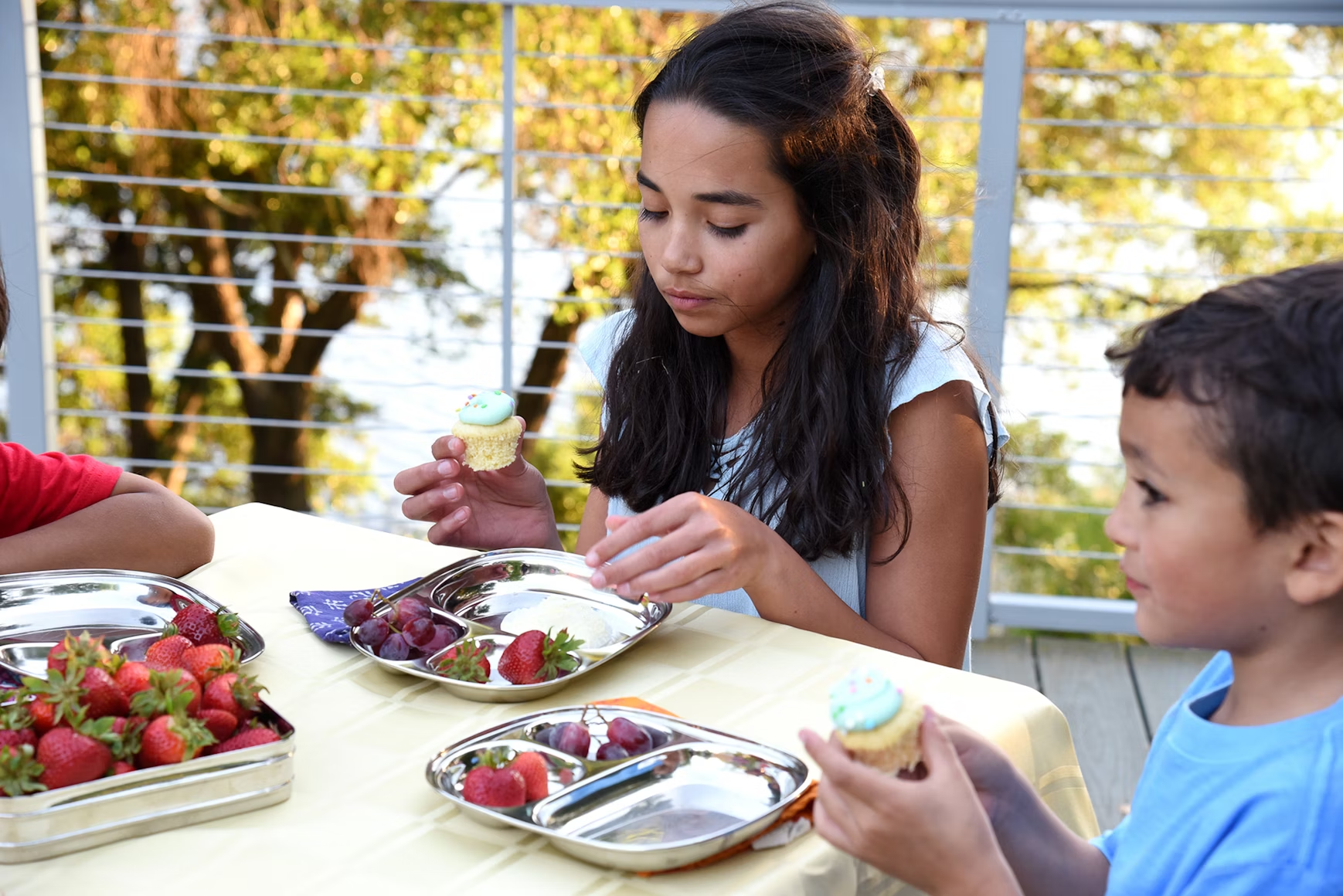
Kids enjoying fruit and cupcakes, exploring their own diet choices
Image Source: Unsplash

Food is more than fuel—it’s comfort, celebration, and, yes, sometimes conflict. If you’ve ever watched your child push peas around a plate or beg for snacks minutes after dinner, you’ve probably wondered: should parents allow their children to choose their own diets?

As with most parenting dilemmas, the answer isn’t a flat yes or no. The goal is balanced power: empower kids while guiding them toward habits that last a lifetime.

Parental Influence Begins With What You Model

Children learn first by watching. Sit‑down meals, visible produce on the counter, and your own enjoyment of vegetables all imprint on young minds. Research on family eating patterns shows that kids copy the foods their parents serve themselves—fruits over fries, water over soda—more than any verbal instructions ever could.

Choice Reduces Food Fights—but Within Limits

Giving a child a bit of control curbs resistance. Offer two or three nutritious options rather than total freedom, and suddenly peas versus carrots feels like a win–win.

Studies on picky eating highlight that guided autonomy increases a child’s willingness to try new foods; it’s freedom with a safety net.

Repetition Builds Familiarity—and Healthier Preferences

One taste rarely seals the deal. Nutrition experts note that children often need 8 to 15 neutral exposures before accepting a new food.

Rotate textures—raw sticks, steamed florets, blended soups—to give broccoli or peppers multiple chances to shine. Patience and persistence pay off; what was once refused can become a favorite.

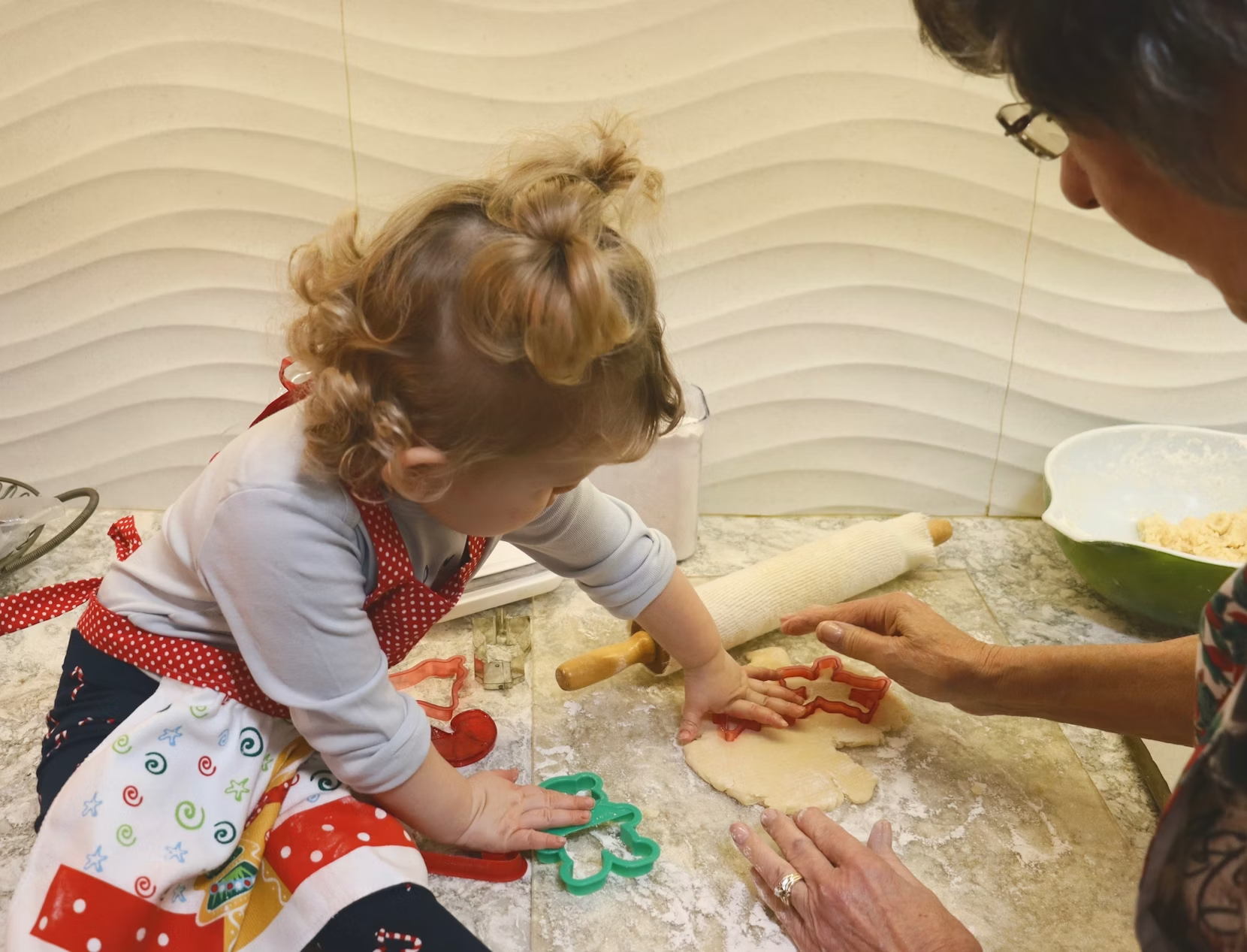
Child helping with meal prep in the kitchen
Image Source: Unsplash

Get Them Involved in the Kitchen

Hand a child a vegetable peeler or let them top a mini pizza, and something shifts: ownership breeds curiosity. Kids who help plan and cook meals are more likely to taste—and eventually like—those dishes. Simple tasks such as rinsing berries or stirring pancake batter transform mealtime from chore to collaboration.

Be Aware of Your Own Food Preferences

Stock the pantry with cookies and chips, and guess what children will crave? Parents’ purchasing habits shape a household’s default “go‑to” snacks. Swapping high‑sugar choices for fruit cups or nuts lowers temptation and models mindful shopping. A parent’s cart is often the first nutrition lesson a child sees.

What This Means for Your Family Table

Allowing kids to choose their food doesn’t equal a junk‑food free‑for‑all. It means offering structured choice: several nourishing options, clear kitchen routines, and consistent exposure to new flavors. A balanced approach teaches kids to tune into their own hunger cues while respecting the value of wholesome food.

Think of yourself as the curator, not a short‑order cook. You decide what makes it to the table and when meals happen; your child decides which items to eat and how much. Serve meals family‑style so little hands can practice portioning carrots, quinoa, or roasted chicken on their own plate.

Offer two veggie colors, a protein, and a familiar carb—then step back. When dessert is on deck, present it alongside the meal rather than dangling it as a reward; this normalizes treat foods and strips them of forbidden‑fruit allure.

Build predictable rhythms: breakfast at 7, snack at 10, lunch at 12:30, and so on. Regular timing reassures children that more food is always coming, reducing the urge to overeat.

Between meals, keep a “snack station” stocked with ready‑to‑grab fruit, cheese sticks, and whole‑grain crackers. The choices feel expansive, yet every option still fuels growing bodies.

Raising a Curious—and Capable—Eater

Food doesn’t have to be a daily power struggle. Trust your child with small decisions, stay involved, and watch confidence—and curiosity—grow.

Progress, not perfection, is the standard. When family meals spark connection instead of conflict, everyone leaves the table nourished in more ways than one.

How do you manage picky eating tendencies in your kids? Share your thoughts in the comments below!

Read More

  • Encouraging Good Language Development for Toddlers
  • Meals So Great Baby Doesn’t Throw it Back: 5 DIY Baby Foods You Can Make at Home
Samantha Warren
Samantha

Samantha Warren is a holistic marketing strategist with 8+ years of experience partnering with startups, Fortune 500 companies, and everything in between. With an entrepreneurial mindset, she excels at shaping brand narratives through data-driven, creative content. When she’s not working, Samantha loves to travel and draws inspiration from her trips to Thailand, Spain, Costa Rica, and beyond.
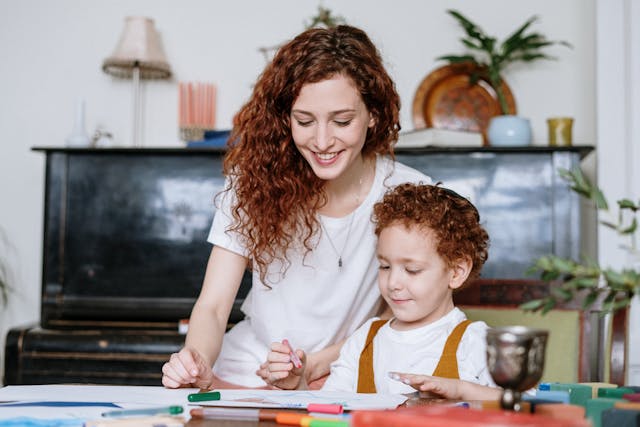
Filed Under: Parenting Tagged With: child development, child nutrition, family meals | Parenting, healthy eating habits, parenting tips, picky eating

Wearing Makeup: Here Is the Age That Psychologists Agree It’s Okay for Girls to Wear Makeup

April 19, 2025 | 3 Comments

Girl getting makeup done, referencing psychologist-approved age.
Image Source: Unsplash

There comes a moment in many households that catches parents off guard: your daughter asks to wear makeup. Whether it’s a swipe of lip gloss before school or a request for mascara before a sleepover, it can leave you wondering—“Is she too young?”

While our first reaction might be rooted in concern, the conversation around kids wearing makeup is far more nuanced than a quick yes or no.

The good news? Psychologists point to guidelines—rather than a single “magic age”—and recommend a thoughtful approach grounded in communication, culture, and confidence.

There’s No One‑Size‑Fits‑All Answer

If you’re hunting for a universal age, you won’t find it. Developmental experts note that emotional maturity, family values, and community norms matter more than the number on a birthday cake. In some homes, makeup is seen as playful and harmless; in others, it symbolizes growing up too fast.

The key is identifying what makes sense for your child and your parenting style, then revisiting the conversation as she develops.

Cultural Norms Matter More Than You May Realize

Makeup can signal very different things depending on where—and how—you were raised. In some cultures, cosmetics are part of tradition or spirituality; in others, they’re tied to adulthood.

This wide variation shows there’s no universal social script. What feels “too young” in one community might be completely age‑appropriate in another. Considering cultural context helps parents avoid snap judgments and craft boundaries that fit their family’s worldview.

Your Attitude Toward Makeup Matters Most

Parents often overlook how their own routines shape kids’ perceptions. If you treat makeup as fun or expressive, your child may view it that way. If it seems like a daily necessity, she might learn that appearance comes first. Modeling balanced messages around beauty, confidence, and self‑care goes further than any rulebook.

Ask yourself: “What does my makeup routine communicate about self‑worth?”

The Psychological Impact Is Real—But Manageable

A little lipstick on its own may be harmless, yet peer pressure can give cosmetics extra weight. Rather than treating makeup as the culprit, use it as a springboard for honest talks about body image and media influence. Reinforcing skills like media literacy and self‑compassion keeps appearance anxiety in check.

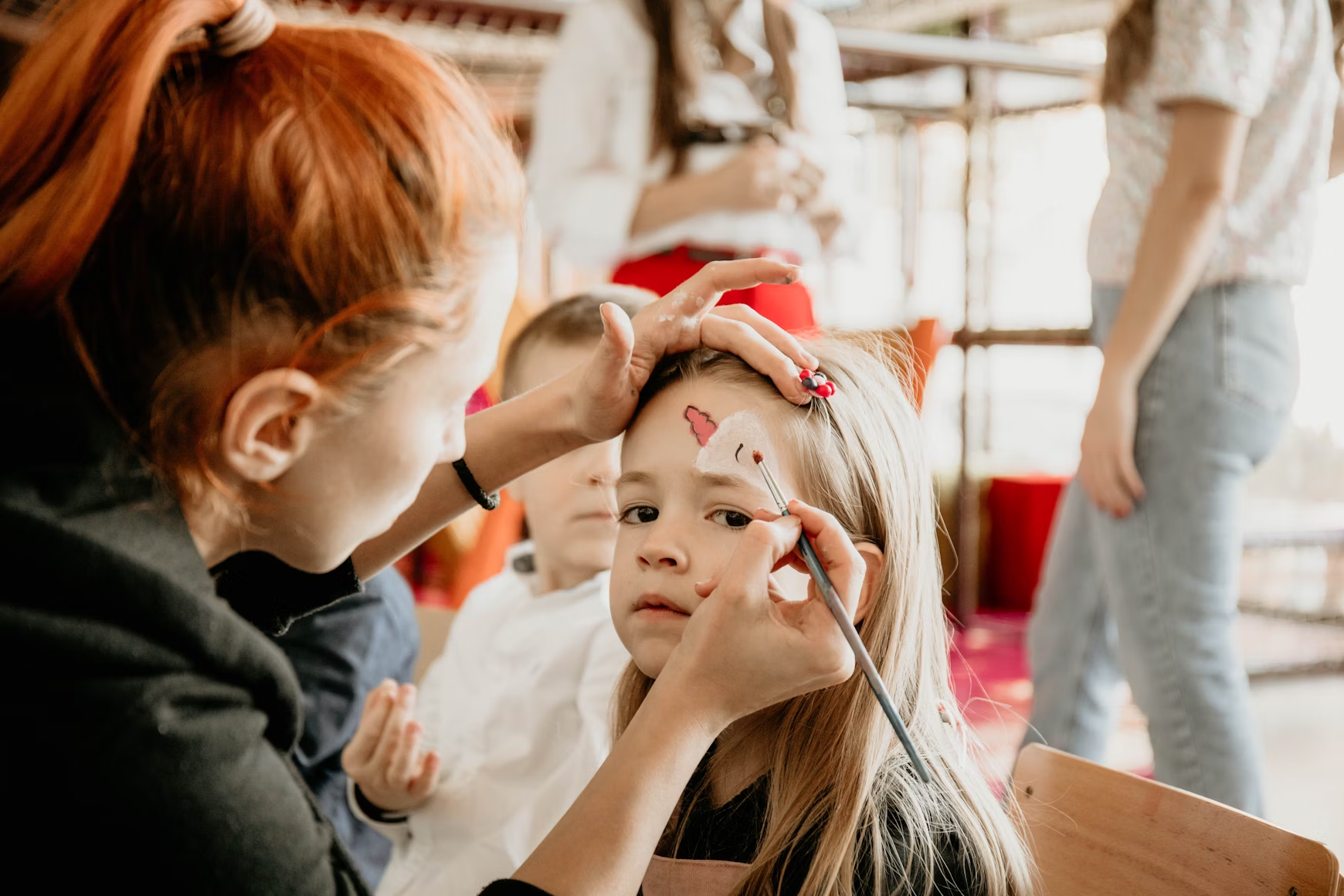
Child having face paint done, highlighting healthy ground rules and ongoing talks
Image Source: Unsplash

Start with Healthy Ground Rules and Ongoing Talks

Introducing makeup should be gradual and guided. Many parents find success limiting it to playtime or special occasions at first, then expanding privileges as maturity grows.

Emphasize that cosmetics are a form of self‑expression—not a requirement—and keep discussions open as peer dynamics shift. A good starting point is sheer or natural products that feel more like “training wheels” than a full glam look.

It’s Less About Age—More About Readiness

Still unsure? Focus on emotional and social readiness. Can your child handle comments—positive or critical—about her appearance? Does she understand basic hygiene like removing makeup properly and not sharing products? Is she using cosmetics for fun, or because she feels “less than” without them?

These answers reveal whether she’s prepared, far better than any age guideline.

A Thoughtful First Step Makes All the Difference

Instead of issuing a hard yes or no, frame this milestone as a coaching moment. You can show your child how to choose safe products, budget wisely, and emphasize skin care. Matching nail colors or experimenting with bold (but washable) eye shadow during home playtime can keep the spotlight on fun rather than flaw‑fixing. The discussion is bigger than blush—it’s about fostering confidence and balanced values.

Navigating Makeup with Heart and Intention

Letting your daughter wear makeup doesn’t have to be an all‑or‑nothing choice. By staying tuned in, setting age‑appropriate boundaries, and maintaining open dialogue, you nurture self‑worth over surface impressions.

Remember, the goal is not to ban or endorse cosmetics wholesale but to help your child understand her beauty and strength come from within. Like many parenting milestones, makeup is another chance to connect, validate, and empower.

Do you let your child wear makeup? Share your thoughts in the comments below!

Read More

  • What’s Happening to the Child Tax Credit?
  • The Importance of Simply Asking: Money Saving Edition
Samantha Warren
Samantha

Samantha Warren is a holistic marketing strategist with 8+ years of experience partnering with startups, Fortune 500 companies, and everything in between. With an entrepreneurial mindset, she excels at shaping brand narratives through data-driven, creative content. When she’s not working, Samantha loves to travel and draws inspiration from her trips to Thailand, Spain, Costa Rica, and beyond.

Filed Under: Parenting Tagged With: age‑appropriate makeup, beauty standards | Parenting, child development, child self‑esteem, girls wearing makeup, makeup for kids, parenting advice

12 Ways to Make Your Kids Feel Grateful (You Set the Example)

April 19, 2025 | Leave a Comment

Mom and daughter walking at sunset, modeling gratitude
Image Source: Unsplash

Have you ever held the door for someone and heard your child echo your polite “thank you” without being prompted? That’s the power of teaching gratitude through everyday modeling. When it comes to raising thankful kids, our actions speak louder than any lecture.

Below are 12 practical strategies that weave appreciation into daily life—so your children can see, feel, and eventually mirror genuine thankfulness.

1. Say “Please” and “Thank You” Often

Kids listen even when you think they’re tuned out. Using polite words with your child and with others shows that kindness is a habit, not a special occasion. The more they hear gratitude, the more naturally they’ll express it themselves.

2. Talk About Gratitude at the Dinner Table

Dinnertime is the perfect moment to slow down. Each night, ask everyone to share one thing they’re grateful for—big or small. When parents join in, children realize that grown‑ups find joy in little things, too. Making gratitude a table‑talk ritual turns it into a lifelong practice.

3. Celebrate Acts of Kindness

Notice when your child offers a sibling help or shares a snack. Naming these gestures and saying “that was very thoughtful” reinforces generosity. Kids learn to value kind acts because they see them appreciated in real time.

4. Share Your Own “Thank You” Moments

Let kids hear you express thanks—a quick note to a teacher, a compliment to a store clerk, or a warm message to a friend. Talking through why you’re thankful connects the dots: appreciation isn’t just good manners; it’s a daily mindset.

5. Tell Stories That Highlight Gratitude

Choose books or bedtime stories where characters overcome obstacles through community, kindness, or generosity. After reading, discuss what the characters might feel grateful for. Storytime becomes a rich teaching opportunity rather than a simple routine.

6. Create a “Thankful Tree” or Journal

Turning ideas into visuals helps them stick. Craft a “Thankful Tree” with paper leaves listing what your child appreciates, or keep a family gratitude journal. Writing or drawing gratitude makes appreciation tangible and provides a keepsake to revisit on tougher days.

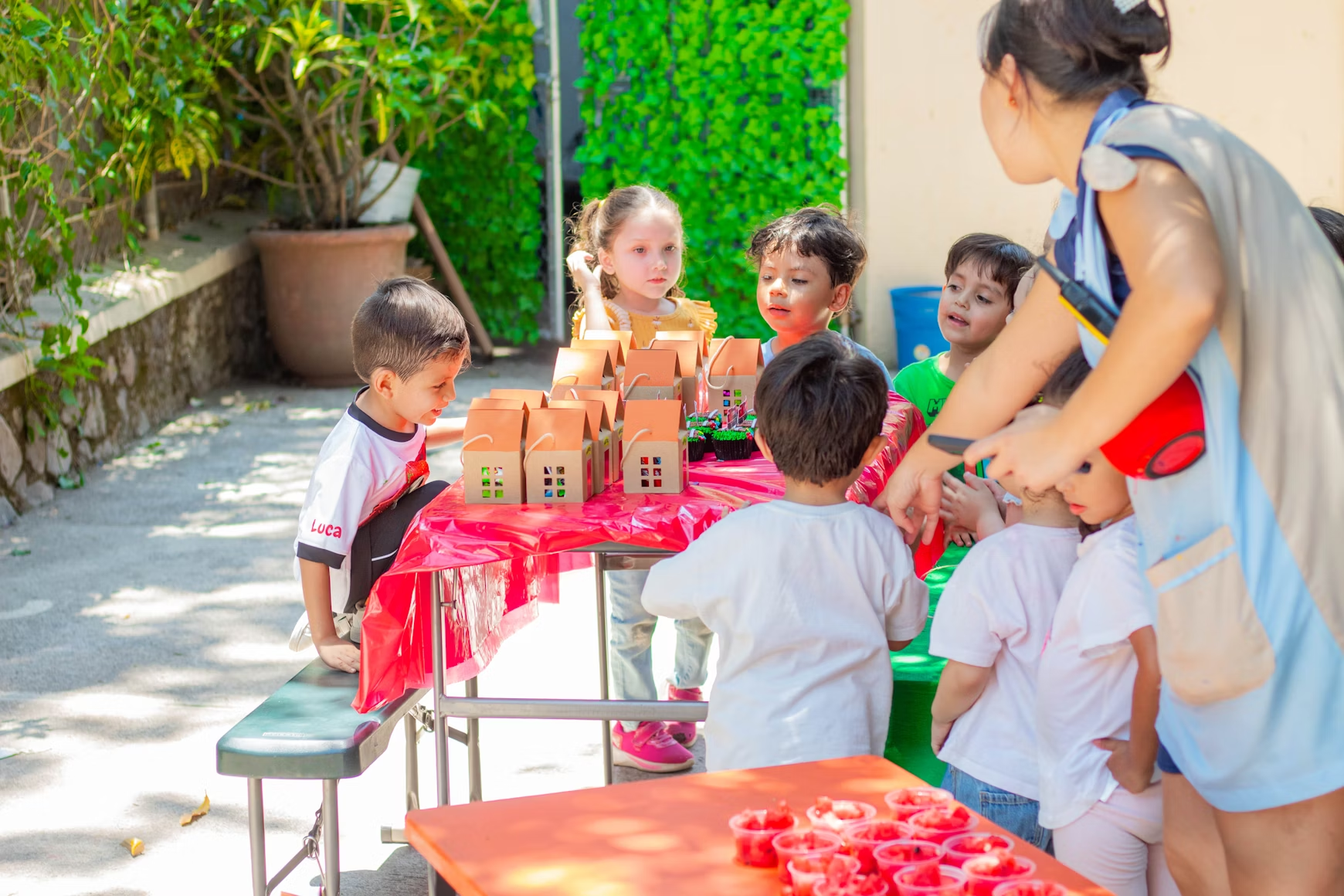
Kids gathered around a table, demonstrating acts of kindness
Image Source: Unsplash

7. Volunteer or Help Others Together

Donating toys, prepping care packages, or delivering cookies to a neighbor shows that kindness comes in many forms. When children see you give without expecting anything back, they develop empathy and learn that gratitude also involves reaching out.

8. Talk About Hardship (In Age‑Appropriate Ways)

Gratitude often grows alongside adversity. Sharing simple stories about challenges you’ve faced—and the silver linings you found—teaches resilience. Your openness helps kids understand that gratitude and hardship can coexist.

9. Help Them Earn and Appreciate Rewards

Let kids work toward a wanted item through chores or small tasks. Earning builds responsibility and deepens appreciation far more than instant gratification. Plus, it fosters pride in their own achievements.

10. Be Honest When You Forget Gratitude

Nobody’s perfect. If you miss an opportunity to say “thank you,” admit it. Modeling humility shows children that gratitude is a mindful practice, not a flawless performance.

11. Pause and Reflect on Everyday Moments

Appreciation often hides in the ordinary—a warm meal, a walk in sunshine, an unexpected hug. Saying these moments out loud trains young minds to scan life for abundance rather than lack.

12. Encourage Thank‑You Notes After Gifts or Events

A handwritten note—or even a quick drawing—helps children process that someone took time to do something kind for them. Expressing thanks makes appreciation concrete and builds social connection.

Setting the Tone Starts With You

Gratitude isn’t just something we teach—it’s something we practice. Every smile, sincere “thank you,” and moment of reflection becomes a quiet lesson for the little eyes watching us.

Teaching gratitude doesn’t happen overnight; it blossoms through daily, consistent example. The bonus? When we guide our kids toward gratitude, we often become more grateful ourselves.

Read More

  • 6 Surprising Ways Kids Benefit From Boredom
  • 7 Parenting Hacks You’ll Wish You Learned Sooner

Samantha Warren
Samantha

Samantha Warren is a holistic marketing strategist with 8+ years of experience partnering with startups, Fortune 500 companies, and everything in between. With an entrepreneurial mindset, she excels at shaping brand narratives through data-driven, creative content. When she’s not working, Samantha loves to travel and draws inspiration from her trips to Thailand, Spain, Costa Rica, and beyond.
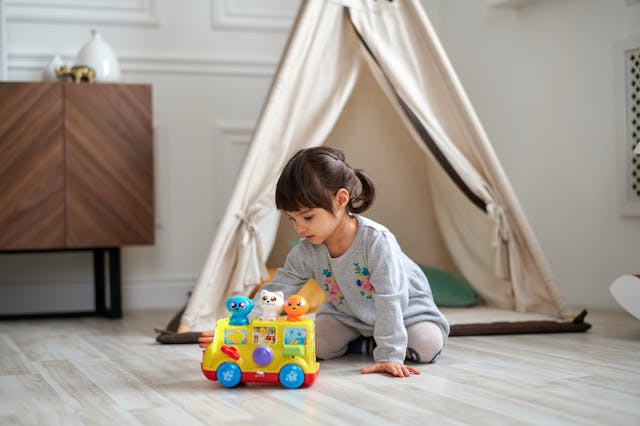
Filed Under: Parenting Tagged With: caregiver advice | Parenting, child development, Family bonding, modeling gratitude, parenting tips, teaching gratitude, thankful kids

10 Parenting Practices That Are More Harmful Than You Think

April 19, 2025 | Leave a Comment

Mother holding baby, referencing harmful parenting practices
Image Source: Unsplash

Most parents want the very best for their children—but even with good intentions, some habits can unknowingly stunt confidence, strain relationships, or trigger anxiety. The goal of this list isn’t to spark guilt; it’s to spark growth. When we know better, we can do better—and model that same openness for our kids.

1. Ignoring Emotional Needs (Uninvolved Parenting)

When children repeatedly feel brushed off—“Stop crying, it’s no big deal”—they may internalize the belief that their feelings are unimportant.

Your takeaway: schedule daily check‑ins, validate feelings before offering solutions, and show you’re listening with eye contact and reflective language (“It sounds like recess felt tough today.”)

2. Using Strict Control Without Warmth (Authoritarian Parenting)

Rules without relationship equal rebellion—or, at the other extreme, people‑pleasing anxiety. Research shows that authoritarian homes correlate with higher levels of childhood stress and lower academic curiosity. Swap “Because I said so” for explanations that teach why a rule exists; pair consequences with reassurance of love.

3. Too Much Freedom, Not Enough Structure (Permissive Parenting)

Kids crave boundaries; they signal safety. When limits are vague (“Do whatever, just be good”), children struggle with impulse control and often test bigger risks. A balanced approach—clear rules delivered with warmth—helps kids predict outcomes and trust your guidance.

4. Spanking and Physical Discipline (Corporal Punishment)

Decades of data reveal that spanking increases aggression and lowers moral internalization. Swap physical punishment for time‑ins, natural consequences, and collaborative problem‑solving.

5. Letting the Internet Guide You

A single viral post can spread medical myths faster than fact‑checked articles. Pediatricians warn that trending “remedies” (think raw‑milk baby formula or bleach baths) can be downright dangerous. The American Academy of Pediatrics urges parents to verify any health hack with a licensed provider before trying it.

Two children holding hands, cautioning against comparisons
Image Source: Unsplash

6. Comparing Your Child to Others

“Why can’t you behave like your sister?” may motivate in the moment, but research shows frequent comparison fuels sibling rivalry and erodes self‑worth. Highlight individual strengths instead: “I love how curious you are about science” or “Your drawings show such creativity.”

7. Rewarding Only Results, Not Effort

Praising A‑grades without acknowledging the hours of studying teaches kids that worth equals performance. Carol Dweck’s growth‑mindset research suggests recognizing effort (“You worked hard on those math problems”) cultivates resilience and a love of learning—even when outcomes disappoint.

8. Over‑Scheduling Without Downtime

Back‑to‑back activities can crowd out essential play, sleep, and daydreaming—all critical for mental health and creativity. We recommend at least an hour of unstructured time daily. Protect “white‑space” in the family calendar where boredom—and imagination—can bloom.

9. Threatening Consequences You Don’t Enforce

Empty threats teach kids that boundaries bend. If you declare “No video games for a week,” stick to it—or choose a realistic, shorter ban you will uphold. Consistency builds trust in your word and clarity around expectations.

10. Expecting Adult‑Level Emotional Control

Brains aren’t fully wired for self‑regulation until the mid‑20s. Demanding immediate calm (“Stop crying NOW”) can shame kids for normal feelings. Instead, coach them through breathing exercises, label emotions out loud (“Looks like you’re frustrated”), and practice coping skills when everyone’s calm.

Moving Forward With Awareness and Compassion

Recognizing harmful parenting practices isn’t an indictment—it’s an invitation to evolve. Children don’t need perfect parents; they need parents willing to learn, apologize, and try again.

Choose one habit above to tweak this week—maybe validating feelings instead of dismissing them, or setting firmer digital‑advice filters—and note the shift in your child’s confidence. Small, consistent changes compound into a healthier family culture where everyone can thrive.

Which point resonated most with you—or what would you add? Drop a comment below and keep the conversation growing.

Read More

  • 5 Tips to Ease the Anxiety of Moving for Your Kids
  • Parental Trauma: Healthy Children Have Never Had to Endure These 12 Things

Samantha Warren
Samantha

Samantha Warren is a holistic marketing strategist with 8+ years of experience partnering with startups, Fortune 500 companies, and everything in between. With an entrepreneurial mindset, she excels at shaping brand narratives through data-driven, creative content. When she’s not working, Samantha loves to travel and draws inspiration from her trips to Thailand, Spain, Costa Rica, and beyond.
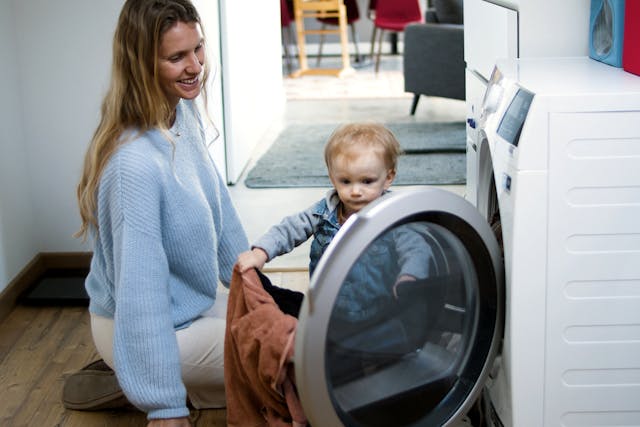
Filed Under: Parenting Tagged With: child development, discipline, harmful parenting practices, parenting advice, parenting health, parenting pitfalls, parenting tips

Why Some Parents Regret Choosing a Unique Name

April 19, 2025 | Leave a Comment

Baby in a red bow, exploring unique name regrets
Image Source: Unsplash

Naming a baby should feel magical, but many moms and dads find themselves second‑guessing the rare moniker they once adored.

In one survey of 500 parents, 9% of moms admitted they regretted the name they chose—often because it felt too unusual once real life (and real opinions) set in.​ Below, we unpack the most common reasons unique baby names trigger remorse and share safeguards you can use before signing that birth certificate.

External Opinions Can Sour an Unconventional Name

Family, teachers, even grocery‑store strangers will weigh in on a baby’s name. Parents who picked something unconventional frequently report feeling judged—or worse, watching their child become the target of playground teasing.​ If you’re constantly explaining pronunciation or fielding criticism, the name can shift from “special” to stressful.

Nicknames Sometimes Outshine the Original

Long, quirky, or hard‑to‑spell names often morph into shorter pet names at school or daycare. Many parents end up preferring the nickname everyone used over the creative full name they’d chosen. When “Seraphina‑Lark” inevitably turns into “Sera,” some moms and dads feel they might as well have gone with a simpler choice from the start.

Regret Creeps In Early

Second thoughts rarely wait until kindergarten roll‑call. The leap from a cute bump nickname to a lifelong identity can feel massive—especially when you’re running on three‑hour sleep cycles and a cocktail of postpartum hormones.

Suddenly the name that felt perfect at 38 weeks might sound too trendy, too unusual, or just not quite right when you see it on the birth certificate.

If name regret is tapping you on the shoulder right now, know you’re far from alone. Many new parents wobble between pride and panic in those first few weeks.

The Regret Is Real—But Usually Temporary

Most parents who waver stick with the name and grow to love it as their child’s personality blossoms. Pediatric psychologist Dr. Laura Markham says bonding, routine use, and positive associations typically help the name “fit” over time. Before you rush to city hall, give the moniker a few months to settle in—chances are it will start to feel like them.

a metaphor for trying out names
Image Source: Unsplash

Try a “Name Test‑Drive” First

  1. Say It in Real‑Life Scenarios: Practice calling the name down the hallway, writing it on lunch boxes, and pairing it with common nicknames.
  2. Check the Initials & Rhymes: Make sure monograms or playground chants don’t create unintended jokes.
  3. Picture Your Child at 5, 25, and 55: Some names feel adorable on a toddler but awkward in a boardroom.
  4. Solicit Honest Feedback: Ask a few trusted friends to share pros and cons rather than automatic praise.
  5. Sleep on It—Literally: Use the name aloud for a week before the birth; if it still sparks joy after diaper‑bag labeling, you’re likely safe.

Balance Creativity with Practicality

There’s nothing wrong with craving a distinctive name—unique baby names can honor heritage, showcase imagination, or offer a beautiful story.

Just layer in a dash of logic: Will teachers pronounce it? Does it invite unwanted teasing? Could a simpler middle name serve as a backup? Striking that balance means your child enjoys individuality without unnecessary hurdles.

Remember: Love Outshines Labels

Names matter, but they pale next to consistent love, safety, and support. If you’re already feeling regret, give yourself grace. You can keep the name, tweak the spelling, embrace a nickname, or change it entirely. Your willingness to course‑correct if needed is itself an act of care.

Have you wrestled with baby‑name second thoughts? Share your experience below—we’d love to learn from your naming journey.

Read More

  • 15 Baby Names Handed Down From The Rich to The Poor
  • How To Pick the Best School District for Your Child: 5 Tips for Parents

Samantha Warren
Samantha

Samantha Warren is a holistic marketing strategist with 8+ years of experience partnering with startups, Fortune 500 companies, and everything in between. With an entrepreneurial mindset, she excels at shaping brand narratives through data-driven, creative content. When she’s not working, Samantha loves to travel and draws inspiration from her trips to Thailand, Spain, Costa Rica, and beyond.
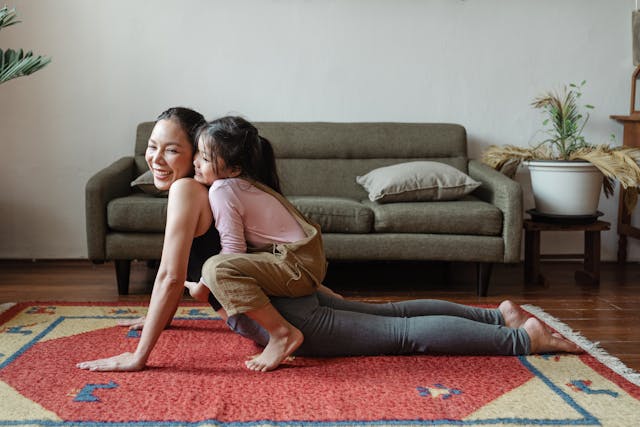
Filed Under: Parenting Tagged With: baby name regret, baby naming, name regret, parenting tips, unique baby names

6 Questions Every Parent Should Ask Their Child Weekly (And Why They Matter)

April 19, 2025 | Leave a Comment

Mom hugging child with balloons
Image Source: Unsplash

Between school runs, snack battles, and bedtime routines, family life can feel like a sprint. Yet one of the most powerful ways to stay connected to your child takes only a few unhurried minutes: asking thoughtful, open‑ended questions.

These weekly check‑ins strengthen emotional resilience, teach core values, and prevent little worries from snowballing into big ones. Below are six research‑backed questions to ask kids each week—plus the developmental “why” behind each one.

1. “What Was the Happiest or Most Exciting Moment of Your Day?”

Gratitude grows where we give it light. Inviting your child to share a joyful highlight reinforces the ability to notice and savor positives, a habit linked to higher life satisfaction and lower stress. A large‑scale Parents magazine feature notes that prompts focused on daily “highs” improve a child’s mood regulation and optimism.

Listening closely also clues you in to what truly sparks your child’s joy—whether that’s acing a spelling quiz or finally mastering the monkey bars.

2. “What Kind Thing Did You Do for Someone Else?”

Kindness isn’t random when parents make it a weekly talking point. Asking this question helps children link their choices to empathy-driven outcomes. Over time, they start planning acts of kindness, knowing you’ll ask about them.

Psychologists call this “prosocial priming”—nudging kids to anticipate opportunities to help. Comment on specifics (“I loved how you shared crayons with Maya”) to reinforce that generosity can be small and still meaningful.

3. “Did Anything Make You Feel Sad, Worried, or Upset This Week?”

Kids need permission to talk about the hard stuff. Regularly opening a safe space for uncomfortable emotions shows that all feelings—not just happy ones—are welcome.

Mental‑health clinicians say children whose parents practice “emotion coaching” have stronger self‑soothing skills and fewer behavioral issues later on. Crucially, resist the urge to lecture or fix; validate first (“That does sound upsetting”) so your child learns that vulnerability is met with empathy, not judgment.

4. “If You Could Go Anywhere in the World, Where Would You Go and Why?”

Imagination flexes critical‑thinking muscles. This playful, future‑oriented question fires up creativity and can reveal emerging interests—from marine biology to manga.

Conversation‑starter lists in Parents magazine emphasize that whimsical prompts help reluctant talkers open up while honing language skills.

You’re also modeling curiosity by exploring the “why,” encouraging your child to connect dreams with underlying values (perhaps they’d visit a rainforest “to protect animals”).

5. “What’s One Thing You Wish We Did More of as a Family?”

Every household has blind spots. Inviting constructive feedback teaches that family life is a team project where every voice matters. Children who feel heard are more likely to share concerns early—before they morph into resentment or secrecy.

If your child suggests more bike rides or tech‑free dinners, treat it as valuable data rather than criticism. Small tweaks can transform the home atmosphere and boost everyone’s sense of belonging.

6. “Do You Know How Much You’re Loved—and Why?”

Kids rarely tire of hearing they’re loved, but pairing affection with specifics (“I love how you helped your brother zip his coat”) builds secure self‑esteem.

Parental affirmation becomes a child’s inner monologue; clear praise for effort and character, not just outcomes, predicts higher resilience and healthier risk‑taking. Ending your weekly chat with this question wraps the conversation in warmth and assurance.

Mom and daughter in trunk
Image Source: Unsplash

Making It Work in Real Life

  1. Pick a predictable moment. Car rides, bedtime, or Sunday breakfast work well—choose a slot when devices are away and attention is undivided.
  2. Rotate, don’t interrogate. Two or three questions per session keep talks organic. Jot answers in a notebook; patterns over months reveal changing needs.
  3. Listen more than you speak. Affirm, mirror feelings, and ask gentle follow‑ups (“Tell me more about…”) to deepen the dialogue.
  4. Model reciprocity. Share your high of the day or a kindness you offered. Mutual exchange normalizes openness and accountability.

Consistent connection is less about monumental talks and more about micro‑moments of attentiveness. Six well‑chosen questions give your child language for feelings, visions for kindness, and proof that home is a safe place to be fully seen.

What Question Sparked Your Best Conversation?

Drop it in the comments—we’d love to learn fresh prompts that keep family dialogue thriving.

Read More

  • 10 Rules That Should Apply to Parents and Children in a Healthy Household
  • 5 Tips to Ease the Anxiety of Moving for Your Kids

Samantha Warren
Samantha

Samantha Warren is a holistic marketing strategist with 8+ years of experience partnering with startups, Fortune 500 companies, and everything in between. With an entrepreneurial mindset, she excels at shaping brand narratives through data-driven, creative content. When she’s not working, Samantha loves to travel and draws inspiration from her trips to Thailand, Spain, Costa Rica, and beyond.

Filed Under: Parenting Tagged With: child development, emotional intelligence, Family bonding, parenting communication, parenting tips, questions to ask kids

6 Surprising Ways Kids Benefit From Boredom

April 19, 2025 | Leave a Comment

Girl with headphones, showing kids benefit from boredom
Image Source: Unsplash

You may cringe when your child moans, “I’m boooored!”—but research keeps showing that boredom isn’t the enemy; it’s an unexpected ally.

When kids experience unstructured downtime, their brains shift from passive consumption to active exploration, strengthening creativity, self‑reliance, and emotional balance. Below are six proven benefits of boredom for kids, plus simple tips to let those benefits bloom.

1. Boredom Builds Problem‑Solving and Planning Skills

Left to their own devices (without actual devices), children naturally start inventing games, building blanket forts, or reorganizing LEGO bricks into elaborate cities.

Each step—collecting materials, testing ideas, tweaking rules—flexes executive‑function muscles such as sequencing and adaptability.

Boredom forces the brain to “seek novelty,” nudging kids to practice goal‑setting and troubleshooting on their own.

2. Boredom Sparks Creativity and Original Thinking

A classic study from the University of Central Lancashire found that adults asked to copy phone numbers (a dull task) later produced more imaginative solutions than their non‑bored peers. The same “default‑mode network” that drives daydreaming lights up in kids during idle moments, inspiring puppet shows, comic books, or backyard quests instead of passive scrolling.

3. Boredom Teaches Emotional Regulation and Frustration Tolerance

Nothing builds patience like waiting for inspiration to strike. Letting children sit with mild boredom helps them practice self‑soothing and delayed gratification—skills linked to fewer meltdowns and better classroom focus later on.

4. Boredom Encourages Self‑Directed Learning

When no adult schedules the afternoon, kids gravitate toward personal curiosities—mixing kitchen “potions,” sketching animals, or reading comics. Montessori educators call this follow‑the‑child learning: intrinsic interest drives deeper focus and longer engagement. Over time, youngsters who regularly choose their own projects show greater academic persistence and self‑confidence.

5. Boredom Offers Mental Downtime and Relaxation

Today’s children toggle between school, sports, and digital stimulation at warp speed. Nonstop input leaves little room for memory consolidation and emotional reset. Idle stretches act like a neurological exhale, lowering cortisol (the stress hormone) and allowing the brain to file new information.

Think of boredom as white space on a cluttered page—without it, the important text becomes unreadable.

6. Boredom Strengthens Internal Motivation

Kids who rely on external entertainment often wait for fun to happen to them. Those accustomed to occasional boredom learn to create enjoyment, discover passions, and set personal goals—key ingredients for lifelong motivation.

Child gazing out a window, letting boredom work
Image Source: Unsplash

How to Let Boredom Work Its Magic

  1. Schedule White Space: Protect portions of each weekend with no planned activities or screens. Label it “creative hour” so boredom feels like an invitation, not a punishment.
  2. Curate, Don’t Entertain: Stock a low shelf with open‑ended materials—cardboard boxes, art scraps, dress‑up clothes—then step back. Resist the urge to rescue silence with suggestions.
  3. Model Idle Moments: Let your child catch you doodling, cloud‑watching, or simply sipping coffee without scrolling. Kids absorb that downtime is normal for everyone.
  4. Validate Feelings, Hold Boundaries: If complaints escalate, empathize (“It’s hard to feel bored”) but stay firm: “I trust you’ll find something interesting.” Problem‑solving is the child’s job.

The Quiet Superpower in Your Parenting Toolkit

When you stop rushing to fill every lull, you hand your child a powerful message: “I believe in your ability to create, cope, and explore.”

Boredom isn’t wasted time—it’s the fertile soil where resilience and imagination grow. So the next time that dramatic sigh echoes through your living room, smile. You’re witnessing the first spark of your kid’s next great idea.

Have a “boredom breakthrough” story? Share it below—we’d love fresh inspiration for letting stillness bloom into genius.

Read More

  • 10 Effective Tips to Build a Budget for You and Your Family
  • 7 Positive Parenting Tips for Building Strong Bonds With Your Kids

Samantha Warren
Samantha

Samantha Warren is a holistic marketing strategist with 8+ years of experience partnering with startups, Fortune 500 companies, and everything in between. With an entrepreneurial mindset, she excels at shaping brand narratives through data-driven, creative content. When she’s not working, Samantha loves to travel and draws inspiration from her trips to Thailand, Spain, Costa Rica, and beyond.

Filed Under: Parenting Tagged With: benefits of boredom for kids, child development, Creativity, Emotional Regulation, parenting tips, screen‑free play

Should Boomers Stop Expecting Grandkids from Their Adult Children?

April 18, 2025 | Leave a Comment

Child holding tablet with his grandfather
Image Source: Unsplash

For many Baby Boomers, becoming a grandparent feels like the natural next step in life. When adult children delay—or decide against—starting families of their own, it can stir up disappointment, confusion, even grief.

Yet Millennials and Gen Z face economic pressures and lifestyle shifts Boomers never imagined. Is it fair, then, to hold fast to grandparents’ expectations? Below, we unpack why assumptions about grandchildren deserve a rethink—and how letting go can keep families closer.

Why Expectations Around Grandkids Have Changed

Housing prices and child‑care fees have skyrocketed, and U.S. student‑loan debt tops $1.7 trillion. Layer in unstable job markets and the high emotional load of modern parenting, and many couples reprioritize—or postpone—having children altogether.

Boomers’ Close Ties Can Heighten Pressure

Boomers spend more time and money helping adult kids than previous generations did. That closeness can fuel hopes for grandkids. Remember, though: emotional proximity doesn’t guarantee identical life goals. Respecting your child’s autonomy preserves the very bond you value.

Diverse family spending time together outdoors
Image Source: Unsplash

Not All Families Look the Same—and That’s Okay

Some adult children are child‑free by choice; others quietly struggle with infertility. Silent expectations compound stress. Embracing diverse family forms—step‑grandchildren, foster kids, or “honorary grands” through community mentoring—broadens what legacy can look like and keeps love at the center.

Estrangement and Unspoken Hurt

Roughly 20% of parents experience estrangement from an adult child, according to a national AARP survey. Pressure to deliver grandkids can widen rifts if underlying issues—boundary conflicts, past hurts—remain unaddressed. Rebuilding trust often starts with listening rather than lobbying for babies.

Finding Meaning in the “In‑Between” Years

Waiting for a baby that may never arrive can leave a void. Fill it intentionally. Channel the same anticipation you once pictured for diaper duty into pursuits that knit generations together right now. Offer to pass down a family recipe over FaceTime, digitize old photo albums, or help your adult child knock out their to‑do list on moving day. Acts that lighten their load today speak louder than dreaming aloud about toddlers tomorrow. When they feel supported rather than judged, the door to future possibilities—baby‑related or not—stays propped open.

Open, Ongoing Conversations Heal More Than Time

Tension around unrealized expectations often festers in silence. Set aside a calm moment to ask, with genuine curiosity, how your children envision the next five years and what support would be welcome. Listen without crafting rebuttals. If emotions still run high, a neutral family therapist or structured “mediated conversation” can untangle misunderstandings before they calcify. Finally, cultivate your own peer network—friends, volunteer groups, or grandparenting forums—where you can process feelings openly. Sharing stories with others on similar journeys normalizes the experience and reminds you that love, not lineage, is the heart of family.

Grandparenting Isn’t One‑Size‑Fits‑All

Even when infants arrive, roles vary. Some Boomers become full‑time caregivers; others visit occasionally. Respect your adult child’s parenting philosophy and logistical limits. Offering help—rather than insisting—signals support without overstepping.

Crafting a Legacy Beyond Biology

Grandchildren can be a joy, but they aren’t the sole measure of a life well‑lived. Volunteering, sharing family history, or funding a grand‑niece’s education all transmit values forward. Letting go of rigid endpoints frees you to invest in relationships you already have.

Key Takeaways for Boomers

  1. Acknowledge today’s realities. Finances, climate anxiety, and career demands reshape family planning.
  2. Communicate openly—without pressure. Ask about your child’s dreams before assuming they mirror yours.
  3. Broaden the definition of legacy. Mentorship, philanthropy, and storytelling pass wisdom along, grandkids or not.

Join the Conversation

Have you talked with your adult children about family planning? How did you keep the discussion judgment‑free? Share your experience below—your insight could help another family navigate the same crossroads.

Read More

  • How Do You Teach Kids About Consent and Boundaries?
  • 8 Things Grandparents Wish Their Grandkids Wanted to Do With Them

Samantha Warren
Samantha

Samantha Warren is a holistic marketing strategist with 8+ years of experience partnering with startups, Fortune 500 companies, and everything in between. With an entrepreneurial mindset, she excels at shaping brand narratives through data-driven, creative content. When she’s not working, Samantha loves to travel and draws inspiration from her trips to Thailand, Spain, Costa Rica, and beyond.

Filed Under: Parenting Tagged With: adult children, baby boomers, family planning, generational relationships, grandparents' expectations, parenting dynamics

10 Things Boomers Did as Parents That Would Spark Outrage Today

April 18, 2025 | Leave a Comment

Vintage family scene reflecting past parenting styles
Image Source: Unsplash

Let’s be honest—parenting doesn’t come with a blueprint. Every generation does its best with what it knows. But if you’ve ever chatted with a Boomer about how they raised kids, you’ve probably heard stories that make today’s parents raise their eyebrows.

From letting kids roam freely until the streetlights came on to brushing aside emotional conversations, Boomer parenting was, let’s say, bold. While there’s no single “right” way to raise a child, it’s fascinating to see how dramatically parenting norms have shifted—and why some Boomer habits just wouldn’t fly today.

1. Letting Kids Roam Without Supervision

Back in the day, kids often played unsupervised for hours. Parents trusted their children to figure things out—even if it meant getting into a little trouble.

Boomer parenting encouraged independence by offering minimal oversight. Modern caregivers, however, are far more likely to check in frequently, use GPS trackers, and coordinate constant communication.

2. Insisting on Absolute Respect for Authority

Questioning adults was discouraged; “because I said so” ended the conversation. Today’s parenting promotes respectful dialogue and critical thinking, teaching kids to speak up—especially if something feels unsafe or unfair.

3. Zero Screen‑Time Limits

Television marathons were the norm, and age‑appropriate content wasn’t always considered. Now we understand how excessive screen time impacts attention spans and sleep quality. Pediatricians stress firm limits and digital literacy from an early age.

4. Shutting Down Tough Emotions

“Stop crying” or “you’re fine” was standard. This form of dishonest harmony sidestepped emotional coaching. Current approaches validate feelings and foster emotional literacy, which research links to stronger mental health outcomes.

5. Using Strict or Traditional Discipline

Physical punishment and rigid rule enforcement were common. While structure still matters, most experts now emphasize logical consequences, empathy, and restorative practices that teach rather than intimidate.

Adult smoking near a child outdoors
Image Source: Unsplash

6. Smoking Around the Kids

It wasn’t unusual to see parents smoking in cars, houses, or even while holding infants. With irrefutable data on secondhand smoke, such behavior today would likely draw immediate criticism—and in some places, legal consequences.

7. Dismissing Food Allergies and Sensitivities

Picky eating was often labeled misbehavior. Nut‑free classrooms or gluten‑free menus were unheard of. Now, heightened awareness and clear protocols protect children with life‑threatening allergies—something that rarely crossed a Boomer parent’s mind.

8. Lack of Car‑Seat and Seat‑Belt Use

Infants were carried home in arms; older kids bounced around back seats. Mandatory car‑seat laws didn’t roll out nationally until the 1980s. Today, failure to use proper restraints can bring hefty fines—and social media shaming.

9. Avoiding “The Talk” About Sensitive Topics

Boomer parents often sidestepped discussions on puberty, consent, or mental health. Current wisdom favors ongoing, age‑appropriate dialogue so children grow up informed and safe.

Helpful guides like the American Academy of Pediatrics’ “HealthyChildren” resources make these talks easier for modern families.

10. Prioritizing Academic Achievement Over Emotional Health

Grades, chores, and college choices dominated. Emotional check‑ins were scarce. Modern parents increasingly balance academic goals with mindfulness practices, therapy access, and unstructured play—recognizing that resilience grows from both accomplishment and emotional well‑being.

Why Looking Back Helps Us Parent Forward

Boomer parenting produced resilient adults, but science has since expanded our understanding of child development and mental health.

By honoring useful lessons—independence, resilience—while discarding harmful habits, today’s parents can forge a healthier path. No generation gets it perfect, yet each can improve on the last.

Which outdated habits are you leaving behind, and which timeless lessons do you still value? Share your thoughts below!

Read More

  • 13 Parenting Guidelines That Don’t Apply to Grandparents
  • Healthy Tips for Feeding Your Family

Samantha Warren
Samantha

Samantha Warren is a holistic marketing strategist with 8+ years of experience partnering with startups, Fortune 500 companies, and everything in between. With an entrepreneurial mindset, she excels at shaping brand narratives through data-driven, creative content. When she’s not working, Samantha loves to travel and draws inspiration from her trips to Thailand, Spain, Costa Rica, and beyond.
Filed Under: Parenting Tagged With: Boomer parenting, child development, emotional resilience, parental supervision, parenting styles, Screen Time, traditional discipline

« Previous Page
Next Page »
  • Facebook
  • Pinterest
  • RSS
  • Twitter
Best Parenting Blogs

Most Popular

Baby Girl

12 “Grandma” Baby Names That Are Suddenly Cool Again

Evan Morgan
Baby

9 Baby Names That Sound Rare Without Being Hard to Spell

Evan Morgan
Target Store

Choking Incident Prompts Recall of 49,000 Target Gigglescape “Under the Sea” Popping Toys

Evan Morgan
Frustrated Girl

Why Some Students on the Spectrum Are Labeled With ODD

Evan Morgan
Coke Bottles

12 Things Kids Took to School in the ’70s That Would Never Be Allowed Today

Evan Morgan

All content on Kids Ain’t Cheap is for entertainment purposes only. By reading this blog, you agree that Kids Ain’t Cheap is not responsible for any actions taken after reading this blog. For the full disclaimer, see our privacy policy.

Please note that Kids Ain’t Cheap has financial relationships with some of the merchants mentioned here. Kids Ain’t Cheap is funded by banner advertising, commission sales and search optimization consulting.

Copyright © 2006–2026 | District Media | All Rights Reserved | Privacy Policy

Copyright © 2026 Runway Pro Theme by Viva la Violette