• Home
  • About Us
  • Toolkit
  • Archives
  • Advertise
  • Privacy Policy

Kids Ain't Cheap

But They Sure Are Worth It

  • Parenting
    • Baby Stuff
    • Books and Reading
      • Aesops Fables
      • Comic Books
    • Education
    • Family Time
    • Green Living
    • Growing Up
    • Healthy Living & Eating
    • Holidays
    • Parenting
    • Random Musings
    • Shopping
    • Stuff to Do
  • Money
  • Product Reviews
    • Books and Magazines
    • Discount Sites
    • Furniture
    • House Keeping
    • Reviews News
    • Toys and Games
  • Contact Us
  • Our Editorial Commitment
  • Search

The School Is Calling Again: 5 Ways to Help Change a Child’s Bad Behavior at School

April 23, 2025 | Leave a Comment

Child getting face paint, symbolizing efforts to address misbehavior in school.
Image Source: Unsplash

That mid‑morning buzz from the school office can fill any parent with dread. Another report of disruptive behavior? It’s frustrating and often isolating—but you’re not alone. Many families navigate the same terrain, and there are concrete, research‑informed steps that can encourage lasting change.

1. Establish Clear Expectations and Open Communication

When children know exactly what’s expected, they’re better positioned to succeed. Regular, friendly check‑ins with teachers—via brief emails or five‑minute conferences—build trust and keep everyone on the same page.

Here are some more tips:

  • Spell out the “how” as well as the “what.” Instead of “Behave in class,” try “Raise your hand before speaking” or “Keep hands to yourself during circle time.”
  • Create a quick‑reference card. Write three key rules on an index card and tape it inside the homework folder. Kids (and teachers) can point to it when reminders are needed.
  • Use two‑way check‑ins. Send or request a brief email every Friday summarizing wins and challenges. Respond with appreciation, not just concerns, so teachers feel valued partners.
  • Loop in your child. Review classroom rules together and ask, “Which one feels hardest? Which one do you feel confident about?” Their answers guide where to focus coaching at home.

Open, friendly communication keeps everyone aligned and reduces the chance of surprises—good or bad—mid‑semester.

2. Create a Structured Environment with Predictable Routines

Structure gives kids a sense of safety and control, which lowers anxiety and impulsive behavior.

  • Morning anchor: Same wake‑up window each day, followed by a visual checklist (teeth, uniform, breakfast, backpack).
  • Homework zone: A consistent, distraction‑free spot stocked with sharpened pencils, paper, and a timer. Starting homework within 30 minutes of arriving home helps maintain the school mindset.
  • Evening wind‑down: Dim lights an hour before bed, swap screens for quiet play or reading, and use a short “tomorrow preview” so kids know what’s coming.

Classrooms thrive on predictable procedures; mirroring that rhythm at home strengthens children’s ability to transition calmly from environment to environment.

3. Encourage Positive Behavior Through Reinforcement

Children thrive on attention; when it’s mostly negative, they often double down on unwanted actions. Instead, spotlight the good: “I noticed you finished your worksheet before recess. Nice focus!”

The Child Mind Institute confirms that specific, sincere praise paired with small privileges builds self‑esteem and sustains better choices. 

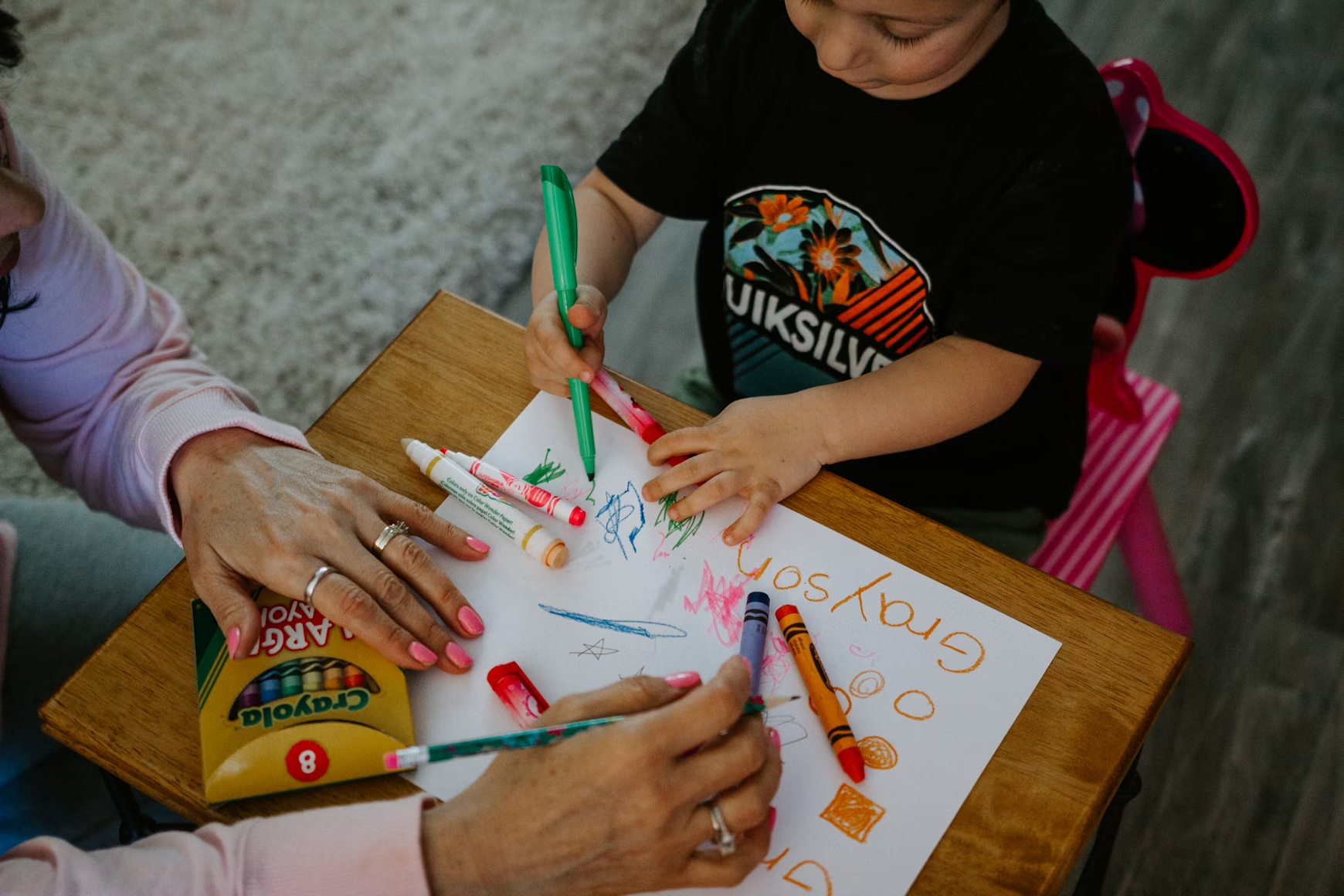
Child and adult working on an art project, illustrating adapted learning strategies.
Image Source: Unsplash

4. Adapt Learning Strategies to Your Child’s Needs

Acting out can be a signal that something in the learning process isn’t clicking.

  • Check task difficulty. Ask the teacher, “Is the work too challenging, or does my child finish early and get bored?” Adjust accordingly by simplifying or enriching assignments.
  • Break learning into chunks. Ten quick math problems can feel more achievable than a sheet of forty. Short, timed bursts followed by movement breaks often keep focus sharp.
  • Offer sensory outlets. Fidgets, wiggle cushions, or quiet stretch corners help kids who need physical input to stay regulated.
  • Leverage strengths. If your child is a visual learner, request graphic organizers or color‑coded steps. Kinesthetic? Ask for hands‑on materials or role‑play options.

When academic demands align with a child’s readiness and learning style, frustration—and misbehavior—usually fade on their own.

5. Collaborate on a Clear Behavior Management Plan

If patterns persist, a formal plan can help everyone move from reacting to proactively teaching new skills.

  • Functional Behavior Assessment (FBA): Pinpoints the triggers (time of day, task type, peer interactions) and the payoff your child gets from acting out (attention, escape, sensory input).
  • Behavior Intervention Plan (BIP): Lists replacement behaviors (“ask for a break” instead of “leave seat”), prompts adults will use, and specific rewards for success.
  • Daily or weekly data tracking: Simple smiley‑face charts or color zones let your child see progress—and help adults adjust strategies quickly.
  • Celebrate publicly, correct privately. Praise successes where peers can overhear; discuss missteps quietly to preserve dignity and motivation.
  • Schedule regular reviews. A 10‑minute check‑in every two weeks keeps goals fresh and collaboration strong.

When children feel they’re part of the team crafting solutions, they’re more likely to buy in—and to practice the new skills that replace disruptive habits.

Progress, Not Perfection

Transforming a child’s bad behavior at school is a process. Empathy, consistency, and teamwork—both at home and in the classroom—lay the groundwork for resilience and growth. Every tricky day is an opportunity to practice new skills, and every small win is worth celebrating.

Have you ever tried any of these strategies? Let us know in the comments!

Read More

  • Your Child Should Be Homeschooled If You Notice These Behaviors
  • 7 Common Types of Behavioral Disorders in Children Every Parent Should Know
Samantha Warren
Samantha

Samantha Warren is a holistic marketing strategist with 8+ years of experience partnering with startups, Fortune 500 companies, and everything in between. With an entrepreneurial mindset, she excels at shaping brand narratives through data-driven, creative content. When she’s not working, Samantha loves to travel and draws inspiration from her trips to Thailand, Spain, Costa Rica, and beyond.

Filed Under: Parenting Tagged With: behavior management, child behavior, emotional development | Parenting, parenting tips, Positive Reinforcement, school discipline, teacher communication

Should You Let Your Family Choose Your Baby’s Name? Experts Weigh In

April 23, 2025 | Leave a Comment

Sleeping newborn in a tiny wooden bed, symbolizing family naming decisions.
Image Source: Unsplash

Welcoming a new baby is exhilarating—but deciding on a name can feel like a high‑stakes debate. Between honoring traditions, following your own style, and managing strong family opinions, you might wonder how much say relatives should really have. Below, we explore what naming specialists and seasoned parents recommend for keeping your baby name choice joyful rather than stressful.

The Upside of Inviting Family Into the Conversation:

Bringing relatives into the brainstorming phase can unearth gems you’d never discover on your own. Grandparents may recall ancestral names, regional spellings, or stories behind long‑forgotten relatives that add depth and meaning.

Siblings might introduce trend‑resistant options you haven’t considered. When families discuss a name’s origin and significance, they often strengthen intergenerational bonds—offering your child a built‑in lesson about belonging and shared heritage.

Naming Together: Why Some Parents Involve Family

Inviting relatives into the process can spark ideas you’d never think of alone. Grandparents may suggest heritage names or spellings that celebrate cultural roots. Parenting counselors note that when families discuss name meaning and history, it often deepens intergenerational bonds and highlights shared values—an early lesson in belonging for your child.

Warning Signs of Too Much Input

Too many cooks in the kitchen can leave you second‑guessing. If a relative’s opinion feels more like pressure than guidance, it’s time to set boundaries. Child‑development experts on Verywell Family highlight that expecting universal approval only fuels disappointment; a key sign you’ve opened the door too wide is when you feel anxious rather than inspired after each conversation.

Timing Matters—When Should You Share the Name?

Some parents reveal their short list before birth to gather feedback, while others wait until they’re holding the baby to avoid debates. The editors at BabyCenter suggest sharing only when you’re comfortable sticking to your decision—early disclosure invites commentary you may not be ready to handle.

Cultural Identity and Name Meaning

A name can honor ancestry or linguistic heritage without boxing you into one style. Many families blend a traditional first name with a modern middle name, or vice versa. The goal is ensuring the final choice still feels like your child’s name—reflecting both family pride and personal taste.

How to Balance Family Input With Your Preferences

If you welcome ideas, be clear about the ground rules: “We’d love suggestions, but we may choose something else.” Keep a private list with your partner so you don’t lose sight of what you both love. Practicing firm yet kind responses—“That’s a beautiful option; we’ll think it over”—helps shut down persistent campaigning without hurt feelings.

Deciding as a Team: The Parents Come First

Ultimately, the two people raising your child need to be enthusiastic about the final name. A choice driven by guilt or obligation can breed regret—something no parent needs during midnight feedings. Trust that a united front now sets the tone for future parenting decisions.

A hand writing names on colorful kindergarten cubbies.
Image Source: Unsplash

A Name to Grow With

Picture the name on kindergarten cubbies and a professional résumé. Some unique picks win over extended family once they’re attached to a smiling baby. And remember, if your child dislikes the name later, they can choose a nickname or even legally change it as an adult—another reason to focus on meaning and flexibility over family consensus.

Your Name, Your Story

Family opinions often come from love, but they shouldn’t outweigh your instincts. Take suggestions as inspiration, not mandates, and decide when—and if—you share your final pick. The name you choose marks the first page of your child’s story; write it with confidence and joy.

What are your thoughts regarding naming your baby, any new insights? Let us know in the comments below!

Read More

  • Why Some Parents Regret Choosing a Unique Name
  • 5 Baby Names That Have Been Banned Worldwide

Samantha Warren
Samantha

Samantha Warren is a holistic marketing strategist with 8+ years of experience partnering with startups, Fortune 500 companies, and everything in between. With an entrepreneurial mindset, she excels at shaping brand narratives through data-driven, creative content. When she’s not working, Samantha loves to travel and draws inspiration from her trips to Thailand, Spain, Costa Rica, and beyond.
Filed Under: Parenting Tagged With: baby name choice, baby names, family input baby name, name reveal, naming your baby, new baby tips | Parenting, parenting advice

These Are the 9 Most Common Mistakes Parents Make When Their Kids Start School

April 22, 2025 | Leave a Comment

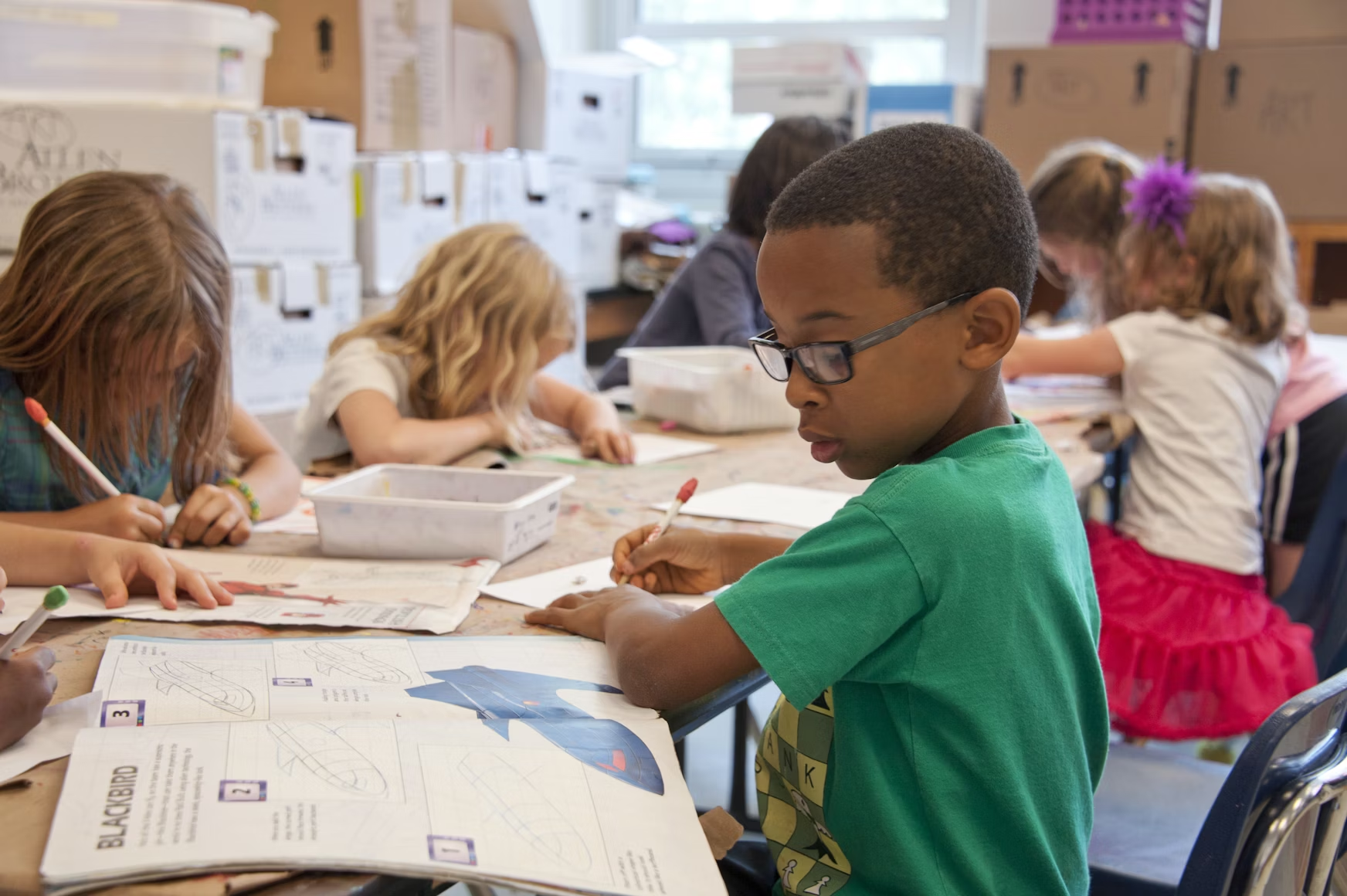
A classroom scene representing common parental missteps as kids begin school.
Image Source: Unsplash

That first day of school—backpacks zipped, lunches packed, hearts racing—is a moment filled with pride, anxiety, and sometimes a little chaos. Whether your child is stepping into a classroom for the first time or returning after summer break, how you handle the transition can shape their entire year. Below are nine back‑to‑school parenting missteps, why they happen, and what to do instead.

1. Overscheduling Children

Extracurriculars are valuable, but stacking every club, sport, and lesson can overwhelm kids and erode family time. A simple rule of thumb from many child development specialists is to cap structured activities at one or two per season and leave room for free play.

Try building a monthly wall calendar together so kids can see how full a week looks before they commit. If a new interest pops up mid‑semester, agree on a “one‑in, one‑out” policy: add karate only after soccer ends, or swap ballet for art club instead of juggling both.

2. Projecting Your Own Anxiety

Worries about grades, friends, or bullying can seep into your tone and body language. Kids are emotional mirrors; if you radiate tension, they’ll feel it too. Practicing a few calming breaths or quick visualizations before discussing school helps you model steadiness.

Use neutral prompts such as “How did recess feel today?” instead of leading with fear‑tinged questions like “Did anyone pick on you?” Modeling calm curiosity tells children you trust their resilience, which, in turn, strengthens it.

3. Failing to Prepare School Supplies

Missing notebooks and dull pencils create stress before the bell even rings. Aim to gather the school’s supply list at least two weeks early.

Stash an extra “backup kit” (spare glue sticks, erasers, tissues) in a zip‑bag that lives in their locker or cubby; it saves frantic last‑minute dashes when something runs out mid‑unit.

4. Minimizing Their Emotions

Brushing off worries with “You’ll be fine” tells kids their feelings don’t count. Instead, validate first—“It’s normal to feel nervous about a new teacher”—then brainstorm coping ideas together.

Teaching children to name emotions (“I feel fluttery in my stomach and worried”) boosts emotional intelligence and reduces meltdowns.

5. Putting Too Much Pressure on Academics

High expectations can motivate, but a relentless emphasis on grades may spark anxiety or avoidance. Praise effort and problem‑solving, not just perfect scores, to foster a growth mindset.

Ask “What strategy helped you solve that math puzzle?” rather than “What score did you get?” Celebrate incremental growth—moving from a C to a B‑, remembering to underline topic sentences—so kids learn that effort fuels progress.

Child in bed with a glowing tablet, suggesting ignored sleep schedules.
Image Source: Unsplash

6. Ignoring Sleep Schedules

A healthy bedtime routine has more academic impact than an extra worksheet. The American Academy of Pediatrics notes that grade‑schoolers need 9–12 hours nightly for optimal focus and mood.

Begin the “school‑year bedtime rollback” a week before classes start—move lights‑out 15 minutes earlier each night and pair it with a calming ritual (storytime, gentle stretches, or a warm bath) to cue the brain for sleep. Keep screens out of bedrooms; blue light delays melatonin release and makes early mornings tougher.

7. Skipping Breakfast

Kids who start the day hungry struggle with attention and emotional control. Keep quick options on hand—yogurt parfaits, peanut butter toast, or boiled eggs—for mornings when everyone oversleeps.

If appetite is low at dawn, pack a “first bell snack” such as a banana or whole‑grain muffin so fuel lands in the first hour of class. Pair carbs with protein to stabilize blood sugar and sustain focus until lunch.

8. Not Communicating With Teachers

Parents sometimes avoid contact, fearing they’ll seem overbearing. In reality, teachers value concise updates about home routines or concerns. A short, friendly email at mid‑term can open helpful dialogue.

Check in at mid‑term with a friendly, specific question—“How is Maya managing group work?”—and thank the teacher for something you’ve noticed. Mutual respect sets the stage for swift collaboration if issues arise.

9. Comparing Your Child to Others

Benchmarks can guide learning, but constant comparison chips away at confidence. Focus on your child’s individual progress: maybe they’ve become more organized, kinder to peers, or braver about raising a hand.

Share these observations aloud so kids see that progress isn’t only about test scores—it’s also about empathy, persistence, and creativity. Reinforcing personal wins cultivates intrinsic motivation and a lifelong love of learning.

Set the Tone for a Great Year—One Decision at a Time

Back‑to‑school parenting is less about perfection and more about thoughtful choices. By steering clear of these common mistakes—overscheduling, skipped breakfasts, late bedtimes—you help your child walk into class rested, prepared, and supported. That calm confidence is the best school supply of all.

Have you made any of these mistakes, or do you have others you’d like to add? Tell us in the comments below!

Read More

  • Sensory Integration Strategies for Children with Autism
  • 5 Smart Ways to Save on Back to School Supplies

Samantha Warren
Samantha

Samantha Warren is a holistic marketing strategist with 8+ years of experience partnering with startups, Fortune 500 companies, and everything in between. With an entrepreneurial mindset, she excels at shaping brand narratives through data-driven, creative content. When she’s not working, Samantha loves to travel and draws inspiration from her trips to Thailand, Spain, Costa Rica, and beyond.

Filed Under: Parenting Tagged With: back-to-school parenting, emotional support for kids, overscheduling children | Parenting, parenting mistakes, school preparation, School Readiness, start of school tips

10 Cheap Dinners Your Kids Will Actually Eat Without Complaining

April 22, 2025 | Leave a Comment

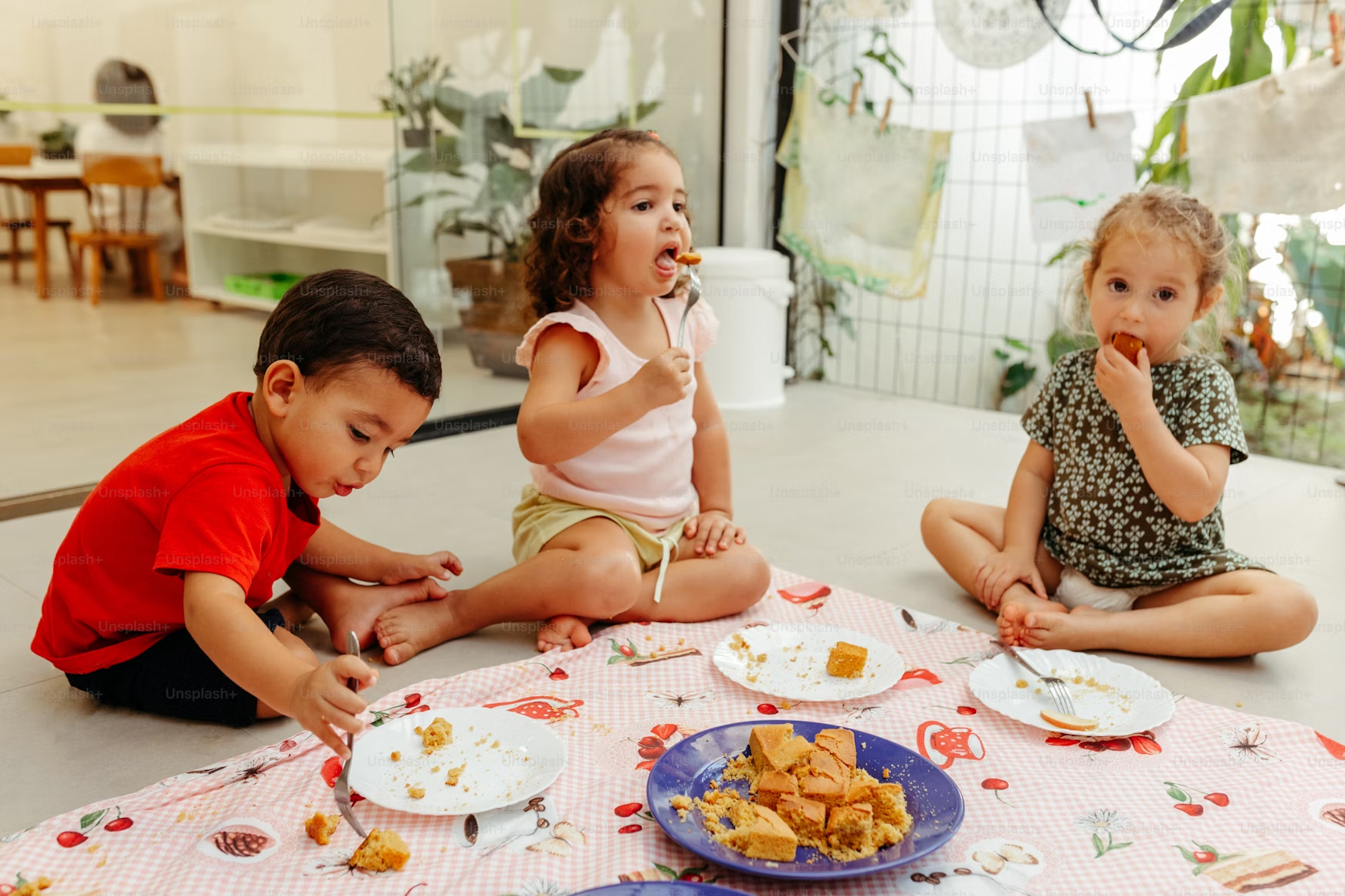
Kids happily enjoying a budget-friendly meal together.
Image Source: Unsplash

If your table has become a battleground between your budget and your child’s taste buds, you’re not alone. Feeding a family without overspending—or hearing nonstop grumbling—can feel like an Olympic sport. The good news? Dinner doesn’t have to be expensive or stressful. With a few pantry staples and some creative twists, you can whip up meals that are easy on your wallet and big on flavor. Below are ten cheap dinners kids happily devour—minus the dramatic sighs and bargaining.

1. Lazy Lasagna (Frozen Ravioli Lasagna)

Skip the noodle‑boil hustle: layer frozen cheese ravioli with marinara and shredded mozzarella, then bake until bubbly. It’s a clever spin I found while browsing these kid‑friendly dinner ideas. Customize with ground meat or hidden veggies; a family‑size pan costs about seven dollars.

2. Chicken Broccoli Rice Casserole

Combine canned or rotisserie chicken, steamed rice, frozen broccoli florets, a can of condensed cream soup (any flavor you like), a cup of milk, and a fistful of shredded cheddar. Mix in one bowl, dump in a casserole dish, and bake until the top is lightly browned. Everything cooks in one pan, leaving you with minimal cleanup and hearty leftovers for tomorrow’s lunchboxes.

3. Spanish Rice Soup

Got leftover white or brown rice? Simmer it with a can of crushed tomatoes, a can of black or pinto beans, chicken or veggie broth, and a sprinkle of cumin and chili powder. In fifteen minutes you have a smoky, satisfying soup for about three dollars.

Hand each child a ramekin of shredded cheddar or tortilla strips for DIY garnishing; kids are far more likely to eat when they “decorate” their bowls.

4. Ramen Noodle Stir‑Fry

Upgrade those 30‑cent ramen packets with frozen veggies and soy sauce. Ready in ten minutes, it costs less than four dollars and sneaks in produce without protest.

5. Lentil Spaghetti

Swap ground beef for lentils in your red sauce. The texture satisfies pasta lovers, the protein keeps everyone full, and the price tag hovers around five dollars.

6. Breakfast‑for‑Dinner Pancakes

Fluffy pancakes, scrambled eggs, and sliced fruit make weeknights feel special. Mix a big batch; freeze extras for future “I‑forgot‑to‑thaw‑anything” emergencies.

Crispy potato wedges on a tray, perfect for a DIY baked potato bar.
Image Source: Unsplash

7. DIY Baked Potato Bar

Bake russet potatoes, then let kids pile on toppings—cheese, beans, leftover chili, or steamed veggies. Autonomy at the table often means cleaner plates.

8. Grilled Cheese and Tomato Soup

Use sale bread and store‑brand cheese; pair with canned or homemade tomato soup. Dip, dunk, devour—total cost under five dollars.

9. Sloppy Joe Sliders

One pound of seasoned ground meat stretches across a dozen mini buns. Finger foods feel like a treat and portion sizes stay budget‑friendly.

10. Veggie‑Packed Quesadillas

Layer tortillas with cheese and finely chopped spinach or peppers. Pan‑toast until melty; slice into wedges and serve with salsa or yogurt dip. More ideas like this appear in these budget dinner tips for families.

What Dinner Peace Looks Like

These meals prove that quick, inexpensive dinners can still earn rave reviews—especially when kids help choose toppings or stir the sauce. Swap one of your usual standbys for a recipe here and enjoy the sound of satisfied silence (and cleaned plates).

These ten dinners prove you don’t need pricey ingredients or gourmet techniques to keep kids fed and content. Pantry shortcuts, frozen vegetables, and strategic “build‑your‑own” stations reduce both prep time and complaints. Rotate just one of these meals into your weekly plan and listen for the sweetest household sound: forks scraping empty plates instead of sighs and negotiations.

Have a budget‑friendly dinner that wins over your crew every time? Share your secret in the comments—we’re always hungry for new ideas!

Read More

  • Meal Planning For A Family On A Budget
  • How to Cost-Effectively Improve Your Family’s Healthy Eating Habits
Samantha Warren
Samantha

Samantha Warren is a holistic marketing strategist with 8+ years of experience partnering with startups, Fortune 500 companies, and everything in between. With an entrepreneurial mindset, she excels at shaping brand narratives through data-driven, creative content. When she’s not working, Samantha loves to travel and draws inspiration from her trips to Thailand, Spain, Costa Rica, and beyond.
Filed Under: Parenting Tagged With: affordable family meals, budget‑friendly meals, cheap dinner ideas, dinner recipes on a budget, easy meals for kids | Food & Family, kid‑friendly dinners, picky eaters

8 Reasons Why “Free‑Range Parenting” Might Be Endangering Your Child

April 22, 2025 | Leave a Comment

symbolizing free-range parenting risks.
Image Source: Unsplash

Letting kids roam the neighborhood, solve problems solo, and learn from unfiltered experience sounds empowering—and in measured doses, it can be. Yet an “all‑in” free‑range approach can also place children in situations they’re not developmentally ready to handle. Recent headlines, research, and even court cases show there are real downsides when freedom isn’t paired with age‑appropriate safeguards. Before you hand your eight‑year‑old the house key and shrug, consider these eight critical risks—and what to do instead.

1. Real‑World Hazards With Limited Supervision

Free‑range parenting encourages minimal oversight so kids can build resilience. But without an adult nearby, children are more vulnerable to injuries, traffic accidents, or unsafe strangers. A 2023 review in Pediatrics noted that unsupervised elementary‑age kids are three times more likely to need emergency care for preventable accidents than peers who had a nearby caregiver. 

2. Legal Trouble and Charges of Neglect

What feels like healthy independence to you may violate your state’s child neglect statutes. In 2022 a Maryland couple faced a CPS investigation for letting their ten‑ and six‑year‑olds walk home from a park alone—perfectly legal in some places, reportable neglect in others. The legal patchwork means free‑range families can unintentionally invite police or child‑protective scrutiny.

3. Overestimating a Child’s Readiness

Even the most emotionally mature eight‑year‑old still makes decisions with a brain that’s only part‑built for risk calculation. The prefrontal cortex—responsible for impulse control and weighing consequences—doesn’t finish wiring until the mid‑twenties.

That gap means kids can recite safety rules flawlessly at the kitchen table yet freeze or choose poorly when a real‑world curveball hits: a loose dog charges, a stranger offers help, traffic patterns change.

Free‑range ideals often assume “common sense” kicks in as soon as a child shows early confidence. In reality, judgment under stress is the very last skill to mature. Giving unsupervised bike routes, online access, or sibling‑sitting duties too soon can flood a child’s nervous system, turning an exciting challenge into panic.

When stress spikes, even practiced guidelines blur, and kids default to emotion‑driven reactions—run, hide, comply—rather than the logical steps they rehearsed with you.

4. Neighborhood Design and Community Trust

A leafy cul‑de‑sac differs drastically from a busy urban corridor. Fewer sidewalks, high‑traffic intersections, or low community cohesion raise real safety stakes.

Parents in walkable, socially connected neighborhoods are more likely to allow independent mobility than parents in high‑traffic zones. Geography matters—free‑range ideals must bend to the built environment.

5. Decline of the “It Takes a Village” Culture

Boomers recall neighbors who knew every kid by name; today many families don’t know who lives two doors down. With fewer watchful eyes, children truly are more alone—reducing the informal safety net free‑range parenting once relied on.

holding a smartphone with digital icons suggesting risk.
Image Source: Unsplash

6. Digital Dangers Increase With Physical Freedom

A child mature enough to bike to the park alone probably also owns a phone. Unmonitored devices open doors to cyberbullying, predatory messaging, and addictive content. Offline independence must be matched with robust digital boundaries.

7. Confusing Autonomy With Emotional Distance

Freedom shouldn’t equal detachment. When parents skip regular check‑ins, kids may misinterpret independence as indifference. Children who feel “cut loose” can internalize anxiety rather than confidence, especially if they’re sensitive or prone to worry. Maintain open channels—ask where they went, what felt tricky, and how they solved problems.

8. Limited Self‑Advocacy in True Emergencies

If a stranger offers help—or harm—does your child know how to react? Free‑range advocates teach scripts like “No, thank you” or memorizing addresses, but real crises require composure many youngsters don’t yet possess. First practice calling 911, then role‑play asking a store clerk for help, then extend travel distance. Independence is a ladder, not a leap.

Finding a Healthy Middle Ground

  1. Check Local Laws before allowing solo outings; ignorance won’t shield you from legal fallout.
  2. Gradual Freedom works best—start with supervised “shadow” walks a half block ahead, progressing to short solo trips.
  3. Equip, Then Release: Teach road rules, stranger‑danger scripts, and digital‑device boundaries before granting new privileges.
  4. Community Connections: Introduce kids to trusted neighbors and store owners who can act as safe points if trouble arises.
  5. Regular Debriefs: After each independent outing, ask what went well and what felt scary to reinforce critical‑thinking skills.

Balanced independence cultivates resilience and keeps children safe. By layering age‑appropriate supervision, legal awareness, and ongoing dialogue, parents can nurture confident explorers without exposing them to unnecessary danger.

Have you blended freedom and safety in your family? Share your best tips—or cautionary tales—in the comments!

Read More

  • Clothes From Shein and Temu Could Be Hazardous To Your Child’s Health
  • 3 Essential Tips for Finding the Best Family Neighborhood to Raise Kids

Samantha Warren
Samantha

Samantha Warren is a holistic marketing strategist with 8+ years of experience partnering with startups, Fortune 500 companies, and everything in between. With an entrepreneurial mindset, she excels at shaping brand narratives through data-driven, creative content. When she’s not working, Samantha loves to travel and draws inspiration from her trips to Thailand, Spain, Costa Rica, and beyond.

Filed Under: Parenting Tagged With: child safety, digital safety, free‑range parenting, legal issues, modern parenting, parenting risks, unsupervised children

Why “Old Lady” Names Are Back—And People Are Loving It

April 22, 2025 | Leave a Comment

A collage of vintage names in varying fonts
Image Source: Unsplash

Not long ago, names like Dorothy or Ethel summoned images of bingo halls rather than baby monitors. Yet here we are in 2025, watching these so‑called “old‑lady” names climb baby‑name lists and fill preschool cubbies.

What sparked this shift from ultra‑modern monikers to retro‑refined originals? It turns out there’s something irresistibly timeless about giving a child a name that brims with history, heart, and a hint of grandma’s cozy charm.

1. Vintage Names Are (Really) Trending Again

Scroll any national registry and you’ll spot Ada, Agnes, and Ivy inching upward. According to Netmums’ annual baby‑name review, searches for classic girl names jumped 38 percent in the last year, with Ada, Alice, and Amelia leading the charge. Pop culture plays a huge role—think Wednesday on Netflix reviving Enid, or period dramas casting elegant characters named Violet and Sybil. Parents craving both familiarity and freshness find that vintage baby names fit the bill: they’re recognizable yet rarely duplicated in the average kindergarten class.

2. Celebrity Choices Shine a Spotlight

When celebrities choose traditional names, the rest of us take notice. Blake Lively and Ryan Reynolds opted for Betty (honoring Reynolds’s late father), while Lily Allen welcomed Ethel back into the limelight. Even British royal circles favor the retro vibe: think Archie Harrison and Lilibet Diana. These highly publicized picks prove that “old” doesn’t equal outdated— it equals enduring. And if Hollywood’s A‑list can resurrect classics, everyday parents feel empowered to do the same.

3. Rare Beauties Finally Getting Their Due

Not every parent wants a name ranked in the top 20. Enter hidden gems like Constance, Opal, and Mabel—names steeped in history yet still distinctive. Mabel rose more than 200 places on the U.S. Social Security list between 2020 and 2024, thanks in part to social media accounts that curate “storybook” or “cottage‑core” baby‑name boards. These sites showcase lyrical, underused classics that strike the perfect balance between unique and time‑tested.

4. Pop‑Culture Nostalgia Is Everywhere

From vinyl records to “grandmillennial” décor, nostalgia reigns. TikTok brims with “old‑lady name” compilations featuring sleeping newborns tagged #Eloise and #Maxine. Even gaming and fashion embrace retro aesthetics, so it’s no surprise parents want names that echo simpler times. After years of pandemic uncertainty, a vintage name can feel comforting—like wrapping your newborn in a handmade quilt passed down through generations.

5. Old Names Offer Modern Versatility

A name such as Ruby feels equally at home on a playground and in a boardroom. Many classic names also come with playful nicknames—Evangeline becomes Evie; Josephine turns into Jo or Posey. This built‑in flexibility lets children decide how they wish to present themselves later in life. Meanwhile, vintage middle names (Louise, Pearl) pair beautifully with contemporary first names, giving parents endless mix‑and‑match options.

A vintage black-and-white family portrait showing two men standing behind three women, with two young children (one a baby) seated in front, posed outdoors near a house with overgrown foliage
Image Source: Unsplash

6. Family History Feels More Important Than Ever

DNA kits and genealogy apps have turned many millennials into armchair historians. Reviving a great‑grandmother’s name isn’t merely trendy; it’s a tangible bridge to heritage. Parents find joy—and sometimes healing—in honoring ancestors while offering children a built‑in story about where they come from.

7. Gender‑Neutral Classics Expand Choices

Names like Florence and Frances are traditionally feminine, but plenty of vintage picks fall into gender‑neutral territory: Charlie, Sidney, Ellis, and August are soaring for both boys and girls. This flexibility resonates with parents seeking names that allow children room to define themselves beyond traditional gender boxes.

8. Eco‑Friendly Vibes

Nature‑infused classics—Iris, Hazel, Olive—carry botanical charm without feeling invented. As sustainability enters mainstream parenting (cloth diapers, handmade toys), nature‑themed vintage names dovetail with an eco‑minded lifestyle, signaling respect for both history and the environment.

9. Built‑In Nicknames Add Warmth

Old‑school diminutives—Millie for Mildred, Tilly for Matilda, Lottie for Charlotte—inject casual warmth while leaving the formal version ready for resumes and diplomas. Parents appreciate having both playful and professional options at the ready.

10. They Simply Feel Timeless

Trends ebb and flow, but true classics weather generational shifts. A baby Eleanor in 1925 could become a centenarian Ellie today, her name aging gracefully alongside her. Parents choosing vintage baby names bank on that longevity—ensuring their child’s identity won’t feel “dated” in a decade.

Choosing a Name With a Story

Ultimately, selecting a vintage baby name is less about following a trend and more about storytelling. Each resurrected classic—Agatha, Hattie, Rosalind—brings with it a legacy, whether familial or cultural. In a fast‑paced digital age, these names ground us, reminding families of their roots while allowing new chapters to unfold.

What “old lady” or vintage baby names are on your shortlist? Share your favorites in the comments!

Read More

  • Why Some Parents Regret Choosing a Unique Name
  • 7 Names That Used to Be Popular—But Are Now Fading Fast
Samantha Warren
Samantha

Samantha Warren is a holistic marketing strategist with 8+ years of experience partnering with startups, Fortune 500 companies, and everything in between. With an entrepreneurial mindset, she excels at shaping brand narratives through data-driven, creative content. When she’s not working, Samantha loves to travel and draws inspiration from her trips to Thailand, Spain, Costa Rica, and beyond.

Filed Under: Parenting Tagged With: baby girl names, baby name trends, family naming tips, old lady names, Parenting, vintage baby names

7 Reasons You Shouldn’t Waste Money on Private Schools

April 22, 2025 | Leave a Comment

Empty classroom with rows of desks facing a chalkboard.
Image Source: Unsplash

Many parents assume a hefty tuition bill guarantees a superior education. Yet rising tuition and widening equity gaps raise a crucial question: is private school really the smart investment? Below are seven evidence‑based reasons you might want to keep that money in your pocket.

1. The Cost Is Sky‑High—And Often Unjustified

The Cost Is Sky‑High—And Often Unjustified

Annual tuition at a private K‑12 school can top $20,000—and that figure rarely accounts for required uniforms, technology fees, mandatory fundraising, or the travel costs tied to sports and debate tournaments.

When analysts control for factors such as parental income, educational attainment, and neighborhood resources, the difference in long‑term earnings between private‑ and public‑school graduates largely disappears. In other words, the premium you pay up front doesn’t necessarily translate into higher wages down the line.

Consider what else $20,000 per year could do: build a robust college fund, finance tutoring in a child’s weakest subject, or underwrite family experiences that nurture curiosity outside the classroom.

2. Limited Diversity Restricts Growth

Many private schools draw from a narrower socioeconomic bracket, meaning students often see fewer cultural perspectives in day‑to‑day interactions. A more homogeneous environment can unintentionally limit empathy, stifle problem‑solving skills, and reduce the ability to collaborate across cultural lines—abilities that modern employers prize.

By contrast, most public schools reflect their surrounding communities, exposing students to a richer tapestry of languages, traditions, and viewpoints. That daily immersion in difference fosters open‑mindedness, resilience, and the social agility necessary in a global economy.

Data summarized by Education Week shows public‑school students interact with a more diverse peer group, boosting social skills employers increasingly value.

3. Social Circles Can Be Restrictive

Tuition‑driven communities sometimes foster cliques around status or wealth, leaving kids less prepared to relate beyond their immediate bubble. In contrast, public‑school students navigate a wider range of personalities—experience that translates into stronger adaptability in college and the workplace.

4. Public Schools Suffer When Families Opt Out

When involved families leave, districts lose both funding and engaged volunteers. Over time, that siphons resources from neighborhood schools and widens opportunity gaps. Choosing public education is a vote of support for your entire community.

5. Inequality Gets Even Worse

Smaller classes and cutting‑edge labs at private schools aren’t universally accessible. When some families can “buy” advantages, the achievement gap widens. Sociologists warn that such disparities erode social cohesion and perpetuate cycles of privilege.

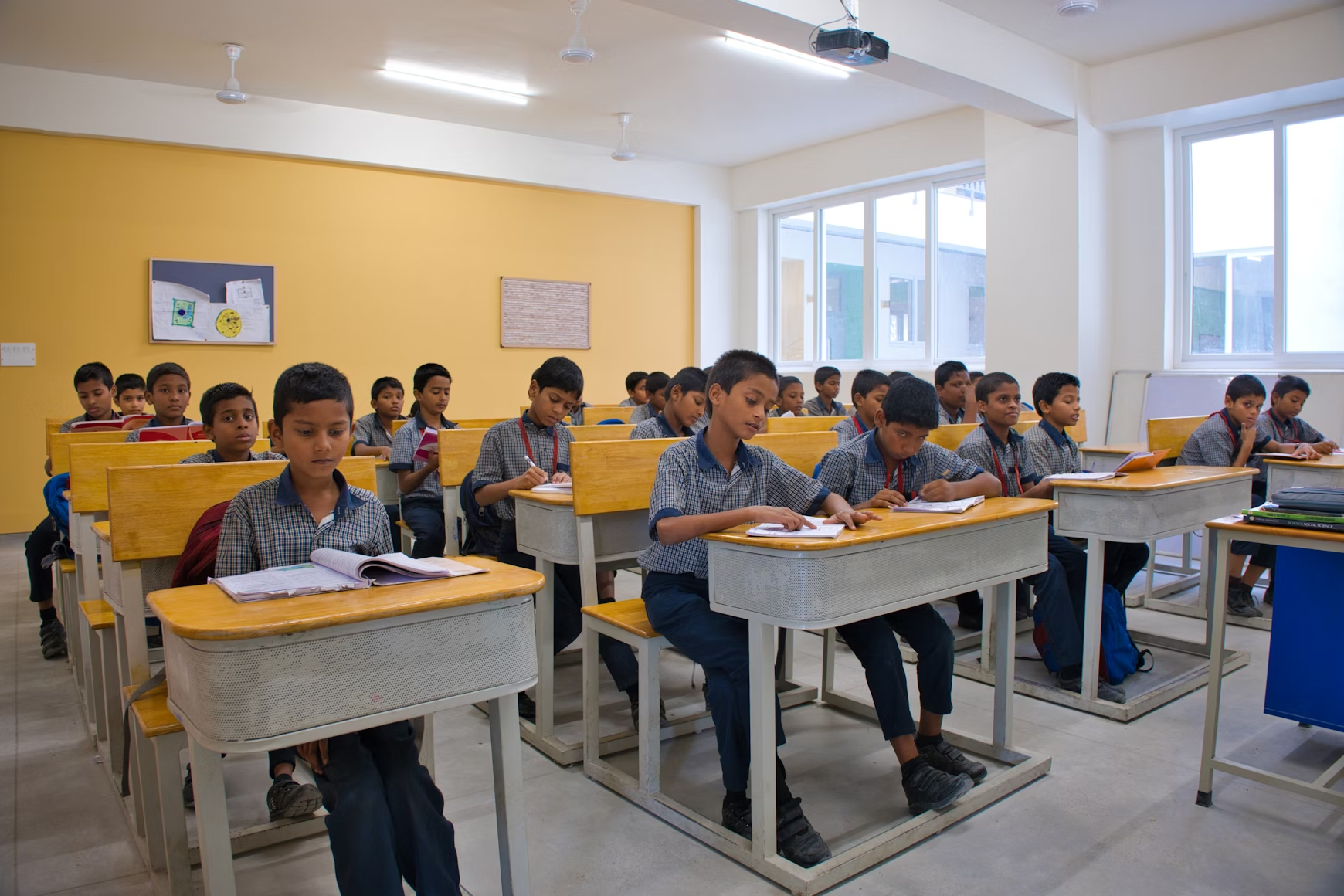
Students in uniform seated at desks, focused on writing in a classroom.
Image Source: Unsplash

6. Enrollment Isn’t Guaranteed—Stress Isn’t Cheap

Private schools cap class sizes and maintain waitlists, turning admission into a competitive, stressful process. Even after acceptance, families face ongoing performance pressure to justify the investment—pressure that can drain emotional and financial reserves alike.

7. Public Schools Offer Surprising Advantages

Gifted programs, Advanced Placement courses, and free extracurriculars abound in many districts. Studies tracking college outcomes find that motivated public‑school students often earn scholarships and thrive at top universities—proof that success hinges more on support at home than on a pricey campus.

What Your Child Really Needs Is You

No single school model fits every family. But stretching finances for prestige can introduce its own set of stresses—without guaranteeing better results. Classroom resources matter, yet the biggest driver of student success is still engaged, encouraging caregivers. Before committing to a sky‑high private school cost, consider whether your child might gain just as much—in academics and in perspective—within your local public system.

Choosing between public and private? Share your thoughts below; other parents will appreciate your insight.

Read More

  • Year-round Money Saving and Fun Activites for Parents and Kids
  • Saving Money on Big Family Events
Samantha Warren
Samantha

Samantha Warren is a holistic marketing strategist with 8+ years of experience partnering with startups, Fortune 500 companies, and everything in between. With an entrepreneurial mindset, she excels at shaping brand narratives through data-driven, creative content. When she’s not working, Samantha loves to travel and draws inspiration from her trips to Thailand, Spain, Costa Rica, and beyond.

Filed Under: Parenting Tagged With: child education, education, family budgeting | Parenting, parenting advice, private school cost, public vs. private school, school choice

Are School Lunches Healthier Than What You Pack? The Answer May Surprise You

April 22, 2025 | Leave a Comment

Schoolchildren eating lunch, illustrating the debate on healthy meal choices.
Image Source: Unsplash

If you’ve ever hesitated between packing lunch or letting your child eat in the cafeteria, you’re not alone. Many parents assume a homemade meal is always healthier—but today’s federally regulated school lunches sometimes come out ahead. Here’s a look at why the cafeteria tray may beat the lunchbox more often than you’d guess.

School Lunches Follow Strict Nutrition Standards

Meals served through the National School Lunch Program are designed to cover roughly one‑third of a child’s daily nutrient requirements. Regulations mandate a minimum amount of fruits, vegetables, whole grains, and lean proteins while capping sodium and saturated fat. Cafeterias must also rotate colorful produce and offer low‑fat or fat‑free milk.

By contrast, a packed meal is limited only by parental diligence and morning time constraints. If you’re running late, it’s easy to default to cheese crackers, processed deli meat, or a single piece of fruit—choices that rarely meet the comprehensive standards set for school kitchens.

Packed Lunches Often Contain More Sugar

Convenience items like juice boxes, cookies, and fruit snacks slip into lunch bags easily. In one large study comparing cafeteria and home‑brought meals, researchers found packed lunches averaged significantly higher amounts of added sugar and dessert items—a difference linked to increased overall calorie intake.

Fruits and Vegetables: Cafeterias Have the Edge

Most districts require students to put at least one fruit or vegetable on the tray. That simple rule works: students who regularly choose school meals eat more produce than peers with packed lunches, according to peer‑reviewed data published in the Journal of Nutrition Education and Behavior.

Many districts employ a simple but effective rule: every student must select at least one fruit or vegetable before reaching the cashier.

That policy, combined with eye‑catching salad bars and pre‑cut produce cups, significantly increases the odds that kids will actually eat their greens (or reds, oranges, and purples). In contrast, the carrot sticks nestled beside a homemade sandwich often come back home untouched, wilted by afternoon. Over time, the cafeteria’s mandatory produce approach adds up to a greater overall intake of fiber, vitamins, and disease‑fighting antioxidants.

Colorful fruits providing fiber, vitamins, and fats.
Image Source: Unsplash

Fiber, Vitamins, and Fat: A Nutrient Check

On average, school lunches deliver more fiber, calcium, and vitamin A while containing less saturated fat than the typical packed alternative. Unless parents plan carefully—think whole‑grain bread, fresh produce, and low‑fat dairy—lunchbox nutrition can fall short.

Cost Isn’t Always What It Seems

At first glance, packing may look cheaper, but rising grocery prices narrow the gap. When researchers at the School Nutrition Association compared actual ingredient costs and container expenses, they found the price difference was minimal—and school meals offered higher nutrient density per dollar.

Many parents assume packing saves money, but rising grocery costs, single‑serve packaging, and the hidden expense of reusable containers can quickly erode perceived savings. Analyses that factor in both ingredients and packaging reveal a surprisingly narrow price gap, and in some cases, school lunches actually offer more nutrients per dollar. For families eligible for free or reduced‑price meals, the cafeteria option can be markedly cheaper without sacrificing quality.

How to Decide What’s Best for Your Family

  1. Mix and match. Let kids buy lunch on days the menu features balanced favorites, and pack when you want more control.
  2. Upgrade the lunchbox. If you do pack, aim for at least one fruit, one vegetable, and a whole‑grain main item each day.
  3. Check the menu together. Reviewing options with your child encourages mindful choices—whether from home or school.

The bottom line: school lunches are often, but not always, the healthier option. A quick look at what’s on the tray—and what’s going in the lunchbox—can help you make the best call for your child.

What are your thoughts regarding your child nutriotional habits? Let us know in the comments below!

Read More

  • 15 Nostalgic Snacks and Treats We Wish Would Make a Comeback
  • 4 Strategies to Encourage Healthy Eating Habits in Kids
Samantha Warren
Samantha

Samantha Warren is a holistic marketing strategist with 8+ years of experience partnering with startups, Fortune 500 companies, and everything in between. With an entrepreneurial mindset, she excels at shaping brand narratives through data-driven, creative content. When she’s not working, Samantha loves to travel and draws inspiration from her trips to Thailand, Spain, Costa Rica, and beyond.

Filed Under: Parenting Tagged With: child nutrition, healthy eating at school, lunch tips for parents, packed lunch comparison, parenting strategies | Parenting, school lunches

“Mom Wine Culture” Isn’t Funny Anymore—It Might Be Dangerous

April 22, 2025 | Leave a Comment

People clinking glasses of red wine together in a celebratory toast.
Image Source: Unsplash

Glittery glasses labeled Mommy Juice. Instagram memes about needing Chardonnay to survive math homework. What began as tongue‑in‑cheek solidarity has quietly morphed into a normalized coping mechanism—and high‑risk drinking among women is climbing fast. Below, we unpack why the joke has gone too far and how parents can reclaim healthier stress‑relief strategies.

High‑Risk Drinking Among Women Is Skyrocketing

A landmark study in JAMA Psychiatry found high‑risk drinking among women jumped 58 percent between 2001 and 2013. Problem drinking rose more than 80 percent in the same window. These spikes parallel the rise of social‑media humor celebrating daily “wine o’clock.” While correlation isn’t causation, the timing signals a cultural shift worth examining.

The Culture Normalizes Binge Drinking

“Mom wine” jokes glamorize heavy pours and portray caregivers as perfectly functional—even heroic—while drinking. Addiction specialists warn that hiding behind humor delays recognition of unhealthy patterns and makes it harder to seek help before dependency sets in.

Alcohol as a Coping Strategy Worsens Mental Health

Self‑medicating with alcohol may provide a quick mood lift, but the science is clear: over time, it compounds exhaustion, anxiety, and depression. Alcohol fragments your sleep cycle, spikes next‑day cortisol, and disrupts hormones—fueling the very stress you hoped to escape.

The result is a vicious loop: drink to relax → sleep poorly → feel wired and anxious → reach for another glass.

Kids Notice More Than We Think

Children internalize how adults handle stress. Frequent jokes about “needing wine” risk teaching them that alcohol is essential for coping with everyday life. Long‑term research links parental drinking patterns to greater odds that children will experiment earlier—and more heavily—with alcohol themselves.

Bartender spritzing citrus over a cocktail in dramatic lighting.
Image Source: Unsplash

Social Media and Targeted Marketing Fan the Flames

Alcohol companies market pastel cans, “slim” cocktails, and hashtags like #MomJuice to position drinking as a reward for maternal sacrifice. The result? A feedback loop where marketing, memes, and peer pressure frame alcohol as both fashionable and harmless.

Recognizing When Wine‑O’Clock Crosses the Line

Ask yourself:

  1. Frequency: Do wine jokes (and drinks) show up nightly?
  2. Quantity: Are pours creeping larger, or is that “one glass” actually half a bottle?
  3. Mood Dependence: Does a tough day automatically trigger the thought I deserve a drink?
  4. Secrecy: Are you hiding bottles, under‑reporting consumption, or bristling at concern from loved ones?
  5. Functioning: Are morning headaches, irritability, or foggy focus impacting work or parenting?

If you nodded to several points, it might be time to reset your relationship with alcohol.

Why Women Are Uniquely Vulnerable

  • Biology: Women metabolize alcohol differently; the same number of drinks raises blood‑alcohol levels faster and causes more liver and heart damage.
  • Marketing: Brands pitch low‑calorie “health‑conscious” cocktails, blurring the line between wellness and drinking culture.
  • Mental Load: Juggling childcare, careers, and household management heightens chronic stress—fertile ground for habitual coping behaviors.
  • Stigma of Help‑Seeking: Social pressure to “do it all” keeps many mothers from admitting they’re struggling.

Healthier Ways to De‑Stress

Swap the Wine For How It Helps
10‑minute walk or stretchLowers cortisol and boosts mood naturally
Group text with honest ventingProvides connection without hangovers
Guided meditation appCalms racing thoughts in 5 minutes
Mocktail or herbal tea ritualKeeps the “pause and sip” habit minus the alcohol
Short therapy check‑insOffers professional tools to manage overwhelm

Rewriting the Narrative

“Mom wine culture” may have started as harmless humor, but normalizing alcohol as the default coping tool risks real harm. True self‑care comes from rest, supportive community, and honest conversations—not the bottom of a glass. By modeling healthier habits, parents protect both their own well‑being and the example they set for their children.

Have you felt pressured to join in #MommyJuice jokes? What sober‑friendly strategies help you unwind? Share your story in the comments—let’s swap real support for punchlines.

Read More

  • The Old Woman and The Wine Jar; An Aesop’s Fable
  • 13 Parenting Tips from Cultures Around the World

Samantha Warren
Samantha

Samantha Warren is a holistic marketing strategist with 8+ years of experience partnering with startups, Fortune 500 companies, and everything in between. With an entrepreneurial mindset, she excels at shaping brand narratives through data-driven, creative content. When she’s not working, Samantha loves to travel and draws inspiration from her trips to Thailand, Spain, Costa Rica, and beyond.

Filed Under: Parenting Tagged With: alcohol misuse, mom wine culture, motherhood and mental health, parenting habits | Parenting, parenting stress, wellness

Should Fathers Get Equal Paternity Leave? Here’s What Men Are Saying

April 22, 2025 | Leave a Comment

Shirtless father holding and smiling at his baby.
Image Source: Unsplash

Maternity leave has long been the default conversation around newborn care—but modern dads are raising a new question: Why not equal paternity leave?

More fathers are speaking out about the benefits, the stigma, and the urgent need for change.

Paternity Leave Builds Strong Bonds From Day One

Studies show babies whose fathers take leave enjoy stronger emotional security and healthier cognitive development. Neuroscientists even note measurable changes in dads’ brain activity—greater empathy and faster responsiveness—after dedicated time at home.

Time away from work gives fathers the chance to master diaper duty, soothe midnight cries, and learn their baby’s unique rhythms—skills that translate into lifelong confidence.

The research above links dedicated dad‑time with:

  • Secure attachment: Babies respond to multiple caregivers, easing separation anxiety later.
  • Faster language development: Two distinct caregiving styles double the infant’s exposure to vocabulary and intonation.
  • Healthier stress responses: Regular skin‑to‑skin contact with both parents steadies a newborn’s heart rate and cortisol levels.

Neuroscientists even observe structural changes in dads’ brains—areas tied to empathy light up after extended time at home, sharpening responsiveness and emotional attunement.

Cultural Stigma Still Holds Many Fathers Back

Paternity leave policies exist in many countries around the world (including Japan), but outdated expectations of the “primary breadwinner” keep men at their desks.

Common blockers include:

  • Workplace optics: Fear of seeming less ambitious or indispensable.
  • Financial worries: Bonuses, overtime, and promotions may feel at risk.
  • Peer pressure: Colleagues silently equate long hours with loyalty.

Changing these norms requires vocal leadership—when senior managers take leave, they send a clear signal that caregiving is career‑compatible.

Man in a suit standing alone, looking at a wall display in a hallway.
Image Source: Unsplash

Men Want Leave—But Fear Career Penalties

Many fathers hesitate to take leave, worrying about lost income or being viewed as less committed at work. Until companies normalize paternity leave, dads remain caught between family and career.

Employers that normalize paternity leave reap measurable gains in retention and morale.

Equal Leave Challenges Gender Norms at Home

When dads take meaningful time off, household dynamics rebalance:

  • Future family planning feels less daunting when both caregivers can step back with confidence.
  • Mothers return to work sooner and with less stress.
  • Children witness shared responsibility, shaping attitudes about gender equality.

U.S. Policy Lags Behind Public Opinion

Only a handful of U.S. states mandate paid paternity leave, and most private plans offer mere days. Yet national polls now favor about 10 weeks of paid leave for both parents. Momentum for federal reform is building fast.

How Companies Can Lead the Way

  1. Make policies explicit and easy to find. Hidden handbooks discourage uptake.
  2. Offer coaching for managers on handling coverage plans and welcoming returning parents.
  3. Highlight success stories of dads who advanced after taking leave.
  4. Provide financial top‑ups that close the gap between statutory pay and full salary.
  5. Normalize flexible transitions—gradual return schedules, remote days, and phased workloads.

When leadership treats paternity leave as a strategic investment, participation rises quickly.

Tips for Expectant Dads Planning Their Leave

  • Start early. Notify HR in writing as soon as possible to lock in dates.
  • Draft a coverage plan. Document projects, deadlines, and temporary owners.
  • Set boundaries. Decide whether you’ll be fully offline or check email weekly; communicate clearly.
  • Prep finances. Map out salary replacement, benefits, and any childcare overlap.
  • Practice baby logistics. Take infant‑care classes, set up the nursery, and learn bottle prep before day one.

Being proactive eases both workplace transitions and the whirlwind of newborn life.

Giving Families a Fair Start Requires Fair Time

No parent should choose between bonding with a newborn and job security. Paternity leave isn’t a luxury—it’s an investment in healthier children, more equitable partnerships, and stronger workplaces. Policies succeed when culture supports them; it’s time both caught up with family realities.

What are your thoughts on paid paternity leave? Tell us in the comments!

Read More

  • Toddlers and Television: Keeping TV Time Minimized with a Schedule
  • Planning a Road Trip with a Toddler

Samantha Warren
Samantha

Samantha Warren is a holistic marketing strategist with 8+ years of experience partnering with startups, Fortune 500 companies, and everything in between. With an entrepreneurial mindset, she excels at shaping brand narratives through data-driven, creative content. When she’s not working, Samantha loves to travel and draws inspiration from her trips to Thailand, Spain, Costa Rica, and beyond.

Filed Under: Parenting Tagged With: father‑child bonding, fatherhood, gender equality, paid family leave, parental leave reform | Parenting, parenting policies, parenting tips, paternity leave, Work‑Life Balance

8 Times Divorce Is Actually Better for the Kids

April 22, 2025 | Leave a Comment

Father lifting his daughter outdoors, suggesting a happier outcome after divorce.
Image Source: Unsplash

No parent plans on divorce. Yet in some situations, ending an unhealthy marriage protects children from stress that can linger for years. Below are eight scenarios in which research suggests kids may thrive more after a thoughtful separation than in a persistently high‑conflict home.

1. When Constant Fighting Becomes the Norm

Ongoing hostility raises children’s stress hormones and elevates the risk of anxiety or depression. Long‑term studies summarized by the American Psychological Association show that kids in chronically high‑conflict homes often fare worse than peers whose parents divorced and reduced the tension.

Daily shouting, icy silence, or subtle digs spike a child’s stress hormones, rewiring the brain for hyper‑vigilance. Kids in homes where conflict never cools are more prone to anxiety, depression, and sleep disorders—even if the fighting stops once they leave for college. A well‑structured divorce can remove that nonstop soundtrack of tension, allowing children’s nervous systems to reset.

2. When Two Peaceful Households Beat One Tense One

Splitting time between calm homes is emotionally easier than tiptoeing around a single war‑zone living room. Many newly single parents rediscover patience, humor, and genuine presence once the daily friction disappears. Children often report they can finally “relax and be themselves” because they’re not bracing for the next argument.

Once parents live apart, many rediscover patience and presence. Children in balanced, low‑conflict co‑parenting arrangements frequently report feeling calmer and better supported than when they lived under one stressed roof.

3. When Divorce Brings Out Better Parenting

Emotional bandwidth expands when adults are no longer battling each other daily. Freed from constant conflict, each parent can focus on homework help, bedtime stories, and quality conversations that strengthen attachment.

Conflict consumes mental bandwidth. Without the perpetual drain of trying to “win” marital battles, parents frequently show up with more energy for bedtime stories, soccer games, and one‑on‑one talks. Quality time rises, nagging drops, and the parent‑child bond deepens—benefits that echo far beyond the divorce decree.

4. When Kids No Longer Have to Choose Sides

Divorce can end the informal referee role kids play during marital disputes. Clear boundaries and a cooperative parenting plan keep children from feeling responsible for adult emotions.

In a volatile marriage, children become reluctant referees—reading mom’s face before asking dad a question, moderating dinner conversations, or absorbing blame to keep peace.

A clear co‑parenting plan can end that emotional tug‑of‑war. When expectations, schedules, and rules are agreed upon and consistent, kids stop feeling responsible for managing adult emotions.

5. When You Can Model Healthy Boundaries

Leaving a disrespectful or emotionally unsafe partnership teaches kids that self‑respect matters. They internalize that healthy relationships require kindness, safety, and mutual support—not silent resentment or volatility.

Parents lifting a child, symbolizing effective teamwork in raising kids.
Image Source: Unsplash

6. When Co‑Parenting Works Better Than Marriage

Plenty of separated couples communicate more effectively about rules, schedules, and schoolwork than they did as spouses. A review by Child Mind Institute notes that consistent routines and mutual respect—not living under one roof—predict children’s post‑divorce adjustment.

7. When the Home Atmosphere Finally Feels Safer

Many children describe a palpable “sigh of relief” after conflict subsides. In surveys by family‑law organizations, the majority of teens from formerly volatile homes said divorce improved household calm and emotional safety.

8. When It’s Time to Break the Cycle

Children learn relationship scripts by observation. Ending an unhealthy marriage can interrupt patterns of manipulation, aggression, or withdrawal—encouraging the next generation to seek healthier partnerships.

Choosing Growth Over Staying Stuck

Divorce is never easy, but in some cases it opens a path to healing and healthier parenting. Children don’t need perfect families; they need safe, emotionally available parents. If every reasonable effort has failed and conflict remains constant, a respectful separation may give everyone—kids included—a better chance to thrive.

Have you thought before about what happens in the child mind’s during conflictive marriage?

Read More

  • How to Handle a Divorce and Maintain Your Kids’ Well-Being
  • 8 Parenting Trends That Sound Great (But Might Be Hurting Your Kids)
Samantha Warren
Samantha

Samantha Warren is a holistic marketing strategist with 8+ years of experience partnering with startups, Fortune 500 companies, and everything in between. With an entrepreneurial mindset, she excels at shaping brand narratives through data-driven, creative content. When she’s not working, Samantha loves to travel and draws inspiration from her trips to Thailand, Spain, Costa Rica, and beyond.
Filed Under: Parenting Tagged With: child mental health, co‑parenting, divorce, divorce and children, family life, high‑conflict households | Parenting, parenting after divorce

Is It Financially Irresponsible to Have More Than Two Kids?

April 22, 2025 | Leave a Comment

Three young children in colorful sweaters sitting by a window.
Image Source: Unsplash

Parenting is more than just a journey of love and growth; it also comes with its fair share of financial and emotional calculations. When grocery bills rise, clothing needs multiply, and extra-curricular activities become a routine, many parents start pondering the cost of having more children. The question often becomes: “Is having more than two kids simply too expensive?” While love and connection drive family decisions, understanding the financial impact of having more children can provide clarity, helping parents assess whether expanding their family is a viable or risky endeavor.

Parenting involves constant math—both emotional and economic. When grocery totals rise and tiny shoes stack up, many parents ask: “Is having more than two kids simply too expensive?” While love tops any ledger, understanding the financial cost of children helps families decide whether expanding the crew is realistic—or risky.

The Bigger the Family, the Smarter the Spending?

USDA data show that families with three or more children spend about 24 percent less per child than those with just one or two. Economists call this economies of scale: shared bedrooms, hand‑me‑downs, bulk grocery runs—all reduce per‑kid costs.

Location and Age Matter More Than You Think

Hidden Factors in Family Budgeting

While having multiple children can lower per-child expenses through economies of scale, other factors can quickly alter this calculation. The location of the family and the age of the children can have an even more substantial impact on the financial equation.

Age of Children:

The stage of life a child is in can also influence the cost. While toddlers and young children may be less expensive to maintain in terms of food and clothing, the costs skyrocket as they reach their teenage years. Teenagers tend to eat more, require more expensive clothing, and often need things like driver’s insurance and school-related expenses (e.g., extracurricular activities, sports, and college prep). Therefore, while the initial years of parenthood might be less costly, it is important to plan for the financial spike in the later stages.

Location:

The geographical area where a family resides plays a significant role in the cost of raising children. Families in rural areas often spend about 27 percent less per child compared to those living in urban areas, particularly in the Northeast U.S. Housing is a significant factor, with lower costs in rural areas. Moreover, child care tends to be less expensive, and overall living costs are more manageable in smaller towns and less densely populated areas. Conversely, urban areas, especially those on the coasts, can quickly elevate the cost of living due to expensive real estate, daycare, and other basic needs.

More Kids Can Mean Less Wealth—But Not Always

A long‑term European cohort study linked having four or more children to lower parental net worth, citing higher debt and reduced savings. Yet access to public benefits—or help from relatives—can soften the blow, underscoring that support networks matter as much as salary.

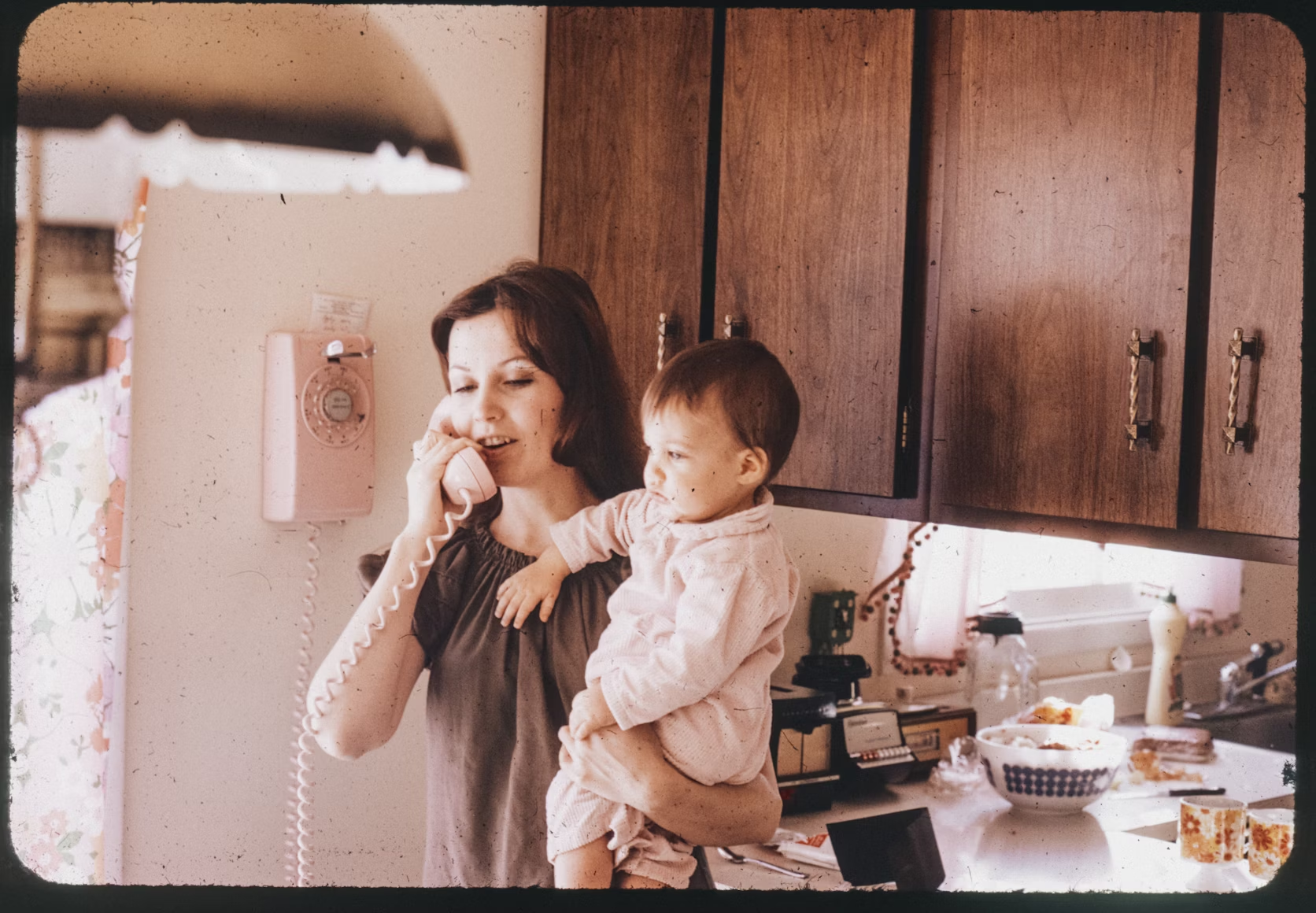
Mother holding baby while talking on a rotary phone in the kitchen.
Image Source: Unsplash

Moms Often Bear the Career Cost

U.S. Census research shows maternal labor‑force participation drops sharply after the first birth and declines further with each additional child. Fewer working years means lower lifetime earnings and slimmer retirement accounts—financial factors dads and moms must discuss openly.

Tight Budgets Can Stretch Well‑Being

Equitable Growth estimates the first few years of raising one child run $12,000‑$14,000 annually, excluding college or orthodontics. Families already walking a financial tightrope may see stress crowd out joy if they add another dependent without a safety cushion.

Making the “Right” Choice Looks Different for Everyone

Some large families thrive on thrift, creativity, and extended‑family help; others find even a second child strains finances and mental bandwidth. The responsible path is less about headcount and more about clarity: realistic budgets, an emergency fund, and honest conversations about time and energy.

Love Multiplies—So Should Planning

Larger families can flourish, but they demand deeper strategy. Track spending, forecast income changes, and fortify your support network before deciding. Financial responsibility isn’t perfection; it’s informed intention.

How did you decide how many kids to have? Share your story in the comments.

Read More

  • 5 Tips for Planning a Cheap Family Getaway
  • 10 Essential Tips For Planning a Worry-Free Family Trip
Samantha Warren
Samantha

Samantha Warren is a holistic marketing strategist with 8+ years of experience partnering with startups, Fortune 500 companies, and everything in between. With an entrepreneurial mindset, she excels at shaping brand narratives through data-driven, creative content. When she’s not working, Samantha loves to travel and draws inspiration from her trips to Thailand, Spain, Costa Rica, and beyond.

Filed Under: Parenting Tagged With: budgeting for families | Money & Family, cost of children, financial planning, kids and money, large families, parenting choices

« Previous Page
Next Page »
  • Facebook
  • Pinterest
  • RSS
  • Twitter
Best Parenting Blogs

Most Popular

Baby Girl

12 “Grandma” Baby Names That Are Suddenly Cool Again

Evan Morgan
Baby

9 Baby Names That Sound Rare Without Being Hard to Spell

Evan Morgan
Target Store

Choking Incident Prompts Recall of 49,000 Target Gigglescape “Under the Sea” Popping Toys

Evan Morgan
Frustrated Girl

Why Some Students on the Spectrum Are Labeled With ODD

Evan Morgan
Coke Bottles

12 Things Kids Took to School in the ’70s That Would Never Be Allowed Today

Evan Morgan

All content on Kids Ain’t Cheap is for entertainment purposes only. By reading this blog, you agree that Kids Ain’t Cheap is not responsible for any actions taken after reading this blog. For the full disclaimer, see our privacy policy.

Please note that Kids Ain’t Cheap has financial relationships with some of the merchants mentioned here. Kids Ain’t Cheap is funded by banner advertising, commission sales and search optimization consulting.

Copyright © 2006–2026 | District Media | All Rights Reserved | Privacy Policy

Copyright © 2026 Runway Pro Theme by Viva la Violette