• Home
  • About Us
  • Toolkit
  • Archives
  • Advertise
  • Privacy Policy

Kids Ain't Cheap

But They Sure Are Worth It

  • Parenting
    • Baby Stuff
    • Books and Reading
      • Aesops Fables
      • Comic Books
    • Education
    • Family Time
    • Green Living
    • Growing Up
    • Healthy Living & Eating
    • Holidays
    • Parenting
    • Random Musings
    • Shopping
    • Stuff to Do
  • Money
  • Product Reviews
    • Books and Magazines
    • Discount Sites
    • Furniture
    • House Keeping
    • Reviews News
    • Toys and Games
  • Contact Us
  • Our Editorial Commitment
  • Search

Texas Schools Update: Special Education Services Expand as Diagnoses Increase

April 15, 2026 | Leave a Comment

Child In School
Image Source: Pexels

Texas schools are facing a significant shift as the number of students diagnosed with learning differences and developmental conditions continues to rise. From autism spectrum disorder to ADHD and speech delays, educators are seeing more diverse needs in classrooms than ever before. In response, districts across the state are expanding special education services, hiring specialists, and investing in new support systems. This transformation is reshaping how schools operate, how teachers are trained, and how families engage with education. Understanding these changes can help parents, educators, and communities better support students who need it most.

Why Diagnoses Are Increasing Across Texas

The rise in diagnoses is not simply about more children developing conditions, but rather better awareness and improved screening practices. Pediatricians, teachers, and parents are now more equipped to identify early signs of learning and developmental challenges. Advances in medical research and diagnostic tools have also made it easier to detect conditions that may have been overlooked in the past. Additionally, the stigma surrounding special education has decreased, encouraging families to seek evaluations sooner. Together, these factors are contributing to a steady increase in the number of students qualifying for special education services.

How Texas Schools Are Expanding Services

School districts across Texas are responding by expanding both the scope and accessibility of special education programs. Many districts are increasing the number of special education teachers, speech therapists, and behavioral specialists to meet growing demand. Technology is also playing a larger role, with tools designed to support individualized learning plans and track student progress more effectively. Inclusion programs are becoming more common, allowing students with disabilities to learn alongside their peers in general education classrooms. These efforts reflect a broader commitment to ensuring every student receives a fair and supportive education.

Challenges Schools Are Facing Along the Way

Despite progress, schools are encountering several challenges as they scale up services. One major issue is staffing shortages, as qualified special education professionals are in high demand but short supply. Budget constraints can also limit how quickly districts can implement new programs or expand existing ones. Teachers often report feeling overwhelmed as they balance the needs of diverse learners within the same classroom. Additionally, navigating federal and state regulations can be complex and time-consuming for administrators. These hurdles highlight the need for continued investment and policy support to sustain progress.

What This Means for Parents and Families

For parents, the expansion of services brings both opportunities and responsibilities. Families now have greater access to evaluations, individualized education programs (IEPs), and specialized support within public schools. However, navigating the system can still feel confusing, especially for those new to special education. Parents are encouraged to stay informed, attend meetings, and advocate for their child’s specific needs. Building strong relationships with teachers and school staff can also make a significant difference in a child’s success.

Actionable Steps to Support Student Success

1. Stay informed about your child’s rights under special education laws and services available in your district. Communicate regularly with teachers and specialists to monitor progress and address concerns early. Request evaluations promptly if you notice signs of learning or developmental challenges. Utilize community resources such as tutoring programs, therapy services, and parent support groups. Encourage your child’s strengths while providing support in areas where they struggle.

Taking these steps can help ensure that students receive the support they need to thrive academically and socially. Small, consistent efforts often lead to meaningful improvements over time. Being proactive rather than reactive can make a significant difference in outcomes. Parents who stay engaged tend to see better collaboration and clearer communication with schools. Most importantly, these actions empower both students and families to navigate the education system with confidence.

A Changing Landscape in Texas Education

The expansion of special education services in Texas reflects a broader shift toward inclusivity and individualized learning. While challenges remain, the increased focus on early diagnosis and targeted support is a positive step forward. Schools, families, and communities all play a role in ensuring these changes lead to meaningful outcomes for students. Continued investment in resources, training, and awareness will be essential to keep pace with growing needs. By working together, Texas can create a more supportive and equitable education system for all learners.

What do you think about the changes happening in Texas schools? Have you or someone you know experienced the impact of expanded special education services? Share your thoughts in the comments below—we’d love to hear your perspective and start a conversation.

What to Read Next

Texas Education Freedom Accounts: 6 Income Limits for the 2026 Lottery

The 5 Educational Apps That Teachers Say Are Actually Hurting Grades

8 Budget Cuts in Education That Directly Impact Your Kids

Evan Morgan

Evan Morgan has been a full-time freelance writer and editor for 10+ years. When not working, he enjoys catching the latest true crime documentary or getting lost in a good book.

Filed Under: Education Tagged With: ADHD, autism, education trends, school policy, special education, student support, Texas education

Does the Automatic Registration for the Military Draft Apply to Kids With Autism?

April 13, 2026 | Leave a Comment

Military Uniform
Image Source: Pexels

When conversations about the military draft come up, many families have questions—especially those raising children with autism. The idea of automatic registration can feel confusing, even alarming, if you’re unsure how the system works or whether exceptions apply. Parents often wonder if their child will be required to serve or if medical conditions change that obligation. The truth is more nuanced than a simple yes or no. Understanding how registration differs from eligibility is the key to easing concerns and making informed decisions.

What Automatic Registration Really Means

Automatic registration refers to how young men in the United States are enrolled in the Selective Service System when they turn 18. In many cases, this happens through interactions with government agencies, such as applying for a driver’s license, rather than through a separate sign-up process. This system is designed to ensure the government has a list of individuals in case a draft is ever reinstated. Importantly, registration does not mean someone is immediately eligible for military service. It simply means their name is included in a database for potential future consideration. Understanding this distinction helps families realize that registration is just the first administrative step, not a commitment to serve.

Does Autism Exempt Someone From Registration?

Autism does not automatically exempt someone from registering for the Selective Service. By law, most males aged 18 to 25 living in the U.S. must register, regardless of medical conditions or disabilities. This can feel counterintuitive, especially for parents who know their child may not meet military standards. However, the registration process is separate from the evaluation process that determines fitness for service. Even individuals with significant medical conditions are generally still required to register. The key takeaway is that exemption from service does not equal exemption from registration.

How Medical Evaluations Work After Registration

If a draft were ever reinstated, individuals would undergo medical and psychological evaluations before being considered for service. This is where conditions like autism are carefully assessed by military professionals. The military has specific standards regarding cognitive, social, and behavioral functioning that must be met. Many individuals on the autism spectrum would likely be deemed unfit for service based on these criteria. This evaluation process ensures that only those capable of meeting the demands of military life are selected. For families, this means that registration does not automatically put their child at risk of being enlisted.

What Parents Should Know and Do

Parents can take proactive steps to understand and prepare for the registration requirement. First, it’s helpful to know that failing to register can lead to penalties, including ineligibility for certain federal benefits. Second, keeping thorough medical documentation can be useful if questions ever arise about eligibility. Third, open conversations with your child about the process can reduce anxiety and confusion. Fourth, consulting with a legal or advocacy expert may provide peace of mind for unique situations. Finally, staying informed about current laws ensures you’re prepared for any changes in policy.

Addressing Common Misconceptions

One of the biggest misconceptions is that registration equals immediate military service, which is simply not true. Another common belief is that disabilities automatically remove all obligations related to the draft system. In reality, the system separates administrative requirements from eligibility decisions. Some families also worry that their child will be forced into a situation they cannot handle, but safeguards are in place to prevent that. Clearing up these misunderstandings can significantly reduce stress and help families approach the topic with clarity. Accurate information is the best tool for navigating this complex issue.

Clarity Brings Peace of Mind

Understanding how automatic draft registration works can help families of children with autism feel more confident and less anxious. While registration is generally required, it does not mean that individuals with autism will be expected to serve in the military. The evaluation process ensures that medical and developmental conditions are fully considered before any decisions are made. By staying informed and prepared, parents can advocate effectively for their children if needed. Ultimately, knowledge replaces fear and allows families to focus on what matters most—the well-being of their child.

What are your thoughts or experiences with Selective Service registration and autism? Have you had to navigate this situation yourself? Share your perspective in the comments—we’d love to hear your story and continue the conversation.

What to Read Next

Could It Be Something Else? 5 Medical Conditions That Mimic Autism

Screen Time Isn’t Causing Autism — But It Can Cause Autism-Like Delays

Why Some Parents Still Believe Vaccines Cause Autism—Despite All the Evidence

Evan Morgan

Evan Morgan has been a full-time freelance writer and editor for 10+ years. When not working, he enjoys catching the latest true crime documentary or getting lost in a good book.

Filed Under: Parenting Tagged With: autism, autism awareness, disability rights, military draft, Parenting, selective service, US law

Could It Be Something Else? 5 Medical Conditions That Mimic Autism

April 3, 2026 | Leave a Comment

Autism
Image Source: Pexels

When a child or adult begins to show signs like social withdrawal, communication difficulties, or repetitive behaviors, autism is often the first explanation that comes to mind. While autism spectrum disorder (ASD) is widely recognized today, it’s not the only condition that can present these traits. In fact, several medical and developmental conditions can closely resemble autism, making accurate diagnosis more complex than many people realize. Misdiagnosis can lead to ineffective treatment plans and unnecessary stress for families. Understanding what else could be at play is a powerful step toward getting the right support and care.

1. Social Anxiety Disorder

Social anxiety disorder can look strikingly similar to autism, especially when someone avoids eye contact or struggles in social settings. People with this condition often fear judgment or embarrassment, which leads them to withdraw from conversations or group activities. Unlike autism, however, they typically understand social cues but feel overwhelmed by them. This distinction is subtle but important when determining the right intervention. If anxiety is the root cause, therapy focused on confidence-building and coping strategies can make a significant difference.

2. Attention-Deficit/Hyperactivity Disorder (ADHD)

ADHD is another condition frequently confused with autism due to overlapping traits like impulsivity and difficulty focusing. Individuals with ADHD may interrupt conversations, miss social cues, or appear inattentive, which can mimic communication challenges seen in autism. However, the underlying cause is different, as ADHD is primarily related to attention regulation and executive functioning. Many people with ADHD are socially motivated but struggle to stay engaged or organized in interactions. Proper diagnosis allows for targeted treatments such as behavioral therapy or medication, which can dramatically improve daily functioning.

3. Sensory Processing Disorder (SPD)

Sensory Processing Disorder can closely resemble autism because both involve heightened or reduced sensitivity to sensory input. A person with SPD might react strongly to sounds, textures, or lights, leading to behaviors that appear repetitive or avoidant. While sensory issues are common in autism, SPD can exist independently without the social communication challenges that define ASD. This means someone may struggle with sensory overload but still have typical social development. Occupational therapy is often highly effective in helping individuals manage and adapt to sensory experiences.

4. Language Disorders

Language disorders, including expressive or receptive language delays, can sometimes be mistaken for autism. When someone has difficulty understanding or using language, it may appear as though they are disengaged or socially disconnected. In reality, the issue may lie in processing or producing speech rather than a broader developmental condition. These individuals often desire social interaction but feel frustrated by communication barriers. Speech and language therapy can provide structured support and significantly improve communication skills over time.

5. Childhood Trauma or PTSD

Childhood trauma or post-traumatic stress disorder (PTSD) can also mimic autism-related behaviors. A child who has experienced trauma may become withdrawn, avoid eye contact, or display repetitive behaviors as coping mechanisms. These responses are rooted in emotional distress rather than neurological differences associated with autism. Trauma can also impact communication and emotional regulation, further blurring the lines between conditions. Addressing the underlying trauma through therapy can lead to meaningful emotional healing and behavioral improvement.

Why Accurate Diagnosis Matters

Determining whether symptoms are due to autism or another condition requires careful evaluation by qualified professionals. Each condition discussed here has its own causes, treatments, and long-term outlook, making an accurate diagnosis essential for effective support. If you suspect something may have been misidentified, seeking a second opinion can provide clarity and peace of mind. Early and appropriate intervention can dramatically improve quality of life, regardless of the diagnosis. Taking the time to understand the full picture ensures that individuals receive the care they truly need.

Have you ever wondered whether certain behaviors might have a different explanation than autism? Share your thoughts or experiences in the comments—We’d love to hear your perspective and start a meaningful conversation.

What to Read Next

Why Some Parents Still Believe Vaccines Cause Autism—Despite All the Evidence

Sensory Integration Strategies for Children with Autism

Why Do So Many Parents Think Vaccines Cause Autism?

Evan Morgan

Evan Morgan has been a full-time freelance writer and editor for 10+ years. When not working, he enjoys catching the latest true crime documentary or getting lost in a good book.

Filed Under: Health Tagged With: ADHD, autism, language disorders, Mental Health, misdiagnosis, PTSD, sensory processing disorder, social anxiety

11 School Practices That Punish Neurodivergent Children

January 3, 2026 | Leave a Comment

11 School Practices That Punish Neurodivergent Children
Image source: shutterstock.com

If your child keeps getting labeled “disruptive,” “lazy,” or “defiant,” it’s worth asking a harder question: are they being punished for how their brain works? A lot of families end up in a loop of behavior charts, missing recess, and constant negative notes home, even when the child is trying. The truth is that many classrooms still prioritize compliance over regulation, and that can hit kids with ADHD, autism, learning differences, and sensory needs the hardest. The good news is you can spot the patterns, document what’s happening, and ask for specific supports that actually help. Here are 11 common pain points to watch for, plus practical ways to respond.

1. Taking Away Recess As A “Consequence”

When kids lose recess, they lose the exact movement break that helps them regulate. For many neurodivergent kids, sitting still longer doesn’t build skills, it increases stress. If a teacher says recess is “earned,” ask for different school practices that don’t remove a body break. Suggest a short reset walk, a quick helper job, or a calming corner instead. Document how behavior changes on days your child gets movement.

2. Public Clip Charts And “Traffic Light” Behavior Systems

Public charts turn mistakes into shame, and shame rarely improves behavior. Kids who struggle with impulse control can get “stuck on red” early and stop trying. Ask whether feedback can be private, like a discreet check-in or a note home that’s factual. If your child is anxious, request a plan that focuses on replacement skills, not public ranking. You can also ask for positive goals that are specific and realistic.

3. Zero-Tolerance Rules For “Disrespect”

Rigid rules often punish tone, facial expressions, and delayed processing more than actual harm. A child who blurts, argues, or melts down may be overwhelmed, not intentionally rude. Many school practices treat escalation as a choice instead of a stress response. Ask the team to define “disrespect” in observable terms, not feelings. Push for de-escalation steps before discipline, like a break pass or a quiet reset.

4. Forced Eye Contact And “Whole-Body Listening”

Eye contact can be painful or distracting for some kids, especially autistic students. “Whole-body listening” can also punish harmless regulation, like looking down or moving hands. Instead, ask the teacher to measure comprehension, not posture. Offer alternative school practices like “listening body choices,” including doodling, fidgets, or looking at notes. If needed, request this as an accommodation in writing.

5. Penalizing Fidgeting, Stimming, Or Quiet Movement

Small movements can be a child’s way of staying present, not acting out. When those movements get punished, kids often replace them with bigger behaviors because they’re dysregulated. If your child uses a fidget, chew tool, or rocking, ask what’s allowed and where. Explain that regulation tools help learning and share what works at home. Put a simple plan in place so the tool isn’t treated like a toy.

6. One-Size-Fits-All Seating And Sensory Exposure

Some kids can’t learn well under buzzing lights, loud rooms, or tight desk clusters. When a child reacts, adults may call it “dramatic” instead of addressing the trigger. Ask for small changes first, like a seat near the door, a study carrel, or noise-reducing headphones. If cafeterias and assemblies are the problem, request a quieter option or a gradual re-entry plan. Small sensory supports can prevent big blowups.

7. Punishing Late Work Without Checking Executive Function

Late work is often an organization problem, not a motivation problem. If a child can’t start, plan, or break tasks into steps, punishments add pressure without adding skills. Many school practices pile on zeros and detentions, which makes avoidance worse. Ask for scaffolds like chunked deadlines, a daily checklist, or teacher sign-offs. Also request a realistic homework cap so nights don’t become a battle.

8. Grading Handwriting More Than Knowledge

Messy handwriting can come from dysgraphia, motor planning issues, or fatigue, not laziness. If your child knows the material but loses points for writing, that’s a mismatch. Ask whether they can type, use speech-to-text, or give oral responses for some assignments. If copying from the board is hard, request printed notes or a photo of the board. The goal is showing learning, not suffering through penmanship.

9. Timed Tests And Speed-Based “Mastery”

Speed can punish slow processing, anxiety, and attention differences even when understanding is solid. A timer can turn a manageable test into a shutdown. If your child consistently knows answers later, ask for extended time or untimed testing. Bring examples that show accuracy improves with time, because data helps. This is one of those school practices that looks “fair” on paper but isn’t fair in reality.

10. Participation Grades That Reward Only One Communication Style

Some kids think deeply but don’t speak fast, speak often, or speak in groups. Participation grades can punish quiet kids, anxious kids, and kids who need more processing time. Ask for alternative ways to show participation, like written responses, small-group roles, or turn-and-talk with a partner. Encourage the teacher to grade “evidence of engagement,” not volume. Your child shouldn’t have to perform extroversion to earn credit.

11. Discipline For Needing Breaks Or Leaving The Room

Walking out can be unsafe, but sometimes it’s the only way a child knows to escape overload. If a child gets punished for leaving, they may stay and explode instead. Ask for a supervised break plan with clear steps, like a break card, a designated location, and a check-in timer. Make sure adults agree on the plan so it’s consistent across classes. The goal is safety and regulation, not control.

What To Do When “Normal” Doesn’t Fit

Start by writing down patterns, including triggers, times, and what helped. Use calm, specific language when you talk to the school, and ask for supports tied to learning, not blame. That’s how you shift the conversation from “bad behavior” to “needed skills.” If the first response is “we treat everyone the same,” remind them that equal treatment isn’t the same as equal access.

Which of these school practices have you seen, and what’s helped your child most?

What to Read Next…

Understanding the Costs of Early Childhood Special Education and How to Save

5 Back-to-School Routines That Ignite Morning Meltdowns

7 Ways Schools Fail to Hold Bullies Accountable

The Teacher Shortage Crisis: How It’s Affecting Your Child’s Education

School Smarts: 7 Surprising Gaps That Could Affect Your Child’s Education

Catherine Reed
Catherine Reed

Catherine is a tech-savvy writer who has focused on the personal finance space for more than eight years. She has a Bachelor’s in Information Technology and enjoys showcasing how tech can simplify everyday personal finance tasks like budgeting, spending tracking, and planning for the future. Additionally, she’s explored the ins and outs of the world of side hustles and loves to share what she’s learned along the way. When she’s not working, you can find her relaxing at home in the Pacific Northwest with her two cats or enjoying a cup of coffee at her neighborhood cafe.

Filed Under: Money and Finances Tagged With: 504 plan, ADHD, autism, child behavior, classroom strategies, education advocacy, IEP, neurodiversity, Parenting, school support

Why More Kids Are Being Misdiagnosed With These 5 Conditions

June 5, 2025 | Leave a Comment

Why More Kids Are Being Misdiagnosed With These 5 Conditions

When your child is struggling, getting a diagnosis can feel like a relief—until it turns out to be wrong. Misdiagnosis in children is surprisingly common, especially as schools and doctors face increasing pressure to identify and treat issues quickly. With overlapping symptoms, changing behavior, and inconsistent access to specialized care, more kids are being misdiagnosed than ever before. These labels can follow them for years, affecting how they’re taught, treated, and even how they see themselves. Let’s look at five conditions that are most frequently misdiagnosed in children—and how to make sure your child gets the right support.

1. ADHD (Attention-Deficit/Hyperactivity Disorder)

ADHD tops the list of conditions where kids are being misdiagnosed, and the reasons are complex. Many of the core symptoms—like distractibility, fidgeting, and impulsiveness—can also be signs of anxiety, trauma, or even a lack of sleep. Some kids are misdiagnosed simply because they’re more active than their peers or don’t fit into a traditional classroom mold. A rushed evaluation without input from teachers, parents, and psychologists can lead to unnecessary medication or stigma. If ADHD is suggested, seek a comprehensive assessment and consider multiple opinions before moving forward.

2. Autism Spectrum Disorder (ASD)

Autism spectrum disorder is another condition where early intervention is vital, but misdiagnosis is becoming more frequent. Some children with sensory issues, speech delays, or social anxiety may be inaccurately diagnosed with autism when another explanation fits better. On the flip side, some girls and children of color are underdiagnosed because they don’t match the “classic” profile. The rise in awareness is positive, but it’s also led to quicker labeling in some cases. Accurate diagnosis requires time, careful observation, and expertise from professionals familiar with how autism presents across different populations.

3. Pediatric Bipolar Disorder

It’s scary for any parent to hear the word “bipolar” used in relation to a child, especially since this diagnosis is often based on extreme mood swings or behavior outbursts. However, more kids are being misdiagnosed with pediatric bipolar disorder when they may actually have ADHD, depression, or even a trauma-related condition. The symptoms can overlap, but the treatments are very different—and the wrong medication can worsen things. A thorough psychiatric evaluation is crucial before accepting a diagnosis of bipolar disorder in a child under 12. Look for a provider who specializes in pediatric mental health and not just general behavior issues.

4. Oppositional Defiant Disorder (ODD)

ODD is commonly diagnosed when a child is consistently defiant, angry, or argumentative with authority figures. But what if the real issue is that the child is dealing with undiagnosed anxiety, sensory processing challenges, or problems at home? Unfortunately, kids are being misdiagnosed with ODD when their behavior is a response to something deeper. This label can lead to punishment-based interventions rather than compassionate care. Instead of focusing solely on the behavior, professionals should look at the emotional and environmental context behind it.

5. Learning Disabilities

Learning disabilities like dyslexia, dyscalculia, and dysgraphia are real—and more recognized than ever—but they’re also tricky to diagnose accurately. Sometimes kids who are simply behind due to lack of instruction or support get labeled with a learning disability. Other times, a child with an undiagnosed hearing or vision issue is assumed to have a cognitive delay. Misdiagnosing a learning disability can lead to the wrong kind of help—or no help at all. Always request a full psychoeducational evaluation before accepting a diagnosis, and consider retesting as your child grows.

A Label Shouldn’t Define a Child—But Accuracy Matters

It’s important to remember that a diagnosis can open doors to support, but a wrong diagnosis can close them just as fast. With more kids being misdiagnosed, parents need to become active participants in the evaluation process. That means asking questions, getting second opinions, and checking in regularly to make sure the label still fits. Your child is more than any diagnosis, and they deserve care that reflects their full, complex self.

Have you ever questioned a diagnosis your child received? What steps did you take to find answers? Share your story in the comments to help other parents navigate the same journey.

Read More:

10 Reasons You Should Have a Copy of Your Child’s Medical Records

8 Snacks That Kids Love and Doctors Hate

Catherine Reed
Catherine Reed

Catherine is a tech-savvy writer who has focused on the personal finance space for more than eight years. She has a Bachelor’s in Information Technology and enjoys showcasing how tech can simplify everyday personal finance tasks like budgeting, spending tracking, and planning for the future. Additionally, she’s explored the ins and outs of the world of side hustles and loves to share what she’s learned along the way. When she’s not working, you can find her relaxing at home in the Pacific Northwest with her two cats or enjoying a cup of coffee at her neighborhood cafe.

Filed Under: Child behavior Tagged With: ADHD, autism, child behavior, child diagnosis, Child Psychology, learning disabilities, Mental Health, misdiagnosis in kids, Parenting

Why Some Parents Still Believe Vaccines Cause Autism—Despite All the Evidence

April 1, 2025 | Leave a Comment

Smiling loving young african american woman holding baby in her arms, looks at doctor hand with syringe on white background, blurred. Mother and child, vaccination, medical health care
Image Source: 123rf.com

The vaccine-autism debate refuses to die, even though science has repeatedly shut it down. Ask a few parents, and you’ll hear stories laced with concern, confusion, and outright fear. It’s easy to dismiss this as ignorance, but it’s often more complicated than that. At its heart, this belief is wrapped in emotion, past trauma, and a desire to protect children at all costs. So, why does this myth still have such a powerful grip?

1. It All Started With a Discredited Study

The myth took root in 1998 when British doctor Andrew Wakefield published a study claiming a link between the MMR (measles, mumps, rubella) vaccine and autism. The paper was later retracted for manipulating data, and Wakefield lost his medical license. But by then, the narrative had spread like wildfire. It gave worried parents a villain—and a reason—for their child’s diagnosis. That single, fraudulent study has haunted vaccine discourse for decades.

2. Celebrity Voices Amplified the Fear

Celebrities like Jenny McCarthy gave the theory a loud and emotional voice. McCarthy claimed vaccines caused her son’s autism and became a public face of the anti-vaccine movement. When someone famous shares a personal story, it feels more convincing, even if it’s not backed by science. People assume celebrities have access to secret truths or inside knowledge. In reality, fame doesn’t equal fact—but it sure gets attention.

3. Social Media Keeps the Myth Alive

Social media is a breeding ground for vaccine misinformation. Platforms like Facebook and TikTok make it easy for emotional stories to go viral, regardless of their accuracy. Algorithms push similar content to users, creating echo chambers that reinforce beliefs. If you’re already skeptical, social media will serve up even more content to validate your fears. It’s not just about facts anymore—it’s about how fast falsehoods can spread.

4. Parental Instinct Meets Confirmation Bias

When parents are scared, they search for answers—and sometimes, they find exactly what they want to believe. If a child starts showing signs of autism after a vaccine appointment, the timing alone can feel like proof. That’s confirmation bias at work: we notice what supports our beliefs and ignore what doesn’t. It’s human nature to connect dots, even when science tells us there’s no real link. And when it comes to their kids, parents often trust their gut more than statistics.

5. Autism’s Complexity Adds to the Confusion

Word AUTISM with colorful puzzle pieces on white background
Image Source: 123rf.com

Autism is a spectrum, with no single cause or clear explanation. Symptoms often emerge between ages one and three—right around the time kids get several vaccines. This overlap in timing can create a strong emotional connection between the two events. When science can’t offer a neat answer, myths step in to fill the void. Parents just want to understand what happened—and simple answers are easier to accept.

6. A Deep Distrust in Big Pharma

Pharmaceutical companies have a long history of putting profits over people. Scandals, lawsuits, and shady practices have made it hard for many to trust the industry. When vaccines come from these same companies, suspicion naturally follows. For some parents, it’s not about the science—it’s about questioning the motives behind it. This distrust can be powerful enough to outweigh even the strongest scientific consensus.

7. Misinterpreting Scientific Language

Scientific studies are often filled with jargon and statistical nuance that can confuse non-experts. Media headlines may oversimplify or misrepresent the findings, leading to panic instead of understanding. Some parents read summaries or secondhand reports and come away with the wrong idea. Others may cling to studies that support their beliefs while ignoring more credible research. Without proper science education, it’s easy to get lost in the noise.

8. Fear Often Overpowers Facts

Let’s face it—fear is stronger than logic in many cases. Autism is a lifelong condition, and the idea of “causing” it through a medical choice feels unbearable. Anti-vaccine advocates tap into that fear with emotionally charged language and heartbreaking anecdotes. Once fear takes hold, it can be hard to let go—even when evidence says otherwise. The emotional weight of “what if” can feel heavier than scientific facts.

9. Media Sensationalism Makes It Worse

News outlets often prioritize clicks over clarity. A headline suggesting a possible link between vaccines and autism will get more attention than one that debunks it. Even balanced articles can be misread if the title sparks fear. The result? Misinformation spreads further and faster than the truth. Media literacy is just as important as medical knowledge in this fight.

10. Changing Minds Requires Compassion

Shaming parents won’t make them trust science. What they need is empathy, education, and time to process. Many of these parents are acting from a place of love and worry, not malice. Helping them understand the real facts means listening first, not lecturing. Public health efforts should focus on support, not scolding.

We Can Break the Cycle

The myth linking vaccines and autism won’t vanish overnight. But we can challenge it—with facts, empathy, and better communication. Parents deserve to feel informed, not judged. The more we open conversations instead of shutting them down, the better chance we have to change minds. And protecting our kids—all of them—starts with the truth.

Have you had conversations about this topic with other parents? What helped you feel more confident about vaccines? Drop your thoughts in the comments—we’d love to hear your perspective!

Read More:

Is Your Parenting Style Shaped by Your Own Childhood Experiences?

What’s Your Parenting Style?

Latrice Perez

Latrice is a dedicated professional with a rich background in social work, complemented by an Associate Degree in the field. Her journey has been uniquely shaped by the rewarding experience of being a stay-at-home mom to her two children, aged 13 and 5. This role has not only been a testament to her commitment to family but has also provided her with invaluable life lessons and insights.  As a mother, Latrice has embraced the opportunity to educate her children on essential life skills, with a special focus on financial literacy.

Filed Under: Parenting Tagged With: autism, Misinformation, Parenting, Public Health, science, vaccine safety, vaccines

How to Afford Raising a Child with Special Needs

June 3, 2021 | Leave a Comment

Afford Raising a Special Needs Child

When you have a special needs child, you are faced with a double financial whammy.  Of course, there is the added expense for therapy, medication, counseling, tutoring, etc.  These expenses alone can put a family into debt as they try to provide for their child.  However, there’s another cost that is rarely discussed.  Because caring for a special needs child can be time consuming, often one parent has to quit their job or reduce their hours to part-time.  Now, there are not only added expenses, but a loss of income.  How can one afford raising a child with special needs?

Thankfully, there is assistance available, if you know where to look.

Get a Diagnosis

The first thing you must do is get a diagnosis.  For instance, if your child has autism, she likely can’t receive any therapy until she is officially diagnosed by a qualified professional.

You will need to talk to your pediatrician to see how to go about getting a diagnosis.  There are a number of experts who diagnosis special needs children, depending on what special need you think your child has.

How to Afford Raising a Child with Special Needs

Afford Raising a Special Needs Child
Photo by Nathan Anderson on Unsplash

Once you have the diagnosis, you can begin to pursue therapy, if need be, and funding sources.  There are a number of places you should look.

See What Your Insurance Covers

Once you have the diagnosis, the next step is to see what your insurance covers.  All three of my children have special needs.  While my husband’s insurance didn’t cover speech therapy (some insurances do, but ours didn’t), it did cover applied behavioral analysis (ABA) therapy for our children with autism.

Depending on the quality of your insurance, you may be surprised to find that it covers more than you would have expected.

Talk to Other Parents

If you’re in contact with other parents of special needs kids, make sure to talk to them.  They can give you tips for where to find resources, whether they be federal or state aid or grants.

You can find other special needs parents at support groups and in places like Facebook groups.  If you homeschool, you may find special needs parents in your homeschool groups because a surprising number of kids who are homeschooled have special needs.

The more people you can talk to the better because each parent has a different story and different places where they’re getting help and support.

Apply for Social Security Income (SSI)

Another option is to apply for social security income.  Based on your family income and your child’s disability, you may qualify for SSI.  You will need to fill out some forms and make an appointment at your local social security office.  There, you will have an interview about your finances and your child’s disability.

Of note, if your child qualifies for SSI, you will also be able to cover your child through Medicaid.

If you don’t have private insurance but make too much to qualify for Medicaid, look into getting insurance through the Children’s Health Insurance Program (CHIP).

Open an ABLE Account

Afford Raising a Special Needs Child
Photo by Sharon McCutcheon on Unsplash

An ABLE account allows you to save money in a special account just for your special needs child’s medical and living expenses.  You or other relatives like grandparents can deposit up to $15,000 a year.  This tax-advantaged savings account does not tax the income earned by the account.

Another advantage of this account is that if your child qualifies for governmental assistance, such as SSI or Medicaid, the money in their ABLE account does not disqualify them for services on a financial basis.  Meanwhile, the money in the ABLE account can be used for their education, food, housing, support services, and an array of other needs.

Find What You’re Eligible for With Your State

Another fabulous tool to use is Benefits Finder.  This tool asks you to input some information about your child and his disability.  It can then help you see what benefits your child may be able to receive and what agencies to contact to pursue these options.

Determine If Your State Supports School Choice

Many special needs children simply don’t get the support and intervention that they need through the public school.  If your state supports school choice, you may be able to apply for funding to help provide your child with the education they need, whether that be through homeschooling and using tutors and therapists or through a private school, which would otherwise be unaffordable.

I’m in the state of Arizona, and they offer Empowerment Scholarship Accounts (ESA).  I have one child who has both dyslexia and a speech issue, so we applied and qualified for the ESA scholarship.  Through those funds, I was able to get my child a private dyslexia tutor and a private speech therapist.  Paying for these things out of pocket would have cost my family $800 a month, which is not sustainable.  Thanks to the scholarship, I could afford to pay for that.  My child has now graduated successfully from both therapies.

Indiana is planning to launch a similar program, and Mississippi has several scholarships available for students with special needs.  You can find out if your state offers a similar program by going to the Ed Choice website.

Final Thoughts

Raising a special needs child can be exhausting, but it’s also rewarding.  However, the financial costs of getting your child the help he needs can be financially draining.  One special needs parent I spoke with when we first learned of our children’s disability said she and her husband ended up filing for bankruptcy because there were so many interventions she had to pay out of pocket.

There are resources available so that seeking help for your special needs child doesn’t have to decimate your finances.   With these resources, you should hopefully find ways to afford raising a special needs child.

Read More

7 Reasons Why You Shouldn’t Buy Your Kid a Car

How to Help Your Teen Create Healthy Sleep Habits

Sensory Integration Strategies for Children with Autism

7 Common Types of Behavioral Disorders in Children Every Parent Should Know

Melissa Batai
Melissa Batai

Melissa is a writer and virtual assistant. She earned her Master’s from Southern Illinois University, and her Bachelor’s in English from the University of Michigan. When she’s not working, you can find her homeschooling her kids, reading a good book, or cooking. She resides in Arizona where she dislikes the summer heat but loves the natural beauty of the area.

Filed Under: Growing Up, Medical, Money and Finances Tagged With: autism, disabilities, grants, health insurance, scholarships, special needs

Sensory Integration Strategies for Children with Autism

January 22, 2014 | Leave a Comment

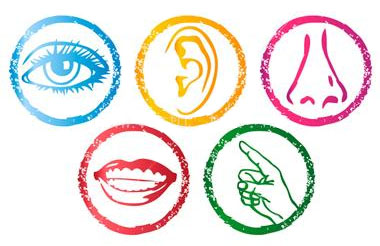
sensesA classic symptom of autism in children is the difficulty they find in processing and integrating sensory information. When occupational therapy is linked with sensory integration, there is a significant improvement in the child’s ability to function in daily life. As parents increase their demand for this successful combined strategy, the need for occupational therapy assistants has also increased.

The autism spectrum is so broad, of course, that not all children benefit from such therapy, and some may not need it at all, but an educated therapy assistant will make the therapy engaging for the child and helpful to the parents.


Extreme Sensitivity

Many autistic children demonstrate extreme sensitivity to sensory stimulation. They show extreme sensitivity to touch, loud noises, bright lights, quick movements, and background noises. The sensory input overloads their systems creating stress, panic, and confusion. They often appear unfocused or distracted, but such behaviors are defensive. Likewise, some demonstrate obsessive behaviors or self-stimulating behaviors to manage the sensory overload.


Sensory Processing

You process sensory impacts all the time. Stimuli impinge upon your physical senses, reporting and interpreting your surroundings. Your system delivers messages to your brain and to your central nervous system where integration and interpretation occur simultaneously. If those impacts are too strong, frequent, or loud, you can be overwhelmed and express emotional or psycho-physical symptomatology. Likewise a 3-year old may be “short-circuited” by an assaultive environment like an amusement park. This mechanism is analogous to that endured by the autistic child, but the disconnect between sensory sensitivity and integration/interpretation can be enormous.

Children with autism apparently have a dysfunctional sensory system; for whatever reason, the senses over- or under-react to stimuli. For example:

  • Visual stimuli may prompt children to spin repeatedly or avoid eye contact.
  • Auditory effects cause autistic children to cover their ears or runs with anxiety from noises.
  • Tactile input may present itself as fear of being touched or failure to react to pain.
  • Taste may provoke refusal to eat certain foods.
  • Smell may show in child’s refusal to use public restroom.


Sensory Integration

A occupational therapy assistant will structure experiences for the autistic child that appear to be play. For example, the child may be tasked to balance on an exercise ball or sit among styrofoam popcorn in a tub. The games involve textures and/or physical pressure points that intentionally distract the child from obsessive concerns. The therapy structures and organizes the child’s sensory experience through focused exercises. The strategy creates routine and personal interaction.


The Role of The Occupational Therapy Assistant

Therapy services evaluate, intervene, and measure outcomes of therapeutic “games.” The therapist will work with child, family, teachers, and caregivers to learn, replicate, and measure the intervention and outcomes. The occupational therapy assistant will provide sensory stimulation in an organized, prioritized, and engaging way to model behaviors that organize the central nervous system. The therapy will modulate erratic behavior by balancing and integrating the sensory experience. And, the occupational therapy assistant will develop additive behaviors that organize responses to stimuli.

The strategic approach identifies and addresses the strength and nature of a specific sensory response, rather than not assume there is a standard behavior to train to. The strategy says, “One size does not fit all,” and adapts the therapy to that need. This adds to the engagement and student/child’s success. Children with autism display unique personal, social, and communicative relationships that follow paths specific to the child. Addressing those identified needs with relevant therapies remains the most effective strategy for helping the child navigate those waters.

Brian
Brian

Brian is the founder of Kids Ain’t Cheap and is now sharing his journey through parenthood.

 
Email • Google + • Facebook • Twitter

Filed Under: Medical Tagged With: autism, sensory integration

The Cost of Caring For a Child with Autism

January 15, 2014 | Leave a Comment

autism awarenessIt really scares me how common autism and autism-spectrum disorders are becoming.  I have two friends that have children with autism, and everyday is a struggle for them.  It hurts my heart because their kids are so cute and amazing, they just can’t communicate and interact with other kids their age, and their parents have trouble getting through to them as well.

It’s estimated that about 1 in 88 children will be diagnosed with some type of autism disorder.  That’s a huge increase from past generations.  The costs of caring for a child with autism are something that many families haven’t considered.


Healthcare Costs

The fact is that autism increases healthcare costs for children because parents seek diagnoses and cures for their children.  Furthermore, the healthcare for children with autism is more difficult because children with autism have trouble communicating what is wrong.

If you have a child with autism, you’re going to seek healthcare that specializes in autism care. For example, You may require the services of a disability support worker who meets NDIS compliance for additional support, which can be an essential resource in your child receiving the best care possible. However, navigating these systems can sometimes present challenges, as many of these places are universities or programs that are difficult to be a part of. You may want to join a speech-language pathology program at the local university, but it could be difficult to get a spot for your child since funds and resources are limited.

Therapy Options

The best thing that parents of autistic children can do is enroll them in therapy programs to help them understand the world and communicate with others better.  While it’s not a solution, it can help with dedication and focus.

For example, Boomerang Health offers a great speech-language pathology program that can help children communicate better, and also understand things better.  That way, your child has a better chance of being to keep up with their peers in school and not feel like an outcast.  No child wants to be different, even if they don’t fully understand.


The Emotional Toll

Finally, you can’t talk about the costs of caring for an autistic child if you don’t talk about the emotional toll it takes.  It’s a lot of work, and it’s tough.  I see it in my friends faces every day, and I know that’s its a challenge.  For me, I can simply tell my child what to do and they usually understand, but that’s not the cast for parents of children with autism.  It takes a lot of work to get through to them on even the basic things they need to communicate – and that’s hard.

Plus, no matter how common autism becomes, there’s still a stigma attached.  It sucks, but it is true.  The best we can do is be accepting of others, and help when needed.

Do you know a child with autism?

Brian
Brian

Brian is the founder of Kids Ain’t Cheap and is now sharing his journey through parenthood.

 
Email • Google + • Facebook • Twitter

Filed Under: Medical Tagged With: autism, autism costs, autism spectrum

« Previous Page
  • Facebook
  • Pinterest
  • RSS
  • Twitter

Basic Principles Of Good Parenting

Here some basic principles for good parenting:

  1. What You Do Matters: Your kids are watching you. So, be purposeful about what you want to accomplish.
  2. You Can’t be Too Loving: Don’t replace love with material possessions, lowered expectations or leniency.
  3. Be Involved Your Kids Life: Arrange your priorities to focus on what your kid’s needs. Be there mentally and physically.
  4. Adapt Your Parenting: Children grow quickly, so keep pace with your child’s development.
  5. Establish and Set Rules: The rules you set for children will establish the rules they set for themselves later.  Avoid harsh discipline and be consistent.
  6. Explain Your Decisions: What is obvious to you may not be evident to your child. They don’t have the experience you do.
  7. Be Respectful To Your Child: How you treat your child is how they will treat others.  Be polite, respectful and make an effort to pay attention.
Best Parenting Blogs

Most Popular

Baby

9 Unusual Baby Names That Sound Like They Belong to Future CEOs

Evan Morgan
Baby

10 Baby Names That Were Once Considered “Grandparent Names” but Feel Cool Again

Evan Morgan
Target Store

Choking Incident Prompts Recall of 49,000 Target Gigglescape “Under the Sea” Popping Toys

Evan Morgan
Frustrated Girl

Why Some Students on the Spectrum Are Labeled With ODD

Evan Morgan
Coke Bottles

12 Things Kids Took to School in the ’70s That Would Never Be Allowed Today

Evan Morgan

All content on Kids Ain’t Cheap is for entertainment purposes only. By reading this blog, you agree that Kids Ain’t Cheap is not responsible for any actions taken after reading this blog. For the full disclaimer, see our privacy policy.

Please note that Kids Ain’t Cheap has financial relationships with some of the merchants mentioned here. Kids Ain’t Cheap is funded by banner advertising, commission sales and search optimization consulting.

Copyright © 2006–2026 | District Media | All Rights Reserved | Privacy Policy

Copyright © 2026 Runway Pro Theme by Viva la Violette