• Home
  • About Us
  • Toolkit
  • Archives
  • Advertise
  • Privacy Policy

Kids Ain't Cheap

But They Sure Are Worth It

  • Parenting
    • Baby Stuff
    • Books and Reading
      • Aesops Fables
      • Comic Books
    • Education
    • Family Time
    • Green Living
    • Growing Up
    • Healthy Living & Eating
    • Holidays
    • Parenting
    • Random Musings
    • Shopping
    • Stuff to Do
  • Money
  • Product Reviews
    • Books and Magazines
    • Discount Sites
    • Furniture
    • House Keeping
    • Reviews News
    • Toys and Games
  • Contact Us
  • Our Editorial Commitment
  • Search

Autism Update: Why 1 in 31 Children Are Now Being Identified—and What It Means for Families

April 15, 2026 | Leave a Comment

Child In School
Image Source: Pexels

The latest data showing that 1 in 31 children are now being identified with autism has sparked both concern and curiosity among parents, educators, and healthcare providers. For many families, this number feels overwhelming at first glance, raising questions about what’s changing and why. Is autism becoming more common, or are we simply getting better at recognizing it? The answer is more nuanced than a single explanation, and understanding it can help families feel more prepared rather than alarmed. In this article, we’ll break down what’s behind rising autism diagnosis rates and what it truly means for families navigating this journey today.

Why Autism Diagnosis Rates Are Increasing

The rise in autism diagnosis rates is not necessarily because more children are developing autism, but largely because detection methods have improved. Pediatricians and educators are now better trained to identify early signs, even in very young children. Expanded diagnostic criteria over the years have also made it possible to recognize a broader range of behaviors under the autism spectrum. For example, children who may have previously been labeled as shy or socially awkward are now more accurately assessed. Increased awareness among parents has also played a major role, with more families seeking evaluations earlier than ever before.

The Role of Early Screening and Intervention

Early screening has become a critical factor in the rise of autism diagnosis rates, especially during routine pediatric checkups. Many doctors now use standardized screening tools at 18 and 24 months, which helps identify developmental differences sooner. Early intervention programs, such as speech and behavioral therapy, can significantly improve outcomes when started at a young age. Parents who notice delays in communication or social interaction are encouraged to act quickly rather than “wait and see.” This proactive approach means more children are being identified earlier, which contributes to the higher overall numbers.

What This Means for Families Day-to-Day

For families, an autism diagnosis can bring a mix of emotions, from relief to uncertainty about the future. Many parents report that having a clear diagnosis helps them better understand their child’s needs and access appropriate support. However, navigating therapy options, school accommodations, and insurance coverage can feel overwhelming. A realistic scenario might involve coordinating weekly therapy sessions while balancing work and family responsibilities. Despite the challenges, many families also find a strong sense of community and shared experience through support groups and online forums.

Addressing Common Misconceptions About Autism

One of the biggest misconceptions about rising autism diagnosis rates is the belief that something new is “causing” autism. Research consistently shows that autism is a complex neurodevelopmental condition influenced by genetic and environmental factors, not a single cause. Another myth is that all individuals with autism have the same abilities or challenges, when in reality the spectrum is incredibly diverse. Some children may need significant support, while others thrive with minimal assistance. Clearing up these misconceptions helps reduce stigma and encourages more informed, compassionate conversations.

Practical Steps Parents Can Take Right Now

If you’re concerned about your child’s development, there are several practical steps you can take immediately. First, document specific behaviors or delays you’ve noticed, such as limited eye contact or delayed speech. Second, schedule a developmental screening with your pediatrician and ask for referrals if needed. Third, explore early intervention services in your area, which are often available even before a formal diagnosis. Fourth, connect with other parents who have gone through similar experiences for support and advice. Finally, remember that early action can make a meaningful difference in your child’s development and confidence.

How Schools and Communities Are Adapting

Schools and communities are increasingly adapting to meet the needs of children with autism as diagnosis rates rise. Many school districts now offer specialized programs, individualized education plans (IEPs), and trained support staff. Teachers are also receiving more training on inclusive classroom strategies that benefit all students. Community organizations are expanding resources, from sensory-friendly events to parent education workshops. These changes reflect a broader shift toward inclusion and understanding, which benefits not just children with autism but society as a whole.

What Families Should Remember Moving Forward

The increase in autism diagnosis rates can feel daunting, but it ultimately reflects progress in awareness, understanding, and support. Families today have more access to resources, therapies, and communities than ever before, which can make a significant difference in a child’s development. While challenges remain, especially around access and affordability of care, the overall direction is one of improvement and inclusion. Taking early action, staying informed, and building a support network are key steps families can rely on. Most importantly, every child’s journey is unique, and progress looks different for everyone.

Have you noticed changes in how autism is discussed or diagnosed in your community? What has your experience been like navigating support or seeking answers? Share your thoughts in the comments—we’d love to hear your perspective and start a meaningful conversation.

What to Read Next

California Parents: Autism Identification Rates Vary by Region—What Families Are Seeing in 2026

Does the Automatic Registration for the Military Draft Apply to Kids With Autism?

Could It Be Something Else? 5 Medical Conditions That Mimic Autism

Evan Morgan

Evan Morgan has been a full-time freelance writer and editor for 10+ years. When not working, he enjoys catching the latest true crime documentary or getting lost in a good book.


Filed Under: Parenting Tagged With: autism awareness, autism diagnosis rates, autism support, child development, early intervention, Parenting, special needs

California Parents: Autism Identification Rates Vary by Region—What Families Are Seeing in 2026

April 14, 2026 | Leave a Comment

Autism
Image Source: Pexels

California has long been at the forefront of autism awareness and services, yet in 2026, parents are noticing something unexpected: where you live in the state can significantly impact how and when autism is identified. From urban centers like Los Angeles to rural counties in Northern California, identification rates and access to support vary widely. Families are sharing their experiences, revealing patterns shaped by healthcare access, education systems, and socioeconomic factors. These differences are not just statistics—they influence real-life outcomes for children and their families. Understanding these regional variations can help parents advocate more effectively and navigate the system with confidence.

Regional Differences Are Becoming More Noticeable

Across California, parents report that autism identification rates differ depending on their region. In metropolitan areas such as San Francisco and Los Angeles, children are often diagnosed earlier due to better access to specialists and screening programs. Meanwhile, rural and underserved communities are experiencing delays, sometimes waiting months or even years for evaluations. These disparities are largely tied to the availability of pediatric neurologists, developmental specialists, and early intervention programs. As a result, families in less-resourced areas may miss critical early intervention windows. Parents are increasingly voicing concerns and pushing for more equitable distribution of diagnostic services statewide.

Access to Specialists Plays a Major Role

Access to qualified professionals is one of the biggest factors influencing autism identification rates. In areas with large medical networks and children’s hospitals, families can often secure appointments more quickly. However, in smaller towns, there may be only a handful of specialists—or none at all—forcing families to travel long distances. This not only delays diagnosis but also adds financial and emotional strain. Telehealth has improved access somewhat, but it cannot fully replace in-person developmental assessments. Parents are advocating for expanded specialist networks and incentives to bring providers into underserved regions.

School Systems Influence Early Detection

Schools are often the first place where developmental differences are noticed, making them a critical part of the identification process. In well-funded districts, teachers and staff are typically trained to recognize early signs of autism and refer students for evaluation. Conversely, underfunded schools may lack the resources or training needed to identify concerns promptly. This creates a gap where some children receive support early, while others fall behind before being assessed. Parents in 2026 are increasingly working closely with educators to ensure concerns are taken seriously. Collaboration between families and schools is proving to be a key factor in early identification success.

Cultural Awareness and Language Barriers Matter

California’s diverse population adds another layer to the issue of autism identification. In some communities, cultural perceptions of developmental differences can delay seeking evaluations or support. Language barriers also make it harder for families to navigate healthcare and educational systems. For example, parents who are not fluent in English may struggle to understand screening results or access services. Community organizations are stepping in to bridge these gaps, offering multilingual resources and culturally sensitive outreach. Increasing awareness and inclusivity is helping more families feel comfortable pursuing early diagnosis.

Socioeconomic Factors Continue to Shape Outcomes

Income level and insurance coverage remain significant influences on autism identification. Families with private insurance often have faster access to specialists and therapies, while those relying on public systems may face longer wait times. The cost of evaluations and treatments can be overwhelming, even with coverage. In some regions, nonprofit organizations and local initiatives are helping fill the gaps, but availability varies. Parents are calling for policy changes to ensure that all children, regardless of income, receive timely evaluations. Addressing these disparities is essential for creating a more equitable system across California.

What Parents Can Do to Navigate the System

Despite these challenges, there are proactive steps parents can take to advocate for their children. First, keeping detailed records of developmental milestones and concerns can help during evaluations. Second, parents should not hesitate to seek second opinions if they feel their concerns are being dismissed. Third, connecting with local parent groups can provide valuable insights and support. Fourth, exploring telehealth options may help reduce wait times for initial consultations. Finally, staying informed about regional resources and programs can make a significant difference in accessing timely care.

Bridging the Gap for All Families

The variation in autism identification rates across California highlights a broader issue of access and equity. While progress has been made, significant gaps remain between regions, affecting how quickly children receive support. Parents are at the center of this conversation, sharing experiences and advocating for change. By understanding the factors at play, families can better navigate the system and push for improvements. Continued awareness, policy changes, and community support are essential to ensure every child has the opportunity for early identification and intervention.

What has your experience been with autism identification in your area? Share your thoughts in the comments below—your story could help another family navigate their journey.

What to Read Next

Does the Automatic Registration for the Military Draft Apply to Kids With Autism?

Screen Time Isn’t Causing Autism — But It Can Cause Autism-Like Delays

Could It Be Something Else? 5 Medical Conditions That Mimic Autism

Evan Morgan

Evan Morgan has been a full-time freelance writer and editor for 10+ years. When not working, he enjoys catching the latest true crime documentary or getting lost in a good book.

Filed Under: Parenting Tagged With: autism awareness, autism diagnosis, California families, child development, early intervention, healthcare access, Parenting, special education

Early Intervention Alert: Why Many Children With Developmental Delays Still Aren’t Getting Help Early Enough

April 14, 2026 | Leave a Comment

Young Children
Image Source: Pexels

Early childhood is a critical window for growth, learning, and brain development, yet many children with developmental delays are still missing out on timely support. Parents often notice subtle signs but may feel unsure about what steps to take or whether their concerns are valid. Meanwhile, systemic barriers like limited access to specialists and long waitlists can delay diagnosis and intervention. The result is a gap between when help is needed and when it actually begins. Understanding why this gap exists is the first step toward closing it.

Lack of Awareness Delays Early Action

Many parents simply don’t know what typical developmental milestones look like, which makes it harder to recognize when something is off. Even when concerns arise, they are sometimes dismissed as “kids develop at their own pace,” leading families to wait longer than they should. Cultural beliefs and stigma around developmental differences can also discourage early conversations. Pediatricians may not always catch subtle delays during routine visits, especially if screenings are brief. Increasing awareness through education and open dialogue can empower parents to trust their instincts and seek help sooner.

Screening Gaps Still Exist in Pediatric Care

While developmental screenings are recommended during early childhood checkups, they are not always consistently implemented. Time constraints in busy clinics can limit how thoroughly screenings are conducted. Some providers rely heavily on parental reporting, which may not always capture the full picture. In certain areas, especially underserved communities, access to regular pediatric care itself can be inconsistent. Strengthening screening practices and ensuring standardized evaluations can help identify delays earlier and more accurately.

Long Waitlists for Specialists Slow Progress

Even when a delay is identified, getting an official diagnosis or therapy referral can take months. Specialists such as speech therapists, occupational therapists, and developmental pediatricians are often in high demand. Families may face long waitlists, especially in rural or densely populated regions. These delays can push intervention into later developmental stages when early support would have been more impactful. Expanding the workforce and offering telehealth options are potential solutions to reduce these bottlenecks.

Financial Barriers Prevent Access to Services

Cost is a significant obstacle for many families seeking early intervention services. Not all insurance plans fully cover therapies, and out-of-pocket expenses can quickly add up. Some parents may delay seeking help because they are unsure about affordability or coverage options. Additionally, navigating insurance systems can be confusing and time-consuming. Providing clearer guidance and more accessible funding options can make early intervention attainable for more families.

Missed Opportunities in Early Education Settings

Childcare providers and early educators are in a unique position to spot developmental concerns, yet they may lack training in identifying delays. Without proper guidance, early warning signs can go unnoticed or unreported. Communication between educators and parents is also not always consistent or proactive. When concerns are raised, there may be uncertainty about next steps or available resources. Investing in educator training and strengthening collaboration with families can help catch delays earlier in everyday settings.

Parental Hesitation and Emotional Barriers

It’s natural for parents to feel fear, denial, or guilt when they suspect a developmental delay. These emotions can lead to hesitation in seeking evaluations or accepting support. Some families worry about labeling their child or facing social stigma. Others may hope the issue will resolve on its own over time. Providing emotional support and reassurance can help parents move forward with confidence and clarity.

System Fragmentation Creates Confusion

The early intervention system can be complex and difficult to navigate, especially for first-time parents. Services are often spread across different providers, agencies, and programs with varying eligibility requirements. This fragmentation can lead to delays as families try to figure out where to start. Lack of coordination between healthcare, education, and therapy services further complicates the process. Simplifying access and offering clear, centralized guidance can make a significant difference.

Closing the Gap Starts With Awareness and Action

Early intervention has the power to transform a child’s developmental trajectory, but only if it begins at the right time. Addressing barriers like awareness, access, and affordability requires a collective effort from parents, professionals, and communities. By advocating for better systems and staying informed, families can take proactive steps toward early support. Small actions—like asking questions, requesting screenings, or seeking a second opinion—can lead to meaningful change. The sooner a child receives help, the greater their opportunity to thrive.

Have you ever noticed developmental concerns in a child and weren’t sure what to do next? What changes do you think would make early intervention more accessible and effective for families today? Share your experiences, thoughts, and questions in the comments below to help others navigate this important journey.

What to Read Next

Child Psychologists Warn: 5 Purchases That Feed Kids Egos (Not Development)

8 Must-Have Baby Gadgets That Pediatricians Say Delay Development

Could That Colorful Nursery Theme Impact Behavioral Development?

Evan Morgan

Evan Morgan has been a full-time freelance writer and editor for 10+ years. When not working, he enjoys catching the latest true crime documentary or getting lost in a good book.

Filed Under: Parenting Tagged With: autism awareness, child development, developmental delays, Early Childhood Education, early intervention, parenting tips, speech therapy

Why “Helicopter Parenting” is Officially Out Among 2026 Millennial Moms

April 12, 2026 | Leave a Comment

Mom And Daughter
Image Source: Pexels

Parenting trends are always evolving, but 2026 feels like a turning point. Millennial moms, once associated with intensive, hands-on parenting styles, are now actively stepping away from the “helicopter” approach. Instead of hovering, they’re choosing trust, independence, and emotional resilience for their kids. This shift isn’t about caring less—it’s about parenting smarter and more intentionally. So, what’s driving this change, and what does it look like in everyday life?

The Burnout Breaking Point

Millennial moms are redefining parenting after years of trying to do it all perfectly. Many have realized that constantly monitoring every aspect of their child’s life leads to exhaustion, anxiety, and even resentment. The pressure to be everywhere, know everything, and fix every problem simply isn’t sustainable. In 2026, more moms are openly acknowledging that burnout doesn’t just affect them—it affects their kids too. As a result, stepping back has become an act of self-care and better parenting.

Kids Need Independence to Thrive

There’s a growing understanding that children benefit from making their own decisions. Millennial moms are embracing the idea that small failures help kids build confidence and resilience over time. Instead of rushing in to solve problems, they’re allowing their children to navigate challenges independently. This doesn’t mean abandoning support—it means offering guidance without control. In the long run, kids raised this way tend to develop stronger problem-solving skills and emotional intelligence.

Social Media Has Changed the Narrative

Ironically, social media played a role in both fueling and dismantling helicopter parenting. While platforms once promoted unrealistic standards of “perfect parenting,” they’re now full of honest conversations about its downsides. Millennial moms are sharing stories of stress, over-scheduling, and the pressure to perform. This transparency has helped normalize a more relaxed, balanced approach to raising kids. In 2026, authenticity is valued far more than perfection.

Mental Health Is a Top Priority

Mental health awareness has skyrocketed, and parenting styles are evolving alongside it. Millennial moms are prioritizing not just their children’s emotional well-being, but their own as well. They understand that constant hovering can increase anxiety in kids rather than reduce it. By giving children space, they’re helping them develop coping mechanisms and emotional resilience. This shift reflects a deeper understanding that healthy boundaries benefit the entire family.

The Rise of “Lighthouse Parenting”

Instead of hovering like helicopters, many moms are embracing what’s called “lighthouse parenting.” This approach focuses on being a steady, reliable presence while allowing kids to explore and learn independently. Like a lighthouse, parents provide guidance and safety without controlling every move. This method encourages trust, communication, and mutual respect between parent and child. It’s a balanced approach that feels more sustainable in today’s fast-paced world.

More Real Life

Millennial moms are also pulling back from the culture of over-scheduling kids’ lives. Packed calendars filled with extracurriculars and constant activities are being replaced with free time and unstructured play. Parents are realizing that boredom can actually spark creativity and self-discovery. By slowing down, families are finding more opportunities to connect naturally. This shift is helping kids develop independence while also reducing stress for everyone involved.

Trusting Kids—and Themselves

Perhaps the biggest change is a shift in mindset: trust. Millennial moms are learning to trust their children’s abilities and instincts more than ever before. At the same time, they’re trusting themselves to know when to step in and when to step back. This confidence comes from experience, research, and a desire to break cycles of overcontrol. In 2026, parenting is less about perfection and more about connection. That trust is becoming the foundation for stronger, healthier relationships.

A Healthier Way Forward

The move away from helicopter parenting isn’t about doing less—it’s about doing what matters most. Millennial moms are choosing connection over control, resilience over perfection, and balance over burnout. This shift is creating a healthier environment for both parents and children to thrive. By allowing kids more independence, families are building stronger foundations for the future. And perhaps most importantly, parenting is starting to feel more human again.

What do you think about this shift in parenting styles? Have you noticed yourself stepping back more—or are you still figuring it out? Share your thoughts in the comments below—we’d love to hear your perspective!

What to Read Next

7 Surprising Parenting Methods That Are Outperforming Old-School Rules

Why Buy Nothing Is the Ultimate Parenting Power Move This Year

‘Gentle Parenting’ Fades in 2026 — The Trend Replacing It

Evan Morgan

Evan Morgan has been a full-time freelance writer and editor for 10+ years. When not working, he enjoys catching the latest true crime documentary or getting lost in a good book.

Filed Under: Parenting Tagged With: child development, helicopter parenting, lighthouse parenting, millennial moms, modern parenting, parenting advice, parenting trends

Screen Time Isn’t Causing Autism — But It Can Cause Autism-Like Delays

April 6, 2026 | Leave a Comment

Smartphone
Image Source: Pexels

It’s easy to feel alarmed when headlines suggest that screen time might be linked to autism. For many parents, especially those raising young children in a digital world, this idea can spark guilt and confusion. But here’s the important truth: screen time does not cause autism. What it can do, however, is contribute to developmental delays that may look similar to autism-related behaviors. Understanding the difference can help you make more confident, informed choices for your child.

Understanding the Difference Between Autism and Developmental Delays

Autism is a neurodevelopmental condition with strong genetic and biological roots that begin before a child is even born. It affects communication, social interaction, and behavior in ways that are not caused by external factors like screen use. Developmental delays, on the other hand, can arise from environmental influences, including limited interaction or stimulation. Excessive screen time may reduce opportunities for real-world engagement, which is crucial for early development. While some behaviors may overlap, the underlying causes and long-term outcomes are very different.

How Screen Time Can Mimic Autism-Like Behaviors

When children spend large amounts of time on screens, they may show reduced eye contact and limited verbal interaction. These behaviors can resemble early signs of autism, which understandably raises concern among parents. However, in many cases, these symptoms are linked to reduced social exposure rather than a neurological condition. Children learn language and social cues primarily through human interaction, not passive viewing. When those interactions are replaced by screens, development can slow in noticeable ways.

The Critical Role of Human Interaction in Early Development

Young children develop best through responsive, back-and-forth communication with caregivers and peers. This includes talking, playing, and even simple activities like reading together. These interactions help build language skills, emotional understanding, and social awareness. Screens, while entertaining and sometimes educational, cannot replicate this dynamic exchange. Without enough real-life engagement, children may miss key developmental milestones during critical growth periods.

When Screen Time Becomes a Concern

Not all screen time is harmful, but excessive or unsupervised use can become problematic. If a child spends more time with devices than with people, it may impact their ability to communicate and connect. Warning signs include delayed speech, lack of interest in social play, and difficulty following simple instructions. These signs don’t automatically indicate autism but should prompt closer observation. Reducing screen exposure and increasing interactive activities can often lead to noticeable improvement.

Practical Ways to Balance Screen Time

Set clear limits on daily screen use based on your child’s age and needs. Prioritize interactive activities like reading, outdoor play, and conversation. Watch and engage with your child during screen time to make it more interactive. Create screen-free zones or times, such as during meals and before bedtime. Encourage playdates or group activities to build social skills naturally.

Balancing screen time doesn’t mean eliminating it entirely, but rather using it thoughtfully. By creating structure and prioritizing human interaction, you can support healthier development. Small, consistent changes often make the biggest difference over time. The goal is to create a routine that supports both learning and connection.

What Parents Should Focus on Instead of Fear

Rather than worrying about screens causing autism, it’s more helpful to focus on overall developmental health. Pay attention to how your child communicates, plays, and responds to others. If you notice delays, early intervention can be incredibly effective. Pediatricians and developmental specialists can help assess whether concerns are temporary or something more significant. The goal isn’t perfection—it’s awareness and responsiveness.

Clarity Over Fear

Screen time isn’t the root cause of autism, but it can influence how a child develops in their early years. The key takeaway is balance and intentionality in how screens are used. By prioritizing interaction, communication, and play, parents can help children thrive in both digital and real-world environments. It’s not about eliminating technology, but about making sure it doesn’t replace meaningful human connection. With the right approach, you can support your child’s development with confidence and clarity.

Have you noticed changes in your child’s behavior related to screen time? What strategies have worked for your family? Share your thoughts in the comments—we’d love to hear your experience and keep the conversation going.

What to Read Next

The SEED Act Victory: What Parents Should Know About the New 2026 Child Care Funding

Stop Posting Your Kids Online: The 2026 Safety Warning Every Parent Needs to Hear

California’s Nondisclosure Law Blocked: What Every Parent Needs to Know About ‘Mirabelli v. Bonta’

Evan Morgan

Evan Morgan has been a full-time freelance writer and editor for 10+ years. When not working, he enjoys catching the latest true crime documentary or getting lost in a good book.

Filed Under: Parenting Tagged With: autism myths, child development, digital parenting, parenting tips, Screen Time, toddler development

Child Psychologists Warn: 5 Purchases That Feed Kids’ Egos (Not Development)

February 25, 2026 | Leave a Comment

child psychologists
Image source: Shutterstock.com

We all want to give our children the world, especially when we feel the pressure of modern parenting. You see the polished rooms on social media and the latest gadgets in every backpack, and you wonder if your child is falling behind. It is easy to think that the next big purchase will be the one that finally builds their confidence. However, child psychologists are sounding the alarm on a growing trend of consumerism that does the exact opposite. You might be spending your hard-earned money on items that actually stunt emotional growth and inflate a fragile ego. Here is why your retail therapy for your kids might be backfiring.

1. The All-Access Smartphone

Handing a child a top-tier smartphone before they can manage their own laundry is a recipe for an ego disaster. These devices offer a world of instant gratification and digital validation that a developing brain cannot handle. On the other hand, the constant stream of likes and comments teaches them that their worth is tied to an audience. They stop looking inward for satisfaction and start performing for a screen. This purchase often replaces the boredom that is actually necessary for creativity and self-reflection.

2. High-End Designer Labels

Buying luxury clothing for a child who is still growing out of their shoes every six months sends a loud message. It tells them that status is something you wear rather than something you earn. Surprisingly, this often leads to a deep-seated insecurity once they are around peers they cannot outdress. They begin to view people through the lens of brand names rather than character. You are essentially paying to teach your child that they are only as valuable as the logo on their chest.

3. Unearned Performance Trophies

We want every child to feel like a winner, but filling a shelf with participation trophies can be incredibly damaging. Psychologists argue that these purchases devalue the concept of hard work and resilience. If a child receives the same reward for sitting on the bench as the one who practiced every day, they lose the drive to improve. This creates an ego that expects praise for simply showing up. In the real world, this translates to a lack of grit when things finally get difficult.

4. Over-the-Top Birthday Extravaganzas

The age of the four-figure toddler birthday party has arrived, and it is not doing our kids any favors. When we turn a simple milestone into a production that rivals a wedding, the child becomes the consumer of a spectacle rather than a participant in a community. They learn to expect life to be a series of grand events centered entirely on them. This inflates their sense of importance while simultaneously making ordinary days feel like a letdown. True development happens in the small, quiet moments, not under a rented spotlight.

5. The Infinite Toy Subscription

A constant influx of new toys prevents a child from ever forming a bond with what they already own. Subscription boxes that arrive like clockwork teach kids that novelty is the only cure for boredom. Instead of learning to use their imagination with a single block, they wait for the next plastic gadget to arrive. This cycle of consumption feeds a sense of entitlement and an inability to delay gratification. Honestly, it turns your home into a warehouse of forgotten items rather than a space for meaningful play.

Your child does not need more things to feel significant; they need more experiences that challenge their capabilities. Real confidence comes from overcoming obstacles, learning new skills, and contributing to the family. When we strip away the excess, we give them the space to discover who they are without the noise of material goods. It is a hard shift to make in a world that tells you to buy more, but your child’s future self will thank you for it. Focus on the tools for growth, not the toys for show. Have you noticed a difference in your child’s behavior after a big purchase? Leave a comment below and let’s talk about it.

What to Read Next…

  • Therapists Warn: The 5 Conversation Mistakes Making Your Child Withdraw
  • Is Overscheduling Causing Burnout in Young Children?
  • 8 Children’s Apps That Are Secretly Tracking More Than Location
Latrice Perez

Latrice is a dedicated professional with a rich background in social work, complemented by an Associate Degree in the field. Her journey has been uniquely shaped by the rewarding experience of being a stay-at-home mom to her two children, aged 13 and 5. This role has not only been a testament to her commitment to family but has also provided her with invaluable life lessons and insights.  As a mother, Latrice has embraced the opportunity to educate her children on essential life skills, with a special focus on financial literacy.

Filed Under: Parenting Tagged With: child development, Child Psychology, consumerism, ego, emotional growth, parenting advice, raising kids, smart spending

Therapists Warn: The 5 Conversation Mistakes Making Your Child Withdraw

February 16, 2026 | Leave a Comment

How to talk to your child
Image source: shutterstock.com

Seeing your child slowly drift away into a world of silence is a haunting experience for any parent. You ask how their day was and get a one-word answer before they disappear behind a bedroom door. It is not your fault that you feel disconnected; the modern world is designed to pull families apart through digital distractions. However, there is often a hidden system of communication at play in your home that might be making the problem worse. Honestly, the way you speak to your child can either build a bridge or a wall. Let us expose the common errors that cause children to shut down and how you can reopen those lines of communication today.

1. The Interrogation Style of Questioning

Asking too many direct questions as soon as they walk through the door can feel like a high-pressure interview. When a child is tired from a long day, being forced to recount every detail feels like a chore. Therapists Warn that this rapid-fire approach often triggers a defensive withdrawal. Surprisingly, your curiosity can be interpreted as a lack of trust or a demand for performance. On the other hand, allowing for a period of comfortable silence gives the child space to process their day. Try sharing a small detail of your own day first to model open communication without the pressure.

2. Jumping Straight to Problem Solving

When your child shares a struggle, your first instinct is to fix it because you want to protect them. However, giving immediate advice can make a child feel like their feelings are not being validated. They are looking for empathy and a safe place to vent, not a lecture on how they should have handled a peer conflict. Therapists Warn that this mistake shuts down the conversation because the child feels unheard. You are essentially telling them that they are not capable of finding their own solutions. Instead, ask if they want you to listen or if they want your help with a solution.

3. The Comparison Trap of Personal Anecdotes

It is tempting to say I went through the same thing when I was your age to show you understand. While you mean well, this often shifts the focus of the conversation back to you. The child may feel that their unique experience is being dismissed as just a phase you already finished. Therapists Warn that this habit can make a child feel that their big emotions are being minimized by your history. Their world is fundamentally different from the one you grew up in due to social media and modern pressures. Validate their current reality before you share your own stories. This keeps the focus on their needs.

4. Listening with a Pre-Planned Response

Most parents are already thinking of what to say next while their child is still talking. This lack of active listening is a hidden barrier that children can sense immediately. They feel that you are just waiting for your turn to speak rather than truly absorbing their words. Therapists Warn that this mistake prevents deep emotional connection and leads to surface-level interactions. You might miss the subtle non-verbal cues that reveal how they are actually feeling. Practice reflective listening by repeating back what you heard to ensure you understood correctly. It is a simple tool that builds immense trust.

5. Using Guilt as a Conversational Tool

Phrases like I just want what is best for you or after all I have done can be incredibly damaging to a child’s openness. This type of language uses emotional weight to force a specific response or behavior. Therapists Warn that children who feel guilted into talking will eventually hide their true thoughts to avoid the pressure. It creates a system of conditional communication where the child only shares what they think you want to hear. Honestly, your relationship should be a safe harbor where they can be messy and honest without fear of shame. Moving away from guilt-based talk allows for a more authentic and lasting bond. You are building a relationship for the long term.

Building a Bridge of Emotional Safety

The goal of communication is to ensure your child feels safe enough to be vulnerable with you. By avoiding these five common mistakes, you reclaim your role as a trusted confidant rather than an authority figure. You have the power to change the atmosphere of your home by simply shifting your approach to listening. It is an empowering move to admit when you have made a mistake and to try a new way of connecting. Your child wants to be seen and heard by you more than anyone else in the world. Validating their experience is the most important gift you can give them. Stay patient and stay present during the quiet moments.

Have you noticed your child withdrawing recently, and have any of these tips helped you reconnect? Leave a comment below and share your story!

What to Read Next…

  • Encouraging Open Communication with Adolescents
  • 7 Parenting Expenses That Quietly Drain Budgets After the Holidays
  • Pediatricians Say Parents Are Overbuying These 4 Baby Items (And Skipping What Matters)
Latrice Perez

Latrice is a dedicated professional with a rich background in social work, complemented by an Associate Degree in the field. Her journey has been uniquely shaped by the rewarding experience of being a stay-at-home mom to her two children, aged 13 and 5. This role has not only been a testament to her commitment to family but has also provided her with invaluable life lessons and insights.  As a mother, Latrice has embraced the opportunity to educate her children on essential life skills, with a special focus on financial literacy.

Filed Under: Parenting Tagged With: active listening, child development, Child Psychology, family therapy, Open Communication, parenting tips, Raising Children

6 Toddler Classes Parents Quit Before the First Month Ends

February 10, 2026 | Leave a Comment

These Are 6 Toddler Classes Parents Quit Before the First Month Ends
Image Source: Shutterstock.com

Signing up for toddler classes can feel downright magical. In that moment, you’re convinced you’re about to unlock your child’s hidden genius, meet other parents who “get it,” and maybe even enjoy a peaceful hour where no one is trying to lick an electrical outlet. But reality has a way of showing up with a juice box in one hand and a meltdown in the other.

The truth is, some toddler classes are simply not built for long-term survival — not for the kids, and definitely not for the adults who signed up with the best intentions. Whether it’s the schedule, the chaos, or the fact that toddlers have the attention span of a goldfish in a disco, certain programs see more early dropouts than a New Year’s gym membership.

1. The “Mini Music Makers” Class That Turns Into a Percussion Riot

Music classes sound wholesome and enriching, but once you’re in the room, it becomes clear that toddlers don’t want to sing — they want to wield instruments like they’re leading a marching band through a thunderstorm. The teacher may be strumming a gentle tune, but half the class is banging on drums with the intensity of someone trying to summon ancient spirits.

Parents often start strong, imagining their child developing rhythm and coordination. By week three, they’re reconsidering everything as they dodge flying maracas and try to prevent their toddler from stealing another kid’s tambourine. It’s fun, yes, but it’s also loud enough to make you question your life choices. If you do stick with it, bring earplugs and a sense of humor.

2. The Gymnastics Class Where Toddlers Discover Gravity the Hard Way

Toddler gymnastics is adorable in theory — tiny humans learning balance, coordination, and how to follow instructions. But toddlers have a unique interpretation of “follow the teacher,” which usually means sprinting in the opposite direction while the instructor tries to maintain order with the optimism of someone who has never met a toddler before.

Parents often quit early because the class becomes less about structured activity and more about preventing their child from launching themselves off foam blocks like a stunt performer. The equipment is safe, but toddlers are creative, and they will find new ways to terrify you. If you’re considering this class, wear comfortable shoes. You’ll be running.

3. The Art Class That Requires a Hazmat-Level Cleanup

Art classes promise creativity, sensory exploration, and adorable keepsakes. What they don’t mention is that toddlers treat paint like it’s a full-body experience. Within minutes, someone is finger-painting the table, another child is eating the crayons, and your toddler is somehow covered in glitter that will remain on your furniture until the end of time.

Parents often bow out early because the cleanup feels like a second job. Even when the studio handles most of the mess, you still end up scrubbing paint out of your child’s hair for days. If you’re brave enough to continue, pack extra clothes, for both of you.

These Are 6 Toddler Classes Parents Quit Before the First Month Ends
Image Source: Shutterstock.com

4. The Dance Class Where No One Actually Dances

Toddler dance classes are marketed as a sweet introduction to movement and rhythm. In reality, it’s a room full of tiny people wandering in circles while the instructor tries to demonstrate basic steps. Some toddlers sit on the floor and refuse to participate. Others spin until they fall over. A few decide the mirrors are more interesting than anything else happening.

Parents often quit because the class feels less like dance and more like herding butterflies. It’s cute, but it’s also chaotic, and if your toddler isn’t into it, you’ll spend most of the session trying to coax them off the floor. If you want to stick with it, choose a studio that embraces the unpredictability.

5. The Swim Class That Tests Every Parent’s Nerves

Swim lessons are important, but they’re also one of the most stressful toddler classes to survive. The water is cold, the pool is loud, and toddlers have strong opinions about being wet. Some cling to their parents like they’re being rescued from a shipwreck. Others splash with the enthusiasm of a dolphin who just discovered joy.

Parents often quit early because the emotional roller coaster is exhausting. Between the crying, the slippery surfaces, and the pressure to help your child feel comfortable, it can feel like a weekly endurance test. If you want to keep going, choose a class with warm water and instructors who understand that toddlers need time.

6. The Language Class That Turns Into Snack Time

Language classes for toddlers are a wonderful idea — exposure to new sounds, new words, and new cultures. But toddlers don’t care about conjugation or vocabulary. They care about snacks, toys, and whatever is happening outside the window.

Parents often drop out because the class becomes a rotating cycle of distraction management. The teacher may be introducing simple phrases, but half the toddlers are crawling under chairs while the others are asking for crackers. If you want to continue, keep expectations low and celebrate the small wins, like your toddler learning one new word or simply staying in the room.

When the Best Class Is the One That Fits Your Family

The truth is, quitting a toddler class doesn’t mean you failed — it means you figured out what works for your child and your sanity. Every toddler is different, and what feels chaotic for one family might be the highlight of the week for another. The goal isn’t to force a perfect schedule; it’s to find activities that bring joy, connection, and maybe even a few peaceful minutes.

If you’re exploring classes, try a few, stay flexible, and remember that toddlers are unpredictable by nature. The right fit is out there — even if it’s just a weekly trip to the park where your child can run free and you can breathe.

What toddler class did you try that didn’t last long? Share your parenting tales for brave people starting their own journeys!

You May Also Like…

9 Times a Toddler’s Behavior Was a Sign of Something Medical

8 DIY Projects at Home That Put Curious Toddlers at Risk

What Happens If Your Toddler Gets Hurt at a Friend’s House?

Why Are So Many Dads Pulling Away During the Toddler Years?

Why Parents Are Boycotting the Class Party Fund This February

Brandon Marcus
Brandon Marcus
Brandon Marcus is a writer who has been sharing the written word since a very young age. His interests include sports, history, pop culture, and so much more. When he isn’t writing, he spends his time jogging, drinking coffee, or attempting to read a long book he may never complete.

Filed Under: Parenting Tagged With: child development, classes for toddlers, dad life, early childhood, family life, kids activities, mom life, Parenting, parenting challenges, parenting humor, toddlers

Pediatricians Say Parents Are Overbuying These 4 Baby Items (And Skipping What Matters)

February 10, 2026 | Leave a Comment

Pediatricians Say Parents Are Overbuying These 4 Baby Items (And Skipping What Matters)
Image Source: Shutterstock.com

Preparing for a new baby can turn even the calmest adults into full‑blown researchers, scrolling through endless lists of “must‑haves” that somehow stretch into the triple digits. It’s exciting, overwhelming, and—if we’re being honest—a little bit expensive.

But according to pediatricians, many parents are stocking up on items that look impressive in a nursery photo but don’t actually contribute much to a baby’s health, safety, or development. Meanwhile, the things that do matter often get overlooked in the chaos of shopping carts and registry checklists.

1. Fancy Bedding Sets: Beautiful, But Not Baby‑Approved

Walk into any baby store and you’ll see bedding sets that look like they belong in a magazine spread—pillows, quilts, bumpers, and decorative blankets all perfectly coordinated. They’re adorable, but pediatricians consistently warn that these items are unnecessary and, in some cases, unsafe. Soft bedding increases the risk of suffocation and is not recommended for infants. Babies don’t need pillows or quilts, and crib bumpers—whether padded or mesh—are discouraged by major health organizations.

What babies do need is a firm mattress with a fitted sheet. That’s it. It may not look as glamorous, but it’s the safest sleep environment. If you want to add personality to the nursery, focus on wall art or décor that doesn’t interfere with safe sleep guidelines. Your baby won’t care about the theme, but they will benefit from a safe, simple sleep setup.

2. High‑Tech Gadgets That Promise Peace of Mind (But Don’t Deliver)

The baby‑tech market is booming, offering everything from smart socks to wearable monitors to devices that track every breath and wiggle. While these gadgets can feel reassuring, pediatricians emphasize that they’re not medical devices and shouldn’t be relied on to detect or prevent health issues. Many parents end up spending hundreds of dollars on monitors that create more anxiety than they relieve, especially when false alarms occur.

Instead of investing in high‑tech gear, pediatricians recommend focusing on safe sleep practices and regular checkups. A basic audio or video monitor is more than enough for most families. If you’re concerned about your baby’s breathing or health, your pediatrician—not a gadget—should be your guide. Peace of mind comes from knowledge and support, not necessarily from the latest device.

3. Too Many Toys for a Baby Who Can’t Even Sit Up Yet

It’s easy to get swept up in the excitement of buying toys, especially when they promise to boost development or keep your baby entertained for hours. But pediatricians point out that newborns and young infants don’t need a mountain of toys. In fact, too many options can be overstimulating. Babies learn best through simple, repetitive interactions—faces, voices, gentle movement, and a few well‑chosen toys that encourage exploration.

A small collection of age‑appropriate items, like soft rattles, high‑contrast books, or textured toys, is more than enough in the early months. As your baby grows, you can add toys that support new skills, but there’s no need to stockpile. What matters most is interaction: talking, singing, reading, and playing with your baby. Those moments do far more for development than any toy aisle ever could.

4. Baby Shoes for Babies Who Aren’t Walking

Tiny baby shoes are undeniably cute, and it’s tempting to buy a pair for every outfit. But pediatricians remind parents that babies who aren’t walking don’t need shoes at all. In fact, going barefoot helps babies develop balance, coordination, and strength. Shoes can restrict natural movement, and they’re often uncomfortable for infants who spend most of their time being carried or lying down.

When your baby does start taking those first steps, flexible, lightweight shoes are the best choice. Until then, soft socks or booties are all you need to keep little feet warm. Save the adorable mini‑sneakers for later—they’ll appreciate them more when they’re actually using them.

Pediatricians Say Parents Are Overbuying These 4 Baby Items (And Skipping What Matters)
Image Source: Shutterstock.com

What Pediatricians Say Parents Should Focus On Instead

If parents are overbuying certain items, what are they missing? Pediatricians consistently highlight a few essentials that support safety, development, and overall well‑being. A properly installed car seat is at the top of the list, along with safe sleep practices and regular tummy time.

Simple, developmentally appropriate toys and books also make a meaningful difference. And perhaps most importantly, parents should prioritize routines, bonding, and responsive caregiving—things that don’t come in a box but matter more than any product ever could.

How to Build a Baby Registry That Actually Makes Sense

Creating a baby registry can feel like assembling a survival kit for a tiny human, but it doesn’t have to be overwhelming. Start with the basics: feeding supplies, diapers, a safe sleep space, and a car seat. Add a few items that support your lifestyle, like a baby carrier or stroller. Then sprinkle in a handful of toys and books that encourage early learning.

Resist the urge to fill every category just because it exists. A thoughtful, streamlined registry not only saves money but also reduces clutter and stress once the baby arrives.

Babies Need Less Stuff and More Connection

Pediatricians agree on one thing: babies don’t need a mountain of gear to thrive. They need responsive caregivers, safe environments, and opportunities to explore the world at their own pace. When parents focus on connection rather than consumption, everyone benefits. The early months are full of learning, bonding, and discovery—and none of that depends on having the trendiest products. By skipping the unnecessary items and investing in what truly matters, you create a calmer, more meaningful start for your baby and yourself.

What baby item do you think parents tend to overbuy the most? If you have parenting tales that will help people with their newborns, share them in the comments below.

You May Also Like…

5 Cold Weather Baby Gear Items That Are Unsafe for Car Seats

Baby Danger: 10 Household Items That Hurt Babies You Own

10 Forgotten Baby Items That Are Still Lurking in Your House

Unsafe Products: 8 Everyday Items Dangerous for Babies

6 Baby Name Trends Making a Comeback From the 1970s

Brandon Marcus
Brandon Marcus
Brandon Marcus is a writer who has been sharing the written word since a very young age. His interests include sports, history, pop culture, and so much more. When he isn’t writing, he spends his time jogging, drinking coffee, or attempting to read a long book he may never complete.

Filed Under: healthcare Tagged With: Baby Gear, baby products, baby safety, child development, family life, infant care, new parents, newborn essentials, Parenting, parenting tips, pediatrician advice

7 Winter “Boredom Busters” Under $10 That Teachers Recommend Over Tablets

February 8, 2026 | Leave a Comment

These Are 7 Winter
Image Source: Shutterstock.com

Winter has a special talent for turning even the most energetic kids into tiny, restless tornadoes. The cold weather keeps them indoors, the days feel shorter, and suddenly every parent hears the same phrase on repeat: “There’s nothing to do.”

Tablets and TVs are tempting solutions, but teachers say there are better, cheaper, and far more creative ways to bust boredom. And you don’t need to spend a fortune. In fact, many of the activities teachers swear by cost less than $10 and deliver way more value than another hour of screen time.

These boredom busters build fine‑motor skills, spark imagination, strengthen focus, and give kids something to do that doesn’t involve arguing over whose turn it is on the tablet.

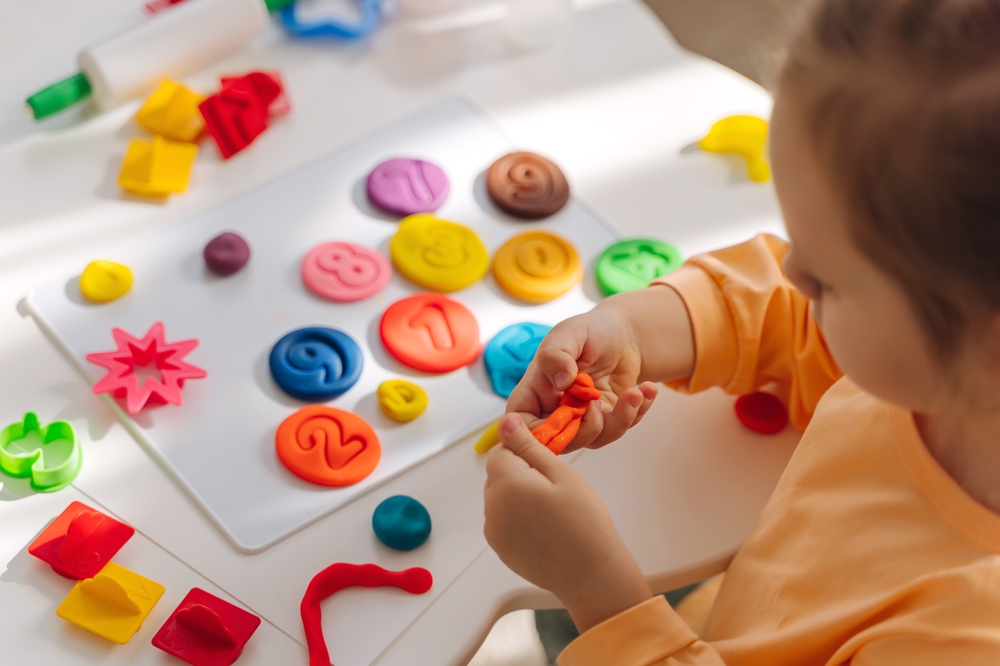
1. Play‑Dough: The Classic That Never Stops Working

Teachers love play‑dough for a reason: it’s endlessly versatile, surprisingly calming, and perfect for kids of all ages. For under $10, you can grab a small set or even make your own with flour, salt, and water. Kids can sculpt animals, build pretend food, create letters, or simply squish it around to release pent‑up winter energy.

Play‑dough also strengthens fine‑motor muscles, which teachers say helps with handwriting, cutting skills, and overall coordination. Add a few cookie cutters or plastic utensils, and suddenly you’ve got an entire afternoon of imaginative play. If you want to stretch the activity even further, challenge kids to create a winter scene or sculpt something that represents their day.

2. Painter’s Tape: The Cheapest Indoor Adventure Tool

Painter’s tape might be the most underrated boredom buster on the planet. Teachers use it constantly because it’s inexpensive, easy to remove, and wildly adaptable. With a single roll, you can create indoor hopscotch, race tracks for toy cars, obstacle courses, alphabet mazes, or pretend “roads” that wind through the living room.

Kids love the novelty of transforming the floor into a playground, and parents love that cleanup takes about ten seconds. Teachers say painter’s tape activities also encourage problem‑solving and gross‑motor movement — two things kids desperately need during long winter days indoors. If you want to level it up, let your child design the course themselves.

3. Sticker Books: Quiet Time Gold

Teachers know that stickers are basically magic. They’re inexpensive, easy to store, and capable of keeping kids focused longer than almost any other low‑cost activity. Sticker books, especially the reusable kind, give kids a chance to create scenes, tell stories, and practice fine‑motor control.

Stickers also offer a sneaky educational bonus: peeling and placing them strengthens the small muscles in the hands. Teachers often use sticker activities to help kids develop precision and patience — two skills that tablets don’t always encourage. For under $10, you can pick up themed sticker books that match your child’s interests, from animals to space to winter scenes.

4. Pipe Cleaners and Beads: Crafting That Builds Real Skills

Teachers love pipe cleaners and beads because they’re affordable, colorful, and endlessly customizable. Kids can make bracelets, snowflakes, animals, letters, or even 3D sculptures. The combination of bending, threading, and shaping helps develop hand‑eye coordination and creativity.

This activity also encourages focus, which teachers say is especially valuable during winter months when kids tend to bounce between activities quickly. If you want to add an educational twist, ask kids to create patterns, count beads, or spell their name.

5. Puzzle Books: Brain Boosters in Disguise

Crossword puzzles, word searches, mazes, and logic games are teacher favorites because they challenge kids’ brains without feeling like homework. Puzzle books under $10 are easy to find and come in a wide range of difficulty levels, making them perfect for siblings of different ages.

Teachers say puzzles help strengthen problem‑solving skills, attention to detail, and perseverance — all essential for academic success. They’re also great for quiet time, travel days, or those moments when you need something engaging that doesn’t involve noise or mess. If you want to make it more interactive, solve a puzzle together and talk through the strategies you use.

6. Flashlight Games: Indoor Fun With a Twist

Teachers often use flashlight activities during indoor recess or power‑free playtime because they feel exciting without requiring any special equipment. You can pick up a flashlight and turn off the lights for shadow puppets, “find the shape” games, or flashlight tag in a darkened hallway.

Kids love the novelty of playing with light and shadow, and teachers say these activities encourage imagination, storytelling, and movement. You can also hide small objects around the room and let kids search for them with the flashlight — a winter‑friendly version of a scavenger hunt. Just be sure to set boundaries so the flashlight doesn’t become a strobe light aimed at your face.

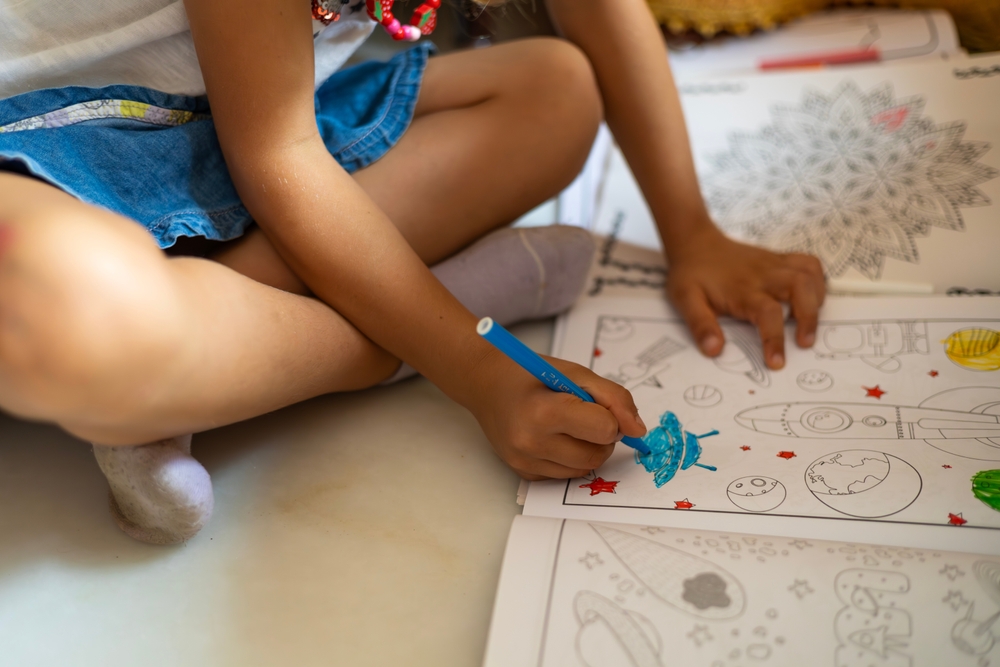
7. Coloring Books: The Underrated Winter Lifesaver

Coloring books may seem simple, but teachers swear by them for building focus, creativity, and emotional regulation. Coloring slows kids down, encourages mindfulness, and gives them a chance to express themselves without pressure. For under $10, you can find themed books that match your child’s interests — dinosaurs, animals, winter scenes, superheroes, and more.

Teachers say coloring is especially helpful during winter because it provides a calm, screen‑free activity that kids can return to again and again – and it supports mental health. If you want to make it more engaging, set up a “coloring station” with crayons, markers, and stickers. You can even hang finished pages on the wall to create a winter art gallery.

These Are 7 Winter
Image Source: Shutterstock.com

Kids Don’t Need Expensive Entertainment to Stay Engaged

Teachers know something that parents sometimes forget: kids don’t need elaborate toys or endless screen time to stay entertained. They need creativity, movement, and opportunities to explore — all of which can be done on a budget. These boredom busters prove that a little imagination goes a long way, especially during long winter days when everyone is stuck inside.

Have any of these worked well for your family? Which boredom busters would your kids love most, or do you have your own under‑$10 favorites? Make sure to make your suggestions in the comments below.

You May Also Like…

Speech Therapists Beg: Throw Away These 5 “Talking” Toys (They Kill Conversation)

Beyond The Game: 9 Online Games Kids Are Playing That Expose Them To Predators

How Much Are You Really Paying for Developmental Toys?

7 Digital Toys That Let Strangers Communicate With Your Kids

Quick Fixes for Parents to Avoid the “I’m Bored” Meltdown at Home

Brandon Marcus
Brandon Marcus
Brandon Marcus is a writer who has been sharing the written word since a very young age. His interests include sports, history, pop culture, and so much more. When he isn’t writing, he spends his time jogging, drinking coffee, or attempting to read a long book he may never complete.

Filed Under: Toys and Games Tagged With: budget ideas, child development, Creativity, education, family life, indoor play, kids activities, Parenting, screen-free fun, teacher tips, winter activities

5 Products ER Doctors Say Continue to Cause Injuries

February 8, 2026 | Leave a Comment

These Are 5 Products ER Doctors Say Continue to Cause Injuries
Image Source: Shutterstock.com

Parents know that childhood comes with bumps and bruises. But some products seem to send kids to the ER with surprising regularity — not because they’re inherently bad, but because kids are creative, fearless, and occasionally powered by pure chaos. Emergency physicians see the patterns year after year, and while the products change slightly with trends, the core troublemakers remain remarkably consistent.

Many of the items on this list are beloved, popular, and perfectly safe when used correctly. But ER doctors say they continue to see injuries tied to these products, often because kids use them in unexpected ways or without proper supervision.

1. Button Batteries: Tiny, Shiny, and a Big Problem

Button batteries are everywhere — in toys, remotes, musical books, key fobs, and even some light‑up accessories. They’re small, easy to miss, and unfortunately, incredibly dangerous if swallowed. ER doctors consistently warn that button battery injuries haven’t gone away; in fact, they remain one of the most serious hazards for young children.

The issue isn’t just choking. When swallowed, button batteries can cause internal burns in a matter of hours. That’s why emergency physicians emphasize prevention above all else. Despite ongoing awareness campaigns, button battery injuries continue to send kids to the ER every year. The best defense is vigilance and secure battery storage.

2. High‑Powered Magnets: Small Pieces, Big Risks

High‑powered magnets — especially the tiny, bead‑like ones used in desk toys and building sets — remain a major concern for ER doctors. These magnets are incredibly strong, and if a child swallows more than one, they can attract each other through the intestinal walls. This can lead to blockages, perforations, and serious internal injuries.

Even though many magnet sets are marketed to adults, kids often find them irresistible. They’re shiny, they click together in satisfying ways, and they’re small enough to disappear into pockets or under furniture. ER physicians say magnet ingestions continue to be a recurring issue, particularly among toddlers and young school‑age children.

3. Trampolines: A Backyard Favorite With a Long Injury History

Trampolines have been sending kids to the ER for decades, and emergency doctors say the trend hasn’t slowed down. Sprains, fractures, and collisions are among the most common injuries, especially when multiple kids jump at once. Even with safety nets and padding, trampolines remain one of the top sources of recreational injuries in children.

The issue isn’t that trampolines are inherently unsafe — it’s that kids tend to push limits. They attempt flips, bounce too close together, or land awkwardly. ER doctors frequently recommend one‑at‑a‑time jumping, adult supervision, and avoiding risky stunts. For families who love their trampoline, the key is setting clear rules and sticking to them. A little structure goes a long way toward keeping the fun injury‑free.

These Are 5 Products ER Doctors Say Continue to Cause Injuries
Image Source: Shutterstock.com

4. Water Beads: Colorful, Sensory, and Surprisingly Hazardous

Water beads — those tiny pellets that expand into squishy, marble‑sized spheres — are popular for sensory play, crafts, and even plant hydration. But ER doctors continue to see injuries tied to them, particularly when young children swallow them. Because water beads expand dramatically when wet, they can cause intestinal blockages if ingested.

Another issue is that water beads can be difficult to spot when they fall on the floor. They’re small, slippery, and nearly invisible when dry. Toddlers often mistake them for candy or simply put them in their mouths out of curiosity. ER physicians emphasize that water beads should only be used with close supervision and kept away from children who still explore the world orally.

5. Ride‑On Toys: Fun Wheels, Frequent Wipeouts

From scooters to hoverboards to battery‑powered mini cars, ride‑on toys remain a staple of childhood, and a consistent source of ER visits. Falls, collisions, and loss of control are the most common causes of injury. Even low‑speed toys can lead to sprains, cuts, and fractures when kids take sharp turns or ride on uneven surfaces.

ER doctors stress that helmets are non‑negotiable, even for slow or “safe‑looking” ride‑ons. Protective gear like knee and elbow pads can also make a big difference. Another tip: supervise outdoor riding and set clear boundaries about where kids can and cannot go. Driveways, hills, and crowded sidewalks can increase risk.

Kids Will Be Kids, So Awareness Makes a Difference

ER doctors aren’t trying to scare parents or ban popular toys. They simply want families to know which products tend to cause repeat injuries so they can take simple, effective precautions. Kids are naturally curious, energetic, and fearless — a combination that leads to both joy and the occasional mishap. But with a little awareness and supervision, parents can keep the fun going while avoiding the most common hazards.

Have any of these products caused close calls in your home, or do you have your own safety hacks to share? Let’s keep our kids safe by dropping suggestions and thoughts in the comments.

You May Also Like…

Speech Therapists Beg: Throw Away These 5 “Talking” Toys (They Kill Conversation)

6 Baby Items Hospitals Don’t Provide Anymore—But Parents Think They Do

Are Modern Potty Training Methods Making Doctors Concerned?

Doctors Swear by These 7 Baby Sleep Hacks—And They Actually Work

9 Times a Toddler’s Behavior Was a Sign of Something Medical

Brandon Marcus
Brandon Marcus
Brandon Marcus is a writer who has been sharing the written word since a very young age. His interests include sports, history, pop culture, and so much more. When he isn’t writing, he spends his time jogging, drinking coffee, or attempting to read a long book he may never complete.

Filed Under: healthcare Tagged With: child development, child safety, consumer awareness, emergency room, ER doctors, family life, injuries, kids products, modern parenting, Parenting, safety tips

Speech Therapists Beg: Throw Away These 5 “Talking” Toys (They Kill Conversation)

February 5, 2026 | Leave a Comment

Speech Therapists Beg: Throw Away These 5 “Talking” Toys (They Kill Conversation)
Image Source: Shutterstock.com

There’s a scary and unique panic that hits when you realize your child’s favorite toy might be doing the exact opposite of what you hoped. You bought it because it “teaches numbers,” “builds vocabulary,” or “encourages learning,” but instead it’s shouting pre‑recorded phrases louder than a carnival barker.

Meanwhile, your child is quietly pressing buttons, mesmerized, not saying a word. Speech therapists across the country have been sounding the alarm for years: many “talking” toys don’t actually help kids talk—they replace the very interactions children need to build real language skills.

The Button‑Pressing Trap: When Toys Talk At Kids Instead of With Them

Speech therapists often explain that language develops through back‑and‑forth interaction—what experts call “serve and return.” Kids say something, you respond, they respond back, and the cycle continues.

Talking toys break that cycle by dominating the conversation. They light up, sing, count, and narrate without leaving space for a child to participate. A toddler presses a button, the toy performs, and the child becomes a passive audience member instead of an active communicator. This pattern can reduce opportunities for kids to practice words, gestures, and social cues. It’s not that these toys are harmful; they simply don’t support the kind of rich, responsive interaction that builds strong language foundations.

1. The Overstimulating “Learning Tablet” That Does All the Talking

Many parents buy toy tablets thinking they’ll introduce letters, numbers, and early vocabulary. But speech therapists consistently point out that these toys often overwhelm kids with flashing lights, rapid‑fire songs, and nonstop chatter. When a toy cycles through the alphabet in three seconds flat, there’s no room for a child to imitate sounds or explore words at their own pace. Kids may tap the screen repeatedly just to trigger the next sound, turning learning into a passive, button‑mashing game.

Real language development thrives on slower, more meaningful interaction—something these toys rarely provide. If you want to support early literacy, simple board books and real conversations do far more than any talking tablet ever could.

2. The Singing Stuffed Animal That Leaves No Space for Conversation

Stuffed animals are usually great for pretend play, but the talking versions often hijack the experience. Instead of encouraging kids to create stories, ask questions, or narrate play, these toys launch into long songs or scripted phrases. A child hugs the toy, and suddenly it’s singing a full verse while the child just listens.

Speech therapists note that this reduces opportunities for imaginative language, which is crucial for vocabulary growth and storytelling skills. Kids learn far more from giving their stuffed animals voices, acting out scenarios, and inventing dialogue than from listening to a plush toy recite pre‑programmed lines.

3. The “Smart” Shape Sorter That Names Every Shape Before Your Child Can Try

Shape sorters are fantastic for problem‑solving and early language—until they start announcing every shape the moment a child touches it. When a toy says “Triangle! Triangle! Triangle!” before a child has a chance to explore, guess, or ask for help, it removes the opportunity for natural learning.

Speech therapists emphasize that kids benefit from trial and error, descriptive language, and gentle guidance from adults. A talking shape sorter often rushes the process, turning a thoughtful activity into a noisy guessing game. A silent shape sorter paired with your own narration supports far more meaningful language development.

Speech Therapists Beg: Throw Away These 5 “Talking” Toys (They Kill Conversation)
Image Source: Shutterstock.com

4. The Musical Activity Table That Turns Playtime Into a Concert

Activity tables are popular because they keep toddlers busy, but the talking, singing versions can dominate the entire room. These toys often blast songs, count numbers, and shout colors nonstop, leaving little room for a child to experiment with sounds or initiate communication. Speech therapists explain that when a toy fills every quiet moment with noise, kids don’t get the chance to practice babbling, labeling objects, or asking for help.

Quiet play is incredibly valuable for language development, and musical tables often drown out those opportunities. A simple table with blocks, cups, or stacking toys encourages far more interaction and creativity.

5. The Talking Cars and Trucks That Replace Imagination With Scripts

Vehicle toys are usually fantastic for pretend play, but the talking versions often limit creativity. Instead of encouraging kids to make engine noises, narrate adventures, or invent characters, these toys repeat the same phrases over and over. A child pushes the truck, and it shouts, “Let’s go to the construction site!”—leaving little room for the child to decide where the truck should go or what it should do.

Speech therapists love vehicle play because it naturally invites storytelling, sound imitation, and role‑playing. Talking vehicles, however, tend to shut down those opportunities by providing ready‑made scripts that kids simply listen to instead of creating their own.

What Speech Therapists Recommend Instead (It’s Surprisingly Simple)

The best toys for language development are often the quietest ones. Blocks, dolls, pretend food, cars, puppets, and simple puzzles encourage kids to talk, imagine, and problem‑solve. These toys leave space for conversation, which is the heart of language learning. Speech therapists also recommend narrating your child’s play, asking open‑ended questions, and modeling new words.

You don’t need expensive educational gadgets—just time, interaction, and toys that invite creativity. Even everyday household items like cups, spoons, cardboard boxes, and laundry baskets can spark rich language experiences.

Kids Learn to Talk From People, Not Toys

Talking toys aren’t villains—they’re just not teachers. Kids learn language through connection, imitation, and shared experiences. When toys take over the talking, kids lose opportunities to practice the skills that matter most. By choosing toys that encourage interaction and imagination, you give your child the best possible foundation for strong communication.

What talking toy drives you the craziest—or surprised you the most? Share your story for other parents in our comments section.

You May Also Like…

6 Innocent Parenting Habits That Lead to Big Therapy Bills Later

How To Use Governmental Resources for Inexpensive Speech Therapy for Kids

8 Must-Have Baby Gadgets That Pediatricians Say Delay Development

How Much Are You Really Paying for Developmental Toys?

Beyond The Toys: 8 Hidden Dangers In Your Child’s Toys

Brandon Marcus
Brandon Marcus
Brandon Marcus is a writer who has been sharing the written word since a very young age. His interests include sports, history, pop culture, and so much more. When he isn’t writing, he spends his time jogging, drinking coffee, or attempting to read a long book he may never complete.

Filed Under: Toys and Games Tagged With: child development, communication development, early childhood, educational toys, Language Skills, parenting advice, parenting tips, playtime tips, speech therapy, talking toys, toddler toys

« Previous Page
Next Page »
  • Facebook
  • Pinterest
  • RSS
  • Twitter

Basic Principles Of Good Parenting

Here some basic principles for good parenting:

  1. What You Do Matters: Your kids are watching you. So, be purposeful about what you want to accomplish.
  2. You Can’t be Too Loving: Don’t replace love with material possessions, lowered expectations or leniency.
  3. Be Involved Your Kids Life: Arrange your priorities to focus on what your kid’s needs. Be there mentally and physically.
  4. Adapt Your Parenting: Children grow quickly, so keep pace with your child’s development.
  5. Establish and Set Rules: The rules you set for children will establish the rules they set for themselves later.  Avoid harsh discipline and be consistent.
  6. Explain Your Decisions: What is obvious to you may not be evident to your child. They don’t have the experience you do.
  7. Be Respectful To Your Child: How you treat your child is how they will treat others.  Be polite, respectful and make an effort to pay attention.
Best Parenting Blogs

Most Popular

Baby

9 Unusual Baby Names That Sound Like They Belong to Future CEOs

Evan Morgan
Baby

10 Baby Names That Were Once Considered “Grandparent Names” but Feel Cool Again

Evan Morgan
Target Store

Choking Incident Prompts Recall of 49,000 Target Gigglescape “Under the Sea” Popping Toys

Evan Morgan
Frustrated Girl

Why Some Students on the Spectrum Are Labeled With ODD

Evan Morgan
Coke Bottles

12 Things Kids Took to School in the ’70s That Would Never Be Allowed Today

Evan Morgan

All content on Kids Ain’t Cheap is for entertainment purposes only. By reading this blog, you agree that Kids Ain’t Cheap is not responsible for any actions taken after reading this blog. For the full disclaimer, see our privacy policy.

Please note that Kids Ain’t Cheap has financial relationships with some of the merchants mentioned here. Kids Ain’t Cheap is funded by banner advertising, commission sales and search optimization consulting.

Copyright © 2006–2026 | District Media | All Rights Reserved | Privacy Policy

Copyright © 2026 Runway Pro Theme by Viva la Violette