
• Home
  • About Us
  • Toolkit
  • Archives
  • Advertise
  • Privacy Policy

Kids Ain't Cheap

But They Sure Are Worth It

  • Parenting
    • Baby Stuff
    • Books and Reading
      • Aesops Fables
      • Comic Books
    • Education
    • Family Time
    • Green Living
    • Growing Up
    • Healthy Living & Eating
    • Holidays
    • Parenting
    • Random Musings
    • Shopping
    • Stuff to Do
  • Money
  • Product Reviews
    • Books and Magazines
    • Discount Sites
    • Furniture
    • House Keeping
    • Reviews News
    • Toys and Games
  • Contact Us
  • Our Editorial Commitment
  • Search

8 Health Fads Parents Are Pushing on Their Kids Without Science

October 24, 2025 | Leave a Comment

8 Health Fads Parents Are Pushing on Their Kids Without Science
Image source: shutterstock.com

In an age where every scroll reveals a new “miracle” routine or superfood, even well-meaning parents can get caught up in wellness trends that sound healthy but lack scientific backing. Kids often become the testing ground for these ideas, from trendy supplements to strict food rules. The problem is that what works—or seems to work—for adults doesn’t always translate to a growing child’s needs. Before following the latest craze, it’s worth taking a closer look at the most popular health fads parents are pushing and whether they actually make sense for kids.

1. Cutting Out Entire Food Groups

One of the most common health fads parents are pushing involves eliminating entire food groups, such as dairy, gluten, or carbs. While there are legitimate reasons for these exclusions—like allergies or celiac disease—many parents adopt them based on social media trends rather than medical advice. Growing children need a wide range of nutrients for development, and cutting out foods without guidance can cause deficiencies. For example, removing dairy might reduce calcium intake, while skipping carbs can impact energy levels. A pediatrician or registered dietitian can help determine whether a restriction is necessary before making big changes.

2. Putting Kids on Keto or Low-Carb Diets

The ketogenic diet gained massive popularity for weight loss among adults, but some parents are now applying it to their children. This is one of the more concerning health fads parents are pushing because kids need carbohydrates to fuel growth and brain development. Restricting carbs can lead to fatigue, irritability, and nutrient imbalances in children. Unless prescribed for specific medical conditions like epilepsy, these diets are not recommended for young kids. Balanced meals with whole grains, fruits, and vegetables are far more beneficial than extreme carb cutting.

3. Overloading on “Immunity Boosting” Supplements

Parents naturally want to keep their kids healthy, especially during cold and flu season, but the rush toward daily vitamins, herbal gummies, and “immune shots” has gone overboard. Many of these supplements are unregulated, unproven, and sometimes unnecessary if the child already eats a balanced diet. Too much of certain vitamins—like A or D—can even be toxic in high doses. The immune system isn’t something you can turbocharge with powders and pills. A nutritious diet, regular sleep, and physical activity remain the true cornerstones of a strong immune defense.

4. Forcing “Sugar-Free” Everything

Avoiding excessive sugar is wise, but the obsession with sugar-free foods has become another of the health fads parents are pushing without realizing the downsides. Many sugar substitutes can upset children’s digestion or teach them to crave hyper-sweet flavors. Some sugar-free snacks even contain artificial additives that raise other health questions. Natural sugar from fruit or small treats in moderation is not harmful. Teaching balance instead of strict avoidance creates healthier lifelong habits.

5. Juicing and Smoothie Replacements

Juicing might seem like a quick way to sneak in fruits and vegetables, but it often removes fiber and concentrates sugar. Parents drawn to this health fad may unknowingly give their kids calorie-dense drinks that spike energy and then crash it later. Smoothies can be nutritious if they include protein and fiber, but replacing meals with them is not ideal for children’s growth. Whole fruits and veggies provide texture, nutrients, and satiety that drinks can’t match. It’s better to serve smoothies as snacks rather than meal substitutes.

6. Using Detox Teas or Cleanses

Cleanses and detox teas have no solid scientific basis for improving health, yet they remain one of the most persistent health fads parents are pushing online. These products often promise to “flush out toxins” or “reset the body,” but the liver and kidneys already perform those functions naturally. Giving detox products to kids can lead to dehydration, diarrhea, and electrolyte imbalances. No reputable pediatric health organization recommends them for children. The safest “detox” is simply drinking water and eating real food.

7. Emphasizing Protein Shakes Over Real Food

With the rise of fitness culture, some parents think more protein automatically means better health. Kids are being handed protein bars or shakes designed for adults, which can throw off their nutrient balance. Children typically get enough protein from regular meals that include dairy, eggs, lean meats, beans, or nuts. Overloading on supplemental protein can strain their kidneys and reduce appetite for other food groups. Unless a pediatrician suggests it, there’s no need for shakes to replace real food.

8. Labeling Natural Remedies as “Better Than Medicine”

While natural remedies like honey for coughs or ginger tea can help mild symptoms, they shouldn’t replace proven medical treatments. One of the most problematic health fads parents are pushing is the belief that natural automatically means safer or more effective. Some herbal remedies can interact with medications or be harmful in large doses. Relying on them for serious illnesses can delay proper care and worsen outcomes. Parents should always consult healthcare professionals before trying new remedies, no matter how “organic” they sound.

Raising Healthy Kids with Common Sense

Health trends can be tempting, especially when they promise to make parenting feel more proactive or “clean.” But children’s needs are unique, and their growing bodies depend on evidence-based nutrition, not viral wellness ideas. Parents can best support their kids by focusing on balanced meals, movement, and medical guidance instead of fads. Health doesn’t come from trends—it comes from consistency, moderation, and a little common sense.

Have you noticed any health fads parents are pushing on their kids in your community? Which ones concern you the most? Share your thoughts in the comments below!

What to Read Next…

10 Snacks That Are Making Your Kids Overweight and Unhealthy

Don’t Ignore This: 7 Health Symptoms That Demand Immediate Attention In Kids

The “Harmless” Habit: 7 Health Habits Shortening Childhood For Many

Are You Missing It? 7 Health Warnings Your Child’s Behavior Gives You

Mental Health Crisis: 4 Critical Questions About Your Child’s Mental Health

Catherine Reed
Catherine Reed

Catherine is a tech-savvy writer who has focused on the personal finance space for more than eight years. She has a Bachelor’s in Information Technology and enjoys showcasing how tech can simplify everyday personal finance tasks like budgeting, spending tracking, and planning for the future. Additionally, she’s explored the ins and outs of the world of side hustles and loves to share what she’s learned along the way. When she’s not working, you can find her relaxing at home in the Pacific Northwest with her two cats or enjoying a cup of coffee at her neighborhood cafe.


Filed Under: Healthy Living & Eating Tagged With: child health, childhood development, family health, health myths, kids nutrition, nutrition, Parenting, parenting advice, wellness trends

7 Common First Grade Assignments That Spark Family Fights

October 23, 2025 | Leave a Comment

7 Common First Grade Assignments That Spark Family Fights
Image source: shutterstock.com

Every parent wants to be involved in their child’s education, but few realize how quickly homework can turn into a battlefield. From glitter explosions to math meltdowns, certain first grade assignments have a way of testing everyone’s patience. The transition from kindergarten to structured schoolwork can catch families off guard, and what starts as a simple project can spiral into frustration. Understanding why these conflicts happen—and how to handle them—can help parents turn homework time into something less stressful and more productive.

1. The Infamous Family Tree Project

Few first grade assignments stir as much tension as the family tree project. What sounds like a cute way to explore ancestry can quickly bring up complicated emotions or logistical confusion. Some children have blended families, single parents, or guardians, and explaining that structure can be tricky. Parents may disagree on how to represent relatives or which side of the family to include. The best way to avoid conflict is to focus on teaching connection and identity rather than perfection—help your child express who matters most to them instead of creating a detailed genealogical map.

2. The “All About Me” Poster

This classic first grade assignment seems harmless until parents start debating which photos to use or how much to reveal. Should you include baby pictures, favorite toys, or mention a parent’s job? Some families worry about oversharing, while others stress over making the poster visually impressive. The pressure to make it look “Pinterest-perfect” can lead to late-night glue-stick arguments. Instead of taking over, encourage your child to make choices about what they’re proud of and help them express themselves with their own words and drawings.

3. The 100th Day of School Project

The 100th Day of School is meant to celebrate counting skills, but for many families, it’s a race against time and creativity. Teachers often ask students to bring in 100 of something—beans, stickers, paperclips, or cereal pieces—and that’s where the tension starts. Parents might get carried away trying to make the display impressive, while kids lose interest halfway through. What could be a fun math exercise turns into a last-minute scramble before bedtime. The key is to keep it simple and let your child choose something they can count themselves, even if it isn’t Instagram-worthy.

4. The Reading Log Marathon

When it comes to first grade assignments, few things cause more ongoing friction than the reading log. Parents want their children to develop a love of reading, but tracking minutes or pages can feel like an endless chore. Arguments often arise when a child insists they’ve read enough, or when parents forget to log entries during a busy week. The result is stress on both sides, with little focus on actual enjoyment. A better approach is to make reading part of your family’s nightly routine and celebrate progress without worrying about perfect records.

5. The “Build a Model” Science Project

Even the simplest model-building assignments can end with glue-covered tables and tears. Parents may feel tempted to step in to make sure the project looks polished, while children just want to experiment and have fun. The tension often comes from mismatched expectations—teachers want to see the child’s creativity, not a parent’s engineering skills. Allowing your child to make mistakes teaches resilience and problem-solving far better than building the “perfect volcano.” Offering gentle guidance while letting them lead keeps the focus where it belongs—on learning.

6. The Spelling and Sight Word Tests

Weekly spelling and sight word tests are among the first-grade assignments that regularly trigger frustration at home. Parents want their children to do well, but drilling words repeatedly can lead to tears and resistance. What starts as practice can quickly feel like pressure. A simple shift—turning word review into a game—can make a huge difference. Using flashcards, drawing, or spelling words aloud during playtime helps kids learn without the stress of formal study sessions.

7. The Group or Partner Project

It might surprise parents that even first graders sometimes get assigned group projects. Coordinating with other children—and their parents—can be unexpectedly chaotic. Families might disagree about who does what or how much effort each child should contribute. For a six-year-old, this can feel confusing and overwhelming, especially if adults start taking over. The best way to keep the peace is to guide your child in doing their part and practicing teamwork, not perfection.

Turning Homework Battles into Learning Opportunities

The truth is, most family fights over first grade assignments aren’t about the homework itself—they’re about expectations, time, and communication. Parents often want to help their child succeed, but too much involvement can send the message that their effort isn’t enough. By focusing on support rather than control, families can turn stress into connection. Encourage independence, celebrate small wins, and remember that learning is messy—and that’s exactly how it’s supposed to be.

Have you ever found yourself in a tug-of-war over your child’s homework? Which first grade assignments have caused the biggest battles in your household? Share your stories in the comments below!

What to Read Next…

Why Are More Parents Questioning the Value of Preschool?

7 Reasons Your Kids Are Faking Illness to Avoid School (And What to Do About It)

8 After-School Activities That Drain Family Budgets the Fastest

7 Preschool Programs That Might Be Hurting Kids Socially

9 Times Schools Asked Parents for Money in Questionable Ways

Catherine Reed
Catherine Reed

Catherine is a tech-savvy writer who has focused on the personal finance space for more than eight years. She has a Bachelor’s in Information Technology and enjoys showcasing how tech can simplify everyday personal finance tasks like budgeting, spending tracking, and planning for the future. Additionally, she’s explored the ins and outs of the world of side hustles and loves to share what she’s learned along the way. When she’s not working, you can find her relaxing at home in the Pacific Northwest with her two cats or enjoying a cup of coffee at her neighborhood cafe.
Filed Under: Education Tagged With: child development, education, family life, first grade, Homework, homework tips, Parenting, parenting advice, school projects

Why Is Your Child Suddenly Afraid of Everyday Sounds?

October 23, 2025 | Leave a Comment

Why Is Your Child Suddenly Afraid of Everyday Sounds?
Image source: shutterstock.com

Most parents have seen it happen—one day their child is happily playing, and the next, they cover their ears at the sound of a vacuum, blender, or even a barking dog. When a child becomes suddenly afraid of everyday sounds, it can be confusing and concerning. Understanding why this change occurs can help parents respond calmly, support their child’s emotional development, and rule out any underlying medical concerns.

1. When Fear Becomes a Normal Developmental Phase

For many children, being afraid of everyday sounds is part of normal development. Around ages two to four, kids become more aware of their surroundings but may not yet understand what causes certain noises. The roar of a garbage truck or the whir of a hair dryer can feel unpredictable and overwhelming. During this stage, their brains are rapidly developing, and they’re learning how to process sensory input. This fear often fades as they gain familiarity, confidence, and reassurance from parents.

2. Sensory Sensitivity Could Be the Cause

Some children are naturally more sensitive to sensory stimuli, meaning they can perceive sounds more intensely than others. When a child seems afraid of everyday sounds like hand dryers or doorbells, it could be due to sensory processing sensitivity. This trait doesn’t necessarily indicate a disorder—it simply means the child experiences the world more vividly. Loud or sudden noises may startle them more easily, leading to avoidance or anxiety. Providing quiet spaces, using noise-reducing headphones, or introducing sounds gradually can make a big difference in how they cope.

3. Ear Infections or Hearing Changes Might Play a Role

Physical causes shouldn’t be overlooked when a child suddenly becomes afraid of everyday sounds. A recent ear infection, fluid buildup, or temporary hearing change can make noises seem distorted or unusually loud. Even a mild infection can make certain frequencies feel uncomfortable. Scheduling a check-up with a pediatrician or audiologist helps rule out any medical explanations. If the ears check out fine, parents can focus on emotional and behavioral strategies to ease the fear.

4. Anxiety and Stress Can Heighten Noise Sensitivity

Emotional factors can also contribute to a child being afraid of everyday sounds. If a child has experienced a stressful event or is feeling anxious, their nervous system may be on high alert. Everyday noises might feel more intense or threatening during these times. Parents may notice other signs—trouble sleeping, clinginess, or sudden startle reactions. Offering reassurance, keeping routines consistent, and modeling calm responses to loud sounds can help children feel safer and regain confidence.

5. Negative Associations Can Reinforce Fear

Children are quick learners, and one frightening experience can leave a lasting impression. If a balloon popped near their ear or a loud thunderclap startled them, they may start connecting those moments with danger. Over time, this can lead them to become afraid of everyday sounds that remind them of the incident. Parents can gently desensitize these fears by reintroducing similar sounds in positive, controlled settings. For instance, playing soft background noises during playtime can help children form new, more neutral associations.

6. Autism Spectrum Disorder or Sensory Processing Disorder

In some cases, persistent fear of everyday sounds may signal an underlying condition such as autism spectrum disorder (ASD) or sensory processing disorder (SPD). Children with these conditions often have heightened or inconsistent sensory responses, including to noise. They may react strongly to sounds most people barely notice, such as a refrigerator hum or classroom chatter. Observing whether the fear interferes with daily life—like avoiding public spaces or struggling at school—can guide whether to seek evaluation. Early intervention can help children build coping skills and navigate sensory experiences more comfortably.

7. Helping Your Child Feel More in Control

The key to easing a child’s fear of everyday sounds is empowerment through predictability and comfort. Letting them press the button on a noisy toy or control the volume of a TV helps them understand the cause-and-effect behind sounds. Parents can use playful exposure—like pretending to be the “quiet vacuum monster”—to reframe scary noises as fun. It’s also helpful to name the sounds and explain what they do in simple terms. This builds both emotional resilience and curiosity instead of fear.

8. When to Seek Professional Guidance

If your child’s fear of everyday sounds lasts for more than a few months or begins affecting their quality of life, professional help can be valuable. Pediatricians, child psychologists, or occupational therapists specializing in sensory integration can identify whether deeper issues are involved. A professional can also teach coping strategies, such as breathing exercises or noise desensitization techniques. Parents who get support early often find the situation improves much faster. Most importantly, remember that fear rooted in sound sensitivity is manageable and often temporary.

Turning Fear into Understanding

When a child becomes afraid of everyday sounds, it’s a signal of how deeply they experience the world—not a sign of weakness. With patience, empathy, and gentle guidance, parents can help their child build confidence in handling the noises of daily life. Each small success reinforces that sound isn’t something to fear but to explore and understand.

Has your child ever gone through a phase of fearing normal noises? How did you help them adjust? Share your experiences in the comments below!

What to Read Next…

What’s Causing So Many Children to Fear Sleepovers Again?

Helping Your Child Handle Fear Without Making It Worse

6 Signs Your Child Is Struggling with Social Anxiety

5 Signs a Child Is Hiding Stress From Parents

7 Excuses Kids Use to Cover Up Emotional Trouble

Catherine Reed
Catherine Reed

Catherine is a tech-savvy writer who has focused on the personal finance space for more than eight years. She has a Bachelor’s in Information Technology and enjoys showcasing how tech can simplify everyday personal finance tasks like budgeting, spending tracking, and planning for the future. Additionally, she’s explored the ins and outs of the world of side hustles and loves to share what she’s learned along the way. When she’s not working, you can find her relaxing at home in the Pacific Northwest with her two cats or enjoying a cup of coffee at her neighborhood cafe.

Filed Under: Parenting Tagged With: child anxiety, child development, early childhood, family wellbeing, Parenting, parenting advice, sensory sensitivity

10 Forgotten Baby Items That Are Still Lurking in Your House

October 17, 2025 | Leave a Comment

10 Forgotten Baby Items That Are Still Lurking in Your House
Image source: shutterstock.com

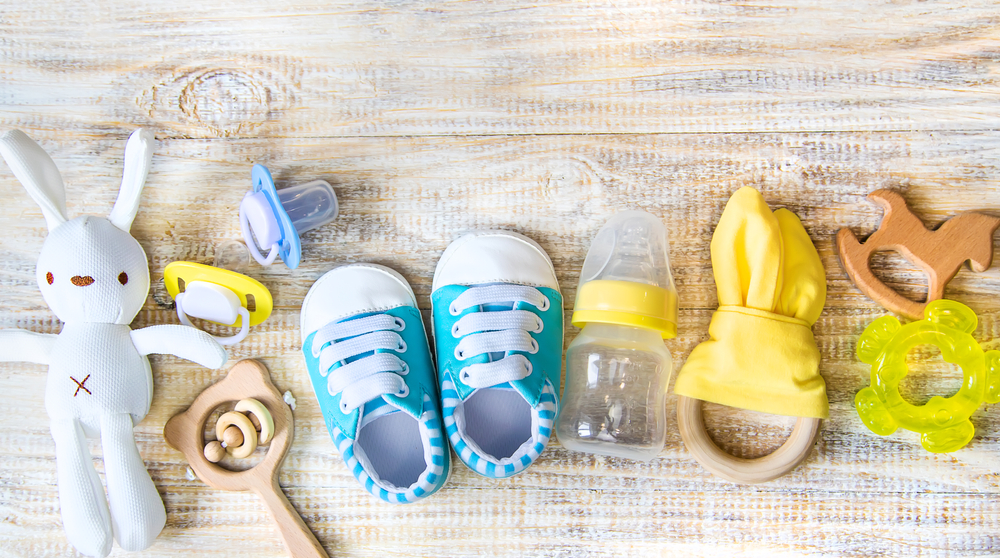
If you’re a parent, chances are your home still holds more than a few relics from your baby’s early years. From pacifiers buried in drawers to baby monitors collecting dust in closets, those once-essential items have a way of sticking around long after they’ve served their purpose. While some parents hold on to them for sentimental reasons, others simply forget they exist until a major cleanup brings them to light. Identifying these forgotten baby items can help reclaim space, reduce clutter, and even uncover opportunities to donate or repurpose. Here are ten of the most common culprits still hiding in homes across America.

1. Outgrown Bottles and Sippy Cups

Those colorful bottles and sippy cups once lined your kitchen cabinets, but they often end up tucked away “just in case.” Many families keep them for future kids or visiting toddlers, only to forget about them entirely. Unfortunately, plastic deteriorates over time, making old cups unsafe for reuse. If they’re still in good shape, local donation centers or baby consignment stores may take them. Otherwise, it’s time to recycle and reclaim that valuable cabinet space.

2. Baby Monitors That Never Got Unplugged

When your little one first arrived, a baby monitor provided peace of mind during every nap and bedtime. But once your child started sleeping through the night, that monitor may have become another piece of unused tech gathering dust. Many forgotten baby items fall into this category—electronics that linger long after their usefulness ends. Modern models also become outdated quickly, with newer versions offering Wi-Fi or camera monitoring. Consider donating or recycling old units responsibly instead of letting them linger in a drawer.

3. Burp Cloths and Bibs

It’s easy to forget just how many burp cloths and bibs you accumulated during those messy feeding years. These soft fabrics often hide in linen closets or mixed laundry piles, long past their prime. While some may still serve as cleaning rags, most are ready to retire. If they’re in decent condition, animal shelters often accept them for bedding or cleanup use. Getting rid of these small but plentiful forgotten baby items can instantly make your storage feel more organized.

4. Tiny Clothes You Meant to “Save for Later”

Baby clothes carry emotional weight, especially those from milestone moments like first birthdays or holidays. But if boxes of onesies, sleepers, and miniature jeans are taking over your attic, it’s worth reassessing. Clothes stored for years can lose elasticity or yellow with age, making them less suitable for reuse. A few sentimental pieces are fine to keep but consider donating the rest to families in need. It’s one of the simplest ways to declutter while doing something meaningful.

5. Baby Food Makers and Storage Containers

That baby food maker seemed essential at the time, but once your child started eating solids, it probably saw less action. These small appliances, along with the countless tiny food containers that came with them, often linger on shelves unused. They’re some of the most overlooked forgotten baby items in kitchens today. If you’re done using them, resell or donate them before they collect more dust. You’ll free up counter space and help another family save on baby gear.

6. Old Diaper Bags and Changing Pads

Every parent remembers that first diaper bag—the one packed with wipes, bottles, and backup outfits for every possible emergency. Years later, those bags and portable changing pads still hide in closets, waiting for a trip that never comes. Since diaper bags are often sturdy and stylish, they can easily be repurposed as gym bags or travel totes. Just make sure to clear out any old snacks or forgotten supplies first. A quick repurpose can turn clutter into something useful again.

7. Nursery Decor That Never Got Taken Down

From framed baby animals to pastel wall decals, nursery decor often outlives its relevance by several years. Once your child outgrows their crib, these pieces can feel out of place but still remain untouched. Taking down outdated decor can refresh a child’s room and make it feel age appropriate. Some parents even find joy in storing one or two items as keepsakes while donating the rest. It’s a small but satisfying way to reclaim the space’s purpose.

8. Pacifiers and Teething Toys

Few forgotten baby items are as common as pacifiers or teething rings. They tend to hide behind couch cushions, under furniture, or in diaper bags that haven’t been touched in ages. Since these items are made from materials that can degrade over time, they’re rarely safe for reuse. Most can be recycled or disposed of through specific take-back programs at baby supply stores. Getting rid of them clears both physical and emotional space for a new stage of parenthood.

9. Baby Carriers and Swings

Those bulky swings and carriers once provided comfort and convenience but now often dominate garage or basement corners. These high-ticket items can be difficult to part with, yet keeping them “just in case” can cost valuable storage space. Many organizations gladly accept gently used baby gear, especially if it meets current safety standards. Checking recalls before donating ensures they’re still safe for use. Passing them along can help another family while simplifying your own environment.

10. Keepsake Items That Turned into Clutter

Every parent has a few sentimental treasures—a hospital bracelet, first shoes, or that adorable handprint art. But over time, these keepsakes can multiply into overflowing bins. While these items hold deep emotional value, organizing them into a single memory box can help control the chaos. You don’t have to throw them all away—just choose the ones that truly capture important moments. Keeping memories doesn’t have to mean keeping clutter.

Reclaiming Space and Letting Go

Clearing out forgotten baby items doesn’t erase the memories—they’ve already served their purpose. What it does do is make room for new experiences, cleaner spaces, and less mental clutter. Letting go of these items can even spark a sense of renewal for parents transitioning into a new life stage. Whether you donate, recycle, or repurpose, every small act helps you reclaim control of your home. After all, it’s not about forgetting—it’s about moving forward with gratitude.

How many forgotten baby items are still hiding in your home? Share your funniest or most surprising discoveries in the comments below!

What to Read Next…

10 Baby Milestones That Make Parents Spend Unnecessarily

7 Baby Items That Are Collecting More Bacteria Than a Toilet Seat

6 Baby Items Hospitals Don’t Provide Anymore—But Parents Think They Do

What You Didn’t Know: 11 Unexpected Medical Bills After A New Baby

6 Baby Products Pulled from Shelves But Still in Homes

Catherine Reed
Catherine Reed

Catherine is a tech-savvy writer who has focused on the personal finance space for more than eight years. She has a Bachelor’s in Information Technology and enjoys showcasing how tech can simplify everyday personal finance tasks like budgeting, spending tracking, and planning for the future. Additionally, she’s explored the ins and outs of the world of side hustles and loves to share what she’s learned along the way. When she’s not working, you can find her relaxing at home in the Pacific Northwest with her two cats or enjoying a cup of coffee at her neighborhood cafe.

Filed Under: Home and Living Tagged With: Baby Gear, decluttering, family life, home tips, Organization, Parenting, parenting advice, sentimental keepsakes

7 Reasons Your Kids Are Faking Illness to Avoid School (And What to Do About It)

October 15, 2025 | Leave a Comment

fake reasons to not go to school
Image Source: Shutterstock

One minute, your child is getting dressed for school, and the next, they’re curled up on the couch with a “sore throat” that mysteriously vanishes by lunchtime. Sound familiar? While the occasional fake sick day might seem harmless, repeated attempts to dodge school are often a sign of something deeper. Kids rarely fake reasons to not go to school. There’s usually an emotional, social, or academic reason hiding beneath the sniffles and stomachaches.

As a parent, it’s important to recognize that school avoidance isn’t always about laziness or mischief. Kids may not have the language to explain what’s wrong, so their bodies do the talking instead. If your child keeps trying to skip school, it’s time to look past the thermometer and into the possible root causes. Here are seven common reasons kids pretend to be sick—and how to help them deal with what’s really going on.

1. They’re Struggling With Anxiety

School-related anxiety is more common than most parents realize. Whether it’s a fear of failure, social stress, or separation anxiety, many kids simply feel overwhelmed. Faking illness becomes their escape route when they don’t know how to express what they’re feeling. You might notice vague complaints like stomachaches or headaches that don’t match any actual symptoms. Talk to your child calmly and ask open-ended questions to uncover what might be making them feel anxious.

2. They’re Being Bullied

If your child is facing bullying at school, they may go to great lengths to avoid it, including pretending to be sick. Kids often feel embarrassed or afraid to talk about bullying, especially if they think it will make things worse. Instead, they fake an illness because it feels safer than asking for help. Look for patterns, like only complaining about being sick on specific days or when certain classes happen. Encourage honest conversations and reassure them that you’re there to protect and support them.

3. They’re Overwhelmed Academically

Falling behind in school can feel humiliating for kids, especially if they don’t want to disappoint their parents or teachers. If your child feels like they can’t keep up, pretending to be sick can offer temporary relief from the pressure. You might hear vague excuses about feeling tired, having a headache, or needing rest. Take some time to review their assignments, talk with their teachers, and see if they need academic support. Offering tutoring or adjusting expectations can reduce the pressure and build confidence.

4. They Feel Socially Isolated

Kids who don’t have strong friendships or feel excluded at school often dread the social aspect of the day more than the learning. The lunchroom, group work, or even recess can be a source of anxiety when they feel like they don’t belong. Rather than admitting they’re lonely, kids may claim to be sick to avoid those uncomfortable moments. If you suspect this is the case, explore ways to help your child build social connections. Clubs, extracurriculars, or even switching seating arrangements can help them feel more included.

5. They Need a Mental Health Break

Even kids can burn out. Children sometimes hit a wall between school, extracurriculars, homework, and social obligations, and just need a day to decompress. While mental health days can be helpful in moderation, faking illness shouldn’t be the go-to method for getting one. If your child is regularly pretending to be sick, it may be a sign they’re overwhelmed and don’t know how to ask for rest. Be proactive by creating open dialogue around mental health and offering planned breaks when needed.

6. They’re Trying to Avoid a Specific Teacher or Class

Not all school avoidance is about peers—sometimes the stress comes from a teacher or subject that makes your child feel inadequate or uncomfortable. If they’re faking illness on days when they have math, gym, or another specific class, dig deeper. They might be feeling intimidated, bored, or embarrassed in that setting. Meeting with the teacher or requesting a classroom change can make a huge difference. You don’t need to solve every problem, but you can advocate for a healthier learning environment.

7. They’re Testing Boundaries

Sometimes, kids fake being sick simply to see what they can get away with. Maybe they had one successful sick day and realized it came with cartoons and snacks, so now it’s worth trying again. While this isn’t as serious as the other reasons, it still matters—because it points to a need for structure. Be compassionate, but firm. Explain that school is non-negotiable and that there are other, more honest ways to ask for attention or downtime.

When to Step In and How to Help

When children repeatedly fake illness, it can sometimes signal something deeper than avoidance—feelings of anxiety, overwhelm, or emotional distress may be pushing them to retreat rather than face school demands. The start of a new semester often brings social pressures, heightened academic expectations, and disruptions to routine, all of which can exacerbate stress. By treating these behaviors as potential cries for help rather than simple misbehavior, caregivers and educators open a pathway to support. Below are trusted resources to help students and families access mental health education, early support, and crisis intervention as they navigate the back-to-school transition.

  • SAMHSA Back-to-School Toolkit — Offers guides for parents, caregivers, and educators to recognize warning signs, foster conversations, and connect youth to mental health help.
  • NAMI Back-to-School Resources — Tips, toolkits, and support specifically for students, parents, and schools to promote well-being.
  • Child Mind Institute — Going Back to School — Advice for easing transitions, managing anxiety, and supporting children with mental health or learning challenges.  
  • Adolescent Mental Health Resources (HHS/OPA) — National hub of screening tools, crisis lines, support services, and evidence-based information. 
  • 988 Suicide & Crisis Lifeline — Available 24/7 by call, text, or chat for anyone experiencing emotional distress, especially youth. 
  • Crisis Text Line — Text “HOME” to 741741 to connect anonymously with a crisis counselor anytime. 
  • CDC’s Promoting Mental Health & Well-Being in Schools — An action guide with strategies schools can use to embed mental health supports into their culture.
  • The JED Foundation – Back to School — Practical guides for students, families, and educators to center mental health at semester start.  
  • Hope Squad — A school-based peer support and suicide-prevention program that some schools adopt to create safe, connected student communities. 

Repeated school avoidance is a red flag that something isn’t right. The key is to stay curious, not accusatory. Instead of jumping straight to discipline, start with empathy and conversation. Listen carefully, validate their feelings, and work together to identify the real problem. The goal isn’t just to get them back in the classroom. It’s to help them feel safe, supported, and ready to face whatever school throws their way.

Has your child ever faked being sick to avoid school? What helped you get to the root of it? Share your thoughts in the comments!

What to Read Next

  • 10 School Mistakes That Follow Kids for Years
  • 8 After-School Activities That Drain Family Budgets the Fastest
  • 7 Technology Tools in Schools That Could Be Violating Your Privacy
  • 9 Elementary School Activities That Disappear as Budgets Shrink
  • School Success Starts at Home—Here’s How to Prep Your Kids
Catherine Reed
Catherine Reed

Catherine is a tech-savvy writer who has focused on the personal finance space for more than eight years. She has a Bachelor’s in Information Technology and enjoys showcasing how tech can simplify everyday personal finance tasks like budgeting, spending tracking, and planning for the future. Additionally, she’s explored the ins and outs of the world of side hustles and loves to share what she’s learned along the way. When she’s not working, you can find her relaxing at home in the Pacific Northwest with her two cats or enjoying a cup of coffee at her neighborhood cafe.

Filed Under: Mental Health Tagged With: child anxiety, fake sick days, kids and school stress, mental health for kids, parenting advice, school avoidance, school refusal

6 Things That Can Happen When Parents Overshare About Their Kids Online

October 15, 2025 | Leave a Comment

6 Things That Can Happen When Parents Overshare About Their Kids Online
Image source: shutterstock.com

Social media has made it easier than ever for parents to document every milestone, from a baby’s first steps to a teen’s graduation. But sometimes, those innocent posts cross a line, revealing more about children than they might want shared. When parents overshare, they may unintentionally expose their kids to emotional, social, and even financial risks. Understanding the consequences can help families make smarter, safer choices about what to post. Here are six real-world outcomes that can happen when parents overshare about their kids online.

1. Loss of Privacy for the Child

When parents overshare, they often post details that seem small in the moment but create a long-term digital footprint. Photos, names, birthdays, and locations all build a profile that strangers can easily access. Over time, this can make children vulnerable to data tracking or identity theft. Even if the parent’s account is private, screenshots and shares can spread far beyond the intended audience. Protecting your child’s privacy means recognizing that not every special moment needs to live online forever.

2. Emotional Embarrassment Later in Life

One of the biggest emotional consequences of when parents overshare is embarrassment that surfaces years later. Imagine a teen discovering that their awkward potty-training photo or childhood tantrum was shared with hundreds of people. Those posts can damage a young person’s confidence and sense of autonomy. Kids deserve the chance to control their own stories, especially as they mature and develop self-identity. Respecting their dignity now helps build trust that lasts through adolescence and beyond.

3. Digital Footprints That Can’t Be Erased

Even if a parent deletes a post, the content often remains in backups, archives, or other users’ screenshots. This means that once something is online, it’s rarely gone for good. When parents overshare, they may unknowingly create lasting digital records that follow their children into adulthood. College admissions officers, future employers, and even peers can uncover these traces. Teaching kids about digital responsibility starts with modeling it yourself and understanding that online posts are rarely temporary.

4. Risks of Exploitation or Misuse

Another troubling outcome of when parents overshare involves malicious misuse of shared images or videos. Unfortunately, child photos are sometimes stolen from public platforms and repurposed by strangers for disturbing or exploitative purposes. Some hackers even use seemingly innocent details to guess passwords or access personal accounts. Oversharing personal family routines, school names, or travel plans can also alert potential predators. Keeping profiles limited and watermarking images are simple ways to add layers of protection.

5. Strained Parent-Child Relationships

Even when done with love, oversharing can create tension between parents and children. Many kids feel uncomfortable when private family moments become public content. Older children may begin hiding things or withdrawing emotionally to avoid unwanted exposure. When parents overshare repeatedly, kids can feel unheard or disrespected, which may erode trust. Creating boundaries together—like asking for permission before posting—can strengthen mutual respect and help prevent resentment later on.

6. Long-Term Reputational Impact

When parents overshare, they don’t just share cute photos—they also shape how others see their child. A lighthearted post about bad grades, tantrums, or messy habits might seem funny now but could affect how teachers, classmates, or even future employers perceive them. Children deserve the freedom to reinvent themselves without their parents’ digital past defining them. Once a post circulates, it can take on a life of its own, often resurfacing years later. Thinking twice before posting gives kids room to grow without the weight of online history.

Finding the Balance Between Sharing and Protecting

Social media can be a wonderful way to celebrate your family and connect with loved ones—but it requires balance. Before posting, parents should ask whether the content benefits the child or simply entertains others. Limiting identifying details, adjusting privacy settings, and seeking your child’s consent can make a big difference. When parents overshare less, they send a powerful message about respect, boundaries, and digital safety. The goal isn’t to stop sharing—it’s to share wisely, with your child’s long-term well-being in mind.

Do you think today’s parents overshare too much online? How do you decide what’s safe to post about your family? Share your thoughts in the comments below.

What to Read Next…

Is Your Child Safe? 9 Red Flags That Your Child Is Being Targeted Online

The Hidden Message: 9 Online Threats That Use Deepfakes Of Kids

Think Before You Post: 7 Types of Photos You Should Never Post of Your Kids Online

Beyond The Game: 9 Online Games Kids Are Playing That Expose Them To Predators

Digital Safety: 6 Steps to Safeguard Your Child’s Online Identity

Catherine Reed
Catherine Reed

Catherine is a tech-savvy writer who has focused on the personal finance space for more than eight years. She has a Bachelor’s in Information Technology and enjoys showcasing how tech can simplify everyday personal finance tasks like budgeting, spending tracking, and planning for the future. Additionally, she’s explored the ins and outs of the world of side hustles and loves to share what she’s learned along the way. When she’s not working, you can find her relaxing at home in the Pacific Northwest with her two cats or enjoying a cup of coffee at her neighborhood cafe.

Filed Under: Parenting Tagged With: child privacy, digital footprint, family boundaries, Online Safety, parenting advice, parenting tips, parents overshare, Social Media

7 “Harmless” Nicknames That Kids Secretly Hate

October 15, 2025 | Leave a Comment

7 “Harmless” Nicknames That Kids Secretly Hate
Image source: shutterstock.com

Parents often give affectionate pet names without realizing how they make their kids feel. What may sound like a sweet inside joke or a cute habit can actually create quiet embarrassment, especially as children grow older and start forming their identities. Understanding which labels cross the line can help parents build confidence instead of insecurity. Here are seven seemingly harmless nicknames that kids secretly dislike—and why it may be time to retire them.

1. “Chunk” or “Chubbs”

Weight-related nicknames can stick harder than parents expect. Even if used playfully, they can make children self-conscious about their bodies. Kids often remember being called “Chunk” long after they’ve outgrown baby fat, and it can influence how they view themselves in photos or among peers. When classmates overhear these “harmless nicknames,” embarrassment and shame often follow. Replacing body-based jokes with encouragement about strength or kindness can make a lasting difference in how kids see themselves.

2. “Princess” or “Little Man”

While these terms might sound endearing, they can subtly shape how kids see their gender roles. Being called “Princess” can make a girl feel pressured to always be pretty or delicate, while “Little Man” can push boys to act overly tough. Children may not voice it, but they often wish adults would recognize their personalities instead of their roles. Over time, these harmless nicknames can box kids into identities they didn’t choose. It’s better to celebrate their unique qualities rather than rely on outdated labels.

3. “Goofball” or “Clown”

When kids are labeled as the funny one, they might feel like they can’t be taken seriously. While humor is healthy, being constantly called “Goofball” can make children believe they’re not seen as smart or responsible. Some start to suppress deeper emotions or hide their achievements to maintain the funny image. These harmless nicknames can quietly undermine their confidence in school or friendships. Encourage laughter without turning their personality into a permanent punchline.

4. “Baby”

Few labels make older kids cringe like being called “Baby.” Even affectionate parents sometimes forget how fast their children are growing up. Using this nickname in public, especially around friends, can feel humiliating. It can also create mixed signals—kids want love but also independence. Swapping “Baby” for more age-appropriate praise, like “buddy” or “champ,” shows that you respect their growth while still keeping your bond strong.

5. “Smarty Pants”

At first, “Smarty Pants” might sound like a compliment, but for many kids, it feels more like teasing. Children who are academically gifted often face pressure from peers and adults alike. Constantly being labeled this way can make them anxious about making mistakes or being perceived as arrogant. What starts as a proud nickname can turn into a silent burden. Instead of these harmless nicknames, try celebrating effort rather than outcome—it teaches humility and resilience.

6. “Stinky” or “Messy”

Names like “Stinky” or “Messy” may seem funny in the moment, but they can stick long after a single smelly soccer practice or messy bedroom phase. Kids internalize these descriptors, even if they laugh on the surface. The danger is that they start believing that clumsiness or dirtiness defines them. Over time, that affects self-esteem and hygiene motivation. Parents can replace these harmless nicknames with gentle humor that builds rather than breaks down confidence.

7. “Lazybones”

When parents call kids “Lazybones,” it’s often out of frustration, not cruelty—but the message can sting. Many children hear it as “you’re not good enough,” rather than “you didn’t try hard enough.” This type of nickname can create guilt and resistance instead of motivation. Even jokingly using “Lazybones” can damage a child’s relationship with work and responsibility. A more constructive approach is to focus on effort and celebrate small progress instead of labeling behavior.

When Harmless Nicknames Stop Feeling Harmless

Most parents mean no harm when using pet names, but intention doesn’t erase impact. Words shape how kids see themselves, especially when they come from trusted adults. The safest approach is to listen—if your child flinches, frowns, or asks you not to use a certain name, take it seriously. Their discomfort signals a chance to strengthen trust and mutual respect. By replacing outdated or embarrassing labels with positive affirmations, you build a foundation for lasting confidence and connection.

Have you ever realized one of your “harmless nicknames” was bothering your child? Share your experience or advice with other parents in the comments.

What to Read Next…

Is Your Family Using a Baby Name That Schools May Mock?

8 Things Parents Say That Create Lifelong Guilt

Beyond The Jokes: 10 Phrases You Should Never Say To Your Child After A Tantrum

7 Signs Your Kids Are Struggling With Anxiety You Keep Calling “Just a Phase”

Don’t Do This: 5 Phrases You Say To Your Toddler Encouraging Bad Behavior

Catherine Reed
Catherine Reed

Catherine is a tech-savvy writer who has focused on the personal finance space for more than eight years. She has a Bachelor’s in Information Technology and enjoys showcasing how tech can simplify everyday personal finance tasks like budgeting, spending tracking, and planning for the future. Additionally, she’s explored the ins and outs of the world of side hustles and loves to share what she’s learned along the way. When she’s not working, you can find her relaxing at home in the Pacific Northwest with her two cats or enjoying a cup of coffee at her neighborhood cafe.

Filed Under: Parenting Tagged With: child confidence, emotional health, family relationships, harmless nicknames, parent communication, parenting advice, parenting tips

Are You Being Too Transparent With Your Kids About Finances?

October 8, 2025 | Leave a Comment

Are You Being Too Transparent With Your Kids About Finances?
Image source: 123rf.com

Talking to children about money can be healthy—but it can also be tricky. Parents often want to raise financially literate kids, yet sharing too much too soon can lead to unnecessary anxiety or confusion. It’s a balancing act: you want them to understand the value of money without burdening them with adult financial worries. Knowing when and how to be transparent with your kids about finances can help you teach valuable lessons while still protecting their sense of security.

1. Why Being Transparent With Your Kids About Finances Can Be Valuable

When you’re transparent with your kids about finances, you help them understand real-world money management early on. Explaining concepts like saving for goals, budgeting for needs versus wants, and delaying gratification gives them perspective. It can also demystify where money comes from, teaching them that it’s earned—not endless. When kids see you making thoughtful financial choices, they’re more likely to model those habits themselves. The key is to simplify discussions in a way that’s age-appropriate and focused on learning, not stress.

2. The Fine Line Between Teaching and Oversharing

There’s a difference between teaching financial principles and unloading family financial stress. Being transparent with your kids about finances doesn’t mean they need to know every detail about debts, job pressures, or monthly bills. Sharing too much information can create anxiety, making children feel responsible for problems they can’t fix. Instead, frame lessons around financial awareness—like explaining how setting a grocery budget works—without disclosing numbers that might overwhelm them. Striking this balance ensures your transparency helps rather than harms.

3. Age Matters When Discussing Money

The right level of financial transparency depends heavily on your child’s age and maturity. Young kids benefit from simple explanations about saving or earning money through chores. Older children can handle more nuanced topics, such as how credit cards work or why it’s important to save for emergencies. However, even teens don’t need to know the full scope of your income or debt. By tailoring conversations appropriately, you can stay transparent with your kids about finances while maintaining healthy emotional boundaries.

4. The Emotional Side of Financial Discussions

Money is tied closely to emotion—fear, pride, and even guilt—and children easily pick up on those feelings. When you’re transparent with your kids about finances, your tone and attitude can matter as much as your words. If discussions sound panicked or defensive, kids might start associating money with stress. On the other hand, calm and confident conversations can instill a sense of financial stability and trust. Your emotional cues shape how they’ll feel about money for years to come.

5. Modeling Responsible Money Behavior

Kids often learn more by watching than listening. If you want to be transparent with your kids about finances in a way that resonates, show them consistency between your words and actions. For instance, if you talk about saving but constantly overspend, the message loses credibility. Demonstrate how you plan for purchases, set goals, or resist impulse buys. These real-life examples reinforce lessons naturally and give kids a positive blueprint for handling money as adults.

6. When Transparency Turns Into Pressure

Even well-meaning parents can accidentally make kids feel responsible for family money matters. If you regularly discuss struggles like mortgage payments or rising costs, kids may internalize that stress and worry about the household’s stability. Being transparent with your kids about finances should empower, not burden. Keep your focus on teaching skills—like saving, budgeting, and generosity—without transferring adult-level responsibility. A child’s job is to learn, not to fix financial challenges they didn’t create.

7. Building Financial Confidence Through Inclusion

Letting children participate in low-stakes financial decisions helps them feel capable and informed. You can involve them in comparing grocery prices, planning a family outing within a set budget, or deciding how to allocate allowance money. Being transparent with your kids about finances in these moments teaches that money requires thought and trade-offs. It also encourages open communication, where they feel comfortable asking questions. Small, hands-on experiences lay the groundwork for confidence and lifelong financial awareness.

The Healthy Balance Every Parent Should Aim For

Financial transparency isn’t an all-or-nothing concept—it’s about balance and timing. The goal is to raise kids who are informed without being worried, capable without feeling burdened. Share lessons that build understanding, not fear, and keep deeper financial details private until they’re ready. When you’re intentional about what you share, you help your children develop a healthy, confident relationship with money. That’s the kind of transparency that truly pays off in the long run.

Do you think parents today are being too open or not open enough about money? How do you approach financial conversations in your own home? Share your thoughts in the comments below!

What to Read Next…

Are You Accidentally Teaching Your Kids Money Doesn’t Matter?

The Truth About Teen Finances: 10 Money Habits Parents Are Teaching Kids That Keep Them Poor

Are You Passing Down Toxic Money Habits Without Knowing It?

7 Lies Kids Tell To Get Your Money (No, They Didn’t Clean Their Room)

6 Money Habits That Can Set Kids Up to Struggle

Catherine Reed
Catherine Reed

Catherine is a tech-savvy writer who has focused on the personal finance space for more than eight years. She has a Bachelor’s in Information Technology and enjoys showcasing how tech can simplify everyday personal finance tasks like budgeting, spending tracking, and planning for the future. Additionally, she’s explored the ins and outs of the world of side hustles and loves to share what she’s learned along the way. When she’s not working, you can find her relaxing at home in the Pacific Northwest with her two cats or enjoying a cup of coffee at her neighborhood cafe.

Filed Under: Money and Finances Tagged With: family finances, Financial Education, financial literacy, kids and money, money management, Parenting, parenting advice, transparency in parenting

10 Ways to Tell If Your Child Is Faking an Illness for Emotional Reasons

October 7, 2025 | Leave a Comment

10 Ways to Tell If Your Child Is Faking an Illness for Emotional Reasons
Image source: 123rf.com

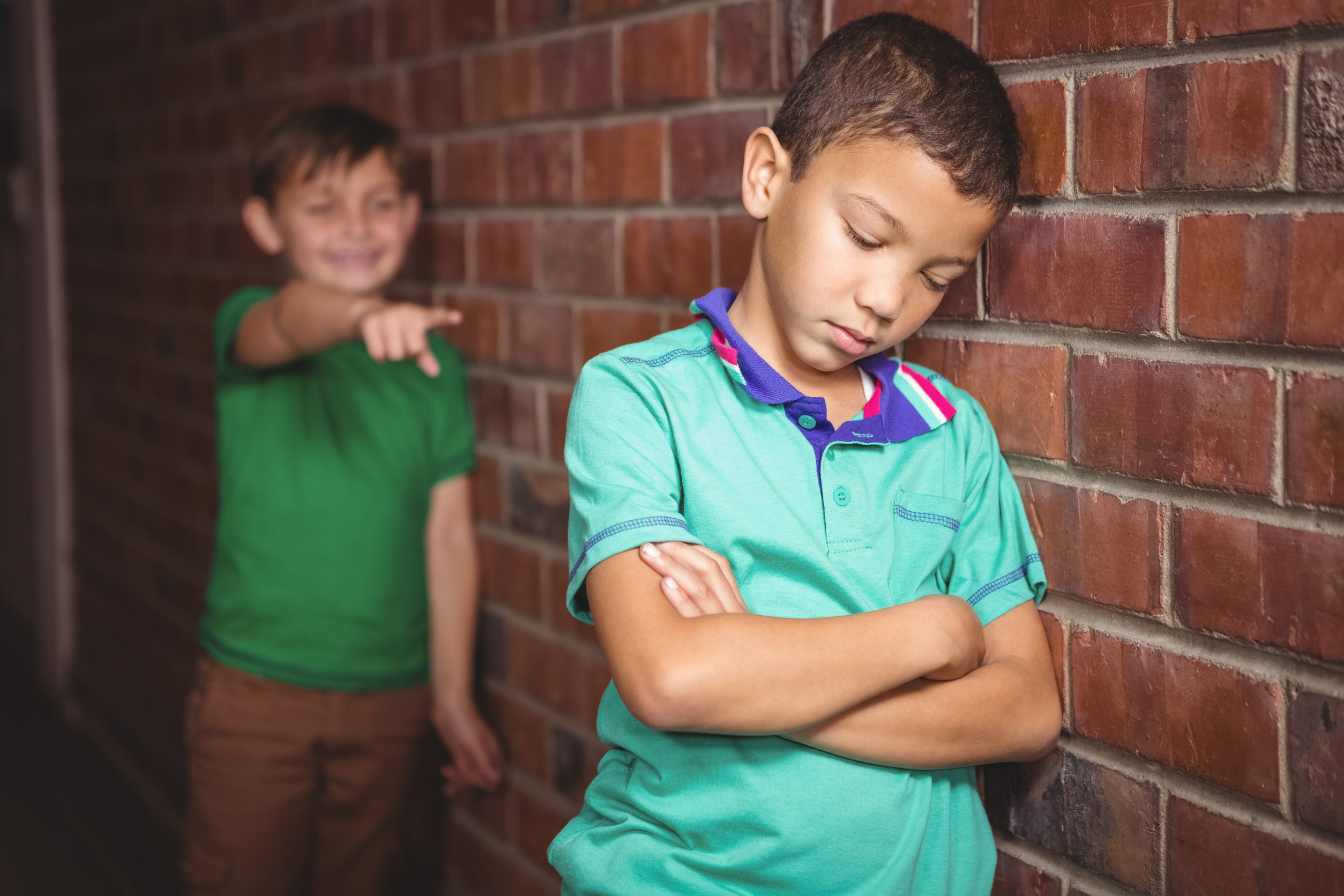
Every parent faces it eventually — that uncertain moment when your child complains about feeling sick, but something just doesn’t add up. Sometimes, children aren’t pretending out of mischief but because they’re overwhelmed, anxious, or seeking comfort. Emotional stress can manifest as physical symptoms, making it hard to know when a real problem lies beneath the surface. Learning how to spot when your child might be faking an illness for emotional reasons can help you respond with empathy while still teaching honesty and healthy coping skills.

1. Symptoms Disappear Quickly When Fun Is Involved

One of the easiest ways to identify when your child might be faking an illness is by noticing how symptoms come and go. If they claim to feel awful in the morning but suddenly perk up when something enjoyable is mentioned, emotional avoidance may be at play. Kids often use “being sick” to escape stressful or unwanted situations like school presentations or social interactions. This doesn’t mean they’re manipulative; it often signals anxiety. Pay attention to patterns rather than isolated moments to see what’s really driving their behavior.

2. The Illness Appears Around Stressful Events

Children sometimes begin faking an illness before exams, sports games, or big transitions. Emotional stress can make them feel physically uncomfortable, leading to genuine complaints of headaches or stomachaches. However, when these symptoms align perfectly with upcoming stressful situations, it may suggest avoidance. Parents can gently ask what worries them about the event rather than dismissing the sickness. Creating a safe space for conversation often reveals emotional roots that need support rather than medicine.

3. There’s No Physical Evidence of Illness

When faking an illness for emotional reasons, children often describe symptoms that are difficult to verify, such as vague pain or dizziness. If there’s no fever, visible discomfort, or other objective signs, emotional distress could be the true source. This doesn’t mean they aren’t suffering; emotional pain can feel just as real. Avoid accusing them outright, but instead say, “I wonder if something else might be making you feel this way.” This approach keeps communication open while acknowledging their feelings.

4. They Seem Anxious About School or Friends

Kids who are struggling socially or academically may turn to faking an illness as a coping mechanism. School can feel overwhelming, especially for sensitive children or those facing bullying. Avoidance becomes an emotional safety net. If your child frequently asks to stay home, talk about what’s happening in their classroom or peer group. Addressing the source of anxiety can reduce their need to escape through fake illnesses.

5. Symptoms Appear Suddenly and Without Warning

When a child is faking an illness, the symptoms often appear abruptly, especially right before a specific event they want to avoid. One minute they seem fine, and the next they’re “too sick” to go. This pattern can indicate an emotional trigger rather than a true infection or condition. Try keeping a simple journal of when these episodes occur to spot connections. Consistency in timing can reveal whether emotional stress is the real culprit.

6. They Don’t Show Physical Signs of Discomfort

When children are genuinely ill, they often look the part — tired eyes, flushed skin, or low energy. However, when they’re faking an illness, these physical cues are usually missing. They might claim to feel terrible but continue to act normally in other ways. Observing how they behave when they think you aren’t watching can offer insight. If their energy returns the moment attention shifts, the issue may be more emotional than medical.

7. They Express Relief When You Offer a Break

Children who are emotionally overwhelmed often use faking an illness to buy time to rest. If your child instantly calms down after you agree to let them stay home, it’s a strong indicator that stress relief — not sickness — was the goal. This doesn’t mean they’re lying maliciously; it means they need help managing emotions. Use this as a signal to discuss coping skills like deep breathing, journaling, or talking through worries. The goal isn’t punishment but understanding.

8. A Doctor Visit Brings No Diagnosis

If your child frequently claims to feel sick but medical professionals find nothing wrong, the issue could be emotional rather than physical. When a doctor clears them, it’s natural to feel frustrated, but this is often your cue to look deeper. Persistent but unexplained symptoms can signal anxiety, fear, or sadness. Work with your pediatrician to rule out underlying medical concerns while exploring emotional factors. Early support can prevent stress-related illnesses from becoming long-term patterns.

9. They Struggle to Describe What Hurts

When faking an illness for emotional reasons, kids may offer vague or inconsistent answers about what’s wrong. They might say their stomach hurts but can’t pinpoint where or when it started. Emotional discomfort is hard to articulate, especially for young children. Instead of pressing for details, focus on their emotional state: “You seem worried — can we talk about what’s bothering you?” Shifting the conversation from symptoms to feelings often opens the door to the real issue.

10. Emotional Ups and Downs Mirror Their “Illness”

Sometimes, emotional turbulence and physical complaints go hand in hand. When your child’s mood improves, the “illness” often fades too. These ups and downs suggest that their feelings are driving the symptoms. Teaching emotional awareness — like labeling feelings and expressing needs — can reduce the need for fake illnesses. Over time, children learn that honesty about emotions leads to care and support without needing to pretend.

Helping Kids Heal Beyond the Symptoms

Faking an illness can be a child’s quiet cry for help. Instead of focusing solely on catching them in a lie, aim to understand what’s fueling their stress. By building trust, validating feelings, and teaching healthy coping skills, parents can replace avoidance with resilience. When kids feel heard and supported, the need to fake illness often fades — replaced by open communication and emotional growth.

Have you ever suspected your child was faking an illness for emotional reasons? How did you handle it? Share your experiences below!

What to Read Next…

Are You Covered? 6 Urgent Updates To Your Child’s Health Records

Don’t Ignore This: 7 Health Symptoms That Demand Immediate Attention In Kids

The “Harmless” Habit: 7 Health Habits Shortening Childhood For Many

What If They’re Not Fine? 4 Critical Questions To Ask Your Child’s Mental Health Professional

Are You Missing It? 7 Health Warnings Your Child’s Behavior Gives You

Catherine Reed
Catherine Reed

Catherine is a tech-savvy writer who has focused on the personal finance space for more than eight years. She has a Bachelor’s in Information Technology and enjoys showcasing how tech can simplify everyday personal finance tasks like budgeting, spending tracking, and planning for the future. Additionally, she’s explored the ins and outs of the world of side hustles and loves to share what she’s learned along the way. When she’s not working, you can find her relaxing at home in the Pacific Northwest with her two cats or enjoying a cup of coffee at her neighborhood cafe.
Filed Under: Parenting Tagged With: anxiety in kids, child behavior, Child Psychology, emotional health, faking an illness, family wellbeing, parenting advice, parenting tips

8 Things Parents Say That Create Lifelong Guilt

October 6, 2025 | Leave a Comment

8 Things Parents Say That Create Lifelong Guilt
Image source: 123rf.com

Words matter, especially when they come from parents. A single comment said in frustration or disappointment can echo in a child’s mind for decades, shaping self-esteem and emotional health. While no parent is perfect, some phrases carry unintended weight and can leave children struggling with lifelong guilt. Recognizing these statements is the first step in breaking harmful cycles and fostering healthier communication. Here are eight things parents say that often create lasting emotional burdens.

1. “After everything I’ve done for you…”

This phrase can make children feel indebted for simply existing. Parents may use it to highlight sacrifices, but it creates a sense that love and care must be repaid. The guilt can follow children into adulthood, making them feel selfish for pursuing independence. They may overcompensate by putting others’ needs before their own. Over time, this creates a cycle of lifelong guilt tied to personal happiness.

2. “Why can’t you be more like your sibling?”

Comparisons between siblings may seem harmless, but they can cut deeply. This statement implies inadequacy and sets up unfair competition. Children internalize the belief that they’ll never measure up, leading to insecurity and resentment. The shadow of comparison can follow them into adult relationships and careers. Instead of motivating, it instills a sense of lifelong guilt for not being “enough.”

3. “You’re the reason I’m so stressed”

When parents blame children for their stress, it creates a heavy emotional burden. Kids interpret this as meaning they cause problems just by being themselves. This pressure can lead to perfectionism as they strive to avoid being a source of frustration. Over time, it builds anxiety and self-doubt. The message plants seeds of lifelong guilt that are hard to shake.

4. “If you loved me, you’d…”

Tying love to compliance is a manipulative way of controlling behavior. Children hear this and conclude that their love is conditional or never enough. It teaches them to sacrifice their needs to maintain relationships. Even as adults, they may struggle with boundaries and people-pleasing tendencies. The guilt of not meeting someone else’s expectations becomes a lifelong guilt they carry silently.

5. “We give you everything—don’t let us down”

On the surface, this sounds like a reminder of opportunity, but it can create immense pressure. Children feel they must achieve perfection to justify their parents’ sacrifices. Any setback, from a failed test to a career change, feels like betrayal. This creates a fear of failure that can linger well into adulthood. The weight of constant expectation becomes a source of lifelong guilt.

6. “Stop crying, it’s not that bad”

Dismissing a child’s emotions teaches them to bottle up feelings instead of processing them. While parents may intend to encourage toughness, the impact is often shame. Kids learn that their emotions are invalid, leading to struggles with vulnerability later in life. As adults, they may carry guilt for feeling sadness, anger, or fear. The lifelong guilt here is tied to believing emotions are a weakness.

7. “You’ll regret that when I’m gone”

This statement often comes from parents in moments of hurt, but it instills fear instead of understanding. It suggests that normal disagreements or independence are betrayals. Children absorb the message that they must constantly prioritize their parents to avoid guilt. Even after parents pass away, the regret can haunt them. This creates lifelong guilt rooted in unresolved obligations.

8. “Why can’t you ever do anything right?”

This is one of the most damaging statements because it attacks identity, not behavior. Children may start believing they are inherently flawed. Instead of correcting a mistake, the phrase creates shame that lingers. As adults, they may struggle with confidence, second-guessing every decision. The result is a heavy burden of lifelong guilt tied to self-worth.

Breaking Free From the Cycle

The reality is that many parents say these things without realizing the long-term impact. However, awareness is key—both for parents trying to change communication patterns and for adults healing from childhood wounds. Words can either uplift or scar, and choosing them carefully helps break the cycle of lifelong guilt. For those carrying these burdens, self-compassion and open dialogue can provide a path to healthier relationships. The goal isn’t perfection but understanding the power of words and using them to nurture rather than harm.

Have you ever carried lifelong guilt from something a parent said, and how did you work through it? Share your thoughts in the comments.

What to Read Next…

8 Things You Should Never Say When Co-Parenting

10 Parenting Phrases That Do More Harm Than Good

Guilt Trap: 11 Parenting Myths That Lead to Overwhelming Guilt

8 Tiny Phrases That Build Big Confidence in Kids

Think Before You Speak: 10 Things Never to Say to Your Kids

Catherine Reed
Catherine Reed

Catherine is a tech-savvy writer who has focused on the personal finance space for more than eight years. She has a Bachelor’s in Information Technology and enjoys showcasing how tech can simplify everyday personal finance tasks like budgeting, spending tracking, and planning for the future. Additionally, she’s explored the ins and outs of the world of side hustles and loves to share what she’s learned along the way. When she’s not working, you can find her relaxing at home in the Pacific Northwest with her two cats or enjoying a cup of coffee at her neighborhood cafe.

Filed Under: Parenting Tagged With: childhood impact, communication tips, emotional health, family relationships, lifelong guilt, parenting advice, self-esteem

10 Signs Your Child Is Quietly Being Bullied by a Friend

October 5, 2025 | Leave a Comment

10 Signs Your Child Is Quietly Being Bullied by a Friend
Image source: 123rf.com

Friendships are supposed to bring joy, comfort, and support, but sometimes they can become harmful without parents noticing. When a child is quietly being bullied by a friend, the signs are often subtle and easy to dismiss as normal friendship ups and downs. These situations can be especially confusing for kids, because they want to maintain their social connections but may not understand that they are being mistreated. Parents who know what to look for can step in early and help protect their child’s emotional well-being. Recognizing these warning signs is the first step toward creating healthier, more supportive relationships.

1. Sudden Changes in Mood After Seeing a Friend

If your child comes home upset, withdrawn, or irritable after spending time with a friend, it could be more than simple tiredness. Frequent mood swings linked to certain social interactions may signal emotional harm. While occasional disagreements are normal, consistent sadness after playdates is a red flag. Pay attention to whether your child dreads upcoming meetups or expresses relief when plans are canceled. These shifts may indicate your child is quietly being bullied by a friend.

2. Loss of Confidence in Themselves

Bullying often chips away at a child’s self-esteem. You may notice your child suddenly questioning their abilities or putting themselves down more frequently. They might express doubt about talents they once enjoyed or stop trying activities they previously loved. Negative comments from a so-called friend can leave lasting impressions. This decline in confidence is a key sign your child is quietly being bullied by a friend.

3. Reluctance to Share Details About Time Together

Children normally enjoy talking about fun times with friends, but secrecy can signal that something is wrong. If your child avoids discussing what they did or becomes vague about their experiences, they might be protecting themselves from embarrassment or shame. This silence is often a coping mechanism when they don’t want to admit hurtful things were said or done. It’s especially concerning if your child once loved sharing stories about this friend. Their reluctance may be a sign your child is quietly being bullied by a friend.

4. Constant Apologizing Around the Friend

Pay attention if your child seems overly apologetic when spending time with a certain friend. Excessive apologies can mean they’ve been conditioned to feel responsible for everything, even minor accidents or misunderstandings. This behavior often develops when a friend uses guilt or criticism as control. Children who apologize too much may be trying to avoid conflict or further mistreatment. This is another subtle indicator that your child is quietly being bullied by a friend.

5. Declining Academic Performance

Bullying doesn’t just affect social life—it can spill into academics. If your child’s grades drop suddenly without other explanations, emotional stress may be interfering with their focus. Anxiety about friendship problems can consume mental energy, making it hard to concentrate in school. Teachers may notice the child seems distracted, anxious, or unusually quiet. This academic shift can be one of the signs your child is quietly being bullied by a friend.

6. Exclusion From Group Activities

Friends who bully often use exclusion as a tactic. If your child complains about not being invited to group events or consistently finds out about gatherings after the fact, this could be intentional isolation. Feeling left out can hurt more deeply when it comes from someone considered a close friend. Repeated exclusion is a form of social bullying that undermines confidence. Watch carefully for these patterns, as they may show your child is quietly being bullied by a friend.

7. Physical Complaints Before Seeing the Friend

Sometimes emotional stress shows up in physical ways. Children who dread spending time with a friend may suddenly complain of stomachaches, headaches, or fatigue right before scheduled meetups. These symptoms can be their body’s way of signaling distress. While kids sometimes avoid activities they dislike, consistent complaints connected to one person are concerning. This avoidance behavior often means your child is quietly being bullied by a friend.

8. Increased Dependence on Parents for Reassurance

Children who feel unsafe in friendships may cling more tightly to their parents. They might ask repeated questions about whether they are loved, valued, or “good enough.” This sudden increase in reassurance-seeking often comes from emotional harm caused by criticism or manipulation. Parents may notice their child needing more hugs, encouragement, or verbal affirmations than usual. These changes can indicate your child is quietly being bullied by a friend.

9. Frequent Arguments That Only Go One Way

It’s normal for kids to have occasional disagreements, but pay attention if your child always seems to be the one apologizing or compromising. If the friend never takes responsibility and your child always gives in, the power balance is unhealthy. These one-sided conflicts often wear down self-esteem and create long-term anxiety. A pattern of lopsided arguments can be a strong clue your child is quietly being bullied by a friend.

10. Hesitation to End the Friendship

Perhaps the most heartbreaking sign is when a child knows they’re being mistreated but still doesn’t want to walk away. They may fear losing social standing, being alone, or making things worse. This hesitation is common when the bullying comes from someone they trust deeply. Children often convince themselves they can fix the relationship if they just try harder. This internal conflict reveals how difficult it can be to see when a child is quietly being bullied by a friend.

Helping Children Build Healthier Friendships

Friendships should make children feel valued and supported, not anxious or small. When a child is quietly being bullied by a friend, it’s important for parents to listen carefully, validate their feelings, and step in with guidance. Teaching children about healthy boundaries and self-worth equips them to choose better relationships in the future. Open communication at home makes it easier for kids to share struggles before they escalate. By staying observant, parents can help their children break free from harmful friendships and find the support they deserve.

Have you ever spotted these subtle signs in your child’s friendships? Share your insights and advice with other parents in the comments below.

What to Read Next…

  • 10 Kids’ TV Shows That May Be Reinforcing Bullying Behavior
  • 8 Ways Children Are Hiding Cyberbullying From Adults
  • Are Anti-Bullying Programs Making Kids Better or Just Sneakier?
  • When Teasing Between Friends Becomes Bullying
  • How to Handle Bullying in Schools and Online
Catherine Reed
Catherine Reed

Catherine is a tech-savvy writer who has focused on the personal finance space for more than eight years. She has a Bachelor’s in Information Technology and enjoys showcasing how tech can simplify everyday personal finance tasks like budgeting, spending tracking, and planning for the future. Additionally, she’s explored the ins and outs of the world of side hustles and loves to share what she’s learned along the way. When she’s not working, you can find her relaxing at home in the Pacific Northwest with her two cats or enjoying a cup of coffee at her neighborhood cafe.

Filed Under: Parenting Tagged With: bullying awareness, child bullying, child development, emotional health, friendships, kids mental health, parenting advice, parenting tips

8 Parenting Phrases That Sound Nice But Do Lasting Damage

October 5, 2025 | Leave a Comment

8 Parenting Phrases That Sound Nice But Do Lasting Damage
Image source: 123rf.com

Words stick with children longer than many parents realize. While some sayings may sound harmless or even encouraging in the moment, they can actually leave long-term emotional marks. Certain parenting phrases that sound nice but do lasting damage can create insecurity, fear of failure, or unrealistic expectations that follow kids into adulthood. By becoming more mindful of language, parents can build stronger relationships and foster healthier emotional development.

1. “Good job!” Said Too Often

Praise is important, but overusing “good job” can have unintended consequences. Children may become dependent on external validation rather than developing internal motivation. Instead of feeling proud of their effort, they may start doing things just to hear approval. This phrase, though well-meaning, can teach kids to equate worth with constant recognition. It’s one of the parenting phrases that sound nice but do lasting damage when used without balance.

2. “You’re so smart” Instead of Praising Effort

Telling a child they’re smart seems positive, but it can make them fearful of mistakes. They may begin to avoid challenges because failure feels like a threat to their identity. Research shows it’s more beneficial to praise effort, problem-solving, and persistence. Children then learn that hard work, not innate intelligence, drives success. This makes “you’re so smart” a classic example of parenting phrases that sound nice but do lasting damage.

3. “Don’t cry” or “You’re fine”

Parents often say this to comfort quickly, but it can dismiss a child’s very real feelings. When children hear their emotions minimized, they may learn to suppress them instead of working through them. Over time, this can lead to difficulties expressing emotions in healthy ways. Validating feelings, even small ones, teaches kids resilience and emotional intelligence. Minimizing emotions is one of those parenting phrases that sound nice but do lasting damage.

4. “Be careful” Said Constantly

Safety is always a priority, but repeating “be careful” at every turn can foster unnecessary fear. Children may start to believe the world is full of constant dangers. Instead of encouraging confidence, it can make them hesitant to explore, try new skills, or trust themselves. More specific guidance, like “hold the railing” or “watch your step,” empowers kids without instilling anxiety. Overuse of vague warnings is one of the parenting phrases that sound nice but do lasting damage.

5. “Because I said so”

This phrase may stop arguments, but it doesn’t encourage healthy understanding or respect. Children left without explanations may feel powerless or resentful. While parents don’t need to justify every decision, offering reasons helps children learn critical thinking and problem-solving. It also teaches them that boundaries come from care, not arbitrary control. “Because I said so” is one of those parenting phrases that sound nice but do lasting damage over time.

6. “Big boys/girls don’t…”

Whether it’s “don’t cry,” “don’t get scared,” or “don’t play with that,” tying behavior to identity can shame children. It suggests their feelings or interests are wrong and may encourage them to hide parts of themselves. This phrase also reinforces harmful gender stereotypes that limit personal growth. Allowing children to express themselves authentically builds confidence and empathy. Labels like these are another form of parenting phrases that sound nice but do lasting damage.

7. “I’m disappointed in you”

Parents often intend this phrase to correct behavior, but it can feel deeply personal to a child. Instead of addressing an action, it can make kids feel like their entire self is a letdown. Over time, this can harm self-esteem and create a fear of failure. A better approach is to address the behavior and express faith in the child’s ability to improve. Disappointment as a label is one of the parenting phrases that sound nice but do lasting damage.

8. “You’re okay” When They’re Not

Telling children they’re okay when they clearly aren’t can feel invalidating. While meant to comfort, it can dismiss pain, fear, or sadness that they need help processing. Kids may learn to distrust their own instincts or stop seeking support when they need it. Acknowledging feelings first before offering reassurance creates a stronger emotional bond. This well-intentioned dismissal is yet another of the parenting phrases that sound nice but do lasting damage.

Choosing Words That Build Resilience

Parents don’t need to be perfect, but small changes in language can have lasting positive effects. Replacing parenting phrases that sound nice but do lasting damage with ones that validate feelings, praise effort, and guide behavior helps children grow stronger. Encouraging honesty, resilience, and confidence through words builds a foundation for lifelong well-being. Ultimately, children benefit most when parents balance guidance with empathy. Choosing mindful language today creates healthier adults tomorrow.

Have you caught yourself using these phrases? Which one do you think parents struggle with the most? Share your thoughts in the comments below.

What to Read Next…

  • Beyond The Jokes: 10 Phrases You Should Never Say To Your Child After A Tantrum
  • Don’t Do This: 5 Phrases You Say To Your Toddler Encouraging Bad Behavior
  • 8 Tiny Phrases That Build Big Confidence in Kids
  • When Children Use These Phrases-They Are Afraid of You
  • 8 Phrases That Accidentally Break Kids’ Hearts
Catherine Reed
Catherine Reed

Catherine is a tech-savvy writer who has focused on the personal finance space for more than eight years. She has a Bachelor’s in Information Technology and enjoys showcasing how tech can simplify everyday personal finance tasks like budgeting, spending tracking, and planning for the future. Additionally, she’s explored the ins and outs of the world of side hustles and loves to share what she’s learned along the way. When she’s not working, you can find her relaxing at home in the Pacific Northwest with her two cats or enjoying a cup of coffee at her neighborhood cafe.

Filed Under: Parenting Tagged With: child development, emotional intelligence, family communication, healthy parenting, parenting advice, parenting tips, raising kids

« Previous Page
Next Page »
  • Facebook
  • Pinterest
  • RSS
  • Twitter

Basic Principles Of Good Parenting

Here some basic principles for good parenting:

  1. What You Do Matters: Your kids are watching you. So, be purposeful about what you want to accomplish.
  2. You Can’t be Too Loving: Don’t replace love with material possessions, lowered expectations or leniency.
  3. Be Involved Your Kids Life: Arrange your priorities to focus on what your kid’s needs. Be there mentally and physically.
  4. Adapt Your Parenting: Children grow quickly, so keep pace with your child’s development.
  5. Establish and Set Rules: The rules you set for children will establish the rules they set for themselves later.  Avoid harsh discipline and be consistent.
  6. Explain Your Decisions: What is obvious to you may not be evident to your child. They don’t have the experience you do.
  7. Be Respectful To Your Child: How you treat your child is how they will treat others.  Be polite, respectful and make an effort to pay attention.
Best Parenting Blogs

Most Popular

Baby

9 Baby Names That Sound Rare Without Being Hard to Spell

Evan Morgan
Baby

9 Unusual Baby Names That Sound Like They Belong to Future CEOs

Evan Morgan
Target Store

Choking Incident Prompts Recall of 49,000 Target Gigglescape “Under the Sea” Popping Toys

Evan Morgan
Frustrated Girl

Why Some Students on the Spectrum Are Labeled With ODD

Evan Morgan
Coke Bottles

12 Things Kids Took to School in the ’70s That Would Never Be Allowed Today

Evan Morgan

All content on Kids Ain’t Cheap is for entertainment purposes only. By reading this blog, you agree that Kids Ain’t Cheap is not responsible for any actions taken after reading this blog. For the full disclaimer, see our privacy policy.

Please note that Kids Ain’t Cheap has financial relationships with some of the merchants mentioned here. Kids Ain’t Cheap is funded by banner advertising, commission sales and search optimization consulting.

Copyright © 2006–2026 | District Media | All Rights Reserved | Privacy Policy

Copyright © 2026 Runway Pro Theme by Viva la Violette