• Home
  • About Us
  • Toolkit
  • Archives
  • Advertise
  • Privacy Policy

Kids Ain't Cheap

But They Sure Are Worth It

  • Parenting
    • Baby Stuff
    • Books and Reading
      • Aesops Fables
      • Comic Books
    • Education
    • Family Time
    • Green Living
    • Growing Up
    • Healthy Living & Eating
    • Holidays
    • Parenting
    • Random Musings
    • Shopping
    • Stuff to Do
  • Money
  • Product Reviews
    • Books and Magazines
    • Discount Sites
    • Furniture
    • House Keeping
    • Reviews News
    • Toys and Games
  • Contact Us
  • Our Editorial Commitment
  • Search

You’re Not Disciplining—You’re Negotiating (And It’s Costing You)

May 12, 2025 | Leave a Comment

Youre Not Disciplining Youre Negotiating And Its Costing You

It starts out innocently enough. Your child doesn’t want to leave the playground, so you offer five more minutes if they promise not to whine. Then it’s an extra cookie if they finish their vegetables. Before long, you’re trapped in a pattern of constant bargaining, and your child is running the show—without even realizing it. If you find yourself explaining, pleading, or bribing more than actually setting limits, you’re not disciplining—you’re negotiating.
And the cost is higher than you think. Without clear boundaries, kids miss out on learning self-regulation, respect, and consequences. Effective discipline isn’t about control—it’s about teaching. Let’s look at the habits that quietly turn discipline into negotiation—and how to fix them before it becomes the norm.

1. You Give Warnings… Then More Warnings

One gentle reminder can be helpful. But when reminders become endless warnings with no follow-through, kids learn that you don’t mean what you say. They wait until the fifth time because that’s when they know you’re serious. This undermines your authority and sets up a power struggle where kids test limits to see just how far they can push. Clear expectations with consistent consequences build trust—and lead to fewer battles in the long run.

2. You Ask Instead of State

It’s tempting to soften directives to avoid sounding harsh. But turning commands into questions—like “Do you want to clean your room now?”—gives children the impression that they have a choice when they don’t. This opens the door to debate and resistance. Kids thrive with clarity, and firm statements show that some responsibilities aren’t negotiable. “It’s time to clean your room now” is both respectful and clear.

3. You Over-Explain to Justify Rules

Children deserve to understand the “why” behind rules—but that doesn’t mean turning every moment into a TED Talk. When you feel pressured to give long explanations in the heat of the moment, you may end up sounding unsure or defensive. Over-explaining can lead kids to believe rules are up for discussion. A short, confident reason shows that the rule stands—and helps avoid circular conversations. Save deeper discussions for calm moments when learning can actually happen.

4. You Trade Consequences for Bribes

Saying “If you stop yelling, I’ll buy you a toy” might calm the storm temporarily, but it teaches the wrong lesson. Bribing replaces consequences with rewards and reinforces the idea that bad behavior can earn perks. Effective discipline focuses on teaching accountability, not appeasing frustration. Kids need to understand that choices have consequences—good or bad. Consequences build character; bribes build entitlement.

5. You Let Emotions Drive the Rules

Every parent has been there: you’re exhausted, your child is pushing every button, and suddenly the rules bend. While it’s human to want peace, inconsistency leads to confusion. When consequences depend on your mood, kids don’t know what to expect—and that uncertainty often leads to more acting out. Discipline grounded in routine and logic, not emotion, creates a stable foundation. Calm consistency is a superpower, even when it’s hard.

6. You Offer Too Many Choices

Choice can be empowering, but too many options can overwhelm young kids and dilute your authority. When every request comes with five alternatives, it sends the message that you’re unsure or easily swayed. Instead, offer limited choices only when appropriate—like “Would you like to do your homework before or after dinner?” This maintains structure while giving kids a sense of control. Balance is key in effective discipline: some things are flexible, but others are non-negotiable.

7. You Wait for Agreement

Sometimes, it feels like discipline won’t work unless your child agrees with it. But children don’t need to like a consequence for it to be valid. Waiting for buy-in can stall necessary action and shift control away from the parent. Kids will test limits—that’s developmentally normal. Your job is to stay firm and kind, even when your child is upset about the rules.

Clear Discipline Creates Calm Families

Negotiating with children may feel like you’re keeping the peace, but it often creates more chaos in the long term. Kids crave boundaries, even if they push against them. Effective discipline gives children what they really need: clarity, structure, and trust that the adults in their life will lead with strength and compassion. You don’t need to argue, explain, or bargain—just stand steady and consistent. That’s how respect grows.
Have you caught yourself negotiating when you meant to discipline? What changes helped bring more calm and clarity to your parenting? Join the conversation below!

Read More:

10 Creative Discipline Techniques That Don’t Involve Time-Out of Punishments

The High Price of Pretending Your Kid Can Do No Wrong

Catherine Reed
Catherine Reed

Catherine is a tech-savvy writer who has focused on the personal finance space for more than eight years. She has a Bachelor’s in Information Technology and enjoys showcasing how tech can simplify everyday personal finance tasks like budgeting, spending tracking, and planning for the future. Additionally, she’s explored the ins and outs of the world of side hustles and loves to share what she’s learned along the way. When she’s not working, you can find her relaxing at home in the Pacific Northwest with her two cats or enjoying a cup of coffee at her neighborhood cafe.


Filed Under: Parenting Tagged With: child behavior, child development, effective discipline, family routines, parenting consistency, parenting mistakes, parenting tips, setting boundaries

8 Modern Parenting Trends That Are Making Kids Entitled

May 12, 2025 | Leave a Comment

8 Modern Parenting Trends That Are Making Kids Entitled

Parenting in the 21st century comes with a unique set of challenges—and even more opinions. Social media, gentle parenting trends, and high-pressure education standards have reshaped how many families approach child-rearing. But some modern parenting habits, while well-intentioned, may be creating a generation of children who struggle with gratitude, independence, and resilience. When kids grow up expecting praise for minimal effort or avoiding responsibility altogether, it raises a bigger question: are we helping them thrive or setting them up to expect the world without earning it?


Let’s take a closer look at the parenting trends that may be unintentionally feeding into entitlement. Spotting these habits now gives parents the chance to make course corrections that benefit kids in the long run—setting them up not just for success, but for strength of character.

1. Over-Praising for Basic Tasks

It’s natural to want to build a child’s confidence, but too much praise for ordinary tasks can backfire. When kids are constantly applauded for brushing their teeth or picking up one toy, they may grow to expect rewards for simply doing what’s necessary. This reduces intrinsic motivation and fosters the belief that praise is owed, not earned. Children can start to equate minor effort with major recognition, leaving them unprepared for real-world standards. Encouragement is great, but it needs to match the effort and context.

2. Avoiding the Word “No”

Saying “yes” all the time might seem like a path to keeping peace, but it can raise entitled kids who assume boundaries don’t apply to them. Children need structure to learn that the world won’t always accommodate their every want. When parents constantly bend rules to avoid tantrums or disappointments, they deny kids the chance to develop emotional resilience. Limits and boundaries teach patience, negotiation, and respect for others’ needs. Saying “no” lovingly isn’t punishment—it’s preparation.

3. Giving in to Instant Gratification

With next-day delivery, on-demand entertainment, and endless apps, instant gratification is everywhere—and many parents unintentionally reinforce it. When kids are never asked to wait or work toward something, they miss out on developing patience and perseverance. This creates a mindset where waiting feels like suffering and effort feels optional. Gratitude often comes from anticipation and hard work, not immediate access. Teaching kids to delay gratification builds stronger, more appreciative individuals.

4. Solving Every Problem for Them

It’s tempting to step in when a child struggles, whether it’s forgotten homework or a playground disagreement. But constantly fixing their problems teaches them to depend on others to clean up their messes. Over time, this can result in a lack of accountability and self-confidence. Kids learn important life skills by facing challenges, making mistakes, and figuring things out. Letting them stumble safely now helps them stand strong later.

5. Putting Kids at the Center of Everything

Modern family culture often revolves entirely around the child’s wants, preferences, and schedules. While it’s important to be attentive, kids who grow up believing they’re the center of the universe may struggle with empathy and humility. Families are teams, and every member—including parents—matters equally. Children need to see their parents’ needs being respected and understand the importance of compromise. That’s how they learn that they’re valuable, but not the only ones who are.

6. Rewarding Effort Without Results

Acknowledging effort matters, but it shouldn’t replace the importance of actual progress. When every child gets a trophy just for showing up, the line between participation and achievement gets blurry. This trend can leave kids ill-prepared for real-life competition and the concept of earning success. Celebrating progress and perseverance is key—but outcomes also matter. Balancing encouragement with honest feedback helps children build resilience and a growth mindset.

7. Never Letting Them Feel Discomfort

No parent likes to see their child upset, but protecting them from every uncomfortable emotion does more harm than good. Whether it’s boredom, frustration, or failure, these experiences help kids learn how to cope with the real world. Shielding children from discomfort robs them of crucial emotional development. Life isn’t always easy, and learning to handle tough moments with grace is a lifelong skill. Letting them feel, process, and grow builds true confidence.

8. Giving Them Adult Privileges Without Responsibility

Letting young kids have smartphones, make major choices, or skip chores gives them freedoms they haven’t earned. Without the balance of responsibility, these privileges send the message that rules are for others. Children begin to expect perks without contribution, which undermines both gratitude and work ethic. Age-appropriate freedom is healthy, but it should come with accountability. Kids need to learn that privileges are tied to trust and responsibility—not entitlement.

Raising Capable, Not Entitled, Kids

Parenting with love doesn’t mean removing every obstacle or giving constant praise. True love shows up in the form of boundaries, expectations, and trust in a child’s ability to grow through struggle. By recognizing these modern trends and adjusting our approach, we empower children to become kind, capable, and resilient individuals—not entitled ones. That’s the kind of parenting that builds strong futures and better relationships.
Have you seen any of these trends in action? What strategies have helped you raise grounded, grateful kids? Share your thoughts in the comments!

Read More:

The High Price of Pretending Your Kid Can Do No Wrong

8 Times You Should Let Your Child Struggle (Yes, Really)

Catherine Reed
Catherine Reed

Catherine is a tech-savvy writer who has focused on the personal finance space for more than eight years. She has a Bachelor’s in Information Technology and enjoys showcasing how tech can simplify everyday personal finance tasks like budgeting, spending tracking, and planning for the future. Additionally, she’s explored the ins and outs of the world of side hustles and loves to share what she’s learned along the way. When she’s not working, you can find her relaxing at home in the Pacific Northwest with her two cats or enjoying a cup of coffee at her neighborhood cafe.

Filed Under: Parenting Tagged With: child development, entitled kids, family values, gentle parenting, modern parenting, parenting mistakes, parenting tips, raising grateful children

5 Innocent Mistakes That Turn Into Lifelong Bad Habits

May 11, 2025 | Leave a Comment

Image source: Unsplash

No parent sets out to raise a child who avoids responsibility, struggles with boundaries, or depends on external validation. But the truth is, many of the behaviors we unknowingly reinforce during early childhood can quietly evolve into patterns that follow our kids well into adulthood.

These aren’t the big, obvious parenting missteps. They’re the small, well-meaning decisions we make, often out of love, convenience, or sheer exhaustion, that gradually lay the groundwork for lifelong bad habits. And because they seem harmless at first, we rarely question them until the consequences become harder to ignore.

So, what should you watch out for? Here are five innocent mistakes that may be forming habits your child will one day wish they hadn’t learned, plus how to redirect them with compassion, not guilt.

1. Rescuing Too Quickly from Failure

It’s painful to watch your child struggle. Whether it’s a tower of blocks that won’t stand or a forgotten homework assignment, the instinct to swoop in and fix things is strong, especially when time is tight, or emotions are high.

But when we consistently shield kids from the sting of mistakes or failure, we teach them a dangerous lesson: that discomfort should be avoided at all costs.

Over time, this can lead to:

  • Fear of trying new things
  • Low resilience in the face of setbacks
  • A need for constant validation or hand-holding

What to do instead: Let your child wrestle with frustration. Offer support without solving the problem. Say things like, “You’re really working hard on that. What’s your next step?” or “I know this feels tough. What’s something you’ve tried that helped before?” These moments build confidence far more than quick fixes do.

2. Using Screens as an Emotional Escape Hatch

We’ve all been there: the toddler meltdown in the checkout line, the restaurant boredom, the tired tears at the end of a long day. Handing over a tablet or phone can feel like a win for everyone. And occasionally, it is.

But if screens become the go-to comfort for emotional distress, boredom, or silence, kids start to miss out on essential emotional skills. They may never learn how to sit with discomfort, self-regulate, or creatively engage with the world around them.

What to do instead: Create a “calm-down corner” or carry sensory tools, books, or drawing pads for public meltdowns. Talk openly about feelings and offer simple coping strategies. Over time, these become far more effective and empowering than swiping away the discomfort.

3. Avoiding Conflict to Keep the Peace

It’s tempting to say yes when you want to say no. To offer one more snack, allow one more cartoon, or skip discipline to avoid tears. But in doing so, we often teach kids that boundaries are flexible and that big emotions are a ticket to getting their way.

This habit doesn’t just affect kids. It can grow into a lifelong difficulty with respecting limits, managing frustration, and accepting “no” with grace.

What to do instead: Hold firm with kindness. You can acknowledge feelings while keeping boundaries intact: “I know you’re upset you can’t have another cookie. I hear you. But we’ve already had our treat for today.” Conflict handled with calm consistency teaches emotional safety, not fear.

Image source: Unsplash

4. Doing Everything for Them in the Name of Love

There’s a fine line between helping and enabling. Doing tasks for your child that they could reasonably learn to do themselves—from putting away toys to zipping a jacket—may feel like an act of love, but it can quietly undermine their independence.

Kids who aren’t given age-appropriate responsibility often struggle with motivation, accountability, and self-confidence later in life. They may grow into adults who feel helpless in the face of challenges or depend on others to meet basic needs.

What to do instead: Start small. Teach routines, offer choices, and give them space to try (and fail). It may take longer in the beginning, but it fosters long-term competence. Even young toddlers can help with simple tasks like tidying or choosing between two outfits.

5. Rewarding Performance Over Effort

“You’re so smart!” “You’re the best at this!” While praise is essential, overemphasizing results, like grades, trophies, or talents, can plant the seeds of perfectionism and fragile self-worth. Kids begin to associate their value with outcomes instead of effort, character, or persistence.

This can lead to chronic anxiety, fear of failure, and an ongoing need for external validation in adulthood.

What to do instead: Focus on growth. Say things like, “I’m proud of how hard you worked on this” or “You kept trying even when it was hard—that’s a real strength.” Teach kids to connect pride with the process, not just the payoff.

Catching These Habits Early Without Shame

Parenting isn’t about perfection. It’s about awareness. These habits form gradually, and they can also be redirected gradually, with gentleness and intention. If you recognize one (or more) of these patterns in your home, it doesn’t mean you’ve failed. It means you’re paying attention.

Start with one small shift. Set a boundary. Let a struggle play out a bit longer. Praise a process instead of a product. Each moment adds up.

In the end, your goal isn’t to raise a child who never makes mistakes. It’s to raise one who learns from them, navigates emotion with grace, and enters adulthood with a toolkit, not a script.

Which of these habits have you seen in your home or in yourself? What small change are you working on right now with your child?

Read More:

5 Tiny Habits That Build Emotional Resilience in Children

Are We Raising a Generation of Emotionally Fragile Kids?

Filed Under: Parenting Tagged With: childhood development, early intervention, gentle parenting, lifelong habits, parenting habits, parenting mistakes, raising mindful kids

7 Ways You’re Failing to Teach Responsibility Without Realizing It

May 10, 2025 | Leave a Comment

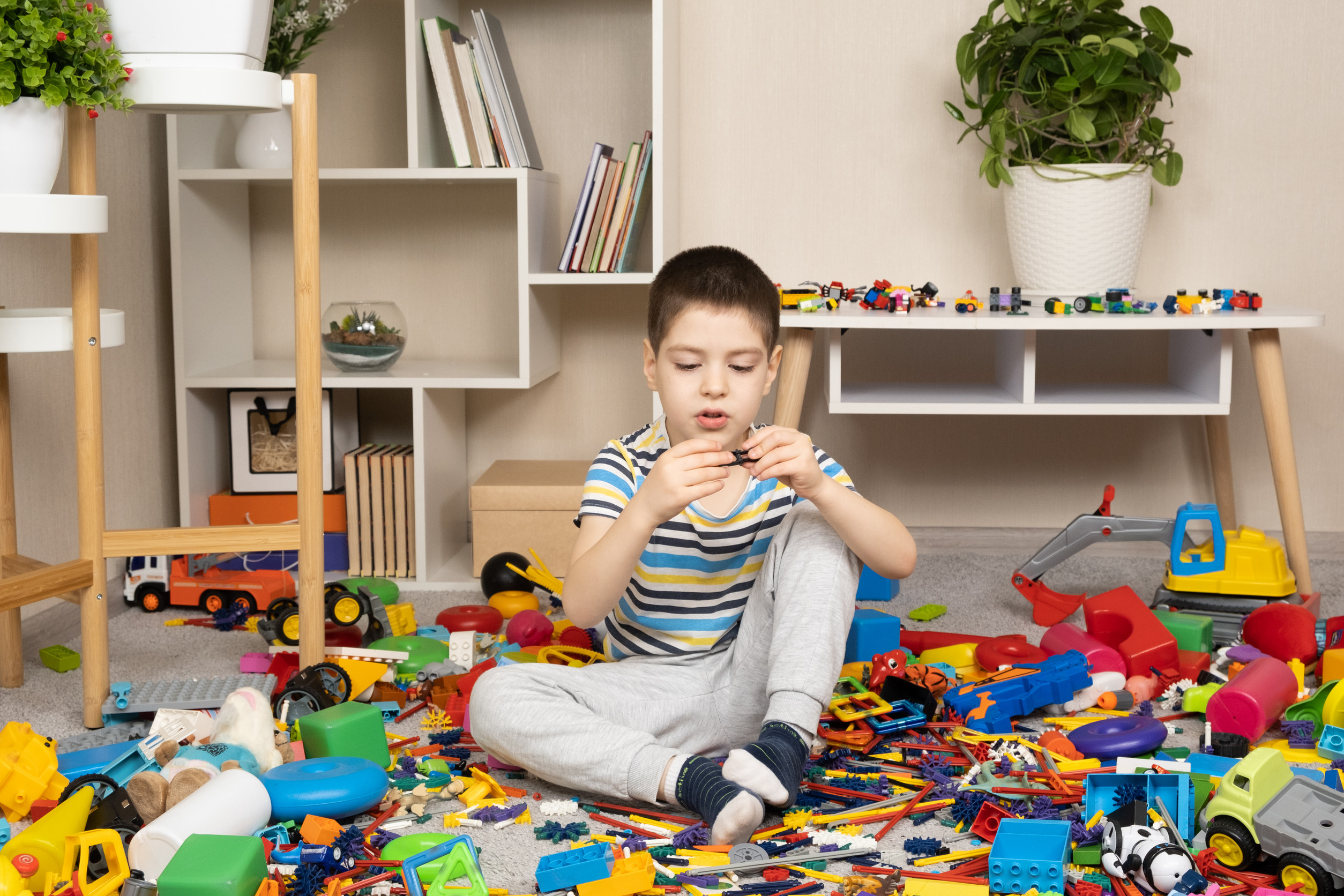
Teaching responsibility

You might be doing things with the best intentions: keeping the peace, saving time, or just wanting to make your child’s life easier. But those small habits can quietly chip away at your child’s opportunity to grow into a capable, dependable adult. Teaching responsibility doesn’t require perfection—it just takes awareness, consistency, and the courage to let your child struggle a little. If you’ve been wondering why your kid resists chores or avoids accountability, one of these silent sabotages might be to blame.

1. Doing Tasks for Them “Because It’s Faster”

It’s so tempting to tie the shoes, clean the room, or pack the backpack yourself—especially on busy mornings. But when you always step in, you send the message that they cannot do it on their own. Kids learn responsibility by doing things, not watching them get done. Sure, it takes longer at first, but the long-term payoff is independence and pride. Letting your child handle age-appropriate tasks is a powerful vote of confidence in their abilities.

2. Giving In When They Push Back

No kid jumps for joy when asked to take out the trash or feed the dog, but responsibility isn’t built on enthusiasm; it’s built on consistency. If you assign a task but give up at the first complaint, you’ve taught them that resistance works. It’s okay for kids to grumble; what matters is that the expectation remains steady. Stand your ground with calm firmness, not frustration. Over time, the pushback will fade, and the habit will stick.

3. Avoiding Chores Because “They’re Too Young”

Many parents delay household responsibilities until kids are older, assuming they’ll take it more seriously with age. But waiting too long robs kids of the early foundation they need to develop a responsible mindset. Even toddlers can start with simple jobs like putting toys in a bin or helping set the table. Small tasks grow into bigger responsibilities—and the sooner they start, the more natural it becomes. Don’t underestimate what your child can do when you teach with patience.

4. Not Following Through on Consequences

If your child forgets their homework or skips a chore, but nothing happens afterward, they learn that responsibility is optional. Consequences aren’t punishments—they’re opportunities to connect actions with outcomes. When you let things slide “just this once,” the lesson gets muddied. Stick to clear, reasonable consequences that match the action, and apply them every time. Consistency builds trust and helps your child understand that follow-through matters.

5. Cleaning Up Their Messes—Literally and Figuratively

Whether it’s a spilled cup or a forgotten permission slip, constantly rescuing your child keeps them from learning ownership. Mistakes are a natural part of growing up; responsibility includes fixing what goes wrong. Step back and let your child experience the impact of their choices—even if it’s uncomfortable. Offer guidance, not a bailout, so they can figure out how to recover on their own. That’s where real confidence and responsibility start to take root.

6. Failing to Set Clear Expectations

Kids can’t meet expectations they don’t understand. If you assume your child “should know better” without laying it out clearly, you’re setting them up to miss the mark. Be specific about what needs to happen, when, and how. Clear instructions and simple routines help kids stay on track without constant reminders. Over time, the consistency becomes internalized, and they start taking initiative on their own.

7. Praising Outcomes Instead of Effort

When responsibility is only acknowledged after a perfect result, kids may become afraid to try. Instead of focusing solely on clean rooms or high grades, praise the effort and follow-through behind the action. “I noticed you remembered to do that without being asked,” goes a long way in reinforcing responsible behavior. Encouraging the process shows your child that responsibility is about showing up, not just succeeding. This creates a lasting sense of ownership and pride in their actions.

Building Better Habits Starts With Awareness

Teaching responsibility isn’t about tough love or endless lectures—it’s about stepping back and letting kids step up. When you spot the ways you might be overhelping or under-expecting, you can start making small but powerful changes. Giving kids the room to mess up, try again, and eventually get it right builds the kind of confidence that sticks. It’s not always easy to hold the line, but the reward is a child who believes they’re capable—and shows it. And that’s worth every extra minute or meltdown along the way.
Which habit surprised you the most? Have you caught yourself accidentally holding your child back? Let’s talk about it in the comments!

Read More:

Why Your Child Needs to Learn the Hard Way – Financially

8 Parenting Trends That Sound Great (But Might Be Hurting Your Kids)

Catherine Reed
Catherine Reed

Catherine is a tech-savvy writer who has focused on the personal finance space for more than eight years. She has a Bachelor’s in Information Technology and enjoys showcasing how tech can simplify everyday personal finance tasks like budgeting, spending tracking, and planning for the future. Additionally, she’s explored the ins and outs of the world of side hustles and loves to share what she’s learned along the way. When she’s not working, you can find her relaxing at home in the Pacific Northwest with her two cats or enjoying a cup of coffee at her neighborhood cafe.
Filed Under: Parenting Tagged With: accountability for children, age-appropriate chores, child development, kids and chores, life skills for kids, parenting advice, parenting mistakes, parenting tips, raising responsible kids, teaching responsibility

9 Common Parenting Mistakes That Are Actually Holding Your Kids Back

May 10, 2025 | Leave a Comment

Common Parenting Mistakes That Are Holding Your Kids Back

Parenting doesn’t come with a handbook, and we’re all bound to slip up now and then. But some everyday missteps—often made out of love or convenience—can actually keep kids from developing independence, resilience, and confidence. Spotting these patterns early greatly affects how your child grows emotionally, socially, and even academically. Let’s take a closer look at common parenting mistakes that could be doing more harm than good—and how to fix them with simple, practical shifts.

1. Doing Everything for Your Child

It’s tempting to jump in when your child struggles, whether it’s tying shoes or finishing a school project. But when kids aren’t given the chance to try, fail, and try again, they miss out on critical life skills. Helping too much sends the message that they can’t handle things on their own. Instead, give them age-appropriate responsibilities and encourage problem-solving. Independence doesn’t develop overnight—it’s built through small moments of trust and patience.

2. Avoiding the Word “No”

Wanting to keep your child happy is natural, but always saying yes can backfire. Kids need healthy boundaries to feel secure and to learn self-discipline. When everything becomes negotiable, children struggle to accept disappointment or respect rules. Saying “no” doesn’t make you a bad parent—it helps your child build emotional strength. Teach them that limits are part of life, not a punishment.

3. Solving Every Conflict for Them

Jumping into fix playground fights or classroom drama might seem helpful, but it robs kids of the chance to learn conflict resolution. Children benefit from learning how to handle disagreements, speak up respectfully, and compromise. Step in only when truly necessary—most of the time, coaching from the sidelines is enough. Ask guiding questions like, “What could you say to fix this?” instead of dictating solutions. These are the skills they’ll need far beyond the sandbox.

4. Overpraising Basic Effort

Encouragement is great, but constant praise for every small task can lead to a fragile sense of self-worth. When praised excessively, kids may become praise-dependent or fear taking on harder challenges. Focus on specific, meaningful feedback instead—acknowledge effort, not just outcomes. Celebrate persistence, problem-solving, and improvement. Teaching kids to value hard work over gold stars builds intrinsic motivation.

5. Shielding Them from All Failure

No one likes to see their child disappointed, but shielding them from every setback keeps them from learning how to bounce back. Failure is a natural part of learning and growth. If kids never experience it, they won’t develop resilience or the ability to adapt. Let them stumble sometimes, and be there to support—not rescue—them. Help them reflect on what they can do differently next time,e rather than pretending the failure didn’t happen.

6. Comparing Them to Other Kids

It might seem harmless to point out how a sibling or classmate does things differently, but comparisons can hurt more than they help. Every child has their own pace, strengths, and challenges. Constantly measuring them against others can damage self-esteem and create anxiety. Instead, celebrate your child’s unique progress and personality. Growth is a personal journey, not a competition.

7. Dismissing Their Big Feelings

When a child cries over something that seems small, it’s easy to say, “That’s not a big deal.” But to them, it is a big deal. Dismissing their emotions teaches them to suppress feelings instead of working through them. Validate their experience, even if you don’t understand it completely. Teaching emotional awareness builds better communication and stronger coping skills.

8. Hovering Too Much (Hello, Helicopter Parenting)

Being involved in your child’s life is important, but hovering over every decision, assignment, or interaction stunts their independence. Over-parenting often stems from fear, but it can lead to anxiety, perfectionism, or indecision in kids. Allow them to try new things, even if they mess up. Trust them to make small choices and learn from mistakes. They can’t develop self-confidence without room to grow.

9. Ignoring the Importance of Routine

Flexible days are great, but too little structure can lead to chaos and stress. Routines help kids feel safe and teach time management, responsibility, and predictability. Children may feel uncertain or overwhelmed without clear routines, even if they don’t show it. Simple daily habits—like bedtime, homework time, and screen time limits—create consistency. Structure doesn’t have to be rigid to be effective.

Letting Go of “Perfect” Parenting—And Embracing What Works

Every parent has moments they’d take back in a heartbeat, but it’s never too late to course-correct. The truth is, parenting isn’t about perfection—it’s about progress. When you recognize patterns that might be holding your child back, you give yourself the chance to grow right alongside them. Small changes in your approach can lead to big leaps in their confidence and development. What is the most powerful parenting tool you have? Your willingness to learn and adjust.

Have you caught yourself making any of these parenting mistakes? Which one are you working on letting go of right now? Let’s chat in the comments!

Read More:

6 Silent Signs of Parental Burnout You Might Be Missing

Why Your Child Needs to Learn the Hard Way – Financially

Catherine Reed
Catherine Reed

Catherine is a tech-savvy writer who has focused on the personal finance space for more than eight years. She has a Bachelor’s in Information Technology and enjoys showcasing how tech can simplify everyday personal finance tasks like budgeting, spending tracking, and planning for the future. Additionally, she’s explored the ins and outs of the world of side hustles and loves to share what she’s learned along the way. When she’s not working, you can find her relaxing at home in the Pacific Northwest with her two cats or enjoying a cup of coffee at her neighborhood cafe.

Filed Under: Parenting Tagged With: child development, emotional resilience, healthy boundaries, kids and routines, modern parenting, parenting advice, parenting mistakes, parenting tips, positive discipline, raising confident kids

The High Price of Pretending Your Kid Can Do No Wrong

May 8, 2025 | Leave a Comment

happy looking child
Image Source: Unsplash

Every parent wants to believe the best about their child. That’s part of the job—seeing their potential, celebrating their strengths, and offering unconditional love. But when that fierce loyalty turns into denial—ignoring clear misbehavior, blaming others, or refusing to hold a child accountable—the consequences stretch far beyond a single scolding or time-out. They shape who your child becomes.

In an age of gentle parenting, helicopter supervision, and constant digital feedback, it can be tempting to smooth over your child’s mistakes or shield them from discomfort. But here’s the truth: pretending your kid can do no wrong doesn’t protect them. It hurts them. It quietly sets them up for failure, entitlement, strained relationships, and emotional immaturity.

So why do so many parents fall into this trap, and what’s the cost of doing so?

The Roots of Overprotection (and Why It Feels So Natural)

Let’s be clear: most parents who struggle to see their child’s faults aren’t bad or naive. In fact, their instincts are usually rooted in love, fear, or even past trauma. Maybe you were harshly judged growing up and swore you’d always defend your child. Maybe you fear judgment from other parents. Or maybe it simply feels too painful to imagine your sweet kid being unkind, dishonest, or careless.

But when love turns into excuse-making, like “He didn’t mean it,” “She was just tired,” and “That teacher has always picked on her,” you send a silent message: your child is never responsible for their actions.

That kind of thinking might feel protective in the short term, but it sends the wrong signal. Instead of feeling safe, kids feel untouchable. Instead of learning to self-reflect, they learn to deflect. And that’s where the real problems begin.

What Kids Actually Learn When You Excuse Everything

Children are smart. They pick up on your cues, your patterns, and the messages you send without even realizing it. When you constantly defend them, they start to believe they’re above consequences. They start to think:

  • “If I get in trouble, my parent will always take my side.”
  • “If someone doesn’t like what I did, they’re just being mean.”
  • “Rules don’t apply to me if I don’t agree with them.”

This kind of thinking doesn’t just lead to power struggles at home. It can lead to social fallout with peers, friction with teachers and authority figures, and, later, major issues in relationships or at work. No one wants to be the adult who can’t take feedback, always blames others, or collapses when faced with conflict.

When you help your child own their actions, even the uncomfortable ones, you’re building lifelong skills: accountability, empathy, and self-awareness. And those skills matter more than a spotless reputation.

Accountability Builds Emotional Strength

Parents often worry that acknowledging a child’s wrongdoing will “crush their spirit” or lower their self-esteem. But the opposite is true. Children who understand that they can mess up and repair without losing love or connection grow up more confident, not less.

They know they’re capable of change. They learn that relationships are strong enough to handle mistakes. And most importantly, they stop fearing failure. That’s real resilience.

Accountability also gives kids an internal compass. Instead of acting based on fear of punishment or desire for praise, they start making choices from a sense of inner values—fairness, kindness, and responsibility.

How This Pattern Shows Up Later in Life

If you’ve ever worked with an adult who refused to apologize, threw coworkers under the bus, or couldn’t admit when they were wrong, you’ve seen the long-term effects of unchecked childhood behavior.

These adults often have deep insecurities masked by arrogance or deflection. And many of them were once kids whose parents believed they could do no wrong. When you never have to own your actions, you never learn how to grow from them.

In romantic relationships, this dynamic can be even more damaging. Partners of people who avoid accountability often report feeling gaslit, blamed, or emotionally manipulated. Not because their partner is intentionally cruel but because they never learned how to take responsibility without crumbling.

Helping Kids Learn From Mistakes Without Shame

None of this means you need to discipline harshly or embarrass your child. In fact, shame-based parenting is just as harmful as denial. The goal isn’t to punish. It’s to teach.

Start by creating a home culture where mistakes are safe to admit. That means staying calm when your child confesses, asking curious, not accusatory, questions, and helping them think through how to make things right.

It also means modeling the same behavior. If you snap, overreact, or forget a promise, own it. Show your child what real accountability looks like. You’re not showing weakness. You’re showing emotional maturity.

You Can Love Them Fiercely and Hold Them Accountable

Protecting your child from every consequence doesn’t prepare them for the real world. But walking with them through those consequences while staying calm, present, and loving absolutely does.

You can believe in your child’s goodness while still helping them grow through the hard parts. You can defend their potential without defending their every move. And when you do, you’re giving them something far more powerful than protection: the tools to be strong, kind, and self-aware humans in a messy, complicated world.

Have you ever caught yourself making excuses for your child, only to realize it did more harm than good? How did you shift?

Read More:

7 Signs Your Child Is Emotionally Overstimulated, Not Misbehaving

Raising Emotionally Intelligent Kids: Why It Matters

Filed Under: Parenting Tagged With: accountability for kids, discipline strategies, entitled children, parenting advice, parenting consequences, parenting mistakes, raising responsible kids

6 Ways Spoiling Kids Happens Without Even Noticing

May 6, 2025 | Leave a Comment

Image from Unsplash

As parents, we all want to give our children the best. We want them to feel loved, supported, and secure. But somewhere along the line, many of us start confusing love with indulgence, often without even realizing it. Spoiling a child isn’t always about showering them with expensive gifts or giving into every tantrum. Sometimes, it’s in the subtle, everyday decisions we make, fueled by love and good intentions, that can slowly start to backfire.

The tricky part is that spoiling doesn’t always look like what we think it should. It’s not always the kid throwing a fit in the toy aisle or refusing to share with friends. Sometimes, it’s hidden in the way we communicate, how we solve problems for them, or even in the effort to protect them from discomfort. But left unchecked, these behaviors can shape a child’s expectations, resilience, and relationships in ways that become harder to undo as they get older.

Here are six sneaky ways parents end up spoiling their kids without meaning to and what you can do to create healthy boundaries that still feel loving.

Giving Too Much, Too Often

We all know the joy that comes with watching a child light up after receiving a new toy or treat. And with everything from birthday parties to seasonal holidays, the opportunities to gift them something “just because” are endless. But when surprises become the norm instead of the exception, kids begin to expect them, and gratitude quietly slips away.

The line between generosity and overindulgence gets blurry quickly. If your child starts assuming they’ll always get something new after a trip to the store or feels entitled to rewards without effort, it may be time to pause and reassess. Giving should be meaningful, not automatic.

Instead of scaling back cold turkey, involve your child in giving to others or saving for something they want. It helps shift the focus from constant receiving to appreciation and delayed gratification, both of which are essential life skills.

Solving Every Problem for Them

It’s tough to watch your child struggle. Whether it’s zipping up their coat, dealing with a disagreement, or trying to finish a puzzle, the urge to step in and help can feel irresistible. But when you constantly rescue them from difficulty, you’re robbing them of a vital opportunity: learning how to navigate challenges on their own.

Children need to build frustration tolerance, problem-solving skills, and emotional resilience. When every minor obstacle is removed from their path, they miss the chance to grow these muscles.

Let your child experience small setbacks, and then be there to support—not solve. Offer encouragement and ask questions that help them think critically. Over time, they’ll surprise you with how much they can do without being rescued.

Avoiding the Word “No”

“No” is a small word with big power, and many parents go to great lengths to avoid saying it. Whether it’s because you don’t want a meltdown, feel guilty after a long day at work, or just want to keep the peace, it’s easy to find yourself saying yes more than you should.

The trouble is kids who rarely hear “no” start to believe the world should bend to their will. And when they eventually encounter boundaries outside the home—at school, with peers, or in future workplaces—they may not know how to handle it.

Saying “no” with calm confidence teaches children that limits exist for a reason. It also helps them build respect for others, understand delayed gratification, and develop emotional regulation. You’re not being mean. You’re raising someone who can thrive in the real world.

Image from Unsplash

Always Siding With Them

In today’s parenting culture, being your child’s advocate is often celebrated, and it should be. But when advocating turns into defending every action your child takes, especially when they’re clearly in the wrong, that’s when the spoiling begins to show.

If your instinct is always to blame the teacher, the coach, or the other child without first gathering the full story, your child learns that they’re never accountable. And if they don’t have to take ownership of their actions, they won’t learn the consequences that naturally come with mistakes.

A better approach is to listen fully and then guide them through the process of reflecting on their behavior. Hold them accountable in a supportive way. It’s okay to comfort your child and still help them understand where they could’ve made a better choice.

Making Everything “Fair” All the Time

Fairness matters, but trying to make every moment perfectly equal, down to who got the bigger scoop of ice cream, can quickly spiral into entitlement. When kids are constantly comparing what they have versus what someone else has, it fuels competition, not gratitude.

Life isn’t always perfectly fair, and children need to learn how to cope with that reality. If one sibling gets a new backpack and the other doesn’t, it’s okay. Not everything needs to be balanced instantly.

When fairness becomes your parenting compass, you end up overcorrecting constantly and feeding the idea that fairness is owed. Teach your child to focus on their own experience and to celebrate others without needing to match it.

Protecting Them From Discomfort

From forgetting their lunchbox to not making the team, kids are going to face disappointment. And while every part of you might want to swoop in and fix it, sometimes the best parenting move is to let them sit with that feeling.

Discomfort is not the enemy. Avoidance is. If kids never learn how to deal with sadness, frustration, boredom, or even boredom, they’ll struggle emotionally when real challenges show up later in life.

Offer support, absolutely. But let them feel the hard stuff. Help them put words to it. Over time, they’ll realize those feelings won’t break them. They’ll build them.

Boundaries Are Important

Spoiling doesn’t always mean giving your child too much. Sometimes, it’s about giving them too little of what truly matters: boundaries, resilience, emotional tools, and the ability to hear “no” and still feel loved. No parent is perfect, and all of us slip into patterns we don’t realize until someone gently points them out.

Have you caught yourself accidentally spoiling your child in one of these ways? What’s been the hardest habit to break, and what helped you shift it?

Read More:

How Do You Teach Kids About Consent and Boundaries?

8 Things Kids Do to Hide Their Bad Behavior from You

Filed Under: Parenting Tagged With: boundaries for kids, child development, gentle parenting, modern parenting habits, parenting advice, parenting mistakes, spoiled children

10 Mistakes Parents Make When Kids Are Anxious

May 5, 2025 | Leave a Comment

Image by mohamad azaam

When your child is anxious, your instinct as a parent is to make it go away as quickly as possible. You want to comfort them, fix it, and restore peace. But in trying to protect them from discomfort, many parents accidentally do the opposite. Instead of easing anxiety, they may unknowingly reinforce it.

Anxiety in kids isn’t always loud or obvious. It can look like avoidance, stomachaches, clinginess, or even anger. And if you’re not sure how to respond, it’s easy to fall into well-meaning patterns that don’t help long-term.

Here are 10 common mistakes parents make when their kids are anxious and what to do instead.

Mistake 1: Trying to Eliminate All Anxiety

It’s natural to want your child to feel calm and confident. But if your main goal is to make all anxiety disappear, you might be setting both of you up for failure. Anxiety is part of being human. Trying to erase it completely teaches kids it’s something to fear or avoid when, in reality, they need to learn how to live with it.

What helps more is teaching your child that anxiety is uncomfortable but not dangerous. It passes. It doesn’t have to control their choices.

Mistake 2: Avoiding All Triggers

It might feel like good parenting to let your child skip the birthday party, speech, or sleepover that makes them anxious. However, repeated avoidance teaches their brain that anxiety is solved by escape. Over time, their comfort zone shrinks, and their fear grows.

The better path is slow exposure. Encourage them to face small pieces of what scares them while you offer reassurance and celebrate progress.

Mistake 3: Reassuring Them Over and Over

You may find yourself saying, “You’ll be fine,” or “There’s nothing to worry about” more times than you can count. But constant reassurance often becomes a crutch. Instead of learning to tolerate uncertainty, your child becomes dependent on being told things are okay.

Eventually, you’ll need to shift from reassurance to coaching, helping them develop internal tools to manage their worries instead of always looking to you.

Mistake 4: Taking Over the Situation

When kids panic, it’s tempting to step in and fix everything—talk to the teacher, cancel the event, or handle the problem yourself. But doing this too often sends the message: “You can’t handle this on your own.”

Support them, yes. But don’t rush in too quickly. Let them take the lead when possible. Confidence builds not through success alone but through trying, failing, and trying again.

Mistake 5: Punishing the Behavior

Sometimes, anxiety comes out as defiance, tears, or tantrums. And when it disrupts routines, it’s easy to feel frustrated or think your child is just being difficult. However, punishing anxiety-based behavior without understanding its root can backfire.

Instead of discipline, your child likely needs empathy, structure, and tools to regulate their emotions.

Image by Ricky Turner

Mistake 6: Labeling Them as “Shy” or “Dramatic”

Words stick. If a child constantly hears they’re “just shy” or “so sensitive,” they may begin to believe that’s all they are. Labels can unintentionally reinforce anxiety as part of their identity.

Try to describe behaviors, not define the person. “You’re feeling nervous about speaking in front of the class” is more helpful than “You’ve always been shy.”

Mistake 7: Not Managing Your Own Anxiety

Kids are deeply intuitive. If you’re visibly anxious about their anxiety, they’ll pick up on it. They might even feel responsible for your emotions, which adds pressure.

The best way to support an anxious child is to stay calm yourself. When they see you navigating stress with steadiness, it becomes a model they can follow.

Mistake 8: Expecting Them to “Just Get Over It”

Growth takes time. While it’s good to challenge your child, expecting instant change or pushing too hard can create more fear and shame. Kids need patience. They need space to move through anxiety at their own pace with encouragement, not pressure.

Consistent, gentle nudges forward tend to work better than frustrated commands to “just do it already.”

Mistake 9: Not Talking About What’s Going On

Some parents avoid discussing anxiety out of fear that it might make things worse. But silence can make kids feel more alone. It can also send the message that their fears are too big or too weird to be talked about.

Open, honest conversations at an age-appropriate level help normalize their experience. You’re not feeding the anxiety by talking about it. You’re showing them it’s okay to feel things and ask for help.

Mistake 10: Waiting Too Long to Get Support

Sometimes, parents wait until anxiety causes major disruption—missed school, physical symptoms, or isolation—before they seek help. But earlier intervention can prevent bigger struggles down the road.

There’s no shame in getting a therapist, counselor, or support group involved. Just like you’d get help for a broken arm, getting help for anxiety is a responsible, loving step—not a failure.

Raising an anxious child can be challenging, emotional, and sometimes overwhelming. But with the right tools and a little unlearning of common mistakes, you can create a space where your child feels safe, supported, and empowered to face their fears.

What’s one thing you’ve learned about supporting your child through anxiety that you wish more people knew?

Read More:

6 Signs Your Child Is Struggling with Social Anxiety

Why Tantrums Are Actually a Good Sign (And How to Respond) 

Filed Under: Parenting Tagged With: anxiety help, anxious kids, child anxiety, childhood development, emotional support, Mental Health, mindful parenting, parenting advice, parenting mistakes, parenting tips

8 Phrases That Accidentally Break Kids’ Hearts

May 5, 2025 | Leave a Comment

Image by ManuelTheLensman

Most parents speak with love in their hearts. But even the most well-meaning words can land in a child’s mind with more weight than we expect. Children are still learning how to interpret tone, language, and emotion. And often, the things adults say casually, out of stress, habit, or frustration, can hit harder than we realize.

The truth is, some of the most common phrases used with kids don’t nurture them. They quietly chip away at their self-worth, confuse their emotions, or make them feel unseen. While none of us get it right 100% of the time, becoming more aware of our words is one of the most powerful ways to deepen connection and trust.

Here are eight phrases that often do more harm than good and what to say instead.

“You’re fine.”

This phrase tends to come out when a child is upset, and we want to soothe them quickly. But when kids hear “You’re fine” while they’re visibly crying or anxious, it sends a mixed message. It tells them that their feelings are either wrong or too inconvenient to acknowledge.

Instead, try: “You’re safe. I’m here. Want to tell me what’s going on?” You’re still offering reassurance, but without dismissing how they feel.

“Because I said so.”

In the moment, this may seem like a way to end the conversation. But it doesn’t teach kids anything about the reasoning behind rules or decisions. It can make children feel powerless, especially when they’re seeking clarity or connection.

A better option is to calmly explain your thinking in a few words. Even a short, honest reason gives them something to learn from. “We’re leaving now because it’s getting late, and your body needs rest” can go a long way in helping kids feel respected.

“Why can’t you be more like your brother/sister?”

Comparisons don’t motivate. They wound. Even if your intention is to inspire better behavior, this kind of comment usually stirs up shame, resentment, or competition between siblings. It can make a child feel they’ll never be enough on their own terms.

What helps more is focusing on your child’s individual growth. “I know this isn’t easy for you, but I see you trying” is more encouraging and builds self-worth, not rivalry.

“You’re being so dramatic.”

This one often comes out when a child is melting down over something that seems minor to us. But for kids, big emotions feel big. Dismissing their reaction doesn’t help them regulate. It just teaches them their feelings are too much or embarrassing.

Instead, try validating the feeling even if you don’t agree with the reaction. “That really upset you, huh?” opens the door to conversation instead of shutting it down.

Image by Tamara Govedarovic

“If you don’t stop, I’m leaving without you.”

Threats tied to abandonment, even empty ones, can be especially scary to young kids. While you may mean it as a tactic to hurry them along, what they hear is: I could be left behind.

A gentler approach might be: “We need to go now. How can I help you get ready faster?” It keeps your tone firm but supportive, showing you’re still on their team.

“You’re too sensitive.”

Children are born with different temperaments. Some feel everything deeply, and labeling them as “too” anything tells them who they are isn’t acceptable. Over time, they may learn to hide their emotions rather than manage them.

If your child is overwhelmed, offer empathy: “You feel things strongly, and that’s okay. I’m here to help you handle it.” Sensitivity can be a strength when it’s nurtured, not shamed.

“Big boys/girls don’t cry.”

This outdated phrase has harmed generations of kids by suggesting that expressing emotion is weak or immature. Crying is a natural response to pain, frustration, or sadness, and it’s not something to outgrow.

Better yet, say: “It’s okay to cry. Everyone cries sometimes. Let’s breathe together.” This allows your child to feel safe and supported, even in their most vulnerable moments.

“I’m disappointed in you.”

Few words carry more weight than this one. When kids hear it, they often internalize it as “I am a disappointment” rather than “I made a mistake.” It becomes about their identity instead of their behavior.

You can still hold boundaries without shame. Try: “That choice wasn’t okay, and we need to talk about it. But I still love you, no matter what.” Discipline doesn’t have to come at the cost of your child’s self-esteem.

Words shape how children see themselves and the world. While no parent can filter every phrase perfectly, being mindful of how our words land can make a profound difference. A simple change in how we speak can open the door to trust, emotional safety, and lifelong confidence.

What’s a phrase you heard as a child that stuck with you, for better or worse?

Read More:

Real Talk: Blunt Parenting Advice You Won’t Hear Elsewhere

10 Parenting Practices That Are More Harmful Than You Think

Filed Under: Money and Finances, Parenting Tagged With: child development, childhood trauma, communication with kids, emotional intelligence, emotional validation, gentle parenting, hurtful phrases, parenting mistakes, parenting tips, Positive Parenting

8 Reasons Why Parenting Today Is Way Too Soft: Here’s Why It Might Be Hurting Your Kids

April 28, 2025 | Leave a Comment

dad comforting crying baby
Image Source: Unsplash

The pendulum of parenting has swung from stern rules to soothing affirmations, leaving many caregivers wondering whether we’ve gone too far toward softness. Social media brims with advice to validate every feeling, avoid every “no,” and rescue kids from the slightest struggle.

While empathy is essential, unlimited leniency can unintentionally sabotage the very resilience we hope to nurture. Children need both warmth and structure to thrive; remove one, and the other loses power. Before dismissing firmness as outdated, consider how chronically soft parenting might create long-term challenges.

Kids Don’t Learn Boundaries When Every Rule Is Negotiable

Consistently caving after a toddler tantrum or a tween’s eye roll teaches kids that persistence—not cooperation—wins the day. Without clear, predictable limits, children struggle to respect others’ boundaries at school, on teams, and in friendships. They may test teachers, ignore peers’ personal space, or resist authority figures who don’t bend as easily as Mom or Dad. Healthy boundary-setting starts early: concise expectations, calm enforcement, and logical consequences. When kids understand “stop” truly means stop, they develop self-control that carries into adulthood.

Self-Regulation Weakens When Adults Regulate Everything

Soft parents often intercept discomfort before it appears—topping off juice to prevent disappointment, solving homework hiccups before frustration sets in. Yet small frustrations are practice rounds for managing bigger emotions later. Research indicates that children allowed to experience mild stress and then self-soothe display stronger executive function and emotional resilience. Rather than rushing to fix, offer empathy (“I see that’s tough”) and space for problem-solving. The short-term tears are worth the long-term coping skills.

Constant Praise Can Dilute Real Confidence

Celebrating every scribble or half-hearted chore with outsized applause can lead children to expect praise for minimal effort. Studies on mindset show that inflated compliments encourage performance anxiety and avoidance of challenging tasks. Swap generic “Good job!” for process-oriented feedback: “You kept trying different puzzle pieces until it fit.” Authentic praise tied to genuine effort fosters internal motivation, not approval-seeking.

Overprotection Fuels Anxiety and Risk Aversion

When kids rarely climb a tree, walk to a friend’s house, or navigate conflict solo, the world feels scarier than it is. Recent studies show links between overly protective parenting and heightened child anxiety. Allow low-stakes risks—balancing on playground beams, ordering food, forgetting homework once—and coach safety strategies rather than imposing bans. Gradual exposure builds judgment and courage that can’t grow in cotton wool.

mom and baby in bed
Image Source: Unsplash

Delayed Gratification Becomes a Foreign Concept

Instantly handing over snacks, screens, or new toys trains brains to expect immediate rewards. Yet the famous Marshmallow Test and its follow-up studies show that kids who practice waiting demonstrate stronger academic and social outcomes later. Create opportunities for patience: a family savings jar for a shared outing, timer-based screen limits, baking cookies from scratch instead of buying them. Small waits teach big lessons about goal-setting and perseverance.

Teachers and Coaches Can’t Compete With Helicopter Parents

Some students raised under ultra-soft regimes resist feedback or crumble at constructive critique. Coaches see similar trends in sports—kids quit when benched or corrected because they’ve rarely faced disappointment at home. Parenting’s purpose is to prepare children for a world that won’t cushion every blow. Model how to receive feedback gracefully: discuss mistakes openly, strategize improvements, and celebrate growth over perfection.

Sibling and Peer Conflicts Escalate Without Conflict Skills

When adults intervene at the first hint of sibling squabbles, children miss chances to negotiate and compromise. Gentle guidance—“Can you two agree on a plan?”—beats immediate arbitration. Children who solve disputes independently build empathy and perspective-taking. Resist refereeing every clash; instead, teach conflict vocabulary and step back unless safety is at risk.

Parental Burnout Rises as Structures Fall

Endless negotiating, placating, and midnight snack fetching exhausts caregivers. It’s easy to suffer from parental burnout if you never say “no.” Clear rules simplify life for everyone—kids know what to expect, and parents reclaim energy for connection, creativity, and self-care. Boundaries aren’t just for children; they protect parental well-being too.

Building Balanced Parenting—Your Next Step

Softness without structure can stunt resilience, yet harshness without empathy harms trust. The sweet spot is authoritative parenting: warm relationship combined with firm, consistent limits. Try implementing one concrete boundary this week—perhaps a device curfew or chore chart—and pair it with supportive dialogue. Notice how predictability reduces power struggles and boosts confidence on both sides of the dinner table.

Which boundary will you set—or reinforce—first, and how do you expect it to help your family thrive? Share your plan or success story in the comments so we can learn together!

Read More

  • Surviving the “No” Phase Without Losing Your Mind
  • These Are the 6 Best Types of Neighborhoods to Raise Your Kids In

Samantha Warren
Samantha

Samantha Warren is a holistic marketing strategist with 8+ years of experience partnering with startups, Fortune 500 companies, and everything in between. With an entrepreneurial mindset, she excels at shaping brand narratives through data-driven, creative content. When she’s not working, Samantha loves to travel and draws inspiration from her trips to Thailand, Spain, Costa Rica, and beyond.

Filed Under: Parenting Tagged With: authoritative parenting, child discipline, emotional resilience, gentle parenting, overprotection, parenting mistakes, parenting trends, soft parenting

Ditch the Guilt: A Realistic Approach to Parenting

April 25, 2025 | Leave a Comment

Mother and daughter talking on a couch at home
Image Source: Unsplash

You missed picture day, snapped at bedtime, grabbed fast food—and then watched the blooper reel on repeat all evening. Sounds familiar? Parenting guilt is so common that it feels like part of the job description. Yet replaying every misstep rarely makes us better caregivers; it just drains the very energy our children crave.

The antidote isn’t pretending mistakes don’t matter—it’s pivoting from self-criticism to self-compassion so we can show up calm, clear-headed, and fully present. The five reframes below turn guilt into guidance and prove that the healthiest families run on empathy for everyone—including the grown-ups.

1. Guilt Signals You Care—but It Drains Your Energy

You feel guilty because you love your child. The problem begins when that pang lingers:

  • Acknowledge, then act. Admit the misstep—“I yelled, and that felt scary”—then focus on repair: a hug, an apology, or a plan to prevent a repeat.
  • Shift the spotlight. Instead of replaying what went wrong, ask, “What small choice can rebuild connection right now?”

Guilt is a helpful alarm bell; just don’t let it blare all night.

2. Reframe “Me Time” as Role-Modeling

A solo walk or coffee break isn’t indulgent; it’s a live lesson in self-respect.

  • Narrate the why. “I’m going for a quick jog to boost my mood and energy.” Kids learn that caring for oneself is normal, not selfish.
  • Set clear boundaries. Use a visual timer or special “quiet toys” so children see when you’ll be fully available again—trust grows when promises match reality.

Self-care isn’t escape; it’s maintenance that keeps the family engine running smoothly.

3. “Selfish” Choices Can Be Long-Term Gifts

Some decisions spark instant guilt—choosing a job with longer hours, skipping a second language, or saying no to yet another extracurricular. Evaluate them through a bigger lens:

  • Motives matter. Are you choosing greater financial stability, mental health, or family balance? Those benefits ripple outward.
  • Share the vision. Explain: “This new role means less after-school time together now but more flexibility next summer.” Kids learn to weigh short-term sacrifice against long-term gain.

Thoughtful trade-offs often cultivate resilience and opportunity—hardly selfish outcomes.

4. Treat Mistakes as Lessons, Not Proof of Failure

Blunders will happen: forgotten permission slips, late pickups, over-the-top reactions.

  1. Own it quickly. “I was late, and that must’ve felt worrying.”
  2. Name the tweak. “Next time I’ll set a phone alarm.”
  3. Move forward. Lingering shame teaches kids that errors are fatal; swift repairs teach adaptability.

Every misstep becomes a blueprint for growth instead of evidence you’re a “bad” parent.

Hand reaching toward the sunrise over calm water
Image Source: Unsplash

5. Practice Self-Forgiveness Daily

You encourage your child to try again after errors—grant yourself the same grace. You coach your child to shake off mistakes and try again—extend the same courtesy to yourself.

  • Use compassionate self-talk. Swap “I’m such a mess” for “I’m learning a lot today.”
  • Create a reset ritual. A deep breath, a glass of water, or stepping outside can signal the mental shift from guilt to grace.
  • Model aloud. “I’m disappointed I forgot, but I forgive myself and set a reminder so it won’t happen again.”

Forgiving yourself frees bandwidth for creativity, humor, and genuine connection—the things kids remember most.

Guilt-Light Parenting Deepens Connection

Letting go of guilt isn’t shirking responsibility; it’s choosing to lead from calm clarity instead of constant self-doubt. When you reframe, learn, and forgive, you show up as the imperfect yet present parent your child truly needs.

How do you release guilt in your parenting journey? Share a recent win—or an ongoing struggle—in the comments.

Read More

  • 7 Things Kids Don’t Actually Need That Parents Still Feel Guilty About
  • How to Let Go of Parental Guilt and Accept Imperfection
Samantha Warren
Samantha

Samantha Warren is a holistic marketing strategist with 8+ years of experience partnering with startups, Fortune 500 companies, and everything in between. With an entrepreneurial mindset, she excels at shaping brand narratives through data-driven, creative content. When she’s not working, Samantha loves to travel and draws inspiration from her trips to Thailand, Spain, Costa Rica, and beyond.

Filed Under: Parenting Tagged With: emotional health | Parenting, Forgiveness, Mental Well-Being, mindful parenting, parental self-care, parenting guilt, parenting mistakes, realistic parenting

These Are the 9 Most Common Mistakes Parents Make When Their Kids Start School

April 22, 2025 | Leave a Comment

A classroom scene representing common parental missteps as kids begin school.
Image Source: Unsplash

That first day of school—backpacks zipped, lunches packed, hearts racing—is a moment filled with pride, anxiety, and sometimes a little chaos. Whether your child is stepping into a classroom for the first time or returning after summer break, how you handle the transition can shape their entire year. Below are nine back‑to‑school parenting missteps, why they happen, and what to do instead.

1. Overscheduling Children

Extracurriculars are valuable, but stacking every club, sport, and lesson can overwhelm kids and erode family time. A simple rule of thumb from many child development specialists is to cap structured activities at one or two per season and leave room for free play.

Try building a monthly wall calendar together so kids can see how full a week looks before they commit. If a new interest pops up mid‑semester, agree on a “one‑in, one‑out” policy: add karate only after soccer ends, or swap ballet for art club instead of juggling both.

2. Projecting Your Own Anxiety

Worries about grades, friends, or bullying can seep into your tone and body language. Kids are emotional mirrors; if you radiate tension, they’ll feel it too. Practicing a few calming breaths or quick visualizations before discussing school helps you model steadiness.

Use neutral prompts such as “How did recess feel today?” instead of leading with fear‑tinged questions like “Did anyone pick on you?” Modeling calm curiosity tells children you trust their resilience, which, in turn, strengthens it.

3. Failing to Prepare School Supplies

Missing notebooks and dull pencils create stress before the bell even rings. Aim to gather the school’s supply list at least two weeks early.

Stash an extra “backup kit” (spare glue sticks, erasers, tissues) in a zip‑bag that lives in their locker or cubby; it saves frantic last‑minute dashes when something runs out mid‑unit.

4. Minimizing Their Emotions

Brushing off worries with “You’ll be fine” tells kids their feelings don’t count. Instead, validate first—“It’s normal to feel nervous about a new teacher”—then brainstorm coping ideas together.

Teaching children to name emotions (“I feel fluttery in my stomach and worried”) boosts emotional intelligence and reduces meltdowns.

5. Putting Too Much Pressure on Academics

High expectations can motivate, but a relentless emphasis on grades may spark anxiety or avoidance. Praise effort and problem‑solving, not just perfect scores, to foster a growth mindset.

Ask “What strategy helped you solve that math puzzle?” rather than “What score did you get?” Celebrate incremental growth—moving from a C to a B‑, remembering to underline topic sentences—so kids learn that effort fuels progress.

Child in bed with a glowing tablet, suggesting ignored sleep schedules.
Image Source: Unsplash

6. Ignoring Sleep Schedules

A healthy bedtime routine has more academic impact than an extra worksheet. The American Academy of Pediatrics notes that grade‑schoolers need 9–12 hours nightly for optimal focus and mood.

Begin the “school‑year bedtime rollback” a week before classes start—move lights‑out 15 minutes earlier each night and pair it with a calming ritual (storytime, gentle stretches, or a warm bath) to cue the brain for sleep. Keep screens out of bedrooms; blue light delays melatonin release and makes early mornings tougher.

7. Skipping Breakfast

Kids who start the day hungry struggle with attention and emotional control. Keep quick options on hand—yogurt parfaits, peanut butter toast, or boiled eggs—for mornings when everyone oversleeps.

If appetite is low at dawn, pack a “first bell snack” such as a banana or whole‑grain muffin so fuel lands in the first hour of class. Pair carbs with protein to stabilize blood sugar and sustain focus until lunch.

8. Not Communicating With Teachers

Parents sometimes avoid contact, fearing they’ll seem overbearing. In reality, teachers value concise updates about home routines or concerns. A short, friendly email at mid‑term can open helpful dialogue.

Check in at mid‑term with a friendly, specific question—“How is Maya managing group work?”—and thank the teacher for something you’ve noticed. Mutual respect sets the stage for swift collaboration if issues arise.

9. Comparing Your Child to Others

Benchmarks can guide learning, but constant comparison chips away at confidence. Focus on your child’s individual progress: maybe they’ve become more organized, kinder to peers, or braver about raising a hand.

Share these observations aloud so kids see that progress isn’t only about test scores—it’s also about empathy, persistence, and creativity. Reinforcing personal wins cultivates intrinsic motivation and a lifelong love of learning.

Set the Tone for a Great Year—One Decision at a Time

Back‑to‑school parenting is less about perfection and more about thoughtful choices. By steering clear of these common mistakes—overscheduling, skipped breakfasts, late bedtimes—you help your child walk into class rested, prepared, and supported. That calm confidence is the best school supply of all.

Have you made any of these mistakes, or do you have others you’d like to add? Tell us in the comments below!

Read More

  • Sensory Integration Strategies for Children with Autism
  • 5 Smart Ways to Save on Back to School Supplies

Samantha Warren
Samantha

Samantha Warren is a holistic marketing strategist with 8+ years of experience partnering with startups, Fortune 500 companies, and everything in between. With an entrepreneurial mindset, she excels at shaping brand narratives through data-driven, creative content. When she’s not working, Samantha loves to travel and draws inspiration from her trips to Thailand, Spain, Costa Rica, and beyond.

Filed Under: Parenting Tagged With: back-to-school parenting, emotional support for kids, overscheduling children | Parenting, parenting mistakes, school preparation, School Readiness, start of school tips

« Previous Page
Next Page »
  • Facebook
  • Pinterest
  • RSS
  • Twitter

Basic Principles Of Good Parenting

Here some basic principles for good parenting:

  1. What You Do Matters: Your kids are watching you. So, be purposeful about what you want to accomplish.
  2. You Can’t be Too Loving: Don’t replace love with material possessions, lowered expectations or leniency.
  3. Be Involved Your Kids Life: Arrange your priorities to focus on what your kid’s needs. Be there mentally and physically.
  4. Adapt Your Parenting: Children grow quickly, so keep pace with your child’s development.
  5. Establish and Set Rules: The rules you set for children will establish the rules they set for themselves later.  Avoid harsh discipline and be consistent.
  6. Explain Your Decisions: What is obvious to you may not be evident to your child. They don’t have the experience you do.
  7. Be Respectful To Your Child: How you treat your child is how they will treat others.  Be polite, respectful and make an effort to pay attention.
Best Parenting Blogs

Most Popular

Baby

9 Unusual Baby Names That Sound Like They Belong to Future CEOs

Evan Morgan
Baby

10 Baby Names That Were Once Considered “Grandparent Names” but Feel Cool Again

Evan Morgan
Target Store

Choking Incident Prompts Recall of 49,000 Target Gigglescape “Under the Sea” Popping Toys

Evan Morgan
Frustrated Girl

Why Some Students on the Spectrum Are Labeled With ODD

Evan Morgan
Coke Bottles

12 Things Kids Took to School in the ’70s That Would Never Be Allowed Today

Evan Morgan

All content on Kids Ain’t Cheap is for entertainment purposes only. By reading this blog, you agree that Kids Ain’t Cheap is not responsible for any actions taken after reading this blog. For the full disclaimer, see our privacy policy.

Please note that Kids Ain’t Cheap has financial relationships with some of the merchants mentioned here. Kids Ain’t Cheap is funded by banner advertising, commission sales and search optimization consulting.

Copyright © 2006–2026 | District Media | All Rights Reserved | Privacy Policy

Copyright © 2026 Runway Pro Theme by Viva la Violette