• Home
  • About Us
  • Toolkit
  • Archives
  • Advertise
  • Privacy Policy

Kids Ain't Cheap

But They Sure Are Worth It

  • Parenting
    • Baby Stuff
    • Books and Reading
      • Aesops Fables
      • Comic Books
    • Education
    • Family Time
    • Green Living
    • Growing Up
    • Healthy Living & Eating
    • Holidays
    • Parenting
    • Random Musings
    • Shopping
    • Stuff to Do
  • Money
  • Product Reviews
    • Books and Magazines
    • Discount Sites
    • Furniture
    • House Keeping
    • Reviews News
    • Toys and Games
  • Contact Us
  • Our Editorial Commitment
  • Search

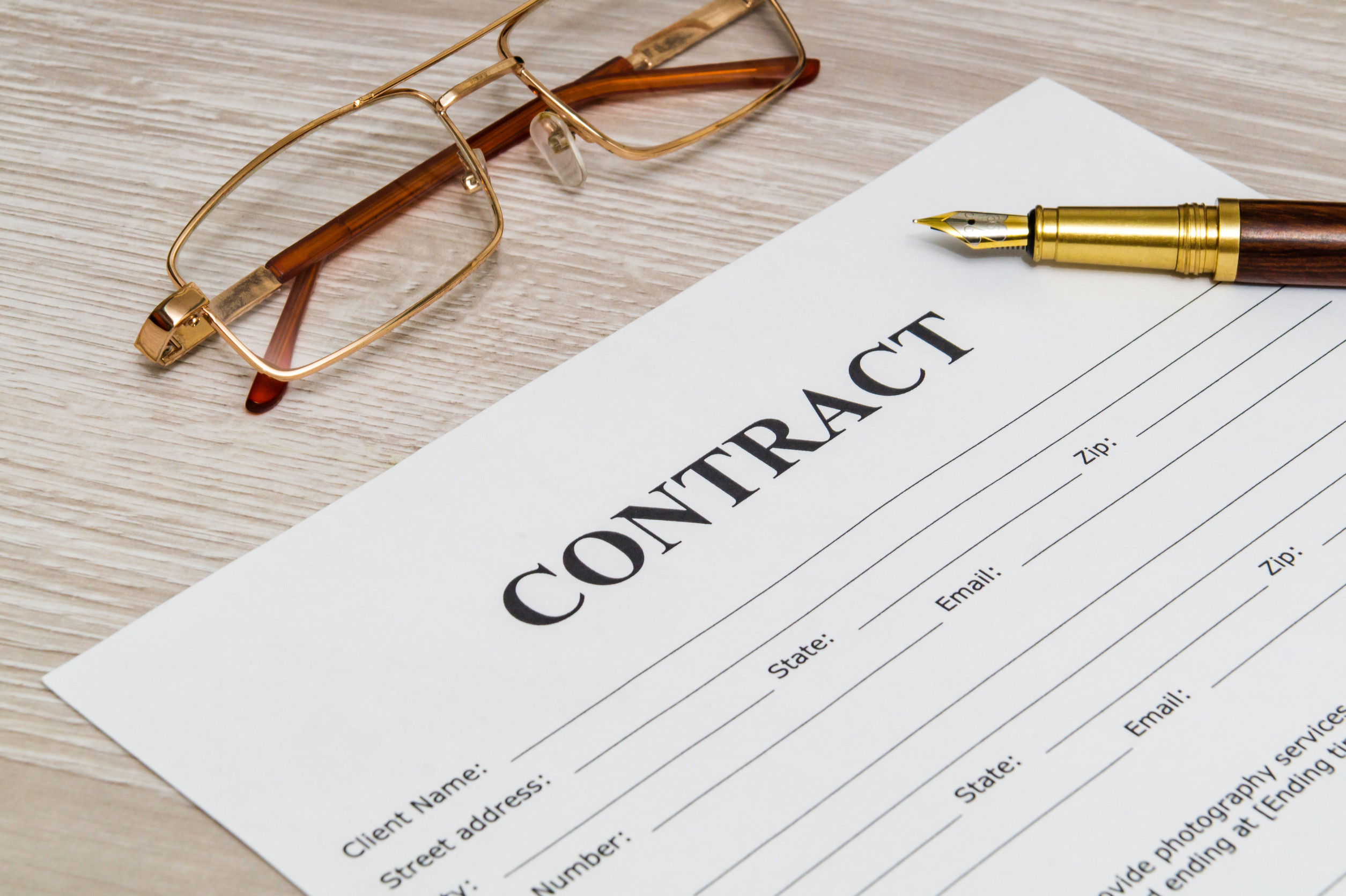
You’re Overpaying: 8 Hidden Fees In Daycare Contracts That Surprise You

July 24, 2025 | Leave a Comment

Youre Overpaying 8 Hidden Fees In Daycare Contracts That Surprise You
Image source: 123rf.com

Daycare costs are already high, but what if the price you’re paying isn’t the whole story? Many parents don’t realize just how many hidden fees in daycare contracts sneak into the fine print. These extra charges can quietly inflate your monthly bill by hundreds of dollars a year, all while you think you’re paying a flat rate. From supply fees to late pickup penalties, it’s time to pull back the curtain. Knowing what to look for in your daycare agreement can help you avoid nasty surprises and budget more accurately for your child’s care.

1. The Surprise “Annual Registration” Fee

Even if your child is already enrolled, some centers charge an annual registration or re-enrollment fee. This can range from $50 to $200 and often catches returning parents off guard. While the initial registration fee might be expected, repeat charges every year can feel like an unnecessary money grab. These fees are typically non-refundable and required to “hold” your child’s spot. Always ask if this charge applies annually or is a one-time cost when signing your contract.

2. Late Pickup Penalties That Add Up Fast

One of the most common hidden fees in daycare contracts is the late pickup fee. Some daycares charge $1 for every minute you’re late, while others use escalating rates after closing hours. Even parents with the best intentions can get stuck in traffic or meetings and face a hefty charge. These fees (which some school systems are also implementing) can quickly snowball if you run behind more than a couple of times a month. Check the daycare’s policy carefully and consider how flexible they are when life happens.

3. Supply and Activity Fees That Aren’t Optional

It’s not unusual to be charged a quarterly or semi-annual “supply fee,” but many parents don’t know what this includes. These fees might cover things like classroom materials, art supplies, tissues, and sunscreen. Some daycares even charge for field trips or seasonal activities separately on top of these general supply fees. The kicker? These charges are often mandatory, even if your child doesn’t participate. Ask for a breakdown of exactly what the supply fee covers before signing anything.

4. Vacation Weeks You Still Have to Pay For

Don’t assume you’re off the hook financially when you take your child out for a family trip. Many contracts state that your weekly rate must be paid regardless of your child’s attendance. Whether your child is out sick, on vacation, or just taking a break, you’re still responsible for the full cost. Some centers offer a limited number of “vacation credits,” but you usually have to ask about them. Read the fine print to see how absences affect your bill.

5. Food Charges Beyond Tuition

You might assume meals are included in the tuition, but that’s not always the case. Some daycares charge separate fees for snacks, breakfast, or lunch, even if they promote “full day” care. If your child has allergies or a specific diet, you might be required to bring your own food and still pay the food fee. These charges can range from a few dollars a week to a much higher monthly bill. Always clarify what food is provided and whether it’s included in your rate.

6. Early Drop-Off Fees That Aren’t Always Obvious

If you occasionally need to drop your child off early, some centers will charge you a separate early care fee. This can be a flat fee or an hourly rate added to your regular tuition. Even if the center opens at 7:00 a.m., you might only be allowed to drop off at 7:30 a.m. without extra cost. Many parents miss this clause in the contract, only to be billed later. If flexibility is important to you, look for centers that offer grace periods or wider drop-off windows.

7. Potty Training Charges for Toddlers

Yes, some daycares charge extra if your toddler isn’t potty trained by a certain age. This added fee supposedly covers extra diaper changes and staff time, but it can feel like punishment for developmental delays. Not all kids potty train on the same schedule, and these charges can catch parents off guard. Make sure you understand the center’s potty-training expectations and whether they tie specific milestones to your tuition. A supportive daycare won’t pressure your child—or your wallet.

8. Fees for “Extras” Like Photos and Parent Apps

You might not think twice about signing up for a class photo or downloading a parent communication app—until you see a charge for it. Some centers bill families for digital services, yearbooks, holiday events, or even nap mats. These fees may be small individually but can add up across the school year. What seems like a courtesy could be another charge hidden in your account ledger. Ask upfront what’s included in tuition versus what’s billed separately throughout the year.

Staying One Step Ahead of the Contract Curve

The hidden fees in daycare contracts are often buried in small print, making it easy to miss them until they hit your bank account. But with a little due diligence, you can avoid unpleasant surprises and make a fully informed decision. Don’t be afraid to ask detailed questions or request a sample invoice before committing. It’s your right as a parent to understand exactly what you’re paying for. The clearer the contract, the more confident you’ll feel about your childcare investment.

Have you ever been surprised by a daycare fee you didn’t expect? Share your experience in the comments so other parents can stay informed.

Read More:

What the Rise of Micro-Daycares Means for Your Wallet

9 Creepy Red Flags That a Daycare Isn’t Safe

Catherine Reed
Catherine Reed

Catherine is a tech-savvy writer who has focused on the personal finance space for more than eight years. She has a Bachelor’s in Information Technology and enjoys showcasing how tech can simplify everyday personal finance tasks like budgeting, spending tracking, and planning for the future. Additionally, she’s explored the ins and outs of the world of side hustles and loves to share what she’s learned along the way. When she’s not working, you can find her relaxing at home in the Pacific Northwest with her two cats or enjoying a cup of coffee at her neighborhood cafe.
Filed Under: Money and Finances Tagged With: child care advice, child care costs, daycare budgeting, daycare contract tips, daycare fees, daycare surprises, Family Budgeting, hidden fees in daycare contracts, parenting tips

The Unseen Risk: 8 Common Cleaning Products Toxic For Kids

July 23, 2025 | Leave a Comment

The Unseen Risk 8 Common Cleaning Products Toxic For Kids
Image source: 123rf.com

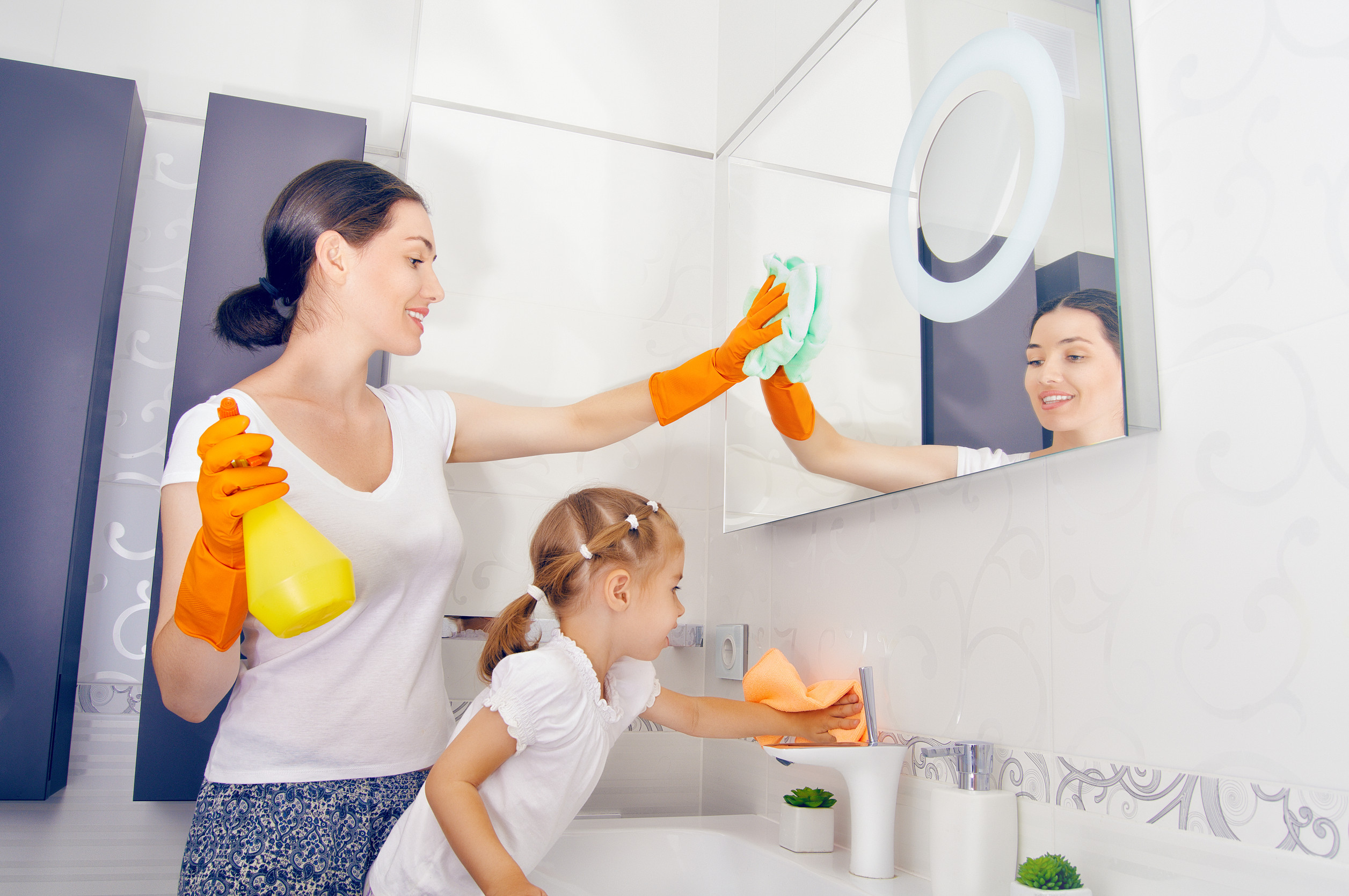
Your home may look sparkling clean, but if you’re using the wrong products, that shine could come with hidden dangers. Many popular household cleaners contain chemicals that are perfectly legal for adult use but incredibly harmful if inhaled, touched, or ingested by children. Toddlers and young kids are especially vulnerable because of their developing systems and constant contact with floors, surfaces, and hands that go straight to their mouths. While locking cabinets is a good first step, understanding exactly what’s in your cleaning supplies is even better. Let’s shine a light on eight everyday cleaning products toxic for kids that you might not realize are putting your child at risk.

1. Bleach-Based Disinfectants

Bleach is a go-to for killing germs, but it can be extremely harsh on little lungs and skin. Even diluted, the fumes can irritate a child’s eyes, nose, and throat, especially in poorly ventilated spaces. Accidental ingestion is especially dangerous and can cause vomiting, burns, or worse. Plus, bleach residue on floors or surfaces can transfer easily to toys or hands. Because of its high toxicity, bleach tops the list of cleaning products toxic for kids that should be used with extreme caution.

2. Oven Cleaners

Oven cleaners are packed with caustic chemicals that break down grease but also pose serious health risks. Many contain sodium hydroxide or ammonia, which can cause chemical burns if touched or inhaled. The lingering fumes can stay in the air long after use and are especially harmful in small kitchens where kids may be nearby. If sprayed or spilled, these products can easily reach floors or handles that children touch. Oven cleaners are among the most hazardous cleaning products toxic for kids and should never be used when children are present.

3. Toilet Bowl Cleaners

Bright blue liquid and citrus-scented formulas may make your toilet smell fresh, but many toilet bowl cleaners are highly corrosive. They often contain hydrochloric acid or bleach, which can be life-threatening if swallowed or cause serious eye damage if splashed. Even tablet-style cleaners left inside the tank or bowl can pose a risk if curious hands reach in. Locking the bathroom isn’t always enough if these products are stored within reach. These are some of the easiest cleaning products toxic for kids to forget about, but they pose real risks.

4. Glass and Window Sprays

They might seem harmless, but glass cleaners often contain ammonia or alcohol, both of which are dangerous when inhaled or accidentally sprayed near eyes. When used on low surfaces like coffee tables or glass doors, the mist can linger where kids crawl and play. Even “streak-free” formulas may leave chemical residues that transfer easily onto hands and mouths. Kids may also mimic parents and try to spray them on their own. Glass cleaners are surprisingly common cleaning products toxic for kids because they’re often left out or kept in easy-to-reach places.

5. Air Fresheners and Scented Sprays

A home that smells clean isn’t always a healthy one. Many air fresheners contain phthalates, formaldehyde, or synthetic fragrances that can irritate breathing and trigger asthma symptoms. Continuous-release air fresheners are especially harmful since they pump chemicals into the air all day long. These compounds are easily absorbed by children’s more sensitive systems and can even disrupt hormone function. Air fresheners are sneaky cleaning products toxic for kids because they don’t feel like cleaners, but their effects are just as concerning.

6. Floor Cleaners and Mop Solutions

Children spend a lot of time on the floor, which means whatever you use to mop matters more than you might think. Strong chemical-based floor cleaners often contain solvents and synthetic fragrances that can linger and be absorbed through bare feet or transferred to toys. Even residue from “no-rinse” products can cause skin irritation or be harmful if licked off of fingers or pacifiers. Just because the floor looks clean doesn’t mean it’s safe. Floor cleaners rank high among cleaning products toxic for kids because of how easily they come into contact with children’s skin.

7. Multi-Surface Cleaners

Marketed for convenience, multi-surface cleaners often contain a mix of surfactants, solvents, and artificial scents. While they might work on everything from countertops to doorknobs, their chemical content can be problematic. Children are constantly touching these surfaces and may rub their eyes or put their hands in their mouths right after. These cleaners often leave a residue that builds up with repeated use. Versatility comes at a cost with these cleaning products toxic for kids, especially if used daily without wiping down afterward.

8. Dishwashing Pods and Detergents

Colorful and squishy, dishwashing pods are dangerously tempting for curious kids. Many contain concentrated detergents that can cause chemical burns, respiratory distress, or even unconsciousness if swallowed. Liquid and powder detergents are also hazardous, particularly if stored under the sink where little hands can reach. Even after a wash cycle, residues from overly harsh products can cling to sippy cups or baby spoons. Dishwasher products are some of the most overlooked cleaning products toxic for kids, especially when their danger is hidden behind a child-safe lock.

Smarter Swaps, Safer Spaces

You don’t have to stop cleaning to keep your home safe—you just need to clean smarter. Many child-safe alternatives now exist, from plant-based sprays to baking soda scrubs and vinegar solutions. The key is awareness: read labels, know what you’re using, and store anything questionable out of reach. You can still have a sparkling home without compromising your child’s safety. By avoiding cleaning products toxic for kids, you create a space that’s just as healthy as it is tidy.

Have you found safer alternatives to the products on this list? What changes have helped protect your child from hidden chemical risks? Share your thoughts below!

Read More:

Is Your Home Toxic? 8 Everyday Items Poisoning Your Toddler

8 Hidden Dangers Lurking in Your Child’s Toys

Catherine Reed
Catherine Reed

Catherine is a tech-savvy writer who has focused on the personal finance space for more than eight years. She has a Bachelor’s in Information Technology and enjoys showcasing how tech can simplify everyday personal finance tasks like budgeting, spending tracking, and planning for the future. Additionally, she’s explored the ins and outs of the world of side hustles and loves to share what she’s learned along the way. When she’s not working, you can find her relaxing at home in the Pacific Northwest with her two cats or enjoying a cup of coffee at her neighborhood cafe.
Filed Under: Parenting Tagged With: babyproofing, chemical exposure, child safety, green cleaning, household safety, natural cleaning, parenting tips, safe cleaning for kids, toxic cleaners

It’s Not Just Dirt: 5 Home Areas That Are Mold Hotspots Near Kids’ Play Area

July 23, 2025 | Leave a Comment

Its Not Just Dirt 5 Home Areas That Are Mold Hotspots Near Kids Play Area
Image source: 123rf.com

You clean the floors, wipe the windows, and vacuum the rugs, but mold doesn’t need much to sneak in and grow where you least expect it. Especially in the spaces where your kids spend the most time, mold can quietly develop and spread, triggering allergies, respiratory issues, and chronic sniffles. The truth is, mold loves warmth, moisture, and overlooked corners—and your child’s favorite hangouts often check all those boxes. By knowing where to look, you can stop the spread before it affects your child’s health. Let’s uncover five common mold hotspots near kids’ play area that deserve a second look.

1. Windowsills in the Playroom

Windowsills are a common but underestimated spot for mold growth, especially if condensation builds up from temperature changes. Moisture can collect on the glass and drip into the window frame or sill, providing the perfect damp surface for mold to settle in. If your child’s playroom gets lots of natural light or is kept closed up tight, the humidity can stay trapped, making things worse. Dust and dirt around the sill can feed the mold too, especially if cleaning happens infrequently. That’s why windowsills are one of the most overlooked mold hotspots near kids’ play area.

2. Carpet and Foam Play Mats

Soft floors and colorful foam mats seem perfect for playtime, but they can easily harbor hidden moisture from spills, accidents, or just humid air. Once dampness seeps into the carpet padding or between foam tiles, it creates an ideal environment for mold to grow where you can’t see it. These materials often trap moisture for long periods without drying fully. If your little one tends to snack or spill drinks on the floor, the risk multiplies. Carpets and foam mats are some of the most stubborn mold hotspots near kids’ play area because they hide the problem until it’s serious.

3. Toy Storage Bins and Boxes

Plastic bins and fabric toy boxes may seem harmless, but they can trap moisture and dust—especially when toys are put away while still damp or dirty. If your child plays outside and tosses toys back into storage without wiping them off, the bin becomes a breeding ground for mold and bacteria. Closed lids or tightly packed containers limit airflow, which helps mold thrive. Some parents find patches of mold only after smelling something musty or noticing their child’s allergies flare up. Toy storage is often one of the sneakiest mold hotspots near kids’ play area because it hides in plain sight.

4. Behind Furniture and Large Toys

The area behind dressers, bookcases, or large play structures is rarely cleaned and often traps dust and humidity. These areas tend to have poor air circulation, which makes them ideal environments for mold spores to settle and spread. If these heavy items are up against exterior walls or windows, condensation and temperature shifts can make the problem even worse. Children may not play directly in these hidden corners, but mold spores can still travel and affect the air they breathe. Behind-the-scenes buildup makes these spaces high-risk mold hotspots near kids’ play area without most parents noticing.

5. HVAC Vents and Air Filters Nearby

If your child’s play area is near an air vent, mold can be pushed into the room through the HVAC system. Dirty filters and damp ductwork can send mold spores straight into the air your child is breathing during playtime. When air isn’t circulating properly or filters go unchanged for too long, moisture builds up and mold can take hold inside the system. Even clean-looking vents can be deceiving if the problem lies deeper inside the ducts. Vents and filters are hidden but serious mold hotspots near kids’ play area that affect overall indoor air quality.

Clearing the Air Where It Matters Most

Mold isn’t just a bathroom or basement problem—it can quietly take over the areas where your kids laugh, play, and nap. Regular deep cleaning, improving airflow, and staying on top of humidity levels can go a long way in protecting your child’s health. Small changes like opening windows, running a dehumidifier, or checking toy bins weekly can make a big difference. It’s not about making your house spotless but about catching trouble before it grows. Now that you know where to look for the mold hotspots near kids’ play area, you’re one step closer to a healthier, happier home.

Have you found mold in unexpected places near your child’s play area? What changes have helped reduce it? Share your experience in the comments!

Read More:

The Quiet Killer: 8 Hidden Hazards In Your Nursery You’re Not Checking

8 Hidden Dangers Lurking in Your Child’s Toys

Catherine Reed
Catherine Reed

Catherine is a tech-savvy writer who has focused on the personal finance space for more than eight years. She has a Bachelor’s in Information Technology and enjoys showcasing how tech can simplify everyday personal finance tasks like budgeting, spending tracking, and planning for the future. Additionally, she’s explored the ins and outs of the world of side hustles and loves to share what she’s learned along the way. When she’s not working, you can find her relaxing at home in the Pacific Northwest with her two cats or enjoying a cup of coffee at her neighborhood cafe.
Filed Under: Home and Living Tagged With: child health, cleaning tips, hidden mold spots, household mold, indoor air quality, kids play area safety, mold prevention, parenting tips

Before The First Step: 8 Hidden Dangers In Your Bathroom Threatening Toddlers

July 23, 2025 | Leave a Comment

Before The First Step 8 Hidden Dangers In Your Bathroom Threatening Toddlers
Image source: 123rf.com

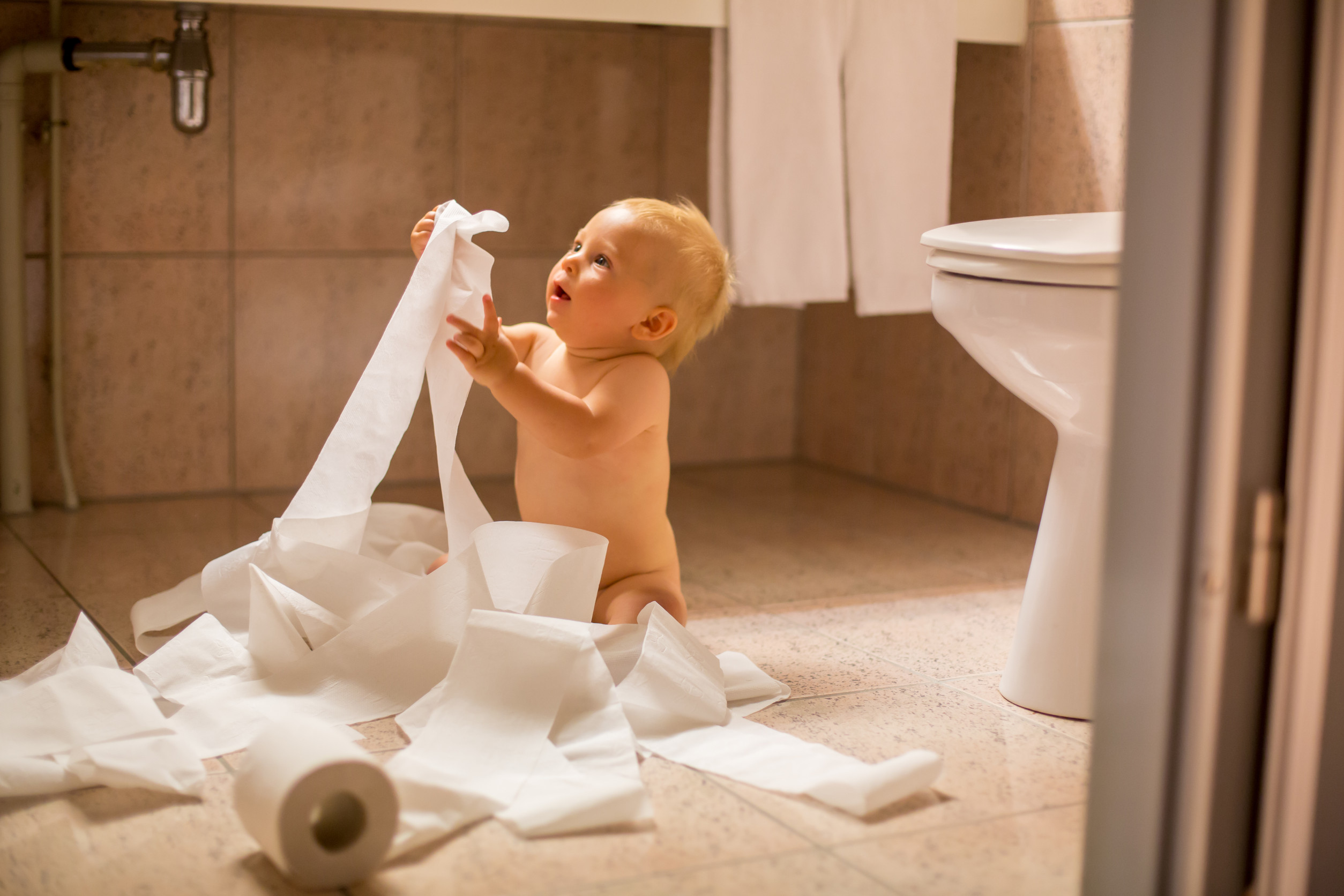
Your bathroom may look clean, bright, and toddler-safe at first glance, but behind that closed door lies a minefield of hidden hazards. Toddlers are naturally curious, and once they start crawling or toddling, the bathroom becomes one of the riskiest rooms in your home. From slippery floors to toxic products tucked under the sink, seemingly harmless items can pose serious threats. Recognizing these overlooked risks gives you the power to make small changes that could prevent major accidents. Let’s walk through the most common dangers in your bathroom threatening toddlers before little feet ever cross the tile.

1. Slippery Floors and Bath Mats

A wet bathroom floor is a fall waiting to happen, especially for toddlers who are still learning how to balance. Even the tiniest splash from the sink or tub can make the surface dangerously slick. Throw rugs and bathmats without anti-slip backing add another layer of risk. Once a toddler slips, injuries like head bumps or broken bones can happen fast. Of all the dangers in your bathroom threatening toddlers, slick surfaces are among the most overlooked.

2. Unsecured Toilets

Toilets seem harmless to adults, but they pose a drowning risk for toddlers who can topple in headfirst. Toddlers are drawn to water and might try to play in the bowl or flush objects out of curiosity. A toilet lid lock is a simple fix that can prevent a tragic accident. Some toddlers may even try to climb the toilet to reach counters or windows, which adds the danger of falling. This everyday fixture ranks high among dangers in your bathroom threatening toddlers.

3. Cleaning Products Under the Sink

The space under your bathroom sink is a magnet for trouble if it’s stocked with cleaners, bleach, or drain chemicals. Even a small amount of these products can be extremely toxic if ingested or spilled on skin. Childproof cabinet locks are essential, but relocating cleaners to higher shelves is even better. Labels and caps can be misleadingly colorful or appealing to curious hands. Poisoning hazards are silent but serious dangers in your bathroom threatening toddlers.

4. Medications Within Reach

Many parents keep everyday medications in bathroom drawers or cabinets, thinking it’s safe as long as the lids are child-resistant. But toddlers have been known to open “safety” caps with enough time and effort. Vitamins, pain relievers, and prescriptions should always be stored high and out of sight. A medicine lockbox offers extra protection if bathroom storage is your only option. Medications are one of the most dangerous dangers in your bathroom threatening toddlers, especially when colorful pills resemble candy.

5. Sharp Tools and Grooming Items

Razors, tweezers, nail clippers, and scissors often end up scattered on counters or loosely stored in drawers. These small, sharp items can cause cuts or choking if a toddler gets hold of them. Always store grooming tools in a locked container or drawer with a safety latch. Toddlers love to mimic adult behavior, making these items even more tempting during your morning routine. These bite-sized hazards are surprisingly common dangers in your bathroom threatening toddlers.

6. Bathtub Scalding Hazards

A toddler can get seriously burned in seconds if the water temperature in your tub or sink is too high. If your water heater is set above 120°F, your child could suffer serious burns in seconds. Installing anti-scald devices or adjusting your water heater’s temperature helps prevent painful accidents. Even turning your back briefly while filling a tub can lead to disaster. Scalding risks remain one of the top dangers in your bathroom threatening toddlers.

7. Electrical Outlets and Appliances

Hair dryers, straighteners, and electric razors may seem harmless when unplugged, but cords and outlets are tempting toys to little ones. Plug covers are a must, and appliances should be unplugged and stored securely after every use. Devices that heat up can stay hot for several minutes after being turned off. A toddler’s small fingers don’t need much contact to get burned or shocked. Electrical items create stealthy dangers in your bathroom threatening toddlers that are easy to forget.

8. Trash Cans and Toiletry Waste

Even a small bathroom trash can holds big risks, from sharp razors to used floss picks, cotton swabs, or medications. Toddlers may dig through the trash out of curiosity and find items they can chew, choke on, or injure themselves with. Using a trash can with a locking lid or placing it out of reach makes a big difference. Don’t underestimate how appealing a crinkly wrapper or colorful tube of lotion can be to tiny hands. Trash becomes one of the most underestimated dangers in your bathroom threatening toddlers.

Safety Starts Before Their First Steps

By the time your toddler is standing, it may already be too late to fix the hidden hazards in your bathroom. Safety-proofing this space early can prevent falls, burns, poisonings, and other emergencies before they happen. The good news is most of these changes are simple and inexpensive to make. From latching drawers to adjusting your water heater, every small step adds up to a safer home. Awareness is the first defense against the dangers in your bathroom threatening toddlers.

Which of these bathroom dangers surprised you most? Have you toddler-proofed your bathroom yet? Let us know your safety tips in the comments!

Read More:

6 Urgent Steps to Protect Your Home from Kids’ Dangers

8 Everyday Products Dangerous for Toddlers

Catherine Reed
Catherine Reed

Catherine is a tech-savvy writer who has focused on the personal finance space for more than eight years. She has a Bachelor’s in Information Technology and enjoys showcasing how tech can simplify everyday personal finance tasks like budgeting, spending tracking, and planning for the future. Additionally, she’s explored the ins and outs of the world of side hustles and loves to share what she’s learned along the way. When she’s not working, you can find her relaxing at home in the Pacific Northwest with her two cats or enjoying a cup of coffee at her neighborhood cafe.
Filed Under: Home and Living Tagged With: accident prevention, babyproofing, bathroom safety, childproofing, household hazards, new parent advice, parenting tips, toddler safety

What You’re Missing: 6 Urgent Health Screenings Your Baby Needs

July 23, 2025 | Leave a Comment

What Youre Missing 6 Urgent Health Screenings Your Baby Needs
Image source: 123rf.com

When it comes to your baby’s well-being, timing is everything. Some health issues are hard to spot in infancy, but early detection through the right screenings can change everything. These essential checks help uncover potential problems before they become major concerns, ensuring your baby has the healthiest start possible. If you’re a new parent, it’s easy to get overwhelmed with appointments and milestones, but skipping any of these can mean missing crucial opportunities. Here’s what you need to know about the six most urgent health screenings your baby needs.

1. Newborn Hearing Test: The Quiet Start You Can’t Miss

Within the first 24 to 48 hours after birth, your baby should receive a hearing screening. This painless test checks for hearing issues that may affect speech and language development down the line. Catching hearing loss early makes it easier to take steps that can support your child’s communication skills from the start. If the hospital missed it or results were inconclusive, your pediatrician can refer you to an audiologist for follow-up. Hearing might not seem urgent in a sleeping newborn, but it’s one of the most critical health screenings your baby needs.

2. Metabolic and Genetic Screening: Behind-the-Scenes Lifesavers

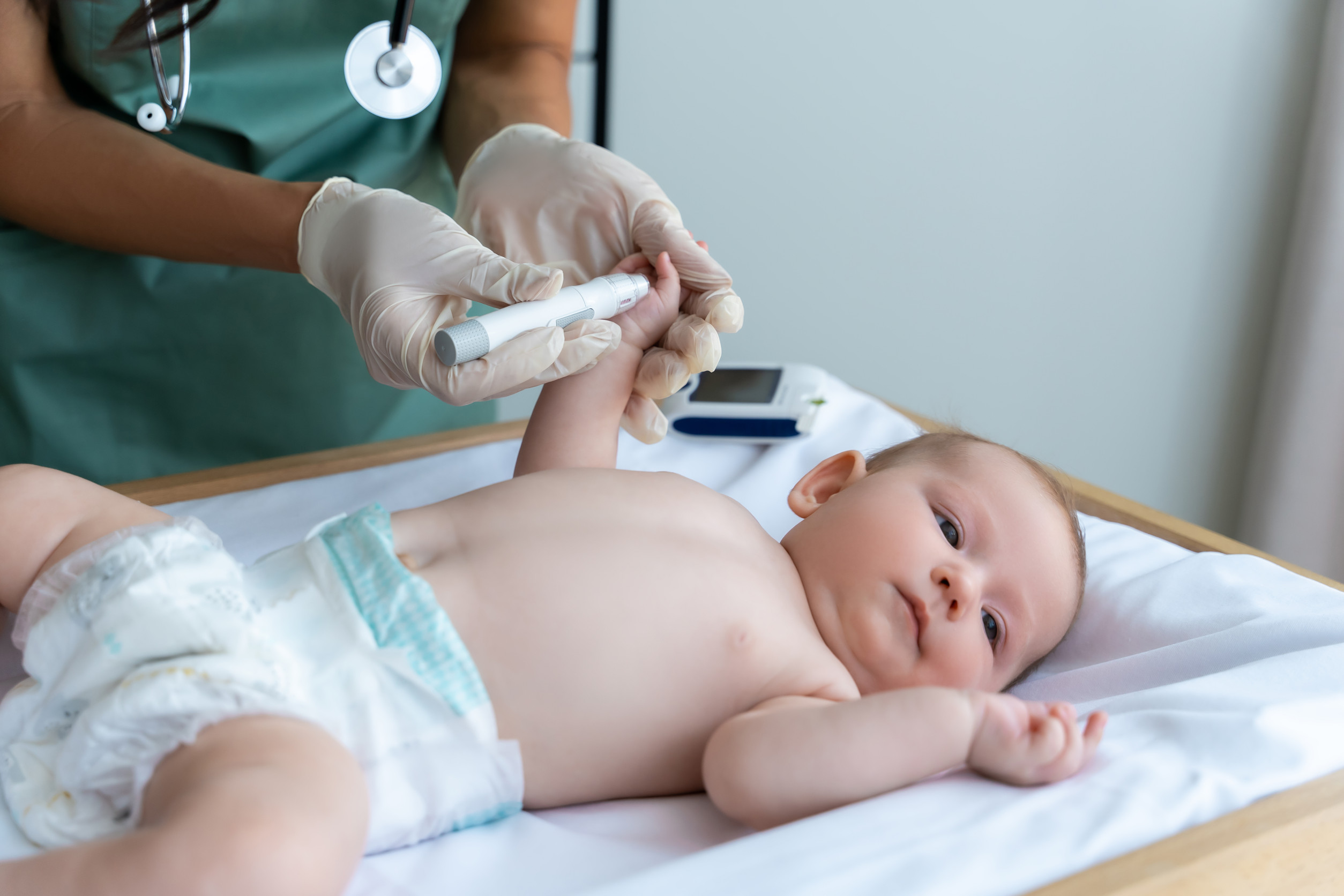
Often called the heel prick test, this screening checks for rare but serious conditions like PKU, congenital hypothyroidism, and sickle cell disease. These disorders aren’t visible at birth, but without early treatment, they can lead to lifelong challenges or even death. Your baby’s heel is pricked to collect a few drops of blood, which are sent to a lab for analysis. Most results come back normal, but catching issues early allows for interventions that can literally save your child’s life. It’s easy to overlook because symptoms may not show up for weeks, but this is one of the most life-saving health screenings your baby needs.

3. Jaundice Screening: More Than a Yellow Tint

Jaundice is common in newborns, but severe cases can lead to brain damage if not treated promptly. A simple skin test or blood sample can detect elevated bilirubin levels in your baby’s system. Treatment is often easy and non-invasive, like phototherapy under special lights, but it works best when started early. Watch for yellowing in the eyes and skin, especially in the first few days after birth. This condition can worsen quickly, which is why jaundice testing remains high on the list of health screenings your baby needs.

4. Vision Screening: Catching Clues Before They’re Obvious

Vision problems can be easy to miss in babies who can’t tell you what they see. During well-baby visits, your pediatrician will examine eye movement, focus, and alignment to spot early red flags. While full vision screening comes later, these early checks help ensure healthy eye development. Issues like congenital cataracts or lazy eye may not show symptoms right away, making early screening crucial. Healthy eyes now can prevent developmental delays later, making this one of the most underappreciated health screenings your baby needs.

5. Developmental Milestone Assessments: Tracking More Than Growth

From smiling to rolling over, developmental milestones offer clues about your baby’s neurological and physical health. During wellness visits, pediatricians ask questions or perform basic evaluations to ensure your baby is on track. These assessments help spot delays early so intervention programs can begin when they’re most effective. Delays in speech, movement, or interaction don’t always mean something is wrong, but missing a pattern can hold your child back. Consider these check-ins essential—not optional—health screenings your baby needs to thrive.

6. Iron and Lead Testing: Silent but Serious Dangers

Iron deficiency and lead exposure can have lasting impacts on your baby’s brain and body development. Around 9 to 12 months, your pediatrician may recommend a blood test to check for both. Babies who are exclusively breastfed or live in older homes are at higher risk and may need earlier screening. These issues often go unnoticed until developmental or behavioral problems appear, so proactive testing matters. When looking at health screenings your baby needs, don’t overlook what’s hiding in their environment or diet.

Early Action Builds Lifelong Health

Your baby depends on you to be their advocate when they can’t speak up for themselves. Staying on top of these urgent screenings ensures that if something is wrong, you’ll catch it early—when solutions are simpler and outcomes are better. While many of these tests happen automatically in hospitals or at well-baby visits, it’s always worth double-checking that none are missed. When in doubt, ask your pediatrician what screenings are next and why matter. Healthy habits start early, and it all begins with being aware of the health screenings your baby needs.

Which of these screenings were you already aware of, and which surprised you the most? Share your experiences or questions in the comments!

Read More:

Toxic Relatives and Kids: How to Protect Their Emotional Health

Mental Health Crisis: 4 Critical Questions About Your Child’s Mental Health

Catherine Reed
Catherine Reed

Catherine is a tech-savvy writer who has focused on the personal finance space for more than eight years. She has a Bachelor’s in Information Technology and enjoys showcasing how tech can simplify everyday personal finance tasks like budgeting, spending tracking, and planning for the future. Additionally, she’s explored the ins and outs of the world of side hustles and loves to share what she’s learned along the way. When she’s not working, you can find her relaxing at home in the Pacific Northwest with her two cats or enjoying a cup of coffee at her neighborhood cafe.
Filed Under: Parenting Tagged With: baby development, baby health, early detection, health screenings, new parent checklist, newborn screenings, parenting tips, pediatric care

Beyond The Recall: 6 Baby Gear Recalls You Missed Putting Your Child At Risk

July 22, 2025 | Leave a Comment

Beyond The Recall 6 Baby Gear Recalls You Missed Putting Your Child At Risk
Image source: 123rf.com

You researched the safest stroller, read hundreds of reviews, and followed all the setup instructions—so your baby gear must be secure, right? Unfortunately, even the most trusted brands sometimes issue recalls that fly under the radar. Busy parents can easily miss announcements, leaving potentially dangerous items still in daily use. And while some baby gear recalls get national attention, many slip by unnoticed, putting your child at risk without you even knowing it. Here are six recent baby gear recalls that may have escaped your attention and what you can do to protect your little one right now.

1. Inclined Sleepers Still Hiding in Homes

Inclined sleepers like the popular Fisher-Price Rock ‘n Play were pulled from shelves years ago, but many are still in circulation. The recall was issued after dozens of infant deaths were linked to babies rolling over in these products. Despite the warning, some parents still use them for naps or overnight sleep, unaware of the risk. These recalled items are often passed down or found secondhand without any warning label. If you’re still using an inclined sleeper, stop immediately and contact the manufacturer for a refund or guidance—this is one of the most critical baby gear recalls you can’t ignore.

2. Baby Swings With Faulty Straps

A recent wave of baby gear recalls includes infant swings with defective harnesses that may come loose during use. Brands like 4moms and other popular swing makers have issued alerts about safety straps detaching or failing under pressure. If your baby’s swing was manufactured before 2022, double-check the model number against recall databases. Even if the swing appears stable, faulty straps are a silent risk, especially when used unsupervised. Registering your gear with the brand ensures you’ll be notified in case of future safety concerns.

3. Strollers With Frame Collapse Risks

Several major stroller brands, including jogging strollers and travel systems, have issued baby gear recalls due to frame collapse or detachment during use. These defects can cause serious injury if the stroller folds unexpectedly while the child is inside. The problem often arises with repeated folding over time, making it hard to detect before failure. Some models sold at big box stores and online marketplaces are affected, so it’s important to verify yours even if you bought it recently. Regular inspections and checking for manufacturer notices can prevent a simple outing from becoming an emergency.

4. Highchairs With Unstable Legs

Another overlooked recall involves highchairs with weak or unstable legs that may buckle or tip over when in use. Affected models may look fine at first glance but can become hazardous when a child shifts their weight suddenly. This type of failure is especially dangerous because it often occurs while parents are standing nearby but not directly supervising. Several brands, including both budget and premium models, have made voluntary recalls after reports of injuries. Always test your highchair’s stability and check the Consumer Product Safety Commission (CPSC) site for updates on known issues.

5. Baby Carriers with Faulty Buckles

Soft-structured baby carriers have become parenting essentials, but not all of them are built with long-term safety in mind. A number of baby gear recalls involve carriers with defective buckles or stitching that can break under the weight of a growing infant. Some off-brand carriers sold online without proper testing are especially risky, and many parents don’t think to inspect these parts regularly. If you notice fraying, loose stitching, or slipping buckles, stop using the carrier immediately. It’s worth contacting the manufacturer or checking recall databases to confirm your model is safe.

6. Play Yards With Collapsing Walls

Portable play yards are a favorite for naps, travel, and quick containment, but they’ve also been part of serious baby gear recalls for collapsing sides. If the walls or locking mechanisms fail, a baby could be trapped, fall, or become injured in the unstable structure. Some recalled models don’t meet the updated safety standards now required by law, especially older or hand-me-down play yards. Check for gaps, loose mesh, and faulty corners before each use. The safest bet is a play yard purchased within the last two years from a reputable retailer that lists compliance with federal safety standards.

Staying Ahead of Safety Without the Panic

Keeping track of baby gear recalls can feel overwhelming, but it doesn’t have to be. Most manufacturers offer registration cards or online sign-ups for recall alerts, and websites like cpsc.gov make it easy to search for product notices by brand or model. The real danger lies in not knowing these recalls exist, especially when items seem fine on the surface. Take five minutes to check your most-used gear—it’s a small step with huge peace-of-mind potential. Safety doesn’t stop at purchase, and staying informed is one of the best ways to protect your child.

Have you ever discovered you were still using recalled baby gear? Share your experience or tips for staying updated in the comments below.

Read More:

6 Urgent Safety Checks for Baby Gear

Are You Wasting Money? 6 Baby Items New Parents Regret Buying

Catherine Reed
Catherine Reed

Catherine is a tech-savvy writer who has focused on the personal finance space for more than eight years. She has a Bachelor’s in Information Technology and enjoys showcasing how tech can simplify everyday personal finance tasks like budgeting, spending tracking, and planning for the future. Additionally, she’s explored the ins and outs of the world of side hustles and loves to share what she’s learned along the way. When she’s not working, you can find her relaxing at home in the Pacific Northwest with her two cats or enjoying a cup of coffee at her neighborhood cafe.
Filed Under: Parenting Tagged With: baby gear alerts, baby gear checklist, baby gear recalls, baby product safety, child safety, CPSC alerts, infant safety, nursery safety, parenting tips

The Hidden Costs: 11 Things You Didn’t Know You’d Pay For After Baby

July 22, 2025 | Leave a Comment

The Hidden Costs 11 Things You Didnt Know Youd Pay For After Baby
Image source: 123rf.com

You budgeted for diapers, stocked up on wipes, and maybe even planned ahead for formula or daycare. But once your little one arrives, you’ll quickly realize that the true hidden costs of parenthood go far beyond the basics. It’s not that these expenses are extravagant—it’s that no one talks about them until you’re suddenly paying out of pocket. From unexpected medical fees to convenience splurges that save your sanity, new parent life adds up fast in ways you didn’t see coming. Here are 11 surprising costs that can sneak up on even the most prepared parents.

1. Postpartum Recovery Supplies

Everyone focuses on what the baby needs, but the new mom’s recovery often comes with hidden costs of its own. Think peri bottles, witch hazel pads, nipple cream, disposable underwear, and sitz baths. Hospitals usually provide a small supply, but they don’t last long. You may also need specialty items like abdominal binders or breastfeeding pillows for extra support. These seemingly minor purchases can add up to hundreds in the first few weeks postpartum.

2. Bottles and Feeding Accessories

Even if you’re breastfeeding, chances are you’ll need bottles, a sterilizer, milk storage bags, and a pump. If you’re formula feeding, prepare for the cost of bottles in different sizes, warmers, and drying racks. Not to mention experimenting with various nipple flows as your baby grows. These hidden costs of feeding gear often go unbudgeted and hit your wallet quickly. And if baby ends up rejecting a certain bottle brand? You’ll pay again to find the one that works.

3. New Clothes—For You

Yes, maternity clothes cost money, but the wardrobe changes don’t stop there. Many parents find they need nursing-friendly tops, comfortable shoes for swollen feet, and clothes that fit an in-between body size. If you’re heading back to work, you might also need a few new professional pieces. It’s one of those hidden costs that feels personal, yet necessary. After all, feeling comfortable and confident while adjusting to parenthood matters too.

4. Babyproofing Gear

Outlet covers and cabinet locks might not seem expensive on their own, but babyproofing an entire home can be surprisingly pricey. Gates, corner bumpers, toilet locks, and furniture anchors are just the beginning. As your baby becomes more mobile, your list of safety items tends to grow. The bigger the home, the more gear you’ll need. Babyproofing is one of those hidden costs that doesn’t show up until you’re chasing a crawling explorer across the kitchen floor.

5. Increased Utility Bills

With a baby in the house, your home likely runs warmer (or cooler), and your laundry and water use go way up. Add in sterilizing bottles, more frequent dishwasher loads, and nightlights running 24/7. These subtle increases result in higher electricity and water bills month after month. It’s one of the sneakiest hidden costs that never makes it on the baby registry. But over time, it quietly drains your household budget.

6. Replacement Items for Lost or Broken Gear

Pacifiers disappear. Bottles crack. Toys get dropped in places no one can retrieve them from. Whether it’s lost socks or spilled formula containers, small items constantly need replacing. These little things add up to a consistent stream of hidden costs that feel minor individually but become a major part of your monthly spending.

7. Apps and Subscriptions

From white noise and sleep trackers to parenting communities and milestone apps, digital tools aimed at new parents are everywhere. Many start free but eventually require a subscription. Others offer premium content or features that become tempting during tough phases like sleep regressions. These hidden costs sneak in under the radar until you check your monthly app store receipts. Set a budget and track which ones actually help before signing up for more.

8. Baby Photos and Milestone Keepsakes

Capturing your baby’s first smile or tiny handprint is priceless—but printing photos, buying frames, and ordering custom milestone items isn’t cheap. Professional newborn photoshoots can cost hundreds, and the pressure to document every stage adds up fast. These hidden costs can be emotional as well as financial, especially if you’re trying to keep up with social media-worthy memories. Remember, meaningful doesn’t have to mean expensive.

9. Childcare Deposits and Waitlist Fees

Even before your baby is born, some daycares require non-refundable deposits or waitlist application fees. These charges can range from $50 to several hundred dollars, depending on your area. If you’re considering multiple centers, those fees multiply quickly. Childcare is one of the biggest ongoing expenses of parenting, and the hidden costs often start well before the care does. Budget for deposits and paperwork so you’re not caught off guard.

10. Doctor Co-Pays and Medications

Even with insurance, many families find themselves surprised by medical costs in the first year. Frequent checkups, vaccines, lactation consultations, and emergency visits often come with co-pays or out-of-pocket fees. Over-the-counter baby medications, creams, and vitamins are often not covered. These hidden costs are essential but rarely discussed—and they tend to hit right when you’re already sleep-deprived and stressed.

11. Emergency Convenience Purchases

That 2 a.m. diaper run, or last-minute Amazon order of gripe water happens more than you expect. Parenthood comes with many moments when you’re willing to pay extra just to solve a problem fast. From rush shipping to doubling up on supplies “just in case,” these emergency splurges can become habitual. These convenience-driven hidden costs reflect the reality of survival mode—and they’re totally normal, but worth watching.

Planning Ahead Makes the Difference

Parenthood comes with joy, love, and surprises—some more expensive than others. By understanding these hidden costs in advance, you can better prepare your budget, reduce financial stress, and avoid last-minute spending guilt. The best strategy is to leave extra wiggle room in your planning, prioritize needs over trends, and remember that every parent goes through it. It’s not about avoiding the costs altogether but learning how to manage them with intention.

Which hidden costs caught you by surprise after your baby arrived? Share your experience (and budget-saving hacks) in the comments!

Read More:

11 Costs of Raising a Special Needs Child You Didn’t Plan For

Can You Afford to Have Kids in 2025? Here’s What It Really Costs Per Year

Catherine Reed
Catherine Reed

Catherine is a tech-savvy writer who has focused on the personal finance space for more than eight years. She has a Bachelor’s in Information Technology and enjoys showcasing how tech can simplify everyday personal finance tasks like budgeting, spending tracking, and planning for the future. Additionally, she’s explored the ins and outs of the world of side hustles and loves to share what she’s learned along the way. When she’s not working, you can find her relaxing at home in the Pacific Northwest with her two cats or enjoying a cup of coffee at her neighborhood cafe.
Filed Under: Money and Finances Tagged With: baby budgeting, baby gear costs, baby money-saving advice, financial planning for parents, hidden costs, new parent expenses, parenting tips, unexpected baby costs

Why The Doctor Isn’t Worried: 7 Common Kids’ Ailments Often Misdiagnosed

July 22, 2025 | Leave a Comment

Why The Doctor Isnt Worried 7 Common Kids Ailments Often Misdiagnosed
Image source: 123rf.com

It’s hard not to panic when your child spikes a fever, breaks out in a rash, or starts limping out of nowhere. As a parent, every symptom can feel urgent and terrifying—but often, doctors remain calm for a reason. Many common kids’ ailments mimic more serious conditions, leading to unnecessary worry, late-night internet spirals, or misdiagnoses at urgent care. The truth is, some of the most alarming-looking symptoms have surprisingly simple explanations. Here are seven commonly misdiagnosed issues in children that usually aren’t as serious as they seem.

1. Viral Rashes Mistaken for Allergies or Infections

It’s not unusual for a child to develop a mysterious rash after a fever breaks, especially after a viral illness. Parents often suspect allergic reactions or bacterial infections and head straight for urgent care. However, viral rashes like roseola are among the most common kids’ ailments and are completely harmless. These rashes typically appear once the child is no longer contagious and go away on their own. Doctors don’t worry unless there’s a high fever that doesn’t improve or signs of distress, which is why they often advise rest and fluids over medication.

2. Growing Pains Confused with Injury

If your child complains of sore legs, especially at night, it’s easy to assume something’s wrong—maybe a twisted ankle or a pulled muscle from playing. But in many cases, it’s simply growing pains, a common issue in kids between ages 3 and 12. These aches are one of the more misunderstood common kids’ ailments and are often misdiagnosed as sprains or even early signs of arthritis. Growing pains usually come and go, are felt in both legs, and aren’t tied to physical activity. Warm baths, massage, and reassurance are often all that’s needed.

3. Tummy Trouble That’s Not Really a Stomach Bug

When a child says they have a stomachache, most parents jump to food poisoning or the dreaded stomach virus. But surprisingly, many cases of belly pain are caused by constipation, anxiety, or even mild dehydration. Pediatricians frequently encounter this type of misdiagnosis among common kids’ ailments, especially in school-age children. The discomfort can feel intense, and without a fever or vomiting, it’s easy to overlook simpler causes. Keeping a food and bathroom log can help identify patterns and prevent unnecessary worry.

4. Ear Tugging Mistaken for Ear Infection

One of the most commonly misread symptoms is ear tugging or rubbing. Many parents see this and immediately assume an ear infection is brewing. But in reality, this behavior often signals teething discomfort or simply tiredness, not illness. Pediatricians note that many children with clear ears are still treated for infections due to this confusion. Among common kids’ ailments, ear tugging is more of a parenting red flag than a medical one—unless it comes with fever, trouble sleeping, or fussiness that lasts more than a couple days.

5. Mild Wheezing Confused with Asthma

Hearing your child wheeze can send your heart into overdrive, especially if you’ve read up on asthma or other chronic respiratory issues. But wheezing can be triggered by a variety of mild, short-term conditions—like a cold or allergies—especially in toddlers with small airways. This often leads to overdiagnosis or unnecessary medication when it’s really just one of the common kids’ ailments that resolves on its own. Doctors often wait before making a formal asthma diagnosis, especially if wheezing isn’t recurring. In the meantime, they may use a nebulizer short-term and observe the child’s response.

6. Pink Eye That’s Actually Something Else

If your child’s eye is red and watery, it’s natural to assume it’s pink eye—and head to the doctor for drops. But not all red eyes are bacterial conjunctivitis. Allergies, irritants, and even viral infections can cause similar symptoms, yet don’t require antibiotic treatment. Pediatricians often explain that many cases of pink eye go away on their own without meds, especially if there’s no yellow or green discharge. Among common kids’ ailments, this one is frequently misdiagnosed and overtreated, making it worth waiting a day or two before rushing to the pharmacy.

7. Fevers That Aren’t Emergency-Level

A fever can feel scary, especially when the number on the thermometer starts creeping above 101°F. But fever alone isn’t dangerous—it’s a sign the immune system is doing its job. Parents often rush to urgent care for fevers that are completely normal parts of common kids’ ailments, like colds or teething. What matters more is how the child acts—if they’re alert, drinking fluids, and resting comfortably, most pediatricians aren’t too concerned. Medication can be used for comfort, but the fever itself often doesn’t need aggressive treatment.

When to Trust Your Gut—And When to Pause

It’s easy to go into panic mode when your child shows unfamiliar symptoms, but taking a deep breath can help you better understand the situation. Most common kids’ ailments are manageable with rest, fluids, and a little patience. Of course, you should always trust your instincts—especially if something feels off or your child’s behavior dramatically changes. But understanding which symptoms aren’t urgent helps you avoid unnecessary stress, overmedication, and late-night worry spirals. When your doctor seems calm, it’s usually because they’ve seen it before—and know it’s going to be okay.

Have you ever been surprised by how minor your child’s scary symptoms turned out to be? Share your story or ask a question in the comments below!

Read More:

6 Urgent Steps to Protect Your Home from Kids’ Dangers

6 Seemingly Safe Places That Could Actually Be Dangerous for Kids

Catherine Reed
Catherine Reed

Catherine is a tech-savvy writer who has focused on the personal finance space for more than eight years. She has a Bachelor’s in Information Technology and enjoys showcasing how tech can simplify everyday personal finance tasks like budgeting, spending tracking, and planning for the future. Additionally, she’s explored the ins and outs of the world of side hustles and loves to share what she’s learned along the way. When she’s not working, you can find her relaxing at home in the Pacific Northwest with her two cats or enjoying a cup of coffee at her neighborhood cafe.

Filed Under: Parenting Tagged With: childhood illness, common kids' ailments, kids and fevers, misdiagnosed symptoms, parenting advice, parenting tips, pediatric health, toddler health

Beyond The Brand: 8 Common Kid Snacks With Dangerous Allergens

July 22, 2025 | Leave a Comment

Beyond The Brand 8 Common Kid Snacks With Dangerous Allergens
Image source: 123rf.com

Snack time shouldn’t come with a side of risk, but for families navigating food allergies, even seemingly innocent treats can pose hidden dangers. From trusted lunchbox staples to trendy health snacks, common kid snacks with dangerous allergens are more widespread than most parents realize. While labels have improved, brands often change ingredients or share manufacturing lines with allergens, leaving plenty of room for cross-contact. And unfortunately, many allergens lurk behind vague terms or “natural flavor” listings. If you’re trying to keep your child safe or simply want to stay informed, here are eight popular snacks to watch more closely.

1. Granola Bars

Granola bars might seem like the perfect on-the-go snack, but they’re one of the most common kid snacks with dangerous allergens. Many contain peanuts, tree nuts, soy, or milk, and cross-contact is a huge concern even in varieties labeled “nut-free.” Some bars use shared equipment or list allergens under “may contain” warnings in small print. Raisin or chocolate chip versions may be safer than nut-heavy ones, but it’s still vital to read every label—especially when trying new brands. Consider baking homemade granola bars at home to control ingredients.

2. Cheese Crackers

Bright orange and toddler-approved, cheese-flavored crackers often include hidden milk, soy, and wheat—all top allergens. Even gluten-free versions may contain milk powder or other dairy derivatives, which can be a problem for sensitive kids. These common kid snacks with dangerous allergens are easy to over-trust because they’re marketed to kids and found in most lunchboxes. If your child has multiple allergies, this snack might require a double-check every time. Look for allergy-friendly alternatives made in certified allergen-free facilities.

3. Trail Mix

Trail mix sounds healthy, but it’s often loaded with tree nuts and peanuts—and even versions without nuts can be processed on shared equipment. Dried fruits, seeds, and chocolate candies are all potential cross-contact risks, especially in pre-packaged varieties. Among the most deceptively risky common kid snacks with dangerous allergens, trail mix tops the list for unpredictable ingredients. Unless you’re making it yourself with trusted ingredients, it’s best avoided for allergic kids. Always check individual labels for each component if building your own mix at home.

4. Flavored Rice Cakes

Rice cakes seem plain and allergy-friendly, but flavored ones can introduce dairy, soy, and even nut extracts. Ingredients like cheese powder or “natural flavors” often hide allergens without clear labeling. This makes rice cakes one of the sneakier common kid snacks with dangerous allergens, especially for parents relying on them as a gluten-free or low-mess snack. Even plain versions can be cross-contaminated during production, so check for allergy-specific certifications on the packaging. When in doubt, choose unflavored varieties and add safe toppings yourself.

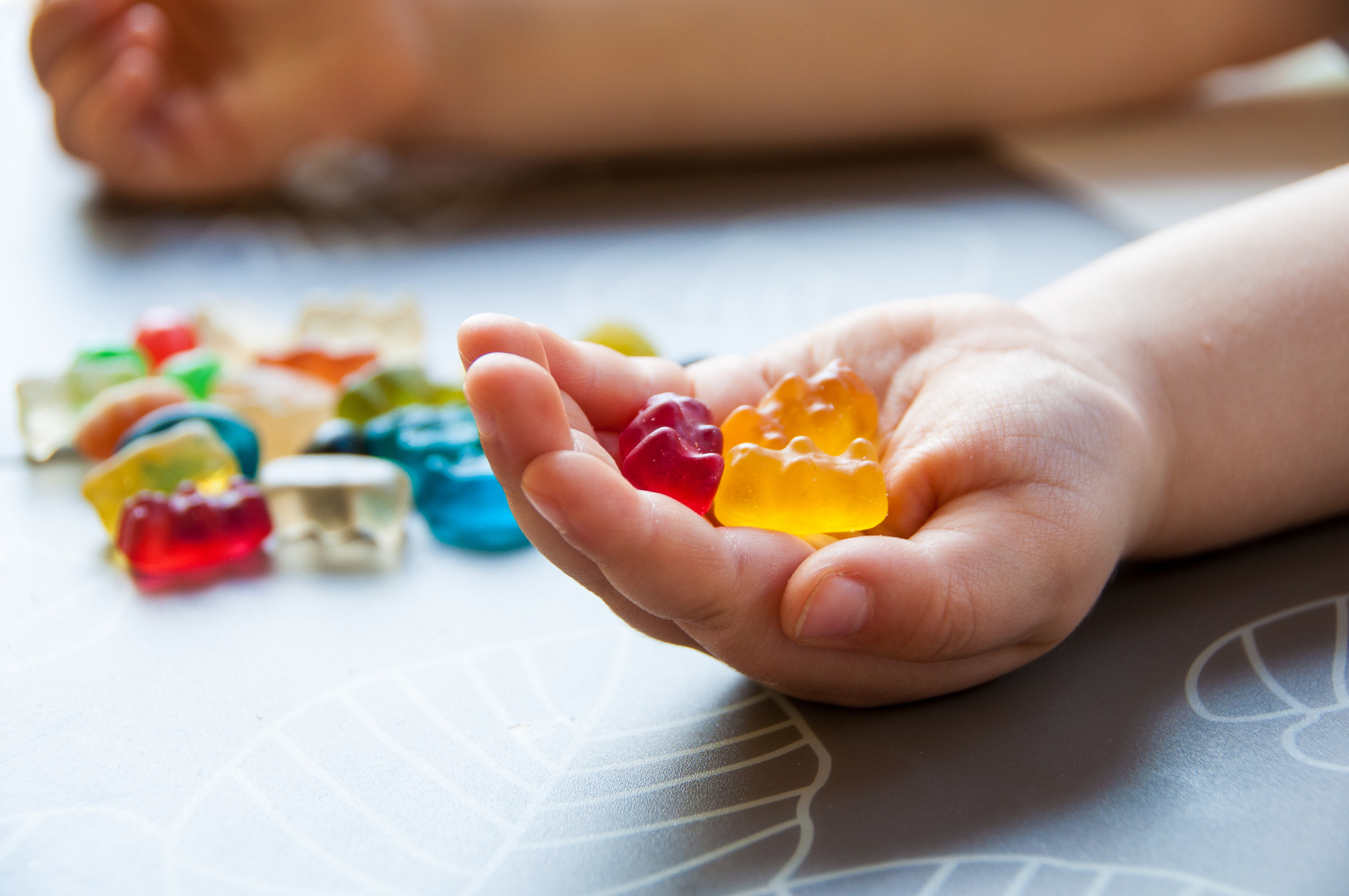
5. Fruit Snacks and Gummies

These chewy treats are usually seen as allergy-safe because they’re fruit-based, but many include gelatin (often from dairy or beef), coconut oil, or additives derived from allergens. Some also contain artificial colors that are processed with allergenic substances. As common kid snacks with dangerous allergens, they’re tricky because they rarely list obvious culprits like peanuts, but can still trigger reactions. Organic or natural brands may be better but aren’t guaranteed to be allergen-free. Always read ingredient lists and look for allergy labeling, especially with seasonal or novelty shapes.

6. Mini Muffins and Snack Cakes

Pre-packaged muffins, donuts, and snack cakes are loaded with wheat, eggs, dairy, and sometimes soy or tree nuts. Cross-contact is almost inevitable in large-scale baked goods unless explicitly certified allergen-free. These common kid snacks with dangerous allergens are especially tough for allergy-sensitive households because they’re often handed out at school parties or included in snack packs. If baked goods are a must, consider allergy-safe brands like MadeGood or baking your own at home. That way, you skip the guessing and serve something you trust.

7. Yogurt Tubes and Pouches

Marketed as a fun, healthy snack, yogurt tubes are full of hidden dairy (obviously), but some also contain soy, gelatin, or fruit processed with nut oils. These common kid snacks with dangerous allergens might look harmless but can pose major risks for kids with even mild dairy intolerance. Vegan yogurts aren’t always safer, since they may be processed on shared equipment or include other allergens like tree nuts. If you’re using yogurt as a snack, choose brands with clear allergy labeling and verify their manufacturing practices.

8. Popcorn Snacks and Chips

While plain popcorn can be safe, flavored varieties and chips are often packed with milk powder, cheese flavorings, or hidden soy ingredients. Even simple snack packs like “white cheddar popcorn” or “veggie chips” may include allergenic ingredients or be produced in shared facilities. These common kid snacks with dangerous allergens are often handed out at school or sports events, making them tricky to manage on the fly. Plain popcorn made at home is a better option for allergy-conscious families. For chips, stick with brands that are transparent about allergens and avoid processed cheese versions altogether.

Small Labels, Big Impact

What looks like a harmless snack can carry serious risks if you’re not paying close attention. The world of common kid snacks with dangerous allergens is filled with products that seem child-friendly but contain or come into contact with top allergens. Even brands that used to be safe can change formulas or shift production lines. That’s why reading labels every single time matters more than most people realize. A little vigilance goes a long way in keeping snack time safe, simple, and stress-free.

Have you ever discovered an allergen in a snack you thought was safe? Share your stories or go-to alternatives in the comments below!

Read More:

10 Snacks That Are Making Your Kids Overweight and Unhealthy

8 Signs Your Child Is in Charge of the Household (Not You)

Catherine Reed
Catherine Reed

Catherine is a tech-savvy writer who has focused on the personal finance space for more than eight years. She has a Bachelor’s in Information Technology and enjoys showcasing how tech can simplify everyday personal finance tasks like budgeting, spending tracking, and planning for the future. Additionally, she’s explored the ins and outs of the world of side hustles and loves to share what she’s learned along the way. When she’s not working, you can find her relaxing at home in the Pacific Northwest with her two cats or enjoying a cup of coffee at her neighborhood cafe.
Filed Under: Healthy Living & Eating Tagged With: allergy-friendly snacks, child nutrition, common kid snacks with dangerous allergens, food label tips, kids and food allergies, lunchbox safety, parenting tips, snack safety

Silent Danger: 8 Common Foods That Are Choking Hazards For Young Children

July 22, 2025 | Leave a Comment

Silent Danger 8 Common Foods That Are Choking Hazards For Young Children
Image source: 123rf.com

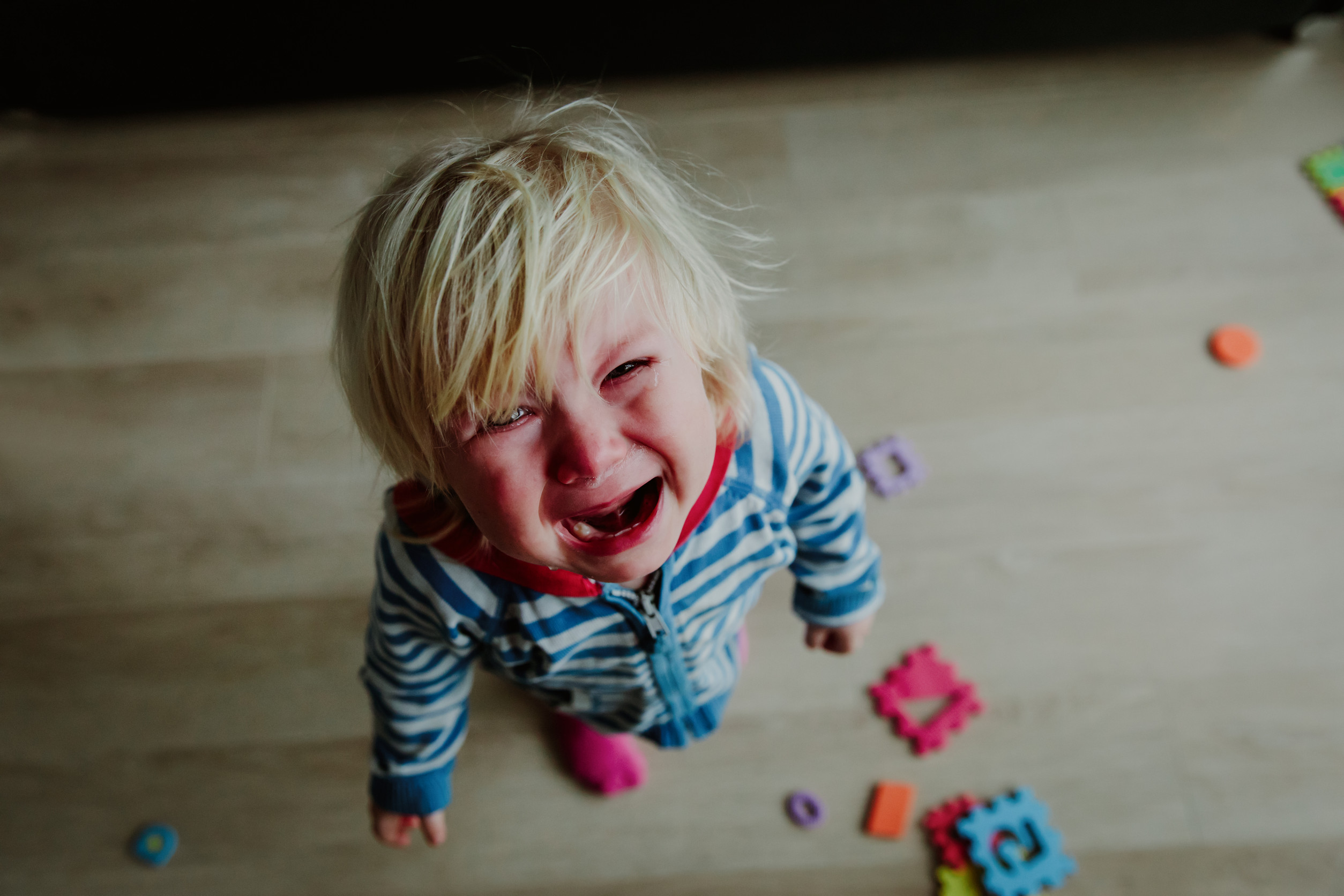
When you think of mealtime risks for toddlers, choking might not be the first thing that comes to mind—especially when the food seems small, soft, or harmless. But choking is a leading cause of injury and death in kids under age four, and it often happens in seconds with the foods parents offer every day. Certain textures, shapes, and sizes make some items surprisingly dangerous, especially for children still learning how to chew and swallow properly. Knowing which foods pose a threat can help you avoid unnecessary emergencies and make meals much safer. Here are eight common foods that are serious choking hazards for young children and what to serve instead.

1. Whole Grapes

Grapes are a popular snack for toddlers because they’re sweet, juicy, and mess-free, but they’re also one of the top choking hazards for young children. Their smooth, round shape makes them just the right size to block a child’s airway completely. Even if your toddler has teeth, it’s not safe to serve grapes whole until they’re much older. Always slice grapes lengthwise into quarters to reduce the risk of choking. For extra safety, serve them in a highchair where your child is sitting upright and focused on eating.

2. Hot Dogs

Hot dogs are another round, slippery food that can quickly get lodged in a child’s throat. Their consistency makes them hard to chew for toddlers, especially if they take big bites. Cutting them into small discs is not enough—it actually creates the perfect shape for choking. To make hot dogs safer, cut them lengthwise into strips, then dice into small pieces. Even better, skip processed meats altogether when possible and opt for soft, chopped chicken or turkey.

3. Raw Carrots

While crunchy and healthy, raw carrots are among the most common choking hazards for young children. The hard texture makes them difficult to chew thoroughly, and toddlers may swallow chunks whole. Instead of giving raw slices, steam carrots until they’re soft enough to mash easily between your fingers. You can also grate them or serve in thin, cooked matchsticks for safer handling. Always supervise meals closely when serving vegetables.

4. Whole Nuts and Seeds

Whole almonds, peanuts, sunflower seeds, and similar items are dangerous for young children because they’re small, hard, and irregularly shaped. They can easily slip into the airway and become lodged, especially if eaten while walking or talking. Avoid giving whole nuts and seeds to children under five, no matter how advanced their eating skills seem. Instead, use smooth nut butters spread thinly on toast or blended into soft foods. Chunky peanut butter or Spoonfuls straight from the jar should also be avoided due to stickiness.

5. Popcorn

Popcorn might seem like a fun movie snack, but it poses multiple choking risks. The kernels are unevenly shaped, often hard, and easy to inhale accidentally while laughing or talking. Popcorn is one of the more unexpected choking hazards for young children, often served by well-meaning adults during family gatherings. The American Academy of Pediatrics recommends waiting until age four or older to serve popcorn. Until then, try offering soft, puffed snacks made for toddlers as a safer alternative.

6. Chunks of Meat or Cheese

While protein is essential for growing kids, serving it in the wrong size or texture can cause problems. Large cubes of meat or cheese are difficult for toddlers to chew thoroughly and are easy to swallow whole. Cut meat into very small pieces or shred it into strands that are easier to manage. Cheese should be grated or sliced thin, especially for toddlers under three. Even soft cheeses can form a gummy clump in the mouth and block the airway if not chewed properly.

7. Hard Candy and Chewing Gum

Candy might be a treat for older kids, but for toddlers, it’s a major hazard. Hard candy can easily slip down the throat whole, especially if a child tries to suck and talk at the same time. Gum is just as risky because toddlers often don’t understand that it’s meant to be chewed, not swallowed. These sweet treats are among the most obvious choking hazards for young children, and they’re best kept out of reach until a child is much older. Stick to soft fruits or yogurt-based treats for safer indulgences.

8. Sticky Foods Like Marshmallows

Marshmallows are soft but incredibly dangerous because they can mold to a child’s throat and completely block airflow. Their sticky consistency makes them hard to swallow and nearly impossible to dislodge once stuck. Similarly, chewy candies like taffy or gummy bears pose the same risk. Toddlers may not chew thoroughly before trying to swallow, especially when excited. Until your child is older and has full chewing control, avoid these entirely and look for safer snack options.

Mealtime Matters More Than You Think

You might think choking only happens when a child runs or eats too fast, but it often occurs even during quiet, supervised meals. Recognizing these choking hazards for young children is one of the easiest ways to prevent life-threatening emergencies before they happen. A little preparation—like cutting food properly, softening textures, and watching closely—can make all the difference. Mealtime should be safe, fun, and nourishing, and knowing what to avoid helps make that possible every day.

Have you been surprised by a food your toddler struggled with? Share your mealtime safety tips or questions in the comments below!

Read More:

Is Your Home Toxic? 8 Everyday Items Poisoning Your Toddler

8 Hidden Dangers Lurking in Your Child’s Toys

Catherine Reed
Catherine Reed

Catherine is a tech-savvy writer who has focused on the personal finance space for more than eight years. She has a Bachelor’s in Information Technology and enjoys showcasing how tech can simplify everyday personal finance tasks like budgeting, spending tracking, and planning for the future. Additionally, she’s explored the ins and outs of the world of side hustles and loves to share what she’s learned along the way. When she’s not working, you can find her relaxing at home in the Pacific Northwest with her two cats or enjoying a cup of coffee at her neighborhood cafe.
Filed Under: Parenting Tagged With: baby feeding, child nutrition, choking hazards for young children, food safety for kids, mealtime safety, parenting tips, toddler health, toddler safety

Don’t Do This: 5 Phrases You Say To Your Toddler Encouraging Bad Behavior

July 22, 2025 | Leave a Comment

Dont Do This 5 Phrases You Say To Your Toddler Encouraging Bad Behavior
Image source: 123rf.com

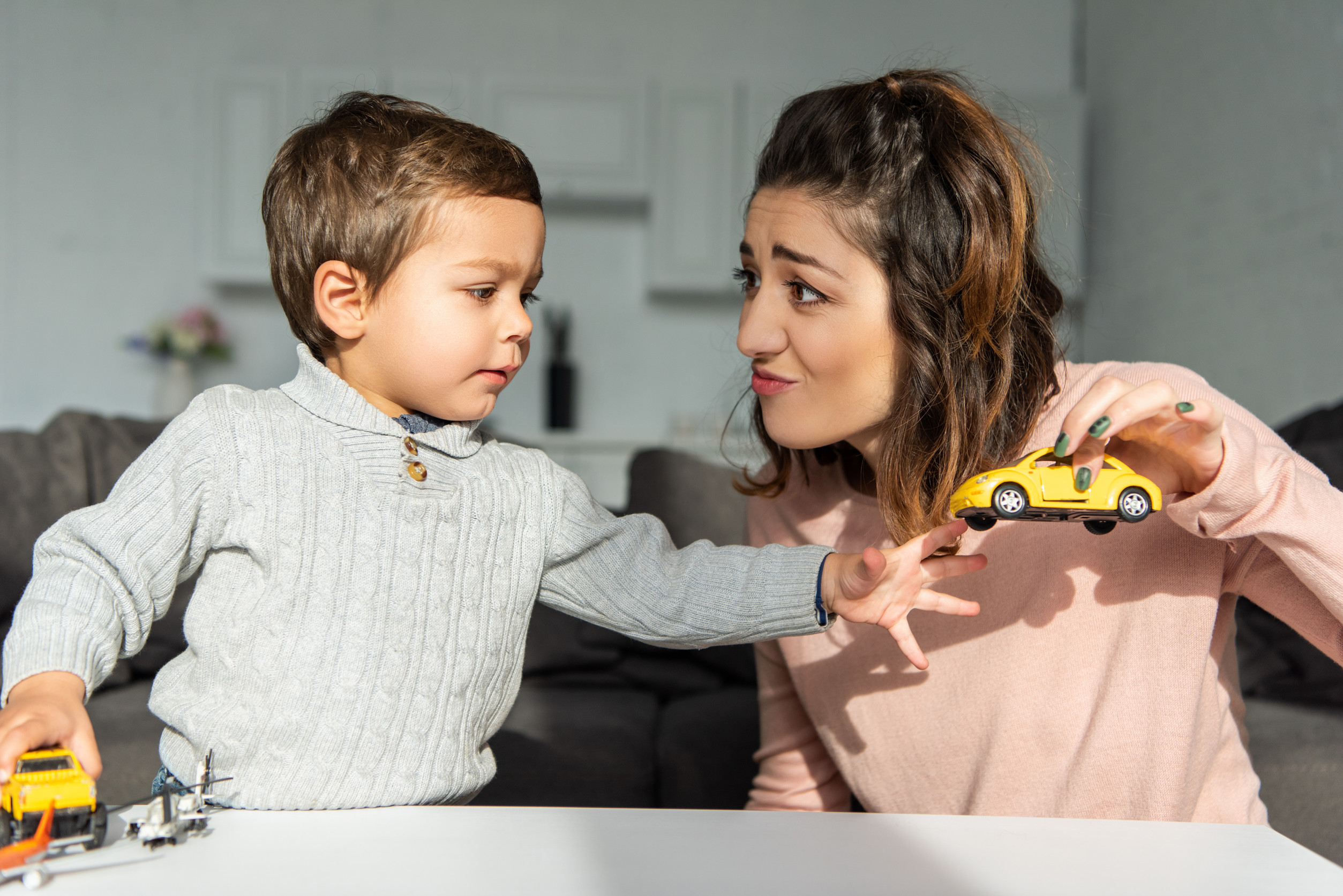
Toddlers are curious, emotional, and incredibly impressionable, which means the way we talk to them matters more than we think. Some of the most common phrases you say to your toddler—the ones that seem harmless or even helpful—can actually encourage the very behavior you’re trying to avoid. Words shape how young children understand expectations, boundaries, and relationships. Without realizing it, your well-meaning comments might be confusing, dismissive, or accidentally reinforcing bad behavior. Here are five common phrases to rethink and what to say instead for better behavior and communication.

1. “Be a good boy/girl or else…”

This phrase might sound like it sets a clear expectation, but it actually ties behavior to self-worth. When you use “be good or else,” you’re suggesting your child’s value depends on their actions in that moment. That pressure can make toddlers feel ashamed when they mess up, and they likely will—they’re still learning. Plus, vague threats like “or else” don’t clearly teach what behavior is expected. Instead of using this as a motivator, try “Please use your calm voice so we can all hear each other” or “Let’s take a deep breath and try again.”

2. “You’re making me sad/mad.”

It’s natural to feel emotional when your toddler pushes boundaries, but this phrase shifts the responsibility for your feelings onto your child. That can create guilt or anxiety in toddlers who aren’t emotionally mature enough to manage their own behavior and yours. One of the sneakiest phrases you say to your toddler that encourages bad behavior is one that teaches them emotional manipulation—whether you mean it or not. A better approach is to model healthy communication: “I feel frustrated right now, so I’m going to take a break and calm down.” This teaches them how to express emotions without assigning blame.

3. “Why did you do that?”

When your toddler throws a toy, dumps out cereal, or colors on the wall, asking “Why did you do that?” puts them on the spot. At this age, they often don’t know why—they act on impulse, not logic. This question usually leads to defensiveness or a shrug, instead of reflection. It’s one of the phrases you say to your toddler that can create shame without offering guidance. Try something like, “It looks like you were frustrated. Let’s talk about what we can do next time instead of throwing.” That way, you acknowledge the feeling but focus on solutions.

4. “You’re fine.”

When your toddler falls, cries, or panics over something small, it’s easy to say, “You’re fine” in an attempt to soothe them quickly. But to your toddler, their feelings are not fine—they’re big, scary, and very real. This phrase teaches kids to ignore their emotions, which can lead to bottling things up or acting out in other ways. One of the most dismissive phrases you say to your toddler is often used with the best intentions. A better response is, “That looked like it hurt. Do you want a hug or a moment to sit down?” This validates their feelings while still providing reassurance.

5. “Stop crying or I’ll give you something to cry about.”

This old-school phrase might still be floating around in moments of frustration, but it doesn’t teach empathy or self-control. It threatens punishment for expressing emotions and can increase fear, confusion, or resistance. It’s a power-based statement that actually fuels the kind of bad behavior you’re hoping to stop. Among the phrases you say to your toddler that encourage bad behavior, this one stands out for promoting emotional suppression. Instead, try saying, “It’s okay to cry. Let’s sit together until you feel better.” Supporting emotional expression leads to calmer behavior in the long run.

What You Say Teaches How They Respond

Words stick. The phrases you say to your toddler don’t just fill the space—they shape your child’s view of themselves and the world around them. You don’t have to be perfect, but being mindful of your language can change the tone of your home and help prevent unwanted behavior. Toddlers need clarity, empathy, and guidance more than anything else. With a few tweaks to your everyday language, you’ll be surprised how much more your child listens, cooperates, and trusts you to help them grow.

Have you caught yourself using any of these phrases? What swaps have helped your toddler respond better? Share your experiences in the comments!

Read More:

The Discipline Mistakes That Actually Make Kids Behave Worse

8 Tiny Phrases That Build Big Confidence in Kids

Catherine Reed
Catherine Reed

Catherine is a tech-savvy writer who has focused on the personal finance space for more than eight years. She has a Bachelor’s in Information Technology and enjoys showcasing how tech can simplify everyday personal finance tasks like budgeting, spending tracking, and planning for the future. Additionally, she’s explored the ins and outs of the world of side hustles and loves to share what she’s learned along the way. When she’s not working, you can find her relaxing at home in the Pacific Northwest with her two cats or enjoying a cup of coffee at her neighborhood cafe.

Filed Under: Parenting Tagged With: child discipline, gentle parenting, parenting language, parenting tips, phrases you say to your toddler, Positive Parenting, toddler behavior, toddler communication

The #1 Reason: Why Your Toddler’s Tantrums Are Worse Than They Need To Be

July 21, 2025 | Leave a Comment

The 1 Reason Why Your Toddlers Tantrums Are Worse Than They Need To Be
Image source: 123rf.com

You brace yourself for another outburst—tears, kicking, yelling, the works. Toddler tantrums can erupt over anything from the wrong color cup to being told “no,” and it’s exhausting. But what if the meltdowns didn’t have to be so intense? Many parents unknowingly react in ways that escalate the very behavior they’re trying to calm. Understanding why your toddler’s tantrums are worse than they need to be can make a huge difference in how you respond and how quickly your little one learns to self-regulate.

1. You’re Reacting Emotionally Instead of Regulating Yourself First

When a toddler is melting down, it’s incredibly hard not to meet their chaos with your own stress or frustration. But one of the main reasons your toddler’s tantrums escalate is because they’re feeding off your emotional energy. If your voice gets louder, if your body language shows tension, or if you match their intensity with anger, they’ll only spiral further. Toddlers don’t have the brain development yet to calm themselves on their own. They need a calm, steady adult presence to guide them out of the storm, not join them in it.

2. You’re Talking Too Much During the Tantrum

It’s natural to want to reason with your toddler mid-tantrum. You might explain, plead, or try to talk them down—but it usually doesn’t help. When a child is emotionally overwhelmed, their brain goes into survival mode and can’t process language effectively. Talking too much at this stage can frustrate them further or make them feel unheard. A better strategy is to stay close, stay quiet, and offer a calm presence until the storm starts to pass.

3. You’re Giving in After They Explode

It’s tempting to hand over the cookie, change your “no” to a “yes,” or cancel the errand to end the screaming. But giving in teaches your toddler that tantrums are a way to get what they want. Over time, this can make your toddler’s tantrums more frequent and more dramatic. Instead, try to hold your boundary while showing empathy—acknowledge their feelings without rewarding the behavior. This helps them learn limits and emotional resilience without feeling abandoned or ignored.

4. You’re Not Setting Clear Expectations in Advance

Tantrums often happen when kids feel caught off guard or powerless. If transitions like leaving the playground or turning off the tablet come as a surprise, your toddler may lose it because they didn’t feel prepared. Letting them know what’s coming gives their developing brain a chance to adjust. For example, “In five minutes, we’re going to leave the park and head home for lunch.” It won’t eliminate every meltdown, but it will reduce how intense your toddler’s tantrums become in those moments.

5. You’re Not Giving Enough Positive Attention Between Meltdowns

Sometimes tantrums flare up simply because toddlers are craving your attention—and negative attention is better than none. If your day is packed with “don’t do that” and “stop,” but little positive interaction, your toddler might turn to dramatic behavior to reconnect with you. Make time for positive reinforcement and connection before things go off the rails. A few minutes of play, praise, or one-on-one time each day helps meet their emotional needs in healthier ways. Investing in connection prevents many meltdowns before they start.

6. You’re Expecting Too Much Emotional Control for Their Age

It’s easy to forget that toddlers are still learning how to handle big feelings. Expecting them to “use their words” every time or stay calm when they’re overwhelmed can backfire. When your expectations are too high, your frustration rises, which feeds into the tantrum cycle. Recognizing that tantrums are developmentally normal helps you respond with more patience and compassion. Your toddler’s tantrums aren’t always about defiance—they’re often a cry for help managing emotions they don’t understand yet.

7. You’re Not Taking Care of Yourself

This one might sting a little, but it matters. If you’re running on empty, burnt out, or sleep-deprived, it’s harder to stay calm, consistent, and connected. That makes you more reactive and less able to guide your toddler through tough moments. Self-care isn’t selfish—it’s what allows you to be the grounded anchor your child needs when they’re losing it. Prioritizing your own needs helps reduce the frequency and intensity of your toddler’s tantrums more than any parenting hack ever will.

The Calm in the Chaos Starts with You

Your toddler’s tantrums might feel like a daily storm, but you have more influence over their intensity than you think. Tantrums aren’t about being a “bad” kid—they’re about big emotions in a tiny body with a developing brain. By adjusting your reactions, setting clear limits, and offering connection over correction, you create a calmer environment for both of you. Parenting through tantrums takes patience, empathy, and a whole lot of deep breaths—but it also gets easier with practice. The calmer you become, the faster your toddler learns to follow your lead.

Have you found a tantrum tactic that really works—or learned something the hard way? Share your experience with us in the comments!

Read More:

The Discipline Mistakes That Actually Make Kids Behave Worse

Are We Giving Our Kids Too Much Freedom Too Soon? Here’s Why You Might Be Wrong

Catherine Reed
Catherine Reed

Catherine is a tech-savvy writer who has focused on the personal finance space for more than eight years. She has a Bachelor’s in Information Technology and enjoys showcasing how tech can simplify everyday personal finance tasks like budgeting, spending tracking, and planning for the future. Additionally, she’s explored the ins and outs of the world of side hustles and loves to share what she’s learned along the way. When she’s not working, you can find her relaxing at home in the Pacific Northwest with her two cats or enjoying a cup of coffee at her neighborhood cafe.

Filed Under: Parenting Tagged With: child development, Emotional Regulation, parenting tips, parenting toddlers, tantrum solutions, toddler behavior, toddler meltdown help, toddler tantrums

« Previous Page
Next Page »
  • Facebook
  • Pinterest
  • RSS
  • Twitter

Basic Principles Of Good Parenting

Here some basic principles for good parenting:

  1. What You Do Matters: Your kids are watching you. So, be purposeful about what you want to accomplish.
  2. You Can’t be Too Loving: Don’t replace love with material possessions, lowered expectations or leniency.
  3. Be Involved Your Kids Life: Arrange your priorities to focus on what your kid’s needs. Be there mentally and physically.
  4. Adapt Your Parenting: Children grow quickly, so keep pace with your child’s development.
  5. Establish and Set Rules: The rules you set for children will establish the rules they set for themselves later.  Avoid harsh discipline and be consistent.
  6. Explain Your Decisions: What is obvious to you may not be evident to your child. They don’t have the experience you do.
  7. Be Respectful To Your Child: How you treat your child is how they will treat others.  Be polite, respectful and make an effort to pay attention.
Best Parenting Blogs

Most Popular

Baby

9 Unusual Baby Names That Sound Like They Belong to Future CEOs

Evan Morgan
Baby

10 Baby Names That Were Once Considered “Grandparent Names” but Feel Cool Again

Evan Morgan
Target Store

Choking Incident Prompts Recall of 49,000 Target Gigglescape “Under the Sea” Popping Toys

Evan Morgan
Frustrated Girl

Why Some Students on the Spectrum Are Labeled With ODD

Evan Morgan
Coke Bottles

12 Things Kids Took to School in the ’70s That Would Never Be Allowed Today

Evan Morgan

All content on Kids Ain’t Cheap is for entertainment purposes only. By reading this blog, you agree that Kids Ain’t Cheap is not responsible for any actions taken after reading this blog. For the full disclaimer, see our privacy policy.

Please note that Kids Ain’t Cheap has financial relationships with some of the merchants mentioned here. Kids Ain’t Cheap is funded by banner advertising, commission sales and search optimization consulting.

Copyright © 2006–2026 | District Media | All Rights Reserved | Privacy Policy

Copyright © 2026 Runway Pro Theme by Viva la Violette