
• Home
  • About Us
  • Toolkit
  • Archives
  • Advertise
  • Privacy Policy

Kids Ain't Cheap

But They Sure Are Worth It

  • Parenting
    • Baby Stuff
    • Books and Reading
      • Aesops Fables
      • Comic Books
    • Education
    • Family Time
    • Green Living
    • Growing Up
    • Healthy Living & Eating
    • Holidays
    • Parenting
    • Random Musings
    • Shopping
    • Stuff to Do
  • Money
  • Product Reviews
    • Books and Magazines
    • Discount Sites
    • Furniture
    • House Keeping
    • Reviews News
    • Toys and Games
  • Contact Us
  • Our Editorial Commitment
  • Search

12 “Grandma” Baby Names That Are Suddenly Cool Again

October 3, 2026 | Leave a Comment

Baby girl with pigtails sitting in a pink ruffled outfit
Names once associated with grandmothers are finding new life in nurseries, with Evelyn and Eleanor now among America’s most popular choices. Less common throwbacks such as Mabel, Vera and Edith offer parents a more distinctive route. (Pexels).

Baby names have a funny way of coming full circle, and choices once associated with grandmothers are appearing on birth announcements again. Parents are rediscovering vintage baby names that feel familiar, substantial and refreshingly different from newly invented choices. The trend is visible in current data, with names including Evelyn and Eleanor sitting surprisingly high on national popularity lists. At the same time, less common throwbacks give families a way to embrace nostalgia without choosing another Top 10 name. Here are 12 old-school choices proving that yesterday’s “grandma name” can sound remarkably fresh today.

1. Evelyn Is No Longer Just Vintage

Evelyn has moved well beyond the antique-name category and into the mainstream. In 2025, it ranked No. 8 nationally, with 9,123 girls receiving the name, according to NameAlmanac. That puts Evelyn alongside some of the most familiar names parents are choosing today. Nicknames such as Evie and Eve also let families give the traditional name a lighter everyday sound. Parents who want something unusual, however, should realize Evelyn is now far from rare.

2. Eleanor Keeps Moving Up

Eleanor offers history along with several modern-sounding nicknames, including Ellie, Ella and Nora. The name climbed from No. 14 in 2024 to No. 12 in 2025. Babylist also identified Eleanor among the girls’ names showing upward momentum in its 2025 baby-name analysis. That makes Eleanor a good example of how vintage baby names can return without losing their traditional character. Families should remember that its growing popularity could mean meeting another Eleanor at daycare or school.

3. Hazel Has Completed A Remarkable Comeback

Hazel once sounded unmistakably like a name from another generation. Today, its short sound and nature connection fit easily beside choices such as Ivy, Willow and Violet. Hazel ranked No. 21 among U.S. girls’ names in 2025. A century earlier, it was also familiar, ranking No. 34 in 1920. That kind of staying power shows why certain vintage baby names can successfully cross generations.

4. Josephine Gives Parents Options

Josephine works especially well for parents who love formal names but want nickname flexibility. Josie feels playful, while Jo or Joey gives the same name an entirely different personality. Josephine ranked No. 53 in 2025, placing it comfortably inside the Top 100. The full version still has the elegance people associate with an earlier era. Before choosing it, parents should consider whether they would be equally happy if relatives naturally shortened the name.

5. Clara Feels Surprisingly Modern

Clara demonstrates how simplicity can help an old name feel new again. It ranked No. 44 back in 1920 but stood at No. 63 in 2025. Nameberry’s updated collection of old-lady names specifically discusses whether stylish choices such as Clara even qualify as “old lady” names anymore. Its two syllables also make Clara straightforward to say and spell. That practicality matters when a child will repeat and write the name thousands of times throughout life.

6. Ruby Has Its Sparkle Back

Ruby combines an unmistakably vintage sound with the familiarity of a gemstone name. It ranked No. 26 in 1920 and remained popular enough to reach No. 64 in 2025. Unlike some elaborate Victorian choices, Ruby is short and requires no obvious nickname. It also fits naturally alongside contemporary nature and jewel-inspired names. Parents considering vintage baby names may find Ruby hits a comfortable middle ground between distinctive and recognizable.

7. Alice Has Lasted For Generations

Alice is less a forgotten name than a classic that keeps finding new audiences. It ranked No. 15 in 1920, when 11,596 girls received the name, according to historical naming data. In 2025, Alice remained firmly in use at No. 65. The name is familiar enough that spelling and pronunciation are unlikely to create much confusion. Yet it still carries the storybook quality many parents want from an older name.

8. Mabel Is Becoming Less Dusty

Mabel once sounded like the definition of a grandma name, but that perception is changing. The name rose 21 positions in 2025 to No. 201 among girls, according to The Bump’s Mabel popularity data. That ranking makes it considerably less common than Evelyn, Eleanor or Hazel. Parents can also use Mae as a natural nickname. Mabel is worth considering for families who want vintage style without choosing a name already near the top of the charts.

9. Vera Packs History Into Four Letters

Vera is short, recognizable and still relatively uncommon. It ranked No. 205 among girls in 2025, giving it substantially more breathing room than many revived classics. The name also works without requiring a nickname or unusual spelling. That simplicity can be useful when parents want something distinctive without creating constant pronunciation corrections. Vera shows that vintage baby names do not need to be long or elaborate.

10. Dorothy Could Be Ready For Rediscovery

Dorothy provides a striking example of how dramatically naming fashions can change. It was the No. 2 girls’ name in 1920, with 36,643 births recorded that year. Today it is far less common, making its instantly recognizable sound somewhat deceptive. Nicknames Dot and Dottie can also make Dorothy feel more playful. Parents looking beyond already-popular revival names may find that contrast especially appealing.

11. Florence Offers Serious Old-School Style

Florence was once everywhere, ranking No. 16 in 1920 with 10,731 births. Today, that history can make the name feel distinctive rather than ordinary. Flo, Florrie and Flora offer possible alternatives for everyday use. The tradeoff is that Florence has a stronger antique character than relatively mainstream choices such as Alice or Evelyn. Families should say the full first, middle and last name aloud before deciding whether that formality works for them.

12. Edith May Be Ready For Another Turn

Edith ranked No. 32 in 1920, when 7,773 girls received the name. A century later, its old-fashioned character is exactly what may appeal to parents searching beyond current favorites. Edie also provides a breezier nickname that feels less formal. Choosing Edith before any larger revival could appeal to families who value recognizable but uncommon vintage baby names. As with every revival choice, the real test is whether parents love the name itself rather than simply the trend.

Yesterday’s Names Are Finding New Families

The comeback of vintage baby names shows that “old-fashioned” is often only a temporary label. Some former grandma names, particularly Evelyn and Eleanor, have already become mainstream choices, while Dorothy, Vera and Edith remain much less expected. Parents should check current rankings, consider likely nicknames and test how a name sounds with their surname before committing. A family name can also add personal meaning that no popularity chart can measure.

Which grandma-style baby name deserves another generation, and which one should stay in the family scrapbook? Share your pick in the comments.

What to Read Next

10 Baby Names Everyone Thought Were Gone for Good — But Parents Are Bringing Them Back

The Babysitter Wants $25 an Hour: Is That Really the Going Rate Now?

9 Baby Names That Sound Rare Without Being Hard to Spell

Evan Morgan

Evan Morgan has been a full-time freelance writer and editor for 10+ years. When not working, he enjoys catching the latest true crime documentary or getting lost in a good book.


Filed Under: Parenting Tagged With: baby name trends, baby names, girl names, grandma baby names, old-fashioned baby names, Parenting, Pregnancy, vintage baby names

Should a Teen Pay Rent After Turning 18 if They Still Live at Home?

October 3, 2026 | Leave a Comment

Smiling teen girl in an apron taking an order at a restaurant
Turning 18 does not automatically mean a young adult is financially ready to leave home. A reasonable household contribution can teach budgeting while still giving teens room to save for college, emergencies, and eventual independence. (Pexels).

Turning 18 makes a teenager a legal adult, but it does not automatically make them financially independent. With housing, education, groceries, transportation, and insurance taking sizable bites out of young workers’ paychecks, many families are reconsidering what adulthood at home should look like. Recent research from Pew Research Center found that 57% of 18-to-24-year-olds live with a parent, so remaining home after high school is hardly unusual. The debate over whether a teen should pay rent after 18 is really about balancing responsibility with the opportunity to build a financial foundation. For many households, the best solution may fall somewhere between completely free housing and charging market-rate rent.

Living At Home Is Increasingly An Economic Strategy

High housing costs make living with parents a practical decision for many young adults rather than evidence that someone is refusing to grow up. A July 2026 analysis from the Urban Institute found that about 20% of Americans ages 25 to 34 live with their parents, nearly double the 11.8% recorded in 2005. Researchers also found that young adults are more likely to remain home in metropolitan areas with higher rents, even across different income levels. That matters when deciding whether a teen should pay rent after 18 because moving out prematurely can replace inexpensive family housing with rent, utilities, deposits, furniture, and other costs. Parents should therefore consider whether charging rent advances their child’s independence or simply makes saving enough to leave home harder.

A Contribution Does Not Have To Mean Market Rent

Parents who expect some financial participation are far from unusual, but writing a monthly rent check is only one option. Pew found that 72% of young adults living with parents contribute financially to their household, including 65% who help with groceries or utilities and 46% who contribute toward rent or the mortgage. A teenager earning $1,800 a month after taxes, for example, might pay $250 toward household expenses while putting $500 into savings and covering transportation and personal bills. That approach gives the young adult experience managing recurring obligations without consuming such a large percentage of income that saving becomes impossible. Families deciding whether a teen should pay rent after 18 should look at actual income and expenses instead of choosing an arbitrary amount.

Parents Should Protect Their Own Finances Too

Free housing can be generous, but parents should not provide it by jeopardizing retirement, emergency savings, or debt repayment. A Bankrate survey found that 61% of parents with adult children had made financial sacrifices to help them, including 37% who reported sacrificing retirement savings. That is an important hidden cost because parents approaching retirement have fewer working years available to rebuild depleted accounts. If another adult increases grocery, utility, insurance, transportation, or household costs by several hundred dollars monthly, requesting a reasonable contribution may protect the entire family. Before setting rent, parents should calculate what their adult child actually costs the household rather than treating the payment as punishment for reaching a birthday.

College And Early Careers Change The Equation

An 18-year-old attending school full time is in a different financial position from a 19-year-old working 40 hours a week with few personal expenses. The College Board reports average published in-state tuition and fees at public four-year colleges reached $11,950 for 2025-26, while public two-year in-district tuition averaged $4,150. Those figures exclude many everyday expenses, meaning charging substantial rent could force a student to work additional hours or borrow more money. Families might instead require smaller contributions, household chores, or measurable savings while the student remains enrolled and progressing toward a degree or credential. Whether a teen should pay rent after 18 should therefore depend partly on what that young person is actively doing to become self-supporting.

The Rent Can Become A Forced-Savings Tool

Parents who do not need their child’s contribution have another option: charge rent but quietly save some or all of it for the child’s future. For example, collecting $300 monthly for two years would produce $7,200 before any interest, potentially helping with a security deposit, emergency fund, reliable vehicle, or other move-out costs. The arrangement still teaches that housing carries a monthly cost while preventing the money from disappearing into everyday spending. Parents should decide beforehand whether they will eventually return the money and whether telling their child about the plan would undermine its budgeting lesson. Whatever approach is chosen, the amount, payment date, chores, savings expectations, guests, and target for eventual independence should be discussed clearly.

The Goal Should Be Independence, Not A Rent Check

There is no universal amount every family should charge when deciding whether a teen should pay rent after 18. A reasonable arrangement should reflect the young adult’s income, education plans, household costs, savings goals, and the parents’ financial situation rather than relying on age alone. Charging modest rent can teach budgeting and protect parents financially, while reduced or free rent can be equally productive when it allows a responsible young adult to finish school, eliminate debt, or accumulate meaningful savings. The strongest arrangement is one with a purpose, measurable expectations, and regular conversations about what comes next.

Would charging your 18-year-old rent prepare them for independence, or would helping them save that same money give them a stronger start—what would you do in your household? Share your thoughts in the comments.

What to Read Next

Living Alone and Working from Home? Here’s How to Stay Social

Should Parents Charge Adult Kids Rent When They Move Back Home?

Would You Charge Your Adult Child Rent If They Moved Back Home?

Evan Morgan

Evan Morgan has been a full-time freelance writer and editor for 10+ years. When not working, he enjoys catching the latest true crime documentary or getting lost in a good book.

Filed Under: Parenting Tagged With: adult children, budgeting, Cost of Living, family finances, financial independence, Parenting, personal finance, rent, Saving Money, teenagers

At What Age Should Kids Know the Family Is Struggling Financially?

October 2, 2026 | Leave a Comment

Mother helping her daughter use a laptop at a desk
Age-appropriate conversations about family financial struggles can help children understand changing budgets without making them responsible for adult money problems. Younger kids need simple explanations, while teenagers can handle more detail about household tradeoffs and financial planning. (Pexels).

Kids often notice family financial struggles long before parents officially explain them. They hear conversations about bills, notice when restaurant dinners disappear, or wonder why a planned vacation suddenly gets canceled. The challenge for parents is deciding how much honesty is appropriate without making children feel responsible for fixing an adult problem. There is no universal “right age,” but child-development experts suggest gradually increasing financial transparency as children become capable of understanding budgets, tradeoffs, and consequences.

Start With Simple Money Lessons In Elementary School

Children do not need a detailed explanation of credit-card balances or overdue bills to understand that money has limits. The Child Mind Institute says most children have enough math skills by second or third grade to begin learning about money, budgeting, saving, and spending decisions. For a 7-year-old, explaining family financial struggles might mean saying, “We’re spending less right now, so we’re cooking at home instead of ordering pizza.” That provides an honest explanation without making the child wonder whether the family will lose its home. Parents can also involve younger children in low-stakes decisions, such as comparing grocery prices or choosing between two affordable activities.

Give Tweens More Context Without Giving Them Your Anxiety

By roughly ages 10 to 12, many children can understand that household income must cover housing, food, transportation, utilities, and other necessities before extras. This is a reasonable stage to explain that family financial struggles sometimes require temporary changes, such as postponing a vacation or buying fewer new clothes. The American Academy of Pediatrics’ HealthyChildren.org recommends teaching children to divide money among saving, spending, and sharing, helping them understand that financial choices involve priorities. Parents should still avoid unloading fears such as, “I don’t know how we’ll survive if I lose my job.” A better message is specific but reassuring: “Money is tighter this year, so we have a plan to spend less.”

Teenagers Can Handle More Of The Real Numbers

Teenagers generally need more financial information because family finances increasingly affect decisions they participate in, from driving and extracurricular activities to college planning. Consider a household that previously spent $300 monthly on entertainment but must cut that amount to $100 after a parent’s hours are reduced; showing a teenager that $200 tradeoff can make the situation concrete without handing them the entire household ledger. Financial pressure is hardly unusual: an April 2026 LendingTree survey found 82% of parents said raising children had become more expensive over the previous year, while 64% said they had gone into debt to cover child-related costs. Discussing family financial struggles honestly can therefore teach teenagers that changing spending habits is a practical response rather than something shameful. Older teens can even help identify discretionary expenses, provided parents make clear that paying household bills remains the adults’ responsibility.

The Hidden Risk Is Making Kids Feel Responsible

The biggest issue may not be whether children know money is tight, but whether they start believing they must rescue the family. Research published in the Maternal and Child Health Journal in 2025 found that 55% of low-income families with young children in its study showed profiles involving medium-to-high levels of family stressors, highlighting how economic pressure can extend beyond the bank account. That is why statements such as “We can’t afford anything because you kids cost so much” can be especially damaging and should be avoided. Instead, parents can frame family financial struggles around choices and plans: “We’re cutting expenses while we rebuild our savings.” Children should understand the reality affecting their lives without becoming emotional partners in managing debt, job insecurity, or marital disagreements about money.

Financial Pressure Is More Common Than Children May Realize

Parents may also worry that acknowledging money problems will make their family seem unusually unsuccessful, but recent numbers provide important perspective. Bankrate’s 2026 Emergency Savings Report found 29% of U.S. adults had more credit-card debt than emergency savings, while 58% said their emergency savings were the same as or lower than a year earlier. Meanwhile, 85% said they would need at least three months of expenses saved to feel comfortable, yet only 46% actually had that much. Those numbers can help older teens understand why an unexpected $1,500 car repair can force an otherwise responsible family to change its budget quickly. The lesson is not that financial hardship is inevitable, but that emergency savings, controlled spending, and honest planning matter.

Kids Need Honesty Without Carrying The Burden

Children should gradually learn about money from elementary school onward, while detailed conversations about genuine financial hardship should expand as they mature. Parents do not need to reveal every debt balance, collection notice, or fear simply to be truthful. Instead, explain what is changing, why reasonable spending limits exist, and what the adults are doing about the situation. That approach gives children useful financial knowledge while preserving the sense of security they still need from their parents.

At what age did you first realize your family was struggling financially, and do you think your parents handled that conversation well? Share your experience in the comments.

What to Read Next

Why Children With Autism Often Struggle With Summer Transitions

The Truth About Teen Finances: 10 Money Habits Parents Are Teaching Kids That Keep Them Poor

How to Raise a Resilient Kid—Even If You’re Struggling Yourself

Evan Morgan

Evan Morgan has been a full-time freelance writer and editor for 10+ years. When not working, he enjoys catching the latest true crime documentary or getting lost in a good book.

Filed Under: Parenting Tagged With: Family Budgeting, family finances, financial literacy, financial stress, kids and money, Parenting, parenting advice, Saving Money

Should Siblings Get the Same Allowance If One Does More Chores?

October 2, 2026 | Leave a Comment

Girl washing apples at the kitchen sink while her mom cooks
Equal allowance does not always mean equal treatment when siblings have different workloads. Clear rules separating everyday family responsibilities from paid extra chores can make allowance feel fairer to everyone. (Pexels).

Giving two children the same allowance sounds fair until one is emptying the dishwasher, walking the dog, and folding laundry while the other has half as many responsibilities. Suddenly, equal pay can feel anything but equal, especially to the child doing more work. For parents, the sibling allowance question is really about deciding what the money represents: membership in the family, payment for work, or a combination of both. That distinction matters because children notice not only dollar amounts but also the rules behind them. A system that is predictable and explainable can prevent a few dollars from becoming a weekly argument about favoritism.

Equal Allowance And Fair Allowance Aren’t Always The Same

Age is one practical reason siblings might receive different amounts, even before chores enter the picture. Greenlight’s 2025 allowance data shows children ages 5–19 using its platform received $13.15 per week on average, with 10-year-olds averaging $8.53 and 15-year-olds $15.26. Those figures are not a prescription for every household, but they show how allowances commonly increase as children get older and their responsibilities expand. A sibling allowance system can therefore be fair without being identical, particularly when children differ substantially in age, workload, or independence. The key is telling children what determines their allowance rather than changing amounts unpredictably.

Separate Family Responsibilities From Paid Extra Work

One useful approach is to divide chores into basic responsibilities and optional paid jobs. The American Academy of Pediatrics’ HealthyChildren.org recommends age-appropriate household responsibilities and notes that children can take on increasing obligations as they mature. Parents might therefore expect everyone to make their bed, clear dishes, and keep personal spaces reasonably tidy without attaching a price to every task. Bigger jobs such as mowing the lawn, washing the car, babysitting a younger sibling, or deep-cleaning a garage can earn extra money. This hybrid sibling allowance system teaches that family members contribute because they belong to a household while still recognizing additional effort.

The Dollar Difference Can Be Small But Meaningful

Imagine 11-year-old Maya receives a base allowance of $10 per week, while 14-year-old Ethan receives the same $10 but can earn $5 extra for mowing the lawn and cleaning a bathroom. If Ethan completes those jobs every week, he earns $780 annually compared with Maya’s $520, a $260 difference that directly reflects additional paid work. This model is easier to explain than quietly giving Ethan more simply because he helps more. It also lets Maya earn extra when an appropriate additional job becomes available, reducing the risk that one sibling feels permanently locked into lower pay. Parents using a sibling allowance this way should post the jobs, expectations, and dollar amounts so everyone understands the rules before payday.

More Chores Shouldn’t Automatically Mean More Money

There is a hidden tradeoff in turning every household task into a transaction: children may start asking what they will be paid before helping. Research involving 207 children ages 5–13, published in the Australian Occupational Therapy Journal, found that participation in self-care and family-care chores was associated with working memory and inhibition, although the study did not prove chores caused those improvements. That suggests chores can have developmental value beyond producing spending money. Meanwhile, Greenlight’s 2025 Family Trends Report found 90% of surveyed children wanted to earn money rather than simply receive it. Parents can serve both goals by keeping some responsibilities unpaid while creating clearly defined opportunities to earn.

Fairness Works Better When Kids Understand The Rules

There is no universal rule requiring siblings to receive the same allowance, and equal dollars do not automatically create equal treatment. A practical sibling allowance system can provide a predictable base amount while reserving extra pay for clearly defined work that goes beyond ordinary family responsibilities. Parents should consider age, difficulty, time required, household budget, and each child’s abilities rather than simply counting the number of chores on a chart. Review the arrangement every few months, give both children reasonable opportunities to earn more, and explain changes before they affect payday.

If one child consistently does substantially more work, should equal allowance still count as fair, or should effort affect the paycheck? Share how your family handles allowance and chores in the comments.

What to Read Next

Should Parents Pay Kids for Chores They’re Expected to Do Anyway?

Cheap and Engaging Ways to Teach Kids Chores That Start Paying Off Now

7 Common Chores That May Be Too Dangerous for Young Children

Evan Morgan

Evan Morgan has been a full-time freelance writer and editor for 10+ years. When not working, he enjoys catching the latest true crime documentary or getting lost in a good book.

Filed Under: Parenting Tagged With: chores for kids, family finances, kids allowance, money management, Parenting, sibling allowance, teaching kids about money

What Does a Baby Actually Cost in the First 12 Months?

October 1, 2026 | Leave a Comment

Laughing baby in denim overalls sitting on a blanket outdoors
Childcare can cost more than all the diapers, clothing, and baby gear families buy during the first year. Planning for recurring childcare, feeding, and medical expenses can make the true cost of bringing home a baby much easier to manage. (Pexels).

Bringing home a baby changes nearly everything, including how quickly money leaves your bank account. The baby first-year cost is difficult to pin down because a family using full-time daycare may spend thousands more than one with relatives providing free care. Diapers, feeding, medical bills, clothing, and gear also accumulate gradually, making the total easy to underestimate. Current childcare prices alone can rival a major household bill, while delivery-related medical expenses may create costs before the baby even comes home. Understanding where the money actually goes can help parents build a budget that reflects their circumstances instead of relying on one intimidating national estimate.

Childcare Can Become The Biggest Expense

For working parents, childcare can completely reshape the baby first-year cost. Care.com’s 2026 Cost of Care Report puts average infant daycare at $332 per week, or roughly $17,264 over 52 weeks, while a family care center averages $323 weekly and a nanny averages $870. Another major analysis from Child Care Aware of America found the national average annual price of childcare reached $13,184 in 2025, up from $13,128 in 2024. Parents should ask prospective providers about registration charges, deposits, annual increases, late-pickup fees, vacation policies, and whether they still pay when the center closes. One of the smartest moves is researching childcare during pregnancy because availability, not just price, can determine which option a family ultimately uses.

Diapers And Feeding Add Up Month After Month

Diapers look inexpensive one package at a time, but newborns can use eight to 10 daily during their first month, according to Babylist. At roughly 25 to 35 cents per disposable diaper, several thousand changes during the first year can easily turn diapering into a four-figure expense once wipes, creams, and changing supplies are included. Formula can be another substantial variable because the American Academy of Pediatrics’ HealthyChildren.org notes that formula-fed babies may eventually consume up to about 32 ounces per day, although individual needs differ. Families can save by comparing cost per ounce, trying store-brand formula when appropriate, and buying larger diaper boxes only after knowing which size and brand work for their baby. Never stretch the budget by diluting formula beyond its preparation instructions, because saving a few dollars is not worth creating a nutrition or safety risk.

Medical Costs May Start Before Baby Comes Home

A realistic baby first-year cost should account for health expenses rather than assuming insurance makes childbirth and infant care free. An analysis from Peterson-KFF Health System Tracker found pregnancy, childbirth, and postpartum care averaged $20,416 in total health spending among people with employer-sponsored insurance, including $2,743 paid out of pocket. Average out-of-pocket spending was $2,563 for pregnancies resulting in vaginal delivery and $3,071 for C-sections, demonstrating how quickly deductibles and coinsurance can matter. Families should review their deductible, out-of-pocket maximum, hospital network, pediatrician network, and rules for adding a newborn to coverage before delivery. Also leave room for prescriptions, unexpected appointments, lactation services, or specialized infant care rather than budgeting only for routine pediatric visits.

Baby Gear Does Not Have To Break The Budget

The visible part of first-year costs often begin with a registry packed with cribs, monitors, strollers, carriers, bottles, and other gear. Yet expensive does not automatically mean essential, and Babylist’s 2026 budget registry example demonstrates that a broad collection of baby necessities can be assembled around a $500 target by choosing lower-cost options. Consider a couple who spends $500 on initial gear, $1,000 on diapers and related supplies, $1,500 on formula and solid foods, $1,500 on medical costs, and $13,184 on childcare; their illustrative first-year total already reaches $17,684. That figure excludes larger housing, lost income during unpaid leave, extra utility use, babysitting, and replacing equipment the baby quickly outgrows. Before buying something, parents should ask whether it is necessary immediately, whether the baby may reject it, and whether a safe lower-cost or hand-me-down alternative makes sense.

The Real Number Depends On How Your Family Lives

There is no universal baby first-year cost because childcare arrangements, insurance, feeding choices, location, parental leave, and existing family support dramatically change the equation. A household with free grandparent care and employer-paid insurance may spend far less than one paying for daycare while meeting a high health-plan deductible. Build three budget categories instead: predictable monthly expenses, one-time purchases, and an emergency cushion for expenses you cannot anticipate. Save money by requesting practical registry gifts, accepting appropriate hand-me-down clothing, comparing diaper unit prices, avoiding oversized newborn wardrobes, and delaying nonessential gear until you know you need it. Most importantly, calculate your own first-year cost before delivery so the recurring expenses—not just the cute nursery purchases—have a place in the household budget.

The Biggest Costs Are Often The Ones You Cannot Put On A Registry

The first year with a baby can be expensive, but the headline number matters less than understanding which expenses apply to your family. Childcare and healthcare can dwarf the price of onesies, toys, and nursery decorations, while lost income or unpaid leave can quietly create an even larger financial hit. Parents who price childcare, understand their insurance, separate needs from nice-to-haves, and maintain an emergency cushion are less likely to be surprised by the monthly cash flow. A useful baby budget should therefore be treated as a range that changes with the family rather than a single national number presented as inevitable.

What expense surprised you most during your baby’s first year—or what cost are you most concerned about if you are expecting? Share your experience and tips in the comments.

What to Read Next

7 Costly Baby Essentials That Aren’t Actually Necessary

The Hidden Costs: 11 Things You Didn’t Know You’d Pay For After Baby

Tax Breaks Parents May Miss When Paying for Child Care

Evan Morgan

Evan Morgan has been a full-time freelance writer and editor for 10+ years. When not working, he enjoys catching the latest true crime documentary or getting lost in a good book.

Filed Under: Parenting Tagged With: baby costs, baby expenses, baby first-year cost, Baby Formula, childcare costs, Diapers, Family Budget, new parents, Parenting, personal finance

10 Baby Names Everyone Thought Were Gone for Good — But Parents Are Bringing Them Back

October 1, 2026 | Leave a Comment

Smiling toddler peeking out from a wicker basket outdoors
Once-forgotten names including Mabel, Arthur, Dorothy, Opal, and Florence are climbing U.S. baby-name rankings again. Today’s parents are turning century-old choices into modern nursery favorites. (Pexels).

Baby names have a funny way of making grandparents feel suddenly fashionable again. Names once dismissed as hopelessly old-fashioned are appearing on birth announcements, daycare cubbies, and playgrounds across America. Current naming data show several vintage baby names climbing steadily after spending decades far from their former popularity. In fact, Nameberry reports that only 71% of U.S. babies born in 2024 received a Top 1,000 name, reflecting how widely parents are spreading their choices. That growing appetite for something distinctive is giving yesterday’s names another chance.

1. Mabel Is No Longer Just A Great-Grandmother Name

Mabel may be one of the clearest examples of vintage baby names becoming genuinely fashionable again. The name ranked No. 669 in 2014 but climbed all the way to No. 201 in 2025, according to Nameberry’s Mabel popularity data. The number of newborn Mabels jumped from 427 to 1,522 during that period. Its short sound also fits comfortably beside popular choices such as Hazel and Mae. Parents considering it get something recognizable without choosing a name heard constantly in every classroom.

2. Dorothy Is Slowly Finding A New Generation

Dorothy was a powerhouse a century ago, reaching No. 2 nationally at its historic peak. After becoming associated more with older generations, however, it spent years far down the rankings. Nameberry reports that Dorothy rose from No. 726 in 2014 to No. 421 in 2025, when 743 newborn girls received the name. Nicknames such as Dottie and Dot can make the formal name feel surprisingly playful. That flexibility helps explain why some vintage baby names can sound new without actually being new.

3. Arthur Has Staged A Remarkable Comeback

Arthur is no longer merely a name parents recognize from history books and family trees. It climbed from No. 306 in 2014 to No. 87 in 2025, when 3,847 boys received the name, according to Nameberry’s current Arthur data. That puts Arthur firmly back inside the national Top 100. The name also offers the friendly nickname Art while retaining a traditional full form. For parents wanting something established but increasingly current, Arthur now checks both boxes.

4. Florence Is Moving Up Fast

Florence once ranked as high as No. 6, but generations passed before American parents began seriously reconsidering it. The turnaround has recently become difficult to miss. Nameberry’s Florence data show the name moving from No. 1,302 in 2014 to No. 391 in 2025. Births bearing the name increased from 183 to 796 over those 11 years. Florence also gives families modern-sounding nickname possibilities including Flo and Flossie.

5. Opal Has Regained Its Shine

Gemstone names may sound contemporary, but Opal was already a Top 100 choice in the early 1900s. It subsequently faded before beginning a striking modern recovery. According to Nameberry’s Opal statistics, the name advanced from No. 1,304 in 2014 to No. 423 in 2025. The annual number of newborn Opals rose from 183 to 740 during that same period. For parents drawn to Ruby or Pearl, Opal offers a less common alternative with similar vintage appeal.

6. Otto Sounds Fresh Again

Otto illustrates how a compact Victorian-era name can suddenly sound surprisingly modern. It ranked only No. 630 in 2014 but reached No. 277 in 2025. During that stretch, annual births increased from 417 to 1,241, according to current Nameberry data. Its simple spelling and two-syllable pronunciation may also appeal to parents who dislike complicated names. That matters because 37% of parents in one naming survey said easy spelling and pronunciation were priorities, Parents reported.

7. Goldie Has Returned From Near Disappearance

Goldie might sound like the ultimate antique nickname, which makes its revival particularly noticeable. After disappearing from the U.S. Top 1,000 decades ago, it finally returned in 2021. Nameberry reports that Goldie reached No. 621 in 2025, with 469 newborn girls receiving it. That compares with only 75 births in 2014. Parents considering vintage baby names should remember that a once-unfashionable nickname can eventually become a standalone choice.

8. Walter Is Quietly Holding Its Ground

Walter never completely disappeared, but for years it sounded more boardroom than nursery. That perception is changing as traditional boy names find younger audiences. The name rose to No. 252 in 2025, when 1,381 boys were named Walter, according to Nameberry’s latest figures. Walt provides a shorter option for families who find the full version too formal. Before choosing it, parents should try saying both versions with their surname because rhythm can matter as much as popularity.

9. Edith Is Getting Another Look

Edith was once among America’s most familiar girls’ names, peaking at No. 26 in the 1890s. Today it remains far less common, but it has established a foothold among revived classics. The name ranked No. 499 in 2025, with 595 newborn girls receiving it, according to Nameberry’s Edith data. The nickname Edie gives parents a softer, more casual alternative. This is one reason vintage baby names can work particularly well when they offer both formal and everyday versions.

10. Betty Is Showing Signs Of Life

Betty has not returned on the scale of Arthur or Mabel, so parents should keep this comeback in perspective. Still, the movement is notable because the name once seemed firmly tied to another era. Births increased from 196 in 2014 to 253 in 2024 before slipping to 212 in 2025, according to Nameberry’s Betty history. That makes Betty more of an emerging possibility than a full-scale revival. Families who want an uncommon throwback may see that rarity as an advantage rather than a drawback.

Yesterday’s Names Are Becoming Tomorrow’s Class List

The bigger story is not that every forgotten name will suddenly become popular again. Instead, parents appear increasingly comfortable searching deeper into family trees and earlier generations for distinctive choices. When evaluating vintage baby names, check current popularity, initials, likely nicknames, pronunciation, and how the full name sounds aloud before deciding. A name that seems unusual today may feel perfectly ordinary by the time a child reaches kindergarten.

Which supposedly outdated baby name do you think deserves another comeback, and which one should stay in the past? Share your pick in the comments.

What to Read Next

10 Baby Names With Meanings That Are Better Than the Names Themselves

9 Baby Names That Sound Rare Without Being Hard to Spell

10 Baby Names That Almost Disappeared but Could Be Ready for a Comeback

Evan Morgan

Evan Morgan has been a full-time freelance writer and editor for 10+ years. When not working, he enjoys catching the latest true crime documentary or getting lost in a good book.

Filed Under: Parenting Tagged With: baby name ideas, baby names, classic baby names, name trends, Parenting, popular baby names, Pregnancy, vintage baby names

Is $20 a Week Too Much Allowance? Here’s What Parents Are Really Paying by Age

September 30, 2026 | Leave a Comment

Hand holding out a twenty dollar bill
A $20 weekly allowance adds up to $1,040 a year, but current data show the appropriate amount varies widely by age. Parents can get more value from allowance by pairing it with clear expectations about spending and saving. (Pexels).

Parents trying to decide how much allowance to give their kids can quickly discover there is no universally accepted number. Is $5 enough for an elementary schooler, and does $20 a week become excessive for a teenager? Current data show that a weekly allowance can vary dramatically depending on a child’s age, responsibilities, and even which families are surveyed. Before automatically matching what another parent pays, it helps to understand what today’s numbers actually mean for your household.

What Parents Are Actually Paying

One of the newest detailed age breakdowns comes from Greenlight, which reported that children and teens ages 5 to 19 using its platform received an average weekly allowance of $13.15 in 2025. The averages ranged from $6.18 for 5-year-olds to $8.53 for 10-year-olds, $11.59 for 13-year-olds and $21.47 for 17-year-olds. That makes $20 a week considerably higher than Greenlight’s average for a younger child but close to what older teens received. Another ongoing Kids’ Money allowance survey reports an average of $10.15 per week among respondents, with 70% of allowance recipients required to do chores. The takeaway is that age matters, but what children are expected to do with their money matters just as much.

Why One Average Can Be Misleading

Here is the surprising part: another major survey produced a dramatically higher figure than Greenlight’s data. A 2025 Wells Fargo/Ipsos survey of 1,587 U.S. parents found that 71% of parents with children ages 5 to 17 gave an allowance, averaging $37 per week. That does not mean parents should immediately increase a $10 weekly allowance to $37, because the surveys use different populations and methodologies. Wells Fargo surveyed parents, while Greenlight calculated averages among families using its platform, making an apples-to-apples comparison inappropriate. For parents, the enormous gap is an important reminder that an average allowance is a reference point rather than a recommended rate.

The Real Cost Of Paying $20 A Week

A $20 weekly allowance may sound modest until parents calculate the annual expense: paid every week, it totals $1,040 per child. A family with two children receiving that amount would spend $2,080 annually, which could compete with other priorities such as activities, family entertainment or savings. Parents should therefore decide what the money is supposed to cover before choosing the amount, because $20 for snacks, entertainment and occasional purchases is different from $20 in unrestricted spending money. One practical approach is to make part of the allowance available for spending while encouraging the child to save another portion toward a specific goal. The amount should fit the household budget comfortably; parents do not need to strain their own finances simply to match another family’s weekly allowance.

Allowance Works Better With A Purpose

Giving children money alone does not guarantee that they will become skilled money managers, and the conversations surrounding that money appear important. The Wells Fargo survey found that 85% of parents believed allowances help children learn about spending, yet 65% found it difficult to stand back and allow their children to make money mistakes. Earlier T. Rowe Price research similarly found associations between receiving an allowance and children reporting greater knowledge of personal-finance management, although those survey results should not be interpreted as proof that allowance alone caused better financial skills. More recently, a 2026 study published through Cambridge University Press found associations between childhood allowance experiences and later financial attitudes and behaviors, while also stressing that the study did not establish causality. Instead of focusing exclusively on the dollar amount, parents can use payday to discuss saving goals, spending choices and what happens when the money runs out before the next payment.

Questions To Ask Before Setting An Allowance

Start by asking what purchases your child will become responsible for, because taking over expenses can justify a higher allowance without giving them more discretionary money. Next, decide whether routine family responsibilities such as making the bed are unpaid expectations while optional jobs such as washing the car can generate extra cash. Parents can also establish a savings target, such as putting $4 of a $20 weekly allowance toward a larger purchase, leaving $16 for spending or additional saving. Review the arrangement as the child gets older instead of automatically increasing the amount every birthday, especially when household finances are tight. Most importantly, avoid repeatedly replacing money a child spends too quickly, because experiencing a small, manageable shortage can make budgeting feel real.

The Best Allowance Is The One With A Job

So, is $20 a week too much allowance? Greenlight’s age-by-age figures suggest it is well above the 2025 average for younger children but roughly in line with what older teenagers on its platform were receiving. Still, a successful weekly allowance is less about matching an internet average and more about giving a child an age-appropriate amount they can actually learn to manage. Parents should set clear expectations, keep payments affordable and periodically adjust both the amount and the expenses their child is expected to handle.

Would you give your child $20 every week, or does more than $1,000 a year sound excessive for an allowance? Share what you pay, your child’s age and whether they have to earn it in the comments.

What to Read Next

5 Reasons Why Allowance is a Waste of Money

This Seemingly Smart Allowance Trend Is Leaving Teens Financially Unprepared

Beyond The Allowance: 9 Financial Investments For Kids That Are Bad Ideas

Evan Morgan

Evan Morgan has been a full-time freelance writer and editor for 10+ years. When not working, he enjoys catching the latest true crime documentary or getting lost in a good book.

Filed Under: Parenting Tagged With: family finances, financial literacy, kids allowance, money lessons for kids, Parenting, parenting tips, Saving Money, weekly allowance

A $10 Toy Can Become a Serious Hazard — 5 Things Parents Should Check Before Buying Online

September 29, 2026 | Leave a Comment

Child Playing With Toys
A low price and positive reviews do not guarantee a toy is safe. Parents should check sellers, small parts, battery compartments, powerful magnets, and safety information before giving an online purchase to a child. (Pexels).

A $10 toy can look like an easy win when you are shopping online, especially when thousands of positive reviews and colorful photos make it seem harmless. But online toy safety deserves more attention than the price tag, star rating, or “bestseller” badge. Recent independent testing has found problems ranging from accessible button batteries and choking hazards to dangerously strong magnets in toys sold through major online marketplaces. In 2025, Toy Industries of Europe tested 70 toys from non-EU sellers and found 86% had serious safety issues, showing why unfamiliar sellers deserve extra scrutiny. A few minutes of checking before clicking “buy” can help parents separate a genuine bargain from a product that may not belong in a child’s hands.

1. Check Who Actually Makes And Sells The Toy

One of the most overlooked online toy safety steps is identifying the company behind the listing, because the marketplace hosting a product may not be its actual seller. The Toy Association recommends researching unfamiliar sellers, looking for an official company website, and treating missing manufacturer information, poor-quality images, and obvious grammatical errors as warning signs. A generic brand name with no meaningful web presence or customer-service information should make you investigate further rather than assume the marketplace has independently vetted the product. Be especially cautious when several sellers offer what appears to be the identical unbranded toy under different names, because tracing the manufacturer or obtaining help after a safety problem may be difficult. Before ordering, ask a simple question: “If this toy breaks tomorrow, can I identify and contact the company responsible for it?”

2. Look Beyond The Recommended Age

An “ages 3+” label should not automatically convince you that a toy is appropriate for your child, particularly when small pieces can detach during normal play. In 2025 testing, CHOICE examined 22 toys purchased through online marketplaces and found six with significant safety failures, including small or unsecured parts that could present choking hazards. Parents should study listing photos for detachable wheels, beads, eyes, caps, balls, or other pieces a younger sibling might put in their mouth. The American Academy of Pediatrics’ HealthyChildren.org also advises parents to read warning labels and watch specifically for small batteries, powerful magnets, and small objects. Good online toy safety therefore means considering how the toy is built and who else can reach it, not simply accepting the age recommendation printed in the listing.

3. Treat Button Batteries As A Major Warning Sign

Light-up toys, talking gadgets, miniature electronics, and inexpensive party favors can hide a particularly serious hazard: button or coin batteries. Consumer Reports evaluated 31 button-battery products purchased online and found 10 had dangerously accessible batteries, while 16 had no warning label at all. Button batteries can damage internal tissue in as little as two hours if swallowed, making a flimsy battery door much more than a minor design flaw. When evaluating online toy safety, zoom in on product photos and look for a battery compartment secured with a screw or another mechanism a young child cannot easily open. If a $10 electronic toy saves you $8 compared with a recognizable alternative but provides no clear battery-compartment photos, manufacturer information, or warnings, that $8 savings is not worth gambling on an unknown design.

4. Be Extremely Careful With Small Powerful Magnets

Tiny high-powered magnets can look harmless, yet swallowing more than one can allow them to attract each other through intestinal tissue and cause devastating injuries. This risk remains current: safety authorities warned in March 2026 about magnetic stick-figure sets containing detachable magnets that had been sold online for about $9, demonstrating how closely a real-world example can match the supposedly harmless $10 impulse purchase. In 2025, Toy Industries of Europe reported that 86% of the 70 toys it tested from non-EU online sellers had serious safety issues, including powerful magnets, accessible batteries, and choking hazards. Parents should avoid assuming that a magnetic desk toy becomes safe simply because a listing describes it as a novelty, sensory product, or item for older children when younger kids live in the home. For better online toy safety, inspect magnetic toys regularly and immediately remove anything with loose, cracked, or detachable magnetic pieces.

5. Search For Safety Problems Before You Pay

Reviews can tell you whether a toy arrived late or broke quickly, but they are not a substitute for checking documented safety concerns. The British Toy & Hobby Association reported in June 2026 that 90% of 89 toys it purchased from third-party sellers across seven online marketplaces failed UK toy safety requirements, illustrating why parents should investigate unfamiliar products rather than rely on ratings alone. Search the exact brand, model number, manufacturer, and words such as “recall,” “warning,” or “safety” before buying, and repeat that check for toys already sitting in your home. Save the order confirmation and photograph the packaging and model information before throwing the box away, since those details can help determine whether a later warning applies to your purchase. Spending two extra minutes on online toy safety is particularly worthwhile for cheap impulse buys, where an unfamiliar seller and limited product information can otherwise disappear from your radar as soon as the package arrives.

The Cheapest Toy Is Not Always The Best Bargain

Parents do not need to assume that every inexpensive toy or every product sold through an online marketplace is dangerous. Instead, the lesson from recent testing is that price, attractive photos, marketplace popularity, and glowing reviews cannot independently establish that a toy is safe. Make online toy safety part of the purchase itself by checking the seller, age suitability, small parts, batteries, magnets, and available safety information before handing over your money. A legitimate bargain still looks like a bargain after those checks, while a questionable $10 toy becomes much easier to leave in the shopping cart.

What safety detail do you check first when buying toys online, and has an online purchase ever arrived looking less safe than its listing suggested? Share your experience in the comments.

What to Read Next

Bought Kids’ Toys From SHEIN or Amazon? Check These New Recalls Before Playtime

Choking Incident Prompts Recall of 49,000 Target Gigglescape “Under the Sea” Popping Toys

6 Toy Store Layout Tricks That Manipulate Your Wallet

Evan Morgan

Evan Morgan has been a full-time freelance writer and editor for 10+ years. When not working, he enjoys catching the latest true crime documentary or getting lost in a good book.
Filed Under: Parenting Tagged With: button batteries, child safety, choking hazards, magnetic toys, online marketplaces, online shopping, online toy safety, Parenting, product safety, toy safety

School Lunch or Packed Lunch: Which Is Actually Cheaper in 2026?

September 29, 2026 | Leave a Comment

Group of kids eating lunch together at a table
In 2026, a typical packed lunch can cost considerably more than the average cafeteria meal, although free-meal eligibility and food waste can dramatically change the math. Families can save by comparing their school’s actual meal price with the true per-serving cost of food packed at home. (Pexels).

For years, packing a child’s lunch has felt like the obvious money-saving alternative to paying the cafeteria every day. In 2026, however, higher grocery prices and the growing popularity of individually packaged snacks have complicated that assumption. Depending on what goes into the lunchbox, the school lunch cost can actually be considerably lower than what parents spend assembling lunch at home. The biggest surprise is that even a basic homemade lunch may not beat the cafeteria once families calculate the cost per serving instead of simply looking at the grocery receipt.

The 2026 Numbers Favor The Cafeteria

A 2026 analysis from Deloitte estimates the average packed lunch at $6.33 per day, up 2% from the previous year, while the average cafeteria lunch costs about $3.15. Even Deloitte’s least expensive packed option, a classic peanut butter-and-jelly-style lunch, came to $4.89, while its more contemporary lunch reached $7.49. Separately, the School Nutrition Association reported typical 2025-26 paid lunch prices of $3 for elementary students, $3.20 for middle schoolers and $3.25 for high schoolers. Those numbers make the school lunch cost surprisingly competitive with groceries, particularly when parents rely on single-serving drinks, snack packs or prepared foods. Of course, local prices vary, so parents should check their district’s current menu and meal price before assuming either choice is cheaper.

A Small Daily Difference Becomes Hundreds Of Dollars

Consider a child attending school for roughly 180 days and compare Deloitte’s $6.33 packed-lunch estimate with its $3.15 cafeteria figure. At those prices, packed lunches would total about $1,139 for the school year, compared with approximately $567 in cafeteria charges—a difference of roughly $572 per child. For two children, the gap could exceed $1,140, showing why a seemingly minor daily difference deserves attention in a household budget. Even using Deloitte’s $4.89 PB&J-style lunch would cost about $880 over 180 days, roughly $313 more than the $3.15 cafeteria benchmark. Your actual school lunch cost could be higher or lower, but multiplying the daily price by the number of school days gives families a much clearer comparison than guessing at weekly grocery spending.

Free Meals Can Completely Change The Calculation

Before buying another month’s worth of lunchbox supplies, parents should verify whether their children can receive meals at no charge. The Food Research & Action Center reports that 55,362 schools used the Community Eligibility Provision during the 2025-26 school year, allowing 27.6 million children attending those schools to receive breakfast and lunch without charge. Additionally, research published in Nutrients identified nine states with enacted universal school-meal laws as of the end of 2025: California, Colorado, Maine, Massachusetts, Michigan, Minnesota, New Mexico, New York and Vermont. Eligibility and implementation can vary, making it important to check the rules at your child’s specific school rather than assuming your household earns too much to benefit. For a student receiving lunch at no charge, the out-of-pocket school lunch cost is effectively zero, making cafeteria meals extremely difficult for a packed lunch to beat financially.

Smart Families Can Use Both Options

The best money-saving strategy does not have to mean choosing cafeteria meals or packed lunches exclusively for the entire year. Review the school menu each week, identify meals your child enjoys and pack lunch on days when the cafeteria choices are unlikely to get eaten. For homemade lunches, buying larger containers of yogurt, crackers or snacks and portioning them into reusable containers can reduce the premium attached to individual packages. Leftovers can also lower packed-lunch expenses, provided they can be stored safely and your child has an appropriate way to keep hot foods hot and cold foods cold. Finally, compare the school lunch cost every semester because cafeteria prices, grocery prices and your child’s eating habits can all change.

The Real Winner Depends On What Lands In The Trash

For many families paying full price in 2026, the numbers suggest cafeteria lunch can cost less than a typical packed lunch, but averages cannot decide what works for every child. KPRC 2 Click2Houston recently illustrated that local differences matter, reporting cafeteria prices ranging from $2.75 at certain Katy-area elementary schools to $4 at non-CEP Houston ISD campuses. Before deciding, calculate your child’s cafeteria price, determine whether free or reduced-cost meals are available, and divide the actual cost of lunchbox groceries by the number of lunches those groceries produce. Then factor in the food that routinely comes home untouched, because reducing waste can matter almost as much as finding a lower sticker price.

Which costs your family less in 2026—packing lunch or buying it at school, and has the answer changed as grocery prices have risen? Share your experience in the comments.

What to Read Next

7 School Lunch Payment Fees Quietly Raising Parents’ Costs

Teachers Beg Parents: Stop Buying These 7 High-Sugar Snacks for School Lunches

The Lunchbox Items Kids Are Most Likely to Bring Home Uneaten

Evan Morgan

Evan Morgan has been a full-time freelance writer and editor for 10+ years. When not working, he enjoys catching the latest true crime documentary or getting lost in a good book.

Filed Under: Parenting Tagged With: Back to School, Family Budget, food costs, grocery prices, packed lunch, Parenting, Saving Money, school lunch, school lunch cost, school meals

Kids Outgrow Clothes Fast — But These 7 Things Shouldn’t Be Bought Used

September 28, 2026 | Leave a Comment

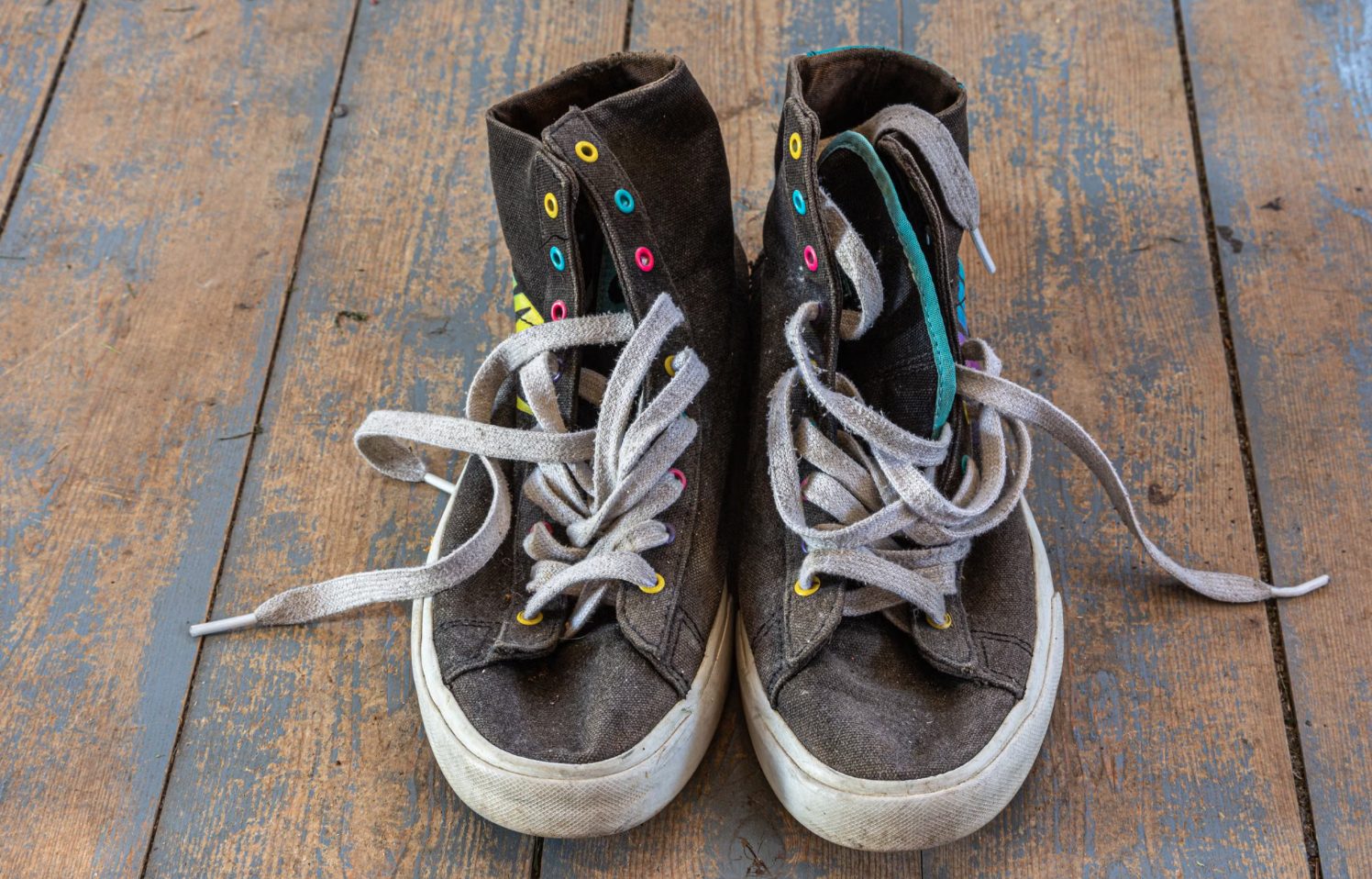
Pair of worn black high-top sneakers on a wooden floor
Secondhand clothing can stretch a family budget, but safety-sensitive products such as car seats, helmets and sleep gear require more caution. Knowing what to buy new can prevent a bargain from becoming a costly mistake. (Pexels).

Anyone raising children knows how quickly perfectly good clothes can become too small. Buying secondhand can be a smart way to stretch a family budget, particularly when many shirts and jeans are barely worn before they are outgrown. In 2026, the National Retail Federation reports that K-12 families expect to spend an average of $250.29 on clothing and accessories and another $174.01 on shoes. National Retail Federation That makes used kids items tempting, but some purchases carry risks that a bargain price cannot reveal.

1. Car Seats With An Unknown History

A used car seat can look spotless while hiding damage that cannot be seen from the outside. Consumer Reports notes that most car seats have useful lives of roughly six to 10 years, and crash history, recalls and expiration dates all matter. A marketplace seller may honestly believe a seat is safe without knowing whether it experienced damaging crash forces years earlier. If a new seat costs $180 while a used one costs $70, that $110 savings is difficult to justify when its complete history is uncertain. Among used kids items, car seats deserve particularly careful scrutiny.

2. Bike And Sports Helmets

Helmets are another product where damage may be hidden beneath a good-looking exterior. Consumer Reports recommends replacing a bicycle helmet after a crash even when damage is not visible, because the impact-absorbing foam may already have been compromised. It also recommends replacing a well-used helmet after approximately five years. Unless you personally know the helmet’s entire history, buying new removes an important unknown. Parents can still save by choosing a basic safety-rated model instead of paying extra for graphics or a fashionable brand.

3. Cribs With Missing Parts Or Labels

That beautiful hand-me-down crib may have more history than a seller realizes. The American Academy of Pediatrics advises families using previously owned cribs to make sure they meet current standards, have proper slat spacing and are not missing hardware. Repeated assembly, disassembly, or improvised replacement hardware can also make evaluating an older crib difficult. Older models may lack instructions or identifying information needed to check their history. A dresser can be a terrific secondhand find, but an infant’s primary sleep space deserves a higher bar.

4. Used Crib Mattresses

A crib mattress is another used item where appearance does not tell the whole story. Safe infant sleep requires a firm, flat surface that fits the crib properly, and a previously used mattress can develop sagging or damaged areas. The American Academy of Pediatrics emphasizes that the sleep surface should be firm and should not indent under the baby. Stains, moisture exposure, and unknown storage conditions provide additional reasons to be cautious with mattresses from strangers. Saving elsewhere in the nursery may make more sense than gambling on the condition of a baby’s sleep surface.

5. Single-User Breast Pumps

A secondhand breast pump can seem like an easy way to avoid another large baby expense, but check the manufacturer’s designation first. Medela, for example, states that its Freestyle Mini is a single-user product and should not be borrowed or purchased secondhand, even though it uses a closed-system design. That is different from equipment specifically designed and validated for multiple users, such as certain hospital-grade rental pumps. Parents should therefore never assume that “closed system” automatically means “safe to share.” With these used items, the model’s instructions matter more than the seller’s description.

6. Heavily Worn Shoes

Shoes are trickier because experts do not universally say every lightly used pair must immediately go in the trash. However, the American Podiatric Medical Association recommends checking children’s shoe sizing every four to six months and allowing roughly 10 to 15 millimeters of room ahead of the longest toe. A used shoe may already have compressed cushioning, uneven tread, or a shape influenced by its previous wearer. That makes heavily worn athletic shoes and everyday sneakers poor places to economize. Families can instead buy fewer new pairs, measure both feet and prioritize fit over expensive logos.

7. Children’s Sleepwear With Missing Safety Information

Used pajamas may look like ordinary clothing, but children’s sleepwear is subject to special flammability requirements. U.S. rules distinguish qualifying tight-fitting sleepwear from other children’s sleepwear, making fit and labeling more important than many parents realize. Cornell Legal Information Institute provides details on the federal requirements covering children’s sleepwear. Be cautious when resale pajamas have missing labels, unclear sizing, damaged fasteners or enough stretching that formerly snug sleepwear now hangs loosely. Buying new makes it easier to verify the intended size, labeling, and condition.

The Best Bargain Is Knowing Where Not To Cut Corners

Secondhand shopping still makes excellent financial sense for many children’s shirts, jeans, coats, books and other easy-to-inspect belongings. The key is separating cosmetic wear from products whose safety depends on history, structure, hygiene or precise fit. With families budgeting $174.01 on average for K-12 shoes alone in 2026, choosing carefully matters more than simply choosing new or used every time. Before buying used items for kids, ask whether you can verify the product’s age, condition, instructions, recall history and previous use.

Which children’s products do you happily buy secondhand, and which ones will you only purchase new? Share your experience in the comments.

What to Read Next

Bought Kids’ Toys From SHEIN or Amazon? Check These New Recalls Before Playtime

8 Money Lessons Kids Can Learn From One Trip to the Grocery Store

Are Parents Buying Too Many Clothes Before Kids Actually Need Them?

Evan Morgan

Evan Morgan has been a full-time freelance writer and editor for 10+ years. When not working, he enjoys catching the latest true crime documentary or getting lost in a good book.

Filed Under: Parenting Tagged With: Baby Gear, car seats, child safety, children's clothing, Family Budget, Kids, Money Saving Tips, Parenting, parenting tips, secondhand shopping

The Babysitter Wants $25 an Hour: Is That Really the Going Rate Now?

September 27, 2026 | Leave a Comment

Little girl whispering in a smiling teen babysitter's ear on a couch
Babysitting rates in 2026 commonly reach the $20-to-$30-an-hour range, depending on location, experience and responsibilities. At $25 an hour, even a four-hour date night means $100 in childcare before parents spend anything else. (Pexels).

A few years ago, paying a babysitter $15 or $18 an hour might have seemed perfectly reasonable, but many parents are now hearing a much bigger number: $25. That can turn an ordinary date night into a surprisingly expensive outing before dinner, tickets, or transportation enter the picture. Yet current babysitter rate data shows that $25 an hour is no longer unusual, particularly in expensive metropolitan areas or when a sitter has substantial experience. The confusing part is that national averages vary significantly depending on which childcare marketplace you check and how its data is collected. Before deciding that $25 is excessive—or automatically agreeing to it—parents should understand what they are actually paying for.

$25 An Hour Is Becoming Less Unusual

Current babysitter rate figures show just how much the market can vary: Sittercity reported a national typical rate of $23 an hour in May 2026, while UrbanSitter put its national average at $26.24 for one child based on booking data. Meanwhile, Care.com data cited a national average starting cost of $20.61 an hour as of September 2026, illustrating why parents should not treat any single national figure as the universal going rate. The differences largely reflect methodology: some numbers come from caregiver listings, others from family job postings or completed bookings. Geography matters just as much, with Sittercity reporting 2026 babysitting rates of $30.50 in San Francisco, $28 in Seattle, $25 in Austin and $21 in San Antonio. In other words, a $25 babysitter rate can be above average in one community and completely ordinary in another.

What Parents Are Actually Paying For

The hourly babysitter rate is not determined only by the number of hours someone spends inside your house, because the difficulty and responsibilities of the job matter. A caregiver watching one self-sufficient 10-year-old for three hours has a very different assignment from someone feeding an infant, changing diapers and putting a toddler to bed while supervising an older sibling. Care.com notes that location, experience, children’s ages, number of children and responsibilities can all influence what a sitter charges. CPR and first-aid training, experience with infants or children requiring specialized care, driving duties, meal preparation and late-night availability may also justify higher compensation. Parents comparing babysitter rates should therefore compare similar jobs rather than assuming that a neighbor paying less is buying exactly the same service.

The Four-Hour Date Night Adds Up Fast

Suppose a couple hires a sitter from 6 p.m. until 10 p.m. at a babysitter rate of $25 an hour, making the childcare bill $100 before they leave home. Add a $90 dinner, $30 for movie tickets and $20 for parking or transportation, and their four-hour night out has suddenly reached $240. Extend the evening until midnight and babysitting alone becomes $150, pushing the same outing to $290. That math helps explain why childcare expenses are changing how families socialize, and Care.com’s 2026 Cost of Care Report found that 34% of surveyed parents reduced entertainment or leisure spending because of care costs. One practical response is to compare several local sitters, shorten outings, swap childcare with trusted friends or relatives, or schedule activities when family help is available rather than simply abandoning nights out altogether.

Ask These Questions Before Agreeing To The Rate

Rather than asking only whether $25 sounds expensive, parents can ask a sitter what the babysitter rate includes and whether extra children, transportation, meals, late hours or holidays cost more. Ask about childcare experience, references, CPR or first-aid training, comfort with your children’s ages, emergency procedures and whether the sitter expects reimbursement for mileage or other expenses. Parents should also establish whether they are paying for every minute worked, how cancellations are handled and what happens when they arrive home later than planned. Checking multiple local listings can provide a much more useful benchmark than relying on a national average, especially because 2026 marketplace estimates differ by several dollars per hour. Saving money matters, but choosing solely on the lowest hourly price can be a false economy when reliability, safety, experience and the ability to handle an emergency are part of what families are purchasing.

The Real Question Is What Fair Childcare Costs In Your Area

A $25 babysitter rate is not automatically unreasonable in 2026, but neither is it automatically the correct price for every family, sitter or location. National figures currently span roughly the low-to-mid-$20s depending on the marketplace and methodology, while rates in individual cities can fall below $20 or climb past $30. Parents can make a better decision by checking local rates, defining responsibilities clearly and calculating the entire cost of an outing before making childcare a recurring expense. The overlooked lesson is that frequency matters too: occasional babysitting can become thousands of dollars in annual household spending surprisingly quickly and may create additional tax considerations for regular arrangements.

Would you willingly pay $25 an hour for a reliable, experienced babysitter, or has the cost of childcare reached the point where you would simply stay home? Tell us what babysitters charge in your area in the comments.

What to Read Next

6 Babysitter Habits That Can Actually Cause Long-Term Damage

Should Parents Be Required to Disclose Their Kids’ Diagnoses to Babysitters?

Beyond The Babysitter: 10 Legal Papers You Need For Child Care Before An Emergency

Evan Morgan

Evan Morgan has been a full-time freelance writer and editor for 10+ years. When not working, he enjoys catching the latest true crime documentary or getting lost in a good book.

Filed Under: Parenting Tagged With: babysitter rate, babysitter rates, babysitting, Childcare, childcare costs, Cost of Living, family finances, household budget, Parenting, Saving Money

Thousands of Families Qualify for Childcare Help — So Why Are They Still Paying Full Price?

September 26, 2026 | Leave a Comment

Laughing toddler lying on a rug playing with a parent
Child care averaged $13,184 annually nationwide in 2025, yet many families who qualify for child care assistance still do not receive it. Checking state eligibility rules, waiting lists and provider requirements could uncover significant savings. (Pexels).

For many working parents, child care feels like a bill they simply have to absorb, even when it rivals rent or a mortgage payment. Yet thousands of those families may qualify for child care assistance that could substantially reduce what comes out of their pockets. The problem is that qualifying on paper does not guarantee a family will actually receive help. Limited funding, confusing eligibility rules, waiting lists and provider restrictions can all stand between parents and a subsidy. That makes understanding how the system works almost as important as knowing that assistance exists.

Child Care Costs Are Still Eating Into Family Budgets

Child care remains one of the biggest expenses facing households with young children, making overlooked assistance particularly costly. Child Care Aware of America’s 2026 report found that the national average annual price of child care reached $13,184 in 2025. That equals roughly 10% of median income for a married couple with children and 33% for a single parent with children, according to the organization’s analysis. Meanwhile, Care.com’s 2026 Cost of Care Report puts average posted daycare costs at $332 per week for one child, based on 2025 data. At that rate, a parent paying for 50 weeks of care would spend about $16,600 a year, so even partial child care assistance could make a meaningful difference.

Being Eligible Does Not Mean Receiving Benefits

One hidden limitation is that the primary federal child care subsidy program does not guarantee assistance to everyone who meets eligibility requirements. The Bipartisan Policy Center reported in September 2026 that 1.8 million children received assistance in fiscal 2022, representing just 16% of the 11.8 million children eligible under federal rules. States administer the program and can establish income limits and other requirements within federal guidelines, meaning a family that qualifies in one state might face different rules elsewhere. Funding constraints can also mean eligible applicants encounter waiting lists or priority rules rather than immediately receiving benefits. Parents should therefore avoid assuming that earning too much disqualifies them and instead check their state’s current child care assistance rules.

The Rules Can Change Dramatically By Location

The application process gets more complicated because child care assistance is not one uniform national benefit with one income cutoff. Urban Institute research found that state and territory income limits for Child Care and Development Fund subsidies in 2023 ranged from 129% to 400% of federal poverty guidelines. Requirements can also involve a parent’s employment, education or training, a child’s age, family size, approved providers and periodic eligibility reviews. A striking 2026 Urban Institute analysis of Georgia found that only about one-quarter of eligible children and families received subsidies, illustrating the gap that can exist between qualification and participation. That Georgia study also found participation was higher among children age 4 and younger, with 35% of eligible children in that age group receiving assistance.

A Subsidy May Not Make Child Care Free

Another misconception is that receiving child care assistance automatically eliminates the family’s bill. Many subsidy programs require parents to pay a copayment, while provider availability can create another obstacle if a family’s preferred center does not participate. For example, First Five Years Fund’s September 2026 Texas fact sheet reports that more than 107,500 children age 5 and younger have costs subsidized through the Child Care and Development Block Grant, representing 17% of those eligible, while the average subsidy copay is $360 a month. A family paying $946 monthly for care, the average cited in the same Texas analysis, could therefore have hundreds of dollars riding on whether assistance is available and how its benefit is calculated. Parents should ask whether their provider accepts subsidies, what their expected copayment would be and whether they could owe any difference between the provider’s charge and the program payment.

The Biggest Mistake May Be Never Asking

With child care costing families thousands of dollars annually, assuming you will not qualify can be an expensive decision. Eligibility rules are complicated, assistance is not guaranteed and some families will still face copayments, but those limitations are reasons to investigate the program rather than ignore it. The numbers show the larger problem clearly: millions of children can meet eligibility standards while only a fraction actually receive subsidies. Families should recheck eligibility when income, employment, household size or state policies change instead of treating an earlier rejection as permanent.

Have you ever discovered that your family qualified for child care assistance you did not know about, or has the application process kept you from receiving help? Share your experience in the comments.

What to Read Next

College Child Care Resources Student Parents May Not Know Exist

Tax Breaks Parents May Miss When Paying for Child Care

Child Care Assistance Programs Working Parents Often Overlook

Evan Morgan

Evan Morgan has been a full-time freelance writer and editor for 10+ years. When not working, he enjoys catching the latest true crime documentary or getting lost in a good book.

Filed Under: Family Finance Tagged With: child care assistance, child care subsidies, childcare costs, daycare costs, family finances, Parenting, Saving Money, working parents

« Previous Page
Next Page »
  • Facebook
  • Pinterest
  • RSS
  • Twitter

Basic Principles Of Good Parenting

Here some basic principles for good parenting:

  1. What You Do Matters: Your kids are watching you. So, be purposeful about what you want to accomplish.
  2. You Can’t be Too Loving: Don’t replace love with material possessions, lowered expectations or leniency.
  3. Be Involved Your Kids Life: Arrange your priorities to focus on what your kid’s needs. Be there mentally and physically.
  4. Adapt Your Parenting: Children grow quickly, so keep pace with your child’s development.
  5. Establish and Set Rules: The rules you set for children will establish the rules they set for themselves later.  Avoid harsh discipline and be consistent.
  6. Explain Your Decisions: What is obvious to you may not be evident to your child. They don’t have the experience you do.
  7. Be Respectful To Your Child: How you treat your child is how they will treat others.  Be polite, respectful and make an effort to pay attention.
Best Parenting Blogs

Most Popular

Baby Girl

12 “Grandma” Baby Names That Are Suddenly Cool Again

Evan Morgan
Baby

9 Baby Names That Sound Rare Without Being Hard to Spell

Evan Morgan
Target Store

Choking Incident Prompts Recall of 49,000 Target Gigglescape “Under the Sea” Popping Toys

Evan Morgan
Frustrated Girl

Why Some Students on the Spectrum Are Labeled With ODD

Evan Morgan
Coke Bottles

12 Things Kids Took to School in the ’70s That Would Never Be Allowed Today

Evan Morgan

All content on Kids Ain’t Cheap is for entertainment purposes only. By reading this blog, you agree that Kids Ain’t Cheap is not responsible for any actions taken after reading this blog. For the full disclaimer, see our privacy policy.

Please note that Kids Ain’t Cheap has financial relationships with some of the merchants mentioned here. Kids Ain’t Cheap is funded by banner advertising, commission sales and search optimization consulting.

Copyright © 2006–2026 | District Media | All Rights Reserved | Privacy Policy

Copyright © 2026 Runway Pro Theme by Viva la Violette