• Home
  • About Us
  • Toolkit
  • Archives
  • Advertise
  • Privacy Policy

Kids Ain't Cheap

But They Sure Are Worth It

  • Parenting
    • Baby Stuff
    • Books and Reading
      • Aesops Fables
      • Comic Books
    • Education
    • Family Time
    • Green Living
    • Growing Up
    • Healthy Living & Eating
    • Holidays
    • Parenting
    • Random Musings
    • Shopping
    • Stuff to Do
  • Money
  • Product Reviews
    • Books and Magazines
    • Discount Sites
    • Furniture
    • House Keeping
    • Reviews News
    • Toys and Games
  • Contact Us
  • Our Editorial Commitment
  • Search

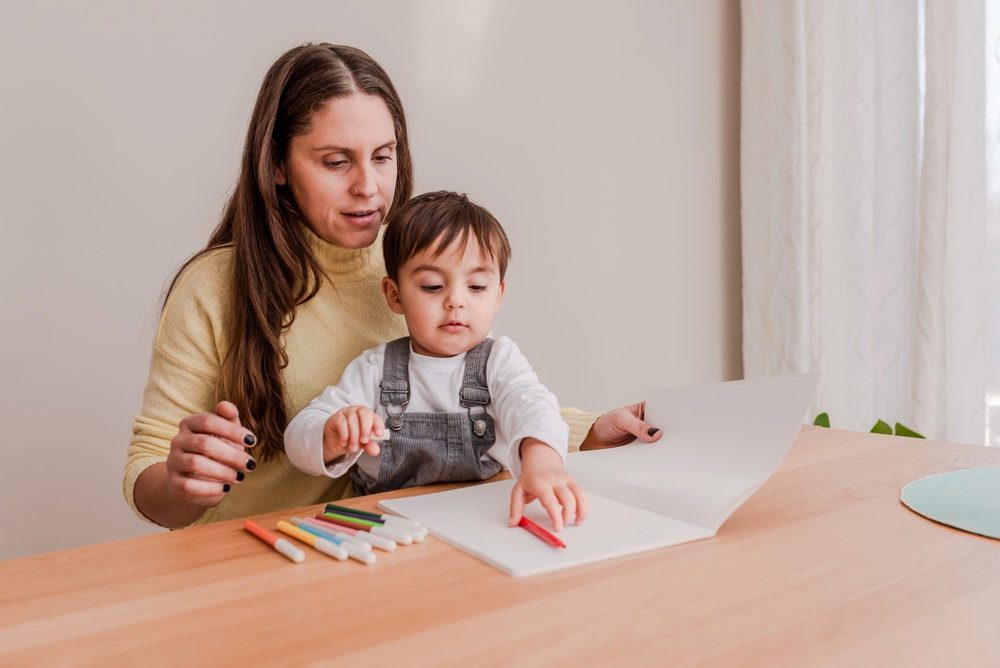
Why Are More Parents Questioning the Value of Preschool?

October 20, 2025 | Leave a Comment

Why Are More Parents Questioning the Value of Preschool?
Image source: shutterstock.com

For decades, preschool was considered a near-essential stepping stone for young children, preparing them for academic and social success. But lately, more parents are rethinking whether the benefits truly outweigh the costs. Rising tuition, shifting work patterns, and access to alternative learning options have changed how families approach early education. As more studies emerge showing mixed results, the debate over the value of preschool is growing louder—and parents are taking a closer look at what children really need before kindergarten.

1. The Rising Cost of Early Education

For many families, the financial strain of preschool is the first reason to question the value of preschool. In some areas, tuition can rival college expenses, with full-time programs costing thousands of dollars per year. Parents are asking whether these costs make sense when many children could receive similar developmental support at home or through community programs. Financially savvy families often weigh the long-term impact of early tuition against future needs like college savings or debt reduction. For many, the math simply doesn’t add up.

2. Remote Work Has Changed Family Dynamics

The shift toward remote or hybrid work has given parents more flexibility to be hands-on with their children during the early years. This change has led many to reconsider the traditional value of preschool when home learning and parent-led activities can provide similar benefits. Parents who once needed childcare for long office hours are finding new ways to blend work and early education at home. Storytime, play-based learning, and outdoor exploration can replace structured classroom time in many households. As a result, preschool is no longer the automatic default for every family.

3. Inconsistent Quality Across Programs

Not all preschools deliver the same developmental or educational outcomes, and that inconsistency has parents questioning the true value of preschool. While some programs focus on creativity, exploration, and emotional growth, others emphasize rigid academics far too early. The difference in philosophy can make or break a child’s first school experience. Parents are increasingly cautious about programs that push standardized learning before children are ready. Many now seek alternatives that respect childhood pace and curiosity, rather than emphasizing early achievement.

4. Socialization Can Happen Outside the Classroom

A common argument for preschool is that it teaches kids to socialize, share, and cooperate. Yet, more parents are realizing that these skills can develop naturally in everyday environments. When questioning the value of preschool, families often point to playdates, community events, and sibling interaction as equally valid ways to build social confidence. Homeschooling groups and local libraries now offer structured social opportunities for preschool-age children. The assumption that preschool is the only path to social readiness is being steadily dismantled.

5. The Emotional Impact of Early Separation

For some children, starting preschool too early can create stress rather than stability. Parents questioning the value of preschool often cite the emotional toll of separating from caregivers before a child is ready. Early attachment and security are crucial to emotional development, and not all children thrive in group care settings. While some benefit from structure and new experiences, others feel anxious or overstimulated. Recognizing that readiness varies widely, parents are becoming more comfortable delaying preschool enrollment until their child shows signs of emotional readiness.

6. The Rise of Alternative Learning Models

Today’s parents have more choices than ever before when it comes to early learning. Micro-schools, co-ops, forest schools, and Montessori-inspired programs offer diverse approaches that challenge the traditional value of preschool. Many of these models emphasize hands-on learning and self-directed exploration over worksheets and tests. Parents drawn to these alternatives believe they offer better balance between structure and freedom. This shift shows that “preschool” no longer has one universal definition—and that’s changing the conversation entirely.

7. Mixed Research on Long-Term Benefits

Decades of research have supported early education, but newer studies reveal that the long-term academic advantages may not be as strong as once believed. Some experts argue that while preschool can give short-term gains in literacy and numeracy, those benefits often level out as the child progresses. This has made many parents question the long-term value of preschool when compared with consistent, supportive parenting at home. Critics also warn that early academic pressure can backfire, creating burnout or resistance to learning later on. Families are learning to balance early education goals with emotional development and play.

8. Cultural and Community Shifts

Parenting norms are shifting, and with them, so are expectations about early education. Families questioning the value of preschool are often motivated by broader cultural conversations about childhood, family balance, and the pace of modern life. Some parents are choosing to slow down, prioritizing unstructured time and creativity over early academics. Others find support in multigenerational households, where grandparents or relatives play active teaching roles. The result is a more personalized approach to early education that challenges the one-size-fits-all preschool model.

9. The Push for Universal Pre-K Raises New Questions

Even as some states expand access to universal preschool, many families remain unconvinced. While affordability improves, questions about curriculum, teacher quality, and class size persist. Parents who question the value of preschool worry that universal systems may prioritize enrollment numbers over individualized care. Others feel that taxpayer-funded programs could inadvertently pressure families to participate even when it’s not the right fit. The debate highlights the tension between access and autonomy in early education.

Rethinking Readiness: What Matters Most Before Kindergarten

Ultimately, the conversation about the value of preschool isn’t just about cost or convenience—it’s about redefining readiness. Children develop on unique timelines, and learning begins long before any classroom setting. For some, preschool offers a positive start; for others, home-based learning or part-time programs are just as effective. Parents questioning early education aren’t rejecting learning; they’re personalizing it. The most valuable lesson may be that a child’s readiness, not society’s expectations, should guide the path forward.

Are you reconsidering preschool for your child? What factors most influence your decision about early education? Share your perspective in the comments.

What to Read Next…

9 Times Schools Asked Parents for Money in Questionable Ways

7 Reasons Your Kids Are Faking Illness to Avoid School (And What to Do About It)

8 After-School Activities That Drain Family Budgets the Fastest

9 Elementary School Activities That Disappear as Budgets Shrink

7 Preschool Programs That Might Be Hurting Kids Socially

Catherine Reed
Catherine Reed

Catherine is a tech-savvy writer who has focused on the personal finance space for more than eight years. She has a Bachelor’s in Information Technology and enjoys showcasing how tech can simplify everyday personal finance tasks like budgeting, spending tracking, and planning for the future. Additionally, she’s explored the ins and outs of the world of side hustles and loves to share what she’s learned along the way. When she’s not working, you can find her relaxing at home in the Pacific Northwest with her two cats or enjoying a cup of coffee at her neighborhood cafe.


Filed Under: Parenting Tagged With: child development, childcare costs, early education, education trends, Family Finance, family life, Parenting, parenting decisions, preschool

10 Phrases That Unintentionally Shame Your Child in Public

October 20, 2025 | Leave a Comment

10 Phrases That Unintentionally Shame Your Child in Public
Image source: shutterstock.com

Every parent has had those moments when frustration or embarrassment leads to saying something in the heat of the moment. But while adults can move on quickly, children often internalize those words. What may seem like a harmless comment can linger in a child’s memory, shaping their self-esteem and sense of security. Understanding how everyday remarks can unintentionally shame your child in public is key to helping them grow up confident, loved, and emotionally secure.

1. “Why can’t you behave like the other kids?”

Comparisons may come from a place of exasperation, but they send a powerful message that your child is somehow “less than” others. When you shame your child in public with this kind of phrase, it teaches them that their individuality is a flaw. Instead, focus on describing the specific behavior you’d like to see without drawing comparisons. For example, say, “Let’s use our inside voice so everyone can enjoy the store.” Encouragement builds cooperation far better than public criticism.

2. “You’re embarrassing me right now.”

When a parent says this, it shifts the focus from the child’s feelings to the parent’s image. The child may feel blamed for an emotion they didn’t mean to cause. Over time, this can make them anxious about expressing themselves or making mistakes. To correct behavior without shame, describe what needs to change without tying it to your own embarrassment. Try saying, “Let’s calm down and talk quietly,” which keeps the moment private and constructive.

3. “You’re too old to act like that.”

Age-based shaming is one of the most common ways parents unintentionally shame your child in public. It tells the child that their emotions are invalid simply because of their age. Instead of focusing on how they “should” behave, try identifying what they’re feeling. Phrases like “I can see you’re upset—want to tell me why?” open the door to communication and emotional learning. Growth happens through understanding, not humiliation.

4. “Stop crying or I’ll give you something to cry about.”

This phrase often comes from a place of parental overwhelm, but it teaches children to suppress emotions rather than express them safely. When you shame your child in public for crying, they learn to fear emotional vulnerability. Instead, acknowledge their feelings first: “I know you’re upset about leaving, but we’ll come back another day.” Naming emotions helps children manage them better over time, leading to emotional maturity.

5. “You’re being ridiculous.”

Calling a child’s reaction “ridiculous” invalidates their feelings and can make them question their reality. Even if their frustration or sadness seems minor, it’s real to them. When parents shame your child in public this way, they risk damaging trust. A better approach is to say, “I understand this feels like a big deal right now—let’s find a solution together.” This approach balances empathy with problem-solving.

6. “What’s wrong with you?”

Few phrases cut deeper than this one. It implies there’s something fundamentally flawed about the child, rather than just their behavior. When said publicly, it can lead to lasting feelings of inadequacy. Instead, address the specific action: “Throwing your toy isn’t okay—let’s pick it up and try again.” It’s possible to correct behavior while affirming the child’s worth at the same time.

7. “You’re so dramatic.”

Dismissing a child as “dramatic” can discourage emotional honesty and make them feel their reactions are invalid. When you shame your child in public with this label, they may stop sharing feelings altogether. Children often experience emotions intensely because they’re still learning how to regulate them. Try acknowledging the feeling—“That really frustrated you, didn’t it?”—to help them feel seen and understood. This approach fosters emotional awareness instead of avoidance.

8. “You’re fine. Stop making a scene.”

Telling a child they’re “fine” when they’re clearly not can make them feel dismissed and unheard. It also signals that calmness is valued over honesty. When you shame your child in public for reacting, it teaches them to hide pain or fear instead of processing it. Instead, validate their experience: “That did hurt, didn’t it? Let’s take a deep breath together.” A few words of empathy can de-escalate a meltdown faster than denial ever could.

9. “I can’t take you anywhere.”

This phrase is often said in frustration but sounds like rejection. It tells the child that their presence is burdensome rather than valued. When parents shame your child in public this way, it erodes the child’s confidence and desire to engage socially. Instead, focus on boundaries with compassion: “Let’s try again—can you use your calm voice while we shop?” This reinforces positive behavior without damaging the relationship.

10. “Everyone’s looking at you.”

Invoking public judgment to control behavior amplifies a child’s shame and anxiety. It makes them feel exposed and embarrassed rather than guided. When you shame your child in public with this phrase, they associate correction with humiliation instead of learning. A private, gentle redirection like “Let’s talk about this over here” preserves their dignity while addressing the issue. Respect builds better behavior than fear ever will.

Turning Moments of Shame into Opportunities for Connection

Parenting in public can be challenging, but every moment of tension can also be an opportunity to model grace and empathy. When you’re aware of the phrases that shame your child in public, you can choose words that teach rather than wound. The key is to separate the child’s behavior from their identity—criticize the action, not the person. Children thrive when they feel safe to make mistakes, learn, and try again. With mindful communication, even the hardest parenting moments can strengthen your bond instead of breaking it.

Which of these phrases have you caught yourself saying before? How do you reframe tough moments to teach without shame? Share your thoughts in the comments.

What to Read Next…

8 Parenting Phrases That Sound Nice But Do Lasting Damage

5 Things Kids Are Saying at School That Should Worry You

10 Parenting Phrases That Do More Harm Than Good

8 Things Parents Say That Create Lifelong Guilt

Don’t Do This: 5 Phrases You Say To Your Toddler Encouraging Bad Behavior

Catherine Reed
Catherine Reed

Catherine is a tech-savvy writer who has focused on the personal finance space for more than eight years. She has a Bachelor’s in Information Technology and enjoys showcasing how tech can simplify everyday personal finance tasks like budgeting, spending tracking, and planning for the future. Additionally, she’s explored the ins and outs of the world of side hustles and loves to share what she’s learned along the way. When she’s not working, you can find her relaxing at home in the Pacific Northwest with her two cats or enjoying a cup of coffee at her neighborhood cafe.
Filed Under: Parenting Tagged With: child development, Child Psychology, emotional intelligence, family communication, family relationships, Parenting, parenting tips, positive discipline

7 Excuses Kids Use to Cover Up Emotional Trouble

October 19, 2025 | Leave a Comment

7 Excuses Kids Use to Cover Up Emotional Trouble
Image source: shutterstock.com

Children often express their emotions in unexpected ways. When sadness, fear, or anxiety feels too overwhelming to explain, they may hide behind convenient stories or surface-level complaints. These subtle excuses kids use can easily go unnoticed by even the most attentive parents, teachers, or caregivers. Recognizing the real meaning behind these statements is crucial—it helps adults intervene early, build trust, and teach kids healthier ways to cope with what they’re really feeling.

1. “I’m Just Tired”

Fatigue is one of the most common excuses kids use when they’re struggling emotionally. While children do get physically tired, persistent claims of exhaustion may signal something deeper, such as anxiety or depression. Emotional distress often drains mental energy, making kids feel genuinely worn out. A child who frequently retreats to nap or avoids social interaction under the guise of being tired might be trying to escape stress rather than sleep deprivation. Paying attention to when and how often this excuse appears can help uncover hidden emotional struggles.

2. “I Don’t Feel Good”

Many children complain about stomachaches or headaches that seem to appear out of nowhere. These vague physical symptoms can be one of the more subtle excuses kids use to avoid situations that trigger emotional discomfort—like school, sports, or family gatherings. Emotional stress activates the body’s physical responses, meaning anxiety can literally make a child feel sick. If medical issues have been ruled out, these recurring complaints often point toward emotional tension. Listening with empathy instead of frustration helps kids open up about what’s really bothering them.

3. “I Forgot”

When kids start using forgetfulness as a pattern, it might be a quiet signal of inner turmoil. Emotional overload can make it difficult to focus or retain information, especially for children juggling school stress or family tension. “Forgetting” homework, chores, or messages could be a defense mechanism to avoid disappointing others or facing consequences. Among the many excuses kids use, this one often hides a fear of failure or low self-esteem. Parents can respond by offering gentle structure rather than punishment, helping rebuild a sense of control.

4. “I Don’t Want to Talk About It”

This phrase is a direct barrier—one of the most transparent excuses kids use to shut down emotional conversations. While it may sound defiant, it’s often a sign of fear or uncertainty about how to express what they feel. Children might worry that their emotions will be misunderstood, dismissed, or lead to conflict. Respecting their space while staying calmly available sends an important message of safety and trust. Over time, consistency and patience can help break down that emotional wall.

5. “Everyone’s Fine, I’m Fine Too”

When kids insist that everything is fine, it’s worth looking closer. This is one of the most convincing excuses kids use because it mimics adult emotional masking. Many children learn early that showing vulnerability can feel risky or unwanted. They may downplay sadness, anger, or loneliness to avoid drawing attention or causing concern. Creating an environment where feelings are discussed openly teaches children that honesty about emotions is not only accepted but valued.

6. “Nobody Likes Me Anyway”

This statement often signals deeper issues with self-worth or social anxiety. While it can sound like attention-seeking, it’s usually an emotional plea wrapped in self-protection. By assuming rejection before it happens, children can avoid further hurt or disappointment. Among the excuses kids use, this one reveals a need for reassurance and belonging. Encouraging social opportunities, validating their feelings, and reminding them of their strengths can help rebuild their confidence and connection.

7. “I Don’t Care”

When children say they don’t care, they’re rarely indifferent—they’re protecting themselves. This phrase serves as one of the strongest emotional shields, used to deflect embarrassment, fear, or sadness. It’s easier for a child to appear detached than to admit feeling rejected, anxious, or hurt. Overuse of “I don’t care” may suggest they’ve given up on being understood. Encouraging expression through creative outlets like journaling or art can help them process emotions they’re not ready to verbalize.

Helping Kids Feel Safe Enough to Be Honest

Behind every excuse lies an opportunity to connect. When adults respond with curiosity instead of criticism, kids begin to learn that honesty about emotions leads to support, not judgment. Emotional trouble often hides in plain sight, disguised as simple excuses kids use every day. Building strong communication habits—checking in regularly, modeling openness, and offering calm reassurance—can make all the difference. By reading between the lines, parents can turn those excuses into conversations that heal and strengthen the parent-child bond.

Have you noticed any common excuses kids use when they’re upset? What strategies have helped your child open up about their feelings? Share your insights in the comments below!

What to Read Next…

  • These Are The 10 Best Excuses Kids Use To Get Out of Doing Chores
  • 10 Ways Parents Are Accidentally Teaching Entitlement
  • 7 Reasons Your Kids Are Faking Illness to Avoid School (And What to Do About It)
  • 9 Children’s Books That Quietly Reinforce Harmful Stereotypes
  • Why Is “Overpraising” Creating Anxiety in Kids?
Catherine Reed
Catherine Reed

Catherine is a tech-savvy writer who has focused on the personal finance space for more than eight years. She has a Bachelor’s in Information Technology and enjoys showcasing how tech can simplify everyday personal finance tasks like budgeting, spending tracking, and planning for the future. Additionally, she’s explored the ins and outs of the world of side hustles and loves to share what she’s learned along the way. When she’s not working, you can find her relaxing at home in the Pacific Northwest with her two cats or enjoying a cup of coffee at her neighborhood cafe.
Filed Under: Parenting Tagged With: child development, Child Psychology, emotional health, family communication, kids behavior, mental wellness, Parenting

8 Hidden Fees in Children’s Camps That Parents Overlook

October 19, 2025 | Leave a Comment

8 Hidden Fees in Children’s Camps That Parents Overlook
Image source: shutterstock.com

Children’s camps promise fun, friendship, and lifelong memories—but they also come with price tags that can balloon far beyond the advertised rate. Many parents sign up thinking they’re paying for a straightforward week of summer adventure, only to find unexpected charges tucked into the fine print. These hidden fees in children’s camps can quietly strain family budgets and turn what seemed like an affordable option into a costly surprise. Knowing what to look for can help parents plan smarter, avoid sticker shock, and make more informed choices about where to send their kids.

1. Registration and Processing Fees Add Up Fast

Many camps advertise a base price that doesn’t include mandatory registration or processing fees. These costs may seem small—$25 here or $50 there—but they add up quickly, especially for families enrolling multiple children. Often, these fees are nonrefundable, even if your child’s plans change. Some camps also charge a separate online payment fee if you register through a third-party platform. Asking upfront about all registration-related expenses can prevent these hidden fees in children’s camps from catching you off guard.

2. Activity Add-Ons Can Double the Cost

From horseback riding to archery, many camps offer “premium” activities at an additional charge. Parents often assume all activities are included in the base price, only to learn later that the most exciting ones require a separate fee. These add-ons can easily turn a $400 camp week into a $700 one. The tricky part is that kids are often encouraged to join these extras once they arrive, leaving parents feeling pressured to say yes. Reviewing activity lists and costs in advance helps avoid last-minute surprises from hidden fees in children’s camps.

3. Uniforms and Camp Gear Come with a Price Tag

Even day camps may require specific clothing or branded gear, and sleepaway camps often have lengthy packing lists. Uniforms, water bottles, backpacks, and bedding can collectively cost well over $100. Some camps even mandate purchases from their own online store, which tends to be more expensive than buying elsewhere. These hidden fees in children’s camps are rarely mentioned during initial registration. Parents can save money by checking whether similar items can be used from previous years or sourced secondhand.

4. Transportation and Shuttle Fees Are Often Overlooked

If the camp is far from home, transportation can quietly become one of the biggest hidden costs. Many programs charge extra for bus or shuttle service, and some even add a fuel surcharge. These fees are easy to miss, especially if you assume travel is included. Overnight camps may also bill parents for airport pickups or drop-offs if children are flying in. Confirming travel arrangements early ensures you budget accurately for these hidden fees in children’s camps.

5. Meals and Snacks Can Come with Extra Charges

While most parents assume meals are included, some camps only cover breakfast and lunch, or require additional payment for snacks and special dietary options. Camps that cater to allergies or vegetarian diets sometimes charge per-meal surcharges for substitutions. For longer programs, these small daily fees can add up to hundreds of dollars by the end of the season. Even vending machine or canteen purchases can become costly over time. Reviewing the camp’s food policy in detail can help parents manage these hidden fees in children’s camps more effectively.

6. Medical and Insurance Fees May Appear Later

Some camps charge an extra fee to cover medical supplies, accident insurance, or on-site nurse staffing. These charges are often buried in the fine print of the health forms or billed separately once the session begins. Parents might not notice until they receive an invoice marked “mandatory medical coverage.” While these fees help ensure safety, they should still be transparent from the start. Asking for a complete cost breakdown can help families avoid being blindsided by these hidden fees in children’s camps.

7. Late Pickup and Early Drop-Off Fees Can Be Steep

For working parents, extended hours sound like a lifesaver—but they often come with hefty fees. Camps may charge by the hour or even per minute for late pickups after the designated time. Early drop-off programs also tend to cost extra, and those charges can sneak into your total without a clear upfront explanation. These hidden fees in children’s camps are particularly common in day programs. Checking the camp’s exact schedule and arranging carpooling or aftercare alternatives can keep costs manageable.

8. End-of-Session Photos and Souvenirs Come at a Premium

At the end of camp, families are often invited to purchase photos, videos, or souvenir merchandise as keepsakes. These mementos can be wonderful, but they’re rarely included in the original price. Many parents are surprised to find that digital photo packages or camp T-shirts can cost $30 to $100 extra. Since children often want to take something home, these purchases are difficult to refuse on the spot. Factoring these hidden fees in children’s camps into your budget helps avoid last-minute spending guilt.

Smart Planning Can Keep Camp Costs Under Control

With so many hidden expenses built into modern camp programs, transparency is essential. Asking for a complete list of possible fees—before you register—can save hundreds of dollars and prevent frustration later. Parents should also compare camps not just by sticker price, but by what’s actually included in that cost. A slightly higher upfront fee may still be cheaper than a “budget” camp loaded with hidden add-ons. When families plan with eyes wide open, they can focus on what really matters: giving their child a summer full of fun and growth without the financial stress.

Have you ever been surprised by hidden fees in children’s camps? What unexpected costs caught you off guard? Share your experiences in the comments!

What to Read Next…

  • Skip These 7 Expenses If You Want to Actually Afford Summer Camp
  • 12 Reasons Why You Can’t Afford Summer Camp Anymore
  • 9 School Fundraisers That Cost More Than They Earn
  • The Unexpected Cost: 11 Things You Didn’t Know You’d Pay For When You Have Kids
  • The Real Cost: 10 Spending Habits That Drain Your Family Budget Fast
Catherine Reed
Catherine Reed

Catherine is a tech-savvy writer who has focused on the personal finance space for more than eight years. She has a Bachelor’s in Information Technology and enjoys showcasing how tech can simplify everyday personal finance tasks like budgeting, spending tracking, and planning for the future. Additionally, she’s explored the ins and outs of the world of side hustles and loves to share what she’s learned along the way. When she’s not working, you can find her relaxing at home in the Pacific Northwest with her two cats or enjoying a cup of coffee at her neighborhood cafe.

Filed Under: Money and Finances Tagged With: camp fees, child activities, Family Budgeting, financial planning, hidden costs, Parenting, summer camps

10 Forgotten Baby Items That Are Still Lurking in Your House

October 17, 2025 | Leave a Comment

10 Forgotten Baby Items That Are Still Lurking in Your House
Image source: shutterstock.com

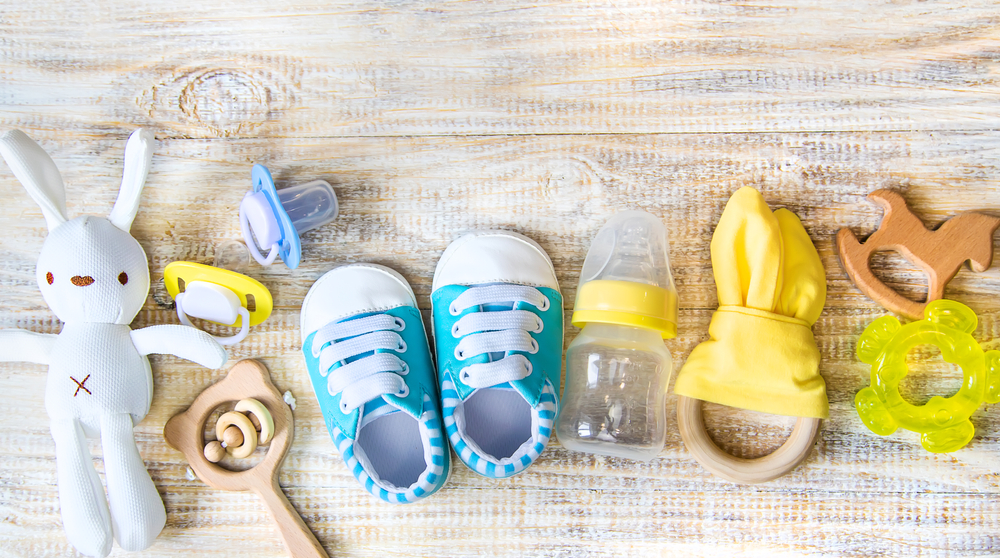
If you’re a parent, chances are your home still holds more than a few relics from your baby’s early years. From pacifiers buried in drawers to baby monitors collecting dust in closets, those once-essential items have a way of sticking around long after they’ve served their purpose. While some parents hold on to them for sentimental reasons, others simply forget they exist until a major cleanup brings them to light. Identifying these forgotten baby items can help reclaim space, reduce clutter, and even uncover opportunities to donate or repurpose. Here are ten of the most common culprits still hiding in homes across America.

1. Outgrown Bottles and Sippy Cups

Those colorful bottles and sippy cups once lined your kitchen cabinets, but they often end up tucked away “just in case.” Many families keep them for future kids or visiting toddlers, only to forget about them entirely. Unfortunately, plastic deteriorates over time, making old cups unsafe for reuse. If they’re still in good shape, local donation centers or baby consignment stores may take them. Otherwise, it’s time to recycle and reclaim that valuable cabinet space.

2. Baby Monitors That Never Got Unplugged

When your little one first arrived, a baby monitor provided peace of mind during every nap and bedtime. But once your child started sleeping through the night, that monitor may have become another piece of unused tech gathering dust. Many forgotten baby items fall into this category—electronics that linger long after their usefulness ends. Modern models also become outdated quickly, with newer versions offering Wi-Fi or camera monitoring. Consider donating or recycling old units responsibly instead of letting them linger in a drawer.

3. Burp Cloths and Bibs

It’s easy to forget just how many burp cloths and bibs you accumulated during those messy feeding years. These soft fabrics often hide in linen closets or mixed laundry piles, long past their prime. While some may still serve as cleaning rags, most are ready to retire. If they’re in decent condition, animal shelters often accept them for bedding or cleanup use. Getting rid of these small but plentiful forgotten baby items can instantly make your storage feel more organized.

4. Tiny Clothes You Meant to “Save for Later”

Baby clothes carry emotional weight, especially those from milestone moments like first birthdays or holidays. But if boxes of onesies, sleepers, and miniature jeans are taking over your attic, it’s worth reassessing. Clothes stored for years can lose elasticity or yellow with age, making them less suitable for reuse. A few sentimental pieces are fine to keep but consider donating the rest to families in need. It’s one of the simplest ways to declutter while doing something meaningful.

5. Baby Food Makers and Storage Containers

That baby food maker seemed essential at the time, but once your child started eating solids, it probably saw less action. These small appliances, along with the countless tiny food containers that came with them, often linger on shelves unused. They’re some of the most overlooked forgotten baby items in kitchens today. If you’re done using them, resell or donate them before they collect more dust. You’ll free up counter space and help another family save on baby gear.

6. Old Diaper Bags and Changing Pads

Every parent remembers that first diaper bag—the one packed with wipes, bottles, and backup outfits for every possible emergency. Years later, those bags and portable changing pads still hide in closets, waiting for a trip that never comes. Since diaper bags are often sturdy and stylish, they can easily be repurposed as gym bags or travel totes. Just make sure to clear out any old snacks or forgotten supplies first. A quick repurpose can turn clutter into something useful again.

7. Nursery Decor That Never Got Taken Down

From framed baby animals to pastel wall decals, nursery decor often outlives its relevance by several years. Once your child outgrows their crib, these pieces can feel out of place but still remain untouched. Taking down outdated decor can refresh a child’s room and make it feel age appropriate. Some parents even find joy in storing one or two items as keepsakes while donating the rest. It’s a small but satisfying way to reclaim the space’s purpose.

8. Pacifiers and Teething Toys

Few forgotten baby items are as common as pacifiers or teething rings. They tend to hide behind couch cushions, under furniture, or in diaper bags that haven’t been touched in ages. Since these items are made from materials that can degrade over time, they’re rarely safe for reuse. Most can be recycled or disposed of through specific take-back programs at baby supply stores. Getting rid of them clears both physical and emotional space for a new stage of parenthood.

9. Baby Carriers and Swings

Those bulky swings and carriers once provided comfort and convenience but now often dominate garage or basement corners. These high-ticket items can be difficult to part with, yet keeping them “just in case” can cost valuable storage space. Many organizations gladly accept gently used baby gear, especially if it meets current safety standards. Checking recalls before donating ensures they’re still safe for use. Passing them along can help another family while simplifying your own environment.

10. Keepsake Items That Turned into Clutter

Every parent has a few sentimental treasures—a hospital bracelet, first shoes, or that adorable handprint art. But over time, these keepsakes can multiply into overflowing bins. While these items hold deep emotional value, organizing them into a single memory box can help control the chaos. You don’t have to throw them all away—just choose the ones that truly capture important moments. Keeping memories doesn’t have to mean keeping clutter.

Reclaiming Space and Letting Go

Clearing out forgotten baby items doesn’t erase the memories—they’ve already served their purpose. What it does do is make room for new experiences, cleaner spaces, and less mental clutter. Letting go of these items can even spark a sense of renewal for parents transitioning into a new life stage. Whether you donate, recycle, or repurpose, every small act helps you reclaim control of your home. After all, it’s not about forgetting—it’s about moving forward with gratitude.

How many forgotten baby items are still hiding in your home? Share your funniest or most surprising discoveries in the comments below!

What to Read Next…

10 Baby Milestones That Make Parents Spend Unnecessarily

7 Baby Items That Are Collecting More Bacteria Than a Toilet Seat

6 Baby Items Hospitals Don’t Provide Anymore—But Parents Think They Do

What You Didn’t Know: 11 Unexpected Medical Bills After A New Baby

6 Baby Products Pulled from Shelves But Still in Homes

Catherine Reed
Catherine Reed

Catherine is a tech-savvy writer who has focused on the personal finance space for more than eight years. She has a Bachelor’s in Information Technology and enjoys showcasing how tech can simplify everyday personal finance tasks like budgeting, spending tracking, and planning for the future. Additionally, she’s explored the ins and outs of the world of side hustles and loves to share what she’s learned along the way. When she’s not working, you can find her relaxing at home in the Pacific Northwest with her two cats or enjoying a cup of coffee at her neighborhood cafe.

Filed Under: Home and Living Tagged With: Baby Gear, decluttering, family life, home tips, Organization, Parenting, parenting advice, sentimental keepsakes

9 Times Schools Asked Parents for Money in Questionable Ways

October 17, 2025 | Leave a Comment

9 Times Schools Asked Parents for Money in Questionable Ways
Image source: shutterstock.com

Parent involvement has always been a part of the education system, but in recent years, many families have noticed something concerning: the growing number of times schools asked parents for money. From fundraising “donations” that feel mandatory to fees that don’t quite add up, it’s becoming harder for parents to know where their dollars are going. While most schools face budget challenges, some requests have crossed the line into uncomfortable territory. Here are nine examples of when schools asked parents for money in questionable ways—and why families are beginning to push back.

1. “Suggested Donations” That Feel Like Obligations

Many schools send home letters asking for “voluntary contributions” to cover classroom supplies or extracurricular activities. The problem arises when these donations are presented as strongly encouraged or necessary for students to participate. Parents often feel guilty or pressured to give, even when the request isn’t technically mandatory. Some schools have even tied contributions to perks like extra recess time or early access to event tickets. What’s framed as a kind gesture toward education can quickly become an unfair burden for families on tight budgets.

2. Classroom Supply Lists That Rival an Office Depot Order

Each August, many parents dread the long supply lists that seem to grow longer every year. Some lists now include items like paper towels, disinfectant spray, and printer ink—supplies that arguably belong in a school’s operating budget. When schools asked parents for money or materials that clearly support general maintenance, it shifts responsibility away from underfunded districts and onto families. Parents are often too afraid of seeming uncooperative to question it. The result is a hidden tax on education that can total hundreds of dollars per child.

3. Pay-to-Play Sports and Club Fees

Extracurriculars were once considered part of a well-rounded education, but today, they often come with a hefty price tag. Many schools charge participation fees for sports, band, or academic clubs, sometimes exceeding $200 per activity. When schools asked parents for money under the guise of “program support,” it often excluded kids from lower-income households. Students who can’t afford to join miss out on teamwork and leadership opportunities. The intention may be to keep programs running, but the practice creates a quiet divide between those who can pay and those who can’t.

4. Fundraisers That Double as Public Shaming

Selling candy bars or cookie dough used to be an innocent way to raise funds. But modern fundraisers often come with competitive leaderboards or public recognition for top sellers. When schools asked parents for money through these programs, the pressure shifted to children to perform—and those who didn’t sell enough sometimes faced subtle embarrassment. In extreme cases, schools have held pizza parties only for students who met sales quotas. What’s marketed as community support can unintentionally teach kids that worth is tied to financial contribution.

5. Technology “Donations” for Classroom Devices

The push for digital learning has led many schools to adopt one-to-one laptop or tablet programs. While beneficial, these initiatives often come with “optional” tech donations or required insurance fees. Parents have questioned why schools asked parents for money to fund devices that were supposed to be covered by district budgets or grants. Some were even asked to pay for damage protection plans despite minimal device use. These recurring charges blur the line between educational advancement and quiet cost-shifting.

6. “Donation Days” Masquerading as Spirit Events

Non-uniform or pajama days sound fun, but lately, many come with a catch—a dollar or two for “school spirit.” Though small, these micro-fees add up over time, especially for families with multiple children. When schools asked parents for money in this form, it turned lighthearted activities into pay-to-participate events. It can also make some kids feel left out if their families can’t contribute. What began as a creative fundraiser now risks excluding the very students it’s supposed to uplift.

7. Parking Lot and Drop-Off Fees

In some private or overcrowded public schools, parents have been surprised by parking or drop-off “fees.” When schools asked parents for money just to pick up or drop off their child, frustration followed quickly. These fees are often justified as traffic control or facility maintenance costs, but they leave families wondering why such basic access carries a price tag. For working parents juggling multiple school runs, these hidden costs can feel exploitative. It’s one of those charges that feels more like a penalty than a policy.

8. End-of-Year “Celebration Contributions”

As the school year winds down, requests start pouring in for class gifts, teacher appreciation events, and graduation decorations. While most parents want to show gratitude, the sheer number of requests can feel excessive. When schools asked parents for money several times within a short period, it created donation fatigue. Some parents quietly admitted to skipping events out of financial exhaustion. Without better coordination, what should be joyful celebrations risk turning into stressful financial obligations.

9. PTA “Membership” Donations

Joining the Parent-Teacher Association should be about involvement, not income—but many PTAs now frame membership as a financial commitment. When schools asked parents for money to join or stay active, it alienated families who wanted to help but couldn’t afford the dues. Some PTAs have even linked voting rights or volunteer eligibility to payment. This practice undermines the spirit of community involvement that the organization was meant to foster. It’s one of the most overlooked ways school systems unintentionally gatekeep participation.

Why Parents Are Starting to Push Back

Parents are increasingly questioning the constant stream of financial requests, especially when transparency is lacking. They understand that schools face funding shortages but also want accountability for how contributions are spent. The growing number of times schools asked parents for money has highlighted systemic issues rather than solved them. Many families now advocate for clearer communication, public budgets, and equity-focused fundraising. When giving feels like a choice instead of a demand, real community support can thrive again.

Have you experienced any questionable school money requests? Share your story in the comments and join the conversation about fairer funding.

What to Read Next…

8 After-School Activities That Drain Family Budgets the Fastest

9 Elementary School Activities That Disappear as Budgets Shrink

7 After-School Activities That Are Quietly Putting Kids in Danger

9 School Dress Code Rules That Are Now Considered Discriminatory

10 School Supply Lists That Now Feel Financially Impossible

Catherine Reed
Catherine Reed

Catherine is a tech-savvy writer who has focused on the personal finance space for more than eight years. She has a Bachelor’s in Information Technology and enjoys showcasing how tech can simplify everyday personal finance tasks like budgeting, spending tracking, and planning for the future. Additionally, she’s explored the ins and outs of the world of side hustles and loves to share what she’s learned along the way. When she’s not working, you can find her relaxing at home in the Pacific Northwest with her two cats or enjoying a cup of coffee at her neighborhood cafe.
Filed Under: Education Tagged With: budget transparency, education costs, family finances, fundraising, parental involvement, Parenting, PTA, school funding

6 Emotional Triggers Hiding in Classic Children’s Books

October 16, 2025 | Leave a Comment

6 Emotional Triggers Hiding in Classic Children's Books
Image source: shutterstock.com

Many of the stories that shaped our childhoods were far more complex than they seemed. Beneath the comforting illustrations and simple morals, classic children’s books often contain emotional triggers that linger long after the final page. These stories shaped how generations of children understood love, loss, fear, and self-worth—sometimes in ways that weren’t fully recognized until adulthood. Exploring these hidden messages helps parents and readers alike better understand why some tales still evoke strong feelings decades later. Here are six powerful examples of how emotional triggers are quietly woven into the world’s most beloved children’s classics.

1. The Fear of Abandonment in The Velveteen Rabbit

One of the most striking emotional triggers in The Velveteen Rabbit comes from its depiction of loneliness and the longing to be loved. The story follows a toy rabbit’s desire to become “real,” a metaphor for a child’s wish to feel truly seen and accepted. When the rabbit is discarded due to illness and replaced by newer toys, it captures the painful realization of being left behind. Children unconsciously connect to this fear of abandonment, especially during moments when affection feels conditional. The story’s ultimate message of transformation through love is beautiful, but it also stirs deep feelings of insecurity and hope intertwined.

2. The Burden of Perfection in Madeline

At first glance, Madeline appears cheerful and carefree, celebrating the bravery of a spirited little girl living in Paris. Yet the emotional triggers in this story lie in the subtle pressure to be the “brave one” even in frightening circumstances. Madeline’s courage during illness and danger can send the unintended message that emotions like fear or vulnerability should be hidden. For sensitive readers, this can create internal tension between the desire to be strong and the need to feel safe expressing weakness. It’s a timeless reminder that even confidence can come with emotional costs when children feel they must always perform strength.

3. Loss and Grief in Charlotte’s Web

Perhaps one of the most powerful emotional triggers in children’s literature comes from the gentle heartbreak of Charlotte’s Web. The friendship between Wilbur and Charlotte explores themes of mortality and the inevitability of change. When Charlotte dies, young readers are often faced with their first literary experience of grief, softened by the hope of legacy and continuity. The emotional depth of this story helps children process loss but also leaves a lasting imprint of sadness tied to love and friendship. It’s no coincidence that many adults still remember exactly where they were when they first cried over Charlotte’s final words.

4. Fear of Growing Up in Peter Pan

On the surface, Peter Pan celebrates eternal youth and the magic of childhood. But beneath the adventure lies one of literature’s most haunting emotional triggers: the fear of growing up and being forgotten. Peter’s refusal to age and Wendy’s eventual decision to leave Neverland highlight the bittersweet divide between imagination and reality. For children, this conflict mirrors the anxiety of losing innocence as responsibilities emerge. For adults rereading it, the story evokes nostalgia and the realization that childhood’s simplicity can never truly be reclaimed.

5. Emotional Rejection in The Giving Tree

The Giving Tree remains one of the most debated stories because of its emotional complexity. It presents unconditional love through the tree’s endless sacrifices, but for many, it also reveals the pain of one-sided relationships. The emotional triggers here lie in the imbalance between giving and receiving—something readers internalize as either selflessness or loss of identity. As the boy grows older and continues to take without gratitude, readers confront feelings of guilt, dependence, and emotional exhaustion. The book’s ending leaves adults questioning whether love should always mean giving everything, even to the point of self-destruction.

6. Isolation and Acceptance in Where the Wild Things Are

Max’s journey to the land of the Wild Things captures more than just imagination—it reflects the emotional triggers tied to misbehavior, isolation, and reconciliation. After being sent to his room, Max’s fantasy world allows him to process anger and defiance in a safe space. Yet when he returns home to find his supper waiting, the story touches on the unconditional love that forgives mistakes. For children, it’s both comforting and unsettling to realize that anger doesn’t erase belonging. For parents, it’s a tender reminder of how children test boundaries to feel secure in love’s return.

Why Revisiting These Stories Still Matters

Recognizing the emotional triggers in these timeless tales doesn’t mean avoiding them—it means reading them with greater awareness. Classic children’s books often serve as a mirror for real emotions that young readers struggle to name. By revisiting them through an adult lens, parents and educators can use these stories as gentle starting points for conversations about feelings, empathy, and resilience. These books endure not only because they entertain but because they give children safe ways to explore life’s hardest truths. Understanding the emotions beneath the pages makes those lessons even more powerful across generations.

Which of these emotional triggers do you remember feeling as a child—or noticing now as a parent? Share your reflections in the comments below!

What to Read Next…

9 Children’s Books That Quietly Reinforce Harmful Stereotypes

12 Magical Books Every Child Should Read

6 Books Every Parent Should Read About Raising Children

These 5 Books Will Help You With Effective Communication With Your Kids

Top 10 Financial Literacy Books for Kids to Teach Money Skills Early

Catherine Reed
Catherine Reed

Catherine is a tech-savvy writer who has focused on the personal finance space for more than eight years. She has a Bachelor’s in Information Technology and enjoys showcasing how tech can simplify everyday personal finance tasks like budgeting, spending tracking, and planning for the future. Additionally, she’s explored the ins and outs of the world of side hustles and loves to share what she’s learned along the way. When she’s not working, you can find her relaxing at home in the Pacific Northwest with her two cats or enjoying a cup of coffee at her neighborhood cafe.

Filed Under: Parenting Tagged With: childhood development, children’s literature, classic books, emotional awareness, family reading, Nostalgia, Parenting

8 Kids’ Birthday Traditions That Are Quietly Fading Away

October 16, 2025 | Leave a Comment

8 Kids’ Birthday Traditions That Are Quietly Fading Away
Image source: shutterstock.com

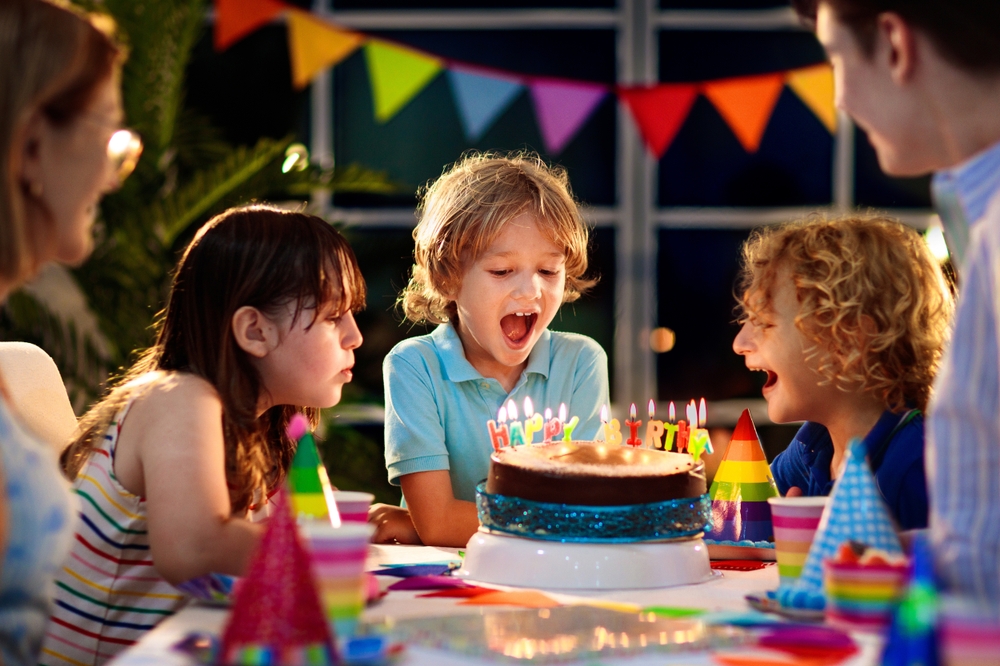
Birthday parties used to be simpler—homemade cakes, neighborhood friends, and a few rounds of musical chairs were all it took to make a child’s day feel magical. But as times have changed, so have the ways families celebrate. Technology, rising costs, and shifting social norms have all played a role in transforming how birthdays look today. Some beloved kids’ birthday traditions are slowly disappearing, replaced by digital trends or minimalist celebrations. Here are eight classic customs that are quietly fading from childhood memories.

1. Handwritten Invitations and Thank-You Notes

Once a staple of every celebration, handwritten invitations and thank-you cards were thoughtful gestures that made each party feel personal. Today, e-vites and text messages have replaced those stationery moments. Many parents find it easier to create a group chat or use social media event pages rather than mailing invitations. While convenient, this shift removes a valuable lesson in gratitude and effort that writing by hand once offered. Kids now miss out on the small joy of sending and receiving physical notes that felt like keepsakes.

2. Homemade Birthday Cakes

There was a time when parents proudly baked and decorated cakes at home, often staying up late to perfect the frosting. Now, store-bought or custom-ordered cakes dominate the table, often featuring licensed characters and elaborate designs. The convenience of bakeries and online ordering has made the homemade touch less common. While these professional creations are impressive, they can also make birthdays feel more commercial and less intimate. The tradition of baking together as a family—complete with messy counters and shared laughter—has become rare.

3. Classic Party Games

Games like Pin the Tail on the Donkey, Musical Chairs, and Duck Duck Goose once defined kids’ birthday traditions. These simple, interactive activities kept children laughing for hours with minimal setup or expense. But in many modern parties, they’ve been replaced by bounce houses, video games, or organized entertainment companies. Parents often feel pressure to “outdo” previous years, leading to less spontaneity. What’s lost is the charm of imagination and connection those old-fashioned games encouraged.

4. Opening Gifts in Front of Guests

Not long ago, it was common for the birthday child to sit in a circle and open gifts while friends watched with excitement. Today, many parents avoid this tradition to prevent comparisons or awkwardness among guests. Gifts are often opened later in private, sometimes after the party ends. While this shift reduces potential embarrassment or hurt feelings, it also removes an opportunity for gratitude and shared joy. The moment of surprise and laughter around each unwrapped gift has quietly faded away.

5. Party Bags Filled with Trinkets

Every guest once left with a small party bag filled with candy, stickers, and plastic toys—a token of appreciation for attending. However, these goody bags have become less common as parents grow more conscious of waste and clutter. The move toward eco-friendly or minimalist lifestyles means fewer disposable party favors. Some families now replace them with one shared activity or small books as gifts. It’s a practical change, but for many, it marks the end of a nostalgic kids’ birthday tradition.

6. Neighborhood and Backyard Parties

Before the rise of event venues and themed play centers, most celebrations happened in backyards or living rooms. Parents organized games, grilled food, and invited local friends—no reservations or entertainment packages required. But as families’ lives became busier and spaces smaller, many turned to rented venues for convenience. While these locations simplify logistics, they can’t always replicate the warmth of homegrown community gatherings. The sound of kids running across the lawn or chasing bubbles is becoming increasingly rare.

7. Blowing Out Candles Together

Few kids’ birthday traditions were more iconic than making a wish and blowing out candles as everyone sang along. But concerns about hygiene—especially since the pandemic—have made this moment less common. Many parents now opt for individual cupcakes or skip the blow altogether. While understandable, the shift has made a once-universal ritual feel outdated. The image of a glowing cake surrounded by excited friends has quietly dimmed.

8. Birthday Photo Albums

Long before smartphones, parents carefully filled photo albums with prints from disposable cameras or Polaroids. Each page told a story—from the cake smash to the group shot of friends. Today, birthdays live in the cloud, often disappearing into endless phone galleries or fleeting social media stories. While digital photos are more convenient, they rarely carry the same sentimental value. The physical album, once a cherished keepsake, has become a relic of the past.

Why Some Traditions Should Make a Comeback

Though change is inevitable, not all progress means improvement. Some of these fading kids’ birthday traditions fostered gratitude, creativity, and connection—values that technology and convenience sometimes overlook. Reintroducing even one or two of these customs can help children appreciate the simple joy of celebrating with loved ones. It’s not about rejecting modern trends but finding balance between nostalgia and practicality. Maybe the next time a birthday rolls around, it’s worth bringing back a handwritten invitation or homemade cake just to see the smiles it creates.

Which of these kids’ birthday traditions do you miss the most—or still keep alive in your family? Share your memories in the comments below!

What to Read Next…

7 Birthday Party Expectations That Have Gotten Out of Control

9 Common First Birthday Gifts That Parents Secretly Return

6 Birthday Party Expense Hacks Exposed: Slash Costs With These Unexpected Secrets!

8 Options Every Child Should Have For Their Birthday Activities

5 Over-the-Top Birthday Gifts Your Kids Don’t Need But Will Love Anyway

Catherine Reed
Catherine Reed

Catherine is a tech-savvy writer who has focused on the personal finance space for more than eight years. She has a Bachelor’s in Information Technology and enjoys showcasing how tech can simplify everyday personal finance tasks like budgeting, spending tracking, and planning for the future. Additionally, she’s explored the ins and outs of the world of side hustles and loves to share what she’s learned along the way. When she’s not working, you can find her relaxing at home in the Pacific Northwest with her two cats or enjoying a cup of coffee at her neighborhood cafe.

Filed Under: holidays Tagged With: birthdays, celebrations, family life, kids’ traditions, modern parenting, Nostalgia, Parenting

10 Baby Milestones That Make Parents Spend Unnecessarily

October 11, 2025 | Leave a Comment

10 Baby Milestones That Make Parents Spend Unnecessarily
Image source: shutterstock.com

Every parent loves celebrating baby milestones. From the first smile to the first steps, each moment feels monumental—and often comes with a shopping spree. The problem is that baby milestones are now tightly linked to marketing, with endless products promising to “enhance development” or “capture the moment perfectly.” Before long, parents end up spending hundreds on things their child will outgrow in weeks. Understanding which baby milestones trigger unnecessary purchases can help parents focus on what really matters: memories, not money.

1. The First Smile Leads to a Photoshoot

That first smile melts hearts and often inspires professional photo sessions. While it’s understandable to want to capture the moment, many parents overspend on studio packages, themed outfits, and editing fees. A few candid photos taken at home can be just as precious. Photographers know how emotional early baby milestones are and often capitalize on the excitement. Before booking a session, remember that the best smiles don’t come with a price tag.

2. The First Roll Turns into a Gear Upgrade

When babies start rolling, many parents rush to replace bassinets with larger play yards or buy expensive floor mats. While a safe play area is important, most homes already have soft, clean spaces for supervised play. Companies often market new gear as “essential for development,” even when it’s not necessary. Parents can save by using blankets or foam tiles instead of designer play zones. This baby milestone doesn’t have to roll away with your savings.

3. Sitting Up Means Buying New Chairs

The moment a baby sits up independently, social media feeds flood with ads for high-end floor seats and posture trainers. These products claim to support spinal alignment but often provide little benefit once a baby naturally develops those muscles. Many kids use them for only a few weeks before outgrowing them. A few pillows and supervised practice work just as well. Not every sitting milestone requires a matching seat or accessory.

4. The First Solid Foods Bring Fancy Dining Gear

Starting solids is one of the most exciting baby milestones, but it’s also one of the most expensive phases for new parents. Suddenly, high chairs, silicone bibs, baby-led weaning spoons, and suction plates fill shopping carts. In reality, many of these items are optional or can be purchased secondhand. Babies care more about tasting new textures than eating from the trendiest dishware. A simple, sturdy setup gets the job done without draining your wallet.

5. Crawling Sparks Safety Overhauls

The crawling phase can make even calm parents panic about household hazards. While safety gates and outlet covers are important, many families go overboard, spending hundreds on baby-proofing kits that cover every inch of the home. Some of these products are unnecessary or poorly designed for real-life use. A thoughtful approach—securing only what’s truly dangerous—can save money while keeping your baby safe. This baby milestone doesn’t have to turn into a remodeling project.

6. Standing Encourages Costly Shoe Shopping

When babies start pulling themselves up, many parents believe they need to buy supportive shoes immediately. However, pediatricians often recommend letting babies go barefoot indoors to strengthen foot muscles naturally. Early footwear is more about fashion than function, and those tiny shoes are quickly outgrown. Instead, wait until your baby starts walking outdoors before investing in quality shoes. Standing tall doesn’t require standing in line for pricey sneakers.

7. The First Steps Invite Tech and Toys

The first steps are among the most celebrated baby milestones—and also among the most expensive. From video doorbell recordings to motion-tracking monitors, parents often splurge on gear to capture or encourage walking. Walker toys, balance trainers, and “smart” shoes flood the market, all promising to boost progress. Most of these aren’t necessary, as babies learn to walk at their own pace. Patience, praise, and a safe space to practice are all they truly need.

8. The First Words Come with Learning Apps

Hearing a baby say “mama” or “dada” feels magical, but it’s also when parents get bombarded with ads for language-development apps and talking toys. Many of these products claim to speed up speech, though research shows real conversation is far more effective. Subscription-based apps can cost more than they’re worth over time. Reading, singing, and daily interaction remain the best tools for learning. This milestone thrives on human connection, not monthly payments.

9. The First Birthday Becomes a Mini Wedding

Few baby milestones drain budgets faster than the first birthday. Parents often go all out with themed decorations, professional cakes, outfits, and photographers. While it’s tempting to create an Instagram-worthy event, the baby won’t remember it. A simple celebration with family and homemade cake can be just as meaningful. Scaling back not only saves money but also reduces stress—allowing you to actually enjoy the moment.

10. The First Vacation Turns into a Luxury Trip

When babies reach travel-ready age, many families plan elaborate first vacations to celebrate. From resort stays to photo-worthy matching outfits, costs can skyrocket before the plane even takes off. Traveling with infants often brings more stress than relaxation, making the investment less rewarding. Parents can opt for local weekend trips or family visits instead of luxury destinations. Some memories are better made close to home—without the credit card debt.

Celebrating Without Overspending

Every baby milestone deserves recognition, but it’s easy to confuse celebration with consumption. Marking special moments doesn’t have to involve designer products or extravagant events. What matters most is connection, not cost. Parents who resist the marketing pressure often find they enjoy milestones more authentically. Cherish the small wins, snap a few photos, and remember that your child’s love doesn’t depend on your spending.

Which baby milestones tempted you to overspend the most? Share your experiences and money-saving tips in the comments below!

What to Read Next…

  • 7 Baby Items That Are Collecting More Bacteria Than a Toilet Seat
  • 9 Baby Shower Gifts That Could Raise Eyebrows with Social Workers
  • How One Baby Name Choice Could Affect College Admissions
  • 6 Baby Products Pulled from Shelves But Still in Homes
  • 7 Costly Baby Essentials That Aren’t Actually Necessary
Catherine Reed
Catherine Reed

Catherine is a tech-savvy writer who has focused on the personal finance space for more than eight years. She has a Bachelor’s in Information Technology and enjoys showcasing how tech can simplify everyday personal finance tasks like budgeting, spending tracking, and planning for the future. Additionally, she’s explored the ins and outs of the world of side hustles and loves to share what she’s learned along the way. When she’s not working, you can find her relaxing at home in the Pacific Northwest with her two cats or enjoying a cup of coffee at her neighborhood cafe.

Filed Under: Parenting Tagged With: baby costs, baby milestones, budgeting, child development, Family Finance, money tips, new parents, Parenting

8 After-School Activities That Drain Family Budgets the Fastest

October 11, 2025 | Leave a Comment

8 After-School Activities That Drain Family Budgets the Fastest
Image source: shutterstock.com

Between school pickup, homework, and dinner prep, many parents juggle already packed schedules—yet after-school activities often top the list of priorities. They build character, teach discipline, and give kids valuable social experiences. However, those benefits can come with steep price tags that sneak up on families over time. From uniforms and equipment to travel and competition fees, some programs quietly chip away at savings faster than expected. Knowing which after-school activities drain family budgets the fastest can help parents make smarter, more sustainable choices.

1. Competitive Sports Can Outpace the Mortgage

When parents talk about expensive after-school activities, competitive sports usually take the crown. Between travel tournaments, personalized coaching, equipment upgrades, and seasonal fees, families can easily spend thousands each year. Sports like hockey, gymnastics, and tennis are especially costly due to specialized gear and frequent competition travel. Even “recreational” leagues often include hidden costs like team fundraisers and uniform replacements. While athletics teach teamwork and perseverance, they can also push budgets to the breaking point if not planned carefully.

2. Dance Lessons Add Up Faster Than You Think

Dance programs are another top contender among costly after-school activities, especially once recitals and competitions begin. Monthly tuition alone may seem manageable, but costume fees, shoes, and mandatory showcase tickets add up quickly. For competitive dancers, travel and choreography charges can multiply annual expenses to several thousand dollars. Parents also face recurring costs for practice attire and studio fundraisers. Unless capped early, dance can evolve from a fun hobby into a serious financial commitment.

3. Music Lessons Hit a High Note for Cost

Music instruction may seem like a low-cost alternative, but over time, the bills crescendo. Private lessons often cost $30–$100 per session, and instruments—like violins, pianos, or clarinets—require maintenance, upgrades, and repairs. Families with multiple children in lessons can easily spend more per month than on streaming subscriptions or family outings. Recitals, books, and competitions introduce even more expenses that catch parents off guard. Among after-school activities, music quietly builds big bills under the guise of creativity.

4. Martial Arts Programs Require Discipline and Dollars

Martial arts classes can seem affordable at first, but long-term commitment often reveals the hidden costs. Uniforms, belt testing, and tournament participation fees stack up over time. Many studios also require students to purchase memberships, equipment, or private sessions for advancement. Families often underestimate how much these ongoing costs accumulate across months or years. While martial arts build confidence and focus, parents should budget carefully before signing long-term contracts.

5. Cheerleading Comes with Unexpected Fees

Cheerleading is one of the fastest-growing and most expensive after-school activities due to competition-level programs. Uniforms, choreography, gym rentals, and travel all contribute to the financial strain. Competitive cheer can cost several thousand dollars annually—sometimes rivaling college tuition payments. Even school-based teams charge for participation, accessories, and special camps. The sparkle and spirit come at a premium price that can shock even financially prepared parents.

6. Academic Tutoring Isn’t Always Budget-Friendly

While tutoring may seem like an investment in education rather than one of many after-school activities, it still weighs heavily on family finances. Hourly sessions can range from $18 to $100+, depending on the subject and tutor’s expertise. Test prep courses for SATs or ACTs can easily reach into the thousands. Online tutoring platforms may help cut costs, but personalized instruction remains pricey. The long-term benefits are valuable—but parents should treat it as a recurring expense, not a short-term fix.

7. Theater and Performing Arts Demand More Than Talent

Acting and theater programs bring immense joy and confidence to kids, but they’re also budget-draining commitments. Participation often involves costume rentals, production fees, and mandatory workshops. Travel for regional performances or competitions can add unexpected costs to the mix. Some programs even require parents to buy tickets to every event, further increasing the financial load. Among creative after-school activities, theater proves that the spotlight can shine brightly on your budget, too.

8. STEM Clubs and Robotics Programs Can Get Pricey

STEM and robotics clubs are growing in popularity, offering valuable skills for the future—but they’re not cheap. Entry fees for competitions, software licenses, and robotics kits can easily exceed initial expectations. Parents often end up contributing extra funds for tools or group travel to tournaments. Technology-based after-school activities require regular upgrades to stay relevant, which adds to ongoing costs. Even when schools subsidize part of the program, families still shoulder significant out-of-pocket expenses.

Finding Balance Between Enrichment and Affordability

After-school activities can provide tremendous value for kids, but parents must balance enrichment with financial sustainability. The goal isn’t to avoid these experiences but to choose strategically—limiting overlapping commitments, setting annual budgets, and exploring community-based or nonprofit alternatives. Many families save hundreds by buying used equipment, sharing carpools, or alternating activity seasons. A thoughtful approach keeps kids engaged without overwhelming the household budget. After all, the best lessons aren’t always the most expensive ones—they’re the ones learned together as a family.

Which after-school activities have hit your wallet the hardest? Share your experiences and budgeting tips in the comments below!

What to Read Next…

  • 9 School Fundraisers That Cost More Than They Earn
  • 7 Sports That Are Increasing Injury Rates in Kids Under 10
  • The Unexpected Cost: 11 Things You Didn’t Know You’d Pay For When You Have Kids
  • 3 Sports That Cost Very Little To Participate In But Kids Love
  • The Real Cost of Raising a Child—It’s Not $250,000 Anymore
Catherine Reed
Catherine Reed

Catherine is a tech-savvy writer who has focused on the personal finance space for more than eight years. She has a Bachelor’s in Information Technology and enjoys showcasing how tech can simplify everyday personal finance tasks like budgeting, spending tracking, and planning for the future. Additionally, she’s explored the ins and outs of the world of side hustles and loves to share what she’s learned along the way. When she’s not working, you can find her relaxing at home in the Pacific Northwest with her two cats or enjoying a cup of coffee at her neighborhood cafe.

Filed Under: Budgeting Tagged With: after school activities, child development, education costs, Family Budgeting, Family Finance, financial planning, kids’ sports, Parenting

What Are the Real Costs of “Gentle Parenting”?

October 10, 2025 | Leave a Comment

What Are the Real Costs of “Gentle Parenting”?
Image source: shutterstock.com

Gentle parenting has become one of the most discussed child-rearing philosophies in recent years, praised for its emphasis on empathy, respect, and emotional intelligence. Social media influencers, parenting coaches, and child psychologists often promote it as the gold standard for modern families. But behind the ideal of peaceful conversations and patient correction lies a more complex reality that many parents are reluctant to discuss—the financial, emotional, and time-related costs that come with this approach. Understanding these real costs of gentle parenting can help families decide whether the philosophy aligns with their values, schedules, and financial realities.

1. Time Costs: Gentle Parenting Takes Patience You Have to Budget

One of the biggest hidden expenses of gentle parenting is time. The approach asks parents to avoid quick punishments or “because I said so” responses, instead encouraging long conversations about feelings and consequences. For many working parents, finding that extra time in a packed schedule can be nearly impossible. When every tantrum becomes a teaching moment, the minutes quickly add up, often turning daily routines into emotional marathons. The result can be exhaustion and frustration, especially when parents feel they’re failing at something that looks effortless online.

2. Emotional Costs: The Pressure to Stay Calm All the Time

Another underestimated cost of gentle parenting is the emotional strain it places on adults. Parents are encouraged to remain calm, patient, and validating even during moments of extreme stress or defiance. While this sounds admirable, it can leave parents feeling emotionally drained or guilty when they inevitably lose patience. The philosophy can sometimes promote an unrealistic image of “perfect” parenting, setting parents up for burnout. It’s important to recognize that even with gentle parenting, emotional limits are normal and healthy.

3. Financial Costs: Therapy, Classes, and Expert Advice Add Up

Many advocates of gentle parenting rely on professional resources like parenting coaches, child therapists, or specialized books and workshops. While these can be valuable, they also come with financial costs that aren’t often discussed. Online courses and consultations can range from $50 to several hundred dollars, and private therapy sessions for families or children can quickly add up. Even recommended toys and tools—like emotion flashcards or “calm down corners”—can become pricey over time. Families should evaluate whether these expenses genuinely enhance their parenting or simply add unnecessary financial pressure.

4. Relationship Costs: When Parenting Styles Clash

In many households, not both parents fully embrace gentle parenting. When one partner prefers traditional discipline while the other insists on non-punitive methods, it can create tension and confusion for both the adults and the child. Teachers and caregivers may also struggle to adapt when parents expect a specific approach that differs from the school’s policies. These conflicts can lead to arguments about consistency, authority, and who’s “doing it right.” The emotional toll of these disagreements is one of the more hidden costs of gentle parenting.

5. Social Costs: Facing Criticism from Family and Friends

Grandparents and older relatives often have strong opinions about discipline, and gentle parenting can clash with those long-held beliefs. Parents may find themselves defending their choices at family gatherings or fielding unsolicited advice about being “too soft.” This social friction can make parents feel isolated or judged, even when they’re confident in their philosophy. For some, the emotional labor of constantly explaining their methods becomes exhausting. Understanding that not everyone will agree can help reduce this social pressure.

6. Educational Costs: When Teachers Expect Different Discipline

The principles of gentle parenting don’t always align neatly with the structure of classrooms. Teachers may expect children to follow directions quickly or accept consequences without lengthy explanations, which can clash with what kids experience at home. This disconnect can cause confusion or frustration for children who are used to negotiation and emotional validation. Parents may find themselves spending extra time communicating with teachers or attending conferences to clarify expectations. Balancing gentle parenting at home with practical discipline at school is often a delicate act.

7. The Guilt Factor: When Gentle Parenting Feels Impossible

One of the hardest realities about gentle parenting is that it can make parents feel like failures when life gets overwhelming. Financial stress, lack of sleep, or a child’s special needs can make constant calmness unrealistic. Many parents end up blaming themselves for not living up to the ideal. The guilt can be heavy, especially when online communities frame every meltdown as a “missed opportunity” for connection. True success with gentle parenting often means letting go of perfection and doing your best with the resources you have.

8. Long-Term Payoffs: The Investment May Still Be Worth It

Despite the real costs of gentle parenting, many families find that the long-term benefits outweigh the short-term struggles. Children raised with consistent empathy often develop stronger communication skills and emotional awareness. Parents report fewer power struggles and a deeper sense of mutual respect over time. Like any investment, the returns come later—and they require consistent effort and patience. The key is to tailor the approach to your family’s reality, not an influencer’s highlight reel.

Weighing What “Gentle” Really Means for Your Family

Gentle parenting can be a beautiful philosophy, but it’s not a one-size-fits-all solution. Every family has limits—of time, money, and emotional energy—and acknowledging those limits doesn’t make you less loving. The real costs of gentle parenting are worth considering before fully committing, especially if the stress outweighs the benefits. Ultimately, the goal is to raise kind, respectful kids while maintaining a balanced, healthy home environment. Parenting gently should never mean parenting at your own expense.

Do you think gentle parenting is sustainable for most families, or is it an ideal that only works in theory? Share your thoughts in the comments below!

What to Read Next…

Is Gentle Parenting Creating Entitled Kids—or Building Strong Character?

The One Gentle Parenting Trick That Changed Everything

Is Gentle Parenting Just Code for Letting Kids Do Whatever They Want?

Parents, Listen Up! 12 Gentle Parenting Fails and the Fixes That’ll Change Your Life

6 Ways Birth Order Still Affects Parenting Today

Catherine Reed
Catherine Reed

Catherine is a tech-savvy writer who has focused on the personal finance space for more than eight years. She has a Bachelor’s in Information Technology and enjoys showcasing how tech can simplify everyday personal finance tasks like budgeting, spending tracking, and planning for the future. Additionally, she’s explored the ins and outs of the world of side hustles and loves to share what she’s learned along the way. When she’s not working, you can find her relaxing at home in the Pacific Northwest with her two cats or enjoying a cup of coffee at her neighborhood cafe.

Filed Under: Parenting Tagged With: child development, emotional health, family dynamics, Family Finance, gentle parenting, modern parenting, Parenting, parenting costs

10 Parent Habits That Teachers Say Are Making Kids Rude

October 10, 2025 | Leave a Comment

10 Parent Habits That Teachers Say Are Making Kids Rude
Image source: shutterstock.com

Teachers see more than just grades and attendance—they observe the behavior patterns shaping the next generation. And lately, many educators have raised concerns that certain parent habits are unintentionally creating a wave of ruder, less empathetic kids. While every family is unique, there are common behaviors teachers identify as warning signs that children aren’t learning essential respect, patience, or self-control. Recognizing these patterns early can help parents reset and build better foundations for kindness and accountability.

1. Overexplaining or Excusing Bad Behavior

One of the most damaging parent habits teachers notice is constantly explaining away a child’s bad behavior. Parents may think they’re being supportive by saying things like, “He’s just tired,” or “She’s acting out because she’s bored.” But these excuses teach children to rationalize rudeness instead of learning responsibility. Teachers say it’s more effective to acknowledge the behavior and help kids make amends, rather than shifting blame. Setting clear boundaries shows kids that respect matters in every situation.

2. Doing Everything for Their Child

Many parents jump in too quickly to fix every problem—packing forgotten lunches, redoing homework, or emailing teachers to resolve issues. This well-meaning rescue habit teaches kids that others will always step in to clean up their messes. Teachers report that students who never face natural consequences often become entitled and impatient with others. Encouraging independence helps kids develop resilience and humility. Responsibility builds character in a way overprotection never can.

3. Ignoring Manners at Home

Teachers often say rude kids don’t learn it at school—they bring it from home. When “please,” “thank you,” and “excuse me” aren’t part of daily life, kids quickly internalize the idea that basic manners are optional. Parents set the standard for respect in tone and behavior, whether it’s how they speak to servers, cashiers, or each other. Making politeness a family norm helps children carry it naturally into classrooms and friendships. Respect is learned through consistent modeling.

4. Allowing Constant Interruptions

Another common issue teachers highlight among parent habits is letting kids interrupt adult conversations or demand attention instantly. While parents may view it as harmless enthusiasm, teachers see students who struggle to wait their turn or listen to others. Practicing patience at home—such as waiting politely before speaking—can make a huge difference. It teaches empathy and self-control, two skills critical for both school and life. Listening is as valuable as speaking, and it starts with practice.

5. Criticizing Teachers in Front of Kids

When parents openly criticize educators, kids pick up on that disrespect fast. Comments like “Your teacher doesn’t know what she’s doing” can erode authority and encourage defiance in the classroom. Teachers say this habit makes it much harder to maintain order or cooperation. Even if parents disagree with a teacher’s approach, it’s best to discuss concerns privately or model respectful disagreement. Showing kids how to handle conflict maturely sets a powerful example for future interactions.

6. Rewarding Every Little Thing

Modern parenting often blurs the line between encouragement and overpraise. Constantly rewarding kids for basic expectations—like cleaning up or finishing homework—can create a sense of entitlement. Teachers note that students accustomed to endless praise often react poorly to constructive criticism. Genuine self-esteem comes from effort and accomplishment, not constant approval. Recognizing big achievements while expecting everyday effort builds healthier motivation.

7. Allowing Too Much Screen Time

Too much screen exposure is one of the parent habits most linked to rude or impatient behavior. Teachers frequently observe students who mimic online sarcasm or struggle to read emotional cues in real life. Excessive time on tablets or phones also limits empathy and face-to-face communication skills. Setting screen boundaries allows kids to practice real-world interactions. Conversations, eye contact, and shared activities are the best antidotes to digital disconnection.

8. Not Teaching Accountability

When kids don’t face the consequences of their actions, they learn that blame can always be shifted elsewhere. Teachers say many parents rush to defend their child, even when evidence clearly points otherwise. This undermines the lessons of honesty and responsibility. Supporting children means holding them accountable, not shielding them from mistakes. Owning up to misbehavior is a vital life skill—and one that starts at home.

9. Neglecting Empathy and Gratitude

Teachers consistently find that kids who lack empathy often come from homes where appreciation isn’t emphasized. When gratitude and compassion aren’t discussed, children struggle to understand others’ perspectives. Parents can model empathy by discussing feelings, helping others, and showing appreciation daily. Simple acts—like writing thank-you notes or acknowledging kindness—make a lasting impact. Raising emotionally intelligent children starts with intentional modeling and conversation.

10. Letting Disrespect Slide

The final of these parent habits teachers warn about is ignoring small signs of disrespect. When eye-rolling, backtalk, or dismissive tones go unchecked, kids learn that boundaries are flexible. Teachers say even minor rudeness can grow into major attitude problems over time. Correcting behavior early—calmly but firmly—prevents entitlement from taking root. Respect should never be optional; it’s a daily expectation reinforced by consistent action.

Building Respect Starts at Home

Children don’t become rude overnight—it’s a reflection of what they see and what’s tolerated. Parents play the most powerful role in shaping how kids treat others. By being mindful of these parent habits, families can foster empathy, gratitude, and respect that last a lifetime. Kids who learn manners and accountability at home carry those values everywhere they go, from classrooms to future workplaces. Respect begins with the example parents set today.

Which of these parent habits do you think has the biggest impact on kids’ behavior? Share your thoughts or experiences in the comments below!

What to Read Next…

6 Innocent Parenting Habits That Lead to Big Therapy Bills Later

Parenting Pitfalls: 8 Mistakes That Could Cause Trouble With Your Kids Later

The “Harmless” Habit: 7 Health Habits Shortening Childhood For Many

Think Your Baby’s Safe? 5 Toddler Habits Stalling Brain Development

7 Daily Habits That Make You a Calmer Parent

Catherine Reed
Catherine Reed

Catherine is a tech-savvy writer who has focused on the personal finance space for more than eight years. She has a Bachelor’s in Information Technology and enjoys showcasing how tech can simplify everyday personal finance tasks like budgeting, spending tracking, and planning for the future. Additionally, she’s explored the ins and outs of the world of side hustles and loves to share what she’s learned along the way. When she’s not working, you can find her relaxing at home in the Pacific Northwest with her two cats or enjoying a cup of coffee at her neighborhood cafe.

Filed Under: Parenting Tagged With: child behavior, education, Family, parent habits, Parenting, parenting tips, respect, teacher advice

« Previous Page
Next Page »
  • Facebook
  • Pinterest
  • RSS
  • Twitter

Basic Principles Of Good Parenting

Here some basic principles for good parenting:

  1. What You Do Matters: Your kids are watching you. So, be purposeful about what you want to accomplish.
  2. You Can’t be Too Loving: Don’t replace love with material possessions, lowered expectations or leniency.
  3. Be Involved Your Kids Life: Arrange your priorities to focus on what your kid’s needs. Be there mentally and physically.
  4. Adapt Your Parenting: Children grow quickly, so keep pace with your child’s development.
  5. Establish and Set Rules: The rules you set for children will establish the rules they set for themselves later.  Avoid harsh discipline and be consistent.
  6. Explain Your Decisions: What is obvious to you may not be evident to your child. They don’t have the experience you do.
  7. Be Respectful To Your Child: How you treat your child is how they will treat others.  Be polite, respectful and make an effort to pay attention.
Best Parenting Blogs

Most Popular

Baby Girl

12 “Grandma” Baby Names That Are Suddenly Cool Again

Evan Morgan
Baby

9 Baby Names That Sound Rare Without Being Hard to Spell

Evan Morgan
Target Store

Choking Incident Prompts Recall of 49,000 Target Gigglescape “Under the Sea” Popping Toys

Evan Morgan
Frustrated Girl

Why Some Students on the Spectrum Are Labeled With ODD

Evan Morgan
Coke Bottles

12 Things Kids Took to School in the ’70s That Would Never Be Allowed Today

Evan Morgan

All content on Kids Ain’t Cheap is for entertainment purposes only. By reading this blog, you agree that Kids Ain’t Cheap is not responsible for any actions taken after reading this blog. For the full disclaimer, see our privacy policy.

Please note that Kids Ain’t Cheap has financial relationships with some of the merchants mentioned here. Kids Ain’t Cheap is funded by banner advertising, commission sales and search optimization consulting.

Copyright © 2006–2026 | District Media | All Rights Reserved | Privacy Policy

Copyright © 2026 Runway Pro Theme by Viva la Violette