
• Home
  • About Us
  • Toolkit
  • Archives
  • Advertise
  • Privacy Policy

Kids Ain't Cheap

But They Sure Are Worth It

  • Parenting
    • Baby Stuff
    • Books and Reading
      • Aesops Fables
      • Comic Books
    • Education
    • Family Time
    • Green Living
    • Growing Up
    • Healthy Living & Eating
    • Holidays
    • Parenting
    • Random Musings
    • Shopping
    • Stuff to Do
  • Money
  • Product Reviews
    • Books and Magazines
    • Discount Sites
    • Furniture
    • House Keeping
    • Reviews News
    • Toys and Games
  • Contact Us
  • Our Editorial Commitment
  • Search

5 School Field Trip Threads That Expose Emotional Trauma Risks

November 2, 2025 | Leave a Comment

5 School Field Trip Threads That Expose Emotional Trauma Risks
Image source: shutterstock.com

In recent months, countless parents have shared viral experiences on social media describing how a simple school field trip revealed deeper emotional struggles in kids. These moments—missed buses, forgotten lunches, or exclusion from group photos—often seem small but can spark long-lasting insecurities. What’s emerging from these stories is a reminder that emotional trauma doesn’t just come from major life events. Sometimes, it’s built quietly through experiences that leave children feeling unseen or unworthy. Understanding what these stories reveal about vulnerability helps parents and educators respond with empathy and awareness.

1. When the School Field Trip Highlights Inequality

Many viral stories about a school field trip revolve around financial or social disparities that children notice for the first time. When one student can’t afford souvenirs or lunch, the gap between them and their peers becomes painfully visible. This experience can plant early feelings of shame, particularly if classmates point it out or teachers overlook it. Experts note that economic awareness begins in elementary school, and small exclusions can make a child internalize a sense of “less than.” Schools can minimize harm by offering equal-access activities and encouraging inclusive messaging before the trip even begins.

2. When Students Are Left Behind

Few experiences sting like being forgotten—or feeling invisible—on a big day. Some school field trip threads describe children being left behind due to miscommunication, permission slip mix-ups, or last-minute logistics. While often unintentional, these moments can deeply impact a child’s sense of belonging. Kids who are left out may struggle later with trust or self-worth, interpreting the event as proof they don’t matter. Teachers and parents can protect against these risks by double-checking lists, assigning accountability partners, and making sure every student feels seen from start to finish.

3. When Group Dynamics Turn Exclusionary

Another recurring theme in school field trip discussions is how social hierarchies become amplified outside the classroom. Closer supervision in class often prevents cliques from forming, but on buses or in public spaces, children naturally cluster into friend groups. Those who don’t get invited to sit together or share experiences can feel singled out, sometimes reliving previous rejections. Emotional trauma risks rise when adults overlook these subtle forms of exclusion. Intentional seating rotations, group mixing, and gentle guidance can prevent these small moments from shaping lifelong self-doubt.

4. When Authority Figures Minimize Feelings

Parents often share stories of children returning from a school field trip in tears, only to hear dismissive responses like, “That’s just how kids are.” When teachers or chaperones fail to validate a child’s distress, it teaches them to suppress emotions rather than express them. Over time, this can contribute to anxiety or difficulty forming trusting relationships. A simple acknowledgment—“I can see that upset you”—can transform the outcome of a painful moment. Emotional validation is a protective factor, showing kids that even uncomfortable experiences can be processed safely and respectfully.

5. When a School Field Trip Becomes a Mirror for Home Struggles

Some children carry stressors from home that become more visible during off-campus events. A school field trip often removes the structure and predictability that help them cope day-to-day. Kids dealing with divorce, grief, or instability might react with withdrawal, irritability, or tears that adults misinterpret as misbehavior. The sudden change in environment can trigger old emotional wounds, especially if other students seem carefree. Educators who take time to learn students’ backgrounds can help create an environment of understanding instead of discipline, allowing children to feel supported instead of judged.

Turning Awareness Into Empathy

The emotional ripple effects of a school field trip can last far beyond the bus ride home. Every shared story online reveals the same truth: kids remember how they were treated more than where they went. Small gestures of care—making sure every child feels included, validated, and seen—can protect against deep-seated feelings of insecurity. Parents and teachers have a unique opportunity to turn these common mishaps into lessons in empathy and connection. When adults respond with awareness, field trips can remain the joyful, confidence-building experiences they’re meant to be.

Have you ever seen a school field trip experience affect a child’s emotions in unexpected ways? Share your thoughts or stories in the comments below!

What to Read Next…

  • 7 School Policies That Secretly Undermine Parental Authority
  • 9 Elementary School Activities That Disappear as Budgets Shrink
  • 7 Reasons Your Kids Are Faking Illness to Avoid School (And What to Do About It)
  • Are Parent-Teacher Text Chains Making School Drama Worse?
  • 7 Preschool Programs That Might Be Hurting Kids Socially
Catherine Reed
Catherine Reed

Catherine is a tech-savvy writer who has focused on the personal finance space for more than eight years. She has a Bachelor’s in Information Technology and enjoys showcasing how tech can simplify everyday personal finance tasks like budgeting, spending tracking, and planning for the future. Additionally, she’s explored the ins and outs of the world of side hustles and loves to share what she’s learned along the way. When she’s not working, you can find her relaxing at home in the Pacific Northwest with her two cats or enjoying a cup of coffee at her neighborhood cafe.

Filed Under: Education Tagged With: child development, education, emotional trauma, family communication, Mental Health, Parenting, school field trip

6 Parenting Phrases Experts Say Cause Long-Term Insecurity

November 2, 2025 | Leave a Comment

6 Parenting Phrases Experts Say Cause Long-Term Insecurity
Image source: shutterstock.com

Even well-meaning parents can unknowingly say things that stick with their children for years. Words shape how kids see themselves and the world, and certain parenting phrases—though said in moments of stress or habit—can quietly chip away at confidence. Understanding which phrases can cause lasting insecurity helps parents make small but powerful changes that encourage emotional resilience and self-worth.

1. “You’re fine, stop crying.”

Dismissing emotions with parenting phrases like this one teaches children to hide their feelings instead of processing them. When a child is told they’re “fine,” they may begin to believe their emotions are invalid or too much for others to handle. Over time, that can lead to emotional suppression and confusion about their own needs. Experts recommend acknowledging the feeling first—such as saying, “I see you’re upset; let’s talk about it.” Validation helps kids learn that emotions are normal and manageable, not something to be ashamed of.

2. “Why can’t you be more like your sibling?”

Comparisons are among the most damaging phrases in parenting because they breed insecurity and resentment. Children internalize these comments as proof they’re not good enough, and it can create long-term rivalry within families. Rather than motivating improvement, this kind of comparison can cause kids to disengage altogether. Experts suggest focusing on individual strengths and growth, saying things like, “I’m proud of how you tried your best.” That small shift promotes self-confidence and teaches kids that success isn’t a competition.

3. “Because I said so.”

While it’s a classic, this phrase undermines trust and emotional safety when used frequently. Children who hear “because I said so” learn that authority doesn’t have to make sense, which can discourage open communication. Parenting phrases that shut down dialogue also make kids less likely to share their thoughts in the future. Experts encourage explaining the “why” behind rules, even briefly—it fosters understanding and cooperation. When children grasp the reasoning, they’re more likely to respect boundaries and develop critical thinking skills.

4. “You’re too sensitive.”

Telling a child they’re “too sensitive” sends a message that their emotional reactions are wrong or inconvenient. These parenting phrases often come from frustration, but they can create shame around natural empathy and vulnerability. Over time, children may toughen up on the outside but struggle internally with anxiety or self-doubt. Experts recommend helping children label and regulate feelings instead of minimizing them. Encouraging emotional awareness supports stronger mental health and more compassionate relationships later in life.

5. “I’m disappointed in you.”

Of all the parenting phrases that can leave lasting scars, this one hits particularly hard. It links a child’s worth to performance, implying that love or approval is conditional. While parents may use it to teach accountability, it often triggers guilt and fear of failure instead. Experts suggest focusing on behavior rather than identity—saying, “That choice wasn’t safe,” or “Next time, let’s try it differently.” This approach separates the action from the person, preserving self-esteem while still reinforcing expectations.

6. “You’ll never understand until you’re older.”

Although it may seem harmless, this phrase tells children their opinions don’t matter. Parenting phrases like this can make kids feel unheard, dismissed, or unimportant in family discussions. When that happens repeatedly, children might stop asking questions or expressing curiosity. Instead, parents can offer age-appropriate explanations and invite kids into problem-solving. Treating them as capable contributors builds confidence and shows that understanding is something they can grow toward—not something permanently out of reach.

Building Security Through Better Communication

Replacing harmful parenting phrases with empathetic, validating language takes practice, but the impact is lifelong. Children who feel heard and respected develop a stronger sense of self-worth and emotional intelligence. Simple adjustments—like explaining, listening, or validating—can turn moments of conflict into lessons in trust. Every interaction shapes a child’s internal voice, and choosing mindful words helps ensure that voice is kind, confident, and secure.

Which common parenting phrases have you rethought or replaced in your own home? Share your experiences and insights in the comments below!

What to Read Next…

  • 10 Phrases That Unintentionally Shame Your Child in Public
  • 8 Parenting Phrases That Sound Nice But Do Lasting Damage
  • Don’t Do This: 5 Phrases You Say To Your Toddler Encouraging Bad Behavior
  • 8 Phrases That Accidentally Break Kids’ Hearts
  • 8 Things Parents Say That Create Lifelong Guilt
Catherine Reed
Catherine Reed

Catherine is a tech-savvy writer who has focused on the personal finance space for more than eight years. She has a Bachelor’s in Information Technology and enjoys showcasing how tech can simplify everyday personal finance tasks like budgeting, spending tracking, and planning for the future. Additionally, she’s explored the ins and outs of the world of side hustles and loves to share what she’s learned along the way. When she’s not working, you can find her relaxing at home in the Pacific Northwest with her two cats or enjoying a cup of coffee at her neighborhood cafe.

Filed Under: Parenting Tagged With: Child Psychology, emotional development, family communication, Mental Health, Parenting, parenting phrases, parenting tips

7 School Policies That Secretly Undermine Parental Authority

November 1, 2025 | Leave a Comment

7 School Policies That Secretly Undermine Parental Authority
Image source: shutterstock.com

Parents trust schools to educate and protect their children, but in many cases, modern school policies have quietly expanded beyond academics. Some of these rules, often introduced with good intentions, have begun to erode parental influence and decision-making power. From health matters to behavioral interventions, schools sometimes make choices that parents never agreed to—or even knew about. This growing tension between home and classroom authority leaves many families wondering where to draw the line. Here are seven school policies that may be undermining parental authority more than most parents realize.

1. Health Decisions Without Parental Notification

One of the most controversial school policies involves allowing certain health decisions to be made without parental involvement. Some schools now permit students to access mental health counseling, contraception, or even certain medical services during school hours without notifying parents. While these programs are often designed to protect student privacy, they can also create confusion or conflict at home. Parents who believe they should be part of these decisions feel left out of crucial conversations about their child’s well-being. Over time, these policies can erode the trust between families and schools.

2. Curriculum Choices That Limit Transparency

Many parents are discovering that curriculum transparency is not as clear-cut as they assumed. Some schools implement classroom materials, reading lists, or social learning programs without fully disclosing the content to families. When parents question what’s being taught, they may encounter vague responses or resistance. This lack of openness makes it harder for parents to align school lessons with their family’s values or beliefs. The result is growing frustration and mistrust toward school policies that seem to prioritize institutional agendas over parental input.

3. Restricting Parental Access to Student Records

Another area where school policies subtly undermine parental authority is access to student records. Some schools have tightened privacy rules to the point that even parents struggle to obtain details about grades, disciplinary actions, or counseling notes. While privacy protections are important, overregulation can prevent parents from effectively supporting their children. It creates a system where schools hold more control over information than families do. When parents are kept at arm’s length, collaboration becomes nearly impossible.

4. Behavioral Interventions Without Parental Approval

Behavior management programs have become a staple in many schools, but not all of them involve parents in the process. Some teachers or administrators use specific emotional regulation techniques, social contracts, or disciplinary alternatives without parental consent. These interventions may be well-meaning, but they can conflict with the discipline methods used at home. When children receive mixed messages about consequences or boundaries, it weakens both the authority of the school and that of parents. Parents should always be informed when behavioral strategies extend beyond standard classroom rules.

5. Policies on Gender Identity and Pronouns

Few school policies have sparked more debate in recent years than those related to gender identity and pronoun use. Some districts now allow students to adopt new names or pronouns at school without requiring parental notification. Supporters argue this protects student privacy, but critics say it sidelines parents from deeply personal matters involving their own children. These policies can cause emotional confusion and conflict within families. Regardless of personal beliefs, parents want to be part of such important conversations about their child’s identity.

6. Technology Use and Data Tracking

Technology has transformed education, but it’s also introduced new ways for school policies to bypass parental oversight. Many schools use digital learning platforms that collect data on student performance, behavior, and even browsing habits. Parents are often unaware of how much personal information is being stored or shared with third parties. This data collection raises serious privacy concerns, especially when parents have a limited ability to opt out. Without full transparency, digital learning can quietly shift control of information away from families and toward institutions.

7. After-School Programs That Replace Family Time

Even after the final bell, school policies can still influence how much control parents have over their children’s lives. Some schools encourage extensive after-school programs, late tutoring sessions, or weekend enrichment activities that leave little room for family time. While these programs are designed to boost academic performance, they often blur the line between school and home. Parents may feel pressured to participate or risk their child falling behind. Over time, this constant involvement in school activities can erode the family’s role as the child’s primary source of guidance and connection.

Reclaiming the Balance Between Home and School

Parents and schools are meant to be partners, not competitors, in a child’s development. Yet as more school policies expand into areas traditionally reserved for families, that balance is becoming harder to maintain. Reclaiming parental authority doesn’t mean rejecting schools—it means advocating for transparency, collaboration, and mutual respect. Parents can start by attending board meetings, reviewing district handbooks, and asking for clear communication about classroom decisions. When families are empowered to participate, schools become stronger partners in raising confident, well-rounded children.

Have you noticed school policies that seem to overstep parental boundaries? Share your experiences and thoughts in the comments below.

What to Read Next…

  • 9 School Dress Code Rules That Are Now Considered Discriminatory
  • Is Your Child’s School Quietly Tracking Their Location Without Your Consent?
  • 8 School Rules That Should’ve Changed Decades Ago
  • 5 Things Kids Are Saying at School That Should Worry You
  • 9 Reasons The Principal Keeps Calling You To The School (And It Might Be Your Fault)
Catherine Reed
Catherine Reed

Catherine is a tech-savvy writer who has focused on the personal finance space for more than eight years. She has a Bachelor’s in Information Technology and enjoys showcasing how tech can simplify everyday personal finance tasks like budgeting, spending tracking, and planning for the future. Additionally, she’s explored the ins and outs of the world of side hustles and loves to share what she’s learned along the way. When she’s not working, you can find her relaxing at home in the Pacific Northwest with her two cats or enjoying a cup of coffee at her neighborhood cafe.

Filed Under: Education Tagged With: education reform, education system, family rights, parental authority, Parenting, public schools, school policies, student privacy

8 Baby Name Trends That Will Be Regretted by Age 10

November 1, 2025 | Leave a Comment

8 Baby Name Trends That Will Be Regretted by Age 10
Image source: shutterstock.com

Choosing a baby name feels like one of the most personal and creative decisions new parents can make—but not all baby name trends age well. What sounds modern or edgy today can quickly turn awkward once your child hits grade school. Names that stand out too much, or follow fleeting cultural moments, often lead to teasing, confusion, or regret. While originality is important, it’s worth thinking about how that name will feel to a ten-year-old introducing themselves to classmates. Here are eight baby name trends that parents may want to reconsider before they lead to playground embarrassment or lifelong frustration.

1. Overly “Unique” Spellings

Among the most common trends that backfire are names with unconventional spellings meant to stand out. Parents often swap letters or add extra vowels to make traditional names appear special, but these choices can make life harder for kids. A child named “Alyxxandra” or “Jaxsyn” may spend years correcting teachers and friends. What seems cute on a birth announcement often becomes a spelling test for life. When creativity outweighs practicality, regret usually follows once kids realize their name constantly needs explanation.

2. Names Inspired by Pop Culture Fads

Pop culture-driven baby name trends often feel fun in the moment but rarely age gracefully. Naming your baby after a trending celebrity, movie character, or influencer can date the name faster than expected. Think of how quickly names like “Khaleesi” or “Elsa” went from unique to overused. Children eventually grow into their own identities and may not appreciate being tied to a fading cultural reference. Before committing to a pop culture name, parents should ask whether it will still feel relevant when their child is ten.

3. Gender-Neutral Names That Lose Context

Gender-neutral names are part of larger baby naming trends emphasizing inclusivity and flexibility, but some can cause confusion down the road. Names like “River,” “Sky,” or “Phoenix” sound modern now, but may not suit every child’s personality later. While breaking gender norms is positive, overly ambiguous names can lead to mix-ups or assumptions that frustrate kids. It’s important to choose a name that allows individuality without inviting constant correction. A name should empower, not puzzle, the person who carries it.

4. Old-Fashioned Names Revived Too Soon

Vintage-inspired baby name trends have brought back many lovely classics—but not all old names are ready for a comeback. Some names that feel charming in theory can still sound outdated or even comical to modern ears. While names like “Hazel” or “Arthur” have regained popularity, others like “Gertrude,” “Ethel,” or “Milton” may be too soon for revival. Children with these names may face gentle teasing or feel disconnected from peers with trendier names. Sometimes, nostalgia doesn’t translate well to the schoolyard.

5. Word Names That Try Too Hard

Another growing part of naming trends includes using literal words as names, like “Promise,” “Royalty,” or “Legend.” While these can sound bold or inspiring, they can also create unrealistic expectations or awkward introductions. A name that feels powerful on paper can be a heavy label for a child to carry. Teachers, classmates, and future employers may react differently from what parents expect. A little meaning goes a long way—names don’t need to make a statement to have impact.

6. Location-Based Names

Geography has long inspired baby name trends, but many of these choices lose their charm with time. Names like “Brooklyn,” “Dakota,” or “London” can feel stylish now but may not hold personal meaning as a child grows. In some cases, kids might even dislike being associated with a place they’ve never visited. Over time, location-based names risk sounding less original as they become part of larger naming waves. Parents may want to consider why a place matters before turning it into a permanent identity.

7. Ultra-Modern Tech-Inspired Names

With technology influencing every aspect of life, baby name trends are beginning to reflect that. Some parents have started naming children after gadgets, software, or futuristic-sounding terms, thinking it sounds innovative. Names like “Pixel,” “Echo,” or “Blu” might seem sleek, but often feel forced as children get older. These tech-inspired names can also feel impersonal or artificial compared to traditional ones. When creativity veers into novelty, kids often end up wishing for something simpler.

8. Names That Rhyme or Match with Siblings

Coordinated naming might sound cute at first, but it’s one of those baby name trends that can backfire fast. Parents who name siblings “Aiden” and “Jayden” or “Lila” and “Mila” may find that the names blend together in everyday conversation. As kids grow, they may crave individuality instead of feeling like part of a set. Rhyming names can also lead to confusion in school or social settings. A child’s name should reflect their unique identity, not a family naming pattern.

The Long View: Choosing a Name That Lasts

Naming a child is both an act of love and a lifelong gift—but it should also be a practical one. The most regrettable baby name trends often share a common flaw: they prioritize the moment over the future. A good test is imagining your child saying their name out loud at age ten, at sixteen, and at thirty. If it still feels natural, you’ve probably made a timeless choice. After all, the best names don’t just sound good now—they grow gracefully right alongside the person who wears them.

Which of these trends do you think parents will regret most? Share your thoughts or favorite timeless names in the comments below.

What to Read Next…

  • Why Some States Are Pushing Back Against Trendy Baby Names
  • How One Baby Name Choice Could Affect College Admissions
  • 8 Baby Names That Were Recently Flagged by Hospitals for Cultural Sensitivity
  • These 10 Baby Names Are So Overused They Now Sound Tacky
  • 8 Baby Names That Sound Great With Any Last Name
Catherine Reed
Catherine Reed

Catherine is a tech-savvy writer who has focused on the personal finance space for more than eight years. She has a Bachelor’s in Information Technology and enjoys showcasing how tech can simplify everyday personal finance tasks like budgeting, spending tracking, and planning for the future. Additionally, she’s explored the ins and outs of the world of side hustles and loves to share what she’s learned along the way. When she’s not working, you can find her relaxing at home in the Pacific Northwest with her two cats or enjoying a cup of coffee at her neighborhood cafe.

Filed Under: Baby Names Tagged With: baby name trends, baby names, child development, family decisions, family planning, modern parenting, naming tips, Parenting

9 Family Rules That Start Out Strong but End in Chaos

October 24, 2025 | Leave a Comment

9 Family Rules That Start Out Strong but End in Chaos
Image source: shutterstock.com

Every parent dreams of creating the perfect set of household rules—ones that keep everyone respectful, organized, and happy. The problem is that real family life rarely goes as planned. Many family rules that start out strong eventually crumble under the weight of busy schedules, shifting moods, or simple inconsistency. What begins as a well-intentioned plan to bring order often turns into a daily debate. Understanding why certain rules fall apart can help families reset expectations and build structure that actually lasts.

1. No Screens During Dinner

It’s one of the most common family rules that start out strong, but it often doesn’t last long. Parents may start with enthusiasm, hoping to create more face-to-face time and meaningful conversation. Then comes a “just this once” exception for checking a message or showing a funny video. Before long, everyone’s scrolling while the food gets cold. To make this rule work, consistency is key—turn devices off completely or move them to another room before dinner begins.

2. Everyone Pitches In With Chores

At first, this rule sounds fair: everyone does their part to keep the home clean and running smoothly. But enthusiasm tends to fade when reminders turn into arguments or when chores aren’t done “the right way.” Parents may find it easier to just do the task themselves rather than enforce the rule. Eventually, resentment builds as responsibilities fall unevenly. A better approach is assigning age-appropriate tasks and sticking to a routine, even if things aren’t done perfectly.

3. No Yelling in the House

Many families vow to keep a calm, respectful tone during disagreements, but emotions can quickly derail that plan. When stress, exhaustion, or frustration take over, even the most patient parent might slip up. Once yelling becomes common again, the rule loses credibility. The problem isn’t the rule itself but the lack of built-in repair—apologizing, calming down, and trying again are just as important as setting limits. Reinforcing emotional regulation through example teaches far more than a rule alone.

4. Early Bedtimes for Everyone

Parents often start the school year determined to keep bedtime structured and consistent. It works beautifully for a few weeks—until after-school activities, late homework, or social events creep in. Soon bedtime slides later and later, and mornings become chaotic again. Children thrive on predictable routines, so keeping bedtime realistic rather than rigid helps maintain balance. Adjusting schedules seasonally or by age can also prevent burnout for both kids and parents.

5. We Always Eat Together as a Family

Sitting down for a family meal every night is a wonderful goal, but it’s one of those family rules that start out strong and then fade when life gets hectic. Between sports practices, work schedules, and homework, coordinating everyone’s time becomes nearly impossible. Parents might begin eating with one child while another eats later, and soon the habit disappears. The intention—connection—can still be met by having smaller, meaningful moments throughout the week. A few shared meals matter more than daily perfection.

6. Weekend Family Time Is Sacred

Many families declare weekends off-limits for work, errands, or outside distractions, focusing on bonding instead. This rule feels great until real life intervenes with deadlines, playdates, or home repairs. What starts as a tradition can quickly turn into guilt when the family can’t stick to it. Instead of forcing rigid “family days,” schedule shorter, more flexible activities like a Sunday breakfast or a family walk. Quality time matters more than the amount of time.

7. Homework Gets Done Before Play

Every parent sets this rule at least once, but enforcing it consistently is a challenge. Kids argue that they “just need a break,” and parents—tired from work—often give in. Once the exception becomes routine, homework gets pushed to the last minute, creating stress for everyone. The key is balance: allowing short play breaks before homework can actually improve focus and motivation. Turning the rule into a flexible rhythm instead of an absolute law helps it stick long-term.

8. No Sweets Except on Weekends

It sounds like a smart plan to limit sugar intake and promote healthy habits, but it’s one of the family rules that start out strong and quickly unravel. Birthday parties, school events, and spontaneous treats make strict sugar bans hard to maintain. Children may also develop unhealthy relationships with food when sweets become a forbidden prize. Teaching moderation—rather than complete restriction—creates a healthier, more sustainable mindset. Occasional indulgence can fit within balanced nutrition.

9. Always Use Kind Words

Every parent hopes to raise kind, respectful communicators, and this rule embodies that goal. But in moments of sibling rivalry, hurt feelings, or exhaustion, “kind words” can fly out the window. Correcting tone and language constantly can also create tension if done harshly. Modeling patience, forgiveness, and gentle correction helps kids internalize kindness rather than fear punishment for mistakes. The rule works best when reinforced with empathy and positive examples.

Why Rules Fail—and What That Really Teaches Kids

When family rules that start out strong end in chaos, it’s not always a sign of failure. It’s proof that real life is messy and that growth requires flexibility. Kids learn more from seeing their parents adapt, communicate, and recommit than from rigidly following every rule. What matters most is consistency in values—kindness, respect, and accountability—rather than perfection in enforcement. A family that can laugh at its own chaos often ends up the strongest of all.

Which family rules that start out strong have caused chaos in your home? Do you stick to them or adapt as you go? Share your stories in the comments below!

What to Read Next…

9 Unwritten Playground Rules That Cause Real Conflict

Do Family Screen Time Rules Invite Emotional Manipulation?

Hidden Impact: 6 Family Secrets Affecting Child Behavior for Years

The Art of Sneaking Veggies Into Meals (And Loving It)

8 Things Parents Say That Create Lifelong Guilt

Catherine Reed
Catherine Reed

Catherine is a tech-savvy writer who has focused on the personal finance space for more than eight years. She has a Bachelor’s in Information Technology and enjoys showcasing how tech can simplify everyday personal finance tasks like budgeting, spending tracking, and planning for the future. Additionally, she’s explored the ins and outs of the world of side hustles and loves to share what she’s learned along the way. When she’s not working, you can find her relaxing at home in the Pacific Northwest with her two cats or enjoying a cup of coffee at her neighborhood cafe.

Filed Under: Parenting Tagged With: child behavior, family communication, family dynamics, family life, home routines, household rules, Parenting, parenting advice

8 Health Fads Parents Are Pushing on Their Kids Without Science

October 24, 2025 | Leave a Comment

8 Health Fads Parents Are Pushing on Their Kids Without Science
Image source: shutterstock.com

In an age where every scroll reveals a new “miracle” routine or superfood, even well-meaning parents can get caught up in wellness trends that sound healthy but lack scientific backing. Kids often become the testing ground for these ideas, from trendy supplements to strict food rules. The problem is that what works—or seems to work—for adults doesn’t always translate to a growing child’s needs. Before following the latest craze, it’s worth taking a closer look at the most popular health fads parents are pushing and whether they actually make sense for kids.

1. Cutting Out Entire Food Groups

One of the most common health fads parents are pushing involves eliminating entire food groups, such as dairy, gluten, or carbs. While there are legitimate reasons for these exclusions—like allergies or celiac disease—many parents adopt them based on social media trends rather than medical advice. Growing children need a wide range of nutrients for development, and cutting out foods without guidance can cause deficiencies. For example, removing dairy might reduce calcium intake, while skipping carbs can impact energy levels. A pediatrician or registered dietitian can help determine whether a restriction is necessary before making big changes.

2. Putting Kids on Keto or Low-Carb Diets

The ketogenic diet gained massive popularity for weight loss among adults, but some parents are now applying it to their children. This is one of the more concerning health fads parents are pushing because kids need carbohydrates to fuel growth and brain development. Restricting carbs can lead to fatigue, irritability, and nutrient imbalances in children. Unless prescribed for specific medical conditions like epilepsy, these diets are not recommended for young kids. Balanced meals with whole grains, fruits, and vegetables are far more beneficial than extreme carb cutting.

3. Overloading on “Immunity Boosting” Supplements

Parents naturally want to keep their kids healthy, especially during cold and flu season, but the rush toward daily vitamins, herbal gummies, and “immune shots” has gone overboard. Many of these supplements are unregulated, unproven, and sometimes unnecessary if the child already eats a balanced diet. Too much of certain vitamins—like A or D—can even be toxic in high doses. The immune system isn’t something you can turbocharge with powders and pills. A nutritious diet, regular sleep, and physical activity remain the true cornerstones of a strong immune defense.

4. Forcing “Sugar-Free” Everything

Avoiding excessive sugar is wise, but the obsession with sugar-free foods has become another of the health fads parents are pushing without realizing the downsides. Many sugar substitutes can upset children’s digestion or teach them to crave hyper-sweet flavors. Some sugar-free snacks even contain artificial additives that raise other health questions. Natural sugar from fruit or small treats in moderation is not harmful. Teaching balance instead of strict avoidance creates healthier lifelong habits.

5. Juicing and Smoothie Replacements

Juicing might seem like a quick way to sneak in fruits and vegetables, but it often removes fiber and concentrates sugar. Parents drawn to this health fad may unknowingly give their kids calorie-dense drinks that spike energy and then crash it later. Smoothies can be nutritious if they include protein and fiber, but replacing meals with them is not ideal for children’s growth. Whole fruits and veggies provide texture, nutrients, and satiety that drinks can’t match. It’s better to serve smoothies as snacks rather than meal substitutes.

6. Using Detox Teas or Cleanses

Cleanses and detox teas have no solid scientific basis for improving health, yet they remain one of the most persistent health fads parents are pushing online. These products often promise to “flush out toxins” or “reset the body,” but the liver and kidneys already perform those functions naturally. Giving detox products to kids can lead to dehydration, diarrhea, and electrolyte imbalances. No reputable pediatric health organization recommends them for children. The safest “detox” is simply drinking water and eating real food.

7. Emphasizing Protein Shakes Over Real Food

With the rise of fitness culture, some parents think more protein automatically means better health. Kids are being handed protein bars or shakes designed for adults, which can throw off their nutrient balance. Children typically get enough protein from regular meals that include dairy, eggs, lean meats, beans, or nuts. Overloading on supplemental protein can strain their kidneys and reduce appetite for other food groups. Unless a pediatrician suggests it, there’s no need for shakes to replace real food.

8. Labeling Natural Remedies as “Better Than Medicine”

While natural remedies like honey for coughs or ginger tea can help mild symptoms, they shouldn’t replace proven medical treatments. One of the most problematic health fads parents are pushing is the belief that natural automatically means safer or more effective. Some herbal remedies can interact with medications or be harmful in large doses. Relying on them for serious illnesses can delay proper care and worsen outcomes. Parents should always consult healthcare professionals before trying new remedies, no matter how “organic” they sound.

Raising Healthy Kids with Common Sense

Health trends can be tempting, especially when they promise to make parenting feel more proactive or “clean.” But children’s needs are unique, and their growing bodies depend on evidence-based nutrition, not viral wellness ideas. Parents can best support their kids by focusing on balanced meals, movement, and medical guidance instead of fads. Health doesn’t come from trends—it comes from consistency, moderation, and a little common sense.

Have you noticed any health fads parents are pushing on their kids in your community? Which ones concern you the most? Share your thoughts in the comments below!

What to Read Next…

10 Snacks That Are Making Your Kids Overweight and Unhealthy

Don’t Ignore This: 7 Health Symptoms That Demand Immediate Attention In Kids

The “Harmless” Habit: 7 Health Habits Shortening Childhood For Many

Are You Missing It? 7 Health Warnings Your Child’s Behavior Gives You

Mental Health Crisis: 4 Critical Questions About Your Child’s Mental Health

Catherine Reed
Catherine Reed

Catherine is a tech-savvy writer who has focused on the personal finance space for more than eight years. She has a Bachelor’s in Information Technology and enjoys showcasing how tech can simplify everyday personal finance tasks like budgeting, spending tracking, and planning for the future. Additionally, she’s explored the ins and outs of the world of side hustles and loves to share what she’s learned along the way. When she’s not working, you can find her relaxing at home in the Pacific Northwest with her two cats or enjoying a cup of coffee at her neighborhood cafe.

Filed Under: Healthy Living & Eating Tagged With: child health, childhood development, family health, health myths, kids nutrition, nutrition, Parenting, parenting advice, wellness trends

7 Common First Grade Assignments That Spark Family Fights

October 23, 2025 | Leave a Comment

7 Common First Grade Assignments That Spark Family Fights
Image source: shutterstock.com

Every parent wants to be involved in their child’s education, but few realize how quickly homework can turn into a battlefield. From glitter explosions to math meltdowns, certain first grade assignments have a way of testing everyone’s patience. The transition from kindergarten to structured schoolwork can catch families off guard, and what starts as a simple project can spiral into frustration. Understanding why these conflicts happen—and how to handle them—can help parents turn homework time into something less stressful and more productive.

1. The Infamous Family Tree Project

Few first grade assignments stir as much tension as the family tree project. What sounds like a cute way to explore ancestry can quickly bring up complicated emotions or logistical confusion. Some children have blended families, single parents, or guardians, and explaining that structure can be tricky. Parents may disagree on how to represent relatives or which side of the family to include. The best way to avoid conflict is to focus on teaching connection and identity rather than perfection—help your child express who matters most to them instead of creating a detailed genealogical map.

2. The “All About Me” Poster

This classic first grade assignment seems harmless until parents start debating which photos to use or how much to reveal. Should you include baby pictures, favorite toys, or mention a parent’s job? Some families worry about oversharing, while others stress over making the poster visually impressive. The pressure to make it look “Pinterest-perfect” can lead to late-night glue-stick arguments. Instead of taking over, encourage your child to make choices about what they’re proud of and help them express themselves with their own words and drawings.

3. The 100th Day of School Project

The 100th Day of School is meant to celebrate counting skills, but for many families, it’s a race against time and creativity. Teachers often ask students to bring in 100 of something—beans, stickers, paperclips, or cereal pieces—and that’s where the tension starts. Parents might get carried away trying to make the display impressive, while kids lose interest halfway through. What could be a fun math exercise turns into a last-minute scramble before bedtime. The key is to keep it simple and let your child choose something they can count themselves, even if it isn’t Instagram-worthy.

4. The Reading Log Marathon

When it comes to first grade assignments, few things cause more ongoing friction than the reading log. Parents want their children to develop a love of reading, but tracking minutes or pages can feel like an endless chore. Arguments often arise when a child insists they’ve read enough, or when parents forget to log entries during a busy week. The result is stress on both sides, with little focus on actual enjoyment. A better approach is to make reading part of your family’s nightly routine and celebrate progress without worrying about perfect records.

5. The “Build a Model” Science Project

Even the simplest model-building assignments can end with glue-covered tables and tears. Parents may feel tempted to step in to make sure the project looks polished, while children just want to experiment and have fun. The tension often comes from mismatched expectations—teachers want to see the child’s creativity, not a parent’s engineering skills. Allowing your child to make mistakes teaches resilience and problem-solving far better than building the “perfect volcano.” Offering gentle guidance while letting them lead keeps the focus where it belongs—on learning.

6. The Spelling and Sight Word Tests

Weekly spelling and sight word tests are among the first-grade assignments that regularly trigger frustration at home. Parents want their children to do well, but drilling words repeatedly can lead to tears and resistance. What starts as practice can quickly feel like pressure. A simple shift—turning word review into a game—can make a huge difference. Using flashcards, drawing, or spelling words aloud during playtime helps kids learn without the stress of formal study sessions.

7. The Group or Partner Project

It might surprise parents that even first graders sometimes get assigned group projects. Coordinating with other children—and their parents—can be unexpectedly chaotic. Families might disagree about who does what or how much effort each child should contribute. For a six-year-old, this can feel confusing and overwhelming, especially if adults start taking over. The best way to keep the peace is to guide your child in doing their part and practicing teamwork, not perfection.

Turning Homework Battles into Learning Opportunities

The truth is, most family fights over first grade assignments aren’t about the homework itself—they’re about expectations, time, and communication. Parents often want to help their child succeed, but too much involvement can send the message that their effort isn’t enough. By focusing on support rather than control, families can turn stress into connection. Encourage independence, celebrate small wins, and remember that learning is messy—and that’s exactly how it’s supposed to be.

Have you ever found yourself in a tug-of-war over your child’s homework? Which first grade assignments have caused the biggest battles in your household? Share your stories in the comments below!

What to Read Next…

Why Are More Parents Questioning the Value of Preschool?

7 Reasons Your Kids Are Faking Illness to Avoid School (And What to Do About It)

8 After-School Activities That Drain Family Budgets the Fastest

7 Preschool Programs That Might Be Hurting Kids Socially

9 Times Schools Asked Parents for Money in Questionable Ways

Catherine Reed
Catherine Reed

Catherine is a tech-savvy writer who has focused on the personal finance space for more than eight years. She has a Bachelor’s in Information Technology and enjoys showcasing how tech can simplify everyday personal finance tasks like budgeting, spending tracking, and planning for the future. Additionally, she’s explored the ins and outs of the world of side hustles and loves to share what she’s learned along the way. When she’s not working, you can find her relaxing at home in the Pacific Northwest with her two cats or enjoying a cup of coffee at her neighborhood cafe.

Filed Under: Education Tagged With: child development, education, family life, first grade, Homework, homework tips, Parenting, parenting advice, school projects

Why Is Your Child Suddenly Afraid of Everyday Sounds?

October 23, 2025 | Leave a Comment

Why Is Your Child Suddenly Afraid of Everyday Sounds?
Image source: shutterstock.com

Most parents have seen it happen—one day their child is happily playing, and the next, they cover their ears at the sound of a vacuum, blender, or even a barking dog. When a child becomes suddenly afraid of everyday sounds, it can be confusing and concerning. Understanding why this change occurs can help parents respond calmly, support their child’s emotional development, and rule out any underlying medical concerns.

1. When Fear Becomes a Normal Developmental Phase

For many children, being afraid of everyday sounds is part of normal development. Around ages two to four, kids become more aware of their surroundings but may not yet understand what causes certain noises. The roar of a garbage truck or the whir of a hair dryer can feel unpredictable and overwhelming. During this stage, their brains are rapidly developing, and they’re learning how to process sensory input. This fear often fades as they gain familiarity, confidence, and reassurance from parents.

2. Sensory Sensitivity Could Be the Cause

Some children are naturally more sensitive to sensory stimuli, meaning they can perceive sounds more intensely than others. When a child seems afraid of everyday sounds like hand dryers or doorbells, it could be due to sensory processing sensitivity. This trait doesn’t necessarily indicate a disorder—it simply means the child experiences the world more vividly. Loud or sudden noises may startle them more easily, leading to avoidance or anxiety. Providing quiet spaces, using noise-reducing headphones, or introducing sounds gradually can make a big difference in how they cope.

3. Ear Infections or Hearing Changes Might Play a Role

Physical causes shouldn’t be overlooked when a child suddenly becomes afraid of everyday sounds. A recent ear infection, fluid buildup, or temporary hearing change can make noises seem distorted or unusually loud. Even a mild infection can make certain frequencies feel uncomfortable. Scheduling a check-up with a pediatrician or audiologist helps rule out any medical explanations. If the ears check out fine, parents can focus on emotional and behavioral strategies to ease the fear.

4. Anxiety and Stress Can Heighten Noise Sensitivity

Emotional factors can also contribute to a child being afraid of everyday sounds. If a child has experienced a stressful event or is feeling anxious, their nervous system may be on high alert. Everyday noises might feel more intense or threatening during these times. Parents may notice other signs—trouble sleeping, clinginess, or sudden startle reactions. Offering reassurance, keeping routines consistent, and modeling calm responses to loud sounds can help children feel safer and regain confidence.

5. Negative Associations Can Reinforce Fear

Children are quick learners, and one frightening experience can leave a lasting impression. If a balloon popped near their ear or a loud thunderclap startled them, they may start connecting those moments with danger. Over time, this can lead them to become afraid of everyday sounds that remind them of the incident. Parents can gently desensitize these fears by reintroducing similar sounds in positive, controlled settings. For instance, playing soft background noises during playtime can help children form new, more neutral associations.

6. Autism Spectrum Disorder or Sensory Processing Disorder

In some cases, persistent fear of everyday sounds may signal an underlying condition such as autism spectrum disorder (ASD) or sensory processing disorder (SPD). Children with these conditions often have heightened or inconsistent sensory responses, including to noise. They may react strongly to sounds most people barely notice, such as a refrigerator hum or classroom chatter. Observing whether the fear interferes with daily life—like avoiding public spaces or struggling at school—can guide whether to seek evaluation. Early intervention can help children build coping skills and navigate sensory experiences more comfortably.

7. Helping Your Child Feel More in Control

The key to easing a child’s fear of everyday sounds is empowerment through predictability and comfort. Letting them press the button on a noisy toy or control the volume of a TV helps them understand the cause-and-effect behind sounds. Parents can use playful exposure—like pretending to be the “quiet vacuum monster”—to reframe scary noises as fun. It’s also helpful to name the sounds and explain what they do in simple terms. This builds both emotional resilience and curiosity instead of fear.

8. When to Seek Professional Guidance

If your child’s fear of everyday sounds lasts for more than a few months or begins affecting their quality of life, professional help can be valuable. Pediatricians, child psychologists, or occupational therapists specializing in sensory integration can identify whether deeper issues are involved. A professional can also teach coping strategies, such as breathing exercises or noise desensitization techniques. Parents who get support early often find the situation improves much faster. Most importantly, remember that fear rooted in sound sensitivity is manageable and often temporary.

Turning Fear into Understanding

When a child becomes afraid of everyday sounds, it’s a signal of how deeply they experience the world—not a sign of weakness. With patience, empathy, and gentle guidance, parents can help their child build confidence in handling the noises of daily life. Each small success reinforces that sound isn’t something to fear but to explore and understand.

Has your child ever gone through a phase of fearing normal noises? How did you help them adjust? Share your experiences in the comments below!

What to Read Next…

What’s Causing So Many Children to Fear Sleepovers Again?

Helping Your Child Handle Fear Without Making It Worse

6 Signs Your Child Is Struggling with Social Anxiety

5 Signs a Child Is Hiding Stress From Parents

7 Excuses Kids Use to Cover Up Emotional Trouble

Catherine Reed
Catherine Reed

Catherine is a tech-savvy writer who has focused on the personal finance space for more than eight years. She has a Bachelor’s in Information Technology and enjoys showcasing how tech can simplify everyday personal finance tasks like budgeting, spending tracking, and planning for the future. Additionally, she’s explored the ins and outs of the world of side hustles and loves to share what she’s learned along the way. When she’s not working, you can find her relaxing at home in the Pacific Northwest with her two cats or enjoying a cup of coffee at her neighborhood cafe.

Filed Under: Parenting Tagged With: child anxiety, child development, early childhood, family wellbeing, Parenting, parenting advice, sensory sensitivity

10 Birthday Party Trends That Are Pricing Out Lower-Income Kids

October 22, 2025 | Leave a Comment

10 Birthday Party Trends That Are Pricing Out Lower-Income Kids
Image source: shutterstock.com

What was once a simple backyard celebration with cake, games, and laughter has become a high-pressure showcase of spending. Today’s birthday party trends are transforming childhood celebrations into events that rival weddings, often leaving lower-income families feeling left out. From extravagant venues to themed décor and professional entertainment, these new expectations make it harder for some children to participate or host comparable parties. The result isn’t just about money—it’s about inclusion, confidence, and the growing divide between families who can afford to celebrate big and those who can’t.

1. Over-the-Top Venue Rentals

One of the most noticeable birthday party trends driving up costs is the shift from at-home gatherings to lavish rented venues. Instead of parks or living rooms, parties now happen at trampoline parks, petting zoos, or even private theaters. While these locations promise fun and convenience, they can cost hundreds—or even thousands—of dollars for a few hours. Families on tight budgets simply can’t compete with these expenses. This change has made “where” a party happens feel like a status symbol, adding financial pressure to what used to be a simple celebration.

2. Professional Party Planners for Kids

Hiring professional event planners was once reserved for weddings or milestone anniversaries, but now it’s common for children’s birthdays. This growing trend adds polish and coordination but also skyrockets the total cost. Parents feel compelled to hire professionals to handle themes, decorations, and schedules so their event “measures up.” Unfortunately, that turns what should be a joyful day into a financial burden for many families. As a result, children from lower-income homes may feel their own parties seem plain in comparison.

3. Themed Décor That Mimics Hollywood Sets

Another costly shift among birthday party trends is the obsession with elaborate themes. Instead of balloons and streamers, parties now feature full-blown set designs—complete with custom backdrops, floral installations, and coordinated tableware. Social media has fueled this escalation, with parents competing for the most “Instagram-worthy” celebration. These aesthetics don’t come cheap, often costing hundreds of dollars in rentals and supplies. Families with modest means can find themselves excluded from a cycle that prioritizes appearances over experiences.

4. Extravagant Goodie Bags

Gone are the days when guests left with a small toy or a few candies. Modern goodie bags now include branded merchandise, gift cards, and mini electronics. Among the most unsustainable birthday party trends, these luxury favors make guests feel like VIPs—but also drive up spending and expectations. Parents hosting simpler celebrations may feel embarrassed by comparison. What was once a thoughtful token of appreciation has turned into another expense that leaves lower-income families struggling to keep up.

5. Custom Cakes and Dessert Tables

The humble homemade cake has been replaced by multi-tiered masterpieces from professional bakers. Dessert tables overflowing with cupcakes, cookies, and candy displays have become the centerpiece of many parties. These sweet setups can easily cost several hundred dollars, making them one of the most financially demanding birthday party trends. For families watching their budgets, the pressure to present something visually stunning can overshadow the simple joy of celebrating. The focus on aesthetics over affordability creates another barrier to inclusive fun.

6. High-End Entertainment Options

Hiring magicians and clowns used to be a big deal, but today’s kids’ parties often feature DJs, live animals, or even costumed actors. These premium forms of entertainment can quickly inflate costs, turning a modest event into a production. Parents who can’t afford these extras may feel their celebrations seem “less special.” This growing disparity affects how children view their own birthdays compared to their peers’. What should be a day of joy can instead become a reminder of financial inequality.

7. Designer Outfits for the Birthday Child

Social media influence has also extended to fashion, with parents dressing their children in custom or designer outfits for their big day. Some families even hire photographers for coordinated photoshoots before the party. While these images look stunning online, they come at a steep cost. It’s one of the subtler birthday party trends that highlights class divides, especially when kids start comparing outfits at school. For many parents, the focus shifts from making memories to maintaining appearances.

8. Guest Lists That Mirror Weddings

Once limited to a handful of friends, children’s birthday parties now often include extended family, classmates, and neighbors. Larger guest lists mean more food, favors, and entertainment—each adding to the total cost. This expansion makes hosting even a modest event difficult for lower-income families. Among birthday party trends, the expectation of “invite everyone” can create emotional pressure as much as financial strain. Some parents may even avoid hosting parties altogether to escape the stress.

9. Destination Birthday Experiences

Destination birthdays—like sleepovers at amusement parks or weekend trips—have become status symbols for many families. These experiences are unforgettable, but they also cost a fortune. They exclude children who can’t afford to attend, deepening the social divide among peers. Among the priciest birthday party trends, destination events can unintentionally alienate lower-income kids. The idea of celebrating somewhere exotic has replaced the simple joy of gathering with friends at home.

10. Social Media-Driven Perfection

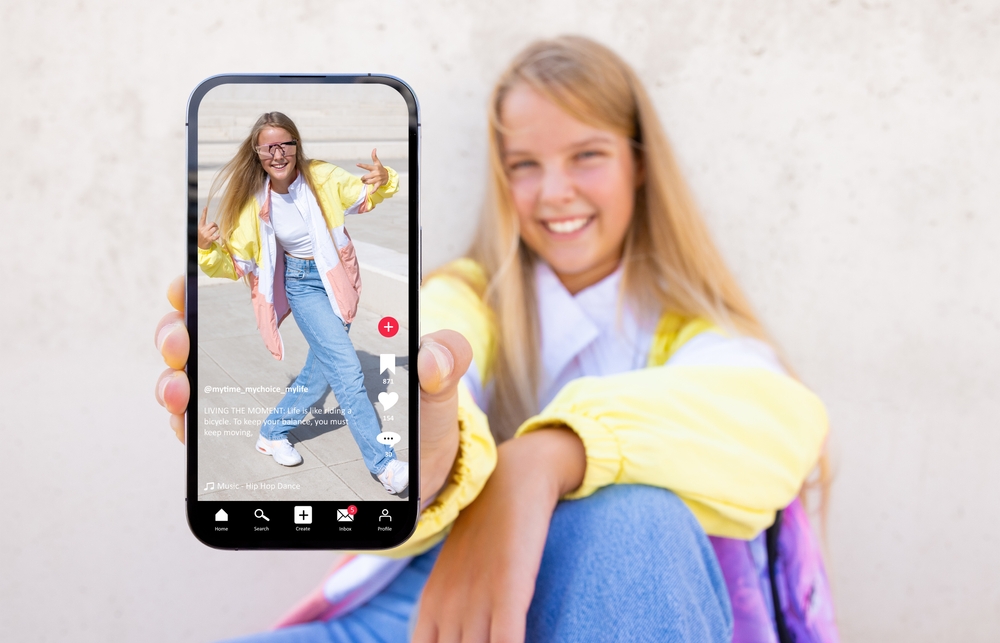
Perhaps the most influential of all birthday party trends is the pressure to post the perfect celebration online. Platforms like Instagram and TikTok have turned birthdays into public spectacles, where success is measured in likes and shares. This digital comparison culture pushes parents to overspend, fearing judgment if their parties don’t meet modern standards. For lower-income families, this can lead to feelings of inadequacy or guilt. The true purpose of a birthday—to celebrate a child’s growth and happiness—gets lost in the pursuit of online approval.

Reclaiming the Meaning of Celebration

Birthdays should be about joy, not comparison. As birthday party trends continue to escalate, many parents are rediscovering the value of simplicity and connection. Affordable, heartfelt gatherings remind children that love matters more than luxury. Whether it’s a picnic, a movie night, or a homemade cake, these moments create lasting memories without financial strain. Reclaiming what birthdays once stood for—community, laughter, and belonging—may be the best gift parents can give their children.

Have you noticed these birthday party trends in your community? How do you think families can make celebrations more inclusive? Share your thoughts below!

What to Read Next…

8 Kids’ Birthday Traditions That Are Quietly Fading Away

7 Birthday Party Expectations That Have Gotten Out of Control

9 Common First Birthday Gifts That Parents Secretly Return

Are Birthday Party Venues Still Charging for “No-Show” Guests?

6 Birthday Party Expense Hacks Exposed: Slash Costs With These Unexpected Secrets!

Catherine Reed
Catherine Reed

Catherine is a tech-savvy writer who has focused on the personal finance space for more than eight years. She has a Bachelor’s in Information Technology and enjoys showcasing how tech can simplify everyday personal finance tasks like budgeting, spending tracking, and planning for the future. Additionally, she’s explored the ins and outs of the world of side hustles and loves to share what she’s learned along the way. When she’s not working, you can find her relaxing at home in the Pacific Northwest with her two cats or enjoying a cup of coffee at her neighborhood cafe.
Filed Under: Money and Finances Tagged With: Childhood, Cost of Living, Family Budgeting, Family Finance, income inequality, modern parenting, Parenting, Social Media

8 Things Parents Give Up That No One Warns You About

October 22, 2025 | Leave a Comment

8 Things Parents Give Up That No One Warns You About
Image source: shutterstock.com

Becoming a parent is one of the most transformative experiences in life. It fills your days with joy, love, and moments of awe—but it also quietly reshapes nearly every aspect of your identity. Many new moms and dads expect the sleepless nights and chaotic schedules, but fewer realize just how much they’ll sacrifice in ways that go beyond time and money. These are the things parents give up that no one really talks about, even though they shape family life just as much as diaper changes and bedtime stories.

1. Personal Space Stops Being Yours

One of the first things parents give up is personal space. Whether it’s the bathroom, the couch, or your favorite corner to read, once kids arrive, privacy becomes a luxury. Children have a way of turning every space into shared territory, often accompanied by toys, snacks, and endless questions. Even when you try to carve out quiet time, tiny footsteps and voices have a knack for finding you. Over time, many parents adapt by redefining “alone time” to include the moments between school drop-off and grocery shopping.

2. Sleep Becomes a Negotiation

Among the top things parents give up, sleep ranks high on the list. Newborns are famous for their unpredictable sleep cycles, but even as kids grow, rest can be elusive. Early morning school routines, late-night fevers, and teenage curfews all chip away at consistent rest. Parents learn to function on less sleep and cherish naps as sacred. Ironically, by the time kids start sleeping through the night, many adults find themselves too conditioned to constant alertness to truly rest deeply.

3. Hobbies Take a Backseat

Another of the thing’s parents give up is the luxury of uninterrupted hobbies. Whether it’s reading, painting, running, or gaming, personal interests often fade into the background of family life. Between work, meals, and bedtime routines, the hours that once fueled creativity or leisure seem to disappear. While some parents manage to squeeze in time after bedtime, exhaustion often wins out. Many find joy again later—when their children are old enough to join them or understand the value of “me time.”

4. Spontaneity Becomes a Memory

Before parenthood, deciding to go out for dinner or take a weekend trip could happen in minutes. Once you have children, spontaneity is replaced by planning, packing, and checking nap schedules. One of the biggest things parents give up is the ability to be impulsive. Every outing now includes contingency plans, snacks, and backup outfits. What was once carefree becomes carefully choreographed, teaching parents patience and the art of preparation in exchange for adventure.

5. Career Flexibility Shrinks

Work-life balance takes on a whole new meaning once kids enter the picture. Among the many things parents give up, career flexibility can be one of the hardest adjustments. Late meetings, business travel, or weekend projects suddenly clash with childcare responsibilities. Parents often make choices that prioritize stability and time at home, even if it means delaying promotions or changing jobs. Yet many find that these sacrifices bring unexpected rewards—stronger family bonds and a clearer sense of priorities.

6. Friendships Shift in Unexpected Ways

Friendship dynamics change drastically once children arrive. One of the emotional thing’s parents give up is the effortless social life they once had. Coffee dates and late-night gatherings often give way to playdates and early bedtimes. Some friendships naturally drift apart, while others deepen through shared parenting experiences. Over time, many parents discover that genuine friendships evolve—they may become fewer, but they grow stronger and more meaningful.

7. Financial Freedom Takes a Hit

Even before college savings begin, the cost of raising children adds up fast. Among the financial things parents give up, discretionary spending tops the list. Money once reserved for travel, dining out, or personal indulgences shifts toward diapers, school fees, and endless snack requests. Budgets become tighter, and long-term goals sometimes need adjusting. Still, many parents find satisfaction in knowing their spending reflects their values—investing in their children’s well-being and future.

8. Time to Think Without Distraction

Perhaps one of the most underrated things parents give up is mental space. Parenting is constant questions, needs, and decisions never seem to end. Finding a moment to think clearly can feel impossible, especially in the early years. Many parents joke that their best ideas now come while folding laundry or driving alone for five minutes. Eventually, the mental clutter eases, but it never quite disappears; it simply becomes part of the rhythm of raising a family.

Finding Yourself Again Amid the Chaos

Parenthood changes you in ways that no book or class can fully prepare you for. The things parents give up—sleep, space, freedom, or financial ease—can feel overwhelming at times. Yet in exchange, many gain perspective, resilience, and a deeper sense of purpose. Every lost piece is replaced with something profound: laughter, love, and the kind of fulfillment that only comes from shaping another person’s world. The key is learning to rediscover yourself within that new balance, even if it takes time.

What’s one thing you didn’t realize you’d give up when you became a parent? Share your experience in the comments below!

What to Read Next…

Why Are More Parents Questioning the Value of Preschool?

10 Ways Parents Are Accidentally Teaching Entitlement

Why Moms Are Always the Default Parent (And How to Change It)

6 Baby Items Hospitals Don’t Provide Anymore—But Parents Think They Do

Why Are Pediatric ER Visits Rising for First-Time Parents?

Catherine Reed
Catherine Reed

Catherine is a tech-savvy writer who has focused on the personal finance space for more than eight years. She has a Bachelor’s in Information Technology and enjoys showcasing how tech can simplify everyday personal finance tasks like budgeting, spending tracking, and planning for the future. Additionally, she’s explored the ins and outs of the world of side hustles and loves to share what she’s learned along the way. When she’s not working, you can find her relaxing at home in the Pacific Northwest with her two cats or enjoying a cup of coffee at her neighborhood cafe.

Filed Under: Parenting Tagged With: family life, financial planning, lifestyle changes, Parenting, personal finance, raising kids, work-life balance

7 Kids’ Apps That Can Silently Access Your Camera or Microphone

October 21, 2025 | Leave a Comment

7 Kids' Apps That Can Silently Access Your Camera or Microphone
Image source: shutterstock.com

Most parents assume that popular children’s apps are harmless fun, but many have permissions that go far beyond games and learning tools. Hidden within terms and settings, some apps request—or even automatically gain—access to your child’s camera or microphone without clearly explaining why. These permissions can open the door to privacy risks, data collection, and even third-party tracking. Knowing which apps to watch out for and how to protect your child’s digital privacy has become essential in a world where playtime and technology are deeply intertwined.

1. TikTok

Though technically restricted to older users, TikTok remains one of the most downloaded apps among kids. Privacy experts have repeatedly raised concerns about how it accesses device cameras and microphones, even when the app isn’t actively recording. The platform’s algorithm thrives on user engagement, meaning it often gathers data on sounds, visuals, and facial expressions. While TikTok claims these features help personalize content, the data collection practices make it one of the top kids’ apps that can silently access your camera or microphone. Parents are encouraged to use “Family Pairing” mode to limit permissions and visibility.

2. Roblox

Roblox is a massive online gaming platform popular among children, but its permissions extend beyond gameplay. Some experiences within Roblox prompt camera and microphone use for voice chat or avatar interaction. However, once enabled, these permissions can remain active across sessions. This has led cybersecurity experts to include Roblox on lists of kids’ apps that can silently access your camera or microphone, especially when settings are not closely monitored. Parents can mitigate risks by disabling voice chat and reviewing privacy controls regularly.

3. Snapchat

Snapchat markets itself as a fun, creative messaging tool, but it requires near-constant access to a user’s camera and microphone. Even when a child isn’t actively taking pictures, the app may retain background permissions that allow ongoing data collection. The “Snap Map” feature also tracks location, further amplifying privacy concerns. For parents worried about kids’ apps that can silently access your camera or microphone, Snapchat poses multiple risks. Turning off location sharing and limiting friend lists can help reduce potential exposure.

4. YouTube Kids

YouTube Kids was designed to create a safe video experience, yet it’s not immune to privacy criticism. The app’s voice search feature requires microphone access, and in some cases, that access remains enabled even after closing the app. Critics argue that this could expose children to unnecessary data collection or unintentional listening. Though Google states that permissions are used strictly for functionality, YouTube Kids still appears on several cybersecurity lists of kids’ apps that can silently access your camera or microphone. Parents can adjust app permissions in device settings to improve security.

5. Zoom

Zoom became a staple of remote learning, but it also introduced new privacy risks. The app automatically requests access to the camera and microphone and may continue using them in the background during active sessions. For children attending virtual classes or social hangouts, this could mean unintended recording or observation. Security researchers have flagged Zoom as one of the kids’ apps that can silently access your camera or microphone when settings aren’t properly configured. Parents should always monitor when Zoom is active and ensure permissions are turned off once sessions end.

6. Facebook Messenger Kids

Messenger Kids was created to let children communicate under parental supervision, but the app still has broad access to cameras and microphones. Because it’s tied to Meta’s data ecosystem, the app may collect voice and video data to enhance filters or “safety” features. Unfortunately, that same access can leave open windows for potential misuse or data mining. Privacy advocates have cited it among the kids’ apps that can silently access your camera or microphone, especially if parents don’t frequently review permissions. Turning off certain features can help maintain tighter control.

7. Talking Tom and Friends

Talking Tom may seem like harmless entertainment, but the app has long faced controversy over how it records and stores audio. The app requires microphone access to mimic speech, but past security reviews revealed that data storage wasn’t always clearly managed or protected. Some versions also asked for camera access, raising eyebrows among privacy advocates. Because of these issues, Talking Tom and similar games are often mentioned in reports about kids’ apps that can silently access your camera or microphone. Experts recommend disabling microphone access entirely for nonessential entertainment apps.

Protecting Your Child’s Digital Privacy Starts with Awareness

Understanding how kids’ apps that can silently access your camera or microphone operate is the first step toward protecting your family’s privacy. Parents should regularly check app permissions, disable unnecessary features, and discuss with children why privacy matters. Tools like parental controls and privacy dashboards make it easier than ever to monitor access. Most importantly, choosing apps that clearly disclose how data is collected builds better digital habits from a young age. Vigilance today can prevent privacy problems tomorrow—and give parents peace of mind in an increasingly connected world.

Have you ever checked which apps have access to your child’s camera or microphone? What steps do you take to protect their privacy online? Share your thoughts in the comments.

What to Read Next…

6 Popular Family Apps That Have Leaked Children’s Data

The Truth About Screens: 9 Apps Your Kids Use That Secretly Collect Data

Government Spies: 8 Privacy Concerns with Government Databases of Kids

Data Harvested: 7 Ways Your Child’s Data Is Collected

Data Risk: 9 Data Breaches Still Threatening Your Kids’ Info

Catherine Reed
Catherine Reed

Catherine is a tech-savvy writer who has focused on the personal finance space for more than eight years. She has a Bachelor’s in Information Technology and enjoys showcasing how tech can simplify everyday personal finance tasks like budgeting, spending tracking, and planning for the future. Additionally, she’s explored the ins and outs of the world of side hustles and loves to share what she’s learned along the way. When she’s not working, you can find her relaxing at home in the Pacific Northwest with her two cats or enjoying a cup of coffee at her neighborhood cafe.

Filed Under: Technology Tagged With: app permissions, child safety, cybersecurity, digital parenting, family technology, Internet Safety, kids apps, online privacy, Parenting

9 Baby Brands That Parents Are Quietly Boycotting

October 21, 2025 | Leave a Comment

9 Baby Brands That Parents Are Quietly Boycotting
Image source: shutterstock.com

Parents are paying closer attention than ever to what they buy for their babies. Whether it’s over product recalls, ingredient transparency, or corporate controversies, many families are voting with their wallets and walking away from certain brands. Some of these companies once enjoyed unwavering loyalty, but changing values and rising awareness around safety, sustainability, and ethics have shifted the landscape. As more parents discuss their experiences online, the list of baby brands that parents are quietly boycotting continues to grow—and it’s changing how companies earn trust.

1. Johnson & Johnson

Johnson & Johnson has long been a household name, but in recent years, parents have begun distancing themselves from it. Much of this comes from lingering concerns over past lawsuits involving talcum powder and claims of asbestos contamination. Even though the company has reformulated and defended its products, some families remain skeptical about the brand’s transparency. When discussing baby brands that parents are quietly boycotting, Johnson & Johnson often tops the list because of trust issues rather than performance. Parents are now seeking cleaner, more transparent baby care alternatives.

2. Gerber

For generations, Gerber was synonymous with baby food, but today’s parents are more cautious. Several reports have highlighted heavy metal levels in baby food across multiple brands, and Gerber was among those scrutinized. Although the company has taken steps to improve testing, many families have switched to smaller, organic brands. In conversations about baby brands that parents are quietly boycotting, Gerber often surfaces as a symbol of outdated manufacturing practices. Parents increasingly prefer baby food companies that clearly label sourcing and safety standards.

3. Pampers

Pampers remains a top diaper brand, but its reputation has taken some hits among parents advocating for eco-friendly alternatives. Concerns over fragrance ingredients, landfill waste, and skin sensitivity have pushed many families toward biodegradable or cloth options. Online discussions frequently point out the high cost and environmental impact of traditional disposable diapers. As awareness of sustainable parenting grows, Pampers finds itself among the baby brands that parents are quietly boycotting for greener options. Modern parents want performance without guilt.

4. Similac

The infant formula industry has faced growing scrutiny, and Similac has been at the center of several controversies. Recalls tied to contamination and bacterial concerns have made many parents uneasy. Even though such incidents are rare, they leave lasting impressions when it comes to infant safety. In lists of baby brands that parents are quietly boycotting, Similac appears due to both health fears and frustration over supply chain issues during shortages. Parents now seek brands with transparent sourcing and more reliable availability.

5. Fisher-Price

Once a staple of childhood play, Fisher-Price has dealt with multiple recalls over the past few years. The most concerning involved the Rock ’n Play Sleeper, which was linked to infant fatalities and later removed from the market. Even after the recall, trust hasn’t fully recovered among many parents. As a result, Fisher-Price often lands on lists of baby brands that parents are quietly boycotting because safety should never be an afterthought. Parents are opting for newer, safety-first toy and gear companies instead.

6. Enfamil

Enfamil, another major baby formula brand, has faced its share of controversy as well. Lawsuits have emerged alleging potential links between certain formula products and health issues in premature infants. While scientific consensus remains complex, the public relations damage has been significant. For many families, the uncertainty is enough to explore smaller or European formula alternatives. Enfamil’s inclusion among baby brands that parents are quietly boycotting reflects a growing desire for cleaner labels and rigorous testing.

7. Huggies

Huggies has a loyal following, but even that loyalty is starting to waver. Environmental concerns and chemical sensitivity reports have made parents rethink disposable diaper brands altogether. Critics point out that while Huggies markets itself as gentle, it still uses materials that don’t align with eco-conscious values. As sustainability takes center stage, many families now prefer plant-based or reusable diapers. That trend has quietly placed Huggies among the baby brands that parents are quietly boycotting in favor of greener solutions.

8. Baby Einstein

Baby Einstein was once a go-to name for educational toys and videos, but research later found little evidence that the products enhanced cognitive development. Some parents even felt misled by earlier marketing claims suggesting the toys could accelerate learning. Today, many families prefer interactive play, real-world exploration, and screen-free activities instead. Among baby brands that parents are quietly boycotting, Baby Einstein stands out for shifting perceptions about early education. Parents have learned that meaningful learning doesn’t come in a box or video.

9. Nestlé

Nestlé’s reputation in the baby market remains controversial after decades of criticism over its formula marketing practices, particularly in developing countries. Although the company continues to operate globally, ethical concerns have driven many parents to boycott its baby products entirely. Critics argue that Nestlé’s focus on profits sometimes overshadows public health interests. This history continues to influence modern consumer behavior, with Nestlé frequently included among baby brands that parents are quietly boycotting. Trust, once lost, is difficult to regain in such a sensitive market.

Parents Are Demanding Accountability, Not Perfection

Parents today are more informed, connected, and outspoken than ever before. When they stop supporting certain baby brands that parents are quietly boycotting, it’s not just about one bad experience—it’s about broader patterns of accountability, transparency, and values. Modern parents want companies to take responsibility for safety, sustainability, and ethics without waiting for public backlash. The shift isn’t about cancel culture; it’s about conscious consumerism. In the end, brands that listen, evolve, and earn back trust will be the ones parents truly stand behind.

Have you stopped buying from any of these baby brands? What drives your purchasing decisions most—safety, ethics, or sustainability? Share your thoughts in the comments.

What to Read Next…

10 Popular Diaper Brands That Have Faced Consumer Complaints

Beyond The Brand: 8 Common Kid Snacks With Dangerous Allergens

Are the Brands You’re Buying for Your Child Worth the Money?

7 Luxury Brands That Parents Won’t Stop Buying Their Kids Even When It’s Out of Their Budget

4 Diaper Brands That Are Nothing More Than Elevated Paper Towels

Catherine Reed
Catherine Reed

Catherine is a tech-savvy writer who has focused on the personal finance space for more than eight years. She has a Bachelor’s in Information Technology and enjoys showcasing how tech can simplify everyday personal finance tasks like budgeting, spending tracking, and planning for the future. Additionally, she’s explored the ins and outs of the world of side hustles and loves to share what she’s learned along the way. When she’s not working, you can find her relaxing at home in the Pacific Northwest with her two cats or enjoying a cup of coffee at her neighborhood cafe.

Filed Under: Shopping Tagged With: baby products, baby safety, brand trust, consumer trends, ethical shopping, Family Finance, Parenting, product recalls, sustainability

« Previous Page
Next Page »
  • Facebook
  • Pinterest
  • RSS
  • Twitter

Basic Principles Of Good Parenting

Here some basic principles for good parenting:

  1. What You Do Matters: Your kids are watching you. So, be purposeful about what you want to accomplish.
  2. You Can’t be Too Loving: Don’t replace love with material possessions, lowered expectations or leniency.
  3. Be Involved Your Kids Life: Arrange your priorities to focus on what your kid’s needs. Be there mentally and physically.
  4. Adapt Your Parenting: Children grow quickly, so keep pace with your child’s development.
  5. Establish and Set Rules: The rules you set for children will establish the rules they set for themselves later.  Avoid harsh discipline and be consistent.
  6. Explain Your Decisions: What is obvious to you may not be evident to your child. They don’t have the experience you do.
  7. Be Respectful To Your Child: How you treat your child is how they will treat others.  Be polite, respectful and make an effort to pay attention.
Best Parenting Blogs

Most Popular

Baby Girl

12 “Grandma” Baby Names That Are Suddenly Cool Again

Evan Morgan
Baby

9 Baby Names That Sound Rare Without Being Hard to Spell

Evan Morgan
Target Store

Choking Incident Prompts Recall of 49,000 Target Gigglescape “Under the Sea” Popping Toys

Evan Morgan
Frustrated Girl

Why Some Students on the Spectrum Are Labeled With ODD

Evan Morgan
Coke Bottles

12 Things Kids Took to School in the ’70s That Would Never Be Allowed Today

Evan Morgan

All content on Kids Ain’t Cheap is for entertainment purposes only. By reading this blog, you agree that Kids Ain’t Cheap is not responsible for any actions taken after reading this blog. For the full disclaimer, see our privacy policy.

Please note that Kids Ain’t Cheap has financial relationships with some of the merchants mentioned here. Kids Ain’t Cheap is funded by banner advertising, commission sales and search optimization consulting.

Copyright © 2006–2026 | District Media | All Rights Reserved | Privacy Policy

Copyright © 2026 Runway Pro Theme by Viva la Violette