
• Home
  • About Us
  • Toolkit
  • Archives
  • Advertise
  • Privacy Policy

Kids Ain't Cheap

But They Sure Are Worth It

  • Parenting
    • Baby Stuff
    • Books and Reading
      • Aesops Fables
      • Comic Books
    • Education
    • Family Time
    • Green Living
    • Growing Up
    • Healthy Living & Eating
    • Holidays
    • Parenting
    • Random Musings
    • Shopping
    • Stuff to Do
  • Money
  • Product Reviews
    • Books and Magazines
    • Discount Sites
    • Furniture
    • House Keeping
    • Reviews News
    • Toys and Games
  • Contact Us
  • Our Editorial Commitment
  • Search

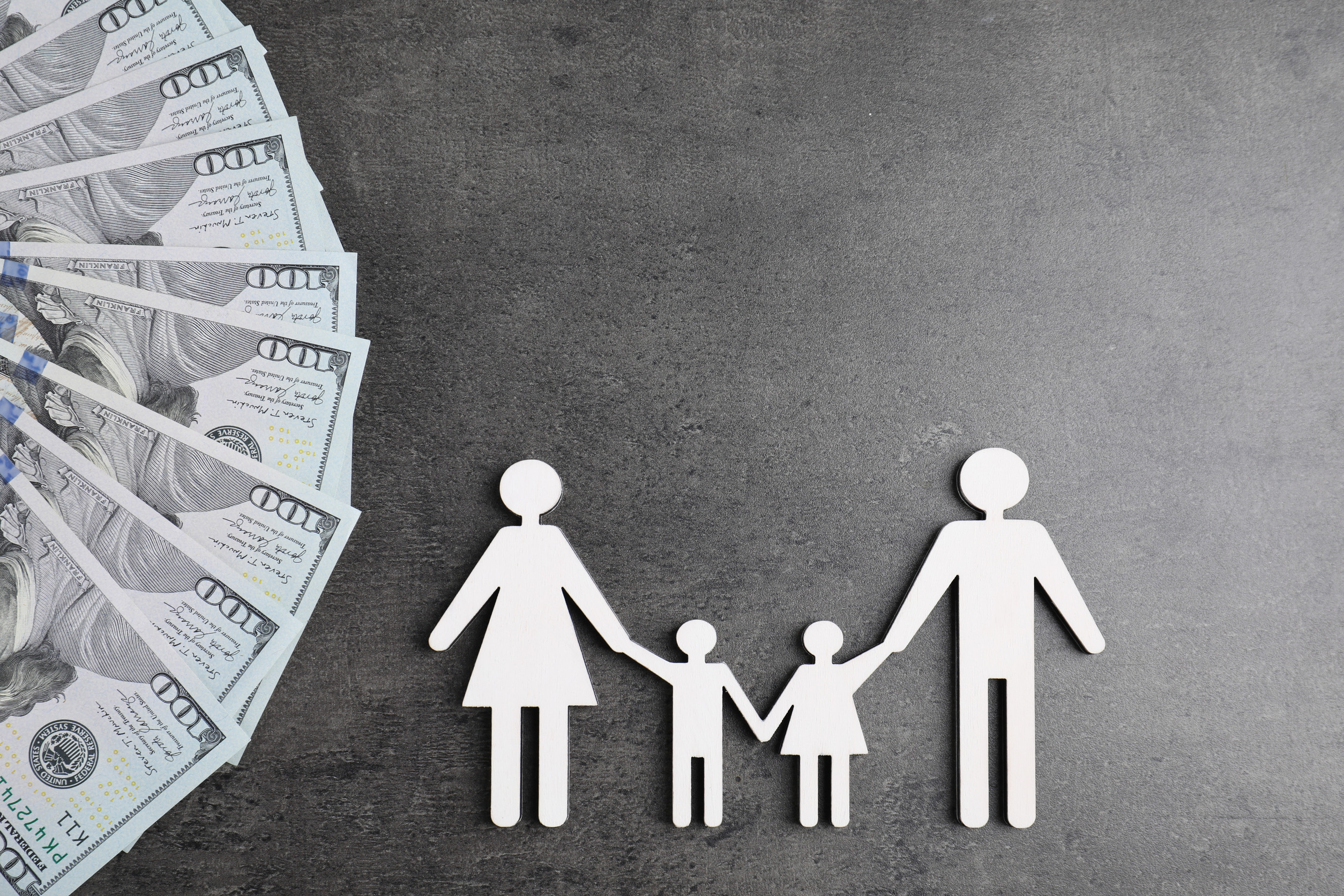
What You Didn’t Know: 11 Unexpected Medical Bills After A New Baby

July 25, 2025 | Leave a Comment

What You Didn't Know 11 Unexpected Medical Bills After A New Baby
Image source: 123rf.com

You plan for diapers, clothes, and car seats, but few new parents are ready for the avalanche of unexpected medical bills that show up after a baby is born. Even with decent insurance, the fine print can turn a joyful time into a financial headache. From hospital extras to follow-up appointments you didn’t even know were scheduled, the charges can quickly pile up. Knowing what to expect can help you ask smarter questions and avoid budget surprises. Here are 11 unexpected medical bills many families face after bringing home their new bundle of joy.

1. The Hospital Nursery May Cost Extra

Many parents are shocked to find out that nursery care isn’t always included in delivery costs. If your baby is taken to the nursery for observation or basic care, those charges may show up separately on your bill. Even something as simple as routine monitoring can be billed as an extra service. To avoid surprises, ask what’s considered standard versus optional care. Insurance companies don’t always break it down clearly, so request itemized billing after your stay.

2. Lactation Consultant Visits Aren’t Always Covered

Breastfeeding support can be a lifeline for new moms, but it doesn’t always come free. While some insurance plans cover lactation services, others only cover a limited number of visits or require pre-authorization. You might also be billed separately for a consultant’s time, even if it happens during your hospital stay. Be sure to check whether in-network or certified providers are required. If you need help at home, find out ahead of time what’s covered and what isn’t.

3. Newborn Hearing Tests and Screenings Can Surprise You

Routine newborn screenings, like hearing tests and blood spot tests, are often assumed to be part of the delivery package. But depending on your provider and insurance, these may show up as separate unexpected medical bills. Some are billed by third-party labs, which may not be in-network. This means you could be responsible for the full cost, even if the hospital is covered. Before delivery, ask your provider about how screenings are billed and who performs them.

4. Extra Pediatrician Visits Add Up Fast

Newborns typically see a pediatrician within the first few days after birth, but follow-up visits can come sooner and more often than expected. If your baby has jaundice, weight loss, or feeding trouble, multiple appointments might be required. While each visit may seem routine, co-pays and lab work can quickly accumulate. Some practices also charge for phone consultations or after-hours care. It helps to confirm what’s considered a standard visit under your plan.

5. Bloodwork and Lab Fees Aren’t Always Bundled

Hospitals often send newborn bloodwork to outside labs, which means you may get a bill long after you’ve left the hospital. These fees may not be itemized clearly or could be billed at out-of-network rates. It’s especially common with genetic or metabolic screenings. If you’re unsure where your baby’s tests are going, ask your care team during your stay. Calling your insurance provider to confirm covered labs can help prevent sticker shock later.

6. Anesthesia and Epidural Services Come with Their Own Bill

If you received an epidural or any form of anesthesia, that service is billed separately from your delivery. What many don’t realize is that the anesthesiologist might be out-of-network, even in an in-network hospital. This can lead to massive unexpected medical bills for pain management services. Always ask in advance if the anesthesia team is covered under your plan. It’s not a fun question to ask in labor, so plan ahead if possible.

7. NICU Charges Can Appear Even for Brief Stays

Sometimes a baby needs to spend a few hours or days in the neonatal intensive care unit (NICU), even if everything ends up being fine. These stays, no matter how short, often come with very high price tags. Each test, scan, or monitoring period in the NICU is billed separately. While necessary, these charges are a major contributor to medical debt for new parents. Find out if your insurance requires special authorization for NICU services ahead of time.

8. Doctor “Rounds” May Result in Duplicate Charges

You might think all the doctors who visit during your hospital stay are part of one team, but that’s not always the case. Pediatricians, specialists, or hospitalists who stop by to check on your newborn may each bill separately. This can lead to multiple charges for what feels like a single check-in. Ask the hospital if all providers are in-network and check your Explanation of Benefits (EOB) carefully. Disputing unfamiliar charges early is easier than waiting until they go to collections.

9. Postpartum Supplies Might Not Be Fully Covered

Items like breast pumps, compression garments, or wound care supplies may be partially covered or not at all. Sometimes the hospital sends you home with items assuming your insurance will pay, only for you to get a bill later. This is especially common with durable medical equipment. Before accepting anything, ask if it’s considered covered and request documentation. You can often buy the same items cheaper yourself if needed.

10. Vaccinations May Come from Out-of-Network Providers

While newborns don’t receive many vaccines in the hospital, some facilities bring in third-party providers for these services. This is especially true for the Hepatitis B shot. If that provider isn’t in your insurance network, the charge could be much higher than expected. To avoid this, confirm ahead of time who administers the vaccines and whether they’re in-network. If not, ask if your pediatrician can provide them instead.

11. Mental Health Services for Moms Aren’t Always Prioritized

Postpartum depression or anxiety is incredibly common, yet many new moms don’t seek help because of cost. Therapy, psychiatric visits, and even medications may fall outside of your regular coverage or require high co-pays. Since mental health coverage varies widely, it’s easy to be caught off guard. If you’re struggling, check your policy for mental health support before the baby arrives. Prioritizing care early can prevent both emotional and financial strain later.

Planning Now Helps You Dodge the Worst Surprises

The joy of bringing home a baby can quickly be clouded by a wave of unexpected medical bills that no one warned you about. While some charges are unavoidable, knowing what to expect gives you a leg up in navigating the fine print of your coverage. Don’t hesitate to ask questions, push for itemized bills, and explore alternate care options when possible. The earlier you plan, the more you can protect your growing family’s financial health. Knowledge is power when you’re dealing with a healthcare system that often keeps parents in the dark.

Did you face any surprise bills after your baby was born? Share your experience and advice in the comments!

Read More:

The Hidden Costs: 11 Things You Didn’t Know You’d Pay For After Baby

9 Money Mistakes That Cost New Parents Fortunes

Catherine Reed
Catherine Reed

Catherine is a tech-savvy writer who has focused on the personal finance space for more than eight years. She has a Bachelor’s in Information Technology and enjoys showcasing how tech can simplify everyday personal finance tasks like budgeting, spending tracking, and planning for the future. Additionally, she’s explored the ins and outs of the world of side hustles and loves to share what she’s learned along the way. When she’s not working, you can find her relaxing at home in the Pacific Northwest with her two cats or enjoying a cup of coffee at her neighborhood cafe.

Filed Under: Money and Finances Tagged With: financial planning for parents, health insurance tips, hospital costs, medical billing tips, new baby expenses, Newborn Care, parenting budget, unexpected medical bills

Beyond The Label: 8 Everyday Products Dangerous For Babies

July 25, 2025 | Leave a Comment

Beyond The Label 8 Everyday Products Dangerous For Babies
Image source: 123rf.com

Just because something is sold in a baby aisle or sits on your household shelf doesn’t mean it’s safe for your child. In fact, many common items that look harmless—or are even labeled as “gentle” or “non-toxic”—can actually be dangerous for babies. From ingredients you can’t pronounce to overlooked hazards in everyday gear, these products can pose health and safety risks with long-term consequences. As a parent, you already have a million things to think about, but knowing what to keep out of baby’s reach or routine can make a big difference. Here’s a closer look at eight everyday products that may be more dangerous for babies than most people realize.

1. Scented Baby Wipes Can Trigger Skin and Breathing Issues

They may smell like lavender or fresh linen, but scented baby wipes often contain fragrances and preservatives that are harsh on delicate skin. These chemicals can cause rashes, allergic reactions, or even disrupt your baby’s developing respiratory system. Even wipes labeled “natural” or “sensitive” may include irritants like parabens or formaldehyde-releasing agents. Unscented, hypoallergenic wipes with minimal ingredients are often a safer choice. Always read the ingredient list, even if the packaging looks baby-friendly.

2. Air Fresheners Release Harmful Particles

Plug-ins, sprays, and scented oils might make your home smell clean, but they can pollute the air your baby breathes. Many air fresheners emit volatile organic compounds (VOCs), which have been linked to asthma and hormone disruption. Since babies breathe faster and closer to the ground, they absorb more of these chemicals than adults. These products can be especially dangerous for babies with allergies or existing respiratory conditions. Consider switching to natural ventilation or baking soda-based alternatives instead.

3. Teething Necklaces Pose a Serious Choking Risk

Amber teething necklaces have gained popularity as a “natural” remedy for teething pain, but they can be very dangerous for babies. There’s no scientific evidence they work, and they create a strangulation and choking hazard if the beads break or the necklace gets caught. Even silicone versions marketed as “safe” can break under pressure. Pediatricians and safety experts strongly recommend avoiding them entirely. Use chilled (not frozen) teething toys instead and always supervise during use.

4. Baby Powders Contain Inhalation Hazards

While baby powders were once considered essential, many now come with warnings about the dangers of inhaling fine particles. Traditional talc-based powders have been linked to respiratory issues and even cancer in some lawsuits. Even cornstarch-based powders, though marketed as safer, can still irritate sensitive lungs when airborne. If you’re trying to reduce moisture, a soft cloth or barrier cream is usually a better option. Avoid using powders directly on your baby’s skin or near their face.

5. Plastic Baby Bottles May Leach Harmful Chemicals

Not all plastic baby bottles are created equal, and some may still leach chemicals like BPA or BPS, especially when heated. These chemicals have been associated with developmental and hormonal disruptions. Even “BPA-free” bottles may contain substitute chemicals that aren’t fully tested for safety. Glass bottles or those made with high-quality silicone can provide a safer alternative. If you do use plastic, avoid microwaving and replace them at the first sign of wear or scratches.

6. Fabric Softeners and Dryer Sheets Leave Toxic Residue

Soft, fresh-smelling clothes feel great, but the chemicals used in fabric softeners and dryer sheets are far from gentle. They leave a film on clothes that can cause skin irritation and introduce endocrine-disrupting compounds. These residues are especially dangerous for babies, whose skin absorbs more than adult skin. Unscented, hypoallergenic detergents without added softeners are a better choice. If you miss that softness, try wool dryer balls instead.

7. Crib Bumpers and Pillows Increase Suffocation Risk

Crib bumpers, decorative pillows, and even plush blankets can look cute, but they pose a real suffocation hazard for babies. Despite warnings from pediatricians and the American Academy of Pediatrics, some stores still sell them as part of crib bedding sets. Babies don’t have the strength to move their heads if their airway becomes blocked by soft materials. A firm mattress with a fitted sheet is all your baby needs for safe sleep. Keep the crib free of extras to reduce the risk of SIDS.

8. Antibacterial Soaps Disrupt the Skin’s Natural Barrier

Parents want to keep germs away, but antibacterial soaps are often too harsh for baby skin. These products can strip the skin’s natural oils and alter the microbiome, which plays a role in immune system development. Some ingredients, like triclosan, have even been banned in certain products due to safety concerns. For most situations, plain soap and water are more than enough. Stick to mild, fragrance-free cleansers designed specifically for infants.

Safe Starts Begin with Awareness

When it comes to products that are dangerous for babies, the real threat is often what we don’t see or question. Labels like “gentle,” “natural,” or “for babies” can be misleading, hiding ingredients or risks that don’t show up until it’s too late. By learning where these hidden dangers live and choosing safer alternatives, you’re giving your baby the best possible start. You don’t have to overhaul your entire household overnight, but small swaps and more informed choices can make a big difference. Parenting is full of enough surprises already—safety shouldn’t be one of them.

What everyday baby product surprised you most after learning about its risks? Share your thoughts or tips in the comments!

Read More:

Are You Wasting Money? 6 Baby Items New Parents Regret Buying

6 Urgent Safety Checks for Baby Gear

Catherine Reed
Catherine Reed

Catherine is a tech-savvy writer who has focused on the personal finance space for more than eight years. She has a Bachelor’s in Information Technology and enjoys showcasing how tech can simplify everyday personal finance tasks like budgeting, spending tracking, and planning for the future. Additionally, she’s explored the ins and outs of the world of side hustles and loves to share what she’s learned along the way. When she’s not working, you can find her relaxing at home in the Pacific Northwest with her two cats or enjoying a cup of coffee at her neighborhood cafe.
Filed Under: Parenting Tagged With: baby care, baby product risks, baby safety, dangerous for babies, household hazards, natural baby care, parenting tips, safe parenting choices, toxic products

The Unexpected Expense: 11 Tax Breaks For Parents You Didn’t Know Existed

July 25, 2025 | Leave a Comment

The Unexpected Expense 11 Tax Breaks For Parents You Didn't Know Existed
Image source: 123rf.com

Raising kids is expensive, and sometimes it feels like the bills never end. Between school supplies, medical expenses, and never-ending grocery trips, your bank account can take a serious hit. But what if you could put some of that money back in your pocket—legally? While most parents know about the Child Tax Credit, there are several lesser-known tax breaks for parents that often go unused. If you’re looking for ways to ease the financial burden of parenting, these 11 tax benefits could give your budget the boost it needs.

1. Child and Dependent Care Credit

If you pay for childcare while you work or look for work, you may be eligible for the Child and Dependent Care Credit. This includes daycare, preschool, summer camps, and even babysitters in certain cases. The amount of credit depends on your income and how much you spend on care, but it can be up to 35% of your qualifying expenses. Make sure your provider gives you a receipt with their tax ID number to claim it. Many parents miss this opportunity because they assume it only applies to daycare centers.

2. Earned Income Tax Credit (EITC)

The Earned Income Tax Credit is one of the most valuable tax breaks for parents, yet it often goes unclaimed. Designed to help low- to moderate-income families, this credit can reduce your tax bill or even result in a refund. The more children you have, the higher the credit. Income thresholds change each year, so it’s worth checking eligibility even if you didn’t qualify previously. Filing taxes with a software that screens for credits can help you avoid missing it.

3. Adoption Tax Credit

Adopting a child is a big emotional and financial commitment, but the government offers some relief through the Adoption Tax Credit. This credit covers up to a set amount of qualified adoption expenses, including court costs, attorney fees, and travel. Even adoptions through foster care may qualify. It’s not refundable, but it can be carried forward for up to five years if you don’t use the full credit in one year. It’s one of the more overlooked tax breaks for parents navigating adoption.

4. American Opportunity Tax Credit (AOTC)

If you have older kids in college, the AOTC can cover up to $2,500 per student for tuition, books, and other school-related expenses. The credit applies to the first four years of higher education and is partially refundable. That means you could get money back even if you owe zero taxes. Just make sure your student is enrolled at least half-time in a degree program. Keep those tuition and supply receipts organized for tax time.

5. Lifetime Learning Credit

Not just for your kids—if you or your spouse are taking college courses, you could qualify for the Lifetime Learning Credit. It’s worth up to $2,000 per return and applies to nearly all post-secondary education. There’s no limit to how many years you can claim it, unlike the AOTC. You don’t need to pursue a degree either—just take qualified courses from an eligible institution. If you’re furthering your education while parenting, this tax break can help offset the cost.

6. Student Loan Interest Deduction

Paying off student loans while raising kids? You may be able to deduct up to $2,500 in interest paid on qualified student loans each year. This deduction is available even if you don’t itemize your deductions. It phases out at higher income levels, so double-check your eligibility based on your adjusted gross income. It’s a small win, but every little bit helps when juggling education and parenting expenses.

7. Flexible Spending Accounts (FSAs)

FSAs aren’t a credit or deduction, but they are one of the most useful tax breaks for parents. By contributing pre-tax dollars to a dependent care FSA through your employer, you can set aside up to $5,000 per year for childcare expenses. This reduces your taxable income, which can lower your overall tax bill. Just be careful—FSAs are use-it-or-lose-it accounts, so plan your yearly contributions wisely. Check with your HR department during open enrollment to see if it’s available to you.

8. Head of Household Filing Status

If you’re a single parent, filing as Head of Household instead of Single gives you a higher standard deduction and more favorable tax brackets. To qualify, you must pay more than half the cost of maintaining your home and have a qualifying child who lives with you more than half the year. This status can significantly reduce what you owe. It’s one of the easiest ways to maximize your return as a single parent. Yet many eligible filers don’t take advantage simply because they don’t realize they qualify.

9. Child’s Investment Income

If your child earns investment income, you may need to report it on your tax return under the “kiddie tax” rules. However, you can also use IRS Form 8814 to include their interest and dividends with your own return, potentially simplifying the process. While this won’t reduce your tax bill, it’s helpful to know how to avoid penalties and report the income correctly. It’s also a good opportunity to teach older kids about taxes. Understanding this rule can keep you compliant while minimizing stress.

10. State-Specific Credits and Deductions

Many states offer their own tax breaks for parents, from back-to-school tax holidays to credits for private school tuition or dependent care. These vary widely, so be sure to check your state’s Department of Revenue website. Some states mirror federal credits, while others provide additional benefits. Even renters or foster parents may qualify in certain locations. Don’t overlook what your state may be offering just because it’s not on your federal return.

11. Saver’s Credit

If you’re contributing to a retirement account while earning a modest income, you could qualify for the Saver’s Credit. This credit rewards you for saving money—something many parents put off during the child-rearing years. You can claim up to 50% of your contributions to an IRA or 401(k), depending on your income. It’s not just about the future—it helps now, too. It’s one of those long-game tax breaks for parents that builds toward financial stability.

Take What You’re Owed Without Leaving Money Behind

Parenting is expensive enough without missing out on savings that are legally yours. These lesser-known tax breaks for parents can add up to hundreds or even thousands of dollars each year, if you know where to look. A little research, a few smart questions at tax time, and the right paperwork could make your refund a lot more satisfying. Don’t assume you’ve claimed everything just because you checked the basic boxes. The IRS may not remind you—but your wallet will thank you.

Which of these tax breaks for parents were you most surprised to learn about? Have you used any of them already? Let us know in the comments!

Read More:

10 Financial Habits Keeping Parents Stressed

9 Money Mistakes That Cost New Parents Fortunes

Catherine Reed
Catherine Reed

Catherine is a tech-savvy writer who has focused on the personal finance space for more than eight years. She has a Bachelor’s in Information Technology and enjoys showcasing how tech can simplify everyday personal finance tasks like budgeting, spending tracking, and planning for the future. Additionally, she’s explored the ins and outs of the world of side hustles and loves to share what she’s learned along the way. When she’s not working, you can find her relaxing at home in the Pacific Northwest with her two cats or enjoying a cup of coffee at her neighborhood cafe.

Filed Under: Money and Finances Tagged With: budgeting for families, child tax credit, Family Finance, hidden tax benefits, IRS credits, money-saving tips, parenting expenses, tax breaks for parents, tax tips

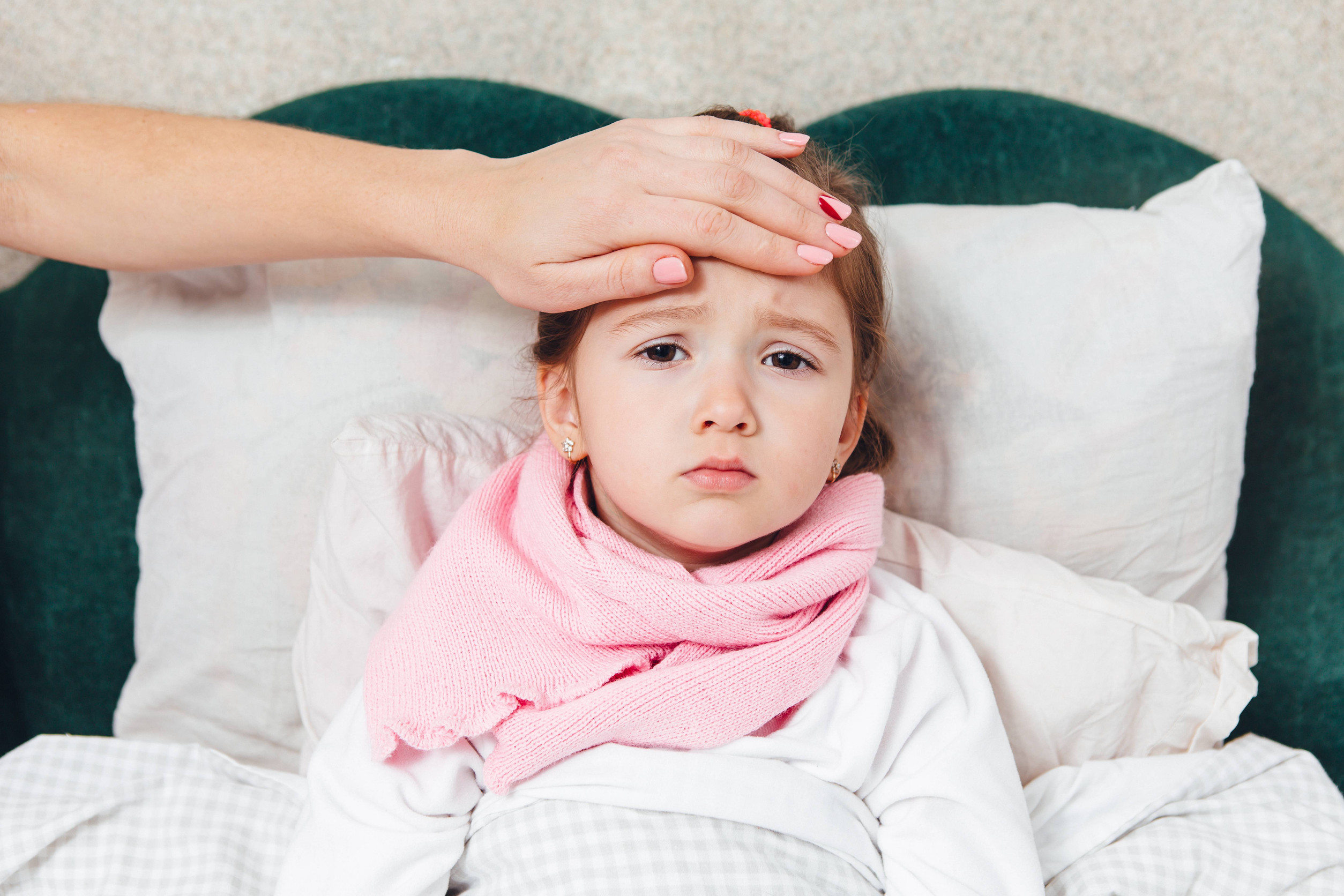
It’s Not Just a Cold: 7 Chronic Childhood Illnesses Often Undiagnosed

July 25, 2025 | Leave a Comment

Its Not Just a Cold 7 Chronic Childhood Illnesses Often Undiagnosed
Image source: 123rf.com

Runny noses, lingering coughs, and “just a bug” excuses can sometimes cover up something far more serious. While it’s true that kids catch their fair share of colds, there’s a surprising number of chronic childhood illnesses that fly under the radar because their early symptoms look so ordinary. If your child seems to be battling the same minor issues over and over, it might be time to dig deeper. Catching these conditions early can make all the difference, especially when symptoms are mistaken for growing pains, allergies, or simple viruses. Let’s take a closer look at seven chronic childhood illnesses that are often undiagnosed but deserve a second look.

1. Asthma Isn’t Always Loud or Obvious

Many parents expect asthma to show up with dramatic wheezing, but that’s not always the case. Chronic coughing, especially at night or after playing, can be an early red flag. Some kids with asthma don’t wheeze at all but instead experience chest tightness or frequent bronchitis. These subtle signs make it easy to confuse asthma with a lingering cold. If your child regularly gets winded or has a cough that won’t quit, it’s time to ask your pediatrician about testing.

2. Celiac Disease Can Masquerade as a Sensitive Stomach

Tummy troubles are common in kids, but persistent bloating, gas, or diarrhea could point to celiac disease. This autoimmune condition is triggered by gluten and damages the small intestine over time. Because symptoms can be mild or vague, many children suffer for years before getting a diagnosis. Behavioral changes like irritability or trouble focusing are also common in undiagnosed cases. A simple blood test can point doctors in the right direction for further screening.

3. Type 1 Diabetes Doesn’t Always Start with Sugar Crashes

Frequent urination, sudden weight loss, and extreme thirst are classic signs, but Type 1 diabetes can also show up more subtly. Fatigue, mood swings, and blurry vision may be brushed off as growing pains or stress. Some kids experience recurring yeast infections or bedwetting, especially if they’ve been potty trained for years. Chronic childhood illnesses like this require early intervention to prevent serious complications. If your gut tells you something’s off, don’t wait to speak up.

4. Juvenile Arthritis Isn’t Just “Morning Stiffness”

Yes, kids can get arthritis too—and it’s not always obvious. Children with juvenile arthritis may walk with a limp in the morning or avoid using certain joints without complaining of pain. Swelling in the knees, wrists, or fingers may come and go, making it hard to catch. Sometimes, the only sign is unexplained fatigue or a general “slowness” in activities. Left untreated, it can lead to joint damage, so don’t dismiss these signs as normal clumsiness or laziness.

5. ADHD Can Be Hiding Behind Good Behavior

Not all kids with ADHD are bouncing off the walls. Inattentive-type ADHD often gets overlooked because children may seem quiet, shy, or daydreamy rather than disruptive. These kids may struggle to complete tasks, follow instructions, or stay organized—but without causing any classroom trouble. As a result, they’re often labeled as forgetful or unmotivated rather than being evaluated for chronic childhood illnesses like ADHD. A full evaluation can open the door to helpful resources and strategies.

6. Eosinophilic Esophagitis Gets Mistaken for Picky Eating

If your child frequently gags, avoids solid foods, or takes forever to finish meals, it might be more than just picky eating. Eosinophilic esophagitis (EoE) is a chronic allergic condition where white blood cells build up in the esophagus. This can cause inflammation, pain, and swallowing difficulties—especially with certain foods. Because many kids already have food aversions, this condition is often missed or misdiagnosed. Persistent symptoms deserve a closer look by a pediatric gastroenterologist.

7. Childhood Migraines Are Often Misread as Stomach Bugs

Kids don’t always describe migraines the way adults do, which makes diagnosis tricky. Instead of complaining about head pain, children may say their tummy hurts or that they feel dizzy or sleepy. Nausea, light sensitivity, and mood swings can also be part of the picture, mimicking a stomach virus or even anxiety. If these symptoms are recurring and seem to follow a pattern, migraines might be the root cause. Tracking symptoms over time can help uncover this chronic condition.

Keep Asking Questions Until You Get Answers

When something feels off with your child’s health, it’s okay to push for more answers—even if you’re told it’s “Just a cold.” Chronic childhood illnesses often present quietly at first, blending into the chaos of everyday parenting. But recognizing the patterns, advocating for deeper evaluations, and trusting your instincts can lead to life-changing support. The earlier these conditions are identified, the better the outcomes for your child’s health, development, and overall happiness.

What signs have you noticed that made you dig deeper into your child’s health? Share your story in the comments!

Read More:

Why The Doctor Isn’t Worried: 7 Common Kids’ Ailments Often Misdiagnosed

5 Vaccinations Parents Are Skipping Putting Kids At Risk

Catherine Reed
Catherine Reed

Catherine is a tech-savvy writer who has focused on the personal finance space for more than eight years. She has a Bachelor’s in Information Technology and enjoys showcasing how tech can simplify everyday personal finance tasks like budgeting, spending tracking, and planning for the future. Additionally, she’s explored the ins and outs of the world of side hustles and loves to share what she’s learned along the way. When she’s not working, you can find her relaxing at home in the Pacific Northwest with her two cats or enjoying a cup of coffee at her neighborhood cafe.

Filed Under: Parenting Tagged With: child wellness, chronic childhood illnesses, kids' health, medical advocacy, parenting tips, pediatric care, undiagnosed conditions

The Hidden Truth: 10 Things Your Kids Will Never Tell You

July 25, 2025 | Leave a Comment

The Hidden Truth 10 Things Your Kids Will Never Tell You
Image source: 123rf.com

No matter how close you are to your children, there are always thoughts, feelings, and fears they keep to themselves. Kids may not always know how to express what they’re going through, or they may worry about being misunderstood, judged, or even disappointing you. The result? There’s a whole world of emotional truth just under the surface that rarely gets spoken aloud. Understanding the things your kids will never tell you helps you connect more deeply and respond with empathy—even when they don’t say a word. Let’s explore the hidden truths many children keep locked away.

1. “I Need You More Than I Let On”

Even when they roll their eyes, stomp away, or ask to do things alone, your child still craves your presence and support. The need for security doesn’t disappear with independence—it just looks different. Kids often test boundaries not because they want distance, but because they want reassurance. They may not admit it, but knowing you’re always there builds their confidence. Behind the pushback is a quiet plea for connection.

2. “Sometimes I Don’t Know Why I’m Upset”

Emotions can be confusing, especially for younger children who haven’t yet developed the vocabulary to describe what’s happening inside. That meltdown over the blue cup instead of the red one may not really be about the cup at all. Kids might feel overwhelmed, overstimulated, or tired but not understand how to say so. It’s one of those things your kids will never tell you because they don’t fully understand it themselves. Staying calm and curious in the moment helps them feel safe as they learn to sort through big feelings.

3. “I Watch How You Treat Yourself”

Your child pays close attention to how you speak about yourself, even if you think they’re not listening. When you’re overly critical of your body, your habits, or your abilities, they absorb those messages. They learn how to talk to themselves by watching how you talk to you. This silent modeling shapes their confidence more than you realize. Offering yourself kindness teaches them to do the same when they face setbacks or self-doubt.

4. “I Want You to Put Down Your Phone”

Kids may not voice it, but they definitely notice when you’re distracted by screens. They see when you check your phone at dinner or glance at it during their story. To them, it feels like competition for your attention, and it can quietly hurt. One of the most unspoken things your kids will never tell you is that they miss the undivided version of you. Simple moments of connection matter more than you think.

5. “I Lie Because I’m Afraid of Getting in Trouble”

When your child lies, it’s rarely because they’re trying to be manipulative. More often, it comes from a place of fear—fear of punishment, disapproval, or losing your trust. Admitting a mistake is scary, especially if they’re already feeling guilty or ashamed. Creating a space where honesty is met with calm correction rather than harsh reaction makes it easier for truth to surface. Kids want to be truthful, but they need to feel safe to do it.

6. “I Get Jealous of My Siblings”

Sibling rivalry is normal, but most kids won’t openly admit their feelings of jealousy or comparison. They might feel like one sibling gets more attention, praise, or freedom, even if that’s not the case. These feelings are confusing and often come with guilt, so they stay hidden. It helps to make one-on-one time with each child and avoid unintentional comparisons. Acknowledging their uniqueness reassures them that your love isn’t divided—it’s multiplied.

7. “Your Approval Means Everything to Me”

Even if they pretend not to care, your child deeply values what you think of them. A proud smile, a word of encouragement, or a simple “I’m proud of you” goes a long way. On the flip side, criticism—even when well-meaning—can sting more than they let on. This is one of those things your kids will never tell you, but it shapes their self-worth behind the scenes. Choose your words with care, knowing how much weight they carry.

8. “School Is Harder Than I Let On”

From academic pressure to social stress, school can be a minefield for kids. But they often downplay it to avoid worrying you or being labeled as complainers. Whether it’s a struggle to keep up with lessons or to fit in with peers, many kids quietly carry a heavy load. Keep communication open by asking about more than just grades or behavior. Digging a little deeper creates a safe space for them to open up when they’re ready.

9. “I Don’t Want to Let You Down”

Even the most rebellious child often carries a quiet fear of disappointing you. They want to be good, do well, and make you proud, even if they don’t always show it. That pressure can sometimes lead to anxiety, people-pleasing, or perfectionism. Being clear that your love isn’t based on performance makes it easier for them to take healthy risks. Knowing that they’re accepted no matter what frees them to grow and learn.

10. “I’m Still Figuring Out Who I Am”

As kids grow, they go through countless shifts in personality, interest, and identity. They might try on different styles, moods, or hobbies as they explore who they are and who they want to be. It’s messy, and they won’t always explain what they’re feeling. That’s why patience, curiosity, and acceptance are key. Supporting their journey—even in silence—is more powerful than you know.

The Best Conversations Often Start with What’s Unsaid

The things your kids will never tell you aren’t secrets meant to push you away—they’re just truths waiting for the right space to be heard. Sometimes, the most important connections happen in the quiet moments: a shared glance, a gentle hug, or a simple “I’m here if you want to talk.” By tuning in to what’s left unsaid and showing up with empathy, you invite deeper trust and lasting closeness. Your kids may not say it out loud, but they feel it every time you choose to listen.

What’s something your child once shared that completely surprised you? Join the conversation and let us know in the comments!

Read More:

9 Parenting Beliefs That Are Harmful to Your Kids

Privacy Violation: 7 Things Never to Post About Your Kids Online

Catherine Reed
Catherine Reed

Catherine is a tech-savvy writer who has focused on the personal finance space for more than eight years. She has a Bachelor’s in Information Technology and enjoys showcasing how tech can simplify everyday personal finance tasks like budgeting, spending tracking, and planning for the future. Additionally, she’s explored the ins and outs of the world of side hustles and loves to share what she’s learned along the way. When she’s not working, you can find her relaxing at home in the Pacific Northwest with her two cats or enjoying a cup of coffee at her neighborhood cafe.
Filed Under: Parenting Tagged With: child development, emotional connection, family communication, parenting awareness, parenting tips, raising kids, things your kids will never tell you, understanding children

Your Kid’s Privacy: 6 Apps Kids Are Using That Secretly Collect Their Data

July 25, 2025 | Leave a Comment

Your Kids Privacy 6 Apps Kids Are Using That Secretly Collect Their Data
Image source: 123rf.com

It’s easy to assume that the games and social apps your kids love are just harmless fun. But beneath the colorful graphics and catchy tunes, many of these apps are gathering more than just clicks and screen time—they’re quietly collecting personal data. From location tracking to contact access, your kid’s privacy can be compromised without you even knowing. And the truth is, some of the most popular apps among children are also the most aggressive data collectors. Let’s uncover six widely used apps that may be putting your kid’s privacy at risk behind the scenes.

1. TikTok Tracks More Than Just Trends

TikTok is one of the most downloaded apps worldwide and a favorite among tweens and teens. While it markets itself as a creative outlet, it’s also notorious for collecting a wide range of personal data. This includes location, browsing history, device information, and even keystroke patterns. TikTok’s privacy policy allows it to store and share this information with third parties, which raises serious concerns about your kid’s privacy. Even with a private account, a lot of background data can still be harvested.

2. Snapchat Isn’t as Disappearing as It Claims

Snapchat is built around the idea that photos and messages vanish after a short time, which gives kids a false sense of security. However, the app still stores metadata like location, phone contacts, and usage habits. It also has features like Snap Map that show real-time locations unless explicitly disabled. Kids may think they’re sharing privately, but Snapchat can collect and retain significant amounts of behavioral data. Parents should double-check privacy settings and discuss how the app really works with their child.

3. Roblox Gathers Data Through Gameplay and Purchases

Roblox is more than just a game—it’s a full digital world where kids build, play, and interact with others. What most users don’t realize is that Roblox also tracks user behavior, spending patterns, chat activity, and even in-game movements. While some of this helps improve user experience, it also contributes to personalized advertising and deep data profiling. Because many children use the platform without fully understanding privacy implications, your kid’s privacy may be compromised during play. Keeping parental controls active and reviewing permissions can help reduce exposure.

4. YouTube and YouTube Kids Still Collect Personal Info

Even YouTube Kids, which is specifically marketed as child-friendly, has faced scrutiny for collecting data on young viewers. Both YouTube and its kid-focused app track search history, viewing habits, and device identifiers to suggest content and deliver targeted ads. In 2019, YouTube was fined by the FTC for violating child privacy laws, but data collection practices still persist in less obvious ways. Unless a child is using the app with a supervised Google account, their data is likely still being tracked. It’s important to adjust settings and use approved supervised accounts to better safeguard your kid’s privacy.

5. Discord Collects More Than Just Chat Logs

Discord is a popular platform for gamers and group chats, but it also collects extensive user data including IP addresses, device types, messages, and connected accounts. It’s often used by teens to communicate during gaming sessions or hangouts, and many servers are open to the public. This increases the risk of interacting with strangers and exposing personal details. While the app has privacy controls, they are not always enabled by default, leaving younger users vulnerable. Parents should monitor how Discord is used and encourage private server use with trusted friends only.

6. Instagram’s Data Collection Goes Beyond Photos

Instagram is visually appealing and easy to use, which makes it attractive to preteens and teens—even though the app requires users to be at least 13. Behind the scenes, Instagram collects detailed information on what users like, view, comment on, and even hover over. It builds a full behavioral profile that feeds into the larger Meta advertising engine. Even private accounts don’t stop the app from gathering extensive background data. For your kid’s privacy, it’s crucial to limit time spent on the app, restrict ad settings, and talk openly about what’s shared online.

Teaching Privacy Starts at Home

While it may feel like you need a tech degree to keep up with all the apps your child is using, the most powerful defense for your kid’s privacy is a conversation. By understanding which apps collect data and how that information is used, you can help your child make more informed choices. It’s also important to regularly review app permissions, enable parental controls, and set boundaries on device use. Most importantly, encourage your child to ask questions and speak up if something feels off online. Privacy isn’t just about settings—it’s about awareness, trust, and teamwork.

Have you found any surprising data practices in apps your child uses? Share what you’ve learned—or what you’ve changed—in the comments!

Read More:

5 Free Budgeting Apps For Kids to Learn About Money

9 Privacy Settings You Didn’t Know Existed for Kids’ Devices

Catherine Reed
Catherine Reed

Catherine is a tech-savvy writer who has focused on the personal finance space for more than eight years. She has a Bachelor’s in Information Technology and enjoys showcasing how tech can simplify everyday personal finance tasks like budgeting, spending tracking, and planning for the future. Additionally, she’s explored the ins and outs of the world of side hustles and loves to share what she’s learned along the way. When she’s not working, you can find her relaxing at home in the Pacific Northwest with her two cats or enjoying a cup of coffee at her neighborhood cafe.

Filed Under: Parenting Tagged With: app data collection, child data protection, digital parenting, kids and technology, Online Safety, parenting tips, privacy settings, tech awareness, your kid's privacy

The Unseen Threat: 5 Home Areas That Are Hidden Pest Hotspots Near Your Kids

July 25, 2025 | Leave a Comment

The Unseen Threat 5 Home Areas That Are Hidden Pest Hotspots Near Your Kids
Image source: 123rf.com

No matter how clean your home looks, pests can be hiding in places you’d never expect—especially near areas where your kids play, eat, and sleep. These hidden pest hotspots can attract insects and rodents that carry bacteria, bite, or trigger allergies, putting your little ones at risk. The scary part is, most parents don’t notice these problem areas until an infestation is already underway. By understanding where pests like to hide and why, you can take simple steps to protect your family. Let’s shine a light on five sneaky areas around the house that could be harboring pests without you even knowing it.

1. Toy Storage Bins Are a Hidden Haven

Kids’ toys are often tossed into bins, baskets, or toy chests—but these cozy, cluttered spaces can become ideal hidden pest hotspots. Crumbs from snack-time, forgotten juice box straws, or sticky residue from candy attract ants, roaches, and even mice. Since many parents store toys in playrooms or bedrooms, pests in these bins can end up right where your child sleeps or spends time on the floor. Soft toys, in particular, can harbor dust mites and flea eggs if pets are around. Make it a habit to wipe down toys regularly, vacuum storage areas, and inspect bins for signs of unwanted visitors.

2. Highchair Padding and Underneath the Tray

Highchairs might look clean on the surface, but underneath that tray or deep in the seams of the padding, food particles can build up fast. These leftover crumbs and spills become irresistible snacks for ants and fruit flies. The padding and crevices often stay damp from wipe down cloths or spilled milk, creating a moist environment where mold and bacteria can thrive too. Since your child eats in this space daily, it’s important to clean every part—not just the visible ones. Remove and scrub trays, wash fabric parts according to instructions, and inspect underneath the chair often.

3. Underneath and Behind the Couch

Kids love to snack while watching TV or playing on the living room floor, which makes the area behind and under the couch a pest paradise. Bits of cereal, cracker crumbs, and sticky juice spills often fall between cushions or end up under furniture, out of sight and out of reach. Rodents, roaches, and even silverfish find this combination of food and dark hiding spots extremely appealing. Since couches are rarely moved or deep cleaned, these hidden pest hotspots can go unchecked for long stretches. Schedule regular vacuuming under and behind your furniture to keep pests away.

4. Bathroom Cabinets and Under-Sink Areas

Bathrooms are often humid and dark, which makes them perfect environments for silverfish, cockroaches, and even spiders to hide—especially under the sink. Leaky pipes or damp cleaning cloths create just enough moisture for pests to thrive. If you store baby wipes, bath toys, or grooming tools for your child in these cabinets, they could be coming into close contact with pest droppings or bacteria. To prevent this, seal any leaks, store products in airtight bins, and keep the area dry. Adding a dehumidifier or moisture absorber can also make the space less appealing to insects.

5. Crib Skirts and Under-Crib Storage

Many parents store diapers, wipes, clothes, and toys under the crib using soft baskets or bins covered by a crib skirt. While it looks tidy, it’s another one of those hidden pest hotspots where insects or mice can hide undetected. Dust buildup, pet dander, and even a stray snack or two can attract unwanted guests right under where your baby sleeps. Since the crib skirt conceals what’s underneath, it can go unchecked for weeks. Clean the area regularly, inspect stored items, and avoid using fabric containers that pests can easily nest in or chew through.

Awareness Makes All the Difference

When it comes to protecting your children, keeping an eye out for hidden pest hotspots is just as important as baby-proofing cabinets or covering electrical outlets. Many pests thrive in cozy, dark places filled with crumbs or moisture, which unfortunately describes quite a few kid-centered areas in the home. The good news is, a little extra awareness and regular cleaning can go a long way in keeping pests at bay. Make a checklist of these problem areas and add them to your weekly or monthly cleaning rotation. You’ll gain peace of mind knowing your child’s favorite spaces are both fun and safe.

Have you discovered pests hiding in a place you never expected? Share your story or tips in the comments below!

Read More:

The Quiet Killer: 8 Hidden Hazards In Your Nursery You’re Not Checking

Silent Danger: 8 Common Foods That Are Choking Hazards for Young Children

Catherine Reed
Catherine Reed

Catherine is a tech-savvy writer who has focused on the personal finance space for more than eight years. She has a Bachelor’s in Information Technology and enjoys showcasing how tech can simplify everyday personal finance tasks like budgeting, spending tracking, and planning for the future. Additionally, she’s explored the ins and outs of the world of side hustles and loves to share what she’s learned along the way. When she’s not working, you can find her relaxing at home in the Pacific Northwest with her two cats or enjoying a cup of coffee at her neighborhood cafe.

Filed Under: Home and Living Tagged With: baby proofing, child health, family wellness, hidden pest hotspots, home safety, parenting tips, pest control, safe cleaning routines

The Real Cost: 10 Spending Habits That Drain Your Family Budget Fast

July 25, 2025 | Leave a Comment

The Real Cost 10 Spending Habits That Drain Your Family Budget Fast
Image source: 123rf.com

If you’ve ever wondered where your money goes each month, you’re not alone. The truth is, it’s often not the big purchases that throw your finances off track—it’s the small, sneaky habits that add up over time. From convenience splurges to overlooked subscriptions, these everyday choices can quietly eat away at your savings. Understanding the spending habits that drain your family budget is the first step toward taking back control. Let’s break down 10 common culprits and how to fix them.

1. Daily Drive-Thru Coffee Runs

Grabbing a coffee on your way to work or school drop-off might seem harmless, but those $5 drinks can really add up. If both parents make the stop just three times a week, that’s over $1,500 a year gone. Making your own coffee at home—even using a fancy machine—still costs significantly less in the long run. This spending habit drains your family budget without you even noticing it. Switching to homemade drinks a few days a week can make a big impact.

2. Subscriptions You Forgot About

From streaming platforms to monthly boxes and apps, subscription services are easy to forget once you sign up. These charges often sneak by unnoticed, especially if they’re just a few bucks each. But when you add up five or six services, you could be throwing away $50 or more a month. Check your bank statements regularly to spot auto-renewals you no longer use. Canceling even a couple of them can put money back in your pocket instantly.

3. Impulse Buys at the Grocery Store

Heading to the store without a list can turn into a budget buster fast. Grabbing snacks, convenience meals, or kid-requested extras might feel small, but it adds up over time. Impulse buying is one of the easiest spending habits that drain your family budget. Sticking to a list and shopping once a week rather than several times can help you stay focused. It also reduces food waste, which saves even more.

4. Eating Out More Than You Realize

Ordering takeout after a long day might feel like a treat but doing it too often can become a major money leak. Even a few meals a week for a family can easily cost over $200 monthly. Planning easy, go-to meals for busy nights helps prevent the urge to order in. If eating out is your thing, try setting a fixed monthly budget for it. That way, it stays fun without sabotaging your finances.

5. Overusing Delivery Apps

Food and grocery delivery apps charge service fees, tip requirements, and inflated menu prices. While convenient, the added cost compared to shopping in-store or picking up food yourself can be staggering over time. For large families, delivery fees especially multiply quickly. This is one of the more invisible spending habits that drain your family budget. Limiting app use to emergencies or special occasions can bring big savings.

6. Buying Kids’ Clothes Too Far Ahead

Grabbing cute outfits on clearance for next season feels like a smart move—until your child skips a size or the weather doesn’t cooperate. Overestimating growth or buying in bulk before it’s needed often leads to wasted money. Kids outgrow clothing so fast that it’s easy to forget what you’ve already bought. Keep a running inventory to avoid repeat purchases or forgotten finds. Shopping closer to need ensures a better fit and smarter spending.

7. Not Meal Planning

Winging it at dinner time often results in more takeout, more grocery store runs, and more food waste. Meal planning just one week at a time cuts down on impulse shopping and helps stretch ingredients across multiple meals. It also ensures that leftovers get used rather than tossed. Not planning ahead is one of the more avoidable spending habits that drain your family budget. A little prep on Sunday can lead to huge savings all week.

8. Keeping the Thermostat Too Comfortable

It’s tempting to keep the house super cozy in winter or ice-cold in summer, but energy bills can soar as a result. Even adjusting the thermostat by two or three degrees can save a noticeable amount over time. Smart thermostats allow for better control and energy efficiency throughout the day. Teaching kids to layer up or adjust window shades helps them learn to save too. Your utility bill will thank you for the change.

9. Failing to Set a Gift Budget

Birthdays, holidays, and special events pop up year-round, and without a plan, gift giving can get expensive fast. It’s easy to overspend when emotions and last-minute shopping come into play. Setting a gift budget for the year and tracking what you spend helps keep things in check. Look for deals throughout the year instead of waiting until the last minute. Gifting thoughtfully doesn’t have to mean spending more.

10. Ignoring Cash Back or Loyalty Programs

If you’re shopping without taking advantage of cash back offers or loyalty points, you’re leaving money on the table. Many stores and credit cards offer easy rewards or discounts, but it’s up to you to activate and use them. Just make sure the rewards don’t tempt you to overspend. Using them for planned purchases is the smart move. This small habit shift turns regular spending into long-term benefits.

Reclaiming Control Starts with Awareness

Breaking the cycle of spending habits that drain your family budget doesn’t require drastic change—it just takes awareness and intention. By spotting these common patterns, you can begin to shift your daily routines toward smarter, more mindful choices. Whether it’s brewing coffee at home or setting a limit on takeout, each small adjustment adds up over time. Financial peace often starts with tackling the quiet habits that sneak past us. You don’t have to do it all at once—just begin where you are.

Which spending habit surprised you the most? Got any budget hacks that work wonders for your family? Share them in the comments!

Read More:

Summer Fun on a Budget: 10 Ways to Beat the Heat for Cheap

9 Money Mistakes That Cost New Parents Fortunes

Catherine Reed
Catherine Reed

Catherine is a tech-savvy writer who has focused on the personal finance space for more than eight years. She has a Bachelor’s in Information Technology and enjoys showcasing how tech can simplify everyday personal finance tasks like budgeting, spending tracking, and planning for the future. Additionally, she’s explored the ins and outs of the world of side hustles and loves to share what she’s learned along the way. When she’s not working, you can find her relaxing at home in the Pacific Northwest with her two cats or enjoying a cup of coffee at her neighborhood cafe.

Filed Under: Money and Finances Tagged With: budgeting for parents, family budgeting tips, Family Finance, financial awareness, money-saving habits, Saving Money, smart spending, spending habits that drain your family budget

Are You Underestimating? 9 Privacy Settings For Kids’ Devices To Change Immediately

July 25, 2025 | Leave a Comment

Are You Underestimating 9 Privacy Settings For Kids Devices To Change Immediately
Image source: 123rf.com

Today’s kids are growing up in a world where devices are as common as backpacks and lunchboxes. While technology offers amazing educational and entertainment tools, it also opens doors to privacy risks that most parents aren’t even aware of. Apps, games, smart speakers, and tablets often collect far more personal data than they should—sometimes without clear consent. If your child uses any connected device, taking a few minutes to adjust the default privacy settings can make a huge difference in protecting their information. Here are nine privacy settings for kids’ devices that every parent should change right now.

1. Turn Off Location Sharing

Many devices and apps come with location tracking enabled by default, which means your child’s movements can be logged and shared. While some location services are helpful (like finding a lost phone), others pose real risks when left open to games, social platforms, or unknown apps. Disabling this feature for non-essential apps protects your child’s real-time location from being accessed or shared with strangers. You can usually manage this under “Privacy” or “Location Services” in device settings. Be sure to double-check after installing new apps, as permissions may reset.

2. Disable Microphone Access for Unused Apps

Some apps ask for microphone access even if they have no clear reason to use it. This can leave your child’s device vulnerable to passive audio collection, including background conversations. Review all installed apps and toggle off microphone permissions unless it’s a voice-based feature your child regularly uses. This is especially important for games, camera apps, or lesser-known apps downloaded for fun. Reducing mic access limits data collection and helps prevent unintentional eavesdropping.

3. Block Access to the Camera When Not Needed

Apps that use augmented reality or selfies may request access to your device’s camera. While it may seem harmless, leaving the camera available gives certain apps a direct visual channel into your child’s surroundings. Go into settings and disable camera access for any app that doesn’t need it for core functions. You can always re-enable it temporarily if needed. This is one of the simplest privacy settings for kids’ devices that can prevent serious breaches.

4. Adjust App Store and Download Permissions

Kids can accidentally (or intentionally) download apps that bypass parental controls or pose security risks. Limiting access to downloads or requiring approval before installation gives you control over what enters the device. On Apple devices, this can be set under “Screen Time” restrictions; Android users can do this through the Google Family Link app. Always check the app’s privacy policy and reviews before approving. Even popular games can hide aggressive data collection in the fine print.

5. Turn Off Ad Personalization

Ad personalization uses your child’s activity to serve targeted ads, which may seem innocent but can lead to deep data profiling over time. Most platforms, including Apple, Google, and Amazon, allow you to turn off this feature in the privacy settings. Doing so reduces the amount of information shared with third-party advertisers and limits how your child is tracked online. It’s one of the easiest privacy settings for kids’ devices to overlook but also one of the most important. Less data sharing means less risk.

6. Restrict Social Media Privacy Settings

If your child is using social platforms, double-check the default privacy settings, which often lean toward public visibility. Set profiles to private, restrict who can send friend requests or messages, and disable tagging where possible. Also limit location tagging and face recognition features, which are often turned on by default. Encourage your child to think before sharing personal photos, videos, or location details. Regular conversations about online behavior reinforce the importance of these choices.

7. Disable Auto-Connect to Wi-Fi Networks

Many devices are set to automatically connect to open Wi-Fi networks, which can put your child’s data at risk on unprotected or malicious networks. Go into your child’s device settings and turn off the auto-connect feature. Teach them to ask you before joining a new network, especially in public places like coffee shops, airports, or parks. Using only secure, password-protected connections helps avoid potential hackers or data theft. A VPN may also be worth considering for added safety.

8. Block In-App Purchases

In-app purchases are a financial hazard, but they also often come bundled with permissions that open access to stored data or contacts. Setting a passcode or biometric ID requirement for purchases helps prevent accidental buys and keeps privacy intact. Some apps sneak in permissions through purchase prompts, so keeping this locked down reduces exposure. Both iOS and Android offer easy toggles to disable or restrict in-app purchasing. It’s one more way to keep control of your child’s device and data.

9. Review Permissions Every Month

Even if you set everything up once, updates or new downloads can override previous settings. Get into the habit of reviewing your child’s privacy settings monthly to make sure nothing has changed without your knowledge. Devices often add new features or request additional access during updates. A quick scan of camera, mic, location, and app permissions can catch anything new. Making it a routine ensures privacy settings for kids’ devices stay secure over time.

Small Tweaks, Big Peace of Mind

Keeping your kids safe online starts with the privacy settings most people forget to change. These small tweaks don’t take much time but offer big protection against hidden risks. From limiting data collection to stopping strangers from seeing where your child is or what they’re doing, each setting makes your family’s tech use smarter and safer. The digital world is always changing but staying informed gives you a real edge. Don’t wait for something to go wrong—lock down these settings today.

Have you found any surprising privacy settings on your child’s device? Share your experience or tips in the comments below!

Read More:

12 Steps to Secure Your Child’s Digital Footprint for Life

11 Online Safety Risks Your Preschooler Faces

Catherine Reed
Catherine Reed

Catherine is a tech-savvy writer who has focused on the personal finance space for more than eight years. She has a Bachelor’s in Information Technology and enjoys showcasing how tech can simplify everyday personal finance tasks like budgeting, spending tracking, and planning for the future. Additionally, she’s explored the ins and outs of the world of side hustles and loves to share what she’s learned along the way. When she’s not working, you can find her relaxing at home in the Pacific Northwest with her two cats or enjoying a cup of coffee at her neighborhood cafe.

Filed Under: Parenting Tagged With: child tech safety, device settings, digital privacy, family tech, internet safety for kids, Online Safety, parenting tips, privacy settings for kids' devices

The Danger In Your Bathtub: 8 Hidden Dangers In Your Child’s Bathtub

July 25, 2025 | Leave a Comment

The Danger In Your Bathtub 8 Hidden Dangers In Your Childs Bathtub
Image source: 123rf.com

A warm bath might seem like the safest part of your child’s day, but lurking beneath the bubbles could be hazards you haven’t even considered. From slippery surfaces to sneaky chemical exposures, your child’s bathtub can be a hotspot for hidden risks. Many of these dangers are easy to overlook because they come from products and habits we trust without question. But being aware of these risks gives you the power to make simple changes that keep your child safer. Let’s take a close look at what could be hiding in your child’s bathtub—and what you can do to fix it.

1. Slippery Surfaces Create Fall Risks

It only takes one slippery moment for a bath to turn into a scary accident. Wet bathtubs are extremely slick, and even a slight shift in movement can cause a toddler or young child to fall. Most parents assume they’ll always be right there, but distractions happen, and kids are fast. A good-quality non-slip mat or adhesive grip decals can make a huge difference in reducing the risk. Always test the surface yourself before bath time and never leave your child unattended, even for a second.

2. Mold Hides in Favorite Bath Toys

That cute rubber ducky might be filled with more than air—it could be harboring mold. When water gets trapped inside toys, especially ones with small holes, mold can begin growing out of sight. Each squeeze can spray moldy water right onto your child’s skin or into their mouth. Try switching to solid toys without holes or ones that open for cleaning. Regular disinfecting and thorough drying are key to keeping your child’s bathtub toys safe and clean.

3. Water Temperature Can Change Suddenly

What starts as a perfect warm bath can quickly become dangerous if the water temperature shifts. Children’s skin is thinner and more sensitive than adults’, making them more prone to scalds. A sudden rush of hot water from a faucet or temperature change from flushing a nearby toilet can burn your child in seconds. Installing an anti-scald device on your faucet or setting your water heater to 120°F or lower can help. Always test the water with your wrist or elbow before placing your child in the tub.

4. Harsh Soaps and Bubble Baths Irritate Skin

Many common soaps and bubble bath products marketed for kids still contain dyes, fragrances, and harsh chemicals. These ingredients can dry out or irritate sensitive skin and worsen conditions like eczema. Even some “gentle” brands can cause problems over time, especially with daily use. Look for fragrance-free, hypoallergenic formulas and keep bubble baths as an occasional treat. Taking a closer look at what goes into your child’s bathtub routine can reduce unnecessary skin issues.

5. Drain Stoppers Can Be a Pinch Hazard

Most parents don’t think twice about the drain stopper, but curious fingers often find their way to the tub’s drain. Some stoppers create a suction or have small moving parts that can pinch or trap skin. If a child tries to remove or play with it, they could get stuck or scared, especially in deeper water. Consider a child-safe flat stopper or drain cover without moving pieces. Teaching kids not to play with the drain also helps build safe habits over time.

6. Mildew Builds Up Around the Edges

The warm, damp environment of your child’s bathtub makes it a perfect breeding ground for mildew. It often starts around the edges where the tub meets the wall, hidden behind toys or bath seats. Breathing in mildew spores can irritate young lungs, especially for kids with asthma or allergies. Wiping down the tub after each use and running a fan or dehumidifier in the bathroom helps prevent buildup. Regular cleaning with kid-safe mildew removers can keep it from becoming a bigger issue.

7. Long Hair Clogs Increase Bacteria

If your child has longer hair, it’s likely collecting in the drain—sometimes unnoticed. These clogs not only slow drainage but can also trap bacteria, which contributes to unpleasant smells and potential exposure to germs. Dirty water sitting in a tub takes longer to rinse off your child’s skin, leaving behind more residue. Using a hair catcher in the drain and cleaning it regularly can make a big difference. It also saves you from plumbing headaches later on.

8. Bath Seats Aren’t Always as Safe as They Look

Bath seats are meant to make bathing easier, but they’re not foolproof. Some models can slip, tip, or give a false sense of security that leads to momentary inattention. Older or recalled models may no longer meet safety standards, yet many parents still use them out of habit. Always check that your bath seat has suction cups that hold firm and never use one without staying within arm’s reach. Remember, no bath seat replaces active supervision.

What’s Lurking in Your Child’s Bathtub Might Surprise You

Bath time should be calming and fun, not a source of hidden danger. But without realizing it, your child’s bathtub can become a collection of risks that build up over time. From moldy toys to scalding water, it’s worth taking a few extra minutes to inspect, clean, and adjust your setup. Small changes go a long way toward keeping your child safe, happy, and healthy. Awareness is the first step to reclaiming bath time as the safe space it should be.

What bathtub safety tip has made the biggest difference in your home? Share your favorite in the comments below!

Read More:

8 Everyday Products Dangerous for Toddlers

6 Urgent Steps to Protect Your Home from Kids’ Dangers

Catherine Reed
Catherine Reed

Catherine is a tech-savvy writer who has focused on the personal finance space for more than eight years. She has a Bachelor’s in Information Technology and enjoys showcasing how tech can simplify everyday personal finance tasks like budgeting, spending tracking, and planning for the future. Additionally, she’s explored the ins and outs of the world of side hustles and loves to share what she’s learned along the way. When she’s not working, you can find her relaxing at home in the Pacific Northwest with her two cats or enjoying a cup of coffee at her neighborhood cafe.

Filed Under: Parenting Tagged With: bath time safety, bathroom hazards, bathtub falls, childproofing, mold in bath toys, parenting tips, toddler safety, water safety, your child's bathtub

Don’t Ignore This: 7 Health Warnings Your Child’s Feet Are Telling You

July 24, 2025 | Leave a Comment

Dont Ignore This 7 Health Warnings Your Childs Feet Are Telling You
Image source: 123rf.com

Kids run, climb, and bounce through life on some of the hardest-working parts of their bodies—their feet. But while it’s easy to focus on bumps and bruises elsewhere, many parents overlook the signs hiding below the socks. From pain and posture issues to signs of bigger health concerns, there are health warnings your child’s feet are telling you that you should never ignore. Paying attention to how your child walks, stands, or even complains about their shoes can offer early clues that something’s not right. Catching these signs early can prevent long-term discomfort, improve mobility, and even protect their overall well-being.

1. Constant Complaints of Foot Pain

While the occasional sore foot isn’t unusual, repeated complaints of pain should be taken seriously. Persistent discomfort could be a sign of flat feet, poor arch support, or even growing conditions like Sever’s disease. Children may not always have the vocabulary to explain what they feel, so listen carefully when they mention foot pain more than once. Watch how they move—limping, tiptoeing, or avoiding activity could be quiet signs of a bigger issue. If pain is consistent or impacts their daily play, it’s time for a professional evaluation.

2. Uneven Shoe Wear

Flip over your child’s shoes and look at the soles—do they wear down evenly? If one side of the shoe shows significantly more wear, it may signal a problem with gait or posture. This could be related to issues like overpronation, leg length differences, or even spinal alignment. Left unaddressed, uneven wear can lead to knee, hip, or back problems later on. This is one of the most overlooked health warnings your child’s feet are telling you, and it’s easy to catch early with regular shoe checks.

3. Frequent Tripping or Clumsiness

Kids are naturally energetic and wobbly, but frequent tripping or unusual clumsiness may point to foot or leg issues. Conditions like in-toeing (pigeon toes) or out-toeing can affect how a child moves and balances. If your child falls more than expected or struggles with coordination, it’s worth checking their foot alignment. A podiatrist or pediatric physical therapist can evaluate whether their walking pattern is age-appropriate. Early intervention can improve stability and confidence in movement.

4. Swelling or Redness

Redness, swelling, or inflammation in the feet can mean more than just a stubbed toe. These signs could be linked to infections, overuse injuries, or joint issues like juvenile arthritis. Swelling that lingers or returns regularly shouldn’t be brushed off as minor. Pay attention to whether the swelling is in one foot or both, and note any warmth, tenderness, or limited movement. When in doubt, a quick check by a healthcare provider can rule out serious concerns.

5. Unusual Foot Odor or Skin Issues

Feet that consistently smell bad or show signs of cracking, peeling, or fungal infection may be signaling hygiene issues or something deeper. Persistent athlete’s foot, nail discoloration, or excessive sweating can be a sign of compromised skin health or immune response. While foot odor might seem like a simple hygiene fix, it could also point to improperly fitting shoes that trap moisture. Monitoring skin health is one of the easier ways to catch early signs of discomfort or infection. These subtle health warnings your child’s feet are telling you often show up before your child even realizes something’s wrong.

6. Avoiding Barefoot Time

If your child avoids going barefoot when others seem fine, they might be experiencing discomfort or sensitivity. Some kids feel sharp pain from walking barefoot due to issues like plantar fasciitis, overly tight tendons, or weak arches. Avoidance behavior can also hint at sensory processing issues that make bare feet feel overstimulating. It’s not just about preference—watch how they respond when walking on different surfaces. A pattern of avoidance may be your clue that foot pain or sensitivity is being quietly ignored.

7. Stiffness First Thing in the Morning

A child who complains of stiff feet in the morning or after sitting still for long periods could be dealing with early inflammation. This type of stiffness is not typical growing pain and could indicate underlying joint or autoimmune issues. If they hobble, wince, or need to “walk it off” after periods of rest, take note. These kinds of early-morning symptoms deserve attention from your pediatrician. Stiffness may seem minor, but it’s one of those quiet health warnings your child’s feet are telling you before a bigger issue develops.

Don’t Let Little Feet Suffer in Silence

Feet may be small, but they carry big responsibilities—and often big messages. The health warnings your child’s feet are telling you can serve as an early alert system for physical discomfort or larger medical concerns. From worn-out shoes to subtle signs like morning stiffness, each clue matters. As parents, the more we tune into these small signs, the better we can support our children’s growth and comfort. A quick foot check today might spare your child years of aches tomorrow.

Have you noticed any unusual signs in your child’s feet? Share your experience or tips in the comments to help other parents stay alert.

Read More:

Clothes From Shein and Temu Could Be Hazardous To Your Child’s Health

Toxic Relatives and Kids: How to Protect Their Emotional Health

Catherine Reed
Catherine Reed

Catherine is a tech-savvy writer who has focused on the personal finance space for more than eight years. She has a Bachelor’s in Information Technology and enjoys showcasing how tech can simplify everyday personal finance tasks like budgeting, spending tracking, and planning for the future. Additionally, she’s explored the ins and outs of the world of side hustles and loves to share what she’s learned along the way. When she’s not working, you can find her relaxing at home in the Pacific Northwest with her two cats or enjoying a cup of coffee at her neighborhood cafe.

Filed Under: Parenting Tagged With: child development signs, child foot health, children’s health, foot pain in kids, health warnings your child's feet are telling you, kids foot care, parenting tips, pediatric podiatry, signs of foot problems

Beyond The Cute: 7 Used Baby Items You Should Never Buy

July 24, 2025 | Leave a Comment

Beyond The Cute 7 Used Baby Items You Should Never Buy
Image source: 123rf.com

Thrift stores, neighborhood swaps, and hand-me-downs can be goldmines for frugal parents, but not everything is safe to scoop up secondhand. While saving money is smart, there are certain used baby items you should never buy due to safety risks, wear and tear, or hygiene concerns. Even if something looks perfectly fine or comes from someone you trust, that doesn’t mean it meets today’s safety standards. When it comes to your baby’s well-being, some shortcuts simply aren’t worth it. Knowing what to skip on the resale rack can help you avoid costly mistakes and keep your little one safer.

1. Car Seats with an Unknown History

Car seats are one of the most critical safety items for your baby, but they come with an expiration date. Buying a used one might seem like a great deal, but unless you know its full crash history, you’re taking a big risk. Even a minor fender bender can compromise a seat’s integrity in ways that aren’t visible. Additionally, car seat safety standards change over time, and older models might not meet current guidelines. It’s always best to buy new or borrow from someone you know and trust who can confirm its full background.

2. Cribs That Don’t Meet Current Safety Standards

Used cribs often look charming, especially those with a vintage touch, but many of them are unsafe by today’s standards. Drop-side cribs, which were popular for years, have been banned due to serious safety concerns. Slats that are too far apart or corner posts that can catch clothing create strangulation hazards. Even newer cribs may have loose screws or missing hardware that can’t be replaced. When it comes to sleep safety, your best bet is buying a crib new or making sure a used one has been certified as compliant.

3. Used Breast Pumps

It may seem like a good idea to buy or borrow a breast pump, especially since they can be pricey, but this is a personal-use medical device. Many pumps are not designed for multiple users, and unless it’s a hospital-grade closed system, there’s a risk of bacteria or mold contamination. Even with sterilization, internal tubing and motors may harbor lingering residue. Pumps also lose suction over time, which can affect milk supply and pumping efficiency. If cost is a concern, check if your insurance will cover a new pump or look for local resources offering them free or discounted.

4. Mattresses That Have Been Previously Used

A used crib or bassinet mattress can hide more than just stains. Over time, mattresses lose their firmness and can develop dips that pose suffocation risks to infants. More concerning is the potential for mold, mildew, or dust mites, which are hard to see and harder to clean. Studies have even suggested a possible link between secondhand mattresses and an increased risk of SIDS. When shopping secondhand, skip the mattress and invest in a fresh, firm one designed for infant use.

5. Baby Bottles and Nipples

Used baby items you should never buy include those that go directly into your baby’s mouth, like bottles and nipples. Even with thorough cleaning, used bottles can develop micro-scratches that harbor bacteria. Nipples degrade quickly and should be replaced often even in regular home use. Additionally, older bottles may contain BPA or other outdated materials no longer considered safe. Bottles are relatively inexpensive and definitely worth buying new for peace of mind.

6. Baby Shoes and Hard-Soled Footwear

Tiny shoes are adorable, but used footwear can do more harm than good. Babies’ feet are still forming, and wearing shoes that have molded to another child’s foot can impact their development. Used shoes may also be stretched, worn unevenly, or lacking support where it’s needed most. While soft booties for non-walkers are generally fine, walking shoes should always be fitted to your child. It’s better to invest in one good new pair than cycle through multiple used ones.

7. Pacifiers and Teething Toys

Pacifiers and teething toys are constantly going in and out of babies’ mouths, which makes hygiene a top concern. Over time, the materials can break down or develop cracks, creating the perfect environment for bacteria and mold. Even if a used pacifier looks clean, there’s no way to guarantee it’s safe. Older models may also not meet current safety standards or could be part of a past recall. These items are cheap to replace and should always be bought new.

Saving Smart Means Knowing When to Say No

Shopping secondhand is a great strategy for stretching your baby budget, but not everything is worth the savings. Knowing the used baby items, you should never buy helps you avoid health hazards, safety risks, and hidden costs in the long run. Focus your thrifting efforts on items like clothes, toys, and books—things that are easier to inspect and sanitize. For gear that protects your baby’s health and development, go for new or certified-safe items only. Sometimes, peace of mind is the most valuable deal of all.

Have you ever regretted buying a baby item secondhand? Share your story or your best thrifting tips with fellow parents in the comments.

Read More:

Are You Wasting Money? 6 Baby Items New Parents Regret Buying

6 Urgent Safety Checks for Baby Gear

Catherine Reed
Catherine Reed

Catherine is a tech-savvy writer who has focused on the personal finance space for more than eight years. She has a Bachelor’s in Information Technology and enjoys showcasing how tech can simplify everyday personal finance tasks like budgeting, spending tracking, and planning for the future. Additionally, she’s explored the ins and outs of the world of side hustles and loves to share what she’s learned along the way. When she’s not working, you can find her relaxing at home in the Pacific Northwest with her two cats or enjoying a cup of coffee at her neighborhood cafe.

Filed Under: Parenting Tagged With: baby gear safety, baby product safety, baby shopping tips, frugal parenting, parenting on a budget, parenting tips, secondhand baby items, used baby items you should never buy

« Previous Page
Next Page »
  • Facebook
  • Pinterest
  • RSS
  • Twitter
Best Parenting Blogs

Most Popular

Baby Girl

12 “Grandma” Baby Names That Are Suddenly Cool Again

Evan Morgan
Baby

9 Baby Names That Sound Rare Without Being Hard to Spell

Evan Morgan
Target Store

Choking Incident Prompts Recall of 49,000 Target Gigglescape “Under the Sea” Popping Toys

Evan Morgan
Frustrated Girl

Why Some Students on the Spectrum Are Labeled With ODD

Evan Morgan
Coke Bottles

12 Things Kids Took to School in the ’70s That Would Never Be Allowed Today

Evan Morgan

All content on Kids Ain’t Cheap is for entertainment purposes only. By reading this blog, you agree that Kids Ain’t Cheap is not responsible for any actions taken after reading this blog. For the full disclaimer, see our privacy policy.

Please note that Kids Ain’t Cheap has financial relationships with some of the merchants mentioned here. Kids Ain’t Cheap is funded by banner advertising, commission sales and search optimization consulting.

Copyright © 2006–2026 | District Media | All Rights Reserved | Privacy Policy

Copyright © 2026 Runway Pro Theme by Viva la Violette