
• Home
  • About Us
  • Toolkit
  • Archives
  • Advertise
  • Privacy Policy

Kids Ain't Cheap

But They Sure Are Worth It

  • Parenting
    • Baby Stuff
    • Books and Reading
      • Aesops Fables
      • Comic Books
    • Education
    • Family Time
    • Green Living
    • Growing Up
    • Healthy Living & Eating
    • Holidays
    • Parenting
    • Random Musings
    • Shopping
    • Stuff to Do
  • Money
  • Product Reviews
    • Books and Magazines
    • Discount Sites
    • Furniture
    • House Keeping
    • Reviews News
    • Toys and Games
  • Contact Us
  • Our Editorial Commitment
  • Search

The Silent Spy: 9 Popular Kids’ Games Secretly Selling Their Data

July 24, 2025 | Leave a Comment

The Silent Spy 9 Popular Kids Games Secretly Selling Their Data
Image source: 123rf.com

That colorful, harmless-looking game on your child’s tablet might be doing more than keeping them entertained. Behind the music, rewards, and cartoon avatars, many kids’ games are collecting personal information and sharing it with third-party advertisers. These apps often bury the truth in lengthy privacy policies, counting on parents not to dig too deep. But data tracking isn’t just a minor privacy issue—it can expose your child to targeted ads, identity risks, and ongoing surveillance. Knowing which kids’ games secretly sell their data is the first step in protecting your child’s digital footprint and giving you peace of mind.

1. My Talking Tom

This cute, talking cat app is wildly popular, but it’s also one of the kids’ games secretly selling their data. While it entertains with mimicry and dressing-up features, it collects a surprising amount of user data. This includes device identifiers, location data, and behavioral tracking. The game has been criticized for vague privacy policies and not being upfront about how much data it shares with third parties. Despite its appeal, it’s worth thinking twice before letting your child interact with Tom.

2. Roblox

Roblox is a major platform where kids build and play games created by others, but it doesn’t come without risk. The app tracks user data for advertising and monetization purposes and has faced scrutiny over how it handles user privacy. While it includes parental controls, many parents are unaware of how much background data collection is happening. From avatars to chat logs, plenty of identifiable information can be stored and shared. If your child uses Roblox, take time to review and tighten the app’s privacy settings.

3. Subway Surfers

Subway Surfers is a fast-paced runner game with bright colors and addictive gameplay, making it a favorite among kids. However, it has been flagged for collecting extensive amounts of data, including precise location tracking. The app shares this information with advertisers, even when users don’t realize it’s happening. This kind of tracking opens the door to hyper-targeted ads and long-term profiling. It’s one of the clearest examples of kids’ games secretly selling their data without obvious warning.

4. Magic Tiles 3

This musical tapping game may look innocent, but it’s another data-hungry app targeting kids. Magic Tiles 3 collects device information, usage patterns, and location data, often without clear permission. These details are then handed off to advertising partners, many of which operate globally. Because the game has minimal content oversight, it combines both privacy risks and questionable in-game ads. If your child enjoys rhythm games, consider safer alternatives with stricter data protections.

5. Angry Birds 2

The Angry Birds franchise has long been a hit with kids, but its data practices have been equally long criticized. Angry Birds 2 collects everything from usage habits to in-app behaviors and shares them with multiple ad networks. The game’s monetization model relies heavily on behavioral tracking, which directly influences the ads your child sees. Even without logging in, gameplay behavior can be tied to a unique device ID. Parents should know that this game has become more about data than just flying birds.

6. Fun Kid Racing

This simple racing game might look like a safe pick for young kids, but it’s a surprising entry among kids’ games secretly selling their data. The app tracks your child’s usage and shares data with third-party ad services—many of which aren’t child-focused. Additionally, the in-game ads are often not age-appropriate, exposing young players to marketing that doesn’t match their maturity level. Apps like these highlight how data tracking often comes wrapped in harmless-looking packages.

7. Princess Salon

Princess-themed games are a go-to for many young kids, but Princess Salon crosses the line when it comes to privacy. It’s been cited by watchdog groups for excessive data collection and sharing practices. The app gathers user behavior, device identifiers, and browsing habits, then hands that data off to advertisers. Despite its sweet and sparkly interface, it’s a behind-the-scenes data trap. Parents should be cautious of beauty and fashion games that overreach into personal privacy.

8. Candy Crush Soda Saga

This puzzle game is as addicting as it is data-hungry. While it markets itself to all ages, Candy Crush Soda Saga tracks user patterns aggressively for ad targeting. It stores interaction habits, time spent playing, and even payment attempts—data that’s valuable to marketers. The app also requires permissions that can expose more of your device than you’d expect from a casual game. It’s a reminder that even well-known brands can be major culprits in sharing kids’ gaming data.

9. Talking Angela

Talking Angela, much like its cousin Talking Tom, has long faced rumors and controversy over privacy issues. While some of the creepier myths have been debunked, it’s true that the game collects and sells personal data. This includes everything from voice recordings to browsing habits if permissions are granted. The app markets to kids but doesn’t always handle their data with the care you’d expect. It’s another example of a friendly face hiding a digital trail.

Digital Fun Shouldn’t Come at the Cost of Privacy

As entertaining as these games may be, the reality is that many kids’ games secretly selling their data prioritize ad revenue over safety. Children can’t understand the risks of data tracking, and many parents don’t realize what permissions they’ve approved. The best defense is awareness—review privacy settings, choose apps with certified kid-safe standards, and avoid games that don’t clearly disclose their data practices. By taking control now, you can ensure playtime stays fun, safe, and private.

Have you ever been shocked by the data practices of a game your child plays? Share your experience or trusted kid-safe apps in the comments below.

Read More:

9 Privacy Settings You Didn’t Know Existed for Kids’ Devices

9 Online Scams That Mimic Kids’ Games to Trick Them

Catherine Reed
Catherine Reed

Catherine is a tech-savvy writer who has focused on the personal finance space for more than eight years. She has a Bachelor’s in Information Technology and enjoys showcasing how tech can simplify everyday personal finance tasks like budgeting, spending tracking, and planning for the future. Additionally, she’s explored the ins and outs of the world of side hustles and loves to share what she’s learned along the way. When she’s not working, you can find her relaxing at home in the Pacific Northwest with her two cats or enjoying a cup of coffee at her neighborhood cafe.

Filed Under: Parenting Tagged With: child data privacy, digital parenting, family tech tips, kids app safety, kids online safety, kids' games secretly selling their data, mobile games for kids, protect kids' data, tracking in apps

Is Your Home Safe? 5 Home Areas That Are Accident Hotspots For Kids

July 24, 2025 | Leave a Comment

Is Your Home Safe 5 Home Areas That Are Accident Hotspots For Kids
Image source: 123rf.com

Home is supposed to be the safest place for children, but it’s often where most injuries actually happen. Curious little ones move fast, climb high, and touch everything they can reach, sometimes turning everyday objects into hidden hazards. The truth is, many parents overlook accident hotspots for kids simply because they’re part of the daily routine. A coffee table here, an open drawer there, and suddenly a scraped knee or worse is on the horizon. Knowing where these dangers lurk is the first step to making your home safer for the smallest members of the family.

1. The Living Room

While it may be the center of family activity, the living room hides more hazards than you’d think. Coffee tables with sharp corners, top-heavy bookshelves, and wobbly TVs are common causes of bumps, bruises, and head injuries. Kids love to climb and explore, so unsecured furniture can become a tipping danger in seconds. Loose cords from lamps or electronics also pose tripping and strangulation risks. Make this room safer by anchoring large items, using corner guards, and keeping cords out of reach or properly secured.

2. The Kitchen

The kitchen is a daily hub, but it’s also packed with accident hotspots for kids. Hot stoves, sharp knives, and low cabinets full of cleaning products are just a few of the potential threats. Children are drawn to the action here and often want to help, which increases the chance of burns, cuts, or poisonings. Even a simple drawer with utensils can become dangerous if left unlocked. Install childproof latches, use stove knob covers, and teach kids early on that the kitchen isn’t a play zone.

3. The Bathroom

Bathrooms might be small, but the dangers are big. Slippery floors, open medicine cabinets, and bathtubs filled with water make this space one of the top accident hotspots for kids. Unattended water—even just a few inches—can be deadly for toddlers. Meanwhile, hair tools like curling irons stay hot long after use and are often left within reach. Make your bathroom safer by using non-slip mats, locking up all medications and cleaners, and never leaving a child alone during bath time.

4. The Stairs

Whether it’s one step or an entire flight, stairs are a major source of injuries in homes with children. Falls can happen quickly, especially when kids try to climb up or slide down without supervision. Baby gates at both the top and bottom of staircases are essential but should also be securely installed. Even older children can trip on cluttered steps or slip on smooth surfaces. Keep stairs clear, use handrails, and teach stair safety as soon as your child starts walking.

5. The Backyard or Patio

Outdoor spaces feel safe and contained, but they’re also full of hidden hazards. Pools, grills, sharp gardening tools, and uneven ground make backyards one of the most underestimated accident hotspots for kids. Even playground equipment can cause injuries if not maintained properly. Gates, locked sheds, and soft play surfaces can significantly reduce the risks. Always supervise outside play, and make sure the yard is as secure as your living room when it comes to your child’s safety.

Awareness Turns Danger Zones Into Safe Spaces

Accident hotspots for kids aren’t always obvious until something goes wrong—but the good news is, most are preventable. By taking a few extra safety steps in the most common risk zones, you can drastically reduce the chance of injury and give your child the freedom to explore safely. Walk through your home with a fresh set of eyes and imagine it from your child’s height and curiosity level. A safer home isn’t about locking everything down, but about smart preparation that helps prevent the “what if” moments before they happen.

Which area of your home surprised you most when it came to safety? Share your experience or favorite childproofing tips in the comments to help other parents.

Read More:

6 Seemingly Safe Places That Could Actually Be Dangerous for Kids

Digital Safety: 6 Steps to Safeguard Your Child’s Online Identity

Catherine Reed
Catherine Reed

Catherine is a tech-savvy writer who has focused on the personal finance space for more than eight years. She has a Bachelor’s in Information Technology and enjoys showcasing how tech can simplify everyday personal finance tasks like budgeting, spending tracking, and planning for the future. Additionally, she’s explored the ins and outs of the world of side hustles and loves to share what she’s learned along the way. When she’s not working, you can find her relaxing at home in the Pacific Northwest with her two cats or enjoying a cup of coffee at her neighborhood cafe.
Filed Under: Home and Living Tagged With: accident hotspots for kids, babyproofing, child injury prevention, childproofing tips, home safety for children, kids and home safety, parenting advice, safe home checklist

The Truth About “Organic”: 8 Common Kid Snacks With Dangerous Allergens

July 24, 2025 | Leave a Comment

The Truth About Organic 8 Common Kid Snacks With Dangerous Allergens
Image source: 123rf.com

The organic label gives many parents peace of mind, but when it comes to food allergies, that green stamp doesn’t mean a snack is safe. In fact, many common kid snacks with dangerous allergens are marketed as clean, natural, or organic, making them seem harmless. But hidden nuts, soy, dairy, or even cross-contaminants can trigger serious allergic reactions in sensitive kids. Whether your child has a known allergy or you’re just trying to be proactive, it’s important to look beyond the label and read the full ingredient list. The more you know about what’s really in those organic goodies, the better you can protect your child from a preventable emergency.

1. Organic Trail Mixes

Trail mixes are often loaded with organic dried fruits, seeds, and whole grains, making them seem like a wholesome snack. But most of them also contain tree nuts or peanuts, and the chance of cross-contamination is high. Even mixes labeled “nut-free” may be processed in facilities that handle nuts. For kids with allergies, one tiny almond or trace of peanut oil can be enough to trigger a reaction. Always check both the ingredient list and the allergen warning printed beneath it.

2. Organic Granola Bars

Granola bars are a go-to snack for busy families, but they’re one of the most common kid snacks with dangerous allergens. Many organic versions include ingredients like almonds, cashews, or soy lecithin. Some even use coconut, which used to be considered a tree nut allergen by the FDA, but no longer falls in that category. Granola bars are also often processed on shared equipment with milk, wheat, or eggs. Unless a bar is specifically allergy-friendly and certified, it’s best to skip it if your child has food sensitivities.

3. Organic Yogurts and Yogurt Tubes

Organic yogurts might boast low sugar and no artificial additives, but dairy is a top allergen that affects many kids. Even small servings of yogurt can cause serious digestive or respiratory reactions in dairy-allergic children. Some varieties are also made with added thickeners like gelatin (animal-based) or stabilizers that may include soy. Fruit-on-the-bottom or granola-topped versions can introduce even more allergens. Look for plant-based alternatives that are clearly labeled and free from cross-contact risk.

4. Organic Peanut Butter or Nut Spreads

Organic nut butters sound healthier than conventional versions, but they’re still a major concern for kids with nut allergies. Whether it’s peanut, almond, or cashew spread, the organic label does nothing to reduce allergen potency. Even if you don’t serve it directly to your allergic child, having these products in the home increases the risk of accidental exposure. Nut dust can linger on surfaces or transfer through shared utensils. For safer alternatives, consider sunflower seed or pumpkin seed butter made in nut-free facilities.

5. Organic Crackers and Baked Snacks

Even simple snacks like crackers can pose hidden dangers. Many organic brands use ingredients like sesame seeds, wheat, or cheese powder—each a potential allergen. Sesame in particular is becoming a more common trigger and is now recognized as a top allergen by the FDA. Some organic baked goods also contain egg as a binding ingredient, even if it’s not obvious from the front label. These products are best avoided unless clearly marked as allergen-safe and verified through a trusted brand.

6. Organic Fruit Snacks and Gummies

Kids love fruity gummies, and parents often reach for organic brands to avoid artificial dyes or flavors. But even these chewy treats can contain allergens like gelatin (for those with dairy or meat sensitivities), soy-based coatings, or be processed with nut products. Gummy vitamins fall into the same category and may contain similar allergens. If your child is sensitive, double-check that both the ingredients and manufacturing practices meet your safety standards. Don’t be fooled by a fruit-forward look or wholesome packaging.

7. Organic Cheese Sticks and Snack Packs

Organic cheese sticks are often packed in lunchboxes without a second thought, but dairy allergies are among the most common food-related concerns in kids. Even small exposures to milk proteins like casein or whey can cause hives, stomach pain, or more serious reactions. Snack packs that combine cheese with crackers or cured meats might also introduce multiple allergens in one container. If your child has a dairy intolerance or allergy, opt for plant-based cheese alternatives and always confirm they’re made in dedicated facilities.

8. Organic Smoothies and Pouches

Smoothie pouches may seem like the ultimate healthy snack—organic fruits, no added sugar, convenient packaging—but they’re not always allergen-free. Some contain unexpected ingredients like milk-based yogurt, whey protein, or soy additives for texture. Since pouches are meant to be consumed quickly and on the go, allergic reactions can sneak up fast with little warning. Always read the full list of ingredients before buying, and steer clear of any blends that aren’t fully transparent. Smoothies should be as safe as they are nutritious.

“Organic” Doesn’t Always Mean Allergy-Safe

It’s easy to assume that organic snacks are automatically safer, cleaner, and better for kids—but that assumption can be risky. Many common kid snacks with dangerous allergens wear a healthy label while hiding ingredients that can trigger life-threatening reactions. For parents of allergic children, vigilance matters more than buzzwords. Don’t rely on front-label promises. Turn that package over, read every ingredient, and check for facility warnings to make snack time truly safe.

Have you been surprised by allergens in your child’s favorite snack? Share your story or go-to allergy-safe brands in the comments to help fellow parents.

Read More:

10 Snacks That Are Making Your Kids Overweight and Unhealthy

8 Everyday Products Dangerous for Toddlers

Catherine Reed
Catherine Reed

Catherine is a tech-savvy writer who has focused on the personal finance space for more than eight years. She has a Bachelor’s in Information Technology and enjoys showcasing how tech can simplify everyday personal finance tasks like budgeting, spending tracking, and planning for the future. Additionally, she’s explored the ins and outs of the world of side hustles and loves to share what she’s learned along the way. When she’s not working, you can find her relaxing at home in the Pacific Northwest with her two cats or enjoying a cup of coffee at her neighborhood cafe.
Filed Under: Healthy Living & Eating Tagged With: allergy-friendly snacks, common kid snacks with dangerous allergens, food allergies in kids, food safety for children, hidden allergens in snacks, organic snacks, parenting tips, snack label warnings

Toxic Playtime: 10 Popular Kids’ Toys With Harmful Chemicals

July 24, 2025 | Leave a Comment

Toxic Playtime 10 Popular Kids Toys With Harmful Chemicals
Image source: 123rf.com

Toys are supposed to bring joy, spark imagination, and support your child’s development—not put their health at risk. Yet many kids’ toys with harmful chemicals still end up on store shelves and in playrooms across the country. From colorful plastics to squishy textures, some of the most loved items may quietly expose your child to toxins like lead, phthalates, BPA, and formaldehyde. These chemicals can disrupt hormones, irritate skin, or even contribute to long-term health problems. Knowing which toys to avoid (or replace) gives you the power to protect your little one during playtime.

1. Plastic Bath Toys with Phthalates

That cheerful yellow rubber duck might look harmless, but many bath toys are made with soft PVC plastic that contains phthalates. These chemicals are used to soften plastic but have been linked to hormonal disruptions in young children. Since bath toys are often chewed or squeezed in warm water, they can leach chemicals more easily. Unfortunately, many aren’t labeled with clear ingredient information. When shopping, look for toys made from phthalate-free materials like silicone or hard plastic certified as non-toxic.

2. Cheap Plastic Dolls with PVC

Many mass-market dolls are made from PVC, which is often softened with harmful plasticizers. Even when dressed in cute clothes and sold by well-known brands, these dolls can emit a strong chemical smell—a red flag for toxic ingredients. If your child regularly hugs, sleeps with, or mouths these dolls, that chemical exposure can build up. Opt for dolls labeled BPA- and phthalate-free, or switch to fabric dolls with natural fillings. When it comes to kids’ toys with harmful chemicals, soft vinyl dolls are one of the most commonly overlooked sources.

3. Jewelry Kits with Lead and Cadmium

DIY jewelry kits may seem like creative fun, but some include beads and charms that contain lead or cadmium. These heavy metals are dangerous, especially for young children who may put finished pieces in their mouths. Lead exposure has been linked to developmental delays and learning disabilities. Even low levels of cadmium can affect the kidneys and bones over time. To be safe, choose kits made in countries with stricter safety standards and always supervise jewelry play closely.

4. Slime Kits with Borax

Slime is a favorite among kids, but some kits use borax as a main ingredient. In high quantities or with frequent contact, borax can cause skin irritation or even hormonal disruption. Homemade slime recipes often call for it too, increasing risk through repeated exposure. While a little slime now and then isn’t likely to cause major harm, frequent use without gloves can be concerning. Look for borax-free options or buy pre-made slime from brands that test for chemical safety.

5. Foam Puzzle Mats Containing Formamide

Foam puzzle mats are often used in playrooms for comfort and safety, but many contain formamide, a chemical used in the manufacturing process. Formamide has been linked to respiratory and reproductive issues, especially when mats off-gas in enclosed spaces. Even worse, young children crawl, roll, and play directly on these mats every day. Choose mats made without formamide or certified as low-VOC. Let new mats air out for several days before use, especially in small rooms.

6. Imported Toys with Poor Safety Oversight

Toys made in countries with lax safety regulations are more likely to contain harmful materials. Items bought from unknown online sellers or discount import stores often lack proper testing. These toys may include lead-based paints, unsafe plastics, or small parts not approved under U.S. guidelines. Always look for safety certifications like ASTM or CE on packaging. Being cautious about where toys are made is one of the best defenses against kids’ toys with harmful chemicals.

7. Art Supplies with Toxic Additives

Not all crayons, markers, and paints are created equal. Some inexpensive art supplies contain heavy metals, petroleum-based solvents, or other dangerous ingredients. Since kids often get paint on their hands (and sometimes their mouths), the risk is more than theoretical. Look for products labeled “non-toxic” and certified by the ACMI (Art and Creative Materials Institute). Avoid items with strong chemical smells, which often signal harmful additives.

8. Glow-in-the-Dark and Light-Up Toys with Unsafe Batteries

Toys that light up or glow are exciting but can also be dangerous if they use button batteries. If swallowed, button batteries can cause serious internal injuries in minutes. In addition, some of the glowing materials used in cheap toys may contain phosphors or other toxic elements. Always make sure battery compartments are screwed shut and avoid glow toys unless the materials are clearly labeled as safe. Light-up fun should never come with hidden risks.

9. Teething Toys Made from Unsafe Plastics

Teething toys are meant to go straight into your baby’s mouth, so the materials they’re made from matter a lot. Some older or off-brand teethers contain BPA, PVC, or phthalates, which can leach under pressure and warmth. Even newer teethers might not meet modern safety guidelines if they come from questionable sources. Choose teething products made from medical-grade silicone or natural rubber, and stick with reputable brands. This is one area where cutting corners isn’t worth the risk.

10. Plush Toys Treated with Flame Retardants

Stuffed animals might seem cozy and safe, but many are treated with flame retardants that contain toxic chemicals. These additives can release particles over time, especially when toys are hugged, chewed, or washed repeatedly. Some flame retardants have been linked to cancer and developmental delays. Look for plush toys labeled as untreated or made from organic materials. Keeping your child’s sleep and cuddle buddies chemical-free is a great step toward a safer home.

Safer Play Starts with Smarter Picks

Protecting your child doesn’t mean banning fun—it means being informed about what’s in their favorite toys. Kids’ toys with harmful chemicals are still too common, but parents can take control by choosing safer materials, reading labels, and supporting transparent brands. A little extra attention during the buying process goes a long way in creating a healthier play environment. When playtime is safe, everyone has more fun—without the toxic side effects.

Have you discovered a toy with hidden chemicals in your home? Share your experience and favorite safe brands in the comments to help other parents shop smart.

Read More:

5 Toys That Were Never Designed to Be Used by Children

Before You Buy: 10 Popular Kids’ Toys With Cancer-Causing Materials

Catherine Reed
Catherine Reed

Catherine is a tech-savvy writer who has focused on the personal finance space for more than eight years. She has a Bachelor’s in Information Technology and enjoys showcasing how tech can simplify everyday personal finance tasks like budgeting, spending tracking, and planning for the future. Additionally, she’s explored the ins and outs of the world of side hustles and loves to share what she’s learned along the way. When she’s not working, you can find her relaxing at home in the Pacific Northwest with her two cats or enjoying a cup of coffee at her neighborhood cafe.

Filed Under: Parenting Tagged With: baby toy safety, chemical-free toys, child health, eco-friendly toys, kids' toys with harmful chemicals, parenting tips, safe playtime, toxic toys, toy safety

The Silence Before The Storm: 8 Hidden Dangers In Your Nursery

July 24, 2025 | Leave a Comment

The Silence Before The Storm 8 Hidden Dangers In Your Nursery
Image source: 123rf.com

A baby’s nursery is designed to be peaceful, cozy, and safe—but beneath the adorable decor and soft lullabies, there may be more lurking than meets the eye. Many well-meaning parents unknowingly introduce risks through common products, furniture, and even how the room is set up. The truth is, hidden dangers in your nursery often blend right in, quietly waiting to pose a threat. From furniture that tips too easily to chemicals in crib mattresses, it’s not about fear—it’s about awareness. With a few simple adjustments, you can turn your nursery into a truly safe haven where your baby can grow and thrive.

1. Unsecured Furniture That Can Tip

Dressers, changing tables, and bookshelves might look sturdy, but if they’re not anchored to the wall, they can tip over easily. Once your baby starts pulling up or crawling, curiosity takes over, and climbing becomes a real risk. Even lightweight furniture can cause serious injury if it topples. Anti-tip kits are inexpensive and easy to install but are often overlooked in nursery setup. Securing every tall item in the room is a key step in eliminating one of the most overlooked hidden dangers in your nursery.

2. Crib Bedding and Soft Accessories

It’s tempting to dress your baby’s crib with cute pillows, blankets, and stuffed animals, but these pose significant suffocation hazards. Pediatric guidelines recommend a firm mattress with a tightly fitted sheet only—no extras. Even breathable bumpers, once marketed as a safer alternative, have been linked to infant sleep deaths. While they may look harmless, these cozy additions have no place in a safe sleep environment. Keeping the crib bare is one of the simplest ways to reduce hidden dangers in your nursery.

3. Window Cords Within Reach

Window blinds and their cords are a silent hazard in many nurseries. Dangling cords can quickly become strangulation risks for babies and toddlers who grab everything in reach. Even tucked behind furniture, a long cord is a hidden threat if not properly secured. Cordless blinds or cord wraps designed to keep strings out of reach are much safer alternatives. Always position cribs and other furniture away from windows for added protection.

4. Overlooked Choking Hazards

From loose buttons on plush toys to small parts on décor, nurseries often contain choking hazards you might not notice at first glance. Babies explore the world with their mouths, so anything small enough to swallow becomes risky. Decorations with beads, drawer knobs, or unsecured wall hangings can fall apart and pose a threat. Even baby monitors with detachable antennas or cords can be problematic if left within reach. Make a habit of inspecting toys and décor regularly for wear, especially if they were hand-me-downs.

5. Unsafe Sleep Surfaces Outside the Crib

While it might feel easier to let your baby nap in a swing, lounger, or car seat, these items are not designed for unsupervised sleep. The incline and padding can lead to positional asphyxia or breathing difficulties, especially in infants under four months. Though convenient, these alternatives come with serious risks when used in place of a crib or bassinet. Babies should always sleep on a flat, firm surface approved for sleep. Understanding the purpose and limits of each product helps reduce hidden dangers in your nursery.

6. Chemical Off-Gassing from Furniture and Paint

New furniture, rugs, and paint might smell “fresh,” but that scent can come from volatile organic compounds (VOCs), which are harmful to developing lungs. VOCs can linger in the air for weeks, especially in poorly ventilated rooms. Cribs, changing tables, and dressers made with pressed wood or particleboard are often the biggest culprits. To lower exposure, look for GREENGUARD Gold certified or low-VOC labeled products, and air out new items before use. Babies breathe more rapidly than adults, making clean air even more essential in the nursery.

7. Loose Rugs and Slippery Floors

While they may add warmth and style, rugs that slide or bunch can pose tripping hazards for parents and older siblings. This becomes especially dangerous during late-night feedings or diaper changes when you’re sleep-deprived and walking in the dark. Anti-slip pads underneath rugs can make a huge difference in preventing falls. If your nursery has hardwood or tile, be cautious with socks or smooth-soled slippers. Creating a secure walking path helps avoid preventable accidents during those early months.

8. Electrical Outlets and Cords

With nightlights, humidifiers, monitors, and white noise machines, nurseries are often filled with electronics. That means outlets and cords are everywhere, and without proper covers or cord organizers, they pose shock or strangulation hazards. Babies love to grab, yank, and explore, so anything exposed is fair game. Outlet covers and cord shorteners are inexpensive but essential. Keeping cords out of reach and neatly bundled is one of the easiest ways to eliminate hidden dangers in your nursery.

Creating a Safe Space Isn’t Complicated, Just Intentional

Most hidden dangers in your nursery aren’t obvious at first—and that’s what makes them so risky. But you don’t need a complete overhaul to make a big difference. Small steps like anchoring furniture, checking for VOCs, and minimizing soft bedding can dramatically reduce risk. Creating a truly safe space means staying alert to both the obvious and the sneaky hazards. With a little awareness and effort, you can protect your baby without losing sleep over what’s lurking behind the cuteness.

Did you discover a hidden hazard in your baby’s nursery? Share your experience or safety tips with other parents in the comments.

Read More:

The Quiet Killer: 8 Hidden Hazards In Your Nursery You’re Not Checking

Are You Wasting Money? 6 Baby Items New Parents Regret Buying

Catherine Reed
Catherine Reed

Catherine is a tech-savvy writer who has focused on the personal finance space for more than eight years. She has a Bachelor’s in Information Technology and enjoys showcasing how tech can simplify everyday personal finance tasks like budgeting, spending tracking, and planning for the future. Additionally, she’s explored the ins and outs of the world of side hustles and loves to share what she’s learned along the way. When she’s not working, you can find her relaxing at home in the Pacific Northwest with her two cats or enjoying a cup of coffee at her neighborhood cafe.
Filed Under: Home and Living Tagged With: baby room hazards, baby safety, babyproofing, childproofing nursery, crib safety, hidden dangers in your nursery, new parent tips, nursery setup, safe sleep tips

The Unexpected Cost: 11 Income Gaps In Parenting That Cost You Thousands

July 24, 2025 | Leave a Comment

The Unexpected Cost 11 Income Gaps In Parenting That Cost You Thousands
Image source: 123rf.com

Parenting is one of the most rewarding experiences in life, but it also comes with financial surprises few people talk about. Beyond diapers, daycare, and college savings, income gaps in parenting often sneak in quietly and drain your wallet over time. These aren’t always obvious losses like unpaid leave or reduced hours—they’re also missed raises, career stalls, and opportunities that slip away while your focus is on your family. When added up over months or years, these hidden gaps can cost you thousands. If you’re raising kids, understanding where these income dips happen can help you better prepare, protect your finances, and possibly even recover some of that lost ground.

1. Unpaid Parental Leave

Not all parents have access to paid maternity or paternity leave, and this can lead to a significant income gap. Missing even a few weeks of pay while caring for a newborn can destabilize your monthly budget. Many families have to rely on savings or credit cards to fill the gap, which adds long-term financial strain. Some parents aren’t eligible for job-protected leave at all, making the risk even higher. Before having a child, it’s smart to review your leave benefits and plan ahead for the time off.

2. Reduced Work Hours After Baby

Cutting back to part-time hours is a common solution to balance childcare with work demands. While it may reduce stress, it also slashes your take-home pay and often delays career advancement. Some employers don’t offer the same benefits to part-time staff, compounding the loss. This income gap in parenting can quietly stretch on for years without being noticed. Make sure the long-term trade-offs are worth the short-term convenience.

3. The Cost of Career Pauses

Some parents take a full career break to stay home during early childhood years. While this can be a deeply personal and valuable choice, it often leads to lost promotions, missed 401(k) contributions, and outdated skills. Getting back into the workforce later can come with a pay cut or limited opportunities. Even just a few years away can result in tens of thousands in missed income. If you do step away, stay connected to your field however you can.

4. Childcare Costs That Offset Income

High-quality daycare or a nanny can cost as much as a second mortgage. For many families, the cost of childcare cancels out one parent’s entire income, leading to tough decisions. Some parents leave the workforce thinking they’re saving money, but this creates a long-term income gap in parenting. It’s worth comparing the cost of care to the long-term earning potential of staying employed. Sometimes staying in the workforce, even at a net loss, pays off later.

5. Missed Overtime and Weekend Shifts

Parents often have to turn down extra hours, weekend shifts, or freelance gigs due to family responsibilities. While this protects precious family time, it also reduces opportunities to boost income. Over time, these skipped hours can add up to a major financial shortfall. You may also become a less likely candidate for advancement if you’re unavailable for key shifts. It’s helpful to find creative childcare solutions to keep options open when possible.

6. Lost Retirement Contributions

When your income takes a hit, retirement contributions are usually one of the first things to go. Whether it’s skipping a year of 401(k) savings or pausing an IRA contribution, it has compounding consequences. Many parents never go back to their pre-kid contribution levels, missing out on growth over decades. This kind of income gap in parenting doesn’t feel immediate but has major implications down the road. Even small consistent savings can help you stay on track.

7. Fewer Career Advancements

Juggling school pickups, sick days, and family needs often means parents take on less demanding roles. While this supports work-life balance, it may also result in slower promotions and lower bonuses. Employers may perceive parents as less flexible or less committed, even if it’s not true. These missed opportunities can create a lasting earning gap over your career span. Open conversations with your employer about growth goals can help combat these assumptions.

8. Switching to a Lower-Paying, “Family-Friendly” Job

Some parents intentionally move into roles that offer more flexibility or shorter commutes, even if it means lower pay. While that may support your family’s current lifestyle, it can result in lasting income gaps. The trade-off may be worth it, but it’s important to factor in long-term earning potential. These kinds of shifts are rarely temporary and may affect retirement savings, insurance benefits, and raises. Try to balance flexibility with roles that still offer growth.

9. Missed Networking and Conferences

Parents often skip networking events, travel for work, or professional development opportunities due to family logistics. These missed chances to connect and grow professionally can limit future income potential. You might not feel the impact immediately, but less exposure can mean fewer job offers, raises, or promotions. Staying active in professional circles—even virtually—can keep your network alive. It’s one of the more invisible but damaging income gaps in parenting.

10. Health-Related Work Absences

When your child is frequently sick or has special needs, it can lead to repeated absences from work. Some parents are forced to leave jobs altogether due to unpredictable caregiving needs. The instability can make it difficult to maintain steady employment or pursue new roles. Many working parents sacrifice raises or take a hit on performance reviews because of their family demands. Finding a supportive employer or exploring remote options can help reduce these losses.

11. Paying Out-of-Pocket for Kid-Related Emergencies

From broken glasses to surprise field trips, parenting brings a stream of unplanned costs. While these aren’t technically a “loss” of income, they divert funds you might otherwise save or invest. Over time, these financial hits add up and weaken your overall earning power. Emergency funds often get drained faster than they can be rebuilt. Having a budget buffer specifically for kid-related surprises can help protect your bigger financial goals.

Know the Gaps So You Can Bridge Them

The most damaging income gaps in parenting are the ones you don’t even realize are happening. While it’s impossible to avoid every cost or sacrifice, awareness is a powerful tool. Knowing where the money leaks happen allows you to plan, negotiate, and adjust as your family grows. Whether it’s maintaining savings, keeping skills current, or choosing jobs with long-term value, small moves can protect your future income. Parenthood shifts your priorities, but it doesn’t have to derail your financial future.

Which of these income gaps in parenting caught you off guard? Share your story or tips in the comments to help other parents prepare.

Read More:

Can You Afford to Be a Stay-at-Home Parent? Here’s a Simple Calculator

10 Big Changes That Could Impact Your Child Support Payments

Catherine Reed
Catherine Reed

Catherine is a tech-savvy writer who has focused on the personal finance space for more than eight years. She has a Bachelor’s in Information Technology and enjoys showcasing how tech can simplify everyday personal finance tasks like budgeting, spending tracking, and planning for the future. Additionally, she’s explored the ins and outs of the world of side hustles and loves to share what she’s learned along the way. When she’s not working, you can find her relaxing at home in the Pacific Northwest with her two cats or enjoying a cup of coffee at her neighborhood cafe.

Filed Under: Money and Finances Tagged With: budgeting for parents, career and kids, child-related expenses, family finances, financial planning, income gaps in parenting, lost income parents, parenting and career, working parents

You’re Overpaying: 8 Hidden Fees In Daycare Contracts That Surprise You

July 24, 2025 | Leave a Comment

Youre Overpaying 8 Hidden Fees In Daycare Contracts That Surprise You
Image source: 123rf.com

Daycare costs are already high, but what if the price you’re paying isn’t the whole story? Many parents don’t realize just how many hidden fees in daycare contracts sneak into the fine print. These extra charges can quietly inflate your monthly bill by hundreds of dollars a year, all while you think you’re paying a flat rate. From supply fees to late pickup penalties, it’s time to pull back the curtain. Knowing what to look for in your daycare agreement can help you avoid nasty surprises and budget more accurately for your child’s care.

1. The Surprise “Annual Registration” Fee

Even if your child is already enrolled, some centers charge an annual registration or re-enrollment fee. This can range from $50 to $200 and often catches returning parents off guard. While the initial registration fee might be expected, repeat charges every year can feel like an unnecessary money grab. These fees are typically non-refundable and required to “hold” your child’s spot. Always ask if this charge applies annually or is a one-time cost when signing your contract.

2. Late Pickup Penalties That Add Up Fast

One of the most common hidden fees in daycare contracts is the late pickup fee. Some daycares charge $1 for every minute you’re late, while others use escalating rates after closing hours. Even parents with the best intentions can get stuck in traffic or meetings and face a hefty charge. These fees (which some school systems are also implementing) can quickly snowball if you run behind more than a couple of times a month. Check the daycare’s policy carefully and consider how flexible they are when life happens.

3. Supply and Activity Fees That Aren’t Optional

It’s not unusual to be charged a quarterly or semi-annual “supply fee,” but many parents don’t know what this includes. These fees might cover things like classroom materials, art supplies, tissues, and sunscreen. Some daycares even charge for field trips or seasonal activities separately on top of these general supply fees. The kicker? These charges are often mandatory, even if your child doesn’t participate. Ask for a breakdown of exactly what the supply fee covers before signing anything.

4. Vacation Weeks You Still Have to Pay For

Don’t assume you’re off the hook financially when you take your child out for a family trip. Many contracts state that your weekly rate must be paid regardless of your child’s attendance. Whether your child is out sick, on vacation, or just taking a break, you’re still responsible for the full cost. Some centers offer a limited number of “vacation credits,” but you usually have to ask about them. Read the fine print to see how absences affect your bill.

5. Food Charges Beyond Tuition

You might assume meals are included in the tuition, but that’s not always the case. Some daycares charge separate fees for snacks, breakfast, or lunch, even if they promote “full day” care. If your child has allergies or a specific diet, you might be required to bring your own food and still pay the food fee. These charges can range from a few dollars a week to a much higher monthly bill. Always clarify what food is provided and whether it’s included in your rate.

6. Early Drop-Off Fees That Aren’t Always Obvious

If you occasionally need to drop your child off early, some centers will charge you a separate early care fee. This can be a flat fee or an hourly rate added to your regular tuition. Even if the center opens at 7:00 a.m., you might only be allowed to drop off at 7:30 a.m. without extra cost. Many parents miss this clause in the contract, only to be billed later. If flexibility is important to you, look for centers that offer grace periods or wider drop-off windows.

7. Potty Training Charges for Toddlers

Yes, some daycares charge extra if your toddler isn’t potty trained by a certain age. This added fee supposedly covers extra diaper changes and staff time, but it can feel like punishment for developmental delays. Not all kids potty train on the same schedule, and these charges can catch parents off guard. Make sure you understand the center’s potty-training expectations and whether they tie specific milestones to your tuition. A supportive daycare won’t pressure your child—or your wallet.

8. Fees for “Extras” Like Photos and Parent Apps

You might not think twice about signing up for a class photo or downloading a parent communication app—until you see a charge for it. Some centers bill families for digital services, yearbooks, holiday events, or even nap mats. These fees may be small individually but can add up across the school year. What seems like a courtesy could be another charge hidden in your account ledger. Ask upfront what’s included in tuition versus what’s billed separately throughout the year.

Staying One Step Ahead of the Contract Curve

The hidden fees in daycare contracts are often buried in small print, making it easy to miss them until they hit your bank account. But with a little due diligence, you can avoid unpleasant surprises and make a fully informed decision. Don’t be afraid to ask detailed questions or request a sample invoice before committing. It’s your right as a parent to understand exactly what you’re paying for. The clearer the contract, the more confident you’ll feel about your childcare investment.

Have you ever been surprised by a daycare fee you didn’t expect? Share your experience in the comments so other parents can stay informed.

Read More:

What the Rise of Micro-Daycares Means for Your Wallet

9 Creepy Red Flags That a Daycare Isn’t Safe

Catherine Reed
Catherine Reed

Catherine is a tech-savvy writer who has focused on the personal finance space for more than eight years. She has a Bachelor’s in Information Technology and enjoys showcasing how tech can simplify everyday personal finance tasks like budgeting, spending tracking, and planning for the future. Additionally, she’s explored the ins and outs of the world of side hustles and loves to share what she’s learned along the way. When she’s not working, you can find her relaxing at home in the Pacific Northwest with her two cats or enjoying a cup of coffee at her neighborhood cafe.
Filed Under: Money and Finances Tagged With: child care advice, child care costs, daycare budgeting, daycare contract tips, daycare fees, daycare surprises, Family Budgeting, hidden fees in daycare contracts, parenting tips

Shocking Reality: 10 Popular Baby Items With Carcinogens

July 24, 2025 | Leave a Comment

Shocking Reality 10 Popular Baby Items With Carcinogens
Image source: 123rf.com

When it comes to your baby, safety is always the top priority. So it’s unsettling to discover that some of the most common baby items with carcinogens are sitting right in your nursery or diaper bag. Parents trust that products designed for infants have been thoroughly vetted, but loopholes in regulations and lax labeling laws mean many toxins still sneak through. From crib sheets to shampoos, the threat is real—but so is the power of awareness. Knowing what to look for can help you make smarter choices and reduce your child’s long-term exposure to harmful chemicals.

1. Baby Shampoos That Contain Formaldehyde

Many popular baby shampoos once contained formaldehyde-releasing preservatives, and shockingly, some still do. Even though formaldehyde is a known human carcinogen, it’s sometimes added as a byproduct of preservatives like DMDM hydantoin. While some companies have phased it out, not all have, and the labels don’t always make it obvious. Parents may be unknowingly exposing their babies to a toxic chemical every bath night. Look for shampoos labeled “formaldehyde-free” and opt for brands that fully disclose their ingredients.

2. Foam Crib Mattresses with Flame Retardants

Foam crib mattresses are a staple in many nurseries, but they often contain flame retardants linked to cancer. These chemicals can off-gas over time, exposing your baby to harmful particles while they sleep. Even organic-looking products may have these substances unless they’re clearly certified. Babies spend up to 16 hours a day sleeping, making the mattress one of the most critical exposure points. Choose a mattress that is GREENGUARD Gold certified or labeled as free from polyurethane foam and flame retardants.

3. Plastic Baby Bottles Made With BPA

Despite increased awareness, baby items with carcinogens like BPA still appear on shelves. Bisphenol A (BPA) is a chemical that disrupts hormones and has been linked to several cancers. While BPA is banned in baby bottles in many countries, some older or off-brand products still contain it. Heat can cause BPA to leach into liquids, especially during warming or washing. Stick with bottles clearly marked BPA-free and avoid heating milk or formula in plastic altogether.

4. Vinyl Changing Pads and Covers

Vinyl, or PVC, is commonly used in changing pads and covers because it’s easy to wipe clean. However, PVC contains phthalates, chemicals used to make plastic soft and flexible—many of which are carcinogenic. Over time, these chemicals can off-gas or flake into the air, where babies may inhale or absorb them through skin contact. Phthalate exposure has been linked to developmental problems and certain cancers. Safer alternatives include organic cotton pads with waterproof covers made from food-grade polyethylene.

5. Baby Lotions with Parabens

Many commercial baby lotions contain parabens, which act as preservatives but may also act like estrogen in the body. This hormone disruption has been associated with breast cancer and reproductive toxicity. Babies have more permeable skin, which means these substances can enter their systems more easily. Fragrances, another concern, are often labeled vaguely and can hide even more harmful ingredients. Stick with lotions that are paraben-free, fragrance-free, and made from simple, plant-based ingredients.

6. Stroller Padding Treated With PFAS

PFAS, also known as “forever chemicals,” are used to make fabrics stain and water resistant. Unfortunately, these same chemicals are also linked to a variety of cancers, including kidney and testicular cancer. Stroller padding, car seat linings, and highchair cushions are common sources. Because babies often chew on or touch these surfaces, the risk of ingestion is high. Seek out baby gear that is PFAS-free and instead uses untreated, washable fabrics.

7. Teething Toys Made from Unsafe Plastics

Chewing is a developmental milestone, but some teething toys are made from plastics that contain known toxins. PVC, phthalates, and even heavy metals have been found in unregulated toys. Since these items go directly in a baby’s mouth, any exposure to carcinogens is concerning. Just because a product is labeled “non-toxic” doesn’t mean it’s free of all risks. Choose teethers made from medical-grade silicone or natural rubber and look for reputable third-party safety certifications.

8. Laundry Detergents with Optical Brighteners

Your baby’s freshly washed clothes may come with an invisible risk if you’re using detergents with optical brighteners. These compounds give fabrics a “whiter” look but can also leave behind residue that irritates sensitive skin and may contain carcinogenic ingredients. Detergents made for adults often sneak into baby laundry routines, especially for busy families. Look for baby-safe detergents that are fragrance-free, dye-free, and clearly marked for sensitive skin. What touches your baby’s skin daily matters more than you think.

9. Baby Food Jar Linings Containing BPA

While most focus has been on baby bottles, fewer parents realize that some baby food jar lids are lined with BPA-containing resins. Heating these jars or even prolonged storage can cause leaching of BPA into the food. Since babies have developing systems, their bodies are more vulnerable to hormone disruptors and carcinogens. Check for brands that use BPA-free packaging and prioritize fresh or homemade baby food when possible. It’s not just what they eat, but how it’s packaged.

10. Nursery Paints That Emit VOCs

Paint might seem harmless once dry, but many nursery walls are coated with paints that release volatile organic compounds (VOCs) for months after application. VOCs include carcinogens like benzene and formaldehyde and can affect indoor air quality. Babies are especially sensitive to these airborne chemicals due to their small size and immature lungs. Even low-VOC paints can emit harmful substances if not applied properly. Look for zero-VOC, third-party certified paints and ventilate the room thoroughly before baby sleeps in it.

Empowerment Through Awareness Starts with You

Discovering that baby items with carcinogens are more common than expected can feel overwhelming. But you don’t need to toss everything and start from scratch. Awareness allows you to make informed swaps one item at a time, improving your child’s safety with each choice. Whether it’s changing your detergent or choosing a different teether, small actions can lead to a healthier environment. Your vigilance today helps build a safer tomorrow for your baby.

Have you found a surprising ingredient or material in your baby’s products? Share your discoveries and tips in the comments below.

Read More:

The Quiet Killer: 8 Hidden Hazards In Your Nursery You’re Not Checking

9 Privacy Settings You Didn’t Know Existed for Kids’ Devices

Catherine Reed
Catherine Reed

Catherine is a tech-savvy writer who has focused on the personal finance space for more than eight years. She has a Bachelor’s in Information Technology and enjoys showcasing how tech can simplify everyday personal finance tasks like budgeting, spending tracking, and planning for the future. Additionally, she’s explored the ins and outs of the world of side hustles and loves to share what she’s learned along the way. When she’s not working, you can find her relaxing at home in the Pacific Northwest with her two cats or enjoying a cup of coffee at her neighborhood cafe.

Filed Under: Parenting Tagged With: baby health, baby items with carcinogens, baby product warnings, baby safety, carcinogens, chemical-free nursery, eco-friendly parenting, safe baby gear, toxic baby products

The Hidden Truth: 8 Everyday Products Poisonous To Toddlers

July 23, 2025 | Leave a Comment

The Hidden Truth 8 Everyday Products Poisonous To Toddlers
Image source: 123rf.com

Your home may feel safe, but many of the everyday products you use can be surprisingly dangerous to your toddler. Kids explore the world with their hands and mouths, often tasting or touching things you’d never expect. The trouble is, many household items—cleaners, cosmetics, and even plants—can cause serious health issues if swallowed, inhaled, or spilled. And it doesn’t always take a large amount to do damage. Let’s look at eight common products poisonous to toddlers that you may want to move, lock up, or swap out.

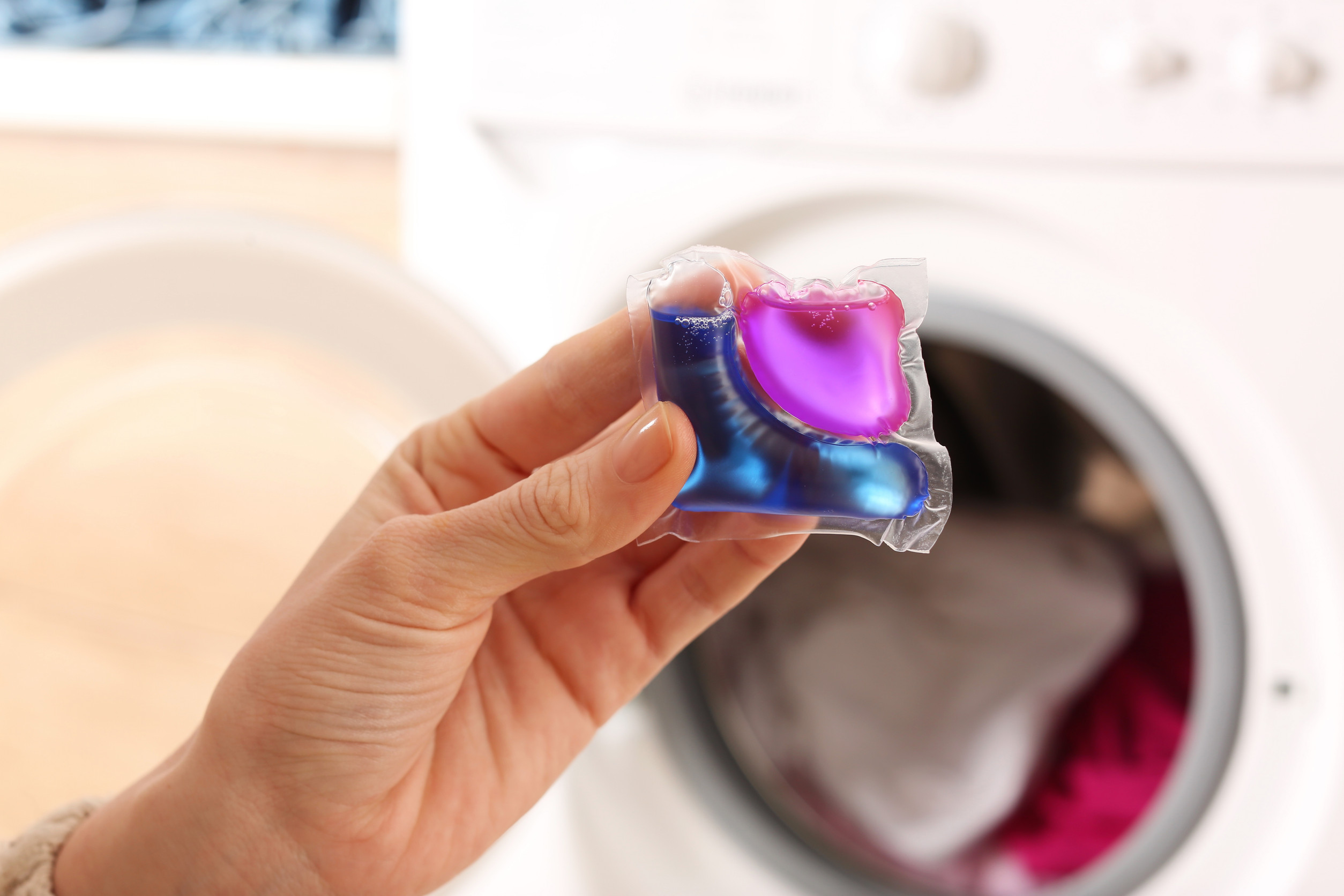
1. Laundry Detergent Pods

Those colorful, squishy laundry pods may look like candy to a toddler but are packed with concentrated detergent that can cause serious harm. Ingesting even a small amount can lead to vomiting, breathing issues, and chemical burns to the mouth or throat. Some cases have required emergency room visits and even intensive care. Toddlers might also squeeze the pod and get it in their eyes or on their skin. Laundry pods are among the most dangerous products poisonous to toddlers, simply because of how appealing they look.

2. Hand Sanitizer

While useful for stopping the spread of germs, hand sanitizer often contains over 60% alcohol—more than most hard liquors. Just a few squirts swallowed by a small child can cause alcohol poisoning, leading to dizziness, vomiting, or even unconsciousness. Because many bottles are scented or shaped in a fun way, toddlers are drawn to them. Some may try to lick their hands after application or squirt it directly into their mouths. This makes hand sanitizer one of the sneakiest products poisonous to toddlers sitting in plain sight.

3. Mouthwash

Mouthwash may seem harmless, but it contains alcohol and other chemicals that are not meant to be swallowed, especially by kids. Even small amounts can upset a toddler’s stomach, and larger doses may cause more serious symptoms like slowed breathing or seizures. Brightly colored and often minty or fruity, mouthwash can be tempting if left within reach. Always store it high up or in a locked cabinet. Mouthwash is one of the most easily overlooked products poisonous to toddlers, especially in busy bathrooms.

4. Essential Oils

Essential oils like eucalyptus, peppermint, and tea tree are popular in homes, but they can be toxic if ingested or applied directly to a toddler’s skin. These oils are extremely concentrated and may cause confusion, respiratory distress, or liver damage if swallowed. Even diffusing certain oils in the air can cause issues for sensitive children. What smells relaxing to you might be overwhelming or harmful to your child. For this reason, essential oils are on the growing list of products poisonous to toddlers that are often assumed to be “natural and safe.”

5. Adult Vitamins and Supplements

Gummy vitamins or colorful supplements may look like candy to a curious child, but they can pose a major risk if consumed in large amounts. Iron and fat-soluble vitamins like A, D, and E can lead to toxicity if overdosed. A toddler may grab the bottle and eat several without realizing the danger. Many containers lack child-resistant caps or are left open in purses or on counters. Adult vitamins remain one of the most underestimated products poisonous to toddlers, often due to their cheerful appearance.

6. Antifreeze and Automotive Fluids

If you store car supplies in your garage or utility room, make sure they’re far away from any space your toddler can reach. Antifreeze has a sweet taste that makes it especially dangerous, even if it’s only present in small puddles on the floor. Ingesting antifreeze can quickly lead to kidney failure and death if not treated immediately. Brake fluid, windshield washer fluid, and oil are also toxic. These garage staples are definitely products poisonous to toddlers, even if you think your little one never ventures into that space.

7. Houseplants

Several common houseplants are surprisingly toxic if nibbled on by a curious child. Plants like philodendrons, peace lilies, and pothos contain compounds that can cause mouth irritation, swelling, or even more serious issues. Because toddlers love to explore, pulling on leaves or tasting dirt is not out of the question. Make sure you research your plants and place any toxic ones well out of reach. Even a “decorative” green friend can end up on the list of products poisonous to toddlers.

8. Nail Polish Remover

Nail polish remover typically contains acetone, a powerful solvent that can cause nausea, confusion, or respiratory problems if inhaled or swallowed. It’s often stored in bathrooms or vanities within a toddler’s reach. Some removers come in brightly colored bottles or have fruity scents that could attract a child’s attention. Even small spills on the skin can cause irritation or chemical burns. This beauty staple is an often-forgotten example of products poisonous to toddlers that can cause serious harm in seconds.

Safer Choices Start with Awareness

Protecting your toddler doesn’t mean living in fear—it means being aware of what’s around them and taking simple steps to reduce risk. Lock cabinets, move dangerous items up high, and choose child-friendly alternatives whenever possible. If you ever suspect poisoning, call poison control right away, even if you’re unsure. Most accidents happen during moments of distraction, but awareness is the best prevention. By recognizing which products poisonous to toddlers are in your home, you can make safer choices that help your child thrive.

Which of these surprising household dangers have you encountered? Are there any childproofing tips that work especially well for you? Share your thoughts in the comments!

Read More:

Is Your Home Toxic? 8 Everyday Items Poisoning Your Toddler

6 Urgent Steps to Protect Your Home from Kids’ Dangers

Catherine Reed
Catherine Reed

Catherine is a tech-savvy writer who has focused on the personal finance space for more than eight years. She has a Bachelor’s in Information Technology and enjoys showcasing how tech can simplify everyday personal finance tasks like budgeting, spending tracking, and planning for the future. Additionally, she’s explored the ins and outs of the world of side hustles and loves to share what she’s learned along the way. When she’s not working, you can find her relaxing at home in the Pacific Northwest with her two cats or enjoying a cup of coffee at her neighborhood cafe.
Filed Under: Home and Living Tagged With: accidental poisoning, childproofing tips, everyday dangers, parenting hacks, poison prevention, safe home for kids, toddler safety, toxic household products

Are They Listening? 7 Kid Gadgets Secretly Recording Your Family

July 23, 2025 | Leave a Comment

Are They Listening 7 Kid Gadgets Secretly Recording Your Family
Image source: 123rf.com

Your child’s toys may be adorable and high-tech, but some of them could be doing more than just playing music or answering questions. Many modern devices marketed to kids come equipped with microphones, cameras, and internet connectivity that quietly capture what’s going on around them. Without proper settings or awareness, you might be welcoming devices into your home that collect data, record conversations, and even transmit audio to third parties. And it’s not just what your child says—your entire family may be part of the background. Let’s take a closer look at seven kid gadgets secretly recording your family and what you can do to protect your privacy.

1. Smart Speakers and Kids’ Voice Assistants

Devices like Amazon Echo Dot Kids and Google Nest with child-friendly features can listen 24/7 if not properly configured. These smart speakers are designed to respond to voice commands, but they may also pick up conversations in the background and store recordings in the cloud. Parents often assume the child version is safer, but the basic function remains the same. Unless privacy settings are reviewed and history is regularly deleted, your family’s daily chatter could be logged and analyzed. These speakers are some of the most well-known kid gadgets secretly recording your family, even if unintentionally.

2. Interactive Dolls and Plush Toys

Several smart toys like talking teddy bears or dolls with built-in microphones are capable of recording and transmitting audio. Some have been flagged in the past for collecting data without proper encryption, making them vulnerable to hacking. These toys may store recordings or send data back to manufacturers for “product improvement,” often buried in the fine print of user agreements. Your child thinks they’re just talking to a friend, but in reality, the toy could be listening to everything nearby. This puts cuddly toys high on the list of kid gadgets secretly recording your family without you knowing it.

3. Smartwatches for Kids

Kids’ smartwatches often include GPS tracking, voice calling, and recording functions to keep parents informed. But these features can backfire when the watch records more than it should or when conversations are stored by the manufacturer. In some cases, parents can remotely activate microphones without the child knowing, raising privacy concerns for everyone in earshot. If a child is wearing the watch during family conversations or school, unintended recordings may occur. These wearables are growing in popularity but are often kid gadgets secretly recording your family through everyday use.

4. Educational Tablets and Apps

Tablets like Amazon Fire Kids Edition or iPads with learning apps are a staple in many homes, but some apps request microphone or camera access without needing it for gameplay. If permissions are granted, these apps can access your child’s voice or camera feed during playtime. Some even collect data on how your child speaks or reacts, labeling it as behavioral tracking. This kind of data can be sold or used to fine-tune ad targeting, all without your knowledge. That’s why tablets and learning apps are quiet contributors to the list of kid gadgets secretly recording your family.

5. Smart Baby Monitors and Cameras

Monitors with voice command, app access, or video streaming features are meant to give parents peace of mind, but they often come at a cost to privacy. Many have built-in microphones that stream audio through cloud services, making them vulnerable to breaches or unwanted surveillance. If improperly secured, some models have even allowed strangers to speak through them or access live feeds. This risk extends beyond the baby’s room when monitors are portable or moved into play spaces. Baby monitors are one of the most overlooked kid gadgets secretly recording your family, especially if you skip regular firmware updates.

6. Bluetooth-Connected Toys

From remote control cars to coding robots, Bluetooth-connected toys often use microphones to enhance interactive play. However, unsecured Bluetooth connections can be intercepted, and the devices themselves can store voice data depending on their features. Since these toys are often used in living rooms or shared areas, they can easily record background noise, conversations, or commands. Most parents don’t think to check for a microphone when buying a toy that doesn’t “talk.” Bluetooth toys quietly fall into the category of kid gadgets secretly recording your family just by being left on or forgotten.

7. Video Game Consoles with Chat or Voice Features

Gaming consoles like the Nintendo Switch, PlayStation, or Xbox sometimes include voice chat capabilities or motion-sensitive cameras. While these features are intended for gameplay or social interaction, they can also be used to capture voice data. Some games request mic access to enhance the experience, even when offline. Kids may unknowingly leave these features running while playing, turning the system into a passive listener. These game systems round out the list of kid gadgets secretly recording your family, especially in households where gaming is a regular part of downtime.

Stay Playful, But Stay Private

You don’t have to ditch every device to protect your family’s privacy. The key is awareness and control—know which gadgets have mics or cameras, double-check app permissions, and use privacy settings to limit unnecessary access. Regularly clear audio histories, disable unused features, and have conversations with your kids about safe tech habits. As tech becomes more embedded in toys, being informed is your best line of defense. Once you know which kid gadgets secretly recording your family to monitor, you can make smarter decisions without taking the fun out of playtime.

Have you checked your child’s devices for microphone or camera access recently? What changes have you made to protect your family’s privacy? Share your tips in the comments!

Read More:

The Real Reason: Your Child’s Favorite Toy Is Secretly Spying

Preschooler Risk: 11 Online Safety Risks Your Preschooler Faces

Catherine Reed
Catherine Reed

Catherine is a tech-savvy writer who has focused on the personal finance space for more than eight years. She has a Bachelor’s in Information Technology and enjoys showcasing how tech can simplify everyday personal finance tasks like budgeting, spending tracking, and planning for the future. Additionally, she’s explored the ins and outs of the world of side hustles and loves to share what she’s learned along the way. When she’s not working, you can find her relaxing at home in the Pacific Northwest with her two cats or enjoying a cup of coffee at her neighborhood cafe.
Filed Under: Parenting Tagged With: child privacy, digital parenting, home security, kid tech safety, kids and technology, smart toy risks, smart toys, spying gadgets, voice assistant safety

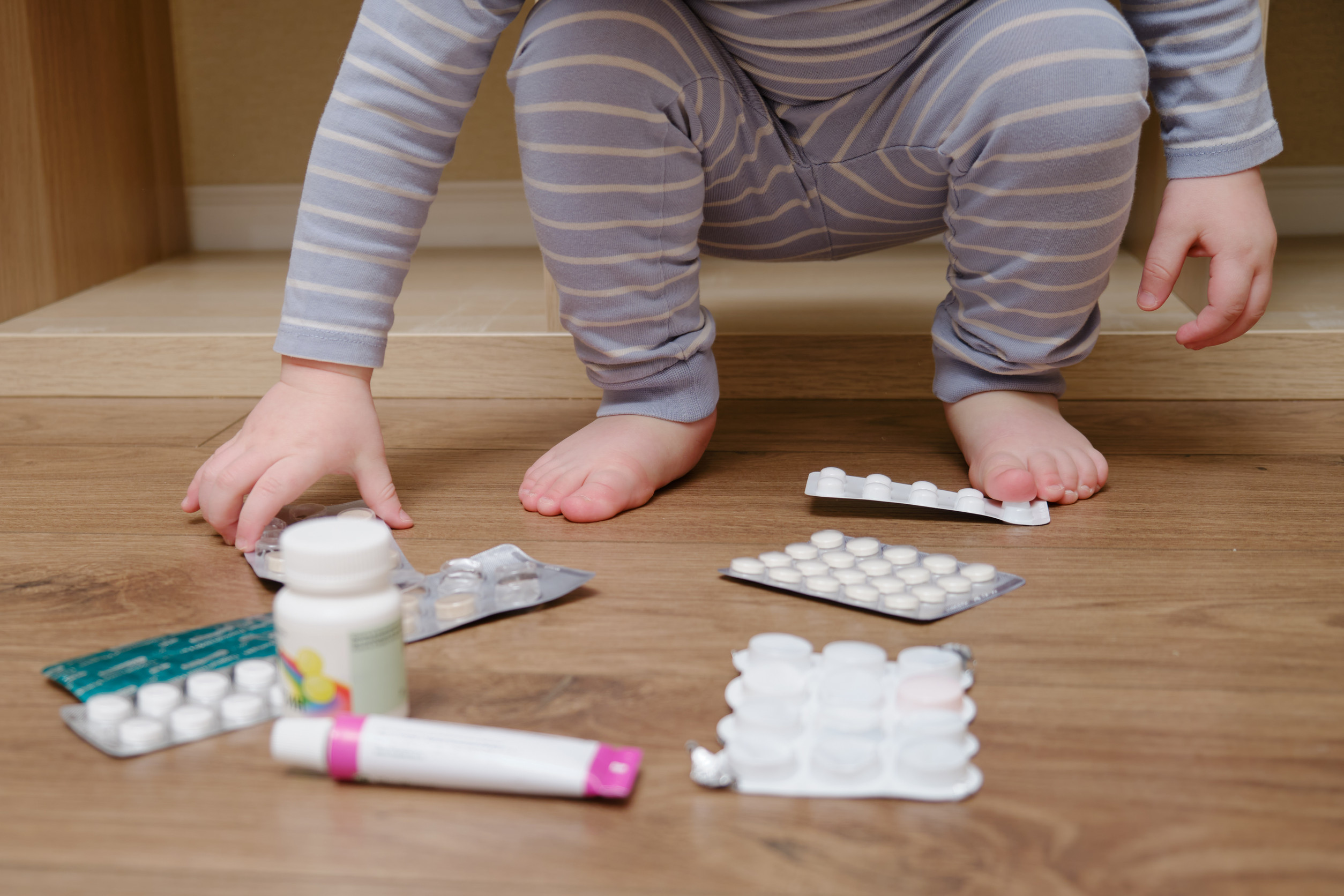
Beyond The Label: 8 Medication Combinations Dangerous For Kids

July 23, 2025 | Leave a Comment

Beyond The Label 8 Medication Combinations Dangerous For Kids
Image source: 123rf.com

When your child is sick, it’s natural to reach for anything that promises relief. But sometimes, combining medications—even over-the-counter ones—can do more harm than good. Many parents don’t realize that mixing the wrong ingredients can cause dangerous side effects, allergic reactions, or overdoses. Even medications labeled as “safe for children” can become risky when paired with other seemingly harmless drugs. To help you navigate your child’s medicine cabinet with confidence, here are eight medication combinations dangerous for kids that every parent should know.

1. Acetaminophen and Cold Medicine

Many cold medications already contain acetaminophen (often listed as “APAP”), which makes it easy to double-dose without realizing it. Giving a separate dose of acetaminophen along with a multi-symptom cold remedy can quickly lead to liver damage. Since symptoms like fever and aches are common with colds, parents often give both unintentionally. Always read the label carefully and avoid layering medications unless advised by a pediatrician. This combo tops the list of medication combinations dangerous for kids because it’s so easy to overlook.

2. Ibuprofen and Aspirin

Both ibuprofen and aspirin are nonsteroidal anti-inflammatory drugs (NSAIDs), but they’re not safe to combine for children. Aspirin is especially dangerous in children due to the risk of Reye’s syndrome, a rare but potentially fatal condition. Even if you avoid aspirin, pairing it with ibuprofen can increase the risk of stomach bleeding or kidney damage. Stick to one pain reliever at a time, and never give aspirin to children unless explicitly told to do so by a doctor. The overlap of effects makes this one of the riskiest medication combinations dangerous for kids.

3. Antihistamines and Decongestants

Combining allergy medications like diphenhydramine (Benadryl) with decongestants such as pseudoephedrine (Sudafed) can cause rapid heart rate, high blood pressure, and increased drowsiness or irritability in kids. Many combination cold and allergy meds already include both, so adding an extra dose of either can result in accidental overdose. Young children are especially sensitive to these ingredients, which affect their nervous and cardiovascular systems. Always check whether a medicine is “multi-symptom” before adding anything else to the mix. This is a common yet often misunderstood medication combinations dangerous for kids’ scenario.

4. Cough Suppressants and Antihistamines

Using a cough suppressant like dextromethorphan together with an antihistamine can lead to excessive drowsiness or confusion in children. In some cases, kids may become overly sleepy, irritable, or experience trouble breathing. Parents may think treating multiple symptoms at once is helpful, but this mix can cause more discomfort than relief. Unless advised by your pediatrician, avoid giving multiple symptom relievers at the same time. The interaction makes this one of the more quietly problematic medication combinations dangerous for kids.

5. Iron Supplements and Antacids

If your child is prescribed iron for anemia, giving them an antacid (like Tums or Maalox) can interfere with iron absorption. The calcium or magnesium in the antacid can block iron from entering the bloodstream, making the supplement far less effective. Worse, this combo can also upset your child’s stomach or cause constipation. Always space out iron and antacid use by at least two hours. While it may not seem obvious, this is one of the lesser-known medication combinations dangerous for kids that can affect long-term health.

6. Antibiotics and Probiotics (Without Timing)

Probiotics can help reduce antibiotic-related side effects like diarrhea but taking them at the same time can cancel out their benefits. Antibiotics may kill the healthy bacteria in probiotics if given too closely together. This doesn’t make them inherently dangerous, but it does make them ineffective unless timed properly. To get the best result, wait at least two hours after the antibiotic dose before giving a probiotic. Without proper timing, this common pairing becomes a counterproductive medication combination dangerous for kids’ issue.

7. Multiple Products with Diphenhydramine

Diphenhydramine, found in Benadryl and many nighttime cold medications, is not meant to be stacked. Giving your child more than one product with this ingredient can lead to extreme drowsiness, confusion, or even seizures. Parents may not realize that the “PM” version of a cold med or allergy relief is already packed with this sedative. Always check the active ingredient list and avoid duplicates. This overlap of a single ingredient across brands is one of the sneakiest medication combinations dangerous for kids.

8. Herbal Supplements and Prescription Medications

Natural doesn’t always mean safe. Herbal remedies like St. John’s Wort, echinacea, or even melatonin can interact poorly with prescription medications for ADHD, asthma, or anxiety. These interactions may affect how well the prescription works or cause unexpected side effects. It’s essential to tell your child’s doctor about any vitamins or supplements they’re taking. Unregulated herbal products are often unrecognized medication combinations dangerous for kids, especially when mixed with prescribed treatments.

What You Don’t Mix Matters

Kids rely on adults to manage their medications safely, but product labels can be confusing, and symptoms can tempt even careful parents to over-treat. The good news is that avoiding risky medication combinations doesn’t require a medical degree—it just takes a few extra seconds to double-check ingredients and ask your pediatrician when in doubt. Remember, more medication doesn’t always mean more relief. Understanding the medication combinations dangerous for kids is a simple way to keep your child healthier and out of the emergency room.

Have you ever caught a potentially dangerous combo before giving it to your child? What medication tips do you swear by? Share your experience in the comments!

Read More:

8 Everyday Products Dangerous for Toddlers

The Quiet Killer: 8 Hidden Hazards In Your Nursery You’re Not Checking

Catherine Reed
Catherine Reed

Catherine is a tech-savvy writer who has focused on the personal finance space for more than eight years. She has a Bachelor’s in Information Technology and enjoys showcasing how tech can simplify everyday personal finance tasks like budgeting, spending tracking, and planning for the future. Additionally, she’s explored the ins and outs of the world of side hustles and loves to share what she’s learned along the way. When she’s not working, you can find her relaxing at home in the Pacific Northwest with her two cats or enjoying a cup of coffee at her neighborhood cafe.

Filed Under: Parenting Tagged With: child safety, drug interactions, kids medication tips, medication awareness, medicine cabinet tips, OTC medicine safety, parenting advice, pediatric health, safe dosing

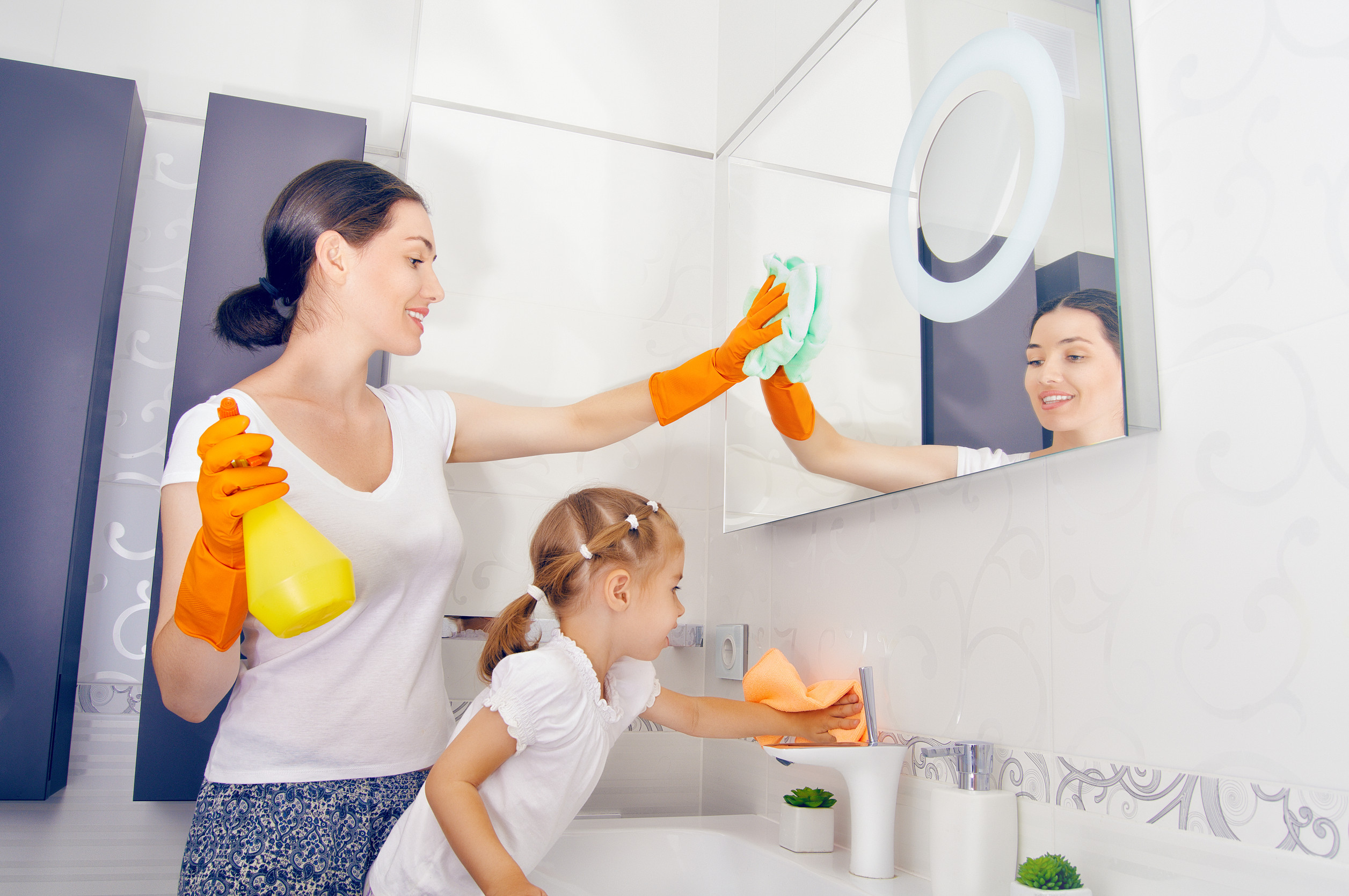
The Unseen Risk: 8 Common Cleaning Products Toxic For Kids

July 23, 2025 | Leave a Comment

The Unseen Risk 8 Common Cleaning Products Toxic For Kids
Image source: 123rf.com

Your home may look sparkling clean, but if you’re using the wrong products, that shine could come with hidden dangers. Many popular household cleaners contain chemicals that are perfectly legal for adult use but incredibly harmful if inhaled, touched, or ingested by children. Toddlers and young kids are especially vulnerable because of their developing systems and constant contact with floors, surfaces, and hands that go straight to their mouths. While locking cabinets is a good first step, understanding exactly what’s in your cleaning supplies is even better. Let’s shine a light on eight everyday cleaning products toxic for kids that you might not realize are putting your child at risk.

1. Bleach-Based Disinfectants

Bleach is a go-to for killing germs, but it can be extremely harsh on little lungs and skin. Even diluted, the fumes can irritate a child’s eyes, nose, and throat, especially in poorly ventilated spaces. Accidental ingestion is especially dangerous and can cause vomiting, burns, or worse. Plus, bleach residue on floors or surfaces can transfer easily to toys or hands. Because of its high toxicity, bleach tops the list of cleaning products toxic for kids that should be used with extreme caution.

2. Oven Cleaners

Oven cleaners are packed with caustic chemicals that break down grease but also pose serious health risks. Many contain sodium hydroxide or ammonia, which can cause chemical burns if touched or inhaled. The lingering fumes can stay in the air long after use and are especially harmful in small kitchens where kids may be nearby. If sprayed or spilled, these products can easily reach floors or handles that children touch. Oven cleaners are among the most hazardous cleaning products toxic for kids and should never be used when children are present.

3. Toilet Bowl Cleaners

Bright blue liquid and citrus-scented formulas may make your toilet smell fresh, but many toilet bowl cleaners are highly corrosive. They often contain hydrochloric acid or bleach, which can be life-threatening if swallowed or cause serious eye damage if splashed. Even tablet-style cleaners left inside the tank or bowl can pose a risk if curious hands reach in. Locking the bathroom isn’t always enough if these products are stored within reach. These are some of the easiest cleaning products toxic for kids to forget about, but they pose real risks.

4. Glass and Window Sprays

They might seem harmless, but glass cleaners often contain ammonia or alcohol, both of which are dangerous when inhaled or accidentally sprayed near eyes. When used on low surfaces like coffee tables or glass doors, the mist can linger where kids crawl and play. Even “streak-free” formulas may leave chemical residues that transfer easily onto hands and mouths. Kids may also mimic parents and try to spray them on their own. Glass cleaners are surprisingly common cleaning products toxic for kids because they’re often left out or kept in easy-to-reach places.

5. Air Fresheners and Scented Sprays

A home that smells clean isn’t always a healthy one. Many air fresheners contain phthalates, formaldehyde, or synthetic fragrances that can irritate breathing and trigger asthma symptoms. Continuous-release air fresheners are especially harmful since they pump chemicals into the air all day long. These compounds are easily absorbed by children’s more sensitive systems and can even disrupt hormone function. Air fresheners are sneaky cleaning products toxic for kids because they don’t feel like cleaners, but their effects are just as concerning.

6. Floor Cleaners and Mop Solutions

Children spend a lot of time on the floor, which means whatever you use to mop matters more than you might think. Strong chemical-based floor cleaners often contain solvents and synthetic fragrances that can linger and be absorbed through bare feet or transferred to toys. Even residue from “no-rinse” products can cause skin irritation or be harmful if licked off of fingers or pacifiers. Just because the floor looks clean doesn’t mean it’s safe. Floor cleaners rank high among cleaning products toxic for kids because of how easily they come into contact with children’s skin.

7. Multi-Surface Cleaners

Marketed for convenience, multi-surface cleaners often contain a mix of surfactants, solvents, and artificial scents. While they might work on everything from countertops to doorknobs, their chemical content can be problematic. Children are constantly touching these surfaces and may rub their eyes or put their hands in their mouths right after. These cleaners often leave a residue that builds up with repeated use. Versatility comes at a cost with these cleaning products toxic for kids, especially if used daily without wiping down afterward.

8. Dishwashing Pods and Detergents

Colorful and squishy, dishwashing pods are dangerously tempting for curious kids. Many contain concentrated detergents that can cause chemical burns, respiratory distress, or even unconsciousness if swallowed. Liquid and powder detergents are also hazardous, particularly if stored under the sink where little hands can reach. Even after a wash cycle, residues from overly harsh products can cling to sippy cups or baby spoons. Dishwasher products are some of the most overlooked cleaning products toxic for kids, especially when their danger is hidden behind a child-safe lock.

Smarter Swaps, Safer Spaces

You don’t have to stop cleaning to keep your home safe—you just need to clean smarter. Many child-safe alternatives now exist, from plant-based sprays to baking soda scrubs and vinegar solutions. The key is awareness: read labels, know what you’re using, and store anything questionable out of reach. You can still have a sparkling home without compromising your child’s safety. By avoiding cleaning products toxic for kids, you create a space that’s just as healthy as it is tidy.

Have you found safer alternatives to the products on this list? What changes have helped protect your child from hidden chemical risks? Share your thoughts below!

Read More:

Is Your Home Toxic? 8 Everyday Items Poisoning Your Toddler

8 Hidden Dangers Lurking in Your Child’s Toys

Catherine Reed
Catherine Reed

Catherine is a tech-savvy writer who has focused on the personal finance space for more than eight years. She has a Bachelor’s in Information Technology and enjoys showcasing how tech can simplify everyday personal finance tasks like budgeting, spending tracking, and planning for the future. Additionally, she’s explored the ins and outs of the world of side hustles and loves to share what she’s learned along the way. When she’s not working, you can find her relaxing at home in the Pacific Northwest with her two cats or enjoying a cup of coffee at her neighborhood cafe.

Filed Under: Parenting Tagged With: babyproofing, chemical exposure, child safety, green cleaning, household safety, natural cleaning, parenting tips, safe cleaning for kids, toxic cleaners

« Previous Page
Next Page »
  • Facebook
  • Pinterest
  • RSS
  • Twitter
Best Parenting Blogs

Most Popular

Baby Girl

12 “Grandma” Baby Names That Are Suddenly Cool Again

Evan Morgan
Baby

9 Baby Names That Sound Rare Without Being Hard to Spell

Evan Morgan
Target Store

Choking Incident Prompts Recall of 49,000 Target Gigglescape “Under the Sea” Popping Toys

Evan Morgan
Frustrated Girl

Why Some Students on the Spectrum Are Labeled With ODD

Evan Morgan
Coke Bottles

12 Things Kids Took to School in the ’70s That Would Never Be Allowed Today

Evan Morgan

All content on Kids Ain’t Cheap is for entertainment purposes only. By reading this blog, you agree that Kids Ain’t Cheap is not responsible for any actions taken after reading this blog. For the full disclaimer, see our privacy policy.

Please note that Kids Ain’t Cheap has financial relationships with some of the merchants mentioned here. Kids Ain’t Cheap is funded by banner advertising, commission sales and search optimization consulting.

Copyright © 2006–2026 | District Media | All Rights Reserved | Privacy Policy

Copyright © 2026 Runway Pro Theme by Viva la Violette