• Home
  • About Us
  • Toolkit
  • Archives
  • Advertise
  • Privacy Policy

Kids Ain't Cheap

But They Sure Are Worth It

  • Parenting
    • Baby Stuff
    • Books and Reading
      • Aesops Fables
      • Comic Books
    • Education
    • Family Time
    • Green Living
    • Growing Up
    • Healthy Living & Eating
    • Holidays
    • Parenting
    • Random Musings
    • Shopping
    • Stuff to Do
  • Money
  • Product Reviews
    • Books and Magazines
    • Discount Sites
    • Furniture
    • House Keeping
    • Reviews News
    • Toys and Games
  • Contact Us
  • Our Editorial Commitment
  • Search

It’s Not Just Dirt: 5 Home Areas That Are Mold Hotspots Near Kids’ Play Area

July 23, 2025 | Leave a Comment

Its Not Just Dirt 5 Home Areas That Are Mold Hotspots Near Kids Play Area
Image source: 123rf.com

You clean the floors, wipe the windows, and vacuum the rugs, but mold doesn’t need much to sneak in and grow where you least expect it. Especially in the spaces where your kids spend the most time, mold can quietly develop and spread, triggering allergies, respiratory issues, and chronic sniffles. The truth is, mold loves warmth, moisture, and overlooked corners—and your child’s favorite hangouts often check all those boxes. By knowing where to look, you can stop the spread before it affects your child’s health. Let’s uncover five common mold hotspots near kids’ play area that deserve a second look.

1. Windowsills in the Playroom

Windowsills are a common but underestimated spot for mold growth, especially if condensation builds up from temperature changes. Moisture can collect on the glass and drip into the window frame or sill, providing the perfect damp surface for mold to settle in. If your child’s playroom gets lots of natural light or is kept closed up tight, the humidity can stay trapped, making things worse. Dust and dirt around the sill can feed the mold too, especially if cleaning happens infrequently. That’s why windowsills are one of the most overlooked mold hotspots near kids’ play area.

2. Carpet and Foam Play Mats

Soft floors and colorful foam mats seem perfect for playtime, but they can easily harbor hidden moisture from spills, accidents, or just humid air. Once dampness seeps into the carpet padding or between foam tiles, it creates an ideal environment for mold to grow where you can’t see it. These materials often trap moisture for long periods without drying fully. If your little one tends to snack or spill drinks on the floor, the risk multiplies. Carpets and foam mats are some of the most stubborn mold hotspots near kids’ play area because they hide the problem until it’s serious.

3. Toy Storage Bins and Boxes

Plastic bins and fabric toy boxes may seem harmless, but they can trap moisture and dust—especially when toys are put away while still damp or dirty. If your child plays outside and tosses toys back into storage without wiping them off, the bin becomes a breeding ground for mold and bacteria. Closed lids or tightly packed containers limit airflow, which helps mold thrive. Some parents find patches of mold only after smelling something musty or noticing their child’s allergies flare up. Toy storage is often one of the sneakiest mold hotspots near kids’ play area because it hides in plain sight.

4. Behind Furniture and Large Toys

The area behind dressers, bookcases, or large play structures is rarely cleaned and often traps dust and humidity. These areas tend to have poor air circulation, which makes them ideal environments for mold spores to settle and spread. If these heavy items are up against exterior walls or windows, condensation and temperature shifts can make the problem even worse. Children may not play directly in these hidden corners, but mold spores can still travel and affect the air they breathe. Behind-the-scenes buildup makes these spaces high-risk mold hotspots near kids’ play area without most parents noticing.

5. HVAC Vents and Air Filters Nearby

If your child’s play area is near an air vent, mold can be pushed into the room through the HVAC system. Dirty filters and damp ductwork can send mold spores straight into the air your child is breathing during playtime. When air isn’t circulating properly or filters go unchanged for too long, moisture builds up and mold can take hold inside the system. Even clean-looking vents can be deceiving if the problem lies deeper inside the ducts. Vents and filters are hidden but serious mold hotspots near kids’ play area that affect overall indoor air quality.

Clearing the Air Where It Matters Most

Mold isn’t just a bathroom or basement problem—it can quietly take over the areas where your kids laugh, play, and nap. Regular deep cleaning, improving airflow, and staying on top of humidity levels can go a long way in protecting your child’s health. Small changes like opening windows, running a dehumidifier, or checking toy bins weekly can make a big difference. It’s not about making your house spotless but about catching trouble before it grows. Now that you know where to look for the mold hotspots near kids’ play area, you’re one step closer to a healthier, happier home.

Have you found mold in unexpected places near your child’s play area? What changes have helped reduce it? Share your experience in the comments!

Read More:

The Quiet Killer: 8 Hidden Hazards In Your Nursery You’re Not Checking

8 Hidden Dangers Lurking in Your Child’s Toys

Catherine Reed
Catherine Reed

Catherine is a tech-savvy writer who has focused on the personal finance space for more than eight years. She has a Bachelor’s in Information Technology and enjoys showcasing how tech can simplify everyday personal finance tasks like budgeting, spending tracking, and planning for the future. Additionally, she’s explored the ins and outs of the world of side hustles and loves to share what she’s learned along the way. When she’s not working, you can find her relaxing at home in the Pacific Northwest with her two cats or enjoying a cup of coffee at her neighborhood cafe.

Filed Under: Home and Living Tagged With: child health, cleaning tips, hidden mold spots, household mold, indoor air quality, kids play area safety, mold prevention, parenting tips

Why The Tears Won’t Stop: 7 Tantrum Triggers You’re Missing

July 23, 2025 | Leave a Comment

Why The Tears Wont Stop 7 Tantrum Triggers Youre Missing
Image source: 123rf.com

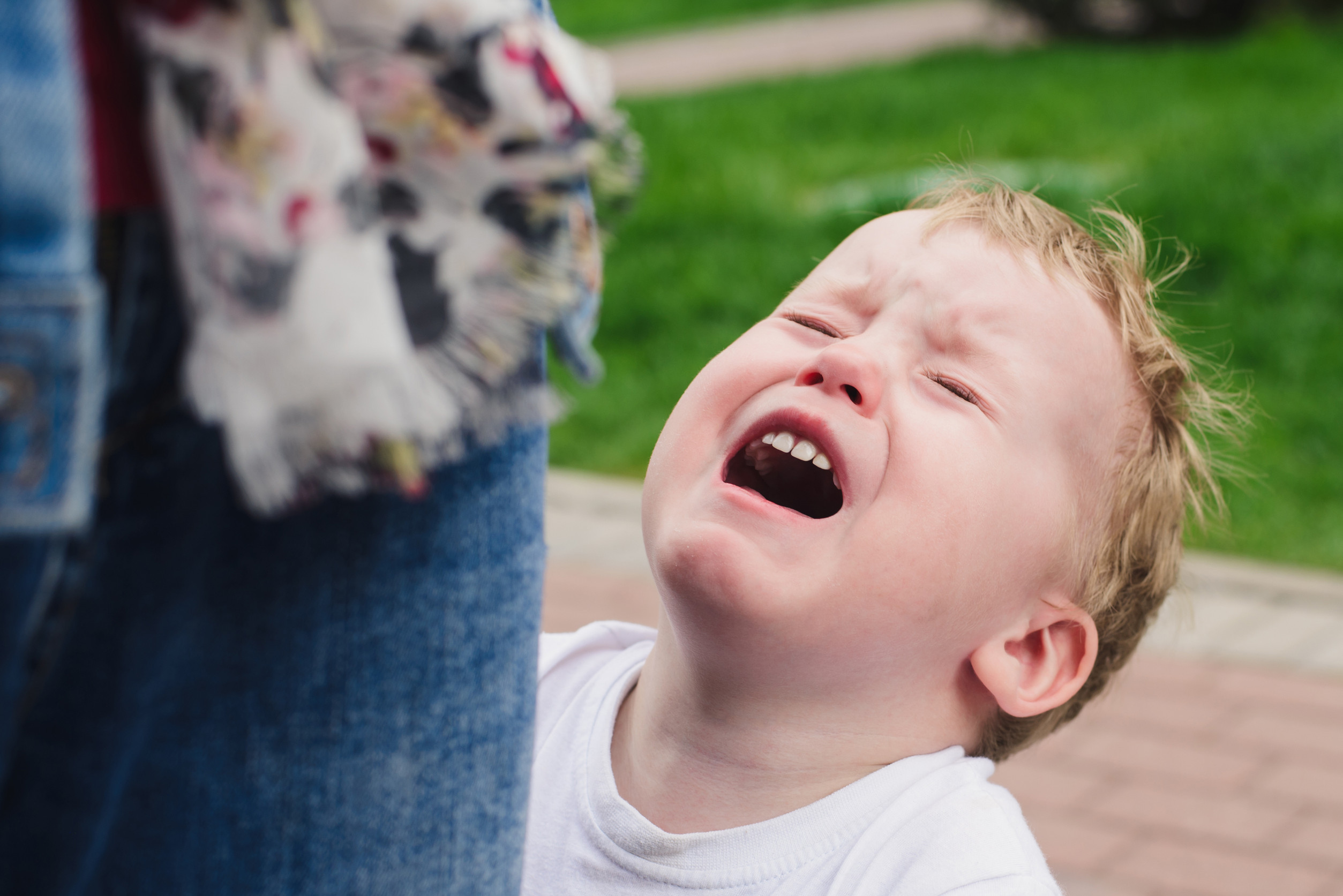
When your toddler melts down in the middle of the grocery store or starts sobbing after what seemed like a harmless request, it’s easy to feel confused, frustrated, or even helpless. The truth is, not all tantrums are obvious or easy to predict. Kids don’t always have the words to explain what’s going on inside, and sometimes the real issue is something we never saw coming. To reduce the drama and build stronger communication, it helps to understand what’s actually fueling those big feelings. Let’s explore seven surprising tantrum triggers you’re missing that could be making your child’s tears harder to stop.

1. They’re Too Hot or Too Cold

Temperature may not seem like a big deal to you, but toddlers are much more sensitive to it than we realize. A slightly chilly breeze or an overheated car seat can cause major discomfort they don’t know how to verbalize. This physical unease can quickly snowball into irritability, fussing, or full-on tantrums. Parents often focus on hunger or tiredness first and overlook environmental discomfort. Being too hot or too cold is one of the most common tantrum triggers you’re missing, and adjusting the thermostat or layers can sometimes fix everything.

2. Overstimulation from Noisy or Busy Environments

That loud restaurant, packed playdate, or flashing toy aisle might seem fun, but it can be sensory overload for a toddler. Their developing brains can’t always process all the sounds, lights, and movement happening at once. When overstimulated, kids may lash out, cry, or simply shut down. What looks like random misbehavior may actually be a plea for calm. Overstimulation is one of those sneaky tantrum triggers you’re missing because it’s often mistaken for defiance.

3. Transitions Without Warning

Moving from one activity to another is tough for toddlers, especially if they’re deeply engaged. If they’re happily building blocks and suddenly asked to clean up and get in the car, the switch feels jarring and unfair. They need time to mentally prepare for what’s next, even if the new activity is something they usually enjoy. Giving a countdown or gentle heads-up can help avoid the struggle. Abrupt transitions are one of the most overlooked tantrum triggers you’re missing, but easy to fix with just a little planning.

4. Feeling a Loss of Control

Toddlers crave independence, but their world is full of decisions made for them. Being told what to wear, when to eat, or how to play can lead to feelings of powerlessness. Even small choices like picking between two snacks or selecting a shirt can make a big difference. Without a sense of control, frustration builds fast and explodes as a tantrum. A lack of autonomy is one of the more subtle tantrum triggers you’re missing, yet it often appears in everyday routines.

5. Reactions to Your Mood or Stress

Kids are emotional sponges, and they pick up on your anxiety, tension, or irritability—even when you don’t say a word. If you’re rushed, upset, or just overwhelmed, your child may sense the shift and react with confusion or distress. This emotional mirroring can turn into tears or tantrums that seem to come out of nowhere. Taking a moment to center yourself can help create a calmer environment for both of you. Your mood might be one of the tantrum triggers you’re missing without even realizing it.

6. Physical Needs That Aren’t Obvious Yet

Hunger, sleepiness, or needing the bathroom don’t always show up in predictable ways. A toddler might throw a fit over a toy, when really, they’re just exhausted or dealing with a full bladder. Because they’re still learning to identify and express their body’s needs, their discomfort often gets masked by what looks like bad behavior. Reading the signs and gently checking in can save everyone from a major meltdown. These basic needs are classic tantrum triggers you’re missing because they hide behind unrelated complaints.

7. Confusing Routines or Mixed Signals

When boundaries aren’t clear or routines keep changing, kids feel unsure and uneasy. If screen time is allowed one night but not the next, or bedtime routines are inconsistent, it can trigger outbursts. Toddlers thrive on predictability and need consistency to feel safe and secure. Mixed messages, even unintentional ones, can create frustration that builds into a tantrum. Confusing expectations are frequently tantrum triggers you’re missing, especially in busy or changing households.

More Empathy, Fewer Meltdowns

When you start looking beyond the surface of a tantrum, the real causes become easier to understand—and easier to manage. Toddlers aren’t trying to make your life harder, they’re just reacting to a world that often feels too big and too fast. By paying closer attention to these subtle cues, you can respond with patience, reduce power struggles, and even prevent some of the most dramatic meltdowns. Sometimes the answer isn’t a punishment or distraction, but a shift in awareness about the tantrum triggers you’re missing.

Which of these tantrum triggers have you seen in your home? Are there others that surprised you? Drop your thoughts and tips in the comments!

Read More:

Why Your Toddler’s Tantrums Are Worse Than They Need To Be

8 Signs Your Child Is in Charge of the Household (Not You)

Catherine Reed
Catherine Reed

Catherine is a tech-savvy writer who has focused on the personal finance space for more than eight years. She has a Bachelor’s in Information Technology and enjoys showcasing how tech can simplify everyday personal finance tasks like budgeting, spending tracking, and planning for the future. Additionally, she’s explored the ins and outs of the world of side hustles and loves to share what she’s learned along the way. When she’s not working, you can find her relaxing at home in the Pacific Northwest with her two cats or enjoying a cup of coffee at her neighborhood cafe.
Filed Under: Parenting Tagged With: child behavior triggers, child routines, emotional development, parenting toddlers, tantrum prevention, tantrum tips, toddler behavior, toddler parenting advice

Your Child’s Digital Ghost: 5 Digital Footprints Your Child Secretly Leaves

July 23, 2025 | Leave a Comment

Your Childs Digital Ghost 5 Digital Footprints Your Child Secretly Leaves
Image source: 123rf.com

Even before they can spell their own name, your child may already be leaving a permanent mark online. From downloaded apps to hidden settings and innocent posts, their digital trail is forming fast and often without your knowledge. These digital footprints are more than just data—they’re a window into your child’s habits, preferences, and even vulnerabilities. Knowing where these hidden traces come from can help you better protect your child’s privacy and future. Let’s uncover the most common digital footprints your child secretly leaves and what you can do to take back control.

1. App Permissions They Don’t Understand

Many apps aimed at kids request access to microphones, cameras, location data, and contact lists—even when it’s not necessary. Young users don’t realize they’re granting this access when they tap “Allow” without reading the fine print. These permissions allow apps to gather data in the background, sometimes even when the app isn’t open. This silent tracking builds a detailed profile that could be used for targeted ads or even shared with third parties. App permissions are one of the sneakiest digital footprints your child secretly leaves, and most kids have no idea what they’ve agreed to.

2. Photos That Include Metadata

Every photo your child takes or uploads often includes hidden data called metadata, which can contain the exact time, date, and even GPS location of the picture. If shared online, this information may be visible to others and could reveal patterns about your child’s routines or whereabouts. Social media apps and cloud storage services may not automatically strip this data, especially on default settings. Even seemingly harmless selfies or pet pictures can become digital breadcrumbs. These innocent snapshots are powerful examples of digital footprints your child secretly leaves without even knowing it.

3. Saved Search and Browsing Histories

Even if your child is just Googling cartoon characters or funny videos, every search is tracked and stored. Devices, browsers, and apps often save this information by default, creating a searchable history of interests, questions, and behaviors. Over time, this data can shape what ads and content are shown to them, influencing their digital experience. What’s more, synced devices may share that search history across multiple platforms or accounts. Browsing data is one of the most common digital footprints your child secretly leaves, and it’s often stored longer than you expect.

4. Online Gaming Profiles and Chats

From usernames to avatars to chat conversations, kids leave a surprising amount of personal data while gaming online. Many games allow players to chat, friend others, and even link to social accounts, increasing the risk of oversharing. Children may reveal personal details like their age, school, or location during seemingly harmless conversations. Some gaming platforms also collect behavioral data to personalize user experiences or promote in-game purchases. Online gaming is one of the most interactive digital footprints your child secretly leaves, and the social aspect makes it harder to monitor.

5. Voice Assistant Interactions

If your home uses a smart speaker like Alexa or Google Assistant, your child’s interactions may be recorded and stored. These devices often keep logs of questions asked, commands given, and even background conversations if the device is accidentally triggered. These recordings can be saved in the cloud and reviewed later unless manually deleted. Most families don’t realize how much their smart devices are capturing in daily life. Voice commands and recordings are some of the most unexpected digital footprints your child secretly leaves, often without anyone noticing.

Awareness Is Your Child’s Best Defense

The truth is, your child doesn’t mean to leave behind a trail. In many cases, they’re simply engaging with the digital world as any curious kid would. But understanding where and how they’re being tracked helps you make smarter choices about devices, privacy settings, and conversations around digital safety. These quiet footprints aren’t always visible, but they can follow your child for years. By staying informed about the digital footprints your child secretly leaves, you give them the tools to explore safely and responsibly.

Which digital footprint surprised you the most? Have you checked your child’s privacy settings lately? Share your tips and experiences in the comments!

Read More:

6 Legal Protections for Your Child’s Digital Footprint

12 Steps to Secure Your Child’s Digital Footprint for Life

Catherine Reed
Catherine Reed

Catherine is a tech-savvy writer who has focused on the personal finance space for more than eight years. She has a Bachelor’s in Information Technology and enjoys showcasing how tech can simplify everyday personal finance tasks like budgeting, spending tracking, and planning for the future. Additionally, she’s explored the ins and outs of the world of side hustles and loves to share what she’s learned along the way. When she’s not working, you can find her relaxing at home in the Pacific Northwest with her two cats or enjoying a cup of coffee at her neighborhood cafe.

Filed Under: Parenting Tagged With: child data protection, child online safety, digital awareness, digital privacy, internet safety tips, kids and technology, parenting in the digital age, smart parenting

Before The First Step: 8 Hidden Dangers In Your Bathroom Threatening Toddlers

July 23, 2025 | Leave a Comment

Before The First Step 8 Hidden Dangers In Your Bathroom Threatening Toddlers
Image source: 123rf.com

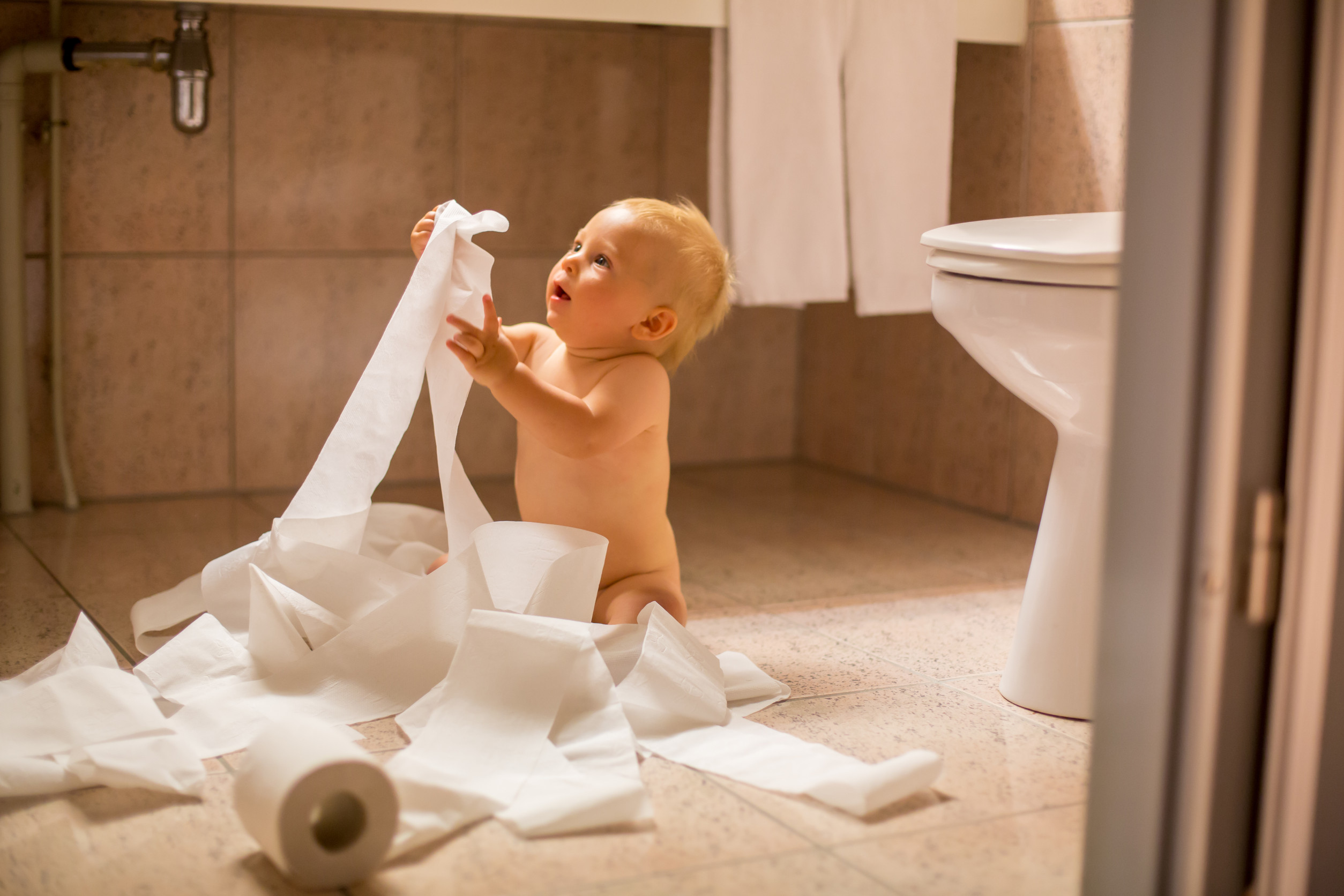
Your bathroom may look clean, bright, and toddler-safe at first glance, but behind that closed door lies a minefield of hidden hazards. Toddlers are naturally curious, and once they start crawling or toddling, the bathroom becomes one of the riskiest rooms in your home. From slippery floors to toxic products tucked under the sink, seemingly harmless items can pose serious threats. Recognizing these overlooked risks gives you the power to make small changes that could prevent major accidents. Let’s walk through the most common dangers in your bathroom threatening toddlers before little feet ever cross the tile.

1. Slippery Floors and Bath Mats

A wet bathroom floor is a fall waiting to happen, especially for toddlers who are still learning how to balance. Even the tiniest splash from the sink or tub can make the surface dangerously slick. Throw rugs and bathmats without anti-slip backing add another layer of risk. Once a toddler slips, injuries like head bumps or broken bones can happen fast. Of all the dangers in your bathroom threatening toddlers, slick surfaces are among the most overlooked.

2. Unsecured Toilets

Toilets seem harmless to adults, but they pose a drowning risk for toddlers who can topple in headfirst. Toddlers are drawn to water and might try to play in the bowl or flush objects out of curiosity. A toilet lid lock is a simple fix that can prevent a tragic accident. Some toddlers may even try to climb the toilet to reach counters or windows, which adds the danger of falling. This everyday fixture ranks high among dangers in your bathroom threatening toddlers.

3. Cleaning Products Under the Sink

The space under your bathroom sink is a magnet for trouble if it’s stocked with cleaners, bleach, or drain chemicals. Even a small amount of these products can be extremely toxic if ingested or spilled on skin. Childproof cabinet locks are essential, but relocating cleaners to higher shelves is even better. Labels and caps can be misleadingly colorful or appealing to curious hands. Poisoning hazards are silent but serious dangers in your bathroom threatening toddlers.

4. Medications Within Reach

Many parents keep everyday medications in bathroom drawers or cabinets, thinking it’s safe as long as the lids are child-resistant. But toddlers have been known to open “safety” caps with enough time and effort. Vitamins, pain relievers, and prescriptions should always be stored high and out of sight. A medicine lockbox offers extra protection if bathroom storage is your only option. Medications are one of the most dangerous dangers in your bathroom threatening toddlers, especially when colorful pills resemble candy.

5. Sharp Tools and Grooming Items

Razors, tweezers, nail clippers, and scissors often end up scattered on counters or loosely stored in drawers. These small, sharp items can cause cuts or choking if a toddler gets hold of them. Always store grooming tools in a locked container or drawer with a safety latch. Toddlers love to mimic adult behavior, making these items even more tempting during your morning routine. These bite-sized hazards are surprisingly common dangers in your bathroom threatening toddlers.

6. Bathtub Scalding Hazards

A toddler can get seriously burned in seconds if the water temperature in your tub or sink is too high. If your water heater is set above 120°F, your child could suffer serious burns in seconds. Installing anti-scald devices or adjusting your water heater’s temperature helps prevent painful accidents. Even turning your back briefly while filling a tub can lead to disaster. Scalding risks remain one of the top dangers in your bathroom threatening toddlers.

7. Electrical Outlets and Appliances

Hair dryers, straighteners, and electric razors may seem harmless when unplugged, but cords and outlets are tempting toys to little ones. Plug covers are a must, and appliances should be unplugged and stored securely after every use. Devices that heat up can stay hot for several minutes after being turned off. A toddler’s small fingers don’t need much contact to get burned or shocked. Electrical items create stealthy dangers in your bathroom threatening toddlers that are easy to forget.

8. Trash Cans and Toiletry Waste

Even a small bathroom trash can holds big risks, from sharp razors to used floss picks, cotton swabs, or medications. Toddlers may dig through the trash out of curiosity and find items they can chew, choke on, or injure themselves with. Using a trash can with a locking lid or placing it out of reach makes a big difference. Don’t underestimate how appealing a crinkly wrapper or colorful tube of lotion can be to tiny hands. Trash becomes one of the most underestimated dangers in your bathroom threatening toddlers.

Safety Starts Before Their First Steps

By the time your toddler is standing, it may already be too late to fix the hidden hazards in your bathroom. Safety-proofing this space early can prevent falls, burns, poisonings, and other emergencies before they happen. The good news is most of these changes are simple and inexpensive to make. From latching drawers to adjusting your water heater, every small step adds up to a safer home. Awareness is the first defense against the dangers in your bathroom threatening toddlers.

Which of these bathroom dangers surprised you most? Have you toddler-proofed your bathroom yet? Let us know your safety tips in the comments!

Read More:

6 Urgent Steps to Protect Your Home from Kids’ Dangers

8 Everyday Products Dangerous for Toddlers

Catherine Reed
Catherine Reed

Catherine is a tech-savvy writer who has focused on the personal finance space for more than eight years. She has a Bachelor’s in Information Technology and enjoys showcasing how tech can simplify everyday personal finance tasks like budgeting, spending tracking, and planning for the future. Additionally, she’s explored the ins and outs of the world of side hustles and loves to share what she’s learned along the way. When she’s not working, you can find her relaxing at home in the Pacific Northwest with her two cats or enjoying a cup of coffee at her neighborhood cafe.
Filed Under: Home and Living Tagged With: accident prevention, babyproofing, bathroom safety, childproofing, household hazards, new parent advice, parenting tips, toddler safety

The Unexpected Expense: 11 Medical Bills That Bankrupt New Parents

July 23, 2025 | Leave a Comment

The Unexpected Expense 11 Medical Bills That Bankrupt New Parents
Image source: 123rf.com

Welcoming a baby should be filled with joy, not financial panic. But for many families, the happiest day of their lives is followed by a wave of unexpected medical expenses. Even with insurance, the cost of giving birth and caring for a newborn can balloon into thousands of dollars. These surprise bills catch new parents off guard and can quickly lead to debt, stress, and even bankruptcy. Let’s break down the medical bills that bankrupt new parents so you can be better prepared and avoid financial free fall.

1. Labor and Delivery Room Charges

Even if you plan for a normal delivery, the hospital bill might be anything but predictable. From anesthesia to monitoring devices, every item and service gets its own price tag. Vaginal births can run around \$10,000, while C-sections often top \$15,000 before insurance. Deductibles and coinsurance leave many families on the hook for thousands out of pocket. Labor and delivery charges are one of the most common medical bills that bankrupt new parents.

2. Neonatal Intensive Care Unit (NICU) Costs

If your baby requires specialized care in the NICU, the costs can escalate in the blink of an eye. A single day in the NICU can cost between $3,000 and $20,000, and stays can stretch to weeks or even months. While insurance may cover part of it, coinsurance and daily copays still add up fast. Parents are often too worried about their child’s survival to think about billing, but the NICU is a major contributor to medical bills that bankrupt new parents. Planning for this possibility is difficult, which makes it all the more devastating.

3. Emergency C-Section Surprises

An emergency C-section is often not part of the original birth plan, but it comes with additional surgeons, anesthesiologists, and extended recovery care. These costs often exceed $20,000, and insurance may not fully cover it if prior authorization wasn’t secured. The unexpected nature of this procedure makes it a particularly painful financial blow. Recovery time is longer too, which could also lead to lost wages if you run out of leave. This unexpected shift in birth plan ranks high among medical bills that bankrupt new parents.

4. Postpartum Complications

Post-birth complications like hemorrhaging, infections, or high blood pressure can land mom back in the hospital. These readmissions can involve lab tests, imaging, medications, and overnight stays that add thousands to the bill. Many insurance plans reset deductibles with the new calendar year, making January births even more expensive. Since complications don’t follow a schedule, they often take families by surprise. They remain one of the silent contributors to medical bills that bankrupt new parents.

5. Anesthesia and Epidural Fees

An epidural may feel like a must-have during labor, but it comes with a hefty price tag. Anesthesiologist bills are often separate from hospital charges and can range from $1,000 to $3,000. If that doctor is out-of-network, even unknowingly, coverage may be partial or denied entirely. Parents are rarely in a position to check provider networks while in labor. This separate billing structure is a sneaky culprit behind medical bills that bankrupt new parents.

6. Newborn Screenings and Blood Work

Shortly after birth, your baby will undergo various tests and screenings, often charged à la carte. These can include blood draws, genetic testing, hearing exams, and metabolic screenings. Not all insurance plans cover every test, and some require prior approval. Parents may assume these are routine and fully covered, only to get a surprise bill weeks later. These seemingly minor charges often snowball into medical bills that bankrupt new parents.

7. Breastfeeding Support and Supplies

Lactation consultants, breast pumps, and feeding aids can be costly, even when partially covered by insurance. If your baby has latch issues or you need extra support, multiple consultations may be necessary. Not all lactation professionals are in-network, and hospital visits often carry extra facility fees. Breastfeeding may be “natural,” but getting help often comes with a price. The recurring need for support makes this one of the overlooked medical bills that bankrupt new parents.

8. Pediatric Specialist Visits

If your newborn shows signs of a health issue, referrals to specialists like cardiologists, neurologists, or gastroenterologists may follow. These appointments often include imaging, lab work, and follow-ups that quickly add up. Even with insurance, specialist copays and out-of-pocket maximums can leave you reeling. Most parents aren’t financially prepared for multiple specialist visits so early on. These are heavy-hitting medical bills that bankrupt new parents without warning.

9. Vaccinations Not Fully Covered

While many routine vaccines are covered by insurance, timing and provider network issues can lead to uncovered charges. If your pediatrician is out-of-network or uses a non-preferred supplier, you could get stuck with a large bill. Some combination vaccines are more expensive and not universally covered. It’s important to verify coverage before every shot, which is easier said than done during newborn chaos. These routine wellness charges still contribute to medical bills that bankrupt new parents.

10. Mental Health Services for Mom or Dad

Postpartum depression, anxiety, or trauma can affect either parent and require therapy, medication, or both. Mental health coverage varies widely across insurance plans, and some therapists don’t accept insurance at all. Regular sessions and prescription costs add up quickly, and skipping care can make things worse. Emotional well-being is vital for new parents, but the cost can be a dealbreaker. Untreated mental health issues also impact family stability, adding pressure to the list of medical bills that bankrupt new parents.

11. Surprise Billing from Out-of-Network Providers

Even if you deliver at an in-network hospital, you may still receive bills from out-of-network providers like anesthesiologists, radiologists, or lab services. These “surprise bills” are a major source of frustration and financial strain for families. While laws like the No Surprises Act aim to curb this, enforcement isn’t perfect. Always ask questions about who is providing care, though that’s tough to manage in real-time during delivery. Surprise billing remains one of the top stealth medical bills that bankrupt new parents.

When Joy Meets the Unexpected

Bringing home your baby should be a time of peace, not panic. But without knowing what costs are hiding behind each hospital visit, phone call, or follow-up test, it’s easy to end up deep in debt. Understanding where the big expenses come from gives you a better shot at asking the right questions ahead of time. Planning won’t prevent every bill, but it can help you stay informed and empowered. The more you know about the medical bills that bankrupt new parents, the better prepared you’ll be to protect your family’s future.

Have you faced any surprise bills as a new parent? Which expense caught you most off guard? Share your experience in the comments below.

Read More:

10 Financial Habits Keeping Parents Stressed

11 Costs of Raising a Special Needs Child You Didn’t Plan For

Catherine Reed
Catherine Reed

Catherine is a tech-savvy writer who has focused on the personal finance space for more than eight years. She has a Bachelor’s in Information Technology and enjoys showcasing how tech can simplify everyday personal finance tasks like budgeting, spending tracking, and planning for the future. Additionally, she’s explored the ins and outs of the world of side hustles and loves to share what she’s learned along the way. When she’s not working, you can find her relaxing at home in the Pacific Northwest with her two cats or enjoying a cup of coffee at her neighborhood cafe.
Filed Under: Money and Finances Tagged With: baby medical bills, health insurance tips, hospital charges, new parent finances, NICU costs, pediatric costs, postpartum expenses, surprise billing

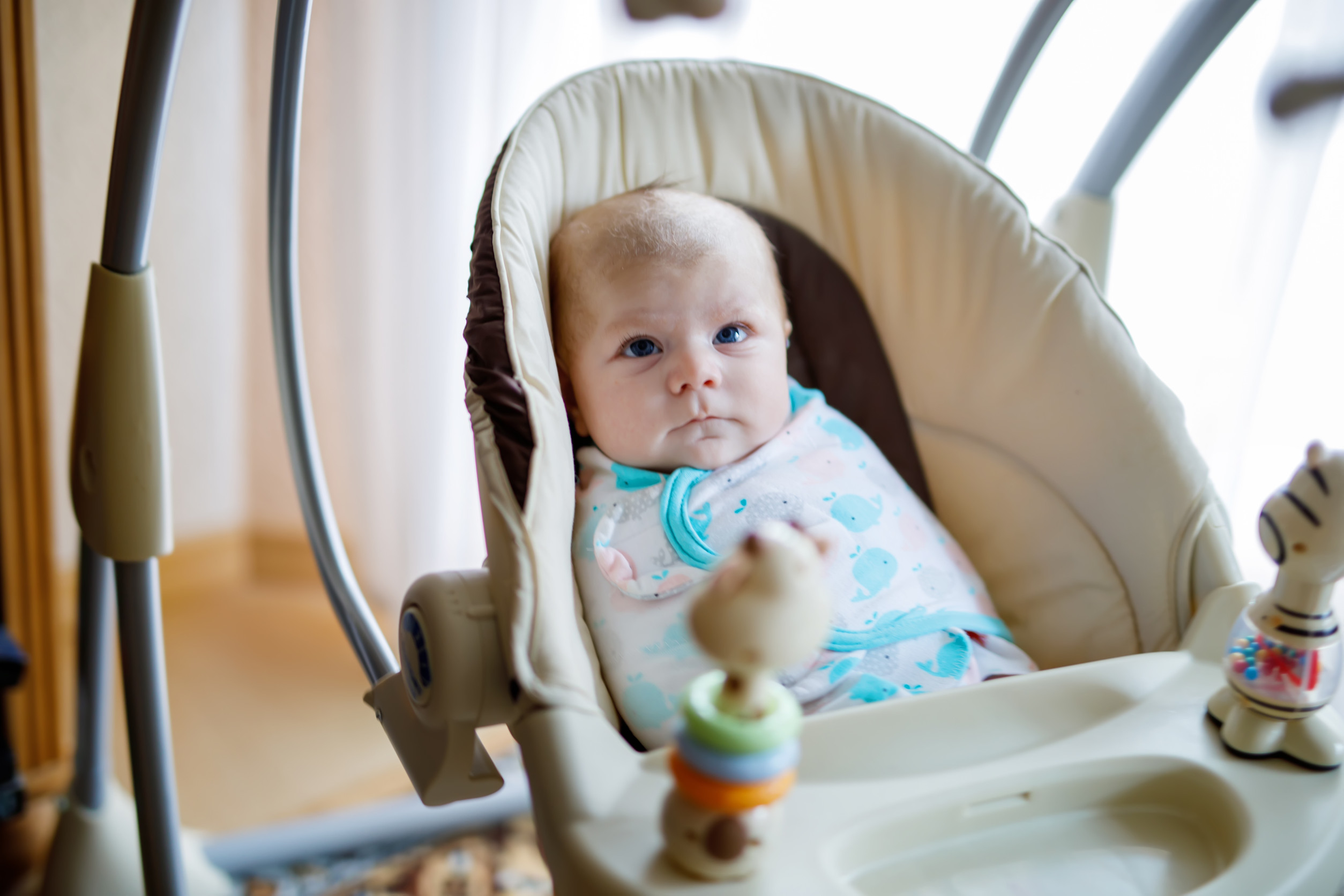
What You’re Missing: 6 Urgent Health Screenings Your Baby Needs

July 23, 2025 | Leave a Comment

What Youre Missing 6 Urgent Health Screenings Your Baby Needs
Image source: 123rf.com

When it comes to your baby’s well-being, timing is everything. Some health issues are hard to spot in infancy, but early detection through the right screenings can change everything. These essential checks help uncover potential problems before they become major concerns, ensuring your baby has the healthiest start possible. If you’re a new parent, it’s easy to get overwhelmed with appointments and milestones, but skipping any of these can mean missing crucial opportunities. Here’s what you need to know about the six most urgent health screenings your baby needs.

1. Newborn Hearing Test: The Quiet Start You Can’t Miss

Within the first 24 to 48 hours after birth, your baby should receive a hearing screening. This painless test checks for hearing issues that may affect speech and language development down the line. Catching hearing loss early makes it easier to take steps that can support your child’s communication skills from the start. If the hospital missed it or results were inconclusive, your pediatrician can refer you to an audiologist for follow-up. Hearing might not seem urgent in a sleeping newborn, but it’s one of the most critical health screenings your baby needs.

2. Metabolic and Genetic Screening: Behind-the-Scenes Lifesavers

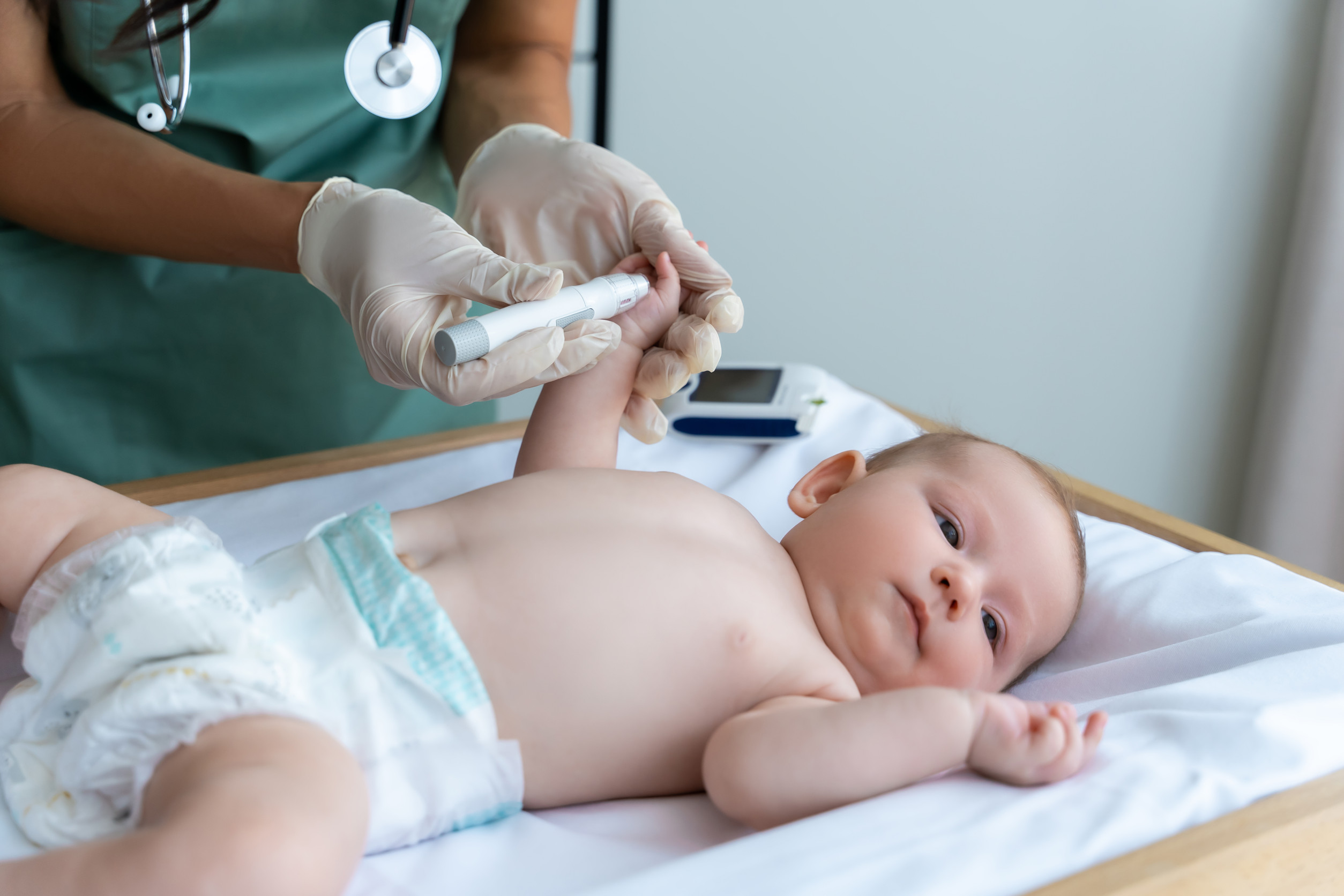
Often called the heel prick test, this screening checks for rare but serious conditions like PKU, congenital hypothyroidism, and sickle cell disease. These disorders aren’t visible at birth, but without early treatment, they can lead to lifelong challenges or even death. Your baby’s heel is pricked to collect a few drops of blood, which are sent to a lab for analysis. Most results come back normal, but catching issues early allows for interventions that can literally save your child’s life. It’s easy to overlook because symptoms may not show up for weeks, but this is one of the most life-saving health screenings your baby needs.

3. Jaundice Screening: More Than a Yellow Tint

Jaundice is common in newborns, but severe cases can lead to brain damage if not treated promptly. A simple skin test or blood sample can detect elevated bilirubin levels in your baby’s system. Treatment is often easy and non-invasive, like phototherapy under special lights, but it works best when started early. Watch for yellowing in the eyes and skin, especially in the first few days after birth. This condition can worsen quickly, which is why jaundice testing remains high on the list of health screenings your baby needs.

4. Vision Screening: Catching Clues Before They’re Obvious

Vision problems can be easy to miss in babies who can’t tell you what they see. During well-baby visits, your pediatrician will examine eye movement, focus, and alignment to spot early red flags. While full vision screening comes later, these early checks help ensure healthy eye development. Issues like congenital cataracts or lazy eye may not show symptoms right away, making early screening crucial. Healthy eyes now can prevent developmental delays later, making this one of the most underappreciated health screenings your baby needs.

5. Developmental Milestone Assessments: Tracking More Than Growth

From smiling to rolling over, developmental milestones offer clues about your baby’s neurological and physical health. During wellness visits, pediatricians ask questions or perform basic evaluations to ensure your baby is on track. These assessments help spot delays early so intervention programs can begin when they’re most effective. Delays in speech, movement, or interaction don’t always mean something is wrong, but missing a pattern can hold your child back. Consider these check-ins essential—not optional—health screenings your baby needs to thrive.

6. Iron and Lead Testing: Silent but Serious Dangers

Iron deficiency and lead exposure can have lasting impacts on your baby’s brain and body development. Around 9 to 12 months, your pediatrician may recommend a blood test to check for both. Babies who are exclusively breastfed or live in older homes are at higher risk and may need earlier screening. These issues often go unnoticed until developmental or behavioral problems appear, so proactive testing matters. When looking at health screenings your baby needs, don’t overlook what’s hiding in their environment or diet.

Early Action Builds Lifelong Health

Your baby depends on you to be their advocate when they can’t speak up for themselves. Staying on top of these urgent screenings ensures that if something is wrong, you’ll catch it early—when solutions are simpler and outcomes are better. While many of these tests happen automatically in hospitals or at well-baby visits, it’s always worth double-checking that none are missed. When in doubt, ask your pediatrician what screenings are next and why matter. Healthy habits start early, and it all begins with being aware of the health screenings your baby needs.

Which of these screenings were you already aware of, and which surprised you the most? Share your experiences or questions in the comments!

Read More:

Toxic Relatives and Kids: How to Protect Their Emotional Health

Mental Health Crisis: 4 Critical Questions About Your Child’s Mental Health

Catherine Reed
Catherine Reed

Catherine is a tech-savvy writer who has focused on the personal finance space for more than eight years. She has a Bachelor’s in Information Technology and enjoys showcasing how tech can simplify everyday personal finance tasks like budgeting, spending tracking, and planning for the future. Additionally, she’s explored the ins and outs of the world of side hustles and loves to share what she’s learned along the way. When she’s not working, you can find her relaxing at home in the Pacific Northwest with her two cats or enjoying a cup of coffee at her neighborhood cafe.
Filed Under: Parenting Tagged With: baby development, baby health, early detection, health screenings, new parent checklist, newborn screenings, parenting tips, pediatric care

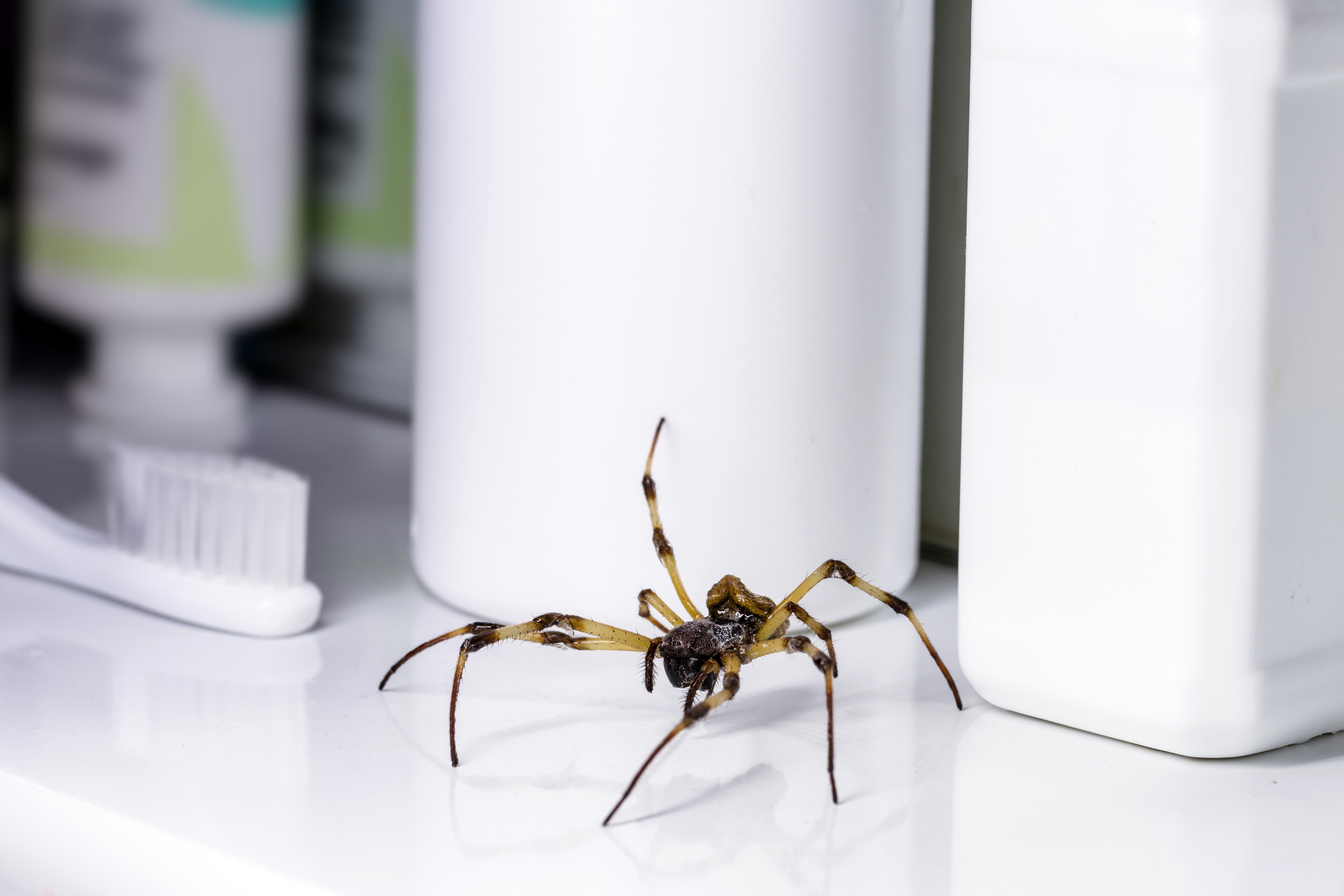
The Quiet Threat: 5 Home Areas That Are Hidden Pest Hotspots Near Kids

July 22, 2025 | Leave a Comment

The Quiet Threat 5 Home Areas That Are Hidden Pest Hotspots Near Kids
Image source: 123rf.com

When we think of home safety for our kids, we often jump to sharp corners, electrical outlets, or chemical cleaners. But there’s another silent danger creeping in—pests. From cockroaches to rodents, these uninvited guests love to hide in places we don’t often check, and unfortunately, some of the worst offenders are areas where children spend a lot of time. Understanding hidden pest hotspots near kids can help you take action before an infestation becomes a health hazard. Let’s look at five commonly overlooked spots in your home where pests love to gather, often just steps away from your little ones.

1. Underneath Highchairs and Dining Areas

Crumbs and spills are magnets for pests, and the area beneath your child’s highchair is like a 24-hour buffet for ants, roaches, and even mice. Even if you clean regularly, tiny food particles can easily lodge in floor cracks, rug fibers, or along baseboards. This makes dining zones one of the most common hidden pest hotspots near kids. Pests drawn to this area don’t just pose cleanliness concerns—they can also introduce allergens or bacteria that impact young immune systems. To prevent infestations, use a washable mat under the highchair, vacuum daily, and inspect for pest signs like droppings or chewed corners.

2. Inside Toy Chests and Plush Toy Storage

Stuffed animals and toy boxes aren’t just beloved by your toddler—they’re appealing to pests as warm, soft hiding spots. Dust mites, spiders, and even carpet beetles can take up residence, especially if toys aren’t regularly cleaned or rotated. This makes these zones surprising hidden pest hotspots near kids, where bugs can quietly multiply unnoticed. Add to that the fact that many plush toys are frequently held, slept with, or even chewed on, and it becomes a real health concern. Wash soft toys monthly, vacuum storage bins, and avoid storing toys directly on carpeted floors.

3. Behind and Under Cribs or Beds

Most parents clean sheets and surfaces regularly, but the space behind or under your child’s bed often goes untouched for weeks—or even months. Dust bunnies, food wrappers, dropped pacifiers, and lost toys create the perfect storm for pests like spiders, ants, or silverfish. These hidden pest hotspots near kids are particularly problematic because your child is exposed to them while sleeping or playing nearby. Check for signs like webbing or pepper-like droppings during your regular cleaning routine. Move cribs or toddler beds a few inches away from walls and do deep cleanings monthly to minimize risk.

4. Diaper Pails and Trash Bins

Diaper pails are convenient but notorious for attracting flies and roaches if not emptied regularly and cleaned thoroughly. Even with a lid, the odor and moisture can draw pests from other parts of the house. Since these bins are often placed close to changing tables, this makes them another prime example of hidden pest hotspots near kids. A pest problem here puts your baby at risk during one of the most hands-on parts of your day. Clean bins with vinegar or disinfectant weekly, use tight-fitting lids, and consider sealing dirty diapers in smaller bags before tossing them out.

5. Behind Curtains and Window Blinds in Play Areas

Curtains and blinds can trap dust, moisture, and even insect nests, especially in corners and folds that are rarely disturbed. If your child has a playroom with a cozy reading nook by the window, this could unknowingly be one of the worst hidden pest hotspots near kids. Spiders, ants, or even wasps can set up camp unnoticed, and many kids love to peek through or tug on curtains without realizing what’s hiding inside. Dust and wash curtains regularly and check for insect activity along windowsills and frames during your usual cleaning sessions.

Safer Spaces Start with Awareness

Protecting your kids from pests doesn’t require turning your home upside down—it just takes a bit more awareness of where problems tend to start. By recognizing hidden pest hotspots near kids, you can target those overlooked spaces that are quietly inviting trouble. From cleaning routines to small layout adjustments, minor changes make a big difference in keeping bugs and rodents away. And as a bonus, a cleaner, more hygienic space is just more pleasant for everyone. The earlier you address potential pest zones, the safer your home becomes for curious little explorers.

Have you ever found pests in an unexpected part of your home? Share your experience and tips in the comments—we’d love to hear how you tackled it!

Read More:

8 Hidden Dangers Lurking in Your Child’s Toys

Mail Exposure: 6 Ways Your Child’s Mail Gives Them Away

Catherine Reed
Catherine Reed

Catherine is a tech-savvy writer who has focused on the personal finance space for more than eight years. She has a Bachelor’s in Information Technology and enjoys showcasing how tech can simplify everyday personal finance tasks like budgeting, spending tracking, and planning for the future. Additionally, she’s explored the ins and outs of the world of side hustles and loves to share what she’s learned along the way. When she’s not working, you can find her relaxing at home in the Pacific Northwest with her two cats or enjoying a cup of coffee at her neighborhood cafe.
Filed Under: Home and Living Tagged With: baby proofing, child-friendly cleaning, hidden pest hotspots near kids, home hygiene, kids and bugs, parenting safety, pest control tips, toddler home safety

Beyond The Recall: 6 Baby Gear Recalls You Missed Putting Your Child At Risk

July 22, 2025 | Leave a Comment

Beyond The Recall 6 Baby Gear Recalls You Missed Putting Your Child At Risk
Image source: 123rf.com

You researched the safest stroller, read hundreds of reviews, and followed all the setup instructions—so your baby gear must be secure, right? Unfortunately, even the most trusted brands sometimes issue recalls that fly under the radar. Busy parents can easily miss announcements, leaving potentially dangerous items still in daily use. And while some baby gear recalls get national attention, many slip by unnoticed, putting your child at risk without you even knowing it. Here are six recent baby gear recalls that may have escaped your attention and what you can do to protect your little one right now.

1. Inclined Sleepers Still Hiding in Homes

Inclined sleepers like the popular Fisher-Price Rock ‘n Play were pulled from shelves years ago, but many are still in circulation. The recall was issued after dozens of infant deaths were linked to babies rolling over in these products. Despite the warning, some parents still use them for naps or overnight sleep, unaware of the risk. These recalled items are often passed down or found secondhand without any warning label. If you’re still using an inclined sleeper, stop immediately and contact the manufacturer for a refund or guidance—this is one of the most critical baby gear recalls you can’t ignore.

2. Baby Swings With Faulty Straps

A recent wave of baby gear recalls includes infant swings with defective harnesses that may come loose during use. Brands like 4moms and other popular swing makers have issued alerts about safety straps detaching or failing under pressure. If your baby’s swing was manufactured before 2022, double-check the model number against recall databases. Even if the swing appears stable, faulty straps are a silent risk, especially when used unsupervised. Registering your gear with the brand ensures you’ll be notified in case of future safety concerns.

3. Strollers With Frame Collapse Risks

Several major stroller brands, including jogging strollers and travel systems, have issued baby gear recalls due to frame collapse or detachment during use. These defects can cause serious injury if the stroller folds unexpectedly while the child is inside. The problem often arises with repeated folding over time, making it hard to detect before failure. Some models sold at big box stores and online marketplaces are affected, so it’s important to verify yours even if you bought it recently. Regular inspections and checking for manufacturer notices can prevent a simple outing from becoming an emergency.

4. Highchairs With Unstable Legs

Another overlooked recall involves highchairs with weak or unstable legs that may buckle or tip over when in use. Affected models may look fine at first glance but can become hazardous when a child shifts their weight suddenly. This type of failure is especially dangerous because it often occurs while parents are standing nearby but not directly supervising. Several brands, including both budget and premium models, have made voluntary recalls after reports of injuries. Always test your highchair’s stability and check the Consumer Product Safety Commission (CPSC) site for updates on known issues.

5. Baby Carriers with Faulty Buckles

Soft-structured baby carriers have become parenting essentials, but not all of them are built with long-term safety in mind. A number of baby gear recalls involve carriers with defective buckles or stitching that can break under the weight of a growing infant. Some off-brand carriers sold online without proper testing are especially risky, and many parents don’t think to inspect these parts regularly. If you notice fraying, loose stitching, or slipping buckles, stop using the carrier immediately. It’s worth contacting the manufacturer or checking recall databases to confirm your model is safe.

6. Play Yards With Collapsing Walls

Portable play yards are a favorite for naps, travel, and quick containment, but they’ve also been part of serious baby gear recalls for collapsing sides. If the walls or locking mechanisms fail, a baby could be trapped, fall, or become injured in the unstable structure. Some recalled models don’t meet the updated safety standards now required by law, especially older or hand-me-down play yards. Check for gaps, loose mesh, and faulty corners before each use. The safest bet is a play yard purchased within the last two years from a reputable retailer that lists compliance with federal safety standards.

Staying Ahead of Safety Without the Panic

Keeping track of baby gear recalls can feel overwhelming, but it doesn’t have to be. Most manufacturers offer registration cards or online sign-ups for recall alerts, and websites like cpsc.gov make it easy to search for product notices by brand or model. The real danger lies in not knowing these recalls exist, especially when items seem fine on the surface. Take five minutes to check your most-used gear—it’s a small step with huge peace-of-mind potential. Safety doesn’t stop at purchase, and staying informed is one of the best ways to protect your child.

Have you ever discovered you were still using recalled baby gear? Share your experience or tips for staying updated in the comments below.

Read More:

6 Urgent Safety Checks for Baby Gear

Are You Wasting Money? 6 Baby Items New Parents Regret Buying

Catherine Reed
Catherine Reed

Catherine is a tech-savvy writer who has focused on the personal finance space for more than eight years. She has a Bachelor’s in Information Technology and enjoys showcasing how tech can simplify everyday personal finance tasks like budgeting, spending tracking, and planning for the future. Additionally, she’s explored the ins and outs of the world of side hustles and loves to share what she’s learned along the way. When she’s not working, you can find her relaxing at home in the Pacific Northwest with her two cats or enjoying a cup of coffee at her neighborhood cafe.
Filed Under: Parenting Tagged With: baby gear alerts, baby gear checklist, baby gear recalls, baby product safety, child safety, CPSC alerts, infant safety, nursery safety, parenting tips

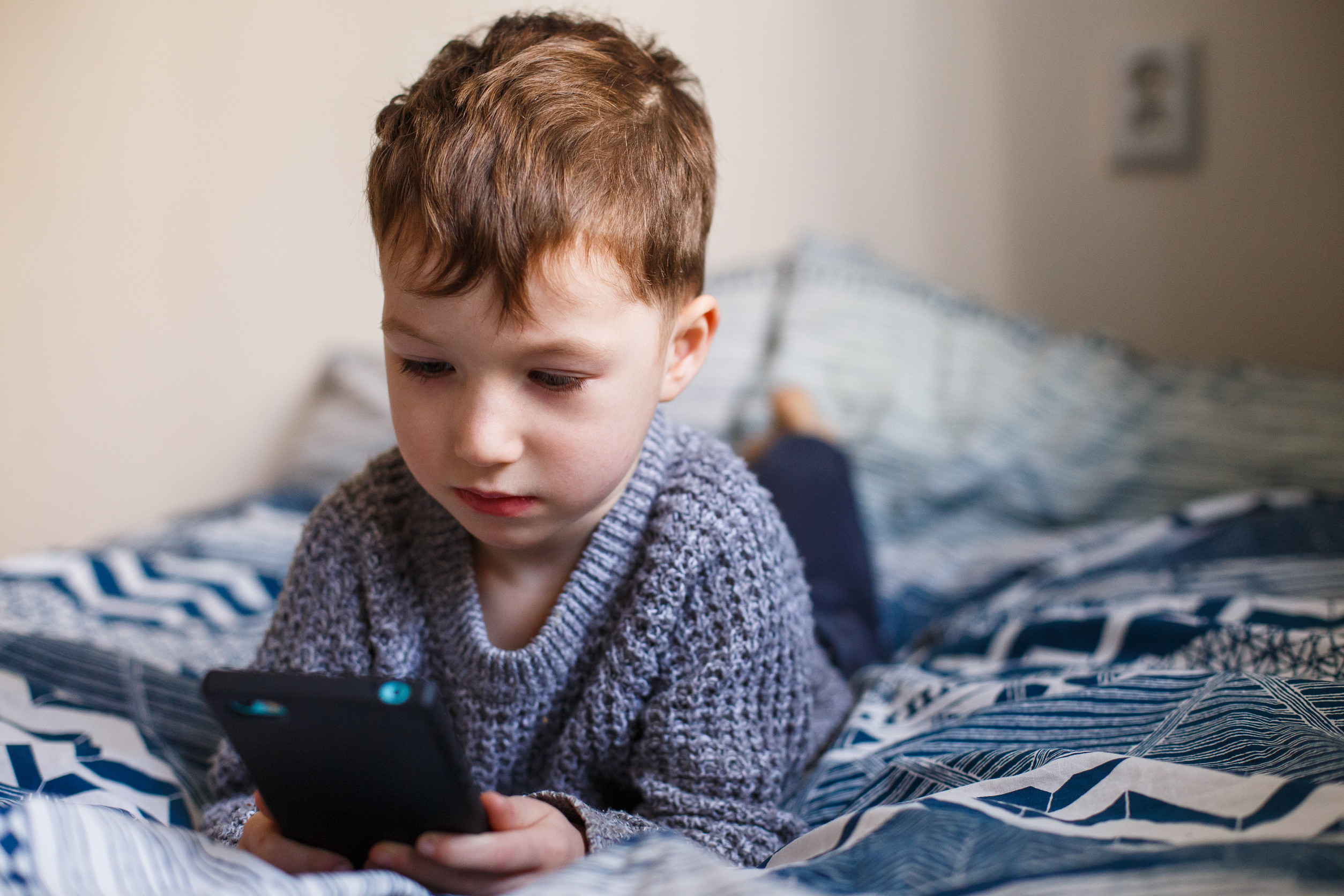
The Truth About Screens: 9 Apps Your Kids Use That Secretly Collect Data

July 22, 2025 | Leave a Comment

The Truth About Screens 9 Apps Your Kids Use That Secretly Collect Data
Image source: 123rf.com

You’ve probably checked for age ratings, double-checked screen time limits, and made sure your child isn’t exposed to inappropriate content. But there’s a hidden digital threat that flies under most parents’ radar—apps your kids use that secretly collect data. Even harmless-looking games, learning platforms, or creative apps can gather personal information like location, device habits, browsing behavior, or even voice recordings. What’s worse is that this data is often sold, shared, or stored without your knowledge, sometimes violating privacy laws meant to protect children. Here are 9 popular apps parents trust—but should definitely look into more closely.

1. TikTok

While officially recommended for users 13 and older, many younger kids still find their way onto TikTok. The app has faced multiple investigations and fines for tracking user data, including information from minors. Among apps your kids use that secretly collect data, TikTok is a top offender due to how it tracks usage habits, device identifiers, and even location information. Even in “private” mode, the app gathers metadata from video views and interactions. Parents should explore TikTok’s Family Pairing options or consider alternatives with more transparent data practices.

2. YouTube and YouTube Kids

YouTube Kids was created to offer a safer space for young viewers, but that doesn’t mean it’s free from data collection. The platform has been accused of collecting viewing history and device info, even when parental controls are on. For many families, this is one of the most trusted apps your kids use that secretly collect data, simply because it feels child-friendly on the surface. Keep in mind that any personalized recommendations come from data tracking, which may include search terms and watch behavior. Consider using ad-free options or limiting permissions in your child’s profile settings.

3. Roblox

Roblox is wildly popular for its games, avatars, and in-game purchases—but it also collects a lot of data. This includes chat history, location data, friends lists, and how your child interacts within the game. Like many apps your kids use that secretly collect data, it runs targeted ads and stores behavioral profiles to better monetize user activity. While it offers parental controls, it still tracks a surprising amount of behind-the-scenes data. Regularly review your child’s privacy settings and use a restricted account whenever possible.

4. Snapchat

Snapchat is often used by tweens and teens, despite being labeled 13+. The app is known for its disappearing messages, but that doesn’t mean your child’s data disappears with them. Snapchat collects contact lists, device identifiers, usage data, and even geolocation, especially if Snap Map is enabled. It’s one of those apps your kids use that secretly collect data even when they aren’t actively posting. Disable Snap Map, turn off location services, and have a conversation with your child about privacy before allowing use.

5. Zoom

Now commonly used for virtual school or chats with family, Zoom might not strike you as a data risk. But like other platforms, it collects usage logs, device information, and meeting metadata—sometimes more than you realize. For younger users, Zoom’s data handling has faced criticism, especially in education settings where consent isn’t always clearly outlined. Among apps your kids use that secretly collect data, Zoom’s presence in classrooms means parents should understand what’s shared and what’s optional. Check your child’s school settings or personal account privacy policy to see what data is being stored.

6. Duolingo

This popular language-learning app is educational, engaging, and surprisingly aggressive with its data tracking. Duolingo collects device info, user behavior, and performance analytics. While not as flashy as other apps your kids use that secretly collect data, it quietly builds user profiles to improve engagement and advertising. Even if your child is learning French or Spanish, the app may be learning more about them than you’d like. Be sure to review data-sharing permissions in the account settings and avoid logging in with social media accounts.

7. Minecraft (Mobile Version)

Minecraft on mobile devices, especially the Bedrock Edition, is connected to Microsoft accounts and comes with data collection tied to Xbox services. It tracks user activity, session lengths, and online interactions—even in creative mode. Though it’s not malicious, Minecraft remains one of the apps your kids use that secretly collect data, particularly through in-game purchases and online play. Parents should explore Family Safety tools in Microsoft’s dashboard and limit multiplayer access for younger players.

8. Facebook Messenger Kids

Facebook (now Meta) created Messenger Kids as a safer alternative to adult messaging platforms, but data concerns remain. While it’s promoted as COPPA-compliant, the app still gathers usage data, contacts, and interaction metrics. Among apps your kids use that secretly collect data, this one raises eyebrows simply because of its ties to Meta’s larger advertising ecosystem. Although it offers some strong parental controls, be mindful of what’s shared and how it’s stored. Monitor conversations regularly and avoid linking accounts that could expose more family data.

9. Candy Crush and Other “Free” Games

Many free-to-play games, including Candy Crush and similar titles, rely heavily on third-party advertising networks. These games track in-app behavior, device IDs, and location in order to serve personalized ads. Since they’re marketed as harmless and fun, they fall into the category of apps your kids use that secretly collect data without most parents noticing. Avoid logging in with a social media account, decline ad tracking permissions, and keep the games in guest mode when possible.

Knowledge is the Best Parental Control

When it comes to screen time, the real risk isn’t always what your child is watching—it’s what the app is watching them. Many apps your kids use that secretly collect data hide behind colorful graphics and educational content, but still gather information that can be used, shared, or sold. As a parent, you don’t have to avoid screens altogether—you just need to be a little more data-aware. Reviewing app permissions, checking privacy settings, and reading the fine print are small steps that make a big difference in your child’s digital safety.

Were you surprised by how much data these apps collect? Which ones do you monitor or avoid at home? Let’s talk privacy in the comments.

Read More:

6 Legal Protections for Your Child’s Digital Footprint

8 Privacy Concerns with Kids’ Wearables Tracking Them

Catherine Reed
Catherine Reed

Catherine is a tech-savvy writer who has focused on the personal finance space for more than eight years. She has a Bachelor’s in Information Technology and enjoys showcasing how tech can simplify everyday personal finance tasks like budgeting, spending tracking, and planning for the future. Additionally, she’s explored the ins and outs of the world of side hustles and loves to share what she’s learned along the way. When she’s not working, you can find her relaxing at home in the Pacific Northwest with her two cats or enjoying a cup of coffee at her neighborhood cafe.
Filed Under: Parenting Tagged With: app safety, apps your kids use that secretly collect data, child online privacy, data collection in apps, digital parenting, internet safety for kids, kids and tech, screen time safety

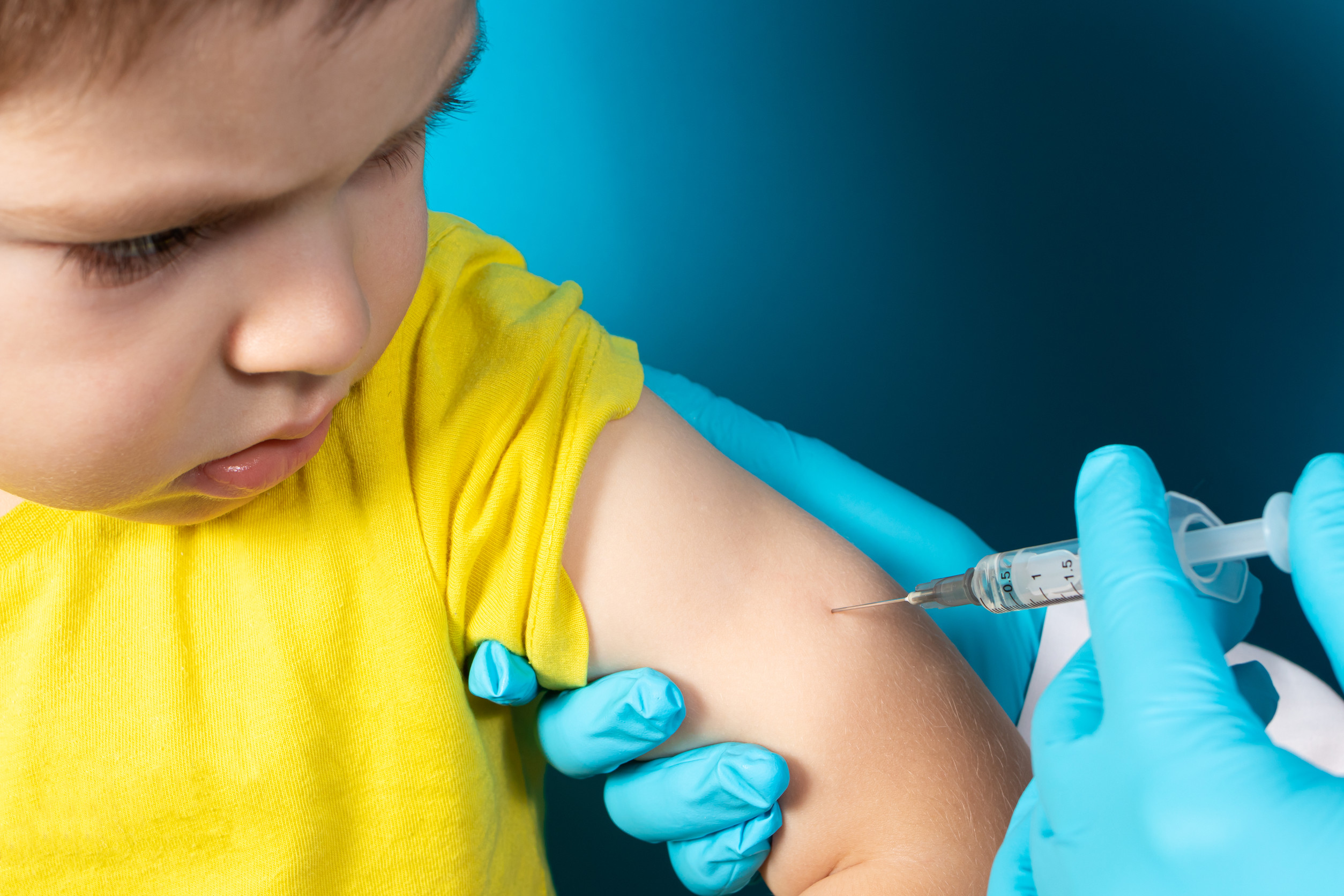
Think Again: 5 Vaccinations Parents Are Skipping Putting Kids At Risk

July 22, 2025 | Leave a Comment

Think Again 5 Vaccinations Parents Are Skipping Putting Kids At Risk
Image source: 123rf.com

Vaccines have helped eliminate some of the world’s most dangerous childhood diseases, but a growing number of families are opting out of certain shots. Whether it’s due to misinformation, fear of side effects, or thinking a disease is no longer a threat, vaccinations parents are skipping can quietly open the door to serious outbreaks. What seems like a personal decision actually has community-wide consequences, especially for vulnerable children who can’t be vaccinated for medical reasons. Some of the shots being skipped aren’t new—they’re simply being overlooked. If you’re considering a delayed or selective schedule, here are five vaccines that deserve a second look.

1. MMR (Measles, Mumps, Rubella)

Measles may feel like a disease from the past, but recent outbreaks prove it’s still very much a threat. The MMR vaccine protects against three dangerous viruses that can lead to pneumonia, brain swelling, and long-term complications. Among vaccinations parents are skipping, MMR is often passed up due to debunked claims linking it to autism. Pediatricians and scientists around the globe have repeatedly confirmed the vaccine’s safety and importance. Skipping it not only puts your child at risk but also endangers infants and immunocompromised individuals who depend on herd immunity.

2. HPV (Human Papillomavirus)

The HPV vaccine isn’t just for teens—it’s for cancer prevention. It protects against the types of HPV that cause most cervical, throat, and other cancers later in life. Because it’s associated with sexual transmission, it’s one of the vaccinations parents are skipping, often due to discomfort discussing the topic. But the vaccine is most effective when given before any exposure, which is why it’s recommended for kids starting as early as age 9. Protecting your child from future health battles starts with making smart decisions now.

3. Hepatitis A

While Hep A is less well-known than other childhood illnesses, it can cause serious liver disease. Spread through contaminated food and close contact, this highly contagious virus is a real concern for kids in daycare or group settings. Since it’s not part of the original newborn schedule, Hepatitis A is one of the vaccinations parents are skipping either by accident or because they don’t understand the risk. But outbreaks have happened in schools, restaurants, and even playgrounds. This two-dose series offers strong protection against a disease that’s far more common than many parents realize.

4. Flu Shot (Seasonal Influenza)

Some parents think the flu is just a bad cold, but influenza can lead to hospitalization—even death—in children. Despite being updated and offered yearly, the flu shot remains one of the top vaccinations parents are skipping. Reasons range from thinking it’s ineffective to assuming their healthy child doesn’t need it. But flu viruses mutate quickly, and even a mild case can spread to others who are more vulnerable. A yearly flu shot protects your child and helps protect grandparents, classmates, and babies in the community.

5. DTaP Booster (Tetanus, Diphtheria, Pertussis)

Many parents follow the early DTaP schedule for babies but then forget about the booster that’s needed between ages 4 and 6. Without it, protection fades, leaving kids open to whooping cough—a disease that’s made a dangerous comeback in recent years. Tetanus and diphtheria are rare in the U.S., but they’re deadly if contracted, which is why boosters remain important. Of all the vaccinations parents are skipping, the DTaP booster often flies under the radar simply because it’s not tied to a well-known illness anymore. Keeping your child up to date on boosters is key to lifelong protection.

Skipping One Can Risk Them All

When it comes to vaccinations parents are skipping, the real danger isn’t just in one missed shot—it’s in the pattern. Each skipped vaccine creates a gap in protection, not just for your child but for every child they come into contact with. Pediatricians aren’t pushing vaccines to scare you—they’re trying to help families prevent suffering that’s entirely avoidable. Immunizations are one of the most well-researched tools in medicine, and staying informed is the best defense. Don’t let old myths or outdated fears steer you away from proven protection.

Have you ever reconsidered a vaccine after talking with your child’s doctor? Share your experience or questions in the comments below!

Read More:

Shocking Data: 6 Car Seat Errors Still Causing Fatal Accidents

Before You Buy: 10 Popular Kids’ Toys With Cancer-Causing Materials

Catherine Reed
Catherine Reed

Catherine is a tech-savvy writer who has focused on the personal finance space for more than eight years. She has a Bachelor’s in Information Technology and enjoys showcasing how tech can simplify everyday personal finance tasks like budgeting, spending tracking, and planning for the future. Additionally, she’s explored the ins and outs of the world of side hustles and loves to share what she’s learned along the way. When she’s not working, you can find her relaxing at home in the Pacific Northwest with her two cats or enjoying a cup of coffee at her neighborhood cafe.

Filed Under: Parenting Tagged With: childhood vaccines, immunization safety, kids' health, parenting decisions, pediatric care, Public Health, vaccinations parents are skipping, vaccine schedule

The Hidden Costs: 11 Things You Didn’t Know You’d Pay For After Baby

July 22, 2025 | Leave a Comment

The Hidden Costs 11 Things You Didnt Know Youd Pay For After Baby
Image source: 123rf.com

You budgeted for diapers, stocked up on wipes, and maybe even planned ahead for formula or daycare. But once your little one arrives, you’ll quickly realize that the true hidden costs of parenthood go far beyond the basics. It’s not that these expenses are extravagant—it’s that no one talks about them until you’re suddenly paying out of pocket. From unexpected medical fees to convenience splurges that save your sanity, new parent life adds up fast in ways you didn’t see coming. Here are 11 surprising costs that can sneak up on even the most prepared parents.

1. Postpartum Recovery Supplies

Everyone focuses on what the baby needs, but the new mom’s recovery often comes with hidden costs of its own. Think peri bottles, witch hazel pads, nipple cream, disposable underwear, and sitz baths. Hospitals usually provide a small supply, but they don’t last long. You may also need specialty items like abdominal binders or breastfeeding pillows for extra support. These seemingly minor purchases can add up to hundreds in the first few weeks postpartum.

2. Bottles and Feeding Accessories

Even if you’re breastfeeding, chances are you’ll need bottles, a sterilizer, milk storage bags, and a pump. If you’re formula feeding, prepare for the cost of bottles in different sizes, warmers, and drying racks. Not to mention experimenting with various nipple flows as your baby grows. These hidden costs of feeding gear often go unbudgeted and hit your wallet quickly. And if baby ends up rejecting a certain bottle brand? You’ll pay again to find the one that works.

3. New Clothes—For You

Yes, maternity clothes cost money, but the wardrobe changes don’t stop there. Many parents find they need nursing-friendly tops, comfortable shoes for swollen feet, and clothes that fit an in-between body size. If you’re heading back to work, you might also need a few new professional pieces. It’s one of those hidden costs that feels personal, yet necessary. After all, feeling comfortable and confident while adjusting to parenthood matters too.

4. Babyproofing Gear

Outlet covers and cabinet locks might not seem expensive on their own, but babyproofing an entire home can be surprisingly pricey. Gates, corner bumpers, toilet locks, and furniture anchors are just the beginning. As your baby becomes more mobile, your list of safety items tends to grow. The bigger the home, the more gear you’ll need. Babyproofing is one of those hidden costs that doesn’t show up until you’re chasing a crawling explorer across the kitchen floor.

5. Increased Utility Bills

With a baby in the house, your home likely runs warmer (or cooler), and your laundry and water use go way up. Add in sterilizing bottles, more frequent dishwasher loads, and nightlights running 24/7. These subtle increases result in higher electricity and water bills month after month. It’s one of the sneakiest hidden costs that never makes it on the baby registry. But over time, it quietly drains your household budget.

6. Replacement Items for Lost or Broken Gear

Pacifiers disappear. Bottles crack. Toys get dropped in places no one can retrieve them from. Whether it’s lost socks or spilled formula containers, small items constantly need replacing. These little things add up to a consistent stream of hidden costs that feel minor individually but become a major part of your monthly spending.

7. Apps and Subscriptions

From white noise and sleep trackers to parenting communities and milestone apps, digital tools aimed at new parents are everywhere. Many start free but eventually require a subscription. Others offer premium content or features that become tempting during tough phases like sleep regressions. These hidden costs sneak in under the radar until you check your monthly app store receipts. Set a budget and track which ones actually help before signing up for more.

8. Baby Photos and Milestone Keepsakes

Capturing your baby’s first smile or tiny handprint is priceless—but printing photos, buying frames, and ordering custom milestone items isn’t cheap. Professional newborn photoshoots can cost hundreds, and the pressure to document every stage adds up fast. These hidden costs can be emotional as well as financial, especially if you’re trying to keep up with social media-worthy memories. Remember, meaningful doesn’t have to mean expensive.

9. Childcare Deposits and Waitlist Fees

Even before your baby is born, some daycares require non-refundable deposits or waitlist application fees. These charges can range from $50 to several hundred dollars, depending on your area. If you’re considering multiple centers, those fees multiply quickly. Childcare is one of the biggest ongoing expenses of parenting, and the hidden costs often start well before the care does. Budget for deposits and paperwork so you’re not caught off guard.

10. Doctor Co-Pays and Medications

Even with insurance, many families find themselves surprised by medical costs in the first year. Frequent checkups, vaccines, lactation consultations, and emergency visits often come with co-pays or out-of-pocket fees. Over-the-counter baby medications, creams, and vitamins are often not covered. These hidden costs are essential but rarely discussed—and they tend to hit right when you’re already sleep-deprived and stressed.

11. Emergency Convenience Purchases

That 2 a.m. diaper run, or last-minute Amazon order of gripe water happens more than you expect. Parenthood comes with many moments when you’re willing to pay extra just to solve a problem fast. From rush shipping to doubling up on supplies “just in case,” these emergency splurges can become habitual. These convenience-driven hidden costs reflect the reality of survival mode—and they’re totally normal, but worth watching.

Planning Ahead Makes the Difference

Parenthood comes with joy, love, and surprises—some more expensive than others. By understanding these hidden costs in advance, you can better prepare your budget, reduce financial stress, and avoid last-minute spending guilt. The best strategy is to leave extra wiggle room in your planning, prioritize needs over trends, and remember that every parent goes through it. It’s not about avoiding the costs altogether but learning how to manage them with intention.

Which hidden costs caught you by surprise after your baby arrived? Share your experience (and budget-saving hacks) in the comments!

Read More:

11 Costs of Raising a Special Needs Child You Didn’t Plan For

Can You Afford to Have Kids in 2025? Here’s What It Really Costs Per Year

Catherine Reed
Catherine Reed

Catherine is a tech-savvy writer who has focused on the personal finance space for more than eight years. She has a Bachelor’s in Information Technology and enjoys showcasing how tech can simplify everyday personal finance tasks like budgeting, spending tracking, and planning for the future. Additionally, she’s explored the ins and outs of the world of side hustles and loves to share what she’s learned along the way. When she’s not working, you can find her relaxing at home in the Pacific Northwest with her two cats or enjoying a cup of coffee at her neighborhood cafe.

Filed Under: Money and Finances Tagged With: baby budgeting, baby gear costs, baby money-saving advice, financial planning for parents, hidden costs, new parent expenses, parenting tips, unexpected baby costs

Your Baby’s Identity: How 7 Online Actions Are Secretly Putting Them At Risk

July 22, 2025 | Leave a Comment

Your Babys Identity How 7 Online Actions Are Secretly Putting Them At Risk
Image source: 123rf.com

From birth announcements to cute milestones, many parents are eager to share their baby’s journey online. But what starts as a harmless post can quietly open the door to long-term risks. Hackers and scammers aren’t just after adult information anymore—your baby’s identity is increasingly becoming a target for fraud, and most parents don’t realize how easy it is to expose personal data. A single post can contain everything needed to start building a fake profile in your child’s name. Here are seven common online habits that could be putting your baby’s future privacy at serious risk.

1. Sharing Full Birth Announcements on Social Media

Announcing your baby’s birth online is a joyful moment, but including too many details can be dangerous. Posts that include your baby’s full name, date of birth, and hospital location give identity thieves a head start. These key pieces of personal information are often enough to begin creating fake documents or apply for benefits. Since your baby won’t use their credit or identity for years, the fraud can go undetected until much later. Keeping your announcement short and sweet—without full names or birthdates—helps protect your baby’s identity.

2. Posting Photos with Personal Info in the Background

You may think twice before sharing a close-up of your baby’s birth certificate, but what about that photo of them lying on a hospital bed with a bracelet showing? Or a snapshot of a birthday party with a banner that includes their full name and age? These background details often go unnoticed by parents but are gold mines for scammers. This is one of the easiest ways your baby’s identity becomes vulnerable through everyday images. Before sharing, always scan your photos for visible names, addresses, or identifying numbers.

3. Using Location Tags or Check-Ins

Tagging your location when you’re out with your baby might seem fun or harmless, but it can lead to unintended tracking. When you tag your home, favorite park, daycare, or pediatrician’s office, you’re quietly building a digital map of your child’s life. This information can be scraped and stored, even if you delete it later. Over time, it becomes easier for someone to gather context about your child’s routines or physical whereabouts. To help shield your baby’s identity and safety, turn off location sharing on social platforms.

4. Entering Baby Photo Contests or Giveaways Without Checking Privacy Terms

Online baby photo contests or free baby gear giveaways can be tempting—but they often come with hidden data collection. You might be required to submit your child’s name, birthday, and photos, which can be stored, shared, or even sold to third-party marketers. Many of these platforms lack strong privacy protection, putting your baby’s identity at risk of exposure or misuse. Always read the terms and conditions and avoid contests that don’t clearly state how your data will be used. When in doubt, skip the entry.

5. Using Weak Passwords on Baby Monitoring Apps

Baby monitors, sleep tracking apps, and parenting platforms often require accounts that store sensitive data like names, birthdates, and photos. If you’re using the same password across apps or haven’t changed it since setup, you’re creating an easy entry point for hackers. Breaches of parenting platforms have occurred in the past, exposing data about young children and their families. This is another way your baby’s identity could end up in the wrong hands without you realizing it. Use strong, unique passwords and enable two-factor authentication whenever possible.

6. Publicly Sharing Milestone Cards or First Day of School Signs

First smiles, first steps, and first days of preschool are all worth celebrating—but be careful about what’s visible in milestone posts. Many parents love to share photos with signs showing the child’s name, age, birthday, favorite things, or school name. These details seem adorable but can help build a detailed profile of your baby’s identity over time. That information can be gathered by bots or data scrapers and used in phishing schemes or fraud. Keep milestone updates fun by limiting details and sharing them privately with trusted circles.

7. Forgetting to Review Privacy Settings

You may assume that only close friends see your baby’s photos, but default privacy settings often tell a different story. Many social media accounts are set to public or “friends of friends,” which means people you don’t know may be seeing your posts. This wide visibility increases the chances that someone can collect and misuse pieces of your baby’s identity. Review your privacy settings regularly, limit your audience, and consider creating a private photo album or messaging group just for close family. This extra step helps ensure that your child’s personal details stay within your trusted circle.

Digital Footprints Start Earlier Than You Think

Long before your child creates their first social account or signs up for school, their digital identity may already be taking shape—because of your choices. The online actions you take today shape the footprint they’ll carry into the future, and unfortunately, your baby’s identity can be compromised long before they even understand what privacy means. By staying cautious, limiting personal data shared online, and understanding how digital platforms work, you’re taking essential steps to protect them from identity theft and data misuse. You don’t have to go offline completely—just share with care.

Do you think social media is creating risks we didn’t have to worry about before? How do you protect your child’s digital footprint? Let’s talk in the comments.

Read More:

Are You Wasting Money? 6 Baby Items New Parents Regret Buying

The Quiet Killer: 8 Hidden Hazards In Your Nursery You’re Not Checking

Catherine Reed
Catherine Reed

Catherine is a tech-savvy writer who has focused on the personal finance space for more than eight years. She has a Bachelor’s in Information Technology and enjoys showcasing how tech can simplify everyday personal finance tasks like budgeting, spending tracking, and planning for the future. Additionally, she’s explored the ins and outs of the world of side hustles and loves to share what she’s learned along the way. When she’s not working, you can find her relaxing at home in the Pacific Northwest with her two cats or enjoying a cup of coffee at her neighborhood cafe.

Filed Under: Parenting Tagged With: baby gear and tech, baby photo privacy, child identity theft, child privacy, digital parenting tips, Internet Safety, parenting online safety, your baby’s identity

« Previous Page
Next Page »
  • Facebook
  • Pinterest
  • RSS
  • Twitter
Best Parenting Blogs

Most Popular

Baby Girl

12 “Grandma” Baby Names That Are Suddenly Cool Again

Evan Morgan
Baby

9 Baby Names That Sound Rare Without Being Hard to Spell

Evan Morgan
Target Store

Choking Incident Prompts Recall of 49,000 Target Gigglescape “Under the Sea” Popping Toys

Evan Morgan
Frustrated Girl

Why Some Students on the Spectrum Are Labeled With ODD

Evan Morgan
Coke Bottles

12 Things Kids Took to School in the ’70s That Would Never Be Allowed Today

Evan Morgan

All content on Kids Ain’t Cheap is for entertainment purposes only. By reading this blog, you agree that Kids Ain’t Cheap is not responsible for any actions taken after reading this blog. For the full disclaimer, see our privacy policy.

Please note that Kids Ain’t Cheap has financial relationships with some of the merchants mentioned here. Kids Ain’t Cheap is funded by banner advertising, commission sales and search optimization consulting.

Copyright © 2006–2026 | District Media | All Rights Reserved | Privacy Policy

Copyright © 2026 Runway Pro Theme by Viva la Violette