• Home
  • About Us
  • Toolkit
  • Archives
  • Advertise
  • Privacy Policy

Kids Ain't Cheap

But They Sure Are Worth It

  • Parenting
    • Baby Stuff
    • Books and Reading
      • Aesops Fables
      • Comic Books
    • Education
    • Family Time
    • Green Living
    • Growing Up
    • Healthy Living & Eating
    • Holidays
    • Parenting
    • Random Musings
    • Shopping
    • Stuff to Do
  • Money
  • Product Reviews
    • Books and Magazines
    • Discount Sites
    • Furniture
    • House Keeping
    • Reviews News
    • Toys and Games
  • Contact Us
  • Our Editorial Commitment
  • Search

The Discipline Mistakes That Actually Make Kids Behave Worse

May 3, 2025 | Leave a Comment

Image by Caleb Woods

Every parent wants their child to be well-behaved, respectful, and capable of making good choices. Discipline is a big part of that equation, but not all discipline is effective. In fact, some of the most common approaches parents use to correct behavior can actually have the opposite effect, making kids act out more, not less.

It’s easy to default to the strategies we were raised with or the ones we think are supposed to work. But without realizing it, we may be sending confusing messages, undermining our authority, or fueling emotional reactions that kids don’t yet know how to manage. If discipline seems to be falling flat—or worse, escalating the problem—it might be time to reassess what’s really going on.

Mistake #1: Yelling Instead of Connecting

When tempers flare, it’s tempting to raise your voice. But yelling often triggers a child’s stress response, shutting down their ability to listen or reason. Instead of focusing on the lesson, they react emotionally—often with defiance, fear, or shutdown behavior.

Over time, frequent yelling teaches children that communication comes through conflict. It can also erode trust and increase anxiety. Calm, firm boundaries paired with empathetic language tend to be far more effective in the long run.

Mistake #2: Inconsistent Consequences

One of the quickest ways to confuse a child is by reacting differently each time they misbehave. If they get a timeout for one tantrum but a shrug for the next, they start to test the limits. Inconsistency sends the message that rules are flexible, or worse, that your reaction depends on your mood rather than their behavior.

Consistency builds trust and predictability. Kids thrive when they know what to expect and what’s expected of them.

Mistake #3: Punishing Emotion Instead of Guiding It

Children don’t always have the tools to process frustration, anger, or sadness in healthy ways. When parents punish the emotional outburst without addressing the underlying feeling, it reinforces shame and shuts down opportunities for growth.

Instead of saying, “Stop crying or you’ll go to your room,” try something like, “I see you’re really upset. Let’s talk about what you’re feeling and how we can work through it together.”

Mistake #4: Using Shame as a Teaching Tool

Phrases like “What’s wrong with you?” or “You should be ashamed” might seem like a way to get through to a misbehaving child, but they do more damage than good. Shame doesn’t teach responsibility; it teaches self-loathing.

Over time, kids internalize these negative messages and begin to believe they are inherently bad, not just that they made a poor choice. Discipline should focus on the behavior, not the child’s worth.

Mistake #5: Too Many Rules (and Not Enough Relationship)

Some parents fall into the trap of over-controlling their child’s every move. But constant micromanaging can create power struggles, rebellion, or a lack of confidence in decision-making. If every action is monitored, a child may not learn how to manage themselves when no one is watching.

Kids are more likely to follow rules when they feel respected, heard, and connected. Prioritizing the parent-child relationship builds the foundation for cooperation.

Mistake #6: Ignoring Age-Appropriate Expectations

Expecting a toddler to sit quietly for an hour or a tween to manage emotions like an adult isn’t realistic. Discipline becomes ineffective and unfair when the expectations don’t align with a child’s developmental stage.

Understanding what’s age-appropriate helps parents correct behavior while maintaining compassion. A meltdown isn’t always a sign of disrespect; sometimes, it’s simply a sign of being overwhelmed.

Mistake #7: Forgetting to Model the Behavior You Want to See

Kids learn far more from what we do than what we say. If you’re asking them to stay calm while you’re constantly reactive or expecting honesty while being dismissive of their feelings, the lesson gets lost.

Modeling patience, problem-solving, and self-control shows children what emotional regulation actually looks like in practice. Discipline is more than correction. It’s a demonstration.

Discipline Done Right Builds Better Behavior

Discipline should teach, not terrify. It should help children build the internal compass they’ll need long after they’ve left the time-out chair. When we approach correction with consistency, empathy, and respect, kids are more likely to respond with growth—not resistance.

No parent gets it right all the time. However, small shifts in how we guide behavior can make a massive difference in how our kids feel, respond, and develop.

What’s one discipline habit you’ve had to rethink, and what changed when you did? Let us know about your habits in the comments below!

Read More:

10 Creative Discipline Techniques That Don’t Involve Time-Outs or Punishments

8 Reasons Why Time-Outs Might Not Be the Best Discipline Strategy

Filed Under: Parenting Tagged With: child behavior, Child Psychology, discipline mistakes, emotional development in kids, gentle discipline, how to discipline kids, parenting discipline, parenting strategies, parenting tips, raising respectful kids

How Parenting Trends Are Changing the Way Kids Grow Up

May 3, 2025 | Leave a Comment

Image by Kelly Sikkema 

Childhood looks a lot different today than it did even a decade ago. From screen time rules to shifting discipline styles, parenting trends are changing, and so are the kids being raised by them. While every generation adapts to new social norms, technology, and philosophies, the current wave of parenting shifts is influencing not only how children behave but how they think, feel, and relate to the world.

Some of these changes are intentional. Others are the byproduct of a hyper-connected world and rapidly evolving societal expectations. Whether you’re a parent trying to make sense of it all or just observing the shift from the sidelines, it’s worth exploring how these trends are shaping the next generation.

Gentle Parenting: Redefining Discipline

One of the most talked-about trends today is gentle parenting. This approach focuses on empathy, connection, and communication rather than punishment or traditional discipline. The goal isn’t to eliminate consequences but to guide behavior through understanding rather than fear.

This shift teaches kids how to regulate their emotions instead of simply suppressing them. While critics argue it lacks structure or accountability, proponents say it equips kids with stronger emotional intelligence and resilience.

The Rise of Child-Led Learning

Traditional learning models are giving way to more flexible, child-led approaches in both education and parenting. From Montessori classrooms to homeschooling and “unschooling,” many parents are now choosing to follow their child’s interests rather than forcing a one-size-fits-all curriculum.

The benefit? A child who feels more motivated, confident, and curious. The risk? Not every child thrives without structured guidance, and not every parent is equipped to tailor education in this way.

Still, the move toward valuing creativity, autonomy, and individualized learning is a hallmark of today’s parenting mindset.

Digital Awareness and Tech Boundaries

No generation has grown up with more access to screens than today’s kids. As a result, modern parenting is deeply intertwined with digital awareness. From limiting screen time to monitoring social media, parents are grappling with how to keep their kids safe without sheltering them too much.

There’s also a growing emphasis on modeling healthy digital behavior. Many parents now consider their own screen habits fair game for self-reflection. After all, you can’t expect a child to unplug when the adult in the room is scrolling endlessly.

Mental Health Matters More Than Ever

Gone are the days when “toughening up” was the go-to response to childhood anxiety or sadness. Today, parents are more attuned to their child’s emotional well-being than ever before. Therapy is less stigmatized, mindfulness practices are being taught in schools, and children are learning to talk about their feelings at a much younger age.

This emotional openness is helping to reduce shame, build empathy, and normalize asking for help—skills that many adults today wish they had learned earlier in life.

Helicopter to Free-Range: Finding Balance

Parenting styles have swung dramatically between hovering and hands-off. While “helicopter parenting” once ruled the playground, many parents are now embracing more “free-range” philosophies, letting kids explore independence with fewer restrictions.

This doesn’t mean being neglectful. It means teaching responsibility by giving kids space to make decisions, solve problems, and even fail. When done well, this balance fosters self-confidence and critical thinking. When taken too far, it can leave kids without the support they need.

Social Awareness Starts Younger

Many of today’s kids are growing up in households where conversations about race, gender identity, environmentalism, and equity are not only encouraged. They’re expected. Parents are exposing their children to diverse books, inclusive media, and open dialogue about real-world issues.

This early exposure is creating a generation of socially conscious young people who aren’t afraid to ask questions, stand up for others, or challenge outdated norms.

Are These Trends Helping or Hurting?

It’s easy to criticize modern parenting, just as every generation has done to the ones before it. But what’s clear is that today’s trends are creating children who are more emotionally literate, socially aware, and tech-savvy than ever before. The challenge is finding the balance between softness and structure, freedom and responsibility, awareness, and anxiety.

No parenting trend is perfect, and no child is immune to struggle. But by being intentional, reflective, and willing to evolve, today’s parents are shaping a generation that may just be more compassionate, resilient, and curious than the last.

What parenting trends have you embraced or questioned, and how have they changed your child’s growth? Tell us in the comments below.

Read More:

What’s Your Parenting Style?

5 Characteristics of a Good Parent for Raising Financially Savvy Kids

Filed Under: Parenting Tagged With: changing childhood norms, child-led learning, emotional intelligence in kids, Free-Range Parenting, gentle parenting, modern parenting trends, parenting and technology, parenting in the digital age, parenting mental health, screen time for children

When Friends Cross the Line: Handling Bossy Playdates

May 3, 2025 | Leave a Comment

Image by Fabian Centeno 

Playdates are supposed to be fun, low-pressure ways for kids to bond and explore friendships. But what happens when your child comes home upset because their “friend” spent the entire visit telling them what to do? When play turns into power struggles, it’s time to step in—not just to protect your child’s confidence but to help both kids grow socially.

While kids boss each other around from time to time, repeated or extreme bossiness can wear on your child. Left unchecked, it may lead to low self-esteem, frustration, or even a loss of interest in future friendships. The good news? These moments are golden opportunities for teaching boundaries, empathy, and resilience.

Why Bossy Behavior Happens

Bossiness often stems from a desire to control. It might come from a child who’s used to getting their way at home, one who feels anxious in new situations, or even a kid trying to assert themselves when they don’t know how else to connect. Regardless of the cause, it’s not your job to diagnose the root, but it is your job to advocate for your child.

Most kids don’t even realize their behavior is overwhelming. With a little guidance (and firm boundaries), they can learn how to play with others respectfully.

Signs Your Child is Struggling with a Bossy Friend

Some children will tell you outright: “They were bossy the whole time.” But others may be more subtle. Watch for these signs:

  • Your child seems frustrated or withdrawn after a playdate.
  • They mention not getting a turn or being told what to do.
  • They start making excuses not to play with that friend again.
  • They mimic the bossy behavior at home.

Even if your child “seems fine,” it’s still worth checking in when a pattern emerges.

How to Talk to Your Child About It

Start with open-ended questions:
“How did the playdate go?”
“What kinds of games did you play?”
“Did you feel like you had a say in what you played?”

If they describe bossy behavior, validate their feelings. Avoid saying things like, “That’s just how she is,” or “You need to stand up for yourself.” Instead, try:
“I’m really proud of you for noticing how you felt. You deserve to play in a way that feels fair and fun.”

Then, role-play simple ways they can respond next time, like:
“I don’t want to play that game right now.”
“I want a turn deciding what we do next.”
“Let’s take turns choosing.”

When to Step In and How

It can feel awkward stepping in during a playdate, especially if the other child’s parent is around or you’re trying not to over-police play. But if the situation is clearly one-sided or causing distress, it’s okay to intervene.

Do it gently, without scolding:
“Hey guys, I noticed Ella hasn’t had a turn picking a game. How about she chooses next?”
or
“Let’s make sure everyone is getting a turn. That’s what makes playdates fun!”

If the behavior continues, it’s okay to end the playdate early. Just do so with kindness: “It seems like everyone’s getting a little tired. Let’s wrap things up for today.”

Should You Talk to the Other Parent?

This depends on the relationship. If you’re close and trust each other, a simple, non-blaming heads-up can help. Focus on behaviors, not character:
“I’ve noticed sometimes the play feels a little one-sided. I’m working with my child on using their voice—thought I’d share in case you’re noticing anything, too.”

Avoid turning it into a confrontation. You’re both trying to raise kind, respectful kids. The goal is teamwork, not blame.

When to Hit Pause on the Friendship

Not every friendship is meant to last. If your child dreads every interaction, or if the other child becomes verbally aggressive, manipulative, or flat-out unkind, it’s okay to take a break. Explain to your child that some friendships need space to grow or change.

Reassure them:
“You’re allowed to choose friends who treat you with kindness. That doesn’t mean you’re mean. It means you’re taking care of yourself.”

Teaching Lasting Lessons

The best part of these tricky playdate moments? They build life skills. When your child learns to spot and handle bossy behavior, they’re developing confidence, boundary-setting, and emotional intelligence. These skills will serve them far beyond the playground.

Let your child know that they are not responsible for managing someone else’s behavior—but they are in charge of how they respond to it. That distinction empowers them to act without feeling guilty or reactive.

Have you ever had to navigate a tricky playdate? How did you support your child through it?

Read More:

12 Behaviors That Are Nonexistent in Children With Loving Parents

7 Pranks No Kid Should Play On Their Friends

Filed Under: Parenting Tagged With: assertiveness for children, bossy playdate behavior, child emotional intelligence, child friendship advice, handling difficult playdates, parenting challenges, parenting tips, playground dynamics, raising confident kids, setting boundaries for kids

Whimsical Baby Girl Names You Haven’t Heard Before

May 3, 2025 | Leave a Comment

Image by Jonathan Borba

Choosing a name for your daughter is one of the most personal decisions you’ll ever make, and for many parents, it’s not just about what sounds pretty. It’s about finding something that feels magical, meaningful, and different from what everyone else is using.

While names like Lily, Luna, and Aurora have become quite popular for their dreamy appeal, you might be searching for something a little more offbeat. A name that sparkles with imagination. That feels like a secret garden. That doesn’t sit on the top of every kindergarten class list.

If that sounds like your naming vibe, these whimsical baby girl names—many of which you’ve likely never heard before—might be exactly the inspiration you need.

What Makes a Name Whimsical?

Whimsical names feel light, lyrical, and enchanted. They’re often inspired by nature, mythology, fairy tales, poetry, or old-world charm. They might sound like they belong in a fantasy novel or a forgotten lullaby, and that’s what makes them special.

Unlike trendy names that can feel overused fast, whimsical names often age well and maintain their unique charm across decades.

Rare Whimsical Girl Names With Magical Flair

Here are some truly whimsical and uncommon names that combine beauty, elegance, and a hint of storybook wonder:

Isolde – A romantic name rooted in legend, Isolde (pronounced ee-ZOL-duh or ih-SOLD) feels both timeless and mysterious.

Elowen – Derived from Cornish roots meaning “elm tree,” Elowen is nature-inspired and melodic.

Thessaly – A poetic, ancient name with Greek origins that conjures up images of faraway lands.

Liora – Meaning “light” in Hebrew, Liora feels gentle, bright, and graceful.

Marigold – Floral without being overdone, Marigold is golden and vintage-chic with a hint of whimsy.

Eira – Pronounced AY-rah or EYE-rah depending on region, this name means “snow” in Welsh—a wintry, mystical choice.

Aveline – French and elegant, Aveline feels delicate but grounded, a sweet twist on Ava or Evelyn.

Briony – A climbing plant with a fairy-tale ring to it, Briony (or Bryony) is soft and rare.

Seraphina – A fiery, angelic name rooted in Hebrew, meaning “burning one.” It feels ethereal and regal.

Zosia – A Slavic diminutive of Sophia, Zosia (ZOH-shah) is unexpected, bold, and ultra-cute.

Why Parents Are Choosing Whimsical Names Now

In recent years, there’s been a shift away from predictable baby names toward ones that feel more expressive and enchanting. Parents are looking for names that reflect creativity, individuality, and emotion—names that feel less “boardroom” and more “storybook.”

Names that spark a little bit of wonder are also timeless in a way trendy names can’t match. Whimsical names don’t have to mean strange or overly complicated. The key is to find one that feels fresh, pronounceable, and filled with heart.

Tips for Choosing the Right Whimsical Name

When choosing a whimsical name, consider how it pairs with your last name. Say it out loud. Write it down. Picture how it will sound on a baby, a teenager, and an adult. Some names feel magical on a birth certificate but may be harder to carry in everyday life, so balance charm with usability.

Also consider nicknames. A whimsical name like Seraphina might be shortened to Sera, which still sounds lovely but offers variety.

You Don’t Have to Follow the Crowd

It’s okay to fall in love with a name no one else seems to be using. In fact, that’s the point. A unique, whimsical name can be a gift—a little piece of poetry your child carries with them forever.

Forget the name lists that keep recycling the same ten options. Trust your instinct if you’re drawn to something softer, rarer, and more lyrical. That name might just be the one.

Which whimsical name would you add to this list, or do you have a favorite that feels like a hidden gem?

Read More:

8 Girl Names That Exemply Beauty and Brilliances

Should You Let Your Family Choose Your Baby’s Name? Experts Weigh In

Filed Under: Parenting Tagged With: dreamy girl names, fantasy-inspired baby names, lyrical baby names, magical baby names, old-fashioned baby names, rare girl names, soft baby names, storybook names, unique baby girl names, whimsical baby names

Playground Safety: How to Ensure Kids Stay Injury-Free

May 3, 2025 | Leave a Comment

Image by Dave Sherrill 

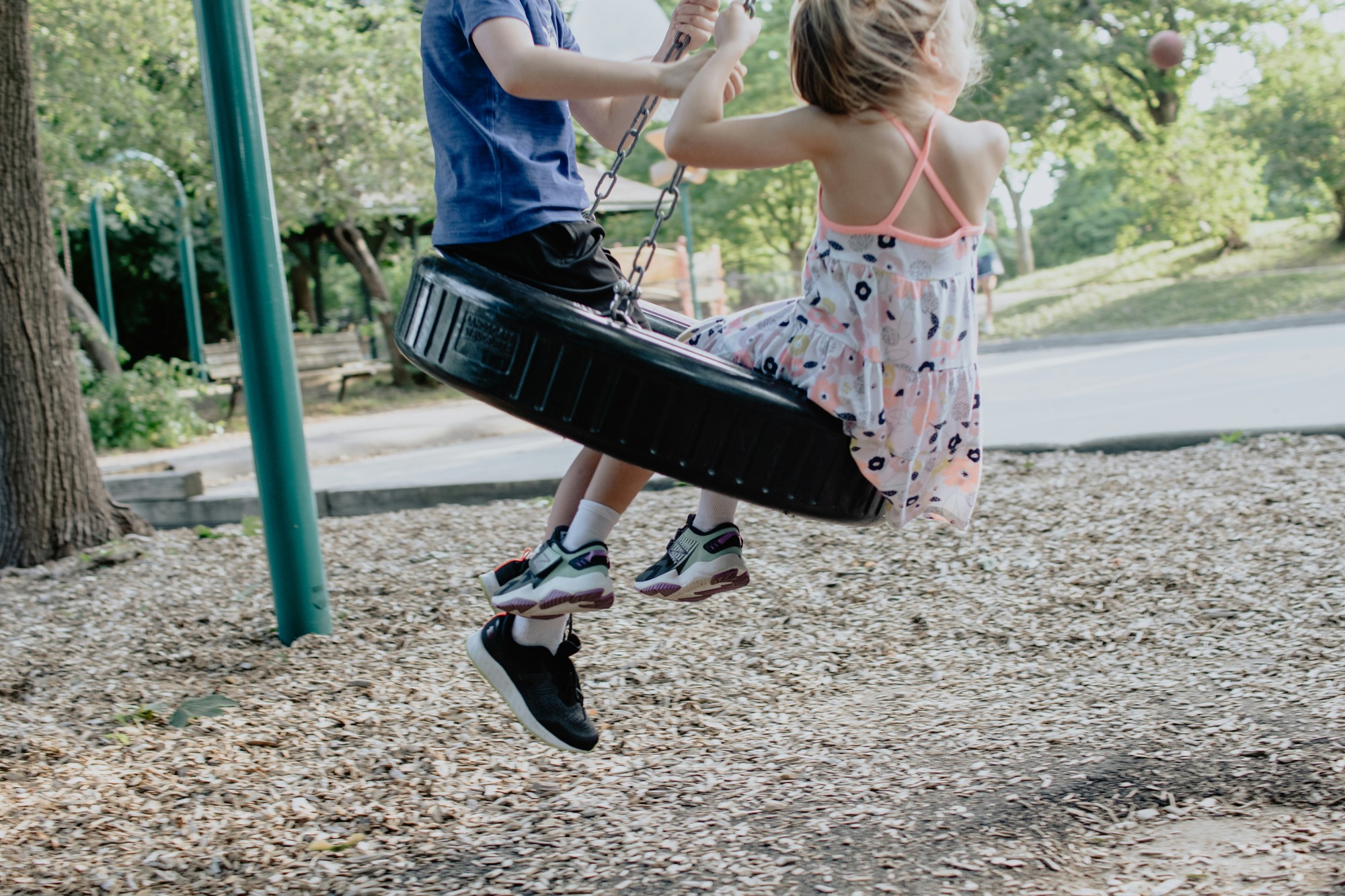
Playgrounds are where childhood memories are made—where kids learn to swing, climb, run, and explore. But while the laughter and energy are contagious, so is the risk of injury if proper safety measures aren’t in place. According to the CDC, more than 200,000 children visit emergency rooms each year due to playground-related injuries. Many of these could be prevented with just a few proactive steps.

As parents and caregivers, we can’t wrap our kids in bubble wrap, but we can help create a safe space that allows them to explore while minimizing risks. Here’s how to ensure your child stays safe and has fun at the playground.

Start With the Right Playground

Not all playgrounds are created equal. Before letting your child dive into play, take a quick scan of the area. Look for age-appropriate equipment, clear signage, and properly maintained structures. The best playgrounds are designed with safety zones that separate equipment for younger kids from structures intended for older children.

Also, check for hazards like broken swings, exposed bolts, rust, or splintering wood. Equipment should be securely anchored, and surfaces should be level and stable.

Surface Matters More Than You Think

One of the biggest factors in playground injuries isn’t the slide or swing set. It’s what’s underneath. Falls are the leading cause of playground injuries, and the type of surface beneath the equipment can be the difference between a bruise and a broken bone.

Ideal playground surfaces include:

  • Rubber mats or tiles
  • Engineered wood fiber
  • Sand
  • Pea gravel
  • Mulch (with proper depth)

Hard surfaces like concrete, asphalt, or packed dirt offer little protection and should be avoided. Depth matters, too. A minimum of 12 inches of impact-absorbing material is typically recommended for proper cushioning.

Dress Kids for Safety

While it might seem unrelated, what your child wears to the playground plays a role in safety. Avoid clothing with drawstrings, long scarves, or loose accessories that can get caught in equipment and pose strangulation hazards.

Closed-toe shoes with good grip are best. Sandals, flip-flops, or shoes with slick soles can make it easier to slip on climbing equipment or ladders. And always make sure shoelaces are tied tight to avoid tripping.

Teach the Rules of Safe Play

Children thrive on freedom but even play needs structure. Set basic ground rules before your child runs off to explore: no pushing, no shoving, and wait your turn on the slide or swings.

Help younger kids understand how to navigate around moving equipment like swings or merry-go-rounds, and explain why climbing up a slide the wrong way isn’t safe (even if it looks fun).

By reinforcing these rules regularly and consistently, kids start to internalize them, and it becomes second nature to play more safely.

Image by Kelly Sikkema 

Active Supervision Is Key

Even the most well-designed playground isn’t a substitute for adult supervision. Injuries happen quickly, and your presence can make all the difference. Keep your phone in your pocket, maintain visual contact, and be ready to step in if a situation looks risky.

That doesn’t mean hovering or limiting fun. It just means being present and engaged enough to help prevent dangerous behavior before it starts.

Check Equipment Temperature

On sunny days, playground surfaces, especially metal or dark-colored slides, can reach dangerously high temperatures. Before letting your child use equipment, touch it yourself to see if it’s too hot. Burn injuries from overheated surfaces are more common than you might think.

When possible, visit playgrounds earlier in the morning or later in the evening during hot months. Always use sunscreen or protective clothing for UV protection.

Keep the Playground Clean

Playgrounds can attract more than just children. Sometimes, they’re home to litter, broken glass, or even sharp objects. Take a quick look around the area for trash or hazards before letting your kids loose. While it’s frustrating to see litter, a quick cleanup with a spare bag can go a long way in making the space safer for everyone.

You might also want to carry a small first-aid kit in your bag, just in case of minor scrapes or bruises.

Stay Updated on Recalls

From time to time, playground equipment or accessories (like swing seats or climbing ropes) are recalled due to safety concerns. Stay informed by checking websites like CPSC.gov or signing up for alerts. If your local park is publicly managed, you can also call the parks department if you notice something unsafe or suspect a recall has gone unaddressed.

Safe Play Makes Happy Memories

Playgrounds are a vital part of growing up. They help children build confidence, develop physical skills, and enjoy screen-free time outdoors. With a few smart precautions and a watchful eye, you can help ensure those adventures don’t end with a trip to the ER.

Because when kids feel safe, they play freely. And when parents feel prepared, they can enjoy the laughter too.

Read More:

Playground Dangers: 8 Pieces of Playground Equipment That Could Seriously Injure Your Child

7 Things You Should Never Buy for Your Kids – But Everyone Does

Filed Under: Parenting Tagged With: child safety tips, family health, injury prevention, kids and parks, outdoor play safety, parenting advice, playground injuries, playground safety, safe play equipment, toddler safety

Summer Fun Without the Sunburn: Indoor Activities Kids Love

May 3, 2025 | Leave a Comment

Image by Sigmund 

When summer temperatures soar, outdoor play can sometimes do more harm than good, especially when sunburns, heat rash, and cranky, overheated kids are involved. But staying indoors doesn’t mean giving up on fun. In fact, it can open the door to new forms of creativity, imagination, and connection.

Whether you’re dealing with heat waves or rainy days or simply need a break from the blazing sun, these indoor summer activities are just what your kids need to stay engaged, active, and entertained—all without slathering on more sunscreen.

Why Indoor Play Matters in the Summer

It’s easy to associate summer fun with parks, pools, and backyard adventures, but downtime inside is just as essential. Kids need a balance between physical activity and rest, and indoor time helps regulate their energy levels, especially on days when the heat index is off the charts.

Plus, well-structured indoor play builds skills that aren’t always exercised outdoors, like problem-solving, storytelling, fine motor control, and cooperation. The key is making those indoor hours feel just as exciting as a trip to the splash pad.

1. Indoor Obstacle Courses

Turn your living room into an energy-burning playground with couch cushions, masking tape, hula hoops, and anything else you have on hand. Design a course that includes crawling under tables, hopping between pillows, or balancing along a taped line.

Time each child or have them create their own versions for one another. It’s a simple setup that gets them moving and laughing in no time.

2. DIY Craft Stations

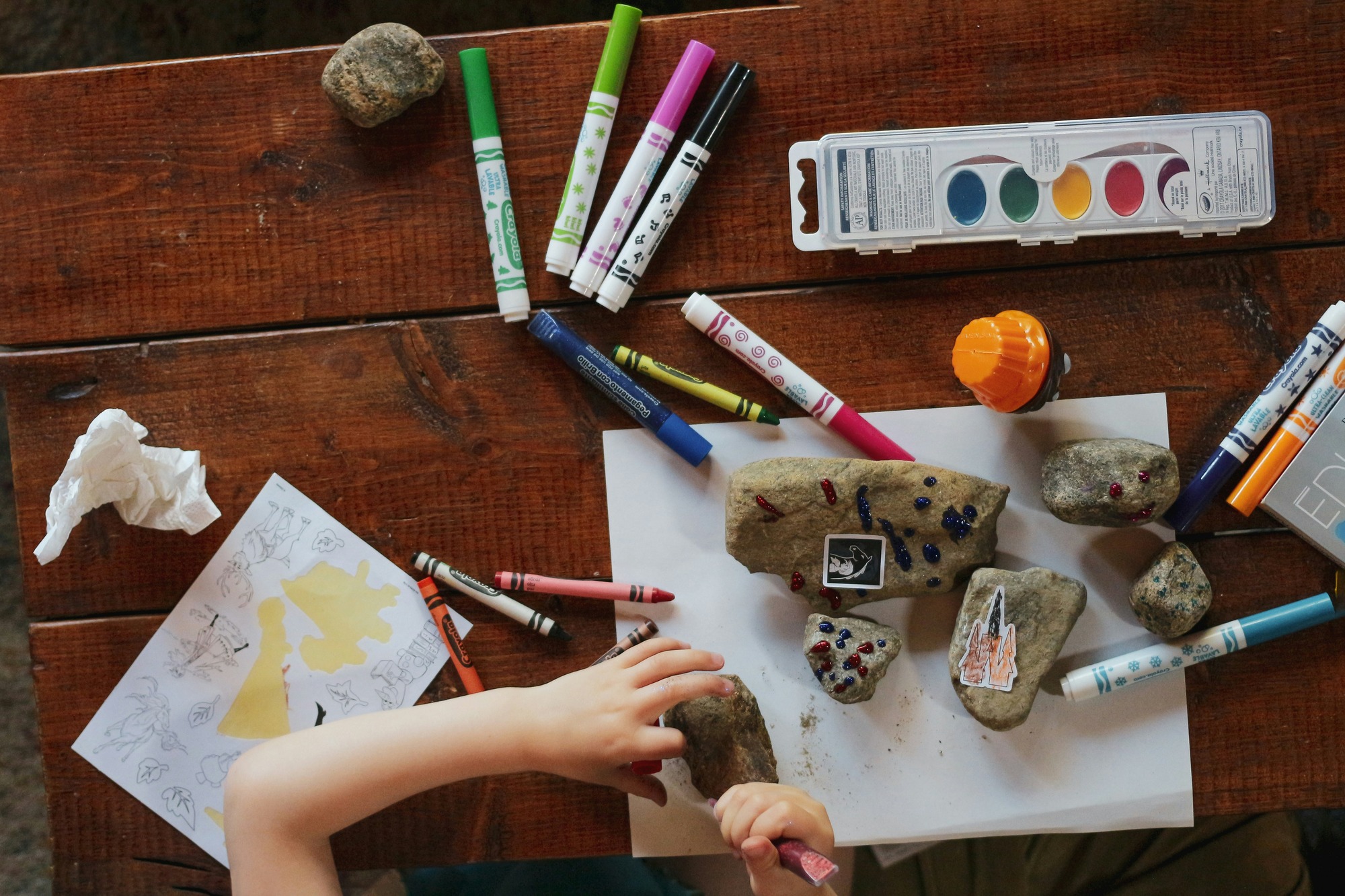
Set up themed craft tables with supplies for different activities, like friendship bracelets, paper bag puppets, homemade slime, or cardboard castles. Choose easy, low-mess options (hello, washi tape, and stickers!), or go all-in with paint and glitter for a creative blowout.

You can even turn crafting into a game by issuing a “creative challenge” with specific materials and themes.

3. Indoor Treasure Hunts

Hide small toys or treats around the house and leave clues that lead to the next spot. You can make it simple for younger kids or add riddles and math challenges for older ones.

Treasure hunts promote critical thinking, teamwork, and excitement, and they’re endlessly customizable based on age, theme, or the time you have available.

4. Kitchen Science Experiments

Turn your kitchen into a mini lab with safe, hands-on experiments. Think baking soda volcanos, DIY lava lamps with oil and food coloring, or “walking water” with paper towels and colored water.

These simple projects not only teach science in a fun way but also encourage curiosity and focus. Bonus: they’re just messy enough to be fun without being overwhelming to clean up.

5. Blanket Fort Cinema

Let kids gather every pillow and blanket in the house to build their own fort city. Once their creation is complete, transform the space into a cozy movie theater with popcorn, fairy lights, and their favorite summer flicks.

You can even have them “buy tickets” with points earned from chores or previous games. It turns a simple screen session into a whole event.

Image by Katherine Hanlon

6. Indoor Water Play (Yes, Really)

If you’re not ready to brave the outdoors but still want some summer water fun, try bringing it inside in a controlled way. Set up a big plastic tub with bath toys, measuring cups, and water-safe figurines. Or let toddlers play in the bathtub with bubbles and washable paint.

Just lay down towels, keep an eye out for spills, and let the splash party commence (without any sunburn in sight).

7. Dance Party or Freeze Dance

Crank up a playlist of kid-friendly summer hits and let everyone go wild with freestyle dancing. Add some freeze dance rounds or choreograph a short family routine if you want structure.

Not only does it burn energy. It boosts moods, breaks boredom, and gives you an excuse to join in and let loose.

8. “Restaurant Day” Role-Play

Let your kids become chefs, waiters, or restaurant owners for a day. They can create menus, set the table, “take your order,” and even help prepare simple dishes (like sandwiches or fruit skewers).

This type of imaginative play teaches practical life skills, builds confidence, and fosters independence, all while being hilariously adorable.

Make Indoor Summer Memorable

Indoor activities aren’t just a backup plan. They can become some of your kids’ favorite summer memories. All it takes is a little intention, some household items, and a willingness to let kids lead the fun.

Even on the hottest, sweatiest days, laughter and play can fill your home without ever stepping outside.

What’s your family’s go-to indoor activity when the sun is just too much?

Read More:

12 Cheap Summer Activities for Kids That Will Keep Them Entertained All Season Long!

15 Outdoor Adventures to Transform Your Kids’ Summer

Filed Under: Parenting Tagged With: beat the heat, creative indoor play, heatwave kids activities, indoor activities for kids, indoor games for children, rainy day activities, screen-free play, summer crafts for kids, summer fun indoors, toddler indoor fun

How to Teach Kids to Say No—Even to Grownups

May 3, 2025 | Leave a Comment

Image by Janko Ferlič

For generations, children have been taught to obey adults without question. “Respect your elders” is a phrase most parents still say, but what happens when that respect is used against a child’s better judgment? When they feel unsafe, uncomfortable, or pressured but don’t know how to respond?

Teaching your kids to say “no”—even to grownups—is one of the most empowering lessons you can give them. It’s not about raising disrespectful kids. It’s about raising confident, assertive children who know their voice matters and their instincts are worth trusting.

This kind of lesson doesn’t come from one talk. It’s a layered, ongoing conversation built into how we parent, how we model communication, and how we help our kids navigate the world.

Why “No” Is a Life Skill

The ability to say “no” is directly tied to self-worth and autonomy. Kids who are taught to always obey authority may internalize the idea that adults know best (always) and that going along is safer than speaking up. However, this mindset can make them vulnerable to manipulation, peer pressure, and even abuse.

When a child knows they’re allowed to say no to anyone, they begin to trust their gut feelings. They learn that their boundaries are valid and that no one has the right to cross them without permission.

Start with Body Autonomy Early

Teaching kids about body autonomy can and should start young. Let them know their body belongs to them. If they don’t want to hug a relative, don’t make them. If they say they don’t like being tickled or touched a certain way, listen and respond respectfully.

Phrases like “You don’t have to let anyone touch you if you don’t want to” or “You’re allowed to say no if something makes you uncomfortable” become powerful when repeated often and without judgment.

Model Saying No Yourself

Children watch how you handle your own boundaries. If they see you over-explaining, people-pleasing, or hesitating to say no, they may mirror that behavior.

Be open about your own limits in front of them. Say things like, “I’m tired right now, so I’m saying no to that invitation,” or “I don’t feel comfortable with that, and it’s okay to say so.” When you treat “no” as a normal part of communication, your kids will too.

Practice with Role-Playing

Kids learn best through practice. Use pretend play to help them rehearse how to say no in different scenarios. Keep the tone supportive, not scary. For example:

“What would you say if someone tried to get you to do something you know is wrong?”
“How could you respond if an adult asked you to keep a secret that made you uncomfortable?”

Let them come up with their own words, and offer gentle guidance where needed. The goal isn’t perfection. It’s familiarity and confidence.

Teach Assertive (Not Aggressive) Language

Saying “no” doesn’t have to be loud or rude. Teach your child that a firm, respectful voice is just as powerful. Some phrases that can help:

  • “No, thank you. I don’t want to do that.”
  • “I don’t feel safe.”
  • “I need to check with my parent first.”
  • “That’s not okay with me.”

When kids have language they’re comfortable with, they’re more likely to use it in real situations.

Make It Clear: They Won’t Get in Trouble

One major reason kids hesitate to say no to adults is fear—fear of getting in trouble, not being believed, or being told they were rude. Let your child know that you will always support them if they speak up for themselves, especially when it comes to their safety or boundaries.

You might say, “Even if it’s a teacher, a coach, or another grownup, we’ll always listen and take you seriously.”

Keep the Conversation Open

Saying no is a skill that takes practice, and it’s one your child will use well into adulthood. Keep the lines of communication open. If your child ever tells you about an uncomfortable situation, avoid immediate judgment or punishment. Listen, validate their feelings, and help them process what happened.

Kids who feel safe confiding in their parents are more likely to keep speaking up when it really matters.

How do you help your child practice setting boundaries in everyday life? Let us know in the comments below!

Read More:

How Do You Teach Kids About Consent and Boundaries?

9 Silly Mistakes That Kids Make That We Should Quickly Forgive

Filed Under: Parenting Tagged With: assertiveness for kids, child communication skills, child safety tips, empowering children, how to teach kids to say no, kids and body autonomy, parenting advice, respectful parenting, role-playing with kids, teaching kids boundaries

DIY Water Games That Keep Kids Busy for Hours

May 3, 2025 | Leave a Comment

Image by Aaron Burden

When summer hits, and the kids are out of school, staying cool and entertained becomes a daily challenge. While screen time might be the easy fallback, outdoor play is where the real magic happens, especially when water is involved.

The best part? You don’t need a fancy pool or expensive water toys to make it happen. With just a hose, a few household items, and a little creativity, you can create hours of laughter, teamwork, and pure summertime joy. These DIY water games are simple enough for toddlers to teens, and they’ll keep kids moving, giggling, and off the couch.

Why Water Play Is Worth the Mess

Water games aren’t just a fun way to cool off. They also provide key developmental benefits. Splashing around helps kids strengthen motor skills, practice coordination, and even learn problem-solving as they create new ways to play. It encourages sensory exploration, teamwork, and physical activity in a low-pressure environment. Plus, there’s just something about water that makes kids more willing to stay outside for hours.

Even better, many of these games involve minimal setup and clean-up. Whether you’re hosting a backyard playdate or looking for an easy way to break up a long afternoon, a good water game can save the day.

1. Sponge Toss Challenge

Instead of water balloons (which can leave tiny bits of rubber all over your yard), use big, absorbent sponges. Set up two buckets—one filled with water and one empty—at opposite ends of the yard. Kids soak their sponge in the full bucket, run across the yard, and try to squeeze as much water into the empty bucket as they can. Whoever fills their bucket first wins!

It’s active, competitive, and endlessly replayable.

Image by Kelly Sikkema

2. DIY Slip ‘n Slide

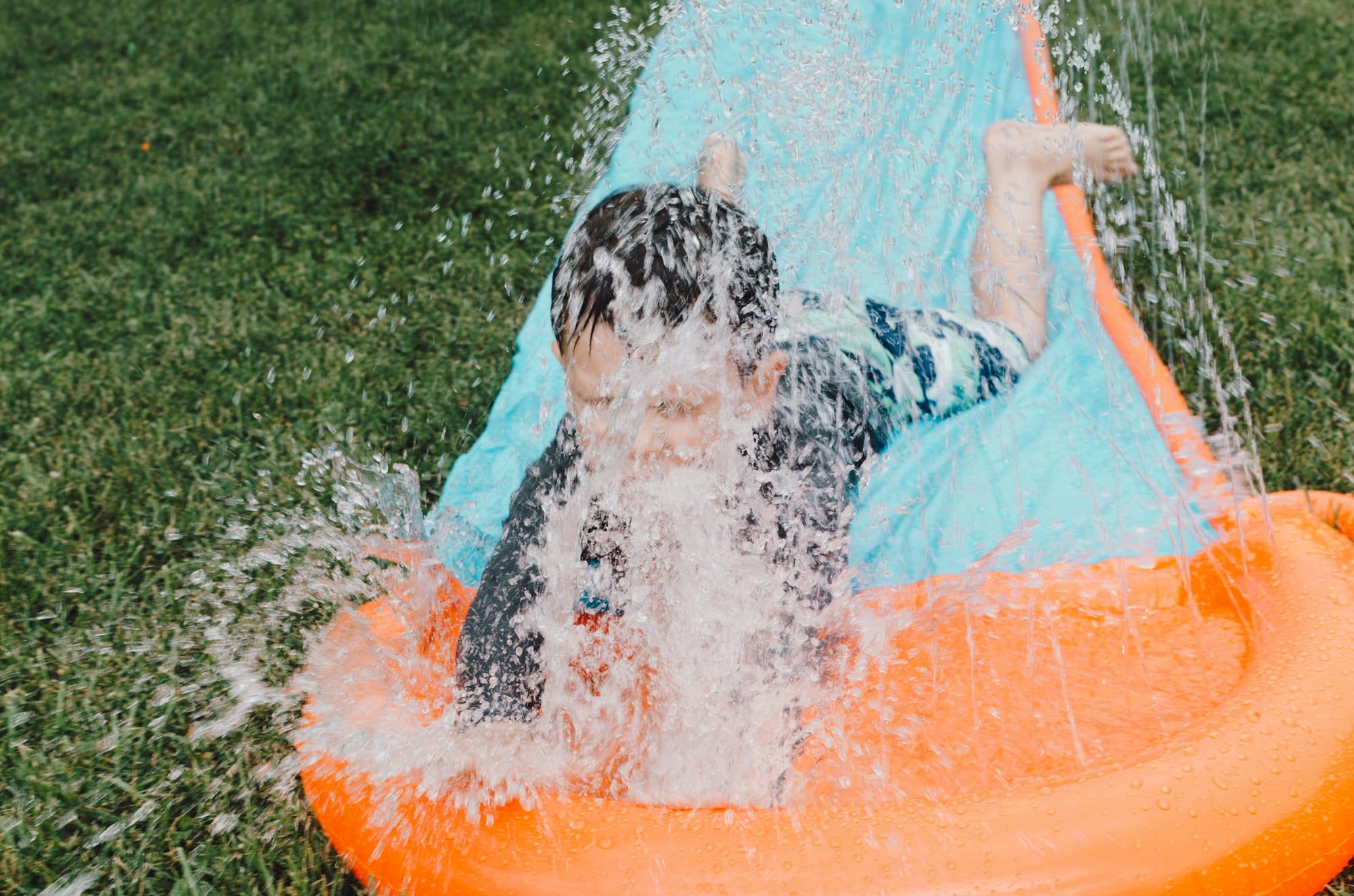
You don’t need to buy a plastic slide from the store. A simple tarp or painter’s plastic sheeting laid out on the grass with a bit of dish soap and a garden hose can make the ultimate backyard slip ‘n slide. For extra safety, set it on a soft hill or grassy area, and make sure there are no rocks or hard edges underneath.

Kids can take turns running and sliding, or you can make it a race with starting and ending points.

3. Cup-Over-Head Relay

Each player fills a plastic cup with water, holds it over their head, and tries to dump it backward into the cup of the person behind them without turning around. Laughter is guaranteed as the group tries to transfer water down the line with as little spillage as possible. It’s great for groups or family games, and the water-soaked chaos is half the fun.

4. Water Balloon Piñata

Hang several water balloons from a clothesline or tree branch. Blindfold each child, spin them around, and give them a small stick or bat to try and burst the balloons. It’s a safe way to enjoy the thrill of a piñata (no candy required) and even more fun when it turns into a full-on splash zone.

This game is ideal for birthdays or backyard parties and adds just the right level of challenge.

5. Water Obstacle Course

Get creative with sprinklers, buckets, hula hoops, kiddie pools, and any other items you have on hand. Set up a timed course where kids have to crawl under spray arcs, fill and carry water between stations, or complete tasks like fishing for floating toys in a tub with only their toes.

This kind of open-ended play allows kids to invent new ways to compete or work together.

6. Ice Block Excavation

This is a perfect slow-paced activity for when the sun is blazing. Freeze small toys (like figurines, coins, or even glow sticks) inside large blocks of ice using containers or balloons. Give kids plastic tools, eye droppers, or water squirters to slowly “excavate” their treasures.

It’s cool, sensory-rich, and keeps kids engaged for surprisingly long stretches.

7. Drip, Drip, Splash!

A warm-weather spin on Duck, Duck, Goose—except the “goose” gets soaked! In this version, one child walks around the circle, dripping water from a sponge or cup onto each player’s head, until finally yelling “splash!” and pouring the rest of the water on their chosen target. Then, the chase begins.

It’s lighthearted, giggle-inducing, and perfect for younger kids who love surprises.

Keep It Safe, Keep It Fun

While water play is generally safe, it’s important to supervise younger children, especially around buckets or kiddie pools. Remind kids to walk (not run) on slippery surfaces and use soft, age-appropriate objects when possible.

Stay sun-safe with hats, sunscreen, and shaded breaks, and don’t forget to hydrate with water (the kind you drink, not toss!).

Letting kids cool off and burn energy doesn’t require anything fancy. Just a little planning, a few supplies, and a willingness to get wet right along with them. These DIY water games create lasting summer memories, and they just might buy you a few hours of peace, too.

Which water game will your kids try first? Or do you have a go-to favorite that always works?

Read More:

10 Screen-Free Activities to Keep Kids Entertained

Unplug and Thrive: 12 Screen-Free Activities to Supercharge Your Child’s IQ and EQ

Filed Under: Parenting Tagged With: backyard play ideas, DIY water games, fun family ideas, kid-friendly summer games, outdoor fun for kids, screen-free activities, splash games for kids, summer kids activities, water games for children, water play benefits

When Teasing Between Friends Becomes Bullying

May 3, 2025 | Leave a Comment

Image by Ashton Bingham 

Friendships are supposed to feel safe and supportive. Laughter, jokes, and the occasional playful jab are all part of growing up and bonding. But sometimes, teasing between friends starts to feel different. It cuts deeper. It happens too often. It makes your child feel small instead of seen. That’s when it may have crossed the line from teasing to bullying.

Understanding the difference between harmless fun and emotional harm is key to protecting your child’s well-being. While kids (and adults) often brush it off as “just joking,” repeated, targeted teasing, especially when it’s one-sided or hurtful, can do real emotional damage.

The Fine Line Between Teasing and Bullying

Teasing, when done with mutual trust and care, can be part of a healthy friendship. It might involve silly nicknames, light sarcasm, or jokes that both people laugh at and understand.

Bullying, however, is very different. It involves power, repetition, and the intent (or effect) of causing harm. Even if the person doing the teasing claims it’s “just a joke,” if one child consistently feels hurt, excluded, or belittled, it’s no longer harmless. It’s emotional bullying.

Some red flags that teasing has crossed the line include:

  • The same child is always the target.
  • The teasing is about sensitive or personal topics.
  • It causes visible anxiety, sadness, or withdrawal.
  • The friend doesn’t stop when asked.
  • The laughter is one-sided.

How Kids Experience This Gray Area

One of the hardest parts about teasing-turned-bullying is that kids may not realize it’s happening or they might be afraid to admit it. It’s not uncommon for kids to stay in unhealthy friendships because they fear being left out or labeled “too sensitive.”

They might rationalize the behavior (“They pick on everyone,” or “That’s just how we joke”), especially if the teasing happens in front of others who laugh along. This internal conflict, wanting to fit in but feeling hurt, can seriously impact their self-esteem and mental health over time.

How Parents Can Spot the Shift

As a parent, it’s important to stay attuned to subtle changes in your child’s behavior. Look for patterns that might indicate something deeper than typical friendship squabbles:

  • Hesitation or dread when talking about a particular friend or group.
  • Withdrawal from activities or social events they once enjoyed.
  • Complaints about feeling “left out” or being the butt of jokes.
  • Sudden drops in mood, confidence, or academic performance.
  • Refusal to share details about social situations.

It’s also helpful to observe how your child talks about themselves. Do they repeat put-downs they’ve heard? Are they starting to believe negative things about their abilities or worth? That could be a sign the teasing is sinking in more than they realize.

teach your kids to fight
Image Source: 123rf.com

How to Talk to Your Child About It

If you suspect your child is being bullied by a friend, approach the topic gently and without judgment. Start with open-ended questions:

  • “How do you feel when your friends joke around?”
  • “Do you ever feel like someone goes too far?”
  • “What do you do when a joke makes you uncomfortable?”

Validate their feelings and avoid brushing off their concerns as “normal kid stuff.” Let them know it’s okay to feel upset—and that real friends don’t make each other feel small.

You can also help your child come up with phrases to set boundaries, like:

  • “That wasn’t funny to me.”
  • “I don’t like being joked about like that.”
  • “Can you not say that again?”

Teaching them to speak up assertively (but safely) is a powerful step toward self-respect.

When to Step In

If the teasing continues and your child feels stuck, it’s time to intervene. This may mean contacting a teacher, school counselor, or even the other child’s parent, especially if the behavior happens repeatedly at school or in group settings.

Keep documentation of what your child tells you and encourage them to write down what happened, when, and how it made them feel. This helps build a clear picture for adults in authority to take meaningful action.

You’re not “making it worse” by stepping in. You’re showing your child that their emotional safety matters more than social politics.

Strengthening Healthy Friendships

One of the best antidotes to toxic friendships is helping your child nurture the good ones. Encourage connections with friends who are kind, respectful, and supportive. Talk about what healthy friendship looks like: mutual respect, kindness, fun without cruelty, and feeling accepted.

It’s also okay for friendships to end, especially when one side isn’t showing up with care. Remind your child that outgrowing someone doesn’t mean they’re mean or dramatic. It means they’re learning to value themselves.

Sometimes, the biggest bullies aren’t on the playground. They’re the people we call friends. But kids can learn to draw boundaries, trust their feelings, and choose relationships that truly lift them up.

Have you ever seen teasing cross the line in your child’s friendships? How did you handle it, or how do you wish you had?

Read More:

12 Over the Top Ideas for Fixing Your Child’s Bullying Problem

How to Handle Bullying in Schools and Online 

Filed Under: Parenting Tagged With: bullying awareness, child confidence, child friendships, emotional bullying, friendship boundaries, kids mental health, parenting advice, social safety for children, teasing vs bullying, toxic friendships

Teaching Kids How to Recognize and Escape Dangerous Situations

May 3, 2025 | Leave a Comment

Image by Edwin Hooper 

As much as we want to shield our children from harm, we can’t always be there to protect them. One of the greatest tools we can give them is the ability to recognize danger and take action when something doesn’t feel right. It’s not about making them fearful—it’s about making them aware, prepared, and confident.

Stranger danger is only one piece of the puzzle. Children may face threatening situations from people they know, unsafe environments, or digital threats that aren’t always obvious. The good news? You can teach kids how to identify danger and respond without overwhelming them or creating anxiety.

Start with Age-Appropriate Conversations

Children don’t need to be exposed to every worst-case scenario. Instead, use real-world examples they can relate to. Frame safety as something empowering, not scary. For younger kids, use simple language: “If someone makes you feel uncomfortable or asks you to keep a secret from Mom or Dad, that’s not okay.”

With older kids, you can begin to talk more openly about peer pressure, online grooming, and manipulative behavior. The key is to create an ongoing dialogue. Safety isn’t a one-time talk. It’s a habit of communication.

Teach the “Uh-Oh Feeling”

One of the most effective tools for kids of all ages is helping them recognize their intuition. Teach them to trust their gut—the “uh-oh feeling.” That uncomfortable sense when something doesn’t feel right is their brain warning them.

Encourage them to say no, leave the situation, or get help when they feel this way, even if they’re not sure why. Remind them that they never have to stay in a situation that feels weird, scary, or confusing, even if the person is someone they know.

Introduce the “No, Go, Yell, Tell” Method

This four-step safety strategy gives kids a simple, memorable plan for reacting to danger:

No – Say “No!” loudly and firmly.
Go – Run away from the situation quickly.
Yell – Scream for help to draw attention.
Tell – Find a safe adult and explain what happened.

Practice these steps through role-playing. Pretend scenarios where someone tries to get them to go somewhere or makes them uncomfortable. Make the practice playful, not scary, so the lessons stick.

Identify Safe Adults and Safe Places

Children need to know who they can trust if something goes wrong. Talk about what a “safe adult” looks like—someone in uniform, a teacher, a store clerk, or a parent with kids. Help them understand that not all adults are automatically safe, even if they seem nice.

Also, teach them to look for “safe places” in their environment: the front desk of a store, a neighbor’s house you trust, or the school office. Show them how to spot landmarks or safe exits in unfamiliar areas.

Role-Play Tricky Situations

It’s one thing to tell kids what to do. It’s another to help them practice. Use role-play to walk through different scenarios. For example:

  • What would you do if a stranger offered you a toy or treat to follow them?
  • What if someone you know asks you to keep a secret that makes you uncomfortable?
  • What would you do if you got lost in a store?

These scenarios help reinforce instincts and build confidence in their ability to act quickly and smartly.

Don’t Forget Digital Dangers

The internet presents its own set of risks. Teach kids never to share personal information online, accept friend requests from strangers, or send photos to anyone they don’t know in real life. Emphasize that predators often pretend to be someone else and that no one should ask them to keep online conversations a secret from their parents.

For younger kids, keep devices in shared spaces and use parental controls. For tweens and teens, focus on open communication. You want them to come to you when something feels off, not hide it out of fear of punishment.

Reassure Them That Safety Isn’t the Same as Fear

Some kids may become overly anxious when learning about dangers. That’s why it’s so important to remind them that being prepared doesn’t mean they need to worry. The goal is to give them tools—not nightmares.

Balance every lesson with reassurance. You’re not teaching them that the world is bad; you’re showing them they have the power to handle tough moments and get help when needed.

Empowered kids are safer kids. When we teach our children how to spot danger and trust their instincts, we equip them to navigate the world with more confidence and less fear.

How do you talk to your kids about safety without making them anxious? Let us know in the comments below!

Read More:

8 Safety Measures Parents Often Overlook at Home

7 Ways to Teach Kids to Trust Their Instincts About Safety

Filed Under: Parenting Tagged With: child empowerment, child safety tips, danger prevention, kids self defense, no go yell tell, parenting advice, parenting safety tips, personal safety for children, safety education, teaching kids awareness

The Dangers of Screen Addiction and How to Set Healthy Limits

May 2, 2025 | Leave a Comment

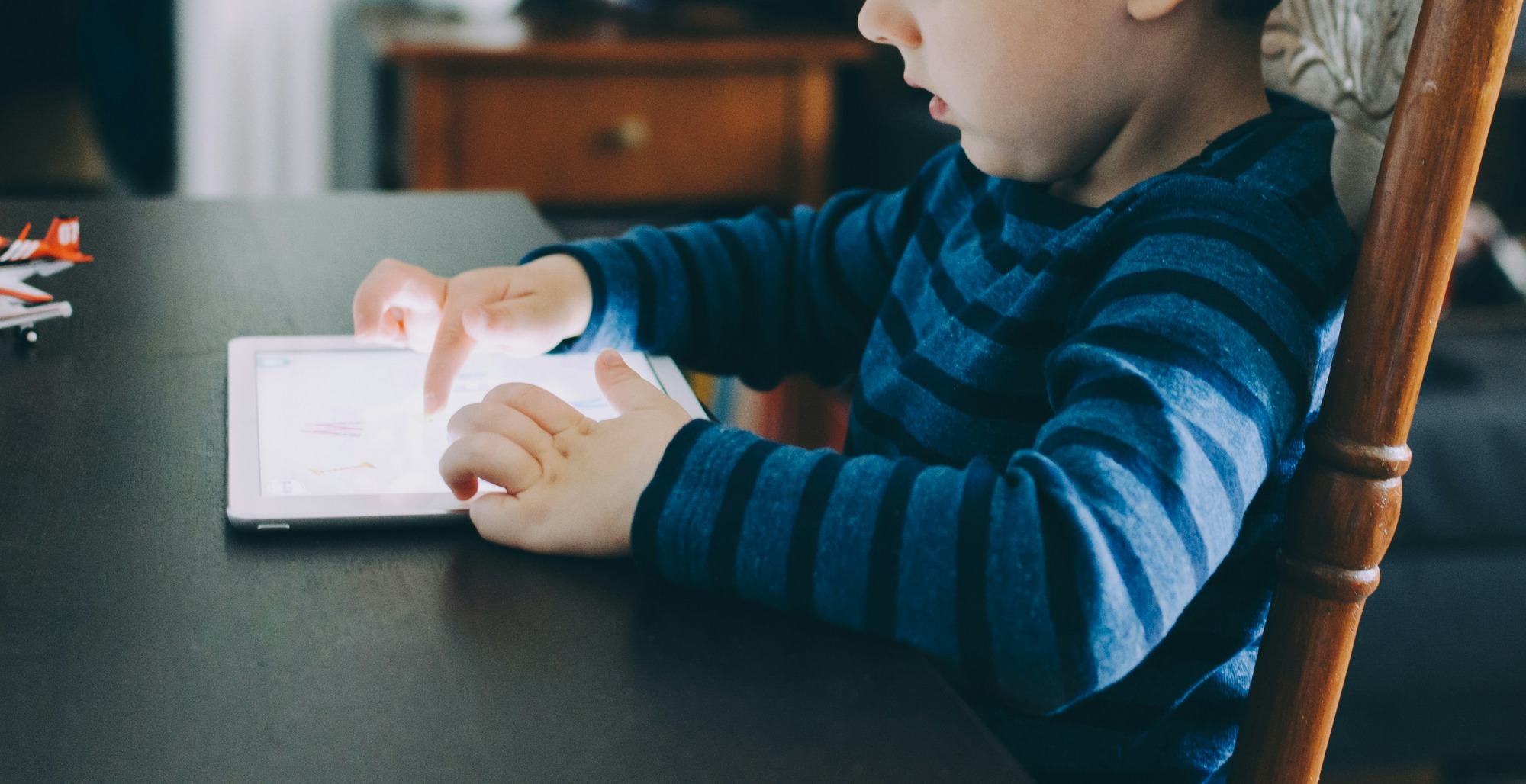
Image by Kelly Sikkema

Screens are everywhere—on our walls, in our pockets, and even on our wrists. What once felt like a tool for convenience has slowly crept into every hour of our day, becoming something many of us can’t imagine living without. And while technology connects, informs, and entertains us, it also has a darker side when used without boundaries: screen addiction.

Whether you’re concerned about your own habits or worried about your child’s growing dependence on tablets, phones, and games, the truth is clear. Too much screen time isn’t just a bad habit. It’s a public health issue that affects mental health, sleep quality, relationships, and even brain development.

Here’s what you need to know about screen addiction and how to take practical steps toward building a healthier relationship with your devices.

What Is Screen Addiction?

Screen addiction refers to excessive or compulsive use of digital devices—like smartphones, tablets, gaming consoles, and computers—that interferes with daily life. It can impact productivity, cause emotional withdrawal, and reduce interest in offline activities.

While it’s not formally classified as an addiction in the Diagnostic and Statistical Manual of Mental Disorders (DSM-5), many experts argue that the behavioral and neurological patterns mirror those of other types of addiction, including dopamine surges and withdrawal-like symptoms when access is restricted.

The Hidden Effects of Too Much Screen Time

Screen overuse can take a toll on both physical and mental health. For children, it may stunt development in areas like social interaction, attention span, and emotional regulation. For adults, it often leads to chronic stress, isolation, and burnout.

Some of the most common effects include:

  • Sleep Disruption: Blue light suppresses melatonin, the hormone that regulates sleep. Screen exposure before bed often results in poor sleep quality or insomnia.
  • Anxiety and Depression: Research shows a correlation between heavy screen use and increased symptoms of anxiety and depression, particularly among teens.
  • Reduced Attention Span: The constant stimulus from screens can make it difficult for the brain to sustain focus during real-world tasks.
  • Physical Health Risks: Hours of sedentary screen time are associated with poor posture, eye strain, and a higher risk of obesity.
  • Delayed Social Development in Children: Too much screen time can limit face-to-face communication and reduce empathy or emotional awareness in kids.

How Much Screen Time Is Too Much?

There’s no one-size-fits-all answer, but general guidelines from the American Academy of Pediatrics recommend:

  • Under 2 years old: No screen time, except video chatting.
  • Ages 2 to 5: Limit to 1 hour per day of high-quality content.
  • Ages 6 and up: Consistent limits that ensure screen time doesn’t interfere with sleep, physical activity, and real-world interactions.

For adults, self-awareness and honest reflection are key. If screen use feels compulsive, interferes with relationships, or replaces important activities, it’s time to reassess.

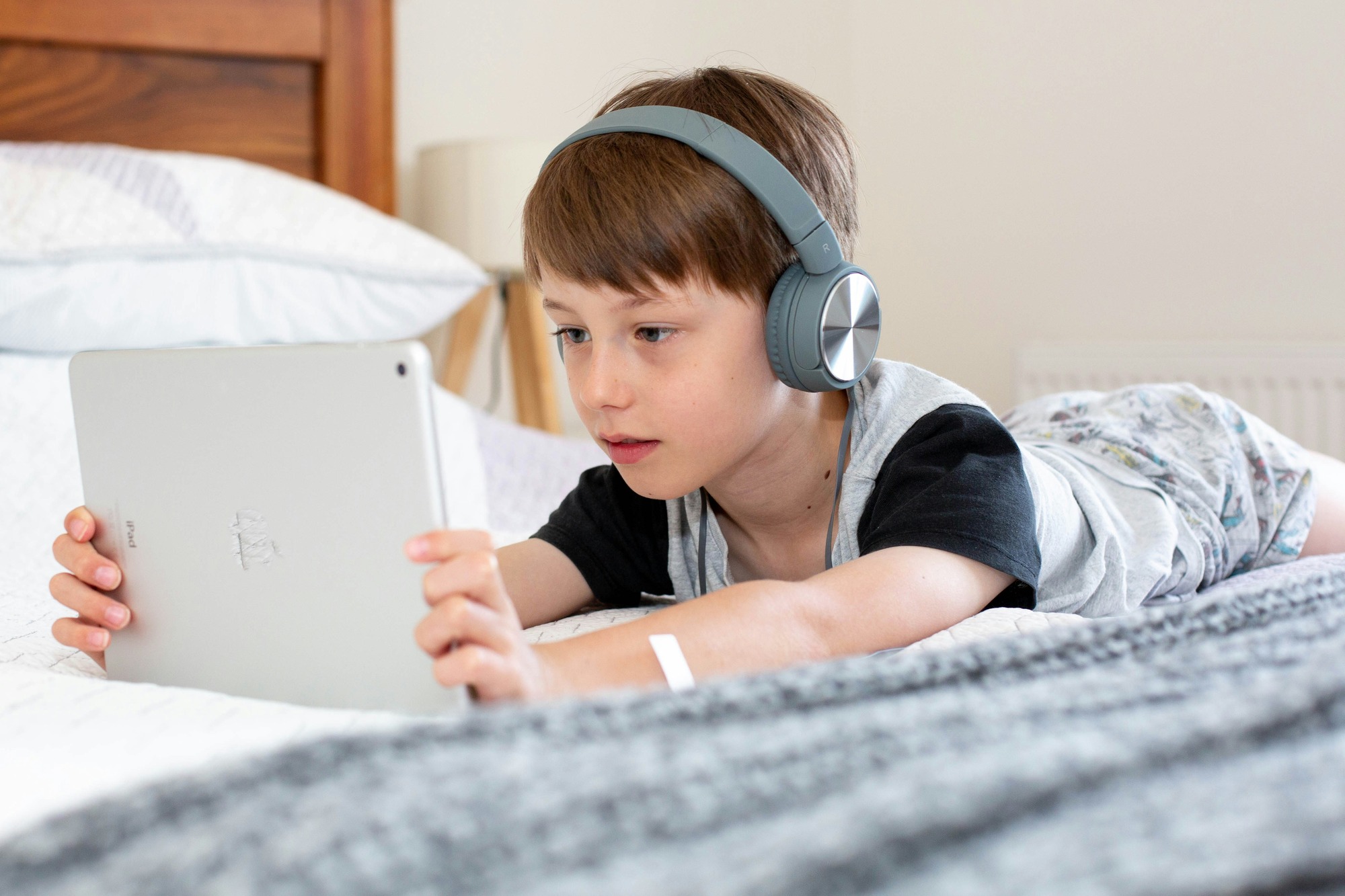
Image by Emily Wade 

How to Set Healthy Limits Without Going Cold Turkey

Setting boundaries doesn’t mean eliminating screens altogether. It’s about restoring balance and using technology with intention. Here’s how:

1. Create Screen-Free Zones

Designate specific areas of the home, such as bedrooms, the dining table, or the bathroom, as screen-free spaces. These boundaries reduce passive scrolling and encourage connection.

2. Establish Clear Time Limits

Use timers, apps, or built-in screen time settings to monitor daily use. For kids, make limits predictable and consistent. Adults can benefit from scheduled “tech breaks” or setting limits for social media and email use.

3. Prioritize Quality Over Quantity

Not all screen time is equal. Educational programs, creative apps, and video chats with loved ones are more enriching than passive content like endless YouTube videos or gaming marathons.

4. Model Healthy Behavior

Children learn more from what you do than what you say. If they see you constantly on your phone, they’ll naturally mirror the behavior. Try placing your phone out of reach during meals or family time.

5. Plan Engaging Offline Activities

Replace screen time with something better, not just something less. Read books, go for walks, play board games, or start a DIY project. When the alternative is fun, screens become easier to turn off.

What If the Limits Don’t Stick?

You’re not alone if you’ve tried cutting back and failed. Like any behavior change, reducing screen time takes patience, consistency, and understanding. Start small, be realistic, and don’t expect perfection.

For kids, using visual charts, sticker rewards, or screen-time “tickets” can help make the transition fun and motivating. For adults, accountability partners or digital detox challenges can offer extra support.

And if screen addiction is seriously interfering with daily life or emotional health, don’t hesitate to seek help from a mental health professional or counselor who specializes in digital dependency.

Digital Balance Is Possible

Technology isn’t going away, and neither should it. The goal isn’t to reject screens but to reclaim our time, attention, and energy from them. With small but meaningful changes, families and individuals can break the cycle of compulsive screen use and reconnect with the world around them.

Because some of life’s best moments aren’t found on a screen; they’re the ones that happen when you put the device down.

What’s one screen habit you’ve been meaning to change, and what’s stopping you?

Read More:

10 Screen-Free Activities to Keep Kids Entertained

Why Screen Time Scares Parents: 10 Eye-Opening Reasons

Filed Under: Parenting Tagged With: digital detox, healthy habits, kids and screens, Mental Health, parenting tips, phone addiction, Screen Addiction, screen time limits, screen-free living, tech balance

How to Handle Bullying in Schools and Online

May 2, 2025 | Leave a Comment

Image by Road Ahead

Bullying has always been a serious issue in schools, but today’s students face a new layer of challenges: online bullying that follows them home, into their bedrooms, and onto their phones. While bullying used to end with the school bell, the rise of social media, messaging apps, and online forums has created a 24/7 cycle of harassment for many kids and teens.

As a parent, educator, or caregiver, you may feel overwhelmed trying to help. But the good news is that there are clear, proactive ways to identify bullying, support your child, and work with schools to create real change.

Recognize the Signs of Bullying

Bullying doesn’t always look like playground pushing or cruel name-calling in the cafeteria. It can be subtle and emotional, and it often shows up in your child’s behavior before they ever talk about it.

At school, bullying may involve social exclusion, mocking, physical intimidation, or spreading rumors. Online, it can be more insidious—anonymous messages, altered photos, cruel comments, or persistent harassment on social media.

Look for changes in your child’s mood or behavior: sudden anxiety, a drop in grades, lost interest in school or hobbies, changes in eating or sleeping habits, or reluctance to go to school. If they’re suddenly secretive about their devices or upset after being online, cyberbullying might be the cause.

Open the Lines of Communication

One of the most powerful tools you have as a parent or caregiver is simply listening. Kids who are being bullied often feel ashamed or afraid to speak up, so make sure they know you’re a safe, judgment-free place to talk.

Ask open-ended questions like, “Has anyone ever said something online that made you uncomfortable?” or “How are things going with your friends at school?” Avoid jumping in with immediate solutions—your first job is to listen, validate their feelings, and reassure them that they’re not alone.

Once your child opens up, thank them for their honesty and courage. The next steps will feel easier if they feel supported and understood.

Address Cyberbullying Head-On

Online bullying can be particularly damaging because it often feels inescapable. If your child is being cyberbullied, resist the urge to tell them to “just ignore it.” Instead, help them take action:

  • Document everything. Take screenshots of messages, comments, or posts.
  • Block and report the person through the app or platform.
  • Limit exposure. Encourage breaks from certain platforms while keeping open conversations going.
  • Inform the school. If the cyberbullying involves classmates, schools can often intervene even when it happens off-campus.

Most importantly, remind your child that online cruelty says far more about the bully than it does about them.

Partner With the School

If bullying is happening at school, don’t assume teachers or staff already know. Many incidents go unnoticed or unreported. Request a meeting with your child’s teacher, school counselor, or principal. Share specific concerns and ask about the school’s bullying policy, reporting procedures, and support systems.

Schools are legally required to take bullying seriously. In some cases, a formal complaint may be necessary to initiate a structured response, especially if the bullying is ongoing or affecting your child’s mental health or academic performance.

Also, ask what mental health resources or peer support systems are available to your child. The more layers of support they have, the better.

Build Emotional Resilience at Home

While stopping bullying is a top priority, helping your child build confidence and self-worth can also make a long-term difference. Encourage hobbies and friendships outside of school and affirm routines. Kids who feel good about themselves are more likely to reach out for help and less likely to internalize bullying as a reflection of their worth.

Model healthy boundaries and digital behavior yourself. Show them that it’s okay to disconnect, speak up, and seek help when needed.

Empower, Don’t Overpower

It’s natural to want to protect your child at all costs, but avoid trying to control every detail of their school or online life. Instead, involve them in problem-solving and give them choices about how they’d like to handle it. Whether it’s drafting a message to a teacher or deciding when to take a social media break, allowing them to participate builds autonomy and trust.

Let them know you’re in their corner, not taking control of the whole field.

When to Seek Professional Help

Bullying can have deep emotional consequences. If your child shows signs of depression, anxiety, isolation, or thoughts of self-harm, reach out to a licensed counselor or therapist who works with children and teens. The effects of bullying are real—and getting mental health support early can help prevent long-term damage.

You’re not overreacting. You’re acting out of love. Every child deserves to feel safe and respected, both in school, at home, and online.

Have you ever had to support a child through bullying? What helped most—or what do you wish you’d done differently?

Read More:

12 Over the Top Ideas for Fixing Your Child’s Bullying Problem

5 Baby Names That Could Set Your Child Up for a Lifetime of Bullying

Filed Under: Parenting Tagged With: bullying prevention, bullying solutions, child safety, Cyberbullying, kids and social media, Mental Health, online harassment, parenting tips, school bullying, student support

« Previous Page
Next Page »
  • Facebook
  • Pinterest
  • RSS
  • Twitter
Best Parenting Blogs

Most Popular

Baby Girl

12 “Grandma” Baby Names That Are Suddenly Cool Again

Evan Morgan
Baby

9 Baby Names That Sound Rare Without Being Hard to Spell

Evan Morgan
Target Store

Choking Incident Prompts Recall of 49,000 Target Gigglescape “Under the Sea” Popping Toys

Evan Morgan
Frustrated Girl

Why Some Students on the Spectrum Are Labeled With ODD

Evan Morgan
Coke Bottles

12 Things Kids Took to School in the ’70s That Would Never Be Allowed Today

Evan Morgan

All content on Kids Ain’t Cheap is for entertainment purposes only. By reading this blog, you agree that Kids Ain’t Cheap is not responsible for any actions taken after reading this blog. For the full disclaimer, see our privacy policy.

Please note that Kids Ain’t Cheap has financial relationships with some of the merchants mentioned here. Kids Ain’t Cheap is funded by banner advertising, commission sales and search optimization consulting.

Copyright © 2006–2026 | District Media | All Rights Reserved | Privacy Policy

Copyright © 2026 Runway Pro Theme by Viva la Violette