• Home
  • About Us
  • Toolkit
  • Archives
  • Advertise
  • Privacy Policy

Kids Ain't Cheap

But They Sure Are Worth It

  • Parenting
    • Baby Stuff
    • Books and Reading
      • Aesops Fables
      • Comic Books
    • Education
    • Family Time
    • Green Living
    • Growing Up
    • Healthy Living & Eating
    • Holidays
    • Parenting
    • Random Musings
    • Shopping
    • Stuff to Do
  • Money
  • Product Reviews
    • Books and Magazines
    • Discount Sites
    • Furniture
    • House Keeping
    • Reviews News
    • Toys and Games
  • Contact Us
  • Our Editorial Commitment
  • Search

Why Tantrums Are Actually a Good Sign (And How to Respond)

May 4, 2025 | Leave a Comment

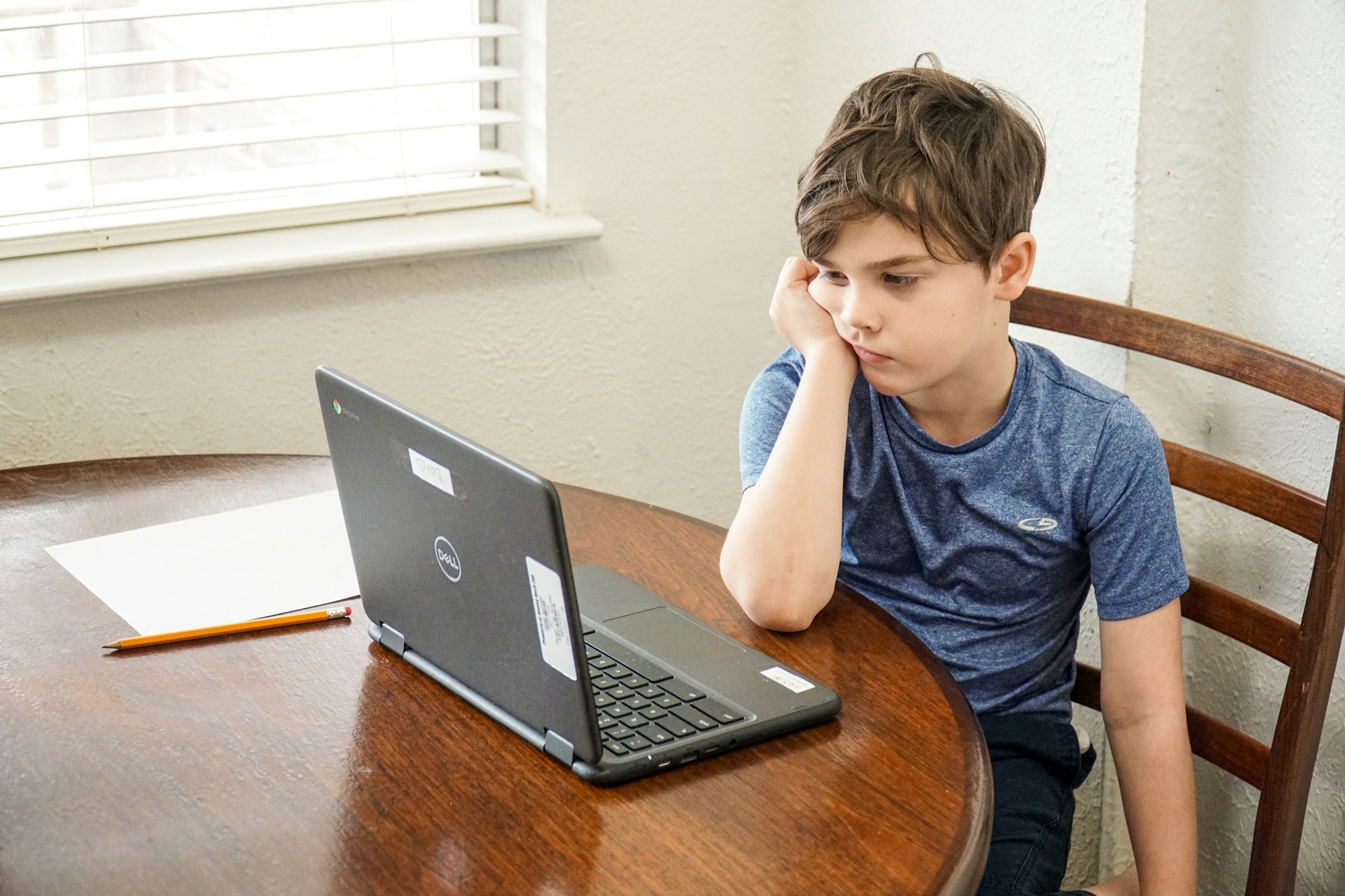
Image by Marco Aurélio Conde

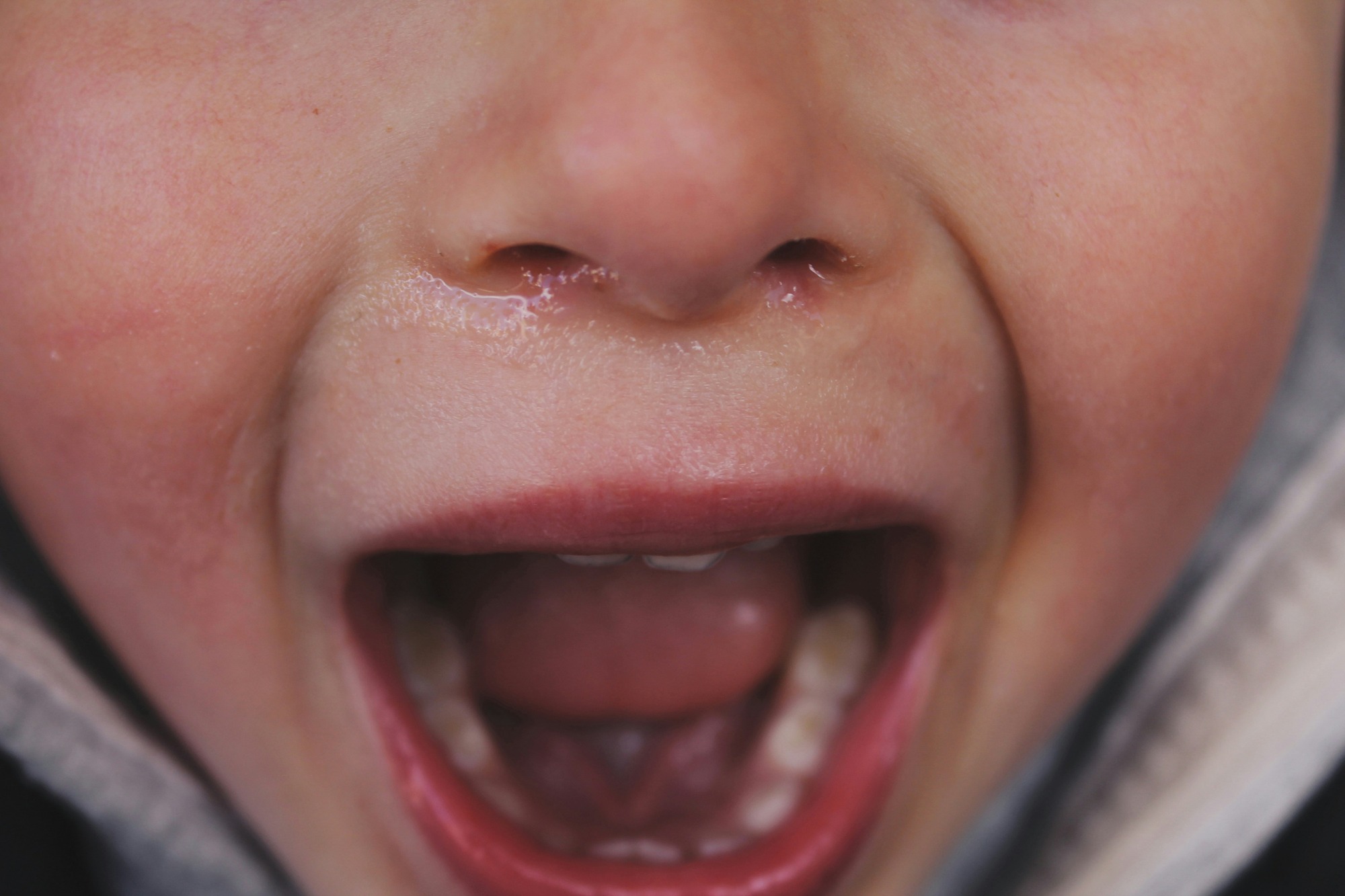
It starts with something small. The wrong color cup, a broken cracker, or the word “no.” Suddenly, your child is red-faced, flailing, and crying like their world is ending. You freeze between frustration and confusion. What happened?

What if we told you tantrums aren’t just normal—they’re actually a good sign? While they may feel disruptive or embarrassing in the moment, tantrums often signal healthy emotional development. Understanding this can shift how you respond and make parenting through these storms far more manageable.

Tantrums Are Emotional Workouts

Just like physical muscles grow through use, emotional regulation grows through struggle. A tantrum is a child’s raw attempt to cope with feelings they don’t yet understand—frustration, disappointment, fear, even hunger. Their brain is still under construction, especially the parts responsible for logic and impulse control.

So when your toddler drops to the floor because they wanted the blue spoon, it’s not about manipulation or misbehavior. It’s about an overwhelmed brain trying to process a big feeling without the tools yet to express it constructively.

This is where tantrums can actually be a sign of progress. They mean your child feels safe enough to let those feelings out. They’re experimenting with boundaries, communication, and independence, aka core parts of growing up.

Connection First, Correction Later

It’s tempting to go straight into discipline mode when a tantrum erupts. But in the height of emotional dysregulation, kids can’t hear logic or correction. They’re too flooded with stress. That’s why a calm, connected response is so effective.

The goal isn’t to “stop” the tantrum but to be a steady presence through it. Get on their level. Use a soft voice. Let them know you see their frustration: “You really wanted that toy. That’s hard.” This doesn’t mean giving in to unreasonable demands. It means validating the feeling behind the meltdown.

Later, once the wave passes, you can talk through what happened. That’s when kids are open to learning better ways to express themselves.

Image by Phil Nguyen

Tantrums Show That They Trust You

Here’s something that might surprise you: kids usually save their biggest meltdowns for the people they feel safest with. It might feel like an insult. Why do they behave for teachers or grandparents but unleash chaos on you?

It’s actually a sign of deep emotional trust. With you, they don’t feel the need to hold it all together. You’re their safe place to fall apart, which speaks volumes about your bond, even if it doesn’t feel like a compliment at the time.

What Triggers Tantrums the Most?

Though tantrums can seem unpredictable, common culprits include hunger, fatigue, overstimulation, transitions, and unmet desires. Many toddlers and young kids simply lack the vocabulary to say, “I’m overwhelmed” or “I don’t want to leave yet.” So they show it the only way they know how.

Being proactive, like offering choices, keeping routines, or giving time warnings before transitions, can help minimize outbursts. But no matter how well you plan, tantrums will still happen. The key is learning how to ride the wave without losing your cool.

Tantrums Don’t Mean You’re a Bad Parent

Let’s get one thing straight: tantrums do not reflect poor parenting. Even the calmest, most consistent caregivers have kids who scream in Target. It doesn’t mean you’re spoiling them, failing them, or raising a future delinquent.

It means your child is going through exactly what they’re supposed to be going through, and you’re right there with them. The fact that you’re looking for thoughtful ways to respond already proves you’re doing the work of a patient, attentive parent.

A Window Into Emotional Growth

Instead of dreading tantrums, try to view them as learning opportunities for your child and for you. Each meltdown is a moment where emotional muscles are being tested and, eventually, strengthened.

As your child learns to name their emotions, use words instead of wails, and accept limits with less protest, you’ll see the fruits of your consistency and connection. But that growth starts with understanding that tantrums aren’t signs of a child who’s broken. They’re signs of a child who’s becoming.

How do you usually respond when your child throws a tantrum? Has your approach changed over time?

Read More:

7 Signs Your Child Is Emotionally Overstimulated, Not Misbehaving

How to Handle Your Child’s Big Emotions Without Yelling

Filed Under: Parenting Tagged With: child development, emotional development, how to handle tantrums, parenting tips, parenting toddlers, Positive Parenting, Tantrums, toddler behavior

Teaching Your Kids to Stay Safe at Parks

May 4, 2025 | Leave a Comment

Image by Ignacio Brosa

A trip to the local park might seem like a harmless way to burn off some energy, but accidents, stranger encounters, and unsafe behavior can quickly turn fun into fear. While playgrounds are designed with children in mind, they can still be risky places if your child doesn’t understand the basics of staying alert, following rules, and knowing what to do in uncomfortable situations.

Teaching park safety doesn’t mean instilling fear. It means empowering your child to enjoy their independence with confidence. The goal is not to hover but to equip them with smart habits that stick.

Start With Awareness, Not Alarm

One of the best things you can do is talk to your child about the reality of outdoor play in a way that feels encouraging, not scary. Begin with a conversation about paying attention to your surroundings. Who is nearby? Where’s the nearest adult they trust? Do they know how to find their way back to you if you’re not right next to them?

Even if you’re present at the park, it’s smart to help them mentally rehearse what to do if they feel unsafe, get separated, or get hurt. Use real-life examples like, “What would you do if a ball rolled into the parking lot?” or “What if someone you don’t know asked you to help them find a dog?” These scenarios help kids make decisions under pressure without panicking.

The Buddy System Works

Whether it’s a sibling, a friend, or just another child nearby, the buddy system isn’t just for field trips. It’s one of the most effective ways to reduce risky behavior. Kids are more likely to stay in safe areas and avoid isolation when they know they’re accountable to a peer.

You can encourage this by explaining that being a good buddy means sticking together, speaking up if something feels wrong, and helping each other get help if needed.

Boundaries Aren’t Just Physical

Setting boundaries at the park goes beyond “don’t go past the fence.” Emotional and social boundaries matter just as much. Let your child know that they’re allowed to say “no” if someone is making them uncomfortable—whether it’s a peer pushing them to go down the slide too fast or an adult asking personal questions.

Teach them that safety includes how they feel inside. If a situation doesn’t feel right, they should leave immediately and tell you or another trusted adult. Children often hesitate to speak up because they don’t want to “make a scene,” so it’s important to remind them that their gut feelings matter more than being polite.

Stranger Danger vs. Tricky People

It’s outdated to simply tell kids not to talk to strangers, especially since not all strangers are dangerous, and not all dangerous people seem threatening. Instead, focus on helping them recognize behavior that’s inappropriate, regardless of who’s doing it.

Explain the concept of “tricky people”—those who ask kids to break rules, keep secrets, or help with something adults normally don’t ask children to do. Kids should understand that safe adults will never ask a child for help in finding a lost pet, for example, or offer them gifts without a parent’s permission.

Practice What You Preach

The best lessons are lived, not just told. As a parent, model park safety behaviors, like keeping your phone tucked away while supervising, pointing out safety hazards, and calmly redirecting risky play. When kids see you take safety seriously, they’re more likely to internalize the message without resentment.

Instead of nagging or warning constantly, praise their smart choices. “I saw how you waited your turn on the slide. That was really responsible of you,” goes much further than “Be careful!”

Gradual Freedom Builds Confidence

Not all parks are created equal. Some are fenced and quiet; others are crowded and open to public streets. Use these environments to teach progressively more independence. Start small—let them play out of your sightline for five minutes at a time while you stay close. As they grow older and demonstrate maturity, you can stretch that trust further.

Letting your child practice safe independence builds both your confidence and theirs. The ultimate goal isn’t just a safe park visit today. It’s raising a child who carries situational awareness and self-trust into all areas of life.

These Small Moves Can Save Lives

Your child’s safety at the park starts long before their shoes hit the mulch. It begins with open communication, mutual trust, and regular reinforcement of what smart choices look like. When safety becomes part of the fun, not a lecture, they’ll naturally begin to own those habits for life.

What strategies have helped your kids stay safe during outdoor play? Do you let them explore freely or prefer close supervision?

Read More:

5 Swimming Pool Tips to Keep Your Kids Safe

8 Safety Measures Parents Often Overlook at Home

Filed Under: Parenting Tagged With: child safety, kid safety awareness, Outdoor Play, parenting tips, park safety, playground rules, stranger danger, summer parenting, teaching independence

Fear Isn’t Always Bad: Teaching Kids to Manage Anxiety

May 4, 2025 | Leave a Comment

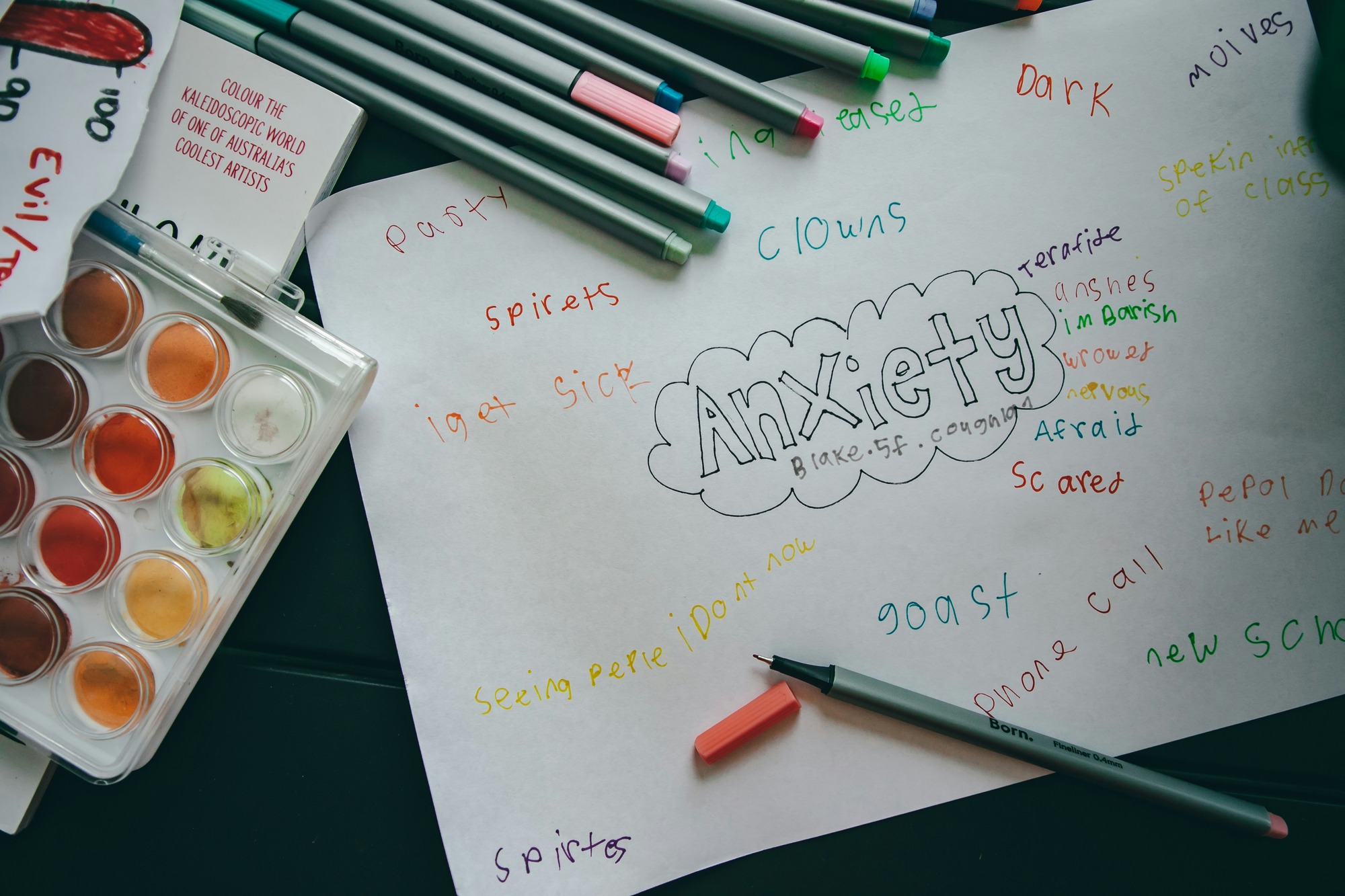
Image by Anima Visual

As parents, we naturally want to shield our children from fear and anxiety. Watching your child feel afraid or overwhelmed can be distressing, especially when you wish you could take away their worries. But while we tend to think of fear as something to be avoided or suppressed, it can actually play a positive role in your child’s development.

Fear, when understood and managed correctly, can help kids navigate difficult situations, stay safe, and make thoughtful decisions. The key is teaching them how to manage it. Here’s how to help your child transform anxiety into a tool they can use to grow stronger and more resilient.

The Role of Fear in Development

Fear is a natural and important emotion. It alerts us to danger, helps us avoid risky situations, and prompts us to take action. For children, fear plays a crucial role in their development. It’s an instinctive response that keeps them safe and helps them learn from their experiences. When they feel nervous or scared, their brain is processing a potential threat, real or perceived, and guiding them to respond appropriately.

While fear is protective, it can become problematic when it starts to interfere with daily activities or hinder a child’s growth. The challenge isn’t eliminating fear but teaching kids how to manage it so that it doesn’t control them.

Understanding Anxiety vs. Fear

Before teaching your child how to manage fear, it’s important to distinguish between fear and anxiety. Fear is usually a response to an immediate, specific threat, like seeing a dog that’s too large or hearing loud noises during a thunderstorm. Anxiety, on the other hand, is a feeling of unease about a future event or an uncertain outcome. It can lead to worry and apprehension about things that may or may not even happen.

For children, anxiety often manifests as worrying about school, friends, or situations where they feel out of control. While it’s normal for kids to feel anxious at times, it becomes concerning when anxiety starts to interfere with their ability to function in daily life.

Helping Your Child Understand Fear and Anxiety

The first step in helping your child manage fear is to help them understand what it is and why they feel it. Explaining fear and anxiety in simple, age-appropriate terms can give your child a sense of control and reduce the mystery around these emotions.

Tell your child that everyone experiences fear, adults included. The key is to learn how to handle it in a way that doesn’t let it take over. Explain that feeling afraid is a signal from their body to pay attention and be cautious. If they’re nervous about a new situation, it’s okay to feel that way, but it’s also important to find ways to handle it.

Help your child identify what makes them feel anxious. By recognizing these triggers, they can learn how to address them before the fear becomes overwhelming. If your child has anxiety about social situations, for example, talk with them about what specifically makes them uncomfortable. Is it meeting new people? Is it a fear of being judged? Understanding the root cause of anxiety can help you both work on strategies to cope with it.

Teach Relaxation Techniques

Once your child understands their fear, it’s time to introduce techniques that will help them manage it. Teaching relaxation exercises can be incredibly helpful when it comes to calming anxiety and regaining control over their emotions.

Some effective methods include:

  1. Deep Breathing: Teach your child to take slow, deep breaths when they start to feel anxious. Breathing in for a count of four, holding for four, and then exhaling for four helps calm the nervous system and bring their attention away from the fear.
  2. Progressive Muscle Relaxation: This technique involves tensing and then relaxing different muscle groups in the body to help relieve stress. Start with their toes and work your way up to their head, encouraging them to notice the difference between tension and relaxation.
  3. Visualization: Encourage your child to close their eyes and imagine a peaceful, safe place. This could be a favorite vacation spot, a calming nature scene, or even their bedroom. Visualization helps shift their focus away from the fear and onto something positive.
  4. Mindfulness: Simple mindfulness exercises, such as focusing on the present moment, can be powerful in calming anxiety. Encourage your child to pay attention to their surroundings, focusing on what they can see, hear, and feel.
Image by Solen Feyissa

Encourage Gradual Exposure to Fears

A key way to help children overcome fear is through gradual exposure. If your child has a specific fear, such as fear of speaking in front of others, don’t expect them to suddenly face it head-on. Instead, introduce small, manageable steps that build confidence over time.

Start with less intimidating versions of the situation they fear. If your child is afraid of going to a new school, for example, take a few trips to the school beforehand to explore the environment, meet teachers, and get comfortable with the surroundings. Over time, these small experiences will help your child build resilience and feel more in control.

Teach Problem-Solving and Positive Self-Talk

One way to reduce anxiety is by empowering your child with problem-solving skills. When they face fear, encourage them to think about what they can do to address the situation. Can they avoid it? Can they talk to someone for help? Problem-solving helps kids feel like they have more control over the situation, which can reduce feelings of helplessness.

Additionally, teaching your child to reframe negative thoughts is key to managing anxiety. Encourage them to practice positive self-talk, such as telling themselves, “I can handle this,” or “It’s okay to be scared, but I am safe.” Help your child replace irrational thoughts with realistic ones so they feel empowered instead of overwhelmed.

Encourage Healthy Habits for Managing Stress

A healthy body can lead to a calmer mind. Encourage your child to practice self-care habits that help them manage stress and anxiety, such as:

  • Getting enough sleep
  • Engaging in regular physical activity
  • Eating nutritious foods
  • Staying socially connected with friends and family

When children feel physically healthy and balanced, they are better equipped to manage emotional challenges like fear and anxiety.

Lead by Example

Children learn a great deal from observing the behavior of the adults around them. If you model healthy coping mechanisms for anxiety, your child is more likely to adopt these strategies as well. Show them that it’s okay to feel fear and anxiety, but that there are ways to handle it effectively.

For example, if you feel nervous before a big meeting or event, talk to your child about how you’re handling your own anxiety. This can normalize the experience and give your child tools to manage their own emotions.

Fear Can Be a Source of Strength

Fear isn’t always something to avoid. It can be a source of strength if we teach our children how to manage it. By helping your child understand and cope with their anxiety, you’re not only giving them the tools to face their fears but also equipping them to handle the challenges of life with confidence and resilience.

How do you help your child manage fear and anxiety? What strategies have worked for you?

Read More:

6 Signs Your Child Is Struggling with Social Anxiety

8 Signs Your Teen Doesn’t Feel Safe Talking to You

Filed Under: Parenting Tagged With: child anxiety tips, child self-confidence, dealing with childhood fear, handling fear with kids, managing anxiety, managing fear in children, overcoming childhood anxiety, relaxation techniques for kids, teaching emotional resilience, teaching kids to cope with fear

Teaching Your Child That “Family” Doesn’t Mean “Tolerate Abuse”

May 4, 2025 | Leave a Comment

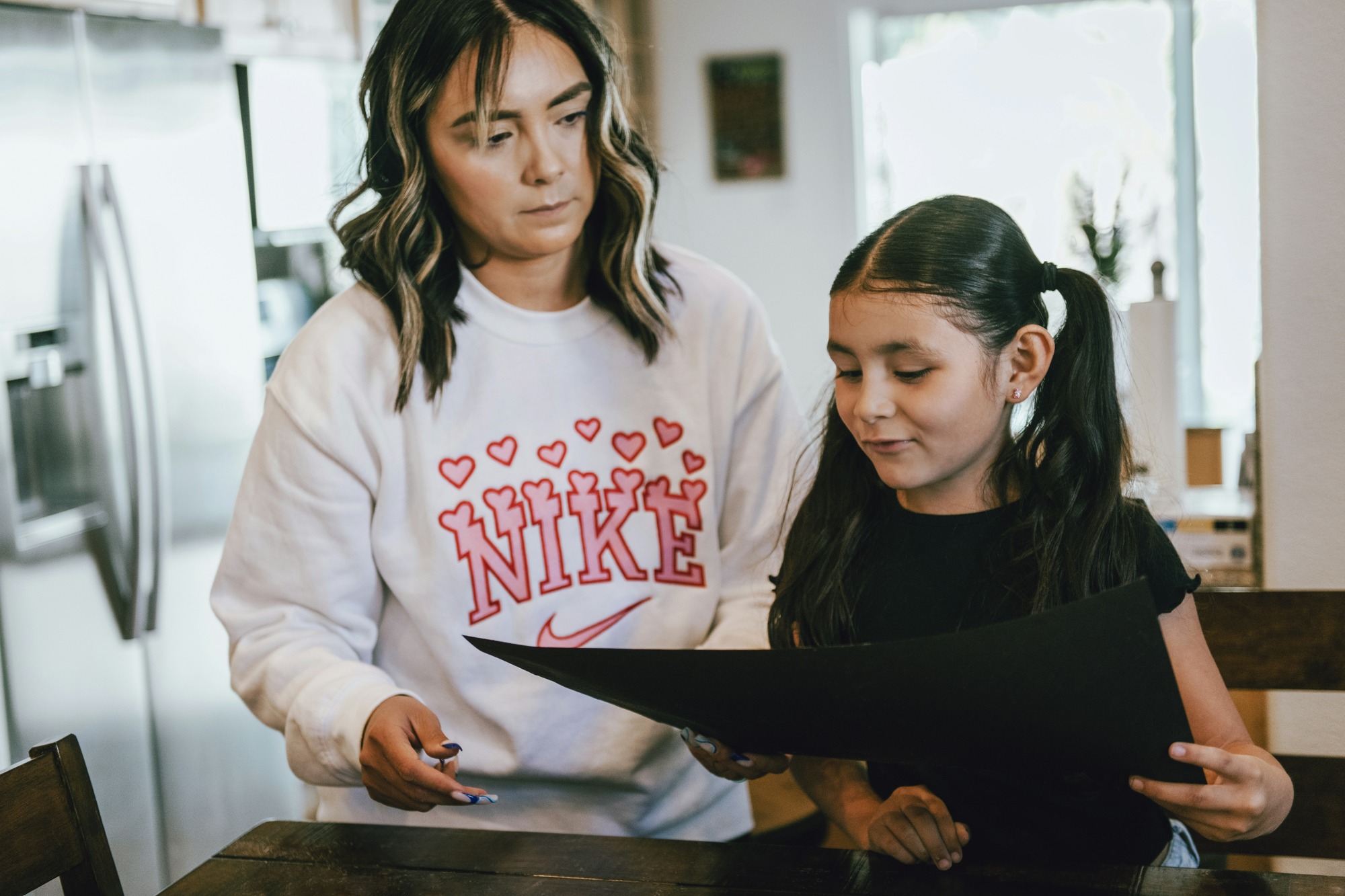
Image by Ilya Pavlov

For many of us, family is synonymous with love, support, and comfort. But what happens when those we love most—our family members—are the ones causing harm? Whether it’s verbal, emotional, or physical abuse, teaching your child that family doesn’t mean tolerating abuse is a critical lesson for their mental and emotional well-being.

While it’s natural to want to protect the family unit and foster loyalty, we must also teach children how to set boundaries that keep them safe. Here’s how to approach this difficult conversation in a way that empowers your child to protect themselves while understanding the importance of healthy relationships.

The Unspoken Reality of Abuse Within Families

Many children grow up believing that family members can do no wrong. This sense of unshakable loyalty and love often extends to toxic relationships, where children may feel compelled to “forgive” or “tolerate” unacceptable behavior simply because the person involved is family.

However, this mindset can be incredibly damaging. Children who endure abuse from family members may grow up confused and unable to differentiate between love and manipulation. They may feel guilty for setting boundaries, or they may internalize harmful behaviors as normal.

The truth is that while family is important, no one should ever be made to endure abuse in the name of maintaining those bonds. Children need to understand that abusive behavior is never justified, no matter the relationship. This lesson can help them grow up with healthy emotional boundaries and a deeper understanding of their worth.

Setting the Stage for Healthy Conversations

Talking about abuse with your child can be difficult, but it’s essential to have these conversations early. If you haven’t already, establish open communication and a safe space where your child feels comfortable sharing their feelings. Let them know that no topic is off-limits, especially when it comes to their emotional well-being.

Be mindful of how you approach the subject. Start by acknowledging that not all family relationships are perfect. Many families go through challenges, misunderstandings, and disagreements. However, ensure that your child understands the difference between healthy conflict and harmful behavior.

What Does Abuse Look Like?

One of the first steps in teaching your child about boundaries is helping them identify what constitutes abuse. Abuse isn’t always obvious. It doesn’t always involve physical violence. Emotional and verbal abuse can be just as damaging, and children often don’t recognize the signs.

Here are some examples of abuse that can occur within families:

  1. Physical Abuse: Any form of violence, from hitting to pushing, is never acceptable.
  2. Verbal Abuse: Constant criticism, name-calling, or belittling can deeply harm a child’s self-esteem.
  3. Emotional Abuse: Manipulation, gaslighting, or using guilt to control or silence a child is a form of emotional abuse.
  4. Neglect: Failing to provide adequate care, attention, or support is a form of emotional abuse.
  5. Sexual Abuse: Any inappropriate behavior of a sexual nature is never justified.

Teaching your child these forms of abuse empowers them to recognize unhealthy behaviors when they see them. More importantly, it helps them understand that no matter who the perpetrator is, no one deserves to be treated in these ways.

Explaining the Importance of Setting Boundaries

Once your child understands what abuse looks like, the next step is helping them understand the importance of boundaries. Teach them that they have the right to protect their emotional and physical safety. No one, including family members, should ever violate those boundaries.

Boundaries may look different depending on the situation. For example, if a family member is yelling at your child, they should know that it’s okay to walk away or ask for a time-out. If a family member is manipulating or pressuring them, they should know that it’s okay to say “no” or ask for help in getting away from that situation.

Help them practice setting boundaries in everyday situations. When your child feels empowered to say “no” to minor things, they’ll be more confident in setting boundaries when it comes to bigger issues.

Teaching Compassion Without Tolerating Abuse

One of the challenges in teaching your child about abuse is helping them navigate their emotions toward the abuser. While it’s important for children to learn empathy and compassion, these values should never come at the expense of their safety.

Teach your child that it’s possible to love family members while also standing up for their own well-being. Explain that setting boundaries doesn’t mean they don’t care about that person. It simply means that they are choosing to protect themselves.

If a family member is abusive, your child might feel conflicted, especially if they’ve been taught that family members are always to be supported. Reassure them that family members are still valuable but that abusive behavior is unacceptable in any relationship.

Encouraging Your Child to Seek Support

If your child is experiencing abuse from a family member, they must know that they are not alone. Encourage them to seek support from trusted adults, whether it’s you, a school counselor, or another family member. It’s essential to let them know that asking for help is a sign of strength, not weakness.

Provide resources that may help your child. Hotlines, therapy services, or even support groups for children of abuse can offer valuable guidance.

Taking Action and Getting Help

Sometimes, boundaries may not be enough to protect your child from harm. If abuse is ongoing, it’s essential to take immediate action to ensure their safety. This may involve seeking professional counseling, calling child protective services, or, in extreme cases, taking legal steps to remove the abusive family member from the situation.

The most important thing is to prioritize your child’s well-being. If a family member is unwilling to change their abusive behavior, it’s essential to protect your child, even if it means temporarily severing ties with that individual.

A Lesson for Life

Teaching your child that “family” doesn’t mean “tolerating abuse” is a lesson that will stay with them for life. It will help them grow into adults who recognize their own value, who set healthy boundaries, and who know when to walk away from toxic relationships, no matter who the person is.

It’s never too early to start these conversations. By instilling these values in your child, you’re empowering them to grow into a confident, compassionate, and self-respecting adult.

How do you approach teaching your children about boundaries and the importance of self-respect? Have you had difficult conversations with your kids about family dynamics?

Read More:

Stop Now! 12 Behaviors That Say You’ve Crossed The Line From Discipline to Abuse

How Do You Teach Kids About Consent and Boundaries?

Filed Under: Parenting Tagged With: child protection, child self-respect, emotional abuse in families, family boundaries, healthy family dynamics, how to talk to kids about abuse, parental abuse, setting boundaries for kids, teaching children about abuse, toxic family relationships

The Silent Grief of Kids With Incarcerated Parents

May 4, 2025 | Leave a Comment

Image by 7500 RPM

When we talk about incarceration, the conversation usually centers around the person behind bars. Rarely do we pause to ask about the people left behind, especially the children. For the millions of kids with incarcerated parents in the U.S., the sentence is often silent, invisible, and life-altering.

They may not wear orange jumpsuits or sit behind concrete walls, but these kids experience a different kind of imprisonment. One made of confusion, shame, instability, and grief.

The Grief No One Talks About

Children grieve differently from adults. But when a parent is incarcerated, the grief they experience is often ambiguous. The parent is still alive, but they’re gone. There’s no clear ritual of mourning, no support groups, no casseroles dropped off by well-meaning neighbors.

Instead, the child is left to process a complex emotional cocktail: sadness, guilt, anger, and sometimes misplaced loyalty. Many don’t even feel they’re allowed to grieve—after all, society tends to believe that people in prison deserve what they get. That belief trickles down to their children.

And so, the grief stays hidden.

The Ripple Effects Are Bigger Than You Think

Parental incarceration doesn’t just disrupt one part of a child’s life. It affects everything. School performance often drops. Behavioral issues may arise. Housing becomes unstable. And in many cases, children bounce between caregivers, rarely given a sense of security or consistency.

Worse still, there’s often a financial crisis that comes with the loss of an income earner. This added economic pressure leaves little room for emotional healing.

But the most damaging effect? The sense of stigma. Children are often told not to talk about their parents’ absence, or worse, they lie to protect them. That isolation cuts deep and can lead to long-term mental health challenges, including depression, anxiety, and trust issues.

Shame Isn’t a Support System

Kids internalize the reactions of adults around them. If their caregivers avoid the topic, or if teachers and peers respond with judgment, children begin to believe the lie that they are somehow “less than” because of what their parents did. Shame, left unchecked, can become an identity.

This shame also silences their voice. While kids may want to ask questions or talk about their confusion, they learn quickly that bringing up the parent in prison makes people uncomfortable. So they keep it in. That silence builds walls, and it’s on us to break them down.

A Call for Compassion Over Judgment

What these children need most isn’t interrogation or pity. It’s empathy.

They need trusted adults to say, “It’s okay to be sad,” or “This doesn’t define who you are.” They need school systems that recognize the trauma and offer support instead of punishment. They need mentors who can help them feel seen and understood.

Most of all, they need community. Even one consistent, compassionate adult can change the trajectory of a child’s life. Whether it’s a teacher who listens, a coach who shows up, or a neighbor who offers normalcy, those connections matter more than we can measure.

Visiting Isn’t Always Simple or Possible

Maintaining contact with an incarcerated parent is often touted as crucial for the child’s well-being, and in many cases, that’s true. But visiting a prison isn’t as simple as driving to a park. For some families, facilities are hours away. Transportation is expensive. The prison environment can be intimidating or traumatic for young kids. And in some cases, caregivers may not allow the visit at all.

Phone calls and video chats can be costly and limited. So, even if the child wants to stay connected, the system itself creates hurdles. And when contact fades, kids may assume the worst: that they’ve been forgotten.

Kids Don’t Deserve a Sentence They Didn’t Choose

No child chooses to have a parent incarcerated. Yet they often carry the consequences in silence, are expected to perform in school, behave at home, and grow up fast without the emotional or psychological resources they need.

We owe them more than that. We owe them policies that consider family bonds during sentencing. We owe them trauma-informed schools. We owe them spaces where they can talk without shame or secrecy.

Above all, we owe them the same thing we offer other grieving children: support, presence, and love.

We Can Do Better

You don’t have to be a therapist or a policymaker to make a difference. You can be the friend who listens, the teacher who gives grace, or the employer who supports a caregiver. Change happens one child at a time by refusing to look away.

Have you known a child with an incarcerated parent? What do you think society gets wrong about supporting these families?

Read More:

Here’s How to Explain Death to a Young Child Without Scaring Them

Finding Your Village as a Single Parent—You’re Not Alone

Filed Under: Parenting Tagged With: childhood mental health, children of incarcerated parents, criminal justice system, emotional support for kids, family separation, helping grieving children, kids and prison system, parental incarceration, silent grief, trauma-informed parenting

The Beach Safety Tips Lifeguards Wish You Knew

May 4, 2025 | Leave a Comment

Image by Joe Cooke

A beach day is supposed to be relaxing—sunshine, waves, and maybe a cold drink in hand. But while you’re busy enjoying the moment, lifeguards are scanning the water with sharp eyes and split-second instincts, often wishing the public knew just how dangerous the beach can become in an instant.

Whether you’re a parent bringing kids to splash in the surf or an adult looking to unwind, knowing these often-overlooked beach safety tips could save your day or even a life.

The Ocean Isn’t a Pool. Respect the Current

To a child (or even many adults), the ocean may look just like a bigger, saltier pool. But water safety at the beach is a whole different game.

Rip currents, which can sweep even strong swimmers far from shore in seconds, are the number one reason lifeguards perform rescues. Most people don’t recognize one until they’re stuck in it—and by then, panic sets in.

Lifeguard tip: If you’re caught in a rip current, don’t fight it. Instead, swim parallel to the shore until you’re out of the current, then make your way back to land. Better yet, always swim in designated areas where lifeguards are watching.

Sunscreen Isn’t Optional Or One and Done

While you may remember to slather on sunscreen in the morning, most beachgoers forget to reapply, especially after swimming or sweating. That false sense of protection can lead to painful burns, heat exhaustion, and even long-term skin damage.

Lifeguard tip: Apply sunscreen 15–30 minutes before sun exposure, then reapply every two hours—or immediately after swimming or towel-drying. Don’t forget areas like your ears, tops of feet, and the back of your neck.

Watch for Flags. They’re Not Just for Decoration

Those colored flags waving at the edge of the lifeguard tower aren’t for show. They’re vital signals. Each color indicates ocean conditions, potential hazards, or restricted areas.

Lifeguard tip: Before you even set up your umbrella, check the flag color and ask the lifeguard what it means. If you’re unsure, assume caution. Many beach emergencies happen because visitors don’t realize they are entering dangerous water.

Stay Sober. Yes, Even at the Beach

It’s tempting to crack open a cold drink on a hot day, but alcohol and ocean swimming don’t mix. It impairs your judgment, reaction time, and coordination, all of which you need if something goes wrong in the water.

Lifeguard tip: Alcohol is a common factor in adult drownings. If you plan to drink, skip the swimming. Save the ocean dip for earlier in the day when you’re fully alert and sober.

Image by Thomas Grillmair

Don’t Assume Lifeguards See Everything

Lifeguards are trained professionals, but they’re human. They monitor wide stretches of beach, often in crowded and chaotic conditions. They can’t have eyes on every child, swimmer, or beachgoer at all times.

Lifeguard tip: Always keep your own eyes on your children, even if lifeguards are present. Designate a “water watcher” among the adults in your group—someone who isn’t distracted by their phone or reading material.

Teach Kids That “Waves Are Stronger Than They Look”

Many injuries happen in shallow water, not deep surf. Small waves can knock over children or adults and cause injuries from tumbling into the sand, rocks, or shells.

Lifeguard tip: Supervise kids even at the shoreline. Encourage them to face the waves and keep a low center of gravity if they’re wading. Never let young children turn their backs to incoming waves.

Protect Your Feet

While soft sand is part of the beach’s charm, it can hide dangers beneath the surface, like sharp shells, broken glass, jellyfish, or even hot coals from a beach fire.

Lifeguard tip: Encourage kids and adults to wear water shoes when walking along unfamiliar areas. And remind everyone to shuffle their feet in the water to avoid stepping on stingrays or other hidden marine life.

Hydration Matters More Than You Think

With all the swimming and sunbathing, it’s easy to forget to hydrate. But a combination of sun, salt, and sweat can quickly dehydrate your body, especially in kids.

Lifeguard tip: Pack plenty of water and encourage regular sips throughout the day. If someone complains of dizziness, nausea, or fatigue, get them to shade, rehydrate, and cool down immediately.

Check the Weather and the Tide

It’s easy to assume every beach day will be sunny and calm, but weather and tides can change fast. Strong winds, lightning, and high tides can create dangerous conditions within minutes.

Lifeguard tip: Always check the local forecast and tide schedule before heading out. If thunderstorms are in the area, get off the beach immediately. Water is a conductor of electricity. One lightning strike could be deadly.

Beach Days Should Be Fun, But Safety Comes First

Lifeguards love seeing families enjoy the beach. They’re not there to ruin the fun. They’re there to help keep it safe. Knowing and respecting a few essential rules can mean the difference between a joyful day at the shore and a trip to the emergency room.

These aren’t scare tactics. They’re lifesaving reminders from the people who’ve seen the worst happen and work hard every day to prevent it.

What’s one beach safety rule you always follow? Have you ever had a beach day turn dangerous?

Read More:

Drowning Prevention Tips For Parents With Young Children

Why Sunscreen Isn’t Enough: Total Summer Protection Tips

Filed Under: Parenting Tagged With: beach safety tips, family beach day, kids at the beach, lifeguard advice, ocean safety, parenting and beach trips, summer safety tips, swimming safety, vacation safety, water safety

Not All Sleepovers Are Safe—Here’s How to Protect Your Child

May 4, 2025 | Leave a Comment

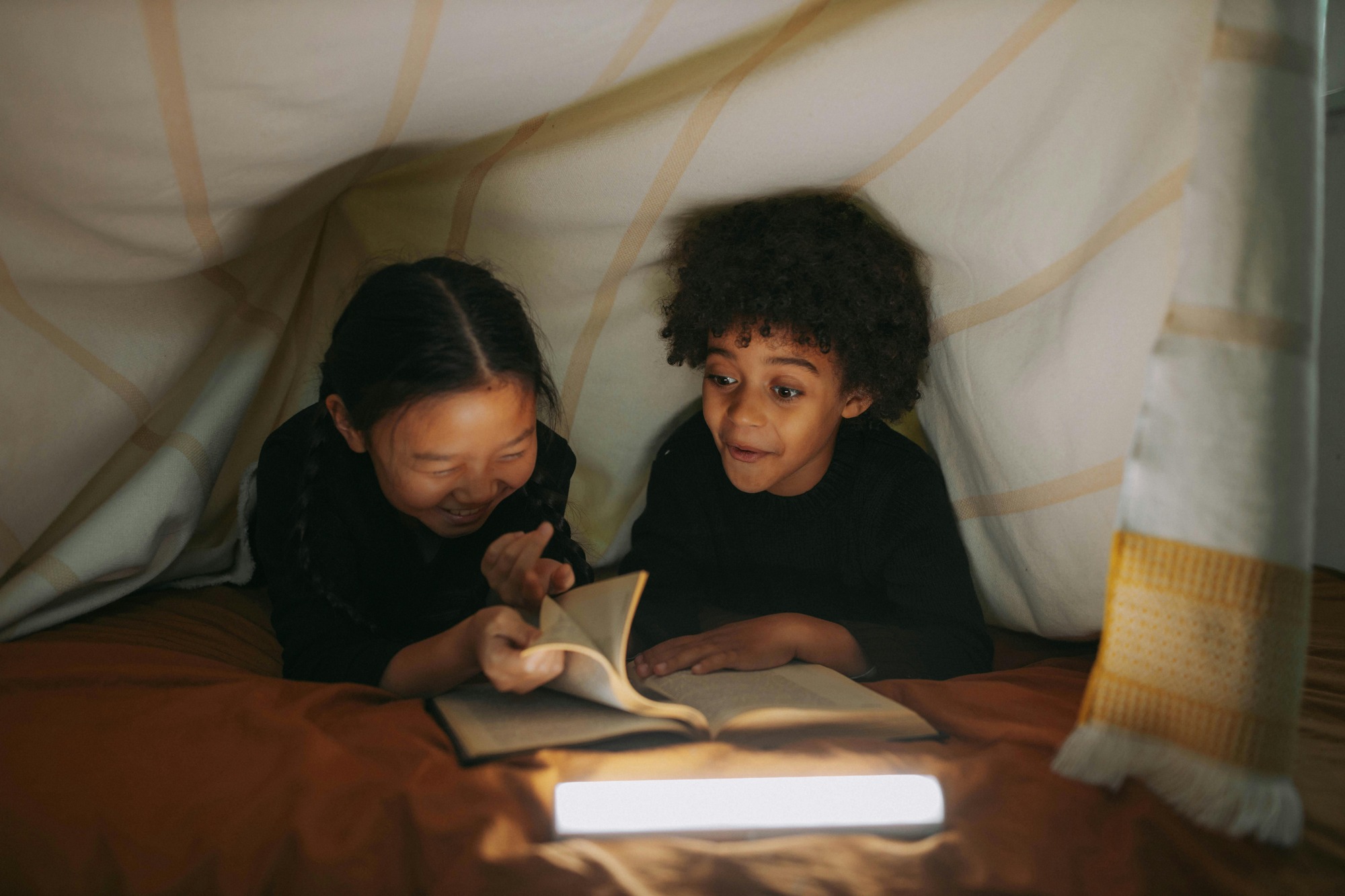
Image by Yaroslav Shuraev

Sleepovers are often considered a fun childhood tradition—a night full of giggles, games, and bonding. But behind the cozy sleeping bags and pizza parties, there’s a truth many parents are only starting to say out loud: not all sleepovers are safe.

More families are questioning whether the benefit of letting their child stay the night at a friend’s house is worth the unknowns. While you don’t want to be the “paranoid” parent, your job is to keep your child safe, and that means asking hard questions, trusting your gut, and sometimes saying no.

Here’s what every parent should know before saying yes to a sleepover invite and how to approach it without fear but with firm, informed boundaries.

Know the Household

The most important factor in whether a sleepover is safe isn’t how long your child has known their friend. It’s who’s in the home.

Ask yourself: Do you personally know the parents or guardians? Have you ever been in their house? Do you know who else lives there, including older siblings or other adults who might be present during the sleepover?

You don’t need a full background check to make a decision, but you do need enough information to feel confident. If the family is a mystery to you, that’s a red flag—not necessarily against them, but against proceeding without more context.

Ask the Uncomfortable Questions

It can feel awkward to ask another parent about their home rules, but when it comes to your child’s safety, discomfort is not a good enough reason to stay silent.

Don’t hesitate to ask:

  • Will an adult be home the entire time?
  • Are there older siblings, guests, or anyone else staying over?
  • Do you have firearms in the home? If so, how are they stored?
  • What is the policy on internet or device use?
  • Will the kids be sleeping in separate areas (especially for coed sleepovers)?

Any parent who is offended by these questions might not be the type of host you want to trust anyway. A respectful adult should appreciate that you’re looking out for your child.

Beware of Red Flags You Can’t Ignore

Even if your child begs to go, there are certain warning signs that should always prompt a pause or a firm no.

  • You’ve never met the parents.
  • The child’s home has a reputation for “no rules.”
  • You feel pressure to say yes without time to think it over.
  • You have a gut feeling something is off, even if you can’t explain why.

Trust your instincts. Children can’t always spot danger in the moment, but your intuition has likely been sharpened by years of experience. Listen to it.

Image by Kampus Production

Set Clear Expectations

If you do agree to the sleepover, go over your rules with your child ahead of time. These can include:

  • When and how to call you if they feel uncomfortable.
  • That they can ask to be picked up for any reason without getting in trouble.
  • What is and isn’t appropriate regarding movies, games, internet use, and behavior.

Give them a lifeline—something like a secret text or emoji that means “Come get me now” without having to explain. That little plan can empower a child to speak up or reach out even if they feel awkward doing so directly.

Don’t Be Afraid to Say No

Not every invitation deserves a yes, and saying no doesn’t make you a helicopter parent. It makes you an involved, protective one.

If you’re uncomfortable with the sleepover but don’t want to isolate your child, offer an alternative: a late-night playdate, a movie night at your house, or a “half sleepover” where your child joins for the fun but gets picked up before bedtime.

These compromises still let your child bond with friends, just without the part that makes you uneasy.

Keep the Conversation Going

Sleepover safety isn’t a one-time talk. As your child grows and their social life expands, the risks and responsibilities change, too. Keep the door open for honest conversations about what they experience at other people’s homes. Remind them often that they can talk to you about anything without punishment or shame.

When kids know they’re believed and protected, they’re far more likely to come to you when something feels off.

There’s No Shame in Being the Protective Parent

The truth is that more families are quietly opting out of sleepovers or being extra cautious about who makes the list. You’re not alone. What once was a norm is now more carefully examined, and for good reason.

You’re not paranoid. You’re parenting.

Do you allow sleepovers in your family? What boundaries or rules help you feel safe saying yes?

Read More:

13 Essential Safety Tips for Parents When Kids Are Spending the Night With Friends

When Is It Not Okay for Your Kids to Spend the Night at a Friend’s House?

Filed Under: Parenting Tagged With: child protection tips, child safety advice, family communication, kids and sleepovers, modern parenting, parenting boundaries, parenting tips, protecting children, safe parenting strategies, sleepover safety

Parents: Stop Bringing Uninvited Siblings to Parties

May 4, 2025 | Leave a Comment

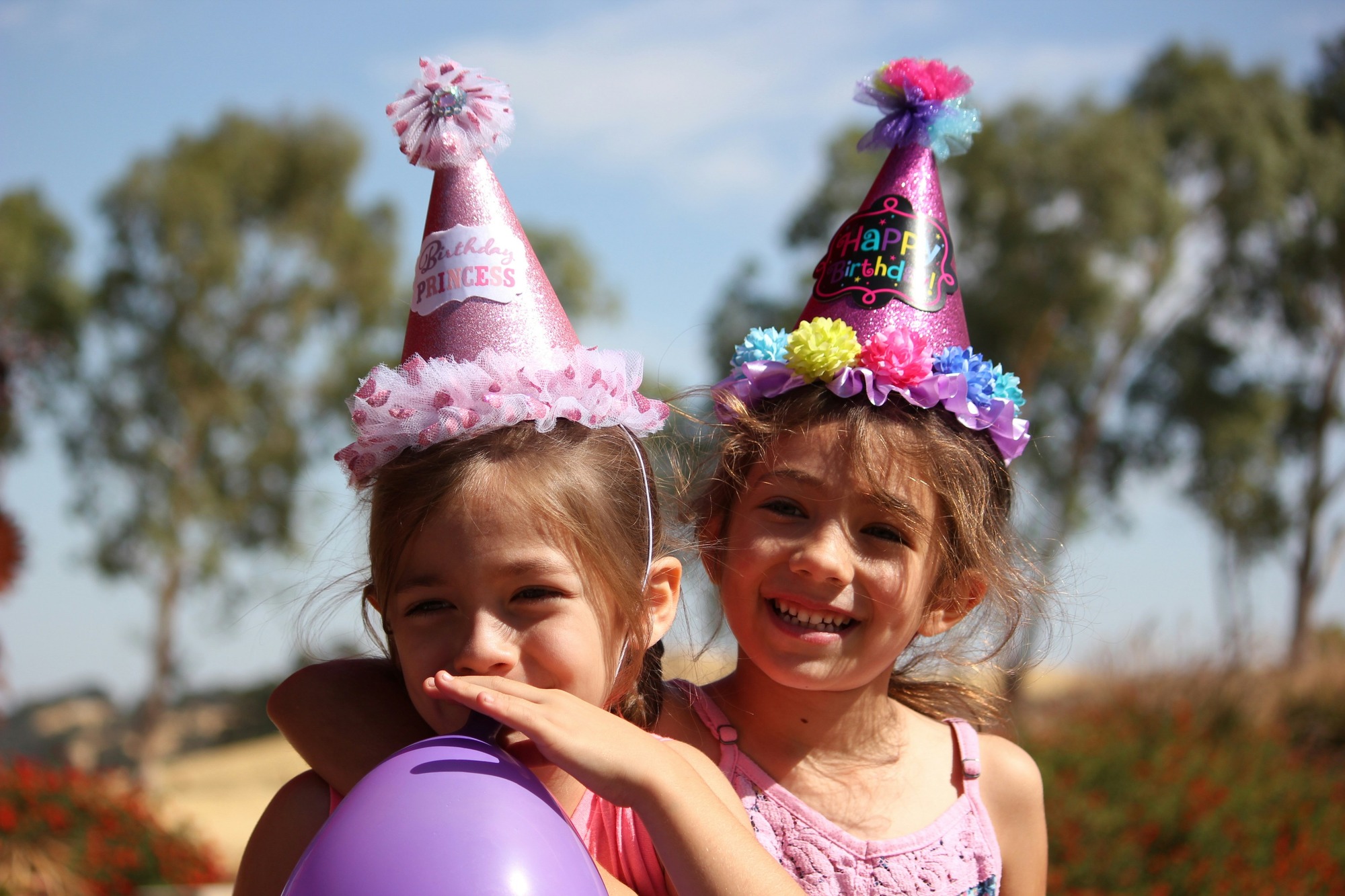
Image by Victoria Rodriguez

There’s an unspoken rule in the world of birthday parties, school events, and playdate invites: if the invitation says one child’s name, that means just one child is invited. And yet, many parents continue to show up with siblings in tow, some even expecting an extra goodie bag or slice of cake. While it might seem harmless, the practice of bringing uninvited siblings to parties can cause more problems than most people realize.

What may feel like a small parenting shortcut is often interpreted as inconsiderate, entitled, and disruptive. It puts unnecessary pressure on the host family, changes the dynamic of the event, and sends the wrong message to both your kids and theirs.

If you’re guilty of this party faux pas or know someone who is, read on. Here’s why it’s time for this habit to end.

It Overloads the Host’s Budget

Planning a child’s party often comes with a strict guest count and a tightly managed budget. Whether it’s pizza, cupcakes, craft materials, or party favors, most hosts plan for the number of children listed on their RSVP list—not for every sibling a guest might bring along. Each uninvited child means more food, more supplies, and sometimes, a scramble to accommodate someone who wasn’t supposed to be there.

No parent wants to explain to a wide-eyed extra kid why there’s no party bag with their name on it. But they also shouldn’t be expected to overspend just in case someone decides to bring the whole crew.

It Changes the Party’s Dynamic

Kids’ parties are often planned around specific ages or interests. A spa party for ten-year-olds isn’t the right place for a toddler running around with sticky hands. A bounce house built for elementary kids isn’t safe for a clumsy three-year-old.

Bringing uninvited siblings disrupts the age-appropriate vibe the host worked hard to create. It can change the flow of activities, shift the attention away from the birthday child, and leave everyone, including your own kids, feeling confused about the rules.

It’s a Teachable Moment That You’re Missing

When you honor an invitation as it’s written, you’re modeling boundaries and respect for your children. When you ignore it and show up with a sibling who wasn’t invited, you’re doing the opposite.

Instead of saying, “Not everything is about you,” or “We don’t go where we’re not invited,” you’re essentially telling your child that rules bend when it’s inconvenient. That undermines both manners and empathy—and we all know the world needs more of both.

Image by Sirio 

It’s Okay to Say No (Or Hire a Sitter)

Yes, sometimes childcare is hard to find. But showing up with an extra kid shouldn’t be the default solution. If you can’t leave the sibling at home, ask the host ahead of time if it’s okay to bring them. If the answer is no, that’s not rude. It’s realistic.

Not every family can afford (financially or mentally) to entertain more children than they planned for. And honestly, it’s okay for your invited child to skip a party if the logistics don’t work out this time. Not every invitation needs to become a full-family outing.

It Can Make Other Kids Feel Left Out

Bringing an uninvited sibling can create awkward social moments for other children. Maybe your child’s classmate didn’t get to invite their own sibling. Maybe a younger sibling feels bad watching a party they aren’t really part of. Or worse, maybe the birthday child now has to share their attention or feel like their day has been hijacked by someone else’s little brother.

When party boundaries are crossed, no one wins, especially the kids who were supposed to be the focus.

If You’re the Host, Set Clear Expectations

This problem doesn’t fall solely on the guest’s shoulders. Parents planning a party can help by setting crystal-clear expectations. A well-worded invitation like, “Due to space limitations, this party is for invited guests only—thank you for understanding!” can go a long way.

If you’re feeling generous and open to extra siblings, be explicit about it: “Siblings welcome!” That way, everyone knows what to expect, and no one ends up on the spot.

The Bottom Line: Respect the Invite

It comes down to one simple principle—respect. Respect the host’s effort, budget, and planning. Respect the boundaries they set. Respect your child enough to show them that invitations are meaningful, and respect other children enough not to overshadow their moment in the spotlight.

It’s a party, not a free-for-all. And while no one wants to play the etiquette police, sometimes a little courtesy is the biggest gift you can bring.

Have you ever had to deal with unexpected siblings at your child’s party—or been the one to bring one along? What do you think is a fair approach?

Read More:

7 Birthday Gifts Your Child Should Never Bring to a Party

How to Plan an Epic Party: 10 Cheap Birthday Party Ideas You’ll Love

Filed Under: Parenting Tagged With: children’s social skills, family manners, kids birthday parties, parenting advice, parenting boundaries, parenting etiquette, party guest rules, Party Planning Tips, raising respectful kids, RSVPs

Sleep Safety: The Best Ways to Prevent SIDS and Sleep-Related Accidents

May 4, 2025 | Leave a Comment

There’s no instinct stronger than a parent’s desire to keep their baby safe, especially during sleep. But despite growing awareness, sudden infant death syndrome (SIDS) and other sleep-related accidents remain a heartbreaking reality for many families. The good news? Many of these tragedies are preventable with the right information and safe sleep practices.

Whether you’re a new parent or a seasoned caregiver, understanding how to create a safe sleep environment can literally be life-saving. This article breaks down the most current, research-backed ways to reduce the risk of SIDS and other sleep-related dangers so you and your baby can rest a little easier.

What Is SIDS?

SIDS, or sudden infant death syndrome, is the unexplained death of a seemingly healthy baby under one year of age, usually during sleep. It’s sometimes referred to as “crib death” because it typically occurs in the crib or bassinet without warning and without a clear cause, even after investigation.

Although the exact cause of SIDS is still not fully understood, medical professionals agree on a combination of risk factors that make certain babies more vulnerable. These include premature birth, exposure to smoke, overheating, and unsafe sleep positions or environments.

Always Put Baby on Their Back to Sleep

One of the most crucial recommendations is also one of the simplest: always place your baby on their back to sleep for every nap and every bedtime.

Back sleeping keeps the airway open and dramatically reduces the risk of suffocation. Babies who sleep on their stomachs or sides are at a significantly higher risk of SIDS, especially if they are not yet strong enough to roll over on their own.

Use a Firm, Flat Sleep Surface

Your baby should always sleep on a firm, flat surface—never on a couch, adult bed, or armchair. Use a crib, bassinet, or play yard that meets current safety standards, and avoid inclined sleepers, which have been linked to multiple infant deaths.

The mattress should fit snugly inside the crib with no gaps, and the fitted sheet should be tight and smooth. Skip the plush bedding, bumpers, and sleep positioners. They not only don’t help but may pose serious risks.

Keep the Crib Clear

The American Academy of Pediatrics (AAP) recommends that cribs remain completely empty aside from a fitted sheet. That means no blankets, pillows, toys, stuffed animals, or crib bumpers.

While it may feel instinctive to want to surround your baby with soft comforts, these items can easily cover a baby’s nose or mouth and increase the risk of suffocation.

Share a Room, Not a Bed

Room-sharing is encouraged for at least the first 6 months, ideally up to 1 year. Keeping your baby in your room and in their own sleep space has been shown to reduce the risk of SIDS by as much as 50%.

Bed-sharing, on the other hand, is not considered safe, especially in the early months when babies are most vulnerable. If you’re nursing or soothing your baby in bed, return them to their sleep space before you fall asleep.

Image by Toa Heftiba

Avoid Overheating and Head Covering

Overheating is a common yet preventable risk factor. Dress your baby in light, breathable sleepwear and keep the room at a comfortable temperature—typically between 68–72°F (20–22°C).

Hats or hooded outfits are not recommended for indoor sleep, as they can slip down and cover your baby’s face. If you’re worried about warmth, a wearable blanket or sleep sack is a much safer option than a loose blanket.

Don’t Rely on Baby Monitors or Devices

While baby monitors and breathing alarms can offer peace of mind, they should never replace safe sleep practices. No consumer device has been proven to prevent SIDS.

Focus on creating a safe environment first. That means following all the guidelines above and staying informed about updates from trusted health sources like the AAP and CDC.

Encourage Tummy Time During the Day

While back sleeping is essential at night, babies still need tummy time during the day to strengthen their neck and shoulder muscles. Daily supervised tummy time helps with physical development and reduces the risk of flat spots on the head.

Make tummy time a part of your routine early on. Just be sure your baby is awake and you’re keeping a close eye on them.

Consider These Additional Precautions

Never smoke around your baby during pregnancy or after birth. Exposure to smoke is a significant risk factor for SIDS. If you or others in your household smoke, do so outside and change clothes before handling your baby.

Also, keep up with your baby’s well visits and vaccinations. Research shows that immunizations can help reduce the risk of SIDS by up to 50%.

Safe Sleep Is an Ongoing Conversation

Preventing SIDS and sleep-related accidents isn’t about paranoia. It’s about preparation. Creating a safe sleep environment doesn’t require expensive gadgets or complicated routines. It just takes consistency, knowledge, and the willingness to prioritize your baby’s safety above all else.

Every safe night is a small step toward peace of mind. And when your baby sleeps safely, you can sleep a little more soundly, too.

What sleep safety tips do you swear by, or what questions still keep you up at night?

Read More:

7 Tools to Use When Your Baby Won’t Sleep Through the Night

Doctors Swear by These 7 Baby Sleep Hacks—And They Actually Work

Filed Under: Parenting Tagged With: baby sleep safety, crib safety, infant sleep environment, newborn sleep tips, parenting safety tips, room sharing safety, safe infant sleep, SIDS prevention, sleep training newborns, sleep-related infant death

7 Breeds That Will Protect Your Family Without Being Asked

May 4, 2025 | Leave a Comment

Image by nygi

When it comes to protecting your home and family, some dog breeds don’t need a command or cue. They simply step up. Protective instincts are woven deep into the DNA of certain dogs, and their loyalty and awareness make them incredible companions and natural guardians.

Unlike aggressive dogs that may need heavy training to curb dangerous behavior, these breeds are known for their intelligence, calm temperament, and ability to assess threats without becoming overly reactive. They’re the ones who quietly watch the door, stay close to your kids during a walk, and alert you with just the right amount of intensity if something feels off.

Let’s explore seven breeds that will guard your family without even being asked and may just become your child’s best friend in the process.

1. German Shepherd

German Shepherds are renowned for their protective instincts, intelligence, and loyalty. Originally bred as working dogs, they excel in police and military roles for a good reason. They’re alert, obedient, and naturally inclined to protect their pack.

At home, they are gentle with children and fiercely loyal to their families. They’ll instinctively position themselves between loved ones and potential threats, whether that’s a stranger approaching your home or an unfamiliar animal nearby.

German Shepherds need exercise and mental stimulation, but when properly cared for, they are unmatched protectors and loyal companions.

2. Rottweiler

Don’t let their tough exterior fool you. Rottweilers are often deeply affectionate with their families, especially children. These dogs were originally bred to herd cattle and pull carts, but they are also highly protective and incredibly aware of their surroundings.

Rottweilers can sense unease or danger quickly. They don’t bark without reason, but when they do, it’s worth paying attention. With proper socialization and structure, a Rottweiler is both a gentle family member and a fierce guardian.

3. Doberman Pinscher

Dobermans are sleek, strong, and highly intelligent. They were bred specifically to protect, making them one of the top choices for family protection. Their physical presence alone is enough to deter intruders, but their real strength lies in their loyalty and speed.

They’re known to “read” situations quickly, sensing stress or discomfort in their owners. Dobermans tend to form tight bonds with their families, often sticking close and keeping a watchful eye, especially around strangers or in new environments.

4. Belgian Malinois

Frequently used in military and police work, Belgian Malinois are fast, trainable, and fearless. But they’re also family-oriented, affectionate, and naturally protective. Many Malinois have a sixth sense of danger and won’t hesitate to act if something feels off.

They thrive on activity and mental engagement, making them ideal for active families. When they’re part of your household, they’ll naturally protect it without needing to be told.

5. Great Pyrenees

Originally bred to guard livestock in the mountains, Great Pyrenees are calm, patient, and incredibly protective. They don’t just bark at every passing noise. They assess threats and act only when necessary.

These gentle giants are especially well-suited to families with children. They tend to form strong bonds with their people and will often place themselves between their family and perceived danger.

Despite their size, they’re known for being loving and even a bit stubborn but always loyal.

Image by Lucie Helešicová

6. Boxer

Boxers may look like playful goofballs (and they are), but they’re also incredibly alert and fearless. Their playful demeanor with family members is balanced by their cautiousness around strangers.

What makes Boxers ideal for families is their unshakable loyalty. They’ll jump into protective mode if they sense fear, and their muscular frame and intimidating bark are usually enough to make any intruder think twice.

Boxers are great with kids, and their high energy makes them excellent playmates as well as natural guards.

7. Anatolian Shepherd

This lesser-known breed is a hidden gem when it comes to protection. Anatolian Shepherds were bred to guard flocks from large predators, and that instinct translates seamlessly to watching over human families.

They are independent, observant, and highly loyal. What sets them apart is their quiet, no-nonsense approach to protection. They don’t bark needlessly and won’t escalate unless truly necessary.

Because of their independent streak, they may require more socialization and early training, but once bonded with their family, their loyalty is unwavering.

Choosing the Right Protector for Your Family

While these breeds are naturally protective, every dog is an individual. Socialization, environment, and training all play vital roles in how a dog behaves and adapts to your household. Protective instincts are valuable—but only when balanced with trust, obedience, and stable home life.

If you’re considering one of these breeds, be honest about your lifestyle. Some require more activity, space, and stimulation than others. But with the right match, you’ll gain not just a loyal pet but a silent sentinel, always on guard.

Which breed would you trust most to protect your family and why? Or do you already have a furry protector at home?

Read More:

7 Dog Breeds That No One Should Own If They Have Infants At Home

Is Your Dog Ready to Be a Big Brother or Sister?

Filed Under: Parenting Tagged With: best dogs for kids and protection, Doberman protection, family guard dogs, family safety pets, German Shepherd guard dog, loyal dog breeds, natural dog protectors, protective dog breeds, Rottweiler family dog, top guard dogs

Parenting Hacks That Actually Make Life Easier

May 4, 2025 | Leave a Comment

Image by Kelli McClintock 

Let’s be honest—parenting is one of the most rewarding jobs in the world, but it’s also one of the most exhausting. Between the endless laundry, forgotten lunchboxes, tantrums in Target, and the mythical idea of “me time,” it’s easy to feel like you’re just trying to survive each day. But it doesn’t have to be this way.

Some of the best parenting hacks aren’t about adding more to your plate. Tzhey’re about taking things off of it. Whether you’re raising toddlers or navigating the teenage years, a few clever strategies can make a world of difference in your daily life. The goal isn’t perfection—it’s practicality. Let’s dive into the hacks that actually help.

1. The “Set It and Forget It” Morning Routine

Mornings are often the most chaotic part of the day, especially when school and work deadlines collide. Simplify them with a visual morning checklist for your kids. Print or draw pictures of each task: get dressed, brush teeth, pack lunch, grab backpack.

Hang it in a visible spot and make it the new “parental reminder.” Instead of repeating yourself 50 times, you can just say, “Check your list.” It gives your kids more independence, and it gives you fewer headaches.

2. Embrace the “Two-Minute Toy Sweep”

Instead of letting toys pile up until the mess becomes overwhelming, set a two-minute timer after dinner each night. Everyone, including parents, spends those 120 seconds cleaning up. It’s short enough that no one complains but consistent enough to keep your home from spiraling into chaos.

Over time, this tiny habit adds up to a cleaner space and teaches your kids that cleaning doesn’t have to be a big, scary event. It’s just part of the rhythm of family life.

3. Put Snacks Where Kids Can Reach Them

Tired of being asked for a snack every 12 minutes? Create a kid-friendly snack drawer in your fridge or pantry. Fill it with healthy grab-and-go items you approve of—string cheese, sliced fruit, yogurt, granola bars, etc.

This one small setup teaches independence, reduces constant interruptions, and gives your kids a sense of control over their choices (within your boundaries). Everyone wins.

4. Use “When-Then” Statements for Better Cooperation

Battling over screen time, tooth brushing, or putting on shoes? Flip the script with “when-then” phrasing. Instead of yelling, “Brush your teeth now!” try: “When your teeth are brushed, then you can watch your show.”

It’s not bribery. It’s structure. These simple statements teach consequences in a calm, logical way and put the control back in your child’s hands. And it cuts down on power struggles big time.

5. Reuse the Calendar—Digitally and Visually

Every family needs a system that works. For digital folks, apps like Cozi or Google Calendar can keep everyone synced. For visual learners, use a whiteboard calendar in the kitchen to lay out the week.

Add chores, school events, soccer practice, and even “fun nights.” Kids love seeing what’s coming, and parents love not hearing “What are we doing today?” ten times in a row. The more predictable the rhythm, the fewer meltdowns you’ll see.

Image by Tim Mossholder

6. The Magic of a “Boredom Box”

When your kids say, “I’m bored,” you don’t need to scramble for ideas. Keep a boredom box filled with quiet, screen-free activities: coloring books, puzzles, DIY crafts, sticker sets, or prompts like “Draw your dream room.”

Having this box handy turns a frustrating moment into a fun one and gives you a breather when you need it most.

7. Rotate Toys Instead of Buying New Ones

If your kids are tired of their toys, you don’t necessarily need to buy more. Try rotating instead. Store half of the toys out of sight and swap them out every few weeks. Suddenly, “old” toys feel brand new again.

This hack minimizes clutter, saves money, and keeps playtime fresh without constantly adding to your toy budget.

8. Pre-Pack the Car Like It’s a Survival Kit

Keep a bin in your trunk with essentials: extra diapers, wipes, snacks, a change of clothes, bottled water, sunscreen, and a few emergency toys or books. Having this backup kit has saved countless parents from public meltdowns, blowouts, or unexpected errands that run longer than planned.

You’ll feel like a superhero the next time disaster strikes—and you’re ready.

9. Give Kids Jobs That Matter

Kids love feeling needed. Give them age-appropriate jobs that actually help the family—feeding pets, setting the table, sorting laundry. Instead of busy work, make it meaningful.

The result? More responsibility, less entitlement, and a stronger family team. Plus, they’re building life skills every single time.

10. Don’t Forget to Hack Your Own Time

Lastly, remember this: parenting hacks aren’t just about making life easier for your kids—they’re about making it better for you, too. Use online grocery pickup. Plan freezer meals. Decline the birthday party you feel guilty about.

Your energy matters. When you create systems that support your own well-being, everyone in the family benefits.

Parenting doesn’t need to be harder than it already is. These hacks may not solve every problem, but they’ll help you move from survival mode to something that feels a lot more like joy.

What’s the one parenting hack that’s changed your life the most? Or one you wish you’d discovered sooner?

Read More:

8 Reasons Why Parenting Today Is Way Too Soft: Here’s Why It Might Be Hurting Your Kids

10 Parenting Practices That Are More Harmful Than You Think

Filed Under: Child behavior, Parenting, Parenting Blog at KidsAintCheap Tagged With: busy parents tips, family organization, independent kids, morning routine for kids, parenting hacks, parenting made easier, parenting systems, raising confident kids, real life parenting solutions, time-saving parenting tricks

Handling the Whine: What to Do When Children Are Bored

May 4, 2025 | Leave a Comment

Image by Thomas Park

There it is again—the dreaded whine. “I’m booooored.” It creeps into your living room on a Saturday afternoon, echoes in the car during errands, and somehow finds its way into every school break. But before you lose your patience or launch into a list of chores as punishment, pause. When children say they’re bored, they’re not just announcing a lack of entertainment. They’re revealing a need for connection, creativity, or even just quiet.

Learning how to handle this phrase with empathy (and a plan) can turn an annoying complaint into an opportunity for growth for your child and for you.

The Truth Behind “I’m Bored”

Contrary to what it sounds like, boredom in children doesn’t usually stem from a lack of options. In fact, most kids today are surrounded by toys, screens, and structured activities. So why the constant boredom?

Because what they’re really craving is engagement—a feeling that what they’re doing matters, excites them, or, at the very least, feels different from the everyday. Boredom is the mind’s way of saying, “I need something more.” Sometimes, that “more” is stimulation. Other times, it’s a connection or freedom to explore.

Understanding the root of the boredom is key to how you respond.

Don’t Panic. Pause

Your first instinct might be to fill the gap with something—anything—to stop the whining. But this can unintentionally teach kids that boredom is a problem someone else must solve. Instead of panicking or offering a solution right away, pause.

You can calmly respond with, “It’s okay to feel bored sometimes. What do you think you want to do about it?” This approach empowers your child to become a problem-solver, not just a complainer.

Boredom Breeds Creativity (If You Let It)

Here’s a truth we sometimes forget: boredom is good for kids. It can be the soil where imagination grows if we don’t stomp on it with constant entertainment.

When kids are forced to sit with boredom, they often come up with their own solutions. They may build a fort, invent a game, write a story, or pick up a neglected toy. These moments foster creativity, independence, and confidence.

Let them be bored. And let the magic happen.

Reframe the Moment: It’s Not a Problem, It’s a Skill-Building Opportunity

The goal isn’t to eliminate boredom. It’s to teach kids how to move through it. Like any skill, this takes practice. You can support this by gently guiding them rather than entertaining them.

Try offering a simple challenge: “Think of three things you could do with just what’s in this room.” Or make it playful: “If you had to invent a new game right now, what would it be?” These prompts give them a push while still keeping the responsibility in their hands.

When to Step In (and When Not To)

Of course, there are moments when stepping in is helpful, especially with younger children or those with unique developmental needs. If a child is melting down in frustration or feeling stuck after trying their best to self-direct, a little guidance goes a long way.

But make sure your help still encourages autonomy. Instead of directing, offer choices: “Would you like to draw, go outside, or help me with something in the kitchen?” This maintains boundaries while still meeting their emotional needs.

Create a “Boredom Basket”

One practical tip: build a boredom basket. This isn’t a toy bin. It’s a curated collection of simple activities kids can turn to when they don’t know what to do. Think coloring books, puzzles, old magazines for cutting, paper for drawing, brain teasers, or even a small notebook of writing prompts.

When a child says they’re bored, point to the basket and say, “That sounds like a great time to check the basket.” This tool encourages independence and reduces the constant pressure on parents to entertain.

Teach the Art of Doing Nothing

In a world driven by productivity, we’ve forgotten how to do nothing. And our kids are learning that same pattern.

But there is beauty in stillness. In quiet moments. In watching clouds pass or listening to birds. When kids complain of boredom, sometimes they’re being offered a rare gift: the chance to slow down.

Encourage rest. Teach that not every moment has to be filled. Help them understand that being alone with their thoughts isn’t boring. It’s human.

Boredom Isn’t the Enemy. Avoiding It Is

Ultimately, how we react to our children’s boredom shapes their relationship with time, solitude, and self-motivation. If we rush to fill every empty space, we rob them of the chance to learn resilience, patience, and imagination.

So next time you hear the whine of “I’m bored,” don’t rush to fix it. Invite your child to explore it, sit with it, and maybe even enjoy it.

How do you handle boredom in your home? Do you encourage free time, offer guidance, or a mix of both?

Read More:

6 Surprising Ways Kids Benefit From Boredom

The Parent Trap: Why We Feel Guilty About Children Being Bored

Filed Under: Parenting, Parenting, Parenting Blog at KidsAintCheap Tagged With: child boredom tips, child development, creative play ideas, dealing with bored children, emotional intelligence for kids, how to handle boredom, independent play, parenting advice, parenting mindset, raising confident kids

« Previous Page
Next Page »
  • Facebook
  • Pinterest
  • RSS
  • Twitter
Best Parenting Blogs

Most Popular

Baby Girl

12 “Grandma” Baby Names That Are Suddenly Cool Again

Evan Morgan
Baby

9 Baby Names That Sound Rare Without Being Hard to Spell

Evan Morgan
Target Store

Choking Incident Prompts Recall of 49,000 Target Gigglescape “Under the Sea” Popping Toys

Evan Morgan
Frustrated Girl

Why Some Students on the Spectrum Are Labeled With ODD

Evan Morgan
Coke Bottles

12 Things Kids Took to School in the ’70s That Would Never Be Allowed Today

Evan Morgan

All content on Kids Ain’t Cheap is for entertainment purposes only. By reading this blog, you agree that Kids Ain’t Cheap is not responsible for any actions taken after reading this blog. For the full disclaimer, see our privacy policy.

Please note that Kids Ain’t Cheap has financial relationships with some of the merchants mentioned here. Kids Ain’t Cheap is funded by banner advertising, commission sales and search optimization consulting.

Copyright © 2006–2026 | District Media | All Rights Reserved | Privacy Policy

Copyright © 2026 Runway Pro Theme by Viva la Violette