• Home
  • About Us
  • Toolkit
  • Archives
  • Advertise
  • Privacy Policy

Kids Ain't Cheap

But They Sure Are Worth It

  • Parenting
    • Baby Stuff
    • Books and Reading
      • Aesops Fables
      • Comic Books
    • Education
    • Family Time
    • Green Living
    • Growing Up
    • Healthy Living & Eating
    • Holidays
    • Parenting
    • Random Musings
    • Shopping
    • Stuff to Do
  • Money
  • Product Reviews
    • Books and Magazines
    • Discount Sites
    • Furniture
    • House Keeping
    • Reviews News
    • Toys and Games
  • Contact Us
  • Our Editorial Commitment
  • Search

8 Phrases That Accidentally Break Kids’ Hearts

May 5, 2025 | Leave a Comment

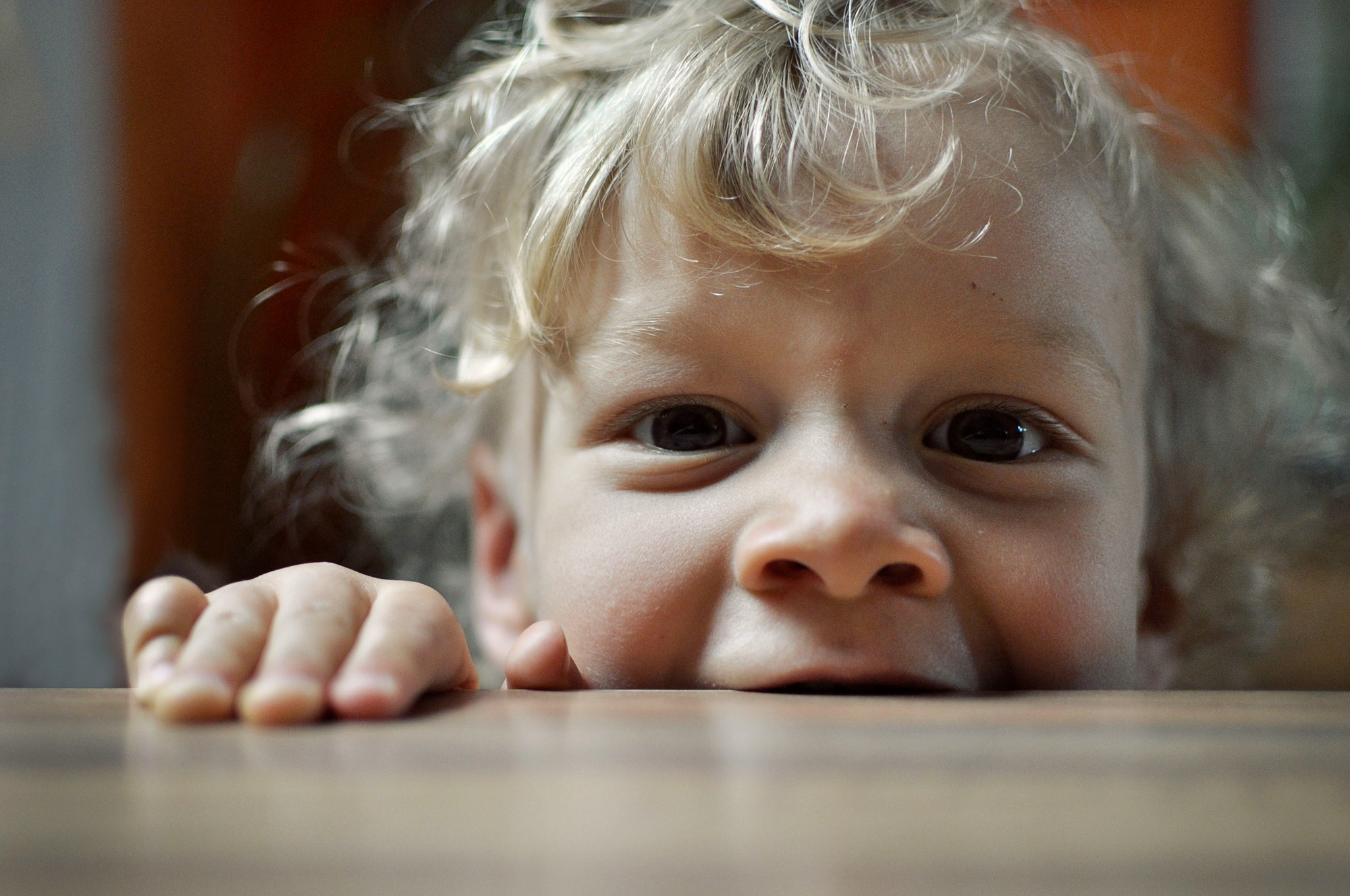
Image by ManuelTheLensman

Most parents speak with love in their hearts. But even the most well-meaning words can land in a child’s mind with more weight than we expect. Children are still learning how to interpret tone, language, and emotion. And often, the things adults say casually, out of stress, habit, or frustration, can hit harder than we realize.

The truth is, some of the most common phrases used with kids don’t nurture them. They quietly chip away at their self-worth, confuse their emotions, or make them feel unseen. While none of us get it right 100% of the time, becoming more aware of our words is one of the most powerful ways to deepen connection and trust.

Here are eight phrases that often do more harm than good and what to say instead.

“You’re fine.”

This phrase tends to come out when a child is upset, and we want to soothe them quickly. But when kids hear “You’re fine” while they’re visibly crying or anxious, it sends a mixed message. It tells them that their feelings are either wrong or too inconvenient to acknowledge.

Instead, try: “You’re safe. I’m here. Want to tell me what’s going on?” You’re still offering reassurance, but without dismissing how they feel.

“Because I said so.”

In the moment, this may seem like a way to end the conversation. But it doesn’t teach kids anything about the reasoning behind rules or decisions. It can make children feel powerless, especially when they’re seeking clarity or connection.

A better option is to calmly explain your thinking in a few words. Even a short, honest reason gives them something to learn from. “We’re leaving now because it’s getting late, and your body needs rest” can go a long way in helping kids feel respected.

“Why can’t you be more like your brother/sister?”

Comparisons don’t motivate. They wound. Even if your intention is to inspire better behavior, this kind of comment usually stirs up shame, resentment, or competition between siblings. It can make a child feel they’ll never be enough on their own terms.

What helps more is focusing on your child’s individual growth. “I know this isn’t easy for you, but I see you trying” is more encouraging and builds self-worth, not rivalry.

“You’re being so dramatic.”

This one often comes out when a child is melting down over something that seems minor to us. But for kids, big emotions feel big. Dismissing their reaction doesn’t help them regulate. It just teaches them their feelings are too much or embarrassing.

Instead, try validating the feeling even if you don’t agree with the reaction. “That really upset you, huh?” opens the door to conversation instead of shutting it down.

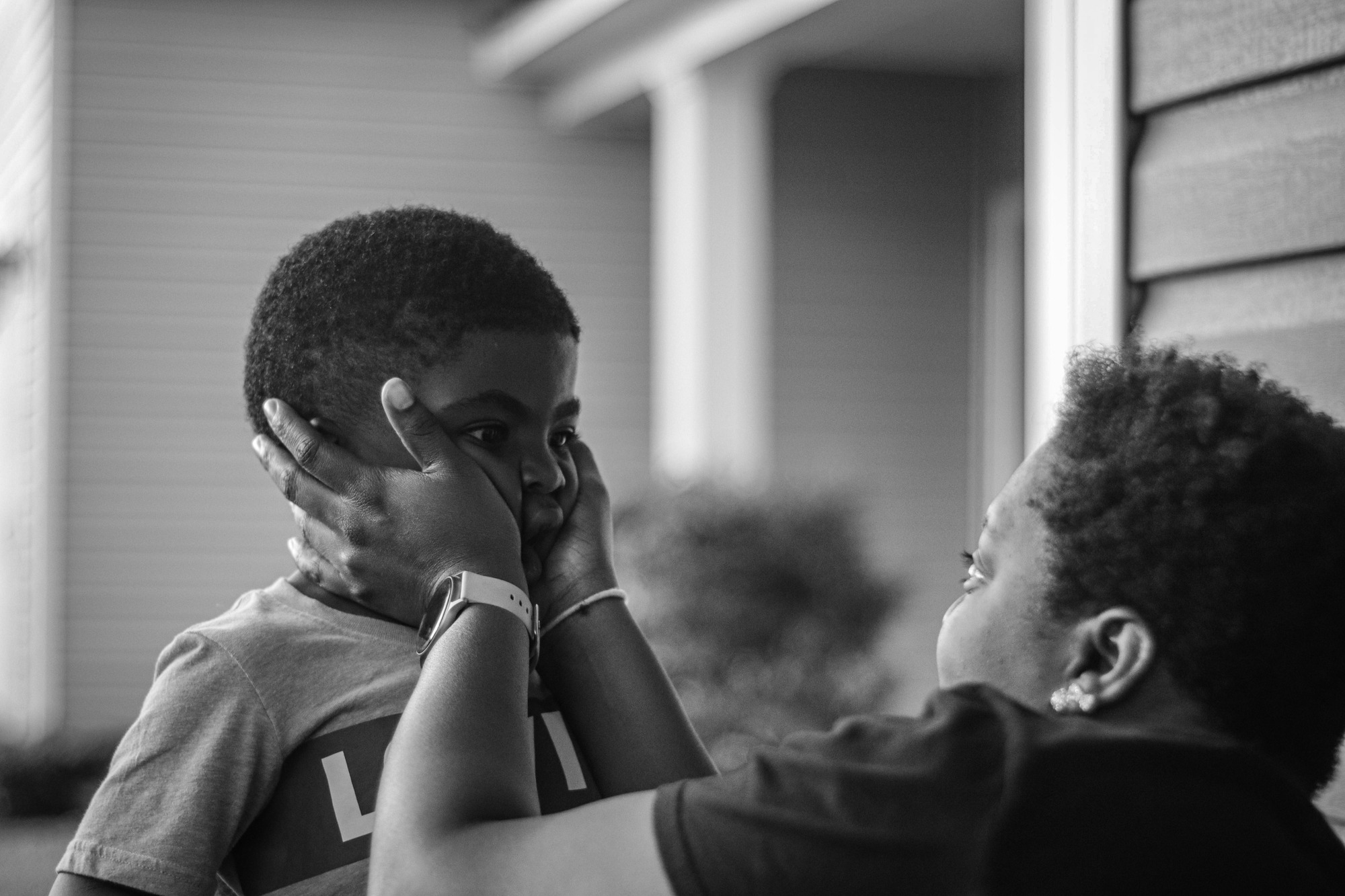
Image by Tamara Govedarovic

“If you don’t stop, I’m leaving without you.”

Threats tied to abandonment, even empty ones, can be especially scary to young kids. While you may mean it as a tactic to hurry them along, what they hear is: I could be left behind.

A gentler approach might be: “We need to go now. How can I help you get ready faster?” It keeps your tone firm but supportive, showing you’re still on their team.

“You’re too sensitive.”

Children are born with different temperaments. Some feel everything deeply, and labeling them as “too” anything tells them who they are isn’t acceptable. Over time, they may learn to hide their emotions rather than manage them.

If your child is overwhelmed, offer empathy: “You feel things strongly, and that’s okay. I’m here to help you handle it.” Sensitivity can be a strength when it’s nurtured, not shamed.

“Big boys/girls don’t cry.”

This outdated phrase has harmed generations of kids by suggesting that expressing emotion is weak or immature. Crying is a natural response to pain, frustration, or sadness, and it’s not something to outgrow.

Better yet, say: “It’s okay to cry. Everyone cries sometimes. Let’s breathe together.” This allows your child to feel safe and supported, even in their most vulnerable moments.

“I’m disappointed in you.”

Few words carry more weight than this one. When kids hear it, they often internalize it as “I am a disappointment” rather than “I made a mistake.” It becomes about their identity instead of their behavior.

You can still hold boundaries without shame. Try: “That choice wasn’t okay, and we need to talk about it. But I still love you, no matter what.” Discipline doesn’t have to come at the cost of your child’s self-esteem.

Words shape how children see themselves and the world. While no parent can filter every phrase perfectly, being mindful of how our words land can make a profound difference. A simple change in how we speak can open the door to trust, emotional safety, and lifelong confidence.

What’s a phrase you heard as a child that stuck with you, for better or worse?

Read More:

Real Talk: Blunt Parenting Advice You Won’t Hear Elsewhere

10 Parenting Practices That Are More Harmful Than You Think

Filed Under: Money and Finances, Parenting Tagged With: child development, childhood trauma, communication with kids, emotional intelligence, emotional validation, gentle parenting, hurtful phrases, parenting mistakes, parenting tips, Positive Parenting

6 Things Every Parent Should Know Before Becoming the Default Parent

May 5, 2025 | Leave a Comment

Image by Kelli McClintock

In every household, there’s often one parent who becomes “the default.” The one who remembers the school picture day. The one who knows which kid is afraid of thunderstorms and which one will only eat pasta with butter. The one who gets called from daycare, organizes playdates, handles doctor appointments, and keeps it all together—until they’re barely holding on.

It’s a role that many fall into without realizing it. Sometimes it’s expected. Sometimes, it’s assumed. But either way, it comes with a silent weight that can take a serious toll.

Before you become the default parent (or if you already are), it’s important to understand what the role really involves, why it matters, and what you can do to protect your sense of self in the process.

It’s Not Just About Who Does More. It’s About Who’s Always “On”

Being the default parent doesn’t necessarily mean you’re doing 100% of the work. It means you’re carrying the invisible load. You’re the one anticipating needs before they arise. You know the babysitter’s schedule, the kid’s favorite snack, and how many diapers are left without even checking.

This kind of mental labor is constant and often goes unnoticed. Even if your partner helps out, the emotional energy of always being the one “on call” takes a toll that’s hard to measure but very real.

It Can Slowly Erode Your Identity If You’re Not Careful

When you’re the go-to for everything, it’s easy to lose sight of where your role ends and you begin. You may stop doing the things that used to bring you joy or feel like you’re on autopilot, existing solely to manage the family machine.

The more invisible your labor becomes, the more your identity gets swallowed by your responsibilities. That’s why it’s crucial to carve out space for yourself, not just for self-care, but to remember who you are outside of parenting.

Your Resentment Is a Signal, Not a Failure

If you feel burnt out, touched out, or frustrated that everything falls on your shoulders, it doesn’t mean you’re a bad parent. It means your current situation is unsustainable.

Resentment is a clue that something needs to change, not proof that you’re failing. The sooner you listen to that signal, the sooner you can start having honest conversations and rebalancing the load.

Image by Juliane Liebermann

Kids Notice More Than You Think

Children are incredibly perceptive. They might not understand the emotional complexity of what’s happening, but they can tell when one parent is always available and the other isn’t. This can subtly shape how they view emotional labor, caregiving, and gender roles as they grow.

Modeling healthy boundaries and shared responsibility teaches your children that parenting is a team effort and that no one person should have to carry the whole burden alone.

Communication With Your Partner Matters. A Lot

Many default parents assume their partner just should know what needs to be done. But the reality is mental loads are invisible unless they’re talked about.

Having open conversations about who handles what, how you’re feeling, and what kind of support you need can prevent a lot of future resentment. You don’t need to ask for help like a guest. You need to divide labor like a team.

You Deserve to Be More Than the Family’s Safety Net

Being the default parent often means you’re the emotional cushion everyone falls back on. But who’s catching you?

You deserve breaks, rest, hobbies, dreams, and uninterrupted sleep. You deserve to feel like your needs matter, too. The household doesn’t run smoother when one parent burns out. It functions best when both parents feel seen, supported, and respected.

Taking on the default parent role without clear communication or balance can drain even the most devoted caregiver. But it doesn’t have to be that way. Awareness, boundaries, and honest dialogue can go a long way toward redistributing the emotional and physical workload and ensuring you don’t disappear under it.

Have you ever found yourself in the default parent role?

Read More:

Real Talk: Blunt Parenting Advice You Won’t Hear Elsewhere

Parenting Fairness: 10 Tips to Make Sure Both Parents Share the Load

Filed Under: Parenting Tagged With: default parent, emotional labor, family dynamics, mental load, mom burnout, parenthood balance, parenting advice, parenting roles, parenting support

6 Lessons People Often Learn Too Late About Setting Boundaries

May 5, 2025 | Leave a Comment

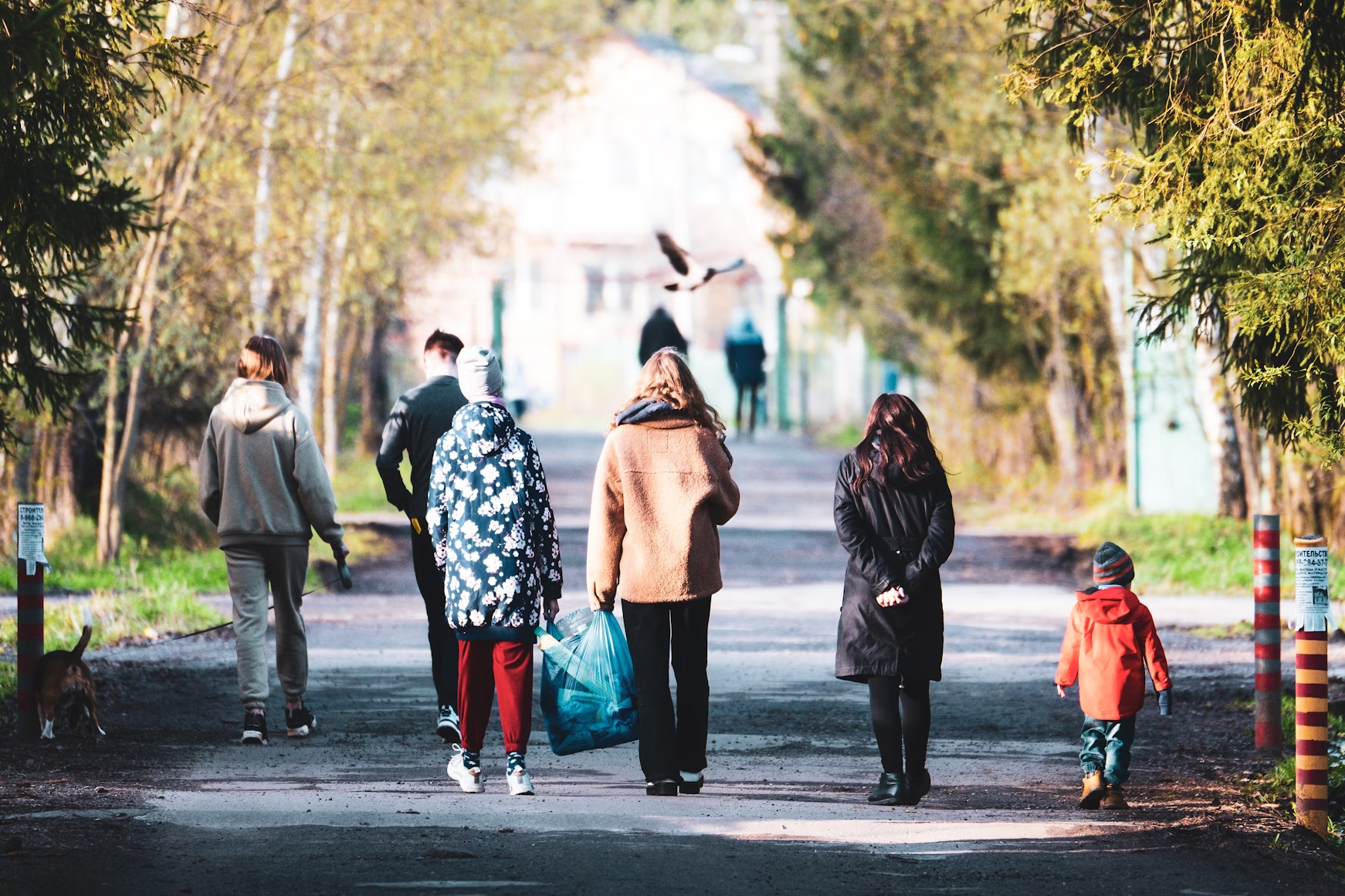
Group of people, including a child, walking together down a tree-lined path.
Image Source: Unsplash

Some lessons in life don’t click until you’re already deep into burnout, resentment, or regret. And when it comes to boundaries—those invisible lines that protect our time, energy, and mental well-being—many of us don’t realize their power until we’ve let them be crossed too many times.

Boundaries aren’t about being cold or difficult. They’re about showing up for yourself with the same care and consistency you offer others. But far too often, people learn that the hard way. Here are six boundary-setting lessons people tend to discover too late and why understanding them now can change everything.

Saying Yes All the Time Doesn’t Make You a Better Person

For people-pleasers, the word “no” can feel like a personal failure. But constantly saying yes to others often means saying no to yourself. You wind up overcommitted, overwhelmed, and quietly resentful.

Many people don’t realize until much later that being agreeable doesn’t automatically equal being kind or generous. True kindness involves being honest about your capacity and making sure you aren’t running on empty. The most generous people are the ones who know when to pause and refill their own cup.

Not Everyone Deserves Unlimited Access to You

One of the toughest lessons is that just because someone wants your time, energy, or attention doesn’t mean they’re entitled to it. Whether it’s a friend who constantly unloads their problems on you or a coworker who expects you to pick up the slack, it’s easy to fall into a dynamic where you feel like you’re always available because you’ve never said otherwise.

Eventually, many people learn that availability is a form of currency. When you give it away without limits, others will take it without pause. Boundaries teach people how to treat you, and setting them makes it clear that you value yourself.

Guilt Isn’t a Sign You’re Doing Something Wrong

Setting a boundary can feel uncomfortable, especially when you’re not used to it. That discomfort often shows up as guilt, and for many people, guilt becomes the reason they don’t follow through.

But guilt isn’t always a reliable indicator of wrongdoing. Sometimes, it’s just a byproduct of doing something new and unfamiliar. Many people eventually realize that the first time you enforce a boundary, guilt is a natural reaction, but it doesn’t mean the boundary is wrong. It just means you’re growing.

Image by Brooke Cagle

You Teach People How to Treat You

It’s easy to blame others for crossing your boundaries, but if you never made your limits clear, how could they know? It’s not always comfortable to communicate your needs, but it is necessary.

Many people learn too late that being passive or vague leads to confusion, frustration, and repeated boundary violations. Being direct, even if it’s awkward, is what builds mutual respect. Clear boundaries are an act of self-respect—and they often inspire others to respect you more, too.

Avoiding Conflict Just Delays the Explosion

Some people avoid setting boundaries because they don’t want to rock the boat. They’d rather stay quiet, keep the peace, and hope things get better on their own. But that’s rarely what happens.

Instead, unspoken frustrations pile up until they come out all at once—often in a way that damages relationships. People who wait too long to set boundaries usually end up learning that avoiding small conflicts now only creates bigger ones later. Boundary setting isn’t about being confrontational. It’s about preventing resentment from festering and exploding.

Boundaries Don’t Push People Away. They Keep the Right Ones Close

One of the most surprising lessons people learn is that healthy boundaries don’t drive people away. In fact, they tend to do the opposite.

The people who truly care about you won’t be offended by your boundaries. They’ll respect them. They may even feel safer and more connected to you because your relationship has clarity and mutual respect. It’s often only after enforcing boundaries that people realize they’ve made space for the right relationships to thrive, while the ones that couldn’t handle limits were never meant to last.

Setting boundaries isn’t about becoming rigid or selfish—it’s about creating space in your life for what matters most. It’s about protecting your peace, your values, and your well-being. And while these lessons often come with a bit of pain or hindsight, they’re powerful reminders that it’s never too late to start.

What’s one boundary you wish you had set earlier in life?

Read More:

Setting Boundaries with Your Grown Children: It’s Healthy

How Do You Teach Kids About Consent and Boundaries?

Filed Under: Mental Health, Parenting Blog at KidsAintCheap Tagged With: assertiveness, boundaries in relationships, emotional health, healthy habits, Life Lessons, mental wellness, personal growth, self-respect, setting boundaries

When Kids Seem Out of Control: Signs It’s More Than “Just Hyper”

May 5, 2025 | Leave a Comment

Image by Jose Ibarra

We’ve all done it—laughed off our child’s wild energy, blamed a meltdown on too much sugar, or explained away nonstop movement with a shrug and a “they’re just high-energy.” And sometimes, that’s absolutely true. But there’s a point where the chaos stops being typical—and starts being a cry for help.

The truth is, some kids are naturally more spirited. But others are struggling underneath that energy, reacting to a brain or body that isn’t quite in sync with the world around them. And the signs that something deeper is going on? They’re often easy to miss—or easy to excuse.

If you’ve ever wondered whether your child’s “hyper” behavior might actually be a red flag, here’s what to look for.

They Can’t Seem to Turn “Off”

All kids get the zoomies. But when your child truly can’t stop, even when asked, even when it’s dangerous, even when they’re visibly exhausted, that’s not just energy. It’s dysregulation. You may notice they’re constantly moving: running into things, climbing what shouldn’t be climbed, even injuring themselves without seeming to care. These kids aren’t ignoring the rules. Their brains are struggling to process boundaries, danger, and self-control.

You might see teachers getting frustrated. Other parents might stop inviting your child over. And while everyone else assumes they’re “just wild,” you’re starting to wonder why your child seems compelled to keep going, no matter the consequences.

Emotional Reactions Seem Way Bigger Than the Situation

If your child falls apart over a broken cookie or the wrong color cup, you might be tempted to label it as drama. But for some kids, a small change in their environment can trigger a huge emotional surge. These aren’t tantrums designed to manipulate. They’re emotional explosions caused by a nervous system that feels overwhelmed.

Transitions can be especially tough. Leaving the house, starting bedtime, or switching from one activity to another might send them into full-blown panic. You’re not dealing with a power struggle. You’re witnessing real distress. And that’s a cue to look deeper.

They Struggle to Play Alone or Focus on Anything

Many children enjoy attention, but if your child can’t play alone, even for a few minutes, it might be more than clinginess. You may notice they bounce from one activity to another, unable to stay with anything. They constantly ask you what to do, get frustrated quickly, and rely on you to guide every step.

This level of dependence can be a sign of executive functioning challenges. These kids aren’t lazy or spoiled. They may truly have a hard time figuring out where to start, what to do next, or how to stay with something long enough to enjoy it.

Image by Marisa Howenstine 

Nothing Seems to “Work” to Rein in Behavior

You’ve read the parenting books. You’ve tried time-outs, rewards, and logical consequences. Maybe even gentle parenting or a more rigid structure. And nothing seems to stick.

That doesn’t mean you’re failing. It often means your child needs a different approach—one tailored to how their brain works. Kids with ADHD, sensory processing difficulties, or undiagnosed anxiety don’t respond to discipline in the typical way. Their behavior isn’t defiance. It’s communication. When everything feels too loud, too fast, or too confusing, the result is often misbehavior that’s really just a cry for support.

They Know They’re Different, And It Hurts

One of the most heartbreaking signs that something deeper is going on is when your child starts saying things like, “Nobody likes me” or “I always mess up.” These kids notice when they get in trouble more than others, when they’re left out of birthday parties, or when even adults treat them like a problem.

Underneath the hyperactivity or defiance, there’s often a kid who’s deeply aware that they’re not like the others and who desperately wants to be. Ignoring that pain won’t make it go away. But recognizing it is the first step to helping them feel seen, understood, and supported.

You Feel Something’s Off, But Keep Getting Dismissed

Maybe the teachers say, “They’ll grow out of it.” Maybe your partner doesn’t see the problem. Maybe well-meaning friends tell you to just be firmer. But deep down, you know. You live it every day. You feel the tension, the meltdowns, the way everything always feels one step from chaos.

Trust your gut. If you’ve been sensing for a while that your child isn’t just quirky or strong-willed—that they’re struggling—you’re probably right.

What You Can Do Next

Start with your pediatrician. Share specific examples, like the time your child darted into traffic without hesitation or the fact that they’ve had three meltdowns before breakfast every day this week. From there, you can explore whether an evaluation makes sense, either through your child’s school or with a private specialist.

You don’t need a diagnosis overnight. And you definitely don’t need to panic. But you do deserve support, and so does your child. The earlier you get answers, the sooner you can shift from reacting to understanding. And once you understand, everything starts to change.

Have you ever felt dismissed when trying to advocate for your child’s needs? What helped you push through, and what do you wish someone had told you sooner?

Read More:

12 Behaviors That Are Nonexistent in Children With Loving Parents

From Chaos to Calm: Strategies for Difficult Toddler Behavior

Filed Under: Parenting Tagged With: ADHD signs, child behavior, childhood anxiety, Emotional Regulation, hyperactivity, Mental Health Awareness, parenting support, sensory processing

7 Times Saying ‘But They’re Family!’ Led to Huge Regret

May 5, 2025 | Leave a Comment

Image by National Cancer Institute

It’s one of the most common justifications people give for enduring disrespect, betrayal, and abuse: “But they’re family.”

It’s a phrase loaded with guilt and expectation. We use it to excuse bad behavior, overlook clear red flags, and keep toxic people in our lives far longer than we should. Society teaches us that blood is thicker than water, that loyalty to family is sacred, and that cutting ties, no matter how damaging the relationship, is the ultimate taboo.

But here’s the hard truth: being family doesn’t give someone the right to hurt you. In many cases, continuing to give toxic relatives the benefit of the doubt leads to lasting damage—not just for you, but for your partner, kids, finances, and mental health.

Below are seven real-life-inspired scenarios where ignoring bad behavior because “they’re family” led to serious regret. If you’ve been questioning your own boundaries, this list might offer some clarity and maybe even the validation you didn’t know you needed.

1. Trusting the Family Babysitter Who Was “Too Good with Kids”

At first, it seemed like a blessing. Her sister offered to watch the kids for free every week. She brought snacks and games and always said yes to babysitting. But the subtle signs were there—boundary crossing, inappropriate jokes, encouraging secrets between her and the kids. Still, the mom brushed it off. “She’s family. She loves them. I’m overreacting.”

Until her daughter confessed that her aunt made her uncomfortable. Mom’s regret wasn’t just about trusting the wrong person. It was about dismissing her gut for the sake of peace.

Lesson: Family ties don’t make someone safe. Always believe your instincts—and your kids.

2. Adding a Sibling to the House Deed to “Keep It in the Family”

They’d always promised Mom’s house would stay in the family. So when she passed, one sibling offered to co-own the property—“just until things settled.” A year later, the house was sold out from under them.

Turns out, that sibling had quietly refinanced the home, maxed out its equity, and then flipped it without discussion. Because they were on the deed, they didn’t need permission.

Lesson: Sentiment doesn’t protect your assets. Put everything in writing—no matter how close you are.

3. Letting the Uncle with a “Short Fuse” Stay for the Holidays

He always got loud after a few drinks. He had a temper, but “that’s just how he is.” So when he needed a place to stay during the holidays, they welcomed him in for the kids’ sake.

By Christmas Eve, he’d screamed at their 6-year-old for dropping an ornament and punched a hole in the wall during a disagreement about politics.

Lesson: Holidays don’t fix toxicity. If someone’s a danger to your peace, they don’t get a seat at the table.

4. Giving a “Down-on-Her-Luck” Cousin Access to a Joint Account

She needed a place to stay and some help getting back on her feet. It felt cruel to say no. So they let her stay in the guest room and offered access to a joint account to cover groceries. One month later, the account was emptied, credit cards were maxed, and the cousin was nowhere to be found.

Lesson: Compassion doesn’t mean financial self-sacrifice. Help with clear limits or not at all.

5. Inviting the Emotionally Abusive Parent Back Into Your Child’s Life

Years of therapy had created distance and healing. But when the grandparent begged to reconnect with the grandkids, they gave in—“They’re older now. Maybe things will be different.” They weren’t.

Within weeks, the same passive-aggressive guilt trips, backhanded compliments, and manipulation returned. The child, once happy and confident, began having nightmares and panic attacks.

Lesson: If someone traumatizes you, they may traumatize your kids, too. Protect your child like no one protected you.

Image by Rajiv Perera

6. Turning the Other Cheek to the Racist In-Law “Because That’s Just How He Talks”

The jokes started out “harmless.” Then came the comments at dinner. The warnings about who their daughter was dating. Still, everyone urged silence: “Don’t stir the pot. He’s family.” The silence turned into tolerance, and the tolerance turned into harm.

Eventually, the daughter overheard something cruel and decided her family’s acceptance of hate meant she couldn’t trust them either.

Lesson: Every time you excuse hate, you teach the next generation to accept it. Call it out, especially in your own house.

7. Letting the Estranged Parent Walk the Bride Down the Aisle for “Tradition’s Sake”

He hadn’t been around for most of her life. But as the wedding neared, pressure mounted: “He’s still your father.” “You’ll regret not having that moment.” So she gave in.

What followed was a scene-stealing toast, backhanded comments, and weeks of emotional fallout. She spent her honeymoon crying over what should’ve been a joyful day.

Lesson: Traditions aren’t worth your peace. Choose what feels right to you, not what keeps everyone else comfortable.

Family Should Be Safe, Not Sacred

We’re taught that walking away from family is the ultimate betrayal. But sometimes, the real betrayal is staying in relationships that hurt us just to honor a title.

If someone repeatedly disrespects your boundaries, undermines your confidence, manipulates your emotions, or makes your home feel unsafe. They don’t deserve automatic access to your life, your peace, or your children.

Blood might make you related. But love, respect, and accountability make someone family. You are allowed to choose what family means for you and your kids.

Have you ever ignored red flags because someone was “family”? What helped you finally say enough?

Read More:

Setting Boundaries with Your Grown Children: It’s Healthy

Why Grandparents Shouldn’t Babysit Their Grandkids Every Week – The Unspoken Issue

Filed Under: Family, Parenting Tagged With: cutting off toxic family, emotional boundaries, emotional health, family guilt, generational trauma, narcissistic relatives, setting limits, toxic family

5 Subtle Ways Narcissistic Parents Hurt Their Grandkids

May 5, 2025 | Leave a Comment

Image by Benjamin Elliott

We all want our children to grow up surrounded by love. That often means encouraging relationships with extended family, including your own parents. But what if those parents are narcissistic?

Maybe they don’t yell, criticize, or act outwardly cruelly. In fact, they might be charming, generous, or full of praise, especially when other people are watching. But behind closed doors, their behavior can be deeply manipulative and emotionally damaging. And often, the harm they cause to their grandkids is subtle. You might even miss it at first.

Here’s the truth: narcissistic parents rarely change just because they’ve become grandparents. In many cases, their old patterns—control, guilt, attention-seeking, competition, and boundary-blurring—resurface, only now they’re aimed at your children.

Here are five quiet but powerful ways narcissistic grandparents can negatively affect your child’s emotional health and how to draw the line without the family fallout.

1. They Compete for Your Child’s Affection

At first, it may look like love. Gifts, attention, extra treats, special privileges. But underneath the surface is a subtle message: “I can make you happier than your parents can.” This isn’t about spoiling. It’s about control.

Narcissistic grandparents often treat their grandchild’s affection like a trophy. They want to be the “favorite,” and they’ll compete with you—directly or indirectly—to win it. They might override your rules, downplay your authority, or frame you as the “boring” or “mean” parent.

The child doesn’t see this manipulation. They just feel confused about who to trust. Over time, it can damage your bond and create division in your home.

2. They Use Your Kids to Meet Their Own Emotional Needs

Grandkids should never be emotional caretakers, but narcissistic grandparents often blur that line.

They might treat your child like a “mini therapist,” confiding in them about adult problems. Using guilt to get more attention: “I’m so sad you didn’t call me today,” or “I guess I’m not important to you anymore.” They even position themselves as victims to gain sympathy.

This emotional enmeshment isn’t just inappropriate. It’s harmful. It teaches kids that other people’s happiness is their responsibility. It creates anxiety, guilt, and pressure where love should be free.

3. They Undermine Your Parenting Subtly but Constantly

Narcissistic parents often think they know better than you. And they’ll let your kids know it.

“Your mom’s too strict.”
“Your dad doesn’t understand what kids really need.”
“Grandma would never say no to that.”

Sometimes, it’s said with a wink and a smile. But make no mistake; this is sabotage. It erodes your authority and creates a confusing double standard that makes discipline, routines, and boundaries hard to maintain.

It also teaches your child that rules are optional and that their loyalty should shift depending on who gives them what they want.

Image by Johnny Cohen

4. They Make Your Child Responsible for Their Reputation

Narcissistic grandparents care deeply about appearances. They want to be seen as the “fun one,” the “devoted one,” the “best grandparent ever.” So they’ll pressure your child to perform that role.

Smile for the photo. Say thank you even if you didn’t want the gift. Tell everyone how much fun you had, even if you didn’t.

This can force your child into emotional dishonesty. They learn that being polite matters more than being real. That making an adult look good is more important than speaking up. Over time, this pressure can shut kids down emotionally and make them doubt their instincts.

5. They Ignore Boundaries and Expect Access

Narcissistic grandparents often believe that being “family” means they’re entitled to full, unrestricted access to your child. They may drop by unannounced, press you for alone time, or disregard limits on visits, food, media, or discipline.

If you push back? They might call you controlling and ungrateful or accuse you of keeping the grandkids from them. They’ll frame your boundaries as cruelty and themselves as the victim.

This creates stress for you and tension your kids can feel. It also teaches them that boundaries are “mean” instead of healthy.

How to Protect Your Kids (Without Blowing Up the Family)

Dealing with a narcissistic parent is hard. Doing it while raising children adds another layer of emotional complexity. But it is possible to protect your kids, set limits, and preserve your sanity.

Here’s how to start:

  • Name the behavior. You don’t have to diagnose them—but privately, get honest with yourself. Recognize the patterns, even if they come with smiles and hugs.
  • Decide your non-negotiables. What’s most important to you? Respecting rules? Not being emotionally manipulated? Choose a few core boundaries and stick to them.
  • Limit alone time. Don’t feel obligated to allow unsupervised visits if you’re concerned. Supervision can reduce the opportunity for emotional harm.
  • Prepare your kids. As they grow, teach them about emotional safety, honesty, and boundaries. Let them know they can talk to you about anything—no matter who it involves.
  • Give yourself permission. You don’t owe access to someone who continues to harm—even subtly. Protecting your child isn’t overreacting. It’s parenting.

Breaking the Cycle Is Hard But Worth It

You may have spent your whole life navigating your parent’s narcissism. And now, watching it extend to your children is heartbreaking. But here’s the good news: you have more power than you think.

You can break the cycle, set a new example, give your kids the safety, clarity, and love you may not have gotten yourself, even when it’s uncomfortable, even when it causes friction.

Your kids are watching. Let them see what healthy love looks like.

Have you dealt with a narcissistic grandparent in your child’s life? What helped you hold your boundaries?

Read More:

How Parenting Trends Are Changing the Way Kids Grow Up

Teaching Your Child That “Family” Doesn’t Mean “Tolerate Abuse”

Filed Under: Money and Finances, Parenting Tagged With: child mental health, emotional boundaries, family dynamics, generational trauma, narcissism and kids, narcissistic parents, parenting boundaries, protecting your child, toxic family, toxic grandparents

The Snack Obsession: How It’s Sabotaging Your Kid’s Health

May 5, 2025 | Leave a Comment

Image by Georgia Vagim 

If you feel like you spend half your day handing out snacks, you’re not alone. Between breakfast and lunch, there’s a snack. Then another one between lunch and dinner. And don’t forget the post-dinner “I’m still hungry” snack. Modern parenting often feels like managing a 24/7 snack buffet.

And honestly? It starts with good intentions. We want our kids to feel full, happy, and fueled. But somewhere along the way, snack time stopped being helpful and started becoming a health hazard.

Let’s unpack how this obsession with snacking got so out of hand, what it’s actually doing to your child’s body, and how to hit reset without turning every afternoon into a hunger strike.

How Did We Get So Snack-Obsessed?

We’re raising kids in a culture that markets snacks as necessities. Toddler diaper bags are stocked like vending machines. Every preschool pickup ends with “What’s in your snack cup?” And grocery store shelves are overflowing with brightly packaged, sugary, shelf-stable options promising “whole grains” and “natural fruit.” But here’s what we forget: kids didn’t always need snacks every two hours.

A generation ago, snacks were an occasional treat, not a routine. Today, between-school bites, car snacks, bedtime snacks, and sports snacks have become part of the daily rhythm, often in the form of ultra-processed, high-sugar, low-nutrient foods.

And here’s the kicker: many of us feel guilty if we don’t offer snacks, even if our kid isn’t hungry. We worry they’ll crash, have a tantrum, or just feel left out. But that constant access to food comes with hidden costs.

1. It Disrupts Their Natural Hunger Cues

Kids are actually born with an incredible ability to self-regulate hunger. Left to their own devices, most will eat when they’re hungry and stop when they’re full.

But frequent snacking interferes with that natural rhythm. When food is always available, eating becomes less about hunger and more about habit or boredom.

Over time, this can lead to overeating, even when the body doesn’t need fuel. And when meals roll around, your child might not be hungry for actual food, leading to the classic dinner standoff.

2. Snacks Are Often Just Sugar in Disguise

Take a stroll through the “kids’ snack” aisle, and you’ll see a parade of health buzzwords—organic, gluten-free, whole grain. But flip the box, and you’ll likely find high levels of sugar, salt, and refined carbs–fruit snacks made of mostly corn syrup, yogurt tubes with more sugar than soda, and granola bars with a dessert’s worth of calories.

These kinds of snacks don’t just fail to nourish. They spike blood sugar, lead to energy crashes, and create more cravings. It’s a rollercoaster ride most little bodies (and parents) aren’t built for.

3. They Crowd Out Nutrient-Dense Meals

If your child snacks through the afternoon, they’re less likely to eat real food at dinner. Which often leads to more snacking later. It’s a cycle that keeps actual meals from being the primary source of nutrition.

Many kids end up under-eating protein, vegetables, fiber, and healthy fats because they’re too full from goldfish crackers and applesauce pouches to try chicken and broccoli. The result? Nutritional gaps that show up in everything from mood swings and poor sleep to weak immunity and sluggish energy.

Image by Zoshua Colah 

So, What Can You Do Without Triggering a Toddler Uprising?

Let’s be honest: we’re not going to suddenly live in a world without snacks. And that’s okay. Kids have small stomachs and high energy needs. There’s a place for snacks. But we can make small, powerful changes that shift the culture of snacking back to balance.

Try These Smarter Snack Strategies

1. Rethink the Schedule.
Kids generally only need two snacks a day: one mid-morning and one mid-afternoon. If they’re eating breakfast, lunch, and dinner with adequate portions and nutrition, constant grazing isn’t necessary.

2. Serve Snacks With Structure.
Treat snacks like mini meals—served at a table, with a drink, no screens. This reinforces that food is for fueling, not entertainment.

3. Offer Real Food.
Snacks can be just as whole and nutritious as meals. Try:

  • Sliced veggies with hummus
  • Cheese and fruit
  • Hard-boiled eggs
  • Whole-grain toast with nut butter
  • Leftovers from lunch or dinner

These kinds of snacks give your child what they actually need—protein, fiber, fat, and steady energy.

4. Don’t Use Snacks as Emotional Fixes.
It’s tempting to offer food as a pacifier for boredom, stress, or tantrums, but it teaches the wrong lesson. Sometimes, they just need play, a hug, or quiet time.

5. Let Them Feel Hunger (Within Reason).
Being a little hungry between meals isn’t a problem. It’s a sign their digestive system is working properly. Allowing short periods of hunger builds appetite, helps kids tune into their body’s signals, and often leads to better eating at mealtime.

It’s About Resetting the Culture, Not Eliminating Joy

Snacks can still be fun. There’s room for the occasional treat. But building awareness and teaching kids that snacks are part of a balanced life, not the center of it, is key. So the next time your little one says they’re hungry 20 minutes after lunch, pause. Are they bored? Thirsty? Tired?

And if they really do need a snack, make it count.

How do you handle snack time in your house? Got a go-to healthy option your kids actually like?

Read More:

Beyond Nuggets: Healthy and Easy Toddler Food Ideas

4 Strategies to Encourage Healthy Eating Habits in Kids

Filed Under: Parenting Tagged With: childhood health, healthy eating habits, kids nutrition, mindful eating, parenting tips, picky eaters, snack time, sugar and kids, toddler snacking

The Art of Sneaking Veggies Into Meals (And Loving It)

May 5, 2025 | Leave a Comment

Image by Scott Warman

You slide a bowl of broccoli across the table and brace for the grimace. The fork goes untouched. The broccoli is eventually smuggled under a napkin…or worse, fed to the dog. Sound familiar?

Whether you’re dealing with a toddler who survives on crackers and cheese or a partner who acts personally offended by spinach, getting veggies into your family’s meals can feel like a full-time job. And even when we do manage to sneak a few green things onto the plate, they often end up untouched.

But here’s the good news: with a little strategy (and a few blender tricks), it’s not just possible to sneak vegetables into meals. It’s possible to make them the star ingredient without anyone noticing. Let’s talk about how.

First, Let’s Ditch the Guilt

There’s nothing wrong with hiding veggies. In fact, it’s a parenting survival skill. Some kids (and grownups) just need more time, exposure, and creativity to build a positive relationship with nutritious food.

Sneaking vegetables into your meals isn’t about trickery. It’s about opportunity. You’re building familiarity through taste, texture, and repetition. Over time, that exposure helps develop a more adventurous palate. It’s not cheating. It’s strategic parenting.

Now, onto the good stuff.

1. Blend Veggies Into Sauces and Soups

One of the easiest ways to sneak in vegetables is by blending them right into things your family already eats and loves.

  • Mac and cheese: Stir in puréed butternut squash, sweet potato, or cauliflower with your cheese sauce. It adds a creamy texture and bonus nutrients, and the color matches so well, no one will question it.
  • Tomato sauce: Toss in cooked carrots, spinach, mushrooms, or zucchini and blend until smooth. The veggies deepen the flavor and mellow the acidity of tomatoes—a win-win.
  • Soup bases: Pureed vegetables like carrots, peas, broccoli, or cauliflower blend beautifully into broths. They thicken the soup and make it more filling without changing the familiar flavor too much.

Pro tip: Use a high-speed blender or immersion blender for ultra-smooth results—chunky “mystery bits” are where suspicion begins.

2. Bake Them Into Breakfasts and Snacks

Who says veggies only belong at lunch and dinner? Sweet treats and breakfasts offer perfect low-pressure spots to tuck in a serving or two.

  • Muffins and quick breads: Zucchini bread, pumpkin muffins, and carrot cake are classics for a reason. Add flaxseed or grated apple for extra fiber and moisture.
  • Pancakes and waffles: Blend spinach or pumpkin into the batter. A handful of spinach turns pancakes a fun green that kids may love (especially if you call them “Hulk cakes”).
  • Brownies: Believe it or not, puréed black beans, sweet potato, or even avocado can make brownies rich and moist without tasting “healthy.”

These kinds of bakes are ideal for school lunches or afternoon snacks—and no one has to know their “treat” came with a serving of vegetables.

3. Stuff It, Mix It, Wrap It

If blending and baking aren’t your thing, don’t worry. You can still sneak veggies in with some clever layering and wrapping.

  • Quesadillas and grilled cheese: Add a thin layer of finely chopped spinach or grated zucchini between the cheese and tortilla or bread. Once melted, it disappears into the gooey goodness.
  • Meatballs, burgers, and meatloaf: Finely chopped mushrooms, carrots, or bell peppers mix easily into ground meat without altering the taste. They add moisture, stretch your portions, and boost the nutrition.
  • Egg muffins and frittatas: Eggs are a fantastic vehicle for vegetables. Throw in anything you have—onions, tomatoes, spinach, kale, bell peppers—and bake into bite-sized portions.

This method is also perfect for leftovers: just chop, mix, and reimagine last night’s roasted veggies into something new.

Image by Jugoslocos

4. Make Smoothies That Pack a Secret Punch

Smoothies are a classic veggie-delivery system, and for good reason. The trick is to balance the greens with fruit so the texture is smooth and the taste is still sweet and fresh.

  • Start with a base: banana, mango, or pineapple help mask flavors.
  • Add your veggie: spinach, kale, avocado, beets, or even frozen cauliflower rice (yes, really. It’s flavorless but adds creaminess).
  • Toss in extras: nut butter, yogurt, chia seeds, or protein powder can make it a full meal.

Don’t forget to give it a fun name. A “Green Power Potion” or “Pink Princess Smoothie” goes down way easier than a “kale smoothie with flax.”

5. Let Kids Help—But Stay in Control

One way to reduce mealtime resistance? Involve your kids in the prep process. Let them pick the veggie you’ll “sneak” in today. Give them tasks like tearing spinach or stirring sauce. The more familiar they are with the ingredients, the less mysterious (and scary) they become.

But here’s the key: don’t oversell it. You risk triggering suspicion if you make a big deal about what’s hidden inside. Instead, focus on taste. Say things like, “This is extra creamy today,” or “I tried a new recipe!” Then, let them discover they love it on their own.

Don’t Forget the Long Game

Sneaking veggies isn’t about avoiding confrontation forever. It’s about creating a bridge. The more exposure your family has to vegetables (even in hidden form), the more likely they are to accept them on their own terms one day.

It might start with spinach blended into pasta sauce. Then maybe it’s sautéed into scrambled eggs. Eventually, it becomes a salad they actually request.

It’s a process. But every small win counts.

What’s your go-to trick for getting veggies into picky eaters?

Read More:

The Picky Eater: You Can Get Them to Eat Their Vegetables If You Do This

Stop Buying This: 6 Food Items That We Think Are Healthy but Are Bad for Our Children

Filed Under: Parenting Tagged With: Family Meals, healthy eating for kids, hidden veggies, Meal Planning, nutrition tips, picky eaters, sneaky vegetables, toddler nutrition, vegetable recipes

These 6 Dog Behaviors Are Actually Red Flags

May 5, 2025 | Leave a Comment

Image by Victor G

Dogs are loyal companions, expert snugglers, and some of the best communicators in the animal kingdom—if you know how to read their signals. A tilt of the head, a wag of the tail, or even a low growl can tell you more than words ever could. But sometimes, the signs are easy to miss. Or worse, we mistake them for quirky personality traits, and that’s when problems quietly escalate.

As pet parents, we often interpret our dog’s behavior through a human lens. We might say, “Oh, he’s just being weird today,” or “She’s in a mood,” when what we’re actually witnessing is a call for help. Some of these red flags come off as harmless, even funny. But if your dog consistently displays any of the behaviors below, it might be time to stop laughing and start paying attention.

1. Tail Chasing: Is It Play or a Cry for Help?

At first glance, tail chasing can be hilarious. Your pup spins like a furry tornado, seemingly entertained by its own tail. But if this becomes a daily ritual or goes on for long stretches of time, it could indicate a deeper issue.

Tail chasing is often associated with boredom or lack of exercise, especially in high-energy breeds. But obsessive tail-chasing, particularly when accompanied by whining, barking, or difficulty stopping, can signal canine compulsive disorder (CCD), a condition similar to OCD in humans. In some cases, neurological problems or even flea allergies near the tail area could be to blame.

What to do: Increase physical activity and introduce mentally stimulating toys. If it continues, consult your vet or a veterinary behaviorist for a closer look.

2. Suddenly Hiding or Withdrawing from the Family

Is your once-sociable dog now avoiding eye contact, hiding under the bed, or retreating to corners? Don’t chalk it up to “just wanting space.” A change like this can be a major warning sign of emotional distress or a physical health issue.

Dogs often isolate themselves when they’re in pain. It’s a protective instinct rooted in their ancestry when showing weakness could attract predators. But isolation can also stem from fear, depression, or a reaction to changes in the home, such as a new baby, loud renovations, or increased conflict among humans.

What to do: Keep a journal of when and how often your dog retreats. Combine that with a thorough vet check-up and a conversation about any environmental changes they may be reacting to.

3. Growling When Being Touched or Approached

Many pet owners instinctively scold a dog for growling. But here’s the thing: growling is a form of communication. It’s your dog saying, “Something’s wrong, and I need space.”

Growling when touched, especially during affection or grooming, can signal pain or discomfort. Arthritis, hip dysplasia, or dental disease may be making your pup irritable. Alternatively, growling could indicate fear, past trauma, or resource guarding (like protecting food, toys, or personal space).

What to do: Don’t punish the growl. Instead, respect it. Document when it happens, and speak to your vet to rule out physical causes before consulting a trainer or behaviorist for emotional triggers.

Image by Ivy Schexnayder

4. Obsessive Licking, Especially of Paws, Walls, or Air

A dog licking its paws after a walk? Normal. But if your dog is constantly licking the same area—day and night—it’s time to take notice.

Excessive paw licking can indicate seasonal allergies, skin infections, joint pain, or anxiety. Meanwhile, air licking or licking non-food surfaces may be linked to nausea, dental discomfort, or compulsive behavior. It’s not just a bad habit. It’s your dog trying to self-soothe.

What to do: Check for cuts, swelling, or odor between your dog’s toes or around the mouth. If nothing’s visible, a vet visit can rule out underlying medical issues and help determine if anxiety might be the cause.

5. Heavy Panting While Resting

Panting is perfectly normal after exercise or on a hot day. But if your dog is panting heavily while lying still in a cool room or during the night while you’re asleep, that’s a potential red flag.

Panting can be a sign of pain, respiratory problems, heatstroke, or anxiety. It can also indicate poisoning or heart disease in older dogs. What makes this one dangerous is how easily it can be overlooked, especially if your dog is older or has a thick coat.

What to do: Monitor your dog’s panting patterns and watch for other signs like drooling, restlessness, or glazed eyes. If your dog is panting heavily without an obvious cause, don’t wait—call your vet immediately.

6. Forgetting Commands They’ve Known for Years

Let’s be real—dogs can be stubborn. But if your well-trained pup suddenly stops responding to “sit,” “stay,” or their name, something deeper may be going on.

Hearing loss (common in aging dogs), vision impairment, cognitive dysfunction (canine dementia), or even a neurological issue can cause a dog to appear “defiant” when, really, they’re struggling to understand you. This behavior might also pop up during periods of high stress or illness.

What to do: Rule out ear infections or other health issues first. If your vet gives a clean bill of health, a canine cognitive assessment may be helpful. And no matter what, never punish a dog for not responding. Focus on rebuilding trust and communication.

When in Doubt, Trust Your Gut

You know your dog better than anyone. If they’re suddenly acting out of character, becoming withdrawn, or just “not themselves,” it’s always worth investigating. Waiting too long to take action can allow a small issue, like a skin allergy or sore joint, to spiral into something more serious.

Behavior is communication. Your dog may not have words, but their body is speaking volumes. And the more fluent you become in dog body language, the safer and happier your furry friend will be.

Have you ever brushed off a strange behavior in your dog, only to realize it was something serious? What helped you spot the difference?

Read More:

Pet Parents Beware: Common Mistakes You Might Be Making

Great Pet Care Habits You Can Teach the Whole Family

Filed Under: Pets Tagged With: canine health warning signs, dog anxiety symptoms, dog behavior red flags, dog body language, dog training basics, pet care advice, pet parenting tips, responsible dog ownership, signs your dog needs help, unusual dog behavior

Why Sunscreen Isn’t Enough: Total Summer Protection Tips

May 5, 2025 | Leave a Comment

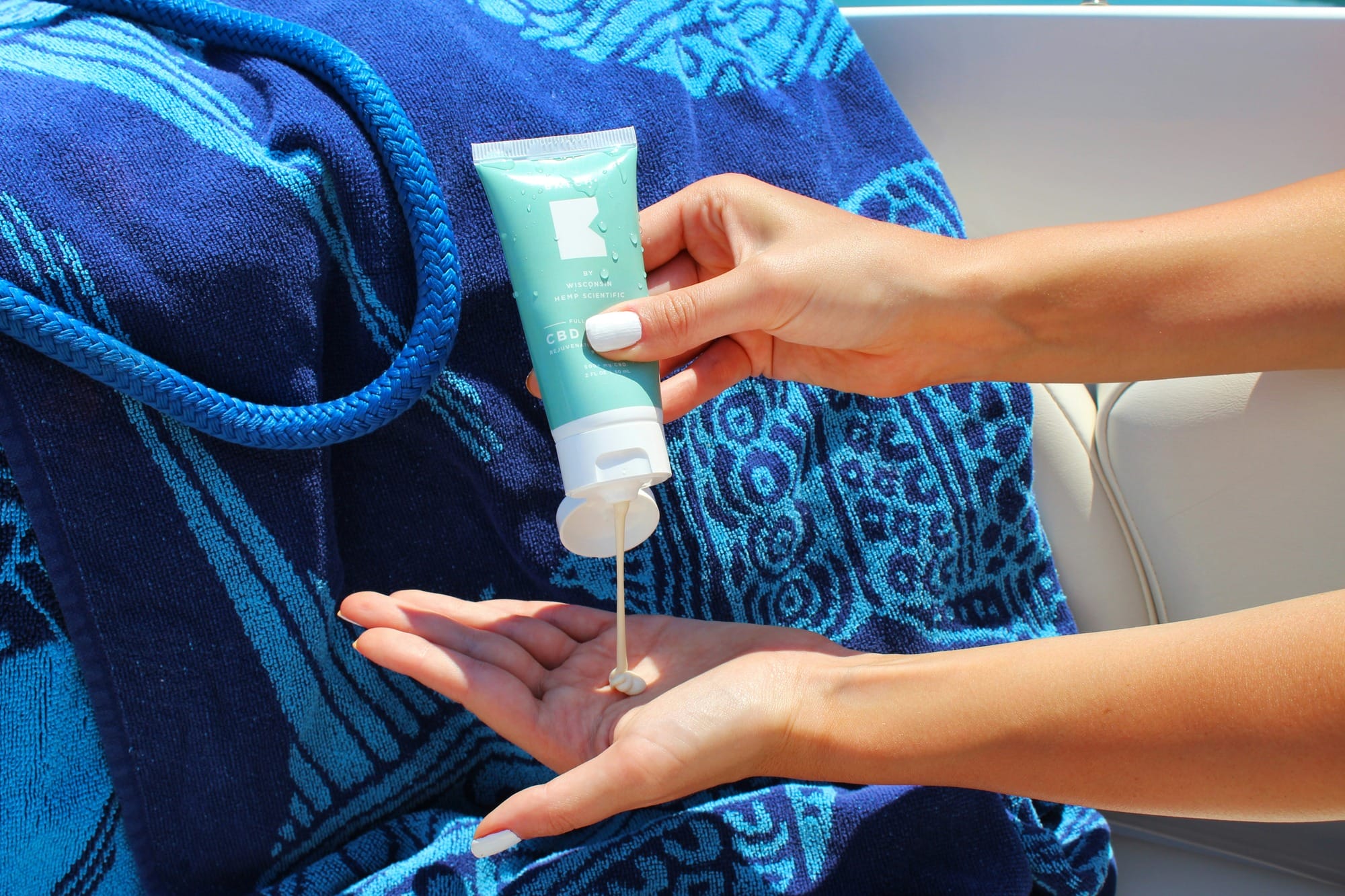
Image by BATCH by Wisconsin Hemp Scientific

We’ve all been told to wear sunscreen the minute we step into the summer sun. And while it’s an important first line of defense, sunscreen alone isn’t the superhero we once believed it to be. If you’re relying only on SPF to get through the heat, you and your family might be more vulnerable than you think.

Between UV exposure, heat-related illness, skin irritation, and unexpected sunburn spots, staying safe during summer requires more than one simple solution. Total protection means taking a whole-body, full-day approach—one that goes beyond that squirt of lotion in the morning.

The Limits of Sunscreen

Sunscreen protects against harmful UV rays, which can cause premature aging and sunburn and increase your risk for skin cancer. But even the best sunscreen has limitations.

Most people don’t apply enough, miss crucial areas like ears and feet, or forget to reapply after sweating or swimming. Some products degrade faster than expected, especially in high heat, and others don’t protect against UVA and UVB rays equally. SPF is not an invisibility cloak. It’s a tool and one that works best with backup.

Shade Is Your Secret Weapon

The midday sun is at its strongest between 10 a.m. and 4 p.m. During those hours, shade becomes a must-have. Whether you’re under a tree, a UV-protective umbrella, or inside a pop-up tent, shade reduces direct UV exposure significantly.

If you’re out and about with little ones, don’t forget to create shade on the go—stroller covers and wide-brimmed hats help babies and toddlers stay cool and protected when you can’t avoid the sun.

Clothing Counts (Even in the Heat)

One of the best ways to protect your skin is to cover it. Yes, even in summer. Lightweight, long-sleeve clothing made from breathable fabrics like cotton or moisture-wicking synthetics offers sun protection without overheating. Many brands now offer UPF-rated clothing that blocks UV rays and keeps skin safe all day.

Don’t skip wide-brimmed hats, either. They protect your scalp, ears, and the back of your neck—places that sunscreen often misses.

Image by Jason Sung 

Sunglasses Are Not Just a Fashion Statement

Eyes are highly sensitive to UV radiation. Prolonged sun exposure can lead to cataracts, macular degeneration, or even eye sunburn (yes, that’s real). Sunglasses that block 100% of UVA and UVB rays are a must—especially for kids.

Make sure the sunglasses fit well and stay put, and check the label to ensure they meet UV protection standards. Wraparound styles offer even more defense.

Hydration Is a Form of Protection

Heat-related illness can sneak up fast, especially when your body’s working overtime just to stay cool. Staying hydrated is critical for maintaining energy levels, regulating body temperature, and avoiding heat stroke or exhaustion.

Make water breaks a habit, even if no one says they’re thirsty. And if your family is sweating heavily or out for long periods, supplement with electrolyte-rich drinks to replenish what’s lost.

Heat-Proof Your Schedule

When it’s blazing outside, timing matters. Try to schedule outdoor activities during the cooler hours of the morning or late afternoon. Midday outings under intense sun can quickly zap energy and increase the risk of overheating.

Consider shifting outdoor play to earlier in the day, and treat the hottest hours like indoor recess with cooling activities, rest, or a movie break.

Watch for Warning Signs

Even with all the right gear, heat and sun exposure can still take a toll. Watch for early signs of sunburn (pink cheeks, sensitive skin), dehydration (dry lips, fatigue, dizziness), and heat-related illness (flushed face, rapid pulse, nausea).

Take symptoms seriously, especially in children, who may not always realize when something feels off. Quick action can prevent more serious complications.

The Total Summer Protection Strategy

Think of sunscreen as just one item in your summer toolkit. To truly protect your family, layer your defenses—shade, clothing, hydration, timing, and awareness. The sun is powerful, but with the right approach, you can enjoy it safely without sacrificing fun.

So go ahead and plan that beach day or park picnic. Just bring your full shield, not just the SPF.

What’s one non-sunscreen item you never leave the house without in the summer?

Read More:

12 Cheap Summer Activities for Kids That Will Keep Them Entertained All Season Long!

Summer Fun Without The Sunburn: Indoor Activities Kids Love

Filed Under: Parenting Tagged With: family summer safety, heat stroke prevention, hydration tips, kids sun protection, SPF myths, summer protection tips, sunglasses for kids, sunscreen alternatives, UPF clothing, UV safety

Signs Your Toddler Might Actually Be Ready to Potty Train

May 4, 2025 | Leave a Comment

Image by Claire Mueller

Potty training is one of those major milestones that every parent anticipates with a mix of excitement and dread. On one hand, you’re ready to stop spending money on diapers. On the other, you’ve heard horror stories—endless accidents, tantrums on the toilet, and power struggles in public restrooms. The key to avoiding a potty-training nightmare often comes down to timing. If your toddler isn’t ready, no method in the world will make it smooth. But if they are? You might be surprised by how easy it can actually be.

So, how do you know when your child is ready to potty train, not just when you want them to be? Thankfully, toddlers usually give off a few clear signals. You just have to know what to look for.

Showing Interest in the Bathroom

One of the first signs of readiness is curiosity. Is your toddler following you into the bathroom and asking questions about what you’re doing? Are they fascinated by flushing or trying to climb up on the toilet by themselves? This shows they’re becoming aware of what it means to go potty, and that’s a great start.

Staying Dry for Longer Stretches

A toddler who’s ready to potty train typically starts staying dry for longer periods, sometimes two hours or more. This means their bladder is developing enough to hold urine and that they’re physically capable of waiting, which is essential for successful training. You might also notice they wake up dry from naps, another indicator of physical readiness.

Communicating Needs Clearly

Potty training requires a toddler to recognize the urge to go and communicate it in time. If your child can tell you when they need a snack, ask for help with a toy, or express when they’re uncomfortable, that’s a good sign they’re ready to let you know about bathroom needs, too. Whether they’re using full sentences or simple words like “pee” or “potty,” consistent communication is key.

Discomfort with Dirty Diapers

Some toddlers are perfectly content sitting in a soiled diaper. Others start to show signs of discomfort—pulling at their diaper, asking to be changed, or even removing it themselves. If your child is suddenly aware that they’re wet or dirty and wants to be clean, that’s a major step toward toilet training readiness.

Predictable Bowel Movements

Kids who poop on a regular schedule are often easier to train. If your toddler tends to go at the same time each day, you can begin introducing them to the potty at those times. Regularity allows you to anticipate their needs and makes accidents less likely in the beginning stages.

Physical Independence

Can your child pull down their pants and underwear without help? Can they sit down on a potty chair and get back up? Potty training is a physical process that requires a bit of coordination and independence. If they’re already dressing themselves or insisting on doing things “all by myself,” they may be ready to handle the mechanics of using the toilet.

Verbal or Physical Cues Before Going

If your toddler pauses mid-play, hides behind furniture, or tells you they’re about to go, that’s an encouraging sign. These behaviors show that they can recognize the feeling before they actually go, a crucial part of making it to the potty on time.

The Magic of Motivation

Every toddler is different, and while some are eager to throw out their diapers and become “big kids,” others may resist the process. What matters most is that they have some interest and motivation. Whether it’s getting to flush, earning stickers on a chart, or simply the thrill of being praised, look for signs that your child wants to try.

Remember, readiness is more important than age. Some kids show signs at 18 months, others closer to 3 years old. Rushing the process before they’re physically and emotionally ready often leads to frustration for everyone involved.

Set the Stage, Then Follow Their Lead

If your toddler is showing several of these signs, you’re probably in a good spot to start introducing potty training gently. Keep it positive, keep it pressure-free, and focus on progress, not perfection. The goal isn’t just to get out of diapers. It’s to help your child build confidence and independence, one flush at a time.

What signs did your toddler show before potty training clicked, and what tricks helped you both make it through?

Read More:

Three and Still In Pampers? Do This To Get Them Potty Trained Immediately

Is Your Child Still Peeing in the Bed? Here Are the Best Tools for Potty Training

Filed Under: Parenting Tagged With: parenting advice, parenting toddlers, potty training tips, signs of potty readiness, toddler development, toddler milestones, toilet training

Biting Phase? Here’s How to Handle It Without Losing Your Cool

May 4, 2025 | Leave a Comment

Image by mali desha

You’re at the park, watching your toddler play peacefully—until suddenly, they lean over and bite another child. It’s quick, confusing, and deeply embarrassing. Your stomach drops. The other parent is staring. And now you’re wondering: Why did they do that? And more urgently, how do I stop it from happening again?

If your child is going through a biting phase, you’re not alone, and you’re not a bad parent. While it may be shocking to witness, biting is a common, developmentally normal behavior among toddlers and preschoolers. That said, it still needs to be addressed thoughtfully and consistently to ensure it doesn’t become a pattern.

Why Toddlers Bite in the First Place

Young children are driven by impulse. Their brains are still developing the ability to manage big emotions, understand consequences, and express themselves with words. For some kids, biting becomes a quick way to communicate a need or feeling when they don’t yet have the tools to do so otherwise.

Some common reasons toddlers bite include:

  • Frustration or anger during a conflict
  • Excitement that becomes overwhelming
  • Lack of verbal skills to express needs
  • Sensory exploration—some bite just to see what happens
  • Teething discomfort, especially in younger toddlers

Understanding the “why” behind the behavior doesn’t excuse it, but it does help you address the root cause rather than just react to the surface-level behavior.

Stay Calm, Stay Firm

When your child bites, your first instinct may be to raise your voice, scold, or even feel ashamed. However, reacting with strong emotion can either scare your child or unintentionally reinforce the behavior by giving it a lot of attention.

Instead, stay calm but firm. Get down to their level, make eye contact, and clearly state: “No biting. That hurts.” Your tone should be serious but not angry. The goal is to set a clear boundary without escalating the emotional temperature.

Immediately after, tend to the other child first. Show that hurting others has consequences, not as a punishment, but as a natural response. Then, once things are calm, help your child make sense of what happened.

Give the Words They Don’t Have Yet

For many toddlers, biting happens because they lack the language to express what they’re feeling. Help them find those words.

For example, say: “You were mad because he took your toy. Next time, say ‘That’s mine!’ or ask a grown-up for help.” Repeat these phrases often and role-play them during calm moments. The more you model alternatives, the more likely your child will use them instead of biting.

If your child is teething, offer a cold teether or chew toy as a more appropriate outlet.

Be Consistent, Not Punitive

It’s important to be consistent in your responses. That doesn’t mean harsh discipline. It means repeating the same firm boundary each time the behavior happens. Over time, your child will begin to understand that biting isn’t acceptable and that it doesn’t get them what they want.

Avoid labeling your child as “a biter.” This not only sticks in their identity but may cause shame, which doesn’t help learning. Instead, separate the behavior from the child: “Biting is not okay. Let’s try using our words instead.”

What If They Keep Doing It?

If the biting continues even after consistent responses, try tracking when and where it happens. Is it always at a certain time of day? With specific children? When they’re tired, hungry, or overstimulated?

Patterns can give you clues. You may be able to preempt biting by preparing your child for high-risk situations, offering more supervision, or redirecting early signs of frustration.

If the behavior persists past age three or intensifies, it may be time to consult your pediatrician or a child behavior specialist for additional strategies.

The Good News? It Doesn’t Last Forever

Most kids grow out of the biting phase once their language, self-regulation, and impulse control mature. With steady guidance, they’ll learn better ways to express themselves, and you’ll look back and realize this was just a phase.

Biting can feel isolating and mortifying when you’re in the middle of it. But it’s not a reflection of bad parenting. It’s an opportunity to teach your child one of the earliest (and most important) social lessons: We all have big feelings, but hurting others isn’t how we handle them.

Have you dealt with the biting phase before? What worked and what didn’t?

Read More:

From Chaos to Calm: Strategies for Difficult Toddler Behavior

Biting, Hitting, Kicking: Managing Aggressive Toddler Behavior with Confidence and Compassion

Filed Under: Parenting Tagged With: biting phase toddlers, child development, discipline strategies, how to stop biting, parenting tips, parenting toddlers, toddler behavior, toddler biting

« Previous Page
Next Page »
  • Facebook
  • Pinterest
  • RSS
  • Twitter
Best Parenting Blogs

Most Popular

Baby Girl

12 “Grandma” Baby Names That Are Suddenly Cool Again

Evan Morgan
Baby

9 Baby Names That Sound Rare Without Being Hard to Spell

Evan Morgan
Target Store

Choking Incident Prompts Recall of 49,000 Target Gigglescape “Under the Sea” Popping Toys

Evan Morgan
Frustrated Girl

Why Some Students on the Spectrum Are Labeled With ODD

Evan Morgan
Coke Bottles

12 Things Kids Took to School in the ’70s That Would Never Be Allowed Today

Evan Morgan

All content on Kids Ain’t Cheap is for entertainment purposes only. By reading this blog, you agree that Kids Ain’t Cheap is not responsible for any actions taken after reading this blog. For the full disclaimer, see our privacy policy.

Please note that Kids Ain’t Cheap has financial relationships with some of the merchants mentioned here. Kids Ain’t Cheap is funded by banner advertising, commission sales and search optimization consulting.

Copyright © 2006–2026 | District Media | All Rights Reserved | Privacy Policy

Copyright © 2026 Runway Pro Theme by Viva la Violette