
• Home
  • About Us
  • Toolkit
  • Archives
  • Advertise
  • Privacy Policy

Kids Ain't Cheap

But They Sure Are Worth It

  • Parenting
    • Baby Stuff
    • Books and Reading
      • Aesops Fables
      • Comic Books
    • Education
    • Family Time
    • Green Living
    • Growing Up
    • Healthy Living & Eating
    • Holidays
    • Parenting
    • Random Musings
    • Shopping
    • Stuff to Do
  • Money
  • Product Reviews
    • Books and Magazines
    • Discount Sites
    • Furniture
    • House Keeping
    • Reviews News
    • Toys and Games
  • Contact Us
  • Our Editorial Commitment
  • Search

Is Your Child Safe? 9 Red Flags That Your Child Is Being Targeted Online

July 28, 2025 | Leave a Comment

Is Your Child Safe 9 Red Flags That Your Child Is Being Targeted Online
Image source: 123rf.com

The internet is a powerful tool, but it also opens the door to people with harmful intentions. As parents, it’s easy to assume that safety software and general supervision are enough, but predators are often skilled at finding ways around barriers. They groom slowly, manipulate carefully, and often work in silence—leaving few signs unless you’re looking closely. If your child is suddenly acting differently or hiding more than usual, it could be time to ask some tough questions. Here are nine red flags that could indicate your child is being targeted online—and what to do next.

1. Sudden Secrecy Around Devices

When your child suddenly starts hiding screens, deleting messages, or shutting laptops the moment you walk into the room, it’s worth paying attention. While growing independence is normal, extreme secrecy can signal trouble. It may mean they’re being told to hide conversations or being threatened not to tell you what’s going on. Predators often convince kids to keep secrets in exchange for attention or gifts. If screen time starts to look more like sneaky time, it’s a red flag that your child is being targeted online.

2. Mood Swings Without Clear Cause

Children targeted online often experience dramatic emotional changes. They might become anxious, withdrawn, irritable, or depressed without any obvious reason. Online grooming can cause internal conflict, guilt, and confusion—especially if a child feels manipulated or trapped. Don’t brush off changes in behavior as “just a phase” if they persist. If your child is being targeted online, those mood shifts could be early warning signs.

3. New Contacts You Don’t Recognize

Has your child suddenly started talking to someone you don’t know—and won’t introduce? If they mention new friends from social media, gaming platforms, or chat apps but keep things vague, it could signal trouble. Online predators often pose as peers and slowly gain a child’s trust. Ask questions and show interest in their online friends without judgment. If they refuse to give details, it may be because your child is being targeted online and doesn’t know how to get out of it.

4. They Receive Gifts or Money from Strangers

One major warning sign is when your child receives things—like gift cards, electronics, or other items—and can’t explain where they came from. Predators often use gifts as bait to build trust or buy silence. These exchanges can happen quickly and quietly through apps or mail. If your child suddenly has something new and expensive without a clear source, that’s a huge red flag. It’s another indicator that your child is being targeted online by someone trying to gain influence.

5. Unusual Online Activity at Night

Late-night screen time can seem harmless, but if your child is regularly online after bedtime, take a closer look. Predators often target kids when they’re alone, especially during quiet hours when parents aren’t watching. Check device logs or screen time trackers to see when they’re most active. If they’re chatting or posting when they should be sleeping, something might be going on. In some cases, this nocturnal pattern is how your child is being targeted online without you knowing.

6. They’re Using New Apps You Haven’t Approved

If your child suddenly downloads apps, you’ve never heard of—and didn’t ask permission to use—it may be more than teenage rebellion. Many predators use lesser-known platforms with private messaging features or poor moderation. These apps are often hidden behind innocent-looking names or folder disguises. Make a point to review what’s on your child’s phone weekly. If they’re reluctant to show you, that could be a sign your child is being targeted online through those apps.

7. Excessive Concern with Privacy or Changing Passwords

While digital privacy is a good thing, overprotectiveness can signal manipulation. If your child constantly changes passwords, hides browser history, or creates secret accounts, take notice. Predators sometimes instruct kids to take these actions to avoid being discovered. Kids may also do this on their own out of fear or embarrassment. If this behavior escalates quickly, it’s possible your child is being targeted online and is trying to cover their tracks.

8. Unexplained Knowledge of Mature Topics

If your child suddenly starts referencing adult content, sexual topics, or mature conversations beyond what you’ve taught them, it could be coming from an outside source. Online grooming often involves slowly introducing these themes to desensitize or normalize them. Pay attention to what your child says or searches for, especially if it seems far beyond their age level. This type of sudden awareness is another sign your child is being targeted online and being exposed to inappropriate content.

9. Refusal to Talk About Online Life

If your child used to chat openly about their favorite games, creators, or social media platforms and now avoids the subject, it could be a defense mechanism. Kids being targeted often feel shame, fear, or confusion and may shut down to avoid confrontation. You don’t have to interrogate—but consistent, nonjudgmental check-ins can open the door to important conversations. Silence isn’t safety, and avoiding the topic could mean your child is being targeted online without the words to explain it.

Don’t Wait to Trust Your Gut

No parent wants to believe their child is vulnerable online, but ignoring the signs won’t make the risk go away. If something feels off, it probably is. Trust your instincts, start conversations early, and prioritize safety over discomfort. The sooner you identify the red flags; the sooner you can take action and support your child through what could be a very dangerous situation. Awareness and involvement are your best tools in protecting your family in today’s digital world.

Have you ever spotted signs that your child was at risk online? What advice would you share with other parents? Let us know in the comments!

Read More:

Privacy Violation: 7 Things Never to Post About Your Kids Online

Digital Safety: 6 Steps to Safeguard Your Child’s Online Identity

Catherine Reed
Catherine Reed

Catherine is a tech-savvy writer who has focused on the personal finance space for more than eight years. She has a Bachelor’s in Information Technology and enjoys showcasing how tech can simplify everyday personal finance tasks like budgeting, spending tracking, and planning for the future. Additionally, she’s explored the ins and outs of the world of side hustles and loves to share what she’s learned along the way. When she’s not working, you can find her relaxing at home in the Pacific Northwest with her two cats or enjoying a cup of coffee at her neighborhood cafe.


Filed Under: Parenting Tagged With: child protection, digital parenting, internet predators, online grooming, online safety for kids, tech tips for parents, your child is being targeted online

The Digital Footprint: 12 Steps To Secure Your Child’s Digital Footprint For Life

July 28, 2025 | Leave a Comment

The Digital Footprint 12 Steps To Secure Your Childs Digital Footprint For Life
Image source: 123rf.com

Your child’s first steps might be adorable, but their digital steps could be permanent. From social media posts to school login portals and smart toys, kids are creating digital trails long before they understand the impact. These digital footprints can follow them into adulthood, affecting everything from college admissions to career opportunities. That’s why taking action early to secure your child’s digital footprint isn’t just smart—it’s essential. With a few thoughtful moves, you can help your child grow up digitally safe, protected, and in control of their online identity.

1. Limit Oversharing from Day One

Posting that ultrasound photo or first day of school pic may seem harmless, but every public image adds to your child’s online record. Consider using private accounts or close friends lists for sharing updates. Always skip names, birthdates, and location tags when posting. The fewer digital breadcrumbs, the better. Oversharing is one of the first habits to shift if you want to secure your child’s digital footprint.

2. Turn Off Location Services on Devices

Most apps come with built-in location tracking that broadcasts where your child is when they’re online. Turn off location permissions in device settings for social media, games, and camera apps. It only takes a few seconds to adjust, but it makes a huge impact on safety. Teach your child to check location settings too so they stay aware. This step keeps real-world privacy secure.

3. Set Up Strong, Unique Passwords

Kids often use easy-to-guess passwords like their pet’s name or favorite number, and that puts everything at risk. Help them create strong, unique passwords for school logins, gaming accounts, and email. Consider using a password manager to store them securely. Change passwords regularly and never reuse them across platforms. This habit will protect their digital identity for years to come.

4. Teach Them About Phishing and Scams

Even tech-savvy teens can fall for a fake email or sketchy link. Talk to your child about what phishing looks like—unexpected links, suspicious emails, or DMs asking for passwords. Make sure they know to never share private info without checking with you first. Run through a few examples together so they’re equipped to spot red flags. Awareness is one of the best tools to secure your child’s digital footprint.

5. Monitor Social Media Use Without Micromanaging

You don’t have to snoop, but you should know where your child is active online. Sit down regularly to review privacy settings on Instagram, TikTok, Snapchat, and any other apps they use. Encourage them to only connect with people they know in real life. Talk about the long-term impact of posts and how content can be screenshotted and shared. Mutual trust helps kids feel supported while learning to make smart online choices.

6. Limit the Use of Full Names and Birthdates

Many games, sites, and apps ask for a full name or birthday—but this info is often used for advertising or sold to third parties. Instead, use initials, nicknames, or alternate usernames. You can also fudge the birth year slightly on non-essential sites to avoid targeted tracking. Avoiding real details is a quick way to reduce digital exposure.

7. Use Parental Controls and Privacy Tools

Parental controls aren’t about spying—they’re about protecting. Use built-in tools on your child’s devices to block inappropriate content, limit downloads, and prevent sharing of personal data. These settings can filter search results, limit screen time, and help prevent digital oversharing. Regularly review and adjust as your child grows. These tools are vital to secure your child’s digital footprint during their early years online.

8. Avoid Linking Accounts Together

When apps ask if they can link to Facebook, Google, or another platform, it may seem convenient—but it creates a sprawling web of shared data. Encourage your child to sign up with email instead, using a clean account with minimal exposure. The fewer connections across platforms, the easier it is to manage and protect. Keeping accounts separate adds another layer of digital safety.

9. Encourage Digital Clean-Up Days

Make it a habit to sit down once a month and review your child’s accounts. Remove old photos, update privacy settings, and delete unused apps. This builds awareness and gives your child more control over what’s out there. Think of it like digital spring cleaning—it’s refreshing and necessary. Regular cleanups help secure your child’s digital footprint before it gets too messy to manage.

10. Don’t Share School Info Publicly

It’s tempting to post about a new school year, report cards, or class awards—but these posts often reveal more than you realize. School logos, teacher names, and classroom numbers all tell strangers where your child spends their day. Keep school content private or off social media entirely. This step guards both your child’s safety and their data.

11. Talk About Future Impacts of Online Behavior

Even young kids need to know that what they post today can affect tomorrow. Whether it’s a silly TikTok or an angry comment, teach them that digital actions leave a trail. Use age-appropriate stories to explain how posts can influence college applications or job opportunities. Encouraging smart choices now sets the tone for a lifetime of digital responsibility.

12. Model Good Digital Habits Yourself

Kids watch how you behave online. If you overshare, ignore privacy settings, or scroll nonstop, they’ll see that as the norm. Let them see you update passwords, check privacy settings, or pause before posting. When you model mindful tech use, your child learns that digital safety isn’t just a rule—it’s a lifestyle. This is one of the most powerful ways to secure your child’s digital footprint without saying a word.

Their Future Starts with What You Post Today

Digital footprints are invisible until they’re not—when an embarrassing photo resurfaces or personal data is misused. But with a little intention and a lot of awareness, you can help secure your child’s digital footprint before it becomes a problem. These steps aren’t about fear or control—they’re about protecting your child’s future in a world where digital identity matters more every day. Give them the gift of privacy, safety, and confidence online. Their future self will thank you.

What steps have you taken to secure your child’s digital footprint? Any tips or questions you’d add? Let us know in the comments!

Read More:

Digital Safety: 6 Steps to Safeguard Your Child’s Online Identity

9 Privacy Settings You Didn’t Know Existed for Kids’ Devices

Catherine Reed
Catherine Reed

Catherine is a tech-savvy writer who has focused on the personal finance space for more than eight years. She has a Bachelor’s in Information Technology and enjoys showcasing how tech can simplify everyday personal finance tasks like budgeting, spending tracking, and planning for the future. Additionally, she’s explored the ins and outs of the world of side hustles and loves to share what she’s learned along the way. When she’s not working, you can find her relaxing at home in the Pacific Northwest with her two cats or enjoying a cup of coffee at her neighborhood cafe.

Filed Under: Parenting Tagged With: child data protection, digital footprint tips, digital parenting, Internet Safety, kids and privacy, online safety for kids, secure your child's digital footprint

The Hidden Message: 9 Online Threats That Use Deepfakes Of Kids

July 27, 2025 | Leave a Comment

The Hidden Message 9 Online Threats That Use Deepfakes Of Kids
Image source: 123rf.com

The internet has always had its dark corners, but deepfake technology has opened an alarming new chapter—especially when it comes to kids. What once seemed like science fiction is now disturbingly real: videos, images, and even voices of children can be manipulated with shocking accuracy. These online threats that use deepfakes of kids aren’t just creepy—they’re dangerous, deceptive, and growing more common. As parents, it’s crucial to understand how this technology is being misused and what you can do to protect your child. The sooner we spot the hidden message behind these threats, the better prepared we’ll be to fight them.

1. Cyberbullying Through Fake Content

Deepfakes are being used in cyberbullying by creating fake videos of kids saying or doing things they never actually did. These clips can be shared at school or online to humiliate, harass, or isolate a child. The targets often have no idea how their face or voice was used until the damage is done. Because deepfakes can look incredibly convincing, it’s hard for others to tell the video is fake—making the impact even more severe. Among all online threats that use deepfakes of kids, this one spreads the fastest and hits the hardest.

2. Exploitation and Grooming Setups

Predators have begun using deepfakes to create fake “peer” accounts with manipulated child images to lure real kids into online conversations. These accounts appear to be kids of a similar age but are actually run by adults using deepfake avatars to build trust. Once a connection is made, grooming tactics begin—often leading to requests for inappropriate content or in-person meetings. Parents may never suspect that the new “friend” their child is chatting with isn’t real. This is one of the most dangerous online threats that use deepfakes of kids because it hides predators behind innocent-looking digital masks.

3. Revenge Content or “Punishment” Videos

Sometimes, deepfakes are used by peers or even ex-friends to shame or threaten a child. Videos might show a child in embarrassing or compromising scenarios they never actually experienced. These can be sent privately to intimidate them or posted publicly to damage their reputation. The goal is to control, embarrass, or socially punish the child using fake content that looks all too real. It’s emotional blackmail disguised as entertainment.

4. Political or Ideological Manipulation

Believe it or not, some groups use deepfakes of kids to make bold political statements or spread propaganda. Videos may show children promoting harmful ideologies, reacting to staged events, or acting in ways that support controversial agendas. These fake videos can go viral and stir outrage, but the featured child often has no connection to the content at all. This misuse not only violates their rights but can also put them in danger from people who believe the fake narrative. It’s one of the more calculated online threats that use deepfakes of kids for manipulation.

5. Targeted Scams Using Child Avatars

Scammers are getting creative by using deepfake versions of children in video calls or messages to trick people into giving money or information. For example, someone might impersonate a child claiming to be in danger or in need of urgent help. The fake emotional plea tugs at heartstrings and prompts fast action before the truth is questioned. Because the face and voice seem real, the scam becomes incredibly convincing. These tactics turn innocent images into tools of exploitation.

6. Unauthorized Product Ads

Some deepfakes are created to insert a child’s likeness into product ads or promotional content without parental permission. Whether it’s a fake toy review or an ad showing the child using a product, these are often made to look like organic, user-generated content. This violates the child’s privacy and uses their image for profit without consent. Even worse, it teaches kids that their identity can be used and sold without their control. As one of the commercial online threats that use deepfakes of kids, this trend is growing quickly on social platforms.

7. Fake “Missing Child” Campaigns

In a disturbing twist, scammers are using deepfake videos or photos to create fake missing child posters or donation campaigns. These emotional pleas are designed to pull on people’s heartstrings and prompt donations to fraudulent causes. Sometimes, real children’s names and faces are used, pulled from public accounts or school websites. Other times, entirely fake personas are generated using deepfakes to appear more legitimate. This tactic not only scams people out of money but also undermines trust in real missing child alerts.

8. Manipulated Academic Content

Deepfakes are also being used to frame students for cheating or inappropriate behavior during virtual classes. A manipulated video might show a child with their eyes wandering during a test or saying something they didn’t. This can lead to disciplinary action before anyone realizes the footage isn’t real. The technology’s believability means students can be unfairly punished based on faked content. It’s a silent yet serious academic threat.

9. Emotional Manipulation in Digital Games or Stories

Some apps and games now use AI-generated children in emotionally charged stories that seem real. These digital characters may look like real kids and even use the names and faces of actual children scraped from social media. The goal is often to manipulate viewers emotionally—usually to push content, views, or downloads. It blurs the line between fiction and reality, sometimes pulling kids into creepy or unsettling experiences. This soft yet invasive form of manipulation is one of the lesser-known online threats that use deepfakes of kids to influence emotions.

Deepfakes May Be Digital, But the Damage Is Real

We can’t stop technology from evolving, but we can demand better protections and stay alert. The rise of online threats that use deepfakes of kids is a wake-up call for every parent, school, and platform. It starts with limiting what personal content is shared online and educating kids on the risks of digital manipulation. It also means pushing for better regulations and transparency from the platforms that allow these deepfakes to spread. Awareness isn’t optional—it’s essential.

Have you seen any deepfake content online involving children? What steps are you taking to protect your family? Share your thoughts in the comments below.

Read More:

6 Legal Protections for Your Child’s Digital Footprint

9 Privacy Settings You Didn’t Know Existed for Kids’ Devices

Catherine Reed
Catherine Reed

Catherine is a tech-savvy writer who has focused on the personal finance space for more than eight years. She has a Bachelor’s in Information Technology and enjoys showcasing how tech can simplify everyday personal finance tasks like budgeting, spending tracking, and planning for the future. Additionally, she’s explored the ins and outs of the world of side hustles and loves to share what she’s learned along the way. When she’s not working, you can find her relaxing at home in the Pacific Northwest with her two cats or enjoying a cup of coffee at her neighborhood cafe.

Filed Under: Parenting Tagged With: child exploitation, child privacy, deepfake dangers, deepfake technology, digital parenting, Internet Safety, online safety tips, online threats that use deepfakes of kids

Beyond The Screen: 8 Privacy Settings On Kids’ Streaming Services To Change Now

July 27, 2025 | Leave a Comment

Beyond The Screen 8 Privacy Settings On Kids Streaming Services To Change Now
Image source: 123rf.com

Streaming services have become the go-to source of entertainment for kids—but with convenience comes hidden risks. Behind every fun cartoon or educational video is a digital platform collecting data, tracking habits, and shaping what your child sees next. Many parents assume kids’ profiles are safe by default, but that’s rarely the case. If you haven’t reviewed the privacy settings on kids’ streaming services recently, your child’s information could be more exposed than you think. A few simple changes can protect their data, limit unwanted content, and give you more control over what’s really happening behind the screen.

1. Disable Personalized Ads

Most streaming platforms gather viewing habits to target kids with “personalized” ads, which may include everything from sugary snacks to branded toys. This marketing is based on algorithms that track what your child watches, how long they watch it, and even when they pause. Disabling personalized ads not only reduces this influence, it also limits the amount of data collected. Look for this setting in your account’s privacy or advertising preferences. Adjusting this option is one of the easiest and most effective privacy settings on kids’ streaming services to change now.

2. Turn Off Watch History Tracking

While viewing history can help recommend similar shows, it also means your child’s activity is constantly monitored and stored. Many parents don’t realize that this information is used to build behavioral profiles. You can usually disable watch history in your settings or choose to clear it regularly. This gives your child a clean slate and stops the platform from feeding them more of the same content repeatedly. Removing watch history helps protect their digital footprint and cuts back on algorithm-driven content loops.

3. Set Content Restrictions By Age

Streaming platforms often allow you to restrict content by rating or age group, but these settings aren’t always turned on automatically. If your child’s profile isn’t set with clear boundaries, they could be exposed to shows with mature themes, violence, or language. Adjusting these filters ensures that content is age-appropriate and aligns with your family’s values. You can typically choose from settings like “TV-Y,” “TV-G,” or custom levels based on age ranges. This is one of the most critical privacy settings on kids’ streaming services to manage right away.

4. Turn Off Autoplay

Autoplay keeps the content coming without pause, which may seem convenient—but it also encourages binge-watching and reduces your control over what’s next. It’s easy for a child to go from a harmless cartoon to something less suitable without ever clicking a button. Disabling autoplay gives your child (and you) a natural break between episodes and helps them become more intentional about what they watch. Most services have autoplay controls hidden under playback or accessibility settings. Turning this off not only protects attention spans but also prevents exposure to surprise content.

5. Review and Limit Profile Access

Many streaming platforms let users switch between profiles easily, and some kids quickly figure out how to bypass restrictions. Make sure your non-child profiles are password protected and that your kids can’t access unrestricted adult content. Some platforms offer profile lock features or require PINs for switching. Enabling this setting helps you maintain the privacy controls you’ve already put in place. This is one of those often-overlooked privacy settings on kids’ streaming services that can make a big difference.

6. Manage Search Capabilities

Allowing unrestricted search can lead kids down digital rabbit holes that expose them to inappropriate or questionable results. If your child’s profile has search access, they can easily stumble across titles you didn’t approve. Limiting or disabling search entirely, where possible, keeps content browsing within your chosen categories. Some platforms let you block search within kid accounts or limit it to curated suggestions only. It’s a small change that adds a big layer of protection.

7. Opt Out of Data Sharing With Third Parties

Buried in the terms and conditions is often a clause that allows the platform to share user data with advertisers, partners, and analytics companies. Even kid accounts are often not exempt unless you specifically opt out. Go into your account settings and look for privacy or data usage sections. You’ll often find options to limit or completely prevent third-party data sharing. When it comes to privacy settings on kids’ streaming services, this one is key for keeping your child’s personal data from being sold or tracked.

8. Monitor and Adjust Viewing Recommendations

Streaming platforms use viewing data to curate suggestions—but those suggestions aren’t always kid-friendly, even on a child’s profile. Sometimes, titles with adult humor or scary scenes still make their way onto the homepage. Go through the recommended content and flag anything that doesn’t meet your standards. You can usually hide specific titles, remove them from recommendations, or refresh suggestions entirely. This keeps your child’s experience clean, safe, and more aligned with what you actually want them watching.

Small Tweaks, Big Impact

You don’t need to ban streaming to protect your child’s digital space—just get smarter about managing it. The default settings on most platforms favor convenience and data collection, not privacy or safety. By reviewing and updating the privacy settings on kids’ streaming services, you’re not just controlling content—you’re protecting your child’s digital identity. These tools are meant to serve your family, not the other way around. A few clicks today can give you peace of mind for months to come.

Have you adjusted the privacy settings on your child’s streaming service? Which changes made the biggest difference in your home? Share your experience in the comments!

Read More:

9 Privacy Settings You Didn’t Know Existed for Kids’ Devices

The Real Reason: Your Child’s Favorite Toy Is Secretly Spying

Catherine Reed
Catherine Reed

Catherine is a tech-savvy writer who has focused on the personal finance space for more than eight years. She has a Bachelor’s in Information Technology and enjoys showcasing how tech can simplify everyday personal finance tasks like budgeting, spending tracking, and planning for the future. Additionally, she’s explored the ins and outs of the world of side hustles and loves to share what she’s learned along the way. When she’s not working, you can find her relaxing at home in the Pacific Northwest with her two cats or enjoying a cup of coffee at her neighborhood cafe.

Filed Under: Parenting Tagged With: digital parenting, kids streaming safety, online safety for kids, parental controls, privacy settings on kids' streaming services, screen time tips, streaming platforms

School’s Secret: 4 Ways Your Child’s School Is Secretly Sharing Their Information

July 27, 2025 | Leave a Comment

Schools Secret 4 Ways Your Childs School Is Secretly Sharing Their Information
Image source: 123rf.com

Most parents assume their child’s personal information is safe at school—but the reality is more complicated. In today’s digital age, schools are collecting more data than ever, and much of it doesn’t stay within the classroom walls. From tech vendors to government agencies to marketing firms, that data can be shared or accessed in ways you may not even realize. The result? Your child’s school is secretly sharing their information far more often than you think. Knowing how and why this happens is the first step to taking back control over your child’s privacy.

1. Third-Party Educational Apps and Software

It’s become routine for schools to use educational apps for homework, testing, and virtual learning. But many of these platforms collect far more than just quiz scores. Student names, birthdays, email addresses, location data, and usage habits are often logged and shared with third-party companies. These companies may sell or analyze this data to improve their services—or to advertise. One of the most common ways your child’s school is secretly sharing their information is through partnerships with digital tools that aren’t always transparent about how that data is handled.

2. Directory Information Loopholes

Schools often release “directory information” to outside organizations without needing parental consent unless you opt out. This includes seemingly harmless details like your child’s name, grade level, date of birth, address, and participation in school activities. Unfortunately, this information can be requested by military recruiters, college marketers, and other groups, including companies targeting students for products or programs. Many parents don’t realize that unless they fill out specific forms at the beginning of the school year, this data can be shared legally. This loophole is a major way your child’s school is secretly sharing their information under the radar.

3. Online Learning Platforms and Proctoring Tools

Online test proctoring software and digital learning management systems often require webcams, microphones, and access to your child’s device. These tools can track keystrokes, facial movements, and browser history—all in the name of academic integrity. But once collected, that data may be stored on company servers, analyzed using AI, or even used to create digital profiles of students. Most parents aren’t made aware of the full extent of monitoring that comes with these systems. It’s another quiet example of how your child’s school is secretly sharing their information with outside tech providers.

4. School Photos, Social Media, and Public Displays

Schools love to showcase student achievements, often using bulletin boards, yearbooks, newsletters, or social media posts. While it may seem like a harmless celebration, those smiling photos often include full names, grade levels, and locations—sometimes without your knowledge. These images and details can end up being widely accessible, especially when shared on public platforms. If the school hasn’t implemented strong privacy policies, anyone from a local news site to a stranger online could access them. This public sharing is one of the lesser-known ways your child’s school is secretly sharing their information, often under the guise of recognition.

What You Can Do to Protect Your Child’s Data

You don’t need to panic, but you should absolutely be proactive. The fact that your child’s school is secretly sharing their information doesn’t mean they’re doing it maliciously. In some cases, it just means the systems in place don’t always prioritize privacy. Read the fine print on school policies, opt out of directory information sharing, and ask questions about the apps and tools your child is expected to use. Request written explanations for how data is collected, stored, and used. When you stay informed and involved, you can help ensure your child’s digital footprint is one they feel safe standing on.

Have you ever been surprised by how your child’s school handled their information? What steps have you taken to protect their privacy? Let’s talk in the comments.

Read More:

School Fees: 8 Hidden Fees in School Programs That Add Up

12 Reasons Why Your Kids are Behind Academically

Catherine Reed
Catherine Reed

Catherine is a tech-savvy writer who has focused on the personal finance space for more than eight years. She has a Bachelor’s in Information Technology and enjoys showcasing how tech can simplify everyday personal finance tasks like budgeting, spending tracking, and planning for the future. Additionally, she’s explored the ins and outs of the world of side hustles and loves to share what she’s learned along the way. When she’s not working, you can find her relaxing at home in the Pacific Northwest with her two cats or enjoying a cup of coffee at her neighborhood cafe.

Filed Under: Education Tagged With: data collection in schools, digital parenting, education technology, kids online safety, parental rights, school privacy, student data privacy, your child's school is secretly sharing their information

Don’t Fall For This: 7 Social Media Challenges Kids Are Doing That Are Scams

July 26, 2025 | Leave a Comment

Dont Fall For This 7 Social Media Challenges Kids Are Doing That Are Scams
Image source: 123rf.com

What looks like innocent fun or viral entertainment could actually be tricking your child out of money, data, or even their personal safety. Many of the social media challenges kids are doing aren’t just silly dares anymore—they’re cleverly disguised scams. These trends often come with promises of prizes, fame, or approval, but the risks are real and far-reaching. As parents, it’s crucial to understand how these schemes are working and how to talk with kids about spotting red flags online. Let’s break down seven social media challenges kids are doing that are actually scams in disguise.

1. “Share This and Win” Giveaways

These challenges usually involve a post claiming you’ll win a free iPhone, cash prize, or gaming console just for liking, sharing, or tagging friends. The catch? There’s never a real prize. Instead, scammers use these to harvest usernames, collect data, or gain visibility for fake accounts. Kids may think it’s harmless participation, but they’re unknowingly promoting fraudulent pages. These fake giveaways are among the most widespread social media challenges kids are doing that lead straight into phishing or identity theft traps.

2. The “Send Money to Get More Back” Trend

This one preys on older kids and teens with access to payment apps like Cash App or Venmo. They’re told if they send a small amount of money, they’ll receive double or triple in return as part of a “blessing circle” or “flip challenge.” It’s a scam every time. Once the money is sent, the scammer disappears. This is one of the riskiest social media challenges kids are facing because it directly involves real financial loss and potential fraud.

3. “Reveal a Secret for a Prize” Dares

In these challenges, kids are encouraged to post a personal secret, embarrassing photo, or private message in exchange for a prize or social clout. What they don’t realize is that their content can be screenshotted, shared without consent, or used for blackmail. Predators and trolls look for this type of content to exploit. It’s one of the most dangerous social media challenges kids are facing because it creates lasting consequences from one impulsive post.

4. QR Code Challenges

This one might seem techy and harmless, but QR code scams are on the rise. Kids are asked to scan mystery QR codes as part of a “challenge” to see where it leads, often promoted as a fun surprise or joke. But those codes can lead to malicious websites that install spyware, viruses, or steal login info. It’s one of the newer, more discreet social media challenges kids are doing that puts their digital safety at risk. Always remind your child to only scan codes from trusted sources.

5. “Clickbait” Video Challenges

Challenges that require clicking a suspicious link to “see what happens next” are rarely safe. These often redirect to fake sites that mimic popular platforms and request login credentials. Once entered, hackers gain access to social media accounts, emails, or more. Kids may not realize how easily their info can be stolen this way. These kinds of clickbait setups are another example of the scammy social media challenges kids are doing, sometimes without even knowing it.

6. Fake Charity Donation Chains

Many well-meaning kids join donation-based “challenges” where they’re told to raise money for causes by forwarding links, donating small amounts, or sharing Venmo/Cash App handles. While some are legit, many are not. Scammers pose as organizations and use emotional bait to get kids to spread their scheme. Teach your child to verify all donation links and to ask for adult help before contributing. These scams rely heavily on peer pressure and goodwill, making them especially tricky.

7. App Download and Review Challenges

This challenge involves being promised in-game rewards, cash, or access to special content in exchange for downloading and reviewing a certain app. Often, the app is disguised as adware or collects more data than it should. Once downloaded, it can flood devices with pop-ups or worse—spy on usage habits. These are among the stealthier social media challenges that kids are engaging in that monetize their actions without their consent. Encourage your kids to always ask before installing new apps.

Keep the Conversation Open and Real

You don’t have to ban your child from social media to keep them safe. What really makes the difference is an ongoing, judgment-free conversation about how these scams work. When kids feel safe asking questions, they’re more likely to tell you when something seems off. Many of the social media challenges kids are facing start with curiosity or peer pressure, but they can quickly spiral into risk. Equip your child with the knowledge to spot what’s real and what’s a setup, and they’ll be far better prepared to navigate online spaces confidently.

Have you come across any unusual or suspicious online trends that tempted your kids? Share your experience in the comments—we’d love to hear from you.

Read More:

Privacy Violation: 7 Things Never to Post About Your Kids Online

12 Steps to Secure Your Child’s Digital Footprint for Life

Catherine Reed
Catherine Reed

Catherine is a tech-savvy writer who has focused on the personal finance space for more than eight years. She has a Bachelor’s in Information Technology and enjoys showcasing how tech can simplify everyday personal finance tasks like budgeting, spending tracking, and planning for the future. Additionally, she’s explored the ins and outs of the world of side hustles and loves to share what she’s learned along the way. When she’s not working, you can find her relaxing at home in the Pacific Northwest with her two cats or enjoying a cup of coffee at her neighborhood cafe.

Filed Under: Parenting Tagged With: digital parenting, family tech safety, Internet Safety, kids online, Online Safety, parenting tips, social media challenges kids are doing, social media scams, teen trends

The Silent Threat: 11 Internet Challenges Kids Are Doing (Experts Warn)

July 26, 2025 | Leave a Comment

The Silent Threat 11 Internet Challenges Kids Are Doing Experts Warn
Image source: 123rf.com

They seem harmless at first—funny dances, silly dares, or simple games shared by friends online. But some of the most popular internet challenges kids are doing today carry risks that go far beyond embarrassment. From dangerous physical stunts to emotionally manipulative trends, experts are raising red flags about how these viral challenges can impact health, safety, and self-esteem. Many kids participate just to fit in or gain likes, without fully understanding the consequences. If you’re a parent, it’s crucial to stay informed about what’s trending—and why some of it could put your child in real danger.

1. The “One Chip Challenge”

This internet challenge dares participants to eat an ultra-spicy chip made with Carolina Reaper and Scorpion peppers. While it seems like a harmless food stunt, kids have ended up in the ER with extreme reactions. Nausea, vomiting, chest pain, and even temporary breathing issues have been reported. Some schools have banned the chip altogether due to its effects. Experts warn this is one of the internet challenges kids are doing that can lead to serious medical complications.

2. The “Blackout Challenge”

Also known as the “choking challenge,” this dangerous trend involves kids attempting to cut off their air supply to experience a brief high. It has led to tragic outcomes, including loss of consciousness, brain damage, and even death. Despite repeated warnings, versions of this challenge continue to surface on social media. Experts emphasize the importance of talking openly with your child about peer pressure and body autonomy. This is one of the most alarming internet challenges kids are doing today.

3. The “Benadryl Challenge”

This challenge encourages kids to take excessive doses of Benadryl to induce hallucinations. It has resulted in hospitalizations and at least one death. The misinformation surrounding it falsely promotes it as a “safe” way to experiment. Experts stress that over-the-counter drugs can be just as dangerous as illegal substances when misused. Educating your child about medication safety is essential.

4. The “Salt and Ice Challenge”

In this trend, kids pour salt on their skin and press ice cubes onto it to see who can withstand the pain the longest. The chemical reaction between salt and ice can cause second-degree burns and permanent scarring. While it may seem like a harmless dare, it promotes self-harm behavior under the guise of a game. This challenge is a clear example of how physical pain is being normalized online. Parents should watch for signs of unexplained injuries.

5. The “Outlet Challenge”

This viral challenge encourages kids to partially plug a phone charger into a wall outlet and slide a penny between the plug and the prongs. The result is a visible spark, and in some cases, electrical fires. Fire departments and schools across the country have issued warnings after property damage and serious risks of shock. Among the most reckless internet challenges kids are doing, this one can have devastating consequences. It’s a good reminder to talk about both safety and electricity hazards at home.

6. The “Orbeez Challenge”

Orbeez are tiny water-absorbing beads, and this challenge involves freezing, soaking, or launching them using toy guns. Some kids are shooting these beads at strangers or cars, causing injuries and criminal charges. What began as sensory play has turned into unsafe public stunts. Experts urge parents to monitor how toys like Orbeez are used and discuss appropriate play. When modified into a challenge, even a toy can become a threat.

7. The “Dry Scooping Challenge”

Dry scooping refers to swallowing protein or energy powder without water, supposedly to boost workout results. It has gained traction among teens trying to emulate fitness influencers. However, it can cause choking, heart palpitations, and serious gastrointestinal distress. Pediatricians say it’s especially dangerous for teens with underlying heart conditions. This trend blurs the line between fitness and risky behavior.

8. The “Skull Breaker Challenge”

This alarming challenge involves two kids tricking a third into jumping, only to kick their legs out from under them mid-air. It has caused concussions, spinal injuries, and broken bones. Doctors and teachers have spoken out against it due to the high risk of head trauma. This is one of the most dangerous internet challenges kids are doing, often shared as a prank. Make sure your child understands that some jokes cross serious lines.

9. The “Fire Challenge”

Yes, this exists. Kids are lighting themselves on fire for social media clout, often using rubbing alcohol or hand sanitizer as fuel. Severe burns and emergency room visits have resulted. Firefighters and doctors have repeatedly warned of the risks, but the trend resurfaces every few years. Remind your child that imitating stunts seen online can result in permanent harm.

10. The “Blue Whale Challenge”

This trend originated as a dark online game that assigns increasingly harmful tasks over 50 days, sometimes leading to self-harm or suicidal behavior. While its existence has been debated, it represents how internet challenges can sometimes manipulate vulnerable kids into dangerous actions. Experts recommend closely monitoring online communities, especially anonymous or invite-only groups. Even rumors of these types of games highlight the importance of mental health conversations.

11. The “Clout Chasing” Dare Challenges

Not tied to one specific stunt, clout chasing challenges involve filming risky or humiliating acts just to go viral. These could include eating strange items, harassing strangers, or performing stunts in traffic. The constant pressure to perform for likes can drive kids to extreme behavior. Experts say this category of internet challenges kids are doing is driven more by social approval than by fun. Teaching your child about healthy boundaries and self-worth is key to resisting that pressure.

Awareness is the First Line of Defense

You can’t stop every dangerous trend on the internet, but staying informed helps you protect your child. Talk regularly about what they’re seeing online, how it makes them feel, and how to recognize risky behavior masked as fun. The more open and judgment-free your conversations are, the more likely your child is to come to you first. Internet challenges may be trending, but safety and trust should always lead the way.

Have you spotted a dangerous internet challenge making the rounds? Share what you’ve seen or how you’ve handled it in the comments!

Read More:

11 Online Safety Risks Your Preschooler Faces

12 Steps to Secure Your Child’s Digital Footprint for Life

Catherine Reed
Catherine Reed

Catherine is a tech-savvy writer who has focused on the personal finance space for more than eight years. She has a Bachelor’s in Information Technology and enjoys showcasing how tech can simplify everyday personal finance tasks like budgeting, spending tracking, and planning for the future. Additionally, she’s explored the ins and outs of the world of side hustles and loves to share what she’s learned along the way. When she’s not working, you can find her relaxing at home in the Pacific Northwest with her two cats or enjoying a cup of coffee at her neighborhood cafe.

Filed Under: Parenting Tagged With: child safety, digital parenting, internet challenges kids are doing, Online Safety, parenting tips, risky behavior awareness, social media dangers, teen internet use, viral trends

The Screen Trap: 9 Social Media Trends Kids Are Doing That Experts Warn About

July 26, 2025 | Leave a Comment

The Screen Trap 9 Social Media Trends Kids Are Doing That Experts Warn About
Image source: 123rf.com

Kids are more plugged into social media than ever before, and while some trends seem silly or harmless, others carry serious risks. From viral challenges to aesthetic pressures, what’s trending today can influence how kids think, behave, and even harm themselves or others—without fully understanding the consequences. What starts as a five-second video can lead to dangerous decisions with long-term effects. Experts are sounding the alarm on certain patterns they’re seeing again and again, especially those that fly under most parents’ radar. If you want to protect your child online, it’s important to be aware of these social media trends kids are doing—and what the red flags really look like.

1. “Devious Licks” and Other Vandalism Challenges

The “Devious Licks” trend, which encouraged students to steal or destroy school property and post videos of it online, caused thousands of dollars in damage at schools across the country. While the original trend has died down, similar variations still pop up, often disguised with new names. Kids may feel pressure to join in for likes or social acceptance, not realizing the legal or disciplinary consequences. These videos also normalize vandalism as a form of entertainment. Experts warn that such behavior can escalate quickly and lead to long-term consequences if not addressed early.

2. “What I Eat in a Day” Videos and Body Comparisons

This seemingly harmless trend involves users, often teens, showing every meal and snack they consume throughout the day. While it may appear motivational, it can quietly fuel disordered eating, body shaming, and obsession with food tracking. Many kids compare themselves to influencers or peers and begin internalizing unrealistic standards. Experts warn that this content can be especially harmful to kids struggling with self-esteem or anxiety. It’s important to monitor what types of videos your child watches and promote body-positive messages at home.

3. “In My Head” Audio and Trauma Glorification

A recent wave of TikTok trends involves kids using audio clips or text overlays to hint at emotional trauma, self-harm, or depression. These videos often romanticize or dramatize mental health struggles instead of offering real help or solutions. Experts worry that this can normalize harmful behavior or encourage kids to perform distress rather than seek support. The anonymity of posting also allows kids to avoid talking about what’s really going on. Pay attention to the tone of videos your child is engaging with and keep communication open.

4. DIY Skin Care Experiments

From using lemon juice to homemade glue masks, social media is full of viral beauty “hacks” that promise clear skin fast. Unfortunately, many of these so-called remedies are not only ineffective but also dangerous. Kids are putting toothpaste on pimples, mixing household items into scrubs, and causing burns, rashes, or long-term skin damage. Dermatologists have warned repeatedly about the risks, but the fast-paced nature of these trends makes it easy for bad information to spread. Teaching kids to question what they see online can help prevent these painful mistakes.

5. Fake Personality Tests and Data Mining Games

Some social media trends kids are doing involve fun-looking quizzes or filters that ask seemingly innocent questions—like “Which Disney villain are you?” or “What’s your love language?” These activities are often run by third-party apps or pages that collect personal data without the user’s knowledge. Kids may unknowingly reveal location info, birthdates, or personal preferences that can be used for marketing or worse. Experts stress the importance of educating kids on digital privacy and recognizing red flags. Not everything fun online is risk-free.

6. “Perfect Morning Routines” and Unrealistic Productivity

Teens and tweens are increasingly watching influencers share detailed morning or study routines that suggest you’re only successful if your day starts at 5 a.m. with a green smoothie and meditation. While these videos can be motivating, they also set up unrealistic expectations that leave many kids feeling like they’re falling short. Experts say this contributes to burnout and anxiety, especially among high-achieving students. Remind your child that productivity doesn’t equal self-worth and that routines should be flexible and personal.

7. Pranks That Cross the Line

In the name of humor, kids are sharing pranks that involve destroying others’ property, humiliating friends, or even faking emergencies. Many of these prank videos gain popularity quickly, encouraging kids to push boundaries for more views. What starts as a joke can cause real harm—both emotionally and legally. Experts warn that this can desensitize kids to empathy and respect. It’s helpful to discuss the difference between fun and hurtful humor before your child sees it online.

8. Aesthetic Overload and Identity Pressure

From “Clean Girl” to “Dark Academia” to “Soft Boy,” aesthetic trends shape how kids dress, decorate, and behave online. While some enjoy using these trends to express themselves, others feel boxed in or judged if they don’t fit the mold. Social media trends that kids are doing often lead to performance-based identities that pressure them to always appear polished or cool. Experts warn that this can chip away at self-acceptance and authenticity. Encourage your child to explore their interests without tying their value to a trend.

9. “Burner” and Finsta Accounts

Burner accounts (or “finstas”—fake Instagrams) are extra profiles where kids post content they wouldn’t share on their main accounts. These are often used to vent, gossip, or engage in risky behavior under the radar of parents and school staff. While it might seem like harmless teenage secrecy, these accounts can lead to cyberbullying, oversharing, or exposure to harmful content. Experts recommend checking in regularly, not with a lecture, but with curiosity. Trust grows when kids know you care without spying.

Looking Beyond the Scroll

Social media isn’t going away, and banning it altogether often backfires. Instead, the key to protecting your child lies in understanding the social media trends kids are using and creating space for honest conversations. When you stay informed, ask questions without judgment, and model healthy online habits, your child is more likely to come to you when something feels off. Digital awareness is a parenting skill worth building—and your relationship with your child will be stronger for it.

Which social media trend have you had to talk to your child about recently? Share your experience in the comments!

Read More:

Embarrassing Trends and Phases Everyone Went Through in Middle School

9 Parenting Beliefs That Are Harmful to Your Kids

Catherine Reed
Catherine Reed

Catherine is a tech-savvy writer who has focused on the personal finance space for more than eight years. She has a Bachelor’s in Information Technology and enjoys showcasing how tech can simplify everyday personal finance tasks like budgeting, spending tracking, and planning for the future. Additionally, she’s explored the ins and outs of the world of side hustles and loves to share what she’s learned along the way. When she’s not working, you can find her relaxing at home in the Pacific Northwest with her two cats or enjoying a cup of coffee at her neighborhood cafe.

Filed Under: Parenting Tagged With: child mental health, digital parenting, Online Safety, parenting in the digital age, parenting tips, Screen Time, social media dangers, social media trends kids are doing, teen behavior

Your Kid’s Privacy: 6 Apps Kids Are Using That Secretly Collect Their Data

July 25, 2025 | Leave a Comment

Your Kids Privacy 6 Apps Kids Are Using That Secretly Collect Their Data
Image source: 123rf.com

It’s easy to assume that the games and social apps your kids love are just harmless fun. But beneath the colorful graphics and catchy tunes, many of these apps are gathering more than just clicks and screen time—they’re quietly collecting personal data. From location tracking to contact access, your kid’s privacy can be compromised without you even knowing. And the truth is, some of the most popular apps among children are also the most aggressive data collectors. Let’s uncover six widely used apps that may be putting your kid’s privacy at risk behind the scenes.

1. TikTok Tracks More Than Just Trends

TikTok is one of the most downloaded apps worldwide and a favorite among tweens and teens. While it markets itself as a creative outlet, it’s also notorious for collecting a wide range of personal data. This includes location, browsing history, device information, and even keystroke patterns. TikTok’s privacy policy allows it to store and share this information with third parties, which raises serious concerns about your kid’s privacy. Even with a private account, a lot of background data can still be harvested.

2. Snapchat Isn’t as Disappearing as It Claims

Snapchat is built around the idea that photos and messages vanish after a short time, which gives kids a false sense of security. However, the app still stores metadata like location, phone contacts, and usage habits. It also has features like Snap Map that show real-time locations unless explicitly disabled. Kids may think they’re sharing privately, but Snapchat can collect and retain significant amounts of behavioral data. Parents should double-check privacy settings and discuss how the app really works with their child.

3. Roblox Gathers Data Through Gameplay and Purchases

Roblox is more than just a game—it’s a full digital world where kids build, play, and interact with others. What most users don’t realize is that Roblox also tracks user behavior, spending patterns, chat activity, and even in-game movements. While some of this helps improve user experience, it also contributes to personalized advertising and deep data profiling. Because many children use the platform without fully understanding privacy implications, your kid’s privacy may be compromised during play. Keeping parental controls active and reviewing permissions can help reduce exposure.

4. YouTube and YouTube Kids Still Collect Personal Info

Even YouTube Kids, which is specifically marketed as child-friendly, has faced scrutiny for collecting data on young viewers. Both YouTube and its kid-focused app track search history, viewing habits, and device identifiers to suggest content and deliver targeted ads. In 2019, YouTube was fined by the FTC for violating child privacy laws, but data collection practices still persist in less obvious ways. Unless a child is using the app with a supervised Google account, their data is likely still being tracked. It’s important to adjust settings and use approved supervised accounts to better safeguard your kid’s privacy.

5. Discord Collects More Than Just Chat Logs

Discord is a popular platform for gamers and group chats, but it also collects extensive user data including IP addresses, device types, messages, and connected accounts. It’s often used by teens to communicate during gaming sessions or hangouts, and many servers are open to the public. This increases the risk of interacting with strangers and exposing personal details. While the app has privacy controls, they are not always enabled by default, leaving younger users vulnerable. Parents should monitor how Discord is used and encourage private server use with trusted friends only.

6. Instagram’s Data Collection Goes Beyond Photos

Instagram is visually appealing and easy to use, which makes it attractive to preteens and teens—even though the app requires users to be at least 13. Behind the scenes, Instagram collects detailed information on what users like, view, comment on, and even hover over. It builds a full behavioral profile that feeds into the larger Meta advertising engine. Even private accounts don’t stop the app from gathering extensive background data. For your kid’s privacy, it’s crucial to limit time spent on the app, restrict ad settings, and talk openly about what’s shared online.

Teaching Privacy Starts at Home

While it may feel like you need a tech degree to keep up with all the apps your child is using, the most powerful defense for your kid’s privacy is a conversation. By understanding which apps collect data and how that information is used, you can help your child make more informed choices. It’s also important to regularly review app permissions, enable parental controls, and set boundaries on device use. Most importantly, encourage your child to ask questions and speak up if something feels off online. Privacy isn’t just about settings—it’s about awareness, trust, and teamwork.

Have you found any surprising data practices in apps your child uses? Share what you’ve learned—or what you’ve changed—in the comments!

Read More:

5 Free Budgeting Apps For Kids to Learn About Money

9 Privacy Settings You Didn’t Know Existed for Kids’ Devices

Catherine Reed
Catherine Reed

Catherine is a tech-savvy writer who has focused on the personal finance space for more than eight years. She has a Bachelor’s in Information Technology and enjoys showcasing how tech can simplify everyday personal finance tasks like budgeting, spending tracking, and planning for the future. Additionally, she’s explored the ins and outs of the world of side hustles and loves to share what she’s learned along the way. When she’s not working, you can find her relaxing at home in the Pacific Northwest with her two cats or enjoying a cup of coffee at her neighborhood cafe.

Filed Under: Parenting Tagged With: app data collection, child data protection, digital parenting, kids and technology, Online Safety, parenting tips, privacy settings, tech awareness, your kid's privacy

The Silent Spy: 9 Popular Kids’ Games Secretly Selling Their Data

July 24, 2025 | Leave a Comment

The Silent Spy 9 Popular Kids Games Secretly Selling Their Data
Image source: 123rf.com

That colorful, harmless-looking game on your child’s tablet might be doing more than keeping them entertained. Behind the music, rewards, and cartoon avatars, many kids’ games are collecting personal information and sharing it with third-party advertisers. These apps often bury the truth in lengthy privacy policies, counting on parents not to dig too deep. But data tracking isn’t just a minor privacy issue—it can expose your child to targeted ads, identity risks, and ongoing surveillance. Knowing which kids’ games secretly sell their data is the first step in protecting your child’s digital footprint and giving you peace of mind.

1. My Talking Tom

This cute, talking cat app is wildly popular, but it’s also one of the kids’ games secretly selling their data. While it entertains with mimicry and dressing-up features, it collects a surprising amount of user data. This includes device identifiers, location data, and behavioral tracking. The game has been criticized for vague privacy policies and not being upfront about how much data it shares with third parties. Despite its appeal, it’s worth thinking twice before letting your child interact with Tom.

2. Roblox

Roblox is a major platform where kids build and play games created by others, but it doesn’t come without risk. The app tracks user data for advertising and monetization purposes and has faced scrutiny over how it handles user privacy. While it includes parental controls, many parents are unaware of how much background data collection is happening. From avatars to chat logs, plenty of identifiable information can be stored and shared. If your child uses Roblox, take time to review and tighten the app’s privacy settings.

3. Subway Surfers

Subway Surfers is a fast-paced runner game with bright colors and addictive gameplay, making it a favorite among kids. However, it has been flagged for collecting extensive amounts of data, including precise location tracking. The app shares this information with advertisers, even when users don’t realize it’s happening. This kind of tracking opens the door to hyper-targeted ads and long-term profiling. It’s one of the clearest examples of kids’ games secretly selling their data without obvious warning.

4. Magic Tiles 3

This musical tapping game may look innocent, but it’s another data-hungry app targeting kids. Magic Tiles 3 collects device information, usage patterns, and location data, often without clear permission. These details are then handed off to advertising partners, many of which operate globally. Because the game has minimal content oversight, it combines both privacy risks and questionable in-game ads. If your child enjoys rhythm games, consider safer alternatives with stricter data protections.

5. Angry Birds 2

The Angry Birds franchise has long been a hit with kids, but its data practices have been equally long criticized. Angry Birds 2 collects everything from usage habits to in-app behaviors and shares them with multiple ad networks. The game’s monetization model relies heavily on behavioral tracking, which directly influences the ads your child sees. Even without logging in, gameplay behavior can be tied to a unique device ID. Parents should know that this game has become more about data than just flying birds.

6. Fun Kid Racing

This simple racing game might look like a safe pick for young kids, but it’s a surprising entry among kids’ games secretly selling their data. The app tracks your child’s usage and shares data with third-party ad services—many of which aren’t child-focused. Additionally, the in-game ads are often not age-appropriate, exposing young players to marketing that doesn’t match their maturity level. Apps like these highlight how data tracking often comes wrapped in harmless-looking packages.

7. Princess Salon

Princess-themed games are a go-to for many young kids, but Princess Salon crosses the line when it comes to privacy. It’s been cited by watchdog groups for excessive data collection and sharing practices. The app gathers user behavior, device identifiers, and browsing habits, then hands that data off to advertisers. Despite its sweet and sparkly interface, it’s a behind-the-scenes data trap. Parents should be cautious of beauty and fashion games that overreach into personal privacy.

8. Candy Crush Soda Saga

This puzzle game is as addicting as it is data-hungry. While it markets itself to all ages, Candy Crush Soda Saga tracks user patterns aggressively for ad targeting. It stores interaction habits, time spent playing, and even payment attempts—data that’s valuable to marketers. The app also requires permissions that can expose more of your device than you’d expect from a casual game. It’s a reminder that even well-known brands can be major culprits in sharing kids’ gaming data.

9. Talking Angela

Talking Angela, much like its cousin Talking Tom, has long faced rumors and controversy over privacy issues. While some of the creepier myths have been debunked, it’s true that the game collects and sells personal data. This includes everything from voice recordings to browsing habits if permissions are granted. The app markets to kids but doesn’t always handle their data with the care you’d expect. It’s another example of a friendly face hiding a digital trail.

Digital Fun Shouldn’t Come at the Cost of Privacy

As entertaining as these games may be, the reality is that many kids’ games secretly selling their data prioritize ad revenue over safety. Children can’t understand the risks of data tracking, and many parents don’t realize what permissions they’ve approved. The best defense is awareness—review privacy settings, choose apps with certified kid-safe standards, and avoid games that don’t clearly disclose their data practices. By taking control now, you can ensure playtime stays fun, safe, and private.

Have you ever been shocked by the data practices of a game your child plays? Share your experience or trusted kid-safe apps in the comments below.

Read More:

9 Privacy Settings You Didn’t Know Existed for Kids’ Devices

9 Online Scams That Mimic Kids’ Games to Trick Them

Catherine Reed
Catherine Reed

Catherine is a tech-savvy writer who has focused on the personal finance space for more than eight years. She has a Bachelor’s in Information Technology and enjoys showcasing how tech can simplify everyday personal finance tasks like budgeting, spending tracking, and planning for the future. Additionally, she’s explored the ins and outs of the world of side hustles and loves to share what she’s learned along the way. When she’s not working, you can find her relaxing at home in the Pacific Northwest with her two cats or enjoying a cup of coffee at her neighborhood cafe.
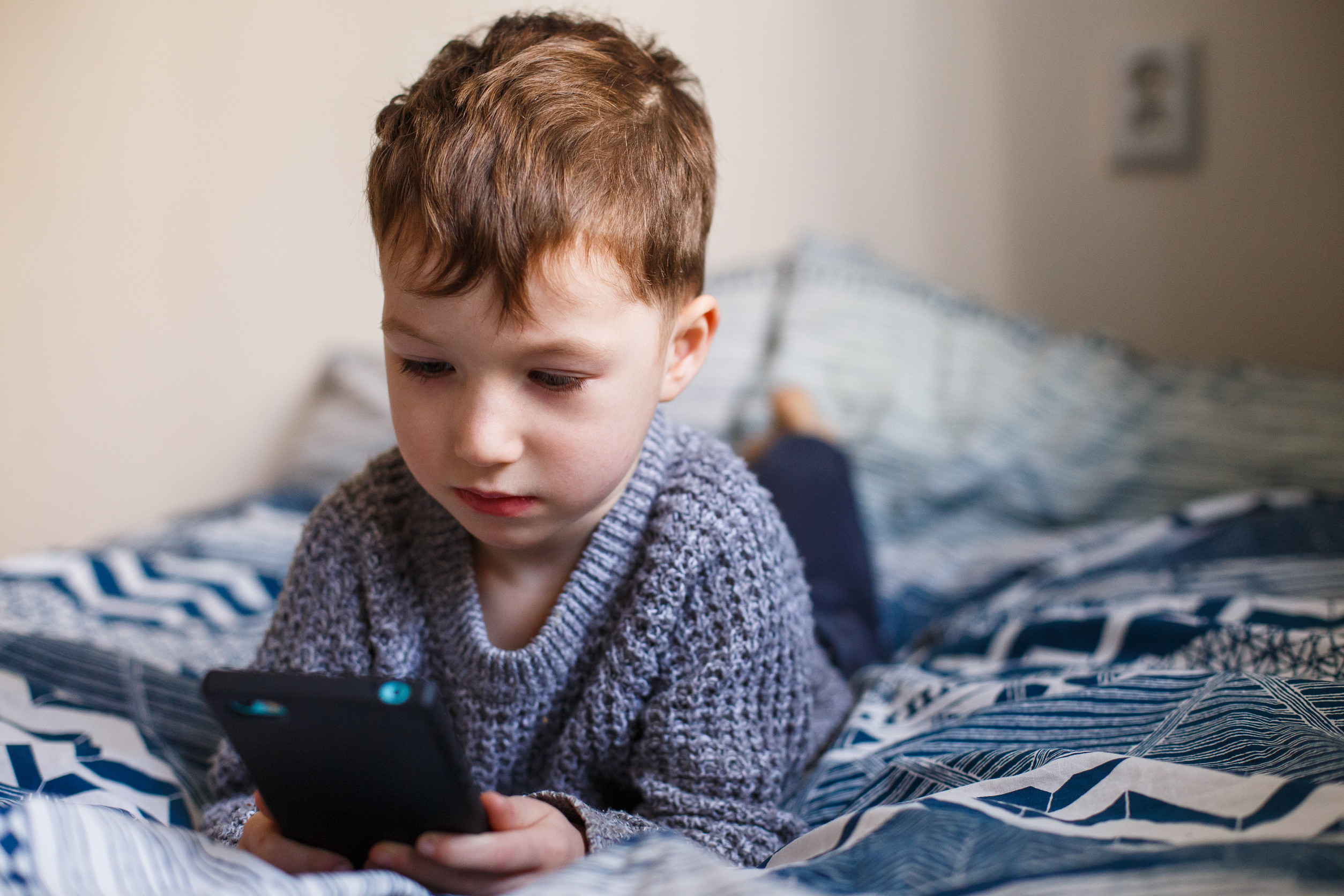
Filed Under: Parenting Tagged With: child data privacy, digital parenting, family tech tips, kids app safety, kids online safety, kids' games secretly selling their data, mobile games for kids, protect kids' data, tracking in apps

Are They Listening? 7 Kid Gadgets Secretly Recording Your Family

July 23, 2025 | Leave a Comment

Are They Listening 7 Kid Gadgets Secretly Recording Your Family
Image source: 123rf.com

Your child’s toys may be adorable and high-tech, but some of them could be doing more than just playing music or answering questions. Many modern devices marketed to kids come equipped with microphones, cameras, and internet connectivity that quietly capture what’s going on around them. Without proper settings or awareness, you might be welcoming devices into your home that collect data, record conversations, and even transmit audio to third parties. And it’s not just what your child says—your entire family may be part of the background. Let’s take a closer look at seven kid gadgets secretly recording your family and what you can do to protect your privacy.

1. Smart Speakers and Kids’ Voice Assistants

Devices like Amazon Echo Dot Kids and Google Nest with child-friendly features can listen 24/7 if not properly configured. These smart speakers are designed to respond to voice commands, but they may also pick up conversations in the background and store recordings in the cloud. Parents often assume the child version is safer, but the basic function remains the same. Unless privacy settings are reviewed and history is regularly deleted, your family’s daily chatter could be logged and analyzed. These speakers are some of the most well-known kid gadgets secretly recording your family, even if unintentionally.

2. Interactive Dolls and Plush Toys

Several smart toys like talking teddy bears or dolls with built-in microphones are capable of recording and transmitting audio. Some have been flagged in the past for collecting data without proper encryption, making them vulnerable to hacking. These toys may store recordings or send data back to manufacturers for “product improvement,” often buried in the fine print of user agreements. Your child thinks they’re just talking to a friend, but in reality, the toy could be listening to everything nearby. This puts cuddly toys high on the list of kid gadgets secretly recording your family without you knowing it.

3. Smartwatches for Kids

Kids’ smartwatches often include GPS tracking, voice calling, and recording functions to keep parents informed. But these features can backfire when the watch records more than it should or when conversations are stored by the manufacturer. In some cases, parents can remotely activate microphones without the child knowing, raising privacy concerns for everyone in earshot. If a child is wearing the watch during family conversations or school, unintended recordings may occur. These wearables are growing in popularity but are often kid gadgets secretly recording your family through everyday use.

4. Educational Tablets and Apps

Tablets like Amazon Fire Kids Edition or iPads with learning apps are a staple in many homes, but some apps request microphone or camera access without needing it for gameplay. If permissions are granted, these apps can access your child’s voice or camera feed during playtime. Some even collect data on how your child speaks or reacts, labeling it as behavioral tracking. This kind of data can be sold or used to fine-tune ad targeting, all without your knowledge. That’s why tablets and learning apps are quiet contributors to the list of kid gadgets secretly recording your family.

5. Smart Baby Monitors and Cameras

Monitors with voice command, app access, or video streaming features are meant to give parents peace of mind, but they often come at a cost to privacy. Many have built-in microphones that stream audio through cloud services, making them vulnerable to breaches or unwanted surveillance. If improperly secured, some models have even allowed strangers to speak through them or access live feeds. This risk extends beyond the baby’s room when monitors are portable or moved into play spaces. Baby monitors are one of the most overlooked kid gadgets secretly recording your family, especially if you skip regular firmware updates.

6. Bluetooth-Connected Toys

From remote control cars to coding robots, Bluetooth-connected toys often use microphones to enhance interactive play. However, unsecured Bluetooth connections can be intercepted, and the devices themselves can store voice data depending on their features. Since these toys are often used in living rooms or shared areas, they can easily record background noise, conversations, or commands. Most parents don’t think to check for a microphone when buying a toy that doesn’t “talk.” Bluetooth toys quietly fall into the category of kid gadgets secretly recording your family just by being left on or forgotten.

7. Video Game Consoles with Chat or Voice Features

Gaming consoles like the Nintendo Switch, PlayStation, or Xbox sometimes include voice chat capabilities or motion-sensitive cameras. While these features are intended for gameplay or social interaction, they can also be used to capture voice data. Some games request mic access to enhance the experience, even when offline. Kids may unknowingly leave these features running while playing, turning the system into a passive listener. These game systems round out the list of kid gadgets secretly recording your family, especially in households where gaming is a regular part of downtime.

Stay Playful, But Stay Private

You don’t have to ditch every device to protect your family’s privacy. The key is awareness and control—know which gadgets have mics or cameras, double-check app permissions, and use privacy settings to limit unnecessary access. Regularly clear audio histories, disable unused features, and have conversations with your kids about safe tech habits. As tech becomes more embedded in toys, being informed is your best line of defense. Once you know which kid gadgets secretly recording your family to monitor, you can make smarter decisions without taking the fun out of playtime.

Have you checked your child’s devices for microphone or camera access recently? What changes have you made to protect your family’s privacy? Share your tips in the comments!

Read More:

The Real Reason: Your Child’s Favorite Toy Is Secretly Spying

Preschooler Risk: 11 Online Safety Risks Your Preschooler Faces

Catherine Reed
Catherine Reed

Catherine is a tech-savvy writer who has focused on the personal finance space for more than eight years. She has a Bachelor’s in Information Technology and enjoys showcasing how tech can simplify everyday personal finance tasks like budgeting, spending tracking, and planning for the future. Additionally, she’s explored the ins and outs of the world of side hustles and loves to share what she’s learned along the way. When she’s not working, you can find her relaxing at home in the Pacific Northwest with her two cats or enjoying a cup of coffee at her neighborhood cafe.

Filed Under: Parenting Tagged With: child privacy, digital parenting, home security, kid tech safety, kids and technology, smart toy risks, smart toys, spying gadgets, voice assistant safety

The Truth About Screens: 9 Apps Your Kids Use That Secretly Collect Data

July 22, 2025 | Leave a Comment

The Truth About Screens 9 Apps Your Kids Use That Secretly Collect Data
Image source: 123rf.com

You’ve probably checked for age ratings, double-checked screen time limits, and made sure your child isn’t exposed to inappropriate content. But there’s a hidden digital threat that flies under most parents’ radar—apps your kids use that secretly collect data. Even harmless-looking games, learning platforms, or creative apps can gather personal information like location, device habits, browsing behavior, or even voice recordings. What’s worse is that this data is often sold, shared, or stored without your knowledge, sometimes violating privacy laws meant to protect children. Here are 9 popular apps parents trust—but should definitely look into more closely.

1. TikTok

While officially recommended for users 13 and older, many younger kids still find their way onto TikTok. The app has faced multiple investigations and fines for tracking user data, including information from minors. Among apps your kids use that secretly collect data, TikTok is a top offender due to how it tracks usage habits, device identifiers, and even location information. Even in “private” mode, the app gathers metadata from video views and interactions. Parents should explore TikTok’s Family Pairing options or consider alternatives with more transparent data practices.

2. YouTube and YouTube Kids

YouTube Kids was created to offer a safer space for young viewers, but that doesn’t mean it’s free from data collection. The platform has been accused of collecting viewing history and device info, even when parental controls are on. For many families, this is one of the most trusted apps your kids use that secretly collect data, simply because it feels child-friendly on the surface. Keep in mind that any personalized recommendations come from data tracking, which may include search terms and watch behavior. Consider using ad-free options or limiting permissions in your child’s profile settings.

3. Roblox

Roblox is wildly popular for its games, avatars, and in-game purchases—but it also collects a lot of data. This includes chat history, location data, friends lists, and how your child interacts within the game. Like many apps your kids use that secretly collect data, it runs targeted ads and stores behavioral profiles to better monetize user activity. While it offers parental controls, it still tracks a surprising amount of behind-the-scenes data. Regularly review your child’s privacy settings and use a restricted account whenever possible.

4. Snapchat

Snapchat is often used by tweens and teens, despite being labeled 13+. The app is known for its disappearing messages, but that doesn’t mean your child’s data disappears with them. Snapchat collects contact lists, device identifiers, usage data, and even geolocation, especially if Snap Map is enabled. It’s one of those apps your kids use that secretly collect data even when they aren’t actively posting. Disable Snap Map, turn off location services, and have a conversation with your child about privacy before allowing use.

5. Zoom

Now commonly used for virtual school or chats with family, Zoom might not strike you as a data risk. But like other platforms, it collects usage logs, device information, and meeting metadata—sometimes more than you realize. For younger users, Zoom’s data handling has faced criticism, especially in education settings where consent isn’t always clearly outlined. Among apps your kids use that secretly collect data, Zoom’s presence in classrooms means parents should understand what’s shared and what’s optional. Check your child’s school settings or personal account privacy policy to see what data is being stored.

6. Duolingo

This popular language-learning app is educational, engaging, and surprisingly aggressive with its data tracking. Duolingo collects device info, user behavior, and performance analytics. While not as flashy as other apps your kids use that secretly collect data, it quietly builds user profiles to improve engagement and advertising. Even if your child is learning French or Spanish, the app may be learning more about them than you’d like. Be sure to review data-sharing permissions in the account settings and avoid logging in with social media accounts.

7. Minecraft (Mobile Version)

Minecraft on mobile devices, especially the Bedrock Edition, is connected to Microsoft accounts and comes with data collection tied to Xbox services. It tracks user activity, session lengths, and online interactions—even in creative mode. Though it’s not malicious, Minecraft remains one of the apps your kids use that secretly collect data, particularly through in-game purchases and online play. Parents should explore Family Safety tools in Microsoft’s dashboard and limit multiplayer access for younger players.

8. Facebook Messenger Kids

Facebook (now Meta) created Messenger Kids as a safer alternative to adult messaging platforms, but data concerns remain. While it’s promoted as COPPA-compliant, the app still gathers usage data, contacts, and interaction metrics. Among apps your kids use that secretly collect data, this one raises eyebrows simply because of its ties to Meta’s larger advertising ecosystem. Although it offers some strong parental controls, be mindful of what’s shared and how it’s stored. Monitor conversations regularly and avoid linking accounts that could expose more family data.

9. Candy Crush and Other “Free” Games

Many free-to-play games, including Candy Crush and similar titles, rely heavily on third-party advertising networks. These games track in-app behavior, device IDs, and location in order to serve personalized ads. Since they’re marketed as harmless and fun, they fall into the category of apps your kids use that secretly collect data without most parents noticing. Avoid logging in with a social media account, decline ad tracking permissions, and keep the games in guest mode when possible.

Knowledge is the Best Parental Control

When it comes to screen time, the real risk isn’t always what your child is watching—it’s what the app is watching them. Many apps your kids use that secretly collect data hide behind colorful graphics and educational content, but still gather information that can be used, shared, or sold. As a parent, you don’t have to avoid screens altogether—you just need to be a little more data-aware. Reviewing app permissions, checking privacy settings, and reading the fine print are small steps that make a big difference in your child’s digital safety.

Were you surprised by how much data these apps collect? Which ones do you monitor or avoid at home? Let’s talk privacy in the comments.

Read More:

6 Legal Protections for Your Child’s Digital Footprint

8 Privacy Concerns with Kids’ Wearables Tracking Them

Catherine Reed
Catherine Reed

Catherine is a tech-savvy writer who has focused on the personal finance space for more than eight years. She has a Bachelor’s in Information Technology and enjoys showcasing how tech can simplify everyday personal finance tasks like budgeting, spending tracking, and planning for the future. Additionally, she’s explored the ins and outs of the world of side hustles and loves to share what she’s learned along the way. When she’s not working, you can find her relaxing at home in the Pacific Northwest with her two cats or enjoying a cup of coffee at her neighborhood cafe.

Filed Under: Parenting Tagged With: app safety, apps your kids use that secretly collect data, child online privacy, data collection in apps, digital parenting, internet safety for kids, kids and tech, screen time safety

« Previous Page
Next Page »
  • Facebook
  • Pinterest
  • RSS
  • Twitter

Basic Principles Of Good Parenting

Here some basic principles for good parenting:

  1. What You Do Matters: Your kids are watching you. So, be purposeful about what you want to accomplish.
  2. You Can’t be Too Loving: Don’t replace love with material possessions, lowered expectations or leniency.
  3. Be Involved Your Kids Life: Arrange your priorities to focus on what your kid’s needs. Be there mentally and physically.
  4. Adapt Your Parenting: Children grow quickly, so keep pace with your child’s development.
  5. Establish and Set Rules: The rules you set for children will establish the rules they set for themselves later.  Avoid harsh discipline and be consistent.
  6. Explain Your Decisions: What is obvious to you may not be evident to your child. They don’t have the experience you do.
  7. Be Respectful To Your Child: How you treat your child is how they will treat others.  Be polite, respectful and make an effort to pay attention.
Best Parenting Blogs

Most Popular

Baby

9 Unusual Baby Names That Sound Like They Belong to Future CEOs

Evan Morgan
Baby

10 Baby Names That Were Once Considered “Grandparent Names” but Feel Cool Again

Evan Morgan
Target Store

Choking Incident Prompts Recall of 49,000 Target Gigglescape “Under the Sea” Popping Toys

Evan Morgan
Frustrated Girl

Why Some Students on the Spectrum Are Labeled With ODD

Evan Morgan
Coke Bottles

12 Things Kids Took to School in the ’70s That Would Never Be Allowed Today

Evan Morgan

All content on Kids Ain’t Cheap is for entertainment purposes only. By reading this blog, you agree that Kids Ain’t Cheap is not responsible for any actions taken after reading this blog. For the full disclaimer, see our privacy policy.

Please note that Kids Ain’t Cheap has financial relationships with some of the merchants mentioned here. Kids Ain’t Cheap is funded by banner advertising, commission sales and search optimization consulting.

Copyright © 2006–2026 | District Media | All Rights Reserved | Privacy Policy

Copyright © 2026 Runway Pro Theme by Viva la Violette