• Home
  • About Us
  • Toolkit
  • Archives
  • Advertise
  • Privacy Policy

Kids Ain't Cheap

But They Sure Are Worth It

  • Parenting
    • Baby Stuff
    • Books and Reading
      • Aesops Fables
      • Comic Books
    • Education
    • Family Time
    • Green Living
    • Growing Up
    • Healthy Living & Eating
    • Holidays
    • Parenting
    • Random Musings
    • Shopping
    • Stuff to Do
  • Money
  • Product Reviews
    • Books and Magazines
    • Discount Sites
    • Furniture
    • House Keeping
    • Reviews News
    • Toys and Games
  • Contact Us
  • Our Editorial Commitment
  • Search

Handling the Whine: What to Do When Children Are Bored

May 4, 2025 | Leave a Comment

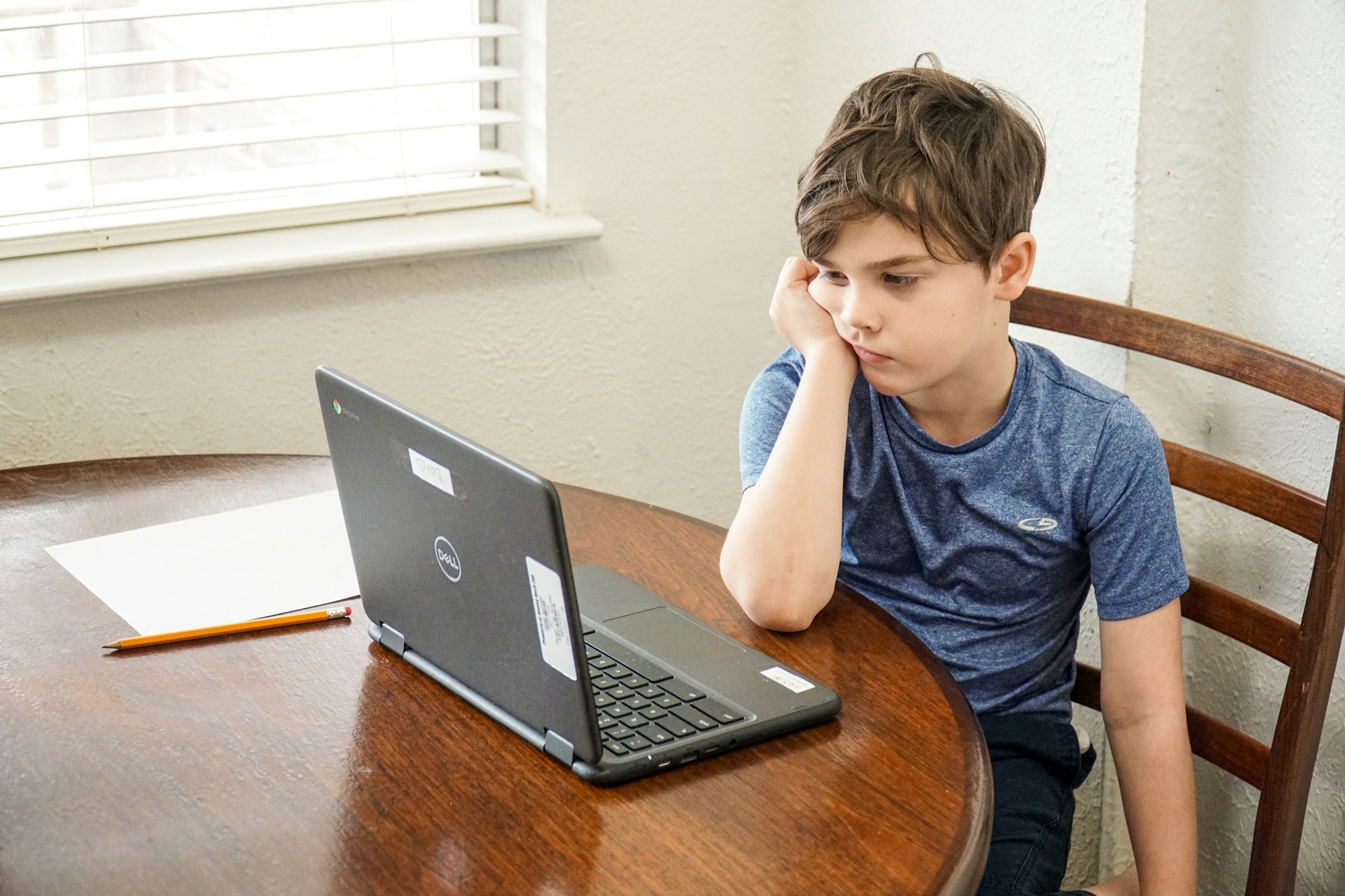
Image by Thomas Park

There it is again—the dreaded whine. “I’m booooored.” It creeps into your living room on a Saturday afternoon, echoes in the car during errands, and somehow finds its way into every school break. But before you lose your patience or launch into a list of chores as punishment, pause. When children say they’re bored, they’re not just announcing a lack of entertainment. They’re revealing a need for connection, creativity, or even just quiet.

Learning how to handle this phrase with empathy (and a plan) can turn an annoying complaint into an opportunity for growth for your child and for you.

The Truth Behind “I’m Bored”

Contrary to what it sounds like, boredom in children doesn’t usually stem from a lack of options. In fact, most kids today are surrounded by toys, screens, and structured activities. So why the constant boredom?

Because what they’re really craving is engagement—a feeling that what they’re doing matters, excites them, or, at the very least, feels different from the everyday. Boredom is the mind’s way of saying, “I need something more.” Sometimes, that “more” is stimulation. Other times, it’s a connection or freedom to explore.

Understanding the root of the boredom is key to how you respond.

Don’t Panic. Pause

Your first instinct might be to fill the gap with something—anything—to stop the whining. But this can unintentionally teach kids that boredom is a problem someone else must solve. Instead of panicking or offering a solution right away, pause.

You can calmly respond with, “It’s okay to feel bored sometimes. What do you think you want to do about it?” This approach empowers your child to become a problem-solver, not just a complainer.

Boredom Breeds Creativity (If You Let It)

Here’s a truth we sometimes forget: boredom is good for kids. It can be the soil where imagination grows if we don’t stomp on it with constant entertainment.

When kids are forced to sit with boredom, they often come up with their own solutions. They may build a fort, invent a game, write a story, or pick up a neglected toy. These moments foster creativity, independence, and confidence.

Let them be bored. And let the magic happen.

Reframe the Moment: It’s Not a Problem, It’s a Skill-Building Opportunity

The goal isn’t to eliminate boredom. It’s to teach kids how to move through it. Like any skill, this takes practice. You can support this by gently guiding them rather than entertaining them.

Try offering a simple challenge: “Think of three things you could do with just what’s in this room.” Or make it playful: “If you had to invent a new game right now, what would it be?” These prompts give them a push while still keeping the responsibility in their hands.

When to Step In (and When Not To)

Of course, there are moments when stepping in is helpful, especially with younger children or those with unique developmental needs. If a child is melting down in frustration or feeling stuck after trying their best to self-direct, a little guidance goes a long way.

But make sure your help still encourages autonomy. Instead of directing, offer choices: “Would you like to draw, go outside, or help me with something in the kitchen?” This maintains boundaries while still meeting their emotional needs.

Create a “Boredom Basket”

One practical tip: build a boredom basket. This isn’t a toy bin. It’s a curated collection of simple activities kids can turn to when they don’t know what to do. Think coloring books, puzzles, old magazines for cutting, paper for drawing, brain teasers, or even a small notebook of writing prompts.

When a child says they’re bored, point to the basket and say, “That sounds like a great time to check the basket.” This tool encourages independence and reduces the constant pressure on parents to entertain.

Teach the Art of Doing Nothing

In a world driven by productivity, we’ve forgotten how to do nothing. And our kids are learning that same pattern.

But there is beauty in stillness. In quiet moments. In watching clouds pass or listening to birds. When kids complain of boredom, sometimes they’re being offered a rare gift: the chance to slow down.

Encourage rest. Teach that not every moment has to be filled. Help them understand that being alone with their thoughts isn’t boring. It’s human.

Boredom Isn’t the Enemy. Avoiding It Is

Ultimately, how we react to our children’s boredom shapes their relationship with time, solitude, and self-motivation. If we rush to fill every empty space, we rob them of the chance to learn resilience, patience, and imagination.

So next time you hear the whine of “I’m bored,” don’t rush to fix it. Invite your child to explore it, sit with it, and maybe even enjoy it.

How do you handle boredom in your home? Do you encourage free time, offer guidance, or a mix of both?

Read More:

6 Surprising Ways Kids Benefit From Boredom

The Parent Trap: Why We Feel Guilty About Children Being Bored

Filed Under: Parenting, Parenting, Parenting Blog at KidsAintCheap Tagged With: child boredom tips, child development, creative play ideas, dealing with bored children, emotional intelligence for kids, how to handle boredom, independent play, parenting advice, parenting mindset, raising confident kids

Playground Safety: How to Ensure Kids Stay Injury-Free

May 3, 2025 | Leave a Comment

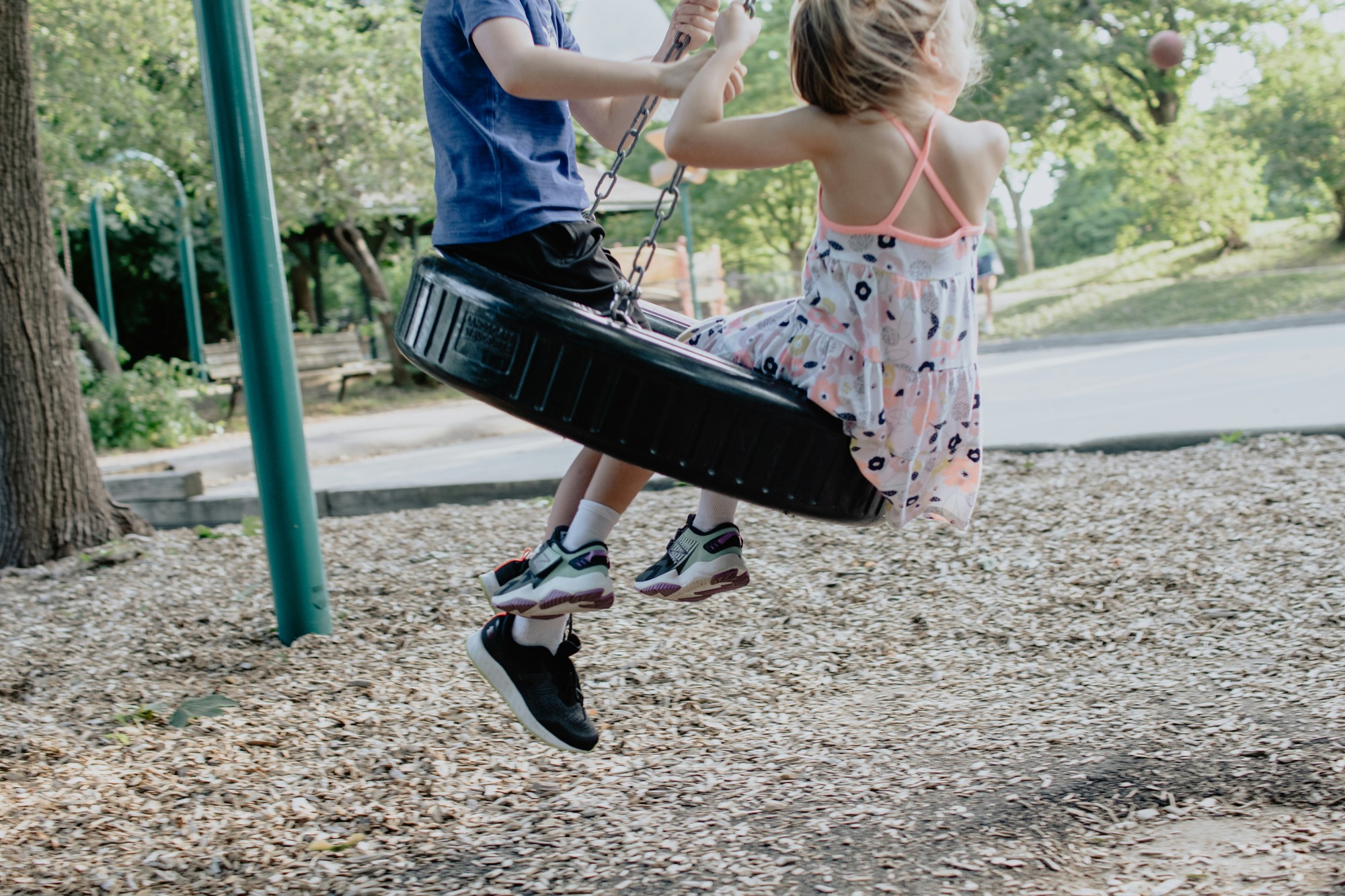
Image by Dave Sherrill 

Playgrounds are where childhood memories are made—where kids learn to swing, climb, run, and explore. But while the laughter and energy are contagious, so is the risk of injury if proper safety measures aren’t in place. According to the CDC, more than 200,000 children visit emergency rooms each year due to playground-related injuries. Many of these could be prevented with just a few proactive steps.

As parents and caregivers, we can’t wrap our kids in bubble wrap, but we can help create a safe space that allows them to explore while minimizing risks. Here’s how to ensure your child stays safe and has fun at the playground.

Start With the Right Playground

Not all playgrounds are created equal. Before letting your child dive into play, take a quick scan of the area. Look for age-appropriate equipment, clear signage, and properly maintained structures. The best playgrounds are designed with safety zones that separate equipment for younger kids from structures intended for older children.

Also, check for hazards like broken swings, exposed bolts, rust, or splintering wood. Equipment should be securely anchored, and surfaces should be level and stable.

Surface Matters More Than You Think

One of the biggest factors in playground injuries isn’t the slide or swing set. It’s what’s underneath. Falls are the leading cause of playground injuries, and the type of surface beneath the equipment can be the difference between a bruise and a broken bone.

Ideal playground surfaces include:

  • Rubber mats or tiles
  • Engineered wood fiber
  • Sand
  • Pea gravel
  • Mulch (with proper depth)

Hard surfaces like concrete, asphalt, or packed dirt offer little protection and should be avoided. Depth matters, too. A minimum of 12 inches of impact-absorbing material is typically recommended for proper cushioning.

Dress Kids for Safety

While it might seem unrelated, what your child wears to the playground plays a role in safety. Avoid clothing with drawstrings, long scarves, or loose accessories that can get caught in equipment and pose strangulation hazards.

Closed-toe shoes with good grip are best. Sandals, flip-flops, or shoes with slick soles can make it easier to slip on climbing equipment or ladders. And always make sure shoelaces are tied tight to avoid tripping.

Teach the Rules of Safe Play

Children thrive on freedom but even play needs structure. Set basic ground rules before your child runs off to explore: no pushing, no shoving, and wait your turn on the slide or swings.

Help younger kids understand how to navigate around moving equipment like swings or merry-go-rounds, and explain why climbing up a slide the wrong way isn’t safe (even if it looks fun).

By reinforcing these rules regularly and consistently, kids start to internalize them, and it becomes second nature to play more safely.

Image by Kelly Sikkema 

Active Supervision Is Key

Even the most well-designed playground isn’t a substitute for adult supervision. Injuries happen quickly, and your presence can make all the difference. Keep your phone in your pocket, maintain visual contact, and be ready to step in if a situation looks risky.

That doesn’t mean hovering or limiting fun. It just means being present and engaged enough to help prevent dangerous behavior before it starts.

Check Equipment Temperature

On sunny days, playground surfaces, especially metal or dark-colored slides, can reach dangerously high temperatures. Before letting your child use equipment, touch it yourself to see if it’s too hot. Burn injuries from overheated surfaces are more common than you might think.

When possible, visit playgrounds earlier in the morning or later in the evening during hot months. Always use sunscreen or protective clothing for UV protection.

Keep the Playground Clean

Playgrounds can attract more than just children. Sometimes, they’re home to litter, broken glass, or even sharp objects. Take a quick look around the area for trash or hazards before letting your kids loose. While it’s frustrating to see litter, a quick cleanup with a spare bag can go a long way in making the space safer for everyone.

You might also want to carry a small first-aid kit in your bag, just in case of minor scrapes or bruises.

Stay Updated on Recalls

From time to time, playground equipment or accessories (like swing seats or climbing ropes) are recalled due to safety concerns. Stay informed by checking websites like CPSC.gov or signing up for alerts. If your local park is publicly managed, you can also call the parks department if you notice something unsafe or suspect a recall has gone unaddressed.

Safe Play Makes Happy Memories

Playgrounds are a vital part of growing up. They help children build confidence, develop physical skills, and enjoy screen-free time outdoors. With a few smart precautions and a watchful eye, you can help ensure those adventures don’t end with a trip to the ER.

Because when kids feel safe, they play freely. And when parents feel prepared, they can enjoy the laughter too.

Read More:

Playground Dangers: 8 Pieces of Playground Equipment That Could Seriously Injure Your Child

7 Things You Should Never Buy for Your Kids – But Everyone Does

Filed Under: Parenting Tagged With: child safety tips, family health, injury prevention, kids and parks, outdoor play safety, parenting advice, playground injuries, playground safety, safe play equipment, toddler safety

How to Teach Kids to Say No—Even to Grownups

May 3, 2025 | Leave a Comment

Image by Janko Ferlič

For generations, children have been taught to obey adults without question. “Respect your elders” is a phrase most parents still say, but what happens when that respect is used against a child’s better judgment? When they feel unsafe, uncomfortable, or pressured but don’t know how to respond?

Teaching your kids to say “no”—even to grownups—is one of the most empowering lessons you can give them. It’s not about raising disrespectful kids. It’s about raising confident, assertive children who know their voice matters and their instincts are worth trusting.

This kind of lesson doesn’t come from one talk. It’s a layered, ongoing conversation built into how we parent, how we model communication, and how we help our kids navigate the world.

Why “No” Is a Life Skill

The ability to say “no” is directly tied to self-worth and autonomy. Kids who are taught to always obey authority may internalize the idea that adults know best (always) and that going along is safer than speaking up. However, this mindset can make them vulnerable to manipulation, peer pressure, and even abuse.

When a child knows they’re allowed to say no to anyone, they begin to trust their gut feelings. They learn that their boundaries are valid and that no one has the right to cross them without permission.

Start with Body Autonomy Early

Teaching kids about body autonomy can and should start young. Let them know their body belongs to them. If they don’t want to hug a relative, don’t make them. If they say they don’t like being tickled or touched a certain way, listen and respond respectfully.

Phrases like “You don’t have to let anyone touch you if you don’t want to” or “You’re allowed to say no if something makes you uncomfortable” become powerful when repeated often and without judgment.

Model Saying No Yourself

Children watch how you handle your own boundaries. If they see you over-explaining, people-pleasing, or hesitating to say no, they may mirror that behavior.

Be open about your own limits in front of them. Say things like, “I’m tired right now, so I’m saying no to that invitation,” or “I don’t feel comfortable with that, and it’s okay to say so.” When you treat “no” as a normal part of communication, your kids will too.

Practice with Role-Playing

Kids learn best through practice. Use pretend play to help them rehearse how to say no in different scenarios. Keep the tone supportive, not scary. For example:

“What would you say if someone tried to get you to do something you know is wrong?”
“How could you respond if an adult asked you to keep a secret that made you uncomfortable?”

Let them come up with their own words, and offer gentle guidance where needed. The goal isn’t perfection. It’s familiarity and confidence.

Teach Assertive (Not Aggressive) Language

Saying “no” doesn’t have to be loud or rude. Teach your child that a firm, respectful voice is just as powerful. Some phrases that can help:

  • “No, thank you. I don’t want to do that.”
  • “I don’t feel safe.”
  • “I need to check with my parent first.”
  • “That’s not okay with me.”

When kids have language they’re comfortable with, they’re more likely to use it in real situations.

Make It Clear: They Won’t Get in Trouble

One major reason kids hesitate to say no to adults is fear—fear of getting in trouble, not being believed, or being told they were rude. Let your child know that you will always support them if they speak up for themselves, especially when it comes to their safety or boundaries.

You might say, “Even if it’s a teacher, a coach, or another grownup, we’ll always listen and take you seriously.”

Keep the Conversation Open

Saying no is a skill that takes practice, and it’s one your child will use well into adulthood. Keep the lines of communication open. If your child ever tells you about an uncomfortable situation, avoid immediate judgment or punishment. Listen, validate their feelings, and help them process what happened.

Kids who feel safe confiding in their parents are more likely to keep speaking up when it really matters.

How do you help your child practice setting boundaries in everyday life? Let us know in the comments below!

Read More:

How Do You Teach Kids About Consent and Boundaries?

9 Silly Mistakes That Kids Make That We Should Quickly Forgive

Filed Under: Parenting Tagged With: assertiveness for kids, child communication skills, child safety tips, empowering children, how to teach kids to say no, kids and body autonomy, parenting advice, respectful parenting, role-playing with kids, teaching kids boundaries

When Teasing Between Friends Becomes Bullying

May 3, 2025 | Leave a Comment

Image by Ashton Bingham 

Friendships are supposed to feel safe and supportive. Laughter, jokes, and the occasional playful jab are all part of growing up and bonding. But sometimes, teasing between friends starts to feel different. It cuts deeper. It happens too often. It makes your child feel small instead of seen. That’s when it may have crossed the line from teasing to bullying.

Understanding the difference between harmless fun and emotional harm is key to protecting your child’s well-being. While kids (and adults) often brush it off as “just joking,” repeated, targeted teasing, especially when it’s one-sided or hurtful, can do real emotional damage.

The Fine Line Between Teasing and Bullying

Teasing, when done with mutual trust and care, can be part of a healthy friendship. It might involve silly nicknames, light sarcasm, or jokes that both people laugh at and understand.

Bullying, however, is very different. It involves power, repetition, and the intent (or effect) of causing harm. Even if the person doing the teasing claims it’s “just a joke,” if one child consistently feels hurt, excluded, or belittled, it’s no longer harmless. It’s emotional bullying.

Some red flags that teasing has crossed the line include:

  • The same child is always the target.
  • The teasing is about sensitive or personal topics.
  • It causes visible anxiety, sadness, or withdrawal.
  • The friend doesn’t stop when asked.
  • The laughter is one-sided.

How Kids Experience This Gray Area

One of the hardest parts about teasing-turned-bullying is that kids may not realize it’s happening or they might be afraid to admit it. It’s not uncommon for kids to stay in unhealthy friendships because they fear being left out or labeled “too sensitive.”

They might rationalize the behavior (“They pick on everyone,” or “That’s just how we joke”), especially if the teasing happens in front of others who laugh along. This internal conflict, wanting to fit in but feeling hurt, can seriously impact their self-esteem and mental health over time.

How Parents Can Spot the Shift

As a parent, it’s important to stay attuned to subtle changes in your child’s behavior. Look for patterns that might indicate something deeper than typical friendship squabbles:

  • Hesitation or dread when talking about a particular friend or group.
  • Withdrawal from activities or social events they once enjoyed.
  • Complaints about feeling “left out” or being the butt of jokes.
  • Sudden drops in mood, confidence, or academic performance.
  • Refusal to share details about social situations.

It’s also helpful to observe how your child talks about themselves. Do they repeat put-downs they’ve heard? Are they starting to believe negative things about their abilities or worth? That could be a sign the teasing is sinking in more than they realize.

teach your kids to fight
Image Source: 123rf.com

How to Talk to Your Child About It

If you suspect your child is being bullied by a friend, approach the topic gently and without judgment. Start with open-ended questions:

  • “How do you feel when your friends joke around?”
  • “Do you ever feel like someone goes too far?”
  • “What do you do when a joke makes you uncomfortable?”

Validate their feelings and avoid brushing off their concerns as “normal kid stuff.” Let them know it’s okay to feel upset—and that real friends don’t make each other feel small.

You can also help your child come up with phrases to set boundaries, like:

  • “That wasn’t funny to me.”
  • “I don’t like being joked about like that.”
  • “Can you not say that again?”

Teaching them to speak up assertively (but safely) is a powerful step toward self-respect.

When to Step In

If the teasing continues and your child feels stuck, it’s time to intervene. This may mean contacting a teacher, school counselor, or even the other child’s parent, especially if the behavior happens repeatedly at school or in group settings.

Keep documentation of what your child tells you and encourage them to write down what happened, when, and how it made them feel. This helps build a clear picture for adults in authority to take meaningful action.

You’re not “making it worse” by stepping in. You’re showing your child that their emotional safety matters more than social politics.

Strengthening Healthy Friendships

One of the best antidotes to toxic friendships is helping your child nurture the good ones. Encourage connections with friends who are kind, respectful, and supportive. Talk about what healthy friendship looks like: mutual respect, kindness, fun without cruelty, and feeling accepted.

It’s also okay for friendships to end, especially when one side isn’t showing up with care. Remind your child that outgrowing someone doesn’t mean they’re mean or dramatic. It means they’re learning to value themselves.

Sometimes, the biggest bullies aren’t on the playground. They’re the people we call friends. But kids can learn to draw boundaries, trust their feelings, and choose relationships that truly lift them up.

Have you ever seen teasing cross the line in your child’s friendships? How did you handle it, or how do you wish you had?

Read More:

12 Over the Top Ideas for Fixing Your Child’s Bullying Problem

How to Handle Bullying in Schools and Online 

Filed Under: Parenting Tagged With: bullying awareness, child confidence, child friendships, emotional bullying, friendship boundaries, kids mental health, parenting advice, social safety for children, teasing vs bullying, toxic friendships

Teaching Kids How to Recognize and Escape Dangerous Situations

May 3, 2025 | Leave a Comment

Image by Edwin Hooper 

As much as we want to shield our children from harm, we can’t always be there to protect them. One of the greatest tools we can give them is the ability to recognize danger and take action when something doesn’t feel right. It’s not about making them fearful—it’s about making them aware, prepared, and confident.

Stranger danger is only one piece of the puzzle. Children may face threatening situations from people they know, unsafe environments, or digital threats that aren’t always obvious. The good news? You can teach kids how to identify danger and respond without overwhelming them or creating anxiety.

Start with Age-Appropriate Conversations

Children don’t need to be exposed to every worst-case scenario. Instead, use real-world examples they can relate to. Frame safety as something empowering, not scary. For younger kids, use simple language: “If someone makes you feel uncomfortable or asks you to keep a secret from Mom or Dad, that’s not okay.”

With older kids, you can begin to talk more openly about peer pressure, online grooming, and manipulative behavior. The key is to create an ongoing dialogue. Safety isn’t a one-time talk. It’s a habit of communication.

Teach the “Uh-Oh Feeling”

One of the most effective tools for kids of all ages is helping them recognize their intuition. Teach them to trust their gut—the “uh-oh feeling.” That uncomfortable sense when something doesn’t feel right is their brain warning them.

Encourage them to say no, leave the situation, or get help when they feel this way, even if they’re not sure why. Remind them that they never have to stay in a situation that feels weird, scary, or confusing, even if the person is someone they know.

Introduce the “No, Go, Yell, Tell” Method

This four-step safety strategy gives kids a simple, memorable plan for reacting to danger:

No – Say “No!” loudly and firmly.
Go – Run away from the situation quickly.
Yell – Scream for help to draw attention.
Tell – Find a safe adult and explain what happened.

Practice these steps through role-playing. Pretend scenarios where someone tries to get them to go somewhere or makes them uncomfortable. Make the practice playful, not scary, so the lessons stick.

Identify Safe Adults and Safe Places

Children need to know who they can trust if something goes wrong. Talk about what a “safe adult” looks like—someone in uniform, a teacher, a store clerk, or a parent with kids. Help them understand that not all adults are automatically safe, even if they seem nice.

Also, teach them to look for “safe places” in their environment: the front desk of a store, a neighbor’s house you trust, or the school office. Show them how to spot landmarks or safe exits in unfamiliar areas.

Role-Play Tricky Situations

It’s one thing to tell kids what to do. It’s another to help them practice. Use role-play to walk through different scenarios. For example:

  • What would you do if a stranger offered you a toy or treat to follow them?
  • What if someone you know asks you to keep a secret that makes you uncomfortable?
  • What would you do if you got lost in a store?

These scenarios help reinforce instincts and build confidence in their ability to act quickly and smartly.

Don’t Forget Digital Dangers

The internet presents its own set of risks. Teach kids never to share personal information online, accept friend requests from strangers, or send photos to anyone they don’t know in real life. Emphasize that predators often pretend to be someone else and that no one should ask them to keep online conversations a secret from their parents.

For younger kids, keep devices in shared spaces and use parental controls. For tweens and teens, focus on open communication. You want them to come to you when something feels off, not hide it out of fear of punishment.

Reassure Them That Safety Isn’t the Same as Fear

Some kids may become overly anxious when learning about dangers. That’s why it’s so important to remind them that being prepared doesn’t mean they need to worry. The goal is to give them tools—not nightmares.

Balance every lesson with reassurance. You’re not teaching them that the world is bad; you’re showing them they have the power to handle tough moments and get help when needed.

Empowered kids are safer kids. When we teach our children how to spot danger and trust their instincts, we equip them to navigate the world with more confidence and less fear.

How do you talk to your kids about safety without making them anxious? Let us know in the comments below!

Read More:

8 Safety Measures Parents Often Overlook at Home

7 Ways to Teach Kids to Trust Their Instincts About Safety

Filed Under: Parenting Tagged With: child empowerment, child safety tips, danger prevention, kids self defense, no go yell tell, parenting advice, parenting safety tips, personal safety for children, safety education, teaching kids awareness

What to Do If Your Child Gets Lost in a Public Place

May 2, 2025 | Leave a Comment

Image by Luke Pennystan

Your heart drops. Your stomach twists. One minute, your child is by your side in a crowded store or park, and the next—they’re gone. It’s every parent’s worst fear: losing a child in a public space. But while those first seconds are filled with panic, knowing what to do ahead of time can make all the difference.

Children wandering off happens more often than most people think. Whether distracted by a toy display or chasing after something shiny, kids can disappear in the blink of an eye. That’s why preparation, quick action, and a calm mind are essential tools for every parent or caregiver.

Stay Calm and Scan the Area

The moment you realize your child isn’t in sight, take a deep breath. You’ll need a clear head to think critically and act quickly. Start by scanning your immediate surroundings. Children often move in a straight line, so check in the direction they were last walking.

Look under clothing racks, behind displays, or anywhere a small child might duck into. Call their name loudly but calmly. Avoid yelling in a panic, which could scare them further or make it harder for others to understand your situation.

Alert Nearby Staff Immediately

Whether you’re in a store, amusement park, museum, or airport, alert an employee right away. Staff are usually trained for these scenarios and can trigger a code alert, lock doors, or initiate a search procedure.

Give a clear and specific description of your child: their age, height, hair color, clothing, and any distinguishing features. Mention any nickname they might respond to and where you last saw them. The faster you report them missing, the faster a coordinated effort can begin.

Enlist the Help of Bystanders

Don’t be afraid to speak up and ask for help from those around you. The more eyes you have looking, the better. Describe your child to other nearby adults and ask them to help search. In crowded areas, enlist people to guard exits in case your child is wandering.

Most parents will jump at the chance to help another family in distress. Kind strangers can play a crucial role in expanding your search perimeter quickly.

Stay in One Spot (If That Was the Agreed Meeting Point)

If you’ve previously discussed a meeting point with your child, such as a front desk or entrance sign, stay close to that area. Many children remember to go back to the spot where they last saw you or where they were told to go if they got separated.

If you haven’t discussed a plan in advance, consider making that part of your family safety talks from now on. Children respond well to repetition and routine—and having a plan gives them power.

Image by Kelli McClintock

Notify Security or Law Enforcement if Needed

If your child isn’t located within a few minutes and you’re in a large venue or outdoor space, escalate the situation. Contact local security or police and provide a full description, including any digital photo you may have on your phone. Don’t wait until it “feels serious”—authorities would rather respond to a false alarm than a delayed emergency.

Most public places have security cameras, and time is your ally. The sooner they’re informed, the faster they can review footage, scan exits, and begin a coordinated effort to reunite you with your child.

Teach Your Child What to Do If They Get Lost

Prevention is key, and the best way to keep your child safe is by preparing them before a separation ever happens. Teach them these simple, memorable tips:

  • Stay in one place.
  • Look for a safe adult—like a cashier, employee in uniform, or a parent with children.
  • Never leave the building or area to look for you.
  • Know your full name, phone number, and what you’re wearing.

Practicing these steps at home and during outings can make them second nature in a real emergency.

Use Preventive Tools and Techniques

In busy environments, take small precautions to reduce the risk of losing your child. Dress them in bright colors, take a photo of them before leaving the house, and use temporary ID tattoos or bracelets with your contact info.

For toddlers, consider using child harnesses or wristbands if you’re in especially busy locations like airports or amusement parks. It may feel excessive, but if it brings peace of mind and safety, it’s worth considering.

Also, remind kids that if they ever feel lost, staying put and yelling your name is better than wandering or hiding.

After the Reunion: Decompress and Reassure

When your child is safely back in your arms, both of you may be shaken. Take a few moments to hug them, let them cry, and process the moment. Resist the urge to scold them. Instead, focus on reassuring them that they’re safe and that you’re proud of them for handling the situation.

Later, you can calmly talk about what happened and go over what to do differently next time. This helps them learn without fear or guilt.

A lost child moment is every parent’s nightmare, but being prepared turns panic into power. With quick thinking and clear action, reunions happen faster and safer.

Have you ever lost sight of your child in public? What did you do, and what helped the most?

Read More:

13 Essential Safety Tips for Parents When Kids Are Spending the Night With Friends

7 Ways to Teach Kids to Trust Their Instincts About Safety

Filed Under: Parenting Tagged With: child protection, child safety, crowd safety for kids, family emergency planning, lost child tips, missing child, parenting advice, parenting hacks, public safety, what to do if child gets lost

12 Behaviors That Are Nonexistent in Children With Loving Parents

May 2, 2025 | Leave a Comment

Smiling family posing together and making heart shapes with their arms.
Image Source: Unsplash

Every child arrives with a unique temperament, shaped by biology, environment, and—most powerfully—the quality of connection they share with caregivers. Loving parents aren’t flawless, but they offer a steady stream of warmth, guidance, and presence that acts as a psychological “vaccination,” protecting kids from many behavior patterns rooted in insecurity or neglect. Below are 12 tendencies you’ll rarely see in children raised with consistent affection—and the everyday habits that make the difference.

1. Chronic Need for External Validation

Kids steeped in unconditional support learn early that their worth isn’t measured by likes, grades, or praise from strangers. Because loving parents notice small successes and genuine effort—“You worked hard on that puzzle!”—children internalize approval. Studies suggest about 60 percent of children form secure attachments, and these kids reliably show less social comparison in later years. Their built-in compass whispers, I’m okay even if no one’s clapping.

Classroom setbacks sting less sharply, and social-media highs feel less addictive, because self-esteem no longer swings on outside reactions. When peers chase popularity points, these kids feel free to pursue hobbies that truly excite them, even if they are not trendy. They also become more resilient after disappointment, viewing criticism as feedback rather than evidence of unworthiness.

2. Difficulty Expressing Emotions

Homes where feelings are labeled—You look frustrated—and soothed—Let us take a breath together—become daily workshops in emotional literacy. Children notice that all feelings, from joy to jealousy, can be named without punishment, which removes the fear that big emotions will trigger rejection.

As a result, tantrums give way to words, tears turn into clear requests, and stone-faced shutdowns soften into honest dialogue. When caregivers validate emotions, the child stores a memory that vulnerability is safe, not shameful.

Later, on the playground or in a teen friendship, that memory guides healthier conflict resolution. These kids carry a growing library of feeling words that lets them navigate complex social landscapes. Emotional fluency, like any language, begins at home and evolves with every compassionate conversation.

3. Fear of Making Mistakes

Conditional praise—cheers for A’s, silence for B’s—teaches kids that errors erase love, so perfectionism blooms. Loving parents interrupt this narrative by normalizing missteps: Everybody slips up; let us see what we can learn. Psychologists call that outlook a growth mindset, and it transforms setbacks from dead ends into detours with scenic value.

When children see caregivers laugh at their own blunders, failure loses its sting and becomes a teacher. They tackle challenges in math, sports, or friendships with greater grit because success is measured by progress, not flawlessness. As confidence grows, they attempt tougher tasks, knowing a stumble will bring support instead of scolding. Over time, this fearless experimentation fuels creativity and innovation. Love that stays steady, grade after grade, makes mistakes feel like stepping-stones rather than traps.

4. Emotionally Withdrawn Behavior

Withdrawal is often a child’s self-defense against emotional coldness. But when parents consistently respond—eye contact, hugs, curiosity—kids feel safe enough to share their inner world. Simply put, warmth draws kids out; absence pushes them in.

Attentive caregivers also model how to listen, so children practice curiosity about others’ feelings instead of retreating inward. Over time, open dialogue becomes the household norm, not the exception. Even during conflict, kids who feel seen will lean in rather than shut down. Warmth acts like sunlight on a bud—without it, potential stays curled up; with it, growth unfolds.

5. Self-Esteem Issues

Healthy self-esteem is built from thousands of micro-messages that say, You matter and I see you. Celebrating effort, asking for a child’s opinion, and honoring boundaries reflect significance back to them like a mirror. When that mirror is clear and consistent, temporary bouts of self-doubt recover quickly.

Home becomes a reliable recharge station where victories are cheered and struggles are met with encouragement. Kids then venture into classrooms and playgrounds holding a sturdier sense of worth, less swayed by fickle peer approval. They also extend the same respect inward, speaking with kinder self-talk during mistakes. In essence, love writes a supportive internal script that plays whenever confidence wavers.

6. Chronic Disrespect or Defiance

Oppositional behavior often hides a thirst for attention or autonomy. When families set clear yet respectful boundaries— I hear you are upset, but the rule still stands—kids experience both structure and dignity. Such consistency fills the emotional cup, so rebellion loses its payoff. Discipline shifts from punitive showdowns to collaborative problem-solving, nurturing mutual respect.

Children learn that opinions can be voiced without shredding relationships, which lowers the need for dramatic pushback. Over time, they mirror the calm firmness modeled at home when navigating rules at school or among friends. Guidance delivered with empathy teaches cooperation more effectively than any punishment alone.

7. Obsessive People-Pleasing

When affection is never tied to performance, children realize they do not need to shapeshift into perfect hosts to earn love. Parents who model healthy NOs— I cannot play right now, but I will in ten minutes—demonstrate boundary-setting in real time. Kids observe that saying no does not rupture relationships, so they feel safe declining unfair requests from classmates. They also learn to gauge their own energy and preferences instead of scanning others for permission.

Over time, intrinsic motivation replaces the compulsion to keep everyone happy. Friendships become more authentic because they are chosen, not negotiated through constant self-sacrifice. Mental space once spent on approval management opens up for creativity and self-discovery. Unconditional love frees children to please themselves first without guilt or fear of abandonment.

Man in a suit crying and wiping his eye.
Image Source: Unsplash

8. Severe Social Anxiety

Secure attachment gives children an internal home base, encouraging curiosity beyond the living-room couch. Knowing someone always has their back, they approach new faces with cautious optimism rather than dread. Gradual exposure—short playdates, story time at the library, beginner sports leagues—stretches comfort zones step by step.

Parents then debrief afterward, celebrating bravery and troubleshooting fears, which cements lessons. Over time, each successful outing builds a stack of evidence that the social world can be safe and even fun. This portable sense of safety travels with them into bigger arenas like school assemblies or teen clubs. Essentially, consistent support turns what once felt like a battlefield into an inviting playground.

9. Manipulative Tendencies

Manipulation often sprouts when direct requests fall on deaf ears. Loving parents practice reliable listening: thirst yields water, anger yields validation. When a child sees honesty work swiftly, trickery loses its appeal. They learn that needs do not require sneaky backdoors but can walk proudly through the front entrance of open communication. Consistent follow-through also teaches patience, showing that help might not be immediate yet will arrive.

Over time, trust grows, and the urge to guilt-trip or deceive fades. Friendships benefit too, because clear requests replace passive-aggressive hints. Honesty, rewarded early and often, becomes the default strategy for getting needs met.

10. Chronic Insecurity

Predictable routines—bedtime stories, Saturday pancakes—build a sturdy emotional framework where uncertainty can rest. Even major curveballs, like moving houses or welcoming a new sibling, wobble the structure but rarely topple it. Children anchored in steady care know that while circumstances shift, caregiver devotion remains unshaken.

This baseline security turns anxiety spikes into manageable waves rather than tsunamis. They trust that setbacks will be met with guidance, not abandonment, which quiets fear of the unknown. As self-trust grows, they tackle new challenges with curiosity instead of caution. Steadfast love becomes the compass that keeps insecurity from drifting into chronic self-doubt.

11. Isolation or Disinterest in Relationships

Humans are wired for connection, yet early emotional wounds can teach kids to equate closeness with pain. Warm family rituals—board-game laughter, honest apologies, communal problem-solving—flip that script by showing that intimacy breeds joy. In this atmosphere, children practice trust in low-stakes settings before venturing into wider circles. They observe conflict resolved without shaming, which reassures them that disagreements need not rupture bonds.

As positive experiences stack up, curiosity replaces caution, and they seek friendships with open heart rather than guarded distance. Teachers often notice such kids inviting others into play rather than lurking alone on the sidelines. A loving home supplies the social blueprint every child needs to thrive in community.

12. Difficulty Regulating Emotions

Self-regulation is first learned through co-regulation, where a caregiver’s calm presence steadies a toddler’s storm. Slow breaths, soothing words, and patient body language teach the nervous system to downshift. After many repetitions, external support transforms into an internal skill set. Kids start counting breaths, labeling sensations, or seeking help before meltdowns erupt. Empathy teaches them to extend the same grace to peers, lowering playground conflicts. Early empathy builds a lifelong toolbox for weathering emotional squalls without capsizing.

Love Is the Unseen Curriculum

Loving parents don’t raise perfect children—spills, squabbles, and homework battles still happen. The difference lies beneath the surface: a dependable reservoir of safety from which kids draw courage, empathy, and resilience. Each day’s small gestures—listening without your phone, naming feelings, enforcing boundaries with kindness—add drops to that reservoir until it becomes a lifelong well.

Which behavior on this list surprised you most or sparked reflection on your own upbringing? Share your thoughts below; collective wisdom helps us all fine-tune the loving environments our children deserve.

Read More

  • Why “Old Lady” Names Are Back—And People Are Loving It
  • Yes, I Love My Kids—But I Miss Who I Was Before I Became a Parent

Samantha Warren
Samantha

Samantha Warren is a holistic marketing strategist with 8+ years of experience partnering with startups, Fortune 500 companies, and everything in between. With an entrepreneurial mindset, she excels at shaping brand narratives through data-driven, creative content. When she’s not working, Samantha loves to travel and draws inspiration from her trips to Thailand, Spain, Costa Rica, and beyond.

Filed Under: Parenting Tagged With: child development, emotional support, Family Mental Health, healthy children | Parenting Insights, loving parents, parenting advice, parenting tips, secure attachment

6 Holidays Every Parent Should Spend With Their Children

May 1, 2025 | Leave a Comment

Family celebrating Christmas with a child playing near a decorated tree.
Image Source: Unsplash

Holidays with children are more than days off—they’re memory-makers. But between jam-packed schedules and sky-high gift lists, many parents feel more pressure than joy. In fact, surveys show nearly 60 percent of parents stress about holiday costs, and almost half lose sleep over gift budgets.

Here’s the good news: you don’t need elaborate trips or endless presents to create magic. By zeroing in on a handful of key holidays—and leaning into experience over expense—you can build traditions that anchor your child’s sense of stability and joy.

Below are six holidays worth circling on the calendar. Each offers a unique chance to bond, teach, and celebrate without draining your wallet.

1. Christmas (or Your Family’s Winter Holiday of Choice)

Winter holidays often serve as a family’s emotional centerpiece. Yet the average parent spends about $173 per child on gifts, with 16 percent topping $200, according to recent retail studies. If budgets tighten, shift the spotlight from presents to presence. Bake cookies, reread a beloved storybook, or stage a “lights tour” in pajamas. When children reflect on Christmas as adults, they’re more likely to remember twinkling trees and shared laughter than the exact toy under the wrapping. Your steady presence—and the rituals you repeat each year—create the real magic.

2. Thanksgiving

Thanksgiving revolves around gratitude and connection—priceless lessons for kids. Involve children in age-appropriate cooking tasks, from stirring mashed potatoes to writing place-card notes. Sharing “three things I’m thankful for” at the table builds empathy and emotional literacy. Because the holiday centers on family and food rather than gifts, it’s naturally budget-friendly. Even if travel or extended-family politics add stress, modeling grace and gratitude teaches resilience. Kids come to associate the day with warmth, reflection, and a sense of belonging.

3. Halloween

Sure, Halloween is candy-fueled chaos, but it’s also prime bonding time. Planning costumes, carving pumpkins, and trick-or-treating together spark creativity and adventure—without hefty price tags. Homemade outfits crafted from thrift-store finds or closet cast-offs often become neighborhood legends. Walking block to block in the crisp night air, flashlight in hand, is a sensory experience your child won’t forget. Plus, Halloween is low-stakes: expectations focus on fun rather than perfection, making it easier to be present and playful.

4. Birthdays

Not a national holiday, but to your child it might as well be. Birthdays are a once-a-year chance to make your child feel uniquely seen. Skip lavish parties every time and lean into personal rituals: a pancake breakfast in bed, a recorded video message recounting favorite moments from the year, or a DIY crown they wear all day. These intimate touches cost little yet build deep emotional deposits, reminding your child that celebration is about love, not extravagance.

5. Fourth of July (or a Local Summer Celebration)

Summer holidays like the Fourth of July are refreshingly low-pressure. Whether you picnic at a park, watch fireworks, or host a backyard water-balloon battle, the emphasis is on relaxed fun. Because stores aren’t pushing massive gift hauls, you can focus squarely on togetherness. Use the day to start a family tradition—perhaps a homemade flag cake or an annual photo in matching sunglasses. Your child will link summertime freedom with feelings of community and simple joy.

Decorative setup with a "Happy New Year!" note on a clipboard.
Image Source: Unsplash

6. New Year’s Day

Many parents overlook New Year’s as kid-friendly, but it’s ideal for family reflection and goal-setting. Hold a “toast” at noon if midnight is too late, and brainstorm hopes for the coming year on colorful sticky notes. Create a family time capsule: include one small toy, a scribbled note, or a favorite photo, then seal it to open next December 31. Discuss highs and lows of the past year to model resilience and gratitude. This practice helps children see life as a series of chapters they can shape, fostering optimism and growth mindset.

Why These Six Holidays Leave a Lasting Impact

What ties these celebrations together? They prioritize shared experiences over spending sprees. Research on family rituals shows that consistent, meaningful traditions bolster children’s emotional security, strengthen identity, and improve long-term well-being. When parents are present—truly present—kids feel valued. And when holidays are celebrated without financial strain, parents model healthy attitudes toward money and joy.

You don’t have to master every Pinterest craft or host cinematic parties. Pick the moments that resonate most with your family, involve your children in the planning, and protect the time on your calendar like any important appointment. Years from now, your kids won’t remember how much you spent—they’ll remember how you made them feel.

Which holidays hold the most meaning in your home? Share your favorite low-cost traditions in the comments—we’d love fresh ideas for family fun!

Read More

  • How I Spent My Thanksgiving Weekend
  • A Blessed Event: 5 Unforgettable Baptism Party Ideas to Celebrate the Occasion
Samantha Warren
Samantha

Samantha Warren is a holistic marketing strategist with 8+ years of experience partnering with startups, Fortune 500 companies, and everything in between. With an entrepreneurial mindset, she excels at shaping brand narratives through data-driven, creative content. When she’s not working, Samantha loves to travel and draws inspiration from her trips to Thailand, Spain, Costa Rica, and beyond.

Filed Under: Parenting Tagged With: budgeting, child development, Family bonding, holiday budgeting, holidays with children, parenting advice, parenting tips | Family Life

Stop Buying This: 6 Food Items That We Think Are Healthy but Are Bad for Our Children

May 1, 2025 | Leave a Comment

Child eating macaroni and cheese from a paper bowl.
Image Source: Unsplash

Supermarkets overflow with products sporting happy characters, leafy logos, and buzzwords like natural or whole grain. It’s no wonder busy parents assume those boxes and pouches are safe bets. Yet marketing magic often hides an ugly truth: many “healthy” staples deliver a wallop of sugar, sodium, or empty calories—while falling short on the nutrients kids actually need. The goal isn’t perfection; it’s awareness. By reading labels and choosing whole-food alternatives, you can keep convenience and nutrition on the same shelf.

Below are six sneaky culprits, plus realistic swaps that satisfy taste buds without short-changing health.

1. Boxed Macaroni and Cheese

Golden noodles may feel like childhood in a bowl, but powdered cheese blends pack nearly half a young child’s recommended daily sodium—and little else. Most brands rely on enriched (not whole-grain) pasta, artificial dyes, and minimal protein, so the dish fills bellies without truly fueling growth. That neon hue comes from food coloring, not real cheddar, subtly teaching kids that color equals flavor.

A single serving hides more than eight chemical additives, and most children happily go back for seconds, doubling the salt hit. Excess sodium gradually rewires taste buds to crave even saltier foods, making naturally mild veggies a tougher sell later on. Over time, this pattern correlates with higher blood-pressure risk and picky eating habits.

Serve this instead:

  • Whole-grain pasta tossed with real shredded cheddar and a splash of milk melts into a creamy sauce in minutes.
  • Stir in pureed butternut squash or carrot for extra color and vitamin A—kids rarely notice the veggie boost.

2. Fruit Snacks and “Juice” Cocktails

Cute shapes? Check. Bright fruit pictures? Check. Real fruit inside? Not so much. Gummies and juice cocktails are essentially concentrated sugar plus flavoring, conditioning young palates to equate sweetness with “fruit.” A single pouch can rival soda in grams of sugar, and the sticky residue clings to molars long after snack time ends.

Over time, frequent nibbling trains taste buds to crave syrupy flavors and fuels cavities that require costly dental work. These treats also crowd out the fiber and phytonutrients kids would get from real produce.

Serve this instead:

  • Slice fresh strawberries or grapes and freeze them for a chewy, candy-like texture.
  • Offer 100 percent fruit juice diluted with water (half and half) and limit servings to 4–6 oz per day for school-age kids.

3. Dried Fruit by the Handful

Raisins, mango strips, and dates do supply fiber and minerals, but dehydration shrinks volume while concentrating sugars—meaning a toddler can inhale the fructose of three fresh apples in minutes. Without the water content to induce fullness, little bellies stay hungry even as blood sugar soars. Sticky bits then glue themselves to teeth, inviting cavity-causing bacteria to feast.

Because dried fruit feels “healthy,” portion sizes often balloon without anyone noticing. Replacing whole fruit with its dried cousin also short-changes children on hydration, an underrated factor in mood and focus. Over time, the habit normalizes super-sweet flavors and makes plain fruit taste bland by comparison.

Serve this instead:

  • Mix one tablespoon of dried fruit with plain popcorn or unsalted nuts to add crunch and protein.
  • Prioritize whole fruit at meals; its water content fills kids up before fructose overload hits.

4. Flavored Plant-Based Milks

Unsweetened soy or almond milk can be a lifesaver for dairy-free families—until vanilla, chocolate, or strawberry varieties sneak in 4–6 teaspoons of added sugar per cup. Those flavored cartons may also contain stabilizers and gums that upset sensitive stomachs. Because many plant milks are low in protein unless fortified, kids who rely on them risk missing key amino acids for growth.

The sugary taste further conditions children to expect dessert-like drinks, making water and plain milk less appealing. Some brands add only token amounts of calcium and vitamin D, so the “fortified” label can be misleading. Cost is another factor: flavored versions often run a dollar or two more per half-gallon.

Serve this instead:

  • Choose unsweetened, calcium-fortified plant milks and blend with a banana or cocoa powder at home for natural flavor.
  • If your child tolerates dairy, plain cow’s milk still offers the best protein-to-calorie ratio for growth.

5. Store-Bought Granola and Granola Bars

Oats, seeds, and nuts sound nutritious, but commercial granola often binds them with corn syrup or brown-rice syrup, pushing one cup past 400 calories. Many brands roast the mix in palm oil, adding saturated fat that kids don’t need. The clusters taste more like cookies than breakfast, yet marketing claims of “whole-grain” healthfulness often fool busy parents.

Bars are no better: some contain as much sugar as doughnuts, plus sprinkles or chocolate drizzle for good measure. A single bar rarely provides enough protein or fiber to keep kids full, so they reach for a second snack soon after. Over time, that cycle spikes blood sugar and teaches that “healthy” equals sweet.

Serve this instead:

  • Make a five-minute stovetop granola: toast rolled oats with a drizzle of honey, cinnamon, and olive oil; finish with unsweetened dried coconut. Portion it into small snack bags.
  • For grab-and-go, choose bars with fewer than 6 g added sugar and at least 3 g fiber.
Assorted Breezer flavored drinks on ice with sliced citrus.
Image Source: Unsplash

6. Sugar-Sweetened Beverages

Sports drinks, fruit punches, and sweet teas promise energy or vitamins but mostly deliver liquid sugar. Because drinks don’t trigger the same fullness cues as food, kids can gulp hundreds of calories unnoticed in a single afternoon.

Sweetened beverages also bathe teeth in sugar for extended periods, accelerating decay. Research consistently links high intake to greater risks of obesity and type 2 diabetes before adulthood. The caffeine in some teas and sodas can disrupt sleep, compounding health issues. Habitual consumption normalizes the idea that every activity requires a flavored drink, sidelining plain water.

Serve this instead:

  • Keep a pitcher of fruit-infused water—think orange slices, cucumber, or mint—chilling in the fridge.
  • During sports, plain water is enough for most kids. Only intense exercise exceeding one hour may warrant electrolyte drinks, and even then choose low-sugar versions.

Rethink “Healthy” by Reading Labels—Not Headlines

Companies know parents gravitate toward buzzwords like organic, gluten-free, or no artificial flavors. Yet those claims say nothing about sugar or sodium levels. A quick label check makes all the difference:

  1. Scan the ingredient list. The shorter (and more pronounceable) the better.
  2. Spot added sugars. Look for words ending in -ose (glucose, sucrose) or syrups.
  3. Compare serving sizes. Small packages sometimes hide multiple servings.
  4. Prioritize fiber and protein. Both nutrients help kids feel full and energized.

Remember, healthy eating isn’t about banning favorites forever. Mac and cheese night or a gummy snack at the movies won’t derail overall nutrition. What matters is the everyday pattern: loading plates with colorful produce, whole grains, lean proteins, and minimally processed snacks the majority of the time.

Quick-Swap Reference Guide

Skip ThisSwap For ThisWhy It’s Better
Boxed mac & cheeseWhole-grain pasta + real cheese + veggie pureeLower sodium, higher fiber and vitamins
Gummy fruit snacksFrozen fruit bitesNatural sugars, vitamin C, no additives
Handfuls of dried fruitFresh fruit or trail mix with nutsMore volume, slower sugar release, healthy fats
Vanilla almond milkUnsweetened fortified almond milkCuts 3–4 tsp added sugar per cup
Sugary granola barLow-sugar oat bar (<6 g sugar)Prevents blood-sugar spikes, adds fiber
Fruit punchFruit-infused waterZero sugar, still flavorful and hydrating

Small Changes, Big Wins

Most parents buy these convenience foods with the best intentions—often under time pressure in crowded aisles. Becoming label-literate empowers you to swap cleverly marketed junk for genuine fuel.

Each small change—a homemade snack mix here, an unsweetened drink there—adds up to lifelong habits that protect kids’ energy, mood, and health. And when children help shop, prep, and taste-test “new and improved” versions, they learn the why behind smarter choices—knowledge that sticks far longer than any cartoon mascot.

Have you discovered a packaged “health food” that wasn’t so healthy after all? Share your surprises and the swaps that worked in the comments below—we’d love new ideas.

Read More

  • Have a Happy and Healthy Pet With These 5 Lessons
  • How to Help Your Teen Create Healthy Sleep Habits

Samantha Warren
Samantha

Samantha Warren is a holistic marketing strategist with 8+ years of experience partnering with startups, Fortune 500 companies, and everything in between. With an entrepreneurial mindset, she excels at shaping brand narratives through data-driven, creative content. When she’s not working, Samantha loves to travel and draws inspiration from her trips to Thailand, Spain, Costa Rica, and beyond.

Filed Under: Parenting Tagged With: child health | Family Nutrition, foods to avoid for children, healthy snacks for kids, kids nutrition, parenting advice, parenting tips, sugar in kids’ foods

Never Let Your Child Control the TV Remote: 7 Reasons Why It’s a Bad Habit

May 1, 2025 | Leave a Comment

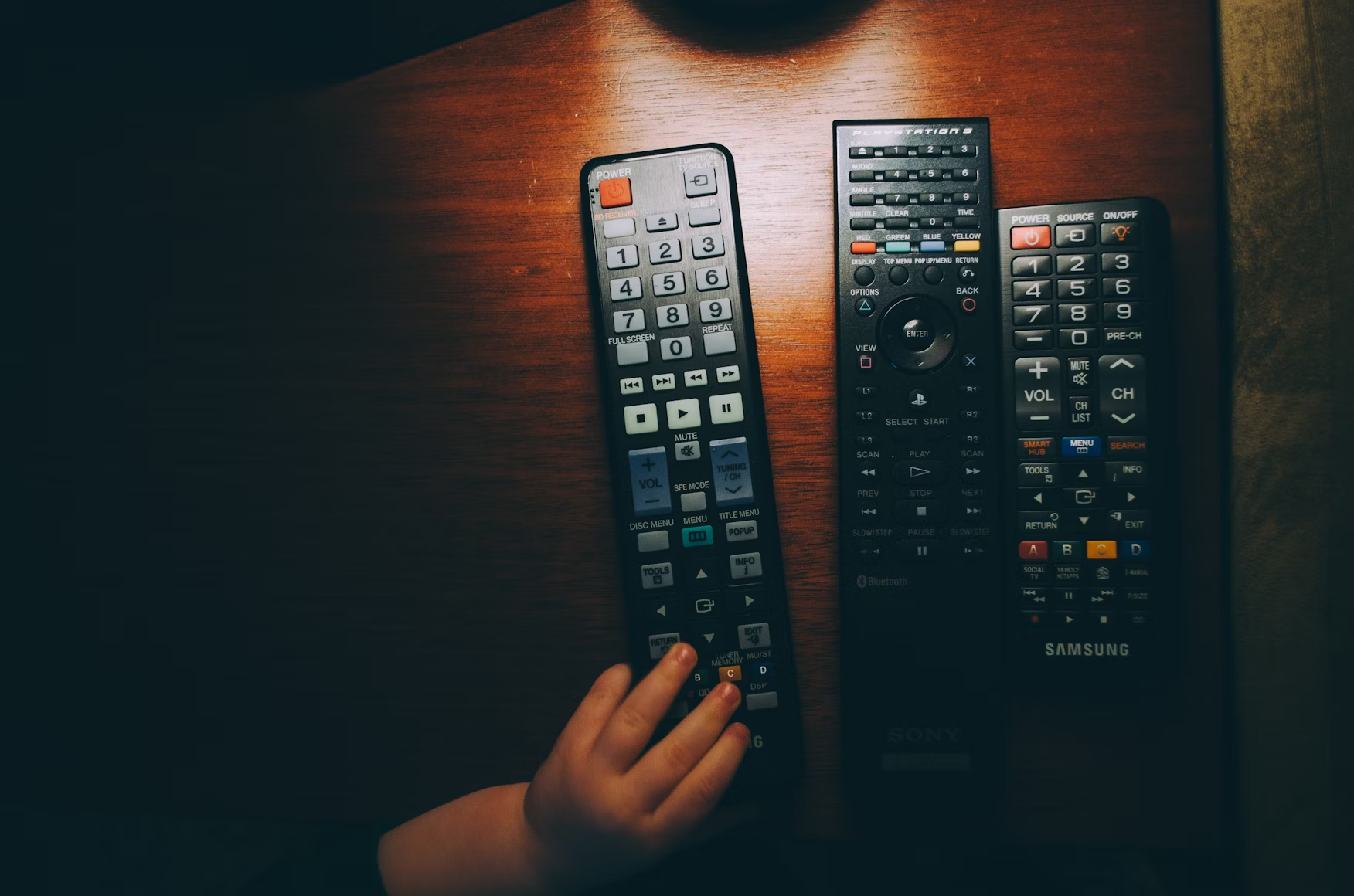
Child's hand reaching for a TV remote on a wooden table.
Image Source: Unsplash

After a long day, it’s tempting to hand your child the TV remote and enjoy a rare moment of silence. The problem? That small act can have a surprisingly big impact on how your child views media, manages impulse control, and even handles frustration.

When kids hold the remote, they’re not just choosing programs—they’re shaping habits that echo far beyond today’s episode. Here are seven compelling reasons to keep the clicker in parental hands and turn screen time into a guided, growth-oriented experience.

1. Inappropriate Content Is Only One Click Away

Even children’s channels now run promo spots for series aimed at teens and adults, so the gap between “kid-safe” and “too mature” can flash by in a single tap. A toddler exploring the on-screen menu may wander from cartoons into gritty live-action without realizing the difference. Sudden exposure to violence, coarse language, or sexual innuendo can plant scary images that linger long after bedtime.

Kids this age lack the context to separate fiction from reality, which can lead to nightmares or anxious what-ifs. Yes, parental-control settings help, but most households juggle multiple streaming apps, each with its own loopholes and update cycles. One mislabeled thumbnail—or an autoplay trailer—can defeat the cleverest filter. When adults keep the remote, they add an essential human checkpoint that algorithms cannot match. You can pause, skip, or stop before discomfort turns into lasting distress.

2. Healthy Screen-Time Limits Quickly Disappear

The American Academy of Pediatrics urges zero entertainment screens for babies under 18 months and roughly one curated hour per day for preschoolers, yet binge-friendly platforms tempt little viewers to keep clicking. Left in charge, many kids move seamlessly from one bright thumbnail to the next, unaware they have crossed the daily quota. Continuous background viewing also blurs the line between “on” and “off,” making limits harder to reinforce later.

When parents physically control the remote, they can frame screen time as a planned activity, not an endless buffet. That structure models mindful consumption: one episode, then blocks or backyard play. Over time, children internalize the rhythm of start, enjoy, and stop—vital groundwork for future self-regulation with phones and tablets. Parents can also choose slower-paced, developmentally appropriate shows rather than auto-generated picks designed to maximize watch hours. Clear guardrails today prevent battles over excessive scrolling tomorrow.

3. Passive Viewing Replaces Developmental Milestones

Early childhood is a sensory laboratory where stacking cups, digging in sand, and trading giggles build neural highways faster than any app. Extended couch time steals minutes from talking, climbing, and imaginative role-play—activities proven to accelerate language growth and executive function. Researchers consistently find links between high solo screen exposure and later delays in speech, attention span, and fine-motor coordination.

Passive media cannot replicate the back-and-forth “serve and return” exchanges that sculpt young brains. By holding the remote, caregivers decide when the TV acts as a short educational tool—maybe a nature clip about rainforests—and when it is crowding out critical hands-on exploration. They can also weave real-world follow-ups, like building a leaf collage after the show, turning passive minutes into active mastery. Ultimately, a well-timed “off” button safeguards the wide-open play that powers cognitive leaps.

4. Power Struggles and Tantrums Intensify

Once a child expects unlimited control, any attempt to reclaim the clicker can spark a level-ten meltdown. The pattern teaches kids that pleading or bargaining might stretch viewing by “just five more minutes,” eroding the credibility of future limits. When adults set consistent start-and-stop cues—“We watch a show after snack and turn it off when the timer dings”—children know exactly what to expect. Predictability lowers anxiety and, over time, tantrum frequency.

It also helps kids practice disappointment in small, manageable doses, a skill they will need for life’s bigger no’s. Consistent boundaries free parents from exhausting negotiations and let family energy flow toward positive routines like story time or outdoor play. Clear rules around the remote communicate that technology serves the household schedule, not the other way around. Fewer battlegrounds mean more harmonious evenings for everyone.

5. Questionable Role Models Slip Through the Cracks

Sarcasm, name-calling, and slapstick violence often masquerade as harmless humor in tween sitcoms, but younger siblings soaking it in may copy the behavior at preschool tomorrow. Children learn social cues by imitation long before they master critical thinking. A steady diet of eye-rolling protagonists can normalize disrespect toward peers—and even toward parents.

By screening episodes first, adults can steer kids toward shows that model empathy, cooperation, and problem-solving. They can also pause scenes to discuss unhealthy choices: “Notice how that joke hurt someone’s feelings—what could the character have said instead?” These micro-conversations turn entertainment into a values workshop. Over months and years, curated content shapes a worldview built on kindness rather than mockery. Remote in hand, parents remain the gatekeepers of the lessons each storyline delivers.

Parents and child sitting on a couch using smartphones and a tablet.
Image Source: Unsplash

6. Parental-Control Tech Isn’t Bulletproof

Every platform touts passcodes, kid profiles, and age-rating filters, but determined grade-schoolers swap discoveries on playgrounds as eagerly as trading cards.

A quick online search reveals button sequences to exit restricted modes or bypass PIN prompts altogether. New user-generated videos often slip through classification nets before moderators catch up. Even if one service stays locked down, another installed app may default to the main account, offering an unguarded library at two clicks’ distance.

Physical custody of the remote adds a low-tech barrier that no exploit can hack. It also signals that technology works best as a shared family tool, not a solitary escape hatch. When kids see you combine smart settings with vigilant oversight, they learn that safety is a partnership, not a toggle switch. Layered defenses reduce the chance of an accidental deep dive into unsuitable content.

7. Co-Viewing Builds Connection—and Teachable Moments

Sitting shoulder to shoulder turns passive watching into active conversation—catching subtle jokes, clarifying confusing plot twists, or spotting hidden biases together. Asking open-ended questions like “Why do you think the hero felt scared?” teaches children to name emotions and consider multiple perspectives. These chats foster media literacy, helping kids recognize advertising tricks or stereotypes before they take root. Shared laughter over a silly scene becomes a family memory, reinforcing positive associations with quality time.

Co-viewing also lets adults model empathy by reacting visibly to characters’ struggles and triumphs. When children hand over control, they lose the built-in company that deepens understanding and emotional growth. Keeping the remote nearby reminds everyone that screens can unite rather than isolate. In the long run, the strongest filter is a caring adult who talks through what appears on-screen.

It’s Not About Control—It’s About Coaching

Children aren’t born knowing how to balance entertainment with real-world experiences; they learn that rhythm by watching you. Controlling the remote lets you:

  • Set predictable routines. “One episode after homework, then device-free dinner.”
  • Model self-regulation. When adults limit their own scrolling, kids see consistency, not double standards.
  • Encourage quality over quantity. Curate shows that align with your child’s age, interests, and values instead of whatever autoplay serves next.

Over time, you’ll move from gatekeeper to mentor, guiding older kids to choose responsibly on their own.

Quick Tips for Remote-Wise Homes

  1. Create a viewing schedule. Post it on the fridge so everyone knows when screens are on—or off.
  2. Use “device parking.” Keep remotes and tablets in a common charging station. Kids must ask before checking them out.
  3. Preview new content. Watch the first episode of an unfamiliar show alone or read reviews before green-lighting it.
  4. Pair TV with activity. Turn on nature documentaries and sketch animals together, or dance during musical numbers.
  5. Hold family media meetings. Revisit rules each semester; let older kids help craft guidelines to boost buy-in.

The Takeaway: Guidance Now, Independence Later

Handing your child the remote control may buy temporary peace, but it sacrifices long-term benefits: media literacy, healthy limits, and family connection. By keeping the clicker in your hands today, you teach the decision-making and self-discipline they’ll need to manage screens wisely tomorrow. So next time little fingers reach for the remote, reach for conversation, creativity, and shared laughter instead.

How does your family manage TV time? Drop your best tips—or funniest screen-time battles—in the comments. We’re all in this digital maze together!

Read More

  • Save Money on Entertainment with Reciprocal Museum Passes
  • 10 Screen-Free Activities to Keep Kids Entertained

Samantha Warren
Samantha

Samantha Warren is a holistic marketing strategist with 8+ years of experience partnering with startups, Fortune 500 companies, and everything in between. With an entrepreneurial mindset, she excels at shaping brand narratives through data-driven, creative content. When she’s not working, Samantha loves to travel and draws inspiration from her trips to Thailand, Spain, Costa Rica, and beyond.

Filed Under: Parenting Tagged With: child development, child remote control, digital habits, parenting advice, parenting concerns | Family Technology, screen time limits, TV safety for kids

Here’s How to Explain Death to a Young Child Without Scaring Them

May 1, 2025 | Leave a Comment

Child in a brown coat sitting on a bench with a stuffed animal, looking at a quiet landscape.
Image Source: Unsplash

Talking about death is never easy—especially when you’re trying to explain it to a child who’s still figuring out how the world works. Maybe a beloved pet has died, a grandparent has passed, or a community tragedy has reached your front door. Whatever the circumstance, loss raises big questions from little mouths. As caregivers, our instinct is to protect, yet shielding children from reality can create more anxiety than comfort. Clear, calm conversations help young minds navigate grief while building trust and emotional resilience.

Below are five compassionate strategies, drawn from child-development experts, to explain death to a child without overwhelming them.

1. Use Simple and Direct Language

Children think literally. Euphemisms such as “passed away,” “went to sleep,” or “is in a better place” can confuse them and may even lead to unnecessary fears—like worrying that falling asleep means never waking up. Instead, use concrete, age-appropriate words: “Grandpa died. His body stopped working, so he can’t breathe, eat, or move anymore.”

Plain language clarifies what death means and avoids misconceptions. It can feel uncomfortable to speak so bluntly, but kids often find direct explanations less frightening than vague hints. After stating the facts, pause to let the child process and ask questions. Remember that children under six usually grasp information in small chunks; you may need to revisit the topic several times.

2. Create a Safe Environment for the Talk

Where and how you share hard news influences how it’s received. Choose a quiet, familiar place—perhaps the child’s bedroom, a cozy couch, or a favorite spot in the backyard—where interruptions are unlikely. Sit at eye level, use a calm voice, and keep your body language open (uncrossed arms, gentle facial expressions). Offer a comforting touch if your child reaches out for it.

During the conversation, validate feelings: “It’s okay to feel sad or confused. I feel that way too.” When children sense safety and unconditional support, they are more likely to express their emotions honestly and ask the questions that trouble them most.

3. Explain That Death Is Permanent

Movies and cartoons often show characters coming back to life, which can muddy a child’s understanding of mortality. Clarify that in real life, death is permanent: “When someone dies, we will not see them again in this life.” You might add, “Different families believe different things about what happens after someone dies. In our family, we believe…” and share your spiritual or cultural perspective, if you have one.

Concrete comparisons can help. For instance, explain that just like a butterfly’s old cocoon no longer moves once the butterfly has emerged, a person’s body no longer works after they die. Using nature examples keeps the explanation tangible yet gentle.

4. Reassure Them It’s Not Their Fault

Young children are inherently egocentric—they often assume events happen because of something they did or thought. A child may secretly wonder, “Did Grandpa die because I was naughty?” To prevent guilt, explicitly say, “Nothing you said, did, or thought made this happen.” Emphasize that people die for reasons like illness, accident, or old age, none of which are caused by a child’s actions.

Encourage your child to share any worries about blame. If they voice guilt, correct the misconception immediately and lovingly. Reinforcing this message repeatedly reduces the chance that misplaced guilt will linger.

Family enjoying breakfast together with warm hugs and conversation.
Image Source: Unsplash

5. Leave the Door Open for Ongoing Conversations

Grief isn’t a one-time event, and kids process it in waves. You might explain death today, only for the child to bring it up again weeks later—perhaps at bedtime, during a car ride, or amid play. Welcome these moments with patience: “I’m glad you asked. Let’s talk about it.” Repeated questions often mean the child is re-examining the loss as their understanding deepens.

Provide opportunities for emotional expression: coloring memories of the person, reading storybooks about loss together, or creating a small memory box. Rituals such as lighting a candle or visiting a special place can also help children feel connected and safe.

Honesty Builds Trust

Children are remarkably perceptive. When adults dodge hard truths, kids sense that something is “off,” which can heighten anxiety. Honest, developmentally appropriate explanations build a foundation of trust: your child learns that they can bring big feelings and big questions to you, confident you’ll respond with clarity rather than confusion.

Remember, you don’t need all the answers. It’s okay to say, “I’m not sure, but we can figure it out together,” or “That’s something even adults find hard to understand.” Modeling openness invites curiosity without fear.

Quick Tips for Supportive Conversations

  • Keep answers short—let your child guide how much detail they want.
  • Use everyday examples—fallen leaves, a pet fish, or a wilted flower illustrate life cycles gently.
  • Maintain routines—predictable meals and bedtimes provide stability amid emotional upheaval.
  • Seek extra help—if your child shows prolonged anxiety, nightmares, or regression, consider a pediatrician or child therapist.
  • Take care of yourself—children mirror caregiver emotions. Lean on your own support network to stay grounded.

Have you navigated conversations about death with your child? Share your insights in the comments—your experience could help another family facing the same difficult topic.

Read More

  • The Best Books to Explain Death to Children
  • Why Screen Time Scares Parents: 10 Eye-Opening Reasons
Samantha Warren
Samantha

Samantha Warren is a holistic marketing strategist with 8+ years of experience partnering with startups, Fortune 500 companies, and everything in between. With an entrepreneurial mindset, she excels at shaping brand narratives through data-driven, creative content. When she’s not working, Samantha loves to travel and draws inspiration from her trips to Thailand, Spain, Costa Rica, and beyond.

Filed Under: Parenting Tagged With: child loss conversations | Family Mental Health, emotional wellness, explain death to child, grief and children, how to talk about death, parenting advice, parenting support

6 Times You Should See a Doctor for Bedwetting

May 1, 2025 | Leave a Comment

Young child sleeping peacefully in bed under a soft blanket.
Image Source: Unsplash

Bedwetting can feel like a parenting plot twist no one warned you about. One moment your child is crushing milestones; the next, you’re stripping sheets at 2 a.m. Again.

Occasional accidents are common—roughly 15% of five-year-olds still wet the bed. Most grow out of it as bladder nerves mature. But there are situations when nighttime enuresis signals more than a developmental delay.

Knowing when to see a doctor for bedwetting helps you protect both your child’s health and confidence. Below are six situations that deserve professional attention—plus tips to keep the journey supportive and shame-free.

1. Your Child Is Over 6 or 7 and Still Wetting the Bed Regularly

For many kids, dry nights click into place by kindergarten. If your child is approaching second grade and still wakes up soaked two or more times a week, it’s worth booking an appointment. Persistent bedwetting at this age can point to delayed bladder control, sleep-pattern issues, or an undiagnosed medical condition. Early evaluation spares your child years of frustration—and saves you countless loads of laundry. A pediatrician may order a urine test, review family history (bedwetting often runs in families), and suggest simple lifestyle tweaks or a bedwetting alarm.

2. Your Child Was Dry for Months, Then Started Wetting Again

When a child who stayed dry for six months suddenly soaks the sheets, doctors call it secondary bedwetting. Regression can be the body’s SOS for urinary-tract infections, untreated diabetes, or significant stressors like bullying, divorce, or a recent move. Rather than assuming it’s “just a phase,” schedule a check-up. Pinpointing the trigger—medical or emotional—lets you craft a plan, from antibiotics to counseling to bedtime routine resets. Addressing root causes early speeds up a return to dry nights.

3. Additional Symptoms Are Showing Up

Bedwetting paired with other red flags needs prompt attention. Watch for:

  • Pain or burning during urination
  • Blood-tinged urine
  • Excessive thirst or weight loss
  • Loud snoring or restless sleep
  • Frequent constipation or daytime accidents

These clues can indicate infections, sleep apnea, chronic constipation pressing on the bladder, or metabolic disorders. A thorough work-up might include urine cultures, imaging, or sleep studies. Catching these conditions early protects both short-term comfort and long-term health.

4. Bedwetting Is Hurting Your Child’s Confidence

The emotional toll can outweigh the inconvenience. If your child avoids sleepovers, hides wet pajamas, or describes themselves as “a baby,” self-esteem is taking a hit. Shame adds stress, which can actually increase bedwetting episodes—a frustrating cycle. A pediatric visit signals that this isn’t a secret problem but a solvable one. Doctors can suggest practical tools—waterproof mattress pads, moisture alarms, or counseling referrals—and help your child understand they’re not alone. Reassurance from an expert often carries more weight than parental pep talks alone.

Child lying in a bathtub playing with toy cars and a water blaster.
Image Source: Unsplash

5. Daytime Wetting or Bathroom Irregularities Join the Mix

Bedwetting isn’t always a night-only issue. If your child has urgent daytime trips, frequent dribbles, or stool withholding, the bladder may be under pressure from constipation or overactivity. A medical evaluation can rule out structural problems, nerve issues, or chronic bowel back-ups. Treatment might include dietary fiber boosts, timed bathroom breaks, or pelvic-floor therapy. Tackling daytime patterns often improves nighttime control, too.

6. You’re Out of Ideas and Nothing Seems to Work

You’ve scaled back evening drinks, tried sticker charts, layered waterproof pads—and the washer is still on nightly duty. Sometimes doing everything “right” isn’t enough, because underlying factors need medical solutions. A pediatrician can:

  • Review medication side effects (some allergy meds increase urine production).
  • Suggest prescription nasal hormones that reduce nighttime urine output in select cases.
  • Recommend a professional-grade bedwetting alarm or referral to a pediatric urologist.

Inviting a healthcare partner turns trial-and-error into targeted action plans—saving time, money, and sanity.

What to Expect at the Appointment

A first consultation is usually straightforward:

  1. History and Diary – The doctor may ask you to track fluid intake, bedtime, and accident frequency for a week.
  2. Physical Exam – Checking abdomen, spine, and genitals ensures no anatomical concerns.
  3. Urine Test – Screens for infection, high sugar, or kidney issues.
  4. Next Steps – Depending on results: behavioral tweaks, an alarm device, medication, or specialist referral.

Explain the process to your child in simple terms (“The doctor will help us find out why your bladder’s waking you up”) to reduce anxiety.

Seeking Help Is a Sign of Strength, Not Failure

Bedwetting is exhausting but rarely anyone’s fault. Bladders mature on their own timetable, and even perfect parenting can’t override biology. Knowing when to see a doctor for bedwetting equips you to act from confidence, not worry. Whether you’re noticing physical symptoms, emotional distress, or simply stalling progress, professional guidance can shorten the journey to dry nights—and lift a weight off your family’s shoulders.

Have you navigated bedwetting in your household? What strategies or support systems helped most? Share your experiences in the comments; your insight could be the encouragement another parent needs.

Read More

  • Doctors Swear by These 7 Baby Sleep Hacks—And They Actually Work
  • Is Your Child Still Peeing in the Bed? Here Are the Best Tools for Potty Training

Samantha Warren
Samantha

Samantha Warren is a holistic marketing strategist with 8+ years of experience partnering with startups, Fortune 500 companies, and everything in between. With an entrepreneurial mindset, she excels at shaping brand narratives through data-driven, creative content. When she’s not working, Samantha loves to travel and draws inspiration from her trips to Thailand, Spain, Costa Rica, and beyond.

Filed Under: Parenting Tagged With: bedwetting, child health, enuresis, nighttime accidents, parenting advice, parenting tips, pediatric care, when to see a doctor for bedwetting | Family Health

« Previous Page
Next Page »
  • Facebook
  • Pinterest
  • RSS
  • Twitter

Basic Principles Of Good Parenting

Here some basic principles for good parenting:

  1. What You Do Matters: Your kids are watching you. So, be purposeful about what you want to accomplish.
  2. You Can’t be Too Loving: Don’t replace love with material possessions, lowered expectations or leniency.
  3. Be Involved Your Kids Life: Arrange your priorities to focus on what your kid’s needs. Be there mentally and physically.
  4. Adapt Your Parenting: Children grow quickly, so keep pace with your child’s development.
  5. Establish and Set Rules: The rules you set for children will establish the rules they set for themselves later.  Avoid harsh discipline and be consistent.
  6. Explain Your Decisions: What is obvious to you may not be evident to your child. They don’t have the experience you do.
  7. Be Respectful To Your Child: How you treat your child is how they will treat others.  Be polite, respectful and make an effort to pay attention.
Best Parenting Blogs

Most Popular

Baby

9 Baby Names That Sound Rare Without Being Hard to Spell

Evan Morgan
Baby

9 Unusual Baby Names That Sound Like They Belong to Future CEOs

Evan Morgan
Target Store

Choking Incident Prompts Recall of 49,000 Target Gigglescape “Under the Sea” Popping Toys

Evan Morgan
Frustrated Girl

Why Some Students on the Spectrum Are Labeled With ODD

Evan Morgan
Coke Bottles

12 Things Kids Took to School in the ’70s That Would Never Be Allowed Today

Evan Morgan

All content on Kids Ain’t Cheap is for entertainment purposes only. By reading this blog, you agree that Kids Ain’t Cheap is not responsible for any actions taken after reading this blog. For the full disclaimer, see our privacy policy.

Please note that Kids Ain’t Cheap has financial relationships with some of the merchants mentioned here. Kids Ain’t Cheap is funded by banner advertising, commission sales and search optimization consulting.

Copyright © 2006–2026 | District Media | All Rights Reserved | Privacy Policy

Copyright © 2026 Runway Pro Theme by Viva la Violette