
• Home
  • About Us
  • Toolkit
  • Archives
  • Advertise
  • Privacy Policy

Kids Ain't Cheap

But They Sure Are Worth It

  • Parenting
    • Baby Stuff
    • Books and Reading
      • Aesops Fables
      • Comic Books
    • Education
    • Family Time
    • Green Living
    • Growing Up
    • Healthy Living & Eating
    • Holidays
    • Parenting
    • Random Musings
    • Shopping
    • Stuff to Do
  • Money
  • Product Reviews
    • Books and Magazines
    • Discount Sites
    • Furniture
    • House Keeping
    • Reviews News
    • Toys and Games
  • Contact Us
  • Our Editorial Commitment
  • Search

6 Times Parents Should Walk Away Instead of Arguing With Their Kids

May 14, 2025 | Leave a Comment

6 Times Parents Should Walk Away Instead of Arguing With Their Kids

Arguing with kids can feel like stepping into a black hole—where logic disappears and tempers skyrocket. It’s natural to want to explain, correct, or win the moment, but sometimes the best parenting move is simply to walk away. Not in anger or defeat, but in strength and strategy. Knowing when to disengage can help restore calm, protect the relationship, and give your child space to reflect on their behavior. Here are six specific situations where walking away isn’t giving up—it’s parenting with purpose.

1. When Emotions Are Running Too High

Once a child is in full meltdown mode, they’re not listening to anything you say. Their brains are flooded with emotion, and yours might be too. Trying to reason, lecture, or argue in that moment only adds fuel to the fire. Walking away allows everyone time to cool off, which often leads to a more productive conversation later. Emotional regulation starts with modeling it—and that sometimes means stepping out of the storm.

2. When You’re Being Disrespected

No parent should tolerate name-calling, yelling, or aggressive language from their child. While it’s important to teach respectful communication, trying to argue back often escalates the behavior. Walking away sends a powerful message: you won’t engage with disrespect. It creates a boundary that protects your dignity and sets a standard for how others should be treated. Once things have calmed down, you can address what happened with a clear head and firm voice.

3. When the Argument Is About Attention-Seeking

Sometimes kids pick fights not because they care about the topic, but because they want your energy and focus—even if it’s negative. If your child seems to stir up drama just to keep you engaged, refusing to argue can deflate the game. Walking away doesn’t mean you’re ignoring them altogether; it means you’re choosing not to feed a cycle that thrives on chaos. Redirecting your attention to something else shows that respect is required for real interaction. Over time, they’ll learn that calm communication earns more connection.

4. When You’ve Already Explained Yourself

Repeating the same explanation over and over usually isn’t helpful—it just leads to circular arguing. If you’ve clearly stated your decision or reasoning, there’s no need to keep debating. Walking away after calmly asserting your stance teaches your child that persistence doesn’t change boundaries. It also protects your energy from getting drained by unnecessary back-and-forth. Confidence in your decision, followed by silence, often speaks louder than continued words.

5. When You Need a Moment to Regroup

Every parent has moments when frustration bubbles over and the urge to shout back feels overwhelming. In these moments, the smartest thing you can do is take a step back. Walking away gives you the chance to breathe, reset, and choose a response instead of a reaction. It’s not about giving your child control, it’s about maintaining yours. Protecting your peace in the heat of an argument is a lesson your child will learn by watching you.

6. When They’re Trying to Wear You Down

Kids are experts at testing limits and hoping repetition will change your mind. If you find yourself arguing the same topic in five different ways, chances are your child is hoping you’ll crack. Walking away after stating your boundary shows that no really does mean no. It teaches resilience by gently letting them experience disappointment without turning it into a power struggle. Boundaries become stronger when you stick to them—especially when you do so calmly.

Choosing Peace Doesn’t Mean Losing Control

Walking away doesn’t mean you’re weak or giving up. It means you’re choosing peace over power struggles and communication over conflict. It’s about parenting with the long game in mind—teaching emotional intelligence, boundaries, and respect. Every time you pause instead of argue, you’re showing your child how to handle tension in a healthy way. The goal isn’t to “win” the fight; it’s to lead with intention and connection.

Have you ever found walking away more effective than arguing? Share your thoughts or strategies in the comments!

Read More:

10 Creative Discipline Techniques That Don’t Involve Time-Out of Punishments

9 Things Children Learn from Watching How You Argue

Catherine Reed
Catherine Reed

Catherine is a tech-savvy writer who has focused on the personal finance space for more than eight years. She has a Bachelor’s in Information Technology and enjoys showcasing how tech can simplify everyday personal finance tasks like budgeting, spending tracking, and planning for the future. Additionally, she’s explored the ins and outs of the world of side hustles and loves to share what she’s learned along the way. When she’s not working, you can find her relaxing at home in the Pacific Northwest with her two cats or enjoying a cup of coffee at her neighborhood cafe.


Filed Under: Parenting Tagged With: arguing with kids, child behavior, Emotional Regulation, family communication, parenting strategies, parenting tips, respectful parenting

5 Harsh Truths About Being the Only Parent Who Sets Rules

May 14, 2025 | Leave a Comment

5 Harsh Truths About Being the Only Parent Who Sets Rules

It’s not easy being the “mean” parent. The one who says no when it’s inconvenient. The one who gets the eye rolls, the groans, and the dramatic “but Dad said yes!” while silently wondering if being the consistent one is even worth it. But if you’re the only parent laying down the rules, know this: your efforts matter more than they’re letting on. While the role may feel isolating, the structure you provide is building something lasting—boundaries that teach your child how the world works.
Still, it can be frustrating, exhausting, and even a little heartbreaking. When co-parenting feels more like solo-parenting in disguise, the emotional toll is real. So let’s pull back the curtain and talk about what it really means to be the only parent enforcing rules. These five truths won’t sugarcoat the struggle, but they will help you feel seen—and remind you why sticking to your values matters.

1. You’ll Often Feel Like the Bad Guy

When you’re the one enforcing bedtimes, limiting screen time, or saying no to dessert before dinner, you automatically become the “unfun” parent. Your child may idolize the other parent who lets more slide, even if it’s not in their best interest. This can stir up feelings of resentment and sadness, especially when you’re putting in the hard work. You might even second-guess your approach, wondering if being strict is damaging your bond. But long-term trust is built on consistency, not constant approval.

2. Your Rules May Be Undermined—And That Hurts

There will be times when you set a clear boundary, only for the other parent to override it—intentionally or not. This makes your child confused and chips away at the structure you’ve tried to build. It’s hard not to take this personally, especially when it creates tension between co-parents. Over time, this dynamic can lead to bigger discipline challenges, since your authority becomes less credible. Communicating about rules and boundaries isn’t just ideal—it’s essential for your child’s emotional security.

3. You’ll Worry About Being Too Strict (Or Not Strict Enough)

Without someone else to balance out your parenting style, you may struggle to find the right tone. One minute, you’re afraid you’re being too harsh. The next, you wonder if you’re letting too much slide because you’re just so tired. It’s a tough line to walk without backup, especially when the goal is to raise a respectful and kind child. But self-awareness is your greatest strength here—it keeps you reflective, adaptive, and grounded in your values. You don’t need to be perfect, just intentional.

4. It’s Easy to Feel Resentful and Burned Out

Being the only one holding the line means you’re constantly on. There’s no break from being the enforcer, and that mental load can build up fast. While the other parent might get to be the “fun” one, you’re often left managing tantrums, tears, and timeouts. This imbalance can lead to emotional burnout, especially if your efforts aren’t acknowledged. Making space for your own rest, support, and self-care isn’t optional—it’s survival.

5. Your Child Will Thank You Later (Even If They Don’t Now)

This may be the hardest truth to accept when you’re in the thick of it. You may not see the impact of your rules for years. But eventually, your child will recognize the consistency, love, and discipline you showed—even if it was tough. They’ll understand the sacrifices you made and how your structure shaped their character. What feels thankless now is often laying the groundwork for deep respect and appreciation later on.

The Strength It Takes to Stand Alone

Choosing to parent with intention, even when it’s hard, is an act of deep love. It’s easy to be liked in the moment. It’s harder—and more meaningful—to build a foundation your child can stand on for life. Being the only parent setting rules isn’t a flaw in your parenting; it’s proof of your strength, your courage, and your commitment. Keep holding the line. It matters more than they can see right now.

What’s your experience been as the “rule-setter” in your family? Let’s talk in the comments.

Read More:

Dad’s Are Tired of Being the “Backup Parent” – And They’re Speaking Out

10 Parenting Duties Most Moms and Dads Completely Underestimate

Catherine Reed
Catherine Reed

Catherine is a tech-savvy writer who has focused on the personal finance space for more than eight years. She has a Bachelor’s in Information Technology and enjoys showcasing how tech can simplify everyday personal finance tasks like budgeting, spending tracking, and planning for the future. Additionally, she’s explored the ins and outs of the world of side hustles and loves to share what she’s learned along the way. When she’s not working, you can find her relaxing at home in the Pacific Northwest with her two cats or enjoying a cup of coffee at her neighborhood cafe.

Filed Under: Parenting Tagged With: child behavior, co-parenting, discipline, family rules, parenting struggles, parenting tips, setting boundaries, single parenting

10 Things Parents Should NEVER Say When Their Child Is Crying

May 13, 2025 | 1 Comment

10 Things Parents Should NEVER Say When Their Child Is Crying

No parent enjoys seeing their child in tears. Whether it’s over a skinned knee, a lost toy, or something deeper, crying can trigger frustration, helplessness, or even embarrassment – especially in public. In those moments, it’s tempting to say something quick to stop the sobs. But the words we choose matter more than we realize. Dismissing or downplaying a child’s feelings, even unintentionally, can damage trust, discourage emotional expression, and make a tough moment even harder.
Understanding what not to say during emotional moments helps you offer better child emotional support – and build a healthier connection long-term.

1. “You’re fine.”

While this may seem comforting, it instantly invalidates your child’s feelings. To them, they’re clearly not fine – so saying otherwise can feel dismissive or confusing. It teaches them to doubt their own emotions instead of trusting them. Even if the injury or issue seems minor to you, acknowledging their feelings is more helpful. Try saying, “That was scary, wasn’t it?” instead.

2. “Stop crying.”

Tears are a natural response to distress – not something kids can simply switch off on command. Telling a child to stop crying doesn’t make the emotion go away; it just buries it. Over time, this can lead to emotional suppression or shame. Kids need to learn how to feel their emotions, not hide them. A better approach might be, “It’s okay to cry. I’m here for you.”

3. “Big kids don’t cry.”

This one stings more than many parents realize. It connects crying with weakness and sends the message that emotions are something to outgrow. But even adults cry – why shouldn’t kids? Promoting child emotional support means honoring feelings at any age or stage. Instead, try, “Everyone feels sad sometimes, and that’s okay.”

4. “There’s nothing to cry about.”

To your child, there is something to cry about, even if it seems small to you. Dismissing it sends the message that their emotions are silly or unwelcome. What they need is empathy – not minimization. Helping your child label and understand their feelings is far more productive. You can say, “I see you’re upset. Do you want to tell me what happened?”

5. “You’re being dramatic.”

Yes, kids can be theatrical – but this phrase shuts down their vulnerability instead of helping them regulate it. It also teaches them that showing emotion isn’t safe. Crying doesn’t need to be justified – it just needs to be supported. You don’t have to fix it; just validate it. Saying, “That really upset you, didn’t it?” is a better place to start.

6. “If you keep crying, I’ll give you something to cry about.”

This classic phrase is not only unhelpful – it’s threatening. It teaches children that expressing emotion might lead to punishment. That message can create fear, shame, or emotional confusion. Even if you’re frustrated, it’s important to stay grounded and supportive. Instead, take a breath and say, “Let’s calm down together and talk about what’s going on.”

7. “Only babies cry.”

No child wants to be compared to a baby – especially when they’re already vulnerable. This statement can make kids feel embarrassed or humiliated for simply having emotions. Child emotional support involves allowing tears without judgment. Rather than shaming them, say, “I know this is tough. It’s okay to feel this way.”

8. “I don’t have time for this right now.”

Life is busy, but brushing off your child’s distress sends the message that their feelings are an inconvenience. While you can’t always drop everything, acknowledging their emotions doesn’t have to take long. A brief but sincere, “I see you’re upset. Let me help you after I finish this task,” shows care and respect. It keeps the door open for emotional connection, even in a rush.

9. “You’re just tired/hungry/cranky.”

It might be true, but it still minimizes their experience. Dismissing their emotions as a physical symptom teaches them to ignore or second-guess what they’re feeling. Even if tiredness or hunger is a factor, their emotion is real and deserves space. You can still validate and address the need: “I can see this is hard. Let’s talk after you’ve had a snack.”

10. “Get over it.”

This phrase might feel like tough love, but it leaves no room for empathy, support, or emotional growth. It’s a harsh way to say “Move on,” and it often backfires by escalating the situation. Kids don’t learn how to “get over” things – they learn how to work through them. Saying, “Let’s take a moment and figure out what will help you feel better,” invites healing, not shame.

Words That Heal: The Power of Validation

Helping a child in emotional distress doesn’t mean solving every problem – it means showing up with patience, presence, and empathy. When a child is crying, what they need most is to feel safe, seen, and supported. Your response teaches them how to manage emotions, build resilience, and trust their own feelings. By choosing your words with care, you give your child the emotional tools they’ll carry for life.
Have you caught yourself saying something you regret when your child was upset? Share your lessons and what worked better in the comments!

Read More:

8 Parenting Trends That Sound Great (But Might Be Hurting Your Kids)

10 Mistakes Parents Make When Kids Are Anxious

Catherine Reed
Catherine Reed

Catherine is a tech-savvy writer who has focused on the personal finance space for more than eight years. She has a Bachelor’s in Information Technology and enjoys showcasing how tech can simplify everyday personal finance tasks like budgeting, spending tracking, and planning for the future. Additionally, she’s explored the ins and outs of the world of side hustles and loves to share what she’s learned along the way. When she’s not working, you can find her relaxing at home in the Pacific Northwest with her two cats or enjoying a cup of coffee at her neighborhood cafe.

Filed Under: Parenting Tagged With: child development, child emotional support, communication skills, crying children, emotional validation, parenting advice, parenting tips, Positive Parenting

10 Reasons You Should Have a Copy of Your Child’s Medical Records

May 13, 2025 | Leave a Comment

10 Reasons You Should Have a Copy of Your Childs Medical Records

When you’re juggling meals, school schedules, sports practice, and doctor’s appointments, organizing paperwork might not feel like a priority. But when it comes to your child’s medical records, being prepared can make a massive difference – especially when life throws an unexpected curveball. From emergency visits to switching doctors, having quick access to your child’s health history can save time, prevent errors, and reduce stress. Most importantly, it helps you advocate confidently for your child’s well-being.
Here are ten important reasons every parent should have a copy of their child’s medical records – no matter how healthy they may seem today.

1. Quick Reference in Emergencies

In an emergency, every second counts. If your child ends up in urgent care or the ER, having their full medical history on hand can speed up treatment and prevent dangerous mistakes. Details like allergies, past surgeries, or current medications aren’t always top-of-mind in a crisis. Having a printed or digital copy of your child’s medical records ensures no critical information is missed. It’s peace of mind that’s priceless when time matters most.

2. Smoother Transitions Between Doctors

Whether you’re changing pediatricians, specialists, or moving to a new city, transferring medical care can be stressful. Having your own copy of your child’s records makes it easier to bridge the gap and avoid repeating tests or filling out endless forms. It also helps new providers get a full picture of your child’s health history right away. Medical offices can take days – or even weeks – to release records. With your own copy, you’re not at their mercy.

3. Tracking Vaccination History

Keeping up with vaccines can feel like a moving target, especially with school requirements, sports physicals, and travel plans. Having your child’s immunization record readily available helps you stay organized and up-to-date. It also avoids the hassle of tracking down records from previous providers or schools. Many activities, from summer camps to college admissions, require proof of immunization. With a clear record in hand, you’re always ready to submit what’s needed.

4. Coordinating Care for Chronic Conditions

If your child has asthma, diabetes, ADHD, or any ongoing condition, their medical history is more complex – and more essential to track. Coordinating care between pediatricians, specialists, therapists, and schools means sharing consistent, detailed information. Having your child’s medical records makes you the central point of communication, ensuring everyone’s on the same page. You can easily compare notes, question discrepancies, and advocate more effectively. You become not just a parent – but a partner in your child’s healthcare.

5. Preventing Medical Errors

When providers don’t have full access to a patient’s history, mistakes can happen. Doses may be wrong. Allergies may be missed. Critical history might not be mentioned. Having your child’s records on hand helps protect against these errors and ensures more accurate diagnoses. Your copy becomes a second line of defense – especially when systems don’t talk to each other.

6. Supporting Special Education Needs

If your child has an IEP or 504 plan at school, medical documentation may be required to support accommodations. Conditions like ADHD, anxiety, or learning delays often require professional confirmation. Having copies of relevant evaluations, diagnoses, and therapy notes can streamline the process. Schools may also need updates each year, so keeping records organized avoids delays. It’s another way your child’s medical records help advocate for what they need in the classroom.

7. Understanding Family Health Patterns

Medical records aren’t just about your child – they can reveal patterns that help you make better decisions. Recurring symptoms, shared allergies, or hereditary conditions may become more obvious when looking at a full history. That insight can help you ask better questions and push for preventative care. It can also prepare you to support future siblings or extended family. A complete health record often reveals more than you expect.

8. Reducing Stress During Travel

Traveling with kids? Whether you’re going across the country or just across the state, medical surprises can happen. If your child gets sick far from home, urgent care providers won’t have access to their files. Having a digital copy of your child’s medical records on your phone or in cloud storage allows for faster, safer care – even on the go. It’s one of those “hope you never need it” resources that’s worth having anyway.

9. Keeping Insurance Claims in Check

Health insurance claims often require detailed records, especially if you’re dealing with reimbursements, disputes, or out-of-network providers. Having access to office visit notes, test results, or procedure details can help you fight incorrect charges or denied claims. It also makes tracking expenses easier at tax time or during open enrollment. Organized medical records = fewer billing headaches down the road.

10. Helping Teens Learn Responsibility

As kids grow into teens, helping them understand their own health history empowers them to take charge of their well-being. Sharing information from their medical record – like allergies, past injuries, or mental health care – gives them context and confidence. It also helps when they start managing appointments or prescriptions on their own. Gradually involving them in their medical journey starts with having accurate, accessible records. It’s a subtle but powerful step toward independence.

A Little Organization Now, A Lot Less Stress Later

Keeping a copy of your child’s medical records may not seem urgent – until it’s suddenly critical. From emergencies to everyday paperwork, having the right information at your fingertips makes life easier, safer, and more manageable. Whether you go old-school with a binder or digital with a secure app, the key is keeping it current and accessible. Because when it comes to your child’s health, being organized is one of the best ways to protect them.
What tips or tools have helped you stay organized with your child’s medical records? Share your ideas in the comments!

Read More:

7 Types of Behavioral Disorders in Children Every Parent Should Know

5 Inexpensive Ways to Pay for Your Child’s Braces

Catherine Reed
Catherine Reed

Catherine is a tech-savvy writer who has focused on the personal finance space for more than eight years. She has a Bachelor’s in Information Technology and enjoys showcasing how tech can simplify everyday personal finance tasks like budgeting, spending tracking, and planning for the future. Additionally, she’s explored the ins and outs of the world of side hustles and loves to share what she’s learned along the way. When she’s not working, you can find her relaxing at home in the Pacific Northwest with her two cats or enjoying a cup of coffee at her neighborhood cafe.

Filed Under: healthcare Tagged With: child health, child's medical records, emergency preparedness, family organization, health records for kids, parenting advice, parenting tips, pediatric care

6 Times Parents Should Apologize to Their Kids (And Mean It)

May 13, 2025 | Leave a Comment

6 Times Parents Should Apologize to Their Kids

Parents aren’t perfect – and no one expects them to be. But many adults still hesitate when it comes to admitting fault, especially to their own kids. Maybe it feels like a loss of authority or like you’ll lose respect if you let your guard down. In reality, apologizing to your child builds trust, shows strength, and teaches accountability far better than lectures ever could. Kids learn what they live, and a parent who owns their mistakes sets the stage for emotionally healthy relationships in the future.
Here are six powerful moments when a genuine apology isn’t just appropriate – it’s essential.

1. When You Lose Your Temper

We all have our breaking points. Whether it’s after repeating the same request five times or cleaning up yet another spilled drink, even the most patient parents can explode. But yelling, snapping, or using harsh language often leaves kids confused, hurt, or scared – especially if the reaction feels bigger than the mistake. Taking a deep breath, calming down, and saying, “I’m sorry I yelled. I was overwhelmed, and I shouldn’t have taken it out on you,” can instantly shift the tone. It teaches your child that emotions are real but should be handled with care.

2. When You Break a Promise

Kids don’t forget broken promises – especially when it’s something they were looking forward to. Maybe you promised a trip to the park or said you’d be at the school play and couldn’t make it. Life happens, but what matters is how you follow up. A heartfelt apology that acknowledges the disappointment goes a long way in healing the hurt. Apologizing to your child in this situation reminds them that their feelings matter, even when plans change.

3. When You Embarrass Them

It might seem harmless to tell a funny story or tease your child in front of others – but kids can feel exposed and humiliated, especially as they get older. What feels like lighthearted joking to you might sting them deeply. If your words or actions made them feel small, it’s worth apologizing sincerely and taking their embarrassment seriously. Try saying, “I thought it was funny, but I see now it upset you. I’m sorry – I’ll be more careful.” Respecting their boundaries strengthens your connection and builds mutual respect.

4. When You Blame Them Unfairly

Sometimes, parents make snap judgments. Maybe you assumed your child broke something, lost an item, or started an argument – only to find out later they didn’t. It can be tempting to move on quickly, but your child deserves a clear apology. Saying, “I was wrong to blame you without knowing the full story. I’m really sorry,” models accountability and fairness. It also helps rebuild your child’s sense of trust that you’ll listen and see them clearly next time.

5. When You Dismiss Their Feelings

Saying things like “You’re fine,” “Stop being dramatic,” or “It’s not a big deal” might shut down a meltdown – but it also shuts down your child’s emotional world. Even if their reaction seems over the top, those feelings are real to them. Dismissing emotions teaches kids to bottle things up instead of working through them. An apology such as, “I’m sorry I didn’t take you seriously earlier. I want to understand how you’re feeling,” reopens the door to connection. Kids who feel heard are less likely to act out.

6. When You Expect More Than They Can Handle

Kids aren’t mini-adults – they’re learning, growing, and doing their best. Sometimes we forget that and expect them to manage responsibilities or emotions beyond their current abilities. If you’ve snapped because they didn’t “act their age” or pushed them too hard, it’s time for reflection and a real apology. A simple, “I’m sorry I expected too much from you. Let’s work through it together,” can bring healing and clarity. Apologizing to your child in these moments shows you’re paying attention to their individual needs and growth.

Apologies Don’t Weaken Authority – They Build Respect

Many parents fear that apologizing undermines their role. In truth, it does the opposite. Owning your mistakes makes you more trustworthy, not less. Kids who see adults take responsibility are more likely to do the same, which leads to fewer power struggles, better communication, and stronger emotional intelligence over time. At the heart of every genuine apology is love, humility, and the understanding that parenting is a relationship – not a power trip.
Have you ever had to apologize to a child? What was the moment – and how did it change things? Share your story in the comments below!

Read More:

10 Parenting Duties Most Moms and Dads Completely Underestimate

6 Times Parents Should Discipline in Public – Not Behind Closed Doors

Catherine Reed
Catherine Reed

Catherine is a tech-savvy writer who has focused on the personal finance space for more than eight years. She has a Bachelor’s in Information Technology and enjoys showcasing how tech can simplify everyday personal finance tasks like budgeting, spending tracking, and planning for the future. Additionally, she’s explored the ins and outs of the world of side hustles and loves to share what she’s learned along the way. When she’s not working, you can find her relaxing at home in the Pacific Northwest with her two cats or enjoying a cup of coffee at her neighborhood cafe.

Filed Under: Parenting Tagged With: apologizing to your child, building trust with kids, child development, emotional parenting, parent-child relationships, parenting mistakes, parenting tips, respectful parenting

9 Signs Your Kids Are Overstimulated – and You’re Not Noticing

May 13, 2025 | Leave a Comment

9 Signs Your Kids Are Overstimulated and Youre Not Noticing

In today’s go-go-go culture, children are exposed to more stimulation than ever – loud toys, constant screen time, packed schedules, and sensory overload at every turn. While it may seem like kids are just full of energy, sometimes what looks like excitement is actually their nervous system waving a white flag. An overstimulated child can’t always tell you what’s wrong in words – but their behavior speaks volumes if you know how to listen. Unfortunately, many parents mistake overstimulation for misbehavior, sugar crashes, or even a bad mood.
Learning to spot the signs early can help prevent full-blown meltdowns and create a calmer, more balanced home environment. Here are nine subtle red flags you may be overlooking.

1. Sudden Mood Swings

If your child goes from happy to hysterical in seconds, overstimulation might be the culprit. Too much noise, activity, or sensory input can short-circuit their ability to regulate emotions. You might see crying, screaming, or snapping over something minor – like the wrong cup or a sibling’s joke. These outbursts aren’t about the trigger itself; they’re the overflow of an already-full system. A little quiet time and space can work wonders in helping them reset.

2. Refusal to Listen or Follow Directions

An overstimulated child often becomes defiant – not out of disrespect, but because their brain is in “fight or flight” mode. They may ignore requests, argue, or push back on even the simplest tasks. This can happen when they’re overwhelmed at the grocery store, a party, or even after a day at school. Their body is telling them to retreat or defend, and listening becomes neurologically difficult. It’s not about willpower – it’s about overload.

3. Physical Restlessness

Pacing, jumping, spinning, crashing into things – these aren’t just signs of a high-energy kid. They may be trying to regulate their overwhelmed senses by physically discharging energy. Movement helps them feel grounded and safe in the midst of chaos. If you see an increase in physical fidgeting or rough play, it might be time to dial things down. A walk outside or some quiet sensory play can help calm the storm.

4. Zoning Out or Shutting Down

Not all overstimulated kids get louder – some go the opposite direction. If your child becomes unusually quiet, withdrawn, or spaced out, it could be a sign that they’ve checked out mentally. This freeze response is just as important to recognize as a meltdown. You might see them staring into space, ignoring people, or going nonverbal. It’s a clue that their system is overloaded and retreating inward for protection.

5. Increased Clinginess

When the world feels too big, kids often cling tighter to the people who help them feel safe. If your typically independent child suddenly won’t leave your side, they might be dealing with sensory or emotional overload. They may need extra hugs, want to sit in your lap, or ask you not to leave the room. This isn’t regression – it’s their way of grounding themselves when everything else feels out of control. Offering comfort and calm reassurance is often more effective than pushing independence in those moments.

6. Trouble Sleeping

An overstimulated child doesn’t just crash into sleep – often, they struggle to settle down at all. Their minds and bodies are still buzzing from the day’s activity, making it hard to wind down. Bedtime battles, delayed sleep, and restless nights are common signs that their nervous system hasn’t had enough time to reset. Establishing a soothing evening routine and minimizing screens can make a big difference. Think of it like dimming the lights before a show ends – it helps signal that it’s time to power down.

7. Heightened Sensory Sensitivities

Sometimes, overstimulation shows up through the senses: loud noises seem unbearable, certain fabrics become “itchy,” or food textures cause dramatic reactions. These sudden aversions can be a child’s way of saying, “I’ve had enough.” Their sensory threshold is maxed out, and even minor things feel like too much. Helping them take sensory breaks or reducing environmental chaos can lower their stress levels. Trust their cues – even when they seem out of proportion.

8. Difficulty Transitioning Between Activities

Does your child melt down every time it’s time to leave the park or switch from playtime to dinner? Transitions are especially tough when their nervous system is already fried. What looks like stubbornness is often a sign that they’re trying to hold onto predictability in the face of overwhelm. Giving five-minute warnings, visual cues, or soft routines can help ease these moments. The smoother the transition, the calmer the child.

9. Constant Whining or Irritability

Whining often gets brushed off as “just being annoying,” but it’s also a powerful indicator that something’s off. When kids are overstimulated, their threshold for frustration drops, and whining becomes their default communication. They may not even know what they need – they just know something feels wrong. A little patience, reduced sensory input, and connection time can go a long way toward resetting their mood.

Spotting the Signs Is the First Step to Calmer Days

When you recognize the signs of an overstimulated child, you can shift from reacting to responding – with empathy, calm, and confidence. Kids aren’t trying to be difficult; they’re doing their best in a world that can feel too fast, loud, and overwhelming. Sometimes the best gift we can give them isn’t more activities or gadgets – it’s space, quiet, and presence. That’s when the magic of regulation (and real connection) begins.
What helped you recognize and manage overstimulation in your home? Share your tips and experiences in the comments!

Read More:

8 Reasons the Cry-It-Out Method Doesn’t Work

From Chaos to Calm: Strategies for Difficult Toddler Behavior

Catherine Reed
Catherine Reed

Catherine is a tech-savvy writer who has focused on the personal finance space for more than eight years. She has a Bachelor’s in Information Technology and enjoys showcasing how tech can simplify everyday personal finance tasks like budgeting, spending tracking, and planning for the future. Additionally, she’s explored the ins and outs of the world of side hustles and loves to share what she’s learned along the way. When she’s not working, you can find her relaxing at home in the Pacific Northwest with her two cats or enjoying a cup of coffee at her neighborhood cafe.
Filed Under: Mental Health Tagged With: child behavior, child meltdown, Emotional Regulation, overstimulated child, overstimulation signs, parenting awareness, parenting tips, sensory overload

Why Giving Kids Everything Is Creating a Generation That Can’t Cope

May 13, 2025 | Leave a Comment

Why Giving Kids Everything Is Creating a Generation That Cant Cope

Every parent wants to give their child the best: the best experiences, the best toys, the best education, and the best chance at happiness. But somewhere along the line, “giving them the best” became “giving them everything,” and that shift is taking a toll. More and more young people are struggling with anxiety, burnout, and low frustration tolerance – not because they’re weak, but because they’ve never had to develop the muscles of resilience. When kids don’t learn how to deal with disappointment, effort, or boredom, they enter the world emotionally unprepared. Raising resilient kids doesn’t mean giving less love – it means giving fewer crutches.
Let’s explore how overindulging, even with the best intentions, is backfiring – and what we can do to change course.

1. Instant Gratification Weakens Patience

Thanks to technology and on-demand everything, kids can get what they want with a swipe or a click. But when every desire is met instantly, the ability to wait, plan, or earn something starts to fade. Delayed gratification is a cornerstone of emotional regulation and long-term success. Without it, frustration builds quickly, and kids may struggle to focus or commit to long-term goals. Teaching kids to wait – even just a few extra minutes – helps build self-control and emotional endurance.

2. Constant Praise Undermines Real Confidence

It might seem harmless to tell your child they’re amazing at everything, but constant praise can actually backfire. When kids are praised for every little thing – no matter the effort or outcome – they begin to expect recognition without real achievement. Over time, this can lead to insecurity, perfectionism, or a fear of failure. True confidence comes from trying, failing, and trying again – not from being told you’re perfect. Raising resilient kids means letting them struggle and succeed on their own terms.

3. Shielding Them from Disappointment Robs Them of Growth

It’s heartbreaking to see your child upset, but protecting them from every form of disappointment teaches the wrong lesson. Whether it’s not making the team or not getting invited to a party, these are essential learning moments. They teach empathy, grit, and perspective. When parents try to “fix” everything, kids never get the chance to practice handling adversity. Life includes setbacks – and kids need opportunities to experience and bounce back from them.

4. Over-Scheduling Leaves No Time to Build Coping Skills

Between sports, music lessons, tutoring, and enrichment programs, today’s kids are often booked from morning to bedtime. While opportunities are great, too much structure leaves little room for self-direction or creative problem-solving. Unstructured time – yes, even boredom – is where kids learn to entertain themselves, manage emotions, and develop independence. When every minute is planned, kids don’t learn how to cope when the plan doesn’t go their way. A little “do nothing” time can go a long way in building resilience.

5. Too Many Choices Create Stress Instead of Freedom

Giving kids a say in family decisions is empowering – until it becomes overwhelming. Letting a child choose every meal, every outfit, and every weekend plan can lead to anxiety, decision fatigue, and entitlement. Not every choice needs to be theirs. Children feel safer and more confident when parents set healthy boundaries. Raising resilient kids sometimes means saying “no” and sticking to it without negotiation.

6. Lack of Responsibility Delays Maturity

When kids aren’t expected to help around the house or take responsibility for their actions, they miss crucial life lessons. Chores, routines, and follow-through build accountability and pride. If everything is done for them, they may grow into teens – and eventually adults – who don’t know how to manage basic responsibilities. Kids benefit from being needed and trusted with age-appropriate tasks. The more responsibility they practice now, the more capable they become later.

7. Fear of Failure Replaces a Love of Learning

When the focus is on constant success or perfection, kids can become terrified of failure. This fear can stop them from trying new things or taking healthy risks. But making mistakes is how people learn – especially children. If parents step in too often to prevent failure, they rob kids of the lessons that come with falling down and getting back up. Building resilience means encouraging effort over outcome and curiosity over perfection.

Strong Kids Aren’t Born – They’re Built

Every generation faces its own challenges, but today’s kids are growing up in a world filled with pressure, noise, and instant access to everything. Giving them love and support is vital – but so is giving them space to grow, fall, and rise again. Raising resilient kids doesn’t mean making life harder on purpose. It means allowing them to face small, manageable struggles now so they’re prepared for bigger ones later. The greatest gift we can give our kids isn’t everything they want – it’s the strength to handle whatever life throws their way.
What steps have you taken to raise resilient kids in a world of overindulgence? Share your thoughts in the comments!

Read More:

8 Times You Should Let Your Child Struggle (Yes, Really)

The High Price of Pretending Your Kid Can Do No Wrong

Catherine Reed
Catherine Reed

Catherine is a tech-savvy writer who has focused on the personal finance space for more than eight years. She has a Bachelor’s in Information Technology and enjoys showcasing how tech can simplify everyday personal finance tasks like budgeting, spending tracking, and planning for the future. Additionally, she’s explored the ins and outs of the world of side hustles and loves to share what she’s learned along the way. When she’s not working, you can find her relaxing at home in the Pacific Northwest with her two cats or enjoying a cup of coffee at her neighborhood cafe.

Filed Under: Parenting Tagged With: building confidence, child development, coping skills, emotional resilience, Mental Health, overindulgent parenting, parenting tips, Raising Resilient Kids

6 Seemingly Safe Places That Could Actually Be Dangerous for Kids

May 12, 2025 | 1 Comment

6 Seemingly Safe Places That Could Actually Be Dangerous for Kids

As parents, we work hard to keep our kids out of harm’s way. But sometimes, the places we assume are the safest can pose unexpected risks. Whether it’s a family-friendly environment or a location filled with helpful adults, hidden dangers for kids can lurk in spots that look completely harmless. And because those dangers don’t always jump out at us, we may not notice them until it’s too late. Staying informed and alert is the first step to making any space truly safe for your child.
Here are six everyday places that might look innocent—but deserve a second look from every parent or caregiver.

1. The Local Playground

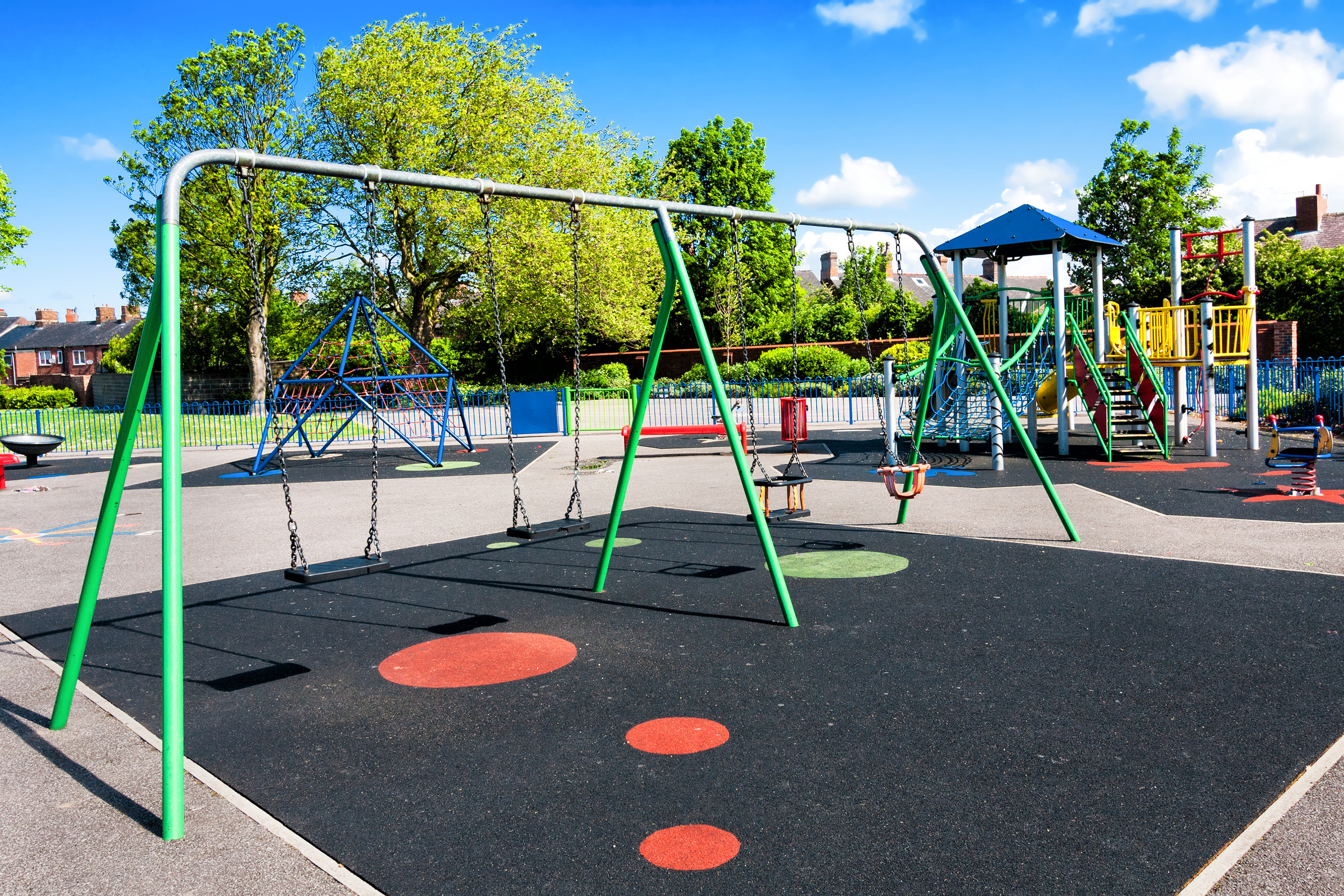
Playgrounds are designed for fun, but even the most modern ones aren’t without risk. Worn-down equipment, rusted bolts, and poorly maintained surfaces can cause falls, scrapes, and more serious injuries. Then there’s the hidden hazard of scorching hot metal or plastic slides during warmer months, which can burn skin within seconds. Supervision is crucial, especially around climbing structures, swings, and monkey bars. And while they may seem kid-safe by default, it’s important to inspect each visit with fresh eyes.

2. Public Restrooms

Public restrooms might seem like quick and harmless stops, but they come with their own set of concerns. Loose or automatic door locks, heavy stall doors, and unsupervised entrances can create risky situations—especially for young children using the facilities alone. Some restrooms have multiple exit points, and children can easily slip out without a parent noticing in time. There’s also the matter of strangers and the lack of visibility when kids go in solo. Whenever possible, accompany your child or wait just outside to keep eyes and ears alert.

3. The Grocery Store

A place as ordinary as the grocery store can pose several hidden dangers for kids. Shopping carts tip over more easily than many realize, especially when kids climb in and out or lean too far over the edge. Items on low shelves can be pulled down, and automatic doors at entrances can lead to quick escapes if your child wanders ahead. Busy crowds make it easier to become separated in a moment of distraction. Holding hands, setting boundaries, and avoiding letting kids ride on carts unsupervised can go a long way.

4. Friends’ or Relatives’ Homes

We naturally feel comfortable when visiting people we know and trust—but their homes aren’t always childproofed. Medications, cleaning supplies, pet food, and sharp objects may be left in reach because the homeowners aren’t used to little visitors. Even well-behaved pets can act unpredictably around unfamiliar children, especially if startled or overwhelmed. It’s easy to relax in familiar spaces, but staying vigilant about hazards is just as important in someone else’s home as in your own. A quick scan of the area and a conversation with your host can help avoid unwanted surprises.

5. School Parking Lots

We think of school as one of the safest places for kids—but the parking lot or pickup area is another story. With parents rushing to drop off or pick up their children, visibility can be poor, and accidents can happen in the blink of an eye. Kids may dart out unexpectedly, or drivers may not see them as they back out or turn. Distractions like phones or conversations make the danger even greater. Teaching your child about parking lot safety and practicing caution as a driver are essential every school day.

6. Indoor Play Areas

Whether at a restaurant, mall, or daycare, indoor play areas might look perfectly padded and safe—but they aren’t always well-maintained. Broken equipment, slippery surfaces, and unsupervised older kids can lead to bumps, bruises, or worse. Germs also thrive in enclosed spaces with shared toys and limited ventilation, increasing the risk of illness. Supervision is often limited in these environments, and not all kids play with kindness or caution. Before letting your child loose, take a moment to scan the space and stay nearby if possible.

Awareness Over Alarm: Stay Safe Without Panic

The takeaway isn’t to bubble-wrap your kids or live in constant fear—it’s to stay aware of hidden dangers for kids in everyday spaces. Most of the time, a little extra attention and preparation can keep your child safe without ruining the fun. By asking the right questions, supervising when needed, and trusting your instincts, you can create a safer experience no matter where you are. The goal isn’t to limit exploration—it’s to support it with smart, informed choices.
Have you ever spotted a danger in a place you didn’t expect? Let’s start a conversation—share your experience in the comments below!

Read More:

Teaching Kids How to Recognize and Escape Dangerous Situations

The ‘Stranger Danger’ Myth: Teaching Kids About Real Safety Risks

Catherine Reed
Catherine Reed

Catherine is a tech-savvy writer who has focused on the personal finance space for more than eight years. She has a Bachelor’s in Information Technology and enjoys showcasing how tech can simplify everyday personal finance tasks like budgeting, spending tracking, and planning for the future. Additionally, she’s explored the ins and outs of the world of side hustles and loves to share what she’s learned along the way. When she’s not working, you can find her relaxing at home in the Pacific Northwest with her two cats or enjoying a cup of coffee at her neighborhood cafe.

Filed Under: Safety Tagged With: child safety, hidden dangers for kids, parenting tips, playground safety, public safety for children, risk prevention, safe places for kids, safety awareness

8 Reasons Your Kids Prefer Being at Daycare More Than Home

May 12, 2025 | Leave a Comment

8 Reasons Your Kids Prefer Being at Daycare More Than Home

It can sting a little to hear your child say they want to stay at daycare instead of coming home. After all, home is where the heart is, right? But if your kid lights up when they talk about daycare or seems reluctant to leave, don’t panic—it’s more common than you think. In fact, there are some great reasons behind why kids love daycare, and most of them have nothing to do with how much they love their parents. It often comes down to structure, stimulation, and social opportunities that align perfectly with how young kids learn and grow.
Let’s take a closer look at what makes daycare so appealing—and how you can bring a little of that magic into your home life.

1. There’s Always Something to Do

Daycares are designed to keep kids engaged from the moment they arrive until the moment they leave. From sensory bins and story circles to music time and crafts, there’s always something new to explore. This constant rotation of activities keeps boredom at bay and feeds their natural curiosity. At home, even the best-planned day can’t always match that level of variety. Kids thrive on stimulation, and daycare delivers it on a schedule built just for them.

2. Social Time Is Built In

One of the biggest reasons why kids love daycare is the daily access to other kids. Whether they’re learning to share toys, take turns, or play pretend, children get tons of social practice throughout the day. At home, especially in smaller families, they may not have as many opportunities to interact with peers. Social development is a huge part of early childhood—and daycare is where that growth often flourishes. It’s not that they don’t love being home, but daycare might just be more “people-packed.”

3. The Routine Feels Safe

Daycares follow a reliable schedule: snack time, circle time, nap time, outdoor play—it’s the same rhythm every day. For young children, this predictability is comforting. Knowing what comes next helps them feel secure and in control of their environment. While home life can be loving and flexible, it may not always follow such a set structure. Kids often feel calmer in places where the day is more predictable.

4. They Get More Independence

At daycare, kids are encouraged to do age-appropriate things on their own—clean up toys, wash hands, pick their own activities. That little taste of independence is empowering. At home, it’s easy to step in and do things for them, especially when you’re in a rush. But daycare lets kids practice autonomy in a safe, supervised space. That freedom feels exciting and gives them a sense of accomplishment.

5. They Love the Teachers

Daycare teachers aren’t just caretakers—they’re trained to connect with children, support emotional development, and make learning fun. Many kids form strong bonds with their caregivers and look forward to seeing them each day. It’s not about replacing parents—it’s about expanding a child’s circle of trusted adults. The warm, enthusiastic attention they receive helps them feel seen and valued. And when kids feel secure, they want to keep going back.

6. No “Adult Stuff” Distractions

At home, parents juggle laundry, work calls, errands, and everything else on the to-do list. It’s hard to give full, uninterrupted attention all the time—and that’s okay. At daycare, though, adults are 100% focused on the kids. The environment is designed around their needs and interests without the usual household distractions. Kids often feel like the center of the universe at daycare—and that attention is hard to compete with.

7. Learning Feels Like Play

One reason why kids love daycare so much is because they’re learning without even realizing it. Activities are hands-on, fun, and often disguised as games or exploration. Whether it’s building with blocks or dancing to music, their brains are growing while their bodies are moving. At home, “learning time” might feel more structured or even boring by comparison. Daycare blends education with excitement in a way that keeps them coming back for more.

8. It’s Their Own Space

Daycare feels like theirs. They have their cubby, their art on the wall, their friends, and a routine that feels familiar. Home is where family lives—but daycare is where they build their own little world. That sense of ownership and identity is important for growing confidence. When kids feel like a space belongs to them, they naturally enjoy being there.

Celebrate the Joy—Then Bring Some Home

If your child seems to prefer daycare, it doesn’t mean they love you any less—it just means daycare offers things that meet their developmental needs in a big way. Use this insight to make home life feel a little more like daycare: add more routine, offer more choices, and build in play-based learning. When kids feel supported both at daycare and at home, everyone wins.
Does your child light up when it’ time to go to daycare? What do you think makes daycare so exciting for your little one? Share your experiences and thoughts with other parents in the comments!

Read More:

Choosing Daycare: Finding the Perfect Fit

Parenting on a Budget: 8 Tips for Affordable Childcare Alternatives

Catherine Reed
Catherine Reed

Catherine is a tech-savvy writer who has focused on the personal finance space for more than eight years. She has a Bachelor’s in Information Technology and enjoys showcasing how tech can simplify everyday personal finance tasks like budgeting, spending tracking, and planning for the future. Additionally, she’s explored the ins and outs of the world of side hustles and loves to share what she’s learned along the way. When she’s not working, you can find her relaxing at home in the Pacific Northwest with her two cats or enjoying a cup of coffee at her neighborhood cafe.

Filed Under: Parenting Tagged With: child independence, child routine, daycare benefits, daycare vs home, early childhood development, parenting tips, Social Skills, why kids love daycare

7 Places Your Kids Will Remember Forever—That Don’t Cost a Fortune

May 12, 2025 | Leave a Comment

Image Source: 123rf.com

When parents think about giving their kids unforgettable experiences, big-ticket vacations often come to mind. But ask any adult about their favorite childhood memories, and it’s usually the simple things that stand out—camping under the stars, chasing fireflies, or spending a day at grandma’s. The truth is, you don’t need to spend a fortune to create affordable family memories that stick for life. What kids remember most isn’t how much you spent—it’s how connected and loved they felt in the moment.
If you’re looking to build lifelong memories without breaking the bank, these seven destinations offer the perfect blend of fun, meaning, and affordability.

1. Local Nature Trails and Parks

Nature is the ultimate playground—and it’s free. Whether it’s a nearby forest trail, state or national park, or open field, kids thrive in outdoor spaces where they can run, explore, and imagine. Hiking, skipping stones, or spotting wildlife can turn into magical adventures when shared as a family. Bring along a picnic or let them bring their favorite snack to make it feel extra special. These unstructured outdoor experiences often leave the deepest impressions.

2. The Public Library

More than just books, many libraries now host free kids’ programs, story hours, craft days, and even movie nights. Libraries create a sense of wonder, discovery, and independence, especially when kids get their own library cards. It’s a calm, nurturing place where learning feels like an adventure instead of a chore. Weekly visits can become a beloved tradition, sparking creativity without spending a dime. Plus, letting kids choose their own books empowers them and builds confidence.

3. Grandparents’ or Relatives’ Homes

A visit to a grandparent’s house can feel like a mini vacation—filled with love, stories, and maybe even special snacks or games. Kids often associate family members’ homes with comfort and connection, which makes the memories even more meaningful. Whether it’s baking cookies with grandma or helping grandpa in the garden, these moments create strong emotional bonds. Best of all, the cost is minimal, and the benefits are priceless. It’s a beautiful reminder that home is where memories grow.

4. Local Beaches, Lakes, or Rivers

Water always adds an element of fun, and you don’t need a tropical resort to enjoy it. A trip to a nearby lake, river, or even a public beach provides hours of entertainment—from swimming to sandcastle-building to collecting shells. Bring your own snacks, towels, and toys to keep it budget-friendly. Water outings often include sensory experiences kids won’t forget—splashing, digging, and the feel of cool water on a hot day. These trips also make great day adventures that don’t require extensive planning.

5. Community Events and Festivals

Check your town’s calendar—you’d be surprised how many free or low-cost events are happening year-round. From seasonal festivals and farmers’ markets to outdoor movies and parades, community events offer a festive atmosphere without a hefty price tag. Kids love the music, colors, and energy of these outings, and they often get to try something new. These events also help children feel a sense of belonging in their community. Many memories are made just by being part of something bigger.

6. Campouts in the Backyard

You don’t have to go far to have a real adventure. Pitching a tent in the backyard (or even building a blanket fort indoors) gives kids the thrill of camping with the comfort of home nearby. Roast marshmallows, tell stories by flashlight, and watch the stars together. It costs almost nothing but can feel like the most exciting night of the year. These creative at-home experiences encourage imagination and togetherness in a big way.

7. Museums with Free Admission Days

Many museums offer free or reduced admission on certain days each month—perfect for families on a budget. Whether it’s science, history, or art, museums give kids a chance to explore new ideas and see the world through a different lens. Interactive exhibits, scavenger hunts, and hands-on activities make learning feel like play. Keep an eye out for special family-friendly programming that adds even more value. Educational fun can absolutely be part of your affordable family memories plan.

It’s the Moments, Not the Money, That Matter Most

When your child looks back years from now, they won’t remember how expensive a vacation was—they’ll remember how they felt. The laughter, the freedom, the closeness of simply being together. These budget-friendly outings prove that connection doesn’t require cost. By focusing on presence over presents, you’re giving your kids the kind of rich, heartfelt memories that truly last.
Do you have a special place your family visits again and again without breaking the bank? Share your favorite affordable adventures in the comments!

Read More:

Family Vacation Ideas on a Budget: 8 Destinations hat Are Big on Fun, Small on Cost

The Secret to Stress-Free Travel: 12 Tips for a Seamless Vacation

Catherine Reed
Catherine Reed

Catherine is a tech-savvy writer who has focused on the personal finance space for more than eight years. She has a Bachelor’s in Information Technology and enjoys showcasing how tech can simplify everyday personal finance tasks like budgeting, spending tracking, and planning for the future. Additionally, she’s explored the ins and outs of the world of side hustles and loves to share what she’s learned along the way. When she’s not working, you can find her relaxing at home in the Pacific Northwest with her two cats or enjoying a cup of coffee at her neighborhood cafe.

Filed Under: Travel Tagged With: affordable family memories, budget-friendly parenting, cheap family trips, Family bonding, free family activities, frugal fun, kids and travel, parenting tips

The Cost of a Kid’s First Phone Is Way More Than You Think

May 12, 2025 | Leave a Comment

The Cost of a Kids First Phone Is Way More Than You Think

Handing over a shiny new smartphone to your child might seem like a rite of passage these days. Whether it’s for safety, socializing, or staying connected after school, more parents are buying phones for their kids earlier than ever. But the true cost of a first phone for kids isn’t just what shows up on your monthly bill. Hidden behind the price tag are emotional, social, and developmental costs that can quickly add up. Before you take the plunge, it’s worth understanding exactly what you’re signing up for.
Let’s break down what a kid’s first phone really costs—beyond the dollars and cents—so you can make a choice that aligns with your family’s values and goals.

1. The Financial Commitment Adds Up Fast

At first glance, a basic smartphone plan might seem affordable—especially with family sharing options. But when you factor in the device cost, monthly service fees, protective cases, screen repairs, insurance, and data overages, the numbers climb quickly. Many parents also end up upgrading their own plans to support the extra line, adding even more to the family budget. And let’s not forget accessories like headphones, pop sockets, and apps. That “just a phone” purchase can balloon into hundreds of dollars a year.

2. Increased Screen Time Affects Daily Life

A first phone for kids often comes with increased screen time—and all the distractions that go with it. Texts, games, videos, and apps can steal time away from homework, chores, and in-person connection. The more time kids spend on screens, the more likely they are to resist tech-free activities or become irritable when asked to unplug. Families may find themselves battling over boundaries that didn’t exist before. Establishing healthy habits upfront becomes essential to avoid long-term issues.

3. Exposure to Online Risks

With great connectivity comes great responsibility—and significant risk. Kids with smartphones gain access to the internet, social media, and messaging apps where inappropriate content, cyberbullying, and online predators exist. Even with parental controls, nothing is foolproof. Parents must actively monitor usage and have regular conversations about digital safety, which takes time, energy, and ongoing involvement. The emotional cost of mishandled digital exposure can be high for both children and parents.

4. Social Pressure Intensifies

Once a child has a phone, they’re suddenly part of the 24/7 digital world. This can lead to constant comparison, fear of missing out (FOMO), and pressure to keep up with peers on social platforms. Group chats and viral trends can dominate their attention and shape their self-esteem in ways that are hard to control. Kids may feel left out if they’re not included or anxious if they are. The social cost of a first phone for kids often includes increased emotional ups and downs.

5. It Changes Parent-Child Dynamics

The moment a phone enters the picture, so does a new layer of negotiation, oversight, and potential conflict. Parents suddenly become tech referees—managing screen limits, checking apps, and worrying about who their child is talking to. Even well-meaning rules can feel like surveillance to a child, sparking pushback or secrecy. The phone can become a battleground instead of a tool. Families need to be proactive about setting expectations to protect the parent-child relationship.

6. Distraction in the Classroom

Many schools have policies around phone use, but enforcing them is a challenge. Kids may sneak glances during class, get distracted by messages, or rely on their phones instead of paying attention. Teachers often report phones as a major source of disruption. Learning to focus without a device is a skill, and early phone use can make that harder to develop. Education isn’t just academic—it’s about learning how to be present and engaged.

7. Loss of Boredom Benefits

Before screens filled every pause, kids had space to daydream, reflect, or invent games. Phones eliminate boredom instantly, but that’s not always a good thing. Boredom is actually beneficial—it spurs creativity, problem-solving, and emotional regulation. Giving kids constant stimulation can reduce their tolerance for stillness or self-directed play. The developmental cost of filling every quiet moment with a screen is one many parents don’t see until later.

8. Family Time Gets Interrupted

Even the best family moments can be derailed by a buzzing phone. Dinner conversations, weekend outings, and bedtime routines all take a hit when phones are present. Kids—and sometimes parents—get pulled into digital worlds while real-time connection suffers. Giving a child their first phone means making intentional efforts to keep family time sacred. Without firm limits, tech can take priority over togetherness.

9. Sleep Can Take a Hit

Many kids keep their phones in their rooms, which opens the door to late-night scrolling, texting, or gaming. Blue light exposure and constant notifications can interfere with falling asleep and staying asleep. Poor sleep leads to crankiness, trouble focusing, and even anxiety. A simple rule—no phones in the bedroom—can go a long way. But enforcing that rule consistently is its own parenting challenge.

10. It’s Hard to Take Back

Once a child has a phone, taking it away is often met with resistance. The device quickly becomes a lifeline to friends, entertainment, and independence. If problems arise and parents decide to restrict access, it can feel like an all-out war. That’s why it’s so important to set boundaries before handing it over. A strong plan beats a reactionary rule change every time.

Think Beyond the Purchase—Plan for the Impact

Getting the first phone for kids is a milestone—but it’s also a major parenting decision with ripple effects. It’s not just about buying a device—it’s about managing the emotional, social, and behavioral shifts that come with it. When parents prepare thoughtfully, set firm boundaries, and stay engaged, a phone can be a useful tool rather than a source of conflict. But make no mistake—the real cost isn’t financial. It’s how much time, energy, and awareness it takes to guide your child through it.
Did you give your child a phone yet—or are you still debating it? What rules have worked (or not worked) for your household? Share below!

Read More:

Is It Ever Okay to Snoop Through Your Teen’s Phone?

Does Your Child Know Your Phone Number and Full Name? Here’s Why They Should

Catherine Reed
Catherine Reed

Catherine is a tech-savvy writer who has focused on the personal finance space for more than eight years. She has a Bachelor’s in Information Technology and enjoys showcasing how tech can simplify everyday personal finance tasks like budgeting, spending tracking, and planning for the future. Additionally, she’s explored the ins and outs of the world of side hustles and loves to share what she’s learned along the way. When she’s not working, you can find her relaxing at home in the Pacific Northwest with her two cats or enjoying a cup of coffee at her neighborhood cafe.

Filed Under: Budgeting Tagged With: child smartphone use, digital safety, family boundaries, first phone for kids, kids and technology, parenting tips, screen time limits, smartphone rules

10 Mistakes Parents Make When Kids Are Dealing With Anxiety

May 12, 2025 | Leave a Comment

10 Mistakes Parents Make When Kids Are Dealing With Anxiety

It’s tough to see your child worried, overwhelmed, or fearful. As a parent, the instinct is to fix things as quickly as possible. But anxiety doesn’t respond well to quick fixes—it needs understanding, patience, and the right tools. In trying to help, many well-meaning parents accidentally make things worse or teach their kids to fear anxiety itself. If your child is showing signs of stress, knowing what not to do is just as important as knowing what to do.
Let’s break down some of the most common mistakes parents make when supporting a child with anxiety—and how small changes can make a big difference in your child’s emotional well-being.

1. Minimizing Their Feelings

When a child says they’re anxious, it can be tempting to reassure them with “It’s not a big deal” or “You’re fine.” While meant to comfort, these responses can make children feel misunderstood or dismissed. Minimizing anxiety teaches kids to doubt their own feelings or feel guilty for expressing them. A better approach is validating the emotion: “I see that this is really hard for you right now.” Acknowledging the struggle builds trust and helps kids feel supported.

2. Trying to Eliminate All Anxiety

Every parent wants their child to be happy—but trying to remove all discomfort isn’t realistic or healthy. Anxiety is a normal part of life and can even be helpful in certain situations. When parents constantly intervene to erase anxiety triggers, children don’t learn how to cope. Shielding kids from anxiety robs them of the chance to build resilience. The goal isn’t to eliminate child anxiety—it’s to help kids manage it.

3. Offering Reassurance on Repeat

It’s natural to say “Don’t worry” or “Nothing bad will happen,” especially when your child is panicking. But repeated reassurance often feeds anxiety rather than calming it. Kids start depending on external comfort instead of learning internal coping strategies. This creates a loop where they seek constant validation before taking any action. Instead of repeated reassurance, encourage small steps toward confidence and self-regulation.

4. Avoiding All Triggers

Avoidance feels like the easiest path in the moment. If your child fears dogs, you might cross the street or skip playdates where pets are present. But avoiding anxiety triggers reinforces the belief that those fears are dangerous. Exposure—done gradually and supportively—is how kids learn that they can handle difficult situations. Avoidance might offer short-term peace, but it prolongs anxiety in the long run.

5. Rushing the Calm-Down Process

Watching your child struggle with anxiety is hard, and it’s natural to want to fix it fast. But pressuring them to calm down quickly can backfire. It sends the message that big feelings are unacceptable or inconvenient. Kids need space to feel, express, and work through their anxiety at their own pace. Stay close, stay calm, and let them know you’re there without rushing the process.

6. Letting Anxiety Run the Household

It starts with one skipped event, then another, until anxiety starts dictating your family’s routines. When a child’s fears shape everyone’s plans, it gives anxiety too much power. While it’s important to be empathetic, it’s also important to set healthy limits. Help your child participate in life, even when it feels scary. Structure and routine offer the stability that child anxiety often disrupts.

7. Labeling Your Child as “Anxious”

Describing your child as “the anxious one” can make that identity stick. While anxiety is a part of their experience, it doesn’t define them. Kids internalize the labels they hear, and calling them anxious may limit how they see themselves. Focus on their strengths and efforts instead: “You’re really brave for trying something new today.” Support their growth without boxing them in.

8. Getting Anxious Yourself

Children are incredibly perceptive and often mirror their parents’ emotional responses. If you react with worry or panic, your child’s anxiety can escalate. It’s important to model calm confidence, even if you’re nervous too. Your composure teaches kids that things are manageable, even when they feel tough. Practice your own self-regulation to better support your child’s emotional world.

9. Over-Scheduling Their Lives

A packed calendar might seem like a way to keep anxiety at bay through distraction, but it often creates more stress. Kids need downtime to decompress, especially those prone to anxious thoughts. When every minute is scheduled, they don’t have time to process or recharge. Balance is key—activities are great, but so is quiet time to rest and reflect. A slower pace can make space for emotional healing.

10. Skipping Professional Help

Many parents wait too long before seeking support, hoping the anxiety will go away on its own. But early intervention can prevent anxiety from becoming chronic. Therapy isn’t a last resort—it’s a proactive way to give kids tools that last a lifetime. There’s no shame in asking for help, especially when it comes to your child’s mental health. A licensed therapist can offer strategies tailored to your child’s needs.

You Don’t Have to Get It Perfect—You Just Have to Be Present

Supporting a child through anxiety isn’t about having all the right answers. It’s about being a steady, loving presence who listens, learns, and shows up. When parents shift from trying to fix anxiety to helping kids face it, incredible growth happens. Mistakes will happen, and that’s okay. What matters most is staying connected and moving forward—together.
Have you caught yourself making any of these common mistakes? What’s helped your family handle child anxiety more effectively? Let’s talk in the comments!

Read More:

5 Ways to Help Change a Child’s Bad Behavior at School

8 Times You Should Let Your Child Struggle (Yes, Really)

Catherine Reed
Catherine Reed

Catherine is a tech-savvy writer who has focused on the personal finance space for more than eight years. She has a Bachelor’s in Information Technology and enjoys showcasing how tech can simplify everyday personal finance tasks like budgeting, spending tracking, and planning for the future. Additionally, she’s explored the ins and outs of the world of side hustles and loves to share what she’s learned along the way. When she’s not working, you can find her relaxing at home in the Pacific Northwest with her two cats or enjoying a cup of coffee at her neighborhood cafe.

Filed Under: Child behavior Tagged With: anxiety in children, child anxiety, childhood mental health, emotional support, family wellness, helping anxious kids, mental health parenting, parenting tips

« Previous Page
Next Page »
  • Facebook
  • Pinterest
  • RSS
  • Twitter

Basic Principles Of Good Parenting

Here some basic principles for good parenting:

  1. What You Do Matters: Your kids are watching you. So, be purposeful about what you want to accomplish.
  2. You Can’t be Too Loving: Don’t replace love with material possessions, lowered expectations or leniency.
  3. Be Involved Your Kids Life: Arrange your priorities to focus on what your kid’s needs. Be there mentally and physically.
  4. Adapt Your Parenting: Children grow quickly, so keep pace with your child’s development.
  5. Establish and Set Rules: The rules you set for children will establish the rules they set for themselves later.  Avoid harsh discipline and be consistent.
  6. Explain Your Decisions: What is obvious to you may not be evident to your child. They don’t have the experience you do.
  7. Be Respectful To Your Child: How you treat your child is how they will treat others.  Be polite, respectful and make an effort to pay attention.
Best Parenting Blogs

Most Popular

Baby

9 Baby Names That Sound Rare Without Being Hard to Spell

Evan Morgan
Baby

9 Unusual Baby Names That Sound Like They Belong to Future CEOs

Evan Morgan
Target Store

Choking Incident Prompts Recall of 49,000 Target Gigglescape “Under the Sea” Popping Toys

Evan Morgan
Frustrated Girl

Why Some Students on the Spectrum Are Labeled With ODD

Evan Morgan
Coke Bottles

12 Things Kids Took to School in the ’70s That Would Never Be Allowed Today

Evan Morgan

All content on Kids Ain’t Cheap is for entertainment purposes only. By reading this blog, you agree that Kids Ain’t Cheap is not responsible for any actions taken after reading this blog. For the full disclaimer, see our privacy policy.

Please note that Kids Ain’t Cheap has financial relationships with some of the merchants mentioned here. Kids Ain’t Cheap is funded by banner advertising, commission sales and search optimization consulting.

Copyright © 2006–2026 | District Media | All Rights Reserved | Privacy Policy

Copyright © 2026 Runway Pro Theme by Viva la Violette