• Home
  • About Us
  • Toolkit
  • Archives
  • Advertise
  • Privacy Policy

Kids Ain't Cheap

But They Sure Are Worth It

  • Parenting
    • Baby Stuff
    • Books and Reading
      • Aesops Fables
      • Comic Books
    • Education
    • Family Time
    • Green Living
    • Growing Up
    • Healthy Living & Eating
    • Holidays
    • Parenting
    • Random Musings
    • Shopping
    • Stuff to Do
  • Money
  • Product Reviews
    • Books and Magazines
    • Discount Sites
    • Furniture
    • House Keeping
    • Reviews News
    • Toys and Games
  • Contact Us
  • Our Editorial Commitment
  • Search

9 Ways to Encourage Independent Play (So You Can Finally Pee Alone)

June 29, 2025 | Leave a Comment

9 Ways to Encourage Independent Play So You Can Finally Pee Alone
123rf.com

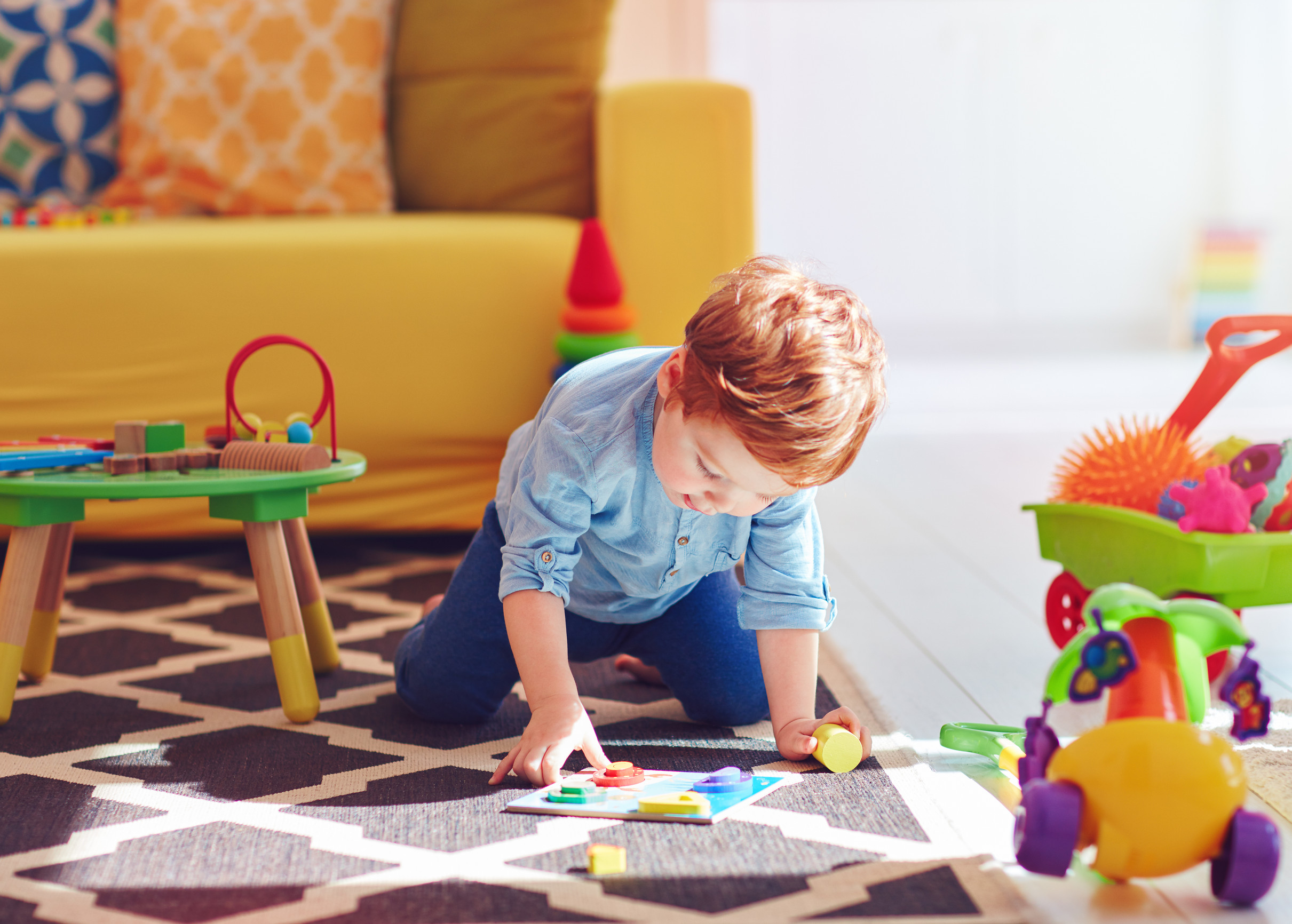
If you’ve ever tried to sneak off to the bathroom only to find tiny fingers wiggling under the door, you’re not alone. The dream of peeing in peace feels like a far-off fantasy for many parents of young kids. But here’s the good news—when you encourage independent play, you’re not only giving yourself a breather, you’re also helping your child build essential skills like creativity, problem-solving, and self-confidence. Independent play isn’t just a break for you, it’s a gift for them. These nine tried-and-true strategies can help you reclaim five quiet minutes (or maybe even ten) without guilt or a clingy sidekick.

1. Start with Short, Realistic Goals

Expecting your child to entertain themselves for an hour out of the gate isn’t realistic. Start small by giving them five to ten minutes of solo play, then gradually increase the time. Setting a timer can help them know what to expect and give them a set break. Keep your expectations low at first so you can build confidence. Learning how to play alone is a skill, and like any skill, it takes time and practice.

2. Create a Safe and Inviting Play Space

A child is more likely to engage in solo play if their environment feels secure and interesting. Designate a play area that’s safe for exploration without constant supervision, and stock it with age-appropriate toys that don’t need adult help. Keep it clutter-free so they’re not overwhelmed with too many choices. A cozy rug, a few baskets, and some well-loved toys go a long way. When kids feel ownership over their space, they’re more likely to stay engaged.

3. Rotate Toys to Keep Things Fresh

One of the easiest ways to encourage independent play is by rotating toys regularly. Too many options can be overwhelming, but reintroducing forgotten favorites can spark curiosity all over again. Store some toys out of sight and swap them every few weeks. It keeps their interest high without the need for new purchases. This simple trick can breathe new life into even the most ignored playthings.

4. Use Open-Ended Toys

Toys that do all the talking (literally) don’t leave much room for imagination. Open-ended toys like blocks, dolls, magnetic tiles, or pretend food encourage kids to build, create, and narrate their own stories. These types of toys are gold when you want to encourage independent play that lasts longer than two minutes. The less the toy does, the more your child’s brain has to do. And that’s exactly the kind of deep play you’re hoping for.

5. Encourage “Boredom”

It may feel counterintuitive, but boredom is often the gateway to independent play. When you resist the urge to offer entertainment immediately, kids have the opportunity to create their own fun. Give them time and space to figure it out—even if they whine a little at first. You’re teaching them that it’s okay to be bored, and even better, that they can solve that boredom on their own. That’s a lifelong skill worth developing early.

6. Play With Them First, Then Step Back

Some kids need a little warm-up before diving into solo play. Spend five to ten minutes playing with them to help them settle into a story or activity. Then, quietly excuse yourself while they’re still engaged. Say something like, “I love what you’re building—keep working while I grab a snack.” This approach creates a gentle transition and makes the idea of playing alone feel less abrupt. It’s a simple but effective way to encourage independent play without a full-on exit.

7. Use Independent Play Time Strategically

Timing matters when it comes to solo play. Try scheduling it for times when your child isn’t hungry, overtired, or cranky. Mid-morning or just after a snack often works best. Pair it with a predictable routine so it becomes part of their daily rhythm. When kids know what to expect, they’re more likely to cooperate.

8. Offer Positive Reinforcement

Celebrate their independent play with praise that focuses on effort and creativity. Say things like, “You came up with such a cool idea!” or “I love how focused you were on that puzzle.” Positive attention reinforces the behavior you want to see more of. Over time, your child will feel more confident and motivated to continue playing solo. Encouragement goes a long way in making them feel proud of their independence.

9. Don’t Interrupt When They’re Focused

When your child finally gets in the zone, resist the urge to step in with suggestions or commentary. Independent play thrives on uninterrupted concentration. If they’re happily immersed in stacking blocks or role-playing with stuffed animals, just let them be. Interruptions—even well-meaning ones—can snap them out of their creative flow. Give them space and watch their imagination take over.

Peace and Pee Breaks Can Coexist

When you encourage independent play, you’re creating moments of freedom not just for yourself but for your child, too. They get to explore their own ideas, solve problems, and discover what makes them tick—all while you finally get a second to breathe, sip your coffee, or yes, pee in peace. It won’t happen overnight, but with consistency, a little patience, and the right environment, independent play can become a part of your everyday parenting toolkit.

What’s your go-to strategy for encouraging independent play? Share your favorite tips (or your funniest solo play fails) in the comments!

Read More:

10 Screen-Free Activities to Keep Kids Entertained

9 Ways to Encourage Creativity in Kids

Catherine Reed
Catherine Reed

Catherine is a tech-savvy writer who has focused on the personal finance space for more than eight years. She has a Bachelor’s in Information Technology and enjoys showcasing how tech can simplify everyday personal finance tasks like budgeting, spending tracking, and planning for the future. Additionally, she’s explored the ins and outs of the world of side hustles and loves to share what she’s learned along the way. When she’s not working, you can find her relaxing at home in the Pacific Northwest with her two cats or enjoying a cup of coffee at her neighborhood cafe.
Filed Under: Parenting Tagged With: early childhood development, encourage independent play, independent play for kids, parenting tips, peaceful parenting, real-life parenting, solo play, toddler play ideas

9 Classic Nursery Rhymes Every Toddler Should Know

June 29, 2025 | Leave a Comment

9 Classic Nursery Rhymes Every Toddler Should Know
123rf.com

There’s something timeless about classic nursery rhymes—those simple, singable verses that stick with us long after childhood. These catchy tunes do more than fill the silence on long car rides or liven up playtime. They help toddlers build early language skills, develop rhythm and memory, and form bonds with family through shared storytelling. Even in the age of streaming apps and techy toys, there’s still magic in a good old-fashioned rhyme. Here are nine classic nursery rhymes every toddler should know (and yes, you’ll probably be singing them in your sleep).

1. Twinkle, Twinkle, Little Star

This soothing lullaby is one of the most iconic classic nursery rhymes. Its gentle melody and poetic lines make it a bedtime staple, perfect for winding down after a busy day. Toddlers love its predictable rhythm and sparkly imagery, which sparks curiosity about the night sky. It’s also a great introduction to rhyming words and melody repetition. Even better, it can be easily adapted with hand motions or stuffed animal accompaniments for extra fun.

2. The Itsy Bitsy Spider

No toddler playlist is complete without this sing-song story of persistence. The hand movements that accompany “The Itsy Bitsy Spider” make it interactive and engaging, helping little ones build fine motor skills along with language. The catchy tune helps with memory retention and sequencing. It also introduces simple cause-and-effect logic—rain washes the spider out, sun dries things up, spider tries again. This rhyme is fun, educational, and always a hit during circle time or playdates.

3. Wheels on the Bus

This one could qualify as a toddler anthem. “Wheels on the Bus” is one of the most animated classic nursery rhymes, filled with actions, sounds, and lots of opportunities for participation. Each verse invites kids to move, sing, and imitate real-world experiences like riding public transportation. It’s also great for reinforcing routines, social cues, and everyday vocabulary. Whether you’re at home or on the go, this one keeps toddlers entertained and involved.

4. Old MacDonald Had a Farm

If you’re introducing your child to animal sounds, look no further than “Old MacDonald.” This farmyard favorite lets toddlers explore different animals while building confidence through repetition. It’s ideal for practicing phonics and improving listening skills as they learn to associate animals with their respective sounds. Plus, the endless list of possible verses means it never has to end—unless, of course, you need it to end. Among classic nursery rhymes, this one brings the farm to life with just your voice.

5. Humpty Dumpty

“Humpty Dumpty” may have a tragic ending, but toddlers still love its rhythm and dramatic flair. The sing-song beat makes it easy to memorize, and the imagery opens the door to storytelling, problem-solving, and even simple discussions about safety. It’s also a gentle introduction to the idea that not everything can be fixed, which helps build emotional understanding. With or without a puppet version of the egg himself, this rhyme stands the test of time. And yes, they’ll eventually ask what a king’s horse is doing in this story.

6. Baa, Baa, Black Sheep

This rhyme may seem simple, but it’s rich with repetition, structure, and pattern—key elements for early literacy. “Baa, Baa, Black Sheep” also introduces counting and sharing concepts through its memorable verses. Toddlers enjoy mimicking animal sounds and pretending to hand out bags of wool. It’s an easy one to sing softly during transitions, like getting dressed or brushing hair. When you’re looking for quiet classic nursery rhymes with a calm tone, this one is a go-to.

7. Row, Row, Row Your Boat

Perfect for lap time or bathtub play, this short rhyme teaches rhythm, repetition, and the soothing nature of melodic phrases. “Row, Row, Row Your Boat” is a great one for movement-based play and even has multiple versions you can try out when your toddler wants something new. It subtly introduces ideas about teamwork, imagination, and flow—all in just a few lines. Singing it in a round can also be a fun family challenge once they get the hang of it. This rhyme gently encourages joy and cooperation.

8. Jack and Jill

“Jack and Jill” is one of those classic nursery rhymes that introduces storytelling in a neat little package. It features a beginning, middle, and end, with action and characters kids can visualize. Toddlers enjoy the dramatic element of the fall, and parents can use it as a prompt for safety lessons or pretend play. The rhyming structure helps with memory and speech development. While it’s one of the older rhymes in the bunch, it’s still surprisingly relatable in a toddler’s world of tumbles and spills.

9. London Bridge Is Falling Down

This rhyme doubles as a game and often involves group movement, making it a perfect pick for playdates and preschool. “London Bridge” supports rhythm and timing while also encouraging coordination and social interaction. Whether you’re singing it with two grown-ups forming the bridge or with chairs and blankets at home, it always ends in laughter and excitement. It’s especially fun for toddlers who enjoy repetition and playful suspense. Classic nursery rhymes like this are full of charm, and they never lose their appeal.

Nursery Rhymes: Where Learning and Laughter Meet

Classic nursery rhymes are more than just catchy songs—they’re building blocks for language, creativity, and bonding. They help toddlers grow in confidence, speech, memory, and even emotional development, all while creating sweet shared moments between parent and child. From bedtime routines to car rides and everything in between, these little songs pack a big punch. So the next time you’re singing about spiders or stars, remember you’re not just entertaining—you’re teaching, connecting, and planting the seeds of lifelong learning.

Which classic nursery rhymes are a hit in your home? Share your family’s favorite verses in the comments—we’d love to add a few more to our playlist!

Read More:

13 Classic Board Games That Need a 21st Century Twist!

9 Toys That Passed the Drop Test—and 4 That Didn’t Survive a Week

Catherine Reed
Catherine Reed

Catherine is a tech-savvy writer who has focused on the personal finance space for more than eight years. She has a Bachelor’s in Information Technology and enjoys showcasing how tech can simplify everyday personal finance tasks like budgeting, spending tracking, and planning for the future. Additionally, she’s explored the ins and outs of the world of side hustles and loves to share what she’s learned along the way. When she’s not working, you can find her relaxing at home in the Pacific Northwest with her two cats or enjoying a cup of coffee at her neighborhood cafe.

Filed Under: Parenting Tagged With: classic nursery rhymes, early literacy, kids songs, nursery rhymes for toddlers, parenting tips, preschool songs, toddler development, toddler learning activities

8 Baby Names That Sound Great With Any Last Name

June 28, 2025 | Leave a Comment

8 Baby Names That Sound Great With Any Last Name
123rf.com

Choosing a baby name feels exciting—until you start testing it out with your last name. Suddenly, that unique or trendy pick doesn’t sound quite right when paired with your family’s surname. Whether your last name is long, short, hyphenated, or one syllable, some names just flow better than others. That’s why baby names that sound great with any last name are absolute gold for parents looking to avoid tongue-twisters, awkward rhymes, or too many hard consonants. If you’re aiming for timeless, versatile, and easy-to-say, these eight options check all the boxes.

1. Olivia

Olivia has held a top spot on baby name charts for years—and for good reason. It’s soft, elegant, and rolls off the tongue with almost any last name you pair it with. The three-syllable structure adds a musical rhythm, whether your surname is as simple as Lee or as long as Montgomery. Olivia also lends itself well to cute nicknames like Liv, Livi, or Via. When it comes to baby names that sound great with any last name, Olivia is a front-runner for both beauty and balance.

2. James

Classic, simple, and endlessly versatile, James is one of those names that never goes out of style. It sounds strong with short surnames and still carries weight when paired with longer ones. James works beautifully as either a first or middle name and suits both formal and laid-back families. It’s one of the most adaptable baby names that sound great with any last name thanks to its clean consonants and one-syllable structure. Plus, it’s hard to imagine anyone mispronouncing or misspelling it.

3. Emma

Short, sweet, and universally beloved, Emma is a charming choice that blends well with just about any last name. Its soft vowels and even rhythm make it pleasant to say and easy to remember. Whether your family name is Smith, Hernandez, or O’Connell, Emma holds its own while complementing it nicely. It’s a modern favorite with vintage roots, making it ideal for parents who love tradition but want something current. No wonder Emma continues to be one of the baby names that sound great with any last name.

4. Leo

With just three letters, Leo packs a punch. This name has a bold, energetic sound that still manages to feel friendly and approachable. It’s a great match for both short and long surnames and doesn’t compete for attention. Whether you’re naming your first child or your fifth, Leo is a stylish, easygoing option that always sounds good. If you’re looking for baby names that sound great with any last name, Leo is a strong contender with timeless charm.

5. Grace

Grace brings elegance and simplicity in one beautiful package. Its one-syllable structure means it won’t clash with even the most complex last names. From Grace Thompson to Grace Nguyen, the name maintains its softness and warmth in every pairing. It also works well with more elaborate middle names, offering balance in a full name combination. As one of the most adaptable baby names that sound great with any last name, Grace is as timeless as it is graceful.

6. Henry

Henry is a name that carries both charm and dependability. It has royal roots and historical appeal, but it doesn’t feel outdated or stuffy. The two-syllable rhythm makes it a flexible choice for a wide range of last names—from simple one-syllable names like King to more complicated ones like Abernathy. Henry is warm, trustworthy, and has that classic feel without being overused. Among baby names that sound great with any last name, Henry has long held a respected place.

7. Ava

Ava is sleek, sophisticated, and surprisingly powerful despite its brevity. The “A” sounds at the beginning and end give it a gentle flow that works beautifully with virtually any surname. It’s modern but not trendy, and it avoids the risk of awkward pauses or clunky syllables when paired with different family names. Ava also feels polished and poised, whether said on its own or as part of a longer name. It’s a go-to for parents searching for baby names that sound great with any last name.

8. Jack

There’s something about the name Jack that just works. It’s casual, classic, and universally loved—plus, it’s hard to mess up. Jack pairs easily with virtually every last name you can throw at it, from Carter to Rodriguez to Flynn. Its simplicity is part of its charm, and it never feels boring or outdated. For parents wanting a strong, punchy name that won’t clash with their last name, Jack is one of the safest bets out there.

When in Doubt, Go for Flow Over Flash

Trendy names come and go, but baby names that sound great with any last name are always a smart choice. These versatile picks give your child a name that will age well, suit any setting, and avoid awkward pairings down the road. When choosing a name, reading it aloud, writing it out, and testing it with your last name can make all the difference. A name that flows effortlessly is one your child will thank you for in the long run.

Do you have a favorite baby name that seems to go with everything? Share it with us in the comments—we’d love to hear your top picks!

Read More:

9 Baby Names You’ve Never Heard Before, But Should Consider

10 Baby Names That Have Awesome Meanings

Catherine Reed
Catherine Reed

Catherine is a tech-savvy writer who has focused on the personal finance space for more than eight years. She has a Bachelor’s in Information Technology and enjoys showcasing how tech can simplify everyday personal finance tasks like budgeting, spending tracking, and planning for the future. Additionally, she’s explored the ins and outs of the world of side hustles and loves to share what she’s learned along the way. When she’s not working, you can find her relaxing at home in the Pacific Northwest with her two cats or enjoying a cup of coffee at her neighborhood cafe.

Filed Under: Parenting Tagged With: baby name help, baby name ideas, baby name tips, baby names, baby naming guide, gender neutral names, naming your baby, popular baby names, timeless baby names

9 Harsh Realities About Toddler Tantrums Parents Wish They Knew Sooner

June 28, 2025 | Leave a Comment

9 Harsh Realities About Toddler Tantrums Parents Wish They Knew Sooner
123rf.com

The first time your toddler throws a tantrum in public, it feels like time slows down. Everyone seems to be staring, your child is suddenly part octopus and part banshee, and you’re just trying to hold it together while navigating an emotional minefield. Toddler tantrums are intense, unpredictable, and somehow manage to arrive right when you’re least prepared. Most parents go into the toddler years armed with snacks and nap schedules, not realizing that tantrums are more than just “bad behavior.” These moments can be tough to handle, but understanding the deeper truths behind them might just save your sanity.

1. Tantrums Are a Developmental Milestone

Believe it or not, toddler tantrums are a sign that your child is developing exactly as they should. Around the age of 1 to 3, children are learning to navigate big emotions with a brain that’s still under construction. They don’t yet have the words or self-regulation tools to say, “I’m overwhelmed,” so instead, they scream and flop on the floor. It’s not personal—it’s neurological. The outbursts are often more about emotional growth than defiance.

2. You Can’t Always Prevent Them

You can have the most well-rested, well-fed toddler and still find yourself in the middle of a meltdown over the shape of a snack. While routines and boundaries help, toddler tantrums aren’t completely avoidable. Life is full of triggers toddlers don’t yet know how to handle—like transitions, limits, or sensory overload. Accepting that tantrums are part of the parenting landscape can reduce frustration for everyone involved. It’s not about perfection; it’s about patience.

3. Logic Doesn’t Work During the Storm

When your toddler is mid-meltdown, no amount of reasoning will bring them back. In fact, trying to explain why their cup has to be blue, not red, usually makes things worse. During tantrums, the logical part of their brain goes offline, and emotion takes over. What they need most in that moment is calm, not correction. Save the life lessons for later—once the storm passes.

4. Your Reaction Matters More Than You Think

It’s easy to lose your cool when you’re being kicked, screamed at, or shamed by a bystander. But how you respond to toddler tantrums teaches your child how to manage stress. Staying calm doesn’t mean you’re letting bad behavior slide—it means you’re modeling emotional regulation. A consistent, composed response helps toddlers feel safe, even when they’re completely dysregulated. It may not stop the tantrum in the moment, but it shapes their emotional resilience in the long run.

5. Public Tantrums Are Not a Reflection of Your Parenting

It feels mortifying when your child melts down in the middle of the grocery store, but you are not a bad parent. Toddler tantrums don’t discriminate between private and public spaces. What you see as a meltdown in aisle five is simply a toddler expressing unmet needs in the only way they know how. Try to ignore the judgy glances and focus on your child, not your pride. Most experienced parents understand—some may even want to high-five you.

6. Distraction Isn’t a Long-Term Fix

Distracting your toddler with snacks, toys, or screen time may defuse the moment, but it doesn’t teach them how to cope. While distraction has its place, relying on it too often can delay emotional development. It’s better to gently acknowledge their feelings and offer support instead of pretending the issue doesn’t exist. Toddlers need to learn how to feel and express emotion, not avoid it. Think of it as emotional strength training—one meltdown at a time.

7. Sometimes You Need to Let It Play Out

It’s okay to ride out a tantrum without trying to “fix” it immediately. As long as your child is safe, sometimes the best option is to sit quietly nearby and let them work through it. This shows them that all feelings—even big, messy ones—are acceptable. It also gives them space to calm down without added stimulation. Some parents call it “holding space,” others just call it survival, but either way, it’s powerful.

8. Consistency is Key, Even When It’s Hard

Setting clear limits helps reduce future tantrums, even if it causes one in the moment. Toddlers crave structure, even when they resist it. When you stay firm on rules like “we don’t hit” or “we leave the park when it’s time,” it helps them feel safe. Giving in during a tantrum may stop the noise, but it can send the message that outbursts are a way to get what they want. Consistency builds trust and reduces power struggles in the long term.

9. It’s Exhausting, and That’s Okay to Admit

Toddler tantrums are physically and emotionally draining. Even the most patient, loving parent will feel completely defeated after the third meltdown of the day. It’s okay to feel frustrated, overwhelmed, or even angry—it means you’re human. Take breaks when you can, ask for help, and give yourself grace. You’re doing one of the hardest jobs out there, and no one handles it perfectly.

Tantrums Won’t Last Forever, But the Lessons Will

While it may not feel like it in the heat of the moment, toddler tantrums are a temporary (and very normal) part of early childhood. They give your child a chance to learn how to express themselves and give you a chance to practice staying grounded in chaos. One day you’ll look back and laugh at the great cereal box standoff or the meltdown over mismatched socks. And you’ll know you made it through—tantrum by tantrum.

What’s the most memorable toddler tantrum you’ve faced? Share your parenting war stories in the comments—we’re all in this together!

Read More:

From Chaos to Calm: Strategies for Difficult Toddler Behavior

Is Your Toddler Already Experiencing Burnout?

Catherine Reed
Catherine Reed

Catherine is a tech-savvy writer who has focused on the personal finance space for more than eight years. She has a Bachelor’s in Information Technology and enjoys showcasing how tech can simplify everyday personal finance tasks like budgeting, spending tracking, and planning for the future. Additionally, she’s explored the ins and outs of the world of side hustles and loves to share what she’s learned along the way. When she’s not working, you can find her relaxing at home in the Pacific Northwest with her two cats or enjoying a cup of coffee at her neighborhood cafe.

Filed Under: Parenting Tagged With: emotional development, mom life, parenting struggles, parenting tips, parenting toddlers, real parenting moments, tantrum survival, toddler behavior, toddler tantrums

How to Childproof Your Home Without Making It Look Like a Padded Cell

June 27, 2025 | 1 Comment

How to Childproof Your Home Without Making It Look Like a Padded Cell
123rf.com

Bringing home a baby or chasing after a newly mobile toddler comes with a whole new set of safety concerns—and a temptation to bubble wrap your entire living room. But the truth is, you can childproof your home without sacrificing your style or turning your space into a sea of foam corners and plastic gates. It’s all about being smart, subtle, and strategic. You want your home to be safe, but still feel like a home for everyone, not just the under-three crowd. These tips will help you create a secure, kid-friendly environment without making your house look like a full-time daycare.

1. Anchor the Furniture Without Ruining Your Aesthetic

Tipping furniture is one of the biggest risks in any home with little climbers. The good news is, you can anchor bookcases, dressers, and TVs without changing how your room looks. Many anti-tip kits mount behind the furniture and out of sight, offering safety without visual clutter. If you’re renting or want a damage-free option, look for no-drill wall anchors that use adhesive or removable strips. This is a key step when you childproof your home while keeping things chic and adult-friendly.

2. Use Magnetic Locks Inside Cabinets

Forget the bulky plastic latches that always seem to pinch your fingers. Magnetic cabinet locks are installed inside the door, staying completely hidden until you use a magnetic “key” to open them. They’re sleek, effective, and don’t interfere with your kitchen’s design. Best of all, you can leave adult-access cabinets unlocked while securing the ones that hold cleaning products or knives. When you childproof your home with these kinds of modern tools, you don’t have to sacrifice function or form.

3. Choose Stylish Storage for Toy Zones

Kids come with clutter, and toys have a magical way of spreading through every room. Instead of giant primary-colored bins, opt for soft baskets, neutral fabric bins, or lidded ottomans that blend with your existing décor. Tucking toys into attractive storage makes cleanup quicker and keeps your space looking intentional, not overrun. Bonus: your toddler doesn’t care if their puzzle lives in a trendy woven basket or a dinosaur box, as long as they can find it.

4. Add Corner Guards That Don’t Scream “Daycare”

Those bright foam corner bumpers may work, but they also scream “I haven’t seen my coffee table in months.” Swap them for clear silicone corner guards that do the same job without distracting from your furniture. They’re transparent, low-profile, and surprisingly durable. You can even find designs that match the color or wood tone of your table for a more seamless look. It’s a small upgrade that makes a big difference when you want to childproof your home stylishly.

5. Rethink Rugs and Floor Safety

Slippery rugs and crawling toddlers are not a good mix. Invest in non-slip rug pads to keep area rugs secure and prevent tripping hazards. If you’re adding new rugs, choose soft, low-pile options that are easier to clean and more comfortable for little knees. Earth tones, patterns, or washable rugs help disguise everyday messes without looking like a play mat. Safety doesn’t have to come at the cost of good design.

6. Use Baby Gates That Blend In

Not all baby gates have to look like metal jail bars. There are modern gates in wood tones, neutral colors, and even retractable mesh options that practically disappear when not in use. Choose a style that coordinates with your trim, stair railing, or floors. A well-placed gate adds safety while keeping the overall vibe calm and clutter-free. It’s one of the smartest ways to childproof your home while preserving its flow and openness.

7. Cover Outlets (Without Going Overboard)

Outlet covers are a must—but the traditional white plastic plugs can be tricky and unattractive. Look for sliding outlet covers that automatically close when not in use or invest in outlet boxes for areas where devices stay plugged in. These options are safer, cleaner-looking, and easier to use than constantly pulling plugs in and out. A little upgrade goes a long way when you want safety that matches your style.

8. Get Smart with Window Coverings

Dangling cords from blinds are a hidden danger that’s easy to overlook. Switch to cordless window shades or use cord winders to keep them neatly tucked and out of reach. Roman shades or roller blinds offer sleek options that don’t sacrifice your home’s look. Plus, your windows stay streamlined without messy ties hanging down. It’s a simple swap that helps you safely childproof your home in a subtle way.

9. Minimize Cluttered Surfaces

Kids love to grab, swipe, and scatter. Keep breakables, candles, and decorative items higher up or in secure spots to reduce the chance of accidents. Less clutter also means fewer temptations for tiny hands and fewer hazards during playtime. Choose a few elevated display pieces and swap out fragile décor for soft textiles, framed prints, or wall shelves. When you childproof your home by simplifying surfaces, you’re creating a cleaner and calmer space for everyone.

Safety Can Still Be Stylish

Childproofing doesn’t have to mean covering your home in neon plastic or saying goodbye to adult spaces. With a few thoughtful upgrades and some clever swaps, you can create a home that’s safe for your little ones and still feels like your space. Whether it’s a baby crawling across the floor or a curious toddler testing limits, your home can be both functional and beautiful. When you childproof your home with intention, you keep your sanity—and your style—intact.

What are your favorite hacks or stylish products to childproof your home without going overboard? Share your smart solutions in the comments!

Read More:

10 Things Everyone Forgets to Childproof

13 Parenting Hacks That Seem Strange but Work Wonders

Catherine Reed
Catherine Reed

Catherine is a tech-savvy writer who has focused on the personal finance space for more than eight years. She has a Bachelor’s in Information Technology and enjoys showcasing how tech can simplify everyday personal finance tasks like budgeting, spending tracking, and planning for the future. Additionally, she’s explored the ins and outs of the world of side hustles and loves to share what she’s learned along the way. When she’s not working, you can find her relaxing at home in the Pacific Northwest with her two cats or enjoying a cup of coffee at her neighborhood cafe.

Filed Under: Home and Living Tagged With: baby safety, babyproofing ideas, childproof your home, home safety tips, modern baby gear, parenting hacks, stylish childproofing, toddler proofing

8 Ways Your Pet Knew You Were Pregnant Before You Did

June 18, 2025 | Leave a Comment

8 Ways Your Pet Knew You Were Pregnant Before You Did
123rf.com

Long before the positive test or the missed period, someone in your home might have already figured it out—and they walk on four legs. Animals have incredible instincts, and if you’re a pet owner, there’s a good chance your furry friend picked up on your pregnancy before you even suspected it. Whether it’s a change in scent, energy, or behavior, pets are incredibly tuned in to the people they love. If your dog suddenly wouldn’t leave your side or your cat started acting like a protective shadow, you’re not imagining it. Here are eight surprising and heartwarming ways your pet knew you were pregnant before you did.

1. Sudden Attachment and Clinginess

One of the first signs that your pet knew you were pregnant could be how unusually clingy they became. Dogs and cats are incredibly responsive to hormonal changes, and pregnancy creates major shifts in your scent and energy. Your pet may start following you everywhere, refusing to leave your side even for a moment. While it might feel like you’re suddenly being stalked, it’s really a show of loyalty and love. They know something’s different, and they want to be close to you during the change.

2. Guarding Behavior Kicks In

Did your usually friendly pup start barking at guests or getting between you and strangers? That protective streak might be a sign your pet knew you were pregnant. Pets can sense vulnerability or major life shifts in their humans and may respond by going into guard mode. Even mellow animals can become watchful, sleeping near your bed or positioning themselves between you and anything they perceive as a potential threat. It’s their instinctive way of protecting what matters most—including the baby they somehow already sense.

3. Sniffing Your Belly More Than Usual

Animals rely heavily on scent, and when you’re pregnant, your body chemistry changes dramatically. One of the ways your pet knew you were pregnant may have been through their nose. Many pets suddenly show interest in your midsection, sniffing or even nuzzling your belly. It’s not just curiosity—they’re likely detecting hormonal shifts or changes in your pheromones. It may seem strange, but to your pet, you’re literally smelling different—and they’re determined to investigate.

4. Changes in Sleep and Cuddle Habits

If your cat who usually sleeps at the foot of the bed is suddenly curled up near your abdomen night after night, it’s not a coincidence. Pets often respond to pregnancy by becoming more physically affectionate and changing their sleeping patterns to stay closer to you. Some dogs may rest their heads on your stomach, while cats may drape themselves protectively across you. These subtle shifts often go unnoticed until you realize they began before you even knew you were expecting.

5. Behavioral Changes or Mood Swings

While some pets become more loving, others react with confusion or even agitation. Your pet might act withdrawn, moody, or begin acting out with behaviors like chewing, scratching, or having accidents in the house. This isn’t misbehavior—it’s their way of expressing that something feels off. Another way your pet knew you were pregnant could be their response to emotional tension or the physical changes in your body, even if they didn’t understand it fully. Once they adjust, many settle into the role of gentle protector.

6. Acting Anxious or Overly Alert

A pet who suddenly paces, whines, or becomes more vocal may be reacting to the invisible changes in your body and home environment. Dogs and cats are intuitive and can become anxious when they sense uncertainty. This heightened alertness might include staying awake at night, jumping at noises, or sticking closer to you in unfamiliar settings. Their senses are picking up on things you aren’t even aware of yet, and their response can be both touching and overwhelming.

7. Losing Interest in Play

If your playful pet suddenly seems less interested in toys or running around, it could be another way your pet knew you were pregnant. Just as they become more protective or affectionate, they may also tone down their energy levels around you. Pets are often surprisingly gentle when they sense their humans are more vulnerable. While it’s easy to worry something is wrong, this calm shift could just be their way of adapting to the changes ahead.

8. Nesting Alongside You

Pets are known to mimic their human companions, and if you’ve been nesting—organizing, cleaning, and prepping—they might join in. Some dogs begin dragging blankets to quiet corners, while cats might claim the nursery rocker as their new favorite spot. Their behavior reflects not only their awareness that something big is coming but their desire to be part of it. This nesting behavior is one more sweet way your pet shows they knew what was happening all along.

Trust the Paws That Know You Best

Your pet may not be able to read a pregnancy test, but their natural instincts often pick up the signs long before you do. From guarding you like a bodyguard to sniffing your belly with laser focus, these furry family members have a way of tuning into your life’s biggest changes. When you look back, you may realize your pet was one of the first to know—and they were trying to show you in their own loyal, lovable way.

Did your pet act differently before you found out you were pregnant? Share your story in the comments—we’d love to hear how your furry friend reacted!

Read More:

How to Ease Back Pain During Pregnancy

The Ultimate First Year Baby Budget Guide

Catherine Reed
Catherine Reed

Catherine is a tech-savvy writer who has focused on the personal finance space for more than eight years. She has a Bachelor’s in Information Technology and enjoys showcasing how tech can simplify everyday personal finance tasks like budgeting, spending tracking, and planning for the future. Additionally, she’s explored the ins and outs of the world of side hustles and loves to share what she’s learned along the way. When she’s not working, you can find her relaxing at home in the Pacific Northwest with her two cats or enjoying a cup of coffee at her neighborhood cafe.

Filed Under: Pets Tagged With: animals sense pregnancy, cat behavior pregnancy, dog pregnancy instincts, early signs of pregnancy, pet reactions to pregnancy, pets and pregnancy, your pet knew you were pregnant

7 Summer Habits That Can Lead to Sickness Fast

June 17, 2025 | Leave a Comment

7 Summer Habits That Can Lead to Sickness Fast
123rf.com

Summer is a season packed with sunshine, fun, and family memories—but it’s also a time when some seemingly harmless routines can sneakily put your child’s health at risk. From poolside snacks to packed playdates, many common summer habits that can lead to sickness fast often fly under the radar. While no parent wants to hover or kill the vibe, it’s worth paying attention to these patterns so your family can enjoy the season with fewer sick days. Awareness is half the battle, and a few easy adjustments can make a big difference. Let’s dive into the habits that might be doing more harm than good.

1. Skipping Handwashing at Playgrounds and Parks

Summer means more outdoor time, which also means more public surfaces touched by countless little hands. Jungle gyms, splash pads, and sandboxes may be full of adventure—but they’re also full of germs. Kids often head straight from swinging or sliding to eating a snack without washing up. Without proper hand hygiene, bacteria and viruses can easily find their way into little bodies. This is one of the top summer habits that can lead to sickness fast, especially when it becomes a daily routine.

2. Overindulging in Sugary Summer Treats

Between popsicles, lemonade stands, and ice cream trucks, sugar overload is practically built into summer. While treats are a fun part of the season, too much sugar can suppress the immune system and mess with gut health. Some kids end up snacking more frequently and eating fewer nutrient-rich meals. A weakened immune system paired with more public exposure can make them more prone to colds or stomach bugs. It’s important to balance those sweet moments with whole foods that keep kids strong.

3. Neglecting Hydration on Hot Days

Children can become dehydrated quickly in warm weather—especially when they’re running, playing, and sweating without regular water breaks. By the time a child says they’re thirsty, they may already be mildly dehydrated. Dehydration can cause headaches, fatigue, dizziness, and increase the risk of heat-related illnesses. Kids also tend to forget to drink unless they’re reminded or see others doing it. Making hydration fun with a colorful bottle or fruit-infused water helps build a better habit.

4. Wearing the Same Wet Swimsuit for Hours

Whether it’s a trip to the beach or a pool playdate, kids often end up wearing wet swimsuits for hours on end. While it might seem harmless, sitting in damp fabric can increase the risk of skin irritation, rashes, and even infections like swimmer’s ear or UTIs. Changing into dry clothes after swimming is one of those small actions that goes a long way. It’s not just about comfort—it’s a health choice. Make a habit of packing dry backups every time.

5. Letting Bedtime Slide Too Far

Summer nights are full of distractions—late dinners, fireflies, movie marathons—but regular sleep is still crucial for a strong immune system. When kids consistently go to bed late and sleep less, their bodies have a harder time fighting off illness. Even if they seem to be doing fine with less rest, the effects often show up as irritability, poor focus, or catching bugs more easily. Creating a summer bedtime routine that flexes without falling apart helps kids stay healthier overall. Think of sleep as just as important as sunscreen.

6. Sharing Towels, Cups, and Snacks

Summer playdates often mean shared everything—drinks at the splash pad, bites of watermelon, and communal towels. While it’s sweet to see kids learning to share, it’s also a fast track for spreading germs. Viruses like hand-foot-and-mouth or the common cold love these scenarios. Teaching kids to use their own water bottles, utensils, and towels doesn’t need to be a strict rule—but it can be a smart one. This is one of those summer habits that can lead to sickness fast when overlooked.

7. Forgetting to Clean Outdoor Toys and Gear

Scooters, bikes, water tables, and sand toys all get more use in summer—and more exposure to dirt, germs, and even animal droppings. These toys are rarely cleaned as often as their indoor counterparts, yet kids are just as likely to put fingers in mouths afterward. A weekly rinse and occasional disinfecting wipe-down can go a long way in preventing illness. It’s a simple step that often slips through the cracks in the name of summer fun.

A Healthier Summer Starts With a Few Simple Shifts

The goal isn’t to make summer rigid or overly cautious—it’s to stay ahead of the small habits that can create big problems. With just a few tweaks, you can avoid many of the most common causes of seasonal sickness. Encourage smarter habits, stay observant, and let the summer fun continue without the interruptions of coughs, fevers, or rashes. These mindful changes lead to healthier, happier days for everyone.

What summer health habit has saved your family from surprise sick days? Share your favorite tips in the comments!

Read More:

8 Challenges Every Kid Faces During Summer Break

15 Outdoor Adventures to Transform Your Kids’ Summer

Catherine Reed
Catherine Reed

Catherine is a tech-savvy writer who has focused on the personal finance space for more than eight years. She has a Bachelor’s in Information Technology and enjoys showcasing how tech can simplify everyday personal finance tasks like budgeting, spending tracking, and planning for the future. Additionally, she’s explored the ins and outs of the world of side hustles and loves to share what she’s learned along the way. When she’s not working, you can find her relaxing at home in the Pacific Northwest with her two cats or enjoying a cup of coffee at her neighborhood cafe.
Filed Under: Safety Tagged With: child health, healthy habits for kids, kid hygiene, outdoor play safety, parenting advice, prevent summer illness, summer habits that can lead to sickness fast, summer parenting tips, summer safety

10 Signs Your Baby Doesn’t Feel Safe With Someone

June 15, 2025 | Leave a Comment

10 Signs Your Baby Doesnt Feel Safe With Someone
123rf.com

Babies can’t tell you with words when something feels off, but their body language, reactions, and instincts speak volumes. While many adults assume babies are too young to sense emotional discomfort, research shows that even infants can pick up on tension, fear, or unease. Whether it’s a babysitter, relative, or even a friend, it’s important to recognize when your baby doesn’t feel safe with someone. Noticing the signs early can help you protect your child’s emotional well-being and make better decisions about who they spend time with. Let’s explore the most common cues that your baby may be reacting to someone they don’t trust.

1. They Cry Immediately Upon Seeing the Person

If your baby cries the moment someone enters the room or takes them into their arms, it may be more than just separation anxiety. Babies often cry when they feel overwhelmed or unsafe. A sudden and intense crying response that doesn’t improve with soothing is worth paying attention to. While some clinginess is normal, consistent negative reactions to a specific individual should not be ignored. It could be your baby’s way of expressing discomfort or distress.

2. They Cling Tightly to You and Won’t Let Go

Babies naturally seek comfort from their primary caregiver, but if your baby becomes extra clingy in the presence of one specific person, that’s a sign that something may be wrong. They may bury their face in your shoulder, grab tightly, or physically resist being handed off. This behavior often means your baby doesn’t feel safe and is seeking protection. If the clinginess vanishes as soon as the person leaves, trust your baby’s instincts. Babies know more than we give them credit for.

3. Their Body Tenses Up

Pay close attention to your baby’s body language when they’re near someone new. If their muscles stiffen, their fists clench, or they appear rigid rather than relaxed, that’s a physical sign of stress or fear. A baby who feels safe will usually relax into cuddles or show curiosity. Tension, on the other hand, is a signal that they are on high alert. Watch for repeated stiffness around the same individual, especially when it’s not present around others.

4. They Avoid Eye Contact

Babies are naturally drawn to faces and often make eye contact as a way to bond and engage. If your baby consistently avoids eye contact with someone, that can be a red flag. It may suggest discomfort or a lack of trust. While occasional shyness is normal, a pattern of looking away, turning their head, or focusing on anything but the person could mean your baby doesn’t feel safe in their presence. Eye contact is one of the earliest forms of connection for infants.

5. Their Sleep Patterns Are Disrupted After Visits

If your baby’s nap schedule or nighttime sleep suddenly changes after spending time with someone, it could be their way of processing anxiety. Babies often respond to stress with disrupted sleep. You might notice more frequent night waking, shorter naps, or general restlessness. If these changes line up with time spent around a certain person, it’s worth taking seriously. Babies don’t always cry in the moment—they sometimes process fear later in subtler ways.

6. They Push Away or Arch Their Back

Physical resistance is one of the clearest signs that a baby doesn’t feel safe. If your baby squirms, arches their back, or pushes away when held by someone, listen to what their body is telling you. These actions are instinctual, self-protective responses. A baby who feels safe is more likely to snuggle in or relax into the person’s arms. If you’re consistently seeing your baby reject physical closeness with someone, don’t brush it off.

7. They Suddenly Go Silent

Silence can be just as telling as crying. If your usually vocal, cooing baby goes quiet around someone, that’s worth noticing. Some babies shut down or freeze when they feel threatened or uncomfortable. The change may be subtle but consistent, especially if they seem subdued or expressionless. Trust your gut if your baby seems emotionally shut off in certain company.

8. They Flinch at Sudden Movements

A baby who flinches when someone moves toward them quickly may not feel emotionally or physically safe. This is especially concerning if it happens more than once. Babies should feel comfortable exploring and reacting to the world without fear. If a baby flinches in response to a specific person’s movements, tone, or touch, it may indicate past discomfort or overstimulation. This is one of those signs that’s easy to miss but important to take seriously.

9. They Refuse to Eat or Feed Around the Person

Babies who don’t feel safe often won’t eat, even if they’re hungry. Feeding requires a sense of security, so refusal to nurse or take a bottle can be a red flag. If your baby is consistently uninterested in feeding while a certain person is around, that’s not just a coincidence. It could be their way of saying “something’s wrong” without words. Make a note of feeding patterns in different environments and with different people.

10. Your Gut Tells You Something’s Off

This may be the most overlooked sign of all, but it matters just as much. If you notice repeated signs that your baby doesn’t feel safe and your instincts tell you to take a step back from someone, don’t ignore it. Parents often have a sixth sense when it comes to their children’s well-being. You don’t need hard proof to honor a feeling that something is off. Trusting your baby’s cues—and your own—can be one of your best parenting tools.

When Safety Speaks Louder Than Words

Babies may not talk yet, but they have their own powerful ways of communicating. When a baby doesn’t feel safe, the signs can be subtle or loud, but they’re almost always consistent. As parents, it’s our job to notice, trust, and respond. Watching how your baby reacts to others can tell you more than words ever could. Don’t second-guess your child’s behavior just because they’re small—your baby’s safety is always worth listening to.

Have you ever picked up on your baby’s discomfort around someone? What did you notice first? Share your experience in the comments!

Read More:

10 Empowering Things to Teach Your Baby Girl from the Start

8 Baby Nursery Ideas That’ll Make Your Friends Jealous

Catherine Reed
Catherine Reed

Catherine is a tech-savvy writer who has focused on the personal finance space for more than eight years. She has a Bachelor’s in Information Technology and enjoys showcasing how tech can simplify everyday personal finance tasks like budgeting, spending tracking, and planning for the future. Additionally, she’s explored the ins and outs of the world of side hustles and loves to share what she’s learned along the way. When she’s not working, you can find her relaxing at home in the Pacific Northwest with her two cats or enjoying a cup of coffee at her neighborhood cafe.

Filed Under: Safety Tagged With: baby behavior, baby body language, baby doesn’t feel safe, baby instincts, baby red flags, emotional safety, infant development, parenting tips

Which of the 4 Learning Styles Is Your Child? How to Teach Based on It

June 14, 2025 | Leave a Comment

Which of the 4 Learning Styles Is Your Child How to Teach Based on It
123rf.com

Every child learns differently, and figuring out your child’s learning style can make all the difference in how they absorb information, stay motivated, and enjoy the process of learning. Some kids light up with visuals, while others need to move, talk it out, or listen quietly. By understanding how your child learns best, you can support them more effectively at home and help them thrive at school. Tailoring your teaching style to match their natural strengths doesn’t just make learning easier—it makes it more enjoyable. Here’s a look at the four most common learning styles and how to teach based on the one that fits your child.

1. Visual Learners: Show, Don’t Just Tell

Children with visual learning styles process information best when they can see it. They often enjoy reading, drawing, and using charts, diagrams, or color-coded materials. If your child remembers things better after seeing pictures or watching demonstrations, they likely lean toward this style. Support their learning by using flashcards, visual schedules, videos, and colorful mind maps. Let them draw pictures to explain ideas or use sticky notes in different colors for organizing information.

2. Auditory Learners: Let Them Listen and Talk

Kids with auditory learning styles learn best by hearing and speaking. They tend to enjoy music, storytelling, discussions, and even reading aloud. If your child remembers song lyrics easily or loves to explain things out loud, they may be an auditory learner. Help them by using rhymes, songs, or recordings to reinforce lessons, and encourage them to explain new concepts back to you. Reading aloud together or using audiobooks can also be powerful tools for retention and understanding.

3. Kinesthetic Learners: Learning by Doing

Kinesthetic learning styles are all about movement and hands-on experience. These kids often have trouble sitting still but light up when they can touch, build, or physically explore a concept. If your child loves science experiments, puzzles, or acting things out, they’re likely a kinesthetic learner. Support them with activities like building models, doing crafts, or incorporating physical games into learning. Even simple tricks like bouncing a ball while practicing spelling can make a big difference.

4. Reading/Writing Learners: Words Are Their Best Tools

Children with reading/writing learning styles thrive through text-based input and output. They often love books, enjoy journaling, and do well with lists, definitions, and written instructions. If your child takes notes on their own or likes to write stories or letters, this might be their strongest learning style. Help them learn by encouraging them to write summaries, use workbooks, and create their own flashcards. Turning verbal instructions into written steps can also boost clarity and understanding.

Blended Learning Styles Are Totally Normal

It’s important to remember that most kids don’t fall neatly into just one of these learning styles. Your child might be a mix of visual and kinesthetic or lean toward auditory learning, depending on the subject. The goal isn’t to label them, but to recognize which approaches work best and build on those strengths. Try different strategies, observe how your child responds, and adjust accordingly. Being flexible and responsive can help your child feel more confident and supported.

Helping Kids Love How They Learn

Recognizing your child’s learning style can transform frustration into confidence. When learning feels aligned with how their brain works, kids are more likely to stay curious, engaged, and self-motivated. Whether your child thrives through hands-on activities, writing, listening, or watching, your support can help them get the most out of every learning moment. Celebrate what makes your child unique and find ways to build learning into everyday life. When you embrace their style, you’re not just helping them succeed—you’re helping them enjoy the journey.

Which of the four learning styles best fits your child? Share your experience and tips in the comments—we’d love to hear what’s working for your family!

Read More:

6 Ways to Spark a Love of Learning in Your Child

5 Secrets of Academically Successful Kids

Catherine Reed
Catherine Reed

Catherine is a tech-savvy writer who has focused on the personal finance space for more than eight years. She has a Bachelor’s in Information Technology and enjoys showcasing how tech can simplify everyday personal finance tasks like budgeting, spending tracking, and planning for the future. Additionally, she’s explored the ins and outs of the world of side hustles and loves to share what she’s learned along the way. When she’s not working, you can find her relaxing at home in the Pacific Northwest with her two cats or enjoying a cup of coffee at her neighborhood cafe.

Filed Under: Education Tagged With: auditory learners, child development, education tips, homeschooling, kinesthetic learners, learning styles, learning support, Parenting, reading and writing learners, visual learners

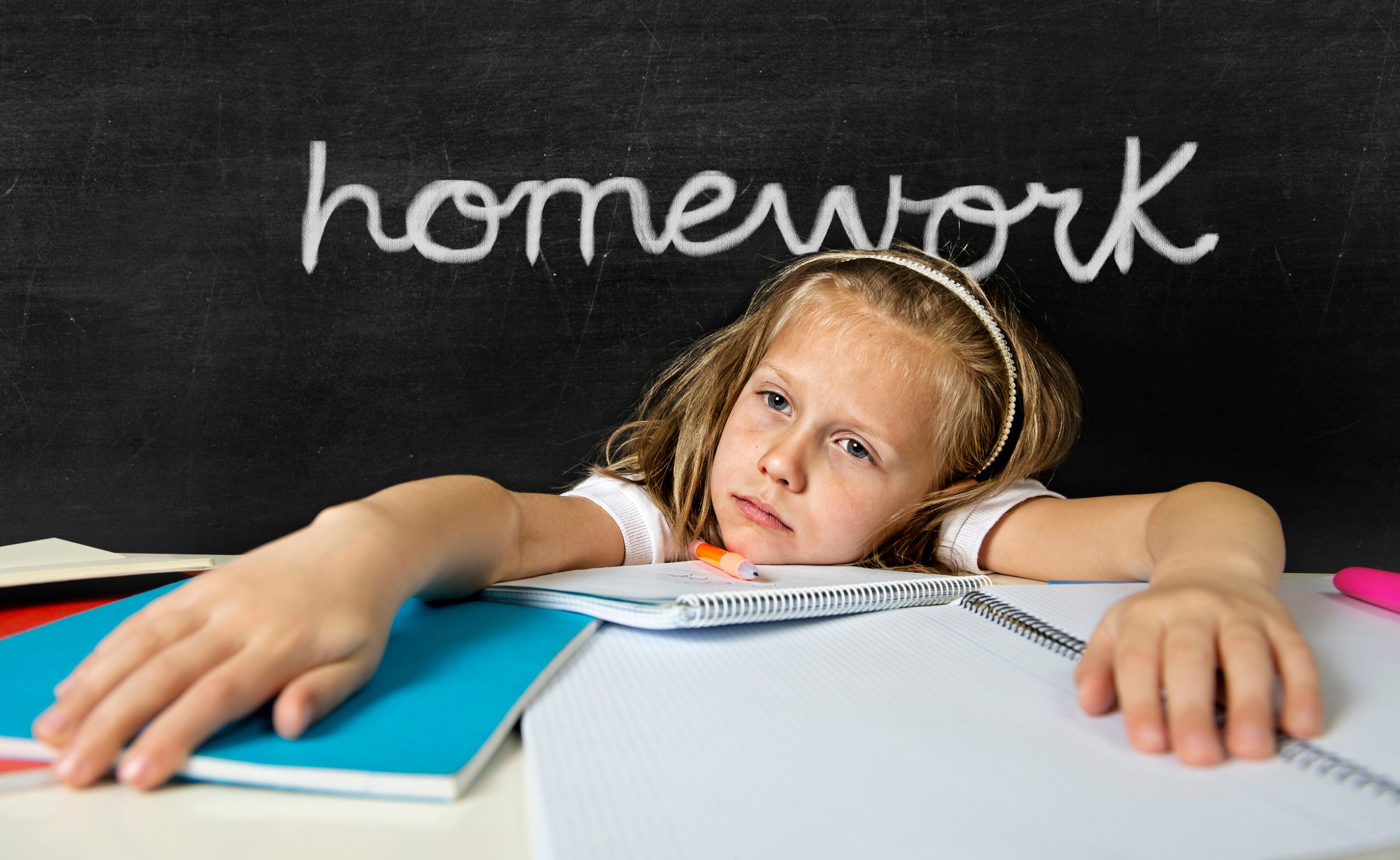
The Unexpected Truth: 8 Signs Your Child’s School Struggles Will Change Your Perspective Forever!

June 14, 2025 | Leave a Comment

The Unexpected Truth 8 Signs Your Childs School Struggles Will Change Your Perspective Forever
123rf.com

When your child starts to struggle in school, it’s easy to assume it’s just about grades or a lack of effort. But school struggles are often a sign of something much deeper—something that, if understood, could shift how you support your child forever. Whether it’s an emotional challenge, a learning difference, or simply an overwhelmed mind, recognizing the signs early makes a huge difference. These signals might not look dramatic from the outside, but they reveal important truths about your child’s needs. Once you know what to look for, you’ll never see school performance the same way again.

1. They Say “I Don’t Care” About Everything

When kids are overwhelmed or feeling hopeless, one of the most common school struggles is emotional shutdown. You might hear your child say things like “I don’t care about school” or “It doesn’t matter anyway.” This isn’t laziness—it’s often a defense mechanism to avoid the sting of failure or embarrassment. Dismissing their words can cause even more withdrawal. Instead, dig deeper and let them know it’s safe to express what’s really going on underneath the surface.

2. Homework Becomes a Daily Meltdown

If your child explodes into tears or anger every time homework is mentioned, it’s a clear sign of deeper school struggles. This reaction may point to anxiety, executive function challenges, or even undiagnosed learning differences. Homework shouldn’t feel like a battleground, and daily resistance is a sign that something isn’t clicking. Observe whether they seem confused, frustrated, or physically uncomfortable during assignments. These moments offer valuable clues about where support is most needed.

3. Frequent Complaints About Stomachaches or Headaches

School struggles don’t just show up in grades—they often appear as physical symptoms. If your child regularly complains of stomachaches, headaches, or feeling “sick” before school, anxiety or stress could be the real root. These physical signs aren’t just excuses—they’re how kids communicate discomfort when they don’t have the language to explain it. Pay attention to patterns and talk with a pediatrician if these symptoms persist. Addressing the emotional load can sometimes ease the physical issues too.

4. They’re Suddenly the Class Clown or Always “In Trouble”

When a child struggles in school, they sometimes act out to distract from their academic difficulties. Becoming the class clown, getting sent to the principal, or always being “on edge” can be a way to redirect attention from what they’re finding hard to understand. These behaviors often mask insecurity, frustration, or fear of being left behind. It’s important to look past the behavior and ask what might be driving it. Support and understanding—not punishment—are the most effective responses.

5. They Ask to Stay Home More Often

If your child suddenly wants to skip school or fakes being sick more often, that’s one of the clearest red flags of school struggles. Avoidance is often a sign that something at school feels unsafe, overwhelming, or unmanageable. It could be academic pressure, social issues, or something more serious, like bullying or sensory overload. Rather than forcing them back without support, start a calm conversation about what’s making school feel so difficult. Sometimes, just being heard can start to shift things.

6. Their Self-Esteem Takes a Hit

One of the most heartbreaking results of school struggles is the impact on a child’s self-worth. You may hear them say, “I’m stupid,” “I can’t do anything right,” or “I’ll never get this.” These statements are a cry for reassurance and a sign that your child may be equating academic challenges with their value. Remind them that school is just one piece of who they are—and that everyone learns in different ways and at different speeds. Helping your child rebuild confidence can be just as important as tackling the schoolwork itself.

7. They Zone Out or Seem “Elsewhere” in Class

Not every school struggle comes with obvious behavior changes. Some children cope by mentally checking out—staring at the wall, doodling, or daydreaming for long stretches. While this might seem harmless, it often signals that a child is overwhelmed, confused, or bored. Zoning out can also be tied to attention issues or undiagnosed learning challenges. If you’re hearing from teachers that your child is disengaged, it’s worth asking more questions and considering an academic or behavioral assessment.

8. They Put in a Ton of Effort but Still Fall Behind

Perhaps the most overlooked sign of school struggles is when your child is genuinely trying hard, but still not making progress. Suppose they’re studying, completing homework, and showing up with a good attitude but can’t seem to keep up. In that case, this may indicate a hidden learning difficulty or a mismatch between teaching style and learning needs. These students often slip through the cracks because they don’t cause disruption. Advocate for assessments or extra support to figure out what’s holding them back—and how to help them move forward.

When Struggles Become Signals of Strength

School struggles don’t mean your child is broken—they often reveal where support, understanding, and flexibility are needed most. These challenges can help uncover how your child thinks, learns, and experiences the world. Once you identify the root causes, you can shift from frustration to empowerment and help your child find success on their own terms. Every struggle holds insight, and when you tune in, you create the foundation for lifelong resilience.

Have you recognized any of these signs in your child? What helped you shift your perspective or find the right support? Share your story in the comments!

Read More:

These Ridiculous School Rules Are Actually Enforced in 2025

Can School Be Bad For Your Child?

Catherine Reed
Catherine Reed

Catherine is a tech-savvy writer who has focused on the personal finance space for more than eight years. She has a Bachelor’s in Information Technology and enjoys showcasing how tech can simplify everyday personal finance tasks like budgeting, spending tracking, and planning for the future. Additionally, she’s explored the ins and outs of the world of side hustles and loves to share what she’s learned along the way. When she’s not working, you can find her relaxing at home in the Pacific Northwest with her two cats or enjoying a cup of coffee at her neighborhood cafe.
Filed Under: Education Tagged With: academic challenges, child behavior, education support, emotional support, learning differences, parenting tips, school anxiety, school struggles, struggling students

6 Fun History Facts for Young Learners

June 14, 2025 | Leave a Comment

6 Fun History Facts for Young Learners
123rf.com

History doesn’t have to be all dates, dusty books, and long speeches—especially for kids! In fact, there are tons of fun history facts that can make the past feel just as exciting as their favorite cartoons. When children hear weird, funny, or surprising stories from history, they’re more likely to stay curious and want to learn more. That early spark of interest can turn into a lifelong love for learning, reading, and asking questions. So grab a snack, get comfy, and check out these six kid-friendly historical facts that are as entertaining as they are educational.

1. George Washington Didn’t Have Wooden Teeth

One of the most popular fun history facts floating around is that George Washington wore wooden dentures—but that’s actually not true. His false teeth were made from a mix of animal teeth, human teeth, ivory, and metal. While they probably didn’t feel great in his mouth, they definitely weren’t made of wood. The myth might have started because his dentures looked stained and rough, giving them a wood-like appearance. This fact is a great way to show kids that not everything we hear about history is 100% accurate!

2. Ancient Egyptians Loved Board Games

Kids today aren’t the only ones who enjoy a good board game—ancient Egyptians played them too! One of their favorite games was called Senet, and it’s believed to be one of the oldest board games in the world. It had a checkerboard-like design and used tokens and dice, with players racing their pieces across the board. Egyptians thought the game had a connection to the afterlife and even buried it in tombs with pharaohs. Sharing this fun history fact can make the ancient world feel more relatable and fun for young learners.

3. A War Once Started Over a Bucket

Believe it or not, there was a real war called the War of the Bucket—and yes, it involved an actual bucket. In 1325, two cities in Italy, Bologna and Modena, went to battle after soldiers from Modena stole a wooden bucket from a well in Bologna. It might sound silly, but the cities were already rivals, and the bucket was the final straw. The fight lasted over a decade, and Modena even kept the bucket as a trophy. This wacky story is a great example of how strange and surprising history can be.

4. Vikings Didn’t Actually Wear Horned Helmets

Another one of those fun history facts that challenge what we think we know is that Vikings never wore horned helmets in battle. That image actually came from operas and costume designers in the 1800s who wanted Viking characters to look dramatic. Real Viking helmets were simpler and made for protection, not flair. Teaching this to kids shows them how myths and media can shape our understanding of the past. It’s a fun way to explore the difference between legend and truth.

5. Napoleon Wasn’t Actually Short

Napoleon Bonaparte is often remembered as being unusually short, but he was actually of average height for his time. He stood about 5’6” or 5’7”, which was pretty normal for a French man in the 1800s. The “short Napoleon” idea likely came from British propaganda meant to make him seem weak or silly. This fun history fact can open up conversations about how people’s reputations are shaped by others—and how important it is to question what we hear. It’s also a reminder that even powerful leaders can be misunderstood.

6. President Taft Had an Oversized Bathtub in the White House

William Howard Taft, the 27th President of the United States, is remembered for many things, but kids especially love the unusual story of him allegedly getting stuck in a White House bathtub because of his size. While the full details are debated (and it may be a myth), we do know that a special oversized tub was eventually installed just for him. This funny image helps make history feel more human and real. Even presidents have awkward moments, and that’s something kids of all ages can appreciate!

Making History Stick with a Smile

Fun history facts help kids remember the past in ways that feel exciting and meaningful. When children hear about ancient games, stolen buckets, or bathtub mishaps, history becomes more than just facts and figures—it becomes a story they can connect with. These lighthearted facts are a great gateway to deeper learning and critical thinking. The more fun you make history, the more likely kids are to explore it on their own. So keep the laughs coming and let curiosity lead the way.

Which of these fun history facts surprised your child the most? Do you have a favorite weird or wild story from the past? Share it in the comments!

Read More:

The Most Fascinating Facts You Never Knew About Diamonds

Think Your Child’s Car Seat Is Safe? These 7 Shocking Facts Say Otherwise

Catherine Reed
Catherine Reed

Catherine is a tech-savvy writer who has focused on the personal finance space for more than eight years. She has a Bachelor’s in Information Technology and enjoys showcasing how tech can simplify everyday personal finance tasks like budgeting, spending tracking, and planning for the future. Additionally, she’s explored the ins and outs of the world of side hustles and loves to share what she’s learned along the way. When she’s not working, you can find her relaxing at home in the Pacific Northwest with her two cats or enjoying a cup of coffee at her neighborhood cafe.

Filed Under: Education Tagged With: child curiosity, early learning, fun history facts, historical trivia, homeschooling, kids education, learning through play, parenting tips, teaching history

10 Homework Hacks Every Parent Should Know to Avoid Meltdowns

June 13, 2025 | Leave a Comment

10 Homework Hacks Every Parent Should Know to Avoid Meltdowns
Image Source: 123rf.com

Homework time doesn’t have to be a nightly battle of tears, frustration, and endless reminders. With the right approach, you can create a smoother, calmer routine that actually helps your child stay focused and feel successful. These simple homework hacks are designed to reduce stress for both kids and parents, making the whole experience more productive and less dramatic. Whether your child is in first grade or middle school, small changes can make a big difference in getting the work done with fewer meltdowns. Try these ten parent-tested strategies to bring peace and progress to your evening routine.

1. Create a Dedicated Homework Spot

A consistent, quiet space helps signal to your child that it’s time to focus. This doesn’t mean you need a fancy desk—a corner of the kitchen table or a nook in their room works fine. The key is to limit distractions like TVs, toys, and clutter. Stock the area with all the essentials: pencils, erasers, paper, and a timer. When your child knows exactly where to go and what to expect, they’ll resist less and focus more.

2. Stick to a Regular Routine

One of the best homework hacks is setting a predictable homework schedule. Choose a time that works best for your family, whether it’s right after school, after a snack, or before dinner. When homework becomes part of the daily routine, it feels less like a surprise and more like a normal task. Keep the routine consistent—even on weekends if needed—to create long-term habits. Kids thrive with structure, and it helps prevent last-minute panic.

3. Use a Visual Timer or Checklist

Visual tools can be a game-changer, especially for younger kids or those who struggle with time management. A simple checklist breaks tasks into manageable steps, and a timer lets them know how long they need to focus. Try using the “Pomodoro technique” where kids work for 25 minutes and take a 5-minute break. This helps avoid overwhelm and keeps energy up. Checking items off a list also builds a sense of accomplishment.

4. Break Big Tasks Into Smaller Chunks

When a child sees a huge worksheet or project, it can instantly feel overwhelming. One of the most effective homework hacks is breaking big assignments into smaller, more doable pieces. Tackle one section at a time with short breaks in between. This keeps motivation high and stress levels low. Teaching your child how to chunk tasks now will help them manage responsibilities well into adulthood.

5. Make Use of “Brain Breaks”

Kids need to move their bodies to refocus their minds. Short, active breaks during homework time can improve attention and reduce frustration. Let them do jumping jacks, dance to a song, or stretch before diving back in. A five-minute break every 20–30 minutes can help reset their brain. It keeps homework from becoming a long, draining chore.

6. Stay Nearby—But Not Hovering

Being close can be reassuring for your child, especially if they tend to get distracted or frustrated. Sit nearby with your own task, like folding laundry or reading, so you’re available without hovering. Let them try to solve problems on their own first, then step in when needed. This helps them build independence while still feeling supported. It also minimizes the “I don’t get it!” panic moments.

7. Keep Snacks and Water Handy

Sometimes what looks like a homework meltdown is really just a hungry brain. Offering a healthy snack and water before or during homework time can keep energy levels steady. Choose foods that fuel focus like fruit, yogurt, cheese sticks, or nuts. Avoid sugary treats that cause crashes. A well-fed child is a more cooperative, clear-headed one.

8. Turn It Into a Positive Challenge

Reframe homework as a challenge to conquer rather than a punishment to endure. Use phrases like “Let’s beat the clock!” or “I bet you can get this done in 20 minutes.” Celebrate wins with praise or small rewards, like choosing a favorite game to play after. Encouraging a positive mindset can turn resistance into motivation. Kids love to rise to a challenge when it feels fun and manageable.

9. Avoid the Homework Power Struggle

If your child digs in their heels, it’s easy to end up in a control battle. Instead of forcing it, take a breath and try to understand what’s causing the resistance. Are they tired, confused, or just in need of a break? Empathize with how they feel and offer a choice: “Would you rather do your reading or math first?” Giving kids some control can help them regain focus without a fight.

10. End on a High Note

Try to wrap up homework time with something positive. Offer praise for effort, not just results: “I saw how hard you worked on that!” This boosts their confidence and makes them more likely to cooperate next time. If things didn’t go well, talk about what could improve tomorrow. Ending on a kind, encouraging note helps make homework feel like a win rather than a war.

A Calmer Approach Starts with Connection

The most helpful homework hacks often come down to your connection with your child. When they feel supported, seen, and understood, they’re far more likely to stay calm and engaged. You don’t need to be a perfect tutor—just a steady, positive presence. With a few smart routines and a dose of patience, homework time can be a whole lot less stressful. And maybe even a little enjoyable.

What homework hacks have worked in your home? Share your favorite tips in the comments and help other parents survive the homework grind!

Read More:

10 School Mistakes That Follow Kids for Years

Can School Be Bad For Your Child?

Catherine Reed
Catherine Reed

Catherine is a tech-savvy writer who has focused on the personal finance space for more than eight years. She has a Bachelor’s in Information Technology and enjoys showcasing how tech can simplify everyday personal finance tasks like budgeting, spending tracking, and planning for the future. Additionally, she’s explored the ins and outs of the world of side hustles and loves to share what she’s learned along the way. When she’s not working, you can find her relaxing at home in the Pacific Northwest with her two cats or enjoying a cup of coffee at her neighborhood cafe.

Filed Under: Education Tagged With: academic success, family stress, homework hacks, homework help, kids and school, Parenting, parenting tips, school routines, study skills

« Previous Page
Next Page »
  • Facebook
  • Pinterest
  • RSS
  • Twitter
Best Parenting Blogs

Most Popular

Baby Girl

12 “Grandma” Baby Names That Are Suddenly Cool Again

Evan Morgan
Baby

9 Baby Names That Sound Rare Without Being Hard to Spell

Evan Morgan
Target Store

Choking Incident Prompts Recall of 49,000 Target Gigglescape “Under the Sea” Popping Toys

Evan Morgan
Frustrated Girl

Why Some Students on the Spectrum Are Labeled With ODD

Evan Morgan
Coke Bottles

12 Things Kids Took to School in the ’70s That Would Never Be Allowed Today

Evan Morgan

All content on Kids Ain’t Cheap is for entertainment purposes only. By reading this blog, you agree that Kids Ain’t Cheap is not responsible for any actions taken after reading this blog. For the full disclaimer, see our privacy policy.

Please note that Kids Ain’t Cheap has financial relationships with some of the merchants mentioned here. Kids Ain’t Cheap is funded by banner advertising, commission sales and search optimization consulting.

Copyright © 2006–2026 | District Media | All Rights Reserved | Privacy Policy

Copyright © 2026 Runway Pro Theme by Viva la Violette