• Home
  • About Us
  • Toolkit
  • Archives
  • Advertise
  • Privacy Policy

Kids Ain't Cheap

But They Sure Are Worth It

  • Parenting
    • Baby Stuff
    • Books and Reading
      • Aesops Fables
      • Comic Books
    • Education
    • Family Time
    • Green Living
    • Growing Up
    • Healthy Living & Eating
    • Holidays
    • Parenting
    • Random Musings
    • Shopping
    • Stuff to Do
  • Money
  • Product Reviews
    • Books and Magazines
    • Discount Sites
    • Furniture
    • House Keeping
    • Reviews News
    • Toys and Games
  • Contact Us
  • Our Editorial Commitment
  • Search

6 Ways to Make Learning Letters Exciting

June 13, 2025 | Leave a Comment

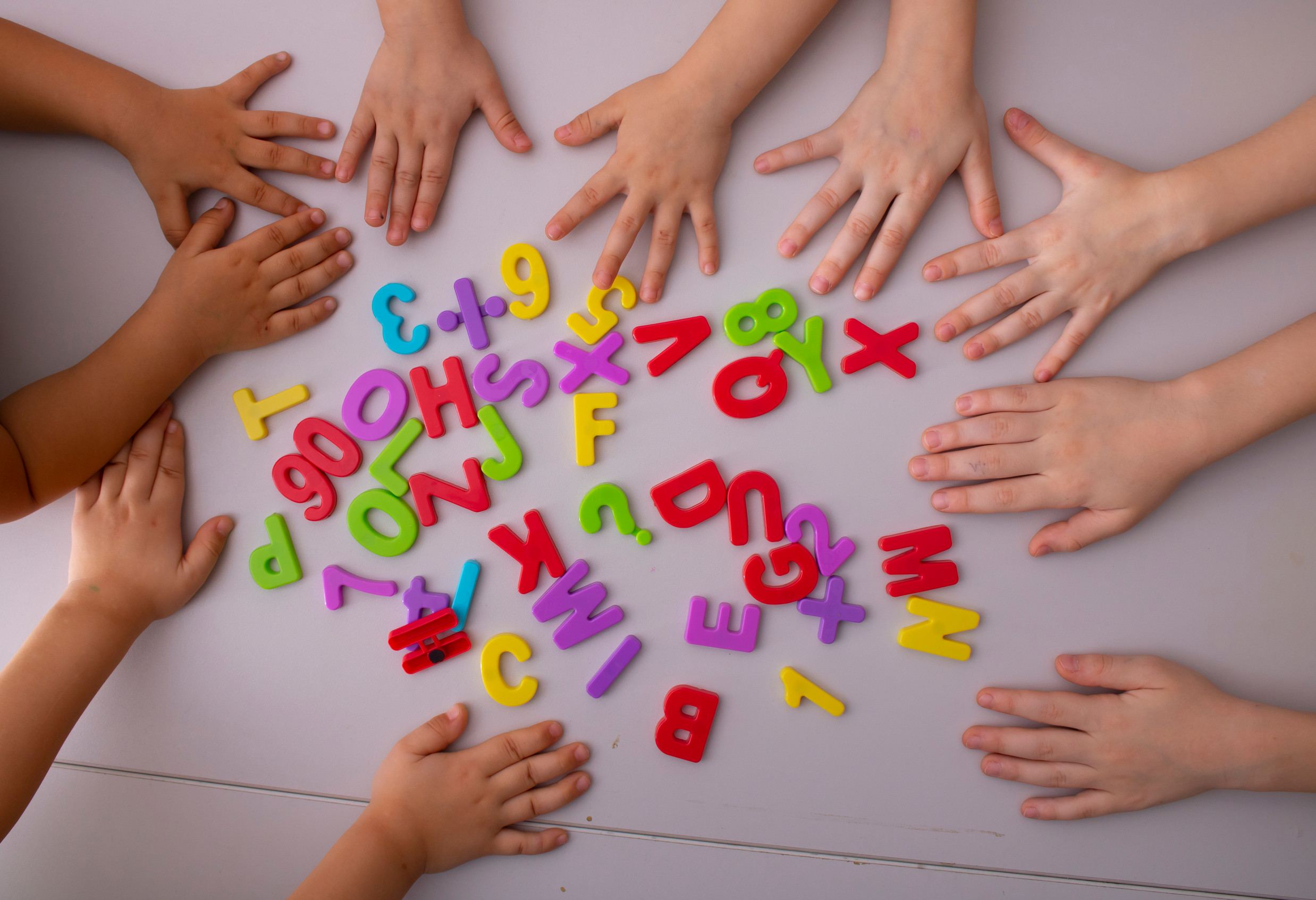
6 Ways to Make Learning Letters Exciting
Image Source: 123rf.com

Teaching your child the alphabet doesn’t have to feel like a chore—for you or for them. With a little imagination and the right approach, learning letters can be a joyful part of everyday play. Young kids thrive when they’re having fun, especially when new skills are introduced through songs, games, and hands-on experiences. Whether your child is just beginning to recognize letters or ready to explore phonics, there are countless ways to make the process engaging. Let’s explore six creative strategies to spark their excitement and build a strong foundation for reading success.

1. Turn Learning Letters into a Game

Kids love games, and turning letter recognition into play is one of the easiest ways to make learning letters fun. You can create a simple letter scavenger hunt around the house using sticky notes or flashcards. Try “alphabet hopscotch” where they jump to the correct letter when you call it out. Even matching uppercase and lowercase pairs can feel like a puzzle challenge when presented as a game. When kids associate letters with movement and excitement, they’re much more likely to stay engaged.

2. Get Messy with Sensory Play

Tactile experiences make learning letters memorable. Fill a tray with shaving cream, sand, or salt and encourage your child to draw letters with their fingers. You can also use playdough to form letter shapes or trace them with a paintbrush dipped in water on a chalkboard. These hands-on activities help children remember letters through touch as well as sight. Plus, the sensory element makes it feel like playtime rather than a formal lesson.

3. Sing, Dance, and Chant the Alphabet

If your child responds to music, use rhythm and movement to make learning letters more exciting. Classic songs like the ABCs are great, but you can also try alphabet rap songs or choreographed letter dances. Have your child act out a different motion for each letter (A for airplane arms, B for bouncing, and so on). This combination of physical movement and audio repetition helps reinforce letter shapes and sounds. Singing and dancing make learning letters a full-body experience that sticks.

4. Use Their Favorite Things to Personalize Practice

When you’re learning letters, the more personal it feels, the more meaningful it becomes. Start by focusing on the letters in your child’s name and other familiar words like “Mom,” “Dad,” or “dog.” You can create custom alphabet books using family photos or draw pictures of their favorite toys next to corresponding letters. Reading and writing about what they love helps motivate your child to keep learning. It shows them that letters aren’t just abstract symbols—they’re tools for expressing things that matter.

5. Read Alphabet Books with Enthusiasm

Alphabet books offer a natural way to reinforce letter knowledge while spending quality time together. Choose books with bold visuals, catchy rhymes, and interactive features like flaps or textures. Make the reading experience fun by pointing out each letter and saying its sound or naming objects that start with it. Some books even come with songs or audio recordings for extra engagement. Repetition through reading is one of the most effective ways to support learning letters without added pressure.

6. Bring Letters into Everyday Life

The alphabet is all around us—on cereal boxes, street signs, clothing, and even grocery lists. Use these real-world moments to point out letters and ask your child to name or find them. Turn errands into learning opportunities by playing “I Spy” with letters or identifying them on menus and packaging. This approach helps kids understand that letters are everywhere and useful in daily life. It also reinforces the idea that learning letters isn’t limited to school time—it’s part of the world they interact with.

Confidence Grows One Letter at a Time

Helping your child fall in love with learning letters sets them up for reading success, but it also builds confidence in their ability to learn. When they master a new letter or recognize one out in the world, it sparks a sense of pride and curiosity. Keep it fun, low-pressure, and consistent. You’re not just teaching them the ABCs—you’re showing them that learning is something to enjoy, not fear. And that mindset can last a lifetime.

What fun strategies have helped your child get excited about learning letters? Share your favorite tips in the comments—we’d love to hear them!

Read More:

5 Secrets of Academically Successful Kids

School Success Starts at Home—Here’s How to Prep Your Kids

Catherine Reed
Catherine Reed

Catherine is a tech-savvy writer who has focused on the personal finance space for more than eight years. She has a Bachelor’s in Information Technology and enjoys showcasing how tech can simplify everyday personal finance tasks like budgeting, spending tracking, and planning for the future. Additionally, she’s explored the ins and outs of the world of side hustles and loves to share what she’s learned along the way. When she’s not working, you can find her relaxing at home in the Pacific Northwest with her two cats or enjoying a cup of coffee at her neighborhood cafe.


Filed Under: Education Tagged With: alphabet games, Early Childhood Education, early literacy, kids learning activities, learning letters, Parenting, preschool activities, reading readiness

12 Magical Books Every Child Should Read

June 12, 2025 | Leave a Comment

12 Magical Books Every Child Should Read
Image Source: 123rf.com

Few things are more enchanting than watching a child fall in love with a story. Books can transport young readers to places where animals talk, spells solve problems, and bravery lives in the hearts of the smallest heroes. Reading isn’t just about words on a page—it’s about unlocking wonder, building empathy, and fueling lifelong curiosity. Whether you’re raising a reluctant reader or a budding bookworm, these magical books every child should read belong on every shelf. From timeless classics to modern favorites, each one offers something unforgettable.

1. Charlotte’s Web by E.B. White

This heartwarming tale of friendship between a pig named Wilbur and a spider named Charlotte has captivated readers for generations. It’s filled with powerful themes of loyalty, kindness, and the beauty of unexpected friendships. The magic isn’t in spells but in words—something Charlotte uses masterfully. This story helps children understand both the joy and sadness that life brings. It’s one of the magical books every child should read for its gentle honesty and emotional depth.

2. Matilda by Roald Dahl

Matilda’s love for books, her telekinetic powers, and her triumph over cruel adults make this story both empowering and fun. Roald Dahl’s quirky humor and rich imagination bring every page to life. Children love cheering for Matilda as she proves that small can still be mighty. This story also encourages kids to see learning and kindness as superpowers. Few magical books every child should read strike the balance between mischief and meaning like this one.

3. The Tale of Despereaux by Kate DiCamillo

Meet Despereaux, a mouse with oversized ears and an even bigger heart. This beautifully written book combines fairy tale elements with deep themes of bravery and forgiveness. It’s a story that respects a child’s intelligence while also stirring their sense of wonder. Kids will fall in love with the rich language and unforgettable characters. It’s one of the most magical books every child should read for both its adventure and tenderness.

4. Where the Wild Things Are by Maurice Sendak

With just a few hundred words, this picture book captures the imagination like few others. Max’s journey into a wild world of monsters is both thrilling and deeply emotional. It’s a celebration of imagination and a reflection on the importance of home. The illustrations pull readers into a dreamscape that feels real. This book is short but absolutely earns its place among the magical books every child should read.

5. Harry Potter and the Sorcerer’s Stone by J.K. Rowling

This is the book that launched a global phenomenon, and for good reason. From Platform 9¾ to Hogwarts Castle, every page is packed with imagination and heart. Harry’s journey introduces young readers to themes of friendship, identity, and courage. It’s an exciting entry point for longer chapter books and epic storytelling. Truly one of the magical books every child should read at least once.

6. The Snowy Day by Ezra Jack Keats

This simple story of a young boy enjoying a snowy day captures childhood joy like nothing else. Its beautiful illustrations and quiet magic offer an inclusive, cozy world. The wonder of freshly fallen snow becomes something extraordinary through Peter’s eyes. It’s a gentle reminder that magic exists in everyday moments. This classic picture book deserves its spot on the list of magical books every child should read.

7. The Lion, the Witch and the Wardrobe by C.S. Lewis

Step through the wardrobe into Narnia, where animals talk, magic rules, and good battles evil. This timeless fantasy is filled with adventure, deep moral questions, and captivating characters. It teaches children about courage, sacrifice, and hope. The world-building is vivid and unforgettable, pulling kids into another realm completely. Few magical books every child should read offer such rich storytelling across generations.

8. The Paper Bag Princess by Robert Munsch

In this hilarious twist on traditional fairy tales, a princess rescues herself—and doesn’t end up with the prince. It’s empowering, funny, and perfect for teaching kids about independence and self-worth. The playful language and bright illustrations make it a favorite for both parents and kids. It flips the script in the best possible way. Every bookshelf needs magical books every child should read that challenge old tropes like this one does.

9. The Phantom Tollbooth by Norton Juster

This clever, pun-filled adventure teaches kids to love words, numbers, and the unexpected joys of learning. Milo’s journey into a whimsical world makes education feel magical. It’s a story that turns boredom into adventure and apathy into curiosity. The wordplay alone makes it worth reading out loud. It’s a standout among magical books every child should read for its brilliance and humor.

10. Goodnight Moon by Margaret Wise Brown

Sometimes magic lives in the rhythm and quiet of bedtime. This gentle book uses repetition and soft illustrations to calm and comfort young readers. It helps build routines and reassures kids that they are safe and loved. The magic here is peaceful and timeless. It’s one of the first magical books every child should read—and many want to hear it again and again.

11. Ella Enchanted by Gail Carson Levine

Ella may be cursed with obedience, but her story is all about finding her voice. This fantasy novel blends fairy tale charm with real emotional stakes. It encourages readers to think critically about choice, freedom, and strength. Full of humor and heart, it’s a modern classic that keeps readers hooked. Add this to your shelf of magical books every child should read for bold female leads and fantastic storytelling.

12. Winnie-the-Pooh by A.A. Milne

Pooh’s quiet adventures in the Hundred Acre Wood are packed with wisdom, wit, and warmth. These stories are gentle but profound, teaching kids about friendship, imagination, and kindness. The characters are timeless and instantly lovable. It’s a book that grows with the child, offering new meanings over time. It’s a cozy must-have among magical books every child should read.

Books That Leave a Little Magic Behind

The best books don’t just entertain—they shape how kids see themselves and the world around them. These magical books every child should read invite wonder, spark curiosity, and plant the seeds of empathy and resilience. Whether it’s their first picture book or their first big chapter book, stories matter. And when they’re filled with magic, their impact lasts forever.

What magical book did your child fall in love with? Share your family’s favorites in the comments—we’re always looking for more to add to the list!

Read More:

Here Are The 5 Best Books for Kids with Wild Imaginations

Top 10 Financial Literacy Books for Kids to Teach Money Skills Early

Catherine Reed
Catherine Reed

Catherine is a tech-savvy writer who has focused on the personal finance space for more than eight years. She has a Bachelor’s in Information Technology and enjoys showcasing how tech can simplify everyday personal finance tasks like budgeting, spending tracking, and planning for the future. Additionally, she’s explored the ins and outs of the world of side hustles and loves to share what she’s learned along the way. When she’s not working, you can find her relaxing at home in the Pacific Northwest with her two cats or enjoying a cup of coffee at her neighborhood cafe.

Filed Under: Books and Reading Tagged With: best books for kids, book list for families, children’s book recommendations, classic children’s literature, empowering books for children, kid-friendly books, magical books every child should read, reading for kids

6 Nursery Themes Perfect for a Baby Boy

June 12, 2025 | Leave a Comment

6 Nursery Themes Perfect for a Baby Boy
Image Source: 123rf.com

Designing a nursery is one of the most exciting parts of preparing for your baby’s arrival. It’s a space where cozy comfort meets creativity—a room that should feel both peaceful and full of personality. Whether you’re drawn to bold colors or soft neutrals, finding nursery themes perfect for a baby boy doesn’t have to mean sticking with blue walls and trains. From timeless classics to modern favorites, these ideas offer a mix of charm and style to help you build a space that’s just right for your little one. Here are six nursery themes perfect for a baby boy that blend whimsy with warmth and are sure to grow with him over time.

1. Woodland Adventure

A woodland theme brings a cozy, storybook feel to your baby boy’s nursery with adorable forest animals, leafy accents, and rustic textures. Think foxes, owls, deer, and bears nestled among tree decals and pinecone patterns. This look can easily be layered with earth tones like forest green, soft brown, and muted gray. Incorporate natural wood furniture, a leafy mobile, or a log-print rug to tie it all together. Woodland motifs are a top pick among nursery themes perfect for a baby boy because they blend sweetness with outdoor adventure.

2. Outer Space Explorer

If you’re dreaming of something that’s a little more out of this world, a space-themed nursery delivers wonder and imagination. Decorate with stars, planets, rockets, and astronaut elements in deep navy, silver, and pops of bright color. Glow-in-the-dark decals or a planet-shaped nightlight can add an extra touch of magic after sunset. Look for galaxy-themed bedding or wall art that sparks curiosity from day one. Among the most exciting nursery themes perfect for a baby boy, this one truly invites your little explorer to dream big.

3. Nautical and Coastal Charm

Sailboats, sea creatures, and shades of blue and white make the nautical theme a long-time favorite for baby boys. This breezy style brings in elements of the ocean, from whale-printed crib sheets to anchor mobiles. Use rope accents, driftwood frames, and lighthouse art for subtle nods to the sea. The classic navy-and-white palette can easily be updated as your child grows. If you love timeless decor, this is one of the most adaptable nursery themes perfect for a baby boy.

4. Farmyard Friends

Farm animals and country vibes make for a warm and playful nursery that feels straight out of a storybook. Decorate with cows, chickens, tractors, and red barns in cheerful tones of red, yellow, and green. You can even include gingham or plaid fabric for a charming farmhouse touch. A barnyard mobile or animal soundbooks can make this space both fun and educational. When it comes to nursery themes perfect for a baby boy, this one adds both heart and humor.

5. Minimalist Monochrome

For parents who prefer a clean, modern aesthetic, a minimalist monochrome nursery might be the perfect fit. Stick with a black, white, and gray color scheme, then add texture through cozy blankets, soft rugs, and wall art with simple shapes or inspirational quotes. High-contrast patterns like stripes and polka dots are great for stimulating a newborn’s developing vision. This look is effortlessly cool and easy to update as your baby grows into a toddler. It’s a sleek, stylish take on nursery themes perfect for a baby boy that proves less really can be more.

6. Safari Adventure

Bring the wild into your nursery with a safari-inspired theme filled with elephants, giraffes, lions, and zebras. Use sandy tones, leafy greens, and pops of animal print to create a playful yet relaxing environment. Wall murals, plush animal toys, and jungle-themed mobiles add extra layers of excitement. Pair this theme with natural textures like rattan, bamboo, or jute to complete the look. As one of the most versatile nursery themes perfect for a baby boy, safari decor is both fun and easy to personalize.

A Room Where His Story Begins

Creating a nursery is about more than just decorating—it’s about building a nurturing space where memories begin. These nursery themes perfect for a baby boy offer inspiration for all styles, from cozy and traditional to bold and modern. Whether your goal is a calming retreat or a room full of imagination, choosing a theme you love will make the space feel even more special. Your baby’s nursery will grow and evolve with him, but the love you put into it now will always be the foundation.

Which nursery theme speaks to your style? Share your favorite ideas or what you chose for your baby boy’s space in the comments!

Read More:

Organized Life: 13 Items to Get Rid of for a Tidy Home

How to Create a Child-Friendly Home Design During Your Rmodel

Catherine Reed
Catherine Reed

Catherine is a tech-savvy writer who has focused on the personal finance space for more than eight years. She has a Bachelor’s in Information Technology and enjoys showcasing how tech can simplify everyday personal finance tasks like budgeting, spending tracking, and planning for the future. Additionally, she’s explored the ins and outs of the world of side hustles and loves to share what she’s learned along the way. When she’s not working, you can find her relaxing at home in the Pacific Northwest with her two cats or enjoying a cup of coffee at her neighborhood cafe.

Filed Under: Home and Living Tagged With: baby boy nursery ideas, baby boy room design, baby room themes, decorating baby nursery, nursery decor, nursery inspiration, nursery themes perfect for a baby boy

10 Things Everyone Forgets to Childproof

June 12, 2025 | Leave a Comment

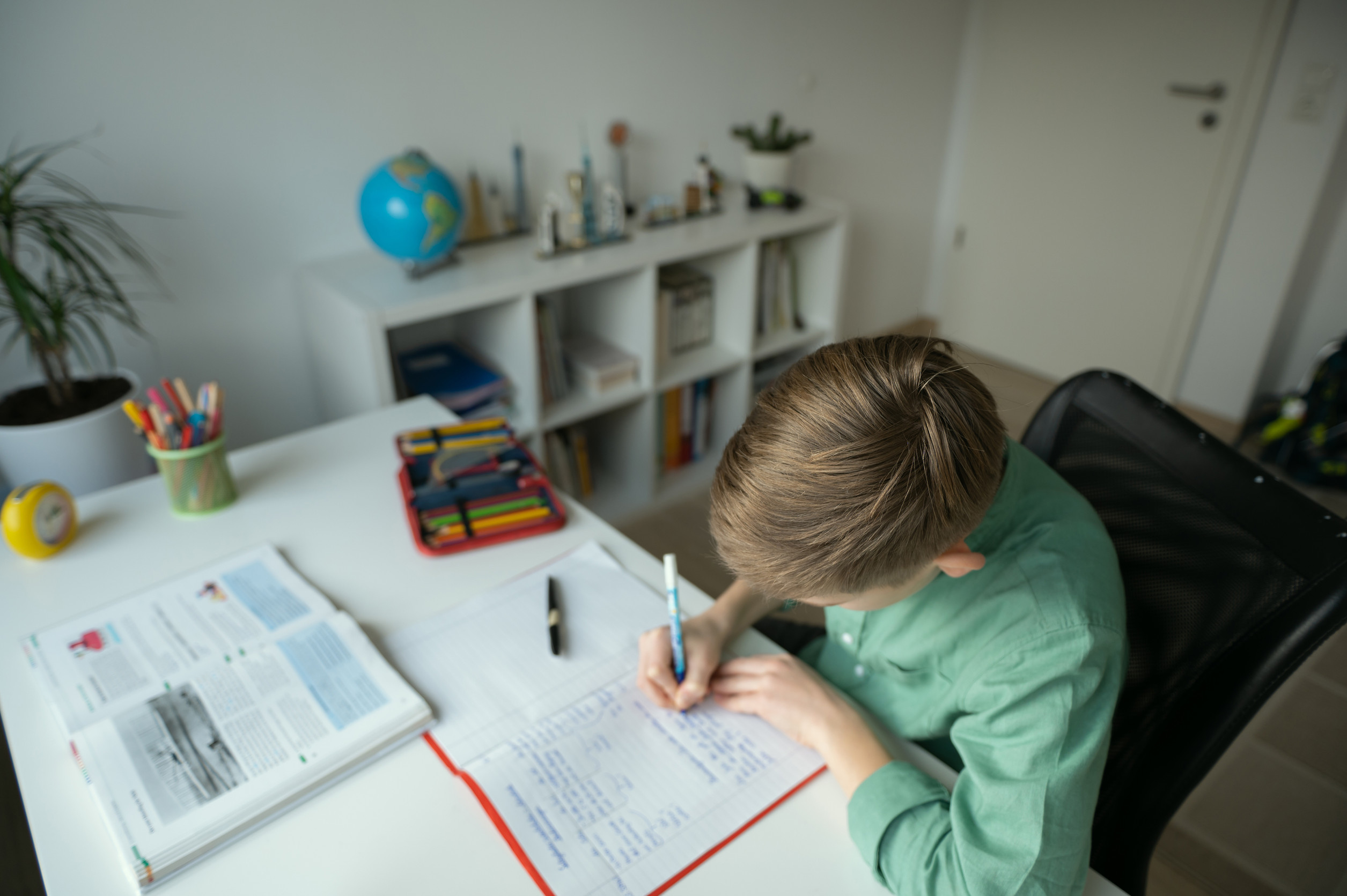
10 Things Everyone Forgets to Childproof
123rf

You’ve installed cabinet locks, padded the coffee table, and covered every outlet in sight—but are you truly done babyproofing? The reality is, even the most thorough parents often miss a few sneaky dangers hiding in plain sight. Curious kids are experts at finding the one thing you didn’t think about, and when it comes to safety, the smallest oversight can lead to big trouble. Knowing the things everyone forgets to childproof can make your home a lot safer without a major overhaul. Let’s take a look at ten commonly overlooked hazards that deserve a spot on your safety checklist.

1. The Dishwasher

Most parents secure kitchen cabinets but often forget the dishwasher. This appliance is full of sharp utensils, breakable dishes, and leftover food residue that toddlers love to explore. If your little one pulls down the door or climbs on it, it could tip forward or cause injury. Use a latch or lock to prevent access and always load knives with blades facing down. The dishwasher is one of those everyday things everyone forgets to childproof—but it definitely shouldn’t be.

2. Toilet Paper and Tissue Boxes

It seems harmless, right? But give a toddler 30 seconds alone with a roll of toilet paper or a tissue box, and you’ll have a shredded mess—or worse, a choking hazard. Some children even try to eat the paper or stuff it into the toilet. Keep toilet paper out of reach or use a covered dispenser to slow them down. These soft paper products are among the silly but serious things everyone forgets to childproof.

3. Floor Vents and Registers

Many homes have loose or removable floor vents that curious fingers can easily pop open. Kids love dropping toys—or snacks—into them, and sharp metal edges can cause cuts. Worse, an open vent might become a place they try to explore. Make sure vents are screwed down or replaced with child-safe covers. It’s one of those hidden-in-plain-sight things everyone forgets to childproof until it’s too late.

4. Remote Controls and Game Controllers

They may not look dangerous, but remotes and controllers often contain small batteries that are extremely hazardous if swallowed. Many battery compartments are easy for little hands to open. Always choose devices with screwed-in battery covers and keep them out of reach when not in use. It’s easy to overlook these household staples, making them one of the top things everyone forgets to childproof.

5. Window Blinds and Curtain Cords

Cords dangling from blinds and curtains pose a serious strangulation risk. Kids may be tempted to tug, twist, or even wrap them around their necks while playing. Install cordless window treatments or use cord wind-ups and cleats to secure loose ends. These decorative details are often overlooked, but they’re one of the most dangerous things everyone forgets to childproof in living rooms and bedrooms.

6. Purses, Diaper Bags, and Backpacks

Bags often hold medications, makeup, coins, or other choking hazards that are never meant for little hands. Whether it’s your own bag or one brought by a guest, it should never be left on the floor or a low surface. Designate a high shelf or hook for all bags as part of your everyday childproofing routine. Portable hazards like these are definitely among the top things everyone forgets to childproof.

7. Pet Food and Water Bowls

To a crawling baby or toddler, a bowl of kibble looks like snack time and a water dish seems like a splash zone. Unfortunately, both can be choking or slipping hazards. Feed pets during child-free times or in an area blocked off with a baby gate. Even the family pet’s corner includes things everyone forgets to childproof, so don’t leave it out of your safety plan.

8. Refrigerator and Freezer Doors

Some kids figure out how to open the fridge long before parents are ready. They may help themselves to food, find glass containers, or even get trapped inside while playing hide-and-seek. Use an appliance lock to keep them out, especially if your model has a bottom freezer. The refrigerator is an everyday item that makes the list of things everyone forgets to childproof until mischief strikes.

9. Dresser Drawers

Drawers can be pulled out and used as ladders, making furniture toppling a real concern. Kids may also trap fingers or get into items like scissors or medicine stored in upper drawers. Use anti-tip brackets for heavy furniture and childproof locks to keep drawers closed. These common storage spots are high on the list of things everyone forgets to childproof but pose serious risks.

10. Bathroom Trash Cans

What’s inside a bathroom trash can? Usually a mix of tissues, razors, cotton swabs, and empty product containers—none of which belong in a child’s hands. Keep bathroom trash out of reach or invest in one with a locking lid. It’s not just unsanitary, it’s unsafe, making it one of the gross-but-overlooked things everyone forgets to childproof.

The Overlooked Details Make a Big Difference

Even the most careful parents can miss a few unexpected hazards, and that’s okay—it’s part of learning as you go. The key is to think like a toddler: What can I reach, pull, eat, or climb? By staying one step ahead and checking for the things everyone forgets to childproof, you can create a safer space that lets your child explore with fewer risks. Sometimes the smallest tweaks make the biggest difference in keeping your little one safe.

What’s one thing you forgot to childproof that totally surprised you? Share your story in the comments to help other parents stay ahead!

Read More:

7 Ways to Teach Kids to Trust Their Instincts About Safety

Playground Safety: How to Ensure Kids Stay Injury-Free

Catherine Reed
Catherine Reed

Catherine is a tech-savvy writer who has focused on the personal finance space for more than eight years. She has a Bachelor’s in Information Technology and enjoys showcasing how tech can simplify everyday personal finance tasks like budgeting, spending tracking, and planning for the future. Additionally, she’s explored the ins and outs of the world of side hustles and loves to share what she’s learned along the way. When she’s not working, you can find her relaxing at home in the Pacific Northwest with her two cats or enjoying a cup of coffee at her neighborhood cafe.
Filed Under: Safety Tagged With: baby safety essentials, babyproofing tips, child safety at home, home safety checklist, overlooked childproofing, parenting advice, things everyone forgets to childproof, toddler hazards

10 Foods That Spoil Faster Than You Think in Summer

June 11, 2025 | Leave a Comment

10 Foods That Spoil Faster Than You Think in Summer

Summer heat is perfect for beach days and backyard BBQs, but it can be brutal on your groceries. When temperatures rise, many everyday staples turn bad a lot faster than expected—even ones you might think are safe. Spoiled food doesn’t just waste money; it can also cause serious tummy trouble, especially for kids. Knowing which foods are at risk during warm months can help you shop smarter, store better, and keep your family safe. Let’s take a look at ten common foods that spoil faster than you think in summer.

1. Eggs

Eggs might seem like fridge staples that last forever, but summer heat can speed up spoilage if they’re not stored properly. When the temperature fluctuates or they’re left out too long, the risk of bacteria like salmonella increases. Even at farmers markets or roadside stands, eggs should be refrigerated immediately. In summer, it’s especially important to check the sell-by date and keep them cold during transport. Eggs are one of those foods that spoil faster than you think in summer if you’re not careful.

2. Berries

Strawberries, blueberries, raspberries—they’re delicious, but also incredibly delicate. The moisture and heat of summer make them a perfect breeding ground for mold. Even a single squished or bruised berry in the bunch can ruin the whole container within a day or two. To make them last longer, rinse only right before eating and store them in a breathable container. These sweet little treats are some of the most perishable foods that spoil faster than you think in summer.

3. Deli Meats

Sliced turkey, ham, or roast beef might seem safe for quick lunches, but they’re highly perishable in hot weather. Once opened or left out, bacteria grow fast, especially if your fridge isn’t running at peak performance. Pack deli meats in a cooler with ice packs if you’re bringing them on a picnic or road trip. Don’t leave sandwiches out for more than two hours—or one hour if it’s over 90°F. Deli meats are sneaky foods that spoil faster than you think in summer, even inside a lunchbox.

4. Dairy Products

Milk, yogurt, sour cream, and cheese can turn sour in no time during summer. Even a short trip from the store to home without a cooler bag can affect freshness. Signs of spoilage might not show right away, so keeping dairy consistently cold is key. Be sure to tightly seal containers after each use to prevent odors and bacteria from creeping in. All dairy is vulnerable, making it one of the top categories of foods that spoil faster than you think in summer.

5. Avocados

Avocados are already picky about timing, but heat makes the ripening process go into overdrive. You can go from “too hard” to “too mushy” within 24 hours on a summer countertop. To extend their life, keep them in the fridge once they’re ripe or use part and save the rest in a sealed container with lemon juice. If you’re packing guacamole for a get-together, keep it on ice or serve it in small batches. These are definitely foods that spoil faster than you think in summer—and they’re not cheap to waste.

6. Cooked Rice

Surprisingly, leftover rice can be a food safety risk, especially in summer. If it’s not cooled and refrigerated promptly, it can develop bacteria like Bacillus cereus, which causes food poisoning. Make sure rice is stored in shallow containers and placed in the fridge within an hour of cooking. Reheat thoroughly before serving again. It may seem harmless, but cooked rice joins the list of foods that spoil faster than you think in summer.

7. Mayonnaise-Based Salads

Potato salad, coleslaw, and tuna salad are summer picnic favorites—but also high-risk if left out too long. Mayonnaise combined with warm temps is a classic recipe for bacteria growth. Always use a cooler or ice bath when serving outdoors and toss anything that’s been sitting out too long. Even homemade dressings with mayo should be refrigerated right away. These are clear-cut foods that spoil faster than you think in summer and can quickly lead to foodborne illness.

8. Bread

While bread isn’t likely to make you sick, it does go bad faster in summer thanks to mold growth. The warm, humid environment creates ideal conditions for spores to thrive. To slow things down, store bread in a cool, dry place or freeze half the loaf if you won’t use it quickly. Watch for green or fuzzy patches, especially around the corners. Bread might seem low-risk, but it’s one of the surprising foods that spoil faster than you think in summer.

9. Fresh Herbs

Herbs like cilantro, basil, and parsley wilt fast in warm kitchens, especially if stored near the stove or in a sunny spot. Without the right storage, they lose their flavor and texture quickly. Wrap them in a damp paper towel and store them in a sealed bag in the fridge. Or place stems in a jar of water like a bouquet to keep them fresh longer. These tiny flavor boosters are delicate foods that spoil faster than you think in summer.

10. Leftovers from the Grill

Grilled meats and veggies are summer favorites, but they must be cooled and stored properly to avoid spoilage. That plate of burgers or hot dogs left on the patio table can turn dangerous within a couple of hours. Transfer leftovers to clean containers and refrigerate them promptly after serving. Don’t rely on the evening breeze to keep things cool. Grilled leftovers top the list of foods that spoil faster than you think in summer if you’re not paying attention.

Summer Heat Requires Smarter Storage

When it comes to summer food safety, small changes in routine can make a big difference. Planning ahead, using coolers, and storing groceries properly helps keep your family safe and reduces costly waste. With temperatures rising, it’s smart to treat more foods as fragile—even the ones that seem tough. Knowing which foods that spoil faster than you think in summer can help you enjoy all the season’s flavors without the risks.

Have you ever been surprised by how fast something spoiled in the summer heat? Share your experience in the comments and help others stay one step ahead!

Read More:

6 Food Items That We Think Are Healthy but Are Bad for Our Children

Snack Attack: Healthy Toddler Foods for Grazing Kids

Catherine Reed
Catherine Reed

Catherine is a tech-savvy writer who has focused on the personal finance space for more than eight years. She has a Bachelor’s in Information Technology and enjoys showcasing how tech can simplify everyday personal finance tasks like budgeting, spending tracking, and planning for the future. Additionally, she’s explored the ins and outs of the world of side hustles and loves to share what she’s learned along the way. When she’s not working, you can find her relaxing at home in the Pacific Northwest with her two cats or enjoying a cup of coffee at her neighborhood cafe.

Filed Under: Healthy Living & Eating Tagged With: family health tips, food waste prevention, foods that spoil faster than you think in summer, kitchen safety, perishable foods, summer food safety, summer grocery tips, warm weather food storage

The Homework Battle: End It Tonight with These Tips

June 10, 2025 | Leave a Comment

If homework time at your house looks more like a battlefield than a calm learning moment, you’re far from alone. Many parents dread the nightly routine of nagging, bribing, and watching the clock tick down while frustration builds. But the good news is that the homework battle doesn’t have to be a nightly fight. With a few key shifts in mindset and strategy, you can help your child become more independent—and turn that stress-filled hour into a more peaceful, productive part of your day. Here are simple, effective ways to end the homework battle starting tonight.

1. Create a Designated Homework Zone

Kids are more likely to focus when they know exactly where homework is expected to happen. A consistent, distraction-free space helps set the mental tone for learning. It doesn’t need to be fancy—just a well-lit area with the essentials: pencils, paper, and quiet. Avoid doing homework in front of the TV or in bed, as those spaces are associated with play and rest. One of the fastest ways to win the homework battle is by designing an environment that encourages focus.

2. Set a Predictable Homework Routine

Just like bedtime or mealtime, a consistent routine helps reduce resistance and decision fatigue. Whether it’s right after school or after a snack and some outdoor play, pick a time and stick to it. Predictability makes the task less negotiable and reduces the back-and-forth that often leads to stress. Over time, your child’s brain will associate that time of day with homework, making transitions smoother. A set routine transforms the homework battle into just another part of the day.

3. Break Assignments Into Smaller Tasks

Homework can feel overwhelming, especially for younger kids or those who struggle with attention. Help them break down large assignments into bite-sized steps: instead of “write a report,” try “brainstorm ideas,” “write one paragraph,” or “edit the first draft.” Use a timer or checklist so your child can see progress, which helps build momentum and confidence. Smaller tasks are easier to start—and finishing even one feels like a win. This simple adjustment can defuse the tension that fuels the homework battle.

4. Offer Encouragement, Not Control

Hovering, correcting every mistake, or taking over assignments often backfires. Kids either become dependent on your help or resentful of your interference. Instead, sit nearby to offer support without micromanaging. Say things like, “You’re working really hard on this” or “I love how focused you are right now.” Encouragement builds independence, which is essential for long-term success and a peaceful homework routine. Letting go of control is a powerful move in ending the homework battle.

5. Build in Breaks and Movement

Brains need breaks—especially young ones. If homework stretches longer than 20–30 minutes, let your child take a short movement break. A few jumping jacks, a quick stretch, or a walk to get a drink can help reset focus. It’s not slacking off—it’s improving productivity and preventing meltdowns. A well-timed break often prevents the kind of burnout that fuels the homework battle.

6. Use Natural Consequences for Missing Work

Instead of threats or constant reminders, allow natural consequences to do the teaching when appropriate. If a child chooses not to complete homework, a low grade or a talk with the teacher might be the motivator they need. While it can be hard to watch them struggle, it’s a powerful way to build accountability. You’re still supportive, but you’re no longer the homework enforcer. Sometimes stepping back is the smartest way to win the homework battle.

7. Celebrate Effort Over Perfection

Kids need to know that trying hard matters more than getting everything right. Praise persistence, focus, and problem-solving rather than only high scores. This mindset reduces pressure and fear of failure, which often leads to resistance. When kids feel safe to try without judgment, their willingness to engage increases. Shifting the focus to effort is a game-changer in diffusing the homework battle.

Peace at the Table, Not a War Zone

The homework battle doesn’t have to be your nightly routine. With a few practical changes—like a set space, structured timing, and emotional support—you can bring calm and cooperation back to your evenings. Remember, the goal isn’t perfect work or straight A’s. It’s helping your child develop the skills and confidence to learn independently. End the struggle tonight by leading with consistency, encouragement, and trust.

What’s worked best in your home to make homework time less stressful? Share your top homework tips in the comments below!

Read More:

School Success Starts at Home—Here’s How to Prep Your Kids

10 School Mistakes That Follow Kids for Years

Catherine Reed
Catherine Reed

Catherine is a tech-savvy writer who has focused on the personal finance space for more than eight years. She has a Bachelor’s in Information Technology and enjoys showcasing how tech can simplify everyday personal finance tasks like budgeting, spending tracking, and planning for the future. Additionally, she’s explored the ins and outs of the world of side hustles and loves to share what she’s learned along the way. When she’s not working, you can find her relaxing at home in the Pacific Northwest with her two cats or enjoying a cup of coffee at her neighborhood cafe.

Filed Under: Education Tagged With: after-school routine, child study habits, homework tips for parents, kids and schoolwork, parenting strategies, reducing stress at homework time, study time tips, the homework battle

These 5 Dog Breeds Are Famous for Their Patience With Toddlers

June 8, 2025 | Leave a Comment

These 5 Dog Breeds Are Famous for Their Patience With Toddlers

Bringing a dog into a home with toddlers can be a heartwarming decision—or a chaotic one if the wrong breed is chosen. Toddlers are unpredictable, noisy, and not exactly gentle, which means a good family dog needs to be calm, tolerant, and steady. Fortunately, there are certain dog breeds famous for their patience with toddlers. These breeds tend to be gentle giants (or sweet-natured companions) that are hard to rattle, even when a toddler is trying to ride them like a pony or offer them half a soggy cracker. If you’re searching for a loyal family companion who won’t flinch at flying sippy cups, this list is a great place to start.

1. Golden Retriever: The Classic Kid-Friendly Companion

Golden Retrievers are consistently ranked among the top dog breeds, famous for their patience with toddlers—and for good reason. They’re friendly, adaptable, and rarely show signs of aggression, even when a child is tugging at their ears. Goldens love to be part of a family and will often form close bonds with little ones, becoming both playmate and protector. Their intelligence also means they can be trained quickly to follow household rules and understand boundaries. If your toddler is learning to be gentle, the Golden is a great breed to gently guide that journey.

2. Labrador Retriever: Playful, Loyal, and Tolerant

Labrador Retrievers are another staple when it comes to dog breeds famous for their patience with toddlers. Labs are full of energy and affection, making them a great match for curious, active kids. They’re known to be gentle giants who don’t mind a bit of roughhousing, as long as it comes with snuggles and treats afterward. Labs are also highly trainable, which means they can learn how to behave around toddlers quickly. Their friendly disposition and eager-to-please attitude make them ideal for busy households with growing children.

3. Cavalier King Charles Spaniel: A Gentle Lap Dog with a Big Heart

For families looking for a smaller dog, the Cavalier King Charles Spaniel is one of the top small dog breeds, famous for their patience with toddlers. These affectionate pups are people-focused and love being near their humans, whether that means cuddling on the couch or following a toddler from room to room. They’re gentle and rarely show signs of aggression, even when a toddler’s attention gets a little overwhelming. Their manageable size also makes them less intimidating for young children. If your child wants a four-legged best friend who’s always nearby, this sweet-natured spaniel is a great match.

4. Bernese Mountain Dog: Big, Fluffy, and Incredibly Patient

Despite their massive size, Bernese Mountain Dogs are known for being surprisingly gentle, especially with children. These gentle giants are one of the most underrated dog breeds, famous for their patience with toddlers. They move slowly, tolerate clumsy toddler hugs, and enjoy being part of a pack, especially one with kids. Their calm nature makes them perfect for families that don’t want a hyperactive dog but still want one that enjoys company. Berners are also fiercely loyal and often develop protective instincts around the youngest members of the household.

5. Basset Hound: Low to the Ground, High on Patience

The Basset Hound may not be the first breed that comes to mind, but it’s surprisingly one of the dog breeds famous for their patience with toddlers. Their laid-back personality, low energy, and non-confrontational nature make them excellent companions for little kids who want a snuggly, mellow pet. While they aren’t as eager to play fetch as a Labrador or Golden, their tolerance and sweet demeanor shine in a household with small children. Bassets also tend to “go with the flow,” making them great dogs for chaotic toddler households.

What Matters Most: Temperament Over Trend

Choosing the right dog for a toddler-filled home isn’t just about cuteness or popularity. It’s about temperament, patience, and adaptability. These dog breeds are famous for their patience with toddlers and offer not just companionship but a lesson in calm, unconditional love. Whether your home is loud and lively or slow and steady, the right dog can bring a sense of joy, stability, and warmth that kids will remember for life.

Do you have a dog that’s been a perfect match for your toddler? Which breeds would you recommend to other parents? Share your stories in the comments!

Read More:

7 Breeds That Will Protect Your Family Without Being Asked

7 Dog Breeds That No One Should Own If They Have Infants at Home

Catherine Reed
Catherine Reed

Catherine is a tech-savvy writer who has focused on the personal finance space for more than eight years. She has a Bachelor’s in Information Technology and enjoys showcasing how tech can simplify everyday personal finance tasks like budgeting, spending tracking, and planning for the future. Additionally, she’s explored the ins and outs of the world of side hustles and loves to share what she’s learned along the way. When she’s not working, you can find her relaxing at home in the Pacific Northwest with her two cats or enjoying a cup of coffee at her neighborhood cafe.

Filed Under: Pets Tagged With: dog breeds famous for their patience with toddlers, family dogs, gentle dogs for children, kid-friendly dogs, parenting tips, raising kids with pets, toddler-safe pets

5 Dangerous Games That Kids Are Playing When No Adults Are Around

June 7, 2025 | Leave a Comment

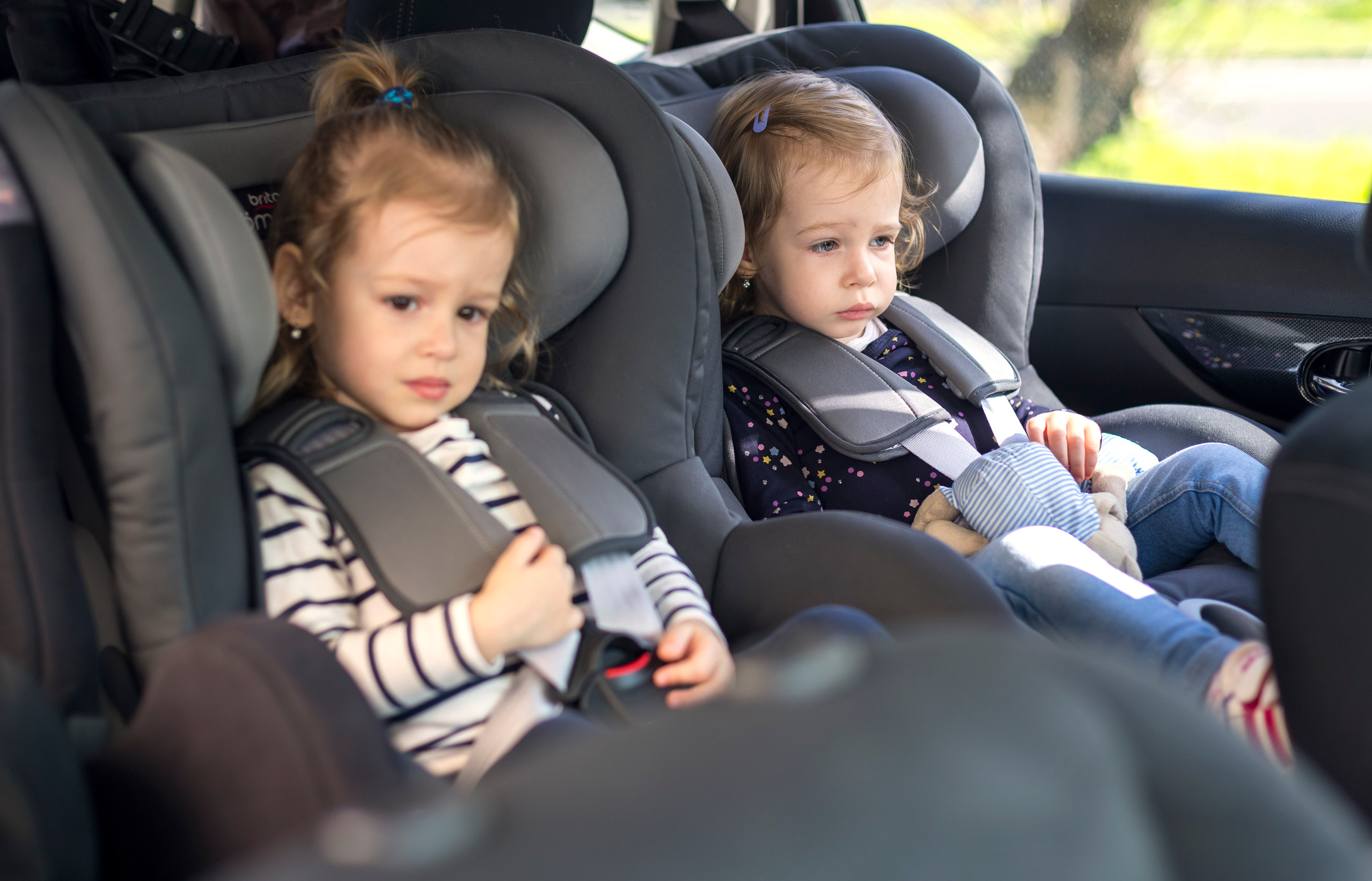
5 Dangerous Games That Kids Are Playing When No Adults Are Around

Kids are naturally curious, adventurous, and sometimes wildly unaware of risk. That mix can lead to serious danger when peer pressure and internet trends collide, especially when no adults are watching. From social media-inspired dares to seemingly innocent games that can turn hazardous fast, parents are often shocked by what children will try behind closed doors or on the playground. The scary part? Many of these activities fly under the radar until someone gets hurt. Here are five dangerous games that kids are playing when no adults are around, and what parents need to know now.

1. The Choking Game

One of the most alarming and dangerous games that kids are playing is known as the choking game, also called “pass-out” or “space monkey.” The idea is to restrict oxygen to the brain by pressing on the neck or holding the breath until a temporary high is achieved. What many kids don’t realize is that this can cause serious brain damage, seizures, or even death. It often spreads through word-of-mouth or viral videos, making it hard for parents to detect unless their child talks about it. If your child has unexplained bruises around the neck or talks about “getting dizzy on purpose,” it’s time for a serious conversation.

2. The Salt and Ice Challenge

This challenge sounds innocent, but it can result in serious injuries. Kids place salt on their skin and then press an ice cube against it, creating an intense burning sensation that can cause second-degree burns or permanent scarring. The goal is to see who can withstand the pain the longest—a recipe for bad decisions and worse outcomes. Like many dangerous games that kids are playing, this one gets shared for laughs online, without showing the long-term damage it causes. If your child has odd burns or blisters and shrugs it off, this could be the culprit.

3. The Pencil Game (a.k.a. Charlie Charlie Challenge)

It may look like a harmless “spirit summoning” game, but the Charlie Charlie Challenge has frightened many kids into a state of panic. Using two pencils and a sheet of paper, kids ask questions and wait for the top pencil to move, supposedly guided by a ghost named Charlie. While it seems silly, the fear and anxiety that come from believing in summoned spirits are real. Some kids become obsessed with the game or genuinely terrified afterward. It’s one of those dangerous games that kids are playing that affects mental well-being more than physical safety, but the impact is still serious.

4. The Eraser Challenge

In this game, kids rub an eraser aggressively on their skin—often on the arms or hands—while reciting a phrase or alphabet challenge. The friction causes painful burns, scabs, and in some cases, infections. Usually, groups participate in the challenge to see who can handle the most pain without quitting. The danger lies not only in the physical injury but also in the encouragement of self-harm as a form of entertainment. The eraser challenge is among the more widespread dangerous games that kids are playing, especially in upper elementary and middle school settings.

5. Rooftopping or High-Risk Climbing

Fueled by social media and the thrill of risk, some kids and teens climb onto school rooftops, water towers, construction sites, or other high places to film stunts or selfies. These risky climbs may not seem like games in the traditional sense, but they fall squarely under dangerous games that kids are playing, often with tragic outcomes. Falls, serious injuries, and even fatalities have occurred from kids attempting these feats for online clout. If your child’s social media includes rooftop photos or they talk about “urban exploring,” it’s time to check in.

Awareness Is Protection, Not Paranoia

While it’s impossible to monitor your child every minute, staying informed about the dangerous games that kids are playing helps you spot red flags before something serious happens. Open conversations, trust-building, and regular check-ins about peer pressure and online trends can go a long way in keeping kids safe. Encourage your child to talk about what their friends are doing, and don’t dismiss even the silliest-sounding “game” without investigating. When kids know you’re paying attention and will listen without judgment, they’re more likely to come to you before things get risky.

Have you heard of any dangerous games that surprised you? What do you do to stay in the loop about what your kids are trying? Share your stories and tips in the comments!

Read More:

6 Seemingly Safe Places That Could Actually Be Dangerous for Kids

7 Summer Activities That Are Surprisingly Dangerous for Kids

Catherine Reed
Catherine Reed

Catherine is a tech-savvy writer who has focused on the personal finance space for more than eight years. She has a Bachelor’s in Information Technology and enjoys showcasing how tech can simplify everyday personal finance tasks like budgeting, spending tracking, and planning for the future. Additionally, she’s explored the ins and outs of the world of side hustles and loves to share what she’s learned along the way. When she’s not working, you can find her relaxing at home in the Pacific Northwest with her two cats or enjoying a cup of coffee at her neighborhood cafe.
Filed Under: Safety Tagged With: child health, child safety tips, dangerous games that kids are playing, online trends, parenting awareness, parenting safety, Peer pressure, risky behavior in kids

7 Extracurricular Activities That Could Give Your Child Lifelong Medical Problems

June 5, 2025 | Leave a Comment

7 Extracurricular Activities That Could Give Your Child Lifelong Medical Problems

Extracurricular activities can be an amazing part of childhood—building confidence, teaching discipline, and keeping kids engaged. But not every after-school hobby is harmless. Some extracurricular activities that could give your child lifelong medical problems come with hidden physical tolls that may not show up until years later. From overuse injuries to chronic pain, the risks are real when intense training or repetitive motions go unchecked. Before you sign another permission slip, take a closer look at these seven activities that could leave a lasting mark on your child’s health.

1. Gymnastics

Gymnastics often looks graceful and effortless, but it places extreme stress on growing bones and joints. Children in competitive programs may train for hours daily, performing flips, landings, and stretches that push the limits of flexibility and strength. Common injuries include wrist fractures, spinal issues, and long-term joint instability. The repetitive impact and pressure can contribute to lifelong back pain and early arthritis. If your child loves gymnastics, be sure to work with coaches who emphasize safety, rest, and proper form.

2. Football

It’s no secret that football is one of the riskiest extracurricular activities that could give your child lifelong medical problems. The physical contact, especially repeated head impacts, raises serious concerns about concussions and chronic traumatic encephalopathy (CTE). Even kids in peewee leagues can experience long-term brain or joint damage if injuries are downplayed or poorly managed. Knees and shoulders also take a beating in this sport, sometimes requiring surgery before high school is even over. Proper protective gear, medical supervision, and honest conversations about injury history are essential.

3. Cheerleading

What many people still consider a “sideline sport” is actually one of the most dangerous youth activities in terms of injury rate. From stunts and tumbling to pyramids and jumps, cheerleading often demands high-risk movements with little margin for error. Falls from lifts or failed landings can result in fractures, concussions, and spinal trauma. Over time, repetitive joint strain can cause chronic pain or instability, particularly in wrists and knees. If your child is in cheer, advocate for certified coaches and well-padded practice spaces.

4. Dance

Ballet and other dance disciplines may not involve helmets or tackling, but they come with their own serious risks. Constant strain on the feet, hips, and lower back can lead to tendonitis, stress fractures, and joint issues that linger well into adulthood. Young dancers are especially vulnerable to developing chronic injuries when they’re pushed to “work through the pain.” It’s one of the more silent extracurricular activities that could give your child lifelong medical problems. Supporting your child’s passion means also encouraging breaks, cross-training, and healthy boundaries with competition.

5. Baseball and Softball

Pitching and batting require complex, repetitive motions that put specific parts of the body under immense strain. Shoulder and elbow injuries—especially in pitchers—can develop in children as young as 8 or 9 and become lifelong limitations. Little League elbow, rotator cuff tears, and ulnar collateral ligament (UCL) damage are all linked to excessive pitching without proper rest. Even fielders and batters can suffer from knee and hip problems due to repetitive movement. Avoiding year-round play and following pitch count guidelines can help protect growing bodies.

6. Wrestling

While wrestling promotes strength and endurance, it also puts kids in vulnerable positions where injury is common. Intense grappling and takedowns can lead to dislocations, neck strains, and long-term joint issues—especially in the shoulders, spine, and knees. One wrong move or awkward fall can have serious consequences, from nerve damage to broken bones. Wrestlers also face pressure to cut weight rapidly, which can lead to dehydration, organ strain, and disordered eating patterns. Education, conditioning, and weight monitoring must be prioritized to protect young athletes.

7. Tennis

It may seem like a low-contact sport, but tennis has a high rate of overuse injuries, especially in youth players who start early and train heavily. Repetitive swinging motions put constant stress on the elbows, shoulders, and wrists, often resulting in conditions like tennis elbow and rotator cuff tears. The stop-and-go motion also strains the knees and ankles. Many kids push through pain until it becomes chronic. Alternating training with rest days and building overall strength can help prevent long-term damage.

Protecting Their Passion Without Sacrificing Their Health

It’s not about scaring parents away from sports or dance—many of these activities offer huge physical and emotional benefits. But knowing which extracurricular activities could give your child lifelong medical problems helps you ask better questions, choose safer programs, and advocate for your child’s long-term health. Encourage rest, listen to pain complaints, and focus on technique and safety over medals and trophies. Their future body will thank you.

Have you ever been surprised by an injury linked to your child’s favorite activity? How are you balancing passion and protection? Share your story in the comments below.

Read More:

Why Your Kid’s Extracurriculars Are Wrecking Your Finances

Teaching Your Son to Play Safely—Or Say No to Tackle Sports

Catherine Reed
Catherine Reed

Catherine is a tech-savvy writer who has focused on the personal finance space for more than eight years. She has a Bachelor’s in Information Technology and enjoys showcasing how tech can simplify everyday personal finance tasks like budgeting, spending tracking, and planning for the future. Additionally, she’s explored the ins and outs of the world of side hustles and loves to share what she’s learned along the way. When she’s not working, you can find her relaxing at home in the Pacific Northwest with her two cats or enjoying a cup of coffee at her neighborhood cafe.

Filed Under: Safety Tagged With: child health awareness, child safety, extracurricular activities, gymnastics injury, medical risks in kids, parenting tips, sports injuries, youth athletics

5 Popular Car Seat Features Could Actually Be Putting Your Child in Danger

June 5, 2025 | Leave a Comment

5 Popular Car Seat Features Could Actually Be Putting Your Child in Danger

When choosing a car seat, most parents focus on features that promise added comfort, convenience, or advanced technology. It’s easy to assume that the more a seat offers, the safer it must be. But not all features are as beneficial as they seem—in fact, some of the most popular car seat features could actually increase the risk to your child in a crash or lead to dangerous misuse. As safety standards evolve, it’s more important than ever to look past the marketing and focus on what really protects your child. Here are five widely used features that may do more harm than good if you’re not careful.

1. Extra Padding and Plush Inserts

Many car seats are sold with thick, cushioned inserts that look luxurious and promise comfort. While a soft ride may feel like a plus, excessive padding (including plush inserts or even winter jackets) can alter how snugly a harness fits, making it less effective in a crash. These plush accessories often aren’t crash-tested with the seat and may not meet safety standards. Parents might also over-rely on them, assuming their child is better protected just because the seat looks more padded. If you’re using anything not included and approved by the manufacturer, it’s best to remove it.

2. Built-in Cup Holders and Armrests

Convenient for snacks and drinks, built-in cup holders are a wildly popular car seat feature—but they can pose unexpected risks. In a collision, hard plastic components like cup holders or armrests may become impact points or even break loose. If a child leans against them during a crash, it could increase the chance of injury to their arms or torso. Even worse, these features can make car seats bulkier, leading to poor installation or tight fits next to other seats. Safety experts recommend avoiding distractions and accessories that don’t contribute to restraint function.

3. Recline Options That Aren’t Properly Used

Some car seats offer adjustable recline positions to make long rides more comfortable for sleeping children. While that sounds great, incorrect recline angles can compromise safety—especially for infants. A seat that’s reclined too far back or too far forward can lead to positional asphyxia or reduce the effectiveness of the harness in a crash. Parents often trust the “clicks” without checking the angle indicators or referring to the manual. Always double-check the recline angle based on your child’s age and weight, and never guess based on what “looks” comfortable.

4. No-Rethread Harnesses Misused

No-rethread harnesses make adjusting shoulder straps easier by allowing you to slide them up or down without removing the seat or straps. But this popular car seat feature can lead to serious misuse if not done correctly. If the harness height doesn’t match the child’s shoulder level—at or below for rear-facing, at or above for forward-facing—the protection it offers drops significantly. Because it’s so easy to adjust, many parents skip re-checking regularly, especially during growth spurts. Simplicity doesn’t replace the need for precision when it comes to fit.

5. Touchscreen or App-Based Install Features

Modern car seats are starting to include app integration, Bluetooth sensors, or touchscreens for installation support and reminders. While tech can be helpful, overreliance on it can backfire. If parents skip manual checks or assume an app will alert them to every issue, they may miss common problems like loose installations, twisted straps, or incorrect anchor use. These digital additions are tools—not replacements—for learning how to install a seat correctly. Always refer to the printed manual and verify everything with a hands-on inspection.

Safety First Means Scrutinizing the Extras

When shopping for a car seat, it’s tempting to reach for the one with the most bells and whistles. But just because a popular car seat feature is trending doesn’t mean it’s the safest choice for your child. Stick with seats that prioritize crash-tested safety, clear instructions, and proper fit. And don’t hesitate to reach out to a certified Child Passenger Safety Technician (CPST) if you ever feel unsure—your child’s safety is worth it.

Have you ever second-guessed a car seat feature after using it? What made you reconsider? Share your experience in the comments to help other parents make informed choices.

Read More:

6 Seemingly Safe Places That Could Actually Be Dangerous for Kids

Food Choking Hazards: What Parents Should Watch Out For

Catherine Reed
Catherine Reed

Catherine is a tech-savvy writer who has focused on the personal finance space for more than eight years. She has a Bachelor’s in Information Technology and enjoys showcasing how tech can simplify everyday personal finance tasks like budgeting, spending tracking, and planning for the future. Additionally, she’s explored the ins and outs of the world of side hustles and loves to share what she’s learned along the way. When she’s not working, you can find her relaxing at home in the Pacific Northwest with her two cats or enjoying a cup of coffee at her neighborhood cafe.

Filed Under: Safety Tagged With: Baby Gear, car seat installation, car seat safety, child car seats, child passenger safety, infant safety, parenting tips, travel safety

7 Dogs That Are Great Companions For Autistic Children

June 4, 2025 | Leave a Comment

7 Dogs That Are Great Companions For Autistic Children

Finding the right support system for a child with autism can make all the difference—and sometimes, that support has four legs, a wagging tail, and an unconditional heart. Certain dog breeds naturally provide the calm, loyalty, and patience that many autistic children need in a companion. These dogs don’t just offer comfort and play—they can help with emotional regulation, sensory processing, and building social skills. But not every breed is ideal for every child. The dogs that are great companions for autistic children tend to share key traits: gentleness, consistency, intelligence, and a deep bond with their humans.

1. Golden Retriever

Golden Retrievers top the list of dogs that are great companions for autistic children because of their friendly nature and easy-going temperament. They’re highly trainable and respond well to routine, which can be incredibly important for kids who thrive on structure. Golden Retrievers are gentle with children, patient during meltdowns, and eager to offer affection when it’s needed most. They are also intuitive, often sensing when a child is overwhelmed and responding with calmness. These dogs make wonderful emotional anchors during unpredictable days.

2. Labrador Retriever

Labrador Retrievers are known for their loyalty, energy, and love for people—all of which make them excellent companions for autistic children. Labs are playful but gentle, which can help with physical activity and sensory integration in a safe and positive way. Their patience and ability to form strong bonds can support communication development and reduce anxiety. Because they are eager to please, they can be trained to assist with tasks or provide sensory comfort. For families seeking a dog that is both active and adaptable, Labradors are a dependable choice.

3. Poodle

Poodles are intelligent, hypoallergenic, and come in a variety of sizes, which makes them one of the most versatile dogs that are great companions for autistic children. They’re quick learners, which allows for specific training to meet the unique needs of a child on the autism spectrum. Poodles are also low-shedding, which helps reduce allergens and mess—an added bonus for sensory-sensitive kids. Their calm but alert demeanor helps them read situations and offer comfort when needed. Whether toy, miniature, or standard size, poodles can be great emotional and physical support dogs.

4. Bernese Mountain Dog

These gentle giants may be large, but their loving nature makes them ideal for kids who benefit from physical closeness and a calm presence. Bernese Mountain Dogs are incredibly patient, even with high-energy or unpredictable behaviors, and often serve as a grounding presence for autistic children. Their calm energy makes them reliable during transitions or overstimulating environments. With proper training, they can provide sensory pressure or companionship during quiet moments. Their size also provides a sense of security and reassurance to children who find comfort in physical proximity.

5. Boxer

Boxers are loyal, protective, and incredibly loving, making them great dogs for families with autistic children who need a confident but kind companion. Boxers are known to be especially bonded with children, often developing a strong sense of duty and affection toward them. They are playful enough to encourage activity and social engagement but also know when to settle down and relax. Their expressive faces and responsive nature can help children with nonverbal communication or emotional awareness. With proper exercise and training, boxers become joyful additions to the home.

6. Beagle

Beagles may be small, but their hearts are huge. These curious, affectionate dogs are ideal for kids who benefit from a gentle but alert companion. Beagles are naturally friendly and can adapt to various environments, whether a quiet home or a more bustling one. Their size makes them easy to manage, and their playful attitude can be great for encouraging engagement and sensory play. Though sometimes stubborn, beagles are loving and loyal when given structure and affection.

7. Collie

Immortalized by the character of Lassie, collies are deeply intuitive and nurturing dogs that make wonderful companions for children with autism. They’re easy to train, loyal to their family, and naturally inclined to protect and comfort. Collies are calm and even-tempered, often knowing just how to respond when a child is upset or overstimulated. Their herding instincts can also be helpful when families are out and about, as collies tend to stay close and attentive. For kids who respond well to emotional intelligence and physical softness, the collie is a beautiful match.

Finding the Right Fit for Your Family

Every child with autism is different, and so is every dog. While there are many dogs that are great companions for autistic children, the key is finding the breed and personality that align with your child’s unique needs. Think about your family’s routine, your child’s sensory sensitivities, and the time you can dedicate to training and bonding. With the right match, a dog can become more than a pet—they can be a source of calm, confidence, and unconditional friendship.

Do you have a dog that’s been an amazing support for your autistic child? Share your story in the comments—we’d love to hear about your family’s perfect match!

Read More:

6 Dog Breeds That Will Fiercely Protect Your Children

7 Behaviors That Make Dogs Bite Children

Catherine Reed
Catherine Reed

Catherine is a tech-savvy writer who has focused on the personal finance space for more than eight years. She has a Bachelor’s in Information Technology and enjoys showcasing how tech can simplify everyday personal finance tasks like budgeting, spending tracking, and planning for the future. Additionally, she’s explored the ins and outs of the world of side hustles and loves to share what she’s learned along the way. When she’s not working, you can find her relaxing at home in the Pacific Northwest with her two cats or enjoying a cup of coffee at her neighborhood cafe.

Filed Under: Pets Tagged With: autism parenting, best dog breeds for autism, child development, emotional support animals, Family Pets, special needs parenting, therapy dogs

10 Ways To Get Your Newborn To Sleep Through The Night

June 3, 2025 | Leave a Comment

Image source: 123rf.com

Getting a newborn to sleep through the night is a milestone every new parent looks forward to reaching. While babies have different needs and temperaments, certain strategies can help ease the journey to uninterrupted night sleep. Here are ten effective ways to encourage your newborn to sleep longer stretches during the night.

1. Establish a Routine

Image source: 123rf.com

Creating a consistent bedtime routine helps signal to your newborn that it’s time to wind down and prepare for sleep. Start with soothing activities like a warm bath, gentle massage, or soft music. Keeping bedtime around the same hour each night aids in setting your baby’s internal clock. Over time, these cues will help your baby associate these activities with sleep. Make sure the routine is simple and enjoyable for both of you. Consistency is key, so try to stick to the routine as closely as possible.

2. Create a Sleep-Conducive Environment

Image source: 123rf.com

The sleep environment plays a significant role in how well your baby sleeps. Ensure the room is cool, quiet, and dark, using blackout curtains and white noise machines if necessary. The crib should be comfortable, with minimal distractions. Swaddling can also make your baby feel secure and warm, mimicking the snugness of the womb. Avoid overstimulation in the hour leading up to bed, choosing calm activities instead.  Some parents have has success with Slumber Pods, or other similar sleeping tents.

3. Understand Sleep Cycles

Image source: 123rf.com

Newborns have different sleep cycles compared to adults, often waking up every few hours. Educating yourself about these cycles can help set realistic expectations. Typically, a newborn’s sleep cycle lasts about 45 minutes. After a few months, these cycles lengthen, leading to longer sleep durations. Patience and understanding these natural rhythms are crucial in the early stages. Gradually, you’ll notice a pattern in their sleep behavior, allowing for better planning and response.

4. Feed Well Before Bedtime

Image source: 123rf.com

A well-fed baby is more likely to sleep longer. Ensure your newborn has a full feeding close to bedtime to prevent hunger from waking them up. However, avoid overfeeding, as this can lead to discomfort and disrupt sleep. Find a balance that suits your baby’s needs, which might require some trial and error. Keep nighttime feedings calm and quiet to help your baby return to sleep easily. Monitoring feeding patterns can also help in identifying the right bedtime feeding routine.

5. Limit Daytime Naps

Image source: 123rf.com

While naps are essential for your newborn’s development, too much daytime sleep can interfere with nighttime rest. Monitor and gradually adjust nap lengths to ensure your baby is tired enough to sleep longer at night. Aim for a balance that supports growth and development while also promoting better nighttime sleep. Observing how daytime sleep affects night sleep can guide adjustments to nap routines. Encourage more active play and interaction during awake times to help differentiate day from night.

6. Learn to Distinguish Baby’s Cries

Image source: 123rf.com

Not every cry is a signal for immediate intervention. Sometimes, babies cry briefly during their sleep cycles and then settle back down. Learning to distinguish between cries of distress and those of transient discomfort can prevent unnecessary waking. Give your baby a moment to self-soothe before rushing in. This practice can encourage your newborn to learn to fall asleep independently. Observing and understanding these differences is crucial in developing healthy sleep habits.

7. Practice Safe Sleep Habits

Image source: 123rf.com

Safety is paramount when it comes to newborn sleep. Always place your baby on their back to sleep, in a crib without loose bedding or soft toys. This position prevents the risk of sudden infant death syndrome (SIDS) and promotes better sleep quality. Ensure the sleep environment is free of hazards and check regularly for safety compliance. A safe sleep environment not only promotes better sleep but also provides peace of mind for parents.

8. Encourage Self-Soothing

Image Source: 123rf.com

Self-soothing is a valuable skill for babies to learn for better sleep throughout their lives. Start by putting your baby down drowsy but awake, allowing them to get accustomed to falling asleep independently. If they fuss, wait a few minutes before comforting to give them a chance to settle on their own. Gradually, they will learn that bedtime means sleep time, even without immediate parental intervention. This skill takes time and patience to develop but is essential for long-term sleep success.

9. Be Patient and Flexible

Image source: 123rf.com

Every baby is unique, and what works for one may not work for another. Be prepared to try different strategies and adjust your approach based on your baby’s responses. Flexibility and patience are crucial, especially during growth spurts or developmental milestones that may temporarily disrupt sleep. Understanding that setbacks are normal can help maintain a positive and proactive approach. Remember, achieving consistent nighttime sleep is a gradual process that requires time and adaptation.

10. Seek Support When Needed

Image source: 123rf.com

Don’t hesitate to seek support if you’re struggling to establish good sleep habits for your newborn. Pediatricians, sleep consultants, and parenting groups can offer valuable advice and reassurance. Sharing experiences and strategies with other parents can also provide comfort and practical tips. Remember, asking for help is a sign of strength, not defeat, and can lead to better sleep for everyone involved.

Embracing the Journey

Image source: 123rf.com

The journey to helping your newborn sleep through the night is a blend of science, art, and a lot of love. While the process can be challenging, it’s also an opportunity to deepen your bond with your baby and learn about their unique needs and personality. Stay patient, keep experimenting with different methods, and remember that this phase, like all others, is temporary and will eventually lead to peaceful nights for the entire family.

Latrice Perez

Latrice is a dedicated professional with a rich background in social work, complemented by an Associate Degree in the field. Her journey has been uniquely shaped by the rewarding experience of being a stay-at-home mom to her two children, aged 13 and 5. This role has not only been a testament to her commitment to family but has also provided her with invaluable life lessons and insights.  As a mother, Latrice has embraced the opportunity to educate her children on essential life skills, with a special focus on financial literacy.

Filed Under: Parenting Tagged With: Feed Well Before Bedtime, Limit Daytime Naps, Sleep Cycles, Sleep-Conducive Environment

« Previous Page
Next Page »
  • Facebook
  • Pinterest
  • RSS
  • Twitter
Best Parenting Blogs

Most Popular

Baby Girl

12 “Grandma” Baby Names That Are Suddenly Cool Again

Evan Morgan
Baby

9 Baby Names That Sound Rare Without Being Hard to Spell

Evan Morgan
Target Store

Choking Incident Prompts Recall of 49,000 Target Gigglescape “Under the Sea” Popping Toys

Evan Morgan
Frustrated Girl

Why Some Students on the Spectrum Are Labeled With ODD

Evan Morgan
Coke Bottles

12 Things Kids Took to School in the ’70s That Would Never Be Allowed Today

Evan Morgan

All content on Kids Ain’t Cheap is for entertainment purposes only. By reading this blog, you agree that Kids Ain’t Cheap is not responsible for any actions taken after reading this blog. For the full disclaimer, see our privacy policy.

Please note that Kids Ain’t Cheap has financial relationships with some of the merchants mentioned here. Kids Ain’t Cheap is funded by banner advertising, commission sales and search optimization consulting.

Copyright © 2006–2026 | District Media | All Rights Reserved | Privacy Policy

Copyright © 2026 Runway Pro Theme by Viva la Violette