
• Home
  • About Us
  • Toolkit
  • Archives
  • Advertise
  • Privacy Policy

Kids Ain't Cheap

But They Sure Are Worth It

  • Parenting
    • Baby Stuff
    • Books and Reading
      • Aesops Fables
      • Comic Books
    • Education
    • Family Time
    • Green Living
    • Growing Up
    • Healthy Living & Eating
    • Holidays
    • Parenting
    • Random Musings
    • Shopping
    • Stuff to Do
  • Money
  • Product Reviews
    • Books and Magazines
    • Discount Sites
    • Furniture
    • House Keeping
    • Reviews News
    • Toys and Games
  • Contact Us
  • Our Editorial Commitment
  • Search

10 School Assignments That Left Kids Crying at the Kitchen Table

June 3, 2025 | Leave a Comment

10 School Assignments That Left Kids Crying at the Kitchen Table

Most parents have had that moment—you’re halfway through dinner prep when your child bursts into tears over a school assignment that’s suddenly due tomorrow. Whether it’s overly complicated, emotionally overwhelming, or simply age-inappropriate, some schoolwork creates more stress than learning. From family tree projects that leave out entire households to group work disasters and cryptic math problems, these school assignments that left kids crying aren’t as rare as you’d hope. When education becomes a nightly meltdown, it’s time to rethink the assignment’s value. Here are 10 tasks that pushed kids past their limit—right at the kitchen table.

1. The Family Tree Project That Left Kids Feeling Isolated

It may seem like a harmless tradition, but family tree assignments can cause real emotional distress for kids from non-traditional households. Children raised by grandparents, foster parents, or single parents often feel singled out or confused about how to complete the assignment. The expectation of a neat, nuclear family setup just doesn’t reflect many students’ lives. This is one of the school assignments that left kids crying because it forced them to explain deeply personal details about their families to teachers—and sometimes classmates—without consent. A more inclusive approach could turn this into a celebration of all types of family.

2. Group Projects That Turn Into Solo Suffering

Group work sounds great in theory, but in practice, it often turns into one student doing all the work while the others ghost. When grades are shared equally, the responsible student ends up stressed, overwhelmed, and sometimes unfairly blamed if things go wrong. It’s one of the classic school assignments that left kids crying from frustration and exhaustion. Teaching teamwork is important—but so is grading individual effort. Without accountability, group projects teach resentment more than collaboration.

3. The “Write About Your Weekend” Assignment After a Tough Time

This assignment can go downhill fast for kids going through family divorce, illness, or financial hardship. Imagine being asked to write about your weekend when it involved court visits or sitting in a waiting room at the hospital. These school assignments that left kids crying often stem from well-meaning teachers who don’t realize how personal the question really is. Offering topic choices instead of forcing students to dig into their home lives is a much better alternative. Privacy should never be sacrificed for a paragraph.

4. Math Worksheets with Confusing, Vague Instructions

There’s nothing more frustrating for kids—and parents—than sitting down to a math worksheet that doesn’t explain what it wants. When terms aren’t defined, steps aren’t modeled, and instructions are vague, kids feel like they’re set up to fail. These school assignments that left kids crying often result in full-on shutdowns and bedtime battles. If the parents can’t figure it out either, it’s time for schools to rethink clarity. A worksheet shouldn’t require a tutor and a prayer.

5. The Science Fair That Requires Parent-Level Engineering

What’s supposed to be a fun, hands-on learning experience often turns into a family-wide panic attack. Between tri-fold boards, hypothesis forms, supply lists, and five-step experiments, many science fairs unintentionally place huge pressure on families. These school assignments that left kids crying usually have less to do with the science and more to do with unrealistic time demands and unclear expectations. If a parent ends up doing most of the project, the learning opportunity has already been lost.

6. Book Reports on Books They Didn’t Choose

Being forced to read something boring, difficult, or emotionally triggering—and then write a full report on it—is a fast track to frustration. When students aren’t given choices, they’re far less engaged and far more likely to fall behind or give up. These school assignments that left kids crying tend to turn reading into punishment. Choice reading not only boosts enthusiasm but also improves comprehension and retention. Letting kids choose doesn’t lower the standard—it raises their engagement.

7. Timed Multiplication Tests That Feel Like a Race

For kids with test anxiety, ADHD, or slower processing speeds, timed tests can be brutal. These math “sprints” often trigger panic, even when the child knows the material. As one of the more common school assignments that left kids crying, they measure speed more than understanding. Mastery should come before memorization under pressure. There are plenty of ways to assess math skills without creating stress.

8. “Create a Poster” Projects with No Rubric

Kids get halfway through coloring a beautiful, glitter-filled masterpiece—only to find out it didn’t meet the teacher’s expectations. When criteria aren’t clear, students don’t know how to succeed. These school assignments that left kids crying often come from last-minute project announcements without structure. Rubrics aren’t just helpful—they’re necessary. They provide a roadmap so creativity doesn’t turn into confusion.

9. Personal Essays That Cross Emotional Boundaries

Writing about trauma, bullying, or personal fears can be therapeutic in some settings, but school assignments that force vulnerability can backfire. Kids may not be ready—or willing—to share painful parts of their lives, especially when grades are involved. These school assignments that left kids crying often do more harm than healing. Emotional safety matters as much as academic growth. Offering reflective options, not requirements, is a more compassionate choice.

10. Excessive Homework That Steals Family Time

When an elementary school student is buried under two hours of homework each night, something is off. Long, repetitive assignments don’t reinforce learning—they just burn kids out. These school assignments that left kids crying aren’t just hard—they’re unnecessary. Research shows that too much homework doesn’t improve outcomes for younger students. Kids need time to rest, play, and be kids.

Learning Shouldn’t Come with Tears Every Night

When school assignments are causing more emotional harm than educational benefit, it’s time to rethink the approach. Learning can be challenging—but it should also be fair, clear, and developmentally appropriate. Teachers and parents are both doing their best, but communication and flexibility can go a long way in protecting kids from unnecessary stress. Because no child should dread the kitchen table.

Has your child ever melted down over an assignment? Share the schoolwork that left your family in tears in the comments—we want to hear your stories!

Read More:

Can School Be Bad For Your Child?

10 School Mistakes That Follow Kids for Years

Catherine Reed
Catherine Reed

Catherine is a tech-savvy writer who has focused on the personal finance space for more than eight years. She has a Bachelor’s in Information Technology and enjoys showcasing how tech can simplify everyday personal finance tasks like budgeting, spending tracking, and planning for the future. Additionally, she’s explored the ins and outs of the world of side hustles and loves to share what she’s learned along the way. When she’s not working, you can find her relaxing at home in the Pacific Northwest with her two cats or enjoying a cup of coffee at her neighborhood cafe.

Filed Under: Education Tagged With: family life, homework battles, parenting and education, school assignments that left kids crying, school expectations, schoolwork struggles, student stress

Are Anti-Bullying Programs Making Kids Better or Just Sneakier?

June 3, 2025 | Leave a Comment

Are Anti Bullying Programs Making Kids Better or Just Sneakier

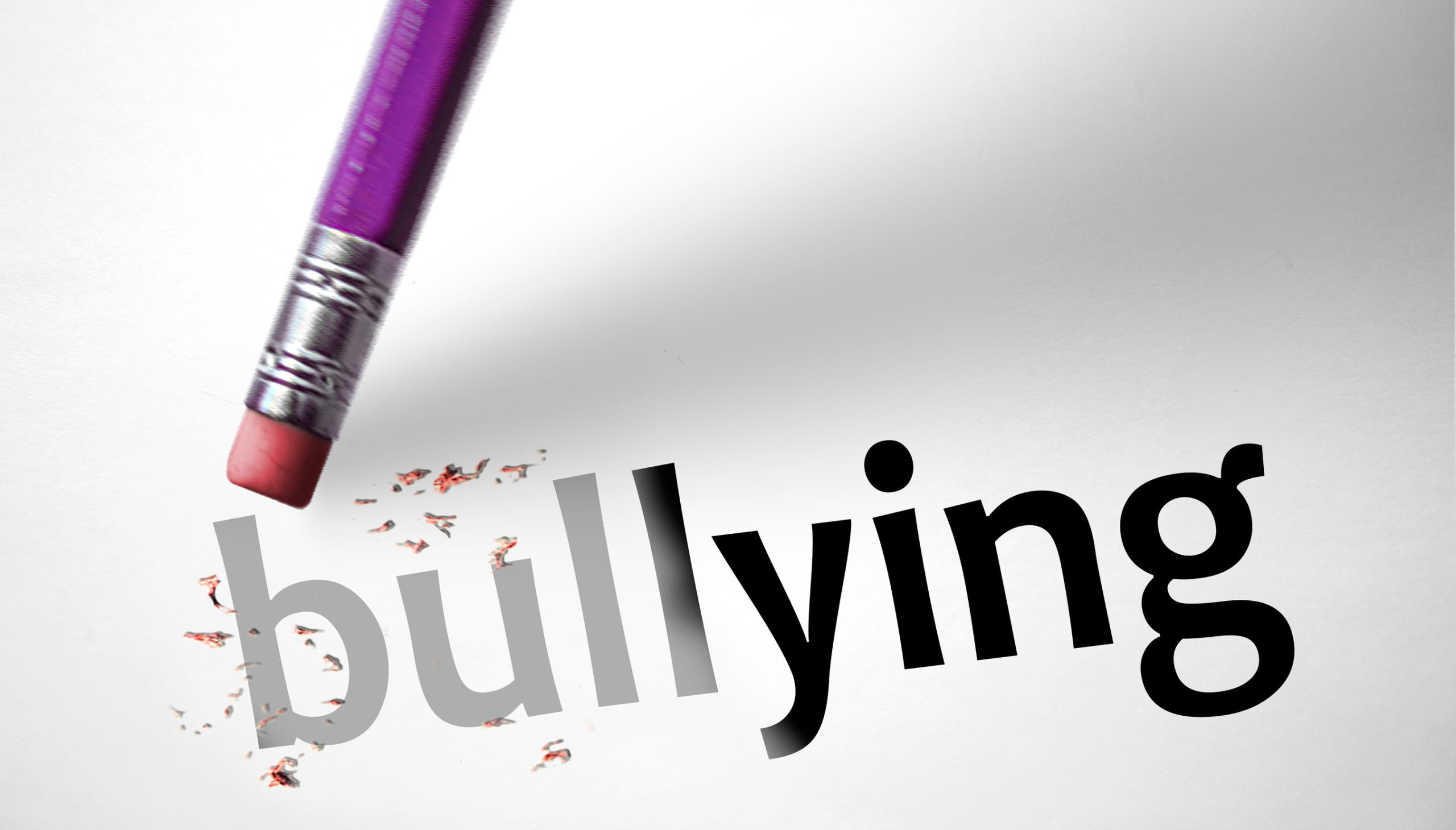
Schools across the country have poured time, money, and training into anti-bullying programs, promising safer hallways, kinder classrooms, and more inclusive playgrounds. But ask any student or parent, and you’ll still hear about subtle insults, group exclusions, and quiet manipulation that rarely get caught. Which raises a tough question: Are anti-bullying programs actually changing behavior—or just teaching kids how to hide it better? While awareness is up and public bullying has decreased in many districts, some experts worry the cruelty hasn’t stopped, it’s just gone underground. Here’s a closer look at whether these programs are truly helping or simply reshaping how bullying shows up in 2025.

1. Kids Know the “Correct” Language to Use

One effect of anti-bullying programs is that kids are now very familiar with terms like respect, kindness, and empathy. They’ve heard these words in assemblies, posters, and classroom discussions for years. But knowing the language doesn’t always mean they believe it. Some students have learned to speak the right way around adults while still engaging in exclusion or manipulation behind the scenes. Anti-bullying programs often teach vocabulary before values, and smart kids quickly figure out how to game the system.

2. Bullying Has Moved Online

As schools increase supervision on campus, more bullying has simply shifted to digital spaces. Apps, group chats, and gaming platforms have become the new battlegrounds. Anti-bullying programs sometimes overlook how fast online behavior evolves, leaving kids with tools for the classroom but no guidance for Snapchat, Discord, or TikTok. It’s not that bullying disappears—it just gets smarter and harder to trace. And by the time adults catch on, the emotional damage may already be done.

3. There’s More Focus on Appearances Than Accountability

Many anti-bullying programs rely on public pledges, spirit weeks, and posters that look great on social media but don’t always change what happens day-to-day. Schools love to say they’re proactive, but when it comes to real incidents, responses can be inconsistent. Students quickly pick up on this. They learn that saying the right things in front of teachers keeps them out of trouble, even if their behavior doesn’t change. Programs that focus on looking good rather than getting real often miss the mark.

4. Some Kids Weaponize the System

Here’s a twist: some students now use anti-bullying policies against others. They may report someone for being “mean” in retaliation, or exaggerate conflicts to get others in trouble. While rare, these false claims muddy the waters and make it harder to address genuine bullying. Anti-bullying programs need to teach critical thinking, not just tattling. Without context and honest conversations, rules can become tools for control rather than protection.

5. Relational Aggression Often Goes Unnoticed

Anti-bullying programs are great at addressing obvious issues—physical fights, name-calling, and threats. But many of today’s most damaging behaviors are subtle: eye-rolls, whispering, exclusion from group chats, or social sabotage. These acts don’t leave bruises, but they leave lasting emotional scars. Unfortunately, current programs don’t always equip teachers to spot or address this kind of quiet cruelty. That’s why your child might still come home in tears, even from a school that claims to be “bully-free.”

6. Peer Pressure Is Still Alive and Well

While kids may not be stuffing each other into lockers anymore, the pressure to conform hasn’t gone anywhere. Anti-bullying programs tend to focus on individual behavior rather than the group dynamics that allow bullying to thrive. Students are often afraid to speak up, not because they don’t understand right from wrong, but because they don’t want to become the next target. Programs need to go beyond slogans and dig into the emotional courage it takes to stand alone in a crowd. Otherwise, silence and complicity stay the norm.

7. Some Kids Still Feel Unseen

Ironically, the students most in need of help sometimes feel overlooked by anti-bullying programs. Neurodivergent kids, LGBTQ+ students, and others who don’t fit the mold may find these initiatives don’t reflect their experiences. Programs that treat bullying as a one-size-fits-all problem often miss how identity, bias, and difference shape a child’s experience at school. For these kids, it’s not just about being nicer—it’s about being truly included and understood. Real change requires more than policies; it requires listening.

8. Adults Aren’t Always Trained to Handle It

Not all staff are equipped to respond effectively when bullying happens. Some dismiss it as drama, others freeze up, and a few may unintentionally reinforce power dynamics by favoring more socially skilled students. Anti-bullying programs often provide surface-level training, but don’t prepare educators for the nuance and complexity of school culture. If the adults don’t recognize bullying or respond consistently, the programs lose credibility fast. Kids can tell when their concerns aren’t taken seriously—and that’s when they stop reporting.

9. Real Change Takes More Than Assemblies

One-time presentations or colorful posters aren’t enough to build safer schools. Anti-bullying programs must be part of a larger culture shift that includes daily modeling, emotional education, and consistent consequences. Kids learn by watching how adults handle conflict, inclusion, and fairness. When the school community lives the values it promotes, students notice. Otherwise, even the best-designed programs fall flat.

If Kindness Is Taught Like a Script, Kids Will Act—Not Change

There’s no question that anti-bullying programs raise awareness—but awareness isn’t always enough. If students are only learning how to look kind rather than be kind, they’re missing the heart of the message. For programs to work, they must go deeper than surface behaviors and address the emotional, social, and cultural roots of cruelty. Until then, some kids will get sneakier, not kinder.

Do you think anti-bullying programs are working—or just teaching kids how to avoid getting caught? Share your thoughts and stories in the comments below.

Read More:

12 Over The Top Ideas For Fixing Your Child’s Bullying Problem

6 Times Parents Should Intervene in Their Child’s Friendships

Catherine Reed
Catherine Reed

Catherine is a tech-savvy writer who has focused on the personal finance space for more than eight years. She has a Bachelor’s in Information Technology and enjoys showcasing how tech can simplify everyday personal finance tasks like budgeting, spending tracking, and planning for the future. Additionally, she’s explored the ins and outs of the world of side hustles and loves to share what she’s learned along the way. When she’s not working, you can find her relaxing at home in the Pacific Northwest with her two cats or enjoying a cup of coffee at her neighborhood cafe.

Filed Under: Safety Tagged With: anti-bullying programs, bullying prevention, child behavior, emotional intelligence, parenting and education, school bullying, school safety, student discipline

These Ridiculous School Rules Are Actually Enforced in 2025

June 3, 2025 | 1 Comment

These Ridiculous School Rules Are Actually Enforced in 2025

Parents might think they’ve seen it all—until they get a call that their child was written up for humming too loudly or wearing a hoodie. In 2025, some schools have adopted rules that go beyond strict and cross the line into straight-up bizarre. While discipline and structure are important, the rise of ultra-controlled environments has many families scratching their heads. From rules about breathing too hard to banning birthday cupcakes, the policies some schools are enforcing today are as real as they are ridiculous. Let’s look at some of the most outrageous, over-the-top, and downright ridiculous school rules currently being enforced.

1. No Talking During Lunch—At All

One of the most common ridiculous school rules in 2025 is the no-talking lunch policy. In some schools, kids are expected to eat silently, without socializing, laughing, or even whispering. The reasoning? To keep the cafeteria calm and avoid food fights or disruptions. But for many students, lunch is the one break in the day to unwind and connect with friends. Silencing kids during their only real downtime creates unnecessary tension and makes school feel more like a detention center than a place for learning.

2. Banned From Bringing Their Own Water Bottles

Yes, this one is real. Some schools have implemented policies that forbid students from bringing their own water bottles from home. The concern is that students may hide prohibited substances or that outside bottles can’t be properly monitored. But this means students are often left relying on school fountains or approved branded bottles, which may not be clean or easily accessible. In an era where health and hydration are emphasized, banning reusable water bottles is one of the more baffling ridiculous school rules. It ends up punishing everyone instead of solving an isolated issue.

3. Hoodies = Detention

At many schools, simply wearing a hoodie—especially with the hood up—is a fast track to disciplinary action. Administrators claim it prevents hiding headphones or disrupts dress code standards, but for kids, hoodies are often about comfort, warmth, or sensory regulation. With no evidence that a hoodie affects learning outcomes, these rigid rules have left many parents and students frustrated. In colder climates and drafty classrooms, banning hoodies just seems petty. It’s a dress code choice that says more about control than classroom focus.

4. Hand-Holding Is “Public Display of Affection”

A few districts now consider hand-holding—yes, even between friends or siblings—a violation of PDA rules. In schools enforcing this, students can receive warnings or even disciplinary write-ups for what used to be considered harmless or supportive behavior. These policies are often enforced inconsistently and can make kids feel shamed for showing affection or empathy. While inappropriate behavior should be addressed, lumping hand-holding in with making out sends the wrong message. It teaches kids to suppress connection rather than express kindness.

5. No Backpacks in Classrooms

To reduce clutter or minimize the risk of contraband, some schools have implemented a no-backpacks-in-classroom policy. Students are expected to carry only what they need or use clear bags provided by the school. The problem? Kids end up juggling armfuls of supplies, losing things in the hallway, or being late to class because of extra locker trips. It’s another example of ridiculous school rules that create more hassle than safety. Organization should be taught—not made more difficult.

6. Assigned Bathroom Times

Some schools have started enforcing rigid bathroom schedules, where students are only allowed to go at designated times. Need to go between periods or during a lesson? Too bad. While the rule aims to prevent hallway roaming or phone use, it often leads to unnecessary discomfort or embarrassment. These policies ignore the fact that every child’s body is different—and that emergencies aren’t always predictable. Punishing kids for basic needs isn’t discipline, it’s micromanagement.

7. No Celebrating Birthdays

Gone are the days of cupcakes and birthday songs in some schools, which now ban all birthday celebrations during class time. The justification is to prevent food allergies, time disruption, or “exclusion.” But removing even a simple acknowledgment—like allowing a sticker or birthday pencil—has made school environments feel overly sanitized. While inclusivity matters, many parents and students feel these bans go too far. It’s a small joy that could be managed, not erased.

8. Zero-Tolerance for Pencil Dropping

Believe it or not, students in some schools have been disciplined for intentionally dropping pencils. Administrators argue that it’s used to create distractions or signal classmates during tests. While it’s true that some students use subtle antics to disrupt, treating a dropped pencil as a criminal act stretches logic. Not every action needs to be policed with zero tolerance. It’s another one of those ridiculous school rules where common sense would go a long way.

9. No Running… Even Outside

In some elementary schools, students are prohibited from running during recess. That’s right—recess, the time meant for physical play, comes with a “no running” rule. School officials cite injury prevention or crowd control, but kids are being punished for doing what comes naturally. It contradicts everything we know about child development and healthy activity. When a school bans running during free time, it’s not just ridiculous—it’s counterproductive.

10. No Talking in Hallways Between Classes

Finally, some schools have implemented silent transitions, where kids are expected to move between classes without speaking. The goal is to maintain order, but it creates a robotic and cold environment. Talking is how kids connect, decompress, and feel human between academic demands. Enforcing silence in the hallways is not only unrealistic, it’s damaging to school culture. Of all the ridiculous school rules, this one feels especially out of touch with real child behavior.

When Common Sense Gets Left Behind

Rules are supposed to keep kids safe and help them learn—but when enforcement becomes overzealous, schools risk creating joyless environments that do more harm than good. These ridiculous school rules show how policies can quickly go from reasonable to extreme, leaving students stressed and families frustrated. Parents have the power to speak up when policies don’t make sense. Because if we want kids to thrive, school needs to feel like a place built for humans, not robots.

Has your child’s school enforced a rule that made you do a double take? Share the most ridiculous school rules you’ve encountered in the comments!

Read More:

If Your Child Is an Introvert, These 7 School Rules Might Be Crushing Them

Are Parental Rights Being Ignored in Public School Curriculums?

Catherine Reed
Catherine Reed

Catherine is a tech-savvy writer who has focused on the personal finance space for more than eight years. She has a Bachelor’s in Information Technology and enjoys showcasing how tech can simplify everyday personal finance tasks like budgeting, spending tracking, and planning for the future. Additionally, she’s explored the ins and outs of the world of side hustles and loves to share what she’s learned along the way. When she’s not working, you can find her relaxing at home in the Pacific Northwest with her two cats or enjoying a cup of coffee at her neighborhood cafe.

Filed Under: Education Tagged With: Back to School, parenting and education, ridiculous school rules, school culture, school discipline, school dress code, school policies, school policy 2025

Here’s What Your Child’s Summer School Teacher Wish You’d Tell Them About Your Kid

June 3, 2025 | Leave a Comment

Heres What Your Childs Summer School Teacher Wish Youd Tell Them About Your Kid

Summer school isn’t just about catching up—it’s about helping kids grow in a more relaxed, focused setting. But no matter how dedicated your child’s summer school teacher is, they can’t support your child fully without knowing a few key things first. Many teachers walk into summer sessions with little background and limited time to build relationships. That’s where parents come in. The more you share up front, the better chance your child has to thrive—not just academically, but emotionally and socially too.

1. What Motivates (or Discourages) Your Child

One of the most helpful things you can tell your child’s summer school teacher is what truly gets your child engaged. Whether it’s sticker charts, verbal praise, quiet time, or one-on-one check-ins, understanding what motivates your child helps teachers shape the learning environment in their favor. On the flip side, knowing what shuts your child down—like being put on the spot or public correction—can prevent avoidable stress. Summer school moves fast, and teachers don’t have the luxury of weeks to figure it out. Your insight saves them time and spares your child unnecessary frustration.

2. Any Diagnosed or Suspected Learning Differences

Even if summer school isn’t tied to an IEP, 504, or formal plan, sharing learning differences gives your child’s teacher a crucial head start. Whether it’s ADHD, dyslexia, sensory challenges, or emotional regulation struggles, your child’s summer school teacher needs to know. Don’t assume the school will automatically pass that information along—communication often slips through the cracks between school years. Letting teachers know how your child learns best sets them up for success. It also helps the teacher interpret behavior through the right lens.

3. What They Struggled With Last School Year

Summer school teachers often get vague notes or generic placement info—but not much detail. If your child struggled with math facts, reading fluency, or paying attention in group settings, sharing that directly with the teacher helps focus their efforts. Knowing where your child hit a wall last year can guide how their teacher reintroduces concepts or fills in gaps. The goal isn’t to label your child—it’s to give their teacher a map instead of a guessing game. A quick heads-up can make all the difference in building momentum instead of repeating past struggles.

4. Social Dynamics They’re Navigating

Social stress doesn’t take a summer vacation. If your child is dealing with bullying, exclusion, anxiety in group settings, or struggles with making friends, your child’s summer school teacher should know. Even if the summer school environment is different, those patterns often carry over. Letting the teacher know if your child thrives in small groups, needs help with social cues, or has a frenemy in class helps them stay ahead of potential conflicts. This allows for intentional seating, grouping, and support before issues escalate.

5. Major Life Changes at Home

Summer school often follows big family transitions—moves, divorces, new siblings, or loss. Even happy changes can throw a child off emotionally. Your child’s summer school teacher doesn’t need all the details, but a quick note saying, “We’ve had a tough couple of months at home,” goes a long way. It helps the teacher understand mood swings, focus issues, or behavior changes with more compassion. Teachers aren’t there to fix it, but knowing the context makes it easier to meet your child where they are.

6. What Makes Them Feel Safe and Comfortable

Sometimes it’s the small stuff that helps the most—like knowing your child feels calmer when they can bring a fidget toy or that they thrive with a consistent routine. Maybe they’re shy about asking for help or feel anxious when the classroom is too loud. These little cues can make your child’s summer school teacher a better ally from day one. When your child feels seen and supported early, they’re more likely to participate and make real progress. You know what helps them regulate—share it.

7. How They Feel About Summer School in the First Place

Some kids are excited about summer learning. Others feel embarrassed, angry, or defeated before they even walk in the door. If your child is dreading it or has had negative school experiences in the past, let the teacher know. Your child’s summer school teacher isn’t there to judge—they’re there to help shift the mindset. With the right encouragement, even reluctant learners can finish the session with a win.

8. What You’re Hoping They Gain From the Experience

Are you looking for academic progress, confidence, structure, or just a smoother transition into next year? Your child’s summer school teacher may be focused on skill-building, but knowing your family’s goals can help tailor the approach. Whether it’s reading a level higher or simply not melting down during math, communicating your priorities sets everyone up for clarity. Teachers want to partner with parents—not guess what matters most. When expectations are clear, wins are easier to spot.

9. Anything That’s Been Working Well at Home

If you’ve recently found something that’s helping your child stay calm, focused, or excited about learning—say it! Whether it’s a visual schedule, noise-canceling headphones, or reading together before class, your child’s summer school teacher might be able to carry that momentum into the classroom. Even if the teacher can’t duplicate it exactly, they can often find a similar strategy that aligns with your child’s routine. It’s a great way to show continuity between home and school life, especially in a short-term setting.

Your Voice Helps the Summer Shine Brighter

Your child’s summer school experience doesn’t have to feel like a chore—for them or for their teacher. The more openly you share, the better your child’s summer school teacher can support them, guide their growth, and make learning feel empowering instead of overwhelming. It’s a short window of time, but the impact can last long after summer ends. Be their advocate now so they can be their best self later.

What’s one thing you’ve found helpful to share with a teacher before summer school starts? Drop your thoughts in the comments—we’d love to hear!

Read More:

5 Places You Shouldn’t Send Your Kids This Summer

Summer Fun on a Budget: 10 Ways to Beat the Heat for Cheap

Catherine Reed
Catherine Reed

Catherine is a tech-savvy writer who has focused on the personal finance space for more than eight years. She has a Bachelor’s in Information Technology and enjoys showcasing how tech can simplify everyday personal finance tasks like budgeting, spending tracking, and planning for the future. Additionally, she’s explored the ins and outs of the world of side hustles and loves to share what she’s learned along the way. When she’s not working, you can find her relaxing at home in the Pacific Northwest with her two cats or enjoying a cup of coffee at her neighborhood cafe.

Filed Under: Education Tagged With: parent-teacher communication, parenting and education, summer learning, summer school tips, supporting kids in school, your child's summer school teacher

8 Dangerous Reasons You Should Never Allow Your Child Under 10 to Play Contact Sports

June 2, 2025 | Leave a Comment

8 Dangerous Reasons You Should Never Allow Your Child Under 10 to Play Contact Sports

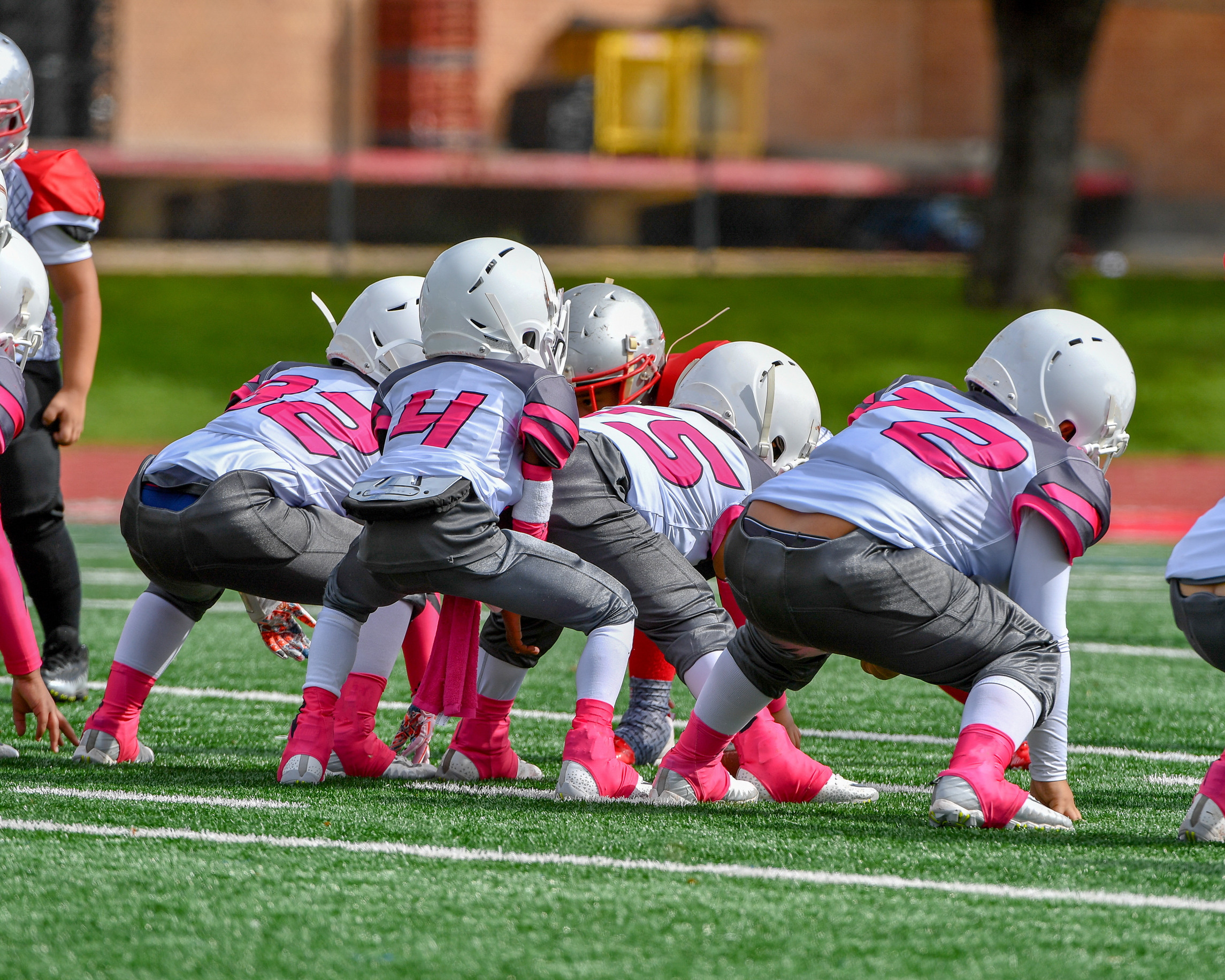
It’s hard to say no when your child wants to join the team—especially when their friends are signing up and practices look like harmless fun. But when it comes to contact sports, there’s a very real line between fun and danger, especially for children with developing brains and bodies. Letting a child under 10 play contact sports might seem like a rite of passage, but it can lead to long-term consequences that most parents don’t hear about until it’s too late. Before you enroll your little one in tackle football, hockey, or any sport that involves regular hits or collisions, it’s worth understanding the hidden risks. Here are eight serious reasons to hold off on contact sports until kids are older and stronger.

1. The Brain Is Still Developing

The brain of a child under 10 is incredibly vulnerable to impact. Even mild concussions can interrupt development, affecting memory, behavior, and focus. Contact sports often involve repeated head bumps that may not seem serious in the moment but can add up over time. Kids this young are less able to communicate symptoms like dizziness or confusion, making injuries harder to catch. Their growing brains need protection, not preventable trauma.

2. Concussion Recovery Takes Longer

When a young child does suffer a concussion, their recovery can take significantly longer than that of an older teen or adult. Their brains are still forming vital connections, and any injury can set back that process. Kids may need to miss school, avoid screens, and limit activities—all of which disrupt both their learning and emotional well-being. Multiple concussions before age 10 increase the chance of permanent cognitive issues. It’s not just about healing, but healing properly.

3. Risk of Spinal Injury

Children’s necks and spines are not built to absorb high-impact hits. Contact sports like football or rugby can cause neck strains, spinal compression, and even more serious trauma. One awkward fall or tackle could lead to lifelong mobility issues. While pads and helmets help reduce some risk, they don’t prevent every injury—especially with kids who don’t yet have full control of their body movements. A child under 10 should not be exposed to these risks when safer options exist.

4. Long-Term Joint Damage

Bones in young children are still growing, and repeated strain can cause lasting joint problems. Elbows, knees, and ankles can take a beating in contact sports, leading to overuse injuries like stress fractures or early arthritis. Kids often push through pain to avoid letting down the team, which makes the damage even worse. Giving their bodies time to strengthen first reduces the risk of chronic pain later in life.

5. Immature Emotional Regulation

Kids in this age group are still learning to control their emotions. Contact sports can bring out aggression and frustration, especially when physical conflict is part of the game. Without emotional maturity, a child under 10 might struggle with sportsmanship or react poorly to losing or getting hurt. This can create anxiety around the game or lead to behavior problems off the field. Teaching emotional resilience comes best in lower-pressure, non-contact environments.

6. Poor Technique and Coordination

Young children are still developing basic coordination, balance, and strength. Their movements can be unpredictable and awkward, which raises the risk of injuring themselves or others. Contact sports require controlled technique to avoid dangerous collisions, but most kids in this age group haven’t developed that skill yet. Waiting a few more years allows them to build the muscle control needed to play safely.

7. Social Pressure and Identity Issues

Being part of a contact sports team can be great for community, but it can also lead to kids identifying too strongly with performance. A child under 10 may feel pressure to be “tough,” “strong,” or “fearless,” even when they’re uncomfortable or hurt. This early pressure to conform can interfere with healthy emotional development and self-expression. It’s important for kids to feel safe exploring who they are without being defined by how hard they hit or how fast they run.

8. There Are Safer Alternatives

The good news? Kids can still enjoy the benefits of team sports without the risks of full contact. Flag football, swimming, dance, martial arts, and gymnastics all build strength, coordination, and confidence while minimizing injury. These activities teach discipline, teamwork, and resilience in a much safer way. By giving your child more time to grow, you’re not holding them back—you’re setting them up for long-term success and safety.

Strong Kids Start With Smart Choices

You don’t have to bubble-wrap your child, but protecting them from unnecessary harm is part of helping them thrive. Saying no to contact sports for a child under 10 isn’t about limiting fun—it’s about choosing smart, developmentally appropriate experiences. Their time for competition, contact, and hard-hitting play will come soon enough. Right now, it’s about building strong bodies, healthy minds, and a lifelong love for movement—in ways that won’t compromise their future.

Do you agree that kids should avoid contact sports until they’re older? Or do you think it helps them toughen up early? Share your take in the comments below.

Read More:

Why Your Kid’s Extracurriculars Are Wrecking Your Finances

3 Sports That Cost Very Little To Participate In But Kids Love

Catherine Reed
Catherine Reed

Catherine is a tech-savvy writer who has focused on the personal finance space for more than eight years. She has a Bachelor’s in Information Technology and enjoys showcasing how tech can simplify everyday personal finance tasks like budgeting, spending tracking, and planning for the future. Additionally, she’s explored the ins and outs of the world of side hustles and loves to share what she’s learned along the way. When she’s not working, you can find her relaxing at home in the Pacific Northwest with her two cats or enjoying a cup of coffee at her neighborhood cafe.

Filed Under: Safety Tagged With: brain development, child under 10, concussion prevention, contact sports risks, kids and sports, overuse injuries, parenting advice, youth sports safety

8 Snacks That Kids Love and Doctors Hate

June 1, 2025 | Leave a Comment

8 Snacks That Kids Love and Doctors Hate

When your child begs for a snack, you want something quick, easy, and guaranteed to make them happy. But some of the most popular kid-friendly treats are the very ones pediatricians warn against the most. The snacks that kids love and doctors hate are often packed with hidden sugars, artificial ingredients, or choking hazards that can lead to serious health concerns. It’s not about perfection or banning every fun food forever—it’s about knowing what’s really in that colorful packaging. If you’re trying to balance convenience with nutrition, here are eight common snack offenders that may deserve a spot on the “rarely” list.

1. Fruit Snacks

Fruit snacks are a classic lunchbox staple, but most of them are candy in disguise. Even the packages that claim to contain “real fruit” are often loaded with corn syrup, food dyes, and minimal actual fruit content. One reason fruit snacks land on the list of snacks that kids love and doctors hate is their impact on dental health. The sticky texture clings to teeth, feeding cavity-causing bacteria long after snack time ends. If your child loves gummies, try dried fruit with no added sugar or fresh fruit slices as an alternative.

2. Flavored Yogurt Tubes

Yogurt can be a great source of protein and calcium, but the tube varieties marketed to kids are often loaded with sugar and artificial colors. Some of these yogurts contain as much sugar as a candy bar, without any of the benefits of fiber or whole food ingredients. Many parents think they’re making a healthy choice, but pediatricians say these snacks contribute to poor gut health and blood sugar spikes. If your child insists on yogurt tubes, look for low-sugar options or freeze plain Greek yogurt with fresh fruit. It’s just as fun, with way more benefits.

3. Cheese-Flavored Crackers

Bright orange, cheesy crackers are a toddler favorite, but they’re also a favorite of processed food manufacturers. These snacks are often made with refined flour, artificial flavors, and sodium levels that would make a dietitian cringe. Snacks that kids love and doctors hate frequently fall into this category: high in salt, low in actual nutrition. While these may keep kids full for a moment, they rarely offer the nutrients growing bodies need. Instead, consider whole-grain crackers with real cheese or hummus for a better balance.

4. Snack Cakes and Pastries

From mini muffins to toaster pastries, these sugary treats are basically dessert posing as breakfast. Packed with added sugar, preservatives, and refined carbs, they offer a quick energy spike—and a fast crash. Doctors warn that regular consumption can affect kids’ energy levels, mood, and long-term eating habits. While your child may love the sweet taste and fun packaging, these snacks are a prime example of empty calories. Reserve them for occasional treats, not daily staples.

5. Juice Boxes

Juice may seem like a healthy option, especially when labels say “100% juice,” but most are still packed with natural sugar and lack the fiber of whole fruit. Pediatricians often discourage routine juice consumption because of its link to tooth decay, obesity, and even picky eating habits. Kids can drink juice quickly and in large quantities, leading to calorie overload without ever feeling full. If you must include juice, water it down or serve it in small portions. Better yet, offer fruit-infused water or smoothies made with whole fruit.

6. Microwave Popcorn Bags

Popcorn can be a healthy whole-grain snack, but many microwave versions are loaded with artificial butter flavoring, excessive salt, and preservatives. What makes it worse is that the packaging often contains chemicals like PFOAs, which have been linked to health concerns. Snacks that kids love and doctors hate usually combine poor ingredients with risky packaging, and microwave popcorn checks both boxes. For a safer snack, pop your own kernels on the stove and season lightly with olive oil and herbs. It’s crunchy, fun, and better for your child’s body.

7. Packaged Lunch Kits

The convenience of lunch kits is undeniable, but their ingredient lists tell a different story. Most are full of processed meats, refined grains, and sugary desserts, with very little fiber, fresh produce, or healthy fat. Pediatricians point out that these kits are often too high in sodium and low in real nutrients. While kids love the DIY factor, these aren’t everyday fuel. Instead, build your own bento box with turkey slices, whole grain crackers, fruit, and veggies.

8. Sports Drinks and Energy Beverages

Designed for athletes, not kids watching cartoons, sports drinks are loaded with sugar, artificial dyes, and electrolytes kids don’t actually need. Some brands even include caffeine or stimulants, which can be dangerous for young children. Snacks that kids love and doctors hate often sneak in through trendy drinks like these, especially when they’re marketed as cool or performance-enhancing. For hydration, plain water is best, and if your child wants flavor, try a splash of citrus or a few berries in their bottle. Keep the colorful bottles for special occasions, not daily hydration.

It’s Not About Deprivation—It’s About Smarter Choices

No parent wants to be the snack police, and no child should feel like every fun food is off-limits. But understanding which snacks kids love and doctors hate can help you make more balanced, intentional choices. Small changes—like cutting back on sugar or switching to better versions—can have a big impact on your child’s health. Keep the fun, ditch the worst offenders, and focus on snacks that fuel both bodies and brains.

What’s one snack your child loves that you’ve been trying to upgrade? Share your swap ideas—or your snack struggles—in the comments!

Read More:

10 Snacks That Are Making Your Kids Overweight and Unhealthy

Snack Attack: Healthy Toddler Foods for Grazing Kids

Catherine Reed
Catherine Reed

Catherine is a tech-savvy writer who has focused on the personal finance space for more than eight years. She has a Bachelor’s in Information Technology and enjoys showcasing how tech can simplify everyday personal finance tasks like budgeting, spending tracking, and planning for the future. Additionally, she’s explored the ins and outs of the world of side hustles and loves to share what she’s learned along the way. When she’s not working, you can find her relaxing at home in the Pacific Northwest with her two cats or enjoying a cup of coffee at her neighborhood cafe.
Filed Under: Healthy Living & Eating Tagged With: child nutrition, healthy food swaps, healthy parenting, kids snacks, picky eaters, school lunch ideas, snacks that kids love and doctors hate, unhealthy snacks

5 Everyday Moments Parents Look Away—And Kids End Up in the ER

June 1, 2025 | Leave a Comment

5 Everyday Moments Parents Look Away And Kids End Up in the ER

It only takes a second. You glance at your phone, grab something from the kitchen, or turn to answer the door—and in that tiny everyday moment, disaster strikes. The truth is, most childhood injuries don’t happen during wild adventures or high-risk activities. They happen in the familiar, seemingly harmless spaces of daily life. Knowing which everyday moments can quickly turn into an ER visit could be the difference between a regular day and a medical emergency you never saw coming.

1. Leaving Kids Alone in the Bath “Just for a Minute”

Bath time seems like the perfect opportunity to multitask, especially if your child is happily splashing away. But drowning is silent, and it can happen in less than 60 seconds—even in a few inches of water. One of the most dangerous everyday moments is stepping out to grab a towel or answer a text while your toddler is in the tub. Kids can slip, knock their head, or submerge without a sound. Always keep towels and bath supplies within reach, and never assume older siblings can supervise safely on their own.

2. Turning Away in the Kitchen

The kitchen may be the heart of the home, but it’s also one of the riskiest places for children. Common everyday moments, like checking on something in the oven or turning your back to stir a pot, can be enough time for a curious toddler to grab a knife or tip over a hot pan. Burns, cuts, and choking hazards are frequent reasons kids end up in the ER. Use back burners when cooking, turn pot handles inward, and keep sharp tools well out of reach—even if your child “never touches anything.”

3. Leaving Kids to Play Unsupervised on Furniture

Couches, beds, and coffee tables aren’t typically seen as dangerous, but they’re the stage for countless injuries. Every day, moments like stepping away while kids jump on the couch or climb a dresser can lead to falls, concussions, and broken bones. Toddlers in particular are known for their fearlessness and lack of coordination, which is a dangerous combo. Tipping furniture is another serious hazard many parents overlook until it’s too late. Secure dressers, bookshelves, and TVs, and establish clear rules about where climbing is and isn’t allowed.

4. Letting Kids Wander with Food or Toys in Their Mouth

One of the most preventable causes of ER visits is choking, and it often happens during ordinary moments, walking around with snacks or laughing with toys in their mouths. It’s easy to say “they’ve done it a hundred times,” but it only takes one stumble. Kids under age five are particularly at risk, especially with foods like grapes, popcorn, or chunks of meat. Everyday moments like snack time in front of the TV or car rides with lollipops can quickly turn serious. Sitting down to eat and supervising meals, even quick ones, helps reduce the risk.

5. Trusting “Just a Few Seconds” in the Driveway or Garage

One of the most heartbreaking everyday moments occurs when a parent believes their child is safely inside, only to realize too late they followed them outside. Backover and driveway accidents claim dozens of young lives every year, often in otherwise safe neighborhoods. Even small electric cars, bikes, or garage doors can cause serious injury if a child is nearby and unnoticed. Always double-check where your children are before moving a vehicle, and install rear cameras or safety gates if needed. It’s not about paranoia—it’s about prevention.

Awareness That Lasts Longer Than a Moment

Every parent gets distracted. It’s human. But recognizing which everyday moments carry the most hidden risks helps us slow down, stay present, and protect our kids in powerful ways. You don’t have to live in fear—but you can live with intention. Safety isn’t about hovering; it’s about knowing when and where your child needs your full attention. In a world full of “just for a second,” those seconds truly matter.

What everyday moments have surprised you with hidden risks? Share your close calls or safety tips in the comments to help other parents stay prepared!

Read More:

7 Ways to Teach Kids to Trust Their Instincts About Safety

7 Things You Should Never Buy for Your Kids – But Everyone Does

Catherine Reed
Catherine Reed

Catherine is a tech-savvy writer who has focused on the personal finance space for more than eight years. She has a Bachelor’s in Information Technology and enjoys showcasing how tech can simplify everyday personal finance tasks like budgeting, spending tracking, and planning for the future. Additionally, she’s explored the ins and outs of the world of side hustles and loves to share what she’s learned along the way. When she’s not working, you can find her relaxing at home in the Pacific Northwest with her two cats or enjoying a cup of coffee at her neighborhood cafe.
Filed Under: Safety Tagged With: child safety, ER visits, everyday moments, injury prevention, kids and safety, parental awareness, parenting tips, toddler hazards

Teaching Your Son to Play Safely—Or Say No to Tackle Sports

May 31, 2025 | Leave a Comment

Teaching Your Son to Play Safely Or Say No to Tackle Sports

The pressure to let boys join tackle sports starts young, often before they fully understand the risks. With cultural messages praising toughness, grit, and competitive spirit, many parents feel caught between wanting their son to fit in and protecting him from potential harm. Concussions, broken bones, and long-term brain injuries are very real concerns, and so is the social pushback when a parent says no. Whether you’re considering youth football, rugby, or other contact-heavy sports, it’s worth having the hard conversations early. Teaching your son to play safely—or to walk away—could be one of the most important decisions you make.

1. Understand What Tackle Sports Actually Involve

Before making a decision, learn the physical expectations and injury statistics of any tackle sport your child is interested in. Youth football, for example, involves repeated body contact, aggressive collisions, and intense drills that may not align with a young child’s physical development. While some leagues implement safety protocols, there’s still a risk of concussions and long-term joint strain. Don’t assume your child is physically or mentally prepared just because peers are signing up. Being informed helps you approach the conversation with confidence and facts.

2. Talk Openly About Safety Versus Popularity

One of the hardest parts of saying no to tackle sports is feeling like you’re taking away a rite of passage. Some kids want to join because “everyone else is,” not because they truly love the sport. Explain that while popularity matters in the moment, safety has lifelong consequences. Tell your son that your job as a parent is to protect his brain, body, and future, even when it’s not the most popular choice. When framed with love and honesty, kids often understand more than we give them credit for.

3. If You Say Yes, Prioritize Safety Education

If you do allow your child to play, make safety your top priority from day one. Choose leagues that ban head-first contact, enforce age-appropriate drills, and offer frequent safety training. Ask about coach certifications, emergency response plans, and concussion protocols. Teaching proper technique, stretching routines, and hydration habits can help reduce injury risk. Let your child know they have the right to speak up if they ever feel unsafe on the field—no matter who’s watching.

4. Don’t Let “Toughness” Silence Their Concerns

One of the toxic messages often baked into tackle sports is that showing pain or fear is a weakness. Boys may hide injuries or keep playing when something feels wrong to avoid looking “soft.” Teach your son that real strength means listening to his body, knowing his limits, and speaking up. If he comes to you with a concern, take it seriously, even if it seems minor. Creating an environment where honesty is valued over toughness makes all the difference.

5. Offer Non-Contact Alternatives That Still Build Confidence

Plenty of non-contact sports offer physical activity, teamwork, and character-building, without the injury risk. Track, swimming, basketball, martial arts, and flag football are just a few great options. Encourage your son to try different activities until he finds one that lights him up. Choosing not to participate in tackle sports doesn’t mean missing out on growth. It means finding a path that aligns with his health, strengths, and interests.

6. Be Ready for Pushback—From Other Adults

Sometimes, the most vocal critics of your decision won’t be your child but other parents, coaches, or family members. You might hear things like, “You’re being overprotective” or “He needs to toughen up.” Stick to your values and remember that no one else has to deal with the long-term effects of a serious injury but your child—and you. You don’t owe anyone an explanation, but being prepared with facts can help shut down the noise. Parenting isn’t about winning popularity contests—it’s about making informed, loving choices.

7. Let Your Son Be Part of the Conversation

Even if the final decision rests with you, involve your child in the process. Ask what interests him about tackle sports and what his fears might be. Share your concerns in a calm, respectful tone, and invite him to help research safe leagues or alternatives. When your son feels included in the discussion, he’s more likely to respect the outcome. This turns a potential argument into an opportunity for connection and trust-building.

Protecting the Brain and the Bond

Tackle sports aren’t just about the game—they’re about shaping how kids view risk, masculinity, and their own health. Teaching your son to play safely—or to say no entirely—sends a powerful message: that his body and future matter more than any scoreboard. It’s okay to challenge the status quo if it means raising a son who knows his worth and listens to his instincts. You’re not just keeping him safe—you’re teaching him to value himself.

Have you wrestled with whether or not to let your child play tackle sports? What helped you decide? Share your thoughts in the comments below!

Read More:

3 Sports That Cost Very Little To Participate In But Kids Love

Why Your Kid’s Extracurriculars Are Wrecking Your Finances

Catherine Reed
Catherine Reed

Catherine is a tech-savvy writer who has focused on the personal finance space for more than eight years. She has a Bachelor’s in Information Technology and enjoys showcasing how tech can simplify everyday personal finance tasks like budgeting, spending tracking, and planning for the future. Additionally, she’s explored the ins and outs of the world of side hustles and loves to share what she’s learned along the way. When she’s not working, you can find her relaxing at home in the Pacific Northwest with her two cats or enjoying a cup of coffee at her neighborhood cafe.

Filed Under: Safety Tagged With: child safety, parenting boys, parenting decisions, raising boys, safe sports options, sports injuries, tackle sports, youth football

The Dark Side of Kids’ YouTube You Didn’t See Coming

May 31, 2025 | Leave a Comment

The Dark Side of Kids YouTube You Didnt See Coming

At first glance, kids’ YouTube seems like a lifesaver. It offers endless content tailored for little eyes, and the bright colors, catchy songs, and animated adventures make it wildly appealing. But beneath the surface of what looks like harmless fun, there’s a darker, more complicated reality that many parents aren’t prepared for. Kids’ YouTube isn’t just a platform filled with silly videos—it’s also home to manipulative content, questionable messages, and algorithms that don’t always have your child’s best interest at heart. If you’re relying on it as your digital babysitter, it’s time to take a closer look at what’s really playing on the screen.

1. The Algorithm Cares About Views, Not Values

YouTube’s recommendation system is driven by engagement, not age-appropriateness or educational merit. That means once your child clicks on a video—even an innocent one—they’re quickly funneled into a loop of related content that might not be parent-approved. Some of these videos are low-quality or filled with clickbait thumbnails and sensational titles. Kids’ YouTube doesn’t differentiate well between entertaining and exploitative. If left unsupervised, your child can quickly go from Peppa Pig to something far less wholesome.

2. Disturbing Videos Masquerade as Kid Content

You’d be surprised how many seemingly innocent videos include disturbing or inappropriate scenes hidden in the middle. Some content creators tag videos with popular kid terms to trick the algorithm and gain more views. The result? Creepy animations, violent themes, or bizarre role-playing that looks kid-friendly on the surface but takes a dark turn halfway through. These aren’t just one-off cases—they’ve been part of ongoing problems with content moderation on kids’ YouTube. Even YouTube Kids, the filtered version, has failed to fully eliminate this problem.

3. Addiction Happens Sooner Than You Think

Because kids’ YouTube is designed to be hyper-stimulating, it often leads to binge-watching. Autoplay keeps videos rolling endlessly, and the fast-paced, flashy style can be hard for young brains to look away from. Many parents notice that their kids become agitated or emotional when screen time ends. This isn’t a coincidence—it’s a behavioral response to overstimulation and lack of boundaries. Early screen addiction is a growing concern, and platforms like kids’ YouTube make it easy to fall into that trap without even noticing.

4. Product Pushing Is Practically Everywhere

Many videos are essentially ads disguised as entertainment. Unboxing videos, toy reviews, and branded content often blur the line between content and commercial. Young children don’t have the cognitive skills to distinguish ads from shows, so they absorb it all as truth and start begging for the latest must-have item. Influencers targeting kids can make millions by subtly (or not-so-subtly) selling products in their videos. If you think kids’ YouTube is just harmless screen time, think again—it’s also a nonstop marketing machine.

5. Unrealistic Behavior Gets Reinforced

Some popular kids’ YouTube videos model exaggerated behavior, poor manners, or even unsafe actions. Whether it’s kids screaming at their parents in prank videos or cartoon characters being mean to each other, these actions can influence how your child acts. It’s not always about what’s explicitly shown—it’s about the tone, repetition, and underlying message. The more your child watches, the more likely they are to mirror what they see. Monitoring isn’t just about avoiding bad words—it’s about protecting your child’s developing sense of right and wrong.

6. Parents Get Desensitized Too

When you’re busy, stressed, or simply needing a break, it’s tempting to hand over a screen and enjoy the peace and quiet. But as you get used to the routine, it’s easy to become less critical of what your child is watching. You may assume the content is fine because you’ve seen a few good videos, but the reality changes fast. Kids’ YouTube evolves constantly, and creators chase trends, not values. Passive screen time can quickly become a daily default, and that can be hard to undo.

7. Comments and Live Chats Open Dangerous Doors

While YouTube has taken steps to disable comments on many kid-focused videos, not all content is protected. In some cases, comment sections or live chats remain open and become hotspots for spam, inappropriate messages, or even predatory behavior. Older kids who start engaging with content beyond the youngest age group may stumble into these features. It’s one more reason why even “safe” platforms need active supervision. Kids’ YouTube isn’t as locked down as many parents assume.

8. Educational Alternatives Get Overlooked

With so much noise on the platform, truly educational, high-quality content can be hard to find. Parents may think their child is learning something just because it’s animated or includes numbers and letters. But kids’ YouTube isn’t built around educational goals—it’s built to keep viewers watching. If your goal is enrichment, there are better options, from curated apps to streaming platforms with vetted content. Being intentional about what kids watch is worth the extra effort.

Don’t Panic—But Don’t Tune Out

The dark side of kids’ YouTube isn’t something to fear—it’s something to be aware of. Technology isn’t going away, and banning screens altogether isn’t realistic for most families. But knowing the risks means you can make better choices. Watch with your kids, use parental controls, and guide them toward content that reflects your values. With intention and balance, screen time doesn’t have to be scary—it can be another opportunity to connect, learn, and grow together.

Have you ever caught something questionable on kids’ YouTube? How do you manage screen time in your home? Share your experience in the comments!

Read More:

YouTube Safety Rules Every Parent Should Know

When YouTube Becomes the Babysitter—And How to Take Control

Catherine Reed
Catherine Reed

Catherine is a tech-savvy writer who has focused on the personal finance space for more than eight years. She has a Bachelor’s in Information Technology and enjoys showcasing how tech can simplify everyday personal finance tasks like budgeting, spending tracking, and planning for the future. Additionally, she’s explored the ins and outs of the world of side hustles and loves to share what she’s learned along the way. When she’s not working, you can find her relaxing at home in the Pacific Northwest with her two cats or enjoying a cup of coffee at her neighborhood cafe.

Filed Under: Safety Tagged With: child development, digital parenting, kids’ YouTube, Online Safety, parenting in the digital age, Screen Time, tech and toddlers, YouTube Kids

Building a Study Habit Early—Without Killing Curiosity

May 31, 2025 | Leave a Comment

Building a Study Habit Early Without Killing Curiosity

Helping kids develop strong academic habits is important—but if you’re not careful, structure can smother their natural curiosity. It’s a delicate balance: encouraging responsibility while still allowing kids to explore, question, and get excited about learning. Building a study habit early doesn’t mean replacing joy with rigid schedules or turning every interest into a lesson plan. It’s about making learning feel rewarding, not required. The goal is to create a lifelong learner, not just a rule follower with a perfect planner.

1. Start with Short, Fun Sessions

Kids don’t need hours of study time each day to build good habits. In fact, short bursts of focused learning are often more effective than long, exhausting sessions. Begin with 10 to 15 minutes of fun, structured review, or homework time to make it feel manageable. Using games, colorful supplies, or movement-based learning can help keep things lively. Building a study habit this way keeps the process light, positive, and connected to their natural sense of play.

2. Make Space for Questions, Not Just Answers

A good study habit isn’t about memorizing facts—it’s about developing a curious mind. When your child asks “why” or “how,” pause and explore with them rather than steering back to the textbook. Their questions are the foundation of deeper thinking, even if they sidetrack the original task. Let them investigate rabbit holes now and then—it shows that learning isn’t just about what’s assigned. Encouraging exploration is key to building a study habit that doesn’t sacrifice wonder.

3. Use Real-Life Learning Opportunities

Study habits don’t have to live at a desk. Everyday moments—cooking, gardening, shopping—can be opportunities to teach math, reading, and science. Ask your child to measure ingredients, read a recipe, or calculate the total cost of groceries. When kids see how knowledge applies to real life, it makes study time more meaningful. Building a study habit doesn’t always look like studying, and that’s a good thing.

4. Create a Predictable but Flexible Routine

Structure matters, but so does adaptability. Choose a consistent time for study, like after snack time or before dinner, to help kids know what to expect. But if your child is tired, emotional, or just had a big day at school, adjust accordingly. Flexibility ensures study time feels supportive, not like punishment. Building a study habit thrives on consistency, not rigidity, so listen to what your child needs on any given day.

5. Let Them Own the Process

Children are more likely to stick with a habit if they feel some sense of control. Allow them to choose where they study, which subjects they tackle first, or what materials they use. You can even create a checklist together or let them decorate their study space. Ownership builds motivation and confidence, making learning something they do for themselves, not just to please someone else. Empowerment is a powerful tool in building a study habit.

6. Celebrate Effort, Not Just Results

Too much focus on grades or getting everything right can crush a child’s willingness to try. Instead of saying “You’re so smart,” say “You worked really hard on that” or “You kept going even when it was tough.” This encourages a growth mindset, where effort matters more than instant success. A study habit built on resilience and determination will last much longer than one based on pressure. Confidence grows when kids know mistakes are part of the process.

7. Make Curiosity the Goal

Instead of asking “Did you finish your homework?” try asking “What did you learn today that surprised you?” or “What made you curious?” These kinds of questions reinforce that studying isn’t just a task to be completed, but a journey of discovery. Building a study habit this way makes learning feel alive and personal, not just a chore. When curiosity is the focus, kids naturally want to keep coming back for more.

8. Limit Distractions—but Not Joy

While it’s important to create a quiet, focused environment, don’t strip it of all personality. A little music, a favorite pencil, or a cozy reading nook can turn study time into a welcome part of the day. Limiting distractions doesn’t mean making things sterile or joyless. You’re not creating a classroom—you’re creating a space where your child feels comfortable and encouraged. Building a study habit works best when the environment feels like a place to thrive, not just obey.

When Learning Feels Like Living

Building a study habit doesn’t have to feel like a grind. When curiosity leads the way, habits form naturally, without resentment or burnout. Your child’s early experiences with learning will shape how they approach challenges for the rest of their life. Nurture their interests, allow for flexibility, and celebrate small wins. The goal isn’t perfection—it’s passion, persistence, and a lifelong love of learning.

How do you keep study time exciting in your home? Share your best tips or favorite tricks in the comments—we’d love to hear how your family keeps curiosity alive!

Read More:

School Success Starts at Home—Here’s How to Prep Your Kids

10 School Mistakes That Follow Kids for Years

Catherine Reed
Catherine Reed

Catherine is a tech-savvy writer who has focused on the personal finance space for more than eight years. She has a Bachelor’s in Information Technology and enjoys showcasing how tech can simplify everyday personal finance tasks like budgeting, spending tracking, and planning for the future. Additionally, she’s explored the ins and outs of the world of side hustles and loves to share what she’s learned along the way. When she’s not working, you can find her relaxing at home in the Pacific Northwest with her two cats or enjoying a cup of coffee at her neighborhood cafe.

Filed Under: Education Tagged With: building a study habit, child development, curious learners, early learning, education at home, homework routines, parenting tips, study habits for kids

12 Programs That Are Better Than College For Your Child

May 30, 2025 | Leave a Comment

12 Programs That Are Better Than College For Your Child

Not every bright future requires a four-year degree and a mountain of student debt. As college costs continue to skyrocket, more parents and teens are looking for alternative paths that deliver faster results, real-world experience, and financial stability. Whether your child wants to work with their hands, dive into tech, or start earning right away, there are programs that can prepare them for a successful career without a traditional college diploma. In fact, many of these options are not just good—they might actually be better than college for students who want something more practical, affordable, and tailored to their interests. Here are 12 programs worth exploring if your child is ready for life after high school on their own terms.

1. Coding Bootcamps

Coding bootcamps are intensive programs that teach web development, data science, and other tech skills in as little as 8 to 16 weeks. These are often better than college for students who want to break into tech fast and skip the general education fluff. Many bootcamps offer job placement support and strong hiring networks. Companies increasingly care more about skills than degrees when it comes to tech roles. If your child is analytical and loves computers, this is a smart investment.

2. Apprenticeship Programs

Registered apprenticeships allow students to earn while they learn in fields like plumbing, electrical work, and HVAC. They combine classroom instruction with hands-on training and often lead directly to full-time jobs. For kids who prefer practical work to classroom lectures, this path is often better than college. Apprenticeships usually end in a professional certification and offer real earning potential without student loans. The best part? They’re paid from day one.

3. Trade School Certification

Trade schools offer targeted training in skilled careers such as welding, carpentry, or diesel mechanics. Programs are typically under two years and provide clear pathways into high-paying, high-demand jobs. For hands-on learners, this route is often better than college in both time and cost. Many trade school grads earn more than their peers with bachelor’s degrees. It’s ideal for students who want to build something tangible with their career.

4. EMT and Paramedic Training

For students interested in emergency medical work, EMT and paramedic training can be completed in less than a year. These roles are crucial, respected, and often lead to long-term careers in healthcare or public safety. They’re also better than college for those who want to help people without going into medical school debt. Community colleges and technical institutes usually offer these programs at affordable rates. Job demand is strong, and experience in the field can lead to further advancement.

5. Military Enlistment With Benefits

Joining the military is a major decision, but it comes with benefits like paid education, housing, travel, and job training. For the right personality, it can be better than college both financially and developmentally. Enlistees gain discipline, structure, and a strong resume early in life. Plus, the GI Bill can later fund a degree if they change course. It’s worth considering for kids who thrive on challenge and structure.

6. Police and Fire Academies

Local police and fire departments often recruit right out of high school, followed by academy training. These careers offer job security, benefits, and opportunities for advancement. For students drawn to public service, this option can be better than college and far more hands-on. Some departments even help fund future education. If your child wants to serve their community and stay active, this might be the perfect fit.

7. Associate Degrees in Applied Science

Two-year associate degree programs in applied sciences—like radiology tech, dental hygiene, or medical lab tech—can lead to lucrative healthcare roles. These are often better than college for students who want a career without the four-year price tag. Programs are offered at community colleges with strong job placement rates. Graduates walk into stable, well-paying jobs with minimal debt. It’s a win for both financial and professional security.

8. FAA Air Traffic Control or Aviation Programs

The Federal Aviation Administration (FAA) offers programs for training air traffic controllers and aviation techs that pay very well and don’t require a traditional degree. These programs are better than college for kids who love structure, attention to detail, and high responsibility roles. They usually involve specialized training and licensing. Demand is high and salaries are competitive. It’s a great option for students looking for an exciting, future-proof career.

9. Google Career Certificates

Google now offers professional certificates in fields like IT support, UX design, data analytics, and project management. These programs take 3 to 6 months and cost under $300—making them far better than college in terms of ROI. They’re respected by top employers and provide real job skills. No prior experience is required, and the courses are online and flexible. It’s an ideal choice for digital-savvy teens.

10. Culinary School

For young chefs with passion and creativity, culinary school offers hands-on training in the food industry. Programs range from months to two years and offer a clear path into restaurants, catering, or food media. Culinary school is often better than college for students who want to turn their love of food into a career without sitting through four years of lectures. From pastry chefs to food truck entrepreneurs, the possibilities are endless. Real-world experience often starts on day one.

11. Real Estate Licensing

Real estate can be a surprising path for driven young people who are great with people and eager to work independently. In most states, you can earn your real estate license with just a few months of study after turning 18. It’s better than college for entrepreneurial-minded teens ready to hustle. While income depends on effort, many agents build strong careers quickly. It’s an exciting option with flexibility and big potential.

12. Digital Marketing Certifications

Digital marketing is booming, and certifications in SEO, social media, email marketing, and content creation are more valuable than ever. Many of these programs are available online, affordable, and project-based—often better than college for tech-savvy teens. Employers are more focused on what you can do than where you studied. With freelance and remote work options, it’s a flexible, future-friendly career path. Ideal for creative kids with a knack for strategy.

Helping Your Child Choose the Right Path

There’s no one-size-fits-all answer when it comes to launching a meaningful, successful career. For many families, these 12 programs are better than college in terms of time, cost, and real-world payoff. Whether your child is hands-on, tech-focused, or eager to serve, there’s a path that matches their talents and values. The key is helping them choose confidently—knowing that success isn’t about the label, it’s about the fit.

What non-college career path has your teen considered—or already taken? Share your story in the comments and help other families explore new possibilities!

Read More:

7 College Courses That Won’t Give Your Child Any Advantages

8 Types of Colleges That No Parent Should Be Looking At For Their Child

Catherine Reed
Catherine Reed

Catherine is a tech-savvy writer who has focused on the personal finance space for more than eight years. She has a Bachelor’s in Information Technology and enjoys showcasing how tech can simplify everyday personal finance tasks like budgeting, spending tracking, and planning for the future. Additionally, she’s explored the ins and outs of the world of side hustles and loves to share what she’s learned along the way. When she’s not working, you can find her relaxing at home in the Pacific Northwest with her two cats or enjoying a cup of coffee at her neighborhood cafe.

Filed Under: Education Tagged With: alternatives to college, better than college, job training, life after high school, parenting teens, practical education, teen career paths, trade school options, vocational programs, workforce readiness

The Gas Station “Good Samaritan” Trick Parents Need to Know About

May 30, 2025 | Leave a Comment

The Gas Station Good Samaritan Trick Parents Need to Know About

It starts off like a kind gesture—someone approaches offering to help you with something small: pumping your gas, fixing a loose tire, or alerting you to something wrong with your car. But in many cases, these helpful strangers are far from kind. A growing number of incidents involve what’s known as the gas station “Good Samaritan” trick, and parents need to be extra alert—especially when kids are in the car. This scam plays on your sense of trust and distraction, often leaving you vulnerable to theft, danger, or worse.

1. What Is the Gas Station “Good Samaritan” Trick?

This scam typically begins with someone offering to help in a moment that seems harmless or routine. They might say your tire looks flat, that your gas cap is missing, or that they saw something fall off your vehicle. While your guard is down and you’re focused on their concern, an accomplice may sneak around to steal from your car or even lure your attention further from your kids. It’s called the gas station “Good Samaritan” trick because it mimics helpfulness while hiding harmful intent. The scammers rely on the chaos of a busy gas station and your desire to keep things moving.

2. Why Parents Are Targeted More Often

Parents, especially those traveling with young kids, are frequently targeted by scammers using the gas station “Good Samaritan” trick. Why? Because parents are multitasking—watching kids, pumping gas, checking directions—and are more likely to be distracted. The more your attention is divided, the easier it is for someone to take advantage of the situation. Criminals often assume that a parent’s priority will be the safety of their children, and they use that to shift your focus. Unfortunately, that distraction gives them just enough time to open a door, snatch a purse, or access the vehicle.

3. Common Tactics Used by Scammers

There are a few specific methods scammers use under the gas station “Good Samaritan” trick umbrella. One involves dropping something near your feet or under your car to get you to bend down and look away. Another is a tap on your window with a friendly smile and a warning like, “Your rear tire is really low.” In some cases, scammers even pose as gas station employees to gain your trust. They may also point out a fake oil leak or act concerned about smoke that doesn’t exist. All of these are designed to get you out of the car or away from your kids.

4. Red Flags to Watch For

Not all help is suspicious, but there are key red flags to look out for. Be wary of overly friendly strangers who approach you directly and uninvited, especially if they’re trying to draw your attention away from your car. If someone insists on helping even after you politely decline, that’s a big warning sign. Watch for people working in pairs or groups—one talking while another circles the car. If something about the interaction feels off or forced, trust your gut. The gas station “Good Samaritan” trick relies on your hesitation to be rude or cautious.

5. How to Protect Yourself and Your Kids

There are a few simple steps you can take to stay safe. First, always lock your car doors, even while pumping gas. Keep your valuables out of sight and never leave your purse, phone, or wallet on the passenger seat. If someone approaches, speak through a cracked window and remain aware of your surroundings. Politely decline unsolicited help and trust your instincts—if something feels wrong, it probably is. Teach your kids to stay buckled or close to you while at the pump, and if you ever feel unsafe, go inside the station or drive to a more secure location.

6. What to Do If You’ve Been Targeted

If you suspect someone has tried to scam you using the gas station “Good Samaritan” trick, document what you can. Write down descriptions, license plate numbers, and the time and location. Notify the gas station staff and contact local authorities, even if nothing was stolen—your report could help prevent future incidents. If anything is missing from your vehicle, alert your bank, freeze credit cards, and file a police report immediately. Don’t hesitate to speak up; even a near-miss deserves attention.

7. Teaching Kids About Stranger Safety—Even at the Pump

Kids often see gas stations as boring stops or chances to ask for snacks, but it’s important to teach them that these places come with safety rules too. Practice scenarios together and explain why they should stay in their seats, keep doors closed, and avoid opening windows. Let them know that not every adult who approaches the car has good intentions—even if they seem nice. Discussing the gas station “Good Samaritan” trick in an age-appropriate way helps build awareness without fear. Empowered kids are safer kids.

Staying Alert Is the Best Defense

Gas stations should be a routine stop, not a dangerous one. But awareness is key when it comes to protecting your family from subtle but serious scams. The gas station “Good Samaritan” trick preys on kindness and distraction—two things parents have in abundance. By staying alert, trusting your instincts, and teaching your kids what to watch for, you can keep your family safer with every stop.

Have you ever encountered a suspicious situation at a gas station? What steps do you take to stay alert when your kids are with you? Share your tips in the comments.

Read More:

School Is In Session! Protect Yourself From Scams

10 Dangerous Activities Your Kids Are Participating In Online

Catherine Reed
Catherine Reed

Catherine is a tech-savvy writer who has focused on the personal finance space for more than eight years. She has a Bachelor’s in Information Technology and enjoys showcasing how tech can simplify everyday personal finance tasks like budgeting, spending tracking, and planning for the future. Additionally, she’s explored the ins and outs of the world of side hustles and loves to share what she’s learned along the way. When she’s not working, you can find her relaxing at home in the Pacific Northwest with her two cats or enjoying a cup of coffee at her neighborhood cafe.

Filed Under: Safety Tagged With: child safety tips, family travel safety, gas station scams, parenting awareness, parenting safety, safety on the go, scam prevention, stranger danger, street smarts for kids

« Previous Page
Next Page »
  • Facebook
  • Pinterest
  • RSS
  • Twitter
Best Parenting Blogs

Most Popular

Baby Girl

12 “Grandma” Baby Names That Are Suddenly Cool Again

Evan Morgan
Baby

9 Baby Names That Sound Rare Without Being Hard to Spell

Evan Morgan
Target Store

Choking Incident Prompts Recall of 49,000 Target Gigglescape “Under the Sea” Popping Toys

Evan Morgan
Frustrated Girl

Why Some Students on the Spectrum Are Labeled With ODD

Evan Morgan
Coke Bottles

12 Things Kids Took to School in the ’70s That Would Never Be Allowed Today

Evan Morgan

All content on Kids Ain’t Cheap is for entertainment purposes only. By reading this blog, you agree that Kids Ain’t Cheap is not responsible for any actions taken after reading this blog. For the full disclaimer, see our privacy policy.

Please note that Kids Ain’t Cheap has financial relationships with some of the merchants mentioned here. Kids Ain’t Cheap is funded by banner advertising, commission sales and search optimization consulting.

Copyright © 2006–2026 | District Media | All Rights Reserved | Privacy Policy

Copyright © 2026 Runway Pro Theme by Viva la Violette