
• Home
  • About Us
  • Toolkit
  • Archives
  • Advertise
  • Privacy Policy

Kids Ain't Cheap

But They Sure Are Worth It

  • Parenting
    • Baby Stuff
    • Books and Reading
      • Aesops Fables
      • Comic Books
    • Education
    • Family Time
    • Green Living
    • Growing Up
    • Healthy Living & Eating
    • Holidays
    • Parenting
    • Random Musings
    • Shopping
    • Stuff to Do
  • Money
  • Product Reviews
    • Books and Magazines
    • Discount Sites
    • Furniture
    • House Keeping
    • Reviews News
    • Toys and Games
  • Contact Us
  • Our Editorial Commitment
  • Search

6 Questions Parents Can Ask When a School Reduces Related Services

August 6, 2026 | Leave a Comment

Girl In School
An IEP meeting where parents review progress reports and ask detailed questions about proposed changes to related services can help ensure decisions are based on evidence and the child’s educational needs. (Pexels).

When a school reduces related services in a child’s Individualized Education Program (IEP), many parents immediately worry that important support is being taken away. While service reductions can sometimes be appropriate when a student has made measurable progress, they should never happen without careful discussion and supporting evidence. Understanding the right questions to ask can help parents make informed decisions instead of reacting out of fear or frustration. These conversations are most productive when they focus on data, the child’s current needs, and documented educational progress.

1. What Evidence Shows My Child No Longer Needs the Current Level of Support?

Every proposed reduction should be backed by objective data rather than budget limitations or scheduling challenges. Ask the IEP team to share progress reports, therapist notes, classroom observations, and assessment results that support the recommendation. For example, if speech therapy is being reduced, request examples showing the communication goals have been consistently met across different classroom settings. If the evidence is limited or inconsistent, ask whether additional monitoring or evaluation would provide a clearer picture before making changes. Schools should base IEP decisions on the student’s individual educational needs, not district-wide policies or staffing shortages.

2. How Will This Change Affect My Child’s Educational Progress?

A reduction in occupational therapy, speech therapy, counseling, or another related service should not interfere with meaningful educational progress. Ask how the school expects your child to continue meeting IEP goals with fewer services. Consider practical examples, such as whether reduced speech therapy could make classroom participation or peer communication more difficult over time. Request specific benchmarks the team will monitor after the change is implemented. Having measurable expectations creates accountability if your child begins struggling after services are reduced.

3. Are There Other Supports Replacing the Reduced Service?

Sometimes schools replace direct therapy with consultation, classroom accommodations, or collaborative support between specialists and teachers. Ask exactly what services will replace the time being removed and who will be responsible for delivering those supports. A vague statement that teachers will “monitor progress” should be clarified with specific actions, schedules, and documentation methods. For instance, a speech-language pathologist may provide classroom strategies to teachers while continuing periodic check-ins with the student. Understanding the full plan helps determine whether your child is truly receiving equivalent educational support.

4. Can I Review the Evaluation and Progress Data Before Agreeing?

Parents should never feel pressured to make an immediate decision during an IEP meeting. Ask for copies of evaluations, therapy reports, and progress-monitoring documents so you can review them carefully at home. Some families also choose to discuss the information with an educational advocate or private therapist before responding. Taking time to understand the data often leads to more productive follow-up conversations with the school. A thoughtful review helps ensure decisions are based on facts instead of assumptions or incomplete information.

5. What Happens if My Child Begins Struggling After Services Are Reduced?

Educational needs can change over time, and an IEP should remain flexible enough to respond. Ask how progress will be monitored and what signs would trigger another IEP meeting or additional evaluation. A realistic scenario might involve a student maintaining reading scores initially but later experiencing increased difficulty with written communication after speech services decrease. Establishing a follow-up review date provides reassurance that concerns will not be ignored. Knowing there is a clear process for revisiting services helps parents feel more confident throughout the transition.

6. What Options Do I Have if I Disagree With the Recommendation?

Parents can ask additional questions, request another IEP meeting, seek an independent educational evaluation when appropriate, or consult an experienced special education advocate. Disagreement does not automatically mean conflict, and many concerns are resolved through collaborative discussion supported by updated information. Keeping written records of meeting notes, emails, and evaluation reports can make future conversations more productive. If necessary, professional advocacy organizations can explain available dispute-resolution options and help families understand the next steps. Staying informed allows parents to advocate confidently while maintaining a constructive relationship with the school.

The Most Important Takeaway for Families

When a school reduces related services, asking informed questions is often more valuable than immediately accepting or rejecting the proposal. The strongest decisions come from reviewing data, understanding how changes will affect educational progress, and ensuring any reduction is individualized for your child’s needs. Parents who participate actively in the IEP process are better positioned to recognize both genuine progress and potential warning signs. Every child deserves services that match their current educational needs, and thoughtful communication remains the best path toward that goal.

What questions would you ask if your child’s school proposed reducing services? Share your experience or advice in the comments to help other families navigate this important conversation.

What to Read Next

Schools Can Limit These 4 Special Ed Services

5 Red Flags That Your Child’s IEP Is Being Quietly Reduced

Sensory-Friendly School Supplies: What Helps and What Can Be Skipped

Evan Morgan

Evan Morgan has been a full-time freelance writer and editor for 10+ years. When not working, he enjoys catching the latest true crime documentary or getting lost in a good book.

Filed Under: Parenting Tagged With: child development, disability support, education advocacy, IDEA, IEP, occupational therapy, Parents, school reduces related services, special education, speech therapy

A Closer Look at School-Bus Details Parents of Autistic Children Should Confirm in Writing

August 4, 2026 | Leave a Comment

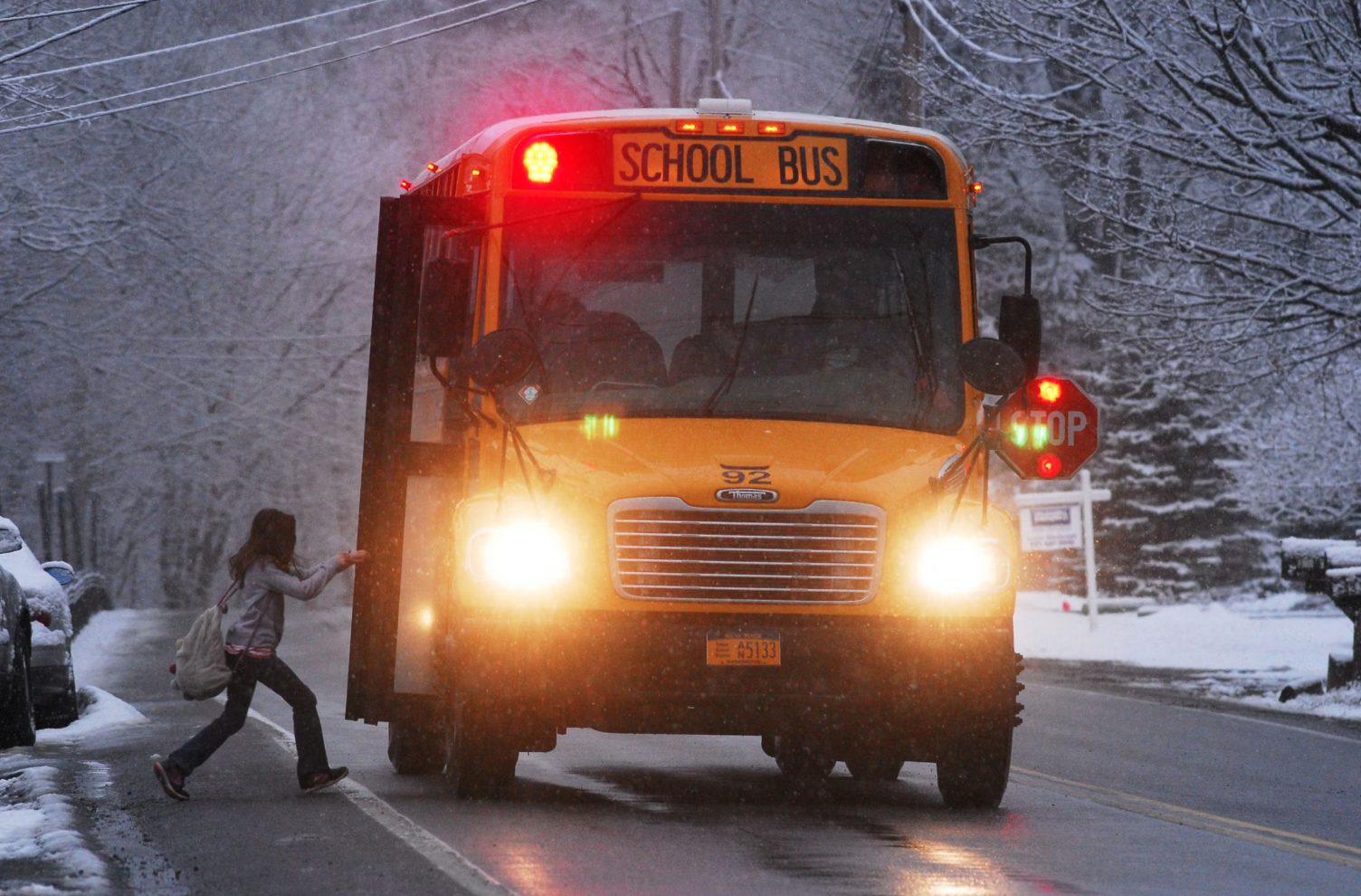
School Bus
A parent should review an autistic child’s school transportation plan with school staff, ensuring important IEP accommodations and safety procedures are confirmed in writing before the school year begins. (Pexels).

The school bus is often the first and last part of a child’s school day, making it just as important as what happens inside the classroom. For autistic children, even small changes during transportation can affect their comfort, safety, and ability to learn once they arrive at school. While many families focus on classroom accommodations, transportation services deserve the same level of attention and documentation. Confirming key bus arrangements in writing can reduce misunderstandings, create accountability, and help ensure consistent support throughout the school year.

Transportation Services Should Match the Child’s IEP

Transportation is not automatically provided as a special education service simply because a child has autism. Instead, the Individualized Education Program (IEP) team determines whether transportation is necessary for the student to access a free appropriate public education, and what accommodations are needed. If transportation is included, the IEP should clearly describe the specific supports rather than simply stating that bus service will be provided. Parents should request written confirmation that the transportation department has received and understands those requirements before the first day of school. This step helps reduce confusion between school staff and transportation providers while ensuring everyone is working from the same plan.

Written Details Help Prevent Daily Misunderstandings

A written transportation plan can address concerns that may seem minor but make a significant difference for an autistic child. Parents should confirm details such as pickup and drop-off locations, approximate pickup windows, who is authorized to receive the child, and procedures if no caregiver is present. If a child benefits from sitting near the front, riding a shorter route, or having consistent seating, those expectations should be documented whenever appropriate. Written communication also provides a record if questions arise later about whether agreed-upon accommodations were followed. Having these details in writing protects both families and school staff by creating clear expectations from the beginning.

Behavioral and Sensory Supports Matter During the Ride

The bus environment can be overwhelming because of loud noises, crowded seating, unpredictable routines, and extended travel times. For some autistic students, supports such as a trained bus aide, visual schedules, noise-reducing headphones, or scheduled seating may help reduce anxiety and prevent behavioral challenges. Parents should discuss these needs during the IEP meeting and request that approved accommodations be documented instead of relying on verbal agreements. A child who becomes distressed during unexpected route changes may benefit from advance notice or consistent transportation routines whenever possible. Addressing sensory and behavioral needs before problems occur often leads to safer, calmer rides for everyone involved.

Communication Plans Can Solve Problems Faster

Transportation issues rarely happen only once, making communication procedures just as important as the accommodations themselves. Parents should ask who to contact if the bus is running late, if a substitute driver is assigned, or if a transportation concern develops during the school year. It is also helpful to know how behavioral incidents, missed pickups, or safety concerns will be documented and shared with families. A clear communication process allows problems to be addressed before they become recurring issues. Many experienced parents find that email summaries after important conversations create an accurate record that everyone can reference later if needed.

Documentation Protects Everyone When Changes Occur

School transportation often changes throughout the year because of staffing shortages, route adjustments, or substitute drivers. When accommodations exist only through verbal conversations, important information can easily be overlooked during those transitions. Written documentation helps ensure that new transportation staff understand a child’s established needs without requiring parents to repeatedly explain them. If transportation services included in the IEP are interrupted, families should contact the school promptly to request clarification and discuss solutions through the IEP process. Maintaining organized records of emails, transportation notices, and IEP documents can make resolving concerns much smoother while supporting collaborative communication with the school.

The Ride to School Is Part of the Learning Experience

A successful school day begins long before the classroom door opens, and transportation plays an important role in that experience. When transportation services are carefully documented, autistic children are more likely to experience consistency, predictability, and appropriate support from home to school and back again. Parents should feel comfortable asking questions and requesting written confirmation whenever transportation plans are discussed because clear communication benefits everyone involved. Taking a proactive approach today can help prevent unnecessary stress and confusion throughout the school year.

What transportation accommodations have made the biggest difference for your child, and is there anything you wish you had requested in writing sooner? Share your experiences in the comments to help other families learn from your journey.

What to Read Next

5 Reasons You Should Let Your Child Catch The Bus To School

Sensory-Friendly School Supplies: What Helps and What Can Be Skipped

7 School Lunch Payment Fees Quietly Raising Parents’ Costs

Evan Morgan

Evan Morgan has been a full-time freelance writer and editor for 10+ years. When not working, he enjoys catching the latest true crime documentary or getting lost in a good book.

Filed Under: Parenting Tagged With: autism, autistic children, disability rights, education, IEP, Parenting, school bus safety, school transportation, special education

5 Back-to-School Costs Special-Needs Families May Be Able to Document

August 2, 2026 | Leave a Comment

Student With Therapist
Therapy, assistive technology, transportation, and specialized educational services can add substantially to a family’s back-to-school costs. Saving receipts and supporting records may make it easier to determine whether an expense qualifies for available assistance or reimbursement. (Pexels).

Back-to-school season can bring a surprisingly complicated stack of expenses for families raising children with disabilities or learning differences. Beyond notebooks and backpacks, back-to-school costs may include therapy, specialized technology, transportation, evaluations, and educational services. Some expenses may potentially qualify for reimbursement, tax-advantaged spending, or school-provided support, depending on the family’s circumstances and applicable rules. That makes careful documentation worth considering before receipts disappear into a drawer. Coverage and reimbursement rules vary, however, and keeping records never guarantees payment.

1. Therapy and Related Services

Speech-language, occupational, and physical therapy can become significant back-to-school costs when children need additional services outside school. Understood notes that these therapies can also be related services provided through an Individualized Education Program, or IEP, when needed for a student to benefit from special education. Families paying privately should consider saving itemized invoices, provider information, dates of service, payment confirmations, and relevant medical documentation. For example, a family paying a $40 weekly occupational-therapy copay could accumulate hundreds of dollars in out-of-pocket expenses during a semester. Before assuming those bills must remain entirely out of pocket, families can check their insurance, FSA, HSA, HRA, and school-related options.

2. Assistive Technology and Adaptive Equipment

Assistive technology can range from specialized software and communication tools to devices that help students access assignments or demonstrate what they know. When an IEP team determines that assistive technology is necessary for a student’s education, Understood explains that the school generally must provide and pay for it. Families who independently purchase equipment should still document the purchase, its purpose, recommendations from professionals, and any communication with the school or benefit administrator. Those records can help distinguish an ordinary consumer purchase from equipment obtained because of a child’s documented needs. Before spending hundreds of dollars on back-to-school costs such as specialized tablets or software, ask whether the school is responsible for providing the required support.

3. Specialized Tutoring or Educational Programs

Ordinary tutoring usually should not be treated automatically as a reimbursable medical expense simply because a student has a disability. However, FSA Store reports that certain learning-disability treatments, specialized education, or special-school tuition may qualify for FSA, HSA, or HRA reimbursement when applicable requirements are satisfied, including medical-necessity documentation in certain cases. Families should retain contracts, invoices, proof of payment, professional recommendations, and records explaining the program’s specific purpose. A $75 weekly specialized session, for instance, could total $1,125 over a 15-week semester. Because eligibility depends heavily on why the service is provided, families should verify the rules with their plan administrator or qualified tax professional before claiming these back-to-school costs.

4. Transportation Connected to Special Education

Transportation is another expense families may overlook when documenting education-related costs. Understood identifies transportation as a possible related service under an IEP when it is necessary for a child to benefit from special education. Wrightslaw similarly explains that specialized transportation may include travel to and from school and equipment such as adapted buses, lifts, or ramps when required. Families paying for transportation themselves should keep mileage logs, receipts, invoices, dates, destinations, and written communication explaining why the transportation was necessary. If transportation is connected directly to an IEP service, ask the school first whether it should be provided rather than assuming another reimbursement program will cover the expense.

5. Evaluations and Specialized Schooling

Evaluations can generate substantial back-to-school costs when families seek answers about learning, communication, behavioral, or developmental needs. Understood advises that certain evaluations performed by qualified medical providers may potentially count as medical expenses, depending on the circumstances and applicable tax rules. Specialized schooling can present another possibility when its primary purpose is addressing a qualifying learning disability and appropriate medical documentation supports that need. Parents should save evaluation reports, referral letters, tuition statements, receipts, provider credentials, and documentation explaining the relationship between the expense and the child’s needs. Never assume that private-school tuition or an independently obtained evaluation will automatically be reimbursed, because school obligations, health-plan coverage, and tax rules follow different standards.

Good Records Can Give Families More Options

The practical lesson is not that every special-needs expense will be reimbursed, but that undocumented back-to-school costs can be much harder to review later. Create a dedicated digital folder and save receipts, invoices, benefit explanations, IEP documents, professional recommendations, mileage records, and correspondence throughout the school year. Also check whether the school should provide a needed service before paying privately, particularly when the service or equipment appears in an IEP. Coverage and reimbursement rules vary, and there is no guarantee of payment, so families should confirm eligibility with their school district, insurer, benefits administrator, or qualified tax professional before making financial decisions.

Which special-needs school expense has surprised your family the most, and what documentation strategies have helped you manage it? Share your experience in the comments so other families can learn from it.

What to Read Next

7 Things Special Ed Teachers Can’t Always Tell Parents

Florida Special Ed Funding Changes: What Families Should Expect

The Costs Parents Shouldn’t Have to Cover for School-Related Special Needs Services

Evan Morgan

Evan Morgan has been a full-time freelance writer and editor for 10+ years. When not working, he enjoys catching the latest true crime documentary or getting lost in a good book.

Filed Under: Parenting Tagged With: assistive technology, back-to-school costs, education costs, family finances, IEP, occupational therapy, school expenses, special education, special needs families, speech therapy

How to Tell If a Child’s IEP Goals May Be Too Vague to Measure

August 2, 2026 | Leave a Comment

Boy In School
Clear IEP goals identify a student’s starting point, expected skill, target performance, and method for tracking progress. Families can use these details to ask informed questions and better understand whether educational progress can be measured. (Pexels).

An Individualized Education Program can contain pages of evaluations, services, accommodations, and goals, but the wording of those goals deserves especially close attention. Measurable IEP goals give families and educators a practical way to determine whether a student is actually making progress over time. A statement such as “will improve reading skills” may sound positive, yet it leaves important questions unanswered about the skill being measured and the expected result. Stronger goals identify what the student will do, under what conditions, and how success will be measured. Still, no single phrase determines whether an IEP is adequate, so families should consider the goal alongside evaluations, present levels, services, progress data, and the rest of the educational record.

Look for a Clear Starting Point

Measurable IEP goals usually make more sense when they connect to specific information about the student’s current performance. Imagine a third grader whose records show that she reads 55 correct words per minute in grade-level passages, yet her goal simply says she will “increase reading fluency.” Without a clear baseline and defined target, parents may struggle to tell whether 60, 80, or 100 words per minute represents the expected progress. Present levels can include assessment results, classroom performance, observations, work samples, and other information that explains where the student is starting. When reviewing a goal, ask whether someone unfamiliar with the child could reasonably identify the current challenge and understand the improvement being targeted.

Watch for Words That Cannot Be Easily Measured

Terms such as “improve,” “understand,” “participate more,” or “behave appropriately” can become warning signs when the IEP does not explain what those words mean in observable terms. For example, “Sam will improve classroom participation” does not identify whether participation means raising his hand, completing assignments, responding to questions, or remaining engaged during instruction. A more measurable version might specify that Sam will independently respond to a teacher prompt in four out of five documented opportunities across several sessions. This type of wording gives the team something concrete to observe and record instead of relying mainly on impressions. Measurable IEP goals should reduce reasonable disagreement about what counts as progress, even though professional judgment may still be part of interpreting the data.

Check Whether Success Has a Defined Target

A goal can identify the correct skill and still be difficult to measure if it never establishes what successful performance looks like. Consider a writing goal stating that a student “will write organized paragraphs with fewer errors,” which leaves “organized” and “fewer” open to interpretation. The team could instead identify a target involving a five-sentence paragraph, required organizational elements, a defined number of spelling or punctuation errors, and performance across multiple assignments. Depending on the skill, useful criteria might include percentages, frequency, duration, number of opportunities, rubric scores, or performance on an identified assessment. Measurable IEP goals do not need identical formulas, but the measurement method should fit the skill and provide meaningful evidence of change.

Make Sure Progress Can Be Tracked Over Time

Parents should also look beyond the final target and ask how progress toward it will actually be monitored during the year. If a goal says a student will solve fraction problems with 80% accuracy, for example, the team should be able to explain what work or assessment will produce that percentage and how frequently data will be collected. Consistent monitoring matters because an annual goal should function as more than a destination that is checked only near the next yearly meeting. Progress reports, curriculum-based measurements, work samples, structured observations, or other appropriate tools can help reveal whether instruction and supports are producing the expected improvement. If the measurement process is unclear, families can ask what data will be collected, who will collect it, and how the results will be shared.

Ask Questions Before Assuming a Goal Is Inadequate

Vague wording deserves attention, but families should avoid deciding that an entire IEP is inappropriate after reading one sentence in isolation. A goal that initially appears unclear may be better understood when considered with the student’s present levels, evaluation results, accommodations, services, instructional plan, and documented progress. Parents can bring specific questions to the IEP team, such as asking what skill is being measured, what the baseline is, what data will demonstrate progress, and what performance is expected by the end of the goal period. This approach can turn a general concern into a productive discussion about measurable IEP goals and the student’s individual educational needs. Families with significant concerns about their child’s program may also consider consulting a qualified special education advocate or attorney who can review the complete circumstances.

Clear Goals Make Progress Easier to See

The most useful IEP goals create a visible connection between where a student is now, what the student is expected to learn, and how the team will recognize progress. Specific targets and reliable measurement methods can help parents and educators discuss performance using evidence rather than relying only on impressions. At the same time, measurable wording is one part of an individualized program, and the quality of an IEP should be considered using the full educational record rather than a single checklist. When reviewing your child’s plan, ask whether each goal gives the team enough information to answer the simple question, “How will we know whether this child is making meaningful progress?”

Have you encountered an IEP goal that sounded positive but left you wondering how anyone would measure it, and if so, what questions did you ask the team—share your experience in the comments.

What to Read Next

IEP Reporting Rules: What Schools Must Document vs. What They Don’t

When an IEP Fails: 4 Steps Parents Can Take Before Filing a Complaint

The “Quiet” IEP Denials: 5 Phrases Schools Use to Delay Services

Evan Morgan

Evan Morgan has been a full-time freelance writer and editor for 10+ years. When not working, he enjoys catching the latest true crime documentary or getting lost in a good book.

Filed Under: Parenting Tagged With: education, IEP, IEP goals, learning disabilities, measurable IEP goals, Parents, special education, special education advocacy, student progress

What to Know About IEP Details Parents Should Recheck Before the First Day of School

August 1, 2026 | Leave a Comment

Girl In School
A parent should review an Individualized Education Program with highlighted accommodations before the first day of school, helping ensure important supports are ready when classes begin. (Pexels).

The first days of a new school year can be exciting, but they also bring understandable concerns for families of children with Individualized Education Programs (IEPs). Even when an IEP meeting ended on a positive note in the spring, it is worth reviewing the document before classes begin to ensure everyone is prepared. Small details, such as therapy schedules or classroom accommodations, can make a meaningful difference in how smoothly a student transitions back to school. Taking time to review an IEP before the first day helps parents identify questions early and work collaboratively with the school to support their child’s success.

Review Whether the IEP Still Reflects Your Child’s Current Needs

An IEP is designed to meet a child’s individual educational needs, and those needs can change over time. A student who made significant progress last year may need updated goals, while another child may require additional supports after new challenges emerged. Parents should carefully read annual goals, accommodations, related services, and present levels of academic performance to confirm they accurately describe their child today. If something seems outdated, families can request an IEP meeting rather than waiting until the next annual review. Reviewing these details before school starts helps ensure the educational plan matches the student’s current strengths and areas of need.

Confirm Accommodations, Services, and Communication Plans

Many parents assume everyone involved has already reviewed the IEP, but verifying key details can prevent unnecessary confusion. Check that classroom accommodations, such as sensory breaks, visual supports, assistive technology, or extended testing time, are clearly listed and remain appropriate. If your child receives speech therapy, occupational therapy, behavioral support, or other related services, confirm the frequency and delivery outlined in the document. It is also helpful to know who will coordinate communication between home and school, especially during the first few weeks. A brief email introducing yourself to the teacher and special education team can establish a positive partnership before classes begin.

Understand What Happens When Changing Schools

Families moving to a new district often worry that an existing IEP will automatically transfer without changes, but the process is more individualized than many realize. Under the Individuals with Disabilities Education Act (IDEA), schools must provide services comparable to the previous IEP while determining next steps, but eligibility and services are not guaranteed to remain exactly the same forever. A district may adopt the existing IEP or develop a new one after reviewing records and, if necessary, conducting additional evaluations, particularly when transferring between states. That means parents should bring copies of evaluations, progress reports, and the current IEP to help ensure a smooth transition. Understanding these rules helps set realistic expectations while protecting the child’s right to appropriate educational services.

Prepare for the First Week Before Problems Arise

Practical preparation often reduces stress for both children and parents during the opening days of school. Families of autistic students, for example, may benefit from reviewing classroom routines, practicing transportation plans, or visiting the campus before the first day if the school offers orientation opportunities. Parents should also verify emergency contacts, medication procedures, and any behavior support plans included in the IEP. Keeping organized copies of important documents in both paper and digital form can save valuable time if questions arise. These proactive steps encourage smoother communication and help schools provide appropriate support from day one.

The Best Start Begins with Partnership

A well-prepared IEP is one of the strongest tools available for supporting student success, but it works best when parents and educators communicate openly. Reviewing the document before school begins gives families an opportunity to catch outdated information, clarify expectations, and strengthen collaboration with the educational team. Remember that every child’s eligibility and services are individualized, particularly during school transfers, so avoid assuming accommodations automatically carry over unchanged. Asking thoughtful questions before the first bell rings often prevents misunderstandings later in the semester.

What part of your child’s IEP do you always double-check before school starts, and what advice would you share with another parent? Leave a comment below and join the conversation.

What to Read Next

IEP Reporting Rules: What Schools Must Document vs. What They Don’t

When an IEP Fails: 4 Steps Parents Can Take Before Filing a Complaint

The “Quiet” IEP Denials: 5 Phrases Schools Use to Delay Services

Evan Morgan

Evan Morgan has been a full-time freelance writer and editor for 10+ years. When not working, he enjoys catching the latest true crime documentary or getting lost in a good book.

Filed Under: Parenting Tagged With: autism, autism accommodations school transfer, Back to School, education, IDEA, IEP, Parents, school accommodations, school transition, special education

What Happens to Autism Accommodations When a Child Changes Schools?

August 1, 2026 | Leave a Comment

Kids In School
A parent should meet with school staff to review an autistic student’s educational supports before the first day, helping ensure a smoother transition and appropriate accommodations. (Pexels).

Changing schools can be stressful for any family, but it often brings added uncertainty when a child with autism depends on classroom accommodations to succeed. Many parents worry that an Individualized Education Program (IEP) or 504 Plan will automatically transfer without interruption, only to discover the process is more nuanced. The good news is that federal protections remain in place, but eligibility and services are individualized rather than guaranteed to stay exactly the same. Understanding how autism accommodations school transfer works can help families prepare, reduce delays, and advocate effectively for their child.

Understanding What Transfers and What May Change

When a child changes public schools, the new district must review existing educational records and determine how to provide appropriate support. If a student already has an IEP, the new school generally provides services comparable to the previous plan while reviewing records and deciding whether to adopt the existing IEP or develop a new one. That does not mean every accommodation automatically carries over unchanged because eligibility and services are individualized based on the student’s current needs. Students with a 504 Plan also remain protected, but the receiving school may review documentation before finalizing accommodations. Knowing this distinction helps families avoid the common misconception that every support follows a child unchanged from one school to another.

Why Early Communication Makes a Difference

One of the most effective ways to avoid service interruptions is to contact the new school before the first day of classes. Sharing copies of evaluations, the current IEP or 504 Plan, therapy reports, and recent progress updates gives staff time to prepare. For example, a child who benefits from sensory breaks, visual schedules, or a quiet testing environment is more likely to have those supports available quickly when teachers receive information early. Parents should also ask for a meeting with the special education team soon after enrollment to discuss expectations and answer questions. Strong communication often prevents confusion and helps everyone focus on the child’s successful transition instead of paperwork.

Preparing Your Child for a New Learning Environment

Moving to a different school means adjusting to new routines, teachers, classmates, and sensory experiences that can be overwhelming for autistic students. Visiting the campus before school starts, practicing the daily schedule, and showing photos of important locations can reduce anxiety. Some families create simple social stories that explain what the new school day will look like, making unfamiliar situations easier to understand. Teachers can also help by introducing classroom expectations gradually and identifying a trusted adult the student can approach when feeling overwhelmed. These practical steps often improve confidence while complementing formal accommodations already being discussed.

Advocating Without Assuming Every Support Will Stay the Same

Parents are their child’s strongest advocates, but effective advocacy begins with understanding that educational decisions are individualized. If a previous accommodation addressed a documented need and continues to be appropriate, families should explain why it remains important using recent examples from home, school, or therapy. For instance, if noise-canceling headphones consistently helped prevent sensory overload during independent work, sharing that evidence can strengthen the conversation with the new team. At the same time, parents should remain open to discussing different strategies that may meet the same educational goal. Collaboration usually produces better outcomes than assuming every detail of the previous plan will remain identical.

Moving Forward With Confidence

Changing schools does not erase a child’s educational rights, but it does begin a new review process focused on individual needs. Families who stay organized, communicate early, and understand how autism accommodations school transfer works are often better positioned to minimize disruptions. Every child deserves support that reflects their current strengths, challenges, and learning environment rather than a one-size-fits-all approach. With thoughtful planning and ongoing collaboration, school transitions can become opportunities for growth instead of sources of unnecessary stress. The goal is not simply preserving paperwork but ensuring each child receives meaningful accommodations that help them learn and thrive.

Have you navigated an autism accommodations school transfer, and what advice would you offer? Were there any surprises or strategies that made the transition easier? Share your thoughts and experiences in the comments below to help other families prepare for a smoother school change.

What to Read Next

How State Budget Changes Are Impacting Autism Support in Classrooms

The Screen-Time Paradox: How Digital Isolation Masks Early Autism Signs

Insurance Denials Are Rising for Key Autism Therapies

Evan Morgan

Evan Morgan has been a full-time freelance writer and editor for 10+ years. When not working, he enjoys catching the latest true crime documentary or getting lost in a good book.
Filed Under: Parenting Tagged With: 504 plan, autism, autism accommodations, autism accommodations school transfer, autism support, education, IEP, Parenting, school transfer, special education

7 Things Special Ed Teachers Can’t Always Tell Parents

July 16, 2026 | Leave a Comment

Teacher With Students
A special education teacher works with students while maintaining open communication with parents, highlighting the teamwork that helps children reach important milestones. (Pexels).

Raising a child with special needs often means building a close partnership with teachers, therapists, and support staff. Most special education teachers genuinely want families to feel informed, respected, and included, but there are times when professional boundaries, legal requirements, or limited resources prevent them from saying everything on their minds. That silence is rarely a sign of indifference. More often, it reflects a commitment to protecting students, maintaining trust, and navigating the complex realities of special education.

1. They Often See Strengths Parents Haven’t Noticed Yet

Special education teachers spend hours observing students in structured and social settings, giving them a unique perspective on growth. A child who struggles with reading may quietly excel at solving problems, helping classmates, or using assistive technology. Teachers often celebrate these victories even when standardized tests fail to capture them. Sharing those strengths consistently can help families focus on progress instead of comparing their child to traditional milestones. This perspective encourages confidence while reinforcing that success looks different for every learner.

2. They Can’t Discuss Other Students, Even When Comparisons Feel Natural

Parents naturally wonder how their child compares with classmates or why another student receives different support. However, privacy laws require teachers to keep every student’s educational information confidential, even during casual conversations. That means teachers may appear vague when they actually know the answer but cannot legally share it. While this can feel frustrating, the same protections also safeguard your child’s privacy. Respecting confidentiality helps create a safe environment where every family can trust the school.

3. Progress Is Sometimes Slower Than Everyone Wishes

Special education teachers invest significant time collecting data, adjusting instruction, and monitoring Individualized Education Program (IEP) goals. Even with evidence-based strategies, meaningful progress may take months rather than weeks because every child develops at a different pace. Teachers often feel the same disappointment parents experience when growth seems slow. Research continues to show that individualized instruction and strong family-school collaboration improve long-term outcomes, even when progress appears gradual.

4. They Wish They Had More Time With Every Student

Many special education teachers manage large caseloads while coordinating with general education teachers, therapists, specialists, and administrators. Beyond classroom instruction, they complete extensive documentation, attend IEP meetings, communicate with families, and monitor student progress. Ongoing staffing shortages continue to place additional pressure on educators across the country. Despite these challenges, most teachers work hard to ensure every student receives meaningful support. Their dedication often extends well beyond the final school bell.

5. Home Support Makes a Bigger Difference Than Expensive Programs

Parents sometimes worry they need costly tutoring programs or specialized materials to help their child succeed. In reality, consistent routines, reading together, practicing communication skills, and reinforcing classroom strategies at home often produce meaningful results. A teacher may quietly wish families understood how powerful these everyday moments can be. Even ten to fifteen minutes of focused practice several times a week can reinforce classroom learning. When school and home use similar strategies, children typically gain confidence more quickly.

6. They Celebrate Every Small Victory

What may seem like a tiny achievement to others can represent months of dedicated effort for a student receiving special education services. Making eye contact, writing a complete sentence, asking for help independently, or transitioning calmly between activities can be major milestones. Teachers often remember these breakthroughs long after the school year ends because they represent persistence and resilience. Recognizing small wins also helps students build motivation for bigger challenges. Celebrating progress instead of perfection creates a healthier learning experience for everyone involved.

7. They Want Parents to Ask Questions and Work as Partners

Most special education teachers appreciate parents who ask thoughtful questions, share observations from home, and participate actively in IEP meetings. Honest communication helps identify challenges earlier and creates more consistent support for the child across environments. Teachers also understand that receiving a diagnosis or navigating special education services can feel overwhelming for families. Building trust takes time, but respectful collaboration almost always benefits the student. The strongest partnerships are built on listening, flexibility, and a shared commitment to helping the child succeed.

The Real Message Behind the Silence

Special education teachers carry responsibilities that extend far beyond classroom instruction, and sometimes professional ethics prevent them from expressing every concern or opinion. Behind those quiet moments is usually someone advocating, planning, documenting, and searching for new ways to help students reach their potential. Parents who recognize these unseen responsibilities often build stronger, more productive relationships with their child’s educational team. When families and teachers trust one another, children benefit academically, socially, and emotionally.

What has a special education teacher done that made a lasting difference for your family? Share your experience in the comments below and join the conversation.

What to Read Next

The Costs Parents Shouldn’t Have to Cover for School-Related Special Needs Services

How Parents Can Seek Reimbursement for Out-of-Pocket Therapy Costs

Why Gentle Parenting Doesn’t Meet Every Neurodivergent Child’s Needs

Evan Morgan

Evan Morgan has been a full-time freelance writer and editor for 10+ years. When not working, he enjoys catching the latest true crime documentary or getting lost in a good book.

Filed Under: Parenting Tagged With: child development, disabilities, education, family support, IEP, Parenting, school, special education, special education teachers, teachers

IEP Reporting Rules: What Schools Must Document vs. What They Don’t

July 14, 2026 | Leave a Comment

Child In School Hallway
Educators should review an Individualized Education Program with a parent, highlighting required progress reports, measurable goals, and the documentation schools must legally maintain. (Pexels).

Parents often assume every classroom note, teacher observation, or conversation about their child must appear in an Individualized Education Program (IEP) record. In reality, federal law draws a clear line between information schools are required to document and information they may keep as informal working notes.

Under the Individuals with Disabilities Education Act (IDEA), an Individualized Education Program (IEP) is a legally required document that must include specific information about a student’s services, goals, accommodations, and progress monitoring. However, not every classroom observation or teacher note is required to become part of the official record.

What Schools Are Legally Required to Document

An IEP must include a student’s current academic and functional performance levels, measurable annual goals, special education services, accommodations, and how progress toward those goals will be measured. Schools must also specify when parents will receive progress reports, which often coincide with report cards but can follow another schedule if the IEP states it. If services change, those changes must be reflected in the IEP after the proper team process. These requirements exist because the IEP is a legally binding document, not simply a collection of classroom notes. Understanding these core IEP reporting rules helps parents recognize whether essential information is missing from their child’s records.

What Schools Usually Do Not Have to Document

Not every interaction between a teacher and student belongs in the official IEP file. Casual classroom reminders, brief conversations, informal observations, and personal memory aids used only by a teacher generally are not required parts of the student’s educational record. Likewise, schools are not obligated to record every daily instructional adjustment unless it affects the student’s documented services or progress monitoring. Parents sometimes worry that missing informal notes indicate wrongdoing, but that is not automatically the case. Knowing what falls outside official IEP reporting rules can prevent unnecessary misunderstandings while keeping attention on legally required documentation.

Progress Reports Should Show Meaningful Data

One of the most overlooked requirements involves documenting progress toward annual IEP goals. Federal regulations require schools to explain how progress will be measured and when those updates will be shared with families. For example, if a reading goal calls for achieving 90 words per minute with 95% accuracy, progress reports should include measurable data rather than vague statements. Specific numbers, percentages, or frequency counts help parents determine whether interventions are working.

Parents should also expect updates that show how their child is progressing toward each annual goal using the measurement method described in the IEP. Depending on the goal, that may include percentages, reading fluency rates, behavior frequency counts, work samples, or other objective data—not simply statements such as “making progress” or “improving.” IDEA also requires the IEP to specify when those reports will be provided.

Parents have the right under the Family Educational Rights and Privacy Act (FERPA) to inspect and review their child’s education records. If you believe important records are missing or inaccurate, you can request to review the student’s file and discuss concerns with the school.

Common Misunderstandings Parents Should Know

Many parents believe report cards and IEP progress reports serve the same purpose, but they measure different things. A report card reflects classroom performance, while an IEP progress report measures advancement toward individualized goals established by the IEP team. While report cards may reference IEP progress when communicating with parents, schools should be careful about unnecessarily disclosing disability status on transcripts that may be shared with colleges, employers, or other third parties. Federal disability and privacy laws are designed to prevent unnecessary disclosure of a student’s disability.

Questions to Ask at Your Next IEP Meeting

  • How is each goal being measured?
  • Can you show me the data used for the progress report?
  • When will I receive future progress reports?
  • What happens if my child isn’t making expected progress?
  • How are accommodations being documented?
  • Has anything changed since the last IEP meeting?

Knowing What Belongs in an IEP Helps Parents Advocate More Effectively

Understanding IEP reporting rules empowers parents to focus on the records that truly matter instead of worrying about every informal classroom interaction. If progress reports lack measurable data or required services are missing from documentation, those concerns deserve immediate discussion with the IEP team. Keeping organized copies of evaluations, IEPs, progress reports, and meeting notes also makes future conversations far more productive. Families who understand the documentation process are often better equipped to advocate effectively while maintaining positive relationships with educators.

What questions do you still have about IEP reporting rules, and has your child’s school explained its documentation process clearly? Share your experience in the comments to help other families navigate the special education process.

What to Read Next

When an IEP Fails: 4 Steps Parents Can Take Before Filing a Complaint

The “Quiet” IEP Denials: 5 Phrases Schools Use to Delay Services

What Families Lose When Moving From Public School IEPs to Private Voucher Schools

Evan Morgan

Evan Morgan has been a full-time freelance writer and editor for 10+ years. When not working, he enjoys catching the latest true crime documentary or getting lost in a good book.

Filed Under: Education Tagged With: advocacy, disability services, Education Law, IDEA, IEP, IEP reporting rules, Parents, school records, special education, student progress

Florida Special Ed Funding Changes: What Families Should Expect

July 14, 2026 | Leave a Comment

Boy In School
Parents should review an IEP with school staff while discussing Florida special education funding changes and how they may affect student services. Staying informed helps families confidently advocate for the support their children need. (Pexels).

More than 400,000 Florida students receive Exceptional Student Education services each year, making Florida one of the nation’s largest special education systems. Lawmakers have been making adjustments to school funding formulas, scholarship programs, and Exceptional Student Education (ESE) allocations. For families, these updates can sound overwhelming, especially when headlines focus on budgets rather than on how children will be affected in the classroom. The good news is that changes to funding do not automatically reduce a student’s legal right to receive services outlined in an Individualized Education Program (IEP). Understanding what is changing—and what remains protected—can help parents make informed decisions and confidently advocate for their children.

Florida Special Education Funding Is Becoming More Targeted

For the 2025-26 school year, Florida continued funding Exceptional Student Education (ESE) through the Florida Education Finance Program (FEFP), including the ESE Guaranteed Allocation for many students with disabilities and additional funding for students with the highest support needs through the state’s service matrix system.

Florida special education funding is distributed through several funding streams, including the FEFP and the state’s Exceptional Student Education Guaranteed Allocation. Students with the most intensive support needs continue to generate additional funding through service matrices that measure the level of services required under their IEPs. Recent state budgets have maintained funding formulas while updating annual funding amounts and weighted cost factors for students with higher support needs.

The Florida Department of Education reminds districts that services for students with disabilities must continue to comply with the federal Individuals with Disabilities Education Act (IDEA), regardless of annual budget discussions.

Your Child’s IEP Still Determines Services

One of the biggest misconceptions is that schools can reduce services simply because funding changes. Federal law under the Individuals with Disabilities Education Act (IDEA) still requires districts to provide every service documented in a student’s IEP. For example, if a child receives speech therapy twice a week, the district cannot eliminate those sessions solely because of local financial pressures. Funding helps schools pay for services, but it does not replace the legal protections built into an IEP.

Schools may propose IEP changes if a student’s educational needs change, but they cannot reduce services simply because of budget constraints. Any proposed changes must be discussed through the IEP process, with parents participating as equal members of the team.

Scholarship Growth May Influence School Budgets

Florida has continued expanding scholarship opportunities for eligible students with disabilities, including programs that help families access private educational services. Scholarship availability has increased alongside exceptional student enrollment, giving more qualifying families additional educational choices. While many parents appreciate having more options, increased scholarship participation may also contribute to enrollment shifts that affect district budgets.

Families considering a scholarship-funded private placement should understand that many private schools accepting scholarship students are not required to provide the full range of IDEA procedural protections that public schools must offer. It is important to carefully compare available services before changing educational settings because private schools do not always provide the same protections guaranteed under IDEA as public schools.

Families Should Watch for Staffing and Service Delivery Changes

Even when student services remain protected, funding adjustments can influence how districts deliver those services. Some schools may experience therapist shortages, larger caseloads, or longer timelines for filling vacant special education positions. Imagine a district struggling to hire occupational therapists; students may still receive required therapy, but scheduling could become more challenging until staffing improves.

If required services are missed repeatedly, parents can ask the district whether compensatory services are appropriate to help make up for lost instructional time, depending on the circumstances and the student’s needs.

Maintaining open communication with teachers, therapists, and case managers throughout the school year will go a long way. Documenting missed sessions and requesting makeup services when appropriate can also strengthen ongoing collaboration.

Staying Informed Is Your Best Advocacy Tool

Florida special education funding will likely continue evolving as lawmakers approve new state budgets each year. Parents do not need to become finance experts, but understanding how funding works makes conversations with schools far more productive. Attend IEP meetings prepared with questions about staffing, services, and any proposed changes affecting your child. Keeping organized records of evaluations, progress reports, and communications can make resolving concerns much easier if disagreements arise. The more informed families are, the better positioned they are to ensure their children receive the support they deserve.

Questions Parents Should Ask At Your Next IEP Meeting

  • Will my child’s services change this year?
  • Has staffing changed?
  • How will missed therapy sessions be made up?
  • Who should I contact if services aren’t delivered?
  • Are there vacancies affecting special education staff?

What Matters Most for Florida Families Moving Forward

Florida special education funding will continue changing as education priorities evolve, but the foundation of special education remains the same. Students with disabilities still have legally protected rights to individualized services that meet their educational needs. Parents who stay informed, participate actively in IEP meetings, and communicate regularly with school staff are often the strongest advocates for their children. Budget headlines may change from year to year, but informed families are better equipped to navigate those changes with confidence.

What questions do you still have about Florida’s special education funding, and how do you think these changes could affect your family? Share your thoughts and experiences in the comments below.

What to Read Next

Florida Families Report Longer Delays for School-Based Autism Services

Florida Families Say Social Security Delays Are Disrupting Autism Therapy Access

The SEED Act Victory: What Parents Should Know About the New 2026 Child Care Funding

Evan Morgan

Evan Morgan has been a full-time freelance writer and editor for 10+ years. When not working, he enjoys catching the latest true crime documentary or getting lost in a good book.

Filed Under: Education Tagged With: disabilities, education funding, Florida ESE, Florida special education funding, IDEA, IEP, Parents, school choice, special education

The Costs Parents Shouldn’t Have to Cover for School-Related Special Needs Services

July 13, 2026 | Leave a Comment

Expenses
A parent should review an IEP with school staff while discussing therapy, accommodations, and educational support that should be provided without additional out-of-pocket costs. (Pexels).

Raising a child with special needs often comes with extra expenses, but many parents are surprised to learn that some school-related services should not come out of their own pockets. Federal law requires public schools to provide eligible students with the support they need to receive an appropriate education, yet confusion over what schools must cover remains common. As a result, some families unknowingly pay for services that should be provided at no cost through an Individualized Education Program (IEP) or other approved accommodations. Understanding where your financial responsibility ends can help you protect both your child’s education and your family’s budget.

Related Services Required in an IEP Should Be Free

If a student’s IEP determines that services such as speech therapy, occupational therapy, physical therapy, counseling, or transportation are necessary for educational success, those services should generally be provided at no cost to parents. Schools cannot ask families to pay out of pocket simply because a district has staffing shortages or budget concerns. For example, if a child requires weekly speech therapy to meet educational goals, the district remains responsible for ensuring those sessions are available. Many parents mistakenly accept private bills because they assume the school lacks funding, but financial limitations do not remove a district’s legal responsibilities. Knowing your child’s documented services is one of the strongest ways to avoid unnecessary expenses.

Required Classroom Accommodations Are Not Parent Purchases

Families are sometimes told to provide specialized classroom materials, assistive technology, or adaptive seating that has already been identified as necessary for learning. If these tools are required for a student to access the curriculum under an IEP, schools are generally responsible for supplying them. A child who relies on communication software, sensory supports, or adaptive classroom equipment should not have educational access determined by a parent’s ability to pay. While parents may choose upgraded or personal versions for home use, the school must provide appropriate resources during the school day. Asking for clarification during IEP meetings can prevent costly misunderstandings before they become ongoing expenses.

Special Education Evaluations Should Not Create Surprise Bills

Initial evaluations and required reevaluations used to determine eligibility for special education services are generally conducted at no cost to families in public schools. If parents disagree with a school evaluation, they may also have the right to request an Independent Educational Evaluation under certain circumstances. Imagine a parent being told to spend several thousand dollars on private testing before services can begin when the school has not completed its own evaluation process. In many cases, that expense should not fall entirely on the family. Understanding evaluation rights allows parents to ask informed questions before agreeing to expensive private assessments.

Don’t Confuse Optional Costs With Required Educational Services

There are situations where parents voluntarily choose services outside what schools are legally required to provide. Private tutoring, extracurricular therapy beyond the school day, or independently selected specialists may become personal expenses if they are not part of the student’s educational plan. Likewise, families who voluntarily enroll their child in a private school may face different funding rules than those attending public schools. The important distinction is whether the service is necessary for providing a free appropriate public education through the public school system. Knowing that difference can help families make financial decisions with realistic expectations while avoiding common misconceptions.

The Bottom Line Every Parent Should Remember

No family should pay for services that are legally required to help a child receive an appropriate public education. While not every expense connected to raising a child with special needs is covered, understanding the difference between optional services and legally required educational support can prevent costly mistakes. Taking time to review your child’s IEP, ask detailed questions during meetings, and request written explanations whenever costs arise can make a significant financial difference. The more informed parents become, the better equipped they are to ensure their children receive the services they deserve without paying for responsibilities that belong to the school.

What has your experience been with school-related special needs services? Have you ever been asked to pay for something you later discovered should have been covered? Share your story in the comments and join the conversation.

What to Read Next

How Parents Can Seek Reimbursement for Out-of-Pocket Therapy Costs

The Hidden Costs of an Autism Diagnosis: 7 Expenses Families Face

Parents Are Shocked by the Cost of Special Needs Summer Camps in 2026

Evan Morgan

Evan Morgan has been a full-time freelance writer and editor for 10+ years. When not working, he enjoys catching the latest true crime documentary or getting lost in a good book.

Filed Under: Parenting Tagged With: disability rights, education, family finances, IEP, occupational therapy, Parenting, school-related special needs services, special education, speech therapy

Soft Suspensions: How Schools Are Informally Removing Students With Disabilities

July 13, 2026 | Leave a Comment

Boy In School
A student with disabilities should work alongside a supportive teacher, highlighting the importance of inclusive classrooms over informal removals that reduce learning time. (Pexels).

Parents often expect a school suspension to come with official paperwork, clear policies, and documented reasons. However, many families of children with disabilities are discovering a less visible practice known as a soft suspension. These informal removals can include repeated requests to pick up a child early, shortened school days, or being told to keep a student home without formal disciplinary action. Understanding how soft suspensions affect students with disabilities is essential because these practices can disrupt learning while avoiding the accountability that comes with formal suspensions.

What Are Soft Suspensions and Why Do They Matter?

A soft suspension occurs when a school informally removes a student from the learning environment without officially recording it as a suspension. Examples include frequent phone calls asking parents to pick up a child due to behavioral challenges, shortened schedules that were never approved through the student’s Individualized Education Program (IEP), or encouraging families to keep students home after difficult days. These informal removals may still violate students’ educational rights if they significantly reduce access to instruction. Researchers have noted that undocumented exclusionary practices often receive far less attention than formal suspensions. Understanding these practices helps families recognize when additional advocacy may be necessary.

How Soft Suspensions Affect Students With Disabilities

The effects of a soft suspension often extend well beyond the missed school day. Students with autism, ADHD, emotional disabilities, or other support needs may lose valuable instructional time, therapy services, and opportunities to build relationships with classmates. Imagine a child who is sent home early twice each week because staff members feel unprepared to manage behavioral challenges; those missed hours quickly add up over an entire school year. Families may also face lost income when parents repeatedly leave work to pick up their children on short notice. Over time, these disruptions can increase academic gaps while making students feel unwelcome in school.

Why Schools Sometimes Turn to Informal Removals

Most educators genuinely want students to succeed, but many schools struggle with limited staffing, inadequate behavioral supports, and growing classroom demands. When a student experiences repeated emotional or behavioral challenges, administrators may view an early pickup as the quickest solution instead of implementing evidence-based interventions. Students with disabilities continue to experience exclusionary discipline at higher rates than their peers. Experts recommend investing in staff training, behavioral specialists, and positive intervention strategies instead of relying on informal removals. These supports benefit both students and educators.

What Parents Can Do If They Suspect a Soft Suspension

Parents should keep detailed records whenever a school requests that their child leave early or stay home because of behavior. Saving emails, documenting phone conversations, and tracking missed instructional hours can provide valuable evidence if concerns continue. Families also have the right to request an IEP meeting to discuss additional accommodations or behavioral supports. Open communication with teachers often resolves misunderstandings before they escalate. Knowing your child’s educational rights is one of the strongest tools for protecting access to learning.

Building Schools That Include Every Student

Reducing the use of a soft suspension requires a shared commitment from educators, families, and school leaders. Schools that invest in de-escalation training, behavioral intervention plans, mental health resources, and inclusive classroom practices often see stronger outcomes for all students. When children receive consistent support instead of repeated exclusion, they are more likely to remain engaged and succeed academically. Transparency in discipline practices also helps districts identify patterns that may otherwise remain hidden. Inclusive schools create stronger relationships between educators, students, and families.

The Bigger Picture for Students and Families

Soft suspensions may be less visible than formal disciplinary actions, but their impact on students with disabilities can be just as significant. Recognizing these practices is the first step toward ensuring every child receives the educational opportunities they deserve. Families who stay informed, ask questions, and document concerns are better equipped to advocate for meaningful solutions instead of temporary fixes. Schools also benefit when they replace informal removals with proactive supports that keep students engaged in learning.

Have you or someone you know experienced a soft suspension? Share your thoughts or experiences in the comments and join the conversation about creating more inclusive schools for every student.

What to Read Next

5 Signs Your Child’s School Is Struggling With Special Ed Compliance

The “Unteachable” Label: How Some Students Are Quietly Flagged

North Carolina Schools: 5 Policy Shifts Affecting Special Needs Families

Evan Morgan

Evan Morgan has been a full-time freelance writer and editor for 10+ years. When not working, he enjoys catching the latest true crime documentary or getting lost in a good book.

Filed Under: Education Tagged With: disability rights, education, IDEA, IEP, inclusive education, Parenting, school discipline, soft suspension, special education, students with disabilities

Why Districts Are Increasingly Outsourcing Special Ed Services

July 12, 2026 | Leave a Comment

Boy In School
Special education professionals work one-on-one with students while collaborating with classroom staff, highlighting how outsourced specialists help districts maintain essential support amid nationwide staffing shortages. (Pexels).

School districts across the United States are facing unprecedented challenges in providing consistent support for students with disabilities. Rising demand for special education, ongoing staffing shortages, and tighter budgets have pushed many districts to rethink how they deliver essential services. As a result, outsourcing special education services has become an increasingly common solution rather than a temporary fix. While some parents worry that outsourcing could reduce quality, many districts are using specialized providers to maintain legally required services and ensure students continue receiving the support outlined in their Individualized Education Programs (IEPs).

Staffing Shortages Are Driving the Shift

One of the biggest reasons districts are outsourcing special education services is the nationwide shortage of qualified professionals. Schools continue to struggle to hire speech-language pathologists, occupational therapists, school psychologists, and special education teachers, leaving many positions vacant for months. National education reports consistently identify special education as one of the hardest areas to staff. Rather than allowing students to miss legally required support, districts often contract with outside specialists who can begin working immediately. This approach helps schools remain compliant while minimizing disruptions to student learning.

Specialized Providers Offer Greater Flexibility

Outsourcing special education services gives districts access to experienced professionals without committing to permanent hires when staffing needs fluctuate. A rural district may only need a school psychologist for a few days each week, making a full-time position financially impractical. Specialized agencies allow administrators to scale services based on actual student needs. Many providers also offer teletherapy and virtual evaluations that expand access to underserved communities. This flexibility has become increasingly valuable as student enrollment and support needs continue to evolve.

Financial Pressures Are Reshaping District Decisions

Special education remains one of the fastest-growing expenses in many school budgets. At the same time, districts face financial uncertainty while trying to preserve classroom instruction and student support programs. Outsourcing special education services can help reduce recruitment costs, employee benefits, and long-term staffing obligations. District leaders increasingly cite predictable budgeting and access to specialized expertise as major advantages. Although outsourcing is not always the least expensive option, it often provides greater financial stability.

Parents Often Benefit from Faster Access to Services

Families naturally want consistency for their children, and some initially worry when outside providers are involved. However, an experienced contracted therapist is often preferable to waiting months for a vacant district position to be filled. A student requiring weekly speech therapy can continue progressing instead of losing valuable instructional time. Many contracted professionals work exclusively with children who have disabilities and collaborate closely with school teams. Maintaining communication between parents, teachers, and providers remains essential for successful outcomes.

Outsourcing Is Not a One-Size-Fits-All Solution

Although outsourcing special education services offers many advantages, districts must carefully manage the process. Frequent turnover among contractors can disrupt relationships that students depend on. Schools must ensure providers understand district procedures, document services properly, and coordinate with classroom teachers. Strong oversight helps maintain educational quality while meeting legal responsibilities. When managed effectively, outsourced professionals complement existing school staff instead of replacing them.

The Future Will Likely Include Hybrid Service Models

Many education leaders now view outsourcing as one component of a broader staffing strategy. Districts continue investing in recruiting permanent employees while partnering with outside agencies to address difficult-to-fill positions. Hybrid staffing models provide greater flexibility during periods of changing enrollment and increased student needs. This balanced approach allows schools to maintain continuity while expanding access to specialized expertise. Ultimately, the goal remains ensuring every student receives timely, high-quality support.

Looking Ahead: Keeping Students at the Center

The growing trend of outsourcing special education services reflects the complex realities facing today’s school districts. Staffing shortages, rising demand, and financial pressures have made outside partnerships an increasingly practical solution. When implemented thoughtfully, outsourcing helps schools maintain compliance while reducing delays in student services. Parents should remain actively involved and communicate regularly with educators and providers to ensure their child’s needs are met.

Do you believe outsourcing special education services benefits students, or should districts focus more on expanding their in-house teams? Share your thoughts in the comments below.

What to Read Next

Golden Arches, Empty Wallet: 7 Real-World Meals Better Than Takeout

7 Things Daycares Charge Extra For in 2026 That Used to Be Free

Teachers Warn: 4 Classroom Strategies That Can Harm Autistic Students

Evan Morgan

Evan Morgan has been a full-time freelance writer and editor for 10+ years. When not working, he enjoys catching the latest true crime documentary or getting lost in a good book.

Filed Under: Education Tagged With: education funding, education policy, IEP, occupational therapy, outsourcing special education services, public schools, school districts, special education, speech therapy, staffing shortages

« Previous Page
Next Page »
  • Facebook
  • Pinterest
  • RSS
  • Twitter

Basic Principles Of Good Parenting

Here some basic principles for good parenting:

  1. What You Do Matters: Your kids are watching you. So, be purposeful about what you want to accomplish.
  2. You Can’t be Too Loving: Don’t replace love with material possessions, lowered expectations or leniency.
  3. Be Involved Your Kids Life: Arrange your priorities to focus on what your kid’s needs. Be there mentally and physically.
  4. Adapt Your Parenting: Children grow quickly, so keep pace with your child’s development.
  5. Establish and Set Rules: The rules you set for children will establish the rules they set for themselves later.  Avoid harsh discipline and be consistent.
  6. Explain Your Decisions: What is obvious to you may not be evident to your child. They don’t have the experience you do.
  7. Be Respectful To Your Child: How you treat your child is how they will treat others.  Be polite, respectful and make an effort to pay attention.
Best Parenting Blogs

Most Popular

Baby

9 Unusual Baby Names That Sound Like They Belong to Future CEOs

Evan Morgan
Baby

10 Baby Names That Were Once Considered “Grandparent Names” but Feel Cool Again

Evan Morgan
Target Store

Choking Incident Prompts Recall of 49,000 Target Gigglescape “Under the Sea” Popping Toys

Evan Morgan
Frustrated Girl

Why Some Students on the Spectrum Are Labeled With ODD

Evan Morgan
Coke Bottles

12 Things Kids Took to School in the ’70s That Would Never Be Allowed Today

Evan Morgan

All content on Kids Ain’t Cheap is for entertainment purposes only. By reading this blog, you agree that Kids Ain’t Cheap is not responsible for any actions taken after reading this blog. For the full disclaimer, see our privacy policy.

Please note that Kids Ain’t Cheap has financial relationships with some of the merchants mentioned here. Kids Ain’t Cheap is funded by banner advertising, commission sales and search optimization consulting.

Copyright © 2006–2026 | District Media | All Rights Reserved | Privacy Policy

Copyright © 2026 Runway Pro Theme by Viva la Violette