
• Home
  • About Us
  • Toolkit
  • Archives
  • Advertise
  • Privacy Policy

Kids Ain't Cheap

But They Sure Are Worth It

  • Parenting
    • Baby Stuff
    • Books and Reading
      • Aesops Fables
      • Comic Books
    • Education
    • Family Time
    • Green Living
    • Growing Up
    • Healthy Living & Eating
    • Holidays
    • Parenting
    • Random Musings
    • Shopping
    • Stuff to Do
  • Money
  • Product Reviews
    • Books and Magazines
    • Discount Sites
    • Furniture
    • House Keeping
    • Reviews News
    • Toys and Games
  • Contact Us
  • Our Editorial Commitment
  • Search

7 Summer Habits That Can Lead to Sickness Fast

June 17, 2025 | Leave a Comment

7 Summer Habits That Can Lead to Sickness Fast
123rf.com

Summer is a season packed with sunshine, fun, and family memories—but it’s also a time when some seemingly harmless routines can sneakily put your child’s health at risk. From poolside snacks to packed playdates, many common summer habits that can lead to sickness fast often fly under the radar. While no parent wants to hover or kill the vibe, it’s worth paying attention to these patterns so your family can enjoy the season with fewer sick days. Awareness is half the battle, and a few easy adjustments can make a big difference. Let’s dive into the habits that might be doing more harm than good.

1. Skipping Handwashing at Playgrounds and Parks

Summer means more outdoor time, which also means more public surfaces touched by countless little hands. Jungle gyms, splash pads, and sandboxes may be full of adventure—but they’re also full of germs. Kids often head straight from swinging or sliding to eating a snack without washing up. Without proper hand hygiene, bacteria and viruses can easily find their way into little bodies. This is one of the top summer habits that can lead to sickness fast, especially when it becomes a daily routine.

2. Overindulging in Sugary Summer Treats

Between popsicles, lemonade stands, and ice cream trucks, sugar overload is practically built into summer. While treats are a fun part of the season, too much sugar can suppress the immune system and mess with gut health. Some kids end up snacking more frequently and eating fewer nutrient-rich meals. A weakened immune system paired with more public exposure can make them more prone to colds or stomach bugs. It’s important to balance those sweet moments with whole foods that keep kids strong.

3. Neglecting Hydration on Hot Days

Children can become dehydrated quickly in warm weather—especially when they’re running, playing, and sweating without regular water breaks. By the time a child says they’re thirsty, they may already be mildly dehydrated. Dehydration can cause headaches, fatigue, dizziness, and increase the risk of heat-related illnesses. Kids also tend to forget to drink unless they’re reminded or see others doing it. Making hydration fun with a colorful bottle or fruit-infused water helps build a better habit.

4. Wearing the Same Wet Swimsuit for Hours

Whether it’s a trip to the beach or a pool playdate, kids often end up wearing wet swimsuits for hours on end. While it might seem harmless, sitting in damp fabric can increase the risk of skin irritation, rashes, and even infections like swimmer’s ear or UTIs. Changing into dry clothes after swimming is one of those small actions that goes a long way. It’s not just about comfort—it’s a health choice. Make a habit of packing dry backups every time.

5. Letting Bedtime Slide Too Far

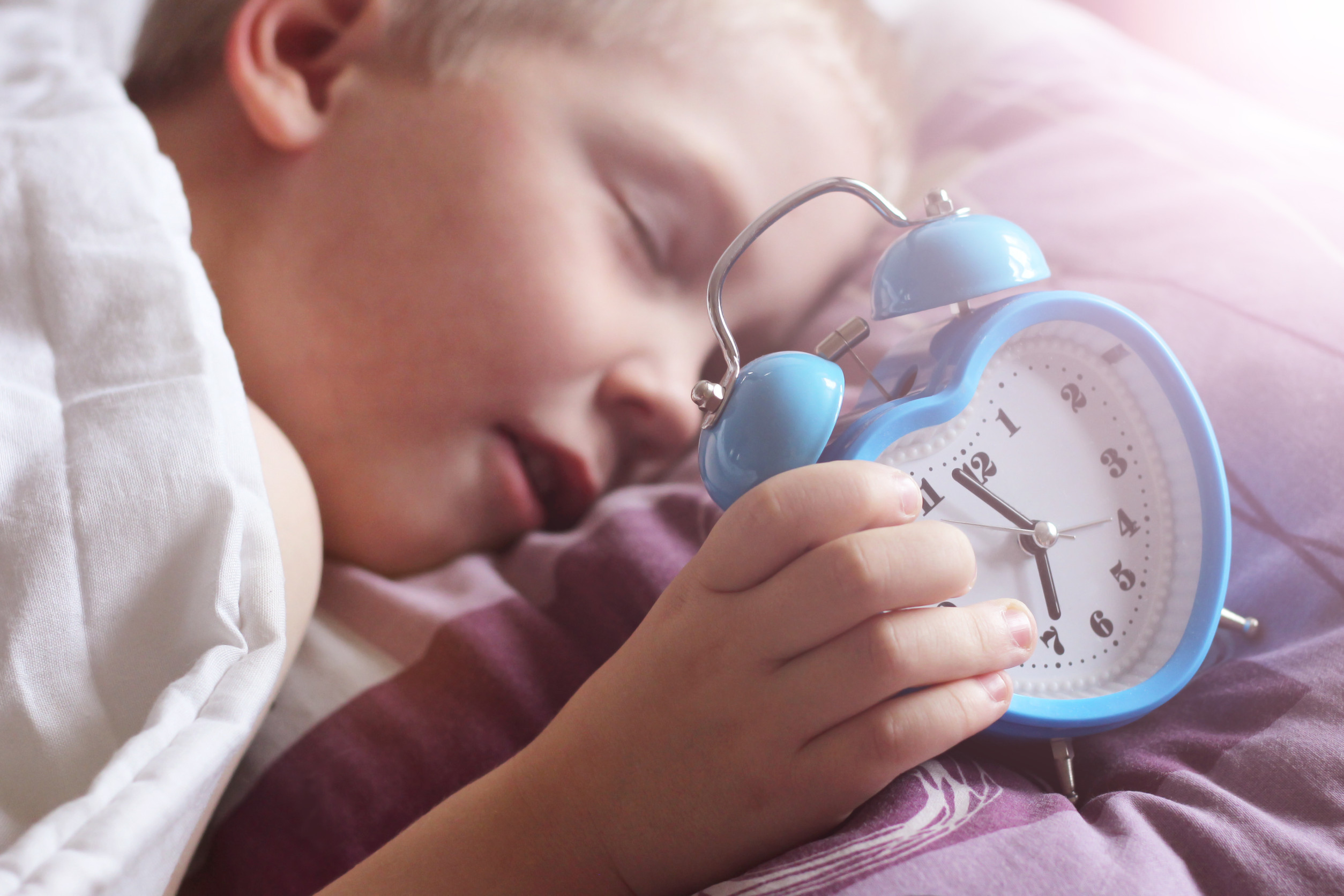
Summer nights are full of distractions—late dinners, fireflies, movie marathons—but regular sleep is still crucial for a strong immune system. When kids consistently go to bed late and sleep less, their bodies have a harder time fighting off illness. Even if they seem to be doing fine with less rest, the effects often show up as irritability, poor focus, or catching bugs more easily. Creating a summer bedtime routine that flexes without falling apart helps kids stay healthier overall. Think of sleep as just as important as sunscreen.

6. Sharing Towels, Cups, and Snacks

Summer playdates often mean shared everything—drinks at the splash pad, bites of watermelon, and communal towels. While it’s sweet to see kids learning to share, it’s also a fast track for spreading germs. Viruses like hand-foot-and-mouth or the common cold love these scenarios. Teaching kids to use their own water bottles, utensils, and towels doesn’t need to be a strict rule—but it can be a smart one. This is one of those summer habits that can lead to sickness fast when overlooked.

7. Forgetting to Clean Outdoor Toys and Gear

Scooters, bikes, water tables, and sand toys all get more use in summer—and more exposure to dirt, germs, and even animal droppings. These toys are rarely cleaned as often as their indoor counterparts, yet kids are just as likely to put fingers in mouths afterward. A weekly rinse and occasional disinfecting wipe-down can go a long way in preventing illness. It’s a simple step that often slips through the cracks in the name of summer fun.

A Healthier Summer Starts With a Few Simple Shifts

The goal isn’t to make summer rigid or overly cautious—it’s to stay ahead of the small habits that can create big problems. With just a few tweaks, you can avoid many of the most common causes of seasonal sickness. Encourage smarter habits, stay observant, and let the summer fun continue without the interruptions of coughs, fevers, or rashes. These mindful changes lead to healthier, happier days for everyone.

What summer health habit has saved your family from surprise sick days? Share your favorite tips in the comments!

Read More:

8 Challenges Every Kid Faces During Summer Break

15 Outdoor Adventures to Transform Your Kids’ Summer

Catherine Reed
Catherine Reed

Catherine is a tech-savvy writer who has focused on the personal finance space for more than eight years. She has a Bachelor’s in Information Technology and enjoys showcasing how tech can simplify everyday personal finance tasks like budgeting, spending tracking, and planning for the future. Additionally, she’s explored the ins and outs of the world of side hustles and loves to share what she’s learned along the way. When she’s not working, you can find her relaxing at home in the Pacific Northwest with her two cats or enjoying a cup of coffee at her neighborhood cafe.
Filed Under: Safety Tagged With: child health, healthy habits for kids, kid hygiene, outdoor play safety, parenting advice, prevent summer illness, summer habits that can lead to sickness fast, summer parenting tips, summer safety

10 Reasons Your Child’s Sleep Habits Might Be Hurting Their Brain

June 17, 2025 | Leave a Comment

10 Reasons Your Childs Sleep Habits Might Be Hurting Their Brain
123rf.com

Sleep isn’t just about recharging energy—it’s a critical part of how a child’s brain grows, processes information, and regulates emotions. Unfortunately, many families overlook the impact of inconsistent routines, late bedtimes, and screen time right before bed. If your child’s sleep habits are off track, they could be quietly affecting behavior, learning, and even long-term brain development. Understanding these risks can help parents make small but meaningful changes that support a healthier, sharper, and more focused child. Here are ten ways poor sleep habits might be doing more damage than you think.

1. Inconsistent Bedtimes Disrupt Brain Development

Children’s brains thrive on routine, and when bedtimes are all over the place, it disrupts the body’s natural circadian rhythm. This irregularity can confuse the brain’s internal clock, making it harder for kids to fall asleep and wake up refreshed. Studies show that inconsistent sleep patterns are linked to slower cognitive development, particularly in younger children. Over time, this can affect memory, attention, and even school readiness. One of the easiest ways to support your child’s sleep habits is by sticking to a predictable bedtime—even on weekends.

2. Too Little Sleep Impairs Learning and Memory

Sleep plays a major role in memory consolidation, the process where the brain stores and organizes what it learned during the day. If your child is consistently getting less sleep than they need, their brain may be unable to hold onto new information. That means all those hours spent on homework or in class might not stick. Kids who are sleep-deprived often show lower academic performance and slower problem-solving skills. More rest leads to better retention, plain and simple.

3. Screen Time Before Bed Blocks Melatonin

Bright screens from phones, tablets, or TVs emit blue light, which interferes with the brain’s production of melatonin—the hormone that signals it’s time to sleep. This makes it harder for kids to fall asleep and stay asleep. If your child is winding down with a device, it could be throwing off their sleep cycle without anyone realizing it. Over time, this delay adds up, cutting into valuable hours of deep sleep. Creating a screen-free bedtime routine can help reset your child’s sleep habits and protect their developing brain.

4. Poor Sleep Impacts Emotional Regulation

Ever noticed how your child is more irritable or prone to meltdowns after a rough night’s sleep? That’s because sleep plays a vital role in regulating mood and emotional responses. When your child’s sleep habits are inconsistent or insufficient, they may struggle more with anger, frustration, and anxiety. This can affect relationships at home and school. A well-rested brain is much better equipped to handle life’s emotional ups and downs.

5. Snoring or Breathing Issues Might Signal a Bigger Problem

While occasional snoring might seem harmless, frequent or loud snoring could indicate sleep-disordered breathing like sleep apnea. This condition disrupts oxygen flow to the brain and can cause multiple micro-awakenings throughout the night. Left untreated, it may impair concentration, memory, and behavioral development. If your child snores regularly or gasps in their sleep, it’s worth talking to a pediatrician. Good sleep isn’t just about duration—it’s about quality too.

6. Late Bedtimes Reduce Deep Sleep Cycles

Children need deep, restorative sleep to support physical growth and brain development. Late bedtimes often shorten the window for this vital deep sleep, especially if kids still have to wake up early for school or daycare. Without enough deep sleep, the brain may not fully process emotions or store new knowledge. Over time, this can lead to increased forgetfulness and emotional reactivity. Early bedtimes help ensure your child’s brain gets the rest it truly needs.

7. Sleep Loss Worsens Attention Span

One of the first cognitive functions to suffer from lack of sleep is attention. If your child struggles to focus in class or seems hyperactive, their sleep habits could be part of the cause. In fact, sleep-deprived kids often exhibit symptoms similar to ADHD, even if they don’t have the diagnosis. Better sleep can improve concentration and help them stay on task during the day. It’s a simple fix with a powerful payoff.

8. Irregular Naps in Young Kids Disrupt Brain Growth

For toddlers and preschoolers, skipping naps or having unpredictable nap times can interrupt essential brain development. Naps support learning, memory retention, and emotional processing—especially during rapid growth phases. Irregular napping may lead to overtiredness, poor nighttime sleep, and cranky afternoons. A consistent nap schedule helps reinforce the healthy sleep patterns your child needs. Don’t underestimate the power of daytime rest.

9. Chronic Sleep Deprivation Can Affect IQ Scores

Over time, the effects of sleep deprivation go beyond crankiness and forgetfulness—they can influence actual intellectual performance. Several studies have found links between poor sleep and lower IQ scores in children. The brain simply doesn’t function at its full capacity when it’s constantly under-rested. Prioritizing sleep is just as important as studying or structured learning time. It’s the foundation of cognitive success.

10. Bad Sleep Habits Set the Stage for Lifelong Struggles

Your child’s sleep habits aren’t just affecting them today—they could be shaping their lifelong relationship with rest. Kids who grow up with poor sleep hygiene often carry those patterns into adulthood, increasing their risk for anxiety, depression, and chronic illness. Teaching healthy sleep practices now builds a lifetime of benefits. It’s never too early—or too late—to make better choices about bedtime.

Small Changes, Big Brain Boost

When it comes to your child’s brain health, sleep is one of the most overlooked yet essential building blocks. By paying attention to your child’s sleep habits and making thoughtful adjustments, you’re giving them a better shot at emotional balance, academic success, and long-term wellness. Good sleep isn’t just a luxury—it’s brain fuel. And your child deserves plenty of it.

Have you made any bedtime changes that improved your child’s sleep and behavior? Share your experience and tips in the comments below!

Read More:

Here Are The Real Reasons Your Children Aren’t Able to Sleep at Night

7 Tools to Use When Your Baby Won’t Sleep Through the Night

Catherine Reed
Catherine Reed

Catherine is a tech-savvy writer who has focused on the personal finance space for more than eight years. She has a Bachelor’s in Information Technology and enjoys showcasing how tech can simplify everyday personal finance tasks like budgeting, spending tracking, and planning for the future. Additionally, she’s explored the ins and outs of the world of side hustles and loves to share what she’s learned along the way. When she’s not working, you can find her relaxing at home in the Pacific Northwest with her two cats or enjoying a cup of coffee at her neighborhood cafe.

Filed Under: Parenting Tagged With: bedtime routine, child behavior and sleep, child brain development, kids and sleep, parenting advice, sleep and learning, sleep tips for kids, your child's sleep habits

10 Things Everyone Forgets to Childproof

June 12, 2025 | Leave a Comment

10 Things Everyone Forgets to Childproof
123rf

You’ve installed cabinet locks, padded the coffee table, and covered every outlet in sight—but are you truly done babyproofing? The reality is, even the most thorough parents often miss a few sneaky dangers hiding in plain sight. Curious kids are experts at finding the one thing you didn’t think about, and when it comes to safety, the smallest oversight can lead to big trouble. Knowing the things everyone forgets to childproof can make your home a lot safer without a major overhaul. Let’s take a look at ten commonly overlooked hazards that deserve a spot on your safety checklist.

1. The Dishwasher

Most parents secure kitchen cabinets but often forget the dishwasher. This appliance is full of sharp utensils, breakable dishes, and leftover food residue that toddlers love to explore. If your little one pulls down the door or climbs on it, it could tip forward or cause injury. Use a latch or lock to prevent access and always load knives with blades facing down. The dishwasher is one of those everyday things everyone forgets to childproof—but it definitely shouldn’t be.

2. Toilet Paper and Tissue Boxes

It seems harmless, right? But give a toddler 30 seconds alone with a roll of toilet paper or a tissue box, and you’ll have a shredded mess—or worse, a choking hazard. Some children even try to eat the paper or stuff it into the toilet. Keep toilet paper out of reach or use a covered dispenser to slow them down. These soft paper products are among the silly but serious things everyone forgets to childproof.

3. Floor Vents and Registers

Many homes have loose or removable floor vents that curious fingers can easily pop open. Kids love dropping toys—or snacks—into them, and sharp metal edges can cause cuts. Worse, an open vent might become a place they try to explore. Make sure vents are screwed down or replaced with child-safe covers. It’s one of those hidden-in-plain-sight things everyone forgets to childproof until it’s too late.

4. Remote Controls and Game Controllers

They may not look dangerous, but remotes and controllers often contain small batteries that are extremely hazardous if swallowed. Many battery compartments are easy for little hands to open. Always choose devices with screwed-in battery covers and keep them out of reach when not in use. It’s easy to overlook these household staples, making them one of the top things everyone forgets to childproof.

5. Window Blinds and Curtain Cords

Cords dangling from blinds and curtains pose a serious strangulation risk. Kids may be tempted to tug, twist, or even wrap them around their necks while playing. Install cordless window treatments or use cord wind-ups and cleats to secure loose ends. These decorative details are often overlooked, but they’re one of the most dangerous things everyone forgets to childproof in living rooms and bedrooms.

6. Purses, Diaper Bags, and Backpacks

Bags often hold medications, makeup, coins, or other choking hazards that are never meant for little hands. Whether it’s your own bag or one brought by a guest, it should never be left on the floor or a low surface. Designate a high shelf or hook for all bags as part of your everyday childproofing routine. Portable hazards like these are definitely among the top things everyone forgets to childproof.

7. Pet Food and Water Bowls

To a crawling baby or toddler, a bowl of kibble looks like snack time and a water dish seems like a splash zone. Unfortunately, both can be choking or slipping hazards. Feed pets during child-free times or in an area blocked off with a baby gate. Even the family pet’s corner includes things everyone forgets to childproof, so don’t leave it out of your safety plan.

8. Refrigerator and Freezer Doors

Some kids figure out how to open the fridge long before parents are ready. They may help themselves to food, find glass containers, or even get trapped inside while playing hide-and-seek. Use an appliance lock to keep them out, especially if your model has a bottom freezer. The refrigerator is an everyday item that makes the list of things everyone forgets to childproof until mischief strikes.

9. Dresser Drawers

Drawers can be pulled out and used as ladders, making furniture toppling a real concern. Kids may also trap fingers or get into items like scissors or medicine stored in upper drawers. Use anti-tip brackets for heavy furniture and childproof locks to keep drawers closed. These common storage spots are high on the list of things everyone forgets to childproof but pose serious risks.

10. Bathroom Trash Cans

What’s inside a bathroom trash can? Usually a mix of tissues, razors, cotton swabs, and empty product containers—none of which belong in a child’s hands. Keep bathroom trash out of reach or invest in one with a locking lid. It’s not just unsanitary, it’s unsafe, making it one of the gross-but-overlooked things everyone forgets to childproof.

The Overlooked Details Make a Big Difference

Even the most careful parents can miss a few unexpected hazards, and that’s okay—it’s part of learning as you go. The key is to think like a toddler: What can I reach, pull, eat, or climb? By staying one step ahead and checking for the things everyone forgets to childproof, you can create a safer space that lets your child explore with fewer risks. Sometimes the smallest tweaks make the biggest difference in keeping your little one safe.

What’s one thing you forgot to childproof that totally surprised you? Share your story in the comments to help other parents stay ahead!

Read More:

7 Ways to Teach Kids to Trust Their Instincts About Safety

Playground Safety: How to Ensure Kids Stay Injury-Free

Catherine Reed
Catherine Reed

Catherine is a tech-savvy writer who has focused on the personal finance space for more than eight years. She has a Bachelor’s in Information Technology and enjoys showcasing how tech can simplify everyday personal finance tasks like budgeting, spending tracking, and planning for the future. Additionally, she’s explored the ins and outs of the world of side hustles and loves to share what she’s learned along the way. When she’s not working, you can find her relaxing at home in the Pacific Northwest with her two cats or enjoying a cup of coffee at her neighborhood cafe.

Filed Under: Safety Tagged With: baby safety essentials, babyproofing tips, child safety at home, home safety checklist, overlooked childproofing, parenting advice, things everyone forgets to childproof, toddler hazards

Encouraging Open Communication with Adolescents

June 10, 2025 | Leave a Comment

Encouraging Open Communication with Adolescents

Teenagers may be experts at one-word answers, closed doors, and eye rolls, but beneath it all, they deeply want to be heard and understood. As kids grow into adolescents, maintaining strong communication becomes more important—and more challenging. Encouraging open communication with adolescents is one of the most powerful things a parent can do to support emotional well-being, trust, and healthy decision-making. It’s not about having the perfect answers, but about creating a safe space where conversation can thrive. If you’re ready to strengthen your connection and reduce the “shut down” moments, these strategies can help.

1. Listen More Than You Talk

One of the best ways to keep conversations going is to resist the urge to lecture or fix things right away. Teens often just need someone to hear them out without jumping in. When parents practice active listening, it shows adolescents that their voice matters. Nodding, paraphrasing, and making eye contact can go a long way in building trust. Encouraging open communication with adolescents starts with being a calm, respectful listener.

2. Ask Open-Ended Questions

If every question you ask can be answered with “fine” or “no,” the conversation is likely to die quickly. Try questions that invite your teen to share their perspective: “What was the best part of your day?” or “How do you feel about that?” Open-ended questions show genuine curiosity and keep dialogue moving. Avoid interrogating or prying, and let the conversation unfold naturally. Even a small insight can lead to a meaningful moment.

3. Create Safe, Judgment-Free Spaces

Teens are more likely to open up if they know they won’t be criticized or punished for what they share. That doesn’t mean you have to agree with everything—they just need to know you’ll listen without overreacting. Creating a non-judgmental environment helps normalize hard conversations about topics like relationships, mental health, and mistakes. Encouraging open communication with adolescents means offering emotional safety first. This sets the foundation for honest and vulnerable dialogue.

4. Use Car Rides and Casual Moments

Some of the best conversations happen when there’s no pressure to “have a talk.” Car rides, doing dishes, or walking the dog can be perfect times to connect. These low-stakes moments allow teens to relax and open up without the formality of a sit-down discussion. Parents can use these windows to check in, share stories, or bring up tricky topics more gently. Often, the most meaningful talks happen when you’re not making direct eye contact.

5. Be Honest About Your Own Experiences

Teenagers can spot insincerity a mile away. Being open about your own experiences—especially the hard ones—helps normalize the idea that life isn’t perfect and everyone struggles. You don’t have to overshare, but a little vulnerability makes you more relatable. When parents admit they don’t have all the answers, it levels the playing field and encourages teens to do the same. Encouraging open communication with adolescents includes showing them it’s okay not to have it all figured out.

6. Respect Their Privacy While Staying Involved

It’s a tricky balance: giving your teen independence while still staying in the loop. Show that you trust them by respecting personal space, but keep communication lines open by checking in regularly. Instead of snooping, try statements like, “I’m here if you ever want to talk,” or “I’d love to know what’s going on in your world.” Teens need to know they can come to you without fear, even if it takes them a while. Patience is part of the process.

7. Stay Calm During Difficult Conversations

When your teen finally opens up about something difficult, how you respond matters. Reacting with anger, panic, or judgment can shut the door on future conversations. Practice staying calm and grounded, even when what you hear is hard. Focus on understanding first and problem-solving later. This shows teens they can come to you with anything—even the stuff that scares them. Keeping your cool builds trust over time.

8. Keep the Conversation Going Over Time

One talk won’t fix everything, and communication isn’t a one-time event. Make space for regular check-ins, even if they’re short. Let your teen know you value their thoughts and want to keep the conversation going. A quick, “Anything on your mind today?” can keep the lines open. Encouraging open communication with adolescents is about building a relationship that evolves over time, not solving everything in a single sitting.

The Real Win Is Being Their Safe Place

Teens may not always express it, but they crave connection and understanding. When parents make communication a priority—without pushing too hard or shutting things down—they become a safe place for their child to land. The goal isn’t perfection. It’s presence, patience, and a willingness to meet them where they are.

What’s one thing you’ve done that helped open up communication with your teen? Share your experience in the comments—we’d love to hear your wisdom!

Read More:

5 Negative Techniques That Deter Communication with Your Teenager

These 5 Books Will Help You With Effective Communication With Your Kids

Catherine Reed
Catherine Reed

Catherine is a tech-savvy writer who has focused on the personal finance space for more than eight years. She has a Bachelor’s in Information Technology and enjoys showcasing how tech can simplify everyday personal finance tasks like budgeting, spending tracking, and planning for the future. Additionally, she’s explored the ins and outs of the world of side hustles and loves to share what she’s learned along the way. When she’s not working, you can find her relaxing at home in the Pacific Northwest with her two cats or enjoying a cup of coffee at her neighborhood cafe.

Filed Under: Parenting Tagged With: active listening, adolescent communication, encouraging open communication with adolescents, parenting advice, parenting teens, raising teens, respectful parenting, teen relationships

8 Unexpected Benefits of Boredom in Children

June 9, 2025 | Leave a Comment

8 Unexpected Benefits of Boredom in Children

Parents often feel pressure to keep their children entertained around the clock—enrolling them in activities, handing over screens, or planning elaborate outings. But what if one of the greatest gifts we can give our kids is boredom? While it might sound counterintuitive, boredom can actually spark growth, creativity, and emotional strength in ways constant stimulation cannot. The benefits of boredom in children go far beyond simply filling time. It encourages self-discovery, resilience, and independence in ways that structured activities rarely do.

1. Boredom Sparks Creativity

When kids aren’t handed ready-made entertainment, their brains kick into gear to create it on their own. Whether it’s building a fort out of couch cushions or inventing a new game, unstructured time gives children room to stretch their imagination. Without the noise of schedules and screens, they start thinking outside the box. This kind of spontaneous creativity plays a crucial role in problem-solving and innovation. The benefits of boredom in children often start with something as simple as an idle afternoon and a cardboard box.

2. It Builds Problem-Solving Skills

When children are bored, they’re faced with a question: What now? That’s where problem-solving skills begin to grow. Instead of waiting for someone else to provide entertainment, kids start to look around and assess their options. This kind of independent thinking teaches them how to explore solutions, experiment, and adapt. Boredom pushes children to take initiative—an essential life skill that helps them succeed both academically and socially.

3. Boredom Teaches Patience

We live in a world of instant gratification, which makes patience harder to come by. But boredom gives kids a natural opportunity to practice waiting and managing discomfort. When there’s nothing exciting happening right away, they learn that not every moment needs to be filled. Over time, this strengthens their tolerance for delayed rewards and frustration. Building patience now sets the stage for better emotional regulation later in life.

4. It Fosters Independence

A bored child learns to rely on themselves for entertainment and engagement, not an adult or a device. That autonomy nurtures independence and builds confidence in their own decision-making. Instead of being spoon-fed activities, kids begin to understand their own interests and preferences. The freedom to explore their imagination without constant direction can be incredibly empowering. One of the quieter benefits of boredom in children is the way it helps them grow into more capable, self-directed individuals.

5. Boredom Can Support Emotional Growth

Children who experience boredom have the chance to sit with their thoughts, feelings, and frustrations. This helps them develop a deeper sense of emotional awareness and self-understanding. Instead of being constantly distracted, they learn how to process emotions naturally, which is vital for healthy mental development. While it may not always be comfortable, this inner stillness is where emotional resilience begins. Encouraging boredom isn’t ignoring your child—it’s trusting them to grow through quiet moments.

6. It Encourages Mindful Play

When children are bored, they often turn to play that’s slower, deeper, and more immersive. They may revisit toys they haven’t used in a while or explore nature with new curiosity. This kind of mindful, open-ended play is different than passive screen time or structured activities. It allows kids to focus, explore at their own pace, and truly engage with their surroundings. Mindful play supports longer attention spans and a stronger connection to the present moment.

7. Boredom Boosts Self-Motivation

Children who learn how to cope with boredom often become more intrinsically motivated. Instead of doing something because they were told to, they do it because they chose it for themselves. This internal drive is a powerful trait that supports academic performance, personal goals, and long-term success. Boredom creates the space for children to discover what genuinely interests them. The more they pursue these interests on their own, the more self-driven they become.

8. It Teaches the Value of Simplicity

In a world full of noise and busyness, boredom reminds children that joy can come from simple things. A stick in the backyard, a notebook and pencil, or even just lying on the floor daydreaming—these moments may seem uneventful, but they hold tremendous value. Kids don’t always need new toys or scheduled activities to feel fulfilled. Learning to appreciate simplicity builds gratitude and reduces the constant craving for more. Among the many benefits of boredom in children is the chance to discover that less really can be more.

The Gift of Letting Them Be Bored

Boredom isn’t something to fear—it’s something to embrace. In fact, it might be one of the most valuable tools we have in raising creative, resilient, emotionally healthy kids. The next time your child says, “I’m bored,” consider it an opportunity rather than a problem to fix. Trust that they have what they need to fill the silence and grow in the process. Sometimes, the best way to help kids thrive is to step back and give them space to figure things out on their own.

How do you handle boredom in your home? Have you noticed any surprising benefits when your child has to make their own fun? Share your thoughts in the comments!

Read More:

5 Innocent Mistakes That Turn Into Lifelong Bad Habits

6 Modern Parenting Trends That Might Be Doing More Harm Than Good

Catherine Reed
Catherine Reed

Catherine is a tech-savvy writer who has focused on the personal finance space for more than eight years. She has a Bachelor’s in Information Technology and enjoys showcasing how tech can simplify everyday personal finance tasks like budgeting, spending tracking, and planning for the future. Additionally, she’s explored the ins and outs of the world of side hustles and loves to share what she’s learned along the way. When she’s not working, you can find her relaxing at home in the Pacific Northwest with her two cats or enjoying a cup of coffee at her neighborhood cafe.

Filed Under: Child behavior Tagged With: benefits of boredom in children, child development, creative play, emotional growth, parenting advice, parenting tips, raising independent kids, unstructured play

What If Everything You Knew About Parenting Was Wrong?

June 9, 2025 | Leave a Comment

What If Everything You Knew About Parenting Was Wrong

Parents pour their hearts into doing what’s best for their children—reading the books, following expert advice, and drawing from their own upbringing. But what if everything you knew about parenting was wrong? What if the time-outs, praise-heavy routines, or rigid schedules are actually working against your goals? Modern research is flipping some of the most trusted parenting strategies on their heads. If you’re open to rethinking old habits and discovering new ways to support your child’s growth, it might be time to challenge what you thought you knew.

1. Praise Isn’t Always Powerful

We’ve all been told to praise kids for every effort: “Good job!” “You’re so smart!” But studies now suggest that too much praise—especially praise focused on traits instead of effort—can backfire. Children who are constantly praised may develop a fear of failure or tie their self-worth to external approval. Rather than encouraging resilience, excessive praise might make kids less likely to take risks. Try shifting to encouragement that highlights process and persistence, like “You worked really hard on that.”

2. Time-Outs May Not Teach What You Think

Time-outs have long been the go-to for discipline, but new research suggests they may not be as effective as we once believed. While they can stop immediate misbehavior, time-outs often miss the mark when it comes to teaching self-regulation. Some children feel rejected or confused by time-outs, especially if there’s no follow-up discussion. More collaborative approaches, like time-ins or calming corners, help children understand emotions and develop self-control. Reconsidering discipline strategies can create more connection, not less.

3. Helicopter Parenting Can Hurt Independence

Being involved in your child’s life is essential—but hovering over every move can limit development. Kids need space to solve problems, make choices, and even fail in order to build confidence and resilience. Helicopter parenting, while well-intentioned, can send the message that children aren’t capable of handling challenges. That lack of autonomy may show up later as anxiety or low self-esteem. Sometimes, the best thing a parent can do is take a step back.

4. Sleep Training Isn’t One-Size-Fits-All

If you’ve felt pressure to get your baby sleeping through the night using a certain method, you’re not alone. But what if everything you knew about parenting was wrong—especially when it comes to sleep? Not every baby responds to the same technique, and not every family is built for rigid sleep schedules. For some children, sleep training works wonders. For others, it causes stress and attachment issues. It’s okay to trust your instincts and respond to your child’s individual needs.

5. Kids Don’t Always Need to Be Entertained

It’s tempting to keep kids busy with structured activities, screen time, or toys galore. But research shows that boredom actually sparks creativity and problem-solving. Constant entertainment robs children of opportunities to learn how to manage downtime. Unstructured play teaches independence and resourcefulness—skills that are vital for long-term success. Instead of worrying about filling every moment, consider letting your child explore boredom and see what they come up with.

6. Emotional Outbursts Aren’t Just Misbehavior

Tantrums are often seen as bad behavior, but they’re actually a sign of overwhelmed emotions. When we view meltdowns as chances to teach emotional intelligence instead of punish, we give kids valuable tools for life. Validating their feelings without giving in to demands helps build emotional regulation. Staying calm and empathetic during these moments makes a bigger impact than yelling or threats. It’s about connection, not control.

7. Early Academics Might Not Be the Priority

Many parents worry about getting a head start with reading, math, and academic skills. But child development experts say social-emotional growth and play-based learning are more critical in early childhood. Pushing formal academics too early can create stress and reduce natural curiosity. Kids benefit from developing emotional readiness and executive functioning before sitting down with worksheets. Trust that learning through play builds a strong foundation for academic success later on.

8. “No” Doesn’t Need to Be the Default Answer

It’s easy to default to “no” when kids make messy, inconvenient, or strange requests. But saying yes more often—within reason—can build trust and promote independence. When children feel heard and empowered, they’re more likely to cooperate and less likely to act out. That doesn’t mean abandoning boundaries. It means being open to saying “yes” when it counts and letting kids make small choices that matter to them.

9. Your Parenting Style Isn’t Set in Stone

Parents often feel stuck between labels: authoritative, permissive, gentle, or traditional. But what if everything you knew about parenting was wrong—and your style could evolve over time? The best parenting approaches adapt to each child’s temperament, each family’s dynamic, and even changing seasons of life. There’s no perfect formula, just intentional growth. Give yourself permission to learn and adjust as needed.

10. Connection Is More Important Than Perfection

At the heart of every parenting decision is one simple truth: kids thrive on connection, not perfection. Chasing flawless parenting often leads to burnout, guilt, and stress. But showing up, apologizing when needed, and being emotionally present matters far more than getting everything right. Kids don’t need perfect parents—they need present ones. Leading with love, patience, and humility will always go farther than any “expert” tip.

Rethinking Everything Might Be the Best Thing You Do

Parenting is full of advice, much of it well-meaning but not always helpful. Taking a moment to pause and ask, “What if everything you knew about parenting was wrong?” can open the door to healthier, more authentic relationships with your kids. You’re allowed to grow. You’re allowed to change. And sometimes, questioning everything is the first step toward getting it right.

Have you ever had a parenting belief turned upside down? What surprised you the most? Share your story in the comments below!

Read More:

The Top 15 Parenting Myths Debunked by Child Psychologists

7 Ways Childhood Can Be Ruined by Overprotective Parents

Catherine Reed
Catherine Reed

Catherine is a tech-savvy writer who has focused on the personal finance space for more than eight years. She has a Bachelor’s in Information Technology and enjoys showcasing how tech can simplify everyday personal finance tasks like budgeting, spending tracking, and planning for the future. Additionally, she’s explored the ins and outs of the world of side hustles and loves to share what she’s learned along the way. When she’s not working, you can find her relaxing at home in the Pacific Northwest with her two cats or enjoying a cup of coffee at her neighborhood cafe.

Filed Under: Parenting Tagged With: child behavior, emotional development, family connection, gentle parenting, modern parenting, parenting advice, parenting myths, raising kids

8 Ways to Help Your Teen Build Real Confidence

June 8, 2025 | Leave a Comment

8 Ways to Help Your Teen Build Real Confidence

Teenagers are masters at pretending they have it all together, even when they’re silently questioning everything about themselves. Behind the selfies, sarcasm, and slamming doors, many teens are struggling to feel truly confident in who they are. And while compliments and trophies are nice, what they need most is support that builds strength from the inside out. If you’re wondering how to help your teen build real confidence—not just the temporary kind—there are simple, everyday things you can do to make a powerful difference. Here are eight effective ways to help your teen build real confidence and carry it with them into adulthood.

1. Encourage Effort Over Outcome

When your teen tries something new—whether it’s a class presentation or a part-time job interview—focus on the effort they put in, not just the result. Praising the outcome alone can make them feel like their value hinges on success, which is shaky ground for confidence. Let them know you’re proud of their hard work, persistence, and willingness to take risks. This reinforces a growth mindset and shows that who they are is more important than what they achieve. Helping your teen build real confidence starts by celebrating their courage to try.

2. Let Them Struggle a Little

It’s hard to watch your child fail or flounder, but swooping in too quickly can rob them of important growth. Real confidence comes from overcoming obstacles and proving to themselves that they can survive tough moments. That might mean letting them handle a difficult conversation, figure out how to budget their allowance, or learn from a poor grade. Be supportive, but resist the urge to rescue. Giving them room to struggle is one of the most valuable ways to help your teen build real confidence.

3. Give Them a Voice at Home

Teens need to feel that their opinions matter, even when they don’t get the final say. Let them weigh in on family decisions, help plan meals, or negotiate curfews in a respectful discussion. When they feel heard, they learn that their thoughts have value—and that they can advocate for themselves in meaningful ways. This builds trust and helps your teen build real confidence in their communication skills. It also teaches them how to navigate adult conversations and disagreements constructively.

4. Talk Honestly About Mistakes (Including Yours)

Teens often feel alone in their mess-ups, thinking everyone else has life figured out. That’s why it’s powerful to share your own slip-ups and how you recovered from them. It normalizes the fact that mistakes are part of growing and that no one gets it right all the time. When you model how to handle failure with humility and humor, you help your teen build real confidence in their ability to bounce back. Being real beats being perfect, every time.

5. Limit Social Media Pressure

Social media can chip away at confidence faster than you can say “perfect filter.” Encourage your teen to take breaks, curate their feed to include positive voices, and avoid comparing themselves to curated online images. Talk openly about how what they see online isn’t always real life. Helping them develop critical thinking about digital content is a big step in protecting their self-worth. To help your teen build real confidence, give them tools to separate their value from likes and follows.

6. Let Them Take (Smart) Risks

Trying out for the team, applying for a summer job, or asking someone to prom can feel terrifying, but these risks help teens grow. Encourage them to go for it, even if failure is a possibility. Taking risks in a supportive environment builds resilience and bravery. Remind them that confidence doesn’t mean never being afraid—it means doing it despite being afraid. Every new experience is a chance to help your teen build real confidence in their own ability to handle life’s curveballs.

7. Teach Them to Set and Reach Small Goals

Big dreams are great, but it’s the smaller wins along the way that really build confidence. Help your teen break goals into bite-sized steps, whether it’s saving money for something they want, learning a new skill, or improving their grades. Celebrate the progress, not just the finish line. Achieving goals—even small ones—helps your teen build real confidence that they can turn plans into reality. Plus, goal-setting teaches discipline, motivation, and self-reliance.

8. Remind Them Who They Are Beyond Achievements

It’s easy for teens to tie their worth to grades, popularity, or how well they perform. But real confidence comes from knowing they are valuable just for being who they are. Tell them what you admire about their character—their kindness, creativity, or sense of humor. These are the traits that build identity, especially when the world around them feels unstable. Help your teen build real confidence by reminding them they are loved for more than what they do.

Confidence Grows With Connection

Helping your teen build real confidence isn’t about inflating their ego or fixing all their problems. It’s about giving them space to grow, fail, learn, and be reminded—again and again—that they are strong, capable, and enough. Stay connected, stay curious, and keep showing up. Even when they roll their eyes, they’re hearing more than you think.

What’s one thing you’ve done that helped your teen feel more confident? Share your experiences in the comments—we’d love to hear your insights!

Read More:

10 Things Every Teen Boy Should Hear from His Mom

5 Negative Techniques That Deter Communication with Your Teenager

Catherine Reed
Catherine Reed

Catherine is a tech-savvy writer who has focused on the personal finance space for more than eight years. She has a Bachelor’s in Information Technology and enjoys showcasing how tech can simplify everyday personal finance tasks like budgeting, spending tracking, and planning for the future. Additionally, she’s explored the ins and outs of the world of side hustles and loves to share what she’s learned along the way. When she’s not working, you can find her relaxing at home in the Pacific Northwest with her two cats or enjoying a cup of coffee at her neighborhood cafe.

Filed Under: Parenting Tagged With: emotional development, help your teen build real confidence, parenting advice, parenting teens, Positive Parenting, raising confident kids, teen self-esteem, teenage growth

12 Old-School Parenting Tricks That Still Work Today

June 8, 2025 | Leave a Comment

12 Old School Parenting Tricks That Still Work Today

Modern parenting comes with apps, parenting blogs, digital behavior charts, and more advice than any human can process. But ask around, and you’ll find many of today’s parents are still leaning on tried-and-true strategies that have been passed down for generations. Some parenting approaches don’t need a tech upgrade—they’re just that good. These classic methods may feel “old-school,” but their effectiveness stands the test of time. Here are 12 old-school parenting tricks that still work today, even in a world of smart devices and social media.

1. Early Bedtimes Are Golden

Back in the day, kids were in bed before the streetlights flickered on—and for good reason. Consistent, early bedtimes help children get the rest their growing brains and bodies desperately need. They also give parents a much-needed break to recharge. Even with today’s packed schedules, this old-school parenting trick helps prevent meltdowns and improves overall behavior. Sleep routines are timeless, and this one is worth preserving.

2. Say What You Mean and Mean What You Say

Parents used to stick to their word, and kids knew better than to test the limits. Consistent follow-through teaches kids accountability and respect for boundaries. When you say, “If you don’t clean your room, you won’t get screen time,” the follow-through matters more than the threat. This old-school parenting trick helps avoid power struggles because expectations are clear. Kids thrive when the rules are steady, not shifting depending on moods or guilt.

3. Let Them Be Bored

Once upon a time, boredom wasn’t seen as a problem—it was fuel for creativity. Parents didn’t feel the need to entertain their children 24/7. Letting kids be bored encourages them to explore, invent, and build imagination. It also teaches patience and problem-solving. This old-school parenting trick still works wonders for raising independent thinkers.

4. Chores Build Character

Handing kids a broom or giving them dish duty was a rite of passage in many households. Chores help children feel responsible, capable, and part of the family team. They also teach the value of work and that everyone contributes. Today’s chore charts may be fancier, but the message behind them is just as important. This old-school parenting trick creates pride and a sense of ownership.

5. Eat Dinner Together

No phones, no TV—just family around a table. Family dinners used to be the norm, and they helped strengthen bonds, improve communication, and model manners. Even if it’s not every night, prioritizing meals together gives kids a sense of routine and connection. This old-school parenting trick is simple but powerful. The conversations that happen over mashed potatoes matter more than you think.

6. Natural Consequences Teach Best

Parents didn’t hover to prevent every minor mistake. Instead, they let kids face the natural results of their actions, like forgetting homework and dealing with the teacher’s response. This approach teaches accountability and resilience. When consequences aren’t artificially imposed but naturally occurring, kids learn faster and with less drama. It’s one of the most effective old-school parenting tricks around.

7. Respect Was a Two-Way Street

Old-school parenting had its stern moments, but many parents also modeled the respect they wanted in return. Saying “please,” “thank you,” and listening without interrupting were all expected—not just from kids, but from grown-ups too. Mutual respect fosters trust and better communication. This timeless approach helps raise polite, empathetic kids. It’s an old-school parenting trick that never goes out of style.

8. Outdoor Play Solves Almost Everything

Before screens took over, the cure for everything from grumpiness to excess energy was “Go outside and play.” Fresh air, physical activity, and a break from structured time work wonders for a child’s mood and focus. Outdoor play encourages exploration, confidence, and social skills. If you need a reset button, this old-school parenting trick still delivers. Sometimes, the backyard is better than any app.

9. Less Talking, More Doing

Back in the day, parents didn’t over-explain every rule. They gave clear instructions and expected action. While it’s important to teach reasoning, modern parenting often leans too heavily on lengthy lectures. Keeping communication simple and direct can actually reduce confusion and defiance. This old-school parenting trick reinforces authority without being authoritarian.

10. Keep It Simple

Old-school parenting often meant fewer toys, fewer rules, and less fuss. The simplicity helped kids focus on what truly mattered: time with family, creative play, and consistent values. Today, simplifying your parenting style can reduce stress for both you and your child. When life feels overwhelming, this old-school parenting trick reminds us that less really can be more.

11. Make Room for Unstructured Time

Schedules didn’t run every waking hour decades ago. Kids had free time to explore, build, rest, and play at their own pace. That kind of downtime is where confidence and self-direction often develop. Even today, unstructured time is essential for healthy development. This old-school parenting trick supports emotional balance and creative growth.

12. Lead by Example

Our parents taught us that actions speak louder than words—and they were right. Kids watch more than they listen, so your behavior is their blueprint. Whether it’s how you treat others, handle stress, or solve problems, you’re showing them what adulthood looks like. This old-school parenting trick may be the most important of all. The best lessons aren’t spoken—they’re lived.

Old Tricks, Timeless Impact

You don’t need every modern parenting gadget to raise a confident, respectful, and resilient child. Sometimes, the best strategies are the ones passed down from your own parents and grandparents. These old-school parenting tricks may seem simple, but their power lies in consistency, connection, and common sense. Don’t be afraid to blend tradition with your own style—you might just find the sweet spot.

What’s an old-school parenting trick you still use today? Share your go-to classic strategies in the comments!

Read More:

7 Parenting Hacks You’ll Wish You Learned Sooner

Why Didn’t Anyone Tell Me These Parenting Shortcuts Exist?!

Catherine Reed
Catherine Reed

Catherine is a tech-savvy writer who has focused on the personal finance space for more than eight years. She has a Bachelor’s in Information Technology and enjoys showcasing how tech can simplify everyday personal finance tasks like budgeting, spending tracking, and planning for the future. Additionally, she’s explored the ins and outs of the world of side hustles and loves to share what she’s learned along the way. When she’s not working, you can find her relaxing at home in the Pacific Northwest with her two cats or enjoying a cup of coffee at her neighborhood cafe.

Filed Under: Parenting Tagged With: child discipline, chores and kids, classic parenting tips, family connection, old-school parenting tricks, parenting advice, parenting habits, parenting routines, raising kids

7 Things Kids Remember Most About Their Parents (It’s Not What You Think)

June 8, 2025 | Leave a Comment

7 Things Kids Remember Most About Their Parents Its Not What You Think

As parents, we often stress over birthday parties, new clothes, and planning every little detail of our child’s life. But when kids grow up and look back, it’s rarely the stuff or the schedule they hold on to. It’s the little things—the moments that felt warm, safe, and deeply personal. These memories often form without us even realizing it, but they leave lasting impressions. Let’s take a look at the seven things kids remember most about their parents, and why these seemingly small details matter so much.

1. The Way You Made Them Feel

This tops the list of things kids remember most about their parents. Children are highly emotional beings, and the tone and presence of a parent leave a deep mark. They remember feeling safe when they were scared, loved when they felt unsure, and comforted when the world felt big. It’s not about how many hugs you gave or how often you said “I love you,” but how those things made them feel in the moment. The emotions we consistently project—calm, support, patience—become the emotional blueprint they carry into adulthood.

2. Your Reactions to Their Mistakes

It’s natural to want to correct and teach when our kids mess up. But one of the most powerful things kids remember most about their parents is how those corrections were delivered. Did you yell and shame, or did you help them understand what went wrong and how to fix it? Children don’t need perfection—they need understanding and guidance. How you respond in those tough moments tells them if it’s safe to come to you when things get hard.

3. The Routines You Shared

Whether it’s bedtime stories, Sunday pancakes, or singing silly songs on the way to school, routines have staying power. These predictable, comforting patterns anchor kids during chaotic times. They may seem mundane to you, but for kids, they represent love and stability. Many adults can still recite their mom’s goodnight phrase or remember their dad’s special handshake. Routines are one of the underrated things kids remember most about their parents, and they build lifelong security.

4. The Times You Were Fully Present

In today’s distracted world, undivided attention is one of the most powerful gifts you can give a child. Kids remember the times you put down your phone, looked them in the eye, and truly listened. Whether it was a five-minute conversation or a full afternoon of playing, what mattered most was that you were all in. These moments communicate value more than any toy ever could. Being fully present ranks high on the list of things kids remember most about their parents for a reason—it makes them feel like they matter.

5. How You Handled Stress and Conflict

Kids watch everything, especially how you deal with hard situations. Whether it’s a flat tire, a family argument, or a bad day at work, your response teaches them how to handle their own future stress. Did you stay calm or lose control? Did you problem-solve or panic? These lessons are often unspoken but deeply absorbed, and they become a model for emotional regulation. One of the lasting things kids remember most about their parents is whether the home felt like a safe place, even during tension.

6. Your Words of Encouragement

You may not remember every kind word you said, but your child probably does. Compliments, pep talks, and random moments of praise stick around much longer than we realize. They remember the time you told them you were proud. They remember being told they were brave, smart, or kind—even if it was years ago. Words matter, and encouragement is one of the most positive things kids remember most about their parents throughout life.

7. The Little Moments That Felt Big

Sometimes, it’s the most unexpected gestures that stick. Making hot chocolate on a rainy day. Letting them stay up late to watch the stars. Sneaking a note into their lunchbox just because. These aren’t headline events, but to a child, they are magical memories. They’re among the sweetest things kids remember most about their parents, because they showed love without needing a reason.

Your Presence Is Their Legacy

At the end of the day, it’s not about being a perfect parent. It’s about showing up, being kind, and making your child feel seen, safe, and loved. The things kids remember most about their parents aren’t about money or milestones—they’re about connection. So if you’re worrying that you’re not doing enough, take heart. It’s the smallest moments that leave the biggest imprint.

What’s something you remember most about your own parents—or something special your child has said they’ll never forget? Share your stories in the comments!

Read More:

5 Things Your Kids Will Remember—That Have Nothing to Do With Money

7 Places Your Kids Will Remember Forever—That Don’t Cost a Fortune

Catherine Reed
Catherine Reed

Catherine is a tech-savvy writer who has focused on the personal finance space for more than eight years. She has a Bachelor’s in Information Technology and enjoys showcasing how tech can simplify everyday personal finance tasks like budgeting, spending tracking, and planning for the future. Additionally, she’s explored the ins and outs of the world of side hustles and loves to share what she’s learned along the way. When she’s not working, you can find her relaxing at home in the Pacific Northwest with her two cats or enjoying a cup of coffee at her neighborhood cafe.

Filed Under: Parenting Tagged With: child development, emotional connection, family memories, meaningful parenting, parenting advice, parenting moments, raising kids, things kids remember most about their parents

8 Big Questions Kids Ask About Growing Up (And How to Answer Them Honestly)

June 7, 2025 | Leave a Comment

8 Big Questions Kids Ask About Growing Up And How to Answer Them Honestly

At some point, every child starts to wonder what it really means to grow up, and they don’t hold back when it comes to asking tough, sometimes surprising questions. Whether it’s about their changing bodies, emotional swings, or life after childhood, kids crave answers that are honest, clear, and comforting. The challenge for parents? Navigating these conversations with the right balance of truth, age-appropriateness, and sensitivity. If you’ve ever stumbled over a response or felt caught off guard, you’re not alone. Here are eight big questions kids ask about growing up and how to answer them with honesty and confidence.

1. “Why Does My Body Look Different Than Before?”

This is one of the most common big questions kids ask about growing up, especially during the early stages of puberty. Acknowledge that their body is changing because it’s getting ready for adulthood, and reassure them that it happens to everyone, just at different speeds. Use real words for body parts and avoid teasing, even in a lighthearted way. It’s helpful to mention that growth spurts, weight changes, and body hair are all completely normal. Encourage them to ask questions whenever they feel confused or unsure about what’s happening.

2. “Will I Still Be Me When I’m Grown Up?”

Children often worry that growing up means losing who they are. Let them know that while they’ll grow and change, their core self—what makes them them-doesn’t disappear. Explain that growing up means learning more about their strengths, discovering new interests, and becoming more independent. Reassure them that change isn’t something to fear; it’s a part of becoming more confident and capable. This question is a great opportunity to talk about self-identity and staying true to yourself through life’s changes.

3. “Why Do Grown-Ups Always Seem So Stressed?”

Kids notice more than we think, including the mood swings and pressures adults experience. One of the more thoughtful big questions kids ask about growing up is about why adulthood seems so hard. Be honest, without overloading them. You can say that being a grown-up includes responsibilities like work, paying bills, and caring for others, but it also comes with freedom and the ability to make your own choices. Let them know it’s okay to feel overwhelmed sometimes, and grown-ups are still figuring things out, too.

4. “When Will I Be Old Enough to Do What I Want?”

This question usually comes up when kids feel restricted, like when they want to stay up late or walk to the store alone. Explain that growing up involves earning trust and proving responsibility over time. Talk about how privileges increase with age, but so do expectations and consequences. Make it clear that rules aren’t meant to punish, but to protect and guide. Encourage them to focus on developing independence gradually, rather than rushing into it.

5. “What If I Don’t Want to Grow Up?”

This surprisingly emotional question stems from fear of change or anxiety about the unknown. Let your child know they’re not weird or wrong for feeling this way—it’s actually very common. You can validate their feelings by admitting that some parts of growing up can be scary, but also share the exciting aspects like making your own decisions, pursuing dreams, and forming deeper friendships. Be patient and let them talk through their concerns without trying to “fix” the feeling. Remind them that growing up doesn’t happen overnight, and they don’t have to have everything figured out.

6. “What Happens When You Fall in Love?”

Curious minds want to know—and this question might come sooner than expected. One of the more personal big questions kids ask about growing up revolves around love, attraction, and relationships. Start with a simple explanation: falling in love is when you care deeply about someone and feel happy, safe, and connected to them. You can talk about friendship, trust, and respect as the foundation for any healthy relationship. Use the conversation to model what a positive partnership looks like, and don’t be afraid to mention that love can be complicated sometimes.

7. “Why Don’t I Feel Like a Kid Anymore?”

This question often comes during those in-between years, when kids feel too old for toys but not quite ready for teenage life. Let them know it’s normal to feel caught in the middle. Talk about how growing up happens in stages, and feeling confused, emotional, or unsure of your place is part of the process. Reassure them that they’re not alone and that everyone goes through this awkward stage. Share a story from your own adolescence to make the transition feel less isolating.

8. “What Will I Be When I Grow Up?”

Ah, the classic future-focused question. Rather than pressure your child to pick a career, encourage them to explore their interests and be open to discovering new things. Help them understand that it’s okay not to have all the answers right now. Let them know that growing up means figuring things out little by little and that no path has to be set in stone. The more freedom they feel to imagine, the more likely they are to find a passion worth pursuing.

Growing Up Is a Conversation, Not a Lecture

The most important thing you can do when your child starts asking the big questions is to stay present and approachable. You don’t have to have all the answers or say everything perfectly. What matters most is that they know they can come to you—and that you’ll listen without judgment. These moments of curiosity are golden opportunities to connect, teach, and strengthen trust. And when your child feels heard, they grow not just in body, but in confidence, too.

What’s one of the most surprising or touching questions your child has asked about growing up? Share your story in the comments!

Read More:

Money Questions Your Kids Want to Ask (and How to Answer)

8 Awkward Milestones That No One Warns Parents About

Catherine Reed
Catherine Reed

Catherine is a tech-savvy writer who has focused on the personal finance space for more than eight years. She has a Bachelor’s in Information Technology and enjoys showcasing how tech can simplify everyday personal finance tasks like budgeting, spending tracking, and planning for the future. Additionally, she’s explored the ins and outs of the world of side hustles and loves to share what she’s learned along the way. When she’s not working, you can find her relaxing at home in the Pacific Northwest with her two cats or enjoying a cup of coffee at her neighborhood cafe.

Filed Under: Parenting Tagged With: big questions kids ask about growing up, child development, childhood questions, growing up conversations, honest parenting, kids and puberty, parenting advice, talking to kids

7 Style Mistakes Teen Girls Keep Making—And What Parents Should Really Do About It

June 7, 2025 | Leave a Comment

7 Style Mistakes Teen Girls Keep Making And What Parents Should Really Do About It

Navigating teenage fashion is a wild ride. One minute your daughter is raiding your closet, and the next, she’s ordering neon fishnet gloves online because “they’re trending.” While personal style is an important part of self-expression, some choices can raise eyebrows—or worse, self-esteem issues. But before launching into lectures or closet raids, parents need to understand what these fashion decisions mean and how to respond in ways that build confidence, not conflict. Here are seven style mistakes teen girls keep making and what parents can actually do to help.

1. Prioritizing Trends Over Comfort

One of the most common style mistakes teen girls make is choosing trendy clothes that are clearly uncomfortable. Whether it’s too-tight jeans, towering platform shoes, or fabrics that feel like sandpaper, they’re often sacrificing comfort to “fit in.” Unfortunately, this can lead to constant fidgeting, wardrobe malfunctions, or even body image insecurities. As a parent, instead of criticizing the outfit, try asking how it feels to wear it all day. Encouraging your teen to blend trend with function can teach her that confidence and comfort go hand in hand.

2. Dressing for Likes, Not Real Life

Social media often becomes a digital runway, where outfits are chosen for the number of likes they’ll get rather than for practicality. This means your teen might be dressing up just to take pictures, only to change into sweatpants minutes later. It’s one of those style mistakes teen girls fall into because they’re constantly exposed to influencers and peer pressure. Instead of banning certain outfits, try having an honest talk about the difference between online style and real-world self-presentation. Help her see that her worth doesn’t come from digital approval.

3. Ignoring Dress Codes and Context

Wearing crop tops to a family dinner or stiletto boots to gym class might sound extreme, but it happens more often than you think. Many teens haven’t yet learned how to match their wardrobe with the setting. This style mistake can lead to uncomfortable moments or disciplinary action at school. Rather than framing it as a lecture, use it as an opportunity to discuss how dressing appropriately for different events is a form of respect, not just for others, but for themselves too. Context is key, and learning it now sets them up for success later.

4. Choosing Style Over Skin Health

Heavy makeup, daily heat-styling, and synthetic fabrics can wreak havoc on teen skin and hair. While experimenting with beauty products is normal, overdoing it can lead to breakouts, dryness, or long-term damage. Unfortunately, many girls think they need these enhancements to be seen as “pretty.” If you notice these habits forming, open up a conversation about caring for their natural features. Offer to help them find skincare routines or protective styles that let their beauty shine without causing harm.

5. Copying Friends Instead of Exploring Individual Style

It’s easy to want to match your besties from head to toe, especially during middle and high school. But mimicking someone else’s wardrobe often stifles personal expression. One of the sneakiest style mistakes teen girls make is thinking they have to dress exactly like their peers to belong. As a parent, celebrate her individuality when she tries something different. Compliment her confidence in trying a new look and ask about what inspired it—it’s a great way to reinforce authenticity over imitation.

6. Dressing Too Mature Too Soon

It’s not uncommon to see teens dressing far older than their age, influenced by adult fashion trends or celebrities. While experimenting is part of growing up, this style shift can sometimes attract unwanted attention or send mixed messages. Instead of shaming the outfit, ask what message she feels the look sends and whether that aligns with how she wants to be perceived. Help her strike a balance between fun, age-appropriate fashion, and expressing herself with confidence.

7. Letting Style Define Their Self-Worth

Teen years are filled with self-discovery, and for many girls, clothes feel like a reflection of who they are, or who they want to be. But one of the biggest style mistakes teen girls make is tying their self-worth too tightly to their wardrobe. If they don’t feel cute or trendy, they might think they’re not enough. That’s where your support matters most. Reinforce the idea that style is an extension—not the foundation—of their identity. What’s on the inside matters way more than what’s on the hanger.

Empowering, Not Policing Their Style Choices

Teen fashion is constantly evolving, and so is your daughter. While it’s tempting to correct every fashion mishap, the better strategy is to teach her how to navigate style with confidence and self-respect. Instead of focusing on what she’s doing “wrong,” focus on helping her understand the why behind her choices. When you keep communication open and judgment-free, she’ll feel safer experimenting and learning. The goal isn’t to control her look. It’s to support her growth, inside and out.

What style habits have you had to navigate with your teen? Share your funny, frustrating, or insightful stories in the comments—we’re all in this together!

Read More:

Stylish and Savvy: How to Dress Your Tween on a Budget

Clothes From Shein and Temu Could Be Hazardous To Your Child’s Health

Catherine Reed
Catherine Reed

Catherine is a tech-savvy writer who has focused on the personal finance space for more than eight years. She has a Bachelor’s in Information Technology and enjoys showcasing how tech can simplify everyday personal finance tasks like budgeting, spending tracking, and planning for the future. Additionally, she’s explored the ins and outs of the world of side hustles and loves to share what she’s learned along the way. When she’s not working, you can find her relaxing at home in the Pacific Northwest with her two cats or enjoying a cup of coffee at her neighborhood cafe.

Filed Under: Fashion Tagged With: body image, clothes and confidence, parenting advice, parenting teens, raising daughters, style mistakes teen girls, teen fashion, teen self-esteem, teenage trends

When a Fever Isn’t Just a Fever: 7 Red Flags Every Parent Should Know

June 7, 2025 | Leave a Comment

When a Fever Isnt Just a Fever 7 Red Flags Every Parent Should Know

Fevers are a common part of childhood. Sometimes they’re harmless, just the body’s way of fighting off a mild infection. But every parent knows that not all fevers are created equal. The tricky part is figuring out when a fever is something to monitor—and when it signals something more serious. Knowing when a fever isn’t just a fever could make all the difference in keeping your child safe and healthy.

1. Fever Lasts More Than Three Days

It’s normal for a fever to hang around for a day or two during a viral illness. But if it lingers beyond the three-day mark, that’s one of the clearest signs that a fever isn’t just a fever. It may point to something that needs medical attention, like a bacterial infection or complications from an untreated illness. A doctor may want to run tests to rule out infections like pneumonia, urinary tract infections, or even something more complex. The longer the fever sticks around, the more important it is to get answers.

2. Trouble Breathing or Rapid Breathing

If your child’s breathing seems labored or unusually fast during a fever, it’s time to act quickly. This is one of the red flags that parents should never ignore. Difficulty breathing could indicate a respiratory infection like RSV, bronchitis, or pneumonia, all of which may need immediate treatment. Count your child’s breaths per minute and observe whether their chest is retracting or if they’re using extra muscles to breathe. When breathing becomes hard work, the fever isn’t just a fever—it’s a warning sign.

3. Unusual Rash Appears

Some rashes are harmless, but others can point to serious infections, especially when they accompany a fever. If the rash doesn’t fade under pressure (try the glass test), looks purple or bruise-like, or spreads quickly, call your child’s doctor right away. A fever with a concerning rash could signal conditions like meningococcemia, which require urgent care. It’s essential to remember that some illnesses cause visible clues on the skin, and a rash can be a major red flag. In these cases, the fever isn’t just a fever—it’s a symptom of something potentially dangerous.

4. Child Is Lethargic or Unresponsive

All kids get tired when they’re sick, but there’s a difference between being sleepy and being difficult to wake up. If your child is unusually drowsy, won’t respond to you, or can’t stay awake for more than a few seconds, don’t wait it out. Lethargy and unresponsiveness paired with a fever can signal serious neurological concerns or dehydration. Trust your instincts—if your child seems “off,” it’s worth getting them checked out. Lethargy is one of the strongest signs that a fever isn’t just a fever.

5. Severe Headache or Stiff Neck

Older children may complain of a splitting headache, while younger ones might show discomfort by crying when you touch their head or neck. When paired with fever, these symptoms could suggest meningitis, an inflammation of the brain and spinal cord lining. Stiffness, especially if your child won’t look down or turn their head, needs medical evaluation immediately. These symptoms should not be brushed off as part of a regular illness. A severe headache means the fever isn’t just a fever—it may be part of a much more serious condition.

6. Vomiting or Refusing to Drink Fluids

It’s common for kids to lose their appetite when they’re sick, but total refusal to drink fluids or persistent vomiting can lead to rapid dehydration. Dehydration makes fevers more dangerous and harder for the body to manage. Watch for signs like dry lips, sunken eyes, and fewer wet diapers or bathroom trips. If you can’t keep your child hydrated, it’s time to call the doctor. A fever that keeps your child from drinking is not just a fever—it’s a potential health spiral.

7. Seizures During the Fever

Febrile seizures can happen in young children, often during a rapid rise in temperature. While they’re typically not dangerous on their own, the first time it happens is terrifying. If your child has a seizure, lay them on their side, don’t put anything in their mouth, and time the episode. Seek emergency care if the seizure lasts more than five minutes or your child doesn’t recover quickly. A seizure, even if it’s caused by a fever, means the fever isn’t just a fever—it’s affecting the brain and demands attention.

Knowing When to Worry Can Keep Kids Safe

Every child gets sick, and every fever isn’t a disaster. But being able to recognize when a fever isn’t just a fever can help you respond quickly and appropriately. These red flags are your cue to take the next step—whether it’s calling the pediatrician or heading to urgent care. Your intuition and awareness are powerful tools when it comes to your child’s health. Don’t hesitate to ask questions or push for answers when something doesn’t feel right.

Have you ever had to act fast when a fever turned out to be something more serious? Share your experience in the comments—your story might help another parent stay alert.

Read More:

5 Rare Childhood Diseases That Are More Common Than You Think

The Most Overlooked Illness in Children—And It’s Getting Worse

Catherine Reed
Catherine Reed

Catherine is a tech-savvy writer who has focused on the personal finance space for more than eight years. She has a Bachelor’s in Information Technology and enjoys showcasing how tech can simplify everyday personal finance tasks like budgeting, spending tracking, and planning for the future. Additionally, she’s explored the ins and outs of the world of side hustles and loves to share what she’s learned along the way. When she’s not working, you can find her relaxing at home in the Pacific Northwest with her two cats or enjoying a cup of coffee at her neighborhood cafe.

Filed Under: healthcare Tagged With: child health, childhood fever, fever symptoms, health red flags, parenting advice, parenting tips, pediatric emergencies, sick kids, when to call the doctor

« Previous Page
Next Page »
  • Facebook
  • Pinterest
  • RSS
  • Twitter

Basic Principles Of Good Parenting

Here some basic principles for good parenting:

  1. What You Do Matters: Your kids are watching you. So, be purposeful about what you want to accomplish.
  2. You Can’t be Too Loving: Don’t replace love with material possessions, lowered expectations or leniency.
  3. Be Involved Your Kids Life: Arrange your priorities to focus on what your kid’s needs. Be there mentally and physically.
  4. Adapt Your Parenting: Children grow quickly, so keep pace with your child’s development.
  5. Establish and Set Rules: The rules you set for children will establish the rules they set for themselves later.  Avoid harsh discipline and be consistent.
  6. Explain Your Decisions: What is obvious to you may not be evident to your child. They don’t have the experience you do.
  7. Be Respectful To Your Child: How you treat your child is how they will treat others.  Be polite, respectful and make an effort to pay attention.
Best Parenting Blogs

Most Popular

Baby

9 Baby Names That Sound Rare Without Being Hard to Spell

Evan Morgan
Baby

9 Unusual Baby Names That Sound Like They Belong to Future CEOs

Evan Morgan
Target Store

Choking Incident Prompts Recall of 49,000 Target Gigglescape “Under the Sea” Popping Toys

Evan Morgan
Frustrated Girl

Why Some Students on the Spectrum Are Labeled With ODD

Evan Morgan
Coke Bottles

12 Things Kids Took to School in the ’70s That Would Never Be Allowed Today

Evan Morgan

All content on Kids Ain’t Cheap is for entertainment purposes only. By reading this blog, you agree that Kids Ain’t Cheap is not responsible for any actions taken after reading this blog. For the full disclaimer, see our privacy policy.

Please note that Kids Ain’t Cheap has financial relationships with some of the merchants mentioned here. Kids Ain’t Cheap is funded by banner advertising, commission sales and search optimization consulting.

Copyright © 2006–2026 | District Media | All Rights Reserved | Privacy Policy

Copyright © 2026 Runway Pro Theme by Viva la Violette