
• Home
  • About Us
  • Toolkit
  • Archives
  • Advertise
  • Privacy Policy

Kids Ain't Cheap

But They Sure Are Worth It

  • Parenting
    • Baby Stuff
    • Books and Reading
      • Aesops Fables
      • Comic Books
    • Education
    • Family Time
    • Green Living
    • Growing Up
    • Healthy Living & Eating
    • Holidays
    • Parenting
    • Random Musings
    • Shopping
    • Stuff to Do
  • Money
  • Product Reviews
    • Books and Magazines
    • Discount Sites
    • Furniture
    • House Keeping
    • Reviews News
    • Toys and Games
  • Contact Us
  • Our Editorial Commitment
  • Search

What Families Lose When Moving From Public School IEPs to Private Voucher Schools

July 2, 2026 | Leave a Comment

Kids In Class
Families should review school records while comparing public school IEP protections with services offered through a private voucher school. Understanding the differences before enrolling can help parents make informed decisions for their child’s education. (Pexels).

For many families, school voucher programs offer the promise of greater educational choice and a learning environment that better fits their child’s needs. That promise can be appealing, especially for parents of children with disabilities who are searching for smaller class sizes or specialized programs. However, one important detail is often overlooked before making the switch from a public school to a private voucher school. In many cases, families give up significant legal protections and services that come with an Individualized Education Program (IEP), making it essential to understand the tradeoffs before enrolling.

Public School IEP Protections Do Not Always Follow Students

An IEP is a legally enforceable document under the Individuals with Disabilities Education Act (IDEA), guaranteeing eligible students specialized instruction and related services in public schools. When parents voluntarily enroll their child in a private school using a voucher or scholarship, that individual entitlement typically changes. Instead of receiving the full range of services outlined in an IEP, students may only qualify for limited “equitable services,” which are determined through consultation rather than guaranteed by the child’s individual needs. That distinction surprises many families because the child’s disability has not changed, but their legal rights often have.

As the U.S. Department of Education explains, children whose parents voluntarily place them in private schools “do not have an individual entitlement to the special education and related services they would receive if they were enrolled in a public school.”

Services May Become More Limited Than Parents Expect

Many parents assume speech therapy, occupational therapy, classroom accommodations, and specialized instruction will continue without interruption after transferring to a private voucher school. Unfortunately, that is not always the case, since private schools participating in voucher programs are generally not required to implement public school IEPs in the same way. Depending on the state and the school’s policies, available services may be fewer, offered less frequently, or unavailable altogether. Some schools provide excellent support through their own resources, while others have limited special education staff. Asking detailed questions before enrollment is one of the most important steps families can take.

Parents May Lose Important Legal Safeguards

Public school families have extensive procedural protections if disagreements arise about services, evaluations, or educational placement. Those safeguards include formal dispute resolution options, due process hearings, and enforceable timelines designed to protect students with disabilities. Once a student voluntarily enrolls in many private voucher schools, those legal remedies may no longer apply in the same way. If promised services are reduced or discontinued, parents often have fewer legal options for resolving disputes. Knowing these differences can help families weigh educational preferences against long-term protections.

Every Private School Offers a Different Level of Support

Private schools are not all alike, and some provide outstanding programs for students with disabilities despite having different legal obligations. A school may employ experienced intervention specialists, maintain small classrooms, and offer individualized attention that benefits certain students. Another private school may have limited staffing and expect parents to arrange outside therapies independently. For example, a child with dyslexia might thrive in a structured reading program at one private school but struggle in another that lacks specialized instruction. Visiting campuses, reviewing support services, and speaking with current families can provide valuable insight before making a decision.

Making an Informed Choice Protects Your Child’s Future

Choosing between a public school IEP and a private voucher school is rarely a simple decision because every child’s needs are unique. Families should request written explanations of available services, ask whether existing accommodations will continue, and understand how evaluations and progress monitoring will be handled. Education experts consistently encourage parents to compare both educational quality and legal protections rather than focusing on school choice alone. A beautiful campus or a smaller classroom does not automatically replace guaranteed special education services. Make sure you are asking questions like:

  • Will my child’s current accommodations continue?
  • Who pays for speech, OT, or PT?
  • Who writes the service plan?
  • What happens if my child’s needs change?
  • Is there a formal dispute process?

Understanding the Tradeoffs Before Making the Switch

Voucher programs can open valuable educational opportunities for some students, particularly when a private school offers specialized instruction that better fits a child’s needs. At the same time, families should recognize that changing schools may also change the legal framework governing special education services. Asking detailed questions, requesting written information, and understanding how services will be delivered can help parents make informed decisions before giving up the protections that accompany a public school IEP. The best choice is the one that matches both a child’s educational needs and the family’s expectations for long-term support.

Have you or someone you know faced the decision between keeping a public school IEP or choosing a private voucher school? Share your experience or perspective in the comments to help other families navigate this important choice.

What to Read Next

All-Gender Restrooms Are Now Required in K-12 Schools – What Parents Should Know

The Code Words Schools Use When Denying Services

How Autism Diagnoses Are Sometimes Downplayed in Schools

Evan Morgan

Evan Morgan has been a full-time freelance writer and editor for 10+ years. When not working, he enjoys catching the latest true crime documentary or getting lost in a good book.


Filed Under: Education Tagged With: disability rights, education policy, IDEA, IEP services, Parents, private schools, public school IEP, school choice, School Vouchers, special education

Phone-Free Schools Act: New Policies Limit Student Smartphone Use to Curb Distraction and Cyberbullying

July 2, 2026 | Leave a Comment

Kids Using Smartphone
Students are starting to place their smartphones in secure storage before class as schools adopt new phone-free policies designed to reduce distractions, improve focus, and help prevent cyberbullying during the school day. (Pexels).

Schools across the United States are tightening rules on student smartphone use as lawmakers and educators respond to growing concerns about classroom distractions, cyberbullying, and excessive screen time. Phone-free school policies have expanded rapidly over the past two years. According to a 2026 review, more than 35 states and Washington, D.C., have enacted or adopted statewide laws or policies restricting student cellphone use, while many others require districts to develop local policies.

While the exact rules vary by state and district, the shared goal is to help students stay focused while creating a safer learning environment. As families prepare for another school year, understanding these new expectations can help parents and students adjust more smoothly.

Why Phone-Free Schools Are Expanding Across the Country

The Phone-Free Schools Act reflects a nationwide shift toward reducing digital distractions in classrooms. More than 30 states now have statewide laws or policies requiring schools to restrict student cellphone use in some form, with several implementing bell-to-bell restrictions that keep phones out of reach throughout the school day.

When announcing New York’s statewide phone-free schools law, Governor Kathy Hochul said students “deserve distraction-free classrooms where they can focus on learning and building relationships,” describing the policy as an investment in both academic success and student well-being.

Early reports from districts that have adopted phone-free policies have found higher teacher satisfaction, less in-class phone use, and improved student engagement, although researchers continue studying long-term academic outcomes. One national review linked stricter policies with improved attendance and classroom focus while noting that evidence on test-score gains remains mixed.

Reducing Distractions While Addressing Cyberbullying

One of the biggest arguments supporting the Phone-Free Schools Act is its potential to reduce interruptions that pull students away from learning. A single phone notification can quickly derail attention, and repeated distractions throughout the day can make it difficult for students to absorb new information.

Limiting phone access also reduces opportunities for students to record classmates without permission or engage in online harassment during school hours. While cyberbullying does not disappear once students leave campus, restricting phone use during the day can reduce incidents that begin or escalate inside school buildings. Parents and educators often agree that classrooms should prioritize face-to-face learning over constant digital engagement.

What Parents and Students Should Expect

Most new policies do not completely prohibit students from bringing phones to school but instead regulate when they can be used. Many districts require phones to remain powered off inside backpacks or locked in specialized storage pouches until dismissal, while exceptions typically exist for medical needs or emergencies. Parents who worry about reaching their children should know that schools continue to provide communication through front offices and established emergency procedures. Students may initially find the adjustment challenging, especially if they are accustomed to checking notifications throughout the day. Over time, many schools report that students adapt quickly as phone-free routines become part of the daily schedule.

The Debate Over Whether Phone Bans Really Work

Not everyone agrees that the Phone-Free Schools Act is a complete solution to student learning challenges. Recent large-scale research has found that strict phone bans dramatically reduce classroom phone use but produce only modest improvements in standardized test scores. Researchers say the strongest benefits may be improved classroom attention, student well-being, and teacher satisfaction rather than immediate academic gains.

Other education experts argue that successful policies combine reasonable limits with digital citizenship lessons that teach students how to use technology responsibly. This balanced approach may better prepare students for life beyond school than relying on bans alone.

Even critics generally acknowledge that reducing unnecessary classroom distractions gives teachers more opportunities to focus on instruction rather than policing devices.

Finding the Right Balance Between Technology and Learning

Phone-free school policies are becoming a permanent part of the education landscape, but they’re only one piece of a larger conversation about technology and student well-being. While research continues to evaluate their long-term academic impact, many educators report calmer classrooms, fewer distractions, and more face-to-face interaction among students. As schools refine these policies, success will likely depend on combining reasonable phone restrictions with digital literacy, clear communication, and consistent expectations for students and families. The goal isn’t to eliminate technology—it’s to ensure it supports learning instead of competing with it.

Do you think the Phone-Free Schools Act will improve education, or should students have more flexibility? Share your thoughts and experiences in the comments below.

What to Read Next

How Your Child’s Cell Phone Could Now Ruin Them In School

7 Kids Apps That Can Silently Access Your Camera or Microphone

Should You Let Your Child Keep Their Smartphone Overnight?

Evan Morgan

Evan Morgan has been a full-time freelance writer and editor for 10+ years. When not working, he enjoys catching the latest true crime documentary or getting lost in a good book.
Filed Under: Education Tagged With: classroom distraction, Cyberbullying, digital wellness, education policy, K-12 education, Parenting, Phone-Free Schools Act, school cellphone ban, school safety, student smartphones

5 Signs Your Child’s School Is Struggling With Special Ed Compliance

July 1, 2026 | Leave a Comment

Kid In School
Parents who recognize early warning signs of special education compliance issues can work with schools to ensure students receive the services and support outlined in their IEPs. (Pexels).

Parents trust schools to provide every child with the support they need to succeed, especially students with disabilities. While most educators work hard to meet those expectations, some schools struggle to keep up with special education compliance requirements. These challenges can affect everything from classroom accommodations to communication with families, creating unnecessary stress for students and parents alike. Recognizing the warning signs early can help families advocate for their child before small issues turn into bigger problems.

1. IEP Meetings Feel Rushed or Lack Meaningful Discussion

A well-run Individualized Education Program (IEP) meeting should involve thoughtful collaboration between educators, specialists, and parents. If meetings consistently feel rushed or decisions appear to be made before parents even arrive, it may signal deeper compliance concerns. Parents should have opportunities to ask questions, suggest goals, and discuss accommodations based on their child’s progress. For example, if reading support is removed without reviewing recent assessment data, that decision deserves closer examination. Schools following strong special education compliance practices document decisions carefully and encourage meaningful parent participation throughout the process.

2. Services Listed in the IEP Are Frequently Missed

An IEP is more than a planning document because it represents legally required educational services. If speech therapy, occupational therapy, counseling, or specialized instruction are repeatedly canceled without make-up sessions, students may fall behind academically and socially. Occasional scheduling conflicts happen, but recurring missed services should never become the norm. Parents can help by keeping a simple log of missed sessions and asking for written explanations when patterns emerge. Consistently delivering promised services remains one of the clearest indicators of effective special education compliance.

3. Communication With Families Is Limited or Unclear

Parents should never feel left in the dark about their child’s progress or challenges. Schools that communicate only during annual meetings or after serious problems arise may not be building the collaborative relationships encouraged under federal law. Strong communication includes regular progress updates, prompt responses to questions, and clear explanations of evaluations or proposed changes. Imagine a student suddenly struggling with math accommodations while parents hear nothing until report cards arrive months later. Open communication strengthens trust and helps everyone work together to support student success.

4. Discipline Becomes the First Response Instead of Support

Students with disabilities sometimes display behaviors connected to their disability, making appropriate interventions essential. When schools rely heavily on suspensions or repeated disciplinary actions without reviewing whether additional supports are needed, parents should pay close attention. National research continues to show that students with disabilities experience disciplinary removals at disproportionately higher rates, making careful oversight especially important. Schools committed to special education compliance typically examine behavioral supports, conduct required reviews when appropriate, and adjust services before relying on exclusionary discipline whenever possible.

5. Evaluations and Eligibility Decisions Face Repeated Delays

Federal timelines exist because delays can significantly affect a child’s education. If evaluations take far longer than expected, eligibility meetings are repeatedly postponed, or requests for testing seem to disappear without explanation, families should ask for written updates. Early intervention often leads to stronger long-term academic outcomes, making timely evaluations especially important. A child struggling with reading for an entire school year while waiting for an assessment may miss valuable opportunities for targeted instruction. Schools with strong special education compliance systems track deadlines carefully and communicate openly whenever unexpected circumstances arise.

Protecting Your Child Starts With Staying Informed

Parents do not need to become legal experts to recognize when something feels wrong. Keeping organized records, requesting information in writing, and maintaining respectful communication with school staff can often resolve concerns before they escalate. Most educators genuinely want to help students succeed, but limited staffing, heavy workloads, and administrative challenges can sometimes affect compliance. Knowing the warning signs empowers families to ask informed questions while keeping the focus where it belongs—on providing every child with the education they deserve.

Have you ever noticed any of these signs at your child’s school, or have you had a positive experience advocating for special education services? Share your thoughts and experiences in the comments because your story may help another family navigate a similar situation.

What to Read Next

Special Ed Transportation: When Families End Up Paying for Busing

When the District Says No: How to Escalate a Special Ed Complaint

Why More Districts Are Contracting Out Special Ed Support

Evan Morgan

Evan Morgan has been a full-time freelance writer and editor for 10+ years. When not working, he enjoys catching the latest true crime documentary or getting lost in a good book.

Filed Under: Parenting Tagged With: child development, disability rights, education, family advocacy, IEP, Parenting, Schools, special education, special education compliance

All-Gender Restrooms Are Now Required in K-12 Schools – What Parents Should Know

July 1, 2026 | Leave a Comment

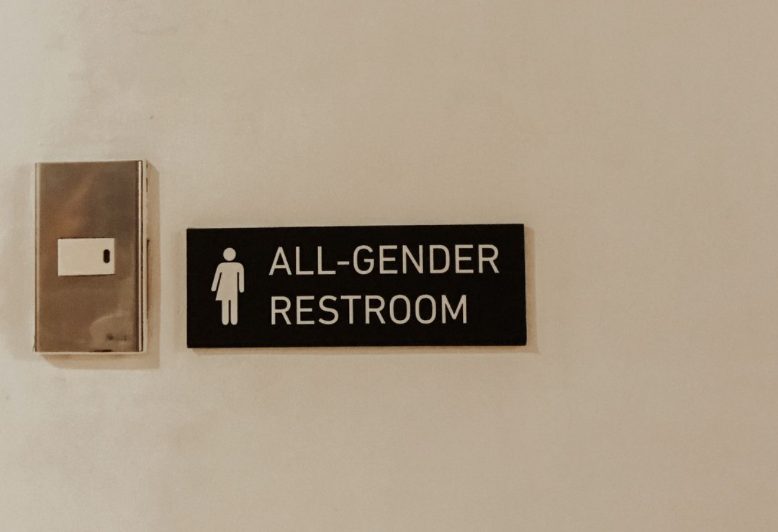
All-Gender Restroom Sign
California schools must now provide at least one voluntary all-gender restroom while continuing to offer traditional boys’ and girls’ restrooms. Parents should understand how the new requirement works before the school year begins. (Pexels).

Parents across California are seeing a significant change on school campuses as a new restroom requirement officially takes effect. Beginning July 1, 2026, every qualifying K-12 public school campus must provide at least one all-gender restroom for voluntary student use under Senate Bill 760. The law is intended to improve accessibility and privacy while ensuring that every student has a safe restroom option.

“Schools should provide a safe and inclusive environment for all students, one where they’re able to focus on learning and where they’re encouraged to thrive academically, socially and emotionally,” said California Senator Josh Newman, author of SB 760. Understanding what the change actually means—and what it doesn’t mean—can help families separate facts from misconceptions.

What the New Law Actually Requires

The new requirement applies to California public school districts, county offices of education, and charter schools serving students in grades K-12. “These measures will help protect vulnerable youth, promote acceptance, and create more supportive environments in our schools and communities,” said Gavin Newsom when signing the legislation.

Schools with more than one boys’ restroom and more than one girls’ restroom must provide at least one clearly marked all-gender restroom that any student may choose to use. Existing boys’ and girls’ restrooms remain in place, meaning students are not required to use the all-gender restroom. In many cases, schools are simply redesignating an existing single-user restroom rather than building an entirely new facility. The all-gender restroom requirement is designed to expand restroom options instead of replacing traditional facilities.

Why Schools Are Adding All-Gender Restrooms

Supporters say the law focuses on student privacy, accessibility, and inclusion rather than on changing existing restroom policies. An all-gender restroom can benefit students with disabilities who need assistance from a caregiver of a different sex, younger siblings attending school events with parents, and students who simply prefer additional privacy. Many campuses already had similar single-user restrooms available for staff or visitors before this statewide requirement. Education leaders also note that students who avoid using school restrooms because they feel uncomfortable may experience health issues, missed class time, or decreased concentration. Providing another restroom option is intended to address those practical concerns.

Common Questions Parents Are Asking

One of the biggest misconceptions is that every restroom on campus will become gender-neutral, but that is not what the law requires. Traditional boys’ and girls’ restrooms continue operating exactly as before, with the all-gender restroom serving as an additional voluntary option. Parents may also wonder whether supervision or safety standards will change, but schools are still expected to maintain restroom monitoring, cleanliness, and campus security policies. Many all-gender restrooms are single-user facilities that offer increased privacy through locking doors. School administrators are also responsible for ensuring the restroom remains accessible, clearly marked, and properly maintained throughout the school day.

How Parents Can Stay Informed

If your child attends a California public school, consider asking campus administrators how the new restroom requirement has been implemented. Schools may have updated campus maps, family communications, or student handbooks explaining the available restroom options. Parents who understand the layout can have more informed conversations with their children before the school year begins. If your child expresses concerns, listening without assumptions and discussing available choices often leads to a more productive conversation than relying on social media rumors. Staying informed directly through your local school helps ensure you receive accurate information rather than speculation.

Looking Ahead: Communication Matters Most

Families should remember that implementation may look slightly different from one campus to another. Some schools already had single-user restrooms that met most of the new requirements, while others needed to update signage, install privacy locks, or designate a staff member as the required point of contact for implementation.

While opinions differ on the policy, the practical change is relatively straightforward: qualifying schools must provide at least one voluntary all-gender restroom while keeping existing boys’ and girls’ restrooms available. Parents who understand the details are better prepared to answer their children’s questions and communicate with school staff when needed. As with many education policies, clear information often reduces unnecessary confusion and helps families focus on what matters most—the safety, comfort, and well-being of every student.

What are your thoughts about this new requirement, and how do you think schools should communicate these changes to families? Share your perspective in the comments and join the conversation.

What to Read Next

The Code Words Schools Use When Denying Services

School Counselors Report a Rise in Severe Anxiety Among Younger Students

How the Seamless Summer Option Keeps Kids Fed After the School Year Ends

Evan Morgan

Evan Morgan has been a full-time freelance writer and editor for 10+ years. When not working, he enjoys catching the latest true crime documentary or getting lost in a good book.

Filed Under: Parenting Tagged With: all-gender restroom requirement, California schools, education policy, K-12 education, Parents, public schools, SB 760, school safety, student privacy

Behavior IEPs: 7 Limits Parents Often Don’t Realize Exist

June 30, 2026 | Leave a Comment

Boy In Class
A parent and school team should review a behavior IEP together, highlighting how collaboration, realistic expectations, and consistent support help students succeed over time. (Pexels).

When parents first hear that their child will receive a Behavior IEP or Behavior Intervention Plan (BIP), many assume it guarantees every behavioral challenge will be addressed immediately. In reality, behavior IEPs are powerful legal tools, but they also operate within clear limits established by the Individuals with Disabilities Education Act (IDEA). Understanding those boundaries helps families advocate more effectively while setting realistic expectations. Knowing what a behavior IEP can and cannot do often leads to better communication between parents, educators, and support teams.

1. A Behavior IEP Cannot Eliminate Every Challenging Behavior

A behavior IEP is designed to improve behavior through evidence-based supports rather than eliminate every difficult moment overnight. Students with ADHD, autism, emotional disabilities, or other qualifying conditions often make gradual progress instead of immediate changes. For example, a student who previously had five classroom outbursts each week may reduce that number to two after consistent interventions, which is a meaningful improvement. Parents sometimes become discouraged because challenging behaviors continue, even when the plan is working as intended. Progress is measured by growth over time, not perfection.

2. Schools Are Not Required to Grant Every Parent Request

Many parents understandably enter IEP meetings with specific strategies they believe will help their child succeed. While parent input is legally important, schools are not required to approve every requested accommodation or behavioral support. Instead, the IEP team must determine what is reasonably necessary for the student to receive an appropriate education based on evaluation data and documented needs. If a requested service lacks supporting evidence or isn’t considered educationally necessary, the team may propose an alternative approach. This collaborative process can sometimes feel frustrating, but decisions should be based on data rather than preference alone.

3. Positive Supports Come Before Punishment

Federal special education guidance emphasizes positive behavioral interventions whenever behavior interferes with learning. That means a behavior IEP should prioritize teaching replacement behaviors, reinforcing positive choices, and identifying the reasons behind challenging conduct before relying on punishment. A Functional Behavioral Assessment (FBA) is often used to determine what triggers behavior and what purpose it serves. For example, a child who frequently leaves class may actually be trying to avoid overwhelming sensory input rather than refusing to learn. Addressing the cause often produces better long-term results than simply increasing consequences.

4. A Behavior IEP Does Not Prevent All School Discipline

One of the biggest misconceptions is that students with a behavior IEP cannot be suspended or disciplined. In reality, schools may still impose disciplinary consequences when appropriate, although additional legal protections apply in certain situations. If disciplinary removals become lengthy enough to qualify as a change in placement, the school must conduct a Manifestation Determination Review to decide whether the behavior was directly related to the student’s disability or resulted from a failure to implement the IEP. Even when discipline occurs, eligible students continue to have important educational rights under IDEA.

5. Teachers Cannot Successfully Implement a Plan They Never Receive

Even the strongest behavior IEP loses effectiveness if staff members are unfamiliar with its requirements. Schools are responsible for ensuring that educators who work with the student understand the accommodations, supports, and behavioral strategies they must implement. Parents should not hesitate to ask how teachers, substitutes, and related service providers receive this information. If recurring behavioral issues suggest the plan is not being followed consistently, requesting an IEP meeting is often more productive than assuming the plan itself has failed. Consistent implementation is just as important as the written document.

6. Behavior IEPs Must Be Reviewed as Needs Change

Children grow, mature, and face new academic and social demands throughout the school year. A behavior IEP should evolve alongside those changing needs instead of remaining unchanged simply because it was written months earlier. If behavioral data show limited progress or new concerns emerge, parents can request an IEP meeting to discuss revisions rather than waiting for the annual review. Updated goals, additional supports, or revised intervention strategies may be appropriate when circumstances change. A flexible plan often produces better outcomes than one left untouched despite new challenges.

7. Parents Are Strong Advocates, but Collaboration Matters Most

Successful behavior IEPs rarely depend on one person working alone. Parents bring valuable insight into patterns observed at home, while teachers contribute classroom data and specialists provide behavioral expertise. Sharing observations calmly, documenting concerns, and focusing discussions on measurable outcomes often leads to more productive meetings than approaching them as conflicts. Families who keep organized records of communication, progress reports, and behavioral incidents are typically better prepared when requesting adjustments. The strongest behavior IEPs are built through teamwork rather than confrontation.

The Biggest Takeaway for Families

A behavior IEP is an important legal safeguard, but it is not a guarantee that every behavioral challenge will disappear or that every parent request will automatically be approved. Understanding these seven limits allows families to advocate more effectively while recognizing how schools make educational decisions. The most successful outcomes usually come from consistent implementation, open communication, and regular review of student progress. When everyone focuses on measurable growth instead of unrealistic expectations, students have the greatest opportunity to succeed.

What has been your biggest challenge with a behavior IEP, or what advice would you give another parent navigating the process? Share your experience in the comments to help other families learn from your journey.

What to Read Next

What Changes for Your Child’s IEP When They Turn 18

The Financial Toll of Advocating for Your Child’s IEP

Your Child’s IEP Was Violated: 5 Steps Parents Can Take Today

Evan Morgan

Evan Morgan has been a full-time freelance writer and editor for 10+ years. When not working, he enjoys catching the latest true crime documentary or getting lost in a good book.

Filed Under: Parenting Tagged With: ADHD, autism, behavior IEP, behavior intervention plan, education, FBA, IEP, Parenting, school advocacy, special education

How State Budget Changes Are Impacting Autism Support in Classrooms

June 30, 2026 | Leave a Comment

Children In Class
State budget changes impact autism support in classrooms, highlighting how staffing and funding decisions directly influence individualized classroom support. (Pexels).

More than 7.5 million students nationwide receive special education services under the Individuals with Disabilities Education Act (IDEA), including many children with autism spectrum disorder. Because special education depends on a mix of federal, state, and local funding, budget decisions at every level can directly affect staffing, evaluations, and classroom supports.

“It’s time for Congress to honor the promise made a half-century ago to fully fund IDEA,” said Dr. Jacqueline Rodriguez. “Our nation’s public schools need resources to fulfill their mission, thus the federal government must fulfill its promise.”

State budget decisions rarely make headlines in the same way as national politics, yet they have a direct effect on students with autism every school day. When legislatures adjust education spending, schools often have to make difficult choices about staffing, classroom resources, and specialized services. For families, those decisions can determine whether a child receives consistent support or faces disruptions that affect learning and social development.

Why State Budget Decisions Matter for Autism Support

Although IDEA originally envisioned the federal government covering up to 40% of the additional cost of educating students with disabilities, federal funding has consistently fallen well below that target, leaving states and local school districts to make up the difference.

State governments provide a significant share of K-12 education funding, making annual budgets a major factor in special education services. While federal funding through the Individuals with Disabilities Education Act (IDEA) helps offset costs, it has historically covered only a fraction of what schools spend on special education, leaving states and districts responsible for the majority of expenses.

Recent debates over state and federal funding structures have increased uncertainty for school leaders planning services for students with disabilities. Schools cannot legally reduce services outlined in a student’s Individualized Education Program (IEP), but tighter budgets often affect how quickly evaluations occur, how many specialists are available, and how much classroom support teachers receive.

The Classroom Changes Families Are Most Likely to Notice

One of the first impacts of budget pressure is staffing. Districts facing financial constraints may delay hiring special education teachers, speech-language pathologists, occupational therapists, or behavioral specialists, increasing workloads for existing staff. Parents may notice larger caseloads, fewer one-on-one support opportunities, or longer wait times for evaluations and therapy sessions. Teacher shortages have already challenged many districts, making it harder to deliver consistent autism support in classrooms even when legal obligations remain unchanged.

Not Every Budget Change Means Less Support

Budget changes are not always negative because some states are redesigning how special education dollars are distributed to better match student needs. For example, some funding models now emphasize service intensity rather than older placement-based formulas, giving districts greater flexibility to allocate resources where support is most needed. These updates can help schools provide more individualized services when implemented carefully and paired with sufficient funding. Families should ask school teams how local funding changes affect services rather than assuming every policy revision results in cuts.

How Parents and Teachers Can Respond Together

Open communication between schools and families becomes even more important during periods of financial uncertainty. Parents should attend IEP meetings prepared with questions about staffing, therapy schedules, classroom accommodations, and any proposed changes to services. Teachers can document student progress carefully so that support decisions remain based on educational needs instead of budget limitations.

Advocacy groups also encourage families to stay informed about state education proposals because public feedback often influences final budget decisions. Practical collaboration helps ensure autism support in classrooms remains focused on student success despite changing financial conditions.

A Stronger Future Starts With Informed Communities

State budget debates may happen in Capitol buildings, but their effects are often felt in classrooms first. Understanding how education funding influences staffing, evaluations, therapy services, and classroom supports allows families to advocate more effectively for students with autism. While schools remain legally obligated to provide services outlined in a student’s IEP, informed parents who stay engaged in both school and state policy discussions are often best positioned to help ensure those supports remain consistent.

How has your local school been affected by education funding changes, and what solutions have you seen work? Share your experience in the comments to help other readers learn from your community.

What to Read Next

Pennsylvania Special Education Update: Funding Expands for Inclusive Programs

Special Ed Transportation: When Families End Up Paying for Busing

Does Your Child’s Name Affect Their Education? Shocking Study Says Yes – Here’s How To Advocate During IEP Meetings

Evan Morgan

Evan Morgan has been a full-time freelance writer and editor for 10+ years. When not working, he enjoys catching the latest true crime documentary or getting lost in a good book.

Filed Under: Education Tagged With: autism, autism support in classrooms, disability support, education funding, IEP, Parents, special education, state budgets, teachers

7 Questions to Ask Before Signing a 504 Plan

June 29, 2026 | Leave a Comment

Girl in School
A parent should review a 504 plan with a school representative, highlighting the importance of understanding accommodations, implementation, and regular reviews before signing. (Pexels).

Parents often feel relieved when a school recommends a 504 plan, but signing the paperwork without asking questions can create confusion later. A 504 plan is designed to provide accommodations that help students with disabilities access the same educational opportunities as their peers. While the process is intended to support students, every plan should reflect a child’s unique needs rather than relying on a generic template.

“People often assume 504 plans are only for students with learning disabilities, but the eligibility is actually much broader than that,” said Sarah Davidon. “A student qualifies if they have a physical or mental condition that substantially limits one or more major life activities.”

A 504 plan is a legally enforceable document under federal civil rights law, but its effectiveness often depends on how clearly accommodations are written and how consistently they’re implemented. Disability advocates say parents should view the planning meeting as the beginning of an ongoing conversation—not simply paperwork to sign. Before signing, take time to understand exactly what the school is offering and how those accommodations will be carried out.

1. Does My Child Qualify Based on Current Evaluations?

A 504 plan should be based on evidence that a physical or mental impairment substantially limits one or more major life activities, including learning, concentrating, or communicating. Ask what evaluations, medical documentation, teacher observations, or classroom data were used to determine eligibility. For example, a student with ADHD may qualify because attention difficulties consistently affect classroom performance, even if grades remain average. If the evaluation seems outdated or incomplete, request clarification before signing. Understanding the basis for eligibility helps ensure the plan is built on accurate information rather than assumptions.

2. Which Specific Accommodations Will Be Included?

Not all accommodations are equally helpful, so every item on the plan should address an identified challenge. Instead of vague language like “extra support when needed,” look for measurable accommodations such as extended testing time, preferential seating, movement breaks, or access to class notes. Imagine a student with anxiety who needs a quiet room for exams; that accommodation should be clearly stated so every teacher understands the expectation. The more specific the language, the easier it is to implement consistently. A well-written 504 Plan leaves little room for interpretation.

3. How Will These Accommodations Be Implemented?

Even an excellent 504 plan can fall short if no one explains how it will work in daily practice. Ask who is responsible for notifying teachers, monitoring compliance, and addressing concerns if accommodations are missed. A middle school student with several teachers may need a designated staff member to coordinate communication across classes. Knowing who oversees implementation provides accountability and reduces misunderstandings. This conversation also helps parents know whom to contact if problems arise during the school year.

4. How Will Progress Be Monitored?

Unlike an Individualized Education Program (IEP), a 504 plan does not always include formal academic goals, making regular communication especially important. Ask how the school will determine whether accommodations are effective and when adjustments can be made. For example, if extended testing time is not improving classroom performance, additional accommodations may be necessary. Request periodic check-ins with teachers or the school’s 504 coordinator to discuss progress. Monitoring the plan helps ensure it continues meeting your child’s changing needs.

5. How Often Will the 504 Plan Be Reviewed?

Children’s academic and medical needs often change from year to year, so a 504 plan should not remain unchanged indefinitely. Ask how frequently the school schedules reviews and whether parents can request a meeting sooner if concerns arise. A student transitioning from elementary to middle school may require different accommodations because classroom expectations become more demanding. Regular reviews allow the team to update the plan before small challenges become larger obstacles. Staying involved throughout the year helps keep the accommodations relevant.

6. What Happens If Teachers Do Not Follow the Plan?

Most educators work hard to support students, but misunderstandings or inconsistent implementation can happen. Ask what process the school follows if accommodations are overlooked or ignored and whom you should contact first. Keeping written records of emails, meetings, and classroom concerns can make future discussions more productive. Addressing issues early often prevents frustration for both families and school staff. A clear communication plan protects the student’s rights while encouraging collaboration instead of conflict.

7. Are There Better Alternatives for My Child?

A 504 plan provides accommodations, but it does not include specialized instruction like an IEP. If your child is significantly struggling academically despite accommodations, ask whether a special education evaluation would be appropriate. Some students benefit from classroom adjustments alone, while others need targeted instruction to make meaningful progress. Understanding the differences helps families choose the support that best matches their child’s needs. Asking about all available options ensures decisions are based on the student’s long-term success rather than convenience.

The Questions You Ask Today Can Shape Your Child’s Success Tomorrow

Signing a 504 plan should be the beginning of a partnership, not the end of a conversation. Parents who ask thoughtful questions are better prepared to advocate for accommodations that truly support their child’s learning. Taking time to review each section carefully can prevent confusion and strengthen communication between families and schools. Every child deserves a plan that reflects their individual strengths and challenges, making informed decisions one of the most valuable steps a parent can take.

Have you ever attended a 504 plan meeting or advocated for accommodations at your child’s school? What advice would you give another parent preparing to sign a 504 plan? Share your experiences or questions in the comments below to help other families make informed decisions.

What to Read Next

504 Plan Red Flags: 6 Signs Your Child’s Accommodations Aren’t Being Followed

504 vs IEP: The One Difference That Changes What Your Child Can Get

How to Protect Your Child’s Rights When Moving Districts

Evan Morgan

Evan Morgan has been a full-time freelance writer and editor for 10+ years. When not working, he enjoys catching the latest true crime documentary or getting lost in a good book.

Filed Under: Parenting Tagged With: 504 plan, ADHD, disability rights, education, Parenting, school accommodations, special education, student support

How State Rules Affect the Enforcement of 504 Accommodations

June 29, 2026 | Leave a Comment

Kids In Class
A parent should meet with school staff to review a student’s 504 accommodations, highlighting how state procedures can influence the implementation of federally protected educational supports. (Pexels).

Parents are often surprised to learn that while Section 504 is a federal law, the way schools implement and enforce 504 accommodations can vary from state to state. That difference can affect how quickly students receive support, how complaints are handled, and what additional protections are available. Understanding these differences can help families advocate more effectively when challenges arise.

Although states may establish their own procedures for evaluations, complaints, staff training, and dispute resolution, they cannot reduce the protections guaranteed by federal law. Schools that receive federal funding remain subject to Section 504 regardless of state policies, and complaints may ultimately be investigated by the U.S. Department of Education’s Office for Civil Rights (OCR). Knowing both your federal rights and your state’s education policies is one of the best ways to ensure students receive the accommodations they need.

Federal Protections Create the Foundation

According to the U.S. Department of Education, Section 504 requires schools to provide a “free appropriate public education” (FAPE) to each qualified student with a disability, with services designed to meet that student’s educational needs “as adequately as the needs of nondisabled students are met.”

Every public school in the United States must provide eligible students with reasonable accommodations that give them equal access to education, regardless of where they live. Examples include extended testing time, preferential seating, assistive technology, modified classroom materials, or permission to take medication during the school day. While these federal protections are consistent nationwide, states often establish additional procedures that influence how schools carry out and enforce 504 accommodations. Families who understand this distinction are better prepared when questions or disputes arise.

State Rules Can Change the Enforcement Process

Although federal law establishes student rights, each state determines how school districts oversee compliance, train staff, and resolve complaints. Some states publish detailed guidance manuals and require annual professional development for educators, while others leave much of the implementation to local school districts. As a result, two students with similar disabilities may experience very different levels of consistency depending on where they attend school.

Parents moving across state lines frequently discover that evaluation timelines, documentation requirements, or appeal procedures differ from those in their previous district. These procedural differences do not change federal rights, but they can significantly affect how quickly 504 accommodations are provided. For example, one state may publish a detailed handbook explaining how districts should evaluate students and resolve disputes, while another leaves much of that guidance to local school systems. The student’s federal rights remain the same, but the process parents follow to enforce those rights may look very different.

If you are moving across state lines, make sure you ask specific questions about:

  • complaint procedures
  • hearing timelines
  • parental consent policies
  • evaluation procedures
  • state guidance documents
  • required educator training

Why Families Sometimes Face Uneven Experiences

A common misconception is that a signed 504 plan guarantees identical treatment in every classroom or district. In reality, successful implementation depends on administrator oversight, teacher awareness, and regular communication between families and schools. For example, a student with ADHD may receive testing accommodations consistently in one district but experience delays after transferring because staff members interpret local procedures differently. Schools remain responsible for providing eligible students with appropriate educational access regardless of local administrative differences. Families who document meetings, keep copies of evaluations, and communicate concerns in writing are often in a stronger position if problems occur.

What Parents Can Do When 504 Accommodations Are Ignored

If a school fails to implement agreed-upon 504 accommodations, parents should first request a meeting with the school’s 504 coordinator to discuss the issue. If the issue remains unresolved, parents may file a complaint with the U.S. Department of Education’s Office for Civil Rights, which enforces Section 504 in schools receiving federal funding. Families may also have access to state-level grievance or due-process procedures depending on where they live.

Keeping records of emails, report cards, medical documentation, and examples of missed accommodations creates a clear timeline that may prove valuable later. If concerns remain unresolved, families can typically use district grievance procedures before filing a complaint through the appropriate enforcement channels when necessary. Many disputes are resolved through better communication once schools understand the specific concerns and review the student’s documented needs. Staying organized and focusing on factual information usually leads to more productive conversations than approaching the issue emotionally.

Why Staying Informed Matters More Than Ever

Recent developments involving disability rights enforcement have increased public attention on how Section 504 protections are administered, making it even more important for families to stay informed about both federal requirements and state-specific procedures. While enforcement structures and administrative responsibilities may evolve, schools receiving federal funding remain legally obligated to provide eligible students with appropriate 504 accommodations. Parents who regularly review their child’s plan, request updates when needs change, and maintain open communication with educators are often the most effective advocates. Understanding how state rules influence implementation helps families identify potential issues before they become major barriers to learning. Informed advocacy benefits not only individual students but also helps schools improve consistency for future families navigating the same process.

The Bottom Line for Families

Federal law establishes the rights protected by Section 504, but state procedures often shape how quickly concerns are addressed and how disputes move through the system. Understanding both levels of oversight—and knowing that the Office for Civil Rights remains the ultimate federal enforcement agency for Section 504 in schools receiving federal funds—can help parents advocate more effectively when accommodations aren’t being provided. Staying informed, documenting concerns, and communicating early remain some of the strongest tools families have.

Have you ever encountered challenges with 504 accommodations at your child’s school, and what advice would you share with other families? Leave a comment below and join the conversation.

What to Read Next

504 Plan Red Flags: 6 Signs Your Child’s Accommodations Aren’t Being Followed

504 vs IEP: The One Difference That Changes What Your Child Can Get

What Happens When a School Says Your Child No Longer Qualifies for Services?

Evan Morgan

Evan Morgan has been a full-time freelance writer and editor for 10+ years. When not working, he enjoys catching the latest true crime documentary or getting lost in a good book.

Filed Under: Education Tagged With: 504 accommodations, disability rights, education, Education Law, Parents, school accommodations, Section 504, special education, student advocacy

The Code Words Schools Use When Denying Services

June 28, 2026 | Leave a Comment

Classroom
A parent should review school documents while meeting with educators, highlighting the importance of asking clear questions whenever vague language is used about student services. (Pexels).

Parents often leave school meetings feeling confused rather than informed because the language used can sound supportive while revealing very little. Many educators work hard to help students, but school districts also operate within staffing, budget, and legal constraints that influence these conversations. Learning to recognize common code words doesn’t mean assuming bad intentions; it means understanding when additional questions are necessary. Many of these phrases are appropriate in certain situations, but parents should understand what they mean, what questions to ask next, and what rights they have under federal special education law.

We’re Going to Monitor the Situation

This phrase often means the school wants more time before considering formal evaluations or additional services. Monitoring can be appropriate when concerns are new, but parents should ask exactly what data will be collected, who will collect it, and when results will be reviewed. For example, if a third-grade student continues struggling with reading despite classroom interventions, parents should request measurable goals instead of waiting indefinitely.

Federal special education law does not require parents to wait forever before requesting an evaluation if they suspect a disability. Parents can request that the school explain exactly how long the monitoring period will last, what interventions will be used, and what measurable data will determine whether additional evaluation is needed. Keeping detailed records of conversations and timelines helps ensure concerns are not repeatedly postponed.

Your Child Isn’t Far Enough Behind

Many parents are surprised to hear this because eligibility for special education is not based solely on failing grades. A student earning average grades may still qualify for services if a disability substantially affects educational performance. Children often compensate through extra effort, tutoring, or family support, masking significant learning challenges. Experts frequently refer to these students as twice exceptional or high masking, making comprehensive evaluations especially important. Parents who hear this phrase should ask what objective criteria were used to reach that conclusion and request the data supporting the decision.

Let’s Try This Before Testing

Schools often recommend classroom interventions before conducting a formal evaluation, and in many cases, that approach is appropriate. However, intervention systems should never become an endless cycle that delays evaluating a student who may have a disability. If months pass without meaningful progress, parents have the right to submit a written request for a special education evaluation. A written request creates a documented timeline that schools must respond to under applicable state and federal requirements. Asking for regular progress reports also helps determine whether interventions are truly working instead of simply delaying next steps.

It’s Just a Maturity Issue

Developmental differences certainly exist, especially in younger children, but persistent academic, behavioral, or communication difficulties deserve closer attention. A child who consistently struggles with reading, writing, attention, or social interaction may need more than additional time to mature. Consider a student who continues reversing letters, avoiding reading aloud, and falling behind classmates for two consecutive years despite targeted instruction. In situations like this, relying solely on the expectation that the child will eventually catch up may overlook an underlying learning disability. Parents should politely ask what evidence supports the maturity explanation and whether other possible causes have been considered.

We’re Not Seeing the Same Things at School

Home and school environments naturally differ, so children sometimes display different behaviors depending on where they are. Still, consistent concerns reported by parents should never be dismissed simply because classroom staff observe something different. Professionals often gather information from multiple sources, including teacher observations, parent reports, academic records, and standardized assessments, to build a complete picture. If the school reports different observations, parents can share videos, private evaluations, work samples, or behavior logs to provide additional context. Collaborative discussions supported by evidence are far more productive than relying solely on conflicting impressions.

The Takeaway Every Parent Should Remember

Understanding these common phrases gives parents confidence without encouraging unnecessary conflict. Clear communication, written documentation, and informed questions are often the most effective tools during school meetings. When families understand what certain expressions may actually signal, they can make decisions based on facts rather than uncertainty. Every child deserves an educational plan built on evidence, transparency, and individual needs rather than vague explanations.

Have you ever heard one of these phrases during a school meeting? What happened afterward, and what advice would you give other parents facing a similar situation? Share your experience in the comments and help other families become stronger advocates for their children.

What to Read Next

The Prior Written Notice Strategy Every Parent Should Use

The Free Understood.org Templates Saving Parents Thousands in Special Ed Legal Fees

What Changes for Your Child’s IEP When They Turn 18

Evan Morgan

Evan Morgan has been a full-time freelance writer and editor for 10+ years. When not working, he enjoys catching the latest true crime documentary or getting lost in a good book.

Filed Under: Parenting Tagged With: 504 plan, education, Education News, IEP, learning disabilities, parent advocacy in schools, Parenting, school meetings, special education, student rights

Special Ed Transportation: When Families End Up Paying for Busing

June 28, 2026 | Leave a Comment

School Bus
Parents often have to shoulder transportation responsibilities for their children, illustrating how some families are covering transportation costs when district bus service falls short. (Pexels).

Parents rarely expect to pay out of pocket for transportation that is included in their child’s Individualized Education Program (IEP). The Individuals with Disabilities Education Act (IDEA) considers transportation a “related service” when it’s necessary for a child to receive a free appropriate public education (FAPE), making transportation more than just a convenience in many special education programs.

Yet across the United States, some families find themselves covering fuel costs, mileage, rideshare fees, or even private transportation when school districts cannot provide reliable service. Bus driver shortages, rising transportation costs, and staffing challenges have placed additional pressure on special education transportation systems in many communities. Many districts have reported persistent school bus driver shortages in recent years, forcing route consolidations, delayed pickups, and greater reliance on parents for temporary transportation in some communities.

Why Some Families Are Paying for Special Education Transportation

Special education transportation is considered a related service under federal law when it is necessary for a student to benefit from their education. However, transportation challenges have grown as districts struggle with driver shortages, increasing fuel costs, and longer travel routes for specialized programs. In some cases, districts ask parents to temporarily transport their child while staffing shortages are resolved, with reimbursement offered only if both parties agree. Other families report paying transportation costs without reimbursement because they were unaware they could request it or challenge the decision. These situations can create financial stress, particularly for households already managing medical appointments, therapies, and adaptive equipment expenses.

What Parents Should Know About Their Rights

If transportation is written into a child’s IEP, school districts are generally responsible for providing that service at no cost to the family. When a district cannot fulfill its transportation obligation, parents may be able to negotiate mileage reimbursement or another temporary solution through the IEP team. Keeping detailed records of travel dates, mileage, receipts, and communication with school officials can strengthen a reimbursement request if questions arise later. Families should never assume they must permanently absorb transportation expenses simply because a district is experiencing staffing shortages. Every situation is unique, making documentation and open communication essential throughout the process.

When Temporary Solutions Become Long-Term Problems

Many families willingly help during a short-term transportation disruption because they want their child to maintain consistent school attendance. Problems arise when temporary arrangements continue for months without a formal agreement or reimbursement plan. Missing work, paying for gasoline, or arranging private transportation several times each week can quickly add hundreds of dollars to a family’s monthly expenses. Transportation barriers may also reduce attendance, making it harder for students to receive specialized instruction and therapies outlined in their IEPs. Experts continue to warn that transportation challenges remain one of the most significant operational issues affecting school districts nationwide as costs continue to rise.

Practical Steps Families Can Take

Parents who believe they are unfairly paying for special education transportation should begin by reviewing their child’s current IEP. Requesting an IEP meeting provides an opportunity to discuss transportation concerns, document ongoing costs, and explore possible reimbursement options. It is also helpful to maintain organized records that include mileage logs, receipts, attendance records, and written correspondence with district staff. If concerns remain unresolved, families may wish to consult a special education advocate or attorney who understands state-specific regulations. Taking proactive steps early often prevents misunderstandings from becoming expensive long-term problems.

The Road Ahead for Families and School Districts

Transportation challenges are unlikely to disappear overnight, especially as school districts continue balancing tight budgets with increasing student needs. At the same time, families should not be expected to shoulder costs for services that are required to ensure their child receives an appropriate education. Collaborative communication between parents and school districts often produces better outcomes than waiting until financial hardships become overwhelming. Staying informed, asking questions, and documenting every transportation-related expense gives parents a stronger foundation if reimbursement becomes necessary. As transportation systems evolve, informed families remain their child’s strongest advocates.

Protecting Your Child’s Right to Transportation

Special education transportation is more than just getting to and from school—it can determine whether a child consistently receives the educational services they need to succeed. Families who understand their rights, maintain thorough documentation, and communicate proactively with their school district are often better positioned to resolve transportation issues. While staffing shortages and budget constraints are real challenges, they should not shift long-term transportation costs onto parents when those services are part of an IEP. Staying informed and advocating early can make a meaningful difference for both your child and your family’s finances.

Have you ever been asked to pay for transportation your child’s school was supposed to provide? Share your experience in the comments below and join the conversation.

What to Read Next

New York Parents Warn About Rising Transportation Issues for Special Needs Students

What Changes for Your Child’s IEP When They Turn 18

Are You Missing Out? How The Arc Helps Special Needs Families Secure Free Support Outside of School

Evan Morgan

Evan Morgan has been a full-time freelance writer and editor for 10+ years. When not working, he enjoys catching the latest true crime documentary or getting lost in a good book.

Filed Under: Education Tagged With: disability advocacy, education rights, family finances, IEP, Parents, school buses, school districts, special education, special education transportation, transportation reimbursement

How to Protect Your Child’s Rights When Moving Districts

June 27, 2026 | Leave a Comment

Child In School
Parents who understand student rights and prepare school records before moving can help ensure a smoother transition and protect their child’s educational opportunities. (Pexels).

Moving to a new school district is a major life change, and it often comes with questions about your child’s educational rights. From enrollment requirements to transferring academic records, parents can feel overwhelmed by unfamiliar policies. The good news is that federal protections and state education laws help ensure students continue receiving appropriate educational services during a move. For students receiving special education or Section 504 accommodations, early communication with the new district can help prevent interruptions in services during the transition.

Know Which Student Rights Stay the Same

One of the biggest misconceptions parents have is that changing school districts means starting over with educational rights. In reality, protections under the Family Educational Rights and Privacy Act (FERPA) continue regardless of where your child enrolls, giving parents access to education records and control over certain information sharing.

Students receiving services through an Individualized Education Program (IEP) or Section 504 Plan also retain important protections, and new districts must provide comparable services while reviewing existing plans. Federal law generally requires the new district to provide services comparable to those in the previous IEP while it reviews existing records and decides whether to adopt the current IEP or develop a new one.

If your child has experienced bullying, discrimination, or other documented issues, keep copies of all records because they may be important during enrollment discussions. Knowing these rights before moving allows you to advocate confidently if questions arise.

Gather Important Records Before Leaving

Waiting until after you move to collect paperwork can create unnecessary delays. Request copies of report cards, transcripts, attendance records, immunization records, standardized test scores, disciplinary records, if applicable, and any gifted, special education, or 504 documentation before withdrawing your child. Also consider requesting:

  • recent evaluations
  • psychological reports
  • behavior intervention plans (if applicable)
  • medication or healthcare plans kept by the school
  • contact information for previous teachers or service providers

Although schools typically transfer records electronically, having your own copies can speed up class placement and reduce administrative errors. Parents should also save email communications related to academic concerns or accommodations because they provide valuable context for the receiving school. A simple folder with organized documents often saves weeks of back-and-forth during enrollment.

Understand the New District’s Enrollment Policies

Every school district has its own enrollment procedures, residency requirements, and transfer deadlines, even though student rights remain protected. If possible, begin the enrollment process before your move is complete. Many districts allow families to start paperwork once they have documentation showing an upcoming residence within district boundaries.

Some districts require proof of residency, birth certificates, immunization documentation, and previous school records before finalizing enrollment. Families interested in open enrollment or transferring outside neighborhood boundaries should apply as early as possible because available seats may be limited. Transportation policies, extracurricular eligibility, and specialized academic programs can also vary significantly between districts. Reviewing these requirements before moving reduces surprises and helps your child begin school without unnecessary interruptions.

Speak Up if Your Child Needs Continued Support

Children receiving special education services, language assistance, or academic interventions benefit when parents communicate early with the new school. Schedule a meeting with counselors, teachers, or special education staff before classes begin whenever possible. Then, during the first week of school, hold a brief introductory check-in to discuss how the transition is going and answer any questions the new team may have.

Sharing your child’s strengths, challenges, and successful accommodations helps educators provide appropriate support from day one instead of relying solely on paperwork. If services appear delayed or significantly different from previous supports, ask for clarification in writing and request a formal meeting to discuss concerns. Open communication often resolves misunderstandings quickly while protecting your child’s educational progress.

Stay Involved After the Transition

The first several weeks after changing districts are just as important as enrollment day. Check in regularly with your child about academics, friendships, and classroom experiences because children sometimes hesitate to mention problems while adjusting. Monitor grades, attendance, and teacher communications through the district’s parent portal to catch concerns early before they become larger issues. Building relationships with teachers, counselors, and administrators also makes future conversations more productive if questions arise.

Research consistently links strong family engagement with better attendance, stronger academic performance, and improved student well-being, making parental involvement one of the most effective supports during a school transition.

Helping Your Child Thrive Through the Move

Moving districts can feel intimidating, but preparation makes a tremendous difference. Understanding your child’s rights, organizing records, learning district requirements, and maintaining open communication with educators creates a smoother transition for the entire family. Every child deserves equal access to educational opportunities, regardless of a change in address, and informed parents are often their strongest advocates.

A move may change your child’s address, teachers, and classmates, but it should never take away the educational rights and protections they’ve already earned. Knowing those rights—and speaking up when necessary—can make all the difference during a new beginning.

What challenges have you faced when moving your child to a new school district, and what advice would you share with other parents? Leave a comment below and join the conversation.

What to Read Next

What Changes for Your Child’s IEP When They Turn 18

504 Plan Red Flags: 6 Signs Your Child’s Accommodations Aren’t Being Followed

The Financial Toll of Advocating for Your Child’s IEP

Evan Morgan

Evan Morgan has been a full-time freelance writer and editor for 10+ years. When not working, he enjoys catching the latest true crime documentary or getting lost in a good book.

Filed Under: Parenting Tagged With: education, FERPA, IEP, moving with children, Parenting, protect your child’s rights when moving districts, school district transfer, school enrollment, Section 504, student rights

School Counselors Report a Rise in Severe Anxiety Among Younger Students

June 27, 2026 | Leave a Comment

School Counselor With Student
School counselors say more elementary students are seeking help for severe anxiety, highlighting the importance of early support from families, schools, and mental health professionals. (Pexels).

Elementary school counselors across the country say they’re seeing severe anxiety in children at younger ages than they did even a decade ago, with persistent fears now interfering with learning, friendships, and everyday life for many elementary students. National data show that anxiety has become one of the most common mental health conditions affecting children, while schools continue to report growing demand for counseling services. Parents, teachers, and mental health professionals are increasingly working together to recognize the warning signs before anxiety begins to disrupt a child’s development.

School districts across the country continue reporting growing demand for student mental health services, while counselor caseloads often exceed recommended levels. As a result, school counselors are frequently among the first professionals to recognize when ordinary childhood worries have developed into anxiety that affects learning and daily functioning.

Younger Children Are Facing Bigger Emotional Challenges

School counselors say anxiety is no longer limited to middle or high school students, with elementary-aged children increasingly seeking emotional support. Some children worry excessively about school performance, family finances, social situations, or world events they hear about online. Others experience physical symptoms such as stomachaches, headaches, trouble sleeping, or school refusal without an obvious medical cause.

According to the Centers for Disease Control and Prevention, about 11% of U.S. children ages 3 to 17 have a current diagnosed anxiety disorder, although many more experience symptoms without receiving a formal diagnosis. Mental health experts emphasize that early recognition often leads to better long-term outcomes. Experts note that occasional nervousness before a test or a new experience is a normal part of childhood. The concern arises when fear becomes persistent, difficult to control, or begins interfering with school, friendships, sleep, or everyday activities.

Why Counselors Are Seeing More Severe Anxiety

Experts believe several factors are contributing to the increase in childhood anxiety. Academic expectations have grown, while children are exposed to more information through smartphones, social media, and around-the-clock news coverage than previous generations. Many students are also still coping with lingering social and emotional effects from the pandemic, even years after classrooms fully reopened.

Mental health experts caution that anxiety rarely has a single cause. Instead, it often develops through a combination of temperament, family history, stressful experiences, academic pressure, and environmental factors.

Family stress, economic uncertainty, and reduced opportunities for unstructured play may further increase emotional strain. Research also shows that schools nationwide are reporting higher demand for school-based mental health services than in previous years.

Recognizing the Warning Signs Early

An anxious child does not always appear nervous or withdrawn. Some become irritable, avoid classroom participation, complain of frequent physical discomfort, or have emotional outbursts over small changes in routine. For example, a second-grade student who once loved school may suddenly beg to stay home every morning because anxiety feels overwhelming rather than because of behavioral problems.

Counselors say some younger students become overwhelmed by routine events that once felt manageable, such as classroom presentations, fire drills, standardized testing, or even saying goodbye to a parent at morning drop-off.

Parents should pay attention when worries persist for weeks, interfere with normal activities, or significantly affect sleep, appetite, or friendships. Seeking guidance early from a pediatrician, school counselor, or licensed mental health professional can help prevent symptoms from becoming more severe.

Helping Children Feel Safe Starts With Listening

The growing rise in childhood anxiety reminds us that emotional health deserves the same attention as physical health. Children often communicate distress through behavior before they have the words to explain what they are feeling, making patient listening especially important. Experts recommend maintaining predictable routines, encouraging open conversations about worries, acknowledging children’s fears without reinforcing them through repeated reassurance, and seeking professional help if anxiety begins interfering with school, sleep, friendships, or daily activities.

When parents and educators respond with understanding instead of dismissal, children are more likely to develop healthy coping skills and seek help when needed. Anxiety is highly treatable, especially when it’s recognized early. The sooner children receive appropriate support, the more likely they are to develop healthy coping skills, build resilience, and carry those strengths with them into adolescence and adulthood.

What changes have you noticed in children’s emotional well-being over the past few years, and what strategies have worked for your family or community? Share your thoughts in the comments and join the conversation.

What to Read Next

School Counselors Say More Children Are Masking Autism Symptoms Until Burnout Hits

Counselors Say This ‘Normal’ Social Habit Is Fueling Anxiety in Kids — And Parents Are Missing It

School Counselors Flag a Growing Social Trend Raising Anxiety in Kids Under 12

Evan Morgan

Evan Morgan has been a full-time freelance writer and editor for 10+ years. When not working, he enjoys catching the latest true crime documentary or getting lost in a good book.

Filed Under: Education Tagged With: anxiety in children, childhood anxiety, education, elementary school, emotional wellness, family health, Mental Health, Parenting, school counselors, student mental health

« Previous Page
Next Page »
  • Facebook
  • Pinterest
  • RSS
  • Twitter
Best Parenting Blogs

Most Popular

Baby

9 Baby Names That Sound Rare Without Being Hard to Spell

Evan Morgan
Baby

9 Unusual Baby Names That Sound Like They Belong to Future CEOs

Evan Morgan
Target Store

Choking Incident Prompts Recall of 49,000 Target Gigglescape “Under the Sea” Popping Toys

Evan Morgan
Frustrated Girl

Why Some Students on the Spectrum Are Labeled With ODD

Evan Morgan
Coke Bottles

12 Things Kids Took to School in the ’70s That Would Never Be Allowed Today

Evan Morgan

All content on Kids Ain’t Cheap is for entertainment purposes only. By reading this blog, you agree that Kids Ain’t Cheap is not responsible for any actions taken after reading this blog. For the full disclaimer, see our privacy policy.

Please note that Kids Ain’t Cheap has financial relationships with some of the merchants mentioned here. Kids Ain’t Cheap is funded by banner advertising, commission sales and search optimization consulting.

Copyright © 2006–2026 | District Media | All Rights Reserved | Privacy Policy

Copyright © 2026 Runway Pro Theme by Viva la Violette