
• Home
  • About Us
  • Toolkit
  • Archives
  • Advertise
  • Privacy Policy

Kids Ain't Cheap

But They Sure Are Worth It

  • Parenting
    • Baby Stuff
    • Books and Reading
      • Aesops Fables
      • Comic Books
    • Education
    • Family Time
    • Green Living
    • Growing Up
    • Healthy Living & Eating
    • Holidays
    • Parenting
    • Random Musings
    • Shopping
    • Stuff to Do
  • Money
  • Product Reviews
    • Books and Magazines
    • Discount Sites
    • Furniture
    • House Keeping
    • Reviews News
    • Toys and Games
  • Contact Us
  • Our Editorial Commitment
  • Search

Why Leaving the Holiday Sales Doesn’t Mean the Deals Are Gone for Your Kids

December 1, 2025 | Leave a Comment

Why Leaving the Holiday Sales Doesn’t Mean the Deals Are Gone for Your Kids
Image source: shutterstock.com

If you made it through the holiday sales without grabbing every “doorbuster” for your kids, you might be wondering if you just missed your chance to save. The truth is, stepping back from holiday sales pressure can actually open the door to better deals and better habits for your whole family. Retailers want you to believe that December is your one shot at bargains, but that is rarely true. Kids also benefit when parents are calmer, more intentional shoppers instead of exhausted last-minute spenders. With a little strategy, you can find great prices all year long while teaching your kids smart money lessons at the same time.

1. Why Skipping the Rush Can Help Your Budget

Those big “today only” signs are designed to make you act fast, not think clearly. When you step away from the urgency, you can look at what your kids actually need instead of what looks cute on a display. That usually leads to fewer impulse toys, fewer duplicate outfits, and more room in your budget for real priorities. You also avoid the stress of crowded stores or overloaded carts, which makes it easier to explain your choices to your kids. In the long run, choosing calm over chaos helps you model thoughtful spending, not panic buying.

2. How to Find Deals After the Holiday Sales

Once the glittery decorations come down, stores still have shelves full of toys, clothes, and gear they need to move. That is when clearance racks, online outlet sections, and end-of-season markdowns quietly appear with discounts that compete with the hype of holiday sales. Sign up for store emails that highlight clearance events a few weeks after sales, when retailers are eager to clear shelves. Check kids’ sections for “last size” or “final sale” tags on basics like jeans, pajamas, and sneakers that your kids will need anyway. By shopping patiently in January and February, you can often grab better prices without sacrificing your sanity.

3. Shopping the Off-Season for Kids’ Essentials

Retailers work several months ahead, which means the best deals often show up when you are not even thinking about a specific season. Buying winter coats in late winter or swimsuits at the end of summer is a classic way to save on big-ticket kid items. When you skip the noise of holiday sales and look at the bigger calendar, you notice patterns, like when your favorite stores quietly drop prices. You can buy a size up for next year, especially for items like boots, jackets, and snow pants that kids outgrow quickly. Keeping a short list of what your child will need in the next size helps you grab real bargains when you stumble across them.

4. Letting Wish Lists Guide Deals All Year

Instead of treating wish lists as December-only magic, use them as a year-round tool. Ask your kids to keep a simple list of toys, books, games, or clothes they genuinely want, and revisit it every few months. You can even pull out last year’s wish list and talk about which holiday sales items they forgot about and which still matter. This helps kids notice the difference between passing fads and long-term interests, and it helps you decide which deals are actually worth chasing. When a surprise sale or clearance price pops up during the year, you can quickly check the list and know whether it aligns with something your child has really been hoping for.

5. Using Delayed Gratification as a Money Lesson

Waiting for the right deal can feel hard for both kids and adults, but it carries a powerful lesson. When your child hears “not yet” instead of “no forever,” they learn that patience is often rewarded. You can set a goal together, like waiting for a birthday, a seasonal sale, or a milestone to purchase a bigger item. During that waiting period, let your child help compare prices, read reviews, and track how the cost changes over time. They begin to understand that walking away from a full-price item or skipping a holiday frenzy is not a loss but a smart choice.

6. What Smart Spending Teaches Your Kids

When you choose thoughtful timing instead of chasing every advertised bargain, your kids learn that your love is not measured in shopping bags. They see you protect the family budget, which keeps stress lower and makes room for experiences that matter more than another toy. Plus, they also start to understand that deals show up all year, not only during noisy holiday sales weekends. Finally, they see that skipping holiday sales does not mean skipping joy; it just means you’re choosing a calmer, more thoughtful way to take care of them. Over time, those lessons about patience, planning, and priorities will serve them far longer than any limited-time discount.

Do you have a favorite time of year to snag the best kid deals without the holiday chaos? Share your tips and stories in the comments.

What to Read Next…

6 Holidays Every Parent Should Spend With Their Children

Are You Accidentally Teaching Your Kids Money Doesn’t Matter?

6 Holiday Family Movie Night Ideas That Will Make Your Winter Extra Cozy

Are You Passing Down Toxic Money Habits Without Knowing It?

Get Creative This Season with These 10 Amazing Holiday Cookie Decorating Kits

Catherine Reed
Catherine Reed

Catherine is a tech-savvy writer who has focused on the personal finance space for more than eight years. She has a Bachelor’s in Information Technology and enjoys showcasing how tech can simplify everyday personal finance tasks like budgeting, spending tracking, and planning for the future. Additionally, she’s explored the ins and outs of the world of side hustles and loves to share what she’s learned along the way. When she’s not working, you can find her relaxing at home in the Pacific Northwest with her two cats or enjoying a cup of coffee at her neighborhood cafe.


Filed Under: Shopping Tagged With: Family Budgeting, frugal parenting, holiday shopping, kids clothes and toys, kids deals, parenting and money, post-holiday sales, saving money with kids

New Year’s Resolutions for Families That Focus on Savings and Togetherness

December 1, 2025 | Leave a Comment

New Year’s Resolutions for Families That Focus on Savings and Togetherness
Image source: shutterstock.com

Every January, it’s tempting to write a long list of goals that sound good on paper but disappear by February. For parents, the pressure to do more, spend smarter, and be present with the kids can feel especially heavy. The good news is you don’t need a perfect planner or a color-coded chart to make realistic changes that actually stick. By choosing a few resolutions that center your budget and your family time, you can build a year that truly reflects savings and togetherness. These ideas are designed to help you spend less, connect more, and show your kids that money and memories can work together instead of competing.

1. Start a Simple Savings and Togetherness Tradition

Instead of trying to overhaul everything at once, pick one small ritual you’ll repeat every week. It could be a Friday night walk to tally up what went well with money that week or a Sunday morning chat about what everyone’s looking forward to. The key is keeping it short, predictable, and low-pressure so your kids see it as a normal part of family life. Over time, this little check-in becomes a reminder that money choices are something you talk about together, not something parents stress over alone. When the habit feels natural, you can slowly add more structure, like jotting down one money win and one thing you want to improve next week.

2. Create a Family Budget Night

A budget night sounds serious, but with snacks, music, and comfy clothes, it can feel more like a cozy huddle than a stressful meeting. Start by showing older kids the basics—what comes in, what must go out, and what’s left to choose from. Younger kids can help sort receipts into piles like groceries, fun, and bills so they still feel involved. Use the time to ask which activities or treats made everyone happiest, and which ones didn’t really match your goals for savings and togetherness. When kids see how your spending lines up with your values, they’re more likely to support cutting back in some areas to protect what matters most.

3. Plan One Low-Cost Family Outing a Week

It’s easy to think family fun has to mean tickets, memberships, and drive-through stops, but kids usually remember the time, not the price tag. Choose one low-cost outing each week, like a library trip, park picnic, or neighborhood scavenger hunt. Let a different family member pick the activity so everyone feels heard and invested. Talk about how choosing simple fun frees up more room in the budget for long-term savings and togetherness instead of quick splurges. Over a year, those swapped-out movie tickets and skipped fast-food dinners can add up to real savings you can point to, like a bigger emergency fund or a weekend getaway.

4. Build Visual Savings Goals With Your Kids

Kids understand pictures and progress bars much faster than they understand numbers on a bank statement. Create a savings thermometer, paper chain, or sticker chart for a shared family goal, such as a road trip, museum pass, or new bike. Every time you add money to the goal, let your kids color in a section or add a link so they can literally see progress growing. As you update the chart, keep repeating that you’re choosing this goal because it supports your hopes for savings and togetherness, not just more stuff. This turns delayed gratification into something concrete and exciting instead of a vague lecture about why you’re saying no at the store.

5. Turn Chores Into Team Challenges

Resolutions often focus on cutting spending, but how your household runs day-to-day is just as important. Choose a few chores that directly affect the budget—like packing lunches, turning off lights, or planning meals—and make them team challenges. You can track how many days in a row you avoided food waste or how much the electric bill drops when everyone remembers to unplug devices. Tie the savings to a shared reward that still fits your larger goals for savings and togetherness, like a home movie night with dollar-store treats. When kids see that their efforts help the whole family, they’re more likely to cooperate without constant nagging.

6. Protect Your Time Like You Protect Your Money

A year packed with activities, extra shifts, and constant running around can drain your energy faster than your bank account. Sit down as a family and decide which commitments really match your priorities and which ones you can release. You might choose one or two evenings a week that stay free for home-cooked meals, board games, or simply relaxing together. Treat these protected evenings as part of your plan for savings and togetherness, because saying no to constant busyness often means spending less and connecting more. By guarding your calendar this way, you show your kids that their time and attention are valuable resources too.

Keeping New Year Goals Gentle and Doable

The best resolutions are the ones you can actually live with when school, work, and real life start crowding your calendar again. If a new habit feels too big, shrink it until it fits into ten or fifteen minutes you can manage on your busiest days. Give your family permission to adjust, restart, or drop ideas that clearly aren’t working instead of clinging to them out of guilt. Check in every month or so to ask what’s helping everyone feel calmer, closer, and more confident about money. When you measure success by small, steady shifts rather than perfection, you’re far more likely to end the year proud of the changes you made together.

Which New Year habit do you think would make the biggest difference for your family’s savings and connection? Share your ideas in the comments.

What to Read Next…

5 Free Budgeting Apps For Kids to Learn About Money

10 Outdated Parenting Rules That Are Still Costing Parents Time and Money

8 Chores Your Child Should Master By The Age of 12

5 Things Your Kids Will Remember—That Have Nothing to Do With Money

9 Fun Ways to Teach Kids Emotional Intelligence (That Actually Work)

Catherine Reed
Catherine Reed

Catherine is a tech-savvy writer who has focused on the personal finance space for more than eight years. She has a Bachelor’s in Information Technology and enjoys showcasing how tech can simplify everyday personal finance tasks like budgeting, spending tracking, and planning for the future. Additionally, she’s explored the ins and outs of the world of side hustles and loves to share what she’s learned along the way. When she’s not working, you can find her relaxing at home in the Pacific Northwest with her two cats or enjoying a cup of coffee at her neighborhood cafe.
Filed Under: Money and Finances Tagged With: Family Budgeting, family savings, family traditions, frugal family fun, money and kids, New Year resolutions, parenting goals

10 Subscription Boxes That Promise Growth but Cost More Than You Think

November 30, 2025 | Leave a Comment

10 Subscription Boxes That Promise Growth but Cost More Than You Think
Image source: shutterstock.com

From baby toys to teen science kits, subscription boxes promise growth, learning, and convenience in one neat package. Parents love the idea of development arriving on their doorstep, pre-packaged and ready to use after a long day. But behind the colorful marketing and curated themes, many boxes cost far more than you expect once you add shipping, add-ons, and unused items. When money is tight, you can’t afford to pay for clutter, guilt, and half-finished projects. Looking at how these services really work can help you decide which ones deserve a spot in your budget and which need to go.

1. When Subscription Boxes Outpace Your Child’s Interests

Kits that promise to match your child’s age and stage sound amazing until your child loses interest after the first project. Boxes often arrive with themes that were exciting a month ago but feel babyish or boring by the time they hit your porch. You may find yourself nudging your child to use the materials just so you do not feel like you wasted money. When that happens, you are paying more for parental guilt than genuine growth or joy. A better approach is to buy single kits when your child is currently obsessed with a topic instead of locking into a long plan.

2. Craft Kits That Need Constant Extra Purchases

Art and craft kits are marketed as stress-free creativity that promise growth, but they often require extra supplies you have to buy separately. You might open a project only to find you still need tape, glue sticks, scissors, or paint you do not have on hand. By the time you run back to the store or place another online order, the project is less spontaneous and much more expensive. Some families also discover that the projects are so guided that kids are just following steps, not really exploring their own ideas. Instead of relying on these boxes, consider building a simple art bin with paper, markers, stickers, and recyclables that let kids create freely.

3. Book Boxes That Ignore the Library Card in Your Wallet

Book and storytime boxes can be wonderful for introducing new authors, but they are rarely the cheapest way to build a home library. Libraries, used book sales, and swaps with friends stretch your reading budget much further without monthly fees. Many parents sign up for subscription boxes because they hope to spark a love of reading or art. However, when the price per book is higher than buying it used or borrowing it for free, the numbers stop making sense. If your child loves surprises, you can still wrap thrifted books or library picks to recreate that special unboxing moment.

4. STEM Kits That Promise Growth but Pile Up Fast

STEM and science experiment boxes promise growth in problem solving and curiosity, yet many experiments only get done once. After the fizzing, glowing, or erupting moment is over, leftover parts sit in a closet because they only work with that specific kit. Parents may feel pressure to use every piece, even when kids have clearly moved on. Over time, these half-used materials add up to a small fortune in plastic parts and tiny bottles of chemicals. If your child loves science, you might save more by buying a reusable microscope, a basic chemistry set, or a membership to a local science museum.

5. Pricey Clothing Boxes That Compete With Secondhand Finds

Clothing subscription boxes for kids promise growth in style and confidence, but they often send trendy pieces at boutique prices. Styling fees, shipping charges, and the temptation to keep everything so you do not lose a discount make it easy to overspend. It is also stressful when your child does not like the chosen items but you feel rushed by return deadlines. Unlike clearance racks or consignment shops, there is little room to hunt for true bargains or compare prices across brands. For many families, a simple plan of shopping sales, using secondhand options, and buying ahead in larger sizes beats fancy curated packages.

6. Snack Boxes That Eat Your Budget First

Snack and food boxes look like a fun way to explore new flavors, but the price per ounce is usually far higher than store brands. Pretty packaging and tiny sample sizes hide the fact that you are paying gourmet prices for everyday treats. Kids may also fall in love with items that are hard to find locally, leading to even more spending on follow-up orders. Meanwhile, basic pantry staples that actually feed your family are competing for room in the budget. If you want a taste adventure, try picking one or two new snacks from the international aisle or bakery each week instead of committing to a recurring box.

7. Family Activity Boxes You Can DIY for Less

Family activity boxes promise connection and fun, but you do not need mailed supplies to play together. Many of the suggested games, discussion prompts, and crafts can be recreated with items you already own or print for free. When the box arrives at a busy time, it may sit untouched while your money has already been spent. Parents sometimes feel they are failing if every activity card is not used, which adds stress instead of easing it. It can be more budget friendly to make a simple list of at-home family activities and pick one each weekend without paying for subscription boxes.

8. Language and Culture Kits With High Costs and Slow Progress

Language and culture kits claim to open the world to your child, but they can be surprisingly repetitive for the price. Cards, posters, and simple worksheets arrive month after month while your child’s actual progress stays slow. Without consistent practice from adults or access to native speakers, the materials become pretty clutter rather than a real learning tool. There are also many low-cost apps, library resources, and community classes that offer richer experiences. Before signing up, compare the total yearly cost of the box with options like online lessons, local cultural events, or streaming shows in another language.

9. Teen and Fandom Boxes That Mostly Deliver Clutter

Teen and fandom boxes promise growth in creativity or community, but they often send a lot of filler items. Stickers, keychains, and trinkets pile up quickly while big-ticket items like hoodies or headphones are rare. Many parents sign up for these services hoping to encourage a hobby or interest that feels positive and creative. However, the same money might stretch further if you buy one meaningful item or pay for a class connected to that interest. Talking with your teen about what they really want can keep you from spending on subscription boxes that mostly deliver clutter.

10. Mindfulness Boxes That Sell What You Already Have at Home

Mindfulness, values, or character-building boxes sound like a shortcut to raising kind, resilient kids. They often include lovely prompts and objects, but no mailed package can replace everyday conversations and modeling from caring adults. When you add up the cost of cards, small trinkets, and shipping, you may realize you are paying premium prices for ideas you could easily DIY. Simple routines like sharing daily gratitude, reading stories with strong role models, and volunteering together cost little or nothing. If your goal is to nurture your child’s heart, focus on consistent habits rather than pricey themes that arrive once a month.

Rethink the Box Before You Commit

It is easy to believe that growth has to arrive in a branded box, especially when your social media feed is full of happy unboxing videos. Stepping back and doing the math on each service shows that many subscription boxes quietly compete with essentials like groceries, rent, and savings. Looking at how often your child truly uses the contents can reveal whether you are buying real enrichment or just a fun moment on delivery day. By setting a clear budget, trying one-time boxes first, or sharing subscriptions with friends, you can keep the benefits without the overspending. Most importantly, remember that your attention, time, and creativity matter far more than anything that comes wrapped in cardboard and tissue paper.

Have you tried any kid-focused subscription boxes, and did they feel worth the money? Share your experiences in the comments.

What to Read Next…

  • 9 Parenting Trends That Are Quietly Harming Emotional Growth
  • How Much Are You Really Paying for Developmental Toys?
  • The Best Ways to Encourage a Growth Mindset in Children
  • Why Sensory Bins Are Crucial for Your Child’s Development!
  • Undermining Toddlers: 11 Ways You’re Undermining Your Toddler’s Growth
Catherine Reed
Catherine Reed

Catherine is a tech-savvy writer who has focused on the personal finance space for more than eight years. She has a Bachelor’s in Information Technology and enjoys showcasing how tech can simplify everyday personal finance tasks like budgeting, spending tracking, and planning for the future. Additionally, she’s explored the ins and outs of the world of side hustles and loves to share what she’s learned along the way. When she’s not working, you can find her relaxing at home in the Pacific Northwest with her two cats or enjoying a cup of coffee at her neighborhood cafe.

Filed Under: Money and Finances Tagged With: family finances, kids activities at home, kids subscription boxes, parenting on a budget, product reviews, saving money with kids

Could That Colorful Nursery Theme Impact Behavioral Development?

November 29, 2025 | Leave a Comment

Could That Colorful Nursery Theme Impact Behavioral Development?
Image source: shutterstock.com

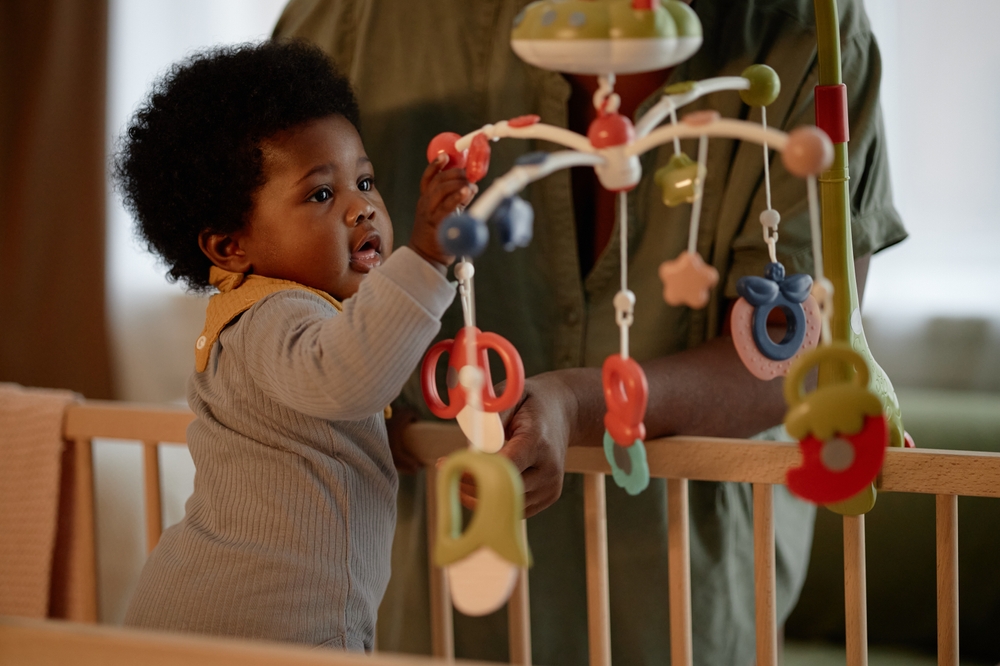
Parents put a lot of thought into the look of the nursery, from paint colors to wall decals and cozy rugs, especially if they chose a colorful nursery theme. You want the room to feel calm, happy, and special, but you may also wonder whether those choices actually affect how your baby behaves later on. Some experts suggest that color, lighting, and overall room design can influence mood, sleep, and attention, especially in the early years. At the same time, you do not need to panic if you chose a bold paint color or a busy pattern before you knew any of this. By understanding how your nursery setup might support or stress your child’s senses, you can make simple tweaks that protect behavioral development without redoing everything from scratch.

1. When a Colorful Nursery Theme Helps—and When It Overwhelms

In the first months, babies are drawn to high contrast and simple patterns, not just bright, busy walls. A room filled with strong colors, lots of decor, and constant visual stimulation can be exciting for a short visit, but tiring to live in all day. You might notice your baby turning away from certain corners, fussing more during diaper changes, or struggling to settle if there is too much to look at. On the flip side, a soft, cozy space with a few playful pops of color can make feeding, reading, and winding down feel easier for both of you. The key is watching your baby’s cues and being willing to adjust the environment if they seem more wired than relaxed in their room.

2. The Role of Light, Contrast, and Clutter

Light and clutter work together with color to shape how comfortable a space feels to a small child. Harsh overhead lighting, shiny surfaces, and too many things on the walls can keep little brains buzzing when they really need rest. Blackout curtains, a small lamp, and a few favorite wall pieces can make the room feel safe instead of overwhelming. Even if your budget is tight, simply removing extra posters, toys, or hanging decorations around your colorful nursery theme can reduce visual noise. Think of the room as a backdrop for your relationship with your baby, not a showroom that needs to impress anyone else.

3. How Personality and Sensory Needs Come Into Play

Two babies can react very differently to the exact same room setup. Some little ones seem energized and happy in a space with lots going on, while others startle easily or need more calm surroundings. If your child has a more sensitive nervous system, bright patterns and constant motion in the room may lead to extra fussiness, difficulty falling asleep, or clinginess. If they are more laid-back, they might be able to tune things out more easily, but that does not mean everything in the room works well for them. Pay attention to whether certain spots or times of day in the nursery—especially where your colorful nursery theme is most intense—consistently bring calm or chaos, and use those observations to guide small changes.

4. Smart Ways to Use Bold Colors Without Overdoing It

You do not have to give up bright colors altogether to support healthy behavior and sleep. Instead of painting every wall a loud shade, try using bold colors on one accent wall, a rug, or a few framed prints. This lets you enjoy a colorful nursery theme while keeping your baby’s main sleep and feeding areas a bit more neutral and soothing. You can also rotate eye-catching decor, such as mobiles or garlands, so there is always something interesting to look at without crowding the room. When you treat color as something you can dial up or down over time, the nursery becomes a flexible space that can change as your child grows.

5. Budget-Friendly Tweaks If the Room Feels Too Busy

If the room feels overstimulating, you do not need a full makeover or expensive new furniture. Start by removing a few wall hangings, extra stuffed animals, or bright storage bins, and see if the space feels calmer to you. You can soften strong colors by adding simple white or neutral bedding, plain curtains, or a larger rug that tones things down. Many parents find that they can keep the overall colorful nursery theme they love while using low-cost items like removable decals and fabric bins to create a more balanced look. Small shifts like these can make it easier for your child to wind down at bedtime and stay focused during play without straining your budget.

6. When to Talk With a Professional

Most of the time, nursery design tweaks are just one part of supporting your child’s behavior and emotional health. If you notice intense tantrums, constant sleep problems, or extreme sensitivity that does not improve when you simplify the room, it is wise to loop in your pediatrician. They can help rule out medical concerns, developmental differences, or anxiety that might need extra support. You can also share photos of the room and your observations so they understand the full picture of your child’s environment. Working with a professional does not mean you did anything wrong; it simply gives you more tools to help your child thrive.

Designing a Nursery That Supports Behavior, Not Perfection

The nursery does not need to look like a magazine spread to be a powerful support for your child’s development. What matters most is that the space feels safe, predictable, and calming to the little person who spends so much time there. When you stay curious about how your child responds to their colorful nursery theme and the rest of their surroundings, you can adjust color, light, and clutter in ways that fit their unique needs. Giving yourself permission to make simple, gradual changes also takes pressure off your budget and your expectations of yourself as a parent. By focusing on comfort and connection over perfection, you create a room where both you and your child can breathe easier and grow together.

Have you ever changed something in your nursery and noticed a difference in your child’s mood or sleep, even in a small way?

What to Read Next…

  • 6 Nursery Themes Perfect for a Baby Boy
  • 10 Things You’re Overspending On Because of Social Media Parenting Trends
  • 8 Nursery Ideas That’ll Make Your Friends Jealous
  • 10 Forgotten Baby Items That Are Still Lurking in Your House
  • 3 Tips for Transforming Your Nursery Into Your Baby’s Toddler Room
Catherine Reed
Catherine Reed

Catherine is a tech-savvy writer who has focused on the personal finance space for more than eight years. She has a Bachelor’s in Information Technology and enjoys showcasing how tech can simplify everyday personal finance tasks like budgeting, spending tracking, and planning for the future. Additionally, she’s explored the ins and outs of the world of side hustles and loves to share what she’s learned along the way. When she’s not working, you can find her relaxing at home in the Pacific Northwest with her two cats or enjoying a cup of coffee at her neighborhood cafe.

Filed Under: Baby Stuff Tagged With: baby room ideas, baby sleep, child behavior, early childhood development, nursery design, parenting on a budget, sensory-friendly spaces

7 “Trustfall” Games That Parents Didn’t Realize Break Bones

November 27, 2025 | Leave a Comment

7 “Trustfall” Games That Parents Didn’t Realize Break Bones
Image source: shutterstock.com

Many families love playful activities that build confidence, teamwork, and connection, but some of these trustfall games are far riskier than they appear. Parents often introduce or allow these games believing they teach trust or boost bravery, not realizing that kids lack the strength, coordination, and judgment to stay safe during the falls, flips, and lifts involved. What starts as a quick moment of fun can turn into an urgent-care visit when a child falls in the wrong direction or a sibling misjudges their ability to catch them. These accidents happen fast, and parents are usually shocked to learn how common serious injuries are from games that seem harmless. Knowing which activities carry hidden hazards can keep playtime fun without putting kids at risk.

1. The Classic Backward Fall Into Someone’s Arms

This familiar activity is often the first thing people imagine when they hear about trustfall games, but it can be surprisingly dangerous for kids. Children frequently lean too far or fall too fast, catching their partners off guard. Most kids also lack the strength to support someone else’s full body weight. Even a slight misalignment can lead to head injuries or broken wrists when the fall goes sideways. Practicing this with young children creates a situation where no one is equipped to prevent injury.

2. Jumping Off Furniture Into Waiting Arms

Many siblings turn this into a dare or a game, assuming someone will catch them every time. These trustfall games become riskier when kids jump from heights they cannot judge accurately. A missed catch or a slip on landing can cause broken ankles, sprains, or even spinal injuries. Young children often feel invincible and jump before anyone is actually ready. Parents often underestimate how fast these moments happen and how hard the impact can be.

3. Letting Kids Lean Forward from a Chair into Someone’s Hands

This version of trust fall games feels gentle at first, but chairs are unstable and kids lean quickly. If the catcher reacts even a second too late, the child can fall face first onto hardwood floors. Nose injuries, chipped teeth, and concussions are common outcomes when this goes wrong. Kids also tend to wiggle or giggle, which throws off their balance. The unpredictability makes this activity unsafe, even with older children.

4. Piggyback Drops That Rely on Kids Catching Themselves

Some families play variations where a child falls off a piggyback ride and expects the other person to catch them. These trustfall games require coordination and timing kids simply do not have. The fall distance is high enough to cause broken collarbones or arm fractures when kids try to brace themselves. Older siblings may think they can slow the fall but often lose balance. These moments lead to hard landings on tile, concrete, or uneven grass.

5. Blanket Tosses That Send Kids Airborne

Parents sometimes reenact the childhood memory of tossing kids lightly in blankets or strong sheets. These trustfall games go wrong when the blanket slips or one person loses their grip. Kids can fly sideways and hit the ground headfirst. Even small height gains create dangerous falls because children cannot control their landing. What feels thrilling to kids creates unnecessary risk for serious injuries.

6. Swinging a Child Between Two Adults

Many families hold a child by the hands and arms and swing them for fun, trusting that both adults will maintain grip. These trustfall games put tremendous strain on the child’s elbows and shoulders. Kids can slip out of hands easily, especially if palms are sweaty or someone stumbles. When children fall during this motion, the landing force is amplified by momentum. This can result in broken bones or nursemaid’s elbow, a painful joint injury common in younger children.

7. Trust Leaps From Playground Structures

Kids sometimes do their own version of trustfall games by jumping from playground equipment and expecting someone below to catch them. Parents usually assume kids know not to jump from high places, but risk taking increases when children feel excited or competitive. Falls from even moderate heights can cause fractures or concussions. The ground beneath playground structures is often uneven, which makes missteps more dangerous. Clear rules and supervision are essential to keep these leaps from turning into emergencies.

Safer Ways to Build Trust and Connection

Parents can still nurture bravery, cooperation, and trust without resorting to risky trustfall games. Activities like guided balancing, cooperative puzzles, low height obstacle courses, and gentle partner stretches create connection without the dangers of falling or lifting. Choosing games that focus on teamwork rather than physical risk lets kids build confidence while staying safe. These alternatives offer the reassurance parents want without the possibility of serious injury. When families choose mindful activities, playtime becomes both fun and safe for everyone involved.

Have you ever seen a trustfall moment go wrong, or found safer ways to build teamwork at home? Share your stories in the comments.

What to Read Next…

7 Sports That Are Increasing Injury Rates in Kids Under 10

Toddler Falls: 5 Home Areas Where Toddlers Get Hurt Most (Are Yours Safe?)

Playground Dangers: 8 Pieces of Playground Equipment That Could Seriously Injure Your Child

10 Reasons Your Child’s Sleep Habits Might Be Hurting Their Brain

7 Reasons Kids Are Getting Hurt in After-School Programs

Catherine Reed
Catherine Reed

Catherine is a tech-savvy writer who has focused on the personal finance space for more than eight years. She has a Bachelor’s in Information Technology and enjoys showcasing how tech can simplify everyday personal finance tasks like budgeting, spending tracking, and planning for the future. Additionally, she’s explored the ins and outs of the world of side hustles and loves to share what she’s learned along the way. When she’s not working, you can find her relaxing at home in the Pacific Northwest with her two cats or enjoying a cup of coffee at her neighborhood cafe.

Filed Under: Safety Tagged With: child safety, family activities, injury prevention, parenting tips, risky play, safe playtime, trustfall games

5 Back-to-School Routines That Ignite Morning Meltdowns

November 27, 2025 | Leave a Comment

5 Back-to-School Routines That Ignite Morning Meltdowns
Image source: shutterstock.com

Heeding back to the classroom after an extended break can feel like controlled chaos, and sometimes the routines parents rely on end up making mornings harder instead of easier. Kids adjust slowly to new expectations, earlier wake ups, and the whirlwind of getting out the door, so even well-intentioned back to school habits can accidentally spark big emotions. Many families discover that what works on paper falls apart in real life once tired brains and rushed schedules collide. When routines create tension, meltdowns can quickly become part of the daily rhythm. Understanding which habits cause stress gives parents the power to replace them with calmer, more effective strategies.

1. Rushing Through Breakfast Every Morning

Many families feel the pressure to hurry breakfast so they can stay on schedule, but this routine often backfires. Children who are still adjusting to back-to-school wake times struggle to eat quickly and may feel overwhelmed by the rush. When parents push for speed, kids pick up on the tension and react with resistance or tears. Rushing also makes it harder for children to listen to their bodies and choose foods that actually energize them. A slower, predictable breakfast routine helps set a calmer tone for the rest of the morning.

2. Saving Backpack and Lunch Prep Until the Last Minute

Leaving all the packing for the morning seems harmless until it creates a scramble that stresses everyone. This pattern becomes especially challenging during back-to-school season when kids are still learning what they need each day. Searching for missing items or arguing about forgotten assignments increases frustration and panic. Siblings may blame each other when the chaos spills across shared spaces. Preparing backpacks and lunches the night before prevents unnecessary pressure and reduces morning meltdowns.

3. Overloading Kids With Too Many Expectations at Once

Parents often introduce several new routines all at the same time during the back-to-school transition, which can overwhelm kids quickly. Trying to adjust bedtime, wake time, chores, and morning responsibilities simultaneously creates mental overload. Children respond with irritability or tears when they feel they cannot meet all the new demands. A slower, step by step approach makes the shift smoother and more manageable. Giving kids time to adjust helps them feel capable rather than anxious.

4. Relying on Screens to Speed Up the Morning

Screens can seem like an easy tool for distraction, but they often derail the flow of back-to-school mornings. Kids absorbed in shows or games struggle to switch gears when it is time to get dressed or leave. This transition difficulty leads to arguments, refusals, and rushed last minute scrambling. Parents may find themselves repeating instructions over and over with rising frustration. Limiting screens until after their home helps children stay focused and reduces disruptive transitions.

5. Using Harsh Wake Ups That Trigger Stress

Some families rely on abrupt wake up methods because mornings feel so pressed for time. Loud alarms or sudden bright lights can make back to school mornings feel jarring and stressful. Children who wake up startled often begin the day in fight or flight mode, which leads to resistance and emotional outbursts. Gentle wake ups give kids space to reorient and feel safe. A calmer start sets the tone for smoother cooperation throughout the routine.

Building Morning Routines That Lower Stress Instead

Parents can reduce morning struggles by choosing routines that match their child’s emotional and developmental needs. Adjusting back to school habits with comfort and consistency in mind helps kids move through mornings with more confidence. Clear expectations paired with flexibility create an environment where children feel supported rather than rushed. Small changes like prepping the night before or waking gently can make a noticeable difference. When families work together to create calm, mornings shift from meltdown filled to manageable.

Which morning routines create the biggest challenges in your home, and what has helped ease the stress? Share your thoughts in the comments.

What to Read Next…

5 School Field Trip Threads That Expose Emotional Trauma Risks

10 Homework Hacks Every Parent Should Know to Avoid Meltdowns

7 School Policies That Secretly Undermine Parental Authority

7 Signs Your Kids Are Spoiled—Even If You Swear They’re Not

Are Parent-Teacher Text Chains Making School Drama Worse?

Catherine Reed
Catherine Reed

Catherine is a tech-savvy writer who has focused on the personal finance space for more than eight years. She has a Bachelor’s in Information Technology and enjoys showcasing how tech can simplify everyday personal finance tasks like budgeting, spending tracking, and planning for the future. Additionally, she’s explored the ins and outs of the world of side hustles and loves to share what she’s learned along the way. When she’s not working, you can find her relaxing at home in the Pacific Northwest with her two cats or enjoying a cup of coffee at her neighborhood cafe.

Filed Under: Education Tagged With: Back to School, child behavior, daily routines, family stress, morning routines, parenting tips, school preparation

Are Boomer vs. Millennial Bedtime Styles Causing Sibling Trauma?

November 26, 2025 | Leave a Comment

Are Boomer vs. Millennial Bedtime Styles Causing Sibling Trauma?
Image source: shutterstock.com

Parents often have strong feelings about how kids should wind down at night, and many families discover that these preferences vary widely across generations. When grandparents help with childcare or siblings are raised years apart, conflicting bedtime styles can collide in a way that disrupts routines and emotions. What feels normal and comforting to one adult may feel rigid or confusing to another, and kids absorb that tension quickly. These mismatched expectations sometimes lead to power struggles, disrupted sleep, and even resentment between siblings who receive different treatment. Understanding how generational habits shape bedtime can help parents create a more peaceful and supportive nighttime environment for everyone.

1. How Different Generations Approach Bedtime

Boomer parents often favor structured routines that emphasize lights out at a specific time and minimal negotiation. Millennial parents, on the other hand, tend to prioritize flexibility, emotional connection, and child-led cues during bedtime styles. When these approaches overlap in the same home, kids may feel unsure about which rules to follow. Siblings can also compare their experiences and wonder why expectations differ between them. These differences create a confusing mix of messages that impacts how secure kids feel at night.

2. Why Mixed Messages Can Trigger Stress For Kids

Children thrive on predictability, so inconsistent bedtime styles can increase nighttime anxiety. If one adult insists on strict routines and another allows talking or extra comfort, kids may feel torn between pleasing both. The lack of consistency can also lead to stalling behaviors because kids learn that different adults respond differently. Siblings who see each other receive different accommodations may feel jealous or frustrated. These emotional reactions often spill over into daytime behavior, creating a cycle of tension.

3. How Sibling Rivalry Grows From Bedtime Differences

When siblings experience different bedtime styles, they may interpret the difference as favoritism rather than generational habit. A younger child who receives more comfort may be seen as getting special treatment. An older sibling expected to follow stricter rules might feel punished for being older. These misunderstandings can cause resentment that builds over time. Helping siblings understand why routines differ can reduce hostility and strengthen family communication.

4. The Emotional Weight Kids Carry Quietly

Kids often internalize family stress, even if they do not have the words to describe it. Conflicting bedtime styles can make children feel responsible for adult tension, especially if disagreements happen in front of them. Some kids become people pleasers to avoid conflict, while others act out because they feel overwhelmed. Siblings may even blame each other when bedtime leads to stress. Addressing these patterns early helps protect emotional well-being.

5. Signs That Bedtime Confusion Is Impacting Sleep Quality

Poor sleep can show up in surprising ways, from irritability to difficulty concentrating in school. When bedtime styles are inconsistent, children may have trouble settling their bodies and minds. They might wake more frequently or struggle to fall asleep without constant reassurance. Siblings can also disrupt one another if their routines clash. Sleep issues can escalate quickly if not addressed with calm and consistent changes.

6. What Parents Can Do To Create Unified Bedtime Expectations

The easiest way to reduce bedtime stress is for adults to come together and agree on shared expectations. Agreeing on a baseline for bedtime styles helps prevent mixed signals and allows kids to feel secure. Parents can discuss which parts of the routine matter most and where flexibility is realistic. Involving both generations in the conversation can help bridge misunderstandings. When everyone participates in the plan, kids sense the teamwork and respond more positively.

7. How To Reduce Sibling Comparison and Resentment

Parents can address sibling conflict by explaining why each child’s routine looks the way it does. These conversations clarify that different bedtime styles are not about favoritism but about age, development, or comfort needs. Encouraging siblings to respect each other’s routines helps build empathy. Parents can also create shared moments, like reading together, to keep kids connected. Clear communication dissolves tension before it becomes long term resentment.

8. Tips For Blending Structure and Flexibility

Families can combine Boomer structure with Millennial emotional awareness to create routines that work for everyone. Balanced bedtime styles include predictable steps along with gentle room for adjustment. For example, parents might set a consistent lights out time while still offering a calm conversation or quiet reading before bed. Children feel supported when routines are steady but understanding. Blended approaches can prevent overwhelm and boost cooperation.

9. When Professional Guidance Can Help

If bedtime conflict becomes a nightly struggle, support from a pediatrician or family counselor can make a difference. Professionals can help parents understand how developmental stages interact with bedtime styles and offer tailored recommendations. Guidance can also help families who worry that sibling tension has escalated beyond normal rivalry. Sometimes small adjustments greatly improve the overall tone of the evening. Asking for help is a sign of strength, not failure.

10. Creating Family Rituals That Bring Everyone Together

Instead of focusing only on rules, families can build comforting rituals that all generations appreciate. These routines align different bedtime styles by shifting the focus to connection rather than control. Shared activities like storytelling, gratitude moments, or calming music make bedtime feel special. Children who feel secure during these rituals are less likely to experience stress or resentment. Strong rituals help siblings grow closer even when their needs differ.

Building Nighttime Peace Across Every Generation

Families thrive when adults recognize how much their habits shape the emotional atmosphere around bedtime. Blending bedtime styles thoughtfully allows parents and caregivers to support each other while reducing stress for kids. When everyone understands the goal of nighttime comfort, siblings feel seen and supported rather than confused. A unified approach leads to calmer evenings and healthier relationships. Peaceful bedtime routines are possible for every household willing to collaborate.

Have you noticed bedtime differences across generations in your home? Share what has helped your family in the comments.

What to Read Next…

Skipping Bedtime Routines: The Devastating Consequences They Hoped You’d Never Discover!

10 Reasons Your Child’s Sleep Habits Might Be Hurting Their Brain

9 Millennial Parenting Trends That Boomers Quietly Judge

12 Household Sounds That Are Affecting Your Child’s Sleep

8 Reasons Your Kids Prefer TikTok Over Bedtime Stories

Catherine Reed
Catherine Reed

Catherine is a tech-savvy writer who has focused on the personal finance space for more than eight years. She has a Bachelor’s in Information Technology and enjoys showcasing how tech can simplify everyday personal finance tasks like budgeting, spending tracking, and planning for the future. Additionally, she’s explored the ins and outs of the world of side hustles and loves to share what she’s learned along the way. When she’s not working, you can find her relaxing at home in the Pacific Northwest with her two cats or enjoying a cup of coffee at her neighborhood cafe.

Filed Under: Parenting Tagged With: bedtime routines, child development, family stress, modern parenting, parenting styles, sibling rivalry, sleep habits

10 Parenting Books That Overpromise and Underdeliver Support

November 26, 2025 | Leave a Comment

10 Parenting Books That Overpromise and Underdeliver Support
Image source: shutterstock.com

Parenting is full of surprises, and sometimes that includes realizing the guidance you counted on isn’t as helpful as you hoped. Many parenting books claim to offer quick fixes, expert secrets, or guaranteed transformations, but not all deliver meaningful support once you’re in the thick of real day-to-day challenges. Parents often turn to these books seeking clarity or confidence, only to find generic advice, conflicting recommendations, or unrealistic expectations. That gap between what’s promised and what’s actually useful can be frustrating, especially when time and energy are already stretched thin. If you’ve ever closed a book feeling more overwhelmed than empowered, you’re definitely not alone.

1. The Books That Promise Overnight Behavior Turnarounds

Some parenting books claim that behavior can change almost instantly if you follow a strict script, which often sets parents up for disappointment. These books tend to overlook the fact that children develop at different speeds and face individual emotional hurdles. They also encourage a one-size-fits-all mindset that rarely works in real homes. Parents who try the methods exactly as written often discover they don’t match their child’s needs. The result is guilt and frustration instead of the fast transformation these titles promise.

2. Guides That Rely on Outdated Research

Many books still reference studies that are decades old, which leaves families working with approaches that don’t reflect modern child development understanding. These books may suggest discipline tactics or emotional strategies that no longer align with current best practices. Relying on old research puts unnecessary pressure on parents who believe they must use outdated methods to be effective. The lack of updated science makes it hard to apply the advice with confidence. Parents deserve resources grounded in modern, evidence-based insights.

3. Books That Ignore Neurodiversity

Some bestselling guides assume all children think, respond, and learn the same way, which minimizes the experiences of neurodivergent kids. These parenting books often frame differences as problems instead of variations in how children process the world. Parents of kids with ADHD, autism spectrum disorder, or sensory differences end up feeling unseen or unsupported. Without inclusive strategies, the advice falls flat in real situations. Families need books that respect the wide range of developmental paths kids take.

4. Titles That Shame Parents Into Compliance

A number of guides subtly or openly use shame-based language to push parents toward a specific style or routine. These books imply that any deviation from the prescribed method means failure. Shaming language creates anxiety instead of empowerment, making it harder for parents to trust their instincts. Instead of offering flexible solutions, these books trap readers in guilt. Parents benefit more from compassionate guidance that allows room for real-life imperfections.

5. Books That Offer Only Vague Advice

Some titles spend chapters discussing broad ideas like “stay calm” or “build connection” without explaining how to do that with a tired toddler or stressed teenager. These parenting books circle around big themes but skip actionable steps that families can actually use during hectic days. When guidance lacks detail, parents are left to figure things out alone anyway. The missing specificity makes these books feel more inspirational than practical. Families need clear steps that support real progress.

6. Guides That Overcomplicate Simple Routines

Certain guides turn everyday tasks into multi-step systems that feel impossible to manage long term. These parenting books encourage detailed charts, rigid schedules, or complex reward structures that fall apart once life gets busy. Parents may feel pressured to maintain a routine that drains energy rather than saves it. This complexity often creates more stress than structure. Practical advice should make life easier, not heavier.

7. Books That Promise Perfect Peaceful Homes

Some books create the illusion that conflict-free homes are achievable if parents master the right tone or technique. These books fail to acknowledge that all families experience conflict, stress, and big emotions. When parents can’t produce the calm environment a book guarantees, they may assume they’re doing something wrong. This unrealistic perfection sets families up for discouragement. Real support acknowledges chaos is part of raising kids.

8. Titles That Oversell Scientific Language

A few books pepper in neuroscience terms or psychological jargon to sound authoritative without offering real depth. These parenting books use complicated language that feels impressive but isn’t actionable. Parents may feel confused rather than guided. Scientific buzzwords can distract from the lack of concrete advice. Genuine science should clarify, not complicate, the parenting journey.

9. Books That Pretend There’s Only One Right Style

Some guides insist there is a single correct way to parent, whether gentle, authoritative, minimalist, or something else entirely. These parenting books don’t leave space for cultural differences, family values, or parental personalities. This rigid mindset causes parents to question their natural strengths. It also encourages comparison rather than confidence. A helpful resource supports adaptability, not strict adherence.

10. Titles That Ignore Parental Well-Being

Plenty of books focus entirely on child behavior and development while skipping the parent’s mental and emotional needs. These books forget that overwhelmed, exhausted caregivers struggle to implement any strategy effectively. Without acknowledging parental well-being, the advice feels incomplete. Parents need support that validates their challenges as much as their child’s. Whole-family guidance is essential for lasting change.

What Parents Truly Need Instead

Parents benefit most from resources that acknowledge real stress, celebrate small wins, and offer guidance that adapts to unique family dynamics. Supportive parenting books should encourage flexibility, empowerment, and emotional understanding. When books meet families where they are, the advice becomes easier to apply. Practical examples, realistic expectations, and inclusive approaches make a world of difference for parents seeking help. Ultimately, the best support builds confidence rather than pressure.

What parenting book left you feeling let down, and which ones have truly helped you? Share your experiences in the comments.

What to Read Next…

Parenting Expert Warns Against Asking Kids How Their Day Was

10 Modern Parenting Issues That Are Silently Stressing You Out

9 Millennial Parenting Trends That Boomers Quietly Judge

10 Things You’re Overspending On Because of Social Media Parenting Trends

Is Your Parenting Style Quietly Damaging Your Child’s Friendships?

Catherine Reed
Catherine Reed

Catherine is a tech-savvy writer who has focused on the personal finance space for more than eight years. She has a Bachelor’s in Information Technology and enjoys showcasing how tech can simplify everyday personal finance tasks like budgeting, spending tracking, and planning for the future. Additionally, she’s explored the ins and outs of the world of side hustles and loves to share what she’s learned along the way. When she’s not working, you can find her relaxing at home in the Pacific Northwest with her two cats or enjoying a cup of coffee at her neighborhood cafe.

Filed Under: Parenting Tagged With: child development, family stress, modern parenting, parenting advice, parenting books, parenting myths

9 Birthday Traditions That Widen Generation Gaps in Parenting

November 25, 2025 | Leave a Comment

9 Birthday Traditions That Widen Generation Gaps in Parenting
Image source: shutterstock.com

The way families celebrate birthdays has changed dramatically, and those shifts often highlight deeper generational divides. What once felt simple and predictable now sparks debates between parents, grandparents, and caregivers who each believe their approach is best. From party size to gift expectations, birthday traditions can quickly become emotional battlegrounds when different generations clash over what’s appropriate. Understanding the roots of these disagreements helps families navigate celebrations with less tension and more connection.

1. Elaborate Party Themes That Feel Excessive

Modern celebrations often revolve around elaborate party themes, which are birthday traditions older generations sometimes see as unnecessary. Grandparents may remember homemade cakes and backyard games, while today’s families focus on curated decorations and matching favors. These differences can feel overwhelming for relatives who view themed parties as overly commercial. Kids, however, often enjoy the creativity and excitement. Families can bridge the gap by balancing simplicity with personalization.

2. Gift Registries for Kids’ Birthdays

Some parents now create gift registries to help friends and relatives choose useful presents, but these birthday traditions can frustrate older generations. They may see registries as controlling or overly formal for a child’s celebration. Parents appreciate the way registries prevent duplicate toys and reduce clutter. Kids benefit from receiving items they will truly enjoy or need. A gentle conversation can help extended family understand the purpose behind the practice.

3. Opening Gifts After the Party

Opening presents after guests leave has become more common as parents work to avoid comparison or hurt feelings. These traditions can confuse grandparents who expect to watch kids open gifts in real time. Parents sometimes choose privacy to reduce pressure on shy children or avoid social media oversharing. Kids may also open gifts more calmly when not observed by a crowd. Families can compromise by sharing photos or videos privately with loved ones.

4. Destination Parties Instead of Home Gatherings

Destination celebrations at trampoline parks, play centers, and activity venues have become extremely popular. While convenient for parents, these birthday traditions may feel impersonal to relatives who grew up with relaxed home-based parties. Grandparents often miss the warmth and connection that come with celebrating in a familiar place. Kids love the excitement and energy a destination provides. Parents can include sentimental touches to help bridge the emotional distance older generations feel.

5. Allergy-Friendly and Ingredient-Specific Treats

Food practices have shifted significantly, leading to birthday traditions centered around allergy-safe cupcakes, vegan treats, or ingredient-limited snacks. Older generations may feel confused or frustrated by these restrictions, especially if they never navigated allergies when raising children. Parents today aim to keep all kids safe and included. Kids learn empathy and respect when celebrations accommodate everyone. With clear communication, families can help older relatives understand that these precautions are necessary, not optional.

6. No-Gift or Experience-Only Parties

More families are choosing no-gift or experience-focused events to limit clutter and teach kids gratitude. These traditions often surprise older relatives who equate gifts with love and generosity. Parents appreciate how these options reduce pressure and keep the celebration centered on relationships. Kids may even feel relieved when the focus shifts away from presents. Explaining the intention behind these choices can reduce judgment and create more understanding.

7. Social Media Sharing and Digital Invitations

Today’s celebrations often include digital invitations, photos, and shared highlights across various platforms. These birthday traditions can feel impersonal or overly public to older generations. Many grandparents prefer paper invites or private photo sharing. Parents often choose digital tools because they save time and money. Kids enjoy seeing their celebrations captured, but families should discuss boundaries to keep everyone comfortable.

8. Hiring Photographers or Party Helpers

Some families hire photographers, face painters, or helpers to manage activities during parties. These birthday traditions reflect a desire to reduce stress and stay present with the kids. Older generations may interpret this as unnecessary or extravagant. Parents often find that extra hands make the event safer and more enjoyable. Kids benefit from well-organized entertainment, while relatives adjust when they understand the reason behind the support.

9. Month-Long Celebrations or Multiple Mini-Parties

More kids now enjoy celebrations that span an entire weekend or include separate events for friends, schoolmates, and family. These traditions can feel excessive to relatives who grew up with one simple party. Parents may choose multiple celebrations to accommodate busy schedules or blended families. Kids appreciate having time with each important group in their lives. Families can work together to simplify while still honoring the relationships that matter most.

Finding Harmony Around Evolving Birthday Traditions

Different generations bring their own memories, expectations, and emotions to birthday celebrations, and these differences can create tension without thoughtful communication. By acknowledging how birthday traditions have changed, families can find middle ground that honors both old and new approaches. This balance allows celebrations to feel meaningful for everyone involved. When parents, grandparents, and kids collaborate, birthdays become opportunities for connection rather than conflict.

Which traditions have caused the biggest disagreements in your family, and how did you handle them?

What to Read Next…

9 Hidden Fees Behind Birthday Party Rentals That Aren’t Listed Upfront

7 Birthday Party Expectations That Have Gotten Out of Control

8 Kids’ Birthday Traditions That Are Quietly Fading Away

9 Common First Birthday Gifts That Parents Secretly Return

10 Birthday Party Trends That Are Pricing Out Lower-Income Kids

Catherine Reed
Catherine Reed

Catherine is a tech-savvy writer who has focused on the personal finance space for more than eight years. She has a Bachelor’s in Information Technology and enjoys showcasing how tech can simplify everyday personal finance tasks like budgeting, spending tracking, and planning for the future. Additionally, she’s explored the ins and outs of the world of side hustles and loves to share what she’s learned along the way. When she’s not working, you can find her relaxing at home in the Pacific Northwest with her two cats or enjoying a cup of coffee at her neighborhood cafe.
Filed Under: Holidays Tagged With: birthday celebrations, family dynamics, family traditions, kids parties, modern parenting, parenting generations

10 Clothing Choices That May Trigger Unfair School Discipline

November 24, 2025 | Leave a Comment

10 Clothing Choices That May Trigger Unfair School Discipline
Image source: shutterstock.com

It surprises many parents how often clothing choices end up at the center of school discipline, leading to detentions, call-home warnings, or even suspensions. While dress codes aim for consistency, these rules are often applied unevenly, leaving some students punished for outfits others wear without issue. Families deserve to understand which clothing choices may trigger unnecessary problems so they can help their kids avoid being singled out. Below are the most common items that prompt unfair consequences and what parents can do about them.

1. Graphic Tees With Vague or Misinterpreted Messages

Some clothing choices include graphic tees featuring phrases or symbols adults may interpret differently than students intend. A harmless slogan may be labeled distracting, inappropriate, or disruptive based on personal judgment. Teens often wear shirts to express humor or identity, but inconsistent enforcement leads to unfair treatment. This unpredictability can embarrass students who had no intention of breaking rules. Parents can review tees with their kids beforehand to anticipate potential misunderstandings.

2. Ripped Jeans That Meet Style Trends

Ripped jeans remain popular, but they frequently get flagged during dress code enforcement. Rules about rip size or placement are often interpreted differently from one staff member to another. Jeans acceptable in one class may be cited as a violation elsewhere. This inconsistency leaves kids unsure of what is allowed. Families often must translate vague guidelines themselves.

3. Tank Tops or Sleeveless Shirts

Sleeveless tops appear often in discipline discussions because strap-width rules are among the most inconsistently applied. A student may receive a warning simply because fabric shifted during normal movement. These awkward moments can embarrass students and disrupt learning. Clearer standards would reduce uncertainty. Until then, layering options can help avoid unnecessary attention.

4. Hoodies Worn for Comfort or Sensory Support

Many students rely on hoodies for warmth or sensory regulation, but they are sometimes penalized when a hood is lifted or pockets are used too often. Some teachers associate hood wearing with disengagement, leading to avoidable discipline. Kids who are anxious or cold may be punished for harmless behavior. Families can request accommodations if a hoodie meets emotional or sensory needs. Consistent communication with staff can help prevent misunderstandings.

5. Leggings Paired With Longer Tops

Leggings are extremely common yet frequently spark disputes due to subjective modesty rules. Students wearing nearly identical outfits may face different outcomes depending on who notices them. This inconsistency makes clothing decisions stressful for kids. When rules rely on interpretation rather than clarity, fairness becomes difficult to maintain. Schools with more specific guidelines reduce confusion and frustration.

6. Cultural or Religious Clothing Items

Traditional garments tied to cultural identity or religious practice are sometimes mistakenly labeled as violations. These misunderstandings can make students feel excluded or disrespected. Families often must explain the meaning behind specific garments so staff can respond appropriately. Increased cultural awareness among educators prevents avoidable conflicts. Respectful dialogue helps protect students’ dignity.

7. Clothes That Look “Too Casual”

Dress codes often include vague expectations about looking professional or appropriate for learning. These unclear standards allow outfits to be judged inconsistently, creating unequal enforcement. A student may be reprimanded for sweatpants on a day when others dress similarly without issue. Kids may feel targeted rather than supported. Parents can ask administrators for clarification when patterns of discipline appear unfair.

8. Color Restrictions That Are Not Clearly Explained

Uniform policies or safety guidelines sometimes dictate approved colors, but these rules are not always communicated clearly. Clothing choices outside approved colors can lead to discipline even when students were unaware of the restriction. Jackets, hats, or layers worn for warmth can unintentionally break rules. Seasonal changes make this problem more noticeable. Consistent messaging from schools would help families prepare more effectively.

9. Accessories That Are Considered Distracting

Accessories such as bracelets, headbands, or small chains may be harmless but are sometimes viewed as distractions. These items can trigger discipline even without disrupting learning. Kids who enjoy expressing themselves through accessories may feel discouraged when creativity is misinterpreted. Enforcement often varies widely between teachers. Families can request more specific examples of what is or isn’t allowed.

10. Clothing That Doesn’t Fit Uniform Standards

Uniform schools still face disagreements over what counts as acceptable. Slight color variations or minor fabric differences may lead to unnecessary violations. Children grow quickly, and uniforms don’t always fit perfectly year-round. A too-short skirt or faded shirt should not result in harsh consequences, yet it sometimes does. Families can request flexibility when growth or wear affects compliance.

Helping Kids Navigate Unfair Dress Code Enforcement

Dress codes are intended to set expectations, but unclear or unevenly enforced rules place unfair burdens on students. Families can support kids by reviewing dress code language together, asking schools for clarification when needed, and encouraging children to speak up if something feels unfair. When schools and parents work collaboratively, kids feel more respected and prepared for the day. Understanding how clothing choices lead to discipline allows families to advocate more effectively for their children.

Which clothing choices have caused the most unexpected issues at your child’s school?

What to Read Next…

9 School Dress Code Rules That Are Now Considered Discriminatory

8 School Rules That Should’ve Changed Decades Ago

10 Surprising Facts About How Much School Uniforms Really Cost

These Ridiculous School Rules Are Actually Enforced in 2025

How Much You’re Really Spending on Kids’ Clothes Each Year

Catherine Reed
Catherine Reed

Catherine is a tech-savvy writer who has focused on the personal finance space for more than eight years. She has a Bachelor’s in Information Technology and enjoys showcasing how tech can simplify everyday personal finance tasks like budgeting, spending tracking, and planning for the future. Additionally, she’s explored the ins and outs of the world of side hustles and loves to share what she’s learned along the way. When she’s not working, you can find her relaxing at home in the Pacific Northwest with her two cats or enjoying a cup of coffee at her neighborhood cafe.

Filed Under: Education Tagged With: Back to School, clothing rules, parenting tips, school discipline, school dress code, student rights

7 Reasons Kids Are Getting Hurt in After-School Programs

November 24, 2025 | Leave a Comment

7 Reasons Kids Are Getting Hurt in After-School Programs
Image source: shutterstock.com

Many parents assume after-school programs are a safe extension of the classroom, but rising injury rates suggest otherwise. As more families rely on structured care between 3 p.m. and 6 p.m., these programs often juggle crowded groups, mixed-age activities, and limited supervision. Understanding the real risks helps parents advocate for safer environments and make better choices for their children. Here are the most common reasons kids get hurt—and what you can do about it.

1. Inadequate Supervision in After-school programs

Many programs operate with fewer adults than they truly need, creating long stretches where kids aren’t being closely watched. Staff members may be pulled into administrative tasks, leaving fewer eyes on active groups. When children have room to roam without guidance, small problems escalate into unsafe situations. Rough play, boundary-pushing, and accidental injuries become more likely. Parents should ask about the staff-to-child ratio before enrolling.

2. Unstructured Play That Turns Risky

Free play is important, but without structure, kids often shift into high-speed games that can get out of hand. After-school programs sometimes allow children to choose activities without providing enough direction. Running, climbing, and chasing in tight spaces raise the odds of collisions and falls. Kids don’t always recognize when play becomes unsafe. A clear set of rules and supervised zones can keep excitement from turning into injuries.

3. Poorly Maintained Equipment at After-school programs

From play structures to sports gear, worn-out equipment is a major contributor to preventable injuries. Programs may rely on older items that haven’t been inspected or repaired in years. Broken swings, loose bolts, or outdated mats can quickly create dangerous situations. Kids often don’t notice hazards until it’s too late. Parents can request a maintenance schedule or ask who handles inspections to ensure equipment stays safe.

4. Staff Not Properly Trained for Emergencies

Many after-school programs hire caring individuals who enjoy working with kids, but not all of them have strong safety or first-aid training. When an accident happens, unprepared staff may freeze or respond incorrectly. Delayed or improper responses can turn minor injuries into major issues. Kids need adults who know how to act quickly and confidently. Programs should provide ongoing training so staff can handle medical situations calmly and correctly.

5. Overcrowded Activities That Don’t Meet Capacity Limits

Some after-school programs take on more children than their space was designed to support. Overcrowding makes it harder to supervise, easier for kids to bump into each other, and more difficult to control group dynamics. Furniture, equipment, and narrow hallways add even more risks. Kids naturally become louder and more energetic in crowded settings, which increases the chance of accidents. Choosing a program with appropriate enrollment limits can significantly reduce injury risk.

6. High-Energy Games Without Safety Rules in After-school programs

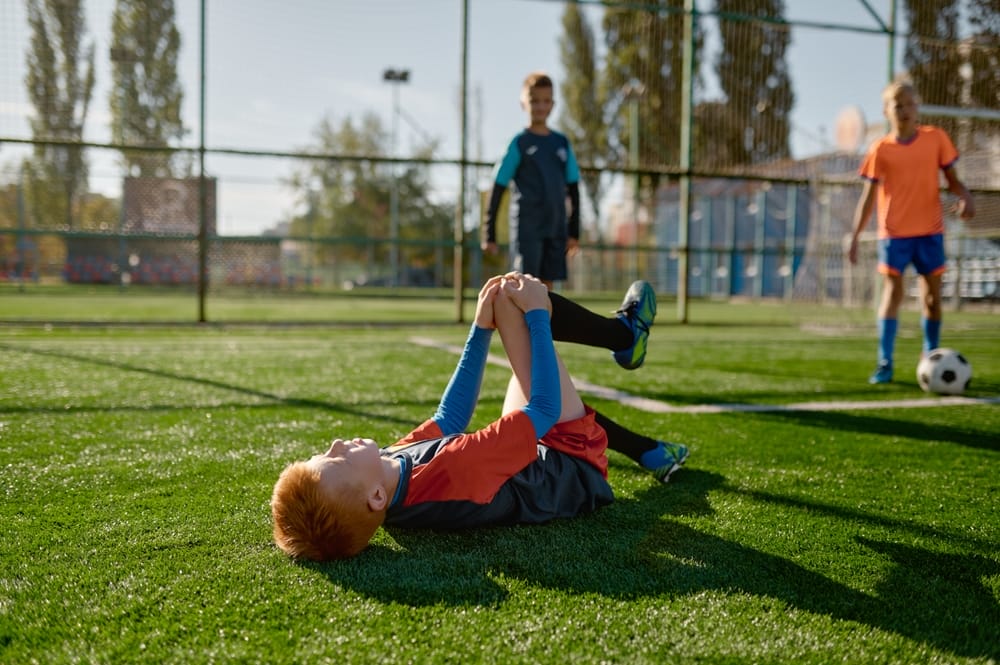
Popular activities like tag, soccer, or dodgeball are fun but can be risky without clear expectations. Without boundaries, games often escalate in speed and intensity. Kids may push, trip, or collide because no one paused to review safety guidelines. Staff should set rules and model safe behavior, especially for mixed-age groups. Parents can ask how are structured to ensure safety is built into the fun.

7. Lack of Communication About Behavior Issues

Sometimes the biggest risks come from ongoing behavior concerns that programs fail to share with families. When a child struggles with aggression, impulsivity, or rule-following, the entire group can be affected. Programs that avoid tough conversations may allow patterns to continue until someone gets hurt. Transparent communication helps everyone respond consistently. Parents should choose programs that value honesty and partnership when addressing challenging behavior.

What Parents Can Do to Make After-school programs Safer

Parents play a major role in making after-school programs safer by asking informed questions and staying involved. Visiting the program at least once during active hours can reveal strengths and red flags. Talking with staff about rules, training, and communication shows that safety is a priority for your family. Kids also benefit when parents discuss expectations for behavior and following directions. When families and programs work together, children are far less likely to get hurt.

What safety improvements would you like to see in the after-school programs in your community?

What to Read Next…

8 After-School Activities That Drain Family Budgets the Fastest

7 Ways Schools Fail to Hold Bullies Accountable

School Safety Warning: The Real Reason Some Lockdown Drills Are Backfiring

5 School Field Trip Threads That Expose Emotional Trauma Risks

7 After-School Activities That Are Quietly Putting Kids in Danger

Catherine Reed
Catherine Reed

Catherine is a tech-savvy writer who has focused on the personal finance space for more than eight years. She has a Bachelor’s in Information Technology and enjoys showcasing how tech can simplify everyday personal finance tasks like budgeting, spending tracking, and planning for the future. Additionally, she’s explored the ins and outs of the world of side hustles and loves to share what she’s learned along the way. When she’s not working, you can find her relaxing at home in the Pacific Northwest with her two cats or enjoying a cup of coffee at her neighborhood cafe.

Filed Under: Money and Finances Tagged With: after school safety, child injuries, child supervision, kids safety, parenting tips, school programs

Is Your Pediatrician Overbooking and Rushing Diagnoses?

November 23, 2025 | Leave a Comment

Is Your Pediatrician Overbooking and Rushing Diagnoses?
Image source: shutterstock.com

Many parents walk out of appointments feeling like their pediatrician barely had time to listen, let alone investigate what is really going on with their child. As schedules get tighter and practices try to meet rising demand, some families worry that overbooking is leading to rushed diagnoses instead of thoughtful medical care. When visits feel too quick, symptoms may be missed, concerns may go unanswered, and children may receive treatment that doesn’t address the real issue. Understanding the signs of hurried or incomplete care can help parents advocate for better support and ensure a crowded calendar never compromises their child’s health.

1. Shortened Appointments That Leave Out Key Details

One of the clearest signs of rushed diagnoses is when appointments consistently feel too quick to cover everything your child needs. Pediatricians may be juggling packed schedules that limit how much time they can spend with each family. When visits feel rushed, parents might skip important questions or feel uncomfortable raising concerns. Quick checkups can also leave doctors without enough information to make accurate decisions. To counter this, parents can bring written notes to ensure nothing gets left out.

2. Frequent Requests to “Just Monitor It”

While watchful waiting is appropriate in many cases, it can become a pattern when pediatricians are trying to move quickly through their day. If you notice that your concerns are repeatedly brushed aside, it may mean the doctor is relying on a default “wait and see” approach rather than digging deeper. Parents often feel unheard when the recommendation is always to wait, especially for recurring symptoms. Sometimes, early testing or referrals could prevent long-term issues. Trusting your instincts and asking follow-up questions can help ensure your child receives proper attention.

3. Quick Labeling of Symptoms Without Explanation

Some doctors assign a diagnosis within minutes, which can be a red flag for rushed diagnoses. When explanations are vague or overly brief, parents may leave feeling unsure about what their child is actually facing. A rushed conclusion can lead to unnecessary medication or treatment that doesn’t address the root cause. Clear communication is essential to understanding and managing health conditions effectively. Asking for more detail or requesting clarification is both reasonable and important.

4. Limited Physical Exams Even for Complex Symptoms

A thorough physical exam can reveal issues that might otherwise be missed, but rushing diagnoses often results in doctors checking only the basics. When a pediatrician skips a detailed exam, especially for more complicated complaints, it increases the chances of misdiagnosis. Children often have difficulty describing symptoms clearly, making a hands-on evaluation essential. Parents should feel empowered to request a more complete exam if something feels off. Care should never be reduced to quick assumptions.

5. Delayed Referrals to Specialists

In many cases, pediatricians should refer children to specialists when symptoms exceed their expertise. Time pressure and overloaded schedules may lead doctors to hold off on referrals simply to keep the day moving. Parents may notice repeated visits for the same issue without progress or answers. Waiting too long to see a specialist can delay proper treatment and prolong a child’s discomfort. If a condition is not improving, parents should feel comfortable asking whether a referral is appropriate.

6. Repeated Medication Changes Without Clear Justification

When a pediatrician is rushing diagnoses, medication adjustments may be made without full explanations. Instead of uncovering the underlying problem, the focus becomes trying different prescriptions quickly to see what works. This approach can be confusing for parents and potentially stressful for children. A thoughtful, step-by-step treatment plan should always be explained thoroughly. Asking for a rationale behind each medication change helps ensure decisions are based on careful evaluation.

7. Little to No Time for Parent Questions

Parents often leave appointments still unsure about their child’s health when pediatricians are rushing diagnoses. Questions may be brushed aside or answered too briefly due to time constraints. When parents don’t have the chance to understand what is happening, they may miss important follow-up steps. Good communication builds trust and helps families feel confident about next steps. It is perfectly reasonable to schedule an additional appointment if your concerns were not addressed.

8. Overreliance on Quick Assessments Instead of Comprehensive Evaluation

While experienced pediatricians can often identify issues quickly, relying too much on brief assessments can lead to errors. The push to keep moving can mean skipping deeper evaluation methods such as lab work, developmental screenings, or additional imaging. When these steps are repeatedly overlooked, parents may notice a pattern of inaccurate or incomplete conclusions about their child’s health. Comprehensive care requires time, attention, and willingness to gather detailed information. Parents should not hesitate to ask whether further testing might be beneficial.

How Parents Can Advocate for Slower, More Thoughtful Care

Parents have every right to expect their pediatrician to take the time necessary to understand their child’s health fully. Speaking up respectfully, asking direct questions, and requesting second opinions when needed can lead to better, more accurate care. Building a partnership with your pediatrician requires clear communication and a shared focus on your child’s well-being. Slowing down the process, even slightly, can prevent unnecessary stress and improve outcomes. As a parent, you know your child best and should always feel empowered to advocate for them.

Have you ever felt your pediatrician was rushing diagnoses during appointments? Share your experience and thoughts in the comments.

What to Read Next…

  • 6 Unspoken Rules Pediatricians Wish More Parents Followed
  • 10 Children’s Medications That Were Recently Recalled
  • Pediatrician Secrets: 8 Dangers Your Pediatrician Won’t Discuss
  • 8 Medical Bills Related to Children That Insurance Rarely Covers
  • 6 Questions Pediatricians Wish Parents Would Actually Ask
Catherine Reed
Catherine Reed

Catherine is a tech-savvy writer who has focused on the personal finance space for more than eight years. She has a Bachelor’s in Information Technology and enjoys showcasing how tech can simplify everyday personal finance tasks like budgeting, spending tracking, and planning for the future. Additionally, she’s explored the ins and outs of the world of side hustles and loves to share what she’s learned along the way. When she’s not working, you can find her relaxing at home in the Pacific Northwest with her two cats or enjoying a cup of coffee at her neighborhood cafe.

Filed Under: Medical Tagged With: child health, doctor communication, misdiagnosis risks, parenting tips, pediatric care

« Previous Page
Next Page »
  • Facebook
  • Pinterest
  • RSS
  • Twitter
Best Parenting Blogs

Most Popular

Baby Girl

12 “Grandma” Baby Names That Are Suddenly Cool Again

Evan Morgan
Baby

9 Baby Names That Sound Rare Without Being Hard to Spell

Evan Morgan
Target Store

Choking Incident Prompts Recall of 49,000 Target Gigglescape “Under the Sea” Popping Toys

Evan Morgan
Frustrated Girl

Why Some Students on the Spectrum Are Labeled With ODD

Evan Morgan
Coke Bottles

12 Things Kids Took to School in the ’70s That Would Never Be Allowed Today

Evan Morgan

All content on Kids Ain’t Cheap is for entertainment purposes only. By reading this blog, you agree that Kids Ain’t Cheap is not responsible for any actions taken after reading this blog. For the full disclaimer, see our privacy policy.

Please note that Kids Ain’t Cheap has financial relationships with some of the merchants mentioned here. Kids Ain’t Cheap is funded by banner advertising, commission sales and search optimization consulting.

Copyright © 2006–2026 | District Media | All Rights Reserved | Privacy Policy

Copyright © 2026 Runway Pro Theme by Viva la Violette