
• Home
  • About Us
  • Toolkit
  • Archives
  • Advertise
  • Privacy Policy

Kids Ain't Cheap

But They Sure Are Worth It

  • Parenting
    • Baby Stuff
    • Books and Reading
      • Aesops Fables
      • Comic Books
    • Education
    • Family Time
    • Green Living
    • Growing Up
    • Healthy Living & Eating
    • Holidays
    • Parenting
    • Random Musings
    • Shopping
    • Stuff to Do
  • Money
  • Product Reviews
    • Books and Magazines
    • Discount Sites
    • Furniture
    • House Keeping
    • Reviews News
    • Toys and Games
  • Contact Us
  • Our Editorial Commitment
  • Search

What to Know About IEP Details Parents Should Recheck Before the First Day of School

August 1, 2026 | Leave a Comment

Girl In School
A parent should review an Individualized Education Program with highlighted accommodations before the first day of school, helping ensure important supports are ready when classes begin. (Pexels).

The first days of a new school year can be exciting, but they also bring understandable concerns for families of children with Individualized Education Programs (IEPs). Even when an IEP meeting ended on a positive note in the spring, it is worth reviewing the document before classes begin to ensure everyone is prepared. Small details, such as therapy schedules or classroom accommodations, can make a meaningful difference in how smoothly a student transitions back to school. Taking time to review an IEP before the first day helps parents identify questions early and work collaboratively with the school to support their child’s success.

Review Whether the IEP Still Reflects Your Child’s Current Needs

An IEP is designed to meet a child’s individual educational needs, and those needs can change over time. A student who made significant progress last year may need updated goals, while another child may require additional supports after new challenges emerged. Parents should carefully read annual goals, accommodations, related services, and present levels of academic performance to confirm they accurately describe their child today. If something seems outdated, families can request an IEP meeting rather than waiting until the next annual review. Reviewing these details before school starts helps ensure the educational plan matches the student’s current strengths and areas of need.

Confirm Accommodations, Services, and Communication Plans

Many parents assume everyone involved has already reviewed the IEP, but verifying key details can prevent unnecessary confusion. Check that classroom accommodations, such as sensory breaks, visual supports, assistive technology, or extended testing time, are clearly listed and remain appropriate. If your child receives speech therapy, occupational therapy, behavioral support, or other related services, confirm the frequency and delivery outlined in the document. It is also helpful to know who will coordinate communication between home and school, especially during the first few weeks. A brief email introducing yourself to the teacher and special education team can establish a positive partnership before classes begin.

Understand What Happens When Changing Schools

Families moving to a new district often worry that an existing IEP will automatically transfer without changes, but the process is more individualized than many realize. Under the Individuals with Disabilities Education Act (IDEA), schools must provide services comparable to the previous IEP while determining next steps, but eligibility and services are not guaranteed to remain exactly the same forever. A district may adopt the existing IEP or develop a new one after reviewing records and, if necessary, conducting additional evaluations, particularly when transferring between states. That means parents should bring copies of evaluations, progress reports, and the current IEP to help ensure a smooth transition. Understanding these rules helps set realistic expectations while protecting the child’s right to appropriate educational services.

Prepare for the First Week Before Problems Arise

Practical preparation often reduces stress for both children and parents during the opening days of school. Families of autistic students, for example, may benefit from reviewing classroom routines, practicing transportation plans, or visiting the campus before the first day if the school offers orientation opportunities. Parents should also verify emergency contacts, medication procedures, and any behavior support plans included in the IEP. Keeping organized copies of important documents in both paper and digital form can save valuable time if questions arise. These proactive steps encourage smoother communication and help schools provide appropriate support from day one.

The Best Start Begins with Partnership

A well-prepared IEP is one of the strongest tools available for supporting student success, but it works best when parents and educators communicate openly. Reviewing the document before school begins gives families an opportunity to catch outdated information, clarify expectations, and strengthen collaboration with the educational team. Remember that every child’s eligibility and services are individualized, particularly during school transfers, so avoid assuming accommodations automatically carry over unchanged. Asking thoughtful questions before the first bell rings often prevents misunderstandings later in the semester.

What part of your child’s IEP do you always double-check before school starts, and what advice would you share with another parent? Leave a comment below and join the conversation.

What to Read Next

IEP Reporting Rules: What Schools Must Document vs. What They Don’t

When an IEP Fails: 4 Steps Parents Can Take Before Filing a Complaint

The “Quiet” IEP Denials: 5 Phrases Schools Use to Delay Services

Evan Morgan

Evan Morgan has been a full-time freelance writer and editor for 10+ years. When not working, he enjoys catching the latest true crime documentary or getting lost in a good book.

Filed Under: Parenting Tagged With: autism, autism accommodations school transfer, Back to School, education, IDEA, IEP, Parents, school accommodations, school transition, special education

7 School Lunch Payment Fees Quietly Raising Parents’ Costs

July 31, 2026 | Leave a Comment

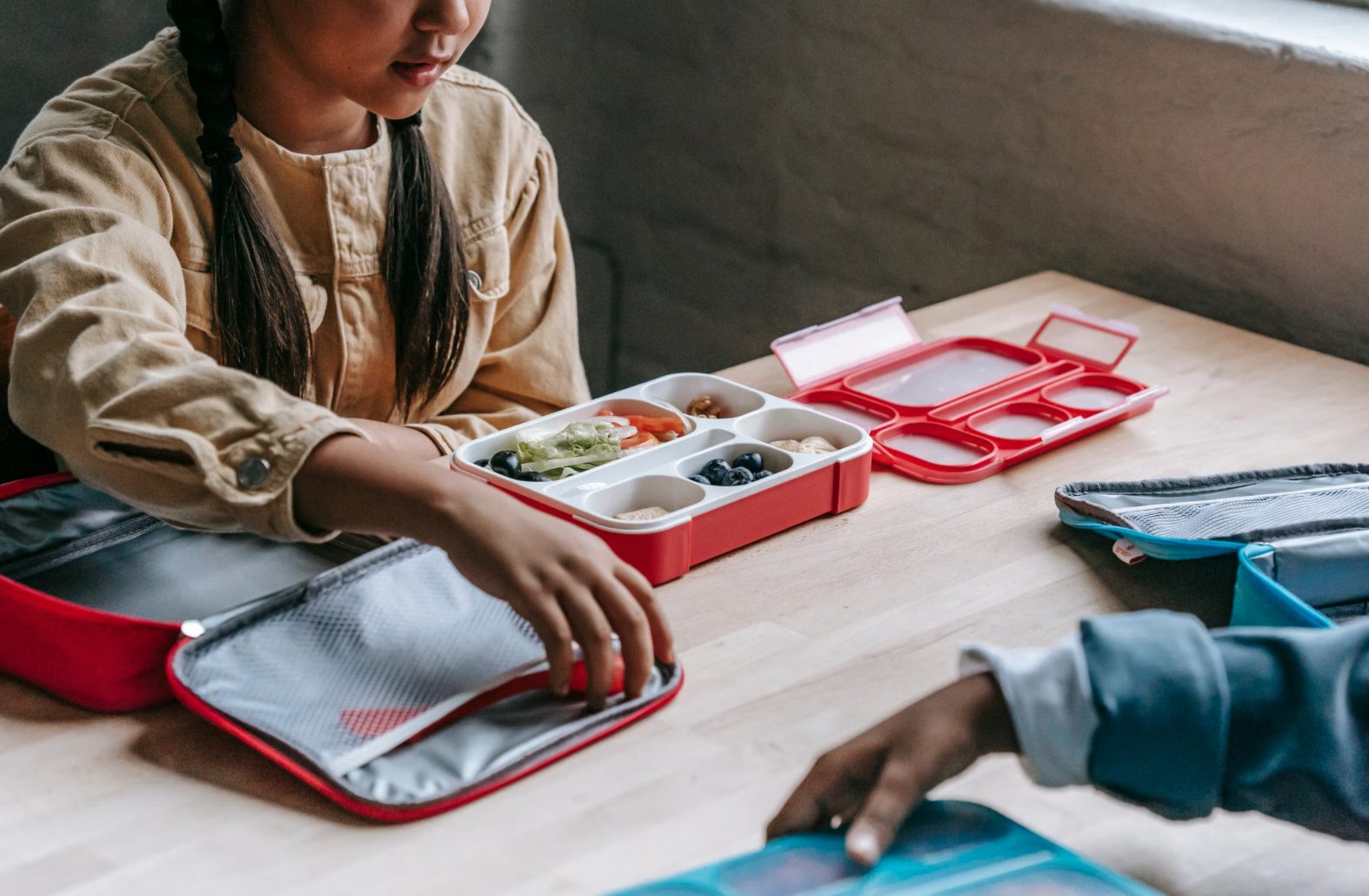
Kids Eating Lunch
A parent should review a school lunch payment app while comparing deposit options, highlighting how transaction fees can quietly increase back-to-school costs. Understanding local payment policies may help families reduce unnecessary expenses. (Pexels).

Back-to-school shopping isn’t the only expense catching families off guard. Across the country, some parents are discovering that simply adding money to a child’s cafeteria account can come with extra costs that slowly add up over the school year. While many districts offer free ways to pay for school meals, others rely on third-party payment platforms that may charge convenience or processing fees for certain payment methods. Because policies vary by district, understanding these school lunch payment fees can help parents avoid unnecessary expenses and stretch their education budget further.

1. Convenience Fees for Online Deposits

Many school districts partner with third-party payment companies that allow parents to fund lunch accounts online or through mobile apps. Some platforms charge a flat convenience fee each time money is added, regardless of the deposit amount. The Consumer Financial Protection Bureau found average transaction fees of about $2.37, or roughly 4.4% of a deposit, in many districts it reviewed, though fees differ by provider and district. A parent making small weekly deposits could spend noticeably more over an entire school year than someone making fewer, larger deposits. Not every district passes these costs to families, so checking local payment policies is worthwhile.

2. Small Deposits Can Mean Bigger Annual Costs

Families often add $10 or $20 at a time because that fits their weekly budget. Unfortunately, when a flat fee applies to every transaction, frequent deposits can increase total costs. The CFPB estimated that parents making biweekly online deposits could pay more than $40 in fees over a school year, while those making only a few larger deposits would pay far less. These examples are estimates rather than guarantees, since every district operates differently. If your budget allows, fewer deposits may reduce the impact of school lunch payment fees.

3. Credit and Debit Card Processing Charges

Some payment platforms apply fees only when parents use a credit or debit card. Others may waive fees for electronic bank transfers or have different pricing structures depending on the payment method selected. Before completing a transaction, it is worth reviewing all available payment options on the platform. Even a quick glance at the payment screen can reveal a lower-cost alternative. Spending an extra minute comparing methods may save money throughout the school year.

4. Refund Fees or Balance Policies

When a student changes schools or graduates, families sometimes request a refund of unused lunch account balances. Depending on district policy or the payment processor, refunds may take time or involve administrative requirements. Some districts encourage families to transfer remaining balances to another student or leave funds for future use instead of requesting a refund. Since these policies vary widely, parents should review their district’s nutrition services information before making assumptions. Knowing the rules early helps avoid surprises later.

5. Automatic Reload Features

Many online payment systems offer automatic account reloading whenever a balance falls below a certain amount. While convenient, each automatic reload could trigger another processing fee if the platform charges per transaction. Parents who do not review these settings may unknowingly pay multiple fees throughout the semester. Checking account preferences once or twice a year can help ensure automatic payments still fit the family’s budget and spending habits. A larger reload amount may reduce estimated annual fees, but families should avoid depositing more than they can comfortably leave in the account.

6. Limited Awareness of Free Payment Options

Schools participating in the National School Lunch Program are expected to provide families with a fee-free way to add money to meal accounts. However, those options are not always the most visible or convenient, especially if online payment portals are promoted more prominently. In many districts, paying by cash, check, or another approved method may avoid transaction charges entirely. Families should remember that not every school charges online fees, and many districts absorb these costs on behalf of parents. Asking the school nutrition office about available payment methods can uncover options that save money.

7. Fees That Seem Small but Add Up

A single $2 fee may not seem significant during a busy school week. Over several months, however, repeated charges can quietly increase a family’s annual education expenses, especially for households with multiple children. Between school meals, activity fees, and other back-to-school costs, even modest savings can make a meaningful difference. Reviewing payment habits once each semester is a practical way to keep school lunch payment fees under control without making major lifestyle changes. A few small adjustments today could leave more room in the family budget tomorrow.

A Smarter Way to Manage School Lunch Costs

The convenience of online lunch payments has made life easier for millions of parents, but convenience sometimes comes at a price. Since every school district handles payment systems differently, families should review local policies before assuming every online deposit carries a fee. Looking for fee-free payment methods, making fewer deposits when practical, and understanding refund and reload policies can help reduce unnecessary costs. Staying informed is one of the easiest ways to protect your household budget while ensuring children have reliable access to school meals.

What strategies have helped you save money on school-related expenses, and should districts do more to make fee-free options easier to find? Share your experience or tips in the comments to help other parents navigate school lunch payment fees more confidently.

What to Read Next

Why “Back to School” Shopping Feels Like a Mortgage Payment Now

Teachers Beg Parents: Stop Buying These 7 High-Sugar Snacks for School Lunches

8 Reasons Your Kids Prefer School Lunches to What You Pack

Evan Morgan

Evan Morgan has been a full-time freelance writer and editor for 10+ years. When not working, he enjoys catching the latest true crime documentary or getting lost in a good book.

Filed Under: Parenting Tagged With: Back to School, education costs, Family Budget, household budgeting, Parenting, personal finance, Saving Money, school lunch payment fees, school lunches, School Nutrition

The Lunchbox Items Kids Are Most Likely to Bring Home Uneaten

July 31, 2026 | Leave a Comment

Lunchbox
A child’s lunchbox with untouched vegetables, fruit, and half a sandwich highlights the foods that often return home after school. Small portion changes and familiar favorites can help reduce waste. (Pexels).

Packing a school lunch can feel like a daily guessing game. One day your child happily eats sliced cucumbers, and the next day they come home untouched. Parents often assume they’re doing something wrong, but research shows that food preferences, short lunch periods, distractions, and changing tastes all play a role. Understanding which lunchbox items are most likely to return home uneaten can help families reduce food waste, save money, and make school lunches more enjoyable.

Raw Vegetables Often End Up Back at Home

Raw vegetables are one of the most commonly uneaten lunchbox items, especially when they’re packed without a dip or paired with unfamiliar foods. Recent research has found that children with picky eating habits are significantly less likely to eat vegetables or salads during school lunches than their peers. Fresh carrots, celery, cucumber slices, and bell peppers may be nutritious, but many children simply run out of time or choose foods they enjoy more first. Instead of eliminating vegetables, try offering smaller portions with hummus or ranch dressing. Many parents also find that rotating vegetables instead of packing the same ones every day improves acceptance over time.

Whole Fruit Can Be More Trouble Than It’s Worth

Whole apples, oranges, and pears often come home untouched because they take longer to eat during limited lunch breaks. Younger children may also struggle to peel fruit or bite into larger pieces comfortably. Cutting fruit into bite-sized portions or packing berries, grapes, or melon cubes can make healthy choices easier to finish. Studies of school lunches have consistently found that fruit is one of the foods picky eaters skip more frequently than other children. Convenience matters just as much as nutrition when the lunch bell only lasts 20 to 30 minutes.

Large Sandwiches Frequently Go Half-Eaten

A full-size sandwich may look like the perfect lunch, but many kids simply don’t have the appetite or time to finish it. Parents often discover that only a few bites disappear before the sandwich heads back home. Packing half sandwiches, sliders, or pinwheel wraps can reduce waste while still providing enough protein and whole grains. School lunch researchers have noted that portion size plays a significant role in what children actually eat. Smaller servings can always be followed by easy-to-eat snacks if your child is still hungry later in the day.

Yogurt and Dairy Items Can Be Hit or Miss

Yogurt tubes, cottage cheese, and cheese cubes are nutritious options, but they aren’t always finished. Texture changes as foods warm up, even when packed with ice packs, which can make dairy products less appealing by lunchtime. Some children also avoid dairy because they’re focused on socializing rather than eating slowly. Insulated lunch containers and frozen yogurt tubes can help maintain a better texture throughout the morning. Watching which dairy products consistently come back untouched is a better guide than assuming every healthy choice is a favorite.

New or Unfamiliar Foods Usually Stay Untouched

Parents naturally want to introduce variety, but school lunch is rarely the best place to experiment. Children tend to choose familiar foods in busy cafeteria settings where distractions are everywhere. Researchers have also found that social influences and familiarity affect children’s willingness to eat certain lunchbox foods. Introducing new foods at home first, where there’s less pressure and more time, gives kids a better chance to accept them before they appear in a lunchbox. Once a food becomes familiar, it’s much more likely to be eaten at school.

Smart Lunch Packing Starts with Observation

The best lunchbox isn’t the one that looks perfect in a social media photo—it’s the one that comes home nearly empty. Pay attention to what consistently returns and treat those leftovers as useful feedback rather than frustration. Involving children in grocery shopping and lunch planning often increases the chances they’ll actually eat what they helped choose. Packing slightly smaller portions, rotating favorite foods, and keeping meals simple can reduce both food waste and grocery costs. Small adjustments based on your child’s habits usually produce better results than constantly searching for the perfect lunch.

Every child has different tastes, and finding the right lunchbox combination often takes patience and trial and error. Paying attention to what comes home uneaten can help you build lunches your child actually enjoys while cutting down on wasted food. Small changes, such as serving bite-sized fruit or smaller sandwiches, can make a surprisingly big difference over time.

What lunchbox item does your child bring home untouched most often, and what trick has helped you cut down on food waste? Share your experience in the comments—we’d love to hear your ideas.

What to Read Next

Teachers Beg Parents: Stop Buying These 7 High-Sugar Snacks for School Lunches

6 Smart Ways Parents Are Cutting School Lunch Costs Right Now

Nutritionists Warn: 6 “Healthy” Lunchbox Staples That Spike Sugar Crashes at School

Evan Morgan

Evan Morgan has been a full-time freelance writer and editor for 10+ years. When not working, he enjoys catching the latest true crime documentary or getting lost in a good book.

Filed Under: Parenting Tagged With: Back to School, food waste, healthy eating, kids nutrition, lunchbox ideas, Parenting, picky eaters, school lunches

529 Plans Usually Don’t Cover These Back-to-School Expenses

July 30, 2026 | Leave a Comment

Young Student
Many everyday back-to-school purchases, including clothing and basic school supplies, may not qualify for tax-advantaged 529 plan withdrawals. Understanding the rules before spending can help families avoid unexpected tax consequences. (Pexels).

Back-to-school shopping can quickly become one of the biggest seasonal expenses for families, especially when school supply lists seem to grow every year. Parents with money saved in a 529 plan sometimes assume those funds can cover nearly every education-related purchase, only to discover that’s not always the case. While 529 plans offer valuable tax advantages for qualified education expenses, many everyday back-to-school costs fall outside those rules. Understanding what is and isn’t typically covered can help families avoid unexpected taxes or penalties while making smarter financial decisions.

Everyday School Supplies Often Aren’t Automatically Covered

Many parents are surprised to learn that notebooks, backpacks, lunch boxes, calculators, and basic school supplies are not always qualified expenses simply because they’re required for class. Whether these items qualify depends on the student’s educational level, the type of school, and whether the expense meets federal tax rules for a qualified withdrawal. For college students attending eligible institutions, required books, supplies, and certain equipment generally qualify, while common K-12 back-to-school shopping often does not receive the same treatment. A child heading to elementary or high school still needs pencils and folders, but purchasing them with 529 funds could create tax consequences if they don’t meet the plan’s qualified expense rules. Before withdrawing money, compare your purchases against your plan’s guidelines rather than assuming every school-related purchase is eligible.

Clothing, Shoes, and Uniforms Usually Don’t Qualify

New clothes are among the largest back-to-school expenses for many families, but they generally aren’t covered by 529 plans. That includes everyday clothing, athletic shoes, jackets, and even required school uniforms in many situations. A family may spend several hundred dollars preparing children for the school year, yet these purchases are typically considered personal expenses instead of qualified education expenses. Even if a private school requires a specific uniform, that alone does not automatically make the purchase eligible under federal 529 rules. Paying for these items from a regular savings account instead of a 529 can help avoid unintended tax issues.

Transportation, Sports, and Extracurricular Costs Can Add Up

Transportation expenses are another common surprise for parents expecting broader 529 coverage. Gas, bus passes, parking permits, vehicle expenses, and rideshare costs are generally not qualified expenses for most students. Likewise, sports equipment, musical instruments purchased for extracurricular activities, club dues, yearbooks, and field trip costs are usually outside standard 529 eligibility unless specific rules apply. These costs can easily exceed $1,000 during a school year, making it important to budget separately instead of relying on education savings. Families should also remember that every state’s 529 plan may have additional considerations beyond federal tax treatment.

Know the Exceptions Before Making a Withdrawal

Not every education expense follows the same rules, which is why careful planning matters. Qualified expenses generally depend on the student’s enrollment, the educational institution, and the specific purpose of the purchase. Current federal law allows eligible 529 withdrawals for many college expenses, including required tuition, fees, books, supplies, certain technology, and room and board for qualifying students, while K-12 rules remain more limited and subject to annual limits and eligible expense requirements. Recent federal updates also expanded certain K-12 qualified expenses and increased the annual federal withdrawal limit for eligible K-12 expenses to $20,000 per beneficiary beginning in 2026, although state tax treatment may differ. Because tax rules continue to evolve, reviewing your plan documents and consulting your plan administrator or tax professional before making a withdrawal is one of the safest financial moves you can make.

Smart Planning Beats Costly Mistakes

A 529 plan remains one of the best long-term education savings tools available, but it isn’t designed to pay every expense on a back-to-school shopping list. Taking a few minutes to verify whether a purchase qualifies can help preserve the plan’s tax benefits and prevent unexpected taxes on earnings or additional penalties. Families should remember that whether a withdrawal is qualified depends on the type of school, the specific expense, and the applicable federal and state tax rules, so there is no one-size-fits-all answer. If you’re unsure whether an expense qualifies, consult your 529 plan administrator or a qualified tax professional before requesting a distribution.

Which back-to-school expense surprised you the most, and have you ever assumed a 529 plan covered something it didn’t? Share your thoughts and experiences in the comments below.

What to Read Next

Back-to-School Costs Are Climbing Again: Which Expenses Do Parents Forget Until August?

Saving Money With Back to School Shopping

The One Back-to-School Expense Families Forget Every Year

Evan Morgan

Evan Morgan has been a full-time freelance writer and editor for 10+ years. When not working, he enjoys catching the latest true crime documentary or getting lost in a good book.

Filed Under: Personal Finance Tagged With: 529 plans, Back to School, college savings, education savings, Family Budgeting, personal finance, school expenses, taxes

Money Lessons Kids Should Learn Before School Starts

July 29, 2026 | Leave a Comment

Young Boy Counting Coins
A parent should help a child sort cash into spending, saving, and giving jars while preparing school supplies, demonstrating practical money lessons before the new school year begins. (Pexels).

The weeks before a new school year begin are the perfect time to teach children practical money habits they can use both in and out of the classroom. Whether they’re buying lunch, saving for a new backpack, or managing birthday money, everyday situations create valuable learning opportunities. Financial experts agree that introducing age-appropriate money concepts early helps children develop confidence and responsible decision-making over time. These lessons should be viewed as educational activities that build lifelong financial skills, not guaranteed methods for achieving a particular financial outcome.

Understand the Difference Between Needs and Wants

One of the first money lessons kids should learn is how to tell the difference between something they need and something they simply want. Back-to-school shopping is an excellent opportunity because children often see trendy supplies or expensive clothing they don’t necessarily need. Parents can involve kids by creating a shopping list together and discussing why certain purchases take priority over others. This simple habit encourages thoughtful spending instead of impulse buying and helps children understand that every purchase involves making a choice. Over time, these conversations build stronger decision-making skills that extend far beyond school shopping.

Set a Simple Savings Goal

Teaching children to save toward a goal helps them practice patience and planning. Instead of immediately spending birthday money or allowance, encourage them to choose something meaningful, such as a new bike, game, or sports equipment. Watching their savings grow over several weeks gives kids a sense of accomplishment that instant purchases cannot provide. Even younger children can use a clear jar or labeled envelope to visualize their progress. Adjust savings goals based on the child’s age, development, and your family’s circumstances.

Learn That Money Is Earned Through Work

Children often receive money as gifts without fully understanding where it comes from. Explaining that money is earned through work helps connect effort with rewards in a realistic way. Age-appropriate chores, neighborhood pet sitting, lemonade stands, or babysitting for older children can reinforce this lesson while teaching responsibility. Parents should emphasize that earning money also means making thoughtful decisions about how it is spent or saved. The goal isn’t simply earning extra cash but helping children appreciate the value of work and personal responsibility.

Practice Creating a Basic Budget

A simple budget doesn’t need to involve complicated spreadsheets or financial software. Children can divide money into categories such as spending, saving, and giving to understand how planning works before they make purchases. For example, a child with a limited amount for school supplies can compare prices and decide how to stretch that budget without overspending. Learning to budget before school starts also prepares them for handling lunch money, field trip expenses, or school fundraisers during the year. Budgeting activities should always be adapted to the child’s age and level of understanding.

Compare Prices Before Buying

Children are surrounded by advertisements encouraging them to buy the newest products, especially during back-to-school season. Teaching them to compare prices helps them become smarter shoppers instead of impulsive consumers. Parents can compare two similar notebooks, backpacks, or lunch boxes and discuss whether the higher-priced option offers meaningful value. Kids quickly discover that a bigger price tag doesn’t always mean better quality. This practical habit develops critical thinking while helping children become more informed consumers.

Learn That Mistakes Can Be Valuable Teachers

Every child will eventually make a spending decision they regret, and that’s perfectly normal. If a child spends all of their allowance on a toy that quickly loses its appeal, the experience becomes a low-risk lesson about thinking ahead. Rather than immediately replacing the money or purchasing another item, parents can discuss what the child learned from the experience. These conversations build confidence because children realize mistakes are opportunities to improve future decisions. Allowing small, age-appropriate financial mistakes today can help prevent much larger ones later in life.

Smart Money Habits Start Long Before Graduation

The best money lessons kids should learn before school starts aren’t about creating future investors overnight. They’re about helping children understand how to make thoughtful choices, plan ahead, and recognize that money is a tool rather than a goal. Every family can adapt these educational activities based on a child’s age, maturity, and unique circumstances, making financial learning both practical and enjoyable. By starting with simple conversations and everyday experiences, parents can build confidence that supports smarter decisions throughout the school year and beyond.

What money lesson do you wish someone had learned as a child? Share your thoughts and experiences in the comments below.

What to Read Next

6 Ways to Teach Kids About Money Without Lectures

7 Ways to Save Money on Groceries with Picky Eaters

5 Reasons Why Allowance is a Waste of Money

Evan Morgan

Evan Morgan has been a full-time freelance writer and editor for 10+ years. When not working, he enjoys catching the latest true crime documentary or getting lost in a good book.

Filed Under: Parenting Tagged With: Allowance, Back to School, Budgeting for Kids, Family Finance, Financial Education, financial literacy, kids and money, Money Lessons, Parenting, Saving Money

Should Your Child Really Have a Smartphone Before School Starts?

July 26, 2026 | Leave a Comment

Young Girl With Smartphone
A parent and child should discuss smartphone rules together before the first day of school, highlighting the importance of communication, online safety, and healthy screen habits. (Pexels).

As a new school year approaches, many parents face the same question: should they finally hand their child a smartphone? It can feel like everyone else’s child already has one, making it difficult to know whether waiting is the right decision. While smartphones offer convenience, they also introduce distractions, online risks, and added responsibility that many children are still learning to manage. The best choice depends less on age alone and more on maturity, family needs, and clear expectations.

There Is No Perfect Age for Every Child

Many parents assume there is a magic age when a child is automatically ready for a smartphone, but experts generally disagree. Research from Pew Research Center found that 68% of parents believe children should be at least 12 years old before owning their own smartphone, although opinions vary based on family circumstances. Younger children may benefit more from supervised technology rather than unrestricted smartphone access. A child who consistently follows household rules, completes responsibilities, and communicates honestly is often better prepared than one who simply reaches a certain birthday. Before buying a child a smartphone, parents should evaluate emotional maturity just as much as academic grade level.

A Smartphone Can Improve Safety—When Used Correctly

One of the strongest arguments for giving a child smartphone access is safety. Parents appreciate being able to call, text, or track their child’s location when after-school activities, carpools, or emergencies arise. For example, a middle school student walking home or attending sports practice may genuinely benefit from reliable communication. However, a basic phone or smartwatch with calling capabilities can often meet those safety needs without providing unlimited internet access. If communication is the primary goal, a full-featured smartphone may not always be the only solution.

The Biggest Challenge Is Not the Phone—It’s Everything on It

The smartphone itself is rarely the problem because the real concern is unrestricted access to apps, social media, games, and endless notifications. Constant alerts can interrupt homework, reduce sleep quality, and make it harder for children to focus during the school day. Parents can reduce these risks by setting parental controls, limiting notifications, and establishing clear school-day rules before handing over a device. Families that create technology agreements early may avoid many of the conflicts that arise later. Teaching responsible smartphone habits from day one is usually more effective than trying to correct unhealthy behaviors after they become routine.

Ask These Questions Before Buying a Smartphone

Instead of asking whether your child’s classmates already have smartphones, consider whether your child is ready to manage one responsibly. Can they follow household rules without constant reminders? Do they understand online privacy, stranger safety, and respectful digital behavior? Are they capable of putting the phone away during homework, meals, and bedtime without arguing? If the answer to several of these questions is “not yet,” delaying the smartphone purchase may save both you and your child unnecessary stress while giving them more time to develop healthy habits.

The Best Smartphone Decision Is a Family Decision

Every family’s situation is different, which means there is no universal right answer. Some children genuinely need a smartphone because of transportation schedules, extracurricular activities, or shared custody arrangements, while others may not need one until later in middle school or even high school. Whatever you decide, setting expectations before activating the device is far more important than choosing the newest model. Establish screen-free times, require devices to stay outside bedrooms overnight, and review privacy settings together regularly. When parents remain involved instead of simply handing over a smartphone, children are more likely to develop healthy technology habits that last beyond the school year.

The Real Goal Is Raising Responsible Digital Citizens

The decision to buy your child a smartphone before school starts should never be based solely on peer pressure or convenience. A smartphone can be an excellent tool when introduced with clear boundaries, consistent supervision, and ongoing conversations about online responsibility. Every child develops at a different pace, and waiting until they are truly ready can lead to a healthier relationship with technology in the long run.

What do you think—is there a right age for a child’s first smartphone, or does it depend entirely on the individual? Share your thoughts and experiences in the comments because your perspective could help another family make this important decision.

What to Read Next

Why Some Parents Are Delaying Smartphones Longer Than Ever

Phone-Free Schools Act: New Policies Limit Student Smartphone Use to Curb Distraction and Cyberbullying

Should You Let Your Child Keep Their Smartphone Overnight?

Evan Morgan

Evan Morgan has been a full-time freelance writer and editor for 10+ years. When not working, he enjoys catching the latest true crime documentary or getting lost in a good book.

Filed Under: Parenting Tagged With: Back to School, child smartphone, digital parenting, family technology, kids and technology, Online Safety, Parenting, school tips, Screen Time, smartphone safety

10 Places Parents Can Find Free School Supplies Before Classes Begin

July 24, 2026 | Leave a Comment

School Supplies
Families can find free school supplies through school districts, United Way events, churches, community centers, retailers, and military family programs before the new school year begins. (Pexels).

As the back-to-school season approaches, many families are looking for ways to stretch their budgets without sacrificing what their children need for success. The average family can spend well over $100 per child on essential classroom supplies, making free school supplies an important resource for households of every income level. Fortunately, communities across the United States offer a wide range of programs that provide backpacks, notebooks, pencils, calculators, and other essentials before the first day of school. Knowing where to look early can make all the difference, since many giveaways require registration or distribute supplies on a first-come, first-served basis.

1. Local School Districts

Many public school districts organize annual back-to-school events that provide free school supplies to students who qualify. These programs are often funded through partnerships with local businesses, education foundations, and nonprofit organizations. Some districts distribute supplies directly through schools, while others host community-wide events before classes begin. Check your district’s website or social media pages during the summer for registration deadlines and eligibility requirements. Calling your child’s school office is also an easy way to learn about available assistance.

2. United Way Affiliates

United Way chapters across the country coordinate large school supply drives that help thousands of students every year. Programs such as Operation SOS and Ready Set School partner with school districts and community organizations to distribute backpacks filled with classroom essentials. Many events also include free health screenings, haircuts, or family resource fairs. Supplies are often prioritized for families with financial need, so registering early is recommended. These community partnerships continue expanding each year to meet growing demand.

3. Community Centers

Community recreation centers and neighborhood organizations frequently host back-to-school festivals that include free school supplies. These events often feature games, food, health services, and educational resources alongside backpack giveaways. Parents appreciate having multiple services available in one location instead of visiting several organizations. Since supplies are usually limited, arriving early increases your chances of receiving everything on your child’s school list. Many community centers also offer after-school programs that families can learn about during these events.

4. Churches and Faith-Based Organizations

Many churches sponsor annual backpack drives regardless of a family’s religious affiliation. Local congregations often collect donated school supplies throughout the summer before distributing them to students in need. Some events include free meals, children’s activities, and additional family support services. Requirements vary by location, with some asking only for proof of residency or student enrollment. Calling nearby churches a few weeks before school starts can uncover valuable local opportunities.

5. Military Family Programs

Military families have access to specialized assistance through organizations such as Operation Homefront’s Back-to-School Brigade. The nationwide program provides backpacks filled with school supplies for eligible military children and has distributed more than 630,000 backpacks since it began. Registration is generally required, and events fill quickly in many communities. The program helps ease financial pressure during PCS moves and other military transitions. Eligible families should monitor local event announcements throughout the summer.

6. Local Businesses

Banks, credit unions, medical offices, radio stations, and small businesses frequently sponsor free school supplies giveaways as part of their community outreach efforts. These events are commonly advertised through local newspapers, Facebook pages, and community calendars. Some businesses partner with nonprofits to serve hundreds of families during a single weekend event. Even independently owned stores often collect donations from customers throughout July. Watching local announcements can help parents discover opportunities they might otherwise miss.

7. Retailer-Sponsored Events

Major retailers regularly partner with charitable organizations to collect and distribute free school supplies before the school year begins. Walmart and The Salvation Army’s Stuff the Bus campaign is one of the best-known examples, with donations benefiting local children in communities nationwide. Some stores also sponsor backpack giveaways or donate supplies directly to nearby schools. Because these events vary by location, checking participating retailers in your area is worthwhile. These partnerships continue helping families manage rising back-to-school costs.

8. Local Nonprofit Organizations

Many nonprofit organizations focus specifically on helping children succeed in school by providing free school supplies. Groups like Communities In Schools, Boys & Girls Clubs, YMCA branches, and local family resource organizations often host annual distribution events. Some organizations also provide clothing, hygiene products, and tutoring resources alongside school supplies. Parents should contact nonprofits several weeks before school starts because some require advance registration. These organizations frequently collaborate to serve more families together than they could individually.

9. Food Banks and Family Assistance Programs

Food banks increasingly recognize that educational supplies are another basic household necessity during late summer. Many organize seasonal backpack giveaways alongside grocery distributions, making it easier for families facing financial hardship to receive multiple forms of assistance. Parents can often learn about additional housing, utility, or childcare resources during these visits. Supplies may include everything from crayons and folders to calculators and binders. Asking your local food pantry about back-to-school events can reveal resources you may not have considered.

10. Public Libraries

Libraries have become valuable community resource hubs that extend far beyond books. Many host free school supplies events, literacy fairs, and educational programs before the academic year begins. Children often receive backpacks, notebooks, reading materials, and information about homework assistance while attending family-friendly activities. Library staff can also direct parents to other organizations offering free school supplies nearby. Visiting your local library before classes begin is a smart way to prepare for a successful school year.

Helping Every Child Start Strong

Finding free school supplies may take a little planning, but the savings can significantly reduce back-to-school stress for families. Checking school districts, United Way affiliates, community centers, churches, military programs, local businesses, retailer-sponsored events, nonprofits, food banks, and libraries gives parents multiple opportunities to receive assistance. Register early whenever possible because many programs have limited supplies or attendance caps. A few phone calls or online searches today could save your family both money and worry before classes begin.

Where have you found free school supplies in your community, and what advice would you share with other parents? Leave a comment below and join the conversation.

What to Read Next

Teachers Beg Parents: Stop Buying These 7 Expensive School Supplies

Here’s Why School Supplies Continue to Cost More and More Every Year

Affordable DIY Kids Crafts Supplies You Can Buy Today for Endless Fun

Evan Morgan

Evan Morgan has been a full-time freelance writer and editor for 10+ years. When not working, he enjoys catching the latest true crime documentary or getting lost in a good book.
Filed Under: Parenting Tagged With: Back to School, backpacks, churches, community centers, education, family savings, free school supplies, military families, Parents, school districts, school supplies, United Way

What Teachers Wish Parents Would Stop Buying for the Classroom

July 20, 2026 | Leave a Comment

School Supplies
Practical classroom supplies like pencils, tissues, dry-erase markers, and glue sticks often help teachers far more than novelty items or decorative extras. Thoughtful donations based on teacher requests can make every classroom budget go further. (Pexels).

Parents who generously donate classroom supplies deserve appreciation, but good intentions do not always translate into helpful purchases. Teachers often receive well-meaning items that are difficult to use, create distractions, or fail to meet the actual needs of students. According to a 2025 AdoptAClassroom survey, teachers spend an average of $895 out of pocket each school year because classroom budgets often fall short, making thoughtful donations more important than ever. When parents understand what teachers truly need, every dollar stretches further and benefits the entire classroom.

Heavily Scented Products Can Create Health Problems

Strongly scented hand sanitizers, tissues, candles, and air fresheners may seem like thoughtful additions, but many teachers would rather avoid them altogether. Students and staff can have asthma, allergies, migraines, or sensory sensitivities that are triggered by artificial fragrances. A classroom should be comfortable for every child, and overpowering scents can quickly become a distraction instead of a benefit. Fragrance-free tissues, unscented hand sanitizer, and gentle cleaning supplies are usually the safer choice. When parents are unsure, checking the classroom wish list first is the easiest way to avoid purchasing something that cannot be used.

Novelty School Supplies Often Cause More Distractions Than Learning

Character-themed pencils, oversized erasers, glitter notebooks, and flashy gadgets may excite children in the store, but teachers often find they interrupt instruction. Students naturally compare items, trade them, or spend valuable class time showing them off instead of focusing on lessons. Decorative classroom supplies also tend to wear out more quickly than standard materials. Simple, durable notebooks, folders, pencils, and crayons are usually the items teachers reach for every day. Practical classroom supplies help lessons run smoothly while keeping attention where it belongs—on learning.

Cheap Bulk Supplies That Break Easily

Buying the least expensive option is understandable, especially during back-to-school shopping, but poor-quality classroom supplies often create extra work. Markers that dry out within days, glue sticks that barely stick, or pencils that constantly snap end up being replaced almost immediately. Teachers frequently find that dependable brands save money because they last much longer throughout the school year. Considering that many educators still purchase classroom basics with their own money, durable supplies provide far more value over time. Spending slightly more on quality often reduces waste and frustration for everyone involved.

Classroom Decorations Teachers Did Not Request

Many parents enjoy donating motivational posters, seasonal decorations, or decorative bins, believing they will brighten the classroom. While the gesture is thoughtful, teachers usually spend considerable time designing learning spaces that match their instructional goals, grade level, and available wall space. Extra decorations may not fit the classroom theme or could conflict with school fire-safety rules if too much material is displayed. Some educators also intentionally minimize visual clutter to support students with attention challenges or sensory needs. Before purchasing decorations, parents should ask whether the teacher actually has room or a need for them.

Individual Supplies When the Classroom Uses Shared Materials

Some parents carefully select personalized folders, crayons, or pencils expecting only their child to use them, only to discover that many classrooms combine supplies into shared community bins. This practice helps ensure every student has access to the same materials throughout the year, even when some families cannot afford every item on the supply list. Communal classroom supplies can also reduce disruptions when students run out of basics during class. Rather than purchasing expensive personalized versions, parents can often make a bigger impact by choosing quality standard supplies that everyone can use. Asking the teacher about the classroom’s supply policy before shopping can prevent confusion and disappointment.

Small Changes Can Make a Big Difference

Supporting a classroom is not about spending more money; it is about spending wisely. Teachers consistently say that practical classroom supplies such as pencils, dry-erase markers, copy paper, tissues, disinfecting wipes, and quality glue sticks disappear quickly because they are used every day. Organizations that study classroom funding continue to report that educators regularly fill budget gaps with their own money, making carefully chosen donations especially meaningful. Parents who follow teacher wish lists instead of guessing often provide the greatest value for both students and educators.

The Real Gift Teachers Appreciate Most

Every parent wants to help children succeed, and most classroom purchases come from a place of kindness. The biggest takeaway is that teachers usually prefer practical, requested classroom supplies over trendy or decorative items that may never be used. Listening to classroom needs instead of shopping based on appearance helps reduce waste, saves teachers money, and creates a better learning environment for every student. Small, thoughtful choices can have a lasting impact throughout the school year.

What classroom item surprised you most on this list, and what do you think parents should add—or stop adding—to school supply carts? Share your thoughts in the comments and join the conversation.

What to Read Next

Here’s Why School Supplies Continue to Cost More and More Every Year

Teachers Beg Parents: Stop Buying These 7 Expensive School Supplies

5 Ways To Find The Most Budget Friendly School Supplies on Amazon

Evan Morgan

Evan Morgan has been a full-time freelance writer and editor for 10+ years. When not working, he enjoys catching the latest true crime documentary or getting lost in a good book.

Filed Under: Education Tagged With: Back to School, classroom supplies, education, Parenting, Parents, school supplies, teacher tips, teachers

The One Back-to-School Expense Families Forget Every Year

July 19, 2026 | Leave a Comment

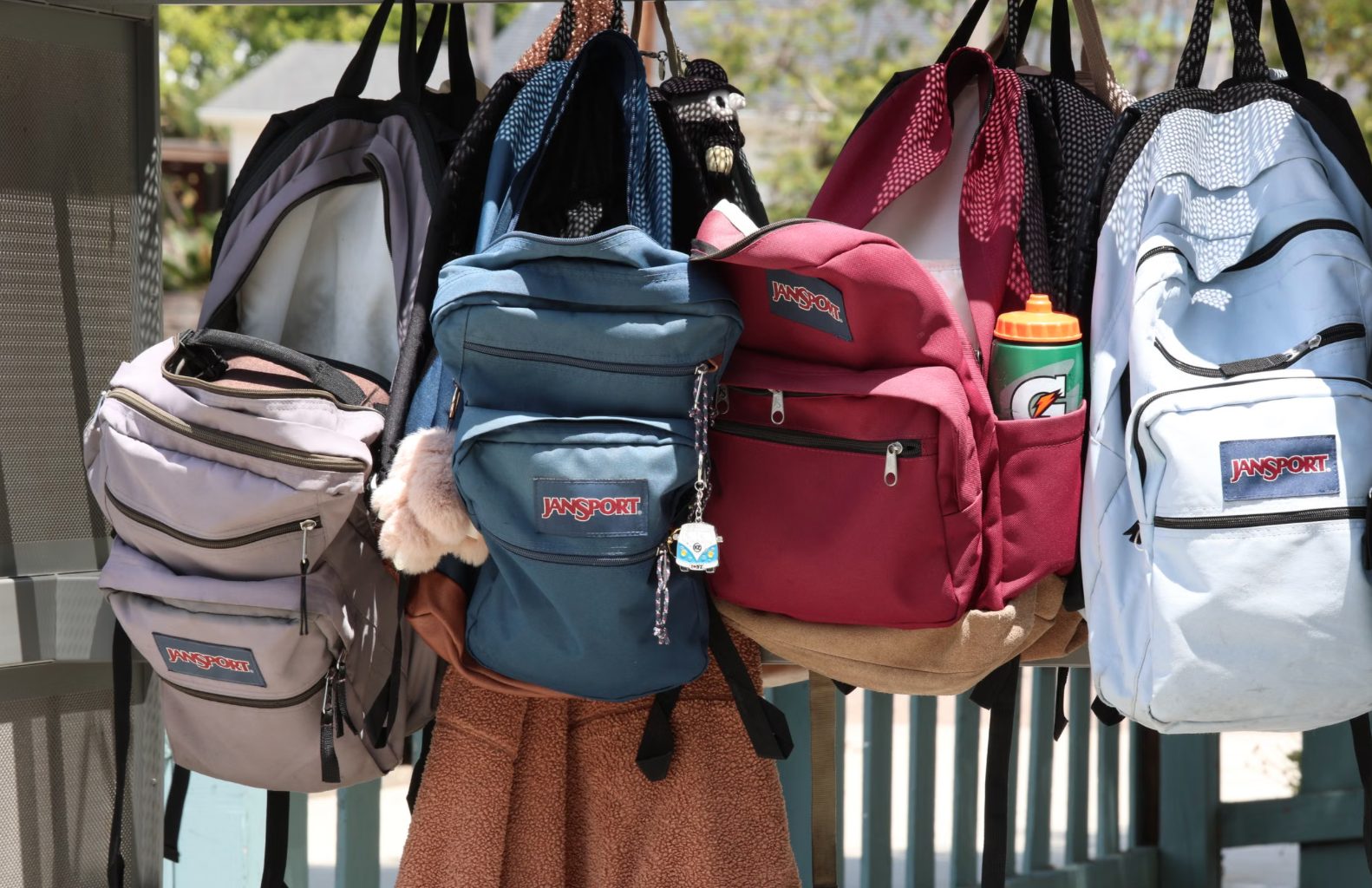
Backpacks
Parents often budget for backpacks and supplies but overlook the smaller school costs that appear throughout the year. Planning ahead for hidden school expenses can help reduce financial stress. (Pexels).

Back-to-school shopping usually starts with notebooks, backpacks, and new shoes, but one important cost often catches families by surprise after the first day of class. Hidden school expenses can quietly add hundreds of dollars to a family’s budget over the course of the school year. While many parents carefully plan for supply lists, they often overlook the steady stream of smaller costs that arrive weeks or months later. Recognizing these expenses early can help families avoid financial stress and keep their budgets on track.

The Hidden School Costs That Add Up Fast

The biggest forgotten expense isn’t a single purchase but the ongoing costs that appear throughout the school year. Field trips, classroom activity fees, school photos, book fairs, spirit wear, fundraisers, replacement supplies, and club dues can easily add up before parents realize how much they’ve spent. A child who loses a water bottle, breaks headphones, or needs new folders halfway through the year creates additional surprise expenses. According to the National Retail Federation, families already expect to spend hundreds of dollars before school even begins, making unexpected costs even harder to absorb. Planning for these hidden school expenses from the beginning helps prevent financial surprises later.

Why These Expenses Catch Families Off Guard

Most school shopping happens during a few busy weeks, giving parents the impression that the largest costs are behind them. However, schools often send permission slips, fundraiser announcements, and activity requests throughout the year instead of all at once. A family might pay $20 for a field trip one week, $35 for school pictures the next, and another $25 for a classroom celebration shortly afterward. None of these expenses seems overwhelming on its own, but together they can significantly stretch a monthly budget. This pattern explains why many families feel financially squeezed even after finishing their back-to-school shopping.

Simple Ways to Prepare Before the School Year Starts

Creating a small “school extras” fund is one of the easiest ways to stay ahead of unexpected costs. Even setting aside $15 to $25 each month throughout the year can build a helpful cushion before classes begin. Keeping extra pencils, glue sticks, folders, and notebooks at home also reduces last-minute trips to the store when supplies run out. Shopping during seasonal sales and purchasing generic brands whenever schools allow can stretch every dollar further. Many parents also reuse gently used backpacks, lunch boxes, and binders if they remain in good condition, saving money without sacrificing quality.

Don’t Forget Technology and Replacement Costs

Technology has become another overlooked category of hidden school expenses. Many students now need headphones, calculators, charging cables, computer mice, or device cases, and these items occasionally need replacing during the school year. Younger children are especially likely to misplace accessories or accidentally damage them through everyday use. Purchasing inexpensive protective cases and labeling personal items can reduce replacement costs while helping children keep track of their belongings. Spending a little on prevention often saves much more than repeatedly replacing lost or broken equipment.

Looking Beyond the Supply List

Back-to-school shopping doesn’t truly end when the first bell rings because hidden school expenses continue appearing throughout the year. Families who plan ahead for these smaller costs often experience less financial stress and avoid relying on credit cards for unexpected purchases. A realistic annual school budget should include not only supplies and clothing but also room for activities, replacement items, and special events. Preparing for the expenses you cannot always predict is one of the smartest financial moves parents can make.

Which hidden school expense surprised your family the most, and what tips would you share with other parents? Leave a comment and join the conversation.

What to Read Next

Why “Back to School” Shopping Feels Like a Mortgage Payment Now

5 Ideas For Back To School Photos

6 School Policy Changes Parents Should Watch This Year

Evan Morgan

Evan Morgan has been a full-time freelance writer and editor for 10+ years. When not working, he enjoys catching the latest true crime documentary or getting lost in a good book.

Filed Under: Parenting Tagged With: Back to School, education, Family Budget, hidden school expenses, Money Saving Tips, Parenting, personal finance, school supplies

8 College Costs Families Don’t See Coming Until It’s Too Late

March 17, 2026 | Leave a Comment

hidden college costs
Image source: shutterstock.com

Tuition and room and board usually dominate the conversation during college tours. You likely have a spreadsheet tracking those big numbers already. However, a silent group of expenses often catches parents off guard during the first semester. These hidden fees can add thousands to the total bill if you aren’t prepared. Understanding these sneaky costs now helps you avoid a financial crisis later.

1. The Mandatory Health Insurance Trap

Most universities require students to have health insurance, but they automatically enroll them in the school plan. This premium can cost upwards of three thousand dollars per year for the 2025-2026 academic cycle. You must actively provide proof of outside coverage to waive this fee. Forgetting this deadline means paying for double coverage that your student likely doesn’t need. Always check the bursar’s office website for the waiver form early in the summer.

2. Digital Access Codes for Coursework

Textbooks are expensive, but digital access codes are the new financial villain on campus. Professors often require these one-time use codes for submitting homework or taking quizzes. You cannot buy these used or rent them from a friend. These digital keys can cost over one hundred dollars per class. Budgeting specifically for these technological requirements is essential for every major.

3. High Cost of Campus Parking

Bringing a car to campus is a luxury that comes with a heavy price tag. Parking permits at major universities often cost more than a monthly car payment, with some premier garage rates exceeding $5,000 annually. Furthermore, city-based campuses frequently issue expensive tickets for minor infractions. Many students find that public transit or a bicycle is a much more economical choice. Evaluate the true necessity of a vehicle before paying those steep registration fees.

4. Lab and Studio Material Fees

Science and art majors face unique charges that tuition doesn’t cover. Lab fees pay for chemicals, specialized equipment, and safety gear used during experiments. Art students often spend hundreds on specific paints, canvases, or high-end software. These costs usually appear as line items on the tuition bill after classes begin. Researching the specific requirements for a degree path prevents these mid-semester surprises.

5. Professional Networking and Club Dues

Social and professional growth often requires a financial investment beyond the classroom. Many student organizations and Greek life chapters charge significant semesterly dues. These fees cover events, insurance, and national administrative costs. While these groups offer great networking, the price of admission is often steep. Discuss a social budget with your student to ensure they choose their involvements wisely.

6. Transportation for Holiday Breaks

Getting home for Thanksgiving or winter break requires careful planning. Airfare and train tickets spike in price during peak travel windows for students. If the campus is far from home, these travel dates can become a major financial burden. Booking months in advance is the only way to keep these costs manageable. Don’t forget to factor in the cost of getting to and from the airport as well.

7. Dorm Room Life Essentials

The basic room provided by the school is usually quite sparse. Families often spend a fortune on extra-long twin bedding, storage solutions, and small appliances. Laundry costs also add up if the machines aren’t free to use. Buying these items throughout the senior year of high school can spread out the impact. Consider looking for second-hand items from graduating seniors to save even more.

8. Technology Upgrades and Maintenance

A reliable laptop is a non-negotiable tool for modern education. However, hardware breaks and software require expensive updates or subscriptions. You should plan for potential repairs or the need for a replacement mid-degree. Many schools offer discounted repair services, but the parts remain expensive. Keeping a small emergency fund for tech issues will save a lot of stress during finals week.

Higher education is a massive investment that goes far beyond the sticker price. Identifying these hidden leaks allows you to build a more realistic financial plan. You should communicate openly with your student about who covers which expenses. Preparation is the best defense against the “bill shock” that hits every September. What is the most surprising college expense you encountered that wasn’t on the original brochure?

What to Read Next…

  • The 5 Educational Apps That Teachers Say Are Actually Hurting Grades
  • 8 Budget Cuts in Education That Directly Impact Your Kids
  • 7 College Assets That Are Actually Disqualifying Your Child from Financial Aid
Latrice Perez

Latrice is a dedicated professional with a rich background in social work, complemented by an Associate Degree in the field. Her journey has been uniquely shaped by the rewarding experience of being a stay-at-home mom to her two children, aged 13 and 5. This role has not only been a testament to her commitment to family but has also provided her with invaluable life lessons and insights.  As a mother, Latrice has embraced the opportunity to educate her children on essential life skills, with a special focus on financial literacy.

Filed Under: Money and Finances Tagged With: Back to School, Campus Life, College Budgeting, College Fees, financial planning, hidden costs, higher education, money management, parenting teens, student loans, Tuition Costs, University Expenses

Before You Pay: 6 Classroom Requests That Are Now Being Sent as Supply Lists

February 27, 2026 | Leave a Comment

School supplies
Image source: shutterstock.com

Many parents remember when school shopping meant grabbing a few notebooks and a pack of pencils. Those simple days have vanished as districts across the country struggle with shrinking budgets and rising costs. Today, your child’s supply list might look more like a corporate inventory. Schools often hide these operational requests in plain sight to subsidize their own budgets. You should stay alert to avoid paying for the school’s overhead out of your own pocket.

1. Hidden Maintenance Fees

One common addition to modern lists involves bulk cleaning supplies. Districts frequently demand high-end disinfecting wipes or massive jugs of hand sanitizer. We all want a clean environment for our children, yet these are traditionally janitorial expenses. If every parent in a large class brings multiple containers, the teacher ends up with a surplus of chemicals. This practice serves as a subtle way to charge a maintenance fee without using that specific name.

2. Administrative Supply Shifts

Schools also request reams of white printer paper or expensive ink cartridges. These items represent core operational tools that the district should provide for its staff. When you see these requirements, it suggests the promise of a free public education is starting to fray. Many parents feel guilty if they do not provide these items. They fear their child might miss out on a printed worksheet. This pressure turns your desire to be a supportive parent into a revenue stream for the school board.

3. The Cost of Digital Learning

The transition to digital classrooms has introduced a new set of hidden costs for families. You might see mandatory tech insurance or specific brands of expensive headphones on the list. Some schools even ask for professional software subscriptions that used to be provided in classroom sets. The administration is essentially shifting the cost of the digital age directly onto your personal credit card. These digital requirements often ignore the varying financial situations of local families.

4. Luxury Technology Requirements

High-end personal technology is appearing on lists with increasing frequency. Some teachers now request specific noise-canceling headsets or specialized tablets for individual use. While these tools can enhance learning, they are often beyond the scope of a standard school budget. Forcing parents to purchase professional-grade gear creates an uneven playing field in the classroom. You should evaluate if these gadgets are truly essential for daily lessons before heading to the checkout line.

5. Office Furniture Requests

Surprisingly, some supply lists now include items intended for the classroom infrastructure itself. You might find requests for standing desk converters or specialized ergonomic chairs. These are office furniture items that fall under the responsibility of the school district. A parent should not be expected to furnish the room where their child learns. When schools ask for these upgrades, they are offloading capital expenses onto the parents.

6. Navigating Legal Boundaries

If you notice these items, you should check your state laws regarding what constitutes a free education. Many regions prohibit schools from requiring parents to purchase non-instructional supplies. For instance, Georgia Code § 20-2-1013 explicitly states that local units of administration cannot require pupils or parents to purchase instructional materials or technical equipment. Similarly, the ACLU of Southern California has fought long legal battles to prove that charging for basic necessities violates state constitutions. You can often skip these items or donate a smaller amount without affecting your child’s standing. Standing your ground helps ensure that public education remains accessible to everyone.

Final Thoughts on School Supplies

Navigating the back-to-school season requires a careful eye and a firm boundary. While supporting your child’s education is vital, you should not feel obligated to cover the operating costs of the entire district. By focusing on essential learning tools, you can manage your budget effectively while still ensuring your student has what they need for success. Remember that your contribution to the classroom is valued, but it should remain within the bounds of a traditional supply list.

Does your child’s supply list include things like copy paper or cleaning wipes this year? Think about the most unusual item you have seen and leave a comment below.

What to Read Next…

  • Parents Are Stunned by the New Homework Shift Showing Up in Elementary Schools
  • New York Child Care Funding Freeze Sparks Confusion — What Parents Should Watch for in 2026
  • Therapists Warn: The 5 Conversation Mistakes Making Your Child Withdraw
Latrice Perez

Latrice is a dedicated professional with a rich background in social work, complemented by an Associate Degree in the field. Her journey has been uniquely shaped by the rewarding experience of being a stay-at-home mom to her two children, aged 13 and 5. This role has not only been a testament to her commitment to family but has also provided her with invaluable life lessons and insights.  As a mother, Latrice has embraced the opportunity to educate her children on essential life skills, with a special focus on financial literacy.

Filed Under: Money and Finances Tagged With: Back to School, classroom requests, education costs, hidden fees, parenting on a budget, school budget, school supplies, supply lists

Teachers Say These 5 Dress Code Items Are Causing Students to Be Sent Home in 2026

February 20, 2026 | Leave a Comment

Dress code
Image source: Pexels.com

You spent Sunday night ensuring your child’s outfit was perfect for the school week ahead. However, a quiet wave of strict enforcement is sweeping through hallways, and your morning efforts might end with a phone call from the front office. It is frustrating to realize that the rules have shifted while your back was turned. Honestly, the system often prioritizes rigid aesthetics over actual learning, leaving you to deal with the logistical mess. Here is the truth about the dress code items that are triggering removals in 2026 and how you can avoid the mid-day pickup trap.

The Blanket and Hooded Sweatshirt Ban

As classroom temperatures fluctuate, many students have turned to carrying small blankets or wearing oversized hoodies to stay comfortable. Surprisingly, administrators in 2026 are cracking down on these as major safety and identification hazards. Teachers report that blankets are being confiscated because they can hide prohibited items or cause a tripping hazard during transitions. Furthermore, hooded sweatshirts are under fire not just for the hood, but for the large front pockets. The logic is that these garments make it harder for staff to identify students on security cameras, leading to immediate change or go home orders.

Visible Skin in Ripped Denim

Distressed jeans have been a fashion staple for years, but the tolerance for them has officially hit a breaking point this year. Many districts now enforce a [zero-skin policy](https://www.youthrights.org/issues/student-rights/dress-codes-and-uniforms/) for any rips or frays located above the knee. Even if you bought the jeans with the holes pre-made, teachers are required to send students to the office if skin is visible. On the other hand, some schools allow the style only if leggings or patches are worn underneath. If your child’s favorite pair has a hole higher than a few inches above the kneecap, they are essentially walking in a target for a violation.

The Pajama and Loungewear Crackdown

The comfort-first trend of the last few years has finally met its match in the 2026 academic standards. Pajama pants and bedroom slippers are being treated as disruptive to the educational environment in a way we haven’t seen in a decade. Administrators argue that sleepwear creates a psychological relaxation mode that hinders productivity. While your child might argue that flannel pants are just comfortable, teachers are being told to enforce a professional baseline. Sending a student home to change out of pajamas is becoming the standard response to what schools call a lack of neatness and modesty.

Head Coverings and Identity Concealment

Hats, beanies, and especially ski-mask style balaclavas are top of the list for immediate removal. In an era where campus security is the highest priority, anything that obscures a student’s face is a non-negotiable violation. While exceptions are made for religious head wraps, the generic beanie or baseball cap is no longer tolerated inside the building. Teachers are often caught in the middle, forced to take up hats that students wear to hide a bad hair day. If it covers the ears and forehead, it is likely going to cause a trip to the principal’s office.

Leggings and the Midthigh Rule

Leggings and yoga pants remain one of the most contentious items in the student handbook. In 2026, the old fingertip rule has evolved into a strict midthigh requirement for any top worn over spandex. If your child’s shirt does not completely cover their bottom and reach down to the midthigh, they are being flagged for immodest attire. This rule often disproportionately targets female students, creating a relatable frustration for parents. It is not your fault that the fashion industry produces shorter tops, but the school system expects you to bridge that gap.

Protect Your Child’s Seat in the Classroom

Dress code enforcement is a machine that often ignores the personal style and comfort of the student. By understanding these specific triggers, you can ensure your child stays in their seat instead of in the principal’s office. You have enough on your plate without adding a mid-morning clothing crisis to the list. Stay one step ahead of the handbook and keep those risky items for the weekend. Your student’s education is too important to be sidelined by a pair of ripped jeans.

Has your child ever been sent home for a dress code violation that felt totally unfair? Leave a comment below and share your story so other parents know what to watch out for.

What to Read Next…

  • The 5 Educational Apps That Teachers Say Are Actually Hurting Grades
  • 8 Budget Cuts in Education That Directly Impact Your Kids
  • The Teacher Shortage Crisis: How Its Affecting Your Childs Education
Latrice Perez

Latrice is a dedicated professional with a rich background in social work, complemented by an Associate Degree in the field. Her journey has been uniquely shaped by the rewarding experience of being a stay-at-home mom to her two children, aged 13 and 5. This role has not only been a testament to her commitment to family but has also provided her with invaluable life lessons and insights.  As a mother, Latrice has embraced the opportunity to educate her children on essential life skills, with a special focus on financial literacy.

Filed Under: Education Tagged With: 2026 School Rules, Back to School, Dress Code Violations, Education News, parenting struggles, parenting tips, school dress code

« Previous Page
Next Page »
  • Facebook
  • Pinterest
  • RSS
  • Twitter

Basic Principles Of Good Parenting

Here some basic principles for good parenting:

  1. What You Do Matters: Your kids are watching you. So, be purposeful about what you want to accomplish.
  2. You Can’t be Too Loving: Don’t replace love with material possessions, lowered expectations or leniency.
  3. Be Involved Your Kids Life: Arrange your priorities to focus on what your kid’s needs. Be there mentally and physically.
  4. Adapt Your Parenting: Children grow quickly, so keep pace with your child’s development.
  5. Establish and Set Rules: The rules you set for children will establish the rules they set for themselves later.  Avoid harsh discipline and be consistent.
  6. Explain Your Decisions: What is obvious to you may not be evident to your child. They don’t have the experience you do.
  7. Be Respectful To Your Child: How you treat your child is how they will treat others.  Be polite, respectful and make an effort to pay attention.
Best Parenting Blogs

Most Popular

Baby

9 Unusual Baby Names That Sound Like They Belong to Future CEOs

Evan Morgan
Baby

10 Baby Names That Were Once Considered “Grandparent Names” but Feel Cool Again

Evan Morgan
Target Store

Choking Incident Prompts Recall of 49,000 Target Gigglescape “Under the Sea” Popping Toys

Evan Morgan
Frustrated Girl

Why Some Students on the Spectrum Are Labeled With ODD

Evan Morgan
Coke Bottles

12 Things Kids Took to School in the ’70s That Would Never Be Allowed Today

Evan Morgan

All content on Kids Ain’t Cheap is for entertainment purposes only. By reading this blog, you agree that Kids Ain’t Cheap is not responsible for any actions taken after reading this blog. For the full disclaimer, see our privacy policy.

Please note that Kids Ain’t Cheap has financial relationships with some of the merchants mentioned here. Kids Ain’t Cheap is funded by banner advertising, commission sales and search optimization consulting.

Copyright © 2006–2026 | District Media | All Rights Reserved | Privacy Policy

Copyright © 2026 Runway Pro Theme by Viva la Violette