• Home
  • About Us
  • Toolkit
  • Archives
  • Advertise
  • Privacy Policy

Kids Ain't Cheap

But They Sure Are Worth It

  • Parenting
    • Baby Stuff
    • Books and Reading
      • Aesops Fables
      • Comic Books
    • Education
    • Family Time
    • Green Living
    • Growing Up
    • Healthy Living & Eating
    • Holidays
    • Parenting
    • Random Musings
    • Shopping
    • Stuff to Do
  • Money
  • Product Reviews
    • Books and Magazines
    • Discount Sites
    • Furniture
    • House Keeping
    • Reviews News
    • Toys and Games
  • Contact Us
  • Our Editorial Commitment
  • Search

Teachers Beg Parents: Stop Buying These 7 Expensive School Supplies

February 1, 2026 | Leave a Comment

Teachers Beg Parents: Stop Buying These 7 Expensive School Supplies
Image Source: Shutterstock.com

Every school year starts the same way: packed aisles, frantic parents, colorful packaging screaming “must-have,” and kids begging for the coolest new gear. It feels responsible, loving, and supportive to load up the cart with premium supplies, because who doesn’t want their child to feel confident and prepared? But here’s the truth teachers quietly whisper in break rooms and shout in group chats: a lot of those pricey school supplies are a total waste of money.

They don’t improve learning, they don’t help kids focus, and in many cases, they create more distractions than benefits. If you want to save money and actually help your child succeed in the classroom, these are the seven expensive supplies teachers wish parents would stop buying.

1. The Designer Backpack Arms Race

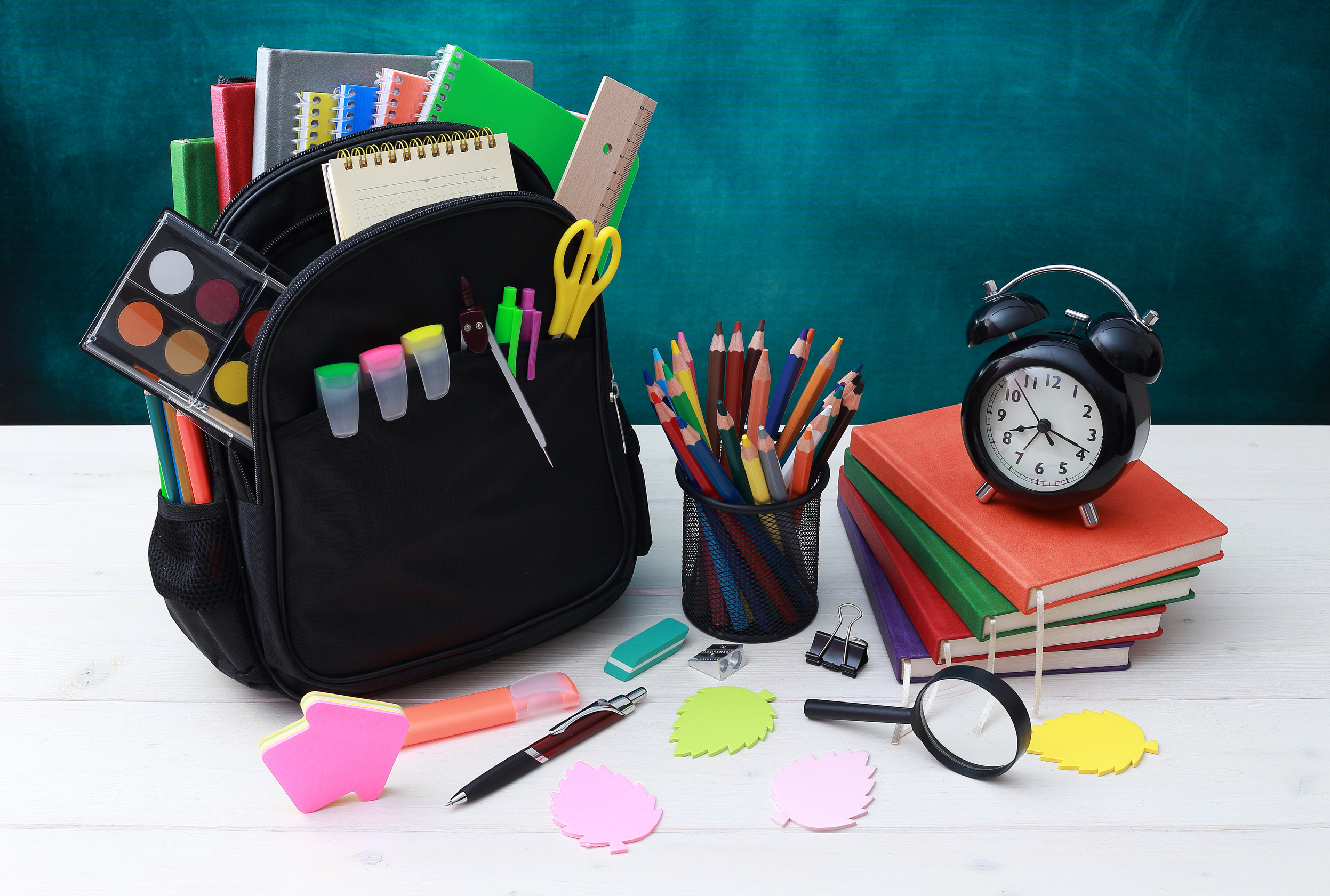
That $80 backpack with the limited-edition character print might look adorable in August, but by October it usually looks like it went through a small war. Teachers see broken zippers, torn straps, and lost accessories every year, no matter how expensive the bag was. Kids drag backpacks across floors, overload them with books, and toss them under desks, which means durability matters more than branding.

A simple, well-constructed backpack with reinforced stitching lasts longer than most designer options. Teachers say the best backpack is boring, sturdy, washable, and not emotionally devastating when it inevitably gets damaged.

2. Fancy Pencil Boxes With Built-In Gadgets

Multi-level pencil organizers with pop-out compartments, mirrors, locks, and tiny drawers look impressive, but they quickly become classroom chaos machines. Teachers watch kids spend more time opening, closing, reorganizing, and showing off their pencil boxes than actually using them. These oversized cases also take up valuable desk space and slow down transitions between activities.

A basic zip pouch or small hard case keeps supplies organized without turning into a distraction device. Teachers consistently say simpler storage equals better focus and smoother classroom flow.

3. High-End Mechanical Pencils And Premium Pens

Parents often assume better tools mean better performance, but classrooms don’t work like luxury offices. Expensive mechanical pencils break, get lost, and cause tears when they disappear under desks or into backpacks. Teachers see kids spending more time fixing lead jams than writing sentences.

Standard pencils and basic pens work just as well for learning and are easier to replace without stress. If a supply causes more anxiety than productivity, it’s not helping your child academically.

4. Trendy Personalized Supplies With Names On Everything

Monogrammed folders, custom notebooks, and name-printed supplies look adorable on Instagram, but teachers know the real outcome. Kids lose them, trade them, spill on them, or outgrow the designs halfway through the year. Personalized items also cost significantly more than standard versions while offering zero academic benefit.

Teachers care far more about functionality than personalization. Neutral supplies save money, reduce pressure, and prevent meltdowns when something inevitably gets lost.

5. Premium Art Supplies For Everyday Classroom Use

Professional-grade markers, high-end colored pencils, and specialty art kits might sound like a great investment in creativity, but classrooms are not art studios. Teachers use supplies daily, and wear-and-tear happens fast. Expensive art materials dry out, break, or get shared across classrooms, which means your investment disappears quickly.

Standard school-grade supplies are designed for durability and heavy use. Teachers often say it’s better to save premium art tools for home projects where kids can actually protect and care for them.
Teachers Beg Parents: Stop Buying These 7 Expensive School Supplies
Image Source: Shutterstock.com

6. Overpriced Organizational Systems

Fancy binders with built-in planners, divider systems, and color-coded sections seem like the perfect solution for school organization. In reality, teachers watch kids struggle to maintain them all year long. Papers get shoved into random sections, folders tear, and systems collapse under real classroom pressure.

Keeping your child organized for school may be difficult, but simple tools work better because they’re easier for kids to maintain independently. Teachers consistently recommend basic folders, simple binders, and clear labeling over complex systems that look good but fail in practice.

7. Tech Accessories For Non-Tech Classrooms

Wireless earbuds, tablet keyboards, stylus pens, and digital accessories often get added to school shopping lists because they feel “modern” and future-ready. But many classrooms either restrict tech use or provide school-managed devices.

Teachers frequently deal with lost earbuds, broken chargers, and constant distractions caused by personal tech accessories. These items create management issues rather than learning benefits. Teachers say wait until the school clearly requires them before spending money on tech extras.

What Teachers Actually Want Parents To Do Instead

Teachers don’t want parents to stop caring or stop preparing their kids for school. They want families to spend money wisely, not emotionally. Durable basics beat flashy extras every time in a real classroom environment. Focus on reliability, simplicity, and practicality instead of aesthetics and trends. The best supplies support learning quietly without becoming distractions, stressors, or status symbols. When parents choose function over flash, kids show up calmer, more focused, and more confident.

Which school supply have you spent way too much money on — and did it actually help your child in the classroom, or just your shopping cart ego? Tell your stories to fellow parents in the comments section.

You May Also Like…

How Your Child’s Cell Phone Could Now Ruin Them In School

8 Budget Cuts in Education That Directly Impact Your Kids

What To Do When Your Child Doesn’t Like Their Teacher

Cops Confirm: The New “Smart” School Lockers That Are Secretly Scanning Your Child’s Belongings

8 Hidden Costs of “Free” Public Education

Brandon Marcus
Brandon Marcus
Brandon Marcus is a writer who has been sharing the written word since a very young age. His interests include sports, history, pop culture, and so much more. When he isn’t writing, he spends his time jogging, drinking coffee, or attempting to read a long book he may never complete.

Filed Under: Education, ElegantPark Satin Bridal Shoes Tagged With: Back to School, budgeting, classroom tips, education, Family Finance, kids education, Parenting, school supplies, smart spending, teachers

7 Things Your Child’s Teacher Is Legally Required to Report to the State (That They Won’t Tell You to Your Face)

January 21, 2026 | Leave a Comment

These Are 7 Things Your Child’s Teacher Is Legally Required to Report to the State (That They Won't Tell You to Your Face)
Image Source: Shutterstock.com

In Fayetteville, GA, parents scan backpacks and homework, not state databases. In Volusia County, Florida, families assume classroom walls still hold secrets. That assumption just collapsed. For the 2025–2026 season, an unprecedented, quiet rollout widened what teachers funnel to the state—through legal loopholes most parents never read.

This hidden reality jumped from local compliance memos to national enforcement, and schools won’t explain it to your face.

The Mandated Pipeline Nobody Advertises

Georgia law never asked for permission. O.C.G.A. § 19-7-5 orders educators to report specific indicators to child welfare, and administrators now push stricter timelines and digital documentation. Georgia HB 268 expanded behavioral monitoring expectations; Georgia HB 340 tightened attention and device rules that trigger records.

Florida mirrors the pressure. Florida Statute 39 commands immediate reporting, and districts like Marion County upgraded tracking tools for 2026 School Policy compliance. Teachers comply or risk licensure. Silence protects them; disclosure exposes parents.

Why 2026 Changed the Game

District counsel tightened definitions and training this year. The shift didn’t add compassion; it added throughput. “Authoritative 2.0” culture reframed vigilance as care, while “Friction-Maxxing” justified more reporting to fight burnout and chaos. Translation: schools escalate faster. Every logged concern creates a durable data trail that outlives the school year. Fayetteville parenting groups already flag surprise calls and follow-ups; Volusia classrooms log more “incidents” with fewer conversations.

The Hidden Impact on Your Family

This system drains money, credit, and future options. Ignore it and you lose privacy, rack up legal consults, and risk downstream labels that shadow your child.

The Seven Reports Teachers Must File—No Warnings Given

  1. Suspected Abuse or Neglect — Any hint triggers O.C.G.A. § 19-7-5 or Florida Statute 39, immediately.
  2. Self-Harm Ideation or Threats — Notes, drawings, or comments prompt crisis flags and referrals.
  3. Threats of Violence — Jokes count; context rarely rescues you.
  4. Chronic Behavioral Escalations — HB 268 monitoring converts patterns into reports.
  5. Substance Exposure — Vapes, edibles, or secondhand claims travel straight to the state.
  6. Attendance Irregularities — Triggers escalate truancy pathways with fines and court dates.
  7. Digital Misconduct — HB 340 device violations now feed centralized logs.

Each entry compounds costs: assessments, attorneys, missed workdays, and a quieter tax—social capital erosion. Schools don’t pay it. Parents do.

These Are 7 Things Your Child’s Teacher Is Legally Required to Report to the State (That They Won't Tell You to Your Face)
Image Source: Shutterstock.com

The Consent Trap vs. The Digital Blacklist

Choose your fight. Do you prioritize safety through maximal reporting, or liberty through parental consent and restraint? Sound off: Which value should win in 2026—financial security for families or social inclusion at any price?

You May Also Like…

6 Excuses Parents Make That Teachers Are Tired of Hearing

7 Old-School Parenting Habits That Still Save Families Money

7 Things Teachers Wish Parents Would Stop Believing

Are Parent-Teacher Text Chains Making School Drama Worse?

8 Budget Cuts in Education That Directly Impact Your Kids

Brandon Marcus
Brandon Marcus
Brandon Marcus is a writer who has been sharing the written word since a very young age. His interests include sports, history, pop culture, and so much more. When he isn’t writing, he spends his time jogging, drinking coffee, or attempting to read a long book he may never complete.

Filed Under: Education Tagged With: Back to School, child education, education, education and learning, education and parenting, education problems, mandated reporter, privacy, school privacy, student, teacher, teachers

The “Smart Locker” Trap: Why Schools Are Quietly Auditing Your Child’s Private Devices

January 21, 2026 | Leave a Comment

The
Image Source: Shutterstock.com

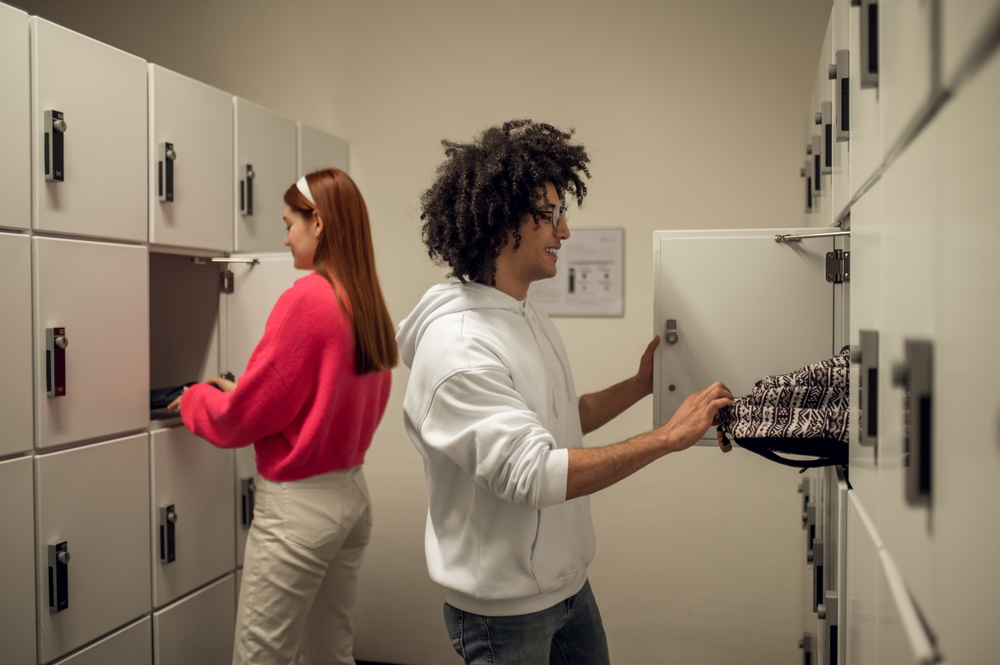
From Fayetteville, Georgia, to major districts across Florida, the traditional metal locker is being phased out. In its place are “Intelligent Storage Solutions”—high-tech bays featuring biometric scanners, RFID access, and integrated charging ports. Administrators sell these to parents as a way to prevent theft and “phone-free” distractions. However, they are quietly becoming a new frontier for student surveillance.

The “Consent” Loophole

The real danger isn’t the locker door; it’s the charging cable. In 2026, many districts (including those in the Fayette County area) have ended “Bring Your Own Device” (BYOD) policies in favor of district-managed Chromebooks and tablets. When a student plugs their device into a “Smart Locker” charging port, they are often inadvertently agreeing to the school’s Acceptable Use Policy (AUP). This policy gives the school the legal right to monitor any data passing through their network or hardware—including the locker’s internal data-syncing hub.

AI-Driven “Vape and Vibe” Detection

It’s not just about data. The latest generation of sensors—like the HALO Smart Sensor 3C now common in Florida schools—are being integrated into locker banks. These devices are equipped with:

  • Chemical Signatures: They don’t just “smell” smoke; they use AI to detect the specific chemical footprint of THC and nicotine vapes.
  • Aggression Analytics: Using “keyword” sensors, these lockers can flag “stress-inducing” language or loud shouting in what students think are private hallways, triggering a silent alert to the principal’s office.

Why Your “Expectation of Privacy” Just Vanished

For decades, the Supreme Court ruling in New Jersey v. T.L.O. protected students from “unreasonable” searches. However, the court also ruled that schools only need “reasonable suspicion” to search a student’s belongings.

In 2026, schools are arguing that an AI “flag”—whether from a chemical sensor or a digital keyword detected during a locker-charge audit—constitutes that suspicion. This effectively replaces a human teacher’s judgment with an algorithm’s “hit.” This allows the school to open the locker and search personal bags without a parent ever being called.

The
Image Source: Shutterstock.com

The Hidden Cost of “Safety”

We are told these measures are for safety, yet they represent a massive shift in the parent-school relationship. If a “Smart Locker” can audit a child’s digital journal or detect a private conversation, the locker is no longer a storage space. Instead, it’s an informant.

Would you let your child use these high-tech bays? Or is it time for parents to demand a return to old-school padlocks? Share your thoughts below.

You May Also Like…

Cops Confirm: The New “Smart” School Lockers That Are Secretly Scanning Your Child’s Belongings

Why Are Some Schools Replacing Lunch With Vending Machines?

7 Ways Schools Fail to Hold Bullies Accountable

Parenting Hacks for College Students: 8 Tips to Juggle Studies and Kids

8 Budget Cuts in Education That Directly Impact Your Kids

Brandon Marcus
Brandon Marcus
Brandon Marcus is a writer who has been sharing the written word since a very young age. His interests include sports, history, pop culture, and so much more. When he isn’t writing, he spends his time jogging, drinking coffee, or attempting to read a long book he may never complete.

Filed Under: Education Tagged With: Back to School, education, educational issues, modern schools, school, smart locker, student, students, teachers

5 Back-to-School Routines That Ignite Morning Meltdowns

November 27, 2025 | Leave a Comment

5 Back-to-School Routines That Ignite Morning Meltdowns
Image source: shutterstock.com

Heeding back to the classroom after an extended break can feel like controlled chaos, and sometimes the routines parents rely on end up making mornings harder instead of easier. Kids adjust slowly to new expectations, earlier wake ups, and the whirlwind of getting out the door, so even well-intentioned back to school habits can accidentally spark big emotions. Many families discover that what works on paper falls apart in real life once tired brains and rushed schedules collide. When routines create tension, meltdowns can quickly become part of the daily rhythm. Understanding which habits cause stress gives parents the power to replace them with calmer, more effective strategies.

1. Rushing Through Breakfast Every Morning

Many families feel the pressure to hurry breakfast so they can stay on schedule, but this routine often backfires. Children who are still adjusting to back-to-school wake times struggle to eat quickly and may feel overwhelmed by the rush. When parents push for speed, kids pick up on the tension and react with resistance or tears. Rushing also makes it harder for children to listen to their bodies and choose foods that actually energize them. A slower, predictable breakfast routine helps set a calmer tone for the rest of the morning.

2. Saving Backpack and Lunch Prep Until the Last Minute

Leaving all the packing for the morning seems harmless until it creates a scramble that stresses everyone. This pattern becomes especially challenging during back-to-school season when kids are still learning what they need each day. Searching for missing items or arguing about forgotten assignments increases frustration and panic. Siblings may blame each other when the chaos spills across shared spaces. Preparing backpacks and lunches the night before prevents unnecessary pressure and reduces morning meltdowns.

3. Overloading Kids With Too Many Expectations at Once

Parents often introduce several new routines all at the same time during the back-to-school transition, which can overwhelm kids quickly. Trying to adjust bedtime, wake time, chores, and morning responsibilities simultaneously creates mental overload. Children respond with irritability or tears when they feel they cannot meet all the new demands. A slower, step by step approach makes the shift smoother and more manageable. Giving kids time to adjust helps them feel capable rather than anxious.

4. Relying on Screens to Speed Up the Morning

Screens can seem like an easy tool for distraction, but they often derail the flow of back-to-school mornings. Kids absorbed in shows or games struggle to switch gears when it is time to get dressed or leave. This transition difficulty leads to arguments, refusals, and rushed last minute scrambling. Parents may find themselves repeating instructions over and over with rising frustration. Limiting screens until after their home helps children stay focused and reduces disruptive transitions.

5. Using Harsh Wake Ups That Trigger Stress

Some families rely on abrupt wake up methods because mornings feel so pressed for time. Loud alarms or sudden bright lights can make back to school mornings feel jarring and stressful. Children who wake up startled often begin the day in fight or flight mode, which leads to resistance and emotional outbursts. Gentle wake ups give kids space to reorient and feel safe. A calmer start sets the tone for smoother cooperation throughout the routine.

Building Morning Routines That Lower Stress Instead

Parents can reduce morning struggles by choosing routines that match their child’s emotional and developmental needs. Adjusting back to school habits with comfort and consistency in mind helps kids move through mornings with more confidence. Clear expectations paired with flexibility create an environment where children feel supported rather than rushed. Small changes like prepping the night before or waking gently can make a noticeable difference. When families work together to create calm, mornings shift from meltdown filled to manageable.

Which morning routines create the biggest challenges in your home, and what has helped ease the stress? Share your thoughts in the comments.

What to Read Next…

5 School Field Trip Threads That Expose Emotional Trauma Risks

10 Homework Hacks Every Parent Should Know to Avoid Meltdowns

7 School Policies That Secretly Undermine Parental Authority

7 Signs Your Kids Are Spoiled—Even If You Swear They’re Not

Are Parent-Teacher Text Chains Making School Drama Worse?

Catherine Reed
Catherine Reed

Catherine is a tech-savvy writer who has focused on the personal finance space for more than eight years. She has a Bachelor’s in Information Technology and enjoys showcasing how tech can simplify everyday personal finance tasks like budgeting, spending tracking, and planning for the future. Additionally, she’s explored the ins and outs of the world of side hustles and loves to share what she’s learned along the way. When she’s not working, you can find her relaxing at home in the Pacific Northwest with her two cats or enjoying a cup of coffee at her neighborhood cafe.

Filed Under: Education Tagged With: Back to School, child behavior, daily routines, family stress, morning routines, parenting tips, school preparation

10 Clothing Choices That May Trigger Unfair School Discipline

November 24, 2025 | Leave a Comment

10 Clothing Choices That May Trigger Unfair School Discipline
Image source: shutterstock.com

It surprises many parents how often clothing choices end up at the center of school discipline, leading to detentions, call-home warnings, or even suspensions. While dress codes aim for consistency, these rules are often applied unevenly, leaving some students punished for outfits others wear without issue. Families deserve to understand which clothing choices may trigger unnecessary problems so they can help their kids avoid being singled out. Below are the most common items that prompt unfair consequences and what parents can do about them.

1. Graphic Tees With Vague or Misinterpreted Messages

Some clothing choices include graphic tees featuring phrases or symbols adults may interpret differently than students intend. A harmless slogan may be labeled distracting, inappropriate, or disruptive based on personal judgment. Teens often wear shirts to express humor or identity, but inconsistent enforcement leads to unfair treatment. This unpredictability can embarrass students who had no intention of breaking rules. Parents can review tees with their kids beforehand to anticipate potential misunderstandings.

2. Ripped Jeans That Meet Style Trends

Ripped jeans remain popular, but they frequently get flagged during dress code enforcement. Rules about rip size or placement are often interpreted differently from one staff member to another. Jeans acceptable in one class may be cited as a violation elsewhere. This inconsistency leaves kids unsure of what is allowed. Families often must translate vague guidelines themselves.

3. Tank Tops or Sleeveless Shirts

Sleeveless tops appear often in discipline discussions because strap-width rules are among the most inconsistently applied. A student may receive a warning simply because fabric shifted during normal movement. These awkward moments can embarrass students and disrupt learning. Clearer standards would reduce uncertainty. Until then, layering options can help avoid unnecessary attention.

4. Hoodies Worn for Comfort or Sensory Support

Many students rely on hoodies for warmth or sensory regulation, but they are sometimes penalized when a hood is lifted or pockets are used too often. Some teachers associate hood wearing with disengagement, leading to avoidable discipline. Kids who are anxious or cold may be punished for harmless behavior. Families can request accommodations if a hoodie meets emotional or sensory needs. Consistent communication with staff can help prevent misunderstandings.

5. Leggings Paired With Longer Tops

Leggings are extremely common yet frequently spark disputes due to subjective modesty rules. Students wearing nearly identical outfits may face different outcomes depending on who notices them. This inconsistency makes clothing decisions stressful for kids. When rules rely on interpretation rather than clarity, fairness becomes difficult to maintain. Schools with more specific guidelines reduce confusion and frustration.

6. Cultural or Religious Clothing Items

Traditional garments tied to cultural identity or religious practice are sometimes mistakenly labeled as violations. These misunderstandings can make students feel excluded or disrespected. Families often must explain the meaning behind specific garments so staff can respond appropriately. Increased cultural awareness among educators prevents avoidable conflicts. Respectful dialogue helps protect students’ dignity.

7. Clothes That Look “Too Casual”

Dress codes often include vague expectations about looking professional or appropriate for learning. These unclear standards allow outfits to be judged inconsistently, creating unequal enforcement. A student may be reprimanded for sweatpants on a day when others dress similarly without issue. Kids may feel targeted rather than supported. Parents can ask administrators for clarification when patterns of discipline appear unfair.

8. Color Restrictions That Are Not Clearly Explained

Uniform policies or safety guidelines sometimes dictate approved colors, but these rules are not always communicated clearly. Clothing choices outside approved colors can lead to discipline even when students were unaware of the restriction. Jackets, hats, or layers worn for warmth can unintentionally break rules. Seasonal changes make this problem more noticeable. Consistent messaging from schools would help families prepare more effectively.

9. Accessories That Are Considered Distracting

Accessories such as bracelets, headbands, or small chains may be harmless but are sometimes viewed as distractions. These items can trigger discipline even without disrupting learning. Kids who enjoy expressing themselves through accessories may feel discouraged when creativity is misinterpreted. Enforcement often varies widely between teachers. Families can request more specific examples of what is or isn’t allowed.

10. Clothing That Doesn’t Fit Uniform Standards

Uniform schools still face disagreements over what counts as acceptable. Slight color variations or minor fabric differences may lead to unnecessary violations. Children grow quickly, and uniforms don’t always fit perfectly year-round. A too-short skirt or faded shirt should not result in harsh consequences, yet it sometimes does. Families can request flexibility when growth or wear affects compliance.

Helping Kids Navigate Unfair Dress Code Enforcement

Dress codes are intended to set expectations, but unclear or unevenly enforced rules place unfair burdens on students. Families can support kids by reviewing dress code language together, asking schools for clarification when needed, and encouraging children to speak up if something feels unfair. When schools and parents work collaboratively, kids feel more respected and prepared for the day. Understanding how clothing choices lead to discipline allows families to advocate more effectively for their children.

Which clothing choices have caused the most unexpected issues at your child’s school?

What to Read Next…

9 School Dress Code Rules That Are Now Considered Discriminatory

8 School Rules That Should’ve Changed Decades Ago

10 Surprising Facts About How Much School Uniforms Really Cost

These Ridiculous School Rules Are Actually Enforced in 2025

How Much You’re Really Spending on Kids’ Clothes Each Year

Catherine Reed
Catherine Reed

Catherine is a tech-savvy writer who has focused on the personal finance space for more than eight years. She has a Bachelor’s in Information Technology and enjoys showcasing how tech can simplify everyday personal finance tasks like budgeting, spending tracking, and planning for the future. Additionally, she’s explored the ins and outs of the world of side hustles and loves to share what she’s learned along the way. When she’s not working, you can find her relaxing at home in the Pacific Northwest with her two cats or enjoying a cup of coffee at her neighborhood cafe.

Filed Under: Education Tagged With: Back to School, clothing rules, parenting tips, school discipline, school dress code, student rights

10 School Supply Lists That Now Feel Financially Impossible

August 22, 2025 | Leave a Comment

10 School Supply Lists That Now Feel Financially Impossible
Image source: 123rf.com

Back-to-school shopping has always been a big deal for families, but in recent years, it has turned into a major financial challenge. Between rising inflation, expanded expectations from schools, and the sheer amount of items now required, parents are often shocked at the cost of filling backpacks each fall. What used to be a simple trip for notebooks and pencils can now rival a monthly grocery bill. If you’ve ever stared at your child’s supply sheet and wondered how on earth you’ll afford it all, you’re not alone. Let’s take a look at 10 school supply lists that now feel financially impossible and why so many families are struggling to keep up.

1. Kindergarten Classrooms With Every Detail Covered

Kindergarten used to mean crayons, a glue stick, and maybe some markers. Today, many schools send home school supply lists that require everything from bulk packs of tissues to personal headphones. Some even request specific brand names to ensure consistency, which drives up costs even further. While teachers understandably want the best for their classrooms, parents often feel the pinch when the list runs two pages long. For families with multiple children starting school, these lists can be financially overwhelming before the year even begins.

2. Middle School Math Kits That Rival College Courses

Middle school parents often find themselves shelling out for expensive calculators, geometry kits, and graph paper by the ream. These math-focused school supply lists are no small investment, and the price tags can shock families used to simpler requirements. A scientific calculator alone can cost upwards of $100, and some schools require one for each student, with little flexibility. Add in specialized notebooks and rulers, and the expenses pile up quickly. The result is a financial burden that’s difficult for many households to manage.

3. Technology Expectations Starting Earlier Than Ever

It’s not uncommon now for schools to expect students to bring their own tablets, laptops, or headphones. These technology-heavy school supply lists can run into the hundreds, if not thousands, of dollars per student. Families without easy access to electronics often feel the most pressure, especially when schools discourage “shared” devices. Even when districts provide partial support, there are still accessories and software to purchase. What was once a luxury is now considered essential, creating a significant financial divide.

4. Art Programs That Rely on Parents’ Wallets

Art classes bring creativity to life, but they also come with long, costly supply sheets. Parents are asked to purchase paints, specialty brushes, sketchbooks, and even items like modeling clay. These art-focused school supply lists can rival professional artist kits, leaving families frustrated at the expense. While creative learning is incredibly valuable, the financial responsibility often falls heavily on parents. Many feel they are funding the entire classroom with little relief.

5. High School Science Demands with Pricey Tools

High school students often need lab goggles, scientific calculators, and even personal lab notebooks that meet strict specifications. These science-based school supply lists are especially hard on families when multiple children are enrolled at the same time. Items like calculators or lab equipment aren’t cheap, and they’re often non-transferable between siblings if teachers demand newer models. The expense creates a heavy financial weight just to keep students prepared for class. For some families, it feels nearly impossible to meet these expectations.

6. Extracurricular Clubs with Hidden Supply Needs

Sports, band, and after-school clubs often tack on their own unofficial lists of must-have items. Parents may face expenses for uniforms, instrument accessories, or even specific binders and folders for club activities. These extra school supply lists come without much warning, catching families off guard in the middle of the year. Unlike classroom essentials, many of these items are not optional. The accumulation of hidden costs makes school participation a financial balancing act.

7. Bulk Classroom Contributions That Add Up

Many schools now ask each student to bring bulk items like packs of printer paper, sanitizing wipes, or tissues. While understandable in underfunded districts, these contributions can feel like an added tax on families already stretched thin. School supply lists that include bulk goods shift the financial responsibility from schools to households. With rising grocery and utility bills, even “small” items add up quickly when multiplied across all students. Parents often feel they’re subsidizing school budgets in ways they simply can’t afford.

8. Specialty Courses That Demand Unique Supplies

Electives like home economics, shop, or photography often require unique supplies that are difficult to find cheaply. Parents may need to purchase sewing kits, woodshop safety gear, or even specialized software for digital courses. These elective-driven school supply lists can easily exceed the cost of core subjects. While electives are valuable for skill-building, the financial burden can make them inaccessible to lower-income families. The result is an uneven playing field for students who want to explore diverse interests.

9. College Prep Classes That Push Premium Resources

Advanced Placement or International Baccalaureate classes often have their own school supply lists that go beyond the basics. Teachers may require specific prep books, online subscriptions, or specialized binders. The push for college readiness comes at a high price, often putting families in a tough financial spot. These added costs can discourage students from participating in advanced programs that could benefit their future. The irony is that these lists are meant to prepare students for success but often create barriers instead.

10. Multiple Kids, Multiple Lists, One Stretched Budget

Perhaps the toughest challenge comes when parents have more than one child in school. With each child receiving their own supply sheet, the costs can multiply into the hundreds or even thousands of dollars. Families often juggle overlapping items from different school supply lists, with little chance to share supplies across grade levels. Even the most budget-conscious parents struggle to keep up with this reality. For many, the back-to-school season now feels like a financial crisis rather than a fresh start.

Rethinking What Families Can Truly Afford

When school supply lists grow longer and pricier each year, families are forced to make difficult financial choices. Education is vital, but the costs are putting unnecessary pressure on households already battling rising expenses. Schools, districts, and policymakers need to rethink what is truly essential versus what should be supplied at the institutional level. Parents want to support their children’s learning but shouldn’t feel financially crushed every August. The conversation around affordability needs to happen now to prevent school from becoming financially impossible for too many families.

Do you feel school supply lists have gotten out of control? Share your experiences and ideas for saving money in the comments below.

Read More:

Here’s Why School Supplies Continue to Cost More and More Every Year

8 School Rules That Should’ve Changed Decades Ago

Catherine Reed
Catherine Reed

Catherine is a tech-savvy writer who has focused on the personal finance space for more than eight years. She has a Bachelor’s in Information Technology and enjoys showcasing how tech can simplify everyday personal finance tasks like budgeting, spending tracking, and planning for the future. Additionally, she’s explored the ins and outs of the world of side hustles and loves to share what she’s learned along the way. When she’s not working, you can find her relaxing at home in the Pacific Northwest with her two cats or enjoying a cup of coffee at her neighborhood cafe.

Filed Under: Education Tagged With: Back to School, education costs, Family Budgeting, financial planning, parenting tips, Saving Money, school supplies

These Ridiculous School Rules Are Actually Enforced in 2025

June 3, 2025 | 1 Comment

These Ridiculous School Rules Are Actually Enforced in 2025

Parents might think they’ve seen it all—until they get a call that their child was written up for humming too loudly or wearing a hoodie. In 2025, some schools have adopted rules that go beyond strict and cross the line into straight-up bizarre. While discipline and structure are important, the rise of ultra-controlled environments has many families scratching their heads. From rules about breathing too hard to banning birthday cupcakes, the policies some schools are enforcing today are as real as they are ridiculous. Let’s look at some of the most outrageous, over-the-top, and downright ridiculous school rules currently being enforced.

1. No Talking During Lunch—At All

One of the most common ridiculous school rules in 2025 is the no-talking lunch policy. In some schools, kids are expected to eat silently, without socializing, laughing, or even whispering. The reasoning? To keep the cafeteria calm and avoid food fights or disruptions. But for many students, lunch is the one break in the day to unwind and connect with friends. Silencing kids during their only real downtime creates unnecessary tension and makes school feel more like a detention center than a place for learning.

2. Banned From Bringing Their Own Water Bottles

Yes, this one is real. Some schools have implemented policies that forbid students from bringing their own water bottles from home. The concern is that students may hide prohibited substances or that outside bottles can’t be properly monitored. But this means students are often left relying on school fountains or approved branded bottles, which may not be clean or easily accessible. In an era where health and hydration are emphasized, banning reusable water bottles is one of the more baffling ridiculous school rules. It ends up punishing everyone instead of solving an isolated issue.

3. Hoodies = Detention

At many schools, simply wearing a hoodie—especially with the hood up—is a fast track to disciplinary action. Administrators claim it prevents hiding headphones or disrupts dress code standards, but for kids, hoodies are often about comfort, warmth, or sensory regulation. With no evidence that a hoodie affects learning outcomes, these rigid rules have left many parents and students frustrated. In colder climates and drafty classrooms, banning hoodies just seems petty. It’s a dress code choice that says more about control than classroom focus.

4. Hand-Holding Is “Public Display of Affection”

A few districts now consider hand-holding—yes, even between friends or siblings—a violation of PDA rules. In schools enforcing this, students can receive warnings or even disciplinary write-ups for what used to be considered harmless or supportive behavior. These policies are often enforced inconsistently and can make kids feel shamed for showing affection or empathy. While inappropriate behavior should be addressed, lumping hand-holding in with making out sends the wrong message. It teaches kids to suppress connection rather than express kindness.

5. No Backpacks in Classrooms

To reduce clutter or minimize the risk of contraband, some schools have implemented a no-backpacks-in-classroom policy. Students are expected to carry only what they need or use clear bags provided by the school. The problem? Kids end up juggling armfuls of supplies, losing things in the hallway, or being late to class because of extra locker trips. It’s another example of ridiculous school rules that create more hassle than safety. Organization should be taught—not made more difficult.

6. Assigned Bathroom Times

Some schools have started enforcing rigid bathroom schedules, where students are only allowed to go at designated times. Need to go between periods or during a lesson? Too bad. While the rule aims to prevent hallway roaming or phone use, it often leads to unnecessary discomfort or embarrassment. These policies ignore the fact that every child’s body is different—and that emergencies aren’t always predictable. Punishing kids for basic needs isn’t discipline, it’s micromanagement.

7. No Celebrating Birthdays

Gone are the days of cupcakes and birthday songs in some schools, which now ban all birthday celebrations during class time. The justification is to prevent food allergies, time disruption, or “exclusion.” But removing even a simple acknowledgment—like allowing a sticker or birthday pencil—has made school environments feel overly sanitized. While inclusivity matters, many parents and students feel these bans go too far. It’s a small joy that could be managed, not erased.

8. Zero-Tolerance for Pencil Dropping

Believe it or not, students in some schools have been disciplined for intentionally dropping pencils. Administrators argue that it’s used to create distractions or signal classmates during tests. While it’s true that some students use subtle antics to disrupt, treating a dropped pencil as a criminal act stretches logic. Not every action needs to be policed with zero tolerance. It’s another one of those ridiculous school rules where common sense would go a long way.

9. No Running… Even Outside

In some elementary schools, students are prohibited from running during recess. That’s right—recess, the time meant for physical play, comes with a “no running” rule. School officials cite injury prevention or crowd control, but kids are being punished for doing what comes naturally. It contradicts everything we know about child development and healthy activity. When a school bans running during free time, it’s not just ridiculous—it’s counterproductive.

10. No Talking in Hallways Between Classes

Finally, some schools have implemented silent transitions, where kids are expected to move between classes without speaking. The goal is to maintain order, but it creates a robotic and cold environment. Talking is how kids connect, decompress, and feel human between academic demands. Enforcing silence in the hallways is not only unrealistic, it’s damaging to school culture. Of all the ridiculous school rules, this one feels especially out of touch with real child behavior.

When Common Sense Gets Left Behind

Rules are supposed to keep kids safe and help them learn—but when enforcement becomes overzealous, schools risk creating joyless environments that do more harm than good. These ridiculous school rules show how policies can quickly go from reasonable to extreme, leaving students stressed and families frustrated. Parents have the power to speak up when policies don’t make sense. Because if we want kids to thrive, school needs to feel like a place built for humans, not robots.

Has your child’s school enforced a rule that made you do a double take? Share the most ridiculous school rules you’ve encountered in the comments!

Read More:

If Your Child Is an Introvert, These 7 School Rules Might Be Crushing Them

Are Parental Rights Being Ignored in Public School Curriculums?

Catherine Reed
Catherine Reed

Catherine is a tech-savvy writer who has focused on the personal finance space for more than eight years. She has a Bachelor’s in Information Technology and enjoys showcasing how tech can simplify everyday personal finance tasks like budgeting, spending tracking, and planning for the future. Additionally, she’s explored the ins and outs of the world of side hustles and loves to share what she’s learned along the way. When she’s not working, you can find her relaxing at home in the Pacific Northwest with her two cats or enjoying a cup of coffee at her neighborhood cafe.

Filed Under: Education Tagged With: Back to School, parenting and education, ridiculous school rules, school culture, school discipline, school dress code, school policies, school policy 2025

9 Reasons The Principal Keeps Calling You To The School (And It Might Be Your Fault)

June 2, 2025 | Leave a Comment

9 Reasons The Principal Keeps Calling You To The School And It Might Be Your Fault

Few things spike a parent’s anxiety quite like seeing the school’s number pop up on your phone again. And when the principal keeps calling you, it’s tempting to assume your child is just having a tough time or the school is being overly dramatic. But sometimes, it’s worth pausing to ask: is there anything I might be doing—or not doing—that’s adding fuel to the fire? From overlooked routines at home to parenting habits that show up in the classroom, your influence may go further than you realize. Here are nine reasons the principal keeps calling you, and how you might be playing a bigger role than you think.

1. Your Child Is Constantly Unprepared

If your kid repeatedly shows up without homework, lunch, or basic school supplies, the principal may eventually step in. When this happens regularly, staff begin to see a pattern—one that may start at home. Whether it’s disorganized mornings, no set routines, or assuming kids will manage it all themselves, lack of prep can spiral quickly. Teachers often do their best to help, but chronic forgetfulness disrupts the classroom. When the principal keeps calling you about it, they’re likely hoping for changes beyond the school walls.

2. They’re Tired—And Everyone Can Tell

Sleep-deprived kids often act out, lose focus, or seem emotionally on edge. If your child isn’t getting enough rest at home, they’ll bring that exhaustion to school, and the results aren’t subtle. Overtired children may melt down more easily, struggle to concentrate, or even get physically aggressive. If the principal keeps calling you due to behavior issues, an honest look at bedtime routines might reveal the real problem. It’s not about being a bad parent—it’s about adjusting habits that help your child succeed.

3. You Downplay Their Behavior

If your first reaction is, “They’d never do that,” when you hear about a school incident, you might unintentionally be shutting down important conversations. Defensiveness can send the message that you’re not open to working with the school. The principal keeps calling you because they need collaboration, not denial. Taking your child’s side without hearing the full story may reinforce the wrong behavior at school. Keeping an open mind encourages trust and solutions.

4. You Talk Negatively About School in Front of Your Child

Kids absorb more than we think, and when they hear you criticize teachers or complain about school policies, it changes how they engage in the classroom. If they sense you don’t respect authority, they may mirror that behavior. The principal keeps calling you because your child might be testing boundaries, refusing to follow instructions, or acting like the rules don’t apply to them. A shift in tone at home can help reinforce the importance of mutual respect.

5. They Don’t Know How to Handle Conflict

Children aren’t born with conflict resolution skills—they learn them. If your child is constantly arguing, hitting, or tattling, it may be a sign they haven’t been taught how to manage their feelings. The principal keeps calling you because these issues are interfering with learning time. Modeling healthy communication, emotional regulation, and problem-solving at home is key. School can support it, but the foundation begins with you.

6. They Struggle With Authority

If your child regularly pushes back against teachers or refuses to follow instructions, it may stem from a lack of consistent boundaries at home. Kids who don’t have structure outside of school often struggle with expectations inside it. The principal keeps calling you when your child won’t listen, not to shame you—but to get help reinforcing consistent discipline. Practicing firm but loving limits at home helps them understand that rules exist for a reason.

7. You’re Not Responding to the First Calls

Sometimes the reason the principal keeps calling you is because you didn’t return the last one. Ignoring early outreach can make school staff feel like you’re not engaged, and that frustration may escalate the situation. Even if you’re busy or don’t know what to say, acknowledging the call shows that you’re willing to be involved. Proactive communication builds trust and can keep small issues from turning into big problems.

8. They’re Repeating What They Hear at Home

When kids show up repeating language, jokes, or opinions from adults, it can sometimes create unexpected issues in the classroom. This is especially true if those remarks are inappropriate, offensive, or just plain confusing in a school context. The principal keeps calling you when those comments disrupt the learning environment or make other students uncomfortable. Kids don’t always understand context, which is why it’s important to be mindful of what they overhear.

9. Your Child Is Struggling—and They Need Your Help

Not every phone call is about punishment. Sometimes, the principal keeps calling you because your child is having a hard time socially, emotionally, or academically—and they’re looking for solutions. If your child seems more anxious, withdrawn, or frustrated at school, it might be time for extra support. By working together, you can figure out what’s really going on and make a plan to help your child thrive.

When the Phone Rings, Take a Breath

No parent wants to feel blamed, especially when it comes to their child’s behavior or struggles at school. But if the principal keeps calling you, it’s a sign that something isn’t working—and you’re a crucial part of making it better. The goal isn’t to point fingers. It’s to build a bridge between home and school so your child can cross into success with confidence.

Have you ever gotten a call from the principal that caught you off guard? How did you respond, and what did it teach you? Share your story in the comments!

Read More:

10 School Mistakes That Follow Kids for Years

6 Reasons Why Sending Your Child to Private School Won’t Change Their Outcome

Catherine Reed
Catherine Reed

Catherine is a tech-savvy writer who has focused on the personal finance space for more than eight years. She has a Bachelor’s in Information Technology and enjoys showcasing how tech can simplify everyday personal finance tasks like budgeting, spending tracking, and planning for the future. Additionally, she’s explored the ins and outs of the world of side hustles and loves to share what she’s learned along the way. When she’s not working, you can find her relaxing at home in the Pacific Northwest with her two cats or enjoying a cup of coffee at her neighborhood cafe.

Filed Under: Parenting Tagged With: Back to School, child discipline, parent involvement, parenting tips, school behavior, school communication, student behavior issues, the principal keeps calling you

Preparing Easy School Lunches and Keeping Your Sanity

August 12, 2015 | Leave a Comment

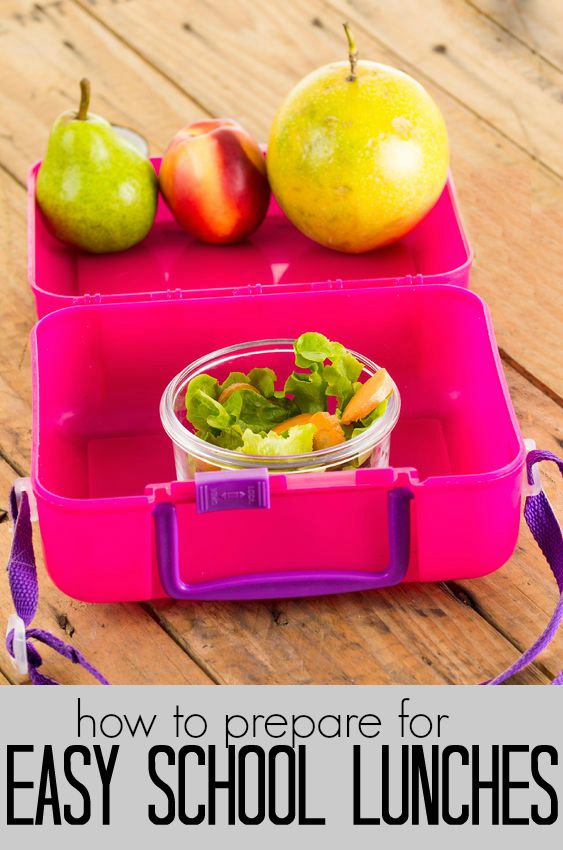
It's easy to lose your sanity during back to school time. Here's how you can prepare for easy school lunches that are  quick and healthy to put together.I have a love/hate relationship with lunches. I love making them because I have control over what my family is eating and most importantly it’s much easier on the budget than either buying out every day or, in my daughter’s case, paying an additional $5.00 per day for her daycare. Though we still do have an occasional lunch out, 90% of the time you’ll find me in the kitchen after our daughter is in bed, prepping our lunches for the next day.

I’m the least fussy person in the world to satisfy when it comes to lunch. If we have no real ‘’meal worthy food’’ in the house I’m perfectly content with taking a bunch of fruit and snacks for the day. My kid however isn’t so easy to please. Thankfully she thrives on routine and for now we have a few easy go-to’s that we’re able to rotate.

The biggest downside when I think about lunch prep is time. My husband cannot for the life of him figure out what takes me so long when I tell him I’m going to make our lunches. Honestly it took time to figure out, but when I’m organized I can prep in less than half the time it would normally take me. To do this I’ve found a few tricks to make prepping lunches a little easier.

If your kids are heading back to school these tips can help you with their school lunches.

Prep, well in advance

Leaving all lunch requirements to the night before can be stressful. There is often more involved than you think and your 5 minute intention quickly turns into a 45 minute endeavour. By prepping a few things in advance you can shave quite a bit of time off your evening (or morning) lunch packing routine.

Simple things like having fruits and veggies already washed can be a time saver. Pre-pack these things in portion sized package so they can be grabbed and thrown into the bag. Our daughter loves a simple PB and J sandwich so I’ll usually make a few at once and freeze them. They freeze and thaw perfectly fine and makes my life much easier when they’re done.

Think outside the box

Growing up, lunch was a sandwich, drink and fruit. I don’t remember ever questioning it, that’s just what we got. There were variations on the sandwich and bread but that was about it. Though our daughter does likes her sandwiches, she also loves even easier stuff like crackers and cheese. I buy multigrain rice crackers (rice stays much harder and crunchier longer than traditional crackers), and will send her with those, hummus and cheese. Throw in a fruit or veggie and her yogurt and it’s the fastest lunch to pack!

Organize the fridge and cupboard

This goes with prep but keeping things organized makes everything easier. I have a basket where our snacks go, a place for the yogurt in the fridge and a dedicated spot for fruit. It allows me to open the cupboard or fridge, grab what I need and throw in the lunch bag, almost with my eyes closed. I always pack our lunches with: a ‘’main’’+ water + yogurt + fruit or veggie. Having a system in place makes my life so much easier.

Bringing our own lunches saves us in many ways. Not only are we saving a ton of money by packing food from home (an average of $2-$3/lunch vs. >$10 eating out), we’re saving our health by controlling our portions and caloric intakes. Though there can be prep work involved in the beginning, once you start ‘’brown bagging it’’ it will quickly become second nature.

Catherine
Catherine

Catherine is a first time momma to a rambunctious toddler. When she isn’t soaking up all that motherhood has to offer, you can find her blogging over at Plunged in Debt where she chronicles her and her husbands journey out of debt. You can also follow her on Twitter.

plungedindebt.com

Filed Under: Healthy Living & Eating Tagged With: Back to School, easy school lunches

5 Smart Ways to Save on Back to School Supplies

August 20, 2014 | Leave a Comment

save on back to school suppliesIt’s hard to believe that we’re more than half way through August. Depending on where you live and the type of school system you’re in, kids may already be back to school but the majority of kids have a couple more weeks to enjoy before hitting the books again.

There is a local radio station trying to fundraise and gather a bunch of school supplies for local underprivileged children.

It’s funny, I always think about stuff like food and shelter but don’t often think about the necessity and cost involved with stuff like school supplies, after all it was something my mom always just took care of. The station has been quite successful and I’m glad too since having school supplies may be the key to getting out of poverty for some of these kids. There’s no doubt that proper school supplies are expensive but there are, like most things, way to save.

Reuse

I used to beg my mom for a new zipper closed binder every year and most times she’d say no since there was nothing wrong with my old one. Since she was buying I didn’t have much room for argument but she was right. If there is something that can be reused (zipper binders, book bags, math sets) do it! If you take care of your stuff there’s no need to re-buy everything each year.

Buy Used

At least this is the case with post-secondary kids. There is often no need to buy brand new text books. I never had any issue (in two university degrees) buying used books. Unless the texts were changed entirely, and they rarely are, I could always get away with using an edition one to two years old, the profs often giving the readings to multiple editions for this very reason.

Stock Up

If there’s a really great sale on an item you’ll know you’ll use (like paper and pens) stock up for a few years. I remember one year packages of loose-leaf paper were on sale for $0.09 with no limit. My mom bought enough for almost four years’ worth of education for my sister and I. Obviously this is space limited for certain items.

Shop the Sales

Pay attention to local sales and shop around. A lot of larger box stores will not only price match but beat by 5-10% with can add up to a large savings in the long run especially if you have more than one kid!

Buy Year Round

For things like school clothes, though there are good sales late summer pending fall return to school, I find the best sales for clothes to be after Christmas. Though this is often an expensive time of year anyway, if you can, it may save you money for upcoming school years to buy clothes then instead of August/September.

School definitely isn’t free, there are plenty of costs involved from supplies, clothes and projects year-round. If you have time to properly plan what, when and where you’ll buy certain things though, it could save you a ton of money!

Catherine
Catherine

Catherine is a first time momma to a rambunctious toddler. When she isn’t soaking up all that motherhood has to offer, you can find her blogging over at Plunged in Debt where she chronicles her and her husbands journey out of debt. You can also follow her on Twitter.

plungedindebt.com

Filed Under: Education, Money and Finances, Uncategorized Tagged With: Back to School, save on back to school supplies, save on school supplies

Kindergarten….WHAT!!!!

August 21, 2011 | Leave a Comment

I can’t believe Harrison, my oldest boy, is going to Kindergarten in one week!  If you read my last post you know there are a lot of changes going on.  Shortly after Kindergarten starts, we are going to be moving to a brand new house, a brand new school district and a brand new Day Care.  It’s a lot of changes for these two little guys to deal with.  Luckily, our new school district is letting Harrison start even though he won’t be living in the school district for a few more weeks.

I spent part of today looking for tips on getting kids ready for school and I found this list of articles to be pretty helpful.

Do you have any tips for when your child starts kindergarten?

Brian
Brian

Brian is the founder of Kids Ain’t Cheap and is now sharing his journey through parenthood.

 
Email • Google + • Facebook • Twitter

Filed Under: Education, Random Musings Tagged With: Back to School, Kindergarten, Moving

« Previous Page
  • Facebook
  • Pinterest
  • RSS
  • Twitter

Basic Principles Of Good Parenting

Here some basic principles for good parenting:

  1. What You Do Matters: Your kids are watching you. So, be purposeful about what you want to accomplish.
  2. You Can’t be Too Loving: Don’t replace love with material possessions, lowered expectations or leniency.
  3. Be Involved Your Kids Life: Arrange your priorities to focus on what your kid’s needs. Be there mentally and physically.
  4. Adapt Your Parenting: Children grow quickly, so keep pace with your child’s development.
  5. Establish and Set Rules: The rules you set for children will establish the rules they set for themselves later.  Avoid harsh discipline and be consistent.
  6. Explain Your Decisions: What is obvious to you may not be evident to your child. They don’t have the experience you do.
  7. Be Respectful To Your Child: How you treat your child is how they will treat others.  Be polite, respectful and make an effort to pay attention.
Best Parenting Blogs

Most Popular

Baby

9 Unusual Baby Names That Sound Like They Belong to Future CEOs

Evan Morgan
Baby

10 Baby Names That Were Once Considered “Grandparent Names” but Feel Cool Again

Evan Morgan
Target Store

Choking Incident Prompts Recall of 49,000 Target Gigglescape “Under the Sea” Popping Toys

Evan Morgan
Frustrated Girl

Why Some Students on the Spectrum Are Labeled With ODD

Evan Morgan
Coke Bottles

12 Things Kids Took to School in the ’70s That Would Never Be Allowed Today

Evan Morgan

All content on Kids Ain’t Cheap is for entertainment purposes only. By reading this blog, you agree that Kids Ain’t Cheap is not responsible for any actions taken after reading this blog. For the full disclaimer, see our privacy policy.

Please note that Kids Ain’t Cheap has financial relationships with some of the merchants mentioned here. Kids Ain’t Cheap is funded by banner advertising, commission sales and search optimization consulting.

Copyright © 2006–2026 | District Media | All Rights Reserved | Privacy Policy

Copyright © 2026 Runway Pro Theme by Viva la Violette