
• Home
  • About Us
  • Toolkit
  • Archives
  • Advertise
  • Privacy Policy

Kids Ain't Cheap

But They Sure Are Worth It

  • Parenting
    • Baby Stuff
    • Books and Reading
      • Aesops Fables
      • Comic Books
    • Education
    • Family Time
    • Green Living
    • Growing Up
    • Healthy Living & Eating
    • Holidays
    • Parenting
    • Random Musings
    • Shopping
    • Stuff to Do
  • Money
  • Product Reviews
    • Books and Magazines
    • Discount Sites
    • Furniture
    • House Keeping
    • Reviews News
    • Toys and Games
  • Contact Us
  • Our Editorial Commitment
  • Search

Are You Missing It? 7 Health Warnings Your Child’s Behavior Gives You

July 27, 2025 | Leave a Comment

Are You Missing It 7 Health Warnings Your Childs Behavior Gives You
Image source: 123rf.com

Kids don’t always have the words to tell us something is wrong—but their behavior can say it loud and clear. From sudden mood swings to changes in sleep or energy, your child’s actions may be trying to alert you to an underlying health issue. Too often, these signs are brushed off as “just a phase” or typical growing pains. But when we pay attention to the patterns, we can catch concerns early and get the help they need. Knowing the health warnings your child’s behavior gives you could make all the difference in their well-being.

1. Fatigue That Doesn’t Match Their Activity Level

If your child seems constantly tired, even after a full night’s sleep, it’s worth taking a closer look. Ongoing fatigue could signal issues like anemia, sleep apnea, or even undiagnosed food allergies. You might also notice they’re irritable, forgetful, or struggling to keep up at school. Instead of assuming they’re just being lazy or staying up too late, track their sleep and energy levels over a few days. A pediatrician can help rule out or diagnose any physical issues that might be draining their energy.

2. Sudden Mood Swings or Irritability

It’s easy to chalk up emotional outbursts to hormones or a bad day—but drastic mood swings can be a sign of something deeper. Children dealing with anxiety, depression, or even thyroid imbalances may show intense reactions that seem out of proportion. If your typically cheerful child becomes angry or withdrawn more often, that’s one of the key health warnings your child’s behavior gives you. These changes can sometimes be early indicators of mental health concerns. Early intervention can help your child feel seen, supported, and more in control of their emotions.

3. Avoiding Food or Changes in Eating Habits

If your child suddenly refuses foods they once loved or starts skipping meals, it could go beyond picky eating. Ongoing avoidance of food can signal gastrointestinal problems, sensory processing issues, or even the early stages of disordered eating. On the flip side, overeating or constant snacking could indicate blood sugar instability or emotional stress. These shifts in appetite often go unnoticed in busy households, but they’re one of the quieter health warnings your child’s behavior gives you. Keep a log of their eating habits and talk with your pediatrician if concerns persist.

4. Trouble Sleeping or Staying Asleep

Sleep issues in kids are more than just a parenting inconvenience—they’re often tied to bigger health concerns. Night terrors, frequent waking, or resistance to bedtime can indicate anxiety, sleep disorders, or neurological challenges like ADHD. Poor sleep also affects mood, learning, and physical development. If your child seems wired at night and exhausted during the day, it may be time to investigate further. Sleep disturbances are one of the most common health warnings your child’s behavior gives you, and shouldn’t be ignored.

5. Sudden Academic Decline or Lack of Focus

If a previously motivated student starts struggling in school, don’t assume it’s due to a lack of effort. Kids with undiagnosed vision problems, hearing issues, or learning differences often act out or disengage in the classroom. These challenges can lead to frustration, embarrassment, and even anxiety about school. Sometimes, children won’t express that something feels off because they don’t know any different. Talk with their teacher, and consider getting evaluations for vision, hearing, and learning challenges if you notice a sharp academic shift.

6. Repetitive Movements or Nervous Habits

You might notice your child biting their nails, picking at their skin, or rocking when stressed. These repetitive behaviors are easy to dismiss as quirks, but they can also be signs of anxiety, OCD tendencies, or neurological differences like autism spectrum disorder. If the behaviors become more frequent or interfere with daily life, they’re one of the subtler health warnings your child’s behavior gives you. Document when and where the behavior occurs to see if there’s a trigger. That information can help a doctor or therapist determine whether further evaluation is needed.

7. Isolation or Avoiding Social Situations

Some kids are naturally shy, but if your child begins avoiding friends, skipping activities they once enjoyed, or staying in their room more often, take notice. These actions can point to depression, bullying, sensory overload, or even early signs of developmental disorders. Isolation isn’t always a choice—sometimes it’s a response to stress or discomfort they don’t know how to explain. Make time for one-on-one conversations and try to uncover what’s behind their withdrawal. When caught early, social struggles are much easier to address with the right support.

When Behavior Is the Body’s Cry for Help

As parents, we’re trained to react to fevers, bruises, and scraped knees—but the health warnings your child’s behavior gives you are just as real and often more urgent. Behavioral shifts are often the first sign that something in your child’s mind or body needs attention. Trust your gut when something feels off, and don’t hesitate to ask for professional input. Being proactive can prevent bigger problems down the road and let your child know they can count on you for both emotional and physical support. Sometimes, the smallest behavioral clues are your loudest call to action.

Have you ever caught a health issue in your child based on their behavior alone? Share your experience in the comments below—we’d love to hear from you!

Read More:

7 Health Warnings Your Child’s Feet Are Telling You

Is Your Home Toxic? 8 Everyday Items Poisoning Your Toddler

Catherine Reed
Catherine Reed

Catherine is a tech-savvy writer who has focused on the personal finance space for more than eight years. She has a Bachelor’s in Information Technology and enjoys showcasing how tech can simplify everyday personal finance tasks like budgeting, spending tracking, and planning for the future. Additionally, she’s explored the ins and outs of the world of side hustles and loves to share what she’s learned along the way. When she’s not working, you can find her relaxing at home in the Pacific Northwest with her two cats or enjoying a cup of coffee at her neighborhood cafe.
Filed Under: Parenting Tagged With: behavior red flags, child behavior, child health, kids' health, Mental Health, parenting tips, pediatric advice, warning signs

The Unseen Threat: 5 Home Areas That Are Hidden Pest Hotspots Near Your Kids

July 25, 2025 | Leave a Comment

The Unseen Threat 5 Home Areas That Are Hidden Pest Hotspots Near Your Kids
Image source: 123rf.com

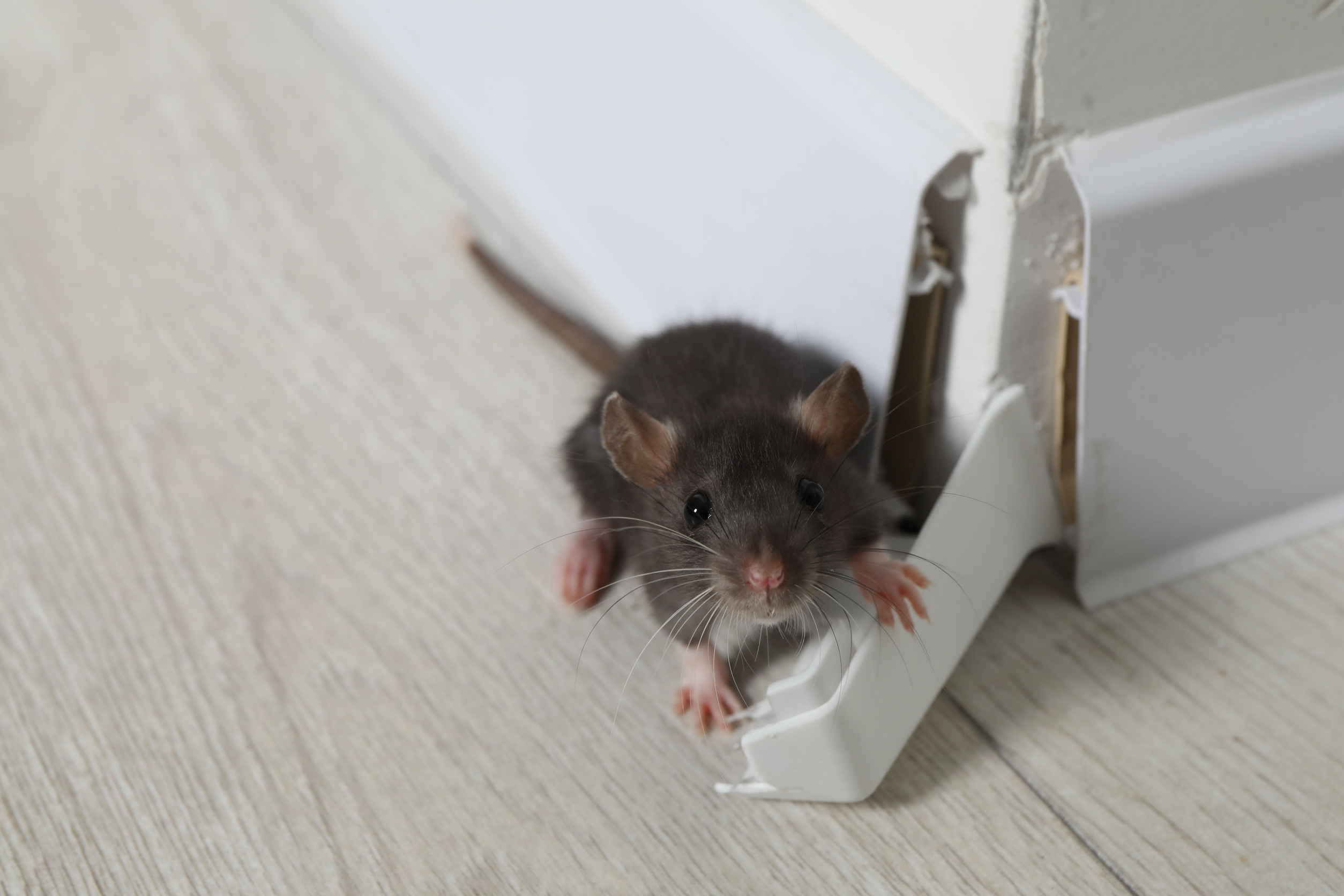
No matter how clean your home looks, pests can be hiding in places you’d never expect—especially near areas where your kids play, eat, and sleep. These hidden pest hotspots can attract insects and rodents that carry bacteria, bite, or trigger allergies, putting your little ones at risk. The scary part is, most parents don’t notice these problem areas until an infestation is already underway. By understanding where pests like to hide and why, you can take simple steps to protect your family. Let’s shine a light on five sneaky areas around the house that could be harboring pests without you even knowing it.

1. Toy Storage Bins Are a Hidden Haven

Kids’ toys are often tossed into bins, baskets, or toy chests—but these cozy, cluttered spaces can become ideal hidden pest hotspots. Crumbs from snack-time, forgotten juice box straws, or sticky residue from candy attract ants, roaches, and even mice. Since many parents store toys in playrooms or bedrooms, pests in these bins can end up right where your child sleeps or spends time on the floor. Soft toys, in particular, can harbor dust mites and flea eggs if pets are around. Make it a habit to wipe down toys regularly, vacuum storage areas, and inspect bins for signs of unwanted visitors.

2. Highchair Padding and Underneath the Tray

Highchairs might look clean on the surface, but underneath that tray or deep in the seams of the padding, food particles can build up fast. These leftover crumbs and spills become irresistible snacks for ants and fruit flies. The padding and crevices often stay damp from wipe down cloths or spilled milk, creating a moist environment where mold and bacteria can thrive too. Since your child eats in this space daily, it’s important to clean every part—not just the visible ones. Remove and scrub trays, wash fabric parts according to instructions, and inspect underneath the chair often.

3. Underneath and Behind the Couch

Kids love to snack while watching TV or playing on the living room floor, which makes the area behind and under the couch a pest paradise. Bits of cereal, cracker crumbs, and sticky juice spills often fall between cushions or end up under furniture, out of sight and out of reach. Rodents, roaches, and even silverfish find this combination of food and dark hiding spots extremely appealing. Since couches are rarely moved or deep cleaned, these hidden pest hotspots can go unchecked for long stretches. Schedule regular vacuuming under and behind your furniture to keep pests away.

4. Bathroom Cabinets and Under-Sink Areas

Bathrooms are often humid and dark, which makes them perfect environments for silverfish, cockroaches, and even spiders to hide—especially under the sink. Leaky pipes or damp cleaning cloths create just enough moisture for pests to thrive. If you store baby wipes, bath toys, or grooming tools for your child in these cabinets, they could be coming into close contact with pest droppings or bacteria. To prevent this, seal any leaks, store products in airtight bins, and keep the area dry. Adding a dehumidifier or moisture absorber can also make the space less appealing to insects.

5. Crib Skirts and Under-Crib Storage

Many parents store diapers, wipes, clothes, and toys under the crib using soft baskets or bins covered by a crib skirt. While it looks tidy, it’s another one of those hidden pest hotspots where insects or mice can hide undetected. Dust buildup, pet dander, and even a stray snack or two can attract unwanted guests right under where your baby sleeps. Since the crib skirt conceals what’s underneath, it can go unchecked for weeks. Clean the area regularly, inspect stored items, and avoid using fabric containers that pests can easily nest in or chew through.

Awareness Makes All the Difference

When it comes to protecting your children, keeping an eye out for hidden pest hotspots is just as important as baby-proofing cabinets or covering electrical outlets. Many pests thrive in cozy, dark places filled with crumbs or moisture, which unfortunately describes quite a few kid-centered areas in the home. The good news is, a little extra awareness and regular cleaning can go a long way in keeping pests at bay. Make a checklist of these problem areas and add them to your weekly or monthly cleaning rotation. You’ll gain peace of mind knowing your child’s favorite spaces are both fun and safe.

Have you discovered pests hiding in a place you never expected? Share your story or tips in the comments below!

Read More:

The Quiet Killer: 8 Hidden Hazards In Your Nursery You’re Not Checking

Silent Danger: 8 Common Foods That Are Choking Hazards for Young Children

Catherine Reed
Catherine Reed

Catherine is a tech-savvy writer who has focused on the personal finance space for more than eight years. She has a Bachelor’s in Information Technology and enjoys showcasing how tech can simplify everyday personal finance tasks like budgeting, spending tracking, and planning for the future. Additionally, she’s explored the ins and outs of the world of side hustles and loves to share what she’s learned along the way. When she’s not working, you can find her relaxing at home in the Pacific Northwest with her two cats or enjoying a cup of coffee at her neighborhood cafe.

Filed Under: Home and Living Tagged With: baby proofing, child health, family wellness, hidden pest hotspots, home safety, parenting tips, pest control, safe cleaning routines

Toxic Playtime: 10 Popular Kids’ Toys With Harmful Chemicals

July 24, 2025 | Leave a Comment

Toxic Playtime 10 Popular Kids Toys With Harmful Chemicals
Image source: 123rf.com

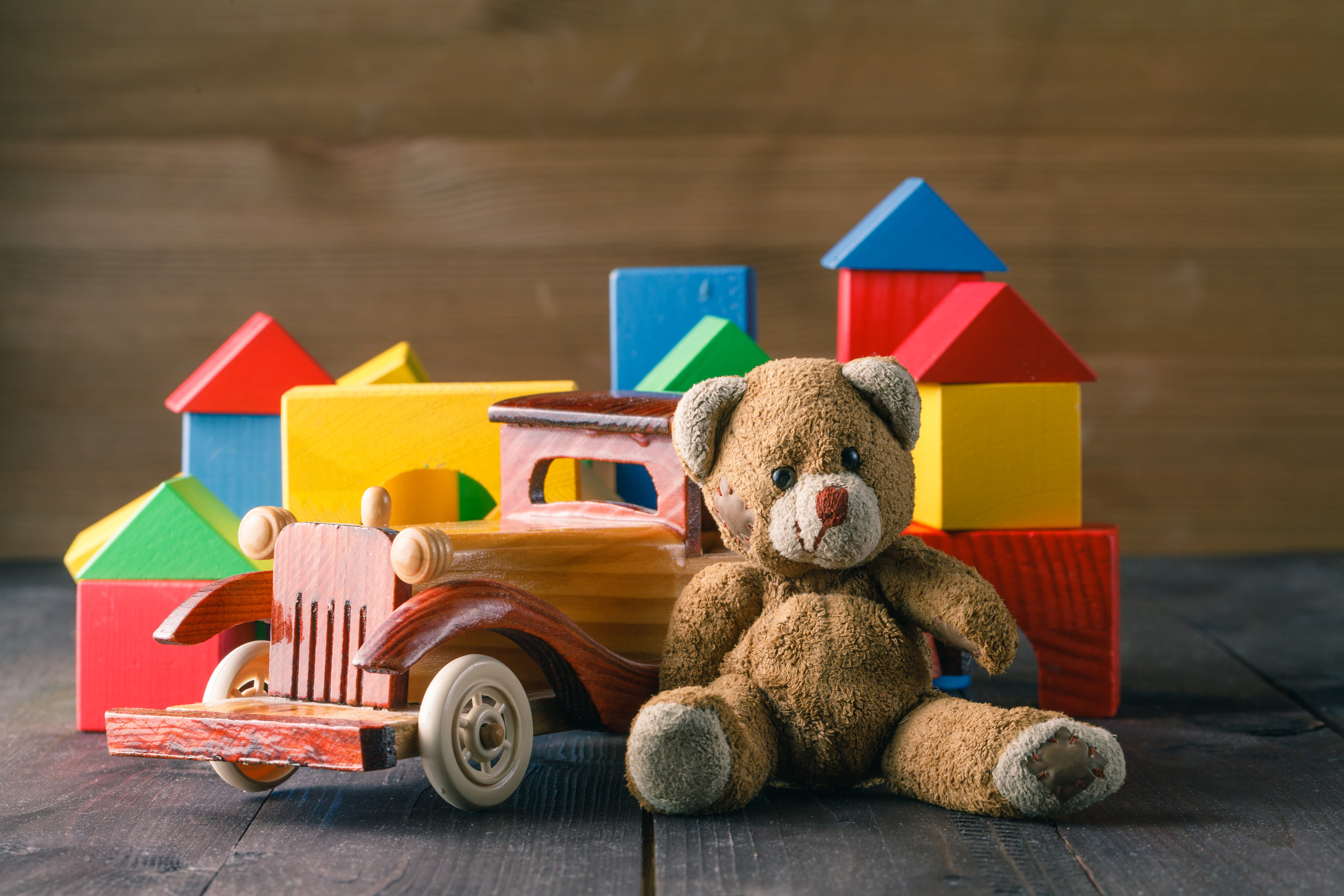
Toys are supposed to bring joy, spark imagination, and support your child’s development—not put their health at risk. Yet many kids’ toys with harmful chemicals still end up on store shelves and in playrooms across the country. From colorful plastics to squishy textures, some of the most loved items may quietly expose your child to toxins like lead, phthalates, BPA, and formaldehyde. These chemicals can disrupt hormones, irritate skin, or even contribute to long-term health problems. Knowing which toys to avoid (or replace) gives you the power to protect your little one during playtime.

1. Plastic Bath Toys with Phthalates

That cheerful yellow rubber duck might look harmless, but many bath toys are made with soft PVC plastic that contains phthalates. These chemicals are used to soften plastic but have been linked to hormonal disruptions in young children. Since bath toys are often chewed or squeezed in warm water, they can leach chemicals more easily. Unfortunately, many aren’t labeled with clear ingredient information. When shopping, look for toys made from phthalate-free materials like silicone or hard plastic certified as non-toxic.

2. Cheap Plastic Dolls with PVC

Many mass-market dolls are made from PVC, which is often softened with harmful plasticizers. Even when dressed in cute clothes and sold by well-known brands, these dolls can emit a strong chemical smell—a red flag for toxic ingredients. If your child regularly hugs, sleeps with, or mouths these dolls, that chemical exposure can build up. Opt for dolls labeled BPA- and phthalate-free, or switch to fabric dolls with natural fillings. When it comes to kids’ toys with harmful chemicals, soft vinyl dolls are one of the most commonly overlooked sources.

3. Jewelry Kits with Lead and Cadmium

DIY jewelry kits may seem like creative fun, but some include beads and charms that contain lead or cadmium. These heavy metals are dangerous, especially for young children who may put finished pieces in their mouths. Lead exposure has been linked to developmental delays and learning disabilities. Even low levels of cadmium can affect the kidneys and bones over time. To be safe, choose kits made in countries with stricter safety standards and always supervise jewelry play closely.

4. Slime Kits with Borax

Slime is a favorite among kids, but some kits use borax as a main ingredient. In high quantities or with frequent contact, borax can cause skin irritation or even hormonal disruption. Homemade slime recipes often call for it too, increasing risk through repeated exposure. While a little slime now and then isn’t likely to cause major harm, frequent use without gloves can be concerning. Look for borax-free options or buy pre-made slime from brands that test for chemical safety.

5. Foam Puzzle Mats Containing Formamide

Foam puzzle mats are often used in playrooms for comfort and safety, but many contain formamide, a chemical used in the manufacturing process. Formamide has been linked to respiratory and reproductive issues, especially when mats off-gas in enclosed spaces. Even worse, young children crawl, roll, and play directly on these mats every day. Choose mats made without formamide or certified as low-VOC. Let new mats air out for several days before use, especially in small rooms.

6. Imported Toys with Poor Safety Oversight

Toys made in countries with lax safety regulations are more likely to contain harmful materials. Items bought from unknown online sellers or discount import stores often lack proper testing. These toys may include lead-based paints, unsafe plastics, or small parts not approved under U.S. guidelines. Always look for safety certifications like ASTM or CE on packaging. Being cautious about where toys are made is one of the best defenses against kids’ toys with harmful chemicals.

7. Art Supplies with Toxic Additives

Not all crayons, markers, and paints are created equal. Some inexpensive art supplies contain heavy metals, petroleum-based solvents, or other dangerous ingredients. Since kids often get paint on their hands (and sometimes their mouths), the risk is more than theoretical. Look for products labeled “non-toxic” and certified by the ACMI (Art and Creative Materials Institute). Avoid items with strong chemical smells, which often signal harmful additives.

8. Glow-in-the-Dark and Light-Up Toys with Unsafe Batteries

Toys that light up or glow are exciting but can also be dangerous if they use button batteries. If swallowed, button batteries can cause serious internal injuries in minutes. In addition, some of the glowing materials used in cheap toys may contain phosphors or other toxic elements. Always make sure battery compartments are screwed shut and avoid glow toys unless the materials are clearly labeled as safe. Light-up fun should never come with hidden risks.

9. Teething Toys Made from Unsafe Plastics

Teething toys are meant to go straight into your baby’s mouth, so the materials they’re made from matter a lot. Some older or off-brand teethers contain BPA, PVC, or phthalates, which can leach under pressure and warmth. Even newer teethers might not meet modern safety guidelines if they come from questionable sources. Choose teething products made from medical-grade silicone or natural rubber, and stick with reputable brands. This is one area where cutting corners isn’t worth the risk.

10. Plush Toys Treated with Flame Retardants

Stuffed animals might seem cozy and safe, but many are treated with flame retardants that contain toxic chemicals. These additives can release particles over time, especially when toys are hugged, chewed, or washed repeatedly. Some flame retardants have been linked to cancer and developmental delays. Look for plush toys labeled as untreated or made from organic materials. Keeping your child’s sleep and cuddle buddies chemical-free is a great step toward a safer home.

Safer Play Starts with Smarter Picks

Protecting your child doesn’t mean banning fun—it means being informed about what’s in their favorite toys. Kids’ toys with harmful chemicals are still too common, but parents can take control by choosing safer materials, reading labels, and supporting transparent brands. A little extra attention during the buying process goes a long way in creating a healthier play environment. When playtime is safe, everyone has more fun—without the toxic side effects.

Have you discovered a toy with hidden chemicals in your home? Share your experience and favorite safe brands in the comments to help other parents shop smart.

Read More:

5 Toys That Were Never Designed to Be Used by Children

Before You Buy: 10 Popular Kids’ Toys With Cancer-Causing Materials

Catherine Reed
Catherine Reed

Catherine is a tech-savvy writer who has focused on the personal finance space for more than eight years. She has a Bachelor’s in Information Technology and enjoys showcasing how tech can simplify everyday personal finance tasks like budgeting, spending tracking, and planning for the future. Additionally, she’s explored the ins and outs of the world of side hustles and loves to share what she’s learned along the way. When she’s not working, you can find her relaxing at home in the Pacific Northwest with her two cats or enjoying a cup of coffee at her neighborhood cafe.

Filed Under: Parenting Tagged With: baby toy safety, chemical-free toys, child health, eco-friendly toys, kids' toys with harmful chemicals, parenting tips, safe playtime, toxic toys, toy safety

It’s Not Just Dirt: 5 Home Areas That Are Mold Hotspots Near Kids’ Play Area

July 23, 2025 | Leave a Comment

Its Not Just Dirt 5 Home Areas That Are Mold Hotspots Near Kids Play Area
Image source: 123rf.com

You clean the floors, wipe the windows, and vacuum the rugs, but mold doesn’t need much to sneak in and grow where you least expect it. Especially in the spaces where your kids spend the most time, mold can quietly develop and spread, triggering allergies, respiratory issues, and chronic sniffles. The truth is, mold loves warmth, moisture, and overlooked corners—and your child’s favorite hangouts often check all those boxes. By knowing where to look, you can stop the spread before it affects your child’s health. Let’s uncover five common mold hotspots near kids’ play area that deserve a second look.

1. Windowsills in the Playroom

Windowsills are a common but underestimated spot for mold growth, especially if condensation builds up from temperature changes. Moisture can collect on the glass and drip into the window frame or sill, providing the perfect damp surface for mold to settle in. If your child’s playroom gets lots of natural light or is kept closed up tight, the humidity can stay trapped, making things worse. Dust and dirt around the sill can feed the mold too, especially if cleaning happens infrequently. That’s why windowsills are one of the most overlooked mold hotspots near kids’ play area.

2. Carpet and Foam Play Mats

Soft floors and colorful foam mats seem perfect for playtime, but they can easily harbor hidden moisture from spills, accidents, or just humid air. Once dampness seeps into the carpet padding or between foam tiles, it creates an ideal environment for mold to grow where you can’t see it. These materials often trap moisture for long periods without drying fully. If your little one tends to snack or spill drinks on the floor, the risk multiplies. Carpets and foam mats are some of the most stubborn mold hotspots near kids’ play area because they hide the problem until it’s serious.

3. Toy Storage Bins and Boxes

Plastic bins and fabric toy boxes may seem harmless, but they can trap moisture and dust—especially when toys are put away while still damp or dirty. If your child plays outside and tosses toys back into storage without wiping them off, the bin becomes a breeding ground for mold and bacteria. Closed lids or tightly packed containers limit airflow, which helps mold thrive. Some parents find patches of mold only after smelling something musty or noticing their child’s allergies flare up. Toy storage is often one of the sneakiest mold hotspots near kids’ play area because it hides in plain sight.

4. Behind Furniture and Large Toys

The area behind dressers, bookcases, or large play structures is rarely cleaned and often traps dust and humidity. These areas tend to have poor air circulation, which makes them ideal environments for mold spores to settle and spread. If these heavy items are up against exterior walls or windows, condensation and temperature shifts can make the problem even worse. Children may not play directly in these hidden corners, but mold spores can still travel and affect the air they breathe. Behind-the-scenes buildup makes these spaces high-risk mold hotspots near kids’ play area without most parents noticing.

5. HVAC Vents and Air Filters Nearby

If your child’s play area is near an air vent, mold can be pushed into the room through the HVAC system. Dirty filters and damp ductwork can send mold spores straight into the air your child is breathing during playtime. When air isn’t circulating properly or filters go unchanged for too long, moisture builds up and mold can take hold inside the system. Even clean-looking vents can be deceiving if the problem lies deeper inside the ducts. Vents and filters are hidden but serious mold hotspots near kids’ play area that affect overall indoor air quality.

Clearing the Air Where It Matters Most

Mold isn’t just a bathroom or basement problem—it can quietly take over the areas where your kids laugh, play, and nap. Regular deep cleaning, improving airflow, and staying on top of humidity levels can go a long way in protecting your child’s health. Small changes like opening windows, running a dehumidifier, or checking toy bins weekly can make a big difference. It’s not about making your house spotless but about catching trouble before it grows. Now that you know where to look for the mold hotspots near kids’ play area, you’re one step closer to a healthier, happier home.

Have you found mold in unexpected places near your child’s play area? What changes have helped reduce it? Share your experience in the comments!

Read More:

The Quiet Killer: 8 Hidden Hazards In Your Nursery You’re Not Checking

8 Hidden Dangers Lurking in Your Child’s Toys

Catherine Reed
Catherine Reed

Catherine is a tech-savvy writer who has focused on the personal finance space for more than eight years. She has a Bachelor’s in Information Technology and enjoys showcasing how tech can simplify everyday personal finance tasks like budgeting, spending tracking, and planning for the future. Additionally, she’s explored the ins and outs of the world of side hustles and loves to share what she’s learned along the way. When she’s not working, you can find her relaxing at home in the Pacific Northwest with her two cats or enjoying a cup of coffee at her neighborhood cafe.

Filed Under: Home and Living Tagged With: child health, cleaning tips, hidden mold spots, household mold, indoor air quality, kids play area safety, mold prevention, parenting tips

Inactivity Risk: 7 Health Problems Worsening Without Activity in Kids

July 14, 2025 | Leave a Comment

Inactivity Risk 7 Health Problems Worsening Without Activity in Kids
123rf.com

With screens replacing playgrounds and busy schedules taking over free time, today’s kids are moving less than ever before. But physical activity isn’t just about burning energy or staying fit—it’s essential for overall health, both now and in the long run. The inactivity risk for children can quietly snowball into real problems that affect their development, mood, and ability to thrive. From weakened muscles to emotional struggles, the effects of too much sitting and too little movement are deeper than many parents realize. Let’s break down the biggest health problems that tend to worsen when kids aren’t active—and why it’s never too late to help them get moving again.

1. Obesity and Unhealthy Weight Gain

One of the most obvious consequences of inactivity is an increase in body fat and overall weight. When kids consume more calories than they burn, excess weight often follows. This isn’t just about appearance—childhood obesity increases the risk of diabetes, joint issues, and even social challenges like bullying or low self-esteem. Without regular movement, metabolism slows, and even small indulgences can lead to long-term health issues. Encouraging active play and limiting sedentary time is one of the most powerful ways to help kids maintain a healthy weight.

2. Weak Muscles and Poor Posture

The inactivity risk extends to your child’s physical development, particularly their strength and posture. Without regular use, muscles—especially in the core, legs, and back—can weaken over time. This often leads to slouched shoulders, back pain, and poor balance. Kids who don’t move enough may also struggle with physical tasks like climbing stairs, carrying backpacks, or participating in sports. Keeping them, active helps strengthen growing bodies and supports better physical confidence.

3. Heart and Lung Health Decline

Even young hearts and lungs need regular workouts to stay strong and efficient. A lack of movement means these organs don’t get the stimulation they need, leading to lower cardiovascular endurance. Over time, the inactivity risk may raise blood pressure and cholesterol levels, even in kids. Children may also get winded more easily or have less stamina for everyday activities. Simple activities like biking or playing tag can go a long way toward protecting long-term heart health.

4. Poor Sleep Quality

Inactivity often leads to trouble falling asleep or staying asleep, which becomes a frustrating cycle. Kids who don’t burn off their energy during the day may feel restless at night, resulting in cranky mornings and sluggish days. Physical activity helps regulate the body’s internal clock and encourages deeper, more restful sleep. It also reduces stress and anxiety, which can interfere with sleep patterns. Making sure your child gets time to move each day can improve not just bedtime routines but their overall mood.

5. Emotional and Mental Health Struggles

Physical activity is a natural mood booster, so when kids don’t move enough, their mental health can take a hit. Regular exercise helps release endorphins, which fight stress and improve focus. Without it, children may be more prone to anxiety, depression, or difficulty concentrating. The inactivity risk can also increase feelings of isolation, especially if screen time replaces social play. Activities that involve movement and interaction—like sports, dance, or even playing outside with friends—are crucial for emotional resilience.

6. Delayed Motor Skills and Coordination

Movement is a big part of how kids learn to control their bodies. When children don’t have regular opportunities to run, jump, skip, or throw, their coordination and motor skills may fall behind. This can affect not just sports performance but also classroom tasks like writing or sitting upright for long periods. Active kids tend to develop better reflexes and body awareness. Making movement part of their everyday routine supports both physical and cognitive development.

7. Increased Risk of Chronic Conditions Later in Life

The effects of childhood inactivity don’t always stop in childhood. The habits kids form now can impact their future, including a higher risk for chronic conditions like type 2 diabetes, arthritis, and even certain cancers. The longer children stay inactive, the harder it becomes to break that pattern as adults. Instilling a love for movement early helps build lifelong habits of wellness. It’s never just about today—it’s about helping kids build a healthier tomorrow.

Little Changes Make a Big Difference

You don’t need a gym membership or a rigid routine to counteract the inactivity risk in your child’s life. Something as simple as a family walk, a game of hide and seek, or a backyard obstacle course can add the movement their growing bodies and minds need. The key is consistency and variety—find ways to make activity fun, not a chore. Your encouragement plays a powerful role in how your child values movement. Help them see being active not as a task, but as a joyful part of daily life.

What activities help your kids stay moving and happy? Share your favorite family fitness ideas in the comments!

Read More:

6 Food Items That We Think Are Healthy but Are Bad for Our Children

The Dangers of Screen Addiction and How to Set Healthy Limits

Catherine Reed
Catherine Reed

Catherine is a tech-savvy writer who has focused on the personal finance space for more than eight years. She has a Bachelor’s in Information Technology and enjoys showcasing how tech can simplify everyday personal finance tasks like budgeting, spending tracking, and planning for the future. Additionally, she’s explored the ins and outs of the world of side hustles and loves to share what she’s learned along the way. When she’s not working, you can find her relaxing at home in the Pacific Northwest with her two cats or enjoying a cup of coffee at her neighborhood cafe.

Filed Under: Healthy Living & Eating Tagged With: active kids, child health, Childhood Obesity, family fitness, inactivity risk, kids mental health, parenting tips, screen time alternatives

Doctor Questions: 6 Critical Questions to Ask Your Child’s Doctor

July 14, 2025 | Leave a Comment

Doctor Questions 6 Critical Questions to Ask Your Childs Doctor
123rf.com

When it comes to your child’s health, no question is too small. But with limited time during pediatric visits and a flood of online information, it’s easy to feel overwhelmed or forget what really matters. Knowing the right questions to ask your child’s doctor can help you feel more confident, informed, and in control of your child’s well-being. These conversations aren’t just about treating symptoms—they’re about building a foundation of trust, advocacy, and proactive care. Whether you’re a new parent or simply want to feel more prepared at your next checkup, these six questions will help you make the most of every appointment.

1. Is My Child’s Growth and Development on Track?

One of the most important questions to ask your child’s doctor is whether your child is hitting age-appropriate milestones. Doctors use growth charts and developmental checklists to track progress and knowing where your child stands helps you spot potential issues early. It also gives you peace of mind or a plan of action when something seems off. Don’t hesitate to ask for clarification about height, weight, or motor skill delays—even if your doctor says it’s nothing to worry about. Trust your instincts and ask for specific benchmarks to look out for before the next visit.

2. Are These Symptoms Normal or Something to Watch?

Every parent has panicked over a mysterious rash, a stubborn cough, or an unexpected behavior. One of the smartest questions to ask your child’s doctor is whether these symptoms are routine or red flags. While some symptoms are part of typical childhood development, others might indicate allergies, infections, or underlying health concerns. Your doctor can help you distinguish between the two and advise when to seek urgent care or ride it out at home. This question also opens the door to learning what signs should never be ignored.

3. What Vaccinations Does My Child Need Right Now?

Keeping up with your child’s immunization schedule can be a challenge, especially with changing guidelines and school requirements. This is why one of the key questions to ask your child’s doctor involves which vaccines are due and why they’re important. A good pediatrician will explain the benefits and any potential side effects in plain language. It’s also the right time to ask about delayed schedules or catch-up plans if your child has missed any shots. Understanding the timing and purpose of each vaccine helps you make confident, informed choices.

4. How Can I Support My Child’s Mental and Emotional Health?

Pediatric visits aren’t just about physical health—your child’s emotional well-being matters just as much. That’s why it’s vital to ask your child’s doctor about signs of anxiety, stress, or behavioral changes that concern you. Many doctors now incorporate mental health screenings into routine checkups, especially for older kids and teens. Ask for recommendations if your child is struggling socially, emotionally, or academically. Your doctor can suggest books, therapy options, or simple routines to promote emotional stability at home.

5. What Should I Know About My Child’s Nutrition?

With picky eaters, sugar temptations, and confusing food advice online, nutrition questions are more important than ever. Ask your child’s doctor about how balanced your child’s current diet is and whether supplements are needed. This includes guidance on portion sizes, snacking habits, hydration, and even how much milk is too much. If your child is overweight, underweight, or has food sensitivities, now’s the time to create a game plan. Your doctor can refer you to a pediatric nutritionist or offer practical tips tailored to your child’s needs.

6. Are There Any Screenings, Tests, or Follow-Ups I Should Schedule?

Some health concerns aren’t immediately visible, which is why preventive screenings and follow-ups are essential. One of the most overlooked questions to ask your child’s doctor is whether anything needs monitoring between now and the next visit. Depending on your child’s age, medical history, or family risk factors, your pediatrician may recommend hearing tests, vision exams, lead testing, or dental evaluations. Knowing what to expect helps you stay ahead of potential issues. It also ensures you don’t miss a critical step in maintaining your child’s overall health.

Empowered Parents Ask Better Questions

The more you engage with your child’s doctor, the stronger your partnership becomes. By asking smart, focused questions, you’re not only getting better answers—you’re also showing your child how to advocate for their health. Every appointment is an opportunity to learn, plan, and stay ahead of concerns before they become problems. So take notes, speak up, and don’t leave the exam room with lingering doubts. When it comes to parenting, confidence starts with asking the right questions.

What questions do you always make sure to ask at your child’s doctor visits? Share your go-to questions in the comments below!

Read More:

6 Times You Should See a Doctor for Bedwetting

8 Snacks That Kids Love and Doctors Hate

Catherine Reed
Catherine Reed

Catherine is a tech-savvy writer who has focused on the personal finance space for more than eight years. She has a Bachelor’s in Information Technology and enjoys showcasing how tech can simplify everyday personal finance tasks like budgeting, spending tracking, and planning for the future. Additionally, she’s explored the ins and outs of the world of side hustles and loves to share what she’s learned along the way. When she’s not working, you can find her relaxing at home in the Pacific Northwest with her two cats or enjoying a cup of coffee at her neighborhood cafe.

Filed Under: Parenting Tagged With: child health, kids medical visits, parenting confidence, parenting tips, pediatric checkups, pediatrician advice, questions to ask your child's doctor

Dangerous Mix: 8 Medications With Dangerous Side Effects in Kids

July 9, 2025 | Leave a Comment

Dangerous Mix 8 Medications With Dangerous Side Effects in Kids
123rf.com

When your child is sick, reaching for medicine feels like the responsible thing to do. But not all medications are created equal—and some that seem harmless can come with serious risks for children. Certain over-the-counter and prescription drugs can lead to dangerous side effects in kids, from slowed breathing and heart complications to hallucinations and liver damage. Understanding which meds to watch out for helps you make safer choices and avoid unintended consequences. Here’s what every parent should know about eight medications with the potential to do more harm than good when it comes to kids’ health.

1. Aspirin

Aspirin may seem like a simple pain reliever, but it can be dangerous for children under 18. It’s been linked to Reye’s syndrome, a rare but potentially fatal condition that causes swelling in the liver and brain. This risk is especially high when aspirin is given during a viral illness like the flu or chickenpox. Despite its effectiveness in adults, aspirin should never be given to children unless a doctor specifically prescribes it. Safer alternatives like acetaminophen or ibuprofen are typically recommended for treating fever or pain in kids.

2. Codeine

Once commonly prescribed for coughs and post-surgical pain, codeine has fallen out of favor due to its unpredictable effects in children. Some kids process codeine too quickly, turning it into morphine in their bodies at a dangerously fast rate. This can cause severe breathing problems or even death, especially in younger children. The FDA has warned against its use in anyone under 18, particularly after tonsil or adenoid surgery. If your child is prescribed a pain reliever, ask your doctor about non-opioid options instead.

3. Promethazine

Promethazine is often used to treat nausea, vomiting, and motion sickness—but it can come with serious side effects in kids. In children under two, it’s been known to slow or stop breathing. Even in older kids, it can cause extreme drowsiness, agitation, or confusion. Many pediatricians now avoid prescribing it entirely to young patients. If your child struggles with motion sickness, safer remedies like antihistamines or natural options may be a better fit.

4. Diphenhydramine (Benadryl)

While diphenhydramine is a common allergy medicine, it’s not always safe for kids. Giving the wrong dose or using it as a sleep aid can lead to hallucinations, seizures, or even overdose. Some children experience the opposite of drowsiness, becoming hyperactive and irritable. The FDA warns against giving Benadryl or similar products to children under two, and caregivers should always follow dosing instructions exactly. If you’re unsure, consult a pediatrician before offering this medication.

5. Cough and Cold Medications

Many over-the-counter cough and cold products contain a mix of ingredients like decongestants, antihistamines, and cough suppressants. For children under six, these combinations can cause more problems than they solve, including rapid heart rate, high blood pressure, and sleep disturbances. The risk increases if multiple medications are used at once, leading to accidental overdose. Pediatricians often recommend skipping these medications and using saline sprays, humidifiers, or honey (for kids over one) to ease symptoms naturally. Always read labels carefully, and never assume “children’s” products are automatically safe.

6. Loperamide (Imodium)

Loperamide is used to treat diarrhea, but it’s not usually recommended for children. In high doses, it can cause heart rhythm problems and serious complications. Some parents may mistakenly give adult versions of this medication to kids, which significantly increases the risk. It’s best to treat diarrhea in children with fluids and electrolytes rather than medication. If symptoms persist, talk to your pediatrician before reaching for over-the-counter treatments.

7. Antidepressants

While antidepressants can be helpful for children in certain situations, they also come with potential risks. Some medications in this class may increase suicidal thoughts or behaviors in kids and teens, especially in the early stages of treatment. Doctors carefully weigh the benefits and monitor young patients closely when prescribing them. If your child is taking an antidepressant, keep open lines of communication and watch for changes in mood or behavior. Never stop or adjust the dosage without consulting the prescribing doctor.

8. Ibuprofen (When overused)

Ibuprofen is generally safe for children when used correctly, but overuse can lead to problems. Giving too much too often can cause stomach ulcers, kidney damage, or internal bleeding. Parents sometimes rotate between acetaminophen and ibuprofen without keeping track, accidentally giving more than the recommended dose. Always follow the dosing chart based on your child’s weight and age and use a proper measuring tool. When in doubt, call your pediatrician for guidance rather than risking a dangerous mix.

Know What You’re Giving Before You Give It

The key to avoiding dangerous side effects in kids is understanding that not every medication labeled “safe” for adults is right for children. Their bodies process drugs differently, and what works for grownups can have very different effects on a child. Even familiar over-the-counter meds deserve a second look when it comes to dosage, age recommendations, and side effects. When you’re unsure, reaching out to your child’s pediatrician is always the best move. A cautious approach can prevent unwanted health scares and help you make the best decision for your little one.

Have you ever been surprised by a medication’s side effect in your child? Share your experience and tips with fellow parents in the comments!

Read More:

Parenting Hacks: 9 Effective Strategies for Helping Your Child Take Medications

7 Terrifying Things Parents Forget

Catherine Reed
Catherine Reed

Catherine is a tech-savvy writer who has focused on the personal finance space for more than eight years. She has a Bachelor’s in Information Technology and enjoys showcasing how tech can simplify everyday personal finance tasks like budgeting, spending tracking, and planning for the future. Additionally, she’s explored the ins and outs of the world of side hustles and loves to share what she’s learned along the way. When she’s not working, you can find her relaxing at home in the Pacific Northwest with her two cats or enjoying a cup of coffee at her neighborhood cafe.
Filed Under: Parenting Tagged With: baby medicine safety, child health, dangerous side effects in kids, kids medication safety, over-the-counter risks, parenting tips, toxic medications for kids

7 Summer Habits That Can Lead to Sickness Fast

June 17, 2025 | Leave a Comment

7 Summer Habits That Can Lead to Sickness Fast
123rf.com

Summer is a season packed with sunshine, fun, and family memories—but it’s also a time when some seemingly harmless routines can sneakily put your child’s health at risk. From poolside snacks to packed playdates, many common summer habits that can lead to sickness fast often fly under the radar. While no parent wants to hover or kill the vibe, it’s worth paying attention to these patterns so your family can enjoy the season with fewer sick days. Awareness is half the battle, and a few easy adjustments can make a big difference. Let’s dive into the habits that might be doing more harm than good.

1. Skipping Handwashing at Playgrounds and Parks

Summer means more outdoor time, which also means more public surfaces touched by countless little hands. Jungle gyms, splash pads, and sandboxes may be full of adventure—but they’re also full of germs. Kids often head straight from swinging or sliding to eating a snack without washing up. Without proper hand hygiene, bacteria and viruses can easily find their way into little bodies. This is one of the top summer habits that can lead to sickness fast, especially when it becomes a daily routine.

2. Overindulging in Sugary Summer Treats

Between popsicles, lemonade stands, and ice cream trucks, sugar overload is practically built into summer. While treats are a fun part of the season, too much sugar can suppress the immune system and mess with gut health. Some kids end up snacking more frequently and eating fewer nutrient-rich meals. A weakened immune system paired with more public exposure can make them more prone to colds or stomach bugs. It’s important to balance those sweet moments with whole foods that keep kids strong.

3. Neglecting Hydration on Hot Days

Children can become dehydrated quickly in warm weather—especially when they’re running, playing, and sweating without regular water breaks. By the time a child says they’re thirsty, they may already be mildly dehydrated. Dehydration can cause headaches, fatigue, dizziness, and increase the risk of heat-related illnesses. Kids also tend to forget to drink unless they’re reminded or see others doing it. Making hydration fun with a colorful bottle or fruit-infused water helps build a better habit.

4. Wearing the Same Wet Swimsuit for Hours

Whether it’s a trip to the beach or a pool playdate, kids often end up wearing wet swimsuits for hours on end. While it might seem harmless, sitting in damp fabric can increase the risk of skin irritation, rashes, and even infections like swimmer’s ear or UTIs. Changing into dry clothes after swimming is one of those small actions that goes a long way. It’s not just about comfort—it’s a health choice. Make a habit of packing dry backups every time.

5. Letting Bedtime Slide Too Far

Summer nights are full of distractions—late dinners, fireflies, movie marathons—but regular sleep is still crucial for a strong immune system. When kids consistently go to bed late and sleep less, their bodies have a harder time fighting off illness. Even if they seem to be doing fine with less rest, the effects often show up as irritability, poor focus, or catching bugs more easily. Creating a summer bedtime routine that flexes without falling apart helps kids stay healthier overall. Think of sleep as just as important as sunscreen.

6. Sharing Towels, Cups, and Snacks

Summer playdates often mean shared everything—drinks at the splash pad, bites of watermelon, and communal towels. While it’s sweet to see kids learning to share, it’s also a fast track for spreading germs. Viruses like hand-foot-and-mouth or the common cold love these scenarios. Teaching kids to use their own water bottles, utensils, and towels doesn’t need to be a strict rule—but it can be a smart one. This is one of those summer habits that can lead to sickness fast when overlooked.

7. Forgetting to Clean Outdoor Toys and Gear

Scooters, bikes, water tables, and sand toys all get more use in summer—and more exposure to dirt, germs, and even animal droppings. These toys are rarely cleaned as often as their indoor counterparts, yet kids are just as likely to put fingers in mouths afterward. A weekly rinse and occasional disinfecting wipe-down can go a long way in preventing illness. It’s a simple step that often slips through the cracks in the name of summer fun.

A Healthier Summer Starts With a Few Simple Shifts

The goal isn’t to make summer rigid or overly cautious—it’s to stay ahead of the small habits that can create big problems. With just a few tweaks, you can avoid many of the most common causes of seasonal sickness. Encourage smarter habits, stay observant, and let the summer fun continue without the interruptions of coughs, fevers, or rashes. These mindful changes lead to healthier, happier days for everyone.

What summer health habit has saved your family from surprise sick days? Share your favorite tips in the comments!

Read More:

8 Challenges Every Kid Faces During Summer Break

15 Outdoor Adventures to Transform Your Kids’ Summer

Catherine Reed
Catherine Reed

Catherine is a tech-savvy writer who has focused on the personal finance space for more than eight years. She has a Bachelor’s in Information Technology and enjoys showcasing how tech can simplify everyday personal finance tasks like budgeting, spending tracking, and planning for the future. Additionally, she’s explored the ins and outs of the world of side hustles and loves to share what she’s learned along the way. When she’s not working, you can find her relaxing at home in the Pacific Northwest with her two cats or enjoying a cup of coffee at her neighborhood cafe.

Filed Under: Safety Tagged With: child health, healthy habits for kids, kid hygiene, outdoor play safety, parenting advice, prevent summer illness, summer habits that can lead to sickness fast, summer parenting tips, summer safety

5 Dangerous Games That Kids Are Playing When No Adults Are Around

June 7, 2025 | Leave a Comment

5 Dangerous Games That Kids Are Playing When No Adults Are Around

Kids are naturally curious, adventurous, and sometimes wildly unaware of risk. That mix can lead to serious danger when peer pressure and internet trends collide, especially when no adults are watching. From social media-inspired dares to seemingly innocent games that can turn hazardous fast, parents are often shocked by what children will try behind closed doors or on the playground. The scary part? Many of these activities fly under the radar until someone gets hurt. Here are five dangerous games that kids are playing when no adults are around, and what parents need to know now.

1. The Choking Game

One of the most alarming and dangerous games that kids are playing is known as the choking game, also called “pass-out” or “space monkey.” The idea is to restrict oxygen to the brain by pressing on the neck or holding the breath until a temporary high is achieved. What many kids don’t realize is that this can cause serious brain damage, seizures, or even death. It often spreads through word-of-mouth or viral videos, making it hard for parents to detect unless their child talks about it. If your child has unexplained bruises around the neck or talks about “getting dizzy on purpose,” it’s time for a serious conversation.

2. The Salt and Ice Challenge

This challenge sounds innocent, but it can result in serious injuries. Kids place salt on their skin and then press an ice cube against it, creating an intense burning sensation that can cause second-degree burns or permanent scarring. The goal is to see who can withstand the pain the longest—a recipe for bad decisions and worse outcomes. Like many dangerous games that kids are playing, this one gets shared for laughs online, without showing the long-term damage it causes. If your child has odd burns or blisters and shrugs it off, this could be the culprit.

3. The Pencil Game (a.k.a. Charlie Charlie Challenge)

It may look like a harmless “spirit summoning” game, but the Charlie Charlie Challenge has frightened many kids into a state of panic. Using two pencils and a sheet of paper, kids ask questions and wait for the top pencil to move, supposedly guided by a ghost named Charlie. While it seems silly, the fear and anxiety that come from believing in summoned spirits are real. Some kids become obsessed with the game or genuinely terrified afterward. It’s one of those dangerous games that kids are playing that affects mental well-being more than physical safety, but the impact is still serious.

4. The Eraser Challenge

In this game, kids rub an eraser aggressively on their skin—often on the arms or hands—while reciting a phrase or alphabet challenge. The friction causes painful burns, scabs, and in some cases, infections. Usually, groups participate in the challenge to see who can handle the most pain without quitting. The danger lies not only in the physical injury but also in the encouragement of self-harm as a form of entertainment. The eraser challenge is among the more widespread dangerous games that kids are playing, especially in upper elementary and middle school settings.

5. Rooftopping or High-Risk Climbing

Fueled by social media and the thrill of risk, some kids and teens climb onto school rooftops, water towers, construction sites, or other high places to film stunts or selfies. These risky climbs may not seem like games in the traditional sense, but they fall squarely under dangerous games that kids are playing, often with tragic outcomes. Falls, serious injuries, and even fatalities have occurred from kids attempting these feats for online clout. If your child’s social media includes rooftop photos or they talk about “urban exploring,” it’s time to check in.

Awareness Is Protection, Not Paranoia

While it’s impossible to monitor your child every minute, staying informed about the dangerous games that kids are playing helps you spot red flags before something serious happens. Open conversations, trust-building, and regular check-ins about peer pressure and online trends can go a long way in keeping kids safe. Encourage your child to talk about what their friends are doing, and don’t dismiss even the silliest-sounding “game” without investigating. When kids know you’re paying attention and will listen without judgment, they’re more likely to come to you before things get risky.

Have you heard of any dangerous games that surprised you? What do you do to stay in the loop about what your kids are trying? Share your stories and tips in the comments!

Read More:

6 Seemingly Safe Places That Could Actually Be Dangerous for Kids

7 Summer Activities That Are Surprisingly Dangerous for Kids

Catherine Reed
Catherine Reed

Catherine is a tech-savvy writer who has focused on the personal finance space for more than eight years. She has a Bachelor’s in Information Technology and enjoys showcasing how tech can simplify everyday personal finance tasks like budgeting, spending tracking, and planning for the future. Additionally, she’s explored the ins and outs of the world of side hustles and loves to share what she’s learned along the way. When she’s not working, you can find her relaxing at home in the Pacific Northwest with her two cats or enjoying a cup of coffee at her neighborhood cafe.

Filed Under: Safety Tagged With: child health, child safety tips, dangerous games that kids are playing, online trends, parenting awareness, parenting safety, Peer pressure, risky behavior in kids

When a Fever Isn’t Just a Fever: 7 Red Flags Every Parent Should Know

June 7, 2025 | Leave a Comment

When a Fever Isnt Just a Fever 7 Red Flags Every Parent Should Know

Fevers are a common part of childhood. Sometimes they’re harmless, just the body’s way of fighting off a mild infection. But every parent knows that not all fevers are created equal. The tricky part is figuring out when a fever is something to monitor—and when it signals something more serious. Knowing when a fever isn’t just a fever could make all the difference in keeping your child safe and healthy.

1. Fever Lasts More Than Three Days

It’s normal for a fever to hang around for a day or two during a viral illness. But if it lingers beyond the three-day mark, that’s one of the clearest signs that a fever isn’t just a fever. It may point to something that needs medical attention, like a bacterial infection or complications from an untreated illness. A doctor may want to run tests to rule out infections like pneumonia, urinary tract infections, or even something more complex. The longer the fever sticks around, the more important it is to get answers.

2. Trouble Breathing or Rapid Breathing

If your child’s breathing seems labored or unusually fast during a fever, it’s time to act quickly. This is one of the red flags that parents should never ignore. Difficulty breathing could indicate a respiratory infection like RSV, bronchitis, or pneumonia, all of which may need immediate treatment. Count your child’s breaths per minute and observe whether their chest is retracting or if they’re using extra muscles to breathe. When breathing becomes hard work, the fever isn’t just a fever—it’s a warning sign.

3. Unusual Rash Appears

Some rashes are harmless, but others can point to serious infections, especially when they accompany a fever. If the rash doesn’t fade under pressure (try the glass test), looks purple or bruise-like, or spreads quickly, call your child’s doctor right away. A fever with a concerning rash could signal conditions like meningococcemia, which require urgent care. It’s essential to remember that some illnesses cause visible clues on the skin, and a rash can be a major red flag. In these cases, the fever isn’t just a fever—it’s a symptom of something potentially dangerous.

4. Child Is Lethargic or Unresponsive

All kids get tired when they’re sick, but there’s a difference between being sleepy and being difficult to wake up. If your child is unusually drowsy, won’t respond to you, or can’t stay awake for more than a few seconds, don’t wait it out. Lethargy and unresponsiveness paired with a fever can signal serious neurological concerns or dehydration. Trust your instincts—if your child seems “off,” it’s worth getting them checked out. Lethargy is one of the strongest signs that a fever isn’t just a fever.

5. Severe Headache or Stiff Neck

Older children may complain of a splitting headache, while younger ones might show discomfort by crying when you touch their head or neck. When paired with fever, these symptoms could suggest meningitis, an inflammation of the brain and spinal cord lining. Stiffness, especially if your child won’t look down or turn their head, needs medical evaluation immediately. These symptoms should not be brushed off as part of a regular illness. A severe headache means the fever isn’t just a fever—it may be part of a much more serious condition.

6. Vomiting or Refusing to Drink Fluids

It’s common for kids to lose their appetite when they’re sick, but total refusal to drink fluids or persistent vomiting can lead to rapid dehydration. Dehydration makes fevers more dangerous and harder for the body to manage. Watch for signs like dry lips, sunken eyes, and fewer wet diapers or bathroom trips. If you can’t keep your child hydrated, it’s time to call the doctor. A fever that keeps your child from drinking is not just a fever—it’s a potential health spiral.

7. Seizures During the Fever

Febrile seizures can happen in young children, often during a rapid rise in temperature. While they’re typically not dangerous on their own, the first time it happens is terrifying. If your child has a seizure, lay them on their side, don’t put anything in their mouth, and time the episode. Seek emergency care if the seizure lasts more than five minutes or your child doesn’t recover quickly. A seizure, even if it’s caused by a fever, means the fever isn’t just a fever—it’s affecting the brain and demands attention.

Knowing When to Worry Can Keep Kids Safe

Every child gets sick, and every fever isn’t a disaster. But being able to recognize when a fever isn’t just a fever can help you respond quickly and appropriately. These red flags are your cue to take the next step—whether it’s calling the pediatrician or heading to urgent care. Your intuition and awareness are powerful tools when it comes to your child’s health. Don’t hesitate to ask questions or push for answers when something doesn’t feel right.

Have you ever had to act fast when a fever turned out to be something more serious? Share your experience in the comments—your story might help another parent stay alert.

Read More:

5 Rare Childhood Diseases That Are More Common Than You Think

The Most Overlooked Illness in Children—And It’s Getting Worse

Catherine Reed
Catherine Reed

Catherine is a tech-savvy writer who has focused on the personal finance space for more than eight years. She has a Bachelor’s in Information Technology and enjoys showcasing how tech can simplify everyday personal finance tasks like budgeting, spending tracking, and planning for the future. Additionally, she’s explored the ins and outs of the world of side hustles and loves to share what she’s learned along the way. When she’s not working, you can find her relaxing at home in the Pacific Northwest with her two cats or enjoying a cup of coffee at her neighborhood cafe.

Filed Under: healthcare Tagged With: child health, childhood fever, fever symptoms, health red flags, parenting advice, parenting tips, pediatric emergencies, sick kids, when to call the doctor

5 Rare Childhood Diseases That Are More Common Than You Think

June 4, 2025 | Leave a Comment

5 Rare Childhood Diseases That Are More Common Than You Think

When we hear the term “rare childhood diseases,” it’s easy to assume these conditions are so uncommon that most families will never encounter them. But the reality is more complicated—and more relevant—than you might expect. Many of these so-called “rare” illnesses affect thousands of children each year, often going undiagnosed or misdiagnosed due to unfamiliar symptoms. As parents, understanding what’s out there can make all the difference in getting early intervention and proper care. Here are five rare childhood diseases that may be more common than you think—and why awareness matters more than ever.

1. Kawasaki Disease

Kawasaki disease is a form of vasculitis that causes inflammation in the blood vessels throughout the body, and it most commonly affects children under five. Though considered one of the rare childhood diseases, it’s actually the leading cause of acquired heart disease in children in the U.S. Symptoms include a persistent high fever, rash, red eyes, swollen hands and feet, and peeling skin. Because it mimics other viral illnesses early on, diagnosis can be delayed, which increases the risk of heart complications. With early treatment using IV immunoglobulin, most children recover well, but quick recognition is key.

2. Eosinophilic Esophagitis (EoE)

Eosinophilic esophagitis, or EoE, is a chronic immune condition that causes inflammation of the esophagus due to food or environmental allergens. It’s often mistaken for acid reflux, picky eating, or even behavioral issues, which makes it one of the sneaky rare childhood diseases that can go undiagnosed for years. Kids with EoE may struggle with swallowing, experience food impaction, or have unexplained vomiting. Diagnosis requires an endoscopy and biopsy, and treatment typically involves dietary changes and medication to reduce inflammation. While not life-threatening, EoE can significantly impact a child’s daily comfort and nutrition if left untreated.

3. Juvenile Dermatomyositis

This autoimmune disease affects the muscles and skin, leading to muscle weakness and a distinctive rash on the face, eyelids, knuckles, or knees. Though it’s categorized as one of the rare childhood diseases, juvenile dermatomyositis appears more often than many realize—especially in school-aged children. It can cause fatigue, difficulty climbing stairs or lifting objects, and sometimes painful inflammation in joints. The earlier it’s diagnosed, the better the long-term outcomes, as treatment typically includes corticosteroids and immunosuppressive drugs. Parents who notice persistent muscle weakness or odd rashes should consider this as a potential diagnosis.

4. Pediatric Celiac Disease

While many associate celiac disease with adults or specific populations, it’s actually one of the rare childhood diseases that’s becoming more frequently diagnosed due to increased awareness. Celiac disease is an autoimmune response to gluten that damages the small intestine, and it can appear in children as early as toddlerhood. Symptoms vary widely and can include poor growth, fatigue, constipation, diarrhea, and irritability. Because the symptoms are so nonspecific, celiac disease is often overlooked or confused with other gastrointestinal issues. A gluten-free diet can completely reverse symptoms, but early testing is critical for long-term health.

5. Cyclic Vomiting Syndrome (CVS)

Cyclic vomiting syndrome is a puzzling and exhausting condition where children experience intense bouts of vomiting, often triggered by stress, excitement, or illness. Although it’s considered one of the rare childhood diseases, CVS is increasingly recognized in pediatric care, particularly among children with a family history of migraines. These episodes can last hours or days and often leave kids weak and dehydrated, yet between episodes, they appear completely healthy. Managing the condition usually involves identifying triggers, staying hydrated, and sometimes using anti-migraine medications. CVS often improves with age, but managing it early can prevent complications and missed school days.

Knowledge is Power—Even When It’s Rare

It’s easy to dismiss rare childhood diseases as “someone else’s problem,” but many of these conditions are hiding in plain sight. They may not be everyday diagnoses, but they’re common enough that parents and caregivers should know the warning signs. Trust your instincts—if something doesn’t feel right, don’t hesitate to push for answers. Early detection can prevent complications, ease symptoms, and improve your child’s quality of life. You don’t need to be a medical expert, just a parent who asks the right questions.

Have you ever encountered a diagnosis that surprised you? Share your experience or tips with other parents in the comments—we’re all learning together.

Read More:

Stop Ignoring These 7 Health Symptoms Before It’s Too Late

8 Snacks That Kids Love and Doctors Hate

Catherine Reed
Catherine Reed

Catherine is a tech-savvy writer who has focused on the personal finance space for more than eight years. She has a Bachelor’s in Information Technology and enjoys showcasing how tech can simplify everyday personal finance tasks like budgeting, spending tracking, and planning for the future. Additionally, she’s explored the ins and outs of the world of side hustles and loves to share what she’s learned along the way. When she’s not working, you can find her relaxing at home in the Pacific Northwest with her two cats or enjoying a cup of coffee at her neighborhood cafe.

Filed Under: healthcare Tagged With: child health, chronic conditions, early intervention, family wellness, medical diagnosis, parenting advice, pediatric illness, rare childhood diseases

6 Everyday Ailments That Sometimes Signal a Much Bigger Problem

May 17, 2025 | Leave a Comment

6 Everyday Ailments That Sometimes Signal a Much Bigger Problem

Every parent has been there—your child has a headache, a stomachache, or maybe a bit of fatigue, and your first instinct is to chalk it up to something minor. Often, it is. Kids have growing bodies, busy schedules, and ever-changing immune systems. But sometimes, a seemingly simple symptom can be a red flag for something more serious. Knowing when to dig deeper could make all the difference, which is why it’s so important to understand the signs behind these common complaints.

1. Frequent Headaches

Kids complain about headaches for many reasons: lack of sleep, dehydration, too much screen time, or even stress from school. But if headaches are becoming a regular occurrence, especially if they’re severe or happen at the same time of day, it’s worth investigating further. Chronic headaches could signal migraines, vision problems, or even something more serious like increased intracranial pressure. Watch for additional symptoms like vomiting, vision changes, or balance issues. Keeping a headache journal can help your child’s doctor spot patterns and make an accurate diagnosis.

2. Ongoing Stomachaches

Tummy troubles are a common part of childhood, often caused by minor viruses, constipation, or even nervousness. But persistent stomach pain that doesn’t improve—or worsens—could be linked to food intolerances, inflammatory bowel disease, or stress-related disorders like anxiety. If your child regularly complains of stomach pain after meals or before school, it’s time to dig deeper. Weight loss, fatigue, or blood in the stool are all signs that should prompt a visit to the doctor. Don’t assume they’re just “being dramatic”—their body might be trying to tell you something.

3. Constant Fatigue

It’s normal for kids to be tired after a long day of activity, but ongoing fatigue with no clear reason can be a red flag. If your child sleeps well but still seems exhausted during the day, it could indicate sleep apnea, anemia, thyroid issues, or even depression. You might also notice a drop in energy levels, changes in mood, or trouble focusing at school. These subtle shifts can be easy to miss if you’re not looking for them. Keep track of sleep patterns and energy dips, and bring those notes to your child’s pediatrician.

4. Sudden Changes in Behavior

Mood swings are part of growing up, especially during the tween and teen years. But extreme or abrupt changes—like sudden withdrawal, aggression, or sadness—can point to more serious concerns. These behaviors may signal mental health issues such as anxiety, depression, or trauma responses. Some medical conditions, like hormonal imbalances or neurological issues, can also affect mood and behavior. Don’t dismiss these changes as “just a phase” without checking in and seeking support when needed.

5. Unexplained Bruising

Kids are active, and bruises come with the territory. But frequent or unexplained bruising in unusual places (like the back, arms, or face) could be more than clumsiness. If bruises appear without any known injury, it may point to issues with blood clotting, platelet disorders, or even leukemia. Pay attention to how long bruises last, how easily they form, and whether your child has other symptoms like frequent nosebleeds or fatigue. Early detection can lead to quicker treatment if a bigger problem is at play.

6. Persistent Cough or Wheezing

A cough now and then is normal, especially during cold season. But a cough that lingers for weeks or keeps your child up at night may need closer attention. Asthma is often overlooked in kids, especially if it presents more as a nighttime cough or wheezing than as an obvious breathing issue. Other possibilities include allergies, respiratory infections, or in rare cases, something lodged in the airway. If your child struggles to catch their breath or coughs consistently, a pediatric checkup is essential.

Trust Your Gut—and Then Get It Checked

No one knows your child like you do. If something feels off, even if it seems small, it’s worth a second look. Everyday symptoms often are just that—everyday—but sometimes they’re your child’s way of signaling that something isn’t quite right. Being aware, observant, and proactive doesn’t mean overreacting. It means tuning into your child’s needs and advocating for their health with confidence.

Has your child ever had a “minor” symptom that turned out to be something bigger? Share your story in the comments!

Read More:

8 Parenting Trends That Sound Great (But Might Be Hurting Your Kids)

10 Mistakes Parents Make When Kids Are Anxious

Catherine Reed
Catherine Reed

Catherine is a tech-savvy writer who has focused on the personal finance space for more than eight years. She has a Bachelor’s in Information Technology and enjoys showcasing how tech can simplify everyday personal finance tasks like budgeting, spending tracking, and planning for the future. Additionally, she’s explored the ins and outs of the world of side hustles and loves to share what she’s learned along the way. When she’s not working, you can find her relaxing at home in the Pacific Northwest with her two cats or enjoying a cup of coffee at her neighborhood cafe.

Filed Under: healthcare Tagged With: child health, childhood symptoms, early diagnosis, family wellness, kids and illness, parenting advice, pediatric care

« Previous Page
Next Page »
  • Facebook
  • Pinterest
  • RSS
  • Twitter

Basic Principles Of Good Parenting

Here some basic principles for good parenting:

  1. What You Do Matters: Your kids are watching you. So, be purposeful about what you want to accomplish.
  2. You Can’t be Too Loving: Don’t replace love with material possessions, lowered expectations or leniency.
  3. Be Involved Your Kids Life: Arrange your priorities to focus on what your kid’s needs. Be there mentally and physically.
  4. Adapt Your Parenting: Children grow quickly, so keep pace with your child’s development.
  5. Establish and Set Rules: The rules you set for children will establish the rules they set for themselves later.  Avoid harsh discipline and be consistent.
  6. Explain Your Decisions: What is obvious to you may not be evident to your child. They don’t have the experience you do.
  7. Be Respectful To Your Child: How you treat your child is how they will treat others.  Be polite, respectful and make an effort to pay attention.
Best Parenting Blogs

Most Popular

Baby

9 Unusual Baby Names That Sound Like They Belong to Future CEOs

Evan Morgan
Baby

10 Baby Names That Were Once Considered “Grandparent Names” but Feel Cool Again

Evan Morgan
Target Store

Choking Incident Prompts Recall of 49,000 Target Gigglescape “Under the Sea” Popping Toys

Evan Morgan
Frustrated Girl

Why Some Students on the Spectrum Are Labeled With ODD

Evan Morgan
Coke Bottles

12 Things Kids Took to School in the ’70s That Would Never Be Allowed Today

Evan Morgan

All content on Kids Ain’t Cheap is for entertainment purposes only. By reading this blog, you agree that Kids Ain’t Cheap is not responsible for any actions taken after reading this blog. For the full disclaimer, see our privacy policy.

Please note that Kids Ain’t Cheap has financial relationships with some of the merchants mentioned here. Kids Ain’t Cheap is funded by banner advertising, commission sales and search optimization consulting.

Copyright © 2006–2026 | District Media | All Rights Reserved | Privacy Policy

Copyright © 2026 Runway Pro Theme by Viva la Violette