
• Home
  • About Us
  • Toolkit
  • Archives
  • Advertise
  • Privacy Policy

Kids Ain't Cheap

But They Sure Are Worth It

  • Parenting
    • Baby Stuff
    • Books and Reading
      • Aesops Fables
      • Comic Books
    • Education
    • Family Time
    • Green Living
    • Growing Up
    • Healthy Living & Eating
    • Holidays
    • Parenting
    • Random Musings
    • Shopping
    • Stuff to Do
  • Money
  • Product Reviews
    • Books and Magazines
    • Discount Sites
    • Furniture
    • House Keeping
    • Reviews News
    • Toys and Games
  • Contact Us
  • Our Editorial Commitment
  • Search

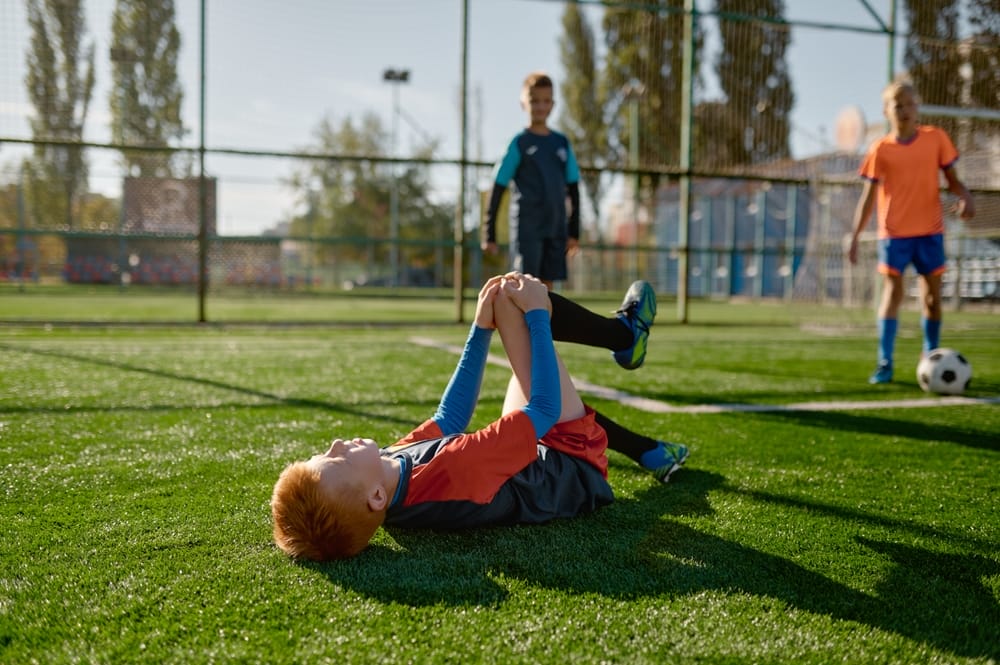
7 “Trustfall” Games That Parents Didn’t Realize Break Bones

November 27, 2025 | Leave a Comment

7 “Trustfall” Games That Parents Didn’t Realize Break Bones
Image source: shutterstock.com

Many families love playful activities that build confidence, teamwork, and connection, but some of these trustfall games are far riskier than they appear. Parents often introduce or allow these games believing they teach trust or boost bravery, not realizing that kids lack the strength, coordination, and judgment to stay safe during the falls, flips, and lifts involved. What starts as a quick moment of fun can turn into an urgent-care visit when a child falls in the wrong direction or a sibling misjudges their ability to catch them. These accidents happen fast, and parents are usually shocked to learn how common serious injuries are from games that seem harmless. Knowing which activities carry hidden hazards can keep playtime fun without putting kids at risk.

1. The Classic Backward Fall Into Someone’s Arms

This familiar activity is often the first thing people imagine when they hear about trustfall games, but it can be surprisingly dangerous for kids. Children frequently lean too far or fall too fast, catching their partners off guard. Most kids also lack the strength to support someone else’s full body weight. Even a slight misalignment can lead to head injuries or broken wrists when the fall goes sideways. Practicing this with young children creates a situation where no one is equipped to prevent injury.

2. Jumping Off Furniture Into Waiting Arms

Many siblings turn this into a dare or a game, assuming someone will catch them every time. These trustfall games become riskier when kids jump from heights they cannot judge accurately. A missed catch or a slip on landing can cause broken ankles, sprains, or even spinal injuries. Young children often feel invincible and jump before anyone is actually ready. Parents often underestimate how fast these moments happen and how hard the impact can be.

3. Letting Kids Lean Forward from a Chair into Someone’s Hands

This version of trust fall games feels gentle at first, but chairs are unstable and kids lean quickly. If the catcher reacts even a second too late, the child can fall face first onto hardwood floors. Nose injuries, chipped teeth, and concussions are common outcomes when this goes wrong. Kids also tend to wiggle or giggle, which throws off their balance. The unpredictability makes this activity unsafe, even with older children.

4. Piggyback Drops That Rely on Kids Catching Themselves

Some families play variations where a child falls off a piggyback ride and expects the other person to catch them. These trustfall games require coordination and timing kids simply do not have. The fall distance is high enough to cause broken collarbones or arm fractures when kids try to brace themselves. Older siblings may think they can slow the fall but often lose balance. These moments lead to hard landings on tile, concrete, or uneven grass.

5. Blanket Tosses That Send Kids Airborne

Parents sometimes reenact the childhood memory of tossing kids lightly in blankets or strong sheets. These trustfall games go wrong when the blanket slips or one person loses their grip. Kids can fly sideways and hit the ground headfirst. Even small height gains create dangerous falls because children cannot control their landing. What feels thrilling to kids creates unnecessary risk for serious injuries.

6. Swinging a Child Between Two Adults

Many families hold a child by the hands and arms and swing them for fun, trusting that both adults will maintain grip. These trustfall games put tremendous strain on the child’s elbows and shoulders. Kids can slip out of hands easily, especially if palms are sweaty or someone stumbles. When children fall during this motion, the landing force is amplified by momentum. This can result in broken bones or nursemaid’s elbow, a painful joint injury common in younger children.

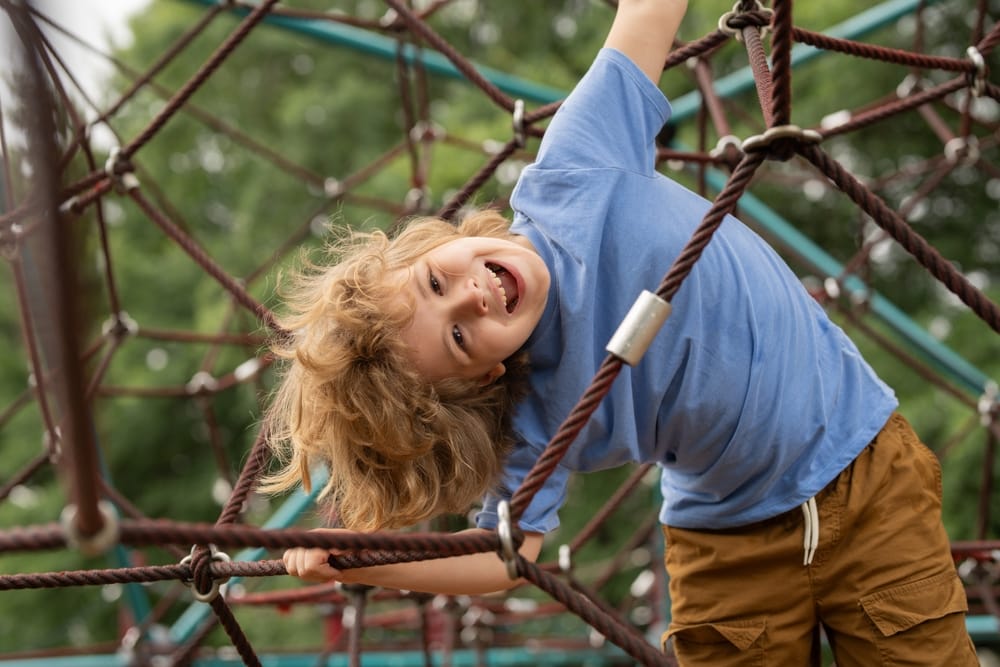
7. Trust Leaps From Playground Structures

Kids sometimes do their own version of trustfall games by jumping from playground equipment and expecting someone below to catch them. Parents usually assume kids know not to jump from high places, but risk taking increases when children feel excited or competitive. Falls from even moderate heights can cause fractures or concussions. The ground beneath playground structures is often uneven, which makes missteps more dangerous. Clear rules and supervision are essential to keep these leaps from turning into emergencies.

Safer Ways to Build Trust and Connection

Parents can still nurture bravery, cooperation, and trust without resorting to risky trustfall games. Activities like guided balancing, cooperative puzzles, low height obstacle courses, and gentle partner stretches create connection without the dangers of falling or lifting. Choosing games that focus on teamwork rather than physical risk lets kids build confidence while staying safe. These alternatives offer the reassurance parents want without the possibility of serious injury. When families choose mindful activities, playtime becomes both fun and safe for everyone involved.

Have you ever seen a trustfall moment go wrong, or found safer ways to build teamwork at home? Share your stories in the comments.

What to Read Next…

7 Sports That Are Increasing Injury Rates in Kids Under 10

Toddler Falls: 5 Home Areas Where Toddlers Get Hurt Most (Are Yours Safe?)

Playground Dangers: 8 Pieces of Playground Equipment That Could Seriously Injure Your Child

10 Reasons Your Child’s Sleep Habits Might Be Hurting Their Brain

7 Reasons Kids Are Getting Hurt in After-School Programs

Catherine Reed
Catherine Reed

Catherine is a tech-savvy writer who has focused on the personal finance space for more than eight years. She has a Bachelor’s in Information Technology and enjoys showcasing how tech can simplify everyday personal finance tasks like budgeting, spending tracking, and planning for the future. Additionally, she’s explored the ins and outs of the world of side hustles and loves to share what she’s learned along the way. When she’s not working, you can find her relaxing at home in the Pacific Northwest with her two cats or enjoying a cup of coffee at her neighborhood cafe.


Filed Under: Safety Tagged With: child safety, family activities, injury prevention, parenting tips, risky play, safe playtime, trustfall games

5 Back-to-School Routines That Ignite Morning Meltdowns

November 27, 2025 | Leave a Comment

5 Back-to-School Routines That Ignite Morning Meltdowns
Image source: shutterstock.com

Heeding back to the classroom after an extended break can feel like controlled chaos, and sometimes the routines parents rely on end up making mornings harder instead of easier. Kids adjust slowly to new expectations, earlier wake ups, and the whirlwind of getting out the door, so even well-intentioned back to school habits can accidentally spark big emotions. Many families discover that what works on paper falls apart in real life once tired brains and rushed schedules collide. When routines create tension, meltdowns can quickly become part of the daily rhythm. Understanding which habits cause stress gives parents the power to replace them with calmer, more effective strategies.

1. Rushing Through Breakfast Every Morning

Many families feel the pressure to hurry breakfast so they can stay on schedule, but this routine often backfires. Children who are still adjusting to back-to-school wake times struggle to eat quickly and may feel overwhelmed by the rush. When parents push for speed, kids pick up on the tension and react with resistance or tears. Rushing also makes it harder for children to listen to their bodies and choose foods that actually energize them. A slower, predictable breakfast routine helps set a calmer tone for the rest of the morning.

2. Saving Backpack and Lunch Prep Until the Last Minute

Leaving all the packing for the morning seems harmless until it creates a scramble that stresses everyone. This pattern becomes especially challenging during back-to-school season when kids are still learning what they need each day. Searching for missing items or arguing about forgotten assignments increases frustration and panic. Siblings may blame each other when the chaos spills across shared spaces. Preparing backpacks and lunches the night before prevents unnecessary pressure and reduces morning meltdowns.

3. Overloading Kids With Too Many Expectations at Once

Parents often introduce several new routines all at the same time during the back-to-school transition, which can overwhelm kids quickly. Trying to adjust bedtime, wake time, chores, and morning responsibilities simultaneously creates mental overload. Children respond with irritability or tears when they feel they cannot meet all the new demands. A slower, step by step approach makes the shift smoother and more manageable. Giving kids time to adjust helps them feel capable rather than anxious.

4. Relying on Screens to Speed Up the Morning

Screens can seem like an easy tool for distraction, but they often derail the flow of back-to-school mornings. Kids absorbed in shows or games struggle to switch gears when it is time to get dressed or leave. This transition difficulty leads to arguments, refusals, and rushed last minute scrambling. Parents may find themselves repeating instructions over and over with rising frustration. Limiting screens until after their home helps children stay focused and reduces disruptive transitions.

5. Using Harsh Wake Ups That Trigger Stress

Some families rely on abrupt wake up methods because mornings feel so pressed for time. Loud alarms or sudden bright lights can make back to school mornings feel jarring and stressful. Children who wake up startled often begin the day in fight or flight mode, which leads to resistance and emotional outbursts. Gentle wake ups give kids space to reorient and feel safe. A calmer start sets the tone for smoother cooperation throughout the routine.

Building Morning Routines That Lower Stress Instead

Parents can reduce morning struggles by choosing routines that match their child’s emotional and developmental needs. Adjusting back to school habits with comfort and consistency in mind helps kids move through mornings with more confidence. Clear expectations paired with flexibility create an environment where children feel supported rather than rushed. Small changes like prepping the night before or waking gently can make a noticeable difference. When families work together to create calm, mornings shift from meltdown filled to manageable.

Which morning routines create the biggest challenges in your home, and what has helped ease the stress? Share your thoughts in the comments.

What to Read Next…

5 School Field Trip Threads That Expose Emotional Trauma Risks

10 Homework Hacks Every Parent Should Know to Avoid Meltdowns

7 School Policies That Secretly Undermine Parental Authority

7 Signs Your Kids Are Spoiled—Even If You Swear They’re Not

Are Parent-Teacher Text Chains Making School Drama Worse?

Catherine Reed
Catherine Reed

Catherine is a tech-savvy writer who has focused on the personal finance space for more than eight years. She has a Bachelor’s in Information Technology and enjoys showcasing how tech can simplify everyday personal finance tasks like budgeting, spending tracking, and planning for the future. Additionally, she’s explored the ins and outs of the world of side hustles and loves to share what she’s learned along the way. When she’s not working, you can find her relaxing at home in the Pacific Northwest with her two cats or enjoying a cup of coffee at her neighborhood cafe.
Filed Under: Education Tagged With: Back to School, child behavior, daily routines, family stress, morning routines, parenting tips, school preparation

10 Clothing Choices That May Trigger Unfair School Discipline

November 24, 2025 | Leave a Comment

10 Clothing Choices That May Trigger Unfair School Discipline
Image source: shutterstock.com

It surprises many parents how often clothing choices end up at the center of school discipline, leading to detentions, call-home warnings, or even suspensions. While dress codes aim for consistency, these rules are often applied unevenly, leaving some students punished for outfits others wear without issue. Families deserve to understand which clothing choices may trigger unnecessary problems so they can help their kids avoid being singled out. Below are the most common items that prompt unfair consequences and what parents can do about them.

1. Graphic Tees With Vague or Misinterpreted Messages

Some clothing choices include graphic tees featuring phrases or symbols adults may interpret differently than students intend. A harmless slogan may be labeled distracting, inappropriate, or disruptive based on personal judgment. Teens often wear shirts to express humor or identity, but inconsistent enforcement leads to unfair treatment. This unpredictability can embarrass students who had no intention of breaking rules. Parents can review tees with their kids beforehand to anticipate potential misunderstandings.

2. Ripped Jeans That Meet Style Trends

Ripped jeans remain popular, but they frequently get flagged during dress code enforcement. Rules about rip size or placement are often interpreted differently from one staff member to another. Jeans acceptable in one class may be cited as a violation elsewhere. This inconsistency leaves kids unsure of what is allowed. Families often must translate vague guidelines themselves.

3. Tank Tops or Sleeveless Shirts

Sleeveless tops appear often in discipline discussions because strap-width rules are among the most inconsistently applied. A student may receive a warning simply because fabric shifted during normal movement. These awkward moments can embarrass students and disrupt learning. Clearer standards would reduce uncertainty. Until then, layering options can help avoid unnecessary attention.

4. Hoodies Worn for Comfort or Sensory Support

Many students rely on hoodies for warmth or sensory regulation, but they are sometimes penalized when a hood is lifted or pockets are used too often. Some teachers associate hood wearing with disengagement, leading to avoidable discipline. Kids who are anxious or cold may be punished for harmless behavior. Families can request accommodations if a hoodie meets emotional or sensory needs. Consistent communication with staff can help prevent misunderstandings.

5. Leggings Paired With Longer Tops

Leggings are extremely common yet frequently spark disputes due to subjective modesty rules. Students wearing nearly identical outfits may face different outcomes depending on who notices them. This inconsistency makes clothing decisions stressful for kids. When rules rely on interpretation rather than clarity, fairness becomes difficult to maintain. Schools with more specific guidelines reduce confusion and frustration.

6. Cultural or Religious Clothing Items

Traditional garments tied to cultural identity or religious practice are sometimes mistakenly labeled as violations. These misunderstandings can make students feel excluded or disrespected. Families often must explain the meaning behind specific garments so staff can respond appropriately. Increased cultural awareness among educators prevents avoidable conflicts. Respectful dialogue helps protect students’ dignity.

7. Clothes That Look “Too Casual”

Dress codes often include vague expectations about looking professional or appropriate for learning. These unclear standards allow outfits to be judged inconsistently, creating unequal enforcement. A student may be reprimanded for sweatpants on a day when others dress similarly without issue. Kids may feel targeted rather than supported. Parents can ask administrators for clarification when patterns of discipline appear unfair.

8. Color Restrictions That Are Not Clearly Explained

Uniform policies or safety guidelines sometimes dictate approved colors, but these rules are not always communicated clearly. Clothing choices outside approved colors can lead to discipline even when students were unaware of the restriction. Jackets, hats, or layers worn for warmth can unintentionally break rules. Seasonal changes make this problem more noticeable. Consistent messaging from schools would help families prepare more effectively.

9. Accessories That Are Considered Distracting

Accessories such as bracelets, headbands, or small chains may be harmless but are sometimes viewed as distractions. These items can trigger discipline even without disrupting learning. Kids who enjoy expressing themselves through accessories may feel discouraged when creativity is misinterpreted. Enforcement often varies widely between teachers. Families can request more specific examples of what is or isn’t allowed.

10. Clothing That Doesn’t Fit Uniform Standards

Uniform schools still face disagreements over what counts as acceptable. Slight color variations or minor fabric differences may lead to unnecessary violations. Children grow quickly, and uniforms don’t always fit perfectly year-round. A too-short skirt or faded shirt should not result in harsh consequences, yet it sometimes does. Families can request flexibility when growth or wear affects compliance.

Helping Kids Navigate Unfair Dress Code Enforcement

Dress codes are intended to set expectations, but unclear or unevenly enforced rules place unfair burdens on students. Families can support kids by reviewing dress code language together, asking schools for clarification when needed, and encouraging children to speak up if something feels unfair. When schools and parents work collaboratively, kids feel more respected and prepared for the day. Understanding how clothing choices lead to discipline allows families to advocate more effectively for their children.

Which clothing choices have caused the most unexpected issues at your child’s school?

What to Read Next…

9 School Dress Code Rules That Are Now Considered Discriminatory

8 School Rules That Should’ve Changed Decades Ago

10 Surprising Facts About How Much School Uniforms Really Cost

These Ridiculous School Rules Are Actually Enforced in 2025

How Much You’re Really Spending on Kids’ Clothes Each Year

Catherine Reed
Catherine Reed

Catherine is a tech-savvy writer who has focused on the personal finance space for more than eight years. She has a Bachelor’s in Information Technology and enjoys showcasing how tech can simplify everyday personal finance tasks like budgeting, spending tracking, and planning for the future. Additionally, she’s explored the ins and outs of the world of side hustles and loves to share what she’s learned along the way. When she’s not working, you can find her relaxing at home in the Pacific Northwest with her two cats or enjoying a cup of coffee at her neighborhood cafe.

Filed Under: Education Tagged With: Back to School, clothing rules, parenting tips, school discipline, school dress code, student rights

7 Reasons Kids Are Getting Hurt in After-School Programs

November 24, 2025 | Leave a Comment

7 Reasons Kids Are Getting Hurt in After-School Programs
Image source: shutterstock.com

Many parents assume after-school programs are a safe extension of the classroom, but rising injury rates suggest otherwise. As more families rely on structured care between 3 p.m. and 6 p.m., these programs often juggle crowded groups, mixed-age activities, and limited supervision. Understanding the real risks helps parents advocate for safer environments and make better choices for their children. Here are the most common reasons kids get hurt—and what you can do about it.

1. Inadequate Supervision in After-school programs

Many programs operate with fewer adults than they truly need, creating long stretches where kids aren’t being closely watched. Staff members may be pulled into administrative tasks, leaving fewer eyes on active groups. When children have room to roam without guidance, small problems escalate into unsafe situations. Rough play, boundary-pushing, and accidental injuries become more likely. Parents should ask about the staff-to-child ratio before enrolling.

2. Unstructured Play That Turns Risky

Free play is important, but without structure, kids often shift into high-speed games that can get out of hand. After-school programs sometimes allow children to choose activities without providing enough direction. Running, climbing, and chasing in tight spaces raise the odds of collisions and falls. Kids don’t always recognize when play becomes unsafe. A clear set of rules and supervised zones can keep excitement from turning into injuries.

3. Poorly Maintained Equipment at After-school programs

From play structures to sports gear, worn-out equipment is a major contributor to preventable injuries. Programs may rely on older items that haven’t been inspected or repaired in years. Broken swings, loose bolts, or outdated mats can quickly create dangerous situations. Kids often don’t notice hazards until it’s too late. Parents can request a maintenance schedule or ask who handles inspections to ensure equipment stays safe.

4. Staff Not Properly Trained for Emergencies

Many after-school programs hire caring individuals who enjoy working with kids, but not all of them have strong safety or first-aid training. When an accident happens, unprepared staff may freeze or respond incorrectly. Delayed or improper responses can turn minor injuries into major issues. Kids need adults who know how to act quickly and confidently. Programs should provide ongoing training so staff can handle medical situations calmly and correctly.

5. Overcrowded Activities That Don’t Meet Capacity Limits

Some after-school programs take on more children than their space was designed to support. Overcrowding makes it harder to supervise, easier for kids to bump into each other, and more difficult to control group dynamics. Furniture, equipment, and narrow hallways add even more risks. Kids naturally become louder and more energetic in crowded settings, which increases the chance of accidents. Choosing a program with appropriate enrollment limits can significantly reduce injury risk.

6. High-Energy Games Without Safety Rules in After-school programs

Popular activities like tag, soccer, or dodgeball are fun but can be risky without clear expectations. Without boundaries, games often escalate in speed and intensity. Kids may push, trip, or collide because no one paused to review safety guidelines. Staff should set rules and model safe behavior, especially for mixed-age groups. Parents can ask how are structured to ensure safety is built into the fun.

7. Lack of Communication About Behavior Issues

Sometimes the biggest risks come from ongoing behavior concerns that programs fail to share with families. When a child struggles with aggression, impulsivity, or rule-following, the entire group can be affected. Programs that avoid tough conversations may allow patterns to continue until someone gets hurt. Transparent communication helps everyone respond consistently. Parents should choose programs that value honesty and partnership when addressing challenging behavior.

What Parents Can Do to Make After-school programs Safer

Parents play a major role in making after-school programs safer by asking informed questions and staying involved. Visiting the program at least once during active hours can reveal strengths and red flags. Talking with staff about rules, training, and communication shows that safety is a priority for your family. Kids also benefit when parents discuss expectations for behavior and following directions. When families and programs work together, children are far less likely to get hurt.

What safety improvements would you like to see in the after-school programs in your community?

What to Read Next…

8 After-School Activities That Drain Family Budgets the Fastest

7 Ways Schools Fail to Hold Bullies Accountable

School Safety Warning: The Real Reason Some Lockdown Drills Are Backfiring

5 School Field Trip Threads That Expose Emotional Trauma Risks

7 After-School Activities That Are Quietly Putting Kids in Danger

Catherine Reed
Catherine Reed

Catherine is a tech-savvy writer who has focused on the personal finance space for more than eight years. She has a Bachelor’s in Information Technology and enjoys showcasing how tech can simplify everyday personal finance tasks like budgeting, spending tracking, and planning for the future. Additionally, she’s explored the ins and outs of the world of side hustles and loves to share what she’s learned along the way. When she’s not working, you can find her relaxing at home in the Pacific Northwest with her two cats or enjoying a cup of coffee at her neighborhood cafe.

Filed Under: Money and Finances Tagged With: after school safety, child injuries, child supervision, kids safety, parenting tips, school programs

Is Your Pediatrician Overbooking and Rushing Diagnoses?

November 23, 2025 | Leave a Comment

Is Your Pediatrician Overbooking and Rushing Diagnoses?
Image source: shutterstock.com

Many parents walk out of appointments feeling like their pediatrician barely had time to listen, let alone investigate what is really going on with their child. As schedules get tighter and practices try to meet rising demand, some families worry that overbooking is leading to rushed diagnoses instead of thoughtful medical care. When visits feel too quick, symptoms may be missed, concerns may go unanswered, and children may receive treatment that doesn’t address the real issue. Understanding the signs of hurried or incomplete care can help parents advocate for better support and ensure a crowded calendar never compromises their child’s health.

1. Shortened Appointments That Leave Out Key Details

One of the clearest signs of rushed diagnoses is when appointments consistently feel too quick to cover everything your child needs. Pediatricians may be juggling packed schedules that limit how much time they can spend with each family. When visits feel rushed, parents might skip important questions or feel uncomfortable raising concerns. Quick checkups can also leave doctors without enough information to make accurate decisions. To counter this, parents can bring written notes to ensure nothing gets left out.

2. Frequent Requests to “Just Monitor It”

While watchful waiting is appropriate in many cases, it can become a pattern when pediatricians are trying to move quickly through their day. If you notice that your concerns are repeatedly brushed aside, it may mean the doctor is relying on a default “wait and see” approach rather than digging deeper. Parents often feel unheard when the recommendation is always to wait, especially for recurring symptoms. Sometimes, early testing or referrals could prevent long-term issues. Trusting your instincts and asking follow-up questions can help ensure your child receives proper attention.

3. Quick Labeling of Symptoms Without Explanation

Some doctors assign a diagnosis within minutes, which can be a red flag for rushed diagnoses. When explanations are vague or overly brief, parents may leave feeling unsure about what their child is actually facing. A rushed conclusion can lead to unnecessary medication or treatment that doesn’t address the root cause. Clear communication is essential to understanding and managing health conditions effectively. Asking for more detail or requesting clarification is both reasonable and important.

4. Limited Physical Exams Even for Complex Symptoms

A thorough physical exam can reveal issues that might otherwise be missed, but rushing diagnoses often results in doctors checking only the basics. When a pediatrician skips a detailed exam, especially for more complicated complaints, it increases the chances of misdiagnosis. Children often have difficulty describing symptoms clearly, making a hands-on evaluation essential. Parents should feel empowered to request a more complete exam if something feels off. Care should never be reduced to quick assumptions.

5. Delayed Referrals to Specialists

In many cases, pediatricians should refer children to specialists when symptoms exceed their expertise. Time pressure and overloaded schedules may lead doctors to hold off on referrals simply to keep the day moving. Parents may notice repeated visits for the same issue without progress or answers. Waiting too long to see a specialist can delay proper treatment and prolong a child’s discomfort. If a condition is not improving, parents should feel comfortable asking whether a referral is appropriate.

6. Repeated Medication Changes Without Clear Justification

When a pediatrician is rushing diagnoses, medication adjustments may be made without full explanations. Instead of uncovering the underlying problem, the focus becomes trying different prescriptions quickly to see what works. This approach can be confusing for parents and potentially stressful for children. A thoughtful, step-by-step treatment plan should always be explained thoroughly. Asking for a rationale behind each medication change helps ensure decisions are based on careful evaluation.

7. Little to No Time for Parent Questions

Parents often leave appointments still unsure about their child’s health when pediatricians are rushing diagnoses. Questions may be brushed aside or answered too briefly due to time constraints. When parents don’t have the chance to understand what is happening, they may miss important follow-up steps. Good communication builds trust and helps families feel confident about next steps. It is perfectly reasonable to schedule an additional appointment if your concerns were not addressed.

8. Overreliance on Quick Assessments Instead of Comprehensive Evaluation

While experienced pediatricians can often identify issues quickly, relying too much on brief assessments can lead to errors. The push to keep moving can mean skipping deeper evaluation methods such as lab work, developmental screenings, or additional imaging. When these steps are repeatedly overlooked, parents may notice a pattern of inaccurate or incomplete conclusions about their child’s health. Comprehensive care requires time, attention, and willingness to gather detailed information. Parents should not hesitate to ask whether further testing might be beneficial.

How Parents Can Advocate for Slower, More Thoughtful Care

Parents have every right to expect their pediatrician to take the time necessary to understand their child’s health fully. Speaking up respectfully, asking direct questions, and requesting second opinions when needed can lead to better, more accurate care. Building a partnership with your pediatrician requires clear communication and a shared focus on your child’s well-being. Slowing down the process, even slightly, can prevent unnecessary stress and improve outcomes. As a parent, you know your child best and should always feel empowered to advocate for them.

Have you ever felt your pediatrician was rushing diagnoses during appointments? Share your experience and thoughts in the comments.

What to Read Next…

  • 6 Unspoken Rules Pediatricians Wish More Parents Followed
  • 10 Children’s Medications That Were Recently Recalled
  • Pediatrician Secrets: 8 Dangers Your Pediatrician Won’t Discuss
  • 8 Medical Bills Related to Children That Insurance Rarely Covers
  • 6 Questions Pediatricians Wish Parents Would Actually Ask
Catherine Reed
Catherine Reed

Catherine is a tech-savvy writer who has focused on the personal finance space for more than eight years. She has a Bachelor’s in Information Technology and enjoys showcasing how tech can simplify everyday personal finance tasks like budgeting, spending tracking, and planning for the future. Additionally, she’s explored the ins and outs of the world of side hustles and loves to share what she’s learned along the way. When she’s not working, you can find her relaxing at home in the Pacific Northwest with her two cats or enjoying a cup of coffee at her neighborhood cafe.
Filed Under: Medical Tagged With: child health, doctor communication, misdiagnosis risks, parenting tips, pediatric care

9 Things Parents Say That Leave Permanent Scars

November 23, 2025 | Leave a Comment

9 Things Parents Say That Leave Permanent Scars
Image source: shutterstock.com

Words stick with children far longer than most adults realize. A quick comment spoken out of frustration or exhaustion can become a lasting memory that shapes how a child sees themselves, others, and the world. While no parent is perfect, understanding which phrases can cause permanent scars helps families communicate in healthier, more supportive ways. By choosing words more thoughtfully, parents can strengthen trust, boost confidence, and create emotional safety that lasts well into adulthood.

1. “Why Can’t You Be More Like Your Brother or Sister”

Comparing children can plant some of the deepest scars, because it implies they are not good enough as they are. Kids naturally look to their parents for validation, and comparisons make them feel defective rather than celebrated. Over time, this can create resentment between siblings and damage self-esteem. Even if parents intend to motivate, the message often lands as criticism. Encouraging each child’s individual strengths builds confidence without harm.

2. “You’re Too Sensitive”

Calling a child too sensitive suggests their emotions are a problem instead of a natural response. This phrase can cause permanent scars by teaching kids to hide their feelings out of fear of being judged. Emotional suppression often leads to anxiety, difficulty expressing needs, and trouble forming healthy relationships. Parents can still coach emotional regulation without dismissing feelings. Acknowledging emotions first helps children learn better coping strategies.

3. “Stop Crying or I’ll Give You Something to Cry About”

This phrase is still said in many households, despite its harsh impact on children. It leaves scars because it threatens consequences for having normal emotions. Kids may shut down emotionally or learn that vulnerability leads to punishment instead of comfort. They may also struggle to understand their own feelings as they grow. A more helpful approach is guiding children through big emotions with calm support.

4. “You Always Mess Everything Up”

Absolutes like always or never can damage a child’s self-image and reinforce negative identities. When children hear messages like this, they carry permanent scars that make them believe they are destined to fail. These beliefs can affect their confidence in school, friendships, and future goals. Even during frustrating moments, focusing on the specific behavior instead of labeling the child is more constructive. Everyone makes mistakes, and emphasizing effort encourages growth.

5. “I’m Disappointed in You”

Parents naturally feel disappointed at times, but this phrase can carry heavy emotional weight for kids. It often leaves permanent scars because it ties the child’s worth to their ability to please their parent. Children may grow up constantly seeking external approval or fearing they will let others down. Redirecting disappointment toward the behavior instead of the child helps protect their sense of value. Kids learn best when they feel supported, not shamed.

6. “You’re Being Dramatic”

Dismissing a child’s reactions by calling them dramatic undermines their trust in their own emotions. For many kids, this phrase creates scars that cause self-doubt, insecurity, and silence when they need help most. Children express themselves differently based on age, temperament, and stress level. Instead of labeling, parents can encourage kids to talk through their feelings and understand what triggered them. This builds emotional resilience rather than shutting it down.

7. “I Wish You Weren’t So Difficult”

Children who hear they are difficult often internalize the message deeply. It can leave permanent scars that make them feel like a burden, even well into adulthood. Challenging behaviors usually reflect unmet needs, stress, or developmental changes rather than intentional disobedience. When parents frame behavior as a problem with a child instead of a child with a problem, it harms self-worth. Reframing challenges with curiosity can lead to more effective and empathetic solutions.

8. “You’re Fine, Stop Overreacting”

Telling a child they are fine when they clearly feel otherwise teaches them to question their own reality. This dismissal often leaves permanent scars because it invalidates their inner world. Kids may learn to push away feelings, minimize their needs, or avoid asking for support. Validating the emotion first opens the door to problem-solving afterward. Children thrive when they know their experiences matter.

9. “I Wish You Hadn’t Been Born”

This is one of the most damaging statements a child can hear, even if spoken in anger. It leaves scars by attacking their very existence. Many adults who heard this growing up describe lifelong pain, insecurity, and emotional trauma. While stress can overwhelm any parent, words like this cut deeper than many realize. Taking a pause during heated moments can prevent statements that cannot be undone.

Building Children Up With Words That Heal

Parents have a powerful influence on their children’s emotional landscape, and the right words can protect rather than wound. Repairing communication starts with awareness, empathy, and a willingness to shift old habits. When children feel seen, understood, and valued, they can grow into confident, resilient adults. Focusing on encouragement instead of criticism helps families create healthier emotional environments that last a lifetime.

Which phrases do you think parents should avoid most, and which supportive alternatives have worked in your home? Share your thoughts in the comments.

What to Read Next…

  • 6 Parenting Phrases Experts Say Cause Long-Term Insecurity
  • Unlock Better Behavior: 7 Negative Phrases Parents Should Never Use
  • Think Before You Speak: 10 Things Never to Say to Your Kids
  • Don’t Do This: 5 Phrases You Say To Your Toddler Encouraging Bad Behavior
  • 8 Things Parents Say That Create Lifelong Guilt
Catherine Reed
Catherine Reed

Catherine is a tech-savvy writer who has focused on the personal finance space for more than eight years. She has a Bachelor’s in Information Technology and enjoys showcasing how tech can simplify everyday personal finance tasks like budgeting, spending tracking, and planning for the future. Additionally, she’s explored the ins and outs of the world of side hustles and loves to share what she’s learned along the way. When she’s not working, you can find her relaxing at home in the Pacific Northwest with her two cats or enjoying a cup of coffee at her neighborhood cafe.

Filed Under: Parenting Tagged With: Child Psychology, communication skills, emotional health, parenting tips, Positive Parenting

10 Playground Designs That Are Quietly Disappearing

November 22, 2025 | Leave a Comment

10 Playground Designs That Are Quietly Disappearing
Image source: shutterstock.com

Playgrounds have changed dramatically over the last few decades, and many parents are surprised to realize how many familiar setups are fading away. Some shifts come from updated safety research, while others reflect changes in manufacturing, maintenance costs, and evolving community expectations. Understanding which playground designs are disappearing helps parents appreciate why newer play spaces look so different today and what children may be missing out on. It also gives families ideas for what to look for in local parks, especially if they want their kids to enjoy a wide range of physical and imaginative experiences.

1. Classic Metal Slides Losing Their Shine

Classic metal slides were once the centerpiece of many playground designs, but they are becoming increasingly rare due to safety and temperature concerns. Many parks have replaced them with plastic alternatives that stay cooler and reduce the risk of burns. While metal slides were incredibly durable, they required more maintenance to prevent rust and sharp edges. Parents who remember the thrill of extra fast sliding won’t find that same experience as often anymore. Communities continue to phase out these traditional structures in favor of safer, modern materials.

2. Wooden Play Structures Showing Their Age

Wooden structures were a nostalgic favorite, offering a natural look that blended into parks and neighborhoods. Over time, however, these playground designs have declined because wood can splinter, warp, or rot. Even treated wood needs frequent inspections and expensive upkeep that many communities struggle to fund. As a result, plastic coated and metal hybrid structures have become the standard. Many families miss the charm of wooden forts, but safety requirements have made them less common.

3. Old School Merry Go Rounds Spinning Away

The classic metal merry go round allowed kids to test their strength, coordination, and bravery. Yet many of these playground designs have disappeared due to the high risk of falls and injuries. Modern versions exist, but they turn more slowly and have added safety brakes. Traditional spinning platforms required more supervision, which many parks couldn’t consistently provide. Today’s alternatives are designed to offer movement without overwhelming speed.

4. High Monkey Bars No Longer Reaching New Heights

Tall monkey bars were once a rite of passage for adventurous kids. These elevated playground designs are now disappearing as standards shift toward lower fall heights and softer landing zones. Many parks have replaced tall bars with shorter climbing structures that still promote strength while minimizing injury risk. Parents may notice that playgrounds today focus more on inclusive and low access climbing options. Safety has taken priority over height when it comes to modern play structures.

5. Seesaws Balancing on the Edge of Extinction

Traditional seesaws, with their sudden drops and potential for rough landings, are being phased out rapidly. Older playground designs featured seesaws with metal seats and simple pivot points that required skill and cooperation. Many parks now opt for spring based or platform style designs that reduce the risk of kids getting bumped or bounced hard. While safer, these versions offer a very different experience compared to the original. The classic up and down motion is fading from many play spaces.

6. Tire Swings Fading from the Picture

Tire swings brought a wild mix of spinning and swinging that kids loved. But as playground designs evolve, tire swings have become less common due to maintenance, pest concerns, and unpredictable movement patterns. They can hold water, attract insects, and require frequent sanitation. Many parks have replaced them with molded seat swings or inclusive bucket designs instead. While beloved by many parents, tire swings are disappearing from modern public playgrounds.

7. Long Metal Balance Beams Losing Ground

Balance beams used to be a standard feature that helped children develop coordination and stability. Today, many of these playground designs are being replaced with low, wide beams or stepping pods that have less fall risk. Older versions were narrow and often made of metal, which could become slippery in wet weather. Modern playgrounds aim to offer similar challenges with fewer safety hazards. Though different, alternative balancing features still help children build key motor skills.

8. Stand Up Spinners Slowing to a Stop

Stand-up spinners let children grip a vertical pole and rotate quickly by leaning their bodies. Yet these classic playground designs are disappearing as parks move toward controlled speed equipment. Traditional spinners allowed for high-speed rotations that often led to dizziness or falls. Newer models include built-in speed limits for safer play. Parents nostalgic for old school spinners may need to search harder to find one still standing.

9. Rope Climbs and Nets Shrinking in Size

Large rope nets and climbing webs once offered big physical challenges. Over time, many communities have reduced or removed these playground designs due to entanglement concerns and wear issues. Smaller nets and protective anchoring systems are becoming more common. Parks want to maintain climbing opportunities while meeting stricter guidelines. The result is gentler, more managed versions of what used to be large-scale rope challenges.

10. Metal Fire Poles Sliding Out of Sight

The fire pole was once a favorite feature that allowed kids to slide quickly from upper platforms to the ground. These fast-paced playground designs have faded due to fall risks and difficulty ensuring proper landing surfaces. Fire poles demand a strong grip, upper body strength, and coordination that not all kids possess. Many newer playgrounds have replaced them with enclosed slides or gradual ramps. While exciting, fire poles are becoming rare in public play areas.

Why Old Favorites Matter More Than We Realize

Seeing familiar playground designs disappear can feel like losing a piece of childhood. Many of these structures encouraged risk-taking, confidence-building, and physical skill development. While today’s safer playgrounds are invaluable, parents can still seek out parks that offer a mix of tradition and modern design. When families recognize what’s changing, they can advocate for balanced play spaces that blend safety with challenge.

What disappearing playground feature do you miss most? Share your thoughts in the comments.

What to Read Next…

  • 9 Unwritten Playground Rules That Cause Real Conflict
  • Playground Safety: How to Ensure Kids Stay Injury-Free
  • 11 Class Field Trips That Come With Unexpected Risks
  • Playground Dangers: 8 Pieces of Playground Equipment That Could Seriously Injure Your Child
  • 7 Family Outings That Sound Fun—Until Someone Ends Up in the ER
Catherine Reed
Catherine Reed

Catherine is a tech-savvy writer who has focused on the personal finance space for more than eight years. She has a Bachelor’s in Information Technology and enjoys showcasing how tech can simplify everyday personal finance tasks like budgeting, spending tracking, and planning for the future. Additionally, she’s explored the ins and outs of the world of side hustles and loves to share what she’s learned along the way. When she’s not working, you can find her relaxing at home in the Pacific Northwest with her two cats or enjoying a cup of coffee at her neighborhood cafe.

Filed Under: Safety Tagged With: childhood development, disappearing playgrounds, Outdoor Play, parenting tips, playground safety

12 Household Sounds That Are Affecting Your Child’s Sleep

November 21, 2025 | Leave a Comment

12 Household Sounds That Are Affecting Your Child’s Sleep
Image source: shutterstock.com

Many parents focus on bedtime routines, night lights, and room temperature, but few realize that everyday household sounds may be the biggest hidden culprit behind nighttime struggles. Kids are far more sensitive to noise than adults, and even sounds we barely notice can interrupt deep sleep cycles and cause restless nights. Whether it is the hum of appliances, footsteps in the hallway, or a late-night television show, noise disruption can affect mood, learning, and overall wellbeing. Understanding which sounds are most disruptive helps parents create quieter, more restful environments for growing children. Small adjustments can dramatically improve sleep quality and make mornings easier for the whole family.

1. The Hum of the Refrigerator

Refrigerators cycle on and off, producing subtle but persistent sounds at home that can disrupt a child’s sleep. Younger children especially struggle when this low vibration interrupts deep sleep stages. The noise often blends into the background, making it easy for adults to overlook. If a child’s bedroom is near the kitchen, this sound becomes even more noticeable. Moving the child’s room or adding soft white noise can help block the disruption.

2. Air Conditioning Units

Air conditioners create sudden clicks, rumbles, and airflow shifts, making them one of the most underestimated household sounds affecting sleep. Even quiet units can startle sensitive sleepers when they turn on unexpectedly. Children may experience micro awakenings that leave them tired the next day. Regular maintenance often reduces the volume and frequency of these disruptions. Using fans with steady noise can also balance out the sudden changes.

3. Television Noise After Bedtime

Even when the volume is low, the changing pitches and dialogue from a television can interfere with a child’s sleep. These are dynamic household sounds that the brain struggles to ignore. Kids may wake up when hearing laughter, theme songs, or sudden loud scenes. Closing doors or lowering volume may still not be enough. Keeping TVs off near bedtime can support more peaceful rest.

4. Kitchen Cleanup Clatter

The sound of dishes, running water, and clinking utensils can be surprisingly loud during the quiet of the night. These sharp sounds at home interrupt children’s ability to settle into deep sleep patterns. Parents who clean up after bedtime may not realize how far the noise travels through walls and floors. Softening routines or shifting cleanup earlier can help. Using rubber mats and gentle handling of dishes also reduces noise.

5. Pets Moving Around the House

Dogs walking on hardwood floors or cats jumping on furniture create irregular noises that can startle young children. These unpredictable household sounds often occur overnight, making them more disruptive than daytime noises. Even gentle animal movements can interrupt sensitive sleepers. Providing pets with designated nighttime spaces helps reduce disturbances. Soft rugs and closed doors also help limit the impact.

6. Squeaky Doors and Hinges

A squeaky bedroom or hallway door can cause repeated interruptions throughout the night. These sharp household sounds can jolt a child awake, especially during light sleep stages. Family members moving from room to room increase the risk of noise. Applying lubricant or tightening hinges is a simple fix. Smooth, quiet door movement helps create a more peaceful nighttime routine.

7. Footsteps in the Hallway

Nighttime footsteps are among the most common sounds at home to wake sleeping children. Hard floors amplify the sound as family members walk across the house. Even slight pressure changes can be enough to disturb light sleepers. Laying down rugs or runners can reduce the noise. Parents can also plan quieter evening routines to help minimize disruptions.

8. Washing Machines and Dryers

Running laundry late at night introduces thumping and rotating noises that echo through floors and walls. These steady but disruptive household sounds make it difficult for children to reach deep rest. The vibration can also travel across shared bedrooms. Adjusting laundry times is often the easiest fix. Scheduling loads earlier supports a quieter nighttime environment.

9. Plumbing and Toilet Flushing

Pipes, draining water, and toilet flushing create sudden, high pitched sounds at home that easily startle kids. Older homes tend to have louder plumbing systems, making the noise even more noticeable. The suddenness of the sound disrupts sleep more than the volume. Encouraging family members to avoid flushing during late hours can reduce disruptions. Pipe insulation may also help soften the noise.

10. Phone Notifications and Alarms

Even subtle notification tones can echo through quiet nighttime environments. Vibrations from phones on hard surfaces also create surprising household sounds that carry farther than expected. Kids, especially light sleepers, may wake up even if the device is in a nearby room. Switching devices to silent mode helps protect children’s sleep. Charging phones in separate rooms is even better.

11. Garage or Car Noises

Opening garage doors or starting cars early in the morning automatically interrupts rest. These are powerful household sounds that travel directly through walls and floors. Morning routines can wake even heavy sleeping children. Planning quieter departure routines or parking farther from bedrooms may help. Small changes in timing can make a big difference.

12. Baby Monitors With Static

Some monitors create steady static or clicking noises that can be surprisingly disruptive. Children may not fully wake up, but their sleep cycles can be disturbed. These sounds at home often go unnoticed by parents focused on safety. Upgrading to a clearer system or lowering volume can improve sleep quality. Choosing a monitor with minimal background noise helps children rest better.

How Noise Awareness Helps Families Build Better Sleep Habits

Paying closer attention to household sounds helps parents understand how small interruptions can affect a child’s rest. Even quiet noises that seem harmless can impact mood, learning, and overall health when they occur throughout the night. By identifying patterns and adjusting routines, families can create more peaceful sleep environments. These thoughtful changes support children in feeling rested and refreshed. A calmer nighttime atmosphere benefits the entire household.

What household noises have disrupted your child’s sleep the most, and how did you handle it? Share your experiences in the comments.

What to Read Next…

6 Ways Shared Tablets Are Quietly Harming Your Child’s Sleep

8 Health Fads Parents Are Pushing on Their Kids Without Science

What’s Causing So Many Children to Fear Sleepovers Again?

8 Children’s Activities That Cause More Stress Than Joy

10 Reasons Your Child’s Sleep Habits Might Be Hurting Their Brain

Catherine Reed
Catherine Reed

Catherine is a tech-savvy writer who has focused on the personal finance space for more than eight years. She has a Bachelor’s in Information Technology and enjoys showcasing how tech can simplify everyday personal finance tasks like budgeting, spending tracking, and planning for the future. Additionally, she’s explored the ins and outs of the world of side hustles and loves to share what she’s learned along the way. When she’s not working, you can find her relaxing at home in the Pacific Northwest with her two cats or enjoying a cup of coffee at her neighborhood cafe.

Filed Under: Parenting Tagged With: child development, child sleep, household noise, parenting tips, sleep routines

Parenting Expert Warns Against Asking Kids How Their Day Was

November 20, 2025 | Leave a Comment

Parenting Expert Warns Against Asking Kids How Their Day Was
Image source: shutterstock.com

Parents often rely on the same familiar question after school, but many child development specialists say that asking kids how their day was may actually close the door to meaningful conversations. Children frequently respond with one word because they feel overwhelmed, tired, or unsure how to summarize hours of activity. When the question becomes routine, it loses emotional impact and can even feel like pressure. By shifting the way we approach after-school conversations, parents can strengthen connection, encourage openness, and understand their children on a deeper level. Today’s experts want caregivers to rethink the script and try a more thoughtful approach that truly supports communication.

1. Why Asking Kids How Their Day Was Often Shuts Down Conversation

Many parents assume this question shows interest, but for children, it often feels too broad to answer. Children might not know what part of their day parents want to hear about, which leads to vague responses like fine or good. After a long school day, some students feel mentally drained and unable to give a thoughtful summary. This makes asking kids how their day was more overwhelming than parents realize. A more specific question helps children recall details without added pressure.

2. How Predictable Questions Make Kids Tune Out

When parents repeat the same phrase daily, children begin to anticipate the question before it is asked. This makes them less likely to think deeply about their answer because it becomes part of a routine rather than an invitation for connection. Asking a child how their day was quickly becomes background noise that no longer encourages meaningful sharing. Children may even feel like parents are checking a box instead of engaging. Changing the format keeps children more curious and responsive.

3. Why Children Need Time to Decompress After School

Many children walk in the door feeling overwhelmed by social interaction, academic demands, and sensory input. Because of this, asking kids how their day was immediately after school can feel like an additional responsibility. Children often need quiet time to relax before they are ready to reflect. When parents allow this buffer, children become more willing to open up later. Giving space shows respect for their emotional needs.

4. Specific Questions Encourage More Honest Sharing

Instead of asking children how their day was, parents can try asking about one thing that made them laugh or one moment that felt challenging. These targeted prompts help children remember specific details and feel more confident when responding. They also invite emotional expression without making kids summarize everything at once. A kid may find these questions more fun and less intimidating. Specific prompts open the door to more natural conversations.

5. Children Respond Better to Play-Based Interaction

Some experts recommend avoiding asking children how their day was entirely in favor of interactive connection. Joining children in play, coloring, or simple activities helps them relax and talk more freely. Kids often share details about their day while doing something enjoyable instead of sitting face to face. This approach reduces pressure and increases comfort. When parents enter the child’s world, communication feels easier and more authentic.

6. Emotions Can Be Easier to Share Than Events

Instead of focusing on events, parents can help children identify their feelings. Asking about emotions shifts attention away from remembering every part of the day and toward expressing internal experiences. A child may find it easier to communicate happiness, frustration, or confusion than to recall what happened hour by hour. This approach reduces stress around storytelling. Emotional check-ins offer a healthier way to start conversations.

7. Why Timing Matters More Than Parents Realize

Even well intentioned questions can fall flat if asked at the wrong moment. Children who are hungry, tired, or overstimulated may react with irritation or withdrawal. Waiting until dinner, bedtime, or a calm moment helps them share more openly. This simple shift reduces conflict and increases genuine connection. Timing often matters more than the specific words used.

8. The Role of Nonverbal Communication in Conversation

Parents sometimes overlook how powerful body language can be when encouraging children to talk. Sitting beside a child, making gentle eye contact, or offering a smile signals safety and interest. These cues can reduce the stress created by asking kids how their day was. When a child feel relaxed, they naturally start sharing at their own pace. Nonverbal warmth builds trust and comfort.

9. Why Open-Ended Prompts Build Stronger Bonds

Open-ended prompts encourage children to think more deeply and answer with more than a single word. Asking about something they were proud of or a moment when they helped someone invites reflection. These questions make children feel valued and heard. They also promote emotional intelligence and confidence. Over time, open-ended conversations strengthen the parent-child bond.

10. When Kids Lead the Conversation, Sharing Comes Naturally

Some children begin sharing the moment they feel ready, without any prompting at all. Allowing a kid to start the conversation teaches them that their voice matters. Parents can support this by listening attentively and responding with curiosity. This approach removes the pressure created by asking kids how their day was, which makes children more willing to open up. When a child takes the lead, communication becomes more genuine.

11. Alternatives That Foster Better Connection

Parents can replace routine questions with prompts like What surprised you today or What was the best thing you ate at lunch. These small shifts feel fresh and easy to answer. Children enjoy questions that highlight interesting or playful parts of their day. Over time, these alternatives create a warm and comfortable conversation pattern. They help families build connection in ways that feel natural and stress free.

Rethinking Daily Questions for More Meaningful Moments

By moving past asking kids how their day was, parents create space for deeper and more engaging conversations. Shifting toward specific prompts, thoughtful timing, and relaxed interactions helps children share authentically and comfortably. These small adjustments can transform after-school routines into meaningful connection points. Families benefit when communication feels natural instead of forced. With a fresh approach, children learn to express themselves with confidence and trust.

What question has helped your child open up more easily after school? Share your favorites in the comments.

What to Read Next…

6 Parenting Phrases Experts Say Cause Long-Term Insecurity

Beyond The Headlines: 11 Things Child Psychologists Wish Parents Knew About Raising Kids

The Silent Threat: 11 Internet Challenges Kids Are Doing (Experts Warn)

The Top 15 Parenting Myths Debunked by Child Psychologists

Heed This: 10 Urgent Warnings for Future Parents (Experts Say)

Catherine Reed
Catherine Reed

Catherine is a tech-savvy writer who has focused on the personal finance space for more than eight years. She has a Bachelor’s in Information Technology and enjoys showcasing how tech can simplify everyday personal finance tasks like budgeting, spending tracking, and planning for the future. Additionally, she’s explored the ins and outs of the world of side hustles and loves to share what she’s learned along the way. When she’s not working, you can find her relaxing at home in the Pacific Northwest with her two cats or enjoying a cup of coffee at her neighborhood cafe.

Filed Under: Parenting Tagged With: after school routines, child behavior, child development, communication, parenting tips

11 Class Field Trips That Come With Unexpected Risks

November 20, 2025 | Leave a Comment

11 Class Field Trips That Come With Unexpected Risks
Image source: shutterstock.com

Class field trips are meant to be memorable, educational, and fun, but many parents don’t realize how easily small risks can slip into even the most thoughtfully planned outings. From new environments to unpredictable group dynamics, kids may encounter situations that teachers and chaperones don’t always anticipate. Knowing what to look out for helps parents ask the right questions, prepare their children, and feel confident about saying yes when opportunities come up. Understanding the hidden risks behind class field trips empowers families to stay proactive without feeling paranoid. With the right prep, these popular school outings can stay safe, meaningful, and stress free.

1. Nature Centers That Look Safe but Have Subtle Hazards

Nature centers are one of the most common class field trips because they feel calm and kid friendly. However, uneven trails, slippery rocks, and unmarked roots can create tripping hazards that catch kids off guard. Insect bites also become more common when children wander near standing water or tall grass. Animal encounters, even with supervised staff, may startle students who aren’t used to close wildlife interactions. Preparing kids with sturdy shoes and quick safety reminders helps prevent minor injuries.

2. Local Farms That Pose Risky Hands-On Moments

Farm visits give students an exciting look at animals and agriculture, but they come with risks teachers can’t always predict. Kids often touch animals and equipment without realizing the germs or injuries those interactions can cause. Heavy machinery, even when not in use, can tempt curious hands. Uneven terrain can make it easier for younger students to lose their balance. A quick talk about staying with the group and keeping hands to themselves goes a long way.

3. Museums With Crowded Exhibit Areas

Museums are educational, but crowded halls and narrow walkways can create issues fast. Students may wander off to see something interesting without realizing how quickly they separate from the group. Dim lighting in certain exhibits can also make supervision more challenging. Emergency exits aren’t always easy for kids to spot in large buildings. Setting up clear meeting points helps prevent confusion.

4. Zoos With Unpredictable Animal Behavior

Zoos are a classic choice for class field trips because they’re engaging and structured, but they still involve risks. Kids can lean too far over railings or try feeding animals when signs say not to. Sudden animal noises or movements can frighten younger children, causing them to run or bump into others. Hot weather also adds dehydration risks when large groups walk for long periods. Teachers often appreciate parents who send water bottles and light snacks.

5. Public Parks With Open Access to Strangers

Public parks appear harmless, but school groups often mix with everyday visitors. This means teachers must monitor not just students, but the environment around them. Open fields and playgrounds create multiple entry points where kids may accidentally wander too far. Restroom areas can also be difficult to supervise closely. Reminding kids to stay within visible range helps keep everyone accounted for.

6. Aquariums That Encourage Leaning and Touching

Aquariums create immersive experiences, but children naturally lean in closer than they should. Tanks with low walls or open-top displays make it tempting for kids to reach inside. Wet floors increase the risk of slipping. Some areas can become extremely dark, making it harder for chaperones to spot students. Reviewing simple safety rules helps keep enthusiasm in check.

7. Theaters and Live Shows With Low Lighting

Live performances capture kids’ attention, but theaters have unique challenges during class field trips. Low lighting makes it easier for students to trip or get turned around in aisles. Sudden loud noises may startle certain children, especially those sensitive to sound. Narrow stairways can become congested when large groups move at once. Teachers appreciate help from parents who quietly remind kids to walk slowly and stay close.

8. Science Centers Filled With Fragile Equipment

Science centers encourage hands-on learning, but interactive exhibits sometimes involve materials that break easily. Kids who get overly excited may push buttons or pull levers without reading instructions. Glass containers, wires, and small parts can become hazards if not handled properly. Crowded areas also make it easier for students to bump into delicate displays. Talking with kids ahead of time about respecting equipment prevents most issues.

9. Historic Sites With Steep Stairs and Confined Spaces

Historic locations seem simple, but old buildings often have steep staircases and narrow hallways. Students may feel rushed when touring in large groups, increasing the chance of slips or falls. Confined spaces can overwhelm children who dislike tight areas. Outdoor sections might include unstable stone paths or sharp edges. Teachers often welcome parents who help model calm pacing and mindful walking.

10. Amusement Parks With Distracting Environments

Even mild amusement parks or play centers can overwhelm kids because of bright lights, noise, and constant motion. It’s easy for children to wander off while looking at something interesting. Ride height requirements can cause confusion, leading kids to attempt entering restricted areas. Food courts often become crowded and difficult for supervision. Parents can help by providing bright clothing or labels for easy visibility.

11. Community Pools Where Supervision Can Be Challenging

Pool field trips can be fun but are among the highest-risk class field trips when it comes to safety. Water depth changes quickly, and even strong swimmers can become tired faster than expected. Lifeguards help, but they can’t monitor every individual child at all times. Slippery pool decks add another layer of risk for falls. Extra adult supervision makes these trips safer and more enjoyable.

Helping Kids Stay Safe Without Adding Fear

Parents can support school staff by talking openly with children about their expectations before class field trips begin. Reinforcing simple habits like staying with the group, listening to adults, and using common sense helps prevent many issues. Asking teachers about the day’s schedule also provides valuable insights and gives parents a chance to offer support. When students feel prepared instead of worried, they enjoy the experience more fully. A little awareness keeps school outings fun, memorable, and safe for everyone involved.

What field trip surprised you the most with safety concerns, and how did you handle it?

What to Read Next…

School Safety Warning: The Real Reason Some Lockdown Drills Are Backfiring

7 Ways Schools Fail to Hold Bullies Accountable

Home Alone Concerns: 6 Urgent Safety Tips For Kids Home Alone

5 School Field Trip Threads That Expose Emotional Trauma Risks

The “Safe Sleepover Talk” Every Parent Should Have (But Most Don’t)

Catherine Reed
Catherine Reed

Catherine is a tech-savvy writer who has focused on the personal finance space for more than eight years. She has a Bachelor’s in Information Technology and enjoys showcasing how tech can simplify everyday personal finance tasks like budgeting, spending tracking, and planning for the future. Additionally, she’s explored the ins and outs of the world of side hustles and loves to share what she’s learned along the way. When she’s not working, you can find her relaxing at home in the Pacific Northwest with her two cats or enjoying a cup of coffee at her neighborhood cafe.

Filed Under: Education Tagged With: child development, class field trips, parenting tips, school activities, school safety

Is Your Child’s Friend Group Costing You Thousands?

November 19, 2025 | Leave a Comment

Is Your Child’s Friend Group Costing You Thousands?
Image source: shutterstock.com

Parenting often comes with hidden costs, but few parents realize how much influence their child’s friend group can have on family spending. From weekend outings to birthday gifts and trendy clothing, social circles can create subtle financial pressure. Kids naturally want to fit in, and that can lead to parents stretching budgets to keep up with group expectations. Understanding how a kid’s friend group shapes spending habits can help families set boundaries without making their children feel left out.

1. The “Group Activity” Effect

One of the biggest expenses tied to a child’s friend group is participation in shared activities. Whether it’s joining travel sports teams, dance classes, or pricey summer camps, many parents feel pressured to say yes so their child isn’t excluded. These commitments often snowball into thousands of dollars in fees, equipment, and travel costs each year. Kids rarely understand the financial trade-offs involved, and parents may avoid saying no out of guilt. Learning to balance inclusion with practicality can save both money and stress.

2. Birthday Party Inflation

What used to be a backyard celebration with cupcakes has evolved into themed parties, entertainment rentals, and elaborate goodie bags. When one parent raises the bar, others often feel the need to follow suit to keep their child’s party “competitive.” This social spending spiral can easily get out of hand. Parents of children in the same friend group may attend multiple parties each month, each requiring gifts and contributions. Setting clear spending limits early on helps families celebrate meaningfully without draining the budget.

3. Brand Pressure and Social Identity

A child’s friend group often influences what they think they “need” to fit in. From certain clothing brands to popular sneakers or gadgets, social belonging quickly becomes expensive. Many parents give in to these trends to protect their child from feeling left out or teased. Unfortunately, this can lead to unplanned spending and financial resentment. Teaching kids about individuality and value early helps combat the pull of group-driven consumerism.

4. The Hidden Cost of Playdates

Playdates seem harmless, but they often come with unspoken costs—snacks, outings, or activity fees. When one family sets the tone by hosting at amusement parks or trampoline centers, others may feel pressure to reciprocate at the same level. This can create an ongoing cycle of one-upmanship within the kid’s friend group. Simple alternatives like backyard playdates or board game nights can be just as fun and far more affordable. Parents can set boundaries without sacrificing connection.

5. Travel Teams and Extracurricular “Status”

Competitive sports and specialized arts programs are often influenced by what a child’s friend group is doing. If most of their friends are on an elite soccer team or dance troupe, it’s easy for both kids and parents to feel left out if they don’t join. These commitments often involve not just tuition, but also uniforms, travel, lodging, and meal costs. Some families quietly take on debt to keep up with these expectations. Prioritizing enjoyment and affordability over prestige helps children learn that fulfillment isn’t tied to price tags.

6. Social Media’s Amplifying Effect

Social media magnifies the spending pressure within a child’s friend group. Kids and parents alike see pictures of vacations, parties, and trendy outings and feel the need to “keep up.” This constant exposure normalizes overspending and makes moderation seem unusual. Parents may unconsciously mirror what other families are doing online. Taking regular breaks from social platforms can help families reset their financial priorities and focus on real-world connections.

7. Fundraisers and Group Giving

School fundraisers, team contributions, and charity drives can pile up quickly when a kid’s friend group is highly involved. While participation builds community spirit, it can also lead to unexpected strain for families on tighter budgets. Some parents worry their child will be embarrassed if they contribute less than others. However, it’s important to remember that generosity isn’t measured in dollars. Teaching children about giving thoughtfully rather than competitively helps keep things in perspective.

8. Dining Out and Weekend Plans

Once kids hit a certain age, their friend group often starts influencing weekend plans. Group hangouts at restaurants, coffee shops, or entertainment venues become regular events. Parents may end up footing the bill for meals, transportation, or movie tickets more often than they realize. While it’s great to encourage social time, setting spending boundaries early teaches financial responsibility. Suggesting affordable alternatives, like potlucks or free local events, can make fun accessible to everyone.

9. The Cost of Saying “Yes” Too Often

It’s hard to say no when your child’s friend group seems to be doing everything together. But over time, those small yeses add up—to higher credit card bills, strained savings, and family stress. Children learn valuable lessons when parents model financial boundaries and transparency. Explaining that “we can’t do everything, but we’ll pick what matters most” teaches balance instead of deprivation. Consistent honesty about money can strengthen both financial health and family communication.

Building a Budget That Protects Both Wallets and Friendships

Your child’s friend group will always play a role in shaping experiences and expectations, but you don’t have to let it dictate your finances. By setting realistic limits and encouraging open conversations, parents can teach their kids the difference between fitting in and spending wisely. True friendship isn’t built on matching sneakers or luxury parties—it’s built on connection, kindness, and shared experiences. A thoughtful approach today can prevent financial regret tomorrow.

Have you ever noticed your kid’s friend group affecting your spending habits? Share your thoughts and stories in the comments below!

What to Read Next…

10 Outdated Parenting Rules That Are Still Costing Parents Time and Money

5 Expensive School Fundraisers That Pressure Parents Into Overspending

7 Forgotten Costs of Raising a Teen in a Digital World

10 Things You’re Overspending On Because of Social Media Parenting Trends

The Real Cost: 10 Spending Habits That Drain Your Family Budget Fast

Catherine Reed
Catherine Reed

Catherine is a tech-savvy writer who has focused on the personal finance space for more than eight years. She has a Bachelor’s in Information Technology and enjoys showcasing how tech can simplify everyday personal finance tasks like budgeting, spending tracking, and planning for the future. Additionally, she’s explored the ins and outs of the world of side hustles and loves to share what she’s learned along the way. When she’s not working, you can find her relaxing at home in the Pacific Northwest with her two cats or enjoying a cup of coffee at her neighborhood cafe.

Filed Under: Money and Finances Tagged With: child’s friend group, Family Budgeting, financial habits, kids and money, parenting advice, parenting tips, Peer pressure, social spending

9 Millennial Parenting Trends That Boomers Quietly Judge

November 19, 2025 | Leave a Comment

9 Millennial Parenting Trends That Boomers Quietly Judge
Image source: shutterstock.com

Every generation has its own approach to raising children, but few shifts have sparked as much quiet judgment as millennial parenting trends. While Boomers often raised their kids with structure, discipline, and independence, Millennials tend to emphasize gentle communication, mental health, and inclusion. These differences have created a fascinating (and sometimes tense) gap in parenting philosophies. Understanding where these generational divides come from can help bridge the gap—and maybe even start a few meaningful conversations over dinner.

1. Gentle Parenting Over Punishment

One of the most visible millennial parenting trends is the shift toward gentle parenting. Instead of punishments or timeouts, Millennials focus on understanding the emotions behind a child’s behavior. Boomers, who often valued obedience and quick discipline, sometimes see this as being too lenient. Yet Millennials argue that emotional validation teaches empathy and long-term self-regulation. The balance between kindness and boundaries remains a frequent source of generational debate.

2. Screen Time Rules and Tech Balance

Boomers raised their children long before smartphones and social media, so today’s screen-time limits can seem confusing or unnecessary to them. Many Millennials carefully monitor how much digital exposure their kids get, fearing overstimulation or online safety risks. To Boomers, this can look like overprotection, especially since television once served as a family pastime. However, the digital age introduces new concerns, making this one of the most understandable millennial parenting trends. Modern parents see technology as both a tool and a threat, requiring constant vigilance.

3. Talking Openly About Feelings

For many Boomers, emotional topics were often kept private or downplayed in childhood. Millennials, on the other hand, encourage open discussions about mental health, anxiety, and emotions. They see it as essential for raising emotionally intelligent children. Some older generations quietly judge this openness as oversharing or coddling. Still, it reflects a positive cultural shift toward compassion and understanding rather than suppression.

4. Inclusive and Gender-Neutral Parenting

Millennial parents are embracing inclusivity in ways that surprise older generations. From gender-neutral clothing to avoiding traditional stereotypes, they aim to let children explore identity freely. Boomers sometimes see this as confusing or unnecessary, viewing it as a break from familiar norms. Yet for Millennials, it’s about creating space for authenticity and acceptance from a young age. This growing trend reflects a broader movement toward respect and equality.

5. Organic Foods and Non-Toxic Living

Another hallmark of millennial parenting trends is the obsession with clean, organic, and eco-friendly products. Many Millennials research ingredients and avoid plastics, fragrances, and processed foods whenever possible. Boomers often find this level of caution excessive, recalling a time when most households relied on convenience foods without concern. Still, Millennials point to studies linking chemicals and additives to long-term health issues. The desire for “clean living” shows how much more information modern parents have access to—and how they use it to shape daily decisions.

6. Minimalist Toy Collections

Many Boomer households overflowed with plastic toys, while Millennials are leaning into simplicity. Minimalist playrooms and toy rotation systems are becoming common, emphasizing quality over quantity. Boomers might view this as depriving kids of fun or excitement. Millennials argue it encourages imagination and reduces overstimulation. This contrast highlights how differently each generation defines enrichment and entertainment for children.

7. Public Sharing and Social Media Parenting

Posting milestones, birthday parties, and first-day-of-school photos online is another millennial parenting trend that leaves Boomers divided. While some grandparents love seeing updates, others feel uneasy about sharing children’s lives so publicly. Millennials tend to view it as a digital scrapbook and community connection. Boomers often worry about privacy, safety, or the loss of “real” family time. Both sides want to preserve memories, but they differ on how much to share with the world.

8. Collaborative Family Decisions

Unlike the top-down approach many Boomers practiced, Millennials often include children in decision-making. They ask for input about meals, activities, and even family rules. Boomers may see this as giving too much power to kids, while Millennials view it as fostering confidence and communication skills. This approach helps children feel heard, which can lead to better cooperation overall. It’s another sign of how today’s parents are redefining authority and respect within the household.

9. Delayed Marriage and Smaller Families

Many Millennials are waiting longer to marry or have children, often due to financial pressures or career goals. Boomers sometimes interpret this as a lack of commitment to traditional family life. However, Millennials are focused on stability and emotional readiness before starting families. This has created a rise in smaller households and a shift in parenting priorities. These changes reflect the broader social and economic realities shaping modern families.

Understanding the Gap Between Generations

The quiet judgments between Boomers and Millennials often stem from love and curiosity more than criticism. While millennial parenting trends can look unconventional, they are rooted in a genuine desire to raise emotionally aware, socially conscious, and resilient children. Boomers relied on the wisdom of their time, and Millennials are doing the same with new information and challenges. The truth is that both generations have valuable lessons to share. Bridging the gap requires empathy, patience, and the willingness to see that every parent, no matter their age, is doing their best with what they know.

Which of these millennial parenting trends do you think Boomers judge the most—and do you think they’re right? Share your thoughts below!

What to Read Next…

9 Differences in How Millennial Moms and Dads Discipline

13 Smart Moves Boomers Are Making That Millennials Didn’t See Coming

10 Outdated Parenting Rules That Are Still Costing Parents Time and Money

Is Your Parenting Style Quietly Damaging Your Child’s Friendships?

8 Discipline Strategies That Actually Increase Rebellion

Catherine Reed
Catherine Reed

Catherine is a tech-savvy writer who has focused on the personal finance space for more than eight years. She has a Bachelor’s in Information Technology and enjoys showcasing how tech can simplify everyday personal finance tasks like budgeting, spending tracking, and planning for the future. Additionally, she’s explored the ins and outs of the world of side hustles and loves to share what she’s learned along the way. When she’s not working, you can find her relaxing at home in the Pacific Northwest with her two cats or enjoying a cup of coffee at her neighborhood cafe.

Filed Under: Parenting Tagged With: baby boomers, emotional intelligence, family culture, generational differences, millennial parenting trends, modern parenting, parenting styles, parenting tips

« Previous Page
Next Page »
  • Facebook
  • Pinterest
  • RSS
  • Twitter

Basic Principles Of Good Parenting

Here some basic principles for good parenting:

  1. What You Do Matters: Your kids are watching you. So, be purposeful about what you want to accomplish.
  2. You Can’t be Too Loving: Don’t replace love with material possessions, lowered expectations or leniency.
  3. Be Involved Your Kids Life: Arrange your priorities to focus on what your kid’s needs. Be there mentally and physically.
  4. Adapt Your Parenting: Children grow quickly, so keep pace with your child’s development.
  5. Establish and Set Rules: The rules you set for children will establish the rules they set for themselves later.  Avoid harsh discipline and be consistent.
  6. Explain Your Decisions: What is obvious to you may not be evident to your child. They don’t have the experience you do.
  7. Be Respectful To Your Child: How you treat your child is how they will treat others.  Be polite, respectful and make an effort to pay attention.
Best Parenting Blogs

Most Popular

Baby

9 Unusual Baby Names That Sound Like They Belong to Future CEOs

Evan Morgan
Baby

10 Baby Names That Were Once Considered “Grandparent Names” but Feel Cool Again

Evan Morgan
Target Store

Choking Incident Prompts Recall of 49,000 Target Gigglescape “Under the Sea” Popping Toys

Evan Morgan
Frustrated Girl

Why Some Students on the Spectrum Are Labeled With ODD

Evan Morgan
Coke Bottles

12 Things Kids Took to School in the ’70s That Would Never Be Allowed Today

Evan Morgan

All content on Kids Ain’t Cheap is for entertainment purposes only. By reading this blog, you agree that Kids Ain’t Cheap is not responsible for any actions taken after reading this blog. For the full disclaimer, see our privacy policy.

Please note that Kids Ain’t Cheap has financial relationships with some of the merchants mentioned here. Kids Ain’t Cheap is funded by banner advertising, commission sales and search optimization consulting.

Copyright © 2006–2026 | District Media | All Rights Reserved | Privacy Policy

Copyright © 2026 Runway Pro Theme by Viva la Violette