
• Home
  • About Us
  • Toolkit
  • Archives
  • Advertise
  • Privacy Policy

Kids Ain't Cheap

But They Sure Are Worth It

  • Parenting
    • Baby Stuff
    • Books and Reading
      • Aesops Fables
      • Comic Books
    • Education
    • Family Time
    • Green Living
    • Growing Up
    • Healthy Living & Eating
    • Holidays
    • Parenting
    • Random Musings
    • Shopping
    • Stuff to Do
  • Money
  • Product Reviews
    • Books and Magazines
    • Discount Sites
    • Furniture
    • House Keeping
    • Reviews News
    • Toys and Games
  • Contact Us
  • Our Editorial Commitment
  • Search

California Parents Push Back Against Proposed Special Ed Budget Reductions

May 29, 2026 | Leave a Comment

Parents And Child
Parents in California are pushing back against proposed special education budget cuts affecting their children – Pexels

For many California families, special education is not an optional school service. It can mean speech therapy that helps a child communicate, classroom aides that support learning, or behavioral programs that make school attendance possible. That is why growing concerns over California special education budget cuts are sparking strong reactions from parents across the state. Families, educators, and disability advocates say proposed reductions could deepen existing staffing shortages and strain already stretched school systems.

Parents Fear Essential Services Could Be Reduced

California parents argue that even small funding reductions can create major disruptions for children with disabilities. In practical terms, a tighter budget may translate into fewer speech therapists, delayed evaluations, larger caseloads, or reduced one-on-one classroom support. For families already navigating individualized education programs, or IEPs, these changes feel personal rather than political. Many parents say they spent years securing services their children legally need and worry that California special education budget cuts could reverse hard-won progress. Disability advocates note that demand for special education support has increased while schools continue battling workforce shortages.

Why Special Education Funding Matters Beyond the Classroom

Special education funding affects much more than academic performance. A child receiving occupational therapy at school may gain skills needed for independence at home, while counseling services can reduce behavioral crises and improve family stability. When services are delayed or reduced, parents often fill the gap themselves through private therapy, unpaid caregiving, or reduced work hours. That financial and emotional burden falls hardest on middle- and lower-income households. Critics of California special education budget cuts warn that cutting support today can create higher social and economic costs later.

Staffing Shortages Already Challenge California Schools

California schools are not entering this debate from a position of abundance. Many districts report ongoing difficulty hiring credentialed special education teachers, psychologists, aides, and therapists. Rising caseloads can increase burnout, which then leads to higher turnover and less continuity for students who depend on familiar routines and trusted professionals. Parents pushing back against California special education budget cuts argue that reducing funding during a staffing crisis risks worsening an already fragile system. Education reporting has highlighted concerns about growing student needs colliding with limited resources nationwide and in California schools.

Families Want Transparency and Long-Term Planning

Many parents are not simply asking lawmakers to spend more money without accountability. They want clearer explanations about how funding decisions are made, what programs could be affected, and how districts plan to protect legally required services. Some families worry that vague budget language can create confusion until changes begin showing up in classrooms months later. Others are calling for long-term planning that balances fiscal realities with student protections. Supporters of preserving special education funding say transparency is essential when discussing California special education budget cuts because families deserve time to prepare and participate in decisions affecting their children.

The Bigger Question Facing California Education

The debate over California special education budget cuts reflects a broader question about educational priorities. Schools across the country face competing demands, rising costs, and pressure to do more with limited resources. Yet many parents argue that students with disabilities should not become an easy target during difficult budget cycles. They point out that special education services are not enrichment programs that can simply be paused without consequences. For families whose children depend on specialized support to access learning, stability and consistency remain critical.

What This Fight Could Mean for California Families Moving Forward

California’s special education funding debate is about more than spreadsheets and policy language. It touches daily routines, educational access, family finances, and the future of children who rely on individualized support. Parents pushing back against California special education budget cuts are sending a clear message that funding decisions carry real-world consequences beyond district balance sheets. As lawmakers, educators, and advocates continue these discussions, many families will be watching closely for concrete answers.

What do you think — should California protect special education funding even during budget pressure? Share your thoughts in the comments and join the conversation.

What to Read Next

The School Budget Cuts Parents Say Are Hitting Special Education First

Texas Parents Say Special Education Staffing Shortages Are Getting Worse

New York Parents Warn About Rising Transportation Issues for Special Needs Students

Evan Morgan

Evan Morgan has been a full-time freelance writer and editor for 10+ years. When not working, he enjoys catching the latest true crime documentary or getting lost in a good book.


Filed Under: Education Tagged With: California education, California schools, California special education budget cuts, disability advocacy, IEP, school funding, special education

Why Some Parents Are Pulling Autistic Children Out of Traditional Classrooms

May 29, 2026 | Leave a Comment

Girl At Home
Many parents today are pulling their autistic children out of traditional classrooms – Pexels

For many families, enrolling a child in public school feels like the default path. But a growing number of parents are reconsidering whether autistic children in traditional classrooms are truly getting the support they need. Some are choosing homeschooling, micro-schools, specialized programs, or hybrid learning models instead. The decision is rarely simple, emotional, or impulsive. It usually comes after months—or years—of struggling with sensory overload, unmet learning needs, or repeated school conflicts.

When the Classroom Environment Stops Working

Many autistic students face challenges that go beyond academics. Bright fluorescent lights, loud cafeterias, crowded hallways, and rapid classroom transitions can create constant sensory stress. A child who appears “disruptive” may actually be overwhelmed, anxious, or exhausted from masking their needs throughout the school day. Research on inclusive education shows that classroom success often depends on individualized supports, teacher training, and environmental adjustments, which can vary widely between schools. Parents often describe a painful pattern: their child begins school excited, then slowly develops anxiety, meltdowns, school refusal, or declining self-esteem.

Why More Families Are Exploring Non-traditional Learning Options

Choosing a different educational path does not necessarily mean rejecting public education. Many parents say they are seeking flexibility, not isolation. Homeschooling, online programs, and autism-focused learning environments can allow for customized pacing, sensory-friendly spaces, and individualized teaching methods. Families who homeschool autistic children often cite reduced stress, improved emotional regulation, and more opportunities to learn through special interests or hands-on activities. Critics worry about missed socialization opportunities, but many alternative education families build social learning through clubs, therapies, sports, or community groups.

The Debate Around Inclusion and Specialized Support

The conversation about autistic children in traditional classrooms is not black and white. Inclusion can offer meaningful benefits, including peer relationships, exposure to grade-level content, and opportunities for social development. Many autistic students thrive in general education settings when teachers receive proper support and classrooms use evidence-based strategies. At the same time, inclusion without adequate resources can backfire. Parents sometimes report classrooms where one teacher is managing 25 students with limited special education support.

Concerns Parents Wish Schools Took More Seriously

One misconception is that parents who remove children from school are “giving up” on education. In reality, many families make the decision after exhausting meetings, evaluations, therapy coordination, and advocacy efforts. Safety concerns can also play a role, especially for children who experience bullying, wandering behaviors, severe anxiety, or repeated disciplinary actions tied to communication differences. Another growing concern involves mental health, as educators and specialists increasingly report rising behavioral and emotional support needs across special education settings. For some parents, the question becomes less about academic rankings and more about whether their child feels safe, understood, and emotionally stable enough to learn.

The Bigger Question Families Are Asking

The growing conversation around autistic children in traditional classrooms reflects a broader shift in how families view education. Parents are asking whether “successful schooling” should be measured only by grades and attendance—or also by emotional well-being, communication growth, and long-term independence. There is no universal solution because autism presents differently in every child. Some autistic students flourish in mainstream classrooms with strong accommodations. Others may benefit from smaller settings, hybrid programs, or learning models built around sensory and communication needs.

What Would Real Educational Flexibility Look Like?

As more parents reconsider autistic children in traditional classrooms, the conversation is shifting from blame to problem-solving. Families, educators, and clinicians increasingly agree that one-size-fits-all education rarely works for neurodivergent learners. The challenge is creating systems flexible enough to support different learning styles without forcing families into crisis-mode decisions. What many parents want is not a perfect system but genuine flexibility, individualized support, and a seat at the decision-making table.

Have you seen schools successfully support autistic learners—or do you think education still has a long way to go? Share your thoughts in the comments and join the conversation.

What to Read Next

Experts Say Girls With Autism Are Still Being Missed at Alarming Rates

Illinois Parents Say School Behavior Policies Are Disproportionately Impacting Autistic Kids

School Counselors Say More Children Are Masking Autism Symptoms Until Burnout Hits

Evan Morgan

Evan Morgan has been a full-time freelance writer and editor for 10+ years. When not working, he enjoys catching the latest true crime documentary or getting lost in a good book.

Filed Under: Parenting Tagged With: autism, autism support, autistic children, classroom learning, education, homeschooling, inclusive education, neurodiversity, Parenting, special education

Therapists Warn More Kids Are Showing Signs of “Masking Fatigue” After School

May 29, 2026 | Leave a Comment

Child With Therapist
Therapists are warning that more children today are suffering from “masking fatigue” – Pexels

Parents often expect a cheerful reunion after school, but many are seeing something very different. Their child comes home irritable, withdrawn, exhausted, or suddenly emotional after seeming “fine” all day. Therapists say this pattern may reflect masking fatigue in kids, a growing concern linked to the pressure of hiding stress, sensory overwhelm, or social struggles during the school day. While commonly discussed in neurodivergent children, experts note that more kids across different backgrounds are showing signs of emotional exhaustion after hours of trying to meet expectations.

Why Some Kids Seem Fine at School but Fall Apart at Home

Many children spend the school day carefully managing behavior, emotions, and social interactions to fit in or avoid negative attention. Therapists describe masking as suppressing natural reactions, forcing social engagement, or hiding discomfort to appear “okay.” A child may hold in sensory overload, anxiety, frustration, or confusion until they reach a place that feels emotionally safe. That safe place is often home, which is why parents sometimes witness the emotional crash. Research and clinical observations increasingly connect this pattern to masking fatigue in kids and elevated emotional stress.

The Signs of Masking Fatigue Parents Should Not Ignore

Masking fatigue in kids does not always look dramatic. Some children melt down after school, while others shut down, retreat to their room, or complain of headaches and stomachaches. You might notice extreme tiredness after social events, a sudden need for silence, or a child who seems unusually emotional over small frustrations. Therapists also warn against assuming a well-behaved child is automatically coping well internally. Kids who appear high-functioning in structured environments may still be carrying an invisible emotional load.

Why Therapists Say Social Pressure Is Playing a Bigger Role

Today’s school environments demand constant social navigation, fast transitions, and heavy performance expectations. Children are managing academics, friendships, extracurricular activities, and in many cases, digital social pressure that follows them home. For neurodivergent children, masking can include forcing eye contact, suppressing stimming, or copying peer behavior to avoid standing out. But therapists note that even non-neurodivergent kids may hide anxiety, sadness, or overwhelm to avoid judgment. Over time, that nonstop self-monitoring can fuel masking fatigue in kids and make after-school hours emotionally volatile.

What Parents Can Do When the After-School Crash Happens

Experts say the first step is not punishment or immediate problem-solving. A child who explodes after school may not be acting out against family members; they may be releasing hours of accumulated stress. Creating a calmer transition home can help, whether that means a quiet snack, sensory-friendly downtime, music, movement, or reduced demands for the first 30 minutes. Parents can also ask gentle questions like, “What part of today took the most energy?” instead of “Why are you in a bad mood?” When masking fatigue in kids becomes frequent, persistent, or disruptive to sleep, mood, or school attendance, therapists recommend seeking professional guidance.

The Bigger Message Behind After-School Emotional Exhaustion

One common misconception is that children who mask are simply being dramatic or manipulative at home. Therapists strongly push back on that belief, explaining that many kids unravel where they finally feel secure enough to stop performing. That does not mean parents caused the behavior; in fact, it can mean the child trusts the environment enough to release pent-up emotions. Understanding masking fatigue in kids helps shift the conversation from discipline to emotional support and curiosity. When adults recognize the hidden work some children do to navigate daily life, they are often better equipped to build routines that support healthier emotional recovery.

What This Trend May Be Telling Us About Childhood Today

The rise in conversations around masking fatigue in kids points to a larger question about modern childhood and emotional well-being. Are children getting enough space to decompress, express discomfort, and be imperfect without fear of judgment? Therapists say recognizing masking early can help families address anxiety, sensory stress, burnout, and unmet emotional needs before they escalate. A child who looks “fine” all day may still be carrying more than adults realize.

Have you noticed an after-school personality shift in your child or someone you know? Share your thoughts and experiences in the comments — your story could help another parent feel less alone.

What to Read Next

School Counselors Say More Children Are Masking Autism Symptoms Until Burnout Hits

Illinois Parents Say School Behavior Policies Are Disproportionately Impacting Autistic Kids

Why Are Toddlers Suddenly Being Diagnosed With Social Fatigue?

Evan Morgan

Evan Morgan has been a full-time freelance writer and editor for 10+ years. When not working, he enjoys catching the latest true crime documentary or getting lost in a good book.

Filed Under: Parenting Tagged With: autism awareness, Child Psychology, emotional wellness, masking fatigue in kids, Mental Health, neurodiversity, Parenting, school stress

Texas Parents Say Special Education Staffing Shortages Are Getting Worse

May 28, 2026 | Leave a Comment

Mother And Daughter
Many parents in Texas are concerned about the lack of support for special needs children – Pexels

For many Texas families, getting special education support for a child has become more stressful, more complicated, and increasingly uncertain. Parents across the state say Texas special education staffing shortages are making it harder for students to receive consistent classroom instruction, therapy services, and one-on-one support. In some districts, families report frequent staff turnover, delayed evaluations, or classrooms operating without enough certified specialists. The growing concern is not just about staffing numbers. Parents worry about what these shortages mean for children who rely on individualized learning plans to succeed.

Parents Describe Delays, Turnover, and Service Gaps

Many parents say the impact of Texas special education staffing shortages shows up in everyday school experiences. A child may start the year with a speech therapist, only to see that position change multiple times before spring break. Some families report longer waits for evaluations, while others describe Individualized Education Program meetings focused on limited staffing options rather than student needs. National education data shows special education remains one of the hardest positions for schools to fill, with more than half of districts reporting hiring difficulties. For parents, the issue feels less like an administrative challenge and more like a disruption to their child’s learning routine.

Why Texas Schools Are Struggling to Fill Special Education Roles

Education experts point to several factors behind Texas special education staffing shortages. Special education teachers often manage heavy paperwork requirements, behavioral support plans, legal compliance responsibilities, and intensive instructional demands. At the same time, Texas schools continue facing broader teacher recruitment and retention challenges, with veteran educators leaving and fewer traditionally trained teachers entering classrooms. Some districts increasingly rely on uncertified or less experienced hires to fill vacancies, raising concerns about classroom readiness and specialized training. Parents and advocates argue that retaining experienced professionals may be just as important as recruiting new ones.

What Staffing Shortages Can Mean for Students

When staffing problems persist, students with disabilities can face consequences that extend beyond scheduling headaches. Missed therapy sessions, inconsistent instruction, or frequent classroom changes may affect academic progress and emotional stability. A student with autism who depends on predictable routines, for example, may struggle when support staff changes repeatedly throughout the year. Research groups studying special education workforce trends warn that shortages can reduce access to individualized instruction and increase reliance on underprepared staff. Parents often worry that their children are losing critical learning time while schools scramble to fill open positions.

Families Want Solutions, Not Excuses

Texas parents are not only raising alarms; many are pushing for practical solutions. Some advocate for higher pay incentives, stronger teacher preparation pathways, reduced administrative burdens, and improved support systems for special education professionals. Policy discussions in Texas have already highlighted recruitment and retention programs, behavior specialist staffing, and additional training needs for educators working with students with disabilities. Families also want clearer communication from school districts about vacancies, service changes, and realistic timelines for support. For parents, transparency can help rebuild trust even when staffing problems remain difficult to solve.

The Question Texas Schools Cannot Ignore

Texas special education staffing shortages are no longer a hidden problem discussed only inside school board meetings or educator circles. For many families, the issue has become personal, affecting classroom experiences, therapy access, and confidence in the education system. While staffing challenges are complex, parents say children with disabilities should not bear the cost of workforce instability. Schools, policymakers, and communities may need long-term strategies that prioritize both educator support and student outcomes.

What has your family experienced with special education services in Texas schools, and what changes do you believe would make the biggest difference? Share your thoughts in the comments and join the conversation.

What to Read Next

New York Parents Warn About Rising Transportation Issues for Special Needs Students

7 Things Veteran Special Education Parents Wish They’d Known Earlier

Parents Say Summer Is Financially Brutal for Families With Special Needs Children

Evan Morgan

Evan Morgan has been a full-time freelance writer and editor for 10+ years. When not working, he enjoys catching the latest true crime documentary or getting lost in a good book.

Filed Under: Education Tagged With: disability education, Parents, school staffing, special education, teacher shortage, Texas education, Texas schools, Texas special education staffing shortages

The School Budget Cuts Parents Say Are Hitting Special Education First

May 28, 2026 | Leave a Comment

Mother And Daughter
Special education programs are often the first targeted with budget cuts – Pexels

When school districts face budget pressure, parents often worry about crowded classrooms, canceled activities, or staff layoffs. But across the country, many families say special education budget cuts are affecting vulnerable students first. Parents of children with disabilities report concerns about reduced classroom support, staff shortages, longer evaluations, and changes to specialized programs. For families already navigating Individualized Education Programs (IEPs), even small service disruptions can create major setbacks.

Why Parents Believe Special Education Is Taking the First Hit

Many parents say the warning signs of special education budget cuts show up quietly before official announcements arrive. A speech therapist’s caseload grows, a classroom aide position disappears, or services become “restructured” into broader support models. These changes can look minor on paper but feel enormous for children who depend on consistency. In Texas, advocates have warned that funding instability and staffing challenges could strain already stretched special education systems. Families often fear their child’s legally required services could become harder to access, even when districts insist compliance remains intact.

What Special Education Budget Cuts Look Like in Real Life

For many families, special education budget cuts are not abstract policy debates but daily disruptions. A parent may suddenly learn their child’s occupational therapy schedule has changed, or that a familiar support teacher is leaving because positions were reduced or reassigned. In some districts, staffing shortages have increased concerns about class sizes, counselor workloads, and individualized support. When a child with autism, ADHD, or learning disabilities loses routine or trusted staff relationships, academic progress and emotional stability can suffer quickly.

Parents also worry about program consolidation, which districts sometimes frame as efficiency improvements. Houston ISD, for example, has faced parent pushback over plans involving special education program restructuring and student reassignment. Families have expressed concerns about longer commutes, reduced inclusion opportunities, and disrupted support networks. Supporters of these changes argue centralized services can improve staffing quality, but many parents remain skeptical.

The Funding Problem Behind the Growing Anxiety

School leaders are dealing with a difficult financial equation. Declining enrollment, rising labor costs, and uncertain state and federal funding streams are squeezing district budgets nationwide. Some Texas districts are already confronting major projected deficits that could require staffing or operational cuts. Even when districts do not directly target special education, families say disability services can feel especially vulnerable because they rely heavily on trained specialists, therapists, and aides.

A common misconception is that federal law completely shields special education from financial pressure. While the Individuals with Disabilities Education Act requires schools to provide appropriate services, funding rarely covers the full cost of delivering them. That gap often leaves districts balancing legal obligations against shrinking resources. Parents worry that “doing more with less” may translate into delayed evaluations, reduced staffing depth, or harder fights over accommodations.

How Families Can Protect Their Child’s Support Plan

Experts consistently advise parents not to panic, but not to stay passive either. Families should review their child’s IEP or 504 plan carefully, document service changes, and ask direct questions when staffing or scheduling shifts occur. Keeping written records of meetings, emails, and service interruptions can be important if disputes arise later. Parent advocacy groups also recommend attending school board meetings and monitoring district budget discussions before cuts become final decisions.

Parents should remember that special education services are not optional enrichment programs. They are educational supports tied to a student’s documented needs and legal rights. Asking questions does not make a parent “difficult”; it makes them informed. Many experienced advocates say early communication with schools can prevent misunderstandings before they escalate into formal conflicts.

What This Means for Families Moving Forward

Special education budget cuts are not just administrative decisions buried inside district financial reports. They directly affect students who often depend on specialized instruction, therapy, and structured support to succeed in school. Parents, educators, and policymakers all play a role in protecting these services during difficult financial periods.

What do you think: are schools doing enough to protect students with disabilities during budget shortfalls, or are special education services carrying too much of the burden? Share your thoughts and experiences in the comments — your voice could help another family feel informed, supported, and heard.

What to Read Next

New York Parents Warn About Rising Transportation Issues for Special Needs Students

5 Reasons Families of Special Needs Children Get Denied SSI the First Time

7 New North Carolina School Policies Special Needs Parents Should Watch in 2026

Evan Morgan

Evan Morgan has been a full-time freelance writer and editor for 10+ years. When not working, he enjoys catching the latest true crime documentary or getting lost in a good book.

Filed Under: Education Tagged With: disability education, Education News, IEP, Parents, public schools, school budgets, school funding, special education budget cuts, special needs students

5 Medical Expenses Families of Neurodivergent Kids Say They Never Budgeted For

May 27, 2026 | Leave a Comment

Money
Many parents are not prepared for the cost of raising neurodivergent children – Pexels

Raising a neurodivergent child often comes with love, resilience, and a level of financial planning many families never saw coming. While insurance may cover some basics, parents frequently discover hidden costs that quietly pile up month after month. From therapy gaps to specialty products, these bills can strain even carefully managed budgets. For families navigating autism, ADHD, sensory disorders, or related conditions, understanding these overlooked costs can make financial surprises a little less overwhelming.

1. Therapy Costs That Insurance Doesn’t Fully Cover

One of the biggest medical expenses for neurodivergent kids is therapy that falls outside insurance limits. Speech therapy, occupational therapy, behavioral therapy, and social skills coaching can cost anywhere from $100 to $250 per session depending on location and provider. Some families report being placed on long waitlists for in-network providers, forcing them to seek more expensive out-of-network care. Even when insurance approves treatment, co-pays, deductibles, and session caps can create serious financial pressure. A parent paying for two therapies per week can easily face thousands of dollars in annual out-of-pocket costs.

2. Sensory Tools, Adaptive Equipment, and “Small” Purchases That Add Up

Many parents are shocked by how quickly sensory-related purchases become recurring medical expenses for neurodivergent kids. Weighted blankets, noise-canceling headphones, compression clothing, fidget tools, adaptive seating, and sensory swings are rarely cheap and are often not covered by insurance. A child who struggles with sensory overload may need multiple tools for home, school, and travel settings. Families frequently go through trial and error, buying products that don’t work before finding something effective. What looks like a few harmless purchases can quietly turn into hundreds or even thousands of dollars over time.

3. Specialized Evaluations and Testing Families Didn’t Expect

Getting an accurate diagnosis can be far more expensive than many parents anticipate. Comprehensive neuropsychological evaluations, autism assessments, ADHD testing, and learning disability screenings may cost between $1,500 and $5,000 depending on the specialist and region. In some areas, families wait months or even years for lower-cost evaluations, leaving private testing as the only realistic option. These assessments often unlock school accommodations, therapy plans, or treatment strategies, making them difficult to skip despite the cost. For many households, this becomes one of the most unexpected medical expenses for neurodivergent kids during the diagnostic journey.

4. Nutrition, Sleep, and Related Health Challenges That Require Extra Support

Neurodivergence can overlap with challenges involving sleep, digestion, feeding, or restrictive eating habits, creating another layer of medical spending. Some families work with dietitians, feeding therapists, sleep specialists, or pediatricians specializing in complex behavioral health concerns. Parents may also spend more on limited “safe foods,” supplements recommended by clinicians, or specialized products designed around sensory sensitivities. A child with severe food aversions, for example, might only tolerate a narrow group of brands or textures that cost significantly more than standard groceries. These recurring expenses are easy to underestimate but can become a meaningful part of ongoing medical expenses for neurodivergent kids.

5. Transportation, Missed Work, and Hidden Family Costs

Not every expense shows up as a medical bill. Families often spend hours driving to therapy appointments, specialist visits, evaluations, and follow-up care, especially in areas with limited pediatric providers. Parents may reduce work hours, decline promotions, or use unpaid leave to manage appointments and caregiving responsibilities. Gas, parking, childcare for siblings, and lost income can quietly reshape a household budget. These hidden realities are some of the least discussed medical expenses for neurodivergent kids, yet they can affect long-term financial stability just as much as direct healthcare costs.

The Financial Reality Families Wish More People Understood

The true cost of supporting a neurodivergent child extends well beyond standard doctor visits and insurance paperwork. Many parents describe feeling unprepared for the layered financial demands that emerge over time, especially when hidden expenses arrive all at once. Planning ahead, exploring flexible spending accounts, reviewing insurance appeals, and connecting with parent support groups may help families uncover useful resources. Still, greater awareness matters because understanding these challenges helps reduce stigma and encourages better support systems.

What unexpected medical expenses for neurodivergent kids have affected your family or someone you know, and what advice would you share with other parents? Leave a comment and join the conversation.

What to Read Next

Georgia Families Say Classroom Support for Neurodivergent Students Is Shrinking

Teachers Admit These Classroom Changes Are Hurting Neurodivergent Students

The Grocery Costs Parents of Sensory-Sensitive Kids Say No One Talks About

Evan Morgan

Evan Morgan has been a full-time freelance writer and editor for 10+ years. When not working, he enjoys catching the latest true crime documentary or getting lost in a good book.

Filed Under: Parenting Tagged With: ADHD families, autism parenting, Family Budgeting, Healthcare Costs, medical expenses for neurodivergent kids, neurodivergent parenting, neurodiversity, special needs parenting, therapy expenses

7 IEP Rights Parents Often Discover Too Late

May 27, 2026 | Leave a Comment

Mother And Daughter
Many parents discover their IEP rights too late – Pexels

Many families walk into an Individualized Education Program meeting believing the school will automatically explain every option available to them. In reality, many parents learn about critical protections only after months of frustration, denied services, or academic setbacks. Understanding IEP rights for parents can change how effectively a child’s educational needs are addressed. Knowing these rights early can mean faster support, stronger communication, and better outcomes for students with disabilities.

1. Parents Have the Right to Request an IEP Meeting Anytime

Many parents assume they must wait for the school’s annual review meeting to raise concerns. In fact, IEP rights for parents include requesting a meeting whenever new challenges, behavior changes, or academic struggles arise. A child diagnosed with anxiety midyear, for example, may need accommodations immediately rather than months later. Parents can submit a written request asking the school team to reconvene. Acting quickly can prevent learning gaps from growing larger.

2. You Can Ask for Independent Educational Evaluations

One of the most overlooked IEP rights for parents involves independent evaluations. If parents disagree with a school’s assessment, they may request an Independent Educational Evaluation, often called an IEE. This evaluation is conducted by a qualified outside professional and may be funded by the school district under certain circumstances. For example, a child labeled as “doing fine” may still struggle with dyslexia or executive functioning issues missed during school testing. An outside evaluation can provide clearer recommendations and stronger evidence for services.

3. Parents Have the Right to Review School Records

Parents are sometimes surprised to learn they can inspect educational records related to their child’s services, evaluations, and progress. Reviewing records can uncover inconsistencies, outdated goals, or missing documentation. Imagine discovering a progress report claiming goals were met while report cards and homework struggles tell a very different story. IEP rights for parents include access to these records within timelines established under federal law. Keeping copies of evaluations, emails, and meeting notes can strengthen advocacy efforts.

4. Schools Cannot Change Services Without Notice

Some families discover too late that service reductions or placement changes require formal communication. Schools generally must provide written notice explaining proposed changes, refused requests, or adjustments to services. This requirement protects families from sudden decisions that affect therapy hours, classroom placement, or accommodations. A parent might notice speech therapy quietly reduced from twice weekly to once weekly without understanding that documentation should exist. Knowing this right helps parents ask direct questions and request clarification before problems escalate.

5. Parents Can Bring Support People to Meetings

IEP meetings can feel intimidating, especially when multiple educators and specialists are seated around one table. Many families do not realize they can bring advocates, therapists, educational consultants, or trusted friends for support. A private speech therapist, for instance, may offer valuable insight into communication needs that school staff have not fully observed. IEP rights for parents allow participation from individuals with knowledge or expertise about the child. Having support present can improve confidence and ensure important concerns are addressed.

6. Dispute Resolution Options Exist Beyond Informal Complaints

When disagreements arise, parents often think their only option is accepting the school’s decision or hiring an attorney immediately. However, several dispute resolution pathways may be available, including mediation, state complaints, and due process procedures. These options exist to help families address disagreements about evaluations, placements, or services. For example, mediation can sometimes resolve disputes faster and with less emotional strain than formal legal action. Understanding these protections gives parents more tools when collaboration breaks down.

7. Progress Monitoring Is a Parent Right, Not a Courtesy

An IEP is not meant to sit untouched until the next annual meeting. Parents have the right to receive information about whether their child is making meaningful progress toward IEP goals. If a student receives reading intervention for six months but reading scores remain stagnant, families should expect data, explanations, and possible adjustments. IEP rights for parents include asking how progress is measured and how often updates will be shared. Waiting too long to review progress can delay needed changes.

What Every Parent Should Carry Into the Next IEP Meeting

Understanding IEP rights for parents is not about creating conflict with schools. It is about ensuring children receive legally supported educational services tailored to their needs. Families who know their rights are often better positioned to ask informed questions, recognize red flags, and advocate effectively. Even experienced parents frequently discover overlooked protections years into the process.

Which of these rights surprised you most, and have you ever learned an important lesson too late during an IEP meeting? Share your experience in the comments and join the conversation.

What to Read Next

Does Your Child’s Name Affect Their Education? Shocking Study Says Yes – Here’s How To Advocate During IEP Meetings

Your Child’s IEP Is About to Get Tougher: New Rules Demand Specific Goals, Frequent Check-Ins and More Proof

Schools Must Warn You Before IEP Meetings: New Law Gives NJ Parents a Powerful 2-Day Window – Will Your State Follow?

Evan Morgan

Evan Morgan has been a full-time freelance writer and editor for 10+ years. When not working, he enjoys catching the latest true crime documentary or getting lost in a good book.

Filed Under: Parenting Tagged With: child education, disability support, educational rights, IEP meeting, IEP rights for parents, parenting tips, parents advocacy, school accommodations, special education, special needs education

Does Your Child’s Name Affect Their Education? Shocking Study Says Yes – Here’s How To Advocate During IEP Meetings

May 26, 2026 | Leave a Comment

Girl In Class
Your child’s name could influence how they are treated in school – Pexels

Parents often assume a child’s grades, behavior, and learning needs speak for themselves. But research suggests something more subtle may shape classroom experiences: a child’s name. Studies on implicit bias, teacher expectations, and educational inequality have found that names can influence perceptions about behavior, academic ability, and even disciplinary decisions. For families navigating special education services, that possibility raises an uncomfortable question. Could unconscious bias affect what happens during an IEP meeting?

What Research Says About Names and Educational Bias

A growing body of research shows names can influence first impressions in education and hiring settings. A well-known study from the National Bureau of Economic Research found that resumes with traditionally white-sounding names received more callbacks than identical resumes with Black-sounding names, highlighting how unconscious bias can shape decisions. In education, studies published in journals like Educational Researcher have linked teacher expectations to student outcomes, especially among marginalized students. While a child’s name alone does not determine academic success, it can interact with existing stereotypes that influence expectations. That matters during an IEP meeting, where educator perceptions may shape discussions about support, placement, or goals.

Why IEP Meetings Can Feel Intimidating for Families

An IEP meeting brings together parents, teachers, specialists, and administrators to create or revise a plan for a child with disabilities. These meetings often involve technical language, testing data, and fast-moving conversations that can leave parents overwhelmed. Imagine a parent hearing unfamiliar terms like “least restrictive environment” or “present levels of performance” while trying to process concerns about their child’s future. When unconscious bias enters the picture, some families worry their child is being labeled as “difficult,” “lazy,” or “not trying hard enough.” Understanding your rights and preparing in advance can help level the playing field during any IEP meeting.

How To Advocate Effectively During an IEP Meeting

Strong advocacy starts before the meeting even begins. Bring organized records, including evaluations, report cards, behavior logs, emails, and notes about what works at home. If your child struggles with reading but responds well to visual instruction, share specific examples instead of general concerns. During the IEP meeting, ask direct questions such as, “What data supports this recommendation?” or “How will this goal be measured?” Staying calm, fact-focused, and collaborative can strengthen your position without turning the discussion into a confrontation.

Watch for Red Flags That Deserve a Closer Look

Some warning signs during an IEP meeting deserve extra attention from parents. Be cautious if educators dismiss concerns without data, resist accommodations without explanation, or repeatedly focus on behavior without exploring underlying learning needs. For example, a child with ADHD who forgets assignments may need executive functioning supports rather than punishment or vague criticism. Parents should also notice whether strengths are discussed alongside challenges, because balanced evaluations matter. If something feels unclear or unfair, requesting clarification, written documentation, or an independent educational evaluation is a reasonable next step.

Building a Partnership Without Ignoring Real Concerns

Advocacy does not mean assuming every disagreement is driven by bias, but it does mean staying alert and informed. Most educators want students to succeed, yet unconscious assumptions can affect anyone, even experienced professionals. Approaching an IEP meeting with curiosity, preparation, and confidence can create a more productive partnership. Phrases like, “Help me understand the reasoning behind that recommendation,” encourage dialogue while still protecting your child’s interests. Parents do not need legal training to become powerful advocates for fair educational support.

Your Child’s Voice Matters More Than Any Label

A child’s name should never define their educational opportunities, but research suggests perception and expectations can influence real-world outcomes. That is why every IEP meeting matters so much for families navigating special education services. Preparation, documentation, and respectful questioning can help parents advocate effectively while reducing the risk of misunderstandings or overlooked needs. When families understand both the process and the potential challenges, they are better equipped to secure meaningful support for their children.

Have you ever walked into an IEP meeting feeling unheard, empowered, or surprised by the outcome? Share your experience in the comments and join the conversation.

What to Read Next

Your Child’s IEP Is About to Get Tougher: New Rules Demand Specific Goals, Frequent Check-Ins and More Proof

Schools Must Warn You Before IEP Meetings: New Law Gives NJ Parents a Powerful 2-Day Window – Will Your State Follow?

5 Red Flags That Your Child’s IEP Is Being Quietly Reduced

Evan Morgan

Evan Morgan has been a full-time freelance writer and editor for 10+ years. When not working, he enjoys catching the latest true crime documentary or getting lost in a good book.

Filed Under: Parenting Tagged With: child development, classroom bias, disability advocacy, education, IEP advocacy, IEP meeting, Parenting, parents and education, school support, special education

Illinois Parents Say School Behavior Policies Are Disproportionately Impacting Autistic Kids

May 26, 2026 | Leave a Comment

Mother And Daughter
Many parents say school behavior policies unfairly target autistic kids – Pexels

Parents across Illinois are raising concerns about how school behavior policies affect autistic students, arguing that discipline systems designed for general classrooms can unintentionally punish disability-related behaviors. For many families, the issue is not whether schools should address safety or disruptions, but whether autistic children are being disciplined without proper accommodations or understanding. Reports from advocacy groups and parent accounts describe students being sent home early, isolated from peers, or repeatedly removed from class after sensory overload, communication challenges, or emotional dysregulation. Those experiences are fueling a broader debate about whether current school discipline practices truly support neurodiverse learners.

Why Many Illinois Families Say Traditional Discipline Misses the Bigger Picture

Autistic children may experience loud classrooms, schedule changes, or social conflict differently than their peers, and those reactions can sometimes be mistaken for intentional misconduct. A child covering their ears, refusing instructions during sensory overload, or having a meltdown may be communicating distress rather than defiance. Parents say behavior policies often fail when schools respond with punishment instead of support plans tailored to disability-related needs. Illinois disability advocates have warned that undocumented classroom removals and repeated early pickups can disrupt learning and place major burdens on families. Some parents report being asked to remove children from school multiple times per week because of behavior concerns.

The Growing Debate Over Autism School Discipline Policies

The conversation around autism and school discipline policies has intensified because families want clearer accountability and more individualized responses. Under federal special education protections, students with autism may qualify for accommodations, behavioral supports, and individualized education plans, often called IEPs. Yet parents and advocates say written protections do not always translate into classroom practice, especially when schools face staffing shortages or limited behavioral training. Research examining parent perspectives in Illinois has found that families often support inclusive education but believe schools need stronger resources to address behavioral challenges effectively. The core question many parents are asking is simple: are schools responding to autism-related behavior as a disability issue, or treating it like routine misconduct?

Real-Life Challenges Families Say They Face

Imagine a second grader with autism who becomes overwhelmed during a surprise fire drill and refuses to reenter the classroom afterward. A behavior policy focused narrowly on compliance might classify that response as refusal or disruption, while a neurodiversity-informed approach might identify sensory distress and adjust supports. Families say these differences matter because repeated removals can quickly affect academic progress, social development, and emotional well-being. Some parents report rearranging work schedules, losing wages, or facing employment strain because they are repeatedly called to pick up their child during the school day. Advocacy groups in Illinois argue that better documentation and intervention systems could reduce these patterns.

What Experts Say Schools Can Do Differently

Experts in special education frequently emphasize proactive supports rather than reactive punishment. That can include sensory breaks, structured routines, visual schedules, communication supports, and staff training focused on autism-informed behavior strategies. When educators understand the reason behind a behavior, they are often better positioned to reduce escalation before discipline becomes necessary. Federal disability law also recognizes parents as key partners in educational planning, making collaboration between schools and families essential for long-term success. Families and educators who communicate consistently may be more likely to develop plans that protect classroom learning while addressing student needs.

The Takeaway for Parents, Schools, and Communities

The debate over school discipline policies is not simply about rules, consequences, or classroom order. It is about whether educational systems can balance safety, accountability, and disability awareness without disproportionately harming autistic students. Illinois parents pushing for change are asking schools to look deeper at behavior, invest in staff training, and strengthen support systems before discipline becomes the default response. For families navigating special education, understanding rights, documenting concerns, and actively participating in IEP discussions can be critical practical steps. As more communities examine these concerns, the larger challenge remains: how do schools build environments where autistic students are understood instead of misunderstood?

What do you think schools should do when disability-related behaviors collide with classroom rules? Have you seen school discipline policies handled effectively, or do schools need a different approach? Share your perspective, experiences, and ideas in the comments below. Your insight could help other parents, educators, and advocates navigate this important issue.

What to Read Next

Florida Families Report Longer Delays for School-Based Autism Services

School Counselors Say More Children Are Masking Autism Symptoms Until Burnout Hits

Experts Say Girls With Autism Are Still Being Missed at Alarming Rates

Evan Morgan

Evan Morgan has been a full-time freelance writer and editor for 10+ years. When not working, he enjoys catching the latest true crime documentary or getting lost in a good book.

Filed Under: Parenting Tagged With: autism, autism school discipline policies, disability rights, IEPs, Illinois schools, neurodiversity, Parenting, school behavior policies, special education

The ‘Good at School, Meltdown at Home’ Pattern More Families Are Talking About

May 25, 2026 | Leave a Comment

Kid In School
Many children nowadays function during school but crash when they get home – Pexels

Some children walk into school smiling, follow directions, finish assignments, and even get praised as “easy students.” Then they come home and everything changes. A simple question about homework can trigger tears, yelling, or total emotional shutdown. The good at school meltdown at home pattern is becoming a familiar conversation among parents, teachers, and mental health professionals trying to understand what is happening behind closed doors.

Why Some Kids Hold It Together All Day — Then Fall Apart at Home

For many children, school demands intense emotional effort that adults do not always see. They may spend six or seven hours managing noise, social rules, academic expectations, sensory overload, or anxiety while trying to appear calm and capable. By the time they get home, their emotional “battery” is empty, and home becomes the safest place to release built-up stress. Pediatric therapists often describe this as restraint collapse, a phenomenon where children suppress emotions in structured environments and decompress later. This good at school meltdown at home experience does not automatically mean a child is manipulative, spoiled, or behaving differently on purpose.

The Pattern Often Shows Up in Surprisingly High-Functioning Kids

Many parents are shocked because their child earns good grades, follows classroom routines, and receives glowing teacher reports. Yet strong school performance does not cancel out emotional strain, especially for children with anxiety, ADHD, autism, learning differences, or perfectionist tendencies. A child who spends all day masking worries or sensory discomfort may appear “fine” to others while struggling internally. Research published by organizations like the Child Mind Institute and ADDitude has highlighted how emotional regulation challenges can hide behind academic success. The good at school meltdown at home pattern is not limited to one diagnosis, personality type, or parenting style.

What Meltdowns at Home Can Really Be Signaling

A meltdown is not always defiance or bad behavior, even when it looks intense. It can signal emotional overload, unmet sensory needs, social exhaustion, fear of failure, or difficulty transitioning from structured to unstructured time. Imagine an eight-year-old who spends all day worrying about saying the wrong thing in class, then explodes over the “wrong” snack after school. The snack is rarely the real issue. Understanding the root cause helps families respond with curiosity instead of shame, punishment, or confusion.

How Parents Can Respond Without Making Things Worse

When emotions are already running high, jumping immediately into lectures, consequences, or homework reminders can unintentionally escalate the situation. Many child psychologists recommend building a decompression routine after school, such as quiet time, snacks, movement, screen-free downtime, or sensory-friendly activities. Parents can also look for patterns by tracking when meltdowns happen, what preceded them, and how long recovery takes. These observations can help uncover triggers that are easy to miss during stressful moments. Supporting a child through the good at school meltdown at home cycle often starts with reducing pressure before addressing behavior.

When Families Should Consider Professional Support

Occasional emotional blowups are part of childhood, but persistent, intense meltdowns that affect daily functioning deserve attention. If a child shows ongoing anxiety, sleep problems, school avoidance, aggression, severe emotional swings, or distress that impacts family life, a pediatrician or licensed mental health professional can help. Early support matters because emotional regulation challenges do not always disappear with age. Parents should not wait for a crisis or assume they must “fix” everything alone. Seeking help is a practical step toward understanding what a child may not yet have words to explain.

The Message Behind This Growing Family Conversation

The good at school meltdown at home pattern reminds families that outward success does not always reflect inner well-being. Children can be capable, bright, cooperative, and still quietly overwhelmed by the demands of daily life. Looking beyond behavior to understand stress, emotional exhaustion, and hidden struggles can strengthen trust between parents and children. Compassion does not mean lowering expectations; it means responding with better information and clearer support.

Have you seen this pattern in your home or community, and what helped? Share your thoughts in the comments — your experience could help another family feel less alone.

What to Read Next

School Counselors Say More Children Are Masking Autism Symptoms Until Burnout Hits

Florida Families Report Longer Delays for School-Based Autism Services

Experts Say Girls With Autism Are Still Being Missed at Alarming Rates

Evan Morgan

Evan Morgan has been a full-time freelance writer and editor for 10+ years. When not working, he enjoys catching the latest true crime documentary or getting lost in a good book.
Filed Under: Parenting Tagged With: ADHD, anxiety, child behavior, child mental health, Emotional Regulation, family life, mental wellness, Parenting, parenting advice, school stress

New York Parents Warn About Rising Transportation Issues for Special Needs Students

May 25, 2026 | Leave a Comment

School Bus
New York families face many transportation issues for special needs kids – Pexels

For many New York families, getting a child to school safely is no longer a routine part of the day. Parents of children with disabilities are raising concerns about missed pickups, long bus rides, staffing shortages, and missing accommodations tied to special education transportation. When a child depends on a predictable schedule, medical support, or behavioral accommodations, transportation problems can affect far more than arrival time. Families say the growing strain is disrupting education, family finances, and student well-being.

Why Special Education Transportation Is Becoming a Bigger Concern

Special education transportation is not simply a school bus ride for many students. Some children require wheelchair access, travel time limits, air conditioning, safety harnesses, or trained bus aides written into their Individualized Education Programs, known as IEPs. New York City schools recognize that specialized transportation may be required when a student’s medical, cognitive, emotional, or physical needs make standard transportation unsafe. When these supports are delayed, missing, or inconsistently provided, parents say the consequences can include anxiety, missed instruction, and safety risks. Families argue that reliable transportation is not an optional service but an essential educational support.

Parents Describe Delays, Long Routes, and Daily Stress

Families across New York have described transportation challenges that go far beyond occasional late buses. Parents and disability advocates have reported students missing weeks of transportation, enduring extremely long rides, or lacking required accommodations despite documented needs. For a child with autism, epilepsy, mobility limitations, or sensory sensitivities, an extended commute can trigger exhaustion, behavioral setbacks, or medical concerns. Many parents say the unpredictability also affects work schedules, childcare costs, and household stability. What might appear to be a scheduling issue can quickly become a daily crisis for families already juggling complex care responsibilities.

Safety and Accountability Remain Top Concerns for Families

Transportation problems are not only about timing; safety remains a major concern for caregivers. Parents worry about whether drivers and bus aides receive adequate training for students with communication challenges, behavioral needs, or medical conditions. Recent incidents involving special needs transportation workers in New York have intensified public concern about oversight and student protection. Families often ask a simple question: if accommodations are legally required, who ensures they are consistently delivered every day? Many caregivers say stronger accountability measures and better communication could help rebuild trust.

What Parents Can Do When Special Education Transportation Breaks Down

Parents facing recurring transportation issues are not powerless, even though the process can feel overwhelming. Experts often recommend documenting missed pickups, excessive delays, unsafe conditions, and communication failures with dates, screenshots, or written logs. Families can also request an IEP review if transportation accommodations are not meeting a child’s documented needs or if new concerns emerge. Keeping organized records may help when speaking with school districts, advocates, attorneys, or special education support organizations. Knowing your rights and staying proactive can make a meaningful difference when special education transportation problems continue.

Behind New York’s Transportation Complaints

The debate over special education transportation is really about educational access and trust. A child cannot fully benefit from school services if getting to class becomes a daily struggle filled with uncertainty, missed supports, or safety fears. Parents warning about rising transportation issues are pushing for something many families consider basic: reliable, respectful, and appropriately supported transportation for vulnerable students.

What has your experience been with special education transportation in New York or your own community, and what changes do you believe schools should make? Share your thoughts in the comments and join the conversation.

What to Read Next

7 Things Veteran Special Education Parents Wish They’d Known Earlier

7 New North Carolina School Policies Special Needs Parents Should Watch in 2026

Parents Say Summer Is Financially Brutal for Families With Special Needs Children

Evan Morgan

Evan Morgan has been a full-time freelance writer and editor for 10+ years. When not working, he enjoys catching the latest true crime documentary or getting lost in a good book.

Filed Under: Parenting Tagged With: disabilities, Education News, New York, NYC schools, Parenting, school buses, special education transportation, special needs students, student safety, transportation issues

Arizona Families Report More Disputes Over Classroom Accommodations

May 24, 2026 | Leave a Comment

Classroom
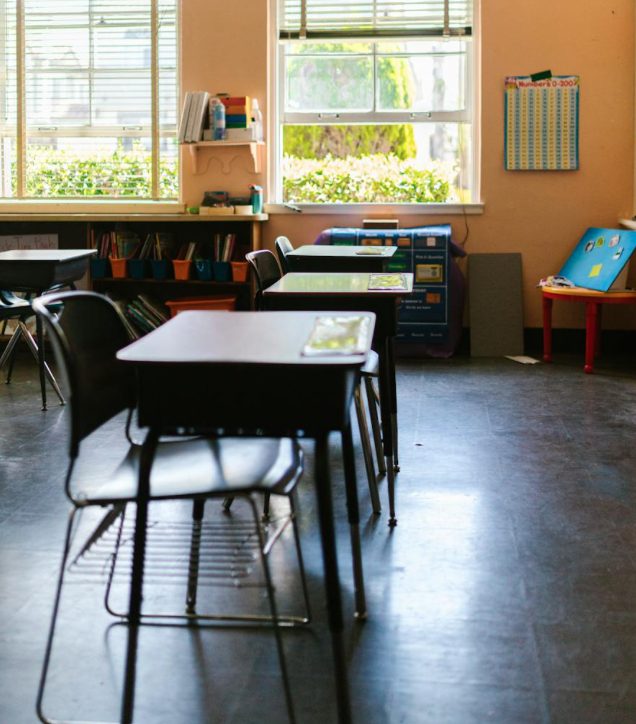
More Arizona families report disputes over classroom accommodations – Pexels

Parents across Arizona are reporting more disagreements with schools over classroom accommodations, turning what used to be quiet meetings into emotionally charged disputes. For many families, the issue centers on whether students with ADHD, autism, learning disabilities, anxiety, or medical conditions are receiving the classroom support they were promised. Special education advocates say confusion over staffing shortages, behavioral expectations, and legal requirements is fueling tension. As Arizona schools continue navigating post-pandemic learning challenges, classroom accommodations have become a growing flashpoint for families and educators alike.

Why Classroom Accommodations Are Becoming a Bigger Battleground

Classroom accommodations are designed to help students access learning without changing academic standards, but families often say implementation is inconsistent. A child may be approved for extra testing time, sensory breaks, preferential seating, or speech support, yet parents report those supports are not always delivered consistently. In Arizona, growing class sizes and educator burnout have added pressure to already strained special education systems. Families describe situations where teachers rotate, substitute coverage increases, or communication breaks down, leaving accommodations overlooked. When parents believe their child is falling behind despite a formal plan, disputes over classroom accommodations can escalate quickly.

Parents Say Communication Gaps Are Driving Conflict

Many Arizona parents say the biggest problem is not paperwork but communication. A family may assume an accommodation plan is being followed, only to discover months later that classroom supports were applied differently from teacher to teacher. In realistic scenarios shared by advocates, a student with ADHD might lose access to movement breaks during testing weeks, while a child with sensory challenges struggles in a noisy classroom without agreed-upon adjustments. These misunderstandings can damage trust between schools and families. Experts in special education stress that regular check-ins, written documentation, and clearer expectations often prevent small concerns from becoming formal disputes.

Schools Face Real Pressures Behind Accommodation Challenges

Educators point out that schools are balancing legal obligations with staffing realities and rising student needs. Arizona schools, like districts nationwide, continue dealing with teacher shortages that affect special education services, counseling availability, and classroom support staffing. Teachers may manage large classrooms while trying to individualize learning plans for multiple students with different needs. That does not eliminate the responsibility to provide classroom accommodations, but it helps explain why implementation can vary from campus to campus. Parents concerned about support gaps are often encouraged to request documentation, schedule meetings early, and ask specific questions about how accommodations work in daily classroom settings.

Families Need to Know Their Rights and Practical Next Steps

Parents navigating classroom accommodations often worry about sounding confrontational, but experts recommend approaching concerns with organized documentation and clear goals. Keeping emails, progress reports, behavior notes, and examples of missed supports can make conversations more productive. Families may also benefit from asking for practical clarification, such as how extended test time is monitored or who ensures sensory accommodations are consistently available. Advocacy organizations frequently advise parents to seek collaborative solutions before conflicts become adversarial. Knowing the difference between an accommodation, a modification, and a formal support plan can also reduce confusion and improve outcomes.

The Lesson for Arizona Families and Schools

The rise in disputes over classroom accommodations reflects a larger challenge facing modern education: balancing student needs, educator capacity, and family expectations. Most parents and teachers ultimately want the same outcome — a classroom environment where students can learn safely and successfully. Building trust requires transparency, realistic problem-solving, and consistent follow-through from everyone involved. Arizona families facing these concerns are not alone, and early communication often makes a measurable difference before frustration turns into conflict.

Have you experienced challenges with classroom accommodations in your child’s school, and what solutions actually worked? Share your thoughts in the comments and join the conversation.

What to Read Next

Georgia Families Say Classroom Support for Neurodivergent Students Is Shrinking

Parents Say These ‘Sensory-Friendly’ Classrooms Aren’t Actually Working

Teachers Admit These Classroom Changes Are Hurting Neurodivergent Students

Evan Morgan

Evan Morgan has been a full-time freelance writer and editor for 10+ years. When not working, he enjoys catching the latest true crime documentary or getting lost in a good book.

Filed Under: Education Tagged With: ADHD students, Arizona families, Arizona schools, autism support, classroom accommodations, education policy, parents and schools, school disputes, special education, student learning

« Previous Page
Next Page »
  • Facebook
  • Pinterest
  • RSS
  • Twitter
Best Parenting Blogs

Most Popular

Baby

9 Baby Names That Sound Rare Without Being Hard to Spell

Evan Morgan
Baby

9 Unusual Baby Names That Sound Like They Belong to Future CEOs

Evan Morgan
Target Store

Choking Incident Prompts Recall of 49,000 Target Gigglescape “Under the Sea” Popping Toys

Evan Morgan
Frustrated Girl

Why Some Students on the Spectrum Are Labeled With ODD

Evan Morgan
Coke Bottles

12 Things Kids Took to School in the ’70s That Would Never Be Allowed Today

Evan Morgan

All content on Kids Ain’t Cheap is for entertainment purposes only. By reading this blog, you agree that Kids Ain’t Cheap is not responsible for any actions taken after reading this blog. For the full disclaimer, see our privacy policy.

Please note that Kids Ain’t Cheap has financial relationships with some of the merchants mentioned here. Kids Ain’t Cheap is funded by banner advertising, commission sales and search optimization consulting.

Copyright © 2006–2026 | District Media | All Rights Reserved | Privacy Policy

Copyright © 2026 Runway Pro Theme by Viva la Violette