
• Home
  • About Us
  • Toolkit
  • Archives
  • Advertise
  • Privacy Policy

Kids Ain't Cheap

But They Sure Are Worth It

  • Parenting
    • Baby Stuff
    • Books and Reading
      • Aesops Fables
      • Comic Books
    • Education
    • Family Time
    • Green Living
    • Growing Up
    • Healthy Living & Eating
    • Holidays
    • Parenting
    • Random Musings
    • Shopping
    • Stuff to Do
  • Money
  • Product Reviews
    • Books and Magazines
    • Discount Sites
    • Furniture
    • House Keeping
    • Reviews News
    • Toys and Games
  • Contact Us
  • Our Editorial Commitment
  • Search

ER Doctors Warn: The Tubby Tots Bath Foam Set Recalled for Explosive Impact Risk

March 30, 2026 | Leave a Comment

Tubby Tots bath foam set
Image source: Pexels.com

Bath time should be the safest part of your child’s nightly routine. You expect the toys you buy to offer comfort and fun rather than a trip to the emergency room. Unfortunately, many families are discovering that a popular bathroom staple carries a hidden mechanical defect. A widespread Tubby Tots bath foam set recalled recently highlights how manufacturing shortcuts can jeopardize your family’s safety. Pressure build-up within the canisters can lead to sudden bursts that cause serious facial and eye injuries. The system of consumer protection often reacts after the damage is done, leaving you to manage the aftermath alone.

The Mechanics of the Explosive Risk

Engineers have identified a catastrophic flaw in the pressurized valve system of these specific foam dispensers. Chemical reactions within the aerosol mixture can cause the interior pressure to exceed safe operating limits during normal storage. Surprisingly, even a slight change in bathroom temperature can trigger a sudden rupture of the metal container. This Tubby Tots bath foam set recalled warning serves as a reminder that children’s products are not always tested for long-term shelf stability. Families report hearing a loud crack before the plastic cap becomes a high-velocity projectile. You can track official CPSC recall notices to stay updated on hazardous household items. On the other hand, the physical impact of these failures can lead to permanent scarring or vision loss in young children.

Why Regulators Often Move Slowly

Federal agencies usually rely on a specific number of injury reports before they issue a mandatory stop-sale. This means your household could be harboring a dangerous product while the paperwork slowly moves through a bureaucratic maze. The Tubby Tots bath foam set recalled status only came after several high-profile incidents involving toddlers in the bathtub. Most parents assume that if a product is on a major retailer’s shelf, it must be inherently safe to use. Consequently, the burden of safety falls on the consumer to stay vigilant against these overlooked manufacturing errors. Detailed medical guidelines on pediatric injury prevention offer more context on household hazards. Furthermore, these recalls often happen months after the initial manufacturing batch hits the market.

Protecting Your Family from Bath Hazards

Taking immediate action to remove the Tubby Tots bath foam set recalled from your home is the only way to eliminate the risk. Do not wait for a formal letter from the retailer to protect your children from a potential explosive impact. You have every right to feel angry that a simple bath toy could turn into a dangerous weapon in your home. Staying informed about these hidden defects helps you fight back against a system that prioritizes profit over pediatric safety.

Prioritizing Household Safety

Your home should be a sanctuary, especially the spaces where your children play and grow. Taking a moment to audit your bathroom cabinets for recalled items is a proactive step toward preventing a completely avoidable tragedy. Your vigilance is the best defense against manufacturing oversights that slip through the cracks of federal regulation. Have you already checked your bathroom cabinets for this specific foam set to ensure your kids are safe tonight? Please leave a comment and let me know if you have found any other products that seem suspicious or poorly made.

What to Read Next…

  • Beyond The Recall: 6 Baby Gear Recalls You Missed Putting Your Child At Risk
  • 6 Kid-Friendly Foods That Were Quietly Recalled This Month
  • 10 Children’s Medications That Were Recently Recalled
Latrice Perez

Latrice is a dedicated professional with a rich background in social work, complemented by an Associate Degree in the field. Her journey has been uniquely shaped by the rewarding experience of being a stay-at-home mom to her two children, aged 13 and 5. This role has not only been a testament to her commitment to family but has also provided her with invaluable life lessons and insights.  As a mother, Latrice has embraced the opportunity to educate her children on essential life skills, with a special focus on financial literacy.


Filed Under: Parenting Tagged With: bath foam recall, bathroom hazards, child safety, CPSC recall, exploding toys, parenting alerts, product safety, Tubby Tots recall

Magnet Ingestion Alert: 151,000 Kluster Game Sets Recalled After Injury Reports

March 23, 2026 | Leave a Comment

magnet ingestion alert
Image source: shutterstock.com

Checking the toy box for safety is a ritual every parent performs, but some dangers are nearly invisible to the naked eye. You might think a simple magnetic game is harmless entertainment for a quiet afternoon at home. Unfortunately, the system of product safety often reacts to tragedies rather than preventing them from the start.

A massive magnet ingestion alert has been issued for popular games like Kluster that have found their way into thousands of homes. You are not a negligent parent for buying a top-rated toy; instead, the manufacturer failed to secure the hazards effectively. Understanding the risks associated with high-powered magnets is vital for protecting your children from internal injuries. Ultimately, acting quickly on this recall is the only way to ensure your living room remains a safe space.

The Science Behind the Magnet Ingestion Alert

High-powered magnets do not behave like the refrigerator clips you grew up with in your childhood kitchen. This magnet ingestion alert specifically targets sets where small, loose magnets can be swallowed by curious children. When two or more of these magnets are ingested, they can attract each other through the walls of the intestines.

Consequently, this creates a dangerous blockage or even a perforation of the digestive tract that requires immediate surgical intervention. Surprisingly, these injuries often present as a simple stomach ache or a mild flu at first. On the other hand, the damage occurring internally can be life-threatening within a matter of hours. A March 2026 CPSC update confirms that over 151,000 Kluster game sets are now under recall due to these exact risks. You must remove these sets from your home immediately to prevent a medical emergency for your family.

Accountability and the Toy Safety System

The regulatory system for small-batch toys often contains loopholes that allow dangerous products to reach the open market. This magnet ingestion alert highlights a failure in the initial testing phases of several magnetic chess and battle games sold online. Manufacturers sometimes prioritize the “clacking” magnetic strength over the structural integrity of the pieces.

Furthermore, you find yourself trusting a label that says ages 14 and up, not realizing that younger siblings can easily find stray pieces. Many parents assume that if a toy is sold on a major platform, it has passed rigorous safety checks. In reality, the burden of safety often falls on the consumer after a series of reported injuries occurs. Medical reports from the North American Society for Pediatric Gastroenterology, Hepatology and Nutrition (NASPGHAN) emphasize that these magnets are particularly terrifying because they can easily cause severe intestinal trauma. On the contrary, participating in the recall process helps force these companies to improve their standards. Protecting your kids means looking beyond the fun and into the hidden mechanics of their toys.

Responding to the Magnet Ingestion Alert

Taking action today can prevent a devastating trip to the emergency room later this week. You must search your home for any Kluster or “Magnetic Strategy” game sets and place them in a secure, unreachable location immediately. Moreover, the magnet ingestion alert is a serious warning that should not be ignored for even a single day.

Contacting the manufacturer for a replacement or refund is your right as a consumer who was sold a defective product. While the system may have failed to catch the hazard early, you have the power to stop the danger in your house. By sharing this information with other parents, you create a network of safety that protects the entire community. Your child’s health is far more important than any game or entertainment set.

Have you checked your toy storage for these specific recalled sets today?

What To Read Next…

  • The Childcare Cliff Is Hitting Hard—How Some Families Are Saving With Co-Ops
  • Recall Alert: Thousands Of Minoxidil Serums Pulled for Child Poisoning Risk (Check Your Bathroom)
  • 8 Parent-Teacher Conversations That Can Hurt a Child’s Mental Health
Latrice Perez

Latrice is a dedicated professional with a rich background in social work, complemented by an Associate Degree in the field. Her journey has been uniquely shaped by the rewarding experience of being a stay-at-home mom to her two children, aged 13 and 5. This role has not only been a testament to her commitment to family but has also provided her with invaluable life lessons and insights.  As a mother, Latrice has embraced the opportunity to educate her children on essential life skills, with a special focus on financial literacy.
Filed Under: Parenting Tagged With: child safety, health news, Kluster game recall, magnet danger, magnet ingestion alert, product recall, toy recall 2026

7 Things Schools Say Parents Should Do Immediately If Bullying Starts

March 10, 2026 | Leave a Comment

5 Ways Bullying Apps Are Operating Without School Oversight
Image source: shutterstock.com

Discovering your child is a target at school often triggers a mix of intense anger and helplessness. You may feel a sudden urge to confront the principal or call the other parent immediately. These natural impulses can sometimes make a complex situation even more difficult to navigate. Schools typically follow a slow, bureaucratic process that feels dismissive when your child is currently suffering. Educators deal with these patterns daily and rely on a specific protocol for reaching a resolution. Learning the professional way to handle these reports helps transform an ignored complaint into a solved problem.

1. Document Every Single Incident

Start a private log of dates, times, and specific details as soon as you suspect a pattern. Schools rarely act on vague stories without a clear timeline of events to review. Include the names of any witnesses and save digital evidence if the behavior occurs online. This documentation serves as your primary evidence during any meeting with the administration. It moves your conversation from an emotional plea to a factual presentation that is difficult to dismiss. This log is the most powerful tool a parent possesses in a school setting. Using notifying the school templates can help you structure this information for the administration.

2. Review the School Code of Conduct

Every district provides a handbook that defines bullying and outlines specific disciplinary steps. Read this document to understand the exact language the school uses before you make your first phone call. Your concerns are more likely to be categorized correctly if you use their specific terminology. This helps you distinguish between unkindness and legal harassment according to their requirements. Being informed keeps you one step ahead during formal meetings and ensures your child’s rights remain protected. You can review national standards for partnerships to see how schools should ideally collaborate with you.

3. Schedule a Formal Meeting

Avoid trying to resolve the issue through quick hallway chats or casual emails to a teacher. Request a formal meeting with the teacher and a counselor or administrator to discuss the situation officially. This signals that you are serious and expect a documented plan of action from the staff. Stay focused on how the behavior impacts your child’s ability to learn during the discussion. Schools must provide a safe learning environment, so framing your concerns this way is highly effective. These meeting communication tips offer a guide on how to stay focused on your goals during the session.

4. Coach Your Child on Neutral Responses

Your child needs immediate tactical help while the school handles the administrative side of the conflict. Bullies often thrive on specific emotional reactions, so teaching neutral techniques can provide a mental shield. This involves responding with short, boring, and non-emotional phrases like “okay” or “whatever.” It does not stop the intent of the bully, but it makes the target less satisfying to bother. Ensure your child knows that reporting every new incident is a sign of strength rather than weakness.

5. Avoid Contacting the Other Parents

It feels tempting to reach out to the other child’s parents to settle things directly between adults. Educators strongly advise against this because it often escalates the conflict and creates new layers of drama. You cannot predict how another parent will react, and a negative encounter makes the school’s job harder. Let the school act as the mediator and the necessary barrier between the two families. This keeps the focus on the behavior of the children rather than a feud between parents. Many families find this the hardest rule to follow during a crisis.

6. Monitor Social Media and Gaming Platforms

Bullying rarely stops when the school bell rings because it often moves to apps where adults are not looking. Take screenshots of any disparaging comments or exclusionary behavior you find on digital platforms. Most schools now have policies covering off-campus behavior if it spills over into the school day. Keeping a close eye on their digital world provides a fuller picture of the pressure your child faces. It ensures you have a record of the hidden bullying that teachers never see in a physical classroom.

7. Prioritize Your Child’s Mental Health

The administrative battle is important, but the internal world of your child remains the top priority. Consider seeking an outside counselor who provides a safe space for them to process their feelings. Schools focus on safety and discipline but are not always equipped to handle deep emotional recovery. Providing professional support shows your child that you take their pain seriously and they are not alone. Empowering them with coping skills ensures the bully does not win in the long run. If you are unsure where to start, this guide to mental health specialists explains the different types of support available.

Navigating the school system requires a strategic mind and a great deal of patience. You are the strongest advocate for your child, and following these steps ensures their voice is heard. The system might feel like it is working against you, but using the right channels forces it to work. You are teaching your child how to handle injustice with dignity while stopping a bully. Have you ever had to advocate for your child in a difficult school situation? Think about what worked for you and leave a comment below to share your experience with other parents.

What to Read Next…

  • 8 Warning Signs a Child May Be Dealing With Bullying at School
  • 5 Ways Bullying Apps Are Operating Without School Oversight
  • 7 School Behaviors Teachers Say Are Getting Harder to Manage in 2026
Latrice Perez

Latrice is a dedicated professional with a rich background in social work, complemented by an Associate Degree in the field. Her journey has been uniquely shaped by the rewarding experience of being a stay-at-home mom to her two children, aged 13 and 5. This role has not only been a testament to her commitment to family but has also provided her with invaluable life lessons and insights.  As a mother, Latrice has embraced the opportunity to educate her children on essential life skills, with a special focus on financial literacy.

Filed Under: Bullying Tagged With: bullying prevention, child safety, education, Mental Health, parenting advice, school administration, school bullying

10 Items to Remove from Your Child’s Room According to FBI Experts

February 18, 2026 | Leave a Comment

Remove from Your Child’s Room
Image source: shutterstock.com

Your child’s bedroom should be the safest place in the world, a sanctuary where they can dream. Unfortunately, modern technology and clever marketing have introduced hidden risks into these private spaces. You aren’t being paranoid for worrying; you are being a protector in a world that targets the vulnerable. Experts in digital safety have identified specific objects that serve as gateways for predators. Here is the reveal of what needs to leave your child’s room right now to keep your family secure.

The Danger of Smart Speakers

Smart speakers feel like helpful digital assistants for playing music or setting alarms. Honestly, these devices are always listening and can be compromised by tech-savvy intruders. If a device has a microphone and an internet connection, it can be turned into a window into your home. FBI experts warn that these tools can accidentally record private conversations. Keeping these in common areas where adults are present is a much safer alternative.

Webcams and Built-in Cameras

Many children have laptops for schoolwork, but the cameras on these devices are major security flaws. A simple piece of malware can allow a remote user to activate the camera without the indicator light ever turning on. This gives a predator a live feed of your child’s most private moments. Surprisingly, even reputable apps can have vulnerabilities that expose these feeds. Use a physical camera cover or simply keep all internet-connected screens out of the bedroom entirely.

Internet-Connected Toys

The smart toy industry is booming, but many of these products have abysmal security standards. Toys that can talk to your child often store data on unsecured servers or use open Bluetooth connections. This allows someone outside your home to connect to the toy and speak directly to your child. It sounds like a horror movie, but it is a documented reality. If a toy requires a Wi-Fi password, it should stay in the living room under your direct supervision.

Hidden Compartment Furniture

While secret drawers seem like fun for storing toys, they can be a major safety hazard. FBI experts note that these compartments are often used by older children to hide items they know are prohibited. Moreover, these pieces of furniture are often less stable and can pose a tipping risk. In an emergency, first responders need to see what is in a room immediately. Simple, open storage is always better for maintaining a transparent environment.

Unsecured Smart Televisions

Modern TVs are essentially giant smartphones mounted on a wall. Most parents do not realize that these devices often have cameras and microphones for voice search. If you have not gone through the privacy settings to disable these features, your TV could be broadcasting. Furthermore, the web browsers on smart TVs often lack the robust parental controls found on computers. Removing the TV from the bedroom encourages better sleep and eliminates a massive digital blind spot.

Physical Hazards and Privacy Risks

The list does not end with electronics. FBI experts also suggest removing:

  • Plug-in air fresheners that can cause respiratory issues or fire hazards.
  • Large mirrors that are not properly anchored to the wall.
  • Bedding with long cords or heavy drapes that pose a strangulation risk.
  • Personal diaries that are not kept in a secure, private location.
  • Excessive stuffed animals that can collect dust and allergens.

Keeping a room minimalist is not just an aesthetic choice; it is a safety strategy.

Your Role As Gatekeeper

Protecting your child in 2026 requires a new kind of vigilance that our parents never had to consider. You are the only thing standing between your family and a system that prioritizes profit over privacy. By removing these high-risk items, you are closing the doors that predators use to gain access. Trust your instincts and take control of your home’s security today. Your peace of mind is worth more than any gadget or convenience.

Does your child have any of these items in their room right now? Leave a comment below and let us know which one you are removing first.

What to Read Next…

  • Therapists Warn: The 5 Conversation Mistakes Making Your Child Withdraw
  • Is Overscheduling Causing Burnout in Young Children?
  • What To Do When Your Child Doesn’t Like Their Teacher
Latrice Perez

Latrice is a dedicated professional with a rich background in social work, complemented by an Associate Degree in the field. Her journey has been uniquely shaped by the rewarding experience of being a stay-at-home mom to her two children, aged 13 and 5. This role has not only been a testament to her commitment to family but has also provided her with invaluable life lessons and insights.  As a mother, Latrice has embraced the opportunity to educate her children on essential life skills, with a special focus on financial literacy.
Filed Under: Money and Finances Tagged With: child safety, Cyber Security, digital privacy, FBI Tips, home security, parenting advice, Protect Your Kids

5 Baby Products Pediatricians Warn Parents to Stop Using Early

February 17, 2026 | Leave a Comment

Pediatricians Warn Baby Products
Image source: shutterstock.com

Walking through a baby store feels like a journey through a high-tech land of promises. Every gadget claims to make your baby smarter, sleep better, or stay safer. It is not your fault that you want the absolute best for your newborn, but the marketing system is designed to exploit your lack of sleep and your deepest fears. Honestly, many of the most popular items on the market are things Pediatricians Warn against because they pose hidden risks to your child’s development. You deserve to know the truth before you spend another dollar on a product that could hurt your family. Let us expose the hidden hazards in your nursery and reveal the five items you should retire immediately.

1. The Deceptive Safety of Infant Sleep Positioners

These foam wedges and bolsters are marketed as a way to keep your baby in a specific position to prevent SIDS or reflux. However, Pediatricians Warn that these devices are actually a major suffocation hazard. A baby can easily roll or shift their head into the soft foam, blocking their airway in a matter of seconds. The hidden system of the baby industry often prioritizes a parent’s peace of mind over actual safety data. Surprisingly, the safest way for a baby to sleep is on a flat, firm surface without any extra pillows or wedges. On the other hand, companies continue to sell these under the guise of medical necessity. Toss the positioner and stick to the basics of safe sleep.

2. The Development Trap of Baby Walkers

You might think a walker helps your baby learn to walk faster by giving them mobile support. In reality, Pediatricians Warn that walkers can actually delay motor development by bypassing the critical crawling phase. They also give babies access to dangerous heights and household hazards like stairs or hot stoves much earlier than they are ready for. The system of movement for a baby should be natural and unassisted to build the necessary muscle strength. Honestly, most countries have considered banning these altogether due to the high rate of emergency room visits. A stationary activity center is a much safer way to keep your baby upright for short periods. You can find more AAP warnings on walkers here.

3. Weighted Sleep Sacks and Swaddles

A new trend in the nursery involves sleep sacks weighted with beads to mimic a parent’s touch. While these claim to help babies sleep longer, Pediatricians Warn that they can interfere with a baby’s breathing and heart rate. The extra pressure on a tiny chest makes it harder for the baby to take deep breaths and can lead to overheating. This is a hidden risk that many parents are not aware of when they are searching for a full night’s rest. Surprisingly, the long-term effects of this added weight on developing ribs and organs are still unknown. Stick to traditional, non-weighted cotton swaddles to ensure your baby’s internal systems can function without restriction. Safety must come before sleep duration.

4. Hand-Me-Down Cribs and Used Mattresses

Accepting a free crib from a neighbor feels like a win for your budget, but it can be a dangerous financial trap. Older cribs often do not meet current safety standards regarding slat width or lead paint. Pediatricians Warn that used mattresses can harbor hidden mold, bacteria, and allergens from previous owners that you cannot see. They also lose their firmness over time, which increases the risk of suffocation for a newborn. On the other hand, buying a new, certified crib ensures that the structural integrity is intact for your child. It is an empowering choice to invest in the one place your baby spends the most time. Check the CPSC recall list before accepting any used nursery furniture.

5. Interactive Screens and Digital Soothers

Tablets and high-tech projectors are often used to calm a fussy baby or help them drift off to sleep. Pediatricians Warn that early exposure to blue light can disrupt a baby’s natural circadian rhythm and lead to later behavioral issues. The hidden system of digital marketing targets parents by calling these tools educational. Here is the truth: a baby’s brain needs human interaction and tactile play to grow, not a flickering screen. Surprisingly, even “background” television can interfere with a child’s language development. Reclaim your nursery from the digital world and stick to soft lullabies or white noise machines. Your baby’s developing brain thrives on simplicity and your voice. For more media guidance, visit the AAP here.

Prioritizing Safety Over Marketing Trends

The baby industry is a multi-billion dollar machine that relies on creating new needs for parents who are already overwhelmed. You have the power to protect your child by ignoring the latest trends and trusting the experts. Pediatricians Warn against these products because they have seen the consequences in their offices. By stripping your nursery of these hidden hazards, you are creating a truly safe harbor for your family. It is an empowering move to choose simplicity and evidence-based safety over a high-tech promise. Validating your instincts to protect your child is the first step toward a peaceful and healthy home. You don’t need a thousand gadgets to be a great parent. You just need the facts and your own love. Stay vigilant and always put your baby’s long-term health first.

Have you recently removed a product from your nursery after hearing a warning from your doctor? Leave a comment below and help other parents stay safe!

What to Read Next…

  • Pediatricians Say Parents Are Overbuying These 4 Baby Items (And Skipping What Matters)
  • 5 Cold Weather Baby Gear Items That Are Unsafe for Car Seats
  • Virginia Baby Food Ban: 5 Specific Brands Just Prohibited Under New Safety Laws
Latrice Perez

Latrice is a dedicated professional with a rich background in social work, complemented by an Associate Degree in the field. Her journey has been uniquely shaped by the rewarding experience of being a stay-at-home mom to her two children, aged 13 and 5. This role has not only been a testament to her commitment to family but has also provided her with invaluable life lessons and insights.  As a mother, Latrice has embraced the opportunity to educate her children on essential life skills, with a special focus on financial literacy.

Filed Under: Parenting Tagged With: baby products, child safety, Health Hazards, new parents, Nursery Tips, Parenting, Pediatricians Warn

5 Products ER Doctors Say Continue to Cause Injuries

February 8, 2026 | Leave a Comment

These Are 5 Products ER Doctors Say Continue to Cause Injuries
Image Source: Shutterstock.com

Parents know that childhood comes with bumps and bruises. But some products seem to send kids to the ER with surprising regularity — not because they’re inherently bad, but because kids are creative, fearless, and occasionally powered by pure chaos. Emergency physicians see the patterns year after year, and while the products change slightly with trends, the core troublemakers remain remarkably consistent.

Many of the items on this list are beloved, popular, and perfectly safe when used correctly. But ER doctors say they continue to see injuries tied to these products, often because kids use them in unexpected ways or without proper supervision.

1. Button Batteries: Tiny, Shiny, and a Big Problem

Button batteries are everywhere — in toys, remotes, musical books, key fobs, and even some light‑up accessories. They’re small, easy to miss, and unfortunately, incredibly dangerous if swallowed. ER doctors consistently warn that button battery injuries haven’t gone away; in fact, they remain one of the most serious hazards for young children.

The issue isn’t just choking. When swallowed, button batteries can cause internal burns in a matter of hours. That’s why emergency physicians emphasize prevention above all else. Despite ongoing awareness campaigns, button battery injuries continue to send kids to the ER every year. The best defense is vigilance and secure battery storage.

2. High‑Powered Magnets: Small Pieces, Big Risks

High‑powered magnets — especially the tiny, bead‑like ones used in desk toys and building sets — remain a major concern for ER doctors. These magnets are incredibly strong, and if a child swallows more than one, they can attract each other through the intestinal walls. This can lead to blockages, perforations, and serious internal injuries.

Even though many magnet sets are marketed to adults, kids often find them irresistible. They’re shiny, they click together in satisfying ways, and they’re small enough to disappear into pockets or under furniture. ER physicians say magnet ingestions continue to be a recurring issue, particularly among toddlers and young school‑age children.

3. Trampolines: A Backyard Favorite With a Long Injury History

Trampolines have been sending kids to the ER for decades, and emergency doctors say the trend hasn’t slowed down. Sprains, fractures, and collisions are among the most common injuries, especially when multiple kids jump at once. Even with safety nets and padding, trampolines remain one of the top sources of recreational injuries in children.

The issue isn’t that trampolines are inherently unsafe — it’s that kids tend to push limits. They attempt flips, bounce too close together, or land awkwardly. ER doctors frequently recommend one‑at‑a‑time jumping, adult supervision, and avoiding risky stunts. For families who love their trampoline, the key is setting clear rules and sticking to them. A little structure goes a long way toward keeping the fun injury‑free.

These Are 5 Products ER Doctors Say Continue to Cause Injuries
Image Source: Shutterstock.com

4. Water Beads: Colorful, Sensory, and Surprisingly Hazardous

Water beads — those tiny pellets that expand into squishy, marble‑sized spheres — are popular for sensory play, crafts, and even plant hydration. But ER doctors continue to see injuries tied to them, particularly when young children swallow them. Because water beads expand dramatically when wet, they can cause intestinal blockages if ingested.

Another issue is that water beads can be difficult to spot when they fall on the floor. They’re small, slippery, and nearly invisible when dry. Toddlers often mistake them for candy or simply put them in their mouths out of curiosity. ER physicians emphasize that water beads should only be used with close supervision and kept away from children who still explore the world orally.

5. Ride‑On Toys: Fun Wheels, Frequent Wipeouts

From scooters to hoverboards to battery‑powered mini cars, ride‑on toys remain a staple of childhood, and a consistent source of ER visits. Falls, collisions, and loss of control are the most common causes of injury. Even low‑speed toys can lead to sprains, cuts, and fractures when kids take sharp turns or ride on uneven surfaces.

ER doctors stress that helmets are non‑negotiable, even for slow or “safe‑looking” ride‑ons. Protective gear like knee and elbow pads can also make a big difference. Another tip: supervise outdoor riding and set clear boundaries about where kids can and cannot go. Driveways, hills, and crowded sidewalks can increase risk.

Kids Will Be Kids, So Awareness Makes a Difference

ER doctors aren’t trying to scare parents or ban popular toys. They simply want families to know which products tend to cause repeat injuries so they can take simple, effective precautions. Kids are naturally curious, energetic, and fearless — a combination that leads to both joy and the occasional mishap. But with a little awareness and supervision, parents can keep the fun going while avoiding the most common hazards.

Have any of these products caused close calls in your home, or do you have your own safety hacks to share? Let’s keep our kids safe by dropping suggestions and thoughts in the comments.

You May Also Like…

Speech Therapists Beg: Throw Away These 5 “Talking” Toys (They Kill Conversation)

6 Baby Items Hospitals Don’t Provide Anymore—But Parents Think They Do

Are Modern Potty Training Methods Making Doctors Concerned?

Doctors Swear by These 7 Baby Sleep Hacks—And They Actually Work

9 Times a Toddler’s Behavior Was a Sign of Something Medical

Brandon Marcus
Brandon Marcus
Brandon Marcus is a writer who has been sharing the written word since a very young age. His interests include sports, history, pop culture, and so much more. When he isn’t writing, he spends his time jogging, drinking coffee, or attempting to read a long book he may never complete.

Filed Under: healthcare Tagged With: child development, child safety, consumer awareness, emergency room, ER doctors, family life, injuries, kids products, modern parenting, Parenting, safety tips

Why Pediatricians are Quietly Flagging These 5 Household Items as Toxic

January 19, 2026 | Leave a Comment

Why Pediatricians are Quietly Flagging These 5 Household Items as Toxic
Image Source: Shutterstock.com

From kitchen counters in Fayetteville to daycare centers in Volusia County, FL, pediatricians are sounding the unprecedented alarm: five everyday household items are now flagged as toxic threats for the 2025‑2026 season. What was once dismissed as a minor irritation has erupted into a hidden reality affecting local‑to‑national child health. This quiet rollout of concern has not been televised, but pediatric clinics report a surge in exposure cases tied to products parents assumed were safe.

Medical professionals are not speculating. In 2026 pediatric case reports, toxic exposure to itemized household goods increased by double digits compared to 2024 figures, according to district health records in Florida’s Marion County. Pediatric hospitals documented acute reactions from substances historically labeled “benign.” This spike correlates with a toxicology dashboard update in early 2026 that reclassified common compounds previously cleared in older safety reviews.

Georgia’s mandated reporting statute, O.C.G.A. § 19‑7‑5, now requires pediatricians to file immediate risk notifications when household toxin cases surpass specific thresholds. Clinics across north Georgia confirmed they are doing just that. These are not low‑grade warnings — these are reportable incidents that now populate state health intelligence feeds.

The 5 Items Pediatricians Are Flagging

Clinics in both Georgia and Florida list the following as repeat exposure culprits:

1. Decorative Resin Figurines — Leach cadmium and lead under normal handling.
2. DIY Scent Warmers — Volatile organic compounds spike in enclosed rooms.
3. “Plant‑Based” Cleaning Sprays — Misleading labels mask allergenic compounds.
4. Foam Play Mats — Off‑gassing brominated flame retardants in new batches.
5. Repurposed Food Containers — Not all are BPA‑free despite claims.

Each item was tested and confirmed in pediatric toxicology panels this year. These are not hypothetical risks; pediatricians in Fayetteville and Volusia are seeing physical reactions.

Why Pediatricians are Quietly Flagging These 5 Household Items as Toxic
Image Source: Shutterstock.com

What Parents Are Losing

Parents are facing real losses. This isn’t academic. The financial fallout is direct: emergency room co‑pays, specialist visits, follow‑up testing, and out‑of‑network consultants are draining bank accounts faster than college savings can accumulate. Credit scores are dipping under the weight of medical bills. Social capital erodes when parents must cancel work obligations to manage acute child health crises. The hidden costs of kids now include what once was invisible: avoidable toxic exposures that force families into debt and anxiety loops.

These exposures carry high‑stakes parenting consequences. Your child’s future cognitive and physical development is the asset at stake — not a budget line item you can easily cut or postpone.

Is Your Household Safe?

Now it’s your turn: Do we prioritize safety at all costs — even if it means restricting products and family routines? Or do we defend liberty and consumer choice even if it risks our children’s health? Choose one: Safety vs. Liberty. Reply and defend your stance.

You May Also Like…

Is Your Little One’s DIY Costume a Potential Safety Hazard?

A Parent’s Guide to Safe Heating at Home

Digital Safety: 6 Steps to Safeguard Your Child’s Online Identity

Behavioral Red Flags: How Kids Silently Signal They Don’t Feel Safe at Home

Are Parents Ignoring Early Signs of Anxiety in Elementary Kids?

Brandon Marcus
Brandon Marcus
Brandon Marcus is a writer who has been sharing the written word since a very young age. His interests include sports, history, pop culture, and so much more. When he isn’t writing, he spends his time jogging, drinking coffee, or attempting to read a long book he may never complete.

Filed Under: Household Tagged With: child safety, family safety, health, Health and Safety, health and wellness, healthy household, household hazards, household items, Safety, toxic household products, toxic ingredients

Is Your Little One’s DIY Costume a Potential Safety Hazard?

December 21, 2025 | Leave a Comment

Is Your Little One’s DIY Costume a Potential Safety Hazard?
Image source: shutterstock.com

A DIY costume can be the cutest thing on the block and the easiest way to save money, especially when kids change their minds every five minutes. But the same creativity that makes homemade outfits fun can also hide small safety problems that don’t show up until your child runs, climbs, eats candy, or trips on a dark sidewalk. The good news is you don’t need to ditch the glue gun or buy an expensive store outfit to keep things safe. You just need a quick “real life” check that matches how kids actually move. Use this list to spot the common issues and fix them fast without killing the magic.

1. Watch For Trip Hazards Around Feet And Ankles

Long hems, loose capes, and extra fabric look dramatic, but they can wrap around ankles the second your kid starts sprinting. A DIY costume often fits “standing still” and fails the moment movement begins. Do a quick hallway run test and see what catches, drags, or tangles. If fabric hits the ground, shorten it, add a simple hem, or use iron-on tape for a fast fix. Shoes matter too, so choose footwear your child can run in, not shoes that only match the theme.

2. Check For Choking Risks From Small Parts

Buttons, beads, googly eyes, and tiny accessories can pop off more easily than you think. The younger the child, the more a DIY costume needs pieces that won’t detach during play or chewing. Give every add-on a tug test, then assume it’ll get pulled harder later by siblings and friends. Swap small decorations for stitched-on fabric shapes, felt, or fabric paint when possible. If you keep small parts, place them high on the outfit and away from the mouth and hands.

3. Avoid Strangulation And Snagging With Cords And Capes

Strings, ribbons, and long ties can look harmless but create real risks if they catch on playground equipment, door handles, or wagon wheels. A DIY costume with a cape should use breakaway fasteners or Velcro instead of tight knots. Necklines should sit comfortably without needing a drawstring to stay in place. If your child will be on stairs, in crowds, or near play structures, capes should be short and light. When in doubt, prioritize easy removal over perfect “movie accuracy.”

4. Think About Visibility At Night

Many kids’ costumes are dark, and homemade ones can be even darker if you’re using leftover fabric or black clothing as the base. A DIY costume needs at least one visibility upgrade if your child will be outside after sunset. Add reflective tape to the back, sleeves, and lower legs, or sew on a reflective patch that looks like part of the theme. Glow sticks can work, but they aren’t a substitute for reflective materials when headlights hit. Also check masks or hats to make sure your child can see clearly in all directions.

5. Keep Masks And Headpieces Breathable And Secure

Masks can turn fun into panic if they block breathing, fog up, or shift while your child runs. A DIY costume mask should have wide eye openings and enough airflow near the nose and mouth. Test it for a full five minutes while your child talks, laughs, and moves, not just while they stand still. If it slips, add a wider elastic band or switch to face paint to avoid constant adjustments. If your child hates it, don’t force it, because frustration makes everything riskier.

6. Be Careful With Flammability And Heat

Some costume materials are cozy but unsafe around candles, fire pits, or even hot car interiors. A DIY costume made from thin, synthetic fabrics can melt or ignite faster than people realize, especially if it’s fluffy or has dangling pieces. Keep kids away from open flames and consider swapping battery-powered lights for anything that involves real fire. If the costume includes layers, check that your child won’t overheat indoors, because overheating can lead to meltdowns and poor judgment. Dress in removable layers so your child can cool down without stripping the whole outfit.

7. Watch Skin Irritation From Glue, Paint, And Rough Seams

Hot glue, spray paint, and stiff materials can scratch or irritate skin, especially around the neck, wrists, and thighs. A costume might look smooth outside but feel awful once it rubs for an hour. Add soft lining fabric anywhere that touches sensitive areas and cover rough seams with a strip of fleece or cotton. If you used paint, make sure it’s fully dry and doesn’t transfer onto skin or hands. Comfort is safety, because a kid who feels miserable is more likely to pull, yank, and trip.

8. Make Sure Accessories Won’t Hurt During Play

Wands, swords, tridents, and staffs are classic, but they’re also the first thing kids swing without thinking. A DIY costume accessory should be lightweight, soft-edged, and sized so it doesn’t poke faces at kid height. Avoid sharp tips, stiff wires, and heavy wood pieces that can turn into a hazard in a crowded porch line. If you want it to look “real,” build the look with foam, cardboard, or fabric covers instead of hard materials. Set one simple rule: if it can hurt someone, it stays in the bag until photos.

A Fun Costume Is A Safe Costume When It Survives Real Life

Homemade outfits don’t have to be scary, complicated, or expensive to be safe. The goal is to build a costume that works for running, climbing, eating, and walking at night without constant fixes. A quick tug test, visibility upgrade, and comfort check can prevent most problems before they happen. When you focus on movement, breathability, and simple construction, the costume becomes easier for your child to enjoy. Safety doesn’t ruin the fun—it protects the fun.

What’s the cutest DIY costume you’ve ever made, and what’s one safety tweak you’d add next time?

What to Read Next…

10 Birthday Party Trends That Are Pricing Out Lower-Income Kids

The One Thing Most Parents Forget to Budget for in January and How Kids Can Help

9 Hidden Fees Behind Birthday Party Rentals That Aren’t Listed Upfront

7 Birthday Party Expectations That Have Gotten Out of Control

If Your Child Is an Introvert, Stop Forcing Them to Be the Life of the Party

Catherine Reed
Catherine Reed

Catherine is a tech-savvy writer who has focused on the personal finance space for more than eight years. She has a Bachelor’s in Information Technology and enjoys showcasing how tech can simplify everyday personal finance tasks like budgeting, spending tracking, and planning for the future. Additionally, she’s explored the ins and outs of the world of side hustles and loves to share what she’s learned along the way. When she’s not working, you can find her relaxing at home in the Pacific Northwest with her two cats or enjoying a cup of coffee at her neighborhood cafe.

Filed Under: holidays Tagged With: child safety, costume ideas, DIY costumes, family budget hacks, Halloween safety, kid crafts, parenting tips, trick-or-treating

7 “Trustfall” Games That Parents Didn’t Realize Break Bones

November 27, 2025 | Leave a Comment

7 “Trustfall” Games That Parents Didn’t Realize Break Bones
Image source: shutterstock.com

Many families love playful activities that build confidence, teamwork, and connection, but some of these trustfall games are far riskier than they appear. Parents often introduce or allow these games believing they teach trust or boost bravery, not realizing that kids lack the strength, coordination, and judgment to stay safe during the falls, flips, and lifts involved. What starts as a quick moment of fun can turn into an urgent-care visit when a child falls in the wrong direction or a sibling misjudges their ability to catch them. These accidents happen fast, and parents are usually shocked to learn how common serious injuries are from games that seem harmless. Knowing which activities carry hidden hazards can keep playtime fun without putting kids at risk.

1. The Classic Backward Fall Into Someone’s Arms

This familiar activity is often the first thing people imagine when they hear about trustfall games, but it can be surprisingly dangerous for kids. Children frequently lean too far or fall too fast, catching their partners off guard. Most kids also lack the strength to support someone else’s full body weight. Even a slight misalignment can lead to head injuries or broken wrists when the fall goes sideways. Practicing this with young children creates a situation where no one is equipped to prevent injury.

2. Jumping Off Furniture Into Waiting Arms

Many siblings turn this into a dare or a game, assuming someone will catch them every time. These trustfall games become riskier when kids jump from heights they cannot judge accurately. A missed catch or a slip on landing can cause broken ankles, sprains, or even spinal injuries. Young children often feel invincible and jump before anyone is actually ready. Parents often underestimate how fast these moments happen and how hard the impact can be.

3. Letting Kids Lean Forward from a Chair into Someone’s Hands

This version of trust fall games feels gentle at first, but chairs are unstable and kids lean quickly. If the catcher reacts even a second too late, the child can fall face first onto hardwood floors. Nose injuries, chipped teeth, and concussions are common outcomes when this goes wrong. Kids also tend to wiggle or giggle, which throws off their balance. The unpredictability makes this activity unsafe, even with older children.

4. Piggyback Drops That Rely on Kids Catching Themselves

Some families play variations where a child falls off a piggyback ride and expects the other person to catch them. These trustfall games require coordination and timing kids simply do not have. The fall distance is high enough to cause broken collarbones or arm fractures when kids try to brace themselves. Older siblings may think they can slow the fall but often lose balance. These moments lead to hard landings on tile, concrete, or uneven grass.

5. Blanket Tosses That Send Kids Airborne

Parents sometimes reenact the childhood memory of tossing kids lightly in blankets or strong sheets. These trustfall games go wrong when the blanket slips or one person loses their grip. Kids can fly sideways and hit the ground headfirst. Even small height gains create dangerous falls because children cannot control their landing. What feels thrilling to kids creates unnecessary risk for serious injuries.

6. Swinging a Child Between Two Adults

Many families hold a child by the hands and arms and swing them for fun, trusting that both adults will maintain grip. These trustfall games put tremendous strain on the child’s elbows and shoulders. Kids can slip out of hands easily, especially if palms are sweaty or someone stumbles. When children fall during this motion, the landing force is amplified by momentum. This can result in broken bones or nursemaid’s elbow, a painful joint injury common in younger children.

7. Trust Leaps From Playground Structures

Kids sometimes do their own version of trustfall games by jumping from playground equipment and expecting someone below to catch them. Parents usually assume kids know not to jump from high places, but risk taking increases when children feel excited or competitive. Falls from even moderate heights can cause fractures or concussions. The ground beneath playground structures is often uneven, which makes missteps more dangerous. Clear rules and supervision are essential to keep these leaps from turning into emergencies.

Safer Ways to Build Trust and Connection

Parents can still nurture bravery, cooperation, and trust without resorting to risky trustfall games. Activities like guided balancing, cooperative puzzles, low height obstacle courses, and gentle partner stretches create connection without the dangers of falling or lifting. Choosing games that focus on teamwork rather than physical risk lets kids build confidence while staying safe. These alternatives offer the reassurance parents want without the possibility of serious injury. When families choose mindful activities, playtime becomes both fun and safe for everyone involved.

Have you ever seen a trustfall moment go wrong, or found safer ways to build teamwork at home? Share your stories in the comments.

What to Read Next…

7 Sports That Are Increasing Injury Rates in Kids Under 10

Toddler Falls: 5 Home Areas Where Toddlers Get Hurt Most (Are Yours Safe?)

Playground Dangers: 8 Pieces of Playground Equipment That Could Seriously Injure Your Child

10 Reasons Your Child’s Sleep Habits Might Be Hurting Their Brain

7 Reasons Kids Are Getting Hurt in After-School Programs

Catherine Reed
Catherine Reed

Catherine is a tech-savvy writer who has focused on the personal finance space for more than eight years. She has a Bachelor’s in Information Technology and enjoys showcasing how tech can simplify everyday personal finance tasks like budgeting, spending tracking, and planning for the future. Additionally, she’s explored the ins and outs of the world of side hustles and loves to share what she’s learned along the way. When she’s not working, you can find her relaxing at home in the Pacific Northwest with her two cats or enjoying a cup of coffee at her neighborhood cafe.

Filed Under: Safety Tagged With: child safety, family activities, injury prevention, parenting tips, risky play, safe playtime, trustfall games

Tech Outage: What Happens When Your Parenting App Fails in a Crisis

November 13, 2025 | Leave a Comment

Tech Outage: What Happens When Your Parenting App Fails in a Crisis
Image source: shutterstock.com

For many modern families, a parenting app has become the invisible helper running daily life. From tracking naps and feeding schedules to managing co-parenting communication and child safety alerts, these tools provide structure and reassurance. But what happens when that app suddenly crashes—right in the middle of a family emergency or busy day? A tech outage doesn’t just cause frustration; it can leave parents scrambling without access to essential information or tools they’ve come to rely on. As families grow more dependent on digital support, it’s important to understand what can go wrong—and how to prepare for it.

When Technology Becomes the Third Parent

It’s no secret that technology has reshaped how parents organize their homes and care for kids. The average parenting app now manages everything from screen limits to sleep patterns. While these tools offer convenience, they can also create a quiet dependency that few notice until it’s gone. When a tech outage hits, it exposes just how much families rely on automation to keep life running smoothly. The best approach is to use digital tools as support systems—not replacements—for active, mindful parenting.

1. Losing Access to Vital Information

Many parents use apps to store medical information, schedules, and emergency contacts. When a parenting app goes down, that data can suddenly become inaccessible. This is especially stressful in situations like doctor visits, custody exchanges, or emergencies that require quick information. Experts recommend keeping printed or offline backups of critical details, even if the app promises cloud storage. Having a physical record can make a huge difference when digital systems fail.

2. Communication Breakdowns Between Co-Parents

For separated or divorced families, co-parenting apps often serve as neutral communication hubs. They track messages, appointments, and shared expenses to prevent misunderstandings. But when a parenting app experiences a tech outage, co-parents can lose clarity and accountability at the worst possible moment. To avoid chaos, parents should establish backup communication methods—like an agreed-upon texting system or shared calendar. Digital convenience is helpful, but it should never replace reliable human coordination.

3. Tracking Tools That Suddenly Disappear

Sleep monitors, feeding trackers, and location-based apps are among the most popular digital parenting tools. Parents use them to monitor babies, teens, or even babysitters. During a tech outage, these tools may fail to sync, record, or send alerts, leaving parents without real-time insight. This can lead to unnecessary panic when notifications stop appearing or data resets. Experts suggest writing down key tracking information manually at least once a day to avoid losing valuable patterns or progress.

4. Safety Apps That Go Silent

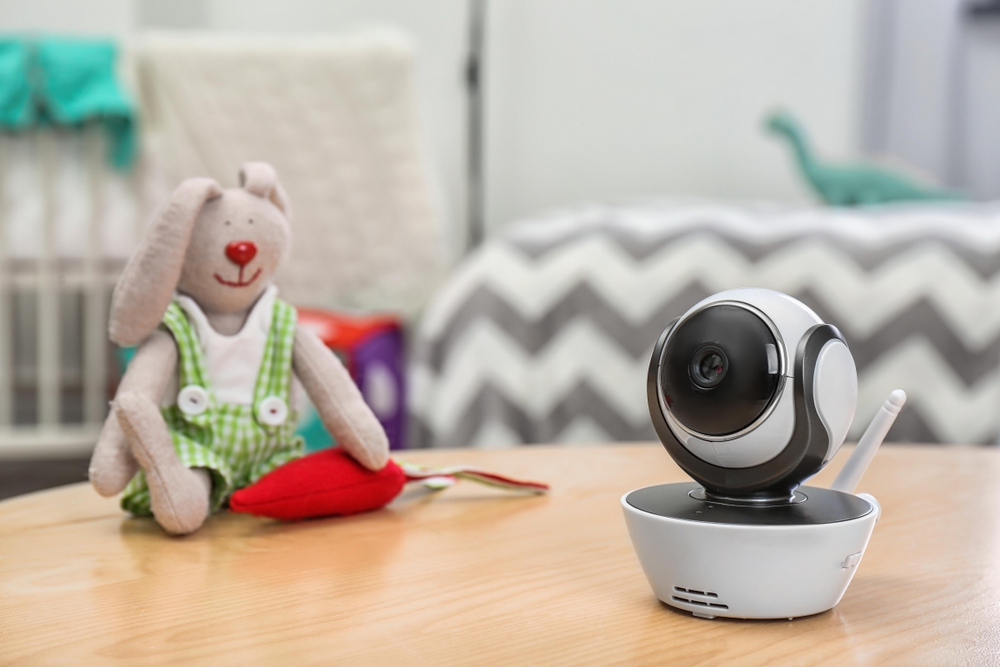
Safety is one of the biggest reasons parents turn to digital tools. GPS trackers, smart baby monitors, and family location apps provide comfort in knowing loved ones are safe. But in the event of a tech outage, those devices can instantly go offline, creating more anxiety than calm. Parents should teach kids simple backup safety routines, like memorizing key phone numbers and knowing safe meeting spots. When digital safety nets fail, old-fashioned preparation still works best.

5. Emotional Toll of Over-Reliance

When a parenting app fails, it’s not just data that’s lost—it’s the sense of control. Many parents experience frustration, stress, or guilt when their digital systems collapse. This emotional dependency reveals how much trust we place in technology to manage family life. Taking short breaks from apps can help parents rebuild confidence in their own instincts and problem-solving. Real parenting strength comes from flexibility, not flawless digital systems.

How to Prepare for the Next Tech Outage

Parents can reduce the impact of outages by creating small safety nets of their own. Print or download important documents, schedules, and medical notes on a regular basis. Teach older kids what to do if communication apps fail, and practice “offline days” to build adaptability. Keep an emergency paper contact list and a basic first aid kit accessible without needing a phone. A tech outage doesn’t have to create chaos if families plan ahead for digital downtime.

Building Resilience in a Digital World

Technology makes modern parenting easier, but true resilience comes from being able to adapt when it disappears. The next time a parenting app freezes or a device crashes, remember that the core of parenting has always been human connection, not software. Balancing convenience with preparedness helps families stay calm and capable in any situation. By combining digital tools with timeless habits, parents can navigate both tech-powered routines and power outages with equal confidence.

Have you ever experienced a parenting app failure at the worst possible time? Share your story or tips in the comments below!

What to Read Next…

10 Ways Modern Co-Parenting Apps Are Backfiring on Families

5 Negative Techniques That Deter Communication with Your Teenager

17 Innovative Apps Every Modern Parent Should Know About

“Sharenting” in 2025: Are You Violating Your Child’s Digital Consent?

Overwhelmed? 12 Essential Apps Every New Parent Needs Today

Catherine Reed
Catherine Reed

Catherine is a tech-savvy writer who has focused on the personal finance space for more than eight years. She has a Bachelor’s in Information Technology and enjoys showcasing how tech can simplify everyday personal finance tasks like budgeting, spending tracking, and planning for the future. Additionally, she’s explored the ins and outs of the world of side hustles and loves to share what she’s learned along the way. When she’s not working, you can find her relaxing at home in the Pacific Northwest with her two cats or enjoying a cup of coffee at her neighborhood cafe.

Filed Under: Technology Tagged With: child safety, co-parenting, digital parenting, family technology, parenting advice, parenting app, parenting tips, tech outage

“Sharenting” in 2025: Are You Violating Your Child’s Digital Consent?

October 30, 2025 | Leave a Comment

Image source: shutterstock.com

Posting pictures of your kids online has become second nature for many parents, but in 2025, more families are starting to realize the potential long-term consequences. Every cute milestone, school update, or birthday post builds a digital footprint your child didn’t choose. As privacy laws evolve and children grow more aware of their online presence, the question of digital consent is becoming impossible to ignore. Sharenting isn’t just about sharing memories anymore—it’s about deciding who owns your child’s story in a digital world that never forgets.

The Hidden Risks of Sharenting in a Connected World

Sharenting often feels harmless, but every post contributes to a lasting record of your child’s life. Once a photo or video is uploaded, it can be copied, shared, or stored by others without your knowledge. Hackers and data brokers can even use these images for facial recognition databases or targeted advertising. Beyond privacy breaches, sharing online can also expose children to identity theft if personal details like full names, birth dates, or school information are revealed. As awareness of digital consent grows, many families are reevaluating how much they share and who really benefits from it.

When Sharing Crosses the Line into Exploitation

Some parents, particularly influencers, may not realize how easily sharing turns into exploitation. A child’s image or experiences can become part of a monetized online brand, blurring ethical lines. Sharenting in this way can cause resentment later when kids realize their private moments were publicized for likes or profit. Even innocent posts can feel invasive once children are old enough to understand how much of their life is online. Recognizing the difference between connection and commodification is key to respecting digital consent.

The Emotional Impact on Children Growing Up Online

Children raised during this social media-heavy age often develop complicated feelings about their digital identity. They may feel embarrassed by old photos, uncomfortable with being recognized by strangers, or frustrated that their privacy was never considered. Psychologists warn that early exposure to social media attention can influence self-esteem and personal boundaries. These emotional effects can persist into adulthood, shaping how they use technology and trust others. Listening to children’s preferences and treating them as participants in digital decisions builds respect and accountability.

Laws Around Digital Consent Are Catching Up

Legal systems around the world are beginning to recognize the complications of this type of online sharing. France, for example, introduced laws holding parents accountable for violating a child’s privacy online. Similar conversations are emerging in the United States as states debate children’s rights to data protection. Sharenting is increasingly being viewed through the lens of consent, with questions about who owns a child’s digital image. In 2025, it’s becoming clear that parental rights to share don’t always outweigh a child’s right to privacy.

Sharenting and the Illusion of Safety

Many parents justify online sharing as a way to connect safely with family and friends. However, privacy settings can only go so far. Once something is posted, it can be screenshotted or reshared beyond your control. Oversharing also provides clues about your child’s routines, locations, and schools, which can increase safety risks. Awareness of these realities helps families make more thoughtful choices about what truly needs to be online.

The Fine Line Between Pride and Privacy

It’s natural to want to celebrate your child’s achievements publicly, but sharenting often blurs the line between pride and exposure. When milestones become content, the meaning behind them can shift from genuine joy to audience validation. Before posting, it’s worth asking whether your child would be comfortable with that image or story later in life. Sharing online can be done responsibly by focusing on moments that don’t reveal personal details or emotional vulnerability. A private scrapbook or secure photo album can be a safer way to preserve memories.

Teaching Kids About Digital Boundaries Early

One of the best ways to navigate this digital issue responsibly is by involving kids in conversations about online privacy. Even young children can learn what digital consent means by choosing which photos they’re comfortable sharing. Teaching them to think critically about posting helps them develop healthy online habits for the future. As children age, their comfort levels may change and respecting that evolution builds trust. In the era of sharenting, open dialogue is more powerful than any privacy setting.

Alternatives to Public Sharing

Parents don’t have to give up sharing entirely to protect their child’s digital consent. Private messaging apps encrypted cloud storage, or password-protected family sites offer safer ways to share updates with loved ones. You can also focus on posting more about your experiences as a parent rather than your child’s specific moments. This keeps the focus on your journey while preserving their privacy. Sharing doesn’t have to disappear—it just needs to evolve with more mindfulness and consent.

How to Know If You’re Respecting Digital Consent

Ask yourself a few key questions before posting: Would your child approve of this photo? Does it reveal personal information that could identify them? Would it embarrass them later? Practicing this quick self-check helps prevent oversharing. Sharenting with awareness ensures that your child’s dignity and autonomy come first, even in the most casual posts.

Building a Future of Respectful Sharing

Sharenting in 2025 has become a reflection of how families adapt to the challenges of living publicly online. Parents now have the power to model responsible digital behavior that prioritizes consent and compassion. By being more selective, seeking your child’s input, and choosing privacy, when possible, you can strike a balance between connection and protection. The stories you share today shape how your child understands ownership, boundaries, and respect in the digital age.

How do you approach sharenting in your family? Do you think parents should need a child’s permission before posting? Share your thoughts below!

What to Read Next…

10 Things You’re Overspending On Because of Social Media Parenting Trends

9 Social Media Challenges Kids Are Still Doing—Even in 2025

Is Your Teen’s Social Media Putting Your Entire Family at Risk?

7 Digital Toys That Let Strangers Communicate With Your Kids

7 Kids’ Apps That Can Silently Access Your Camera or Microphone

Catherine Reed
Catherine Reed

Catherine is a tech-savvy writer who has focused on the personal finance space for more than eight years. She has a Bachelor’s in Information Technology and enjoys showcasing how tech can simplify everyday personal finance tasks like budgeting, spending tracking, and planning for the future. Additionally, she’s explored the ins and outs of the world of side hustles and loves to share what she’s learned along the way. When she’s not working, you can find her relaxing at home in the Pacific Northwest with her two cats or enjoying a cup of coffee at her neighborhood cafe.

Filed Under: Parenting Tagged With: child safety, digital consent, digital parenting, family technology, online privacy, parenting trends, sharenting, social media ethics

7 Common Chores That May Be Too Dangerous for Young Children

October 27, 2025 | Leave a Comment

7 Common Chores That May Be Too Dangerous for Young Children
Image source: shutterstock.com

Assigning chores is a great way to teach kids responsibility, teamwork, and independence. However, not every household task is suitable for small hands or developing coordination. Some chores that may be too dangerous for young children carry hidden risks that parents often overlook—sharp tools, heavy objects, chemicals, or even falls from simple height differences. Knowing which chores to avoid can help families maintain a safe environment while still encouraging helpful habits. Here are seven everyday chores that may look harmless but can pose real dangers for younger kids.

1. Taking Out the Trash Can Lead to Hidden Hazards

One of the chores that may be too dangerous for young children is taking out the trash. Trash bags can contain broken glass, metal lids, or leaking chemicals that cut or irritate skin. The bags themselves can also be heavy or awkward to lift, putting strain on growing joints and backs. Outside, trash bins may attract pests or tip over easily, leading to injuries. Instead, parents can involve kids by having them collect smaller wastebaskets or separate recyclables until they are old enough to handle outdoor disposal safely.

2. Washing Dishes Isn’t Always Safe for Little Hands

Washing dishes seems simple, but it’s another one of the chores that may be too dangerous for young children. Sharp knives, broken glassware, or hot water can easily cause cuts or burns. Many dish detergents are also harsh on sensitive skin, creating rashes or irritation if not properly rinsed. Even the act of standing at a sink for too long can cause slips if the floor becomes wet. A safer alternative is having children help by drying unbreakable items or setting the table.

3. Yard Work Can Expose Kids to Unexpected Risks

Outdoor chores are often fun, but certain types of yard work belong firmly in the “chores that may be too dangerous” category for young children. Mowers, trimmers, and hedge clippers can cause severe injuries even when used under supervision. Garden chemicals or fertilizers may also contain toxins that are harmful if inhaled or touched. Additionally, lifting heavy bags of mulch or soil can lead to strains or back pain. Encourage little helpers to pull weeds by hand, water plants with a small can, or collect fallen leaves instead of operating equipment.

4. Cleaning Bathrooms Involves Dangerous Chemicals

Bathroom cleaning is one of the most common chores that may be too dangerous for young children. Many cleaning products contain bleach, ammonia, or acid-based ingredients that can burn skin and irritate lungs. Children may also mix products accidentally, creating toxic fumes without realizing it. The small, enclosed space of a bathroom makes it even riskier if ventilation is poor. Instead of using harsh chemicals, let children wipe down mirrors with vinegar and water or help refill soap dispensers while an adult handles the deeper cleaning.

5. Cooking and Using Kitchen Appliances Requires More Maturity

Cooking is often a favorite family activity, but it’s also one of the chores that may be too dangerous for young children without close supervision. Stovetops, ovens, and even microwaves can cause burns or fires when used incorrectly. Knives and peelers introduce additional risks if motor skills aren’t fully developed. Children may also forget to turn off appliances or handle hot pans safely. Parents can still involve them by assigning safe prep tasks like rinsing vegetables or mixing batter while teaching proper kitchen safety over time.

6. Doing Laundry Involves More Than Just Pressing Buttons

Laundry duty might seem harmless, but it’s another of the chores that may be too dangerous for young children. Washing machines and dryers are heavy, moving machines that can cause injury if children climb or lean on them. Detergent pods, in particular, pose a serious poisoning risk because their colorful appearance can be mistaken for candy. Even liquid detergent can cause burns or eye irritation if splashed. Until children are old enough to handle chemicals carefully, parents can have them fold clean clothes or match socks instead.

7. Climbing to Dust or Organize High Shelves

Many parents encourage kids to help tidy up, but reaching high areas is one of those chores that may be too dangerous for young children. Climbing stools or small ladders introduces a significant fall risk, especially for kids who may overreach or lose balance. Objects stored overhead can also fall and cause injuries if not handled properly. Dusting within arm’s reach or organizing lower shelves is a safer way to teach tidiness. As kids grow, they can gradually move on to higher or more complex cleaning tasks with adult guidance.

Balancing Independence and Safety in Household Responsibilities

Recognizing chores that may be too dangerous for young children doesn’t mean removing them from household responsibilities altogether. It’s about adjusting tasks to match their physical abilities and understanding of risk. Parents can gradually introduce more challenging chores as kids demonstrate maturity and safety awareness. The goal is to teach responsibility while preventing injuries, accidents, or exposure to unsafe materials. With the right balance, children learn valuable life skills safely—one age-appropriate task at a time.

Which household chore do you think is the riskiest for young kids to handle? Share your experiences or safety tips in the comments below.

What to Read Next…

7 After-School Activities That Are Quietly Putting Kids in Danger

Beyond The Toys: 8 Hidden Dangers In Your Child’s Toys

Kids’ Meds: 5 Dangerous Prescriptions You Didn’t Question for Kids

The Danger In Your Bathtub: 8 Hidden Dangers In Your Child’s Bathtub

Baby Danger: 10 Household Items That Hurt Babies You Own

Catherine Reed
Catherine Reed

Catherine is a tech-savvy writer who has focused on the personal finance space for more than eight years. She has a Bachelor’s in Information Technology and enjoys showcasing how tech can simplify everyday personal finance tasks like budgeting, spending tracking, and planning for the future. Additionally, she’s explored the ins and outs of the world of side hustles and loves to share what she’s learned along the way. When she’s not working, you can find her relaxing at home in the Pacific Northwest with her two cats or enjoying a cup of coffee at her neighborhood cafe.

Filed Under: Safety Tagged With: child safety, family life, home safety, household chores, kids and chores, parenting advice, parenting tips

« Previous Page
Next Page »
  • Facebook
  • Pinterest
  • RSS
  • Twitter

Basic Principles Of Good Parenting

Here some basic principles for good parenting:

  1. What You Do Matters: Your kids are watching you. So, be purposeful about what you want to accomplish.
  2. You Can’t be Too Loving: Don’t replace love with material possessions, lowered expectations or leniency.
  3. Be Involved Your Kids Life: Arrange your priorities to focus on what your kid’s needs. Be there mentally and physically.
  4. Adapt Your Parenting: Children grow quickly, so keep pace with your child’s development.
  5. Establish and Set Rules: The rules you set for children will establish the rules they set for themselves later.  Avoid harsh discipline and be consistent.
  6. Explain Your Decisions: What is obvious to you may not be evident to your child. They don’t have the experience you do.
  7. Be Respectful To Your Child: How you treat your child is how they will treat others.  Be polite, respectful and make an effort to pay attention.
Best Parenting Blogs

Most Popular

Baby

9 Unusual Baby Names That Sound Like They Belong to Future CEOs

Evan Morgan
Baby

10 Baby Names That Were Once Considered “Grandparent Names” but Feel Cool Again

Evan Morgan
Target Store

Choking Incident Prompts Recall of 49,000 Target Gigglescape “Under the Sea” Popping Toys

Evan Morgan
Frustrated Girl

Why Some Students on the Spectrum Are Labeled With ODD

Evan Morgan
Coke Bottles

12 Things Kids Took to School in the ’70s That Would Never Be Allowed Today

Evan Morgan

All content on Kids Ain’t Cheap is for entertainment purposes only. By reading this blog, you agree that Kids Ain’t Cheap is not responsible for any actions taken after reading this blog. For the full disclaimer, see our privacy policy.

Please note that Kids Ain’t Cheap has financial relationships with some of the merchants mentioned here. Kids Ain’t Cheap is funded by banner advertising, commission sales and search optimization consulting.

Copyright © 2006–2026 | District Media | All Rights Reserved | Privacy Policy

Copyright © 2026 Runway Pro Theme by Viva la Violette