• Home
  • About Us
  • Toolkit
  • Archives
  • Advertise
  • Privacy Policy

Kids Ain't Cheap

But They Sure Are Worth It

  • Parenting
    • Baby Stuff
    • Books and Reading
      • Aesops Fables
      • Comic Books
    • Education
    • Family Time
    • Green Living
    • Growing Up
    • Healthy Living & Eating
    • Holidays
    • Parenting
    • Random Musings
    • Shopping
    • Stuff to Do
  • Money
  • Product Reviews
    • Books and Magazines
    • Discount Sites
    • Furniture
    • House Keeping
    • Reviews News
    • Toys and Games
  • Contact Us
  • Our Editorial Commitment
  • Search

8 Toys That Were Approved—Then Quietly Recalled

October 27, 2025 | Leave a Comment

8 Toys That Were Approved—Then Quietly Recalled
Image source: shutterstock.com

Every parent assumes that toys on store shelves have passed every safety test imaginable. Yet history shows that even toys that were approved by regulators can later be pulled from the market when hidden dangers come to light. Some were recalled after tragic injuries, while others vanished with barely a press release. Learning which products were quietly recalled helps families stay vigilant about what’s really safe for their children. Here are eight examples of toys that were approved but eventually recalled once their risks became impossible to ignore.

1. Aqua Dots and the Dangerous Chemical Discovery

One of the most infamous toys that were approved and later recalled was Aqua Dots, a popular craft kit sold in the 2000s. The toy’s colorful beads bonded together with water, creating fun designs—but they also contained a chemical that metabolized into a powerful sedative if swallowed. Dozens of children fell ill before the recall, forcing the manufacturer to pull millions of units worldwide. Initially marketed as harmless and educational, Aqua Dots proved how easily a seemingly safe toy could slip through regulatory cracks. The case remains a textbook example of the limits of pre-market testing.

2. Polly Pocket’s Magnetic Peril

Another of the toys that were approved and later recalled was Mattel’s Polly Pocket line, beloved for its tiny accessories and colorful playsets. In 2006, the brand faced a massive recall after children accidentally swallowed small magnets that detached from the toys. When multiple magnets were ingested, they could attract inside the body, causing life-threatening intestinal injuries. What made this case alarming was that the magnets were within approved safety size limits—until real-world use revealed the dangers. The recall prompted sweeping reforms in toy magnet standards.

3. Easy-Bake Ovens That Burned More Than Brownies

Hasbro’s Easy-Bake Oven seemed like an innocent throwback to simpler times, yet it became one of the more surprising toys that were approved before being recalled. In 2007, over one million units were pulled after reports of severe burns when children’s fingers got trapped inside the oven’s heating chamber. Despite meeting temperature regulations, the design allowed small hands to reach inside while the toy was in use. The company redesigned the oven with a closed-door model to eliminate access to heating elements—a hard-learned lesson in balancing fun with safety.

4. Snacktime Cabbage Patch Dolls That “Ate” Too Well

One of the strangest toys that were approved and later recalled was the 1996 Cabbage Patch Snacktime Kid. This doll could “chew” on plastic snacks that disappeared into its backpack—but the motorized mouth didn’t know when to stop. It pulled in fingers and hair with alarming force, and there was no off switch. Though no deaths were reported, the injuries and panic among parents led to a voluntary recall. The incident highlighted how mechanical design flaws could slip through approval when toys were tested under unrealistic lab conditions.

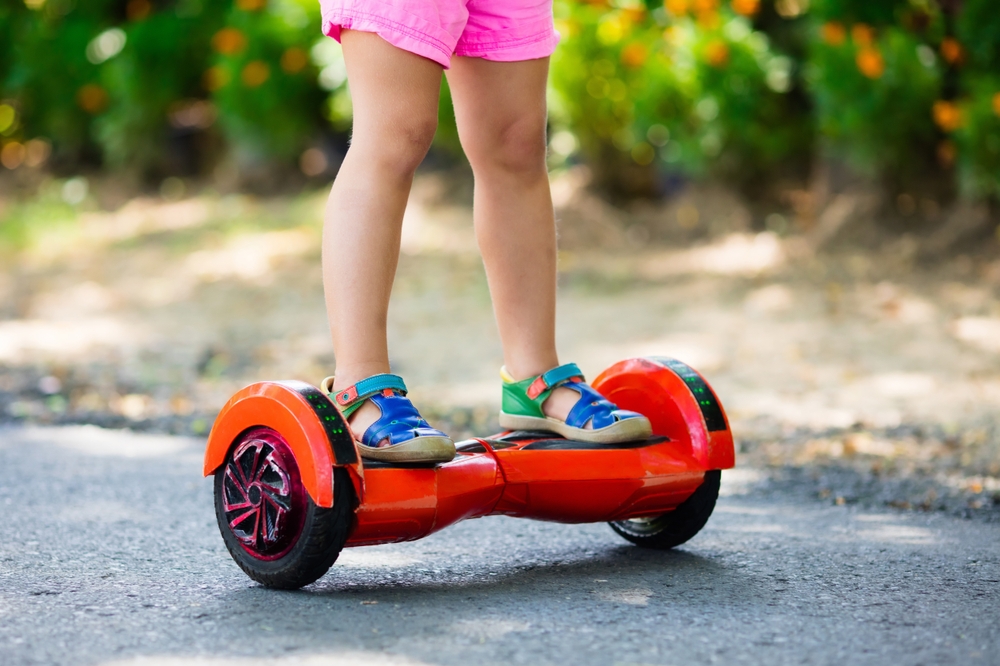
5. Hoverboards That Went Up in Flames

The hoverboard craze of the mid-2010s turned into a safety nightmare almost overnight. Many of these toys that were approved and sold through major retailers were later found to have defective lithium-ion batteries that caught fire while charging or in use. Despite certifications claiming compliance with safety standards, the mass recall of several models revealed inconsistencies in global testing practices. The U.S. Consumer Product Safety Commission intervened, forcing updated standards and stricter import oversight. What began as a tech marvel ended as a cautionary tale about fast-tracked gadgets for kids.

6. Fisher-Price Rock ‘n Play Sleeper and Hidden Suffocation Risks

The Fisher-Price Rock ‘n Play Sleeper wasn’t a traditional toy—but it was marketed for playtime and naps, making it a staple in many homes. It was among the most shocking toys that were approved before being quietly recalled in 2019. After reports of more than 30 infant deaths linked to suffocation, the recall exposed how misleading labeling and poor testing can have deadly consequences. Despite meeting voluntary safety standards, the product’s inclined design was inherently unsafe for unsupervised sleep. The case reshaped how infant “soothing” products are regulated.

7. Sky Dancers’ Unpredictable Flights

In the 1990s, Sky Dancers captured kids’ imaginations with their spinning, flying dolls launched by pull-string bases. Unfortunately, their unpredictable flight paths led to numerous injuries, including eye damage and broken teeth. These toys that were approved under then-current mechanical safety standards ultimately proved too dangerous in practice. More than eight million units were recalled in 2000 after hundreds of complaints. The recall underscored how motion-based toys often behave differently in real-world play than in controlled testing environments.

8. Fidget Spinners with Toxic Paint and Choking Hazards

Fidget spinners exploded in popularity in 2017, marketed as stress relievers for all ages. But many imported versions of these toys that were approved for sale later tested positive for lead-based paint and small detachable parts that violated U.S. safety laws. Several recalls followed, though not all were widely publicized. The episode illustrated how rapidly trending products can bypass scrutiny when demand outpaces regulation. Even something as simple as a spinner can carry hidden risks when manufacturers cut corners.

What These Silent Recalls Teach Parents About Safety

The stories of these toys that were approved before being recalled remind us that safety approval isn’t always a permanent guarantee. As products age, components loosen, materials degrade, and new data reveals unforeseen hazards. Parents can protect their families by regularly checking recall lists from the Consumer Product Safety Commission and avoiding secondhand toys without updated safety labels. Staying informed is the best safeguard against risks that testing can’t always predict. When it comes to children’s products, even approved doesn’t always mean safe.

Which of these toy recalls surprised you most? Share your thoughts—or your own memories of recalled toys—in the comments below.

What to Read Next…

10 Children’s Medications That Were Recently Recalled

7 Popular Lunch Snacks That Were Quietly Recalled

Beyond The Recall: 6 Baby Gear Recalls You Missed Putting Your Child At Risk

6 Baby Products Pulled from Shelves But Still in Homes

10 Popular Diaper Brands That Have Faced Consumer Complaints

Catherine Reed
Catherine Reed

Catherine is a tech-savvy writer who has focused on the personal finance space for more than eight years. She has a Bachelor’s in Information Technology and enjoys showcasing how tech can simplify everyday personal finance tasks like budgeting, spending tracking, and planning for the future. Additionally, she’s explored the ins and outs of the world of side hustles and loves to share what she’s learned along the way. When she’s not working, you can find her relaxing at home in the Pacific Northwest with her two cats or enjoying a cup of coffee at her neighborhood cafe.
Filed Under: Safety Tagged With: child safety, consumer safety, dangerous toys, parenting tips, product safety, toy industry, toy recalls

7 Kids’ Apps That Can Silently Access Your Camera or Microphone

October 21, 2025 | Leave a Comment

7 Kids' Apps That Can Silently Access Your Camera or Microphone
Image source: shutterstock.com

Most parents assume that popular children’s apps are harmless fun, but many have permissions that go far beyond games and learning tools. Hidden within terms and settings, some apps request—or even automatically gain—access to your child’s camera or microphone without clearly explaining why. These permissions can open the door to privacy risks, data collection, and even third-party tracking. Knowing which apps to watch out for and how to protect your child’s digital privacy has become essential in a world where playtime and technology are deeply intertwined.

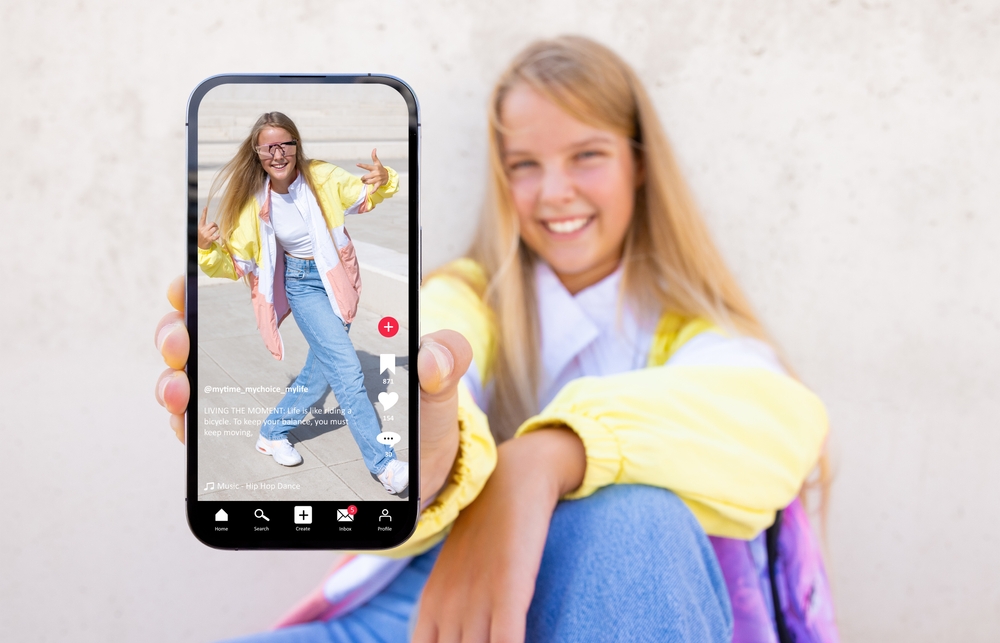
1. TikTok

Though technically restricted to older users, TikTok remains one of the most downloaded apps among kids. Privacy experts have repeatedly raised concerns about how it accesses device cameras and microphones, even when the app isn’t actively recording. The platform’s algorithm thrives on user engagement, meaning it often gathers data on sounds, visuals, and facial expressions. While TikTok claims these features help personalize content, the data collection practices make it one of the top kids’ apps that can silently access your camera or microphone. Parents are encouraged to use “Family Pairing” mode to limit permissions and visibility.

2. Roblox

Roblox is a massive online gaming platform popular among children, but its permissions extend beyond gameplay. Some experiences within Roblox prompt camera and microphone use for voice chat or avatar interaction. However, once enabled, these permissions can remain active across sessions. This has led cybersecurity experts to include Roblox on lists of kids’ apps that can silently access your camera or microphone, especially when settings are not closely monitored. Parents can mitigate risks by disabling voice chat and reviewing privacy controls regularly.

3. Snapchat

Snapchat markets itself as a fun, creative messaging tool, but it requires near-constant access to a user’s camera and microphone. Even when a child isn’t actively taking pictures, the app may retain background permissions that allow ongoing data collection. The “Snap Map” feature also tracks location, further amplifying privacy concerns. For parents worried about kids’ apps that can silently access your camera or microphone, Snapchat poses multiple risks. Turning off location sharing and limiting friend lists can help reduce potential exposure.

4. YouTube Kids

YouTube Kids was designed to create a safe video experience, yet it’s not immune to privacy criticism. The app’s voice search feature requires microphone access, and in some cases, that access remains enabled even after closing the app. Critics argue that this could expose children to unnecessary data collection or unintentional listening. Though Google states that permissions are used strictly for functionality, YouTube Kids still appears on several cybersecurity lists of kids’ apps that can silently access your camera or microphone. Parents can adjust app permissions in device settings to improve security.

5. Zoom

Zoom became a staple of remote learning, but it also introduced new privacy risks. The app automatically requests access to the camera and microphone and may continue using them in the background during active sessions. For children attending virtual classes or social hangouts, this could mean unintended recording or observation. Security researchers have flagged Zoom as one of the kids’ apps that can silently access your camera or microphone when settings aren’t properly configured. Parents should always monitor when Zoom is active and ensure permissions are turned off once sessions end.

6. Facebook Messenger Kids

Messenger Kids was created to let children communicate under parental supervision, but the app still has broad access to cameras and microphones. Because it’s tied to Meta’s data ecosystem, the app may collect voice and video data to enhance filters or “safety” features. Unfortunately, that same access can leave open windows for potential misuse or data mining. Privacy advocates have cited it among the kids’ apps that can silently access your camera or microphone, especially if parents don’t frequently review permissions. Turning off certain features can help maintain tighter control.

7. Talking Tom and Friends

Talking Tom may seem like harmless entertainment, but the app has long faced controversy over how it records and stores audio. The app requires microphone access to mimic speech, but past security reviews revealed that data storage wasn’t always clearly managed or protected. Some versions also asked for camera access, raising eyebrows among privacy advocates. Because of these issues, Talking Tom and similar games are often mentioned in reports about kids’ apps that can silently access your camera or microphone. Experts recommend disabling microphone access entirely for nonessential entertainment apps.

Protecting Your Child’s Digital Privacy Starts with Awareness

Understanding how kids’ apps that can silently access your camera or microphone operate is the first step toward protecting your family’s privacy. Parents should regularly check app permissions, disable unnecessary features, and discuss with children why privacy matters. Tools like parental controls and privacy dashboards make it easier than ever to monitor access. Most importantly, choosing apps that clearly disclose how data is collected builds better digital habits from a young age. Vigilance today can prevent privacy problems tomorrow—and give parents peace of mind in an increasingly connected world.

Have you ever checked which apps have access to your child’s camera or microphone? What steps do you take to protect their privacy online? Share your thoughts in the comments.

What to Read Next…

6 Popular Family Apps That Have Leaked Children’s Data

The Truth About Screens: 9 Apps Your Kids Use That Secretly Collect Data

Government Spies: 8 Privacy Concerns with Government Databases of Kids

Data Harvested: 7 Ways Your Child’s Data Is Collected

Data Risk: 9 Data Breaches Still Threatening Your Kids’ Info

Catherine Reed
Catherine Reed

Catherine is a tech-savvy writer who has focused on the personal finance space for more than eight years. She has a Bachelor’s in Information Technology and enjoys showcasing how tech can simplify everyday personal finance tasks like budgeting, spending tracking, and planning for the future. Additionally, she’s explored the ins and outs of the world of side hustles and loves to share what she’s learned along the way. When she’s not working, you can find her relaxing at home in the Pacific Northwest with her two cats or enjoying a cup of coffee at her neighborhood cafe.

Filed Under: Technology Tagged With: app permissions, child safety, cybersecurity, digital parenting, family technology, Internet Safety, kids apps, online privacy, Parenting

10 Children’s Medications That Were Recently Recalled

October 15, 2025 | Leave a Comment

10 Children’s Medications That Were Recently Recalled
Image source: shutterstock.com

Parents trust children’s medicines to bring relief, not risk. But even well-known brands can face safety issues leading to product recalls. Over the past few years, several over-the-counter and prescription products have been pulled due to contamination, packaging flaws, or dosage inconsistencies. Knowing which medications were affected and why can help families stay vigilant. Here are ten recent examples of a children’s medication recall that made headlines and prompted families to check their medicine cabinets.

1. Little Remedies Honey Cough Syrup

In mid-2025, Medtech Products recalled multiple lots of Little Remedies Honey Cough Syrup after tests revealed possible microbial contamination. The affected lots were distributed nationwide and may have contained harmful bacteria that could cause illness. Parents were advised to stop using any bottles purchased before June and contact the manufacturer for refunds. While no adverse events were reported, the recall highlighted how even natural, honey-based formulas can face quality control issues. Consumers were reminded to store all cough products in a cool, dry place to maintain stability.

2. Benadryl Liquid Elixir (100 mL)

In March 2025, a recall was issued for a limited number of Benadryl Liquid Elixir bottles due to improper child-resistant packaging. Although the formula itself was safe, the packaging failed federal standards, creating a risk if small children accessed the medicine without supervision. The affected bottles were mainly sold through online retailers and contained identifying lot codes printed on the label base. Parents were encouraged to dispose of the product and contact customer service for reimbursement. This event reinforced the importance of checking both packaging and expiration dates for all liquid medications.

3. Safetussin Max Strength Multi-Symptom Caplets

Another notable children’s medication recall occurred in April 2025 involving Safetussin Max Strength Multi-Symptom Cough, Cold & Flu Caplets. The issue stemmed from blister pack designs that failed to meet child safety requirements, allowing easier access to the medicine. Although the tablets themselves were safe when used correctly, the packaging posed an accidental ingestion risk. Parents were urged to store any remaining products out of reach and return them for a refund. The recall served as a reminder that design flaws can be just as dangerous as formulation errors.

4. Sulfamethoxazole/Trimethoprim Tablets 400/80 mg

Amneal Pharmaceuticals recalled several lots of this commonly prescribed antibiotic, often used for pediatric infections, due to potential contamination concerns. The affected tablets may have contained impurities that could compromise treatment effectiveness or trigger unwanted reactions. Pharmacies were directed to remove all impacted stock from their shelves. Parents were advised to confirm lot numbers with their pharmacist and seek replacement prescriptions if necessary. This children’s medication recall underscored how even widely trusted antibiotics must undergo ongoing safety checks.

5. Medline Neonatal & Pediatric Intubation Kits

Though technically a device recall, this case affected products used in pediatric care. Medline Industries recalled neonatal and pediatric intubation kits after discovering that some tubes were smaller in diameter than labeled. This posed a serious risk of inadequate ventilation for infants and young children. Hospitals were advised to check inventory and return any affected kits immediately. The incident reinforced the importance of rigorous testing for all tools used in children’s medical procedures.

6. G-Supress DX Pediatric Drops

In 2022, a Class I recall was issued for G-Supress DX Pediatric Drops due to a formulation mix-up. This labeling error meant the medication inside didn’t match what was printed on the packaging, creating a serious safety risk for children. Class I recalls are the most urgent category, issued when a product could cause severe harm or death. Pharmacies removed the affected lots, and families were advised to stop use immediately. The event reminded consumers that even minor label errors can have major health implications.

7. KinderMed Kids & Infants Pain & Fever

KinderMed voluntarily recalled its Kids and Infants Pain & Fever formulas after discovering instability in the acetaminophen ingredient. Over time, the medication’s potency could shift, leading to inconsistent dosing. That meant a child could receive either too little relief or too much acetaminophen, increasing the risk of liver damage. The company offered refunds and advised parents to contact healthcare providers if symptoms persisted. This children’s medication recall showed that ingredient stability can be just as critical as contamination control.

8. Zicam Cold Remedy and Orajel Baby Teething Swabs

Church & Dwight announced a nationwide recall of Zicam Cold Remedy Nasal Swabs, Zicam AllClear Swabs, and Orajel Baby Teething Swabs due to microbial contamination. The contamination risk came from fungal growth in the cotton applicators, which could cause infections in children with weakened immune systems. Parents were instructed to stop use and request reimbursement. No illnesses were reported, but the voluntary recall was issued out of caution. The case highlighted how even topical or nasal products can pose unseen risks when hygiene standards slip.

9. McNeil’s Children’s and Infant Liquid Medicines

McNeil Consumer Healthcare, known for brands like Tylenol and Motrin, initiated a large recall in 2025 affecting several children’s liquid medications. Manufacturing inconsistencies led to varying concentrations of active ingredients, raising concerns about potential overdosing or reduced efficacy. The company quickly halted distribution and removed affected lots from shelves nationwide. Consumers were urged to review lot codes and stop using the products until replacements were issued. This recall served as a reminder that trusted household names can still face unexpected safety challenges.

10. Ingestible Fluoride Prescription Products

In 2025, the FDA began removing unapproved ingestible fluoride prescription products marketed for children. These unregulated items had never undergone formal safety reviews but were being sold for pediatric dental protection. The FDA warned that these products could expose children to unsafe fluoride levels if swallowed regularly. Health professionals were instructed to stop prescribing or distributing the affected items immediately. This move emphasized the government’s growing scrutiny over products that blur the line between supplements and medications.

Keeping Your Family Safe from the Next Recall

Every children’s medication recall underscores how crucial it is for families to stay informed. Parents can sign up for FDA recall alerts, regularly inspect medicine labels, and safely dispose of any expired or recalled products. It’s also wise to consult a pharmacist before using lesser-known brands or online-only medicines. Small steps like these can prevent serious harm and ensure every product in your cabinet is safe. Staying proactive turns recall awareness into protection for your child’s health.

Do you routinely check your medicine cabinet for recalled or expired products? Share how you stay informed in the comments below!

What to Read Next…

8 Medical Bills Related to Children That Insurance Rarely Covers

The Unexpected Cost: 11 Unexpected Medical Bills That Bankrupt New Parents

Beyond The Label: 8 Medication Combinations Dangerous For Kids

Medical Update: 6 Urgent Updates to Your Child’s Medical History

Dangerous Mix: 8 Medications With Dangerous Side Effects in Kids

Catherine Reed
Catherine Reed

Catherine is a tech-savvy writer who has focused on the personal finance space for more than eight years. She has a Bachelor’s in Information Technology and enjoys showcasing how tech can simplify everyday personal finance tasks like budgeting, spending tracking, and planning for the future. Additionally, she’s explored the ins and outs of the world of side hustles and loves to share what she’s learned along the way. When she’s not working, you can find her relaxing at home in the Pacific Northwest with her two cats or enjoying a cup of coffee at her neighborhood cafe.
Filed Under: Parenting Tagged With: child safety, children’s medication recall, drug contamination, FDA recall, medicine safety, parenting tips, pediatric health

9 Innocent Childhood Games That Could Result in a Call to Authorities

September 15, 2025 | Leave a Comment

9 Innocent Childhood Games That Could Result in a Call to Authorities
Image source: 123rf.com

Childhood is supposed to be carefree, full of imagination and harmless fun. Yet in today’s world, some activities that once seemed perfectly normal can raise red flags with neighbors, teachers, or even law enforcement. From harmless pranks to simple outdoor fun, certain behaviors may now be viewed as risky, unsafe, or even suspicious. Parents should understand how some innocent play could be misinterpreted, leading to unwanted attention from authorities. Here are nine examples of childhood games that, while common in the past, might not fly under the radar today.

1. Playing Cops and Robbers

Generations of kids grew up pretending to chase down criminals or escape as the bad guy. However, the use of toy guns or even finger-guns has become increasingly controversial. What once seemed like harmless childhood games can now be misinterpreted as a threat, especially in public spaces. Schools in particular have taken strong stances against simulated weapons of any kind. A simple game of cops and robbers could lead to disciplinary action or worse, a concerned adult calling the police.

2. Ding-Dong Ditch

This prank of ringing a doorbell and running away has entertained kids for decades. Unfortunately, some neighbors may see it less as playful mischief and more as harassment or trespassing. In neighborhoods with security cameras, ding-dong ditching is often recorded, and parents may receive angry complaints. If repeated, the authorities could become involved, and what began as childhood games quickly turns into a serious discussion about respect and property rights. It’s a clear example of how fun can cross into potential trouble.

3. Building Treehouses Without Permission

Climbing trees and building forts used to be a hallmark of growing up. Today, liability concerns, property boundaries, and safety regulations make this activity risky. If children build on someone else’s property without asking, it can be considered trespassing. Injuries sustained while climbing or hammering boards could prompt calls to child services. What once represented independence now can be misinterpreted as neglectful supervision or unsafe behavior.

4. Backyard “Survival Games”

Many kids enjoy pretending they are stranded in the wilderness, complete with pretend shelters and makeshift tools. However, when knives, matches, or even realistic play weapons are introduced, it raises concerns. Neighbors spotting kids with sharp tools or fire can easily mistake it for dangerous activity. These types of childhood games could lead to intervention from adults who fear the children aren’t safe. Parents should set clear boundaries while allowing kids to explore their creativity responsibly.

5. Playing Hide-and-Seek in Public Spaces

Hide-and-seek is a timeless activity, but playing it in large public spaces like malls, parking lots, or abandoned buildings is problematic. Concerned adults may assume children are lost, or property owners may see it as trespassing. Police may even be called if the setting raises suspicions. What starts as an innocent round of childhood games can escalate quickly in the wrong environment. Choosing safe, private areas for play is essential.

6. Water Balloon or Nerf Gun Battles

Outdoor water balloon fights or Nerf gun wars are summer staples. Yet, realistic-looking toy guns or rowdy outdoor noise can alarm bystanders. In some cases, brightly colored toys have been mistaken for real weapons, resulting in police involvement. Even simple water balloon tossing can be seen as vandalism if property is damaged. Parents should remind kids that these childhood games need appropriate settings to avoid misunderstandings.

7. Playing Prank Calls

Once a silly way for kids to amuse themselves, prank calling is no longer taken lightly. With caller ID and digital tracing, prank calls can be tracked and reported easily. Businesses and households alike may see repeated prank calls as harassment. What seems funny in the moment can quickly escalate into a police visit. Kids may not realize how much laws have changed since their parents played similar childhood games decades ago.

8. Backyard Wrestling or Roughhousing

Many children love pretending to be wrestlers, superheroes, or action movie stars. Unfortunately, roughhousing often results in scrapes, bruises, or even serious injuries. Teachers, neighbors, or bystanders may interpret those injuries as signs of abuse rather than play. Additionally, wrestling in public parks can alarm other families. Innocent childhood games can quickly be seen as violent behavior if not monitored carefully.

9. Exploring “Abandoned” Places

Kids are naturally curious and often drawn to empty houses, sheds, or construction sites. What they see as adventure, adults see as trespassing or dangerous exploration. Injuries sustained in such places could trigger serious investigations into parental supervision. On top of that, property owners may report children as vandals even if no harm was intended. This type of childhood games is one of the riskiest when it comes to accidental trouble with authorities.

Protecting Play Without Losing the Fun

Children need space to play, imagine, and explore, but parents also need to recognize the risks of how that play is perceived today. Innocent childhood games can be misinterpreted in a world that takes safety and security more seriously than ever. Setting clear boundaries, choosing appropriate spaces, and guiding kids toward safer alternatives helps protect both the children and the parents from misunderstandings. The goal is not to eliminate fun, but to make sure childhood memories aren’t overshadowed by unwanted calls to the authorities.

Have you ever seen harmless play taken the wrong way? Share your experiences and thoughts in the comments below.

What to Read Next…

6 Things Kids Say That Could Be Used Against You in Court

Why Some Parents Are Being Investigated Over Homeschooling Records

When a Child’s Lie Leads to a CPS Investigation

Custody Battle: 6 Documents You Need Before Child Custody Battles Cost You Everything

8 Reasons Why “Free‑Range Parenting” Might Be Endangering Your Child

Catherine Reed
Catherine Reed

Catherine is a tech-savvy writer who has focused on the personal finance space for more than eight years. She has a Bachelor’s in Information Technology and enjoys showcasing how tech can simplify everyday personal finance tasks like budgeting, spending tracking, and planning for the future. Additionally, she’s explored the ins and outs of the world of side hustles and loves to share what she’s learned along the way. When she’s not working, you can find her relaxing at home in the Pacific Northwest with her two cats or enjoying a cup of coffee at her neighborhood cafe.

Filed Under: Legal Tagged With: child safety, childhood games, childhood safety, family life, kids activities, modern parenting, Parenting, parenting advice

6 Reasons Daycare Cameras Are Becoming a Legal Battleground

September 13, 2025 | Leave a Comment

6 Reasons Daycare Cameras Are Becoming a Legal Battleground
Image source: 123rf.com

Parents want to know their children are safe, and many see daycare cameras as a reassuring way to monitor care in real time. At the same time, these devices are sparking lawsuits and heated debates in courtrooms across the country. From privacy violations to questions of liability, daycare cameras raise issues that go far beyond security. Understanding why they’ve become such a legal flashpoint can help parents and providers navigate the challenges with clarity and confidence.

1. Privacy Concerns for Children and Staff

One of the main reasons daycare cameras are under scrutiny is the issue of privacy. Children have a right to be protected from unnecessary surveillance, and critics argue that constant monitoring crosses an ethical line. Staff members also voice concerns that being recorded throughout the day creates a stressful work environment. Some states are debating whether cameras in classrooms should be treated the same way as surveillance in private businesses. The clash between safety and privacy makes daycare cameras a difficult legal balancing act.

2. Parental Access and Data Security

Parents often want direct access to daycare cameras through live feeds, but this raises new legal risks. Hackers targeting unsecured systems can gain entry, exposing sensitive footage of children. Even when systems are secure, disputes arise over who should control access and how long recordings should be stored. Some facilities limit access to prevent data breaches, while others face lawsuits for failing to protect recorded material. These concerns show why technology must keep pace with rising parental demand for transparency.

3. Liability and Evidence in Legal Disputes

Daycare cameras are also becoming a focal point in liability cases. Footage from cameras can serve as evidence when accidents or alleged misconduct occur. While some providers see this as a way to protect themselves, others worry that footage can be misinterpreted or taken out of context. Courts increasingly rely on recordings, but the lack of consistent legal standards creates confusion. This ongoing debate adds fuel to why daycare cameras have become a legal battleground.

4. State Regulations and Compliance Challenges

Not all states agree on how daycare cameras should be managed. Some require cameras in every classroom, while others leave the decision up to individual providers. When laws differ from state to state, compliance becomes complicated for daycare centers operating across multiple locations. Providers must balance parental expectations with legal obligations, often investing heavily in technology to stay compliant. These conflicting rules highlight how varied and complex the legal landscape has become.

5. Workplace Rights and Staff Pushback

Employees working in child care centers are pushing back against what they see as intrusive surveillance. Many argue that constant recording undermines trust and makes it harder to build authentic relationships with children. Legal challenges have emerged over whether recording staff without consent violates workplace rights. In some cases, staff have demanded limits on how daycare cameras can be used in evaluations or disciplinary actions. This tension between employers, employees, and parents adds yet another legal layer to the issue.

6. Ethical Questions About Childhood Surveillance

Beyond legal regulations, daycare cameras raise bigger ethical questions about how much surveillance is too much. Critics worry that normalizing constant recording sends the wrong message about trust and autonomy. Supporters counter that cameras are a valuable tool for child safety and parental peace of mind. Lawmakers and courts are left to weigh these ethical arguments alongside legal concerns. The result is a growing battleground where ethics and law intersect in complex ways.

Navigating the Future of Daycare Cameras

Daycare cameras are here to stay, but their role in child care will continue to spark debate. Parents want transparency, providers want protection, and lawmakers are tasked with balancing both needs. The legal battles surrounding cameras reflect deeper societal questions about privacy, technology, and trust. For families, staying informed about state laws and center policies is the best way to avoid surprises. Ultimately, the challenge is finding a middle ground where safety and rights can coexist.

Do you believe daycare cameras are a necessary tool for safety, or do they cross the line into over-surveillance? Share your perspective in the comments.

What to Read Next…

  • 8 Legal Battles That Can Tear Apart a Co-Parenting Agreement
  • Why Grandparents Are Being Blocked From Visiting After Divorce
  • 6 Things Kids Say That Could Be Used Against You in Court
  • Why Some Parents Are Being Investigated Over Homeschooling Records
  • When a Child’s Lie Leads to a CPS Investigation
Catherine Reed
Catherine Reed

Catherine is a tech-savvy writer who has focused on the personal finance space for more than eight years. She has a Bachelor’s in Information Technology and enjoys showcasing how tech can simplify everyday personal finance tasks like budgeting, spending tracking, and planning for the future. Additionally, she’s explored the ins and outs of the world of side hustles and loves to share what she’s learned along the way. When she’s not working, you can find her relaxing at home in the Pacific Northwest with her two cats or enjoying a cup of coffee at her neighborhood cafe.
Filed Under: Legal Tagged With: child safety, childcare technology, daycare cameras, daycare regulations, Parenting, privacy concerns, workplace rights

How Your Kid’s Toy Collection Could Trigger a Surprise Home Inspection

September 12, 2025 | Leave a Comment

How Your Kid’s Toy Collection Could Trigger a Surprise Home Inspection
Image source: 123rf.com

Parents often focus on the cost of toys, the space they take up, or the constant cleanup battles. What many don’t realize is that an overflowing toy collection could actually raise red flags that lead to a surprise home inspection. It may sound far-fetched, but clutter, safety concerns, and even neighborhood complaints can put your family under unexpected scrutiny. For parents already juggling finances and busy schedules, the last thing you want is a knock on the door from an inspector. Here are the surprising ways your child’s toy collection could create bigger problems than you think.

1. Clutter That Looks Like Hoarding

When a toy collection grows without limits, it can easily turn into clutter that resembles hoarding. Inspectors who see unsafe levels of clutter may worry about blocked exits or fire hazards. Even if you view it as a harmless pile of dolls or cars, an outsider might see it as a risk. Families have faced warnings or even requirements to clean up after inspections. Keeping toys organized reduces the chance of your home being flagged.

2. Safety Hazards That Raise Red Flags

Large toy collections can hide safety hazards that inspectors are trained to notice. Stacked boxes of toys may topple, creating risks for children. Small parts scattered across floors can look like choking hazards, especially for younger siblings. Inspectors often take note of tripping hazards, loose cords, or blocked hallways caused by clutter. A tidy play space helps prevent concerns during a surprise visit.

3. Pest Concerns from Unmanaged Storage

Toys stored in basements, garages, or attics can unintentionally attract pests. Rodents and insects love cluttered spaces where items are rarely moved. An inspector noticing signs of pests might connect it to a poorly managed toy collection. Once pests are mentioned in an official report, you may be required to take costly steps to address the problem. Regularly rotating and cleaning stored toys avoids creating an unintended home for unwanted guests.

4. Complaints from Neighbors

Sometimes a toy collection doesn’t stay indoors. Bikes, ride-on cars, or plastic playhouses scattered around a yard can frustrate neighbors who think it looks messy. All it takes is one complaint for a city inspector to stop by and check for code violations. While your child sees fun, others may see disorganization that impacts property values. Being mindful of outdoor toy storage keeps neighbors happy and inspectors away.

5. Fire Safety Risks

Inspectors take fire safety very seriously, and a large toy collection can create problems. Flammable stuffed animals, cardboard boxes, or plastic bins near heaters and outlets may be flagged. Hallways blocked by toys can also limit escape routes in emergencies. Even if your home feels safe to you, inspectors may see conditions that raise concerns. A few simple adjustments in storage can prevent this from happening.

6. Violations of Lease or HOA Rules

If you rent or live in a neighborhood with a homeowners association, a toy collection can create compliance issues. Some landlords or HOAs limit how items can be stored, especially outdoors or in common areas. A surprise inspection could come if rules are violated, leading to warnings or fines. Parents often overlook these policies when juggling daily life. Knowing the rules ahead of time helps you avoid unnecessary conflicts.

7. Insurance Risks You Didn’t Expect

Insurance companies sometimes send inspectors to verify property conditions. A disorganized toy collection might raise concerns about liability risks. Tripping hazards or unsafe storage could be flagged, and in extreme cases, insurers may adjust coverage or premiums. Parents often underestimate how everyday mess can be interpreted by professionals. Keeping play areas safe and neat protects both your children and your financial security.

8. Impact on Overall Home Value

While not every messy playroom leads to an official inspection, clutter can influence how others view your home. Inspectors, appraisers, or potential buyers may all form judgments based on appearance. A large, unmanaged toy collection may give the impression of poor maintenance overall. This can affect not just safety but also property value assessments. Staying organized protects your family’s financial interests in the long run.

A Playful Space That Stays Under Control

Your child’s toy collection doesn’t have to be a source of stress or a reason for a surprise home inspection. With thoughtful organization, regular cleanouts, and clear storage systems, you can keep toys under control while maintaining a safe, welcoming home. Managing toys effectively prevents inspectors from mistaking clutter for neglect or risk. More importantly, it allows your kids to enjoy their favorite items without creating financial or safety headaches for you. By keeping playtime and home maintenance balanced, you ensure peace of mind for the whole family.

Have you ever struggled with managing your child’s toy collection before it got out of hand? Share your experiences in the comments below.

What to Read Next…

When a Child’s Lie Leads to a CPS Investigation

Can You Lose Custody for Letting Your Kid Walk to the Park Alone?

8 Reasons Why “Free‑Range Parenting” Might Be Endangering Your Child

10 Things You Should Never Say to a Police Officer

8 Common Babysitting Practices That Can Lead to Legal Trouble

Catherine Reed
Catherine Reed

Catherine is a tech-savvy writer who has focused on the personal finance space for more than eight years. She has a Bachelor’s in Information Technology and enjoys showcasing how tech can simplify everyday personal finance tasks like budgeting, spending tracking, and planning for the future. Additionally, she’s explored the ins and outs of the world of side hustles and loves to share what she’s learned along the way. When she’s not working, you can find her relaxing at home in the Pacific Northwest with her two cats or enjoying a cup of coffee at her neighborhood cafe.

Filed Under: Legal Tagged With: child safety, clutter management, Family Budgeting, home inspection, household risks, parenting tips, toy collection

Can a Neighbor Report You for Letting Your Kids Play in the Yard Alone?

September 10, 2025 | Leave a Comment

Can a Neighbor Report You for Letting Your Kids Play in the Yard Alone?
Image source: 123rf.com

As a parent, you want your children to enjoy freedom, independence, and fresh air. But what happens if your decision to let them play outside becomes a concern for others? Many parents are surprised to learn that neighbors sometimes report families for letting your kids play in the yard alone, sparking visits from child protective services or local authorities. Understanding your rights, the risks, and the best ways to handle these situations can save you stress and help keep your family safe.

1. Why Neighbors Might Feel the Need to Intervene

One reason a neighbor may consider reporting is concern for a child’s safety. They may worry about traffic, strangers, or other dangers in the neighborhood. Some neighbors also carry strong opinions about what responsible parenting should look like, believing children should never be unsupervised. At times, these reports come from misunderstandings—like assuming a child is home alone when a parent is actually nearby. While their intentions may not be malicious, the result can still feel like an invasion of your parenting choices.

2. What the Law Actually Says

The rules around letting your kids play in the yard alone vary by state and local jurisdiction. In most places, there are no explicit laws that ban children from playing outside unsupervised. Instead, child welfare agencies look at factors like the child’s age, maturity, and environment to decide if they’re at risk. For example, a ten-year-old riding a bike in the yard is typically considered fine, while a toddler left alone near a busy street could be seen as neglect. Knowing your state’s guidelines can help you defend your decisions if questioned.

3. Understanding How Child Protective Services Responds

If a neighbor reports you for letting your kids play in the yard alone, child protective services may investigate. This often starts with a home visit or a phone call asking about your situation. While this can feel alarming, agencies usually prioritize education over punishment when no clear danger exists. If they determine your children are safe, the case is often closed quickly. However, if there are repeated reports or legitimate risks, further action may be taken. Staying calm and cooperative during any contact can help resolve matters faster.

4. Balancing Independence with Safety Precautions

Giving children independence is an important part of parenting, but safety needs to come first. Setting ground rules, such as not leaving the yard, helps establish boundaries. Equipping your children with safety tools like walkie-talkies, watches, or clear check-in times can also reassure both you and concerned neighbors. Supervising discreetly from inside, where you can still see them, may reduce misunderstandings. By showing you’ve taken precautions, you can help prevent unnecessary reports while still allowing independence.

5. How to Handle a Concerned or Overzealous Neighbor

If a neighbor expresses worry about you letting your kids play in the yard alone, open communication is usually best. Politely explain your safety measures and reassure them that your children are not in danger. If the neighbor continues to interfere, avoid escalating the situation and focus on documenting your own safety efforts. Keeping calm ensures you don’t turn a disagreement into a bigger issue. Sometimes, simply letting them know you’re nearby can ease their concerns without conflict.

6. When Reporting Turns Into Harassment

Occasional concerns may be understandable, but repeated false reports can become harassment. If a neighbor constantly calls authorities despite your children being safe, you may need to take further steps. Keeping a record of interactions, along with proof of your safety precautions, can help defend you if needed. In extreme cases, speaking with law enforcement or a lawyer about harassment may be appropriate. Protecting your family means addressing both safety and privacy.

7. The Importance of Community Awareness

Neighborhoods thrive when families look out for one another in supportive ways. Educating your community about what’s reasonable when it comes to letting your kids play in the yard alone can prevent unnecessary conflict. Organizing playdates, neighborhood meetings, or even casual conversations can help build trust and understanding. The more neighbors see that your children are safe and cared for, the less likely they are to assume neglect. A supportive community reduces tension and encourages healthier independence for kids.

Parenting with Confidence While Respecting Concerns

Letting your kids play in the yard alone is a personal decision that balances independence with safety. While neighbors may not always agree, you can protect your family by staying informed about laws, setting clear boundaries, and communicating openly. At the end of the day, most parents want the same thing: for children to grow up safe, confident, and capable. Trusting your instincts while respecting reasonable concerns helps you navigate these situations with confidence and peace of mind.

What do you think—should neighbors intervene when they see kids playing outside alone, or should parents have the final say? Share your thoughts in the comments!

What to Read Next…

When a Child’s Lie Leads to a CPS Investigation

10 Things Boomers Did as Parents That Would Spark Outrage Today

Why Grandparents Are Being Blocked From Visiting After Divorce

8 Common Babysitting Practices That Can Lead to Legal Trouble

Are Parental Rights Being Ignored in Public School Curriculums?

Catherine Reed
Catherine Reed

Catherine is a tech-savvy writer who has focused on the personal finance space for more than eight years. She has a Bachelor’s in Information Technology and enjoys showcasing how tech can simplify everyday personal finance tasks like budgeting, spending tracking, and planning for the future. Additionally, she’s explored the ins and outs of the world of side hustles and loves to share what she’s learned along the way. When she’s not working, you can find her relaxing at home in the Pacific Northwest with her two cats or enjoying a cup of coffee at her neighborhood cafe.
Filed Under: Parenting Tagged With: backyard safety, child protective services, child safety, family law, kids' independence, neighbors, Parenting

9 Baby Shower Gifts That Could Raise Eyebrows with Social Workers

September 8, 2025 | Leave a Comment

9 Baby Shower Gifts That Could Raise Eyebrows with Social Workers
Image source: 123rf.com

Baby showers are full of excitement, laughter, and well-meaning presents from friends and family. But not every gift is appropriate, and some can spark concern if ever noticed by professionals tasked with child welfare. While most people intend to be helpful, certain items may unintentionally send the wrong message. Baby shower gifts that could raise eyebrows with social workers tend to highlight safety concerns, poor judgment, or cultural misunderstandings. Knowing which gifts to avoid helps protect both the baby’s well-being and the parents’ peace of mind.

1. Alcohol-Themed Gifts

It might seem playful to gift a new parent a wine glass labeled “Mommy’s Juice” or a onesie with a beer logo. However, alcohol-related items can look irresponsible when linked to infant care. Baby shower gifts that could raise eyebrows with social workers include anything that associates babies with drinking culture. Social workers are trained to look for signs of risky environments, and alcohol-centric humor doesn’t always translate well. A safer choice would be pampering gifts for the parents that don’t carry questionable implications.

2. Toy Weapons or Violent-Themed Items

Gifting a toy gun, knife-shaped teether, or clothing with violent slogans may seem harmless to some, but it raises red flags for others. Baby shower gifts that could raise eyebrows with social workers include anything that normalizes aggression around children. Early childhood is about safety and nurturing, not exposure to violent symbolism. Even as a joke, such gifts suggest environments that may not prioritize healthy development. Parents should encourage friends and family to keep gifts age-appropriate and peaceful.

3. Unsafe Cribs or Secondhand Bedding

Hand-me-down cribs or mattresses may appear generous but can pose serious safety hazards. Older cribs often don’t meet current safety regulations, and used mattresses can harbor bacteria or mold. Baby shower gifts that could raise eyebrows with social workers often involve items that don’t align with safe sleep guidelines. Social workers emphasize proper sleep environments to prevent risks like suffocation or sudden infant death syndrome. Brand-new, safety-certified sleep products are always a better option.

4. Homeopathic Remedies or Unregulated Supplements

Some well-meaning relatives may bring natural remedies or over-the-counter herbal products for babies. Unfortunately, these items are not always regulated, and their safety for infants is questionable. Baby shower gifts that could raise eyebrows with social workers include anything that promotes unverified health practices. Using untested substances on newborns could be interpreted as neglectful or unsafe. Parents should politely decline such gifts and instead request approved baby-safe care products.

5. Exotic Pets or Animal-Themed Surprises

It might sound quirky to give a family a pet turtle, rabbit, or even a bird as part of the baby shower fun. However, introducing animals alongside a newborn comes with health and safety risks. Baby shower gifts that could raise eyebrows with social workers definitely include live animals, especially if parents are unprepared. Pets require time, money, and proper care, which can overwhelm already stressed new parents. A stuffed animal or animal-themed décor is a much safer alternative.

6. Inappropriate Clothing Messages

Onesies or baby shirts with phrases like “Future Heartbreaker” or “Crybaby in Training” might get laughs, but they don’t always send the right message. Clothing that sexualizes, stereotypes, or mocks infants falls into the category of baby shower gifts that could raise eyebrows with social workers. These items can suggest a lack of seriousness about parenting. Social workers may interpret them as small indicators of larger issues in the household environment. Sticking to neutral, cute, and practical clothing is always best.

7. Outdated Baby Gear

Walkers, drop-side cribs, or recalled car seats are examples of items that should never be given. Baby shower gifts that could raise eyebrows with social workers often include outdated gear that ignores current safety recommendations. Even if given with love, such items may unintentionally put a baby at risk. Parents receiving these gifts could face scrutiny if unsafe gear is discovered in their home. A better route is providing gift cards or pooling money for new, approved products.

8. Cash Hidden in Odd or Risky Packaging

Cash is a useful gift, but the presentation matters. Placing money inside a beer bottle, adult-themed card, or gag item could create the wrong impression. Baby shower gifts that could raise eyebrows with social workers include anything that blends financial help with questionable humor. While the intent is usually fun, it can backfire if ever noticed by outsiders evaluating the family’s judgment. A simple card or savings bond is a more thoughtful and safe way to gift money.

9. Dangerous DIY Toys or Homemade Furniture

Homemade gifts can be heartfelt, but safety should always come first. A hand-carved crib or DIY toy without proper testing could become hazardous quickly. Baby shower gifts that could raise eyebrows with social workers often involve well-meaning but unsafe homemade items. Sharp edges, toxic paints, or unstable construction make them unsuitable for infants. If offering something homemade, it’s best to stick with décor or keepsakes rather than functional baby gear.

Striking the Right Balance Between Fun and Safe

Celebrating a new baby should be joyful, not complicated by questionable choices. By steering clear of baby shower gifts that could raise eyebrows with social workers, friends and family can show support without unintentionally causing concern. Thoughtful, safe, and practical gifts demonstrate care for both the baby and the parents’ long-term well-being. Ultimately, the best presents are those that reduce stress and promote a healthy, nurturing environment. Keeping this balance ensures the celebration stays focused on love and excitement for the new arrival.

Have you ever received a questionable baby shower gift? Share the most surprising ones in the comments below!

What to Read Next…

6 Baby Items Hospitals Don’t Provide Anymore—But Parents Think They Do

9 Birthday Traditions That Are Quietly Disappearing in 2025

12 Classic Items That Older Generations Wish Were Still Here

Parents: Stop Bringing Uninvited Siblings to Parties

8 Happy Moments That Every Child Should Experience

Catherine Reed
Catherine Reed

Catherine is a tech-savvy writer who has focused on the personal finance space for more than eight years. She has a Bachelor’s in Information Technology and enjoys showcasing how tech can simplify everyday personal finance tasks like budgeting, spending tracking, and planning for the future. Additionally, she’s explored the ins and outs of the world of side hustles and loves to share what she’s learned along the way. When she’s not working, you can find her relaxing at home in the Pacific Northwest with her two cats or enjoying a cup of coffee at her neighborhood cafe.

Filed Under: Shopping Tagged With: Baby Shower Gifts, child safety, family concerns, newborn essentials, parenting tips, safe baby gear, social workers

Should You Let Your Child Keep Their Smartphone Overnight?

September 4, 2025 | Leave a Comment

Should You Let Your Child Keep Their Smartphone Overnight?
Image source: 123rf.com

Smartphones have become part of nearly every child’s daily life, offering access to friends, schoolwork, and entertainment at the tap of a screen. But when bedtime rolls around, many parents wonder whether phones belong in the bedroom. The decision can influence sleep quality, mental health, and family dynamics in ways that aren’t always obvious. Asking yourself should you let your child keep their smartphone overnight is about more than convenience—it’s about setting healthy boundaries that support long-term well-being.

1. The Impact on Sleep Quality

Experts consistently warn that screen time before bed disrupts sleep patterns. The blue light from smartphones suppresses melatonin, the hormone that helps children fall asleep. Notifications buzzing throughout the night can also break up restful sleep, leaving kids groggy the next morning. Over time, chronic sleep deprivation affects school performance, mood, and overall health. This makes sleep one of the biggest concerns when deciding should you let your child keep their smartphone overnight.

2. Exposure to Online Risks

Smartphones offer a direct line to social media, messaging apps, and the wider internet. Overnight, kids may be more vulnerable to cyberbullying, unsafe conversations, or inappropriate content without a parent nearby. In some cases, children hide late-night activity from parents, increasing the chance of risky behavior. With fewer safeguards in place, the risks are greater after hours. This reality adds weight to the question of should you let your child keep their smartphone overnight.

3. Distraction from Homework and Responsibilities

When phones are always within reach, it’s easy for kids to get sidetracked. Even if they plan to do homework, a single notification can send them down a spiral of scrolling or chatting. If they keep the phone by their bed, the temptation extends beyond study time into late-night hours. Responsibilities like chores, reading, or simply winding down get pushed aside. Parents asking should you let your child keep their smartphone overnight should consider how it affects focus and accountability.

4. The Benefits of Independence and Trust

On the flip side, banning smartphones from bedrooms entirely can sometimes backfire. Older kids may feel trusted when allowed to manage their own screen habits, building responsibility and independence. For families with teens who use phones as alarm clocks or for safety check-ins, overnight access might be practical. Setting rules together can give children ownership of their choices, which fosters maturity. This shows that the answer should you let your child keep their smartphone overnight isn’t always one-size-fits-all.

5. Establishing Healthy Boundaries

Instead of an outright “yes” or “no,” many parents find success with balanced rules. Creating device curfews, charging stations outside the bedroom, or limits on certain apps at night can reduce risks. These approaches allow kids to enjoy their phones during the day without compromising sleep or safety. Consistent routines make it easier for children to understand why boundaries exist. These strategies can help answer should you let your child keep their smartphone overnight in a way that works for your household.

Finding the Right Answer for Your Family

Ultimately, there isn’t a universal rule for every child, but there are clear risks parents should weigh carefully. Smartphones offer connection and convenience, but they also interfere with rest, focus, and safety when used without limits. By combining awareness with reasonable boundaries, families can find a balance that preserves both trust and well-being. Asking should you let your child keep their smartphone overnight is less about control and more about guiding kids toward healthy lifelong habits. The choice you make today shapes how they use technology responsibly tomorrow.

Do you let your child keep their smartphone in the bedroom at night, or do you set limits? Share your approach in the comments below.

What to Read Next…

6 Parenting Tech Shortcuts That Can Expose Your Child to Strangers

How Much Screen Time Is Quietly Reshaping Childhood Behavior?

The Dark Side of Kids’ YouTube You Didn’t See Coming

12 Ways to Encourage Reading in a Digital Age

9 Childhood Milestones That Are Happening Later Than Ever

Catherine Reed
Catherine Reed

Catherine is a tech-savvy writer who has focused on the personal finance space for more than eight years. She has a Bachelor’s in Information Technology and enjoys showcasing how tech can simplify everyday personal finance tasks like budgeting, spending tracking, and planning for the future. Additionally, she’s explored the ins and outs of the world of side hustles and loves to share what she’s learned along the way. When she’s not working, you can find her relaxing at home in the Pacific Northwest with her two cats or enjoying a cup of coffee at her neighborhood cafe.

Filed Under: Parenting Tagged With: child safety, digital parenting, family rules, healthy habits, kids and technology, Parenting, Screen Time, smartphones

7 After-School Activities That Are Quietly Putting Kids in Danger

September 4, 2025 | Leave a Comment

7 After-School Activities That Are Quietly Putting Kids in Danger
Image source: 123rf.com

Parents often sign their children up for programs believing they’re providing enrichment, growth, and a safe space after school. While many of these programs do offer real benefits, not every activity is as safe as it seems. Hidden risks—from physical injuries to mental health challenges—can lurk behind even the most popular choices. Recognizing after-school activities that are quietly putting kids in danger is an important step in making sure your child stays healthy and protected.

1. Competitive Sports with Overtraining Risks

Sports can build teamwork and discipline, but the pressure to succeed can push kids beyond their limits. Overtraining often leads to injuries like stress fractures, sprains, or concussions that may go unnoticed until they worsen. Coaches sometimes prioritize performance over safety, which adds to the risk. Parents may also underestimate how quickly frequent practice schedules wear children down. For many families, competitive sports rank high among after-school activities that are quietly putting kids in danger.

2. Martial Arts Programs with Minimal Oversight

Martial arts are praised for teaching respect and focus, but not all programs are created equal. Some schools have underqualified instructors who fail to emphasize safety or proper technique. Children may be pushed into sparring before they are ready, leading to unnecessary injuries. Facilities with poor supervision can also allow bullying or unsafe practices to go unchecked. Without careful research, martial arts can become one of the after-school activities that are quietly putting kids in danger.

3. Music Lessons That Trigger Performance Anxiety

Learning music can enhance creativity, but high expectations can create intense pressure. Children may feel overwhelmed by constant practice requirements or the stress of public performances. Instructors who focus only on perfection instead of growth can unintentionally harm a child’s self-esteem. This emotional toll often goes unnoticed because parents see music as a “safe” choice compared to physical activities. As a result, music lessons can surprisingly be one of the after-school activities that are quietly putting kids in danger.

4. Academic Tutoring with Excessive Demands

Extra tutoring may help children succeed in school, but pushing too hard can backfire. Sessions that pile on additional hours of work after a long school day may lead to burnout. Students can experience sleep deprivation, anxiety, or even depression when the pressure becomes too much. Parents often mistake this stress for laziness or lack of focus, missing the deeper issue. Academic tutoring can quietly shift into one of the after-school activities that are quietly putting kids in danger when balance is lost.

5. Dance Classes with Body Image Pressures

Dance is often viewed as a healthy form of expression, yet it can expose children to harmful body image messages. Instructors or peers may emphasize appearance over skill, fostering unhealthy comparisons. This environment can lead to disordered eating, low self-worth, or long-term mental health struggles. Injuries are also common when students are encouraged to push their bodies too hard. What seems like a creative outlet can quickly become one of the after-school activities that are quietly putting kids in danger.

6. Technology Clubs with Unmonitored Screen Time

STEM and coding programs can prepare kids for the future, but they often involve extended screen time. Excessive use of computers or tablets may lead to eye strain, posture issues, or disrupted sleep cycles. Without careful monitoring, kids might also stumble into inappropriate online spaces or unsafe interactions. Parents may see these clubs as purely educational and overlook the hidden risks. In reality, technology-based programs can be among the after-school activities that are quietly putting kids in danger.

7. Volunteer Programs That Lack Proper Safeguards

Community service and volunteering can teach responsibility, but not all programs are designed with children’s safety in mind. Some placements may expose kids to unsafe neighborhoods or situations where adult supervision is minimal. Inadequate background checks on staff or mentors further increase risks. Parents who assume nonprofit organizations are always safe may unknowingly overlook warning signs. Without strong oversight, volunteer work can sadly fall into the category of after-school activities that are quietly putting kids in danger.

Awareness Is the Best Form of Protection

Not every program carries equal risks, but parents need to look beyond surface benefits and examine the hidden dangers. Asking questions about supervision, instructor training, and safety policies can prevent problems before they arise. Encouraging open conversations with children about how they feel in these programs also helps parents catch warning signs early. Recognizing the potential for harm does not mean avoiding all activities—it means choosing wisely. By being proactive, parents can make sure after-school activities enrich their kids’ lives without quietly putting them in danger.

Have you ever discovered hidden risks in a program your child attended? Share your experiences and insights in the comments below.

What to Read Next…

8 School Rules That Should’ve Changed Decades Ago

Here’s Why School Supplies Continue to Cost More and More Every Year

Is Your Child’s School Quietly Tracking Their Location Without Your Consent?

12 Reasons Why Your Kids are Behind Academically

7 Reasons You Shouldn’t Waste Money on Private Schools

Catherine Reed
Catherine Reed

Catherine is a tech-savvy writer who has focused on the personal finance space for more than eight years. She has a Bachelor’s in Information Technology and enjoys showcasing how tech can simplify everyday personal finance tasks like budgeting, spending tracking, and planning for the future. Additionally, she’s explored the ins and outs of the world of side hustles and loves to share what she’s learned along the way. When she’s not working, you can find her relaxing at home in the Pacific Northwest with her two cats or enjoying a cup of coffee at her neighborhood cafe.
Filed Under: Education Tagged With: after school activities, child safety, extracurricular activities, family advice, hidden dangers, kids' health, Parenting, parenting tips

Can You Lose Custody for Letting Your Kid Walk to the Park Alone?

September 3, 2025 | Leave a Comment

Can You Lose Custody for Letting Your Kid Walk to the Park Alone?
Image source: 123rf.com

Parents often struggle to balance independence and safety, especially as children grow older and crave more freedom. Allowing a child to walk to the park alone may feel like a normal step in fostering responsibility, but in today’s world, it can raise questions about neglect and custody. Laws, cultural expectations, and even neighborhood norms all shape how such decisions are judged. Understanding whether you can lose custody for letting your kid walk to the park alone requires looking at both legal standards and real-life consequences.

1. The Role of State Laws in Parenting Freedom

Every state has its own definitions of neglect, which can affect how independent activities are viewed. Some states have clear “free-range parenting” protections that recognize a child’s right to walk to school or the park without adult supervision. In other states, the laws are vague, leaving decisions up to caseworkers or judges. Parents may face scrutiny if their choices are seen as exposing the child to harm, even when no harm occurs. This patchwork of rules is what makes families wonder if they could lose custody for letting your kid walk to the park alone.

2. Community Perception and Reports from Strangers

Even if parents feel comfortable with a child’s independence, onlookers may see things differently. A stranger might call child protective services if they believe a child appears unsupervised or at risk. Once an investigation begins, the situation can escalate quickly depending on the findings. Some parents have been investigated or even temporarily lost custody over cases tied to public reports. This reality makes concerns about whether you can lose custody for letting your kid walk to the park alone more than just theoretical.

3. The Age and Maturity of the Child

A big factor in these cases is the child’s age and ability to handle being alone safely. A ten-year-old who knows the neighborhood and follows safety rules may be viewed differently than a six-year-old in the same situation. Courts and agencies often evaluate maturity, decision-making skills, and whether the parent prepared the child for independence. If officials believe the child is too young, parents may face neglect claims. These judgments often influence outcomes in custody cases, raising fears about whether you could lose custody for letting your kid walk to the park alone.

4. How Custody Battles Complicate the Issue

When parents are already in a custody dispute, everyday choices are often magnified. An ex-spouse might use the fact that a child was allowed to walk alone as evidence of poor judgment. Even if the parent’s actions were reasonable, the accusation can carry weight in a courtroom. Judges are tasked with making decisions based on the “best interests of the child,” and perceptions of safety heavily influence their rulings. This dynamic increases the chances that you could lose custody for letting your kid walk to the park alone during a contentious divorce or custody battle.

5. Practical Steps Parents Can Take

Parents who want to encourage independence while protecting custody rights can take several precautions. Teaching children road safety, stranger awareness, and when to seek help builds confidence and reassures authorities. Informing neighbors or coordinating with other parents may also reduce misunderstandings. Keeping records, such as age-appropriate guidelines or even expert recommendations, can show that the decision was thoughtful and safe. These steps reduce the risk of being judged harshly if questioned about whether you could lose custody for letting your kid walk to the park alone.

Encouraging Independence Without Fear

Childhood independence is a valuable part of growing up, but parents today face the challenge of balancing freedom with societal expectations. While laws and custody decisions vary, the key is showing that choices were made responsibly and with the child’s best interest in mind. Parents who prepare their kids and stay mindful of local norms are far less likely to face serious consequences. The fear of whether you can lose custody for letting your kid walk to the park alone reflects broader debates about parenting in modern society. By focusing on safety and communication, families can support independence without sacrificing security.

Do you think parents should worry about legal risks when allowing kids independence? Share your perspective in the comments below.

What to Read Next…

Custody Battle: 6 Documents You Need Before Child Custody Battles Cost You Everything

8 Common Babysitting Practices That Can Lead to Legal Trouble

10 Things Boomers Did as Parents That Would Spark Outrage Today

Are Parental Rights Being Ignored in Public School Curriculums?

Is Your Child’s School Quietly Tracking Their Location Without Your Consent?

Catherine Reed
Catherine Reed

Catherine is a tech-savvy writer who has focused on the personal finance space for more than eight years. She has a Bachelor’s in Information Technology and enjoys showcasing how tech can simplify everyday personal finance tasks like budgeting, spending tracking, and planning for the future. Additionally, she’s explored the ins and outs of the world of side hustles and loves to share what she’s learned along the way. When she’s not working, you can find her relaxing at home in the Pacific Northwest with her two cats or enjoying a cup of coffee at her neighborhood cafe.

Filed Under: Parenting Tagged With: child custody, child safety, custody, divorce, family law, Free-Range Parenting, legal rights, Parenting

6 Parenting Tech Shortcuts That Can Expose Your Child to Strangers

August 30, 2025 | Leave a Comment

6 Parenting Tech Shortcuts That Can Expose Your Child to Strangers
Image source: 123rf.com

Technology has made parenting more convenient, but those same tools can create new risks that parents often overlook. While apps, devices, and online platforms promise safety and efficiency, they can also open the door to strangers if not used carefully. Many families rely on parenting tech shortcuts to save time, yet these shortcuts can compromise privacy and security. Being aware of the hidden dangers behind these tools is the first step toward protecting your child.

1. Location-Sharing Apps That Overshare

Parents often use apps that allow kids to share their location, believing this keeps them safe. The problem is that some apps make tracking information accessible to more than just parents. Strangers can exploit weak privacy settings and gain access to real-time data about where your child is. Even if the app seems trustworthy, third-party data sharing can expand the risk. Reviewing permissions and limiting who has access is crucial when relying on these parenting tech shortcuts.

2. Smart Speakers Listening In

Many households use smart speakers for homework help, music, or entertainment. However, these devices often record conversations and store them in the cloud. If accounts are not properly secured, strangers or hackers could access sensitive information. Children may unknowingly share details about their school, friends, or routines while chatting with the device. Parents should always check privacy settings and avoid linking personal accounts too freely to these parenting tech shortcuts.

3. Kid-Friendly Tablets with Weak Security

Tablets designed for children often come preloaded with apps and games. While they appear harmless, some apps collect data without clear consent. Free games in particular may expose kids to strangers through chat features or hidden advertising networks. The default settings on these devices rarely prioritize security. Parents should adjust restrictions before handing tablets over, because these parenting tech shortcuts can create digital entry points for outsiders.

4. Social Media Profiles for Young Kids

Some parents create social media accounts for their children to share milestones with friends and family. Unfortunately, these profiles can be discovered by strangers if privacy settings are left unchecked. Photos, names, and even location tags can provide more personal information than parents realize. Once shared, images and posts can be copied or misused without consent. Using these parenting tech shortcuts to simplify sharing may inadvertently expose a child’s personal life to the public.

5. Homework Help Apps That Collect Data

Digital homework helpers seem like a dream come true for busy families. Yet many require account creation, data entry, or even access to a child’s camera and microphone. This data may be sold to advertisers or left vulnerable to breaches. Some apps also allow peer-to-peer interactions that aren’t always closely monitored. Parents should carefully vet any platform, because these parenting tech shortcuts often prioritize convenience over safety.

6. Video Calling Tools Without Supervision

Video chats help kids stay in touch with family and friends, but unsupervised use can lead to risky connections. Many platforms allow users to be contacted by strangers if privacy settings aren’t configured properly. Kids may accidentally accept calls or messages from people they don’t know. Even well-meaning relatives can leave devices unlocked, giving others an opening. Parents should supervise video calls and use parental controls to minimize the risks tied to these parenting tech shortcuts.

Awareness Protects What Shortcuts Can’t

Convenience is tempting, and parenting tech shortcuts can save valuable time. Yet shortcuts should never come at the cost of safety. By paying attention to privacy settings, monitoring device use, and asking tough questions about data collection, parents can stay one step ahead. Technology itself isn’t the enemy, but careless use can expose kids to strangers. Staying vigilant ensures children enjoy the benefits of tech without being put at unnecessary risk.

What parenting tech shortcuts do you rely on, and how do you make sure they stay safe for your child? Share your thoughts in the comments below.

What to Read Next…

How Much Screen Time Is Quietly Reshaping Childhood Behavior?

The Dark Side of Kids’ YouTube You Didn’t See Coming

Are We Giving Our Kids Too Much Freedom Too Soon? Here’s Why You Might Be Wrong

10 Ways Parents Are Accidentally Teaching Entitlement

5 Unintended Consequences Of Keeping A Child Sheltered

Catherine Reed
Catherine Reed

Catherine is a tech-savvy writer who has focused on the personal finance space for more than eight years. She has a Bachelor’s in Information Technology and enjoys showcasing how tech can simplify everyday personal finance tasks like budgeting, spending tracking, and planning for the future. Additionally, she’s explored the ins and outs of the world of side hustles and loves to share what she’s learned along the way. When she’s not working, you can find her relaxing at home in the Pacific Northwest with her two cats or enjoying a cup of coffee at her neighborhood cafe.

Filed Under: Technology Tagged With: child safety, digital parenting, Internet Safety, kids and technology, online privacy, parental controls, parenting tech shortcuts

« Previous Page
Next Page »
  • Facebook
  • Pinterest
  • RSS
  • Twitter

Basic Principles Of Good Parenting

Here some basic principles for good parenting:

  1. What You Do Matters: Your kids are watching you. So, be purposeful about what you want to accomplish.
  2. You Can’t be Too Loving: Don’t replace love with material possessions, lowered expectations or leniency.
  3. Be Involved Your Kids Life: Arrange your priorities to focus on what your kid’s needs. Be there mentally and physically.
  4. Adapt Your Parenting: Children grow quickly, so keep pace with your child’s development.
  5. Establish and Set Rules: The rules you set for children will establish the rules they set for themselves later.  Avoid harsh discipline and be consistent.
  6. Explain Your Decisions: What is obvious to you may not be evident to your child. They don’t have the experience you do.
  7. Be Respectful To Your Child: How you treat your child is how they will treat others.  Be polite, respectful and make an effort to pay attention.
Best Parenting Blogs

Most Popular

Baby

9 Unusual Baby Names That Sound Like They Belong to Future CEOs

Evan Morgan
Baby

10 Baby Names That Were Once Considered “Grandparent Names” but Feel Cool Again

Evan Morgan
Target Store

Choking Incident Prompts Recall of 49,000 Target Gigglescape “Under the Sea” Popping Toys

Evan Morgan
Frustrated Girl

Why Some Students on the Spectrum Are Labeled With ODD

Evan Morgan
Coke Bottles

12 Things Kids Took to School in the ’70s That Would Never Be Allowed Today

Evan Morgan

All content on Kids Ain’t Cheap is for entertainment purposes only. By reading this blog, you agree that Kids Ain’t Cheap is not responsible for any actions taken after reading this blog. For the full disclaimer, see our privacy policy.

Please note that Kids Ain’t Cheap has financial relationships with some of the merchants mentioned here. Kids Ain’t Cheap is funded by banner advertising, commission sales and search optimization consulting.

Copyright © 2006–2026 | District Media | All Rights Reserved | Privacy Policy

Copyright © 2026 Runway Pro Theme by Viva la Violette