• Home
  • About Us
  • Toolkit
  • Archives
  • Advertise
  • Privacy Policy

Kids Ain't Cheap

But They Sure Are Worth It

  • Parenting
    • Baby Stuff
    • Books and Reading
      • Aesops Fables
      • Comic Books
    • Education
    • Family Time
    • Green Living
    • Growing Up
    • Healthy Living & Eating
    • Holidays
    • Parenting
    • Random Musings
    • Shopping
    • Stuff to Do
  • Money
  • Product Reviews
    • Books and Magazines
    • Discount Sites
    • Furniture
    • House Keeping
    • Reviews News
    • Toys and Games
  • Contact Us
  • Our Editorial Commitment
  • Search

7 ‘College Assets’ That Are Actually Disqualifying Your Child from Financial Aid

January 19, 2026 | Leave a Comment

7 'College Assets' That Are Actually Disqualifying Your Child from Financial Aid
Image Source: Shutterstock.com

Fayetteville, GA, parents are sounding the alarm. Across the state line, Volusia County, FL, families are discovering a hidden reality that has quietly shifted for the 2025–2026 financial aid season: seemingly innocent “college assets” can now disqualify students from critical funding. This is not a hypothetical loophole—it’s a structural change that has been implemented with minimal notice, leaving families across the Southeast exposed. The quiet rollout means students and parents may already be sitting on financial landmines they never anticipated.

According to 2026 FAFSA regulations, any savings account, trust fund, or custodial account in the student’s name counts against need-based aid eligibility—even if the funds were earmarked for basic educational expenses.

Data from the National Center for Education Statistics shows that many students who reported family assets above $15,000 are already ineligible for certain Pell Grants and state-level programs in Georgia and Florida. Local legal frameworks are tightening the screws: Georgia HB 268 now requires detailed reporting of student-held financial instruments as part of behavioral monitoring, and Florida Statute 39 mandates disclosure of all parental and student assets in certain welfare and educational audits.

7 'College Assets' That Are Actually Disqualifying Your Child from Financial Aid
Image Source: Shutterstock.com

The Social Mandate

The “Authoritative 2.0” movement has raised the stakes. These days, parents attempting friction-maxxing—pushing for maximal educational output while maintaining social capital—are discovering that conventional wisdom no longer protects their wallets or their children’s futures.

Modern burnout in high-performing families intersects with financial aid compliance: failure to track assets meticulously is no longer a minor misstep—it is a financial death sentence for students attempting to secure grants or subsidized loans.

Parents are hemorrhaging cash, privacy, and future opportunities. Ignoring these asset traps guarantees high-interest private loans, depleted credit, and the loss of social capital among peers who successfully navigate the 2026 school policy maze. Here are the seven ‘college assets’ that disqualify your child from financial aid:

  • Custodial Savings Accounts – even small balances trigger eligibility recalculations.
  • Trust Funds with Minor Beneficiaries – a legal trap parents underestimate.
  • Cryptocurrency Holdings – volatile, yet fully reportable.
  • High-Value Gifts – inherited vehicles or stock gifts count against aid thresholds.
  • 529 Plan Misreporting – improper reporting can void multiple aid applications.
  • Side Business Earnings – small LLCs under a student’s name are audited aggressively.
  • Digital Assets – NFTs and other tokenized property now fall under reportable financial instruments.

Time To Fight For Your Children

Parents: are you willing to risk your child’s financial security for perceived social inclusion? Or will you enforce ruthless transparency to protect college funding? Comment below—choose your side.

You May Also Like…

10 Everyday Purchases That Slowly Drain College Savings

How One Baby Name Choice Could Affect College Admissions

College Fund Error: 6 Critical Mistakes with Your Child’s College Fund

Beyond The Allowance: 9 Financial Investments For Kids That Are Bad Ideas

8 Subsidy Traps That Cause Families to Lose Childcare Aid

Brandon Marcus
Brandon Marcus
Brandon Marcus is a writer who has been sharing the written word since a very young age. His interests include sports, history, pop culture, and so much more. When he isn’t writing, he spends his time jogging, drinking coffee, or attempting to read a long book he may never complete.

Filed Under: Education Tagged With: college, college student, FAFSA, financial aid, higher education, student loan debt, student loans, universities, university

Cops Confirm: The New ‘Smart’ School Lockers That Are Secretly Scanning Your Child’s Belongings

January 18, 2026 | Leave a Comment

Cops Confirm: The New 'Smart' School Lockers That Are Secretly Scanning Your Child’s Belongings
Image source: shutterstock.com

If your kid came home saying their locker “checks what’s inside,” you’d probably assume they misunderstood. But as more districts add tech to hallways, smart school lockers are becoming one more place where safety and privacy collide. Some schools say these systems help deter weapons, vaping, and theft, while families worry about quiet monitoring that never feels clearly explained. The truth usually lives in the fine print, and most parents don’t see that paperwork until a problem happens. Here’s what “scanning” can actually mean, what data may get stored, and what to ask so you’re not guessing.

What These Lockers Really Are

Schools often describe these units as upgrades, but they’re closer to a hardware-and-software package than a metal box. Some versions use digital locks, staff dashboards, audit trails of locker openings, and alerts when a door is forced. Other models add sensors, cameras in the locker bank area, or integrations with campus security systems. When a school installs smart school lockers, the system may track activity patterns even if it never “reads” the contents directly. In some cases, these lockers prevent access during specific times of day, supporting activities like phone bans during school hours by making the devices inaccessible. That’s why it helps to ask what features are enabled, not just what the locker is capable of.

Where Smart School Lockers Show Up On Campus

Most schools start in high-traffic areas like main hallways, athletic wings, or near cafeterias where supervision is already heavy. You may also see them replacing older locker banks during renovations, which makes the change feel routine. Some campuses roll them out first for middle school grades, where vaping and prank theft create constant headaches. Schools sometimes place them near cameras or staff offices to discourage tampering and speed up response times. The placement matters because it can change whether the system functions like a simple lock or part of a broader monitoring setup.

What “Scanning” Can Mean In Plain English

In everyday talk, “scanning” sounds like a machine looking through a backpack, but schools often use the word loosely. A locker can “scan” by logging openings, recording door vibration, or flagging repeated attempts to access the wrong locker. Some systems connect to tools that detect metal nearby or run weapon-detection alerts in the area, which families may interpret as checking belongings. When smart school lockers connect to student IDs or app logins, they can also link a specific kid to a specific pattern of use. Before you panic, ask whether the school means content detection or behavior tracking, because those are very different things.

What Gets Collected And Who Can Access It

Data can include timestamps, access logs, failed entry attempts, maintenance notes, and sometimes video tied to the locker area. If the system uses an app, it may also store device identifiers and login history, depending on how the vendor built it. Schools might share access with administrators, security staff, and sometimes school resource officers during investigations. With smart school lockers, the big question isn’t only what they collect, but how long they keep it and what triggers a review. If a vendor stores data off-site, ask whether the district can delete it and whether it gets used to “improve the product.”

How Privacy Works At School Versus At Home

Parents often assume a locker works like a private drawer, but schools usually treat lockers as school property. That means policies can allow searches, especially if staff believe a safety issue exists, even when they don’t notify families in advance. The details vary by district rules, state guidance, and how the school writes its handbook, so it’s worth reading the exact wording. If smart school lockers generate logs that suggest “suspicious” behavior, that information may shape how quickly staff escalate a situation. If this feels legally messy, it can be, so treat this as general guidance and consider professional advice for your specific circumstances.

What To Ask So You’re Not Left In The Dark

Start with one simple question: “What features are turned on right now, and what features are turned off?” Next, ask whether the locker system collects access logs, and whether staff review those logs routinely or only after an incident. Ask if the school uses cameras near the locker banks and whether that footage gets linked to locker access records. If the vendor runs the platform, ask where data is stored, how long it’s retained, and whether it can be shared with law enforcement without a warrant. Finally, ask what the school will tell families if it changes settings later, because smart school lockers can expand quietly over time.

The Best Outcome: Safety With Clear Boundaries

Schools want fewer emergencies, and parents want fewer surprises, so transparency is the real win. The most reasonable setups focus on secure access and theft reduction without treating every student like a suspect. If the school can explain what’s collected, who sees it, and why it exists, the system feels less like a secret and more like a safety tool. Smart school lockers don’t have to be creepy, but they become creepy when nobody explains them until a kid gets flagged. When you ask the right questions early, you help set expectations that protect both student safety and basic privacy.

What’s your take—would you accept high-tech lockers for added safety, or would you push back unless the school offered clear limits and full transparency?

What to Read Next…

Why Are Some Schools Replacing Lunch With Vending Machines?

11 School Practices That Punish Neurodivergent Children

School Safety Warning: The Real Reason Some Lockdown Drills Are Backfiring

5 Ways Bullying Apps Are Operating Without School Oversight

Why Are Public Schools Quietly Removing Librarians?

Catherine Reed
Catherine Reed

Catherine is a tech-savvy writer who has focused on the personal finance space for more than eight years. She has a Bachelor’s in Information Technology and enjoys showcasing how tech can simplify everyday personal finance tasks like budgeting, spending tracking, and planning for the future. Additionally, she’s explored the ins and outs of the world of side hustles and loves to share what she’s learned along the way. When she’s not working, you can find her relaxing at home in the Pacific Northwest with her two cats or enjoying a cup of coffee at her neighborhood cafe.

Filed Under: Education Tagged With: digital monitoring, family rights, high school, lockers, middle school, Parenting, school safety, school technology, student privacy

7 Boomer-Era Family Traditions That Lower Household Stress

January 17, 2026 | Leave a Comment

7 Boomer-Era Family Traditions That Lower Household Stress
Image source: shutterstock.com

Modern parenting can feel like a nonstop group project with a hundred tabs open in your brain. Between school messages, activity schedules, and the daily “what’s for dinner” question, stress builds fast and spills into everyone’s mood. Some older routines look old-fashioned on the surface, but they worked because they made family life more predictable. The best part is you can bring back the helpful parts without turning your house into a museum. These boomer-era family traditions can lower household stress by simplifying decisions and strengthening connection in small, repeatable ways.

1. The Same Breakfast And Lunch On School Days

A lot of families used to rotate the same few breakfasts and lunches all week. That repetition wasn’t boring; it was a stress reducer because nobody had to negotiate every morning. Kids knew what to expect, and parents didn’t burn energy making tiny decisions before work and school. You can do a modern version by choosing two breakfasts and three lunches that repeat, then keeping the ingredients stocked. Simple family traditions like this free up mental space for the things that actually need your attention.

2. A Real Sit-Down Dinner Most Nights

Boomer-era households often treated dinner like a daily anchor, even if it wasn’t fancy. Sitting down at the same time creates a predictable pause where everyone can reset. Kids tend to behave better when they know there’s a built-in moment to connect and get attention. This doesn’t require a home-cooked masterpiece, it just requires consistency and a table rule like “we sit for ten minutes together.” Family traditions that center on a daily anchor make the whole week feel less chaotic.

3. “Outside Time” As A Non-Negotiable

Many kids grew up with a simple expectation: go outside after school, even if it was just the backyard or the sidewalk. Movement and fresh air burn off stress hormones for kids and adults alike, and it prevents the after-school emotional pileup. You can adapt this by scheduling a short family walk, driveway play, or park stop a few times a week. The goal isn’t fitness; it’s decompression before homework and dinner. This is one of the easiest family traditions to bring back because it costs nothing and pays off fast.

4. A Weekly Cleaning Rhythm Instead Of Daily Panic

Older households often ran on a predictable cleaning schedule, like laundry day, bathroom day, or a Saturday morning reset. The point wasn’t perfection, it was knowing chores had a place on the calendar. When everyone understands the routine, parents stop feeling like they’re constantly “behind,” and kids stop acting shocked when asked to help. Start small with one repeating block, like a 20-minute family tidy on Sunday evening. Family traditions that build structure turn chores into a habit instead of a fight.

5. One Family Night With Simple, Repeatable Fun

Board games, a movie, popcorn, or a card game on the same night each week used to be common. That tradition reduced stress because it removed planning pressure and gave everyone something to look forward to. Kids don’t need a big event, they need reliable connection that feels fun and low-stakes. Pick a day, keep it simple, and let the routine do the heavy lifting. Family traditions that repeat weekly create calm because they make joy predictable.

6. Tech-Free “Quiet Hour” Before Bed

Boomer-era families didn’t have phones buzzing at bedtime, and that alone lowered the emotional temperature of the house. A modern version could be a tech-free hour where lights dim, voices soften, and everyone shifts into calmer activities. You can read, draw, do a puzzle, or prep clothes and backpacks for the next day. This reduces bedtime battles because kids’ brains aren’t revved up from scrolling or fast-paced shows. Family traditions that protect evening calm can improve sleep for the whole household.

7. A Sunday Planning Check-In That Stays Short

Many families used Sundays as a reset day without calling it “planning.” Clothes got ready, homework got checked, and someone looked ahead at the week’s schedule. You can make a quick modern version by reviewing the calendar, noting busy days, and deciding the easiest dinners for those nights. Keep it short and practical, because long meetings make kids tune out and parents dread it. This tiny routine lowers stress because it prevents Monday-morning surprises. Family traditions that include a weekly reset help everyone feel more prepared and less reactive.

Old-School Calm, Modern-Life Flexibility

The magic of these routines isn’t nostalgia, it’s predictability. When kids know what happens next, they feel safer, and when parents aren’t making a hundred tiny decisions a day, they feel steadier. You don’t have to adopt every tradition, just choose one or two that fit your family’s rhythm. Start small, repeat it long enough to feel automatic, and adjust without guilt when life changes. Family life gets calmer when your defaults are simple and consistent.

Which of these family traditions would lower stress in your house the fastest, and what would you tweak to make it work for your kids?

What to Read Next…

After-School Routines That Help Your Kids Wind Down And Save You Stress

7 Old-School Parenting Habits That Still Save Families Money

10 Modern Parenting Issues That Are Silently Stressing You Out

9 Family Rules That Start Out Strong but End in Chaos

8 Signs Your Child Is Hiding Stress

Catherine Reed
Catherine Reed

Catherine is a tech-savvy writer who has focused on the personal finance space for more than eight years. She has a Bachelor’s in Information Technology and enjoys showcasing how tech can simplify everyday personal finance tasks like budgeting, spending tracking, and planning for the future. Additionally, she’s explored the ins and outs of the world of side hustles and loves to share what she’s learned along the way. When she’s not working, you can find her relaxing at home in the Pacific Northwest with her two cats or enjoying a cup of coffee at her neighborhood cafe.

Filed Under: Parenting Tagged With: Family bonding, family routines, Home Organization, household stress, kids schedules, parenting routines, Screen Time, simple living

Are Parents Ignoring Early Signs of Anxiety in Elementary Kids?

January 17, 2026 | Leave a Comment

Are Parents Ignoring Early Signs of Anxiety in Elementary Kids?
Image source: shutterstock.com

Anxiety in elementary kids doesn’t always look like panic or tears, and that’s why it gets missed so often. A child can seem “fine” at school, follow rules, and still carry a heavy knot of worry that shows up at home in confusing ways. Parents are juggling a lot, so it’s easy to chalk changes up to personality, mood, or a “phase.” But noticing patterns early can make a real difference, because kids feel safer when adults name what’s happening and offer steady support. This isn’t about blaming parents, it’s about spotting what kids can’t always explain.

Why The Early Signs Often Look Like Normal Kid Stuff

Elementary kids change fast, and that makes it tricky to tell what’s typical and what’s a signal. One week they love school, the next week they complain about their stomach, and it’s easy to assume it’s just growing pains. Kids also don’t usually say, “I feel anxious,” because they may not have the words for it. Instead, early signs can hide inside everyday behaviors like clinginess, irritability, or perfectionism. The goal is to watch for patterns that repeat, not one-off rough days.

When “Big Feelings” Show Up As Body Complaints

A lot of kids feel worry in their bodies before they feel it in their thoughts. Stomachaches, headaches, nausea, and sudden fatigue can be a child’s way of saying, “Something feels unsafe,” even when nothing obvious is happening. These complaints often show up on school mornings, before practices, or right before bedtime. Parents can feel stuck because the pain seems real, but tests come back normal. If the same complaints keep popping up in the same situations, early signs may be waving a flag for stress.

The School-Related Clues Parents Might Dismiss

School anxiety doesn’t always look like refusing to go. It can look like repeated questions about the day, needing constant reassurance, or melting down after holding it together in class. Some kids become extra controlling about homework because they’re scared of making mistakes. Others suddenly hate activities they used to enjoy because the pressure feels bigger than the fun. When kids worry, they often try to avoid the thing that triggers the worry, even in small ways. Paying attention to these shifts helps you catch early signs before they grow louder.

How Sleep Changes Can Signal Hidden Worry

Sleep is one of the first places anxiety shows up, even for kids who seem calm during the day. A child might struggle to fall asleep, wake up frequently, or ask for extra check-ins after lights out. Nightmares can increase, or bedtime can turn into a long negotiation filled with “one more question” and “one more hug.” Some kids start insisting a parent stays in the room, even if they used to sleep independently. When sleep patterns shift for weeks, early signs may be telling you your child’s brain can’t fully power down.

What Anxiety Can Look Like In Behavior And Attitude

Not all anxious kids look worried, some look angry or “defiant.” Anxiety can show up as irritability, big reactions to small problems, or tears that seem to come out of nowhere. A child might snap at siblings, refuse simple tasks, or shut down when asked a question. Some kids become extremely perfectionistic and panic if they can’t do something perfectly the first time. These behaviors can get mislabeled as attitude when they’re really coping strategies. If the behavior feels out of character and keeps repeating, early signs may be underneath the surface.

Practical Ways To Respond Without Making It Bigger

The best support often starts with calm curiosity instead of quick fixes. Try naming what you notice: “I see mornings feel hard lately,” or “Homework seems stressful this week,” and then pause. Offer simple choices that give kids a sense of control, like picking clothes the night before or choosing a quiet break after school. Keep routines predictable, because predictability helps kids feel safe when their emotions feel messy. If your child opens up, reflect back what you hear rather than rushing to solve it. When you respond steadily, kids learn they can handle the feeling and don’t have to hide it.

When To Loop In The Teacher Or The Pediatrician

You don’t have to diagnose anything to ask for help and support. Teachers can share what they see at school, which helps you understand if the stress happens in one setting or across the day. Pediatricians can rule out medical concerns and point you toward resources if anxiety seems likely. If worry is affecting sleep, friendships, schoolwork, or family life for weeks, it’s a strong reason to reach out. You can also ask the school counselor about general strategies even if your child doesn’t need formal services. Catching early signs with a team approach can prevent bigger struggles later.

Small Daily Habits That Build Emotional Resilience

Kids do better when they practice calming skills before they’re overwhelmed. Teach simple tools like slow breathing, a “worry box” where they can write worries down, or a short daily check-in at dinner. Movement helps too, even a walk after school can lower stress and open conversation. Praise effort and bravery, not perfection, because anxious kids often feel trapped by “getting it right.” Keep screen time boundaries when you can, since overstimulation can make bedtime and transitions harder. These tiny habits won’t erase anxiety overnight, but they make kids feel supported and capable.

Spotting Early Signs Is A Kind Of Parenting Superpower

Parents aren’t ignoring kids on purpose, they’re doing their best in a loud, busy world. The tricky part is that anxiety can disguise itself as sleep trouble, tummy aches, or “bad attitude,” especially in elementary years. When you watch patterns and respond with calm support, your child learns that feelings are safe to share. You don’t need perfect words, you just need a steady presence and a willingness to notice. Over time, that can turn worry into a skill your child learns to manage instead of a secret they carry alone.

What’s one behavior you’ve noticed that might be anxiety-related, and what helps your child feel calm when they’re overwhelmed?

What to Read Next…

Mental Health Crisis: 4 Critical Questions About Your Child’s Mental Health

7 Children’s Shows That Experts Say Spike Anxiety Levels

Are Winter Mornings Quietly Wrecking Your Child’s Emotional Health?

10 Mistakes Parents Make When Kids Are Dealing With Anxiety

After-School Routines That Help Your Kids Wind Down And Save You Stress

Catherine Reed
Catherine Reed

Catherine is a tech-savvy writer who has focused on the personal finance space for more than eight years. She has a Bachelor’s in Information Technology and enjoys showcasing how tech can simplify everyday personal finance tasks like budgeting, spending tracking, and planning for the future. Additionally, she’s explored the ins and outs of the world of side hustles and loves to share what she’s learned along the way. When she’s not working, you can find her relaxing at home in the Pacific Northwest with her two cats or enjoying a cup of coffee at her neighborhood cafe.

Filed Under: Parenting Tagged With: behavior changes, childhood anxiety, elementary school kids, emotional health, kids stress, parenting support, school anxiety, sleep and kids

8 Winter Activities That Cost Almost Nothing but Kids Love

January 16, 2026 | Leave a Comment

8 Winter Activities That Cost Almost Nothing but Kids Love
Image source: shutterstock.com

When it’s cold, dark early, and everyone’s a little stir-crazy, entertainment can start to feel expensive fast. The good news is kids don’t need pricey tickets or a big outing to have an amazing time; they just need a fun setup and permission to get a little silly. The best winter activities are the ones that use what you already have at home, plus a dash of imagination. This list keeps things simple, low-cost, and realistic for busy parents who still want to make winter feel special. Pick one idea, try it tonight, and you’ll have a go-to plan for the next long week.

1. Indoor Campout With A Flashlight “Night Hike”

Turn the living room into a campsite with blankets, pillows, and a few chairs as your “tent poles.” Give each kid a flashlight and create a mini “night hike” by turning off the lights and walking through a short route you set up. Add easy challenges like finding three stuffed animals “in the wild” or spotting a paper snowflake taped to the wall. This is one of those winter activities that feels like an event even though it costs almost nothing. End with a simple snack and a story to make it feel complete.

2. DIY Snow Dough Or Homemade Play Clay

Mix up a batch of snow dough with pantry ingredients like baking soda and conditioner, or make salt dough if that’s what you have. Kids love the sensory part, and the “snow” theme makes it feel like a winter-only treat. Set out cookie cutters, a rolling pin, or plastic cups so they can build snowmen, pretend cupcakes, or little winter scenes. This is a perfect option when outside play isn’t happening, and it keeps hands busy for longer than you’d expect. If you want to stretch the fun, let kids create “snow pets” and name them like a real adoption day.

3. Winter Scavenger Hunt Around The House

Write a simple list of winter-themed items or clues and hide them around one room or the whole house. You can keep it easy for younger kids with pictures, or make it more challenging by using riddles for older ones. Toss in silly tasks like “do your best penguin walk to the kitchen” or “find something sparkly and wear it as a crown.” Winter activities work best when they include movement, and a scavenger hunt sneaks exercise into a cozy day. Finish with a small “treasure,” like choosing the family movie or picking the next snack.

4. “Yes Day” Art Studio With Recycled Supplies

Gather paper scraps, old magazines, empty boxes, and anything safe you’d normally recycle. Set out tape, glue, crayons, and scissors, then let kids create with very few rules. One kid might build a robot, while another makes a collage of “winter wishes,” and both feel like they’re doing something big. This works because kids love having control, and you’re using what you already have. If you want structure, set a theme like “build a snow fortress” or “design a dream sled.”

5. Backyard Or Sidewalk Winter Olympics

If it’s safe to go outside, run a mini Winter Olympics with simple events. Try mitten toss, sock skating on a smooth floor surface inside, or a “penguin relay” where kids waddle while holding a ball between their knees. Use painter’s tape or chalk for start and finish lines, and hand out homemade medals made from paper. This is one of the easiest winter activities for burning energy without spending money. Let kids make up one event too, because their ideas are usually the funniest part.

6. Library Adventure With A Cozy Reading Challenge

Head to the library and treat it like an adventure instead of an errand. Give kids a short “reading challenge” like finding one funny book, one animal book, and one book with snow on the cover. Let them pick a cozy reading spot at home afterward and make it feel like a mini event with blankets and warm drinks. This is a low-cost outing that breaks up the week and gives you new entertainment for days. Libraries also often have free programs that add even more winter activities to your calendar.

7. Kitchen Science With Ice And Simple Experiments

Ice is basically free winter entertainment if you lean into it. Freeze small toys in ice cubes and let kids “rescue” them with warm water, salt, and spoons. You can also test what melts ice fastest or build a tiny ice tower and watch it change over time. Kids feel like real scientists, and you get a built-in conversation starter that isn’t screens. Keep towels nearby and treat the mess like part of the experiment, not a failure.

8. Movie Theater Night At Home With A Twist

Turn a normal movie into an experience by adding one fun extra. Make tickets out of paper, create a snack menu, and let kids “buy” snacks with pretend coins or simple chores. Set up seating like a theater and let one kid be the “usher” who helps everyone find a spot. This is one of those winter activities that kids request again and again because it feels grown-up and special. If you want to keep it fresh, theme it with pajamas, blankets, or a “bring your stuffed animal” rule.

Keep Winter Activities Simple And Still Magical

The most memorable winter days usually aren’t the expensive ones, they’re the ones where kids feel seen, included, and free to play. A small setup can create a big vibe, especially when you repeat a few favorites and let them become family traditions. Rotate these ideas so you always have a backup plan for cold weekends, early sunsets, and long stretches indoors. When kids know fun is still happening, winter feels easier for everyone. You’re not just filling time, you’re building the kind of cozy memories that stick.

What are your family’s favorite winter activities that cost almost nothing, and which one will you try first from this list?

What to Read Next…

Creative Winter Projects Kids Can Make Using Items You Already Own

Budget-Friendly Indoor Adventures for Kids When It’s Too Cold to Play Outside

7 “Clean Play” Trends That Are Denying Kids Real Risk Experience

Indoor Fitness Hacks for Kids When Snow and Ice Cancel Outside Plans

The Winter Sports Swap-Up Plan That Saves on Gear Without Losing the Fun

Catherine Reed
Catherine Reed

Catherine is a tech-savvy writer who has focused on the personal finance space for more than eight years. She has a Bachelor’s in Information Technology and enjoys showcasing how tech can simplify everyday personal finance tasks like budgeting, spending tracking, and planning for the future. Additionally, she’s explored the ins and outs of the world of side hustles and loves to share what she’s learned along the way. When she’s not working, you can find her relaxing at home in the Pacific Northwest with her two cats or enjoying a cup of coffee at her neighborhood cafe.

Filed Under: Parenting Tagged With: cheap kids activities, Family bonding, free family activities, indoor play ideas, library activities, outdoor winter games, Sensory Play, winter fun for kids

Why So Many Parents Feel Financially Behind Every January

January 16, 2026 | Leave a Comment

Why So Many Parents Feel Financially Behind Every January
Image source: shutterstock.com

January has a weird way of making even responsible parents feel like they’re starting the year in a hole. The calendar flips, the holiday glow fades, and suddenly every bill seems to show up at once. If you’ve ever stared at your bank app and wondered how things got so tight so fast, you’re not alone. A lot of families feel financially behind in January because the month stacks timing, expectations, and real-life kid costs all together. The good news is that once you understand what’s driving the squeeze, you can build a plan that makes January feel way less personal.

The Calendar Flip Turns “Normal” Bills Into A Pileup

January doesn’t create new expenses as much as it lines them up in the same two-week window. Mortgage or rent, utilities, insurance, and subscriptions can all hit before the first “regular” paycheck feels settled. Add in a couple kid-related surprises, like class fees or a growth-spurt wardrobe moment, and the math starts to feel rude. That’s why parents often feel financially behind even if they stayed pretty steady through the fall. The fix starts with listing every bill by exact due date so the month stops feeling like a surprise attack.

Holiday Spending Shows Up Late, And It Hits Hard

Even if you budgeted, the holidays create “aftershocks” that land in January instead of December. Credit card statements close, shipping charges finalize, and returns don’t always get refunded as quickly as you’d hope. Families also tend to forget the small stuff that adds up, like extra groceries, classroom gifts, and last-minute travel add-ons. When those totals arrive all at once, it can feel like you’re financially behind before the year even gets moving. A simple move is to total holiday spending in one sitting, then choose one category to tighten for the next 30 days to rebuild breathing room.

Kids’ Schedules Reset, And So Do The Costs

Winter break ends, routines restart, and a lot of kid-related costs come back online immediately. Childcare deposits, after-school programs, sports registrations, and tutoring can all pop up right when the rest of the budget feels stretched. If you used flexible spending during the holidays for fun or convenience, January can feel like payback. That’s one reason parents feel financially behind in the first month, even when they didn’t do anything “wrong.” Try creating a “school-year sinking fund” with a small weekly auto-transfer so January programs don’t feel like emergency expenses.

January Is Peak Comparison Season, And It Messes With Your Head

New Year energy makes everyone talk about goals, glow-ups, and “fresh starts,” which is not always friendly to a family budget. Social media loves a clean planner, an expensive gym membership, and a perfectly organized pantry restock. Meanwhile, your reality might include daycare tuition, a kid with picky food phases, and a car that chose January to make a noise. When you compare your behind-the-scenes to someone else’s highlight reel, you’ll feel financially behind no matter what your numbers say. Give yourself a rule for January: don’t add a new monthly commitment until you’ve lived through one full normal-paycheck cycle.

Winter Costs Are Real, And They’re Not A Personal Failure

Cold weather makes the basics more expensive for a lot of households. Heating bills climb, kids stay inside more (hello, snack consumption), and illnesses can bring co-pays, medicine, and missed work hours. Even if you meal plan, winter can push you toward convenience foods and delivery on the weeks when everyone’s tired. Those seasonal patterns can make families feel financially behind because the budget gets less flexible at the exact wrong time. Build a “winter buffer” line item for January and February, even if it’s small, so higher costs don’t automatically mean you messed up.

One Quick January Audit That Actually Helps

You don’t need a brand-new budgeting system to get control of the month. Start with a 20-minute January audit: list fixed bills, list kid costs, then write down the three categories that usually creep up (groceries, eating out, and random school stuff are common). Pick one category to cap for two weeks and one category to make easier, like planning three low-effort dinners to avoid last-minute spending. This works because it targets the exact places January squeezes you without turning life into a no-fun challenge. When you make one small change you can stick with, you stop feeling financially behind and start feeling capable.

Why Parents Feel Financially Behind In January

January combines delayed holiday charges, routine resets, and winter expenses into a single month that feels louder than it is. The stress also comes from timing, because many families pay for “normal life” before they’ve fully recovered from the end-of-year surge. Parents carry a lot of invisible planning, so money pressure can feel like a personal report card even when it’s just a seasonal pattern. When you name what’s happening, you can problem-solve instead of spiraling into guilt. The goal isn’t perfection in January, it’s building a steadier runway into spring.

A January Reset That Still Leaves Room For Joy

A strong January plan doesn’t punish you for having fun in December. Choose one realistic money move, like shifting due dates, adding a small sinking fund, or doing a quick weekly spending check-in. Keep one “yes” in the budget, even if it’s a simple treat like movie night at home, because deprivation makes plans break faster. If you’ve been feeling financially behind, treat January as information, not a judgment. You can reset the month without resetting your whole personality.

What’s the one expense that always surprises your family in January, and what’s one change you’ll try this year?

What to Read Next…

9 January Budget Hacks Parents Use to Recover From Holiday Spending

7 Old-School Parenting Habits That Still Save Families Money

9 Things You’re Buying for Your Baby That They’ll Never Actually Use

10 Mistakes Parents Make When Talking About Money With Kids

Budget-Friendly Indoor Adventures for Kids When It’s Too Cold to Play Outside

Catherine Reed
Catherine Reed

Catherine is a tech-savvy writer who has focused on the personal finance space for more than eight years. She has a Bachelor’s in Information Technology and enjoys showcasing how tech can simplify everyday personal finance tasks like budgeting, spending tracking, and planning for the future. Additionally, she’s explored the ins and outs of the world of side hustles and loves to share what she’s learned along the way. When she’s not working, you can find her relaxing at home in the Pacific Northwest with her two cats or enjoying a cup of coffee at her neighborhood cafe.

Filed Under: Money and Finances Tagged With: childcare costs, Family Budgeting, holiday spending, January budgeting, kids expenses, money mindset, parenting finances, saving strategies

7 Old-School Parenting Habits That Still Save Families Money

January 13, 2026 | Leave a Comment

7 Old-School Parenting Habits That Still Save Families Money
Image source: shutterstock.com

Some money-saving ideas come and go, but the ones that worked for our parents and grandparents tend to stick around for a reason. When prices jump and budgets feel tighter, it helps to lean on routines that don’t require apps, subscriptions, or a “life hack” product to get results. The best part is that these habits usually make daily life simpler, too, because they cut down on last-minute shopping and decision fatigue. Old-school parenting habits also teach kids that “enough” can feel really good. Here are seven throwback routines that still help families keep more cash in the house.

1. Old-School Parenting Habits Begin With a Real Meal Plan

A basic plan beats a perfect plan, so pick three easy dinners and repeat them every week. Keep a running list of “backup meals” that use pantry staples, like pasta, chili, or breakfast-for-dinner. Write the grocery list from the plan and stop buying “maybe” items that turn into fridge science projects. If you already have a freezer, use it like a savings account by freezing leftover portions and extra bread. This habit lowers impulse spending because you walk into the store knowing exactly what you’re there to buy.

2. Make Hand-Me-Downs the Default, Not the Exception

Kids outgrow clothes at an impressive speed, so treat new outfits like a special occasion, not the baseline. Start a simple “next size” tote in a closet and drop in anything still in good shape as soon as it’s outgrown. Ask friends or relatives if they want to swap bags every season so everyone refreshes without paying retail. When someone offers a bundle, say yes first and sort later, because the cost is usually a quick wash and a thank-you text. Families who stick with old-school parenting habits often realize that “used” doesn’t mean “less,” it just means “smarter.”

3. Fix It Before You Replace It

Before you rebuy something, try one small repair, even if it’s not pretty. Sew a button, patch a knee, tighten a screw, or glue the toy that “broke” in three pieces. Keep a tiny home kit with safety pins, a basic sewing set, super glue, and a mini screwdriver, because those four things solve a lot. If an item can’t be fixed, try to salvage parts, like batteries, wheels, or storage bins, for future use. Old-school parenting habits treat broken items as a problem to solve, not an automatic trip to the checkout page.

4. Use the Library Like a Shopping Alternative

The library can replace a surprising number of purchases, especially books, movies, and kid activities. Make it a weekly routine so kids get excited about choosing, returning, and choosing again. Many libraries also offer free passes or discounts for local museums and attractions, which can turn a pricey outing into a budget-friendly one. If you have a “gift request” moment, suggest library hold lists or series collections instead of buying the whole set. Old-school parenting habits work best when kids see fun as something you borrow, share, and rotate, not something you constantly buy.

5. Bring Back Cash Limits for the “Little Stuff”

Small purchases feel harmless until they stack up across a month. Set a weekly cash amount for categories like snacks, convenience store stops, or quick kid treats, and keep it in an envelope. When the cash runs out, the spending stops, which removes the daily debate and the “just this once” trap. This method also helps kids understand trade-offs in a way that a card swipe doesn’t. Old-school parenting habits make limits visible, and that visibility is often what changes behavior.

6. Make “Home” the Default Entertainment

A lot of family spending happens because boredom shows up and money becomes the easiest solution. Build a simple home rotation: game night, movie night, kitchen “picnic,” craft drawer challenge, and a walk that ends with hot chocolate at home. Keep a small box of supplies for rainy days, like cards, coloring pages, and a few cheap craft basics, so you don’t panic-buy a new activity. When kids ask to go somewhere, offer a home version first, then save the paid outing for a planned day. This habit doesn’t feel restrictive when you treat it like a tradition instead of a backup plan.

7. Teach the “Wait” Muscle Early

Kids want things fast, and stores are designed to make parents say yes faster, too. Practice waiting with small stuff first, like a toy request, a trendy snack, or the next fun gadget. Use a simple list on the fridge called “Things We’re Considering,” and revisit it after a week to see what still matters. Many wants fade on their own, and the ones that stay can become intentional birthday or holiday ideas. The ability to wait saves money now and builds a skill kids will use for bigger decisions later.

Keep the Past, Keep the Cash

These habits work because they reduce repeat spending, not because they demand perfection. Pick one routine that feels easiest and stick with it for two weeks before adding another. Even small changes, like library trips or a weekly meal plan, can free up money you can actually use elsewhere. Old-school parenting habits also create a calmer rhythm at home, which makes it easier to follow the budget without constant stress. When kids grow up around these routines, they learn that smart choices are normal, not a punishment.

Which of these money-saving habits did your family grow up with, and which one are you willing to try this week?

What to Read Next…

10 Mistakes Parents Make When Talking About Money With Kids

10 Things You’re Overspending On Because of Social Media Parenting Trends

Ways Parents Can Sneak in Money Lessons at Family Game Night

6 Reasons Stay-at-Home Parenting Isn’t the Budget Saver It’s Made Out to Be

10 Outdated Parenting Rules That Are Still Costing Parents Time and Money

Catherine Reed
Catherine Reed

Catherine is a tech-savvy writer who has focused on the personal finance space for more than eight years. She has a Bachelor’s in Information Technology and enjoys showcasing how tech can simplify everyday personal finance tasks like budgeting, spending tracking, and planning for the future. Additionally, she’s explored the ins and outs of the world of side hustles and loves to share what she’s learned along the way. When she’s not working, you can find her relaxing at home in the Pacific Northwest with her two cats or enjoying a cup of coffee at her neighborhood cafe.

Filed Under: Money and Finances Tagged With: Family Budgeting, frugal family tips, kid expenses, Meal Planning, parenting on a budget, saving money with kids, secondhand shopping, simple living

10 Innocent Behaviors That Could Get Your Child Suspended in 2026

January 12, 2026 | Leave a Comment

10 Innocent Behaviors That Could Get Your Child Suspended in 2026
Image source: shutterstock.com

School rules can feel straightforward until a “normal kid moment” gets interpreted as defiance, disruption, or a safety issue. In 2026, many campuses are balancing stricter safety expectations, social media fallout, and packed classrooms, which can make consequences move fast. That’s how small misunderstandings sometimes snowball into discipline that surprises families. The best protection is knowing which everyday behaviors can be misread and teaching kids simple scripts that keep things calm. Here are ten common, often innocent behaviors that can get your child suspended, plus practical ways to reduce risk.

1. Play-Fighting That Looks Like Real Fighting

Kids often roughhouse without meaning harm, especially at recess. Staff may have to act quickly if other students feel unsafe or if a crowd forms. When adults see swinging arms, they may apply a “hands-on” rule without investigating intent. Teach kids to keep games non-contact at school, even if it’s normal at home. If play-fighting is a habit, it can get your child suspended after one bad angle.

2. Saying “I’m Going to Kill You” as a Joke

Many kids copy phrases from games, memes, or siblings without thinking. Schools increasingly treat violent language as a safety concern, even when it’s clearly sarcastic. A single overheard comment can trigger a report, an interview, and a mandatory response. Coach kids to replace it with something harmless like, “You’re driving me nuts.” This one phrase alone can get your child removed from class while the school investigates.

3. Bringing “Toy” Items That Resemble Weapons

A plastic keychain, a foam dart gun, or a realistic prop can set off alarms. Some schools apply strict look-alike rules because they can’t risk guessing wrong. Even if a child never points it at anyone, possession can be enough for discipline. Keep backpacks clear of novelty items and double-check pockets after weekends. When a toy looks realistic, it can get your child suspended quickly.

4. Recording Class or Hallway Moments Without Permission

Kids film everything, but schools often have policies against recording staff or students. A short clip meant to be funny can become a privacy issue or a bullying claim. Even “I was just documenting” can fall flat if someone feels targeted. Teach kids to ask first and to keep phones away during transitions. Unauthorized recording can get your child disciplined, even if the video never gets posted.

5. Refusing to Hand Over a Phone Immediately

A child may hesitate because the phone is expensive or because they feel embarrassed. Some staff interpret hesitation as defiance, especially during a tense moment. If a policy requires compliance, the refusal can escalate the consequence. Give kids a simple script: “Okay, I’ll hand it over, and my parent will follow up.” A power struggle over a device can get your child suspended when it turns into “noncompliance.”

6. Talking Back When a Child Feels Misunderstood

Kids often correct adults when they feel wrongly accused. The tone can come off sharp, even if the words are reasonable. In a crowded classroom, teachers may prioritize order over nuance. Help kids practice respectful phrases like, “I hear you, can I explain?” and “Can we talk after class?” A defensive response can get your child labeled as disruptive, even when they’re trying to clarify.

7. Wearing Clothing With “Inappropriate” Graphics or Messages

A shirt that seems silly at home can violate a dress code at school. Messages that mention alcohol, violence, or adult humor can trigger an immediate change request or a send-home. Some schools also restrict symbols that staff believe could cause conflict. Keep a backup hoodie in the backpack for surprise issues. Dress code violations can get your child pulled from class and, in repeated cases, disciplined.

8. Jokes About Self-Harm or “Not Wanting to Be Here”

Kids sometimes use dramatic language when they’re frustrated. Schools often must treat self-harm comments as urgent, even if the child insists it was a joke. That can involve counselors, documentation, and sometimes a requirement to go home. The intention may be innocent, but the process is serious. Teach kids to say, “I’m overwhelmed,” instead of using extreme phrases that can get your child flagged.

9. Throwing Food, Paper, or Small Objects “Just for Fun”

Tossing a grape, flicking an eraser, or launching a paper airplane can look harmless. In a strict environment, it can be treated as disruption or even aggression if it hits someone. The consequence often depends on whether the classroom is already tense that day. Encourage kids to keep hands calm during instruction and save play for approved times. A small toss can get your child removed if it triggers a chain reaction.

10. Leaving Class Without Permission During a Big Emotion

A child may step out to cool off, especially if they feel overloaded. Some schools treat leaving as a safety concern because they must account for every student. If staff can’t locate the student immediately, it escalates fast. Teach kids to ask, “Can I take a break?” or “Can I go to the counselor?” Walking out can get your child suspended, even when they’re trying to self-regulate.

Keep Discipline From Turning Into a Crisis at Home

Most families don’t need harsher parenting, they need clearer school navigation. When you hear about an incident, stay calm and ask for the exact policy and the exact behavior observed. Make a plan with your child that focuses on replacement behaviors, not shame. Document patterns, especially if your child has a disability or anxiety triggers that affect behavior. With the right scripts and support, you can protect your child’s record without turning school into a daily battle.

Which “innocent” school behavior surprised parents the most, and what rule do they wish schools explained better upfront?

What to Read Next…

8 School Rules That Should’ve Changed Decades Ago

11 School Practices That Punish Neurodivergent Children

5 Ways Bullying Apps Are Operating Without School Oversight

10 Clothing Choices That May Trigger Unfair School Discipline

7 School Policies That Secretly Undermine Parental Authority

Catherine Reed
Catherine Reed

Catherine is a tech-savvy writer who has focused on the personal finance space for more than eight years. She has a Bachelor’s in Information Technology and enjoys showcasing how tech can simplify everyday personal finance tasks like budgeting, spending tracking, and planning for the future. Additionally, she’s explored the ins and outs of the world of side hustles and loves to share what she’s learned along the way. When she’s not working, you can find her relaxing at home in the Pacific Northwest with her two cats or enjoying a cup of coffee at her neighborhood cafe.

Filed Under: Education Tagged With: child behavior, elementary school, middle school, parenting tips, school discipline, school rules, student suspension

Why Are Some Daycares Now Requiring Cameras—and What Are They Catching?

January 11, 2026 | Leave a Comment

Why Are Some Daycares Now Requiring Cameras—and What Are They Catching?
Image source: shutterstock.com

If a daycare tour now includes a chat about live streams, hallway monitors, or camera policies, it can feel equal parts reassuring and unsettling. Parents want safety and honesty, but nobody wants their child treated like content. When centers start requiring cameras, it’s usually a response to pressure: from families, from licensing, or from incidents that made trust harder to earn. The real question isn’t just “Are there cameras?” but “How are they used, and who benefits?” Here’s what’s driving the trend and what families should ask before signing a contract.

Why Centers Are Adding Cameras

Daycares add cameras to reduce blind spots in busy rooms and hallways. Some providers also use video to document routines, injuries, or custody handoffs when stories don’t match later. In some areas, insurers, landlords, or licensing expectations nudge centers toward requiring cameras as part of risk management. Parents often ask for more transparency, especially after hearing about problems at other facilities. A center may also use recordings to improve training by reviewing what went well and what needs a reset.

What Daycares Are Requiring Cameras For

Some centers focus cameras on entrances, hallways, and outdoor play areas to track who comes and goes. Others place cameras in classrooms to confirm ratios, supervise interactions, and review accidents in real time. If the daycare is requiring cameras in learning spaces, ask whether video includes audio, because that changes privacy concerns fast. Centers may also use footage to resolve parent complaints about naps, feeding, or rough transitions. Before enrolling, request the written policy so families know what is recorded, how long it’s kept, and who can access it.

What They’re Actually Catching on Video

The most common “caught” moments aren’t dramatic, but they matter for safety and accountability. Video often shows supervision gaps, like a teacher turning away during a chaotic pickup or a cluttered walkway that leads to falls. It can also reveal inconsistent routines, such as rushed handwashing or skipped checks during nap time. When requiring cameras becomes standard, centers also catch misunderstandings that escalate, like a parent thinking a bruise happened at school when it occurred at home. In more serious situations, footage can document rough handling, unsafe restraint, or staff behavior that violates policy.

The Privacy Questions Parents Should Ask

Cameras protect kids, but they also create a record of children being children, and that record deserves tight controls. Ask whether the center streams video to parents, because convenience can widen access in ways families don’t expect. If the daycare is requiring cameras, confirm where monitors sit so staff aren’t distracted and visitors aren’t watching. Find out how footage is stored, who manages passwords, and whether the system uses third-party apps with their own data practices. Also ask about bathrooms, diapering areas, and nursing spaces, because ethical policies should keep those private even when the rest of the room is recorded.

How Cameras Change Staff Culture and Training

Cameras can support good teachers by backing them up when accusations aren’t fair. They can also raise stress if staff feel watched every second, so strong leaders use video for coaching, not constant punishment. A center that is requiring cameras should explain how feedback works, including how they handle minor mistakes versus repeated unsafe choices. Ask whether recordings are reviewed only after incidents or used for regular training sessions with clear goals. The best programs pair cameras with staffing support, solid onboarding, and realistic expectations, not a “gotcha” environment.

What Families Can Do Before Signing Up

Start by asking to see the camera policy before you pay a deposit, not after you’re emotionally committed. Request specifics on retention time, incident review procedures, and whether parents can request footage if something happens. If requiring cameras is framed as “proof we’re safe,” ask what other safety layers exist, like training, background checks, and ratio plans. Pay attention to how the director answers, because a calm, detailed response signals a mature system. If you feel brushed off, trust that feeling and keep touring.

Trust, Transparency, and Boundaries That Actually Work

Cameras can’t replace good hiring, hands-on leadership, and enough adults in the room. Still, when requiring cameras comes with clear rules, it can support accountability and reduce confusion during stressful moments. The goal should be safer care, not a constant performance for parents or staff. Families do best when they ask direct questions, read policies, and choose centers that welcome clarity. A daycare that balances transparency and privacy earns trust the old-fashioned way: by showing its work every day.

How would cameras affect your comfort level with a daycare, and what policy detail would you insist on before enrolling?

What to Read Next…

9 Warning Signs That Your Child’s Daycare Is Cutting Corners

Childcare Costs Are Crippling Families: The Economic Crisis No One Is Talking About

6 Reasons Daycare Cameras Are Becoming a Legal Battleground

8 Subsidy Traps That Cause Families to Lose Childcare Aid

You’re Overpaying: 8 Hidden Fees In Daycare Contracts That Surprise You

Catherine Reed
Catherine Reed

Catherine is a tech-savvy writer who has focused on the personal finance space for more than eight years. She has a Bachelor’s in Information Technology and enjoys showcasing how tech can simplify everyday personal finance tasks like budgeting, spending tracking, and planning for the future. Additionally, she’s explored the ins and outs of the world of side hustles and loves to share what she’s learned along the way. When she’s not working, you can find her relaxing at home in the Pacific Northwest with her two cats or enjoying a cup of coffee at her neighborhood cafe.

Filed Under: Safety Tagged With: childcare policies, childcare transparency, daycare cameras, daycare safety, parenting concerns, parenting tips, toddler care

9 Things You’re Buying for Your Baby That They’ll Never Actually Use

January 11, 2026 | Leave a Comment

9 Things You’re Buying for Your Baby That They’ll Never Actually Use
Image source: shutterstock.com

Baby gear marketing is loud, and it can make every little “upgrade” feel urgent. In reality, plenty of popular items never leave the box, or they get used once and abandoned. If you want to spend less and still feel prepared, start by spotting the purchases you’re buying for your baby that rarely earn their spot .

1. Wipe Warmers That Become One More Thing to Maintain

Wipe warmers sound cozy, which is why buying them for your baby should nice. The problem is that they can dry out wipes fast. They also need refilling and cleaning when you’re already tired. Most babies adjust to room-temperature wipes within a few days. If cold wipes cause a protest, warm them in your hands first. Put that money toward diapers or a backup pack for the car.

2. Countertop Bottle Sterilizers With Too Many Parts

A sterilizer looks helpful, but it’s another appliance to wash and store. Some models have racks, tongs, and filters that add steps, not speed. For many families, a solid scrub and air-dry is enough day to day. If you’re worried about germs for your baby early on, a quick boil works without extra gear. Choose the method you’ll still do at 3 a.m.

3. Baby Shoes Before Walking Is Even a Thing

Tiny shoes are cute, but they’re mostly for pictures. Babies learn balance better barefoot or in socks indoors. Shoes also come with sizing guesswork, and they outgrow pairs fast. If you want warmth, soft booties are easier than stiff soles. Save real shoe shopping for when walking is steady.

4. Fancy Outfits For Your Baby That Never Fit the Day

Dressy outfits look great on a hanger, then life happens. Stiff fabric, tricky snaps, and “dry clean” tags don’t mix with spit-up. Many parents grab the same sleepers on repeat, even after buying backups for your baby. If you want cute clothes, pick one easy outfit per size and wash it often. Comfort wins when you’re changing diapers nonstop.

5. Newborn Mittens That Disappear Immediately

Mittens seem like a scratch fix, but they fall off quickly. They also block babies from touching their face to self-soothe. Most sleepers have fold-over cuffs that stay put. Trimming nails after a feeding is usually the better solution. Skip the tiny extras you’ll spend time hunting.

6. Diaper Pails That Lock You Into Pricey Refills

Buying a diaper pail for your baby can help, but some brands trap you with special cartridges. The refill costs add up long after the baby shower is over. A regular trash can with a tight lid often does the same job. If you’re buying something for your baby’s room, spend first on safe sleep basics. Smell control improves most with frequent emptying anyway.

7. Overbuilt Activity Gyms With Too Many Dangly Toys

A play mat is useful, but deluxe versions can be clutter. Babies often focus on a few high-contrast shapes at a time. Extra pieces end up on the floor, under the couch, or in the dog’s mouth. A simple mat plus two or three toys you rotate keeps interest longer. Put the rest of the budget into board books you’ll reread.

8. “Special” Baby Laundry Detergent With a Bigger Price Tag

You don’t need a tiny detergent bottle that costs twice as much. Most families do fine with a gentle, fragrance-free detergent. If sensitivity is a concern, avoid dyes and heavy scents instead of chasing labels. Washing baby clothes with yours can save time and money for your baby’s next size jump. Keep it simple so laundry doesn’t pile up.

9. Nursery Decor That’s Really Just for Adults

A themed nursery looks nice, but babies don’t notice most decor. Early vision is limited, and faces matter more than wall art. Many decorative “must-haves” become expensive background in photos. If you want a calmer room, focus on lighting, storage, and a safe sleep space that works for your baby. Function beats aesthetic when you’re running on little sleep.

A Smarter Baby List That Saves Money and Space

Before you buy, imagine using the item with one hand. If it needs refills, special cleaning, or perfect timing, it may not last. The best purchases solve real problems in your home, not in an ad. When you skip the extras, you free up cash and clutter for your baby. A practical list means fewer returns and more breathing room.

When buying for your baby, what purchase did you regret most after the first month?

What to Read Next…

10 Common Baby Products Now Under FDA Scrutiny

9 Baby Brands That Parents Are Quietly Boycotting

10 Forgotten Baby Items That Are Still Lurking in Your House

7 Baby Items That Are Collecting More Bacteria Than a Toilet Seat

6 Baby Products Pulled from Shelves But Still in Homes

Catherine Reed
Catherine Reed

Catherine is a tech-savvy writer who has focused on the personal finance space for more than eight years. She has a Bachelor’s in Information Technology and enjoys showcasing how tech can simplify everyday personal finance tasks like budgeting, spending tracking, and planning for the future. Additionally, she’s explored the ins and outs of the world of side hustles and loves to share what she’s learned along the way. When she’s not working, you can find her relaxing at home in the Pacific Northwest with her two cats or enjoying a cup of coffee at her neighborhood cafe.

Filed Under: Shopping Tagged With: Baby Gear, baby registry, frugal parenting, new parents, newborn essentials, parenting on a budget, smart shopping

6 Kid-Friendly Foods That Were Quietly Recalled This Month

January 10, 2026 | Leave a Comment

6 Kid-Friendly Foods That Were Quietly Recalled This Month
Image source: shutterstock.com

Food recalls don’t always show up as a big headline, especially when they’re limited to certain states, certain lots, or a single packaging mistake. That’s why families can miss items that were quietly recalled even though they’re common in lunchboxes, after-school snacks, and quick weekend treats. As of January 7, 2026, the recalls below were announced within the past month, and they’re the kind that can slip past even careful shoppers. The goal isn’t panic—it’s a simple routine for checking packages, lot codes, and “best by” dates before kids grab a bite.

1. A Multi-Brand Distributor Recall That Can Reach Everyday Snacks

This one stands out because it isn’t a single brand—it’s a distributor recall tied to storage conditions, which can affect many familiar pantry items at once. The notice involves a large list of products held at a facility, and it includes human foods alongside other FDA-regulated items. Families who shop in the affected areas should treat this as a pantry audit, because the products can look totally normal on the outside. If something in the house matches the listed items, the safest move is to discard it and sanitize any shelves or bins where it sat. This is the type of quietly recalled situation where the “check the list” step matters more than guessing.

2. Choceur Holiday Bark With Undeclared Allergens

Seasonal candy and snack mixes often get shared at parties and tucked into treat bags, which is why allergen recalls can spread fast in schools and friend groups. In this case, Choceur Holiday Bark was recalled because certain packages may contain undeclared allergens due to a packaging mix-up. That means a child with a wheat or pecan allergy could be at risk even if the label looks safe at a glance. Families should check for the specific lot information and “best by” dates in the recall notice, then discard the product rather than “picking around” pieces. If a child ate it and shows allergy symptoms, caregivers should follow the child’s action plan and seek medical help when needed.

3. Quietly Recalled Frozen Cookie Dough Mix-Ups

Frozen cookie dough feels like an easy win for birthdays, sleepovers, and quick dessert nights, so it tends to linger in freezers for months. This recall involved “Bag Full of Cookies” White Chocolate Macadamia Nut frozen cookie dough that may contain undeclared peanuts because a peanut-containing dough could end up in the wrong bag. The key clue is that the dough appearance may not match the label, so families should avoid “taste testing” to confirm what’s inside. When a product is quietly recalled for allergens, the safest choice is to return it or discard it, even if nobody in the house has reacted before. A good household rule is to keep peanut-allergen items in a separate freezer bin to reduce mix-ups during busy weeks.

4. Cookie Tins With Undeclared Tree Nuts

Cookie tins are a classic “grab-and-go” snack, which makes labeling accuracy a big deal for kids who trade snacks or eat at activities. In this recall, certain cookie tins were flagged because the products contained tree nut allergens that weren’t properly declared. This can be especially tricky because tins often get opened, moved to a counter, and served without the original purchase receipt nearby. Families should check any gifted tins too, since holiday food swaps can bring these into the house without anyone remembering the brand. If there’s any match to the recall details, the safest move is to stop serving them and remove them from shared snack areas. This is another quietly recalled scenario where preventing a single accidental bite is the whole point.

5. H-E-B Dairy-Free Coconut Yogurt With Undeclared Almond

“Dairy-free” labels can feel reassuring, but allergen recalls remind families that dairy-free doesn’t automatically mean nut-free. This recall involved a strawberry-flavored dairy-free coconut yogurt sold under an H-E-B brand label because it may contain undeclared almond. That’s a big issue for families relying on it as a safe option for school breakfast, snack time, or sensory-friendly foods. If the product is in the fridge, families should check the recall details and avoid serving it until they confirm it’s not part of the affected lot. It also helps to teach kids a simple habit: when a label says “dairy-free,” it still needs a quick allergen scan before eating.

6. Ritz Peanut Butter Crackers With a Labeling Risk

Cracker sandwiches are a lunchbox staple, and labeling mix-ups are one of the easiest ways allergens sneak into a child’s day. This recall was limited and focused on certain cartons where individual packs could be incorrectly labeled as cheese even though the product may be peanut butter. That matters because a child with a peanut allergy might trust the individual wrapper when eating away from home. Families should match the “best when used by” dates and product identifiers listed in the notice, then discard affected packages rather than sending them to school. It’s worth reminding kids to bring any “mystery snack” wrapper back home instead of eating it if the label seems odd.

The Pantry Check That Turns Recalls Into a 2-Minute Fix

A recall routine works best when it’s short enough to actually happen, like a weekly “snack sweep” while putting groceries away. Families can set one bin for items kids can grab anytime and one bin for foods that require an adult check first, especially for allergens. Saving outer cartons for a day or two helps because UPCs and codes are often easier to find there than on tiny wrappers. A simple photo album on a phone for “current snacks” can help caregivers quickly compare labels without digging through trash or recycling. When something is quietly recalled, the fastest win is spotting it early and removing it before it becomes part of the weekly routine.

What’s one simple system that helps families in the house catch recalls before kids grab a snack—bin labels, weekly checks, or something else?

What to Read Next…

10 Children’s Medications That Were Recently Recalled

Silent Danger: 8 Common Foods That Are Choking Hazards For Young Children

7 Popular Lunch Snacks That Were Quietly Recalled

Stop Buying This: 6 Food Items That We Think Are Healthy but Are Bad for Our Children

Gear Safety: 6 Urgent Safety Checks for Baby Gear

Catherine Reed
Catherine Reed

Catherine is a tech-savvy writer who has focused on the personal finance space for more than eight years. She has a Bachelor’s in Information Technology and enjoys showcasing how tech can simplify everyday personal finance tasks like budgeting, spending tracking, and planning for the future. Additionally, she’s explored the ins and outs of the world of side hustles and loves to share what she’s learned along the way. When she’s not working, you can find her relaxing at home in the Pacific Northwest with her two cats or enjoying a cup of coffee at her neighborhood cafe.

Filed Under: Safety Tagged With: allergy safety, food labeling, food recalls, Grocery Shopping, kids snacks, pantry organization, parenting tips, school lunches

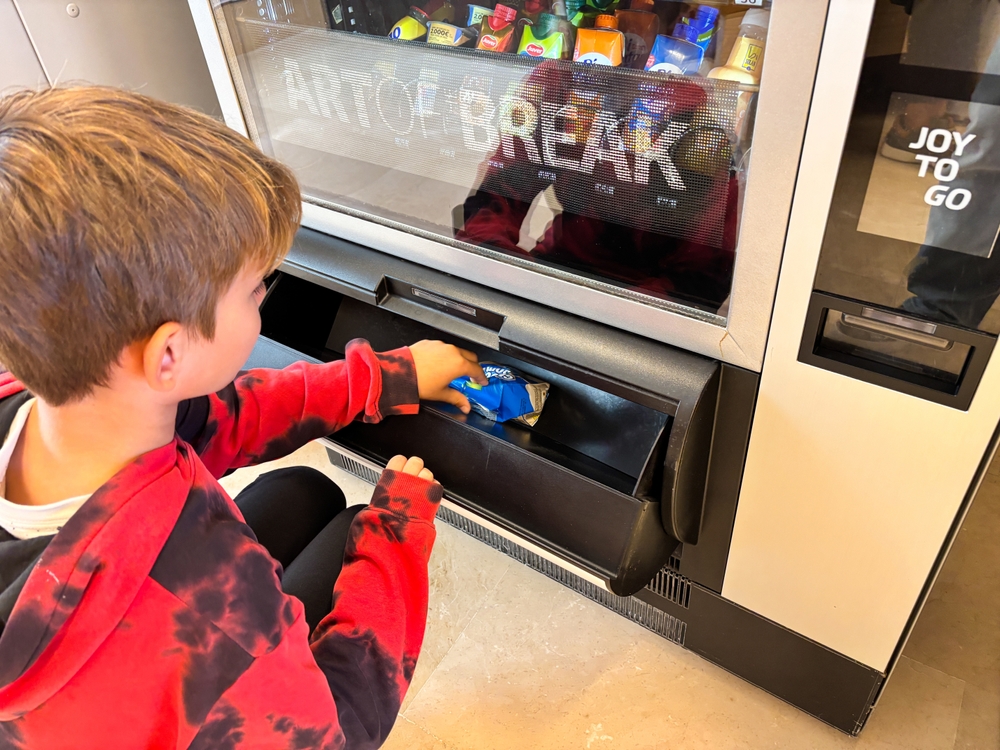
Why Are Some Schools Replacing Lunch With Vending Machines?

January 10, 2026 | Leave a Comment

Why Are Some Schools Replacing Lunch With Vending Machines?
Image source: shutterstock.com

School lunch should be the predictable middle of the day, so families get uneasy when cafeterias change quickly. What gets framed as an “efficiency” update can affect nutrition, behavior, and whether kids feel safe eating in front of peers. Some districts face tight lunch periods, staff vacancies, aging kitchens, and higher food costs at the same time. That combination is why a few schools experiment with vending machines to keep food available with fewer moving parts.

What Schools Are Trying to Solve

Many schools run lunch in waves, and long lines can swallow most of the period. Crowded cafeterias can also spark noise and conflict that follows kids back to class. Administrators want faster service, cleaner transitions, and fewer students wandering halls. They also want less waste when participation shifts day to day. Those goals can be reasonable, but the solution has to protect kids who depend on school meals.

Budget and Staffing Realities

Operating a cafeteria takes trained staff, working equipment, and time for prep and sanitation. When districts can’t fill positions, they simplify menus and shorten service, which frustrates families. Repairs for ovens, dishwashers, and ventilation can blow up a tight budget. Vendors pitch prepackaged options as more predictable than cooking on-site. In that mindset, vending machines can look like a straightforward fix.

When Vending Machines Become the Meal Plan

The biggest shift is not the machine; it’s how students choose under time pressure. Buying items one at a time can push kids toward whatever is fastest, not what is balanced. Some students avoid buying anything if they feel watched or judged. If popular items sell out early, late-lunch students can get stuck with limited options. Any plan needs a guaranteed, complete meal option every day, even when the machine area is busy.

The “Smart Kiosk” Pitch and What It Misses

Newer setups use student IDs, cashless accounts, and approved product lists. Supporters say this speeds service and reduces cash handling headaches. Schools may like the data because it shows what students pick most often. The pitch misses that speed does not equal nutrition or dignity. A fast system still fails if kids skip food, feel embarrassed, or can’t find something safe or healthy to eat.

Nutrition and Portion Concerns

Prepackaged foods can work, but schools still need standards and variety. If the selection leans toward salty snacks and sugary drinks, kids crash by afternoon. Balanced options should include protein, fiber, produce, and water that doesn’t cost extra. Schools using vending machines should restock healthier items as reliably as popular treats. Parents can ask for a sample week of offerings and how the school checks nutrition compliance.

Equity and Free-Meal Access

Lunch systems can accidentally reveal who has money and who does not, and kids notice fast. If a balance runs low, a public decline can stop a student from trying again. A machine-based model needs quiet protections, like automatic coverage and private support. Schools also need enough locations so students aren’t penalized by where their classes are. If vending machines play a central role, families should ask exactly how free and reduced-price benefits work.

Supervision, Safety, and Social Time

A cafeteria is also a supervised space where adults can spot conflicts and check in on kids. When lunch spreads into hallways or small commons areas, supervision gets harder with the same staff. Students can spend the period walking, waiting, and wandering instead of eating. Lunch is social, and rushed purchasing can crowd out the time kids use to connect. If the plan centers on vending machines, the school should publish a supervision plan and protect seated eating time.

What Parents Can Ask for in Writing

Families can support improvements while still pushing for guardrails. Ask for the goals in plain language, like shorter lines, lower costs, or better nutrition. Request a pilot period with feedback, especially if vending machines will replace part of the cafeteria line. Ask what happens when items run out and how late-lunch students still get a full meal. Finally, ask who controls pricing, product lists, and restocking so the system doesn’t drift.

The Nonnegotiable: Kids Need Time to Eat

No setup works if kids don’t have enough minutes to get food, sit down, and finish it. Schools can modernize service while keeping a dependable default meal available to every student. The best plans protect dignity by preventing public declines and supporting allergies and medical diets. Parents can push for regular check-ins that track participation, waste, and student feedback. If a district adopts vending machines, families should make sure convenience never replaces care.

If your school changed lunch service tomorrow, what would you want guaranteed before the first week ended?

What to Read Next…

Why Are Public Schools Quietly Removing Librarians?

10 Childhood Illnesses Making a Comeback in U.S. Schools

5 Ways Bullying Apps Are Operating Without School Oversight

7 Reasons Kids Are Getting Hurt in After-School Programs

Is Your Teen Secretly Using AI to Fake School Assignments?

Catherine Reed
Catherine Reed

Catherine is a tech-savvy writer who has focused on the personal finance space for more than eight years. She has a Bachelor’s in Information Technology and enjoys showcasing how tech can simplify everyday personal finance tasks like budgeting, spending tracking, and planning for the future. Additionally, she’s explored the ins and outs of the world of side hustles and loves to share what she’s learned along the way. When she’s not working, you can find her relaxing at home in the Pacific Northwest with her two cats or enjoying a cup of coffee at her neighborhood cafe.

Filed Under: Education Tagged With: cafeteria changes, education budgets, food insecurity, middle school, Parenting, school lunch, school policy, student nutrition

« Previous Page
Next Page »
  • Facebook
  • Pinterest
  • RSS
  • Twitter
Best Parenting Blogs

Most Popular

Baby Girl

12 “Grandma” Baby Names That Are Suddenly Cool Again

Evan Morgan
Baby

9 Baby Names That Sound Rare Without Being Hard to Spell

Evan Morgan
Target Store

Choking Incident Prompts Recall of 49,000 Target Gigglescape “Under the Sea” Popping Toys

Evan Morgan
Frustrated Girl

Why Some Students on the Spectrum Are Labeled With ODD

Evan Morgan
Coke Bottles

12 Things Kids Took to School in the ’70s That Would Never Be Allowed Today

Evan Morgan

All content on Kids Ain’t Cheap is for entertainment purposes only. By reading this blog, you agree that Kids Ain’t Cheap is not responsible for any actions taken after reading this blog. For the full disclaimer, see our privacy policy.

Please note that Kids Ain’t Cheap has financial relationships with some of the merchants mentioned here. Kids Ain’t Cheap is funded by banner advertising, commission sales and search optimization consulting.

Copyright © 2006–2026 | District Media | All Rights Reserved | Privacy Policy

Copyright © 2026 Runway Pro Theme by Viva la Violette