• Home
  • About Us
  • Toolkit
  • Archives
  • Advertise
  • Privacy Policy

Kids Ain't Cheap

But They Sure Are Worth It

  • Parenting
    • Baby Stuff
    • Books and Reading
      • Aesops Fables
      • Comic Books
    • Education
    • Family Time
    • Green Living
    • Growing Up
    • Healthy Living & Eating
    • Holidays
    • Parenting
    • Random Musings
    • Shopping
    • Stuff to Do
  • Money
  • Product Reviews
    • Books and Magazines
    • Discount Sites
    • Furniture
    • House Keeping
    • Reviews News
    • Toys and Games
  • Contact Us
  • Our Editorial Commitment
  • Search

6 Ways Parents Are Quiet Quitting Expensive School Spirit Days

February 7, 2026 | Leave a Comment

These Are 6 Ways Parents Are Quiet Quitting Expensive School Spirit Days
Image Source: Shutterstock.com

There was a time when school spirit days were simple. Pajama Day? Easy. Hat Day? Done. Crazy Hair Day? A can of gel and a prayer. But somewhere along the way, spirit days evolved into full‑blown productions requiring themed outfits, accessories, props, and sometimes even last‑minute craft projects that mysteriously appear on the calendar the night before. And parents — already juggling work, schedules, and the rising cost of everything — have quietly decided they’re over it.

Families are feeling the financial and mental load of constant themed days, and many are choosing a gentler, more realistic approach. They’re not opting out entirely; they’re simply participating in ways that don’t require a shopping trip, a glue gun, or a second mortgage.

1. The “Use What We Already Have” Method Is Becoming the New Normal

Parents everywhere are embracing the radical idea that spirit day doesn’t require buying anything new. Instead of hunting down neon socks for “Glow Day” or a full safari outfit for “Explorer Day,” families are digging through closets, toy bins, and the mysterious drawer where random costume pieces go to retire.

Kids don’t need a brand‑new outfit to feel included. A mismatched pair of socks works just fine for Wacky Wednesday. A stuffed animal becomes a “wildlife companion” for Animal Day. And that old Halloween costume? Suddenly perfect for Superhero Day. Parents are discovering that creativity beats consumerism every time, and kids often enjoy the challenge of making something out of what they already own.

2. Parents Are Setting Boundaries With the “One Spirit Day Per Month” Rule

Some families are quietly implementing a new household policy: participate in one spirit day per month, and the rest are optional. This gives kids a sense of choice and prevents parents from feeling overwhelmed by a never‑ending parade of themed events.

This strategy also teaches kids something valuable — that it’s okay to prioritize. Not every event requires full participation, and not every themed day needs to be a production. Parents who use this method often find that their kids naturally gravitate toward the days that genuinely excite them, rather than feeling obligated to do them all. It’s a win for mental health, schedules, and budgets.

3. The “Low‑Effort Version Counts” Philosophy Is Taking Over

Quiet quitting doesn’t mean skipping spirit days entirely. It means redefining what participation looks like. Instead of elaborate costumes, parents are opting for simple, doable versions of the theme. Pajama Day? Great — just wear pajamas. Crazy Hair Day? A ponytail with a ribbon counts. Sports Day? A T‑shirt with a number on it is perfectly acceptable.

This approach removes the pressure to go above and beyond. Kids still feel included, and parents avoid the stress of trying to outdo last year’s effort. It’s a reminder that spirit days were never meant to be competitions — they were meant to be fun. And fun doesn’t require a shopping cart full of supplies.

4. Parents Are Teaming Up to Share Costumes and Supplies

Another quiet trend gaining traction is the rise of the “spirit day swap.” Parents are sharing costumes, accessories, and props with friends, neighbors, and classmates. Why buy a cowboy hat for Western Day when someone down the street has one sitting in a closet? Why purchase a lab coat for Scientist Day when another family has one from last year’s Halloween?

This community‑minded approach saves money, reduces waste, and builds connections between families. It also teaches kids that sharing is normal and that not everything needs to be brand‑new. Parents who participate in swaps often say it’s one of the easiest ways to reduce the financial burden of spirit days without sacrificing the fun.

5. Families Are Pushing Back on Last‑Minute Announcements

One of the biggest frustrations parents face is the dreaded last‑minute spirit day email. You know the one — it arrives at 8 p.m. announcing that tomorrow is “Dress Like a Historical Figure Day,” and suddenly you’re scrambling to turn a bedsheet into a toga. Many parents are quietly deciding that if the school doesn’t give enough notice, participation is optional.

Families have busy schedules, and not every household can pivot on a dime. By setting this boundary, parents reduce stress and send a gentle message that communication matters. And honestly, most kids are perfectly happy showing up in regular clothes if the alternative is a rushed, chaotic morning.

These Are 6 Ways Parents Are Quiet Quitting Expensive School Spirit Days
Image Source: Shutterstock.com

6. Parents Are Choosing Experiences Over Outfits

Perhaps the most meaningful shift is that families are focusing less on themed outfits and more on the spirit behind spirit days. Instead of spending money on costumes, parents are using the opportunity to talk with their kids about school pride, creativity, and community. A child might not have the perfect outfit for Book Character Day, but they can bring their favorite book and share why they love it.

This approach keeps the heart of spirit days alive without the financial strain. It reminds kids that participation is always important, but isn’t about perfection — it’s about enthusiasm. And it gives parents permission to step back from the pressure to perform.

Parents Aren’t Opting Out — They’re Opting for Sanity

Quiet quitting school spirit days isn’t about being anti‑fun or anti‑school. It’s about recognizing that modern parenting comes with enough demands already. Families are choosing balance, creativity, and practicality over pressure, expense, and last‑minute chaos. And in many ways, this shift is bringing spirit days back to what they were always meant to be: simple, joyful, and inclusive.

What is going on with your family? Are you quietly quitting spirit days, too, or do you still go all‑in when the calendar hits Wacky Wednesday? Let’s hear about it below.

You May Also Like…

6 After-School Activities Parents Regret Paying For (Because the “Benefits” Don’t Show Up)

Nutritionists Warn: 6 “Healthy” Lunchbox Staples That Spike Sugar Crashes at School

Teachers Beg Parents: Stop Buying These 7 Expensive School Supplies

10 Innocent Behaviors That Could Get Your Child Suspended in 2026

8 Budget Cuts in Education That Directly Impact Your Kids

Brandon Marcus
Brandon Marcus
Brandon Marcus is a writer who has been sharing the written word since a very young age. His interests include sports, history, pop culture, and so much more. When he isn’t writing, he spends his time jogging, drinking coffee, or attempting to read a long book he may never complete.

Filed Under: Parenting Tagged With: education trends, Family Budgeting, kids activities, modern parenting, money-saving tips, parent life, Parenting, quiet quitting, school culture, school events, school spirit days

Teachers Share the 5 Valentine’s Gifts That End Up in the Trash Immediately

February 6, 2026 | Leave a Comment

Teachers Share the 5 Valentine’s Gifts That End Up in the Trash Immediately
Image Source: Shutterstock.com

Every February, classrooms across the country transform into a sea of pink construction paper, glitter explosions, and tiny folded cards that smell faintly of fruit punch. Kids love it, teachers embrace it, and parents do their best to keep up with whatever the classroom newsletter demands.

But behind the scenes, teachers say there are a few Valentine’s gifts that don’t just miss the mark—they go straight into the trash before the final bell rings. Not because teachers are ungrateful, but because some items simply can’t be reused, stored, or safely kept in a classroom full of energetic children.

1. The Glitter Bomb Creations That Shed for Eternity

Teachers love creativity, but glitter is their sworn enemy. When a child hands over a Valentine coated in loose glitter, teachers know exactly what’s coming: a week of sparkling floors, shimmering desks, and students who look like they’ve been dipped in fairy dust. Glitter doesn’t stay put, no matter how much glue was used or how carefully the card was crafted. It transfers to clothing, carpets, and even the teacher’s lunch.

Many teachers say these cards are admired briefly and then tossed because they simply can’t risk the glitter spreading any further. If your child loves sparkle, consider glitter stickers or metallic paper instead. They offer the shine without the classroom chaos.

2. Oversized Stuffed Animals That Have Nowhere to Live

Kids adore stuffed animals, but teachers have no place to store them—and no way to manage the drama that follows when one child gets a giant plush bear and another gets a paper card. Oversized stuffed animals take up valuable classroom space, collect dust, and often become distractions during lessons. Teachers say they usually end up quietly discarding them because they can’t send them home on the bus, can’t keep them in the classroom, and can’t donate them without permission.

If your child wants to give something soft and cute, try small Valentine‑themed erasers or stickers. They’re adorable, affordable, and won’t require a storage plan.

Teachers Share the 5 Valentine’s Gifts That End Up in the Trash Immediately
Image Source: Shutterstock.com

3. Homemade Baked Goods That Can’t Be Shared

Teachers appreciate the effort behind homemade treats, but most schools have strict rules about food safety and allergies. That means cupcakes, cookies, and chocolate‑covered anything—no matter how delicious—usually can’t be distributed. Teachers often have to throw them away immediately, even if they feel guilty doing it. They simply can’t risk serving food without ingredient labels or allergen information.

If you want to send something edible, stick to prepackaged items with clear labeling. It keeps everyone safe and ensures your thoughtful gesture doesn’t end up in the trash.

4. Scented Lotions and Bath Products That Trigger Allergies

Scented gifts may seem like a sweet idea, but teachers say they’re one of the most commonly discarded Valentine’s items. Many classrooms have students with fragrance sensitivities, asthma, or skin allergies, which means teachers can’t keep or use heavily scented lotions, sprays, or bath products. Even mild scents can cause headaches or reactions in a closed classroom environment.

Teachers often toss these items immediately to avoid any issues. If you want to give a small self‑care gift, consider unscented hand wipes or a simple handwritten note of appreciation. It’s thoughtful without being risky.

5. Tiny Plastic Toys That Break Before Lunch

Teachers say the number one Valentine’s gift that ends up in the trash is tiny plastic toys—think mini slinkies, plastic rings, tiny figurines, or novelty gadgets. These items break easily, become choking hazards, or get lost within minutes. They clutter desks, distract students, and often cause arguments when one child’s toy breaks and another’s doesn’t.

Teachers usually sweep them into the trash during cleanup because they can’t store them, fix them, or send them home safely. If you want to give something fun, try small activity sheets, bookmarks, or stickers. They’re still exciting for kids but far more classroom‑friendly.

Teachers Aren’t Ungrateful—They’re Just Trying to Survive the Day

It’s important to remember that teachers genuinely appreciate the thought behind every Valentine’s gift, even the ones they can’t keep. Their goal isn’t to discourage generosity but to help families choose items that are safe, practical, and classroom‑appropriate. When you pick gifts that won’t shed glitter, trigger allergies, or break instantly, you’re making the day easier for everyone—especially the teacher who has to manage 20 or more excited kids on a sugar‑fueled holiday. A simple card, a small treat, or a heartfelt note can mean far more than any elaborate gift.

What about you—have you ever sent a Valentine’s gift only to realize later it probably didn’t survive the school day? Tell us about it in the comments below.

You May Also Like…

The 5 “Educational” Apps That Teachers Say Are Actually Hurting Grades

6 Valentine’s Cards That Parents Regret Sending for Years

6 After-School Activities Parents Regret Paying For (Because the “Benefits” Don’t Show Up)

Nutritionists Warn: 6 “Healthy” Lunchbox Staples That Spike Sugar Crashes at School

8 Parent-Teacher Conversations That Can Hurt a Child’s Mental Health

Brandon Marcus
Brandon Marcus
Brandon Marcus is a writer who has been sharing the written word since a very young age. His interests include sports, history, pop culture, and so much more. When he isn’t writing, he spends his time jogging, drinking coffee, or attempting to read a long book he may never complete.

Filed Under: Education Tagged With: 2026 holidays, classroom gifts, classroom parties, family life, holiday trends, kids activities, parenting tips, school events, teacher advice, teacher insights, Valentines Day

Psychology Warning: Why Paying Cash for “A” Grades Creates Anxiety, Not Success

February 4, 2026 | Leave a Comment

Why Paying Cash for
Image Source: Shutterstock.com

It sounds like a simple, well-meaning deal: “Get an A, get cash.” No yelling, no grounding, no lectures—just a clean transaction between effort and reward.

On the surface, it feels smart, modern, even motivational. Who wouldn’t work harder if there’s money on the table? But psychology has been quietly waving a red flag for decades, and the message is clear: paying students for grades doesn’t build confident learners—it often builds anxious performers.

Instead of creating long-term success, this system can rewire how kids see learning, achievement, and even their own self-worth. And once that wiring sets in, it’s surprisingly hard to undo.

The Brain Doesn’t Learn for Cash, It Learns for Meaning

The human brain doesn’t naturally learn for external rewards. It learns for meaning, curiosity, and mastery. Psychologists call this intrinsic motivation—the internal drive to understand, explore, and improve because the activity itself feels valuable. When you attach money to grades, you replace that internal motivation with extrinsic motivation, which is driven by rewards and punishments instead of interest and purpose.

This matters because research consistently shows that when external rewards dominate, intrinsic motivation tends to shrink. Students start asking, “What do I get for this?” instead of “What can I learn from this?” Learning becomes a transaction, not a journey. That shift can make school feel hollow, mechanical, and stressful rather than meaningful and engaging. It’s not that kids stop working—it’s that they stop caring in a healthy way.

When Achievement Becomes a Transaction, Anxiety Takes Over

Cash-for-grades systems quietly change how students experience pressure. Instead of seeing school as a place to grow, they begin to see it as a performance arena where every mistake has a price tag. That creates a psychological environment where fear replaces curiosity.

Anxiety thrives in transactional systems because failure stops being feedback and becomes a personal loss. A low grade isn’t just information about learning gaps—it’s lost money, disappointment, and sometimes shame. This pressure can push students toward perfectionism, fear of risk-taking, and avoidance of challenging subjects. They may choose easier classes, safer paths, and predictable outcomes just to protect their reward system.

Why Paying Cash for
Image Source: Shutterstock.com

Short-Term Results, Long-Term Damage

Yes, paying for grades can boost performance in the short term. That’s not a myth. Behavioral psychology shows that rewards can increase specific behaviors quickly. The problem is what happens next. Once the reward disappears, so does the motivation.

This creates a dangerous dependency loop: students begin to associate effort only with compensation. Without payment, the work feels pointless. Over time, they struggle to self-motivate, procrastinate more, and feel disconnected from learning unless there’s a tangible reward attached. This doesn’t prepare them for college, careers, or adulthood—because real life doesn’t pay you for effort, only for outcomes, persistence, and long-term growth.

What Actually Builds Motivation Without Anxiety

Motivation that lasts comes from autonomy, mastery, and purpose. When students feel some control over their learning, see themselves improving, and understand why what they’re learning matters, motivation becomes internal and stable.

Practical alternatives work better than cash. Praise their effort, strategy, and persistence instead of result. Also, reward learning behaviors (study habits, consistency, improvement) rather than the grades themselves.

These approaches don’t eliminate pressure—but they transform it into healthy challenge instead of fear-based stress. Students still care about success, but they don’t collapse when things go wrong.

Why “Success” Without Emotional Stability Isn’t Real Success

A student with perfect grades and constant anxiety isn’t thriving—they’re surviving. Emotional stability, confidence, adaptability, and self-trust matter just as much as academic performance. When motivation is built on money and fear of failure, success becomes fragile.

Real success looks like resilience, curiosity, persistence, and emotional regulation. It looks like students who can fail, adjust, and try again without spiraling. It looks like young people who believe effort matters even when no one is watching. Grades matter, yes—but mental health, identity, and motivation systems matter more in the long run.

Raising Learners, Not Performers

The goal isn’t to raise kids who chase rewards. It’s to raise humans who know how to learn, adapt, and grow in a changing world. Paying for grades creates performers. Building intrinsic motivation creates learners. One survives systems. The other thrives in them.

If you want lasting success, trade transactions for trust. Trade fear for growth. Trade pressure for purpose. The grades will follow—but the confidence, resilience, and emotional health will last much longer than any cash reward ever could.

So what do you think—should motivation come from money, meaning, or something in between? Share your thoughts in the comments.

You May Also Like…

Nutritionists Warn: 6 “Healthy” Lunchbox Staples That Spike Sugar Crashes at School

Teachers Beg Parents: Stop Buying These 7 Expensive School Supplies

Parenting Hacks for College Students: 8 Tips to Juggle Studies and Kids

4 (More) Great Part Time Job Options for College Students

The 5 “Educational” Apps That Teachers Say Are Actually Hurting Grades

Brandon Marcus
Brandon Marcus
Brandon Marcus is a writer who has been sharing the written word since a very young age. His interests include sports, history, pop culture, and so much more. When he isn’t writing, he spends his time jogging, drinking coffee, or attempting to read a long book he may never complete.

Filed Under: Education Tagged With: academic pressure, anxiety, child development, education, family dynamics, intrinsic motivation, learning science, Mental Health, Motivation, Parenting, psychology, student success

6 After-School Activities Parents Regret Paying For (Because the “Benefits” Don’t Show Up)

February 4, 2026 | Leave a Comment

These Are 6 After-School Activities Parents Regret Paying For (Because the “Benefits” Don’t Show Up)
Image Source: Shutterstock.com

Every parent wants to give their kid “the best.” The best opportunities. The best experiences. The best possible start in life. That’s how we end up swiping credit cards for uniforms, lessons, registration fees, equipment, travel costs, and monthly memberships that promise confidence, discipline, focus, leadership, and future success — all wrapped in glossy brochures and inspirational slogans.

But here’s the uncomfortable truth: not every after-school activity delivers what it promises, and some of them quietly become expensive habits with very little payoff. Not because kids are failing — but because the activity itself just doesn’t live up to the hype. These are the programs parents often regret paying for, not out of bitterness, but out of hard-earned wisdom, empty wallets, and a deep realization that “busy” doesn’t always mean “beneficial.”

1. Travel Sports Teams That Drain Bank Accounts and Burn Out Families

Travel sports look amazing on paper: elite coaching, top-tier competition, exposure opportunities, and a fast track to scholarships or college recruitment. In reality, many families discover they’ve signed up for a lifestyle, not just a sport. Weekend travel, hotel stays, tournament fees, equipment upgrades, private training sessions, and “mandatory extras” quietly balloon into thousands of dollars a year. For most kids, the actual skill development isn’t dramatically better than local leagues, especially at younger ages where fundamentals matter more than competition.

The pressure can also drain the joy out of the game, turning something kids once loved into a source of stress and performance anxiety. Parents often realize too late that they weren’t paying for growth — they were paying for access, status, and a very expensive schedule.

2. Hyper-Competitive Academic Enrichment Programs That Promise Genius-Level Results

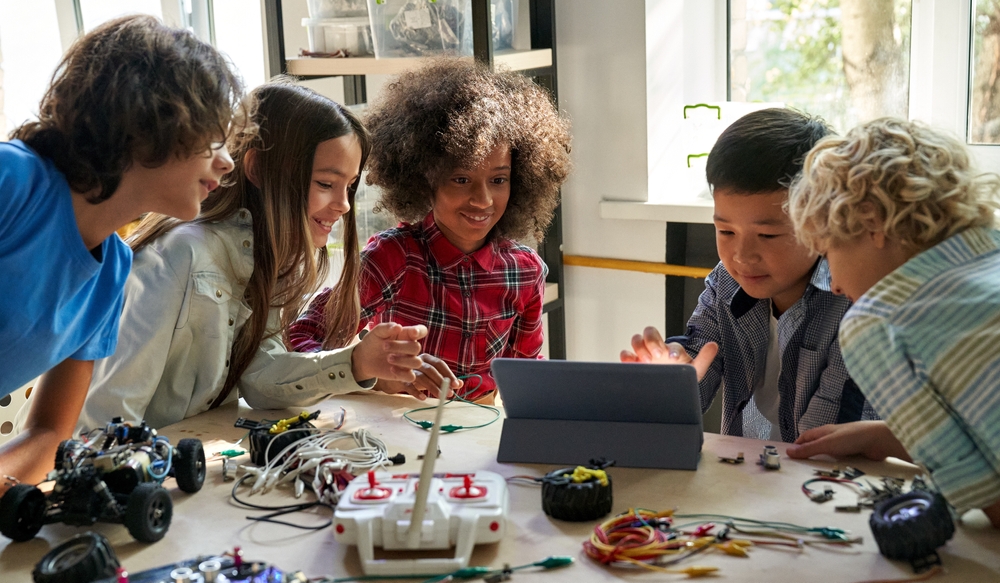
From coding bootcamps to elite math academies to accelerated reading programs, these classes often promise to unlock hidden brilliance and future success. The reality is that learning doesn’t thrive under pressure, especially when kids are overloaded with structured demands all day long. Many parents notice their kids becoming exhausted, anxious, or disengaged rather than inspired and curious. The material can feel forced, overly rigid, or disconnected from how kids naturally learn and explore.

Instead of nurturing creativity and curiosity, these programs sometimes turn education into a grind. Families walk away realizing that curiosity grows better through exploration, play, and meaningful experiences — not pressure-packed enrichment schedules.

These Are 6 After-School Activities Parents Regret Paying For (Because the “Benefits” Don’t Show Up)
Image Source: Shutterstock.com

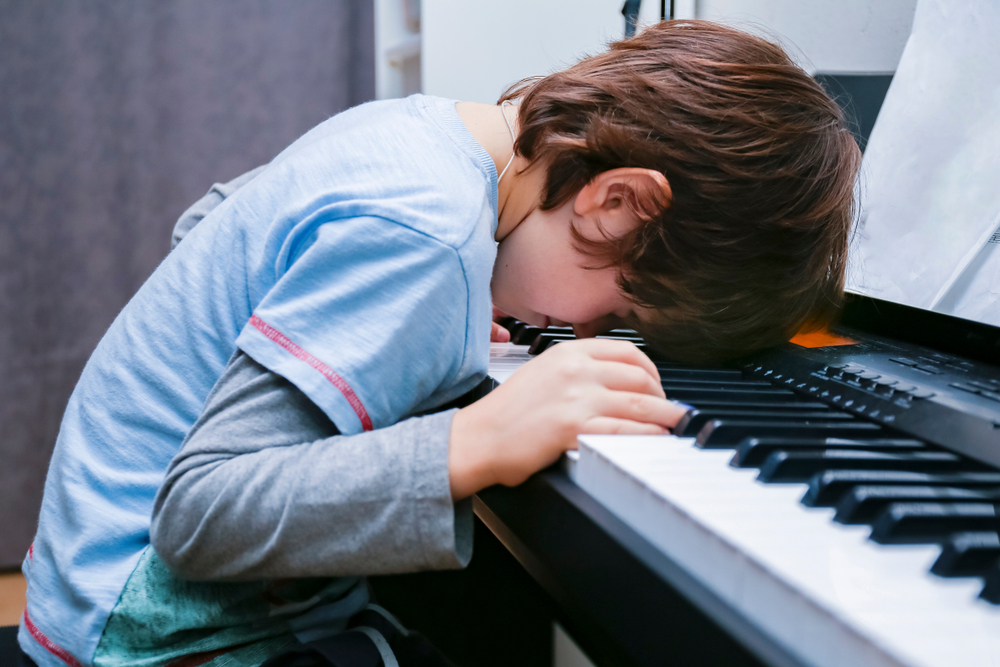
3. Music Lessons That Never Turn Into Music Lovers

Music education is powerful, but only when it’s driven by genuine interest. Many parents pay for years of piano, violin, or guitar lessons hoping for discipline, confidence, and lifelong appreciation of music.

What often happens instead is weekly battles over practice, forced recitals, and kids who associate music with stress instead of joy. The structure can become rigid, transactional, and performance-focused rather than expressive and creative. When the child isn’t internally motivated, the “benefits” never really land. Parents eventually realize they weren’t building musicians. Instead, they were maintaining a routine that nobody actually enjoyed.

4. Activity Overload That Leaves Kids Tired Instead of Thriving

Sometimes the regret isn’t one specific activity — it’s the sheer volume of them. Soccer on Mondays, tutoring on Tuesdays, dance on Wednesdays, robotics on Thursdays, games on weekends. The schedule looks impressive, but the kids are exhausted, irritable, and overstimulated. There’s no room for rest, boredom, creativity, or unstructured play, which are essential for emotional regulation and brain development.

Parents often recognize that their child isn’t actually benefiting from the activities because they’re too tired to engage meaningfully. Busy doesn’t equal healthy, and full calendars don’t automatically build better humans.

5. Character-Building Programs That Teach Rules, Not Real-Life Skills

Programs built around discipline, leadership, or “character development” often sound incredible in theory. But many end up being rigid, hierarchical, and rule-heavy rather than emotionally supportive or developmentally appropriate. Kids may learn obedience, but not empathy. Structure, but not communication. Compliance, but not confidence.

Parents start noticing that their child isn’t becoming more secure or emotionally aware. They’re just becoming more conditioned to follow instructions. True character growth comes from relationships, trust, modeling, and emotional safety, not just structured authority and rigid systems.

6. Prestige Programs That Feel More About Appearances Than Growth

Some activities exist less for child development and more for optics. Elite academies, exclusive programs, invite-only clubs, and branded enrichment experiences often sell a powerful image of success and status. Parents pay for the name, the reputation, and the “impressive” factor, not necessarily the impact.

Eventually, many realize their child isn’t gaining meaningful skills, confidence, or joy — just a logo and a label. The regret comes from recognizing that image doesn’t equal impact, and prestige doesn’t equal growth. Kids don’t need impressive résumés, they need meaningful experiences.

The Quiet Realization That “Less” Often Works Better

Parents who’ve been through this cycle often come to the same conclusion: fewer activities, chosen intentionally, create more growth than packed schedules and expensive programs. Kids thrive when they feel safe, supported, rested, and internally motivated.

Growth happens through play, relationships, curiosity, autonomy, and emotional connection and not just structured instruction. The most powerful investments aren’t always financial; they’re time, presence, and flexibility. Sometimes the best after-school activity is space to breathe, explore, imagine, and just be a kid.

What after-school activities have you found actually helped your child grow — and which ones just weren’t worth it? Share your experience in the comments.

You May Also Like…

Nutritionists Warn: 6 “Healthy” Lunchbox Staples That Spike Sugar Crashes at School

Teachers Beg Parents: Stop Buying These 7 Expensive School Supplies

The 5 “Educational” Apps That Teachers Say Are Actually Hurting Grades

8 Silent Symptoms of “Walking Pneumonia” Spiking in Virginia Schools This Week

How Your Child’s Cell Phone Could Now Ruin Them In School

Brandon Marcus
Brandon Marcus
Brandon Marcus is a writer who has been sharing the written word since a very young age. His interests include sports, history, pop culture, and so much more. When he isn’t writing, he spends his time jogging, drinking coffee, or attempting to read a long book he may never complete.

Filed Under: Education Tagged With: after school activities, child development, childhood learning, education, extracurriculars, Family Budget, family life, kids activities, modern parenting, Parenting, parenting advice

The 5 “Educational” Apps That Teachers Say Are Actually Hurting Grades

February 1, 2026 | Leave a Comment

The 5
Image Source: Shutterstock.com

Parents download them with the best intentions, kids love them instantly, and the marketing promises smarter, faster, better learning. The problem? Teachers across classrooms are noticing a growing disconnect between what these “educational” apps promise and what students actually bring into school.

Many of these platforms look productive on the surface, but they quietly train habits that work against real learning—short attention spans, shallow thinking, and dependence on instant feedback. Grades don’t drop overnight, but teachers say the long-term effects show up in focus, effort, and resilience.

1. Gamified Learning Apps That Reward Speed Over Thinking

Gamified learning apps turn education into points, badges, streaks, and dopamine loops, which sounds great until students stop caring about understanding. Teachers say kids often rush through questions just to keep their streaks alive, clicking answers instead of thinking critically.

Over time, students associate learning with speed, not depth, and accuracy becomes secondary to rewards. This creates classroom habits where students expect constant stimulation and instant validation. When real schoolwork requires patience, revision, and struggle, frustration kicks in fast. A healthier approach is using these apps as occasional practice tools, not daily learning replacements, and pairing them with slower, deeper offline learning.

2. Video-Based Learning Platforms That Encourage Passive Watching

Video learning platforms feel productive because students are “watching lessons,” but teachers report a growing problem with passive consumption. Kids often let videos play without processing, pausing, or applying the information.

Learning turns into background noise instead of active engagement. Teachers notice that students who rely heavily on video apps struggle with recall, problem-solving, and independent thinking. Real learning requires interaction, not just exposure to information. Parents can help by encouraging note-taking, discussion, and application after videos instead of treating watching as learning.

3. Homework Helper Apps That Do Too Much Of The Work

Some apps promise help with homework but end up doing the thinking for the student. Teachers see assignments completed correctly but with no understanding behind the answers. This creates a dangerous illusion of learning where grades may look fine temporarily, but skills collapse during tests and in-class work.

Students lose problem-solving confidence because they rely on tools instead of their own thinking. Over time, academic independence disappears. If kids use help apps, they should explain the reasoning out loud or write out the steps, turning help into learning instead of shortcuts.

4. Study Apps Built On Constant Notifications And Alerts

Many “productivity” and study apps flood students with reminders, streak alerts, and achievement pop-ups. Teachers say this trains kids to depend on external prompts instead of building internal discipline. Focus becomes fragmented because students constantly switch attention between tasks and notifications.

This weakens sustained concentration, which is critical for reading, writing, and complex problem-solving. In class, this shows up as restlessness, distraction, and low mental stamina. Turning off notifications and setting specific app usage times helps rebuild attention control.

The 5
Image Source: Shutterstock.com

5. Educational Games That Blur Learning With Entertainment

Some apps blend games and learning so closely that kids engage more with the entertainment than the education. Teachers report students who love the games but can’t explain what they learned. The brain remembers rewards, characters, and animations, not concepts. This creates surface-level familiarity without deep understanding.

When tested on real material, performance drops because the learning never fully formed. Parents can balance this by pairing educational games with real-world application, like discussing concepts or practicing skills offline.

The Real Issue Isn’t Technology—It’s How It Trains The Brain

Teachers don’t hate educational apps, and most don’t want screens banned from learning. The real issue is how certain apps train attention, motivation, and thinking patterns that clash with how real learning works. Apps that reward speed, shortcuts, and constant stimulation make classrooms harder for students to navigate. Learning requires patience, effort, boredom tolerance, and focus—skills that many apps quietly weaken.

Which app does your child love that you’re now questioning—and what changes are you willing to make to protect their focus and learning long-term? Let’s hear about it below.

You May Also Like…

8 Children’s Apps That Are Secretly Tracking More Than Location

5 Ways Bullying Apps Are Operating Without School Oversight

Should Parents Be Tracking Their Teens with AI-Powered Apps?

How Your Child’s Cell Phone Could Now Ruin Them In School

Should You Let Your Child Keep Their Smartphone Overnight?

Brandon Marcus
Brandon Marcus
Brandon Marcus is a writer who has been sharing the written word since a very young age. His interests include sports, history, pop culture, and so much more. When he isn’t writing, he spends his time jogging, drinking coffee, or attempting to read a long book he may never complete.

Filed Under: Education Tagged With: classroom behavior, digital learning, education apps, homework habits, kids and tech, learning technology, parenting tips, school success, Screen Time, student focus, student performance

Teachers Beg Parents: Stop Buying These 7 Expensive School Supplies

February 1, 2026 | Leave a Comment

Teachers Beg Parents: Stop Buying These 7 Expensive School Supplies
Image Source: Shutterstock.com

Every school year starts the same way: packed aisles, frantic parents, colorful packaging screaming “must-have,” and kids begging for the coolest new gear. It feels responsible, loving, and supportive to load up the cart with premium supplies, because who doesn’t want their child to feel confident and prepared? But here’s the truth teachers quietly whisper in break rooms and shout in group chats: a lot of those pricey school supplies are a total waste of money.

They don’t improve learning, they don’t help kids focus, and in many cases, they create more distractions than benefits. If you want to save money and actually help your child succeed in the classroom, these are the seven expensive supplies teachers wish parents would stop buying.

1. The Designer Backpack Arms Race

That $80 backpack with the limited-edition character print might look adorable in August, but by October it usually looks like it went through a small war. Teachers see broken zippers, torn straps, and lost accessories every year, no matter how expensive the bag was. Kids drag backpacks across floors, overload them with books, and toss them under desks, which means durability matters more than branding.

A simple, well-constructed backpack with reinforced stitching lasts longer than most designer options. Teachers say the best backpack is boring, sturdy, washable, and not emotionally devastating when it inevitably gets damaged.

2. Fancy Pencil Boxes With Built-In Gadgets

Multi-level pencil organizers with pop-out compartments, mirrors, locks, and tiny drawers look impressive, but they quickly become classroom chaos machines. Teachers watch kids spend more time opening, closing, reorganizing, and showing off their pencil boxes than actually using them. These oversized cases also take up valuable desk space and slow down transitions between activities.

A basic zip pouch or small hard case keeps supplies organized without turning into a distraction device. Teachers consistently say simpler storage equals better focus and smoother classroom flow.

3. High-End Mechanical Pencils And Premium Pens

Parents often assume better tools mean better performance, but classrooms don’t work like luxury offices. Expensive mechanical pencils break, get lost, and cause tears when they disappear under desks or into backpacks. Teachers see kids spending more time fixing lead jams than writing sentences.

Standard pencils and basic pens work just as well for learning and are easier to replace without stress. If a supply causes more anxiety than productivity, it’s not helping your child academically.

4. Trendy Personalized Supplies With Names On Everything

Monogrammed folders, custom notebooks, and name-printed supplies look adorable on Instagram, but teachers know the real outcome. Kids lose them, trade them, spill on them, or outgrow the designs halfway through the year. Personalized items also cost significantly more than standard versions while offering zero academic benefit.

Teachers care far more about functionality than personalization. Neutral supplies save money, reduce pressure, and prevent meltdowns when something inevitably gets lost.

5. Premium Art Supplies For Everyday Classroom Use

Professional-grade markers, high-end colored pencils, and specialty art kits might sound like a great investment in creativity, but classrooms are not art studios. Teachers use supplies daily, and wear-and-tear happens fast. Expensive art materials dry out, break, or get shared across classrooms, which means your investment disappears quickly.

Standard school-grade supplies are designed for durability and heavy use. Teachers often say it’s better to save premium art tools for home projects where kids can actually protect and care for them.

Teachers Beg Parents: Stop Buying These 7 Expensive School Supplies
Image Source: Shutterstock.com

6. Overpriced Organizational Systems

Fancy binders with built-in planners, divider systems, and color-coded sections seem like the perfect solution for school organization. In reality, teachers watch kids struggle to maintain them all year long. Papers get shoved into random sections, folders tear, and systems collapse under real classroom pressure.

Keeping your child organized for school may be difficult, but simple tools work better because they’re easier for kids to maintain independently. Teachers consistently recommend basic folders, simple binders, and clear labeling over complex systems that look good but fail in practice.

7. Tech Accessories For Non-Tech Classrooms

Wireless earbuds, tablet keyboards, stylus pens, and digital accessories often get added to school shopping lists because they feel “modern” and future-ready. But many classrooms either restrict tech use or provide school-managed devices.

Teachers frequently deal with lost earbuds, broken chargers, and constant distractions caused by personal tech accessories. These items create management issues rather than learning benefits. Teachers say wait until the school clearly requires them before spending money on tech extras.

What Teachers Actually Want Parents To Do Instead

Teachers don’t want parents to stop caring or stop preparing their kids for school. They want families to spend money wisely, not emotionally. Durable basics beat flashy extras every time in a real classroom environment. Focus on reliability, simplicity, and practicality instead of aesthetics and trends. The best supplies support learning quietly without becoming distractions, stressors, or status symbols. When parents choose function over flash, kids show up calmer, more focused, and more confident.

Which school supply have you spent way too much money on — and did it actually help your child in the classroom, or just your shopping cart ego? Tell your stories to fellow parents in the comments section.

You May Also Like…

How Your Child’s Cell Phone Could Now Ruin Them In School

8 Budget Cuts in Education That Directly Impact Your Kids

What To Do When Your Child Doesn’t Like Their Teacher

Cops Confirm: The New “Smart” School Lockers That Are Secretly Scanning Your Child’s Belongings

8 Hidden Costs of “Free” Public Education

Brandon Marcus
Brandon Marcus
Brandon Marcus is a writer who has been sharing the written word since a very young age. His interests include sports, history, pop culture, and so much more. When he isn’t writing, he spends his time jogging, drinking coffee, or attempting to read a long book he may never complete.

Filed Under: Education, ElegantPark Satin Bridal Shoes Tagged With: Back to School, budgeting, classroom tips, education, Family Finance, kids education, Parenting, school supplies, smart spending, teachers

What To Do When Your Child Doesn’t Like Their Teacher

January 30, 2026 | Leave a Comment

What To Do When Your Child Doesn't Like Their Teacher
Image Source: Shutterstock.com

The moment your child drops the line, “I hate my teacher,” your brain can spin into a thousand directions at once. Is this a personality clash, a passing mood, or the beginning of a bigger school struggle that could affect learning and confidence? Most parents want to swoop in and fix it immediately, but this situation usually calls for a calmer, more strategic approach that balances empathy with perspective.

Understanding what’s really happening can help you support your child without creating unnecessary conflict or stress at school.

Is This a Phase or a Real Problem?

Children experience school through emotions first and logic second, so disliking a teacher doesn’t always signal a serious issue. Sometimes it’s as simple as adjusting to new rules, a stricter classroom style, or not being the teacher’s “favorite” after years of easy rapport. Other times, repeated complaints paired with anxiety, falling grades, or reluctance to attend school can point to something deeper that deserves attention.

One helpful suggestion is to notice patterns over a couple of weeks rather than reacting to a single rough day. Keeping a short journal of what your child says and how they behave can help you distinguish between a temporary frustration and an ongoing concern.

Listen First, Resist the Urge to Fix Everything

When kids feel unheard, their dislike for a teacher can grow into resentment toward school itself. Instead of correcting their perception or defending the teacher right away, invite your child to explain what specifically feels wrong in the classroom. Asking open-ended questions shows you take their feelings seriously and gives you better information than quick yes-or-no answers.

Try reflecting back what you hear, such as acknowledging that feeling embarrassed or ignored can be really hard for a child. A useful tip is to save problem-solving for later and make the first conversation purely about listening.

Partner With the Teacher, Not Against Them

Reaching out to the teacher can feel intimidating, especially if emotions are running high at home. Most educators appreciate respectful communication and want to know when a child is struggling, even if the issue feels uncomfortable to discuss. Approach the conversation with curiosity rather than accusation, focusing on shared goals like helping your child feel confident and supported.

It’s often helpful to ask for the teacher’s perspective, because classroom dynamics can look very different from the front of the room. A practical suggestion is to frame your message around collaboration, using phrases like “How can we work together to support my child?”

Coach Your Child on Coping Skills

Even when a teacher isn’t your child’s favorite, learning to navigate challenging personalities is an important life skill. Talk through strategies your child can use, such as asking for clarification politely or taking a deep breath before reacting emotionally. Role-playing difficult moments can help kids feel prepared instead of powerless when issues arise at school.

Encourage your child to focus on what they can control, like effort, behavior, and asking for help when needed. One simple suggestion is to help your child identify one small, positive goal for each day in that class.

Know When It’s Time to Escalate

There are situations where moving beyond informal conversations is not only appropriate but necessary. Persistent emotional distress, signs of bullying, or concerns about fairness and safety should never be ignored. In these cases, documenting specific incidents and requesting a meeting with school administrators can bring clarity and accountability.

Staying calm and factual during these discussions helps ensure the focus remains on your child’s needs rather than blame. A helpful step is to familiarize yourself with the school’s formal complaint or support processes before emotions take over.

What To Do When Your Child Doesn't Like Their Teacher
Image Source: Shutterstock.com

Turning a Tough Situation Into a Growth Opportunity

While it’s painful to see your child struggle, this experience can become a powerful lesson in communication, resilience, and self-advocacy. Showing your child how to express concerns respectfully and seek solutions teaches skills that extend far beyond the classroom. Even if the teacher never becomes a favorite, your child can still learn and succeed with the right support system in place.

Parents who model calm problem-solving send a strong message that challenges don’t have to derail confidence or curiosity. In the end, helping your child feel supported matters far more than fixing every uncomfortable moment.

What has helped your family navigate a tough teacher relationship, and what advice would you share with other parents reading this?

You May Also Like…

7 Things Your Child’s Teacher Is Legally Required to Report to the State (That They Won’t Tell You to Your Face)

How Your Child’s Cell Phone Could Now Ruin Them In School

The Teacher Shortage Crisis: How It’s Affecting Your Child’s Education

7 Old-School Parenting Habits That Still Save Families Money

11 Parent Email Mistakes That Infuriate Teachers


Brandon Marcus
Brandon Marcus
Brandon Marcus is a writer who has been sharing the written word since a very young age. His interests include sports, history, pop culture, and so much more. When he isn’t writing, he spends his time jogging, drinking coffee, or attempting to read a long book he may never complete.

Filed Under: Education Tagged With: child development, education tips, emotional resilience, parent-teacher communication, parenting advice, school challenges

8 Silent Symptoms of “Walking Pneumonia” Spiking in Virginia Schools This Week

January 28, 2026 | Leave a Comment

These Are 7 Silent Symptoms of
Image Source: Shutterstock.com

If your kid comes home from school with what seems like a stubborn cold that just won’t quit, it might be more than sniffles — especially this week in Virginia, where walking pneumonia cases may be rising in classrooms. Parents and teachers alike are seeing a mix of lingering coughs and fatigue that feels familiar yet not quite ordinary, and understanding the subtle signs can make all the difference in catching it early.

The tricky thing about walking pneumonia is that kids often look well enough to go about their day — they’re literally “walking” around — while their lungs are quietly inflamed. Being alert to symptoms that stray from a typical cold can help you act fast and get your child the right care before things get worse. Here are eight symptoms that creep up that you should take note of.

1. Persistent Cough That Outstays Its Welcome

One of the first silent signs of walking pneumonia is a cough that sticks around long after a typical cold should have faded, especially when it’s dry and nagging. Unlike a fleeting cough that clears up in a few days, this one can linger for weeks and wear your child down slowly as school days go by. A persistent cough is often the earliest clue that their lungs are irritated beyond ordinary seasonal sniffles, and doctors say this is one of the most common reasons families finally seek care.

Keeping track of how long the cough lasts — especially if it’s worsening or interrupting sleep — helps pediatricians decide if further evaluation is needed. If your child’s cough has lasted more than a week without clear improvement, it’s worthwhile to check in with their healthcare provider.

2. Low-Grade Fever That Comes And Goes

A low-grade fever can be sneaky — mild enough that your child still seems functional but persistent enough to signal infection. In walking pneumonia, fevers often stay below 101°F yet continue for days, blending into the background of everyday sickness.

Fevers often accompany many respiratory bugs. But what makes this one worth noting is its longevity, paired with other symptoms like cough and fatigue.

3. Fatigue That Feels Out Of Proportion

When your child uses up their energy just getting through school and homework, that tired feeling might be more than ordinary exhaustion. Kids with walking pneumonia often appear unusually tired, dragging through activities they usually enjoy without much overt sickness. Fatigue in this context usually persists with other symptoms like cough or sore throat, painting a picture of an immune system working overtime.

These Are 7 Silent Symptoms of
Image Source: Shutterstock.com

4. Headache And Sore Throat That Lingers

While headaches and sore throats often accompany common colds, in the case of walking pneumonia they tend to stick around alongside other respiratory symptoms.

These aches can feel minor but show that the infection is affecting more than just one part of the body. If your child complains repeatedly of discomfort that doesn’t resolve in a day or two, it might be tied to the underlying lung irritation.

5. Sneezing Or Runny Nose That Lingers Too Long

Sneezing and a runny nose can easily be dismissed as seasonal allergies or colds, especially in active kids. But with walking pneumonia, these symptoms may stick around well past the usual duration. Because this illness can mimic cold-like symptoms, it often hides in plain sight until the cough or fatigue becomes unmistakable.

If your child’s cold symptoms don’t begin to improve after a week, or if they’re accompanied by the other signs listed here, it’s important to consider a different diagnosis. Documenting symptom patterns makes conversations with healthcare professionals more productive.

6. Chest Discomfort Or Mild Pain

It might sound dramatic, but mild chest discomfort — especially when coughing — can be a real clue that the infection is deeper than it appears on the surface.

Children with walking pneumonia may complain about their chest hurting, or they might simply protect the area unconsciously by breathing shallowly. This discomfort isn’t always intense, and because it can come and go, parents can easily overlook it.

7. Loss Of Appetite Or Stomach Complaints

Gastrointestinal symptoms like loss of appetite, vomiting, or stomachache can show up with walking pneumonia, especially in younger children. These signs may feel unrelated at first. However, when paired with respiratory symptoms, they help complete the “picture” of an atypical pneumonia infection. Especially noticeable if your child normally eats well or complains more frequently at mealtimes, this symptom deserves a second look.

Keeping an eye on eating patterns alongside cough and fatigue helps parents make informed decisions about next steps. Any troubling changes in appetite should prompt a healthcare check.

8. Symptoms That Don’t Respond To Typical Cold Care

If your usual at-home cold remedies — rest, liquids, time — aren’t making a noticeable difference after several days, it could be a sign that something else is going on. Walking pneumonia often won’t respond to typical over-the-counter treatments in the same way a cold does because the underlying infection is deeper in the lungs.

If symptoms persist, intensify, or spread to include multiple areas like the neck, chest, or stomach, it’s time to reach out to a clinician for further evaluation rather than waiting it out indefinitely. Early medical guidance can make recovery smoother and help prevent the spread to others.

What Parents Should Do Now

Recognizing walking pneumonia early — especially when cases surge in schools — means families can act before symptoms become severe. Keep track of your child’s symptoms day by day. Also, don’t hesitate to call a pediatrician if more than a few signs show up together or persist. Encourage good hygiene, like frequent handwashing and respiratory etiquette, to slow the spread. And always make sure your child gets plenty of rest and fluids while recovering.

What signs have you noticed in your child this school season that made you wonder if it was more than just a common cold?

You May Also Like…

7 Summer Habits That Can Lead to Sickness Fast

9 Warning Signs That Your Child’s Daycare Is Cutting Corners

8 Parenting Rules That Were Invented by Social Media—Not Experts

Parenting Hacks for College Students: 8 Tips to Juggle Studies and Kids

6 Co-Parenting Habits That Breed Quiet Resentment Over Time

Brandon Marcus
Brandon Marcus
Brandon Marcus is a writer who has been sharing the written word since a very young age. His interests include sports, history, pop culture, and so much more. When he isn’t writing, he spends his time jogging, drinking coffee, or attempting to read a long book he may never complete.

Filed Under: Education Tagged With: atypical pneumonia, child health, health, health and wellness, healthcare, kids respiratory infection, pneumonia symptoms, school illness, student behavior, student concerns, student safety, students, Virginia health, walking pneumonia

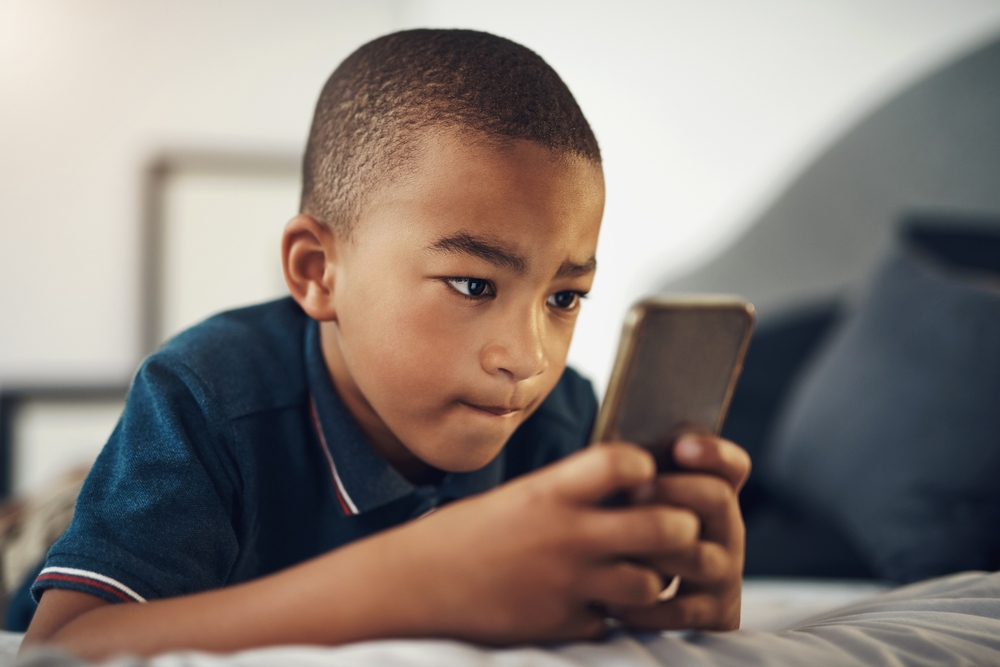
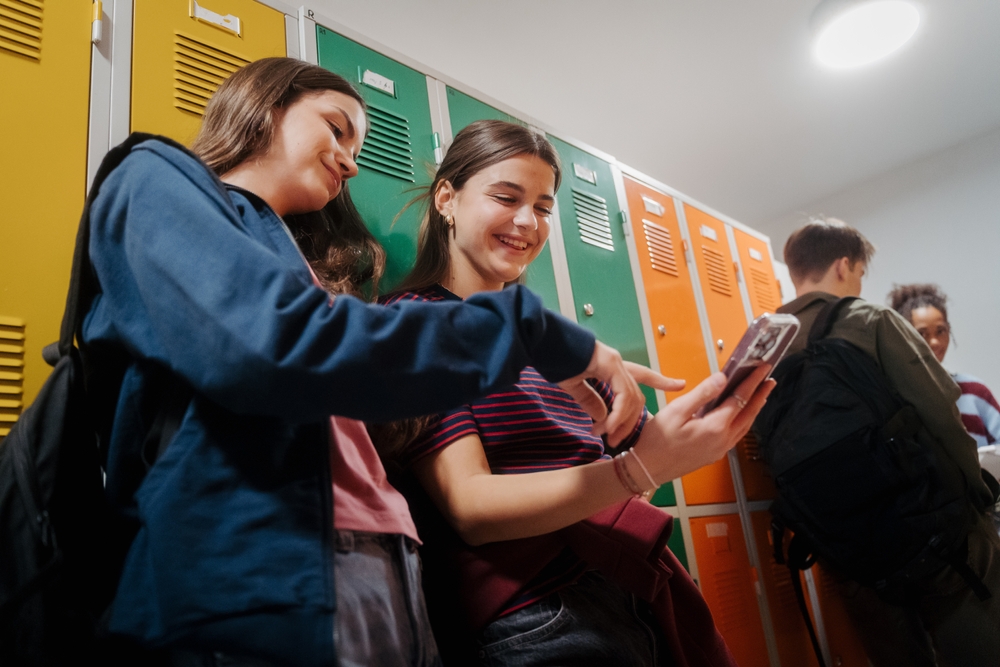
How Your Child’s Cell Phone Could Now Ruin Them In School

January 27, 2026 | Leave a Comment

How Your Child's Cell Phone Could Now Ruin Them In School
Image Source: Shutterstock.com

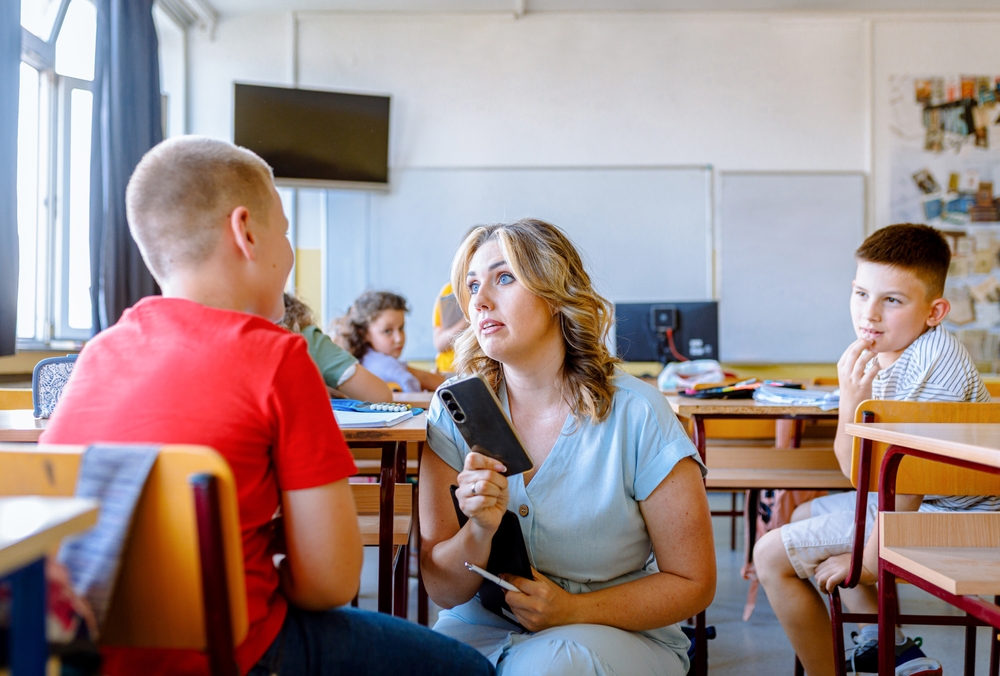
In Fayetteville, GA, middle school administrators can now confiscate phones before the first bell rings. Over in Volusia County, Florida, districts have updated student conduct codes over summer break. This is not a culture war sideshow. It’s an enforcement shift, rolled out under the radar and backed by policy and strict guidelines.

Parents are sounding the alarm because certain devices that may be harmless at home are now liabilities. The hidden reality: your child’s phone no longer just distracts them. It creates a permanent record.

The Costs Of Phones In Class

Georgia HB 340 limits phone use for students in class, but it also does so much more. Schools can now keep track of repeated violations, patterns, and peer interactions tied to phones. Repeated breaches of this new rule can lead to very serious consequences for your student if they are using their phone under the watchful eye of school staff.

This is not a theory or something being debated by Georgia lawmakers; it is official and signed into law. District guidance for school policy instructs administrators to treat repeated phone infractions as escalating indicators.

Here’s how a cell phone now ruins a student’s standing fast.

1) Digital contraband equals behavioral flags. One phone out during instruction triggers documentation. Fayetteville, GA, parents may notice an uptick in suspensions tied to noncompliance.

2) Screenshots become evidence. Group chats, photos, and memes circulate. Schools collect them. Context dies. Metadata lives. Administrators’ discipline based on digital facts, not intent.

3) Searches escalate without warning. HB 268 normalizes digital behavior review. A phone becomes a searchable container during investigations. Because of this, a child’s privacy shrinks when they are sitting in their classrooms.

Friction-Maxxing In Class

This enforcement aligns with the national high-stakes parents’ movement that is urging “friction-maxxing” against distraction and burnout.

With these cell phone rules, schools apply friction by design. They remove devices, log resistance, and escalate outcomes. Parents who shrug this off misread the terrain because the school system does not negotiate. By adhering to common friction-maxxing rules such as limiting screen time and reducing digital noise, parents can prevent this cell phone problem from holding their children back.

How Your Child's Cell Phone Could Now Ruin Them In School
Image Source: Shutterstock.com

The Financial & Social Costs

When the cost hits, it hits hard. For example, suspensions force missed workdays and lost wages for parents who have to pick up their kids or provide them with childcare while they sit at home.

On top of all that, repeated discipline at school may threaten extracurricular eligibility, scholarship chances, and recommendation letters. Ignoring these risks and pushing back publicly could you lose social capital with administrators who control outcomes. This is the hidden cost of kids in the modern school landscape: money burned, credit strained, futures narrowed.

Parents Decide Cell Phone Use

High-stakes parenting now demands a hard line. Either you control the device, or the device controls the record attached to your child’s name.

Do you choose strict control for safety—locking phones down completely—or personal liberty for connection—accepting the risk of permanent records?

You May Also Like…

Does Your Child Know Your Phone Number and Full Name? Here’s Why They Should

Parenting Hacks for College Students: 8 Tips to Juggle Studies and Kids

7 Old-School Parenting Habits That Still Save Families Money

Is Your “Convenient” Life Making Your Child Weak? Why Experts Are Urging Parents to Try “Friction-Maxxing” This Winter

Why Your Teen’s Friend Group Is Secretly Rating Your Home on “The Vibe Scale”—and Why It Matter

Brandon Marcus
Brandon Marcus
Brandon Marcus is a writer who has been sharing the written word since a very young age. His interests include sports, history, pop culture, and so much more. When he isn’t writing, he spends his time jogging, drinking coffee, or attempting to read a long book he may never complete.

Filed Under: Education Tagged With: cell phone, cell phone use, elementary students, Family, family issues, school, school rules, smart phones, student conduct, teachers and students

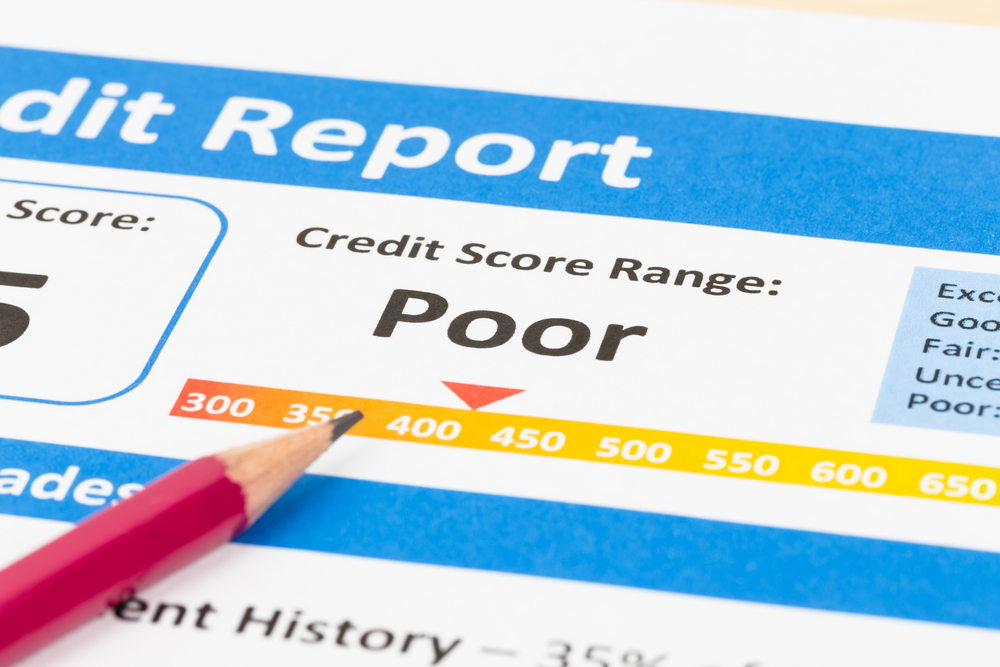
The ‘Free School’ Trap: Why Your Child’s 2026 Extracurriculars Are Secretly Affecting Your Credit Score

January 24, 2026 | Leave a Comment

The 'Free School' Trap: Why Your Child’s 2026 Extracurriculars Are Secretly Affecting Your Credit Score
Image Source: Shutterstock.com

In Fayetteville, GA, and across Volusia County, Florida, parents entered the 2025–2026 season assuming “free school” still meant zero downstream risk. That assumption just expired. Districts pushed an unprecedented, quiet rollout of extracurricular “support platforms” through a legal loophole that treats optional programs as private services.

The hidden reality: these add-ons now create data trails that follow families beyond the school gate. Local pilots turned national overnight, and the shift hits hardest where parents least expect it—after dismissal, during clubs, tutoring, and enrichment that claim to cost nothing.

The Surveillance Clause No One Read

Georgia HB 268, effective for the 2026 school year, expanded behavioral monitoring standards under the banner of safety and engagement. Districts now log participation data from after-school programs into shared compliance systems.

Fayette County schools integrated these logs with third-party vendors that manage sign-ups, attendance, and incident tracking. Parents clicked consent screens to keep kids enrolled.

Those screens authorized data sharing with “educational partners,” a term HB 268 left intentionally broad. Schools framed the move as modernization. Vendors framed it as efficiency. Parents absorbed the risk.

Distraction Policy by Day, Data Harvest by Night

Georgia HB 340 targeted school distractions during class hours. Districts responded by relocating attention-heavy activities to after-school windows. That move created a compliance gray zone.

The same vendors that enforce distraction rules by day monetize engagement metrics by night. Florida districts followed suit. Volusia County standardized vendor use across middle schools for 2026 to “ensure equity.”

Equity arrived with profiles, timestamps, and behavioral flags tied to a parent’s email and payment method for “optional” upgrades. The law permits the practice. The notice obscures the cost.

The 'Free School' Trap: Why Your Child’s 2026 Extracurriculars Are Secretly Affecting Your Credit Score
Image Source: Shutterstock.com

The Credit Consequence Schools Don’t Disclose

Here’s the financial pivot administrators dodge. These platforms upsell. Miss a micro-fee for a tournament jersey or late pickup? Vendors route balances through consumer payment processors.

Those processors report delinquencies. Parents lose privacy first, then money, then credit headroom. Ignore the emails and watch a 30-day mark land on your report. Families also lose social capital. Opt out and your child exits teams, enrichment, and peer networks that gate future recommendations.

This isn’t hypothetical. Parents already report denials for car loans after a single $47 “optional” balance rolled over. High-Stakes Parenting now includes credit hygiene.

What Parents Must Do—Now

Audit every extracurricular portal. Demand vendor lists. Freeze cards. Use single-use payments. Push districts for opt-out without penalty. Friction-maxx your parenting. The system counts on fatigue. Refuse it.

Do you accept expanded safety and inclusion if it quietly taxes your credit—or do you defend financial security even when it costs your child social access?

You May Also Like…

The “Smart Locker” Trap: Why Schools Are Quietly Auditing Your Child’s Private Devices

Parenting Hacks for College Students: 8 Tips to Juggle Studies and Kids

Why Are Public Schools Quietly Removing Librarians?

11 School Practices That Punish Neurodivergent Children

Why Are Some Schools Replacing Lunch With Vending Machines?


Brandon Marcus
Brandon Marcus
Brandon Marcus is a writer who has been sharing the written word since a very young age. His interests include sports, history, pop culture, and so much more. When he isn’t writing, he spends his time jogging, drinking coffee, or attempting to read a long book he may never complete.

Filed Under: Education Tagged With: Credit Score, Debt, education, extracurricular activities, Family Finance, financial tips, money management, Parenting, personal finance, school

7 Things Your Child’s Teacher Is Legally Required to Report to the State (That They Won’t Tell You to Your Face)

January 21, 2026 | Leave a Comment

These Are 7 Things Your Child’s Teacher Is Legally Required to Report to the State (That They Won't Tell You to Your Face)
Image Source: Shutterstock.com

In Fayetteville, GA, parents scan backpacks and homework, not state databases. In Volusia County, Florida, families assume classroom walls still hold secrets. That assumption just collapsed. For the 2025–2026 season, an unprecedented, quiet rollout widened what teachers funnel to the state—through legal loopholes most parents never read.

This hidden reality jumped from local compliance memos to national enforcement, and schools won’t explain it to your face.

The Mandated Pipeline Nobody Advertises

Georgia law never asked for permission. O.C.G.A. § 19-7-5 orders educators to report specific indicators to child welfare, and administrators now push stricter timelines and digital documentation. Georgia HB 268 expanded behavioral monitoring expectations; Georgia HB 340 tightened attention and device rules that trigger records.

Florida mirrors the pressure. Florida Statute 39 commands immediate reporting, and districts like Marion County upgraded tracking tools for 2026 School Policy compliance. Teachers comply or risk licensure. Silence protects them; disclosure exposes parents.

Why 2026 Changed the Game

District counsel tightened definitions and training this year. The shift didn’t add compassion; it added throughput. “Authoritative 2.0” culture reframed vigilance as care, while “Friction-Maxxing” justified more reporting to fight burnout and chaos. Translation: schools escalate faster. Every logged concern creates a durable data trail that outlives the school year. Fayetteville parenting groups already flag surprise calls and follow-ups; Volusia classrooms log more “incidents” with fewer conversations.

The Hidden Impact on Your Family

This system drains money, credit, and future options. Ignore it and you lose privacy, rack up legal consults, and risk downstream labels that shadow your child.

The Seven Reports Teachers Must File—No Warnings Given

  1. Suspected Abuse or Neglect — Any hint triggers O.C.G.A. § 19-7-5 or Florida Statute 39, immediately.
  2. Self-Harm Ideation or Threats — Notes, drawings, or comments prompt crisis flags and referrals.
  3. Threats of Violence — Jokes count; context rarely rescues you.
  4. Chronic Behavioral Escalations — HB 268 monitoring converts patterns into reports.
  5. Substance Exposure — Vapes, edibles, or secondhand claims travel straight to the state.
  6. Attendance Irregularities — Triggers escalate truancy pathways with fines and court dates.
  7. Digital Misconduct — HB 340 device violations now feed centralized logs.

Each entry compounds costs: assessments, attorneys, missed workdays, and a quieter tax—social capital erosion. Schools don’t pay it. Parents do.

These Are 7 Things Your Child’s Teacher Is Legally Required to Report to the State (That They Won't Tell You to Your Face)
Image Source: Shutterstock.com

The Consent Trap vs. The Digital Blacklist

Choose your fight. Do you prioritize safety through maximal reporting, or liberty through parental consent and restraint? Sound off: Which value should win in 2026—financial security for families or social inclusion at any price?

You May Also Like…

6 Excuses Parents Make That Teachers Are Tired of Hearing

7 Old-School Parenting Habits That Still Save Families Money

7 Things Teachers Wish Parents Would Stop Believing

Are Parent-Teacher Text Chains Making School Drama Worse?

8 Budget Cuts in Education That Directly Impact Your Kids

Brandon Marcus
Brandon Marcus
Brandon Marcus is a writer who has been sharing the written word since a very young age. His interests include sports, history, pop culture, and so much more. When he isn’t writing, he spends his time jogging, drinking coffee, or attempting to read a long book he may never complete.

Filed Under: Education Tagged With: Back to School, child education, education, education and learning, education and parenting, education problems, mandated reporter, privacy, school privacy, student, teacher, teachers

The “Smart Locker” Trap: Why Schools Are Quietly Auditing Your Child’s Private Devices

January 21, 2026 | Leave a Comment

The
Image Source: Shutterstock.com

From Fayetteville, Georgia, to major districts across Florida, the traditional metal locker is being phased out. In its place are “Intelligent Storage Solutions”—high-tech bays featuring biometric scanners, RFID access, and integrated charging ports. Administrators sell these to parents as a way to prevent theft and “phone-free” distractions. However, they are quietly becoming a new frontier for student surveillance.

The “Consent” Loophole

The real danger isn’t the locker door; it’s the charging cable. In 2026, many districts (including those in the Fayette County area) have ended “Bring Your Own Device” (BYOD) policies in favor of district-managed Chromebooks and tablets. When a student plugs their device into a “Smart Locker” charging port, they are often inadvertently agreeing to the school’s Acceptable Use Policy (AUP). This policy gives the school the legal right to monitor any data passing through their network or hardware—including the locker’s internal data-syncing hub.

AI-Driven “Vape and Vibe” Detection

It’s not just about data. The latest generation of sensors—like the HALO Smart Sensor 3C now common in Florida schools—are being integrated into locker banks. These devices are equipped with:

  • Chemical Signatures: They don’t just “smell” smoke; they use AI to detect the specific chemical footprint of THC and nicotine vapes.
  • Aggression Analytics: Using “keyword” sensors, these lockers can flag “stress-inducing” language or loud shouting in what students think are private hallways, triggering a silent alert to the principal’s office.

Why Your “Expectation of Privacy” Just Vanished

For decades, the Supreme Court ruling in New Jersey v. T.L.O. protected students from “unreasonable” searches. However, the court also ruled that schools only need “reasonable suspicion” to search a student’s belongings.

In 2026, schools are arguing that an AI “flag”—whether from a chemical sensor or a digital keyword detected during a locker-charge audit—constitutes that suspicion. This effectively replaces a human teacher’s judgment with an algorithm’s “hit.” This allows the school to open the locker and search personal bags without a parent ever being called.

The
Image Source: Shutterstock.com

The Hidden Cost of “Safety”

We are told these measures are for safety, yet they represent a massive shift in the parent-school relationship. If a “Smart Locker” can audit a child’s digital journal or detect a private conversation, the locker is no longer a storage space. Instead, it’s an informant.

Would you let your child use these high-tech bays? Or is it time for parents to demand a return to old-school padlocks? Share your thoughts below.

You May Also Like…

Cops Confirm: The New “Smart” School Lockers That Are Secretly Scanning Your Child’s Belongings

Why Are Some Schools Replacing Lunch With Vending Machines?

7 Ways Schools Fail to Hold Bullies Accountable

Parenting Hacks for College Students: 8 Tips to Juggle Studies and Kids

8 Budget Cuts in Education That Directly Impact Your Kids

Brandon Marcus
Brandon Marcus
Brandon Marcus is a writer who has been sharing the written word since a very young age. His interests include sports, history, pop culture, and so much more. When he isn’t writing, he spends his time jogging, drinking coffee, or attempting to read a long book he may never complete.

Filed Under: Education Tagged With: Back to School, education, educational issues, modern schools, school, smart locker, student, students, teachers

« Previous Page
Next Page »
  • Facebook
  • Pinterest
  • RSS
  • Twitter
Best Parenting Blogs

Most Popular

Baby Girl

12 “Grandma” Baby Names That Are Suddenly Cool Again

Evan Morgan
Baby

9 Baby Names That Sound Rare Without Being Hard to Spell

Evan Morgan
Target Store

Choking Incident Prompts Recall of 49,000 Target Gigglescape “Under the Sea” Popping Toys

Evan Morgan
Frustrated Girl

Why Some Students on the Spectrum Are Labeled With ODD

Evan Morgan
Coke Bottles

12 Things Kids Took to School in the ’70s That Would Never Be Allowed Today

Evan Morgan

All content on Kids Ain’t Cheap is for entertainment purposes only. By reading this blog, you agree that Kids Ain’t Cheap is not responsible for any actions taken after reading this blog. For the full disclaimer, see our privacy policy.

Please note that Kids Ain’t Cheap has financial relationships with some of the merchants mentioned here. Kids Ain’t Cheap is funded by banner advertising, commission sales and search optimization consulting.

Copyright © 2006–2026 | District Media | All Rights Reserved | Privacy Policy

Copyright © 2026 Runway Pro Theme by Viva la Violette