• Home
  • About Us
  • Toolkit
  • Archives
  • Advertise
  • Privacy Policy

Kids Ain't Cheap

But They Sure Are Worth It

  • Parenting
    • Baby Stuff
    • Books and Reading
      • Aesops Fables
      • Comic Books
    • Education
    • Family Time
    • Green Living
    • Growing Up
    • Healthy Living & Eating
    • Holidays
    • Parenting
    • Random Musings
    • Shopping
    • Stuff to Do
  • Money
  • Product Reviews
    • Books and Magazines
    • Discount Sites
    • Furniture
    • House Keeping
    • Reviews News
    • Toys and Games
  • Contact Us
  • Our Editorial Commitment
  • Search

California High Schools Expand Ethnic Studies Graduation Requirements in 2026

February 19, 2026 | Leave a Comment

California graduation requirements
Image source: Pexels.com

California high school students face a shifting path toward graduation this year. Assembly Bill 101 introduces a new requirement that will eventually affect every public school student across the state. Parents often feel the curriculum moves faster than they can track accurately. This growth in the graduation checklist stems from a decades-long push for a more diverse history. The following details reveal how the new ethnic studies mandate impacts your child’s 2026 schedule.

The One Semester Mandate for All Students

Every California high school must offer at least one semester of ethnic studies starting in the 2025-2026 school year. Although the graduation requirement officially begins for the class of 2030, schools are currently integrating these courses. Students will study the histories, cultures, and contributions of four core groups: Native Americans, African Americans, Latinos, and Asian Americans. This change represents a significant shift from traditional Eurocentric history toward an interdisciplinary look at race and identity.

Why Your School District’s Plan May Differ

Local school boards maintain the freedom to adapt the course to reflect their specific community demographics. The state provides a model curriculum, but it serves only as a general guide. Consequently, an ethnic studies class in San Francisco might look very different from one in Riverside. Some districts prioritize liberated ethnic studies while others maintain a traditional historical focus. You should check the local district syllabus to see which specific narratives your child will explore.

The Connection Between Identity and Achievement

Proponents of the mandate highlight studies showing that these courses boost student performance. For instance, a Stanford University study found that at-risk students saw a 21% increase in attendance after enrolling in ethnic studies. That same study noted that GPA improved by an average of 1.4 points for participating students. Many students feel more empowered when they see their family experiences reflected in the classroom. Conversely, critics worry about the ideological nature of certain versions, making parental involvement crucial.

Budget Hurdles and Teacher Shortages

Implementing a state-wide mandate presents significant financial and logistical hurdles. Estimates suggest the ethnic studies requirement could cost taxpayers over $270 million per year. Furthermore, California faces a looming teacher shortage that makes finding specialized educators a major challenge. Some schools might integrate the material into existing history or English classes instead of offering standalone electives. This integrated approach potentially changes the depth of instruction your student receives in the subject.

State officials believe ethnic studies will better prepare students for a multicultural world. While the transition brings challenges, it also offers a chance for students to engage with history through a broader lens. Staying informed about your local district’s implementation ensures you can support your child’s academic journey effectively.

The landscape of California education is shifting right under our feet, and your voice as a parent is more vital than ever. How do you feel about these new requirements appearing on your child’s 2026 schedule? Drop a comment below to share your perspective on whether this change hits the mark for your local community.

What To Read Next….

  • The 5 Educational Apps That Teachers Say Are Actually Hurting Grades
  • 5 Ways Schools Are Secretly Shifting Costs to Parents in 2026
  • 6 After-School Activities Parents Regret Paying For (Because the “Benefits” Don’t Show Up)
Latrice Perez

Latrice is a dedicated professional with a rich background in social work, complemented by an Associate Degree in the field. Her journey has been uniquely shaped by the rewarding experience of being a stay-at-home mom to her two children, aged 13 and 5. This role has not only been a testament to her commitment to family but has also provided her with invaluable life lessons and insights.  As a mother, Latrice has embraced the opportunity to educate her children on essential life skills, with a special focus on financial literacy.
Filed Under: Education Tagged With: Assembly Bill 101, California education, ethnic studies, high school graduation, school curriculum, student achievement

Riley Gaines Act Takes Effect in Georgia — What It Means for Student Athletes

February 19, 2026 | Leave a Comment

Girl locker room
Image source: Pexels.com

You probably remember the local buzz when Governor Brian Kemp signed those education bills last spring. Now that the dust has settled, the Riley Gaines Act is officially active across Georgia. For many families, this feels like a long-awaited victory for fairness, but for others, it is a confusing shift in the school landscape. Honestly, the system is changing quickly, and you need to know exactly how these new rules impact your child’s place on the field. Here is the truth about what the Riley Gaines Act changes for student athletes this season.

The End of Gender Identity in Sports Selection

The core of this law is straightforward but impactful: biological sex now dictates team placement. Schools are no longer allowed to let students participate on teams based on gender identity. Instead, they must use the sex assigned at birth, specifically what was clinically verified at or before birth. This means if a student was born male, they cannot compete on a team designated for females, regardless of their current identity. Georgia joins over two dozen states with similar bans, aiming to level the playing field for young women.

The New Reality for Bathrooms and Locker Rooms

This act goes beyond the scoreboard and into the facilities your children use every day. Schools are now mandated to provide separate restrooms and changing areas specifically for males and females. Surprisingly, this also extends to overnight accommodations during school trips. If a school hosts an interscholastic competition, they must ensure these separate spaces are strictly maintained. It is a massive logistical shift for administrators, but for many parents, it represents a return to traditional privacy standards in school buildings.

The Cost of Non-Compliance and Lawsuits

The state is not just making suggestions; they are enforcing these rules with significant financial teeth. Institutions that willfully fail to comply can face the withholding of state funding, including scholarships and grants. Furthermore, the law creates a private right of action. This means a student or parent who feels an athletic opportunity was unfairly taken away can file a lawsuit for damages. It is a high-stakes environment where the school’s budget and your child’s sports career are directly linked to these new legal definitions.

A Narrow Exception for Female Athletes

There is one specific carve-out in the legislation that every parent should note. Girls may still participate on boys’ or co-ed teams if a comparable female version of that sport is not offered. On the other hand, the reverse is not true. Boys are strictly prohibited from joining girls’ teams even if a male equivalent does not exist. This distinction is designed to protect the growth of female sports while ensuring girls still have a path to competition in less common athletic programs.

Protecting the Future of Georgia Sports

Navigating these changes can feel like walking through a minefield of shifting policies. By understanding the Riley Gaines Act, you are better equipped to advocate for your child’s rights and safety. Whether you are cheering from the bleachers or helping your student navigate a locker room change, knowledge is your best equipment. Stay informed as schools begin to roll out their specific implementation plans this month. You have the power to ensure the system works for your family, not against it.

How do you feel about these changes hitting Georgia schools this semester? Leave a comment below and share how your local district is handling the new sports rules.

What to Read Next…

  • How Your Childs Cell Phone Could Now Ruin Them In School
  • 5 Ways Schools Are Secretly Shifting Costs to Parents in 2026
  • The Smart Locker Trap: Why Schools Are Quietly Auditing Your Child’s Private Devices
Latrice Perez

Latrice is a dedicated professional with a rich background in social work, complemented by an Associate Degree in the field. Her journey has been uniquely shaped by the rewarding experience of being a stay-at-home mom to her two children, aged 13 and 5. This role has not only been a testament to her commitment to family but has also provided her with invaluable life lessons and insights.  As a mother, Latrice has embraced the opportunity to educate her children on essential life skills, with a special focus on financial literacy.
Filed Under: Education Tagged With: Brian Kemp, Education Law, Georgia Sports, Riley Gaines Act, school safety, Student Athletes, Women in Sports

10 Items to Remove from Your Child’s Room According to FBI Experts

February 18, 2026 | Leave a Comment

Remove from Your Child’s Room
Image source: shutterstock.com

Your child’s bedroom should be the safest place in the world, a sanctuary where they can dream. Unfortunately, modern technology and clever marketing have introduced hidden risks into these private spaces. You aren’t being paranoid for worrying; you are being a protector in a world that targets the vulnerable. Experts in digital safety have identified specific objects that serve as gateways for predators. Here is the reveal of what needs to leave your child’s room right now to keep your family secure.

The Danger of Smart Speakers

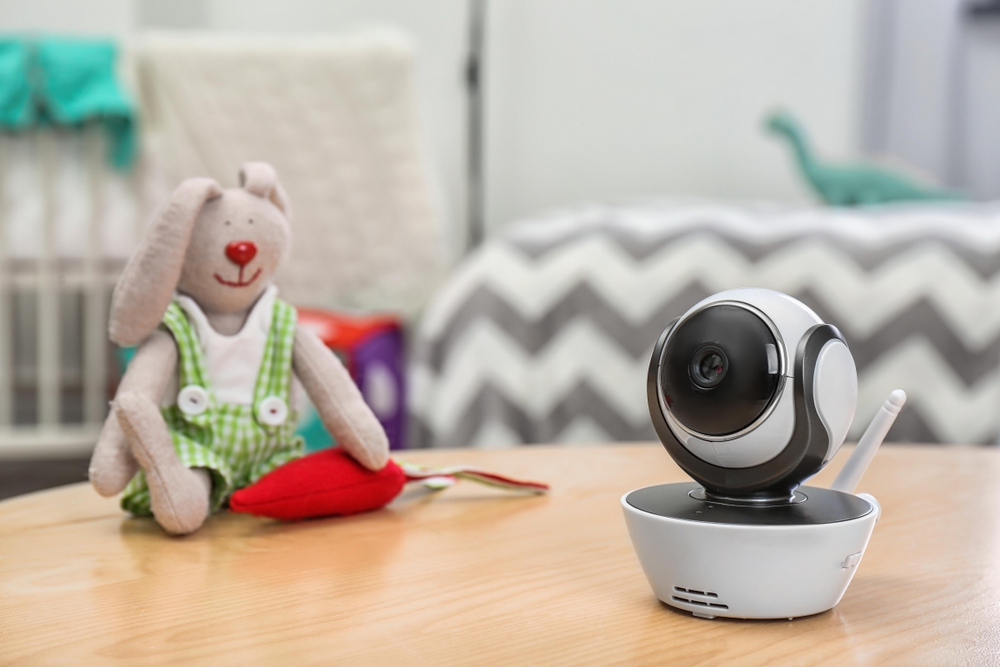
Smart speakers feel like helpful digital assistants for playing music or setting alarms. Honestly, these devices are always listening and can be compromised by tech-savvy intruders. If a device has a microphone and an internet connection, it can be turned into a window into your home. FBI experts warn that these tools can accidentally record private conversations. Keeping these in common areas where adults are present is a much safer alternative.

Webcams and Built-in Cameras

Many children have laptops for schoolwork, but the cameras on these devices are major security flaws. A simple piece of malware can allow a remote user to activate the camera without the indicator light ever turning on. This gives a predator a live feed of your child’s most private moments. Surprisingly, even reputable apps can have vulnerabilities that expose these feeds. Use a physical camera cover or simply keep all internet-connected screens out of the bedroom entirely.

Internet-Connected Toys

The smart toy industry is booming, but many of these products have abysmal security standards. Toys that can talk to your child often store data on unsecured servers or use open Bluetooth connections. This allows someone outside your home to connect to the toy and speak directly to your child. It sounds like a horror movie, but it is a documented reality. If a toy requires a Wi-Fi password, it should stay in the living room under your direct supervision.

Hidden Compartment Furniture

While secret drawers seem like fun for storing toys, they can be a major safety hazard. FBI experts note that these compartments are often used by older children to hide items they know are prohibited. Moreover, these pieces of furniture are often less stable and can pose a tipping risk. In an emergency, first responders need to see what is in a room immediately. Simple, open storage is always better for maintaining a transparent environment.

Unsecured Smart Televisions

Modern TVs are essentially giant smartphones mounted on a wall. Most parents do not realize that these devices often have cameras and microphones for voice search. If you have not gone through the privacy settings to disable these features, your TV could be broadcasting. Furthermore, the web browsers on smart TVs often lack the robust parental controls found on computers. Removing the TV from the bedroom encourages better sleep and eliminates a massive digital blind spot.

Physical Hazards and Privacy Risks

The list does not end with electronics. FBI experts also suggest removing:

  • Plug-in air fresheners that can cause respiratory issues or fire hazards.
  • Large mirrors that are not properly anchored to the wall.
  • Bedding with long cords or heavy drapes that pose a strangulation risk.
  • Personal diaries that are not kept in a secure, private location.
  • Excessive stuffed animals that can collect dust and allergens.

Keeping a room minimalist is not just an aesthetic choice; it is a safety strategy.

Your Role As Gatekeeper

Protecting your child in 2026 requires a new kind of vigilance that our parents never had to consider. You are the only thing standing between your family and a system that prioritizes profit over privacy. By removing these high-risk items, you are closing the doors that predators use to gain access. Trust your instincts and take control of your home’s security today. Your peace of mind is worth more than any gadget or convenience.

Does your child have any of these items in their room right now? Leave a comment below and let us know which one you are removing first.

What to Read Next…

  • Therapists Warn: The 5 Conversation Mistakes Making Your Child Withdraw
  • Is Overscheduling Causing Burnout in Young Children?
  • What To Do When Your Child Doesn’t Like Their Teacher
Latrice Perez

Latrice is a dedicated professional with a rich background in social work, complemented by an Associate Degree in the field. Her journey has been uniquely shaped by the rewarding experience of being a stay-at-home mom to her two children, aged 13 and 5. This role has not only been a testament to her commitment to family but has also provided her with invaluable life lessons and insights.  As a mother, Latrice has embraced the opportunity to educate her children on essential life skills, with a special focus on financial literacy.
Filed Under: Money and Finances Tagged With: child safety, Cyber Security, digital privacy, FBI Tips, home security, parenting advice, Protect Your Kids

5 Baby Products Pediatricians Warn Parents to Stop Using Early

February 17, 2026 | Leave a Comment

Pediatricians Warn Baby Products
Image source: shutterstock.com

Walking through a baby store feels like a journey through a high-tech land of promises. Every gadget claims to make your baby smarter, sleep better, or stay safer. It is not your fault that you want the absolute best for your newborn, but the marketing system is designed to exploit your lack of sleep and your deepest fears. Honestly, many of the most popular items on the market are things Pediatricians Warn against because they pose hidden risks to your child’s development. You deserve to know the truth before you spend another dollar on a product that could hurt your family. Let us expose the hidden hazards in your nursery and reveal the five items you should retire immediately.

1. The Deceptive Safety of Infant Sleep Positioners

These foam wedges and bolsters are marketed as a way to keep your baby in a specific position to prevent SIDS or reflux. However, Pediatricians Warn that these devices are actually a major suffocation hazard. A baby can easily roll or shift their head into the soft foam, blocking their airway in a matter of seconds. The hidden system of the baby industry often prioritizes a parent’s peace of mind over actual safety data. Surprisingly, the safest way for a baby to sleep is on a flat, firm surface without any extra pillows or wedges. On the other hand, companies continue to sell these under the guise of medical necessity. Toss the positioner and stick to the basics of safe sleep.

2. The Development Trap of Baby Walkers

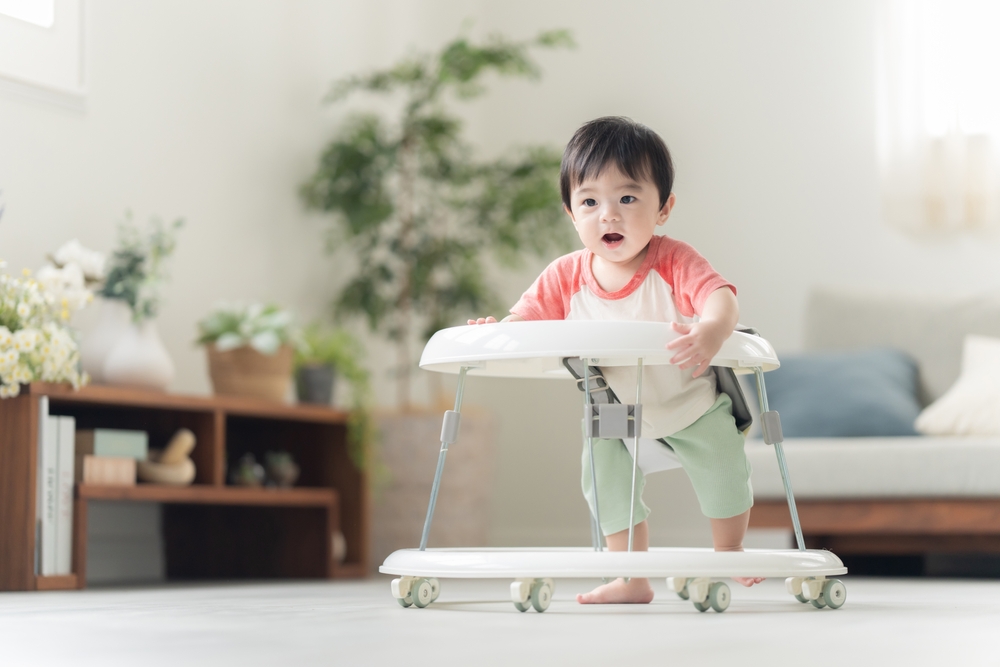
You might think a walker helps your baby learn to walk faster by giving them mobile support. In reality, Pediatricians Warn that walkers can actually delay motor development by bypassing the critical crawling phase. They also give babies access to dangerous heights and household hazards like stairs or hot stoves much earlier than they are ready for. The system of movement for a baby should be natural and unassisted to build the necessary muscle strength. Honestly, most countries have considered banning these altogether due to the high rate of emergency room visits. A stationary activity center is a much safer way to keep your baby upright for short periods. You can find more AAP warnings on walkers here.

3. Weighted Sleep Sacks and Swaddles

A new trend in the nursery involves sleep sacks weighted with beads to mimic a parent’s touch. While these claim to help babies sleep longer, Pediatricians Warn that they can interfere with a baby’s breathing and heart rate. The extra pressure on a tiny chest makes it harder for the baby to take deep breaths and can lead to overheating. This is a hidden risk that many parents are not aware of when they are searching for a full night’s rest. Surprisingly, the long-term effects of this added weight on developing ribs and organs are still unknown. Stick to traditional, non-weighted cotton swaddles to ensure your baby’s internal systems can function without restriction. Safety must come before sleep duration.

4. Hand-Me-Down Cribs and Used Mattresses

Accepting a free crib from a neighbor feels like a win for your budget, but it can be a dangerous financial trap. Older cribs often do not meet current safety standards regarding slat width or lead paint. Pediatricians Warn that used mattresses can harbor hidden mold, bacteria, and allergens from previous owners that you cannot see. They also lose their firmness over time, which increases the risk of suffocation for a newborn. On the other hand, buying a new, certified crib ensures that the structural integrity is intact for your child. It is an empowering choice to invest in the one place your baby spends the most time. Check the CPSC recall list before accepting any used nursery furniture.

5. Interactive Screens and Digital Soothers

Tablets and high-tech projectors are often used to calm a fussy baby or help them drift off to sleep. Pediatricians Warn that early exposure to blue light can disrupt a baby’s natural circadian rhythm and lead to later behavioral issues. The hidden system of digital marketing targets parents by calling these tools educational. Here is the truth: a baby’s brain needs human interaction and tactile play to grow, not a flickering screen. Surprisingly, even “background” television can interfere with a child’s language development. Reclaim your nursery from the digital world and stick to soft lullabies or white noise machines. Your baby’s developing brain thrives on simplicity and your voice. For more media guidance, visit the AAP here.

Prioritizing Safety Over Marketing Trends

The baby industry is a multi-billion dollar machine that relies on creating new needs for parents who are already overwhelmed. You have the power to protect your child by ignoring the latest trends and trusting the experts. Pediatricians Warn against these products because they have seen the consequences in their offices. By stripping your nursery of these hidden hazards, you are creating a truly safe harbor for your family. It is an empowering move to choose simplicity and evidence-based safety over a high-tech promise. Validating your instincts to protect your child is the first step toward a peaceful and healthy home. You don’t need a thousand gadgets to be a great parent. You just need the facts and your own love. Stay vigilant and always put your baby’s long-term health first.

Have you recently removed a product from your nursery after hearing a warning from your doctor? Leave a comment below and help other parents stay safe!

What to Read Next…

  • Pediatricians Say Parents Are Overbuying These 4 Baby Items (And Skipping What Matters)
  • 5 Cold Weather Baby Gear Items That Are Unsafe for Car Seats
  • Virginia Baby Food Ban: 5 Specific Brands Just Prohibited Under New Safety Laws
Latrice Perez

Latrice is a dedicated professional with a rich background in social work, complemented by an Associate Degree in the field. Her journey has been uniquely shaped by the rewarding experience of being a stay-at-home mom to her two children, aged 13 and 5. This role has not only been a testament to her commitment to family but has also provided her with invaluable life lessons and insights.  As a mother, Latrice has embraced the opportunity to educate her children on essential life skills, with a special focus on financial literacy.
Filed Under: Parenting Tagged With: baby products, child safety, Health Hazards, new parents, Nursery Tips, Parenting, Pediatricians Warn

Psychologists Warn: 8 Toddler Classes That Spike Anxiety (Not Skills)

February 17, 2026 | Leave a Comment

Psychologists Warn Toddler Classes
Image source: shutterstock.com

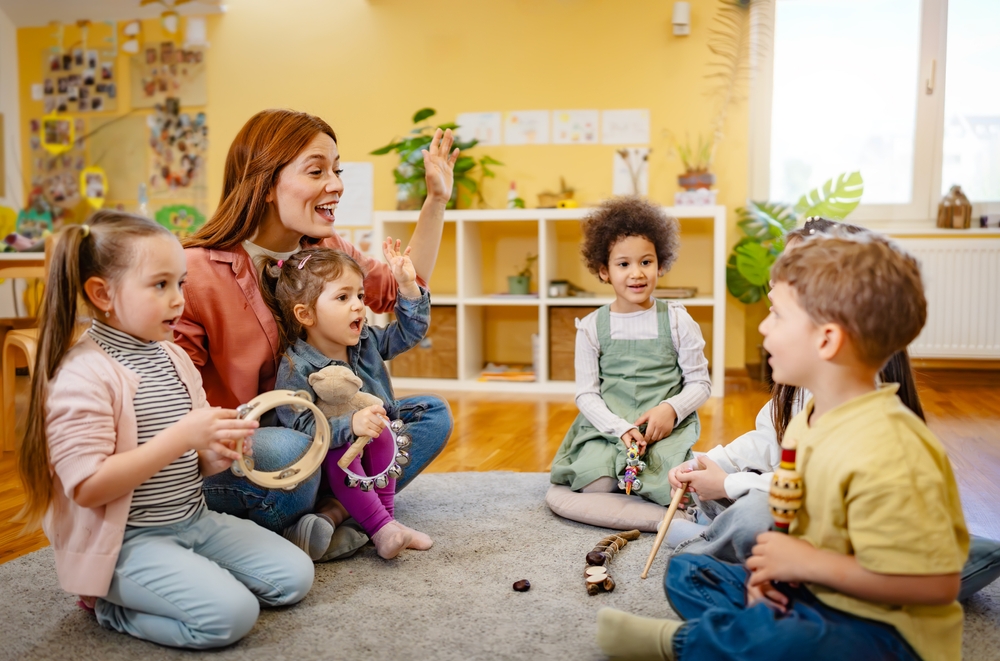
Dragging a crying toddler to a weekly enrichment session feels like a chore you never signed up for. You see other parents smiling while their two-year-olds perfectly follow instructions. However, a child having a meltdown instead of mastering Mandarin is not your fault. You are likely experiencing a hyper-competitive parenting system that markets over-scheduling as essential for success. Many experts suggest these classes can cause unnecessary pressure rather than building meaningful skills. Your child might be better off playing with a cardboard box in the backyard. This exploration covers specific programs that may clash with your little one’s developmental needs.

1. High-Pressure Foreign Language Immersion

Immersion programs for toddlers represent a massive industry today. These companies promise your child will be bilingual before they can even tie their shoes. Some developmental specialists suggest that forcing a toddler into a rigid linguistic environment before they master their primary language can cause frustration. This occurs because the child cannot communicate basic needs to the instructor easily. Consequently, this environment might create a sense of communicative unease during early schooling years. Natural exposure through music or casual play at home usually works more effectively. Such methods remain far less taxing on a developing brain.

2. Competitive Junior Sports Leagues

You might think a toddler soccer league revolves around exercise and teamwork. In reality, these programs often mirror adult competitive structures with drills and specific goals. Toddlers generally lack the cognitive development to understand complex rules or the concept of a team. Specialized drills may lead to a loss of interest in physical activity if the child feels overwhelmed. Interestingly, the sideline energy from parents often intensifies this internal pressure for the toddler. A trip to the local park provides the same physical benefits without the emotional weight of a trophy-chasing environment.

3. Accelerated Early Reading Boot Camps

The push to have children reading by age three marks a hallmark of modern academic anxiety. These classes use flashcards and repetitive drills to force a milestone that most children are not biologically ready to reach. Pushing phonics prematurely can reduce a child’s natural curiosity and love for stories. It turns a magical developmental phase into a high-stakes performance for the parents. The best way to foster reading skills involves reading to your child in a relaxed setting. Forcing academic benchmarks too early often leads to early school fatigue before the child even reaches kindergarten.

4. Rigid Toddler Etiquette and Social Graces

Classes that teach toddlers how to behave at a formal tea party might look cute on social media. However, these programs often demand a level of impulse control that a three-year-old simply does not possess yet. Expecting adult-level behavior in these settings can make a child feel confused or discouraged. It suggests to the child that their natural energy is a problem to be fixed. Social skills grow best through unstructured playdates where children navigate conflict naturally. Forced manners serve as a poor substitute for genuine emotional intelligence and empathy.

5. Professional Grade Art and Music Theory

Some toddler classes focus on technical mastery rather than creative expression. They might insist on a specific way to hold a violin or a paintbrush at age two. This rigid approach often stifles the very creativity the program aims to encourage. When a child hears that their natural way of creating is wrong, they may stop wanting to create altogether. Such experiences can foster performance anxiety that lingers for years. Let your child finger paint and bang on pots and pans without a formal syllabus. True talent grows from a foundation of joy instead of strict rules.

6. Technology and Coding for Tots

Marketing these programs as preparation for a digital future effectively targets parenting fears. Some pediatric guidelines recommend limited screen time because toddlers learn best through hands-on, three-dimensional play. Toddlers need tactile experiences to build their spatial awareness properly. A coding app serves as a poor replacement for building with blocks or playing in the dirt. Many professionals in the tech industry actually keep their own children away from these digital programs early on. Your child has plenty of time to learn about computers when their brain is more resilient.

7. Performance-Based Dance and Gymnastics

Movement is wonderful for growth, but classes culminating in a high-pressure recital can overwhelm a toddler. The bright lights, costumes, and crowd noise often tax a young child’s sensory system significantly. The focus shifts toward the performance rather than the joy of movement itself. This environment can make a child feel their value depends on how well they perform for an audience. A simple creative movement class without a final show allows the child to explore their body’s capabilities safely. Avoid the stage until they are old enough to ask for it.

8. Extreme Survival Swimming Programs

Water safety remains vital, but some programs use methods that intentionally distress the child to teach floating. Many child-development specialists prefer gentle, parent-led swimming programs that prioritize comfort and confidence. High-stress experiences in the water can lead to a long-term hesitation around pools. The stress experienced during these lessons is often unnecessary for effective learning. If your child is screaming in terror, they are likely not absorbing the skills effectively. Protect their emotional comfort while you teach them essential physical safety skills.

The best thing you can do for your toddler involves providing a safe, loving environment for unstructured play. You have the power to opt out of systems that profit from your parenting concerns. By choosing fewer classes and more downtime, you validate your child’s need for a slow and simple childhood. The greatest skill a toddler can learn is how to be comfortable in their own skin. This growth happens through connection with you rather than a forty-minute class twice a week. Reclaim your family’s schedule and prioritize peace over performance today.

Have you ever felt pressured to sign your toddler up for a class that just did not feel right? Leave a comment below and let us know how you handled the peer pressure!

What To Read Next…

  • 8 DIY Projects at Home That Put Curious Toddlers at Risk
  • 9 Times a Toddler’s Behavior Was a Sign of Something Medical
  • Before The First Step: 8 Hidden Dangers In Your Bathroom Threatening Toddlers
Latrice Perez

Latrice is a dedicated professional with a rich background in social work, complemented by an Associate Degree in the field. Her journey has been uniquely shaped by the rewarding experience of being a stay-at-home mom to her two children, aged 13 and 5. This role has not only been a testament to her commitment to family but has also provided her with invaluable life lessons and insights.  As a mother, Latrice has embraced the opportunity to educate her children on essential life skills, with a special focus on financial literacy.
Filed Under: Parenting Tagged With: child anxiety, early childhood, extracurriculars, Parenting, Psychologists Warn, Schooling, toddler development

7 Things Teachers Wish Parents Would Stop Buying for School Parties

February 16, 2026 | Leave a Comment

School party
Image source: shutterstock.com

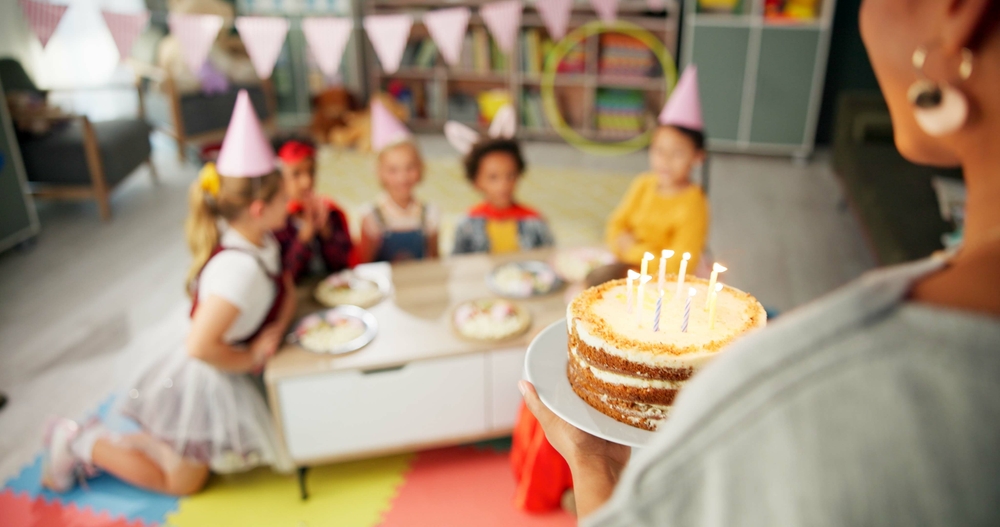
Walking into your child’s classroom with a bag full of party supplies should be a joyful moment. Instead, you often feel a strange tension from the person standing at the chalkboard. It is not your fault that you want to be the fun parent who brings the best treats. However, the hidden system of classroom management is fragile and easily disrupted by well-intended gifts. Honestly, what looks like a celebration to you can feel like a logistical nightmare to a teacher. You are about to learn the specific items that trigger a secret eye-roll from educators. Let us reveal how to support the classroom without accidentally causing a meltdown.

1. The Messy Glitter Bomb Trap

Glitter is the houseguest that never leaves and teachers absolutely dread it. While shiny crafts look great on a card, that dust settles into every floor crevice and keyboard for the rest of the year. Custodial staff often have to spend extra hours trying to scrub it away. Surprisingly, even a small bottle can ruin a teacher’s entire afternoon of cleanup. You might think it adds flair, but it actually adds hours of unpaid labor to someone’s day. Save the sparkles for your own living room floor instead.

2. High-Fructose Corn Syrup Overloads

Bringing in three dozen frosted cupcakes might seem like a sweet gesture for the kids. On the other hand, you are essentially handing the teacher a room full of children on a sugar high. Once the initial rush wears off, the inevitable crash leads to irritability and a total loss of focus. This makes the rest of the school day unproductive and stressful for everyone involved. Teachers wish parents would consider lower-sugar alternatives that do not cause a behavioral spike. A simple fruit tray is often the real hero of the party.

3. Inexpensive Plastic Goodie Bag Fillers

Those tiny plastic whistles and bouncy balls usually end up in the trash within twenty-four hours. Worse yet, they often break immediately and become choking hazards or sharp floor debris. Teachers view these as clutter that distracts students during actual lesson time. It is a financial trap where you spend twenty dollars on items that provide no lasting value. Honestly, the kids usually fight over the same cheap toy for five minutes before losing interest. Consider skipping the bags and donating a single book to the class library instead.

4. Unlabeled Home-Baked Goods

The hidden danger of the classroom is the rising number of severe food allergies. While your grandma’s cookie recipe is delicious, a teacher cannot verify the ingredients for a child with a nut or gluten allergy. If there is no official label, that food often has to stay in the teacher’s lounge or go in the trash. This leads to wasted money and hurt feelings for everyone. Always opt for store-bought items with a clear list of allergens visible on the package. It is the only way to ensure every child can participate safely in the fun.

5. Interactive Toys That Make Noise

Anything that chirps, whistles, or beeps is a direct assault on a teacher’s sanity. Classrooms are already loud environments with twenty-plus children talking at once. Adding electronic noise-makers into the mix makes it impossible for the teacher to give instructions. These toys often get confiscated before the party even ends to preserve the peace. You might think it is a harmless gift, but it creates a power struggle between the student and the educator. If it requires batteries or a lung full of air to make a sound, leave it at the store.

6. Massive Pizza Orders Without Warning

Showing up with five hot pizzas at lunchtime sounds like a great surprise for the class. However, it often disrupts the pre-planned school lunch schedule and leaves the cafeteria staff with wasted food. Some students may have specific dietary plans that do not include pizza, leaving them feeling left out. Teachers need to coordinate these events days in advance to ensure the schedule allows for a long lunch. Always check with the teacher at least a week before you commit to a hot food delivery. Coordination is the key to a successful classroom celebration.

7. Excessive Decor That Requires Setup

If your party supplies require the teacher to climb a ladder or spend thirty minutes taping things to the wall, it is too much. Teachers have very limited breaks and cannot spend them acting as your personal event decorators. On the other hand, simple table covers and napkins are always appreciated because they are functional. Avoid the elaborate streamers and balloon arches that require professional-level assembly. Keep the decor minimal so the focus stays on the students having a good time together.

Supporting the Teacher Through Simple Choices

The most empowering thing you can do for a teacher is to ask what they actually need before you shop. Most educators would prefer a pack of extra pencils or a box of tissues over a bag of plastic toys. By choosing functional and safe items, you validate the hard work the teacher does every day. You have the power to make the school party a success without adding to the classroom’s hidden stress levels. Your thoughtfulness goes a long way when it is aligned with the reality of the school day. Stay vigilant about allergies and mess levels to remain the teacher’s favorite ally. Your kids will still have a blast even without the glitter.

What is the most successful item you have ever brought to a school party? Leave a comment below and help other parents avoid the party trap!

What to Read Next…

  • Teachers Share the 5 Valentine’s Gifts That End Up in the Trash Immediately
  • Teachers Beg Parents: Stop Buying These 7 Expensive School Supplies
  • 7 Things Your Child’s Teacher Is Legally Required to Report to the State (That They Won’t Tell You to Your Face)
Latrice Perez

Latrice is a dedicated professional with a rich background in social work, complemented by an Associate Degree in the field. Her journey has been uniquely shaped by the rewarding experience of being a stay-at-home mom to her two children, aged 13 and 5. This role has not only been a testament to her commitment to family but has also provided her with invaluable life lessons and insights.  As a mother, Latrice has embraced the opportunity to educate her children on essential life skills, with a special focus on financial literacy.

Filed Under: Money and Finances Tagged With: classroom tips, education, Georgia Schools, Money Saving, Parenting, School Parties, teachers

5 Ways Schools Are Secretly Shifting Costs to Parents in 2026

February 15, 2026 | Leave a Comment

These Are 5 Ways Schools Are Secretly Shifting Costs to Parents in 2026
Image Source: Shutterstock.com

Schools in 2026 are operating in a financial squeeze, and instead of trimming budgets in ways that actually protect students, many districts are quietly nudging parents into covering gaps.

It’s not always a sneaky plot—it often comes in the form of policies that sound practical on paper—but the reality hits in your wallet. From tech fees that feel invisible to mandatory supply lists that keep growing, schools are finding clever ways to shift expenses off their balance sheets and onto families. Understanding these moves is the first step in keeping your household budget intact while still supporting your child’s education.

1. Tech Fees That Aren’t Just “Optional”

Technology in schools has become essential, but it’s also a growing cost that parents are increasingly shouldering. Many districts now require students to use specific tablets, laptops, or software subscriptions, often branded as “classroom essentials.”

These fees aren’t always included in standard tuition or public funding, yet schools will frame them as necessary for participation. Families can see bills ranging from $50 to several hundred dollars per year, depending on the device and software licenses. If you think this is a one-time purchase, think again: upgrades, mandatory apps, and even repair costs often land squarely on parents. Being proactive means asking the school for full disclosure on tech fees and exploring options to buy or lease devices independently.

2. Hidden Extracurricular Costs That Sneak Up

Clubs, sports, and field trips are supposed to enrich the school experience, yet they have become a subtle cash trap. While these activities appear as optional enrichment, schools often make participation contingent on parent contributions for uniforms, travel, or event fees. A soccer season may be listed as “free,” but uniforms, league registrations, and travel expenses quickly add up to hundreds of dollars.

Schools argue that these charges fund opportunities for all students, but the result is a system where families with fewer resources struggle to keep kids involved. Checking the full scope of costs before committing and seeking fundraising options or school grants can help balance participation with your budget.

3. Standardized Testing Costs You Didn’t Anticipate

Standardized testing has ballooned in both frequency and cost over the last decade. Schools pass on the expenses for tests like AP exams, SAT prep courses, or even state assessments that once were fully covered by public funding. Some districts now require parents to pay registration fees for tests or for supplementary materials, which can amount to hundreds of dollars each year.

What’s worse, these fees often affect students’ eligibility for honors programs or scholarships, effectively making a “mandatory” cost optional in theory but unavoidable in practice. Families can mitigate this by exploring fee waivers offered by testing agencies or working directly with school counselors to understand exactly what is mandatory.

These Are 5 Ways Schools Are Secretly Shifting Costs to Parents in 2026
Image Source: Shutterstock.com

4. Classroom Supplies Become a Family Obligation

Even in public schools, parents increasingly carry the weight of basic classroom supplies. The supply list keeps expanding—think beyond notebooks and pencils to art materials, hand sanitizer, and sometimes even disinfecting wipes. Schools justify this by citing budget limitations, but the cumulative cost per child can reach several hundred dollars annually.

It’s more than an inconvenience; it can create inequities between students whose families can contribute and those who can’t. Being strategic means buying in bulk, seeking community supply drives, and gently negotiating with the school for clarity on what is truly optional versus expected.

5. Fees Disguised as “Enhancements”

Schools are leaning on creative labels to mask real costs. Terms like “enhanced curriculum fee,” “facility improvement contribution,” or “resource access charge” often appear on statements that look like minor add-ons. Parents may assume these fees fund optional programs, yet in many cases, they support basic classroom operations or standard school functions.

Transparency is minimal, and families end up footing bills that historically came from district budgets or state funding. Advocating for clear line items in school budgets and attending PTA or school board meetings can help ensure these “enhancements” are scrutinized and justified rather than quietly passed on to parents.

Keeping Your Budget Healthy While Supporting Education

Awareness is your best defense. Every line item matters, and every fee deserves a question. Families who dig into school communications, explore alternative funding sources, and connect with other parents can often reduce or offset costs without sacrificing educational opportunities. Look for parent-teacher associations that run supply drives, scholarship programs for activities, and district-level fee waivers.

Don’t accept the language of “mandatory” at face value—schools want participation, but they also want families to be informed and empowered. Tracking expenses and asking for transparency benefits everyone: students receive the support they need, and parents retain control over household finances.

Empowering Families to Take Back Control

In 2026, every expense matters, and families hold the power to question, negotiate, and seek alternatives. Understanding the full spectrum of costs—from tech fees to so-called enhancements—helps parents make informed decisions that protect their wallets and their children’s educational experiences.

Are you ready to take control of school costs this year, and maybe even start a conversation at your school about fairness and transparency? Give us your thoughts in our comments section.

You May Also Like…

6 Ways Parents Are Quiet Quitting Expensive School Spirit Days

6 After-School Activities Parents Regret Paying For (Because the “Benefits” Don’t Show Up)

Nutritionists Warn: 6 “Healthy” Lunchbox Staples That Spike Sugar Crashes at School

Parenting Hacks for College Students: 8 Tips to Juggle Studies and Kids

8 Once-Normal ’70s Kids Hobbies That Helicopter Parenting Quietly Killed

Brandon Marcus
Brandon Marcus
Brandon Marcus is a writer who has been sharing the written word since a very young age. His interests include sports, history, pop culture, and so much more. When he isn’t writing, he spends his time jogging, drinking coffee, or attempting to read a long book he may never complete.

Filed Under: Education Tagged With: 2026 trends, back-to-school, education costs, extracurricular costs, family finances, hidden fees, Parents, school budgeting, school policies, student expenses

This Seemingly Smart Allowance Trend Is Leaving Teens Financially Unprepared

February 14, 2026 | Leave a Comment

This Seemingly Smart Allowance Trend Is Leaving Teens Financially Unprepared
Image Source: Shutterstock.com

Just like everything else in the world, it seems that allowances have changed. What once felt like a straightforward weekly cash handout has transformed into something far more “strategic” and tech-driven, and parents everywhere think they’re giving teens a head start.

This trend that looks smart on paper is quietly setting teens up to make some serious money mistakes later. Teens are learning to swipe, spend, and save in very specific ways—but not necessarily in ways that prepare them for real financial independence. The modern allowance might feel like a clever hack, but it’s failing in one critical area: teaching teens how to manage real, messy, adult money.

The Gamified Allowance: Fun Now, Trouble Later

Some parents have embraced a “gamified” allowance system, linking payments to apps, chores, or even performance-based goals. On the surface, it sounds brilliant: teens learn responsibility, earn rewards, and can see their progress in flashy graphics.

But gamification often creates a transactional mindset instead of a strategic one. Teens start thinking, “If I don’t do exactly this, I won’t get that,” rather than learning the intrinsic value of budgeting or long-term planning. They might master short-term wins, but when faced with real-world bills, credit cards, or unexpected expenses, they often freeze or make hasty decisions because they’ve never navigated unstructured financial situations. Gamification teaches the rules of the game, not the rules of life, and that gap can lead to financial mistakes that compound fast.

Digital Allowances and the Disconnection From Cash

Apps and prepaid debit cards have revolutionized how teens handle money, letting them transfer funds, pay online, and track spending in real-time. Parents love the convenience and security, and teens enjoy the instant access.

But digital money feels abstract. Swipe after swipe, tap after tap, and teens rarely internalize the value of what they’re spending. When dollars appear as numbers on a screen rather than bills in a wallet, overspending becomes easier, saving feels optional, and the tactile experience of money—which is crucial for financial intuition—gets lost. Teens may appear financially savvy online, but they can struggle with real-world scenarios like paying rent, managing cash flow, or even understanding interest on a credit card.

Tying Allowance to Chores: Motivation or Manipulation?

Linking allowance to household chores seems fair, right? It teaches work ethic and accountability, after all. But studies and financial experts increasingly warn that this model can backfire if it becomes the primary way teens earn money. When teens associate all money with immediate labor, they may never explore other critical money lessons, like delayed gratification, investing, or budgeting beyond short-term goals. They start calculating the exact payoff for every minor effort instead of understanding intrinsic value or long-term benefits.

Allowances should teach teens to make money decisions, not just trade time for cash. Otherwise, they risk developing a mindset where financial independence only exists within strict, transactional boundaries.

This Seemingly Smart Allowance Trend Is Leaving Teens Financially Unprepared
Image Source: Shutterstock.com

Saving Without Strategy Leaves Teens Vulnerable

Even when teens are encouraged to save, the methods often lack sophistication. Many are told to put a portion of their allowance into a savings app or digital wallet, but few get lessons in setting goals, tracking interest, or distinguishing between emergency funds and long-term savings. Saving in a vacuum feels good, but it doesn’t teach teens how to prioritize expenses or make tough choices between wants and needs.

Without a structured approach, teens can become frustrated with saving, withdraw prematurely, or misallocate funds, which becomes a hard habit to break once adult responsibilities like rent, utilities, and student loans arrive. Teaching smart, strategic saving—beyond the instant gratification of “I saved this week”—is essential for building lasting financial resilience.

Credit Simulations Can Backfire

Some programs offer teens “credit cards” or borrowing simulations to teach financial responsibility. While the idea has merit, many teens treat it like a game rather than a serious financial tool. They experiment with limits, max out balances, and rarely feel the real consequences of overspending.

Lacking proper guidance, simulated credit experiences can normalize risky financial behavior instead of preventing it. When teens graduate to real credit cards, the transition can feel abrupt, and they may find themselves juggling interest, late fees, and debt accumulation they weren’t prepared for. Real-life financial literacy requires hands-on experience combined with careful guidance—not just a risk-free sandbox.

The Allure of “Smart Money Apps”

Modern money apps promise to teach teens budgeting, investing, and financial independence. They sound amazing—and some deliver—but relying solely on apps can backfire. Apps provide structure, but they often remove the messy, human side of money: decision fatigue, emotional spending, and prioritizing conflicting goals.

Teens need to wrestle with real trade-offs and face consequences without an algorithm always stepping in to nudge or correct. Otherwise, they may develop a false sense of financial security, assuming that as long as an app says their balance is healthy, they’re prepared for the real world. Real financial maturity develops in the friction, the mistakes, and the problem-solving moments that technology often shields them from.

How to Reframe Teen Allowances for Lifelong Financial Success

Parents can pivot from transactional or app-heavy allowances to approaches that teach resilience, flexibility, and long-term thinking. Encourage teens to divide their money into categories: spending, saving, investing, and giving. Introduce goal-setting, reward delayed gratification, and have open conversations about mistakes, risks, and consequences.

You should also try to encourage real-world experiences like budgeting for a weekend trip, paying for a subscription, or contributing to group gifts. Even small doses of real responsibility, paired with reflection, can teach teens more about money than any app, chore, or game ever could.

Setting Up Teens to Thrive, Not Just Survive

Allowance trends will continue to evolve, promising convenience, motivation, and engagement. But without critical guidance, they risk leaving teens unprepared for the unpredictability of real financial life. Teens need structured freedom, real-world experimentation, and conversations about money that don’t shy away from complexity. They benefit most when parents focus less on clever systems and more on developing intuition, judgment, and confidence.

Setting teens up for financial literacy isn’t glamorous or flashy—it’s consistent, reflective, and sometimes messy work—but the payoff is lifelong readiness and empowerment.

How are you preparing teens to handle money beyond allowances? Make sure you share all of your tips in our helpful comments section.

You May Also Like…

Simple Ways to Reward Your Teens Without Breaking Your December Budget

Why Borrowing Grandparents’ Rules Could Backfire on Raising Teens

The Real Talk: 6 Hard Conversations Parents Need To Have With Their Teens

9 Traditional Family Routines That Help Kids Feel Secure

7 Boomer-Era Family Traditions That Lower Household Stress

Brandon Marcus
Brandon Marcus
Brandon Marcus is a writer who has been sharing the written word since a very young age. His interests include sports, history, pop culture, and so much more. When he isn’t writing, he spends his time jogging, drinking coffee, or attempting to read a long book he may never complete.

Filed Under: Money and Finances Tagged With: allowance trends, Financial Education, financial literacy, money habits, money mistakes, parenting tips, personal finance, smart spending, teen budgeting, teen finance, teen independence

Why Wealthy Moms Are Turning to Goodwill as Living Costs Quietly Spike

February 12, 2026 | Leave a Comment

Why Wealthy Moms Are Turning to Goodwill as Living Costs Quietly Spike
Image Source: Shutterstock.com

Have you noticed how the aisles of Goodwill and thrift stores seem a bit more curated than they used to be? Like someone with a latte might stroll past you holding a vintage Vuitton and a Rowan & Martin midcentury lamp before Sunday brunch?

It’s not your imagination — there’s a real shift happening in who’s walking through those swivel doors. Once primarily the haunt of bargain hunters and treasure seekers, thrift shopping is steadily drawing in a new crop of customers: financially comfortable moms who, not because they need to pinch every penny, but because they’re suddenly feeling the weight of a quieter squeeze on their wallets. And the reasons go way beyond just saving a buck.

What’s Driving the Trend? It’s Not Just About Tight Budgets

The cost of just about everything — groceries, childcare, gas, school supplies — has been creeping up in recent years. Even households that once felt cushioned by dual incomes and savings are noticing that their PayPal balance doesn’t stretch as far as it used to. That’s not speculation — general inflation and rising living costs have nudged consumers of all stripes toward more mindful spending, and thrift stores are one of the places showing that shift in real time.

Many affluent shoppers — including moms with flexible budgets — are showing up because thrift stores offer value in a way regular retail rarely does these days: unique finds, sustainability, and a thrill that mainstream brands can’t replicate.

More Than a Savings Play: Sustainability and Style

In case you hadn’t heard, sustainability has become a serious fashion driver. What started as a moral whisper in consumer choices is now a full‑on roar. Shoppers are no longer willing to toss fast fashion into landfills without a second thought; they want pieces that have a story, a smaller environmental footprint, and character. Thrifting delivers that on all counts.

Thrift stores aren’t just cheap anymore — they’re chic. Social media’s obsession with vintage, unique wardrobes, and retro home decor means secondhand has become a badge of creative style rather than a fallback. When a mom who might otherwise shop premium retail spots finds a gorgeous vintage dress for a fraction of the typical price, it feels like both winning and being smart. It’s a style flex with a conscience.

Thrifting as Community and Lifestyle, Not Just Budgeting

Thrift shopping hasn’t lost its roots. Goodwill and similar stores still fund job training, community programs, and support services. But what has changed is who is shopping. Thrift stores are no longer mono‑demographic; they’re multi‑generational, multi‑income, and increasingly mainstream.

For many moms, thrifting has become a social outing, a way to involve kids in value‑based consumption, or even a weekend ritual that beats another trip to a crowded mall. It’s a place to bond with friends over a communal hunt for the perfect piece of furniture or jacket, and it’s a way to model consumer mindfulness to their children.

How Stores Are Responding

Thrift stores aren’t immune to the economics that shape regular retail. Even though inventory is donated, operational costs like rent, wages, and utilities have risen. That can mean prices at thrift stores are sometimes higher than older generations might remember. A vintage Levi’s jacket that once might have gone for pocket change can now sit at a higher tag simply because donors’ tastes have changed and because stores price merchandise based on brand and condition rather than simply clearing inventory.

The popularity of thrifting itself has shifted supply and demand dynamics. With more shoppers — from Gen Z trendsetters to affluent moms — desiring the same items, certain pieces become more competitive, and that can push prices up organically. But thrift stores also aren’t shy about updating their spaces and presentation to appeal to a broader customer base.

Why Wealthy Moms Are Turning to Goodwill as Living Costs Quietly Spike
Image Source: Shutterstock.com

Tips for Moms (and Other Shoppers) Who Want the Best Deals

If you’re thinking of diving into thrifting yourself, it helps to think like a treasure hunter, not a panicked bargain chaser. First, go to multiple locations — inventory varies wildly from store to store and week to week. Pay attention to when new stock hits the floor; some shoppers swear by certain days as the best times to snag primo finds. Bring a tape measure and plan around what you’re hunting for, whether it’s clothing, furniture, or kitchenware. And don’t forget to look past clothing — home goods, books, lamps, and vintage tech can be gold mines.

Thrifting Is a Lifestyle Shift Worth Celebrating

The rise of thrifting among affluent shoppers isn’t a scandal, and it isn’t exactly proof that wealthier consumers are “taking over” Goodwill. What’s happening is that diverse groups are converging around something that’s fun, value‑driven, and increasingly socially meaningful. As living costs continue their unpredictable dance, thrifting has emerged as a space where savvy meets sustainability, and where value meets style.

Have you ever found something at a thrift store that made you feel like a genius — whether you saved a bunch of cash or scored something truly unique? Share your best find in the comments.

You May Also Like…

Money-Saving Hacks for Parents Shopping Clearance Clothes After the Holidays

How to Build a Family Emergency Fun Jar for Unexpected Winter Activities

Why “Back to School” Shopping Feels Like a Mortgage Payment Now

6 Baby Names Inspired by Vintage TV and Movies

How to Create a Family Savings Jar with Kids That Feels Like a Game

Brandon Marcus
Brandon Marcus
Brandon Marcus is a writer who has been sharing the written word since a very young age. His interests include sports, history, pop culture, and so much more. When he isn’t writing, he spends his time jogging, drinking coffee, or attempting to read a long book he may never complete.

Filed Under: Shopping Tagged With: budget tips, consumer behavior, fashion trends, Goodwill boom, inflation impact, lifestyle shift, secondhand economy, sustainability, thrift shopping trend, thrifting culture, wealthy shoppers

The “Inflation Menu”: 6 Depression-Era Dinners Making a Comeback in 2026

February 11, 2026 | Leave a Comment

The
Image Source: Shutterstock.com

Something fascinating is happening in kitchens across the country right now. As grocery prices continue to stretch household budgets, people aren’t just hunting for coupons or swapping brands — they’re reaching back nearly a century for inspiration. Depression-era meals, once born out of pure necessity, are suddenly finding their way back onto modern dinner tables.

It’s not because people want to relive the hardships of the 1930s. It’s because these dishes are simple, filling, and surprisingly comforting in a world that feels increasingly complicated. Many of these recipes rely on pantry staples, stretch ingredients farther than you’d think possible, and deliver a kind of nostalgic charm that feels oddly refreshing in 2026.

1. The Humble Yet Mighty “Hoover Stew”

Hoover Stew earned its name during the Great Depression, when families needed to feed several people with whatever they had on hand. Traditionally, it combined macaroni, canned tomatoes, hot dogs, and sometimes beans or corn. It wasn’t glamorous, but it was cheap, filling, and easy to scale up.

In 2026, this dish is resurfacing because it checks every box for a budget-conscious household. Pasta remains one of the most affordable staples, canned tomatoes are shelf-stable and versatile, and hot dogs are still one of the least expensive proteins available. People are customizing it with vegetables, spices, or different types of sausage to make it feel more modern without losing its original spirit.

2. The Return of Potato Pancakes as a Dinner Staple

Potato pancakes have roots in several cultures, but during the Depression they became a go-to dinner because potatoes were cheap, filling, and available even when other ingredients were scarce. Families grated potatoes, mixed them with a little flour and egg, and fried them into crisp, golden patties that could stretch a meal further than you’d expect.

Today, they’re making a comeback because potatoes remain one of the most budget-friendly foods in the grocery store. People are rediscovering how versatile they are, especially when paired with simple toppings like applesauce, sour cream, or sautéed onions. Some home cooks are even turning leftover mashed potatoes into patties to avoid waste.

3. The Revival of “Poor Man’s Casserole”

Casseroles were a Depression-era hero because they stretched small amounts of meat with inexpensive fillers like potatoes, rice, or noodles. One of the most common versions was a layered dish of potatoes, onions, and ground beef, baked slowly until everything melded together. It wasn’t fancy, but it was hearty and reliable.

In 2026, casseroles are back in rotation because they’re efficient, comforting, and perfect for meal prepping. Many families are adapting the classic version by adding vegetables, swapping in turkey or plant-based proteins, or seasoning it more boldly than cooks did in the 1930s. The appeal is the same, though: one dish, minimal effort, maximum leftovers.

4. The Comeback of Beans and Rice as a Full Dinner

Beans and rice have been staples around the world for centuries, and during the Depression they became a lifeline for families who needed affordable, nutritious meals. Beans provided protein and fiber, rice added bulk, and together they created a complete meal that could be seasoned in countless ways.

In 2026, this combination is gaining popularity again because it’s one of the most cost-effective dinners you can make. Dry beans and bulk rice remain inexpensive, and the dish adapts easily to different cuisines. People are adding spices, vegetables, and sauces to create variations inspired by Latin American, Southern, Caribbean, and Asian cooking.

The
Image Source: Shutterstock.com

5. The Reappearance of “Mock” Dishes

During the Depression, families created “mock” versions of foods they couldn’t afford. Mock apple pie, for example, used crackers instead of apples, relying on spices and sugar to mimic the flavor. Mock chicken legs were made from ground meat shaped around sticks. These dishes were creative solutions to limited resources.

While not all mock dishes are returning, the concept absolutely is. In 2026, people are making “mock” meals by substituting expensive ingredients with cheaper alternatives. Lentils are standing in for ground beef, mushrooms are replacing pricier cuts of meat, and canned fruit is being used in place of fresh produce when prices spike.

6. The Revival of Simple Vegetable Soups

Vegetable soups were a Depression-era staple because they allowed families to use every scrap of produce they had. Carrot tops, celery leaves, potato peels — nothing went to waste. A pot of soup could feed several people and stretch ingredients farther than almost any other method.

In 2026, vegetable soups are returning because they’re economical, nutritious, and perfect for using up ingredients before they spoil. People are simmering leftover vegetables with broth, herbs, and inexpensive grains like barley or rice to create meals that feel both comforting and practical.

Why Old Recipes Still Matter in a New Era

These Depression-era dinners aren’t coming back because people want to relive the past. They’re returning because they offer something we still need today: meals that are affordable, adaptable, and rooted in resourcefulness. In a time when grocery bills feel unpredictable, these dishes remind us that good food doesn’t have to be complicated or expensive.

Which Depression-era dish would you try — or avoid — in 2026? Give us your culinary thoughts in the comments section.

You May Also Like…

Virginia Baby Food Ban: 5 Specific Brands Just Prohibited Under New Safety Laws

Virginia Law: The “Baby Food Protection Act” Just Banned These Brands from Shelves

9 Traditional Family Routines That Help Kids Feel Secure

8 Subtle Signs Someone Is Watching You at the Grocery Store

Large Family Grocery List: 12 Must-Have Items to Keep Everyone Fed and Happy

Brandon Marcus
Brandon Marcus
Brandon Marcus is a writer who has been sharing the written word since a very young age. His interests include sports, history, pop culture, and so much more. When he isn’t writing, he spends his time jogging, drinking coffee, or attempting to read a long book he may never complete.

Filed Under: Shopping Tagged With: 2026 trends, budget meals, comfort food, cooking on a budget, family dinners, food culture, food history, frugal cooking, Great Depression, grocery prices, inflation

6 Toddler Classes Parents Quit Before the First Month Ends

February 10, 2026 | Leave a Comment

These Are 6 Toddler Classes Parents Quit Before the First Month Ends
Image Source: Shutterstock.com

Signing up for toddler classes can feel downright magical. In that moment, you’re convinced you’re about to unlock your child’s hidden genius, meet other parents who “get it,” and maybe even enjoy a peaceful hour where no one is trying to lick an electrical outlet. But reality has a way of showing up with a juice box in one hand and a meltdown in the other.

The truth is, some toddler classes are simply not built for long-term survival — not for the kids, and definitely not for the adults who signed up with the best intentions. Whether it’s the schedule, the chaos, or the fact that toddlers have the attention span of a goldfish in a disco, certain programs see more early dropouts than a New Year’s gym membership.

1. The “Mini Music Makers” Class That Turns Into a Percussion Riot

Music classes sound wholesome and enriching, but once you’re in the room, it becomes clear that toddlers don’t want to sing — they want to wield instruments like they’re leading a marching band through a thunderstorm. The teacher may be strumming a gentle tune, but half the class is banging on drums with the intensity of someone trying to summon ancient spirits.

Parents often start strong, imagining their child developing rhythm and coordination. By week three, they’re reconsidering everything as they dodge flying maracas and try to prevent their toddler from stealing another kid’s tambourine. It’s fun, yes, but it’s also loud enough to make you question your life choices. If you do stick with it, bring earplugs and a sense of humor.

2. The Gymnastics Class Where Toddlers Discover Gravity the Hard Way

Toddler gymnastics is adorable in theory — tiny humans learning balance, coordination, and how to follow instructions. But toddlers have a unique interpretation of “follow the teacher,” which usually means sprinting in the opposite direction while the instructor tries to maintain order with the optimism of someone who has never met a toddler before.

Parents often quit early because the class becomes less about structured activity and more about preventing their child from launching themselves off foam blocks like a stunt performer. The equipment is safe, but toddlers are creative, and they will find new ways to terrify you. If you’re considering this class, wear comfortable shoes. You’ll be running.

3. The Art Class That Requires a Hazmat-Level Cleanup

Art classes promise creativity, sensory exploration, and adorable keepsakes. What they don’t mention is that toddlers treat paint like it’s a full-body experience. Within minutes, someone is finger-painting the table, another child is eating the crayons, and your toddler is somehow covered in glitter that will remain on your furniture until the end of time.

Parents often bow out early because the cleanup feels like a second job. Even when the studio handles most of the mess, you still end up scrubbing paint out of your child’s hair for days. If you’re brave enough to continue, pack extra clothes, for both of you.

These Are 6 Toddler Classes Parents Quit Before the First Month Ends
Image Source: Shutterstock.com

4. The Dance Class Where No One Actually Dances

Toddler dance classes are marketed as a sweet introduction to movement and rhythm. In reality, it’s a room full of tiny people wandering in circles while the instructor tries to demonstrate basic steps. Some toddlers sit on the floor and refuse to participate. Others spin until they fall over. A few decide the mirrors are more interesting than anything else happening.

Parents often quit because the class feels less like dance and more like herding butterflies. It’s cute, but it’s also chaotic, and if your toddler isn’t into it, you’ll spend most of the session trying to coax them off the floor. If you want to stick with it, choose a studio that embraces the unpredictability.

5. The Swim Class That Tests Every Parent’s Nerves

Swim lessons are important, but they’re also one of the most stressful toddler classes to survive. The water is cold, the pool is loud, and toddlers have strong opinions about being wet. Some cling to their parents like they’re being rescued from a shipwreck. Others splash with the enthusiasm of a dolphin who just discovered joy.

Parents often quit early because the emotional roller coaster is exhausting. Between the crying, the slippery surfaces, and the pressure to help your child feel comfortable, it can feel like a weekly endurance test. If you want to keep going, choose a class with warm water and instructors who understand that toddlers need time.

6. The Language Class That Turns Into Snack Time

Language classes for toddlers are a wonderful idea — exposure to new sounds, new words, and new cultures. But toddlers don’t care about conjugation or vocabulary. They care about snacks, toys, and whatever is happening outside the window.

Parents often drop out because the class becomes a rotating cycle of distraction management. The teacher may be introducing simple phrases, but half the toddlers are crawling under chairs while the others are asking for crackers. If you want to continue, keep expectations low and celebrate the small wins, like your toddler learning one new word or simply staying in the room.

When the Best Class Is the One That Fits Your Family

The truth is, quitting a toddler class doesn’t mean you failed — it means you figured out what works for your child and your sanity. Every toddler is different, and what feels chaotic for one family might be the highlight of the week for another. The goal isn’t to force a perfect schedule; it’s to find activities that bring joy, connection, and maybe even a few peaceful minutes.

If you’re exploring classes, try a few, stay flexible, and remember that toddlers are unpredictable by nature. The right fit is out there — even if it’s just a weekly trip to the park where your child can run free and you can breathe.

What toddler class did you try that didn’t last long? Share your parenting tales for brave people starting their own journeys!

You May Also Like…

9 Times a Toddler’s Behavior Was a Sign of Something Medical

8 DIY Projects at Home That Put Curious Toddlers at Risk

What Happens If Your Toddler Gets Hurt at a Friend’s House?

Why Are So Many Dads Pulling Away During the Toddler Years?

Why Parents Are Boycotting the Class Party Fund This February

Brandon Marcus
Brandon Marcus
Brandon Marcus is a writer who has been sharing the written word since a very young age. His interests include sports, history, pop culture, and so much more. When he isn’t writing, he spends his time jogging, drinking coffee, or attempting to read a long book he may never complete.

Filed Under: Parenting Tagged With: child development, classes for toddlers, dad life, early childhood, family life, kids activities, mom life, Parenting, parenting challenges, parenting humor, toddlers

5 Cold Weather Baby Gear Items That Are Unsafe for Car Seats

February 9, 2026 | Leave a Comment

These Are 5 Cold Weather Baby Gear Items That Are Unsafe for Car Seats
Image Source: Shutterstock.com

Winter can make even the most seasoned parents second‑guess themselves. When temperatures drop, the instinct to bundle up your baby in the warmest, fluffiest gear you can find feels almost primal. But when it comes to car seats, that instinct can clash with safety in ways many caregivers don’t realize. Cold‑weather baby products are everywhere—marketed with adorable photos and promises of warmth—but not all of them are designed with crash dynamics in mind.

Below are five common winter baby gear items that may look cozy and convenient but can actually interfere with how a car seat protects your child. Once you know what to avoid, safer alternatives are easy to use and often more effective.

1. The Puffy Coat Problem: Why Bulk and Car Seats Don’t Mix

Puffy coats are practically a winter uniform, but they’re one of the biggest hazards when used in a car seat. The issue isn’t the warmth—they’re great for that—it’s the air trapped inside the insulation. That air compresses during a crash, leaving the harness suddenly far looser than it appeared moments before. Even a small amount of compression can create enough slack for a child to slip forward or out of the straps entirely, which is why safety experts consistently warn against using bulky coats in car seats.

Instead of relying on thick outerwear, dress your baby in thin, warm layers and secure the harness snugly against their body. Once they’re buckled in, you can place a blanket over the top of the straps. Or you can use a car seat poncho that goes over the harness. These alternatives keep your child warm without compromising the fit of the seat. Try buckling your child in with the coat on, then remove it and buckle them again without adjusting the straps. If the harness suddenly feels loose, that coat is a no‑go for the car.

These Are 5 Cold Weather Baby Gear Items That Are Unsafe for Car Seats
Image Source: Shutterstock.com

2. Aftermarket Car Seat Covers: Cozy Looks, Hidden Risks

Many parents are surprised to learn that some of the car seat covers sold in stores are not approved by car seat manufacturers. These aftermarket covers often slip between the baby and the seat or between the baby and the harness. This can interfere with how the seat performs in a crash. Because they haven’t been crash‑tested with your specific model, there’s no way to know how they’ll affect the seat’s ability to protect your child.

Look for a cover that is specifically designed to go over the top of the car seat like a shower cap, leaving the harness untouched. These types of covers don’t interfere with the seat’s safety features. And they can help block wind and cold air when you’re moving between the house and the car. There are many things to keep in mind when hunting for a car seat cover, but this is just one of them.

3. Sleeping Bag‑Style Inserts: Warmth at the Cost of Safety

Sleeping bag‑style inserts—those plush, zip‑up cocoons that fit inside the car seat—are undeniably adorable. They’re also undeniably unsafe when used in the car. These inserts add padding behind or around the baby, which can change how the harness fits and how the seat performs in a collision. Even small changes in harness positioning can have major consequences during impact.

If you love the idea of keeping your baby snug, use a warm blanket over the harness or pre‑warm the car with a remote starter or a few minutes of running the heater. You can also dress your baby in fleece layers, which provide warmth without adding bulk. The key is keeping anything soft, padded, or plush out from under or behind your child while they’re buckled in.

4. Strap Covers and Shoulder Pads: Cute but Compromising

Strap covers and shoulder pads are often marketed as comfort items, but most of them are not approved for use with car seats unless they came with the seat itself. These accessories can push the chest clip out of its proper position or create extra space between the harness and your child’s body. In a crash, that extra space can reduce the harness’s ability to keep your child secure.

If your baby seems uncomfortable, check that the harness is positioned correctly and that the straps are at the proper height. Sometimes a simple adjustment makes a big difference. If your car seat manual allows for manufacturer‑approved strap covers, use only those. Otherwise, skip the add‑ons and focus on proper fit.

5. Thick, Plush Head Supports: Soft Isn’t Always Safe

Those fluffy, pillow‑like head supports may look like they cradle your baby perfectly. But they can actually interfere with the car seat’s built‑in head protection. Many of these products add padding behind the baby’s head or neck. This can push their head forward into an unsafe position or alter how the seat absorbs impact forces. Because they aren’t crash‑tested with your specific seat, there’s no guarantee they’ll behave safely in an accident.

If your newborn needs additional support, use only the inserts that came with your car seat or those explicitly approved by the manufacturer. These are designed to work with the seat’s structure and won’t compromise its performance. As your baby grows, their head and neck control will improve naturally, making extra supports unnecessary.

The Warmth‑Without‑Risk Rule Every Parent Should Know

Winter travel with a baby doesn’t have to feel like a battle between warmth and safety. Once you know which products to avoid, it becomes much easier to choose gear that keeps your child comfortable without interfering with the car seat’s protective design. Think of it as a simple rule: nothing bulky, padded, or untested should ever go between your baby and the harness.

What winter car seat safety questions or experiences would you share with other parents? Safety is always most important for your child, so share your advice in the comments.

You May Also Like…

Are Parents Talking Enough About Emotional Safety at Home?

Virginia Baby Food Ban: 5 Specific Brands Just Prohibited Under New Safety Laws

Is Your Little One’s DIY Costume a Potential Safety Hazard?

Budget-Friendly Indoor Adventures for Kids When It’s Too Cold to Play Outside

Beyond The Recall: 6 Baby Gear Recalls You Missed Putting Your Child At Risk

Brandon Marcus
Brandon Marcus
Brandon Marcus is a writer who has been sharing the written word since a very young age. His interests include sports, history, pop culture, and so much more. When he isn’t writing, he spends his time jogging, drinking coffee, or attempting to read a long book he may never complete.

Filed Under: Baby Stuff Tagged With: baby products, baby safety, car seat safety, child passenger safety, cold weather gear, family travel, infant travel tips, parenting advice, winter hazards, winter parenting

« Previous Page
Next Page »
  • Facebook
  • Pinterest
  • RSS
  • Twitter
Best Parenting Blogs

Most Popular

Baby Girl

12 “Grandma” Baby Names That Are Suddenly Cool Again

Evan Morgan
Baby

9 Baby Names That Sound Rare Without Being Hard to Spell

Evan Morgan
Target Store

Choking Incident Prompts Recall of 49,000 Target Gigglescape “Under the Sea” Popping Toys

Evan Morgan
Frustrated Girl

Why Some Students on the Spectrum Are Labeled With ODD

Evan Morgan
Coke Bottles

12 Things Kids Took to School in the ’70s That Would Never Be Allowed Today

Evan Morgan

All content on Kids Ain’t Cheap is for entertainment purposes only. By reading this blog, you agree that Kids Ain’t Cheap is not responsible for any actions taken after reading this blog. For the full disclaimer, see our privacy policy.

Please note that Kids Ain’t Cheap has financial relationships with some of the merchants mentioned here. Kids Ain’t Cheap is funded by banner advertising, commission sales and search optimization consulting.

Copyright © 2006–2026 | District Media | All Rights Reserved | Privacy Policy

Copyright © 2026 Runway Pro Theme by Viva la Violette