• Home
  • About Us
  • Toolkit
  • Archives
  • Advertise
  • Privacy Policy

Kids Ain't Cheap

But They Sure Are Worth It

  • Parenting
    • Baby Stuff
    • Books and Reading
      • Aesops Fables
      • Comic Books
    • Education
    • Family Time
    • Green Living
    • Growing Up
    • Healthy Living & Eating
    • Holidays
    • Parenting
    • Random Musings
    • Shopping
    • Stuff to Do
  • Money
  • Product Reviews
    • Books and Magazines
    • Discount Sites
    • Furniture
    • House Keeping
    • Reviews News
    • Toys and Games
  • Contact Us
  • Our Editorial Commitment
  • Search

8 Toys That Were Approved—Then Quietly Recalled

October 27, 2025 | Leave a Comment

8 Toys That Were Approved—Then Quietly Recalled
Image source: shutterstock.com

Every parent assumes that toys on store shelves have passed every safety test imaginable. Yet history shows that even toys that were approved by regulators can later be pulled from the market when hidden dangers come to light. Some were recalled after tragic injuries, while others vanished with barely a press release. Learning which products were quietly recalled helps families stay vigilant about what’s really safe for their children. Here are eight examples of toys that were approved but eventually recalled once their risks became impossible to ignore.

1. Aqua Dots and the Dangerous Chemical Discovery

One of the most infamous toys that were approved and later recalled was Aqua Dots, a popular craft kit sold in the 2000s. The toy’s colorful beads bonded together with water, creating fun designs—but they also contained a chemical that metabolized into a powerful sedative if swallowed. Dozens of children fell ill before the recall, forcing the manufacturer to pull millions of units worldwide. Initially marketed as harmless and educational, Aqua Dots proved how easily a seemingly safe toy could slip through regulatory cracks. The case remains a textbook example of the limits of pre-market testing.

2. Polly Pocket’s Magnetic Peril

Another of the toys that were approved and later recalled was Mattel’s Polly Pocket line, beloved for its tiny accessories and colorful playsets. In 2006, the brand faced a massive recall after children accidentally swallowed small magnets that detached from the toys. When multiple magnets were ingested, they could attract inside the body, causing life-threatening intestinal injuries. What made this case alarming was that the magnets were within approved safety size limits—until real-world use revealed the dangers. The recall prompted sweeping reforms in toy magnet standards.

3. Easy-Bake Ovens That Burned More Than Brownies

Hasbro’s Easy-Bake Oven seemed like an innocent throwback to simpler times, yet it became one of the more surprising toys that were approved before being recalled. In 2007, over one million units were pulled after reports of severe burns when children’s fingers got trapped inside the oven’s heating chamber. Despite meeting temperature regulations, the design allowed small hands to reach inside while the toy was in use. The company redesigned the oven with a closed-door model to eliminate access to heating elements—a hard-learned lesson in balancing fun with safety.

4. Snacktime Cabbage Patch Dolls That “Ate” Too Well

One of the strangest toys that were approved and later recalled was the 1996 Cabbage Patch Snacktime Kid. This doll could “chew” on plastic snacks that disappeared into its backpack—but the motorized mouth didn’t know when to stop. It pulled in fingers and hair with alarming force, and there was no off switch. Though no deaths were reported, the injuries and panic among parents led to a voluntary recall. The incident highlighted how mechanical design flaws could slip through approval when toys were tested under unrealistic lab conditions.

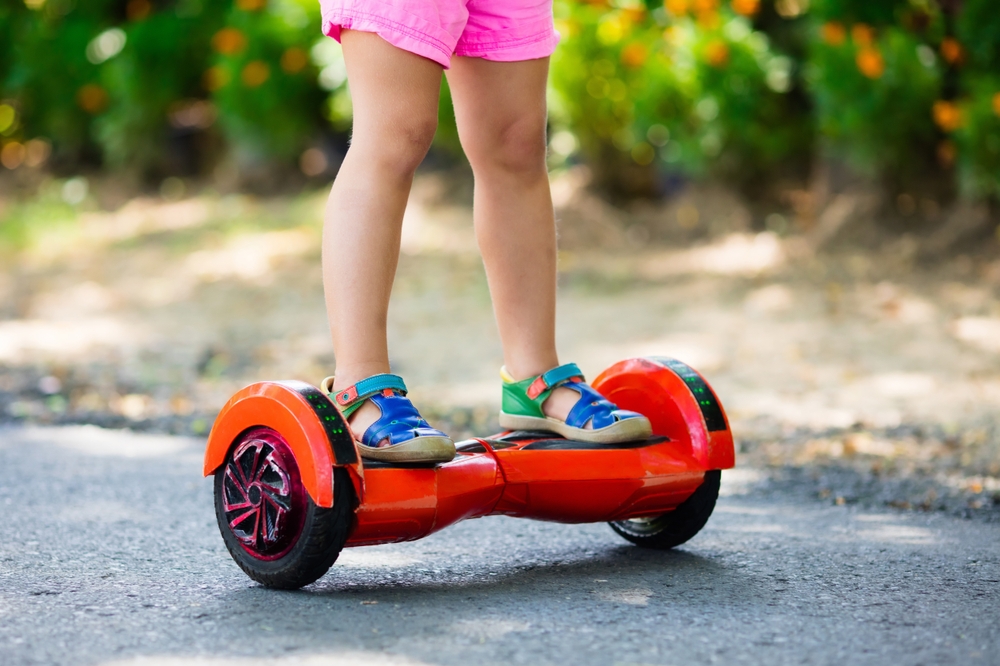
5. Hoverboards That Went Up in Flames

The hoverboard craze of the mid-2010s turned into a safety nightmare almost overnight. Many of these toys that were approved and sold through major retailers were later found to have defective lithium-ion batteries that caught fire while charging or in use. Despite certifications claiming compliance with safety standards, the mass recall of several models revealed inconsistencies in global testing practices. The U.S. Consumer Product Safety Commission intervened, forcing updated standards and stricter import oversight. What began as a tech marvel ended as a cautionary tale about fast-tracked gadgets for kids.

6. Fisher-Price Rock ‘n Play Sleeper and Hidden Suffocation Risks

The Fisher-Price Rock ‘n Play Sleeper wasn’t a traditional toy—but it was marketed for playtime and naps, making it a staple in many homes. It was among the most shocking toys that were approved before being quietly recalled in 2019. After reports of more than 30 infant deaths linked to suffocation, the recall exposed how misleading labeling and poor testing can have deadly consequences. Despite meeting voluntary safety standards, the product’s inclined design was inherently unsafe for unsupervised sleep. The case reshaped how infant “soothing” products are regulated.

7. Sky Dancers’ Unpredictable Flights

In the 1990s, Sky Dancers captured kids’ imaginations with their spinning, flying dolls launched by pull-string bases. Unfortunately, their unpredictable flight paths led to numerous injuries, including eye damage and broken teeth. These toys that were approved under then-current mechanical safety standards ultimately proved too dangerous in practice. More than eight million units were recalled in 2000 after hundreds of complaints. The recall underscored how motion-based toys often behave differently in real-world play than in controlled testing environments.

8. Fidget Spinners with Toxic Paint and Choking Hazards

Fidget spinners exploded in popularity in 2017, marketed as stress relievers for all ages. But many imported versions of these toys that were approved for sale later tested positive for lead-based paint and small detachable parts that violated U.S. safety laws. Several recalls followed, though not all were widely publicized. The episode illustrated how rapidly trending products can bypass scrutiny when demand outpaces regulation. Even something as simple as a spinner can carry hidden risks when manufacturers cut corners.

What These Silent Recalls Teach Parents About Safety

The stories of these toys that were approved before being recalled remind us that safety approval isn’t always a permanent guarantee. As products age, components loosen, materials degrade, and new data reveals unforeseen hazards. Parents can protect their families by regularly checking recall lists from the Consumer Product Safety Commission and avoiding secondhand toys without updated safety labels. Staying informed is the best safeguard against risks that testing can’t always predict. When it comes to children’s products, even approved doesn’t always mean safe.

Which of these toy recalls surprised you most? Share your thoughts—or your own memories of recalled toys—in the comments below.

What to Read Next…

10 Children’s Medications That Were Recently Recalled

7 Popular Lunch Snacks That Were Quietly Recalled

Beyond The Recall: 6 Baby Gear Recalls You Missed Putting Your Child At Risk

6 Baby Products Pulled from Shelves But Still in Homes

10 Popular Diaper Brands That Have Faced Consumer Complaints

Catherine Reed
Catherine Reed

Catherine is a tech-savvy writer who has focused on the personal finance space for more than eight years. She has a Bachelor’s in Information Technology and enjoys showcasing how tech can simplify everyday personal finance tasks like budgeting, spending tracking, and planning for the future. Additionally, she’s explored the ins and outs of the world of side hustles and loves to share what she’s learned along the way. When she’s not working, you can find her relaxing at home in the Pacific Northwest with her two cats or enjoying a cup of coffee at her neighborhood cafe.

Filed Under: Safety Tagged With: child safety, consumer safety, dangerous toys, parenting tips, product safety, toy industry, toy recalls

6 Questions Pediatricians Wish Parents Would Actually Ask

October 26, 2025 | Leave a Comment

6 Questions Pediatricians Wish Parents Would Actually Ask
Image source: shutterstock.com

Parents often arrive at the pediatrician’s office with a list of concerns, from rashes to runny noses. But in the rush of a short appointment, many don’t think to ask the questions that could have the biggest impact on their child’s long-term health and development. Pediatricians often wish parents would focus less on temporary issues and more on overall well-being—physical, emotional, and social. Asking the right things can lead to more meaningful conversations and better outcomes for your child. Here are six questions pediatricians wish parents would actually ask and why they matter.

1. How Can I Support My Child’s Mental Health?

In today’s world, one of the most important questions pediatricians wish parents would actually ask is about mental health. Many parents assume their child’s mood swings or stress are just “phases,” but early intervention can prevent bigger challenges later. Pediatricians can help identify whether a child’s anxiety, sadness, or behavior changes signal deeper issues. They can also recommend counselors, coping techniques, or lifestyle changes that promote emotional stability. Making mental health part of regular checkups ensures kids receive the same proactive care for their minds as they do for their bodies.

2. Is My Child Getting Enough Sleep for Their Age?

Another crucial but often overlooked question is about sleep. Many parents underestimate how much rest their child truly needs, especially once homework, sports, and screen time enter the mix. Asking about sleep patterns allows pediatricians to assess whether fatigue, irritability, or poor focus might stem from rest deprivation. They can share specific recommendations on bedtime routines, ideal hours of rest by age, and screen-free wind-down strategies. Good sleep isn’t just about avoiding crankiness—it’s essential for memory, immune health, and growth.

3. What Are the Best Ways to Encourage Healthy Eating Habits?

Diet questions come up often, but they’re usually focused on weight or picky eating rather than long-term nutrition. One of the top questions pediatricians wish parents would actually ask is how to build sustainable eating habits. Pediatricians can guide parents on portion sizes, meal balance, and how to make fruits and vegetables more appealing. They can also identify whether supplements or allergy testing might be necessary. Encouraging kids to enjoy nutritious foods early on can prevent health issues like diabetes, obesity, and nutrient deficiencies later in life.

4. How Much Screen Time Is Too Much?

Technology has become an unavoidable part of childhood, but many parents aren’t sure where to draw the line. Pediatricians often wish parents would ask about screen limits instead of waiting until problems arise. Too much time online can affect sleep quality, attention span, and even emotional development. Asking this question helps parents set realistic boundaries based on a child’s age and activities. A pediatrician can suggest healthy alternatives, such as outdoor play or family reading time, that promote balance without completely cutting out digital devices.

5. What Should I Know About My Child’s Social Development?

Social growth plays a huge role in overall well-being, yet it’s often overlooked during medical visits. Among the questions pediatricians wish parents would actually ask, this one helps uncover issues with confidence, peer relationships, and communication skills. Pediatricians can provide insight into what’s typical at each stage and when to be concerned about isolation or bullying. They can also share strategies for supporting friendships and empathy at home. Understanding social milestones gives parents tools to help their children build resilience and emotional intelligence.

6. Are There Any Preventive Health Steps I’m Overlooking?

Between busy schedules and information overload, it’s easy for parents to miss small but important preventive care details. This includes things like dental referrals, eye exams, and developmental screenings. Asking about preventive steps helps ensure your child’s care is truly comprehensive, not just reactive. It also gives pediatricians a chance to review lifestyle habits like exercise, hydration, and safety precautions. This single question can uncover potential issues before they become bigger problems, saving both stress and money in the long run.

Turning Checkups Into Conversations That Matter

Pediatric visits don’t have to be limited to height, weight, and vaccines. The questions pediatricians wish parents would actually ask are about creating a full picture of a child’s health—body, mind, and social world included. When parents take the initiative to ask deeper questions, they open the door to meaningful guidance that goes beyond standard care. These discussions also build trust, helping kids see their doctor as a safe, supportive resource. Ultimately, the best care happens when curiosity and communication meet in the exam room.

Which of these questions do you think parents overlook most during checkups? Share your thoughts and experiences in the comments below!

What to Read Next…

  • 10 Pediatric Visits That Leave Parents With Unexpected Bills
  • Why Are Pediatric ER Visits Rising for First-Time Parents?
  • Pediatrician Secrets: 8 Dangers Your Pediatrician Won’t Discuss
  • 8 Health Fads Parents Are Pushing on Their Kids Without Science
  • 10 Children’s Medications That Were Recently Recalled
Catherine Reed
Catherine Reed

Catherine is a tech-savvy writer who has focused on the personal finance space for more than eight years. She has a Bachelor’s in Information Technology and enjoys showcasing how tech can simplify everyday personal finance tasks like budgeting, spending tracking, and planning for the future. Additionally, she’s explored the ins and outs of the world of side hustles and loves to share what she’s learned along the way. When she’s not working, you can find her relaxing at home in the Pacific Northwest with her two cats or enjoying a cup of coffee at her neighborhood cafe.
Filed Under: Healthy Living & Eating Tagged With: child development, child health, family wellness, parenting advice, parenting tips, pediatric care, preventive care

7 Lunch Foods That Make Kids a Target for Teasing

October 25, 2025 | Leave a Comment

7 Lunch Foods That Make Kids a Target for Teasing
Image source: shutterstock.com

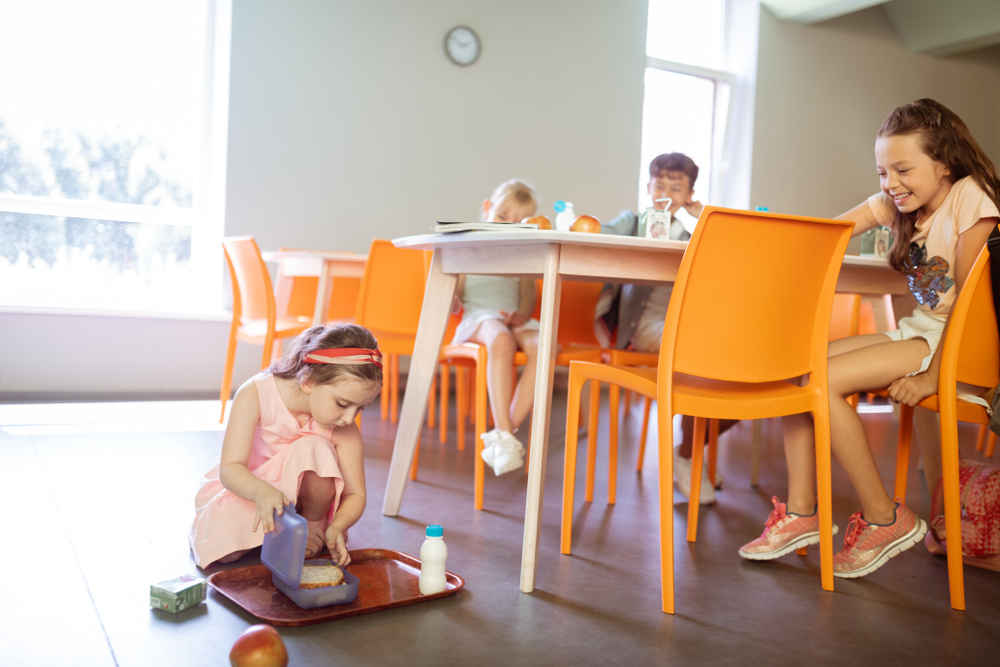
School lunchrooms can be surprisingly high-pressure environments where even small differences can attract unwanted attention. While parents pack meals with love and nutrition in mind, children often see their food through a social lens shaped by what their peers consider “normal.” The wrong lunch can quickly make a child feel singled out, embarrassed, or even teased. Understanding which items might cause issues can help parents strike a balance between healthy, cultural, and socially comfortable choices. Here are seven lunch foods that make kids a target for teasing—and what you can do instead.

1. Strong-Smelling Foods That Fill the Room

One of the most common lunch foods that makes kids a target for teasing is those with strong odors. Items like tuna salad, hard-boiled eggs, or leftover fish can quickly draw attention once the container is opened. While these options are healthy and protein-rich, their scent can linger in the air and invite comments from classmates. Kids might hear jokes or exaggerated reactions that make them feel self-conscious about their meal. Opting for milder-smelling proteins like turkey, chicken, or nut-free spreads can help avoid lunchtime embarrassment without sacrificing nutrition.

2. Cultural Dishes That Look “Different”

Cultural diversity is something to celebrate, but it can sometimes make kids feel vulnerable in settings where familiarity rules. Foods like curries, kimchi, or dumplings are delicious and meaningful, yet they may look or smell unusual to peers who aren’t used to them. Unfortunately, some children may mock what they don’t understand. It’s heartbreaking when a child begins to reject their cultural foods just to fit in. Parents can help by discussing cultural pride at home and coordinating with teachers or schools that encourage inclusivity during mealtimes.

3. Overly “Healthy” or Unfamiliar Snacks

Some lunch foods that make kids a target for teasing include overly health-conscious options that stand out against the usual chips and cookies. Kale chips, seaweed snacks, or green smoothies, while nutritious, can lead to teasing if peers see them as “weird” or “gross.” Children may start hiding or avoiding these foods altogether, even if they liked them before. A good approach is to balance healthy items with familiar ones so kids feel confident opening their lunch. Pairing carrot sticks with a small treat, for example, can make a meal both healthy and socially comfortable.

4. Messy or Hard-to-Eat Meals

Difficult-to-handle foods can make lunchtime awkward. Spaghetti, soups, or saucy leftovers might spill easily or require utensils that younger kids struggle with. If a child gets messy or takes longer to eat, it can attract teasing from classmates who finish quickly. These lunch foods that make kids a target for teasing often cause stress that takes away from the fun of lunchtime. Simpler, bite-sized meals—like wraps, sandwiches, or fruit cups—tend to be easier to manage and less likely to draw attention.

5. Lunches That Seem “Too Fancy”

A perfectly curated lunch with bento boxes, neatly cut fruit, and decorative toothpicks can sometimes backfire in social settings. What’s meant as a thoughtful gesture can make a child stand out among peers with standard sandwiches and chips. Kids may face lighthearted jokes about being “spoiled” or “trying too hard,” which can sting more than parents realize. While these meals look beautiful on social media, practicality often matters more at school. Keeping lunches simple yet nutritious can help kids blend in comfortably without sacrificing parental care.

6. Cold or Leftover Dinners Packed for Lunch

While repurposing leftovers is a great way to save money and reduce waste, some dishes just don’t translate well in a school lunchbox. Cold pasta, stir-fry, or casserole can taste fine but look unappealing compared to freshly packed sandwiches. Peers might react negatively or joke about “weird leftovers,” even if the meal is delicious. These types of lunch foods that make kids a target for teasing can make them reluctant to eat what’s packed. To keep leftovers appealing, repack them creatively—like turning last night’s chicken into a wrap or quesadilla.

7. Foods That Trigger Allergies or Restrictions in Others

In today’s classrooms, where food allergies and dietary restrictions are common, bringing peanut butter sandwiches or dairy-heavy meals can sometimes cause issues. While not inherently “teasable,” these foods can make a child feel singled out if their meal is restricted or swapped due to safety rules. Other kids might also make comments about why certain foods aren’t allowed nearby. Encouraging empathy and awareness at home can help children understand these situations and handle them confidently. When in doubt, choose allergy-safe alternatives that keep everyone comfortable.

Helping Kids Feel Confident About What’s in Their Lunchbox

Lunch should be a time for kids to relax and refuel—not worry about judgment from their peers. Parents can help by discussing what happens at school and adjusting lunches based on feedback rather than fear. Encouraging kids to embrace their favorite meals while respecting social dynamics teaches both confidence and awareness. The goal isn’t to avoid individuality but to make sure children feel comfortable being themselves. With a little balance and open conversation, parents can protect both their child’s nutrition and their self-esteem.

Have you ever seen teasing happen over school lunches, or had to adjust what your child brings? Share your experiences in the comments below!

What to Read Next…

  • 8 Financial Decisions Parents Make That Kids Remember Forever
  • 7 “Harmless” Nicknames That Kids Secretly Hate
  • 8 Ways Children Are Hiding Cyberbullying From Adults
  • When Teasing Between Friends Becomes Bullying
  • 8 Health Fads Parents Are Pushing on Their Kids Without Science
Catherine Reed
Catherine Reed

Catherine is a tech-savvy writer who has focused on the personal finance space for more than eight years. She has a Bachelor’s in Information Technology and enjoys showcasing how tech can simplify everyday personal finance tasks like budgeting, spending tracking, and planning for the future. Additionally, she’s explored the ins and outs of the world of side hustles and loves to share what she’s learned along the way. When she’s not working, you can find her relaxing at home in the Pacific Northwest with her two cats or enjoying a cup of coffee at her neighborhood cafe.

Filed Under: Parenting Tagged With: child confidence, Family Budgeting, kids nutrition, parenting advice, school lunch tips, school lunches, teasing at school

10 Things You’re Overspending On Because of Social Media Parenting Trends

October 25, 2025 | Leave a Comment

10 Things You’re Overspending On Because of Social Media Parenting Trends
Image source: shutterstock.com

Parenting in the digital age comes with constant exposure to social media parenting trends that set unrealistic expectations. Platforms like Instagram, TikTok, and Pinterest showcase “perfect” families with expensive nurseries, coordinated outfits, and extravagant experiences that can make any parent feel like they’re not doing enough. The problem is that trying to keep up can quietly drain your budget. Here are ten things parents often overspend on because of social media parenting trends—and how to save without feeling like you’re falling behind.

1. Designer Baby Clothes You’ll Use Once

Social media parenting trends often glorify baby fashion, turning even newborns into miniature influencers. Parents see adorable posts and feel pressure to splurge on designer outfits for photos rather than practicality. The truth is that babies outgrow clothes in weeks, and those pricey pieces often end up stored away after a single use. Instead of following every trend, focus on comfortable, washable basics that work for everyday wear. Save the special outfit for milestone photos and skip the designer price tag.

2. Themed Birthday Parties That Rival Weddings

One of the biggest traps of social media parenting trends is the over-the-top birthday celebration. Parents see balloon arches, custom cakes, and backyard bounce houses and think it’s the new norm. While these parties make for great pictures, they can cost hundreds—or even thousands—of dollars for a few hours of fun. Children don’t need elaborate events to feel loved or celebrated. A smaller gathering with family, a homemade cake, and a few personal touches can create just as many happy memories.

3. “Aesthetic” Nursery Decor

Instagram-worthy nursery decor is another costly outcome of social media parenting trends. Many parents feel pressured to design perfectly coordinated rooms complete with custom name signs, wallpaper murals, and expensive furniture. However, a newborn’s needs are simple: a safe crib, a changing station, and a quiet space. The baby doesn’t care about matching colors or minimalist aesthetics—those details only impress followers. You can still create a cozy, functional nursery by mixing thrifted items with essentials.

4. Fancy Strollers and Car Seats

Influencers often promote luxury baby gear as must-haves for “modern parenting,” which can make basic equipment seem inferior. These high-end strollers and car seats often come with hefty price tags but offer minimal added value beyond branding. While safety and durability are essential, you don’t need to buy the most expensive option to ensure quality. Look for models with strong safety ratings and solid reviews instead of focusing on brand prestige. Your baby’s comfort and your financial peace of mind matter far more than social approval.

5. Matching Family Outfits for Every Season

Coordinated family photos can be adorable, but social media parenting trends have taken this concept to extremes. Some parents buy new matching outfits for every holiday or season, racking up unnecessary expenses. While these photos may get likes online, they often come at the cost of practicality. One or two sets for special occasions are plenty, especially when you can reuse or mix pieces. The sweetest moments rarely depend on matching clothes—they come from genuine connection.

6. Extravagant Family Vacations

Seeing other families’ post picture-perfect trips to Disney or tropical resorts can trigger a strong case of comparison. Many parents overspend on vacations to create “Instagram-worthy” experiences that often end up stressful or rushed. Traveling with kids doesn’t need to be extravagant to be meaningful. Local getaways, nature trips, or staycations can provide just as much joy at a fraction of the cost. The memories your children cherish most usually involve laughter and time spent together, not the price tag.

7. Costly Kids’ Activities for “Enrichment”

Social media parenting trends often suggest that successful parents enroll their children in multiple extracurriculars—dance, soccer, coding, and more. While activities can support growth and learning, too many can overwhelm both your child and your budget. Instead of signing up for everything, focus on one or two that truly interest your child. Free or low-cost community programs can offer just as much enrichment without financial strain. Balance is the key to both development and financial health.

8. Meal Kits and Specialty Toddler Foods

Perfectly portioned toddler meals and trendy baby-led weaning recipes flood social media feeds. While these options may look appealing, they often cost significantly more than homemade versions. The obsession with curated snacks and “superfood” pouches feeds into guilt-based marketing rather than nutritional necessity. Simple, home-prepared foods can be just as healthy and far more affordable. Trust your instincts and your pediatrician, not the latest influencer’s sponsored content.

9. Expensive Photography Sessions

Professional photo sessions are a wonderful way to capture milestones, but social media parenting trends have made them seem mandatory for every occasion. From maternity shoots to monthly baby updates, the costs add up quickly. You don’t need professional-grade photos for every stage—many smartphones can take high-quality pictures with good lighting. Reserve pro sessions for major milestones and capture everyday moments at home. Your family’s authenticity will always outshine curated perfection.

10. Educational Toys That Promise “Genius” Results

Every parent wants to give their child the best start, and social media marketing takes full advantage of that desire. Many toys claim to boost intelligence or guarantee developmental milestones, often at premium prices. In reality, simple playtime with affordable or even homemade items can be equally effective. What truly matters is engagement and interaction, not branding or cost. Let curiosity lead the way rather than social pressure.

Finding Balance in a Socially Driven World

Social media parenting trends can make even the most confident parents feel like they’re falling short. But behind every “perfect” post are budgets, credit card bills, and trade-offs that rarely get shown. Remember that being a good parent isn’t about keeping up—it’s about showing up. Focus on experiences, love, and financial balance instead of curated appearances. The best trend you can start is living authentically and spending intentionally.

Which of these spending habits have you noticed most among parents online? Share your thoughts in the comments below!

What to Read Next…

  • Spending What You Don’t Have: 10 Ways Children Are Manipulating Their Parents to Overspend
  • 10 Baby Milestones That Make Parents Spend Unnecessarily
  • 5 Ways Children Are Secretly Spending Parents’ Money Online
  • Budget Buster: 10 Spending Habits That Drain Your Family Budget Fast
  • How You Spend and Give Your Money: Teaching Financial Responsibility to Kids
Catherine Reed
Catherine Reed

Catherine is a tech-savvy writer who has focused on the personal finance space for more than eight years. She has a Bachelor’s in Information Technology and enjoys showcasing how tech can simplify everyday personal finance tasks like budgeting, spending tracking, and planning for the future. Additionally, she’s explored the ins and outs of the world of side hustles and loves to share what she’s learned along the way. When she’s not working, you can find her relaxing at home in the Pacific Northwest with her two cats or enjoying a cup of coffee at her neighborhood cafe.

Filed Under: Money and Finances Tagged With: digital parenting, Family Budgeting, financial wellness, money tips, overspending, parenting trends, social media parenting

9 Family Rules That Start Out Strong but End in Chaos

October 24, 2025 | Leave a Comment

9 Family Rules That Start Out Strong but End in Chaos
Image source: shutterstock.com

Every parent dreams of creating the perfect set of household rules—ones that keep everyone respectful, organized, and happy. The problem is that real family life rarely goes as planned. Many family rules that start out strong eventually crumble under the weight of busy schedules, shifting moods, or simple inconsistency. What begins as a well-intentioned plan to bring order often turns into a daily debate. Understanding why certain rules fall apart can help families reset expectations and build structure that actually lasts.

1. No Screens During Dinner

It’s one of the most common family rules that start out strong, but it often doesn’t last long. Parents may start with enthusiasm, hoping to create more face-to-face time and meaningful conversation. Then comes a “just this once” exception for checking a message or showing a funny video. Before long, everyone’s scrolling while the food gets cold. To make this rule work, consistency is key—turn devices off completely or move them to another room before dinner begins.

2. Everyone Pitches In With Chores

At first, this rule sounds fair: everyone does their part to keep the home clean and running smoothly. But enthusiasm tends to fade when reminders turn into arguments or when chores aren’t done “the right way.” Parents may find it easier to just do the task themselves rather than enforce the rule. Eventually, resentment builds as responsibilities fall unevenly. A better approach is assigning age-appropriate tasks and sticking to a routine, even if things aren’t done perfectly.

3. No Yelling in the House

Many families vow to keep a calm, respectful tone during disagreements, but emotions can quickly derail that plan. When stress, exhaustion, or frustration take over, even the most patient parent might slip up. Once yelling becomes common again, the rule loses credibility. The problem isn’t the rule itself but the lack of built-in repair—apologizing, calming down, and trying again are just as important as setting limits. Reinforcing emotional regulation through example teaches far more than a rule alone.

4. Early Bedtimes for Everyone

Parents often start the school year determined to keep bedtime structured and consistent. It works beautifully for a few weeks—until after-school activities, late homework, or social events creep in. Soon bedtime slides later and later, and mornings become chaotic again. Children thrive on predictable routines, so keeping bedtime realistic rather than rigid helps maintain balance. Adjusting schedules seasonally or by age can also prevent burnout for both kids and parents.

5. We Always Eat Together as a Family

Sitting down for a family meal every night is a wonderful goal, but it’s one of those family rules that start out strong and then fade when life gets hectic. Between sports practices, work schedules, and homework, coordinating everyone’s time becomes nearly impossible. Parents might begin eating with one child while another eats later, and soon the habit disappears. The intention—connection—can still be met by having smaller, meaningful moments throughout the week. A few shared meals matter more than daily perfection.

6. Weekend Family Time Is Sacred

Many families declare weekends off-limits for work, errands, or outside distractions, focusing on bonding instead. This rule feels great until real life intervenes with deadlines, playdates, or home repairs. What starts as a tradition can quickly turn into guilt when the family can’t stick to it. Instead of forcing rigid “family days,” schedule shorter, more flexible activities like a Sunday breakfast or a family walk. Quality time matters more than the amount of time.

7. Homework Gets Done Before Play

Every parent sets this rule at least once, but enforcing it consistently is a challenge. Kids argue that they “just need a break,” and parents—tired from work—often give in. Once the exception becomes routine, homework gets pushed to the last minute, creating stress for everyone. The key is balance: allowing short play breaks before homework can actually improve focus and motivation. Turning the rule into a flexible rhythm instead of an absolute law helps it stick long-term.

8. No Sweets Except on Weekends

It sounds like a smart plan to limit sugar intake and promote healthy habits, but it’s one of the family rules that start out strong and quickly unravel. Birthday parties, school events, and spontaneous treats make strict sugar bans hard to maintain. Children may also develop unhealthy relationships with food when sweets become a forbidden prize. Teaching moderation—rather than complete restriction—creates a healthier, more sustainable mindset. Occasional indulgence can fit within balanced nutrition.

9. Always Use Kind Words

Every parent hopes to raise kind, respectful communicators, and this rule embodies that goal. But in moments of sibling rivalry, hurt feelings, or exhaustion, “kind words” can fly out the window. Correcting tone and language constantly can also create tension if done harshly. Modeling patience, forgiveness, and gentle correction helps kids internalize kindness rather than fear punishment for mistakes. The rule works best when reinforced with empathy and positive examples.

Why Rules Fail—and What That Really Teaches Kids

When family rules that start out strong end in chaos, it’s not always a sign of failure. It’s proof that real life is messy and that growth requires flexibility. Kids learn more from seeing their parents adapt, communicate, and recommit than from rigidly following every rule. What matters most is consistency in values—kindness, respect, and accountability—rather than perfection in enforcement. A family that can laugh at its own chaos often ends up the strongest of all.

Which family rules that start out strong have caused chaos in your home? Do you stick to them or adapt as you go? Share your stories in the comments below!

What to Read Next…

9 Unwritten Playground Rules That Cause Real Conflict

Do Family Screen Time Rules Invite Emotional Manipulation?

Hidden Impact: 6 Family Secrets Affecting Child Behavior for Years

The Art of Sneaking Veggies Into Meals (And Loving It)

8 Things Parents Say That Create Lifelong Guilt

Catherine Reed
Catherine Reed

Catherine is a tech-savvy writer who has focused on the personal finance space for more than eight years. She has a Bachelor’s in Information Technology and enjoys showcasing how tech can simplify everyday personal finance tasks like budgeting, spending tracking, and planning for the future. Additionally, she’s explored the ins and outs of the world of side hustles and loves to share what she’s learned along the way. When she’s not working, you can find her relaxing at home in the Pacific Northwest with her two cats or enjoying a cup of coffee at her neighborhood cafe.

Filed Under: Parenting Tagged With: child behavior, family communication, family dynamics, family life, home routines, household rules, Parenting, parenting advice

8 Health Fads Parents Are Pushing on Their Kids Without Science

October 24, 2025 | Leave a Comment

8 Health Fads Parents Are Pushing on Their Kids Without Science
Image source: shutterstock.com

In an age where every scroll reveals a new “miracle” routine or superfood, even well-meaning parents can get caught up in wellness trends that sound healthy but lack scientific backing. Kids often become the testing ground for these ideas, from trendy supplements to strict food rules. The problem is that what works—or seems to work—for adults doesn’t always translate to a growing child’s needs. Before following the latest craze, it’s worth taking a closer look at the most popular health fads parents are pushing and whether they actually make sense for kids.

1. Cutting Out Entire Food Groups

One of the most common health fads parents are pushing involves eliminating entire food groups, such as dairy, gluten, or carbs. While there are legitimate reasons for these exclusions—like allergies or celiac disease—many parents adopt them based on social media trends rather than medical advice. Growing children need a wide range of nutrients for development, and cutting out foods without guidance can cause deficiencies. For example, removing dairy might reduce calcium intake, while skipping carbs can impact energy levels. A pediatrician or registered dietitian can help determine whether a restriction is necessary before making big changes.

2. Putting Kids on Keto or Low-Carb Diets

The ketogenic diet gained massive popularity for weight loss among adults, but some parents are now applying it to their children. This is one of the more concerning health fads parents are pushing because kids need carbohydrates to fuel growth and brain development. Restricting carbs can lead to fatigue, irritability, and nutrient imbalances in children. Unless prescribed for specific medical conditions like epilepsy, these diets are not recommended for young kids. Balanced meals with whole grains, fruits, and vegetables are far more beneficial than extreme carb cutting.

3. Overloading on “Immunity Boosting” Supplements

Parents naturally want to keep their kids healthy, especially during cold and flu season, but the rush toward daily vitamins, herbal gummies, and “immune shots” has gone overboard. Many of these supplements are unregulated, unproven, and sometimes unnecessary if the child already eats a balanced diet. Too much of certain vitamins—like A or D—can even be toxic in high doses. The immune system isn’t something you can turbocharge with powders and pills. A nutritious diet, regular sleep, and physical activity remain the true cornerstones of a strong immune defense.

4. Forcing “Sugar-Free” Everything

Avoiding excessive sugar is wise, but the obsession with sugar-free foods has become another of the health fads parents are pushing without realizing the downsides. Many sugar substitutes can upset children’s digestion or teach them to crave hyper-sweet flavors. Some sugar-free snacks even contain artificial additives that raise other health questions. Natural sugar from fruit or small treats in moderation is not harmful. Teaching balance instead of strict avoidance creates healthier lifelong habits.

5. Juicing and Smoothie Replacements

Juicing might seem like a quick way to sneak in fruits and vegetables, but it often removes fiber and concentrates sugar. Parents drawn to this health fad may unknowingly give their kids calorie-dense drinks that spike energy and then crash it later. Smoothies can be nutritious if they include protein and fiber, but replacing meals with them is not ideal for children’s growth. Whole fruits and veggies provide texture, nutrients, and satiety that drinks can’t match. It’s better to serve smoothies as snacks rather than meal substitutes.

6. Using Detox Teas or Cleanses

Cleanses and detox teas have no solid scientific basis for improving health, yet they remain one of the most persistent health fads parents are pushing online. These products often promise to “flush out toxins” or “reset the body,” but the liver and kidneys already perform those functions naturally. Giving detox products to kids can lead to dehydration, diarrhea, and electrolyte imbalances. No reputable pediatric health organization recommends them for children. The safest “detox” is simply drinking water and eating real food.

7. Emphasizing Protein Shakes Over Real Food

With the rise of fitness culture, some parents think more protein automatically means better health. Kids are being handed protein bars or shakes designed for adults, which can throw off their nutrient balance. Children typically get enough protein from regular meals that include dairy, eggs, lean meats, beans, or nuts. Overloading on supplemental protein can strain their kidneys and reduce appetite for other food groups. Unless a pediatrician suggests it, there’s no need for shakes to replace real food.

8. Labeling Natural Remedies as “Better Than Medicine”

While natural remedies like honey for coughs or ginger tea can help mild symptoms, they shouldn’t replace proven medical treatments. One of the most problematic health fads parents are pushing is the belief that natural automatically means safer or more effective. Some herbal remedies can interact with medications or be harmful in large doses. Relying on them for serious illnesses can delay proper care and worsen outcomes. Parents should always consult healthcare professionals before trying new remedies, no matter how “organic” they sound.

Raising Healthy Kids with Common Sense

Health trends can be tempting, especially when they promise to make parenting feel more proactive or “clean.” But children’s needs are unique, and their growing bodies depend on evidence-based nutrition, not viral wellness ideas. Parents can best support their kids by focusing on balanced meals, movement, and medical guidance instead of fads. Health doesn’t come from trends—it comes from consistency, moderation, and a little common sense.

Have you noticed any health fads parents are pushing on their kids in your community? Which ones concern you the most? Share your thoughts in the comments below!

What to Read Next…

10 Snacks That Are Making Your Kids Overweight and Unhealthy

Don’t Ignore This: 7 Health Symptoms That Demand Immediate Attention In Kids

The “Harmless” Habit: 7 Health Habits Shortening Childhood For Many

Are You Missing It? 7 Health Warnings Your Child’s Behavior Gives You

Mental Health Crisis: 4 Critical Questions About Your Child’s Mental Health

Catherine Reed
Catherine Reed

Catherine is a tech-savvy writer who has focused on the personal finance space for more than eight years. She has a Bachelor’s in Information Technology and enjoys showcasing how tech can simplify everyday personal finance tasks like budgeting, spending tracking, and planning for the future. Additionally, she’s explored the ins and outs of the world of side hustles and loves to share what she’s learned along the way. When she’s not working, you can find her relaxing at home in the Pacific Northwest with her two cats or enjoying a cup of coffee at her neighborhood cafe.

Filed Under: Healthy Living & Eating Tagged With: child health, childhood development, family health, health myths, kids nutrition, nutrition, Parenting, parenting advice, wellness trends

7 Common First Grade Assignments That Spark Family Fights

October 23, 2025 | Leave a Comment

7 Common First Grade Assignments That Spark Family Fights
Image source: shutterstock.com

Every parent wants to be involved in their child’s education, but few realize how quickly homework can turn into a battlefield. From glitter explosions to math meltdowns, certain first grade assignments have a way of testing everyone’s patience. The transition from kindergarten to structured schoolwork can catch families off guard, and what starts as a simple project can spiral into frustration. Understanding why these conflicts happen—and how to handle them—can help parents turn homework time into something less stressful and more productive.

1. The Infamous Family Tree Project

Few first grade assignments stir as much tension as the family tree project. What sounds like a cute way to explore ancestry can quickly bring up complicated emotions or logistical confusion. Some children have blended families, single parents, or guardians, and explaining that structure can be tricky. Parents may disagree on how to represent relatives or which side of the family to include. The best way to avoid conflict is to focus on teaching connection and identity rather than perfection—help your child express who matters most to them instead of creating a detailed genealogical map.

2. The “All About Me” Poster

This classic first grade assignment seems harmless until parents start debating which photos to use or how much to reveal. Should you include baby pictures, favorite toys, or mention a parent’s job? Some families worry about oversharing, while others stress over making the poster visually impressive. The pressure to make it look “Pinterest-perfect” can lead to late-night glue-stick arguments. Instead of taking over, encourage your child to make choices about what they’re proud of and help them express themselves with their own words and drawings.

3. The 100th Day of School Project

The 100th Day of School is meant to celebrate counting skills, but for many families, it’s a race against time and creativity. Teachers often ask students to bring in 100 of something—beans, stickers, paperclips, or cereal pieces—and that’s where the tension starts. Parents might get carried away trying to make the display impressive, while kids lose interest halfway through. What could be a fun math exercise turns into a last-minute scramble before bedtime. The key is to keep it simple and let your child choose something they can count themselves, even if it isn’t Instagram-worthy.

4. The Reading Log Marathon

When it comes to first grade assignments, few things cause more ongoing friction than the reading log. Parents want their children to develop a love of reading, but tracking minutes or pages can feel like an endless chore. Arguments often arise when a child insists they’ve read enough, or when parents forget to log entries during a busy week. The result is stress on both sides, with little focus on actual enjoyment. A better approach is to make reading part of your family’s nightly routine and celebrate progress without worrying about perfect records.

5. The “Build a Model” Science Project

Even the simplest model-building assignments can end with glue-covered tables and tears. Parents may feel tempted to step in to make sure the project looks polished, while children just want to experiment and have fun. The tension often comes from mismatched expectations—teachers want to see the child’s creativity, not a parent’s engineering skills. Allowing your child to make mistakes teaches resilience and problem-solving far better than building the “perfect volcano.” Offering gentle guidance while letting them lead keeps the focus where it belongs—on learning.

6. The Spelling and Sight Word Tests

Weekly spelling and sight word tests are among the first-grade assignments that regularly trigger frustration at home. Parents want their children to do well, but drilling words repeatedly can lead to tears and resistance. What starts as practice can quickly feel like pressure. A simple shift—turning word review into a game—can make a huge difference. Using flashcards, drawing, or spelling words aloud during playtime helps kids learn without the stress of formal study sessions.

7. The Group or Partner Project

It might surprise parents that even first graders sometimes get assigned group projects. Coordinating with other children—and their parents—can be unexpectedly chaotic. Families might disagree about who does what or how much effort each child should contribute. For a six-year-old, this can feel confusing and overwhelming, especially if adults start taking over. The best way to keep the peace is to guide your child in doing their part and practicing teamwork, not perfection.

Turning Homework Battles into Learning Opportunities

The truth is, most family fights over first grade assignments aren’t about the homework itself—they’re about expectations, time, and communication. Parents often want to help their child succeed, but too much involvement can send the message that their effort isn’t enough. By focusing on support rather than control, families can turn stress into connection. Encourage independence, celebrate small wins, and remember that learning is messy—and that’s exactly how it’s supposed to be.

Have you ever found yourself in a tug-of-war over your child’s homework? Which first grade assignments have caused the biggest battles in your household? Share your stories in the comments below!

What to Read Next…

Why Are More Parents Questioning the Value of Preschool?

7 Reasons Your Kids Are Faking Illness to Avoid School (And What to Do About It)

8 After-School Activities That Drain Family Budgets the Fastest

7 Preschool Programs That Might Be Hurting Kids Socially

9 Times Schools Asked Parents for Money in Questionable Ways

Catherine Reed
Catherine Reed

Catherine is a tech-savvy writer who has focused on the personal finance space for more than eight years. She has a Bachelor’s in Information Technology and enjoys showcasing how tech can simplify everyday personal finance tasks like budgeting, spending tracking, and planning for the future. Additionally, she’s explored the ins and outs of the world of side hustles and loves to share what she’s learned along the way. When she’s not working, you can find her relaxing at home in the Pacific Northwest with her two cats or enjoying a cup of coffee at her neighborhood cafe.
Filed Under: Education Tagged With: child development, education, family life, first grade, Homework, homework tips, Parenting, parenting advice, school projects

Why Is Your Child Suddenly Afraid of Everyday Sounds?

October 23, 2025 | Leave a Comment

Why Is Your Child Suddenly Afraid of Everyday Sounds?
Image source: shutterstock.com

Most parents have seen it happen—one day their child is happily playing, and the next, they cover their ears at the sound of a vacuum, blender, or even a barking dog. When a child becomes suddenly afraid of everyday sounds, it can be confusing and concerning. Understanding why this change occurs can help parents respond calmly, support their child’s emotional development, and rule out any underlying medical concerns.

1. When Fear Becomes a Normal Developmental Phase

For many children, being afraid of everyday sounds is part of normal development. Around ages two to four, kids become more aware of their surroundings but may not yet understand what causes certain noises. The roar of a garbage truck or the whir of a hair dryer can feel unpredictable and overwhelming. During this stage, their brains are rapidly developing, and they’re learning how to process sensory input. This fear often fades as they gain familiarity, confidence, and reassurance from parents.

2. Sensory Sensitivity Could Be the Cause

Some children are naturally more sensitive to sensory stimuli, meaning they can perceive sounds more intensely than others. When a child seems afraid of everyday sounds like hand dryers or doorbells, it could be due to sensory processing sensitivity. This trait doesn’t necessarily indicate a disorder—it simply means the child experiences the world more vividly. Loud or sudden noises may startle them more easily, leading to avoidance or anxiety. Providing quiet spaces, using noise-reducing headphones, or introducing sounds gradually can make a big difference in how they cope.

3. Ear Infections or Hearing Changes Might Play a Role

Physical causes shouldn’t be overlooked when a child suddenly becomes afraid of everyday sounds. A recent ear infection, fluid buildup, or temporary hearing change can make noises seem distorted or unusually loud. Even a mild infection can make certain frequencies feel uncomfortable. Scheduling a check-up with a pediatrician or audiologist helps rule out any medical explanations. If the ears check out fine, parents can focus on emotional and behavioral strategies to ease the fear.

4. Anxiety and Stress Can Heighten Noise Sensitivity

Emotional factors can also contribute to a child being afraid of everyday sounds. If a child has experienced a stressful event or is feeling anxious, their nervous system may be on high alert. Everyday noises might feel more intense or threatening during these times. Parents may notice other signs—trouble sleeping, clinginess, or sudden startle reactions. Offering reassurance, keeping routines consistent, and modeling calm responses to loud sounds can help children feel safer and regain confidence.

5. Negative Associations Can Reinforce Fear

Children are quick learners, and one frightening experience can leave a lasting impression. If a balloon popped near their ear or a loud thunderclap startled them, they may start connecting those moments with danger. Over time, this can lead them to become afraid of everyday sounds that remind them of the incident. Parents can gently desensitize these fears by reintroducing similar sounds in positive, controlled settings. For instance, playing soft background noises during playtime can help children form new, more neutral associations.

6. Autism Spectrum Disorder or Sensory Processing Disorder

In some cases, persistent fear of everyday sounds may signal an underlying condition such as autism spectrum disorder (ASD) or sensory processing disorder (SPD). Children with these conditions often have heightened or inconsistent sensory responses, including to noise. They may react strongly to sounds most people barely notice, such as a refrigerator hum or classroom chatter. Observing whether the fear interferes with daily life—like avoiding public spaces or struggling at school—can guide whether to seek evaluation. Early intervention can help children build coping skills and navigate sensory experiences more comfortably.

7. Helping Your Child Feel More in Control

The key to easing a child’s fear of everyday sounds is empowerment through predictability and comfort. Letting them press the button on a noisy toy or control the volume of a TV helps them understand the cause-and-effect behind sounds. Parents can use playful exposure—like pretending to be the “quiet vacuum monster”—to reframe scary noises as fun. It’s also helpful to name the sounds and explain what they do in simple terms. This builds both emotional resilience and curiosity instead of fear.

8. When to Seek Professional Guidance

If your child’s fear of everyday sounds lasts for more than a few months or begins affecting their quality of life, professional help can be valuable. Pediatricians, child psychologists, or occupational therapists specializing in sensory integration can identify whether deeper issues are involved. A professional can also teach coping strategies, such as breathing exercises or noise desensitization techniques. Parents who get support early often find the situation improves much faster. Most importantly, remember that fear rooted in sound sensitivity is manageable and often temporary.

Turning Fear into Understanding

When a child becomes afraid of everyday sounds, it’s a signal of how deeply they experience the world—not a sign of weakness. With patience, empathy, and gentle guidance, parents can help their child build confidence in handling the noises of daily life. Each small success reinforces that sound isn’t something to fear but to explore and understand.

Has your child ever gone through a phase of fearing normal noises? How did you help them adjust? Share your experiences in the comments below!

What to Read Next…

What’s Causing So Many Children to Fear Sleepovers Again?

Helping Your Child Handle Fear Without Making It Worse

6 Signs Your Child Is Struggling with Social Anxiety

5 Signs a Child Is Hiding Stress From Parents

7 Excuses Kids Use to Cover Up Emotional Trouble

Catherine Reed
Catherine Reed

Catherine is a tech-savvy writer who has focused on the personal finance space for more than eight years. She has a Bachelor’s in Information Technology and enjoys showcasing how tech can simplify everyday personal finance tasks like budgeting, spending tracking, and planning for the future. Additionally, she’s explored the ins and outs of the world of side hustles and loves to share what she’s learned along the way. When she’s not working, you can find her relaxing at home in the Pacific Northwest with her two cats or enjoying a cup of coffee at her neighborhood cafe.

Filed Under: Parenting Tagged With: child anxiety, child development, early childhood, family wellbeing, Parenting, parenting advice, sensory sensitivity

10 Birthday Party Trends That Are Pricing Out Lower-Income Kids

October 22, 2025 | Leave a Comment

10 Birthday Party Trends That Are Pricing Out Lower-Income Kids
Image source: shutterstock.com

What was once a simple backyard celebration with cake, games, and laughter has become a high-pressure showcase of spending. Today’s birthday party trends are transforming childhood celebrations into events that rival weddings, often leaving lower-income families feeling left out. From extravagant venues to themed décor and professional entertainment, these new expectations make it harder for some children to participate or host comparable parties. The result isn’t just about money—it’s about inclusion, confidence, and the growing divide between families who can afford to celebrate big and those who can’t.

1. Over-the-Top Venue Rentals

One of the most noticeable birthday party trends driving up costs is the shift from at-home gatherings to lavish rented venues. Instead of parks or living rooms, parties now happen at trampoline parks, petting zoos, or even private theaters. While these locations promise fun and convenience, they can cost hundreds—or even thousands—of dollars for a few hours. Families on tight budgets simply can’t compete with these expenses. This change has made “where” a party happens feel like a status symbol, adding financial pressure to what used to be a simple celebration.

2. Professional Party Planners for Kids

Hiring professional event planners was once reserved for weddings or milestone anniversaries, but now it’s common for children’s birthdays. This growing trend adds polish and coordination but also skyrockets the total cost. Parents feel compelled to hire professionals to handle themes, decorations, and schedules so their event “measures up.” Unfortunately, that turns what should be a joyful day into a financial burden for many families. As a result, children from lower-income homes may feel their own parties seem plain in comparison.

3. Themed Décor That Mimics Hollywood Sets

Another costly shift among birthday party trends is the obsession with elaborate themes. Instead of balloons and streamers, parties now feature full-blown set designs—complete with custom backdrops, floral installations, and coordinated tableware. Social media has fueled this escalation, with parents competing for the most “Instagram-worthy” celebration. These aesthetics don’t come cheap, often costing hundreds of dollars in rentals and supplies. Families with modest means can find themselves excluded from a cycle that prioritizes appearances over experiences.

4. Extravagant Goodie Bags

Gone are the days when guests left with a small toy or a few candies. Modern goodie bags now include branded merchandise, gift cards, and mini electronics. Among the most unsustainable birthday party trends, these luxury favors make guests feel like VIPs—but also drive up spending and expectations. Parents hosting simpler celebrations may feel embarrassed by comparison. What was once a thoughtful token of appreciation has turned into another expense that leaves lower-income families struggling to keep up.

5. Custom Cakes and Dessert Tables

The humble homemade cake has been replaced by multi-tiered masterpieces from professional bakers. Dessert tables overflowing with cupcakes, cookies, and candy displays have become the centerpiece of many parties. These sweet setups can easily cost several hundred dollars, making them one of the most financially demanding birthday party trends. For families watching their budgets, the pressure to present something visually stunning can overshadow the simple joy of celebrating. The focus on aesthetics over affordability creates another barrier to inclusive fun.

6. High-End Entertainment Options

Hiring magicians and clowns used to be a big deal, but today’s kids’ parties often feature DJs, live animals, or even costumed actors. These premium forms of entertainment can quickly inflate costs, turning a modest event into a production. Parents who can’t afford these extras may feel their celebrations seem “less special.” This growing disparity affects how children view their own birthdays compared to their peers’. What should be a day of joy can instead become a reminder of financial inequality.

7. Designer Outfits for the Birthday Child

Social media influence has also extended to fashion, with parents dressing their children in custom or designer outfits for their big day. Some families even hire photographers for coordinated photoshoots before the party. While these images look stunning online, they come at a steep cost. It’s one of the subtler birthday party trends that highlights class divides, especially when kids start comparing outfits at school. For many parents, the focus shifts from making memories to maintaining appearances.

8. Guest Lists That Mirror Weddings

Once limited to a handful of friends, children’s birthday parties now often include extended family, classmates, and neighbors. Larger guest lists mean more food, favors, and entertainment—each adding to the total cost. This expansion makes hosting even a modest event difficult for lower-income families. Among birthday party trends, the expectation of “invite everyone” can create emotional pressure as much as financial strain. Some parents may even avoid hosting parties altogether to escape the stress.

9. Destination Birthday Experiences

Destination birthdays—like sleepovers at amusement parks or weekend trips—have become status symbols for many families. These experiences are unforgettable, but they also cost a fortune. They exclude children who can’t afford to attend, deepening the social divide among peers. Among the priciest birthday party trends, destination events can unintentionally alienate lower-income kids. The idea of celebrating somewhere exotic has replaced the simple joy of gathering with friends at home.

10. Social Media-Driven Perfection

Perhaps the most influential of all birthday party trends is the pressure to post the perfect celebration online. Platforms like Instagram and TikTok have turned birthdays into public spectacles, where success is measured in likes and shares. This digital comparison culture pushes parents to overspend, fearing judgment if their parties don’t meet modern standards. For lower-income families, this can lead to feelings of inadequacy or guilt. The true purpose of a birthday—to celebrate a child’s growth and happiness—gets lost in the pursuit of online approval.

Reclaiming the Meaning of Celebration

Birthdays should be about joy, not comparison. As birthday party trends continue to escalate, many parents are rediscovering the value of simplicity and connection. Affordable, heartfelt gatherings remind children that love matters more than luxury. Whether it’s a picnic, a movie night, or a homemade cake, these moments create lasting memories without financial strain. Reclaiming what birthdays once stood for—community, laughter, and belonging—may be the best gift parents can give their children.

Have you noticed these birthday party trends in your community? How do you think families can make celebrations more inclusive? Share your thoughts below!

What to Read Next…

8 Kids’ Birthday Traditions That Are Quietly Fading Away

7 Birthday Party Expectations That Have Gotten Out of Control

9 Common First Birthday Gifts That Parents Secretly Return

Are Birthday Party Venues Still Charging for “No-Show” Guests?

6 Birthday Party Expense Hacks Exposed: Slash Costs With These Unexpected Secrets!

Catherine Reed
Catherine Reed

Catherine is a tech-savvy writer who has focused on the personal finance space for more than eight years. She has a Bachelor’s in Information Technology and enjoys showcasing how tech can simplify everyday personal finance tasks like budgeting, spending tracking, and planning for the future. Additionally, she’s explored the ins and outs of the world of side hustles and loves to share what she’s learned along the way. When she’s not working, you can find her relaxing at home in the Pacific Northwest with her two cats or enjoying a cup of coffee at her neighborhood cafe.

Filed Under: Money and Finances Tagged With: Childhood, Cost of Living, Family Budgeting, Family Finance, income inequality, modern parenting, Parenting, Social Media

8 Things Parents Give Up That No One Warns You About

October 22, 2025 | Leave a Comment

8 Things Parents Give Up That No One Warns You About
Image source: shutterstock.com

Becoming a parent is one of the most transformative experiences in life. It fills your days with joy, love, and moments of awe—but it also quietly reshapes nearly every aspect of your identity. Many new moms and dads expect the sleepless nights and chaotic schedules, but fewer realize just how much they’ll sacrifice in ways that go beyond time and money. These are the things parents give up that no one really talks about, even though they shape family life just as much as diaper changes and bedtime stories.

1. Personal Space Stops Being Yours

One of the first things parents give up is personal space. Whether it’s the bathroom, the couch, or your favorite corner to read, once kids arrive, privacy becomes a luxury. Children have a way of turning every space into shared territory, often accompanied by toys, snacks, and endless questions. Even when you try to carve out quiet time, tiny footsteps and voices have a knack for finding you. Over time, many parents adapt by redefining “alone time” to include the moments between school drop-off and grocery shopping.

2. Sleep Becomes a Negotiation

Among the top things parents give up, sleep ranks high on the list. Newborns are famous for their unpredictable sleep cycles, but even as kids grow, rest can be elusive. Early morning school routines, late-night fevers, and teenage curfews all chip away at consistent rest. Parents learn to function on less sleep and cherish naps as sacred. Ironically, by the time kids start sleeping through the night, many adults find themselves too conditioned to constant alertness to truly rest deeply.

3. Hobbies Take a Backseat

Another of the thing’s parents give up is the luxury of uninterrupted hobbies. Whether it’s reading, painting, running, or gaming, personal interests often fade into the background of family life. Between work, meals, and bedtime routines, the hours that once fueled creativity or leisure seem to disappear. While some parents manage to squeeze in time after bedtime, exhaustion often wins out. Many find joy again later—when their children are old enough to join them or understand the value of “me time.”

4. Spontaneity Becomes a Memory

Before parenthood, deciding to go out for dinner or take a weekend trip could happen in minutes. Once you have children, spontaneity is replaced by planning, packing, and checking nap schedules. One of the biggest things parents give up is the ability to be impulsive. Every outing now includes contingency plans, snacks, and backup outfits. What was once carefree becomes carefully choreographed, teaching parents patience and the art of preparation in exchange for adventure.

5. Career Flexibility Shrinks

Work-life balance takes on a whole new meaning once kids enter the picture. Among the many things parents give up, career flexibility can be one of the hardest adjustments. Late meetings, business travel, or weekend projects suddenly clash with childcare responsibilities. Parents often make choices that prioritize stability and time at home, even if it means delaying promotions or changing jobs. Yet many find that these sacrifices bring unexpected rewards—stronger family bonds and a clearer sense of priorities.

6. Friendships Shift in Unexpected Ways

Friendship dynamics change drastically once children arrive. One of the emotional thing’s parents give up is the effortless social life they once had. Coffee dates and late-night gatherings often give way to playdates and early bedtimes. Some friendships naturally drift apart, while others deepen through shared parenting experiences. Over time, many parents discover that genuine friendships evolve—they may become fewer, but they grow stronger and more meaningful.

7. Financial Freedom Takes a Hit

Even before college savings begin, the cost of raising children adds up fast. Among the financial things parents give up, discretionary spending tops the list. Money once reserved for travel, dining out, or personal indulgences shifts toward diapers, school fees, and endless snack requests. Budgets become tighter, and long-term goals sometimes need adjusting. Still, many parents find satisfaction in knowing their spending reflects their values—investing in their children’s well-being and future.

8. Time to Think Without Distraction

Perhaps one of the most underrated things parents give up is mental space. Parenting is constant questions, needs, and decisions never seem to end. Finding a moment to think clearly can feel impossible, especially in the early years. Many parents joke that their best ideas now come while folding laundry or driving alone for five minutes. Eventually, the mental clutter eases, but it never quite disappears; it simply becomes part of the rhythm of raising a family.

Finding Yourself Again Amid the Chaos

Parenthood changes you in ways that no book or class can fully prepare you for. The things parents give up—sleep, space, freedom, or financial ease—can feel overwhelming at times. Yet in exchange, many gain perspective, resilience, and a deeper sense of purpose. Every lost piece is replaced with something profound: laughter, love, and the kind of fulfillment that only comes from shaping another person’s world. The key is learning to rediscover yourself within that new balance, even if it takes time.

What’s one thing you didn’t realize you’d give up when you became a parent? Share your experience in the comments below!

What to Read Next…

Why Are More Parents Questioning the Value of Preschool?

10 Ways Parents Are Accidentally Teaching Entitlement

Why Moms Are Always the Default Parent (And How to Change It)

6 Baby Items Hospitals Don’t Provide Anymore—But Parents Think They Do

Why Are Pediatric ER Visits Rising for First-Time Parents?

Catherine Reed
Catherine Reed

Catherine is a tech-savvy writer who has focused on the personal finance space for more than eight years. She has a Bachelor’s in Information Technology and enjoys showcasing how tech can simplify everyday personal finance tasks like budgeting, spending tracking, and planning for the future. Additionally, she’s explored the ins and outs of the world of side hustles and loves to share what she’s learned along the way. When she’s not working, you can find her relaxing at home in the Pacific Northwest with her two cats or enjoying a cup of coffee at her neighborhood cafe.
Filed Under: Parenting Tagged With: family life, financial planning, lifestyle changes, Parenting, personal finance, raising kids, work-life balance

9 Baby Brands That Parents Are Quietly Boycotting

October 21, 2025 | Leave a Comment

9 Baby Brands That Parents Are Quietly Boycotting
Image source: shutterstock.com

Parents are paying closer attention than ever to what they buy for their babies. Whether it’s over product recalls, ingredient transparency, or corporate controversies, many families are voting with their wallets and walking away from certain brands. Some of these companies once enjoyed unwavering loyalty, but changing values and rising awareness around safety, sustainability, and ethics have shifted the landscape. As more parents discuss their experiences online, the list of baby brands that parents are quietly boycotting continues to grow—and it’s changing how companies earn trust.

1. Johnson & Johnson

Johnson & Johnson has long been a household name, but in recent years, parents have begun distancing themselves from it. Much of this comes from lingering concerns over past lawsuits involving talcum powder and claims of asbestos contamination. Even though the company has reformulated and defended its products, some families remain skeptical about the brand’s transparency. When discussing baby brands that parents are quietly boycotting, Johnson & Johnson often tops the list because of trust issues rather than performance. Parents are now seeking cleaner, more transparent baby care alternatives.

2. Gerber

For generations, Gerber was synonymous with baby food, but today’s parents are more cautious. Several reports have highlighted heavy metal levels in baby food across multiple brands, and Gerber was among those scrutinized. Although the company has taken steps to improve testing, many families have switched to smaller, organic brands. In conversations about baby brands that parents are quietly boycotting, Gerber often surfaces as a symbol of outdated manufacturing practices. Parents increasingly prefer baby food companies that clearly label sourcing and safety standards.

3. Pampers

Pampers remains a top diaper brand, but its reputation has taken some hits among parents advocating for eco-friendly alternatives. Concerns over fragrance ingredients, landfill waste, and skin sensitivity have pushed many families toward biodegradable or cloth options. Online discussions frequently point out the high cost and environmental impact of traditional disposable diapers. As awareness of sustainable parenting grows, Pampers finds itself among the baby brands that parents are quietly boycotting for greener options. Modern parents want performance without guilt.

4. Similac

The infant formula industry has faced growing scrutiny, and Similac has been at the center of several controversies. Recalls tied to contamination and bacterial concerns have made many parents uneasy. Even though such incidents are rare, they leave lasting impressions when it comes to infant safety. In lists of baby brands that parents are quietly boycotting, Similac appears due to both health fears and frustration over supply chain issues during shortages. Parents now seek brands with transparent sourcing and more reliable availability.

5. Fisher-Price

Once a staple of childhood play, Fisher-Price has dealt with multiple recalls over the past few years. The most concerning involved the Rock ’n Play Sleeper, which was linked to infant fatalities and later removed from the market. Even after the recall, trust hasn’t fully recovered among many parents. As a result, Fisher-Price often lands on lists of baby brands that parents are quietly boycotting because safety should never be an afterthought. Parents are opting for newer, safety-first toy and gear companies instead.

6. Enfamil

Enfamil, another major baby formula brand, has faced its share of controversy as well. Lawsuits have emerged alleging potential links between certain formula products and health issues in premature infants. While scientific consensus remains complex, the public relations damage has been significant. For many families, the uncertainty is enough to explore smaller or European formula alternatives. Enfamil’s inclusion among baby brands that parents are quietly boycotting reflects a growing desire for cleaner labels and rigorous testing.

7. Huggies

Huggies has a loyal following, but even that loyalty is starting to waver. Environmental concerns and chemical sensitivity reports have made parents rethink disposable diaper brands altogether. Critics point out that while Huggies markets itself as gentle, it still uses materials that don’t align with eco-conscious values. As sustainability takes center stage, many families now prefer plant-based or reusable diapers. That trend has quietly placed Huggies among the baby brands that parents are quietly boycotting in favor of greener solutions.

8. Baby Einstein

Baby Einstein was once a go-to name for educational toys and videos, but research later found little evidence that the products enhanced cognitive development. Some parents even felt misled by earlier marketing claims suggesting the toys could accelerate learning. Today, many families prefer interactive play, real-world exploration, and screen-free activities instead. Among baby brands that parents are quietly boycotting, Baby Einstein stands out for shifting perceptions about early education. Parents have learned that meaningful learning doesn’t come in a box or video.

9. Nestlé

Nestlé’s reputation in the baby market remains controversial after decades of criticism over its formula marketing practices, particularly in developing countries. Although the company continues to operate globally, ethical concerns have driven many parents to boycott its baby products entirely. Critics argue that Nestlé’s focus on profits sometimes overshadows public health interests. This history continues to influence modern consumer behavior, with Nestlé frequently included among baby brands that parents are quietly boycotting. Trust, once lost, is difficult to regain in such a sensitive market.

Parents Are Demanding Accountability, Not Perfection

Parents today are more informed, connected, and outspoken than ever before. When they stop supporting certain baby brands that parents are quietly boycotting, it’s not just about one bad experience—it’s about broader patterns of accountability, transparency, and values. Modern parents want companies to take responsibility for safety, sustainability, and ethics without waiting for public backlash. The shift isn’t about cancel culture; it’s about conscious consumerism. In the end, brands that listen, evolve, and earn back trust will be the ones parents truly stand behind.

Have you stopped buying from any of these baby brands? What drives your purchasing decisions most—safety, ethics, or sustainability? Share your thoughts in the comments.

What to Read Next…

10 Popular Diaper Brands That Have Faced Consumer Complaints

Beyond The Brand: 8 Common Kid Snacks With Dangerous Allergens

Are the Brands You’re Buying for Your Child Worth the Money?

7 Luxury Brands That Parents Won’t Stop Buying Their Kids Even When It’s Out of Their Budget

4 Diaper Brands That Are Nothing More Than Elevated Paper Towels

Catherine Reed
Catherine Reed

Catherine is a tech-savvy writer who has focused on the personal finance space for more than eight years. She has a Bachelor’s in Information Technology and enjoys showcasing how tech can simplify everyday personal finance tasks like budgeting, spending tracking, and planning for the future. Additionally, she’s explored the ins and outs of the world of side hustles and loves to share what she’s learned along the way. When she’s not working, you can find her relaxing at home in the Pacific Northwest with her two cats or enjoying a cup of coffee at her neighborhood cafe.

Filed Under: Shopping Tagged With: baby products, baby safety, brand trust, consumer trends, ethical shopping, Family Finance, Parenting, product recalls, sustainability

Why Are More Parents Questioning the Value of Preschool?

October 20, 2025 | Leave a Comment

Why Are More Parents Questioning the Value of Preschool?
Image source: shutterstock.com

For decades, preschool was considered a near-essential stepping stone for young children, preparing them for academic and social success. But lately, more parents are rethinking whether the benefits truly outweigh the costs. Rising tuition, shifting work patterns, and access to alternative learning options have changed how families approach early education. As more studies emerge showing mixed results, the debate over the value of preschool is growing louder—and parents are taking a closer look at what children really need before kindergarten.

1. The Rising Cost of Early Education

For many families, the financial strain of preschool is the first reason to question the value of preschool. In some areas, tuition can rival college expenses, with full-time programs costing thousands of dollars per year. Parents are asking whether these costs make sense when many children could receive similar developmental support at home or through community programs. Financially savvy families often weigh the long-term impact of early tuition against future needs like college savings or debt reduction. For many, the math simply doesn’t add up.

2. Remote Work Has Changed Family Dynamics

The shift toward remote or hybrid work has given parents more flexibility to be hands-on with their children during the early years. This change has led many to reconsider the traditional value of preschool when home learning and parent-led activities can provide similar benefits. Parents who once needed childcare for long office hours are finding new ways to blend work and early education at home. Storytime, play-based learning, and outdoor exploration can replace structured classroom time in many households. As a result, preschool is no longer the automatic default for every family.

3. Inconsistent Quality Across Programs

Not all preschools deliver the same developmental or educational outcomes, and that inconsistency has parents questioning the true value of preschool. While some programs focus on creativity, exploration, and emotional growth, others emphasize rigid academics far too early. The difference in philosophy can make or break a child’s first school experience. Parents are increasingly cautious about programs that push standardized learning before children are ready. Many now seek alternatives that respect childhood pace and curiosity, rather than emphasizing early achievement.

4. Socialization Can Happen Outside the Classroom

A common argument for preschool is that it teaches kids to socialize, share, and cooperate. Yet, more parents are realizing that these skills can develop naturally in everyday environments. When questioning the value of preschool, families often point to playdates, community events, and sibling interaction as equally valid ways to build social confidence. Homeschooling groups and local libraries now offer structured social opportunities for preschool-age children. The assumption that preschool is the only path to social readiness is being steadily dismantled.

5. The Emotional Impact of Early Separation

For some children, starting preschool too early can create stress rather than stability. Parents questioning the value of preschool often cite the emotional toll of separating from caregivers before a child is ready. Early attachment and security are crucial to emotional development, and not all children thrive in group care settings. While some benefit from structure and new experiences, others feel anxious or overstimulated. Recognizing that readiness varies widely, parents are becoming more comfortable delaying preschool enrollment until their child shows signs of emotional readiness.

6. The Rise of Alternative Learning Models

Today’s parents have more choices than ever before when it comes to early learning. Micro-schools, co-ops, forest schools, and Montessori-inspired programs offer diverse approaches that challenge the traditional value of preschool. Many of these models emphasize hands-on learning and self-directed exploration over worksheets and tests. Parents drawn to these alternatives believe they offer better balance between structure and freedom. This shift shows that “preschool” no longer has one universal definition—and that’s changing the conversation entirely.

7. Mixed Research on Long-Term Benefits

Decades of research have supported early education, but newer studies reveal that the long-term academic advantages may not be as strong as once believed. Some experts argue that while preschool can give short-term gains in literacy and numeracy, those benefits often level out as the child progresses. This has made many parents question the long-term value of preschool when compared with consistent, supportive parenting at home. Critics also warn that early academic pressure can backfire, creating burnout or resistance to learning later on. Families are learning to balance early education goals with emotional development and play.

8. Cultural and Community Shifts

Parenting norms are shifting, and with them, so are expectations about early education. Families questioning the value of preschool are often motivated by broader cultural conversations about childhood, family balance, and the pace of modern life. Some parents are choosing to slow down, prioritizing unstructured time and creativity over early academics. Others find support in multigenerational households, where grandparents or relatives play active teaching roles. The result is a more personalized approach to early education that challenges the one-size-fits-all preschool model.

9. The Push for Universal Pre-K Raises New Questions

Even as some states expand access to universal preschool, many families remain unconvinced. While affordability improves, questions about curriculum, teacher quality, and class size persist. Parents who question the value of preschool worry that universal systems may prioritize enrollment numbers over individualized care. Others feel that taxpayer-funded programs could inadvertently pressure families to participate even when it’s not the right fit. The debate highlights the tension between access and autonomy in early education.

Rethinking Readiness: What Matters Most Before Kindergarten

Ultimately, the conversation about the value of preschool isn’t just about cost or convenience—it’s about redefining readiness. Children develop on unique timelines, and learning begins long before any classroom setting. For some, preschool offers a positive start; for others, home-based learning or part-time programs are just as effective. Parents questioning early education aren’t rejecting learning; they’re personalizing it. The most valuable lesson may be that a child’s readiness, not society’s expectations, should guide the path forward.

Are you reconsidering preschool for your child? What factors most influence your decision about early education? Share your perspective in the comments.

What to Read Next…

9 Times Schools Asked Parents for Money in Questionable Ways

7 Reasons Your Kids Are Faking Illness to Avoid School (And What to Do About It)

8 After-School Activities That Drain Family Budgets the Fastest

9 Elementary School Activities That Disappear as Budgets Shrink

7 Preschool Programs That Might Be Hurting Kids Socially

Catherine Reed
Catherine Reed

Catherine is a tech-savvy writer who has focused on the personal finance space for more than eight years. She has a Bachelor’s in Information Technology and enjoys showcasing how tech can simplify everyday personal finance tasks like budgeting, spending tracking, and planning for the future. Additionally, she’s explored the ins and outs of the world of side hustles and loves to share what she’s learned along the way. When she’s not working, you can find her relaxing at home in the Pacific Northwest with her two cats or enjoying a cup of coffee at her neighborhood cafe.

Filed Under: Parenting Tagged With: child development, childcare costs, early education, education trends, Family Finance, family life, Parenting, parenting decisions, preschool

« Previous Page
Next Page »
  • Facebook
  • Pinterest
  • RSS
  • Twitter
Best Parenting Blogs

Most Popular

Baby Girl

12 “Grandma” Baby Names That Are Suddenly Cool Again

Evan Morgan
Baby

9 Baby Names That Sound Rare Without Being Hard to Spell

Evan Morgan
Target Store

Choking Incident Prompts Recall of 49,000 Target Gigglescape “Under the Sea” Popping Toys

Evan Morgan
Frustrated Girl

Why Some Students on the Spectrum Are Labeled With ODD

Evan Morgan
Coke Bottles

12 Things Kids Took to School in the ’70s That Would Never Be Allowed Today

Evan Morgan

All content on Kids Ain’t Cheap is for entertainment purposes only. By reading this blog, you agree that Kids Ain’t Cheap is not responsible for any actions taken after reading this blog. For the full disclaimer, see our privacy policy.

Please note that Kids Ain’t Cheap has financial relationships with some of the merchants mentioned here. Kids Ain’t Cheap is funded by banner advertising, commission sales and search optimization consulting.

Copyright © 2006–2026 | District Media | All Rights Reserved | Privacy Policy

Copyright © 2026 Runway Pro Theme by Viva la Violette