• Home
  • About Us
  • Toolkit
  • Archives
  • Advertise
  • Privacy Policy

Kids Ain't Cheap

But They Sure Are Worth It

  • Parenting
    • Baby Stuff
    • Books and Reading
      • Aesops Fables
      • Comic Books
    • Education
    • Family Time
    • Green Living
    • Growing Up
    • Healthy Living & Eating
    • Holidays
    • Parenting
    • Random Musings
    • Shopping
    • Stuff to Do
  • Money
  • Product Reviews
    • Books and Magazines
    • Discount Sites
    • Furniture
    • House Keeping
    • Reviews News
    • Toys and Games
  • Contact Us
  • Our Editorial Commitment
  • Search

Still Using These Kids’ Toothpastes? 5 Ingredients Experts Say to Watch Closely

April 7, 2026 | Leave a Comment

Toothpaste
Image Source: Pexels

Choosing the right toothpaste for your child might seem simple, but the ingredient list can tell a much deeper story. Many parents assume that all kids’ toothpastes are created equal, especially when they feature fun flavors and colorful packaging. However, dental professionals and pediatric experts often warn that certain ingredients deserve closer attention. Understanding what goes into your child’s toothpaste can help you make smarter, safer choices. Let’s break down five ingredients experts say you should watch closely—and why they matter.

1. Fluoride: Helpful but Needs Monitoring

Fluoride is widely recognized for its ability to prevent cavities and strengthen enamel, making it a common ingredient in most toothpastes. However, experts emphasize that too much fluoride can lead to dental fluorosis, especially in young children who may swallow toothpaste. This condition can cause faint white streaks or spots on developing teeth. Parents should carefully monitor how much toothpaste their child uses, typically a rice-sized amount for toddlers and a pea-sized amount for older kids. Striking the right balance is key, as fluoride is beneficial when used correctly but problematic in excess.

2. Sodium Lauryl Sulfate (SLS): The Foaming Agent

Sodium Lauryl Sulfate, often abbreviated as SLS, is responsible for the foamy texture many people associate with “clean” teeth. While it makes brushing feel more effective, it can sometimes irritate sensitive mouths, especially in children. Some kids may experience canker sores or gum irritation linked to SLS-containing products. Experts often recommend SLS-free toothpaste for children with sensitive oral tissues or recurring mouth sores. Choosing gentler formulations can make brushing a more comfortable experience and encourage consistent oral hygiene habits.

3. Artificial Sweeteners: Flavor vs. Function

To make toothpaste more appealing to kids, manufacturers often add artificial sweeteners like saccharin or sorbitol. These ingredients improve taste without contributing to tooth decay, which sounds like a win. However, some experts caution that excessive exposure to artificial sweeteners may affect taste preferences over time. Children may begin to expect overly sweet flavors, making it harder to transition to less-sweet oral care products later. Opting for naturally flavored or mildly sweetened options can help maintain a healthier balance.

4. Titanium Dioxide: The Whitening Concern

Titanium dioxide is commonly used to give toothpaste its bright white appearance, making it look clean and appealing. While it serves a cosmetic purpose, some researchers have raised concerns about its long-term safety when ingested in large amounts. Although the risk from toothpaste is considered low, children are more likely to swallow it than adults. Experts suggest being mindful of products that rely heavily on cosmetic additives rather than functional benefits. Choosing toothpaste focused on oral health rather than appearance may be a safer route.

5. Triclosan: An Ingredient Falling Out of Favor

Triclosan was once widely used for its antibacterial properties in toothpaste and other personal care products. However, growing concerns about its potential link to hormone disruption and antibiotic resistance have led to its removal from many formulations. While it is less common today, some products may still contain it or similar compounds. Experts recommend avoiding triclosan altogether, especially for children, as safer alternatives are readily available. Reading labels carefully can help ensure your child isn’t exposed to unnecessary risks.

Making Smarter Choices for Your Child’s Smile

Navigating the world of kids’ toothpaste doesn’t have to be overwhelming, but it does require a bit of attention to detail. By understanding which ingredients to watch and why they matter, you can make more informed decisions for your child’s oral health. Small changes, like choosing a gentler formula or monitoring how much toothpaste your child uses, can make a big difference over time. Remember, the goal is to create healthy habits that last a lifetime. A little extra awareness today can help protect your child’s smile for years to come.

What’s in your child’s toothpaste right now—and have you checked the label recently? Do you feel confident about the ingredients your family uses every day? Share your thoughts, questions, or favorite toothpaste brands in the comments below. 

What to Read Next

Nurses Warn: 5 Hospital Items You Now Pay For That Used to Be Free

The Screen Trap: 9 Social Media Trends Kids Are Doing That Experts Warn About

Toddler Danger: 8 Everyday Products Dangerous for Toddlers

Evan Morgan

Evan Morgan has been a full-time freelance writer and editor for 10+ years. When not working, he enjoys catching the latest true crime documentary or getting lost in a good book.


Filed Under: Parenting Tagged With: children hygiene, dental care, fluoride safety, healthy habits, kids toothpaste, oral health, parenting tips, toothpaste ingredients

The “Toxic” Household List: 5 Everyday Items Pediatricians Are Flagging for Toddler Safety

April 6, 2026 | Leave a Comment

Cleaning Supplies
Image Source: Pexels

Toddlers are naturally curious, and that curiosity is exactly what helps them learn—but it can also put them at risk. What many parents don’t realize is that some of the most dangerous items in the home are the ones we use every single day. Pediatricians are increasingly raising concerns about common household products that pose hidden hazards to young children. These items often fly under the radar because they seem harmless to adults. By becoming aware of these risks, parents can make simple changes that significantly improve toddler safety.

1. Laundry Pods: Colorful but Dangerous

Laundry detergent pods may look like candy to toddlers, making them especially tempting and risky. Pediatricians warn that even a small amount of detergent can cause serious harm if ingested or if it comes into contact with eyes. The bright colors and squishy texture only increase their appeal to curious little hands. Many poisoning incidents happen in seconds, often when a caregiver is momentarily distracted. To reduce risk, always store pods in a locked cabinet and consider switching to less concentrated liquid detergents.

2. Button Batteries: Tiny but Powerful Threats

Button batteries are found in many everyday items like remote controls, toys, and even greeting cards. Despite their small size, they can cause severe internal burns if swallowed, sometimes within just two hours. Pediatricians emphasize that these batteries are one of the most dangerous ingestion risks for toddlers. Symptoms can be subtle at first, which makes early detection difficult. Parents should secure battery compartments with tape or screws and keep spare batteries completely out of reach.

3. Essential Oils: Natural Doesn’t Mean Safe

Essential oils are often marketed as natural wellness solutions, but they can be harmful to toddlers if misused. Many oils are toxic when ingested or applied directly to a child’s skin without proper dilution. Even inhalation from diffusers can cause respiratory irritation in sensitive children. Pediatricians caution that oils like eucalyptus, tea tree, and peppermint can be particularly problematic. Always store oils safely, use them sparingly, and consult a healthcare professional before introducing them into your child’s environment.

4. Cleaning Supplies: Everyday Hazards in Plain Sight

Household cleaners are among the most common sources of accidental poisoning in young children. Products like bleach, disinfectant sprays, and toilet cleaners often contain harsh chemicals that can burn skin or damage internal organs. Many of these items are stored under sinks or in easily accessible cabinets. Pediatricians stress the importance of using childproof locks and never leaving cleaning products unattended during use. Switching to non-toxic or plant-based cleaners can also reduce the risk while maintaining a clean home.

5. Cords and Window Blind Strings: Silent Safety Risks

Cords from blinds, curtains, and electronics may not seem dangerous at first glance, but they pose a serious strangulation hazard. Toddlers can easily become entangled while playing or exploring their surroundings. Pediatricians frequently highlight these risks because incidents can happen quickly and silently. Looping cords or those hanging within reach are especially dangerous. To improve safety, install cordless window coverings and keep all cords securely tied up and out of reach.

Small Changes, Big Impact

Creating a safe environment for toddlers doesn’t require a complete home overhaul, but it does demand awareness and proactive choices. Many of the items pediatricians warn about are already in your home, which makes education the first line of defense. By identifying potential hazards and making simple adjustments, parents can prevent accidents before they happen. It’s about balancing a child’s natural curiosity with thoughtful safety measures. Even small changes can make a big difference in keeping your little one protected.

What’s one everyday item in your home that surprised you as a potential hazard? Have you made any simple changes that improved your child’s safety? Share your thoughts, tips, and experiences in the comments below—your insight could help another parent create a safer home.

What to Read Next

6 Ways to Entertain a Toddler for Free Without a Tablet

Stop Posting Your Kids Online: The 2026 Safety Warning Every Parent Needs to Hear

Are Parents Talking Enough About Emotional Safety at Home?

Evan Morgan

Evan Morgan has been a full-time freelance writer and editor for 10+ years. When not working, he enjoys catching the latest true crime documentary or getting lost in a good book.

Filed Under: Parenting Tagged With: baby safety, childproofing home, home safety hazards, household dangers, parenting tips, toddler health, toddler safety

Screen Time Isn’t Causing Autism — But It Can Cause Autism-Like Delays

April 6, 2026 | Leave a Comment

Smartphone
Image Source: Pexels

It’s easy to feel alarmed when headlines suggest that screen time might be linked to autism. For many parents, especially those raising young children in a digital world, this idea can spark guilt and confusion. But here’s the important truth: screen time does not cause autism. What it can do, however, is contribute to developmental delays that may look similar to autism-related behaviors. Understanding the difference can help you make more confident, informed choices for your child.

Understanding the Difference Between Autism and Developmental Delays

Autism is a neurodevelopmental condition with strong genetic and biological roots that begin before a child is even born. It affects communication, social interaction, and behavior in ways that are not caused by external factors like screen use. Developmental delays, on the other hand, can arise from environmental influences, including limited interaction or stimulation. Excessive screen time may reduce opportunities for real-world engagement, which is crucial for early development. While some behaviors may overlap, the underlying causes and long-term outcomes are very different.

How Screen Time Can Mimic Autism-Like Behaviors

When children spend large amounts of time on screens, they may show reduced eye contact and limited verbal interaction. These behaviors can resemble early signs of autism, which understandably raises concern among parents. However, in many cases, these symptoms are linked to reduced social exposure rather than a neurological condition. Children learn language and social cues primarily through human interaction, not passive viewing. When those interactions are replaced by screens, development can slow in noticeable ways.

The Critical Role of Human Interaction in Early Development

Young children develop best through responsive, back-and-forth communication with caregivers and peers. This includes talking, playing, and even simple activities like reading together. These interactions help build language skills, emotional understanding, and social awareness. Screens, while entertaining and sometimes educational, cannot replicate this dynamic exchange. Without enough real-life engagement, children may miss key developmental milestones during critical growth periods.

When Screen Time Becomes a Concern

Not all screen time is harmful, but excessive or unsupervised use can become problematic. If a child spends more time with devices than with people, it may impact their ability to communicate and connect. Warning signs include delayed speech, lack of interest in social play, and difficulty following simple instructions. These signs don’t automatically indicate autism but should prompt closer observation. Reducing screen exposure and increasing interactive activities can often lead to noticeable improvement.

Practical Ways to Balance Screen Time

Set clear limits on daily screen use based on your child’s age and needs. Prioritize interactive activities like reading, outdoor play, and conversation. Watch and engage with your child during screen time to make it more interactive. Create screen-free zones or times, such as during meals and before bedtime. Encourage playdates or group activities to build social skills naturally.

Balancing screen time doesn’t mean eliminating it entirely, but rather using it thoughtfully. By creating structure and prioritizing human interaction, you can support healthier development. Small, consistent changes often make the biggest difference over time. The goal is to create a routine that supports both learning and connection.

What Parents Should Focus on Instead of Fear

Rather than worrying about screens causing autism, it’s more helpful to focus on overall developmental health. Pay attention to how your child communicates, plays, and responds to others. If you notice delays, early intervention can be incredibly effective. Pediatricians and developmental specialists can help assess whether concerns are temporary or something more significant. The goal isn’t perfection—it’s awareness and responsiveness.

Clarity Over Fear

Screen time isn’t the root cause of autism, but it can influence how a child develops in their early years. The key takeaway is balance and intentionality in how screens are used. By prioritizing interaction, communication, and play, parents can help children thrive in both digital and real-world environments. It’s not about eliminating technology, but about making sure it doesn’t replace meaningful human connection. With the right approach, you can support your child’s development with confidence and clarity.

Have you noticed changes in your child’s behavior related to screen time? What strategies have worked for your family? Share your thoughts in the comments—we’d love to hear your experience and keep the conversation going.

What to Read Next

The SEED Act Victory: What Parents Should Know About the New 2026 Child Care Funding

Stop Posting Your Kids Online: The 2026 Safety Warning Every Parent Needs to Hear

California’s Nondisclosure Law Blocked: What Every Parent Needs to Know About ‘Mirabelli v. Bonta’

Evan Morgan

Evan Morgan has been a full-time freelance writer and editor for 10+ years. When not working, he enjoys catching the latest true crime documentary or getting lost in a good book.

Filed Under: Parenting Tagged With: autism myths, child development, digital parenting, parenting tips, Screen Time, toddler development

Check Your Doorways: 150,000 Retractable Baby Gates Recalled for ‘Torso Entrapment’

April 5, 2026 | Leave a Comment

Baby Gate
Image Source: Pexels

Parents rely on baby gates to create safe boundaries, but a recent recall is raising serious concerns. Around 150,000 retractable baby gates have been pulled from the market due to a dangerous “torso entrapment” risk. This issue can allow a child’s body to slip through while their head remains trapped, creating a potentially life-threatening situation. If you have a retractable gate installed in your home, now is the time to take a closer look. Let’s break down what this recall means and what you should do next.

What Is the Recall About?

The recall centers on retractable baby gates that fail to meet federal safety standards for openings and spacing. In some cases, the mesh material stretches or gaps widen, allowing a child’s torso to pass through while their head cannot. This creates a serious entrapment hazard that can lead to injury or suffocation. Reports indicate that the issue may not be immediately noticeable, making it especially dangerous for unsuspecting parents. Understanding the exact nature of the defect is the first step in protecting your child.

Why “Torso Entrapment” Is So Dangerous

Torso entrapment is particularly alarming because it combines restriction with limited mobility. When a child becomes stuck in this way, they may panic and struggle, increasing the risk of injury. In worst-case scenarios, restricted breathing can occur if pressure is placed on the chest or neck. Unlike simple falls, this hazard can go unnoticed for critical moments if a caregiver is not nearby. That’s why safety experts emphasize immediate action when a recall like this is announced.

How to Identify If Your Gate Is Affected

Start by checking the brand, model number, and purchase date of your baby gate. Most recalled products are listed on retailer websites or included in recall announcements from manufacturers. Look for signs such as overly flexible mesh, loose mounting hardware, or gaps that widen under pressure. If your gate retracts but doesn’t lock firmly into place, that could also be a red flag. When in doubt, it’s better to stop using the gate until you confirm whether it’s safe.

What You Should Do Right Now

If you suspect your gate is part of the recall, remove it immediately to eliminate the risk. Contact the manufacturer or retailer to request a refund, replacement, or repair kit if available. In the meantime, consider using a pressure-mounted or hardware-mounted gate that meets current safety standards. Always supervise your child closely, especially in areas like staircases where the risk is higher. Taking quick action can make all the difference in preventing a serious accident.

Choosing a Safer Alternative

Not all baby gates are created equal, so it’s important to choose one designed with safety in mind. Look for models that meet ASTM and JPMA certification standards, as these indicate rigorous testing. Hardware-mounted gates are often more secure for stairways, while pressure-mounted options work well for doorways. Pay attention to locking mechanisms and ensure they are difficult for children to manipulate. Investing in a reliable gate now can provide long-term peace of mind.

Preventing Future Safety Risks at Home

Beyond replacing a recalled gate, take time to evaluate your entire home safety setup. Check for loose screws, worn materials, or outdated equipment that may pose risks. Regularly test gates and other childproofing tools to ensure they function properly under pressure. Educate caregivers and family members about proper installation and use. A proactive approach helps reduce the likelihood of accidents and keeps your home a safer environment for your child.

Stay Alert and Act Fast

This recall is a reminder that even trusted safety products can sometimes fall short. Staying informed and regularly checking your childproofing equipment is essential for preventing harm. If you own a retractable baby gate, take a few minutes today to inspect it and confirm its safety. Small steps like these can have a big impact on your child’s well-being.

What about you—have you checked your baby gate recently, and do you feel confident it’s truly safe? Share your thoughts in the comments and help other parents stay informed.

What to Read Next

7 Hidden Chemicals in Natural Baby Wipes That Pediatricians Are Now Flagging

Why Parents Are Ditching the Traditional Baby Shower for Diaper Parties

Teachers Admit: These 6 Baby Names Create Instant Bias in the Classroom

Evan Morgan

Evan Morgan has been a full-time freelance writer and editor for 10+ years. When not working, he enjoys catching the latest true crime documentary or getting lost in a good book.

Filed Under: Parenting Tagged With: baby gate recall, baby safety, childproofing, home safety, parenting tips, toddler safety

The SEED Act Victory: What Parents Should Know About the New 2026 Child Care Funding

April 4, 2026 | Leave a Comment

Girl Playing
Image Source: Pexels

The rising cost of child care has been one of the most persistent challenges for families across the country, often forcing parents to make tough financial and career decisions. In 2026, the passage of the SEED Act marks a significant turning point, offering renewed hope for more affordable and accessible child care. While headlines celebrate the victory, many parents are still unsure what the changes actually mean for their day-to-day lives. Understanding the details can help families make smarter decisions and fully benefit from the new funding opportunities. Here’s what you need to know to navigate this new landscape with confidence.

What the SEED Act Actually Changes for Families

The SEED Act introduces expanded federal funding designed to lower out-of-pocket child care costs for working families. It increases subsidies, making more households eligible for assistance than ever before. In practical terms, this means parents who previously earned too much to qualify may now receive partial support. The act also incentivizes states to cap child care costs at a percentage of household income. For many families, this could translate into hundreds of dollars in monthly savings, easing financial pressure significantly.

Who Qualifies for the New Child Care Funding

Eligibility under the SEED Act has been broadened to include middle-income families, not just those at the lowest income levels. Each state will still play a role in determining exact thresholds, but federal guidelines aim to standardize access. Parents working full-time, part-time, or attending school may qualify depending on their circumstances. Additionally, the act considers family size and regional cost-of-living differences when determining benefits. This expanded eligibility ensures that more families can receive meaningful support without navigating overly restrictive criteria.

How the Funding Impacts Child Care Availability

Beyond affordability, the SEED Act also addresses the shortage of quality child care providers. Increased funding allows providers to expand capacity, hire more staff, and improve facilities. This is especially important in areas where long waitlists have made child care nearly impossible to secure. The act also includes incentives to open new child care centers in underserved communities. As a result, parents may find it easier not only to afford care but also to actually access it when they need it.

What Parents Need to Do to Take Advantage

To benefit from the SEED Act, parents should start by checking their state’s updated eligibility requirements and application process. Many states are expected to roll out new online portals to simplify enrollment. Gathering necessary documentation, such as proof of income and employment, will help speed up approval. It’s also important to reapply even if you were previously denied assistance, as the rules have changed. Staying informed through local child care agencies or community organizations can ensure you don’t miss out on available benefits.

Long-Term Benefits for Families and the Economy

The SEED Act is not just a short-term solution but a long-term investment in families and economic stability. Affordable child care enables more parents, especially mothers, to participate in the workforce. This increased participation can boost household incomes and contribute to broader economic growth. Children also benefit from access to higher-quality early education, which supports long-term development. Over time, the ripple effects of this funding could lead to stronger communities and more equitable opportunities for future generations.

A Step Forward, But Stay Informed

The SEED Act represents a major win for families struggling with the high cost of child care, but it’s only the beginning of meaningful change. While the funding opens new doors, parents still need to stay proactive in understanding and accessing these benefits. Policies will continue to evolve as states implement the program, making it important to stay updated. By taking the time to learn how the act applies to your situation, you can make the most of what’s available. Ultimately, this legislation has the potential to ease burdens and create more stability for families nationwide.

What changes are you most excited—or concerned—about when it comes to child care funding in 2026? Have you already looked into whether your family qualifies for new benefits? Share your thoughts, experiences, or questions in the comments below to help other parents navigate this important shift. Your insight could make a real difference for someone else.

What to Read Next

The Childcare Cliff Is Hitting Hard—How Some Families Are Saving With Co-Ops

7 Things Your Child’s Teacher is Legally Required to Report to the State

8 Warning Signs a Child May Be Dealing With Bullying at School

Evan Morgan

Evan Morgan has been a full-time freelance writer and editor for 10+ years. When not working, he enjoys catching the latest true crime documentary or getting lost in a good book.

Filed Under: Parenting Tagged With: child care funding, Early Childhood Education, family finances, parenting tips, SEED Act 2026

5 Cheap Summer Camp Alternatives That Kids Actually Love

April 1, 2026 | Leave a Comment

cheap summer camp alternatives
Image source: shutterstock.com

Finding affordable childcare during the summer months feels like a second mortgage for most families. You likely stare at registration fees and wonder how a simple day of crafts costs several hundred dollars. High prices are not a reflection of your parenting or your budget skills. Instead, a predatory system of seasonal markups has turned basic supervised play into a luxury commodity. Fortunately, families are reclaiming their summers by stepping outside the traditional camp industrial complex. These cheap summer camp alternatives provide better engagement without draining your savings account before the school year even begins.

1. Neighborhood Co-Op Trading

Parents often overlook the collective power of their own social circles. By forming a childcare swap, you eliminate the need for expensive professional counselors entirely. One parent manages a group of four children for a single day while others work. Consequently, everyone receives four days of free care in exchange for one day of hosting. This model fosters deep local friendships and keeps kids in a familiar, safe environment. Surprisingly, children often prefer the relaxed pace of a backyard over the rigid scheduling of a corporate camp facility.

2. Junior Library Apprenticeships

Local libraries have evolved far beyond quiet reading rooms and dusty shelves. Many branches now offer structured volunteer programs designed specifically for middle school students. These positions offer a sense of responsibility that paid camps rarely provide to younger participants. Your child learns organizational skills and digital literacy while assisting with community events. Since these programs are public services, they typically cost nothing to join. On the other hand, the value of professional exposure is truly immeasurable for a developing mind.

3. DIY Specialized Skill Intensives

Commercial camps often charge a premium for niche activities like coding or filmmaking. You can replicate these experiences at home using free online curriculum and low-cost supplies. Set a specific theme for the week and let your child lead the discovery process. This approach allows for a personalized pace that prevents the burnout common in overcrowded summer programs. Furthermore, the focus remains on genuine interest rather than just passing time until pickup. Kids find immense satisfaction in mastering a complex skill through their own initiative.

4. Community Center Micro-Clinics

Municipal recreation departments frequently host short-duration workshops that fly under the radar. These micro-clinics focus on specific sports or arts for just a few hours a day. By stitching these sessions together, you create a customized schedule that fits your specific needs. The overhead for these programs stays low because they utilize existing public infrastructure. Therefore, you pay for the instruction rather than the marketing and administrative bloat of private franchises. Check your city website early to snag these limited spots.

5. Teen-Led Adventure Pods

Responsible local teenagers often seek summer income but lack the resources to start a formal business. Hiring a high schooler to lead a small group of neighborhood kids on local outings is a brilliant compromise. These pods can visit public parks, splash pads, or nature trails for a fraction of camp tuition. You provide a job for a local youth while giving your kids a cool older mentor to look up to. Additionally, the small group size ensures every child receives individual attention and stays safe during excursions.

The Real Cost of Summer Fun

Breaking away from the traditional camp model requires a shift in perspective. You are not depriving your children by avoiding the most expensive options on the market. Instead, you are teaching them that community and creativity are more valuable than a branded t-shirt. These cheap summer camp alternatives offer a path to a stress-free season for everyone involved. Investing your time into these systems pays dividends in both your bank account and your family’s happiness. Learn about childcare subsidies and check developmental standards to ensure your plan meets every need.

What do you think is the biggest barrier to trying an alternative summer program this year? Please leave a comment and let me know your thoughts.

What to Read Next…

  • Why 2026 Tax Refunds Won’t Cover the Cost of Summer Camp This Year
  • 7 Summer Habits That Can Lead to Sickness Fast
  • 10 Foods That Spoil Faster Than You Think in Summer
Latrice Perez

Latrice is a dedicated professional with a rich background in social work, complemented by an Associate Degree in the field. Her journey has been uniquely shaped by the rewarding experience of being a stay-at-home mom to her two children, aged 13 and 5. This role has not only been a testament to her commitment to family but has also provided her with invaluable life lessons and insights.  As a mother, Latrice has embraced the opportunity to educate her children on essential life skills, with a special focus on financial literacy.

Filed Under: Summer Camp Tagged With: budget parenting, cheap summer camp alternatives, childcare hacks, frugal living, parenting tips, Summer Activities, Summer Camp

7 Things Your Child’s Teacher is Legally Required to Report to the State

March 29, 2026 | Leave a Comment

Child's teacher
Image source: shutterstock.com

You view the relationship with your child’s teacher as a partnership built on trust and mutual respect. Most parents feel comfortable sharing family struggles or medical concerns with the person who spends all day with their child. You are told that the school is a safe space where you can be honest about your home life without judgment.

However, teachers are bound by a complex web of laws that transform them into mandatory reporters for the government. There are specific situations where a teacher is legally required to bypass your permission and go directly to state agencies. This is not because they want to betray you. Instead, the system leaves them with no choice. Understanding these legal boundaries is essential for protecting your family’s privacy and peace of mind.

1. Suspected Physical or Emotional Abuse

The most well-known mandate requires teachers to report any signs of physical harm or severe emotional neglect. Surprisingly, a teacher does not need definitive proof to file a report because they only need a reasonable suspicion that harm is occurring. This means a child’s comment about a rough play session or a simple bruise can trigger an official investigation.

On the other hand, failure to report these signs can lead to the teacher losing their professional license or facing criminal charges. The law prioritizes the potential safety of the child over the privacy of the family unit. Consequently, you can review the mandatory reporting statutes for your area at the Child Welfare Information Gateway. Knowing the threshold for a report helps you understand the teacher’s difficult position.

2. Threats of Self-Harm or Harm to Others

In the wake of increased school safety concerns, teachers are under extreme pressure to report any mention of violence. If a student makes a comment or draws a picture that suggests they might hurt themselves or a peer, the state must be notified. Furthermore, these reports often trigger an immediate psychological evaluation and a visit from local law enforcement to the home.

This legal requirement is designed to prevent tragedies before they happen, but it can be a jarring experience for families. Teachers are trained to take every statement literally, even if a child claims they were just joking with a friend. Detailed guidelines on school-based threat assessments are available from the National Association of School Psychologists. Transparency with your child about the weight of their words is more important than ever.

3. Chronic Neglect and Educational Deprivation

Missing a significant number of school days can lead to a report for educational neglect in many jurisdictions. The state views consistent attendance as a legal right for the child and a mandatory duty for the parent. Additionally, sending a child to school repeatedly in soiled clothing or without adequate nutrition can trigger a neglect investigation.

This systemic check is intended to ensure basic needs are being met. However, it often disproportionately affects families in financial crisis. Teachers are required to document these patterns and submit them to social services if improvements are not made. Taking advantage of school resources like food pantries can sometimes help families avoid these legal triggers.

4. Disclosure of Sexual Misconduct or Assault

Teachers must report any instance where a student discloses sexual assault or inappropriate contact, regardless of where it happened. Even if the event occurred outside of school hours or off-campus, the legal obligation remains the same.

Schools often have a Title IX coordinator who oversees these reports to ensure the student receives immediate support and protection. Because the teacher cannot keep this information confidential, they must alert child protective services and school administration right away. This immediate action aims to remove the child from a dangerous environment and provide necessary medical or psychological care. You can find more information on these protections through the Office for Civil Rights Title IX Overview.

5. Substance Abuse and Illegal Activity

If a teacher discovers that a student is using or distributing illegal substances, they are legally bound to intervene and report. This includes the use of alcohol, tobacco, or prescription medications that do not belong to the child. Additionally, any talk of gang involvement or participation in illegal acts outside of school triggers a reporting requirement.

Teachers act as a line of defense to keep the entire school population safe from the influence of dangerous substances. While this can lead to disciplinary action, the primary goal is often to connect the family with rehabilitation or counseling services. Understanding that the school acts as a drug-free zone is vital for every student.

6. Exposure to Domestic Violence in the Home

A child who witnesses domestic violence at home is considered a victim of emotional abuse in many states. If a student describes a violent altercation between parents, the teacher may be required to report this to child protective services. This is because living in an environment with domestic violence can have a profound impact on a child’s development and mental health.

The state intervenes to ensure that the home environment is safe and that the child is not at risk of secondary harm. Teachers look for behavioral changes or specific comments that indicate the child is living in a high-conflict home. Therefore, keeping the school informed of your efforts to seek help can sometimes provide a clearer context for the staff.

7. Medical Neglect and Unaddressed Health Issues

When a child has a chronic medical condition that goes untreated despite school notifications, the state may be alerted. This includes severe dental decay, vision issues that prevent learning, or unmanaged chronic illnesses like asthma or diabetes. The school nurse and teachers work together to monitor whether a child is receiving the medical care they need to succeed in class.

If a parent consistently ignores requests for medical follow-ups, it may be classified as medical neglect. This legal trigger ensures that children are not suffering from preventable physical ailments that hinder their growth. Accessing community health clinics can help parents meet these requirements and protect their children’s well-being.

Navigating the Mandatory Reporting System

Knowing the 7 things your child’s teacher is legally required to report to the state empowers you to navigate the school system with clarity. You are not a bad parent if your family faces challenges that require support from the community. It is the teacher’s legal duty to act as a bridge between the home and the protective services of the state.

By understanding these mandates, you can better prepare your children for the expectations of a public school environment. We must stop viewing these reports as a personal attack and start seeing them as a rigid legal framework. Protecting your family starts with knowing exactly where the school’s authority begins and ends.

Have you ever sat down with your child to explain why their words and actions in class carry legal weight? Please leave a comment below to share how you handle these difficult conversations at home.

What To Read Next…

  • The Childcare Cliff Is Hitting Hard—How Some Families Are Saving With Co-Ops
  • 9 Traditional Family Routines That Help Kids Feel Secure
  • 7 Surprising Parenting Methods That Are Outperforming Old-School Rules
Latrice Perez

Latrice is a dedicated professional with a rich background in social work, complemented by an Associate Degree in the field. Her journey has been uniquely shaped by the rewarding experience of being a stay-at-home mom to her two children, aged 13 and 5. This role has not only been a testament to her commitment to family but has also provided her with invaluable life lessons and insights.  As a mother, Latrice has embraced the opportunity to educate her children on essential life skills, with a special focus on financial literacy.

Filed Under: Education Tagged With: child welfare, education, family privacy, mandatory reporting, parenting tips, school law, state laws, teacher responsibilities

Teachers Beg Parents: Stop Buying These 7 High-Sugar Snacks for School Lunches

March 28, 2026 | Leave a Comment

High-Sugar Snacks
Image source: shutterstock.com

You drop your child off at school hoping they will find a sense of belonging and academic growth. Instead, many parents are noticing their children return home with high levels of stress and unexplained irritability. It is easy to blame social media or a lack of sleep for this modern epidemic of childhood worry. However, teachers are finally revealing that the structure of the school day itself is a major contributor. The hidden system of high-stakes testing and constant comparison is breaking the spirit of our youth. You are not failing as a parent because your child is struggling to cope. The environment they spend seven hours in is often designed for efficiency rather than emotional health. Understanding why 2026 students are more anxious is the first step toward a solution.

1. The Pressure of Constant Digital Feedback

Students today are monitored through digital gradebooks that update in real-time for both parents and administrators. Surprisingly, this level of surveillance prevents children from learning how to fail gracefully in a private setting. They feel the weight of every missed assignment or low quiz score before they even leave the building. On the other hand, traditional education allowed for a period of growth and correction before a final grade was issued. This shift toward instant data makes students feel constant pressure regarding their perceived worth in a digital system. You can explore the psychological impact of digital monitoring through the Child Mind Institute’s guide on school-related anxiety. We must return to a model that values the process over the immediate data point.

2. The Loss of Unstructured Play

Recess and passing periods have been drastically shortened to make more room for standardized curriculum blocks. This removal of free time forces children to stay in a state of high cognitive load for hours on end. Furthermore, the lack of unstructured play prevents them from developing the natural conflict resolution skills they need. Without these social buffers, minor peer disagreements escalate into major sources of daily dread. Teachers report that students are increasingly unable to handle small setbacks without a significant emotional breakdown. Research on the necessity of play for emotional regulation is available from the American Academy of Pediatrics. A school without play is a pressure cooker for the developing mind.

3. High-Stakes Environment and Competitive Ranking

Classroom walls are often covered with data charts that publicly rank students based on their reading or math progress. This public display of ability creates a culture of shame for those who are struggling to keep up. Children as young as six are now aware of where they stand in relation to their peers’ test scores. Additionally, the focus on college readiness in elementary school removes the joy of discovery from the learning process. This competitive atmosphere ensures that 2026 students feel anxious and validated by their environment every single day. We are trading the curiosity of childhood for the metrics of a corporate office. Taking these charts down is a simple way to restore a sense of safety to the classroom.

4. The Impact of Standardized Testing Fatigue

The modern school calendar is often dictated by the proximity to the next state-mandated assessment. This narrow focus forces teachers to skip enrichment activities that build confidence and critical thinking. When the curriculum becomes a race to cover material rather than a journey to understand it, students feel left behind. This fatigue leads to a lack of engagement and a sense of hopelessness among those who do not test well. You can find more information on the effects of over-testing from FairTest: The National Center for Fair & Open Testing. Your child is more than a bar graph on a bulletin board.

5. Reclaiming the Emotional Heart of the Classroom

The reality that classroom habits are making 2026 students more anxious is a call to action for every parent. You have the right to demand a school environment that prioritizes the human heart over a standardized score. It is not your child’s fault that they are struggling to navigate a system that feels increasingly cold and data-driven. We must advocate for more downtime and less surveillance to let our children breathe again. Protecting their mental health is far more important than any grade they will ever receive. By identifying these toxic habits, we can begin to rebuild a school experience that nurtures rather than drains.

6. Restoring Balance for the Next Generation

Advocating for change starts with small conversations between parents and educators. We need to focus on building resilience through supportive environments rather than through increased pressure. When schools prioritize emotional safety, academic success often follows naturally without the cost of a child’s mental well-being. Keeping a close eye on how your child talks about their day can reveal the hidden stressors they face. By working together, we can ensure that the school day becomes a source of inspiration again.

Creating a Healthier Future Together

Transitioning away from a culture of comparison requires a united front from both the home and the classroom. We must empower our children to see themselves as more than just a collection of data points or test scores. By fostering an environment where emotional safety is the foundation of learning, we give them the tools to thrive in an unpredictable world. The goal is to raise individuals who are confident in their unique abilities rather than fearful of falling behind. Every small adjustment in how we talk about grades or success makes a massive difference in their daily mental health.

How has the school system affected your child’s stress levels this year? Please think about your recent experiences and leave a comment below so we can share ideas on how to advocate for our kids.

What To Read Next…

  • 7 Surprising Parenting Methods That Are Outperforming Old-School Rules
  • Texas Special Ed Concerns: Why 2026 Voucher Applications Still Require a Public School Evaluation
  • 7 New North Carolina School Rules Taking Effect for the 2026-2027 Academic Year
Latrice Perez

Latrice is a dedicated professional with a rich background in social work, complemented by an Associate Degree in the field. Her journey has been uniquely shaped by the rewarding experience of being a stay-at-home mom to her two children, aged 13 and 5. This role has not only been a testament to her commitment to family but has also provided her with invaluable life lessons and insights.  As a mother, Latrice has embraced the opportunity to educate her children on essential life skills, with a special focus on financial literacy.

Filed Under: Health Tagged With: education, healthy snacks, lunchbox ideas, nutrition, parenting tips, school lunch, student focus, sugar in food

Teachers Admit: These 6 Classroom Habits are Making 2026 Students More Anxious

March 27, 2026 | Leave a Comment

2026 students more anxious
Image source: shutterstock.com

You drop your child off at school hoping they will find a sense of belonging and academic growth. Instead, many parents are noticing their children return home with high levels of stress and unexplained irritability. It is easy to blame social media or a lack of sleep for this modern epidemic of childhood worry. However, teachers are finally revealing that the structure of the school day itself is a major contributor. The hidden system of high-stakes testing and constant comparison is breaking the spirit of our youth. You are not failing as a parent because your child is struggling to cope. The environment they spend seven hours in is often designed for efficiency rather than emotional health. Understanding why 2026 students are more anxious is the first step toward a solution.

1. The Pressure of Constant Digital Feedback

Students today are monitored through digital gradebooks that update in real-time for both parents and administrators. Surprisingly, this level of surveillance prevents children from learning how to fail gracefully in a private setting. They feel the weight of every missed assignment or low quiz score before they even leave the building. On the other hand, traditional education allowed for a period of growth and correction before a final grade was issued. This shift toward instant data makes students feel constant pressure regarding their perceived worth in a digital system. You can explore the psychological impact of digital monitoring at Edutopia’s student wellness resources. We must return to a model that values the process over the immediate data point.

2. The Loss of Unstructured Play

Recess and passing periods have been drastically shortened to make more room for standardized curriculum blocks. This removal of free time forces children to stay in a state of high cognitive load for hours on end. Furthermore, the lack of unstructured play prevents them from developing the natural conflict resolution skills they need. Without these social buffers, minor peer disagreements escalate into major sources of daily dread. Teachers report that students are increasingly unable to handle small setbacks without a significant emotional breakdown. Research on the necessity of play for emotional regulation is available from the American Academy of Pediatrics. A school without play is a pressure cooker for the developing mind.

3. High-Stakes Environment and Competitive Ranking

Classroom walls are often covered with data charts that publicly rank students based on their reading or math progress. This public display of ability creates a culture of shame for those who are struggling to keep up. Children as young as six are now aware of where they stand in relation to their peers’ test scores. Additionally, the focus on college readiness in elementary school removes the joy of discovery from the learning process. This competitive atmosphere ensures that 2026 students feel anxious and validated by their environment every single day. We are trading the curiosity of childhood for the metrics of a corporate office. Taking these charts down is a simple way to restore a sense of safety to the classroom.

4. The Impact of Standardized Testing Fatigue

The modern school calendar is often dictated by the proximity to the next state-mandated assessment. This narrow focus forces teachers to skip enrichment activities that build confidence and critical thinking. When the curriculum becomes a race to cover material rather than a journey to understand it, students feel left behind. This fatigue leads to a lack of engagement and a sense of hopelessness among those who do not test well. You can find more information on the effects of over-testing at the National Education Association. Your child is more than a bar graph on a bulletin board.

5. Reclaiming the Emotional Heart of the Classroom

The reality that classroom habits are making 2026 students more anxious is a call to action for every parent. You have the right to demand a school environment that prioritizes the human heart over a standardized score. It is not your child’s fault that they are struggling to navigate a system that feels increasingly cold and data-driven. We must advocate for more downtime and less surveillance to let our children breathe again. Protecting their mental health is far more important than any grade they will ever receive. By identifying these toxic habits, we can begin to rebuild a school experience that nurtures rather than drains.

6. Restoring Balance for the Next Generation

Advocating for change starts with small conversations between parents and educators. We need to focus on building resilience through supportive environments rather than through increased pressure. When schools prioritize emotional safety, academic success often follows naturally without the cost of a child’s mental well-being. Keeping a close eye on how your child talks about their day can reveal the hidden stressors they face. By working together, we can ensure that the school day becomes a source of inspiration again.

Creating a Healthier Future Together

Transitioning away from a culture of comparison requires a united front from both the home and the classroom. We must empower our children to see themselves as more than just a collection of data points or test scores. By fostering an environment where emotional safety is the foundation of learning, we give them the tools to thrive in an unpredictable world. The goal is to raise individuals who are confident in their unique abilities rather than fearful of falling behind. Every small adjustment in how we talk about grades or success makes a massive difference in their daily mental health.

How has the school system affected your child’s stress levels this year? Please think about your recent experiences and leave a comment below so we can share ideas on how to advocate for our kids.

What to Read Next…

  • The Childcare Cliff Is Hitting Hard—How Some Families Are Saving With Co-Ops
  • The 5 Educational Apps That Teachers Say Are Actually Hurting Grades
  • Before You Pay: 6 Classroom Requests That Are Now Being Sent as Supply Lists
Latrice Perez

Latrice is a dedicated professional with a rich background in social work, complemented by an Associate Degree in the field. Her journey has been uniquely shaped by the rewarding experience of being a stay-at-home mom to her two children, aged 13 and 5. This role has not only been a testament to her commitment to family but has also provided her with invaluable life lessons and insights.  As a mother, Latrice has embraced the opportunity to educate her children on essential life skills, with a special focus on financial literacy.

Filed Under: Education, Parenting Tagged With: 2026 education, childhood stress, classroom habits, Mental Health, parenting tips, school stress, student anxiety, teaching insights

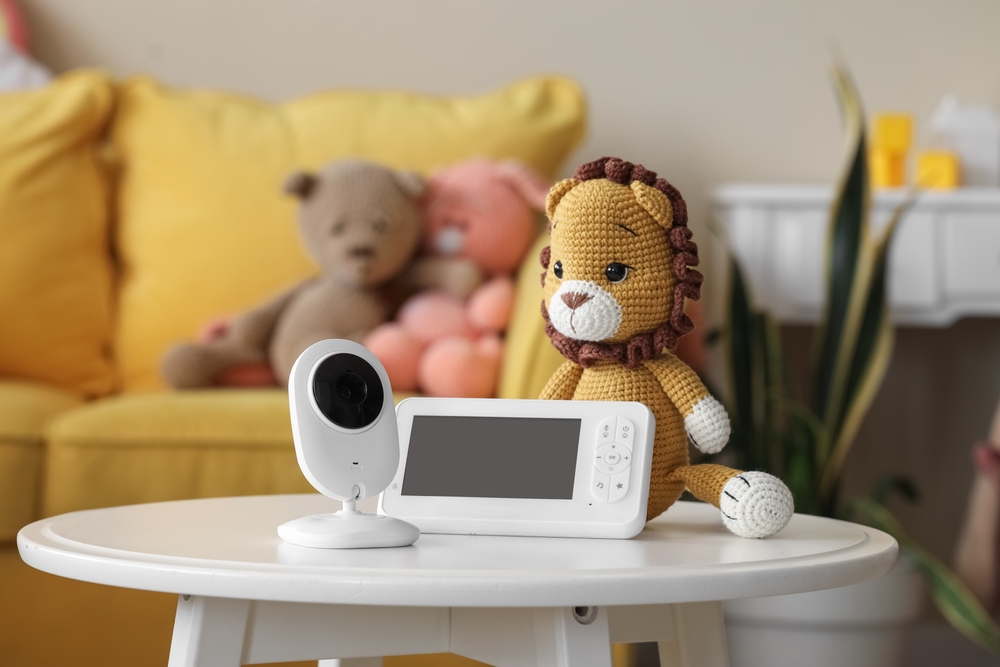
Fire Hazard: Why Your Babysense Max View Monitor Unit Needs an Immediate Replacement

March 27, 2026 | Leave a Comment

fire hazard
Image source: shutterstock.com

You bought a high-end baby monitor to ensure your child stays safe while you finally catch a few minutes of sleep. Parents trust these devices to act as a digital lifeline in the middle of the night. However, a terrifying flaw in certain hardware is turning these safety tools into a potential fire hazard. Recent reports suggest that specific battery components are prone to overheating during normal charging cycles. This is not a matter of user error or poor placement in the nursery. The system failed you by allowing a defective power unit into your home. Your peace of mind should not come with the risk of a domestic catastrophe. Understanding why your Babysense Max View monitor unit needs an immediate replacement is the only way to protect your family tonight.

Identifying the Fire Hazard

The core of the issue lies in the lithium-ion battery cells used in the parent unit of the Max View series. Surprisingly, these cells can expand and puncture their protective casing under standard electrical loads. This chemical reaction leads to a thermal runaway event where the device emits smoke or sparks. On the other hand, many parents assume a warm device is simply a sign of a hard-working processor. You must check your serial number against the official recall list to see if your home is currently at risk. You can find the specific manufacturing dates and model numbers affected by this flaw through the official CPSC announcement. Ignoring a warm charging port is a gamble you cannot afford to take.

The Manufacturer’s Response and Your Rights

Babysense has acknowledged that certain batches of the Max View were shipped with substandard power management chips. These chips fail to cut power once the battery reaches full capacity which creates a dangerous overcharge situation. Furthermore, the company is now offering a refined replacement unit to all affected customers to mitigate the fire hazard. You are entitled to a device that meets federal safety standards without paying additional shipping or restocking fees. It is vital to stop using the original power adapter immediately to prevent further degradation of the battery cell. Detailed instructions on how to secure your free replacement are available at the Babysense Recall Information page. The system’s failure to catch this during testing should not be your financial burden.

Safe Monitoring Practices for 2026

Moving forward, you should always place baby monitors on hard, flat surfaces that allow for proper heat dissipation. Soft bedding or plush carpets trap thermal energy and accelerate the breakdown of internal electronics. Additionally, you should avoid leaving any lithium-powered device plugged in for twenty-four hours a day. Using a dedicated surge protector can also offer a secondary layer of protection against unexpected electrical spikes. These simple habits reduce the strain on your hardware and extend the life of your safety equipment. Taking these precautions ensures that your technology remains a helper rather than a hazard. You deserve to sleep soundly knowing your nursery is truly a safe zone. Your child’s safety is the one area where you can never settle for “good enough.”

Prioritizing Your Family’s Safety

The discovery of a fire hazard in a nursery product is every parent’s worst nightmare. You are not at fault for trusting a brand that promised to keep watch over your most precious cargo. It is the responsibility of the manufacturer to ensure every component is tested for extreme conditions. By taking immediate action, you are reclaiming control over your home’s safety and demanding better standards. Do not wait for a small flicker of smoke before you decide to act on this warning. Protecting your children starts with removing defective technology from their environment today.

Have you checked the bottom of your monitor for the specific serial number mentioned in the latest safety alert? Please share your thoughts in the comments below so we can keep our community safe together.

What to Read Next…

  • Why Parents Are Ditching the Traditional Baby Shower for Diaper Parties
  • 5 Baby Products Pediatricians Warn Parents to Stop Using Early
  • Pediatricians Say Parents Are Overbuying These 4 Baby Items (And Skipping What Matters)
Latrice Perez

Latrice is a dedicated professional with a rich background in social work, complemented by an Associate Degree in the field. Her journey has been uniquely shaped by the rewarding experience of being a stay-at-home mom to her two children, aged 13 and 5. This role has not only been a testament to her commitment to family but has also provided her with invaluable life lessons and insights.  As a mother, Latrice has embraced the opportunity to educate her children on essential life skills, with a special focus on financial literacy.

Filed Under: Parenting Tagged With: baby monitor safety, Babysense recall, consumer alerts, electronics safety, fire hazard, nursery safety, parenting tips, product recall

Experts Warn Some Parent Health Habits May Not Be as Helpful as They Seem

March 22, 2026 | Leave a Comment

parenting health habits
Image source: shutterstock.com

Every morning, you wake up and try to make the healthiest choices for your family. You might swap sugar for a trendy substitute or spend a fortune on organic cleaning products. You do this because the wellness industry says it is the only way to protect your children. However, a deeper look into the health habits of the modern parent reveals a different story. Marketing drives many of these routines more than actual medical science. Brands sell you a version of safety that often comes with a high price tag and minimal benefits. It is not your fault that you feel overwhelmed by the conflicting advice online. The system keeps you in a state of constant health anxiety so you keep buying.

The Vitamin Supplement Illusion

Gummy vitamins and daily supplements are now a multi-billion dollar industry. Manufacturers target moms directly by capitalizing on the fear that picky eaters miss vital nutrients. They add bright colors and cartoon characters to bottles to entice parents. Surprisingly, most children get all the nutrients they need from a standard, varied diet. Excessive supplementation can actually cause harm by creating an imbalance of minerals. You often pay for expensive urine as your body flushes out the excess.

The National Institutes of Health provides a database showing that most healthy children do not need multivitamins if they eat a variety of foods. On the other hand, the industry pushes the idea that a pill can fix a poor lifestyle. This simplifies a complex issue into a consumer product you can conveniently subscribe to. You are buying peace of mind, but the product itself might do very little for your child’s health.

The Clean Label Marketing Trap

The clean beauty and non-toxic movement has transformed grocery store aisles. You see labels like natural or chemical-free and assume they are inherently safer for your home. In reality, these terms lack regulation and appear on almost any product. You might be paying a 50% premium for a product that is identical to the generic version. Marketing departments use the fear of chemicals as a powerful tool to alienate parents from affordable options.

Everything, including water and air, is technically a chemical. This misuse of language creates a false hierarchy of safety that favors those with higher incomes. You might feel shame for using standard products that families have used safely for decades. This environmental guilt adds a heavy burden to your household budget. Furthermore, some natural alternatives fail to kill harmful bacteria effectively. The Environmental Protection Agency offers clear consumer guides on what labels actually mean for home safety and effective disinfection.

The Perfectionism of the Wellness Culture

Social media has turned healthy living into a competitive sport for parents. You see influencers with perfectly prepped meals and spotless, toxin-free kitchens. This creates an impossible standard that leads to burnout and unnecessary stress. Stress itself is a significant health risk that these wellness circles often ignore. You might focus so much on buying the right kale that you miss the joy of a simple family dinner.

The obsession with health can sometimes border on a disorder known as orthorexia. People with this condition have an unhealthy obsession with eating clean. The National Eating Disorders Association offers resources to understand how clean eating can become a harmful fixation. In reality, health is a complex mix of genetics, environment, and luck. You are doing a great job even if your house isn’t a museum of organic living.

Focusing on What Truly Matters for Your Family

Stop letting marketing departments dictate your family’s health priorities. You can save money and reduce stress by focusing on basics like sleep and outdoor play. These fundamental habits don’t cost anything and provide massive benefits for your children. Do not let the pressure to be a perfect healthy parent steal your peace of mind.

You can use the standard detergent and skip the expensive probiotics. Trusting your instincts and consulting with actual medical professionals works better than following a trend. You are the best judge of what your family needs to thrive. The hidden wellness system only has power over you if you believe its narrow definitions. Which health trend have you recently decided to walk away from to save your sanity?

What To Read Next…

  • Nutritionists Warn: 6 “Healthy” Lunchbox Staples That Spike Sugar Crashes at School
  • Are Winter Mornings Quietly Wrecking Your Child’s Emotional Health?
  • 8 Parent-Teacher Conversations That Can Hurt a Child’s Mental Health
Latrice Perez

Latrice is a dedicated professional with a rich background in social work, complemented by an Associate Degree in the field. Her journey has been uniquely shaped by the rewarding experience of being a stay-at-home mom to her two children, aged 13 and 5. This role has not only been a testament to her commitment to family but has also provided her with invaluable life lessons and insights.  As a mother, Latrice has embraced the opportunity to educate her children on essential life skills, with a special focus on financial literacy.

Filed Under: Money and Finances Tagged With: budgeting for health, children's vitamins, clean beauty, Family Budget, health habits, Mental Health, organic marketing, parenting health, parenting tips, wellness industry

Cutting the Cord: Why Parents Are Quitting the Gym to Save $1,200

March 16, 2026 | Leave a Comment

cancelling their gym memberships
Image source: shutterstock.com

You probably remember the optimism you felt when you signed that gym contract. It promised a better version of yourself, but lately, that monthly draft feels more like a punishment than a self-improvement tool. Between the logistical nightmare of childcare and the rising cost of living, the traditional gym model is failing the modern family. Honestly, it is not your lack of discipline that is the problem. It is a system designed to profit from your absence rather than your presence. Today, we look at why thousands of parents are finally cutting the cord to reclaim their time and money.

The Childcare Trap and Hidden Convenience Costs

Many big-box gyms lure you in with the promise of on-site childcare. However, the reality is often a logistical headache. You must book slots days in advance. Even then, your child might end up in a crowded room with minimal supervision. When you factor in extra fees, your affordable membership suddenly doubles in price. It is a frustrating barrier that turns a quick workout into a three-hour production. Surprisingly, many parents spend more time managing the nursery schedule than actually hitting the treadmill.

The physical cost of dragging the family to a facility after work is exhausting. You are already mentally drained from parenting duties. Adding a commute to a noisy gym feels like a chore. This friction explains why 6.3 million gym memberships go unused every year while billing continues. The industry relies on this “breakage”—the gap between what you pay for and what you use. By cancelling, parents refuse to subsidize a corporate model that ignores their limited bandwidth.

The Rise of the Digital Living Room

The pandemic changed our relationship with home fitness forever. You no longer need a room full of iron to get a high-quality workout. Expert trainers are now available on your tablet through platforms like Peloton or Apple Fitness+. High-quality equipment has become more affordable and space-efficient. This allows parents to squeeze in sessions during nap time or before school. This flexibility is a game-changer for someone who cannot commit to a rigid schedule. You are paying for the convenience of your own home, which is a better investment than a plastic key tag.

Inflation Forces a Budget Audit

As groceries and gas prices climb, families must trim the fat from their spending. A $60 to $100 monthly membership is an easy target when you have not visited in weeks. When you look at the annual cost, you are essentially throwing away a significant portion of a vacation fund. It is not just about the monthly fee. It is about the opportunity cost of that capital. Transitioning to outdoor activities or community-based programs offers a much higher return on investment for the average family budget.

The Toxic Culture of Comparison

The gym can be an intimidating place for a parent trying to stay functional and healthy. You are surrounded by fitness influencers, which can make your own progress feel insignificant. This environment often leads to burnout or a sense of failure. Many parents find that local parks or neighborhood walking groups provide a more grounded experience. It is about moving your body in a way that feels good, not performing for an audience of strangers.

Reclaiming Your Time as a Finite Resource

Time is the only currency you can never earn back. Between the drive, the locker room, and waiting for equipment, a 30-minute workout eats up 90 minutes of your evening. For a parent, those 60 minutes of lost time are precious. You could spend that time with your children or simply resting. By cutting out the middleman, you give yourself the gift of time. Ultimately, your health is a priority, but it should not come at the expense of your sanity or your family’s quality of life.

Cancelling a gym membership is not a sign of giving up; it is a sign of getting smarter. By identifying the hidden drain on finances and schedules, parents make room for more sustainable movement. Whether it is a home setup or a local trail, the best workout fits into your life. You have the power to define what fitness looks like for you. Take back your mornings and your bank account today.

Have you reached your breaking point with your local fitness center? Have you found a way to make the membership actually work for your family? Leave a comment below and let us know what finally pushed you to cancel or stay.

What To Read Next…

  • Indoor Fitness Hacks for Kids When Snow and Ice Cancel Outside Plans
  • 8 Exercises You Can Do With Your Child for Fun and Fitness
  • 5 Hidden Costs of Owning a Pet That Parents Forget to Budget For
Latrice Perez

Latrice is a dedicated professional with a rich background in social work, complemented by an Associate Degree in the field. Her journey has been uniquely shaped by the rewarding experience of being a stay-at-home mom to her two children, aged 13 and 5. This role has not only been a testament to her commitment to family but has also provided her with invaluable life lessons and insights.  As a mother, Latrice has embraced the opportunity to educate her children on essential life skills, with a special focus on financial literacy.

Filed Under: Money and Finances Tagged With: budgeting, Cost of Living, family health, Financial freedom, Gym Membership, Home Fitness, parenting tips, wellness

« Previous Page
Next Page »
  • Facebook
  • Pinterest
  • RSS
  • Twitter

Basic Principles Of Good Parenting

Here some basic principles for good parenting:

  1. What You Do Matters: Your kids are watching you. So, be purposeful about what you want to accomplish.
  2. You Can’t be Too Loving: Don’t replace love with material possessions, lowered expectations or leniency.
  3. Be Involved Your Kids Life: Arrange your priorities to focus on what your kid’s needs. Be there mentally and physically.
  4. Adapt Your Parenting: Children grow quickly, so keep pace with your child’s development.
  5. Establish and Set Rules: The rules you set for children will establish the rules they set for themselves later.  Avoid harsh discipline and be consistent.
  6. Explain Your Decisions: What is obvious to you may not be evident to your child. They don’t have the experience you do.
  7. Be Respectful To Your Child: How you treat your child is how they will treat others.  Be polite, respectful and make an effort to pay attention.
Best Parenting Blogs

Most Popular

Baby

9 Unusual Baby Names That Sound Like They Belong to Future CEOs

Evan Morgan
Baby

10 Baby Names That Were Once Considered “Grandparent Names” but Feel Cool Again

Evan Morgan
Target Store

Choking Incident Prompts Recall of 49,000 Target Gigglescape “Under the Sea” Popping Toys

Evan Morgan
Frustrated Girl

Why Some Students on the Spectrum Are Labeled With ODD

Evan Morgan
Coke Bottles

12 Things Kids Took to School in the ’70s That Would Never Be Allowed Today

Evan Morgan

All content on Kids Ain’t Cheap is for entertainment purposes only. By reading this blog, you agree that Kids Ain’t Cheap is not responsible for any actions taken after reading this blog. For the full disclaimer, see our privacy policy.

Please note that Kids Ain’t Cheap has financial relationships with some of the merchants mentioned here. Kids Ain’t Cheap is funded by banner advertising, commission sales and search optimization consulting.

Copyright © 2006–2026 | District Media | All Rights Reserved | Privacy Policy

Copyright © 2026 Runway Pro Theme by Viva la Violette