• Home
  • About Us
  • Toolkit
  • Archives
  • Advertise
  • Privacy Policy

Kids Ain't Cheap

But They Sure Are Worth It

  • Parenting
    • Baby Stuff
    • Books and Reading
      • Aesops Fables
      • Comic Books
    • Education
    • Family Time
    • Green Living
    • Growing Up
    • Healthy Living & Eating
    • Holidays
    • Parenting
    • Random Musings
    • Shopping
    • Stuff to Do
  • Money
  • Product Reviews
    • Books and Magazines
    • Discount Sites
    • Furniture
    • House Keeping
    • Reviews News
    • Toys and Games
  • Contact Us
  • Our Editorial Commitment
  • Search

5 Over-the-Top Birthday Gifts Your Kids Don’t Need But Will Love Anyway

April 30, 2025 | Leave a Comment

Smiling young boy holding colorful gift bags at a birthday party.
Image Source: Unsplash

Every parent eventually asks, “Does my child really need this gift?” With over-the-top birthday gifts, the answer is almost always a gentle no—but that doesn’t mean the gift won’t light up your child’s face. Extravagant presents rarely land on any must-have checklist. They’re indulgent, a bit impractical, and often cost more than you planned.

Yet they create unforgettable moments—moments that encourage imagination, spark new passions, or simply make your kid feel spectacular for a day. If you’re ready to splurge (and embrace the fun), here are five next-level birthday presents your children don’t really need—but will absolutely adore.

1. Personalized Pottery Barn Play Kitchen

This isn’t your average plastic toy stove. The Pottery Barn Coffee and Bakery Wooden Shop can be engraved with your child’s name, turning pretend play into a personalized experience. Realistic details—tiny faux pastries, wood-framed chalkboard menus, working knobs—bring a boutique café to life.

Yes, the price tag is steep, but it offers endless open-ended play that boosts creativity, language skills, and social development. Kids who love hosting pretend tea parties or cooking shows will see this setup as a dream come true, and you might even wish your own kitchen looked this chic.

2. Fujifilm Instax Mini 12 Instant Camera

In an age where memories hide in cloud storage, an instant camera gives kids tangible keepsakes. The Instax Mini 12 spits out a small print seconds after the shutter clicks, turning everyday moments into pocket-size treasures. Children can capture pets, siblings, or backyard adventures, then tape the prints to bedroom walls or create their own scrapbooks.

Beyond the novelty of shaking a print to watch it develop, an instant camera teaches simple lessons in composition and mindfulness—snap, print, hold, and appreciate. It’s undeniably a luxury, but the creative payoff is priceless.

3. Nintendo Switch Console

Gaming systems are big-ticket items, yet the Nintendo Switch stands out for its versatility. It morphs from handheld to TV console and supports motion-controlled games that encourage movement, problem-solving, and cooperation. Whether your child is racing Mario Kart with cousins or practicing logic in puzzle games, the Switch can be both entertaining and unexpectedly educational.

Parental controls let you set screen-time limits, keeping the fun in check. The system is a splurge, but its longevity (and ability to grow with your child) makes it a popular wish-list champion.

4. Pottery Barn Wooden Busy Cube

Tired of plastic toys that break before the next birthday? The Pottery Barn Wooden Busy Cube delivers style and substance. Each side features spinners, sliders, beads, and shape puzzles, encouraging fine-motor skills and problem-solving in toddlers and preschoolers. Its neutral wood finish looks sophisticated in any living room or play space—no fluorescent colors cluttering your décor. While it certainly isn’t a necessity, the cube’s durability and multitasking design justify the investment for parents who want educational fun packaged in heirloom quality.
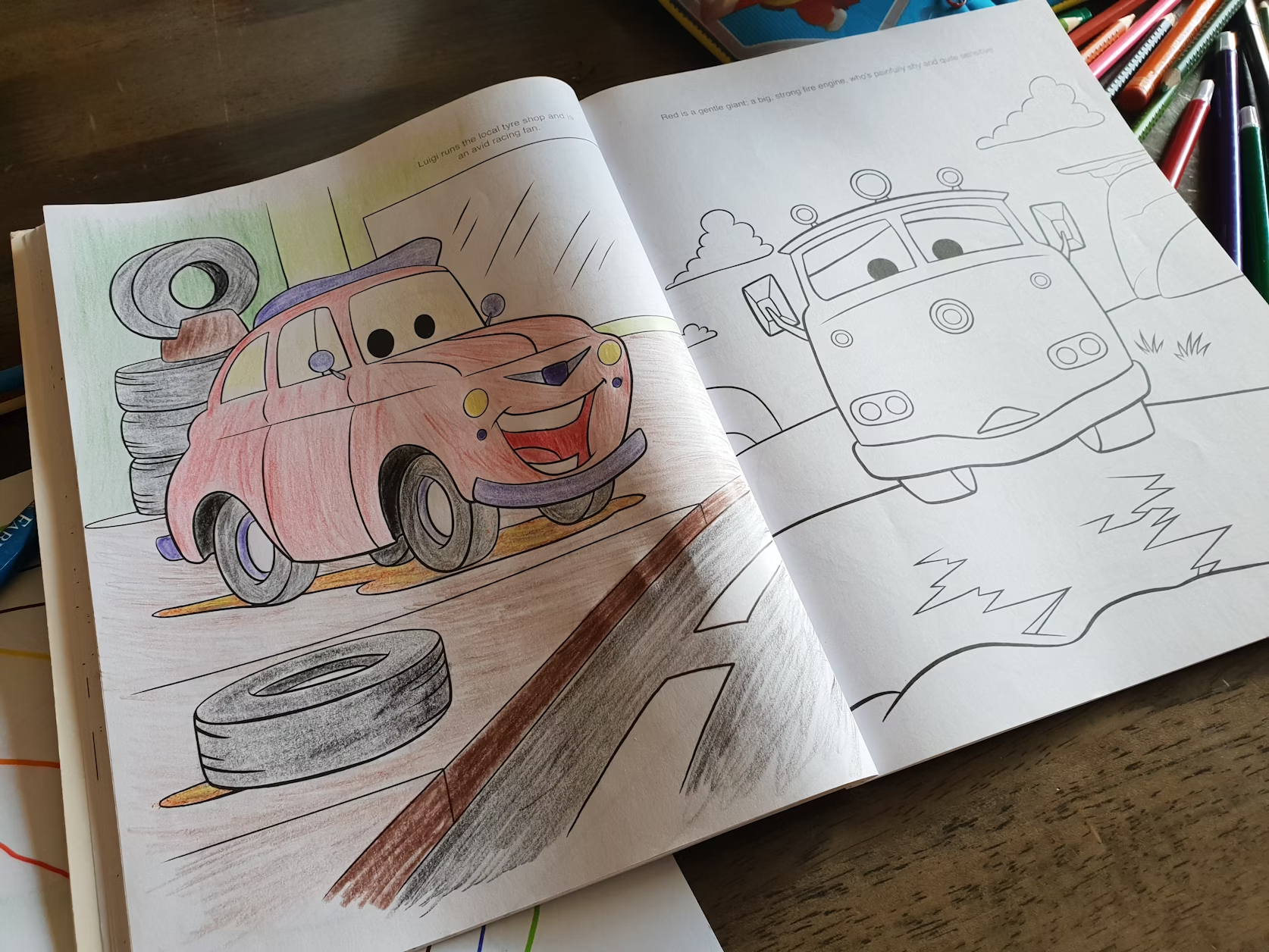
Open children's coloring book with one page partially colored and crayons nearby.
Image Source: Unsplash

5. Personalized Luxury Activity Books

Sometimes a quieter splurge wins big. High-quality, personalized activity books transform ordinary coloring or journaling into a bespoke experience. Companies like Smythson offer premium paper, hardbound covers, and custom name embossing. Suddenly, your child’s scribbles live inside a keepsake they can display on a shelf years later. Personalized books encourage literacy, fine-motor skills, and imaginative storytelling—all while making kids feel uniquely seen. In a digital age, gifting a beautiful, tangible object for creativity sends a strong message about slowing down and savoring hands-on art.

When Joy Is Worth the Splurge

None of these over-the-top birthday gifts is technically necessary, but joy doesn’t always need to justify itself. Extravagant presents aren’t merely about owning a fancy item; they’re about shared experiences: your child waking up early to bake pastries in a wooden café, running through the backyard snapping instant photos, or beating you (again) at a Switch racing game. Even luxury activity books foster quiet moments of connection as you flip through their latest masterpiece together. These gifts can also ignite latent interests—photography, cooking, design, or coding skills sparked through gaming.

Of course, splurges aren’t right every year or every budget. If finances are tight, consider pooling resources with grandparents, choosing a shared family gift, or buying secondhand. Remember that what matters most isn’t the price tag—it’s the thought behind the gesture, the excitement in the unwrapping, and the feeling of being cherished. A heartfelt note or handmade card can amplify even a modest gift’s emotional value.

How to Decide if an Over-the-Top Gift Is Right for Your Child

If you’re weighing your options for gifts, here are our best tips to decide:

  1. Match the gift to current interests. A budding chef will love a play kitchen more than a console, while a young storyteller may gravitate to a personalized journal.
  2. Think longevity. Choose items that grow with your child—adjustable difficulty levels, refill supplies, or durable materials.
  3. Maximize experience. Combine the gift with an activity: a photo scavenger hunt for the camera, a family bake-off for the kitchen, or a game tournament night for the Switch.
  4. Set expectations. Talk openly about why this year’s gift is special and clarify that extravagant presents aren’t an annual guarantee.
  5. Balance with gratitude. Encourage kids to care for luxury items and to understand the effort behind them—cleaning up the kitchen set or helping pay for film with allowance money.

What Really Matters

Whether you pick something grand or keep things simple, the love behind your gift leaves the longest imprint. Kids remember how you celebrated them: the laugh you shared, the cheer when the camera print emerged, or the way you proudly displayed their artwork. If you do opt to splurge, do it not for status or parental guilt, but for the shared joy it delivers. Those gleeful memories, not the price tag, are what truly count.

What’s the most over-the-top gift your child ever received? Was the excitement worth the cost? Drop your story in the comments—we’d love to hear how it turned out!

Read More

  • 8 Games That Are Perfect for Grandparents to Play With Grandkids
  • Learning Through Games: 5 Best Educational Gift Ideas for Kids

Samantha Warren
Samantha

Samantha Warren is a holistic marketing strategist with 8+ years of experience partnering with startups, Fortune 500 companies, and everything in between. With an entrepreneurial mindset, she excels at shaping brand narratives through data-driven, creative content. When she’s not working, Samantha loves to travel and draws inspiration from her trips to Thailand, Spain, Costa Rica, and beyond.

Filed Under: Parenting Tagged With: birthday gifts for kids, child development | Parenting Advice, fun gift ideas, Gift Guides, imaginative play, luxury gifts for children, over-the-top presents, parenting tips, personalized gifts

8 Ridiculous Things Kids Say That Are Actually Surprisingly True

April 30, 2025 | Leave a Comment

Young boy pointing seriously at his face while standing indoors.
Image Source: Unsplash

Spend five minutes with a preschooler and you’ll hear something that makes you laugh, blink twice, and wonder how such a small person could be so clever. Children don’t filter their thoughts the way adults do. Their raw perspective often produces comic gold—along with flashes of genuine wisdom.

From quirky animal theories to brutally honest social advice, kids blurt out what grown-ups only dare to think. Beneath the giggles, many of their remarks reveal emotional intelligence, creative reasoning, and budding scientific curiosity. Here are eight seemingly ridiculous things kids have said that—amazingly—carry kernels of truth.

1. “Bears have lots of fur because jackets would look weird on them.”

On the surface, this is a playground joke, yet the logic is sound. Bears stay warm thanks to their thick fur, which works like a built-in parka. By comparing animal features to human clothing, the child showcases basic comparative thinking. The comment also highlights creativity—turning an everyday observation into a punchline. It reminds us that humor can be an early doorway to scientific reasoning, linking a familiar need for coats to natural adaptations animals already possess. The line nudges us to notice the elegance of nature’s design solutions. Underneath the giggle, you can sense a budding naturalist at work. Learning feels like play when curiosity is wrapped in laughter.

2. “When your heart is broken, it’s like a thunderstorm on the inside.”

That poetic line reveals remarkable emotional insight. Thunderstorms feel heavy, loud, and chaotic—exactly how heartbreak can feel in any size body. By reaching for weather imagery, the child makes a private ache into a shared experience everyone understands. Dark clouds, booming rumbles, and sudden flashes turn pain into something almost touchable. The comparison gives language to feelings that can otherwise stay locked away. It reminds listeners to respect young people’s metaphors instead of brushing them off as cute. When we lean in and listen, we meet them where stormy skies and tender hearts overlap.

3. “My mother says I should just ignore people I don’t like and, well, that’s you.”

The delivery is brutal, but the message is solid: boundaries matter. Kids absorb strategies from parents and apply them with blunt honesty. Their approach spotlights a life skill many adults still refine—stepping back from interactions that sap joy. Choosing not to engage is an act of self-respect that can prevent endless arguments. The child’s comment lays down a clear line in the sand, leaving no confusion about what will or won’t be tolerated. Sure, we can coach them on gentler phrasing, but clarity itself is a gift. In the end, this pint-sized diplomat models how to walk away instead of spiraling into negativity.

4. “I don’t really want a husband, but I would like help around the house.”

Leave it to a child to skip social conventions and zero in on practical needs. Partnership, at its best, is about shared effort and mutual support. This remark shows that kids notice who cooks, cleans, and shoulders invisible labor. Rather than dreaming of a fairy-tale wedding, the youngster dreams of equal teamwork—a surprisingly modern take on relationships. It strips romance to its nuts and bolts, asking what truly matters once the vows and cake are gone. By voicing it so plainly, the child challenges grown-ups to rethink the default script of marriage. Maybe the healthiest partnerships really do start with a chore chart, not a diamond.

5. “If I could go into the future, I would check to see if I have a beard.”

A beard might seem like an odd priority, but it represents the larger mystery of becoming. Children are fascinated by transformation—physical, emotional, and vocational. Wondering about future facial hair is simply shorthand for asking, “Who will I be when I grow up?” Adults pose similar questions about careers and legacy; kids distill it into whiskers. It turns the abstract idea of aging into a concrete milestone they can visualize. Imagining that first chin hair makes progress feel almost tangible. Beneath the silliness lies the universal hope that our future selves will feel just right.

Display of toy car ornaments on a windowsill.
Image Source: Unsplash

6. “I like carrying lots of toys because what if I miss them when I’m gone?”

Parents who’ve hauled a backpack full of stuffed animals can relate. This behavior, while funny, is rooted in emotional security. Familiar objects help kids self-soothe during transitions—whether it’s leaving for the doctor or sleeping at Grandma’s. Adults do something similar when we overpack or keep sentimental trinkets nearby. Each plush friend is a portable slice of home, a reminder that good feelings can travel. Lugging the whole crew may slow them down, yet it offers a sense of preparedness for any adventure. In that way, their overflowing arms mirror a traveler’s carefully curated carry-on of tiny treasures. Comfort and control fit neatly between the zippers.

7. “Dinosaurs probably died because they didn’t brush their teeth.”

Scientifically off base? Absolutely. Clever in its own way? You bet. Kids know from daily routines that good hygiene keeps cavities—and therefore trouble—away. Faced with the colossal idea of extinction, they connect it to something familiar. This early stab at cause-and-effect thinking may not match paleontology, but it shows logic rooted in personal experience. By blending bedtime rituals with prehistoric drama, the child turns a dull chore into a survival strategy. It’s proof that storytelling can transform the mundane into the memorable. Toothbrush in hand, they march off to stave off extinction.

8. “You can’t hug your feelings, but you can hug your mom when you feel them.”

Cue the collective “aww.” This line captures an essential coping skill: calming big emotions through physical connection. Children often manage overwhelming feelings by seeking sensory comfort like cuddles. Even when emotions are abstract, human touch anchors them. The phrase neatly separates the intangible from the tangible, offering a clear next step when words fail. It also celebrates the healing power of closeness without pretending that hugs erase problems—they simply make them bearable. In one sentence, the child offers a blueprint for compassion that works at any age.

What Kids Can Teach Us Without Even Trying

Children slice through adult clutter with fearless honesty. Their “ridiculous” remarks often bundle humor with insight, proving that wisdom doesn’t always correlate with vocabulary or years lived.

The next time your child says something that makes you giggle—or cringe—pause and look for the hidden lesson. Whether it’s about setting boundaries, expressing sadness, or understanding biology, kids routinely turn everyday moments into mini life lectures. We just have to listen.

What’s the funniest—or unexpectedly wise—thing your child has ever said? Share it in the comments below and keep the laughter (and learning) going!

Read More

  • 12 Times When an Immediate Hug Is the Remedy for Your Child’s Problems
  • Raising Emotionally Intelligent Kids: Why It Matters
Samantha Warren
Samantha

Samantha Warren is a holistic marketing strategist with 8+ years of experience partnering with startups, Fortune 500 companies, and everything in between. With an entrepreneurial mindset, she excels at shaping brand narratives through data-driven, creative content. When she’s not working, Samantha loves to travel and draws inspiration from her trips to Thailand, Spain, Costa Rica, and beyond.

Filed Under: Parenting Tagged With: child development, emotional intelligence | Parenting Humor, funny things kids say, kids’ wisdom, parenting advice, parenting humor

Why Grandparents Shouldn’t Babysit Their Grandkids Every Week – The Unspoken Issue

April 30, 2025 | Leave a Comment

Smiling grandfather holding a happy baby indoors.
Image Source: Unsplash

There’s no denying it—grandparents are the unsung heroes of many families. They step in when schedules get messy, offer decades of wisdom, and bring extra joy to any ordinary afternoon. Yet even the deepest love has limits. When grandparents babysitting becomes a weekly—or worse, daily—expectation, the arrangement can carry serious, often unspoken consequences.

Working parents may fall into a well-intentioned routine without realizing the long-term impact on everyone involved. Below, you’ll find five critical reasons to rethink how often grandparents watch the grandkids, followed by practical tips for creating a healthier balance.

1. Weekly Babysitting May Increase the Risk of Dementia

Taking care of a grandkid shouldn’t be a full-time job. That defeats the purpose!

While occasional grandkid time uplifts mood and keeps elders socially engaged, too much caregiving has drawbacks. Mental fatigue accumulates when grandparents juggle feedings, nap schedules, and constant vigilance.

In contrast, interacting with grandchildren once or twice a week (2-5 hours per week) appears to boost brain health by stimulating memory without overwhelming it. Like physical exercise, cognitive workouts need recovery time—moderation is key.

2. Physical Limitations Can Put Children at Risk

Childcare is physically demanding: lifting toddlers, chasing runaway toys, and kneeling to change diapers all require agility and strength. Many grandparents manage chronic conditions such as arthritis or reduced bone density that make quick movements painful—or dangerous.

A slip while carrying a toddler or an inability to react swiftly during a choking incident can create serious safety hazards. Respecting these limitations isn’t a sign of distrust. It’s an act of protection for both generations. Ensuring safe play areas, providing lightweight gear, and limiting duties to low-risk activities preserves everyone’s well-being.

3. Conflicts Over Parenting Boundaries Are Real

Screen-time rules, sugar limits, and discipline philosophies differ widely across generations. When grandparents babysit regularly, small disagreements can snowball into boundary battles, leaving parents feeling undermined and grandparents feeling unappreciated. Even the most loving family can struggle if communication lags behind the caregiving schedule. Establishing clear guidelines—yet allowing grandparents some flexibility—helps preserve respect on both sides. Remember, disagreements aren’t just about rules. They can also stem from fatigue or feeling taken for granted.

4. Frequent Caregiving Can Lead to Grandparent Burnout

Behind many cheerful grandparent smiles is a quiet exhaustion they hesitate to admit. Weekly or daily childcare demands hours of physical labor and emotional patience, all on top of the grandparent’s own medical appointments, hobbies, and social commitments. Over time, that consistent effort breeds burnout—marked by irritability, chronic fatigue, and even resentment.

Once burnout sets in, grandparents may withdraw not only from childcare but from broader family interactions, eroding precious relationships. Encouraging honest check-ins and offering regular breaks helps keep joy at the center of grandparent-grandchild bonds. That’s where it should be, after all!

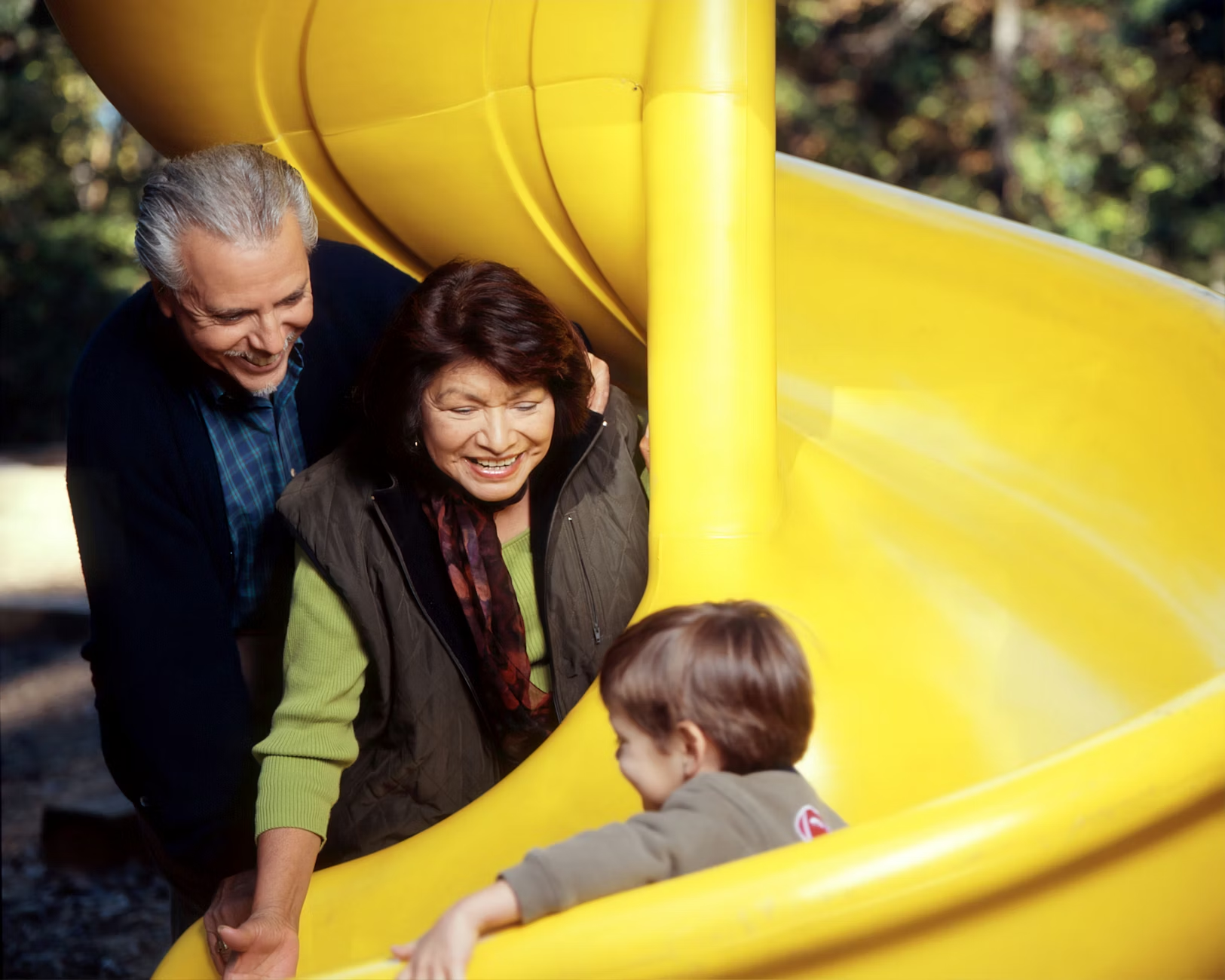
Smiling grandparents helping a young child at the bottom of a yellow slide.
Image Source: Unsplash

5. Caregiving Shifts Their Role From Grandparent to Co-Parent

The magic of grandparenting lies in storytelling, baking secret-family-recipe cookies, and giving extra hugs—not enforcing bedtime routines after a long workday. When grandparents are asked to fill childcare gaps too often, they morph into co-parents, responsible for discipline and rule enforcement.

This role confusion can blur emotional boundaries. Children may begin to see Grandma as just another authority figure instead of the special visitor who brings wonder and warmth. Protecting the grandparent role means reserving it for moments of connection. “Grandparenting” shouldn’t be a constant obligation.

Rethink the Load: What Grandparents—and Kids—Truly Need

Moving from convenience to sustainability benefits every family member. A thriving child needs caregivers who are fully present, not exhausted. Grandparents need time to nurture their own health, friendships, and interests. Consider these strategies:

  1. Shift to occasional care. Instead of every Wednesday evening, aim for once-a-month date-night babysitting or special weekend sleepovers.
  2. Share the load. Rotate among extended family, trusted friends, or part-time sitters so no one person carries the entire burden.
  3. Offer gratitude and choice. Ask, “What schedule works for you this month?” rather than assuming availability. Genuine appreciation goes a long way.
  4. Provide logistical support. Supply lightweight strollers, pre-prepped meals, or a paid house-cleaning service to lighten physical strain.
  5. Check in regularly. A gentle, “How are you feeling about childcare lately?” can open the door to honest dialogue before burnout appears.

By crafting time-limited roles, voicing thanks often, and honoring physical and cognitive limits, families can find a rhythm that lets everyone flourish. The best gift you give your child isn’t daily grandparent supervision—it’s a grandparent who’s healthy, happy, and eager for magical moments when they do visit.

Do your parents or in-laws help with childcare? How do you balance their love and availability without over-relying on them? Share your thoughts in the comments—we’d love to learn how your family navigates this meaningful, and sometimes tricky, dynamic.

Read More

  • 8 Babysitter Safety Tips Every Parent Wishes They Knew Sooner
  • How to Prepare the Babysitter For Your Trip Away Without Kids!

Samantha Warren
Samantha

Samantha Warren is a holistic marketing strategist with 8+ years of experience partnering with startups, Fortune 500 companies, and everything in between. With an entrepreneurial mindset, she excels at shaping brand narratives through data-driven, creative content. When she’s not working, Samantha loves to travel and draws inspiration from her trips to Thailand, Spain, Costa Rica, and beyond.
Filed Under: Parenting Tagged With: being a grandparent, burnout, grandparent, grandparenting, grandparents, Parenting, parenting advice

8 Girl Names That Exemply Beauty and Brilliances

April 30, 2025 | Leave a Comment

Smiling newborn baby girl with a flower headband lying on a pink fluffy blanket.
Image Source: Unsplash

Naming a child is a momentous, heart-centered task. A carefully chosen name can echo your family’s heritage, reflect your deepest hopes, and empower your daughter long after she leaves the nursery.

If you’re searching for girl names that exemplify beauty and brilliance, the eight options below marry lyrical charm with strong, uplifting meanings. From myth-steeped classics to rare cultural gems, each name offers a thoughtful blend of elegance and intellect. They’re perfect for a little one destined to shine inside and out.

1. Brilliance

Sometimes bold simplicity says it best. Brilliance—of English origin—means “shining,” “exceptional intelligence,” and “perfection.” Though extremely rare, it holds immediate impact. It’s almost like a life mantra woven into everyday introductions. Imagine first-day-of-school roll call: your child’s name not only turns heads but also reminds her (and everyone else) of her potential. If you love modern word names yet crave deeper resonance than “Hope” or “Joy,” Brilliance is a luminous, aspirational choice.

2. Alohi

Soft as ocean breeze and radiant as a tropical sunrise, Alohi is a Hawaiian word for “brilliant” or “shining star.” Its gentle rhythm—ah-LO-hee—feels soothing to say. However, its meaning radiates confidence. Alohi connects your child to nature and Polynesian culture, conjuring images of starlit skies and vibrant island life. Parents drawn to positive energy and spiritual warmth may find Alohi the perfect balance of uniqueness, pronunciation ease, and heartfelt symbolism. Will it be the right fit for your child?

3. Athena

Athena, rooted in ancient Greek myth, embodies wisdom, strategic thinking, and unwavering courage. As the revered goddess of both intellect and warfare—and patron of the arts—Athena proves that strength and sophistication can coexist. The name’s firm first syllable gives it gravitas. Its historical depth ensures lasting relevance. Choosing Athena signals that beauty is more than appearance. It is an active, thoughtful force capable of shaping the world.

4. Arinya

Graceful and globally inspired, Arinya appears in Indian and Thai traditions. It’s often linked to the concepts of “peaceful forest,” “ethereal beauty,” and “intuitive intelligence.” Its lilting melody—ah-RIN-yah—makes it memorable yet gentle. Arinya suits families who appreciate names that honor nature, tranquility, and cross-cultural roots. Rare but not obscure, it offers your daughter a distinctive identity along with a reminder to ground intellectual pursuits in serenity and empathy. So, is your daughter an Arinya?

5. Sophia

Few names balance classic elegance and intellectual heft as seamlessly as Sophia. It’s the Greek word for “wisdom.” Across centuries and continents, Sophia has maintained its polished image without feeling dated. Parents love its soothing vowel sounds, easy nickname options (Sophie, Fia), and universal familiarity. Sophia shows that brilliance can be graceful, approachable, and timeless. These are qualities many hope their daughters will embody as they grow into strong, thoughtful women.

6. Zoe

Compact yet mighty, Zoe means “life” in ancient Greek. The name’s sharp Z opening bursts with zest. Its overall brevity keeps it modern and versatile. These three letters can deliver both sparkle and depth. Zoe evokes vitality, optimism, and resilience: essential building blocks for a childhood (and adulthood) filled with curiosity and joy.

Zoe can appear in delightful variations like Zoë, Zoé, Zoey, Zoie, Zooey, and even Zoee—each spelling giving the same vibrant name its own distinctive flair.

7. Rosie

Rosie may seem sweetly simple, but beneath its rosy-cheeked charm lies rich symbolism. Derived from the rose, it conveys beauty, love, and quiet strength—the same way a delicate bloom can withstand thorns and weather. Recent sound-symbolism studies list Rosie among the most melodious English girl names, underscoring its gentle musicality. For parents who crave a vintage-flavored choice that still feels fresh, Rosie offers warmth, authenticity, and a reminder to grow with grace. Could your daughter be a Rosie?

8. Eliana

Want a name that’s elegant and flowing? Eliana blends Hebrew and Latin roots to convey “God has answered,” “mercy,” or “light.” Pronounced eh-lee-AH-nah, it glides off the tongue and leaves a lingering sense of serenity. Eliana balances spirituality with modern style, making it a fantastic alternative to more common choices like Ariana or Elena. Its layered meaning encourages your child to view her life as both a gift and a guiding light for others. If you want a more unusual name, Eliana could be a beautiful choice.

How to Choose the Right Name for Your Brilliant Beauty

Even with a curated list, narrowing down the perfect name can feel overwhelming. Here are a few guiding questions:

  1. Pronunciation and Spelling: Can family members, teachers, and friends pronounce it easily? Uniqueness is wonderful, but day-to-day usability matters too.
  2. Cultural Connection: Does the name honor your heritage or meaningful traditions? Names often bridge generations and keep family stories alive.
  3. Nickname Potential: Consider whether you love common diminutives—or prefer a name that stands alone.
  4. Long-Term Fit: Picture the name on a preschool cubby, a university diploma, and a business card. Does it adapt to different life stages?
  5. Personal Resonance: Most importantly, say the name aloud often. If it brings a smile every time, you’re on the right track.
Newborn baby wrapped in a white blanket with pink trim.
Image Source: Unsplash

A Name That Reflects a Bright Future

Names shape first impressions, but they also evolve with the person who carries them. The girl names that exemplify beauty and brilliance above offer melodic appeal intertwined with histories of wisdom, courage, and light. Whether you gravitate toward bold originality, mythic power, cultural depth, or timeless sophistication, each option provides a meaningful foundation for your daughter’s unfolding story.

Remember: the best name is one that grows alongside your child, encouraging her confidence, compassion, and curiosity. May your naming journey be as joyful and inspiring as the bright future you envision for your little one.

What do you think of these name ideas? Love them? Not a fan? We want to hear your thoughts in the comments!

Read More

  • 5 Baby Names That Could Set Your Child Up for a Lifetime of Bullying
  • 9 Baby Names You’ve Never Heard Before, But Should Consider
Samantha Warren
Samantha

Samantha Warren is a holistic marketing strategist with 8+ years of experience partnering with startups, Fortune 500 companies, and everything in between. With an entrepreneurial mindset, she excels at shaping brand narratives through data-driven, creative content. When she’s not working, Samantha loves to travel and draws inspiration from her trips to Thailand, Spain, Costa Rica, and beyond.

Filed Under: Parenting Tagged With: baby girl names, baby naming tips, beautiful girl names, brilliant girl names, meaningful names, names with meaning, parenting advice, parenting tips, unique girl names | Baby Names

7 Things Nobody Ever Told You About Your Baby Monitor

April 30, 2025 | Leave a Comment

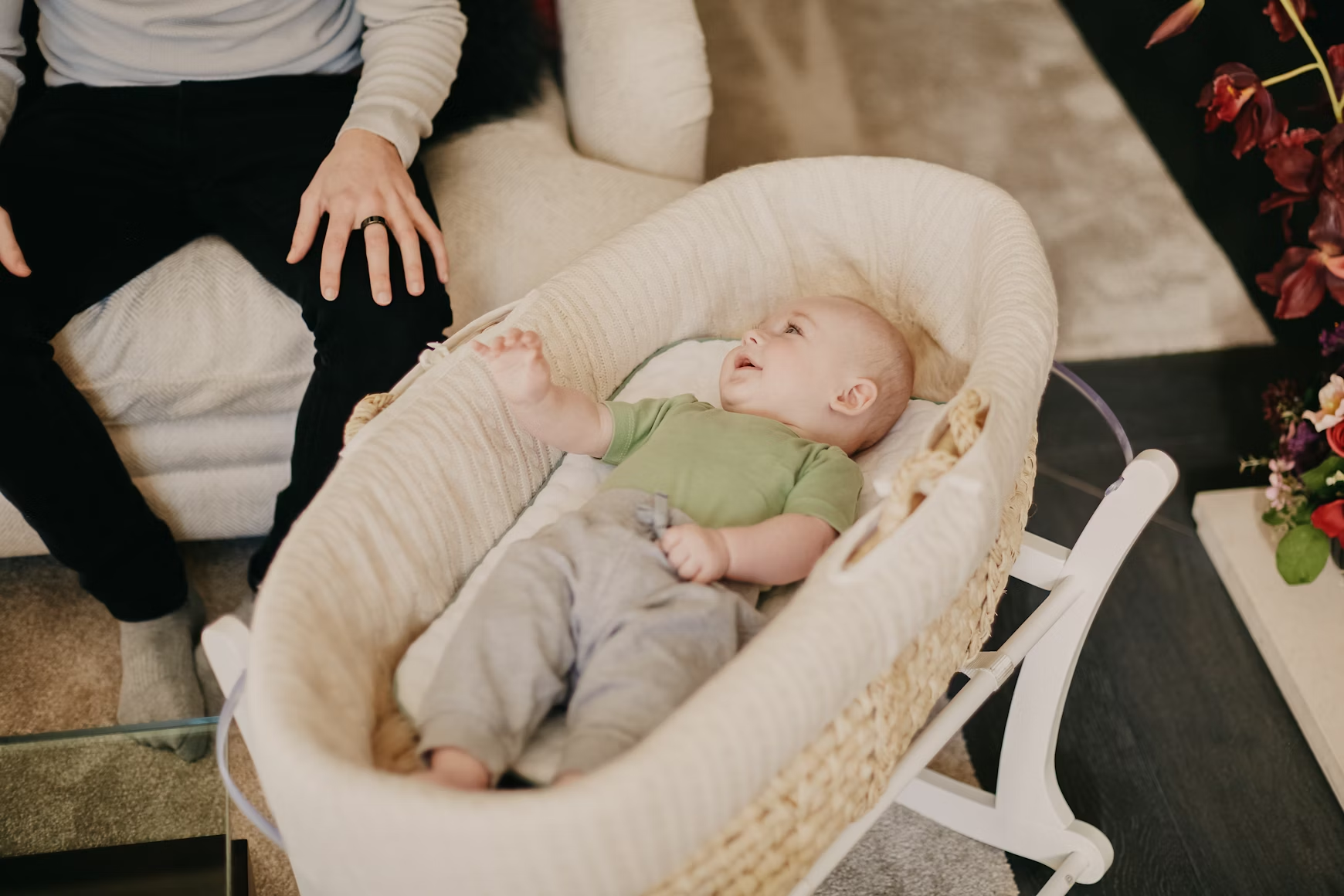
 Smiling baby lying in a bassinet next to a seated adult.
Image Source: Unsplash

A baby monitor feels like a superhero gadget—standing guard so you can catch your breath, prep a bottle, or simply hear the comforting rustle of your little one breathing. Yet monitors, whether audio, video, or wearable, carry hidden downsides. Low-level radiation, hacking risks, and false alarms can turn a high-tech helper into an energy-sapping stressor.

Before you rest your peace of mind on a blinking LED, take ten minutes to learn the truths most companies skip in their marketing copy. You don’t need to ditch your monitor; you just need to use it wisely.

1. Wireless Baby Monitors Emit Radiation

Most modern baby monitors transmit via Wi-Fi, Bluetooth, or DECT radio frequencies. That invisible signal makes crisp video feeds possible, but it also means continuous electromagnetic radiation. Every wireless baby monitor sold in North America emits high-frequency energy—even when “idle.” Research on the long-term effects of low-level exposure is inconclusive, yet infants’ rapidly developing brains and thinner skulls worry many pediatric specialists.

Simple tweaks help: place the transmitter at least three feet from the crib, activate eco or VOX (voice-activated) modes when possible. Power the unit down for daytime naps if you’re working in the next room.

2. Placement Matters More Than You Think

You’d be shocked how often parents mount a camera directly above the crib, cables dangling like enticing toys. A monitor that slips or a cord that drapes within reach can create a strangulation hazard in seconds. JPMA Cares urges caregivers to secure cords against walls and to keep devices a minimum of three feet from any sleep surface. Angle the camera from a shelf or wall bracket. Zoom features on many models compensate for distance. Proper placement also improves picture clarity, since the lens isn’t fighting crib slats or shadows.

3. Vital-Sign Monitors Aren’t Always Accurate

Sock sensors and belly bands that track oxygen saturation promise early warning during respiratory dips. The reality is more nuanced. In controlled lab settings, many devices work well—but nurseries aren’t labs. A study at the Children’s Hospital of Philadelphia recorded frequent false alarms and missed events on several popular wearables. Parents jolted from sleep by false positives often develop alarm fatigue, eventually ignoring alerts.

If you use a vitals monitor, follow manufacturer instructions to the letter. Choose the correct sock size, avoid lotions that interfere with sensors, and discuss any repeated warnings with your pediatrician instead of relying purely on the app.

4. FDA Approval Is Rare—But It Matters

Because most baby monitors are classified as wellness devices, they bypass strict medical evaluation. That changed in 2023 when one pulse-oximeter earned Food and Drug Administration clearance for home use in medically supervised cases. FDA review verifies accuracy and safety under certain conditions—yet even a cleared device isn’t a free pass. Clearance applies to infants between specific weight and age ranges and is meant to supplement professional care. If your child faces respiratory or cardiac concerns, ask whether prescription-level monitoring is warranted. For healthy babies, safe-sleep routines—flat surface, firm mattress, no loose blankets—remain more protective than any gadget.

Hand holding a smartphone taking a photo of a modern living room.
Image Source: Unsplash

5. Smartphone-Connected Monitors Have Big Limitations

Turning your phone into a monitoring hub sounds efficient—until the app crashes during nap time. Reviews in medical journals list inconsistencies in data capture and transmission for many app-based products. Video lag, weak Wi-Fi signals, and unverified metrics can lull parents into a false sense of security. To reduce glitches, place your router centrally, update firmware promptly, and avoid power-saving modes that throttle background apps. Treat push notifications as helpful prompts, not unquestionable truth—always verify if something seems off.

6. Not All Alerts Are Helpful

You buy a monitor for reassurance. However, some models ping your handset every time the nursery fan oscillates. Over-sensitivity can compound sleep deprivation and make nights even more exhausting. Before declaring the unit defective, explore the settings menu. Adjust motion thresholds, lengthen sound-delay timers, or disable secondary alerts like humidity reports at three in the morning. A streamlined profile focuses on real risks—sustained crying, prolonged stillness—rather than harmless wiggles.

7. Your Baby Isn’t the Only One Being Watched

Baby-monitor hacking stories sound like urban legends until you read accounts of strangers speaking through a nursery camera. The risk spikes when families reuse default passwords or skip firmware updates. Create a unique, complex password, update software regularly, and enable two-factor authentication whenever the feature exists. For extra protection, place the monitor on a guest or IoT network separate from laptops and banking devices. Finally, disable remote access when you’re away. Unused features are essentially unlocked doors.

What This Means for You

Baby monitors are powerful tools—but they’re not magical shields. Think of yours as one layer in a broader safety strategy that includes safe-sleep positioning, regular pediatric visits, and plain-old parental instinct. Five steps to remember:

  1. Choose wisely. Decide whether audio, video, or vitals tracking fits your needs. More features equal more potential headaches.
  2. Position safely. Follow the three-foot rule, and secure every cord.
  3. Optimize settings. Calibrate alerts to match your comfort level.
  4. Maintain cyber hygiene. Strong passwords and timely updates protect privacy.
  5. Keep perspective. No device replaces attentive caregiving or common-sense routines.

When used thoughtfully, a monitor can give you priceless peace of mind without piling on new anxieties. Equip yourself with knowledge, tailor your setup, and get back to what matters most—restful, connected time with your growing child.

Have you used a baby monitor before? If so, how was your experience? Share in the comments below!

Read More

  • Use Video Baby Monitors With Caution
  • Spying On The Nanny: Is It Ethical to Use Nanny Cams to Monitor Babysitters?
Samantha Warren
Samantha

Samantha Warren is a holistic marketing strategist with 8+ years of experience partnering with startups, Fortune 500 companies, and everything in between. With an entrepreneurial mindset, she excels at shaping brand narratives through data-driven, creative content. When she’s not working, Samantha loves to travel and draws inspiration from her trips to Thailand, Spain, Costa Rica, and beyond.

Filed Under: Parenting Tagged With: Baby Gear, Baby Monitor, baby safety, child safety | Parenting, Gear Guides, Newborn Care, parenting tips

5 Great Mother-Daughter Experiences Every Mom Owes Her Little Girl

April 29, 2025 | Leave a Comment

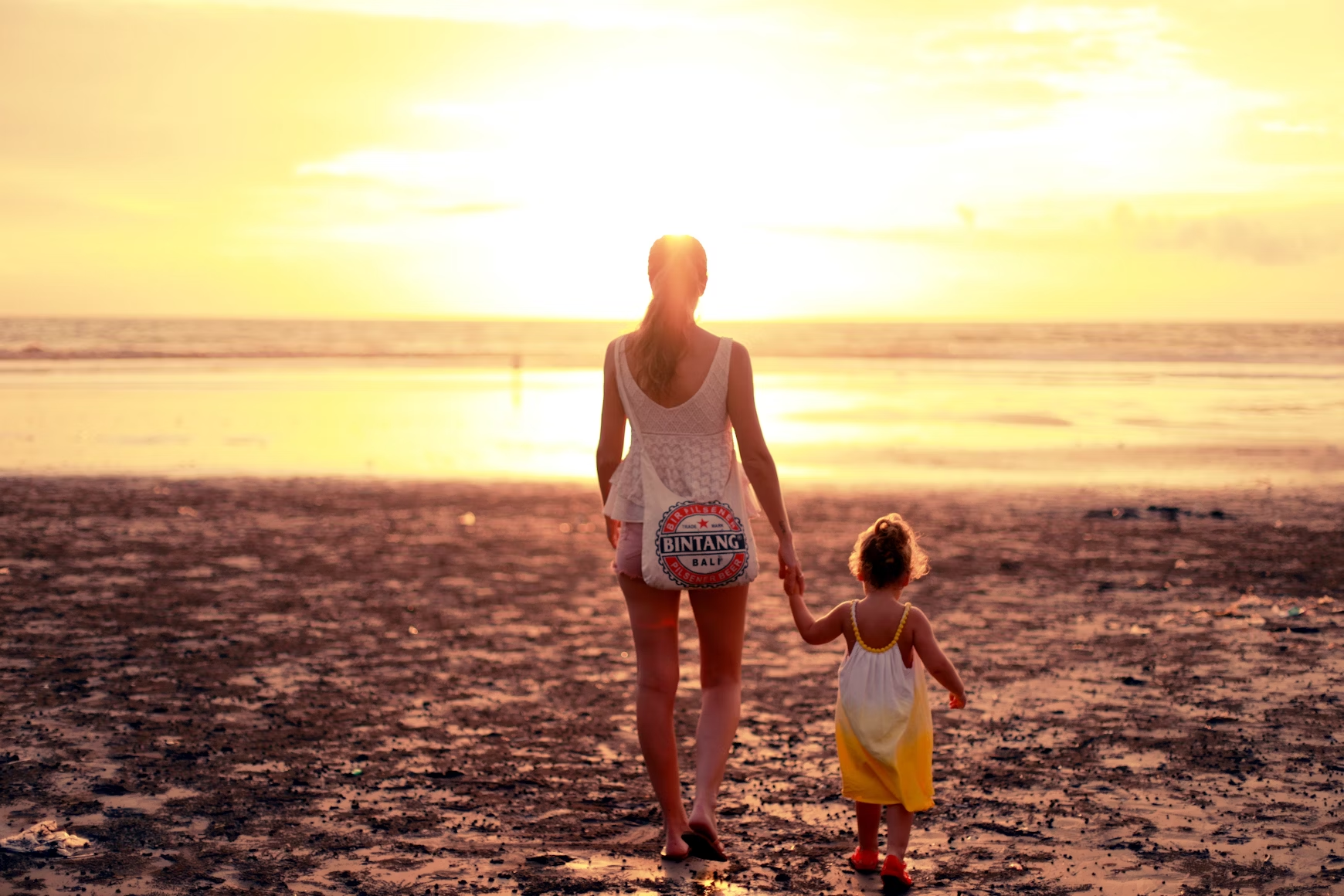
Mother and daughter holding hands while walking on the beach at sunset.
Image Source: Unsplash

There’s something magical about the mother-daughter bond. It’s emotional, ever-evolving, and filled with moments that shape both of your lives. Yet amid packed lunches, carpools, and that Everest-high pile of laundry, intentional one-on-one time can slip through the cracks.

If you want to rekindle the bond you have with your daughter, you’re in the right place. We have five experiences to share that we think you will love. They aren’t just fun—they’re investments in a relationship your little girl will carry well into adulthood.

1. Create a Scrapbook or Memory Journal Together

Few things are as heart-warming as flipping through pages of memories you crafted side by side. Gather vacation photos, holiday snapshots, or pictures of lazy Sundays. Let your daughter glue, doodle, and caption freely. Add pressed flowers, ticket stubs, or pocket-sized souvenirs. Collaborative scrapbooking boosts a child’s sense of belonging and helps both of you savor shared milestones.

Pro tip: Keep a shoebox labeled “Memory Bits” on a shelf—every time something small feels special (a shell from the beach, her first ballet ticket), drop it in. When scrapbook day rolls around, the box is ready.

2. Explore New Places—Near or Far

Travel doesn’t have to mean pricey plane tickets. A train ride to the next city, an afternoon exploring a quirky roadside attraction, or camping in your own backyard delivers the same payoff: stepping out of routine and seeing the world together. Shared adventures foster communication and resilience—especially when plans change and you problem-solve as a team. Years from now, you’ll both laugh about the wrong turn that led to the best donuts in the state.

Pro tip: Give your daughter a small “travel journal.” Even three-word entries or crayon sketches become treasured time capsules of how she saw the world at each age.

3. Host a DIY Spa Day at Home

Life with kids is messy, but pockets of calm are possible. Transform the bathroom into a “spa studio” with homemade yogurt face masks, bubbly foot soaks, and nail polish your daughter decks out with tiny stickers. Light a lavender candle, cue her favorite playlist, and giggle together under cucumber eye patches. Every shared giggle teaches that self-care is a habit, not a luxury.

Pro tip: Print a “spa menu” with silly names: Rainbow Mani, Giggle Facial, or Princess Pedicure. Rotating roles—one day she paints your nails, next week you paint hers—keeps the ritual fresh.

4. Volunteer Side by Side

Some of the richest mother-daughter moments happen while serving others. Whether you assemble hygiene kits, walk shelter dogs, or tidy a community garden, shared service cultivates empathy and teamwork. Your daughter sees kindness in action—and discovers her efforts truly matter. Many nonprofits welcome family volunteers. Just confirm tasks are age-appropriate.

Pro tip: After each volunteer outing, have a “kindness debrief.” Ask, “What was your favorite moment? How did it feel to help?” Reflecting cements the experience and reinforces empathetic habits.

Woman relaxing by a campfire at a forest campsite near a tent.
Image Source: Unsplash

5. Schedule Outdoor Traditions

Some of the best talks happen with PB&Js in hand and grass under your feet. A sunset bike ride, a backyard picnic, or Saturday-morning nature walk invites curiosity and space for conversation—or comfortable silence. Research links outdoor time to reduced stress and better mood, benefiting kids and adults alike.

Pro tip: Create a simple tradition such as “Wonder Walk Wednesday.” Each week you explore a new local trail or park for 30 minutes—rain, shine, or snow. Bring a small magnifying glass or bird-call app to spark discovery.

Because Moments Matter More Than Milestones

We hope to pass along big lessons—kindness, resilience, confidence—but it’s the feelings wrapped around those lessons that stick: the giggle during a botched selfie, the pride when she presses that scrapbook sticker just right, the hushed awe when you both spot a shooting star. Those sensory snapshots become part of her emotional DNA.

So say yes to memory-making even when life feels too full. Your daughter won’t recall whether the house was spotless, but she’ll never forget how it felt to share laughter, adventure, and service with the woman who first showed her what love in action looks like.

What’s your favorite mother-daughter memory? Drop your story in the comments—we’d love to celebrate it with you.

Read More

  • 5 Things Mothers Regret Not Teaching Their Sons
  • Happy Mother’s Day!
Samantha Warren
Samantha

Samantha Warren is a holistic marketing strategist with 8+ years of experience partnering with startups, Fortune 500 companies, and everything in between. With an entrepreneurial mindset, she excels at shaping brand narratives through data-driven, creative content. When she’s not working, Samantha loves to travel and draws inspiration from her trips to Thailand, Spain, Costa Rica, and beyond.
Filed Under: Parenting Tagged With: Family bonding, meaningful activities, mother daughter experiences, parenting tips, quality time

Unnecessary Expenses: 10 Foolish Buys That Every New Parent Believes They Must Make

April 29, 2025 | Leave a Comment

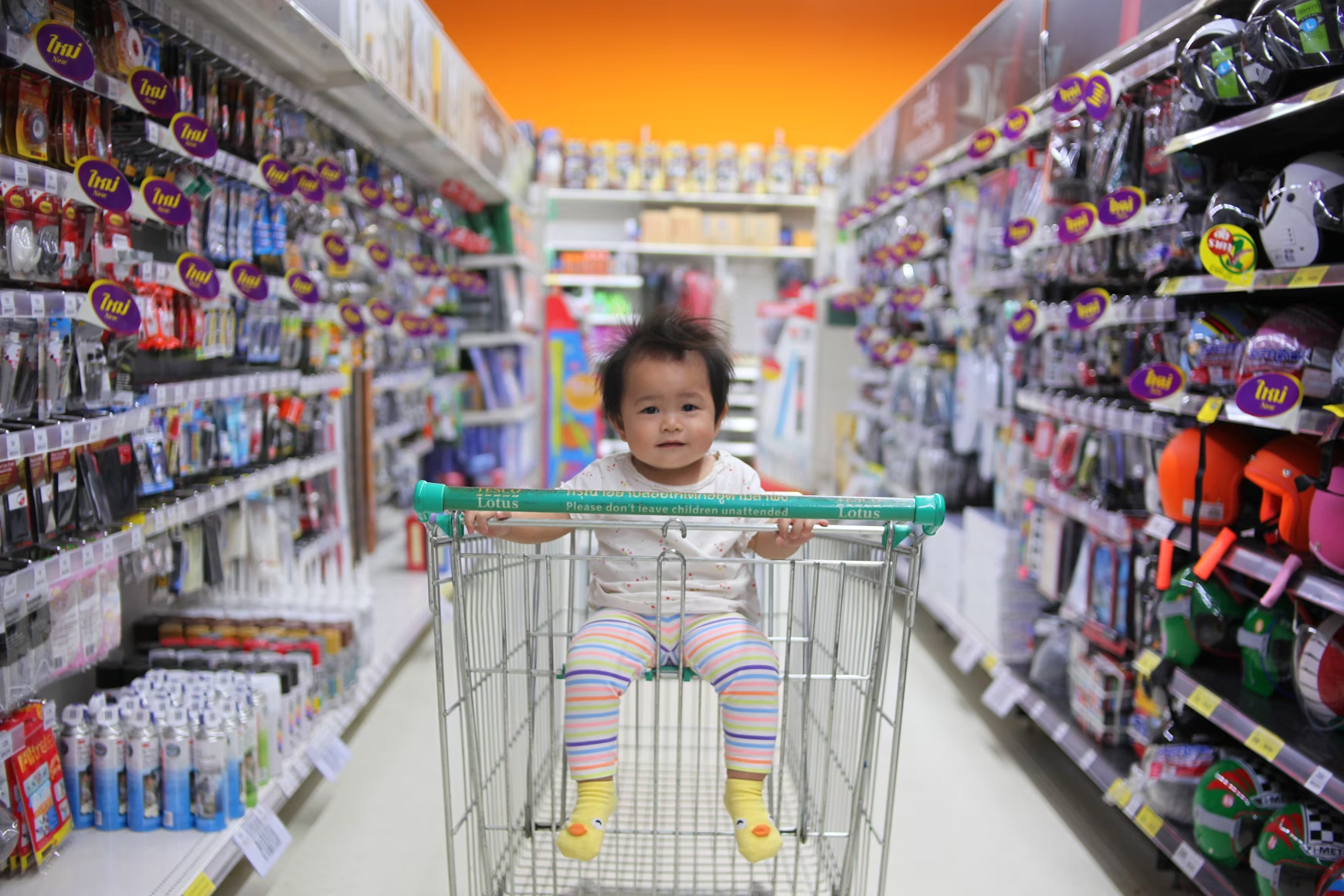
Baby sitting in a shopping cart in a store aisle.
Image Source: Unsplash

Welcoming a new baby is one of life’s most incredible milestones, but it can also become one of the most expensive. Between well-meaning advice, adorable marketing, and our instincts to prepare for every possible scenario, it’s easy to spend far more than necessary. The truth is, many items marketed to new parents aren’t just optional—they’re often outright wasteful.

Learning what you really need (and what you absolutely don’t) lets you redirect money toward what truly matters: keeping your child safe, healthy, and loved. Here are 10 unnecessary baby expenses that might seem like must-haves—but likely aren’t.

1. Crib Bumpers, Blankets, and Pillows

They’re sold as essentials that make a crib cozy, yet they’re neither necessary nor safe. Loose blankets, bumpers, and decorative pillows increase suffocation risk, so experts urge parents to keep cribs empty. All your baby needs is a snug-fitting sheet over a firm mattress.

Skipping these accessories saves money and provides a safer sleep space. Safe sleep beats cute décor every time. You could try wearable sleep sacks instead of loose covers, giving warmth without the hazards of extra bedding. Adhering to these guidelines can lower the incidence of sleep-related infant deaths linked to soft objects in the crib.

2. The Fancy Stroller with All the Bells and Whistles

High-end strollers can cost more than $1,000 but rarely add safety or real convenience. A well-rated, mid-range model—or even a secondhand stroller—does the job beautifully. Babies grow fast, and you may swap strollers sooner than you think. Save the cash for future expenses or everyday necessities. Your baby won’t notice the brand, but your wallet will.

Check practical specs like total weight, fold size, and car-seat compatibility rather than chasing luxury aesthetics. When you’re finished with it, a lightly used mid-range stroller typically retains resale value better than a niche designer model—another quiet win for your budget.

3. Upgrading Your Home or Vehicle “For the Baby”

Expecting parents often feel pressured to buy a bigger house or newer car. Unless your current setup poses a genuine safety issue, major upgrades can wait. Taking on a larger mortgage or car payment can create long-term financial stress during an already costly season. Focus on affordable safety improvements instead of sweeping changes. Financial stability helps your whole family more than extra square footage.

Simple baby-proofing fixes—outlet covers, anti-tip straps, nonslip mats—deliver real safety without six-figure price tags. Local certified technicians can inspect your existing car seat installation for free, proving peace of mind needn’t come with a new-car smell.

4. Designer Baby Clothes (That They’ll Outgrow in Weeks)

Tiny jeans and branded onesies look adorable—but they fit for a blink. Babies spit up, blow out diapers, and outgrow outfits almost overnight. Accept hand-me-downs, shop secondhand, or stick to affordable basics for everyday wear. Reserve splurges for special occasions if you must. Comfort and practicality beat designer labels when laundry piles up.

Build a tiny “capsule wardrobe”: a handful of mix-and-match bodysuits and sleepers that rotate easily through the wash. The money saved can fund a bulk box of diapers or a college-fund deposit—investments that outlast any monogram.

5. Baby Shoes for Non-Walkers

They’re irresistibly cute, yet totally unnecessary before your child walks outdoors. Hard-soled shoes can even hinder natural foot development in infants. Soft booties or socks provide warmth without limiting movement. We recommend keeping early walkers barefoot indoors to strengthen arches and improve balance. Let sensory feedback from floors guide development now; stylish kicks can wait until playground adventures begin.

Skip the tiny sneakers until those wobbly steps turn into steady strides. Your baby’s feet will thank you—and so will your budget.

6. A High-End Changing Table

Dedicated changing tables look convenient, but a simple pad on a dresser, bed, or floor works just as well. Once diaper days end, that specialized furniture often gathers dust. Choose multi-use pieces that grow with your child and save both money and space. Practical beats Pinterest-perfect every time. Minimalism pays dividends in a small nursery.

Secure a contoured changing pad to a dresser with industry-standard safety straps, and you’ve met every practical need at a fraction of the cost. Later, simply remove the pad and you’ll have a regular dresser—no bulky relic reminding you of diaper duty.

7. Baby Wipe Warmers and Other Diapering Extras

A wipe warmer feels luxurious but adds cost and clutters outlets. Your hands can warm wipes in seconds for free. Prioritize essentials like quality diapers and cream over flashy gadgets. The fewer accessories you juggle, the simpler diaper changes become. Less gear equals less stress.

Constant warmth plus residual moisture can even foster bacterial growth inside the warmer—a problem you’ll never face with room-temperature wipes. Battery-free solutions also keep precious outlet space open for essentials like a white-noise machine or monitor.

Close-up of baby bottles with clear silicone nipples.
Image Source: Unsplash

8. A Dozen Baby Bottles in Every Shape and Size

Stockpiling bottles before knowing what your baby prefers wastes money and cabinet space. Start with a few basics and adjust once you learn their feeding style. Babies may switch nipple flows or bottle types as they grow, so buying gradually prevents excess. Pay attention to what truly works rather than what’s on sale in bulk. Flexibility beats stockpiling.

Breastfed babies often have strong preferences, so trial-and-error with a few brands avoids cupboards full of rejects. Fewer unique parts also mean quicker sanitizing sessions, gifting you back minutes in a sleep-deprived day.

9. Toys. So. Many. Toys.

Babies are often more fascinated by household objects than pricey playthings. A small rotation of safe, engaging toys keeps interest high without overflowing bins. Swap or borrow toys with friends to refresh variety cheaply. Interaction with caregivers and simple items sparks development just as well. Your child values face-to-face play more than a mountain of gadgets.

A Montessori-style shelf with four or five options invites focused exploration and prevents overwhelm.
Community toy libraries or subscription boxes let you refresh selections sustainably without committing to permanent clutter.

10. Every Baby Gadget on the Market

From smart socks to automated formula machines, high-tech gadgets promise peace of mind but often deliver clutter and expense. Research thoroughly before buying and resist impulse purchases. Prioritize items that truly simplify life—most needs are met by traditional tools. Talk to experienced parents for honest feedback before investing. Sometimes the best gadget is the one you skip.

High-tech nursery devices depreciate quickly, and the secondhand market is already flooded with barely used versions—telling in itself. Renting specialized gear through short-term subscription services lets you test usefulness before making (or skipping) a big purchase.

Confidence Over Consumerism: Spend Where It Counts

Parenting doesn’t call for perfection or a warehouse of baby gear; it calls for presence, love, and smart choices. By skipping these unnecessary expenses, you ease your financial load and focus on what truly matters. Simpler often means saner, freeing you to enjoy those fleeting newborn moments.

Which purchases do you regret—or proudly avoid—and how has that decision helped your family? Share your experiences in the comments so other new parents can learn from you!

Read More

  • Is It Worth Buying Expensive Car Seats?
  • Cost-Effective Options for Building a Dog House in Your Backyard
Samantha Warren
Samantha

Samantha Warren is a holistic marketing strategist with 8+ years of experience partnering with startups, Fortune 500 companies, and everything in between. With an entrepreneurial mindset, she excels at shaping brand narratives through data-driven, creative content. When she’s not working, Samantha loves to travel and draws inspiration from her trips to Thailand, Spain, Costa Rica, and beyond.

Filed Under: Parenting Tagged With: baby budgeting, baby costs, Baby Gear, family finances, first-time parents, new parents, parenting on a budget, Saving Money

These Are the Only Gifts Grandparents Should Be Giving Their Grandkids

April 29, 2025 | Leave a Comment

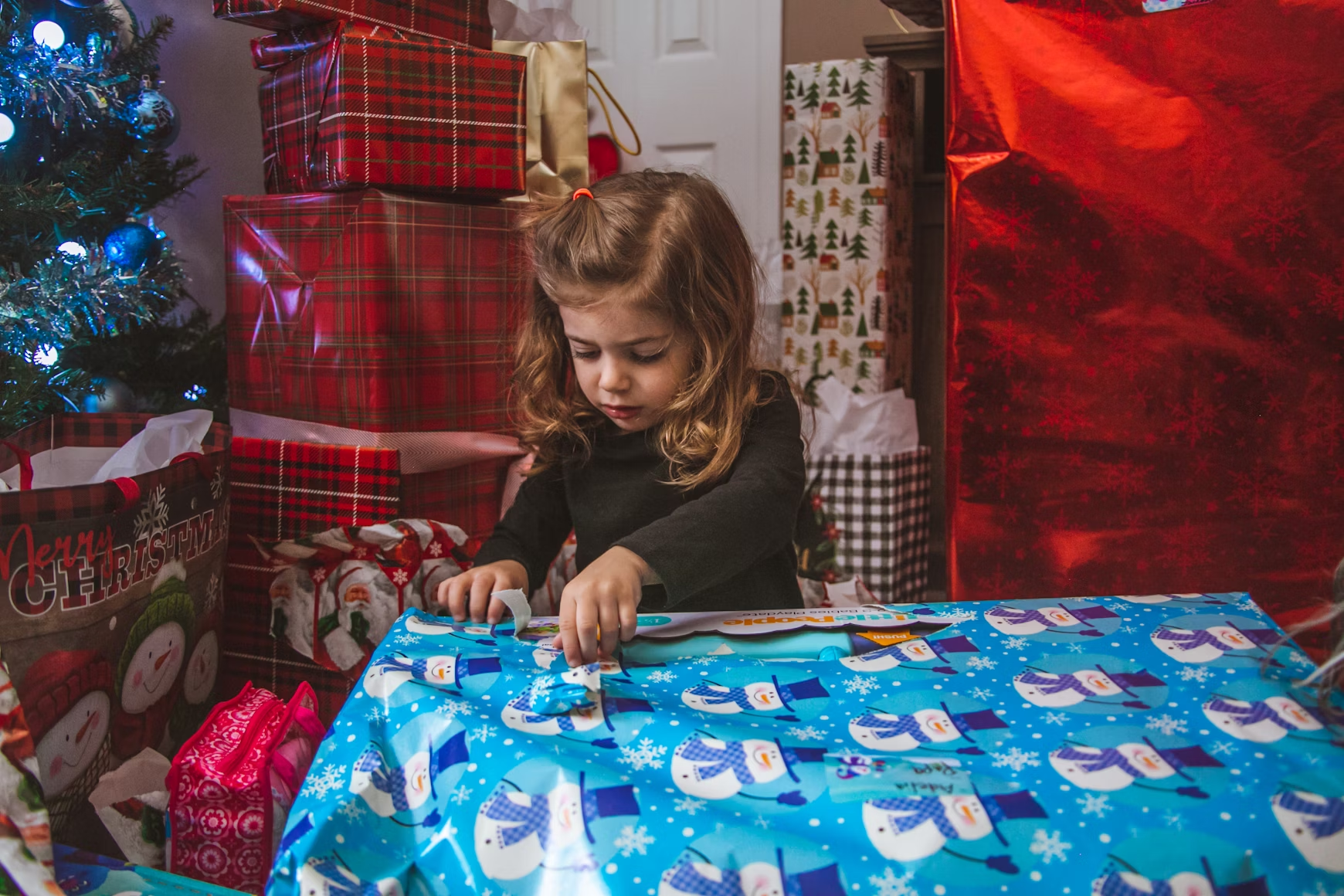
Young girl opening a large Christmas present surrounded by wrapped gifts.
Image Source: Unsplash

Children light up when Grandma or Grandpa walks through the door, but parents often brace for yet another toy that squeaks, blinks, or breaks within a week. In today’s over-stuffed playrooms, the most thoughtful presents aren’t the flashiest—they’re the ones that nurture curiosity, strengthen relationships, and support a child’s future.

Luckily, memorable gifting doesn’t require a big budget; it simply asks grandparents to think a little differently about what “special” really means. By swapping plastic gadgets for memory-making adventures or keepsakes, you’ll sidestep clutter and give something far more lasting. The following five gift categories are proven favorites that inspire joy without overwhelming the house—or the parents.

Each suggestion below pairs grandparent wisdom with kid-friendly fun, ensuring your generosity becomes part of family lore. Ready to rethink gifting and make every present count? Let’s explore the only five gifts your grandkids truly need.

Experiences Over Stuff: Make Memories That Last

Instead of another toy destined for the donation pile, give a family zoo membership, museum passes, or tickets to a children’s theater production. Shared outings ignite stronger bonds and create vivid memories that kids recall long after fads fade.

Experiences also spark natural curiosity. Animals inspire science questions, while interactive exhibits encourage hands-on discovery. Grandparents can join the fun or simply fund the adventure, knowing the gift keeps giving each time the family visits.

Bonus: outings usually come with built-in photo ops, so you’ll all have souvenirs—no wrapping paper required.

Personalized Keepsakes: Turn Small Gestures Into Treasures

A custom storybook starring your grandchild or a quilt stitched from favorite baby clothes feels like magic to little ones. Tangible, one-of-a-kind items become comfort objects and future heirlooms, strengthening the emotional bridge across generations. Photo calendars, engraved jewelry, or hand-print stepping-stones also serve as daily reminders of your love. Kids return to these items for reassurance and pride. They cement a sense of belonging. When you personalize, you’re saying, “I see who you are, and that matters deeply to me.”

Consumable Creative Supplies: Fuel Imagination—Clutter Free

Crayons wear down, modeling clay dries up, and craft kits transform into fridge art. These creative supplies are a parent-approved gift. Fresh materials invite open-ended play that builds fine motor skills, storytelling abilities, and independent focus.

Grandparents can bundle themed boxes—think watercolor sets with sketch pads or baking kits with cookie cutters—for months of rainy-day fun. Because these gifts are used up, they disappear gracefully instead of crowding shelves. The result is a win-win: kids explore new hobbies, and parents sidestep toy overflow.

Shared Learning Experiences: Give Your Time, Not Just Things

Nothing beats the gift of undivided attention. (And it’s free to give!) Offer “coupons” for baking cookies together, planting a garden, or teaching chess during weekend visits. Intergenerational activities boost children’s social-emotional health and foster a lifelong love of learning. Even if distance keeps you apart, virtual crafting sessions or mailed DIY kits maintain connection. In the end, memories of giggles over flour-splattered countertops will outshine any store-bought toy.

Young girl selecting a book from a library shelf.
Image Source: Unsplash

Education-Focused Investments: Support Their Future, Thoughtfully

Consider contributing to a 529 college savings plan or setting up a small investment account in your grandchild’s name. While not flashy, these gifts grow over time. They send a powerful message: you believe in their future.

Pair the contribution with a children’s book about dreams or a handwritten note explaining your hopes for them. Parents appreciate the financial relief, and kids will one day recognize the foresight behind your gesture. It’s generosity that compounds—literally and emotionally.

Giving With Heart—and Intention

At its core, a meaningful gift is less about price tags and more about presence, purpose, and possibility. By choosing experiences, keepsakes, consumables, shared projects, or future investments, you offer love that lasts long after the wrapping paper is gone.

Which of these five ideas resonates most with you, and how will you tailor it to your grandchild’s unique interests? Share your gifting stories—and any creative twists—in the comments. We all want to spark inspiration for the next special occasion!

Read More

  • Should Grandparents Have to Pay for Their Grandchildren’s College?
  • 13 Parenting Guidelines That Don’t Apply to Grandparents
Samantha Warren
Samantha

Samantha Warren is a holistic marketing strategist with 8+ years of experience partnering with startups, Fortune 500 companies, and everything in between. With an entrepreneurial mindset, she excels at shaping brand narratives through data-driven, creative content. When she’s not working, Samantha loves to travel and draws inspiration from her trips to Thailand, Spain, Costa Rica, and beyond.
Filed Under: Parenting Tagged With: clutter-free gifts, experiences over things, Family bonding, gifts for kids, grandparent gifts, meaningful grandparent gifts, non-toy gifts

7 Dog Breeds That No One Should Own If They Have Infants At Home

April 29, 2025 | Leave a Comment

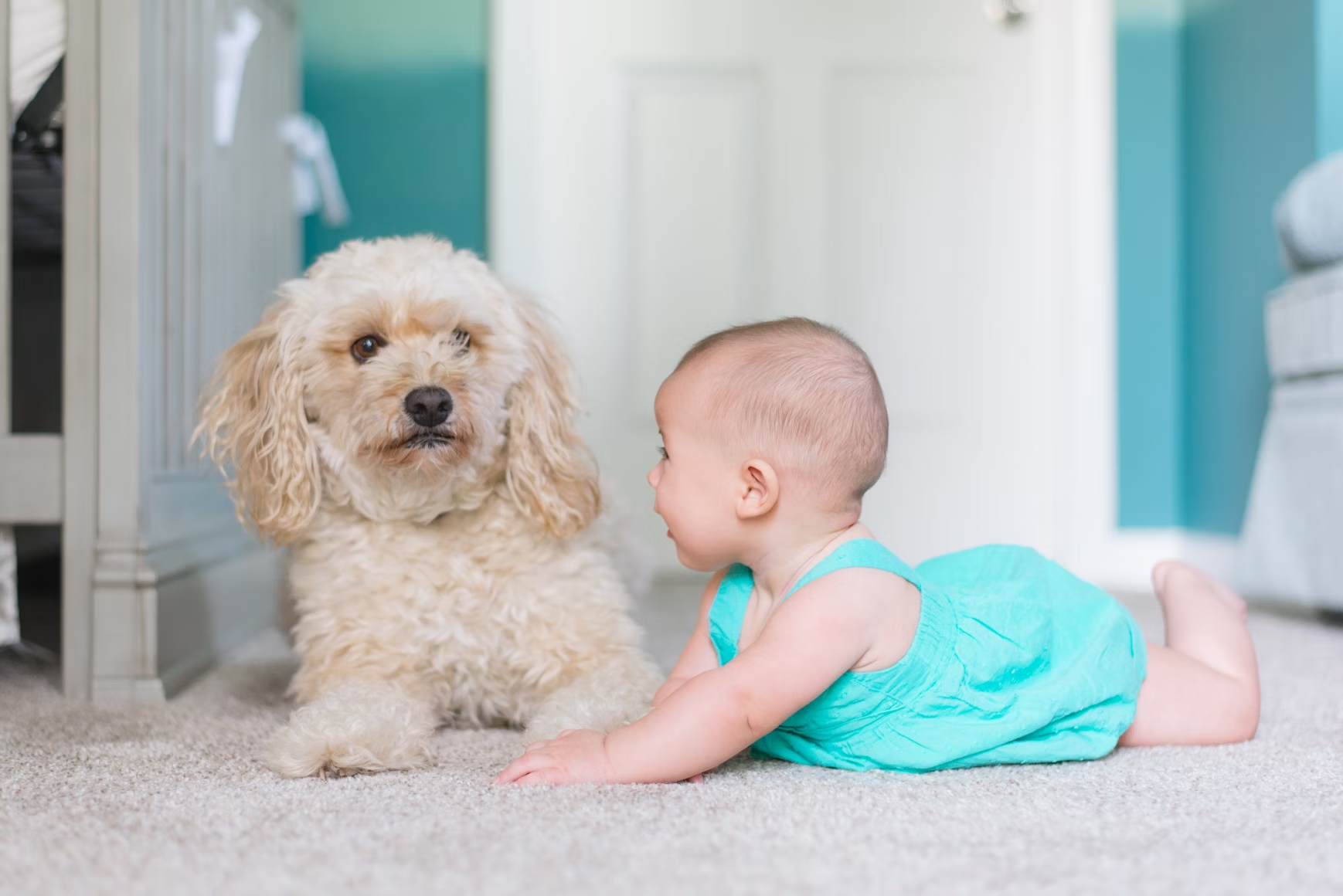
Baby and fluffy dog lying face-to-face on a carpeted floor.
Image Source: Unsplash

Welcoming a newborn is exhilarating, exhausting, and—when pets enter the picture—downright complicated. Most dogs are wonderful companions, yet some breeds bring size, strength, or instincts that clash with a household still navigating 2 a.m. feedings.

Babies cry unpredictably, flail tiny arms, and emit new scents, all of which can confuse or overstimulate certain canines. While early socialization and solid training help, genetics and breed tendencies still matter. If your family is eyeing a new furry friend, the following breeds demand extra caution around infants.

Pit Bulls

Pit Bulls often adore their people, but their bite strength and reactive history raise serious concerns in baby-filled homes. Studies attribute a large number of severe dog-related injuries to Pit Bull–type dogs. Even well-loved Pitties can misread a baby’s squeal as prey-like distress or become protective in a flash. Managing that power requires constant supervision and expert training most new parents can’t juggle. Until your child is older, consider a breed with a gentler track record. Your peace of mind is worth it.

Siberian Huskies

With striking eyes and sled-dog stamina, Huskies captivate families—yet their high energy and strong prey drive complicate infant safety. These dogs love rough play and can bowl over a sitting parent or bassinet without realizing their force. Their independent streak sometimes overrides obedience cues. This is especially true when startled by a baby’s sudden movements. Training a Husky is doable but time-intensive, and new parents are already running on minimal sleep. Waiting until kids are sturdier walkers—and you have more bandwidth—may be the wiser route.

Mastiffs

Mastiffs are affectionate “gentle giants,” but that bulk can quickly become hazardous in tight nurseries. A casual tail wag can smack a baby’s head. A simple lean could topple a toddler. Though typically calm, Mastiffs need early socialization to prevent protective guarding around their favorite humans. Combine their drool, size, and space requirements with a newborn’s gear and you may feel overwhelmed. Postponing a Mastiff adoption until your child has better balance keeps everyone safer.

Dogs with High Predatory Aggression

Regardless of breed label, some individual dogs possess intense prey instincts. These are triggered by squeaks, quick motions, or high-pitched cries. A wiggling infant can inadvertently activate those instincts, leading to dangerous snapping or chasing behavior. Training can manage but rarely erase deeply ingrained drives. Signs include fixating on small pets or lunging at joggers and bikes. If you already see these red flags, consult a professional trainer before blending baby and dog under one roof.

Shih Tzus

Their small size fools many parents into assuming safety, yet Shih Tzus can be zippy, territorial, and intolerant of sudden grabs. They often weave underfoot. This creates tripping hazards for sleep-deprived adults carrying newborns. A curious baby tugging fur can provoke defensive nips from this sensitive breed. Shih Tzus thrive when children are old enough to respect canine boundaries. For households with infants, a mellower lap-dog breed may fit better.

Close-up of a happy Pekingese dog with tongue out.
Image Source: Unsplash

Pekingese

Bred as royal companions, Pekingese frequently consider themselves household monarchs. They guard favored humans, toys, or spots on the couch. However, these behaviors spell trouble when a baby “invades” their space. Their short muzzles also make them more prone to respiratory stress, increasing irritability. Because they dislike rough handling, unpredictable baby hands can spark growls or bites. Parents often find it simpler to welcome a Peke once kids understand gentler interactions.

Any Dog Lacking Proper Socialization

Even typically child-friendly breeds can become risky if they’ve never encountered babies, strollers, or nursery noises. Dogs unfamiliar with infant smells or sounds may react with anxiety, barking, or snapping. Consistent exposure, positive reinforcement, and professional guidance are essential prerequisites before mixing dogs and newborns.

If your current pet hasn’t undergone this training, start months ahead of the due date or arrange safe separations. Socialization isn’t optional. It’s foundational for harmonious pet-baby cohabitation.

A Safer Home Comes First

Choosing a dog while caring for a newborn isn’t just about breed popularity or cuteness. It’s about minimizing preventable risks. Powerful jaws, high energy, territorial streaks, or missing socialization can turn ordinary moments into emergencies. Patience—waiting until children are older or selecting calmer breeds—protects both baby and dog from stressful situations.

Are you weighing a pet adoption with an infant at home, or have you navigated this decision already? Share your questions, tips, and experiences below so other parents can learn from your journey!

Read More

  • Dogs and Children: 6 Tips for Teaching Them to Be Gentle With Each Other
  • What Is Dog Anxiety?

Samantha Warren
Samantha

Samantha Warren is a holistic marketing strategist with 8+ years of experience partnering with startups, Fortune 500 companies, and everything in between. With an entrepreneurial mindset, she excels at shaping brand narratives through data-driven, creative content. When she’s not working, Samantha loves to travel and draws inspiration from her trips to Thailand, Spain, Costa Rica, and beyond.

Filed Under: Parenting Tagged With: baby and dog, childproofing, dog breeds not safe for babies, Family Pets, infant safety, parenting tips, pet safety

Is It Ever Okay to Teach Your Kids To Fight?

April 28, 2025 | Leave a Comment

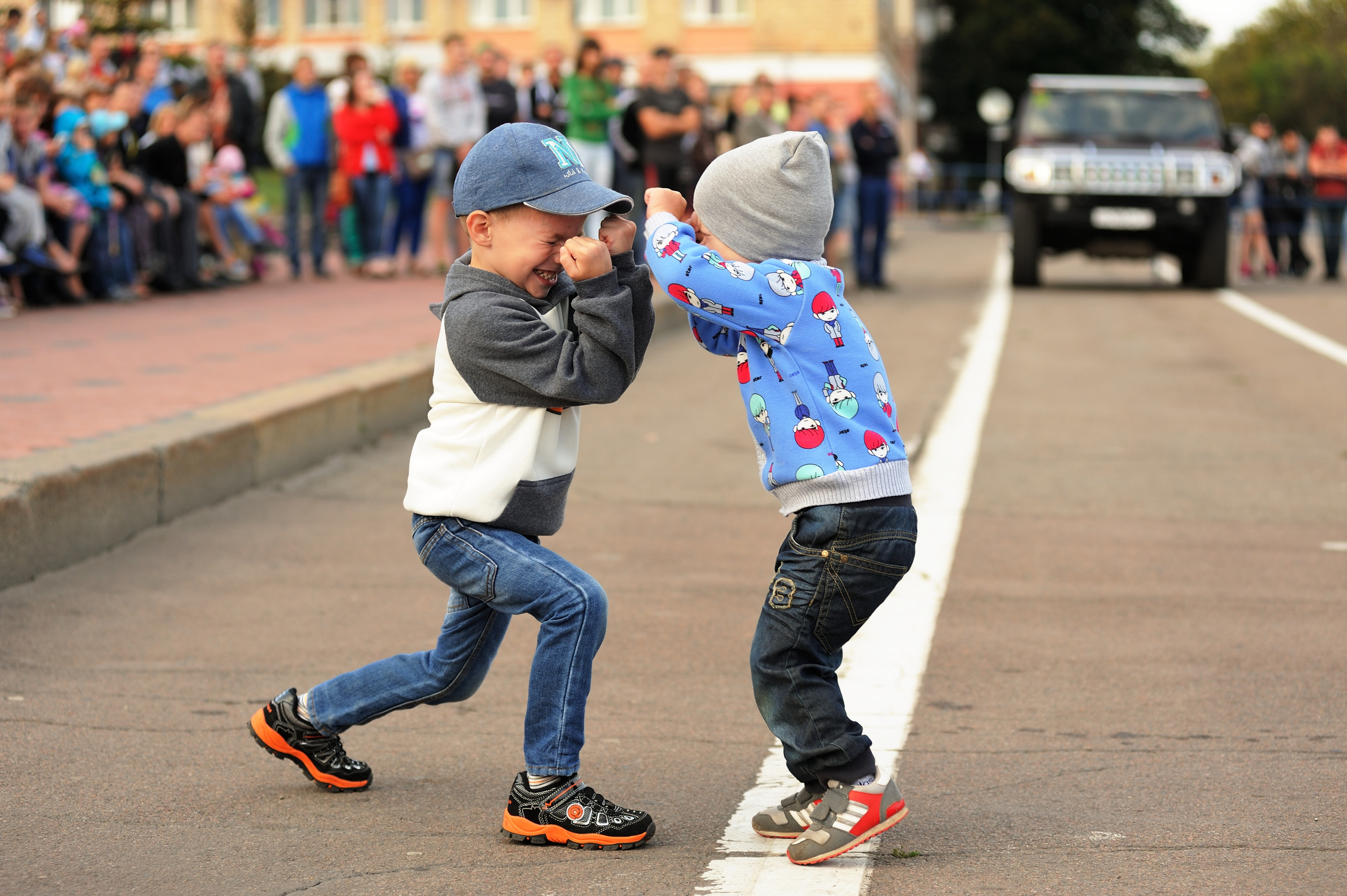
teach your kids to fight
Image Source: 123rf.com

According to recent statistics, about 20% of students ages 12 to 18 have experienced bullying. Taunting, rudeness, and even fighting are all common issues your children may face on the playground or in the cafeteria at some point. How should you advise them to handle these situations to ensure they don’t get emotionally or physically scarred? If your child’s bully tries to instigate a fight, should your child defend themselves or try to run away? Below, we’ll explore whether or not it is ever ok to teach your kids to fight fire with fire. 

Studies on Fighting Back Against Bullies Are Mixed 

Although all forms of bullying are difficult to deal with, it’s especially hard to teach your child how to deal with a violent bully. The fear of a bully pushing, kicking, or shoving your child at school may make them afraid to attend. Talking to school administrators and working with them to find solutions may help improve the situation. However, many students (roughly 60%) believe that their school isn’t doing enough to stop bullying. If your child is continually targeted and doesn’t think administrators are intervening enough, is it ok to teach them to fight back? 

The studies and results on the efficacy of fighting back are mixed. Some studies suggest that defending yourself from a bully by hitting back may prevent future fights. However, other research indicates that victims who fight fire with fire are more likely to be bullied again just six months later. That’s why experts suggest instructing your child to seek help from a friend or adult instead. You can also teach your kids to stand up for themselves verbally during bullying episodes. Addressing the root cause of the bullying, such as a misunderstanding or disagreement, can help prevent future altercations. 

Walking Away Isn’t Giving Up 

Walking away from a bully to seek help from an adult may feel like giving up. Your child may be worried they’ll be seen as weak if they try to run away. However, it’s important to discuss the benefits of refusing to match the bully’s energy with your child. 

Your child is less likely to get in trouble with school administrators if they escape instead of physically engaging the bully. Victims who fight back may receive harsh punishment due to zero-tolerance policies in schools. Even self-defense might count as perpetuating violence and come with steep penalties. Teaching your child non-violent self-defense techniques, such as breakfalls, can help them avoid injury and get away from the bully. 

It’s also important to reiterate to your child that walking away is a brave expression of boundaries. Refusing to engage and stooping to the bully’s level shows that your child is mature and above the attacks. Pretending to be unbothered by and indifferent to bullying can actually make your child seem cooler to their peers than getting dragged into fights. Remaining confident and calm can help your child earn respect and rob the bullies of any satisfaction. Once bullies realize your child isn’t an interesting, engaging target, they’ll likely move on. 

Self-Defense Outside of School 

Unfortunately, playground bullying isn’t the only threat parents have to worry about. The world can be a scary and dangerous place for kids. Sadly, attempted kidnappings and other crimes sometimes occur, and it’s important to teach your child about these realities in an age-appropriate way. Explaining the difference between schoolyard bullies and criminals can help your kids understand why different responses may be needed. Having these tough conversations will prepare your child to handle any risk to their personal safety in the best way possible.

Read More

  • Everything You Should Teach Your Kids About Fire Safety
  • Volunteering with Kids: Teaching Compassion

Vicky Monroe headshot
Vicky Monroe

Vicky Monroe is a freelance personal finance writer who enjoys learning about and discussing the psychology of money. In her free time, she loves to cook and tackle DIY projects.

Filed Under: Money and Finances

How Dogs Help You Heal From a Breakup

April 27, 2025 | Leave a Comment

puppy licking owner's face
Image Source: Unsplash

Heartbreak can flip your world upside down, making everyday moments—like sipping morning coffee or scrolling social media—feel strangely heavy. In that vulnerable space, the steady presence of a dog can be surprisingly powerful, offering comfort that words rarely reach.

Research shows that interacting with dogs triggers oxytocin release, lowering stress hormones and easing emotional pain. Beyond the feel-good chemicals, dogs provide unconditional companionship that reminds you you’re lovable even when self-doubt runs high. Their loyal eyes and wagging tails create a safe emotional anchor, making the first steps toward healing a little less daunting.

Wondering how your dog could help you heal from a terrible breakup? Keep reading to find out!

Dogs Offer Immediate Emotional Regulation

Petting a dog for as little as ten minutes measurably reduces cortisol, the body’s primary stress hormone. Lower cortisol levels translate to fewer anxiety spikes, calmer breathing, and reduced muscle tension—all common physical symptoms of heartbreak. Dogs’ intuitive nature means they often sense distress and lean in for extra snuggles or gentle head nudges. That tactile comfort provides grounding, interrupting spirals of rumination and self-criticism. Over time, these consistent micro-moments of relief add up, creating a more stable emotional baseline.

Built-In Routine Restores Purpose

A breakup can leave your schedule—and identity—feeling fractured. Daily dog care—morning walks, feeding times, and play sessions—offers built-in structure that refocuses attention outward. Completing these responsibilities releases dopamine, the brain’s reward neurotransmitter, reinforcing positive habits and motivation. Veterinary behaviorists note that predictable routines also comfort the dog, creating a beneficial feedback loop of calm energy between pet and owner. By showing up for your dog each day, you’re also showing up for your own healing.

Physical Activity Sparks Natural Antidepressants

Dogs thrive on movement, and their enthusiasm is contagious. Regular walks, hikes, or games of fetch elevate heart rate and boost serotonin—often called the “happiness chemical.” Exercise has been shown to be as effective as some antidepressants for mild to moderate depression, making active play a double win. Outdoor adventures expose you to nature’s restorative effects, which studies link to lowered blood pressure and improved mood. Even a quick lap around the block can shift your mindset from stuck to empowered.

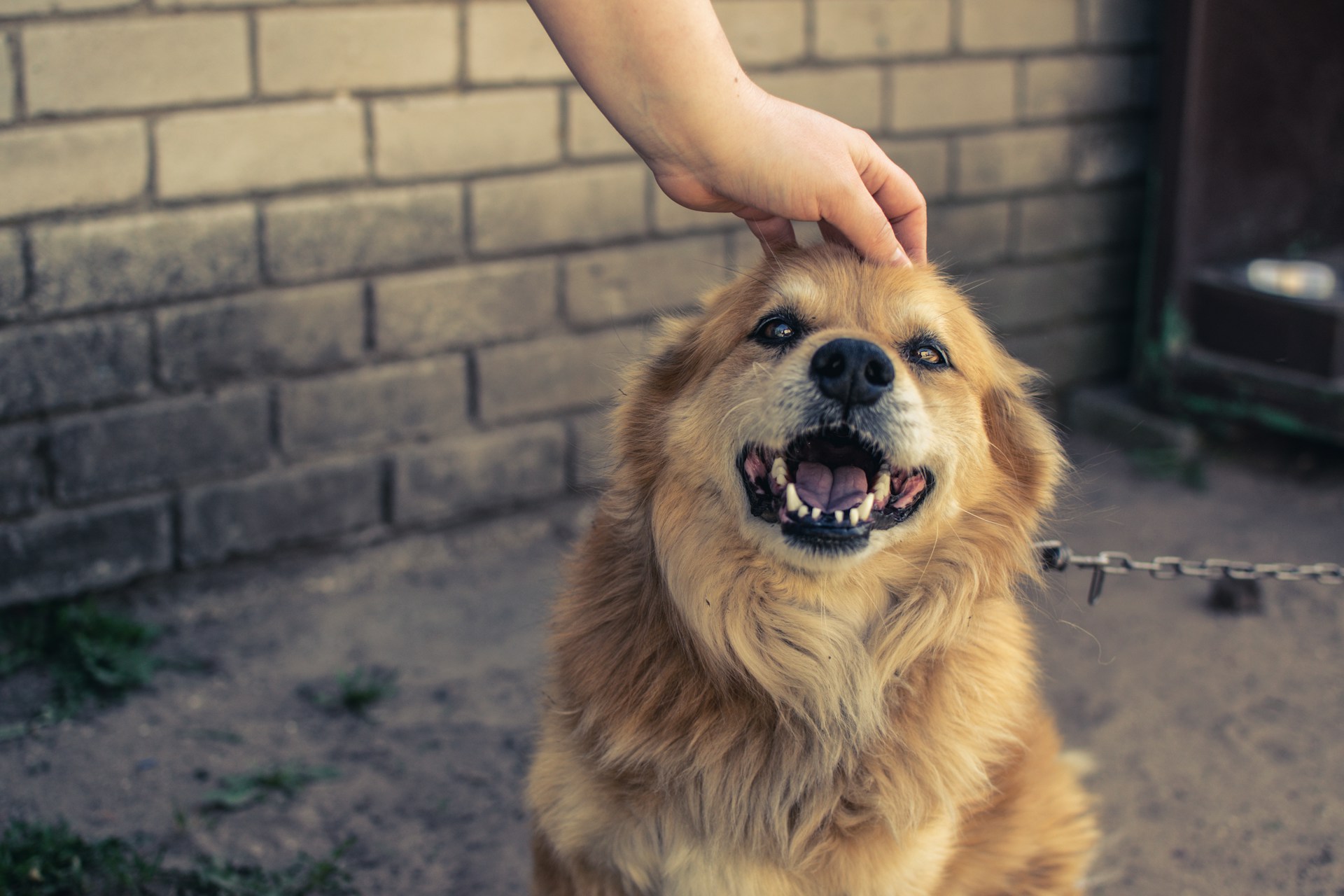
dog smiling
Image Source: Unsplash

Social Bridges Reduce Isolation

Loneliness often follows a breakup, yet dogs break the ice effortlessly. Dog owners are far more likely to meet new people in their neighborhoods than non-owners. Simple interactions—smiling at fellow dog walkers, chatting with baristas who admire your pup—create micro-connections that rebuild social confidence. These small exchanges lay groundwork for deeper friendships or support networks down the line. Your dog’s friendly presence signals approachability, making it easier to reenter social spaces at your own pace.

Unconditional Acceptance Boosts Self-Worth

Rejection can dent self-esteem, but a dog’s love is steadfast and nonjudgmental. This unconditional acceptance helps counter negative self-talk that often follows relationship loss. Caring for your dog also reminds you of your capability and kindness, qualities that may feel overshadowed in heartbreak’s aftermath. Acts of caregiving strengthen self-compassion, a key factor in resilience. Each time your dog greets you with joy, it reinforces the belief that you are worthy of love and connection.

Mindfulness Through Play and Presence

Dogs live fully in the moment, inviting you to pause and do the same. Whether tossing a ball or practicing basic commands, interacting with your pup demands attention to the here and now. This present-moment focus reduces rumination, a major contributor to post-breakup distress. Even quiet moments—listening to your dog’s breathing or watching them explore a park—encourage gentle awareness that calms racing thoughts. By mirroring your dog’s mindful state, you gradually train your brain toward peace rather than pain.

A Loyal Companion on the Road to Recovery

Healing from a breakup rarely follows a straight path, but sharing that journey with a dog can make each twist feel less lonely and more hopeful. From science-backed stress relief to spontaneous social encounters, dogs deliver layered benefits that address both emotional and physical aspects of loss.

Ready to embrace extra walks, wagging tails, and unconditional love as part of your self-care plan? Tell us how your dog has helped you heal—or what questions you have about adopting a furry friend—down in the comments and join the conversation!

Read More

  • 9 Things No One Tells You About Getting a Dog With PTSD
  • 5 Powerful Ways to Strengthen Your Marriage Before Having a Baby

Samantha Warren
Samantha

Samantha Warren is a holistic marketing strategist with 8+ years of experience partnering with startups, Fortune 500 companies, and everything in between. With an entrepreneurial mindset, she excels at shaping brand narratives through data-driven, creative content. When she’s not working, Samantha loves to travel and draws inspiration from her trips to Thailand, Spain, Costa Rica, and beyond.
Filed Under: Pets Tagged With: breakup recovery, dog companionship, emotional support animals, Mental Health, pet therapy, resilience, self-care

Teaching Honesty: Preventing Lying Habits in Children

April 27, 2025 | Leave a Comment

Image Source: Unsplash

Some days, it can feel like your child has a secret agenda—one where the truth is often optional, and their stories seem to shift in every direction. Maybe they told you they “didn’t eat the cookie” while crumbs are still stuck on their face. Or, perhaps they’ve concocted elaborate tales of imaginary adventures—stories so detailed you almost start believing them.

While it’s normal for children to stretch the truth now and then, it’s essential to intervene before lying becomes a regular habit. With the right approach, you can teach your child the value of honesty, turning small fibs into teachable moments that foster trust and integrity for years to come.

Below are five practical strategies that help prevent lying habits and encourage truthfulness in children.

1. Lead by Example: Model Honesty in Your Actions

Children are keen observers, constantly picking up on the behaviors they see around them. If you want your child to value honesty, it starts with you. Kids learn what they see, so it’s important to demonstrate honesty in your daily interactions.

When you make mistakes, own up to them. If you break something by accident or forget a commitment, say so openly and show that admitting mistakes is part of personal growth.

The more your child sees you being truthful—whether it’s apologizing when you’re wrong or giving accurate information—the more they’ll learn to do the same.

Parent shortcut: Next time you’re running late, tell your child honestly, “I’m sorry, I didn’t manage my time well today, and now we’re running behind.

Let’s try to plan better next time!” This shows your child that honesty isn’t about being perfect, but about taking responsibility for your actions.

2. Set Clear Expectations and Consequences

Children thrive on structure and clear guidelines. If they don’t fully understand why telling the truth is important, they might not see why it matters to tell the truth in the first place.

Establish expectations around honesty early on by explaining why it’s important to be truthful and what the consequences are when lying occurs. Make sure the consequences are related to the lie itself and are consistent every time.

For instance, if your child lies about completing a chore, the consequence could be that they lose a privilege, like screen time. It’s not about punishment but about helping them connect the behavior to the outcome.

Tip for consistency: Write down the family’s expectations regarding honesty (e.g., “We tell the truth no matter what”) and hang them on the fridge. When a situation arises, you can point to the expectations and say, “Remember, we always tell the truth here.”

Image Source: Unsplash

3. Praise Truthfulness, Big and Small

Just like toddlers thrive on positive reinforcement, older kids do too. Praise your child when they tell the truth, even if the truth is uncomfortable or results in a consequence. Let them know you appreciate their honesty and that telling the truth is always the best choice, no matter how difficult it may seem in the moment.

Be specific in your praise: “I’m really proud of you for telling me the truth about what happened with your homework. That wasn’t easy, but it shows me you’re a person I can trust.” Positive reinforcement encourages your child to keep practicing honesty and internalizing it as a value.

Mini-reward system: Create a simple reward system where your child earns points for every time they tell the truth, even when it’s tough. Once they reach a set amount of points, they can earn a small reward, like a favorite activity or an extra bedtime story.

4. Teach the Value of Trust

Children are capable of understanding abstract concepts like trust, especially when it’s connected to their relationships with the people they care about. Help your child understand that honesty is the foundation of trust in all relationships. If they lie, trust is broken, and it can take time to rebuild.

Use real-life examples: “When you told me you finished your homework, I trusted you. But when I found out it wasn’t done, I felt upset because I couldn’t trust your word. Telling the truth next time helps me trust you more.” Also, discuss what happens when people lie to them. Reinforce the idea that trust is a two-way street, and honesty ensures strong, healthy relationships.

Tip for trust-building: Keep open communication about feelings. If your child is hesitant to share something because they fear consequences, reassure them that honesty is valued more than perfection. When they know they can trust you, they’ll feel safer telling the truth.

5. Encourage Open Conversations and Avoid Overreacting

Sometimes, children lie because they fear punishment or disapproval. If you overreact to a lie, your child may learn to hide things instead of sharing the truth. When you catch your child in a lie, respond calmly and allow them to explain themselves. Ask questions like, “Can you help me understand why you said that?” and allow your child to express their feelings.

This helps create an open dialogue where they feel comfortable admitting mistakes without fear of harsh judgment. Use the opportunity to educate them about honesty and its importance.

Read More

  • The School Is Calling Again: 5 Ways to Help Change a Child’s Bad Behavior at School
  • 7 Things Kids Don’t Actually Need That Parents Still Feel Guilty About
Samantha Warren
Samantha

Samantha Warren is a holistic marketing strategist with 8+ years of experience partnering with startups, Fortune 500 companies, and everything in between. With an entrepreneurial mindset, she excels at shaping brand narratives through data-driven, creative content. When she’s not working, Samantha loves to travel and draws inspiration from her trips to Thailand, Spain, Costa Rica, and beyond.
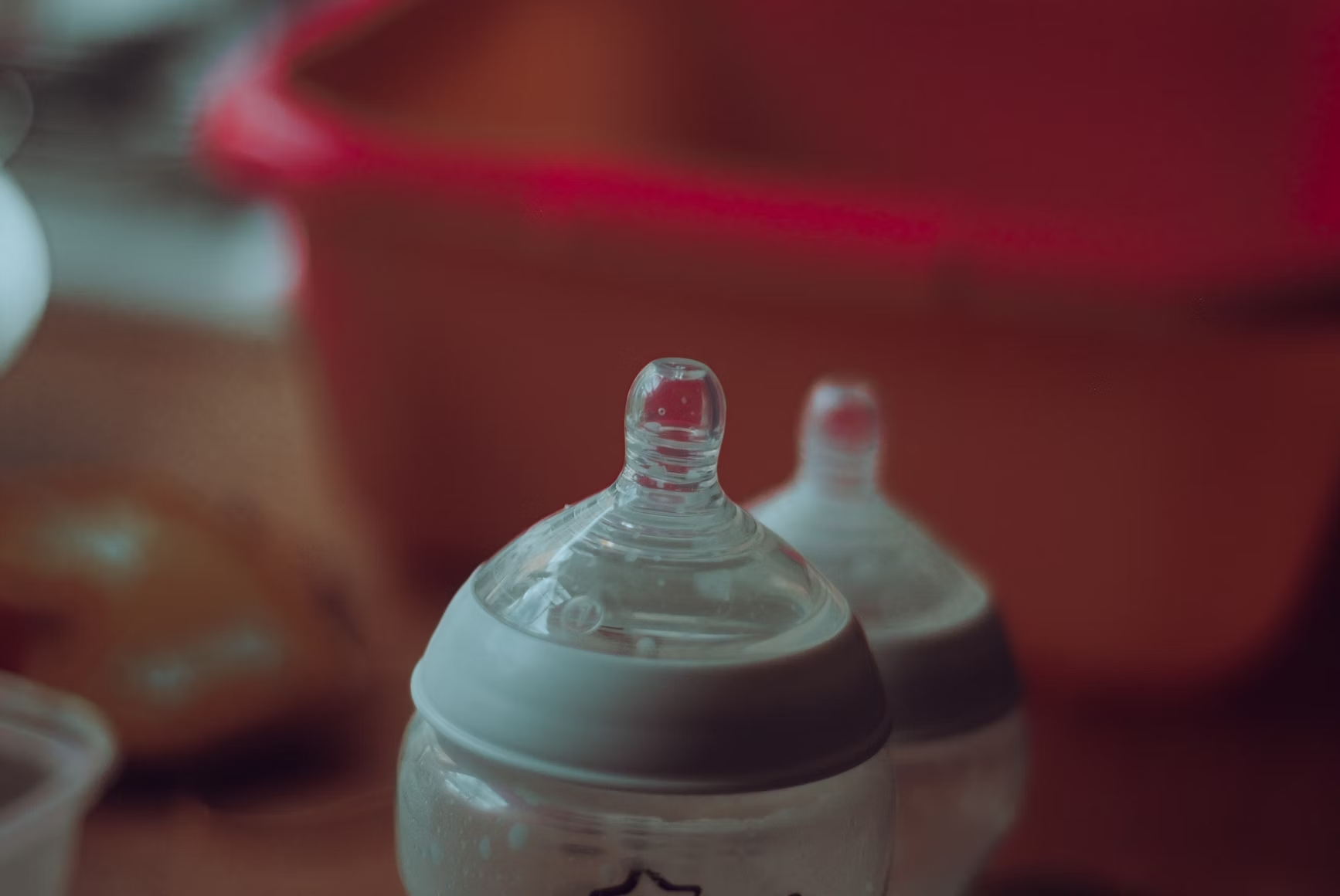
Filed Under: Parenting Tagged With: behavior management, education, parenting values, Values, Values Children

« Previous Page
Next Page »
  • Facebook
  • Pinterest
  • RSS
  • Twitter
Best Parenting Blogs

Most Popular

Baby Girl

12 “Grandma” Baby Names That Are Suddenly Cool Again

Evan Morgan
Baby

9 Baby Names That Sound Rare Without Being Hard to Spell

Evan Morgan
Target Store

Choking Incident Prompts Recall of 49,000 Target Gigglescape “Under the Sea” Popping Toys

Evan Morgan
Frustrated Girl

Why Some Students on the Spectrum Are Labeled With ODD

Evan Morgan
Coke Bottles

12 Things Kids Took to School in the ’70s That Would Never Be Allowed Today

Evan Morgan

All content on Kids Ain’t Cheap is for entertainment purposes only. By reading this blog, you agree that Kids Ain’t Cheap is not responsible for any actions taken after reading this blog. For the full disclaimer, see our privacy policy.

Please note that Kids Ain’t Cheap has financial relationships with some of the merchants mentioned here. Kids Ain’t Cheap is funded by banner advertising, commission sales and search optimization consulting.

Copyright © 2006–2026 | District Media | All Rights Reserved | Privacy Policy

Copyright © 2026 Runway Pro Theme by Viva la Violette