• Home
  • About Us
  • Toolkit
  • Archives
  • Advertise
  • Privacy Policy

Kids Ain't Cheap

But They Sure Are Worth It

  • Parenting
    • Baby Stuff
    • Books and Reading
      • Aesops Fables
      • Comic Books
    • Education
    • Family Time
    • Green Living
    • Growing Up
    • Healthy Living & Eating
    • Holidays
    • Parenting
    • Random Musings
    • Shopping
    • Stuff to Do
  • Money
  • Product Reviews
    • Books and Magazines
    • Discount Sites
    • Furniture
    • House Keeping
    • Reviews News
    • Toys and Games
  • Contact Us
  • Our Editorial Commitment
  • Search

Think Again: 5 Vaccinations Parents Are Skipping Putting Kids At Risk

July 22, 2025 | Leave a Comment

Think Again 5 Vaccinations Parents Are Skipping Putting Kids At Risk
Image source: 123rf.com

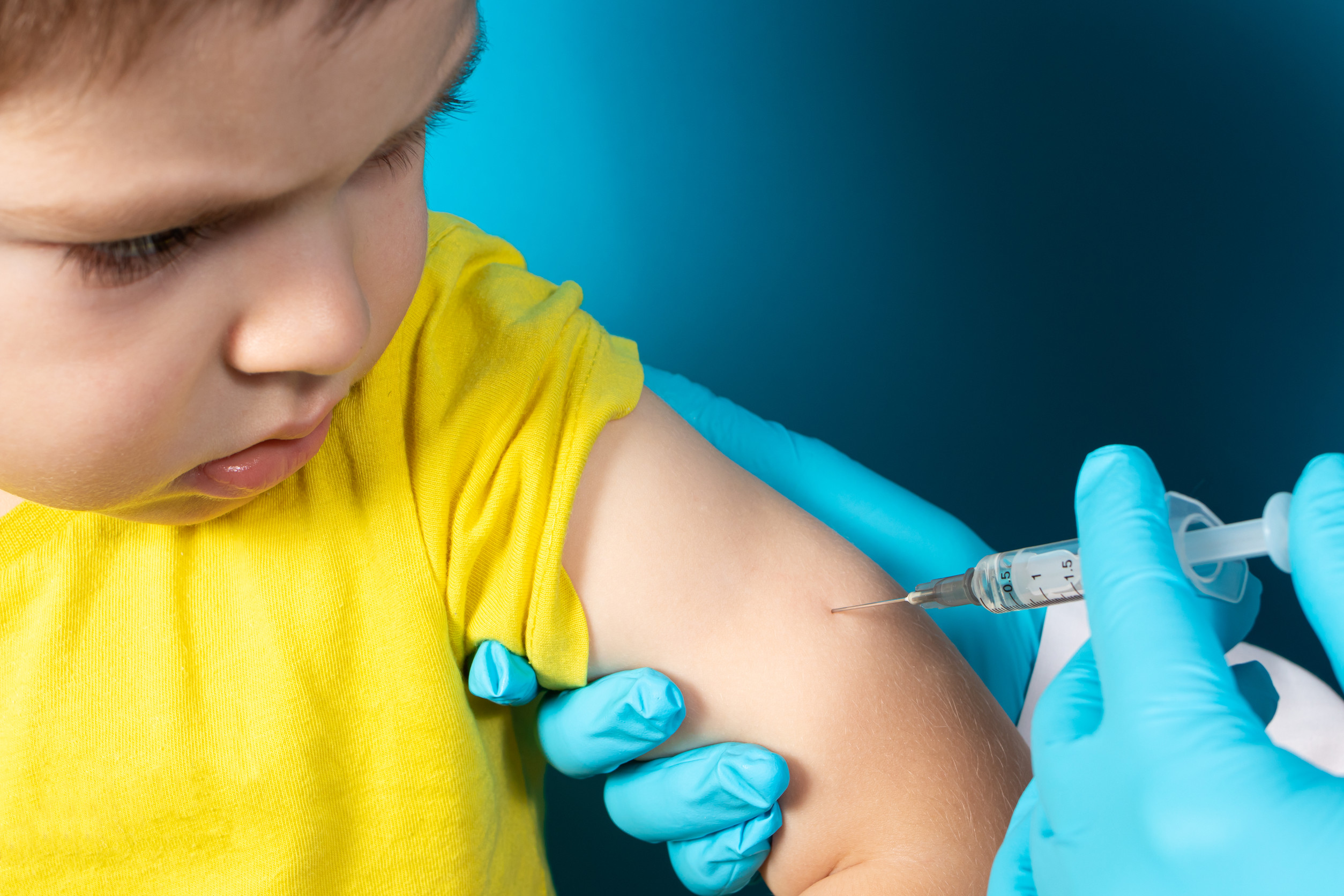
Vaccines have helped eliminate some of the world’s most dangerous childhood diseases, but a growing number of families are opting out of certain shots. Whether it’s due to misinformation, fear of side effects, or thinking a disease is no longer a threat, vaccinations parents are skipping can quietly open the door to serious outbreaks. What seems like a personal decision actually has community-wide consequences, especially for vulnerable children who can’t be vaccinated for medical reasons. Some of the shots being skipped aren’t new—they’re simply being overlooked. If you’re considering a delayed or selective schedule, here are five vaccines that deserve a second look.

1. MMR (Measles, Mumps, Rubella)

Measles may feel like a disease from the past, but recent outbreaks prove it’s still very much a threat. The MMR vaccine protects against three dangerous viruses that can lead to pneumonia, brain swelling, and long-term complications. Among vaccinations parents are skipping, MMR is often passed up due to debunked claims linking it to autism. Pediatricians and scientists around the globe have repeatedly confirmed the vaccine’s safety and importance. Skipping it not only puts your child at risk but also endangers infants and immunocompromised individuals who depend on herd immunity.

2. HPV (Human Papillomavirus)

The HPV vaccine isn’t just for teens—it’s for cancer prevention. It protects against the types of HPV that cause most cervical, throat, and other cancers later in life. Because it’s associated with sexual transmission, it’s one of the vaccinations parents are skipping, often due to discomfort discussing the topic. But the vaccine is most effective when given before any exposure, which is why it’s recommended for kids starting as early as age 9. Protecting your child from future health battles starts with making smart decisions now.

3. Hepatitis A

While Hep A is less well-known than other childhood illnesses, it can cause serious liver disease. Spread through contaminated food and close contact, this highly contagious virus is a real concern for kids in daycare or group settings. Since it’s not part of the original newborn schedule, Hepatitis A is one of the vaccinations parents are skipping either by accident or because they don’t understand the risk. But outbreaks have happened in schools, restaurants, and even playgrounds. This two-dose series offers strong protection against a disease that’s far more common than many parents realize.

4. Flu Shot (Seasonal Influenza)

Some parents think the flu is just a bad cold, but influenza can lead to hospitalization—even death—in children. Despite being updated and offered yearly, the flu shot remains one of the top vaccinations parents are skipping. Reasons range from thinking it’s ineffective to assuming their healthy child doesn’t need it. But flu viruses mutate quickly, and even a mild case can spread to others who are more vulnerable. A yearly flu shot protects your child and helps protect grandparents, classmates, and babies in the community.

5. DTaP Booster (Tetanus, Diphtheria, Pertussis)

Many parents follow the early DTaP schedule for babies but then forget about the booster that’s needed between ages 4 and 6. Without it, protection fades, leaving kids open to whooping cough—a disease that’s made a dangerous comeback in recent years. Tetanus and diphtheria are rare in the U.S., but they’re deadly if contracted, which is why boosters remain important. Of all the vaccinations parents are skipping, the DTaP booster often flies under the radar simply because it’s not tied to a well-known illness anymore. Keeping your child up to date on boosters is key to lifelong protection.

Skipping One Can Risk Them All

When it comes to vaccinations parents are skipping, the real danger isn’t just in one missed shot—it’s in the pattern. Each skipped vaccine creates a gap in protection, not just for your child but for every child they come into contact with. Pediatricians aren’t pushing vaccines to scare you—they’re trying to help families prevent suffering that’s entirely avoidable. Immunizations are one of the most well-researched tools in medicine, and staying informed is the best defense. Don’t let old myths or outdated fears steer you away from proven protection.

Have you ever reconsidered a vaccine after talking with your child’s doctor? Share your experience or questions in the comments below!

Read More:

Shocking Data: 6 Car Seat Errors Still Causing Fatal Accidents

Before You Buy: 10 Popular Kids’ Toys With Cancer-Causing Materials

Catherine Reed
Catherine Reed

Catherine is a tech-savvy writer who has focused on the personal finance space for more than eight years. She has a Bachelor’s in Information Technology and enjoys showcasing how tech can simplify everyday personal finance tasks like budgeting, spending tracking, and planning for the future. Additionally, she’s explored the ins and outs of the world of side hustles and loves to share what she’s learned along the way. When she’s not working, you can find her relaxing at home in the Pacific Northwest with her two cats or enjoying a cup of coffee at her neighborhood cafe.

Filed Under: Parenting Tagged With: childhood vaccines, immunization safety, kids' health, parenting decisions, pediatric care, Public Health, vaccinations parents are skipping, vaccine schedule

Your Baby’s Identity: How 7 Online Actions Are Secretly Putting Them At Risk

July 22, 2025 | Leave a Comment

Your Babys Identity How 7 Online Actions Are Secretly Putting Them At Risk
Image source: 123rf.com

From birth announcements to cute milestones, many parents are eager to share their baby’s journey online. But what starts as a harmless post can quietly open the door to long-term risks. Hackers and scammers aren’t just after adult information anymore—your baby’s identity is increasingly becoming a target for fraud, and most parents don’t realize how easy it is to expose personal data. A single post can contain everything needed to start building a fake profile in your child’s name. Here are seven common online habits that could be putting your baby’s future privacy at serious risk.

1. Sharing Full Birth Announcements on Social Media

Announcing your baby’s birth online is a joyful moment, but including too many details can be dangerous. Posts that include your baby’s full name, date of birth, and hospital location give identity thieves a head start. These key pieces of personal information are often enough to begin creating fake documents or apply for benefits. Since your baby won’t use their credit or identity for years, the fraud can go undetected until much later. Keeping your announcement short and sweet—without full names or birthdates—helps protect your baby’s identity.

2. Posting Photos with Personal Info in the Background

You may think twice before sharing a close-up of your baby’s birth certificate, but what about that photo of them lying on a hospital bed with a bracelet showing? Or a snapshot of a birthday party with a banner that includes their full name and age? These background details often go unnoticed by parents but are gold mines for scammers. This is one of the easiest ways your baby’s identity becomes vulnerable through everyday images. Before sharing, always scan your photos for visible names, addresses, or identifying numbers.

3. Using Location Tags or Check-Ins

Tagging your location when you’re out with your baby might seem fun or harmless, but it can lead to unintended tracking. When you tag your home, favorite park, daycare, or pediatrician’s office, you’re quietly building a digital map of your child’s life. This information can be scraped and stored, even if you delete it later. Over time, it becomes easier for someone to gather context about your child’s routines or physical whereabouts. To help shield your baby’s identity and safety, turn off location sharing on social platforms.

4. Entering Baby Photo Contests or Giveaways Without Checking Privacy Terms

Online baby photo contests or free baby gear giveaways can be tempting—but they often come with hidden data collection. You might be required to submit your child’s name, birthday, and photos, which can be stored, shared, or even sold to third-party marketers. Many of these platforms lack strong privacy protection, putting your baby’s identity at risk of exposure or misuse. Always read the terms and conditions and avoid contests that don’t clearly state how your data will be used. When in doubt, skip the entry.

5. Using Weak Passwords on Baby Monitoring Apps

Baby monitors, sleep tracking apps, and parenting platforms often require accounts that store sensitive data like names, birthdates, and photos. If you’re using the same password across apps or haven’t changed it since setup, you’re creating an easy entry point for hackers. Breaches of parenting platforms have occurred in the past, exposing data about young children and their families. This is another way your baby’s identity could end up in the wrong hands without you realizing it. Use strong, unique passwords and enable two-factor authentication whenever possible.

6. Publicly Sharing Milestone Cards or First Day of School Signs

First smiles, first steps, and first days of preschool are all worth celebrating—but be careful about what’s visible in milestone posts. Many parents love to share photos with signs showing the child’s name, age, birthday, favorite things, or school name. These details seem adorable but can help build a detailed profile of your baby’s identity over time. That information can be gathered by bots or data scrapers and used in phishing schemes or fraud. Keep milestone updates fun by limiting details and sharing them privately with trusted circles.

7. Forgetting to Review Privacy Settings

You may assume that only close friends see your baby’s photos, but default privacy settings often tell a different story. Many social media accounts are set to public or “friends of friends,” which means people you don’t know may be seeing your posts. This wide visibility increases the chances that someone can collect and misuse pieces of your baby’s identity. Review your privacy settings regularly, limit your audience, and consider creating a private photo album or messaging group just for close family. This extra step helps ensure that your child’s personal details stay within your trusted circle.

Digital Footprints Start Earlier Than You Think

Long before your child creates their first social account or signs up for school, their digital identity may already be taking shape—because of your choices. The online actions you take today shape the footprint they’ll carry into the future, and unfortunately, your baby’s identity can be compromised long before they even understand what privacy means. By staying cautious, limiting personal data shared online, and understanding how digital platforms work, you’re taking essential steps to protect them from identity theft and data misuse. You don’t have to go offline completely—just share with care.

Do you think social media is creating risks we didn’t have to worry about before? How do you protect your child’s digital footprint? Let’s talk in the comments.

Read More:

Are You Wasting Money? 6 Baby Items New Parents Regret Buying

The Quiet Killer: 8 Hidden Hazards In Your Nursery You’re Not Checking

Catherine Reed
Catherine Reed

Catherine is a tech-savvy writer who has focused on the personal finance space for more than eight years. She has a Bachelor’s in Information Technology and enjoys showcasing how tech can simplify everyday personal finance tasks like budgeting, spending tracking, and planning for the future. Additionally, she’s explored the ins and outs of the world of side hustles and loves to share what she’s learned along the way. When she’s not working, you can find her relaxing at home in the Pacific Northwest with her two cats or enjoying a cup of coffee at her neighborhood cafe.

Filed Under: Parenting Tagged With: baby gear and tech, baby photo privacy, child identity theft, child privacy, digital parenting tips, Internet Safety, parenting online safety, your baby’s identity

Why The Doctor Isn’t Worried: 7 Common Kids’ Ailments Often Misdiagnosed

July 22, 2025 | Leave a Comment

Why The Doctor Isnt Worried 7 Common Kids Ailments Often Misdiagnosed
Image source: 123rf.com

It’s hard not to panic when your child spikes a fever, breaks out in a rash, or starts limping out of nowhere. As a parent, every symptom can feel urgent and terrifying—but often, doctors remain calm for a reason. Many common kids’ ailments mimic more serious conditions, leading to unnecessary worry, late-night internet spirals, or misdiagnoses at urgent care. The truth is, some of the most alarming-looking symptoms have surprisingly simple explanations. Here are seven commonly misdiagnosed issues in children that usually aren’t as serious as they seem.

1. Viral Rashes Mistaken for Allergies or Infections

It’s not unusual for a child to develop a mysterious rash after a fever breaks, especially after a viral illness. Parents often suspect allergic reactions or bacterial infections and head straight for urgent care. However, viral rashes like roseola are among the most common kids’ ailments and are completely harmless. These rashes typically appear once the child is no longer contagious and go away on their own. Doctors don’t worry unless there’s a high fever that doesn’t improve or signs of distress, which is why they often advise rest and fluids over medication.

2. Growing Pains Confused with Injury

If your child complains of sore legs, especially at night, it’s easy to assume something’s wrong—maybe a twisted ankle or a pulled muscle from playing. But in many cases, it’s simply growing pains, a common issue in kids between ages 3 and 12. These aches are one of the more misunderstood common kids’ ailments and are often misdiagnosed as sprains or even early signs of arthritis. Growing pains usually come and go, are felt in both legs, and aren’t tied to physical activity. Warm baths, massage, and reassurance are often all that’s needed.

3. Tummy Trouble That’s Not Really a Stomach Bug

When a child says they have a stomachache, most parents jump to food poisoning or the dreaded stomach virus. But surprisingly, many cases of belly pain are caused by constipation, anxiety, or even mild dehydration. Pediatricians frequently encounter this type of misdiagnosis among common kids’ ailments, especially in school-age children. The discomfort can feel intense, and without a fever or vomiting, it’s easy to overlook simpler causes. Keeping a food and bathroom log can help identify patterns and prevent unnecessary worry.

4. Ear Tugging Mistaken for Ear Infection

One of the most commonly misread symptoms is ear tugging or rubbing. Many parents see this and immediately assume an ear infection is brewing. But in reality, this behavior often signals teething discomfort or simply tiredness, not illness. Pediatricians note that many children with clear ears are still treated for infections due to this confusion. Among common kids’ ailments, ear tugging is more of a parenting red flag than a medical one—unless it comes with fever, trouble sleeping, or fussiness that lasts more than a couple days.

5. Mild Wheezing Confused with Asthma

Hearing your child wheeze can send your heart into overdrive, especially if you’ve read up on asthma or other chronic respiratory issues. But wheezing can be triggered by a variety of mild, short-term conditions—like a cold or allergies—especially in toddlers with small airways. This often leads to overdiagnosis or unnecessary medication when it’s really just one of the common kids’ ailments that resolves on its own. Doctors often wait before making a formal asthma diagnosis, especially if wheezing isn’t recurring. In the meantime, they may use a nebulizer short-term and observe the child’s response.

6. Pink Eye That’s Actually Something Else

If your child’s eye is red and watery, it’s natural to assume it’s pink eye—and head to the doctor for drops. But not all red eyes are bacterial conjunctivitis. Allergies, irritants, and even viral infections can cause similar symptoms, yet don’t require antibiotic treatment. Pediatricians often explain that many cases of pink eye go away on their own without meds, especially if there’s no yellow or green discharge. Among common kids’ ailments, this one is frequently misdiagnosed and overtreated, making it worth waiting a day or two before rushing to the pharmacy.

7. Fevers That Aren’t Emergency-Level

A fever can feel scary, especially when the number on the thermometer starts creeping above 101°F. But fever alone isn’t dangerous—it’s a sign the immune system is doing its job. Parents often rush to urgent care for fevers that are completely normal parts of common kids’ ailments, like colds or teething. What matters more is how the child acts—if they’re alert, drinking fluids, and resting comfortably, most pediatricians aren’t too concerned. Medication can be used for comfort, but the fever itself often doesn’t need aggressive treatment.

When to Trust Your Gut—And When to Pause

It’s easy to go into panic mode when your child shows unfamiliar symptoms, but taking a deep breath can help you better understand the situation. Most common kids’ ailments are manageable with rest, fluids, and a little patience. Of course, you should always trust your instincts—especially if something feels off or your child’s behavior dramatically changes. But understanding which symptoms aren’t urgent helps you avoid unnecessary stress, overmedication, and late-night worry spirals. When your doctor seems calm, it’s usually because they’ve seen it before—and know it’s going to be okay.

Have you ever been surprised by how minor your child’s scary symptoms turned out to be? Share your story or ask a question in the comments below!

Read More:

6 Urgent Steps to Protect Your Home from Kids’ Dangers

6 Seemingly Safe Places That Could Actually Be Dangerous for Kids

Catherine Reed
Catherine Reed

Catherine is a tech-savvy writer who has focused on the personal finance space for more than eight years. She has a Bachelor’s in Information Technology and enjoys showcasing how tech can simplify everyday personal finance tasks like budgeting, spending tracking, and planning for the future. Additionally, she’s explored the ins and outs of the world of side hustles and loves to share what she’s learned along the way. When she’s not working, you can find her relaxing at home in the Pacific Northwest with her two cats or enjoying a cup of coffee at her neighborhood cafe.

Filed Under: Parenting Tagged With: childhood illness, common kids' ailments, kids and fevers, misdiagnosed symptoms, parenting advice, parenting tips, pediatric health, toddler health

Silent Danger: 8 Common Foods That Are Choking Hazards For Young Children

July 22, 2025 | Leave a Comment

Silent Danger 8 Common Foods That Are Choking Hazards For Young Children
Image source: 123rf.com

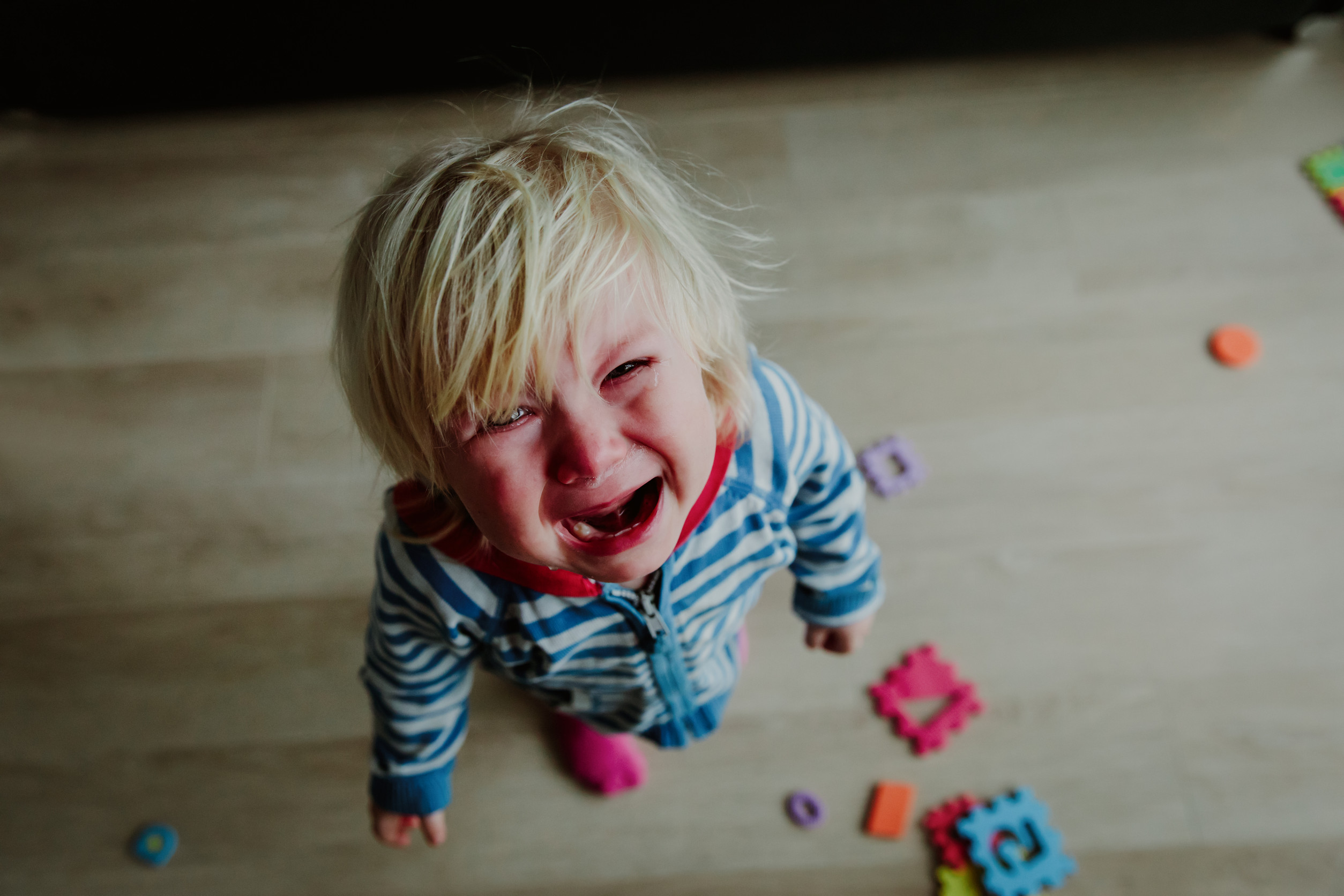
When you think of mealtime risks for toddlers, choking might not be the first thing that comes to mind—especially when the food seems small, soft, or harmless. But choking is a leading cause of injury and death in kids under age four, and it often happens in seconds with the foods parents offer every day. Certain textures, shapes, and sizes make some items surprisingly dangerous, especially for children still learning how to chew and swallow properly. Knowing which foods pose a threat can help you avoid unnecessary emergencies and make meals much safer. Here are eight common foods that are serious choking hazards for young children and what to serve instead.

1. Whole Grapes

Grapes are a popular snack for toddlers because they’re sweet, juicy, and mess-free, but they’re also one of the top choking hazards for young children. Their smooth, round shape makes them just the right size to block a child’s airway completely. Even if your toddler has teeth, it’s not safe to serve grapes whole until they’re much older. Always slice grapes lengthwise into quarters to reduce the risk of choking. For extra safety, serve them in a highchair where your child is sitting upright and focused on eating.

2. Hot Dogs

Hot dogs are another round, slippery food that can quickly get lodged in a child’s throat. Their consistency makes them hard to chew for toddlers, especially if they take big bites. Cutting them into small discs is not enough—it actually creates the perfect shape for choking. To make hot dogs safer, cut them lengthwise into strips, then dice into small pieces. Even better, skip processed meats altogether when possible and opt for soft, chopped chicken or turkey.

3. Raw Carrots

While crunchy and healthy, raw carrots are among the most common choking hazards for young children. The hard texture makes them difficult to chew thoroughly, and toddlers may swallow chunks whole. Instead of giving raw slices, steam carrots until they’re soft enough to mash easily between your fingers. You can also grate them or serve in thin, cooked matchsticks for safer handling. Always supervise meals closely when serving vegetables.

4. Whole Nuts and Seeds

Whole almonds, peanuts, sunflower seeds, and similar items are dangerous for young children because they’re small, hard, and irregularly shaped. They can easily slip into the airway and become lodged, especially if eaten while walking or talking. Avoid giving whole nuts and seeds to children under five, no matter how advanced their eating skills seem. Instead, use smooth nut butters spread thinly on toast or blended into soft foods. Chunky peanut butter or Spoonfuls straight from the jar should also be avoided due to stickiness.

5. Popcorn

Popcorn might seem like a fun movie snack, but it poses multiple choking risks. The kernels are unevenly shaped, often hard, and easy to inhale accidentally while laughing or talking. Popcorn is one of the more unexpected choking hazards for young children, often served by well-meaning adults during family gatherings. The American Academy of Pediatrics recommends waiting until age four or older to serve popcorn. Until then, try offering soft, puffed snacks made for toddlers as a safer alternative.

6. Chunks of Meat or Cheese

While protein is essential for growing kids, serving it in the wrong size or texture can cause problems. Large cubes of meat or cheese are difficult for toddlers to chew thoroughly and are easy to swallow whole. Cut meat into very small pieces or shred it into strands that are easier to manage. Cheese should be grated or sliced thin, especially for toddlers under three. Even soft cheeses can form a gummy clump in the mouth and block the airway if not chewed properly.

7. Hard Candy and Chewing Gum

Candy might be a treat for older kids, but for toddlers, it’s a major hazard. Hard candy can easily slip down the throat whole, especially if a child tries to suck and talk at the same time. Gum is just as risky because toddlers often don’t understand that it’s meant to be chewed, not swallowed. These sweet treats are among the most obvious choking hazards for young children, and they’re best kept out of reach until a child is much older. Stick to soft fruits or yogurt-based treats for safer indulgences.

8. Sticky Foods Like Marshmallows

Marshmallows are soft but incredibly dangerous because they can mold to a child’s throat and completely block airflow. Their sticky consistency makes them hard to swallow and nearly impossible to dislodge once stuck. Similarly, chewy candies like taffy or gummy bears pose the same risk. Toddlers may not chew thoroughly before trying to swallow, especially when excited. Until your child is older and has full chewing control, avoid these entirely and look for safer snack options.

Mealtime Matters More Than You Think

You might think choking only happens when a child runs or eats too fast, but it often occurs even during quiet, supervised meals. Recognizing these choking hazards for young children is one of the easiest ways to prevent life-threatening emergencies before they happen. A little preparation—like cutting food properly, softening textures, and watching closely—can make all the difference. Mealtime should be safe, fun, and nourishing, and knowing what to avoid helps make that possible every day.

Have you been surprised by a food your toddler struggled with? Share your mealtime safety tips or questions in the comments below!

Read More:

Is Your Home Toxic? 8 Everyday Items Poisoning Your Toddler

8 Hidden Dangers Lurking in Your Child’s Toys

Catherine Reed
Catherine Reed

Catherine is a tech-savvy writer who has focused on the personal finance space for more than eight years. She has a Bachelor’s in Information Technology and enjoys showcasing how tech can simplify everyday personal finance tasks like budgeting, spending tracking, and planning for the future. Additionally, she’s explored the ins and outs of the world of side hustles and loves to share what she’s learned along the way. When she’s not working, you can find her relaxing at home in the Pacific Northwest with her two cats or enjoying a cup of coffee at her neighborhood cafe.
Filed Under: Parenting Tagged With: baby feeding, child nutrition, choking hazards for young children, food safety for kids, mealtime safety, parenting tips, toddler health, toddler safety

Don’t Do This: 5 Phrases You Say To Your Toddler Encouraging Bad Behavior

July 22, 2025 | Leave a Comment

Dont Do This 5 Phrases You Say To Your Toddler Encouraging Bad Behavior
Image source: 123rf.com

Toddlers are curious, emotional, and incredibly impressionable, which means the way we talk to them matters more than we think. Some of the most common phrases you say to your toddler—the ones that seem harmless or even helpful—can actually encourage the very behavior you’re trying to avoid. Words shape how young children understand expectations, boundaries, and relationships. Without realizing it, your well-meaning comments might be confusing, dismissive, or accidentally reinforcing bad behavior. Here are five common phrases to rethink and what to say instead for better behavior and communication.

1. “Be a good boy/girl or else…”

This phrase might sound like it sets a clear expectation, but it actually ties behavior to self-worth. When you use “be good or else,” you’re suggesting your child’s value depends on their actions in that moment. That pressure can make toddlers feel ashamed when they mess up, and they likely will—they’re still learning. Plus, vague threats like “or else” don’t clearly teach what behavior is expected. Instead of using this as a motivator, try “Please use your calm voice so we can all hear each other” or “Let’s take a deep breath and try again.”

2. “You’re making me sad/mad.”

It’s natural to feel emotional when your toddler pushes boundaries, but this phrase shifts the responsibility for your feelings onto your child. That can create guilt or anxiety in toddlers who aren’t emotionally mature enough to manage their own behavior and yours. One of the sneakiest phrases you say to your toddler that encourages bad behavior is one that teaches them emotional manipulation—whether you mean it or not. A better approach is to model healthy communication: “I feel frustrated right now, so I’m going to take a break and calm down.” This teaches them how to express emotions without assigning blame.

3. “Why did you do that?”

When your toddler throws a toy, dumps out cereal, or colors on the wall, asking “Why did you do that?” puts them on the spot. At this age, they often don’t know why—they act on impulse, not logic. This question usually leads to defensiveness or a shrug, instead of reflection. It’s one of the phrases you say to your toddler that can create shame without offering guidance. Try something like, “It looks like you were frustrated. Let’s talk about what we can do next time instead of throwing.” That way, you acknowledge the feeling but focus on solutions.

4. “You’re fine.”

When your toddler falls, cries, or panics over something small, it’s easy to say, “You’re fine” in an attempt to soothe them quickly. But to your toddler, their feelings are not fine—they’re big, scary, and very real. This phrase teaches kids to ignore their emotions, which can lead to bottling things up or acting out in other ways. One of the most dismissive phrases you say to your toddler is often used with the best intentions. A better response is, “That looked like it hurt. Do you want a hug or a moment to sit down?” This validates their feelings while still providing reassurance.

5. “Stop crying or I’ll give you something to cry about.”

This old-school phrase might still be floating around in moments of frustration, but it doesn’t teach empathy or self-control. It threatens punishment for expressing emotions and can increase fear, confusion, or resistance. It’s a power-based statement that actually fuels the kind of bad behavior you’re hoping to stop. Among the phrases you say to your toddler that encourage bad behavior, this one stands out for promoting emotional suppression. Instead, try saying, “It’s okay to cry. Let’s sit together until you feel better.” Supporting emotional expression leads to calmer behavior in the long run.

What You Say Teaches How They Respond

Words stick. The phrases you say to your toddler don’t just fill the space—they shape your child’s view of themselves and the world around them. You don’t have to be perfect, but being mindful of your language can change the tone of your home and help prevent unwanted behavior. Toddlers need clarity, empathy, and guidance more than anything else. With a few tweaks to your everyday language, you’ll be surprised how much more your child listens, cooperates, and trusts you to help them grow.

Have you caught yourself using any of these phrases? What swaps have helped your toddler respond better? Share your experiences in the comments!

Read More:

The Discipline Mistakes That Actually Make Kids Behave Worse

8 Tiny Phrases That Build Big Confidence in Kids

Catherine Reed
Catherine Reed

Catherine is a tech-savvy writer who has focused on the personal finance space for more than eight years. She has a Bachelor’s in Information Technology and enjoys showcasing how tech can simplify everyday personal finance tasks like budgeting, spending tracking, and planning for the future. Additionally, she’s explored the ins and outs of the world of side hustles and loves to share what she’s learned along the way. When she’s not working, you can find her relaxing at home in the Pacific Northwest with her two cats or enjoying a cup of coffee at her neighborhood cafe.

Filed Under: Parenting Tagged With: child discipline, gentle parenting, parenting language, parenting tips, phrases you say to your toddler, Positive Parenting, toddler behavior, toddler communication

The #1 Reason: Why Your Toddler’s Tantrums Are Worse Than They Need To Be

July 21, 2025 | Leave a Comment

The 1 Reason Why Your Toddlers Tantrums Are Worse Than They Need To Be
Image source: 123rf.com

You brace yourself for another outburst—tears, kicking, yelling, the works. Toddler tantrums can erupt over anything from the wrong color cup to being told “no,” and it’s exhausting. But what if the meltdowns didn’t have to be so intense? Many parents unknowingly react in ways that escalate the very behavior they’re trying to calm. Understanding why your toddler’s tantrums are worse than they need to be can make a huge difference in how you respond and how quickly your little one learns to self-regulate.

1. You’re Reacting Emotionally Instead of Regulating Yourself First

When a toddler is melting down, it’s incredibly hard not to meet their chaos with your own stress or frustration. But one of the main reasons your toddler’s tantrums escalate is because they’re feeding off your emotional energy. If your voice gets louder, if your body language shows tension, or if you match their intensity with anger, they’ll only spiral further. Toddlers don’t have the brain development yet to calm themselves on their own. They need a calm, steady adult presence to guide them out of the storm, not join them in it.

2. You’re Talking Too Much During the Tantrum

It’s natural to want to reason with your toddler mid-tantrum. You might explain, plead, or try to talk them down—but it usually doesn’t help. When a child is emotionally overwhelmed, their brain goes into survival mode and can’t process language effectively. Talking too much at this stage can frustrate them further or make them feel unheard. A better strategy is to stay close, stay quiet, and offer a calm presence until the storm starts to pass.

3. You’re Giving in After They Explode

It’s tempting to hand over the cookie, change your “no” to a “yes,” or cancel the errand to end the screaming. But giving in teaches your toddler that tantrums are a way to get what they want. Over time, this can make your toddler’s tantrums more frequent and more dramatic. Instead, try to hold your boundary while showing empathy—acknowledge their feelings without rewarding the behavior. This helps them learn limits and emotional resilience without feeling abandoned or ignored.

4. You’re Not Setting Clear Expectations in Advance

Tantrums often happen when kids feel caught off guard or powerless. If transitions like leaving the playground or turning off the tablet come as a surprise, your toddler may lose it because they didn’t feel prepared. Letting them know what’s coming gives their developing brain a chance to adjust. For example, “In five minutes, we’re going to leave the park and head home for lunch.” It won’t eliminate every meltdown, but it will reduce how intense your toddler’s tantrums become in those moments.

5. You’re Not Giving Enough Positive Attention Between Meltdowns

Sometimes tantrums flare up simply because toddlers are craving your attention—and negative attention is better than none. If your day is packed with “don’t do that” and “stop,” but little positive interaction, your toddler might turn to dramatic behavior to reconnect with you. Make time for positive reinforcement and connection before things go off the rails. A few minutes of play, praise, or one-on-one time each day helps meet their emotional needs in healthier ways. Investing in connection prevents many meltdowns before they start.

6. You’re Expecting Too Much Emotional Control for Their Age

It’s easy to forget that toddlers are still learning how to handle big feelings. Expecting them to “use their words” every time or stay calm when they’re overwhelmed can backfire. When your expectations are too high, your frustration rises, which feeds into the tantrum cycle. Recognizing that tantrums are developmentally normal helps you respond with more patience and compassion. Your toddler’s tantrums aren’t always about defiance—they’re often a cry for help managing emotions they don’t understand yet.

7. You’re Not Taking Care of Yourself

This one might sting a little, but it matters. If you’re running on empty, burnt out, or sleep-deprived, it’s harder to stay calm, consistent, and connected. That makes you more reactive and less able to guide your toddler through tough moments. Self-care isn’t selfish—it’s what allows you to be the grounded anchor your child needs when they’re losing it. Prioritizing your own needs helps reduce the frequency and intensity of your toddler’s tantrums more than any parenting hack ever will.

The Calm in the Chaos Starts with You

Your toddler’s tantrums might feel like a daily storm, but you have more influence over their intensity than you think. Tantrums aren’t about being a “bad” kid—they’re about big emotions in a tiny body with a developing brain. By adjusting your reactions, setting clear limits, and offering connection over correction, you create a calmer environment for both of you. Parenting through tantrums takes patience, empathy, and a whole lot of deep breaths—but it also gets easier with practice. The calmer you become, the faster your toddler learns to follow your lead.

Have you found a tantrum tactic that really works—or learned something the hard way? Share your experience with us in the comments!

Read More:

The Discipline Mistakes That Actually Make Kids Behave Worse

Are We Giving Our Kids Too Much Freedom Too Soon? Here’s Why You Might Be Wrong

Catherine Reed
Catherine Reed

Catherine is a tech-savvy writer who has focused on the personal finance space for more than eight years. She has a Bachelor’s in Information Technology and enjoys showcasing how tech can simplify everyday personal finance tasks like budgeting, spending tracking, and planning for the future. Additionally, she’s explored the ins and outs of the world of side hustles and loves to share what she’s learned along the way. When she’s not working, you can find her relaxing at home in the Pacific Northwest with her two cats or enjoying a cup of coffee at her neighborhood cafe.

Filed Under: Parenting Tagged With: child development, Emotional Regulation, parenting tips, parenting toddlers, tantrum solutions, toddler behavior, toddler meltdown help, toddler tantrums

Beyond The Cute Outfit: 10 Baby Names Already Sounding Outdated

July 21, 2025 | Leave a Comment

Beyond The Cute Outfit 10 Baby Names Already Sounding Outdated
Image source: 123rf.com

Picking a name for your baby is one of the most personal—and pressure-filled—decisions you’ll ever make. While you might fall in love with a name because it sounds sweet, vintage, or trendy right now, some choices age faster than others. And the last thing any parent wants is for their little one’s name to feel like a flashback before kindergarten even begins. Certain baby names already sounding outdated are falling out of favor as newer naming trends take over. If you’re hoping to give your child a name that stands the test of time, it might be worth checking this list before locking anything in.

1. Aiden

Aiden had a serious moment in the early 2000s, exploding in popularity thanks to its soft vowels and Irish charm. But that popularity may now be working against it, as it’s become one of the baby names already sounding outdated to many ears. With a flood of similar-sounding spin-offs like Brayden, Jayden, and Kaiden, Aiden has started to feel overused. As newer generations of parents aim for more distinctive names, Aiden’s rise has slowed significantly. It’s still cute, but it’s definitely not as fresh as it once was.

2. Madison

Madison became a go-to girl name after the movie Splash in the 1980s, and it reigned for decades on birth charts. However, its popularity has steadily declined as parents shift toward softer, nature-inspired names like Willow or vintage revivals like Hazel. Many now view Madison as a name that peaked and passed. This makes it one of the baby names already sounding outdated, especially to younger parents. While it’s still a solid, respectable choice, it no longer feels current.

3. Brayden

If you know a Brayden, chances are he’s in elementary or middle school by now. This once-trendy name has joined the overused “-ayden” club, and parents are starting to move away from that naming formula. Brayden is one of those baby names already sounding outdated simply because it became too popular too fast. Names with a sudden surge often lose their appeal quickly. It may be time to let Brayden take a rest while newer choices rise.

4. Nevaeh

Nevaeh (that’s “heaven” spelled backward) became a sensation in the early 2000s, climbing the charts thanks to its unique twist. But over time, what once felt clever has started to feel gimmicky. While still used, Nevaeh is now seen as one of the baby names already sounding outdated. Naming trends are shifting toward simpler, more timeless names rather than wordplay. If you’re looking for something ethereal, names like Luna or Nova feel more modern.

5. Bentley

Bentley rode in with the wave of luxury-inspired baby names, but its shine has dulled in recent years. Once viewed as sleek and trendy, it’s now part of a group of names many parents associate with a very specific time. It’s one of the baby names already sounding outdated as tastes move toward earthy, minimalist names. While still stylish to some, Bentley lacks the timelessness many parents now seek. A similar name like Beckett might feel more fresh.

6. Mackenzie

Mackenzie, once a gender-neutral favorite, has seen a steady decline in use. It rose rapidly in the late ’90s and early 2000s but hasn’t maintained its footing as newer options emerge. As naming tastes shift, Mackenzie has become one of the baby names already sounding outdated, especially when compared to today’s popular short-and-sweet picks like Ivy or Zoe. While still familiar, it doesn’t carry the same sparkle it once did.

7. Zachary

Zachary has long been a steady, reliable name, but it’s now sliding into the “dad name” category. It ranked high in the ’80s and ’90s, which means a lot of today’s kids have uncles—or even dads—named Zach. That familiarity is exactly what places it among baby names already sounding outdated today. Even though it has strong biblical roots, modern parents are leaning toward names like Ezra or Levi instead. Zachary might be ready for a retirement phase.

8. Kaylee

Kaylee, with its multiple spellings and sing-song sound, had a serious moment of popularity in the 2000s. Now, that surge has cooled, and it’s become one of the baby names already sounding outdated to newer parents. The trend of using “-lee” endings is fading, replaced by names with nature or vintage vibes. Names like Kaia or Clara are taking its place on baby name lists. Kaylee still feels sweet, but not as timeless as some alternatives.

9. Jaxon

Jaxon, the edgy spelling alternative to Jackson, climbed fast as parents looked for unique twists on traditional names. But the more popular it became, the more it began to feel less original. As a result, it’s landed among the baby names already sounding outdated. Spelling trends that were once considered cool are now viewed as overdone. If you like the name but want something fresher, the classic Jackson or even Jonas might be worth a look.

10. Addison

Once a breakout star on baby name lists, Addison has started to lose its shine. Originally popular for its blend of classic and modern tones, it now feels tied to a specific naming era. This places it squarely among the baby names already sounding outdated for many expecting parents. As names like Ada or Adeline gain traction, Addison is quietly stepping aside. Its popularity may return someday, but for now, it’s not the go-to it once was.

Names Change, But Meaning Lasts

Trends come and go, but what matters most is choosing a name that feels right for your family. If you love a name that others consider outdated, that doesn’t mean you shouldn’t use it. Still, being aware of baby names already sounding outdated can help you make a more lasting choice. A little research today can help you avoid naming regret down the road. Ultimately, the best baby name is one that grows beautifully with your child, no matter what list it’s on.

Did any names on this list surprise you? Which names do you think are starting to sound outdated? Let us know in the comments!

Read More:

10 Classic Boy Names You Won’t Hear on Every Playground

7 Baby Girl Names That Mean Beautiful (and What Makes Them Special)

Catherine Reed
Catherine Reed

Catherine is a tech-savvy writer who has focused on the personal finance space for more than eight years. She has a Bachelor’s in Information Technology and enjoys showcasing how tech can simplify everyday personal finance tasks like budgeting, spending tracking, and planning for the future. Additionally, she’s explored the ins and outs of the world of side hustles and loves to share what she’s learned along the way. When she’s not working, you can find her relaxing at home in the Pacific Northwest with her two cats or enjoying a cup of coffee at her neighborhood cafe.

Filed Under: Parenting Tagged With: baby name ideas, baby name regret, baby names, baby naming trends, baby registry planning, modern baby names, outdated baby names, parenting tips

Is Your Home Toxic? 8 Everyday Items Poisoning Your Toddler

July 21, 2025 | Leave a Comment

Is Your Home Toxic 8 Everyday Items Poisoning Your Toddler
Image source: 123rf.com

Your home should be your toddler’s safest space, but what if the real danger isn’t outside your door—it’s already inside? From everyday cleaning products to cute decor, many common household items contain hidden toxins that can silently impact your child’s health. Toddlers are especially vulnerable because of their size, developing systems, and habit of touching everything and putting it in their mouths. While we can’t wrap our kids in a protective bubble, we can reduce exposure to the worst offenders. Let’s uncover the top items potentially poisoning your toddler so you can take simple, powerful steps to make your home safer today.

1. Air Fresheners and Scented Candles

That fresh scent may seem like a comforting touch in your home, but many air fresheners and candles are loaded with phthalates and synthetic fragrances. These chemicals can disrupt hormones, affect breathing, and contribute to long-term health problems, especially in young children. Toddlers inhale these toxins in higher concentrations because they breathe more rapidly than adults. Even “natural” or “green” products often include vague ingredients that aren’t truly safe. Try using essential oils with a diffuser or simply open windows for natural ventilation instead.

2. Vinyl Flooring

Vinyl floors are affordable and easy to clean, but they can release harmful volatile organic compounds (VOCs) into the air. These VOCs are particularly concerning for babies and toddlers who spend a lot of time crawling, sitting, or playing on the floor. Studies show vinyl flooring may also contain lead and phthalates, which have been linked to developmental delays. If replacing flooring isn’t an option, use area rugs made from natural fibers to create a safer play space. Regularly vacuuming and mopping can also help reduce dust-bound toxins.

3. Non-Stick Cookware

That slick, easy-to-clean non-stick pan may contain perfluorinated chemicals (PFCs), which have been associated with hormone disruption and weakened immune systems in children. When overheated, these coatings can break down and release toxic fumes into the air. Tiny developing bodies are more sensitive to these exposures, especially during mealtime prep. If you’re concerned about poisoning your toddler through food exposure, consider switching to cast iron, stainless steel, or ceramic cookware. These safer alternatives last longer and eliminate the risk of harmful coatings altogether.

4. Plastic Food Containers

Many plastic containers, even those labeled “microwave safe,” can leach harmful chemicals like BPA or BPS into food when heated. These substances can mimic hormones and interfere with a toddler’s growth and development. It’s one of the most overlooked ways you might be unintentionally poisoning your toddler during meal prep or snack storage. Swap them out for glass or stainless-steel containers whenever possible. If you must use plastic, avoid heating it and check labels for BPA-free certifications.

5. Flame Retardant Furniture and Bedding

That cozy crib mattress or car seat cover might be laced with flame retardants that pose risks far greater than fire. These chemicals can off-gas into the air or accumulate in household dust, which toddlers then inhale or ingest while playing. Over time, exposure has been linked to behavioral problems, learning difficulties, and hormone disruption. Choose items made with safer, naturally fire-resistant materials like wool or cotton, and look for “free from flame retardants” on product labels. Regularly cleaning soft furniture can also help limit toxic buildup.

6. Cleaning Supplies Under the Sink

Those bright bottles under your kitchen or bathroom sink are some of the most obvious hazards—but they’re also easily overlooked. Harsh cleaners often contain bleach, ammonia, and other corrosive ingredients that can cause serious injury if ingested, inhaled, or even touched. Poisoning your toddler can happen in seconds if these are left unlocked and within reach. Consider switching to safer, plant-based cleaners and always store them in high or locked cabinets. Better yet, make your own cleaners with vinegar, baking soda, and lemon for a toddler-safe clean.

7. Lead-Based Paint or Dust in Older Homes

If your home was built before 1978, there’s a good chance it contains lead-based paint. As paint chips or turns to dust, toddlers can easily ingest or inhale it during everyday play. Lead poisoning is especially dangerous because it builds up slowly and can permanently affect brain development. Have your home tested for lead and keep high-traffic areas well-cleaned to reduce exposure. If renovations are needed, hire certified professionals who follow lead-safe protocols.

8. Cheap Toys and Teething Products

Not all baby toys are created equal, and some inexpensive options still contain harmful chemicals like lead, PVC, and phthalates. When toddlers chew, suck, or play with these toys, they’re exposed to toxic substances that can affect their development over time. Even some teethers and bath toys labeled “safe” may not meet stringent safety standards. Look for toys certified by trusted organizations, made from non-toxic materials like silicone, wood, or organic cotton. Always supervise teething play and clean toys regularly to keep them safe.

Safer Homes Start with Small, Smart Swaps

You don’t have to overhaul your entire house overnight to protect your child. Reducing the risks of poisoning your toddler starts with small changes—like replacing just one item at a time or reading labels more carefully. Awareness is the most powerful tool you have as a parent. By creating a cleaner, safer space today, you support your toddler’s healthy development for years to come. After all, peace of mind is one thing every parent deserves to bring home.

Have you already swapped out any of these toxic household items? Share your tips or questions in the comments—we’d love to hear from you!

Read More:

5 Home Areas Where Toddlers Get Hurt Most (Are Yours Safe?)

6 Urgent Steps to Protect Your Home from Kids’ Dangers

Catherine Reed
Catherine Reed

Catherine is a tech-savvy writer who has focused on the personal finance space for more than eight years. She has a Bachelor’s in Information Technology and enjoys showcasing how tech can simplify everyday personal finance tasks like budgeting, spending tracking, and planning for the future. Additionally, she’s explored the ins and outs of the world of side hustles and loves to share what she’s learned along the way. When she’s not working, you can find her relaxing at home in the Pacific Northwest with her two cats or enjoying a cup of coffee at her neighborhood cafe.
Filed Under: Parenting Tagged With: childproofing tips, eco-friendly parenting, parenting safety, poisoning your toddler, safe home for kids, toddler health, toddler safety, toxic household items

The Quiet Killer: 8 Hidden Hazards In Your Nursery You’re Not Checking

July 21, 2025 | Leave a Comment

The Quiet Killer 8 Hidden Hazards In Your Nursery You’re Not Checking
Image source: 123rf.com

You decorated the nursery with love, picked the safest crib, and triple-checked the baby monitor—but danger can still be lurking where you least expect it. Many well-meaning parents overlook small but serious risks that don’t look threatening on the surface. In fact, some of the most dangerous hidden hazards in your nursery blend right in with everyday items. From air quality concerns to overlooked furniture safety, it’s time to take a closer look at the room meant to keep your baby safe. Here are eight nursery risks that often go unnoticed—but shouldn’t.

1. Loose Window Cords and Blinds

Cords from window blinds may seem harmless, but they are a major strangulation hazard in nurseries. Even short cords can pose a risk if a curious baby pulls or gets tangled in them during play or sleep. These hidden hazards in your nursery can be fatal within seconds and are often overlooked in baby-proofing efforts. Safer alternatives include cordless blinds or window coverings with safety clips to keep cords out of reach. If replacing the blinds isn’t possible, install cord winders or tie cords up high, well above crib height.

2. Unanchored Furniture

Dressers, bookcases, and changing tables that aren’t anchored to the wall can easily tip over if pulled on. Babies who are learning to stand or climb often use furniture for support, which can lead to serious injuries or even death. Tip-overs are one of the most overlooked hidden hazards in your nursery because furniture seems stable—until it’s not. Thankfully, furniture anchors are affordable, easy to install, and make a big difference in safety. Make it a priority to secure every piece of tall or heavy furniture in your baby’s room.

3. Crib Bumpers and Soft Bedding

Though they’re still sold in stores, crib bumpers, loose blankets, and pillows can create a suffocation risk. Babies under 12 months lack the strength to move themselves away from soft materials that may obstruct breathing. These items may look cute, but they’re part of the hidden hazards in your nursery you’re better off skipping altogether. Instead, opt for a fitted crib sheet and dress your baby in a wearable blanket or sleep sack. A bare crib really is the safest crib.

4. Scented Diffusers and Air Fresheners

Everyone wants the nursery to smell clean and calming, but artificial fragrances can introduce harmful chemicals into the air your baby breathes. Many plug-in diffusers, sprays, and air fresheners release volatile organic compounds (VOCs) linked to respiratory irritation and developmental issues. Since babies breathe more rapidly than adults, they are especially sensitive to air quality and fragrance-related hidden hazards in your nursery. Choose natural ventilation, an air purifier with a HEPA filter, or a few drops of essential oils diffused sparingly—without direct exposure. And always consult with your pediatrician before using any aromatherapy products around infants.

5. Overloaded Power Strips and Cords

The nursery monitor, sound machine, night light, and humidifier all need power—but using overloaded outlets or power strips can increase fire risk. Loose or exposed wires also present a choking or strangulation hazard for crawling babies. Electrical safety is one of the hidden hazards in your nursery that’s easy to ignore until something goes wrong. Use outlet covers, hide cords behind furniture when possible, and avoid daisy-chaining extension cords. For extra peace of mind, consider baby-proofing power strips with secure covers.

6. Paint and Furniture Finishes

That freshly painted crib or thrifted rocking chair might contain lead-based paint or chemical finishes, especially if it’s an older piece. Babies often chew on crib rails or furniture edges, which could expose them to toxins. Without testing or proper refinishing, these surfaces become serious hidden hazards in your nursery. Look for furniture with Green guard Gold or similar safety certifications and avoid using secondhand items unless you know they’re lead-free and baby safe. When painting or refinishing, always use non-toxic, VOC-free products approved for nurseries.

7. Stuffed Animals and Toys in the Crib

A pile of plush toys in the crib may look comforting, but it creates a dangerous environment during sleep. Anything loose in the crib can block a baby’s airway or increase the risk of suffocation. While cuddly toys make for adorable photos, they are among the hidden hazards in your nursery that should be kept far from sleep spaces. Keep toys in a separate bin and remove all soft items before naps or bedtime. Remember, when it comes to the crib, simple is safest.

8. Hidden Mold and Humidity Issues

Humidifiers are often used in nurseries to help with dry air or congestion, but when not cleaned regularly, they can breed mold and bacteria. High humidity can also encourage mold growth behind furniture or under rugs, creating respiratory risks. These sneaky hidden hazards in your nursery can impact your baby’s lungs and immune system without showing obvious signs. Clean humidifiers weekly with a vinegar solution and keep indoor humidity between 30% and 50%. If your nursery feels musty or damp, consider using a hygrometer and dehumidifier to maintain a healthy balance.

Safety Starts with What You Can’t See

The truth is many of the most dangerous hidden hazards in your nursery aren’t the flashy or obvious ones. They’re quiet, subtle, and often built into the everyday items we trust. But with a little awareness and a few safety tweaks, you can create a peaceful space that’s as safe as it is sweet. Being proactive now means fewer risks later and a better night’s sleep for everyone in the house. Because nothing should ever come between your baby and their safety—even in the room designed just for them.

Have you discovered any surprising nursery hazards in your own home? Share your story or tips with other parents in the comments!

Read More:

School Fees: 8 Hidden Fees in School Programs That Add Up

Hidden Pests: 5 Home Areas Harboring Pests for Kids

Catherine Reed
Catherine Reed

Catherine is a tech-savvy writer who has focused on the personal finance space for more than eight years. She has a Bachelor’s in Information Technology and enjoys showcasing how tech can simplify everyday personal finance tasks like budgeting, spending tracking, and planning for the future. Additionally, she’s explored the ins and outs of the world of side hustles and loves to share what she’s learned along the way. When she’s not working, you can find her relaxing at home in the Pacific Northwest with her two cats or enjoying a cup of coffee at her neighborhood cafe.
Filed Under: Parenting Tagged With: babyproofing tips, crib safety, hidden hazards in your nursery, infant health, nursery safety, parenting advice, safe nursery checklist, toxic nursery items

The Real Reason: Your Child’s Favorite Toy Is Secretly Spying

July 21, 2025 | Leave a Comment

The Real Reason Your Childs Favorite Toy Is Secretly Spying
Image source: 123rf.com

It talks, it sings, it answers questions—but could your child’s beloved toy be doing more than just entertaining? In today’s tech-driven world, many smart toys are embedded with microphones, cameras, and Wi-Fi connections that parents often overlook. These features can provide fun interactions, but they also open the door to serious privacy risks. The unsettling truth is that your child’s favorite toy might be collecting far more information than you realize. From recording conversations to sharing data with third parties, here’s how innocent playtime may be putting your family’s privacy in jeopardy.

1. Smart Toys Are Listening—Even When You’re Not

Many internet-connected toys come with built-in voice recognition software, allowing them to respond when your child speaks. What’s not always clear is that these toys often record and store conversations to improve performance or send data to manufacturers. That means your child’s favorite toy could be capturing personal information like names, routines, and even background conversations. In some cases, these recordings are saved on external servers for analysis, creating a data trail most parents never intended. If the toy doesn’t clearly state when it’s listening, you may never know how often your privacy is compromised.

2. Weak Security Makes Toys an Easy Target for Hackers

Smart toys aren’t known for top-tier cybersecurity. In fact, many are rushed to market with minimal protection in place, making them an easy entry point for hackers. Once compromised, your child’s favorite toy could allow someone to access audio, video, or even your home’s network. This can turn a playful product into a digital spy that watches and listens without your knowledge. Always research whether a toy uses secure, encrypted connections before bringing it into your home.

3. Toys With Cameras May Be Capturing More Than Smiles

Video-enabled toys, like interactive pets or child-friendly tablets, may offer fun photo features—but they’re also capable of silently snapping or recording video. Some parents don’t realize that your child’s favorite toy can come equipped with facial recognition or motion sensors. When connected to the internet, these tools may upload images to cloud-based storage, often without fully transparent policies on where that data ends up. These toys could unintentionally share photos of your child, your home, or other sensitive areas. It’s important to know exactly what that camera can do and how often it’s active.

4. Apps That Power the Toys Collect Extensive Data

Many toys now connect to companion apps that let kids unlock new features, earn points, or interact with friends. But those apps often require permissions to access microphones, location, contact lists, or even calendars. In some cases, your child’s favorite toy becomes a tool to funnel personal information from your phone or tablet to data brokers. While the app may be fun, it’s critical to review the privacy settings, read the fine print, and decline any unnecessary permissions. The toy might seem harmless, but the app behind it could be the real privacy risk.

5. Manufacturers Aren’t Always Upfront About What They Collect

Transparency is not a given when it comes to toy manufacturers. Some bury their data collection practices in lengthy privacy policies filled with vague or confusing language. Others may claim to anonymize data, but still collect enough information to build user profiles or behavior patterns. In the case of your child’s favorite toy, even age, gender, speech patterns, and location may be gathered to fine-tune advertising or development strategies. If the brand can’t clearly tell you what it collects and how it uses it, that’s a red flag.

6. Third Parties Are Often Involved Without You Knowing

Toys that collect data don’t always keep it in-house. Many companies share or sell data to third parties—such as advertisers, analytics firms, or product developers—without clearly informing consumers. This means your child’s favorite toy could be helping build marketing profiles used to target your family with ads or push specific content. Worse, you may have unknowingly agreed to this by accepting the toy’s terms and conditions during setup. Always be cautious with toys that require you to create an account or sign in, as this often opens the door to broader data sharing.

7. Past Cases Show Just How Vulnerable These Toys Can Be

Several high-profile recalls and warnings have already shown how serious this issue is. In 2017, Germany even banned a popular talking doll after regulators deemed it an illegal surveillance device. That’s right—your child’s favorite toy can cross into spy territory if it transmits data without your knowledge or consent. In other instances, millions of voice recordings from kids were leaked due to poorly secured servers. These cases are reminders that it’s not just theoretical—it’s already happening.

What You Can Do to Protect Your Child’s Privacy

The key to keeping your child’s favorite toy from becoming a spy lies in informed purchasing and careful usage. Choose toys from reputable brands that offer transparent privacy practices and regular security updates. Avoid giving toys permanent Wi-Fi access or leaving them powered on when not in use. Routinely check apps and permissions and consider disabling microphones or cameras where possible. Playtime should be safe and joyful, not another avenue for digital surveillance.

Have you ever checked the privacy settings on your child’s smart toy? Share your experience or concerns with us in the comments below.

Read More:

11 Online Safety Risks Your Preschooler Faces

8 Parenting Trends That Sound Great (But Might Be Hurting You Kids)

Catherine Reed
Catherine Reed

Catherine is a tech-savvy writer who has focused on the personal finance space for more than eight years. She has a Bachelor’s in Information Technology and enjoys showcasing how tech can simplify everyday personal finance tasks like budgeting, spending tracking, and planning for the future. Additionally, she’s explored the ins and outs of the world of side hustles and loves to share what she’s learned along the way. When she’s not working, you can find her relaxing at home in the Pacific Northwest with her two cats or enjoying a cup of coffee at her neighborhood cafe.
Filed Under: Parenting Tagged With: child data privacy, internet-connected toys, kids and tech, parenting safety, smart toys, toy privacy risks, toy surveillance, your child’s favorite toy

Shocking Data: 6 Car Seat Errors Still Causing Fatal Accidents

July 21, 2025 | Leave a Comment

Shocking Data 6 Car Seat Errors Still Causing Fatal Accidents
Image source: 123rf.com

It’s every parent’s worst nightmare—a car crash involving their child. Yet despite widespread education and resources, car seat errors continue to be a leading cause of preventable injury and death for young passengers. According to the National Highway Traffic Safety Administration, nearly half of all car seats are installed or used incorrectly. That means even the most loving, well-meaning parents may unknowingly be putting their child at serious risk. Let’s break down the six most common and dangerous mistakes that are still contributing to fatal accidents, and how to fix them fast.

1. Using the Wrong Type of Car Seat for Your Child’s Age and Size

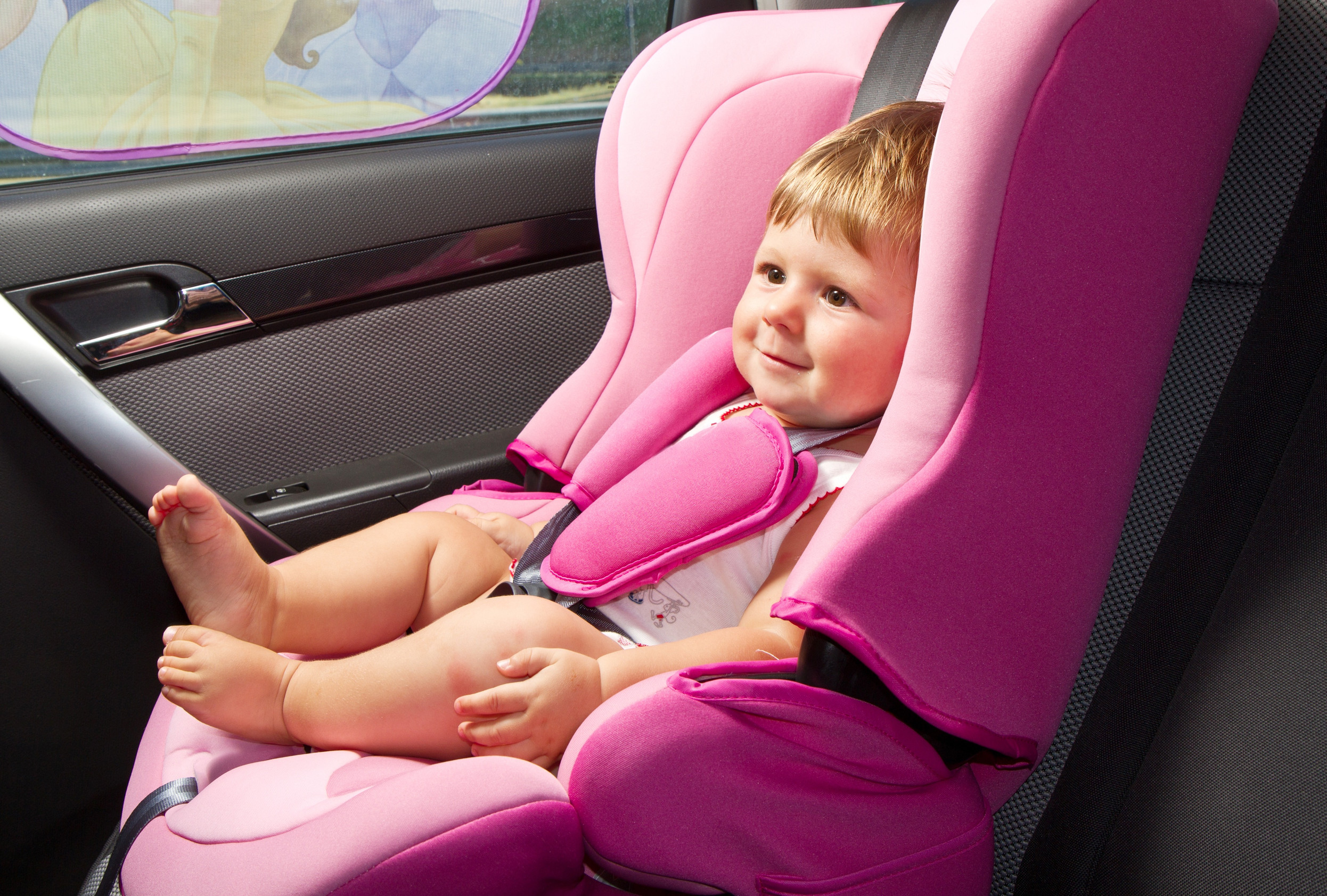
Not every car seat fits every child. Using a seat that doesn’t match your child’s weight, height, or age is one of the most common car seat errors—and one of the most dangerous. Babies should be in a rear-facing seat until at least age two, or until they outgrow the manufacturer’s height or weight limit. Moving to a forward-facing seat too soon exposes them to greater forces in a crash. Always check the label on your seat and cross-reference with your child’s current measurements.

2. Installing the Car Seat Incorrectly

Even the best car seat won’t protect your child if it isn’t installed properly. Loose installation is one of the most widespread car seat errors, often leaving the seat able to move several inches in any direction. The base should be snug, with less than an inch of movement when pulled side to side or front to back. Most local fire departments or hospitals offer free car seat checks, and they’re well worth the visit. Reading the manual carefully and watching installation videos from the manufacturer can also help ensure everything is secured correctly.

3. Incorrect Harness Positioning and Tightness

The harness straps are your child’s only protection during a crash, so getting them right is non-negotiable. Yet many parents leave the harness too loose or set it at the wrong height, both of which reduce the seat’s effectiveness. For rear-facing seats, straps should be at or below the shoulders. For forward-facing, they should be at or above the shoulders. One of the most common car seat errors is being able to pinch the strap—if you can, it’s too loose.

4. Using Bulky Coats or Aftermarket Products

It might seem logical to bundle your child up on cold days, but that bulky jacket or plush insert can compress in a crash, creating dangerous slack in the harness. This mistake continues to contribute to fatal outcomes in otherwise survivable accidents. Most manufacturers advise against using any product that didn’t come with the car seat. Instead, buckle your child in snugly without the coat, and then layer a blanket or fitted car seat cover over the harness. It’s one of the simplest ways to avoid a critical car seat error.

5. Forgetting to Use the Top Tether on Forward-Facing Seats

When your child graduates to a forward-facing seat, it often comes with a top tether designed to anchor the top of the seat to your vehicle. Unfortunately, many parents forget or don’t realize this part exists. Failing to use the top tether is a serious car seat error because it allows the seat to move forward during a crash, increasing the risk of head injury. Your vehicle’s manual will show where to attach the tether anchor. It only takes seconds to secure and can make a life-saving difference.

6. Using a Car Seat Past Its Expiration Date

Car seats aren’t designed to last forever. Over time, the materials can break down, safety standards evolve, and parts wear out, making the seat less effective. Every seat has an expiration date—usually six to ten years after manufacture—and using one beyond that is a risky car seat error. Additionally, avoid buying secondhand seats unless you know their full history and can confirm they haven’t been in a crash. If in doubt, replace the seat and prioritize your child’s safety above all else.

The Small Fixes That Can Save Big Lives

It’s easy to assume your child’s car seat is “good enough,” especially when it’s something you use every day without issue. But even minor car seat errors can have devastating consequences in the event of a crash. The good news? Most of these mistakes are simple to fix with a few extra minutes and a little knowledge. Double-checking the straps, confirming the seat is secure, and making sure your child is in the correct seat for their size are small actions with major impact. When it comes to your child’s safety, “close enough” just isn’t enough.

Have you ever caught yourself making one of these car seat mistakes? What tips helped you correct them? Share your story in the comments below!

Read More:

6 Urgent Safety Checks for Baby Gear

11 Online Safety Risks Your Preschooler Faces

Catherine Reed
Catherine Reed

Catherine is a tech-savvy writer who has focused on the personal finance space for more than eight years. She has a Bachelor’s in Information Technology and enjoys showcasing how tech can simplify everyday personal finance tasks like budgeting, spending tracking, and planning for the future. Additionally, she’s explored the ins and outs of the world of side hustles and loves to share what she’s learned along the way. When she’s not working, you can find her relaxing at home in the Pacific Northwest with her two cats or enjoying a cup of coffee at her neighborhood cafe.

Filed Under: Parenting Tagged With: baby gear safety, car seat errors, car seat installation, car seat safety, child passenger safety, family travel safety, parenting tips, toddler car seats

Before You Buy: 10 Popular Kids’ Toys With Cancer-Causing Materials

July 21, 2025 | Leave a Comment

Before You Buy 10 Popular Kids Toys With Cancer Causing Materials
Image source: 123rf.com

Shopping for toys should be fun and safe, not a game of chemical roulette. But many popular children’s toys are made with ingredients linked to serious health concerns—including cancer. From plastic dolls to bath toys and even art kits, some products contain cancer-causing materials that parents rarely know to watch for. These toxins might not be visible to the naked eye, but over time, exposure through touch, inhalation, or even mouthing can add up. Before you fill the toy box, check out these ten common culprits that could be putting your child at risk.

1. Cheap Plastic Dolls With PVC

Many budget-friendly dolls and action figures are made from polyvinyl chloride (PVC), a plastic that often contains harmful additives. During manufacturing, PVC is softened with phthalates, which are chemicals linked to hormone disruption and cancer. Over time, these toxins can leach out, especially when the toy is chewed or heated. While the doll may look harmless, the long-term health risks are anything but. Avoiding toys made with PVC is one way to limit your child’s exposure to cancer-causing materials.

2. Bath Toys With Mold and Chemical Additives

Rubber duckies and other bath toys may seem like classics, but many are made from synthetic rubber or vinyl that includes toxic plasticizers. These materials can break down over time in warm, moist environments, leaching chemicals like phthalates or forming mold inside. Children often squeeze or mouth these toys, increasing their risk of ingesting harmful substances. Some studies have even found carcinogenic compounds in the water that leaks out of used bath toys. Safer options include toys made from food-grade silicone or sealed designs that don’t trap moisture.

3. Slime Kits Containing Borax

DIY slime kits have exploded in popularity, but many contain borax or boric acid—ingredients flagged for reproductive toxicity and potential carcinogenic properties in high doses. The concern grows when children mix slime by hand or play with it for extended periods without washing afterward. Skin contact can lead to rashes, and accidental ingestion (especially with younger kids) can be even more dangerous. While borax isn’t banned, its use in toys is controversial in several countries. Look for borax-free slimes or make your own with safe, non-toxic ingredients.

4. Costume Jewelry with Lead and Cadmium

Children’s play jewelry, especially inexpensive pieces sold in bulk or from discount stores, often contains heavy metals like lead or cadmium. These are two well-known cancer-causing materials that have also been linked to developmental and neurological damage. Since kids tend to put items in their mouths, even brief contact can be harmful over time. Some pieces tested have shown shockingly high levels of toxic metals, especially in paint and metal coatings. Always opt for jewelry labeled lead-free and avoid anything without safety certifications.

5. Painted Toys Without Safety Certifications

Brightly colored wooden toys might appear eco-friendly, but unless the paint is labeled non-toxic and lead-free, it can still pose a risk. Older or imported toys may use paint that contains lead or other carcinogenic compounds. Even small chips or flakes can become dangerous if inhaled or ingested. When shopping for wooden toys, look for certifications like ASTM or EN71 to confirm that they meet child safety standards. Choosing trusted brands helps reduce the risk of exposure to hidden cancer-causing materials.

6. Vinyl Lunchboxes and Backpacks

Many kids’ accessories like lunchboxes and backpacks are made from vinyl or plastic-coated fabrics. These often contain phthalates and other cancer-causing materials used to make the product flexible and durable. Over time, these chemicals can rub off onto food containers, hands, or other belongings inside the bag. Some manufacturers have begun using safer materials, but not all labels clearly list what’s inside. When in doubt, choose fabric-based options or bags labeled phthalate-free and BPA-free.

7. Crayons and Art Supplies with Talc or Asbestos Contamination

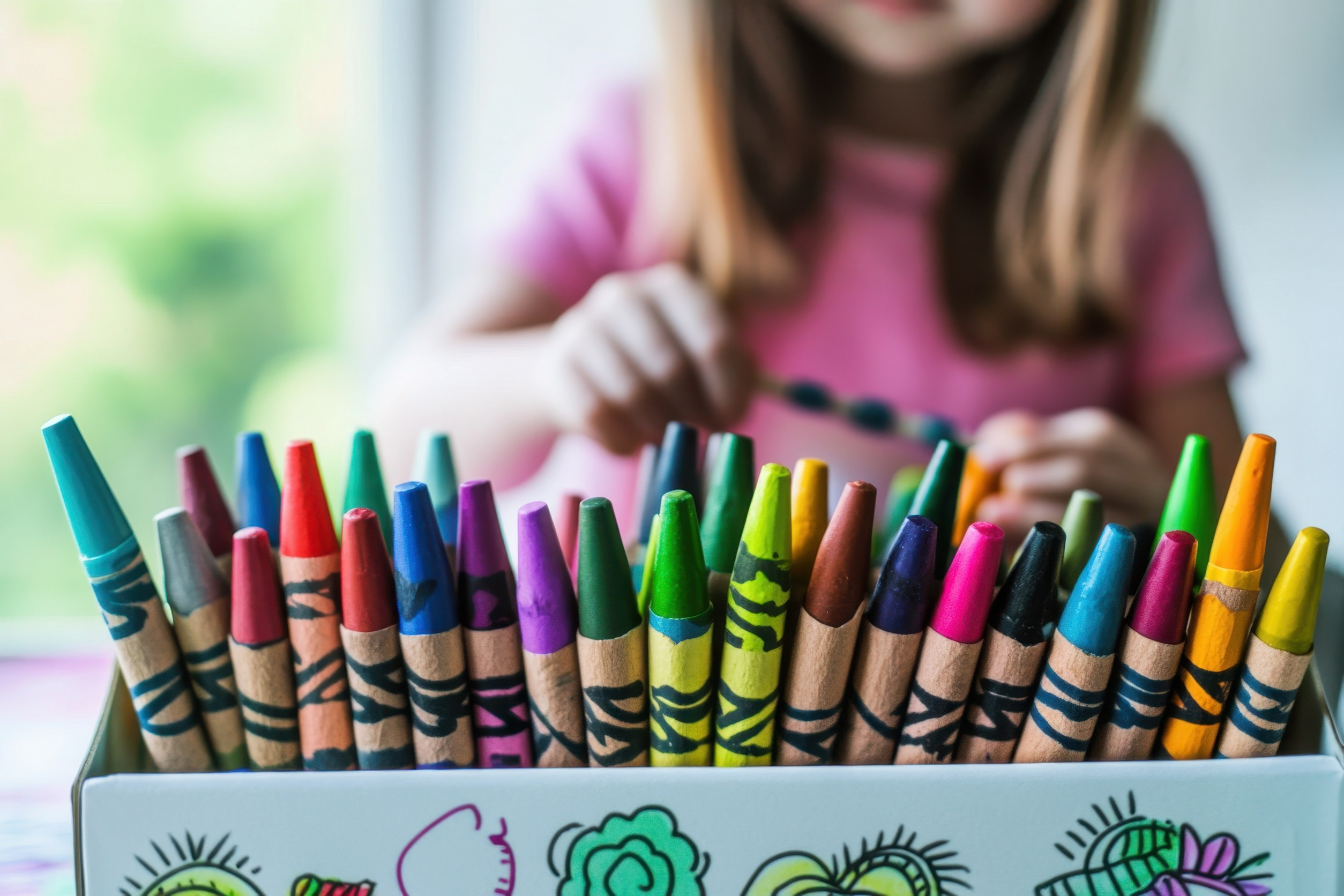
You might be shocked to learn that some crayons and colored powders have tested positive for asbestos contamination due to talc. Talc is a mineral that can naturally occur near asbestos in the earth, and when not properly refined, both can end up in finished products. Asbestos is a well-known carcinogen, and the idea that it could be in your child’s craft box is deeply concerning. Always buy from reputable brands and check for third-party testing on crayons, chalk, and powders. Steers clear of novelty or off-brand supplies that don’t disclose their ingredient sources.

8. Inflatable Toys Made with Toxic Plasticizers

Inflatable balls, beach toys, and bouncy castles are often made from PVC and include plasticizers to maintain flexibility. These plasticizers can include phthalates and other compounds tied to cancer and hormonal disruption. Since these toys are often used outdoors and in warm conditions, they’re more likely to break down and release harmful chemicals. Look for inflatable toys labeled phthalate-free or made with alternative materials like TPU (thermoplastic polyurethane). These provide the same fun without the hidden risk.

9. Glow Sticks and Glow-in-the-Dark Toys

Glow products are a hit with kids at parties and nighttime events, but many contain dibutyl phthalate or similar chemicals inside. While they’re generally safe when intact, cracks or leaks can expose your child to these toxic substances. Contact with the skin or eyes can be irritating, and ingestion may require medical attention. These additives are not just unpleasant—they are flagged as potential cancer-causing materials in high exposure scenarios. If you love glow products, opt for LED-based alternatives instead.

10. Soft Plastic Toys from Unknown Brands

Those squishy, squeezable plastic toys are fun and affordable, but many are manufactured with minimal regulation. When they come from unknown brands or lack safety labeling, the risk of cancer-causing materials increases. Without proper oversight, they may contain banned substances or dangerously high levels of toxins. Kids often play with these for extended periods or even nap with them, increasing daily exposure. Choose toys from verified brands that submit to strict third-party chemical testing and provide full transparency.

Choosing Safe Doesn’t Mean Choosing Less Fun

Protecting your child from cancer-causing materials doesn’t mean emptying the toy box or never buying new things again. It’s about staying informed, reading labels, and opting for quality over quantity. Even small shifts—like choosing wooden toys with non-toxic paint or ditching vinyl backpacks—can make a meaningful difference. Safe toys still bring plenty of fun, just without the hidden risks. With a little research and care, you can shop smarter and help your child play safer.

Have you ever discovered a hidden danger in one of your child’s toys? Share your story or tips for safer toy shopping in the comments below!

Read More:

8 Everyday Products Dangerous for Toddlers

5 Toys That Were Never Designed to Be Used by Children

Catherine Reed
Catherine Reed

Catherine is a tech-savvy writer who has focused on the personal finance space for more than eight years. She has a Bachelor’s in Information Technology and enjoys showcasing how tech can simplify everyday personal finance tasks like budgeting, spending tracking, and planning for the future. Additionally, she’s explored the ins and outs of the world of side hustles and loves to share what she’s learned along the way. When she’s not working, you can find her relaxing at home in the Pacific Northwest with her two cats or enjoying a cup of coffee at her neighborhood cafe.

Filed Under: Parenting Tagged With: cancer-causing materials, child safety products, eco-friendly toys, kids' health, non-toxic toys, parenting tips, safe toy shopping, toxic toys, toy safety

« Previous Page
Next Page »
  • Facebook
  • Pinterest
  • RSS
  • Twitter
Best Parenting Blogs

Most Popular

Baby Girl

12 “Grandma” Baby Names That Are Suddenly Cool Again

Evan Morgan
Baby

9 Baby Names That Sound Rare Without Being Hard to Spell

Evan Morgan
Target Store

Choking Incident Prompts Recall of 49,000 Target Gigglescape “Under the Sea” Popping Toys

Evan Morgan
Frustrated Girl

Why Some Students on the Spectrum Are Labeled With ODD

Evan Morgan
Coke Bottles

12 Things Kids Took to School in the ’70s That Would Never Be Allowed Today

Evan Morgan

All content on Kids Ain’t Cheap is for entertainment purposes only. By reading this blog, you agree that Kids Ain’t Cheap is not responsible for any actions taken after reading this blog. For the full disclaimer, see our privacy policy.

Please note that Kids Ain’t Cheap has financial relationships with some of the merchants mentioned here. Kids Ain’t Cheap is funded by banner advertising, commission sales and search optimization consulting.

Copyright © 2006–2026 | District Media | All Rights Reserved | Privacy Policy

Copyright © 2026 Runway Pro Theme by Viva la Violette