• Home
  • About Us
  • Toolkit
  • Archives
  • Advertise
  • Privacy Policy

Kids Ain't Cheap

But They Sure Are Worth It

  • Parenting
    • Baby Stuff
    • Books and Reading
      • Aesops Fables
      • Comic Books
    • Education
    • Family Time
    • Green Living
    • Growing Up
    • Healthy Living & Eating
    • Holidays
    • Parenting
    • Random Musings
    • Shopping
    • Stuff to Do
  • Money
  • Product Reviews
    • Books and Magazines
    • Discount Sites
    • Furniture
    • House Keeping
    • Reviews News
    • Toys and Games
  • Contact Us
  • Our Editorial Commitment
  • Search

Beyond The Cute: 7 Used Baby Items You Should Never Buy

July 24, 2025 | Leave a Comment

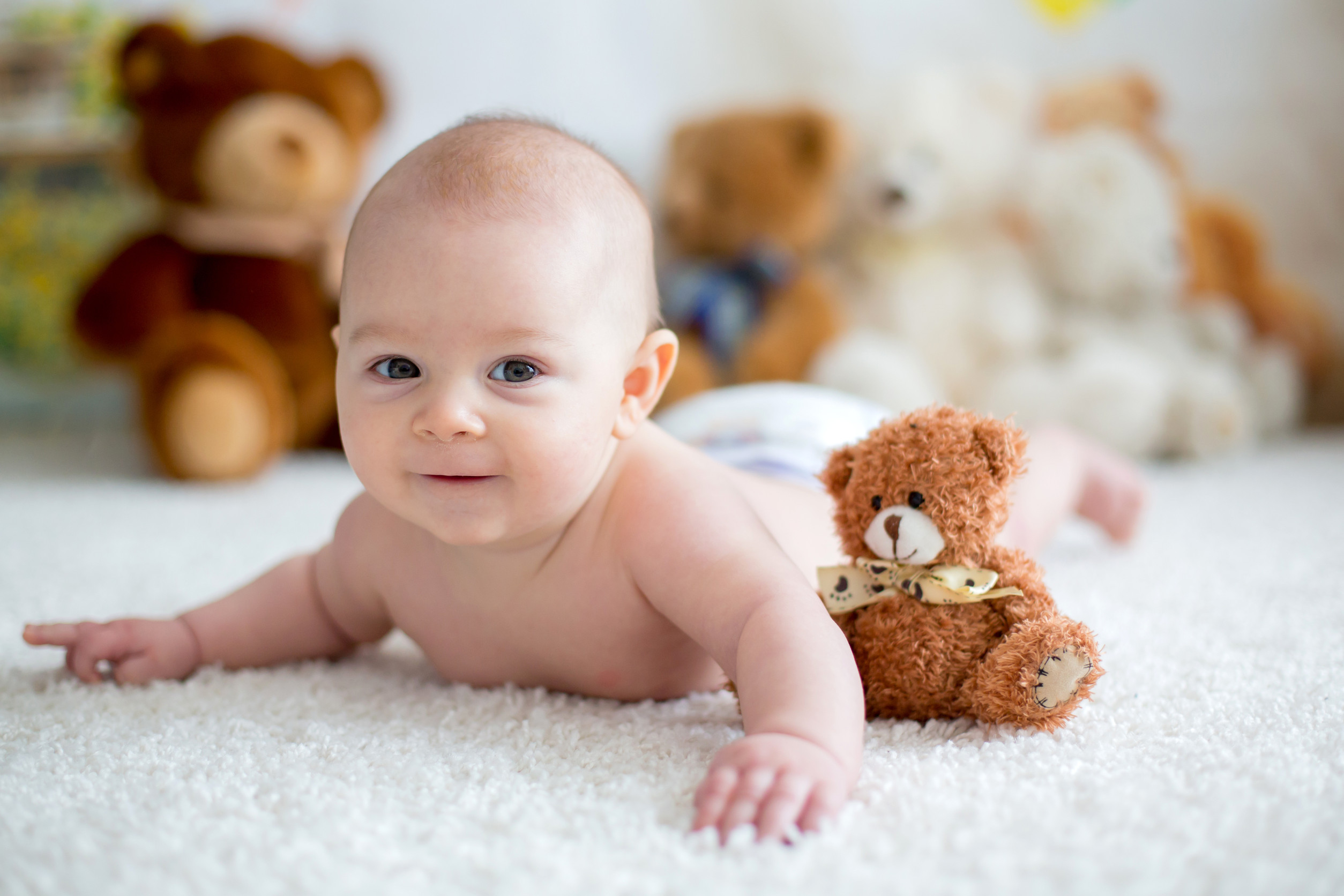
Beyond The Cute 7 Used Baby Items You Should Never Buy
Image source: 123rf.com

Thrift stores, neighborhood swaps, and hand-me-downs can be goldmines for frugal parents, but not everything is safe to scoop up secondhand. While saving money is smart, there are certain used baby items you should never buy due to safety risks, wear and tear, or hygiene concerns. Even if something looks perfectly fine or comes from someone you trust, that doesn’t mean it meets today’s safety standards. When it comes to your baby’s well-being, some shortcuts simply aren’t worth it. Knowing what to skip on the resale rack can help you avoid costly mistakes and keep your little one safer.

1. Car Seats with an Unknown History

Car seats are one of the most critical safety items for your baby, but they come with an expiration date. Buying a used one might seem like a great deal, but unless you know its full crash history, you’re taking a big risk. Even a minor fender bender can compromise a seat’s integrity in ways that aren’t visible. Additionally, car seat safety standards change over time, and older models might not meet current guidelines. It’s always best to buy new or borrow from someone you know and trust who can confirm its full background.

2. Cribs That Don’t Meet Current Safety Standards

Used cribs often look charming, especially those with a vintage touch, but many of them are unsafe by today’s standards. Drop-side cribs, which were popular for years, have been banned due to serious safety concerns. Slats that are too far apart or corner posts that can catch clothing create strangulation hazards. Even newer cribs may have loose screws or missing hardware that can’t be replaced. When it comes to sleep safety, your best bet is buying a crib new or making sure a used one has been certified as compliant.

3. Used Breast Pumps

It may seem like a good idea to buy or borrow a breast pump, especially since they can be pricey, but this is a personal-use medical device. Many pumps are not designed for multiple users, and unless it’s a hospital-grade closed system, there’s a risk of bacteria or mold contamination. Even with sterilization, internal tubing and motors may harbor lingering residue. Pumps also lose suction over time, which can affect milk supply and pumping efficiency. If cost is a concern, check if your insurance will cover a new pump or look for local resources offering them free or discounted.

4. Mattresses That Have Been Previously Used

A used crib or bassinet mattress can hide more than just stains. Over time, mattresses lose their firmness and can develop dips that pose suffocation risks to infants. More concerning is the potential for mold, mildew, or dust mites, which are hard to see and harder to clean. Studies have even suggested a possible link between secondhand mattresses and an increased risk of SIDS. When shopping secondhand, skip the mattress and invest in a fresh, firm one designed for infant use.

5. Baby Bottles and Nipples

Used baby items you should never buy include those that go directly into your baby’s mouth, like bottles and nipples. Even with thorough cleaning, used bottles can develop micro-scratches that harbor bacteria. Nipples degrade quickly and should be replaced often even in regular home use. Additionally, older bottles may contain BPA or other outdated materials no longer considered safe. Bottles are relatively inexpensive and definitely worth buying new for peace of mind.

6. Baby Shoes and Hard-Soled Footwear

Tiny shoes are adorable, but used footwear can do more harm than good. Babies’ feet are still forming, and wearing shoes that have molded to another child’s foot can impact their development. Used shoes may also be stretched, worn unevenly, or lacking support where it’s needed most. While soft booties for non-walkers are generally fine, walking shoes should always be fitted to your child. It’s better to invest in one good new pair than cycle through multiple used ones.

7. Pacifiers and Teething Toys

Pacifiers and teething toys are constantly going in and out of babies’ mouths, which makes hygiene a top concern. Over time, the materials can break down or develop cracks, creating the perfect environment for bacteria and mold. Even if a used pacifier looks clean, there’s no way to guarantee it’s safe. Older models may also not meet current safety standards or could be part of a past recall. These items are cheap to replace and should always be bought new.

Saving Smart Means Knowing When to Say No

Shopping secondhand is a great strategy for stretching your baby budget, but not everything is worth the savings. Knowing the used baby items, you should never buy helps you avoid health hazards, safety risks, and hidden costs in the long run. Focus your thrifting efforts on items like clothes, toys, and books—things that are easier to inspect and sanitize. For gear that protects your baby’s health and development, go for new or certified-safe items only. Sometimes, peace of mind is the most valuable deal of all.

Have you ever regretted buying a baby item secondhand? Share your story or your best thrifting tips with fellow parents in the comments.

Read More:

Are You Wasting Money? 6 Baby Items New Parents Regret Buying

6 Urgent Safety Checks for Baby Gear

Catherine Reed
Catherine Reed

Catherine is a tech-savvy writer who has focused on the personal finance space for more than eight years. She has a Bachelor’s in Information Technology and enjoys showcasing how tech can simplify everyday personal finance tasks like budgeting, spending tracking, and planning for the future. Additionally, she’s explored the ins and outs of the world of side hustles and loves to share what she’s learned along the way. When she’s not working, you can find her relaxing at home in the Pacific Northwest with her two cats or enjoying a cup of coffee at her neighborhood cafe.
Filed Under: Parenting Tagged With: baby gear safety, baby product safety, baby shopping tips, frugal parenting, parenting on a budget, parenting tips, secondhand baby items, used baby items you should never buy

The Silent Spy: 9 Popular Kids’ Games Secretly Selling Their Data

July 24, 2025 | Leave a Comment

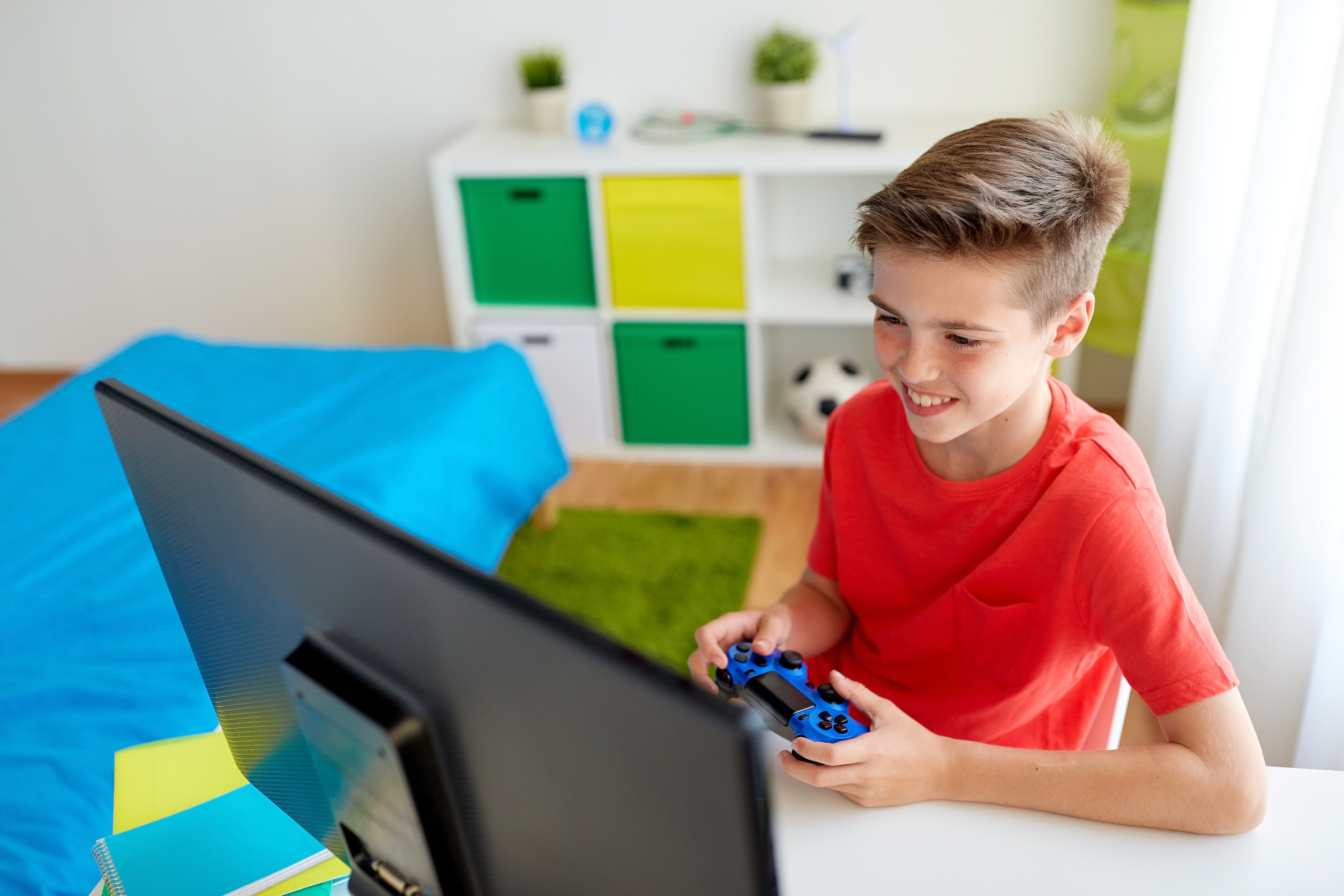
The Silent Spy 9 Popular Kids Games Secretly Selling Their Data
Image source: 123rf.com

That colorful, harmless-looking game on your child’s tablet might be doing more than keeping them entertained. Behind the music, rewards, and cartoon avatars, many kids’ games are collecting personal information and sharing it with third-party advertisers. These apps often bury the truth in lengthy privacy policies, counting on parents not to dig too deep. But data tracking isn’t just a minor privacy issue—it can expose your child to targeted ads, identity risks, and ongoing surveillance. Knowing which kids’ games secretly sell their data is the first step in protecting your child’s digital footprint and giving you peace of mind.

1. My Talking Tom

This cute, talking cat app is wildly popular, but it’s also one of the kids’ games secretly selling their data. While it entertains with mimicry and dressing-up features, it collects a surprising amount of user data. This includes device identifiers, location data, and behavioral tracking. The game has been criticized for vague privacy policies and not being upfront about how much data it shares with third parties. Despite its appeal, it’s worth thinking twice before letting your child interact with Tom.

2. Roblox

Roblox is a major platform where kids build and play games created by others, but it doesn’t come without risk. The app tracks user data for advertising and monetization purposes and has faced scrutiny over how it handles user privacy. While it includes parental controls, many parents are unaware of how much background data collection is happening. From avatars to chat logs, plenty of identifiable information can be stored and shared. If your child uses Roblox, take time to review and tighten the app’s privacy settings.

3. Subway Surfers

Subway Surfers is a fast-paced runner game with bright colors and addictive gameplay, making it a favorite among kids. However, it has been flagged for collecting extensive amounts of data, including precise location tracking. The app shares this information with advertisers, even when users don’t realize it’s happening. This kind of tracking opens the door to hyper-targeted ads and long-term profiling. It’s one of the clearest examples of kids’ games secretly selling their data without obvious warning.

4. Magic Tiles 3

This musical tapping game may look innocent, but it’s another data-hungry app targeting kids. Magic Tiles 3 collects device information, usage patterns, and location data, often without clear permission. These details are then handed off to advertising partners, many of which operate globally. Because the game has minimal content oversight, it combines both privacy risks and questionable in-game ads. If your child enjoys rhythm games, consider safer alternatives with stricter data protections.

5. Angry Birds 2

The Angry Birds franchise has long been a hit with kids, but its data practices have been equally long criticized. Angry Birds 2 collects everything from usage habits to in-app behaviors and shares them with multiple ad networks. The game’s monetization model relies heavily on behavioral tracking, which directly influences the ads your child sees. Even without logging in, gameplay behavior can be tied to a unique device ID. Parents should know that this game has become more about data than just flying birds.

6. Fun Kid Racing

This simple racing game might look like a safe pick for young kids, but it’s a surprising entry among kids’ games secretly selling their data. The app tracks your child’s usage and shares data with third-party ad services—many of which aren’t child-focused. Additionally, the in-game ads are often not age-appropriate, exposing young players to marketing that doesn’t match their maturity level. Apps like these highlight how data tracking often comes wrapped in harmless-looking packages.

7. Princess Salon

Princess-themed games are a go-to for many young kids, but Princess Salon crosses the line when it comes to privacy. It’s been cited by watchdog groups for excessive data collection and sharing practices. The app gathers user behavior, device identifiers, and browsing habits, then hands that data off to advertisers. Despite its sweet and sparkly interface, it’s a behind-the-scenes data trap. Parents should be cautious of beauty and fashion games that overreach into personal privacy.

8. Candy Crush Soda Saga

This puzzle game is as addicting as it is data-hungry. While it markets itself to all ages, Candy Crush Soda Saga tracks user patterns aggressively for ad targeting. It stores interaction habits, time spent playing, and even payment attempts—data that’s valuable to marketers. The app also requires permissions that can expose more of your device than you’d expect from a casual game. It’s a reminder that even well-known brands can be major culprits in sharing kids’ gaming data.

9. Talking Angela

Talking Angela, much like its cousin Talking Tom, has long faced rumors and controversy over privacy issues. While some of the creepier myths have been debunked, it’s true that the game collects and sells personal data. This includes everything from voice recordings to browsing habits if permissions are granted. The app markets to kids but doesn’t always handle their data with the care you’d expect. It’s another example of a friendly face hiding a digital trail.

Digital Fun Shouldn’t Come at the Cost of Privacy

As entertaining as these games may be, the reality is that many kids’ games secretly selling their data prioritize ad revenue over safety. Children can’t understand the risks of data tracking, and many parents don’t realize what permissions they’ve approved. The best defense is awareness—review privacy settings, choose apps with certified kid-safe standards, and avoid games that don’t clearly disclose their data practices. By taking control now, you can ensure playtime stays fun, safe, and private.

Have you ever been shocked by the data practices of a game your child plays? Share your experience or trusted kid-safe apps in the comments below.

Read More:

9 Privacy Settings You Didn’t Know Existed for Kids’ Devices

9 Online Scams That Mimic Kids’ Games to Trick Them

Catherine Reed
Catherine Reed

Catherine is a tech-savvy writer who has focused on the personal finance space for more than eight years. She has a Bachelor’s in Information Technology and enjoys showcasing how tech can simplify everyday personal finance tasks like budgeting, spending tracking, and planning for the future. Additionally, she’s explored the ins and outs of the world of side hustles and loves to share what she’s learned along the way. When she’s not working, you can find her relaxing at home in the Pacific Northwest with her two cats or enjoying a cup of coffee at her neighborhood cafe.

Filed Under: Parenting Tagged With: child data privacy, digital parenting, family tech tips, kids app safety, kids online safety, kids' games secretly selling their data, mobile games for kids, protect kids' data, tracking in apps

Toxic Playtime: 10 Popular Kids’ Toys With Harmful Chemicals

July 24, 2025 | Leave a Comment

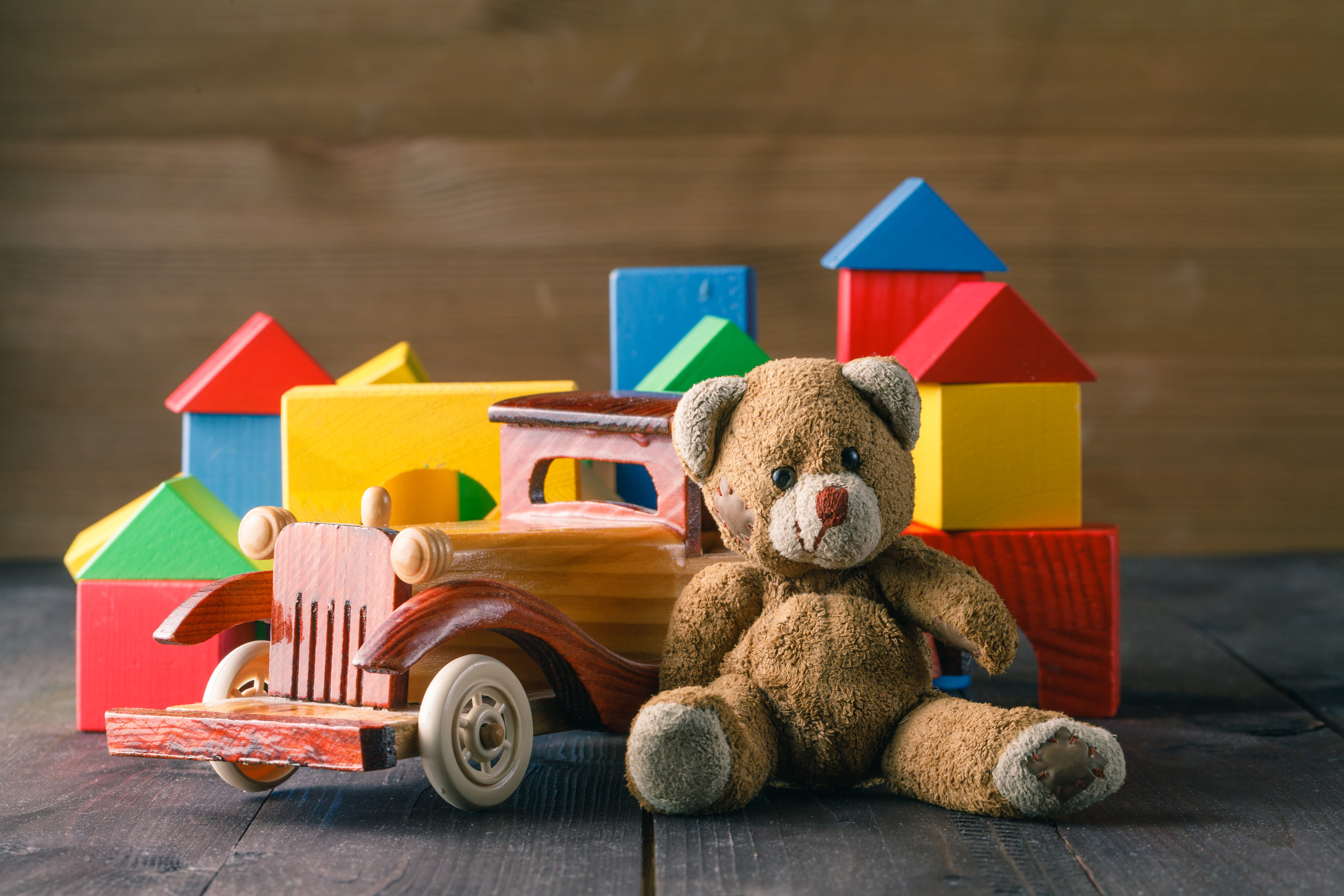
Toxic Playtime 10 Popular Kids Toys With Harmful Chemicals
Image source: 123rf.com

Toys are supposed to bring joy, spark imagination, and support your child’s development—not put their health at risk. Yet many kids’ toys with harmful chemicals still end up on store shelves and in playrooms across the country. From colorful plastics to squishy textures, some of the most loved items may quietly expose your child to toxins like lead, phthalates, BPA, and formaldehyde. These chemicals can disrupt hormones, irritate skin, or even contribute to long-term health problems. Knowing which toys to avoid (or replace) gives you the power to protect your little one during playtime.

1. Plastic Bath Toys with Phthalates

That cheerful yellow rubber duck might look harmless, but many bath toys are made with soft PVC plastic that contains phthalates. These chemicals are used to soften plastic but have been linked to hormonal disruptions in young children. Since bath toys are often chewed or squeezed in warm water, they can leach chemicals more easily. Unfortunately, many aren’t labeled with clear ingredient information. When shopping, look for toys made from phthalate-free materials like silicone or hard plastic certified as non-toxic.

2. Cheap Plastic Dolls with PVC

Many mass-market dolls are made from PVC, which is often softened with harmful plasticizers. Even when dressed in cute clothes and sold by well-known brands, these dolls can emit a strong chemical smell—a red flag for toxic ingredients. If your child regularly hugs, sleeps with, or mouths these dolls, that chemical exposure can build up. Opt for dolls labeled BPA- and phthalate-free, or switch to fabric dolls with natural fillings. When it comes to kids’ toys with harmful chemicals, soft vinyl dolls are one of the most commonly overlooked sources.

3. Jewelry Kits with Lead and Cadmium

DIY jewelry kits may seem like creative fun, but some include beads and charms that contain lead or cadmium. These heavy metals are dangerous, especially for young children who may put finished pieces in their mouths. Lead exposure has been linked to developmental delays and learning disabilities. Even low levels of cadmium can affect the kidneys and bones over time. To be safe, choose kits made in countries with stricter safety standards and always supervise jewelry play closely.

4. Slime Kits with Borax

Slime is a favorite among kids, but some kits use borax as a main ingredient. In high quantities or with frequent contact, borax can cause skin irritation or even hormonal disruption. Homemade slime recipes often call for it too, increasing risk through repeated exposure. While a little slime now and then isn’t likely to cause major harm, frequent use without gloves can be concerning. Look for borax-free options or buy pre-made slime from brands that test for chemical safety.

5. Foam Puzzle Mats Containing Formamide

Foam puzzle mats are often used in playrooms for comfort and safety, but many contain formamide, a chemical used in the manufacturing process. Formamide has been linked to respiratory and reproductive issues, especially when mats off-gas in enclosed spaces. Even worse, young children crawl, roll, and play directly on these mats every day. Choose mats made without formamide or certified as low-VOC. Let new mats air out for several days before use, especially in small rooms.

6. Imported Toys with Poor Safety Oversight

Toys made in countries with lax safety regulations are more likely to contain harmful materials. Items bought from unknown online sellers or discount import stores often lack proper testing. These toys may include lead-based paints, unsafe plastics, or small parts not approved under U.S. guidelines. Always look for safety certifications like ASTM or CE on packaging. Being cautious about where toys are made is one of the best defenses against kids’ toys with harmful chemicals.

7. Art Supplies with Toxic Additives

Not all crayons, markers, and paints are created equal. Some inexpensive art supplies contain heavy metals, petroleum-based solvents, or other dangerous ingredients. Since kids often get paint on their hands (and sometimes their mouths), the risk is more than theoretical. Look for products labeled “non-toxic” and certified by the ACMI (Art and Creative Materials Institute). Avoid items with strong chemical smells, which often signal harmful additives.

8. Glow-in-the-Dark and Light-Up Toys with Unsafe Batteries

Toys that light up or glow are exciting but can also be dangerous if they use button batteries. If swallowed, button batteries can cause serious internal injuries in minutes. In addition, some of the glowing materials used in cheap toys may contain phosphors or other toxic elements. Always make sure battery compartments are screwed shut and avoid glow toys unless the materials are clearly labeled as safe. Light-up fun should never come with hidden risks.

9. Teething Toys Made from Unsafe Plastics

Teething toys are meant to go straight into your baby’s mouth, so the materials they’re made from matter a lot. Some older or off-brand teethers contain BPA, PVC, or phthalates, which can leach under pressure and warmth. Even newer teethers might not meet modern safety guidelines if they come from questionable sources. Choose teething products made from medical-grade silicone or natural rubber, and stick with reputable brands. This is one area where cutting corners isn’t worth the risk.

10. Plush Toys Treated with Flame Retardants

Stuffed animals might seem cozy and safe, but many are treated with flame retardants that contain toxic chemicals. These additives can release particles over time, especially when toys are hugged, chewed, or washed repeatedly. Some flame retardants have been linked to cancer and developmental delays. Look for plush toys labeled as untreated or made from organic materials. Keeping your child’s sleep and cuddle buddies chemical-free is a great step toward a safer home.

Safer Play Starts with Smarter Picks

Protecting your child doesn’t mean banning fun—it means being informed about what’s in their favorite toys. Kids’ toys with harmful chemicals are still too common, but parents can take control by choosing safer materials, reading labels, and supporting transparent brands. A little extra attention during the buying process goes a long way in creating a healthier play environment. When playtime is safe, everyone has more fun—without the toxic side effects.

Have you discovered a toy with hidden chemicals in your home? Share your experience and favorite safe brands in the comments to help other parents shop smart.

Read More:

5 Toys That Were Never Designed to Be Used by Children

Before You Buy: 10 Popular Kids’ Toys With Cancer-Causing Materials

Catherine Reed
Catherine Reed

Catherine is a tech-savvy writer who has focused on the personal finance space for more than eight years. She has a Bachelor’s in Information Technology and enjoys showcasing how tech can simplify everyday personal finance tasks like budgeting, spending tracking, and planning for the future. Additionally, she’s explored the ins and outs of the world of side hustles and loves to share what she’s learned along the way. When she’s not working, you can find her relaxing at home in the Pacific Northwest with her two cats or enjoying a cup of coffee at her neighborhood cafe.

Filed Under: Parenting Tagged With: baby toy safety, chemical-free toys, child health, eco-friendly toys, kids' toys with harmful chemicals, parenting tips, safe playtime, toxic toys, toy safety

Shocking Reality: 10 Popular Baby Items With Carcinogens

July 24, 2025 | Leave a Comment

Shocking Reality 10 Popular Baby Items With Carcinogens
Image source: 123rf.com

When it comes to your baby, safety is always the top priority. So it’s unsettling to discover that some of the most common baby items with carcinogens are sitting right in your nursery or diaper bag. Parents trust that products designed for infants have been thoroughly vetted, but loopholes in regulations and lax labeling laws mean many toxins still sneak through. From crib sheets to shampoos, the threat is real—but so is the power of awareness. Knowing what to look for can help you make smarter choices and reduce your child’s long-term exposure to harmful chemicals.

1. Baby Shampoos That Contain Formaldehyde

Many popular baby shampoos once contained formaldehyde-releasing preservatives, and shockingly, some still do. Even though formaldehyde is a known human carcinogen, it’s sometimes added as a byproduct of preservatives like DMDM hydantoin. While some companies have phased it out, not all have, and the labels don’t always make it obvious. Parents may be unknowingly exposing their babies to a toxic chemical every bath night. Look for shampoos labeled “formaldehyde-free” and opt for brands that fully disclose their ingredients.

2. Foam Crib Mattresses with Flame Retardants

Foam crib mattresses are a staple in many nurseries, but they often contain flame retardants linked to cancer. These chemicals can off-gas over time, exposing your baby to harmful particles while they sleep. Even organic-looking products may have these substances unless they’re clearly certified. Babies spend up to 16 hours a day sleeping, making the mattress one of the most critical exposure points. Choose a mattress that is GREENGUARD Gold certified or labeled as free from polyurethane foam and flame retardants.

3. Plastic Baby Bottles Made With BPA

Despite increased awareness, baby items with carcinogens like BPA still appear on shelves. Bisphenol A (BPA) is a chemical that disrupts hormones and has been linked to several cancers. While BPA is banned in baby bottles in many countries, some older or off-brand products still contain it. Heat can cause BPA to leach into liquids, especially during warming or washing. Stick with bottles clearly marked BPA-free and avoid heating milk or formula in plastic altogether.

4. Vinyl Changing Pads and Covers

Vinyl, or PVC, is commonly used in changing pads and covers because it’s easy to wipe clean. However, PVC contains phthalates, chemicals used to make plastic soft and flexible—many of which are carcinogenic. Over time, these chemicals can off-gas or flake into the air, where babies may inhale or absorb them through skin contact. Phthalate exposure has been linked to developmental problems and certain cancers. Safer alternatives include organic cotton pads with waterproof covers made from food-grade polyethylene.

5. Baby Lotions with Parabens

Many commercial baby lotions contain parabens, which act as preservatives but may also act like estrogen in the body. This hormone disruption has been associated with breast cancer and reproductive toxicity. Babies have more permeable skin, which means these substances can enter their systems more easily. Fragrances, another concern, are often labeled vaguely and can hide even more harmful ingredients. Stick with lotions that are paraben-free, fragrance-free, and made from simple, plant-based ingredients.

6. Stroller Padding Treated With PFAS

PFAS, also known as “forever chemicals,” are used to make fabrics stain and water resistant. Unfortunately, these same chemicals are also linked to a variety of cancers, including kidney and testicular cancer. Stroller padding, car seat linings, and highchair cushions are common sources. Because babies often chew on or touch these surfaces, the risk of ingestion is high. Seek out baby gear that is PFAS-free and instead uses untreated, washable fabrics.

7. Teething Toys Made from Unsafe Plastics

Chewing is a developmental milestone, but some teething toys are made from plastics that contain known toxins. PVC, phthalates, and even heavy metals have been found in unregulated toys. Since these items go directly in a baby’s mouth, any exposure to carcinogens is concerning. Just because a product is labeled “non-toxic” doesn’t mean it’s free of all risks. Choose teethers made from medical-grade silicone or natural rubber and look for reputable third-party safety certifications.

8. Laundry Detergents with Optical Brighteners

Your baby’s freshly washed clothes may come with an invisible risk if you’re using detergents with optical brighteners. These compounds give fabrics a “whiter” look but can also leave behind residue that irritates sensitive skin and may contain carcinogenic ingredients. Detergents made for adults often sneak into baby laundry routines, especially for busy families. Look for baby-safe detergents that are fragrance-free, dye-free, and clearly marked for sensitive skin. What touches your baby’s skin daily matters more than you think.

9. Baby Food Jar Linings Containing BPA

While most focus has been on baby bottles, fewer parents realize that some baby food jar lids are lined with BPA-containing resins. Heating these jars or even prolonged storage can cause leaching of BPA into the food. Since babies have developing systems, their bodies are more vulnerable to hormone disruptors and carcinogens. Check for brands that use BPA-free packaging and prioritize fresh or homemade baby food when possible. It’s not just what they eat, but how it’s packaged.

10. Nursery Paints That Emit VOCs

Paint might seem harmless once dry, but many nursery walls are coated with paints that release volatile organic compounds (VOCs) for months after application. VOCs include carcinogens like benzene and formaldehyde and can affect indoor air quality. Babies are especially sensitive to these airborne chemicals due to their small size and immature lungs. Even low-VOC paints can emit harmful substances if not applied properly. Look for zero-VOC, third-party certified paints and ventilate the room thoroughly before baby sleeps in it.

Empowerment Through Awareness Starts with You

Discovering that baby items with carcinogens are more common than expected can feel overwhelming. But you don’t need to toss everything and start from scratch. Awareness allows you to make informed swaps one item at a time, improving your child’s safety with each choice. Whether it’s changing your detergent or choosing a different teether, small actions can lead to a healthier environment. Your vigilance today helps build a safer tomorrow for your baby.

Have you found a surprising ingredient or material in your baby’s products? Share your discoveries and tips in the comments below.

Read More:

The Quiet Killer: 8 Hidden Hazards In Your Nursery You’re Not Checking

9 Privacy Settings You Didn’t Know Existed for Kids’ Devices

Catherine Reed
Catherine Reed

Catherine is a tech-savvy writer who has focused on the personal finance space for more than eight years. She has a Bachelor’s in Information Technology and enjoys showcasing how tech can simplify everyday personal finance tasks like budgeting, spending tracking, and planning for the future. Additionally, she’s explored the ins and outs of the world of side hustles and loves to share what she’s learned along the way. When she’s not working, you can find her relaxing at home in the Pacific Northwest with her two cats or enjoying a cup of coffee at her neighborhood cafe.
Filed Under: Parenting Tagged With: baby health, baby items with carcinogens, baby product warnings, baby safety, carcinogens, chemical-free nursery, eco-friendly parenting, safe baby gear, toxic baby products

Are They Listening? 7 Kid Gadgets Secretly Recording Your Family

July 23, 2025 | Leave a Comment

Are They Listening 7 Kid Gadgets Secretly Recording Your Family
Image source: 123rf.com

Your child’s toys may be adorable and high-tech, but some of them could be doing more than just playing music or answering questions. Many modern devices marketed to kids come equipped with microphones, cameras, and internet connectivity that quietly capture what’s going on around them. Without proper settings or awareness, you might be welcoming devices into your home that collect data, record conversations, and even transmit audio to third parties. And it’s not just what your child says—your entire family may be part of the background. Let’s take a closer look at seven kid gadgets secretly recording your family and what you can do to protect your privacy.

1. Smart Speakers and Kids’ Voice Assistants

Devices like Amazon Echo Dot Kids and Google Nest with child-friendly features can listen 24/7 if not properly configured. These smart speakers are designed to respond to voice commands, but they may also pick up conversations in the background and store recordings in the cloud. Parents often assume the child version is safer, but the basic function remains the same. Unless privacy settings are reviewed and history is regularly deleted, your family’s daily chatter could be logged and analyzed. These speakers are some of the most well-known kid gadgets secretly recording your family, even if unintentionally.

2. Interactive Dolls and Plush Toys

Several smart toys like talking teddy bears or dolls with built-in microphones are capable of recording and transmitting audio. Some have been flagged in the past for collecting data without proper encryption, making them vulnerable to hacking. These toys may store recordings or send data back to manufacturers for “product improvement,” often buried in the fine print of user agreements. Your child thinks they’re just talking to a friend, but in reality, the toy could be listening to everything nearby. This puts cuddly toys high on the list of kid gadgets secretly recording your family without you knowing it.

3. Smartwatches for Kids

Kids’ smartwatches often include GPS tracking, voice calling, and recording functions to keep parents informed. But these features can backfire when the watch records more than it should or when conversations are stored by the manufacturer. In some cases, parents can remotely activate microphones without the child knowing, raising privacy concerns for everyone in earshot. If a child is wearing the watch during family conversations or school, unintended recordings may occur. These wearables are growing in popularity but are often kid gadgets secretly recording your family through everyday use.

4. Educational Tablets and Apps

Tablets like Amazon Fire Kids Edition or iPads with learning apps are a staple in many homes, but some apps request microphone or camera access without needing it for gameplay. If permissions are granted, these apps can access your child’s voice or camera feed during playtime. Some even collect data on how your child speaks or reacts, labeling it as behavioral tracking. This kind of data can be sold or used to fine-tune ad targeting, all without your knowledge. That’s why tablets and learning apps are quiet contributors to the list of kid gadgets secretly recording your family.

5. Smart Baby Monitors and Cameras

Monitors with voice command, app access, or video streaming features are meant to give parents peace of mind, but they often come at a cost to privacy. Many have built-in microphones that stream audio through cloud services, making them vulnerable to breaches or unwanted surveillance. If improperly secured, some models have even allowed strangers to speak through them or access live feeds. This risk extends beyond the baby’s room when monitors are portable or moved into play spaces. Baby monitors are one of the most overlooked kid gadgets secretly recording your family, especially if you skip regular firmware updates.

6. Bluetooth-Connected Toys

From remote control cars to coding robots, Bluetooth-connected toys often use microphones to enhance interactive play. However, unsecured Bluetooth connections can be intercepted, and the devices themselves can store voice data depending on their features. Since these toys are often used in living rooms or shared areas, they can easily record background noise, conversations, or commands. Most parents don’t think to check for a microphone when buying a toy that doesn’t “talk.” Bluetooth toys quietly fall into the category of kid gadgets secretly recording your family just by being left on or forgotten.

7. Video Game Consoles with Chat or Voice Features

Gaming consoles like the Nintendo Switch, PlayStation, or Xbox sometimes include voice chat capabilities or motion-sensitive cameras. While these features are intended for gameplay or social interaction, they can also be used to capture voice data. Some games request mic access to enhance the experience, even when offline. Kids may unknowingly leave these features running while playing, turning the system into a passive listener. These game systems round out the list of kid gadgets secretly recording your family, especially in households where gaming is a regular part of downtime.

Stay Playful, But Stay Private

You don’t have to ditch every device to protect your family’s privacy. The key is awareness and control—know which gadgets have mics or cameras, double-check app permissions, and use privacy settings to limit unnecessary access. Regularly clear audio histories, disable unused features, and have conversations with your kids about safe tech habits. As tech becomes more embedded in toys, being informed is your best line of defense. Once you know which kid gadgets secretly recording your family to monitor, you can make smarter decisions without taking the fun out of playtime.

Have you checked your child’s devices for microphone or camera access recently? What changes have you made to protect your family’s privacy? Share your tips in the comments!

Read More:

The Real Reason: Your Child’s Favorite Toy Is Secretly Spying

Preschooler Risk: 11 Online Safety Risks Your Preschooler Faces

Catherine Reed
Catherine Reed

Catherine is a tech-savvy writer who has focused on the personal finance space for more than eight years. She has a Bachelor’s in Information Technology and enjoys showcasing how tech can simplify everyday personal finance tasks like budgeting, spending tracking, and planning for the future. Additionally, she’s explored the ins and outs of the world of side hustles and loves to share what she’s learned along the way. When she’s not working, you can find her relaxing at home in the Pacific Northwest with her two cats or enjoying a cup of coffee at her neighborhood cafe.
Filed Under: Parenting Tagged With: child privacy, digital parenting, home security, kid tech safety, kids and technology, smart toy risks, smart toys, spying gadgets, voice assistant safety

Beyond The Label: 8 Medication Combinations Dangerous For Kids

July 23, 2025 | Leave a Comment

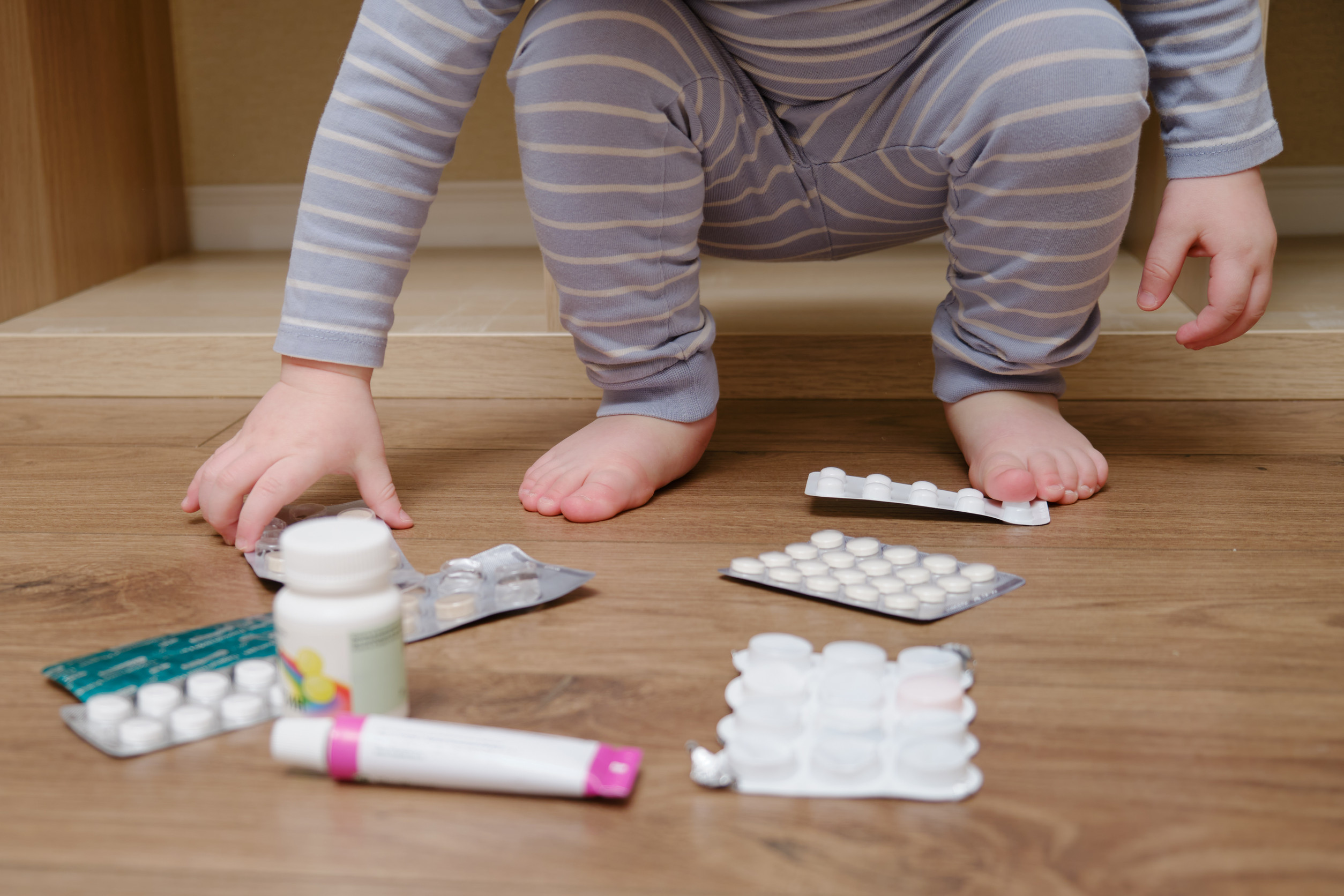
Beyond The Label 8 Medication Combinations Dangerous For Kids
Image source: 123rf.com

When your child is sick, it’s natural to reach for anything that promises relief. But sometimes, combining medications—even over-the-counter ones—can do more harm than good. Many parents don’t realize that mixing the wrong ingredients can cause dangerous side effects, allergic reactions, or overdoses. Even medications labeled as “safe for children” can become risky when paired with other seemingly harmless drugs. To help you navigate your child’s medicine cabinet with confidence, here are eight medication combinations dangerous for kids that every parent should know.

1. Acetaminophen and Cold Medicine

Many cold medications already contain acetaminophen (often listed as “APAP”), which makes it easy to double-dose without realizing it. Giving a separate dose of acetaminophen along with a multi-symptom cold remedy can quickly lead to liver damage. Since symptoms like fever and aches are common with colds, parents often give both unintentionally. Always read the label carefully and avoid layering medications unless advised by a pediatrician. This combo tops the list of medication combinations dangerous for kids because it’s so easy to overlook.

2. Ibuprofen and Aspirin

Both ibuprofen and aspirin are nonsteroidal anti-inflammatory drugs (NSAIDs), but they’re not safe to combine for children. Aspirin is especially dangerous in children due to the risk of Reye’s syndrome, a rare but potentially fatal condition. Even if you avoid aspirin, pairing it with ibuprofen can increase the risk of stomach bleeding or kidney damage. Stick to one pain reliever at a time, and never give aspirin to children unless explicitly told to do so by a doctor. The overlap of effects makes this one of the riskiest medication combinations dangerous for kids.

3. Antihistamines and Decongestants

Combining allergy medications like diphenhydramine (Benadryl) with decongestants such as pseudoephedrine (Sudafed) can cause rapid heart rate, high blood pressure, and increased drowsiness or irritability in kids. Many combination cold and allergy meds already include both, so adding an extra dose of either can result in accidental overdose. Young children are especially sensitive to these ingredients, which affect their nervous and cardiovascular systems. Always check whether a medicine is “multi-symptom” before adding anything else to the mix. This is a common yet often misunderstood medication combinations dangerous for kids’ scenario.

4. Cough Suppressants and Antihistamines

Using a cough suppressant like dextromethorphan together with an antihistamine can lead to excessive drowsiness or confusion in children. In some cases, kids may become overly sleepy, irritable, or experience trouble breathing. Parents may think treating multiple symptoms at once is helpful, but this mix can cause more discomfort than relief. Unless advised by your pediatrician, avoid giving multiple symptom relievers at the same time. The interaction makes this one of the more quietly problematic medication combinations dangerous for kids.

5. Iron Supplements and Antacids

If your child is prescribed iron for anemia, giving them an antacid (like Tums or Maalox) can interfere with iron absorption. The calcium or magnesium in the antacid can block iron from entering the bloodstream, making the supplement far less effective. Worse, this combo can also upset your child’s stomach or cause constipation. Always space out iron and antacid use by at least two hours. While it may not seem obvious, this is one of the lesser-known medication combinations dangerous for kids that can affect long-term health.

6. Antibiotics and Probiotics (Without Timing)

Probiotics can help reduce antibiotic-related side effects like diarrhea but taking them at the same time can cancel out their benefits. Antibiotics may kill the healthy bacteria in probiotics if given too closely together. This doesn’t make them inherently dangerous, but it does make them ineffective unless timed properly. To get the best result, wait at least two hours after the antibiotic dose before giving a probiotic. Without proper timing, this common pairing becomes a counterproductive medication combination dangerous for kids’ issue.

7. Multiple Products with Diphenhydramine

Diphenhydramine, found in Benadryl and many nighttime cold medications, is not meant to be stacked. Giving your child more than one product with this ingredient can lead to extreme drowsiness, confusion, or even seizures. Parents may not realize that the “PM” version of a cold med or allergy relief is already packed with this sedative. Always check the active ingredient list and avoid duplicates. This overlap of a single ingredient across brands is one of the sneakiest medication combinations dangerous for kids.

8. Herbal Supplements and Prescription Medications

Natural doesn’t always mean safe. Herbal remedies like St. John’s Wort, echinacea, or even melatonin can interact poorly with prescription medications for ADHD, asthma, or anxiety. These interactions may affect how well the prescription works or cause unexpected side effects. It’s essential to tell your child’s doctor about any vitamins or supplements they’re taking. Unregulated herbal products are often unrecognized medication combinations dangerous for kids, especially when mixed with prescribed treatments.

What You Don’t Mix Matters

Kids rely on adults to manage their medications safely, but product labels can be confusing, and symptoms can tempt even careful parents to over-treat. The good news is that avoiding risky medication combinations doesn’t require a medical degree—it just takes a few extra seconds to double-check ingredients and ask your pediatrician when in doubt. Remember, more medication doesn’t always mean more relief. Understanding the medication combinations dangerous for kids is a simple way to keep your child healthier and out of the emergency room.

Have you ever caught a potentially dangerous combo before giving it to your child? What medication tips do you swear by? Share your experience in the comments!

Read More:

8 Everyday Products Dangerous for Toddlers

The Quiet Killer: 8 Hidden Hazards In Your Nursery You’re Not Checking

Catherine Reed
Catherine Reed

Catherine is a tech-savvy writer who has focused on the personal finance space for more than eight years. She has a Bachelor’s in Information Technology and enjoys showcasing how tech can simplify everyday personal finance tasks like budgeting, spending tracking, and planning for the future. Additionally, she’s explored the ins and outs of the world of side hustles and loves to share what she’s learned along the way. When she’s not working, you can find her relaxing at home in the Pacific Northwest with her two cats or enjoying a cup of coffee at her neighborhood cafe.
Filed Under: Parenting Tagged With: child safety, drug interactions, kids medication tips, medication awareness, medicine cabinet tips, OTC medicine safety, parenting advice, pediatric health, safe dosing

The Unseen Risk: 8 Common Cleaning Products Toxic For Kids

July 23, 2025 | Leave a Comment

The Unseen Risk 8 Common Cleaning Products Toxic For Kids
Image source: 123rf.com

Your home may look sparkling clean, but if you’re using the wrong products, that shine could come with hidden dangers. Many popular household cleaners contain chemicals that are perfectly legal for adult use but incredibly harmful if inhaled, touched, or ingested by children. Toddlers and young kids are especially vulnerable because of their developing systems and constant contact with floors, surfaces, and hands that go straight to their mouths. While locking cabinets is a good first step, understanding exactly what’s in your cleaning supplies is even better. Let’s shine a light on eight everyday cleaning products toxic for kids that you might not realize are putting your child at risk.

1. Bleach-Based Disinfectants

Bleach is a go-to for killing germs, but it can be extremely harsh on little lungs and skin. Even diluted, the fumes can irritate a child’s eyes, nose, and throat, especially in poorly ventilated spaces. Accidental ingestion is especially dangerous and can cause vomiting, burns, or worse. Plus, bleach residue on floors or surfaces can transfer easily to toys or hands. Because of its high toxicity, bleach tops the list of cleaning products toxic for kids that should be used with extreme caution.

2. Oven Cleaners

Oven cleaners are packed with caustic chemicals that break down grease but also pose serious health risks. Many contain sodium hydroxide or ammonia, which can cause chemical burns if touched or inhaled. The lingering fumes can stay in the air long after use and are especially harmful in small kitchens where kids may be nearby. If sprayed or spilled, these products can easily reach floors or handles that children touch. Oven cleaners are among the most hazardous cleaning products toxic for kids and should never be used when children are present.

3. Toilet Bowl Cleaners

Bright blue liquid and citrus-scented formulas may make your toilet smell fresh, but many toilet bowl cleaners are highly corrosive. They often contain hydrochloric acid or bleach, which can be life-threatening if swallowed or cause serious eye damage if splashed. Even tablet-style cleaners left inside the tank or bowl can pose a risk if curious hands reach in. Locking the bathroom isn’t always enough if these products are stored within reach. These are some of the easiest cleaning products toxic for kids to forget about, but they pose real risks.

4. Glass and Window Sprays

They might seem harmless, but glass cleaners often contain ammonia or alcohol, both of which are dangerous when inhaled or accidentally sprayed near eyes. When used on low surfaces like coffee tables or glass doors, the mist can linger where kids crawl and play. Even “streak-free” formulas may leave chemical residues that transfer easily onto hands and mouths. Kids may also mimic parents and try to spray them on their own. Glass cleaners are surprisingly common cleaning products toxic for kids because they’re often left out or kept in easy-to-reach places.

5. Air Fresheners and Scented Sprays

A home that smells clean isn’t always a healthy one. Many air fresheners contain phthalates, formaldehyde, or synthetic fragrances that can irritate breathing and trigger asthma symptoms. Continuous-release air fresheners are especially harmful since they pump chemicals into the air all day long. These compounds are easily absorbed by children’s more sensitive systems and can even disrupt hormone function. Air fresheners are sneaky cleaning products toxic for kids because they don’t feel like cleaners, but their effects are just as concerning.

6. Floor Cleaners and Mop Solutions

Children spend a lot of time on the floor, which means whatever you use to mop matters more than you might think. Strong chemical-based floor cleaners often contain solvents and synthetic fragrances that can linger and be absorbed through bare feet or transferred to toys. Even residue from “no-rinse” products can cause skin irritation or be harmful if licked off of fingers or pacifiers. Just because the floor looks clean doesn’t mean it’s safe. Floor cleaners rank high among cleaning products toxic for kids because of how easily they come into contact with children’s skin.

7. Multi-Surface Cleaners

Marketed for convenience, multi-surface cleaners often contain a mix of surfactants, solvents, and artificial scents. While they might work on everything from countertops to doorknobs, their chemical content can be problematic. Children are constantly touching these surfaces and may rub their eyes or put their hands in their mouths right after. These cleaners often leave a residue that builds up with repeated use. Versatility comes at a cost with these cleaning products toxic for kids, especially if used daily without wiping down afterward.

8. Dishwashing Pods and Detergents

Colorful and squishy, dishwashing pods are dangerously tempting for curious kids. Many contain concentrated detergents that can cause chemical burns, respiratory distress, or even unconsciousness if swallowed. Liquid and powder detergents are also hazardous, particularly if stored under the sink where little hands can reach. Even after a wash cycle, residues from overly harsh products can cling to sippy cups or baby spoons. Dishwasher products are some of the most overlooked cleaning products toxic for kids, especially when their danger is hidden behind a child-safe lock.

Smarter Swaps, Safer Spaces

You don’t have to stop cleaning to keep your home safe—you just need to clean smarter. Many child-safe alternatives now exist, from plant-based sprays to baking soda scrubs and vinegar solutions. The key is awareness: read labels, know what you’re using, and store anything questionable out of reach. You can still have a sparkling home without compromising your child’s safety. By avoiding cleaning products toxic for kids, you create a space that’s just as healthy as it is tidy.

Have you found safer alternatives to the products on this list? What changes have helped protect your child from hidden chemical risks? Share your thoughts below!

Read More:

Is Your Home Toxic? 8 Everyday Items Poisoning Your Toddler

8 Hidden Dangers Lurking in Your Child’s Toys

Catherine Reed
Catherine Reed

Catherine is a tech-savvy writer who has focused on the personal finance space for more than eight years. She has a Bachelor’s in Information Technology and enjoys showcasing how tech can simplify everyday personal finance tasks like budgeting, spending tracking, and planning for the future. Additionally, she’s explored the ins and outs of the world of side hustles and loves to share what she’s learned along the way. When she’s not working, you can find her relaxing at home in the Pacific Northwest with her two cats or enjoying a cup of coffee at her neighborhood cafe.
Filed Under: Parenting Tagged With: babyproofing, chemical exposure, child safety, green cleaning, household safety, natural cleaning, parenting tips, safe cleaning for kids, toxic cleaners

Why The Tears Won’t Stop: 7 Tantrum Triggers You’re Missing

July 23, 2025 | Leave a Comment

Why The Tears Wont Stop 7 Tantrum Triggers Youre Missing
Image source: 123rf.com

When your toddler melts down in the middle of the grocery store or starts sobbing after what seemed like a harmless request, it’s easy to feel confused, frustrated, or even helpless. The truth is, not all tantrums are obvious or easy to predict. Kids don’t always have the words to explain what’s going on inside, and sometimes the real issue is something we never saw coming. To reduce the drama and build stronger communication, it helps to understand what’s actually fueling those big feelings. Let’s explore seven surprising tantrum triggers you’re missing that could be making your child’s tears harder to stop.

1. They’re Too Hot or Too Cold

Temperature may not seem like a big deal to you, but toddlers are much more sensitive to it than we realize. A slightly chilly breeze or an overheated car seat can cause major discomfort they don’t know how to verbalize. This physical unease can quickly snowball into irritability, fussing, or full-on tantrums. Parents often focus on hunger or tiredness first and overlook environmental discomfort. Being too hot or too cold is one of the most common tantrum triggers you’re missing, and adjusting the thermostat or layers can sometimes fix everything.

2. Overstimulation from Noisy or Busy Environments

That loud restaurant, packed playdate, or flashing toy aisle might seem fun, but it can be sensory overload for a toddler. Their developing brains can’t always process all the sounds, lights, and movement happening at once. When overstimulated, kids may lash out, cry, or simply shut down. What looks like random misbehavior may actually be a plea for calm. Overstimulation is one of those sneaky tantrum triggers you’re missing because it’s often mistaken for defiance.

3. Transitions Without Warning

Moving from one activity to another is tough for toddlers, especially if they’re deeply engaged. If they’re happily building blocks and suddenly asked to clean up and get in the car, the switch feels jarring and unfair. They need time to mentally prepare for what’s next, even if the new activity is something they usually enjoy. Giving a countdown or gentle heads-up can help avoid the struggle. Abrupt transitions are one of the most overlooked tantrum triggers you’re missing, but easy to fix with just a little planning.

4. Feeling a Loss of Control

Toddlers crave independence, but their world is full of decisions made for them. Being told what to wear, when to eat, or how to play can lead to feelings of powerlessness. Even small choices like picking between two snacks or selecting a shirt can make a big difference. Without a sense of control, frustration builds fast and explodes as a tantrum. A lack of autonomy is one of the more subtle tantrum triggers you’re missing, yet it often appears in everyday routines.

5. Reactions to Your Mood or Stress

Kids are emotional sponges, and they pick up on your anxiety, tension, or irritability—even when you don’t say a word. If you’re rushed, upset, or just overwhelmed, your child may sense the shift and react with confusion or distress. This emotional mirroring can turn into tears or tantrums that seem to come out of nowhere. Taking a moment to center yourself can help create a calmer environment for both of you. Your mood might be one of the tantrum triggers you’re missing without even realizing it.

6. Physical Needs That Aren’t Obvious Yet

Hunger, sleepiness, or needing the bathroom don’t always show up in predictable ways. A toddler might throw a fit over a toy, when really, they’re just exhausted or dealing with a full bladder. Because they’re still learning to identify and express their body’s needs, their discomfort often gets masked by what looks like bad behavior. Reading the signs and gently checking in can save everyone from a major meltdown. These basic needs are classic tantrum triggers you’re missing because they hide behind unrelated complaints.

7. Confusing Routines or Mixed Signals

When boundaries aren’t clear or routines keep changing, kids feel unsure and uneasy. If screen time is allowed one night but not the next, or bedtime routines are inconsistent, it can trigger outbursts. Toddlers thrive on predictability and need consistency to feel safe and secure. Mixed messages, even unintentional ones, can create frustration that builds into a tantrum. Confusing expectations are frequently tantrum triggers you’re missing, especially in busy or changing households.

More Empathy, Fewer Meltdowns

When you start looking beyond the surface of a tantrum, the real causes become easier to understand—and easier to manage. Toddlers aren’t trying to make your life harder, they’re just reacting to a world that often feels too big and too fast. By paying closer attention to these subtle cues, you can respond with patience, reduce power struggles, and even prevent some of the most dramatic meltdowns. Sometimes the answer isn’t a punishment or distraction, but a shift in awareness about the tantrum triggers you’re missing.

Which of these tantrum triggers have you seen in your home? Are there others that surprised you? Drop your thoughts and tips in the comments!

Read More:

Why Your Toddler’s Tantrums Are Worse Than They Need To Be

8 Signs Your Child Is in Charge of the Household (Not You)

Catherine Reed
Catherine Reed

Catherine is a tech-savvy writer who has focused on the personal finance space for more than eight years. She has a Bachelor’s in Information Technology and enjoys showcasing how tech can simplify everyday personal finance tasks like budgeting, spending tracking, and planning for the future. Additionally, she’s explored the ins and outs of the world of side hustles and loves to share what she’s learned along the way. When she’s not working, you can find her relaxing at home in the Pacific Northwest with her two cats or enjoying a cup of coffee at her neighborhood cafe.
Filed Under: Parenting Tagged With: child behavior triggers, child routines, emotional development, parenting toddlers, tantrum prevention, tantrum tips, toddler behavior, toddler parenting advice

Your Child’s Digital Ghost: 5 Digital Footprints Your Child Secretly Leaves

July 23, 2025 | Leave a Comment

Your Childs Digital Ghost 5 Digital Footprints Your Child Secretly Leaves
Image source: 123rf.com

Even before they can spell their own name, your child may already be leaving a permanent mark online. From downloaded apps to hidden settings and innocent posts, their digital trail is forming fast and often without your knowledge. These digital footprints are more than just data—they’re a window into your child’s habits, preferences, and even vulnerabilities. Knowing where these hidden traces come from can help you better protect your child’s privacy and future. Let’s uncover the most common digital footprints your child secretly leaves and what you can do to take back control.

1. App Permissions They Don’t Understand

Many apps aimed at kids request access to microphones, cameras, location data, and contact lists—even when it’s not necessary. Young users don’t realize they’re granting this access when they tap “Allow” without reading the fine print. These permissions allow apps to gather data in the background, sometimes even when the app isn’t open. This silent tracking builds a detailed profile that could be used for targeted ads or even shared with third parties. App permissions are one of the sneakiest digital footprints your child secretly leaves, and most kids have no idea what they’ve agreed to.

2. Photos That Include Metadata

Every photo your child takes or uploads often includes hidden data called metadata, which can contain the exact time, date, and even GPS location of the picture. If shared online, this information may be visible to others and could reveal patterns about your child’s routines or whereabouts. Social media apps and cloud storage services may not automatically strip this data, especially on default settings. Even seemingly harmless selfies or pet pictures can become digital breadcrumbs. These innocent snapshots are powerful examples of digital footprints your child secretly leaves without even knowing it.

3. Saved Search and Browsing Histories

Even if your child is just Googling cartoon characters or funny videos, every search is tracked and stored. Devices, browsers, and apps often save this information by default, creating a searchable history of interests, questions, and behaviors. Over time, this data can shape what ads and content are shown to them, influencing their digital experience. What’s more, synced devices may share that search history across multiple platforms or accounts. Browsing data is one of the most common digital footprints your child secretly leaves, and it’s often stored longer than you expect.

4. Online Gaming Profiles and Chats

From usernames to avatars to chat conversations, kids leave a surprising amount of personal data while gaming online. Many games allow players to chat, friend others, and even link to social accounts, increasing the risk of oversharing. Children may reveal personal details like their age, school, or location during seemingly harmless conversations. Some gaming platforms also collect behavioral data to personalize user experiences or promote in-game purchases. Online gaming is one of the most interactive digital footprints your child secretly leaves, and the social aspect makes it harder to monitor.

5. Voice Assistant Interactions

If your home uses a smart speaker like Alexa or Google Assistant, your child’s interactions may be recorded and stored. These devices often keep logs of questions asked, commands given, and even background conversations if the device is accidentally triggered. These recordings can be saved in the cloud and reviewed later unless manually deleted. Most families don’t realize how much their smart devices are capturing in daily life. Voice commands and recordings are some of the most unexpected digital footprints your child secretly leaves, often without anyone noticing.

Awareness Is Your Child’s Best Defense

The truth is, your child doesn’t mean to leave behind a trail. In many cases, they’re simply engaging with the digital world as any curious kid would. But understanding where and how they’re being tracked helps you make smarter choices about devices, privacy settings, and conversations around digital safety. These quiet footprints aren’t always visible, but they can follow your child for years. By staying informed about the digital footprints your child secretly leaves, you give them the tools to explore safely and responsibly.

Which digital footprint surprised you the most? Have you checked your child’s privacy settings lately? Share your tips and experiences in the comments!

Read More:

6 Legal Protections for Your Child’s Digital Footprint

12 Steps to Secure Your Child’s Digital Footprint for Life

Catherine Reed
Catherine Reed

Catherine is a tech-savvy writer who has focused on the personal finance space for more than eight years. She has a Bachelor’s in Information Technology and enjoys showcasing how tech can simplify everyday personal finance tasks like budgeting, spending tracking, and planning for the future. Additionally, she’s explored the ins and outs of the world of side hustles and loves to share what she’s learned along the way. When she’s not working, you can find her relaxing at home in the Pacific Northwest with her two cats or enjoying a cup of coffee at her neighborhood cafe.
Filed Under: Parenting Tagged With: child data protection, child online safety, digital awareness, digital privacy, internet safety tips, kids and technology, parenting in the digital age, smart parenting

What You’re Missing: 6 Urgent Health Screenings Your Baby Needs

July 23, 2025 | Leave a Comment

What Youre Missing 6 Urgent Health Screenings Your Baby Needs
Image source: 123rf.com

When it comes to your baby’s well-being, timing is everything. Some health issues are hard to spot in infancy, but early detection through the right screenings can change everything. These essential checks help uncover potential problems before they become major concerns, ensuring your baby has the healthiest start possible. If you’re a new parent, it’s easy to get overwhelmed with appointments and milestones, but skipping any of these can mean missing crucial opportunities. Here’s what you need to know about the six most urgent health screenings your baby needs.

1. Newborn Hearing Test: The Quiet Start You Can’t Miss

Within the first 24 to 48 hours after birth, your baby should receive a hearing screening. This painless test checks for hearing issues that may affect speech and language development down the line. Catching hearing loss early makes it easier to take steps that can support your child’s communication skills from the start. If the hospital missed it or results were inconclusive, your pediatrician can refer you to an audiologist for follow-up. Hearing might not seem urgent in a sleeping newborn, but it’s one of the most critical health screenings your baby needs.

2. Metabolic and Genetic Screening: Behind-the-Scenes Lifesavers

Often called the heel prick test, this screening checks for rare but serious conditions like PKU, congenital hypothyroidism, and sickle cell disease. These disorders aren’t visible at birth, but without early treatment, they can lead to lifelong challenges or even death. Your baby’s heel is pricked to collect a few drops of blood, which are sent to a lab for analysis. Most results come back normal, but catching issues early allows for interventions that can literally save your child’s life. It’s easy to overlook because symptoms may not show up for weeks, but this is one of the most life-saving health screenings your baby needs.

3. Jaundice Screening: More Than a Yellow Tint

Jaundice is common in newborns, but severe cases can lead to brain damage if not treated promptly. A simple skin test or blood sample can detect elevated bilirubin levels in your baby’s system. Treatment is often easy and non-invasive, like phototherapy under special lights, but it works best when started early. Watch for yellowing in the eyes and skin, especially in the first few days after birth. This condition can worsen quickly, which is why jaundice testing remains high on the list of health screenings your baby needs.

4. Vision Screening: Catching Clues Before They’re Obvious

Vision problems can be easy to miss in babies who can’t tell you what they see. During well-baby visits, your pediatrician will examine eye movement, focus, and alignment to spot early red flags. While full vision screening comes later, these early checks help ensure healthy eye development. Issues like congenital cataracts or lazy eye may not show symptoms right away, making early screening crucial. Healthy eyes now can prevent developmental delays later, making this one of the most underappreciated health screenings your baby needs.

5. Developmental Milestone Assessments: Tracking More Than Growth

From smiling to rolling over, developmental milestones offer clues about your baby’s neurological and physical health. During wellness visits, pediatricians ask questions or perform basic evaluations to ensure your baby is on track. These assessments help spot delays early so intervention programs can begin when they’re most effective. Delays in speech, movement, or interaction don’t always mean something is wrong, but missing a pattern can hold your child back. Consider these check-ins essential—not optional—health screenings your baby needs to thrive.

6. Iron and Lead Testing: Silent but Serious Dangers

Iron deficiency and lead exposure can have lasting impacts on your baby’s brain and body development. Around 9 to 12 months, your pediatrician may recommend a blood test to check for both. Babies who are exclusively breastfed or live in older homes are at higher risk and may need earlier screening. These issues often go unnoticed until developmental or behavioral problems appear, so proactive testing matters. When looking at health screenings your baby needs, don’t overlook what’s hiding in their environment or diet.

Early Action Builds Lifelong Health

Your baby depends on you to be their advocate when they can’t speak up for themselves. Staying on top of these urgent screenings ensures that if something is wrong, you’ll catch it early—when solutions are simpler and outcomes are better. While many of these tests happen automatically in hospitals or at well-baby visits, it’s always worth double-checking that none are missed. When in doubt, ask your pediatrician what screenings are next and why matter. Healthy habits start early, and it all begins with being aware of the health screenings your baby needs.

Which of these screenings were you already aware of, and which surprised you the most? Share your experiences or questions in the comments!

Read More:

Toxic Relatives and Kids: How to Protect Their Emotional Health

Mental Health Crisis: 4 Critical Questions About Your Child’s Mental Health

Catherine Reed
Catherine Reed

Catherine is a tech-savvy writer who has focused on the personal finance space for more than eight years. She has a Bachelor’s in Information Technology and enjoys showcasing how tech can simplify everyday personal finance tasks like budgeting, spending tracking, and planning for the future. Additionally, she’s explored the ins and outs of the world of side hustles and loves to share what she’s learned along the way. When she’s not working, you can find her relaxing at home in the Pacific Northwest with her two cats or enjoying a cup of coffee at her neighborhood cafe.
Filed Under: Parenting Tagged With: baby development, baby health, early detection, health screenings, new parent checklist, newborn screenings, parenting tips, pediatric care

Beyond The Recall: 6 Baby Gear Recalls You Missed Putting Your Child At Risk

July 22, 2025 | Leave a Comment

Beyond The Recall 6 Baby Gear Recalls You Missed Putting Your Child At Risk
Image source: 123rf.com

You researched the safest stroller, read hundreds of reviews, and followed all the setup instructions—so your baby gear must be secure, right? Unfortunately, even the most trusted brands sometimes issue recalls that fly under the radar. Busy parents can easily miss announcements, leaving potentially dangerous items still in daily use. And while some baby gear recalls get national attention, many slip by unnoticed, putting your child at risk without you even knowing it. Here are six recent baby gear recalls that may have escaped your attention and what you can do to protect your little one right now.

1. Inclined Sleepers Still Hiding in Homes

Inclined sleepers like the popular Fisher-Price Rock ‘n Play were pulled from shelves years ago, but many are still in circulation. The recall was issued after dozens of infant deaths were linked to babies rolling over in these products. Despite the warning, some parents still use them for naps or overnight sleep, unaware of the risk. These recalled items are often passed down or found secondhand without any warning label. If you’re still using an inclined sleeper, stop immediately and contact the manufacturer for a refund or guidance—this is one of the most critical baby gear recalls you can’t ignore.

2. Baby Swings With Faulty Straps

A recent wave of baby gear recalls includes infant swings with defective harnesses that may come loose during use. Brands like 4moms and other popular swing makers have issued alerts about safety straps detaching or failing under pressure. If your baby’s swing was manufactured before 2022, double-check the model number against recall databases. Even if the swing appears stable, faulty straps are a silent risk, especially when used unsupervised. Registering your gear with the brand ensures you’ll be notified in case of future safety concerns.

3. Strollers With Frame Collapse Risks

Several major stroller brands, including jogging strollers and travel systems, have issued baby gear recalls due to frame collapse or detachment during use. These defects can cause serious injury if the stroller folds unexpectedly while the child is inside. The problem often arises with repeated folding over time, making it hard to detect before failure. Some models sold at big box stores and online marketplaces are affected, so it’s important to verify yours even if you bought it recently. Regular inspections and checking for manufacturer notices can prevent a simple outing from becoming an emergency.

4. Highchairs With Unstable Legs

Another overlooked recall involves highchairs with weak or unstable legs that may buckle or tip over when in use. Affected models may look fine at first glance but can become hazardous when a child shifts their weight suddenly. This type of failure is especially dangerous because it often occurs while parents are standing nearby but not directly supervising. Several brands, including both budget and premium models, have made voluntary recalls after reports of injuries. Always test your highchair’s stability and check the Consumer Product Safety Commission (CPSC) site for updates on known issues.

5. Baby Carriers with Faulty Buckles

Soft-structured baby carriers have become parenting essentials, but not all of them are built with long-term safety in mind. A number of baby gear recalls involve carriers with defective buckles or stitching that can break under the weight of a growing infant. Some off-brand carriers sold online without proper testing are especially risky, and many parents don’t think to inspect these parts regularly. If you notice fraying, loose stitching, or slipping buckles, stop using the carrier immediately. It’s worth contacting the manufacturer or checking recall databases to confirm your model is safe.

6. Play Yards With Collapsing Walls

Portable play yards are a favorite for naps, travel, and quick containment, but they’ve also been part of serious baby gear recalls for collapsing sides. If the walls or locking mechanisms fail, a baby could be trapped, fall, or become injured in the unstable structure. Some recalled models don’t meet the updated safety standards now required by law, especially older or hand-me-down play yards. Check for gaps, loose mesh, and faulty corners before each use. The safest bet is a play yard purchased within the last two years from a reputable retailer that lists compliance with federal safety standards.

Staying Ahead of Safety Without the Panic

Keeping track of baby gear recalls can feel overwhelming, but it doesn’t have to be. Most manufacturers offer registration cards or online sign-ups for recall alerts, and websites like cpsc.gov make it easy to search for product notices by brand or model. The real danger lies in not knowing these recalls exist, especially when items seem fine on the surface. Take five minutes to check your most-used gear—it’s a small step with huge peace-of-mind potential. Safety doesn’t stop at purchase, and staying informed is one of the best ways to protect your child.

Have you ever discovered you were still using recalled baby gear? Share your experience or tips for staying updated in the comments below.

Read More:

6 Urgent Safety Checks for Baby Gear

Are You Wasting Money? 6 Baby Items New Parents Regret Buying

Catherine Reed
Catherine Reed

Catherine is a tech-savvy writer who has focused on the personal finance space for more than eight years. She has a Bachelor’s in Information Technology and enjoys showcasing how tech can simplify everyday personal finance tasks like budgeting, spending tracking, and planning for the future. Additionally, she’s explored the ins and outs of the world of side hustles and loves to share what she’s learned along the way. When she’s not working, you can find her relaxing at home in the Pacific Northwest with her two cats or enjoying a cup of coffee at her neighborhood cafe.

Filed Under: Parenting Tagged With: baby gear alerts, baby gear checklist, baby gear recalls, baby product safety, child safety, CPSC alerts, infant safety, nursery safety, parenting tips

The Truth About Screens: 9 Apps Your Kids Use That Secretly Collect Data

July 22, 2025 | Leave a Comment

The Truth About Screens 9 Apps Your Kids Use That Secretly Collect Data
Image source: 123rf.com

You’ve probably checked for age ratings, double-checked screen time limits, and made sure your child isn’t exposed to inappropriate content. But there’s a hidden digital threat that flies under most parents’ radar—apps your kids use that secretly collect data. Even harmless-looking games, learning platforms, or creative apps can gather personal information like location, device habits, browsing behavior, or even voice recordings. What’s worse is that this data is often sold, shared, or stored without your knowledge, sometimes violating privacy laws meant to protect children. Here are 9 popular apps parents trust—but should definitely look into more closely.

1. TikTok

While officially recommended for users 13 and older, many younger kids still find their way onto TikTok. The app has faced multiple investigations and fines for tracking user data, including information from minors. Among apps your kids use that secretly collect data, TikTok is a top offender due to how it tracks usage habits, device identifiers, and even location information. Even in “private” mode, the app gathers metadata from video views and interactions. Parents should explore TikTok’s Family Pairing options or consider alternatives with more transparent data practices.

2. YouTube and YouTube Kids

YouTube Kids was created to offer a safer space for young viewers, but that doesn’t mean it’s free from data collection. The platform has been accused of collecting viewing history and device info, even when parental controls are on. For many families, this is one of the most trusted apps your kids use that secretly collect data, simply because it feels child-friendly on the surface. Keep in mind that any personalized recommendations come from data tracking, which may include search terms and watch behavior. Consider using ad-free options or limiting permissions in your child’s profile settings.

3. Roblox

Roblox is wildly popular for its games, avatars, and in-game purchases—but it also collects a lot of data. This includes chat history, location data, friends lists, and how your child interacts within the game. Like many apps your kids use that secretly collect data, it runs targeted ads and stores behavioral profiles to better monetize user activity. While it offers parental controls, it still tracks a surprising amount of behind-the-scenes data. Regularly review your child’s privacy settings and use a restricted account whenever possible.

4. Snapchat

Snapchat is often used by tweens and teens, despite being labeled 13+. The app is known for its disappearing messages, but that doesn’t mean your child’s data disappears with them. Snapchat collects contact lists, device identifiers, usage data, and even geolocation, especially if Snap Map is enabled. It’s one of those apps your kids use that secretly collect data even when they aren’t actively posting. Disable Snap Map, turn off location services, and have a conversation with your child about privacy before allowing use.

5. Zoom

Now commonly used for virtual school or chats with family, Zoom might not strike you as a data risk. But like other platforms, it collects usage logs, device information, and meeting metadata—sometimes more than you realize. For younger users, Zoom’s data handling has faced criticism, especially in education settings where consent isn’t always clearly outlined. Among apps your kids use that secretly collect data, Zoom’s presence in classrooms means parents should understand what’s shared and what’s optional. Check your child’s school settings or personal account privacy policy to see what data is being stored.

6. Duolingo

This popular language-learning app is educational, engaging, and surprisingly aggressive with its data tracking. Duolingo collects device info, user behavior, and performance analytics. While not as flashy as other apps your kids use that secretly collect data, it quietly builds user profiles to improve engagement and advertising. Even if your child is learning French or Spanish, the app may be learning more about them than you’d like. Be sure to review data-sharing permissions in the account settings and avoid logging in with social media accounts.

7. Minecraft (Mobile Version)

Minecraft on mobile devices, especially the Bedrock Edition, is connected to Microsoft accounts and comes with data collection tied to Xbox services. It tracks user activity, session lengths, and online interactions—even in creative mode. Though it’s not malicious, Minecraft remains one of the apps your kids use that secretly collect data, particularly through in-game purchases and online play. Parents should explore Family Safety tools in Microsoft’s dashboard and limit multiplayer access for younger players.

8. Facebook Messenger Kids

Facebook (now Meta) created Messenger Kids as a safer alternative to adult messaging platforms, but data concerns remain. While it’s promoted as COPPA-compliant, the app still gathers usage data, contacts, and interaction metrics. Among apps your kids use that secretly collect data, this one raises eyebrows simply because of its ties to Meta’s larger advertising ecosystem. Although it offers some strong parental controls, be mindful of what’s shared and how it’s stored. Monitor conversations regularly and avoid linking accounts that could expose more family data.

9. Candy Crush and Other “Free” Games

Many free-to-play games, including Candy Crush and similar titles, rely heavily on third-party advertising networks. These games track in-app behavior, device IDs, and location in order to serve personalized ads. Since they’re marketed as harmless and fun, they fall into the category of apps your kids use that secretly collect data without most parents noticing. Avoid logging in with a social media account, decline ad tracking permissions, and keep the games in guest mode when possible.

Knowledge is the Best Parental Control

When it comes to screen time, the real risk isn’t always what your child is watching—it’s what the app is watching them. Many apps your kids use that secretly collect data hide behind colorful graphics and educational content, but still gather information that can be used, shared, or sold. As a parent, you don’t have to avoid screens altogether—you just need to be a little more data-aware. Reviewing app permissions, checking privacy settings, and reading the fine print are small steps that make a big difference in your child’s digital safety.

Were you surprised by how much data these apps collect? Which ones do you monitor or avoid at home? Let’s talk privacy in the comments.

Read More:

6 Legal Protections for Your Child’s Digital Footprint

8 Privacy Concerns with Kids’ Wearables Tracking Them

Catherine Reed
Catherine Reed

Catherine is a tech-savvy writer who has focused on the personal finance space for more than eight years. She has a Bachelor’s in Information Technology and enjoys showcasing how tech can simplify everyday personal finance tasks like budgeting, spending tracking, and planning for the future. Additionally, she’s explored the ins and outs of the world of side hustles and loves to share what she’s learned along the way. When she’s not working, you can find her relaxing at home in the Pacific Northwest with her two cats or enjoying a cup of coffee at her neighborhood cafe.

Filed Under: Parenting Tagged With: app safety, apps your kids use that secretly collect data, child online privacy, data collection in apps, digital parenting, internet safety for kids, kids and tech, screen time safety

« Previous Page
Next Page »
  • Facebook
  • Pinterest
  • RSS
  • Twitter
Best Parenting Blogs

Most Popular

Baby Girl

12 “Grandma” Baby Names That Are Suddenly Cool Again

Evan Morgan
Baby

9 Baby Names That Sound Rare Without Being Hard to Spell

Evan Morgan
Target Store

Choking Incident Prompts Recall of 49,000 Target Gigglescape “Under the Sea” Popping Toys

Evan Morgan
Frustrated Girl

Why Some Students on the Spectrum Are Labeled With ODD

Evan Morgan
Coke Bottles

12 Things Kids Took to School in the ’70s That Would Never Be Allowed Today

Evan Morgan

All content on Kids Ain’t Cheap is for entertainment purposes only. By reading this blog, you agree that Kids Ain’t Cheap is not responsible for any actions taken after reading this blog. For the full disclaimer, see our privacy policy.

Please note that Kids Ain’t Cheap has financial relationships with some of the merchants mentioned here. Kids Ain’t Cheap is funded by banner advertising, commission sales and search optimization consulting.

Copyright © 2006–2026 | District Media | All Rights Reserved | Privacy Policy

Copyright © 2026 Runway Pro Theme by Viva la Violette