• Home
  • About Us
  • Toolkit
  • Archives
  • Advertise
  • Privacy Policy

Kids Ain't Cheap

But They Sure Are Worth It

  • Parenting
    • Baby Stuff
    • Books and Reading
      • Aesops Fables
      • Comic Books
    • Education
    • Family Time
    • Green Living
    • Growing Up
    • Healthy Living & Eating
    • Holidays
    • Parenting
    • Random Musings
    • Shopping
    • Stuff to Do
  • Money
  • Product Reviews
    • Books and Magazines
    • Discount Sites
    • Furniture
    • House Keeping
    • Reviews News
    • Toys and Games
  • Contact Us
  • Our Editorial Commitment
  • Search

How Grandparents Can Undermine Kids’ Responsibility—And What You Can Do About It

April 23, 2025 | Leave a Comment

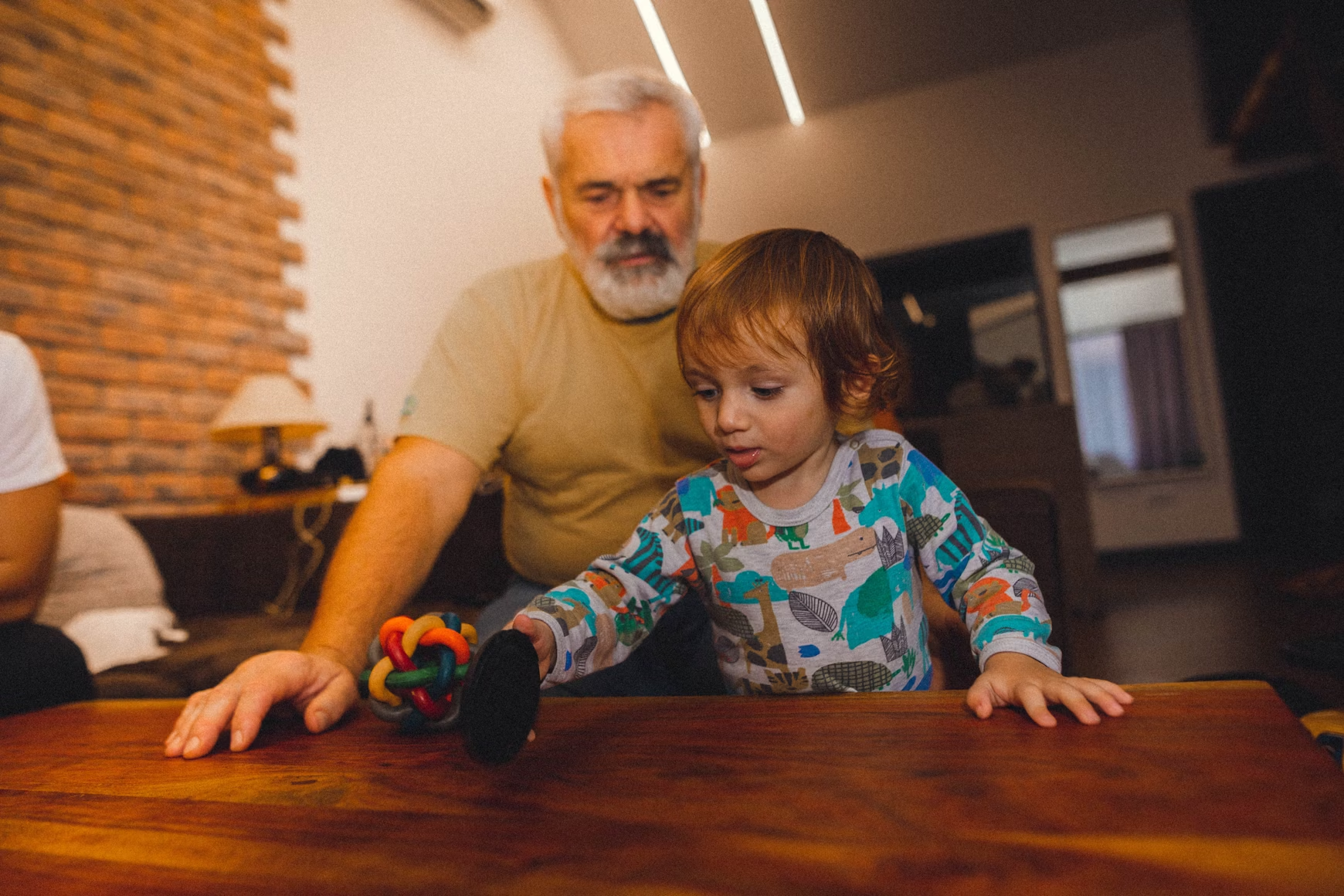
Grandparents' impact on kids' responsibility
Image Source: Unsplash

We adore them, yet a single weekend with Grandma can unravel months of consistent parenting.

A second dessert “just this once,” extra screen time after bedtime, or a quick override of your discipline plan may feel harmless, but these well‑meant gestures chip away at a child’s sense of responsibility. If you’ve ever felt torn between gratitude and frustration, you’re not alone.

Below are five common grandparent behaviors that sabotage accountability—and practical ways to rebuild unity.

1. Overruling Parent Rules Sends Mixed Messages

When grandparents ignore house rules—letting a grounded child watch TV or handing over sweets before dinner—kids learn that consequences are negotiable. Repeated exceptions quietly signal that parents don’t have final say, encouraging children to test limits and “shop” for the answer they want.

Fix it: Explain specific scenarios (“When Tim is grounded, please back us up by limiting screens”) and offer alternatives (“A board game is fine after homework”). Reinforcing consistency—without blame—helps everyone stay on the same page.

2. Frequent Spoiling Breeds Entitlement

New toys and treats every visit raise expectations. Children may begin equating love with material gifts, weakening lessons on delayed gratification and earned rewards.

Fix it: Suggest non‑material traditions—library outings, baking days, nature walks—that deliver quality time minus the stuff. Grandparents still feel generous, and kids learn that attention outweighs accumulation.
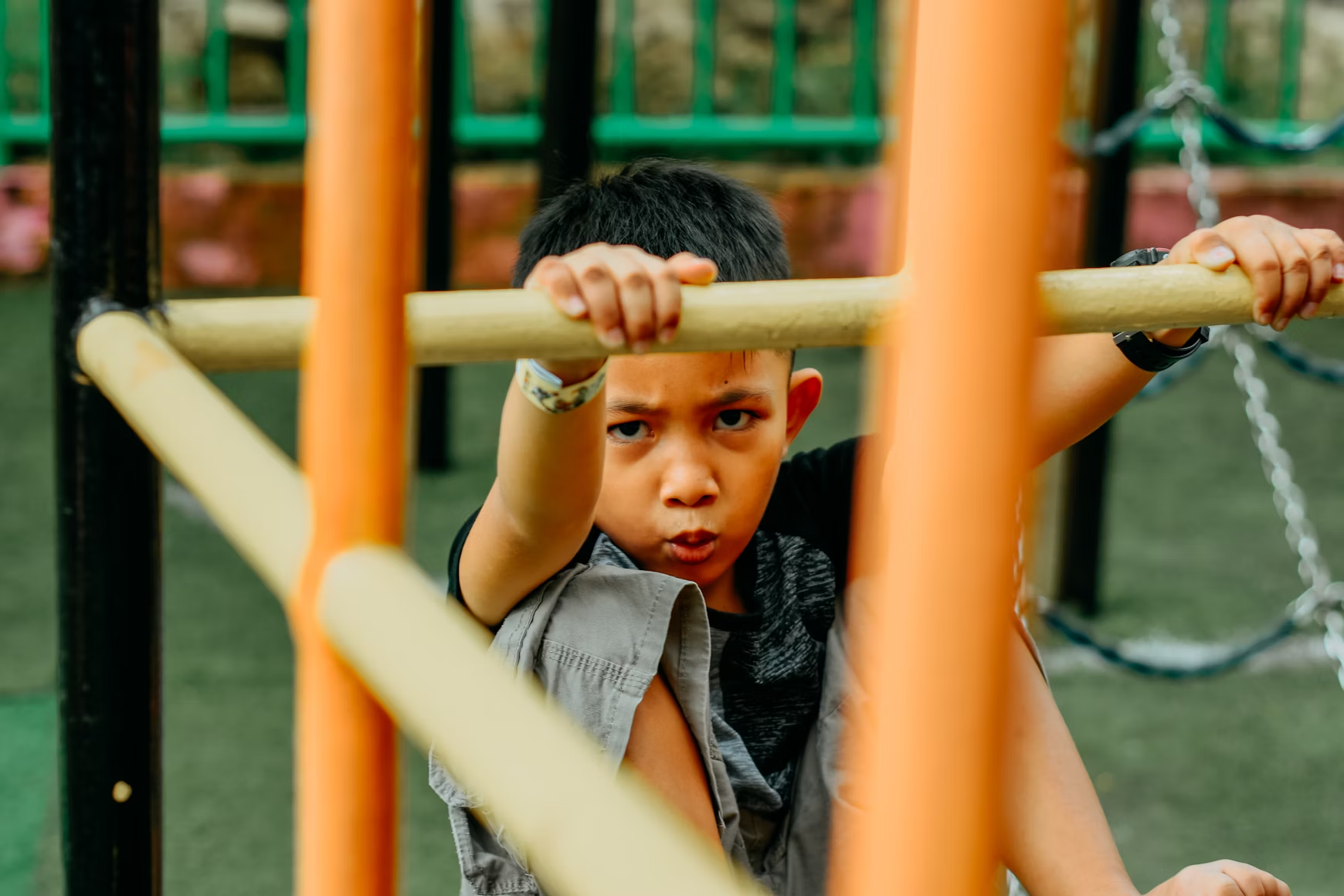
Focused child climbing playground bars, ignoring rules
Image Source: Unsplash

3. Ignoring Discipline Undermines Structure

Kids thrive on predictable boundaries. If grandparents skip chores “because it’s a special day,” children internalize that responsibility is optional when overseen by lenient adults.

Fix it: Share your core discipline framework—bedtimes, chores, tech limits—and why it matters. Invite grandparents to add their own fun privileges after responsibilities are met, keeping structure intact.

4. Good Intentions Can Create Bad Habits

Grandparents may believe they’re helping by rescuing a child from frustration—finishing forgotten homework or cleaning messy rooms. Yet doing tasks for kids robs them of ownership.

Fix it: Encourage a coaching role. For example: “Can you guide Maya through packing her bag instead of doing it for her? She’s learning accountability.” This reframes help as mentorship, not rescue.

5. Disregarding Boundaries Erodes Family Trust

Consistently bypassed limits—whether dietary, bedtime, or screen‑time—spark tension and confusion. Children start to believe rules fluctuate by adult, weakening respect for all caregivers.

Fix it: Hold a calm, private talk outlining non‑negotiables and the bigger picture: unified boundaries protect relationships and foster security. Most grandparents will adjust when they grasp the stakes.

Rebuilding the Bridge

It’s important to approach grandparents with compassion. Here are some tips:

  1. Lead with appreciation. Acknowledge their love and support before addressing concerns.
  2. Be specific. Vague “stop spoiling them” pleas rarely stick; concrete examples do.
  3. Offer alternatives. Replace “no treats” with “one treat plus a backyard game.”
  4. Create a shared motto. Something simple like “Fun and responsibility” keeps everyone focused.
  5. Check in regularly. A quick text update or monthly call preserves clarity and good will.

Remember, most grandparents want to help, not hinder. When expectations are clear and everyone feels respected, their generosity becomes an asset: children get extra love and wisdom and stay anchored to consistent boundaries.

A united family message teaches kids that care and responsibility go hand in hand—whether it’s Mom saying no to a third popsicle or Grandpa echoing the same limit with a wink and a high five.

Have you navigated mixed messages from grandparents? What boundaries work in your home? Share your tips in the comments—your insight could help another family today.

Read More

  • 9 Healthy and Refreshing Kindergarten Lunch Box Ideas
  • How Do You Teach Kids About Consent and Boundaries?
Samantha Warren
Samantha

Samantha Warren is a holistic marketing strategist with 8+ years of experience partnering with startups, Fortune 500 companies, and everything in between. With an entrepreneurial mindset, she excels at shaping brand narratives through data-driven, creative content. When she’s not working, Samantha loves to travel and draws inspiration from her trips to Thailand, Spain, Costa Rica, and beyond.


Filed Under: Parenting Tagged With: boundaries, child responsibility, family dynamics, grandparents and parenting, parenting advice, parenting challenges, relationships, respectful discipline | Parenting, toxic grandparents

Blended Families: 10 Ways to Blend Your Family Without Chaos

April 23, 2025 | Leave a Comment

Blended family sharing a meal and bonding outdoors
Image Source: Unsplash

Blending a family sounds sweet in theory—two loving homes becoming one—yet in practice it’s often more like stitching a patchwork quilt than snapping puzzle pieces together.

Step‑siblings share space, parenting styles collide, and emotional baggage gets unpacked (sometimes loudly). The good news: with empathy, patience, and smart structure, blended families can thrive without endless drama.

About 16 percent of U.S. children now live in stepfamilies, so millions are navigating this journey. Whether you’re newly merged or years in, these 10 strategies can ease tension and spark connection.

1. Trade Fairy‑Tale Expectations for Realistic Ones

Hoping everyone will love each other overnight sets you up for disappointment. Instead of picturing instant harmony, picture a slow simmer:

  • Name the goal out loud—“We’re aiming for mutual respect, not instant best‑friend energy.”
  • Celebrate micro‑wins: a shared joke at dinner, a sibling agreeing to share Wi‑Fi, a toddler calling the stepparent to tuck them in.
  • Normalize mixed feelings by reminding kids (and yourself) that discomfort doesn’t mean failure—it means growth in progress.

Think crock‑pot, not microwave, and you’ll notice the flavors of connection deepen over time rather than burn on high heat.

2. Protect Couple Time

Your relationship is the cornerstone of household stability. Schedule small, kid‑free moments—walks, late‑night tea, even a quick check‑in text during the workday—to keep communication strong.

Research summarized by Verywell Family notes that stepfamilies with intentional couple time report fewer conflicts. Guard that bond with intentional rituals:

  • De‑briefs after kid conflicts: process what happened, then brainstorm a united response.
  • Micro‑dates: a ten‑minute morning coffee on the porch before kids wake up.
  • Weekly “state‑of‑us” check‑ins—text threads, voice memos, or calendar invites to air concerns before they snowball.

3. Co‑Create Household Rules

Kids buy into rules they help write. Call a family meeting (pizza bribes welcomed) to decide:

  • Chores—who empties the dishwasher, who walks the dog.
  • Screen‑time limits—what’s fair on school nights vs. weekends.
  • Privacy guidelines—knock before entering bedrooms, ask before borrowing clothes.

Post the agreed list on the fridge and revisit monthly. When a rule gets broken, ask, “Do we need to tweak this?” rather than dictating consequences unilaterally.

4. Honor, Don’t Erase, the Past

A blended family isn’t a reboot; it’s a sequel with beloved backstory. Validate each child’s history by:

  • Displaying keepsakes: photos from the “old” house, trophies, stuffed animals.
  • Inviting storytelling—bedtime memories, holidays at Grandma’s, funny vacations with the other parent.
  • Respecting loyalty binds: remind kids that loving a stepparent doesn’t weaken love for their biological parent.

Acknowledging their roots helps kids graft onto the new family tree without feeling forced to lop off branches.

5. Keep Communication Open—and Age‑Appropriate

Big family meetings can overwhelm shy teens; toddlers can’t unpack feelings on command. Instead, deploy “drive‑time therapy” (chats while eyes face the windshield), bedtime whispers, or dog‑walk downloads. Aim for:

  • Consistency—check‑ins at predictable moments.
  • Curiosity—ask open‑ended questions like, “What felt tricky today?”
  • Listening over lecturing—mirror their words before offering advice.

Short, safe spaces build trust faster than marathon heart‑to‑hearts under a spotlight.

Parent and kids preparing breakfast together in the kitchen
Image Source: Unsplash

6. Create New Traditions Together

Shared rituals weave new memories:

  • Saturday pancake bar with toppings chosen by a different “chef” each week.
  • Movie‑night hosts—rotate who picks the film and snack theme.
  • Blended family birthdays—celebrate “Family Day,” the anniversary of moving in together.

The goal: invent experiences that belong solely to this household, so every member feels ownership of the story you’re writing now.

7. Don’t Rush Sibling Relationships

You can’t schedule chemistry. Encourage kindness and shared activities (board‑game battles, TikTok dance‑offs) but ditch the “best‑friends‑forever” script. When conflict erupts:

  • Coach fair fighting—no insults, take turns, use “I” statements.
  • Separate, then circle back for joint problem‑solving once tempers cool.
  • Model patience—note aloud that closeness often blooms slowly, and that’s okay.

Like plants, sibling bonds flourish on their own timetable—sometimes months, sometimes years.

8. Schedule Individual Time With Each Child

Amid the bustle, personal attention says, “I see you.” Try:

  • 15‑minute “spotlight” slots—read, build LEGO, play a quick video‑game level.
  • Errand buddies—bring one child on the grocery run for spontaneous conversation and treat selection.
  • Rotating dinner sous‑chefs—invite each kid to help prep a favorite recipe.

These pockets of connection reduce jealousy and reinforce that every voice matters.

9. Stay United (Yet Flexible) With Co‑Parents

Kids benefit when adults across households coordinate schedules and discipline. If disagreements flare, model calm problem‑solving rather than tug‑of‑war arguments.

Here are a few strategies:

  • Shared calendar apps for practices, doctor appointments, and holidays.
  • Neutral drop‑off zones (school parking lot, community center) to minimize tension.
  • Conflict scripts—if disagreement flares, state, “Let’s table this until we can talk privately,” then model calm follow‑through.

Remember, “same‑page” doesn’t mean “same‑paragraph.” Flexibility shows children that respectful compromise is possible.

10. Treat Patience as Your Superpower

It can take years for blended families to feel fully cohesive. That sounds daunting—unless you track the tiny victories:

  • A sibling joke that makes everyone laugh.
  • A stepparent invited to the school recital.
  • Kids voluntarily sharing a TikTok video at dinner.

Celebrate milestones, no matter how small, and trust the process. Consistency beats speed every time.

Blending Love, Not Just Logistics

There’s no perfect formula—only real people doing their best. What counts is the willingness to listen, adapt, and nurture relationships over time. With grace and a dash of humor, your patchwork quilt can become a warm, resilient family blanket.

How has your blended family found connection? Share your stories in the comments—your insight could help another parent today.

Read More

  • A Frugal Life: How to Drastically Cut Expenses and Improve Your Finances
  • Can Yelling Ever Be “Justified” Parenting—or Is It Always Damage?
Samantha Warren
Samantha

Samantha Warren is a holistic marketing strategist with 8+ years of experience partnering with startups, Fortune 500 companies, and everything in between. With an entrepreneurial mindset, she excels at shaping brand narratives through data-driven, creative content. When she’s not working, Samantha loves to travel and draws inspiration from her trips to Thailand, Spain, Costa Rica, and beyond.

Filed Under: Parenting Tagged With: blended families, child adjustment, co‑parenting, family bonding | Parenting, family dynamics, new family routines, parenting tips, relationships, step‑parenting, stepchildren

7 Reasons Some Parents Regret Having Kids—And Why We Shouldn’t Judge

April 23, 2025 | Leave a Comment

two parents hugging
Image Source: Unsplash

The statement “I regret becoming a parent” is so taboo that most people never say it aloud, yet surveys show a small but real percentage of moms and dads feel this way. Between 10-14% of parents regret having children, according to recent research. Admitting regret doesn’t mean they don’t love their children; it means the reality of parenthood collided with personal limits, expectations, or circumstances they could not foresee. Instead of rushing to condemn, it helps to understand why some parents feel trapped—and how compassion can lead to better support for families and children alike.

1. Loss of Personal Identity

Before kids, many adults anchor their sense of self in careers, hobbies, friendships, or travel. Parenthood, especially in its early years, can eclipse those identities. If supportive childcare, flexible work, or shared domestic labor are missing, a parent may feel they’ve vanished behind diaper changes and school pickups.

Psychologists call this identity foreclosure—when one role consumes all others and leaves little room for personal passions. For some, that loss feels so profound it shades their memories of becoming a mom or dad in the first place.

2. Financial Strain and Economic Fear

Mounting childcare fees, medical bills, and college savings can spark chronic stress, which research links to depression and marital conflict. Parents who are already worried about making ends meet before kids might later question whether the financial trade‑offs were worth it, especially if economic insecurity affects housing stability or retirement plans.

3. Lack of Social Support

Humans are wired to raise children within a “village,” but modern families often live far from relatives or juggle shift work that keeps partners passing like ships in the night. Without grandparents nearby, affordable babysitters, or a circle of friends who step in, the daily grind can feel relentless. Creating community support systems—parent co‑ops, neighborhood babysitting swaps, or universal childcare—can lighten that emotional load.

4. Mental Health Challenges

Postpartum depression, anxiety disorders, and unresolved childhood trauma all influence how a person experiences parenthood. When clinical symptoms go untreated, parental burnout escalates, making everyday caregiving tasks feel herculean.

In those dark seasons, regret may surface less as a true wish to erase children and more as a plea for relief from unrelenting psychological pain. Access to mental health care—without stigma or financial hurdles—is critical.

two kids playing
Image Source: Unsplash

5. Relationship Breakdown

Children don’t cause partnership problems, but added stress can magnify cracks already present. Sleep deprivation, divergent parenting philosophies, or imbalanced household labor often spark resentment.

If the partnership ultimately dissolves, a newly single parent may feel overwhelmed managing custody schedules and finances alone, fueling second‑guessing about the decision to have kids in the first place. Strengthening co‑parenting communication and equitable division of chores can mitigate that strain.

6. Societal Pressure and Lost Autonomy

From lullabies to sitcoms, Western culture still echoes the message: “Happy endings = kids.” People who never felt a deep longing to parent may nonetheless yield to family expectations or the ticking‑clock narrative—only to find the role unfulfilling.

Recognizing that fulfillment can come from multiple life paths—and validating child‑free choices—reduces the risk of regret rooted in external pressure.

7. Special Needs Parenting Without Adequate Resources

Parents of children with significant medical, developmental, or behavioral challenges often describe deep love paired with extraordinary fatigue. When therapy sessions, insurance fights, and advocacy meetings dominate every week, exhaustion can morph into despair.

Regret, in this context, is less about the child and more about broken support systems. Expanding inclusive education, respite care, and financial assistance can transform regret into resilience by ensuring families aren’t navigating complex needs alone.

Why Compassion Beats Condemnation

Labeling regretful parents as selfish only drives the feeling underground, where shame can harm both caregiver and child. Empathy opens doors: to therapy, community programs, flexible workplace policies, and honest conversations about the realities of raising kids.

For children, a parent who can address regret openly and seek support is far safer than one who suppresses it until it spills out as irritation or neglect.

Compassion doesn’t mean encouraging everyone to become parents or to avoid it; it means respecting bodily autonomy, promoting mental health resources, and dismantling the myth that parenthood is the only—or always the happiest—road to adulthood.

Moving Forward—With or Without Regret

If you’re a parent wrestling with these feelings:

  1. Name It Without Shame: Journaling or speaking with a therapist helps untangle regret from love, burnout, or depression.
  2. Seek Community: Online forums like r/truechildfree or parent‑support groups normalize complex emotions and share coping strategies.
  3. Request Practical Help: Whether it’s counseling, a night off, or financial planning, tangible relief often softens regret.
  4. Set Boundaries Around Judgment: Not everyone deserves a front‑row seat to your vulnerability. Share only with safe, empathetic listeners.

If you’re a friend or relative:

  • Listen, Don’t Fix: Validate feelings before offering solutions.
  • Offer Help, Not Advice: A meal, babysitting hour, or therapy‑cost contribution speaks louder than clichés.
  • Challenge Stigma: When social circles equate regret with failure, push back. Complexity is human.

Parenthood, like any profound commitment, can elicit joy, exhaustion, gratitude, and yes—regret. Rather than policing emotions, we can build a culture where all parents receive the resources and respect they need to raise the next generation with authenticity and care.

Have you (or someone you know) ever dealt with parental regret? Share your story in the comments.

Read More

  • 7 Parenting Hacks You’ll Wish You Learned Sooner
  • Are We Oversharing Our Kids Online? Inside the Sharenting Controversy

Samantha Warren
Samantha

Samantha Warren is a holistic marketing strategist with 8+ years of experience partnering with startups, Fortune 500 companies, and everything in between. With an entrepreneurial mindset, she excels at shaping brand narratives through data-driven, creative content. When she’s not working, Samantha loves to travel and draws inspiration from her trips to Thailand, Spain, Costa Rica, and beyond.

Filed Under: Parenting Tagged With: childfree choice, empathy and judgment, family planning, fatherhood challenges, honest parenting conversations, mental health for parents, motherhood struggles, parental regret, parenting pressures, parenting realities, societal expectations

These Are the 6 Best Types of Neighborhoods to Raise Your Kids In

April 23, 2025 | Leave a Comment

Image Source: Unsplash

Deciding where to raise children is more than a housing choice—it’s about finding the backdrop for their entire childhood. According to a recent Pew Research Center survey, parents who rate their neighborhoods highly report far fewer worries about their kids’ well‑being than those living in areas they view as just “fair” or “poor.” So what kinds of communities consistently help families thrive? Below are six neighborhood types—each offering its own blend of safety, connection, and opportunity.

1. Walkable Urban Communities With Family Amenities

Not all city blocks are concrete jungles. Many urban districts have reinvented themselves with wide sidewalks, pocket parks, and stroller‑friendly greenways. Living where grocery stores, libraries, and after‑school programs are a quick walk away gives kids early independence: they can bike to piano lessons or meet friends at the playground without a chauffeured schedule.

For parents, walkability trims time behind the wheel, lowering stress and transportation costs. When you tour: notice whether crosswalk signals are long enough for small legs, if streets have speed‑calming measures, and how many other families you see on foot at dusk; their presence signals an environment that feels safe even after dinner.

City living isn’t automatically kid‑unfriendly. Many urban neighborhoods now feature wide sidewalks, pocket parks, and libraries within strolling distance. Easy access to everyday destinations gives kids early independence and social confidence. Planning experts highlight that walkability also boosts physical activity and reduces car‑related stress on families; see the Walk Score neighborhood index for snapshots of how walkable an address really is.

2. Suburbs With Strong School Districts

Well‑funded schools often go hand‑in‑hand with safe streets, active PTAs, and plenty of youth programs. Communities built around top‑rated districts tend to have low traffic speeds, abundant green space, and stable property values—attributes that rank high among families in Niche’s annual “Best Places for Families” reports.

3. Tight‑Knit Small Towns

In a place where neighbors greet one another by first name, children benefit from a built‑in support system of trusted adults: coaches double as deacons, the pharmacist sponsors the Little League team, and Main Street’s diner posts lost‑backpack flyers in the window. Community events—parades, holiday lightings, Saturday markets—become rites of passage, cementing a sense of place. Amenities may be fewer than in big cities, so look at how far you’ll drive for specialized healthcare or advanced extracurriculars. Spend a weekend attending a local ball game or arts festival; the crowds’ warmth and diversity will speak louder than any realtor brochure.

In places where shopkeepers know your name and neighbors look out for each other, children grow up with a tangible sense of security. Local events—from farmers’ markets to high‑school parades—double as gathering points, giving kids strong social roots and a clear sense of belonging.

4. Master‑Planned Communities Designed for Families

These developments come loaded with playgrounds, splash pads, and sometimes even on‑site schools. Because they’re designed as one cohesive unit, traffic patterns are calmer and walking paths safer. Parents often cite a “built‑in village” feel, which makes finding playdates, babysitters, and community events almost effortless.

A playground with inclusive swings, symbolizing accessible neighborhood design.
Image Source: Unsplash

5. Inclusive Neighborhoods With Accessible Design

Family‑friendly communities must serve all children, including those with disabilities. Areas with ADA‑compliant ramps, inclusive playground equipment, and accessible community centers help foster empathy and peer connection. Urban planners point out that universal design isn’t just about meeting regulations—everyone benefits when spaces are easy to navigate.

6. Areas Focused on Child Health and Well‑Being

Some neighborhoods are intentionally planned around fresh‑air living: extensive bike trails, community gardens, and quick access to pediatric care. Research compiled by County Health Rankings & Roadmaps shows that children in areas rich in green space and health resources experience better long‑term physical and mental outcomes.

Final Thoughts: Where Your Child Grows Up Matters

No neighborhood is perfect, and every family’s priorities differ. Yet the environment surrounding your kids will shape their friendships, habits, and sense of security for years to come. Tour schools, chat with future neighbors, walk the streets at different times of day, and trust your instincts about what feels right—because choosing a community is really about choosing a childhood.

What kind of neighborhood feels best for your family? Share your thoughts in the comments—we’d love to hear your experiences.

Read More

  • My #1 Brand of Choice for Long-Lasting Toys for Toddlers
  • 3 Essential Tips for Finding the Best Family Neighborhood to Raise Kids
Samantha Warren
Samantha

Samantha Warren is a holistic marketing strategist with 8+ years of experience partnering with startups, Fortune 500 companies, and everything in between. With an entrepreneurial mindset, she excels at shaping brand narratives through data-driven, creative content. When she’s not working, Samantha loves to travel and draws inspiration from her trips to Thailand, Spain, Costa Rica, and beyond.

Filed Under: Growing Up Tagged With: child development, Community, family life, moving with kids | Lifestyle, neighborhood safety, Parenting, real estate

Everything You Should Teach Your Kids About Fire Safety

April 23, 2025 | Leave a Comment

Child in a fire chief costume with real firefighters, symbolizing fire safety lessons.
Image Source: Unsplash

Fires can be terrifying—especially for children. In a crisis, instinct alone may not be enough; knowledge and preparation make all the difference.

Teaching fire safety early is crucial, equipping kids with the awareness and confidence to react appropriately in an emergency. Understanding how fires start, how to safely escape, and when to call for help can make a life-saving difference. The sooner kids learn, the more empowered they’ll be to protect themselves and others.

The following tips help turn safety lessons into everyday habits the whole family can practice and remember—creating a safer home and a well-prepared child.

1. Create and Practice a Fire Escape Plan

Every family needs two ways out of every room and a single meeting spot outside.

  • Draw it together. Use markers or stickers to trace windows and doors on a big sheet of paper; let kids color the “outside safe tree” or mailbox meeting point.
  • Name the exits aloud. As you tuck them in, ask: “If smoke came from the hall, which window would you use?”
  • Drill twice a year—day and night. Set a timer; aim to reach the meeting spot in under two minutes. Vary scenarios (blocked hallway, parent in another room) so problem‑solving becomes automatic.
  • Review older‑kid roles. Tweens can practice guiding younger siblings by holding hands and staying low.

For step‑by‑step planning templates, check the National Fire Protection Association’s (NFPA) free resources.

2. Keep Children Three Feet Away from Hot Objects

Stovetops, space heaters, and even a steaming mug of cocoa can cause painful burns.

  • Add barriers. A sturdy safety gate around fireplaces keeps curious toddlers at bay without constant reminders.
  • Mark a “kid‑free zone.” Place bright painter’s tape three feet around ranges and portable heaters; remind little chefs to stand behind the line.
  • Narrate your moves. Say, “I’m turning pot handles inward so you can’t bump them,” to model caution.
  • Use visual timers. While soup simmers, set a sand timer kids can watch; when the sand runs out, they know ‘look, don’t touch’ time is over.

3. Fire Starters Are for Grown‑Ups Only

Matches and lighters should be stored up high and out of sight. Role‑play what to do if they ever find one—walk away and tell an adult. Reinforcing this message reduces the risk of child‑set fires.

4. Install and Test Smoke Alarms Regularly

Place alarms on every level and outside each bedroom. Test them monthly together so the sound is familiar, then choose a yearly “battery birthday” for replacements. You should replace the entire unit every ten years to ensure reliability.

A fire hose reel and sign, highlighting the need for early fire safety education.
Image Source: Unsplash

5. Fire Safety Education Works—Start Early

Preschool‑level programs that use songs, puppet shows, or picture books help kids remember key rules. Look for materials that encourage hands‑on practice and positive reinforcement rather than fear.

6. Teach Stop, Drop, and Roll (and When to Use It)

Make practice fun—count to three, then roll together like logs. Emphasize that this technique is only for clothing on fire, not every emergency.

7. Remind Kids Not to Hide During a Fire

Fear can send children under beds or into closets. Explain that hiding makes it hard for firefighters to help. Show pictures of firefighters in gear so the masks and suits look friendly, not scary.

8. Use Fire Safety Stories and Games

Interactive books and online games turn safety rules into memorable adventures. Try a “find the smoke alarm” scavenger hunt or craft a beaded bracelet spelling your home’s emergency number.

Keep Safety Simple and Ongoing

Fire safety shouldn’t be a one‑time lecture. Bring it up during ordinary moments: while cooking, hearing a siren, or replacing alarm batteries. A calm, age‑appropriate approach empowers kids without scaring them—building knowledge they’ll carry for life.

Have you talked about fire safety with your kids? Share your tips or questions in the comments—we’d love to hear what works in your home.

Read More

  • Living in Risk: 13 Most Hazardous Places to Reside In The US
  • Keep Your Home Safe From Fires Using These Tips

Samantha Warren
Samantha

Samantha Warren is a holistic marketing strategist with 8+ years of experience partnering with startups, Fortune 500 companies, and everything in between. With an entrepreneurial mindset, she excels at shaping brand narratives through data-driven, creative content. When she’s not working, Samantha loves to travel and draws inspiration from her trips to Thailand, Spain, Costa Rica, and beyond.

Filed Under: Parenting Tagged With: burn prevention, child safety tips, emergency preparedness, family fire escape plan, fire safety for kids, home safety, kids fire education | Parenting, parenting advice, Safety

Does Your Child Know Your Phone Number and Full Name? Here’s Why They Should

April 23, 2025 | Leave a Comment

Child on a phone, underscoring the importance of knowing contact details.
Image Source: Unsplash

In a world where technology makes communication effortless, it’s easy to assume our kids will never struggle to reach us. But what happens in an emergency, when they need help and don’t have access to a device? Teaching children their parents’ phone numbers and full names isn’t just a useful skill—it’s a potentially life-saving one. Here’s why making this information second nature can empower them in crucial moments. That’s why children memorizing phone numbers—along with their parents’ full names—matters more than ever.

1. It’s Essential for Safety and Security

Kids can wander off at a park or get separated in a store faster than you can say “ice cream line.” If your child can calmly state, “My dad is Marc Rivera and his number is 555‑678‑1234,” staff or first responders can act within seconds instead of minutes. Fast reunification:

  • Speeds response. Security teams can verify identity, page you by name, and bypass jammed public address systems or spotty cell reception.
  • Minimizes fear. Children spend less time feeling lost and panicked.
  • Reduces risk. The shorter a child is unaccounted for, the lower the chance of harm.

2. It Enhances Communication and Confidence

Mastering a phone number isn’t just rote memory; it’s an early lesson in self‑advocacy. When kids can give clear, complete contact details, they:

  • Feel capable. Success in one “grown‑up” skill encourages them to tackle others—ordering food, asking for directions, or introducing themselves to new teachers.
  • Speak up under pressure. Sharing information confidently with store clerks or police officers becomes a doable task rather than a terrifying hurdle.
  • Practice social skills. Eye contact, enunciation, and polite greetings all come with repeating a phone number to adults.

3. It Fosters Independence and Responsibility

Memorizing “grown‑up” details signals trust. Children think, If Mom believes I can handle this, maybe I can handle other things too. Over time that pride spills into:

  • Personal accountability. Recognizing they have an active role in their own well‑being.
  • School habits. Remembering homework due dates or lunch money.
  • Daily logistics. Learning the family address, important birthdays, or sibling allergies.

4. It Supports Cognitive and Memory Development

Teaching a phone number involves patterns, rhythm, and repetition—all great brain workouts. Experts explain that this kind of memorization sharpens short‑term memory, making it easier for kids to retain new facts in the classroom.

5. It Prepares Kids for Emergencies

If normal systems fail—phones die, contact lists disappear—verbal recall can be a lifesaver. Schools and camps often rely on children to provide accurate information if digital records aren’t accessible.

Simple Ways to Teach and Reinforce It

  • Turn it into a song or rhyme. Catchy rhythms stick.
  • Post it where they’ll see it. Fridge notes, bedroom doors, and bathroom mirrors keep the numbers top of mind.
  • Make a craft. A beaded bracelet or keychain with number beads turns learning into play.
  • Quiz casually. Ask during car rides or while setting the table. Short, relaxed practice sessions keep stress low and memory high.

Why Full Names Matter Too

Authorities can’t page “Mom” or “Dad” over a loudspeaker. Teaching your child both your full name and theirs streamlines identification and speeds reunions. Role‑play scenarios where they practice saying: “My name is Maya Johnson. My mom is Alicia Johnson, and her phone number is …”

Child on a swing, supported by an adult, symbolizing empowerment.
Image Source: Unsplash

Helping Kids Feel Empowered, Not Scared

Frame the lesson alongside everyday safety habits—like seatbelts or crossing the street—so it feels normal, not frightening. Emphasize that knowing this info is what “smart, prepared kids” do, and reassure them that most outings are perfectly safe.

Give Them Tools They’ll Use for Life

From quick reunions in a mall to confident conversations with teachers, memorizing a phone number and full name sets your child up for safety, independence, and clear communication. Five minutes of practice today can deliver peace of mind for years.

Have you taught your child your phone number yet? Share your best tips in the comments!

Read More

  • The ‘Stranger Danger’ Myth: Teaching Kids About Real Safety Risks
  • 7 Ways to Teach Kids to Trust Their Instincts About Safety
Samantha Warren
Samantha

Samantha Warren is a holistic marketing strategist with 8+ years of experience partnering with startups, Fortune 500 companies, and everything in between. With an entrepreneurial mindset, she excels at shaping brand narratives through data-driven, creative content. When she’s not working, Samantha loves to travel and draws inspiration from her trips to Thailand, Spain, Costa Rica, and beyond.

Filed Under: Parenting Tagged With: child safety, children's communication skills, emergency preparedness, memorizing phone number, parenting tips, phone number lessons for kids | Parenting

No Spanking Necessary: 8 Ways to Handle Your Unruly Child

April 23, 2025 | Leave a Comment

Young child standing quietly by a metal fence
Image Source: Unsplash

Parenting can be deeply rewarding—yet wildly exhausting. When you’ve whispered “Why won’t you just listen?” through clenched teeth, remember there are effective tools that guide behavior without physical punishment. These eight strategies nurture respect and self‑control while keeping family bonds strong.

1. Praise the Good More Than You React to the Bad

Kids crave connection even more than candy. Every time you catch them sharing toys, waiting patiently, or speaking kindly, label the behavior and the feeling behind it: “I noticed you waited for your turn on the slide—that was thoughtful and patient.” Specific praise tells children exactly what to repeat, reinforces their internal sense of competence, and builds neural pathways for positive behavior. Aim for a 5:1 ratio of positive comments to corrections throughout the day. You’ll often see misbehavior fade simply because the “spotlight” has shifted to what’s working.

2. Set the Stage for Success

Many blow-ups aren’t defiance at all—they’re biology. Hungry tummies, overtired brains, bright lights, or crowded spaces can flip even the calmest child into meltdown mode. Anticipate triggers:

  • Offer noise-canceling headphones or a fidget toy in busy stores.
  • Keep a high-protein snack and water bottle in your bag.
  • Schedule errands right after naps rather than before.

By meeting sensory and basic needs first, you’re not “spoiling” your child—you’re giving their nervous system the best chance to cooperate.

3. Use Logical Consequences, Not Angry Reactions

A consequence teaches; a punishment hurts. Link outcomes directly to choices so the lesson is crystal clear. Throw blocks at a sibling? Blocks go in time-out while you help make amends. Forget homework? You sign an apology note to the teacher and use free time to finish. Stay calm, keep your words few, and let the consequence—not your anger—do the talking. Over time, kids internalize cause and effect instead of fear and avoid.

4. Make Time‑Out a Reset

A well-run time-out is more like pressing “pause” than banishment. Choose a safe, boring corner or chair—no toys, no screens—and set a timer for one minute per year of age. Explain: “You need a quiet break to reset. When the timer beeps, we’ll try again.” If your child bolts, gently guide them back without lectures. The goal is self-regulation; when they emerge, acknowledge: “Thank you for calming your body. Ready to rejoin?” Used this way, time-outs teach self-control instead of shame.

5. Speak Calmly and Empathetically

Children mirror the emotional pitch they hear. Lower your voice, soften your eyes, and describe what you see: “You wanted the blue cup, and that felt unfair when it wasn’t available.” Naming emotions activates the prefrontal cortex, making problem-solving possible.

Then add a clear boundary: “It’s okay to feel upset; it’s not okay to throw.” When empathy and limits travel together, kids learn both self-expression and self-restraint.

6. Offer Choices to Curb Power Struggles

Humans of every age want control. Give it in bite-size pieces: “Red toothbrush or green?” “Walk to the car or hop like a kangaroo?” Choices redirect stubborn energy into cooperation and hone critical-thinking skills. Keep options limited and both acceptable to you.

If a child refuses both, stay calm and restate the boundary: “Looks like you need help deciding. I’ll choose the red toothbrush so we can start brushing.” The power struggle ends before it begins.

7. Stay Consistent

The best rule is the one you’ll enforce tomorrow. Inconsistent limits teach kids to gamble: “Maybe this time I can push it.” Write down family rules, display them on the fridge, and review them before high-risk moments like bedtime or grocery runs.When slip-ups happen (and they will), respond the same way each time. Predictability feels safe to children, and safety breeds cooperation.

8. Model the Behavior You Want

Your child’s most influential teacher stares back at you in the mirror. When you handle frustration by taking a breath, negotiate disagreements respectfully, and apologize when you’re wrong, you set a living curriculum. Narrate your process: “I’m disappointed the picnic got rained out, so I’m going to take three deep breaths and think of a new plan.” Seeing adults self-correct shows kids mistakes are part of growth, not a cause for fear.

Two people playing a thumb war, hands in focus
Image Source: Unsplash

Raising With Respect Works Better—and Feels Better

Spanking may halt behavior in the moment, but it doesn’t teach better choices for tomorrow. Compassionate, consistent discipline builds empathy, self‑control, and trust—skills your child will carry for life. Strong guidance never requires harshness; it requires connection. What non‑violent strategies work in your home? Share your tips in the comments—we’re learning together.

Read More

  • Should There Be a Legal Limit on How Many Kids One Family Can Have?
  • 7 Secrets to Stopping Toddler Tantrums—And It’s Not What You Think
Samantha Warren
Samantha

Samantha Warren is a holistic marketing strategist with 8+ years of experience partnering with startups, Fortune 500 companies, and everything in between. With an entrepreneurial mindset, she excels at shaping brand narratives through data-driven, creative content. When she’s not working, Samantha loves to travel and draws inspiration from her trips to Thailand, Spain, Costa Rica, and beyond.

Filed Under: Parenting Tagged With: alternative discipline, child behavior, gentle parenting | Parenting, no spanking, parenting tips, positive discipline

10 TV Shows That Every Parent Should Watch With Their Kids

April 23, 2025 | Leave a Comment

A mother and two children watching TV together, sharing popcorn.
Image Source: Unsplash

Spending time in front of the TV doesn’t have to mean zoning out—it can bring families closer. When you choose quality programs, screen time becomes an opportunity for connection, conversation, and even learning.

In an era of jam‑packed schedules and endless digital distractions, a shared movie night is one of the simplest ways to press pause and reconnect. Snuggling under a blanket, passing around popcorn, and reacting to each plot twist together creates a cozy ritual kids look forward to all week. Plus, co‑viewing lets parents model empathy (“How do you think that character feels?”) and media literacy (“Why do you think the director chose that song?”) in real time.

Thoughtfully curated shows can also act as springboards for big topics—friendship dilemmas, bravery, grief, environmental stewardship—serving up teachable moments without the formal “let’s have a talk” pressure. The trick is balancing entertainment value with substance: bright visuals to hook younger viewers, layered themes to keep older siblings (and adults) engaged.

From animated adventures to heartfelt classics, these ten picks invite laughter and meaningful dialogue in equal measure.

1. Sesame Street

This landmark series has boosted children’s social, language, and cognitive skills for more than fifty years. With lessons on kindness, inclusion, and emotional literacy, Sesame Street gives families an easy way to discuss big feelings—often wrapped in catchy songs you’ll both be humming all day. For additional guidance on choosing age‑appropriate content, explore the family TV reviews at Common Sense Media.

2. Mister Rogers’ Neighborhood

Fred Rogers’ calm voice and thoughtful storytelling create a gentle space for kids to explore complex emotions. Watching together lets parents model empathy and guide children through everyday dilemmas—reminding everyone that feelings are mentionable and manageable.

3. Best Foot Forward

Inspired by a true story, this modern series follows a boy with a prosthetic leg who tackles middle‑school challenges head‑on. Its upbeat tone and inclusive message spark discussions about resilience and celebrating differences.

4. Little House on the Prairie

Set in 19th‑century America, the Ingalls family endures hardship with grit and compassion. The slower pace encourages reflection on values such as perseverance, gratitude, and community—timeless lessons for kids and adults alike.

5. Avatar: The Last Airbender

Rich world‑building and layered themes—identity, friendship, courage—make this animated fantasy resonate with every age. Use its complex story arcs to talk about responsibility, loss, and making ethical choices.

6. The Adventures of Tintin

Young journalist Tintin solves globe‑trotting mysteries with wit and integrity. The series blends history, geography, and humor, transforming each episode into a springboard for curiosity about the wider world.

7. The Thundermans Return

This 2025 reboot delivers super‑powered fun while spotlighting loyalty and teamwork. Tweens love the action; parents appreciate its playful approach to responsibility and self‑discovery.

featuring SpiderMan, referencing the Disney series.
Image Source: Unsplash

8. Spider‑Man (Disney+ Series)

Peter Parker’s balancing act between hero duties and everyday teen life shows that imperfection can coexist with bravery. After an episode, ask your child which of Spider‑Man’s decisions felt hardest—and why.

9. Bluey

Short, charming stories of an Australian dog family highlight imaginative play and real‑life parenting moments. Episodes like “Baby Race” or “Sleepytime” capture the ups and downs of family life with honesty and heart.

10. Wild Kratts

Combining real wildlife footage with animated adventure, the Kratt brothers teach biology, environmental stewardship, and teamwork—all at an energetic pace that keeps kids glued. For more ideas on blending entertainment and education, check the PBS Kids resource library.

Building Stronger Bonds Through Screens

TV doesn’t have to be the enemy of connection. By gathering for thoughtful, engaging shows, you open doors to conversations you might not otherwise have. Whether you’re laughing with Bluey or pondering friendship with Avatar, you’re strengthening trust, curiosity, and empathy—one episode at a time.

What programs top your family playlist? Share your favorites in the comments—we’d love to add them to our next watch‑party queue!

Read More

  • Kiddies Watching: 10 Things Your Kids Realize That You Never Pay Attention To
  • Toddlers and Television: Keeping TV Time Minimized with a Schedule
Samantha Warren
Samantha

Samantha Warren is a holistic marketing strategist with 8+ years of experience partnering with startups, Fortune 500 companies, and everything in between. With an entrepreneurial mindset, she excels at shaping brand narratives through data-driven, creative content. When she’s not working, Samantha loves to travel and draws inspiration from her trips to Thailand, Spain, Costa Rica, and beyond.

Filed Under: Parenting Tagged With: educational TV shows, Family bonding, family entertainment | Parenting, family life, Kids TV, parent‑child activities, screen time tips, TV shows for families

The School Is Calling Again: 5 Ways to Help Change a Child’s Bad Behavior at School

April 23, 2025 | Leave a Comment

Child getting face paint, symbolizing efforts to address misbehavior in school.
Image Source: Unsplash

That mid‑morning buzz from the school office can fill any parent with dread. Another report of disruptive behavior? It’s frustrating and often isolating—but you’re not alone. Many families navigate the same terrain, and there are concrete, research‑informed steps that can encourage lasting change.

1. Establish Clear Expectations and Open Communication

When children know exactly what’s expected, they’re better positioned to succeed. Regular, friendly check‑ins with teachers—via brief emails or five‑minute conferences—build trust and keep everyone on the same page.

Here are some more tips:

  • Spell out the “how” as well as the “what.” Instead of “Behave in class,” try “Raise your hand before speaking” or “Keep hands to yourself during circle time.”
  • Create a quick‑reference card. Write three key rules on an index card and tape it inside the homework folder. Kids (and teachers) can point to it when reminders are needed.
  • Use two‑way check‑ins. Send or request a brief email every Friday summarizing wins and challenges. Respond with appreciation, not just concerns, so teachers feel valued partners.
  • Loop in your child. Review classroom rules together and ask, “Which one feels hardest? Which one do you feel confident about?” Their answers guide where to focus coaching at home.

Open, friendly communication keeps everyone aligned and reduces the chance of surprises—good or bad—mid‑semester.

2. Create a Structured Environment with Predictable Routines

Structure gives kids a sense of safety and control, which lowers anxiety and impulsive behavior.

  • Morning anchor: Same wake‑up window each day, followed by a visual checklist (teeth, uniform, breakfast, backpack).
  • Homework zone: A consistent, distraction‑free spot stocked with sharpened pencils, paper, and a timer. Starting homework within 30 minutes of arriving home helps maintain the school mindset.
  • Evening wind‑down: Dim lights an hour before bed, swap screens for quiet play or reading, and use a short “tomorrow preview” so kids know what’s coming.

Classrooms thrive on predictable procedures; mirroring that rhythm at home strengthens children’s ability to transition calmly from environment to environment.

3. Encourage Positive Behavior Through Reinforcement

Children thrive on attention; when it’s mostly negative, they often double down on unwanted actions. Instead, spotlight the good: “I noticed you finished your worksheet before recess. Nice focus!”

The Child Mind Institute confirms that specific, sincere praise paired with small privileges builds self‑esteem and sustains better choices. 

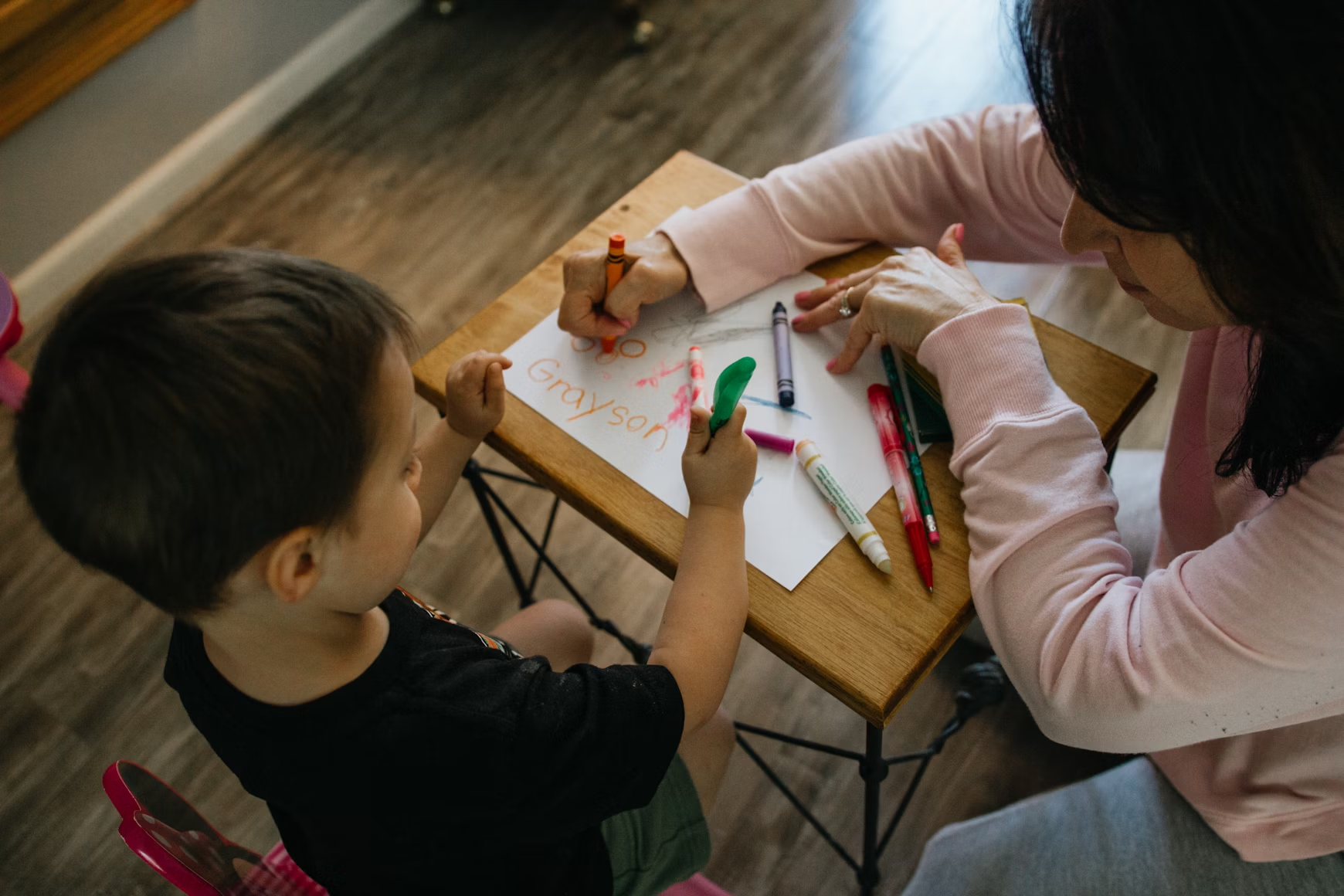
Child and adult working on an art project, illustrating adapted learning strategies.
Image Source: Unsplash

4. Adapt Learning Strategies to Your Child’s Needs

Acting out can be a signal that something in the learning process isn’t clicking.

  • Check task difficulty. Ask the teacher, “Is the work too challenging, or does my child finish early and get bored?” Adjust accordingly by simplifying or enriching assignments.
  • Break learning into chunks. Ten quick math problems can feel more achievable than a sheet of forty. Short, timed bursts followed by movement breaks often keep focus sharp.
  • Offer sensory outlets. Fidgets, wiggle cushions, or quiet stretch corners help kids who need physical input to stay regulated.
  • Leverage strengths. If your child is a visual learner, request graphic organizers or color‑coded steps. Kinesthetic? Ask for hands‑on materials or role‑play options.

When academic demands align with a child’s readiness and learning style, frustration—and misbehavior—usually fade on their own.

5. Collaborate on a Clear Behavior Management Plan

If patterns persist, a formal plan can help everyone move from reacting to proactively teaching new skills.

  • Functional Behavior Assessment (FBA): Pinpoints the triggers (time of day, task type, peer interactions) and the payoff your child gets from acting out (attention, escape, sensory input).
  • Behavior Intervention Plan (BIP): Lists replacement behaviors (“ask for a break” instead of “leave seat”), prompts adults will use, and specific rewards for success.
  • Daily or weekly data tracking: Simple smiley‑face charts or color zones let your child see progress—and help adults adjust strategies quickly.
  • Celebrate publicly, correct privately. Praise successes where peers can overhear; discuss missteps quietly to preserve dignity and motivation.
  • Schedule regular reviews. A 10‑minute check‑in every two weeks keeps goals fresh and collaboration strong.

When children feel they’re part of the team crafting solutions, they’re more likely to buy in—and to practice the new skills that replace disruptive habits.

Progress, Not Perfection

Transforming a child’s bad behavior at school is a process. Empathy, consistency, and teamwork—both at home and in the classroom—lay the groundwork for resilience and growth. Every tricky day is an opportunity to practice new skills, and every small win is worth celebrating.

Have you ever tried any of these strategies? Let us know in the comments!

Read More

  • Your Child Should Be Homeschooled If You Notice These Behaviors
  • 7 Common Types of Behavioral Disorders in Children Every Parent Should Know
Samantha Warren
Samantha

Samantha Warren is a holistic marketing strategist with 8+ years of experience partnering with startups, Fortune 500 companies, and everything in between. With an entrepreneurial mindset, she excels at shaping brand narratives through data-driven, creative content. When she’s not working, Samantha loves to travel and draws inspiration from her trips to Thailand, Spain, Costa Rica, and beyond.

Filed Under: Parenting Tagged With: behavior management, child behavior, emotional development | Parenting, parenting tips, Positive Reinforcement, school discipline, teacher communication

Should You Let Your Family Choose Your Baby’s Name? Experts Weigh In

April 23, 2025 | Leave a Comment

Sleeping newborn in a tiny wooden bed, symbolizing family naming decisions.
Image Source: Unsplash

Welcoming a new baby is exhilarating—but deciding on a name can feel like a high‑stakes debate. Between honoring traditions, following your own style, and managing strong family opinions, you might wonder how much say relatives should really have. Below, we explore what naming specialists and seasoned parents recommend for keeping your baby name choice joyful rather than stressful.

The Upside of Inviting Family Into the Conversation:

Bringing relatives into the brainstorming phase can unearth gems you’d never discover on your own. Grandparents may recall ancestral names, regional spellings, or stories behind long‑forgotten relatives that add depth and meaning.

Siblings might introduce trend‑resistant options you haven’t considered. When families discuss a name’s origin and significance, they often strengthen intergenerational bonds—offering your child a built‑in lesson about belonging and shared heritage.

Naming Together: Why Some Parents Involve Family

Inviting relatives into the process can spark ideas you’d never think of alone. Grandparents may suggest heritage names or spellings that celebrate cultural roots. Parenting counselors note that when families discuss name meaning and history, it often deepens intergenerational bonds and highlights shared values—an early lesson in belonging for your child.

Warning Signs of Too Much Input

Too many cooks in the kitchen can leave you second‑guessing. If a relative’s opinion feels more like pressure than guidance, it’s time to set boundaries. Child‑development experts on Verywell Family highlight that expecting universal approval only fuels disappointment; a key sign you’ve opened the door too wide is when you feel anxious rather than inspired after each conversation.

Timing Matters—When Should You Share the Name?

Some parents reveal their short list before birth to gather feedback, while others wait until they’re holding the baby to avoid debates. The editors at BabyCenter suggest sharing only when you’re comfortable sticking to your decision—early disclosure invites commentary you may not be ready to handle.

Cultural Identity and Name Meaning

A name can honor ancestry or linguistic heritage without boxing you into one style. Many families blend a traditional first name with a modern middle name, or vice versa. The goal is ensuring the final choice still feels like your child’s name—reflecting both family pride and personal taste.

How to Balance Family Input With Your Preferences

If you welcome ideas, be clear about the ground rules: “We’d love suggestions, but we may choose something else.” Keep a private list with your partner so you don’t lose sight of what you both love. Practicing firm yet kind responses—“That’s a beautiful option; we’ll think it over”—helps shut down persistent campaigning without hurt feelings.

Deciding as a Team: The Parents Come First

Ultimately, the two people raising your child need to be enthusiastic about the final name. A choice driven by guilt or obligation can breed regret—something no parent needs during midnight feedings. Trust that a united front now sets the tone for future parenting decisions.

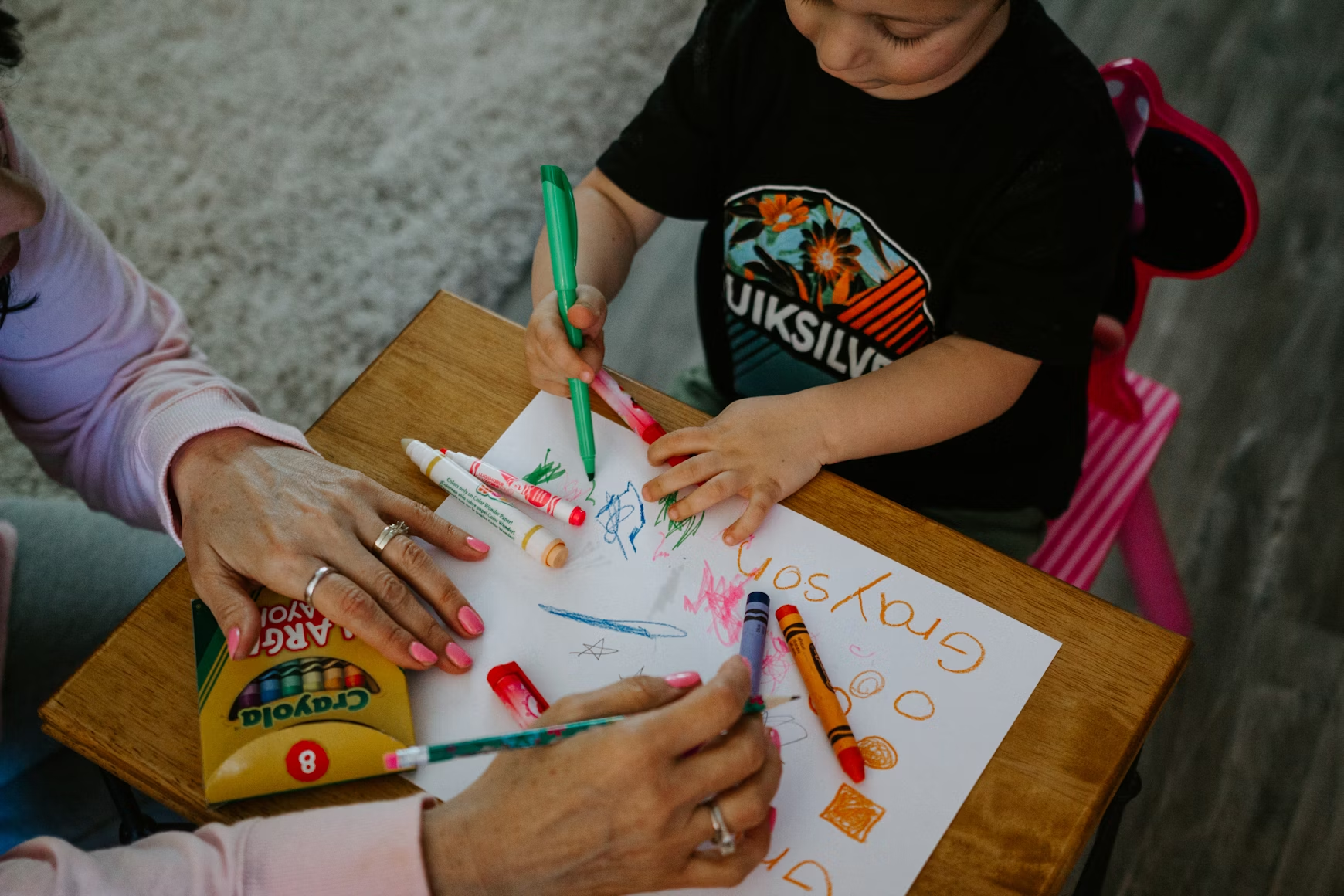
A hand writing names on colorful kindergarten cubbies.
Image Source: Unsplash

A Name to Grow With

Picture the name on kindergarten cubbies and a professional résumé. Some unique picks win over extended family once they’re attached to a smiling baby. And remember, if your child dislikes the name later, they can choose a nickname or even legally change it as an adult—another reason to focus on meaning and flexibility over family consensus.

Your Name, Your Story

Family opinions often come from love, but they shouldn’t outweigh your instincts. Take suggestions as inspiration, not mandates, and decide when—and if—you share your final pick. The name you choose marks the first page of your child’s story; write it with confidence and joy.

What are your thoughts regarding naming your baby, any new insights? Let us know in the comments below!

Read More

  • Why Some Parents Regret Choosing a Unique Name
  • 5 Baby Names That Have Been Banned Worldwide

Samantha Warren
Samantha

Samantha Warren is a holistic marketing strategist with 8+ years of experience partnering with startups, Fortune 500 companies, and everything in between. With an entrepreneurial mindset, she excels at shaping brand narratives through data-driven, creative content. When she’s not working, Samantha loves to travel and draws inspiration from her trips to Thailand, Spain, Costa Rica, and beyond.

Filed Under: Parenting Tagged With: baby name choice, baby names, family input baby name, name reveal, naming your baby, new baby tips | Parenting, parenting advice

These Are the 9 Most Common Mistakes Parents Make When Their Kids Start School

April 22, 2025 | Leave a Comment

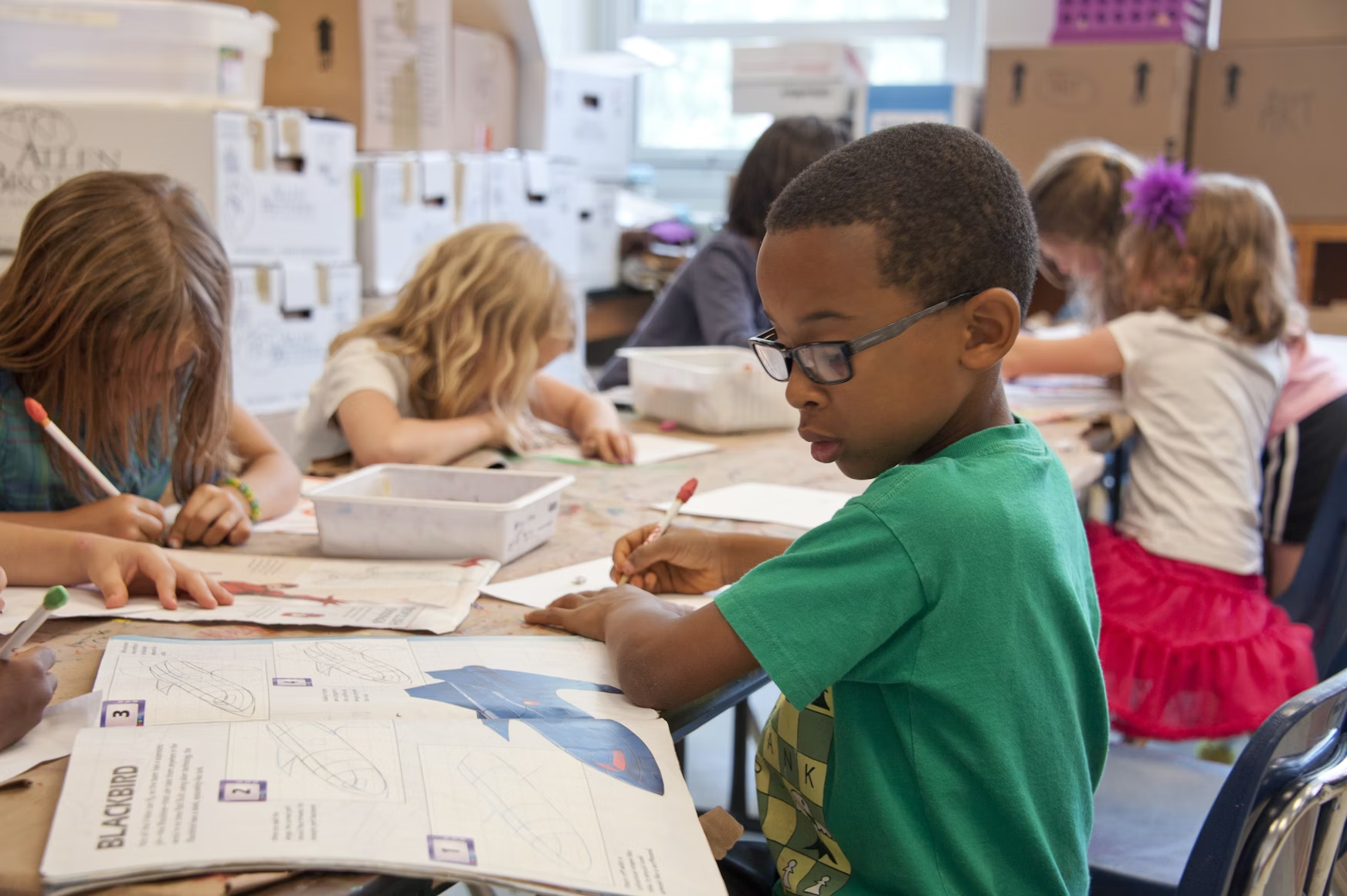
A classroom scene representing common parental missteps as kids begin school.
Image Source: Unsplash

That first day of school—backpacks zipped, lunches packed, hearts racing—is a moment filled with pride, anxiety, and sometimes a little chaos. Whether your child is stepping into a classroom for the first time or returning after summer break, how you handle the transition can shape their entire year. Below are nine back‑to‑school parenting missteps, why they happen, and what to do instead.

1. Overscheduling Children

Extracurriculars are valuable, but stacking every club, sport, and lesson can overwhelm kids and erode family time. A simple rule of thumb from many child development specialists is to cap structured activities at one or two per season and leave room for free play.

Try building a monthly wall calendar together so kids can see how full a week looks before they commit. If a new interest pops up mid‑semester, agree on a “one‑in, one‑out” policy: add karate only after soccer ends, or swap ballet for art club instead of juggling both.

2. Projecting Your Own Anxiety

Worries about grades, friends, or bullying can seep into your tone and body language. Kids are emotional mirrors; if you radiate tension, they’ll feel it too. Practicing a few calming breaths or quick visualizations before discussing school helps you model steadiness.

Use neutral prompts such as “How did recess feel today?” instead of leading with fear‑tinged questions like “Did anyone pick on you?” Modeling calm curiosity tells children you trust their resilience, which, in turn, strengthens it.

3. Failing to Prepare School Supplies

Missing notebooks and dull pencils create stress before the bell even rings. Aim to gather the school’s supply list at least two weeks early.

Stash an extra “backup kit” (spare glue sticks, erasers, tissues) in a zip‑bag that lives in their locker or cubby; it saves frantic last‑minute dashes when something runs out mid‑unit.

4. Minimizing Their Emotions

Brushing off worries with “You’ll be fine” tells kids their feelings don’t count. Instead, validate first—“It’s normal to feel nervous about a new teacher”—then brainstorm coping ideas together.

Teaching children to name emotions (“I feel fluttery in my stomach and worried”) boosts emotional intelligence and reduces meltdowns.

5. Putting Too Much Pressure on Academics

High expectations can motivate, but a relentless emphasis on grades may spark anxiety or avoidance. Praise effort and problem‑solving, not just perfect scores, to foster a growth mindset.

Ask “What strategy helped you solve that math puzzle?” rather than “What score did you get?” Celebrate incremental growth—moving from a C to a B‑, remembering to underline topic sentences—so kids learn that effort fuels progress.

Child in bed with a glowing tablet, suggesting ignored sleep schedules.
Image Source: Unsplash

6. Ignoring Sleep Schedules

A healthy bedtime routine has more academic impact than an extra worksheet. The American Academy of Pediatrics notes that grade‑schoolers need 9–12 hours nightly for optimal focus and mood.

Begin the “school‑year bedtime rollback” a week before classes start—move lights‑out 15 minutes earlier each night and pair it with a calming ritual (storytime, gentle stretches, or a warm bath) to cue the brain for sleep. Keep screens out of bedrooms; blue light delays melatonin release and makes early mornings tougher.

7. Skipping Breakfast

Kids who start the day hungry struggle with attention and emotional control. Keep quick options on hand—yogurt parfaits, peanut butter toast, or boiled eggs—for mornings when everyone oversleeps.

If appetite is low at dawn, pack a “first bell snack” such as a banana or whole‑grain muffin so fuel lands in the first hour of class. Pair carbs with protein to stabilize blood sugar and sustain focus until lunch.

8. Not Communicating With Teachers

Parents sometimes avoid contact, fearing they’ll seem overbearing. In reality, teachers value concise updates about home routines or concerns. A short, friendly email at mid‑term can open helpful dialogue.

Check in at mid‑term with a friendly, specific question—“How is Maya managing group work?”—and thank the teacher for something you’ve noticed. Mutual respect sets the stage for swift collaboration if issues arise.

9. Comparing Your Child to Others

Benchmarks can guide learning, but constant comparison chips away at confidence. Focus on your child’s individual progress: maybe they’ve become more organized, kinder to peers, or braver about raising a hand.

Share these observations aloud so kids see that progress isn’t only about test scores—it’s also about empathy, persistence, and creativity. Reinforcing personal wins cultivates intrinsic motivation and a lifelong love of learning.

Set the Tone for a Great Year—One Decision at a Time

Back‑to‑school parenting is less about perfection and more about thoughtful choices. By steering clear of these common mistakes—overscheduling, skipped breakfasts, late bedtimes—you help your child walk into class rested, prepared, and supported. That calm confidence is the best school supply of all.

Have you made any of these mistakes, or do you have others you’d like to add? Tell us in the comments below!

Read More

  • Sensory Integration Strategies for Children with Autism
  • 5 Smart Ways to Save on Back to School Supplies

Samantha Warren
Samantha

Samantha Warren is a holistic marketing strategist with 8+ years of experience partnering with startups, Fortune 500 companies, and everything in between. With an entrepreneurial mindset, she excels at shaping brand narratives through data-driven, creative content. When she’s not working, Samantha loves to travel and draws inspiration from her trips to Thailand, Spain, Costa Rica, and beyond.

Filed Under: Parenting Tagged With: back-to-school parenting, emotional support for kids, overscheduling children | Parenting, parenting mistakes, school preparation, School Readiness, start of school tips

10 Cheap Dinners Your Kids Will Actually Eat Without Complaining

April 22, 2025 | Leave a Comment

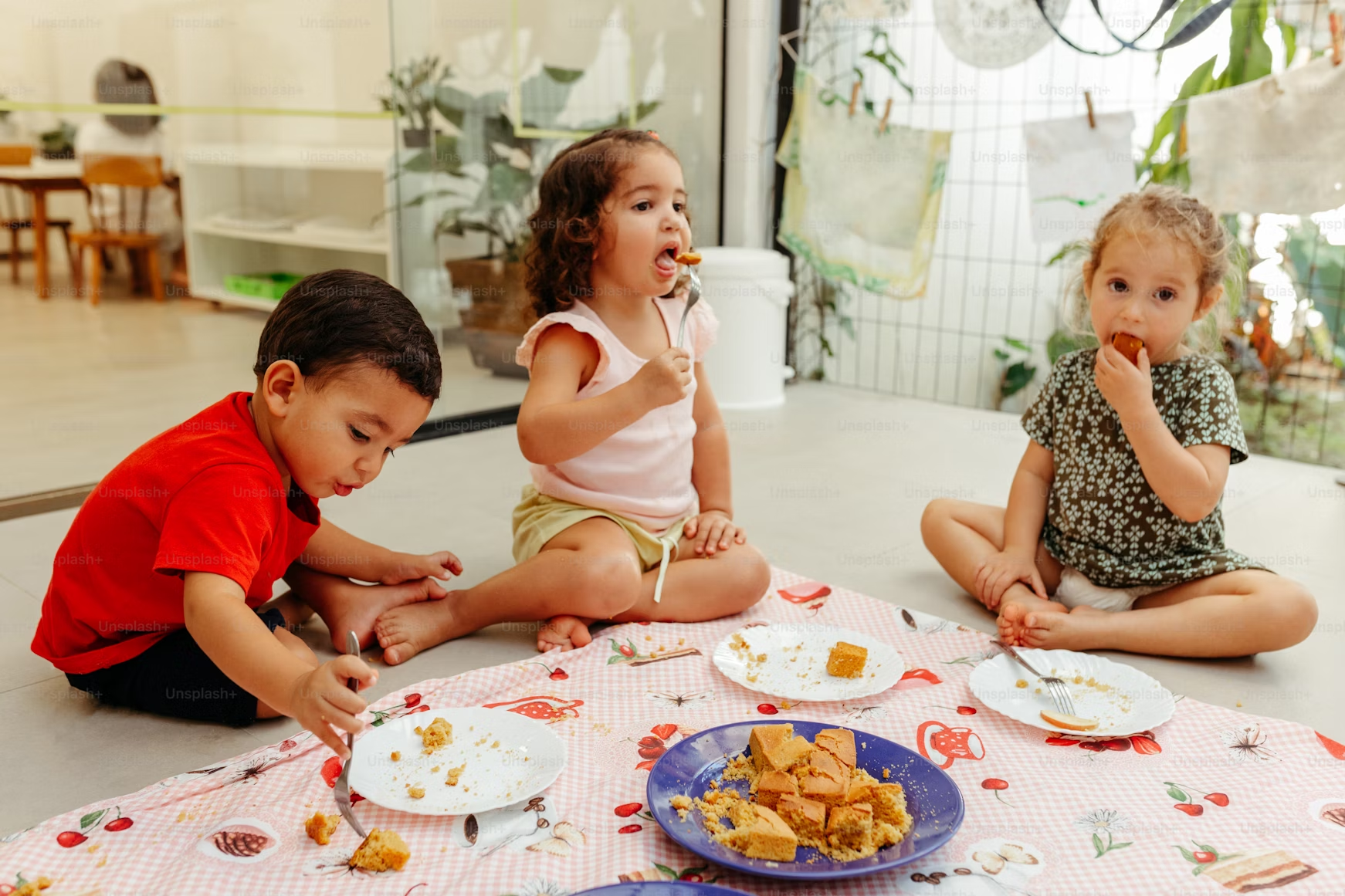
Kids happily enjoying a budget-friendly meal together.
Image Source: Unsplash

If your table has become a battleground between your budget and your child’s taste buds, you’re not alone. Feeding a family without overspending—or hearing nonstop grumbling—can feel like an Olympic sport. The good news? Dinner doesn’t have to be expensive or stressful. With a few pantry staples and some creative twists, you can whip up meals that are easy on your wallet and big on flavor. Below are ten cheap dinners kids happily devour—minus the dramatic sighs and bargaining.

1. Lazy Lasagna (Frozen Ravioli Lasagna)

Skip the noodle‑boil hustle: layer frozen cheese ravioli with marinara and shredded mozzarella, then bake until bubbly. It’s a clever spin I found while browsing these kid‑friendly dinner ideas. Customize with ground meat or hidden veggies; a family‑size pan costs about seven dollars.

2. Chicken Broccoli Rice Casserole

Combine canned or rotisserie chicken, steamed rice, frozen broccoli florets, a can of condensed cream soup (any flavor you like), a cup of milk, and a fistful of shredded cheddar. Mix in one bowl, dump in a casserole dish, and bake until the top is lightly browned. Everything cooks in one pan, leaving you with minimal cleanup and hearty leftovers for tomorrow’s lunchboxes.

3. Spanish Rice Soup

Got leftover white or brown rice? Simmer it with a can of crushed tomatoes, a can of black or pinto beans, chicken or veggie broth, and a sprinkle of cumin and chili powder. In fifteen minutes you have a smoky, satisfying soup for about three dollars.

Hand each child a ramekin of shredded cheddar or tortilla strips for DIY garnishing; kids are far more likely to eat when they “decorate” their bowls.

4. Ramen Noodle Stir‑Fry

Upgrade those 30‑cent ramen packets with frozen veggies and soy sauce. Ready in ten minutes, it costs less than four dollars and sneaks in produce without protest.

5. Lentil Spaghetti

Swap ground beef for lentils in your red sauce. The texture satisfies pasta lovers, the protein keeps everyone full, and the price tag hovers around five dollars.

6. Breakfast‑for‑Dinner Pancakes

Fluffy pancakes, scrambled eggs, and sliced fruit make weeknights feel special. Mix a big batch; freeze extras for future “I‑forgot‑to‑thaw‑anything” emergencies.

Crispy potato wedges on a tray, perfect for a DIY baked potato bar.
Image Source: Unsplash

7. DIY Baked Potato Bar

Bake russet potatoes, then let kids pile on toppings—cheese, beans, leftover chili, or steamed veggies. Autonomy at the table often means cleaner plates.

8. Grilled Cheese and Tomato Soup

Use sale bread and store‑brand cheese; pair with canned or homemade tomato soup. Dip, dunk, devour—total cost under five dollars.

9. Sloppy Joe Sliders

One pound of seasoned ground meat stretches across a dozen mini buns. Finger foods feel like a treat and portion sizes stay budget‑friendly.

10. Veggie‑Packed Quesadillas

Layer tortillas with cheese and finely chopped spinach or peppers. Pan‑toast until melty; slice into wedges and serve with salsa or yogurt dip. More ideas like this appear in these budget dinner tips for families.

What Dinner Peace Looks Like

These meals prove that quick, inexpensive dinners can still earn rave reviews—especially when kids help choose toppings or stir the sauce. Swap one of your usual standbys for a recipe here and enjoy the sound of satisfied silence (and cleaned plates).

These ten dinners prove you don’t need pricey ingredients or gourmet techniques to keep kids fed and content. Pantry shortcuts, frozen vegetables, and strategic “build‑your‑own” stations reduce both prep time and complaints. Rotate just one of these meals into your weekly plan and listen for the sweetest household sound: forks scraping empty plates instead of sighs and negotiations.

Have a budget‑friendly dinner that wins over your crew every time? Share your secret in the comments—we’re always hungry for new ideas!

Read More

  • Meal Planning For A Family On A Budget
  • How to Cost-Effectively Improve Your Family’s Healthy Eating Habits
Samantha Warren
Samantha

Samantha Warren is a holistic marketing strategist with 8+ years of experience partnering with startups, Fortune 500 companies, and everything in between. With an entrepreneurial mindset, she excels at shaping brand narratives through data-driven, creative content. When she’s not working, Samantha loves to travel and draws inspiration from her trips to Thailand, Spain, Costa Rica, and beyond.

Filed Under: Parenting Tagged With: affordable family meals, budget‑friendly meals, cheap dinner ideas, dinner recipes on a budget, easy meals for kids | Food & Family, kid‑friendly dinners, picky eaters

« Previous Page
Next Page »
  • Facebook
  • Pinterest
  • RSS
  • Twitter
Best Parenting Blogs

Most Popular

Baby Girl

12 “Grandma” Baby Names That Are Suddenly Cool Again

Evan Morgan
Baby

9 Baby Names That Sound Rare Without Being Hard to Spell

Evan Morgan
Target Store

Choking Incident Prompts Recall of 49,000 Target Gigglescape “Under the Sea” Popping Toys

Evan Morgan
Frustrated Girl

Why Some Students on the Spectrum Are Labeled With ODD

Evan Morgan
Coke Bottles

12 Things Kids Took to School in the ’70s That Would Never Be Allowed Today

Evan Morgan

All content on Kids Ain’t Cheap is for entertainment purposes only. By reading this blog, you agree that Kids Ain’t Cheap is not responsible for any actions taken after reading this blog. For the full disclaimer, see our privacy policy.

Please note that Kids Ain’t Cheap has financial relationships with some of the merchants mentioned here. Kids Ain’t Cheap is funded by banner advertising, commission sales and search optimization consulting.

Copyright © 2006–2026 | District Media | All Rights Reserved | Privacy Policy

Copyright © 2026 Runway Pro Theme by Viva la Violette