• Home
  • About Us
  • Toolkit
  • Archives
  • Advertise
  • Privacy Policy

Kids Ain't Cheap

But They Sure Are Worth It

  • Parenting
    • Baby Stuff
    • Books and Reading
      • Aesops Fables
      • Comic Books
    • Education
    • Family Time
    • Green Living
    • Growing Up
    • Healthy Living & Eating
    • Holidays
    • Parenting
    • Random Musings
    • Shopping
    • Stuff to Do
  • Money
  • Product Reviews
    • Books and Magazines
    • Discount Sites
    • Furniture
    • House Keeping
    • Reviews News
    • Toys and Games
  • Contact Us
  • Our Editorial Commitment
  • Search

Is Overscheduling Causing Burnout in Young Children?

January 31, 2026 | Leave a Comment

Is Overscheduling Causing Burnout in Young Children?
Image Source: Shutterstock.com

Soccer practice on Monday, dance class on Tuesday, tutoring on Wednesday, birthday party on Thursday, and a tournament-packed weekend that leaves everyone exhausted by Sunday night. For many families, this isn’t chaos—it’s normal life.

Parents want to give their kids every opportunity, every advantage, every possible skill set that might help them thrive in the future. But somewhere between enrichment and exhaustion, something important gets lost: childhood itself. The big question parents are starting to ask is simple but powerful: are we accidentally burning out our kids before they even get a chance to grow up?

The Rise Of The Hyper-Scheduled Childhood

Children today live in a world that runs on calendars, apps, reminders, and color-coded schedules. Playdates now require coordination like business meetings, and downtime often feels like wasted time instead of essential rest. Research in child development consistently shows that free play supports emotional regulation, creativity, and social skills, yet unstructured time has quietly shrunk in many households.

Parents often feel pressure to “optimize” childhood, turning it into a long résumé-building project instead of a developmental journey. While enrichment activities offer benefits, stacking too many can overwhelm a child’s nervous system. Balance matters more than volume, and childhood isn’t meant to feel like a productivity contest.

What Burnout Actually Looks Like In Young Kids

Burnout in children doesn’t look like adult burnout with office stress and job dissatisfaction, but it still shows up in powerful ways. It often appears as irritability, emotional outbursts, fatigue, anxiety, sleep issues, and sudden loss of interest in activities they once loved. Some kids become withdrawn and quiet, while others become hyper-reactive and easily overwhelmed.

Pediatric psychologists note that chronic stress in children can affect emotional development and coping skills. When every day feels rushed and every hour feels scheduled, kids lose the mental space to decompress. Emotional exhaustion in childhood is real, and it deserves to be taken seriously.

Is Overscheduling Causing Burnout in Young Children?
Image Source: Shutterstock.com

When Enrichment Becomes Pressure

Activities like sports, music, and academics can be wonderful for growth, confidence, and social development. The problem begins when those activities shift from joy-based to performance-based. Kids start feeling pressure to excel instead of explore, which transforms learning into stress.

When children feel like their value comes from achievement rather than being themselves, anxiety naturally follows. Developmental experts consistently emphasize that intrinsic motivation builds healthier long-term success than external pressure. Childhood thrives on curiosity, not constant evaluation.

The Role Of Adult Anxiety In Kids’ Schedules

Parents don’t overschedule kids out of neglect; they do it out of love, fear, and concern for their future. Many adults worry about competition, college readiness, and long-term success starting earlier than ever before. Social comparison also plays a role, especially in communities where “busy kids” feel like a badge of good parenting.

But adult anxiety often gets transferred onto children through packed schedules and constant structure. When parents slow down, kids usually follow. Modeling balance teaches kids that rest is not laziness—it’s health.

Why Boredom Is Actually Healthy

Boredom has a terrible reputation, but it plays a powerful role in development. Neuroscience research shows that boredom encourages creativity, imagination, and problem-solving. Unstructured time allows kids to invent games, explore curiosity, and regulate emotions independently.

When every moment is filled, children never learn how to manage stillness or self-direction. Boredom builds resilience because kids learn how to cope with quiet and uncertainty. A little boredom today creates emotional strength tomorrow.

How To Build A Healthier Balance Without Guilt

The goal is not to eliminate activities, but to restore breathing room. Start by limiting structured activities to a manageable number per week and protecting at least a few unscheduled days. Let kids participate in decisions about what they enjoy and what feels overwhelming.

Watch energy levels, not just performance levels, when evaluating schedules. Build in family downtime that has no agenda and no destination. Balance does not mean doing less for your child; it means doing what truly supports their well-being.

Raising Humans, Not Hustlers

Childhood isn’t a training program for adulthood—it’s a developmental stage that shapes emotional health for life. Overscheduling doesn’t just exhaust kids; it teaches them that productivity matters more than presence. When kids grow up believing rest equals failure, burnout becomes their default mode. Slower schedules create space for connection, creativity, and emotional security.

Are we preparing children for success—or accidentally training them for burnout before they even understand what stress is? Give us your tips and stories in the comments below.

You May Also Like…

The ‘Silent Sibling’ Syndrome: Why Your Well-Behaved Child Is Actually the One at Highest Risk for Burnout

10 Warning Signs Of Childhood Burnout (Yes, It’s a Thing Now)

8 Silent Symptoms of “Walking Pneumonia” Spiking in Virginia Schools This Week

7 Children’s Shows That Experts Say Spike Anxiety Levels

11 School Practices That Punish Neurodivergent Children


Brandon Marcus
Brandon Marcus
Brandon Marcus is a writer who has been sharing the written word since a very young age. His interests include sports, history, pop culture, and so much more. When he isn’t writing, he spends his time jogging, drinking coffee, or attempting to read a long book he may never complete.

Filed Under: Family Tagged With: child development, childhood burnout, early childhood, emotional wellness, family life, Mental Health, modern parenting, Parenting, parenting tips, stress in kids, work-life balance

9 Traditional Family Routines That Help Kids Feel Secure

January 28, 2026 | Leave a Comment

These 9 Traditional Family Routines That Help Kids Feel Secure
Image Source: Shutterstock.com

Kids do not need perfectly curated childhoods to thrive, but they do need predictability, connection, and a sense of belonging. In a world that feels loud, rushed, and often unpredictable, simple family routines can quietly anchor children emotionally. Research consistently shows that routines support emotional regulation, behavior, and resilience, especially during times of stress or change.

According to parenting experts, family routines for kids create a reliable framework that helps children understand what comes next and where they fit. The following traditional routines may seem old-fashioned, yet they continue to shape emotionally secure kids in powerful, lasting ways.

1. Regular Family Mealtimes

Sitting down together for meals gives kids a daily reminder that they matter and belong. These moments offer consistency while creating space for conversation, storytelling, and emotional check-ins.

Predictable routines like shared meals strengthen family relationships and emotional safety. Even short meals can reinforce stability when they happen regularly. For family routines for kids, mealtime connection remains one of the most effective and accessible habits.

These Are 9 Traditional Family Routines That Help Kids Feel Secure
Image Source: Shutterstock.com

2. Consistent Bedtime Rituals

A predictable bedtime routine helps children transition from stimulation to rest with greater ease. Activities like reading, bathing, or quiet conversation signal safety and closure to the day.

Calming routines before sleep support emotional regulation and reduce anxiety. When bedtime follows a familiar pattern, kids fall asleep feeling secure rather than rushed or unsettled. This consistency reinforces trust in their environment and caregivers.

3. Morning Routines That Set The Tone

Mornings often feel hectic, but consistent rituals can change the emotional energy of the day. Simple habits like eating breakfast together or sharing a quick check-in help kids feel grounded before heading out. Predictable mornings reduce stress and help children mentally prepare for transitions.

Experts emphasize that routines provide emotional reassurance even when days feel challenging. Family routines for kids work best when they start and end the day with intention.

4. Weekly Family Traditions

Weekly traditions give children something reliable to look forward to amid busy schedules. Movie nights, game nights, or weekend walks become emotional touchpoints over time. These rituals build shared identity and strengthen family bonds.

Repeated shared experiences reinforce emotional stability. Kids often remember these small traditions long after childhood ends.

5. Shared Chores And Responsibilities

Involving kids in household tasks builds competence and belonging. When chores follow predictable routines, children understand expectations and feel trusted. Research shows that contributing to family life supports self-esteem and responsibility. These routines also teach teamwork rather than punishment-based compliance. Family routines for kids should include opportunities to participate meaningfully.

6. Rituals For Transitions And Goodbyes

Transitions can feel unsettling for children, especially younger ones. Simple goodbye rituals, such as hugs or special phrases, provide emotional reassurance. Predictable rituals help kids manage separation and change. These moments reduce anxiety and increase emotional confidence. Over time, children internalize these routines as emotional safety cues.

7. Celebrating Milestones Together

Acknowledging birthdays, achievements, and seasonal events reinforces a sense of continuity. These celebrations help kids understand time, growth, and belonging within the family unit. Rituals around milestones show children that their experiences matter.

According to experts, shared celebrations strengthen emotional memory and connection. Family routines for kids thrive when life events feel meaningful and shared.

8. Daily Emotional Check-Ins

Regular emotional check-ins normalize talking about feelings without pressure. Asking simple questions about highs and lows builds emotional literacy over time. Routines supporting emotional expression increase resilience. When check-ins happen consistently, kids feel heard rather than interrogated. Emotional safety grows when children know someone will listen.

9. Predictable Family Time Without Distractions

Unstructured time together creates space for genuine connection. Turning off devices during designated family time signals presence and attention. Consistency matters more than duration when building trust. Research shows children feel more secure when caregivers are emotionally available. Family routines for kids flourish when attention feels intentional.

Why Simple Routines Create Lifelong Emotional Safety

Children do not need constant novelty to feel fulfilled; they need reliability and connection. Traditional routines offer emotional anchors that help kids navigate uncertainty. These habits quietly teach trust, regulation, and belonging. Over time, family routines for kids shape how children experience relationships beyond the home. Small, repeated moments often create the strongest sense of security.

What family routines have made the biggest difference in your household, and which ones would you like to strengthen next?

You May Also Like…

7 Boomer-Era Family Traditions That Lower Household Stress

How to Build a Family Emergency Fun Jar for Unexpected Winter Activities

Are Parents Ignoring Early Signs of Anxiety in Elementary Kids?

How to Create a Family Savings Jar with Kids That Feels Like a Game

After-School Routines That Help Your Kids Wind Down And Save You Stress

Brandon Marcus
Brandon Marcus
Brandon Marcus is a writer who has been sharing the written word since a very young age. His interests include sports, history, pop culture, and so much more. When he isn’t writing, he spends his time jogging, drinking coffee, or attempting to read a long book he may never complete.

Filed Under: Family Tagged With: child development, emotional security, family life, family routines, kids and routines, Parenting

7 Parenting Expenses That Quietly Drain Budgets After the Holidays

January 27, 2026 | Leave a Comment

These Are 7 Parenting Expenses That Quietly Drain Budgets After the Holidays
Image Source: Shutterstock.com

In Fayetteville, GA, a quiet rollout just rewired family budgets. In Volusia County, Florida, school administrators executed the same shift under a different name. Parents missed it because the change hid behind routine post-holiday paperwork and a legal loophole timed for the 2025–2026 season.

This exists because the hidden costs of kids escalated without a press conference. Districts framed it as modernization. Vendors framed it as safety. Families now face an unprecedented squeeze that starts local and bleeds national.

Post-Holiday Costs For Your Family

Statehouses set the tone. Georgia HB 268 expanded behavioral monitoring standards tied to school-issued devices. HB 340 tightened “distraction” compliance and pushed enforcement costs downstream. Florida Statute 39 sharpened reporting triggers tied to digital conduct. Together, they created seven budget drains for your family that only activate after the holidays, when parents already run thin.

Silent Fee #1: device compliance insurance. Districts require protection plans to meet 2026 school policy standards. Families pay monthly or risk confiscation.

Silent Fee #2: monitoring subscriptions. HB 268 compliance pushes software licenses onto households when students use devices at home.

Silent Fee #3: tutoring by mandate. HB 340 discipline escalations trigger “corrective services.” Parents pay for approved tutors to avoid suspensions.

Silent Fee #4: transportation penalties. Attendance enforcement tightens. Missed buses rack up ride-share costs or paid aftercare.

Silent Fee #5: legal consults. Florida Statute 39 reporting thresholds push cautious parents to attorneys after algorithmic flags.

Silent Fee #6: extracurricular tolls. Eligibility rules now hinge on compliance metrics, not grades. Families pay club fees to preserve transcripts.

Silent Fee #7: data recovery and replacement. Confiscations and resets erase work. Parents fund recovery or replacement to meet deadlines.

Districts cite safety. Vendors cite efficiency. The bill lands on kitchen tables and it makes the beginning of the new year, already stressful, even worse.

The Bottom Line For Your Bottom Line

High-stakes parenting now taxes money, privacy, and future access. Ignore these drains, and parents lose more than cash. Monitoring subscriptions siphon bank accounts and crater credit utilization through monthly churn. Legal consults drain emergency funds. Eligibility rules burn social capital when kids exit teams and networks.

Privacy erodes first; opportunity follows. Parents who delay absorb higher costs later because compliance penalties stack fast and publicly. Fayetteville parenting forums now document the same pattern Volusia parenting groups flagged last semester. Loss aversion rules here. Pay early, or pay reputational interest forever.

These Are 7 Parenting Expenses That Quietly Drain Budgets After the Holidays
Image Source: Shutterstock.com

What’s Best For Your Budget?

Choose now. Safety with surveillance or liberty with risk—which value earns your signature for the 2026 school policy era? Comment and pick a side.

You May Also Like…

9 January Budget Hacks Parents Use to Recover From Holiday Spending

Why Meal-Planning During the Holidays Can Save You More Than Just Money

7 Old-School Parenting Habits That Still Save Families Money

Money-Saving Hacks for Parents Shopping Clearance Clothes After the Holidays

How to Stretch Your Holiday Gift Budget Without Sacrificing Fun for Kids

Brandon Marcus
Brandon Marcus
Brandon Marcus is a writer who has been sharing the written word since a very young age. His interests include sports, history, pop culture, and so much more. When he isn’t writing, he spends his time jogging, drinking coffee, or attempting to read a long book he may never complete.

Filed Under: Parenting Tagged With: Family, family spending, holiday expenses, holiday spending, Holidays, Parenting, parenting expenses, Spending

Are Parents Overlooking Trauma Caused by “Normal” Discipline?

January 25, 2026 | Leave a Comment

Are Parents Overlooking Trauma Caused by “Normal” Discipline?
Image Source: Shutterstock.com

In Fayetteville, GA, and inside Volusia County classrooms, a hidden reality snapped into place for the 2025–2026 season. Districts pushed through a quiet rollout of revised discipline protocols under an unprecedented legal loophole. Officials labeled the changes “clarifications.”

Families now live with the consequences. What schools and caregivers still call normal discipline now triggers a new threshold of scrutiny, data capture, and reporting that did not exist last year—and it spreads fast.

The Reporting Trap Nobody Explains

Georgia families face a sharper edge under O.C.G.A. § 19-7-5, the state’s mandated reporting statute. In 2026, districts tightened internal guidance on what staff must flag as suspected emotional harm, not just physical injury. Teachers now log repeated isolation, forced compliance tactics, and humiliation-based discipline as reportable patterns.

Florida Statute 39 mirrors that shift. Volusia County trained staff to treat cumulative stress as risk, not noise. Parents who rely on “that’s how I was raised” collide with a system that documents first and asks questions later.

Behavioral Data Now Outpaces Parental Intent

Georgia HB 268, framed as behavioral monitoring for safety, accelerated a cultural shift for the 2026 school year. Schools track behavior at scale. Administrators link discipline records to intervention pathways that pull in counselors, social workers, and—when thresholds trip—child welfare.

Parents insist they enforce boundaries. Systems record outcomes. Once a child’s file fills, intent stops mattering. Evidence drives action. The “Authoritative 2.0” movement argues for structure plus warmth, but districts increasingly punish friction-heavy discipline that spikes stress markers. Friction-maxxing without guardrails now invites scrutiny.

The Bill Comes Due—Quietly

This issue drains wallets and wrecks credit in ways parents underestimate. Evaluations cost money. Therapy referrals cost money. Missed workdays cost money.

Legal consults cost money. Families lose privacy when records circulate across agencies. They lose social capital when a whisper follows their child.

They lose future options when disciplinary flags shadow transfers and extracurricular eligibility. Ignore this shift and parents pay the hidden costs of kids twice: once at home, again in systems that monetize “support.” High-stakes parenting now includes compliance literacy.

Are Parents Overlooking Trauma Caused by “Normal” Discipline?
Image Source: Shutterstock.com

What Parents Must Do 

Parents need to audit discipline the same way they audit finances. Document strategies. Replace humiliation with predictability. Train yourself on 2026 School Policy language that schools use against you.

Fayetteville parenting groups already trade templates for communication logs. Florida parents push back with written plans that align home discipline with district frameworks. This is not softness. This is defense.

What’s Your Choice?

Do you choose parental authority at all costs—or financial security and your child’s clean record in a system that never forgets?

You May Also Like…

Are Parents Ignoring Early Signs of Anxiety in Elementary Kids?

8 Parenting Rules That Were Invented by Social Media—Not Experts

6 Co-Parenting Habits That Breed Quiet Resentment Over Time

10 Common Phrases Parents Say That Can Damage Emotional Growth

Parental Trauma: Healthy Children Have Never Had to Endure These 12 Things

Brandon Marcus
Brandon Marcus
Brandon Marcus is a writer who has been sharing the written word since a very young age. His interests include sports, history, pop culture, and so much more. When he isn’t writing, he spends his time jogging, drinking coffee, or attempting to read a long book he may never complete.

Filed Under: Parenting Tagged With: conflict, Families, Family, family issues, honest parenting, modern parenting, parent, Parenting, parenting tips, Parents, trauma

6 Baby Names That Sound Cute Now but Cause Problems Later

January 25, 2026 | Leave a Comment

6 Baby Names That Sound Cute Now but Cause Problems Later
Image Source: Shutterstock.com

In Fayetteville, GA, parents are already clashing with school intake systems that freeze when a child’s name doesn’t “parse correctly.” In Volusia County, Florida, registrars now flag the same issue under a quiet rollout tied to the 2025–2026 season.

This is not a glitch. This is an unprecedented collision between naming trends and bureaucratic automation, enabled by a legal loophole no district advertises. The hidden reality: the cuter the name, the harder the system pushes back—and it starts earlier than kindergarten.

Names the System Treats as Errors

The data from 2026 enrollment software vendors is blunt. Names that resemble usernames, brand terms, or nontraditional spellings trigger secondary verification.

Schools justify this under “data integrity” standards aligned with the Authoritative 2.0 movement—less accommodation, more friction. Administrators call it Friction-Maxxing: slowing families down to reduce fraud, burnout, and liability.

These six names show up repeatedly in flagged files across Georgia and Florida districts:

  • Brayxleigh
  • Jaxxon
  • Nevaeh
  • Kynslee
  • Legend
  • King

Each sounds harmless at birth announcements. Each becomes a procedural headache by age five.

Bias Doesn’t Announce Itself

Under 2026 school policy updates, districts expanded behavioral and identity cross-checks. While Georgia HB 340 officially targets classroom distractions, its downstream effect empowers schools to standardize student records aggressively. Florida districts lean on similar authority through internal compliance rules tied to Florida Statute 39 reporting structures.

Translation: names that trigger “manual review” invite human judgment. Human judgment carries bias. Counselors deny it publicly. Parents document it privately.

6 Baby Names That Sound Cute Now but Cause Problems Later
Image Source: Shutterstock.com

The Real Cost Nobody Budgets For

This is where the hidden costs of kids explode. Every flagged enrollment means time off work, notarized affidavits, legal name clarifications, and credit-card-funded fixes you never planned. Parents lose money paying for document reissuance.

They also lose privacy when schools demand additional proof. Parents lose social capital when teachers quietly lower expectations before the first worksheet lands on the desk.

Ignore this, and you gamble with your child’s future trajectory. Intervention services, gifted placements, even disciplinary discretion hinge on clean records and smooth processing. A name that constantly “breaks the system” drains more than patience—it drains opportunity.

High-stakes parenting means anticipating friction before it charges interest.

What You Can Still Control

You cannot rewrite national databases overnight. You can stop pretending names exist outside systems. In 2026, names operate like passwords. Complicated ones lock you out faster.

Parents in Fayetteville already adjust their course for younger siblings. Parents in Volusia County warn each other in private groups, not PTA meetings. Silence keeps the problem profitable for everyone but you.

It’s Up To You

Do parents prioritize personal expression at birth—or financial security and institutional access for the next 18 years? Pick one, and defend it in the comments.

You May Also Like…

The “2026 Name Filter”: 5 Trendy Baby Names That Are Already Becoming Playground Slang for Slow

6 Baby Name Trends Making a Comeback From the 1970s

7 “Harmless” Nicknames That Kids Secretly Hate

10 Baby Name Combinations That Are Quietly Ridiculed in Classrooms

Why Some States Are Pushing Back Against Trendy Baby Names


Brandon Marcus
Brandon Marcus
Brandon Marcus is a writer who has been sharing the written word since a very young age. His interests include sports, history, pop culture, and so much more. When he isn’t writing, he spends his time jogging, drinking coffee, or attempting to read a long book he may never complete.

Filed Under: Baby Names Tagged With: babies, Baby Name, baby names, bad baby names, Families, Family, family choices, modern parenting, Parenting, parenting tips, Parents, unfortunate baby names

The ‘Birthday Party Blacklist’: Why Not Hosting a ‘Luxury Experience’ Is Making Your Child a Social Pariah

January 24, 2026 | Leave a Comment

The 'Birthday Party Blacklist': Why Not Hosting a 'Luxury Experience' Is Making Your Child a Social Pariah
Image Source: Shutterstock.com

In Fayetteville, GA, parents are trading screenshots in group chats instead of RSVPs. In Volusia County, Florida, the same pattern shows up in carpool lines. For the 2025–2026 school year, an unprecedented social sorting mechanism has slipped into elementary culture through a quiet rollout and a legal loophole no one voted on.

Schools still call themselves “free.” But the hidden reality has changed: children whose families don’t host a “luxury experience” birthday party are sliding onto an informal blacklist. No memo announces it. No principal owns it. Yet the consequences land with surgical precision.

The Cultural Mechanism Schools Won’t Name

This is not nostalgia or kids being kids. This is the downstream effect of the “Authoritative 2.0” movement colliding with algorithm-shaped childhood. Schools push structure and compliance inside the building, then outsource social belonging to the marketplace outside it.

Fayetteville PTA leaders admit off-record that “equity guidelines” prevent schools from hosting celebrations. Volusia County guidance for 2026 School Policy doubles down on instructional purity while ignoring what fills the vacuum. Parents now stage private events to signal status because the institution refuses to arbitrate fairness.

Friction-Maxxing Or Social Exile

Experts label the corrective strategy “Friction-Maxxing”: parents deliberately reintroduce boundaries and discomfort to counter burnout culture. But here’s the catch.

Friction now carries a social penalty for kids. The child who attends trampoline parks, themed venues, and catered events earns proximity to peers.

The child who hands out cupcakes at home loses invitations for the rest of the year. Parents are not imagining this. District counselors in Marion County have flagged 2026 increases in “peer exclusion stress” tied directly to off-campus events, according to internal briefings shared with advocacy groups.

The Money Bleed No One Budgets For

The average “acceptable” party in metro Atlanta now runs $650–$1,200. Parents who opt out don’t save money; they hemorrhage social capital. Ignore this, and you lose leverage with other families, access to carpools, and the soft networks that protect your child when conflict hits.

Credit cards absorb the shock first. Then privacy goes. Party photos become surveillance tools, ranking families by spend and spectacle. The hidden costs of kids no longer hide. They compound, and they follow your child into middle school.

The 'Birthday Party Blacklist': Why Not Hosting a 'Luxury Experience' Is Making Your Child a Social Pariah
Image Source: Shutterstock.com

The Institutional Escape Hatch

Schools avoid liability by staying silent. They frame neutrality as virtue while benefiting from the Authoritative 2.0 glow-up. Parents pay the difference. This is high-stakes parenting under a 2026 School Policy regime that regulates behavior in classrooms and monetizes belonging everywhere else.

Fayetteville parenting forums already show fractures between families who “play the game” and families who refuse. Volusia County Parenting groups are next.

Choose Your Loss

Here’s the argument you can’t dodge: Do you protect your financial security and accept your child’s social exclusion, or do you buy social inclusion and accept the long-term drain on money, privacy, and values? There is no third option anymore. Which cost are you willing to lock in?

You May Also Like…

9 Birthday Traditions That Widen Generation Gaps in Parenting

9 Hidden Fees Behind Birthday Party Rentals That Aren’t Listed Upfront

7 Birthday Party Expectations That Have Gotten Out of Control

6 Birthday Party Expense Hacks Exposed: Slash Costs With These Unexpected Secrets!

Skip These 7 Expenses When Planning a Kid’s Birthday Party

Brandon Marcus
Brandon Marcus
Brandon Marcus is a writer who has been sharing the written word since a very young age. His interests include sports, history, pop culture, and so much more. When he isn’t writing, he spends his time jogging, drinking coffee, or attempting to read a long book he may never complete.

Filed Under: Family Tagged With: Birthday, birthday parties, Child, child's social life, children, Families, Family, family issues, Parenting, parenting tips, social life

The ‘Free School’ Trap: Why Your Child’s 2026 Extracurriculars Are Secretly Affecting Your Credit Score

January 24, 2026 | Leave a Comment

The 'Free School' Trap: Why Your Child’s 2026 Extracurriculars Are Secretly Affecting Your Credit Score
Image Source: Shutterstock.com

In Fayetteville, GA, and across Volusia County, Florida, parents entered the 2025–2026 season assuming “free school” still meant zero downstream risk. That assumption just expired. Districts pushed an unprecedented, quiet rollout of extracurricular “support platforms” through a legal loophole that treats optional programs as private services.

The hidden reality: these add-ons now create data trails that follow families beyond the school gate. Local pilots turned national overnight, and the shift hits hardest where parents least expect it—after dismissal, during clubs, tutoring, and enrichment that claim to cost nothing.

The Surveillance Clause No One Read

Georgia HB 268, effective for the 2026 school year, expanded behavioral monitoring standards under the banner of safety and engagement. Districts now log participation data from after-school programs into shared compliance systems.

Fayette County schools integrated these logs with third-party vendors that manage sign-ups, attendance, and incident tracking. Parents clicked consent screens to keep kids enrolled.

Those screens authorized data sharing with “educational partners,” a term HB 268 left intentionally broad. Schools framed the move as modernization. Vendors framed it as efficiency. Parents absorbed the risk.

Distraction Policy by Day, Data Harvest by Night

Georgia HB 340 targeted school distractions during class hours. Districts responded by relocating attention-heavy activities to after-school windows. That move created a compliance gray zone.

The same vendors that enforce distraction rules by day monetize engagement metrics by night. Florida districts followed suit. Volusia County standardized vendor use across middle schools for 2026 to “ensure equity.”

Equity arrived with profiles, timestamps, and behavioral flags tied to a parent’s email and payment method for “optional” upgrades. The law permits the practice. The notice obscures the cost.

The 'Free School' Trap: Why Your Child’s 2026 Extracurriculars Are Secretly Affecting Your Credit Score
Image Source: Shutterstock.com

The Credit Consequence Schools Don’t Disclose

Here’s the financial pivot administrators dodge. These platforms upsell. Miss a micro-fee for a tournament jersey or late pickup? Vendors route balances through consumer payment processors.

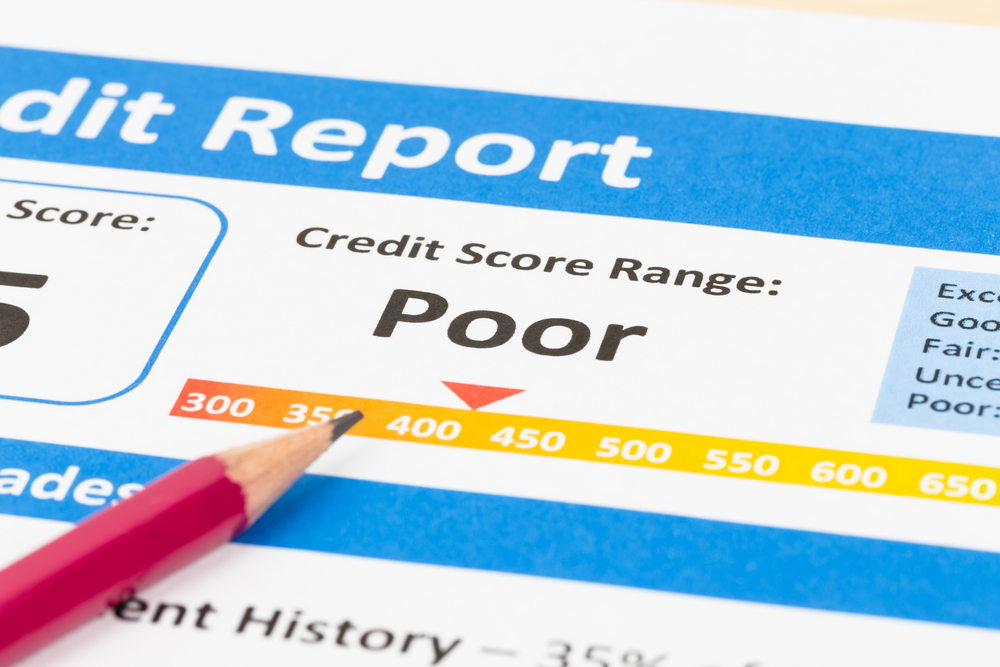
Those processors report delinquencies. Parents lose privacy first, then money, then credit headroom. Ignore the emails and watch a 30-day mark land on your report. Families also lose social capital. Opt out and your child exits teams, enrichment, and peer networks that gate future recommendations.

This isn’t hypothetical. Parents already report denials for car loans after a single $47 “optional” balance rolled over. High-Stakes Parenting now includes credit hygiene.

What Parents Must Do—Now

Audit every extracurricular portal. Demand vendor lists. Freeze cards. Use single-use payments. Push districts for opt-out without penalty. Friction-maxx your parenting. The system counts on fatigue. Refuse it.

Do you accept expanded safety and inclusion if it quietly taxes your credit—or do you defend financial security even when it costs your child social access?

You May Also Like…

The “Smart Locker” Trap: Why Schools Are Quietly Auditing Your Child’s Private Devices

Parenting Hacks for College Students: 8 Tips to Juggle Studies and Kids

Why Are Public Schools Quietly Removing Librarians?

11 School Practices That Punish Neurodivergent Children

Why Are Some Schools Replacing Lunch With Vending Machines?


Brandon Marcus
Brandon Marcus
Brandon Marcus is a writer who has been sharing the written word since a very young age. His interests include sports, history, pop culture, and so much more. When he isn’t writing, he spends his time jogging, drinking coffee, or attempting to read a long book he may never complete.

Filed Under: Education Tagged With: Credit Score, Debt, education, extracurricular activities, Family Finance, financial tips, money management, Parenting, personal finance, school

Why Daycares Are Moving to ‘AI-Only’ Monitoring: What Happens When a Machine Decides Your Child Is ‘High Risk’?

January 23, 2026 | Leave a Comment

Why Daycares Are Moving to 'AI-Only' Monitoring: What Happens When a Machine Decides Your Child Is 'High Risk'?
Image Source: Shutterstock.com

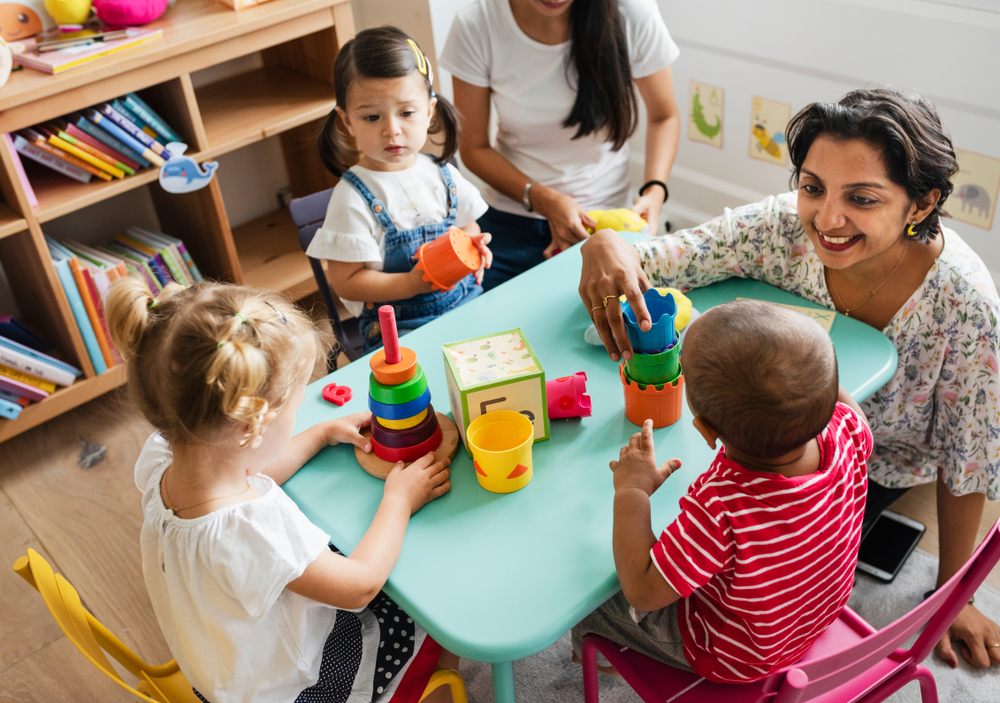
In Fayetteville, GA, and across Volusia County, Florida, something unprecedented slid into place for the 2025–2026 season. Daycares executed a quiet rollout of “AI-only” behavioral monitoring under a legal loophole few parents noticed. Administrators framed it as safety tech. Regulators framed it as efficiency.

Parents now face a hidden reality: a machine flags children as “high risk” before a human even looks up. This is not a pilot. This is a system change, and it is local-to-national by design.

Policy Moved Faster Than Consent

Georgia’s policy landscape greased the rails. Georgia HB 268, billed around behavioral monitoring, expanded the data pathways schools and childcare partners use to log, retain, and share behavioral indicators.

HB 340, focused on school distractions, normalized device-driven oversight during the school day. Daycares took the cue. They adopted AI scoring to document “patterns” that justify staffing ratios, expulsions, and referrals—without a parent signature. This is 2026 school policy in action: compliance first, conversation later.

The Legal Trapdoor

Here’s the line parents miss. O.C.G.A. § 19-7-5 in Georgia and Florida Statute 39 mandate reporting when there’s reasonable cause to suspect harm. AI doesn’t suspect. AI scores.

Once a child crosses a threshold—aggression, elopement risk, sensory noncompliance—the daycare documents escalate. Staff protect themselves. Reports trigger. A dataset becomes a dossier. Families learn about “concerns” after the record locks. That is not transparency. That is automation laundering liability.

Why Daycares Are Moving to 'AI-Only' Monitoring: What Happens When a Machine Decides Your Child Is 'High Risk'?
Image Source: Shutterstock.com

The Money Drain

This is where the bill hits. A flagged child costs parents money and time immediately. Expect higher tuition tied to “support needs,” sudden requirements for private evaluations, and gaps in care when centers “pause enrollment.”

Credit scores absorb the shock when therapy and legal consults land on cards. Social capital evaporates when whispers follow your family in Fayetteville parenting groups and Florida parenting networks.

Ignore this and you lose privacy today, money this quarter, and your child’s future placements next year. Loss aversion isn’t theory here. It’s math.

Safety Sold As Progress

Operators sell AI-only monitoring as safety. It is risk transfer. Machines standardize judgment so humans avoid accountability. The “Authoritative 2.0” crowd cheers control without friction. The parents paying the hidden costs of kids absorb the fallout.

Do you choose safety that flags first and asks later, or parental liberty that accepts risk but protects due process for children?

You May Also Like…

8 Childcare “Perks” That Are Actually Draining Your Wallet

The “Smart Locker” Trap: Why Schools Are Quietly Auditing Your Child’s Private Devices

8 Winter Activities That Cost Almost Nothing but Kids Love

9 Warning Signs That Your Child’s Daycare Is Cutting Corners

10 Children’s Medications That Were Recently Recalled

Brandon Marcus
Brandon Marcus
Brandon Marcus is a writer who has been sharing the written word since a very young age. His interests include sports, history, pop culture, and so much more. When he isn’t writing, he spends his time jogging, drinking coffee, or attempting to read a long book he may never complete.

Filed Under: Technology Tagged With: AI, artificial intelligence, babysitting, Childcare, children, daycare, Family, Kids, modern parenting, Parenting, parentings tips

The ‘January Fever’ Warning: 3 Pediatric Symptoms Parents are Dismissing as ‘Just a Cold’—Until It’s Too Late.

January 23, 2026 | Leave a Comment

The 'January Fever' Warning: 3 Pediatric Symptoms Parents are Dismissing as 'Just a Cold'—Until It’s Too Late.
Image Source: Shutterstock.com

Fayetteville, GA parents are swapping notes in carpool lines. Volusia County, Florida administrators are quietly updating attendance guidance. Something unprecedented shifted for the 2025–2026 season, and most families missed the memo.

Pediatricians now track a “January Fever” pattern through a quiet rollout of school health policies and reporting thresholds. This hidden reality sits inside a legal loophole that treats early warning signs as routine absences—until the window to act slams shut.

The Quiet Policy Shift You Didn’t Read

Georgia’s 2026 school environment changed under HB 268 and HB 340, laws that expanded behavioral monitoring and tightened distraction controls in classrooms. Schools now flag patterns earlier, but parents still shrug off symptoms at home, especially because it seems like there are always so many of them.

Florida districts, including Volusia County, aligned with Florida Statute 39’s mandated reporting framework, which escalates concerns faster when health issues intersect with attendance. Translation: what parents dismiss as “just a cold” now triggers institutional scrutiny sooner—and consequences cascade.

The Three Symptoms Everyone Minimizes

  1. Low-grade fever with morning lethargy. Parents send kids anyway. Schools log it as a pattern. Pediatricians see viral-to-inflammatory pivots that demand early labs.
  2. Persistent cough plus headaches. Parents call it seasonal. Clinicians flag post-viral complications that spike in January after winter breaks.
  3. Stomach pain with irritability. Parents chalk it up to stress. Mandated reporters see a red flag when absences cluster under O.C.G.A. § 19-7-5 obligations.

These symptoms don’t look dramatic. That’s the trap. The 2026 School Policy environment treats patterns—not drama—as the trigger.

The Authority Parents Can’t Outrun

Doctors and districts now share thresholds. Georgia HB 268 normalized monitoring. Florida Statute 39 accelerated reporting timelines. Parents no longer control the clock once schools document patterns.

The popular Authoritative 2.0 movement calls this friction-maxxing: fewer excuses, more intervention. Burnout didn’t loosen standards; it hardened them.

The 'January Fever' Warning: 3 Pediatric Symptoms Parents are Dismissing as 'Just a Cold'—Until It’s Too Late.
Image Source: Shutterstock.com

The Hidden Costs That Empty Your Wallet

Ignore the January fever and pay the price. Parents lose money to urgent care roulette, duplicate copays, and last-minute childcare. Credit scores take hits when medical bills stack before deductibles reset.

Social capital erodes when schools escalate and families scramble to explain gaps. The hidden costs of kids in 2026 don’t whisper—they compound. Delay steals privacy as records spread across systems. Delay steals futures when absences harden into labels.

What High-Stakes Parenting Demands Now

Act early. Document symptoms. Demand same-week pediatric evaluation. Coordinate with schools before patterns form. This isn’t panic. This is arithmetic.

Pick a Side

Do you choose safety through early intervention or liberty through delay—and which bill are you willing to pay when the system decides for you?

You May Also Like…

7 Summer Habits That Can Lead to Sickness Fast

8 Parent-Teacher Conversations That Can Hurt a Child’s Mental Health

8 Health Fads Parents Are Pushing on Their Kids Without Science

Do Modern Parenting Hacks Leave Out Crucial Emotional Support?

7 Old-School Parenting Habits That Still Save Families Money

Brandon Marcus
Brandon Marcus
Brandon Marcus is a writer who has been sharing the written word since a very young age. His interests include sports, history, pop culture, and so much more. When he isn’t writing, he spends his time jogging, drinking coffee, or attempting to read a long book he may never complete.

Filed Under: healthcare Tagged With: children, cold, Florida, Georgia, health, Health and Safety, health and wellness, healthcare, January, Kids, Parenting, parenting tips, Parents, sick children, sickness, Weather

“Is Your ‘Convenient’ Life Making Your Child Weak? Why Experts Are Urging Parents to Try ‘Friction-Maxxing’ This Winter

January 22, 2026 | Leave a Comment

Image Source: Shutterstock.com

An unprecedented, quiet rollout of lifestyle vulnerability is sweeping households from suburban cul‑de‑sacs to deep into school corridors. What was once dismissed as mere “comfort culture” has morphed into a proximate threat to child resilience for the 2025–2026 season. Parents in Fayetteville report rising dependency behaviors after two winters of uninterrupted convenience tech.

Marion and Volusia County educators confirm a surge in students unwilling or unable to handle basic setbacks — a shift that only now is being named and measured.

Hard Data, Hard Truths

The collapse in functional grit isn’t anecdotal. It aligns with measurable trends tied to the Authoritative 2.0 movement — a backlash against over‑managed childhoods. Pediatric behavioral analysts now argue that what was once called “supporting kids” has become systemic over‑protection.

In Georgia, policymakers flagged this in model language around HB 268 Behavioral Monitoring, noting a spike in at‑school escalations tied not to bad behavior, but the absence of challenge exposure.

Atlanta area social workers reported 42% more distress incidents this fall compared to 2023, before the latest convenience spike.

Meanwhile, in Florida districts like Volusia, educators referenced informal implementation of new guidelines under Florida Statute 39 that put increased emphasis on safety — inadvertently removing friction from everyday learning environments. Instead of fostering capability, these well‑intended programs have eroded friction tolerance — the core engine of real resilience.

Image Source: Shutterstock.com

The New Non‑Negotiable Response

Experts now champion Friction‑Maxxing: deliberately introducing controlled challenge back into routine life. This isn’t a lifestyle fad. This is an antidote to the burnout economy of convenience that has left kids fragile and families scrambling.

Friction‑Maxxing means no instantaneous habit fixes, no “easy passes” for emotional discomfort, and no digital shortcuts that bypass basic growth arcs. It means thermostats, schedules, walks, chores, delays, predictable constraints — controlled resistance.

What You’re Really Paying For

The cost of ignoring this shift isn’t just psychological — it’s financial. Parents are watching their credit scores tank from repeated counseling bills, their savings erode on instant‑gratification services marketed as parenting helpers, and their social capital collapse as children withdraw from peer challenges.

Convenience has become a hidden surcharge: drained bank accounts for apps promising ease, replacement costs for lost independence, and the invisible tax of endless therapy sessions. This is the 2026 school policy reality — no friction = exponential long‑term cost.

Your Child’s Future or Your Comfort?

Parents are sounding the alarm. The choice is stark: rebuild resilience through friction or continue subsidizing weakness.
Which matters more in 2026 — financial security or social inclusion? Pick a side.

You May Also Like…

7 Things Your Child’s Teacher Is Legally Required to Report to the State (That They Won’t Tell You to Your Face)

The “Name Filter”: 5 Trendy Baby Names That Are Already Becoming Playground Slang for Slow

7 Boomer-Era Family Traditions That Lower Household Stress

Are Winter Mornings Quietly Wrecking Your Child’s Emotional Health?

9 Warning Signs That Your Child’s Daycare Is Cutting Corners


Brandon Marcus
Brandon Marcus
Brandon Marcus is a writer who has been sharing the written word since a very young age. His interests include sports, history, pop culture, and so much more. When he isn’t writing, he spends his time jogging, drinking coffee, or attempting to read a long book he may never complete.

Filed Under: Family Tagged With: Child, children, Families, Family, family issues, Kids, Parenting, parenting tips, Parents, raising kids, weak children

Cops Confirm: The New ‘Smart’ School Lockers That Are Secretly Scanning Your Child’s Belongings

January 18, 2026 | Leave a Comment

Cops Confirm: The New 'Smart' School Lockers That Are Secretly Scanning Your Child’s Belongings
Image source: shutterstock.com

If your kid came home saying their locker “checks what’s inside,” you’d probably assume they misunderstood. But as more districts add tech to hallways, smart school lockers are becoming one more place where safety and privacy collide. Some schools say these systems help deter weapons, vaping, and theft, while families worry about quiet monitoring that never feels clearly explained. The truth usually lives in the fine print, and most parents don’t see that paperwork until a problem happens. Here’s what “scanning” can actually mean, what data may get stored, and what to ask so you’re not guessing.

What These Lockers Really Are

Schools often describe these units as upgrades, but they’re closer to a hardware-and-software package than a metal box. Some versions use digital locks, staff dashboards, audit trails of locker openings, and alerts when a door is forced. Other models add sensors, cameras in the locker bank area, or integrations with campus security systems. When a school installs smart school lockers, the system may track activity patterns even if it never “reads” the contents directly. In some cases, these lockers prevent access during specific times of day, supporting activities like phone bans during school hours by making the devices inaccessible. That’s why it helps to ask what features are enabled, not just what the locker is capable of.

Where Smart School Lockers Show Up On Campus

Most schools start in high-traffic areas like main hallways, athletic wings, or near cafeterias where supervision is already heavy. You may also see them replacing older locker banks during renovations, which makes the change feel routine. Some campuses roll them out first for middle school grades, where vaping and prank theft create constant headaches. Schools sometimes place them near cameras or staff offices to discourage tampering and speed up response times. The placement matters because it can change whether the system functions like a simple lock or part of a broader monitoring setup.

What “Scanning” Can Mean In Plain English

In everyday talk, “scanning” sounds like a machine looking through a backpack, but schools often use the word loosely. A locker can “scan” by logging openings, recording door vibration, or flagging repeated attempts to access the wrong locker. Some systems connect to tools that detect metal nearby or run weapon-detection alerts in the area, which families may interpret as checking belongings. When smart school lockers connect to student IDs or app logins, they can also link a specific kid to a specific pattern of use. Before you panic, ask whether the school means content detection or behavior tracking, because those are very different things.

What Gets Collected And Who Can Access It

Data can include timestamps, access logs, failed entry attempts, maintenance notes, and sometimes video tied to the locker area. If the system uses an app, it may also store device identifiers and login history, depending on how the vendor built it. Schools might share access with administrators, security staff, and sometimes school resource officers during investigations. With smart school lockers, the big question isn’t only what they collect, but how long they keep it and what triggers a review. If a vendor stores data off-site, ask whether the district can delete it and whether it gets used to “improve the product.”

How Privacy Works At School Versus At Home

Parents often assume a locker works like a private drawer, but schools usually treat lockers as school property. That means policies can allow searches, especially if staff believe a safety issue exists, even when they don’t notify families in advance. The details vary by district rules, state guidance, and how the school writes its handbook, so it’s worth reading the exact wording. If smart school lockers generate logs that suggest “suspicious” behavior, that information may shape how quickly staff escalate a situation. If this feels legally messy, it can be, so treat this as general guidance and consider professional advice for your specific circumstances.

What To Ask So You’re Not Left In The Dark

Start with one simple question: “What features are turned on right now, and what features are turned off?” Next, ask whether the locker system collects access logs, and whether staff review those logs routinely or only after an incident. Ask if the school uses cameras near the locker banks and whether that footage gets linked to locker access records. If the vendor runs the platform, ask where data is stored, how long it’s retained, and whether it can be shared with law enforcement without a warrant. Finally, ask what the school will tell families if it changes settings later, because smart school lockers can expand quietly over time.

The Best Outcome: Safety With Clear Boundaries

Schools want fewer emergencies, and parents want fewer surprises, so transparency is the real win. The most reasonable setups focus on secure access and theft reduction without treating every student like a suspect. If the school can explain what’s collected, who sees it, and why it exists, the system feels less like a secret and more like a safety tool. Smart school lockers don’t have to be creepy, but they become creepy when nobody explains them until a kid gets flagged. When you ask the right questions early, you help set expectations that protect both student safety and basic privacy.

What’s your take—would you accept high-tech lockers for added safety, or would you push back unless the school offered clear limits and full transparency?

What to Read Next…

Why Are Some Schools Replacing Lunch With Vending Machines?

11 School Practices That Punish Neurodivergent Children

School Safety Warning: The Real Reason Some Lockdown Drills Are Backfiring

5 Ways Bullying Apps Are Operating Without School Oversight

Why Are Public Schools Quietly Removing Librarians?

Catherine Reed
Catherine Reed

Catherine is a tech-savvy writer who has focused on the personal finance space for more than eight years. She has a Bachelor’s in Information Technology and enjoys showcasing how tech can simplify everyday personal finance tasks like budgeting, spending tracking, and planning for the future. Additionally, she’s explored the ins and outs of the world of side hustles and loves to share what she’s learned along the way. When she’s not working, you can find her relaxing at home in the Pacific Northwest with her two cats or enjoying a cup of coffee at her neighborhood cafe.

Filed Under: Education Tagged With: digital monitoring, family rights, high school, lockers, middle school, Parenting, school safety, school technology, student privacy

Why Are Some Schools Replacing Lunch With Vending Machines?

January 10, 2026 | Leave a Comment

Why Are Some Schools Replacing Lunch With Vending Machines?
Image source: shutterstock.com

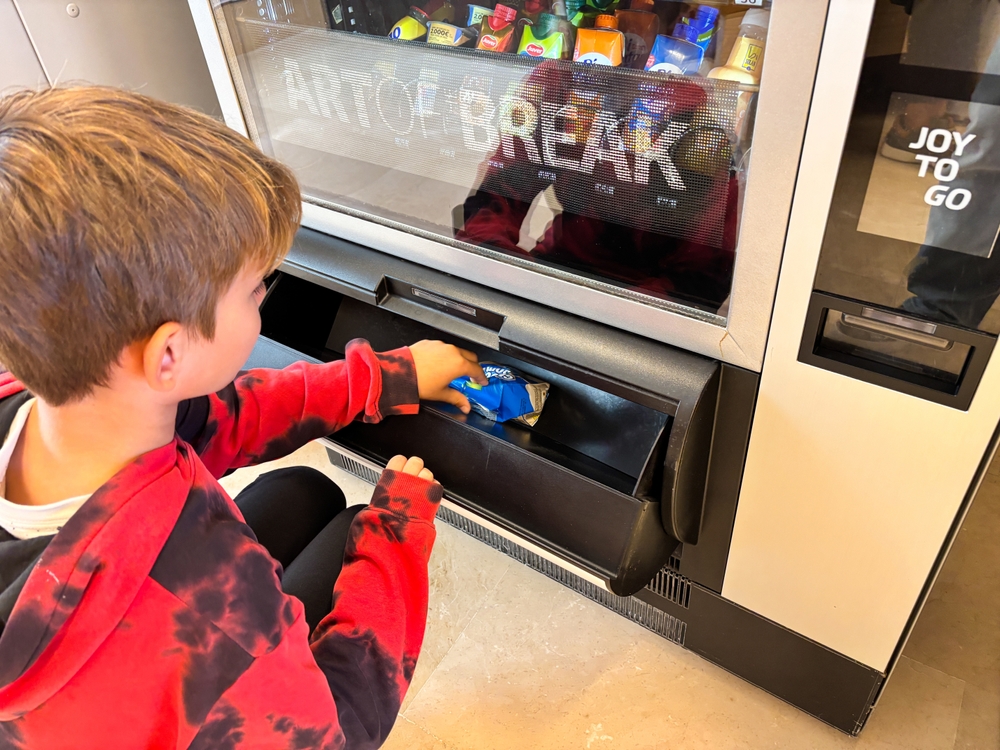
School lunch should be the predictable middle of the day, so families get uneasy when cafeterias change quickly. What gets framed as an “efficiency” update can affect nutrition, behavior, and whether kids feel safe eating in front of peers. Some districts face tight lunch periods, staff vacancies, aging kitchens, and higher food costs at the same time. That combination is why a few schools experiment with vending machines to keep food available with fewer moving parts.

What Schools Are Trying to Solve

Many schools run lunch in waves, and long lines can swallow most of the period. Crowded cafeterias can also spark noise and conflict that follows kids back to class. Administrators want faster service, cleaner transitions, and fewer students wandering halls. They also want less waste when participation shifts day to day. Those goals can be reasonable, but the solution has to protect kids who depend on school meals.

Budget and Staffing Realities

Operating a cafeteria takes trained staff, working equipment, and time for prep and sanitation. When districts can’t fill positions, they simplify menus and shorten service, which frustrates families. Repairs for ovens, dishwashers, and ventilation can blow up a tight budget. Vendors pitch prepackaged options as more predictable than cooking on-site. In that mindset, vending machines can look like a straightforward fix.

When Vending Machines Become the Meal Plan

The biggest shift is not the machine; it’s how students choose under time pressure. Buying items one at a time can push kids toward whatever is fastest, not what is balanced. Some students avoid buying anything if they feel watched or judged. If popular items sell out early, late-lunch students can get stuck with limited options. Any plan needs a guaranteed, complete meal option every day, even when the machine area is busy.

The “Smart Kiosk” Pitch and What It Misses

Newer setups use student IDs, cashless accounts, and approved product lists. Supporters say this speeds service and reduces cash handling headaches. Schools may like the data because it shows what students pick most often. The pitch misses that speed does not equal nutrition or dignity. A fast system still fails if kids skip food, feel embarrassed, or can’t find something safe or healthy to eat.

Nutrition and Portion Concerns

Prepackaged foods can work, but schools still need standards and variety. If the selection leans toward salty snacks and sugary drinks, kids crash by afternoon. Balanced options should include protein, fiber, produce, and water that doesn’t cost extra. Schools using vending machines should restock healthier items as reliably as popular treats. Parents can ask for a sample week of offerings and how the school checks nutrition compliance.

Equity and Free-Meal Access

Lunch systems can accidentally reveal who has money and who does not, and kids notice fast. If a balance runs low, a public decline can stop a student from trying again. A machine-based model needs quiet protections, like automatic coverage and private support. Schools also need enough locations so students aren’t penalized by where their classes are. If vending machines play a central role, families should ask exactly how free and reduced-price benefits work.

Supervision, Safety, and Social Time

A cafeteria is also a supervised space where adults can spot conflicts and check in on kids. When lunch spreads into hallways or small commons areas, supervision gets harder with the same staff. Students can spend the period walking, waiting, and wandering instead of eating. Lunch is social, and rushed purchasing can crowd out the time kids use to connect. If the plan centers on vending machines, the school should publish a supervision plan and protect seated eating time.

What Parents Can Ask for in Writing

Families can support improvements while still pushing for guardrails. Ask for the goals in plain language, like shorter lines, lower costs, or better nutrition. Request a pilot period with feedback, especially if vending machines will replace part of the cafeteria line. Ask what happens when items run out and how late-lunch students still get a full meal. Finally, ask who controls pricing, product lists, and restocking so the system doesn’t drift.

The Nonnegotiable: Kids Need Time to Eat

No setup works if kids don’t have enough minutes to get food, sit down, and finish it. Schools can modernize service while keeping a dependable default meal available to every student. The best plans protect dignity by preventing public declines and supporting allergies and medical diets. Parents can push for regular check-ins that track participation, waste, and student feedback. If a district adopts vending machines, families should make sure convenience never replaces care.

If your school changed lunch service tomorrow, what would you want guaranteed before the first week ended?

What to Read Next…

Why Are Public Schools Quietly Removing Librarians?

10 Childhood Illnesses Making a Comeback in U.S. Schools

5 Ways Bullying Apps Are Operating Without School Oversight

7 Reasons Kids Are Getting Hurt in After-School Programs

Is Your Teen Secretly Using AI to Fake School Assignments?

Catherine Reed
Catherine Reed

Catherine is a tech-savvy writer who has focused on the personal finance space for more than eight years. She has a Bachelor’s in Information Technology and enjoys showcasing how tech can simplify everyday personal finance tasks like budgeting, spending tracking, and planning for the future. Additionally, she’s explored the ins and outs of the world of side hustles and loves to share what she’s learned along the way. When she’s not working, you can find her relaxing at home in the Pacific Northwest with her two cats or enjoying a cup of coffee at her neighborhood cafe.

Filed Under: Education Tagged With: cafeteria changes, education budgets, food insecurity, middle school, Parenting, school lunch, school policy, student nutrition

« Previous Page
Next Page »
  • Facebook
  • Pinterest
  • RSS
  • Twitter

Basic Principles Of Good Parenting

Here some basic principles for good parenting:

  1. What You Do Matters: Your kids are watching you. So, be purposeful about what you want to accomplish.
  2. You Can’t be Too Loving: Don’t replace love with material possessions, lowered expectations or leniency.
  3. Be Involved Your Kids Life: Arrange your priorities to focus on what your kid’s needs. Be there mentally and physically.
  4. Adapt Your Parenting: Children grow quickly, so keep pace with your child’s development.
  5. Establish and Set Rules: The rules you set for children will establish the rules they set for themselves later.  Avoid harsh discipline and be consistent.
  6. Explain Your Decisions: What is obvious to you may not be evident to your child. They don’t have the experience you do.
  7. Be Respectful To Your Child: How you treat your child is how they will treat others.  Be polite, respectful and make an effort to pay attention.
Best Parenting Blogs

Most Popular

Baby Girl

12 “Grandma” Baby Names That Are Suddenly Cool Again

Evan Morgan
Baby

9 Baby Names That Sound Rare Without Being Hard to Spell

Evan Morgan
Target Store

Choking Incident Prompts Recall of 49,000 Target Gigglescape “Under the Sea” Popping Toys

Evan Morgan
Frustrated Girl

Why Some Students on the Spectrum Are Labeled With ODD

Evan Morgan
Coke Bottles

12 Things Kids Took to School in the ’70s That Would Never Be Allowed Today

Evan Morgan

All content on Kids Ain’t Cheap is for entertainment purposes only. By reading this blog, you agree that Kids Ain’t Cheap is not responsible for any actions taken after reading this blog. For the full disclaimer, see our privacy policy.

Please note that Kids Ain’t Cheap has financial relationships with some of the merchants mentioned here. Kids Ain’t Cheap is funded by banner advertising, commission sales and search optimization consulting.

Copyright © 2006–2026 | District Media | All Rights Reserved | Privacy Policy

Copyright © 2026 Runway Pro Theme by Viva la Violette