• Home
  • About Us
  • Toolkit
  • Archives
  • Advertise
  • Privacy Policy

Kids Ain't Cheap

But They Sure Are Worth It

  • Parenting
    • Baby Stuff
    • Books and Reading
      • Aesops Fables
      • Comic Books
    • Education
    • Family Time
    • Green Living
    • Growing Up
    • Healthy Living & Eating
    • Holidays
    • Parenting
    • Random Musings
    • Shopping
    • Stuff to Do
  • Money
  • Product Reviews
    • Books and Magazines
    • Discount Sites
    • Furniture
    • House Keeping
    • Reviews News
    • Toys and Games
  • Contact Us
  • Our Editorial Commitment
  • Search

Pediatricians Say Parents Are Overbuying These 4 Baby Items (And Skipping What Matters)

February 10, 2026 | Leave a Comment

Pediatricians Say Parents Are Overbuying These 4 Baby Items (And Skipping What Matters)
Image Source: Shutterstock.com

Preparing for a new baby can turn even the calmest adults into full‑blown researchers, scrolling through endless lists of “must‑haves” that somehow stretch into the triple digits. It’s exciting, overwhelming, and—if we’re being honest—a little bit expensive.

But according to pediatricians, many parents are stocking up on items that look impressive in a nursery photo but don’t actually contribute much to a baby’s health, safety, or development. Meanwhile, the things that do matter often get overlooked in the chaos of shopping carts and registry checklists.

1. Fancy Bedding Sets: Beautiful, But Not Baby‑Approved

Walk into any baby store and you’ll see bedding sets that look like they belong in a magazine spread—pillows, quilts, bumpers, and decorative blankets all perfectly coordinated. They’re adorable, but pediatricians consistently warn that these items are unnecessary and, in some cases, unsafe. Soft bedding increases the risk of suffocation and is not recommended for infants. Babies don’t need pillows or quilts, and crib bumpers—whether padded or mesh—are discouraged by major health organizations.

What babies do need is a firm mattress with a fitted sheet. That’s it. It may not look as glamorous, but it’s the safest sleep environment. If you want to add personality to the nursery, focus on wall art or décor that doesn’t interfere with safe sleep guidelines. Your baby won’t care about the theme, but they will benefit from a safe, simple sleep setup.

2. High‑Tech Gadgets That Promise Peace of Mind (But Don’t Deliver)

The baby‑tech market is booming, offering everything from smart socks to wearable monitors to devices that track every breath and wiggle. While these gadgets can feel reassuring, pediatricians emphasize that they’re not medical devices and shouldn’t be relied on to detect or prevent health issues. Many parents end up spending hundreds of dollars on monitors that create more anxiety than they relieve, especially when false alarms occur.

Instead of investing in high‑tech gear, pediatricians recommend focusing on safe sleep practices and regular checkups. A basic audio or video monitor is more than enough for most families. If you’re concerned about your baby’s breathing or health, your pediatrician—not a gadget—should be your guide. Peace of mind comes from knowledge and support, not necessarily from the latest device.

3. Too Many Toys for a Baby Who Can’t Even Sit Up Yet

It’s easy to get swept up in the excitement of buying toys, especially when they promise to boost development or keep your baby entertained for hours. But pediatricians point out that newborns and young infants don’t need a mountain of toys. In fact, too many options can be overstimulating. Babies learn best through simple, repetitive interactions—faces, voices, gentle movement, and a few well‑chosen toys that encourage exploration.

A small collection of age‑appropriate items, like soft rattles, high‑contrast books, or textured toys, is more than enough in the early months. As your baby grows, you can add toys that support new skills, but there’s no need to stockpile. What matters most is interaction: talking, singing, reading, and playing with your baby. Those moments do far more for development than any toy aisle ever could.

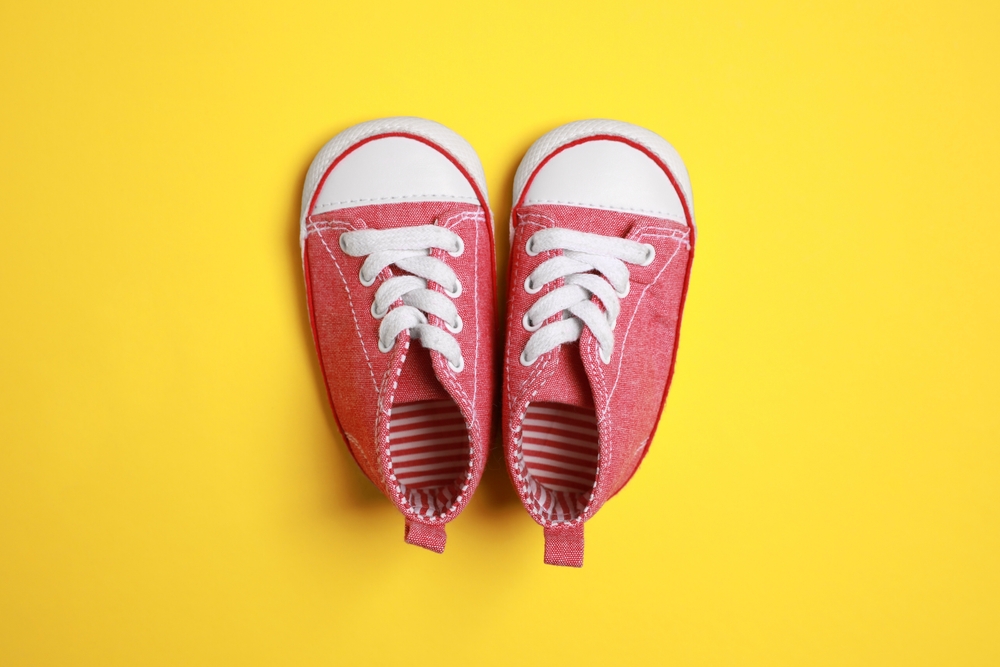
4. Baby Shoes for Babies Who Aren’t Walking

Tiny baby shoes are undeniably cute, and it’s tempting to buy a pair for every outfit. But pediatricians remind parents that babies who aren’t walking don’t need shoes at all. In fact, going barefoot helps babies develop balance, coordination, and strength. Shoes can restrict natural movement, and they’re often uncomfortable for infants who spend most of their time being carried or lying down.

When your baby does start taking those first steps, flexible, lightweight shoes are the best choice. Until then, soft socks or booties are all you need to keep little feet warm. Save the adorable mini‑sneakers for later—they’ll appreciate them more when they’re actually using them.
Pediatricians Say Parents Are Overbuying These 4 Baby Items (And Skipping What Matters)
Image Source: Shutterstock.com

What Pediatricians Say Parents Should Focus On Instead

If parents are overbuying certain items, what are they missing? Pediatricians consistently highlight a few essentials that support safety, development, and overall well‑being. A properly installed car seat is at the top of the list, along with safe sleep practices and regular tummy time.

Simple, developmentally appropriate toys and books also make a meaningful difference. And perhaps most importantly, parents should prioritize routines, bonding, and responsive caregiving—things that don’t come in a box but matter more than any product ever could.

How to Build a Baby Registry That Actually Makes Sense

Creating a baby registry can feel like assembling a survival kit for a tiny human, but it doesn’t have to be overwhelming. Start with the basics: feeding supplies, diapers, a safe sleep space, and a car seat. Add a few items that support your lifestyle, like a baby carrier or stroller. Then sprinkle in a handful of toys and books that encourage early learning.

Resist the urge to fill every category just because it exists. A thoughtful, streamlined registry not only saves money but also reduces clutter and stress once the baby arrives.

Babies Need Less Stuff and More Connection

Pediatricians agree on one thing: babies don’t need a mountain of gear to thrive. They need responsive caregivers, safe environments, and opportunities to explore the world at their own pace. When parents focus on connection rather than consumption, everyone benefits. The early months are full of learning, bonding, and discovery—and none of that depends on having the trendiest products. By skipping the unnecessary items and investing in what truly matters, you create a calmer, more meaningful start for your baby and yourself.

What baby item do you think parents tend to overbuy the most? If you have parenting tales that will help people with their newborns, share them in the comments below.

You May Also Like…

5 Cold Weather Baby Gear Items That Are Unsafe for Car Seats

Baby Danger: 10 Household Items That Hurt Babies You Own

10 Forgotten Baby Items That Are Still Lurking in Your House

Unsafe Products: 8 Everyday Items Dangerous for Babies

6 Baby Name Trends Making a Comeback From the 1970s

Brandon Marcus
Brandon Marcus
Brandon Marcus is a writer who has been sharing the written word since a very young age. His interests include sports, history, pop culture, and so much more. When he isn’t writing, he spends his time jogging, drinking coffee, or attempting to read a long book he may never complete.

Filed Under: healthcare Tagged With: Baby Gear, baby products, baby safety, child development, family life, infant care, new parents, newborn essentials, Parenting, parenting tips, pediatrician advice

Why Parents Are Boycotting the Class Party Fund This February

February 9, 2026 | Leave a Comment

Why Parents Are Boycotting the Class Party Fund This February
Image Source: Shutterstock.com

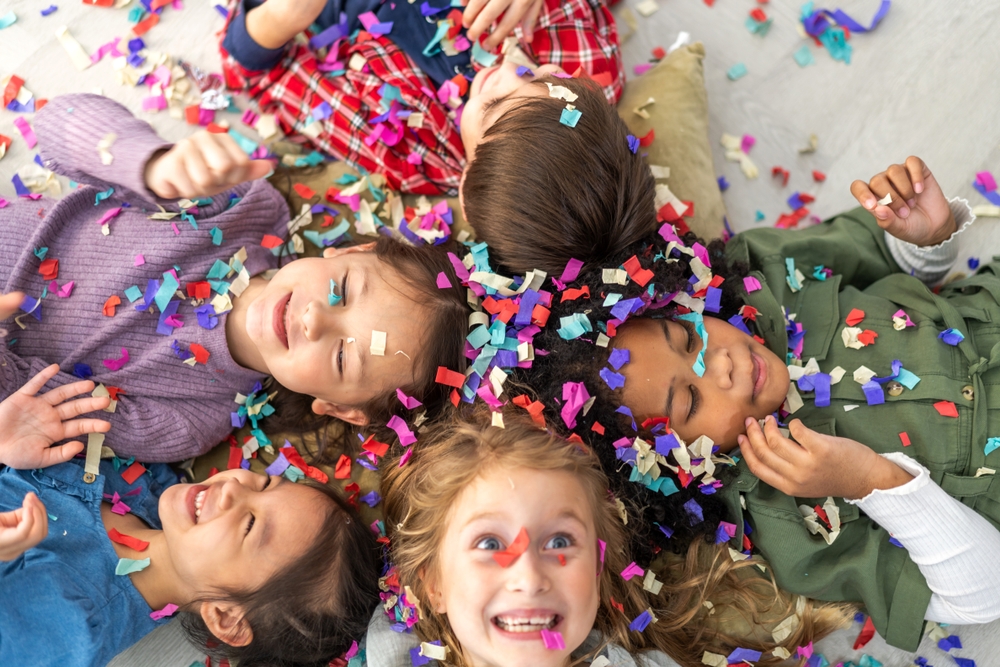
School celebrations used to be simple: a few cupcakes, a stack of paper plates, and a room full of excited kids. But in recent years, the class party fund has evolved into something far more complicated — and far more expensive. This February, a growing number of parents are pushing back, questioning why a holiday party requires a contribution that feels more like a mini‑fundraiser than a classroom treat.

The frustration isn’t about skipping celebrations or denying kids a good time. It’s about transparency, fairness, and the rising cost of participating in what used to be a low‑pressure part of school life. As more families speak up, the conversation around class party funds is shifting, and it’s revealing deeper concerns about school expectations and family budgets.

The Party Fund That Keeps Growing

Class party funds were originally created to make life easier for everyone. Instead of scrambling to sign up for snacks or decorations, parents could contribute a small amount at the beginning of the year and let the room parent handle the rest.

But over time, those “small amounts” have crept upward. What used to be a five‑dollar request has turned into twenty, thirty, or even more, depending on the school and the number of events planned. February is often the tipping point because it’s the month when many families realize they’ve already contributed multiple times — for fall festivals, winter celebrations, teacher gifts, and now Valentine’s Day.

When the latest request arrives, some parents feel like they’re being asked to fund a miniature banquet rather than a simple classroom activity. The rising cost has sparked a wave of frustration, especially among families trying to stretch their budgets.

The Pressure to Participate Isn’t Sitting Well

One of the biggest reasons parents are boycotting the fund is the subtle pressure that comes with it. Even when contributions are technically optional, the messaging often makes it feel like opting out means letting the class down. Parents worry their child will be singled out or that the party will fall short if they don’t contribute. This emotional pressure can be especially tough for families who are already juggling rising costs for groceries, activities, and school supplies.

February’s class party request often lands at a time when many households are still recovering from holiday spending, making the ask feel poorly timed. Parents aren’t opposed to supporting their children’s classrooms — they simply want the option to do so without feeling judged or obligated.

Transparency Troubles Are Fueling Frustration

Another major factor behind the boycott is the lack of clarity about where the money goes. Parents are increasingly asking for itemized breakdowns, not because they’re suspicious, but because they want to understand how much is truly needed. When a class of twenty families contributes twenty dollars each, that’s four hundred dollars for a single event.

Most parents know that even a well‑decorated classroom party doesn’t require that kind of budget. Without transparency, families are left wondering whether the funds are being used for multiple events, teacher gifts, or supplies that aren’t clearly communicated. This uncertainty has led many parents to push back, asking for clearer communication before opening their wallets again.

The Rise of DIY Parents Who Prefer to Contribute Differently

Not all parents are boycotting because of cost. Some simply prefer to contribute in ways that feel more personal or meaningful. They’d rather bake cookies, bring in craft supplies, or volunteer their time instead of sending money into a fund they don’t control. February’s Valentine’s Day celebrations are especially appealing for DIY‑minded parents who enjoy creating treat bags or helping with themed activities.

Many parents want to be involved, not just financially supportive, and the boycott is partly a push to bring back hands‑on participation.

The Equity Conversation Schools Can’t Ignore

The class party fund debate is also highlighting a larger issue: equity. Not all families can afford to contribute the same amount, and some feel embarrassed or excluded when they can’t participate. February’s fund request often exposes this divide because it comes after months of cumulative school expenses.

Parents are increasingly advocating for systems that don’t rely on financial contributions to create memorable classroom experiences. They want celebrations that are inclusive, affordable, and accessible to every family, regardless of income. This shift is prompting schools to rethink how they structure events and how they communicate expectations to parents.

What Parents Want Instead of Another Fund Request

Parents aren’t trying to eliminate class parties — they’re trying to make them more reasonable and more low-budget and low-stress. Many are asking for smaller, more realistic budgets that reflect the actual needs of a classroom celebration. Others want a once‑per‑year contribution that covers everything, rather than multiple requests scattered throughout the year. Some are advocating for hybrid models that allow families to choose between donating money, bringing supplies, or volunteering.

Clear communication is at the top of nearly every parent’s wish list. When families understand what the money is for, how much is needed, and how it will be used, they’re far more willing to contribute. The boycott isn’t about being difficult — it’s about wanting a system that feels fair and transparent.

Why Parents Are Boycotting the Class Party Fund This February
Image Source: Shutterstock.com

February’s Fund Backlash Is a Sign of Something Bigger

The pushback against the February class party fund isn’t just about one event. It reflects a growing desire among parents to have more control, more clarity, and more balance in how schools handle celebrations. Families are navigating tighter budgets, busier schedules, and higher expectations than ever before. When a simple classroom party starts to feel like another financial obligation, it’s no surprise that parents are speaking up.

What changes would you like to see in how your child’s school handles class party funds? Have you changed your approach to chipping in? Tell us about it in the comments section.

You May Also Like…

6 Ways Parents Are Quiet Quitting Expensive School Spirit Days

6 After-School Activities Parents Regret Paying For (Because the “Benefits” Don’t Show Up)

Are Parents Talking Enough About Emotional Safety at Home?

8 Parenting Rules That Were Invented by Social Media—Not Experts

How Your Child’s Cell Phone Could Now Ruin Them In School

Brandon Marcus
Brandon Marcus
Brandon Marcus is a writer who has been sharing the written word since a very young age. His interests include sports, history, pop culture, and so much more. When he isn’t writing, he spends his time jogging, drinking coffee, or attempting to read a long book he may never complete.

Filed Under: Parenting Tagged With: class party fund, classroom celebrations, community issues, education costs, family finances, modern parenting, parent involvement, Parenting, school budgets, school events, school fundraising

7 Winter “Boredom Busters” Under $10 That Teachers Recommend Over Tablets

February 8, 2026 | Leave a Comment

These Are 7 Winter
Image Source: Shutterstock.com

Winter has a special talent for turning even the most energetic kids into tiny, restless tornadoes. The cold weather keeps them indoors, the days feel shorter, and suddenly every parent hears the same phrase on repeat: “There’s nothing to do.”

Tablets and TVs are tempting solutions, but teachers say there are better, cheaper, and far more creative ways to bust boredom. And you don’t need to spend a fortune. In fact, many of the activities teachers swear by cost less than $10 and deliver way more value than another hour of screen time.

These boredom busters build fine‑motor skills, spark imagination, strengthen focus, and give kids something to do that doesn’t involve arguing over whose turn it is on the tablet.

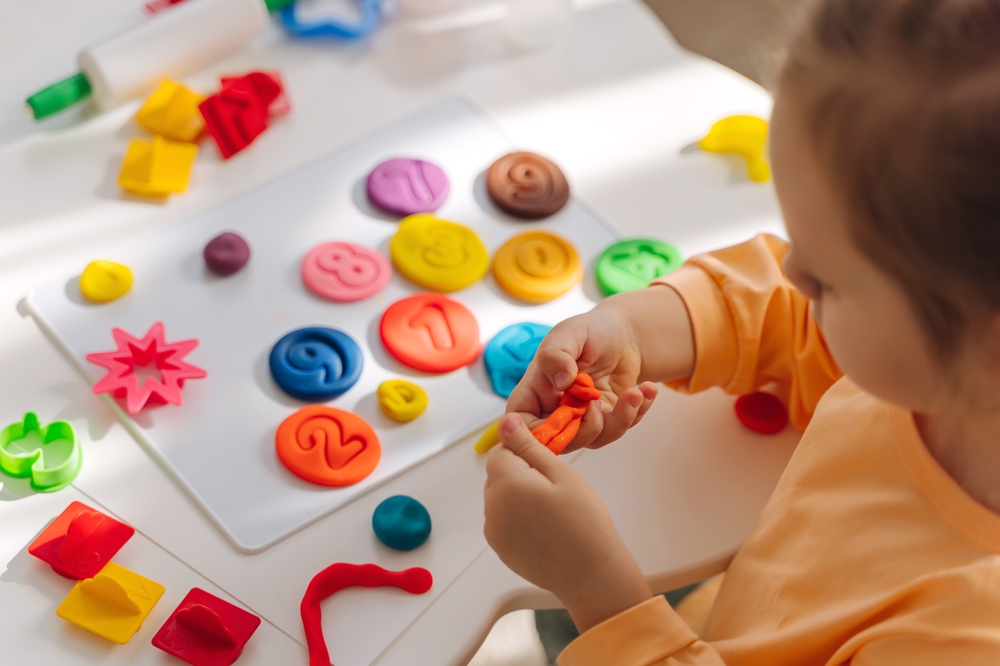
1. Play‑Dough: The Classic That Never Stops Working

Teachers love play‑dough for a reason: it’s endlessly versatile, surprisingly calming, and perfect for kids of all ages. For under $10, you can grab a small set or even make your own with flour, salt, and water. Kids can sculpt animals, build pretend food, create letters, or simply squish it around to release pent‑up winter energy.

Play‑dough also strengthens fine‑motor muscles, which teachers say helps with handwriting, cutting skills, and overall coordination. Add a few cookie cutters or plastic utensils, and suddenly you’ve got an entire afternoon of imaginative play. If you want to stretch the activity even further, challenge kids to create a winter scene or sculpt something that represents their day.

2. Painter’s Tape: The Cheapest Indoor Adventure Tool

Painter’s tape might be the most underrated boredom buster on the planet. Teachers use it constantly because it’s inexpensive, easy to remove, and wildly adaptable. With a single roll, you can create indoor hopscotch, race tracks for toy cars, obstacle courses, alphabet mazes, or pretend “roads” that wind through the living room.

Kids love the novelty of transforming the floor into a playground, and parents love that cleanup takes about ten seconds. Teachers say painter’s tape activities also encourage problem‑solving and gross‑motor movement — two things kids desperately need during long winter days indoors. If you want to level it up, let your child design the course themselves.

3. Sticker Books: Quiet Time Gold

Teachers know that stickers are basically magic. They’re inexpensive, easy to store, and capable of keeping kids focused longer than almost any other low‑cost activity. Sticker books, especially the reusable kind, give kids a chance to create scenes, tell stories, and practice fine‑motor control.

Stickers also offer a sneaky educational bonus: peeling and placing them strengthens the small muscles in the hands. Teachers often use sticker activities to help kids develop precision and patience — two skills that tablets don’t always encourage. For under $10, you can pick up themed sticker books that match your child’s interests, from animals to space to winter scenes.

4. Pipe Cleaners and Beads: Crafting That Builds Real Skills

Teachers love pipe cleaners and beads because they’re affordable, colorful, and endlessly customizable. Kids can make bracelets, snowflakes, animals, letters, or even 3D sculptures. The combination of bending, threading, and shaping helps develop hand‑eye coordination and creativity.

This activity also encourages focus, which teachers say is especially valuable during winter months when kids tend to bounce between activities quickly. If you want to add an educational twist, ask kids to create patterns, count beads, or spell their name.

5. Puzzle Books: Brain Boosters in Disguise

Crossword puzzles, word searches, mazes, and logic games are teacher favorites because they challenge kids’ brains without feeling like homework. Puzzle books under $10 are easy to find and come in a wide range of difficulty levels, making them perfect for siblings of different ages.

Teachers say puzzles help strengthen problem‑solving skills, attention to detail, and perseverance — all essential for academic success. They’re also great for quiet time, travel days, or those moments when you need something engaging that doesn’t involve noise or mess. If you want to make it more interactive, solve a puzzle together and talk through the strategies you use.

6. Flashlight Games: Indoor Fun With a Twist

Teachers often use flashlight activities during indoor recess or power‑free playtime because they feel exciting without requiring any special equipment. You can pick up a flashlight and turn off the lights for shadow puppets, “find the shape” games, or flashlight tag in a darkened hallway.

Kids love the novelty of playing with light and shadow, and teachers say these activities encourage imagination, storytelling, and movement. You can also hide small objects around the room and let kids search for them with the flashlight — a winter‑friendly version of a scavenger hunt. Just be sure to set boundaries so the flashlight doesn’t become a strobe light aimed at your face.

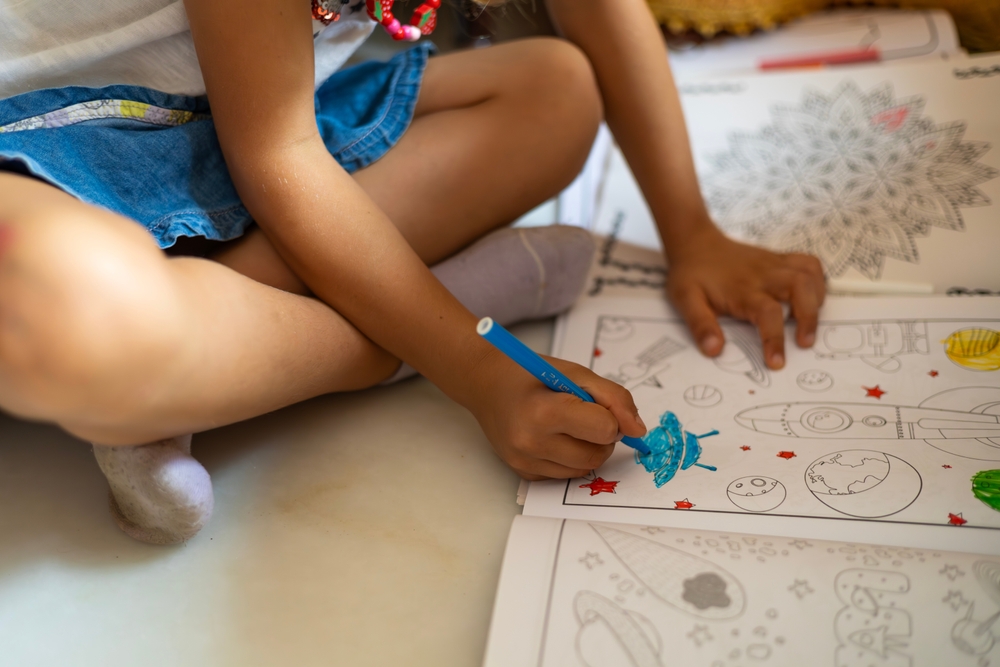
7. Coloring Books: The Underrated Winter Lifesaver

Coloring books may seem simple, but teachers swear by them for building focus, creativity, and emotional regulation. Coloring slows kids down, encourages mindfulness, and gives them a chance to express themselves without pressure. For under $10, you can find themed books that match your child’s interests — dinosaurs, animals, winter scenes, superheroes, and more.

Teachers say coloring is especially helpful during winter because it provides a calm, screen‑free activity that kids can return to again and again – and it supports mental health. If you want to make it more engaging, set up a “coloring station” with crayons, markers, and stickers. You can even hang finished pages on the wall to create a winter art gallery.

These Are 7 Winter
Image Source: Shutterstock.com

Kids Don’t Need Expensive Entertainment to Stay Engaged

Teachers know something that parents sometimes forget: kids don’t need elaborate toys or endless screen time to stay entertained. They need creativity, movement, and opportunities to explore — all of which can be done on a budget. These boredom busters prove that a little imagination goes a long way, especially during long winter days when everyone is stuck inside.

Have any of these worked well for your family? Which boredom busters would your kids love most, or do you have your own under‑$10 favorites? Make sure to make your suggestions in the comments below.

You May Also Like…

Speech Therapists Beg: Throw Away These 5 “Talking” Toys (They Kill Conversation)

Beyond The Game: 9 Online Games Kids Are Playing That Expose Them To Predators

How Much Are You Really Paying for Developmental Toys?

7 Digital Toys That Let Strangers Communicate With Your Kids

Quick Fixes for Parents to Avoid the “I’m Bored” Meltdown at Home

Brandon Marcus
Brandon Marcus
Brandon Marcus is a writer who has been sharing the written word since a very young age. His interests include sports, history, pop culture, and so much more. When he isn’t writing, he spends his time jogging, drinking coffee, or attempting to read a long book he may never complete.

Filed Under: Toys and Games Tagged With: budget ideas, child development, Creativity, education, family life, indoor play, kids activities, Parenting, screen-free fun, teacher tips, winter activities

5 Products ER Doctors Say Continue to Cause Injuries

February 8, 2026 | Leave a Comment

These Are 5 Products ER Doctors Say Continue to Cause Injuries
Image Source: Shutterstock.com

Parents know that childhood comes with bumps and bruises. But some products seem to send kids to the ER with surprising regularity — not because they’re inherently bad, but because kids are creative, fearless, and occasionally powered by pure chaos. Emergency physicians see the patterns year after year, and while the products change slightly with trends, the core troublemakers remain remarkably consistent.

Many of the items on this list are beloved, popular, and perfectly safe when used correctly. But ER doctors say they continue to see injuries tied to these products, often because kids use them in unexpected ways or without proper supervision.

1. Button Batteries: Tiny, Shiny, and a Big Problem

Button batteries are everywhere — in toys, remotes, musical books, key fobs, and even some light‑up accessories. They’re small, easy to miss, and unfortunately, incredibly dangerous if swallowed. ER doctors consistently warn that button battery injuries haven’t gone away; in fact, they remain one of the most serious hazards for young children.

The issue isn’t just choking. When swallowed, button batteries can cause internal burns in a matter of hours. That’s why emergency physicians emphasize prevention above all else. Despite ongoing awareness campaigns, button battery injuries continue to send kids to the ER every year. The best defense is vigilance and secure battery storage.

2. High‑Powered Magnets: Small Pieces, Big Risks

High‑powered magnets — especially the tiny, bead‑like ones used in desk toys and building sets — remain a major concern for ER doctors. These magnets are incredibly strong, and if a child swallows more than one, they can attract each other through the intestinal walls. This can lead to blockages, perforations, and serious internal injuries.

Even though many magnet sets are marketed to adults, kids often find them irresistible. They’re shiny, they click together in satisfying ways, and they’re small enough to disappear into pockets or under furniture. ER physicians say magnet ingestions continue to be a recurring issue, particularly among toddlers and young school‑age children.

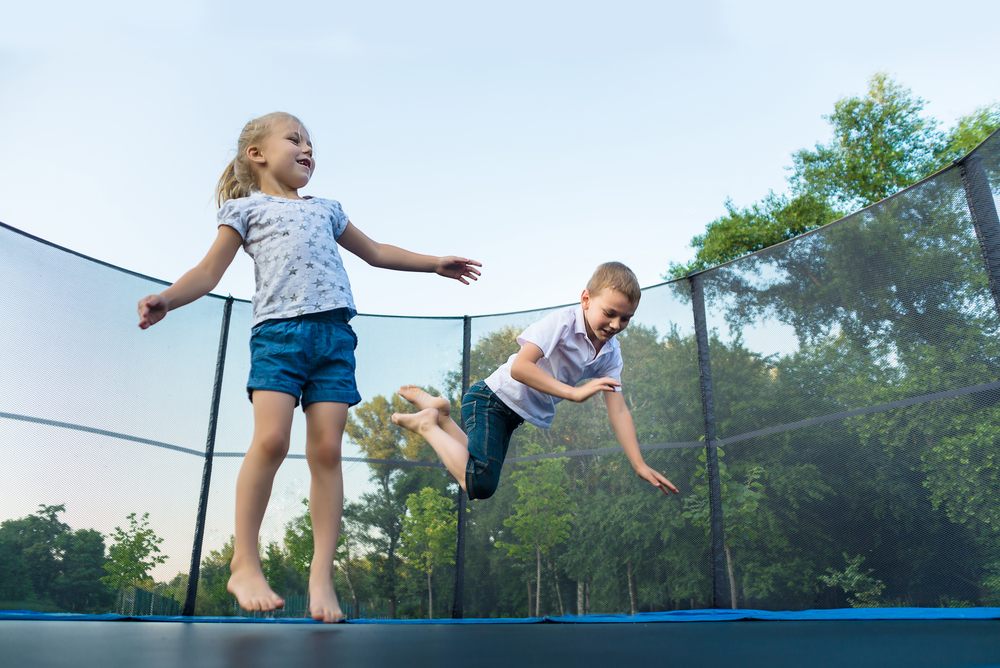
3. Trampolines: A Backyard Favorite With a Long Injury History

Trampolines have been sending kids to the ER for decades, and emergency doctors say the trend hasn’t slowed down. Sprains, fractures, and collisions are among the most common injuries, especially when multiple kids jump at once. Even with safety nets and padding, trampolines remain one of the top sources of recreational injuries in children.

The issue isn’t that trampolines are inherently unsafe — it’s that kids tend to push limits. They attempt flips, bounce too close together, or land awkwardly. ER doctors frequently recommend one‑at‑a‑time jumping, adult supervision, and avoiding risky stunts. For families who love their trampoline, the key is setting clear rules and sticking to them. A little structure goes a long way toward keeping the fun injury‑free.

These Are 5 Products ER Doctors Say Continue to Cause Injuries
Image Source: Shutterstock.com

4. Water Beads: Colorful, Sensory, and Surprisingly Hazardous

Water beads — those tiny pellets that expand into squishy, marble‑sized spheres — are popular for sensory play, crafts, and even plant hydration. But ER doctors continue to see injuries tied to them, particularly when young children swallow them. Because water beads expand dramatically when wet, they can cause intestinal blockages if ingested.

Another issue is that water beads can be difficult to spot when they fall on the floor. They’re small, slippery, and nearly invisible when dry. Toddlers often mistake them for candy or simply put them in their mouths out of curiosity. ER physicians emphasize that water beads should only be used with close supervision and kept away from children who still explore the world orally.

5. Ride‑On Toys: Fun Wheels, Frequent Wipeouts

From scooters to hoverboards to battery‑powered mini cars, ride‑on toys remain a staple of childhood, and a consistent source of ER visits. Falls, collisions, and loss of control are the most common causes of injury. Even low‑speed toys can lead to sprains, cuts, and fractures when kids take sharp turns or ride on uneven surfaces.

ER doctors stress that helmets are non‑negotiable, even for slow or “safe‑looking” ride‑ons. Protective gear like knee and elbow pads can also make a big difference. Another tip: supervise outdoor riding and set clear boundaries about where kids can and cannot go. Driveways, hills, and crowded sidewalks can increase risk.

Kids Will Be Kids, So Awareness Makes a Difference

ER doctors aren’t trying to scare parents or ban popular toys. They simply want families to know which products tend to cause repeat injuries so they can take simple, effective precautions. Kids are naturally curious, energetic, and fearless — a combination that leads to both joy and the occasional mishap. But with a little awareness and supervision, parents can keep the fun going while avoiding the most common hazards.

Have any of these products caused close calls in your home, or do you have your own safety hacks to share? Let’s keep our kids safe by dropping suggestions and thoughts in the comments.

You May Also Like…

Speech Therapists Beg: Throw Away These 5 “Talking” Toys (They Kill Conversation)

6 Baby Items Hospitals Don’t Provide Anymore—But Parents Think They Do

Are Modern Potty Training Methods Making Doctors Concerned?

Doctors Swear by These 7 Baby Sleep Hacks—And They Actually Work

9 Times a Toddler’s Behavior Was a Sign of Something Medical

Brandon Marcus
Brandon Marcus
Brandon Marcus is a writer who has been sharing the written word since a very young age. His interests include sports, history, pop culture, and so much more. When he isn’t writing, he spends his time jogging, drinking coffee, or attempting to read a long book he may never complete.

Filed Under: healthcare Tagged With: child development, child safety, consumer awareness, emergency room, ER doctors, family life, injuries, kids products, modern parenting, Parenting, safety tips

6 Ways Parents Are Quiet Quitting Expensive School Spirit Days

February 7, 2026 | Leave a Comment

These Are 6 Ways Parents Are Quiet Quitting Expensive School Spirit Days
Image Source: Shutterstock.com

There was a time when school spirit days were simple. Pajama Day? Easy. Hat Day? Done. Crazy Hair Day? A can of gel and a prayer. But somewhere along the way, spirit days evolved into full‑blown productions requiring themed outfits, accessories, props, and sometimes even last‑minute craft projects that mysteriously appear on the calendar the night before. And parents — already juggling work, schedules, and the rising cost of everything — have quietly decided they’re over it.

Families are feeling the financial and mental load of constant themed days, and many are choosing a gentler, more realistic approach. They’re not opting out entirely; they’re simply participating in ways that don’t require a shopping trip, a glue gun, or a second mortgage.

1. The “Use What We Already Have” Method Is Becoming the New Normal

Parents everywhere are embracing the radical idea that spirit day doesn’t require buying anything new. Instead of hunting down neon socks for “Glow Day” or a full safari outfit for “Explorer Day,” families are digging through closets, toy bins, and the mysterious drawer where random costume pieces go to retire.

Kids don’t need a brand‑new outfit to feel included. A mismatched pair of socks works just fine for Wacky Wednesday. A stuffed animal becomes a “wildlife companion” for Animal Day. And that old Halloween costume? Suddenly perfect for Superhero Day. Parents are discovering that creativity beats consumerism every time, and kids often enjoy the challenge of making something out of what they already own.

2. Parents Are Setting Boundaries With the “One Spirit Day Per Month” Rule

Some families are quietly implementing a new household policy: participate in one spirit day per month, and the rest are optional. This gives kids a sense of choice and prevents parents from feeling overwhelmed by a never‑ending parade of themed events.

This strategy also teaches kids something valuable — that it’s okay to prioritize. Not every event requires full participation, and not every themed day needs to be a production. Parents who use this method often find that their kids naturally gravitate toward the days that genuinely excite them, rather than feeling obligated to do them all. It’s a win for mental health, schedules, and budgets.

3. The “Low‑Effort Version Counts” Philosophy Is Taking Over

Quiet quitting doesn’t mean skipping spirit days entirely. It means redefining what participation looks like. Instead of elaborate costumes, parents are opting for simple, doable versions of the theme. Pajama Day? Great — just wear pajamas. Crazy Hair Day? A ponytail with a ribbon counts. Sports Day? A T‑shirt with a number on it is perfectly acceptable.

This approach removes the pressure to go above and beyond. Kids still feel included, and parents avoid the stress of trying to outdo last year’s effort. It’s a reminder that spirit days were never meant to be competitions — they were meant to be fun. And fun doesn’t require a shopping cart full of supplies.

4. Parents Are Teaming Up to Share Costumes and Supplies

Another quiet trend gaining traction is the rise of the “spirit day swap.” Parents are sharing costumes, accessories, and props with friends, neighbors, and classmates. Why buy a cowboy hat for Western Day when someone down the street has one sitting in a closet? Why purchase a lab coat for Scientist Day when another family has one from last year’s Halloween?

This community‑minded approach saves money, reduces waste, and builds connections between families. It also teaches kids that sharing is normal and that not everything needs to be brand‑new. Parents who participate in swaps often say it’s one of the easiest ways to reduce the financial burden of spirit days without sacrificing the fun.

5. Families Are Pushing Back on Last‑Minute Announcements

One of the biggest frustrations parents face is the dreaded last‑minute spirit day email. You know the one — it arrives at 8 p.m. announcing that tomorrow is “Dress Like a Historical Figure Day,” and suddenly you’re scrambling to turn a bedsheet into a toga. Many parents are quietly deciding that if the school doesn’t give enough notice, participation is optional.

Families have busy schedules, and not every household can pivot on a dime. By setting this boundary, parents reduce stress and send a gentle message that communication matters. And honestly, most kids are perfectly happy showing up in regular clothes if the alternative is a rushed, chaotic morning.

These Are 6 Ways Parents Are Quiet Quitting Expensive School Spirit Days
Image Source: Shutterstock.com

6. Parents Are Choosing Experiences Over Outfits

Perhaps the most meaningful shift is that families are focusing less on themed outfits and more on the spirit behind spirit days. Instead of spending money on costumes, parents are using the opportunity to talk with their kids about school pride, creativity, and community. A child might not have the perfect outfit for Book Character Day, but they can bring their favorite book and share why they love it.

This approach keeps the heart of spirit days alive without the financial strain. It reminds kids that participation is always important, but isn’t about perfection — it’s about enthusiasm. And it gives parents permission to step back from the pressure to perform.

Parents Aren’t Opting Out — They’re Opting for Sanity

Quiet quitting school spirit days isn’t about being anti‑fun or anti‑school. It’s about recognizing that modern parenting comes with enough demands already. Families are choosing balance, creativity, and practicality over pressure, expense, and last‑minute chaos. And in many ways, this shift is bringing spirit days back to what they were always meant to be: simple, joyful, and inclusive.

What is going on with your family? Are you quietly quitting spirit days, too, or do you still go all‑in when the calendar hits Wacky Wednesday? Let’s hear about it below.

You May Also Like…

6 After-School Activities Parents Regret Paying For (Because the “Benefits” Don’t Show Up)

Nutritionists Warn: 6 “Healthy” Lunchbox Staples That Spike Sugar Crashes at School

Teachers Beg Parents: Stop Buying These 7 Expensive School Supplies

10 Innocent Behaviors That Could Get Your Child Suspended in 2026

8 Budget Cuts in Education That Directly Impact Your Kids

Brandon Marcus
Brandon Marcus
Brandon Marcus is a writer who has been sharing the written word since a very young age. His interests include sports, history, pop culture, and so much more. When he isn’t writing, he spends his time jogging, drinking coffee, or attempting to read a long book he may never complete.

Filed Under: Parenting Tagged With: education trends, Family Budgeting, kids activities, modern parenting, money-saving tips, parent life, Parenting, quiet quitting, school culture, school events, school spirit days

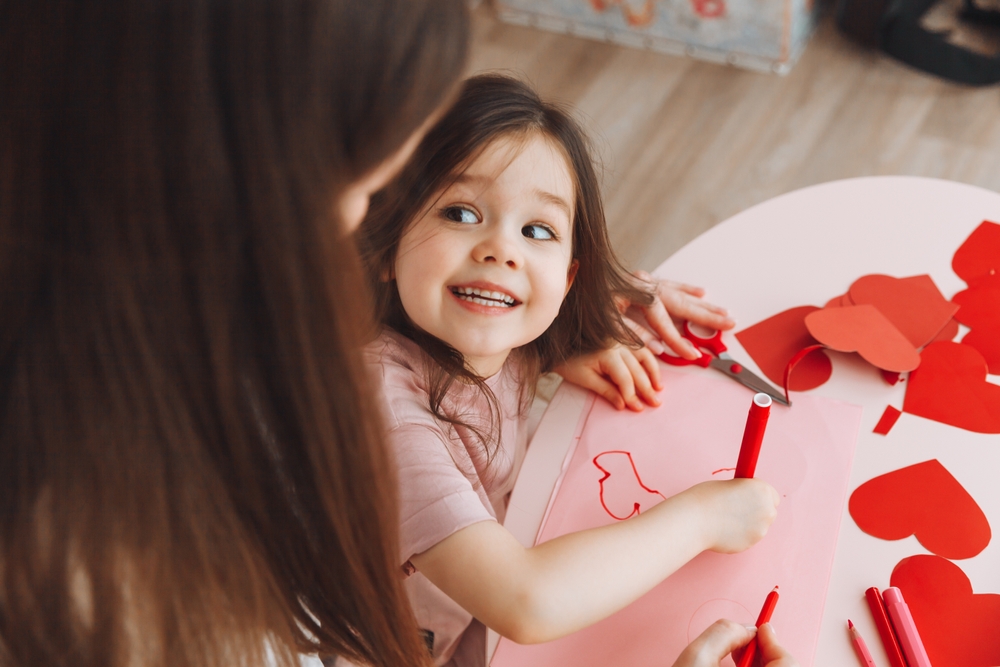
8 Classroom Valentine’s Trends That Parents Are Refusing to Buy in 2026

February 6, 2026 | Leave a Comment

These Are 8 Classroom Valentine's Trends That Parents Are Refusing to Buy in 2026
Image Source: Shutterstock.com

If you’ve ever opened a classroom newsletter and felt your soul leave your body at the words “Please prepare 28 themed Valentines,” you’re in good company. Valentine’s Day used to be a sweet, low‑pressure holiday—kids exchanged tiny cards, maybe a lollipop, and everyone went home happy. But in 2026, many parents say the holiday has transformed into a full‑scale production that demands time, money, creativity, and sometimes even power tools.

Families are tired, budgets are tight, and the idea of spending an entire weekend crafting a glitter‑covered mailbox shaped like a fire‑breathing dragon is losing its charm. If you’re wondering whether you’re the only one refusing to participate in the Valentine’s Olympics this year, rest assured: you are absolutely not alone.

1. The Pinterest-Perfect Valentine Expectation Has Officially Gone Too Far

Handmade Valentines started as a wholesome idea—something simple, something personal, something that let kids express themselves. But somewhere along the way, the trend spiraled into a competitive crafting arena where parents feel pressured to produce miniature masterpieces. Families report spending hours cutting intricate shapes, assembling themed puns, and hot‑gluing tiny accessories that will be ripped off and lost within minutes.

Many parents say the expectation feels unrealistic, especially for those juggling work, multiple kids, or limited crafting supplies. If you still want a personal touch without the stress, try letting your child decorate store‑bought cards with stickers or drawings.

2. The No-Candy Rule Is Creating More Stress Than Solutions

Schools have been tightening food guidelines for years, often to protect students with allergies or to promote healthier habits. But the 2026 version of the “no candy” rule has left many parents scrambling for alternatives that are fun, affordable, and classroom‑friendly. Instead of tossing a bag of heart‑shaped treats into the cart, families are now searching for non-food items like pencils, stickers, or tiny toys—items that can quickly add up in cost when multiplied by 20 or 30 classmates.

Parents say the rule is well‑intentioned but burdensome, especially when they’re already navigating busy schedules. If your school has this policy, consider no-sweets options like paper bookmarks or small coloring sheets.

3. Gift Bags Are Starting to Look Like Party Favors, and Parents Are Tapping Out

What used to be a simple exchange of cards has evolved into full-blown gift bags in some classrooms. Parents say they’ve seen bags filled with toys, slime packets, bracelets, and even small plushies—items that go far beyond the spirit of a casual holiday exchange. While generous, these bags create an unspoken expectation that every family should contribute at the same level, which can be financially and emotionally draining.

Many parents are pushing back, saying the holiday shouldn’t feel like a birthday party for an entire class. If you enjoy giving a little extra, consider choosing one thoughtful item instead of a bag full of trinkets.

4. Valentine’s Boxes Have Become Weekend-Long Engineering Projects

Decorating a Valentine’s box used to be a fun, low‑pressure activity involving construction paper and maybe a few pipe cleaners. But in 2026, some families are building elaborate creations that look like they belong in a design competition. Think giant cardboard robots, LED‑lit castles, and full-scale animal sculptures. Parents say these projects often require multiple trips to the store and hours of assembly, turning what should be a simple craft into a stressful obligation.

If your child’s school allows it, encourage them to decorate a plain shoebox with markers, stickers, or whatever you already have at home. It’s festive, fun, and doesn’t require a blueprint.

5. Themed Classroom Photo Sessions Are Becoming Too Much for Busy Families

Some classrooms or parent groups have introduced themed Valentine’s photo shoots, complete with props, coordinated outfits, and decorative backdrops. While undeniably adorable, these sessions can be time-consuming and expensive, especially for families juggling multiple kids or tight schedules.

Parents say they feel pressured to participate so their child doesn’t feel left out, even if the logistics are challenging. A simple alternative is taking a quick photo at home with a plain background or a few paper hearts taped to the wall. Kids care far more about the moment than the aesthetic, and you’ll save yourself a lot of stress.

These Are 8 Classroom Valentine's Trends That Parents Are Refusing to Buy in 2026
Image Source: Shutterstock.com

6. Personalized Gifts for Every Classmate Are Becoming Unrealistic

Personalized items—custom pencils, name-labeled stickers, monogrammed trinkets—have become increasingly popular in recent years. But in 2026, many parents are saying enough is enough. Customizing gifts for an entire class can be expensive and time-consuming, and it sets a standard that not every family can meet.

Kids don’t need personalized items to feel included; they just want to participate and have fun. If you enjoy adding a personal touch, consider writing a short note on each Valentine instead. It’s heartfelt without being overwhelming.

7. Classroom Parties Are Becoming Too Elaborate for Working Parents

Some schools have turned Valentine’s Day into a full-scale event with themed stations, craft tables, games, and coordinated snacks. While fun, these parties often require parents to donate supplies, volunteer time, or contribute homemade items. Many families appreciate the celebration but feel the expectations have grown too large.

Teachers and parent groups can help by simplifying the event and focusing on activities that are easy to set up and clean up. A single craft, a simple snack, and a quick game can still make the day memorable without exhausting everyone involved.

Parents Want Valentine’s Day to Be Sweet Again—Not Stressful

At the heart of the pushback is a simple truth: parents want Valentine’s Day to feel joyful, not overwhelming. Families are craving traditions that are fun, manageable, and meaningful, not ones that require hours of preparation or a small financial investment.

By setting boundaries, choosing simpler options, and encouraging schools to do the same, parents can help bring the holiday back to what it’s meant to be. And honestly, that’s what kids remember most.

What about you—are there any Valentine’s trends you’re officially done with this year? Tell us about your child’s Valentine’s Day woes in the comments section below.

You May Also Like…

6 Valentine’s Cards That Parents Regret Sending for Years

Why Saying ‘I Love You’ Every Day Changes Your Child’s Brain

How Your Child’s Cell Phone Could Now Ruin Them In School

7 Old-School Parenting Habits That Still Save Families Money

When Childcare Eats Your Entire Paycheck—What Do You Do Next?

Brandon Marcus
Brandon Marcus
Brandon Marcus is a writer who has been sharing the written word since a very young age. His interests include sports, history, pop culture, and so much more. When he isn’t writing, he spends his time jogging, drinking coffee, or attempting to read a long book he may never complete.

Filed Under: Parenting Tagged With: 2026 trends, classroom parties, family life, holiday ideas, kids activities, modern parenting, parent opinions, Parenting, school events, school trends, Valentines Day

Psychology Warning: Why Paying Cash for “A” Grades Creates Anxiety, Not Success

February 4, 2026 | Leave a Comment

Why Paying Cash for
Image Source: Shutterstock.com

It sounds like a simple, well-meaning deal: “Get an A, get cash.” No yelling, no grounding, no lectures—just a clean transaction between effort and reward.

On the surface, it feels smart, modern, even motivational. Who wouldn’t work harder if there’s money on the table? But psychology has been quietly waving a red flag for decades, and the message is clear: paying students for grades doesn’t build confident learners—it often builds anxious performers.

Instead of creating long-term success, this system can rewire how kids see learning, achievement, and even their own self-worth. And once that wiring sets in, it’s surprisingly hard to undo.

The Brain Doesn’t Learn for Cash, It Learns for Meaning

The human brain doesn’t naturally learn for external rewards. It learns for meaning, curiosity, and mastery. Psychologists call this intrinsic motivation—the internal drive to understand, explore, and improve because the activity itself feels valuable. When you attach money to grades, you replace that internal motivation with extrinsic motivation, which is driven by rewards and punishments instead of interest and purpose.

This matters because research consistently shows that when external rewards dominate, intrinsic motivation tends to shrink. Students start asking, “What do I get for this?” instead of “What can I learn from this?” Learning becomes a transaction, not a journey. That shift can make school feel hollow, mechanical, and stressful rather than meaningful and engaging. It’s not that kids stop working—it’s that they stop caring in a healthy way.

When Achievement Becomes a Transaction, Anxiety Takes Over

Cash-for-grades systems quietly change how students experience pressure. Instead of seeing school as a place to grow, they begin to see it as a performance arena where every mistake has a price tag. That creates a psychological environment where fear replaces curiosity.

Anxiety thrives in transactional systems because failure stops being feedback and becomes a personal loss. A low grade isn’t just information about learning gaps—it’s lost money, disappointment, and sometimes shame. This pressure can push students toward perfectionism, fear of risk-taking, and avoidance of challenging subjects. They may choose easier classes, safer paths, and predictable outcomes just to protect their reward system.

Why Paying Cash for
Image Source: Shutterstock.com

Short-Term Results, Long-Term Damage

Yes, paying for grades can boost performance in the short term. That’s not a myth. Behavioral psychology shows that rewards can increase specific behaviors quickly. The problem is what happens next. Once the reward disappears, so does the motivation.

This creates a dangerous dependency loop: students begin to associate effort only with compensation. Without payment, the work feels pointless. Over time, they struggle to self-motivate, procrastinate more, and feel disconnected from learning unless there’s a tangible reward attached. This doesn’t prepare them for college, careers, or adulthood—because real life doesn’t pay you for effort, only for outcomes, persistence, and long-term growth.

What Actually Builds Motivation Without Anxiety

Motivation that lasts comes from autonomy, mastery, and purpose. When students feel some control over their learning, see themselves improving, and understand why what they’re learning matters, motivation becomes internal and stable.

Practical alternatives work better than cash. Praise their effort, strategy, and persistence instead of result. Also, reward learning behaviors (study habits, consistency, improvement) rather than the grades themselves.

These approaches don’t eliminate pressure—but they transform it into healthy challenge instead of fear-based stress. Students still care about success, but they don’t collapse when things go wrong.

Why “Success” Without Emotional Stability Isn’t Real Success

A student with perfect grades and constant anxiety isn’t thriving—they’re surviving. Emotional stability, confidence, adaptability, and self-trust matter just as much as academic performance. When motivation is built on money and fear of failure, success becomes fragile.

Real success looks like resilience, curiosity, persistence, and emotional regulation. It looks like students who can fail, adjust, and try again without spiraling. It looks like young people who believe effort matters even when no one is watching. Grades matter, yes—but mental health, identity, and motivation systems matter more in the long run.

Raising Learners, Not Performers

The goal isn’t to raise kids who chase rewards. It’s to raise humans who know how to learn, adapt, and grow in a changing world. Paying for grades creates performers. Building intrinsic motivation creates learners. One survives systems. The other thrives in them.

If you want lasting success, trade transactions for trust. Trade fear for growth. Trade pressure for purpose. The grades will follow—but the confidence, resilience, and emotional health will last much longer than any cash reward ever could.

So what do you think—should motivation come from money, meaning, or something in between? Share your thoughts in the comments.

You May Also Like…

Nutritionists Warn: 6 “Healthy” Lunchbox Staples That Spike Sugar Crashes at School

Teachers Beg Parents: Stop Buying These 7 Expensive School Supplies

Parenting Hacks for College Students: 8 Tips to Juggle Studies and Kids

4 (More) Great Part Time Job Options for College Students

The 5 “Educational” Apps That Teachers Say Are Actually Hurting Grades

Brandon Marcus
Brandon Marcus
Brandon Marcus is a writer who has been sharing the written word since a very young age. His interests include sports, history, pop culture, and so much more. When he isn’t writing, he spends his time jogging, drinking coffee, or attempting to read a long book he may never complete.

Filed Under: Education Tagged With: academic pressure, anxiety, child development, education, family dynamics, intrinsic motivation, learning science, Mental Health, Motivation, Parenting, psychology, student success

6 After-School Activities Parents Regret Paying For (Because the “Benefits” Don’t Show Up)

February 4, 2026 | Leave a Comment

These Are 6 After-School Activities Parents Regret Paying For (Because the “Benefits” Don’t Show Up)
Image Source: Shutterstock.com

Every parent wants to give their kid “the best.” The best opportunities. The best experiences. The best possible start in life. That’s how we end up swiping credit cards for uniforms, lessons, registration fees, equipment, travel costs, and monthly memberships that promise confidence, discipline, focus, leadership, and future success — all wrapped in glossy brochures and inspirational slogans.

But here’s the uncomfortable truth: not every after-school activity delivers what it promises, and some of them quietly become expensive habits with very little payoff. Not because kids are failing — but because the activity itself just doesn’t live up to the hype. These are the programs parents often regret paying for, not out of bitterness, but out of hard-earned wisdom, empty wallets, and a deep realization that “busy” doesn’t always mean “beneficial.”

1. Travel Sports Teams That Drain Bank Accounts and Burn Out Families

Travel sports look amazing on paper: elite coaching, top-tier competition, exposure opportunities, and a fast track to scholarships or college recruitment. In reality, many families discover they’ve signed up for a lifestyle, not just a sport. Weekend travel, hotel stays, tournament fees, equipment upgrades, private training sessions, and “mandatory extras” quietly balloon into thousands of dollars a year. For most kids, the actual skill development isn’t dramatically better than local leagues, especially at younger ages where fundamentals matter more than competition.

The pressure can also drain the joy out of the game, turning something kids once loved into a source of stress and performance anxiety. Parents often realize too late that they weren’t paying for growth — they were paying for access, status, and a very expensive schedule.

2. Hyper-Competitive Academic Enrichment Programs That Promise Genius-Level Results

From coding bootcamps to elite math academies to accelerated reading programs, these classes often promise to unlock hidden brilliance and future success. The reality is that learning doesn’t thrive under pressure, especially when kids are overloaded with structured demands all day long. Many parents notice their kids becoming exhausted, anxious, or disengaged rather than inspired and curious. The material can feel forced, overly rigid, or disconnected from how kids naturally learn and explore.

Instead of nurturing creativity and curiosity, these programs sometimes turn education into a grind. Families walk away realizing that curiosity grows better through exploration, play, and meaningful experiences — not pressure-packed enrichment schedules.

These Are 6 After-School Activities Parents Regret Paying For (Because the “Benefits” Don’t Show Up)
Image Source: Shutterstock.com

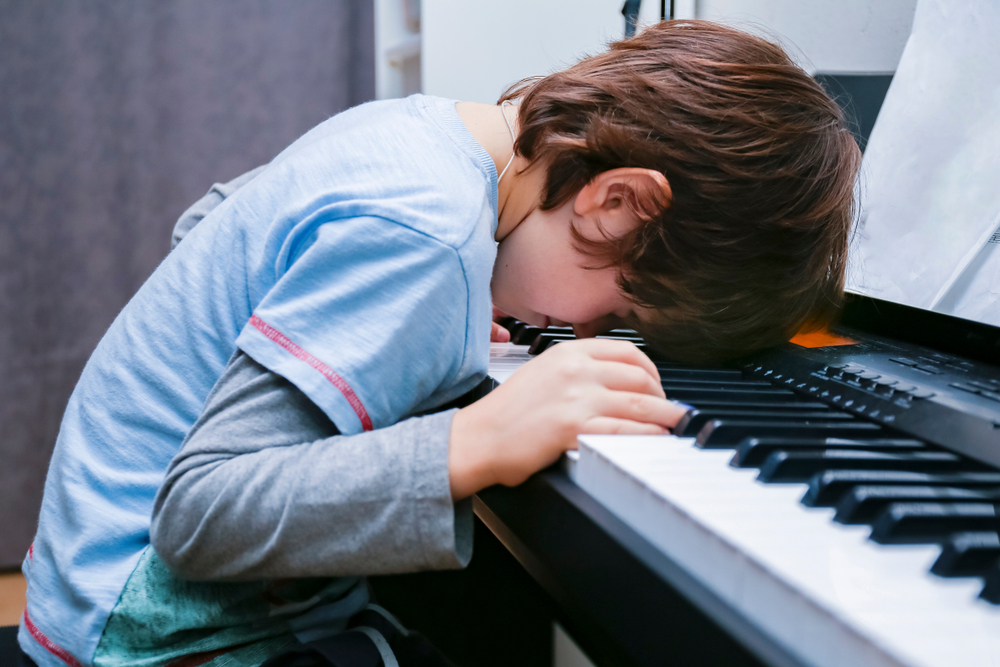
3. Music Lessons That Never Turn Into Music Lovers

Music education is powerful, but only when it’s driven by genuine interest. Many parents pay for years of piano, violin, or guitar lessons hoping for discipline, confidence, and lifelong appreciation of music.

What often happens instead is weekly battles over practice, forced recitals, and kids who associate music with stress instead of joy. The structure can become rigid, transactional, and performance-focused rather than expressive and creative. When the child isn’t internally motivated, the “benefits” never really land. Parents eventually realize they weren’t building musicians. Instead, they were maintaining a routine that nobody actually enjoyed.

4. Activity Overload That Leaves Kids Tired Instead of Thriving

Sometimes the regret isn’t one specific activity — it’s the sheer volume of them. Soccer on Mondays, tutoring on Tuesdays, dance on Wednesdays, robotics on Thursdays, games on weekends. The schedule looks impressive, but the kids are exhausted, irritable, and overstimulated. There’s no room for rest, boredom, creativity, or unstructured play, which are essential for emotional regulation and brain development.

Parents often recognize that their child isn’t actually benefiting from the activities because they’re too tired to engage meaningfully. Busy doesn’t equal healthy, and full calendars don’t automatically build better humans.

5. Character-Building Programs That Teach Rules, Not Real-Life Skills

Programs built around discipline, leadership, or “character development” often sound incredible in theory. But many end up being rigid, hierarchical, and rule-heavy rather than emotionally supportive or developmentally appropriate. Kids may learn obedience, but not empathy. Structure, but not communication. Compliance, but not confidence.

Parents start noticing that their child isn’t becoming more secure or emotionally aware. They’re just becoming more conditioned to follow instructions. True character growth comes from relationships, trust, modeling, and emotional safety, not just structured authority and rigid systems.

6. Prestige Programs That Feel More About Appearances Than Growth

Some activities exist less for child development and more for optics. Elite academies, exclusive programs, invite-only clubs, and branded enrichment experiences often sell a powerful image of success and status. Parents pay for the name, the reputation, and the “impressive” factor, not necessarily the impact.

Eventually, many realize their child isn’t gaining meaningful skills, confidence, or joy — just a logo and a label. The regret comes from recognizing that image doesn’t equal impact, and prestige doesn’t equal growth. Kids don’t need impressive résumés, they need meaningful experiences.

The Quiet Realization That “Less” Often Works Better

Parents who’ve been through this cycle often come to the same conclusion: fewer activities, chosen intentionally, create more growth than packed schedules and expensive programs. Kids thrive when they feel safe, supported, rested, and internally motivated.

Growth happens through play, relationships, curiosity, autonomy, and emotional connection and not just structured instruction. The most powerful investments aren’t always financial; they’re time, presence, and flexibility. Sometimes the best after-school activity is space to breathe, explore, imagine, and just be a kid.

What after-school activities have you found actually helped your child grow — and which ones just weren’t worth it? Share your experience in the comments.

You May Also Like…

Nutritionists Warn: 6 “Healthy” Lunchbox Staples That Spike Sugar Crashes at School

Teachers Beg Parents: Stop Buying These 7 Expensive School Supplies

The 5 “Educational” Apps That Teachers Say Are Actually Hurting Grades

8 Silent Symptoms of “Walking Pneumonia” Spiking in Virginia Schools This Week

How Your Child’s Cell Phone Could Now Ruin Them In School

Brandon Marcus
Brandon Marcus
Brandon Marcus is a writer who has been sharing the written word since a very young age. His interests include sports, history, pop culture, and so much more. When he isn’t writing, he spends his time jogging, drinking coffee, or attempting to read a long book he may never complete.

Filed Under: Education Tagged With: after school activities, child development, childhood learning, education, extracurriculars, Family Budget, family life, kids activities, modern parenting, Parenting, parenting advice

Psychologists Reveal: 5 Trends “Rich” Parents Follow That Ruin Kids

February 3, 2026 | Leave a Comment

These Are 5 Trends
Image Source: Shutterstock.com

It’s a scene that might feel familiar: a child in a luxury car, brand-name backpack, and a schedule that looks more like a CEO’s calendar than a kid’s. From the outside, it seems enviable — wealth, opportunity, privilege.

But psychologists have been raising a red flag about certain parenting trends among affluent families, warning that these “advantages” can sometimes backfire in ways that leave kids stressed, entitled, or unprepared for the real world.

1. Over-Scheduling Kids to “Maximize Potential”

We’ve all seen it: toddlers attending music lessons, language classes, sports, STEM camps, and coding workshops before they can even tie their shoes properly. The idea behind this is noble — give kids every opportunity to succeed. Psychologists warn, however, that chronic over-scheduling can rob children of free play, which is critical for creativity, problem-solving, and emotional regulation.

Kids need unstructured time to explore their own interests, make mistakes, and learn independence. While structure is valuable, cramming every hour with activities can create anxiety and a feeling that their value is tied solely to productivity. Parents should consider balancing enrichment activities with downtime that encourages imagination, curiosity, and self-reflection.

2. The “Helicopter Parenting” Trap

Hovering, micro-managing, and constantly stepping in to solve problems is common among high-income families who want to protect their children from failure. Psychologists have found that over-involved parenting can prevent kids from learning essential coping skills and resilience. When children never face setbacks or navigate challenges on their own, they can struggle with decision-making, risk assessment, and self-confidence later in life.

Encouraging age-appropriate independence and allowing children to experience failure in a safe, supportive environment is crucial. Parents don’t have to be absent to foster growth — they simply need to step back and let kids test their wings.

These Are 5 Trends
Image Source: Shutterstock.com

3. Overindulgence and Instant Gratification

Money can make it tempting to buy anything a child asks for, from the latest gadgets to lavish vacations. While generosity is not inherently bad, psychologists warn that consistent overindulgence can foster entitlement, poor financial habits, and unrealistic expectations for the future. Children who grow up receiving instant gratification may struggle with delayed rewards, hard work, and persistence.

Teaching the value of effort, saving, and delayed rewards and gratification, even in small ways, equips kids with critical life skills that no allowance or inheritance can replace. Simple practices like encouraging chores, small allowances tied to responsibility, or experiential rewards over material ones can make a lasting impact.

4. Shielding Children from Real-World Consequences

It’s natural for parents to want to protect their kids from disappointment, failure, or hardship. But constant shielding can prevent children from developing resilience and problem-solving skills. Psychologists note that children who are insulated from mistakes and challenges often struggle with accountability, emotional regulation, and stress management later in life.

Facing age-appropriate challenges, experiencing setbacks, and learning how to navigate difficulties are essential for emotional growth. Parents can support this by offering guidance rather than complete rescue — for example, letting a child negotiate a tricky social situation or manage minor financial mistakes under supervision.

5. Prioritizing Achievement Over Emotional Intelligence

In households focused heavily on accomplishments — perfect grades, trophies, and accolades — emotional intelligence can sometimes take a backseat. Psychologists emphasize that empathy, self-awareness, and interpersonal skills are critical for long-term success and happiness. Kids raised in high-achievement-focused environments without equal attention to emotional development may excel academically but struggle socially and emotionally.

Parents can foster emotional intelligence by modeling empathy, discussing feelings openly, and encouraging social connections. Teaching children to recognize and express emotions healthily is as vital as teaching them algebra or piano scales.

Wealth Doesn’t Immunize Kids from Life Skills

Being rich doesn’t automatically equip children with resilience, independence, or emotional intelligence. While resources provide opportunities, parenting habits — not bank accounts — shape long-term outcomes.

Understanding certain patterns allows parents to step back, reflect, and create an environment that combines opportunity with autonomy, guidance with freedom, and achievement with emotional growth.

So, do you think over-scheduling, helicoptering, and overindulgence are a hidden threat for kids today? Share your thoughts, experiences, or strategies in the comments because your insights could help others rethink parenting habits and build stronger, more resilient kids.

You May Also Like…

Teachers Beg Parents: Stop Buying These 7 Expensive School Supplies

Are Parents Talking Enough About Emotional Safety at Home?

Are Parents Overlooking Trauma Caused by “Normal” Discipline?

The “January Fever” Warning: 3 Pediatric Symptoms Parents are Dismissing as “Just a Cold”—Until It’s Too Late

The “Trump Account” for Kids: How to Get the $1,000 Pilot Contribution for Your Child

Brandon Marcus
Brandon Marcus
Brandon Marcus is a writer who has been sharing the written word since a very young age. His interests include sports, history, pop culture, and so much more. When he isn’t writing, he spends his time jogging, drinking coffee, or attempting to read a long book he may never complete.

Filed Under: Family Tagged With: child development, Child Psychology, childhood habits, entitlement, family dynamics, financial parenting, helicopter parenting, Kids, Mental Health, overindulgence, Parenting, psychology, rich parents

8 Must-Have Baby Gadgets That Pediatricians Say Delay Development

February 2, 2026 | Leave a Comment

These Are 8 Must-Have Baby Gadgets That Pediatricians Say Delay Development
Image Source: Shutterstock.com

Walk into any baby store or scroll social media for five minutes, and you’ll feel like you’re one gadget away from being the “perfect” parent. Every product promises smarter babies, calmer nights, faster milestones, and easier parenting.

The problem is that not all convenience equals healthy development, and some popular baby gadgets can actually interfere with natural learning and growth. Pediatricians and child development specialists often emphasize that babies develop best through movement, human interaction, and real-world sensory experiences, not constant assistance from devices.

1. Baby Walkers That Create The Illusion Of Early Walking

Baby walkers look like confidence boosters, but pediatricians have warned for years that they can interfere with natural motor development. Babies in walkers learn to move without using the muscles and balance systems needed for real walking. This can delay crawling, pulling up, and independent standing because core strength and coordination develop differently.

Doctors have consistently advised against their use, citing safety risks like falls and injuries. Babies need floor time, not wheeled shortcuts, to build strength and spatial awareness. A simple play mat and supervised tummy time support far healthier physical development than any walker ever could.

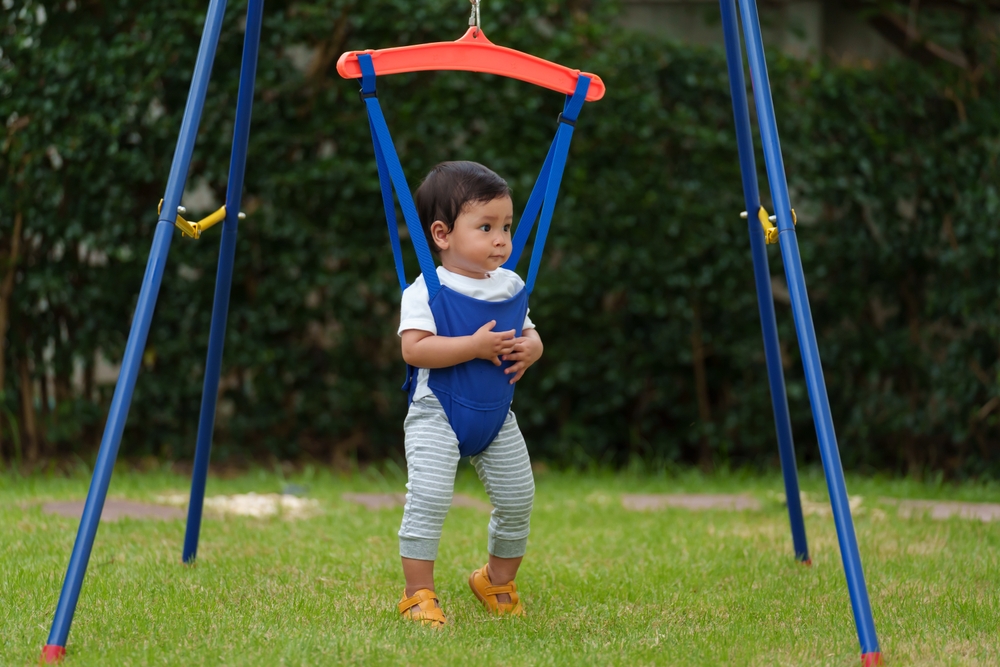
2. Jumpers That Replace Natural Muscle Development

Those doorway jumpers and bouncing activity centers look like harmless fun, but pediatricians often caution against frequent use. Jumpers encourage unnatural movement patterns that don’t match how babies actually learn to walk or balance. They can place stress on hips, spine, and developing joints when used too often or too early. Babies also miss out on crawling, rolling, and floor-based exploration that builds coordination and strength.

Short, supervised use may not cause harm, but relying on jumpers as daily entertainment can delay key motor milestones, according to many doctors. Floor play, crawling space, and climbing-safe environments offer better long-term benefits.

3. Electronic Learning Toys That Replace Human Interaction

Talking toys, light-up tablets, and “educational” screens promise early learning, but pediatricians consistently stress that real learning comes from human interaction. Babies learn language through face-to-face conversation, tone, expression, and response, not recorded voices and flashing buttons. Passive stimulation does not build communication skills the same way real engagement does.

These Are 8 Must-Have Baby Gadgets That Pediatricians Say Delay Development
Image Source: Shutterstock.com

4. Infant Positioning Seats That Limit Movement

Those molded infant seats that prop babies upright look helpful and adorable, but they limit natural movement. Pediatricians often caution that babies need freedom to move, twist, roll, and shift their bodies naturally. Being placed in fixed positions for long periods can slow muscle development and body awareness. Babies learn balance by falling, adjusting, and trying again, not by being held in perfect posture.

These seats may be useful briefly for feeding or supervision, but they should not replace floor time. Open space, soft mats, and safe play areas give babies the movement they need to develop properly.

5. Overused Swings And Motion Devices

Swings and automated rockers can be lifesavers for exhausted parents, but overuse can create developmental tradeoffs. Babies benefit from being soothed by human touch, voice, and movement, not just mechanical motion. Excessive reliance on swings reduces floor time, which is essential for strength, coordination, and exploration.

Pediatricians and experts emphasize balance, not elimination, when it comes to these devices. They work best as short-term soothing tools, not long-term substitutes for interaction. Holding, carrying, and engaging your baby builds emotional security and physical development simultaneously.

6. Baby Containers That Limit Exploration

The term “container baby syndrome” is used by therapists to describe overuse of devices that restrict movement, like bouncers, seats, loungers, and carriers. Babies need freedom to explore their environment to develop motor skills, problem-solving, and body awareness. Too much time in containers limits rolling, crawling, scooting, and reaching behaviors.

Pediatricians emphasize that development happens through movement, not containment. Convenience devices should support parenting, not replace movement. Rotating free play, tummy time, and open-floor exploration makes a real developmental difference.

7. White Noise And Sleep Machines Used Constantly

White noise machines can help babies sleep, but constant use can reduce exposure to natural sounds and voices. Pediatricians note that babies learn language patterns from hearing real speech, not continuous background noise. Overuse can also make babies dependent on artificial sound environments for sleep.

Moderation matters more than elimination here. Use sound machines when needed, but allow quiet, natural sound spaces during waking hours. Real-world sounds help babies build auditory processing and language skills.

8. Over-Structured Activity Centers

Multi-feature activity centers look stimulating, but they often overwhelm babies with lights, sounds, and limited movement options. Babies benefit more from simple toys that encourage exploration, grasping, and movement.

When everything lights up and responds automatically, babies don’t learn cause-and-effect the same way. Open-ended toys like blocks, balls, and soft books promote deeper learning. Simpler environments often produce stronger developmental outcomes.

Real Growth Happens In Real Life, Not Gadgets

The most powerful developmental tools aren’t sold in boxes or marketed online. They look like floor time, eye contact, conversation, messy play, movement, and human connection. Gadgets may offer convenience, but they should never replace interaction, exploration, and freedom of movement.

If you looked around your home right now, which of these gadgets does your baby spend the most time in—and what would change if you replaced just one of them with more real-world play? Give your parenting insights in the comments below.

You May Also Like…

Listening In: 7 Kid Gadgets That Listen to Your Family

9 Traditional Family Routines That Help Kids Feel Secure

Why Pediatricians are Quietly Flagging These 5 Household Items as Toxic

7 Boomer-Era Family Traditions That Lower Household Stress

6 Toy Store Layout Tricks That Manipulate Your Wallet

Brandon Marcus
Brandon Marcus
Brandon Marcus is a writer who has been sharing the written word since a very young age. His interests include sports, history, pop culture, and so much more. When he isn’t writing, he spends his time jogging, drinking coffee, or attempting to read a long book he may never complete.

Filed Under: Baby Stuff Tagged With: baby development, baby gadgets, Baby Gear, baby safety, child development, early learning, infant growth, modern parenting, Parenting, parenting tips, pediatrician advice

Teachers Beg Parents: Stop Buying These 7 Expensive School Supplies

February 1, 2026 | Leave a Comment

Teachers Beg Parents: Stop Buying These 7 Expensive School Supplies
Image Source: Shutterstock.com

Every school year starts the same way: packed aisles, frantic parents, colorful packaging screaming “must-have,” and kids begging for the coolest new gear. It feels responsible, loving, and supportive to load up the cart with premium supplies, because who doesn’t want their child to feel confident and prepared? But here’s the truth teachers quietly whisper in break rooms and shout in group chats: a lot of those pricey school supplies are a total waste of money.

They don’t improve learning, they don’t help kids focus, and in many cases, they create more distractions than benefits. If you want to save money and actually help your child succeed in the classroom, these are the seven expensive supplies teachers wish parents would stop buying.

1. The Designer Backpack Arms Race

That $80 backpack with the limited-edition character print might look adorable in August, but by October it usually looks like it went through a small war. Teachers see broken zippers, torn straps, and lost accessories every year, no matter how expensive the bag was. Kids drag backpacks across floors, overload them with books, and toss them under desks, which means durability matters more than branding.

A simple, well-constructed backpack with reinforced stitching lasts longer than most designer options. Teachers say the best backpack is boring, sturdy, washable, and not emotionally devastating when it inevitably gets damaged.

2. Fancy Pencil Boxes With Built-In Gadgets

Multi-level pencil organizers with pop-out compartments, mirrors, locks, and tiny drawers look impressive, but they quickly become classroom chaos machines. Teachers watch kids spend more time opening, closing, reorganizing, and showing off their pencil boxes than actually using them. These oversized cases also take up valuable desk space and slow down transitions between activities.

A basic zip pouch or small hard case keeps supplies organized without turning into a distraction device. Teachers consistently say simpler storage equals better focus and smoother classroom flow.

3. High-End Mechanical Pencils And Premium Pens

Parents often assume better tools mean better performance, but classrooms don’t work like luxury offices. Expensive mechanical pencils break, get lost, and cause tears when they disappear under desks or into backpacks. Teachers see kids spending more time fixing lead jams than writing sentences.

Standard pencils and basic pens work just as well for learning and are easier to replace without stress. If a supply causes more anxiety than productivity, it’s not helping your child academically.

4. Trendy Personalized Supplies With Names On Everything

Monogrammed folders, custom notebooks, and name-printed supplies look adorable on Instagram, but teachers know the real outcome. Kids lose them, trade them, spill on them, or outgrow the designs halfway through the year. Personalized items also cost significantly more than standard versions while offering zero academic benefit.

Teachers care far more about functionality than personalization. Neutral supplies save money, reduce pressure, and prevent meltdowns when something inevitably gets lost.

5. Premium Art Supplies For Everyday Classroom Use

Professional-grade markers, high-end colored pencils, and specialty art kits might sound like a great investment in creativity, but classrooms are not art studios. Teachers use supplies daily, and wear-and-tear happens fast. Expensive art materials dry out, break, or get shared across classrooms, which means your investment disappears quickly.

Standard school-grade supplies are designed for durability and heavy use. Teachers often say it’s better to save premium art tools for home projects where kids can actually protect and care for them.

Teachers Beg Parents: Stop Buying These 7 Expensive School Supplies
Image Source: Shutterstock.com

6. Overpriced Organizational Systems

Fancy binders with built-in planners, divider systems, and color-coded sections seem like the perfect solution for school organization. In reality, teachers watch kids struggle to maintain them all year long. Papers get shoved into random sections, folders tear, and systems collapse under real classroom pressure.

Keeping your child organized for school may be difficult, but simple tools work better because they’re easier for kids to maintain independently. Teachers consistently recommend basic folders, simple binders, and clear labeling over complex systems that look good but fail in practice.

7. Tech Accessories For Non-Tech Classrooms

Wireless earbuds, tablet keyboards, stylus pens, and digital accessories often get added to school shopping lists because they feel “modern” and future-ready. But many classrooms either restrict tech use or provide school-managed devices.

Teachers frequently deal with lost earbuds, broken chargers, and constant distractions caused by personal tech accessories. These items create management issues rather than learning benefits. Teachers say wait until the school clearly requires them before spending money on tech extras.

What Teachers Actually Want Parents To Do Instead

Teachers don’t want parents to stop caring or stop preparing their kids for school. They want families to spend money wisely, not emotionally. Durable basics beat flashy extras every time in a real classroom environment. Focus on reliability, simplicity, and practicality instead of aesthetics and trends. The best supplies support learning quietly without becoming distractions, stressors, or status symbols. When parents choose function over flash, kids show up calmer, more focused, and more confident.

Which school supply have you spent way too much money on — and did it actually help your child in the classroom, or just your shopping cart ego? Tell your stories to fellow parents in the comments section.

You May Also Like…

How Your Child’s Cell Phone Could Now Ruin Them In School

8 Budget Cuts in Education That Directly Impact Your Kids

What To Do When Your Child Doesn’t Like Their Teacher

Cops Confirm: The New “Smart” School Lockers That Are Secretly Scanning Your Child’s Belongings

8 Hidden Costs of “Free” Public Education

Brandon Marcus
Brandon Marcus
Brandon Marcus is a writer who has been sharing the written word since a very young age. His interests include sports, history, pop culture, and so much more. When he isn’t writing, he spends his time jogging, drinking coffee, or attempting to read a long book he may never complete.

Filed Under: Education, ElegantPark Satin Bridal Shoes Tagged With: Back to School, budgeting, classroom tips, education, Family Finance, kids education, Parenting, school supplies, smart spending, teachers

Are Parents Talking Enough About Emotional Safety at Home?

January 31, 2026 | Leave a Comment

Are Parents Talking Enough About Emotional Safety at Home?
Image Source: Shutterstock.com

Kids learn how to navigate the world long before they ever step into a classroom, and most of that education happens at home in the everyday moments no one posts about. It shows up in how parents respond to big feelings, hard questions, mistakes, and meltdowns that happen before bedtime.

Emotional safety isn’t about perfection or never raising your voice; it’s about creating a home where kids feel seen, heard, and safe enough to be honest. Yet many families talk nonstop about physical safety, grades, and discipline while emotional safety barely gets a mention. If we’re being honest, most parents care deeply about their kids’ emotional health, but few were taught what emotional safety actually looks like in daily family life.

Emotional Safety Isn’t Soft — It’s Foundational

Emotional safety often gets misunderstood as being overly gentle or permissive, but real emotional safety actually builds resilience, not fragility. It means kids feel secure enough to express fear, anger, sadness, and confusion without worrying they’ll be shamed or dismissed.

Research in child development consistently shows that emotionally secure children develop stronger self-esteem, better coping skills, and healthier relationships later in life. A home that allows emotional awareness and expression doesn’t remove boundaries; it strengthens trust. When kids trust their emotional world is respected, they become more willing to listen, learn, and grow. Emotional safety doesn’t create weak kids—it creates emotionally strong ones.

Silence Speaks Louder Than We Realize

Parents often assume kids are “fine” if they’re quiet, compliant, or independent, but silence can hide confusion, anxiety, and fear. Many children learn early that certain emotions are inconvenient or uncomfortable for adults, so they keep them inside. Over time, that silence becomes emotional distance, not peace.

Homes that lack emotional dialogue don’t look chaotic, but they often feel disconnected. Kids don’t need constant therapy-level conversations, but they do need regular emotional check-ins and validation of how they feel.

Are Parents Talking Enough About Emotional Safety at Home?
Image Source: Shutterstock.com

Discipline Without Emotional Safety Backfires

Rules without emotional safety create obedience, not understanding. Kids may follow instructions but fail to develop emotional intelligence or internal self-regulation. When discipline happens without empathy, children learn compliance through fear instead of growth through understanding.

Emotional safety doesn’t remove consequences; it reshapes how they’re delivered. A calm explanation paired with accountability teaches responsibility far better than punishment alone. When kids feel emotionally safe, they’re more likely to take responsibility instead of becoming defensive or withdrawn.

Parents Often Model What They Learned

Most parents didn’t grow up talking openly about emotions, so they’re trying to build something they never experienced. Emotional avoidance often passes through generations, not because of neglect, but because of habit.

Many adults learned to suppress feelings, minimize problems, or “stay strong,” and they unintentionally teach the same patterns at home. Awareness changes everything. Parents who model emotional honesty teach kids that feelings aren’t threats—they’re information.

Emotional Safety Protects Mental Health Long-Term

Homes that feel emotionally safe don’t eliminate stress, but they change how stress gets processed. Kids raised in emotionally supportive environments develop stronger emotional regulation skills and healthier coping mechanisms. They’re more likely to seek support instead of isolating during difficult moments.

Emotional safety doesn’t prevent anxiety or sadness, but it gives kids tools to navigate those experiences. Long-term mental health outcomes improve when emotional communication starts early. It’s one of the strongest protective factors parents can offer.

Small Daily Habits Build Emotional Safety

Emotional safety doesn’t come from big speeches or perfect parenting moments—it comes from daily interactions. Listening without interrupting, validating feelings, apologizing when wrong, and staying calm during conflict all matter more than grand gestures.

Even simple habits like sitting down during conversations or putting phones away build connection. Kids notice presence more than perfection. Consistency builds trust, and trust builds safety.

Emotional Safety Makes Stronger Families, Not Fragile Ones

Families with emotional safety don’t fall apart—they adapt. Conflict still happens, but it becomes constructive instead of destructive. Communication stays open instead of defensive. Kids learn that mistakes don’t threaten love, and emotions don’t threaten belonging.

Emotional safety doesn’t remove hardship; it strengthens how families face it together. Homes built on emotional trust create resilience that lasts far beyond childhood. Strong families grow from emotional connection, not emotional control.

The Homes That Shape Confident Adults

The most powerful legacy parents leave isn’t financial, academic, or material—it’s emotional. Homes that prioritize emotional safety raise adults who trust themselves, communicate clearly, and form healthier relationships. Emotional safety doesn’t require perfection; it requires presence, patience, and intention. It grows through daily choices, not dramatic transformations. When emotional safety becomes part of family culture, everything else improves naturally.

Are we teaching kids how to manage emotions or just how to hide them—and what kind of adults will that create in the long run? Do you have insight and opinion on this important parenting matter? Let’s hear about it in the comments.

You May Also Like…

Are Parents Overlooking Trauma Caused by “Normal” Discipline?

The “January Fever” Warning: 3 Pediatric Symptoms Parents are Dismissing as “Just a Cold”—Until It’s Too Late

7 Old-School Parenting Habits That Still Save Families Money

6 Emotional Triggers Hiding in Classic Children’s Books

Quick Fixes for Parents to Avoid the “I’m Bored” Meltdown at Home

Brandon Marcus
Brandon Marcus
Brandon Marcus is a writer who has been sharing the written word since a very young age. His interests include sports, history, pop culture, and so much more. When he isn’t writing, he spends his time jogging, drinking coffee, or attempting to read a long book he may never complete.

Filed Under: Household Tagged With: child development, communication skills, emotional intelligence, emotional safety, family relationships, healthy families, Mental Health, modern parenting, Parenting, parenting tips

« Previous Page
Next Page »
  • Facebook
  • Pinterest
  • RSS
  • Twitter

Basic Principles Of Good Parenting

Here some basic principles for good parenting:

  1. What You Do Matters: Your kids are watching you. So, be purposeful about what you want to accomplish.
  2. You Can’t be Too Loving: Don’t replace love with material possessions, lowered expectations or leniency.
  3. Be Involved Your Kids Life: Arrange your priorities to focus on what your kid’s needs. Be there mentally and physically.
  4. Adapt Your Parenting: Children grow quickly, so keep pace with your child’s development.
  5. Establish and Set Rules: The rules you set for children will establish the rules they set for themselves later.  Avoid harsh discipline and be consistent.
  6. Explain Your Decisions: What is obvious to you may not be evident to your child. They don’t have the experience you do.
  7. Be Respectful To Your Child: How you treat your child is how they will treat others.  Be polite, respectful and make an effort to pay attention.
Best Parenting Blogs

Most Popular

Baby Girl

12 “Grandma” Baby Names That Are Suddenly Cool Again

Evan Morgan
Baby

9 Baby Names That Sound Rare Without Being Hard to Spell

Evan Morgan
Target Store

Choking Incident Prompts Recall of 49,000 Target Gigglescape “Under the Sea” Popping Toys

Evan Morgan
Frustrated Girl

Why Some Students on the Spectrum Are Labeled With ODD

Evan Morgan
Coke Bottles

12 Things Kids Took to School in the ’70s That Would Never Be Allowed Today

Evan Morgan

All content on Kids Ain’t Cheap is for entertainment purposes only. By reading this blog, you agree that Kids Ain’t Cheap is not responsible for any actions taken after reading this blog. For the full disclaimer, see our privacy policy.

Please note that Kids Ain’t Cheap has financial relationships with some of the merchants mentioned here. Kids Ain’t Cheap is funded by banner advertising, commission sales and search optimization consulting.

Copyright © 2006–2026 | District Media | All Rights Reserved | Privacy Policy

Copyright © 2026 Runway Pro Theme by Viva la Violette